Ethan Stebbins
Stone carver
Brunswick, ME, USA
Poetry told in granite and wood
- Ethan’s artistic practice began with a love of language
- An apprenticeship with a Japanese gardener shaped his aesthetic
- His pieces balance a minimalist sensibility with modern sculpture ideals
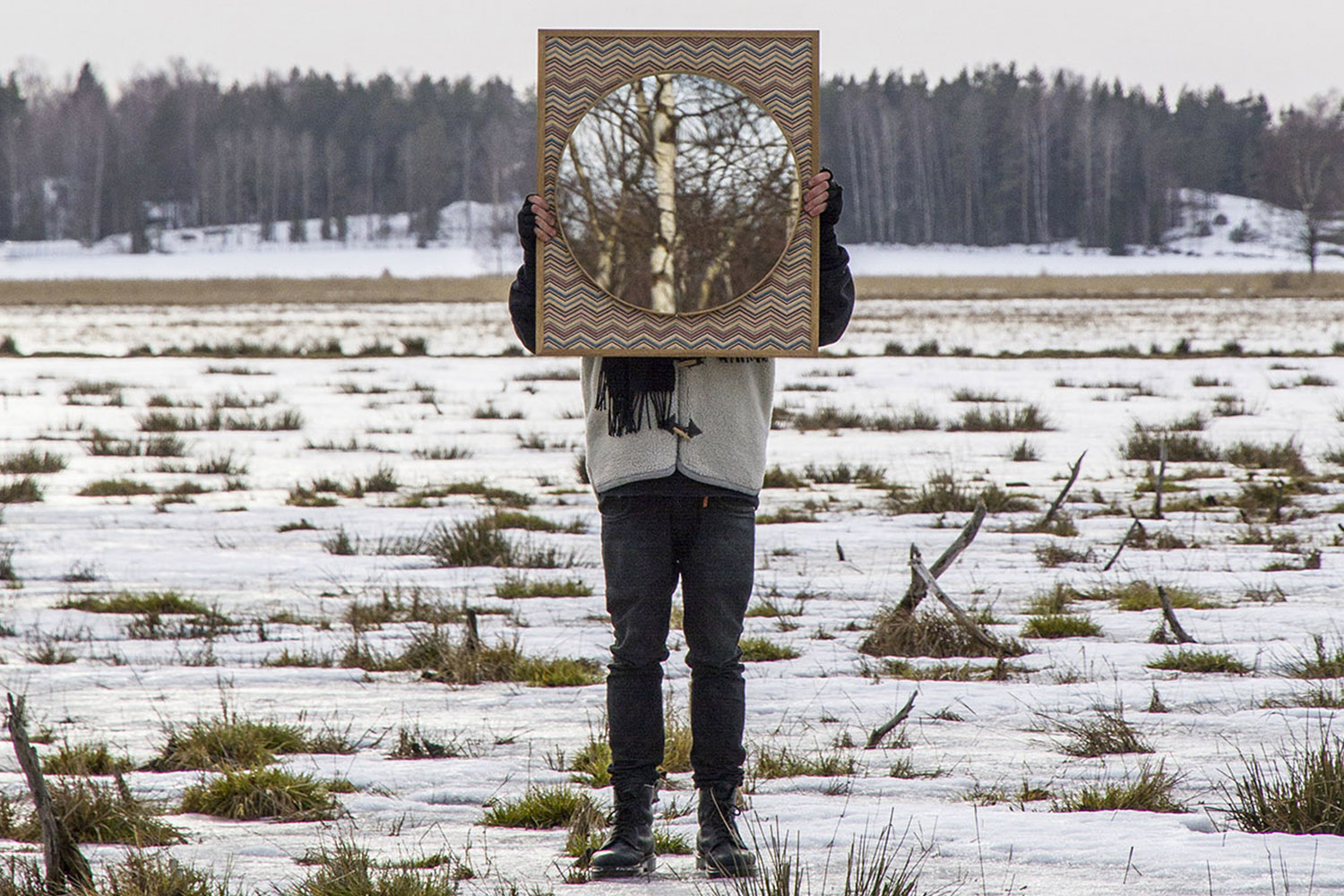
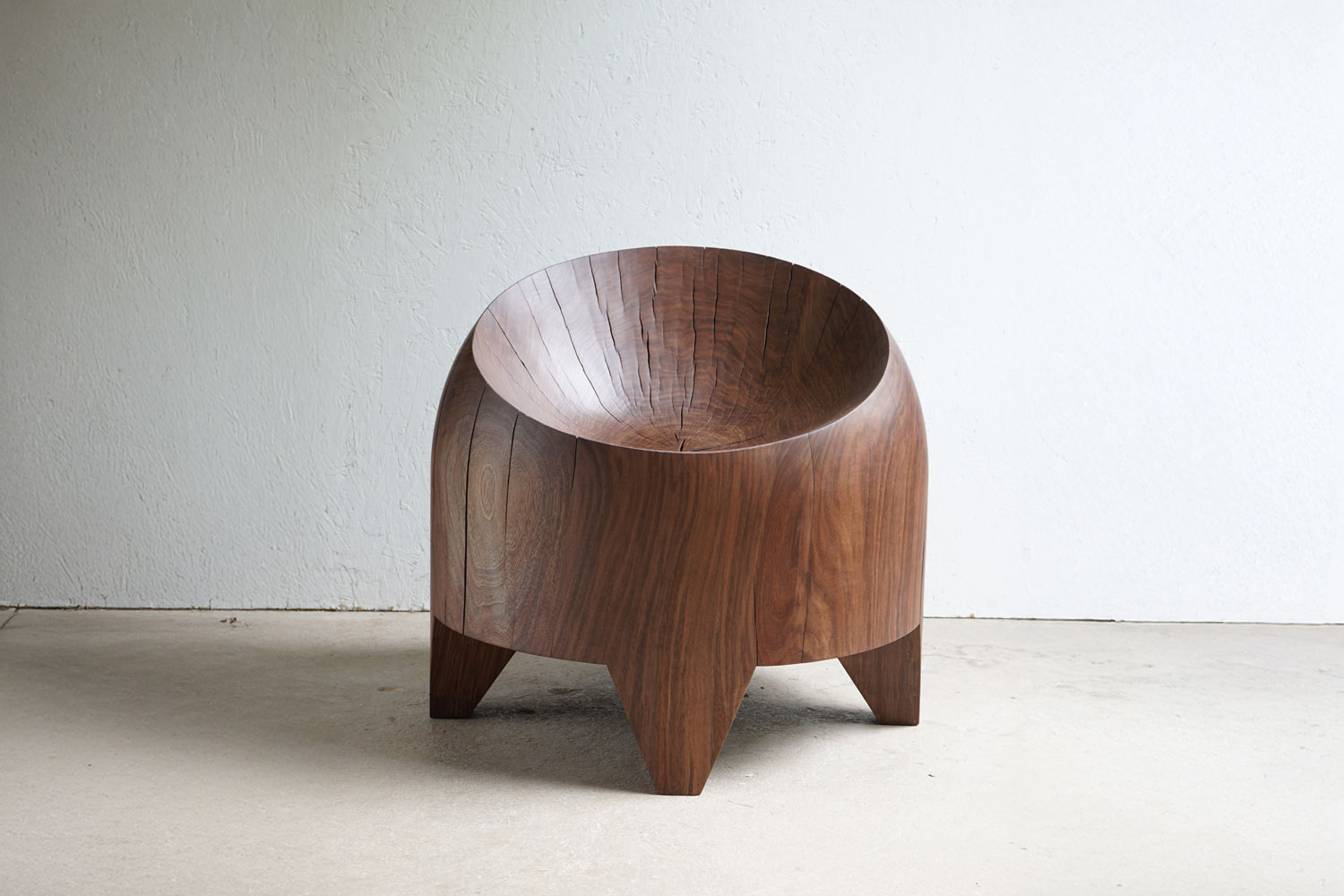
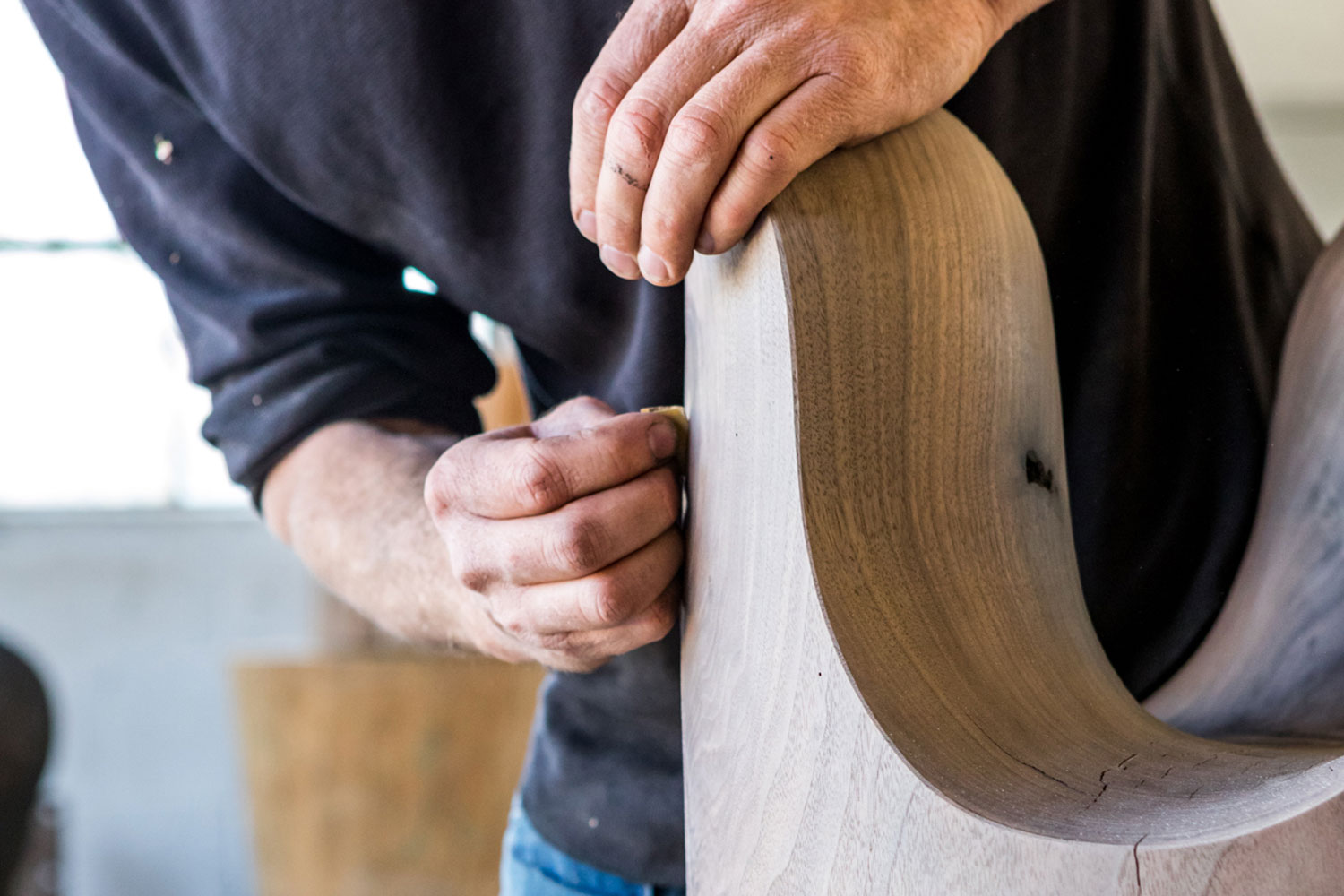
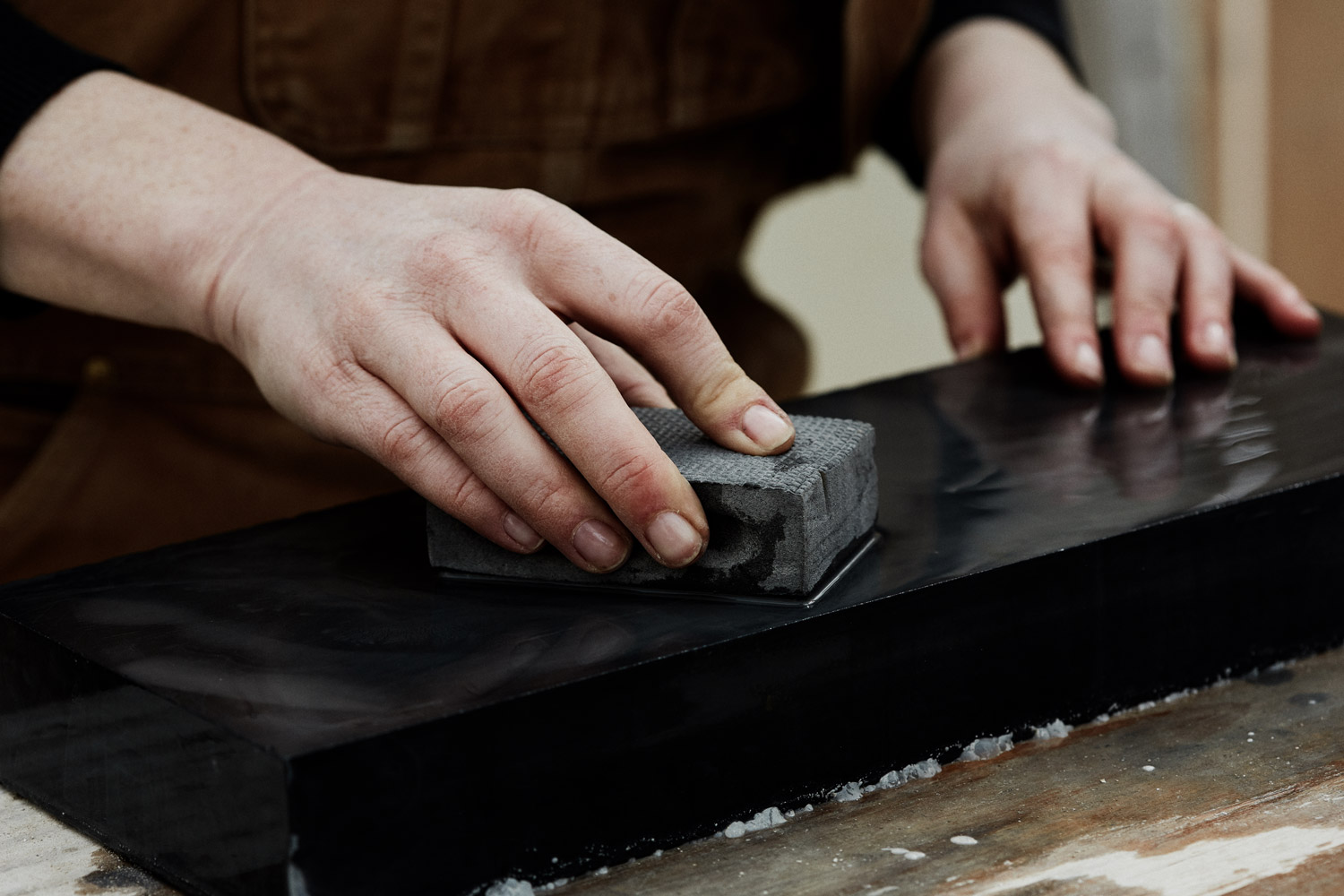
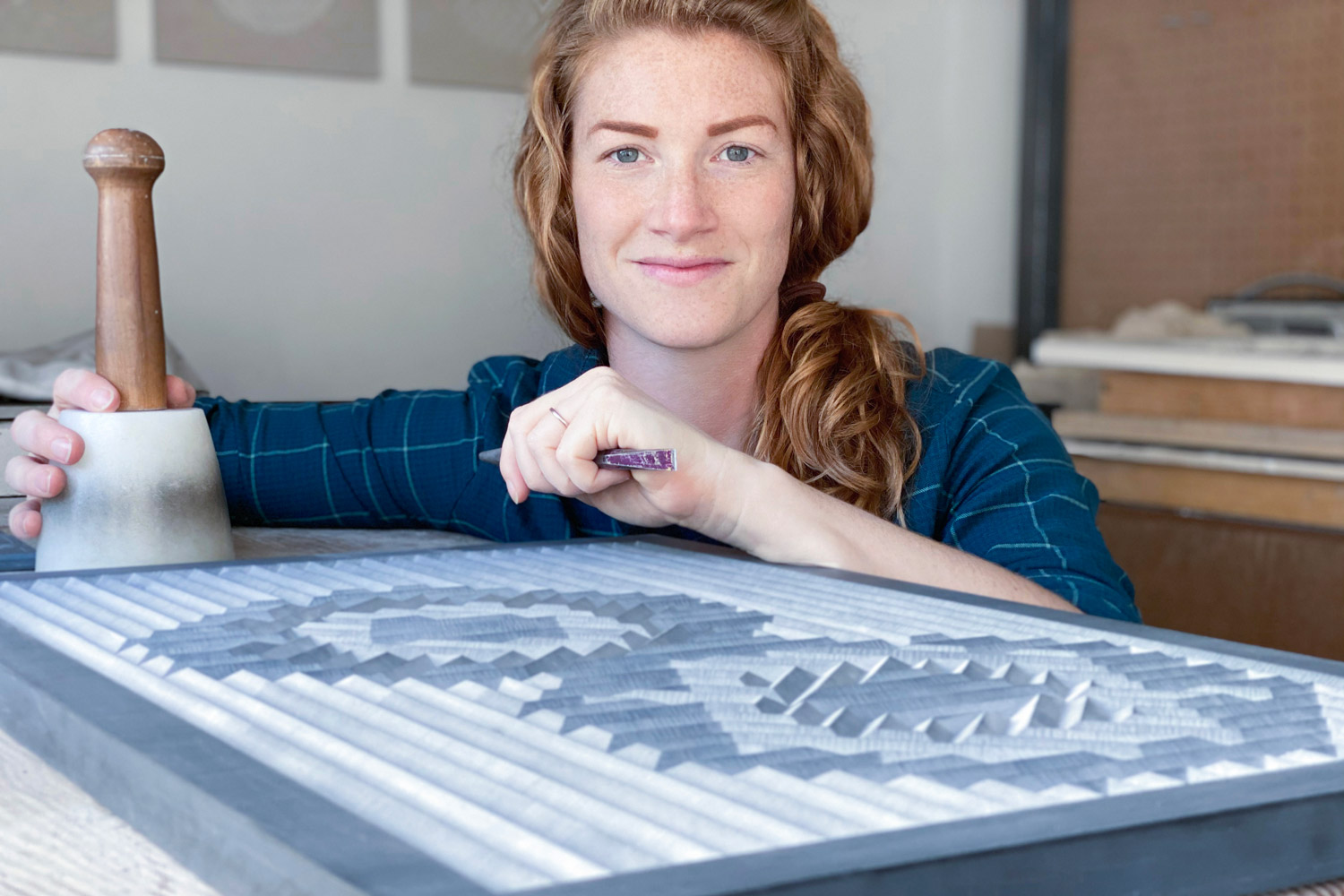
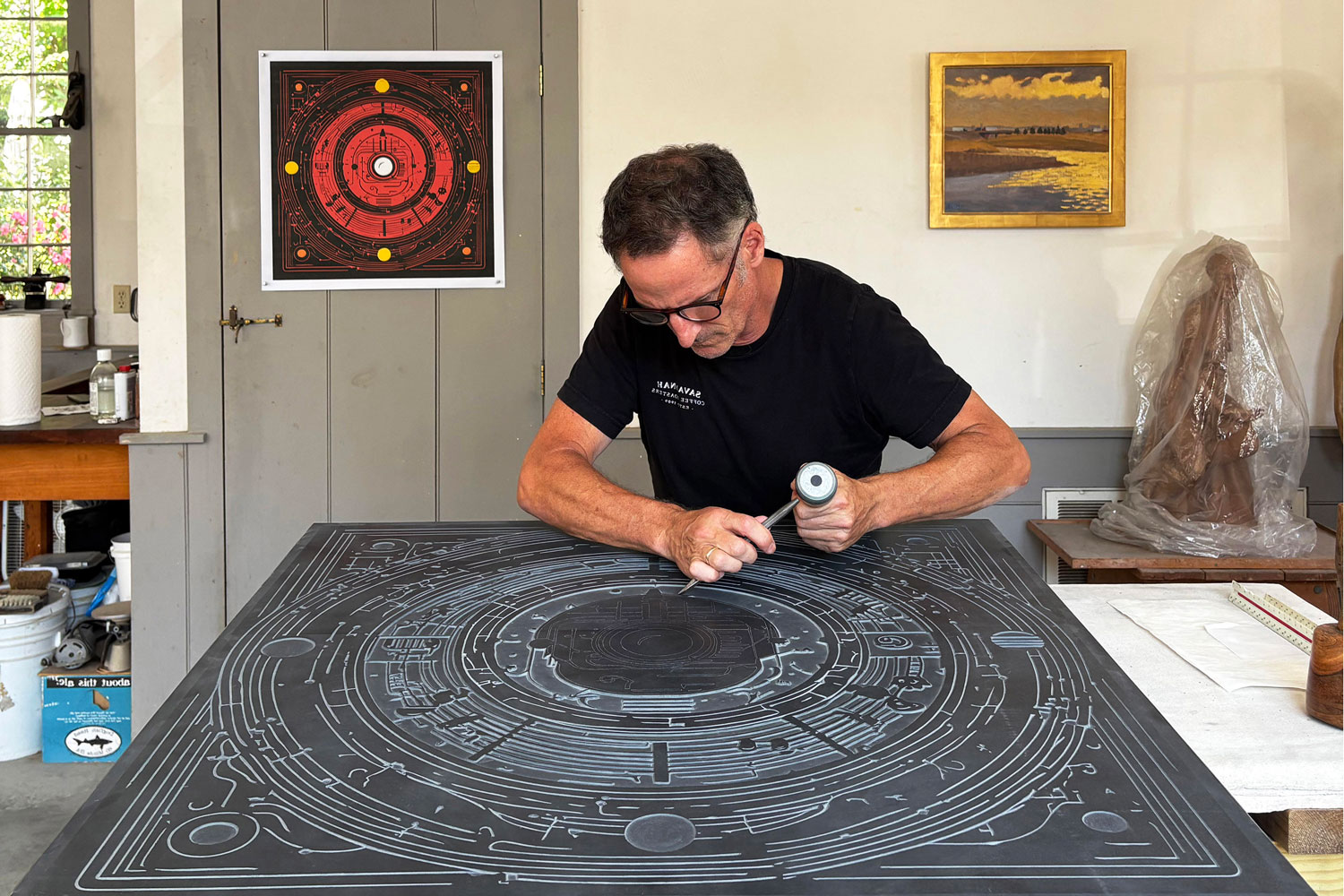
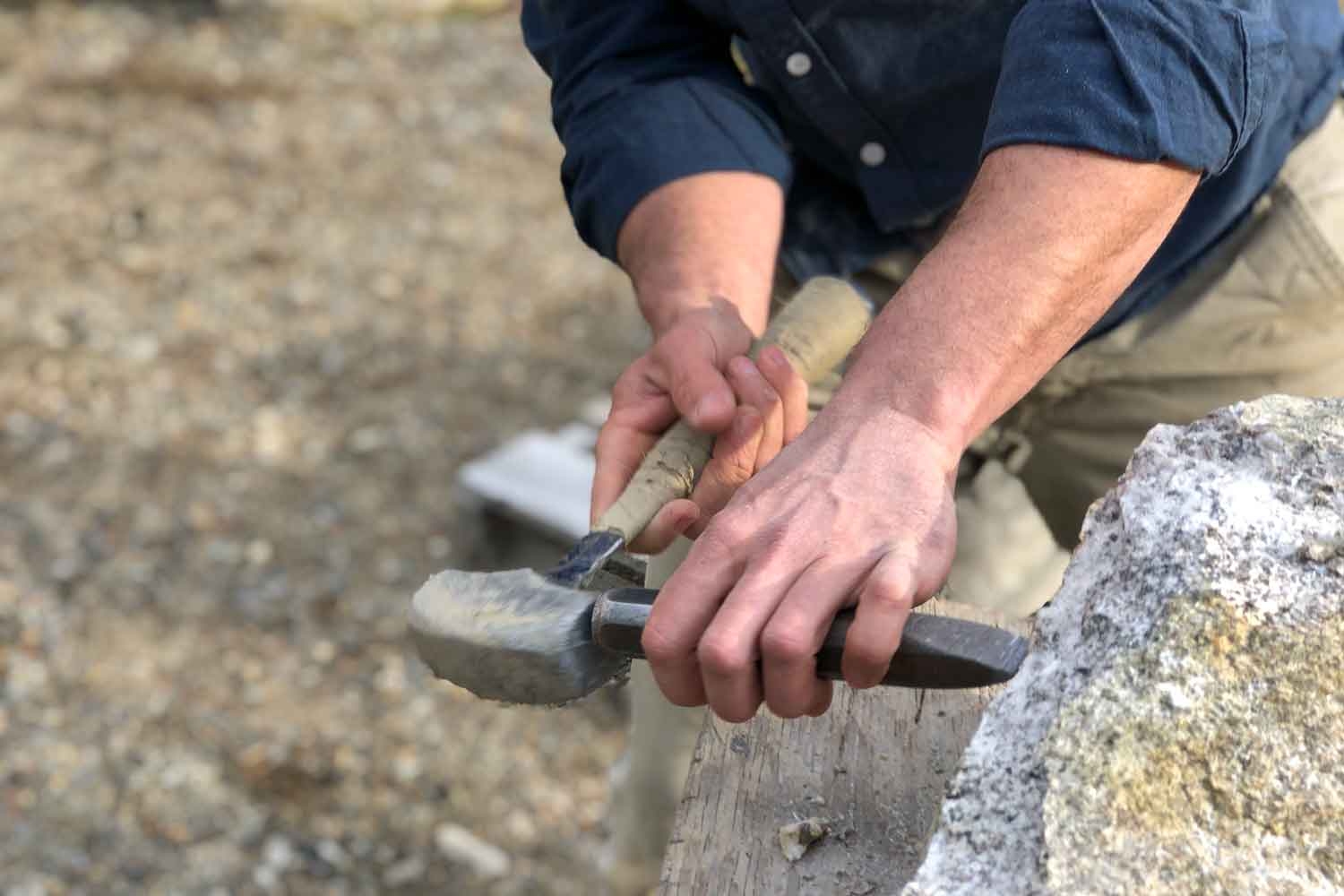
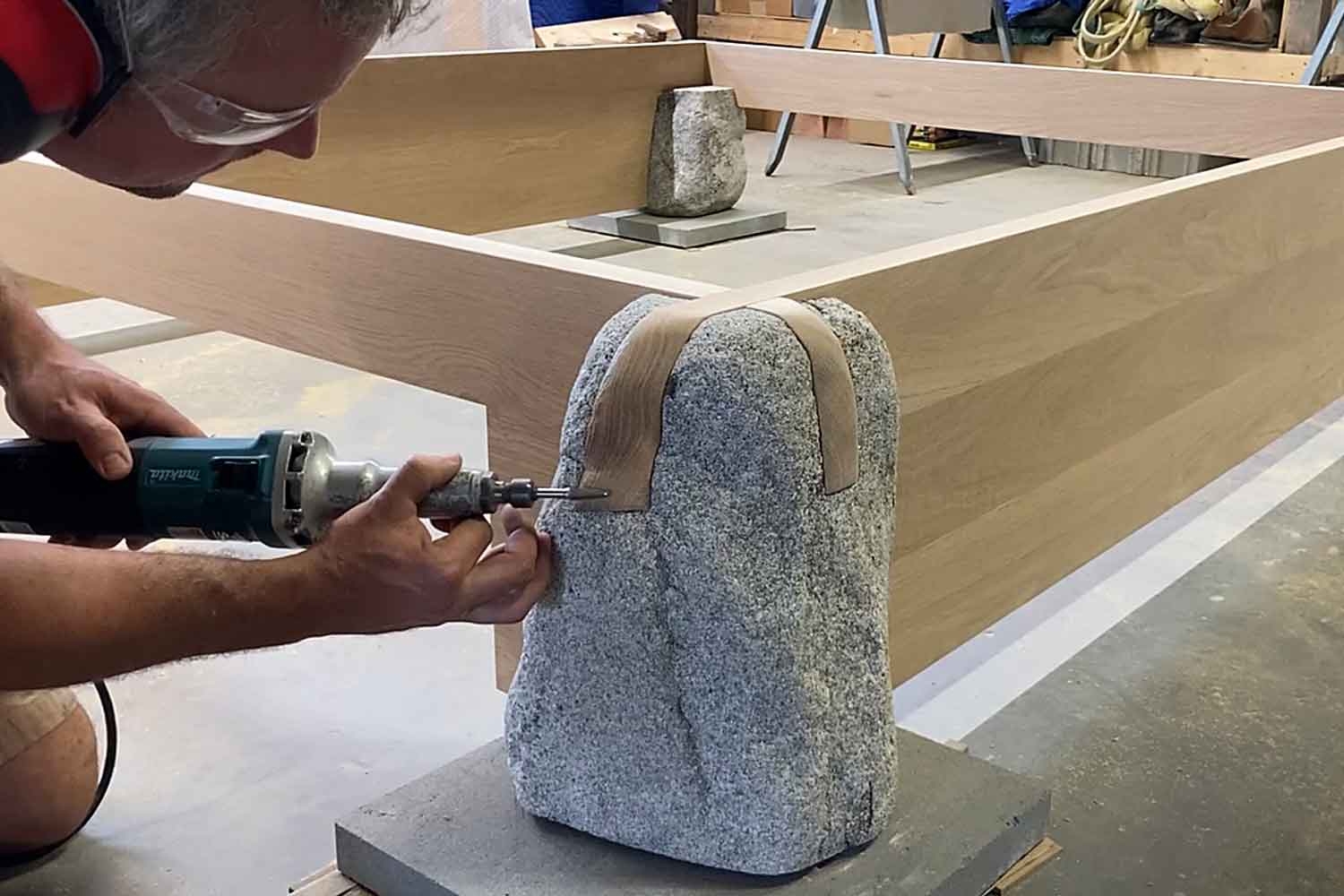
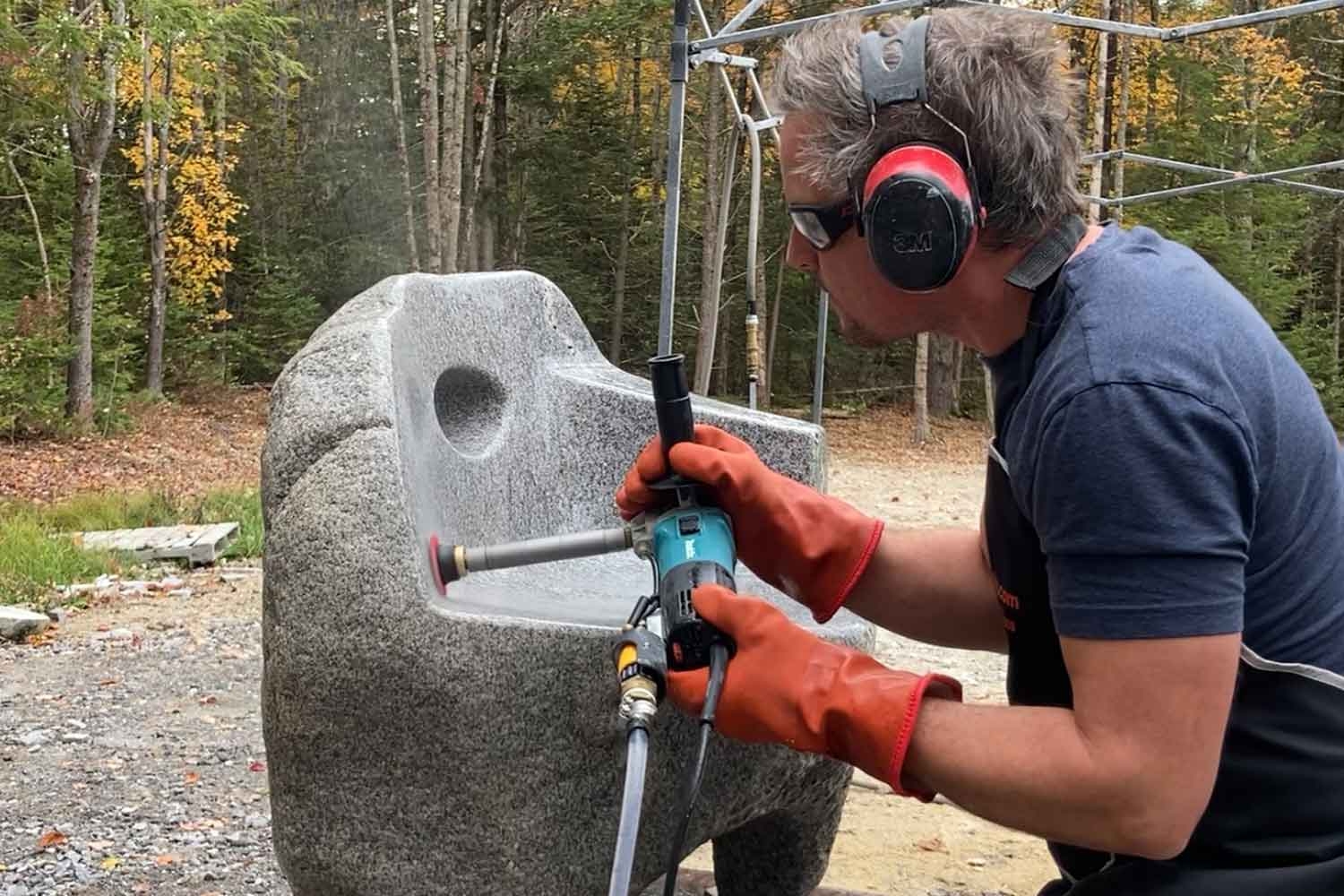
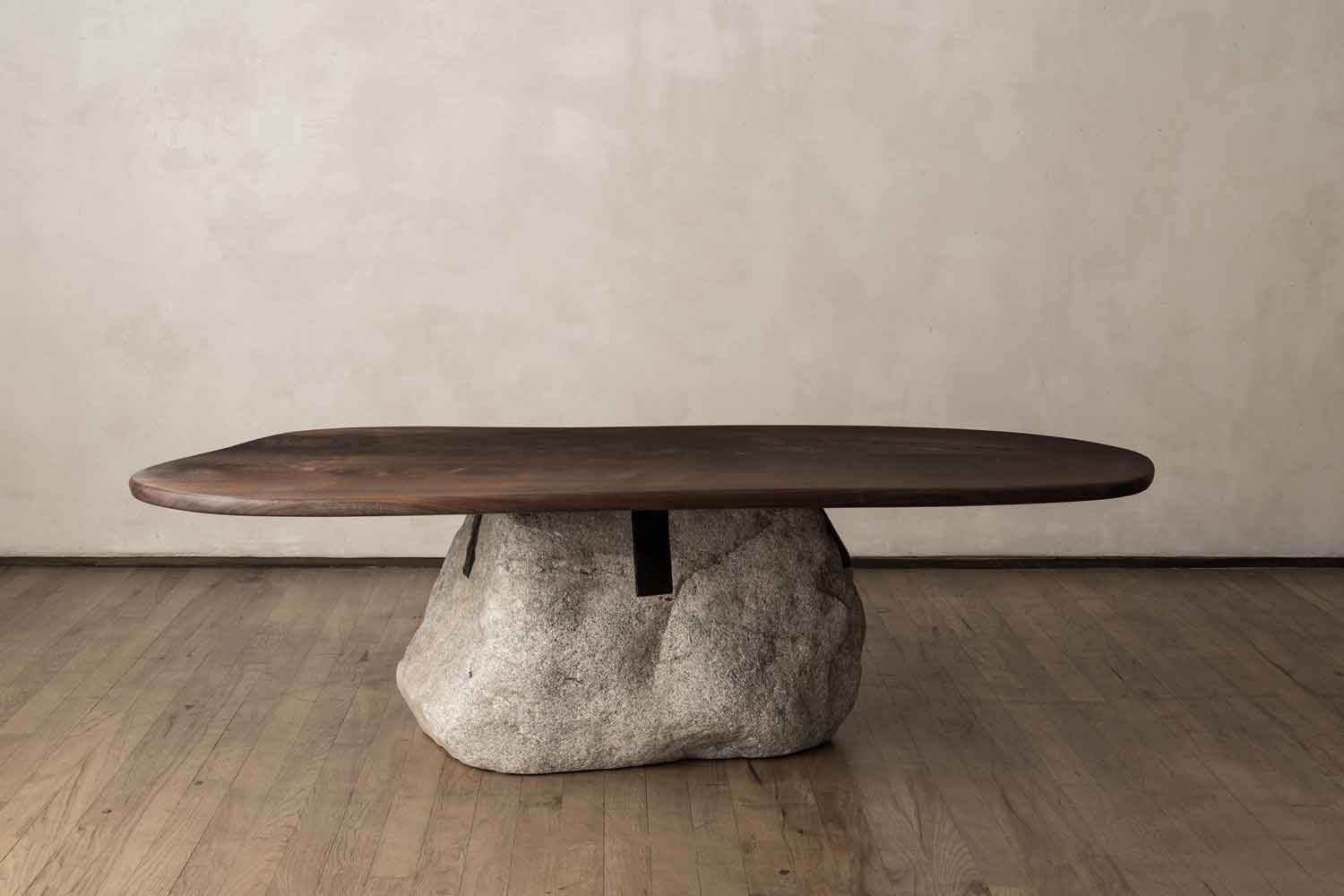
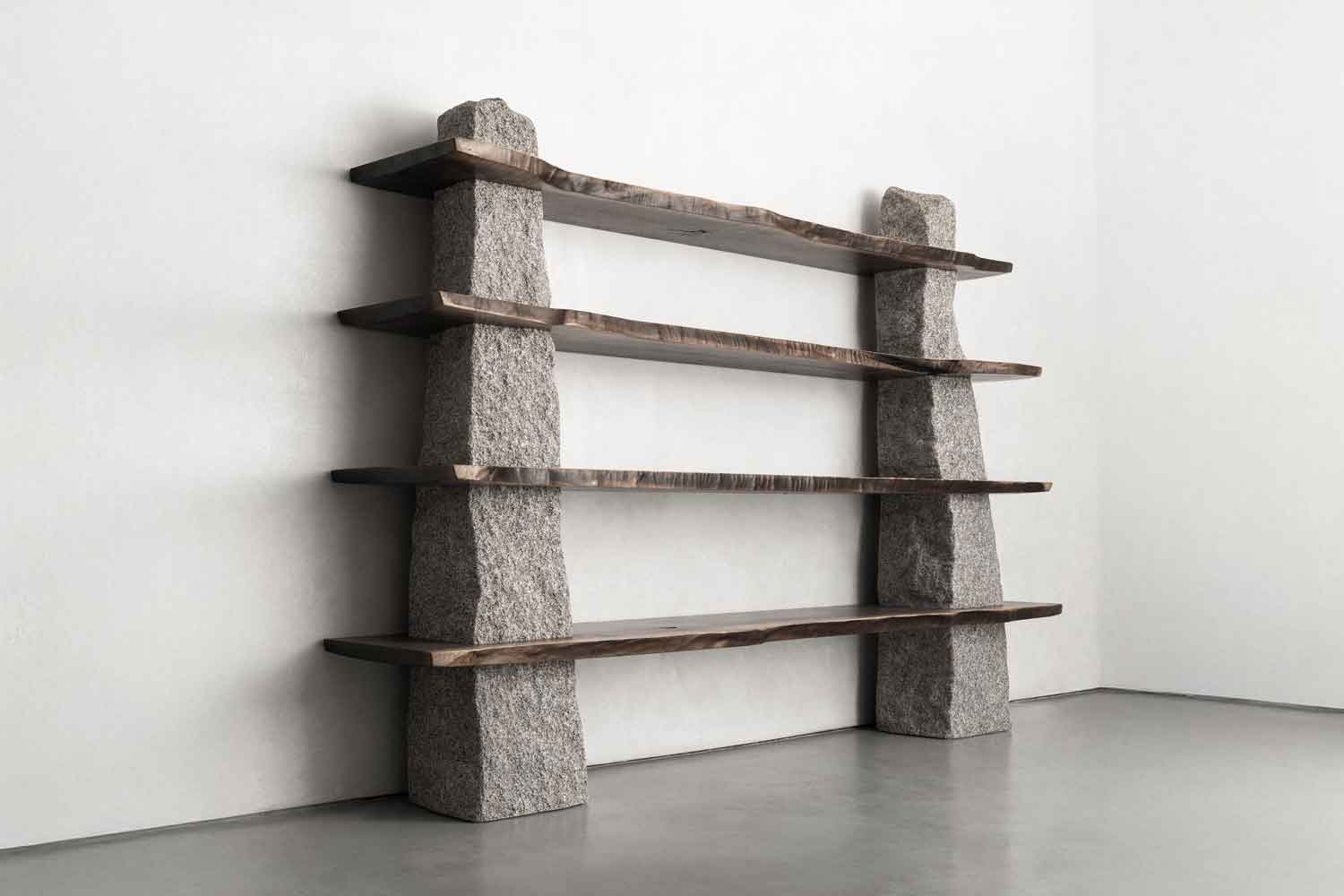
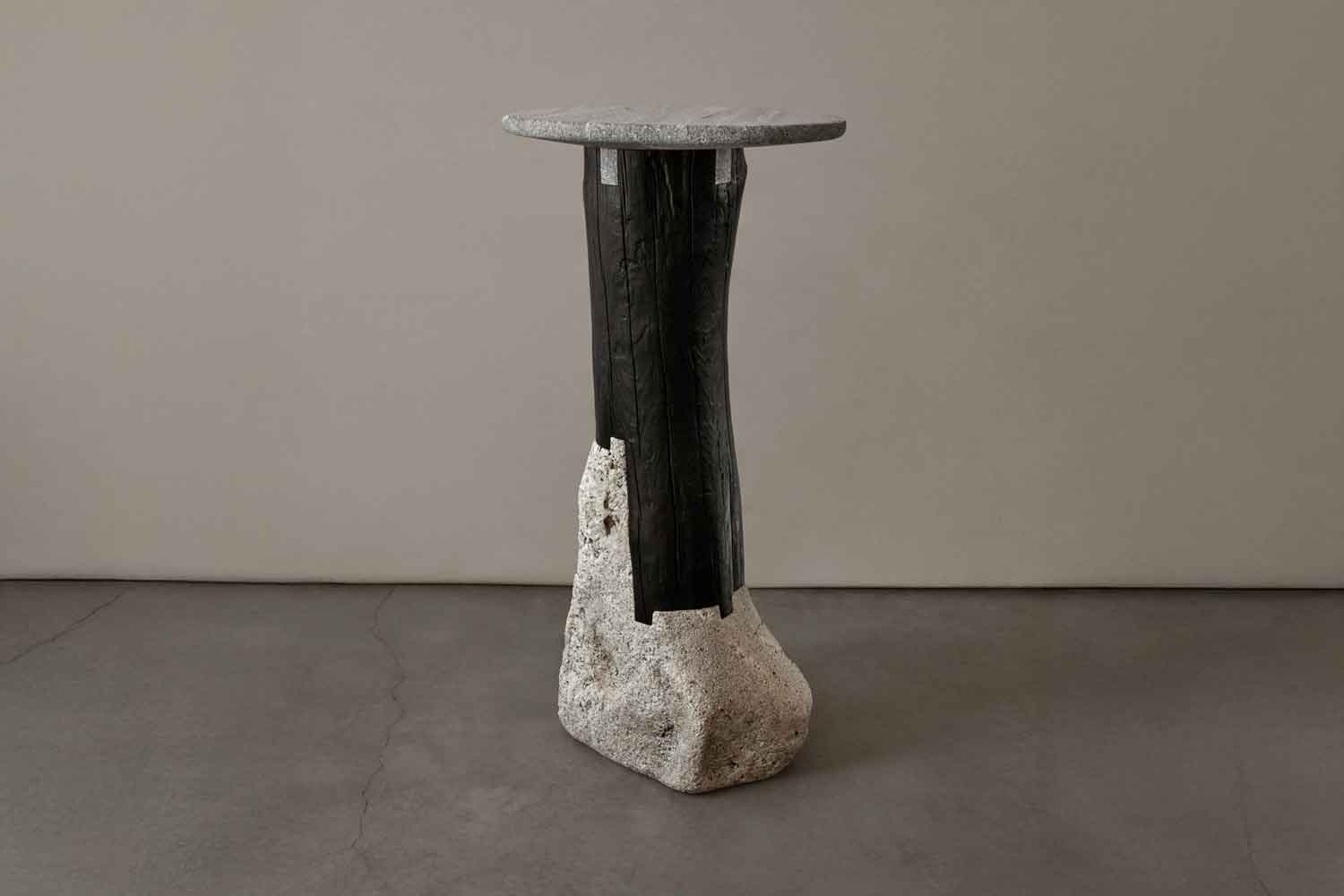
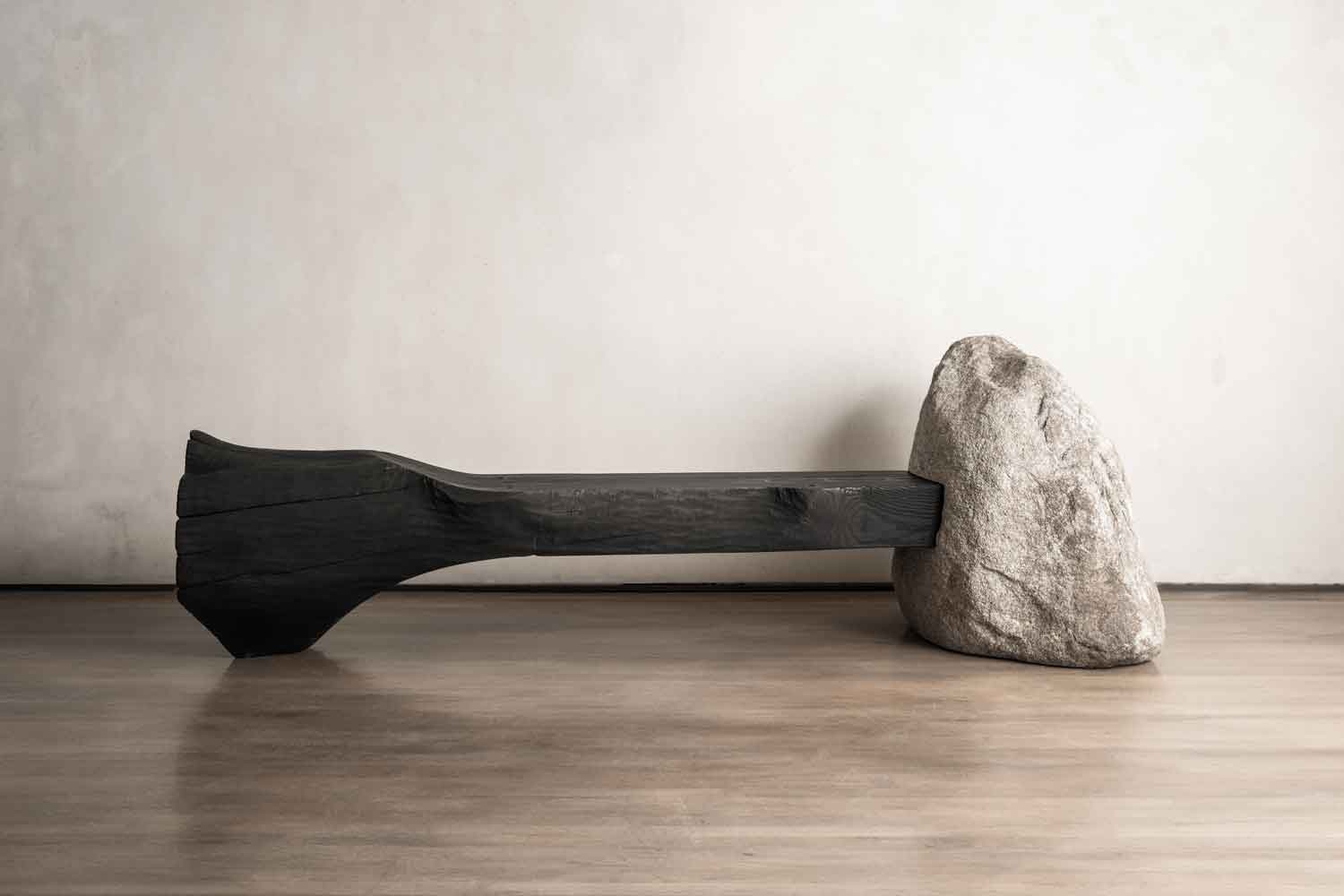
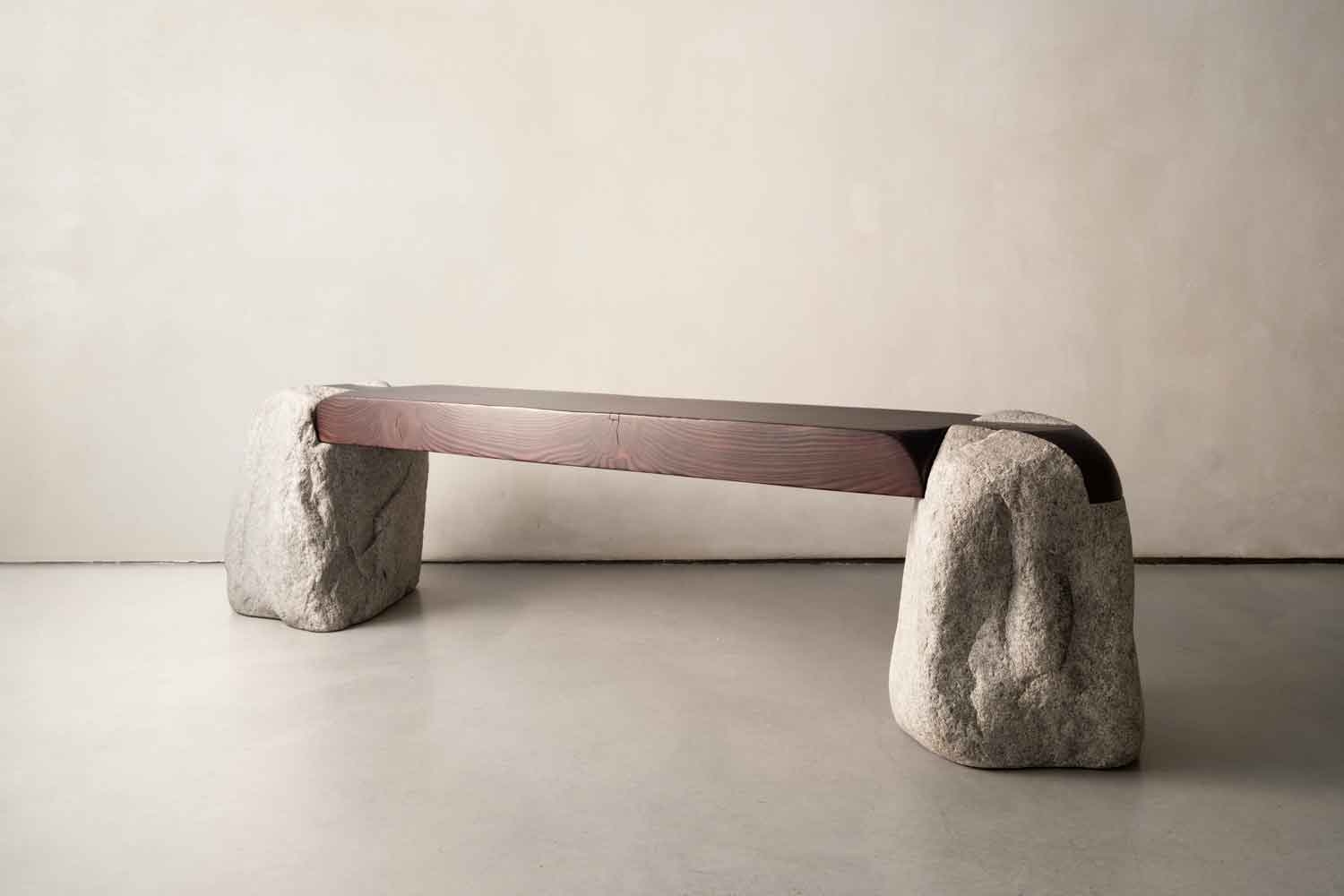
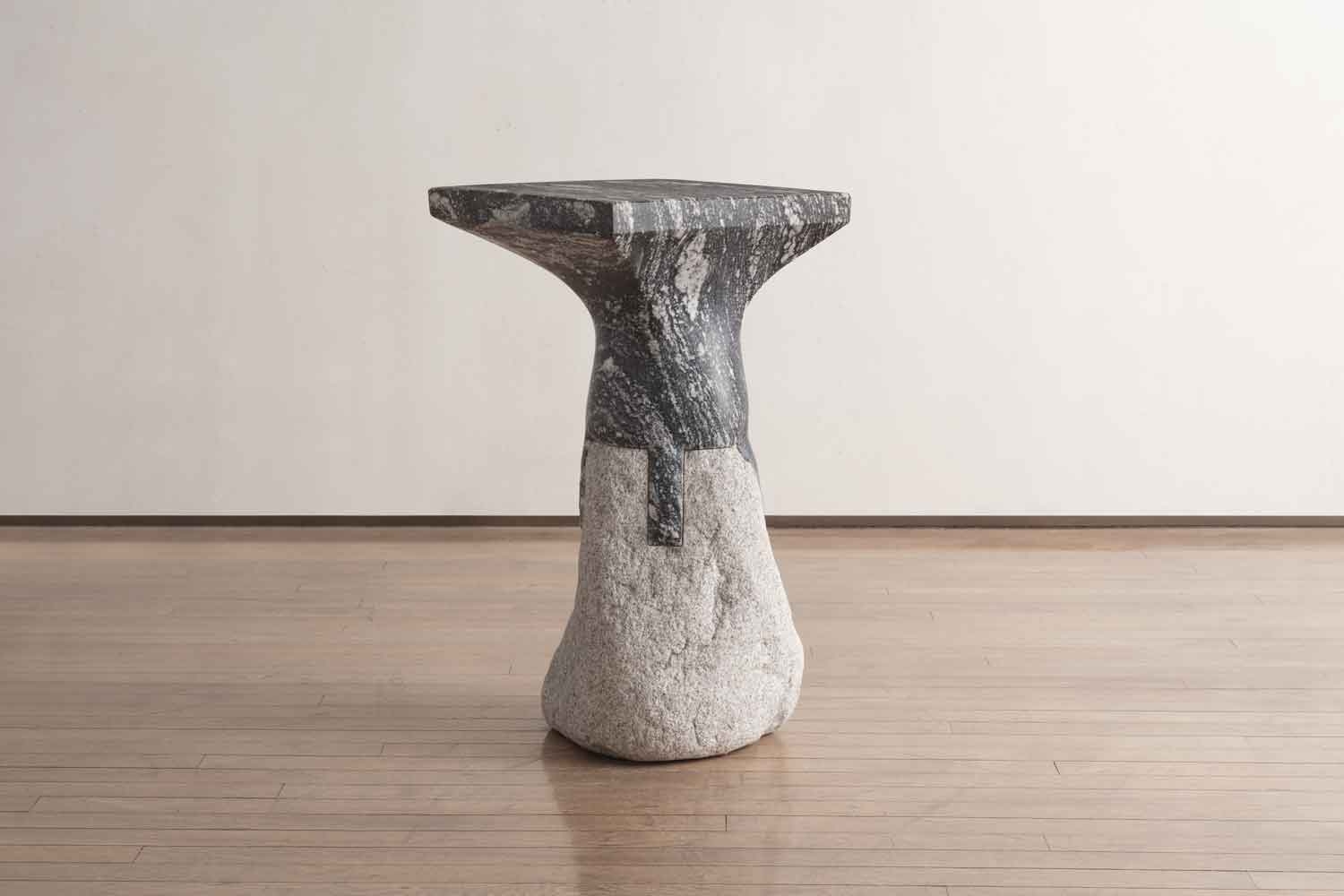
Constructed carefully with granite and wood, Ethan Stebbins’ furniture seems both utterly natural and unnaturally precise. The materials he uses in his pieces retain much of their natural forms but the places where they join are meticulously shaped and fitted. Ethan came to his practice through writing. A published poet, he was inspired by writers including Wallace Stevens. “The idea that poems get made in fits of inspiration is mostly a myth, in my experience. You have to get up every day and put in the work even when you are feeling uninspired,” he says. Today he channels his creative energy into his sculptural furniture making. Ethan’s pieces explore the possibility of his materials through the combination of traditional sculpture techniques and minimalist Japanese joinery.
INTERVIEW
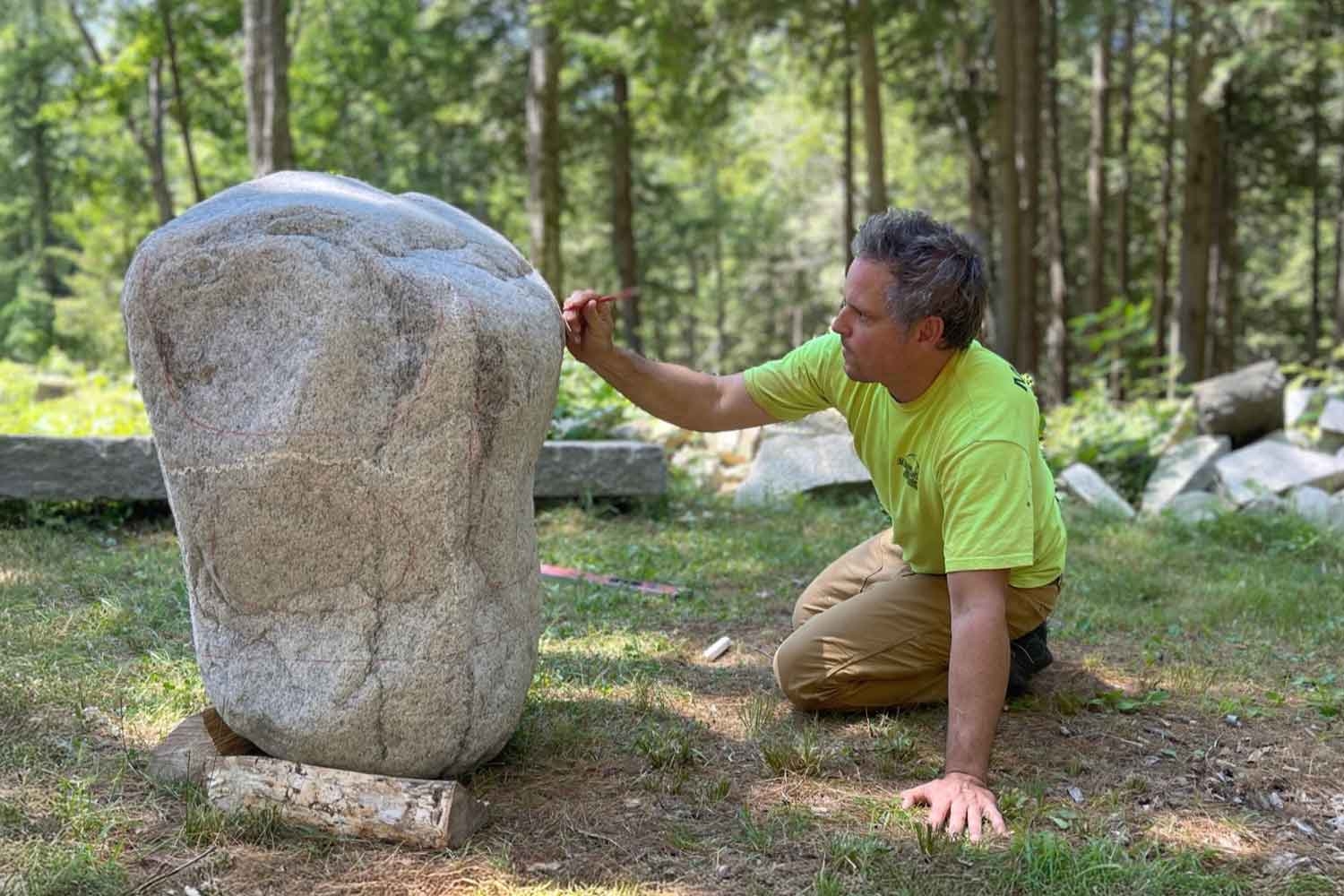
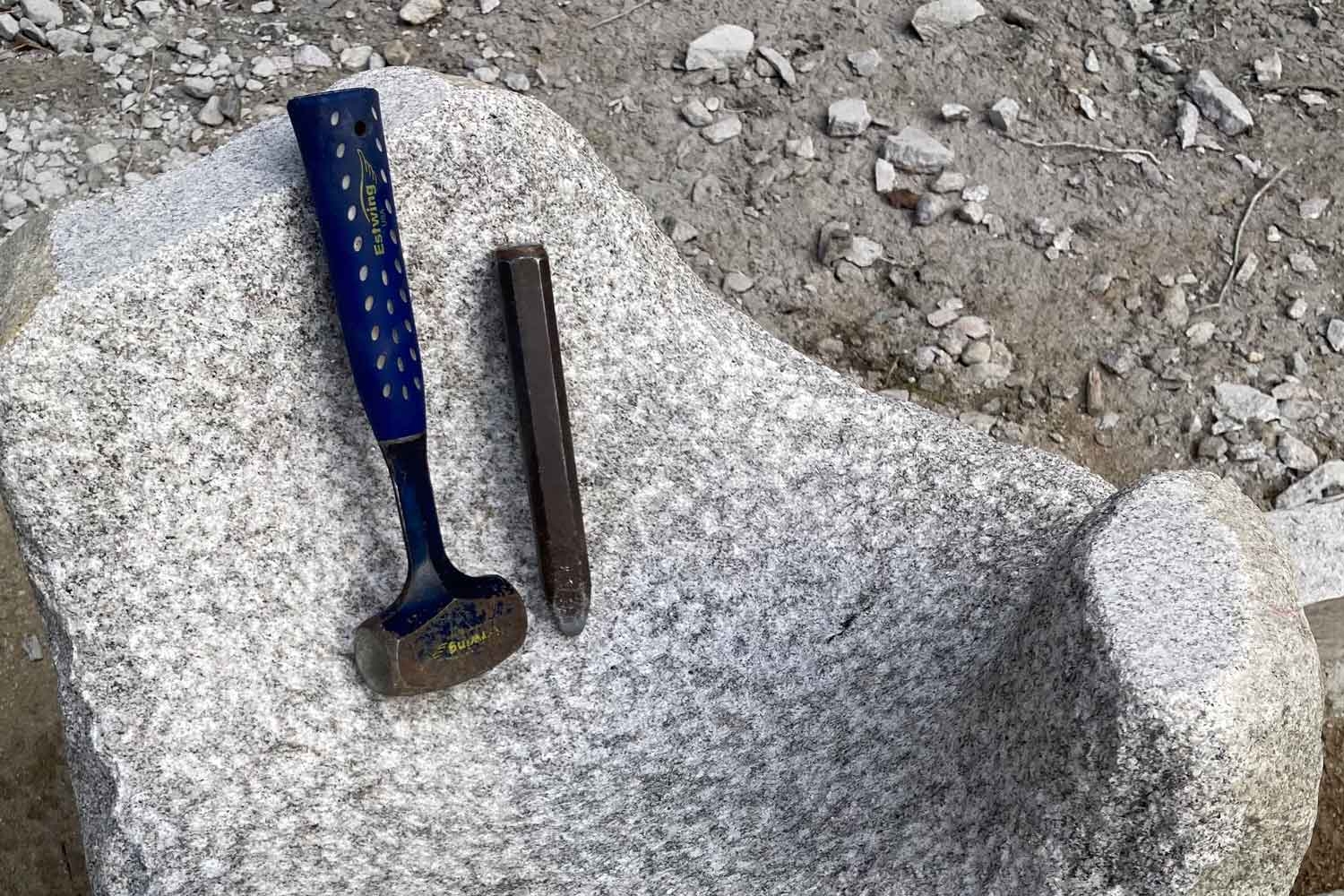
In the beginning I just wanted to work outside, and then I fell in love with stonework. I had the unique opportunity to work with a master Japanese gardener, Masahiko Seko, who taught me how to assess and handle the large boulders I use today. We would spend hours turning, tilting or flipping until he was content with the stone’s exact placement and presentation.
My interest in woodwork, and specifically combining wood and stone, goes back to the gardens I worked on. In a well-crafted Japanese garden, there is a complete symbiosis between stone and plant material. The stone without the tree, and vice versa, is a kind of impoverishment.
Just from a logistics standpoint, stone is heavy and difficult to transport, so I am lucky to live in a place with an abundance available locally. I use a lot of found stone in my work and alter the natural shape as little as possible. The beauty of the materials is such that it often feels irreverent, or at least hubristic, to do anything at all to them.
I do not rely much on drawings or renderings, so a lot happens in real time during creation. I am energised by the moment a piece begins to take form and the thing I have been imagining or attempting to visualise becomes a reality.
Ethan Stebbins
Stone carver
Brunswick, ME, USA
AVAILABILITY
By appointment only
LANGUAGES
English, Spanish
Homo Faber Finds is a new service aiming to inspire admirers of craft to connect and collaborate with exceptional artisans.
We invite you to submit an enquiry here.