
Chris Pellettieri
Stone carver
New York NY, USA
Carving a path in stone work
- Chris trained as a stone carver in the ongoing construction of St John the Divine cathedral
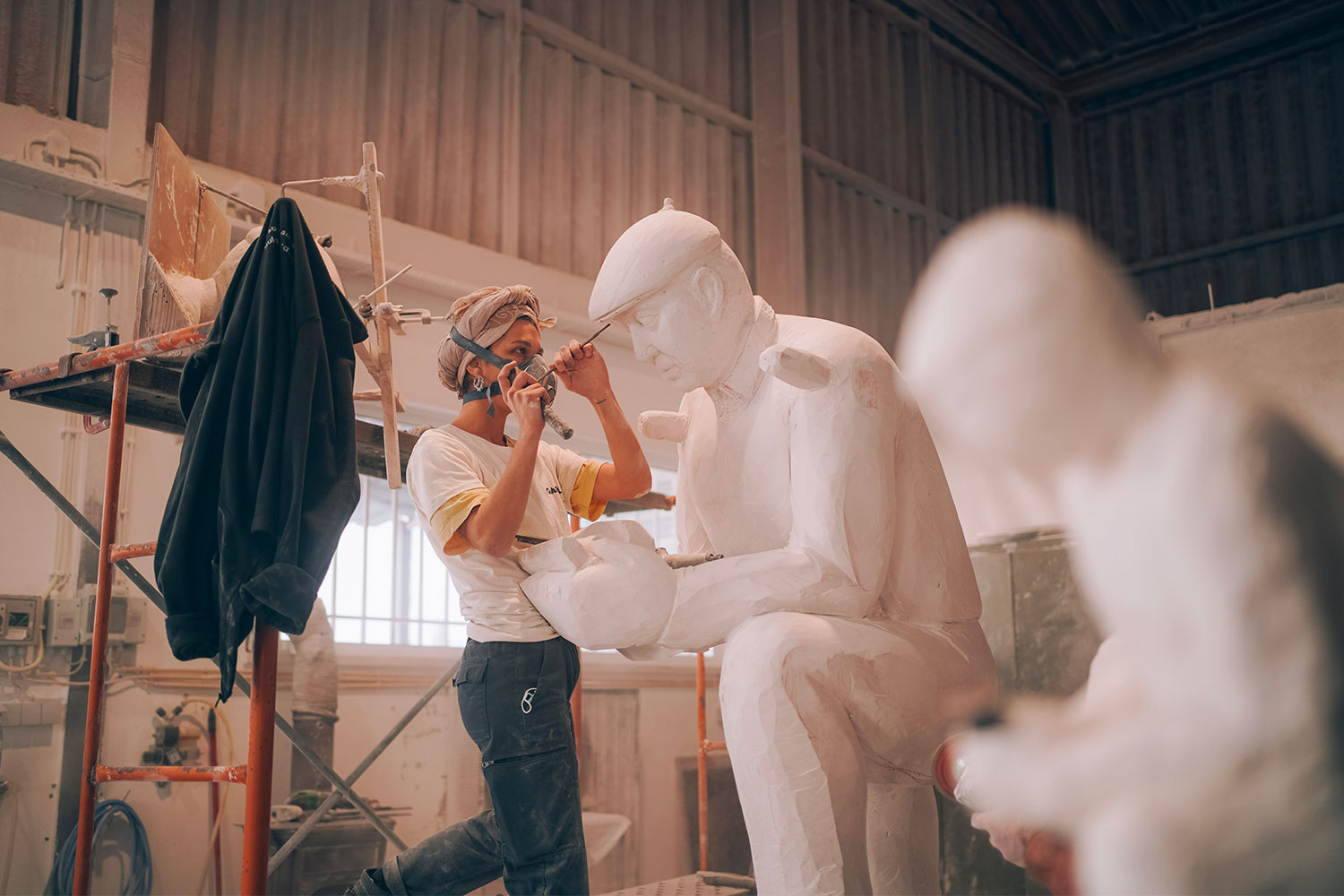
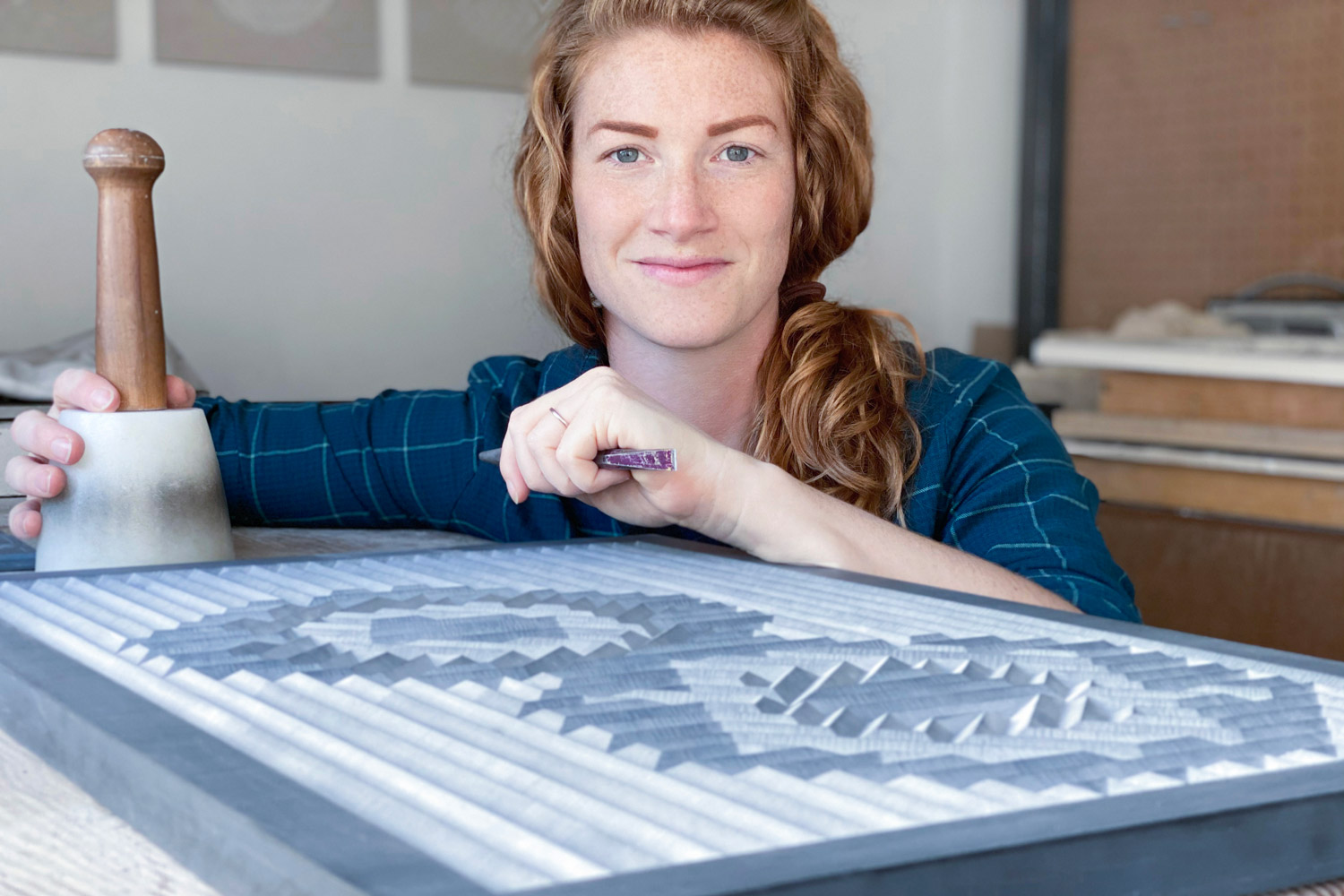
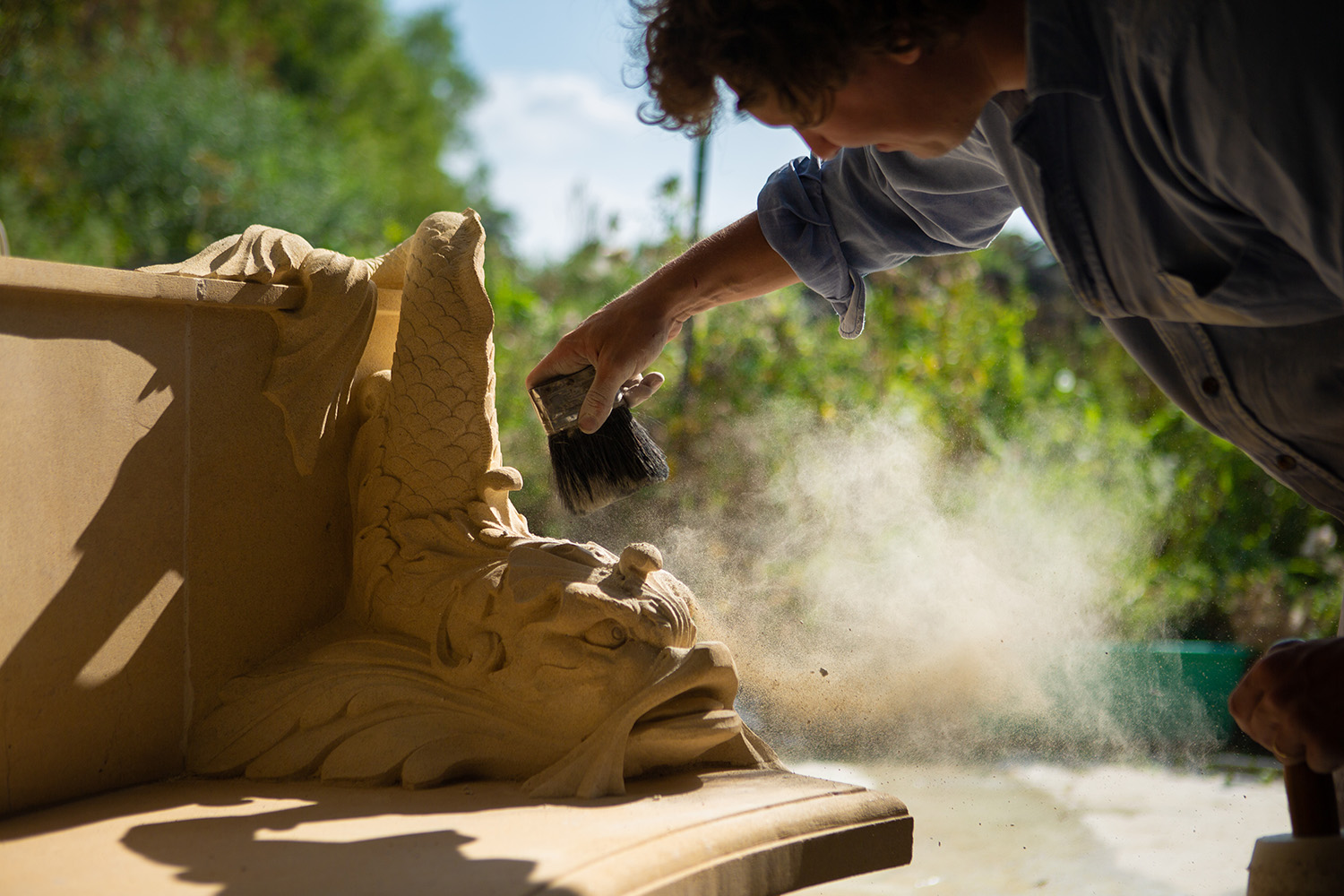
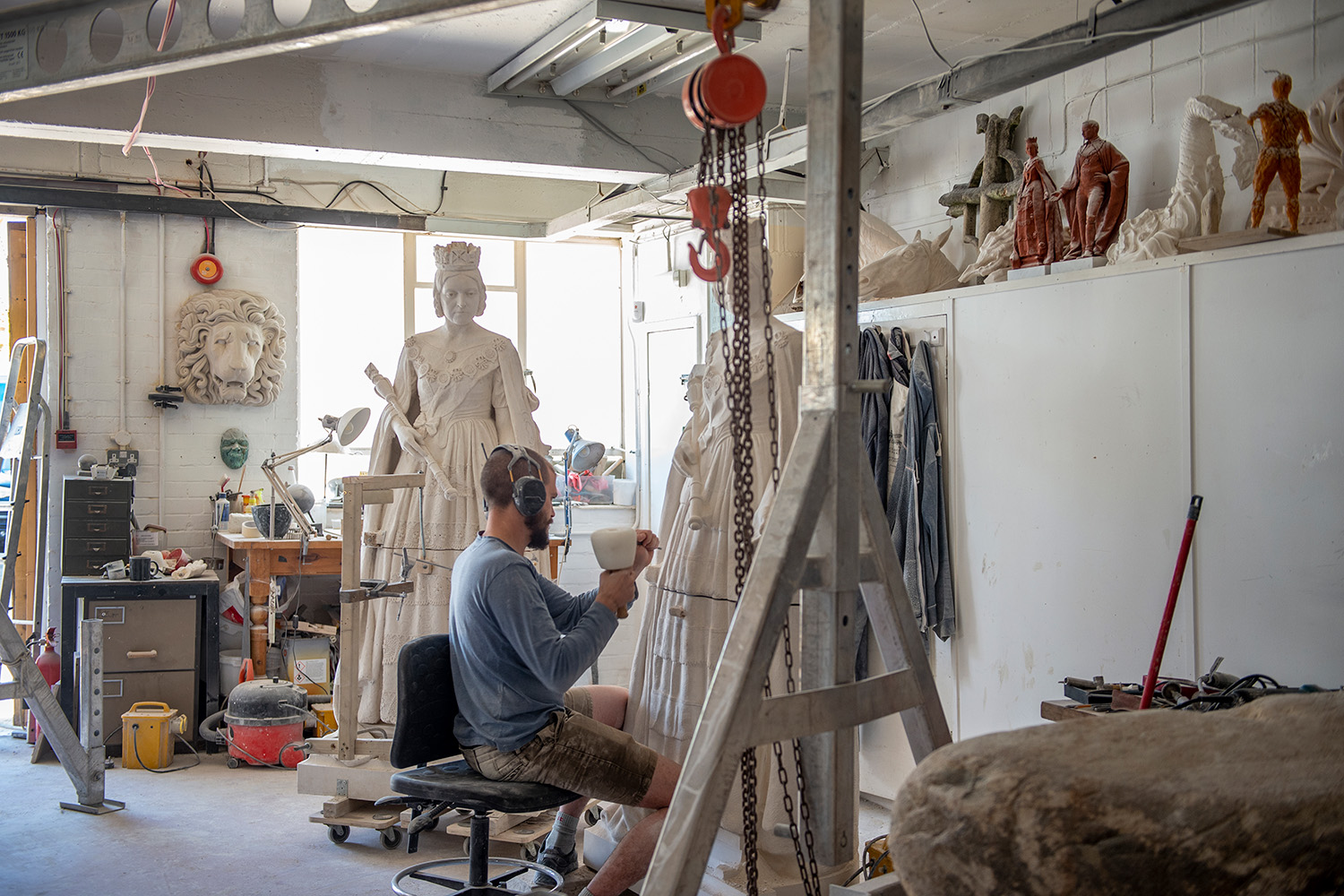
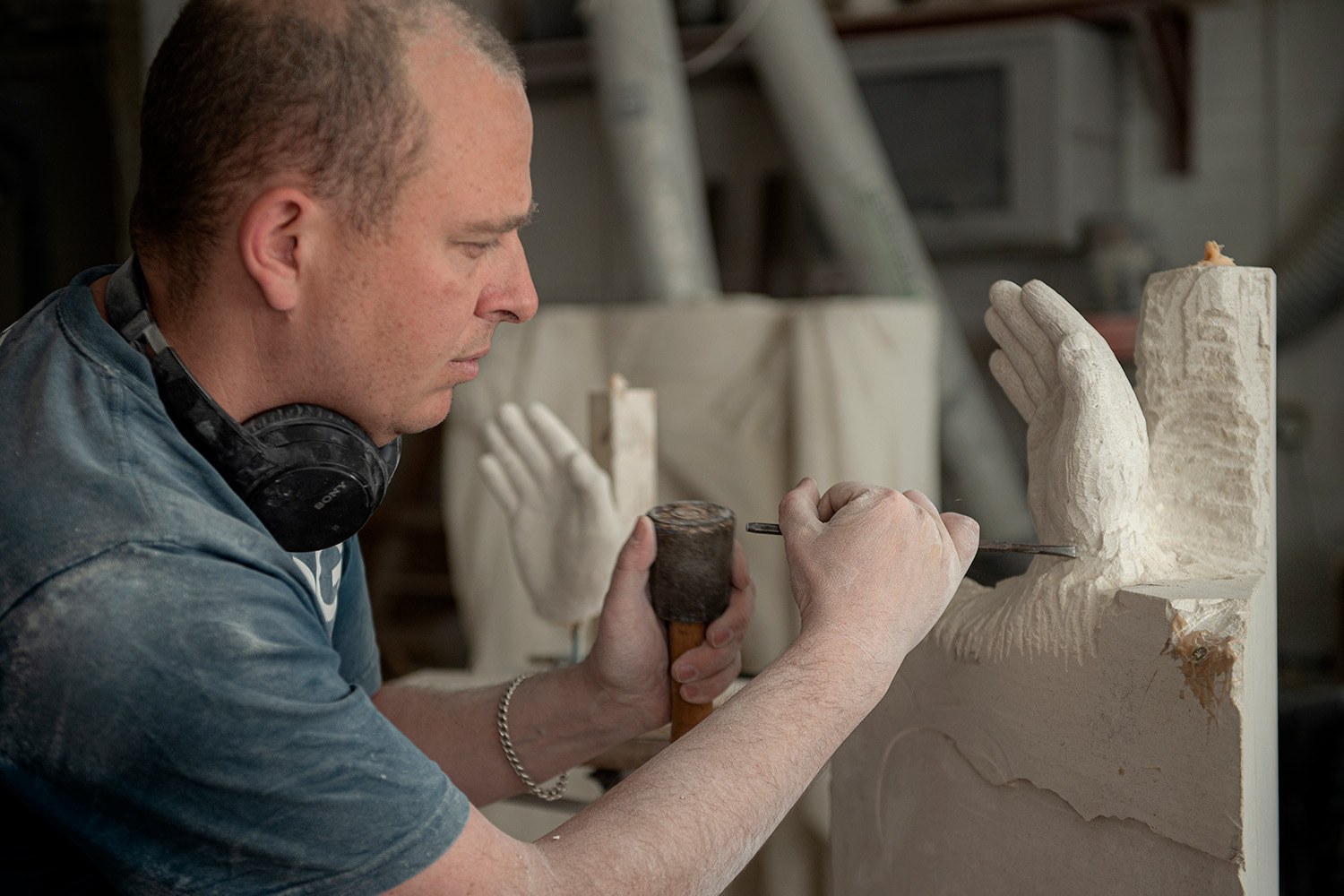
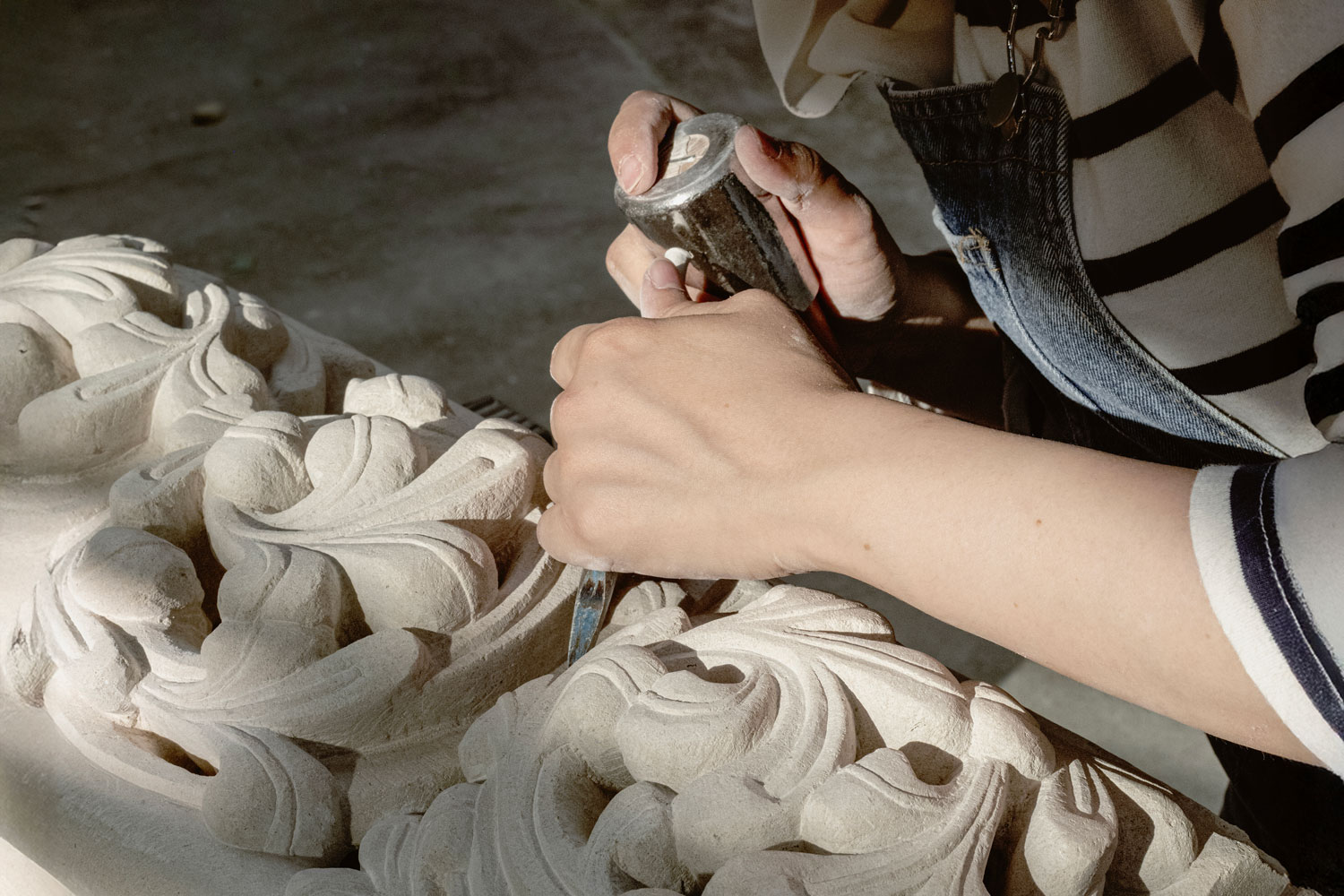
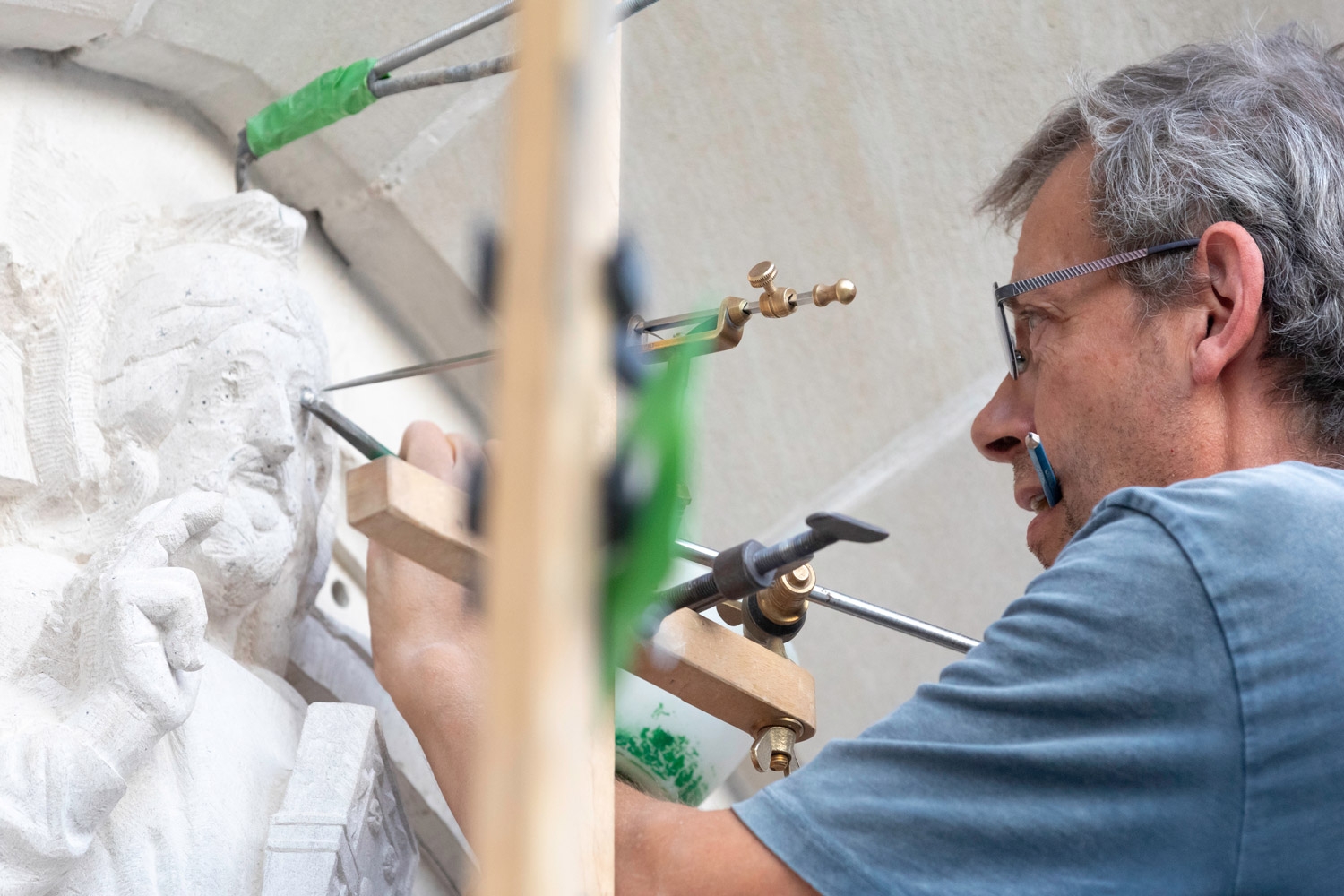
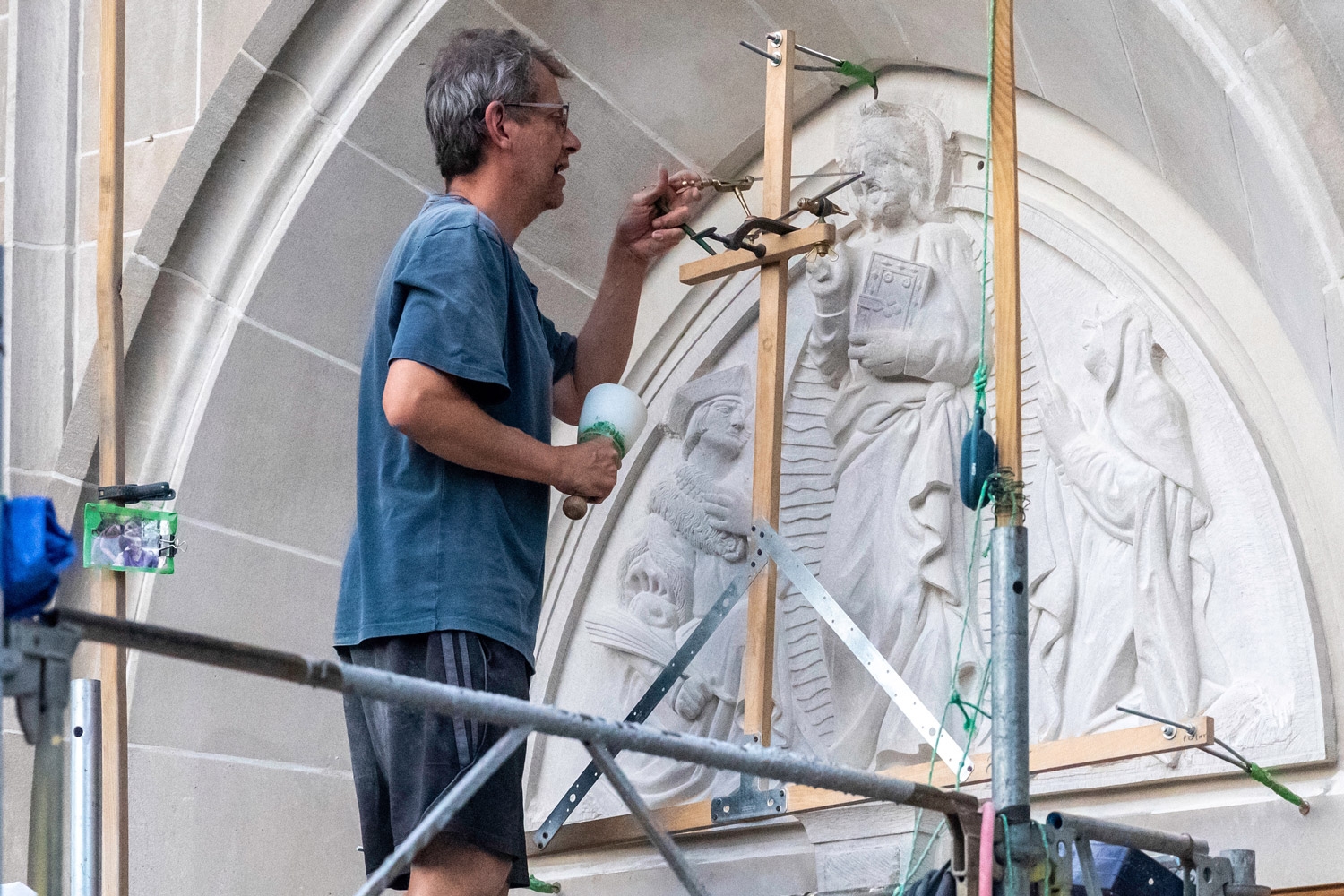
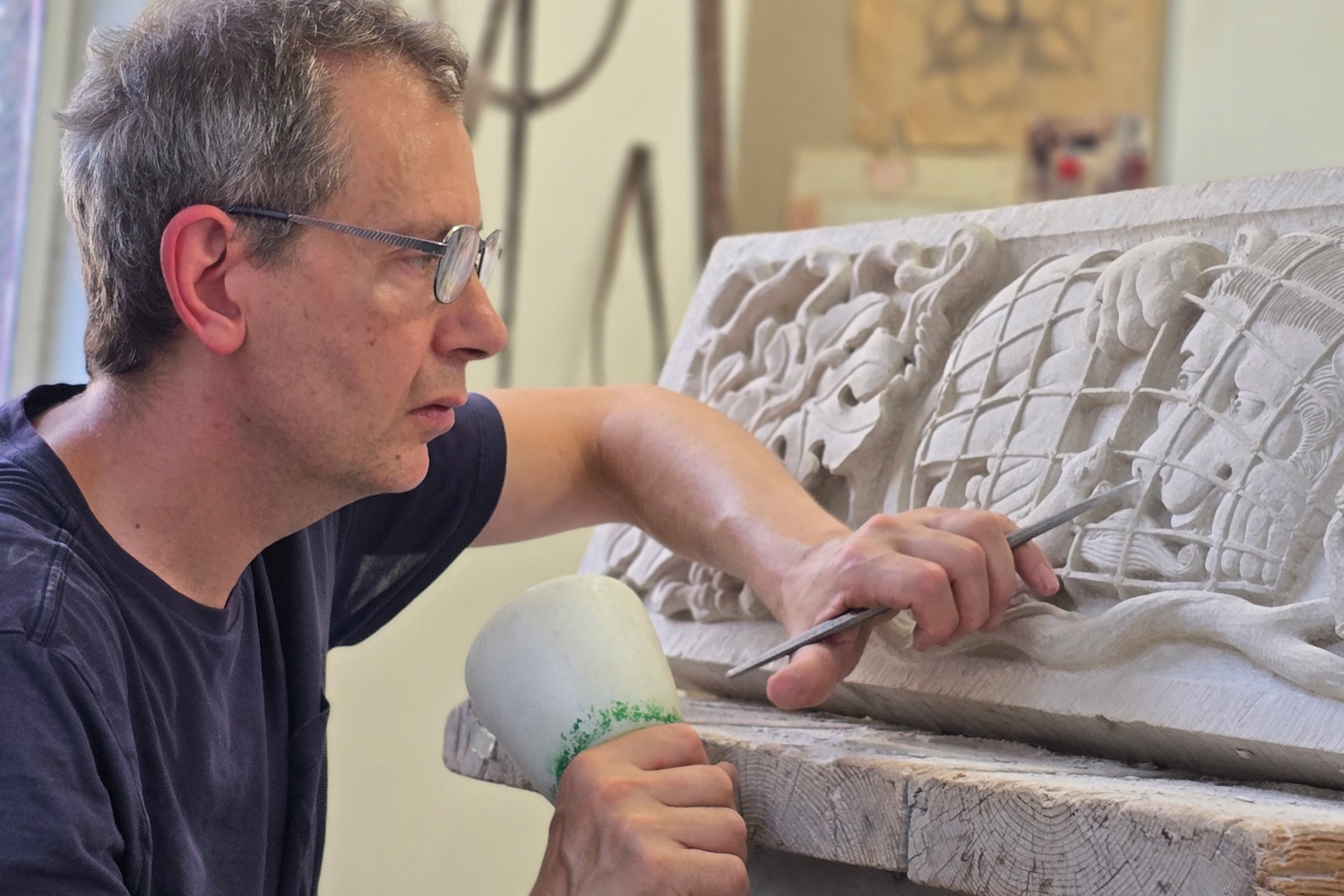
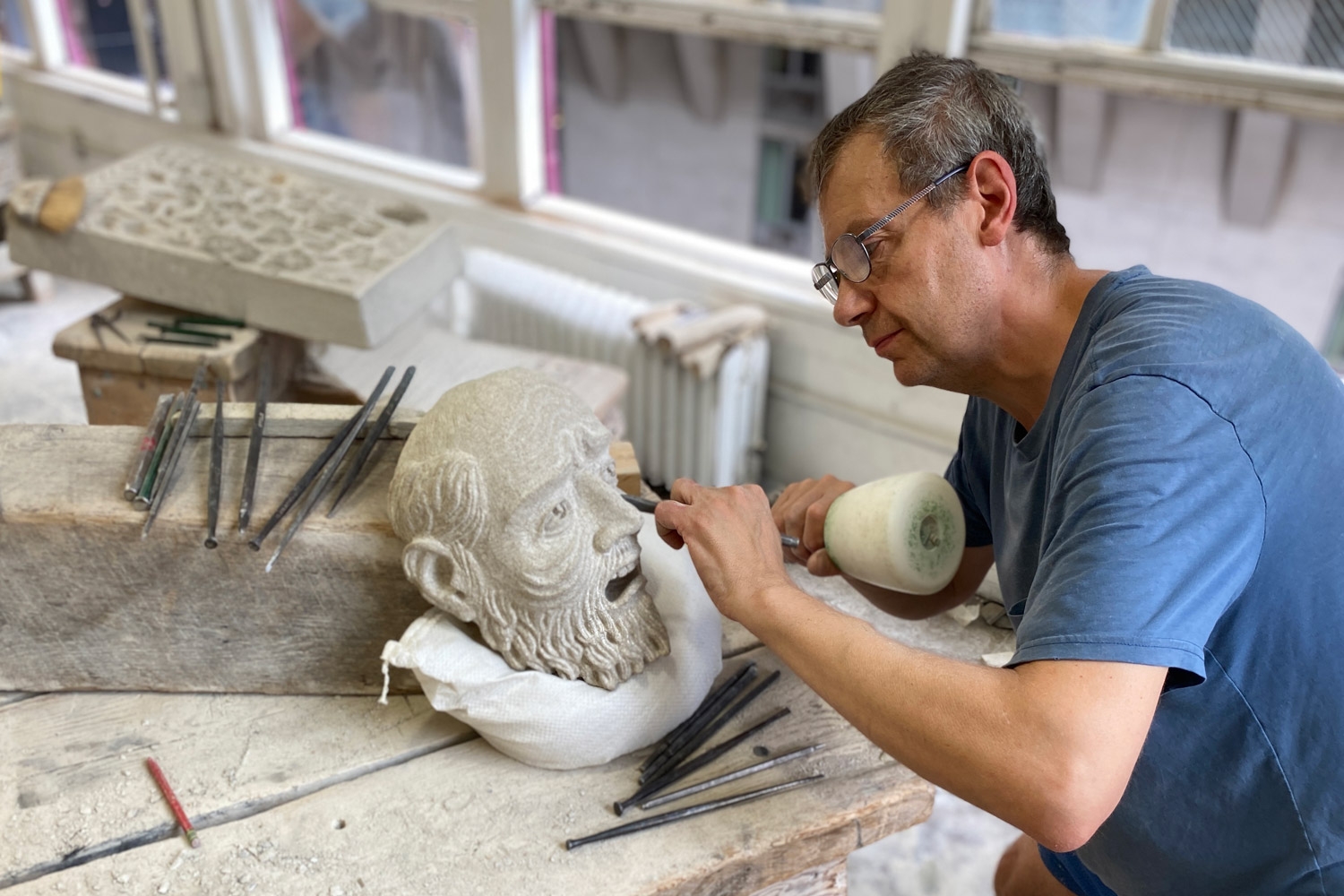
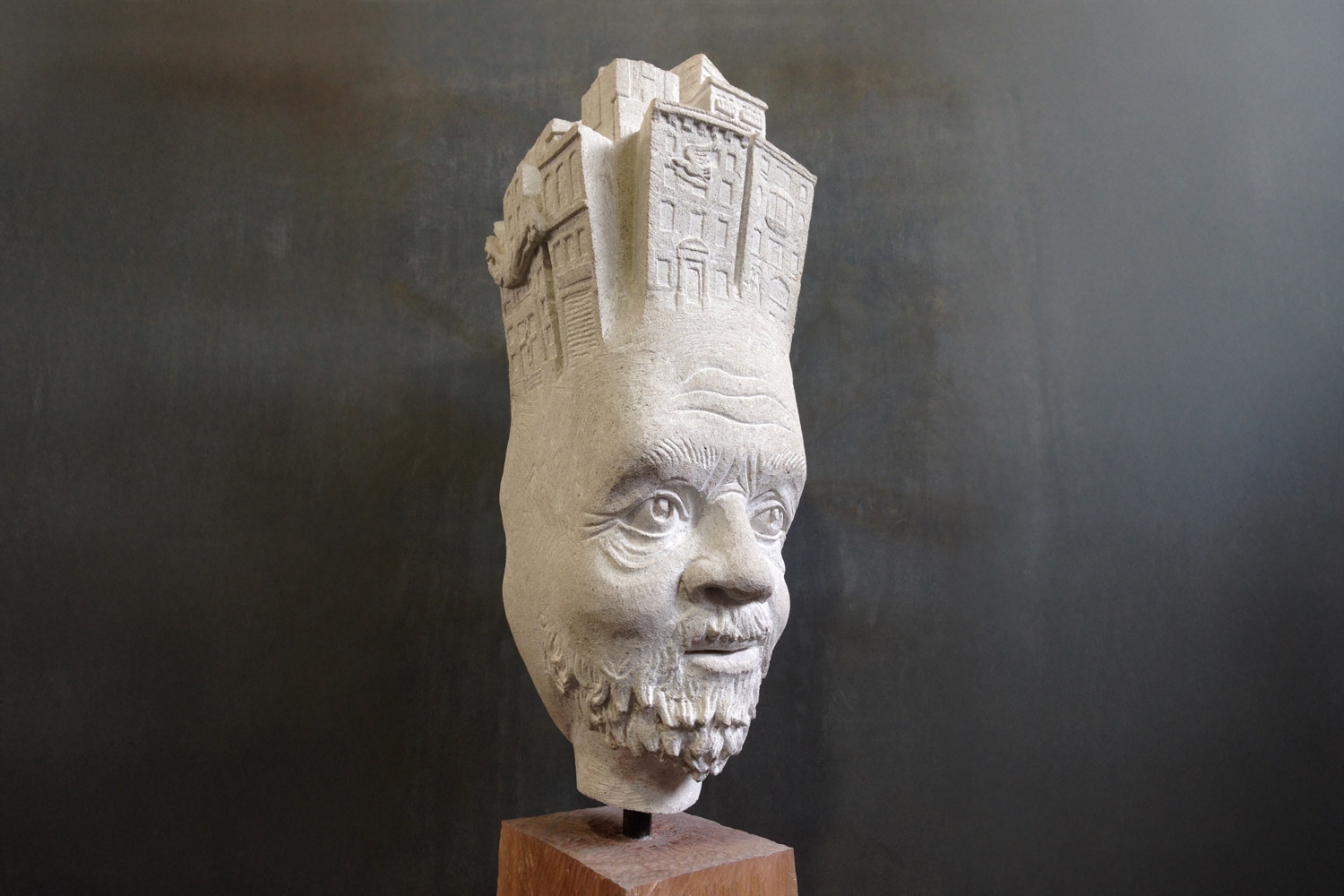
- His work is to shape stone using traditional methods
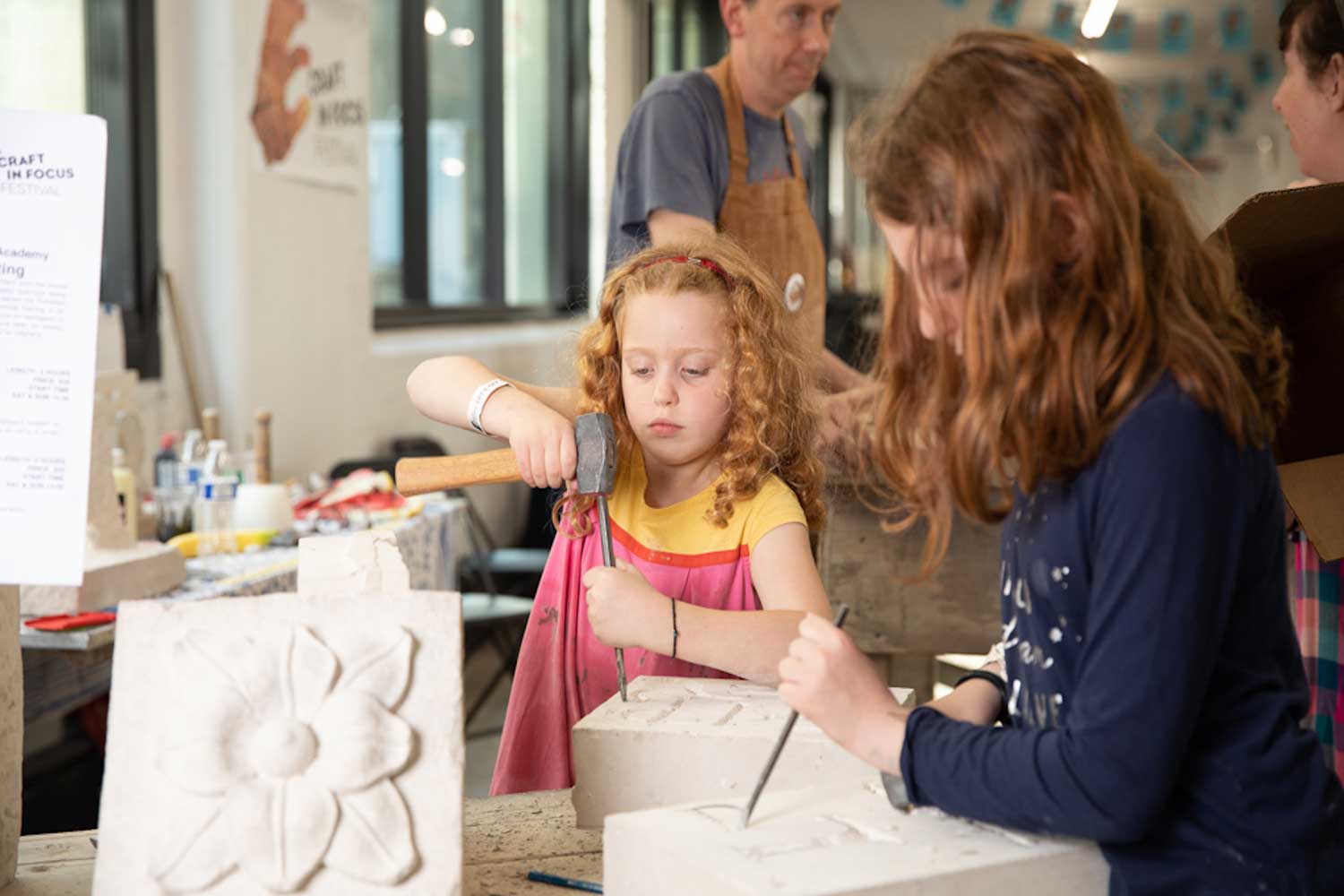
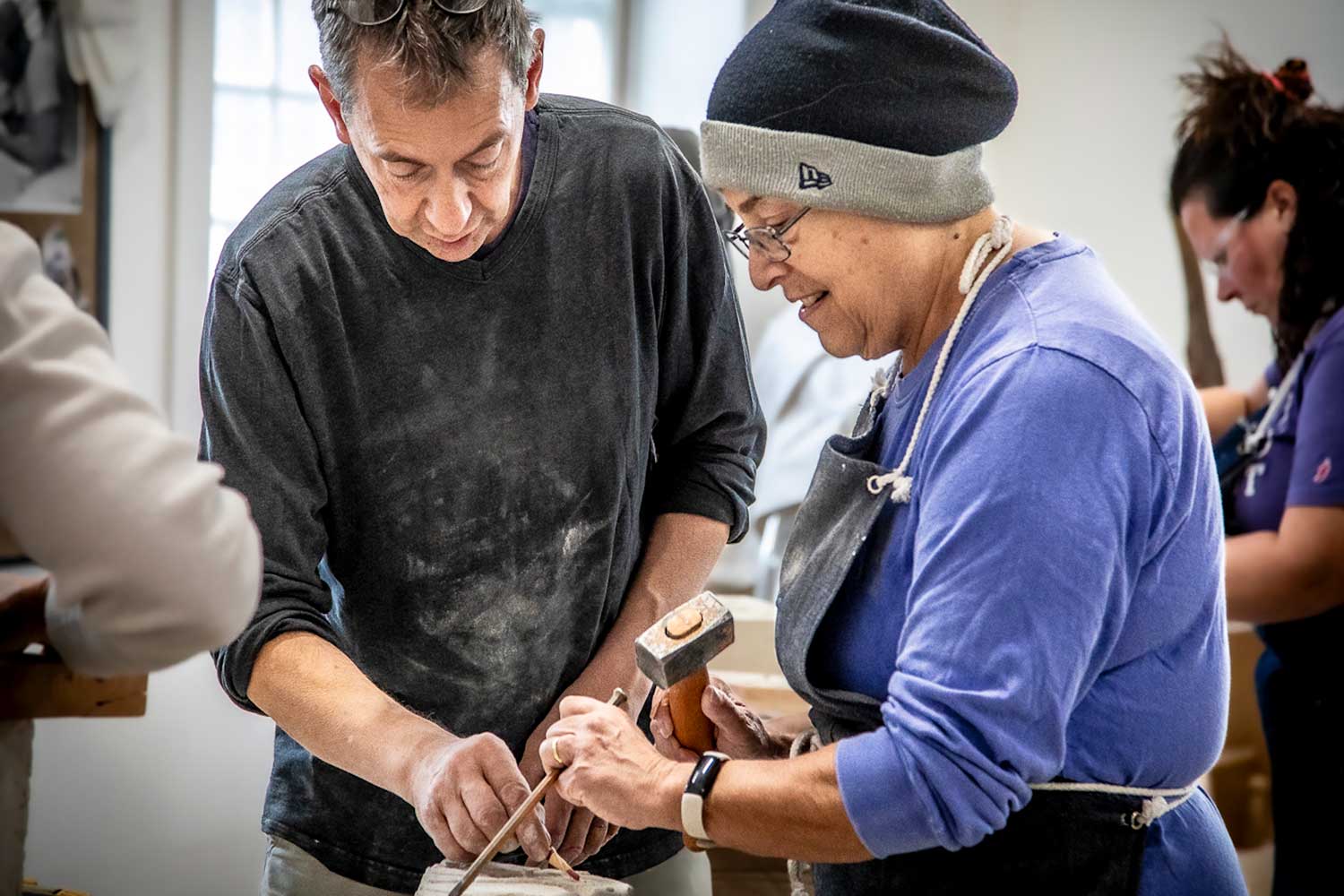
- He loves challenges and to teach his craft to others
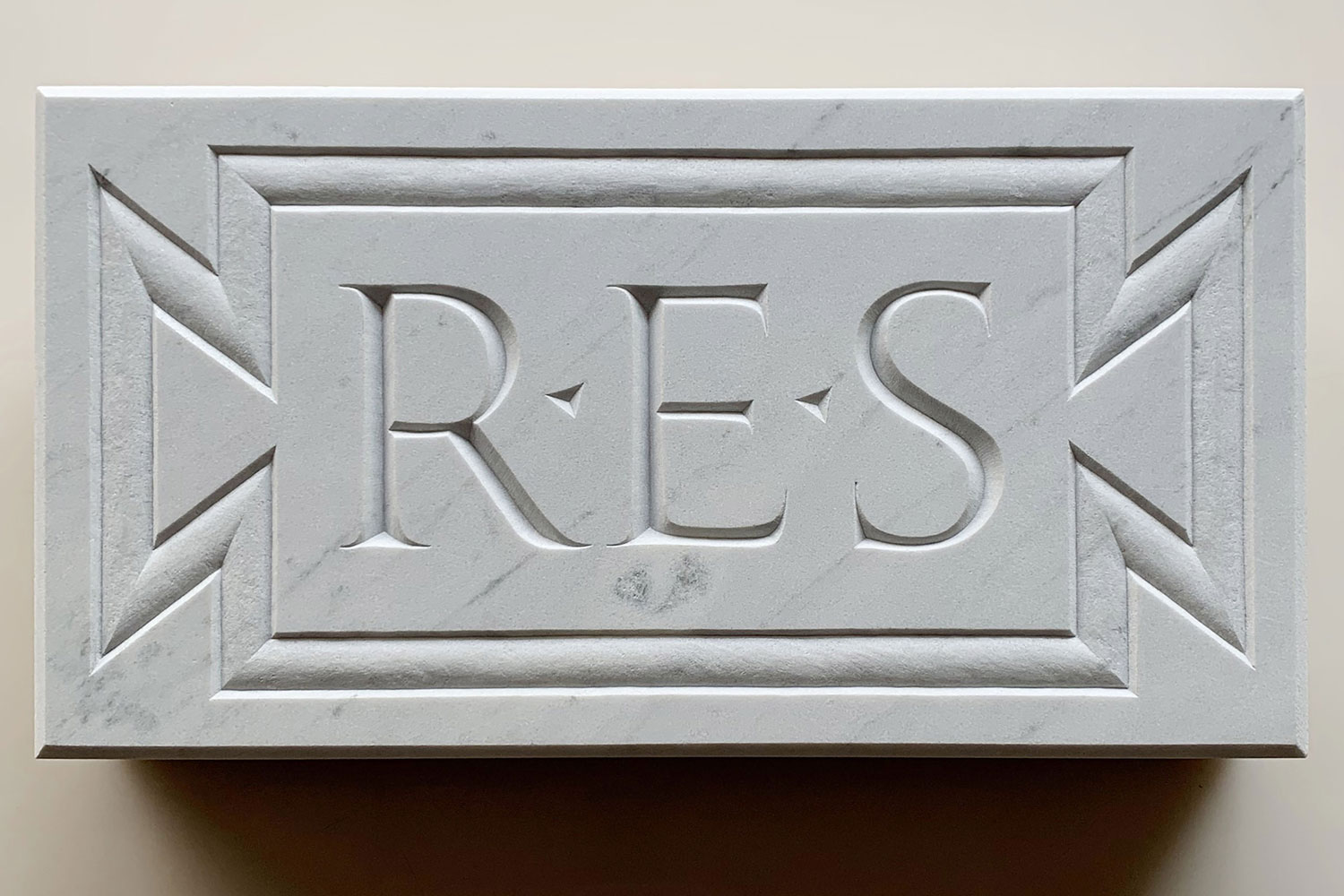
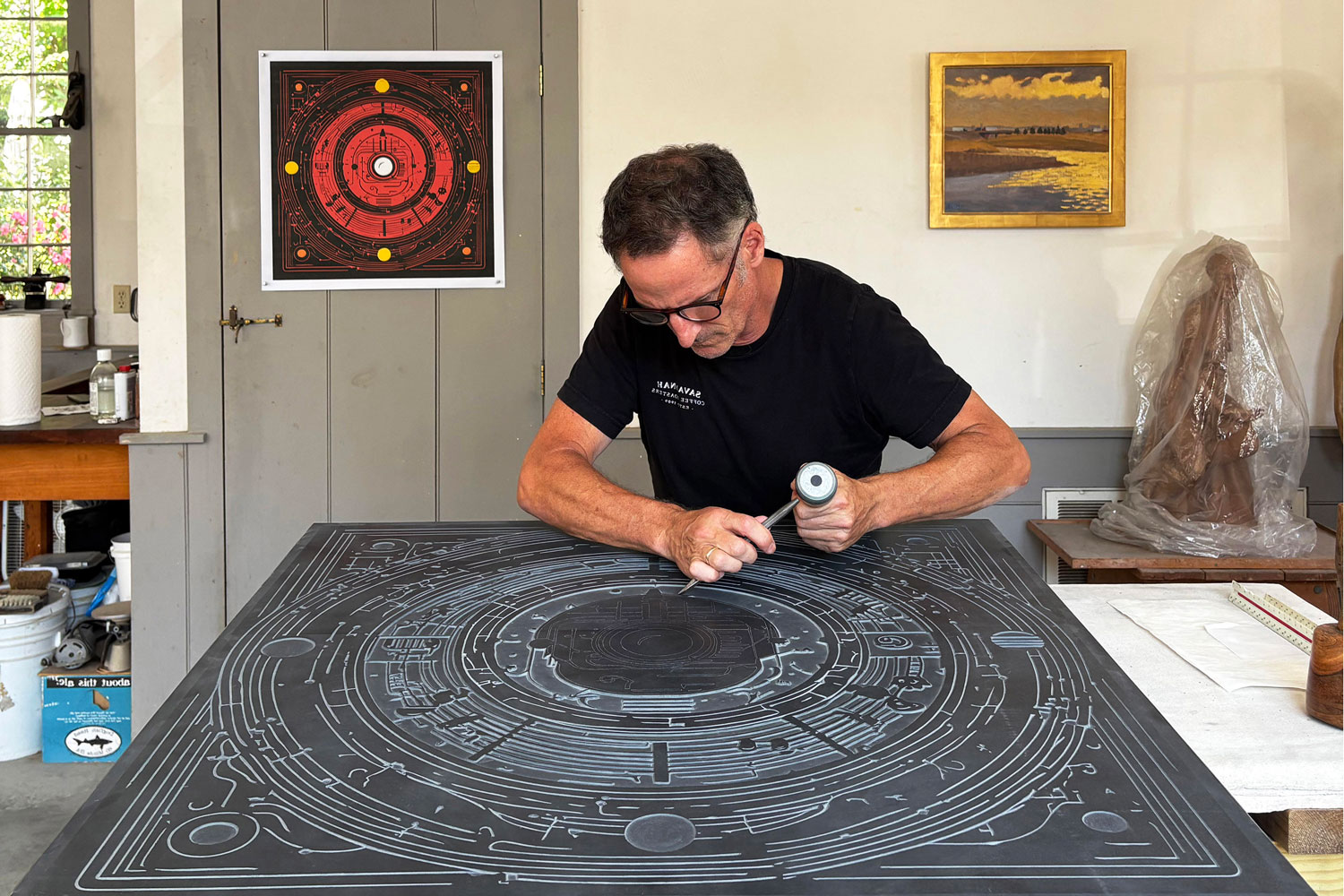
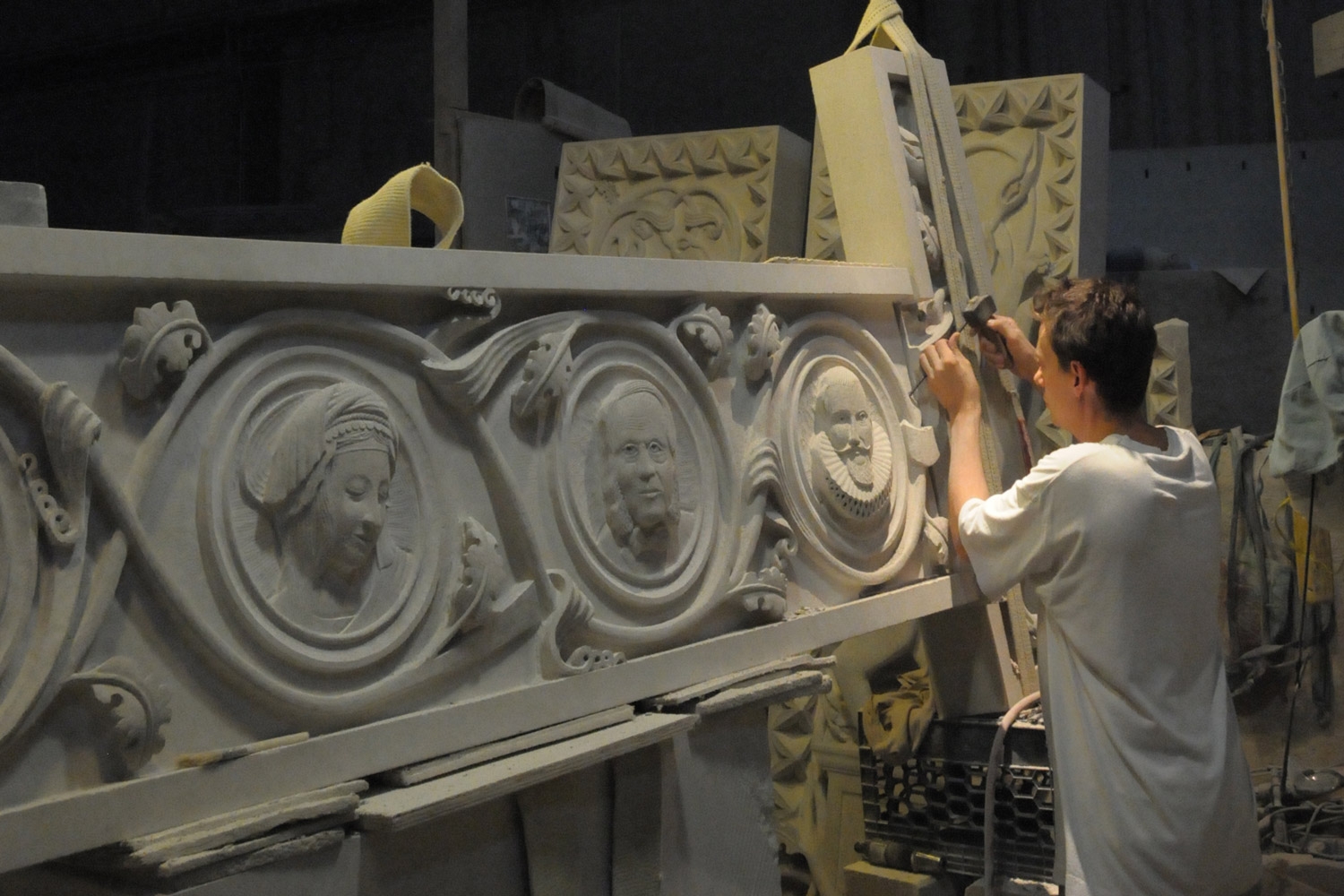
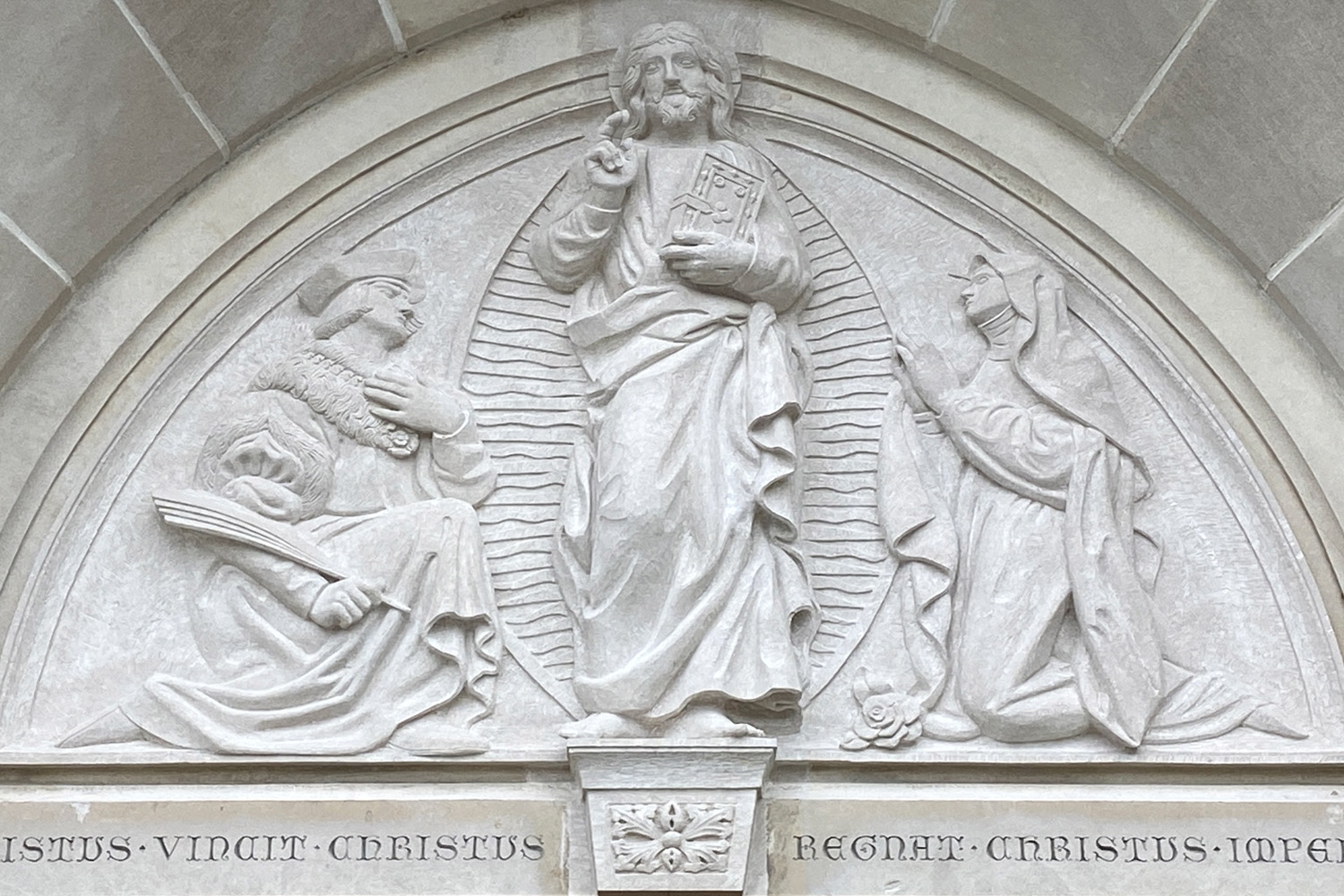
Chris Pellettieri graduated with a degree in mathematics and discovered stone carving shortly after. "It was a revelation. Using hand tools to shape stone was like having crossed a desert and finally getting a drink of water," he shares. Chris undertook an apprenticeship programme at the Cathedral of St John the Divine in Manhattan, where he learned ancient and traditional techniques. He connected with expert craftspeople from around the world, observing and learning from them in this context. "I value that experience to this day, as it made me proud to be part of a craft that goes back in time," he says. Chris' work spans from direct carving to duplication and portraiture in stone. His imagination and manual dexterity, as well as practice and repetition, allow him to enjoy organic creativity in his craft.


INTERVIEW
I can name three main ones: the first is manual dexterity and precise stone shaping ability. Then, there is strategic thinking needed to devise the steps that will lead from the original block of material to the final item. And finally, the bravery of imagination.
I love it, despite how physically exhausting it can be at times. It is extremely fulfilling. I get the chance to use brain and body, and create something tangible. When I unveil the finished work, it is always a memorable moment to see the expression of joy in the client’s face.
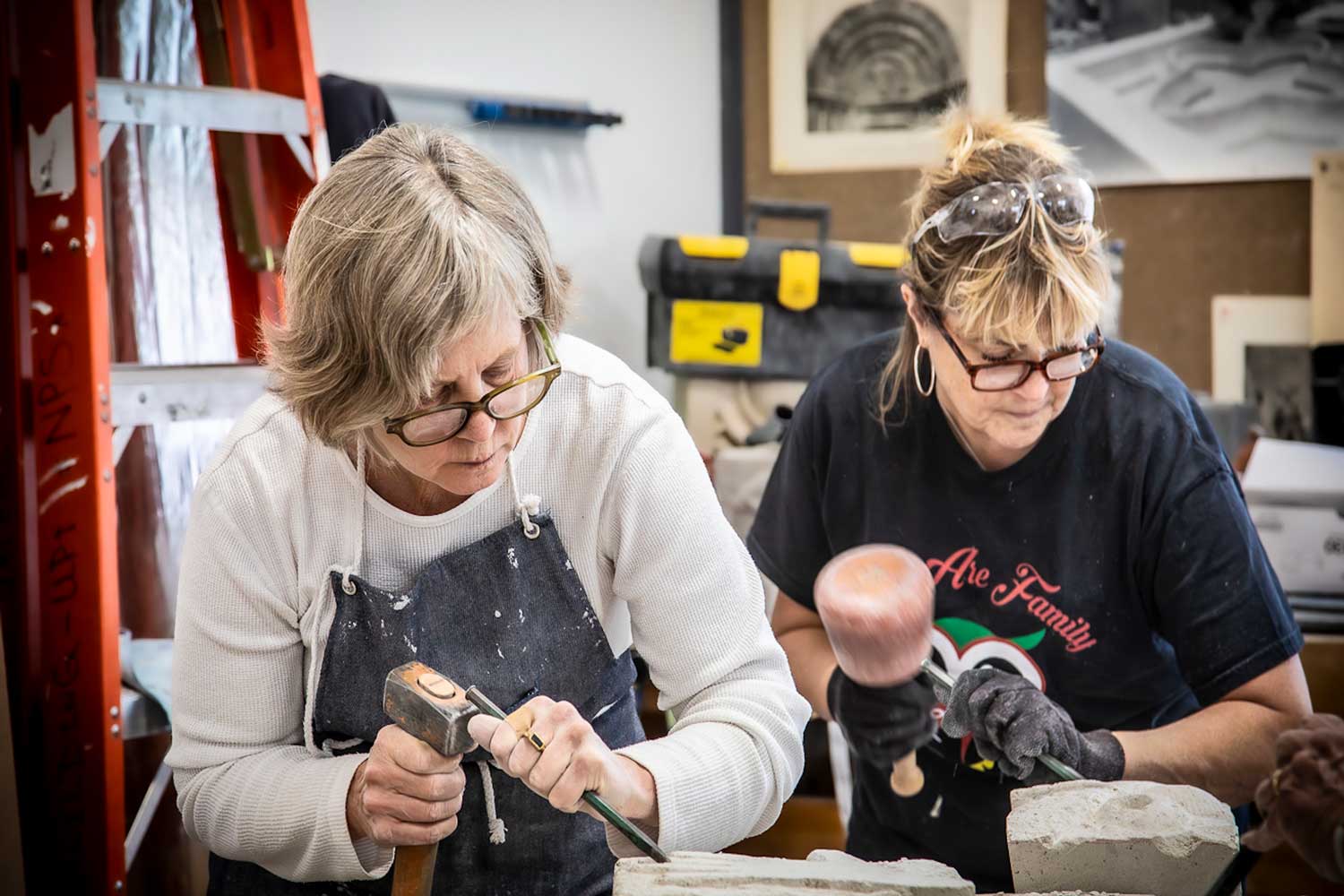
I value the importance of transmission. Stone carving is an ancient craft that needs to be promoted, its skills shared and handed down. In 2015 I established Pellettieri Stone Carver’s Academy, a non-profit organisation, to offer training, raise awareness and promote the tradition.
In New York City, we have an abundance of excellent ornamental stone carving on our building façades. These exist in neighbourhoods that were developed in the early 20th century, like the one where I grew up, not to mention the churches.
Chris Pellettieri
Stone carver
New York NY, USA
AVAILABILITY
By appointment only
PHONE
+1 6462296418
LANGUAGES
English, Italian
Homo Faber Finds is a new service aiming to inspire admirers of craft to connect and collaborate with exceptional artisans.
We invite you to submit an enquiry here.