Elissa Lacoste
Mixed media sculptor
Étang-sur-Arroux, France
An otherworldly take on functionality
- Elissa works with geological and upcycled material to challenge perception
- Her work has been featured in renowned international fairs
- Second hand objects are a starting point for her creations
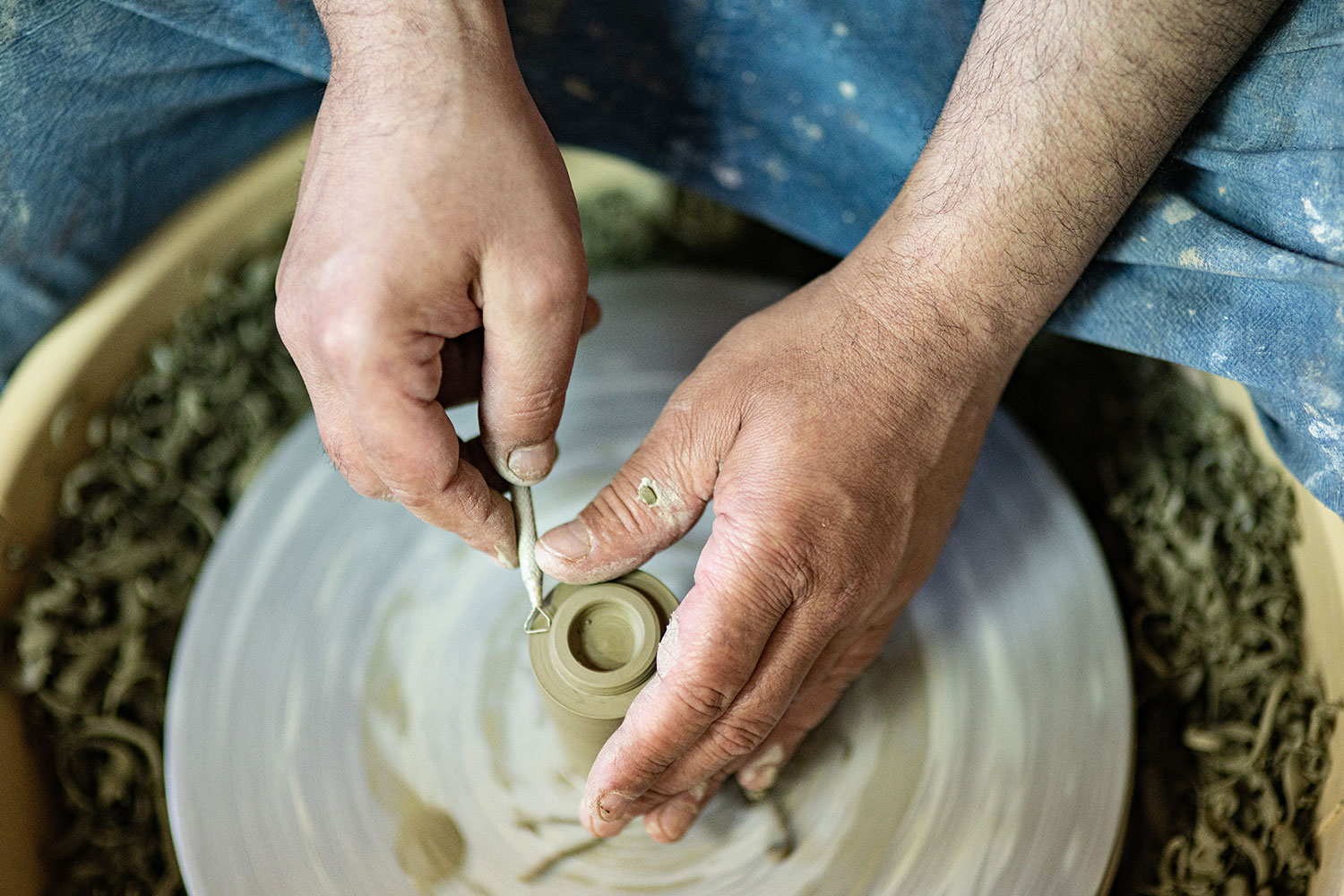
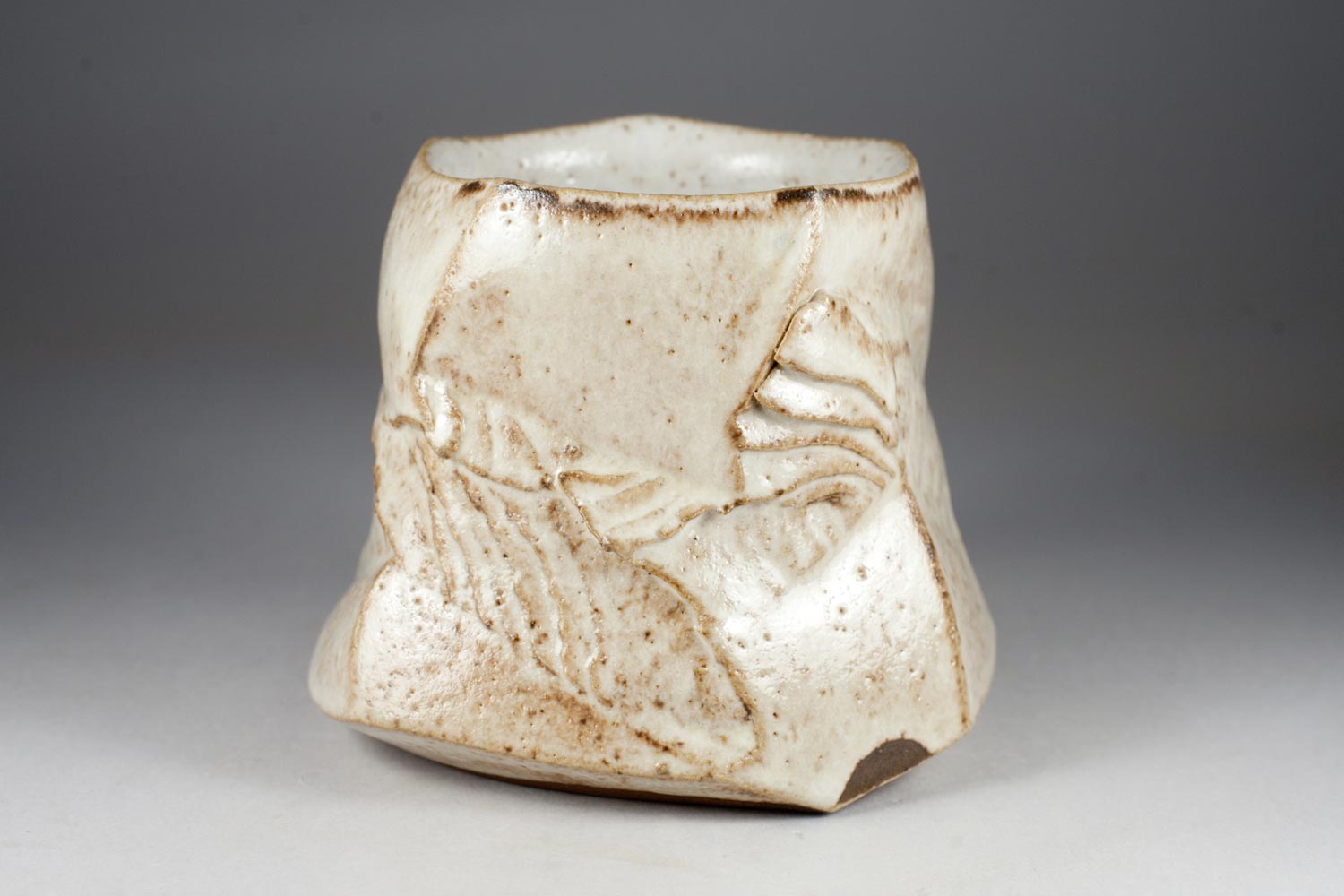
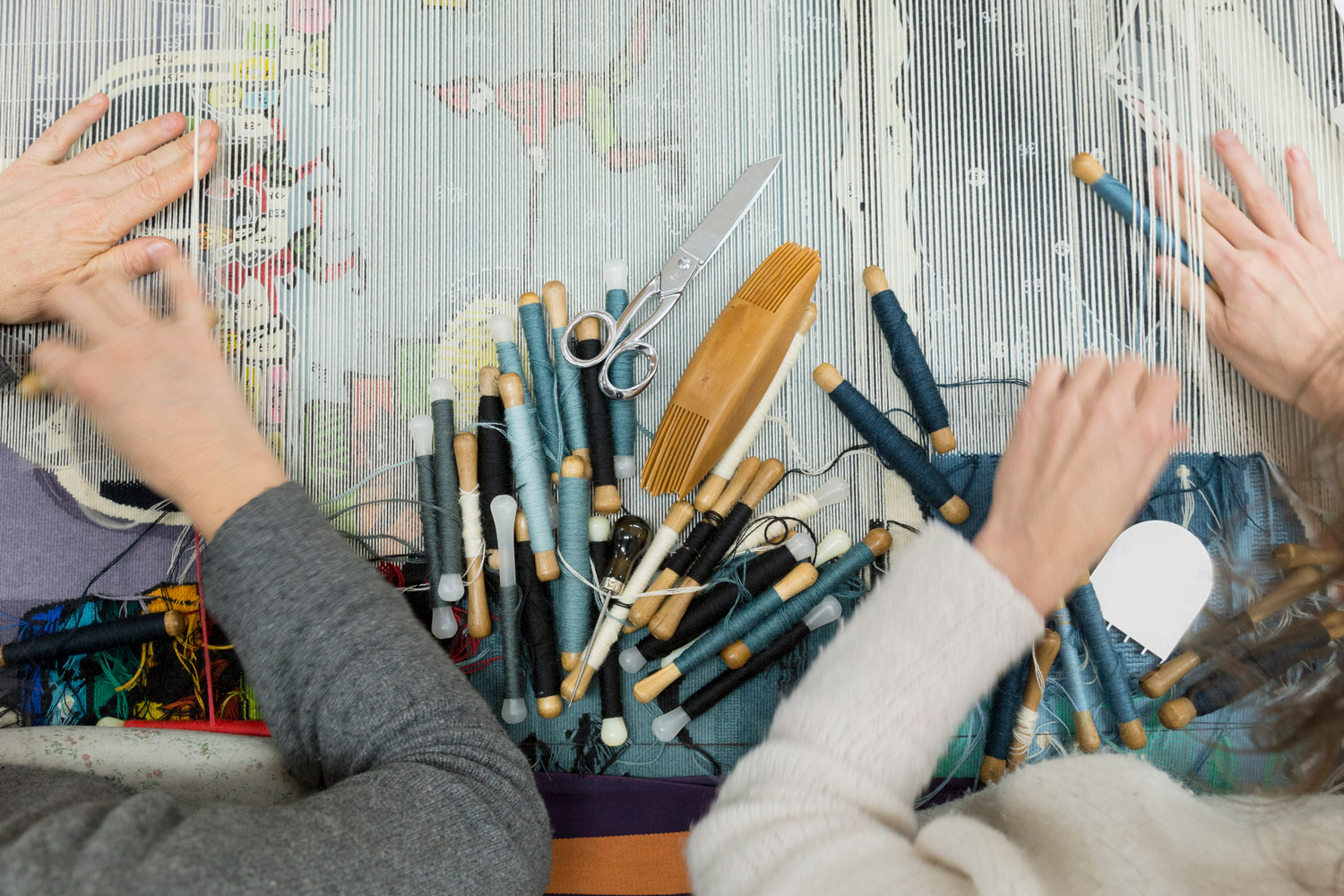
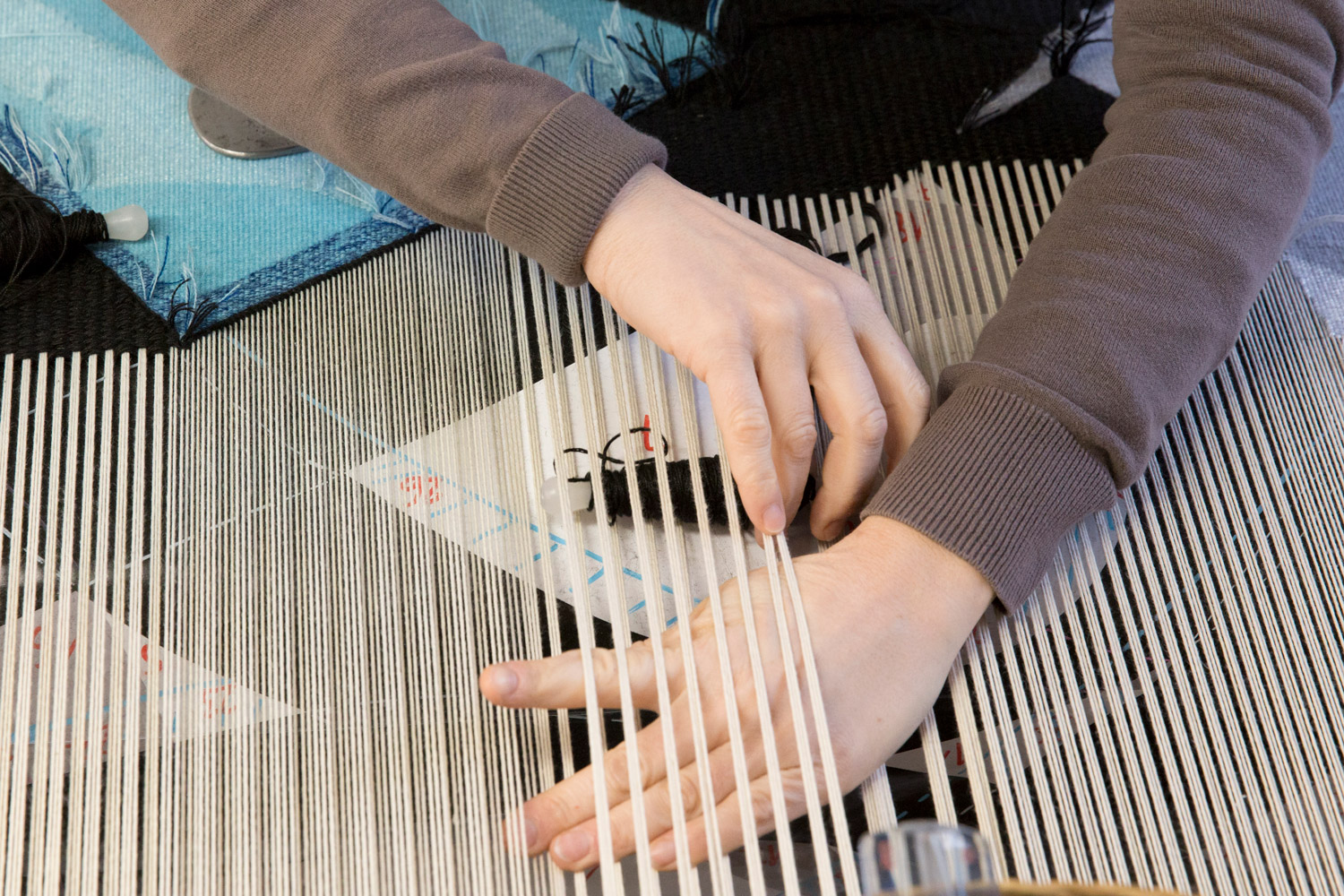
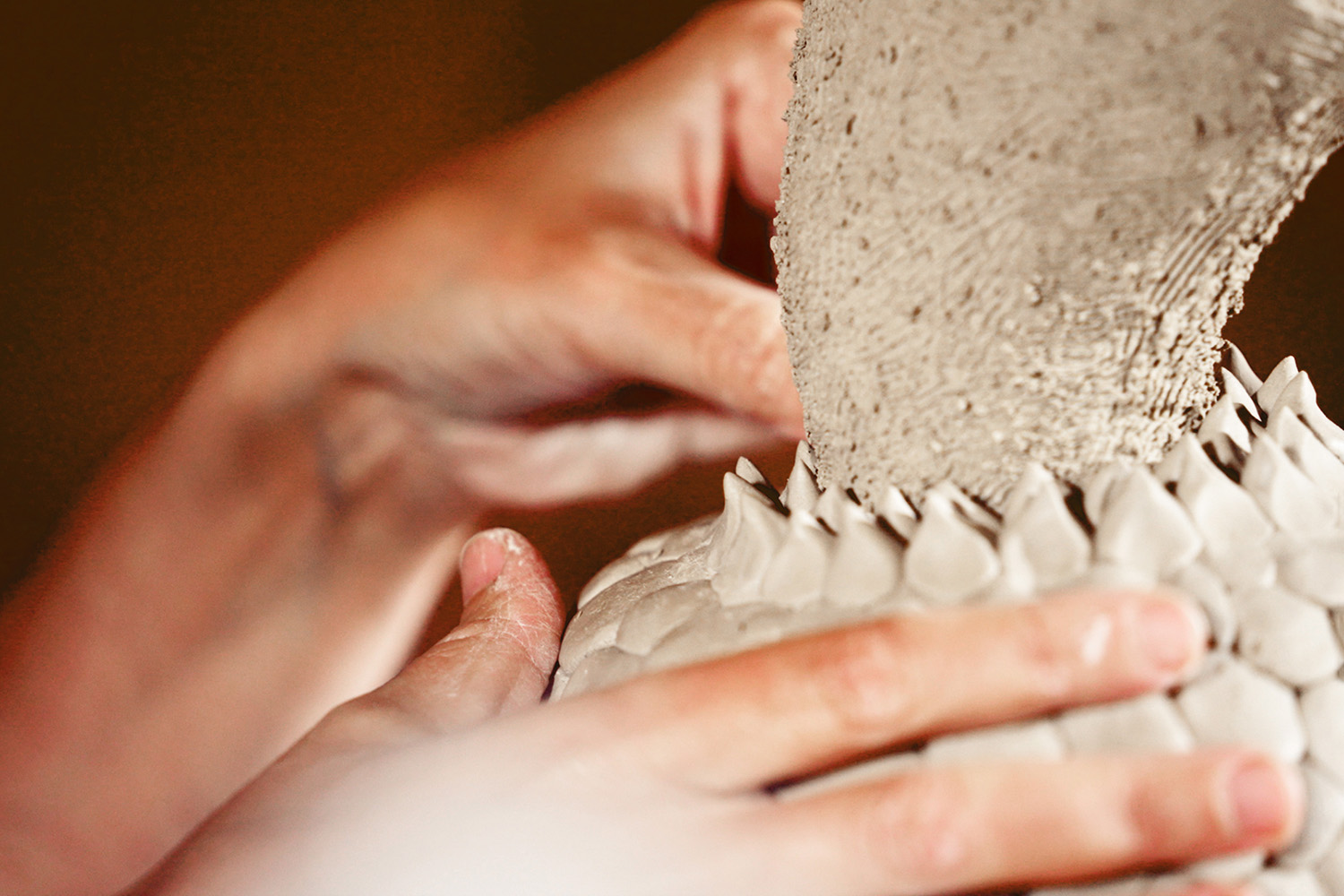
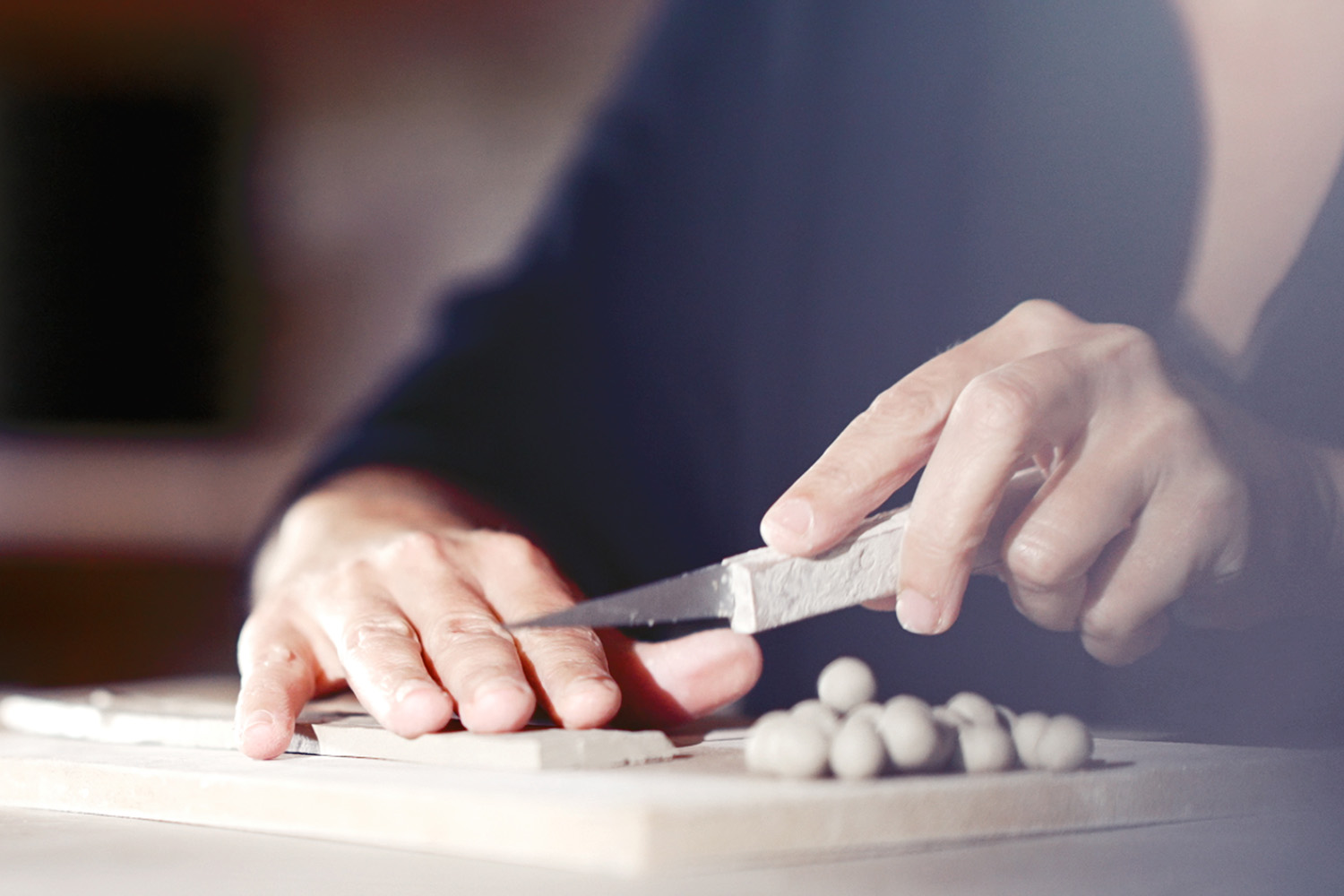
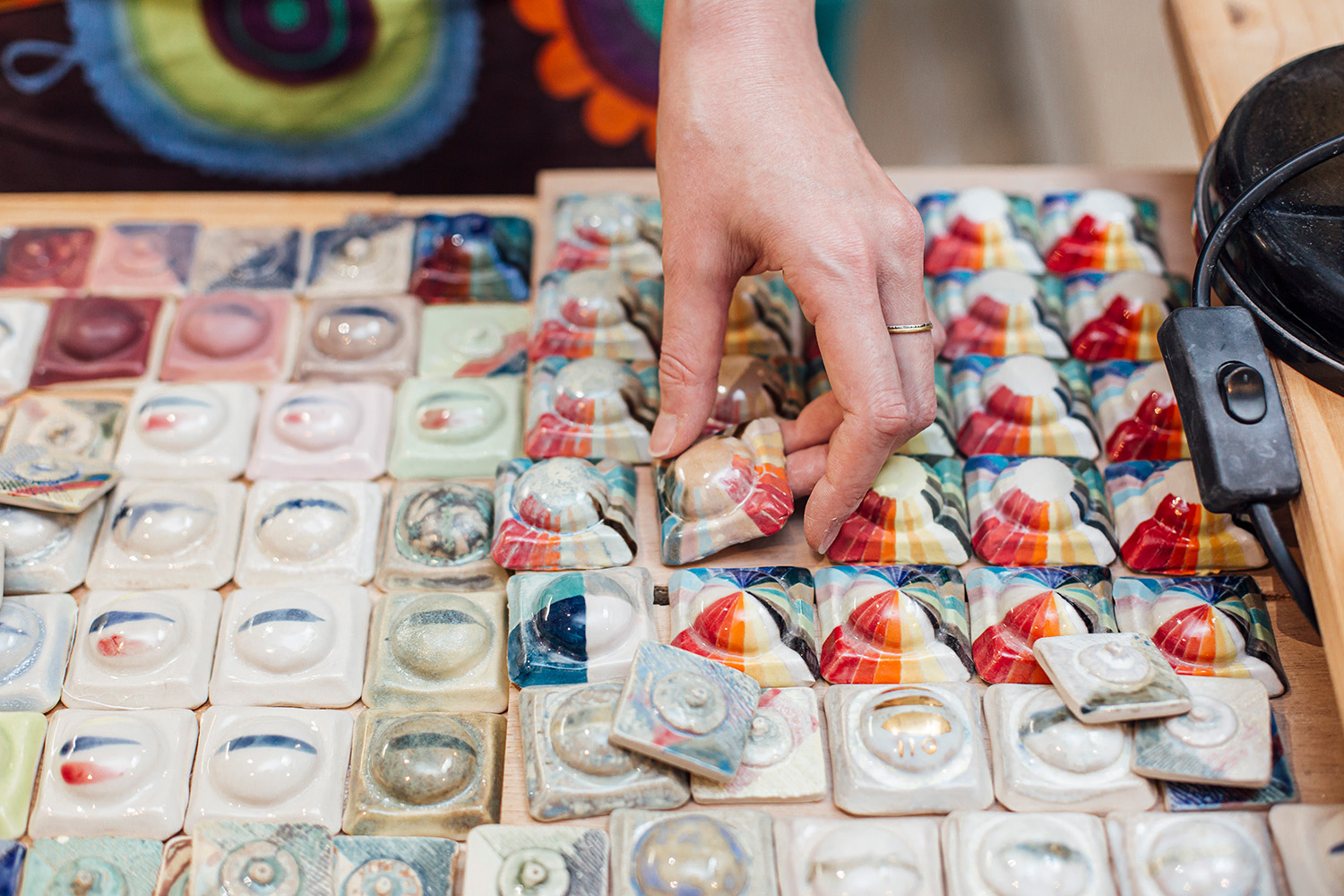
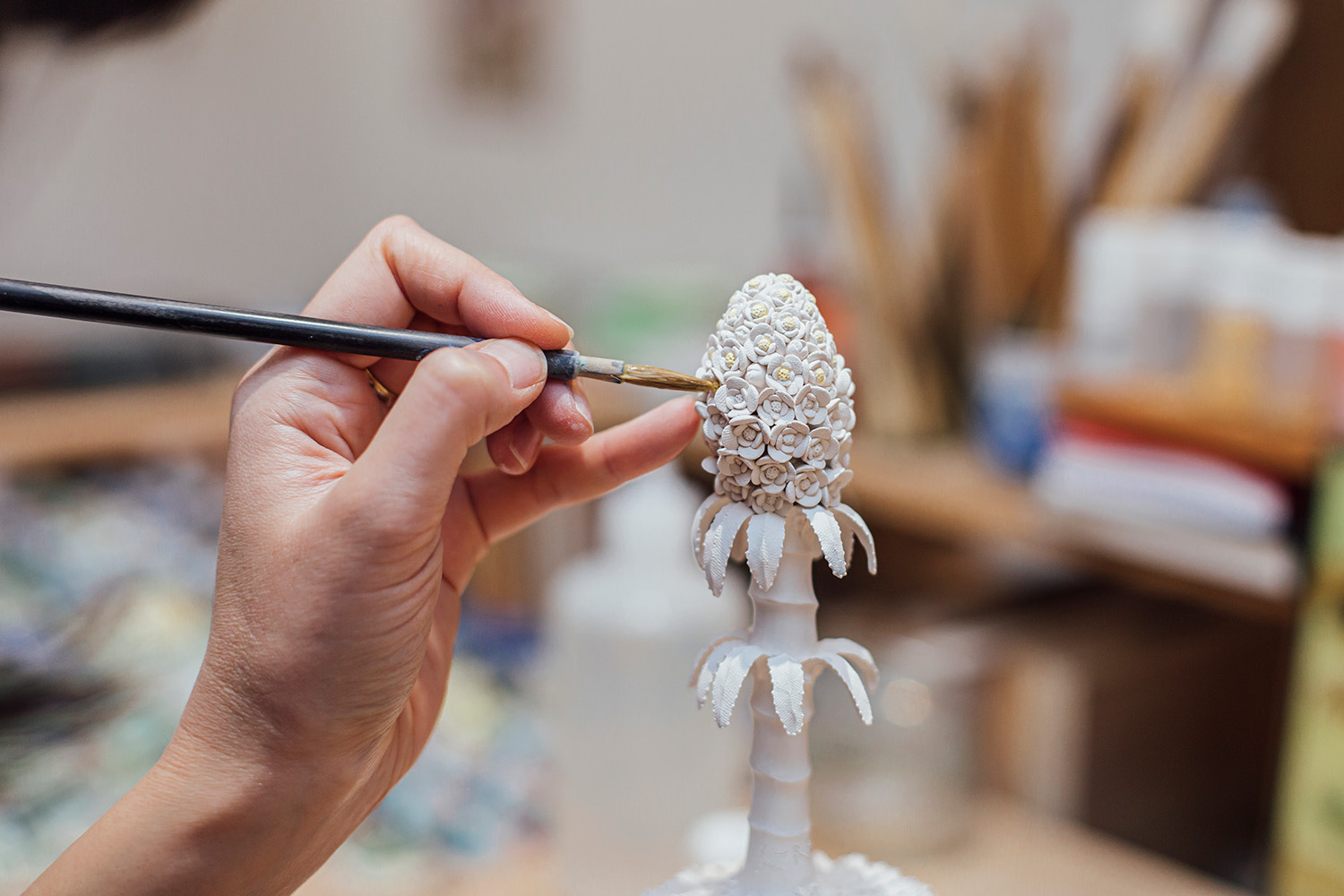
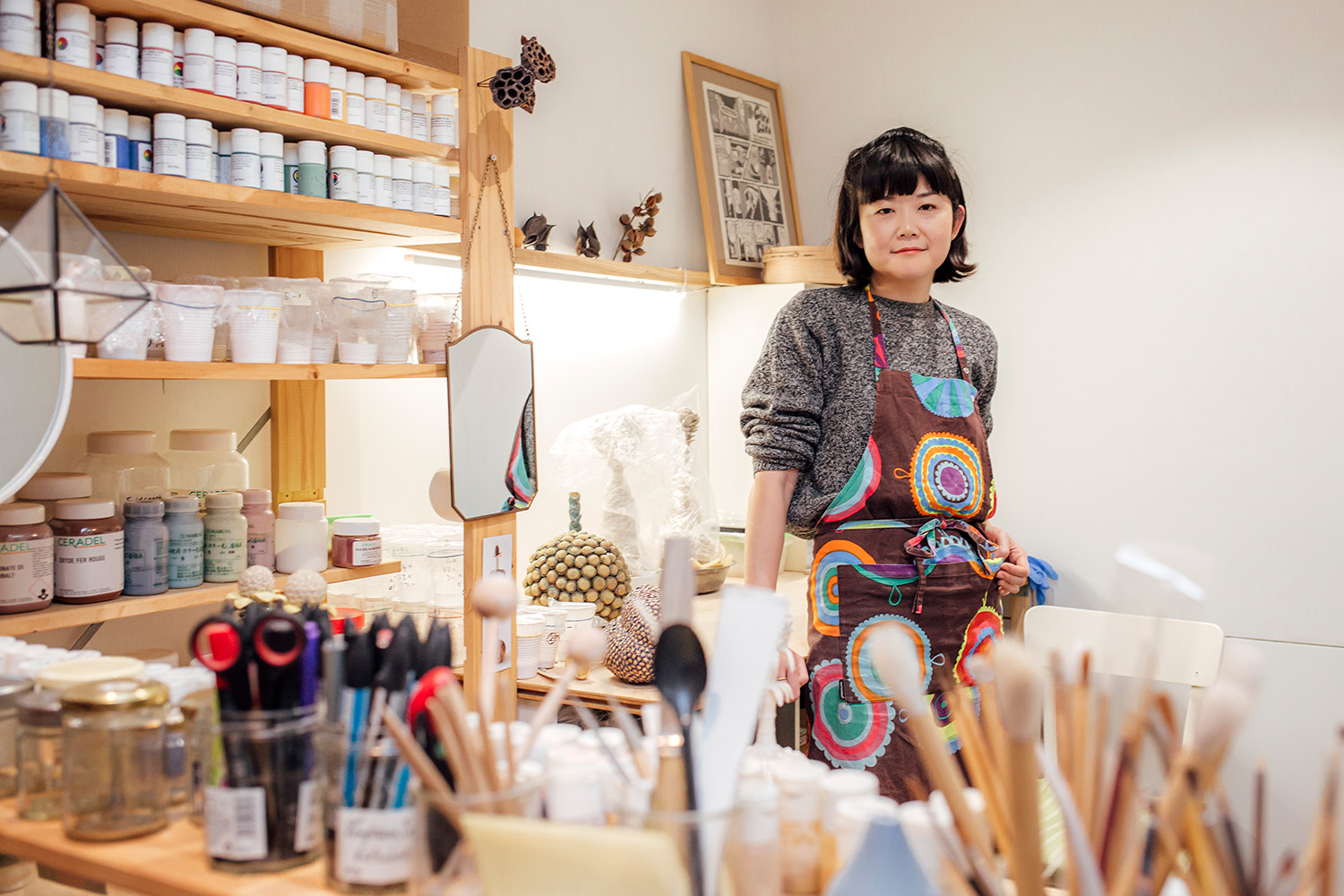
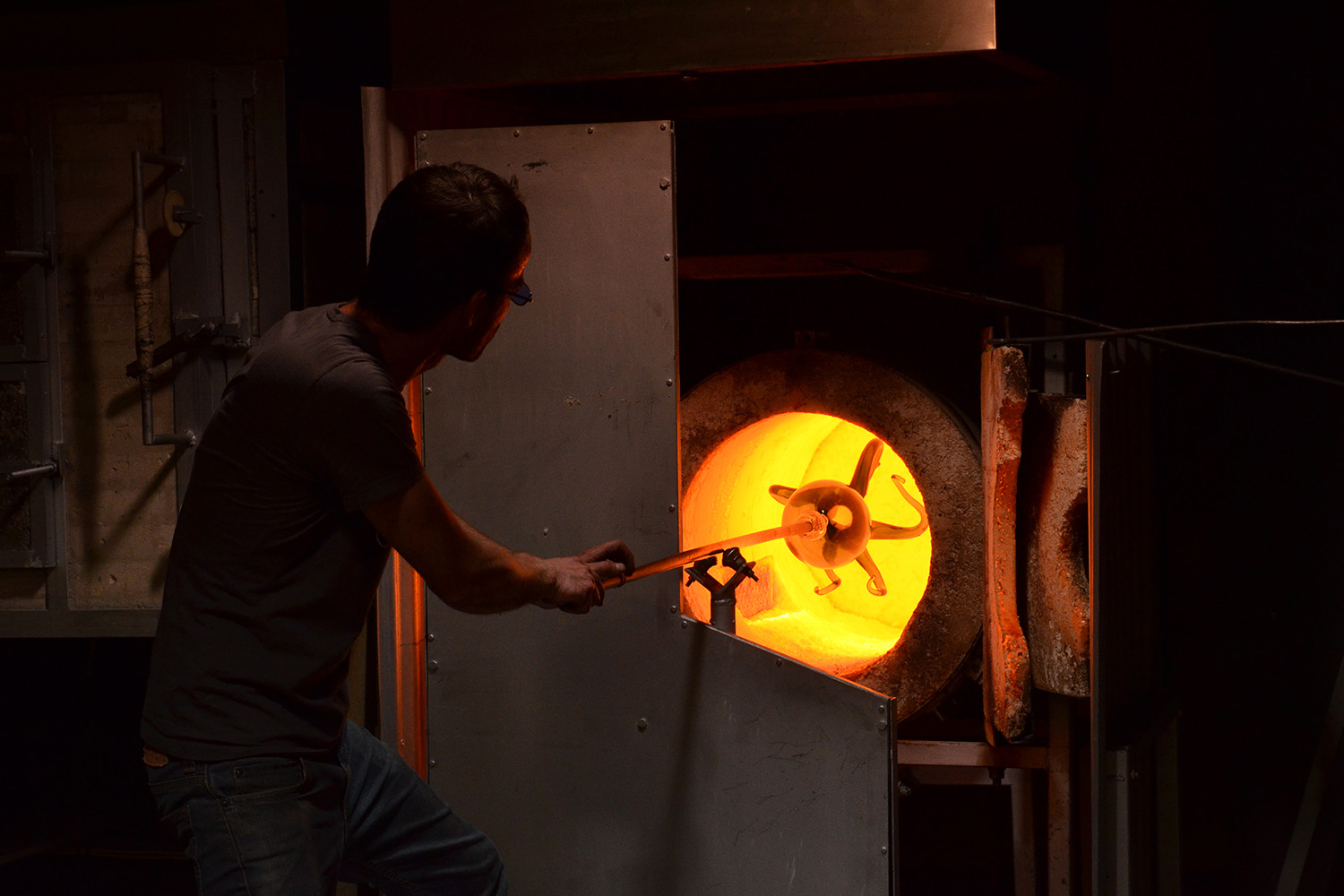
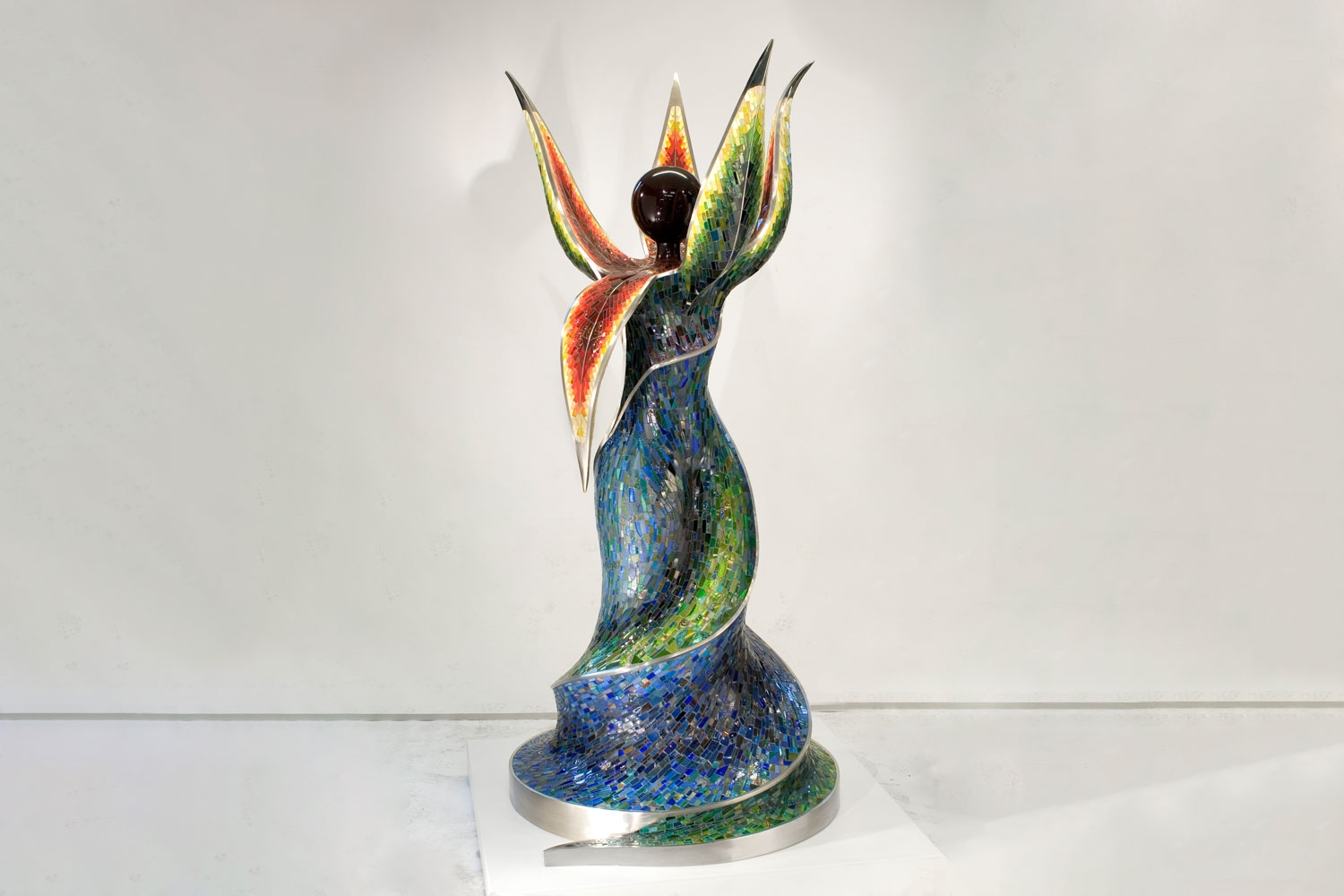
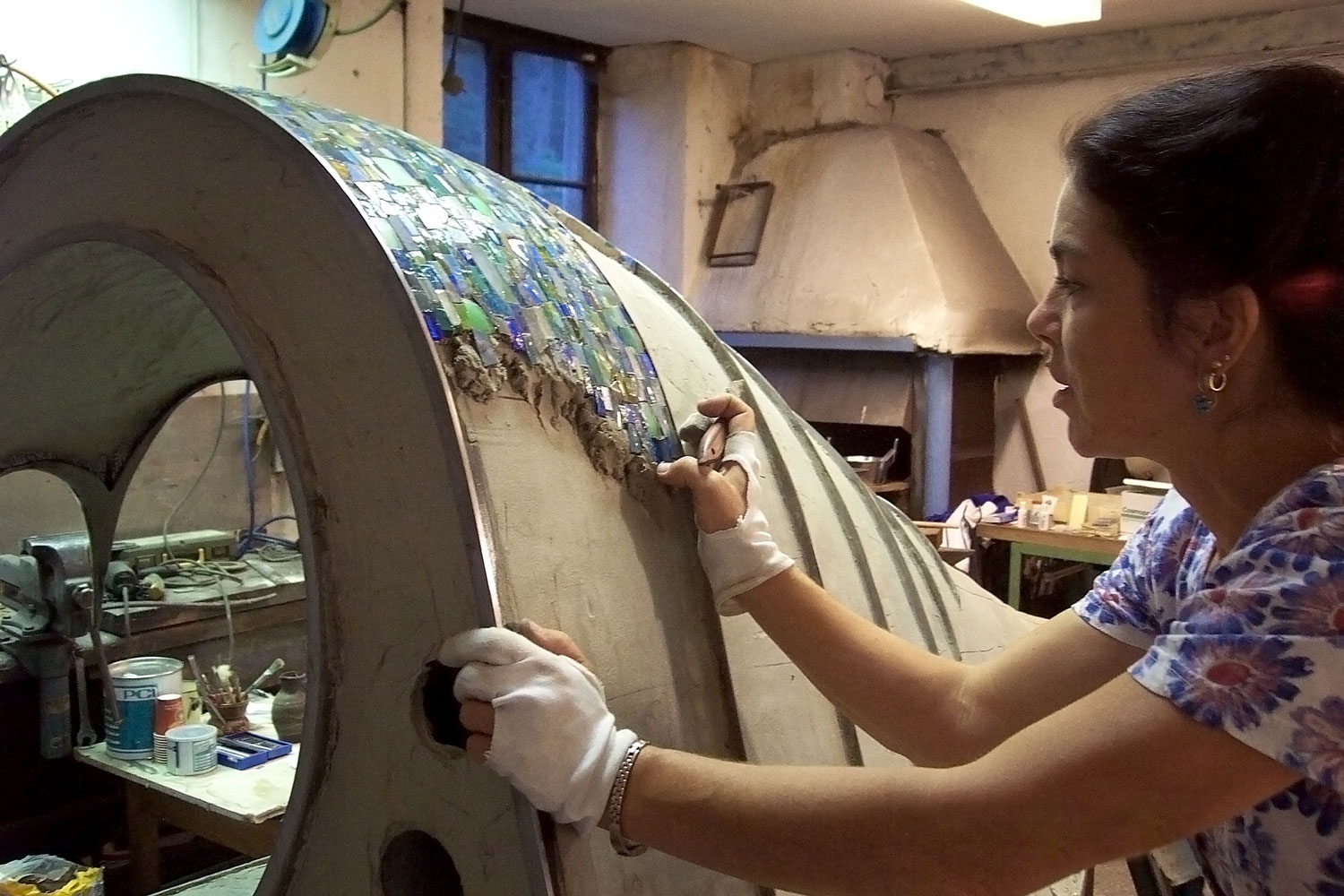
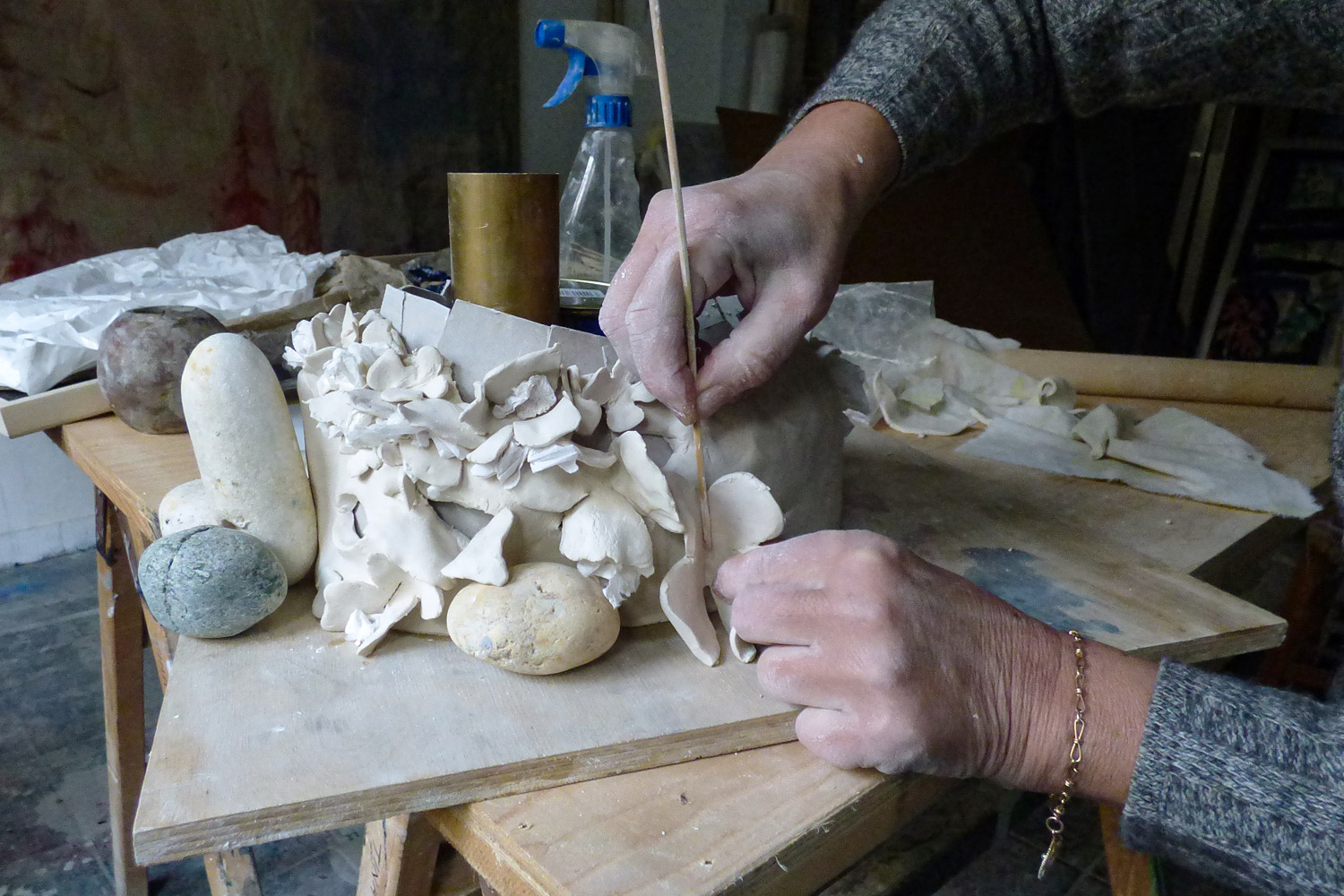
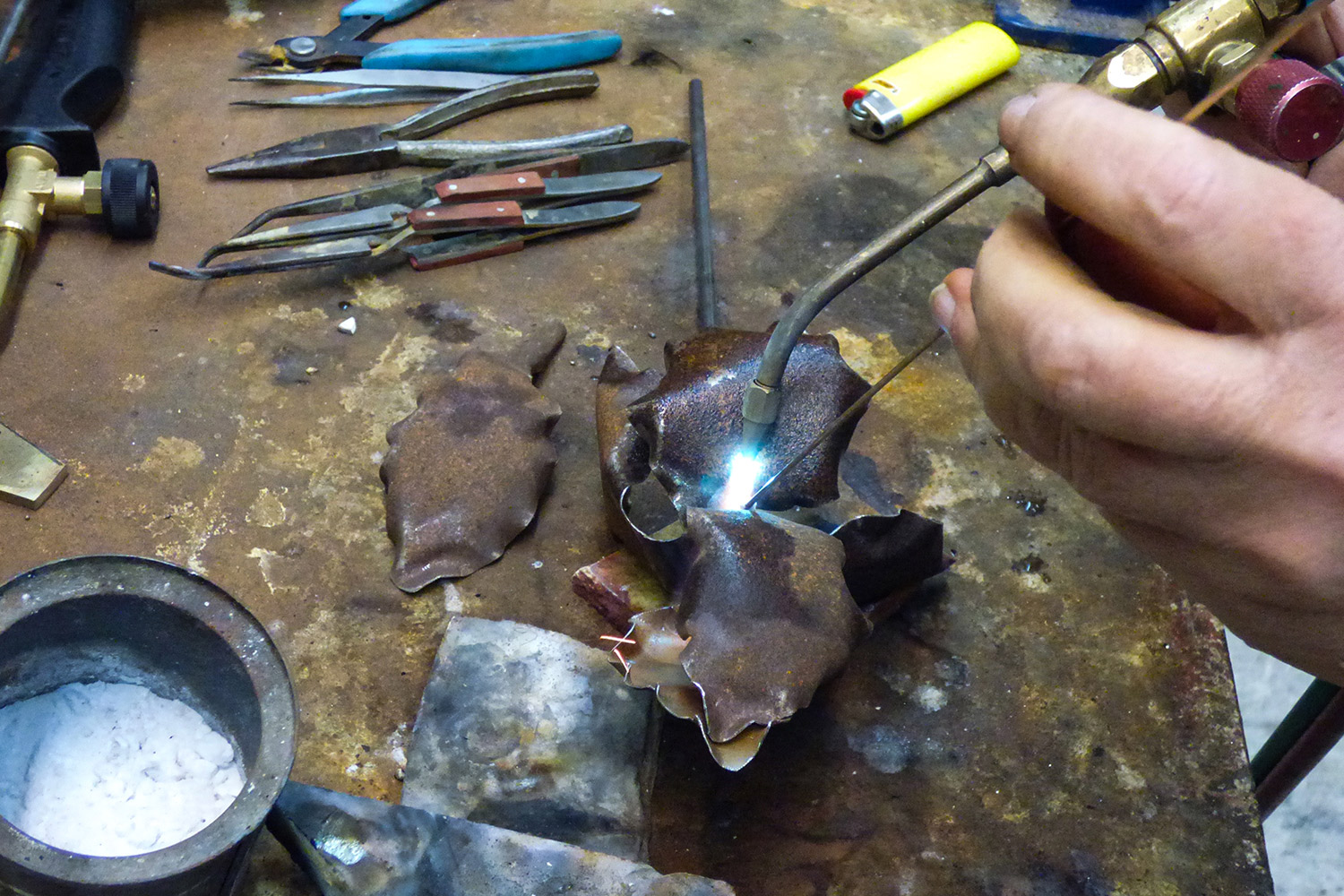
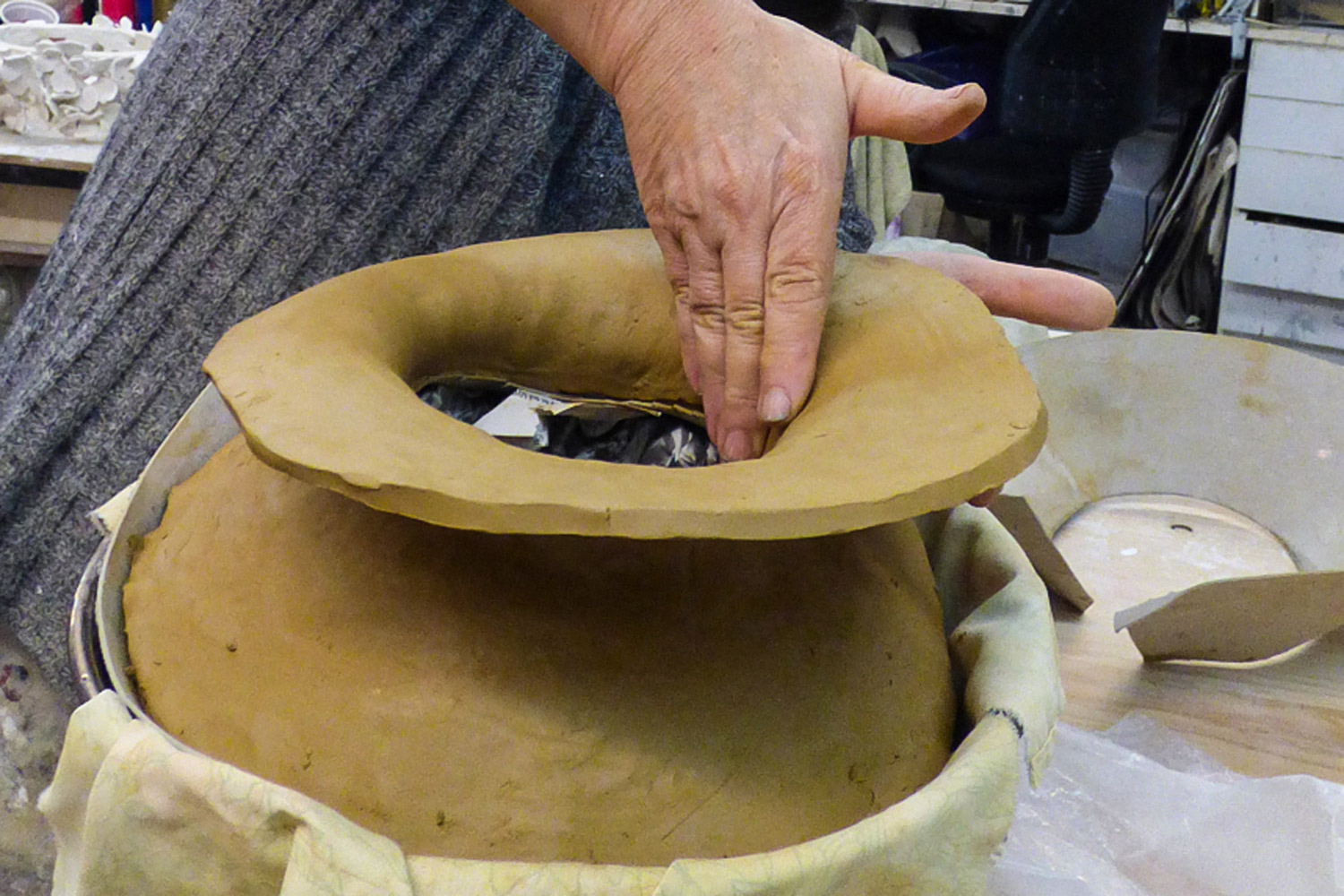
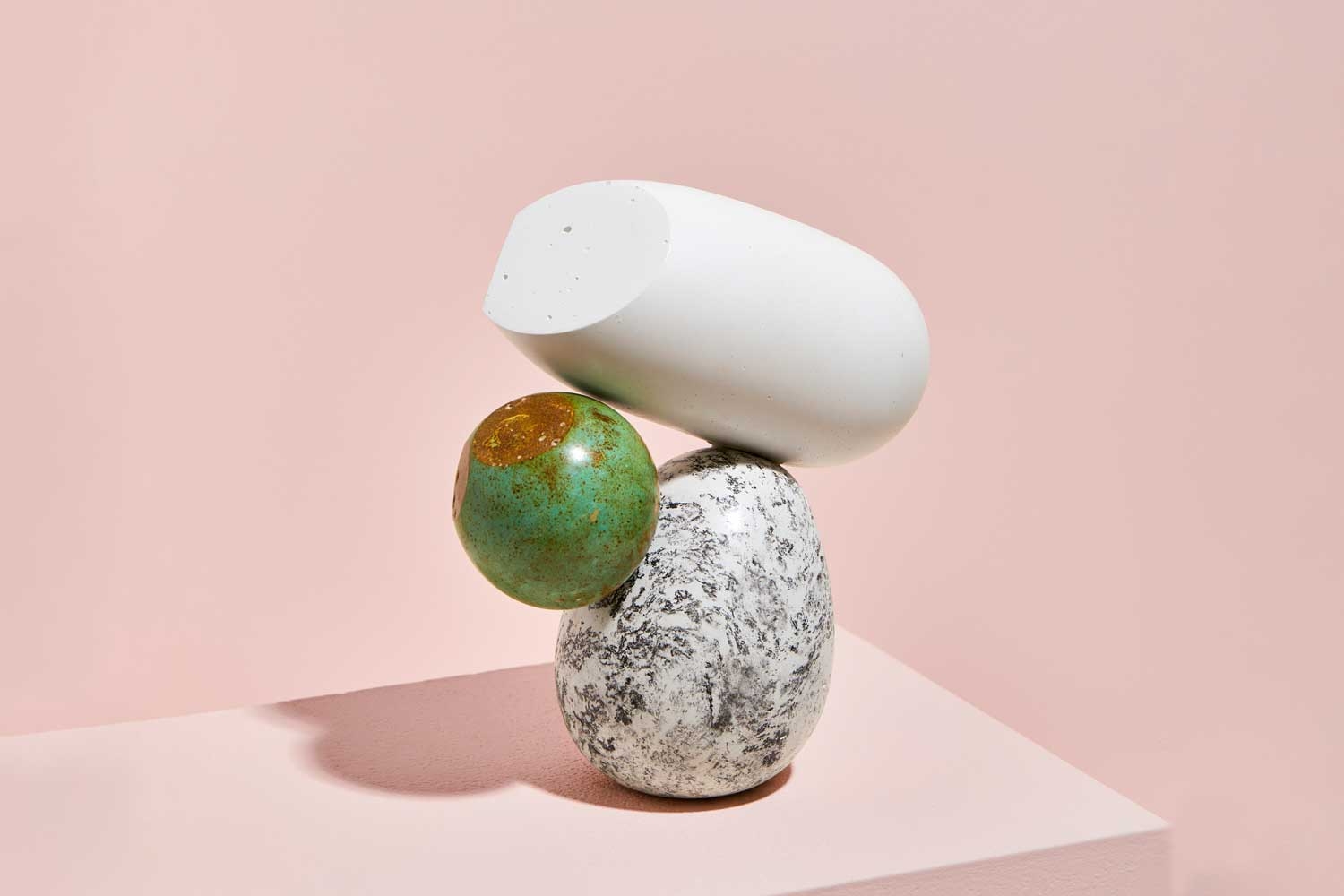
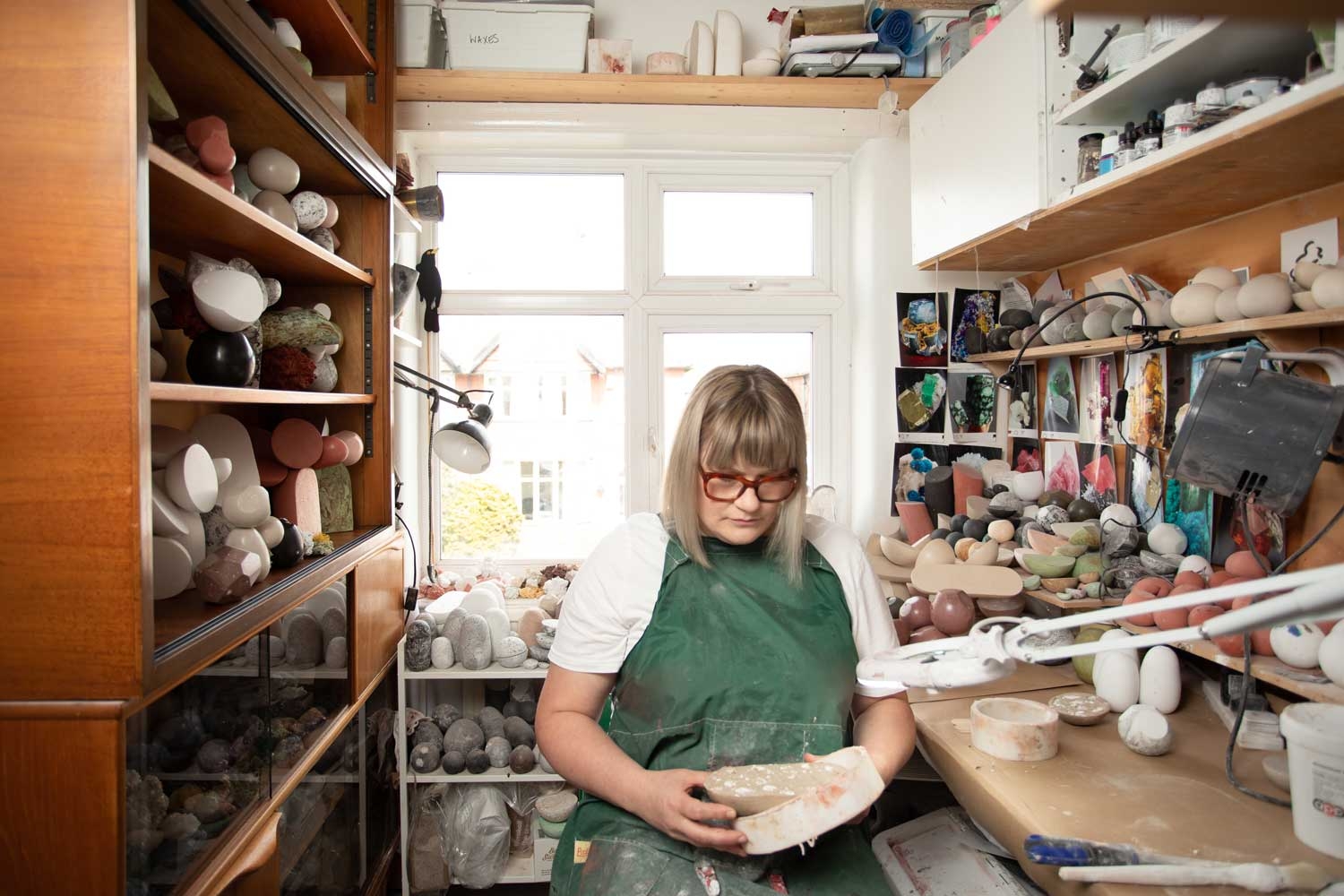
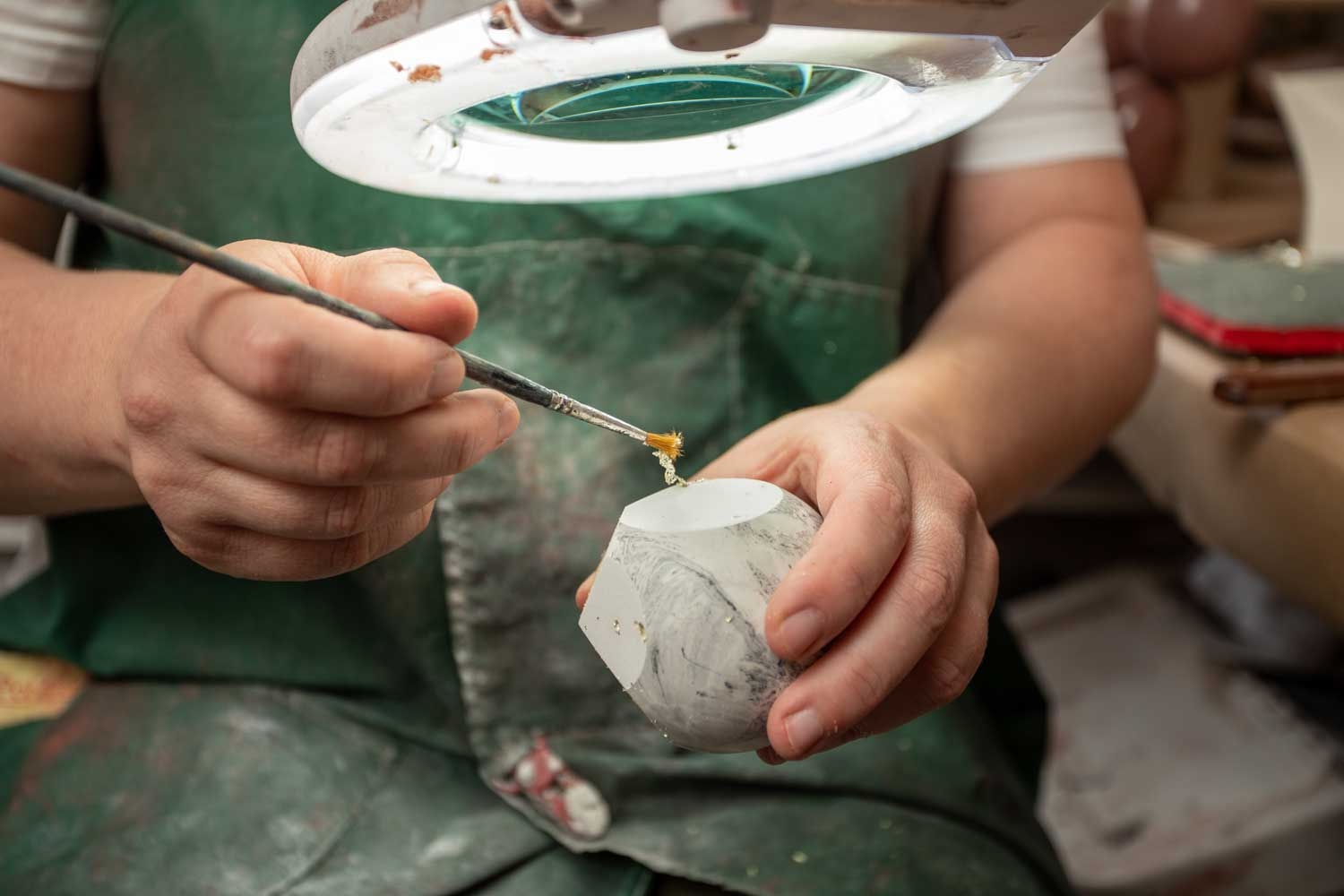
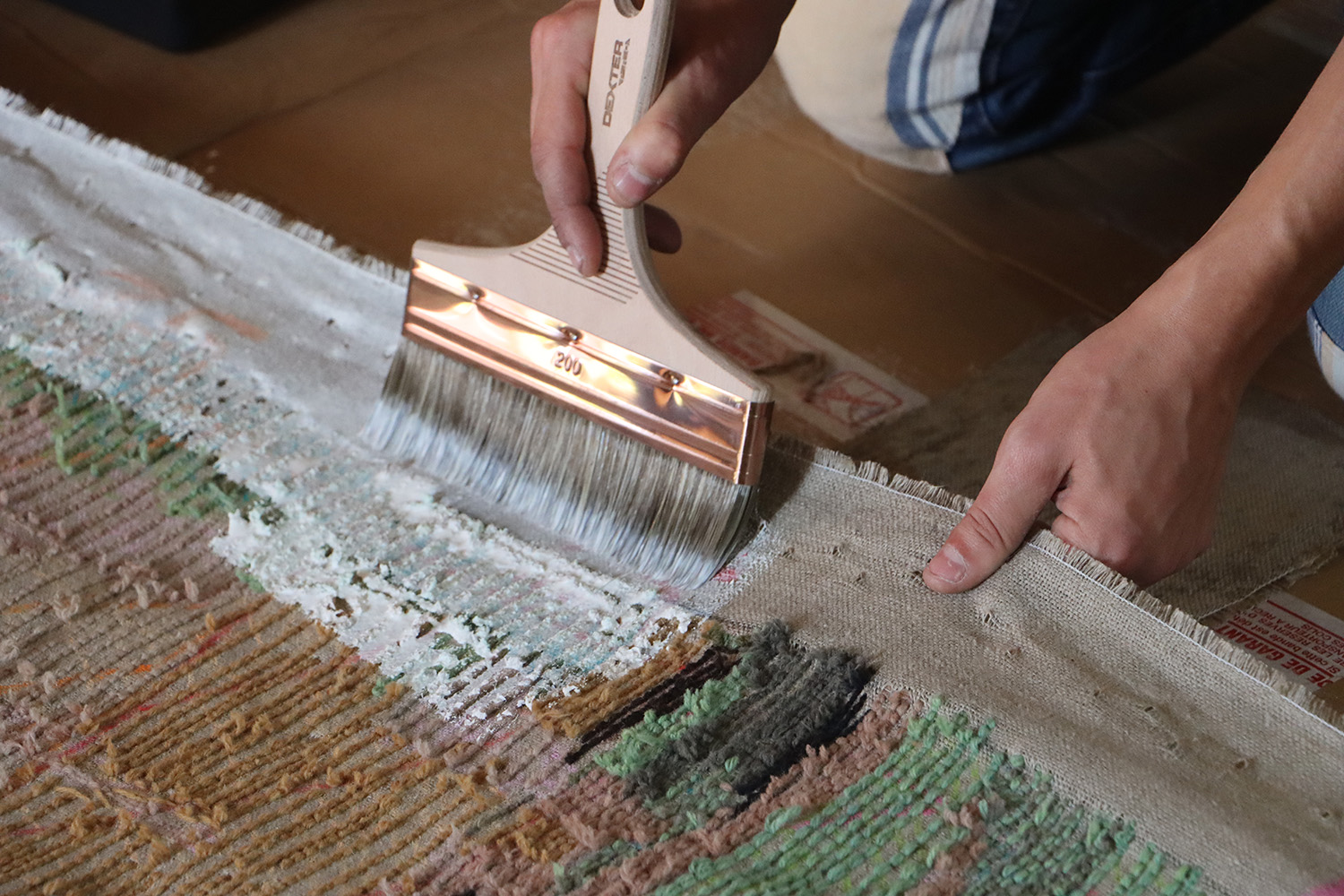
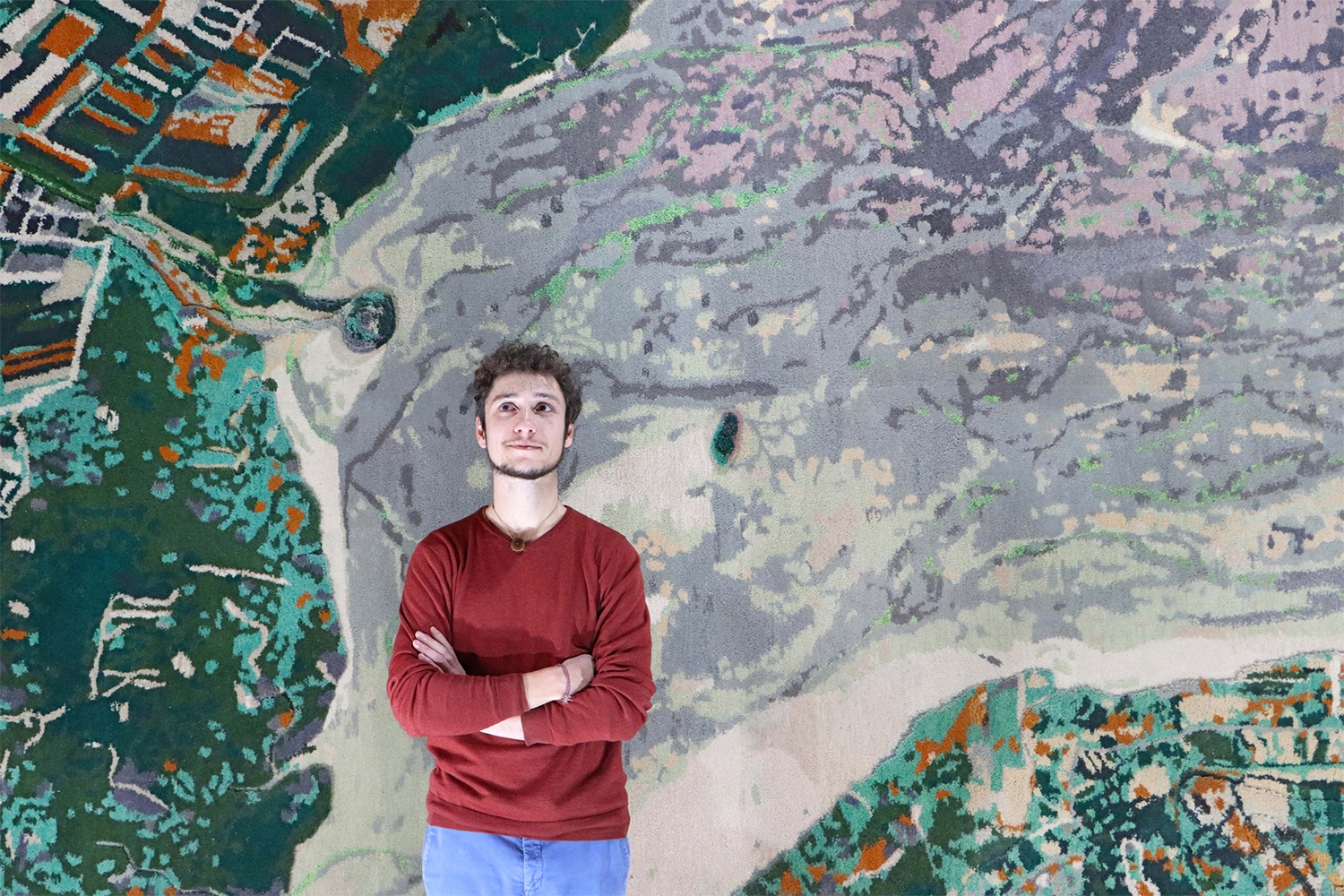
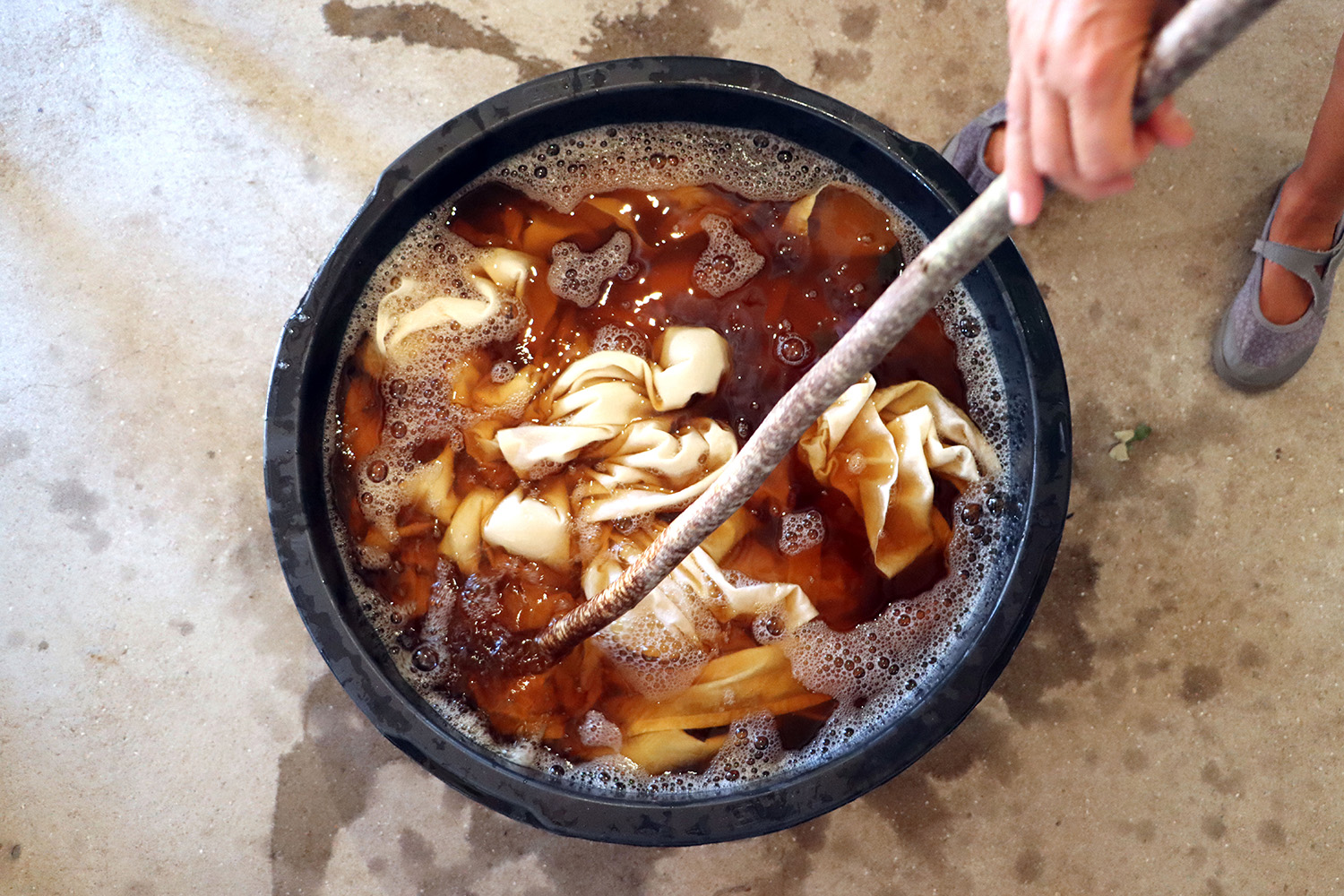
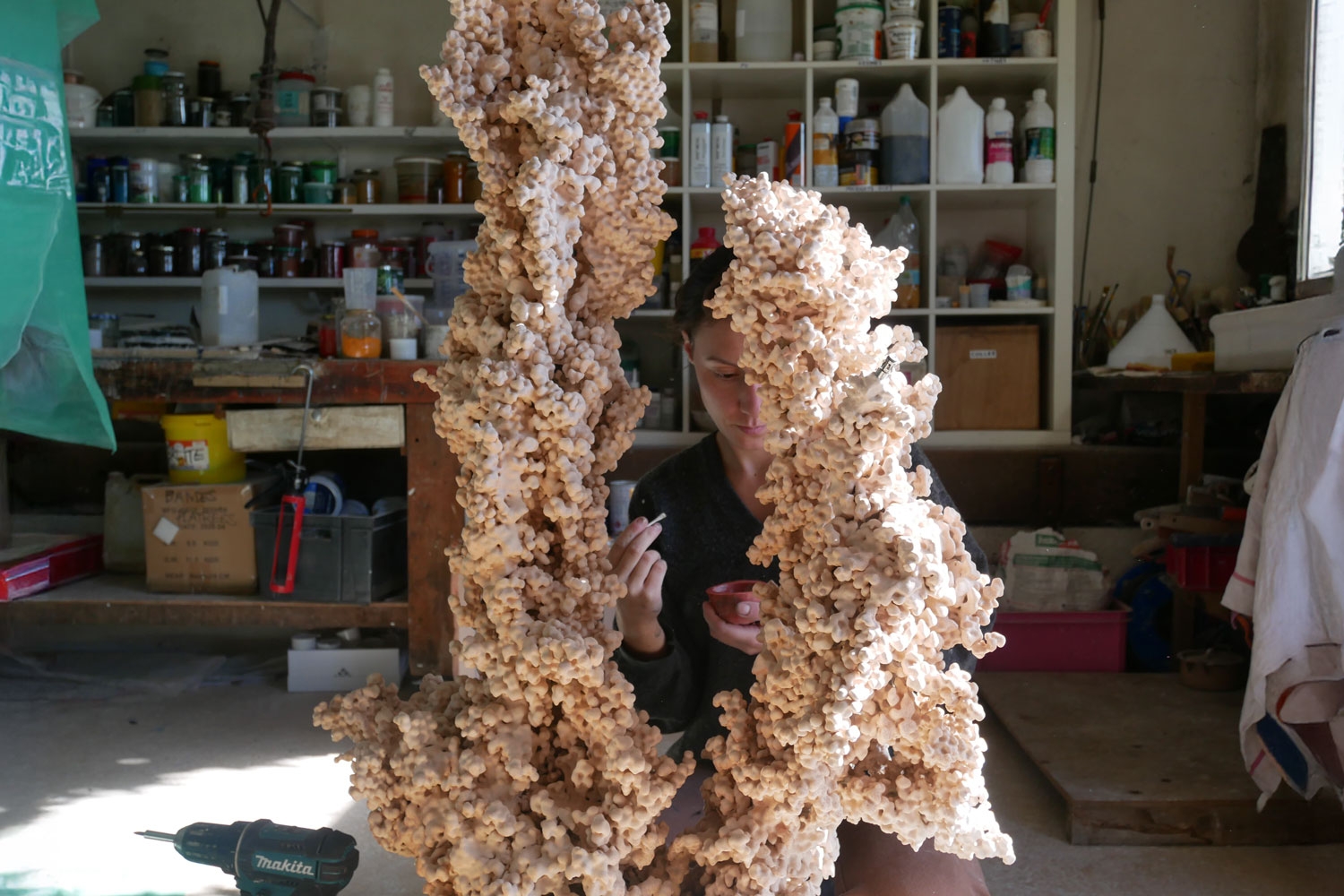
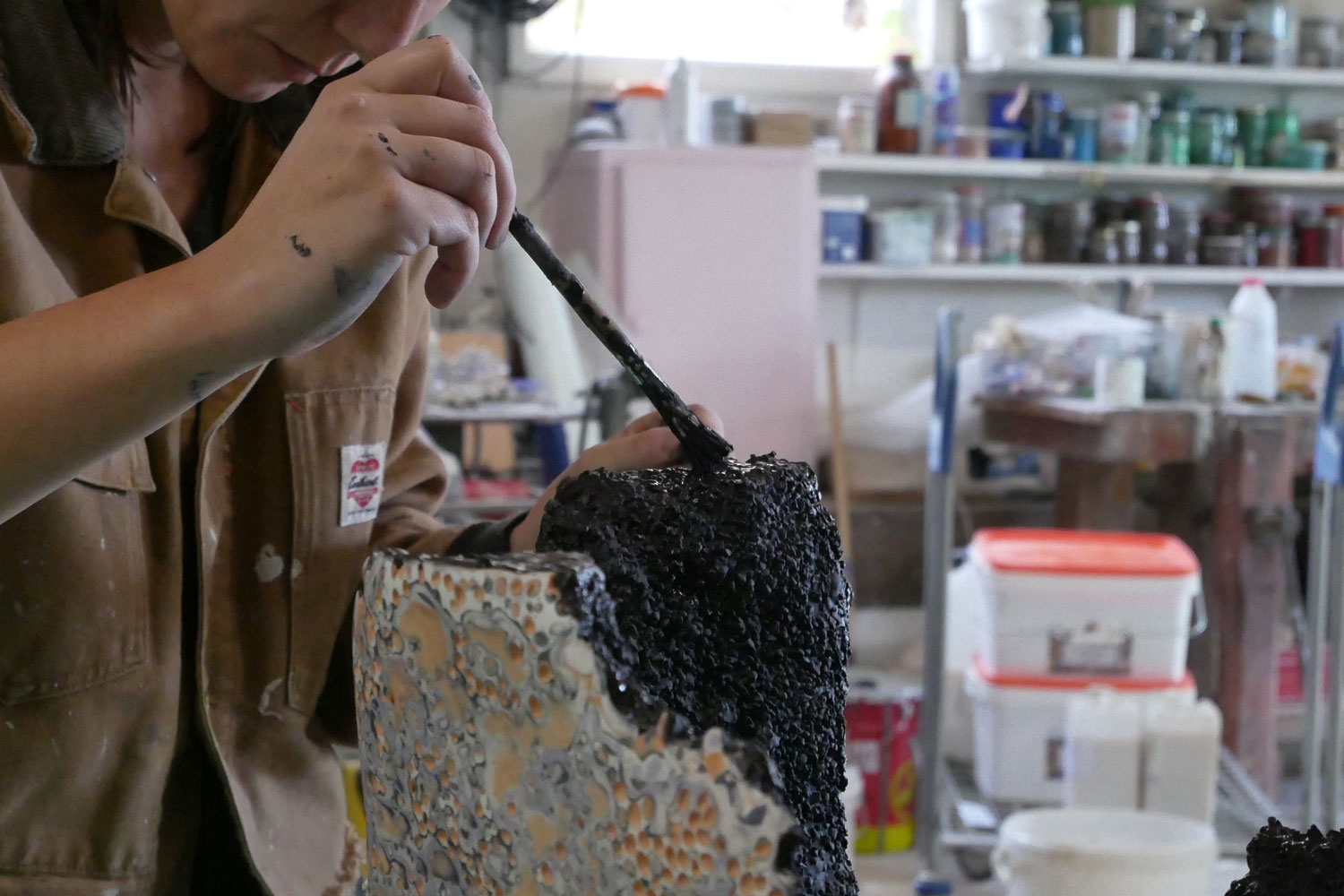
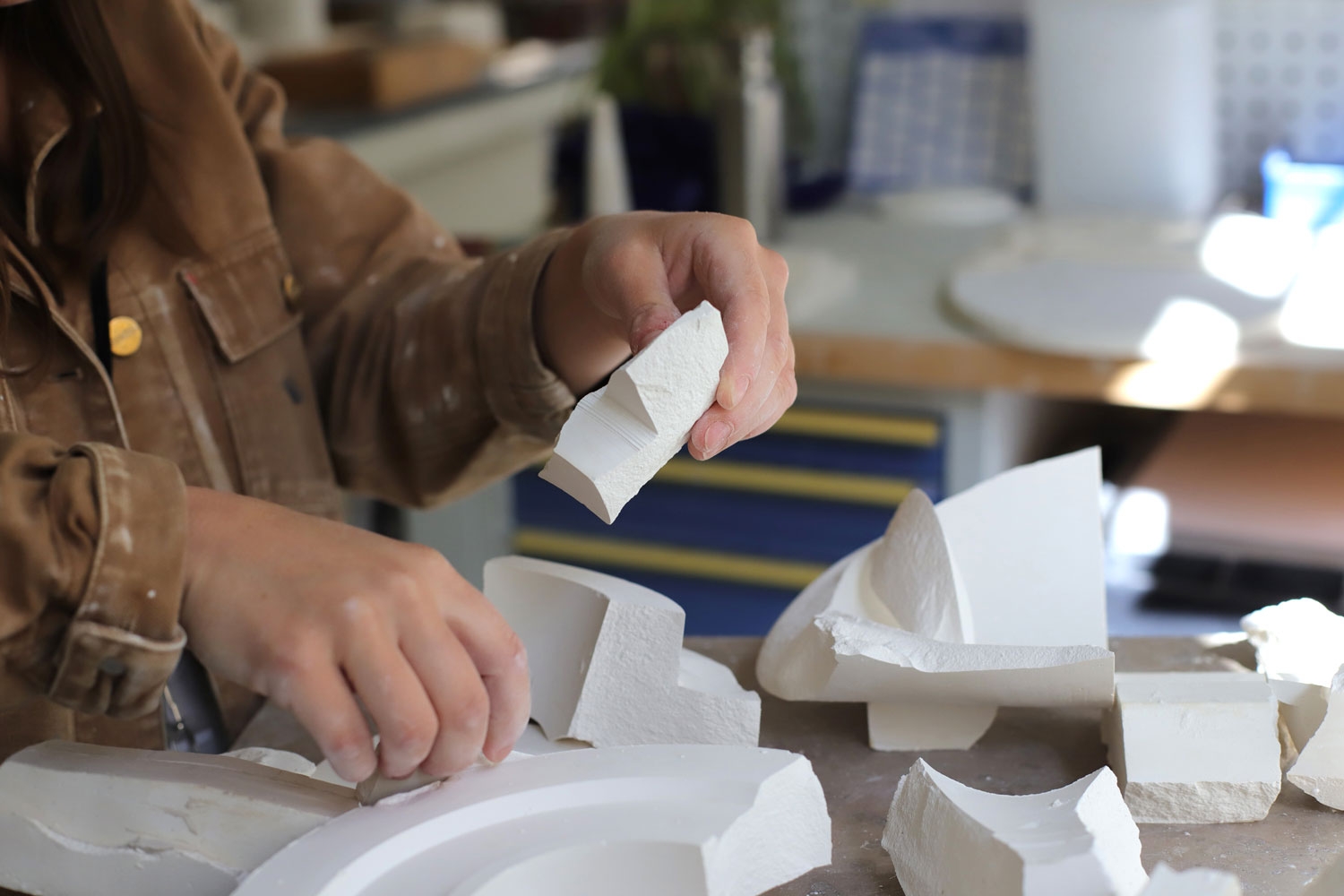
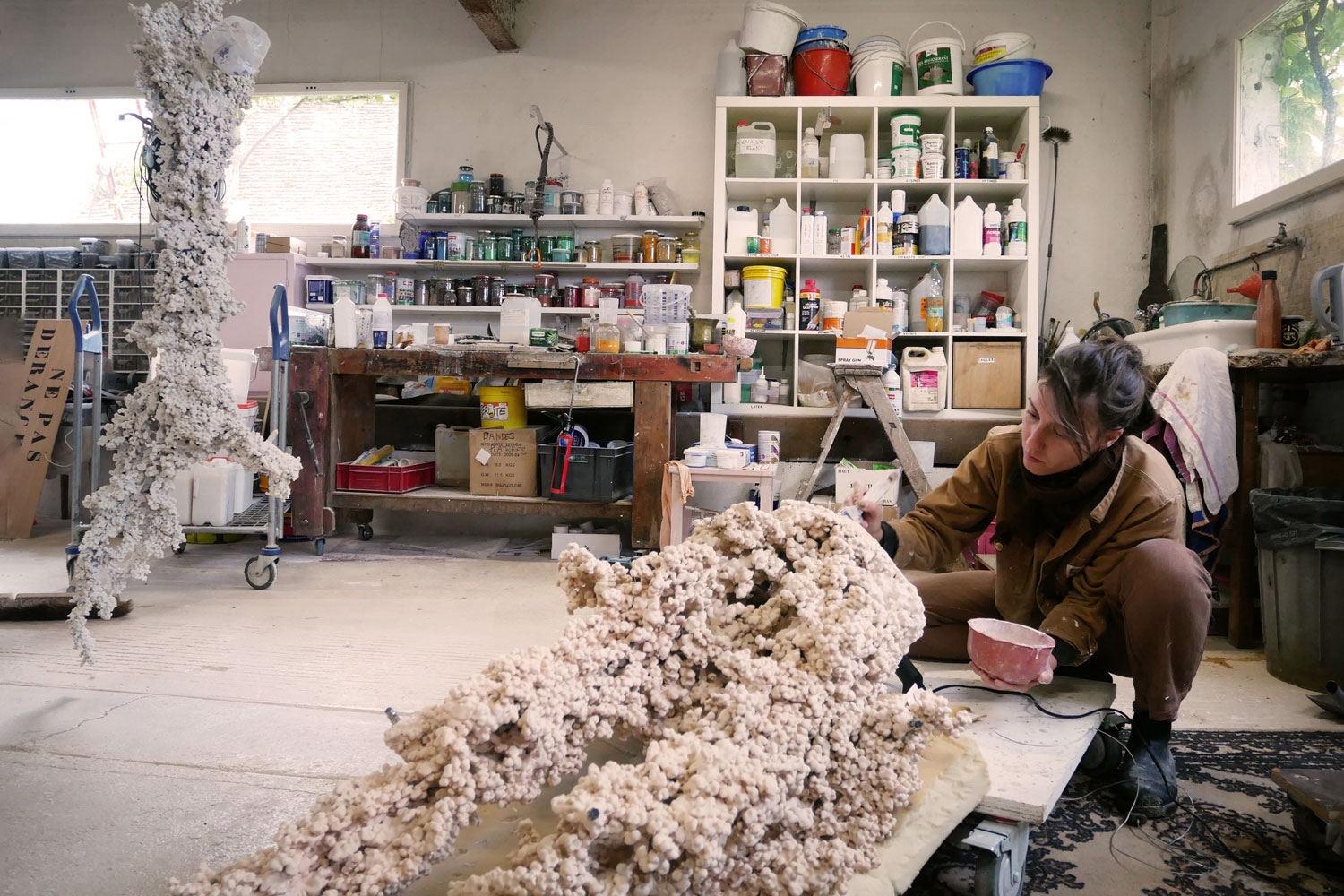
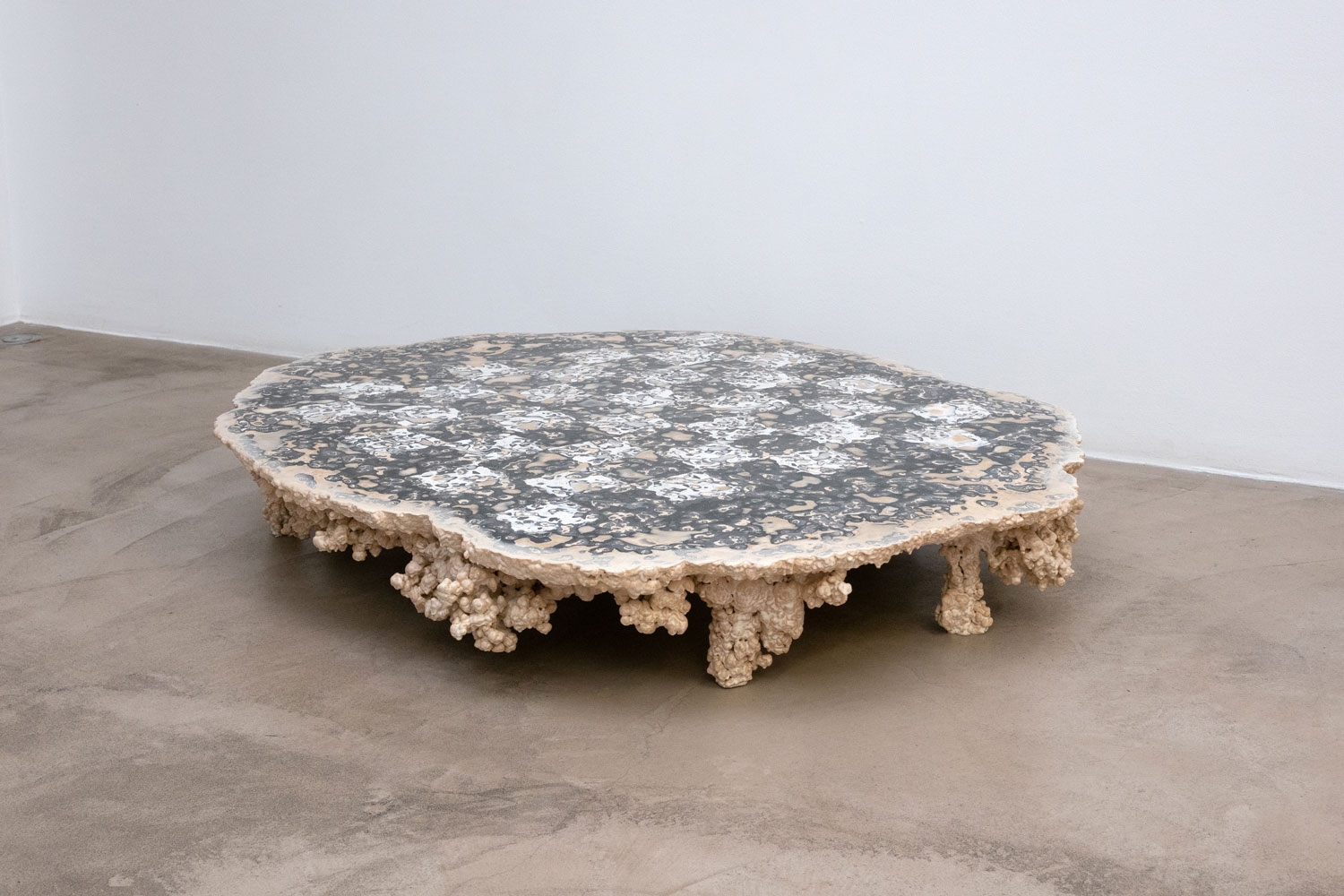
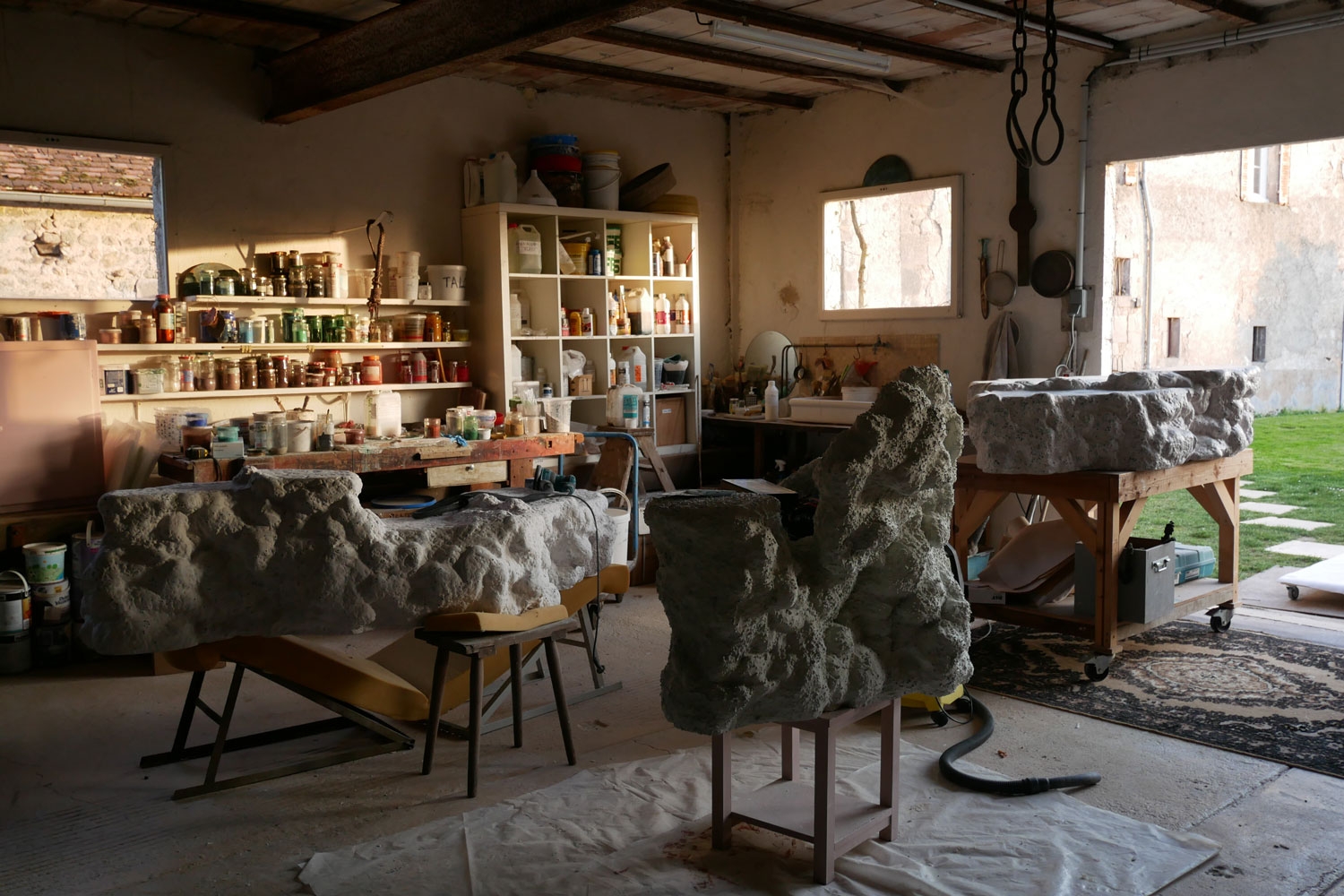
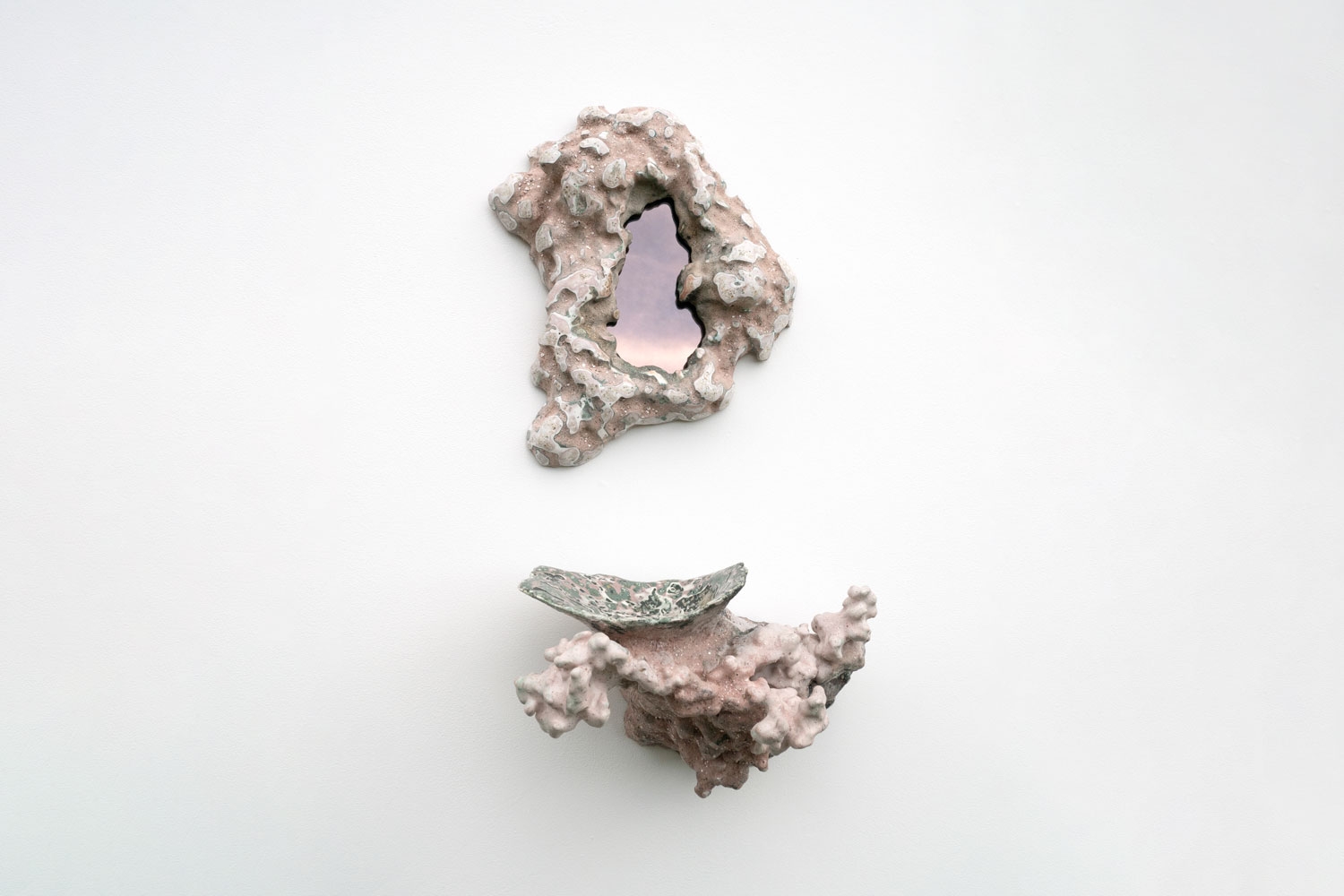
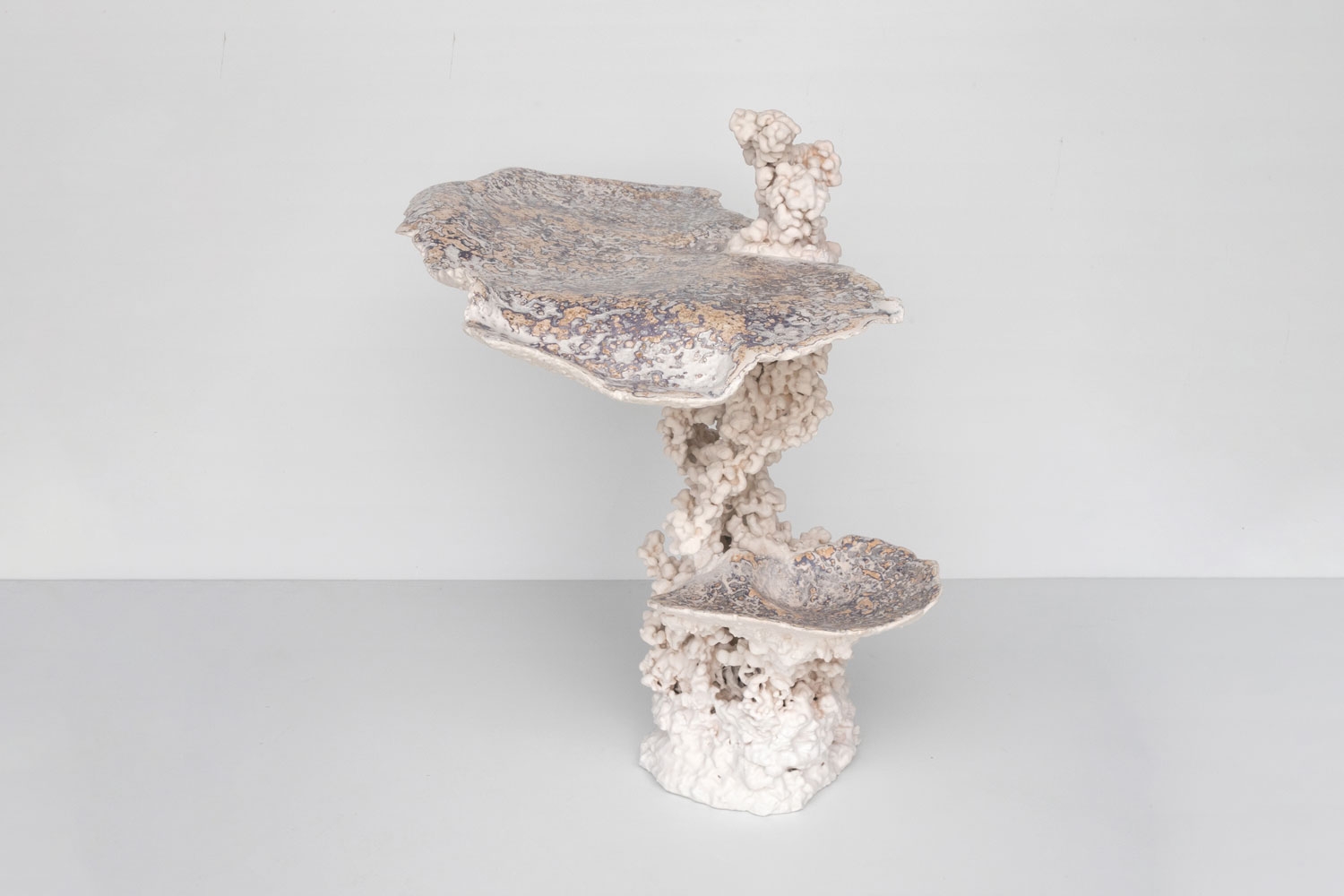
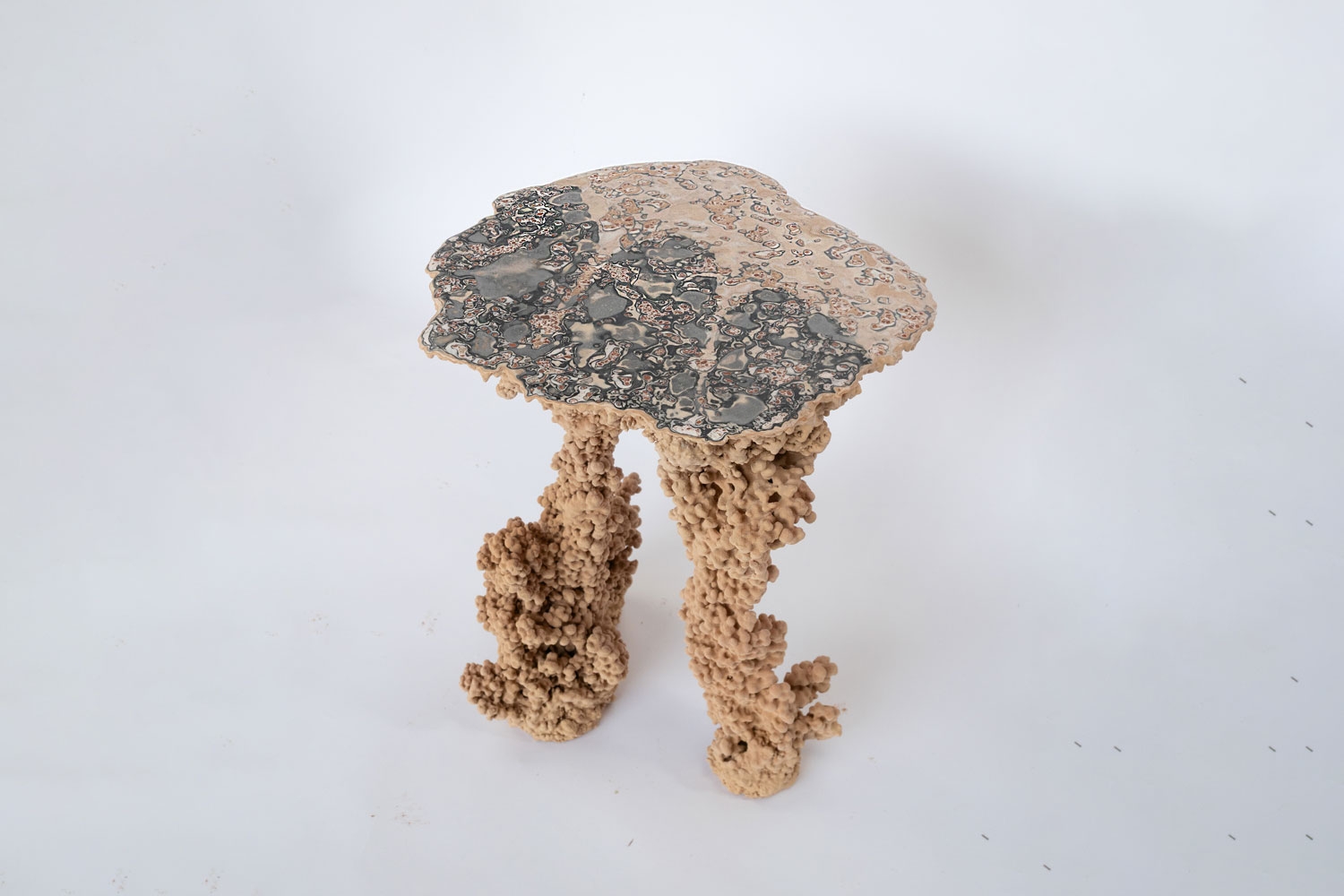
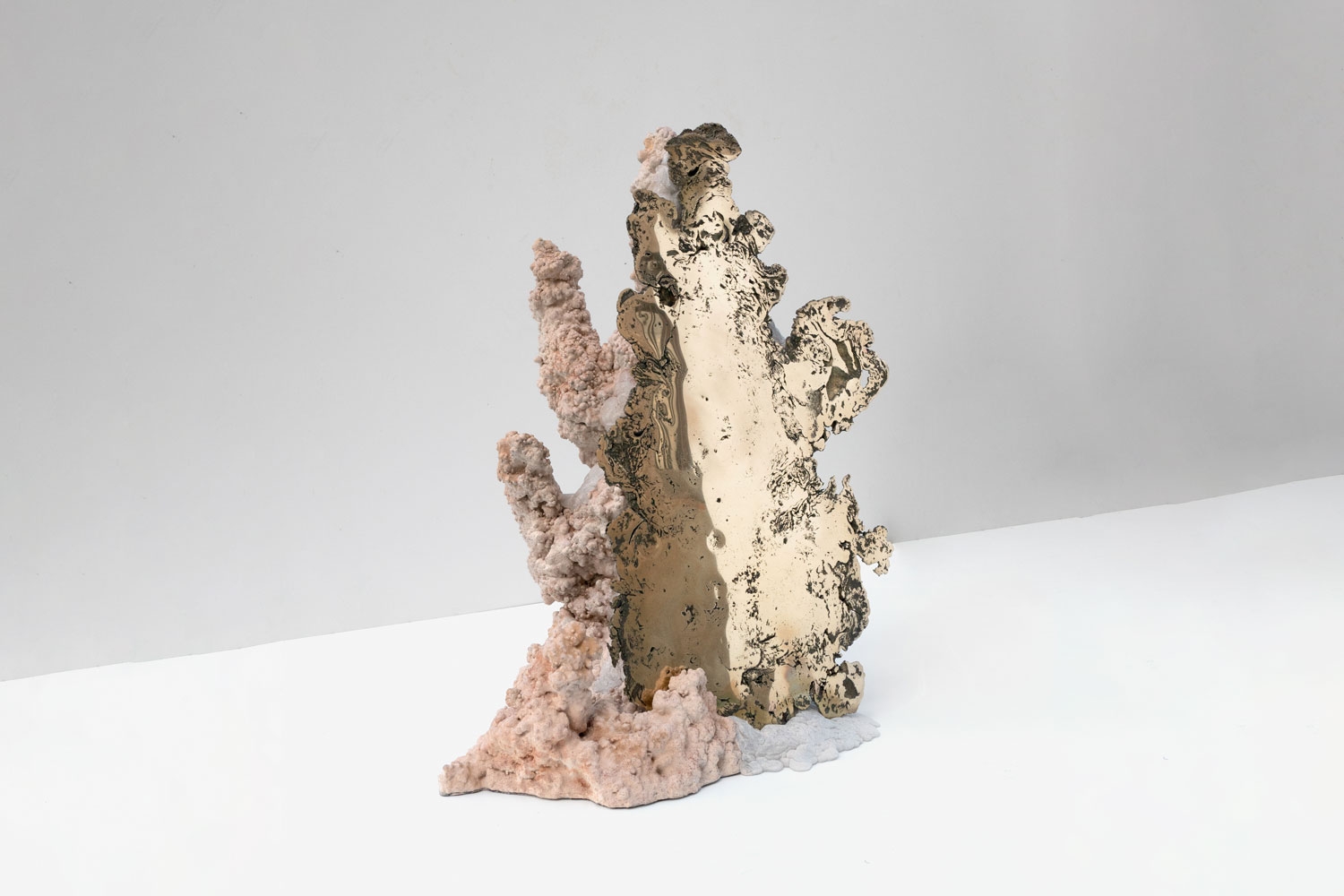
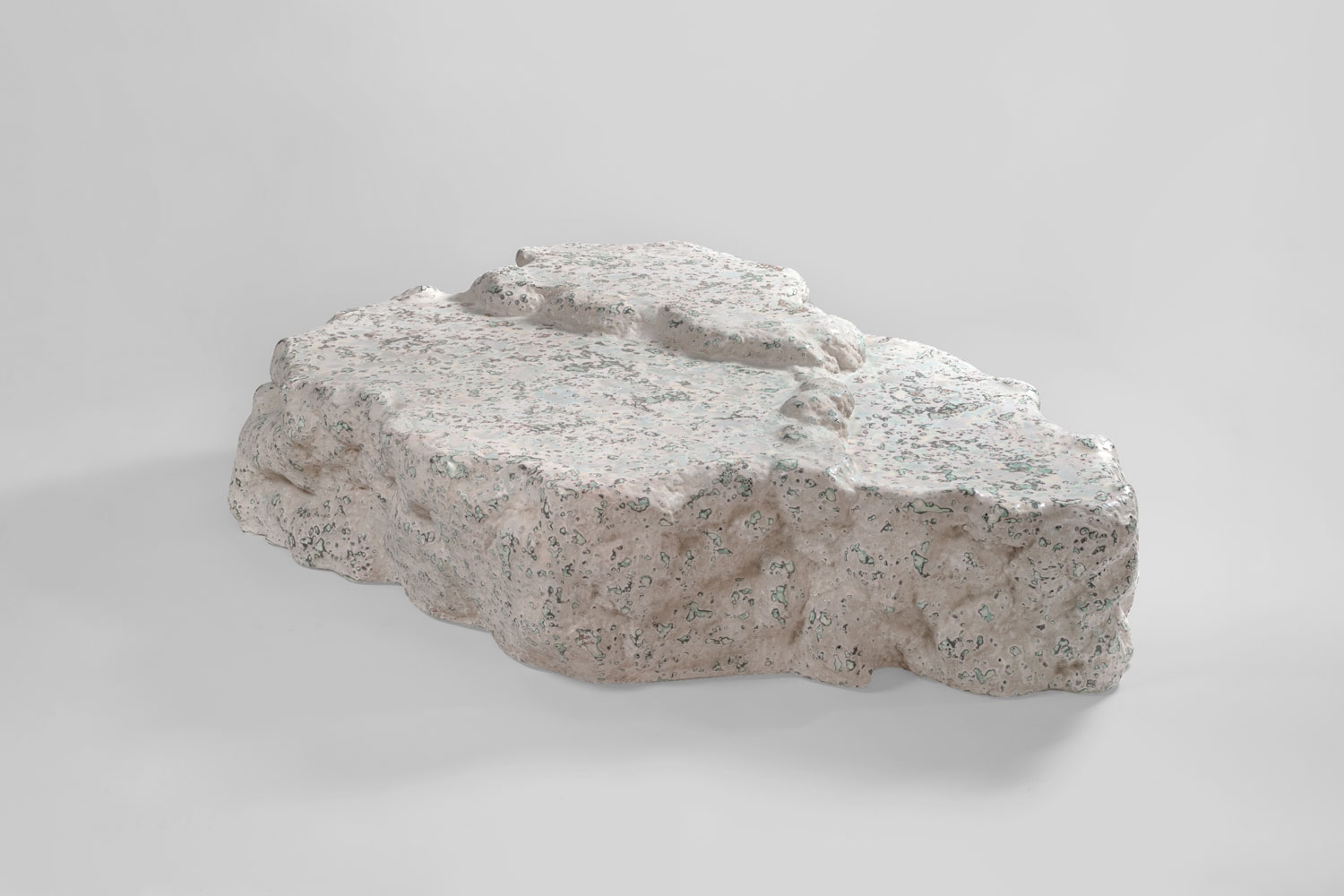
Elissa Lacoste experiments with art, craftsmanship and collectible design. She creates lights, tables, mirrors and objects that are characteristically textured, organic and sculptural. "My pieces sway between the representational and the otherworldly, but still retain their functionality. They challenge perception and often blur boundaries," Elissa says. She tends to work with minerals, pigments, as well as stones and gypsum, but never feels bound to them. Elissa often sources these materials in nature and at charity shops, finding metal scraps, glass and other parts to use in her sculptures. "My approach is instinctive, inexplicable, even. Once I master a technique, I experiment to create my own new recipes, often with new materials," she explains. Elissa is currently experimenting with the pâte de verre technique.
Discover her work
INTERVIEW
Absolutely. Even during my studies in France, Latvia and the Netherlands, I knew that I wanted to create all sorts of works. Today, I create functional, sculptural and experimental pieces.
I am not bound to any one material, craft or technique. I like discovering and developing new textures, as well as experimenting with new methods to expand the potential of my materials.
My work is mostly intuitive. I am guided by the materials themselves, but I do find inspiration in nature, wastelands and places where the environment evolves beyond human control.
There are elements of surprise in my work. I often discover a piece's final look in the last stages of the making process, when there is no going back. I have to accept it as it turns out.
Elissa Lacoste
Mixed media sculptor
Étang-sur-Arroux, France
ADDRESS
Address upon request, Étang-sur-Arroux, France
AVAILABILITY
By appointment only
LANGUAGES
French, English
Homo Faber Finds is a new service aiming to inspire admirers of craft to connect and collaborate with exceptional artisans.
We invite you to submit an enquiry here.