Élodie Michaud & Rébecca Fezard
Hors-Studio
Mixed media sculptor
Tours, France
Biomaterials for the future
- Élodie and Rébecca create new biomaterials for artistic applications
- Their work extends to scenography, design, architecture and creative objects
- They have been awarded with several major prizes
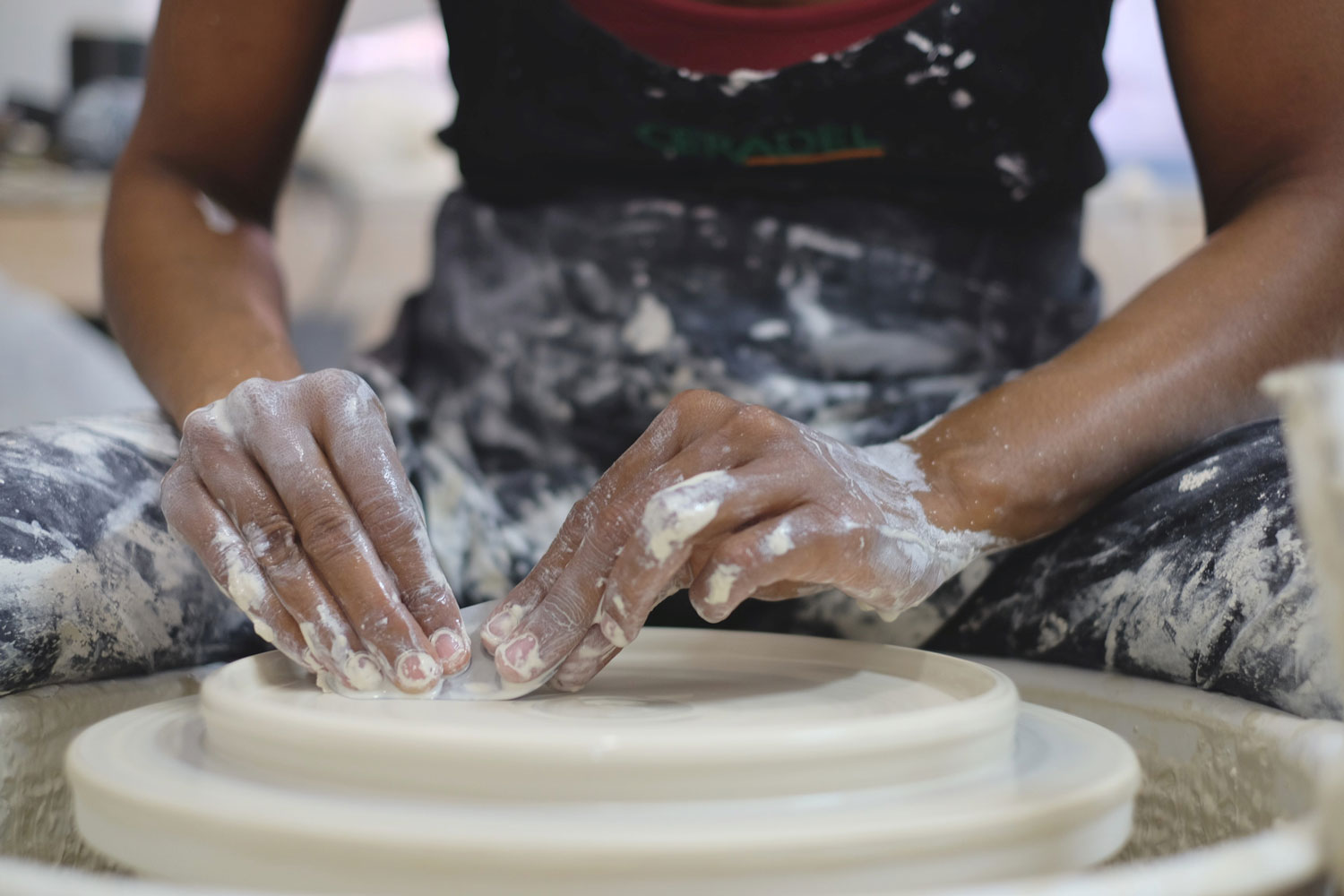
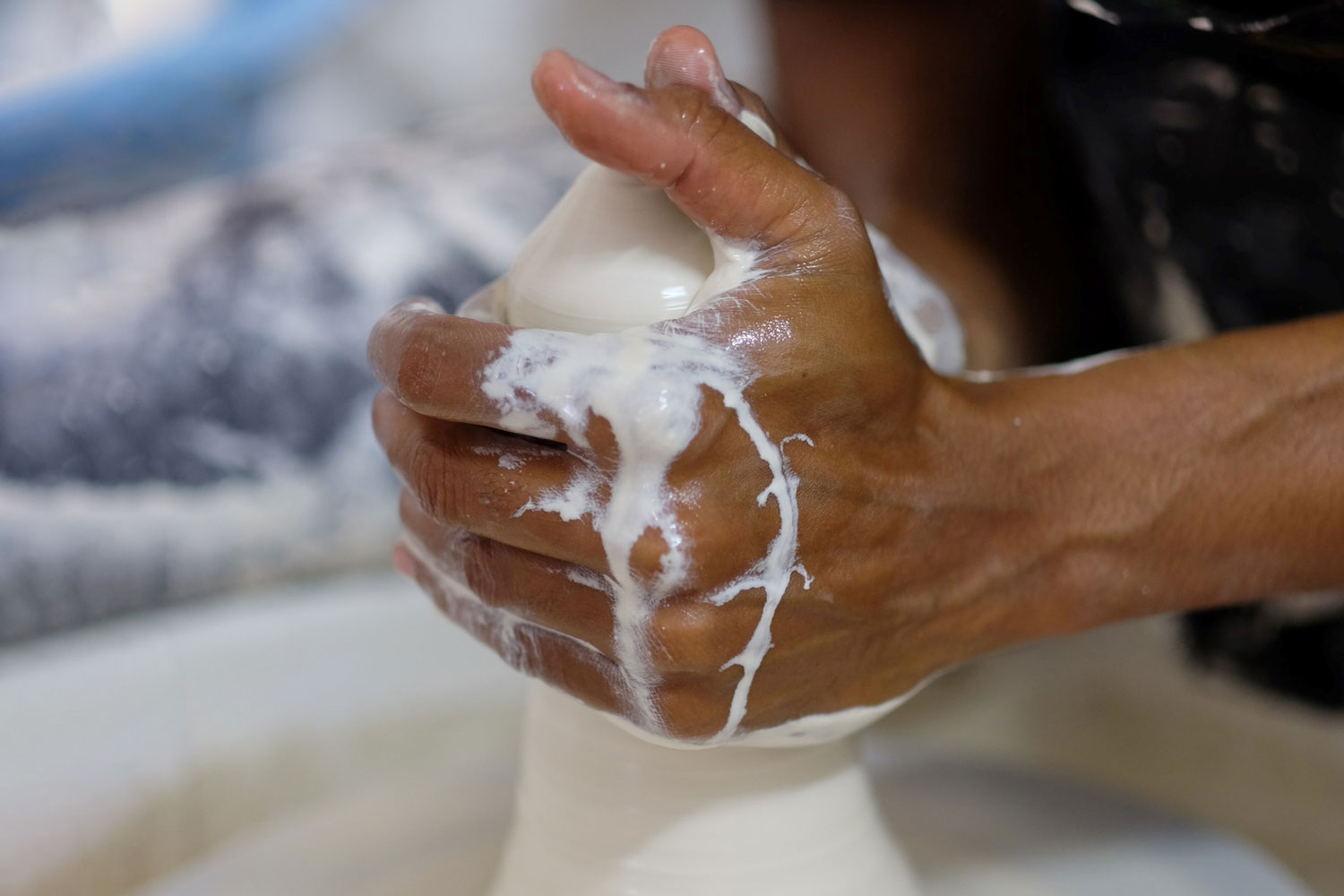
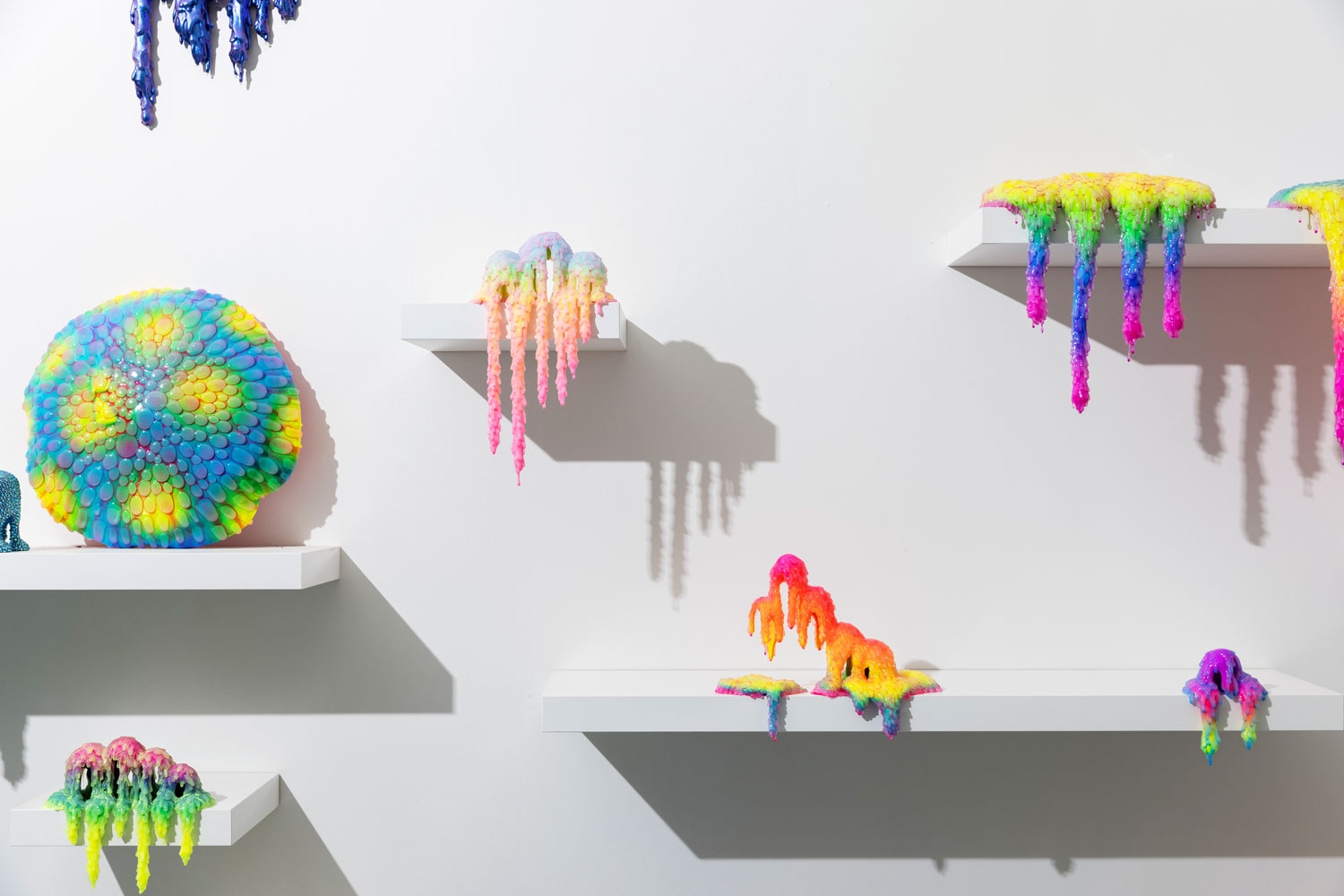
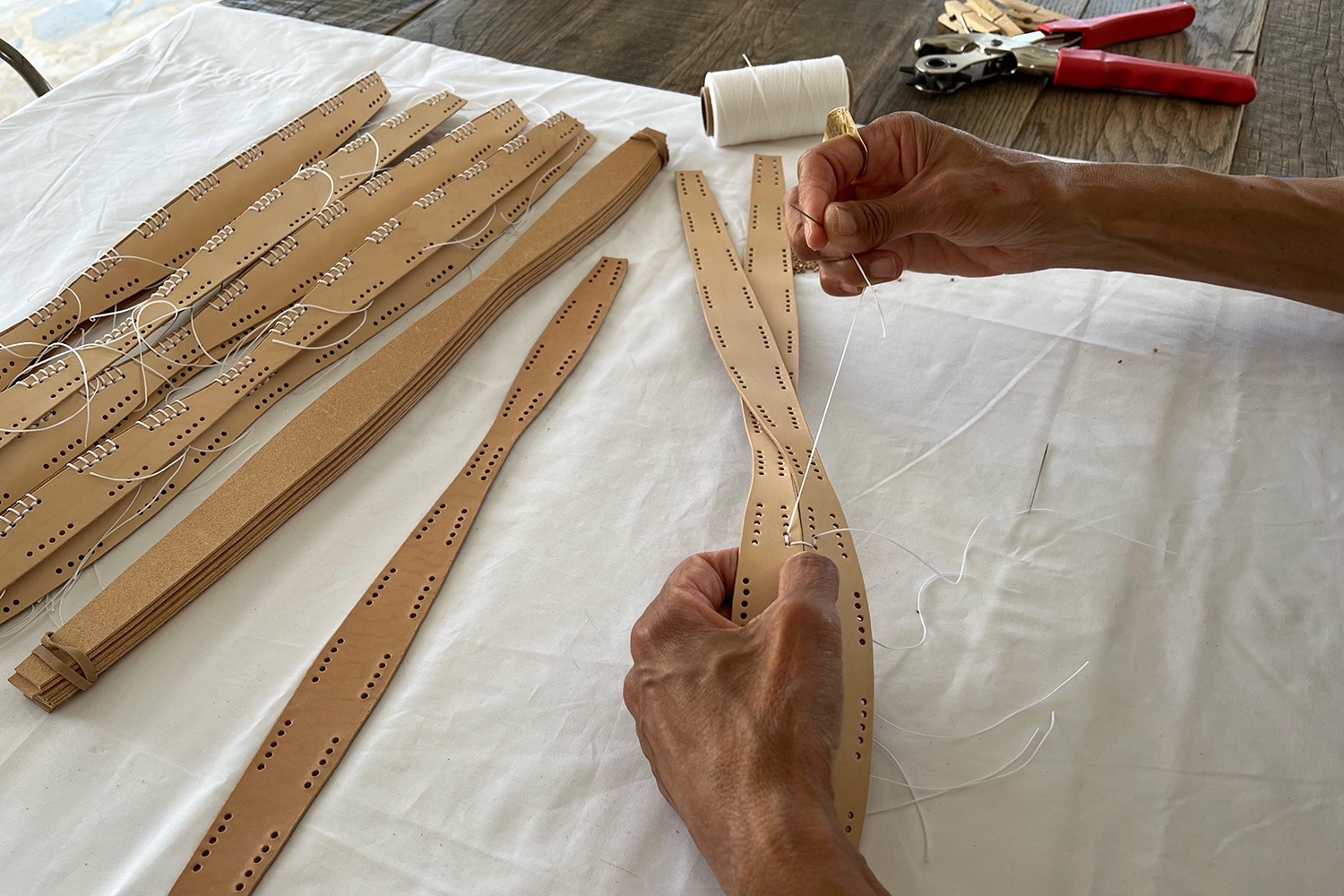
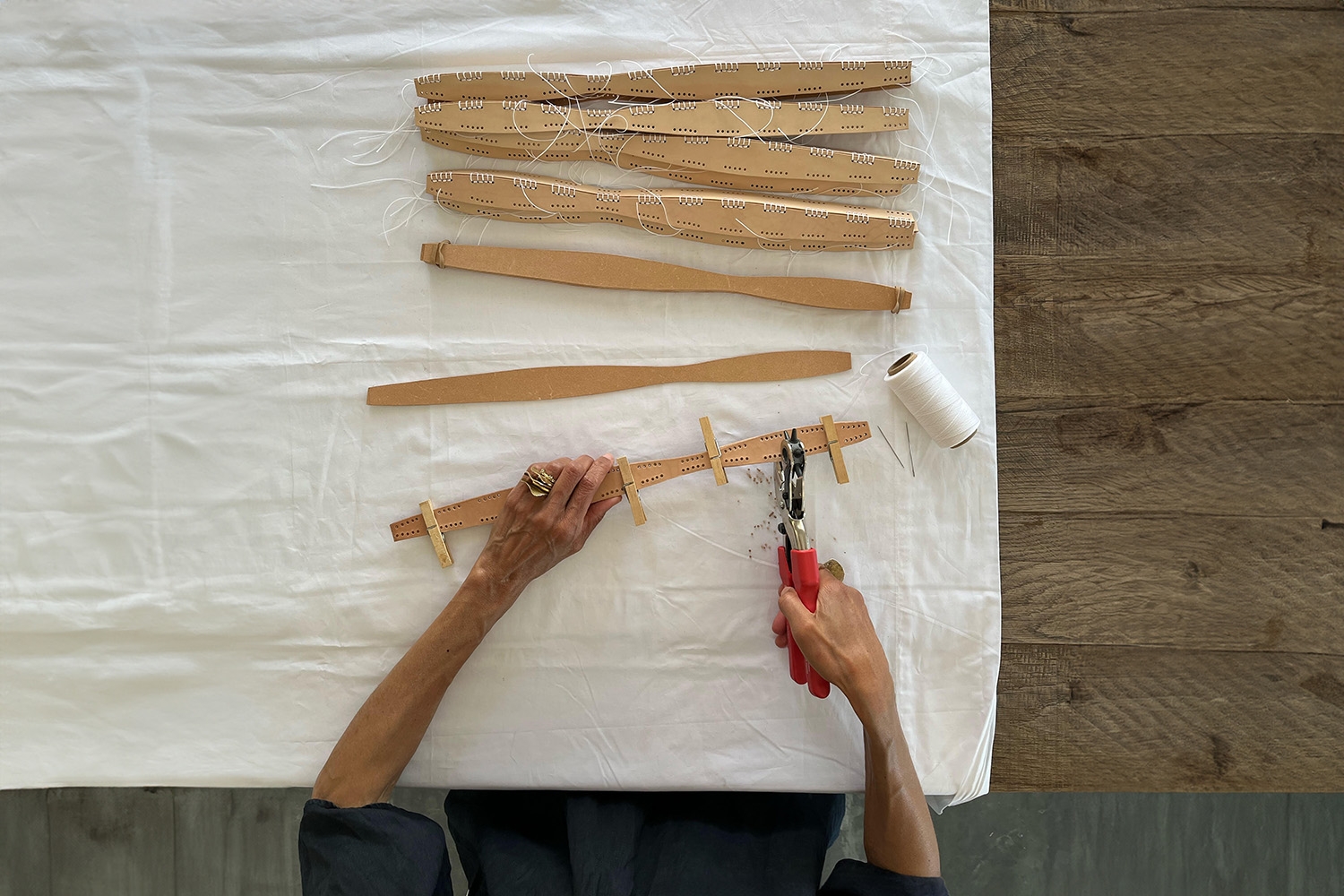
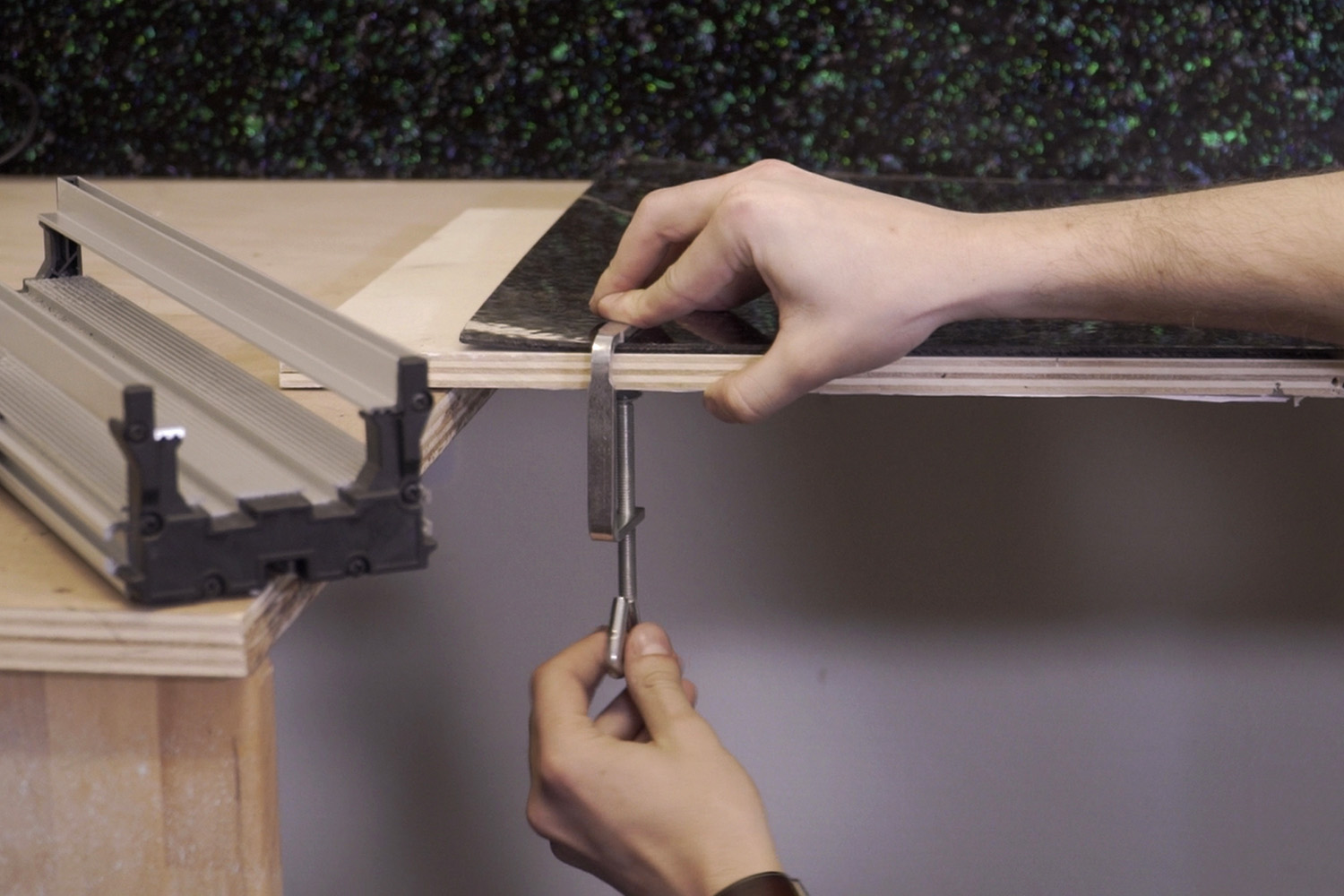
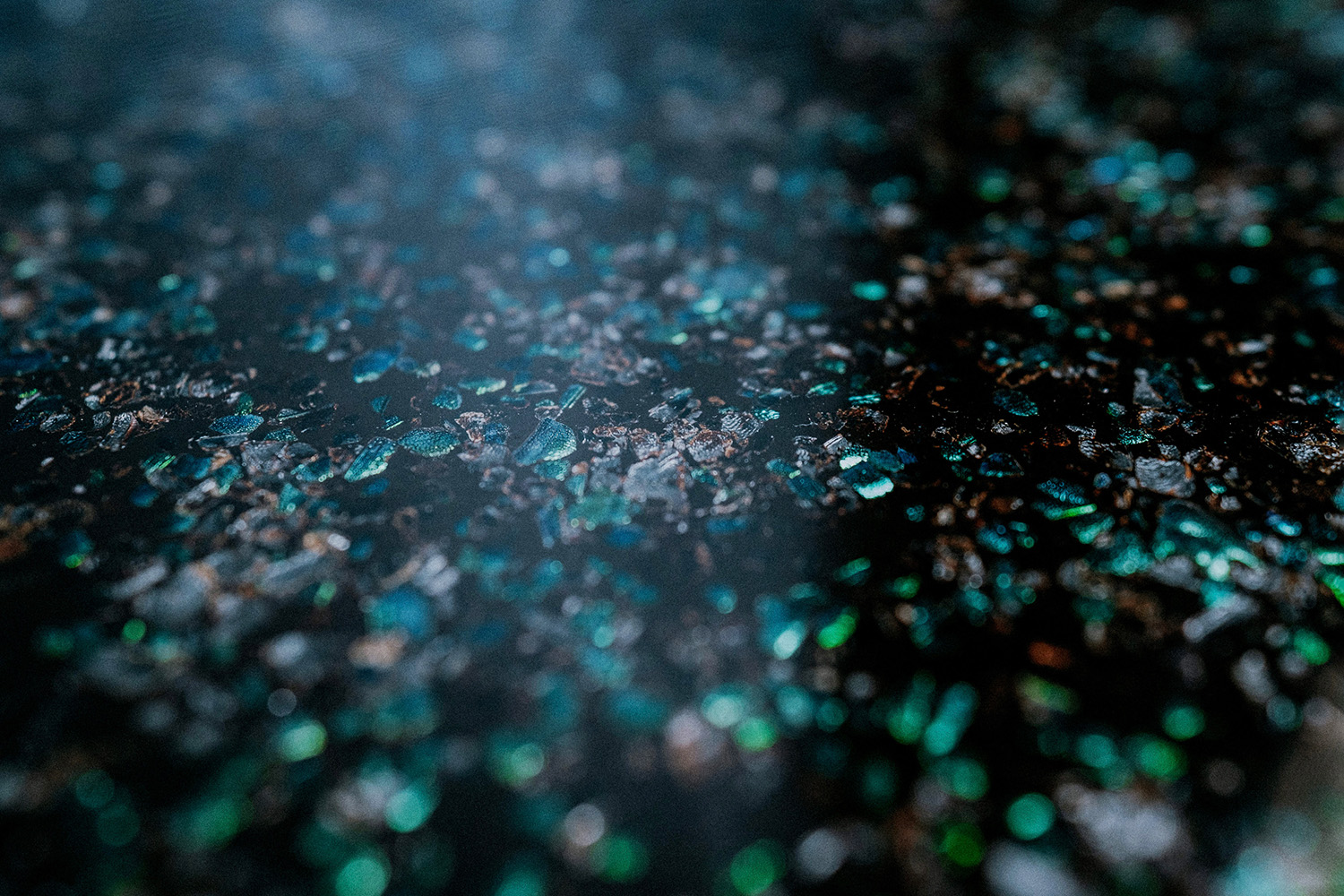
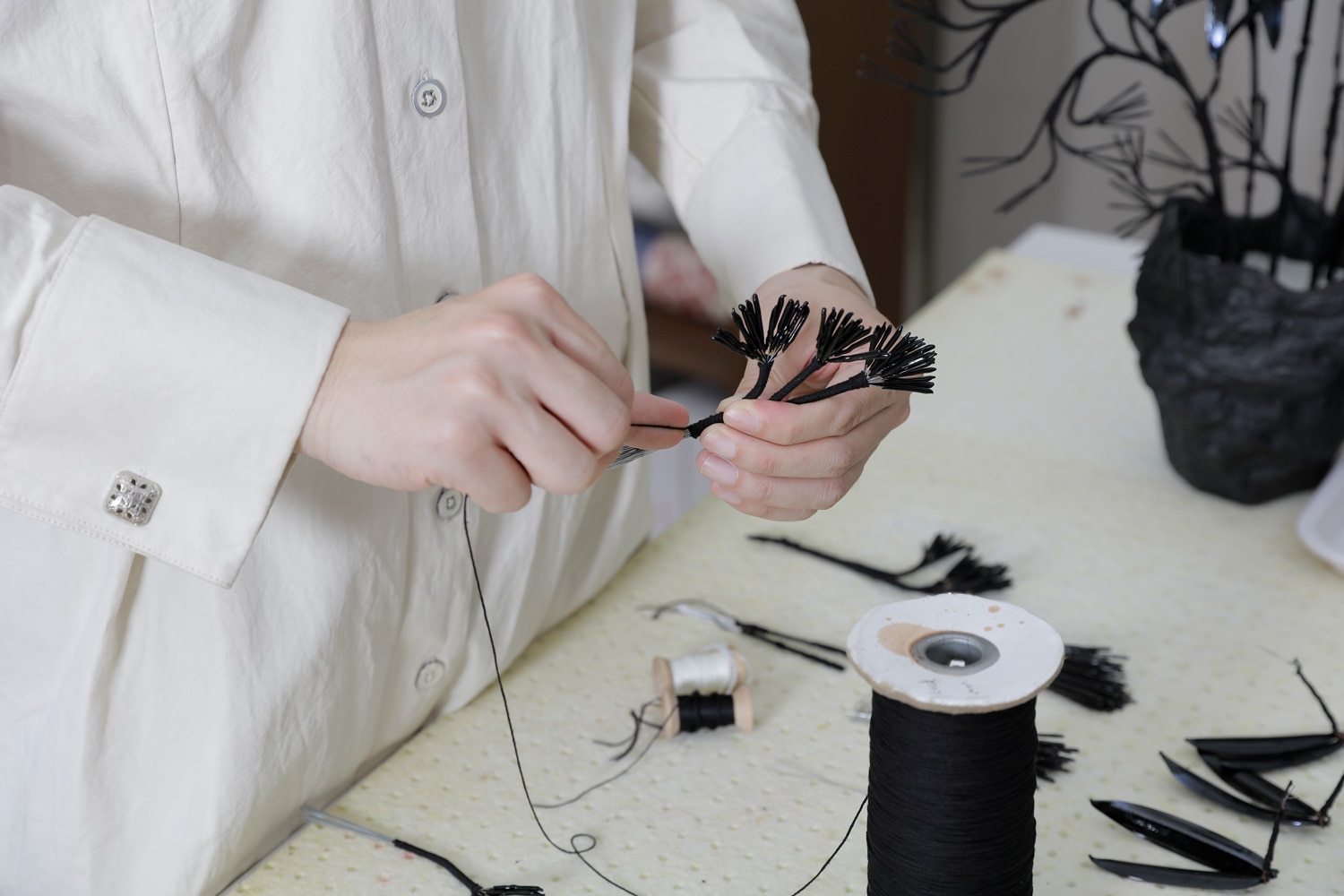
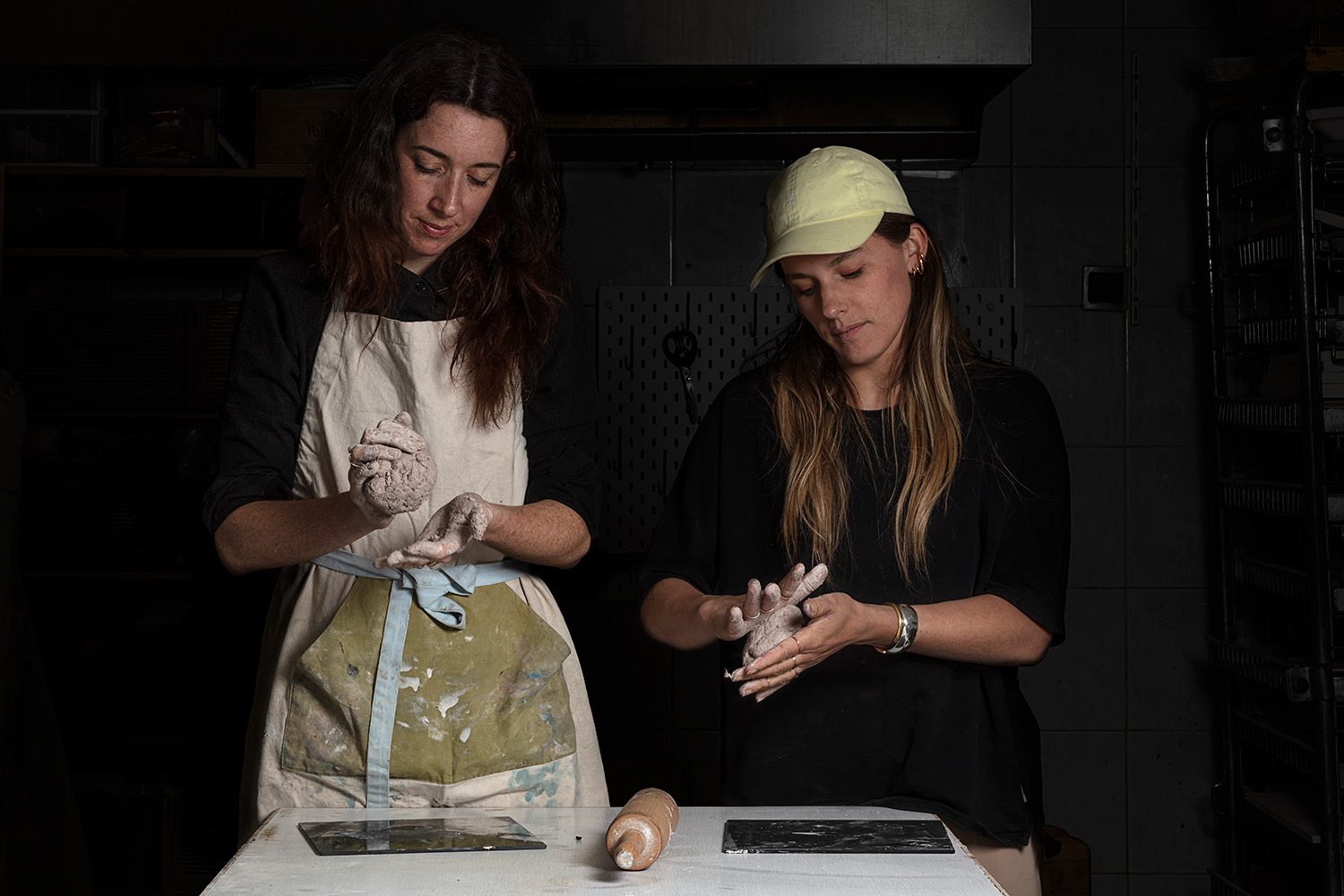
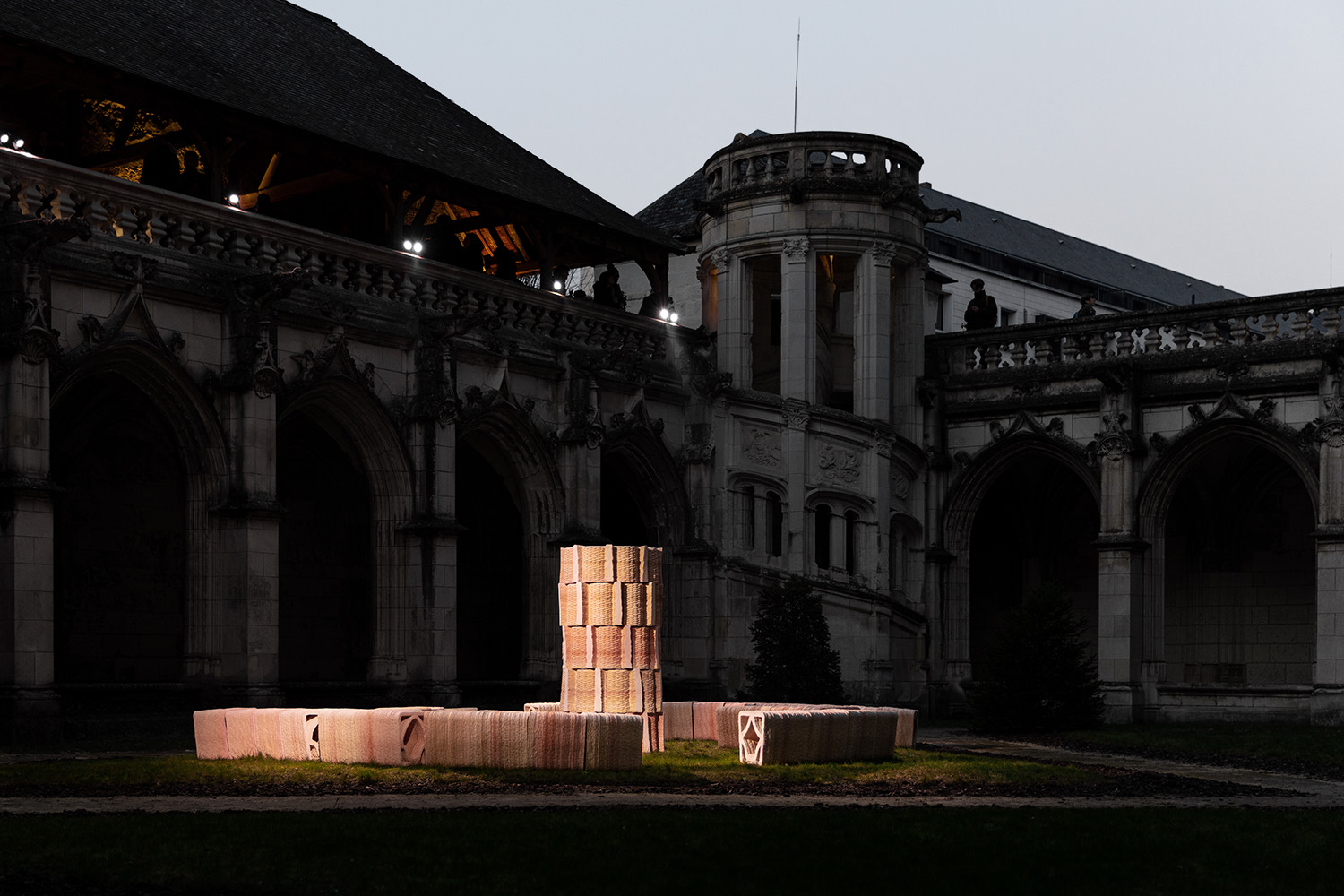
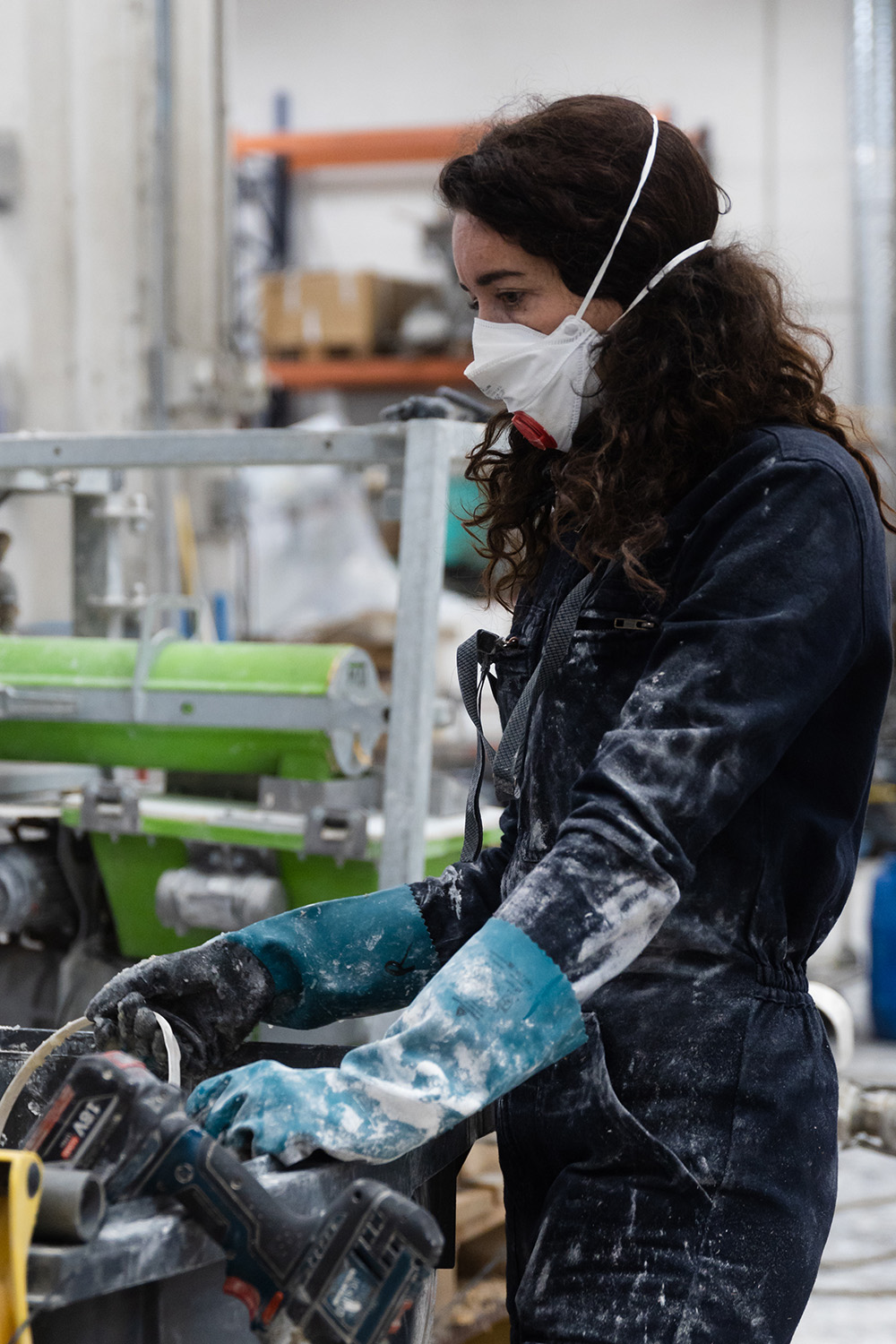
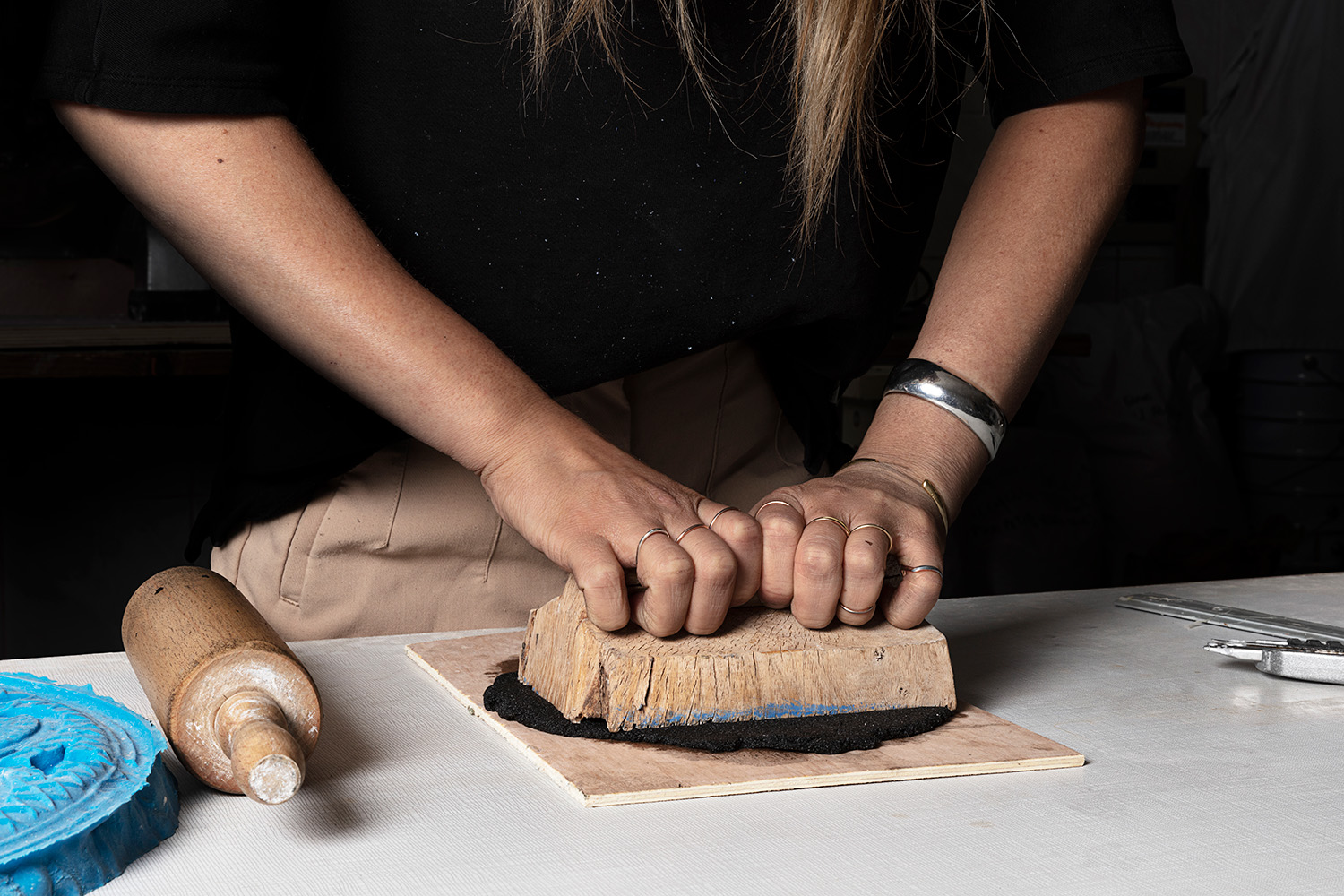
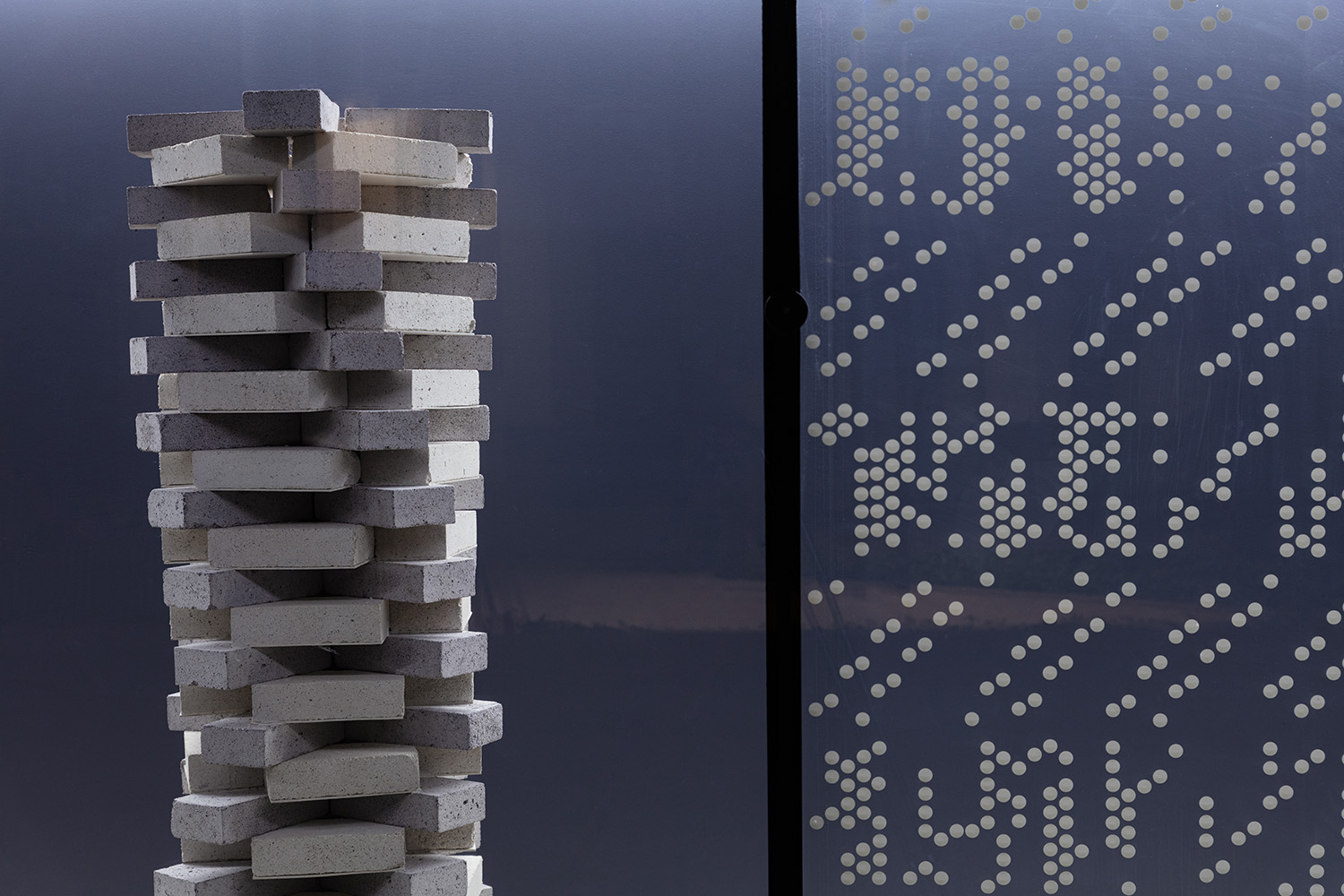
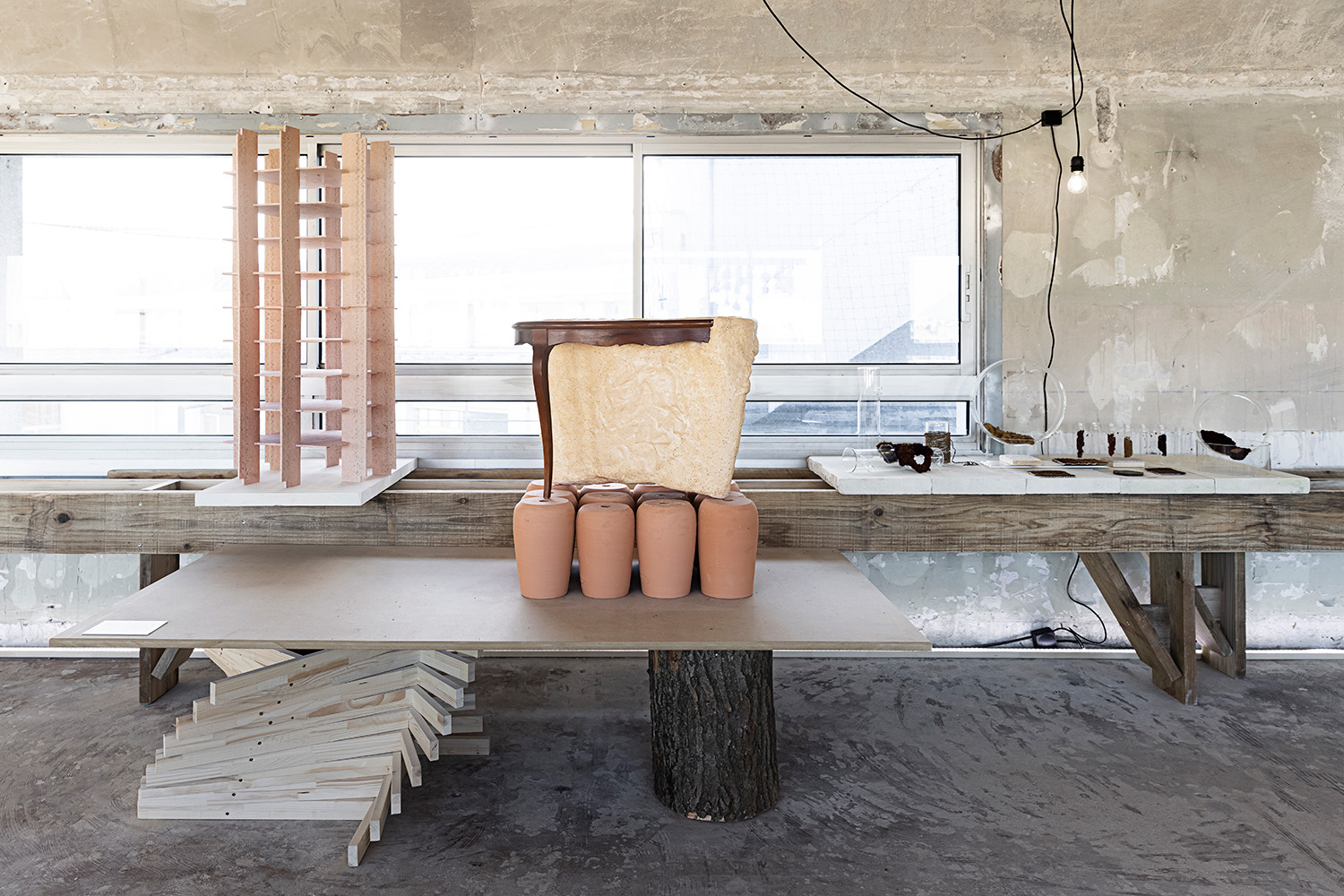
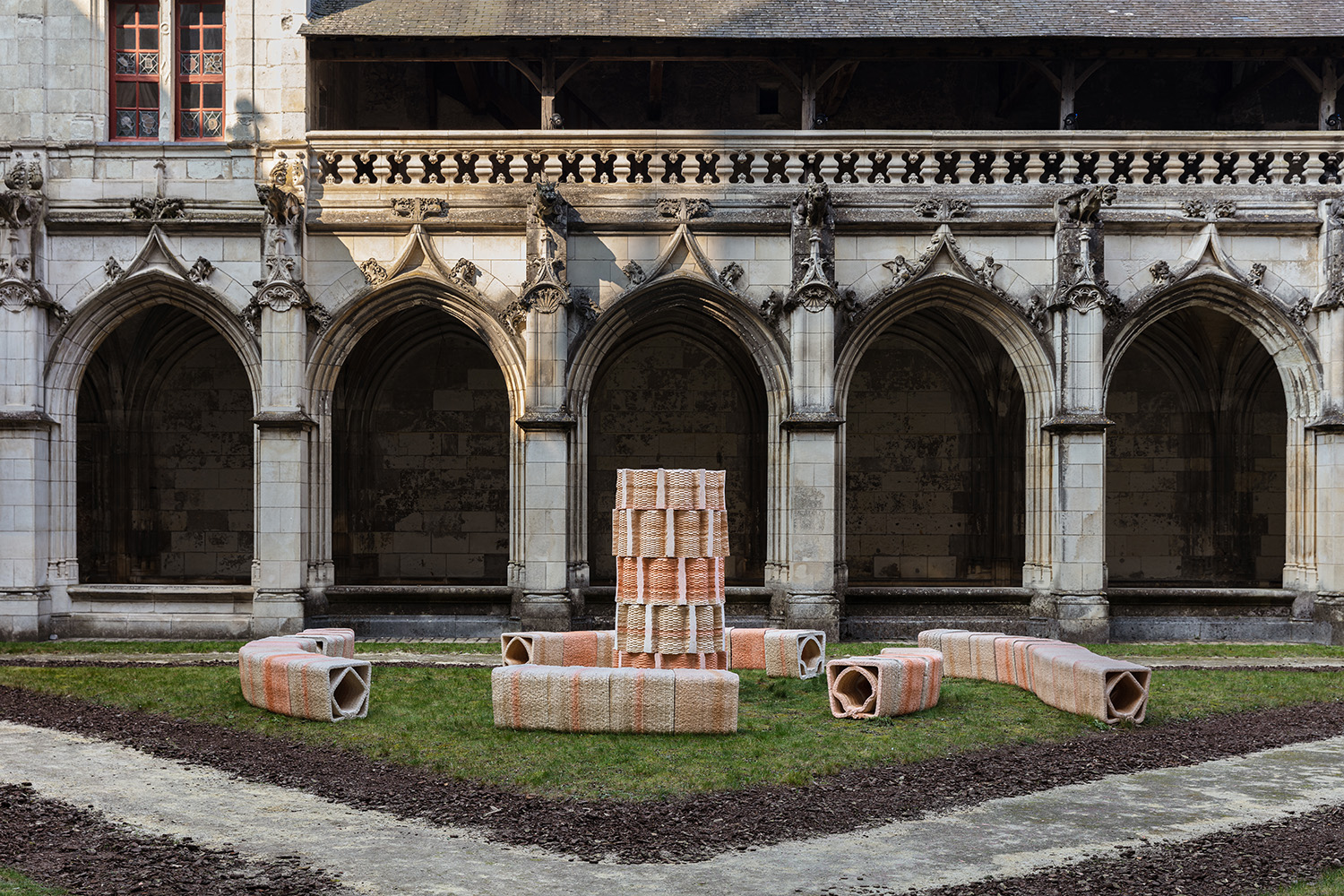
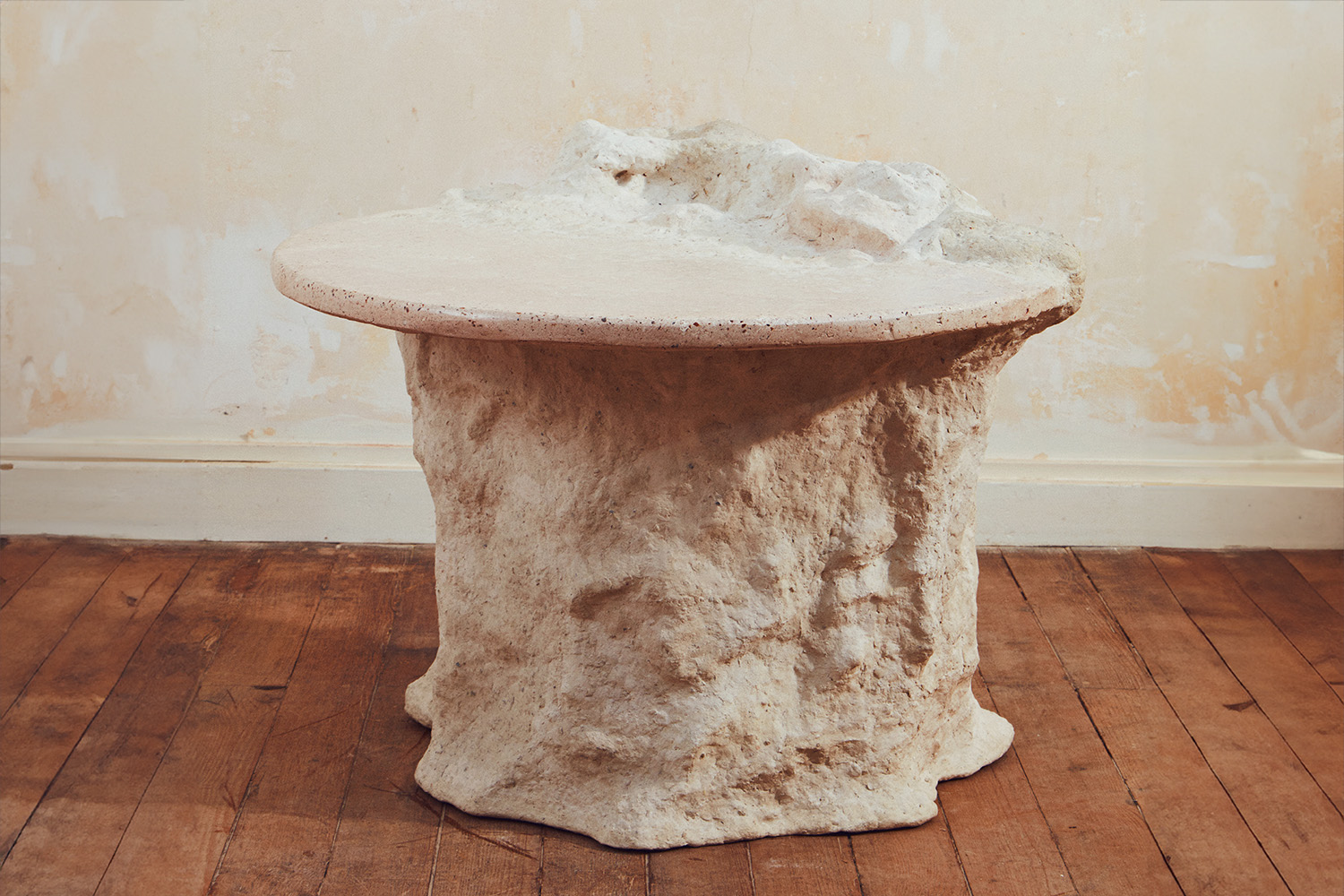
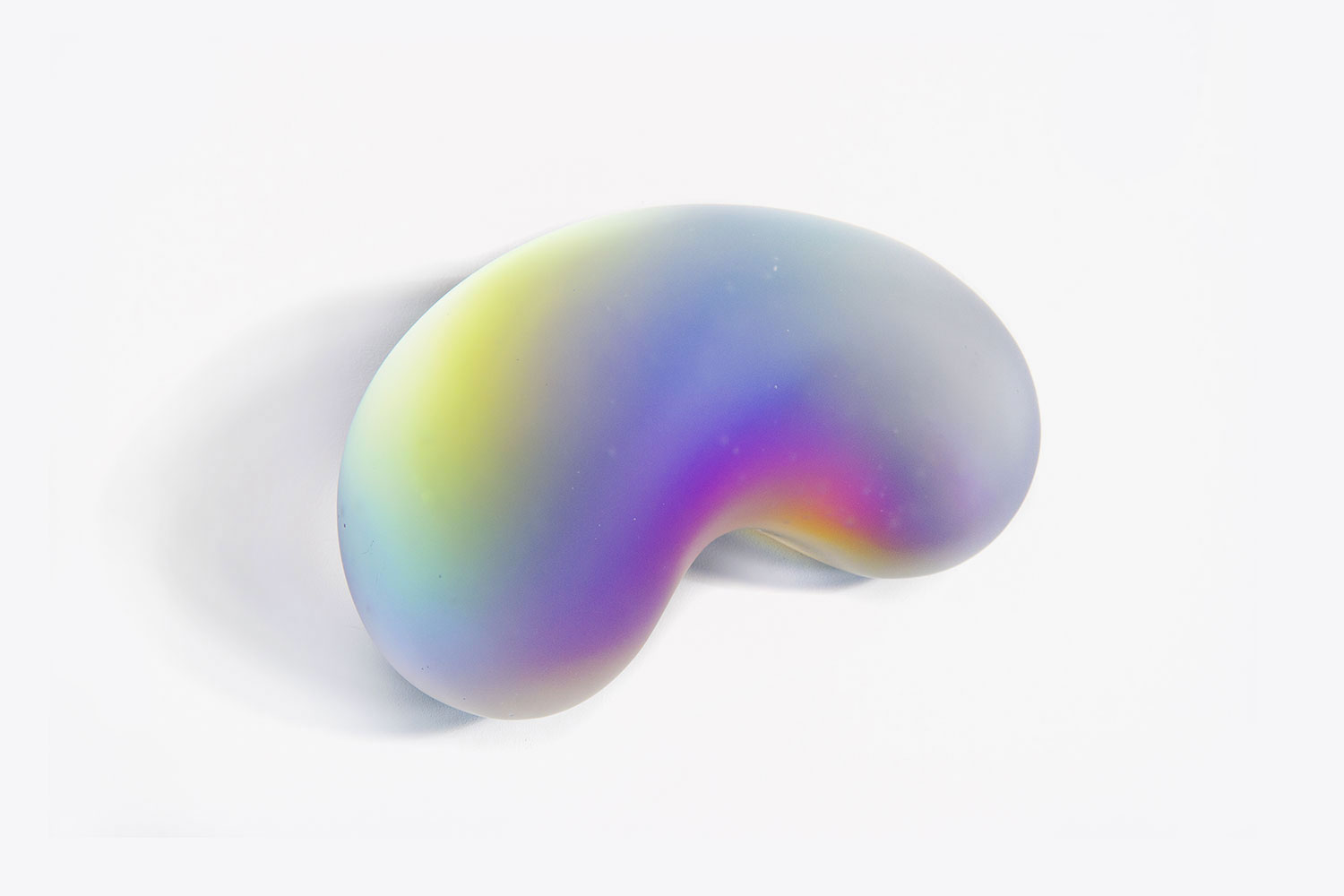
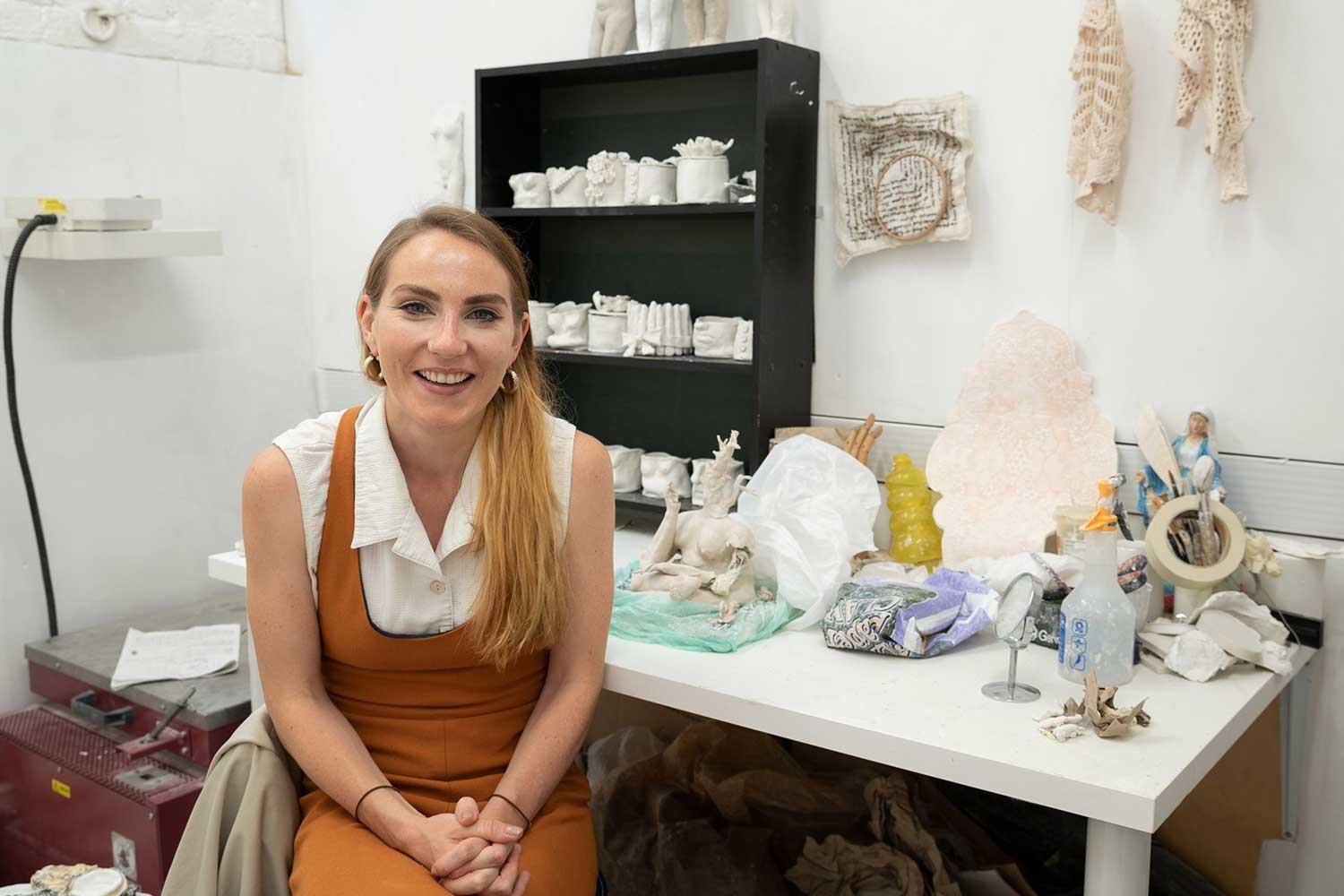
Artisans, designers and researchers, Élodie Michaud and Rébecca Fezard are the founders of Hors-Studio, a workshop and lab that turns waste into new and biodegradable materials to create artistic installations and design objects. This innovative concept was born of their shared interest in the ennoblement of materials and textiles, and their real awareness of the impact of the designer's work on the environment. Their research focuses on a wide range of industrial and natural waste materials: shells, neoprene, cellulose, to name but a few. One of Hors-Studio’s signature developments is the leatherstone, a biomaterial made from leather scraps and biodegradable glue, which can be sculpted, engraved, 3D printed, and applied to various finishes.
![Élodie Michaud & Rébecca Fezard [difyzjÕ]](https://hfgnext.s3.eu-west-3.amazonaws.com/img/4YLTG0000000LpF4AU-null.jpg)
INTERVIEW
Rébecca: I trained at the Beaux-Arts in Lyon, and specialised in the design of surfaces, materials and textiles. Élodie and I met in an Artisan d’Art workshop. Élodie had just graduated from the Ensaama School of Art & Design. We soon noticed that we shared an interest in the sublimation of materials, but we found it rather odd to work with materials that did not address sustainability.
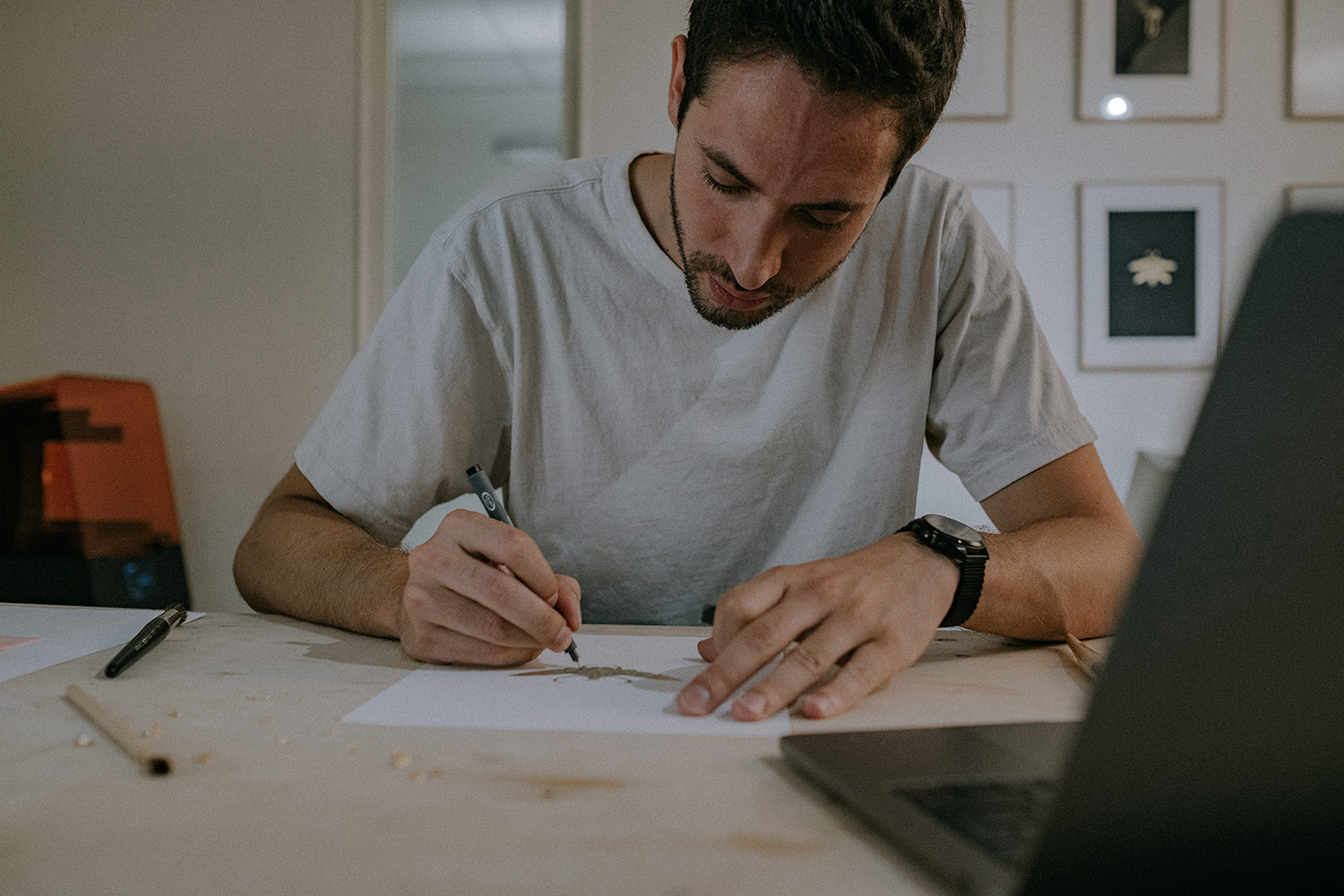
Élodie: Our creative process involves a dialogue between design, science, art and innovation. We draw on the creativity of our work as designers and experience in craft to coordinate this ongoing dialogue. It also always involves a link with the past: our materials are inspired by ancient recipes used by different craft professions.
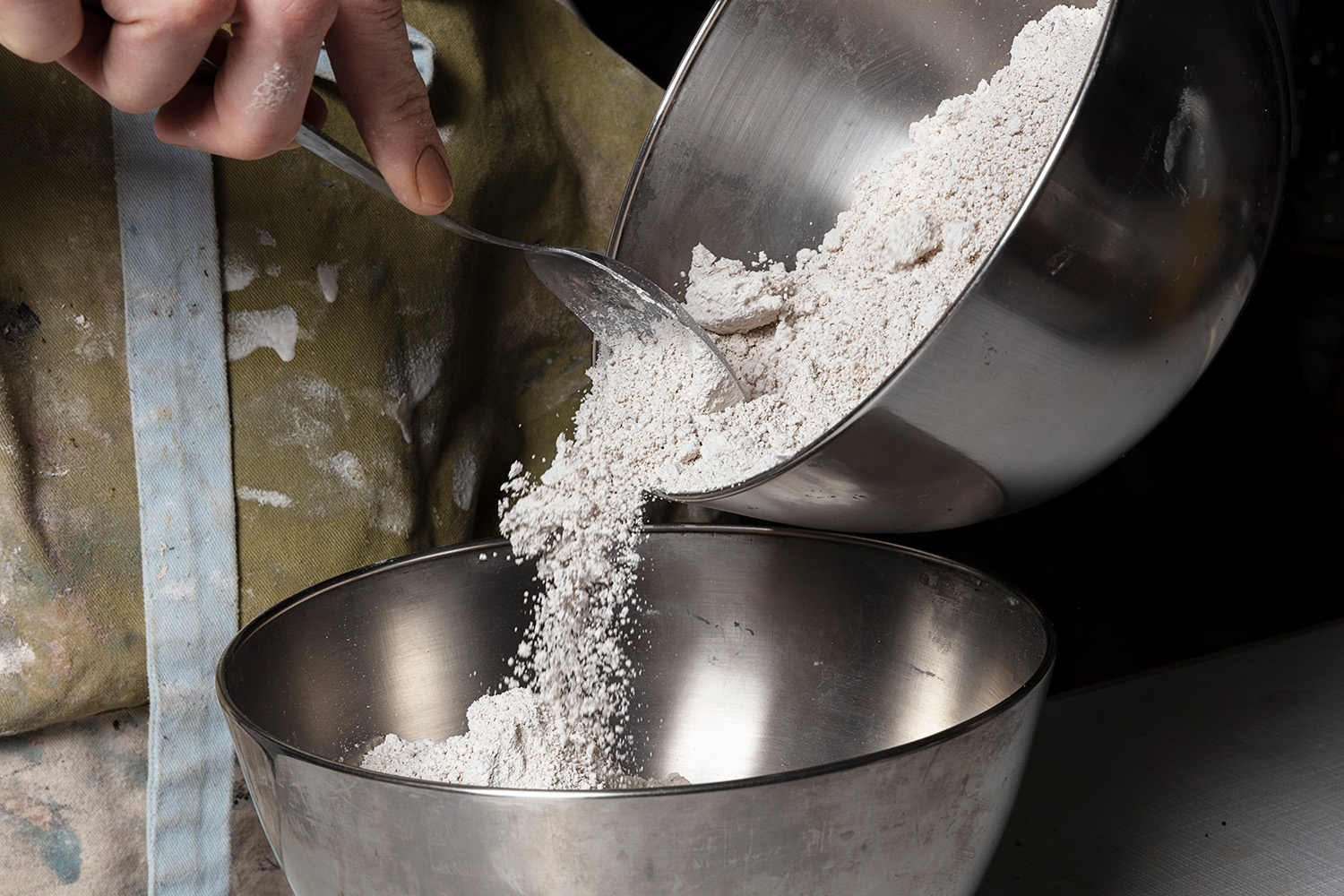
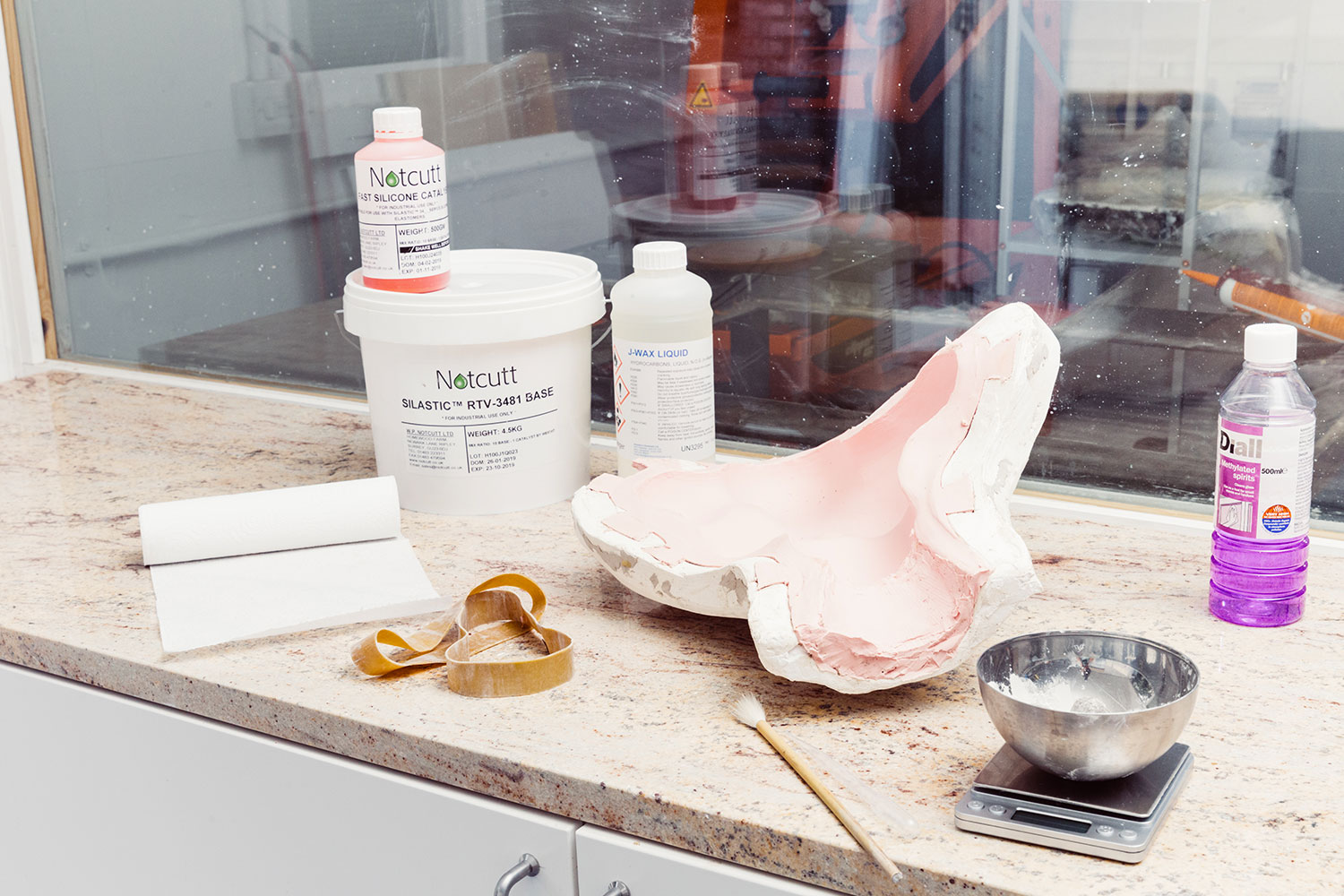
Élodie: Our spectrum is very broad, we look for materials that have no recycling systems: principally leather, of which the industry presents 50% of losses, shell scraps (oyster shells, etc), and all biomass materials. Our expertise then specially lies in the development of biodegradable glues that will function as binders.
Rébecca: Project Kitchen is an online platform that lists the waste materials available in the geographical area, so it can be used for new purposes. It also shares educational support, some of our recipes. We created it in 2018, driven by our understanding of the responsability we bear in adding objects to the world. Transmission is at the heart of craftsmanship, and this project is our way of doing so.
Élodie Michaud & Rébecca Fezard
Hors-Studio
Mixed media sculptor
Tours, France
AVAILABILITY
By appointment only
PHONE
+33 622183163
LANGUAGES
French, English
Homo Faber Finds is a new service aiming to inspire admirers of craft to connect and collaborate with exceptional artisans.
We invite you to submit an enquiry here.

chanel_goossens-savoir-faire-©alix-marnat_18-HD.jpg)
chanel_maison_goossens_©alix-marnat-11-HD.jpg)
chanel_goossens-©alix-marnat_17-HD.jpg)