Samuel Latour
Mixed media sculptor
Rabastens, France
Drawing the lines of sculpture
- Samuel’s sculptures invite both tactile and visual experience
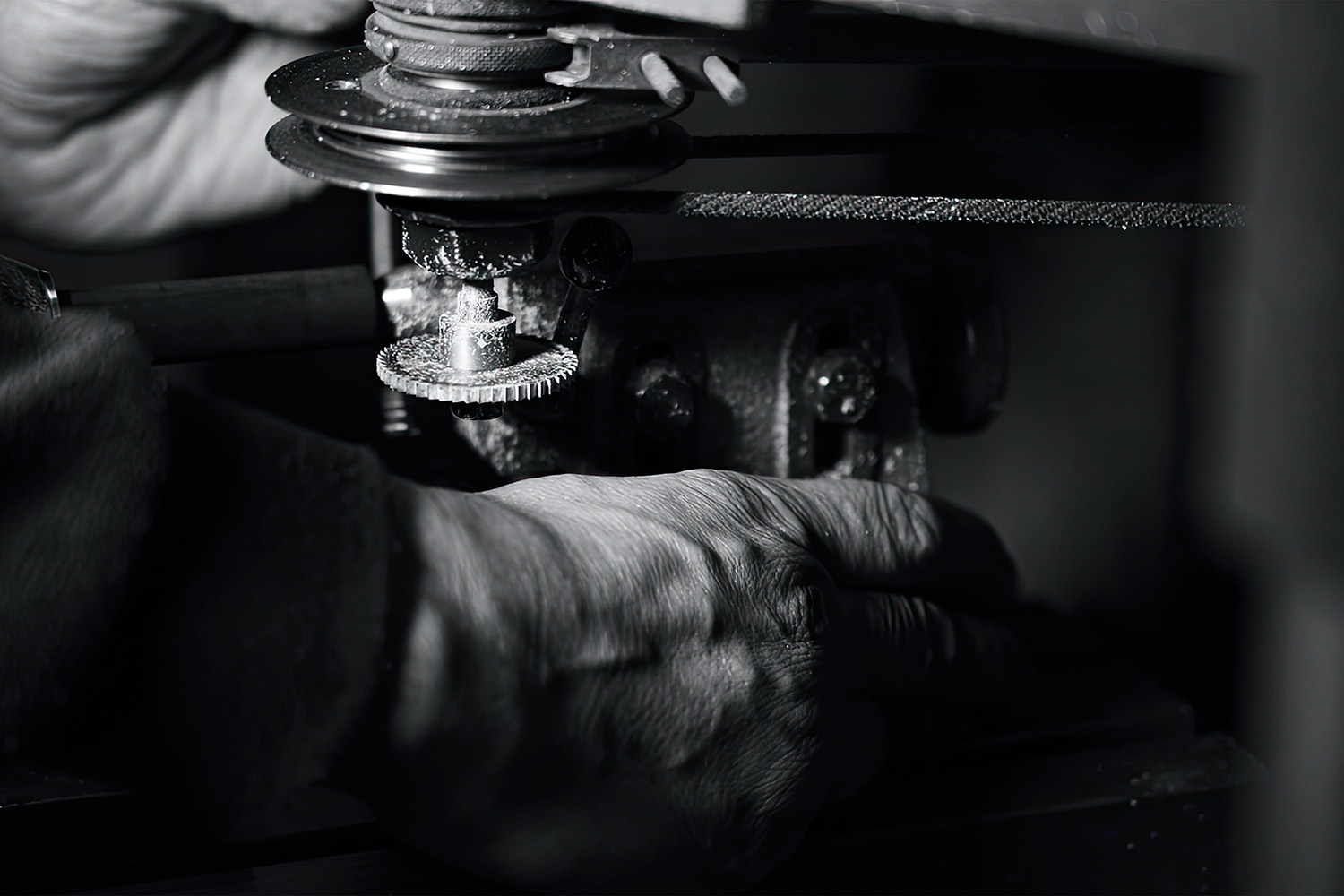
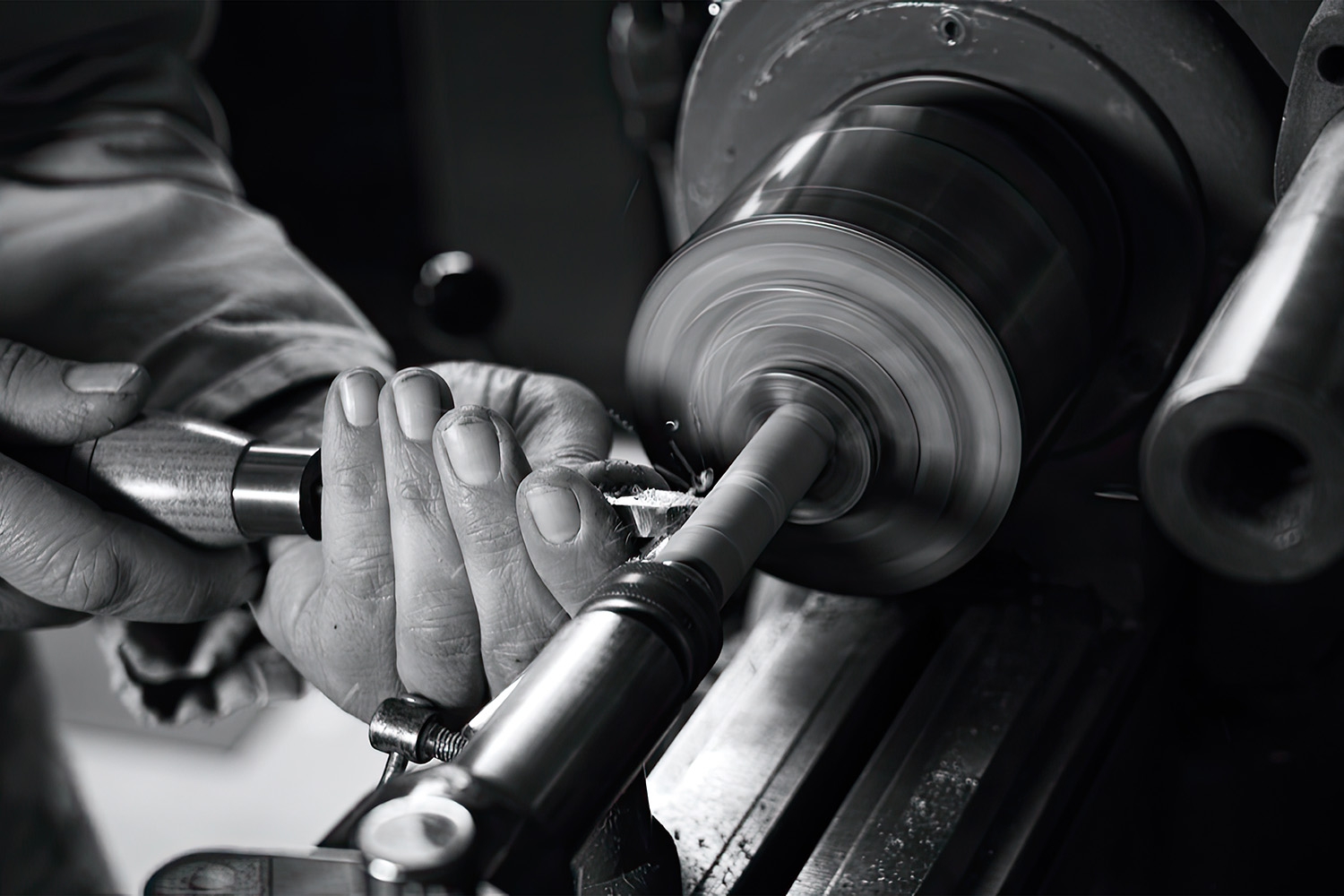
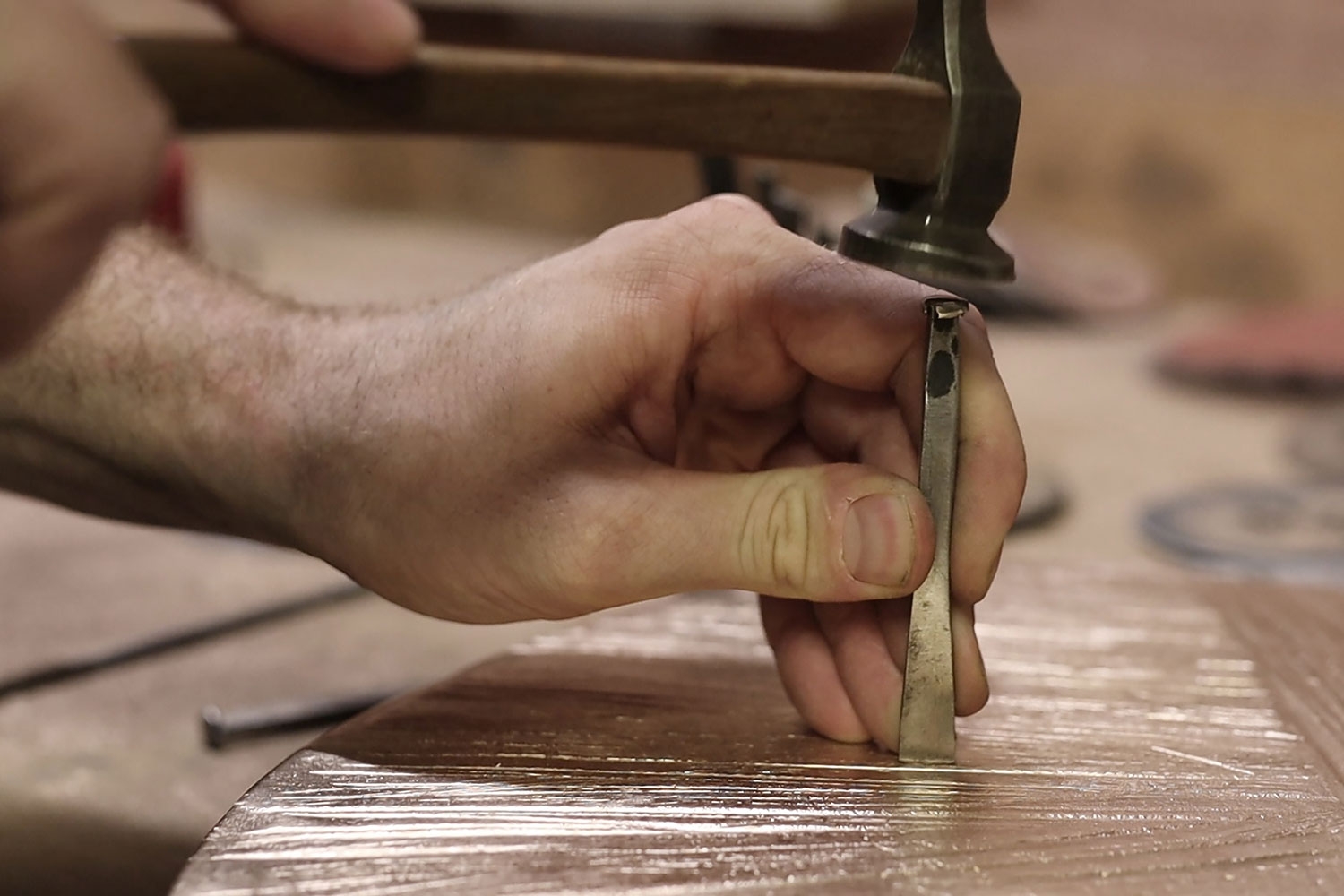
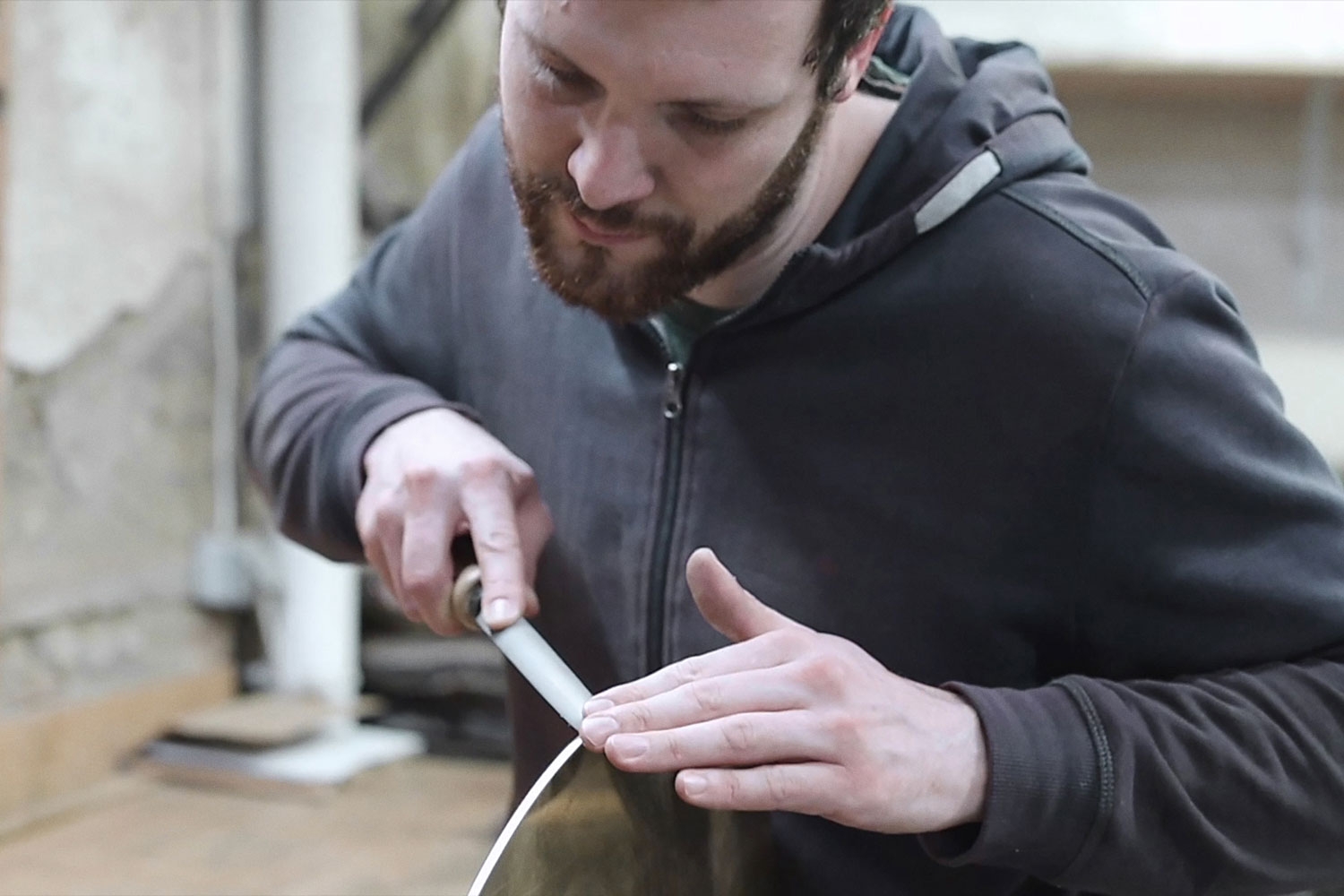
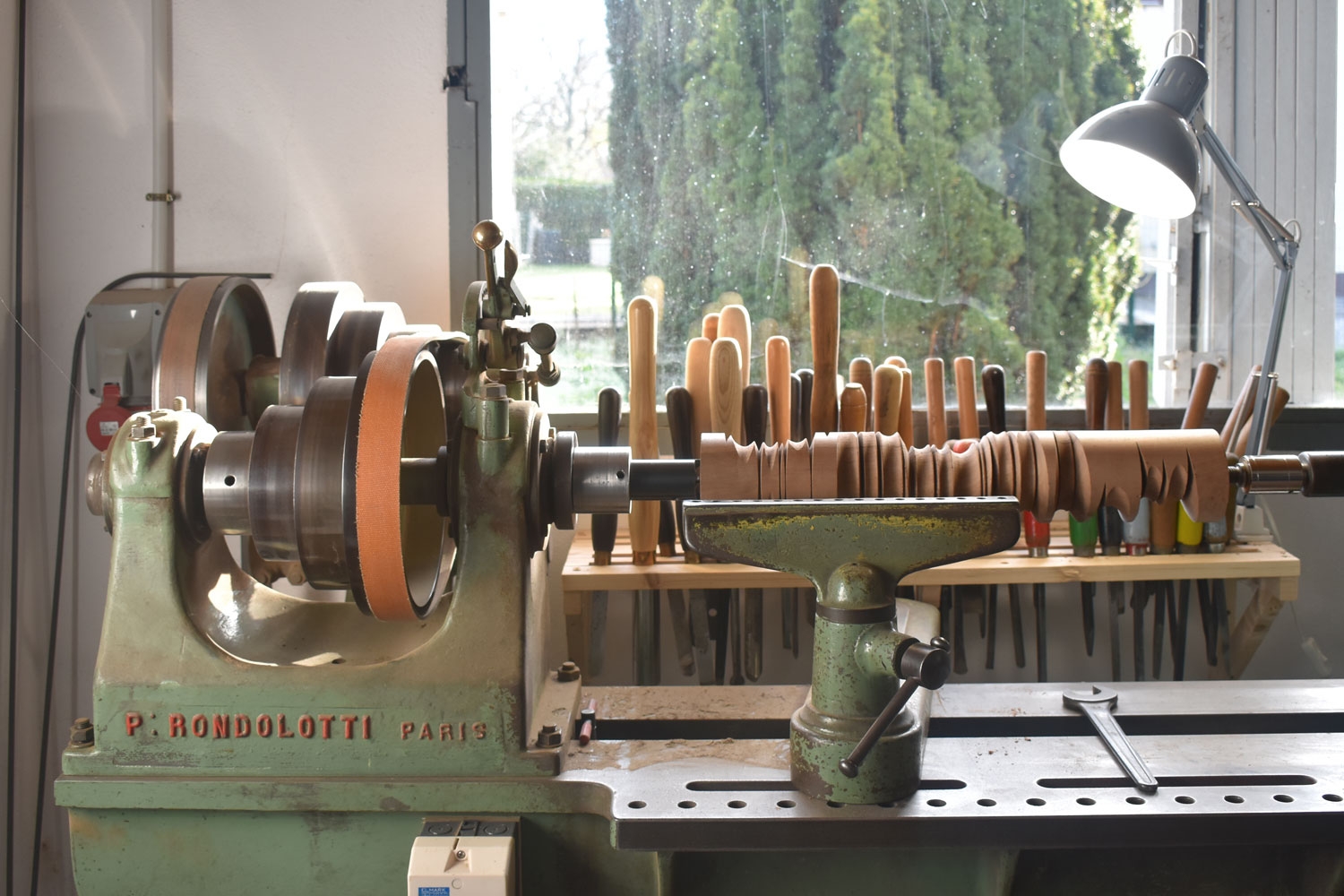
- He masters woodturning as well as bronze chiselling to produce his varied works
- His practice is built on a dialogue between drawing and sculpting
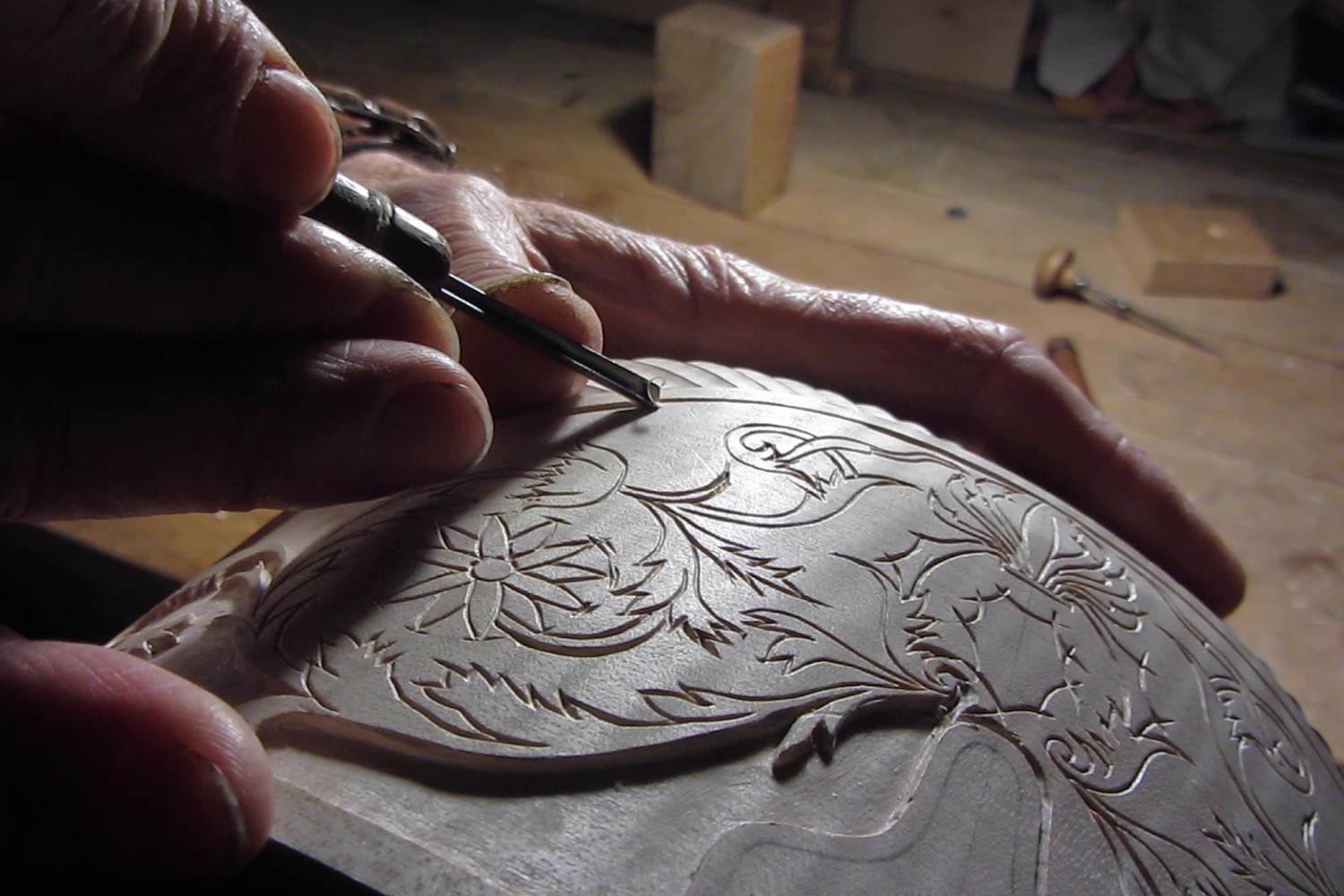
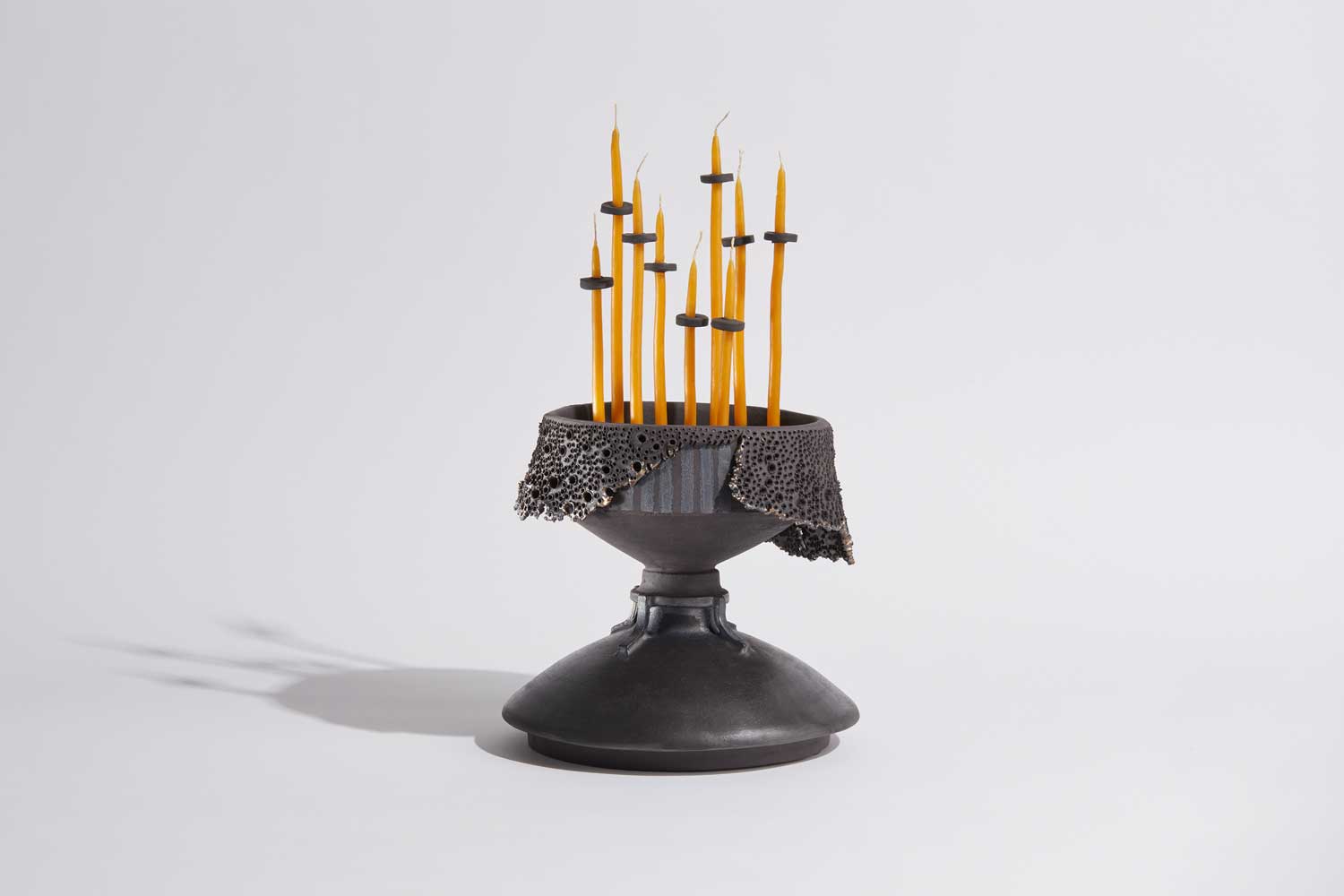
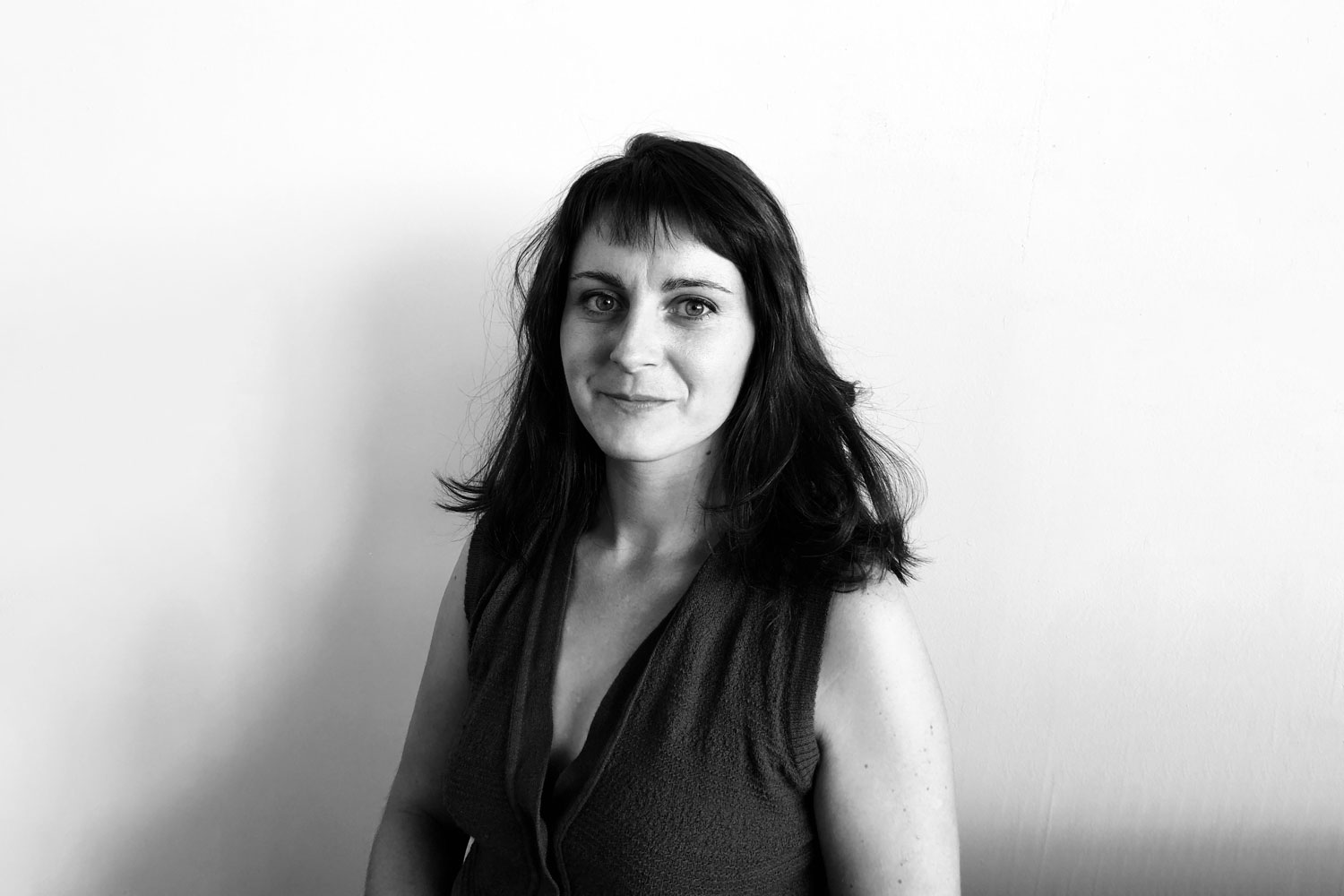
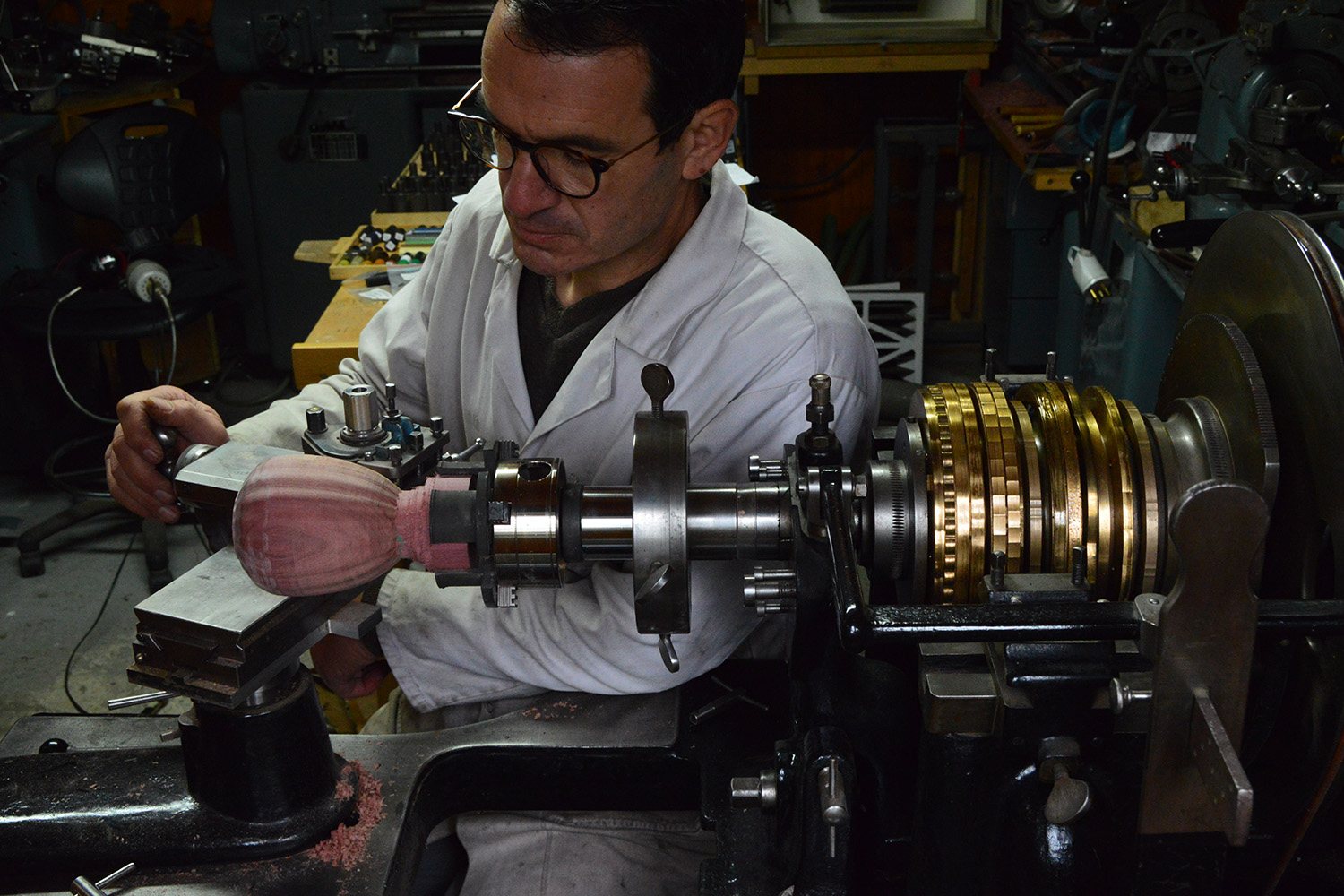
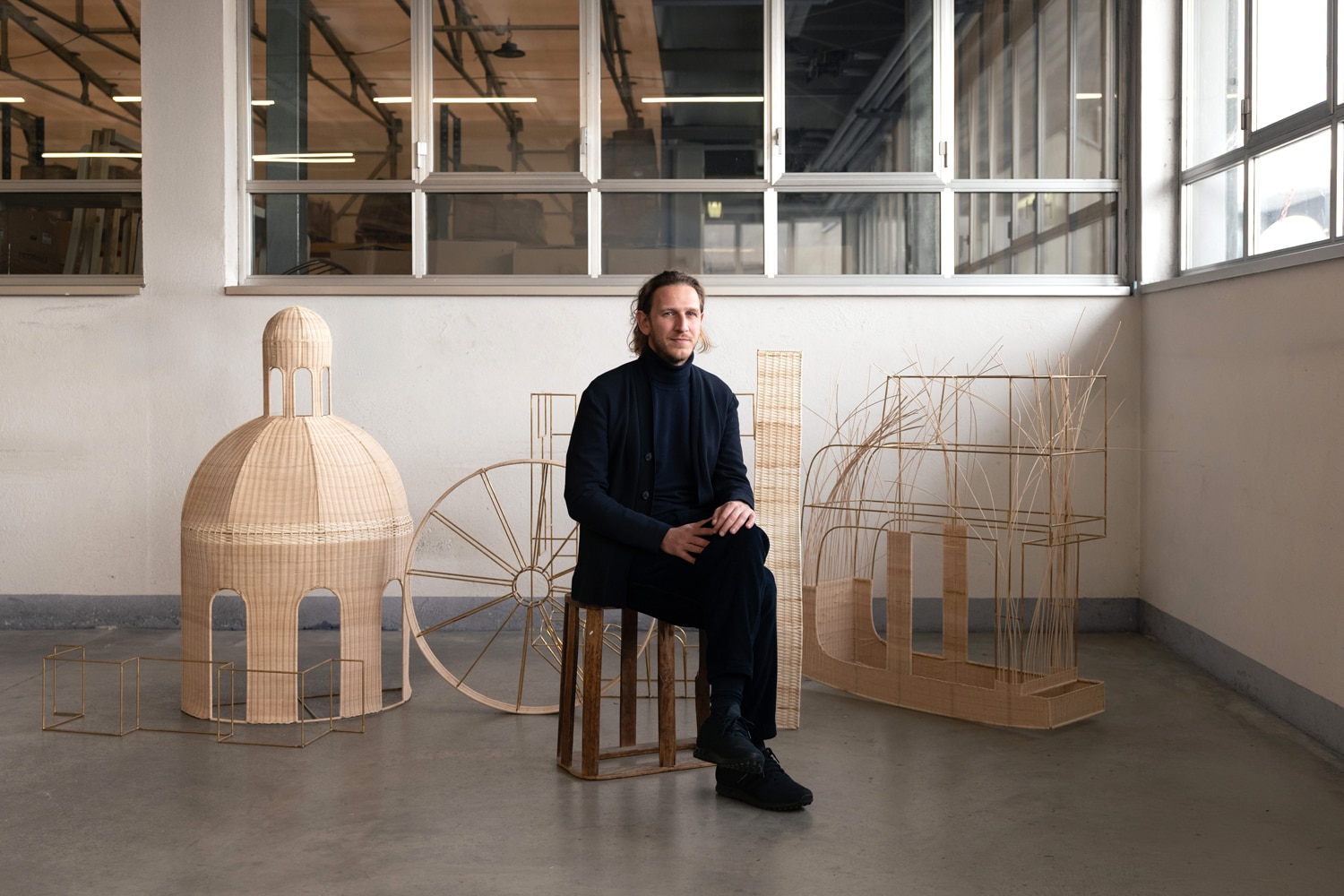
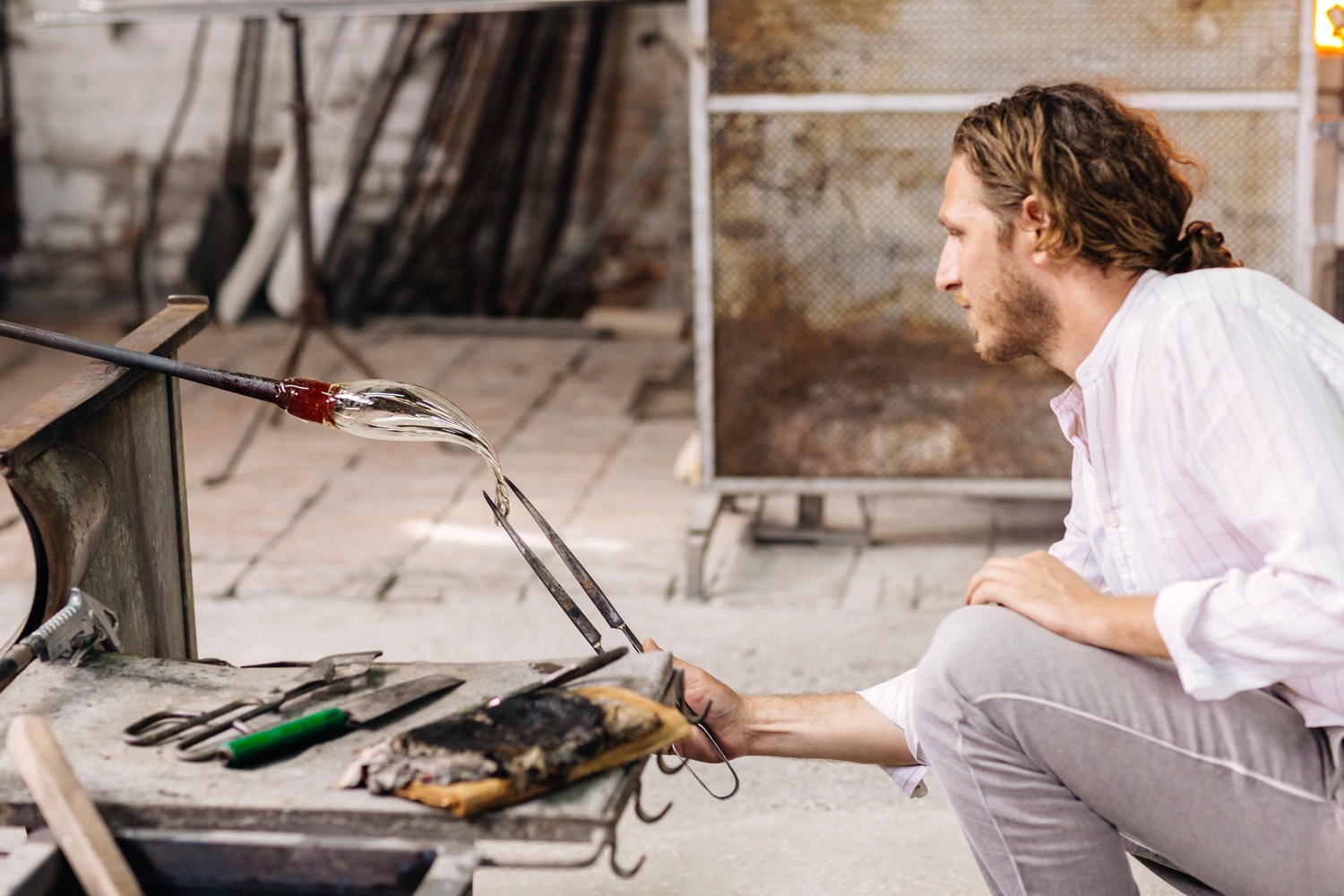
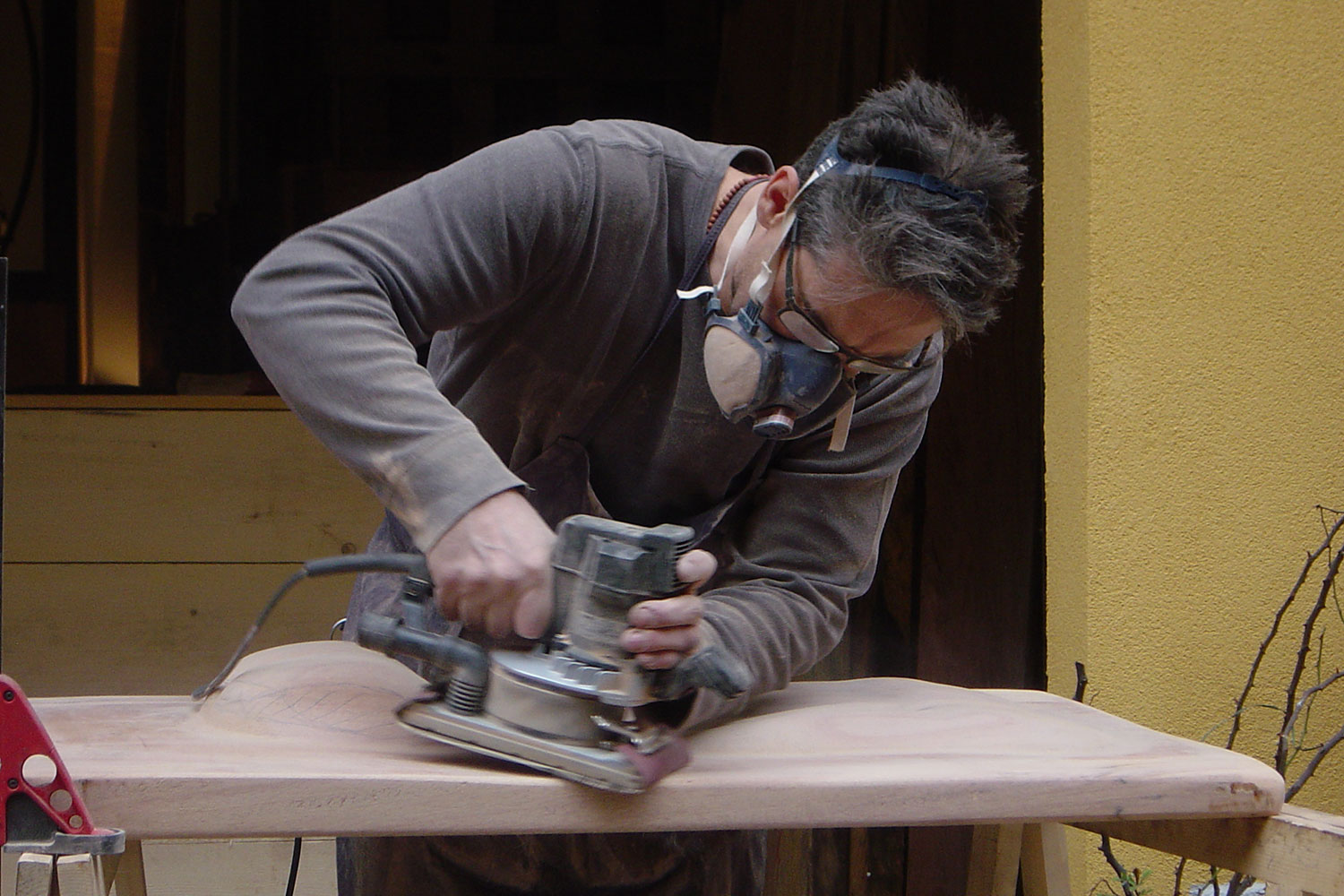
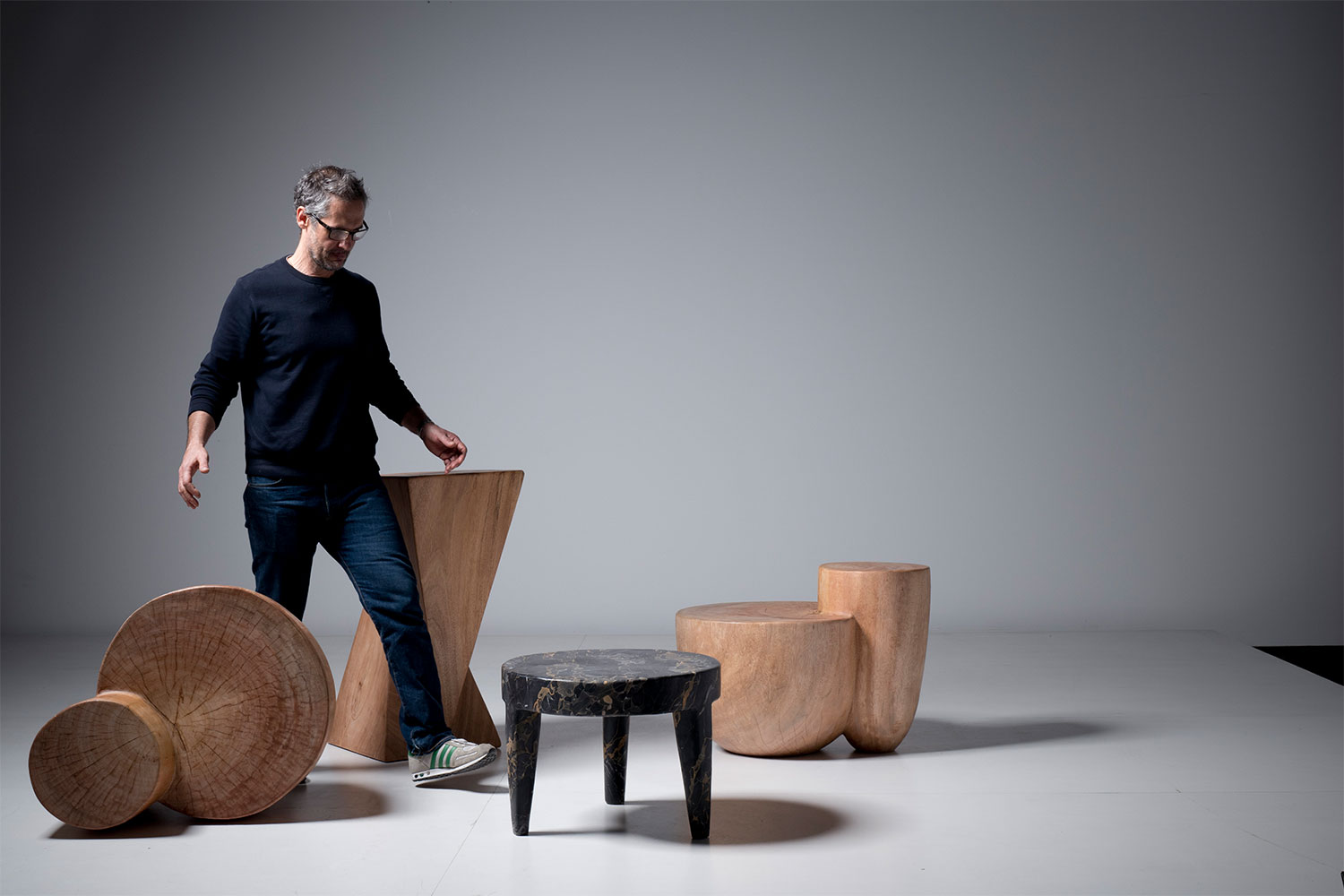
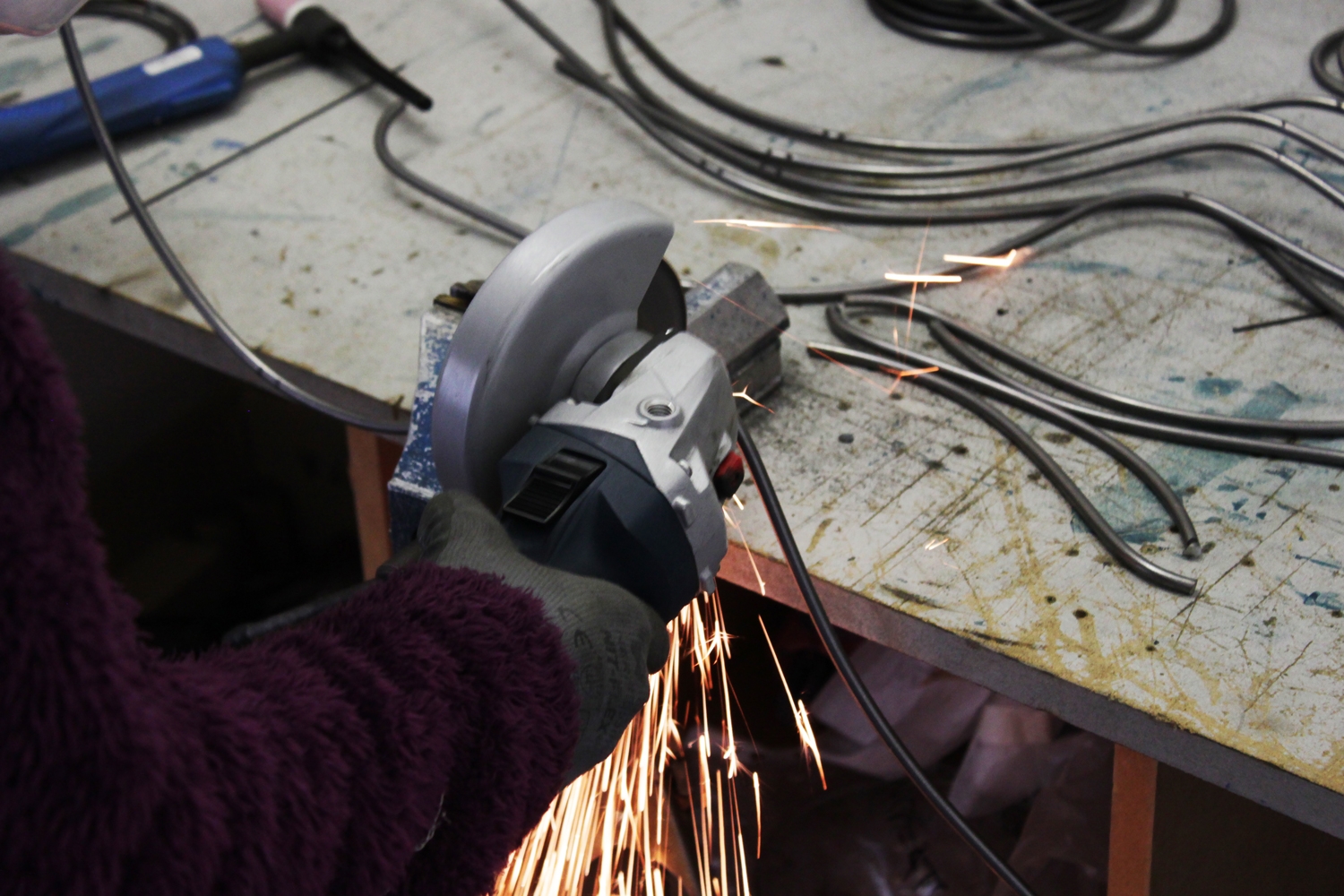
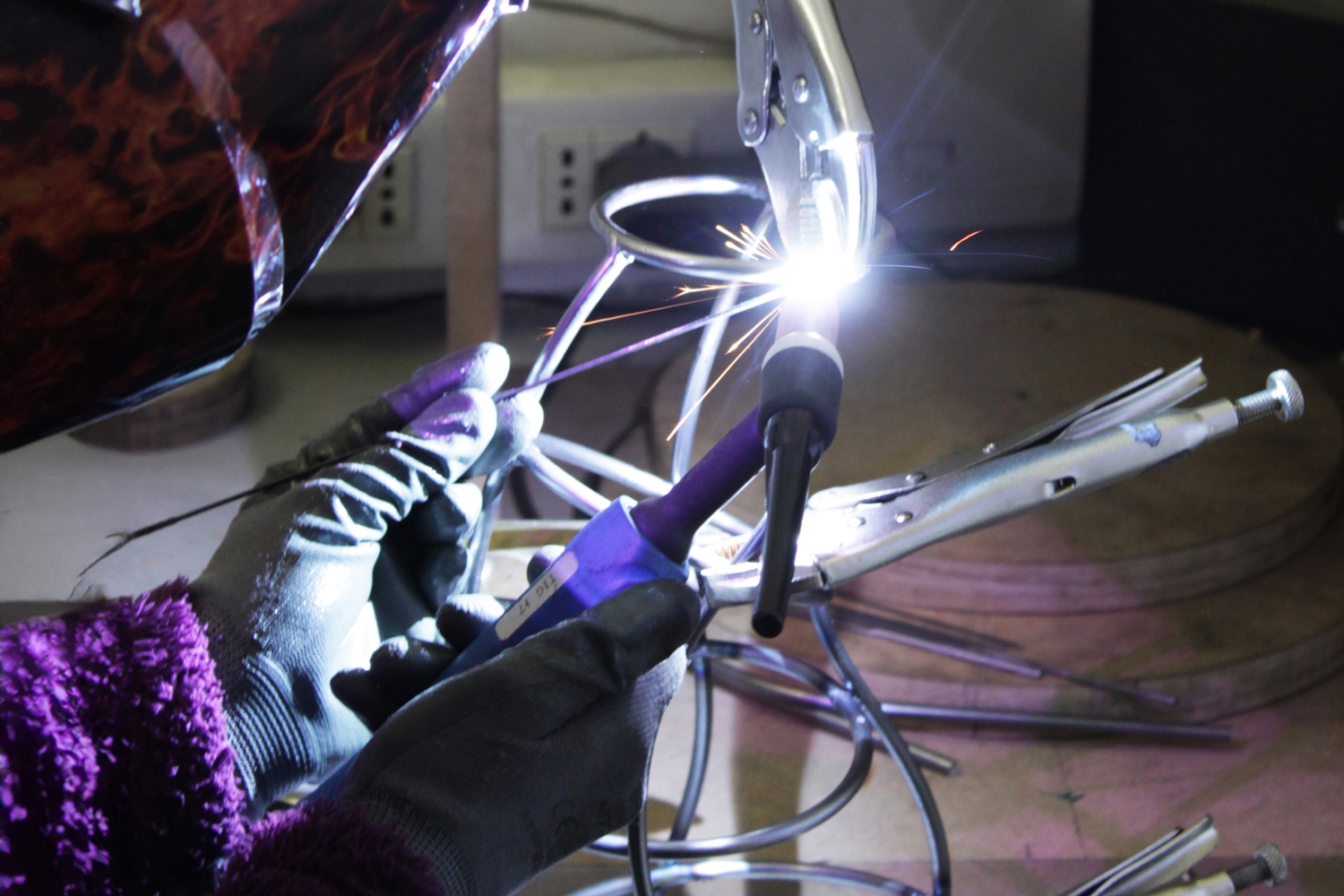
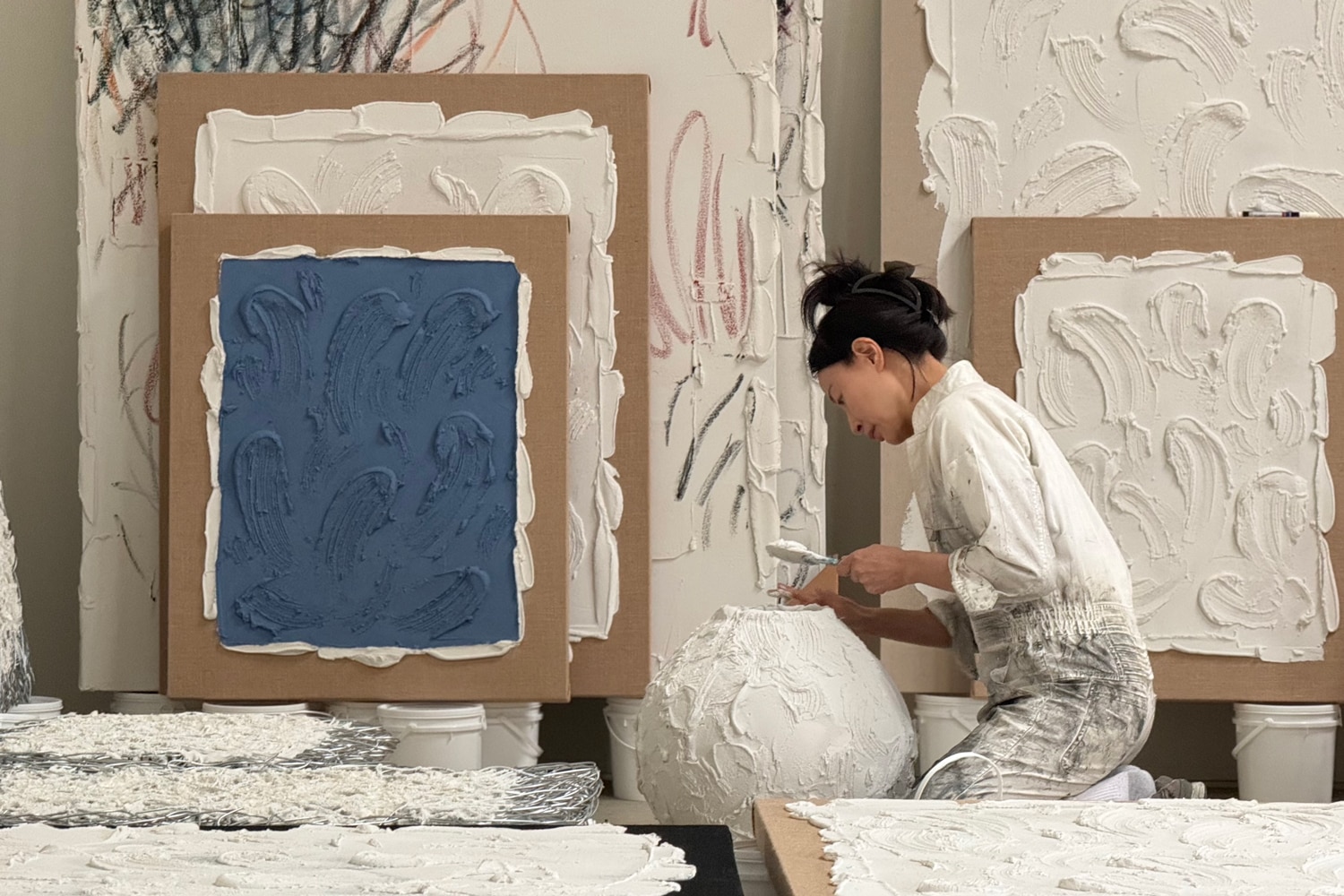
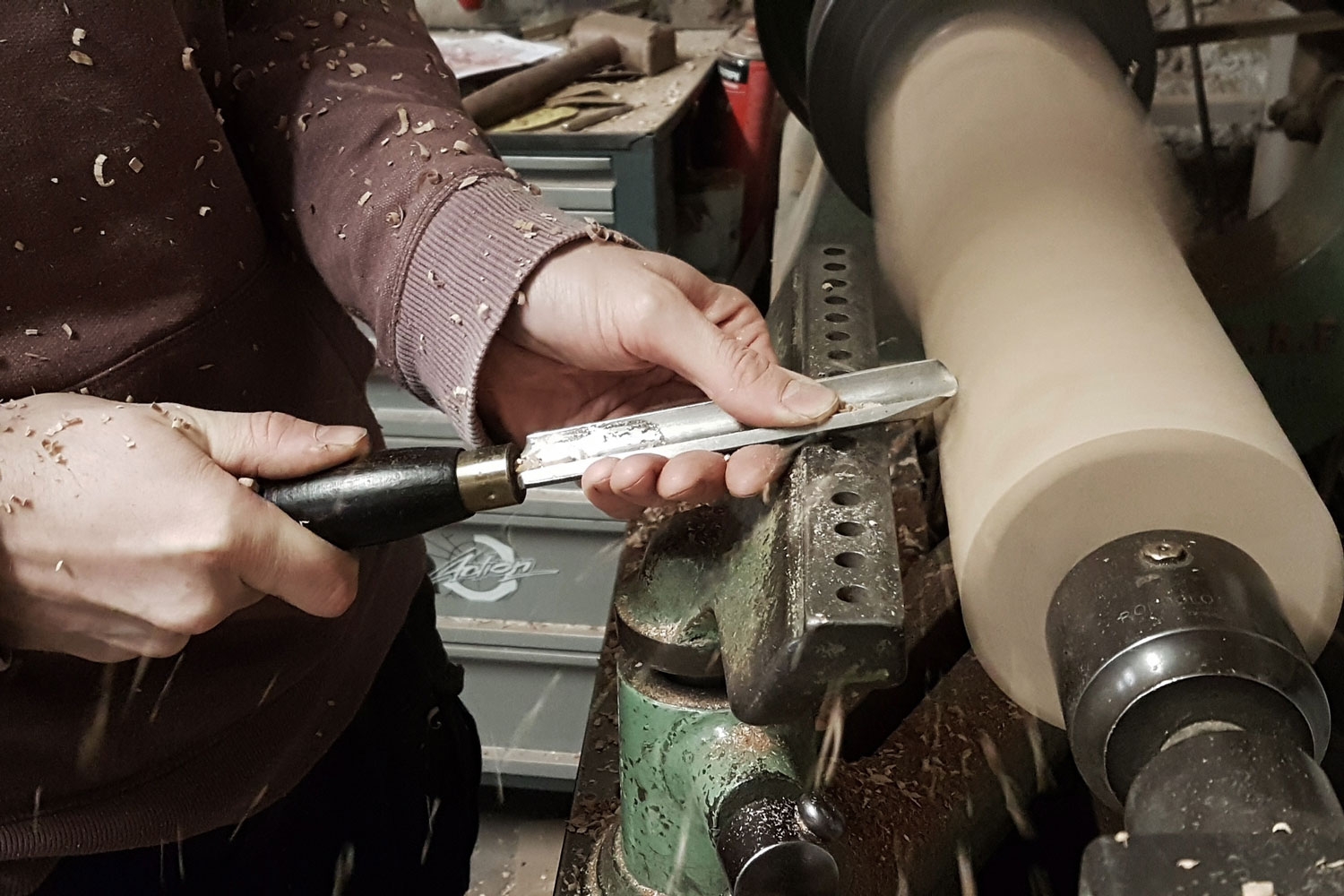
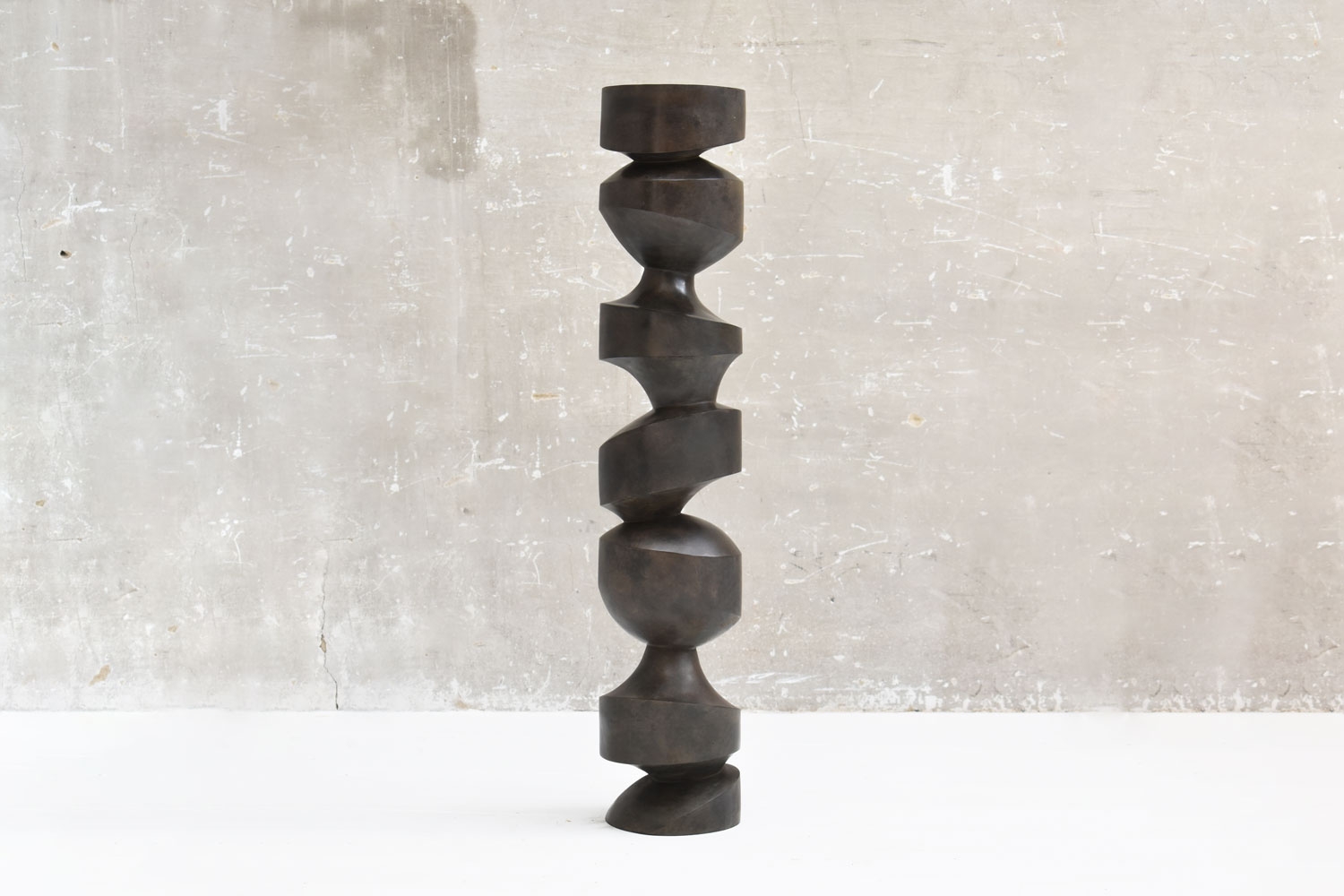
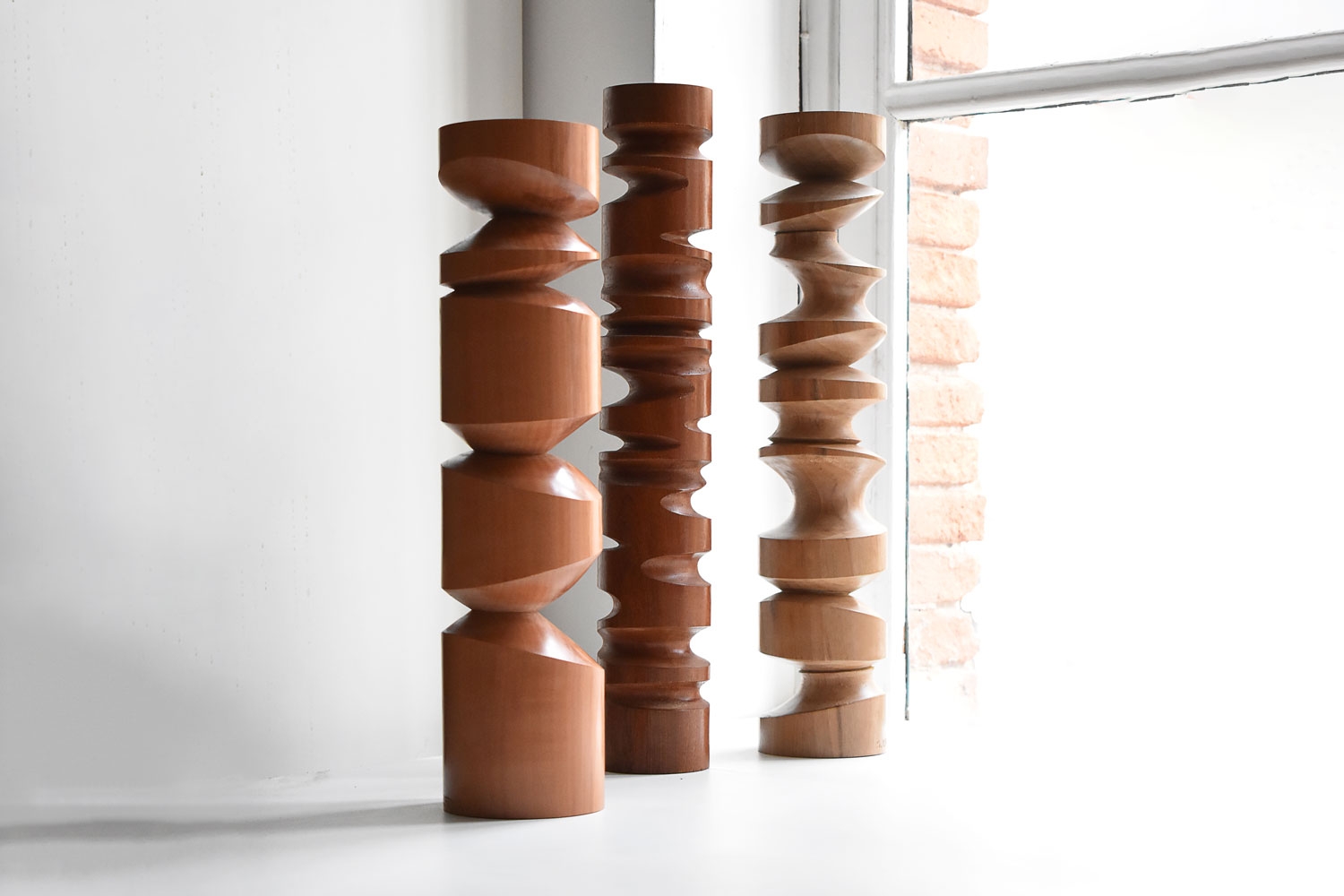
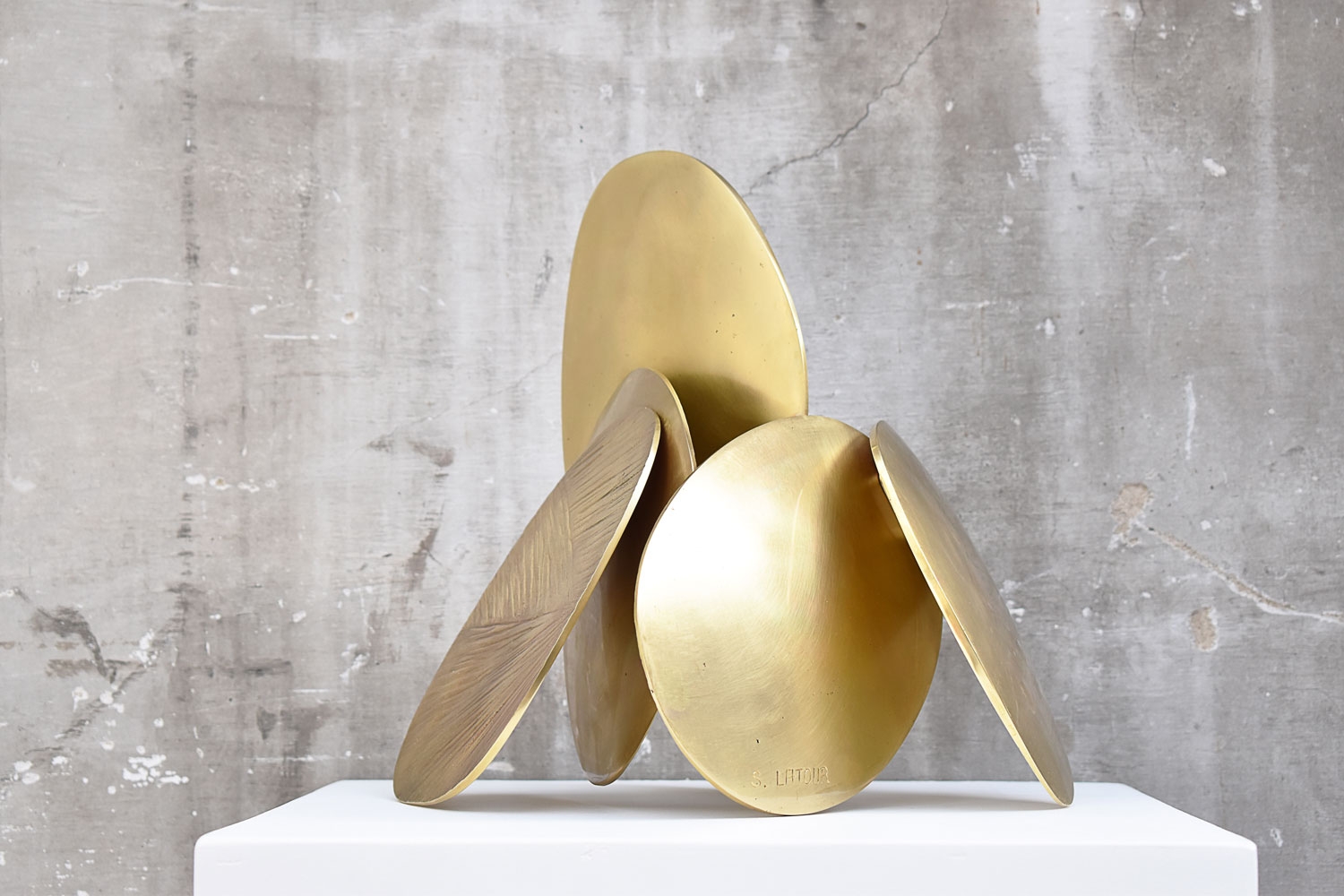
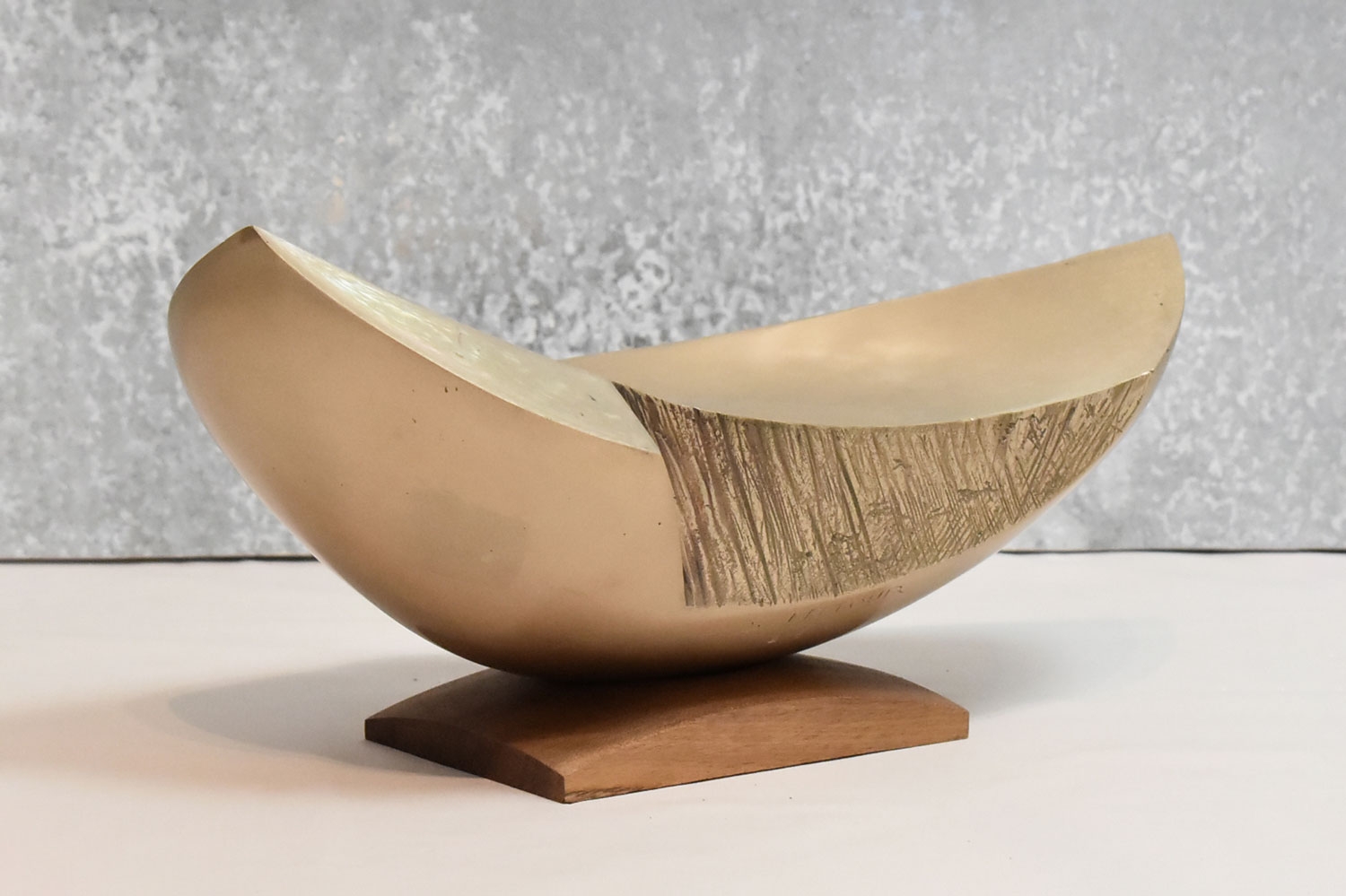
Samuel Latour discovered the art of woodturning at the age of 16 and was quickly captivated by the potential of this craft, so centred around the tool. He trained for five years at the École Boulle, refining his skills while also studying bronze chiselling. “I have always wanted to work with sculpture. Learning bronze chiselling opened the door to working in art foundries and collaborating with designers and sculptors,” he explains. Since 2016, he and his partner, metalworker Laura Demichelis, have been running their own workshop in Toulouse. Whether working with wood, plaster, bronze, or steel, Samuel's practice starts with the material itself and explores the distinct techniques each material calls for. He approaches sculpting with an abstract view, studying how lines interact to convey emotion.
INTERVIEW
I was immediately drawn to the fact that it involves multiple materials and that everything is based on tools. Since I did not have a clear idea of the career I wanted when I started out, this multimedia approach seemed to offer much freedom.
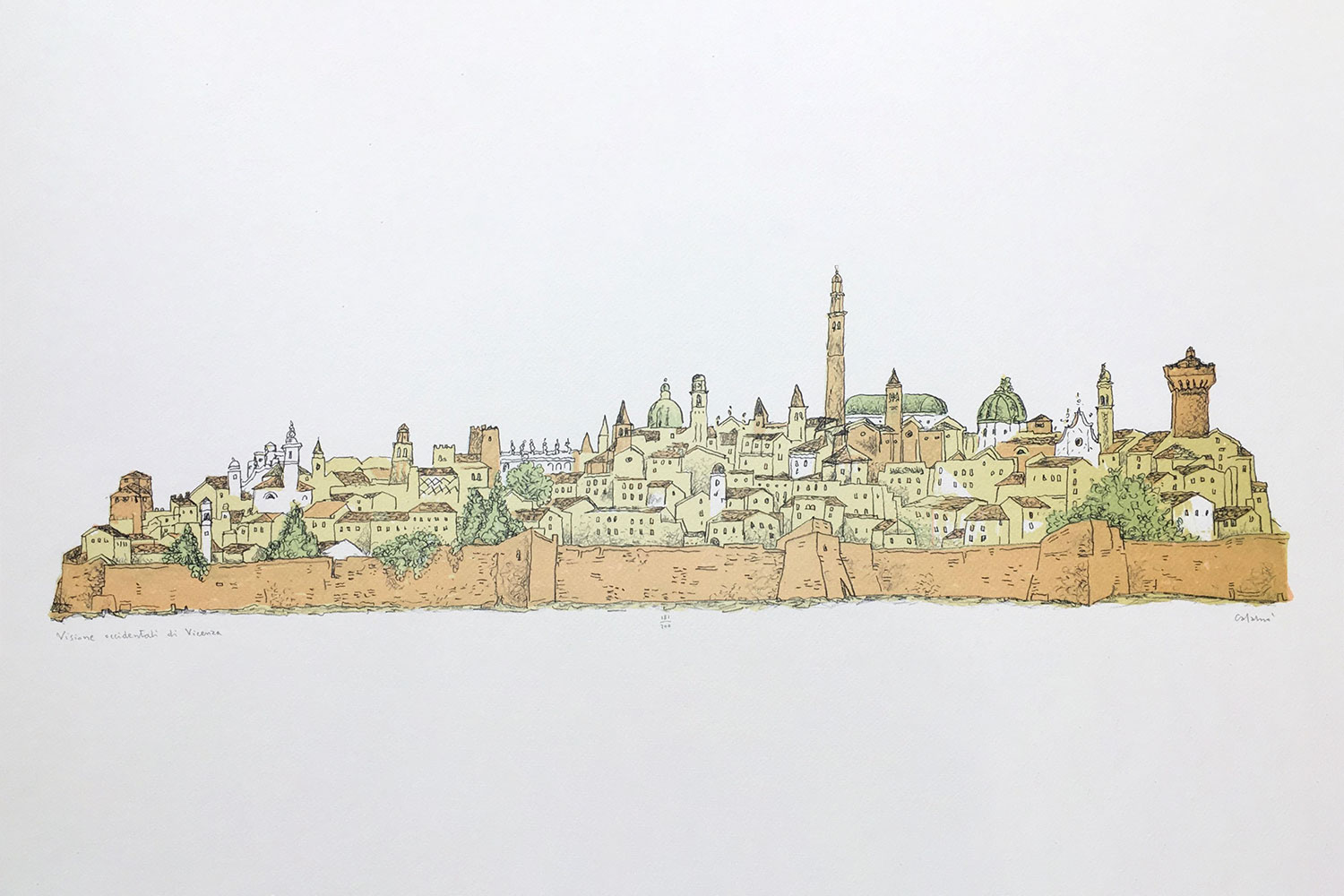
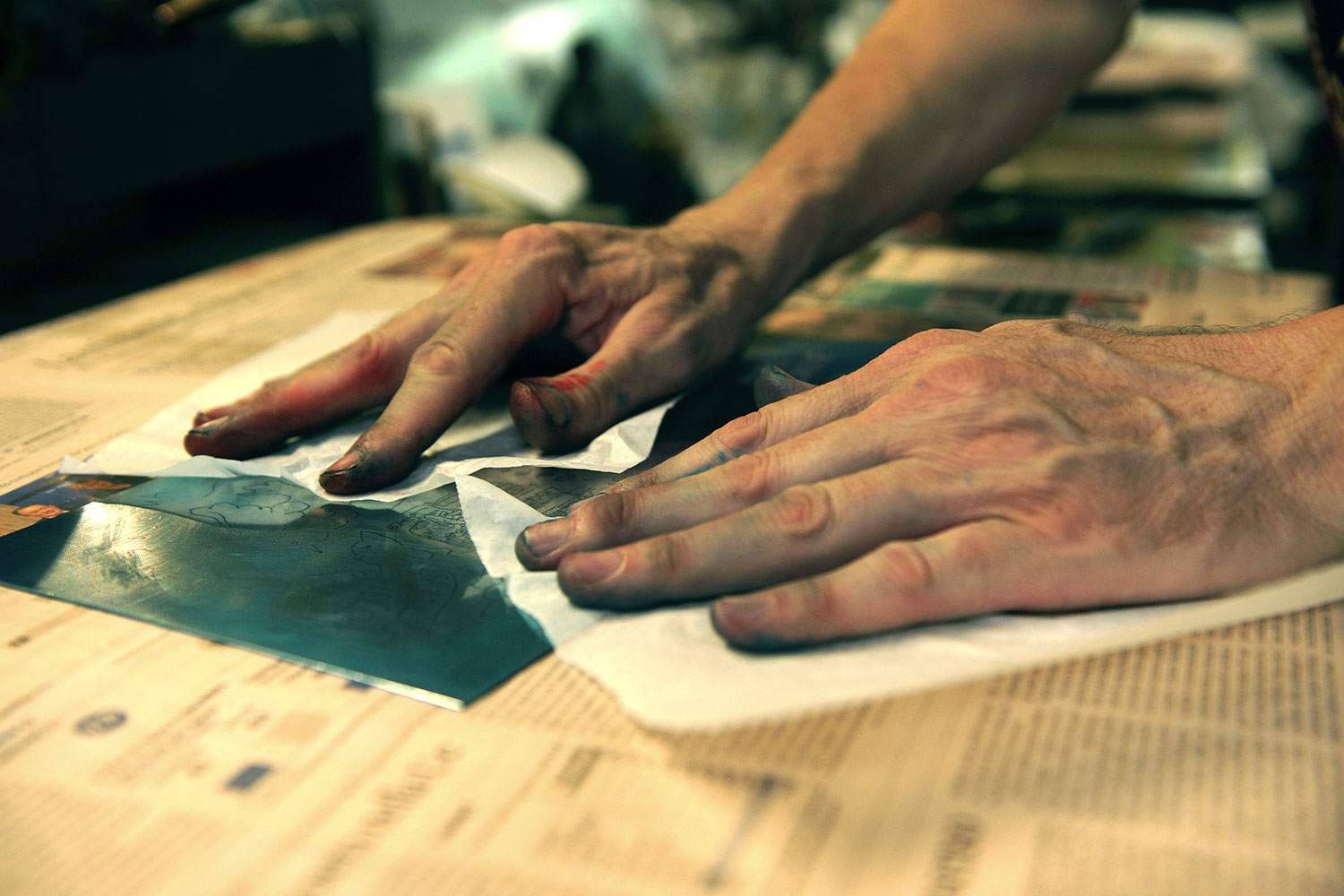
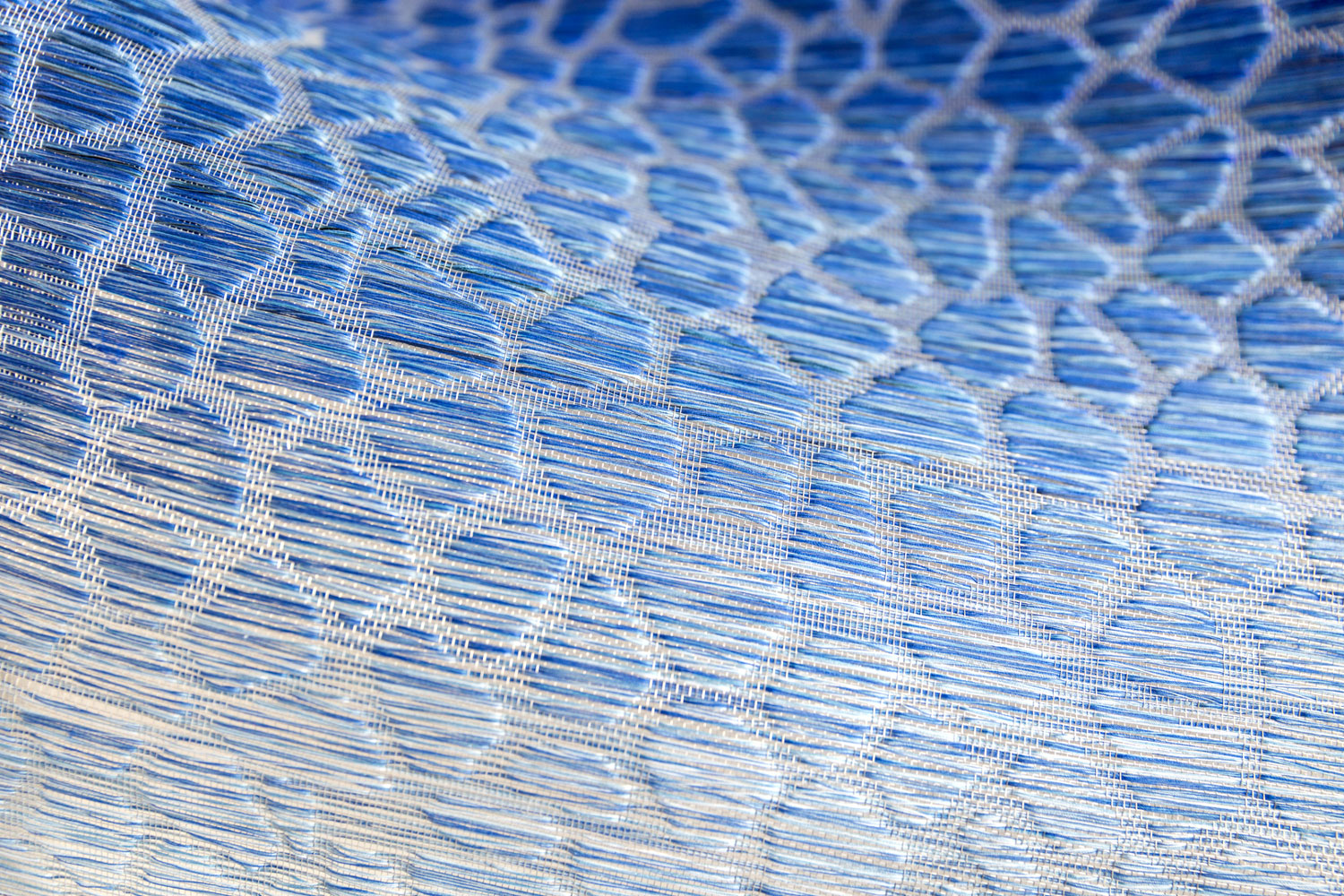
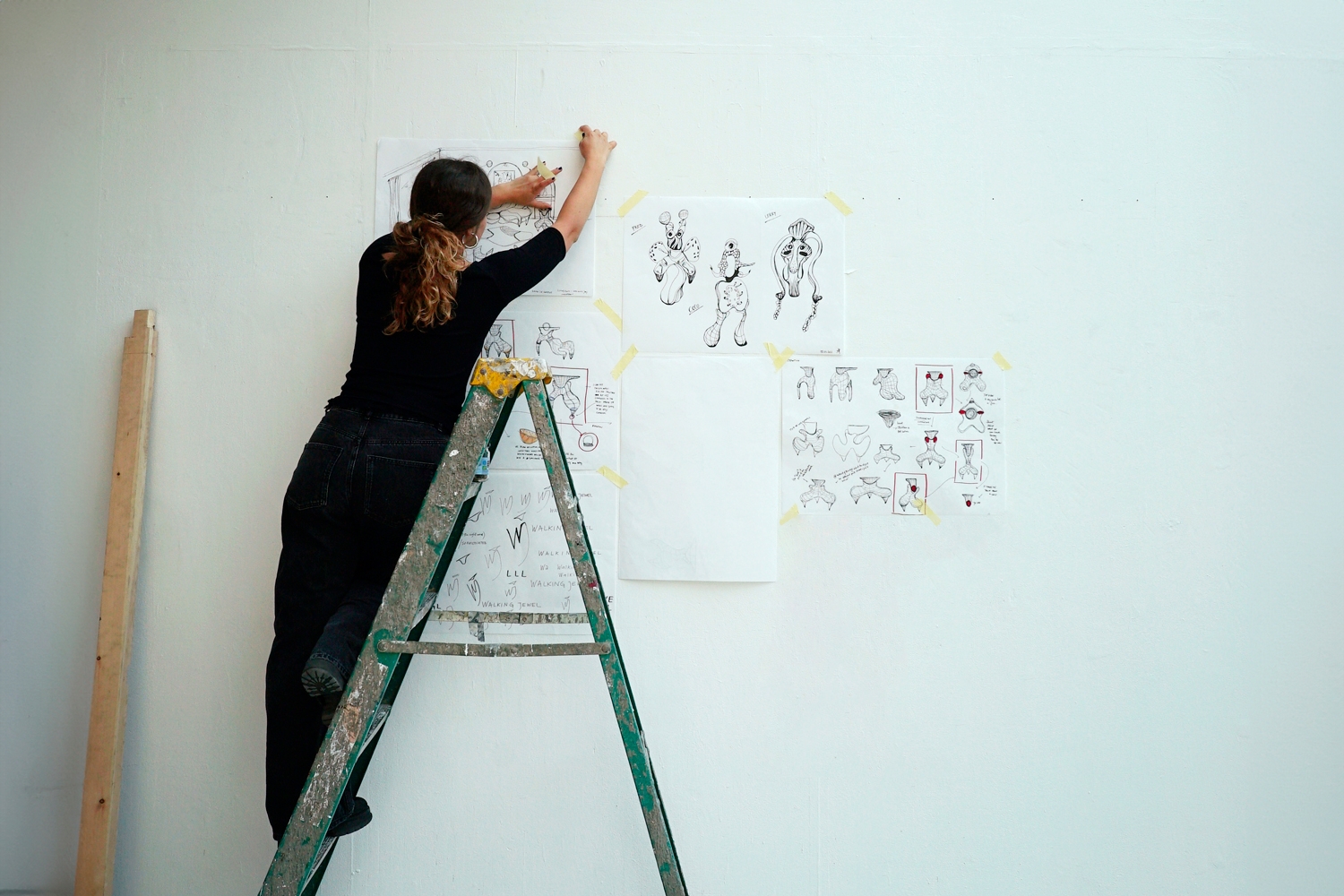
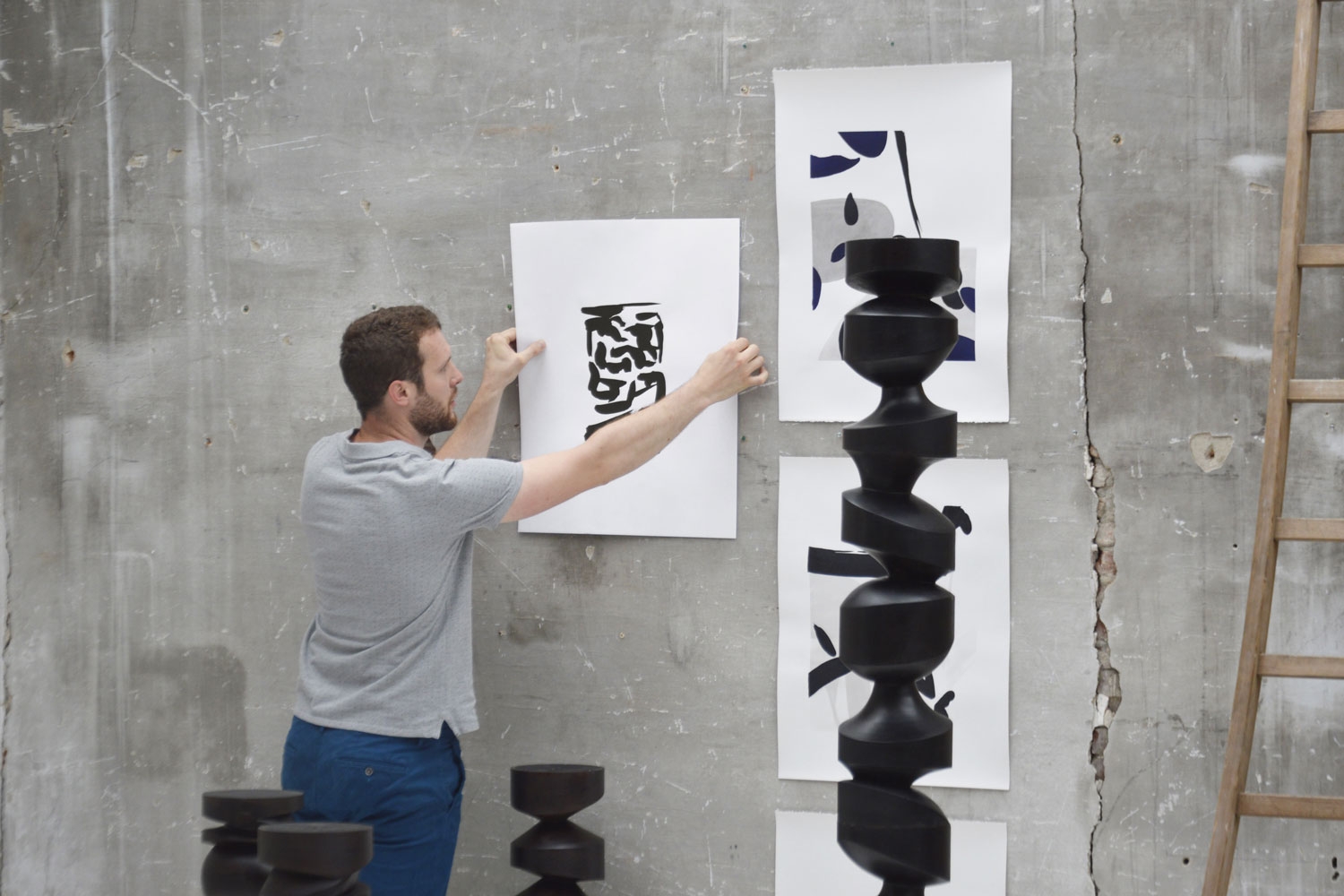
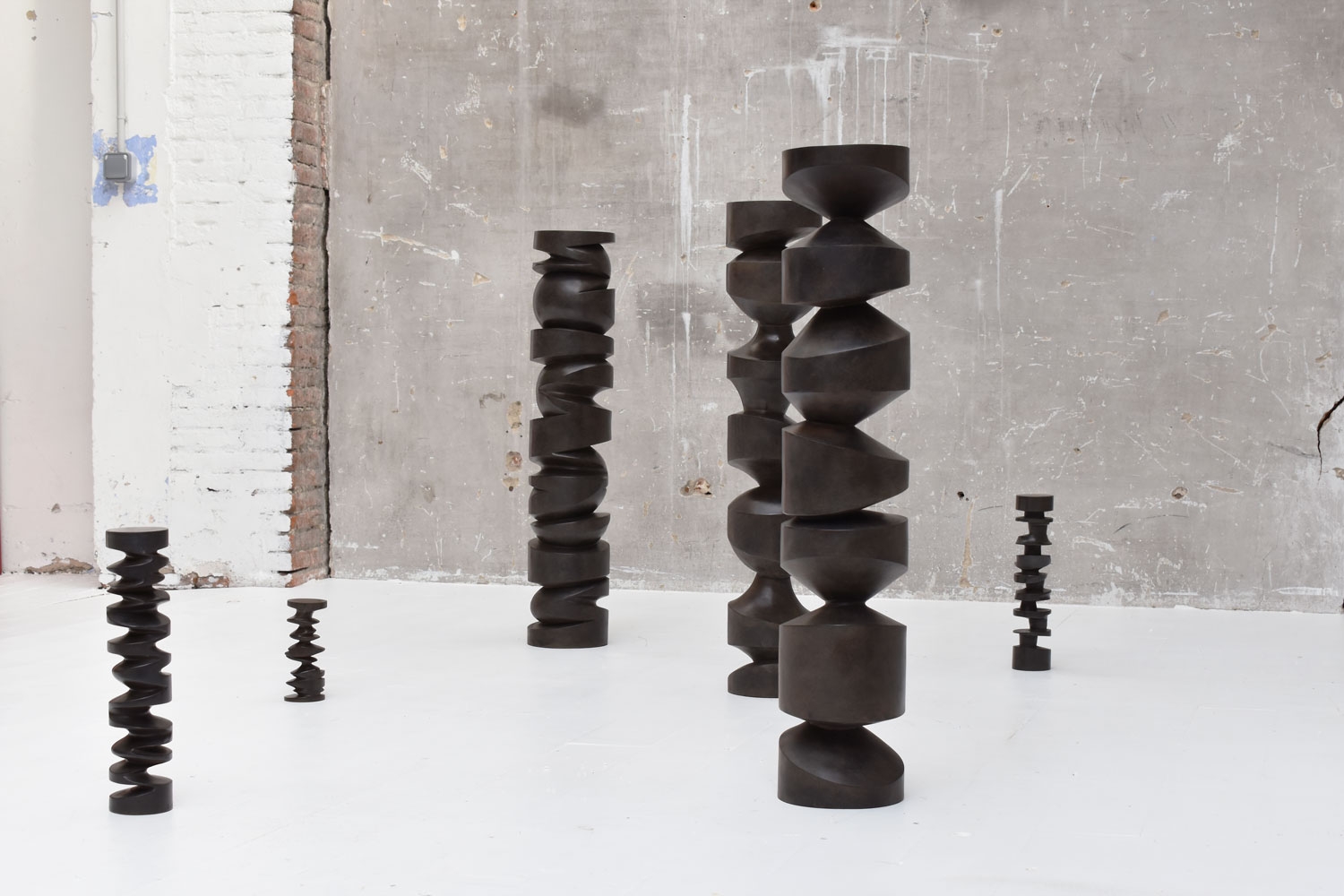
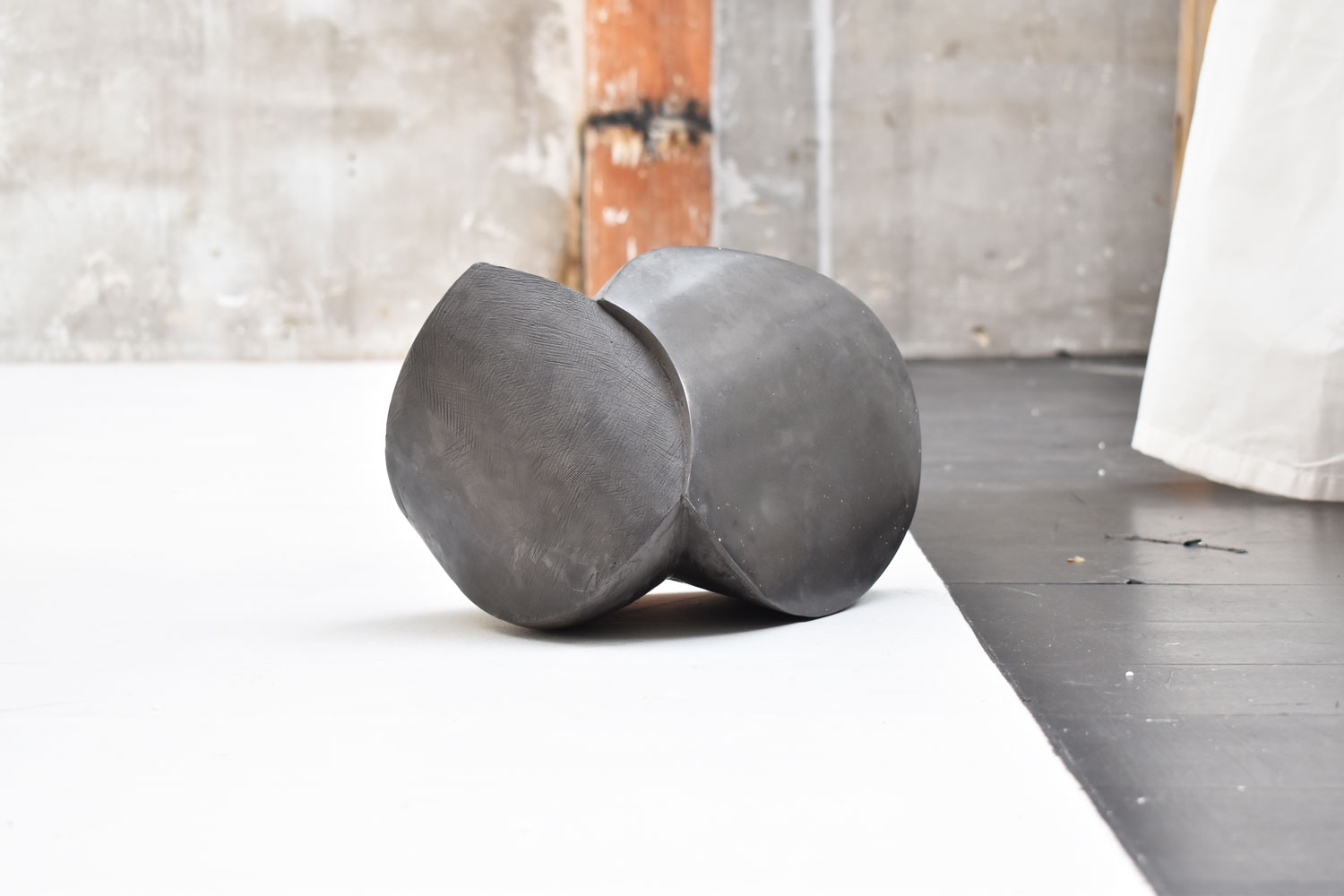
Collision involves a focus on gesture. The project begins with ink drawings from which I extract patterns, which I translate into cylinder forms. There is this constant back-and-forth between my sketchbook and the wood lathe. I was looking for something succinct, that combined quick drawing and slower sculpting.
At first, I used drawing mainly as a means to create sculpture. However, over time, certain forms have emerged that I feel the need to extract. This practice has gained a life of its own. In the creative universe of my work, it is interesting to maintain a parallel between drawing and sculpture.
I work primarily with local materials from my region and collaborate with a foundry in Toulouse. I value working with local partners and aim to collaborate with them to help preserve their craft. It is essential to me that their work continues and is preserved.
Samuel Latour
Mixed media sculptor
Rabastens, France
AVAILABILITY
By appointment only
PHONE
+33 624200246
LANGUAGES
French, German, English
Homo Faber Finds is a new service aiming to inspire admirers of craft to connect and collaborate with exceptional artisans.
We invite you to submit an enquiry here.