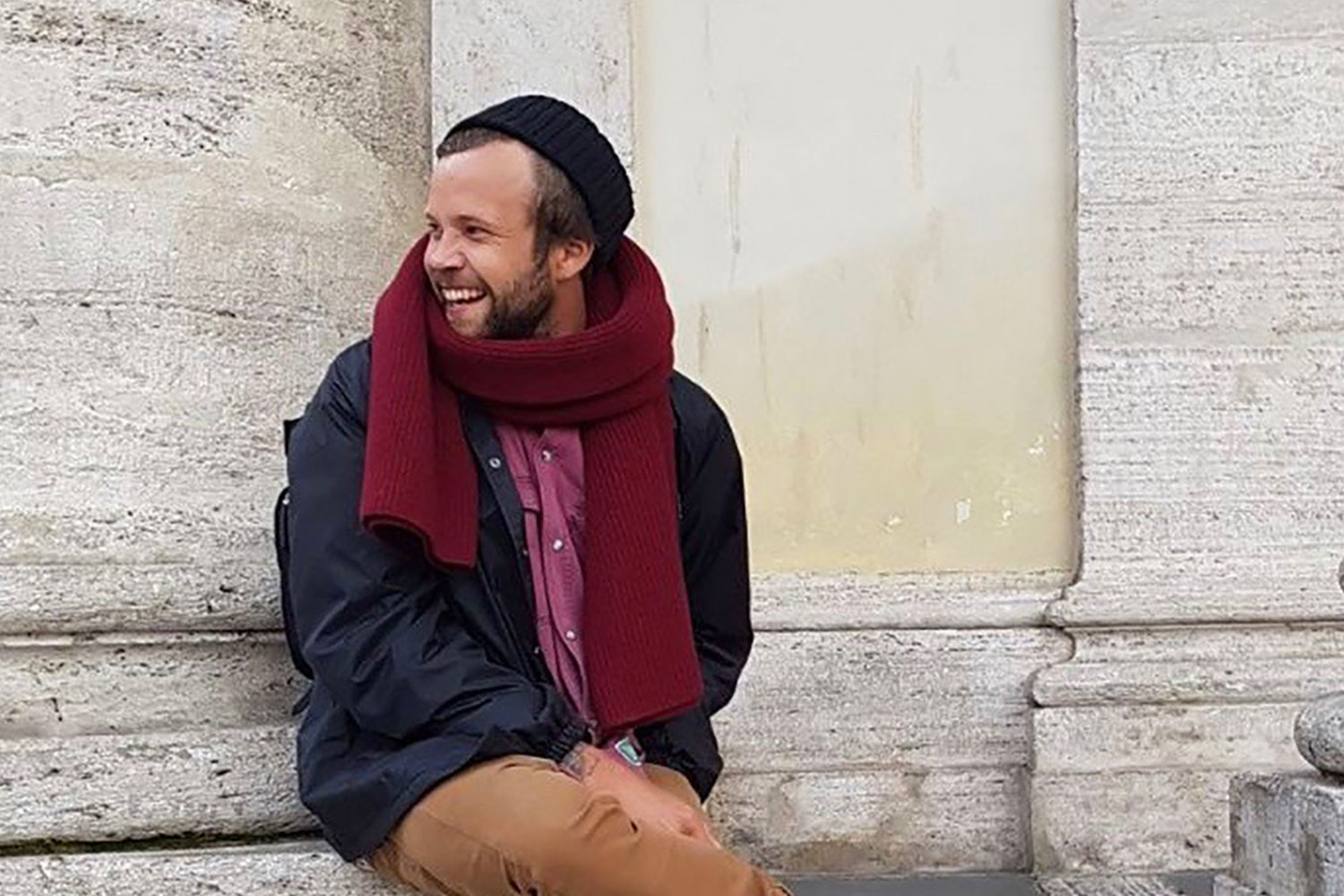
Portrait1_©Maxime-Chanet.jpg)
Making-of-Beehave_Marlene-Huissoud_Sir-Ian-Blatchford-(Science-Museum)_AHEC_(Petr-Krejci)-(1).jpg)
Cocoon-wardrobe_-©-Studio-Marlene-Huissoud4-copy.jpg)
Atelier---©Thomas-Chene_-Financial-Times.jpg)
frominsects2__©Studio-Immatters.jpg)
Marlène Huissoud
Mixed media sculptor
Nangy, France
A technical exploration of bio matter
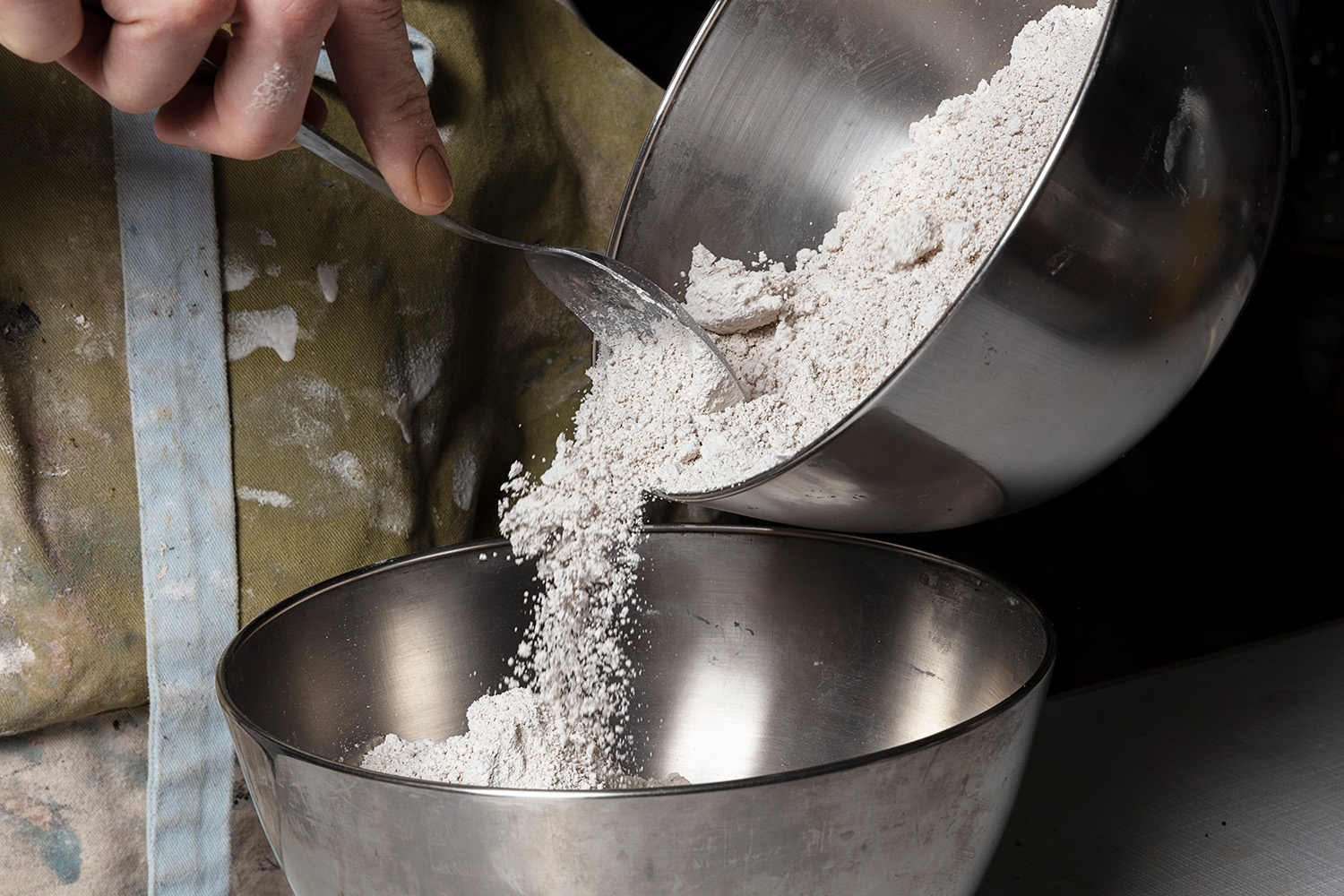
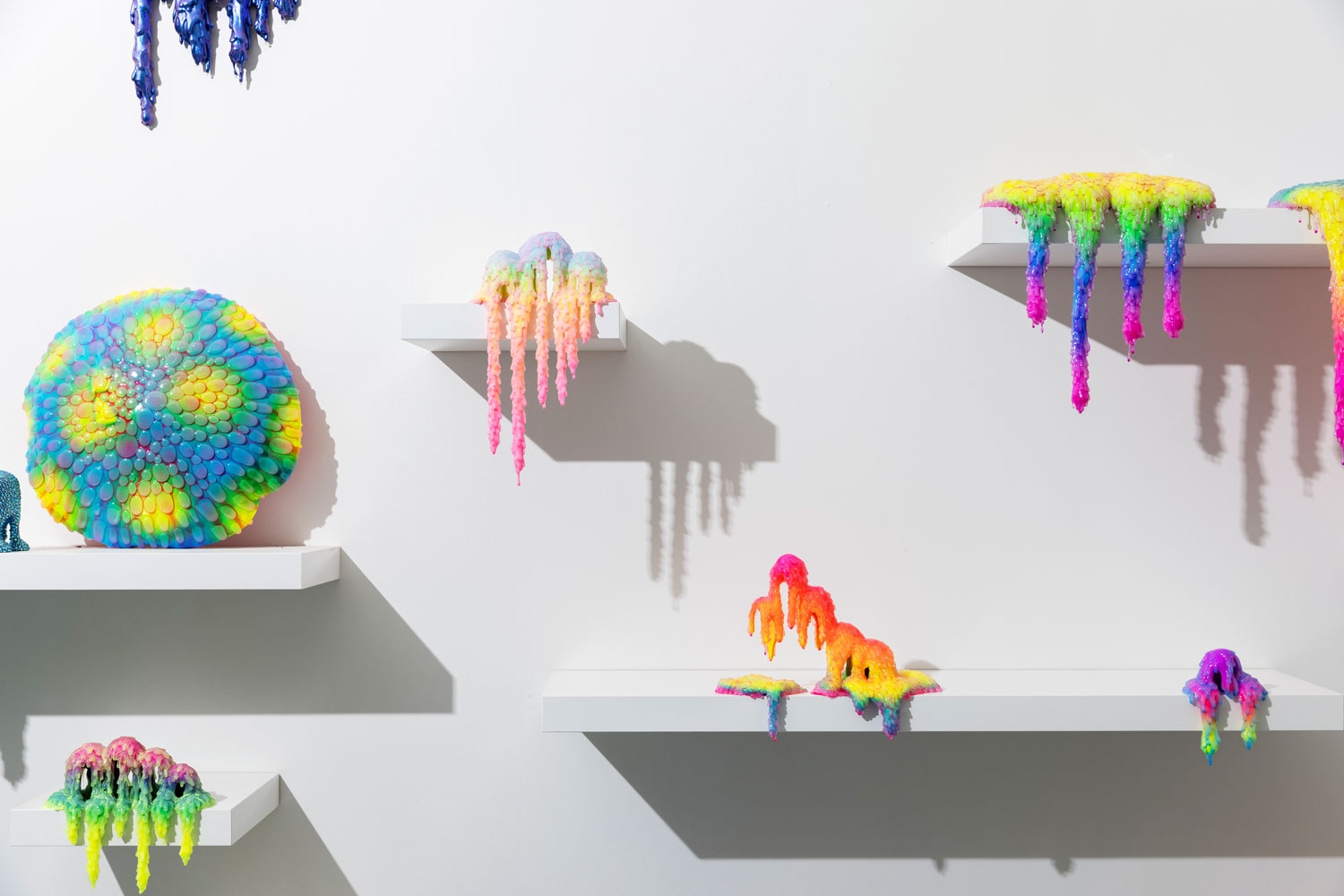
- Marlène creates sculptures from bio materials such as insect waste and bee propolis
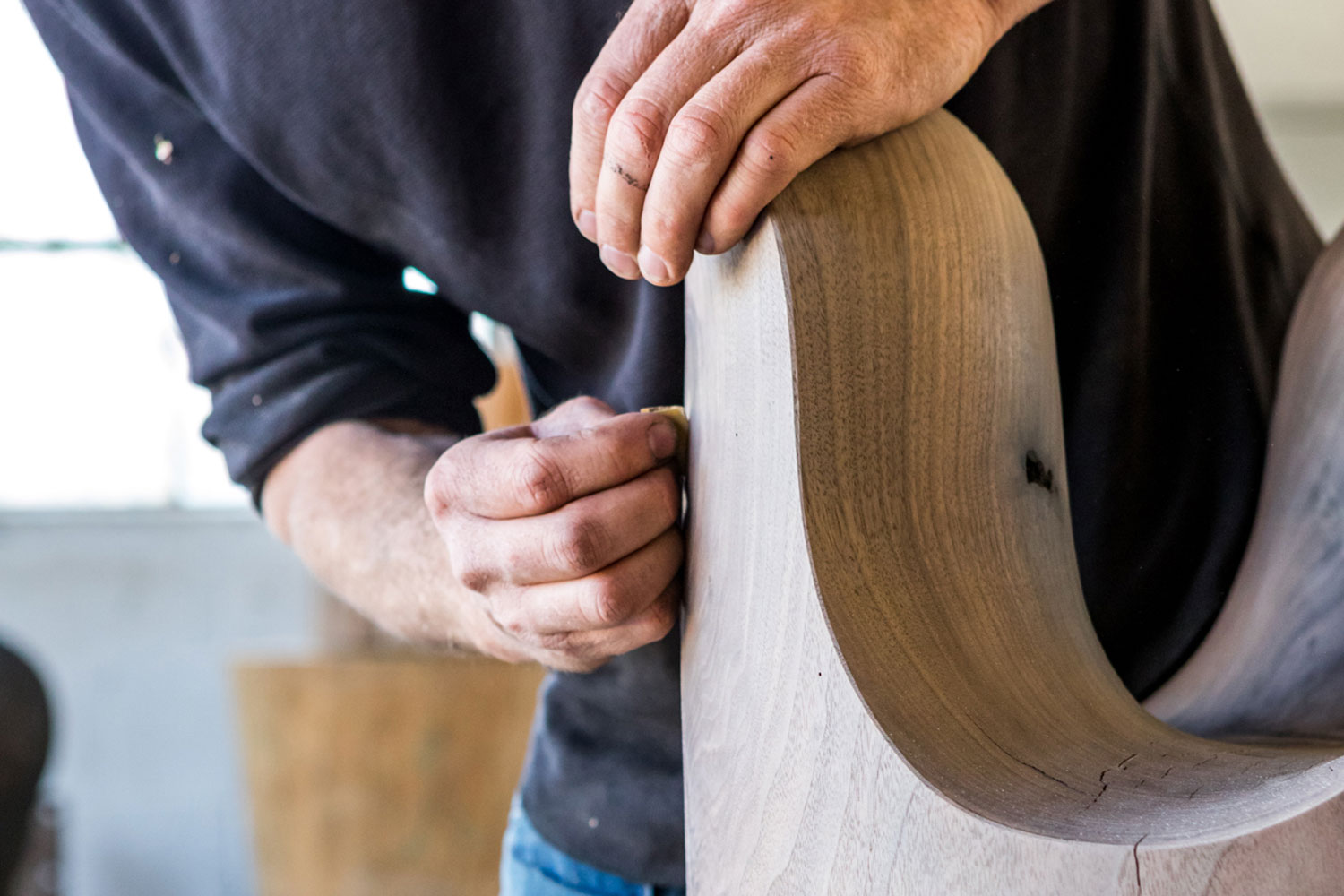
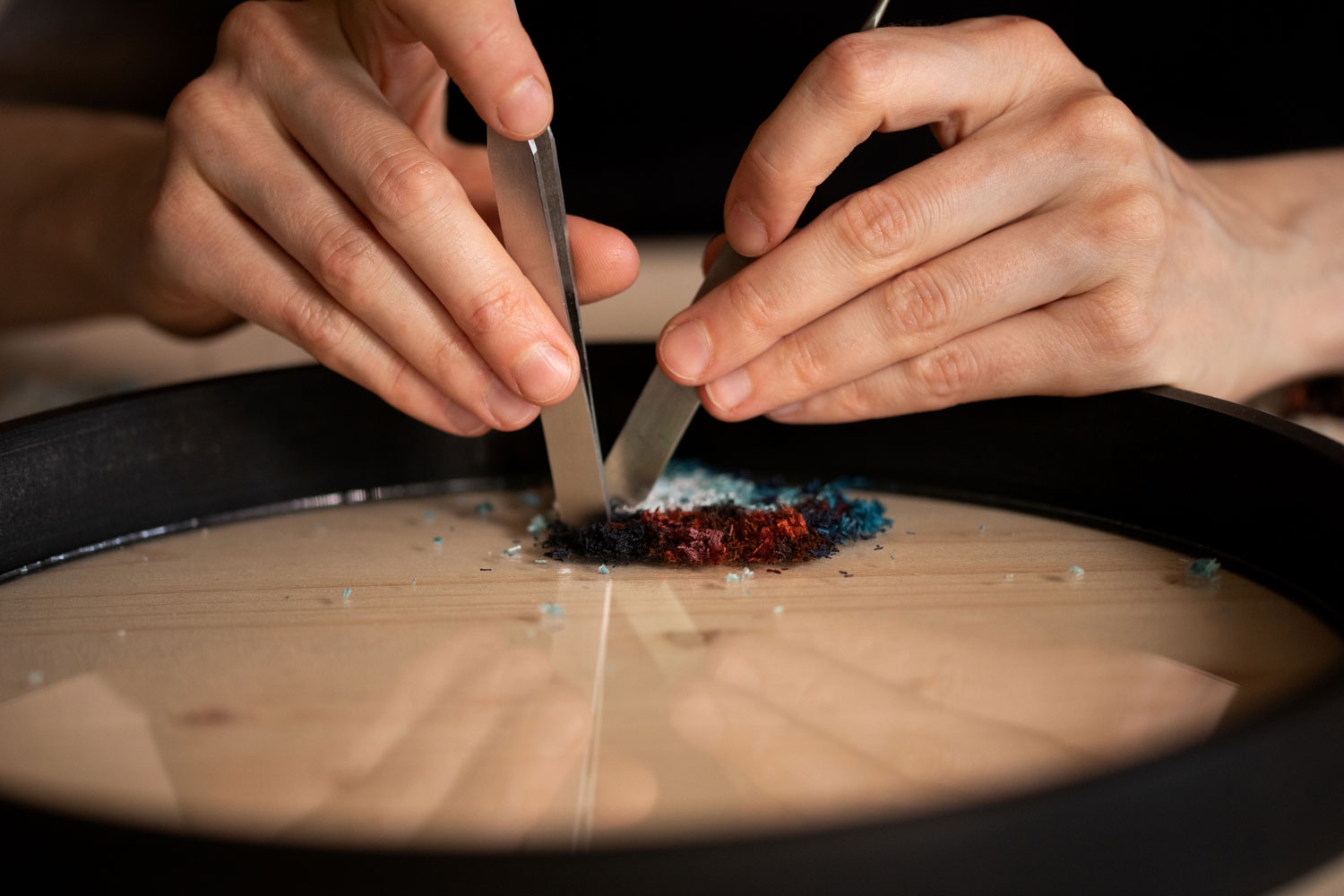
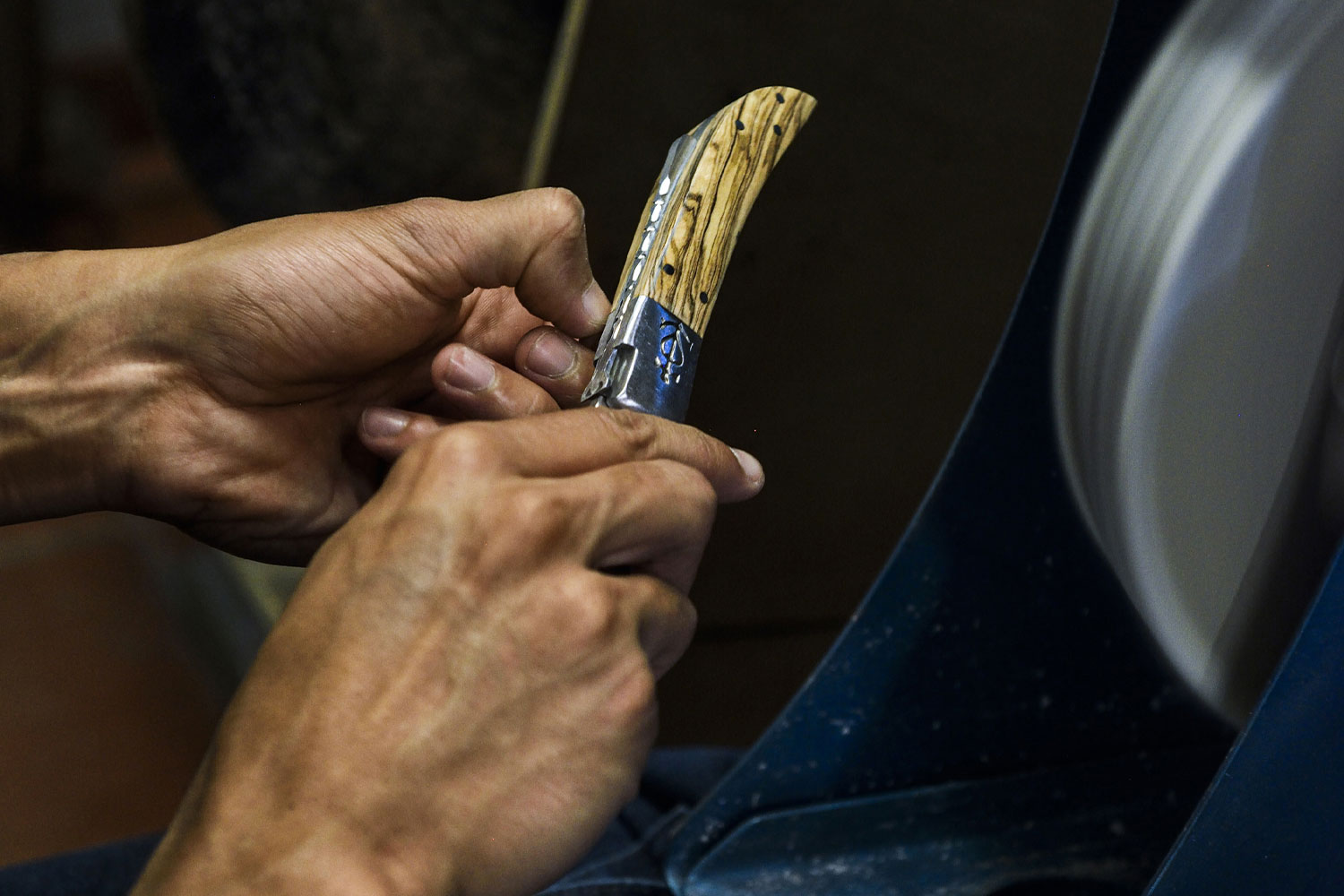
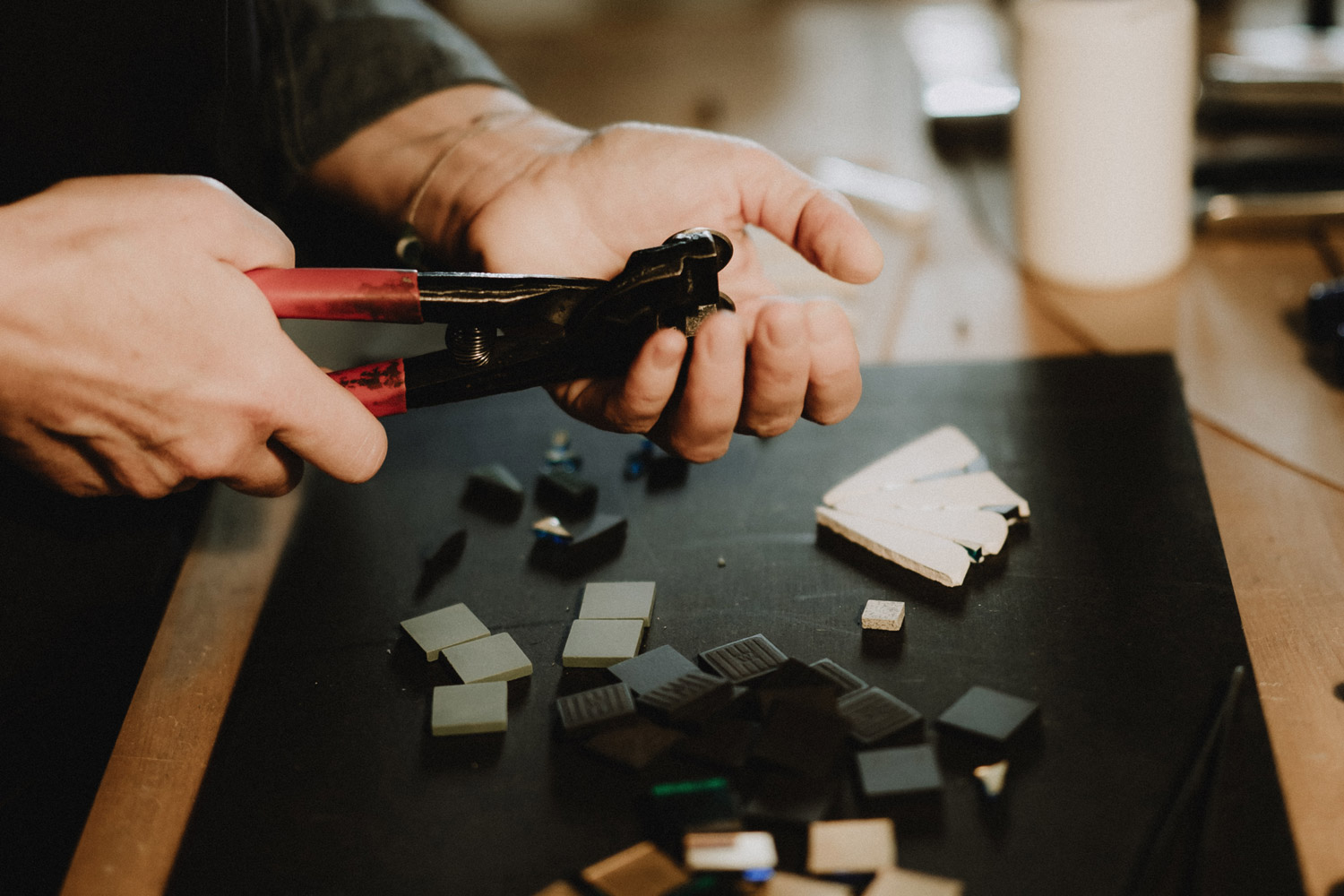
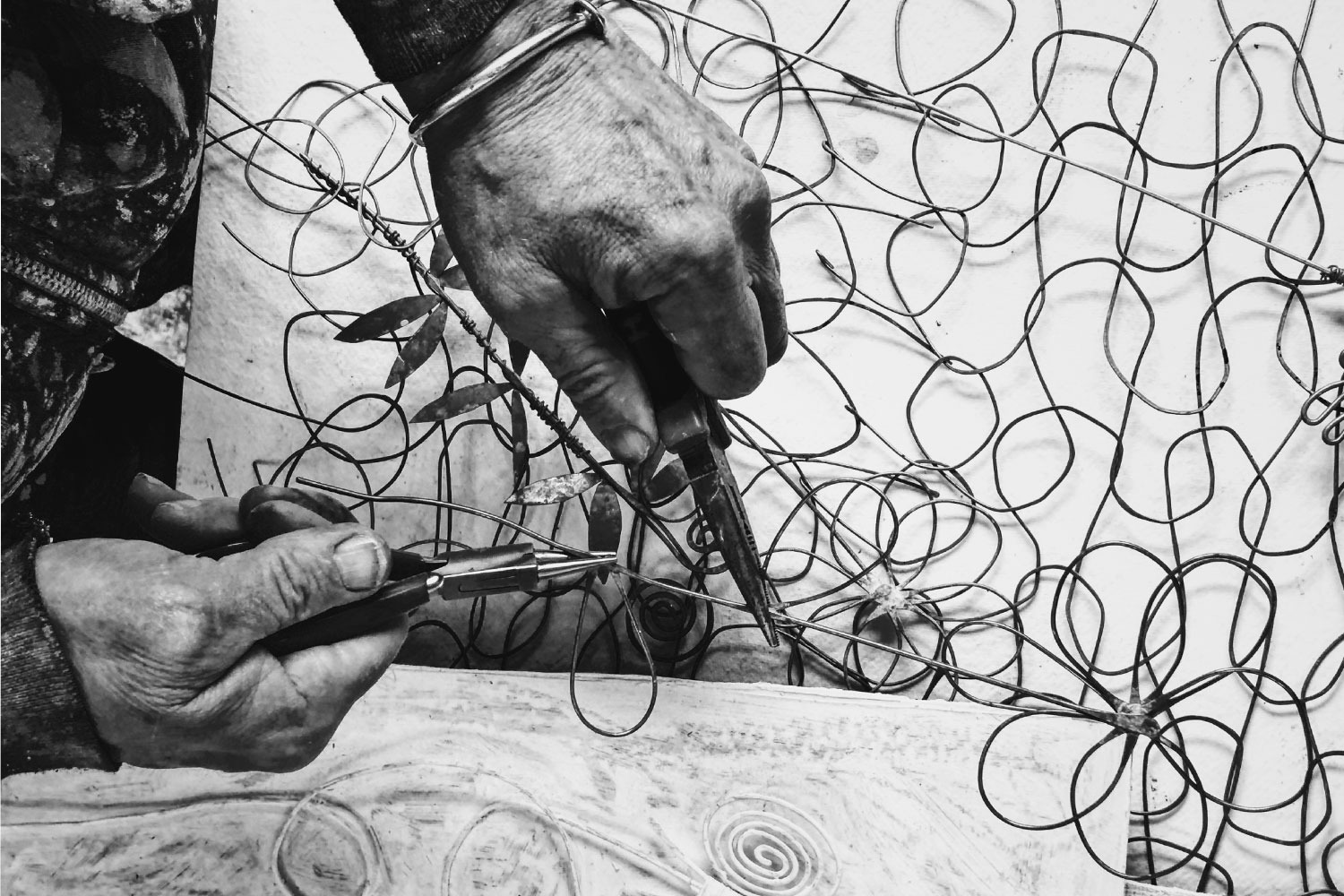
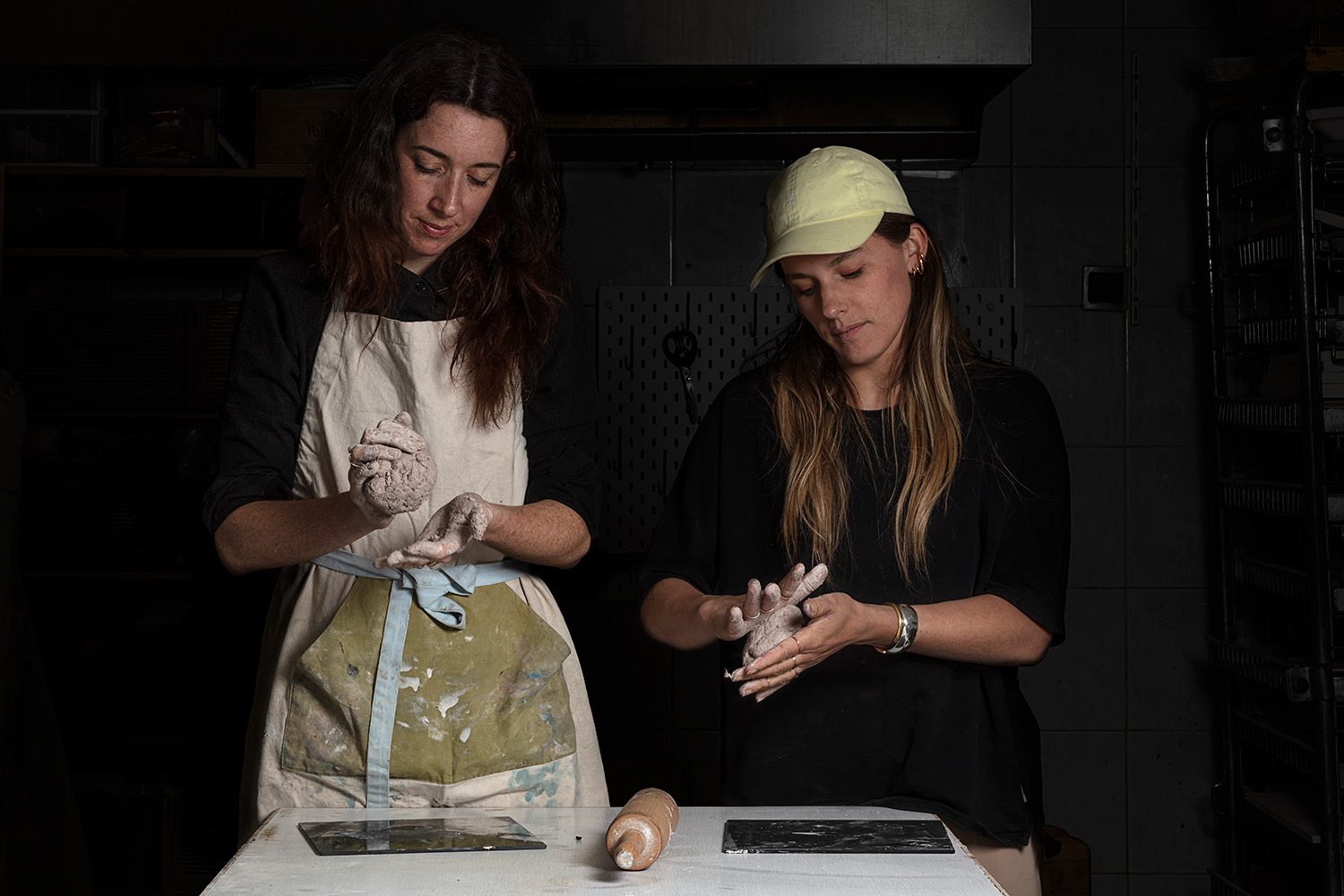
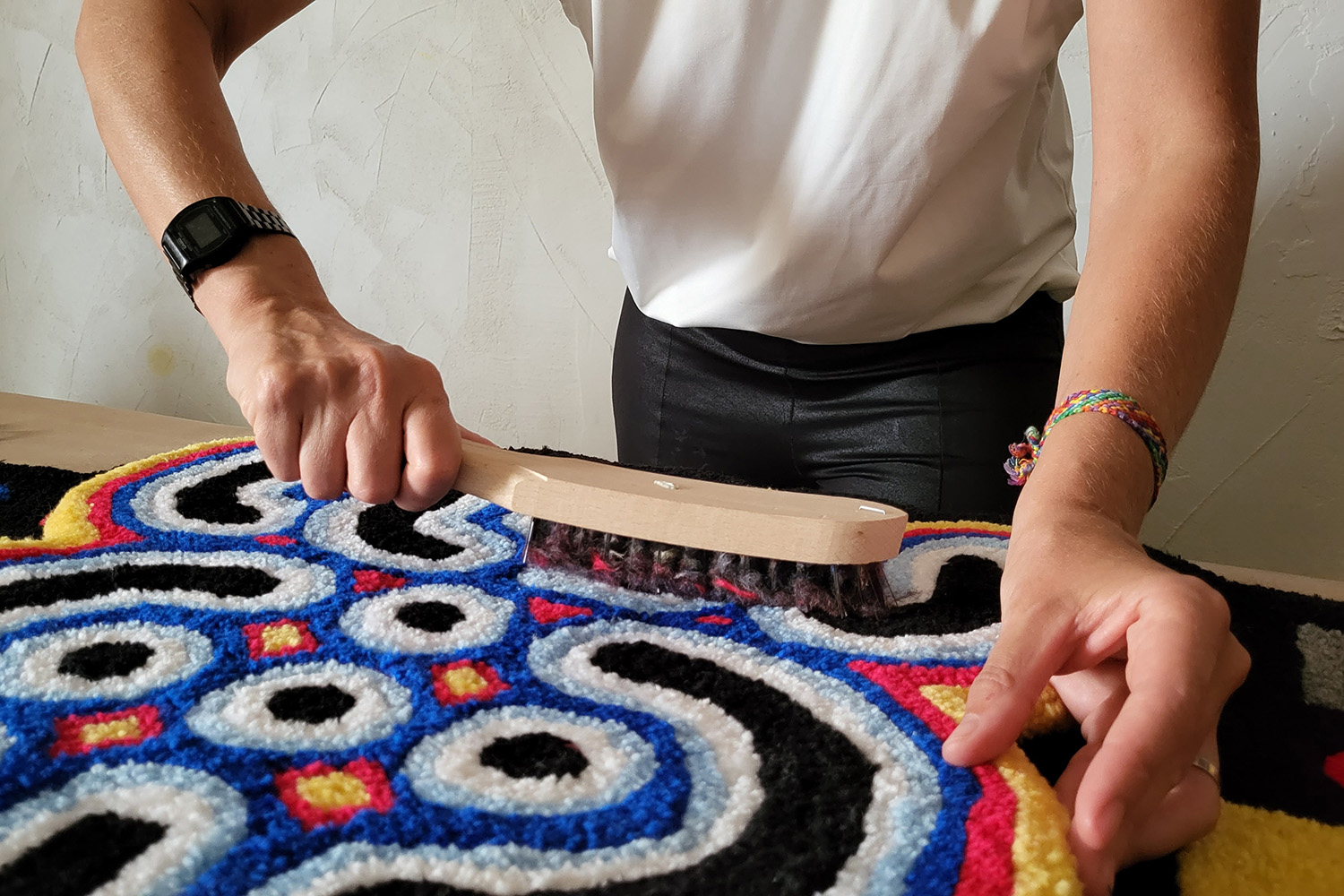
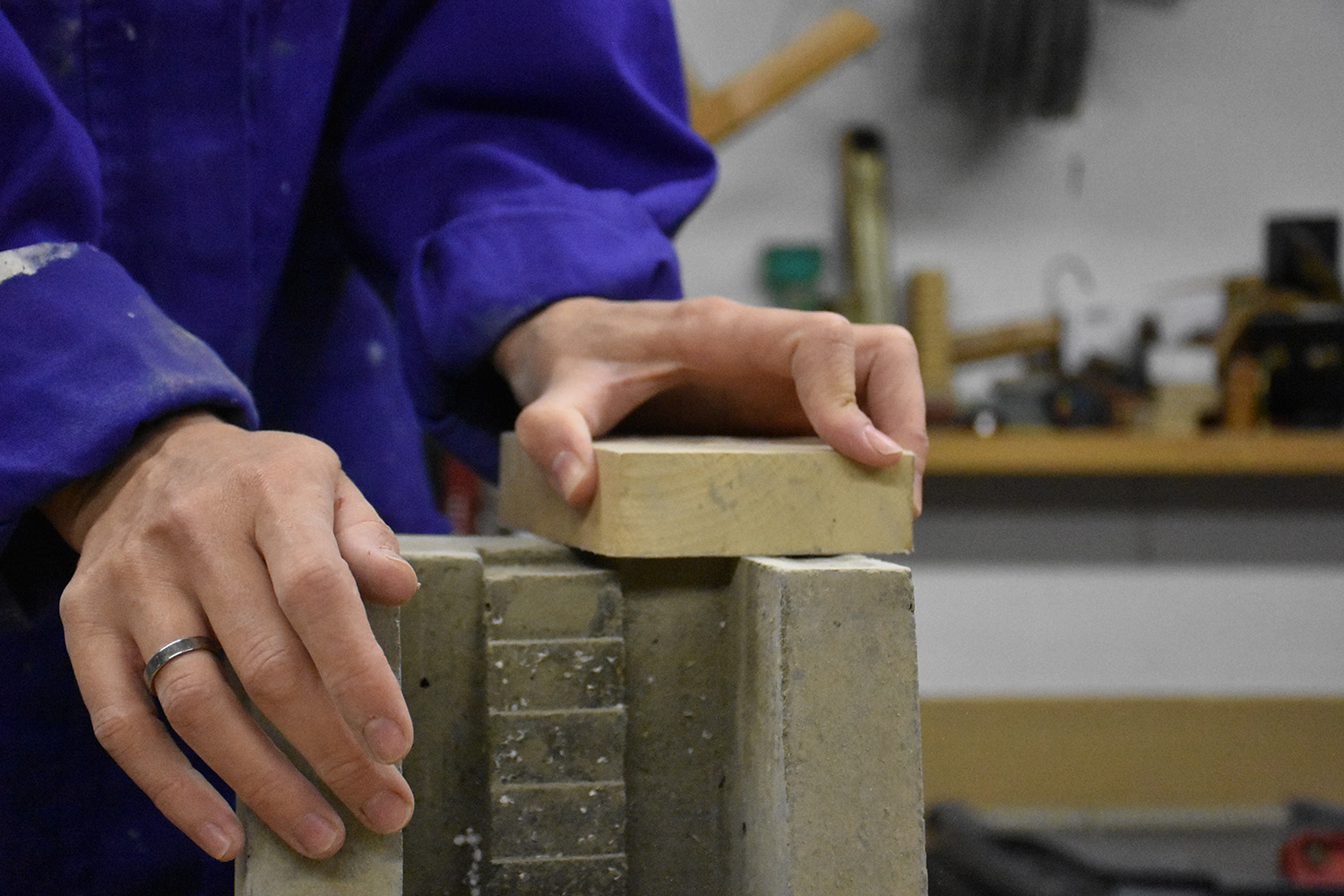
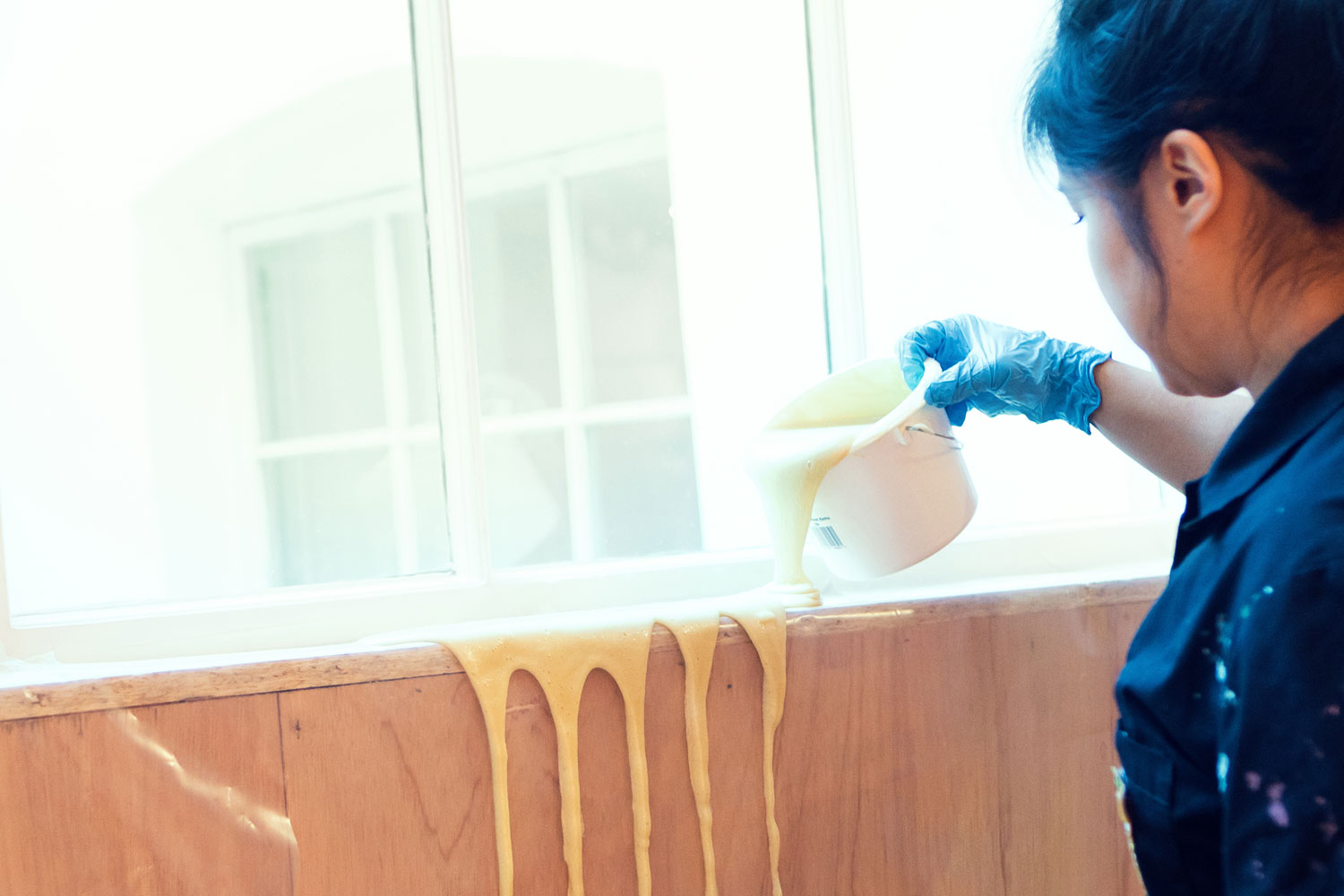
- She borrows traditional techniques from various crafts to work her materials
- She is committed to preserving natural resources and protecting non-human species
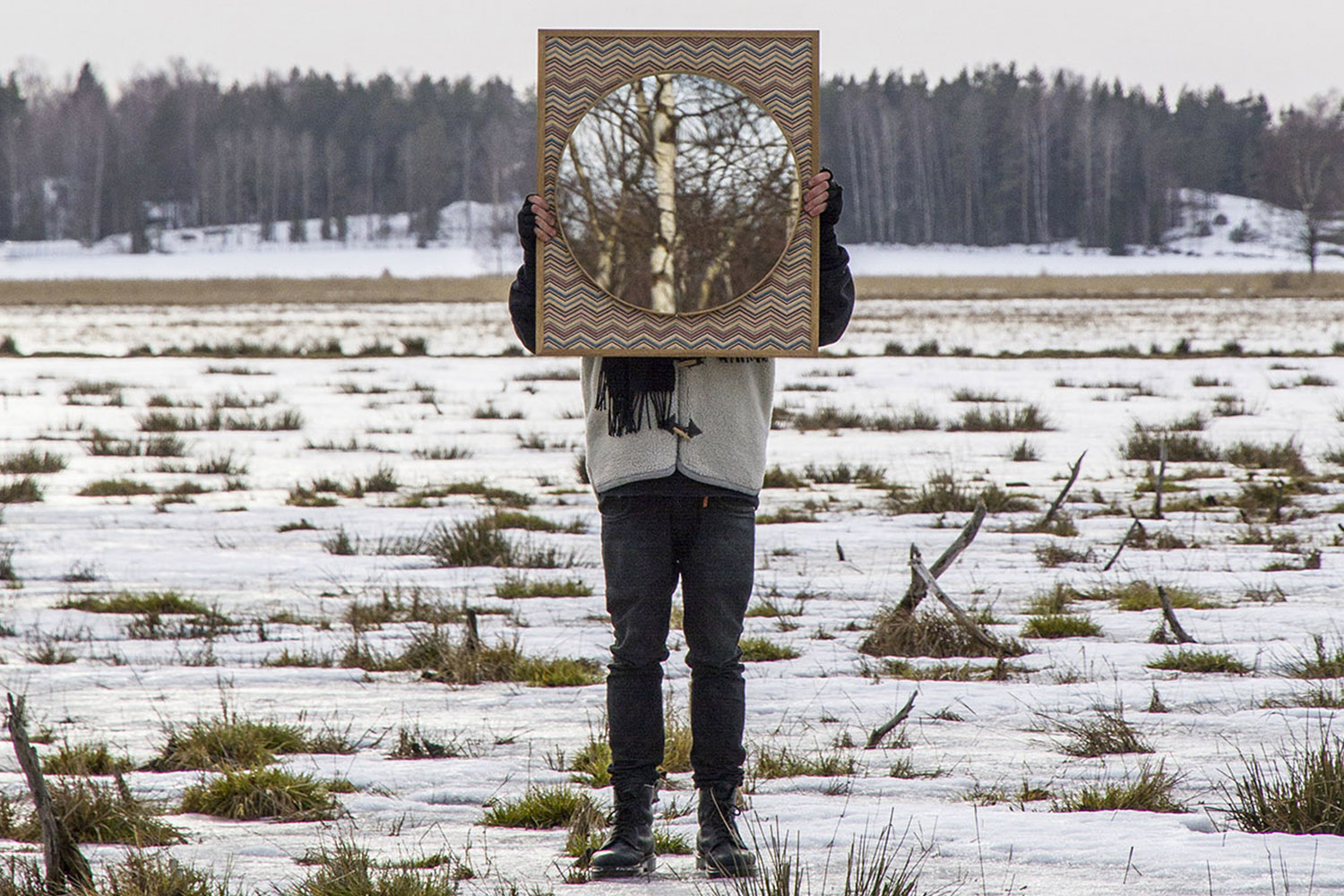
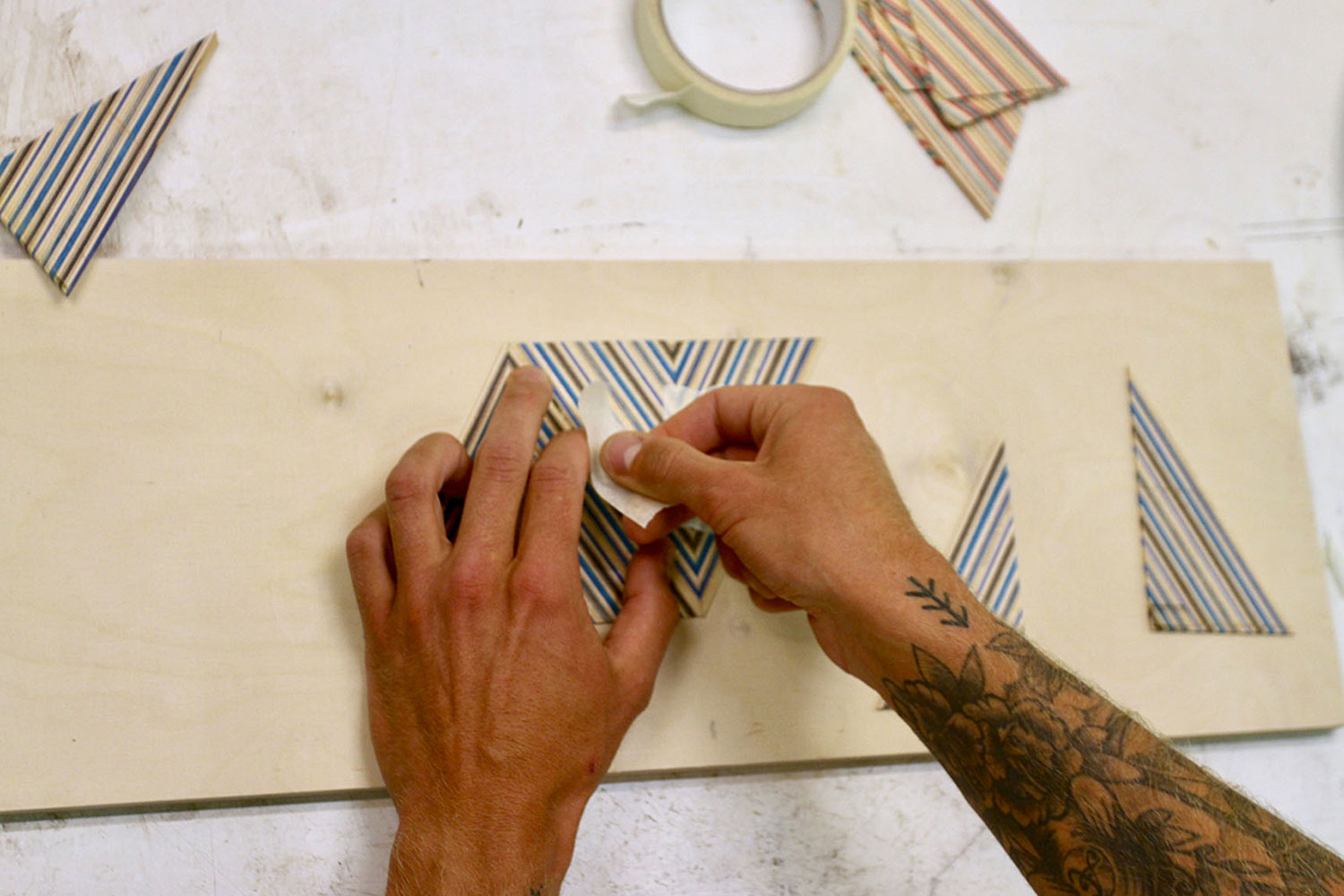
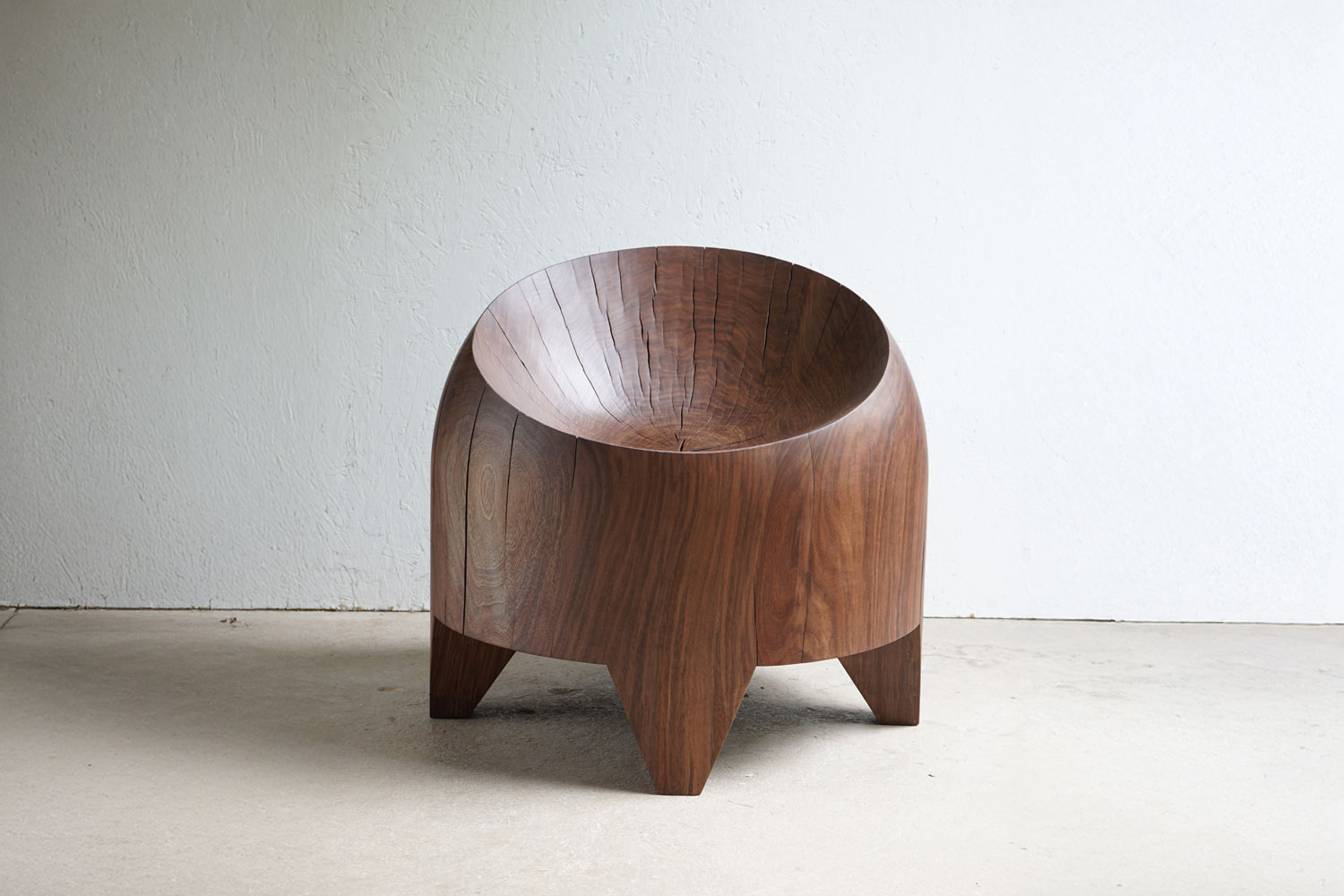
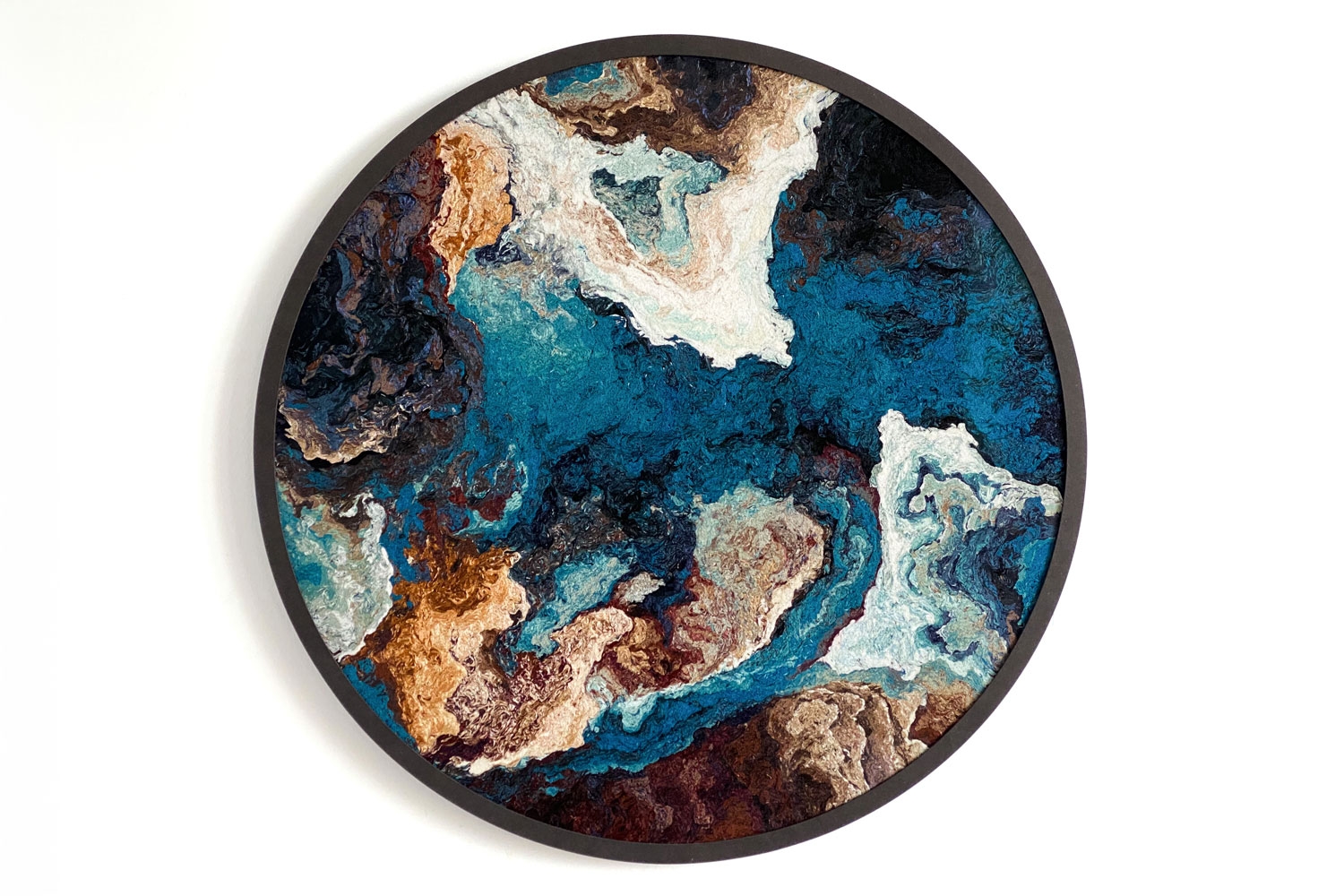
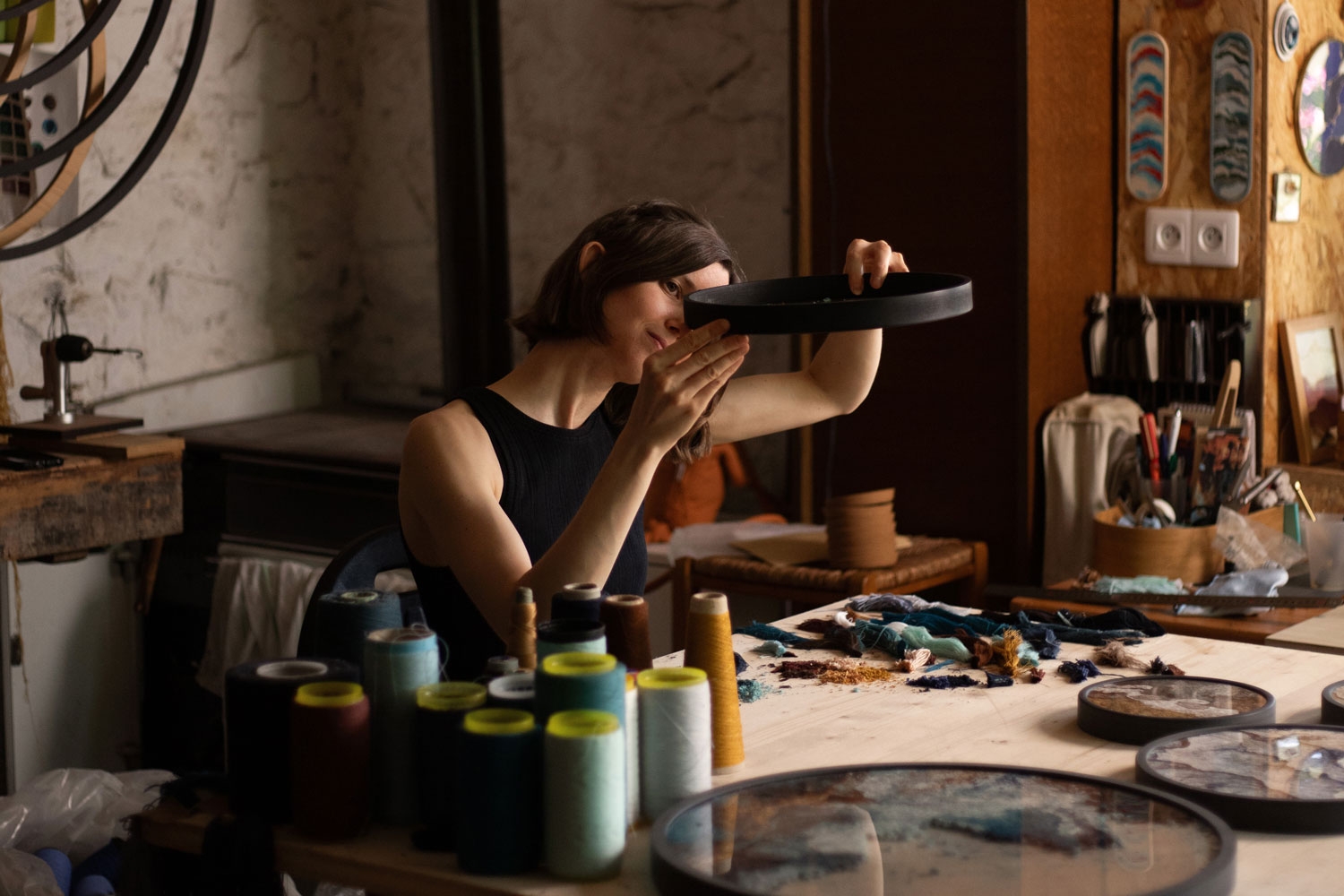
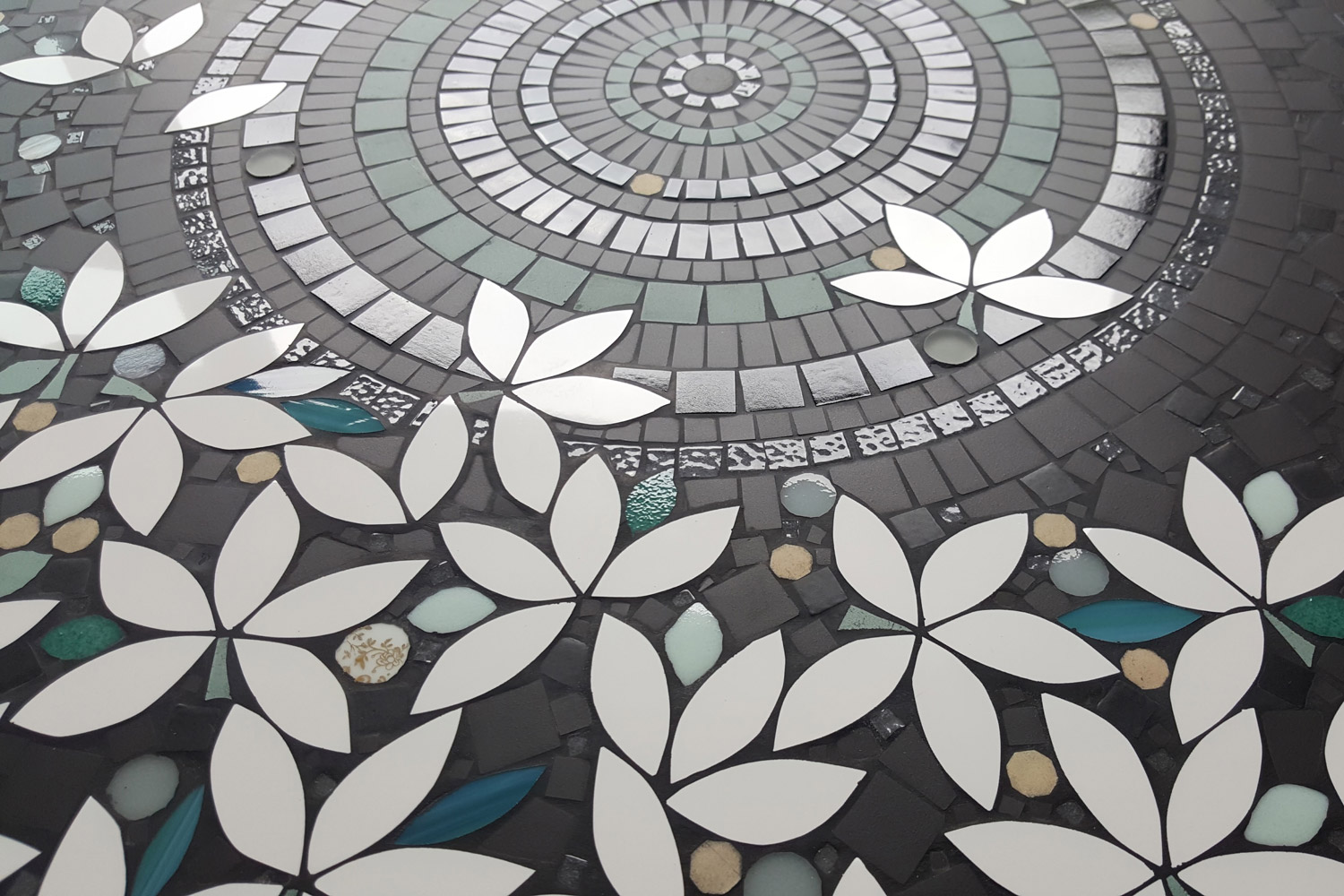
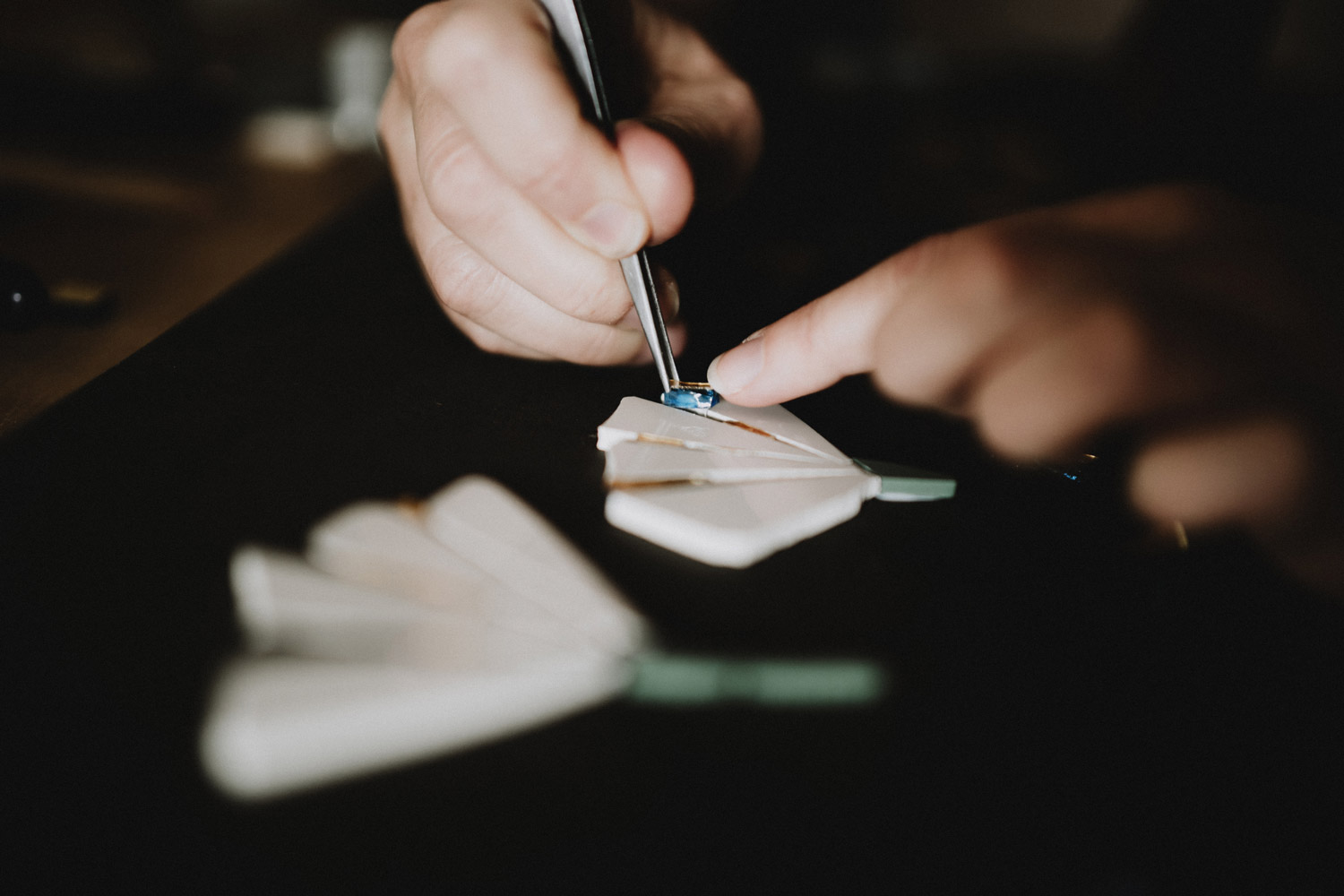
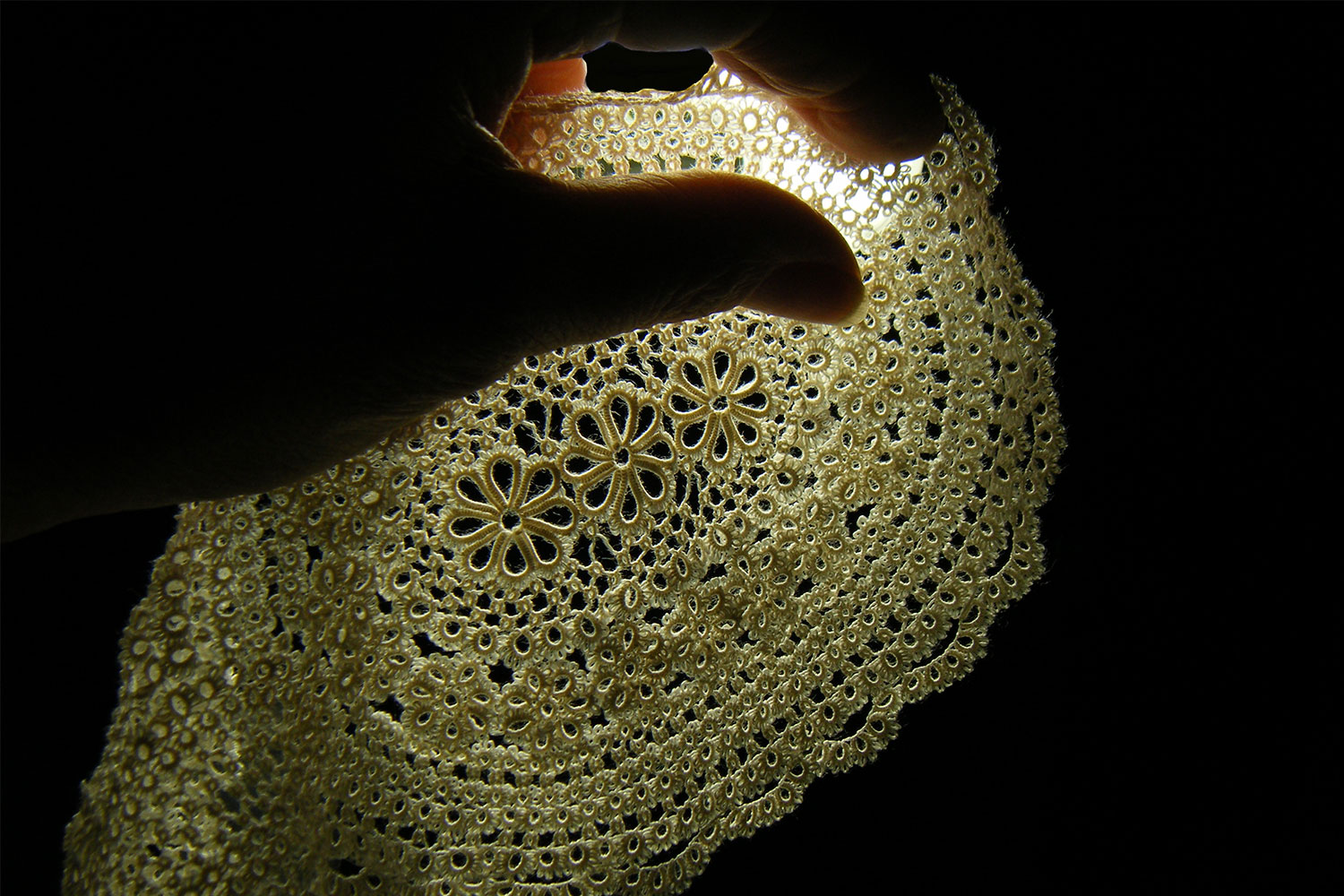
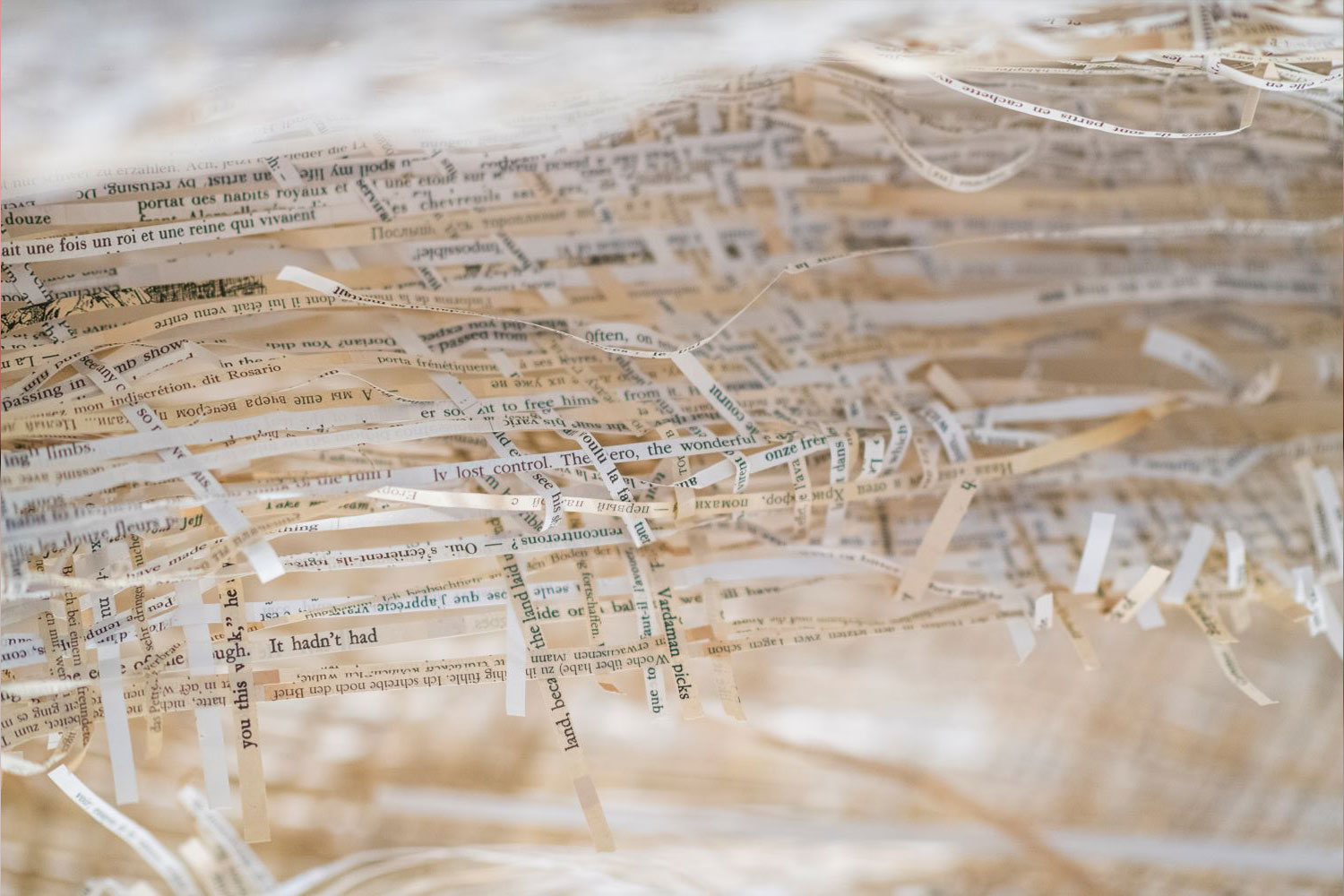
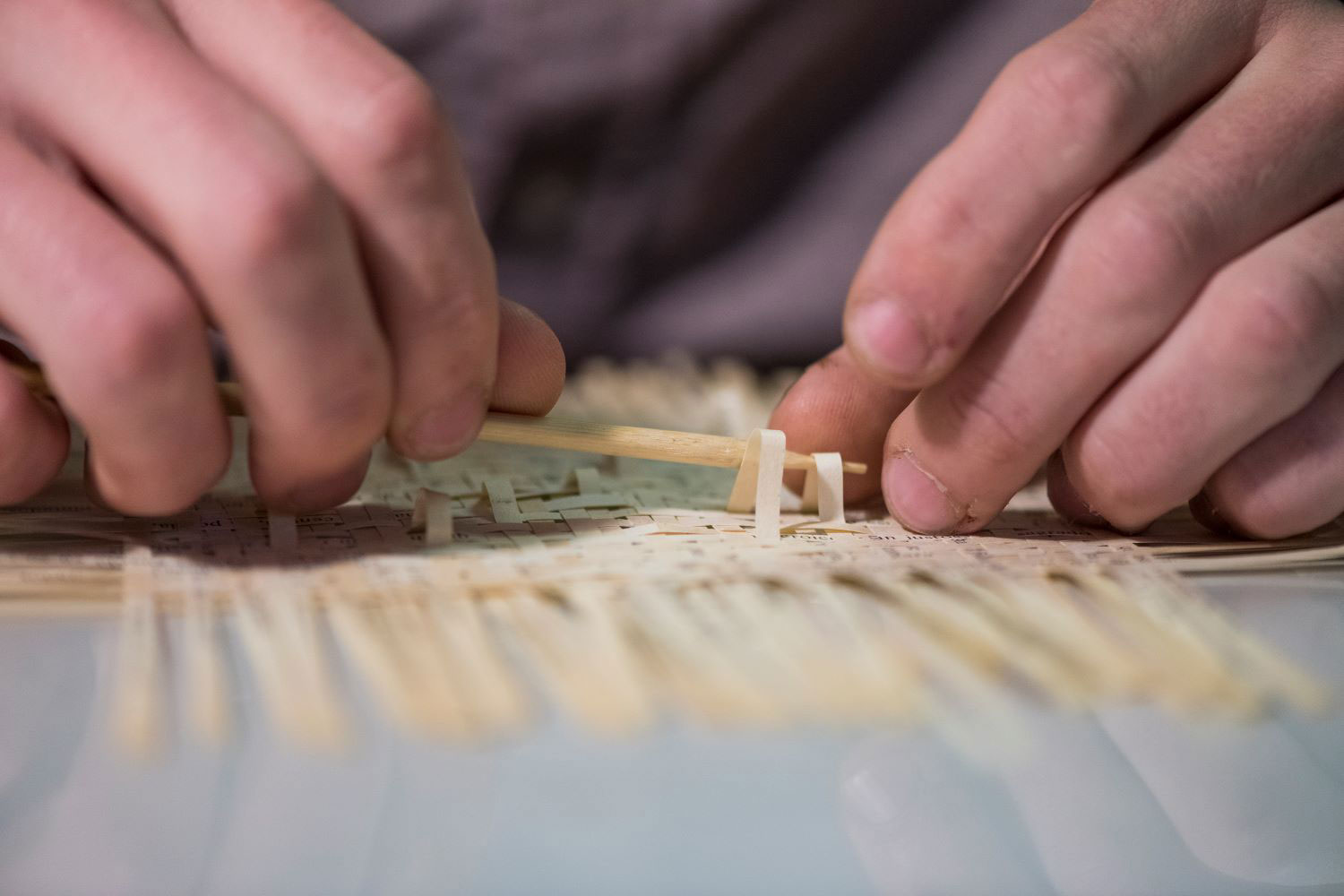
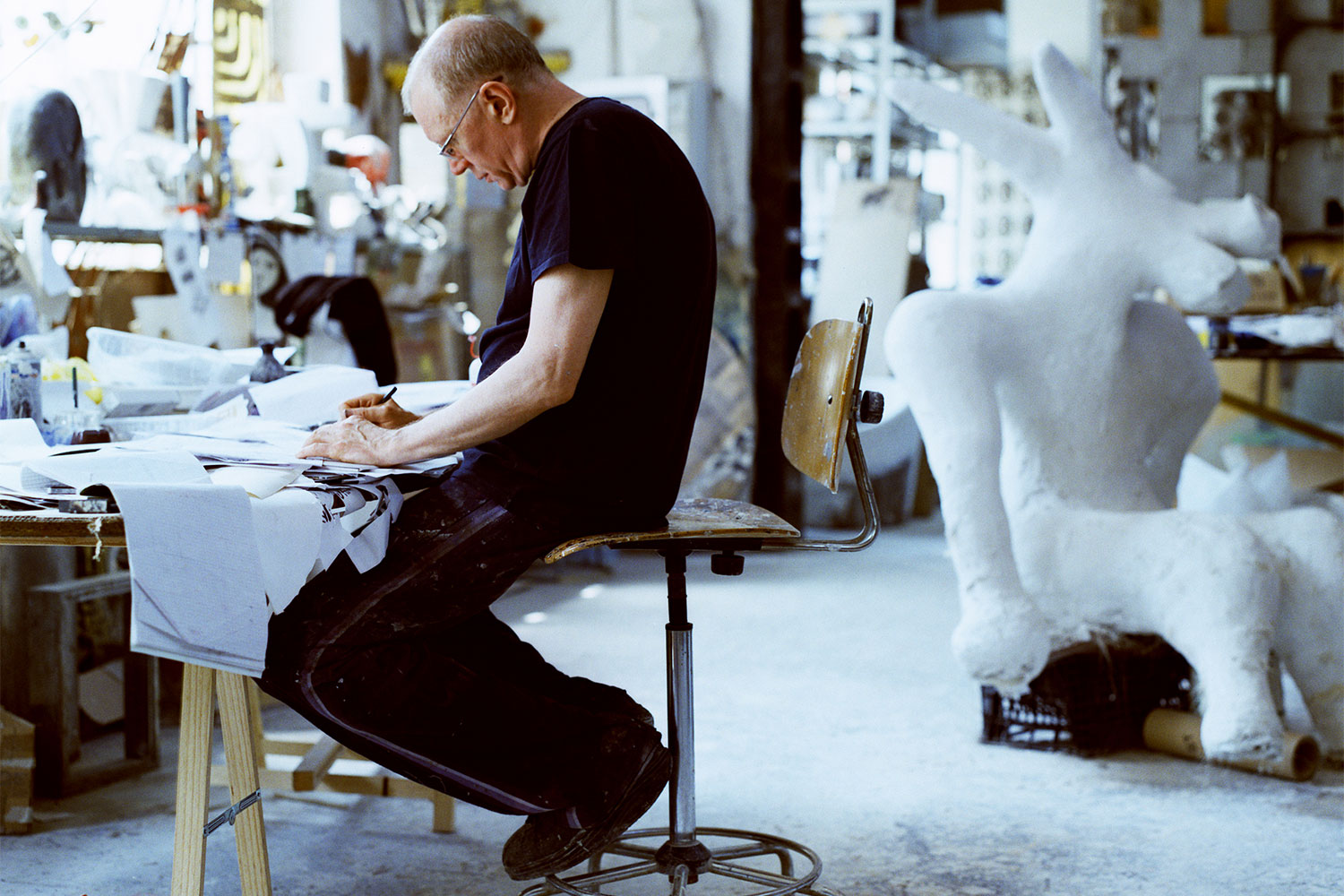
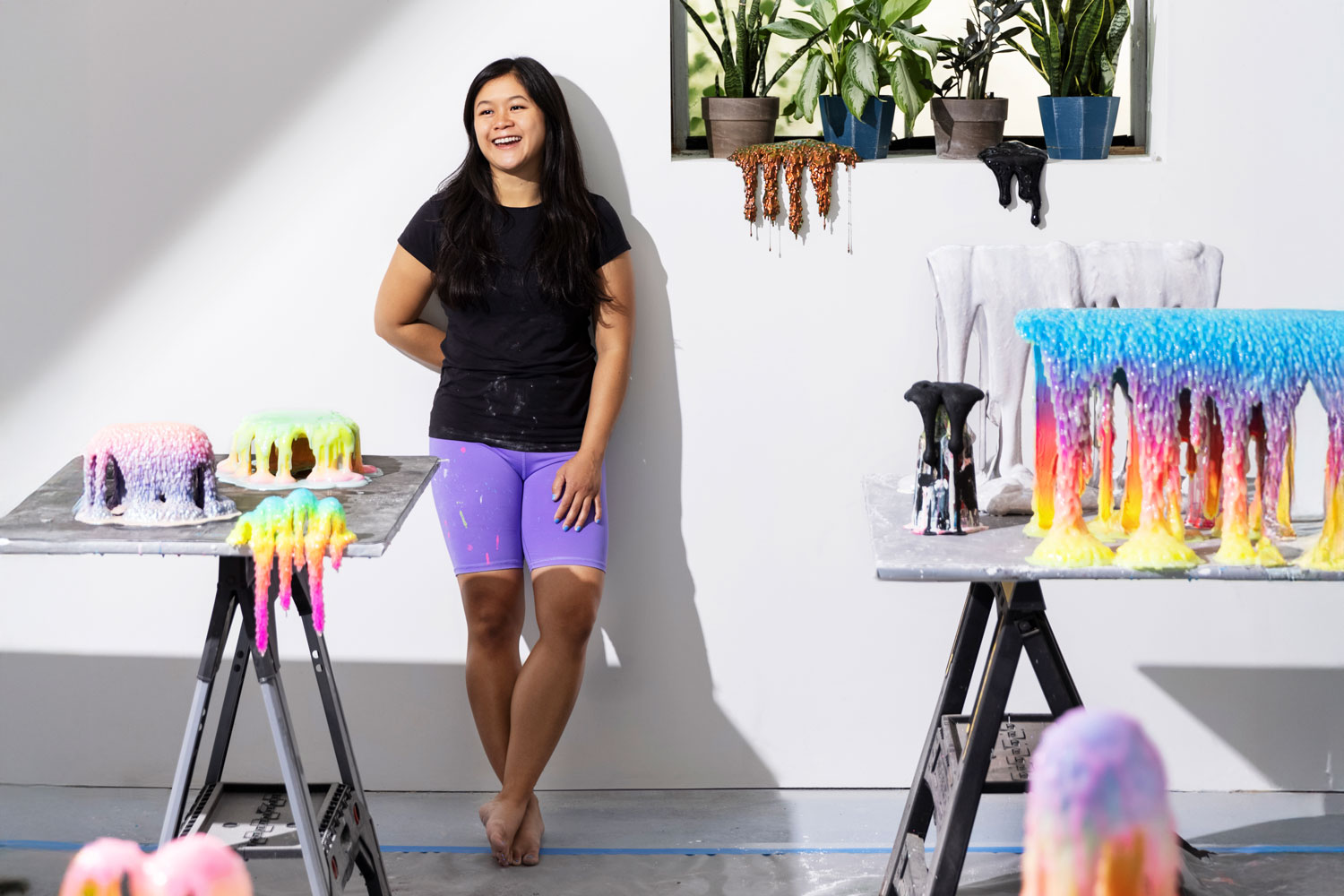
“I like not to define my practice too much, to keep the doors open for exploring new territories," states Marlène Huissoud, who defines herself as a mix between a craftswoman, an artist, and a designer. "I deeply embrace my 'strangeness’”, she adds. Since the mid-2010s, Marlène has been developing a distinctive practice in which techniques from many disciplines converge. She draws on natural materials that she sources herself, particularly insect-derived materials from the common honeybee or Indian silkworm. Whether through marquetry, ceramics or glasswork, Marlène revisits these crafts with a fresh perspective, adapting the techniques to organic matter. From furniture to abstract sculptures and installations, Marlène's work delves deeply into both form and material.
The-Chair---Please-Stand-By---©Valentin-Russo-(1).jpg)
[Marlène-Huissoud]-–-Mama©Sferik-Museum.jpg)
Beehave_Marlene-Huissoud_Sir-Ian-Blatchford-(Science-Museum)_red-oak_AHEC_(Petr-Krecji-(2).jpg)
From-Insects1_©Studio-Marlène-Huissoud.jpg)
SWORM2_Marlène-Huissoud_low-©Helene-Combal-Weiss.jpg)
INTERVIEW
Entering the Beaux-Arts was a significant step in my career. I had just spent eight months in nursing school, in a very rational environment, and I will always remember my first days at the Beaux-Arts in Lyon as a rather surreal experience. What a privilege to have the time to immerse oneself in that knowledge and those techniques!
My practice began with painting and drawing, then evolved towards relief forms, sculptures, and objects during my time at Central Saint Martins in London. It was quite difficult for me to transition from 2D drawing to 3D, but as soon as the breakthrough happened, an explosion of forms came forth.
I work a lot with natural materials, with and for insects. The land is therefore deeply important to my practice. How do we produce the materials we use in an ethical way? I collaborate closely with farmers, artisans and beekeepers who have a significant impact within their regions.
Quite simply, nature as a whole. And if I had to extrapolate to the maximum, I would say values. I hold values that are very important to me, which I try to convey through my work to raise awareness among people about the disappearance of animal species.
Marlène Huissoud
Mixed media sculptor
Nangy, France
ADDRESS
Address upon request, Nangy, France
AVAILABILITY
By appointment only
PHONE
+33 781472815
LANGUAGES
French, English
Homo Faber Finds is a new service aiming to inspire admirers of craft to connect and collaborate with exceptional artisans.
We invite you to submit an enquiry here.