©Lara Chahine
©All rights reserved
©Lara Chahine
©All rights reserved
©All rights reserved
©All rights reserved
Dima Stephan
Rattan Hun
Wicker sculptor
Beirut, Lebanon
©Lara Chahine
©Lara Chahine
©All rights reserved
©All rights reserved
©Lara Chahine
©Lara Chahine
©All rights reserved
©All rights reserved
©All rights reserved
©All rights reserved
©All rights reserved
©All rights reserved
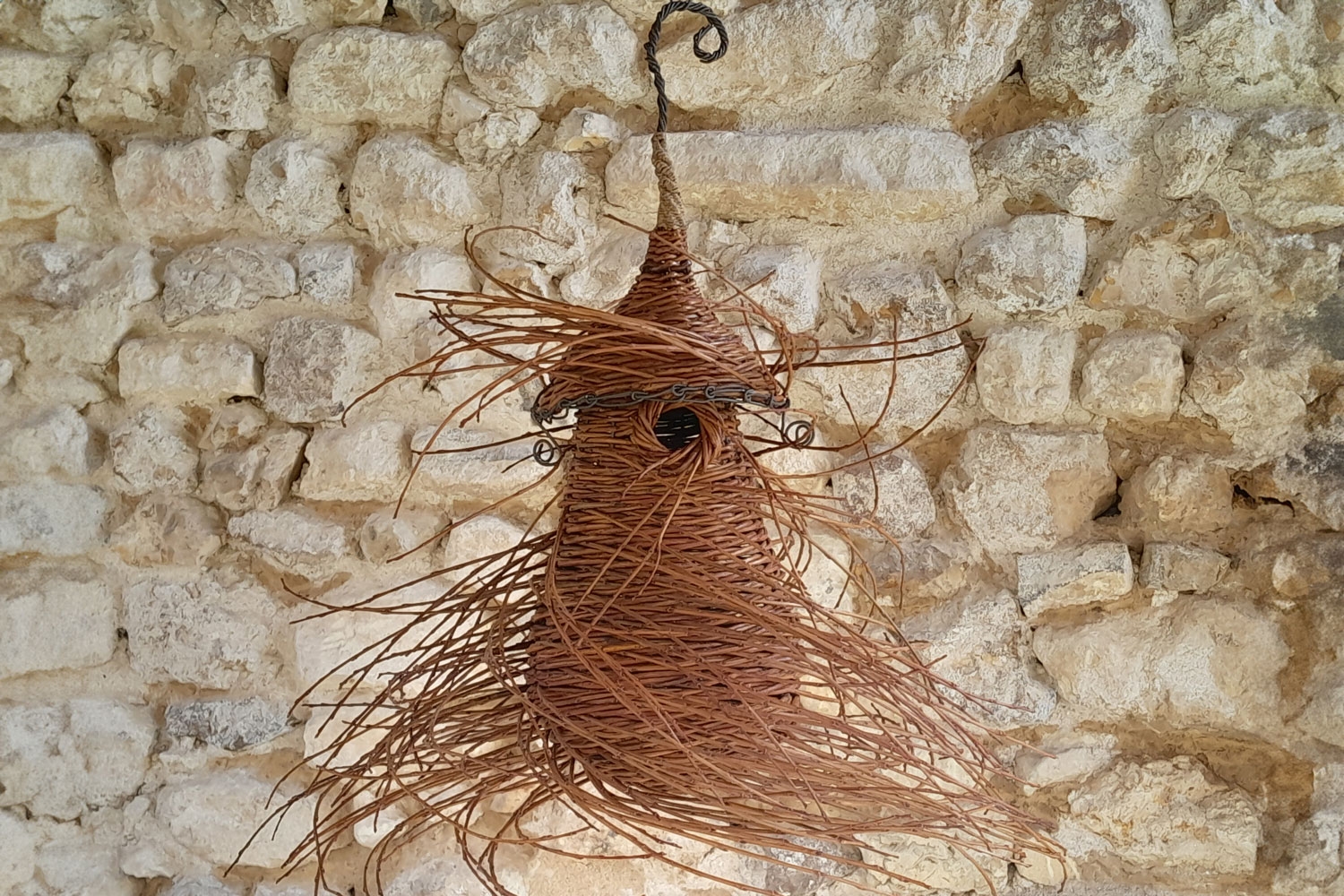
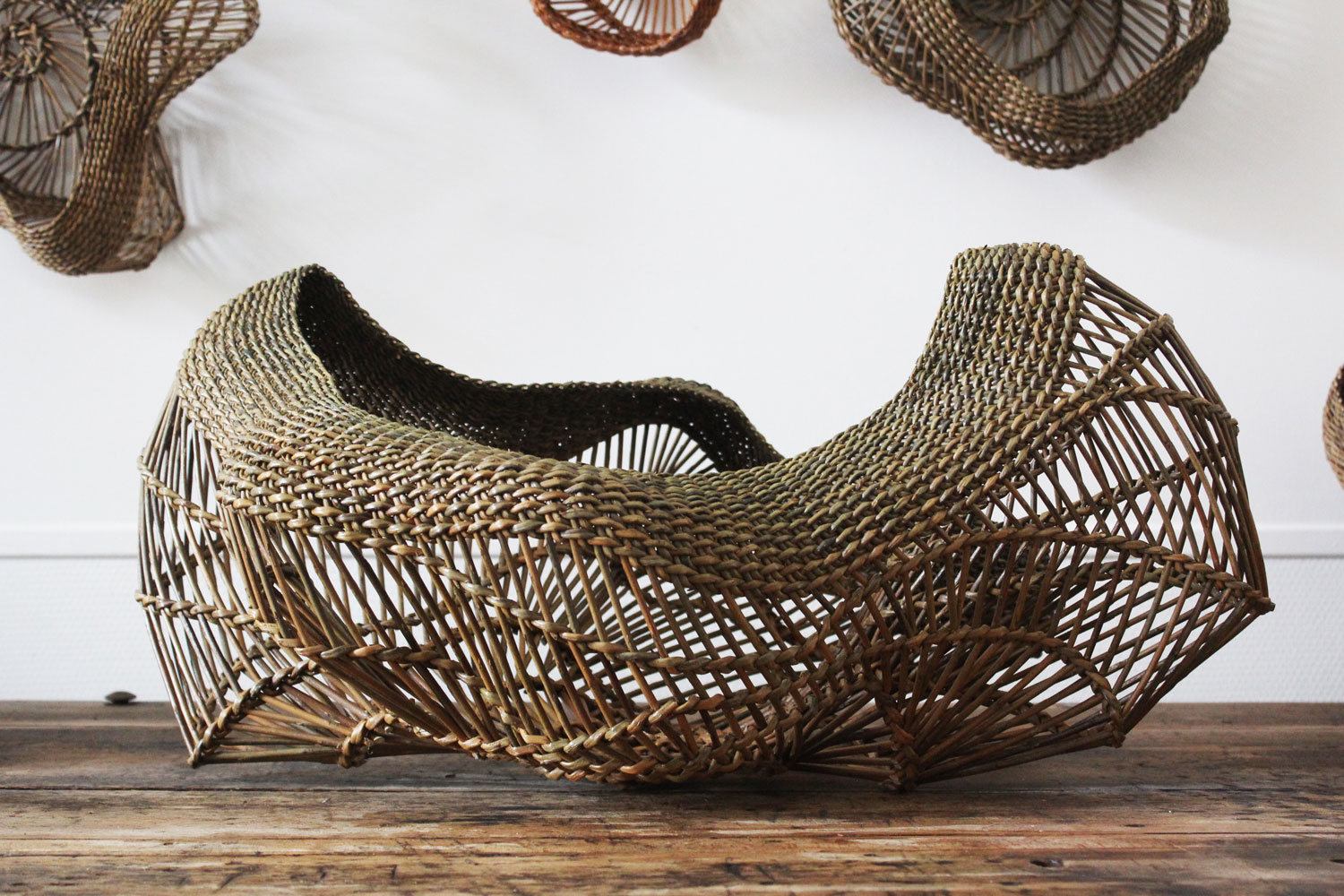
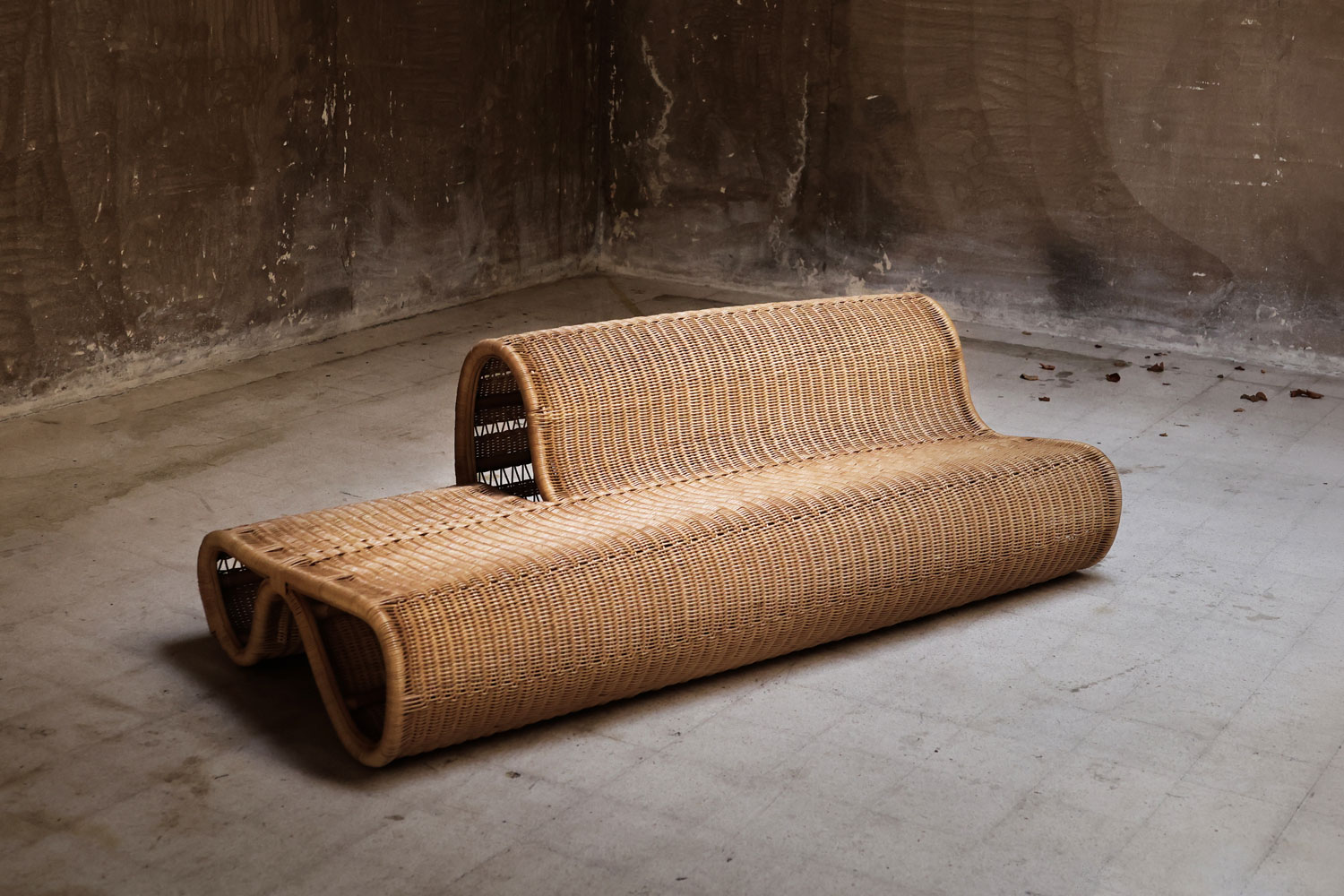
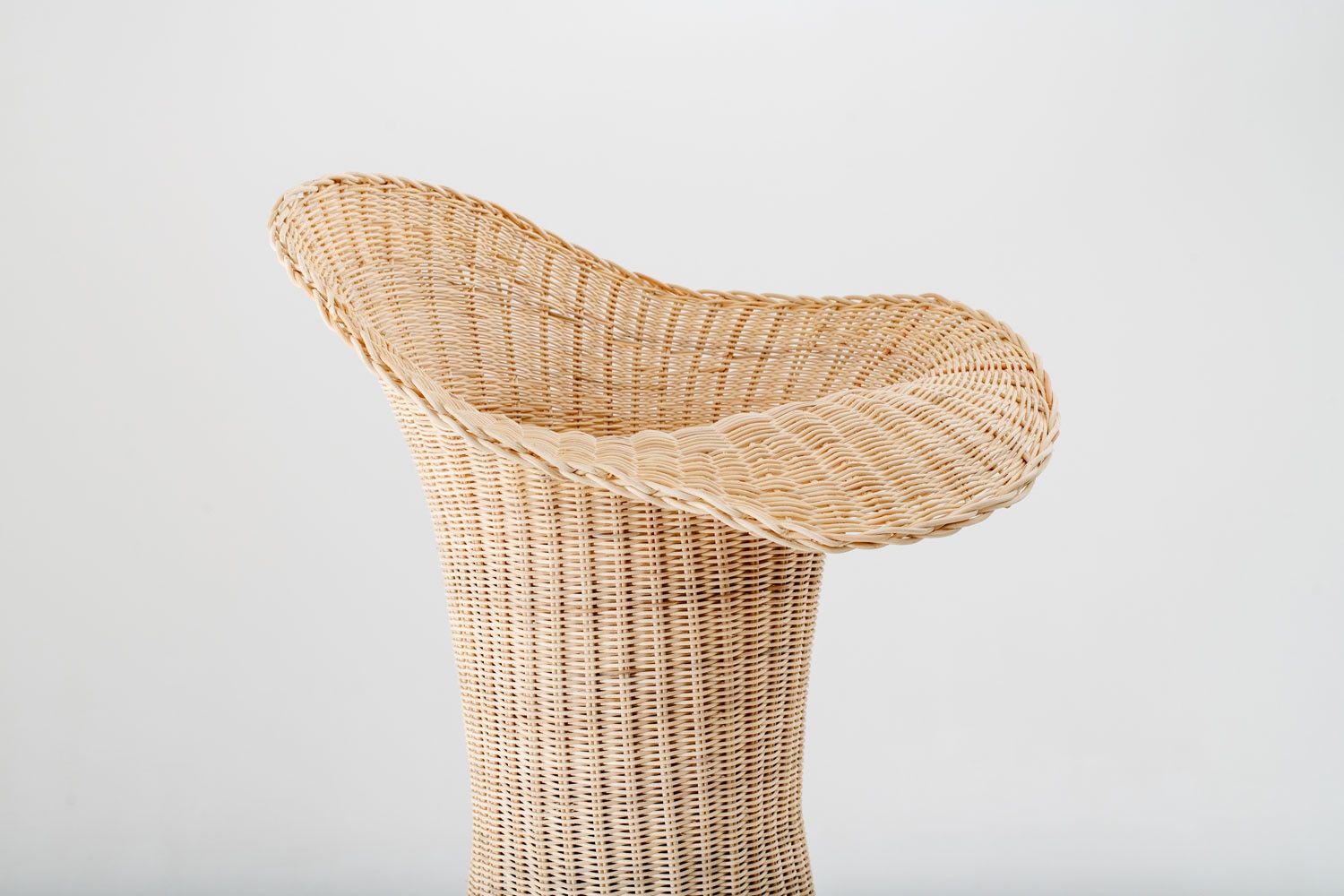
Rattan redefined in sinuous silhouettes
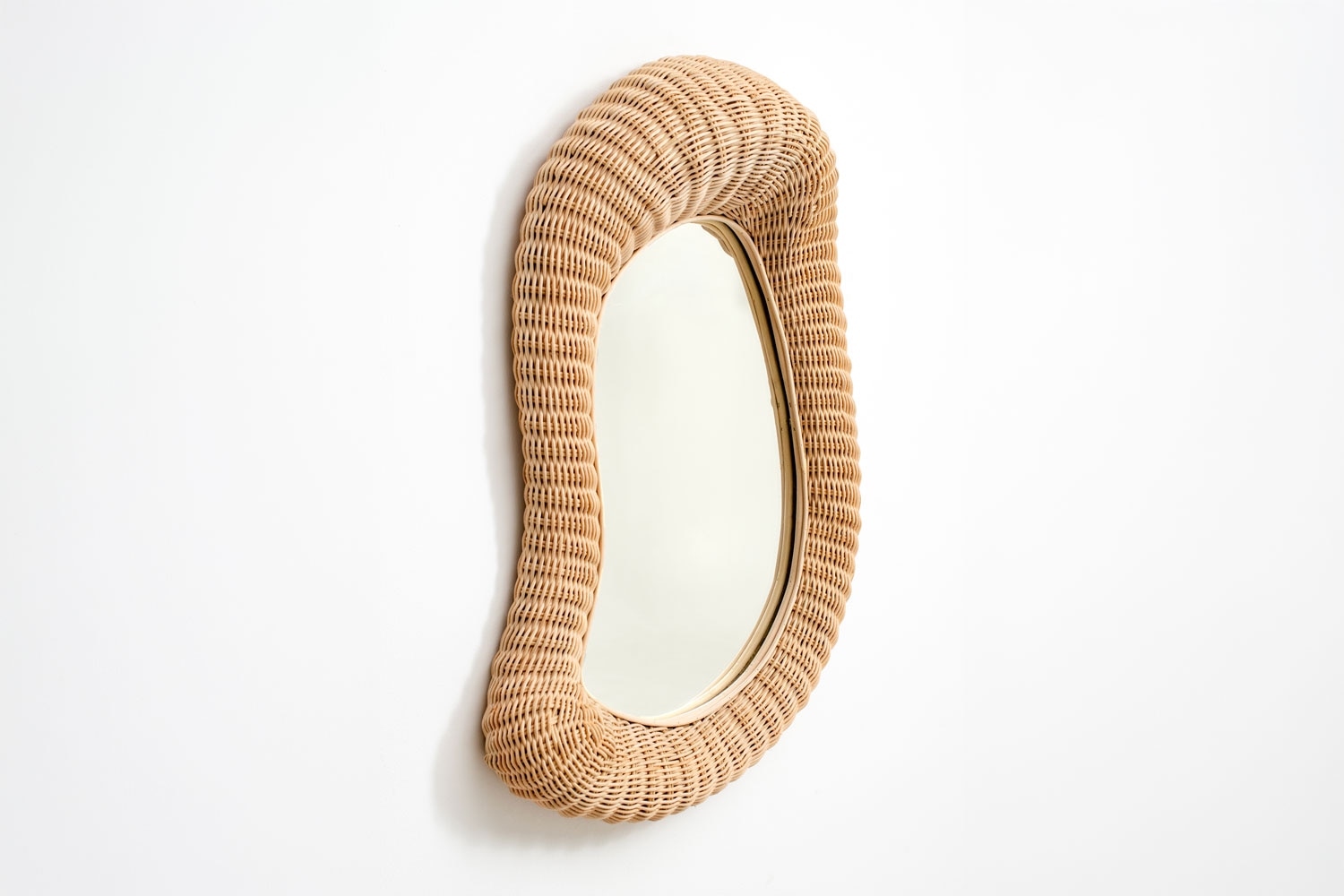
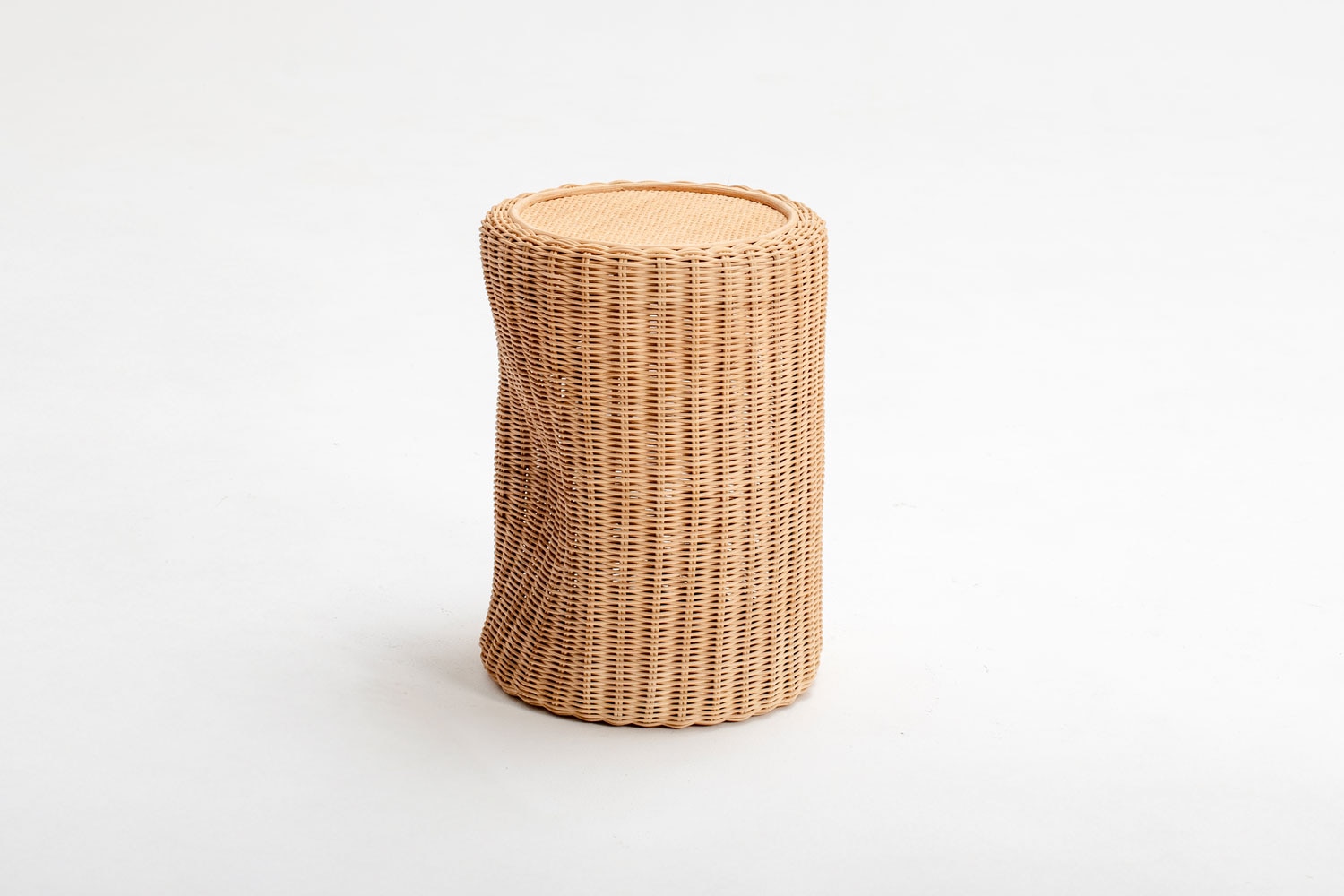
- Dima manipulates the volume of her rattan pieces using hand grip tension
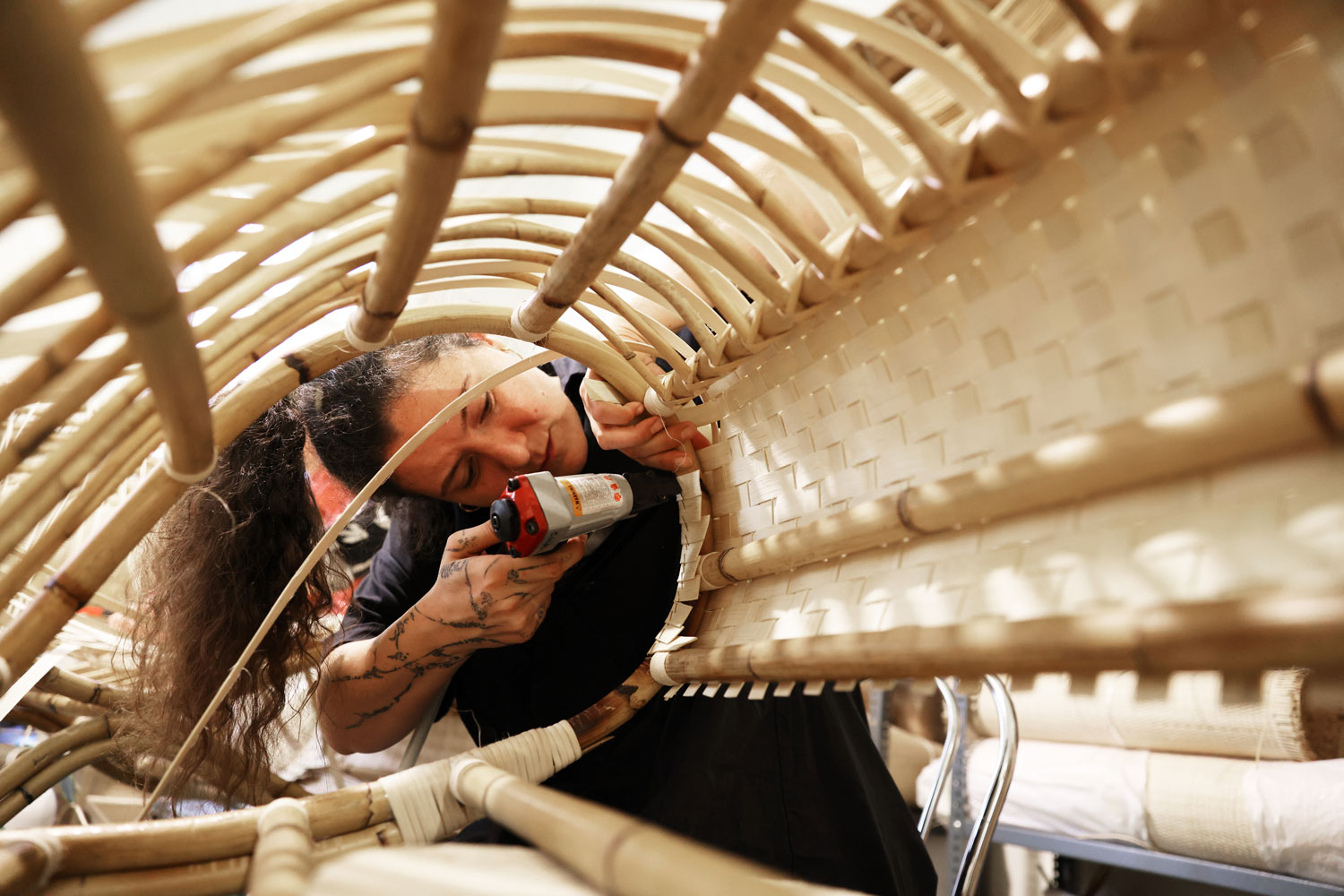
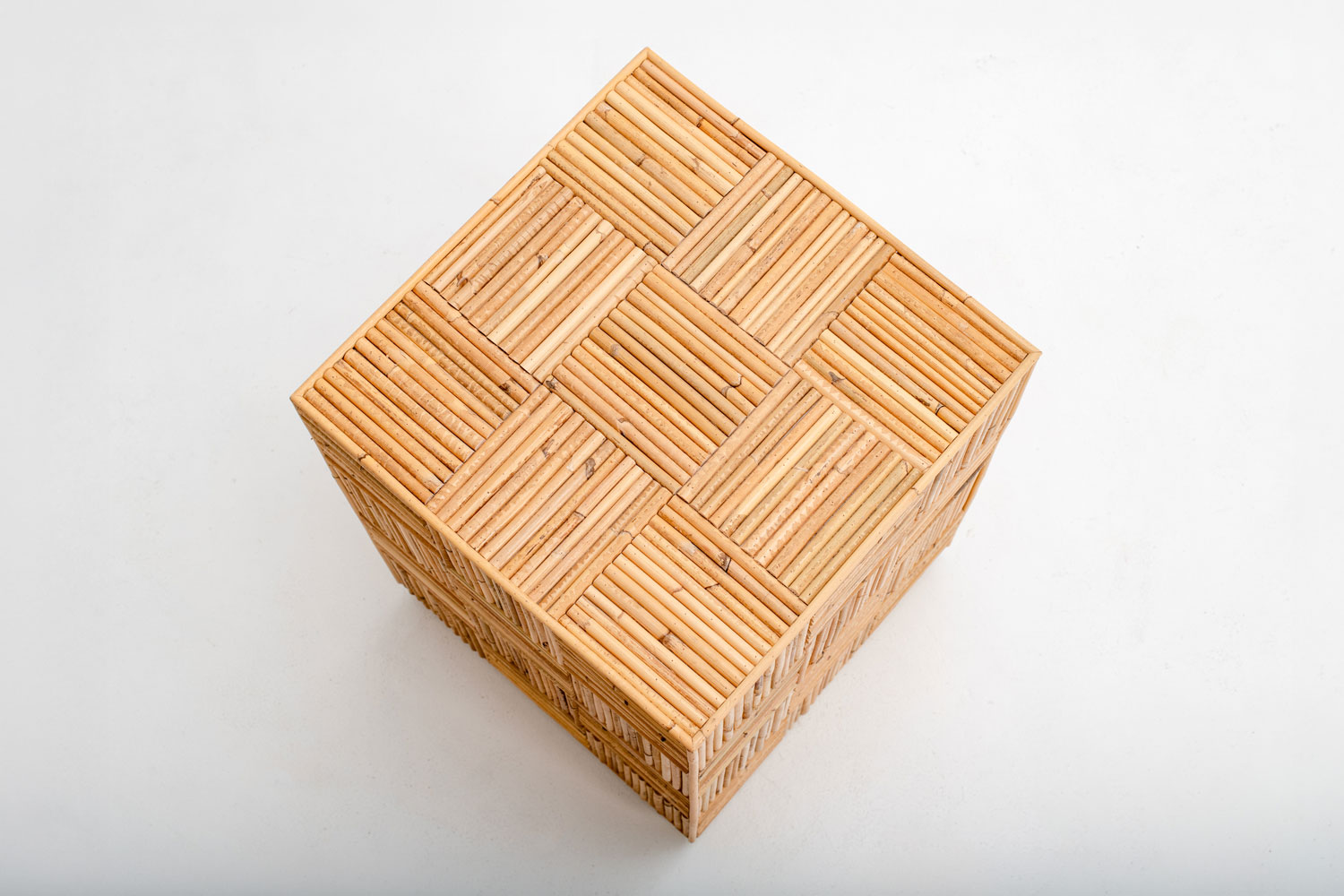
- In addition to weaving, she works with a collage technique
- She hosts creative workshops and trains apprentices in her studio
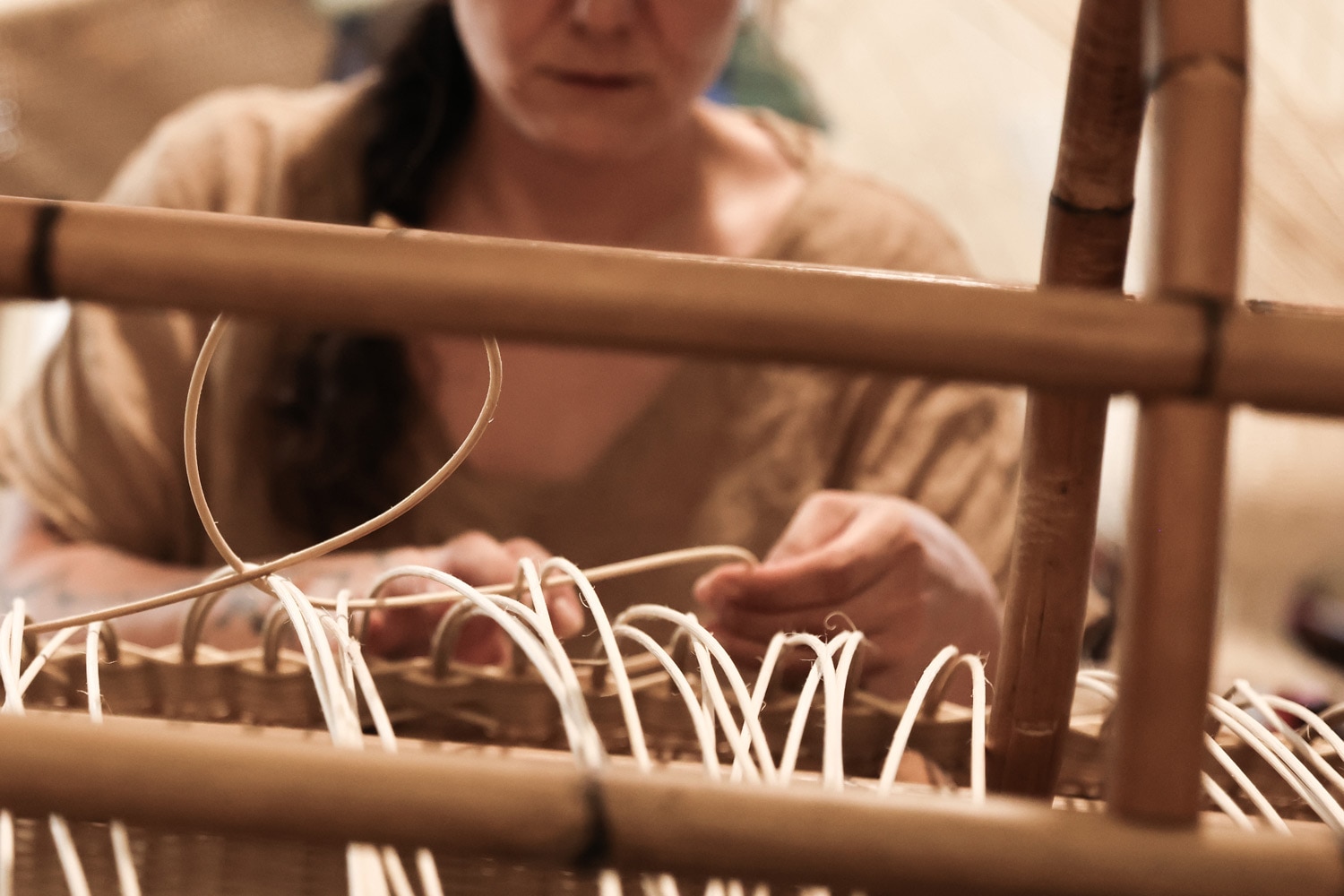
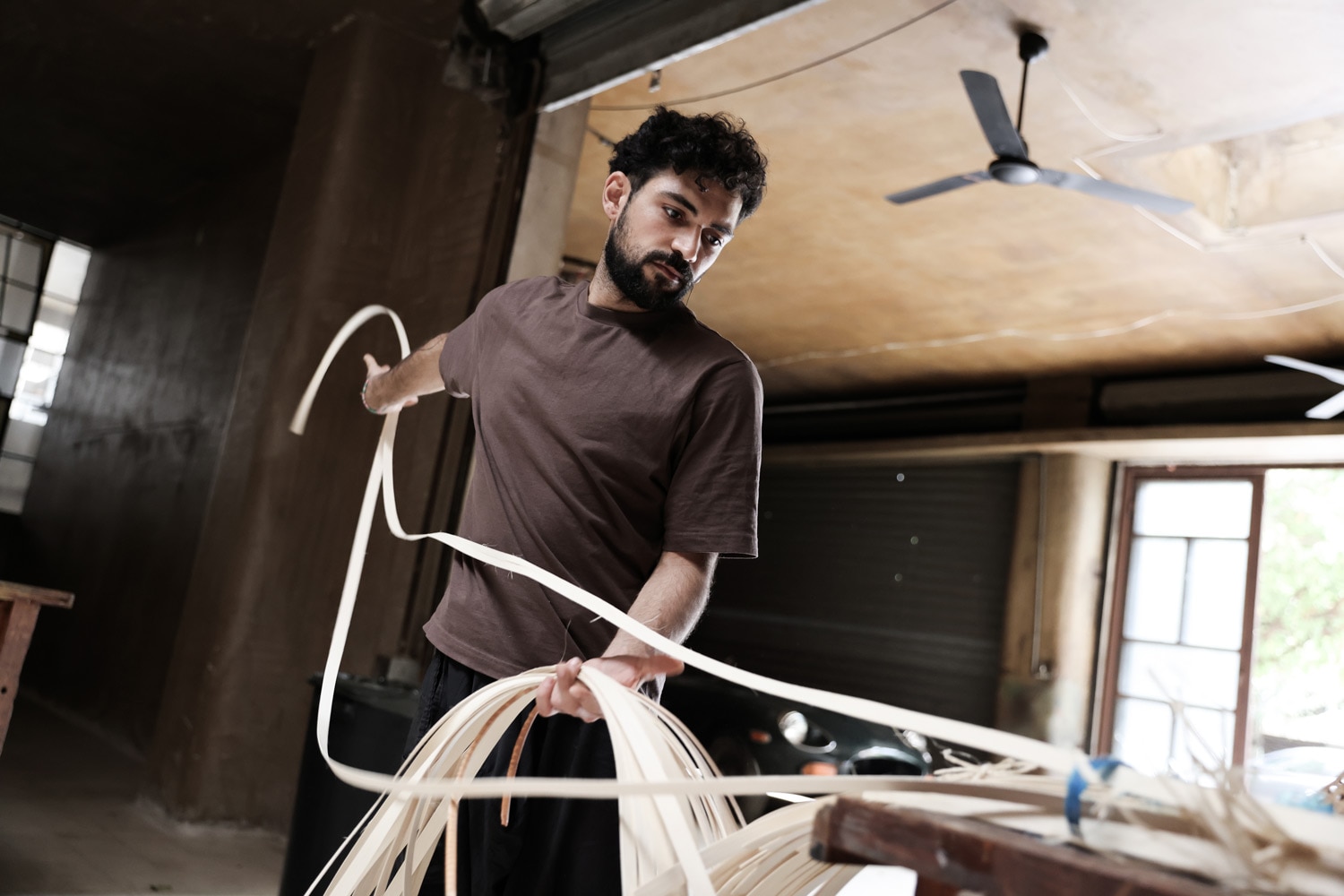
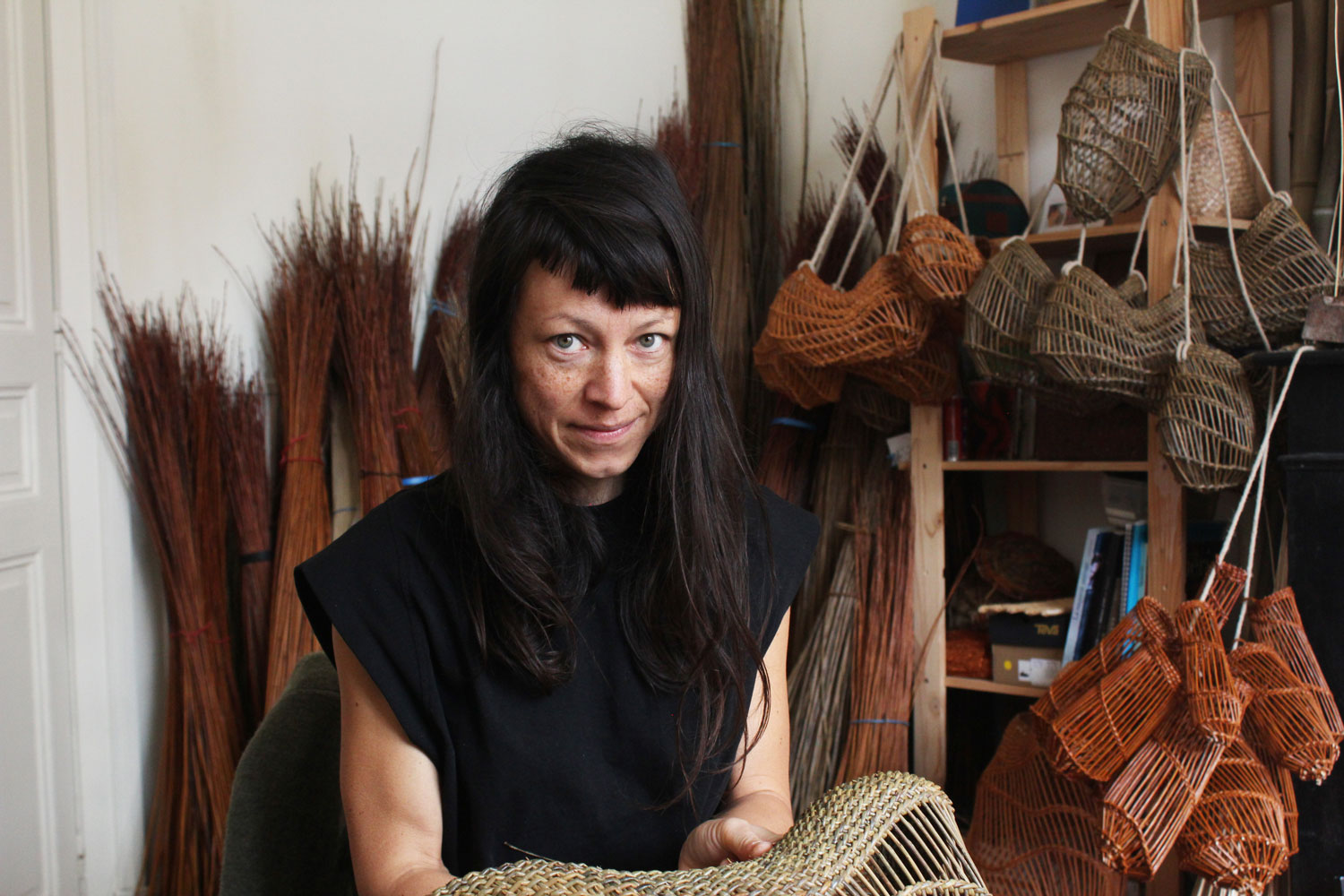
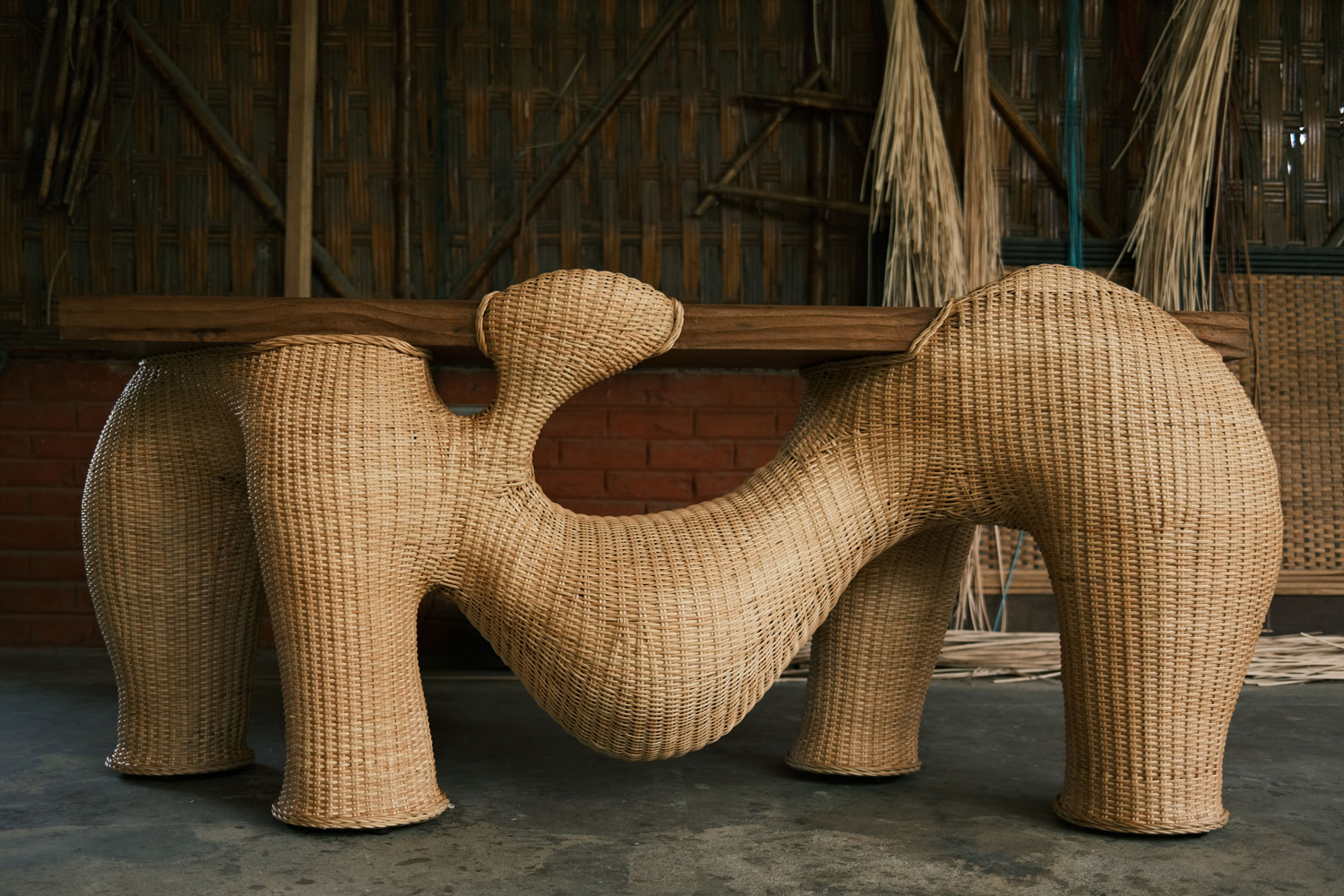
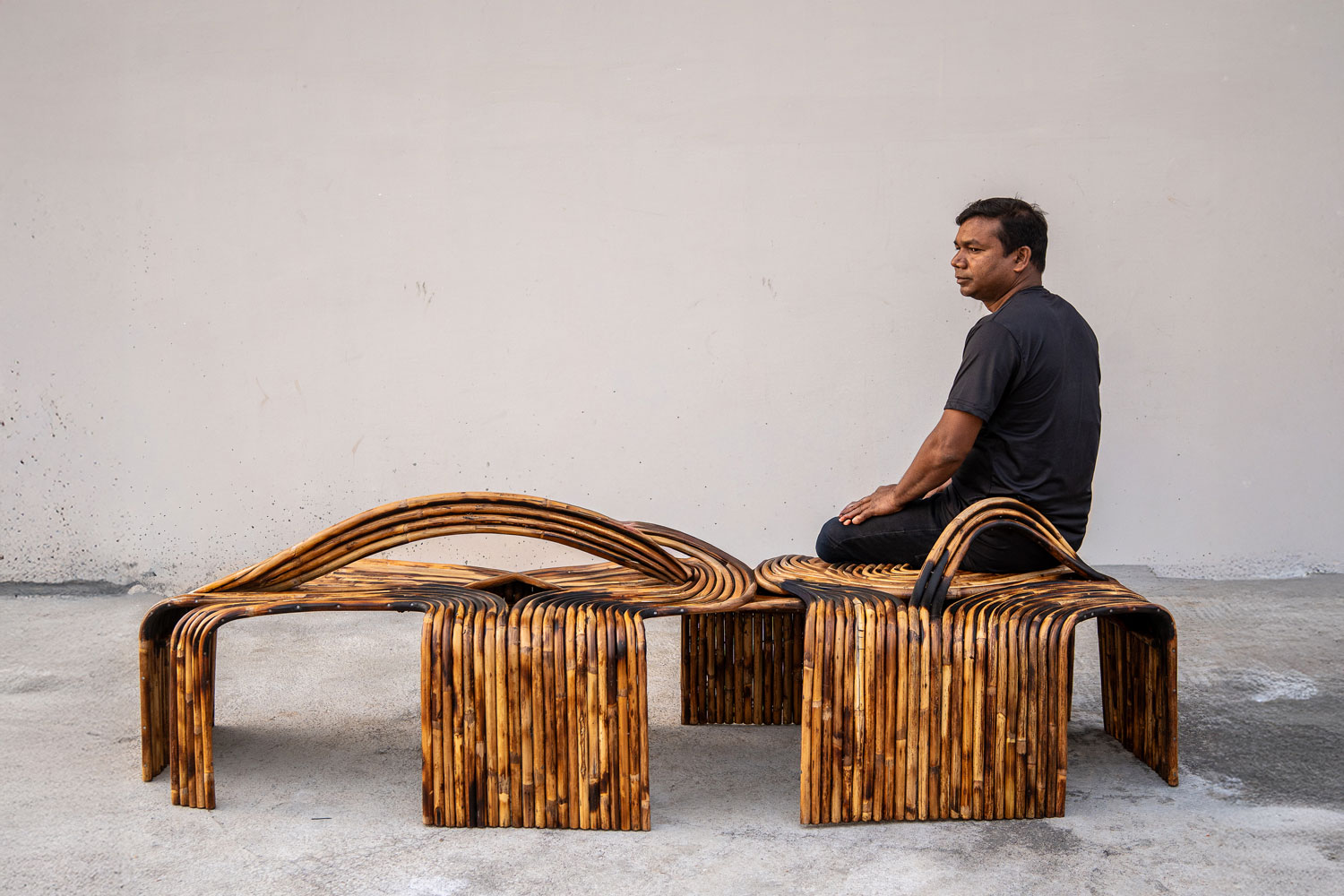
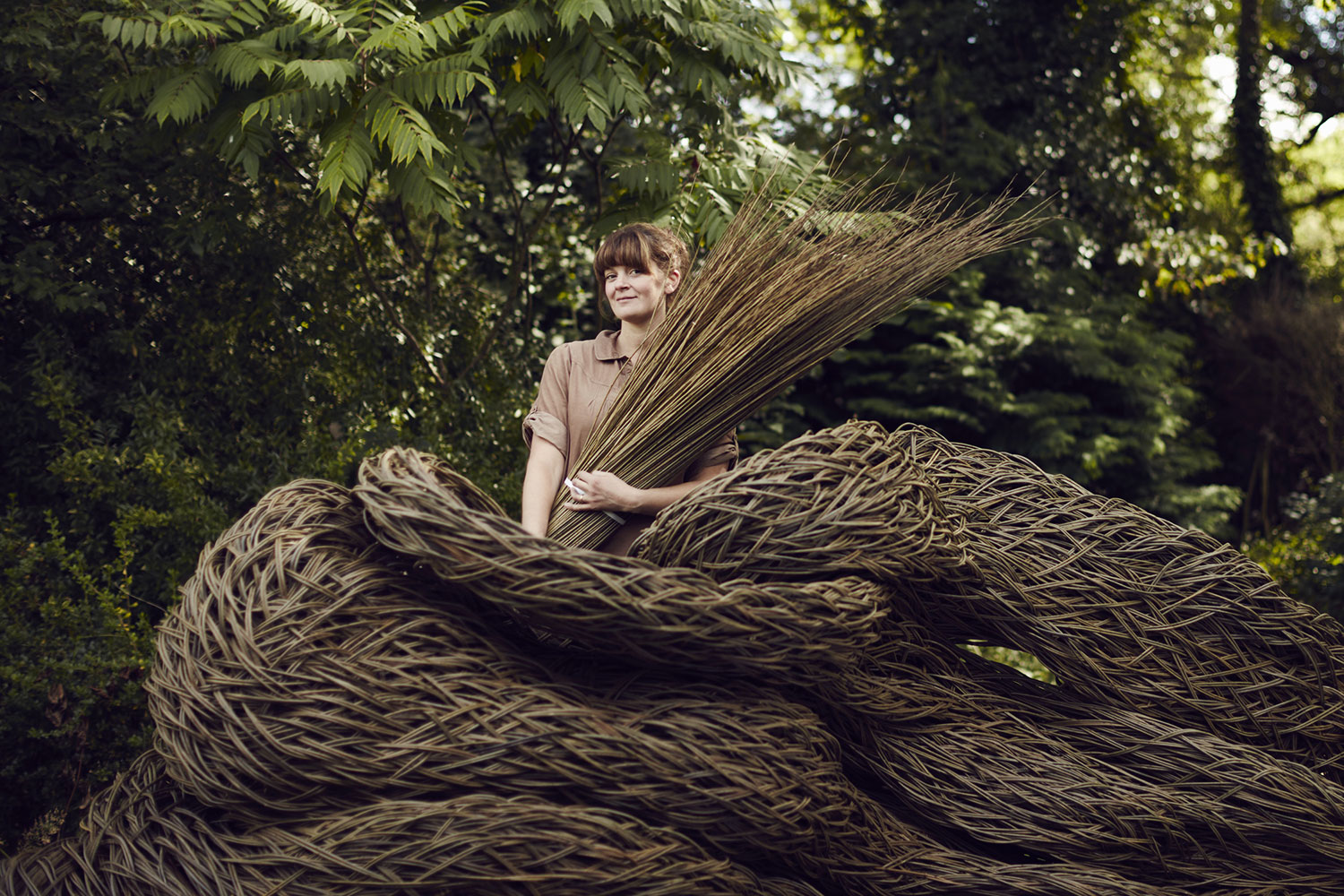
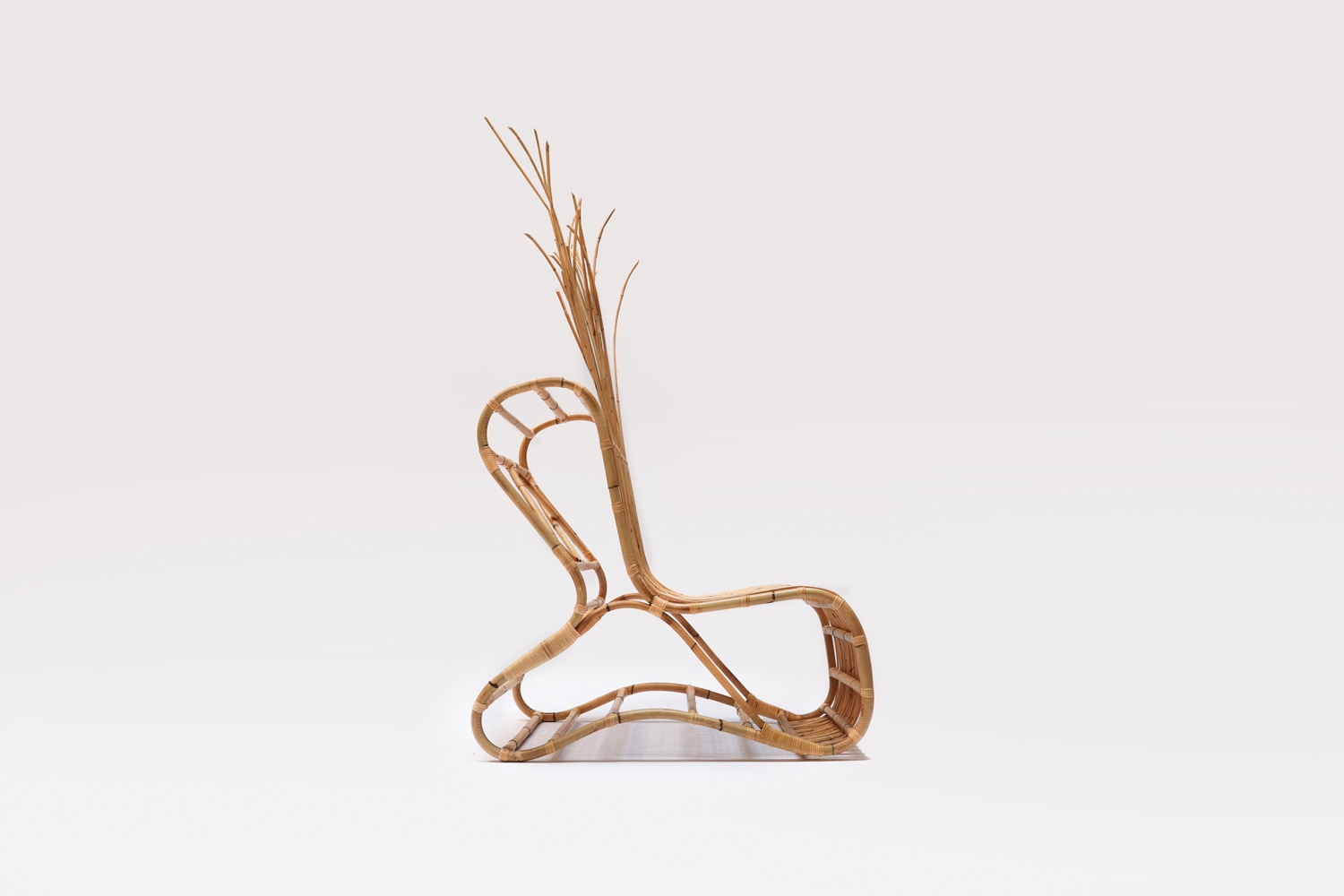
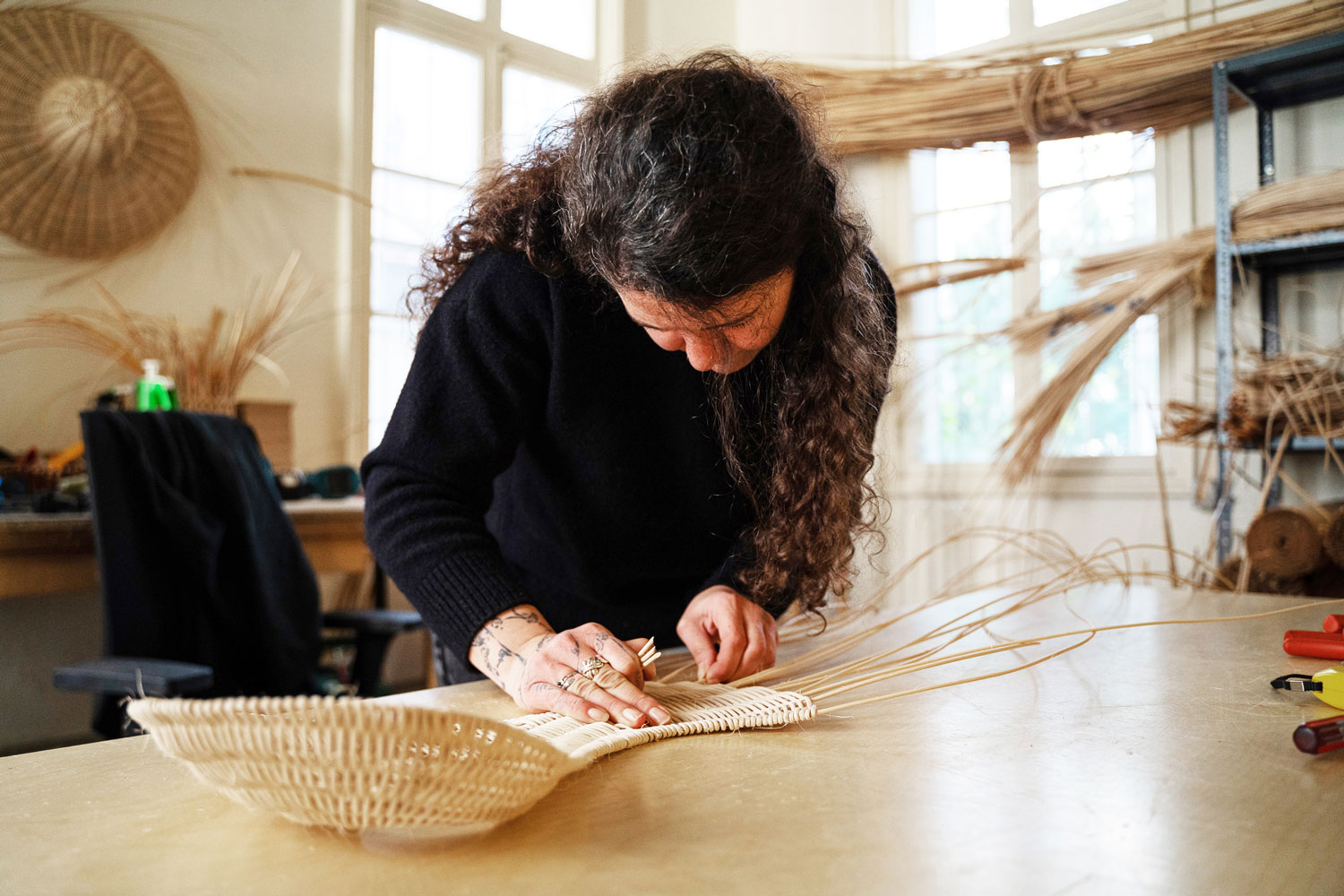
When bringing her rattan creations to life, Dima Stephan lets the material take the lead. “My imagination pushes me to challenge rattan by allowing it to naturally guide the forms,” she explains. This intuitive approach drives Dima’s workshop, Rattan Hun, where she expands her practice beyond furniture making. While she initially learned the foundations of the craft from a local rattan weaver, she later turned to online tutorials to independently develop her craft through a contemporary lens. Dima regularly collaborates with other artisans, designers and architects to create striking sculptural works and art installations. Her pieces, the result of consistent research, have been showcased on local and international platforms such as We Design Beirut and the Design Doha Biennale.
Dima Stephan is a rising star: she began her career in 2020 and she started teaching in 2024.
INTERVIEW
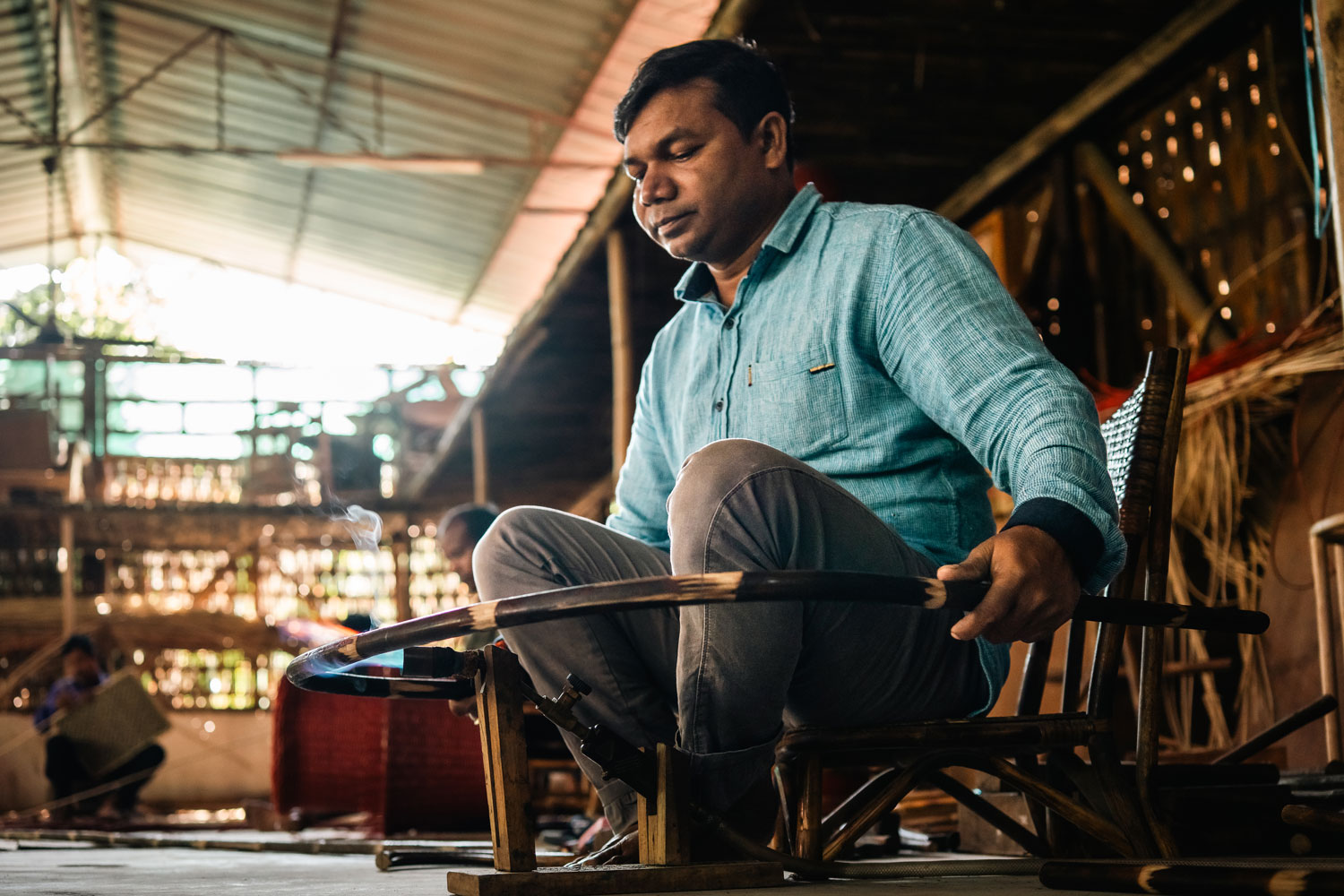
I am initially trained as an interior architect. One of my clients was interested in rattan furniture, so my sister introduced me to a rattan master to help me bring some pieces to life. Watching him transform a rigid rattan pole into a complete structural chair using heat, handwork and simple tools completely changed the way I saw the material.
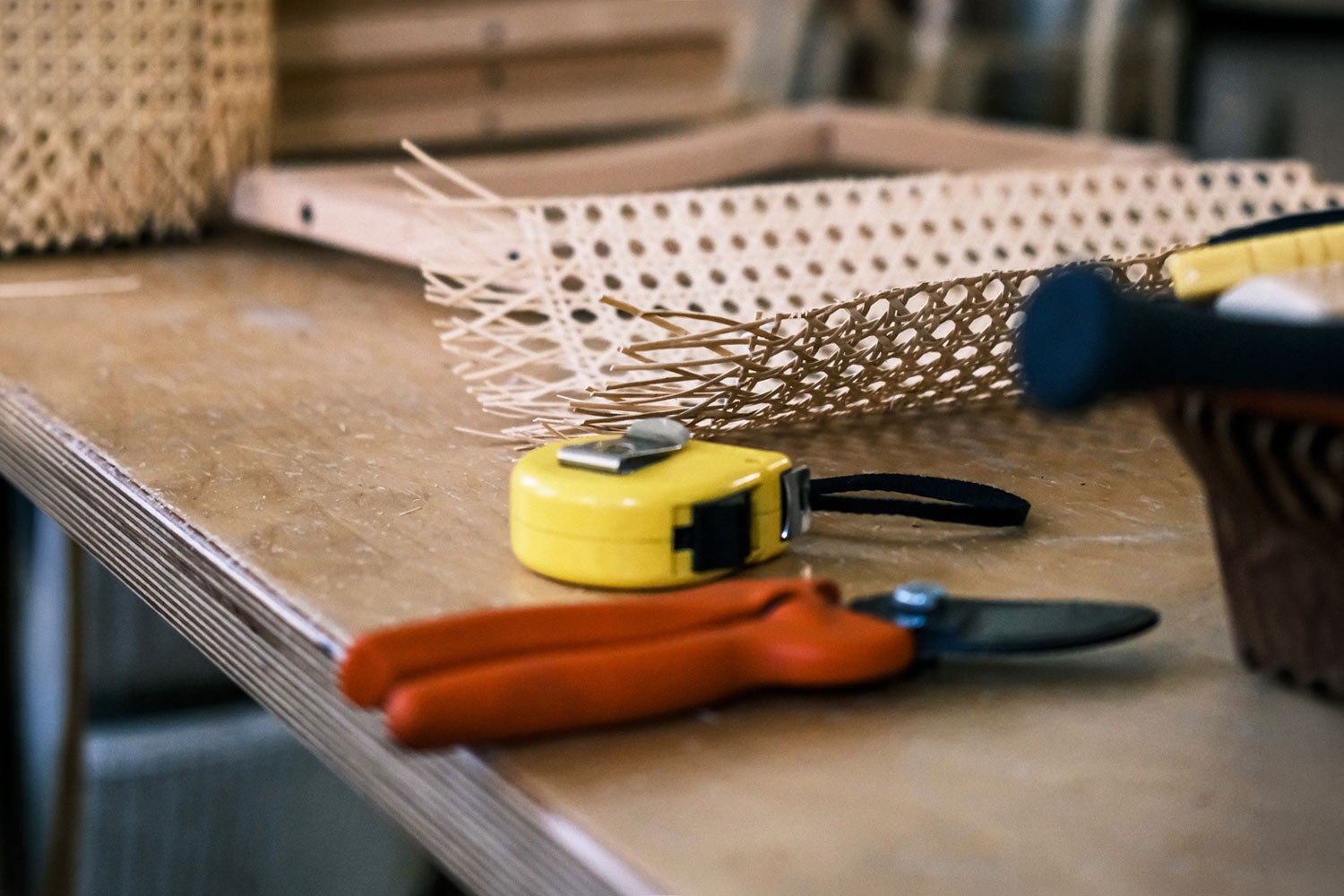
I learned traditional techniques by working directly alongside the master artisan and his team. When Covid-19 hit, I started bringing the materials and tools home. I watched tutorials on YouTube to teach myself how to weave contemporary forms. Today, while my work has a modern feel, my techniques are still rooted in tradition.
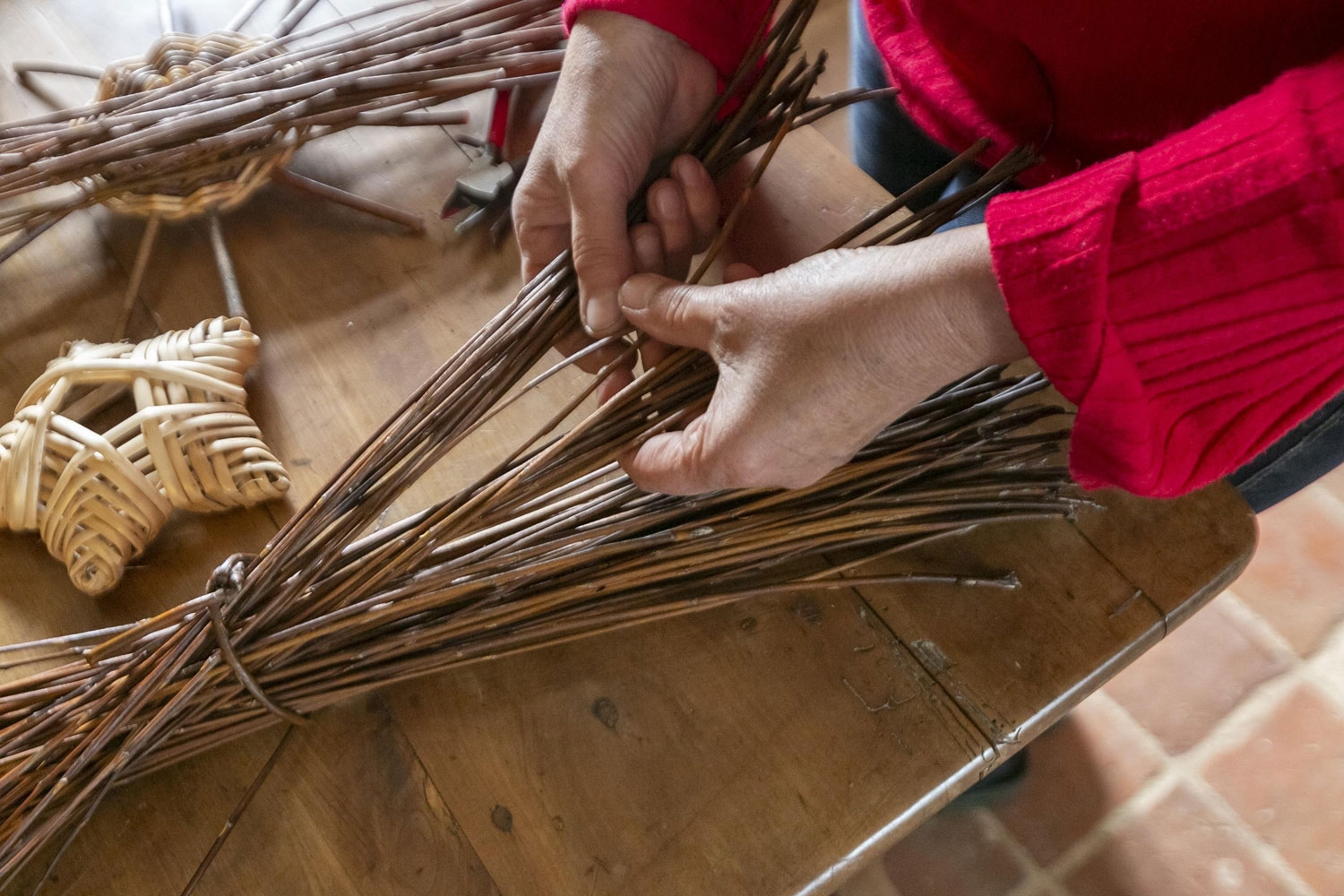
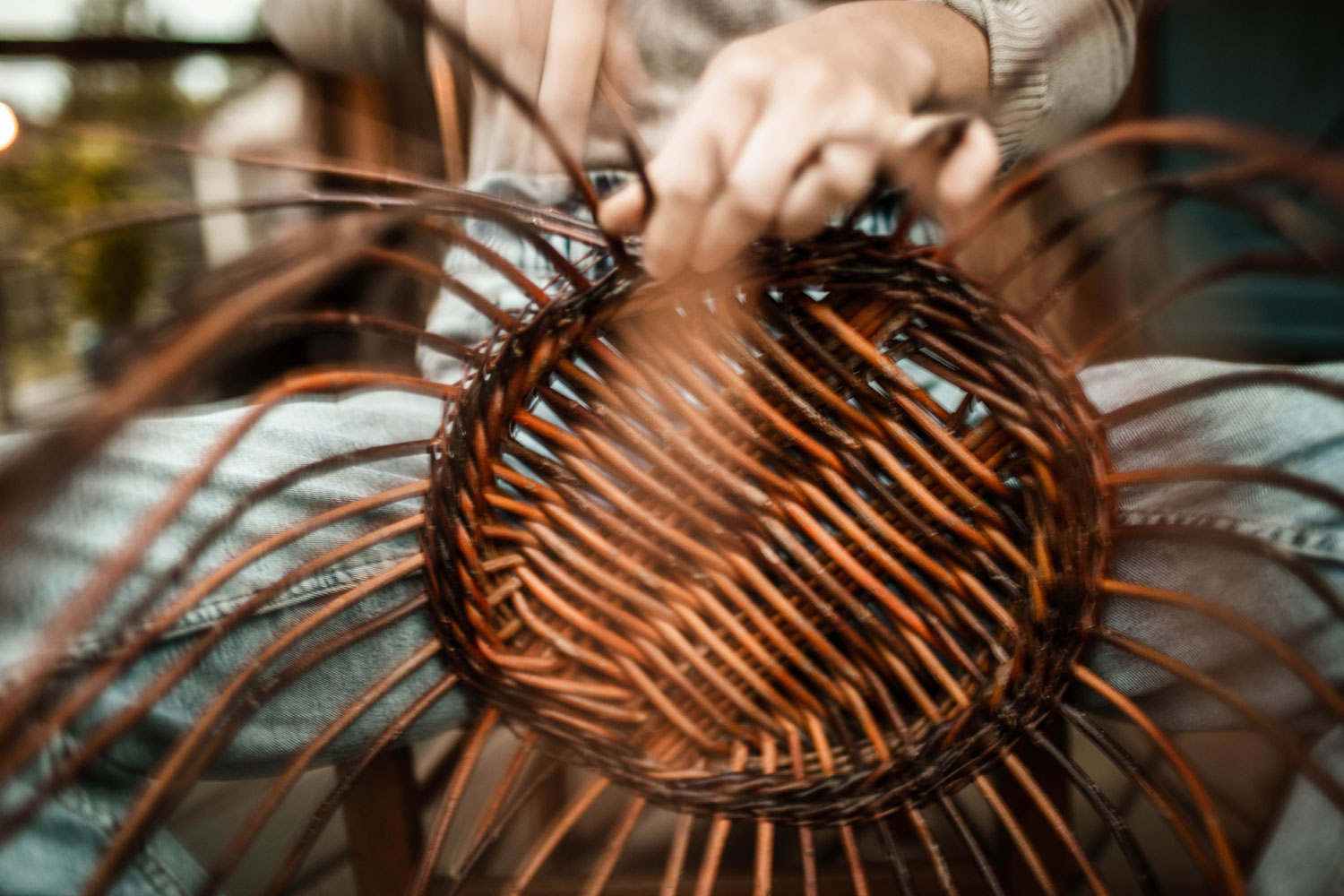
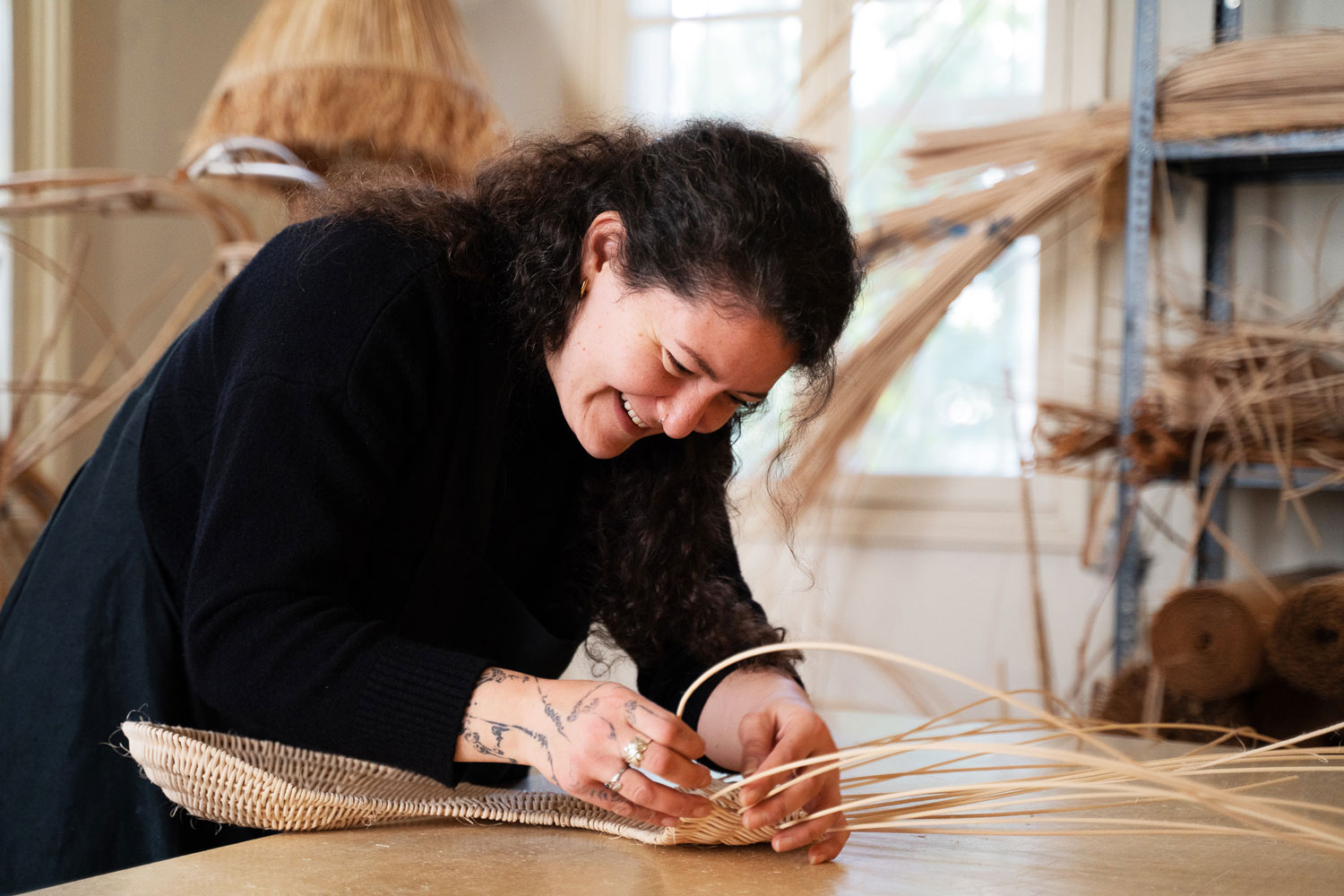
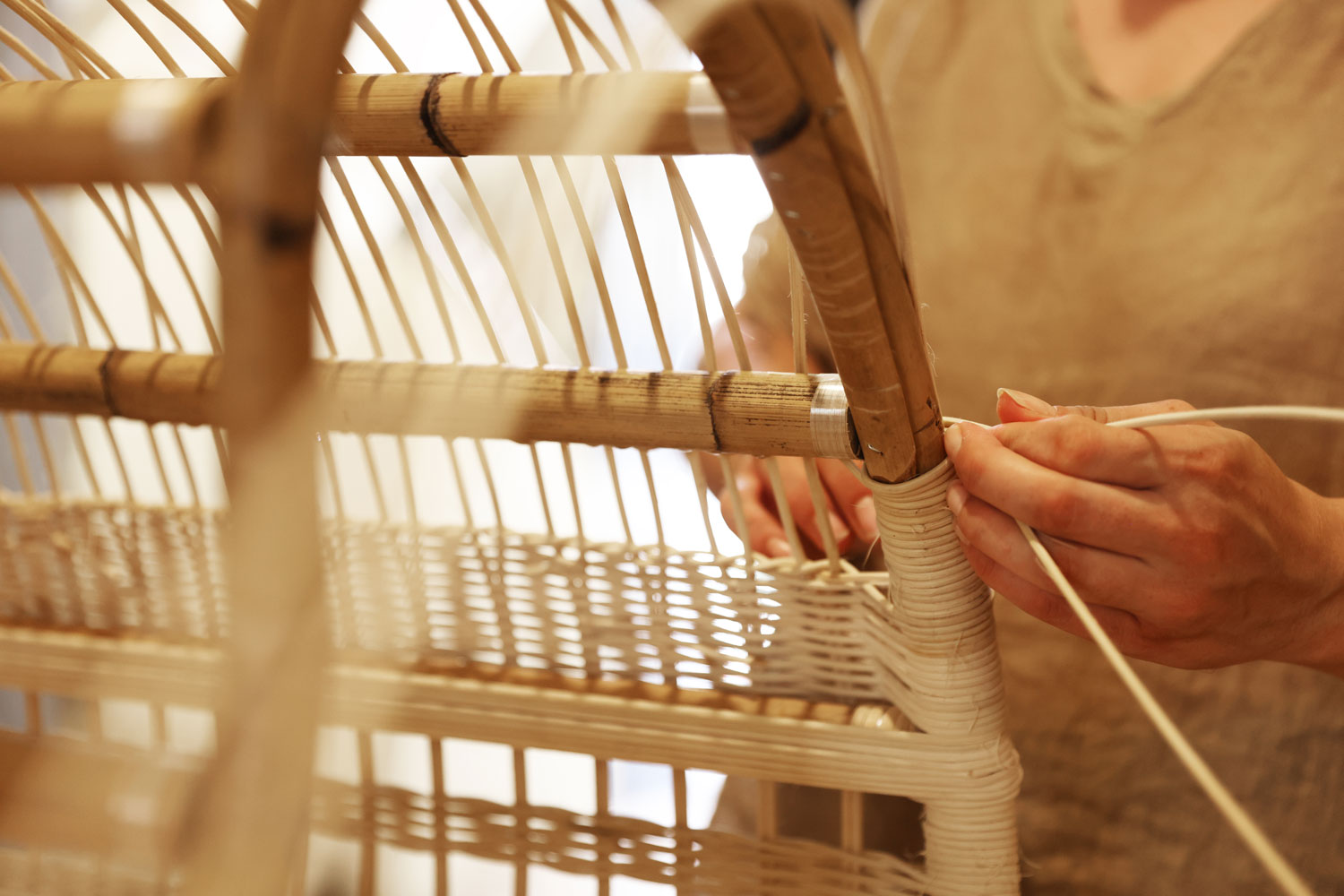
I start by setting thick vertical rattan rods to act as foundational pillars. I then soak thinner weaving strands in water to make them flexible. I weave these horizontal strands in and out of the vertical frame, starting from the base. By tightening or loosening my grip as I weave, I can pull the frame inward or let it push out to shape the object.
Rattan weaving is an incredibly slow process, and people might not be aware of how many hours of manual labour go into the making of one piece. As no formal institutions formally teach the craft in the region, I train all my apprentices from scratch, which equally demands an immense amount of time.
Dima Stephan
Rattan Hun
Wicker sculptor
Beirut, Lebanon
AVAILABILITY
By appointment only
PHONE
+961 70380570
LANGUAGES
Arabic, French, English
HOMO FABER FINDS
Homo Faber Finds is a new service aiming to inspire admirers of craft to connect and collaborate with exceptional artisans.
We invite you to submit an enquiry here.