Deborah Needleman
Basketweaver
Garrison, NY, USA
Preserving a history of basketry
- Deborah's practice is rooted in research, tradition and the cultural value of craft
- Her pieces have been inspired by historic techniques from Morocco, Italy and the UK
- As well as making baskets, she celebrates the work of other artisans as a curator and writer
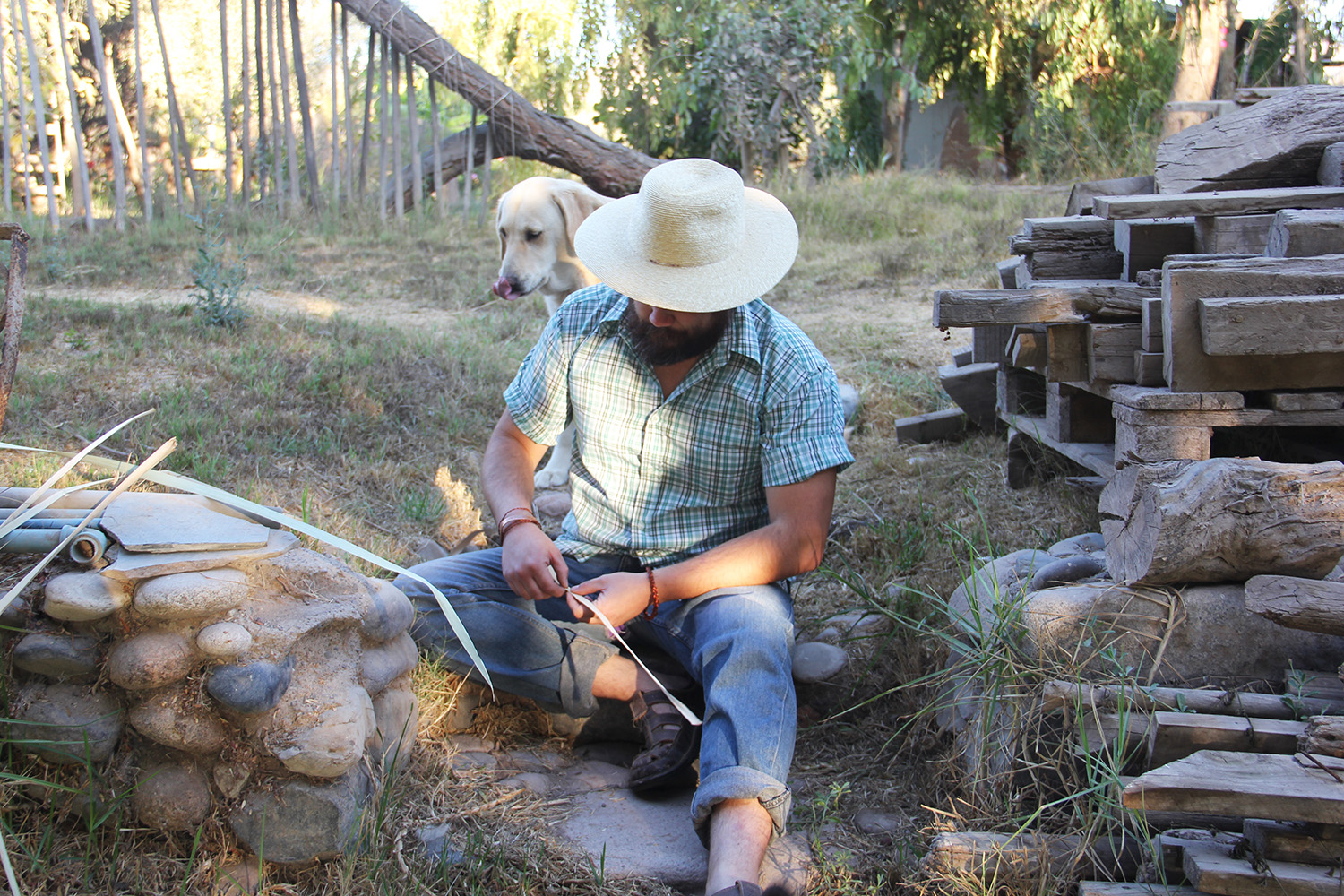
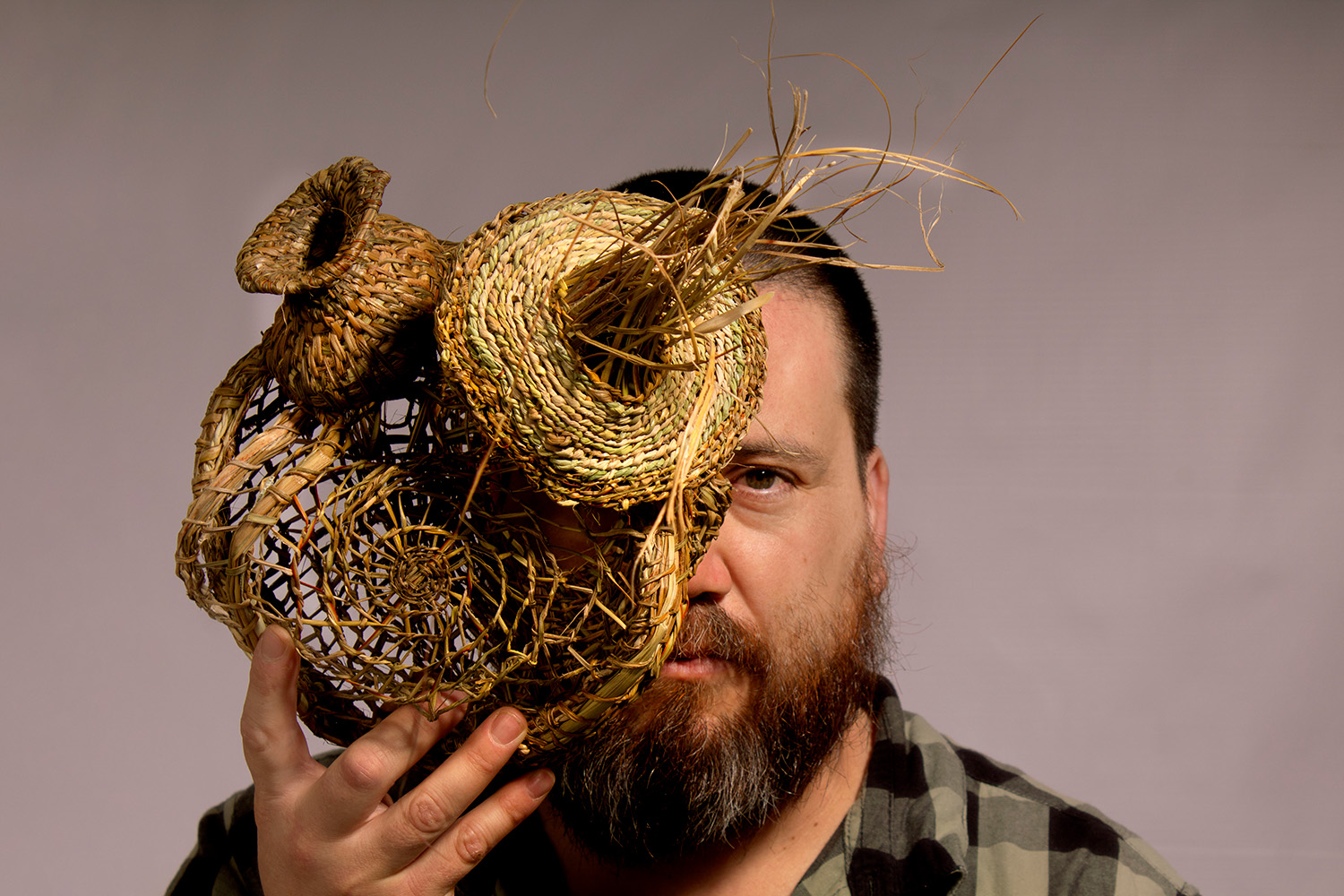
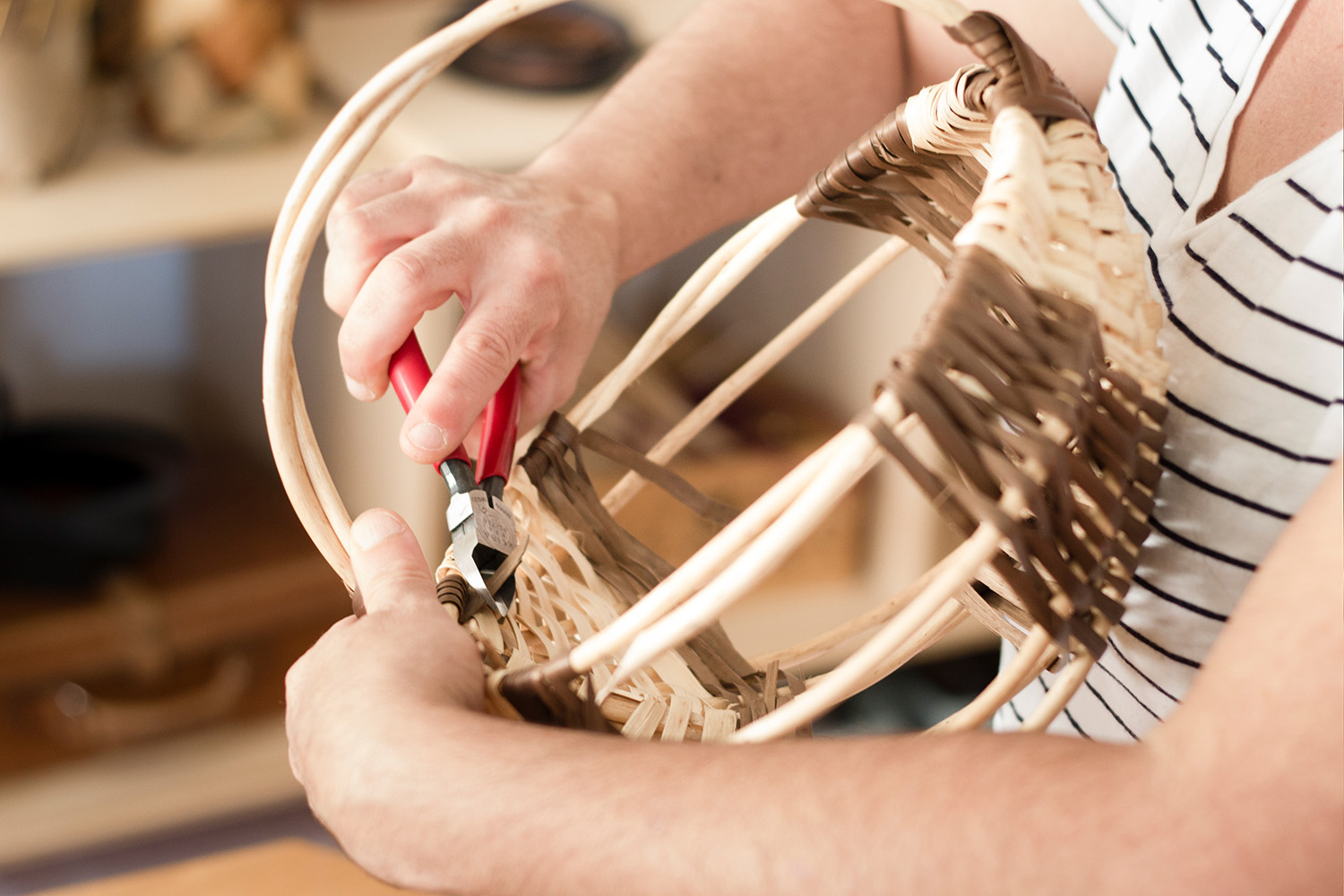
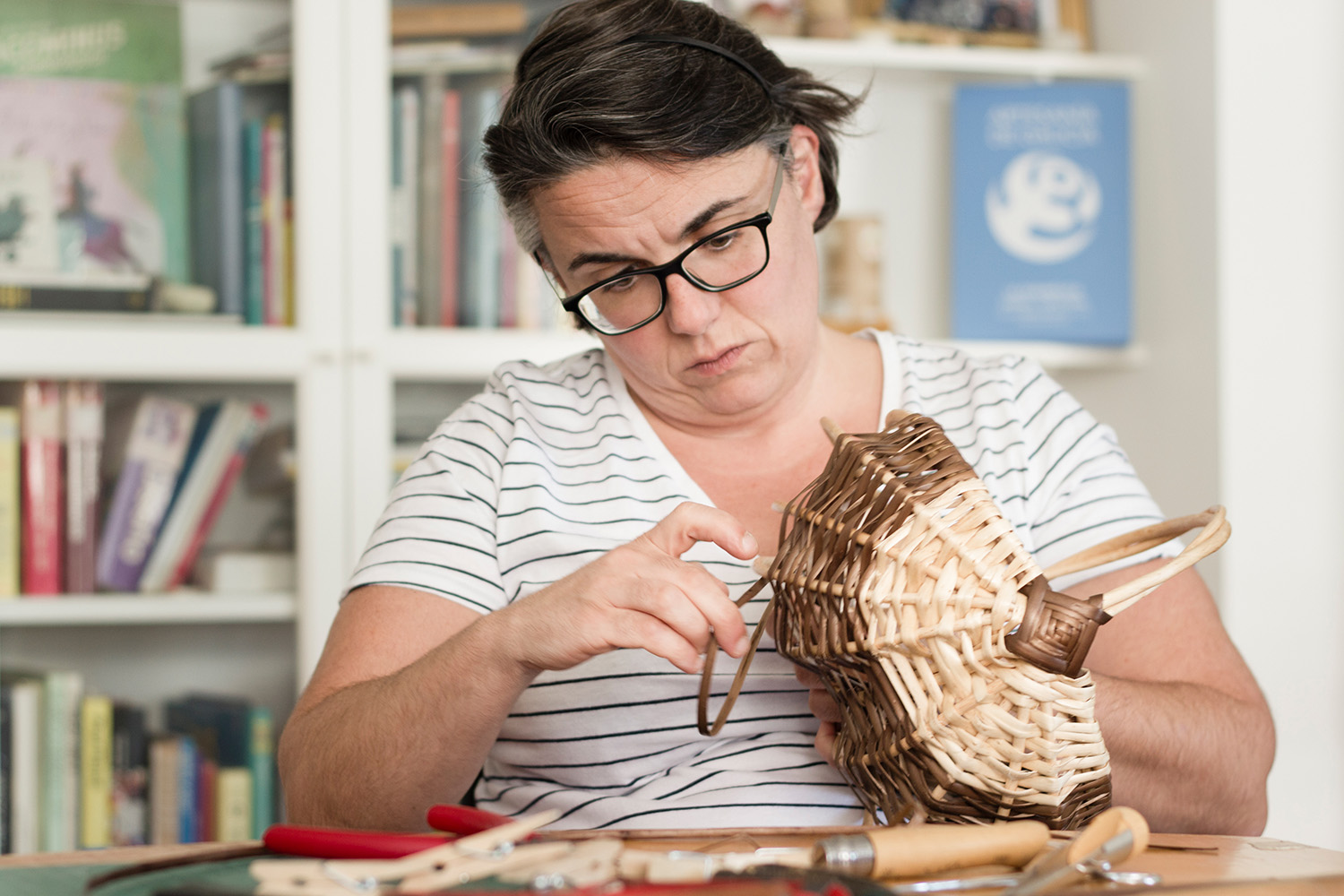
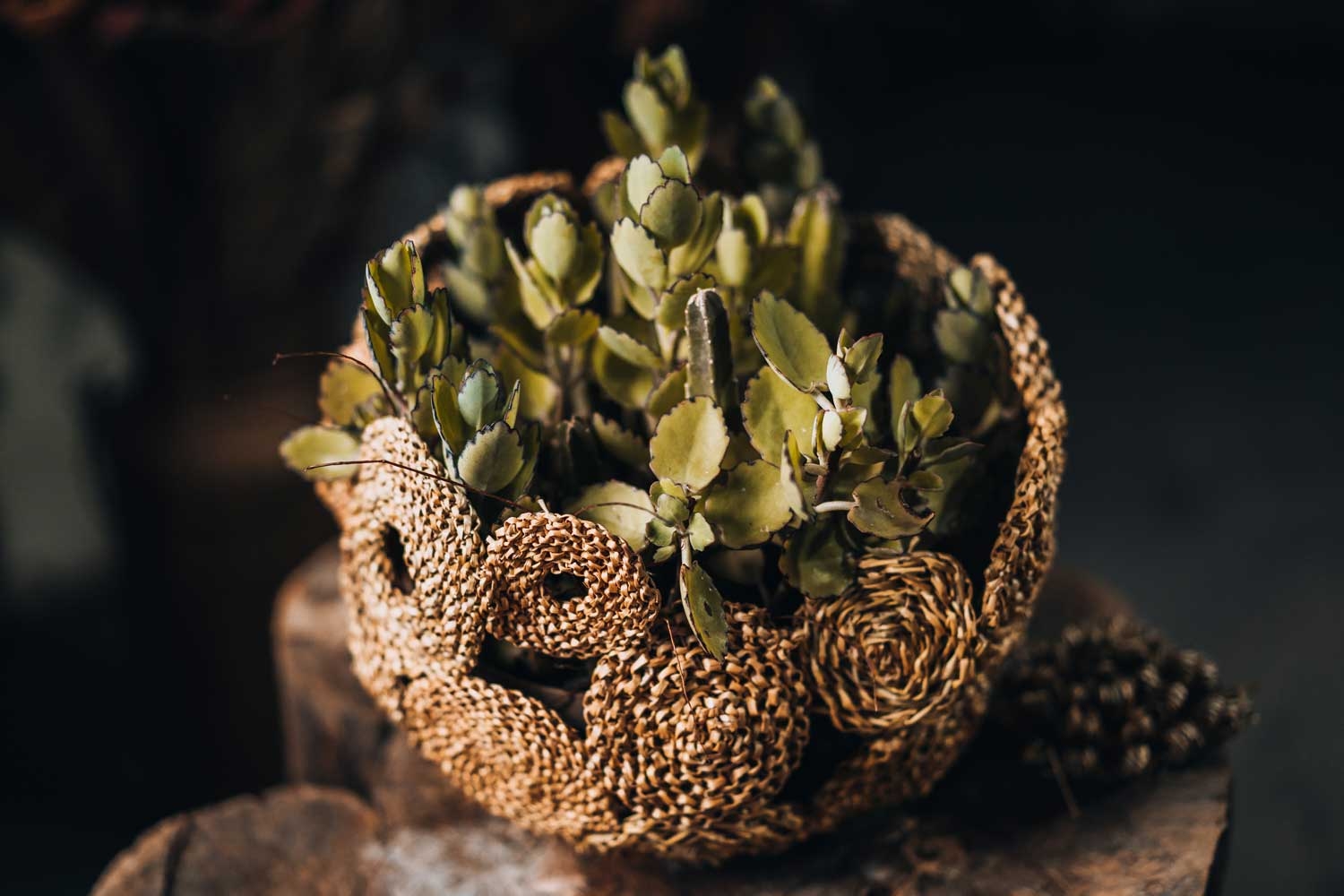
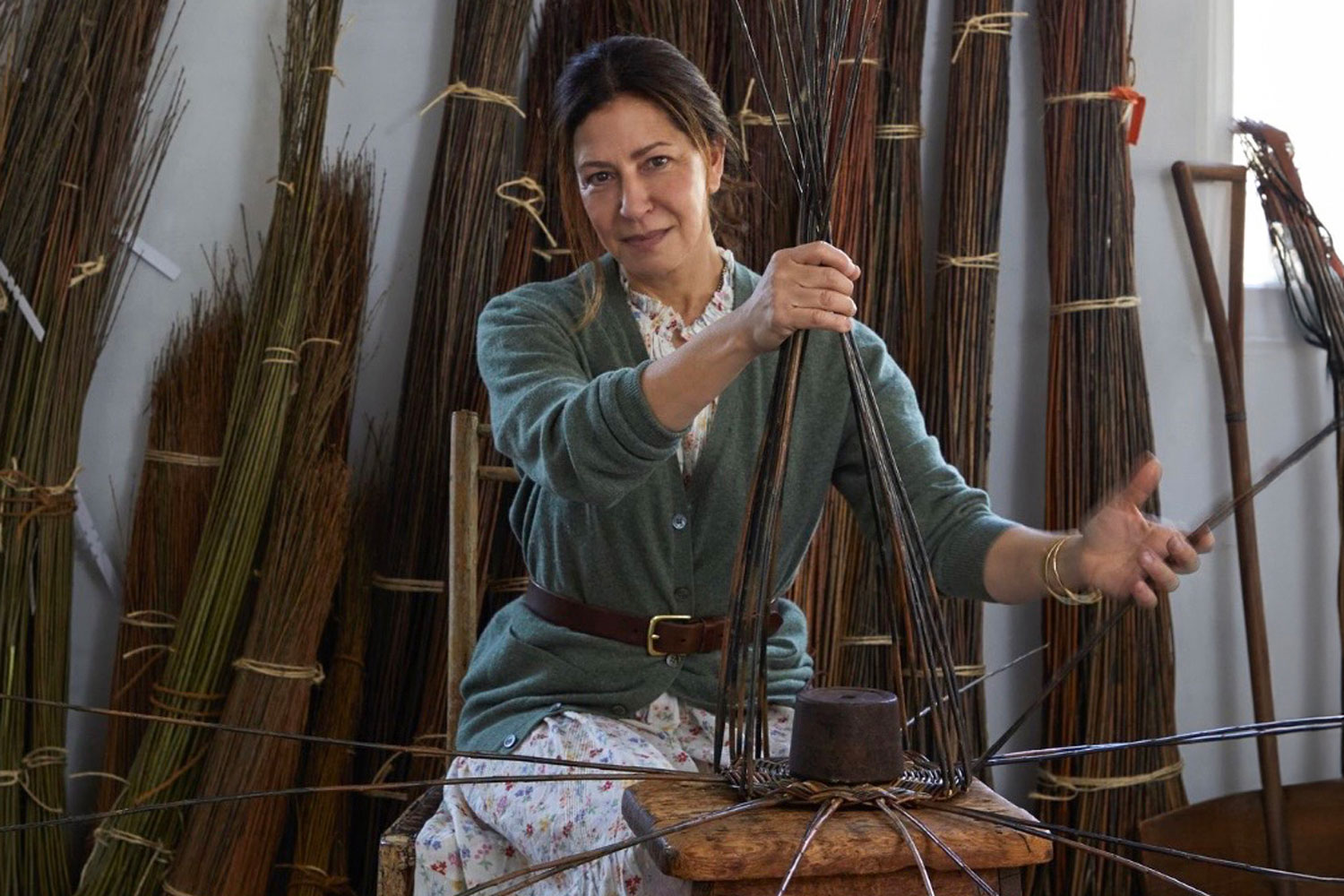
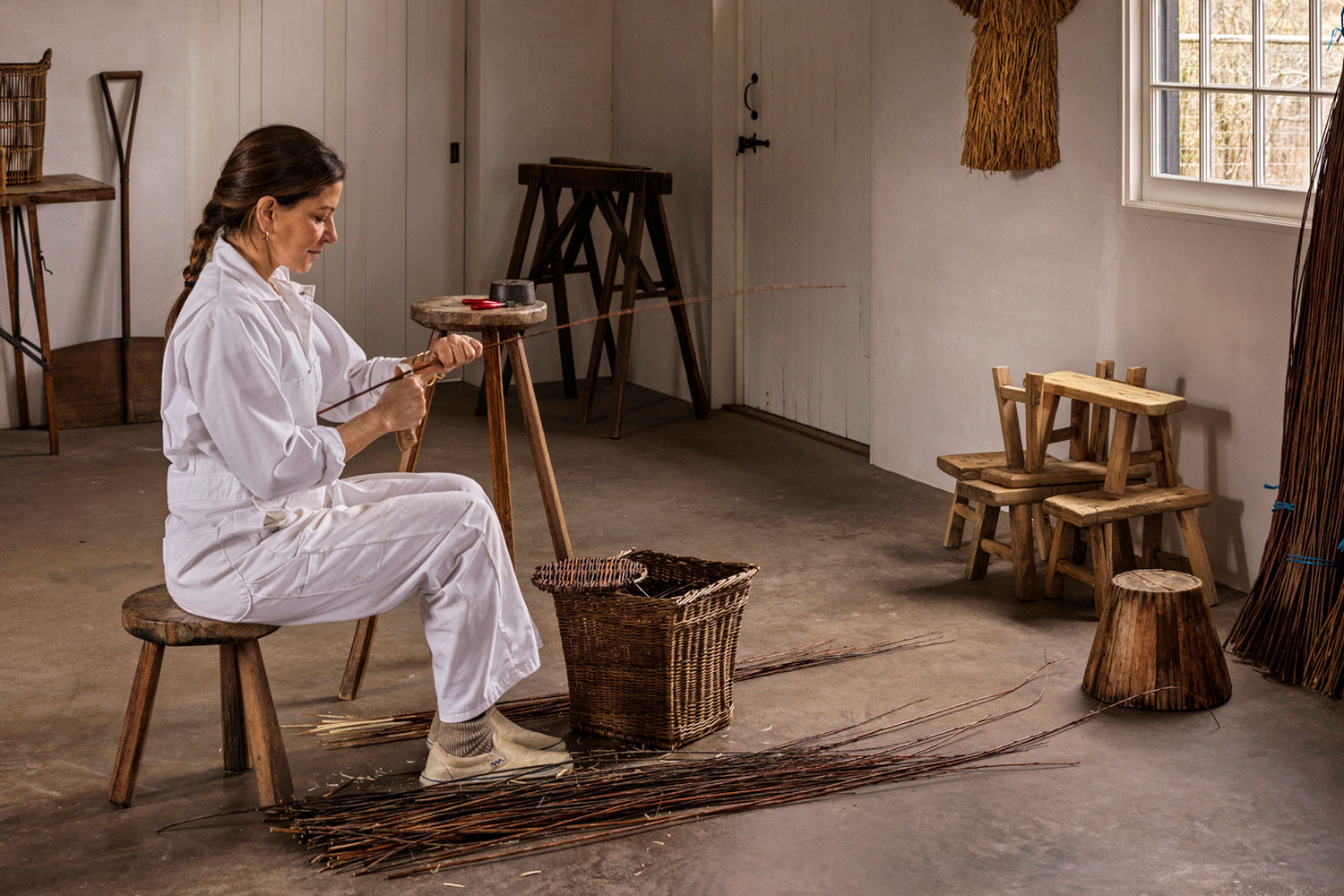
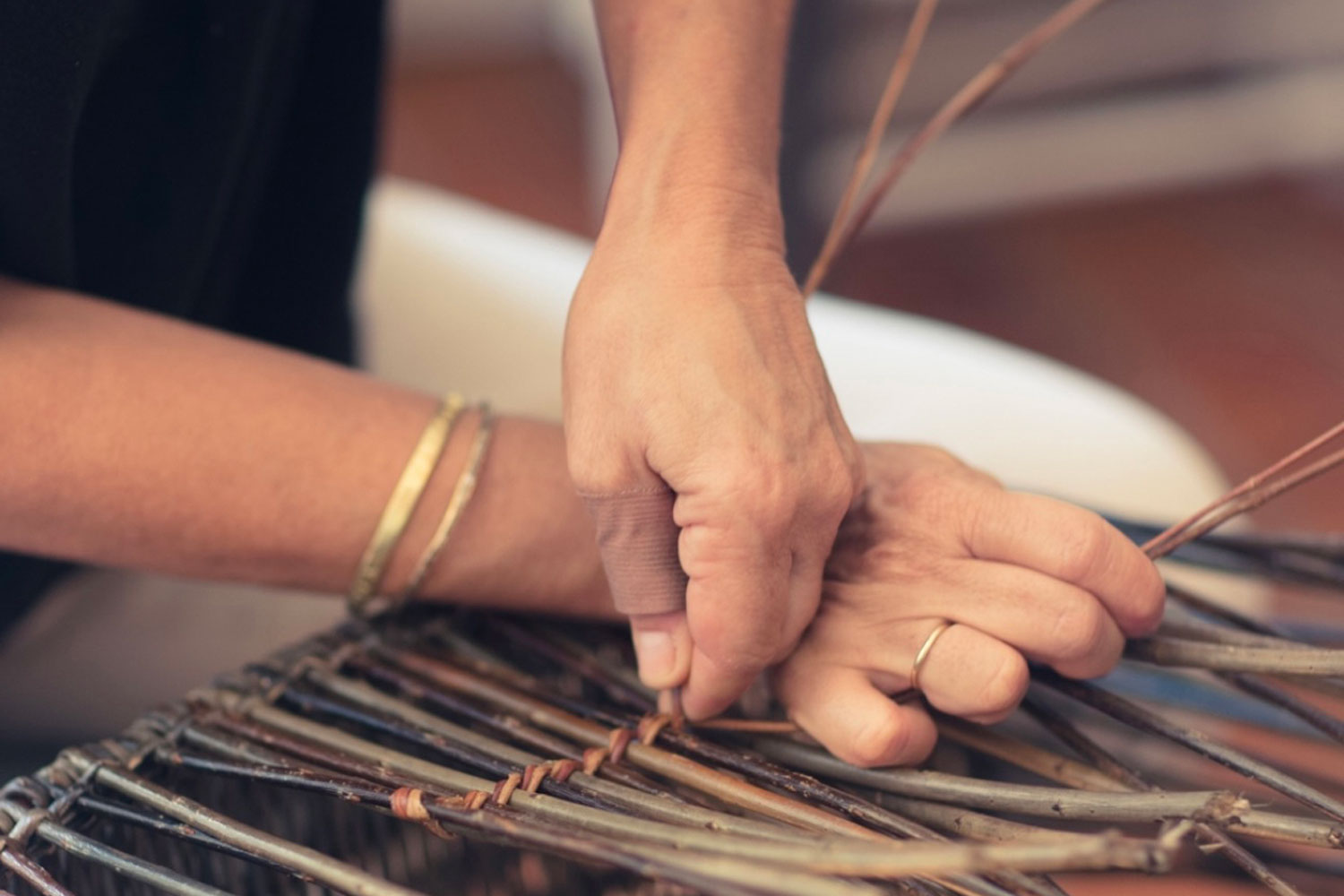
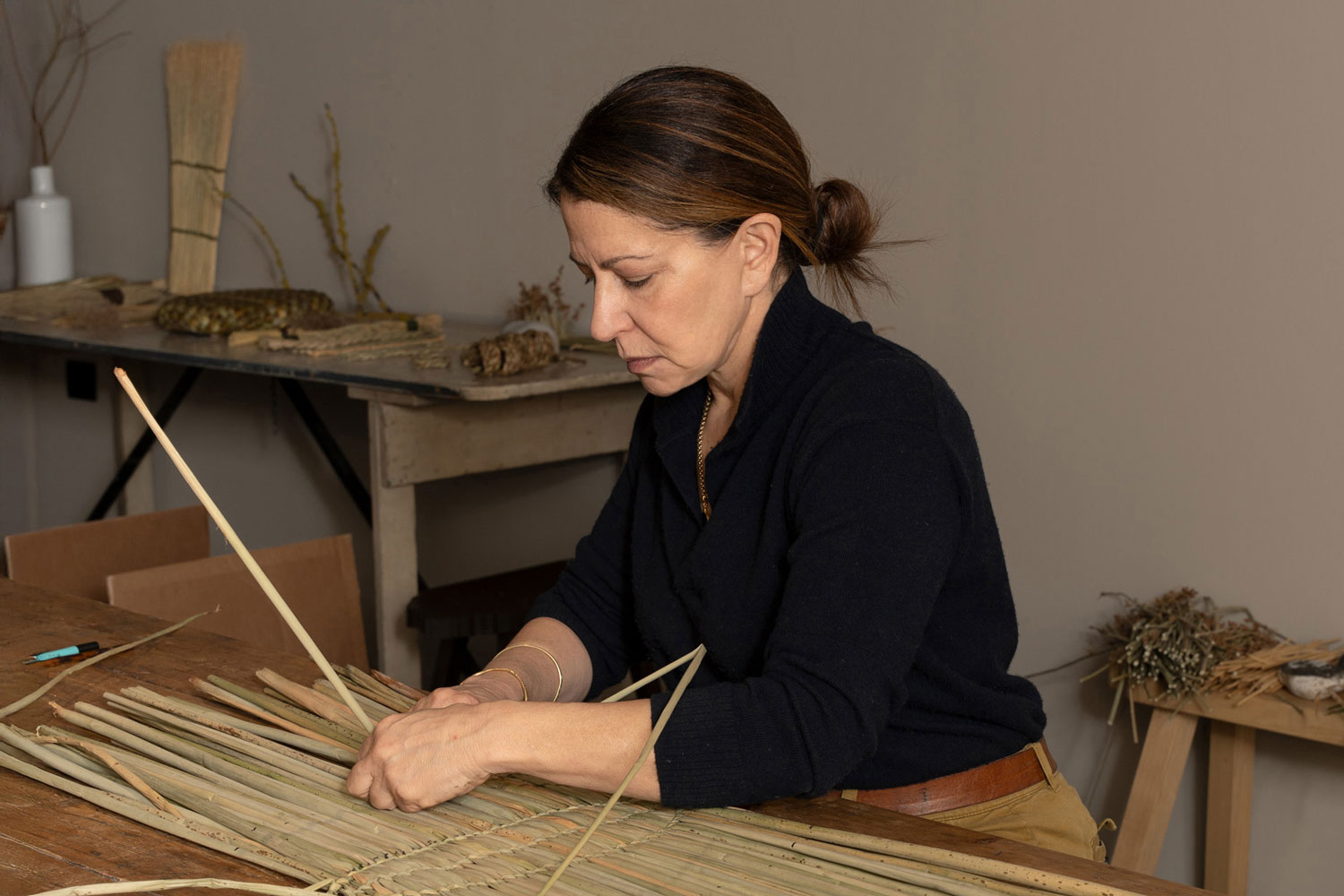
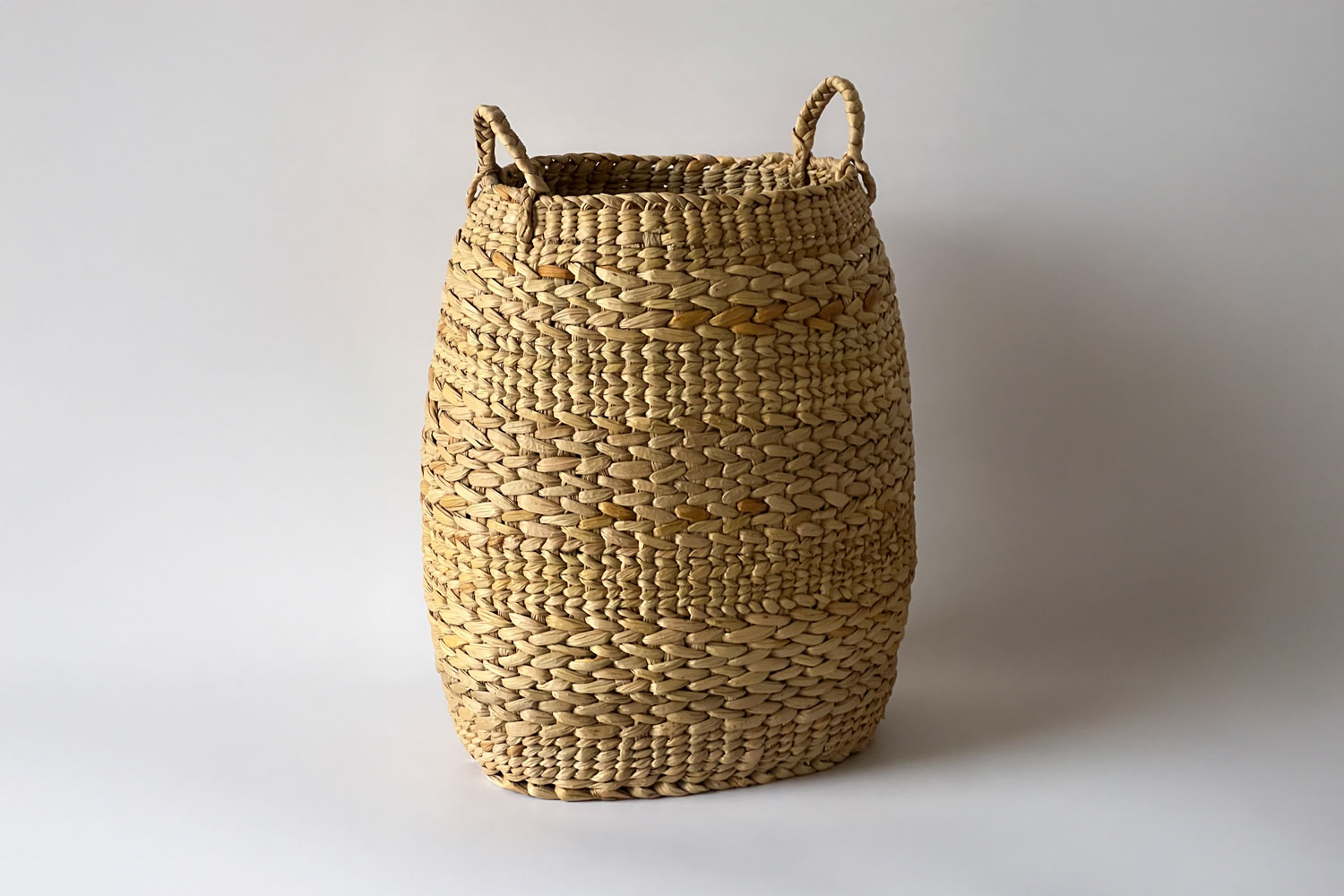
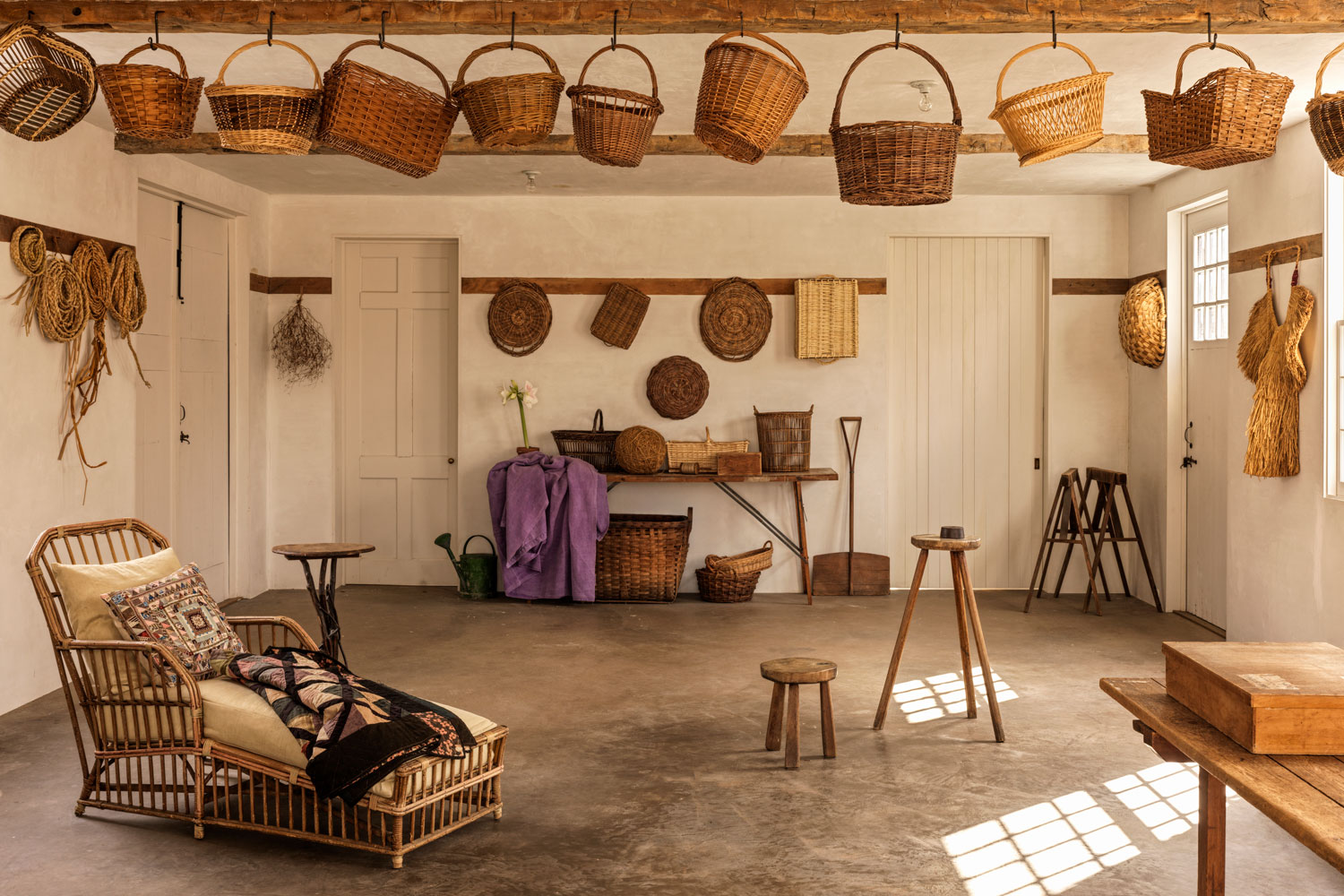
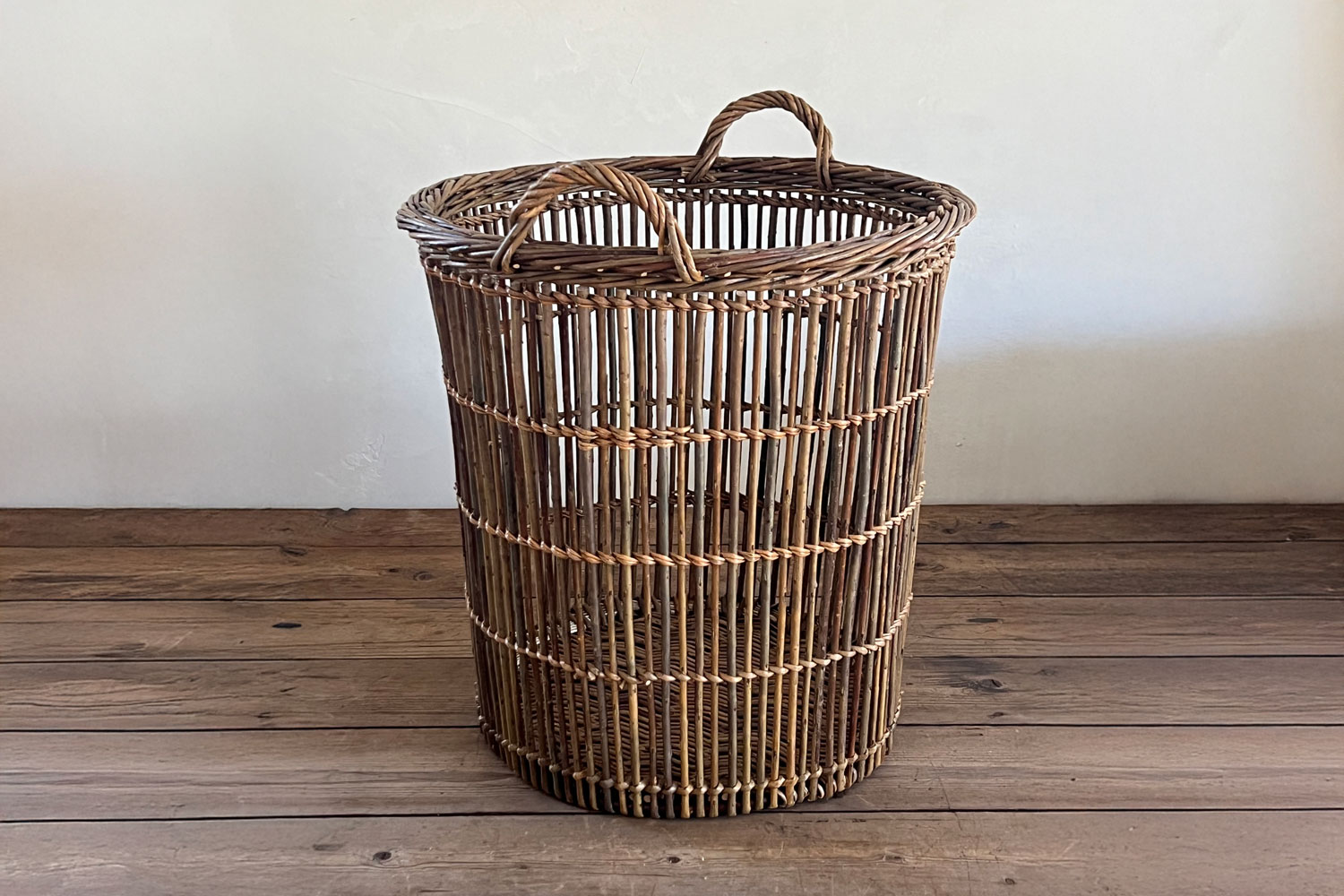
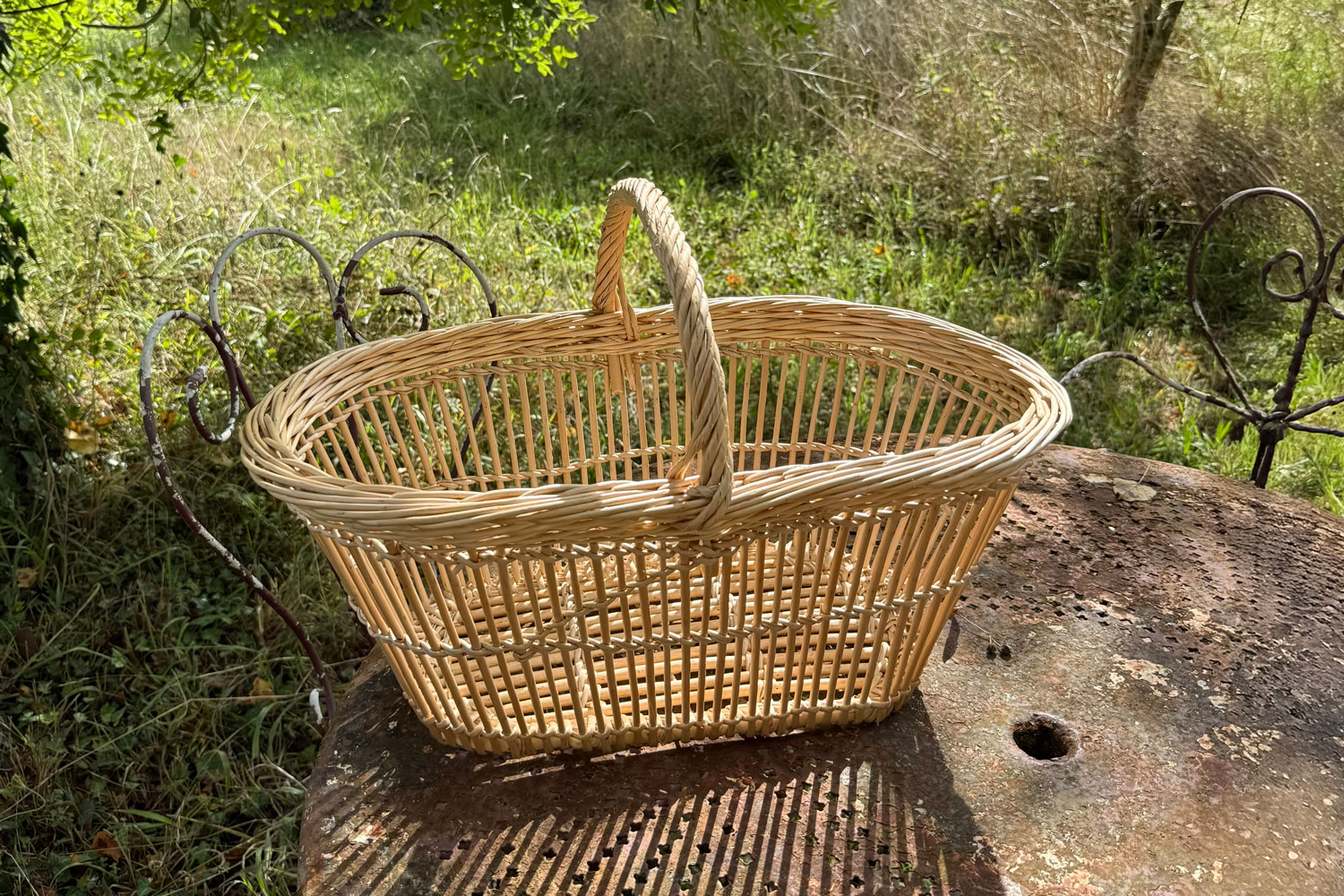
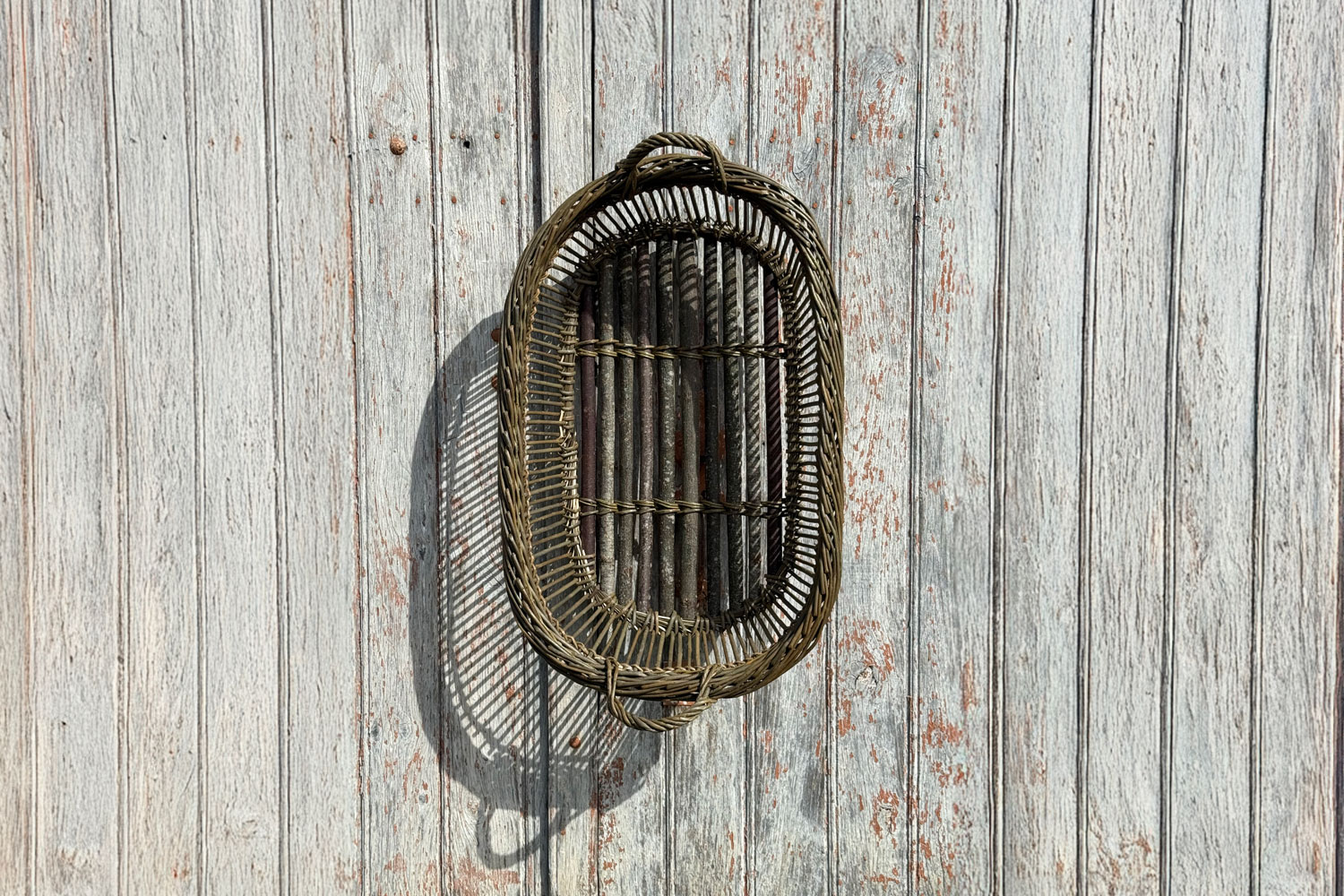
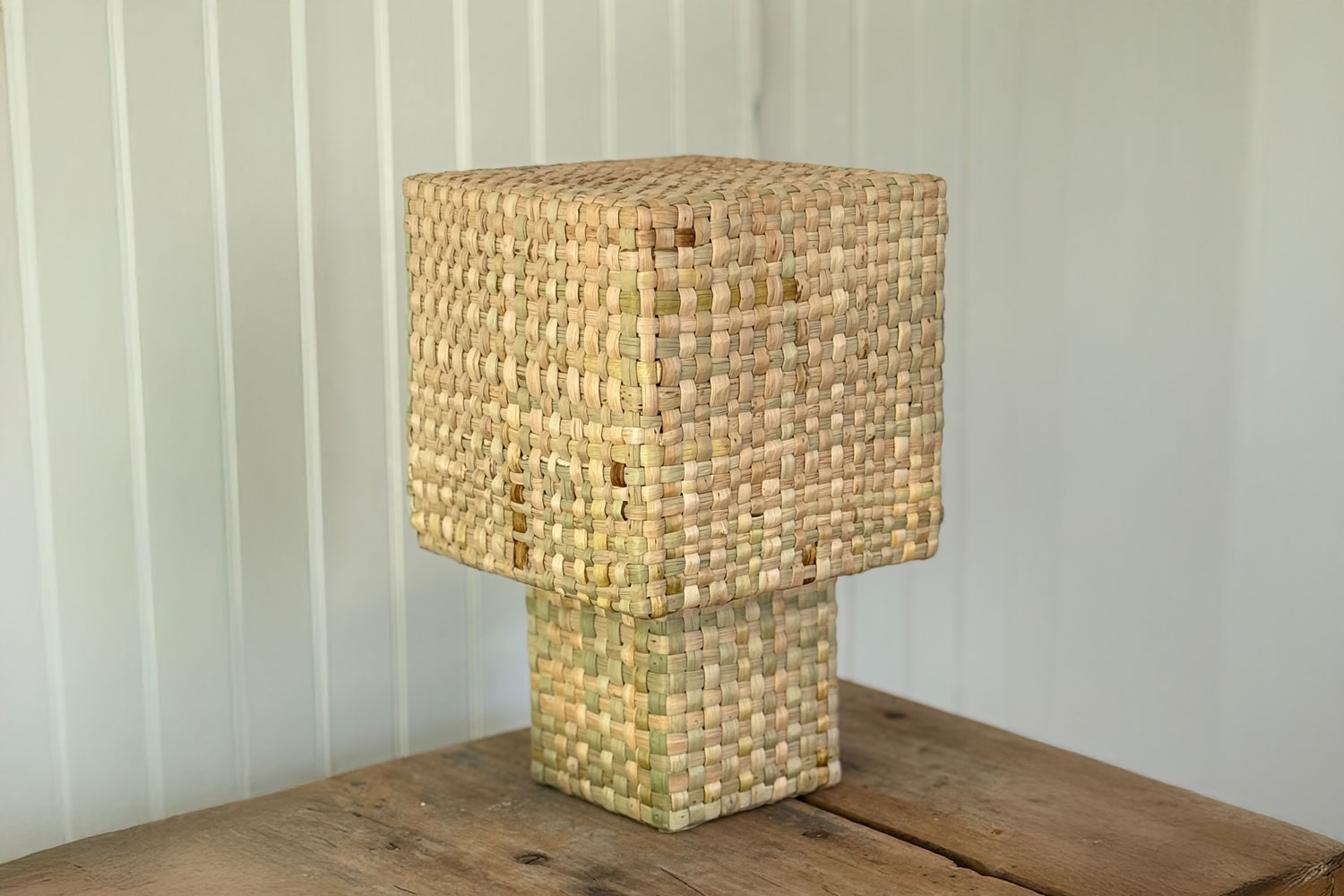
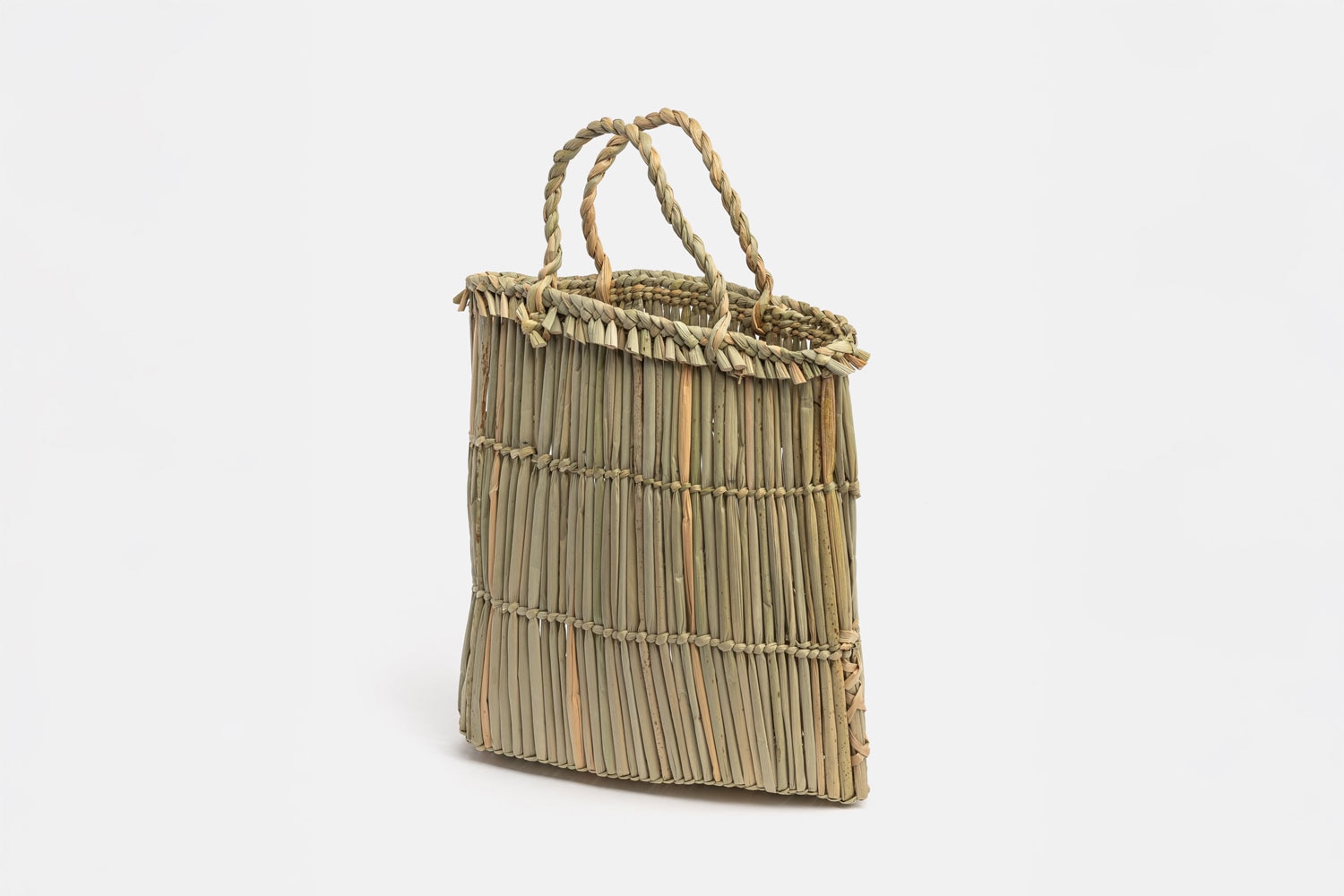
Basketry is a way of life for Deborah Needleman, who weaves with willow, foraged plants and garden offcuts in her Hudson Valley studio. Relying on the landscape for materials gives her a satisfying connection to the rhythms of nature. To create her deeply crafted pieces, Deborah’s historical research has taken her from museums and archives to the Venetian Lagoon, the heathland of Dorset and Moroccan mountain villages as she has recreated lost Venetian baskets, reimagined items from Thomas Hardy’s novels, and curated a show on the baskets of Berber communities. While baskets are often overlooked as cultural objects, Deborah finds a wealth of knowledge in their creation and beauty in their utility. “There is an elegantly integrated intelligence in every basket involving the landscape, seasons, material and the passed-down skills,” she says.
INTERVIEW
I have always loved baskets, how they are so mysteriously resolved as objects, and the way they remain as they begin, just a bunch of sticks. One day I saw a video of a willow weaver’s whole process, from growing to making, and just thought, 'that is the life I want'. I have never looked back.
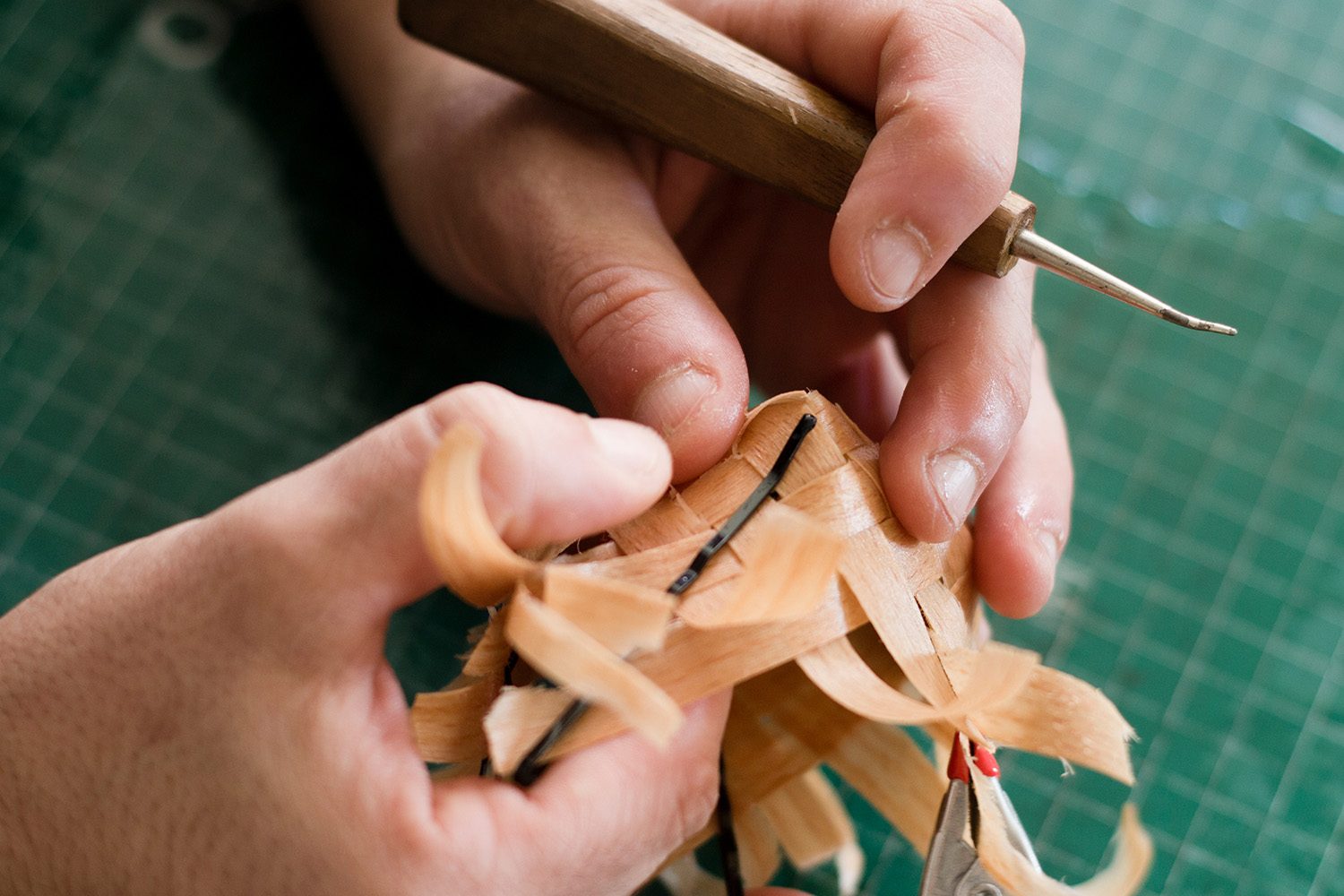
The tacit knowledge of a craft can only be learned from a master. This way of learning involves not only the manual techniques, but also a wealth of intangible knowledge, including a feeling about the work, a sensitivity to the materials, and how you move your body and arrange your workspace. The craft is passed down from one person to another, which is part of its beauty.
I love willow for its strength, variability and the feel and smell of it. You have to be sensitive to it and also intentional with it. It wants to do something, but you have other ideas, and that requires listening. It creates a dialogue between the maker and the material that I love. I use other plants like rush, leaves and grasses, which is a privilege and a pleasure, but not a love affair!
I was able to make a Yarmouth Herring Swill, one of the most cleverly designed and hardworking baskets ever. This kind of basket was about to be lost forever as the last maker had died. Peter Dibble worked out how they were constructed and then taught others. So, thanks to him, this great basket is not dead yet.
Deborah Needleman
Basketweaver
Garrison, NY, USA
ADDRESS
Address upon request, Garrison, NY, USA
AVAILABILITY
By appointment only
LANGUAGES
English, French, Italian
Homo Faber Finds is a new service aiming to inspire admirers of craft to connect and collaborate with exceptional artisans.
We invite you to submit an enquiry here.