David Gates
Cabinetmaker
Bridgwater, United Kingdom
Recommended by Crafts Council UK
Tales from the riverbank
- David is inspired by the River Thames, close to his studio
- He received the Gold award at the Cheongju biennale in 2015
- In 2017 he published his doctoral thesis entitled The Makers’ Tongue
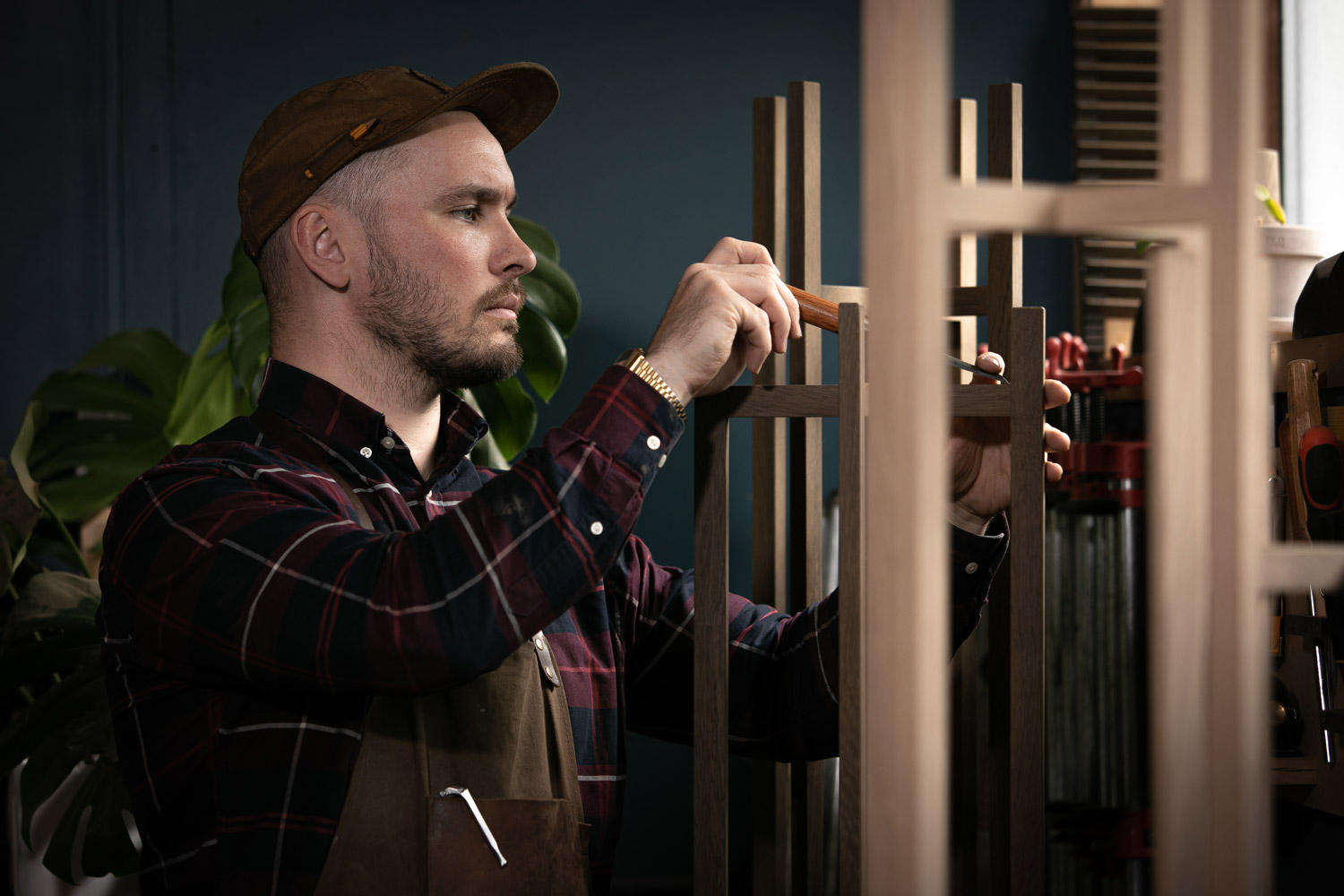
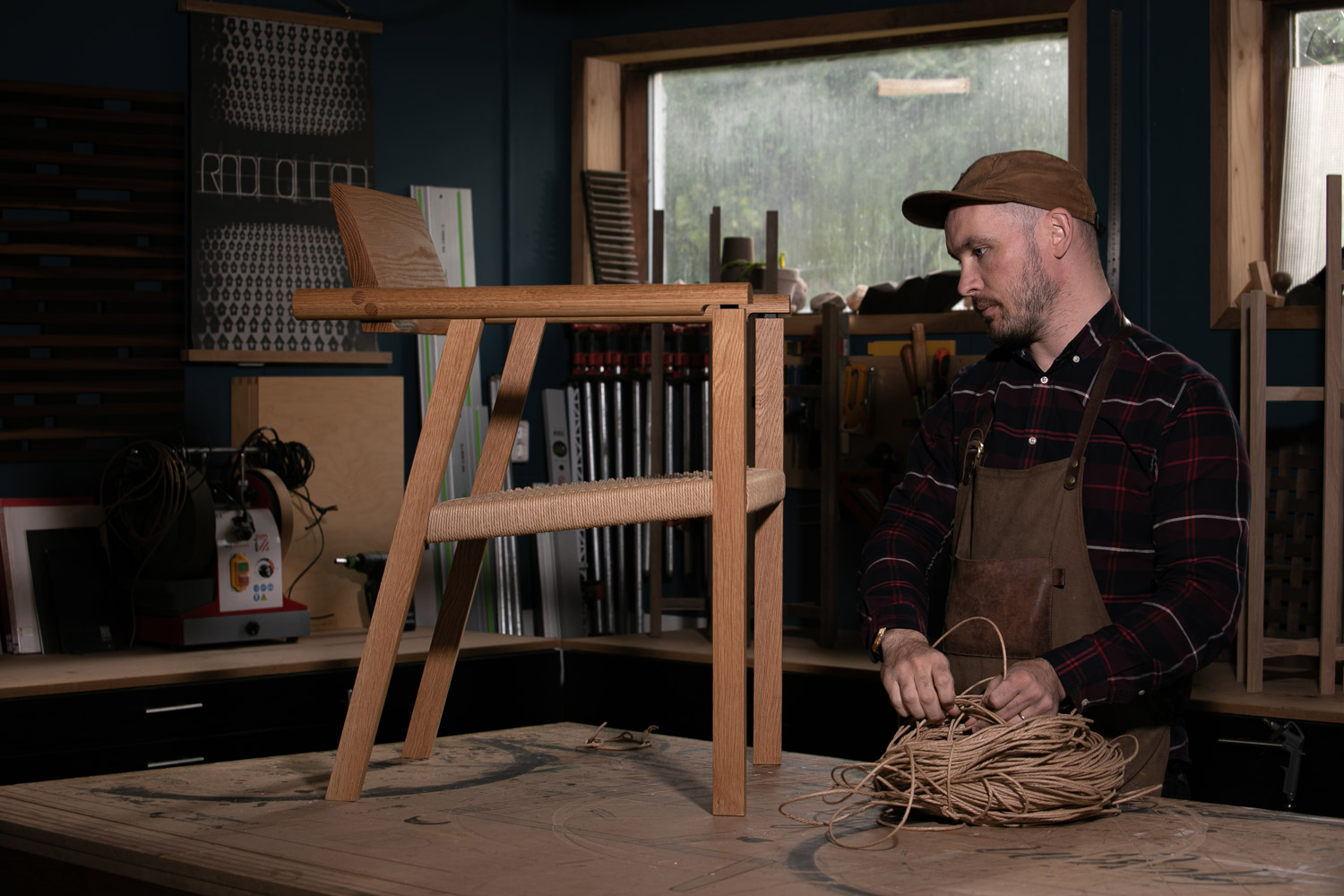
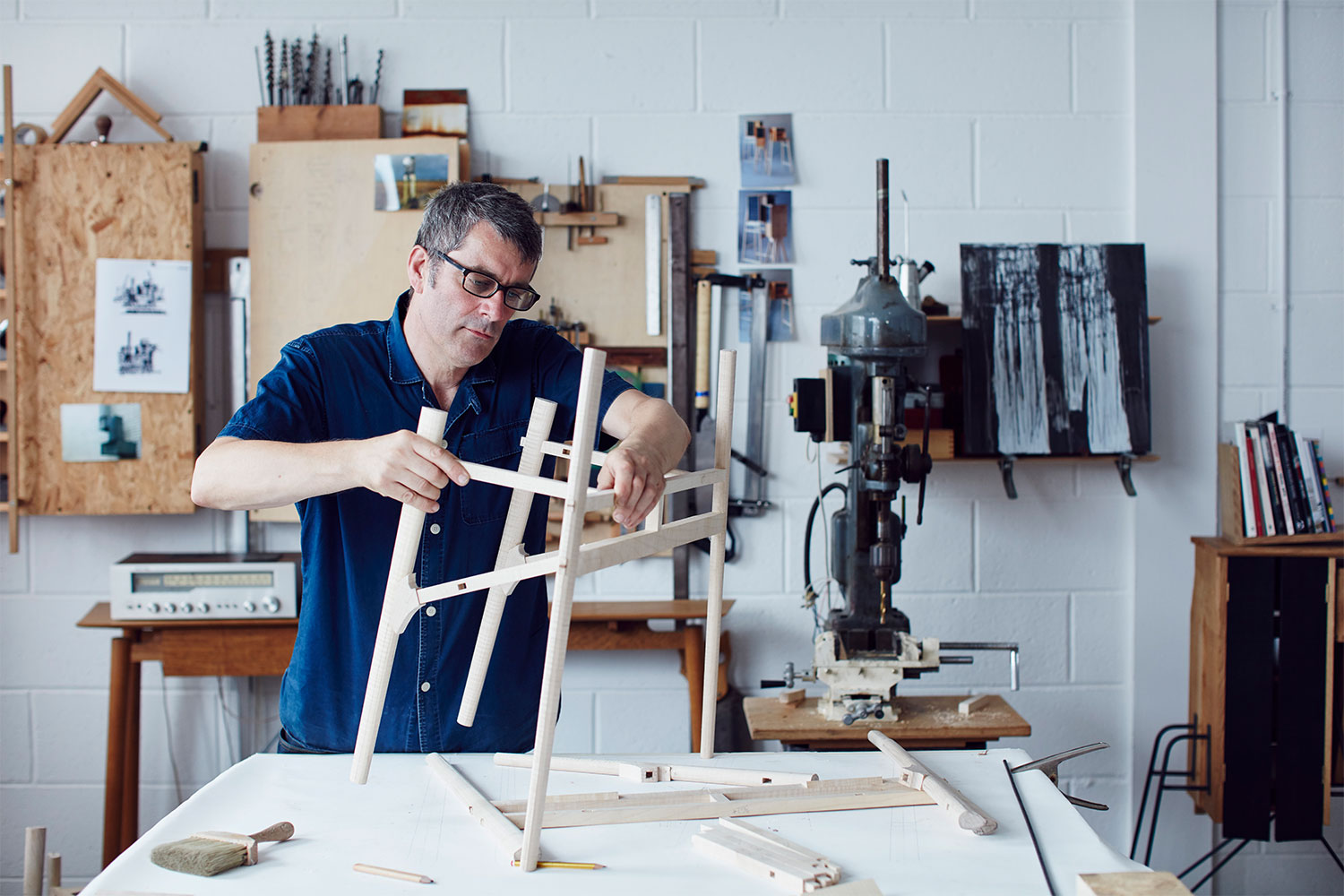
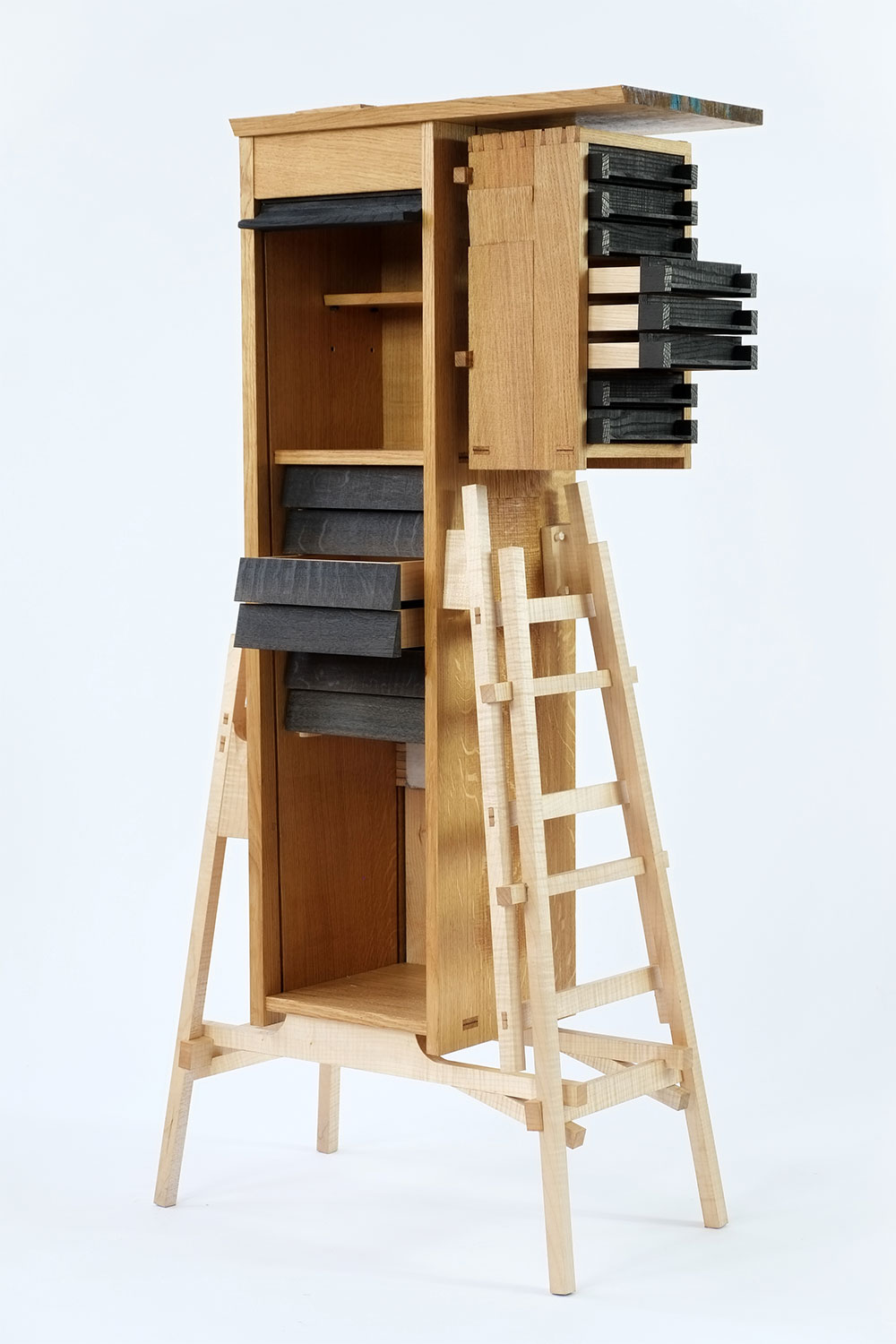
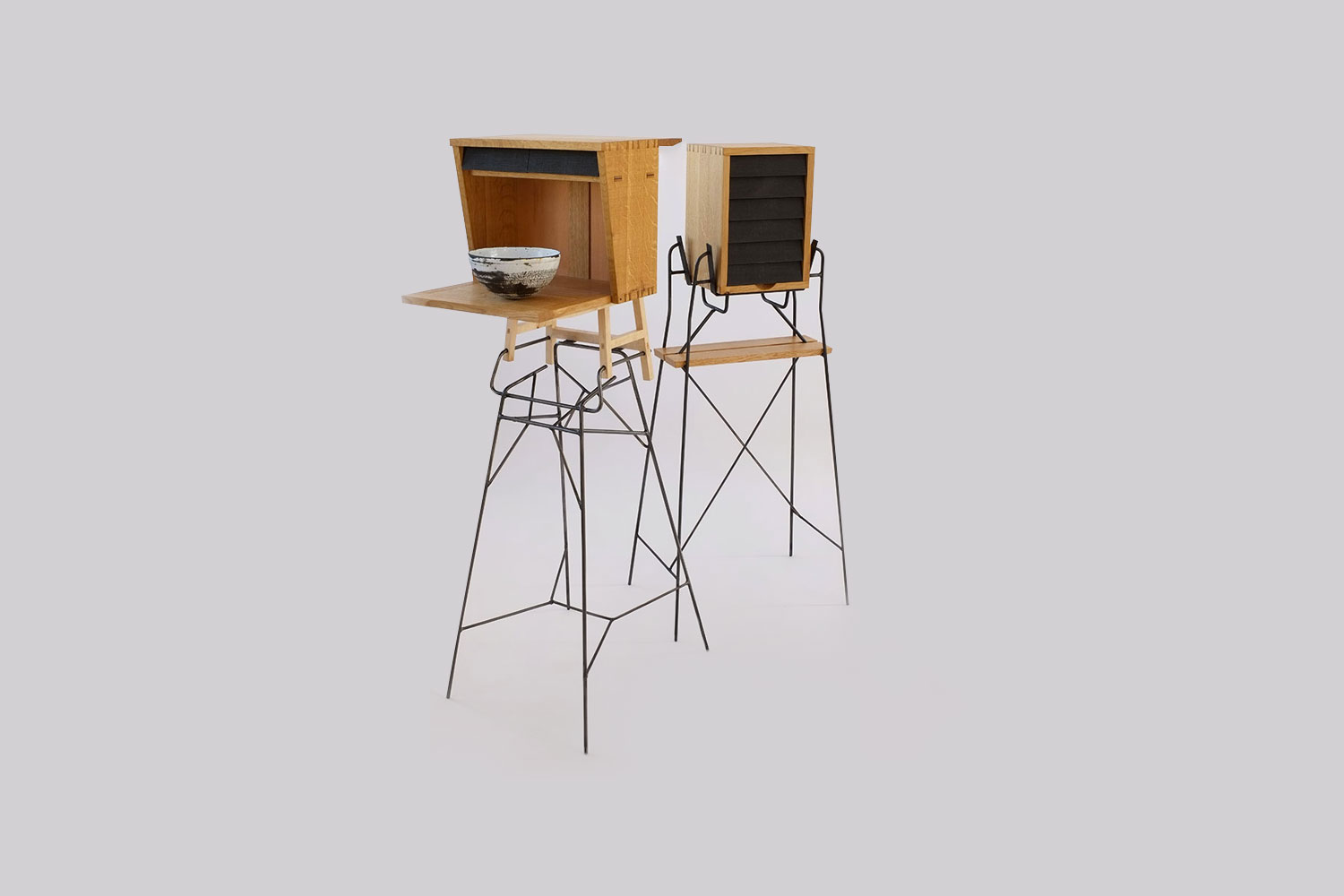
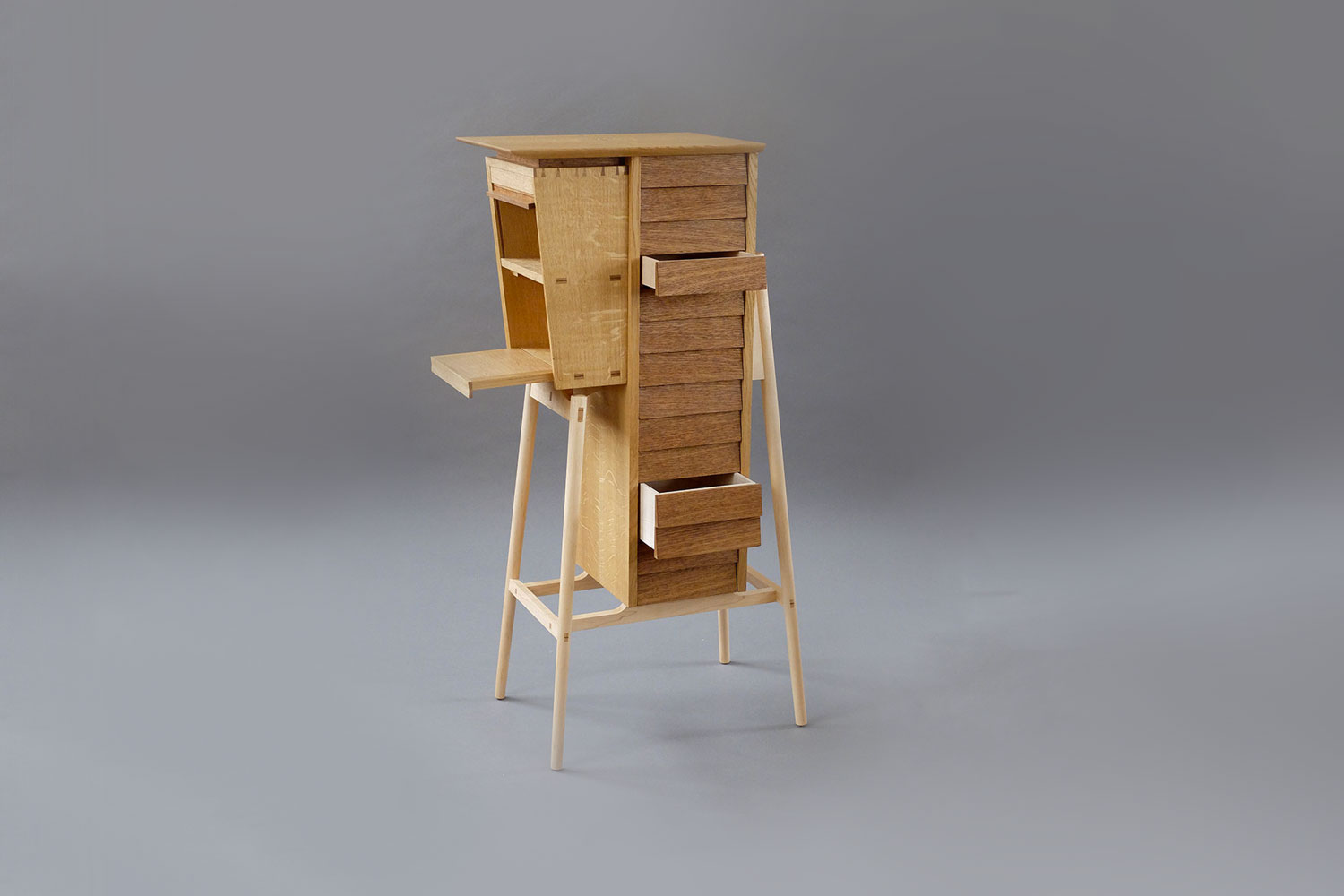
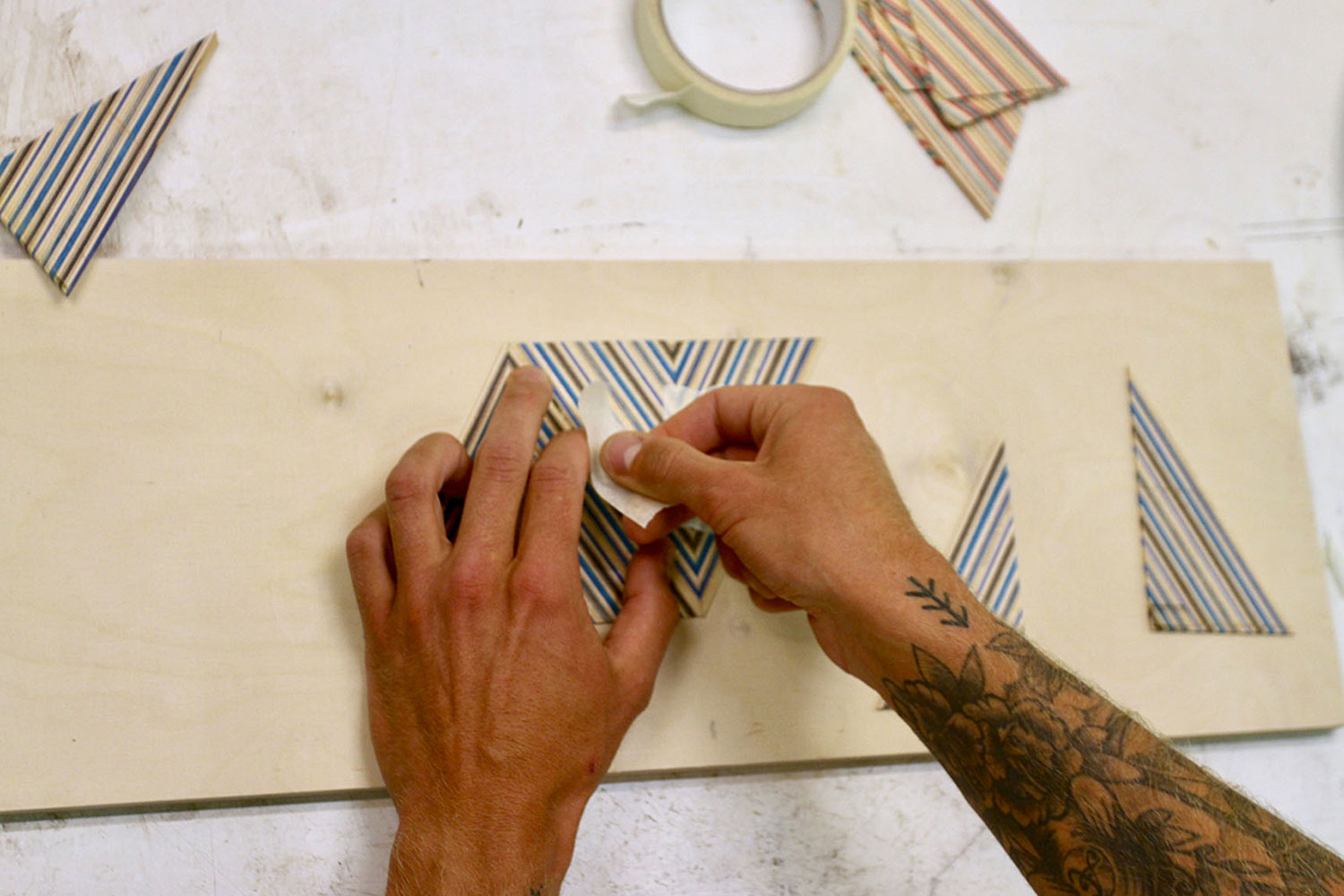
The Thames-side studio of Dr David Gates looks out over the industrial sprawl of jetties and wharves, silos, pylons, shipping containers, cranes and the Tate & Lyle factory. This influence can be seen clearly in his work, which in recent years has centred on new interpretations of the collecting cabinet. His pieces “embrace an overall aesthetic and approach that emerges from observation, photography and drawing,” he says. More like three-dimensional pieces of art, David’s cabinets combine all the skills of a master cabinetmaker with his own inimitable aesthetic. “The experience of seeing one of my pieces is an unfolding experience as one walks around it, difficult to communicate in a two-dimensional photograph.”
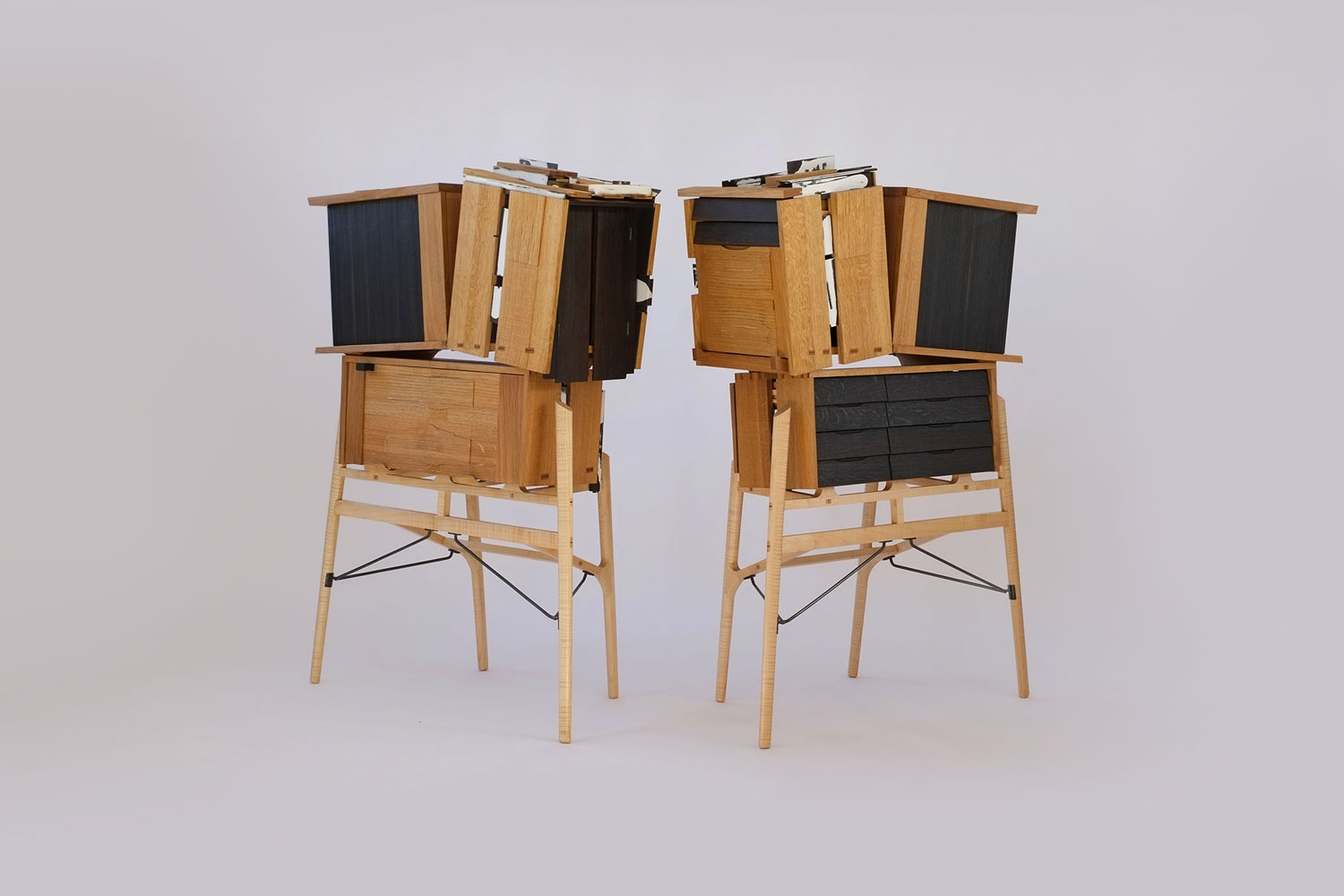
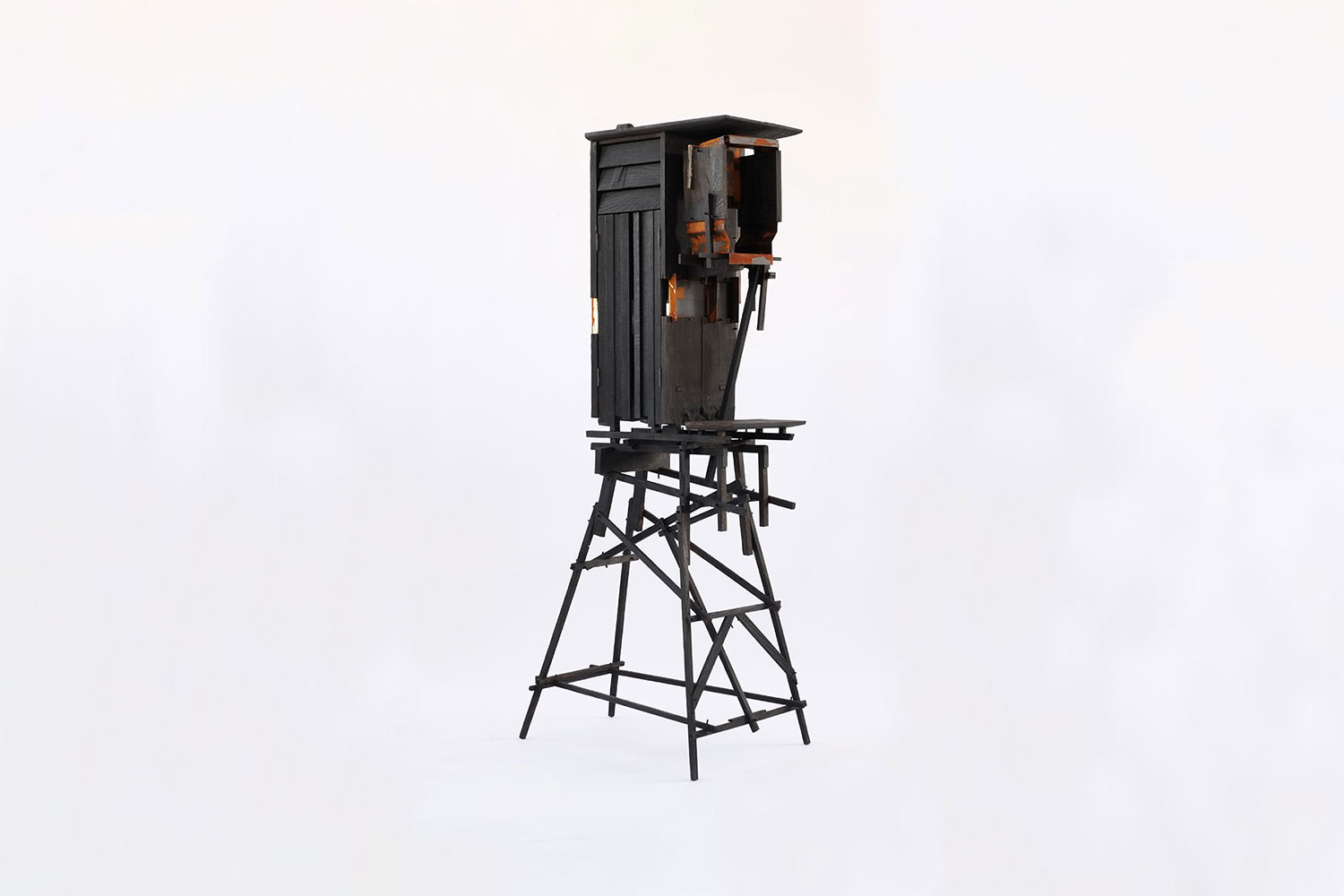
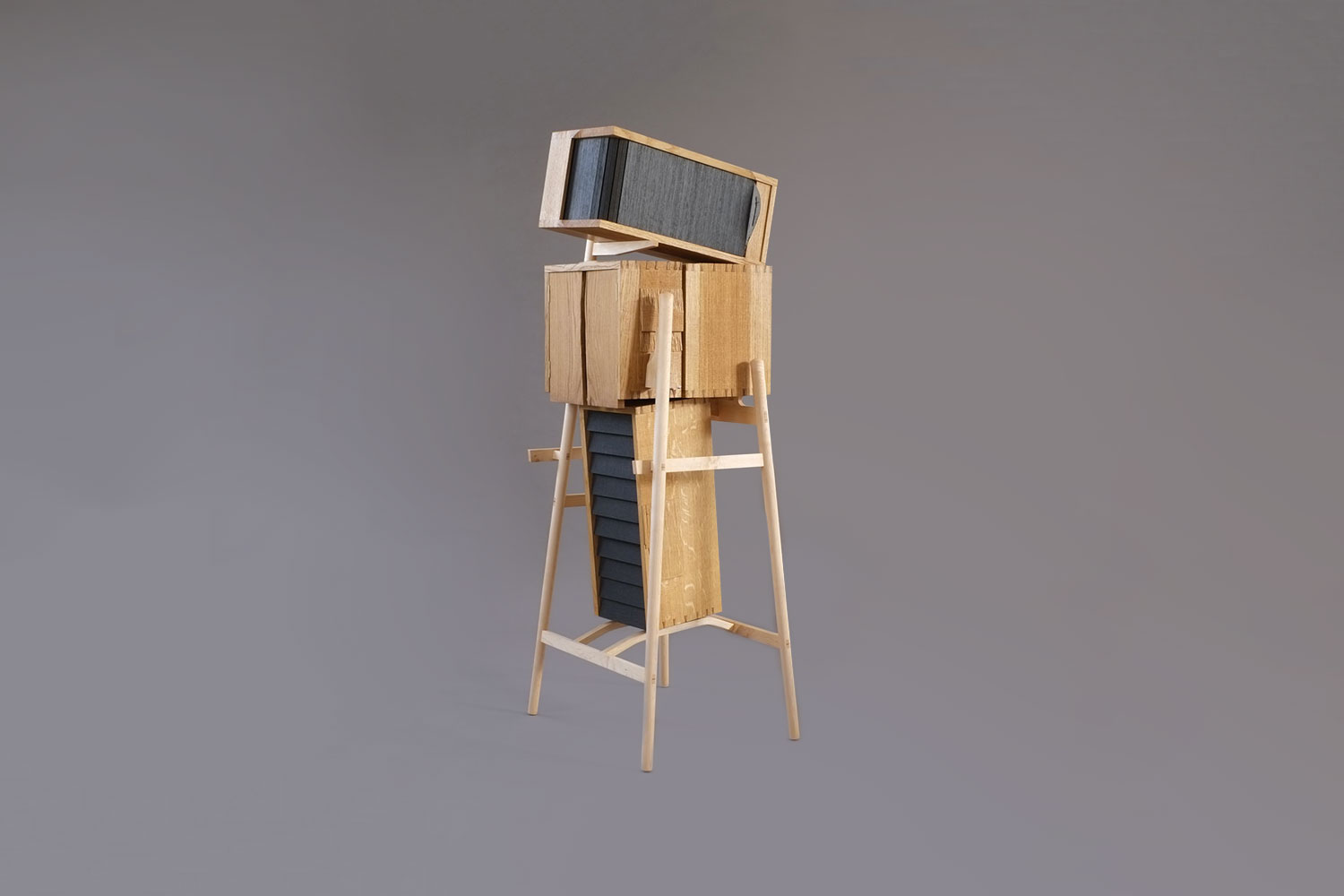
INTERVIEW
Yes, I was always practical and hands-on – Meccano kits, fixing my bike, making a model railway, watching my Dad doing DIY around the house, and my mother also sewed and knitted. At school, I was frustrated I couldn't choose to study both woodworking and metalworking.
Rather than linking myself to the craft traditions of London, I see my designs as being drawn from the territory in which I live and work, in terms of its visual structure and iconography: storage containers, processing depots, grain silos and the linear structures that support and link these forms.
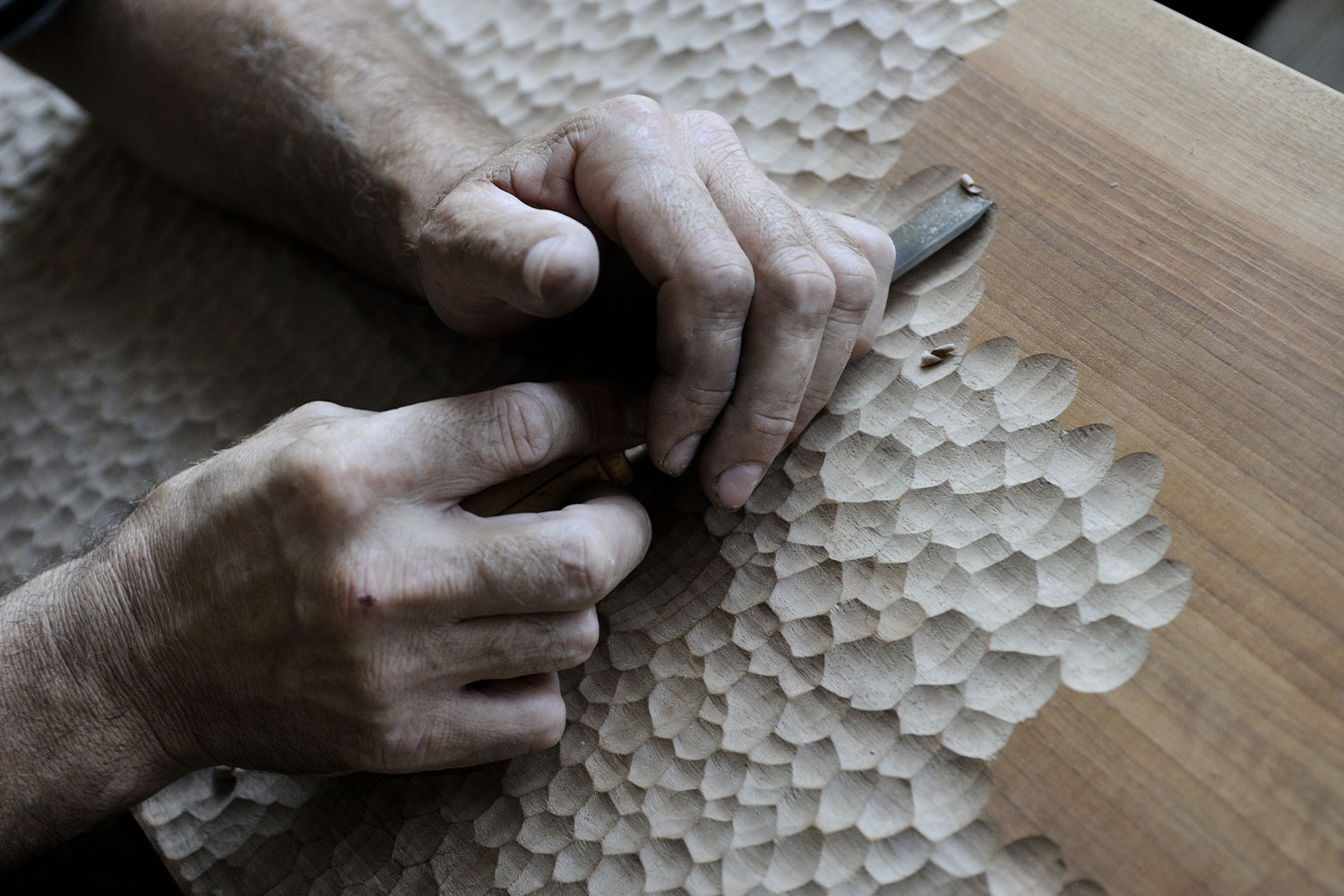
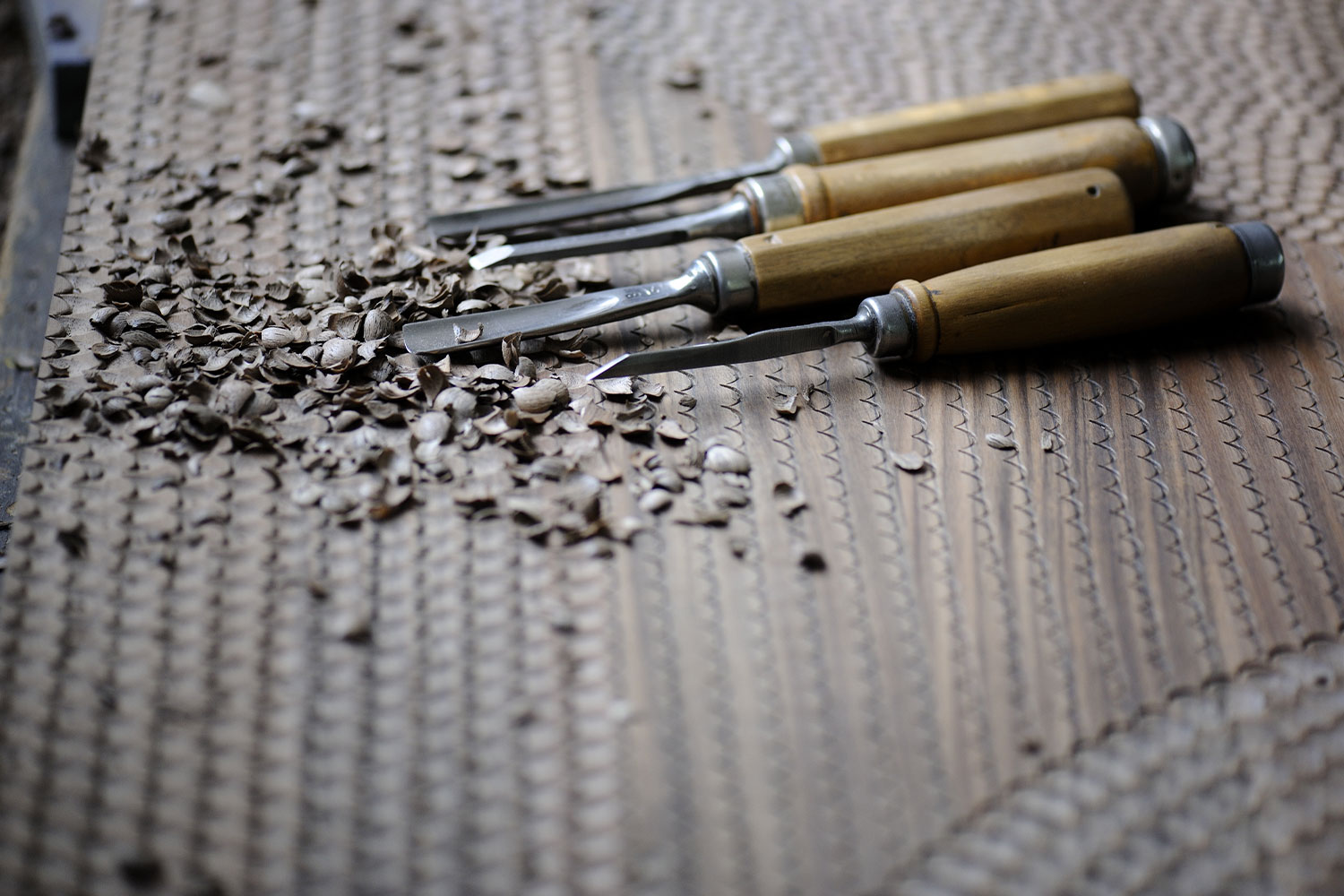
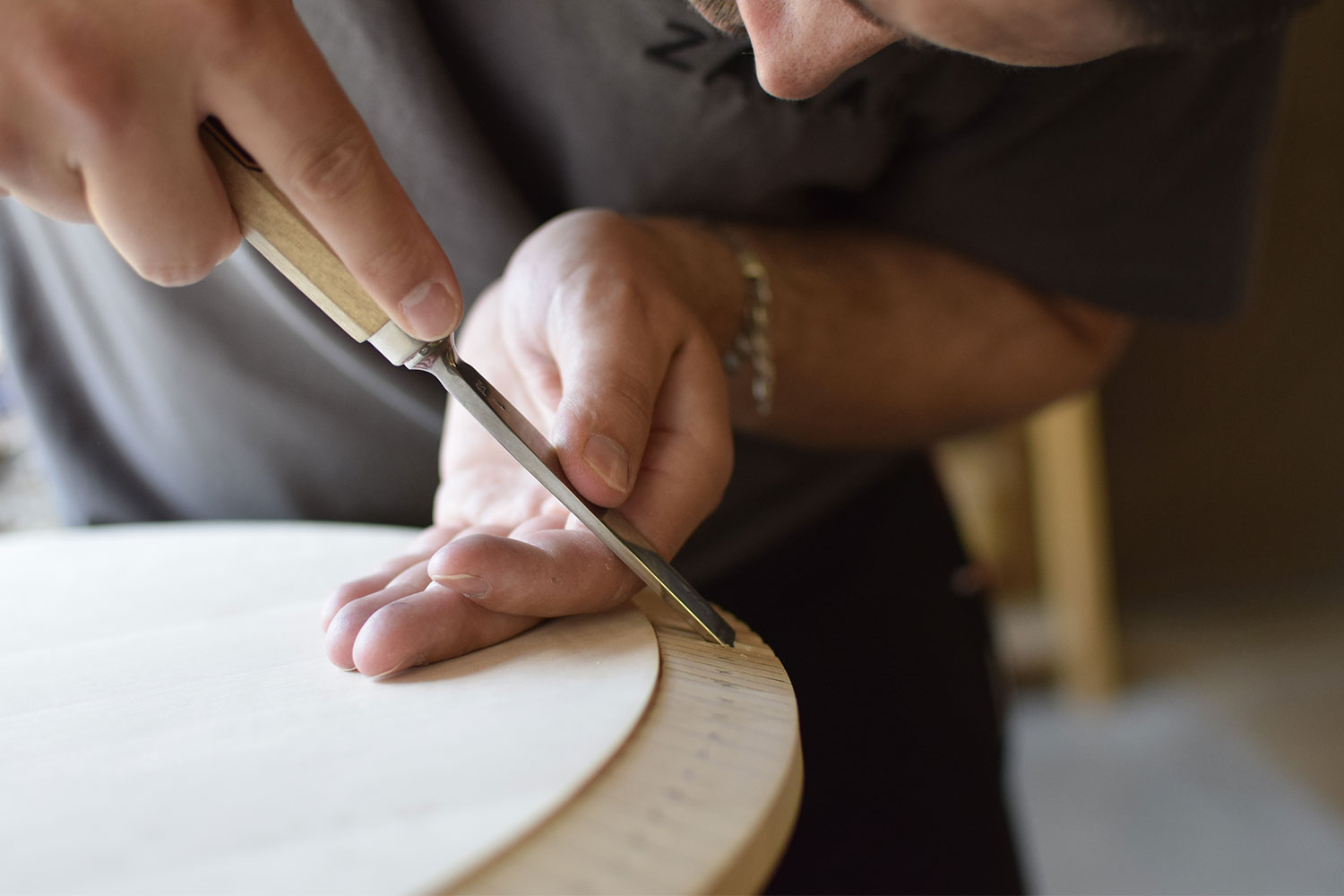
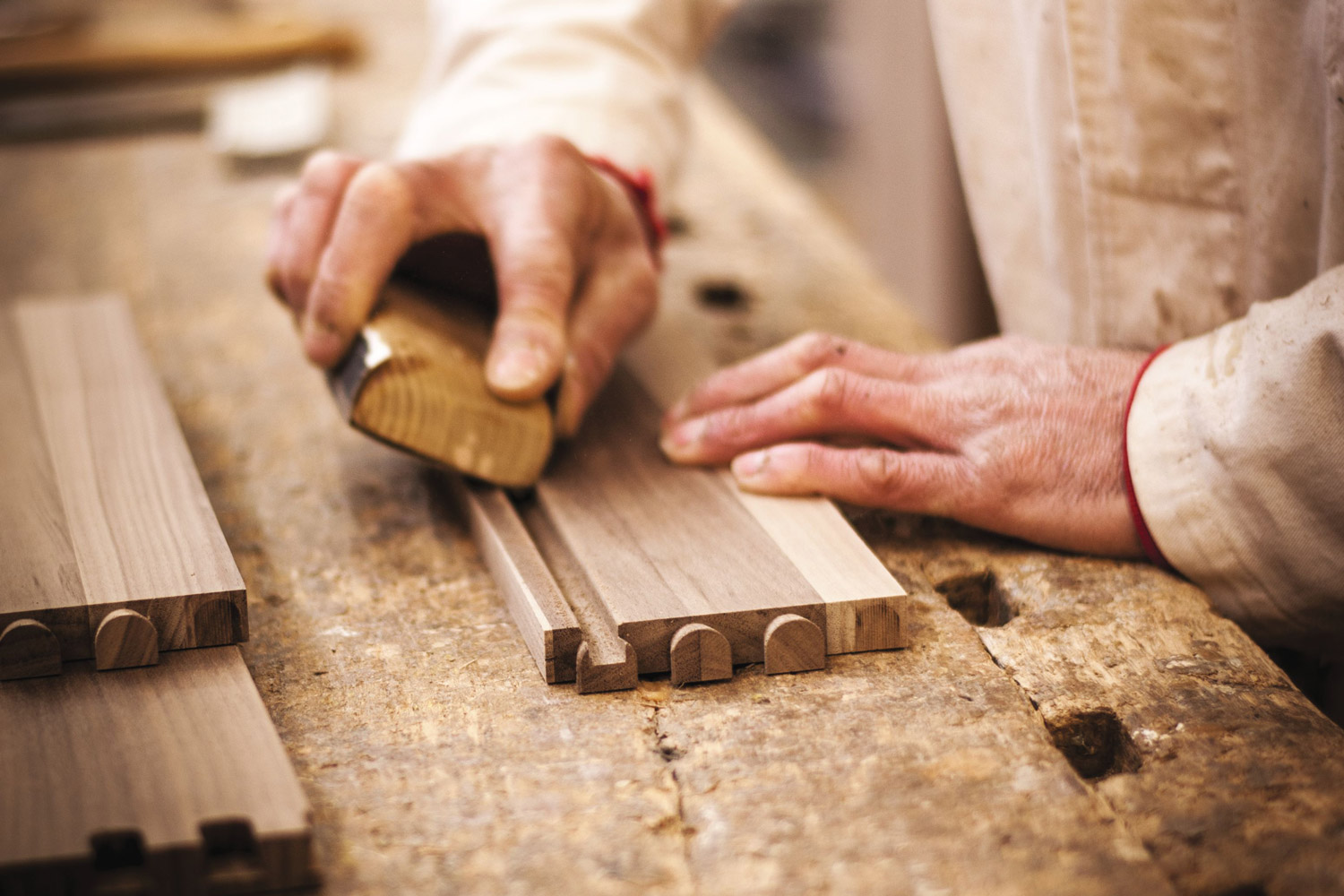
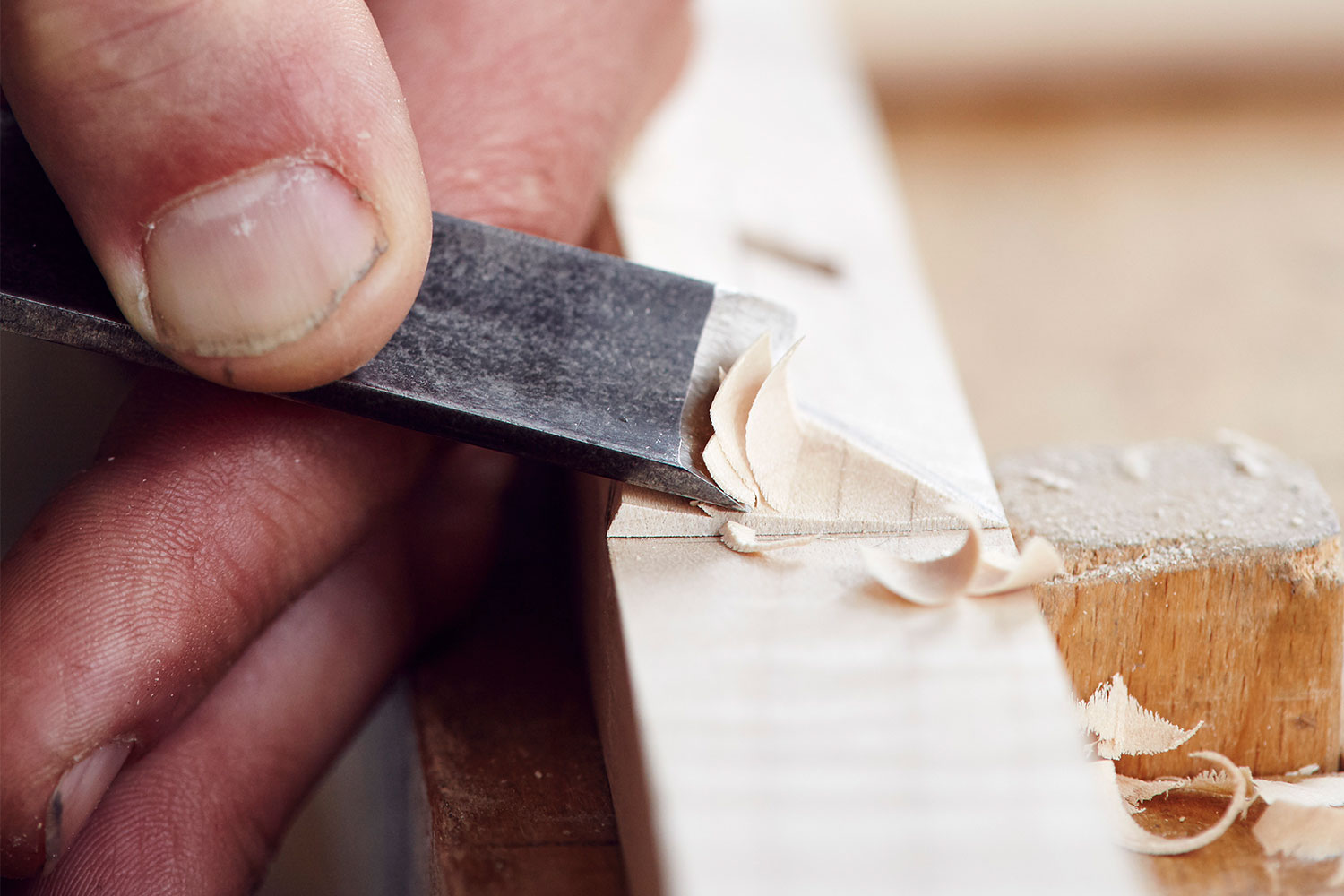
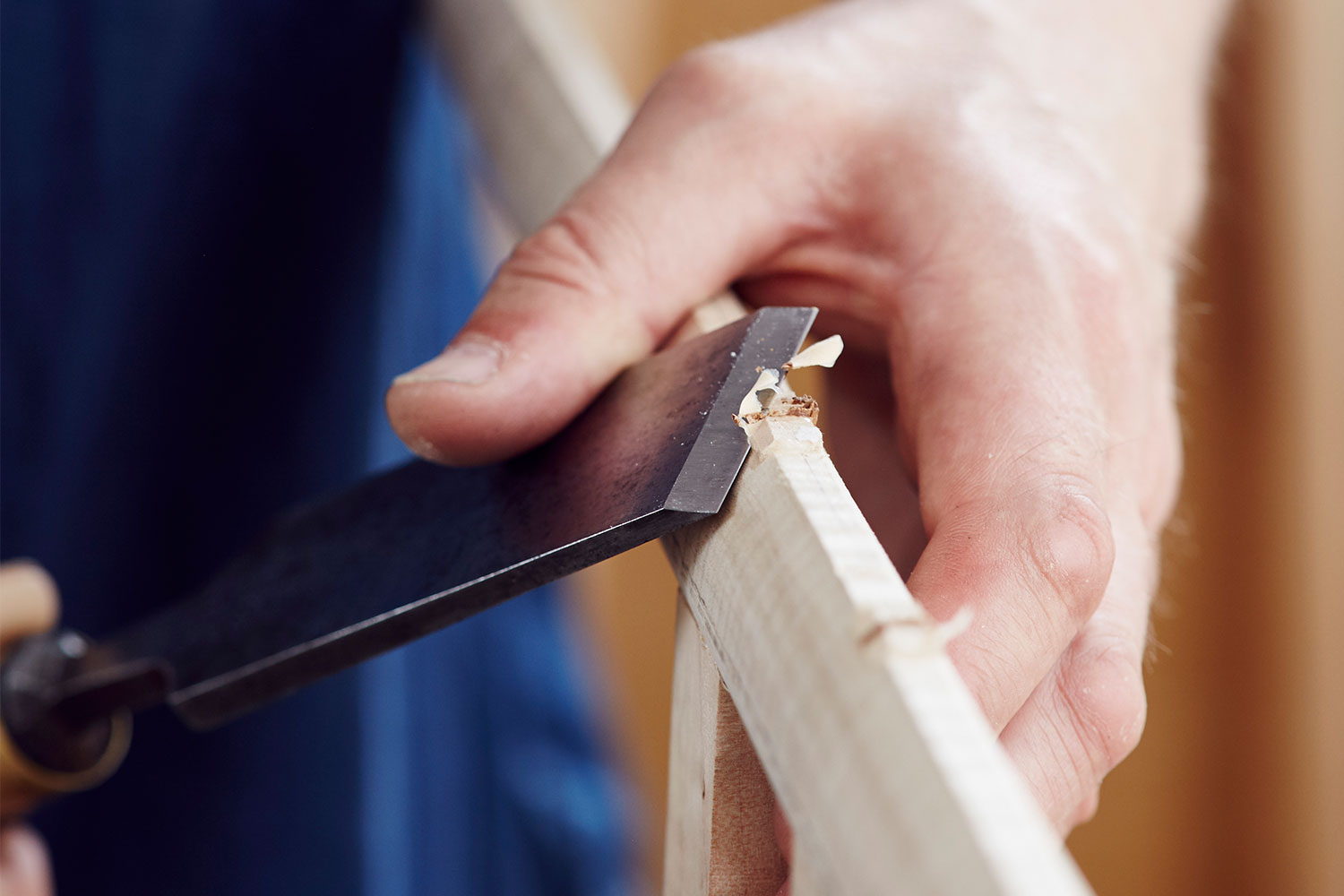
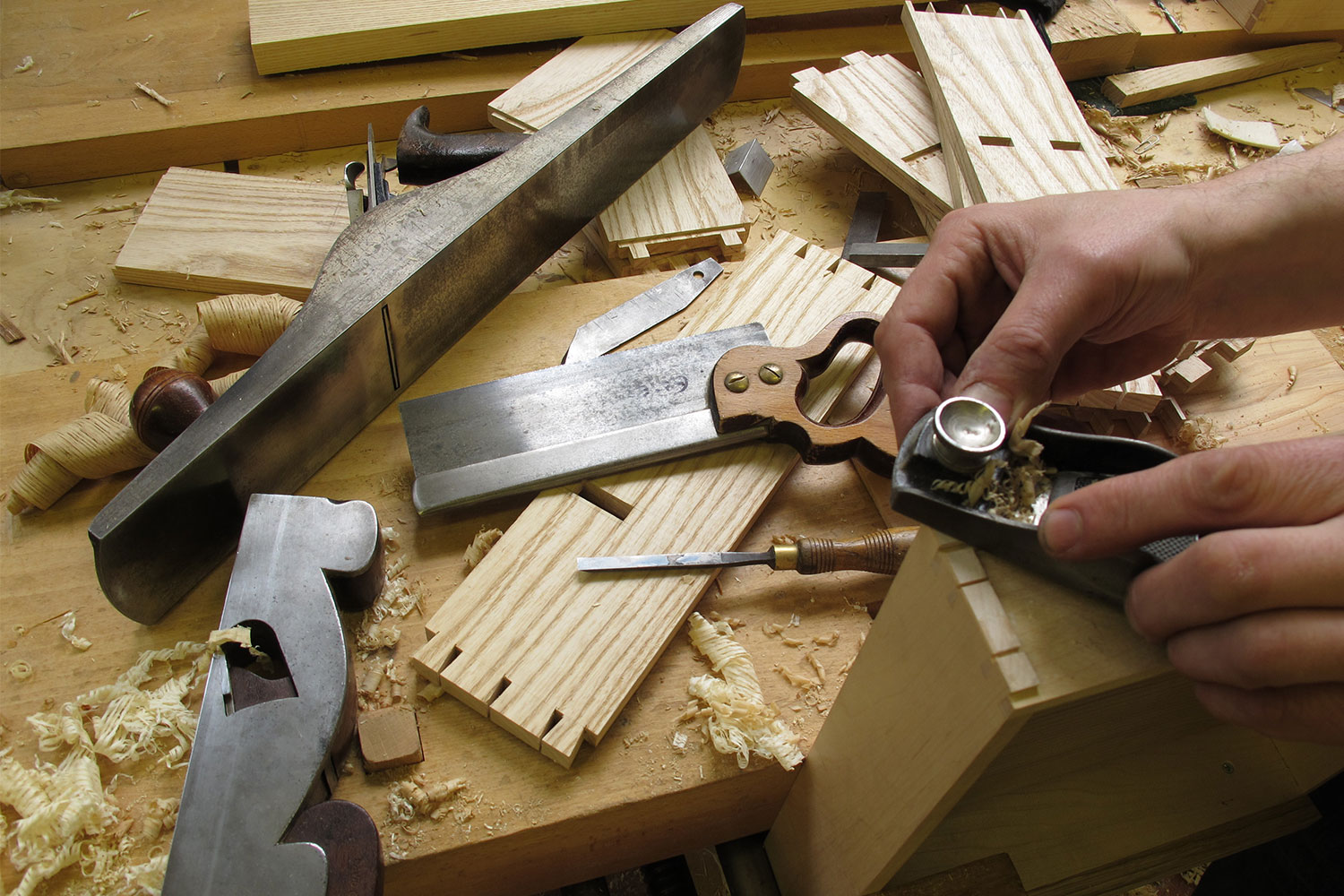
Hand woodworking. I enjoy the challenges and process of working with traditional techniques. However, the work needs to be a vehicle for more than my skill as a maker – the intention is to establish a fruitful dialogue between improvisation and control. I am interested in the work's place in the world.
Robert Rauschenberg, Phyllida Barlow, David Smith, Richard Serra and Eva Hesse spring to mind, among many others. Across all of this I think I respond to precision and control, rhythm and space, and the expertise to convey something beyond its making.
David Gates
Cabinetmaker
Bridgwater, United Kingdom
Recommended by Crafts Council UK
AVAILABILITY
By appointment only
PHONE
+44 7957227027
LANGUAGES
English
Homo Faber Finds is a new service aiming to inspire admirers of craft to connect and collaborate with exceptional artisans.
We invite you to submit an enquiry here.




DSC02402_©Meg-Lovell.jpg)
DSC01379_©Meg-Lovell.jpg)
DSC01458_©Meg-Lovell.jpg)