Dariko Chikhladze
Gold thread embroiderer
Tbilisi, Georgia
A rebirth for golden details
- Dariko works to preserve the endangered craft of Georgian embroidery
- She teaches her skills and shares her knowledge widely and freely
- Her creations make Georgian symbolism and garments accessible and modern
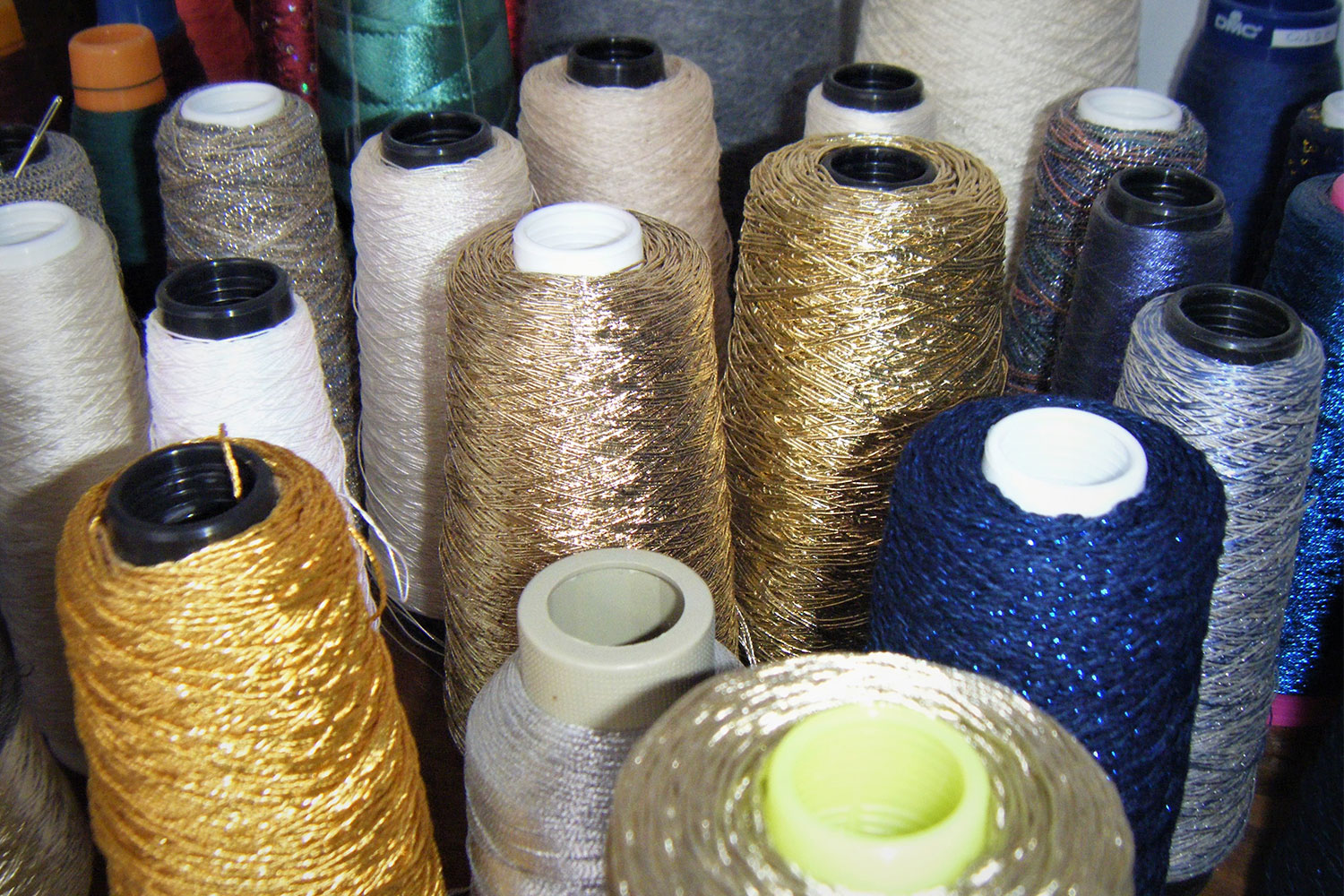
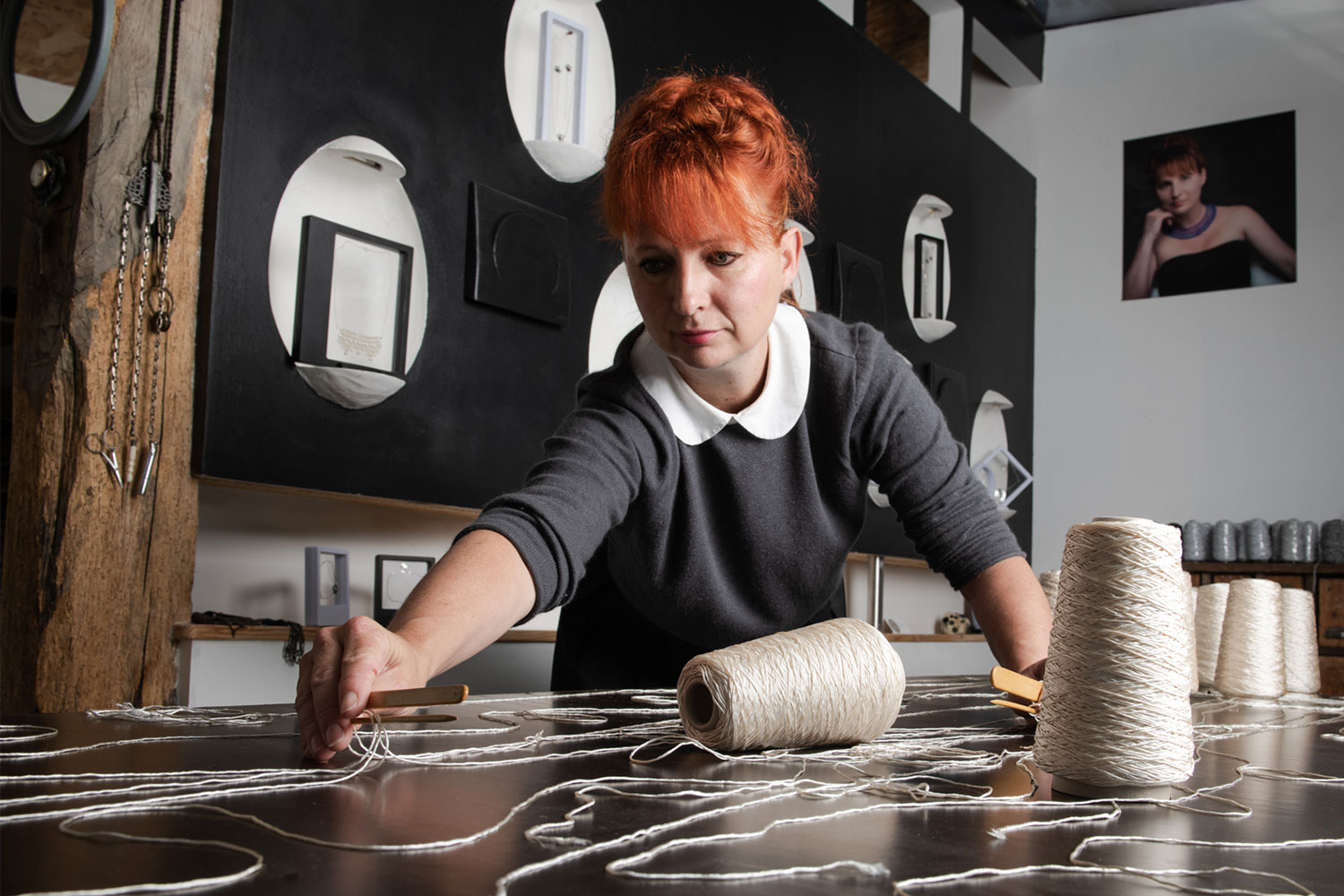
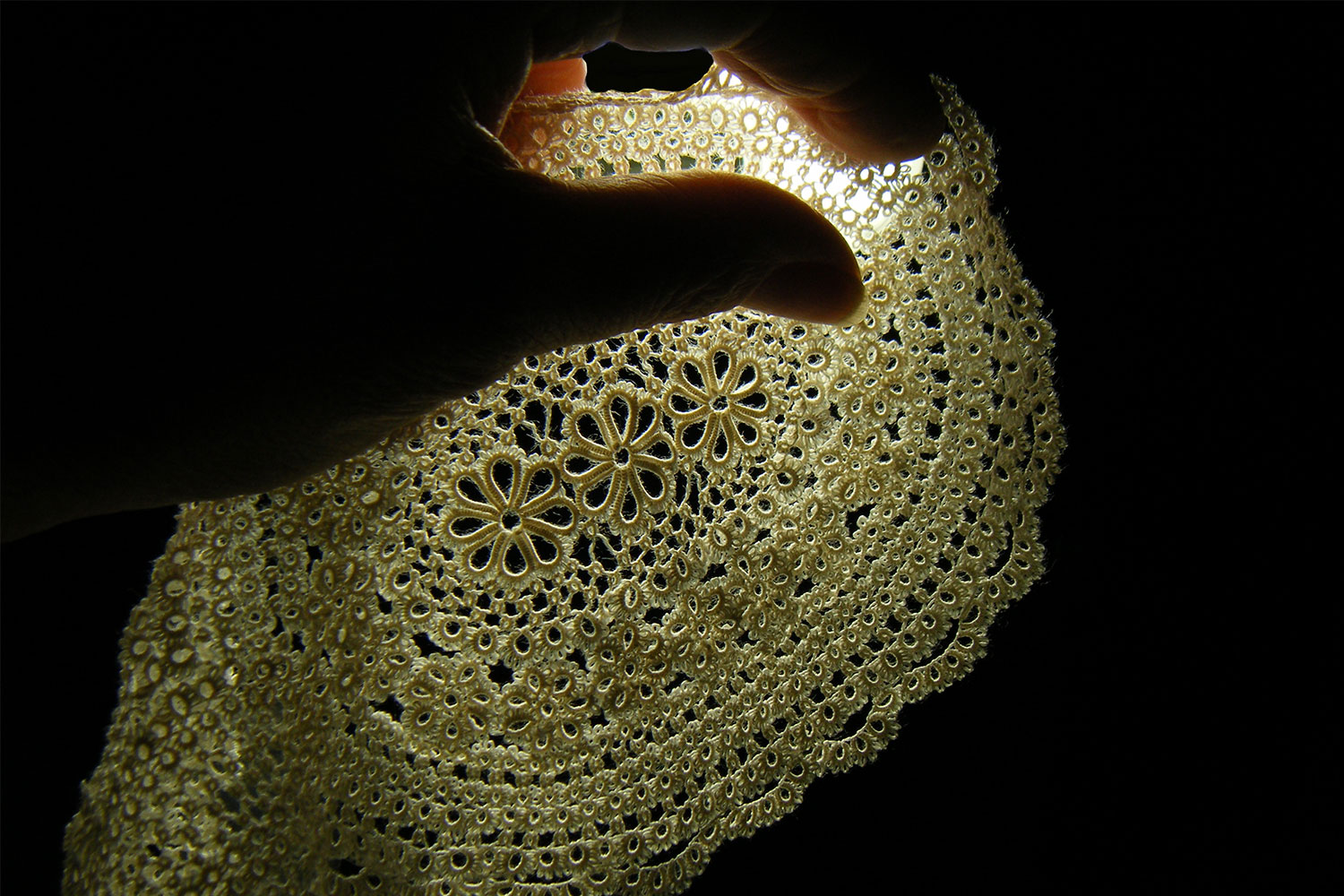
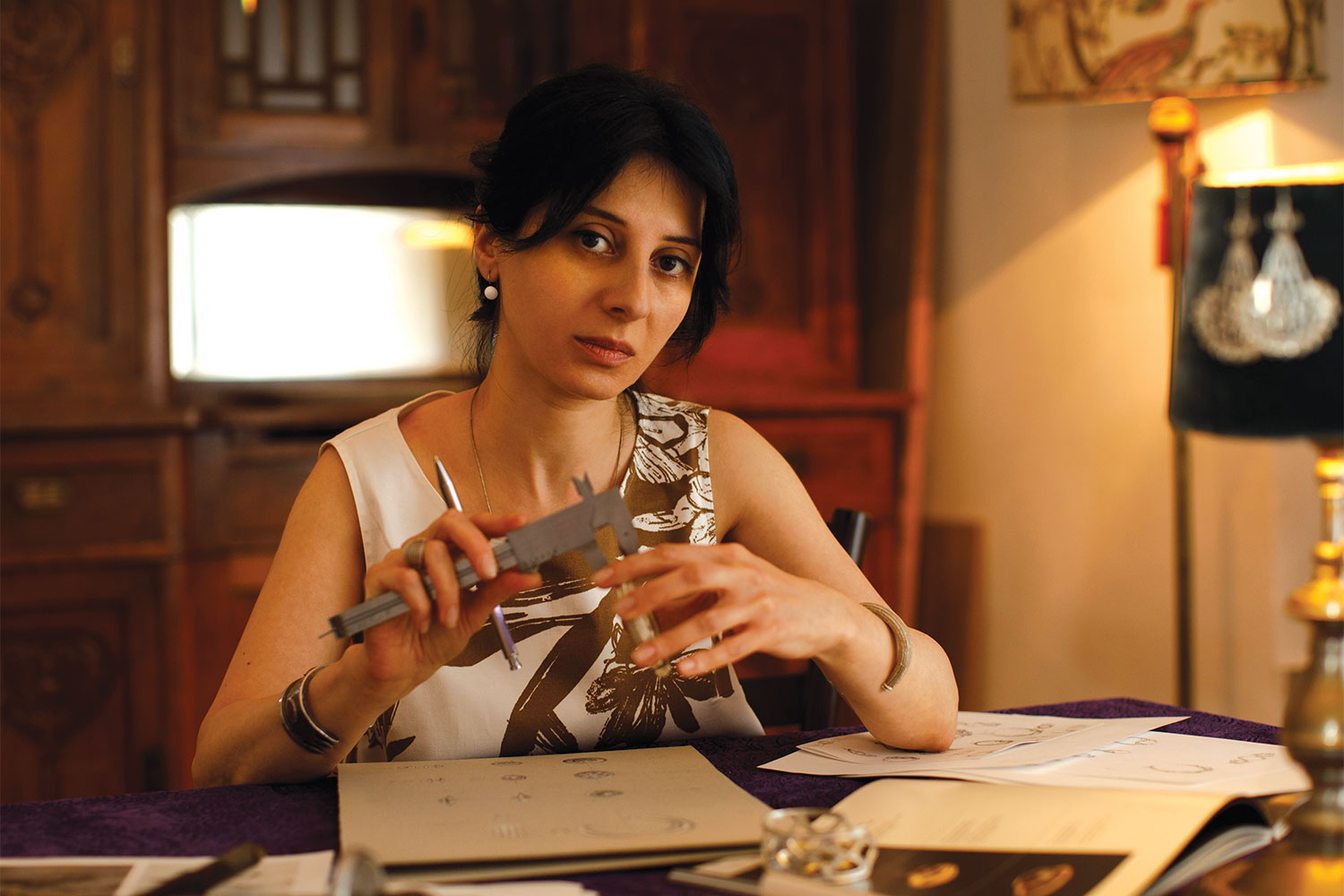
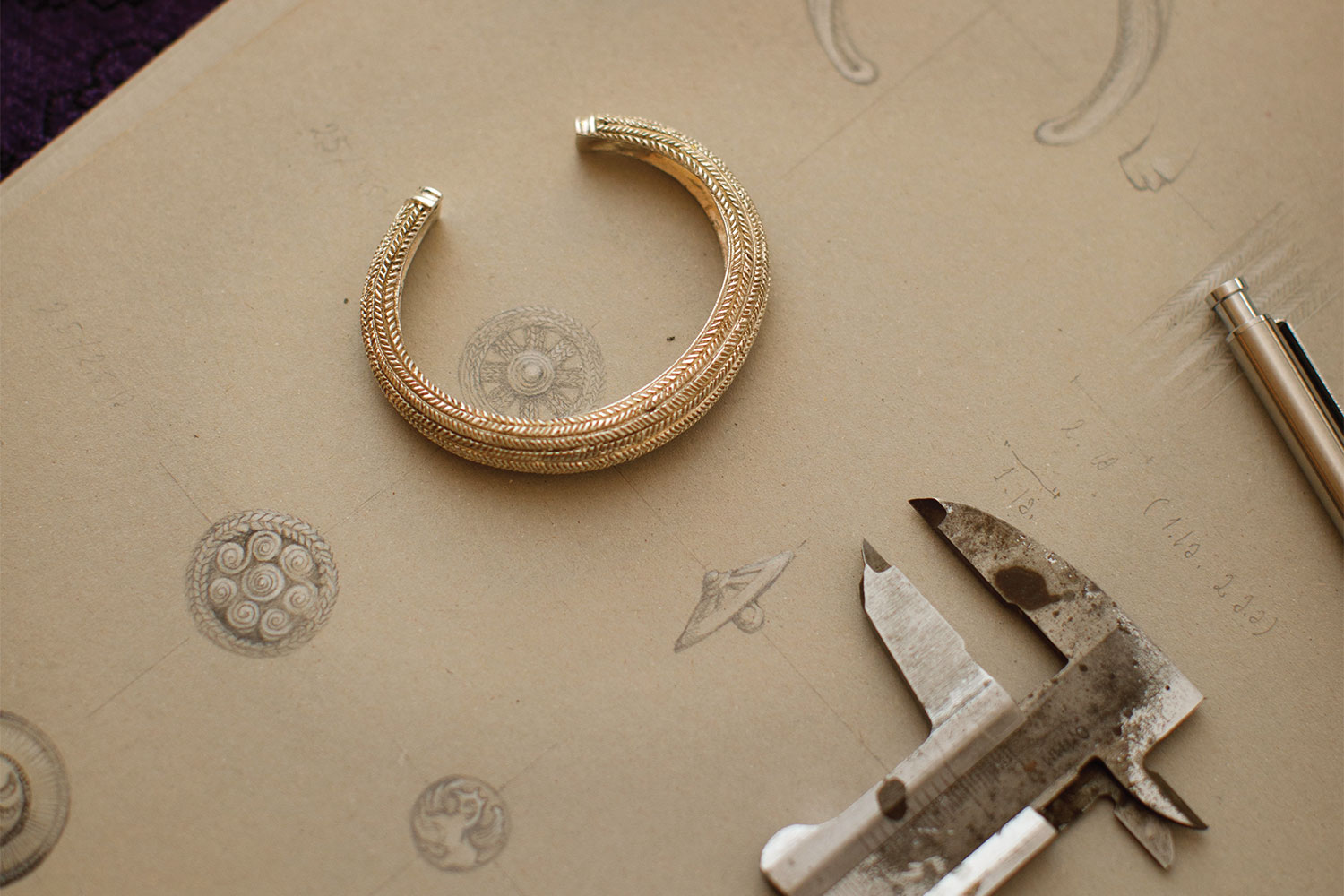
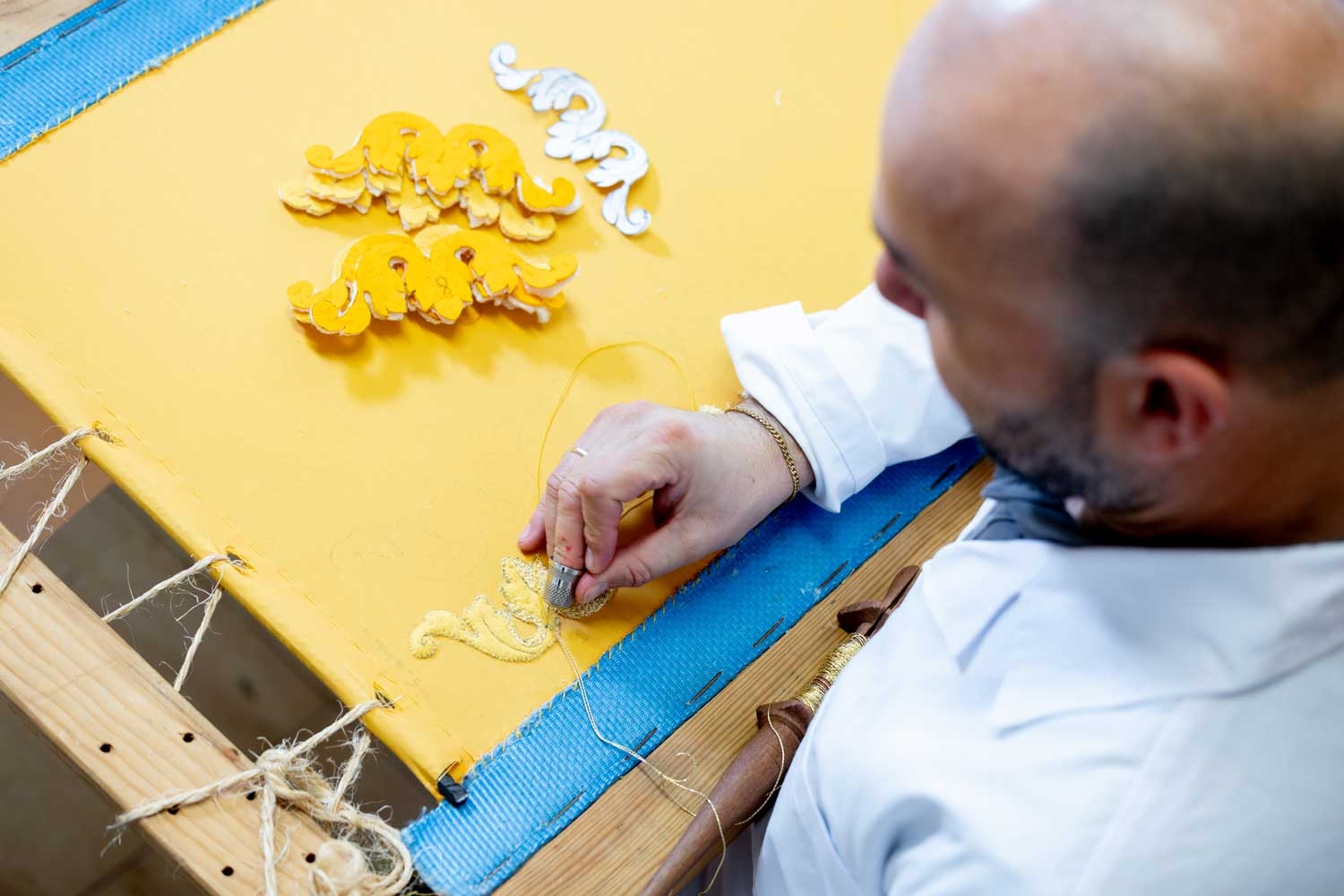
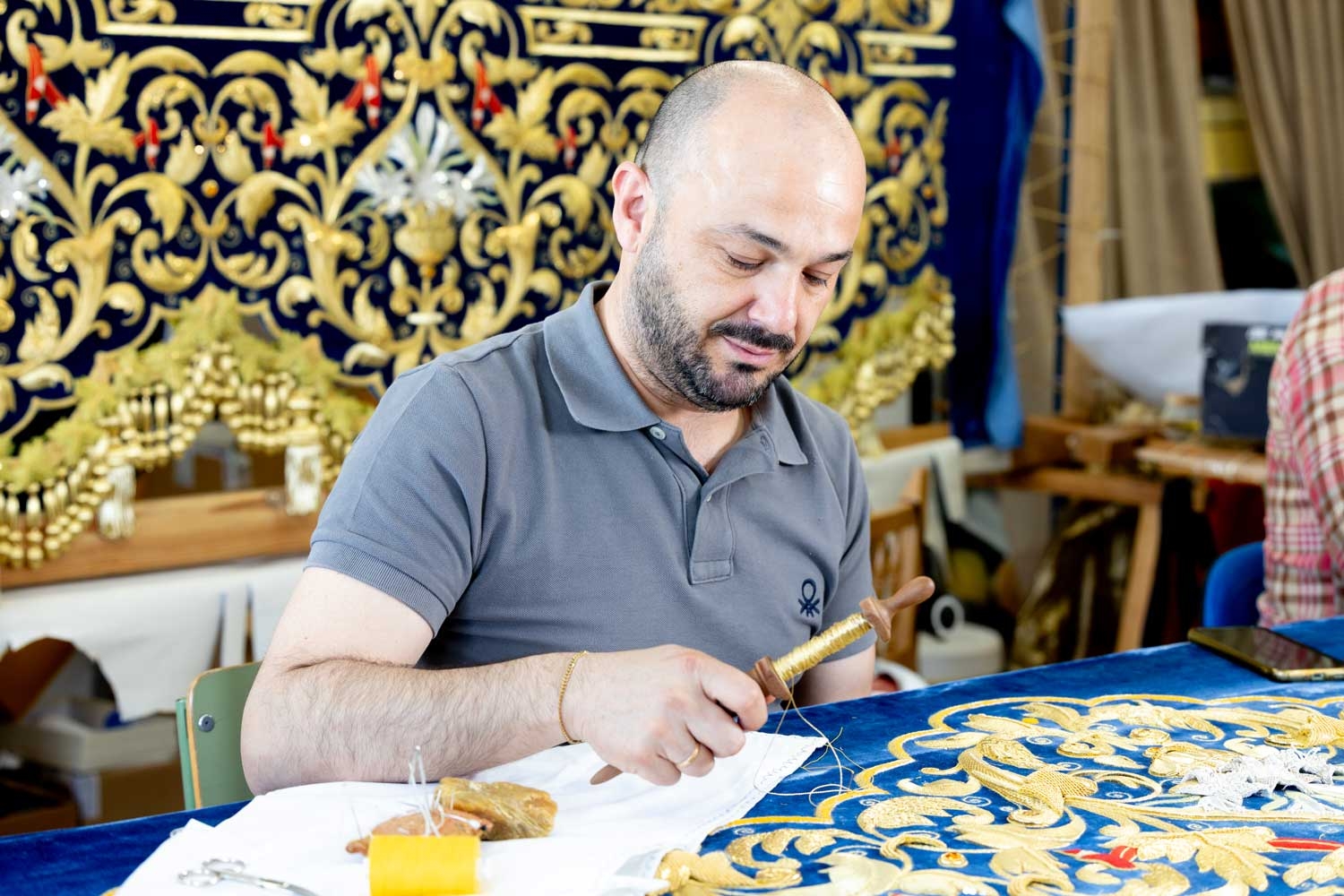
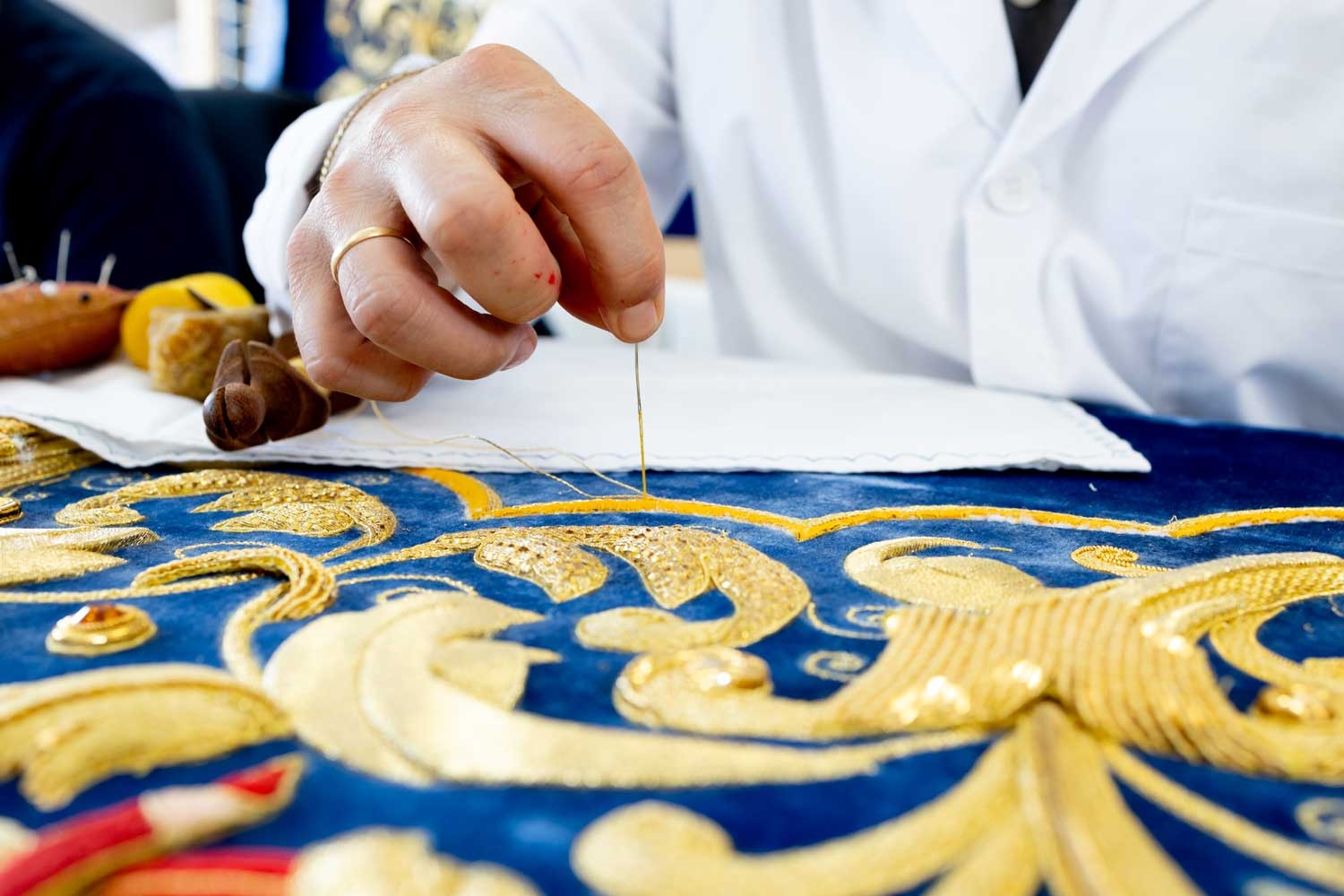
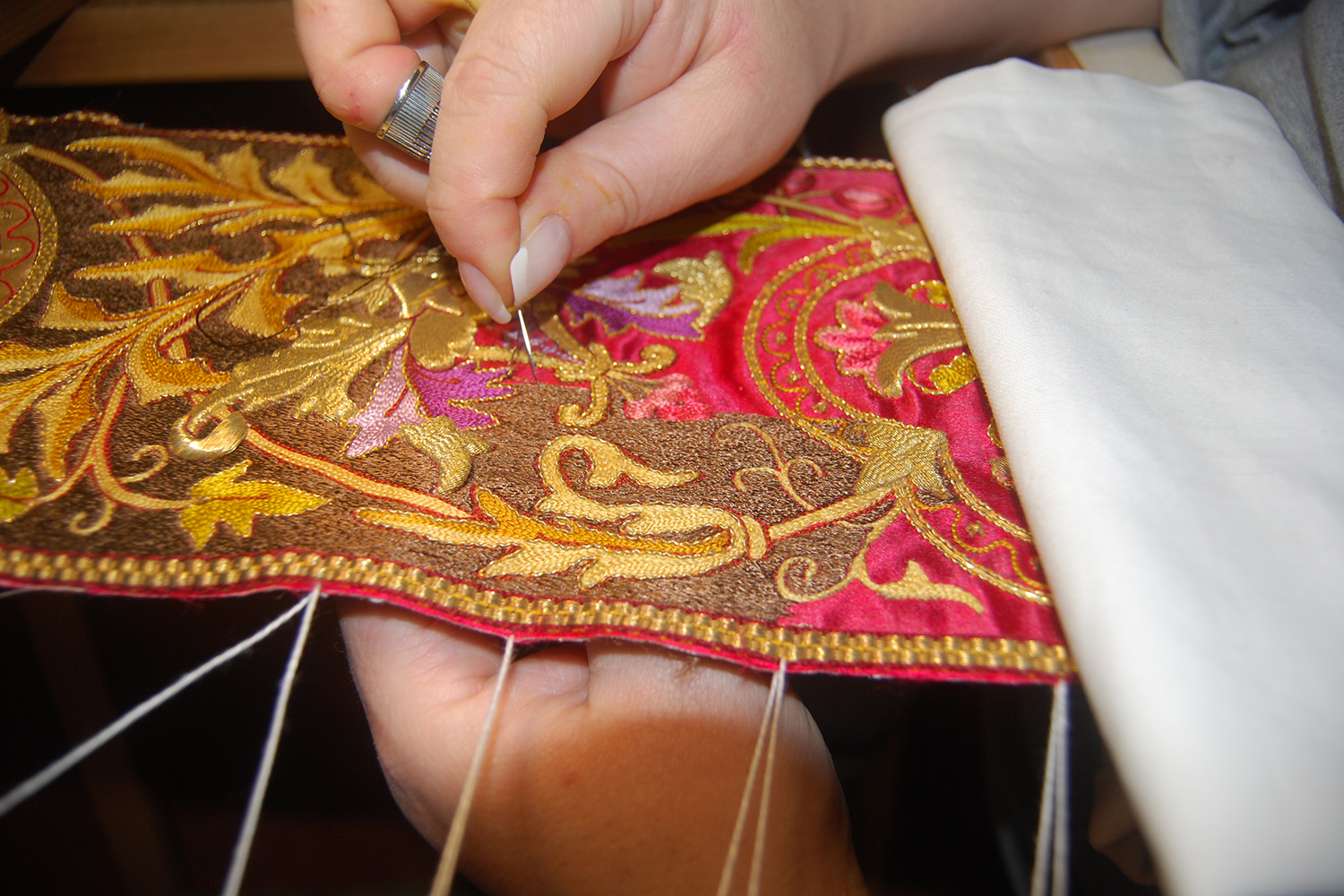
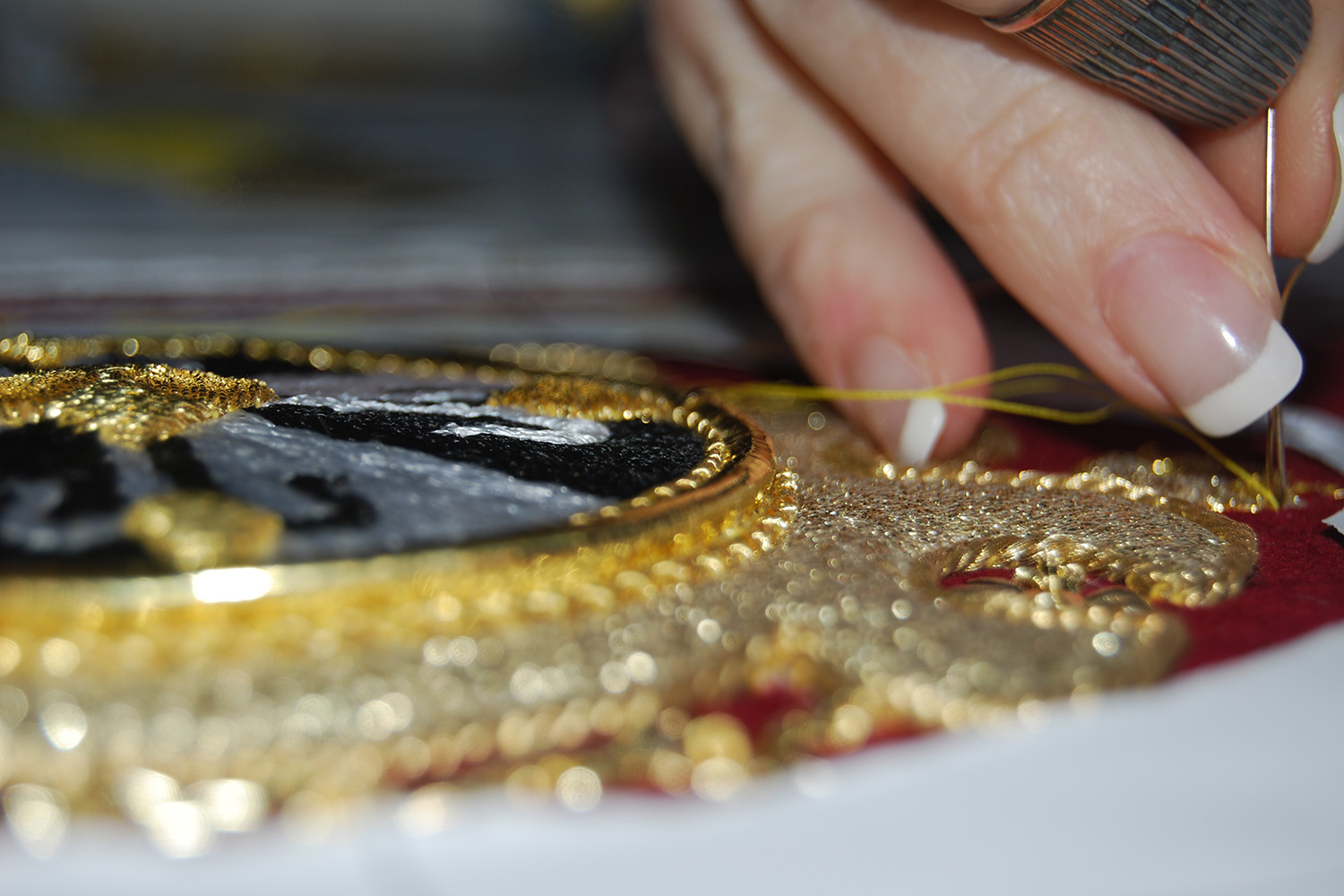
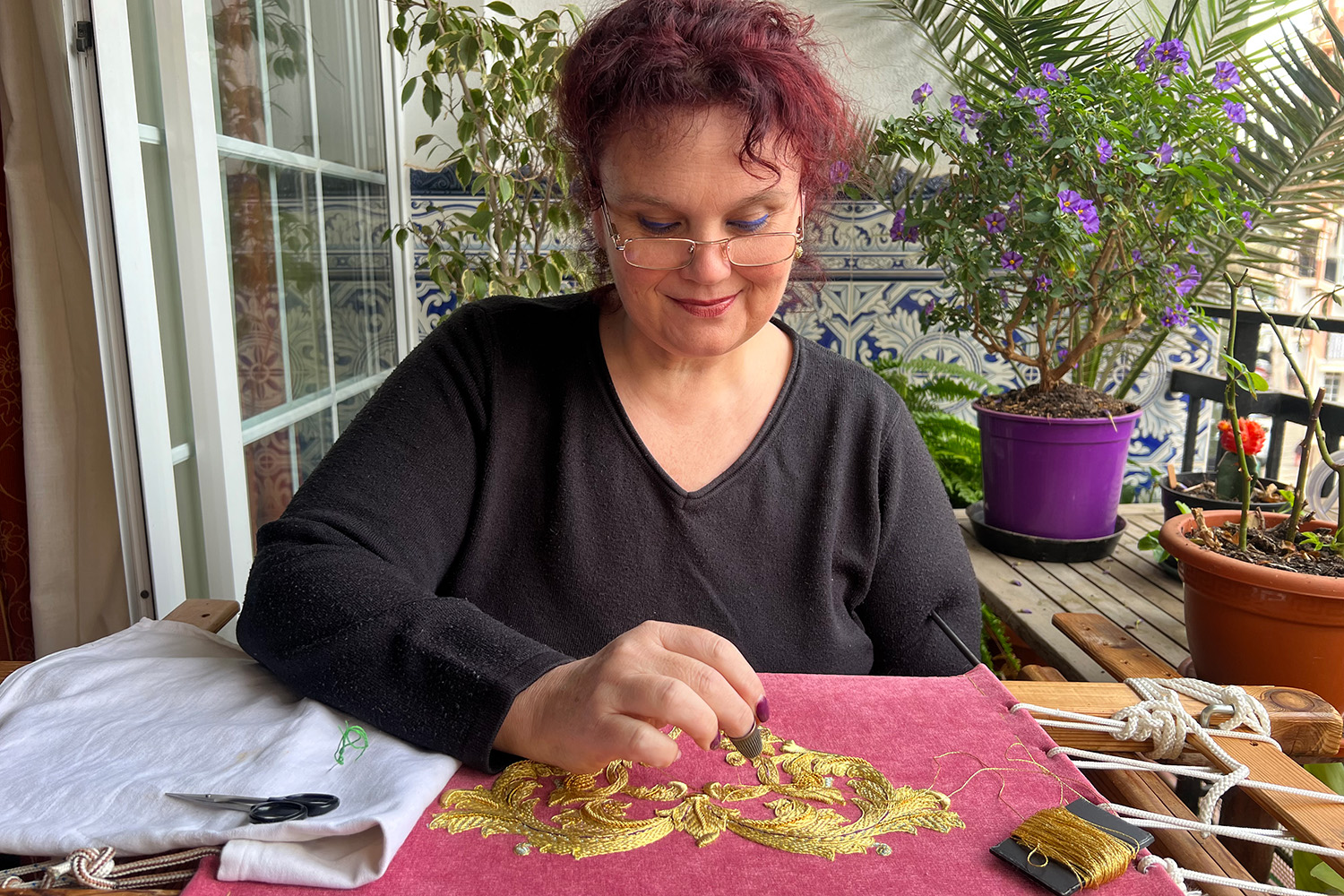
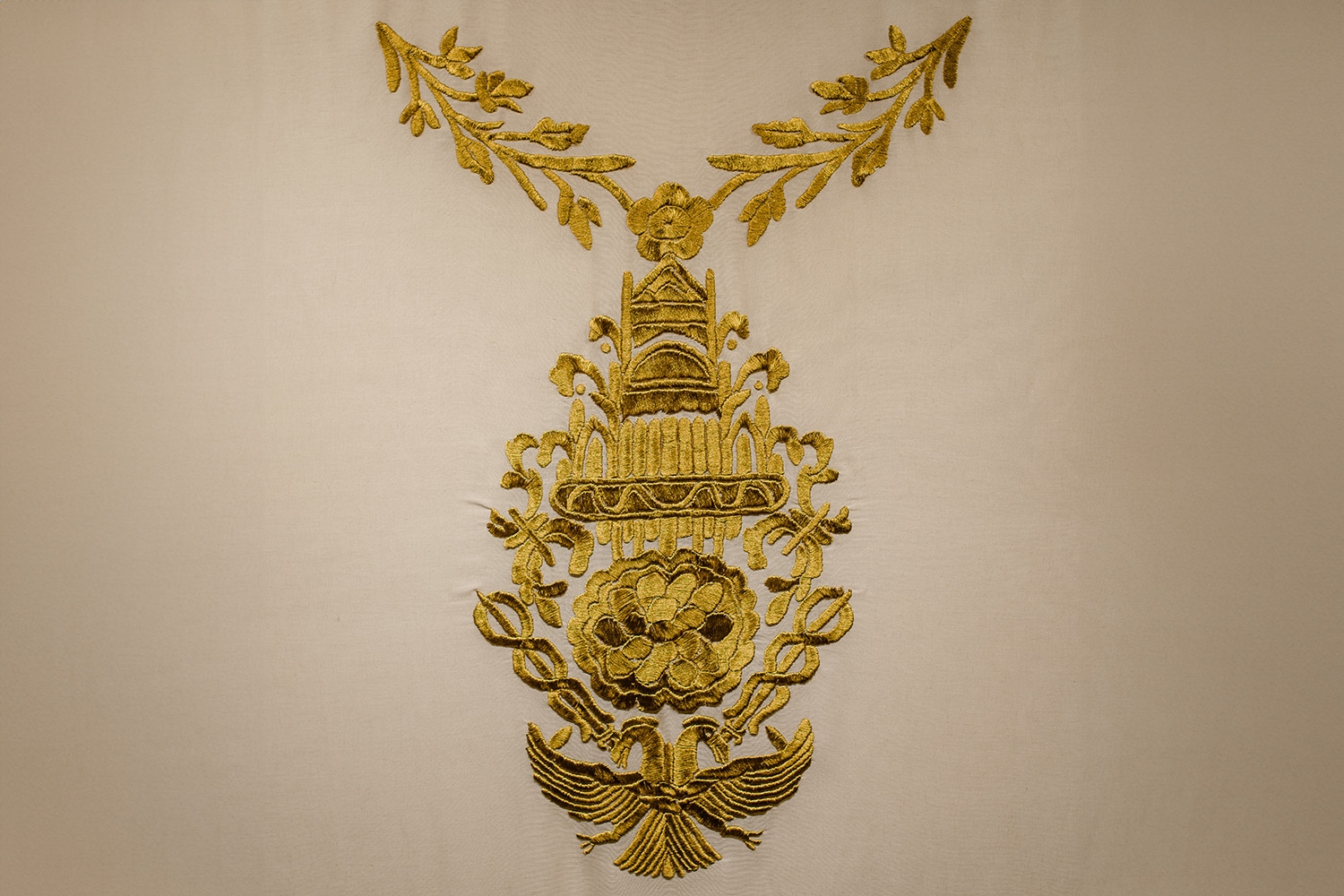
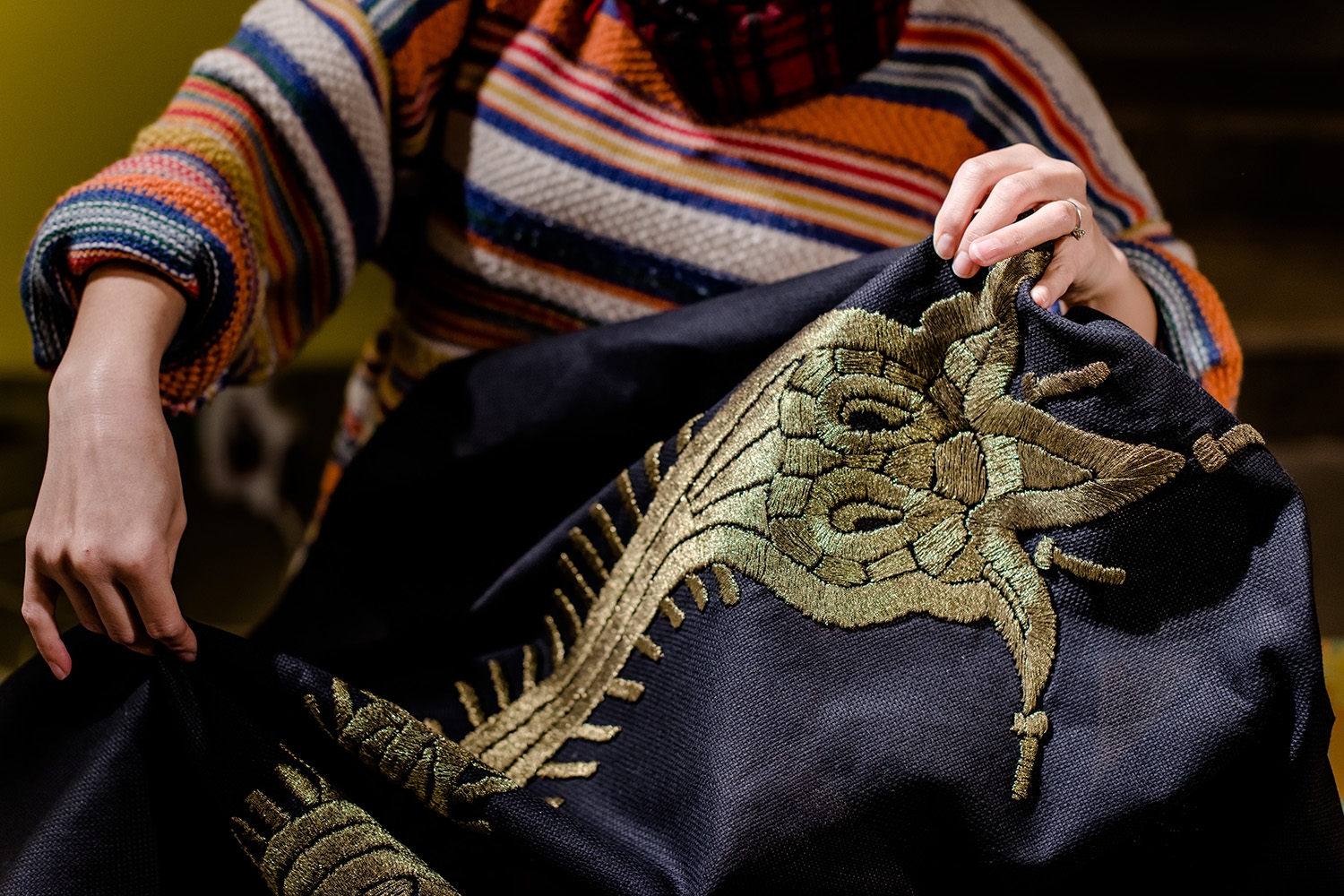
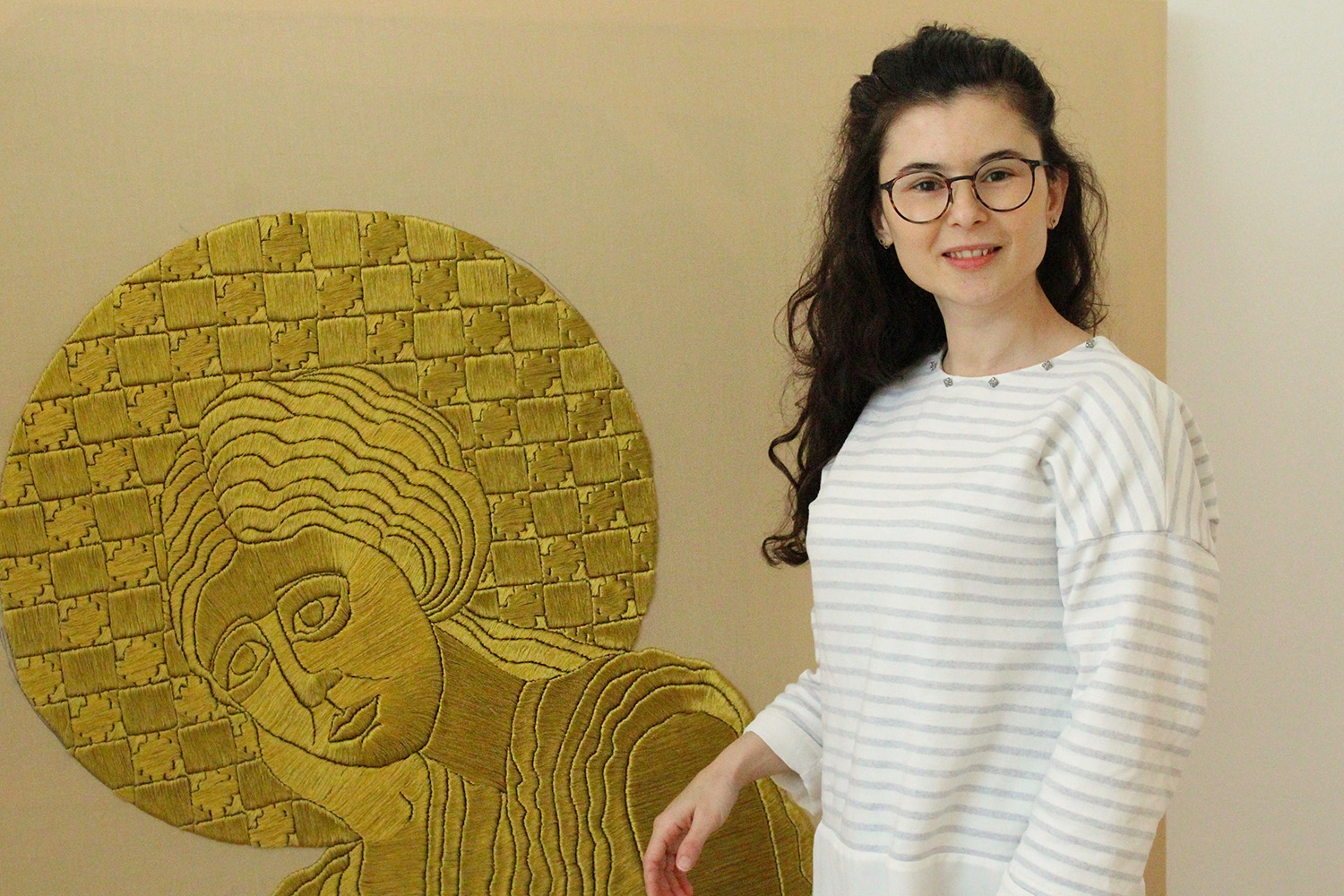
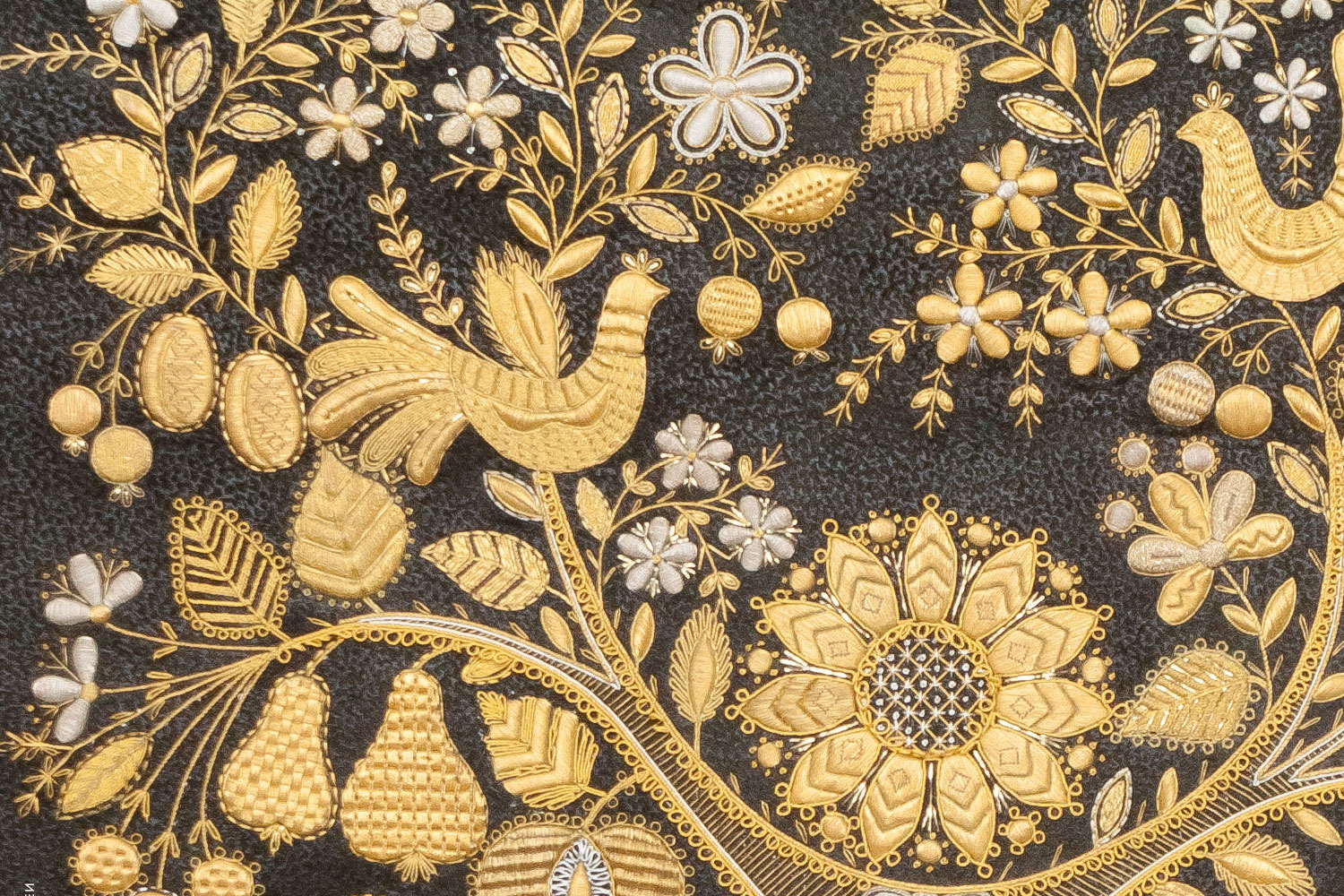
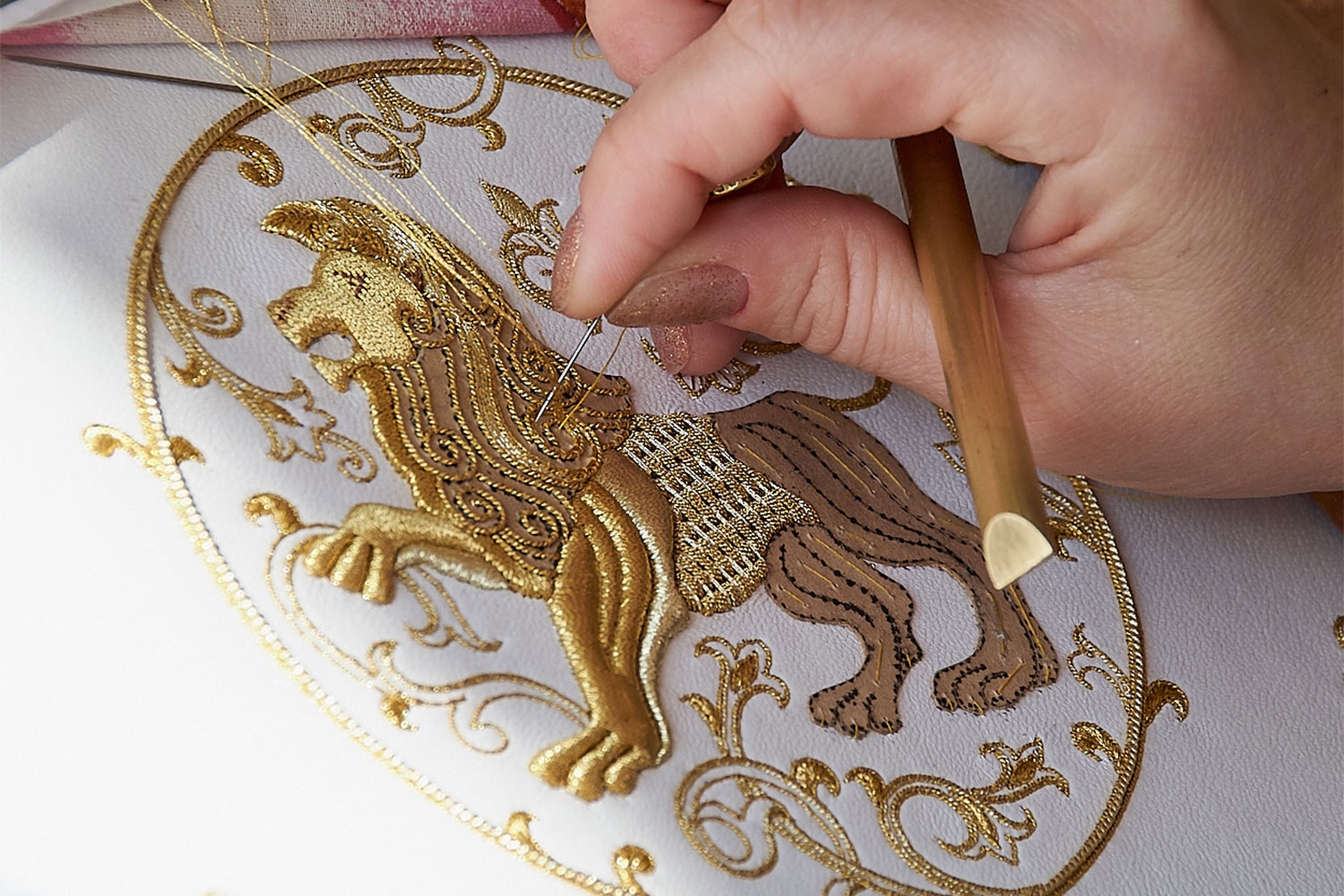
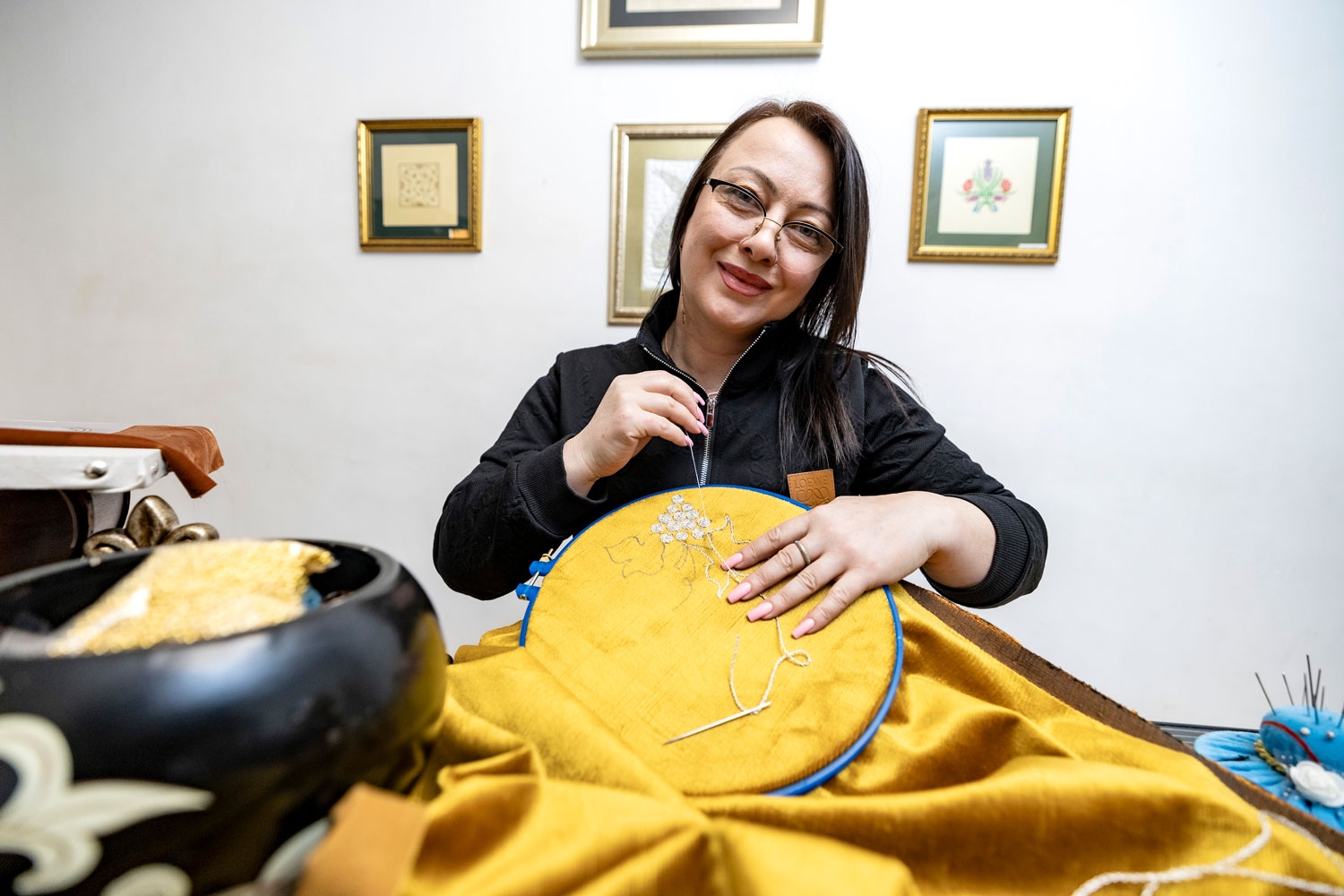
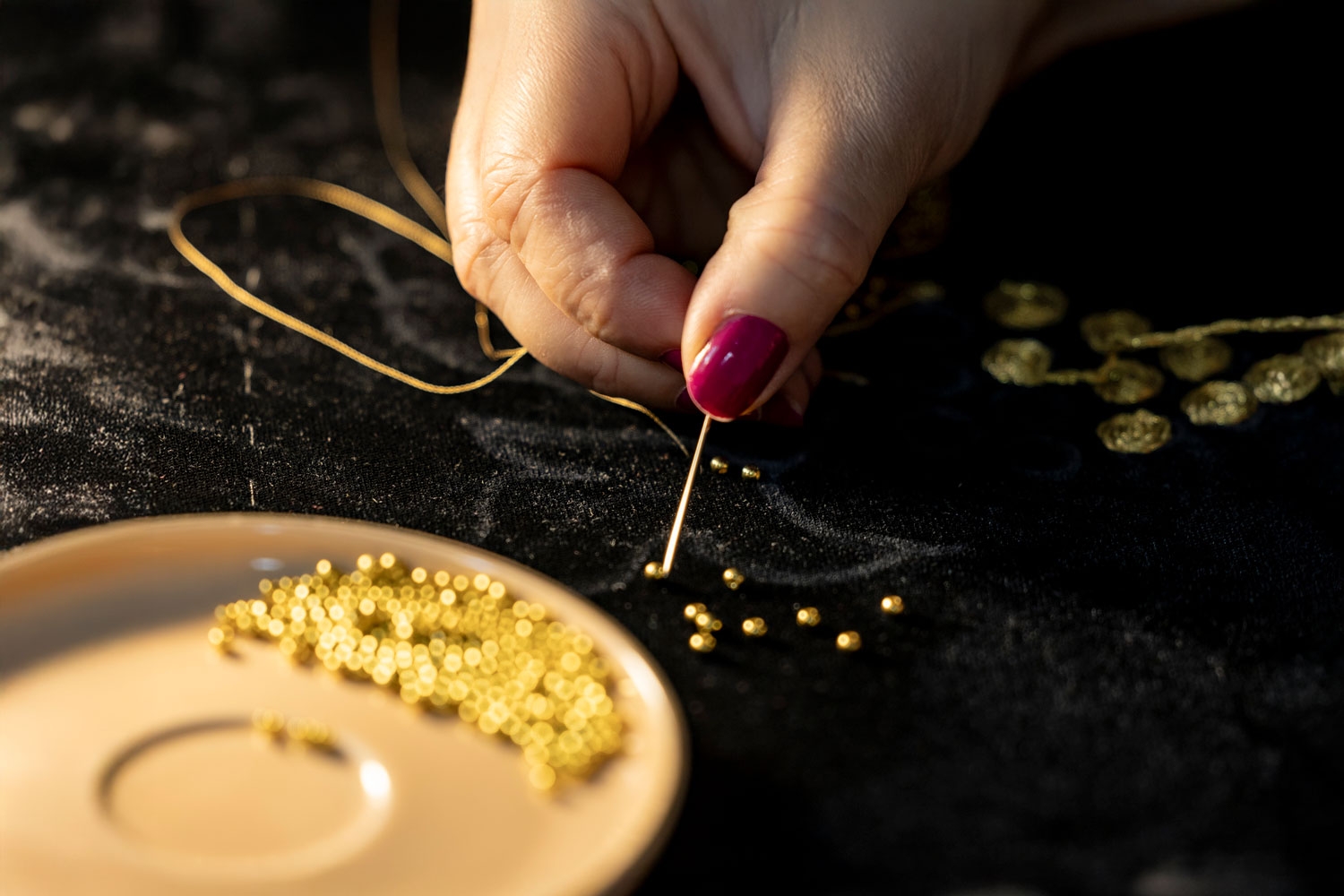
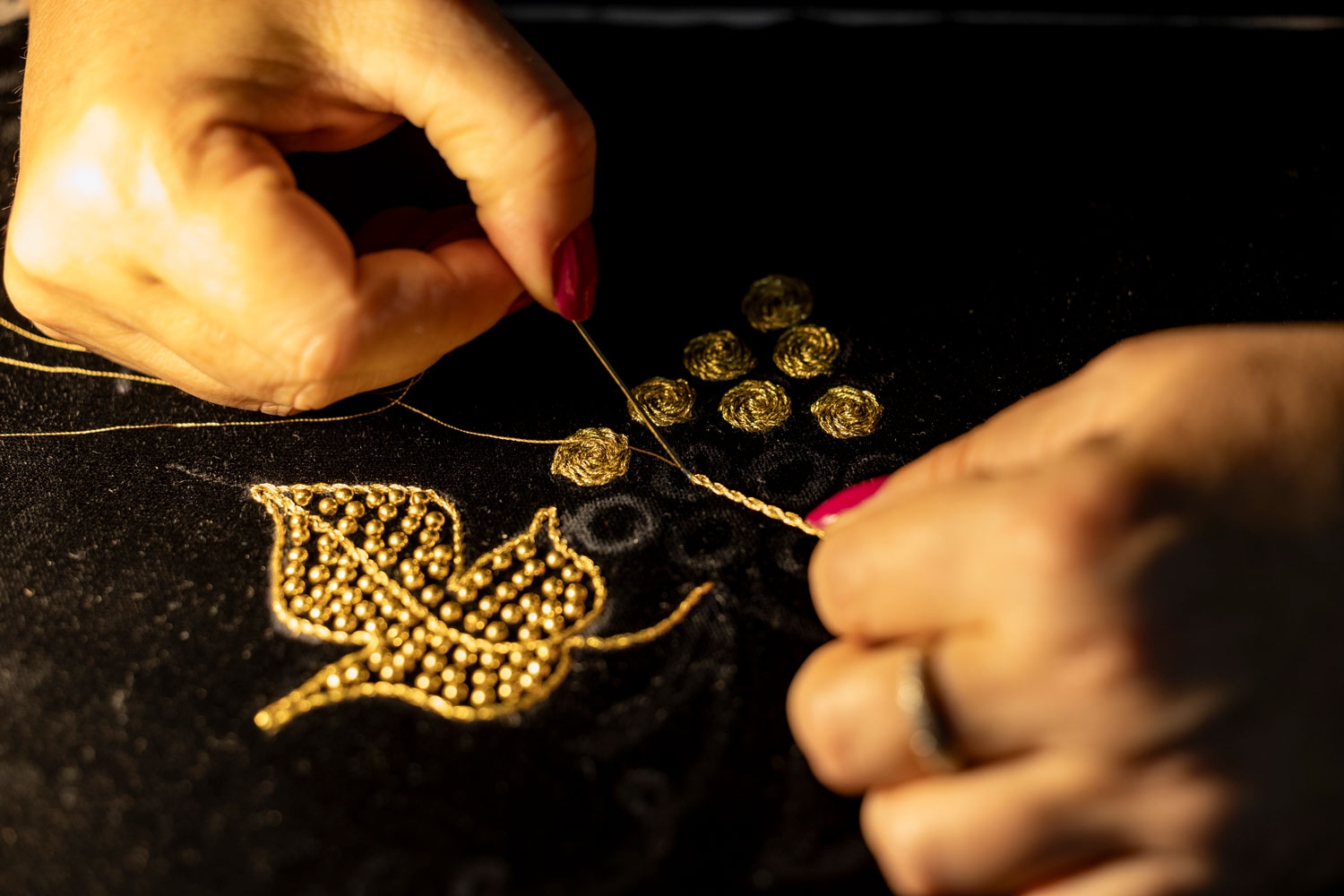
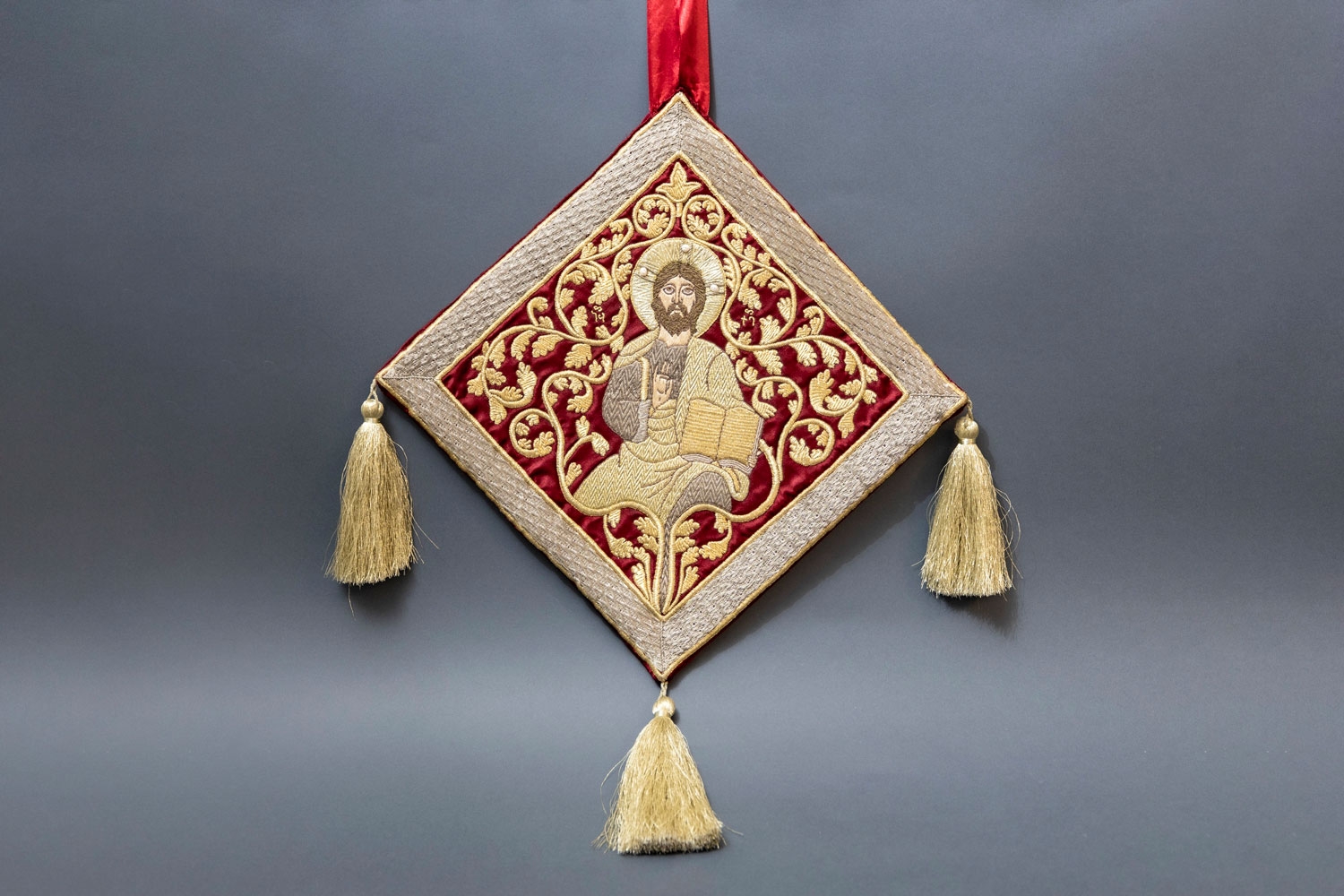
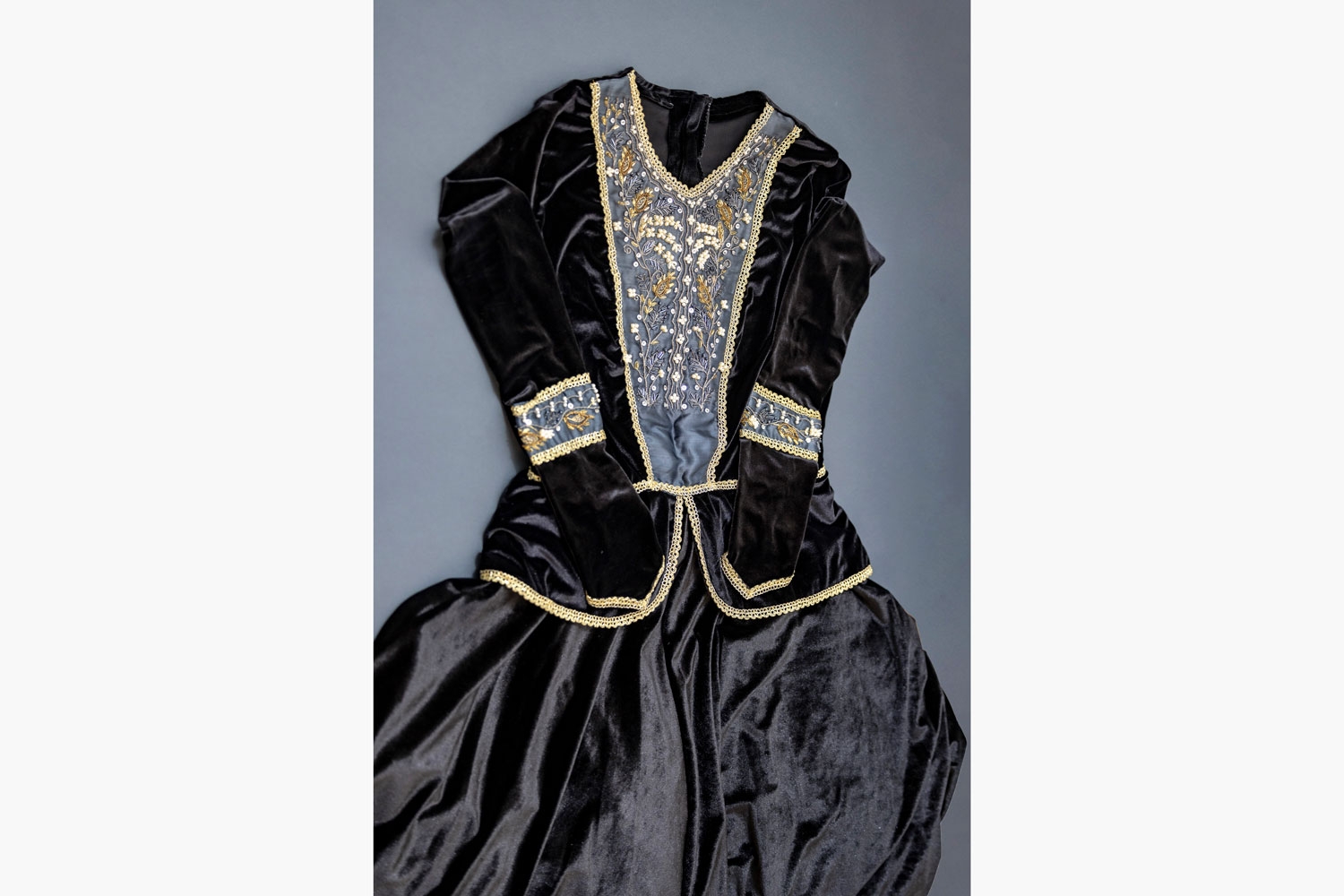
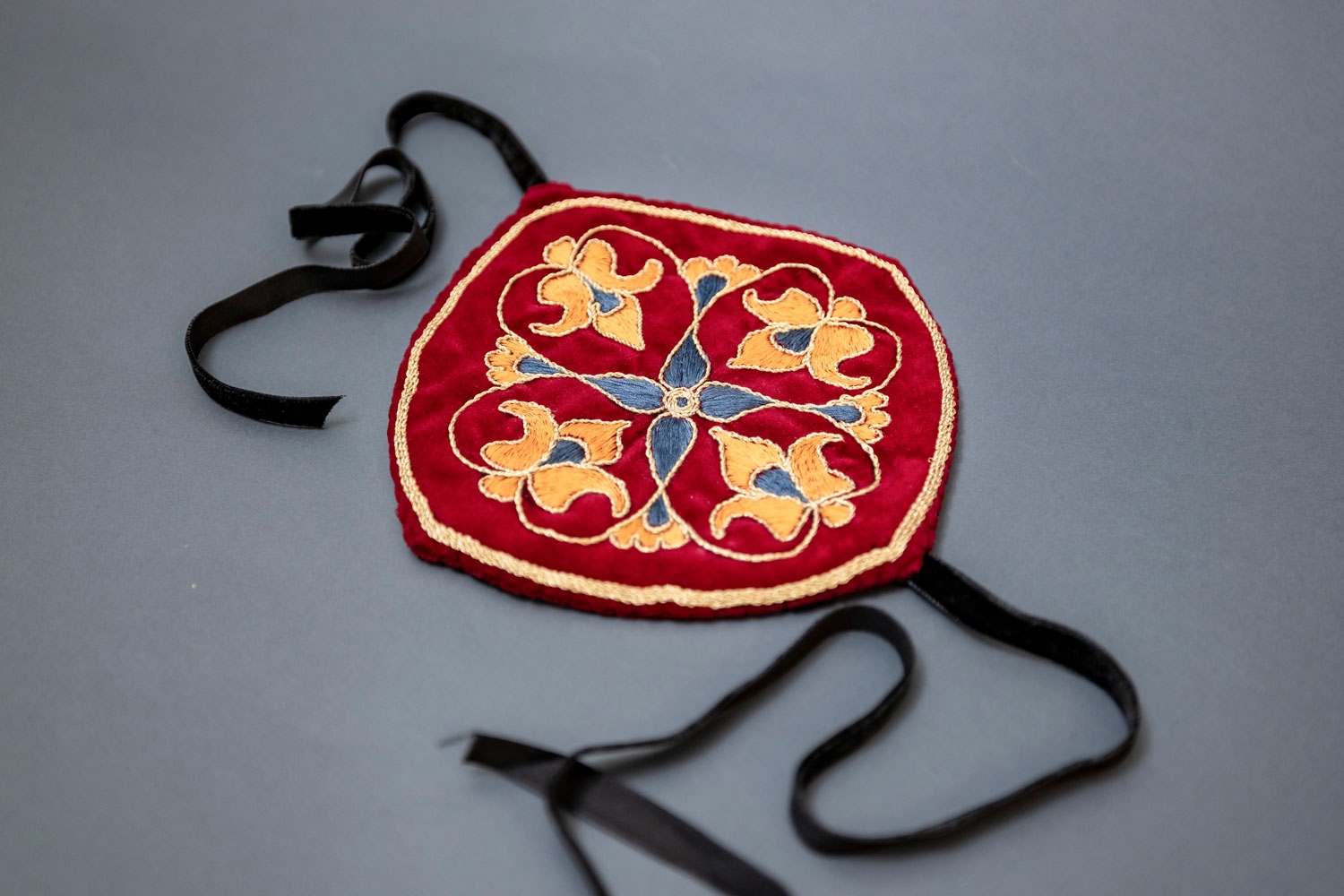
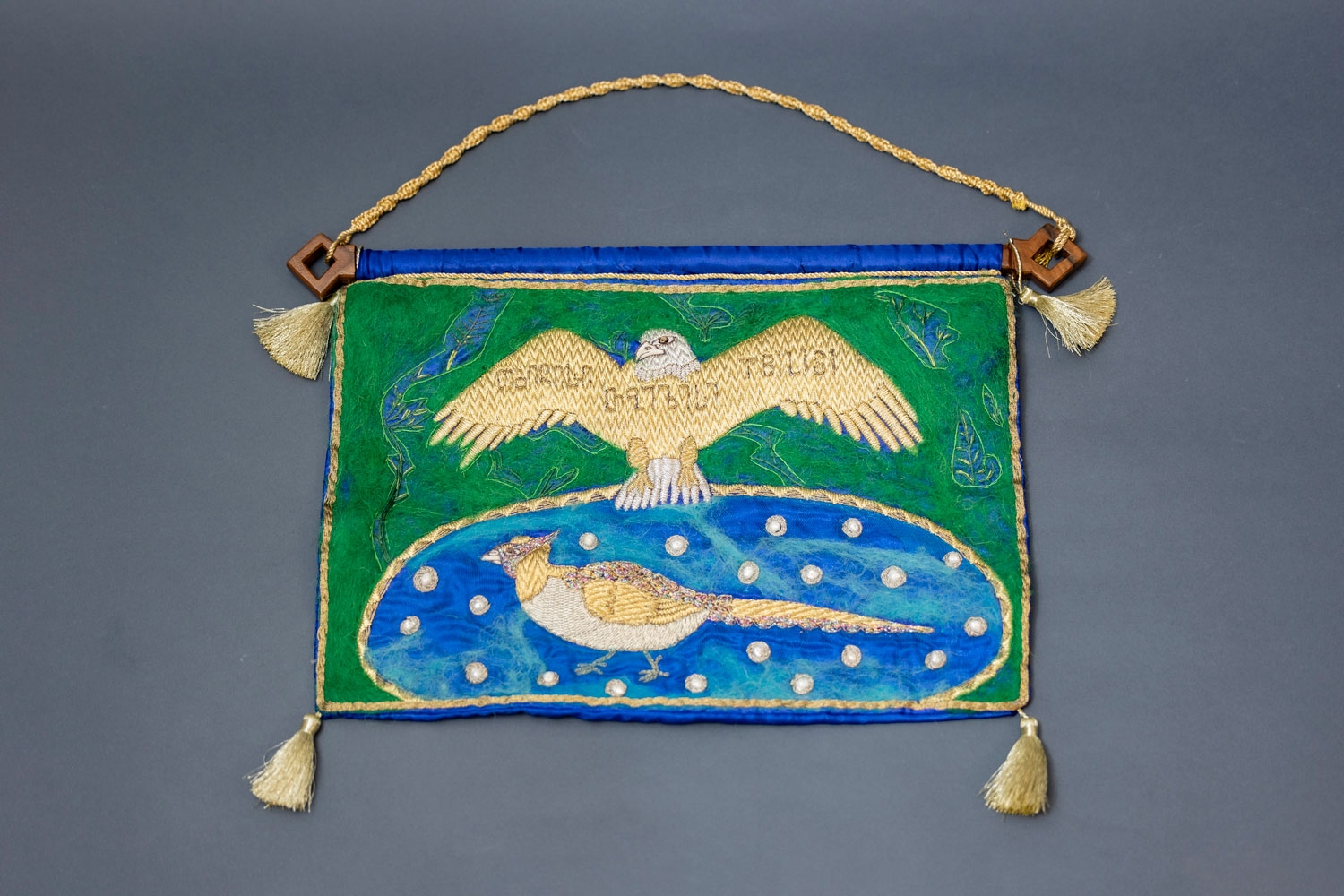
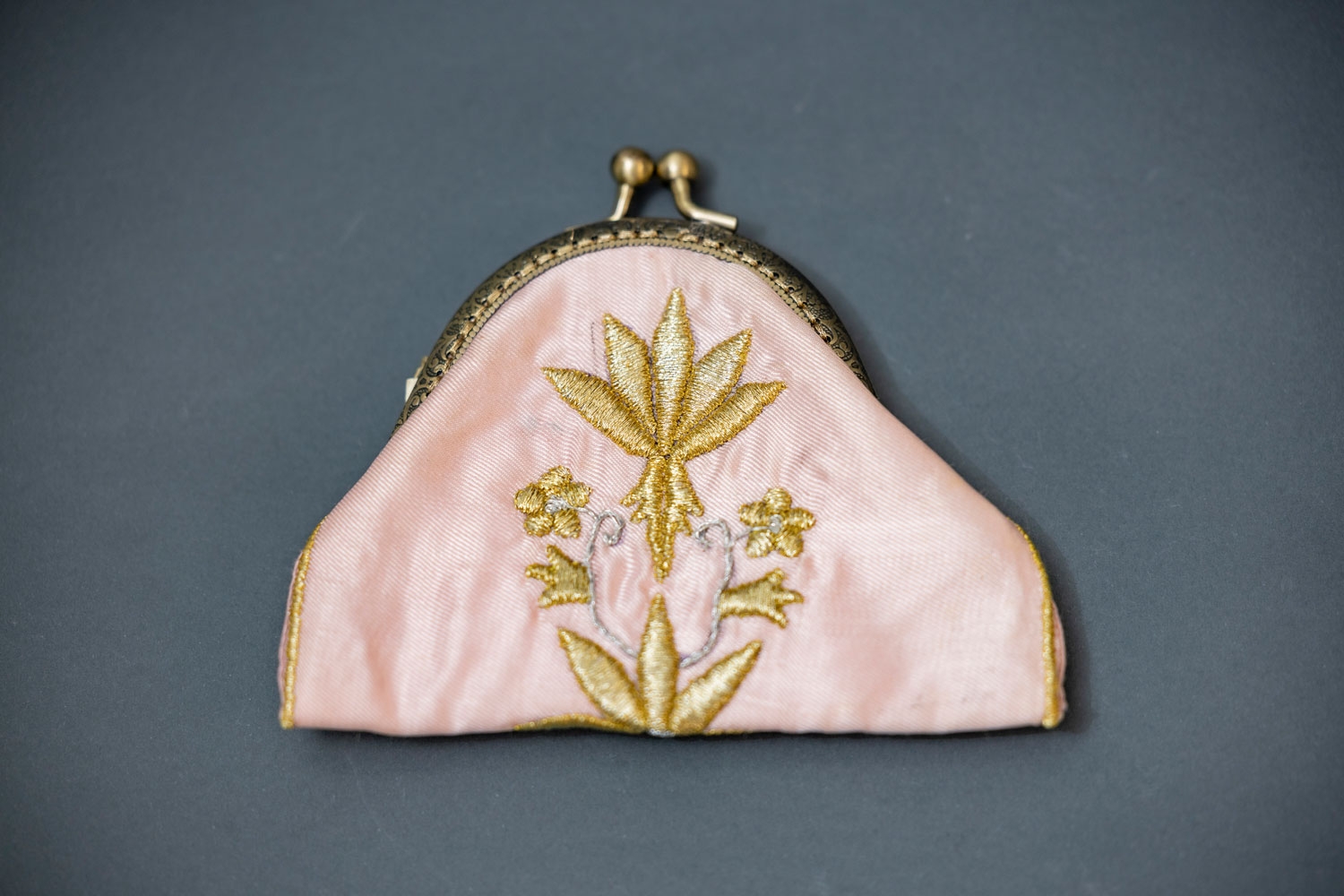
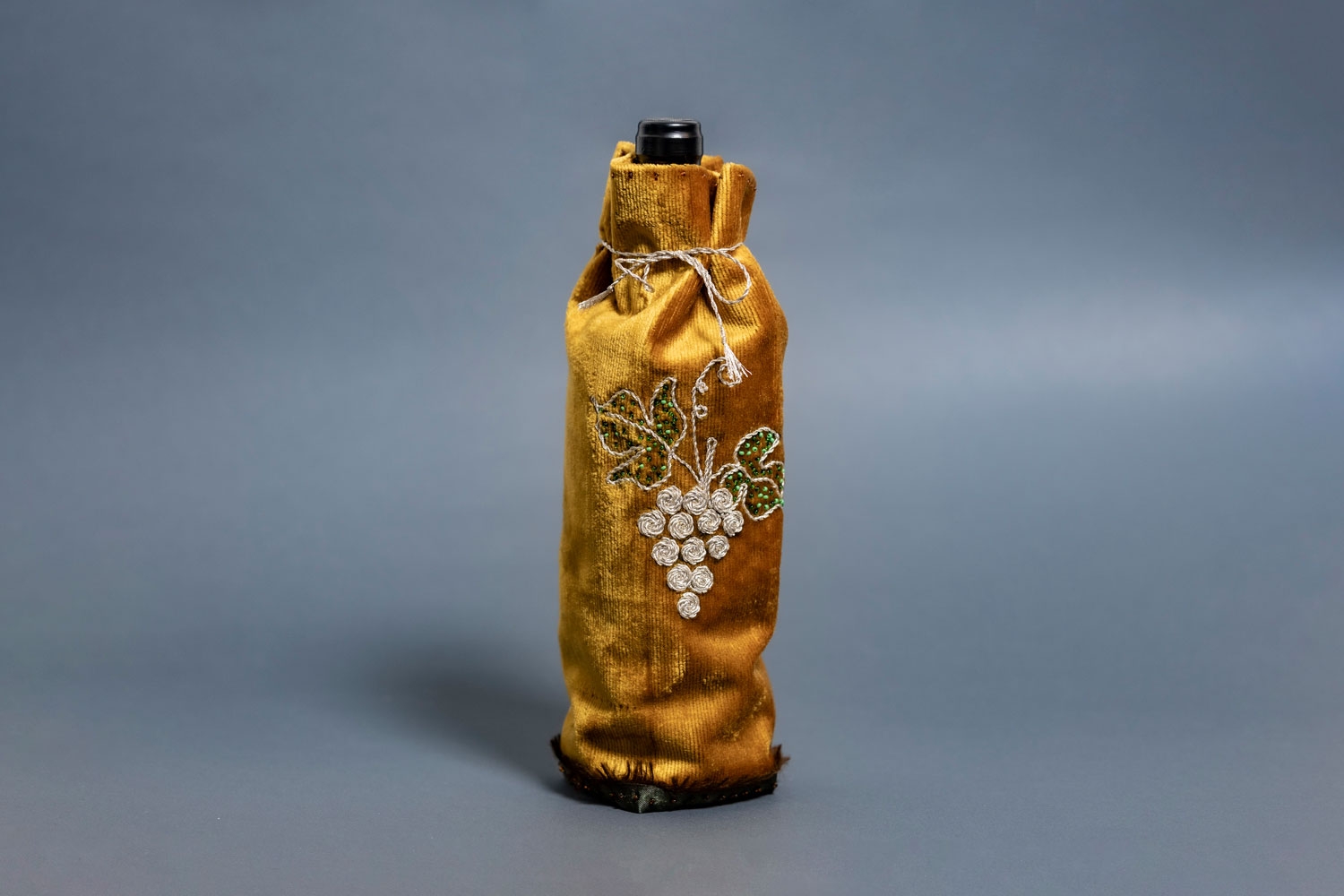
Dariko Chikhladze is a master of all types of embroidery, though she has specialised in gold thread embroidery. She works to revive Georgian national dress, religious ornament, and traditional symbolism through her craft. This art form had disappeared from Georgia for nearly 200 years up until the 1990s, during which no practising specialists remained. Through extensive museum research, Dariko's teachers reconstructed the forgotten techniques once reserved for the royal court. "These techniques originally used real gold threads and precious stones," she explains. Georgian embroidery stands apart from all others, distinguished by details unseen elsewhere, though it is stylistically related to Russian, Ukrainian and Turkish work. Dariko represents this rebirth: her practice demands precision, endurance and devotion. Today, she strives for Georgian embroidery to gain official recognition as a national cultural heritage.
INTERVIEW
I began by embroidering sacred objects for churches, which felt deeply meaningful. Seeing my work touched by many hands in prayer gave me purpose. Later, I carried this same reverence into other pieces, where craftsmanship and emotion meet.
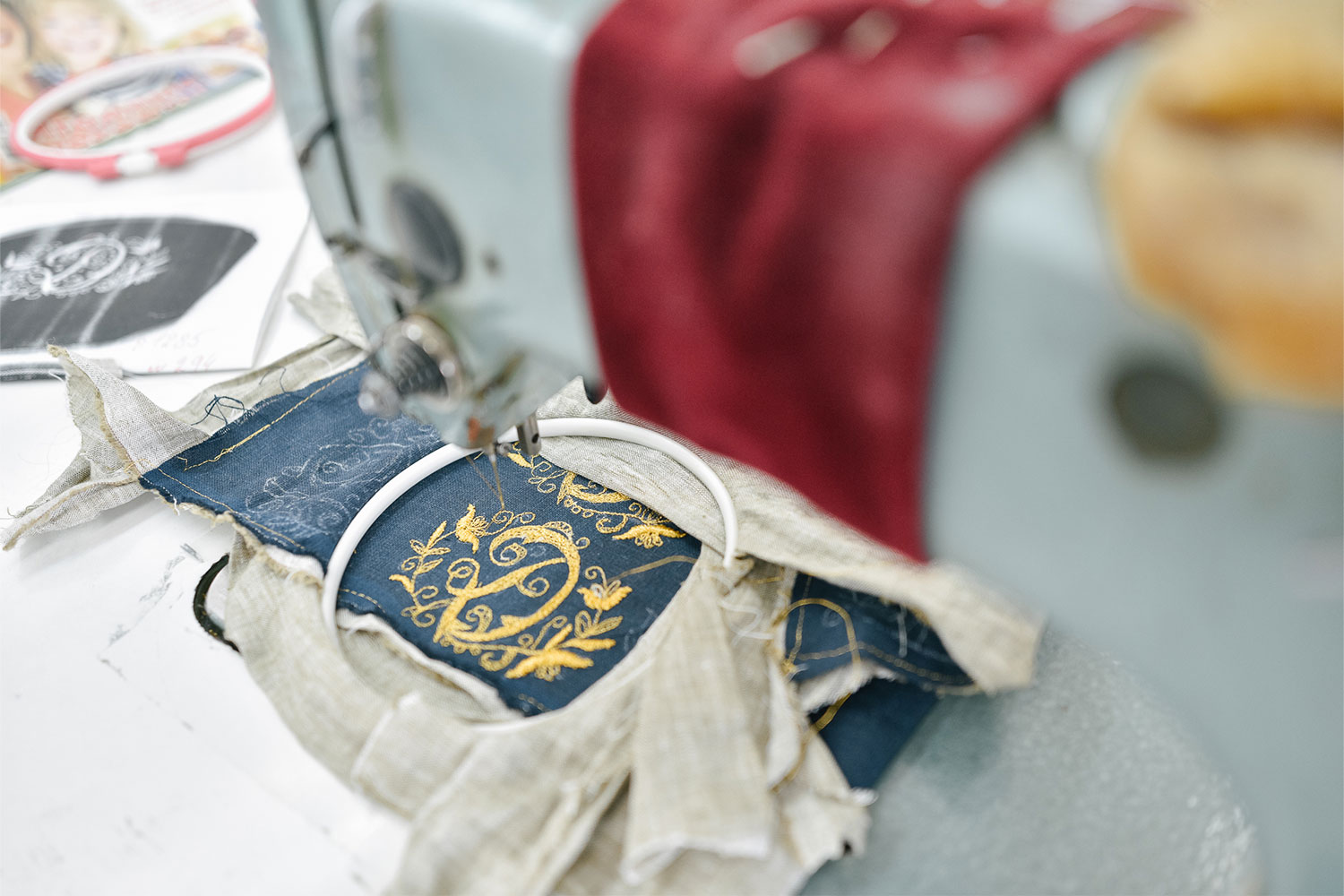
Machines can copy form, but not intention. True embroidery breathes through the hand. I study historical motifs and turn them into living designs. Each piece carries centuries of memory, renewed through patience and precision.
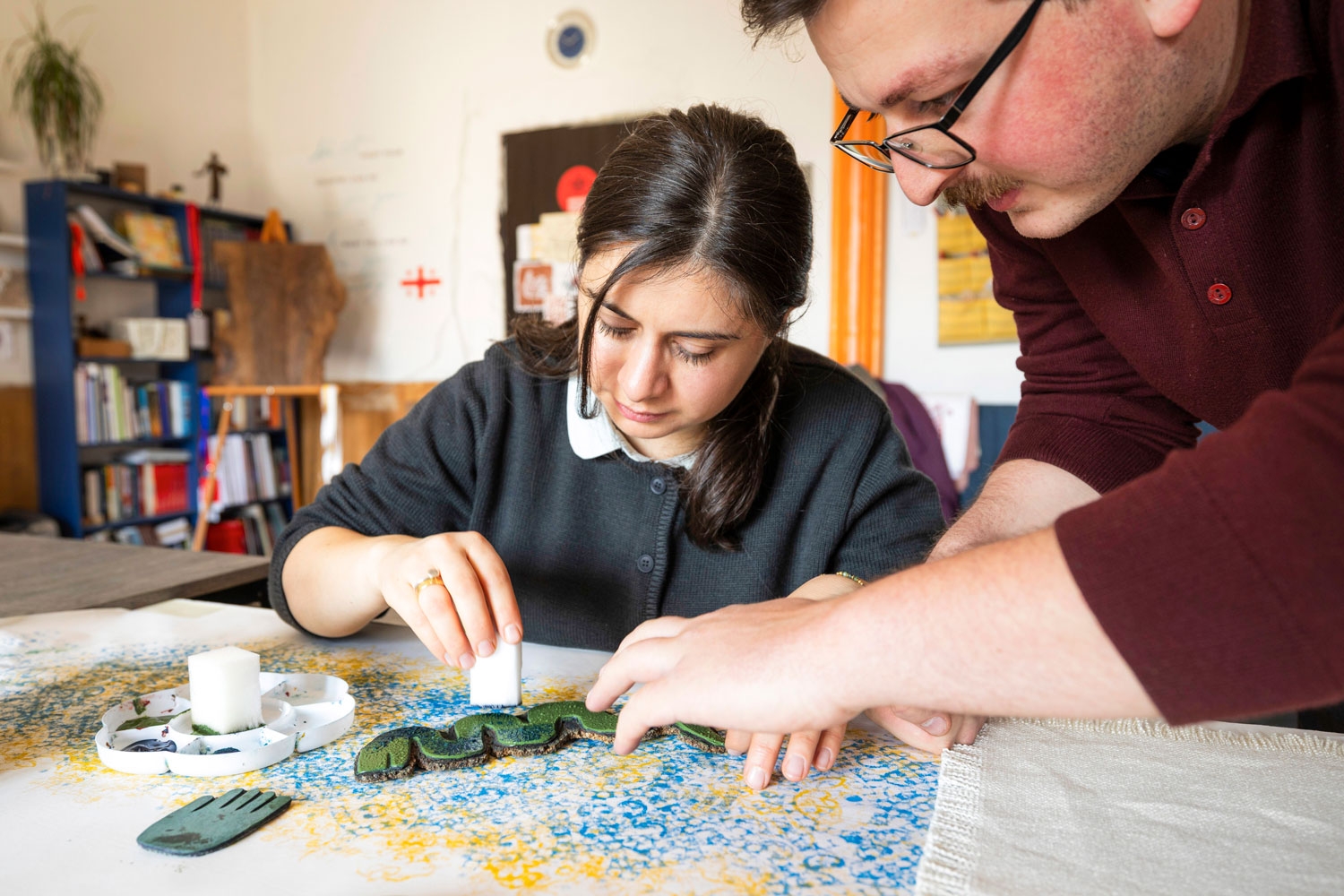
This craft once disappeared for two centuries, so we take teaching seriously in Georgia. I share everything I know: the history, the methods, the patience embroidery requires. I hold exhibitions and classes to keep interest alive and pass the skill forward.
They realise that embroidery is a state of mind as well as a handcraft. You must love it to do it well. Embroidery also forces us to slow down, and teaches care and respect. It is a craft that holds a quiet magic, as we are touching something ancient and giving it new life through the hands.
Dariko Chikhladze
Gold thread embroiderer
Tbilisi, Georgia
ADDRESS
Address upon request, Tbilisi, Georgia
AVAILABILITY
By appointment only
PHONE
+995 555194477
LANGUAGES
Georgian, Russian, Turkish
Homo Faber Finds is a new service aiming to inspire admirers of craft to connect and collaborate with exceptional artisans.
We invite you to submit an enquiry here.