Dainius Strazdas
Ceramicist
Vilnius, Lithuania
Recommended by Vilnius Academy of Arts
Guardian of ancient ceramic techniques
- Dainius is interested in the preservation of ceramics as a traditional craft
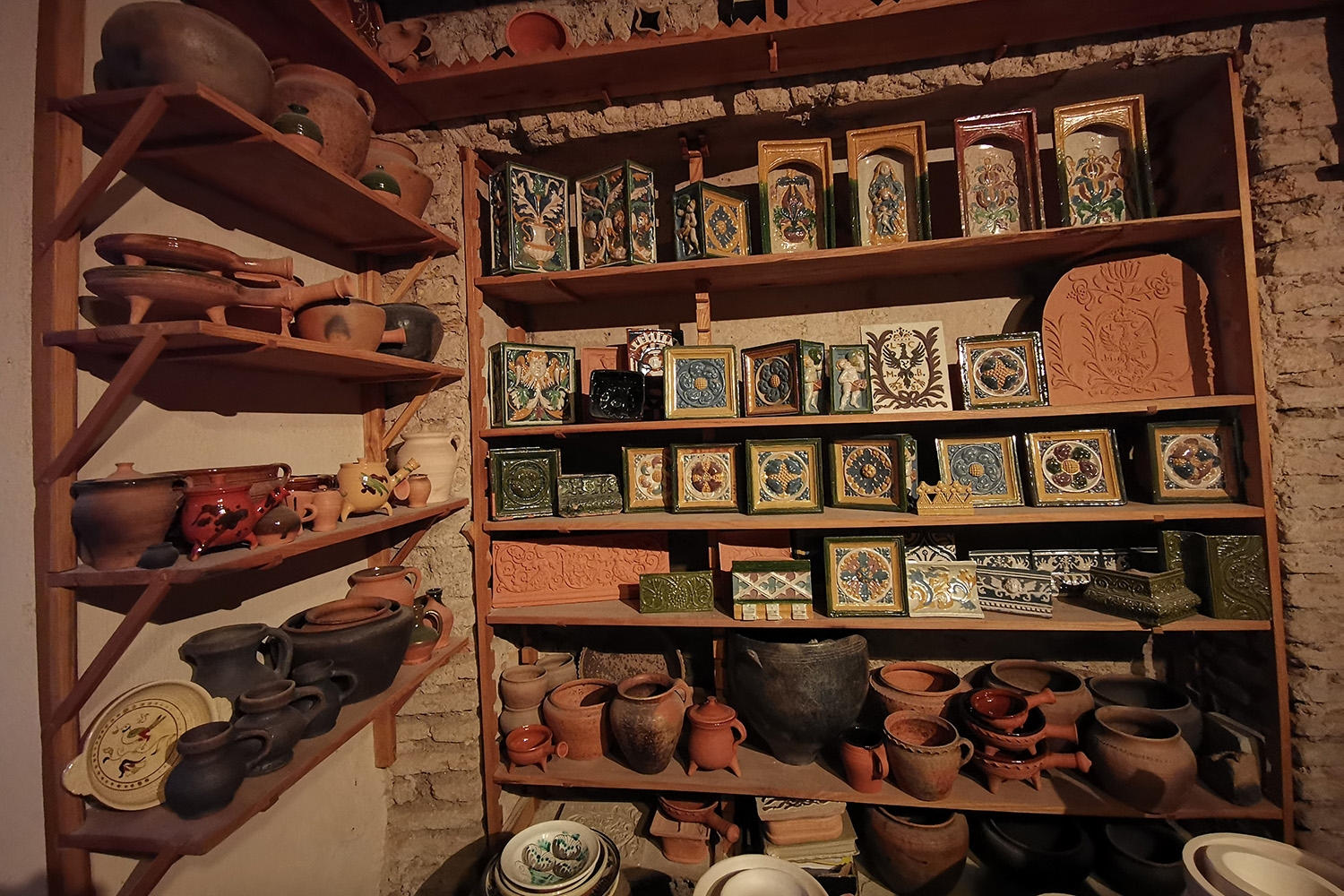
- He restores historic pottery and collaborates with archaeologists
- He is inspired by the concept of ideas, where vision and materiality converge
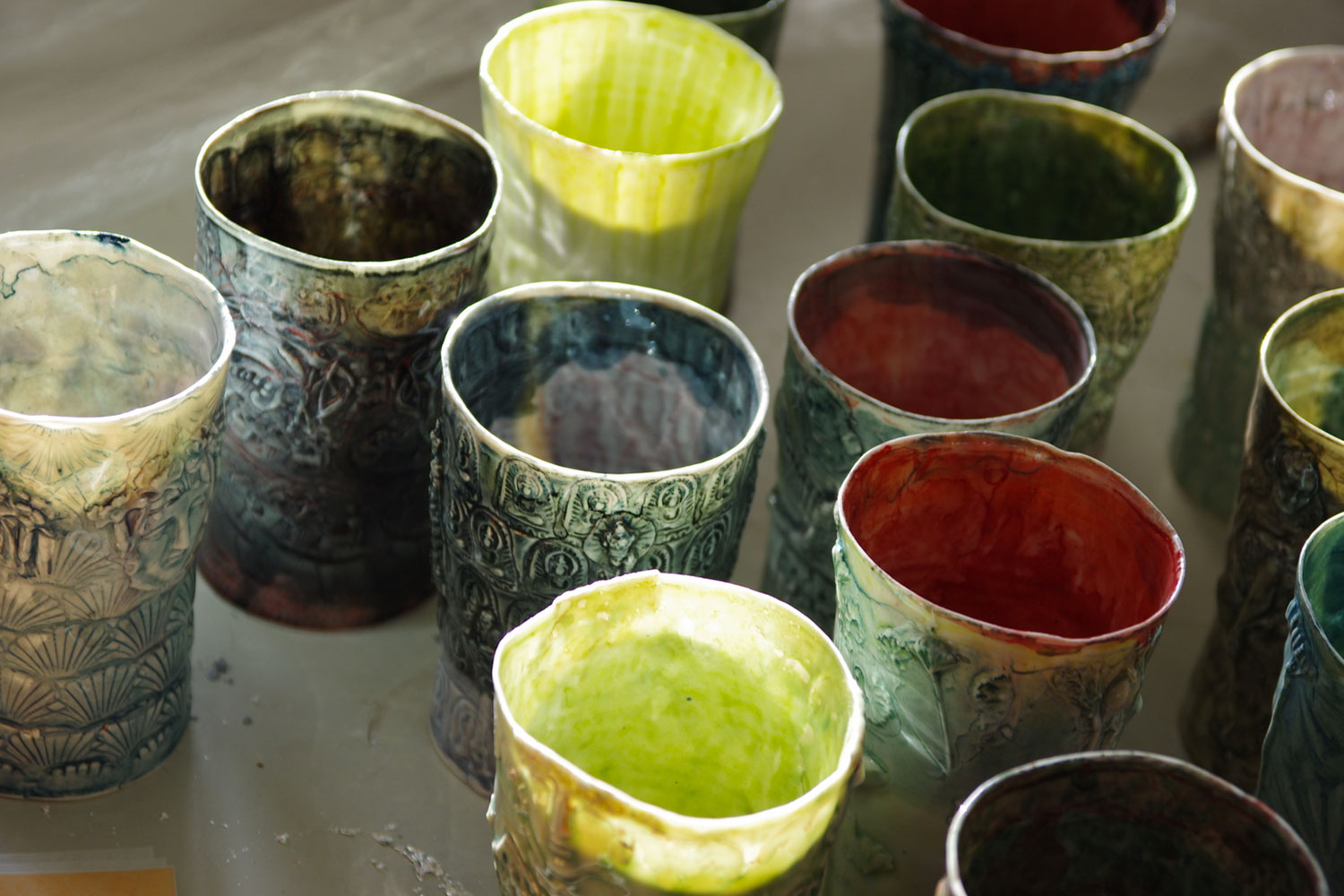
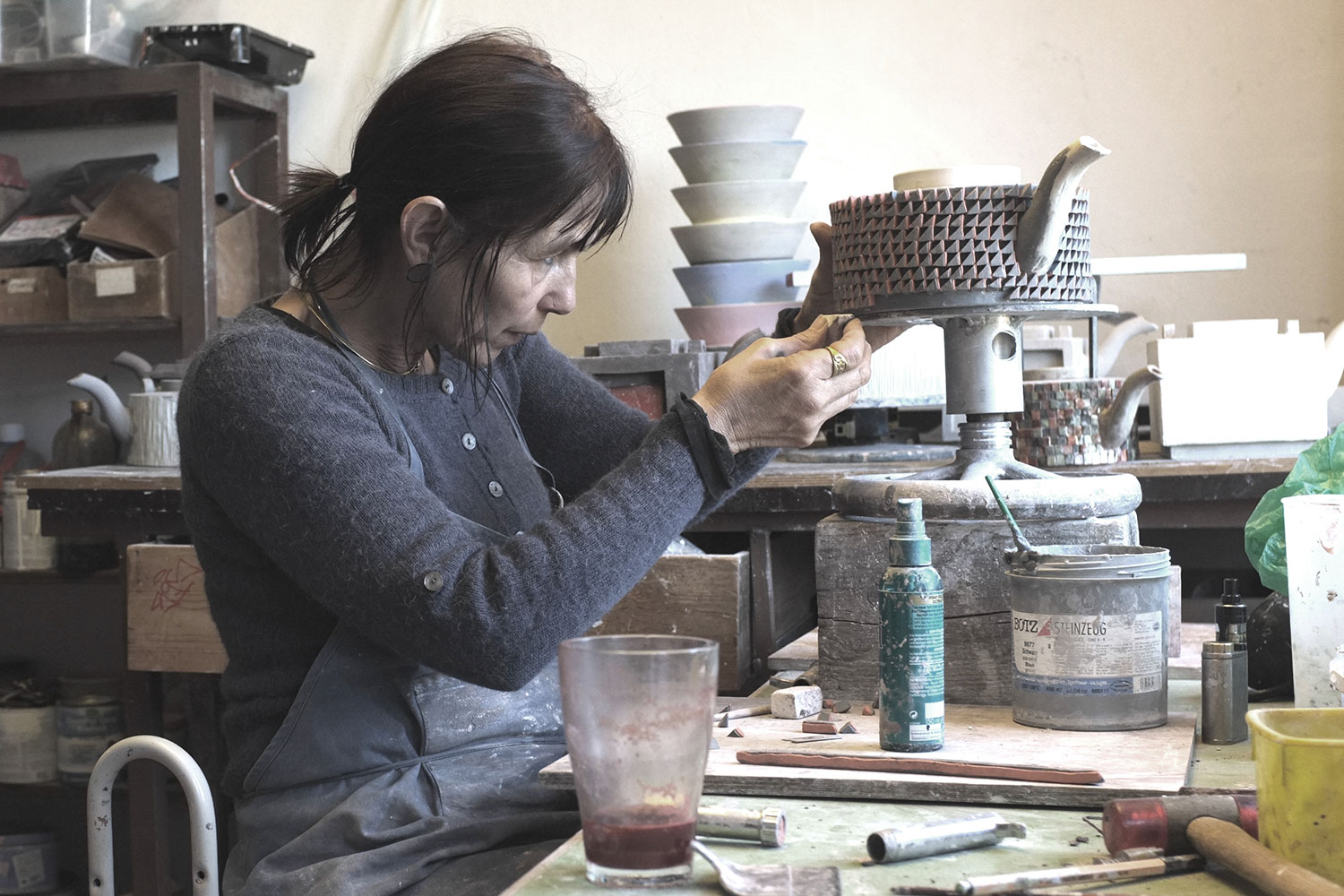
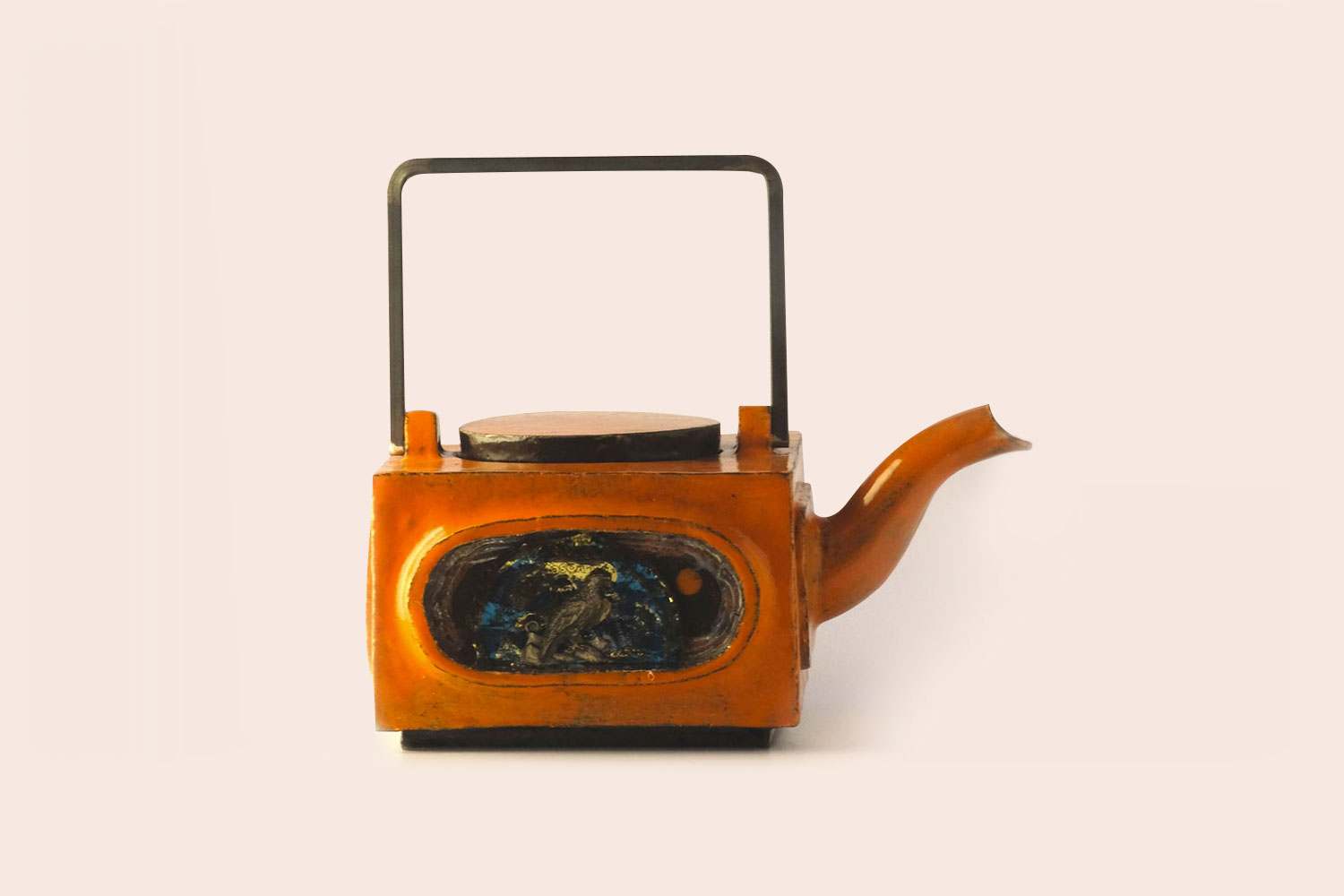
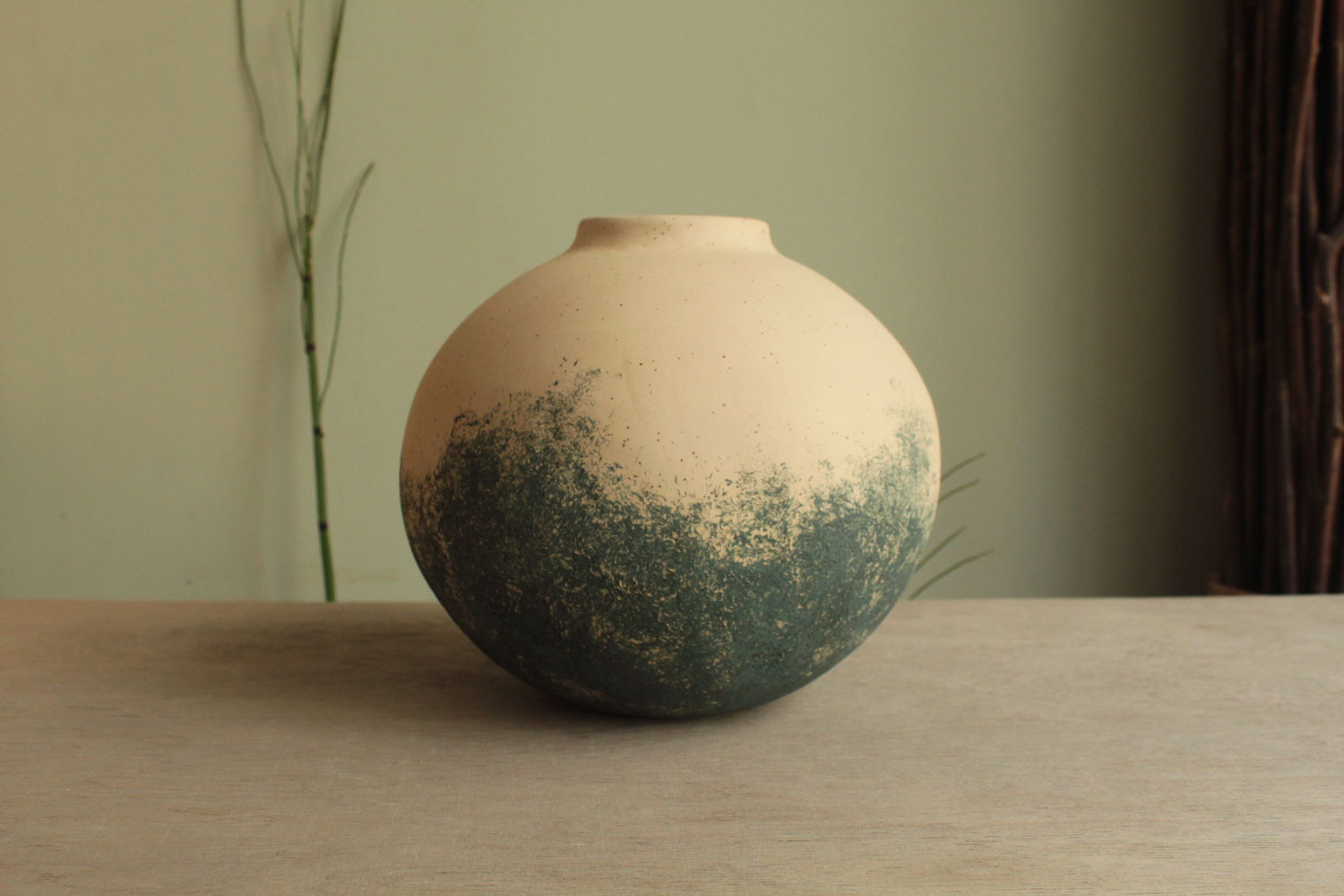
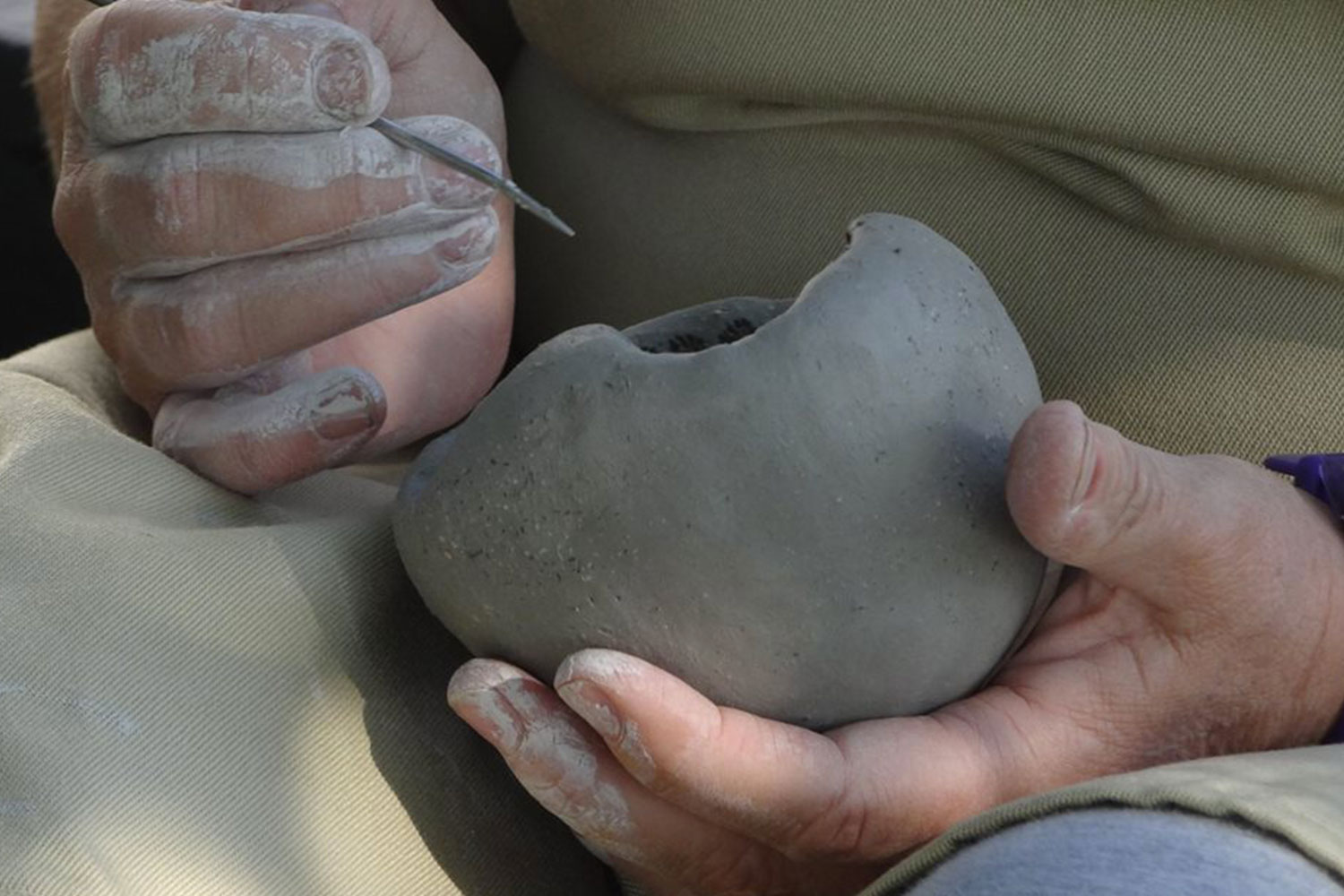
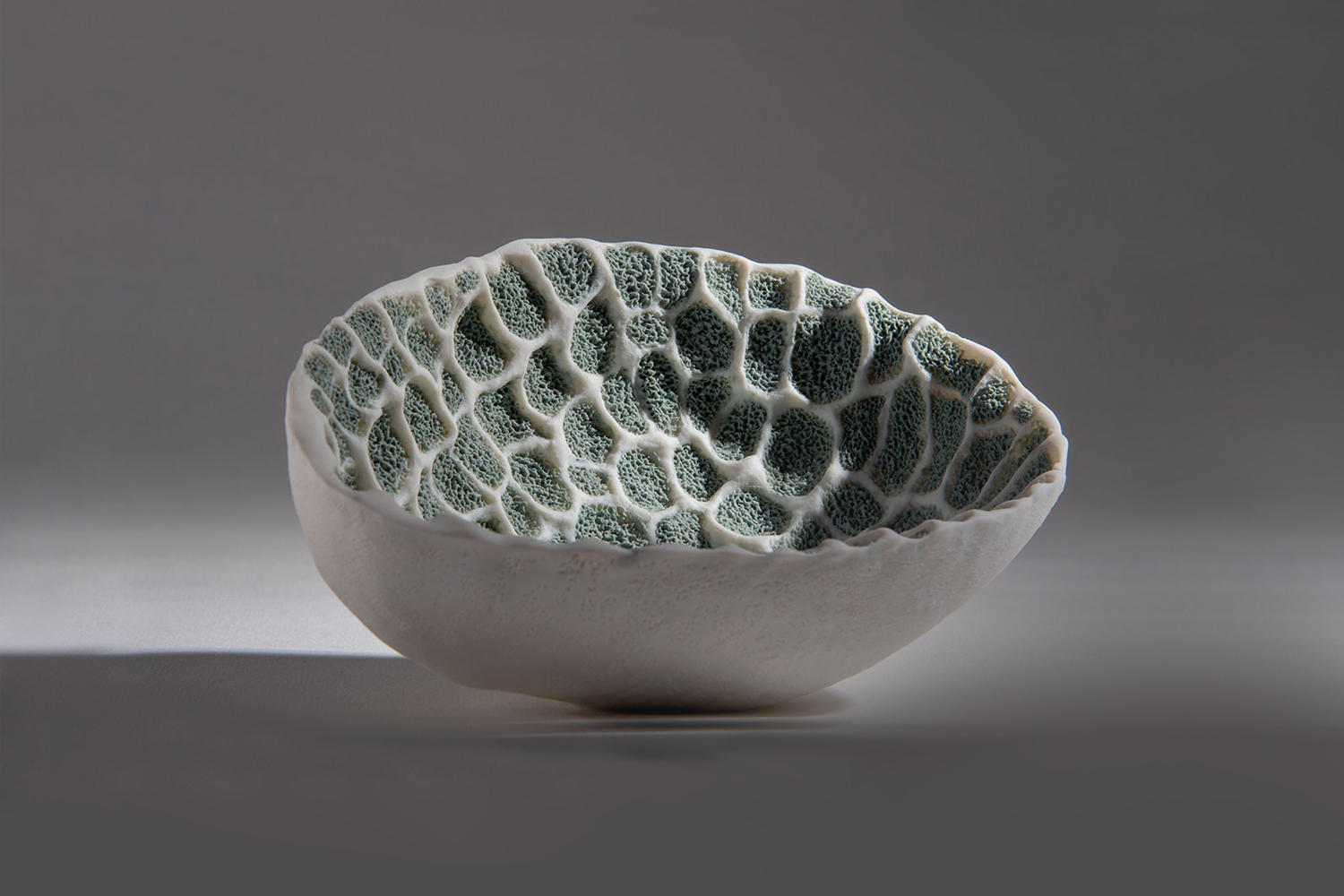
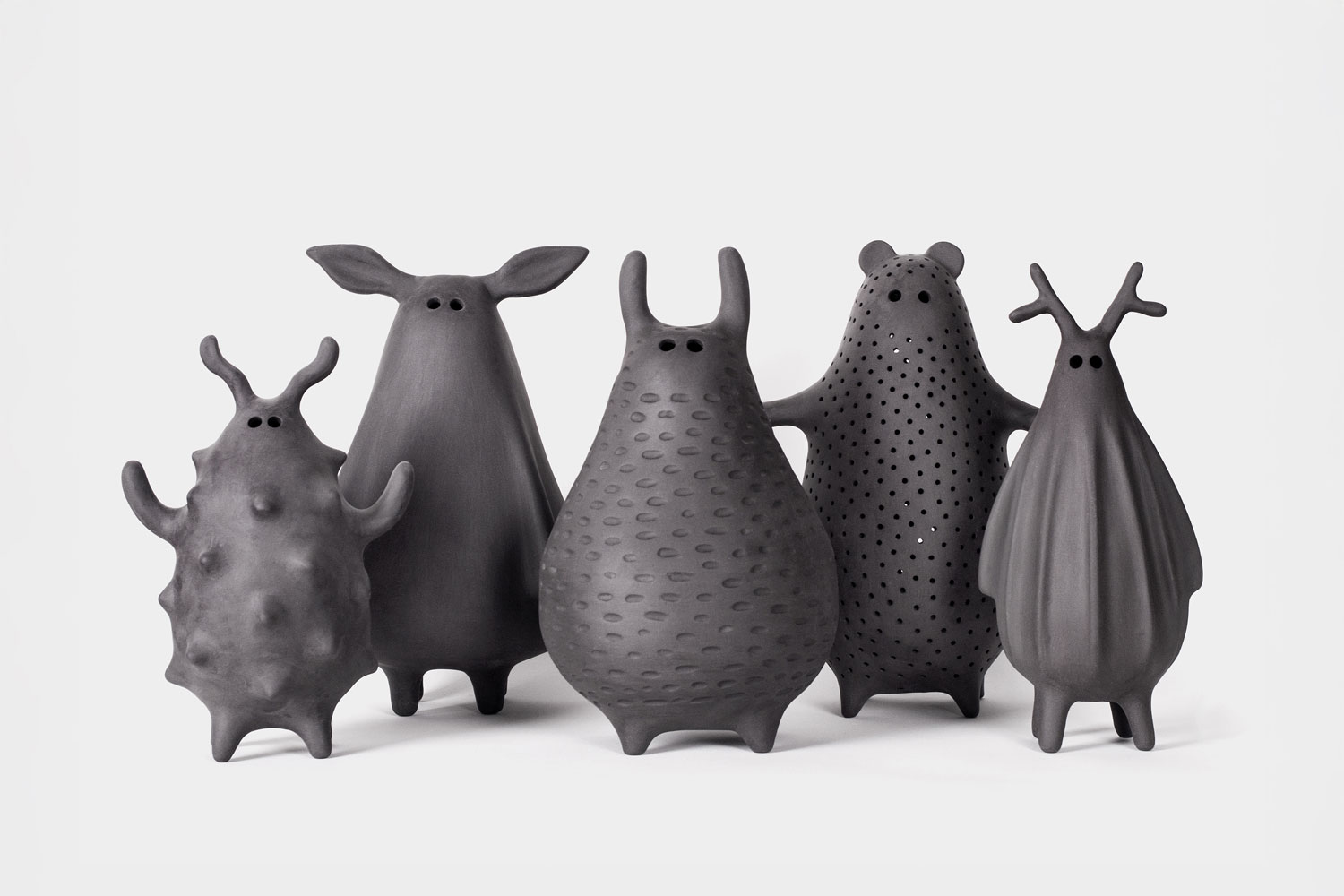
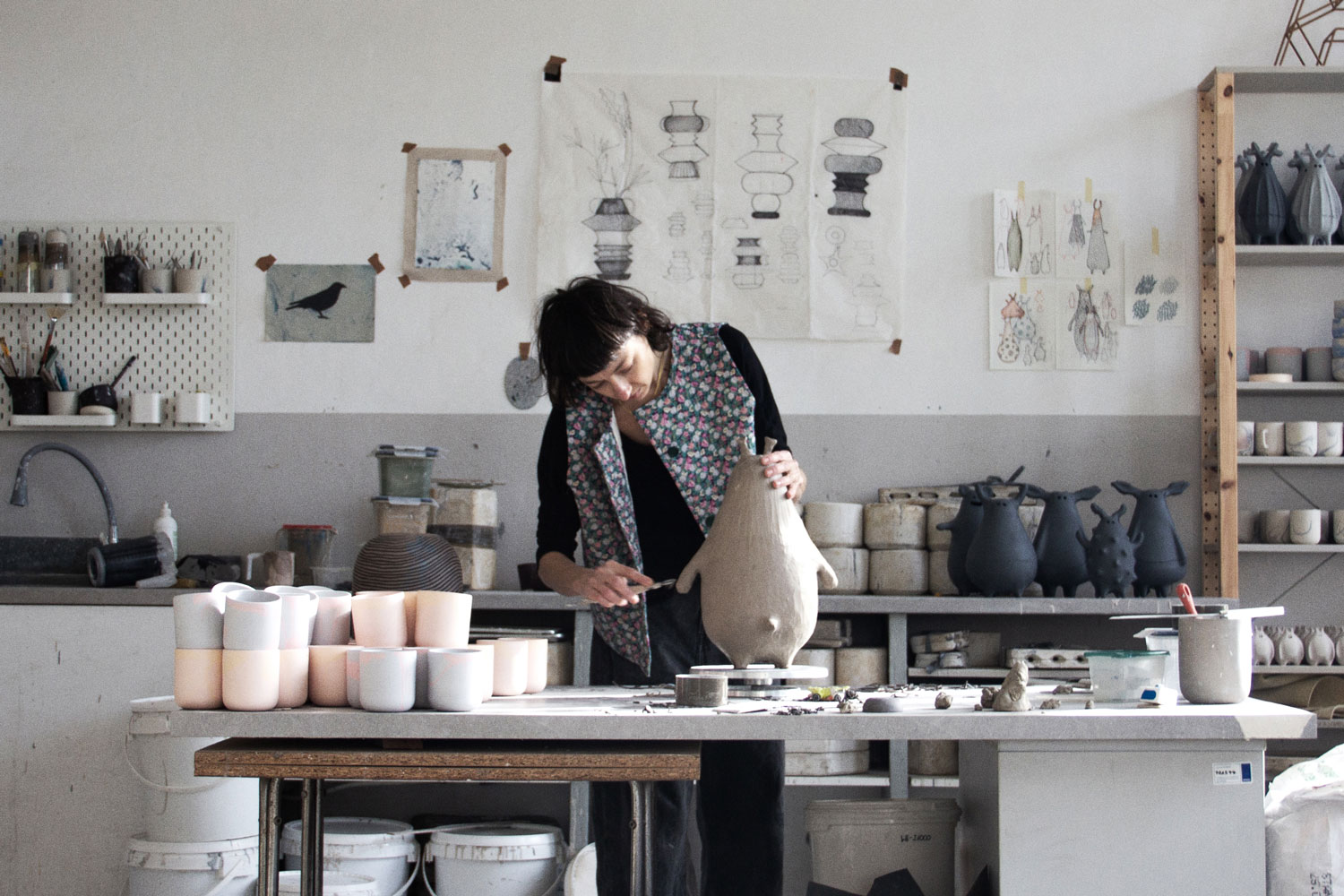
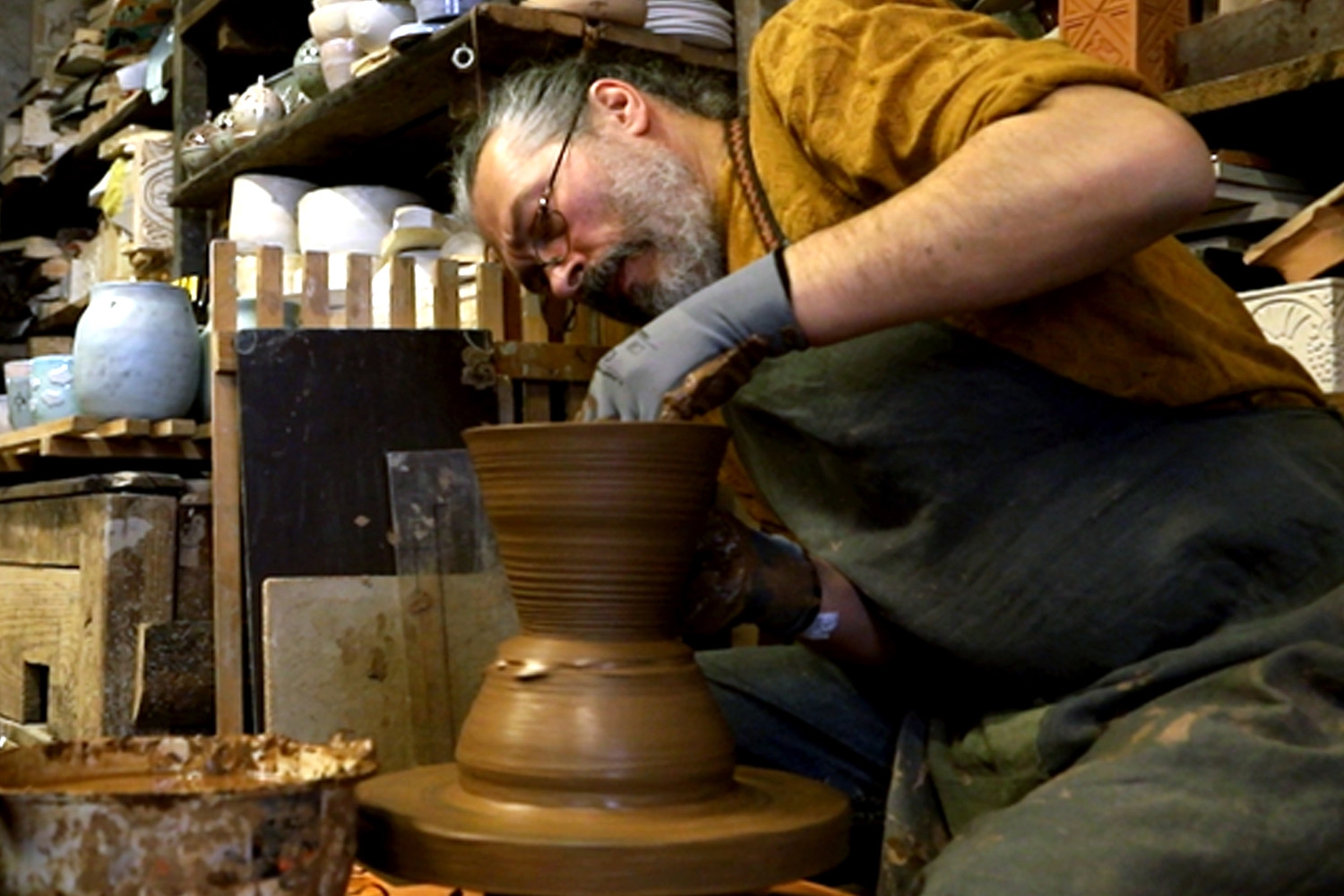
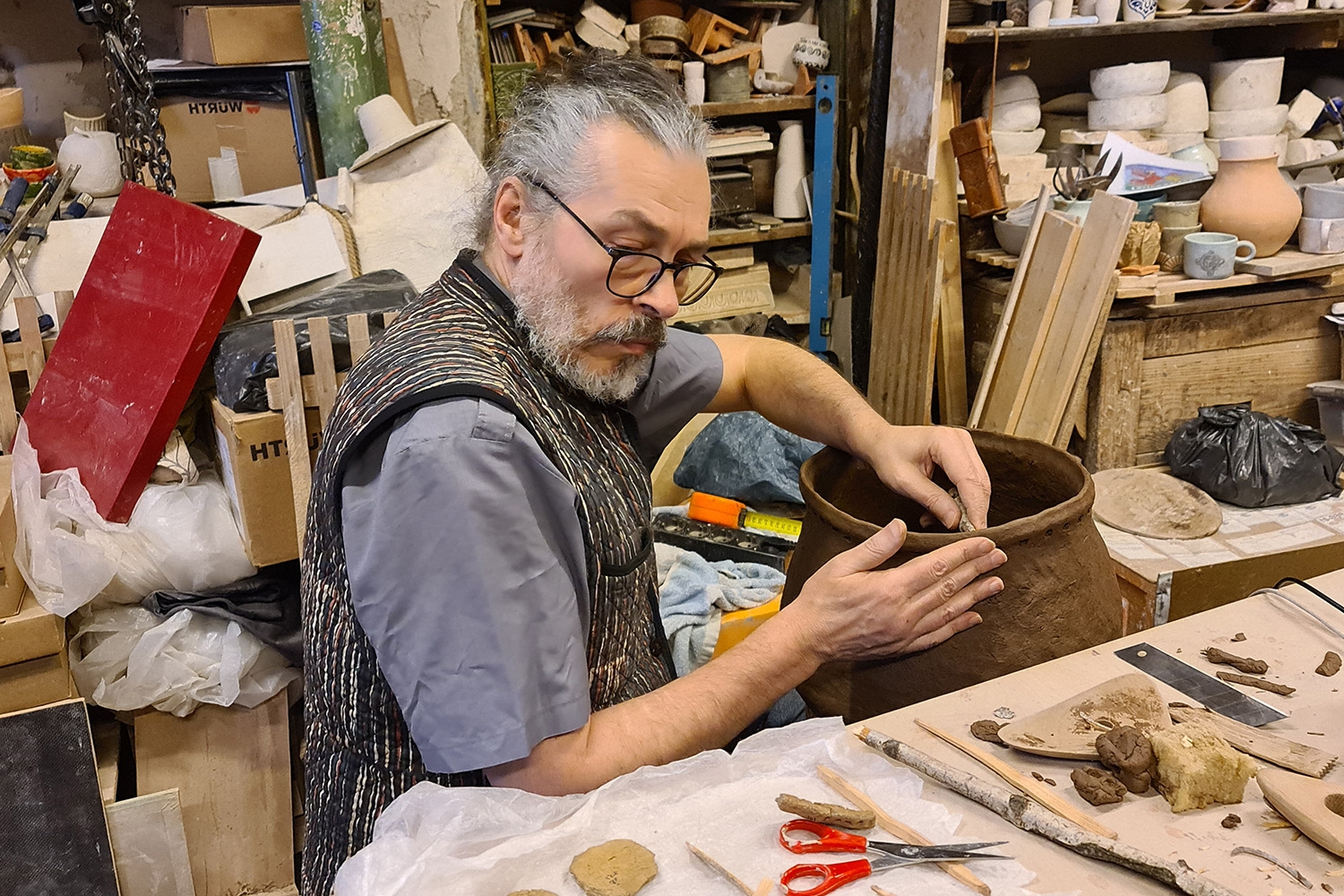
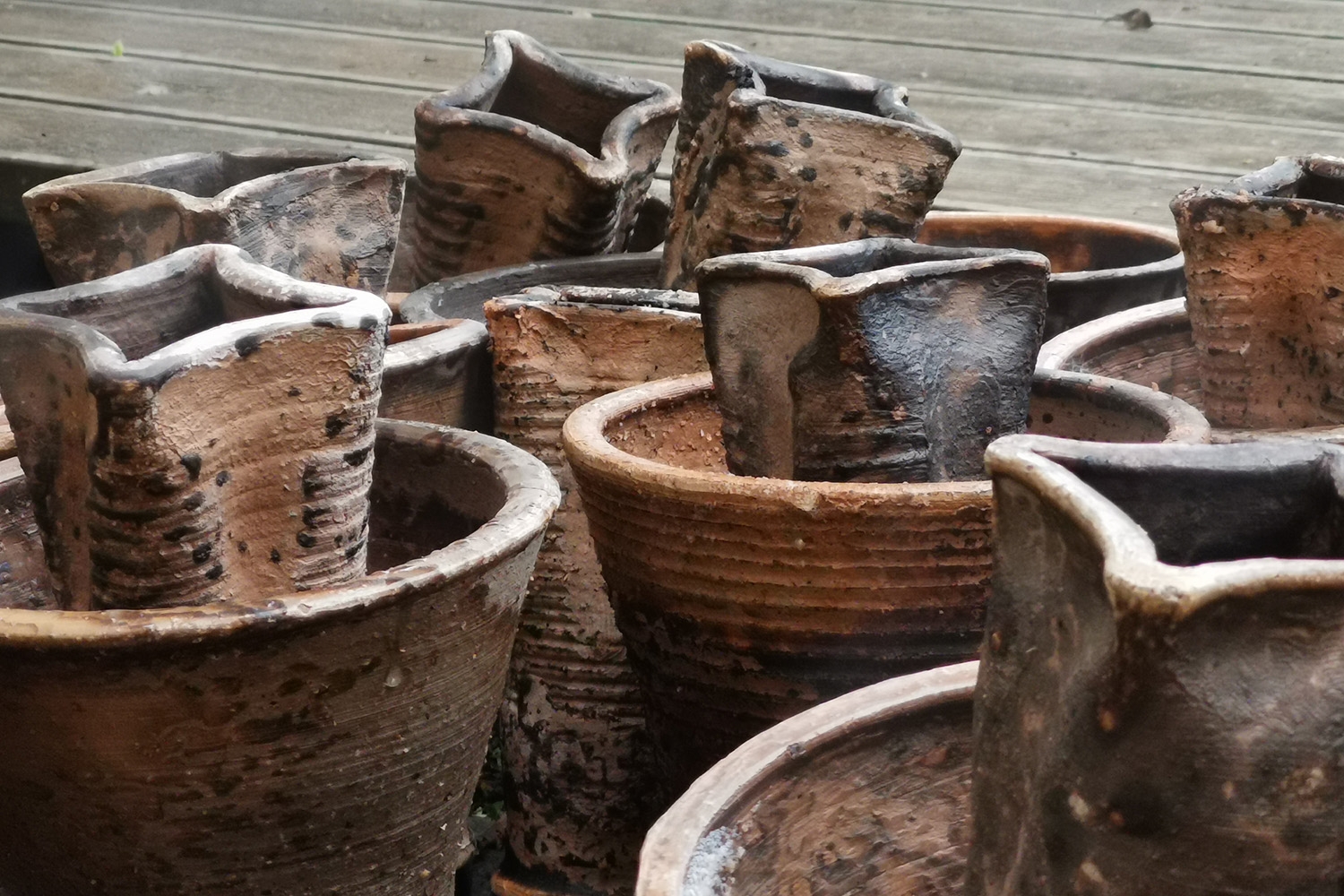
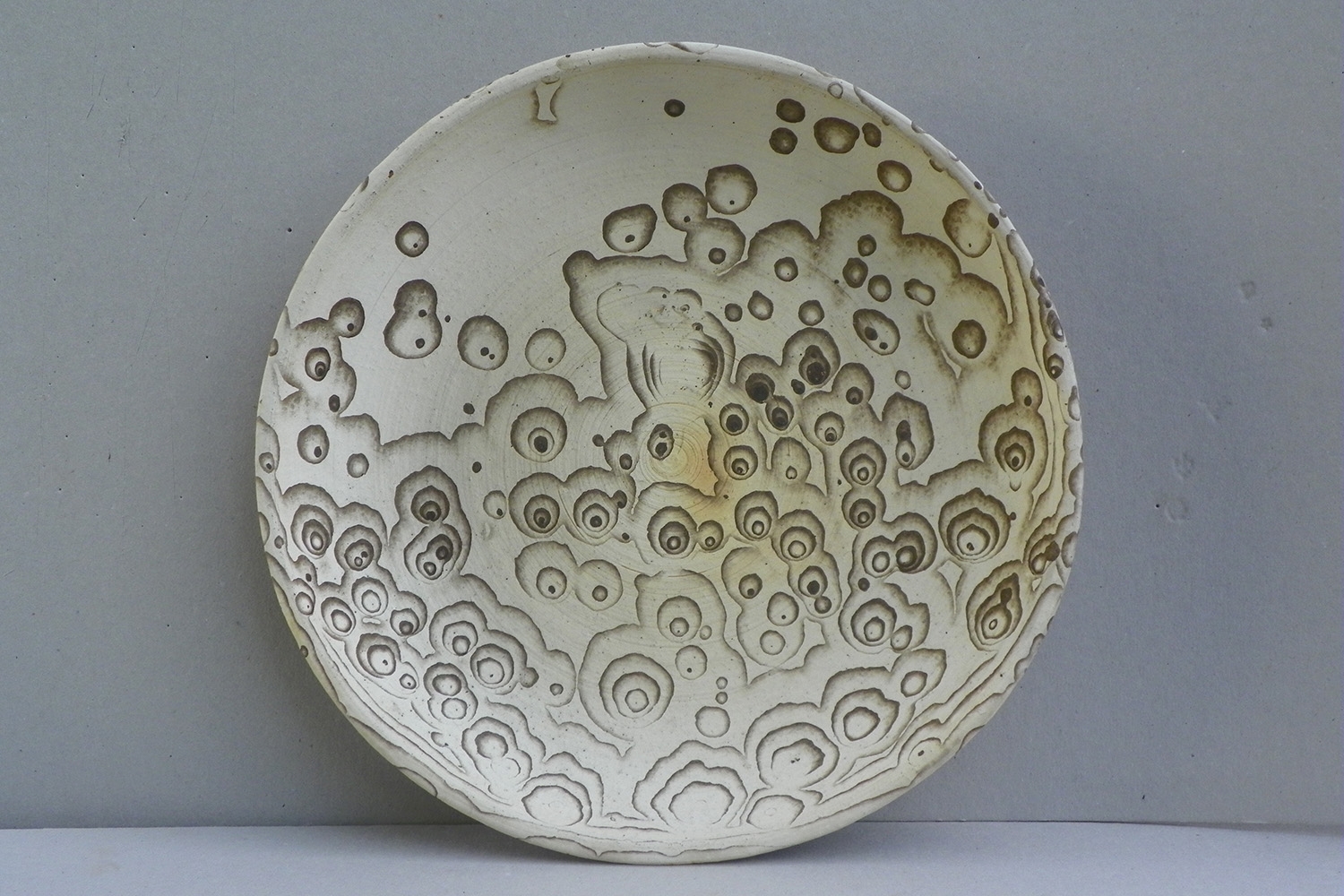
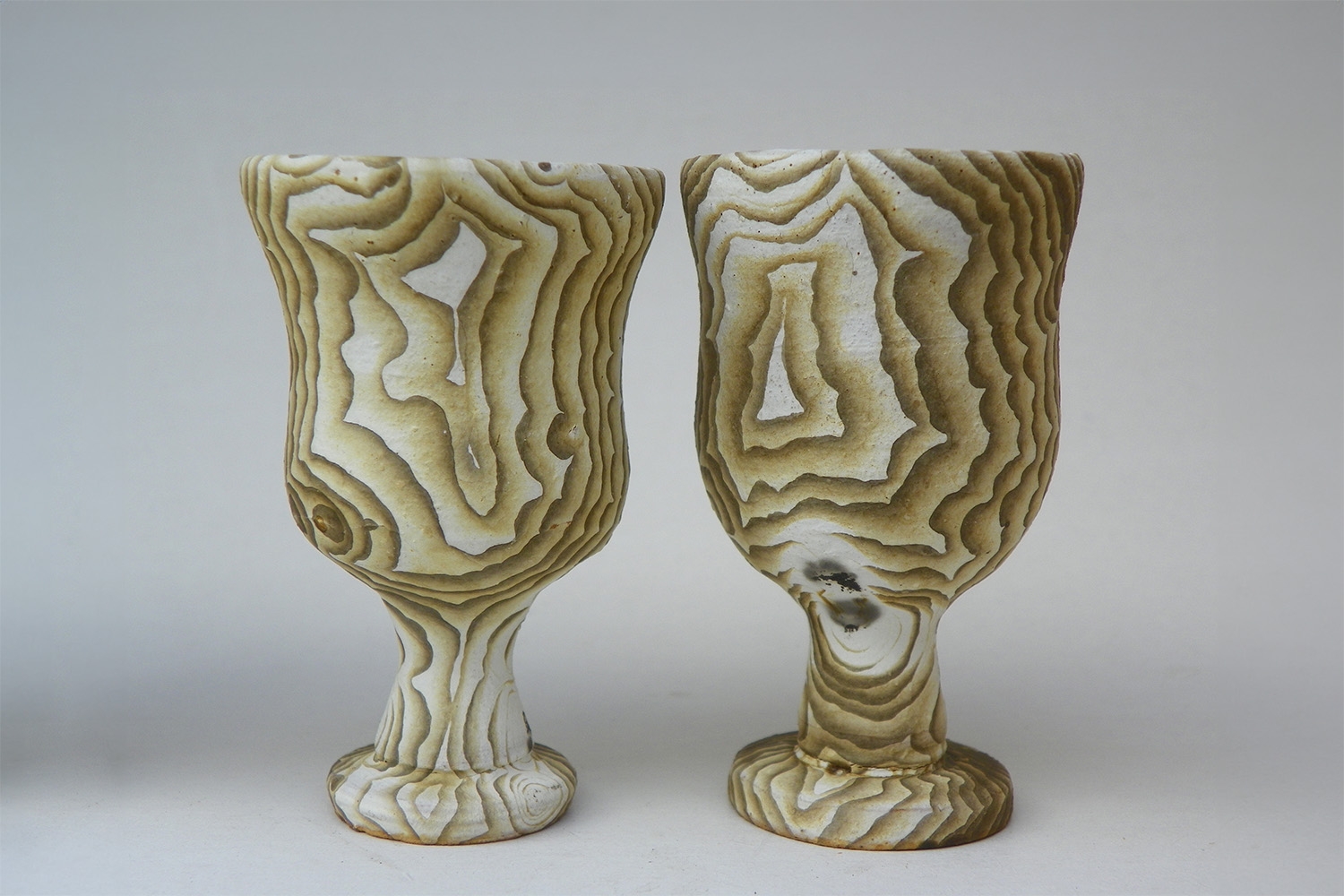
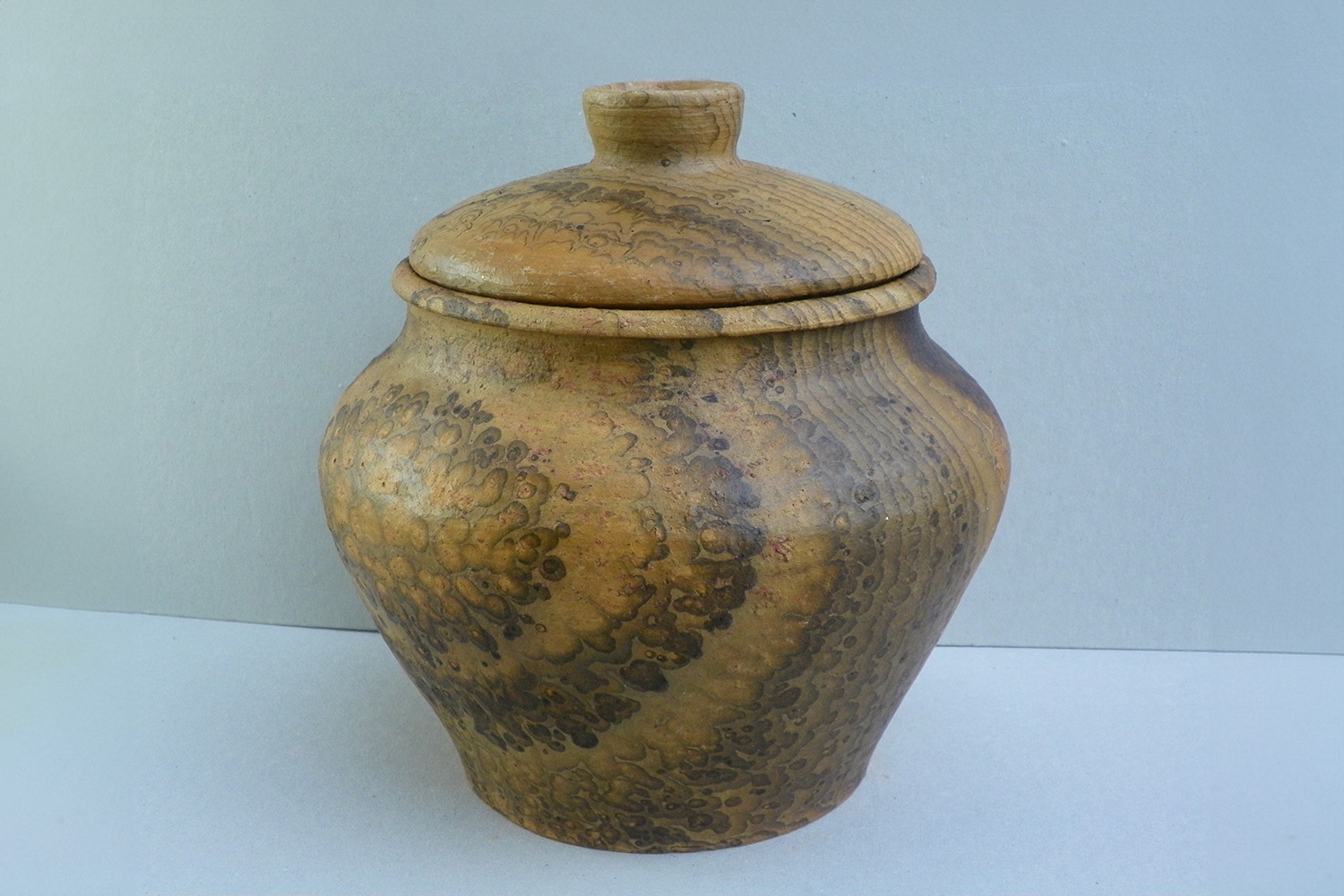
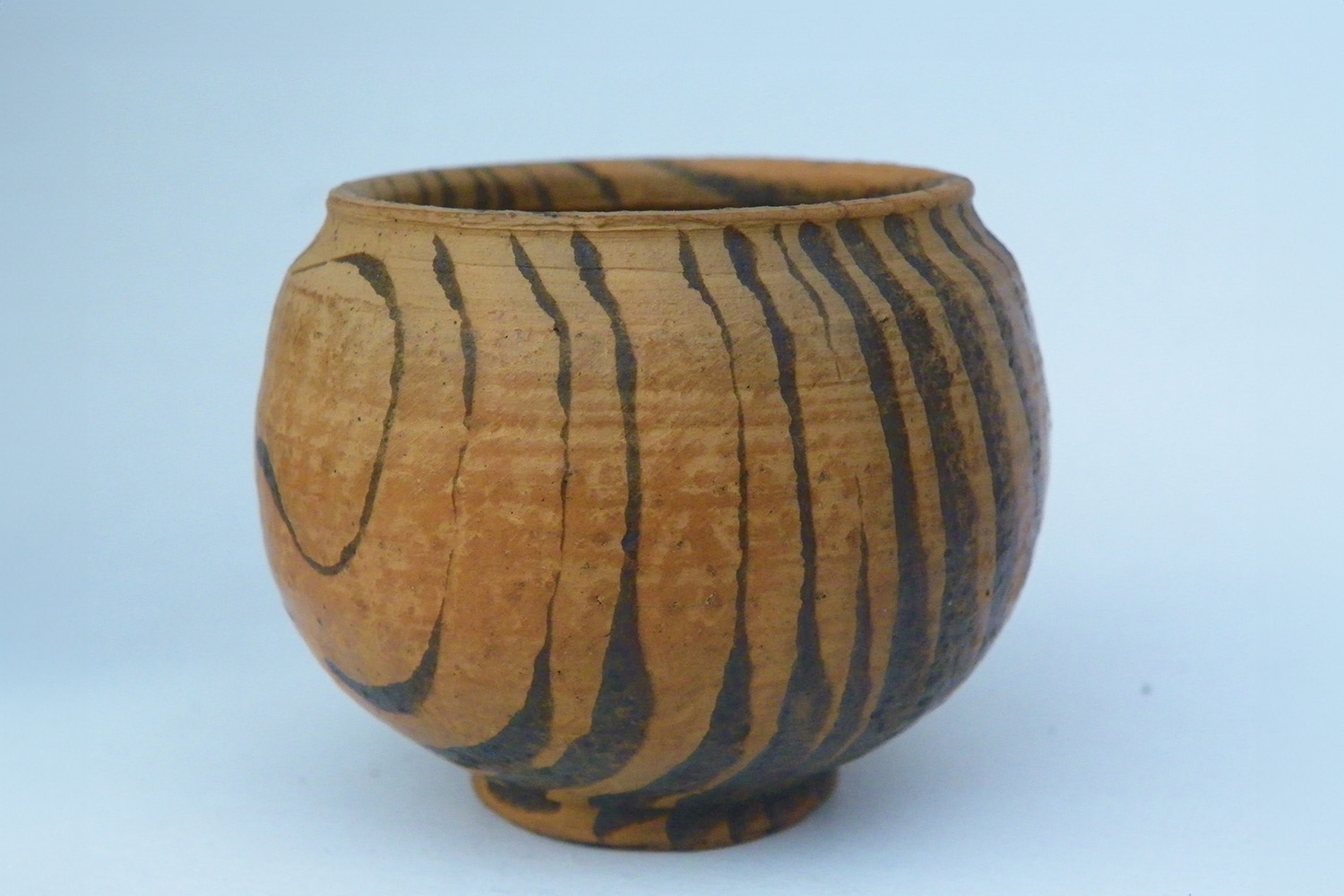
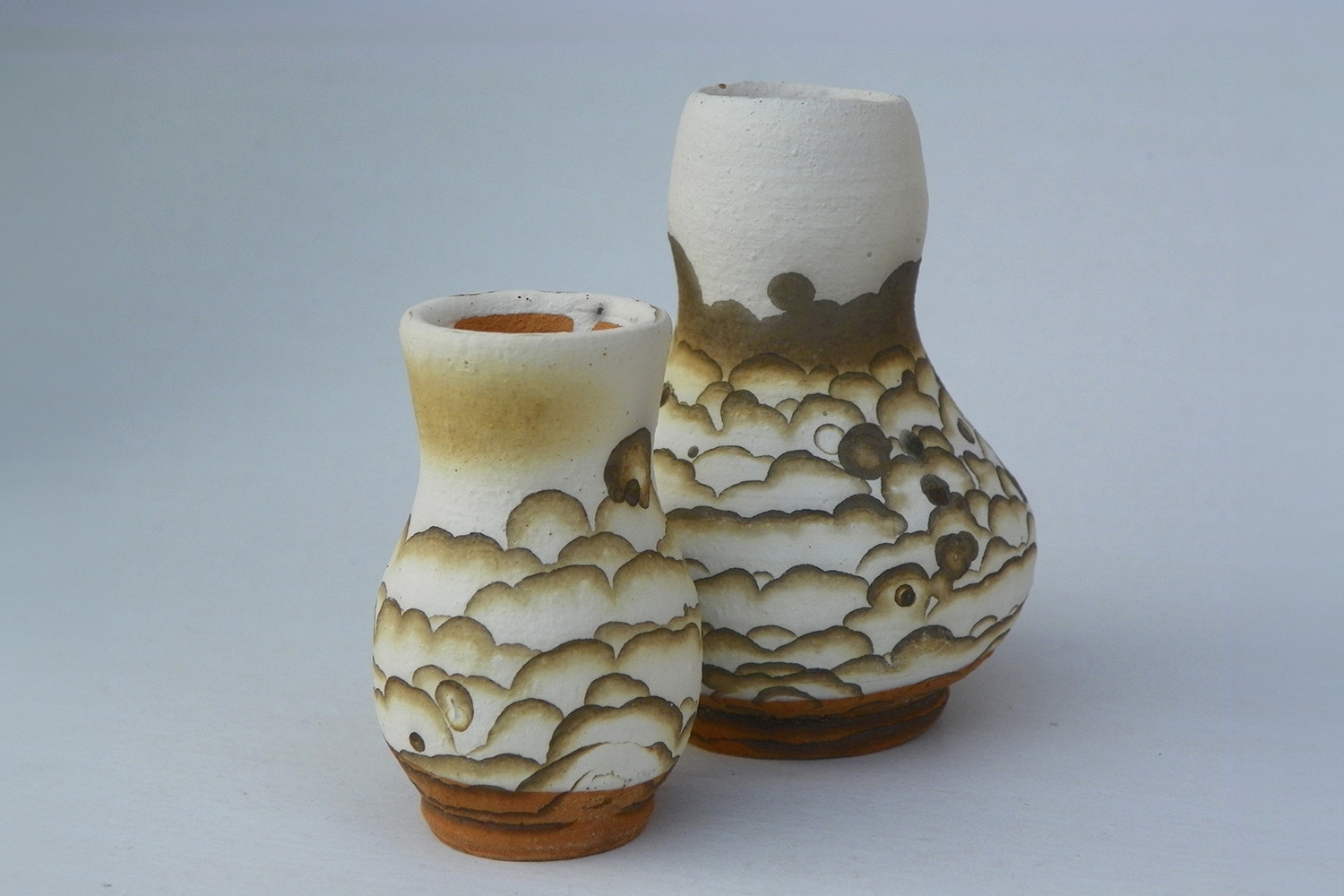
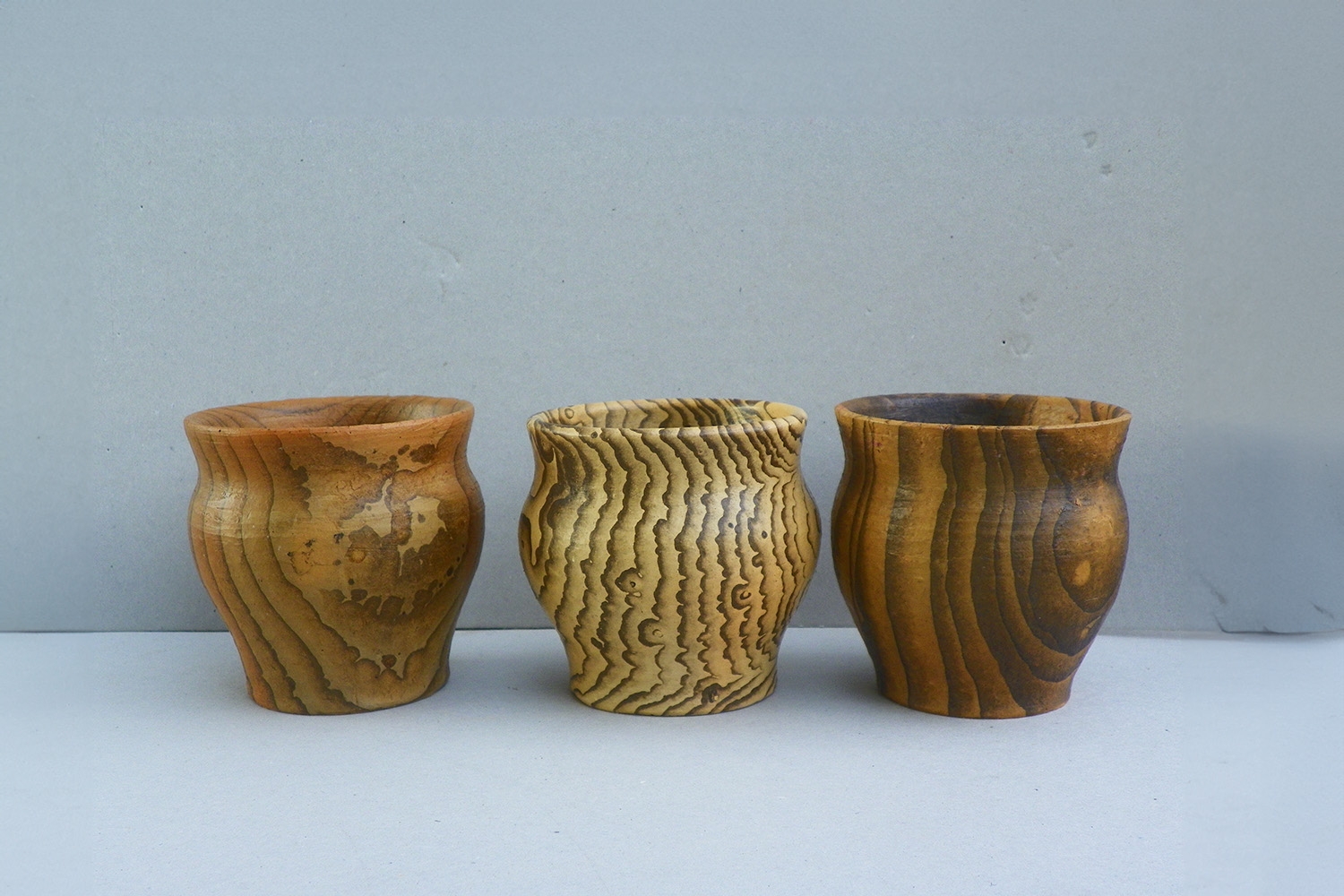
Dainius Strazdas has been making ceramics ever since he was at art school in the 1980s. He later studied at the Vilnius Academy of Arts, with an interest in the archaeological and historical ceramics of Lithuania and Vilnius, as well as the restoration of pottery. Today, Dainius creates ceramic vessels of his own, but also replicas of historical glazed tiles. He collaborates with archaeologists who provide historical material on ancient Lithuanian pottery. He is one of the artisans who restored the tiles of the Palace of the Grand Dukes of Lithuania based on the material stored in the collections of the National Museum of Lithuania and the Palace of the Grand Dukes of Lithuania. Dainius' work shows great respect for the old artisans, the history of ceramics, and a desire to preserve the tradition of the craft by using historical data. In his hands, archaic forms and decorative techniques are reborn and continue to live on.
INTERVIEW
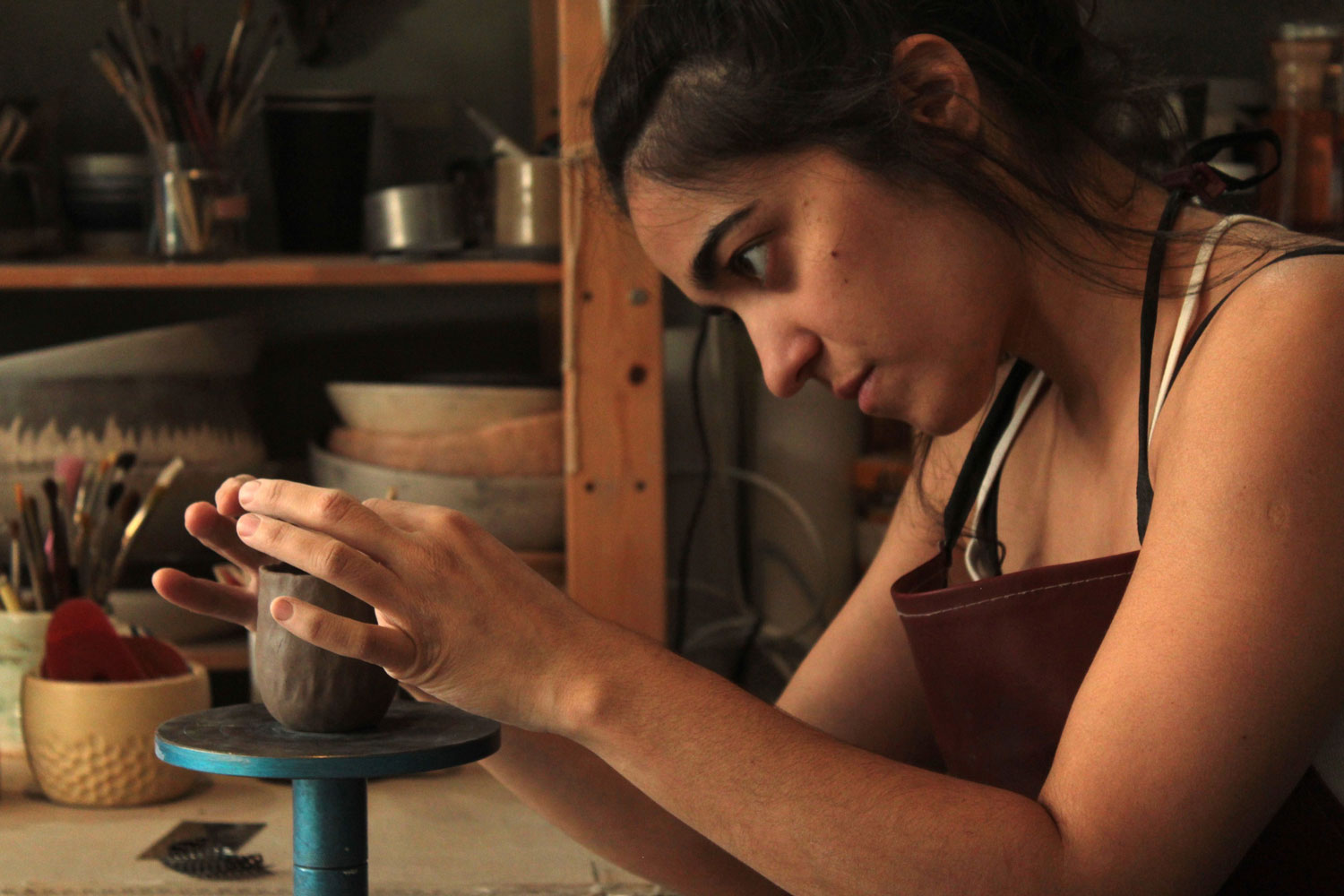
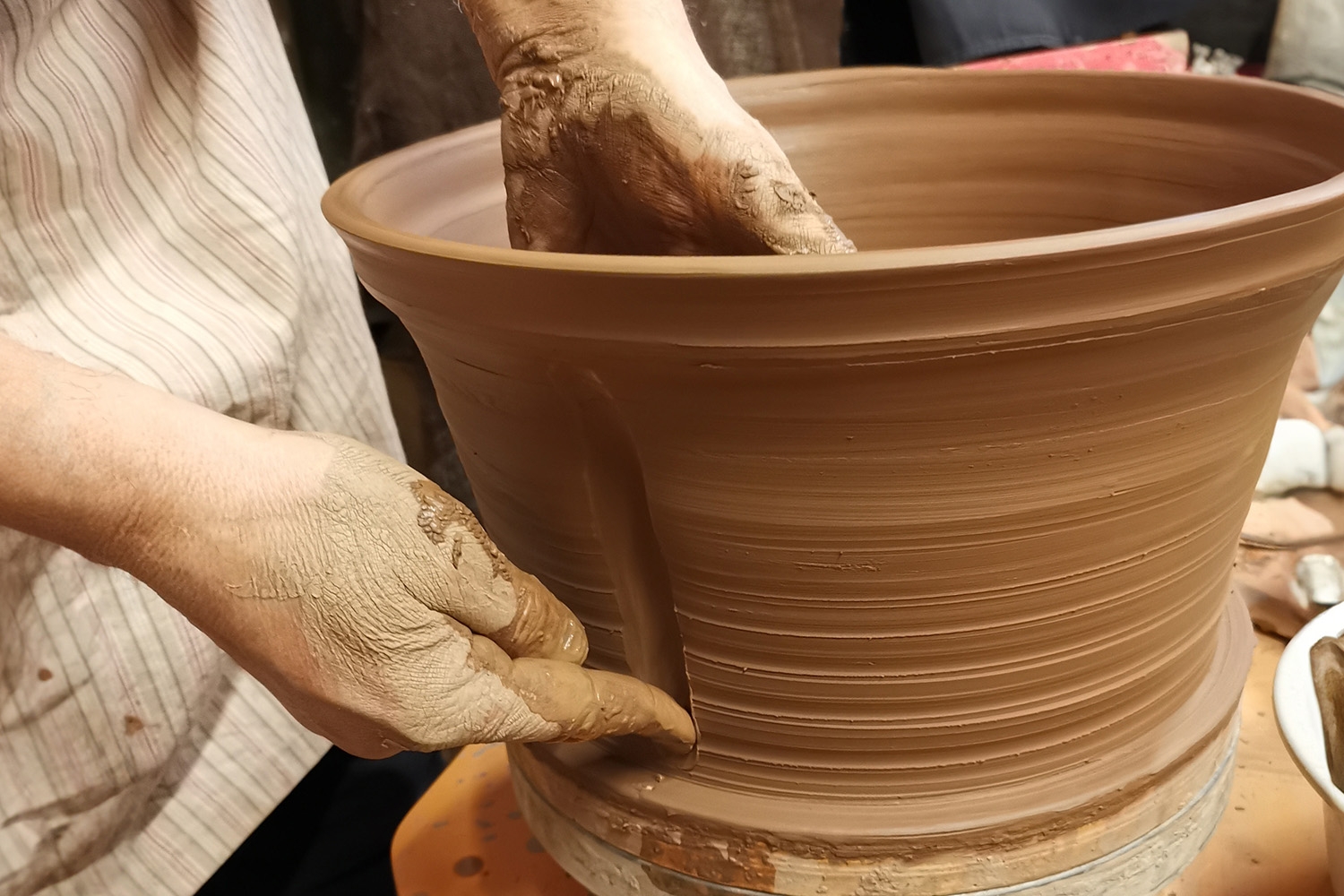
I had a teacher in secondary art school, Egidijus Talmantas, who taught me many other things in life while teaching me the craft. Since he was a ceramicist, I thought I could continue our friendship if I chose the same specialty. And so it did! Ceramics impress me with the arsenal of tools required, form, colour and function, as well as the most sophisticated technologies, where sometimes even a slight variation of components or temperature produces tangible effects.
In ceramics, as in other arts, what matters to me most is the closeness of the finished object to the original vision. When I work, I strive not to compromise the original idea. It can be like sitting underwater and holding in air. Only the hands move. Knowledge of the material and technology is also very important.
I am impressed by the legacy of ancient cultures and their distinctive sense of perspective and rhythm. I am also attracted to the old ceramic technologies from the Neolithic onwards, which I have been reconstructing professionally for over 20 years. I treat this field of work as an apprenticeship, as a collection of jewels scattered over time.
Curiosity mobilises the other necessary qualities – it gives birth to the desire to experiment, to do things yourself, directly, with your own hands. Then, control over all the stages becomes possible.
Dainius Strazdas
Ceramicist
Vilnius, Lithuania
Recommended by Vilnius Academy of Arts
AVAILABILITY
Tuesday to Friday 11:00-19:00; Saturday 12:00-16:00
PHONE
+370 65999040
LANGUAGES
Lithuanian, English, Russian
Homo Faber Finds is a new service aiming to inspire admirers of craft to connect and collaborate with exceptional artisans.
We invite you to submit an enquiry here.