Cecilia Vargas
Ceramicist
Pitalito, Colombia
Recommended by Artesanías de Colombia
A whole world of Colombian culture
- Cecilia learned ceramics from her mother and has developed her own aesthetic
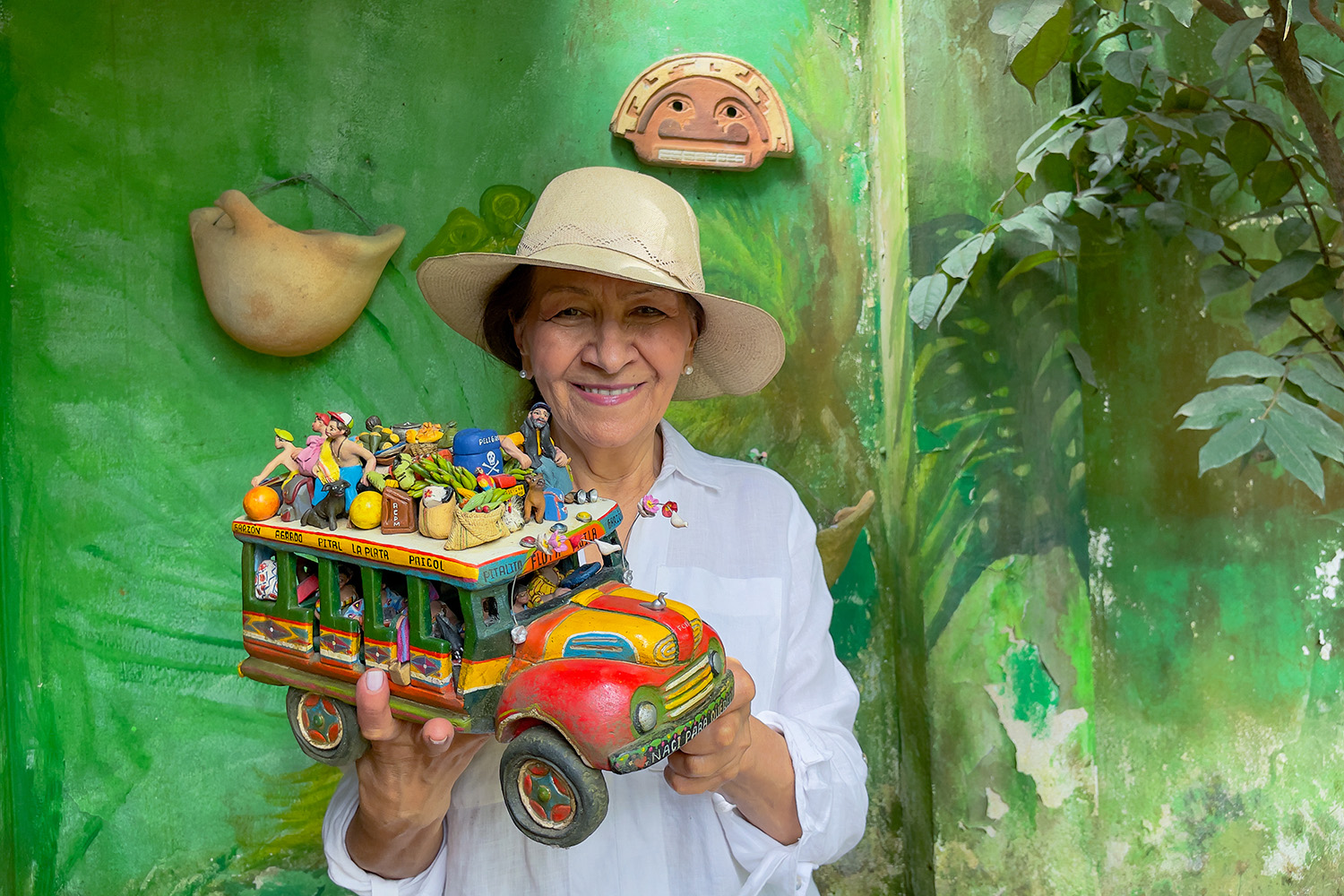
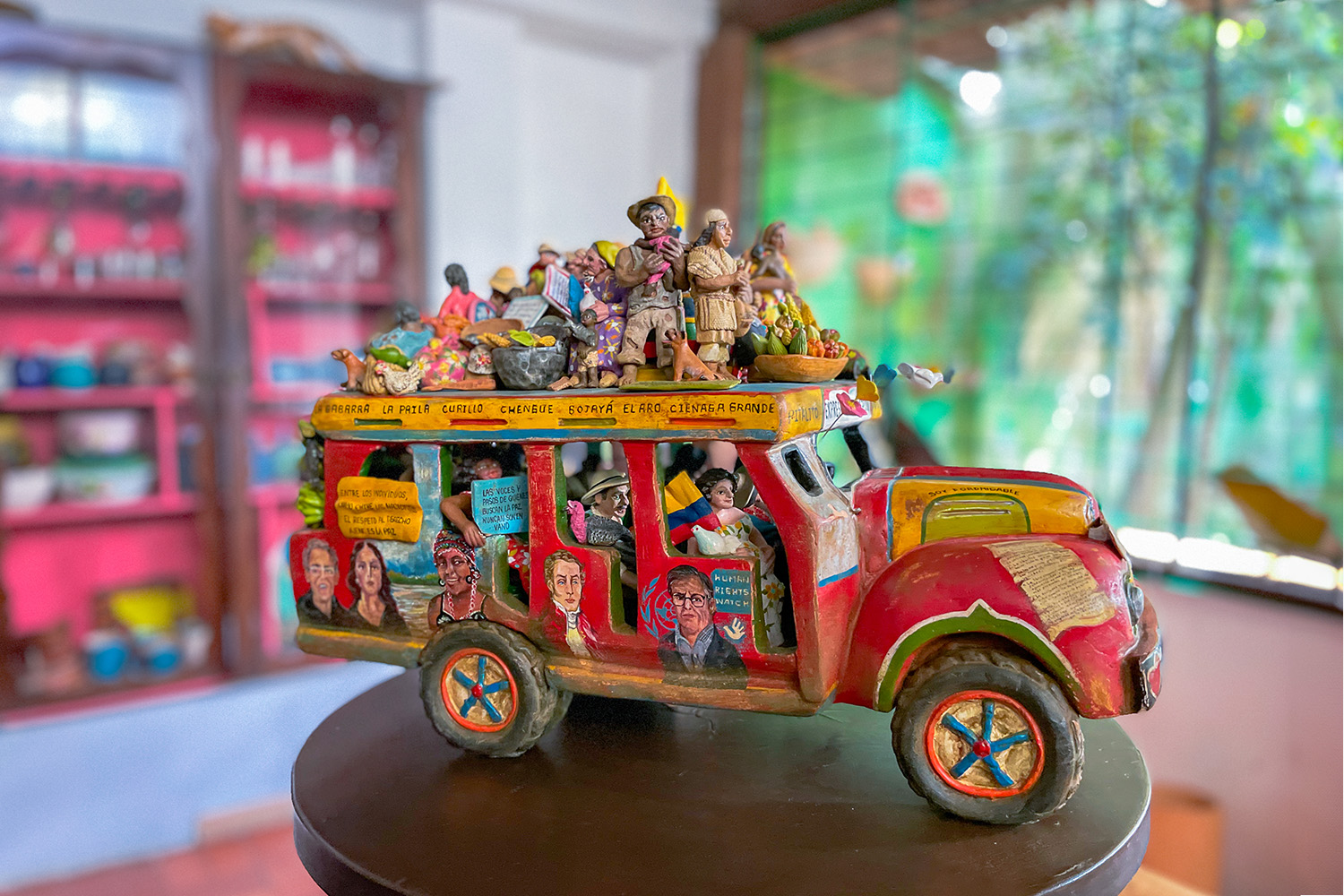
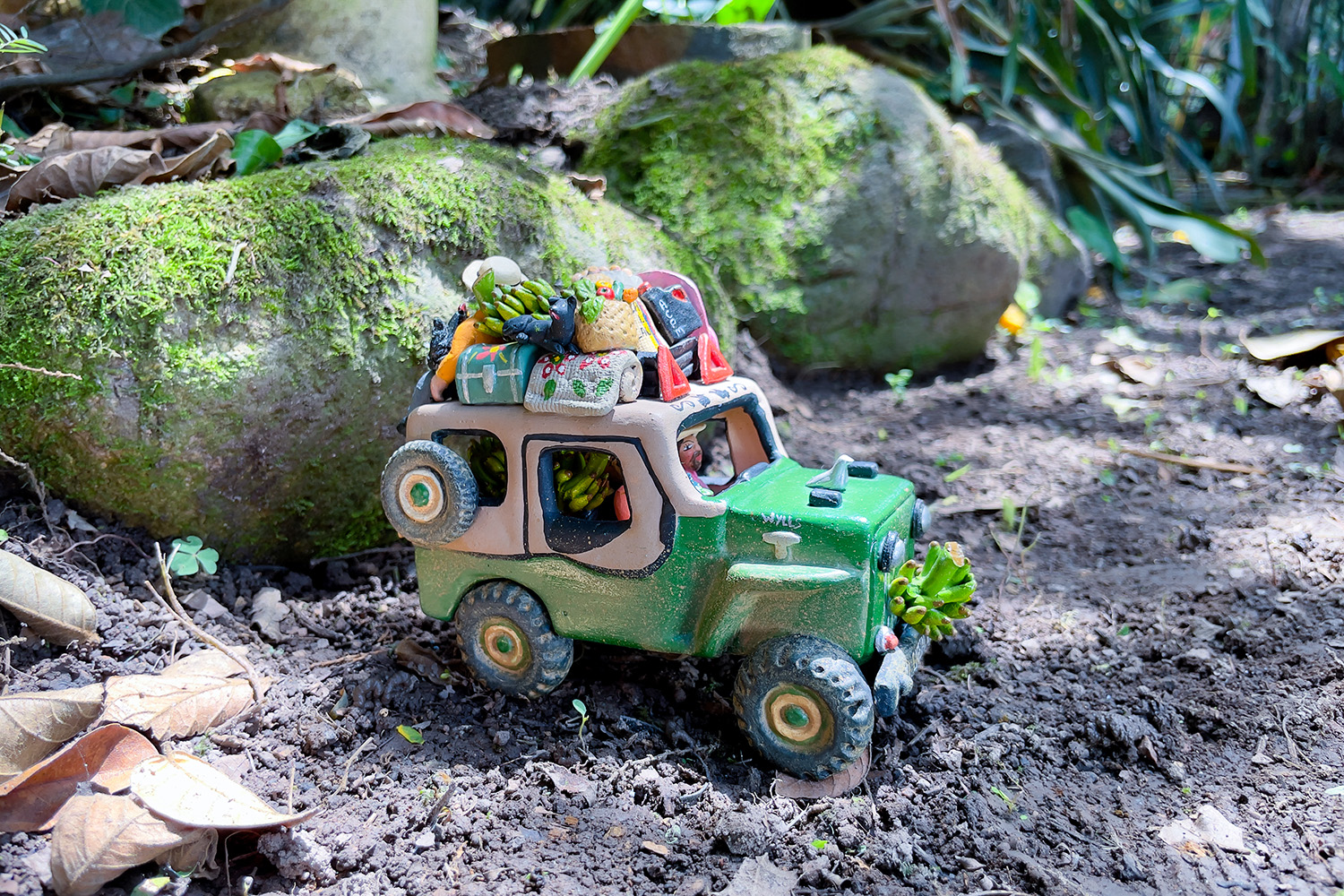
- The chiva is a very important item in Colombian peasant culture
- She loves to research her creative concepts in depth
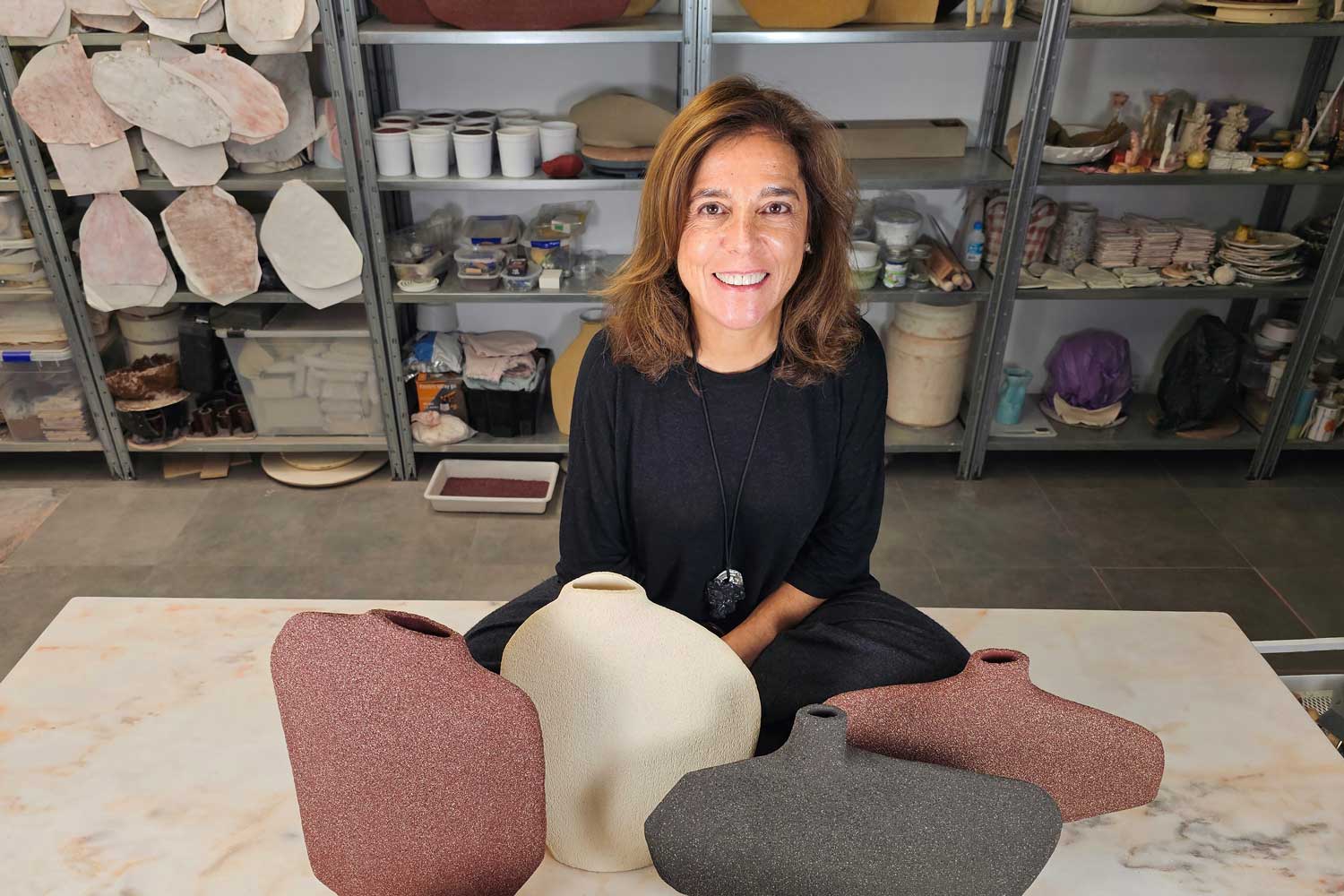
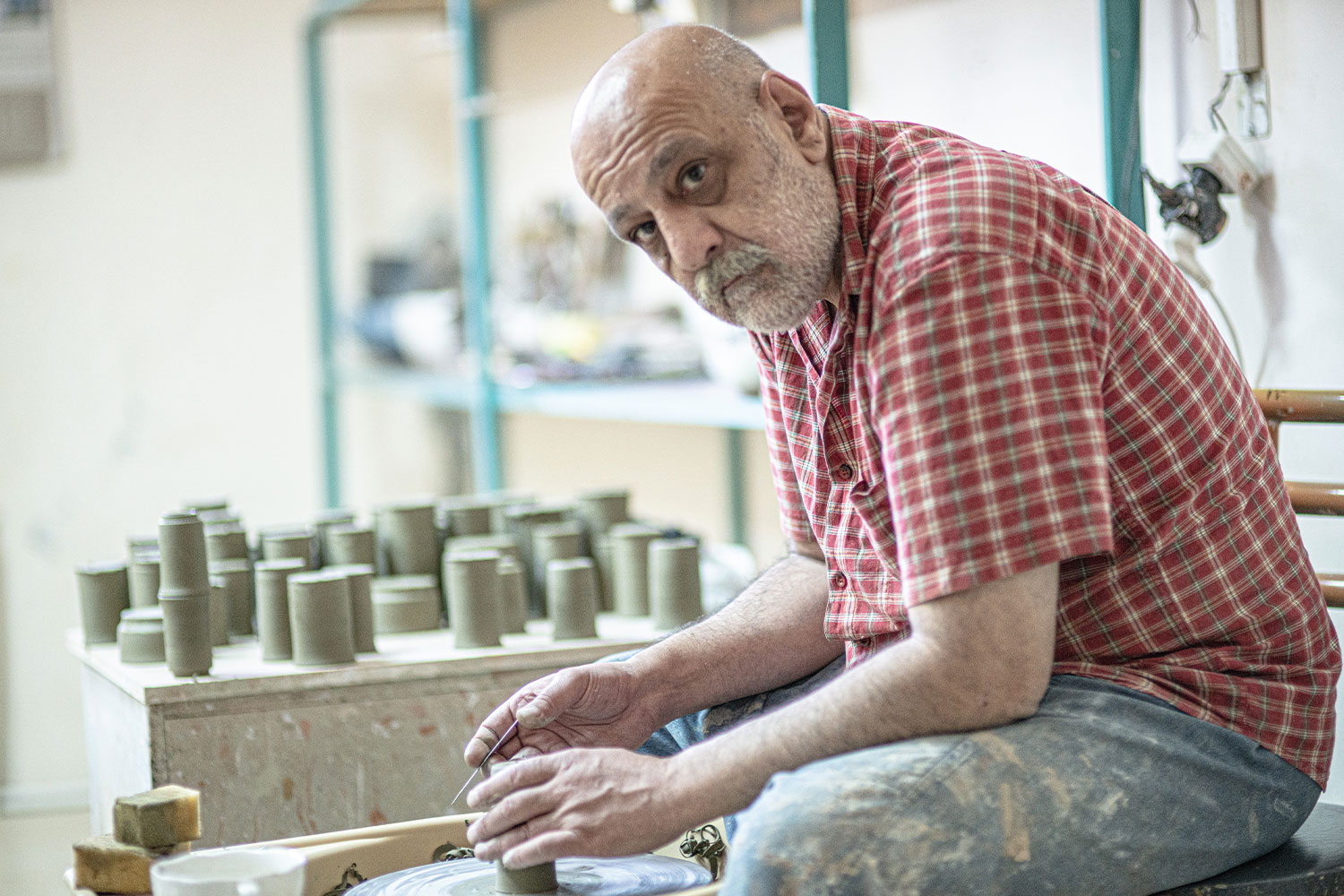
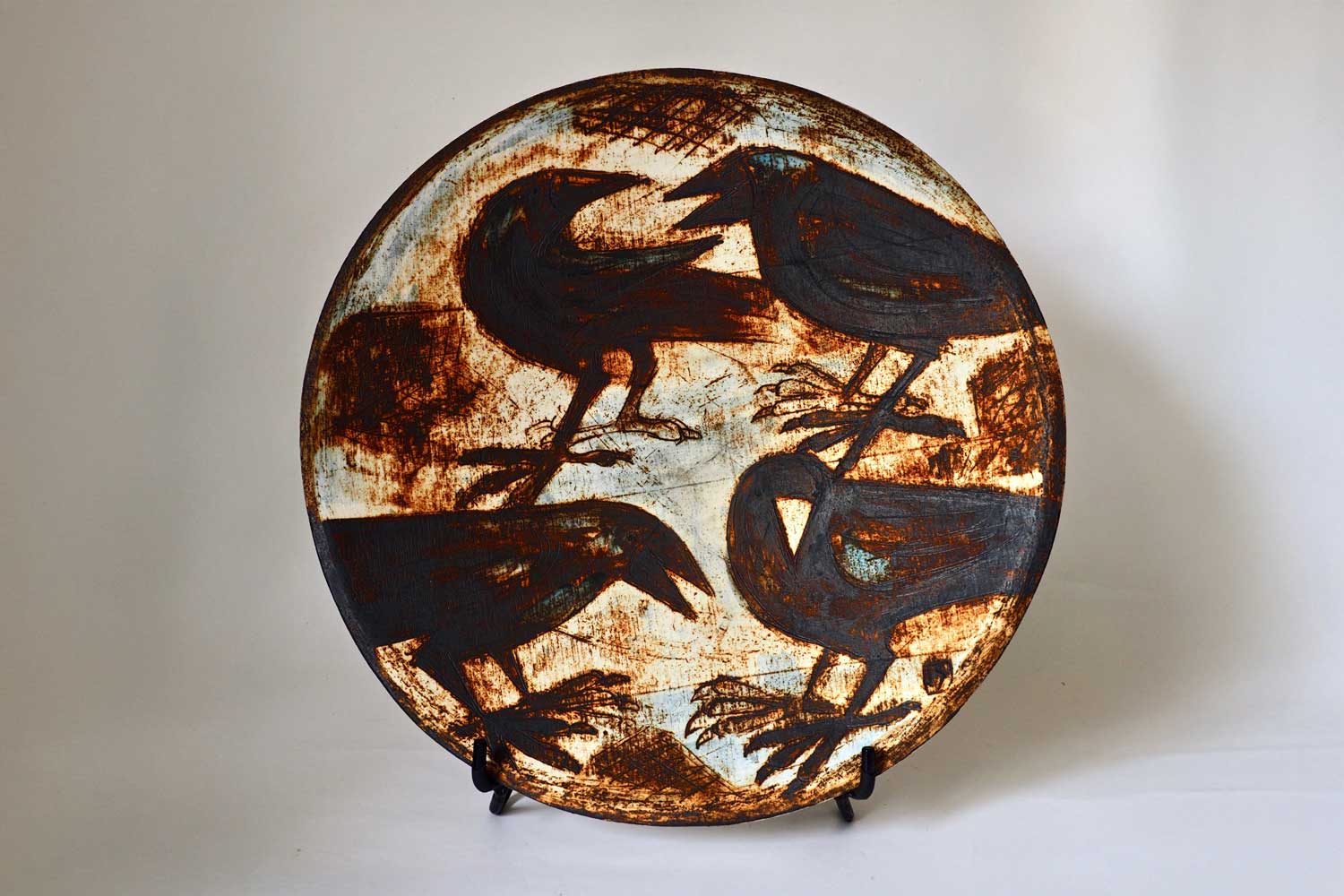
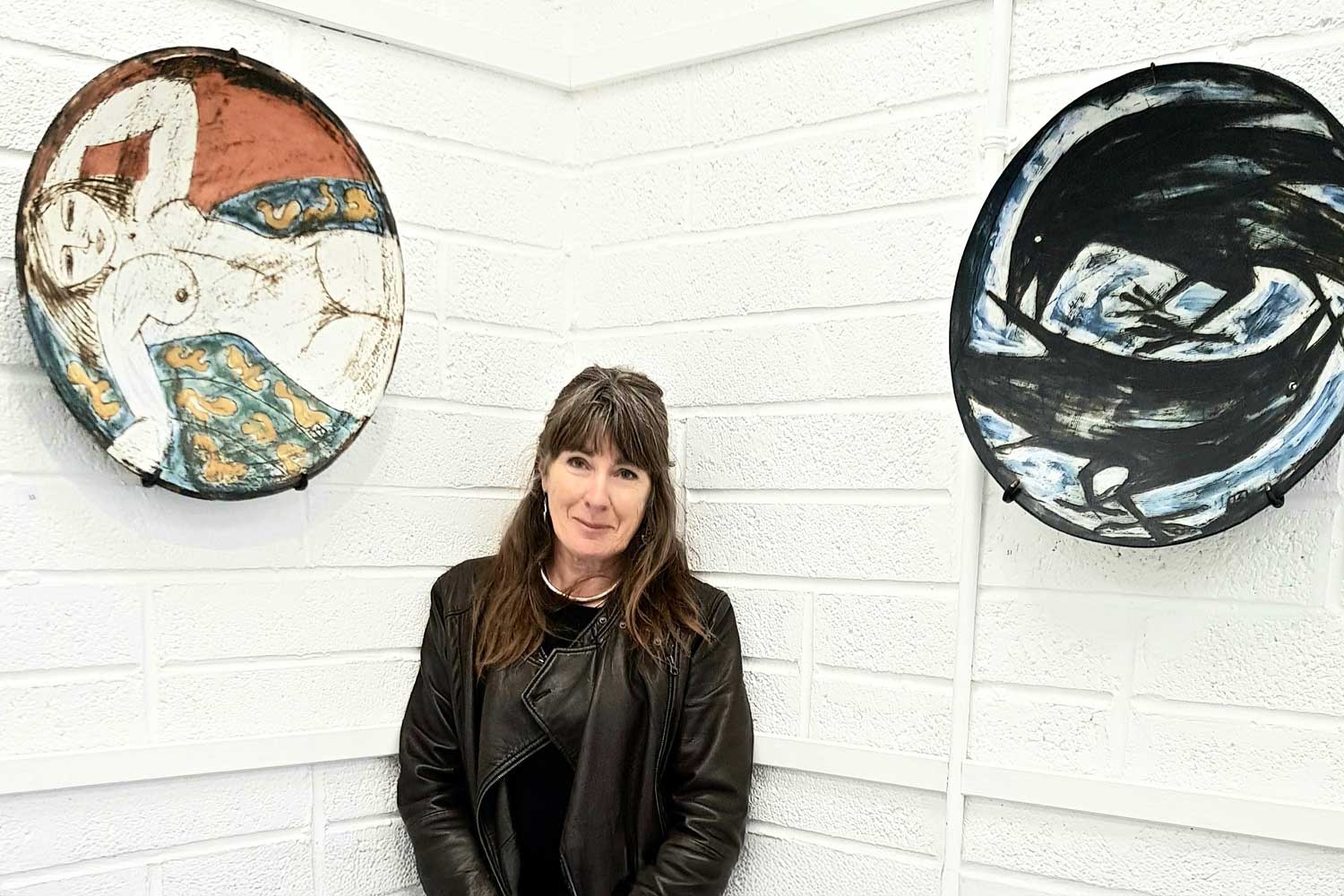
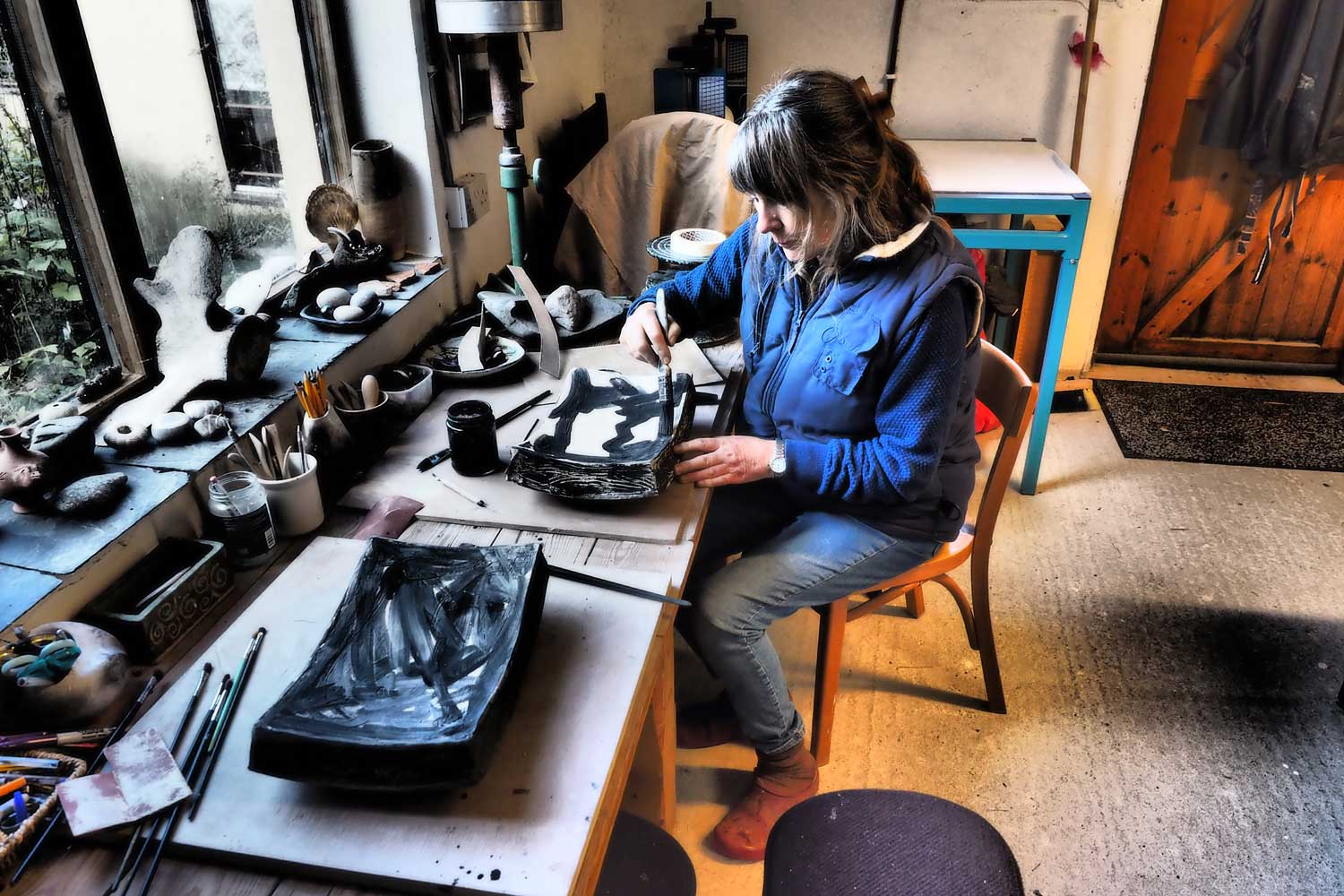
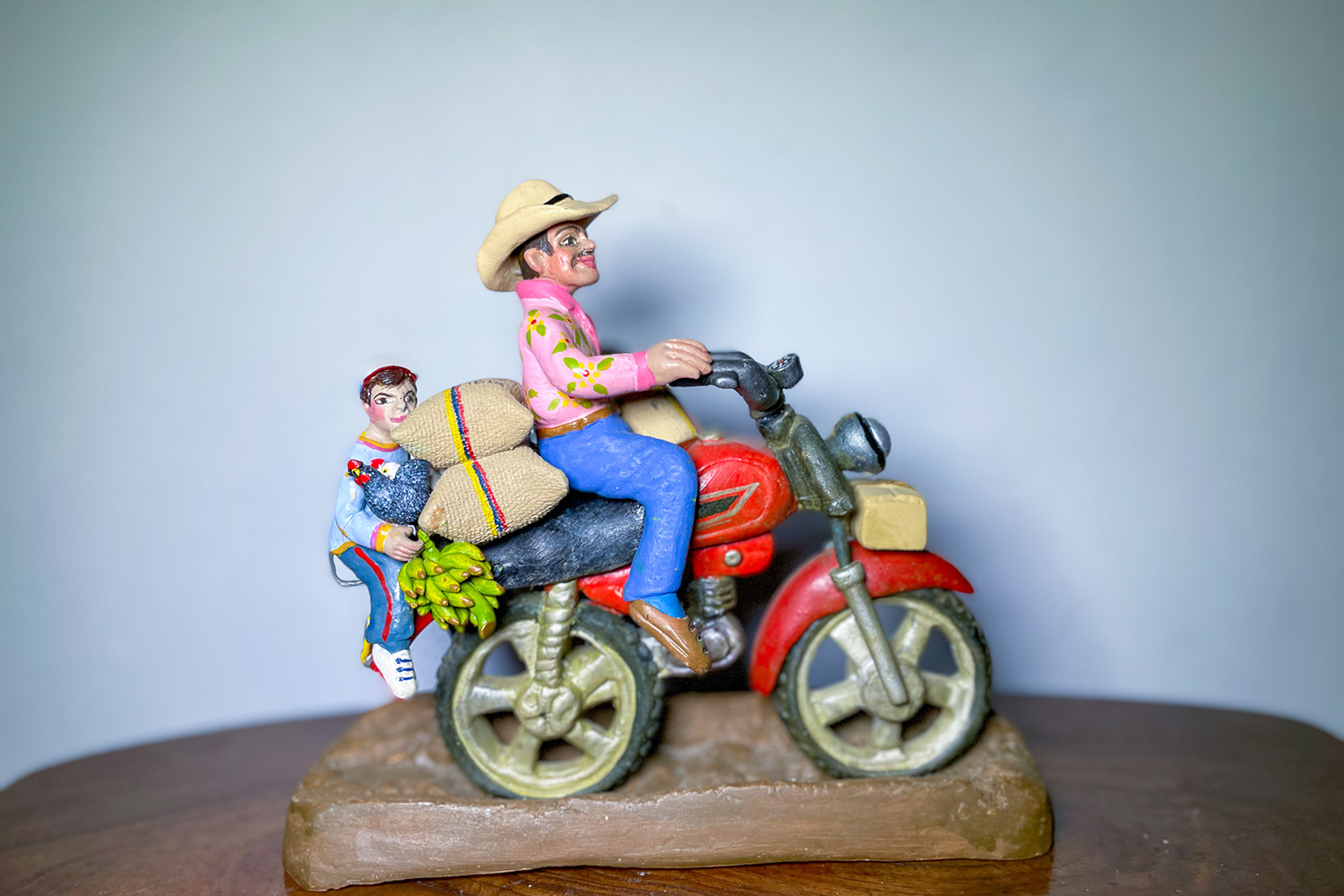
“Knowledge is not only acquired through academic studies, but throughout life,” is a sentence that Cecilia Vargas once read and that impacted her greatly. Ever since, she has identified with it. Cecilia carries forward a legacy and tradition inherited from her mother, but over time she has evolved her own, special language. Cecilia has devoted her entire life to investigating the different stories, groups, and cultures that make up the diverse Colombian culture. This has led her to the creation of spectacular works that reflect the innate curiosity that characterises her. Cecilia prefers not to be classified as a certain type of person or artisan, as she believes in living in a constant dialogue with herself, what she knows, and what she can learn about her environment and the world.
INTERVIEW
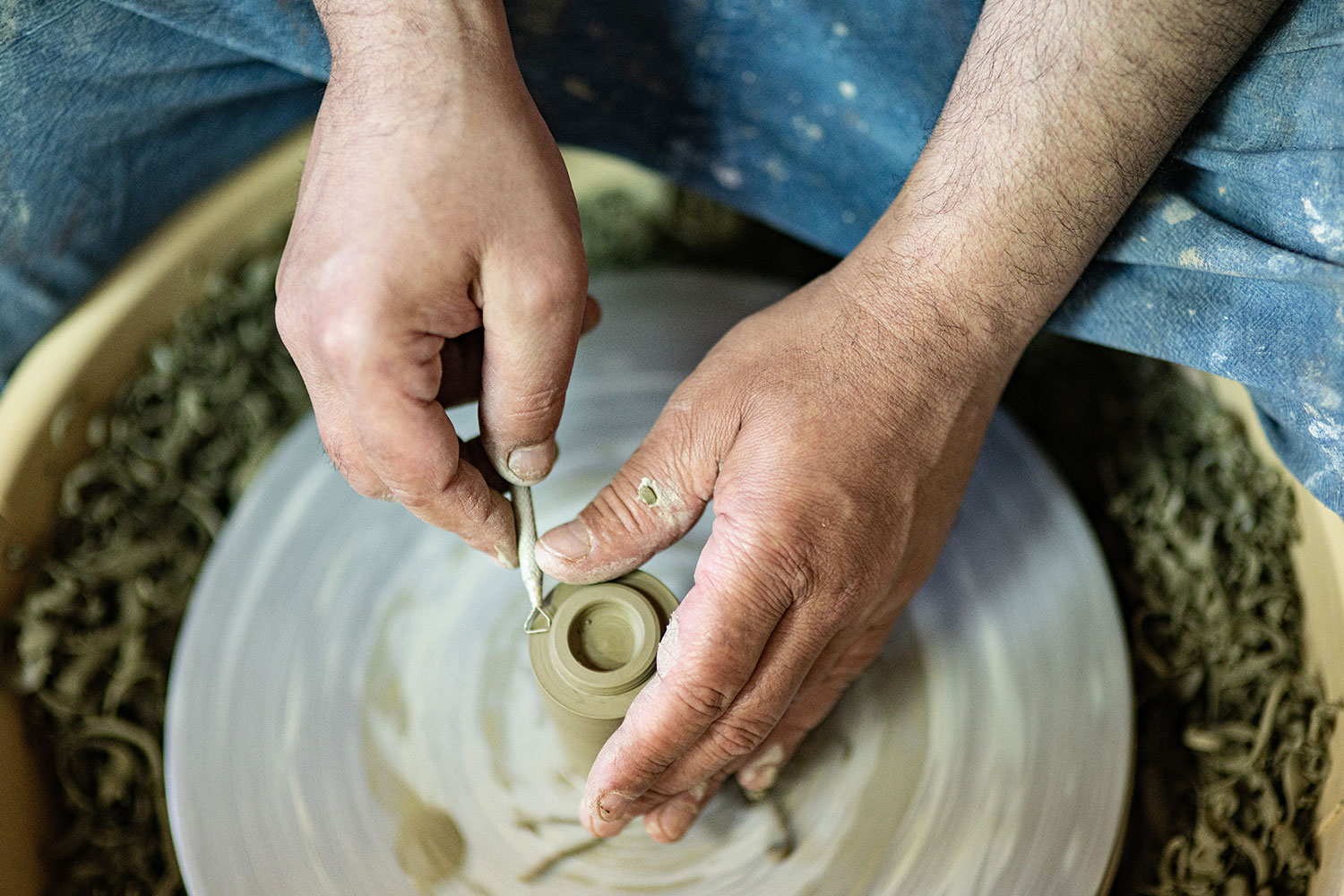
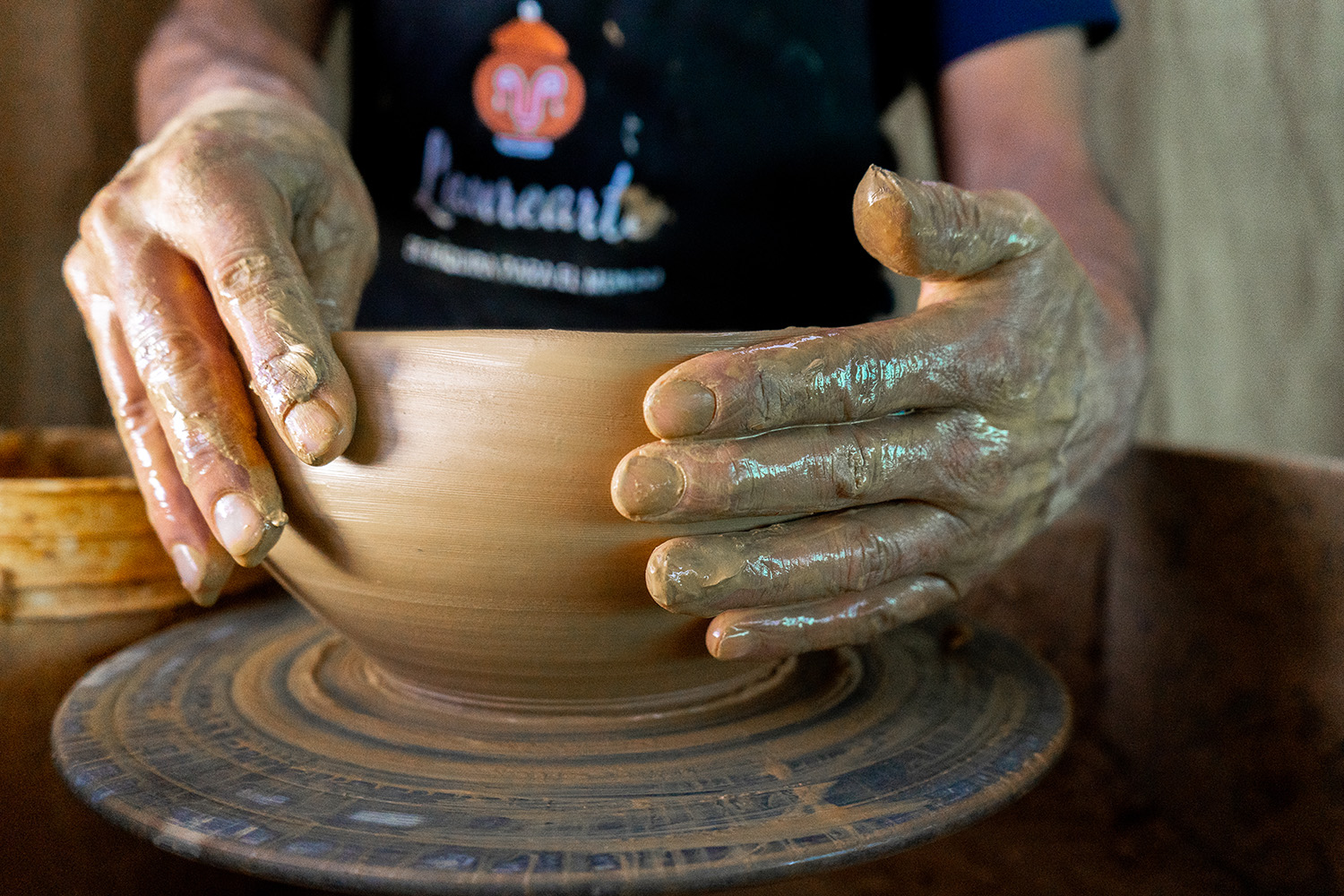
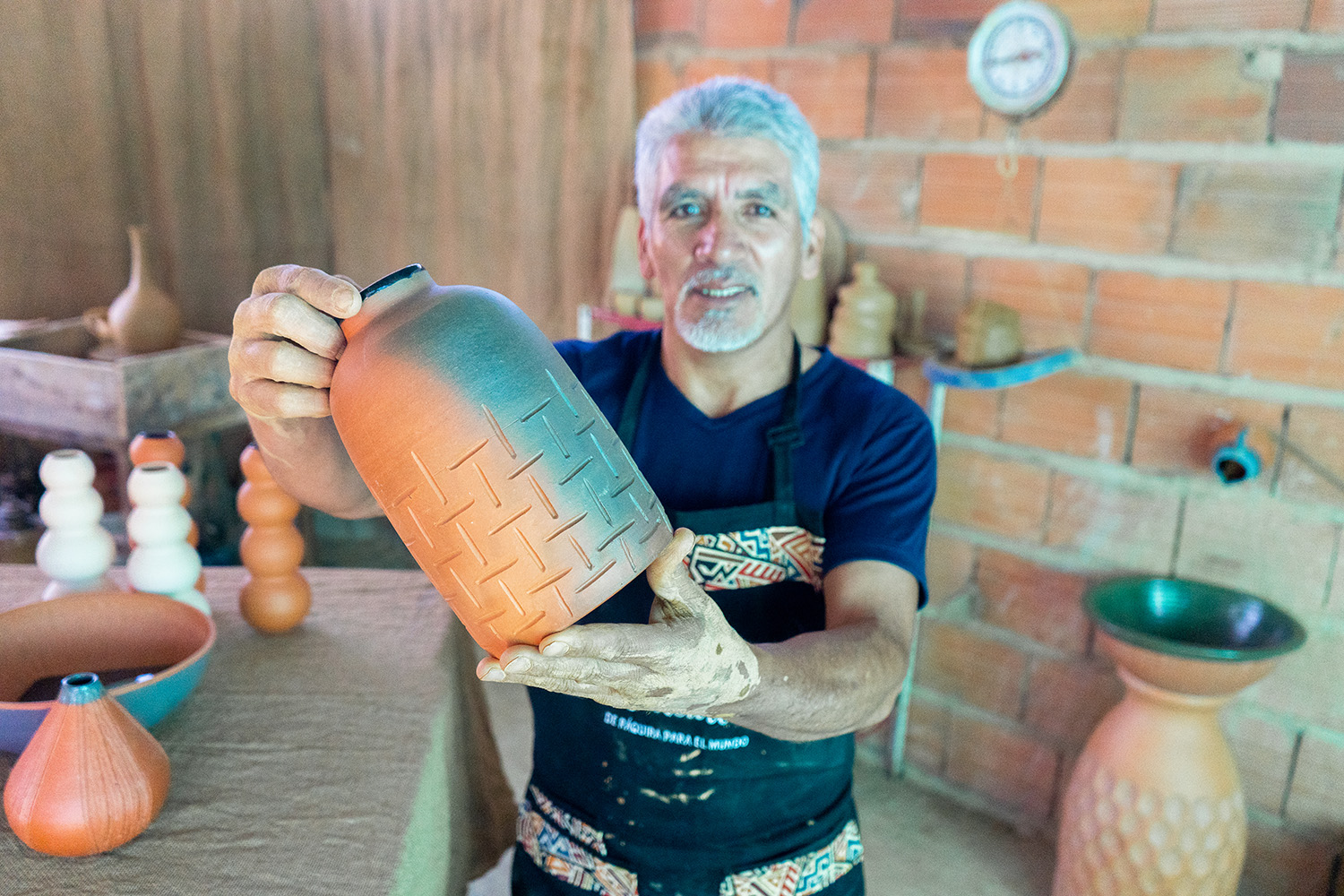
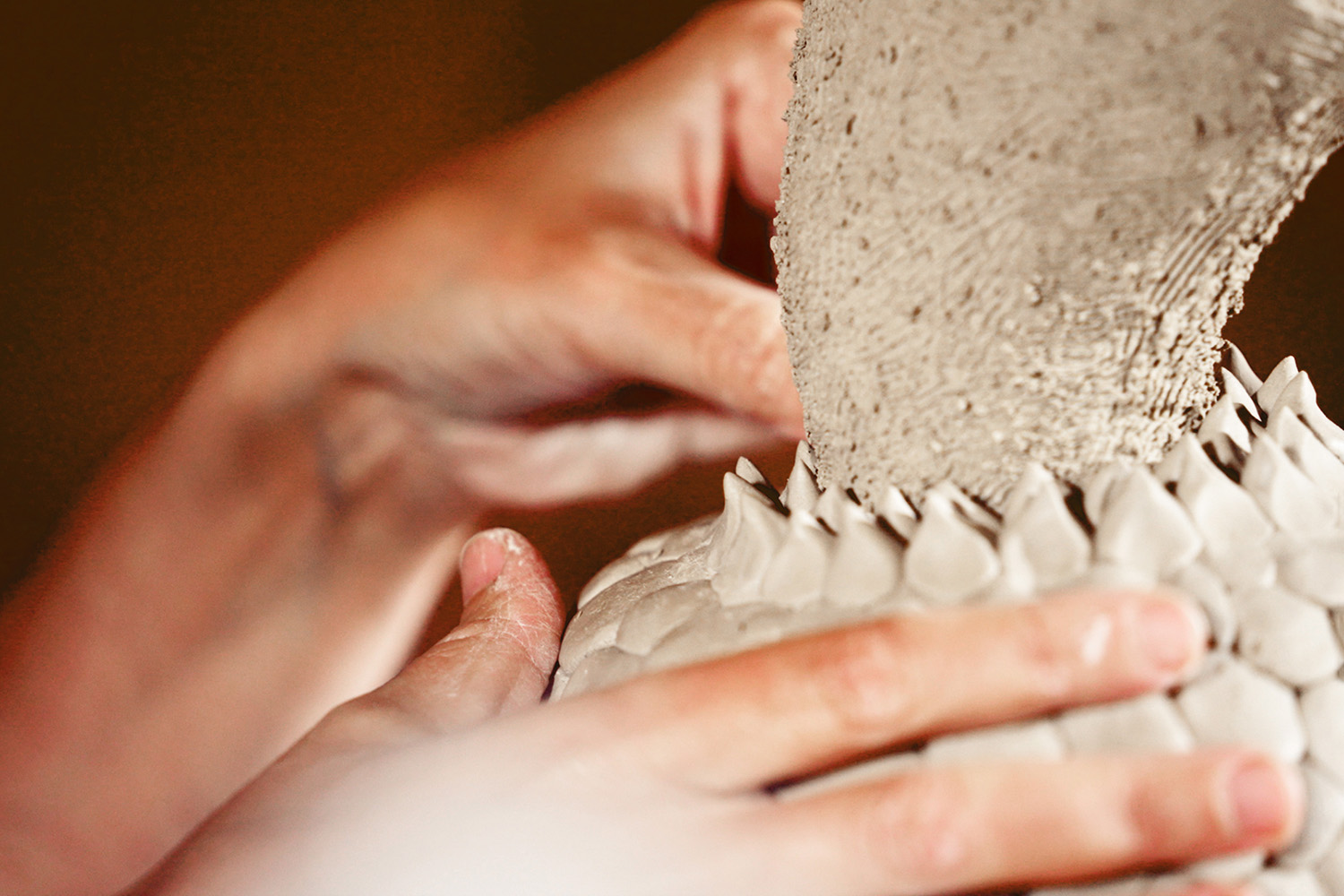
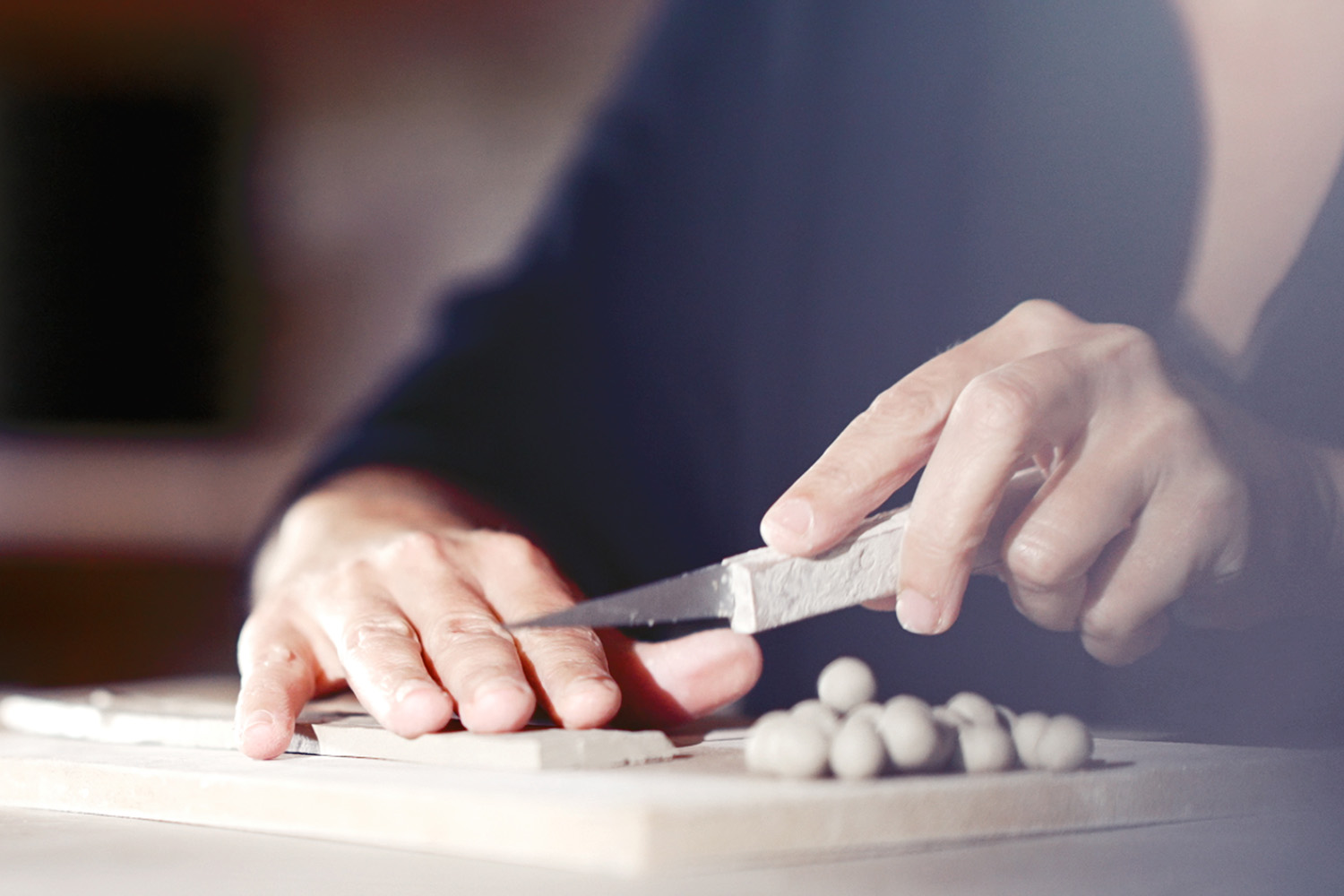
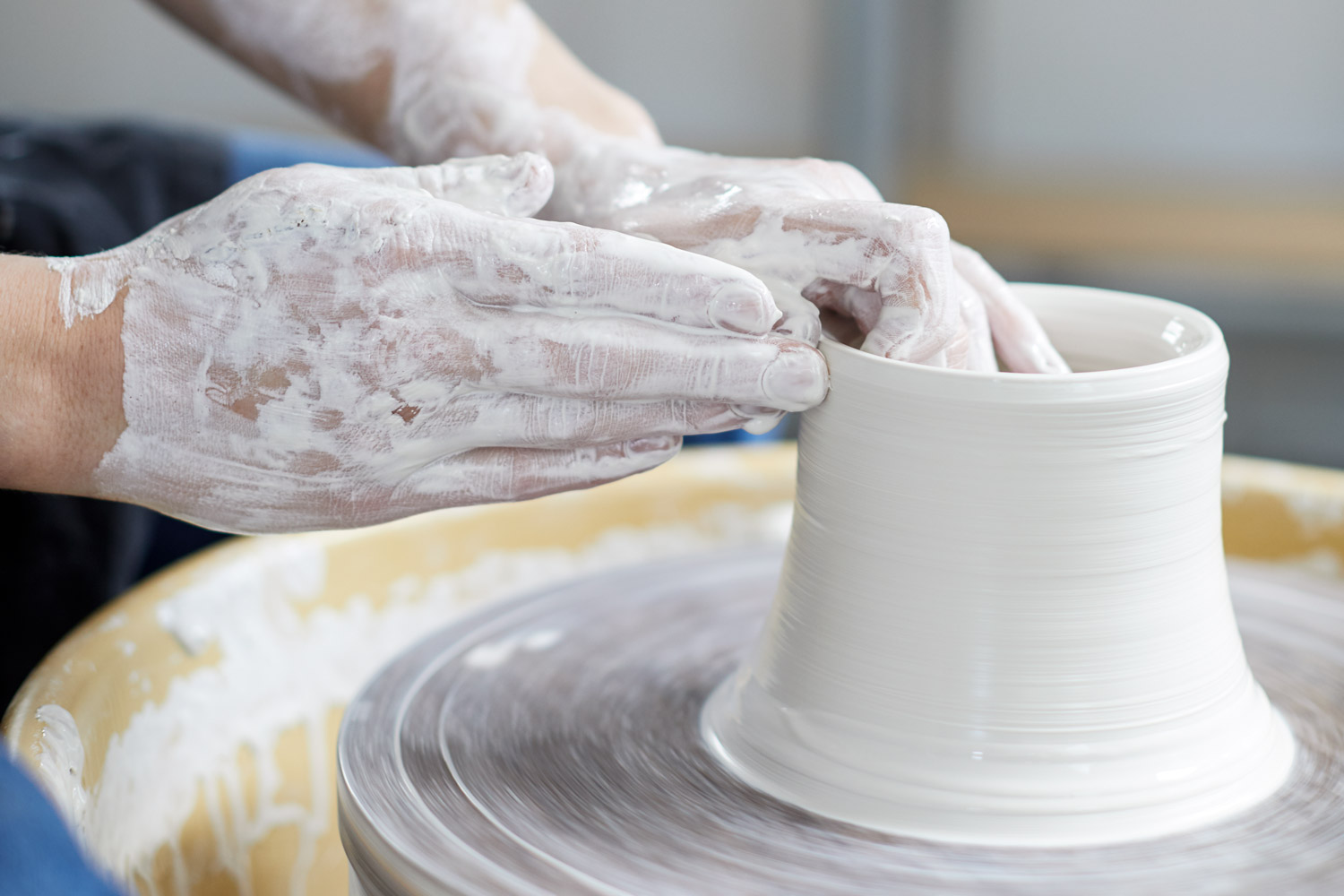
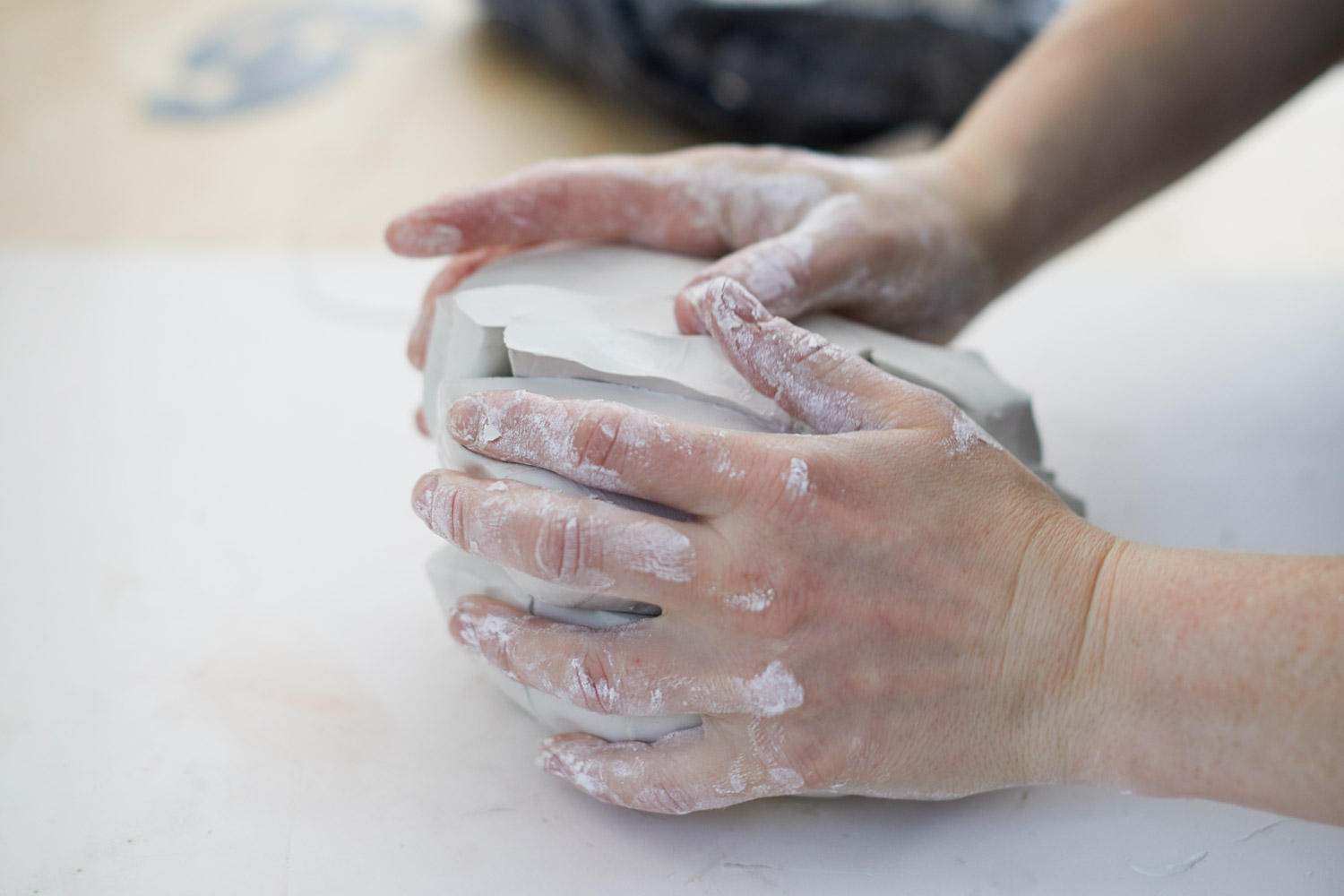
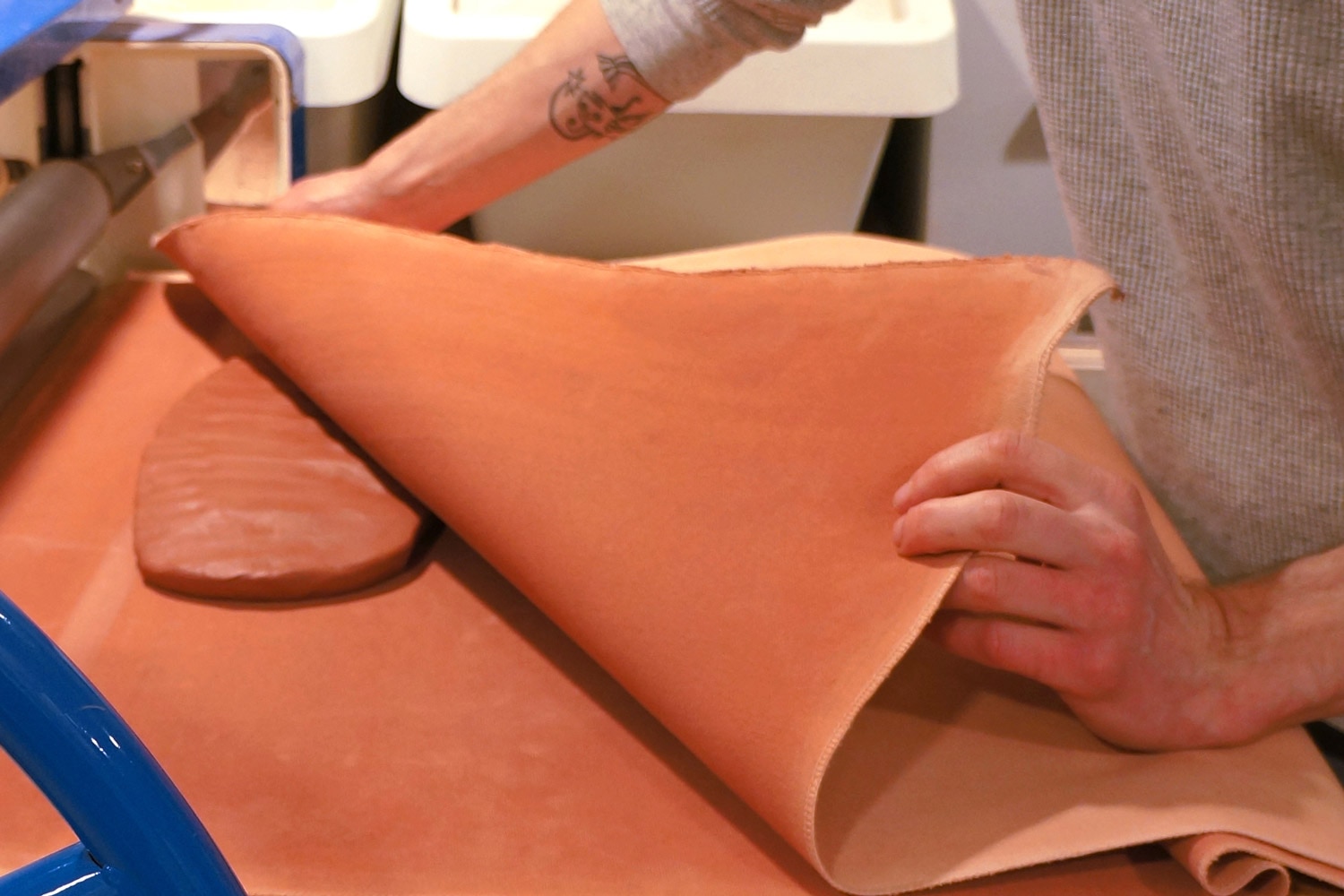
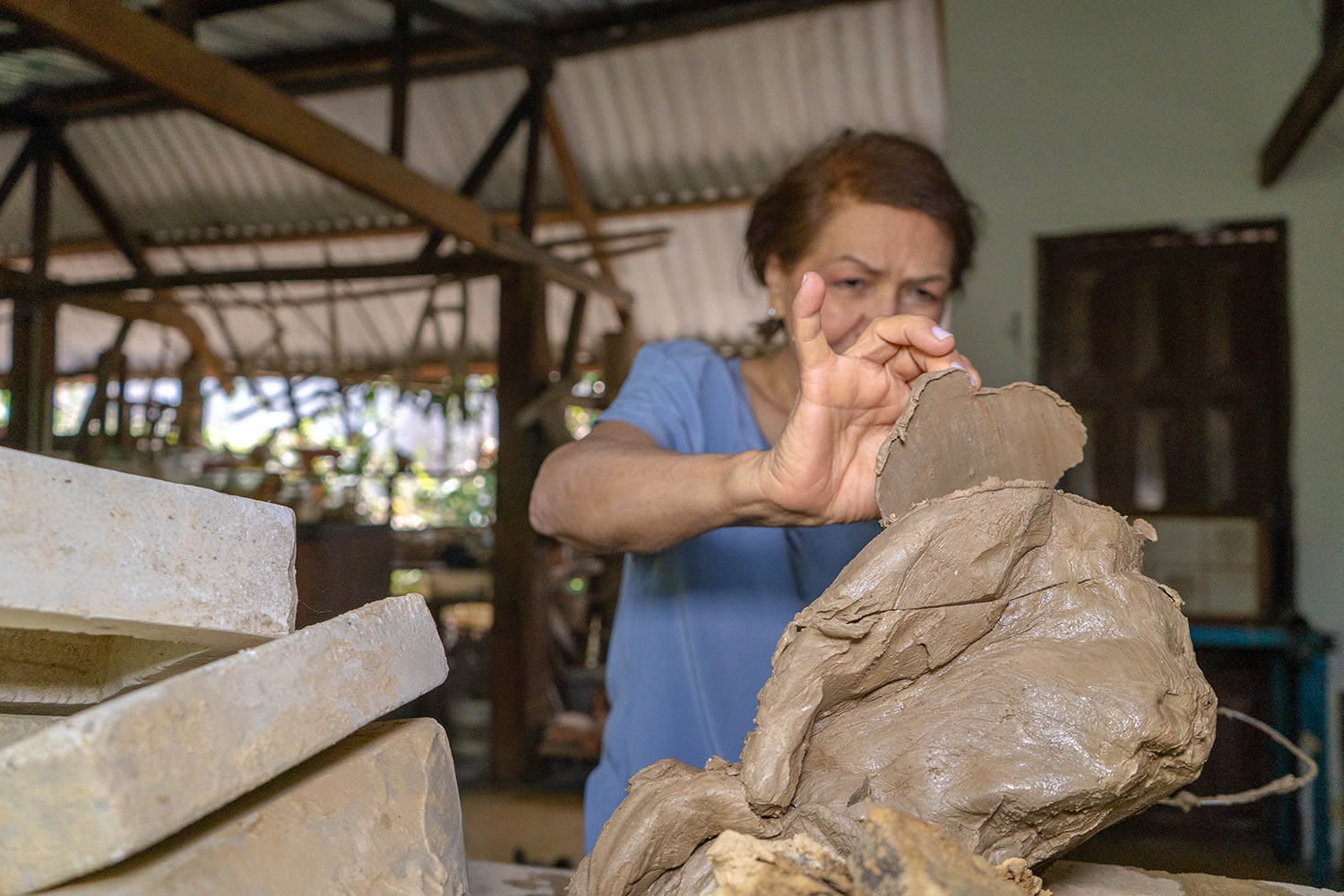
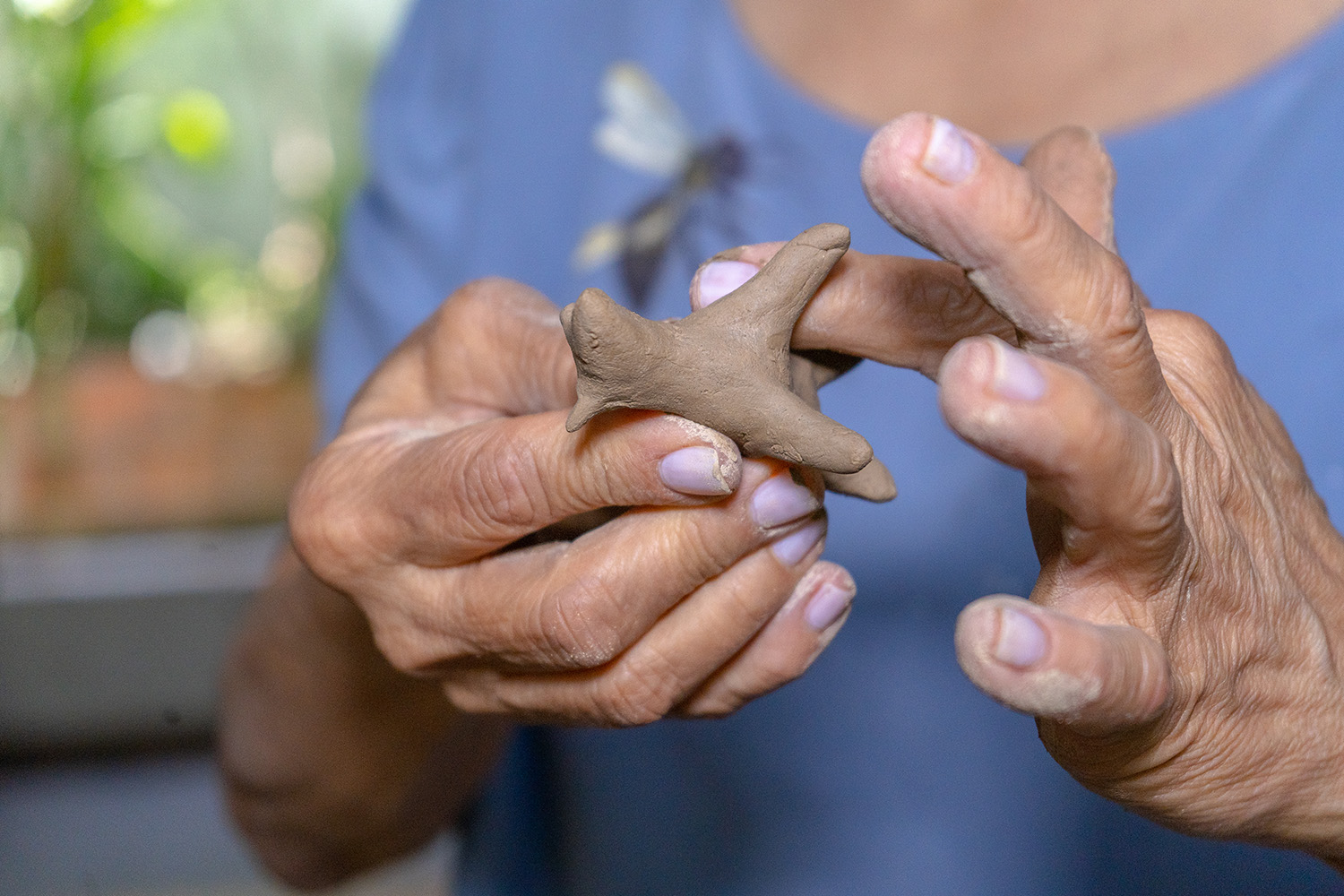
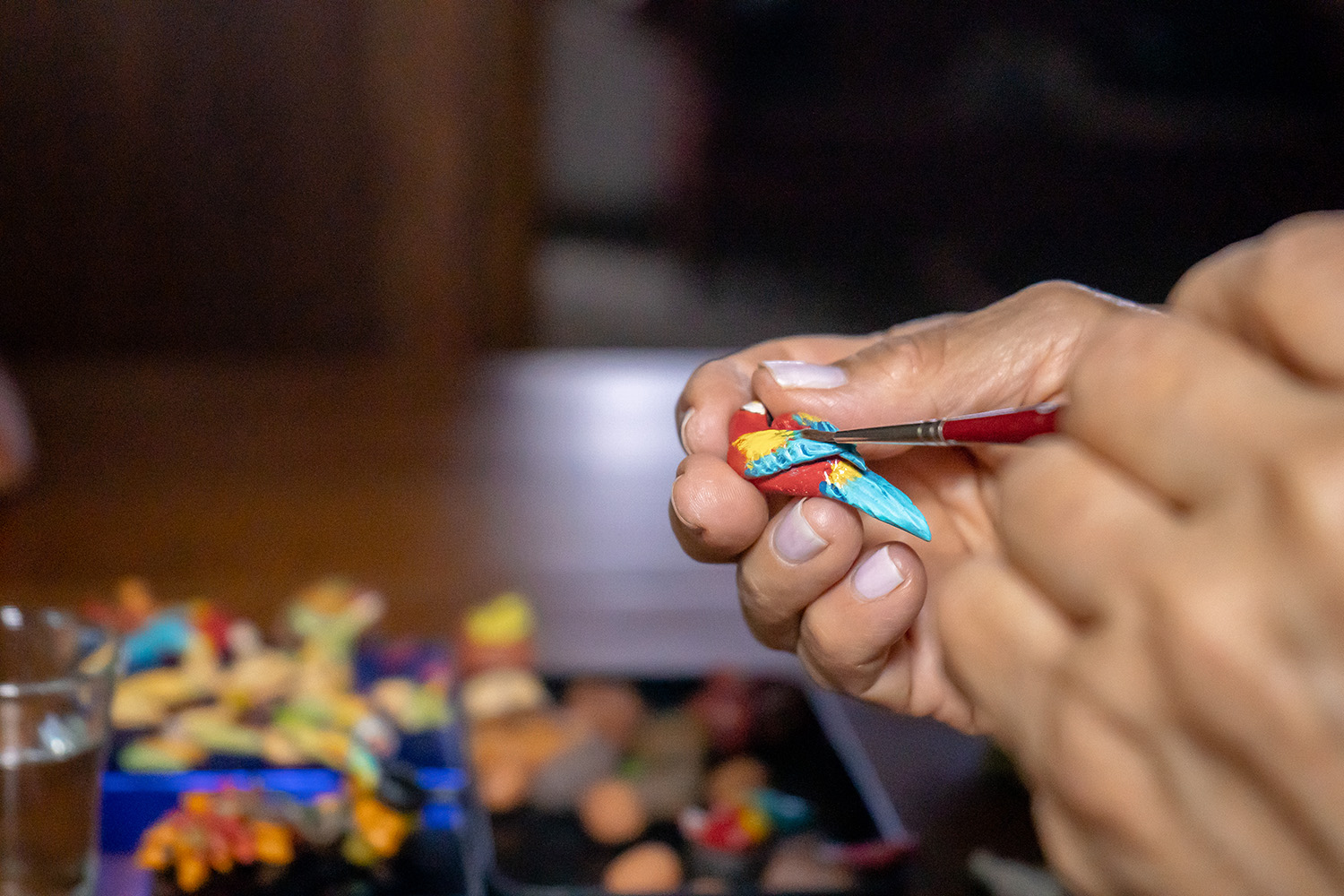
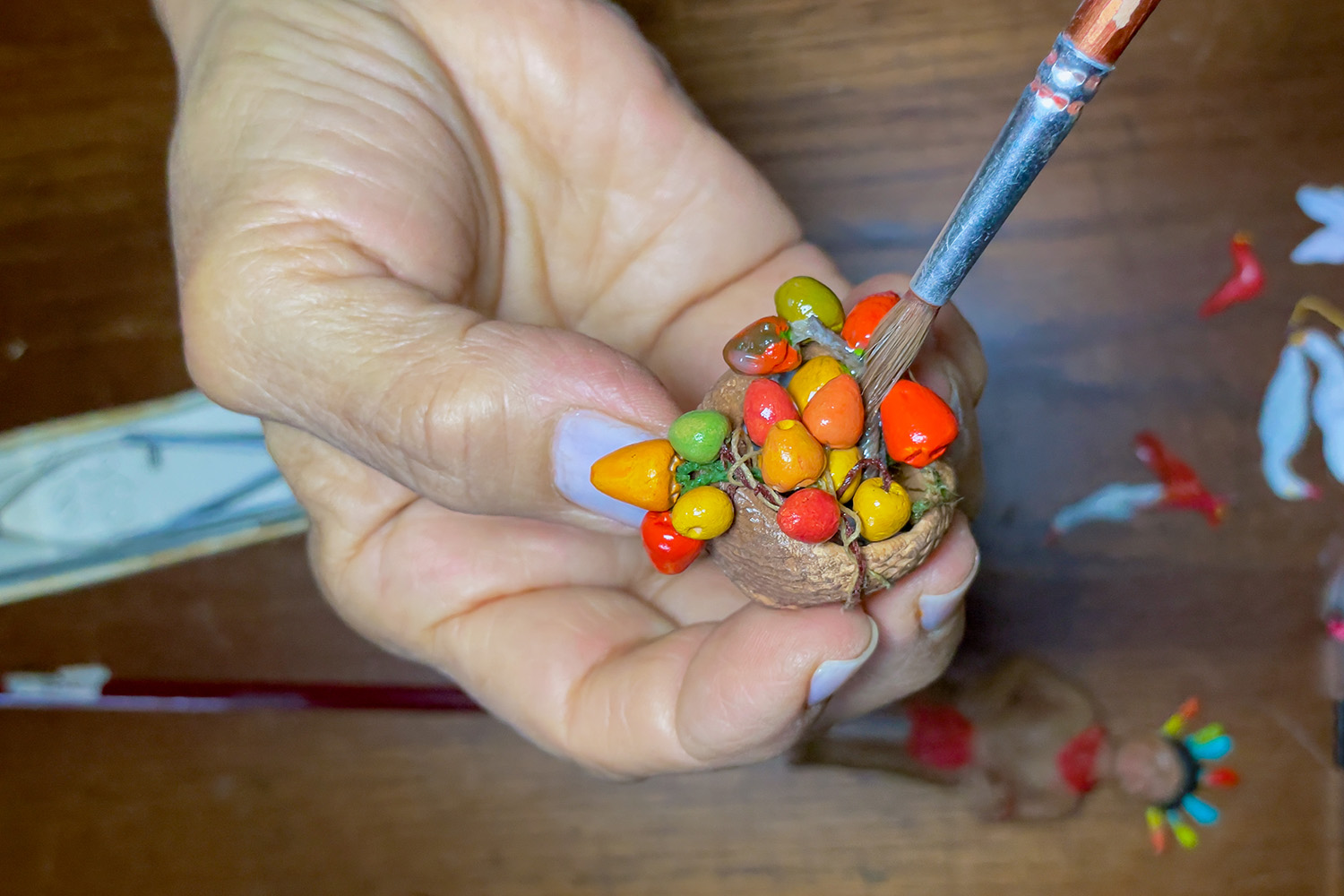
I learned ceramics when I was young, from my mother, Aura, who made Nativity scenes in clay at that time. I started exploring the clay, playing with it, discovering its characteristics, and as I grew up, I created more complex figures. I started to make my own nativity scenes, but instead of the traditional Virgin Mary and Saint Joseph, I created figures of Colombian indigenous people.
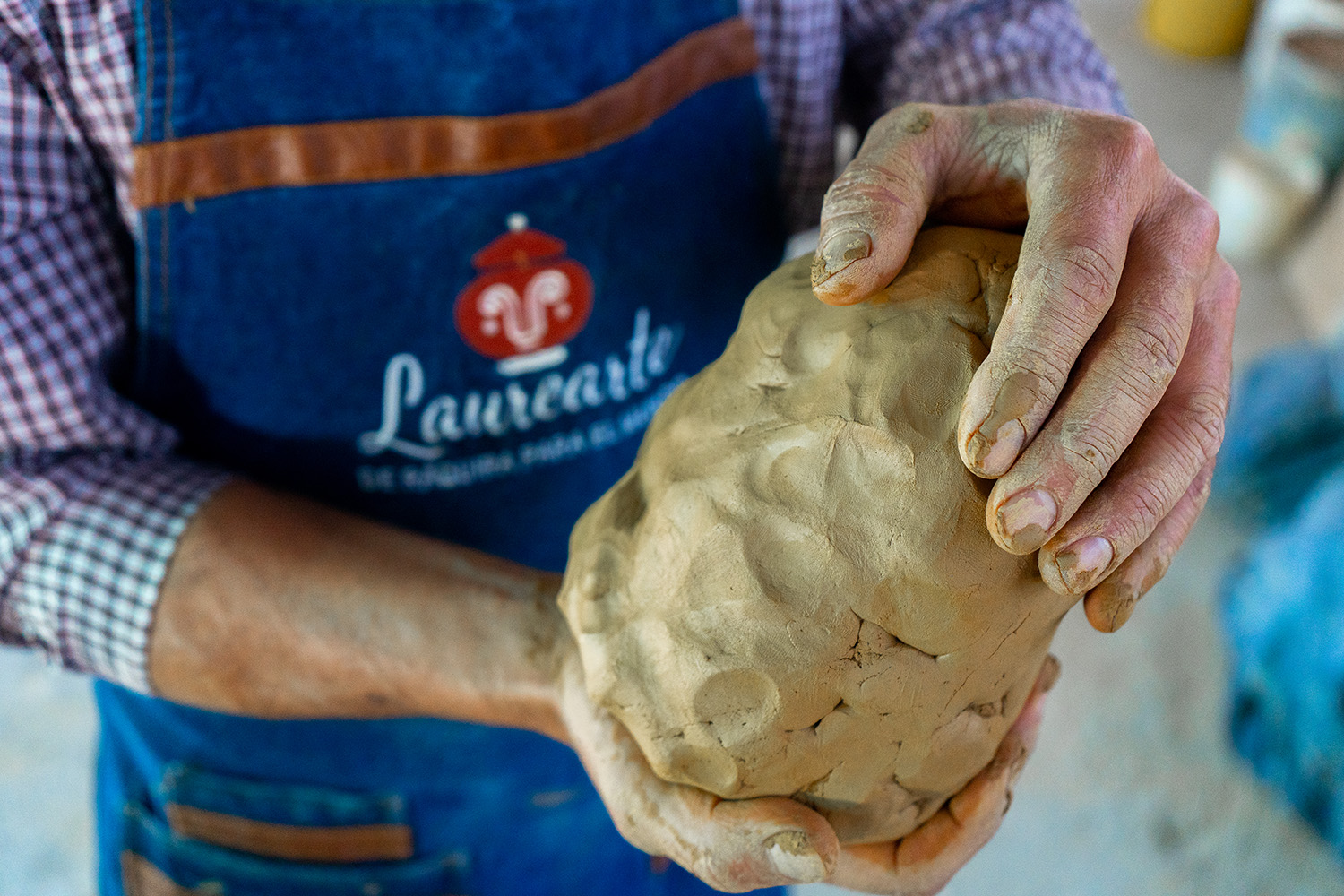
My mother Aura was a master artisan in recreating popular scenes in ceramics, especially the Nativity scene. Every year in December, people in our town made pilgrimages to our house, to see the Nativity and pray, since my mother included a new character every year. She taught me that I must approach clay with respect, taking it seriously and aiming to become a better artisan every day.
The chiva is one of the most representative Colombian popular vehicles. Some decades ago I investigated more, and discovered that beyond being a vehicle, the chiva is a very important place for peasant relationships, a place full of colors and life, fraternity, music, and dance, a part of peasants' heart.
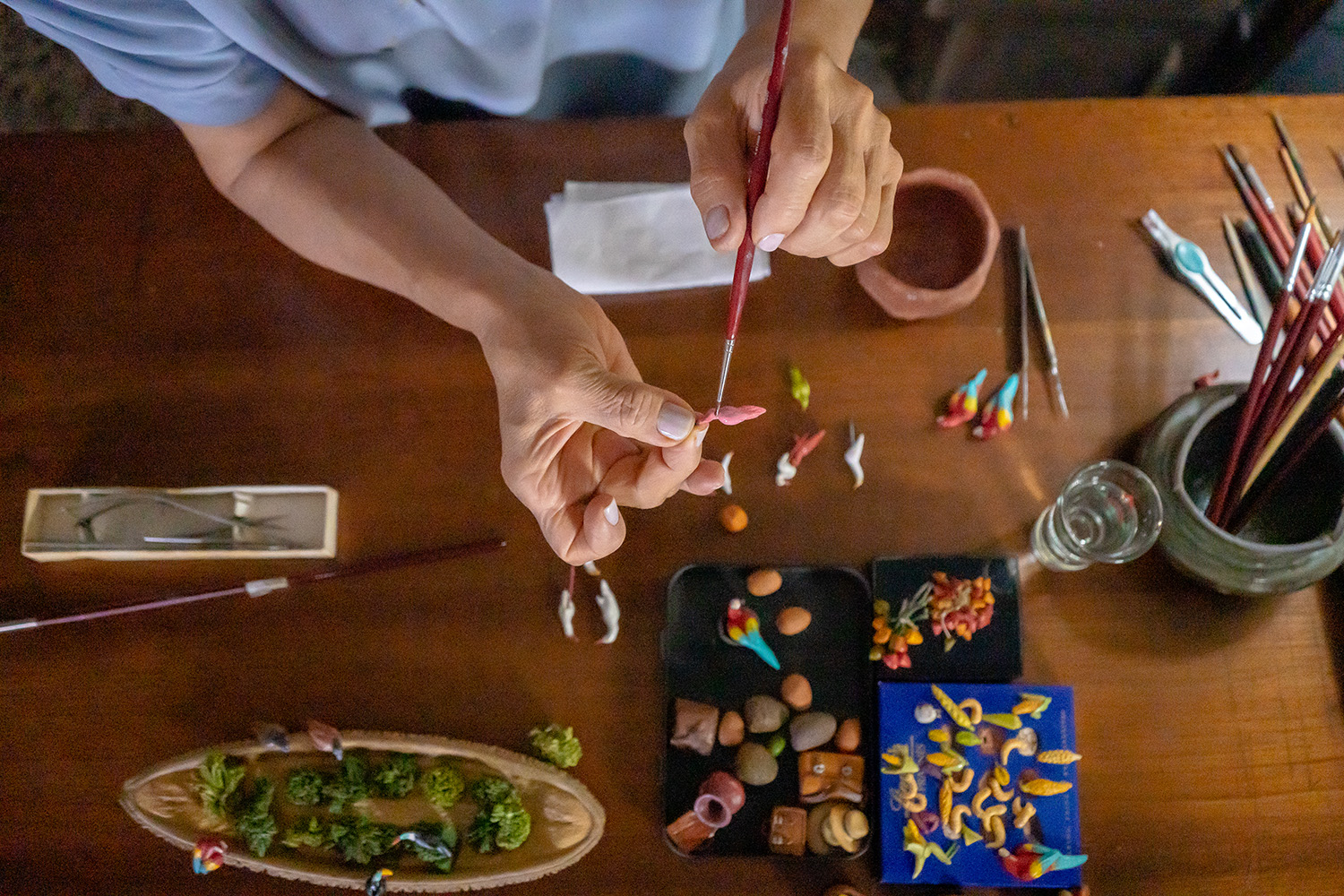
When the idea of creating something new comes to my head, I try to research the topic in depth. This happened to me with the Colombian Peace Process. I travelled to the Amazon, and there I found a grenade that was never exploited thanks the Agreement. I took it to my workshop and created a sculpture of a bird and other animals that are in danger of extinction.
Cecilia Vargas
Ceramicist
Pitalito, Colombia
Recommended by Artesanías de Colombia
AVAILABILITY
By appointment only
PHONE
+57 3132484723
LANGUAGES
Spanish
Homo Faber Finds is a new service aiming to inspire admirers of craft to connect and collaborate with exceptional artisans.
We invite you to submit an enquiry here.