Beatriz Zuazo
Cabinetmaker
Barcelona, Spain
Recommended by Contemporánea de Artes y Oficios
The powers of marquetry ornamentation
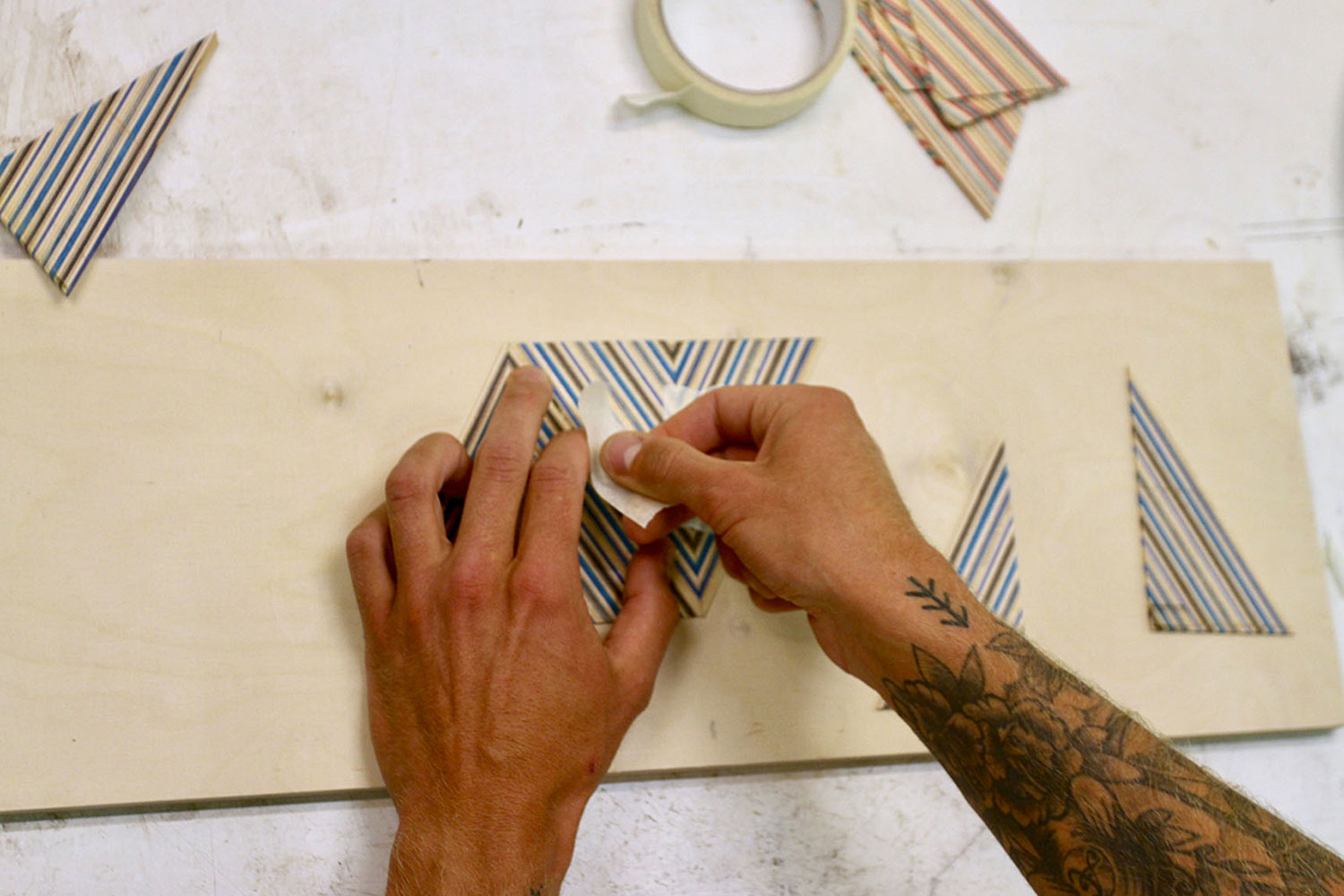
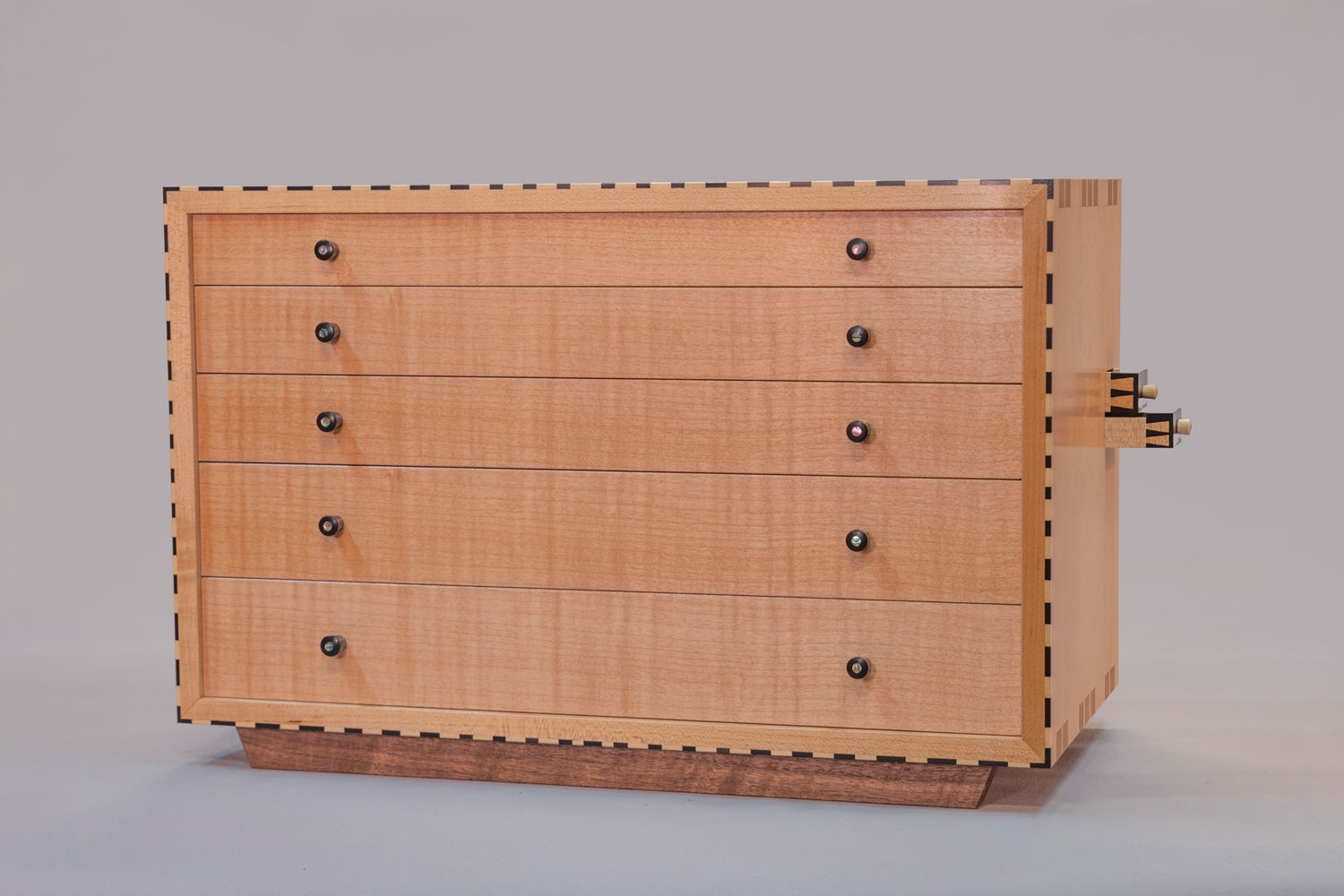
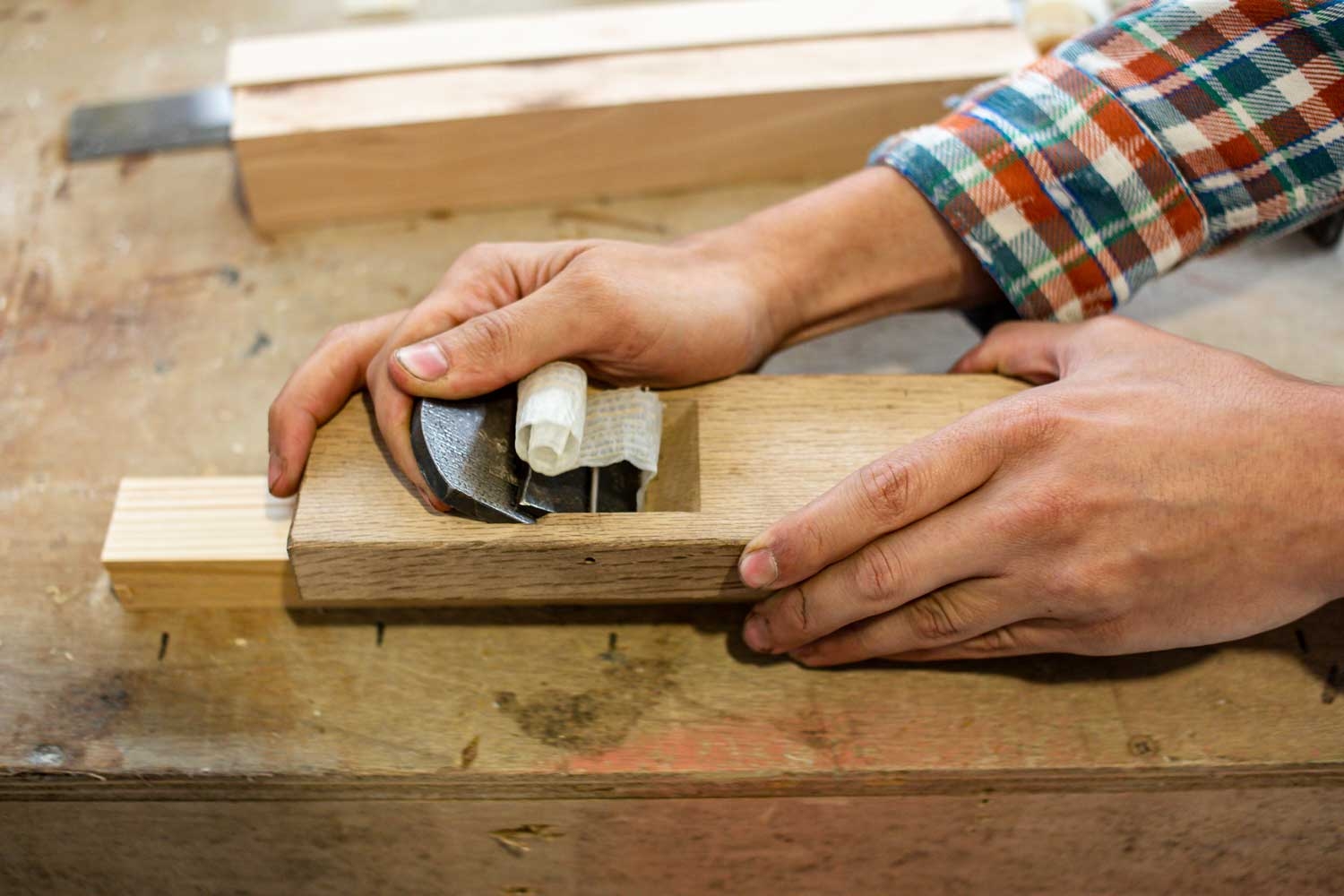
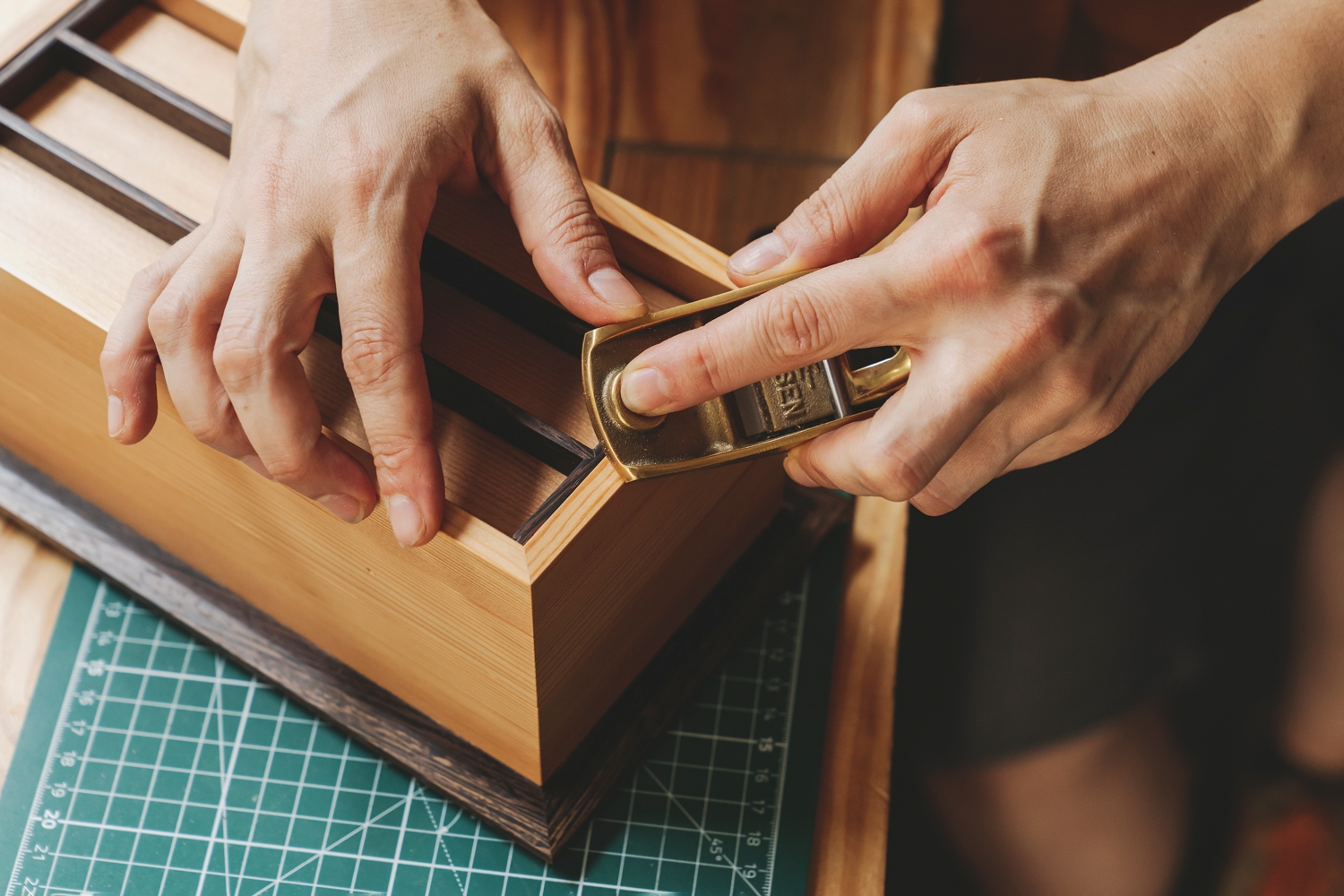
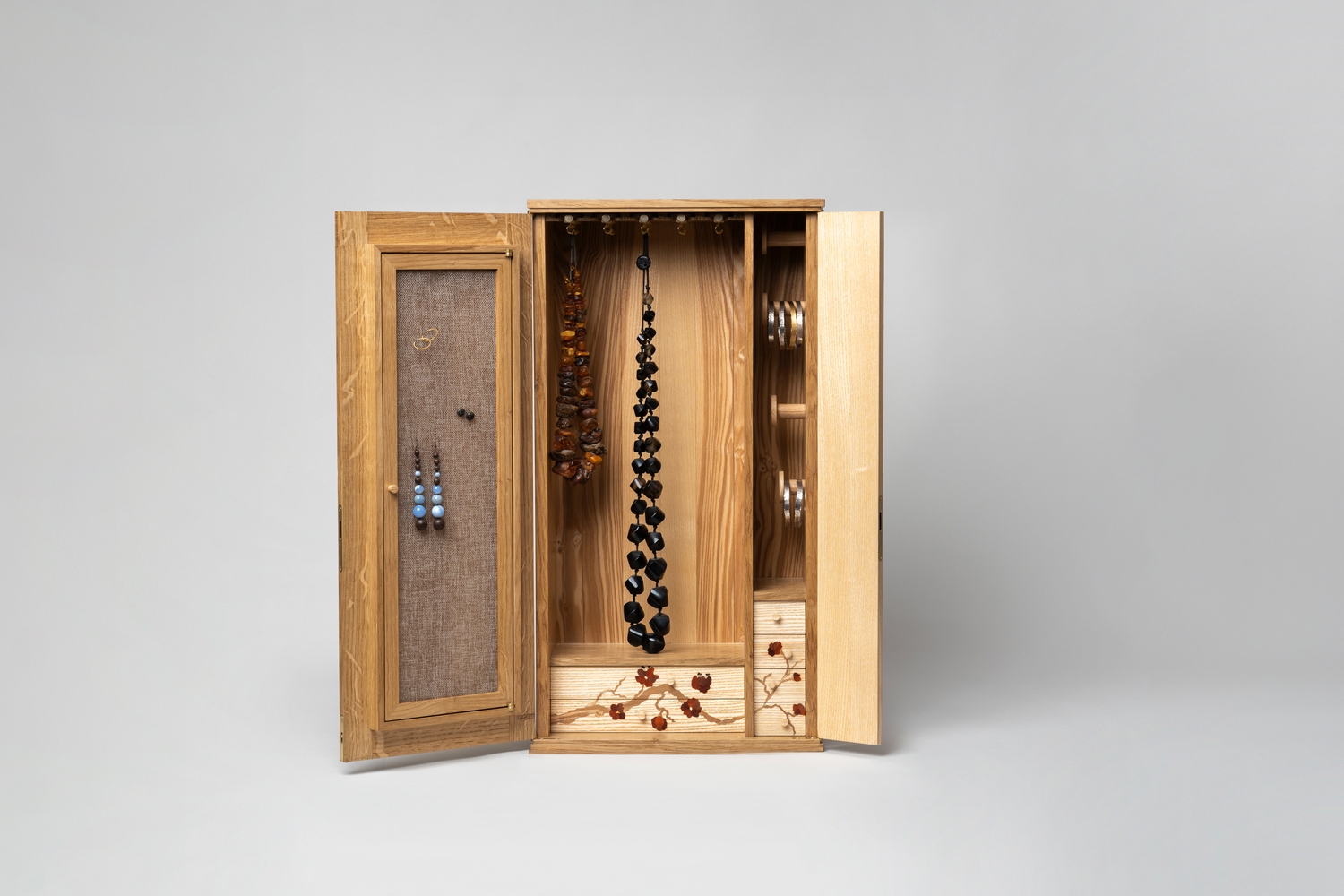
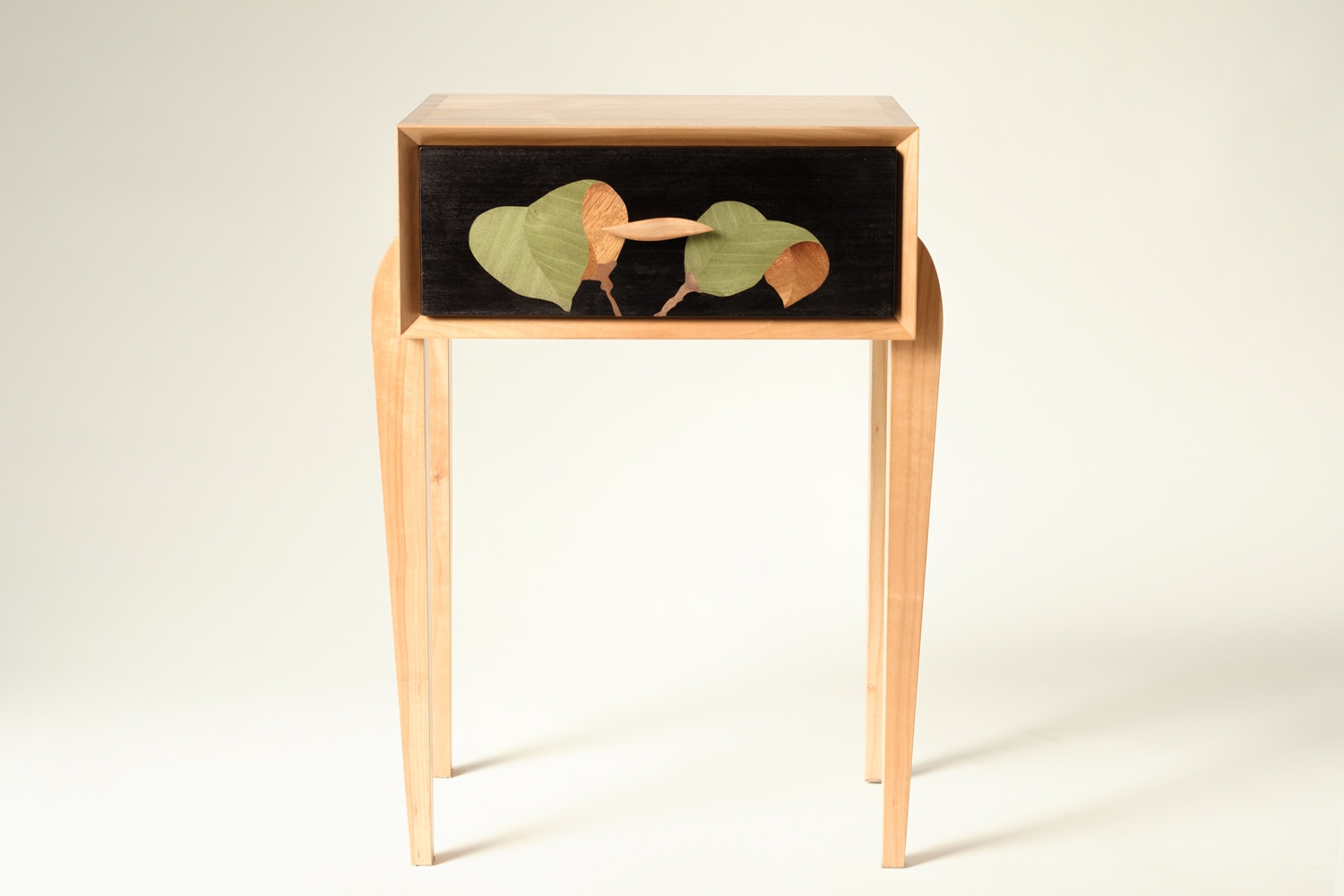
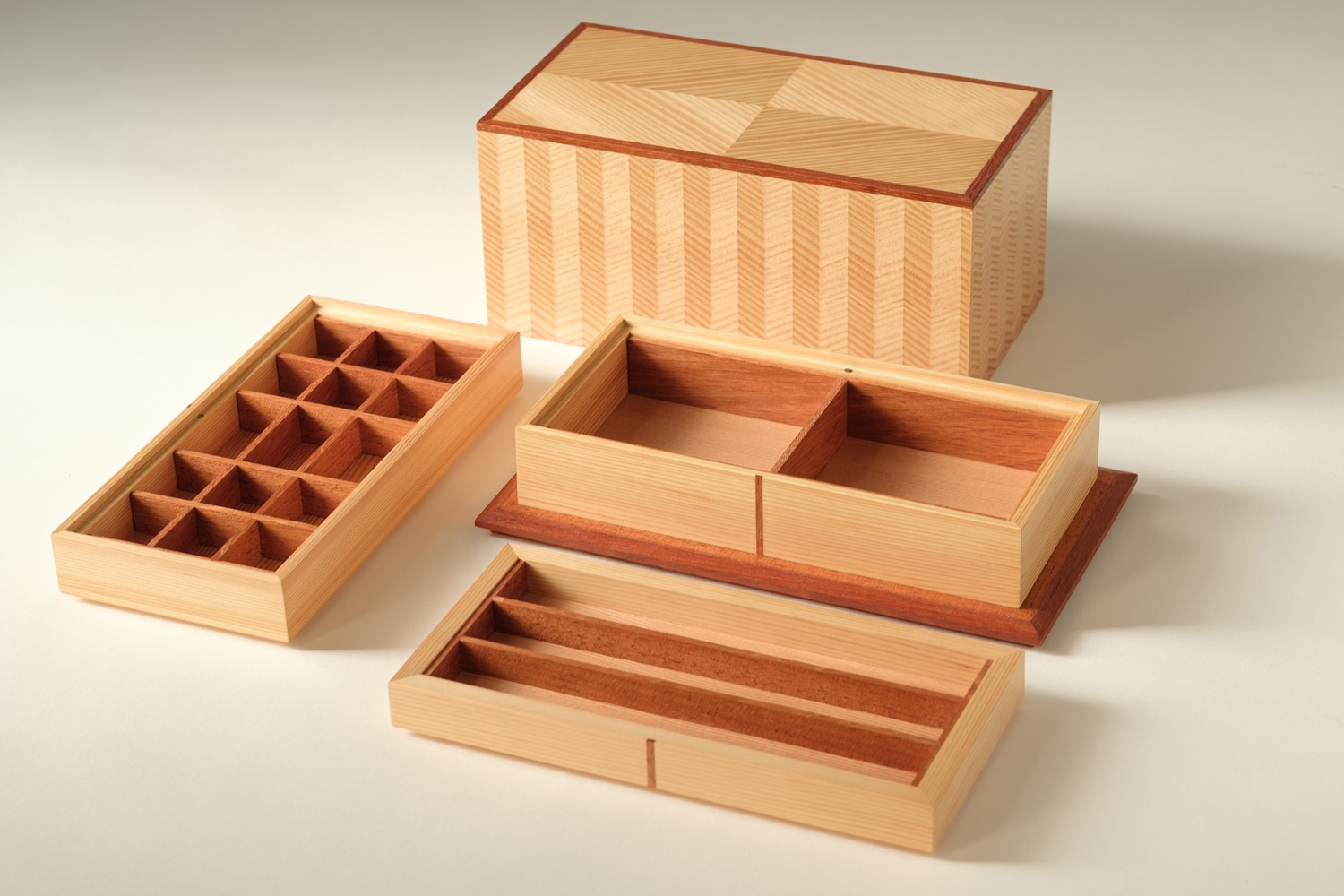
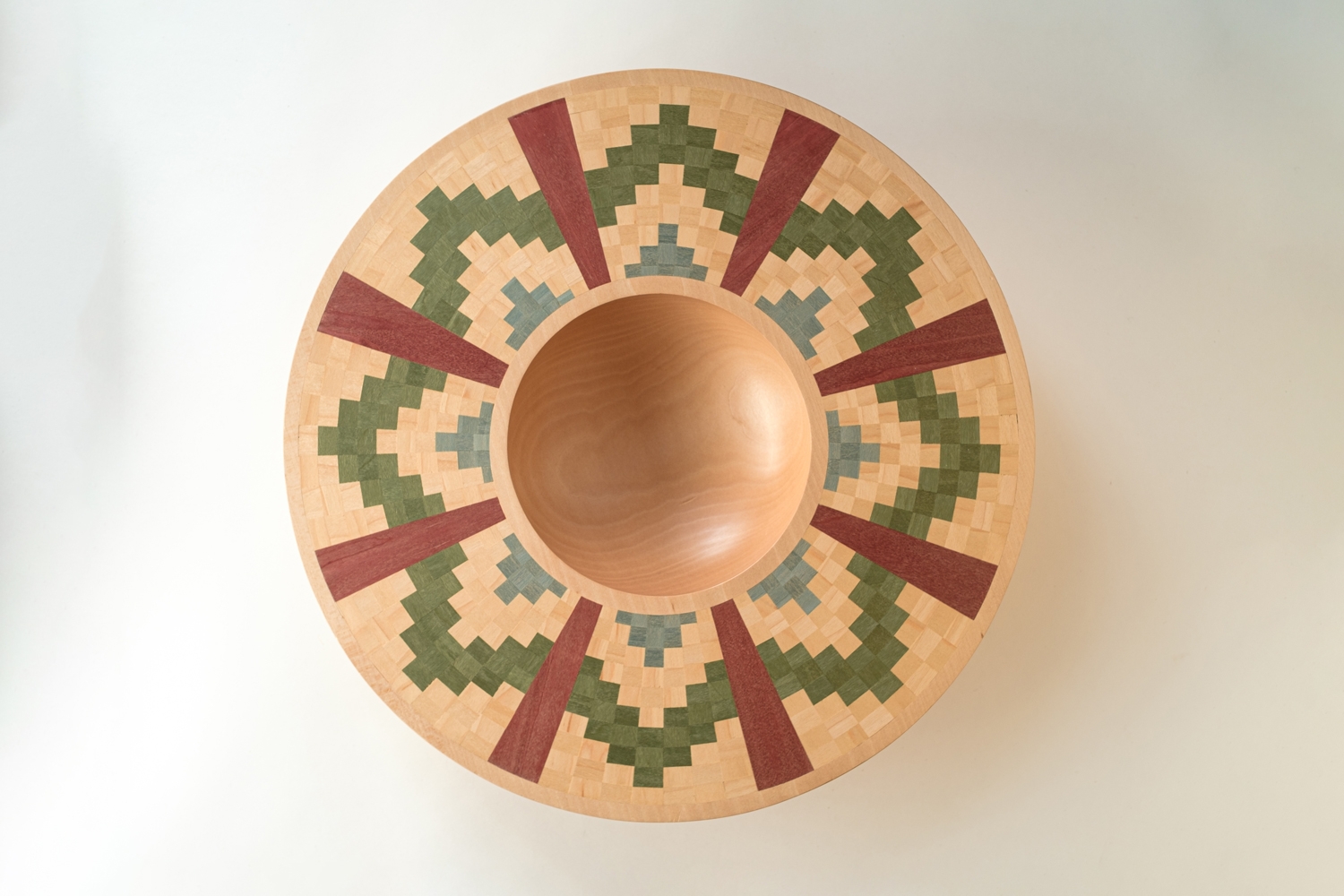
- Beatriz practises various marquetry and inlay techniques.
- Her journey with woodwork began through her own initiative.
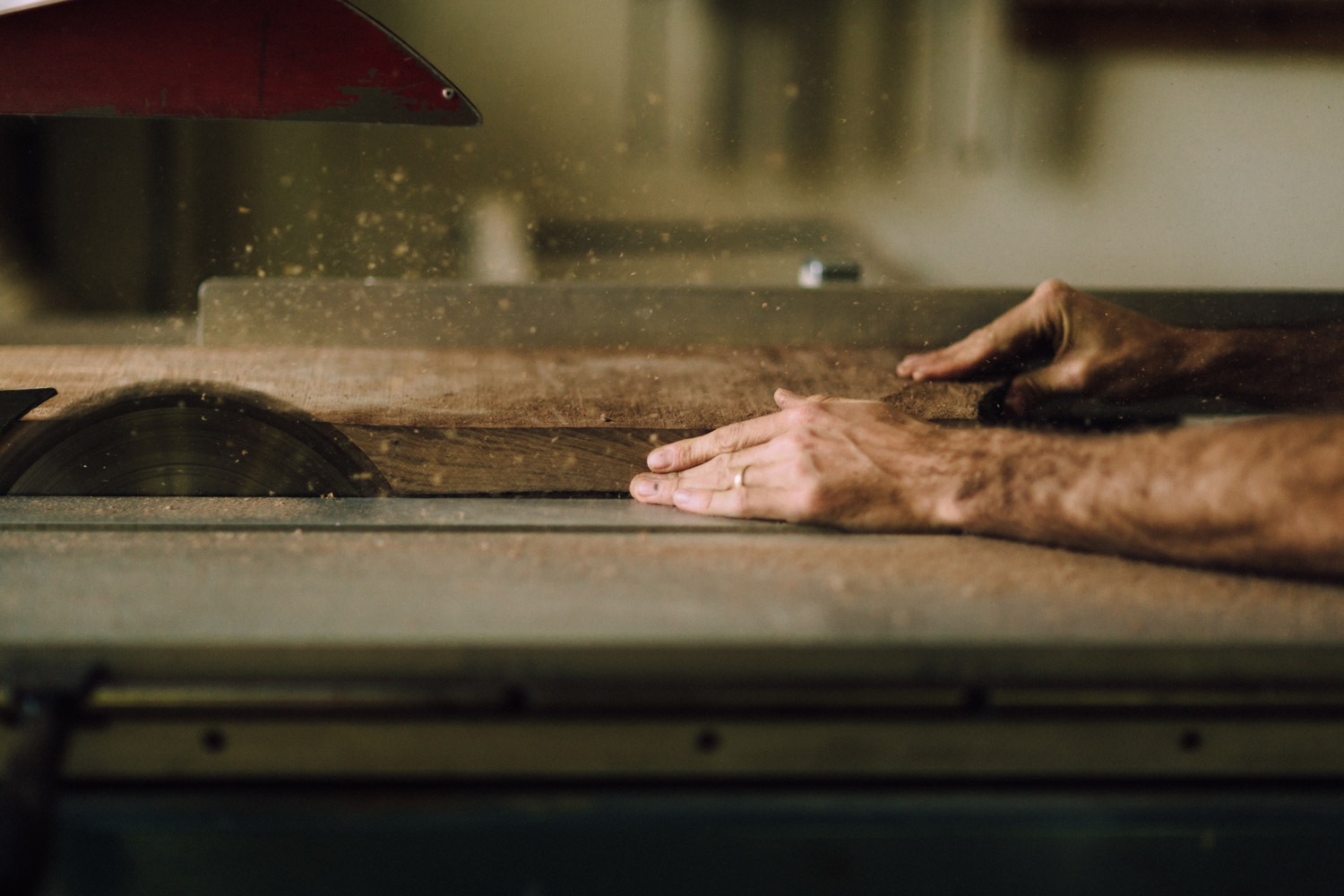
- She specialises in tapered cutting and double bevel techniques.
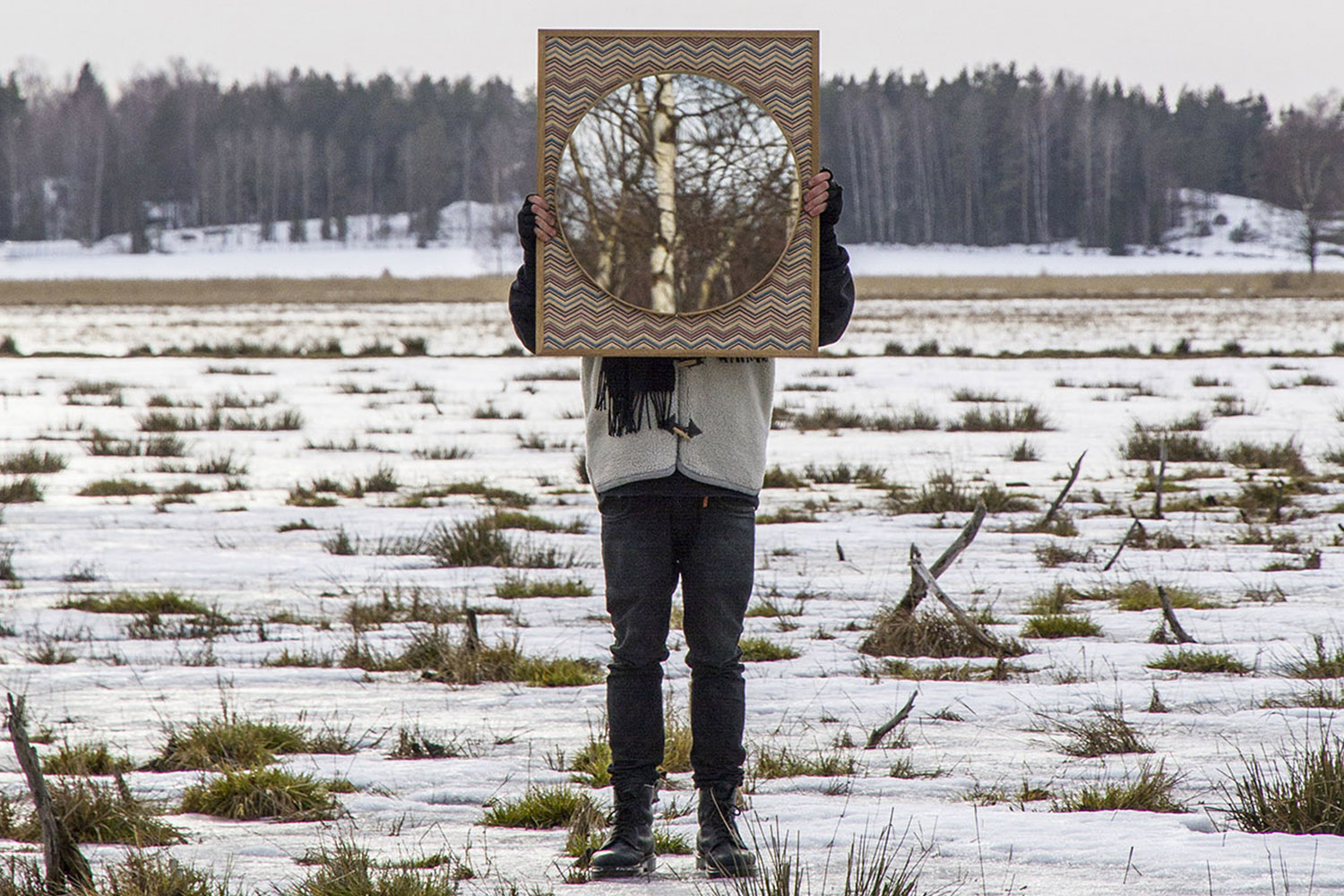
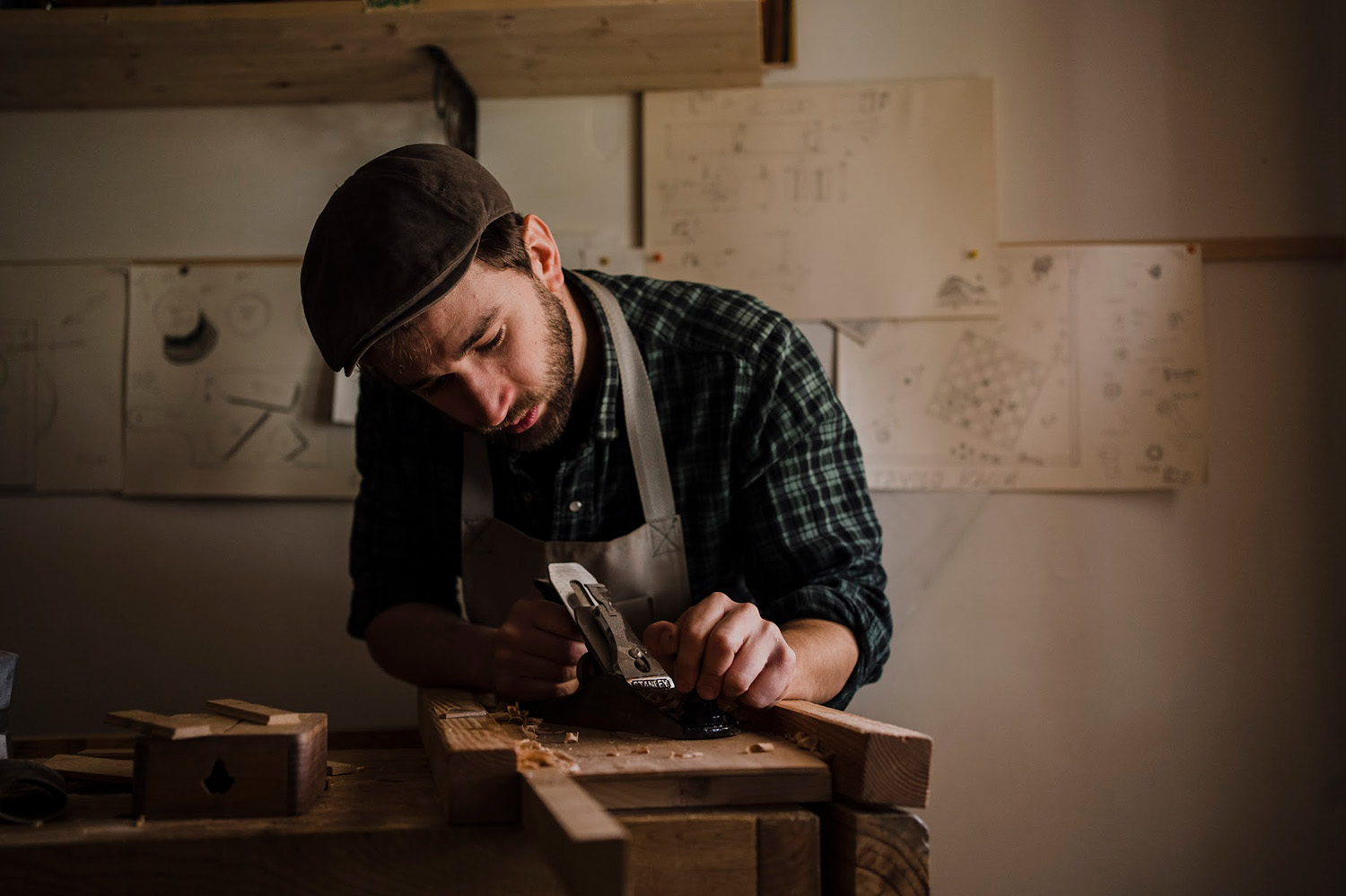
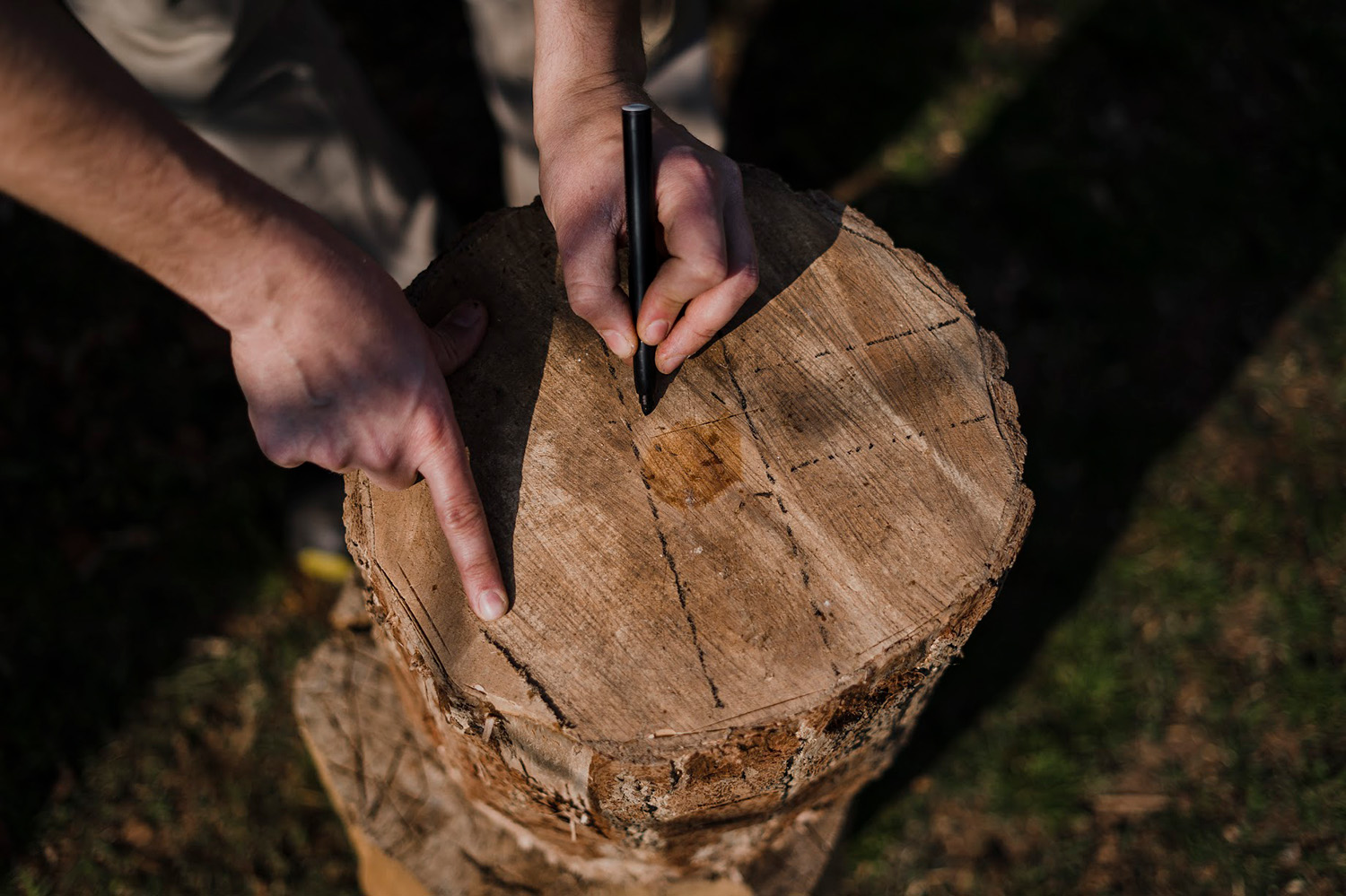
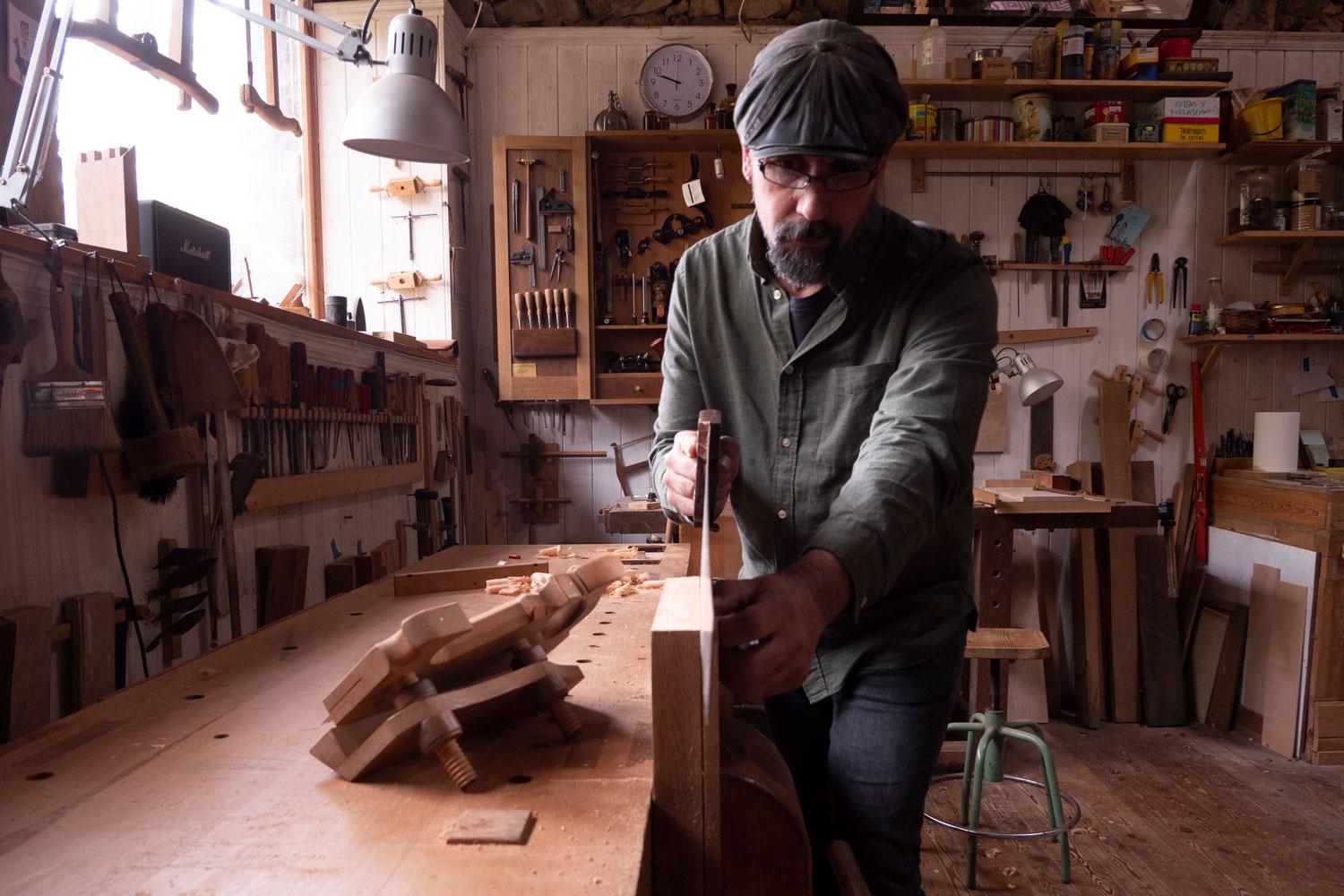
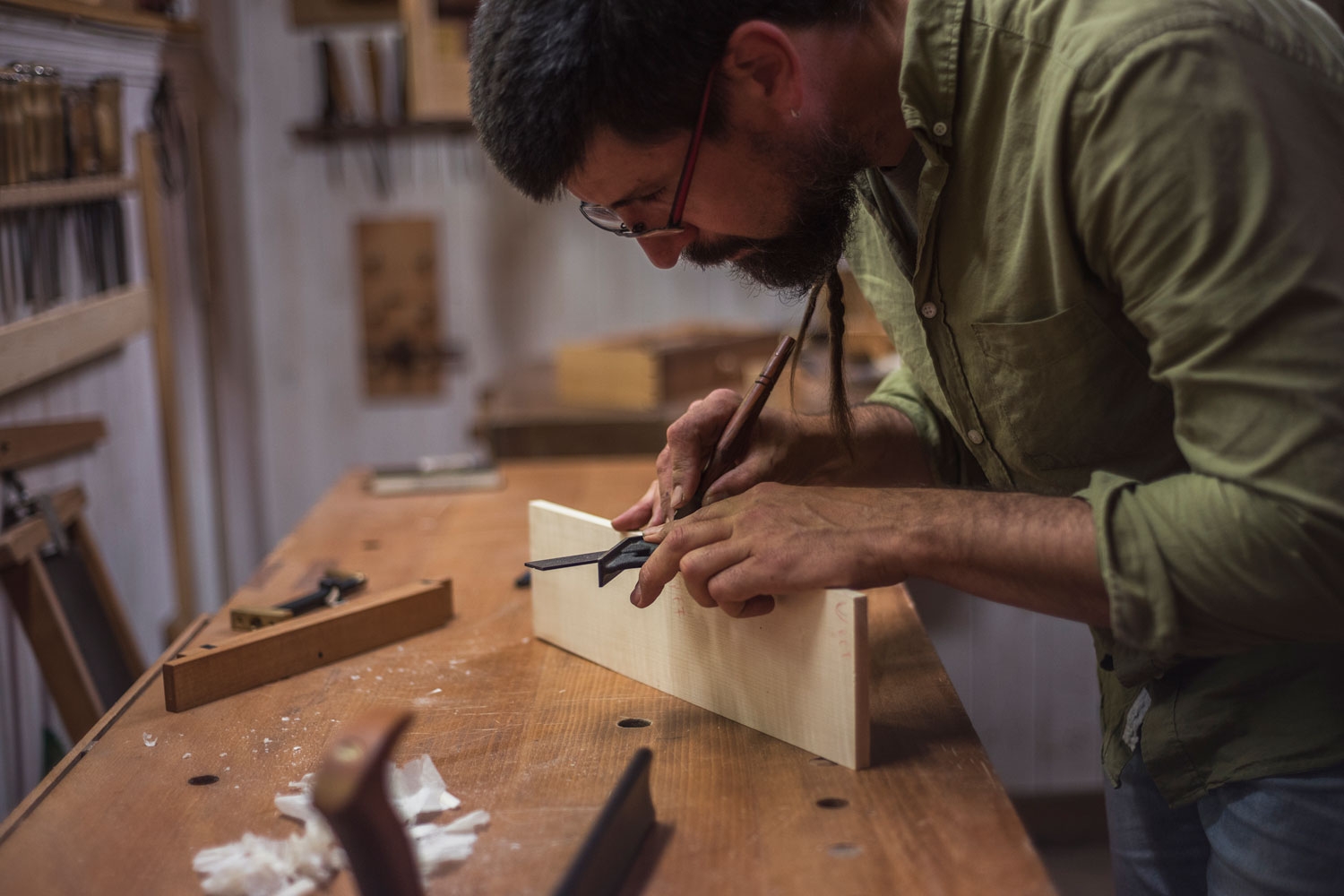
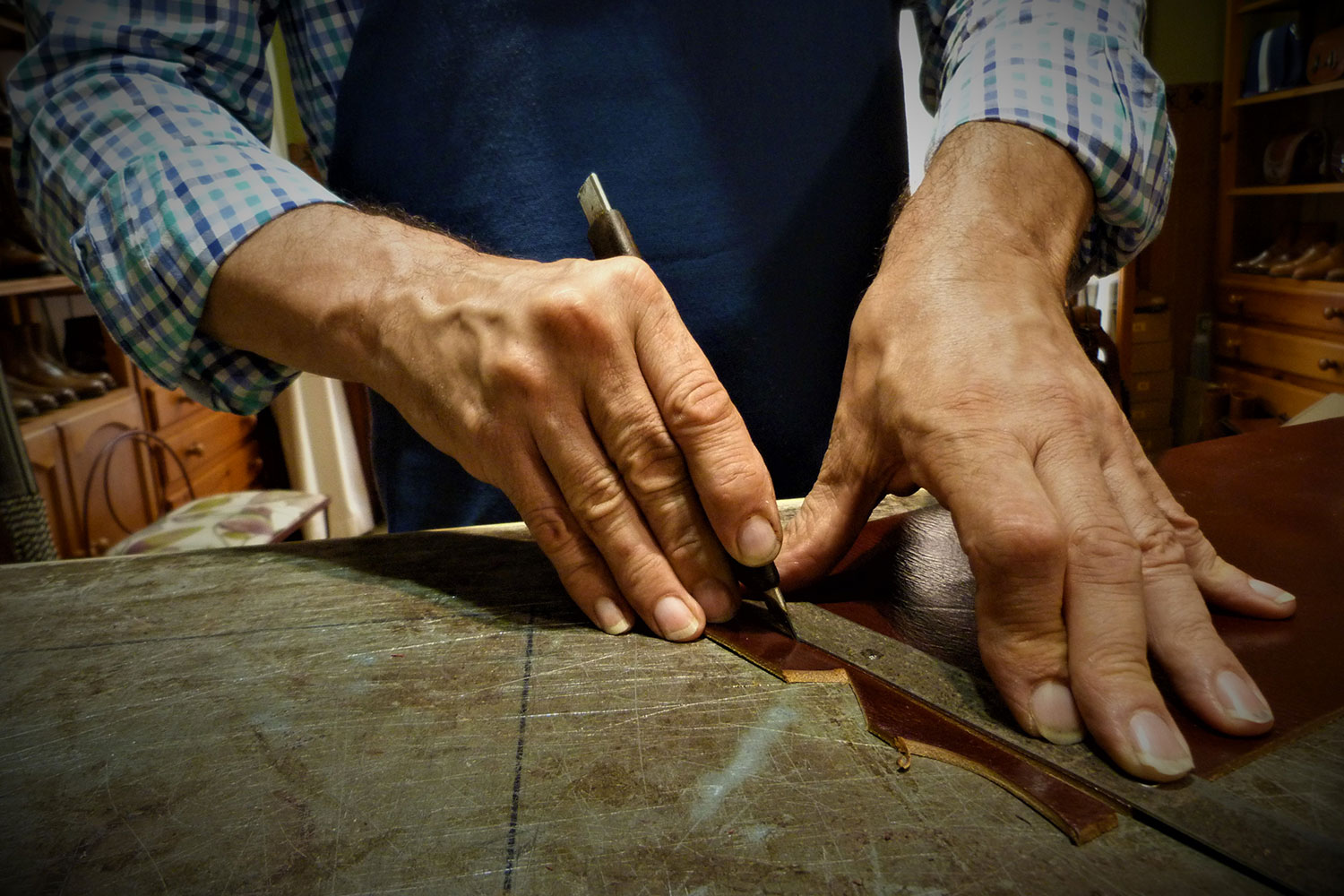
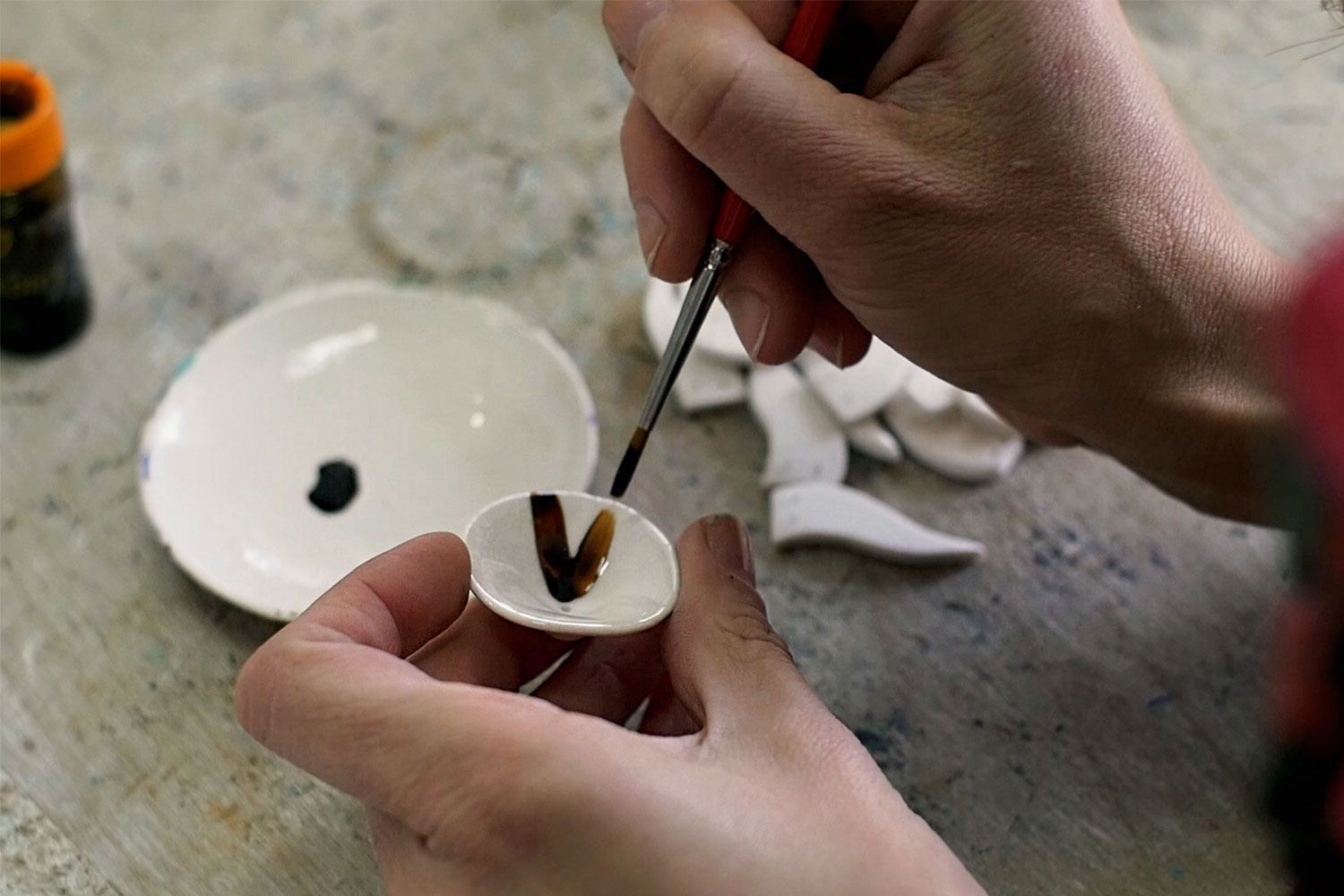
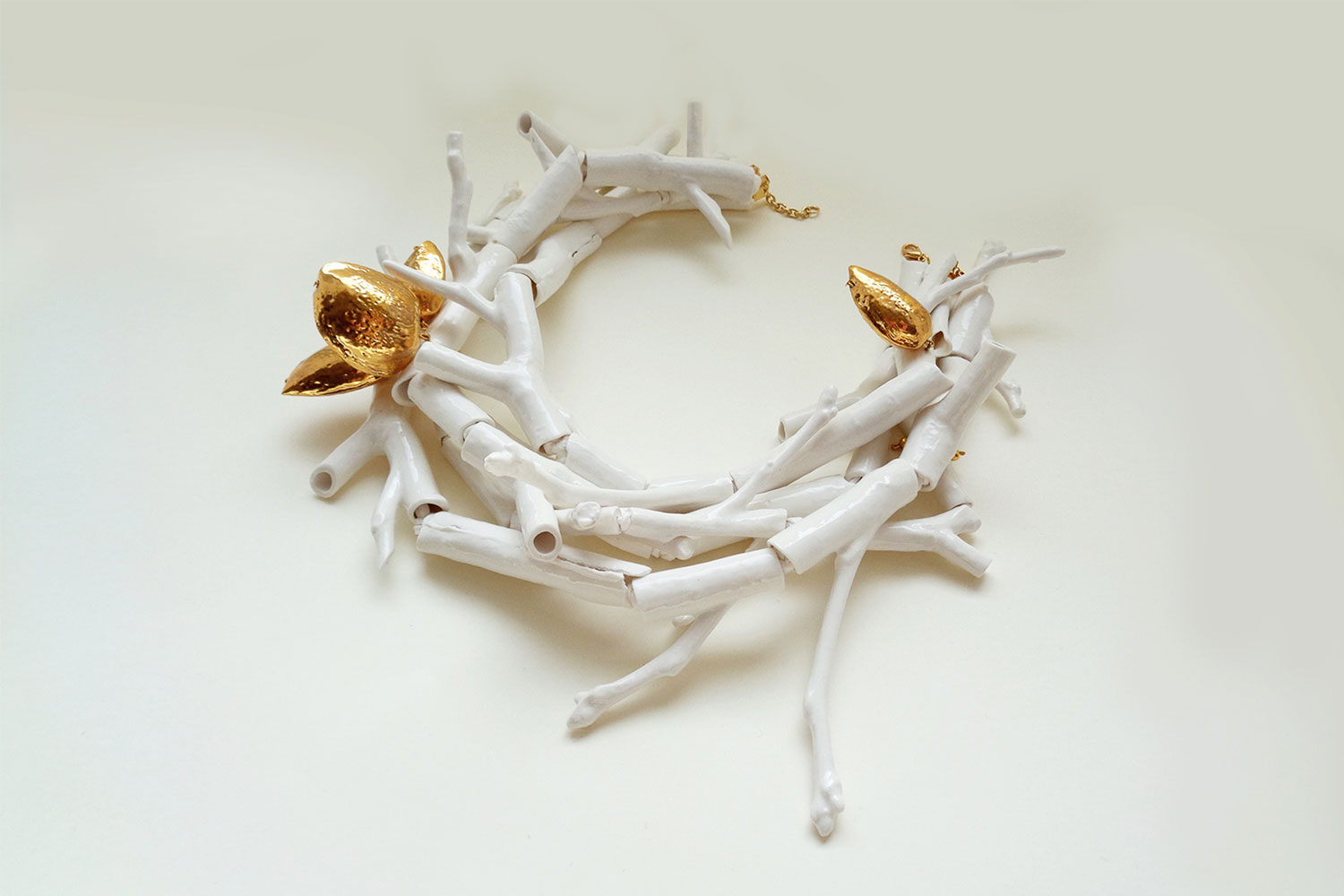
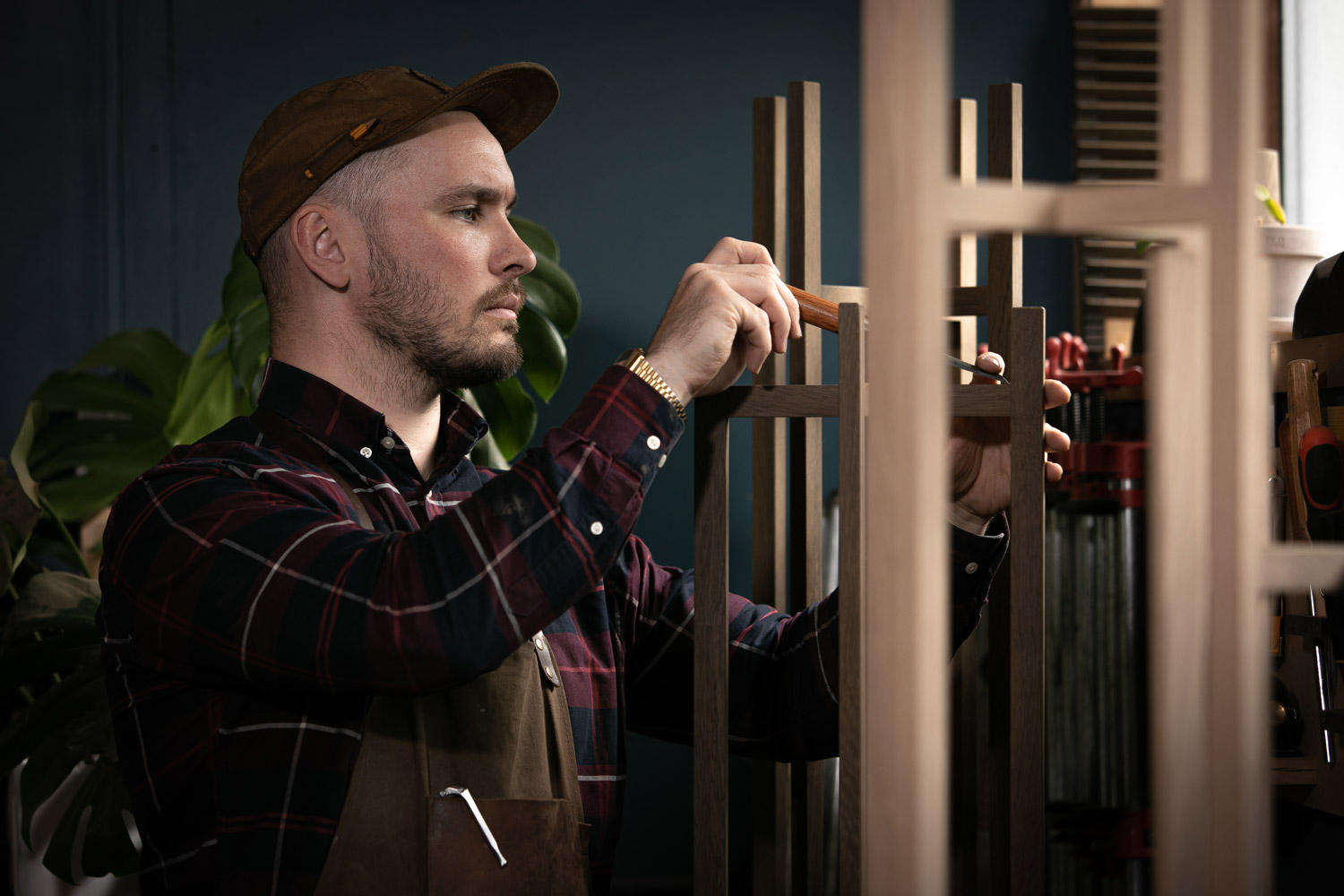
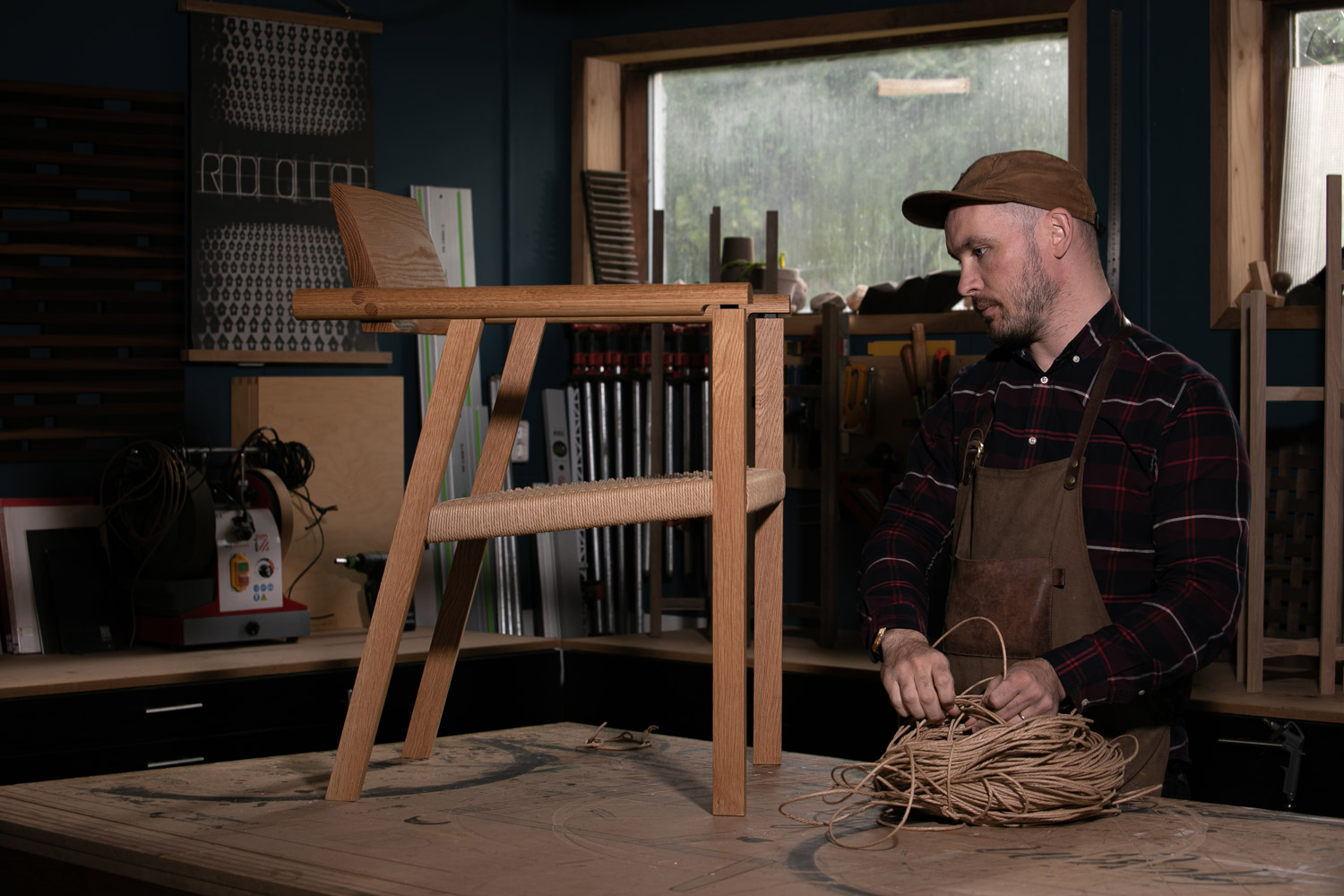
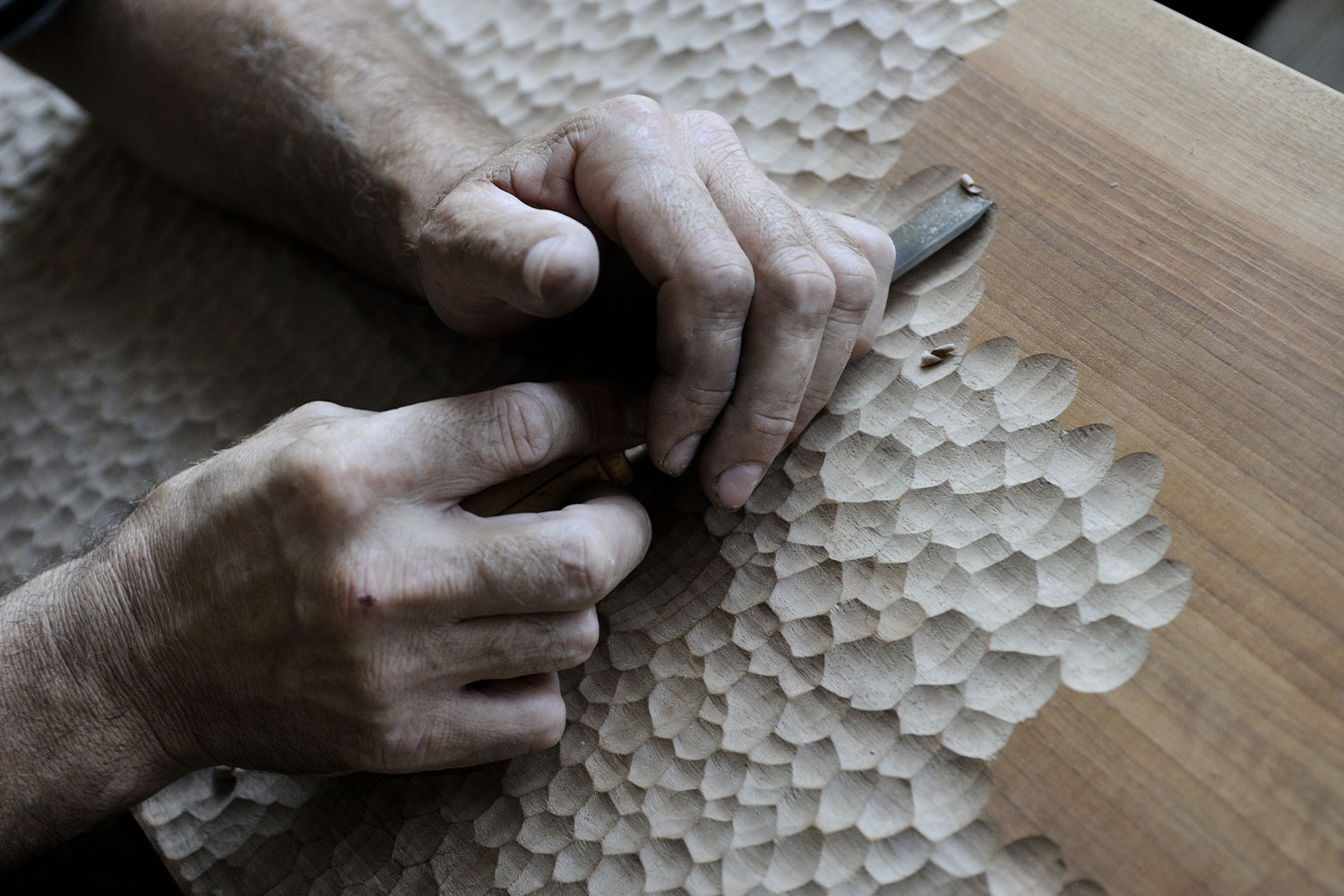
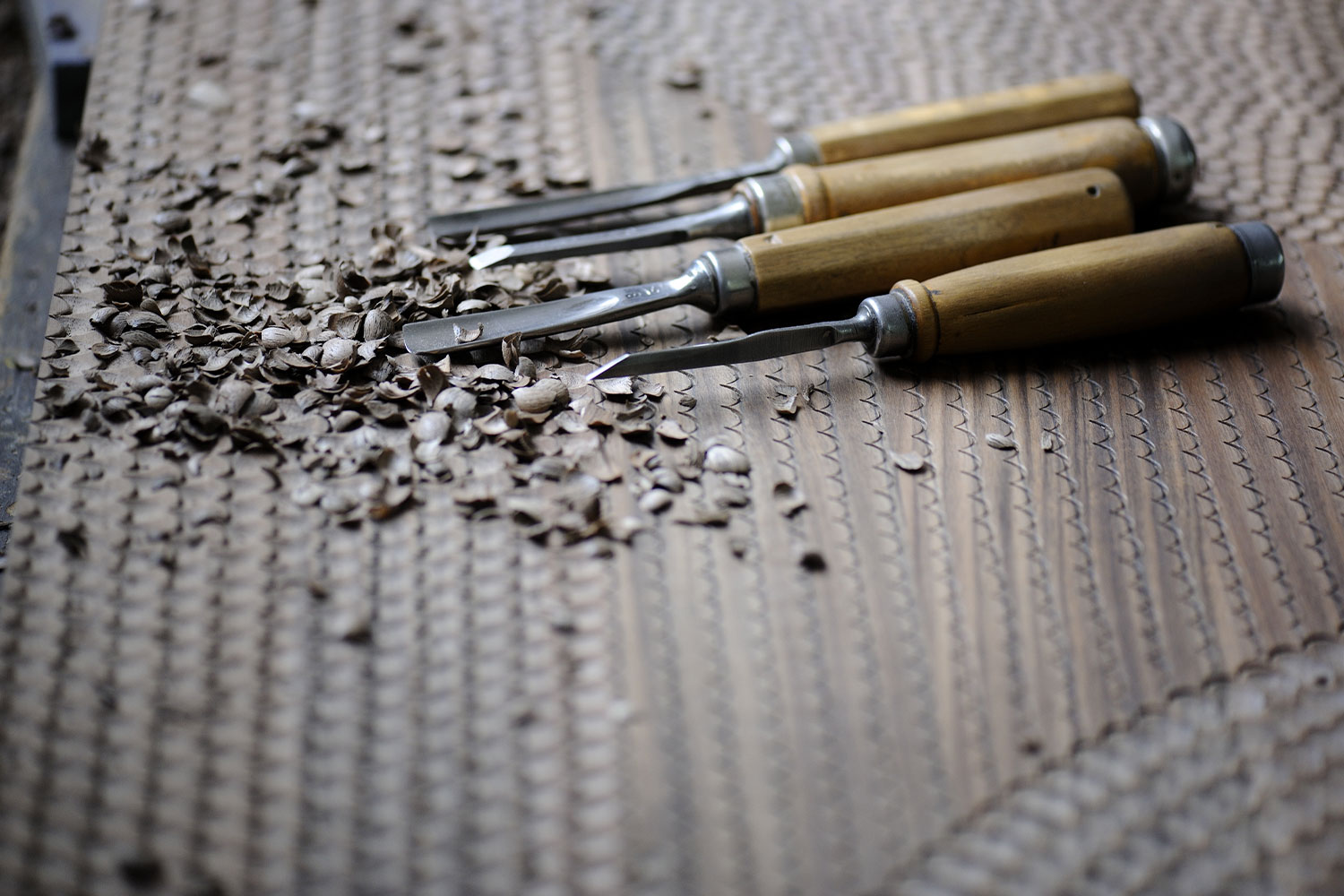
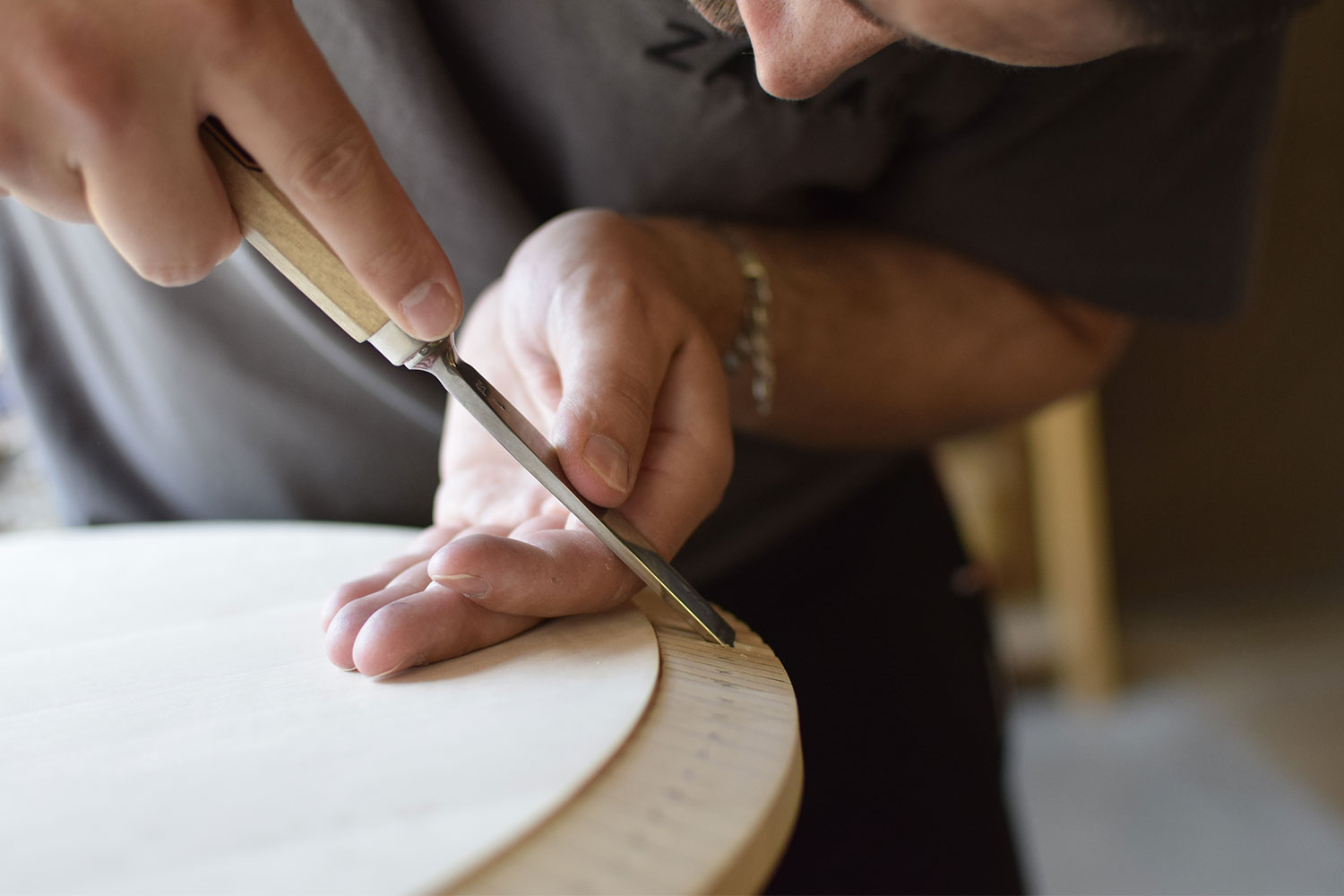
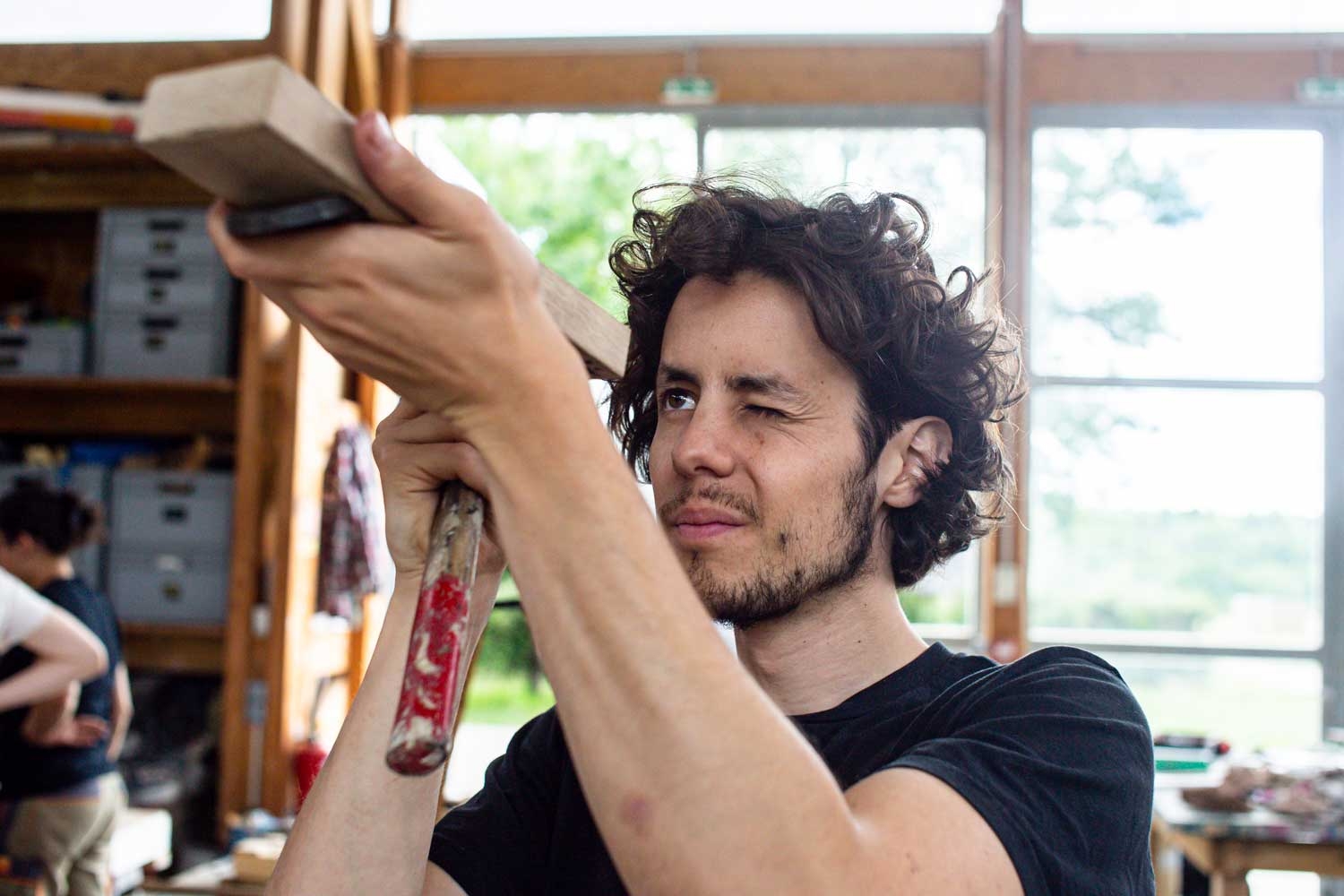
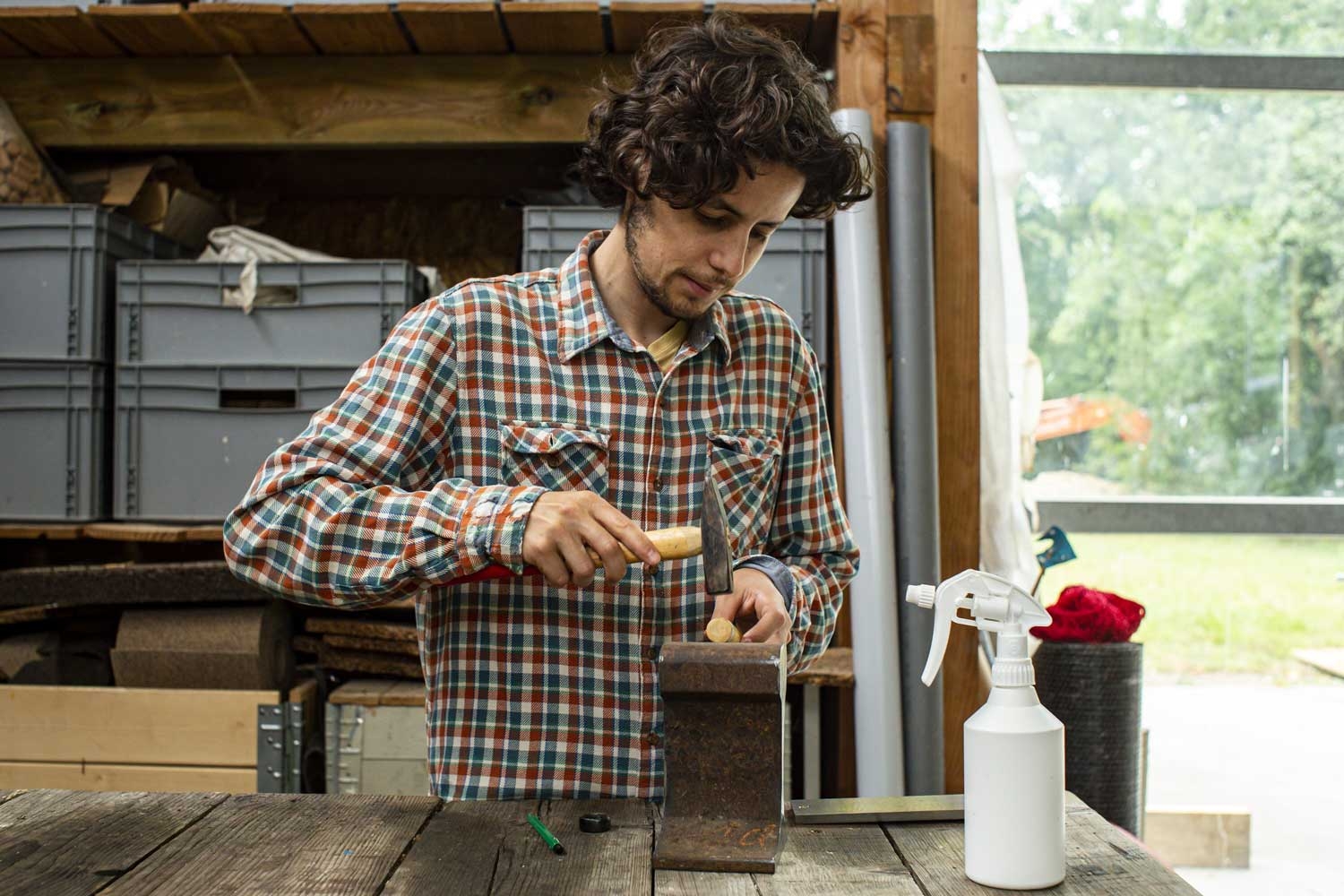
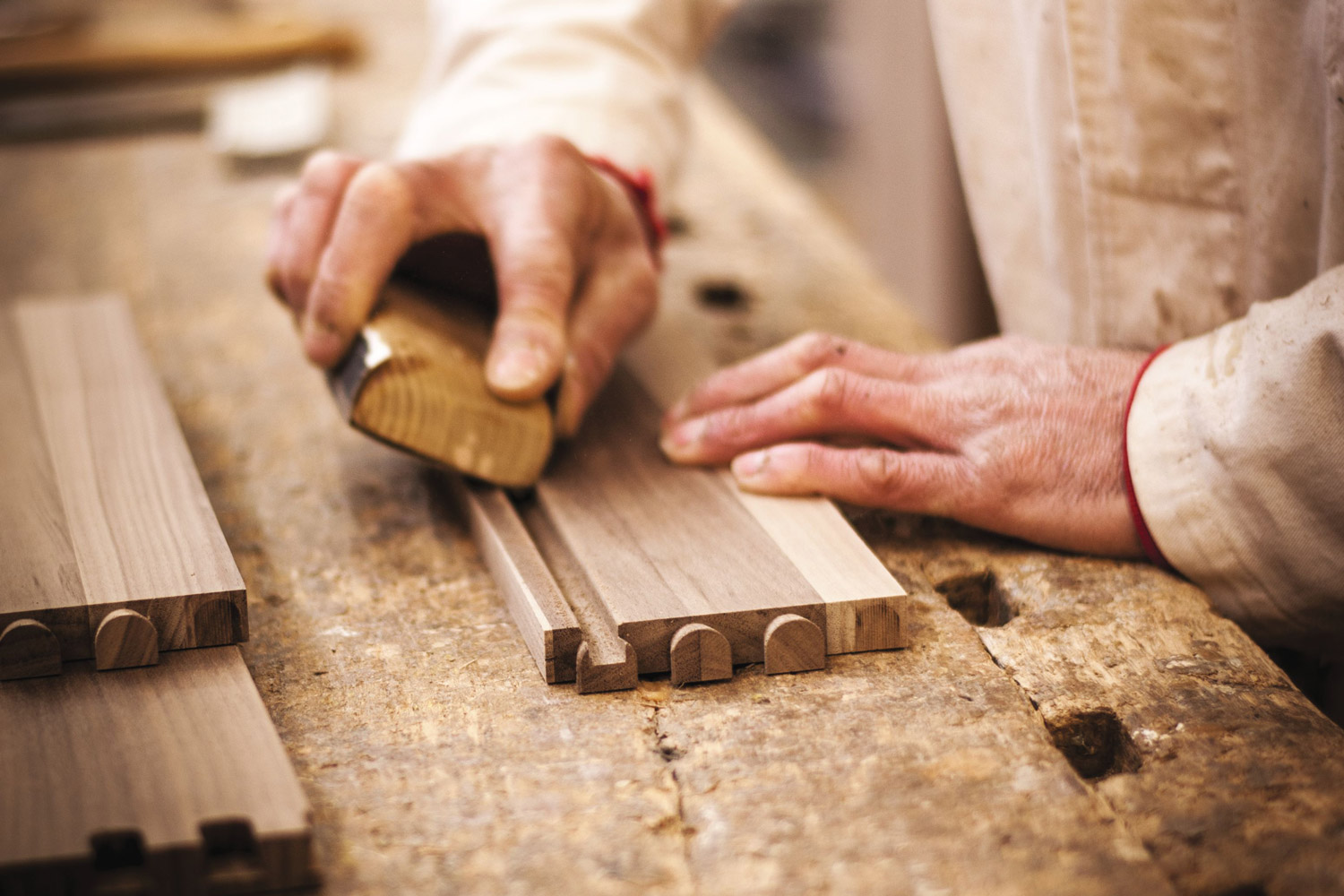
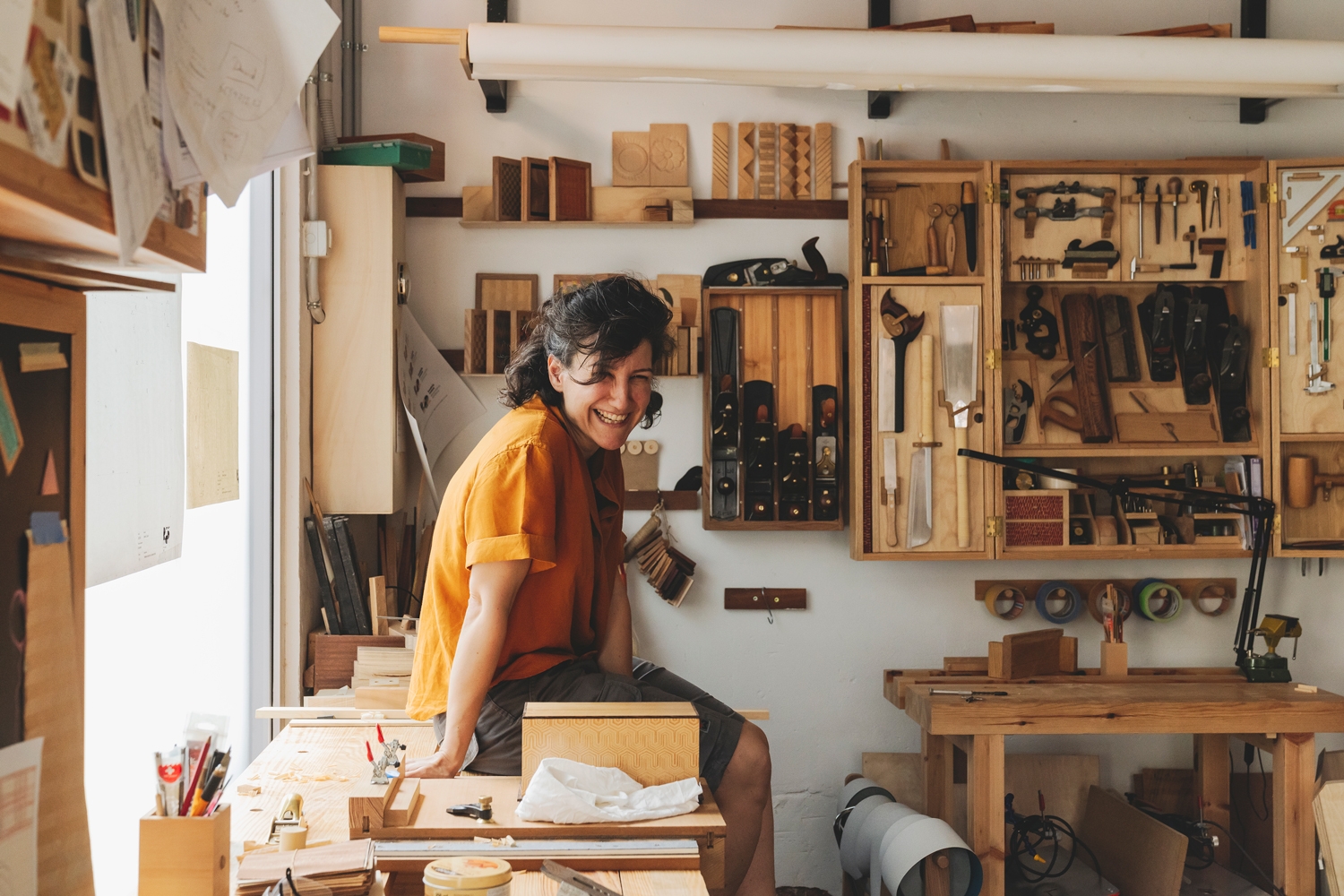
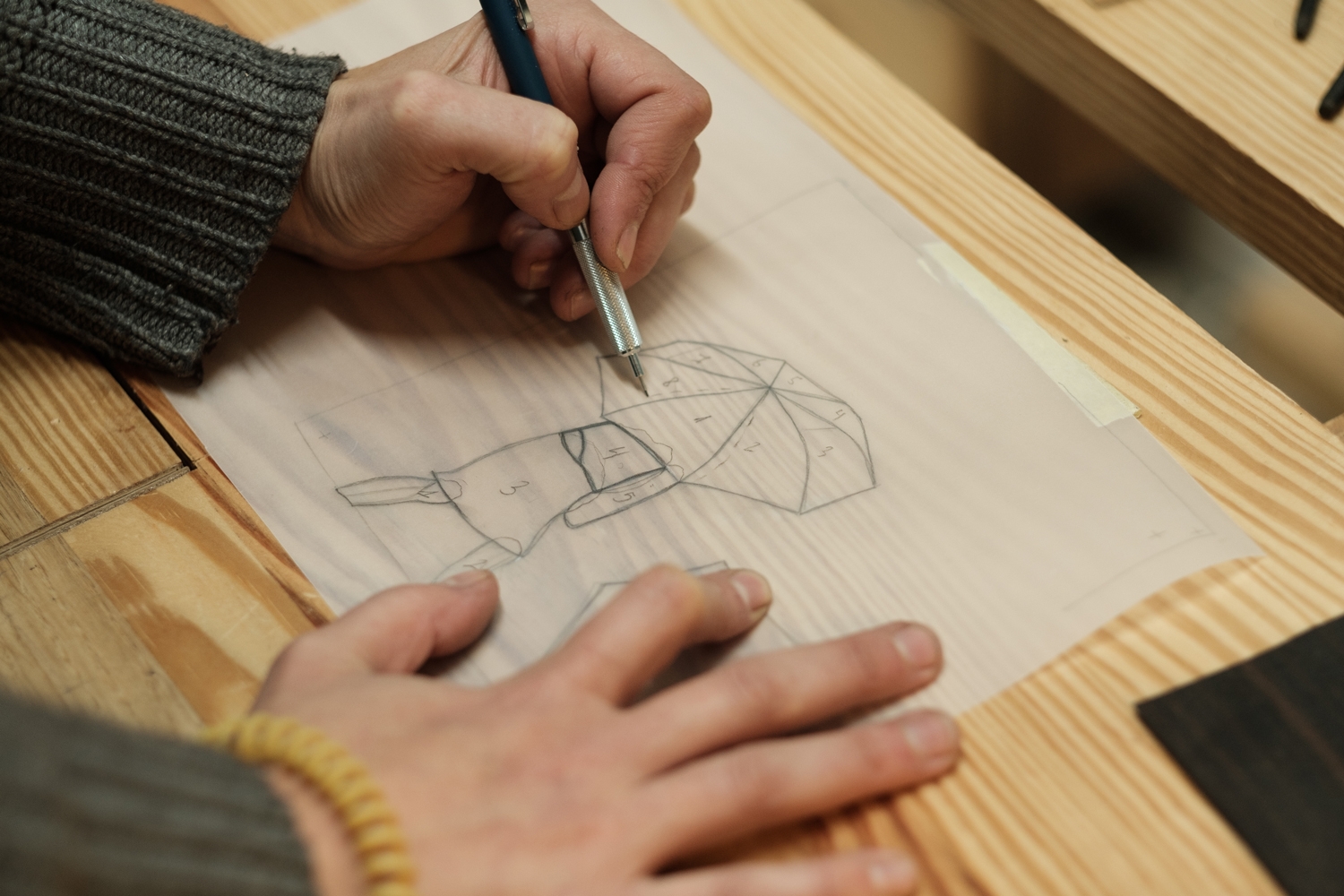
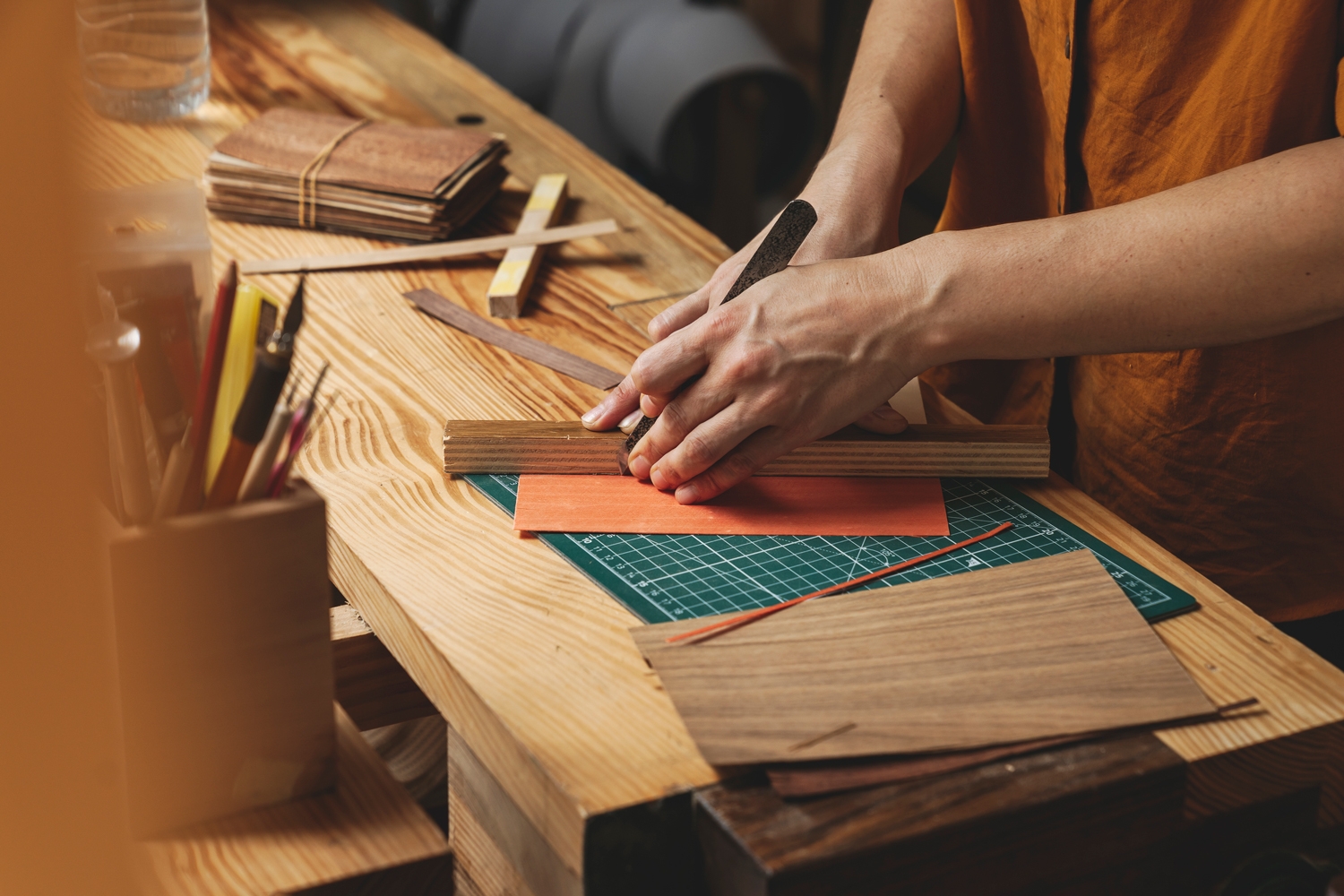
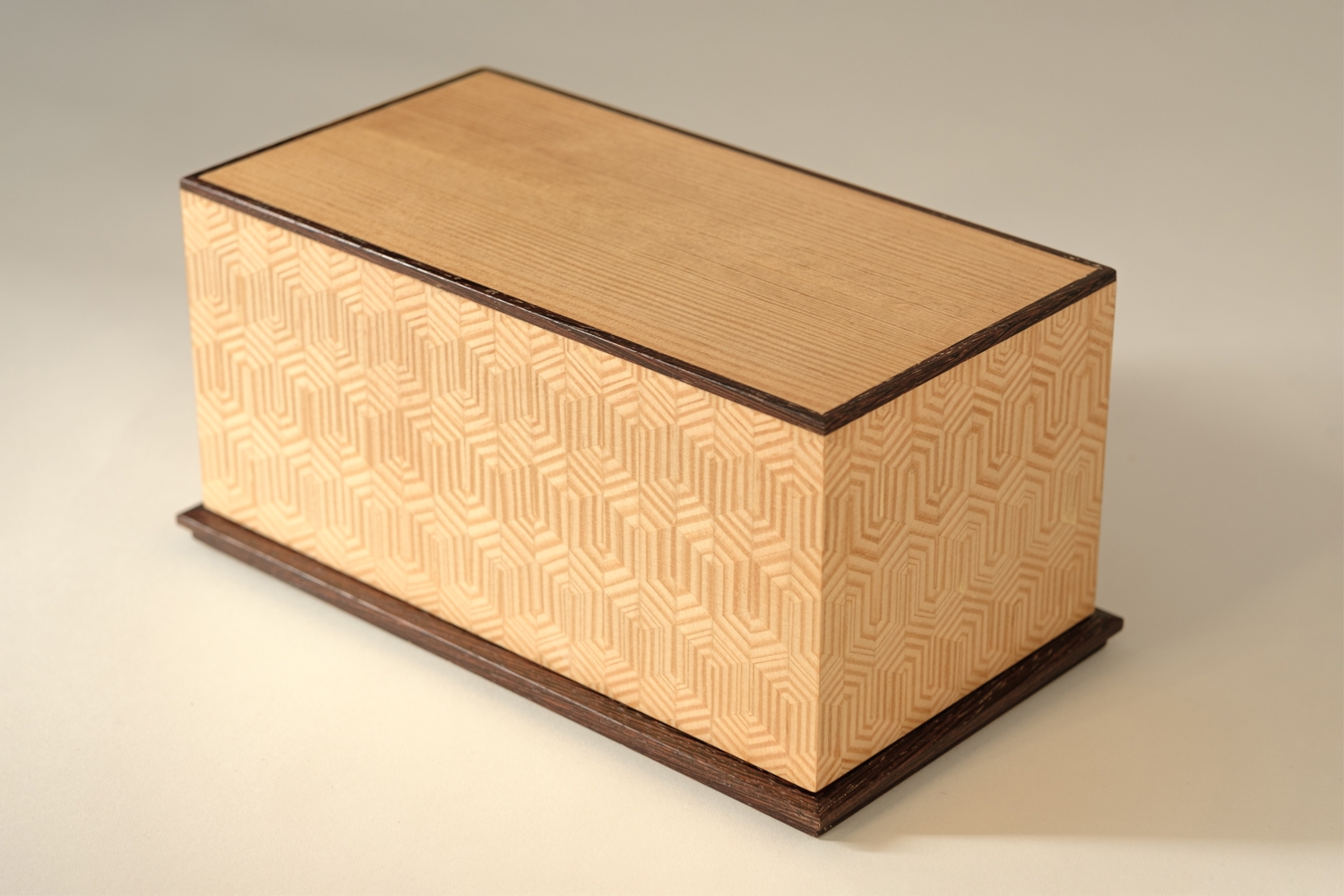
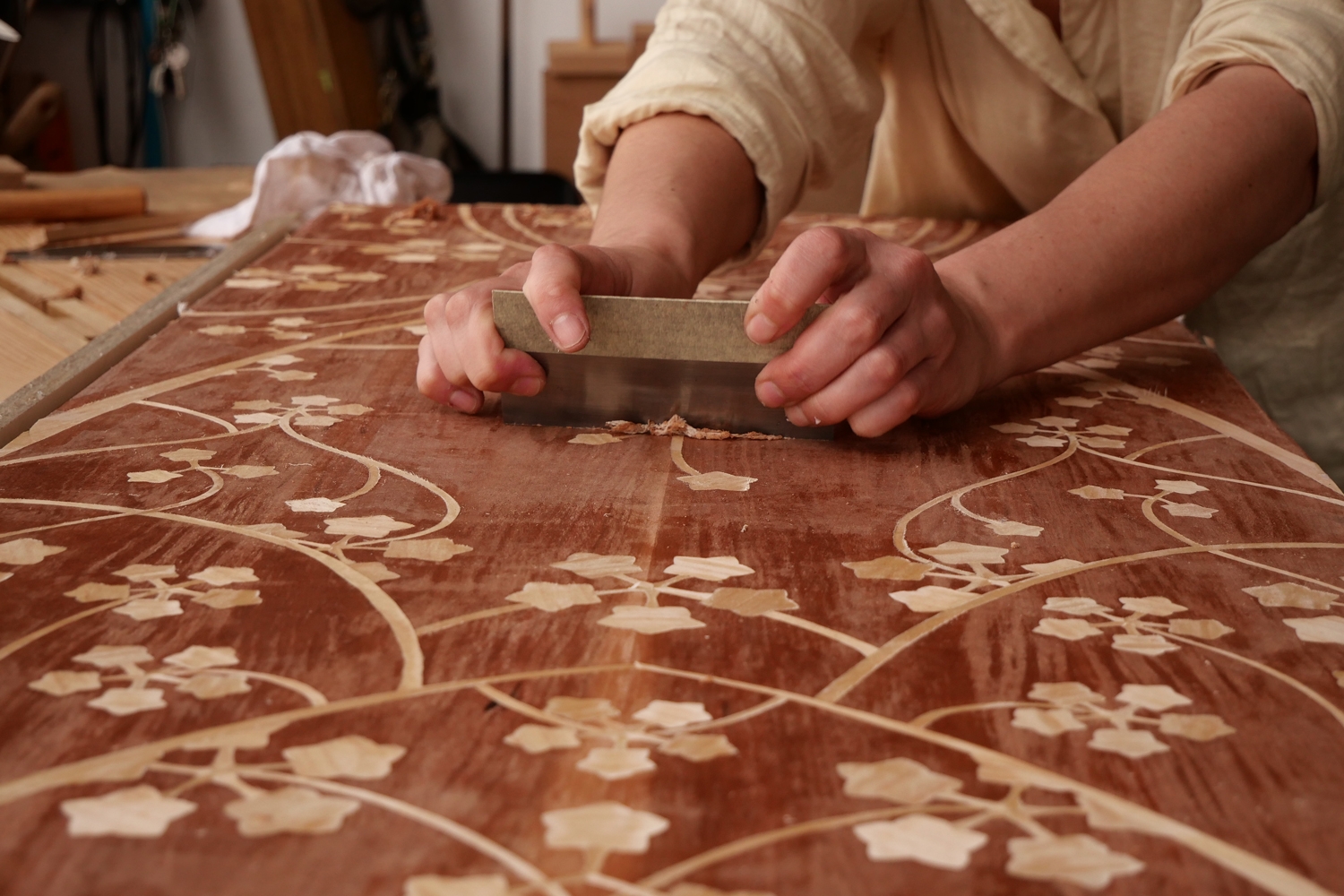
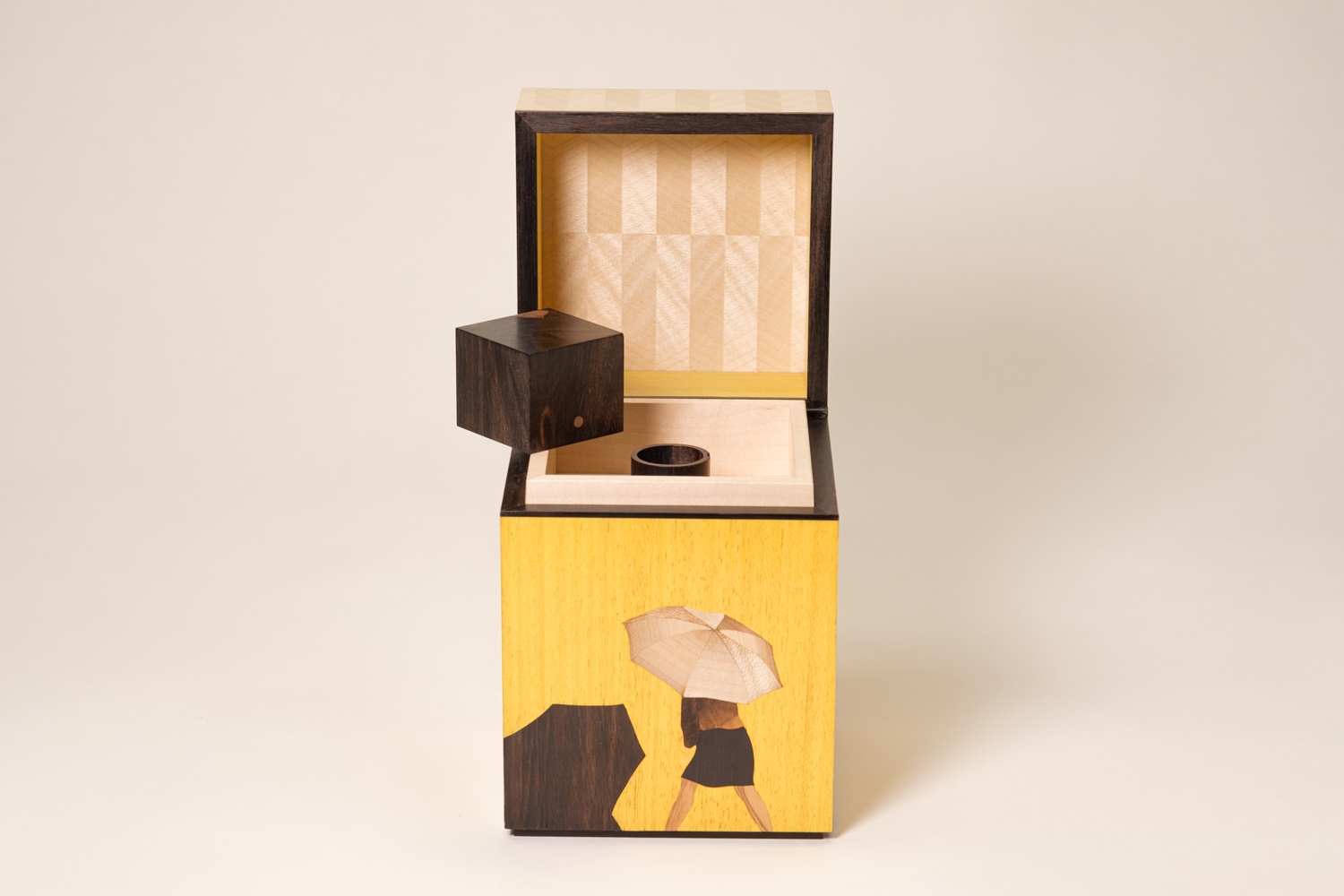
After working as an interpreter and translator for over a decade, Beatriz Zuazo entered the world of woodworking through an advanced degree in Design and Furniture Making. It was there that she gained knowledge in wood technology, drawing, and furniture design. “When I finished my studies, I continued expanding my skills on my own,” she says. “We are surrounded by stimuli that leave an imprint on our subconscious at the most unexpected moment. So, my main source of inspiration is life itself,” Beatriz adds. “I have a deep passion for photography, which is an endless source of ideas for my marquetry work," she explains. Beatriz is drawn to folk art and the ornamentation that distinguishes folk traditions in all cultures. "Folklore expresses the desires and emotions of humanity, which, despite appearances, makes it a great equaliser across cultures. They are a living testament to the power of community.”
Discover her work
INTERVIEW
Although I have lived in Barcelona for many years, I grew up in southern Spain and spent a long time abroad. Each place I have inhabited has left its mark on my work, from the choice of colours in my marquetry to the origins of the tools I use and the motifs that decorate my pieces. However, I cannot say my work is tied exclusively to the identity of any particular region.
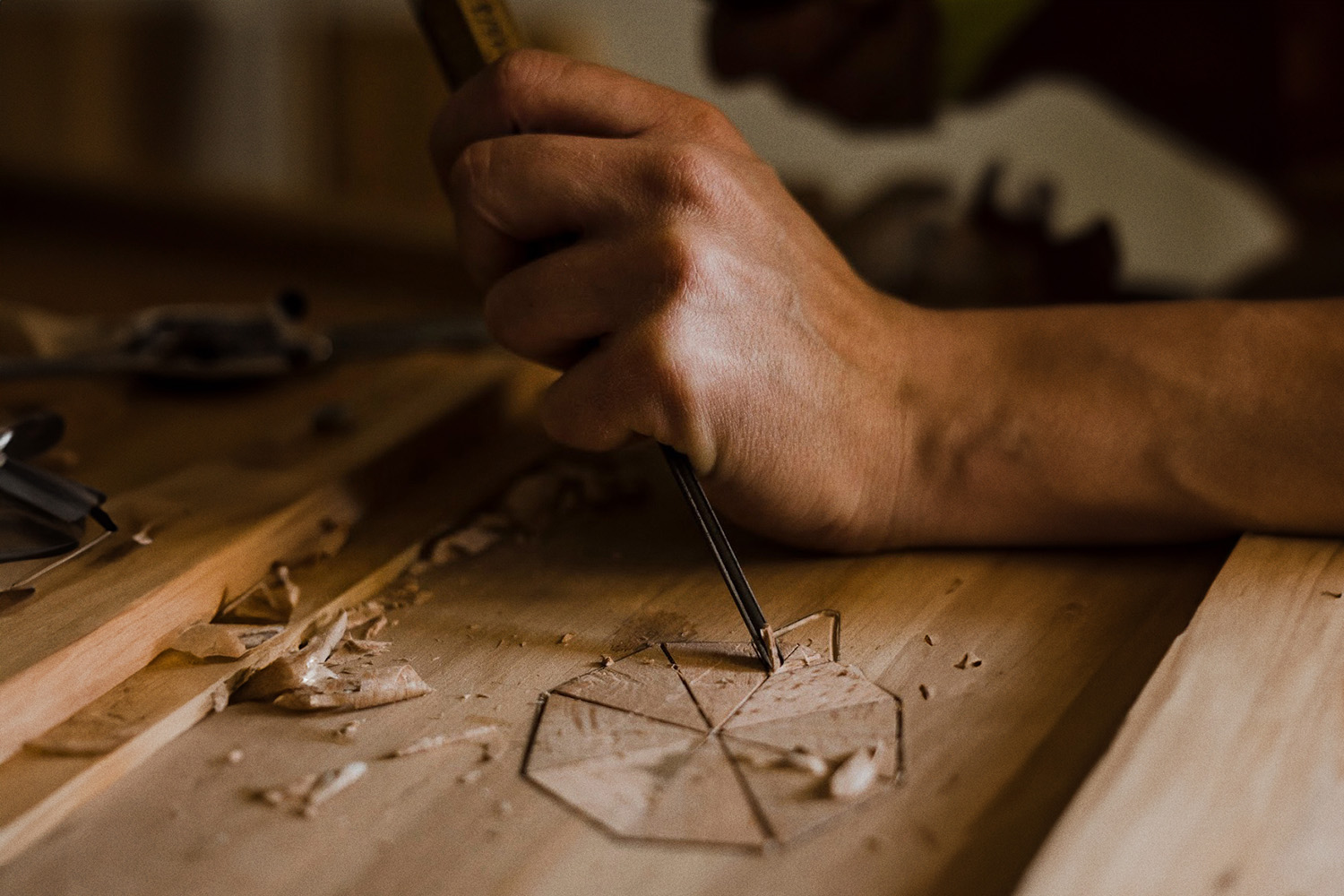
My goal is to continue exploring related techniques, such as yosegi or Granada-style marquetry, to master the technical intricacies of this craft and gain greater freedom in designing new pieces. In general, I am drawn to detail and meticulous craftsmanship.
Woodworking keeps you grounded; through practising ancient techniques, you establish a direct connection with the past. In a way, each time I make a joint, I feel a connection with woodworkers of old. I imagine both of us, alone with our tools and materials, asking the same questions, experiencing the same sensations. And I realise we humans have not changed much.
Just like in music, where the pauses are as important as the notes, a craftsperson must take the time to observe, smell, listen to, and feel their work—without shortcuts or haste. It is essential to deeply respect every element involved in achieving these results and to enjoy the process.
Beatriz Zuazo
Cabinetmaker
Barcelona, Spain
Recommended by Contemporánea de Artes y Oficios
AVAILABILITY
By appointment only
PHONE
+34 650201714
LANGUAGES
Spanish, English, Russian
Homo Faber Finds is a new service aiming to inspire admirers of craft to connect and collaborate with exceptional artisans.
We invite you to submit an enquiry here.