
Aspen Golann
Furniture maker
Rochester, NH, USA
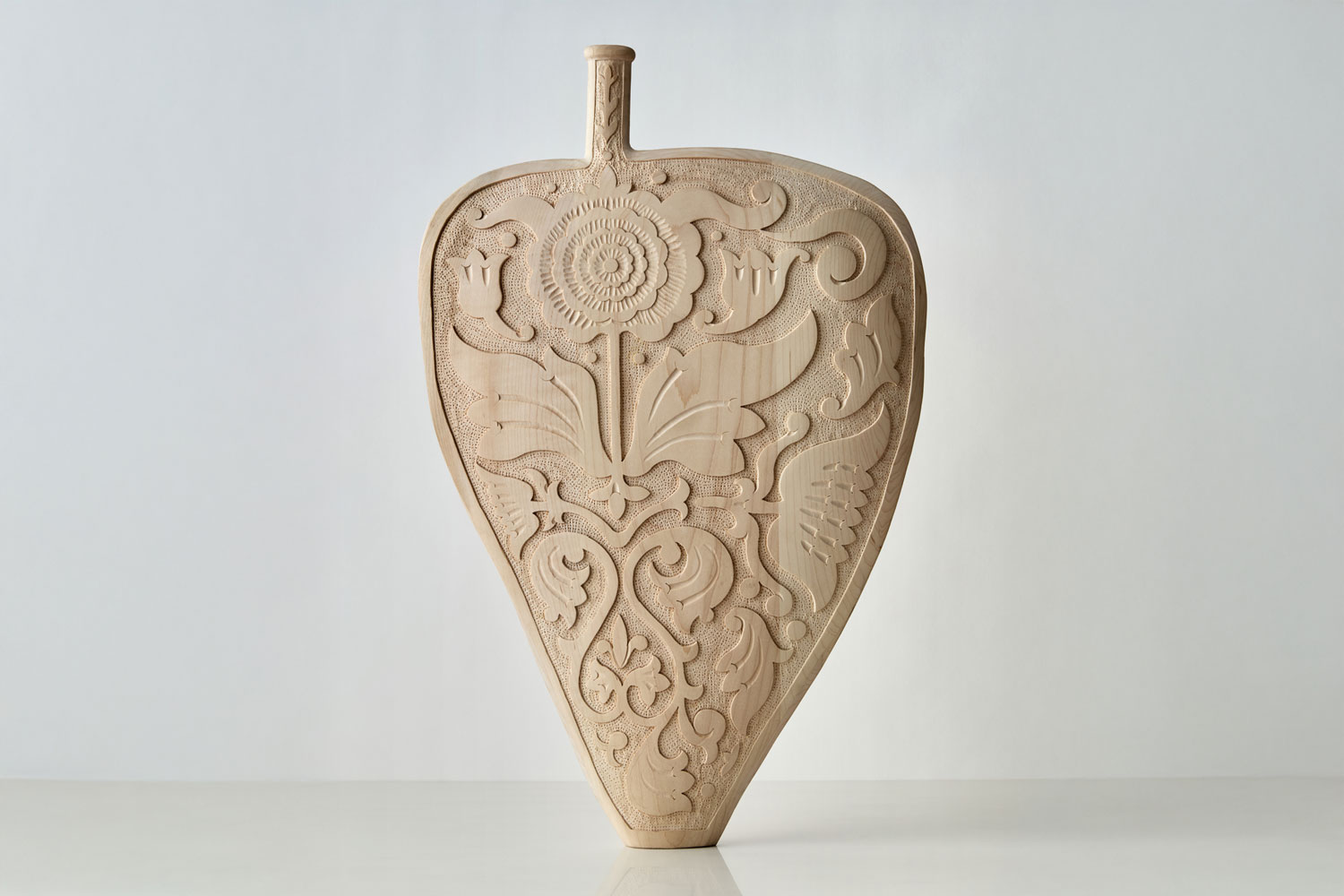
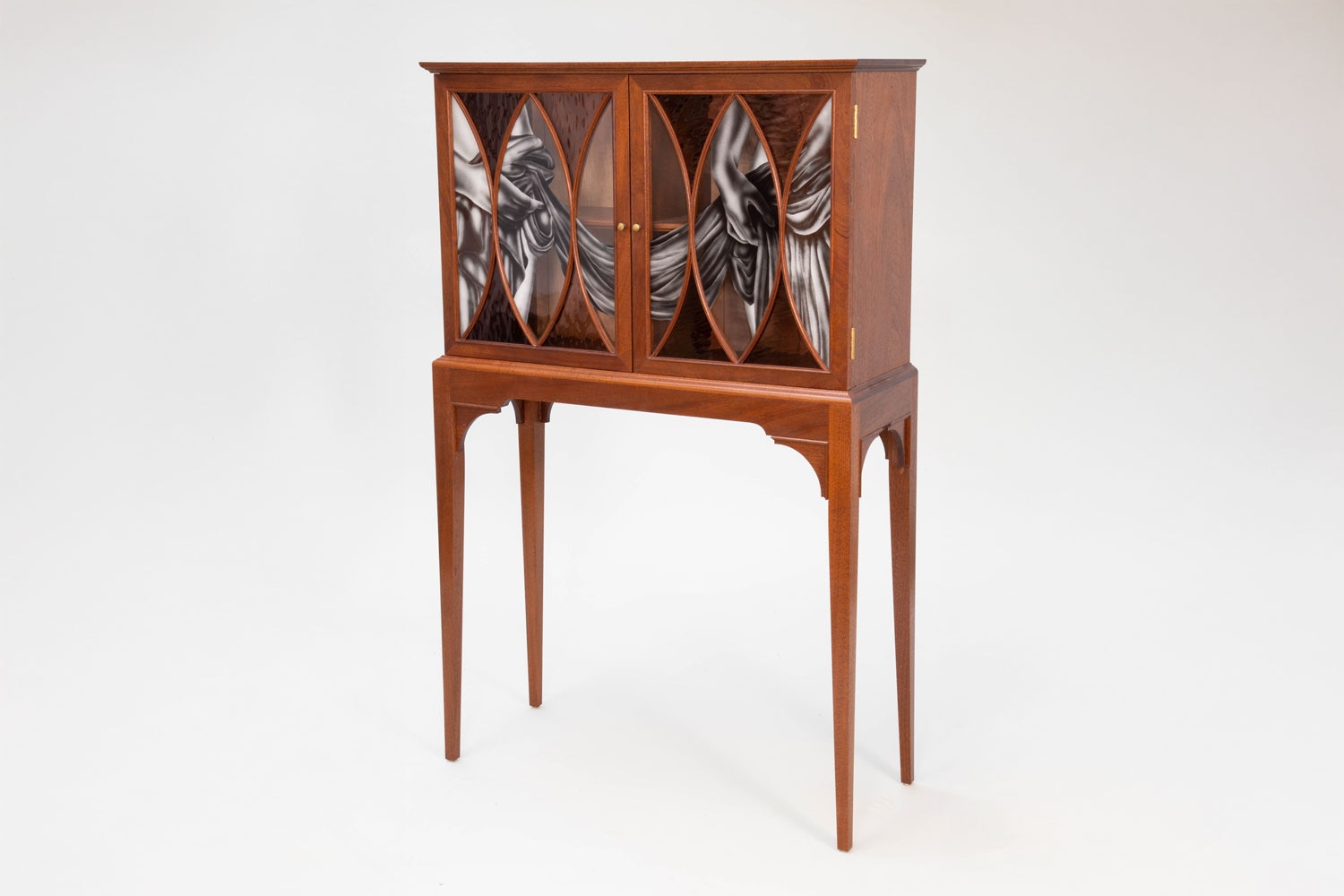
A playful blend of traditions in wood
- Aspen is a traditional furniture maker and sculptor
- Her objects are inspired by early American furniture traditions
- She is an artisan in residence at The Metropolitan Museum of Art 2025-2026
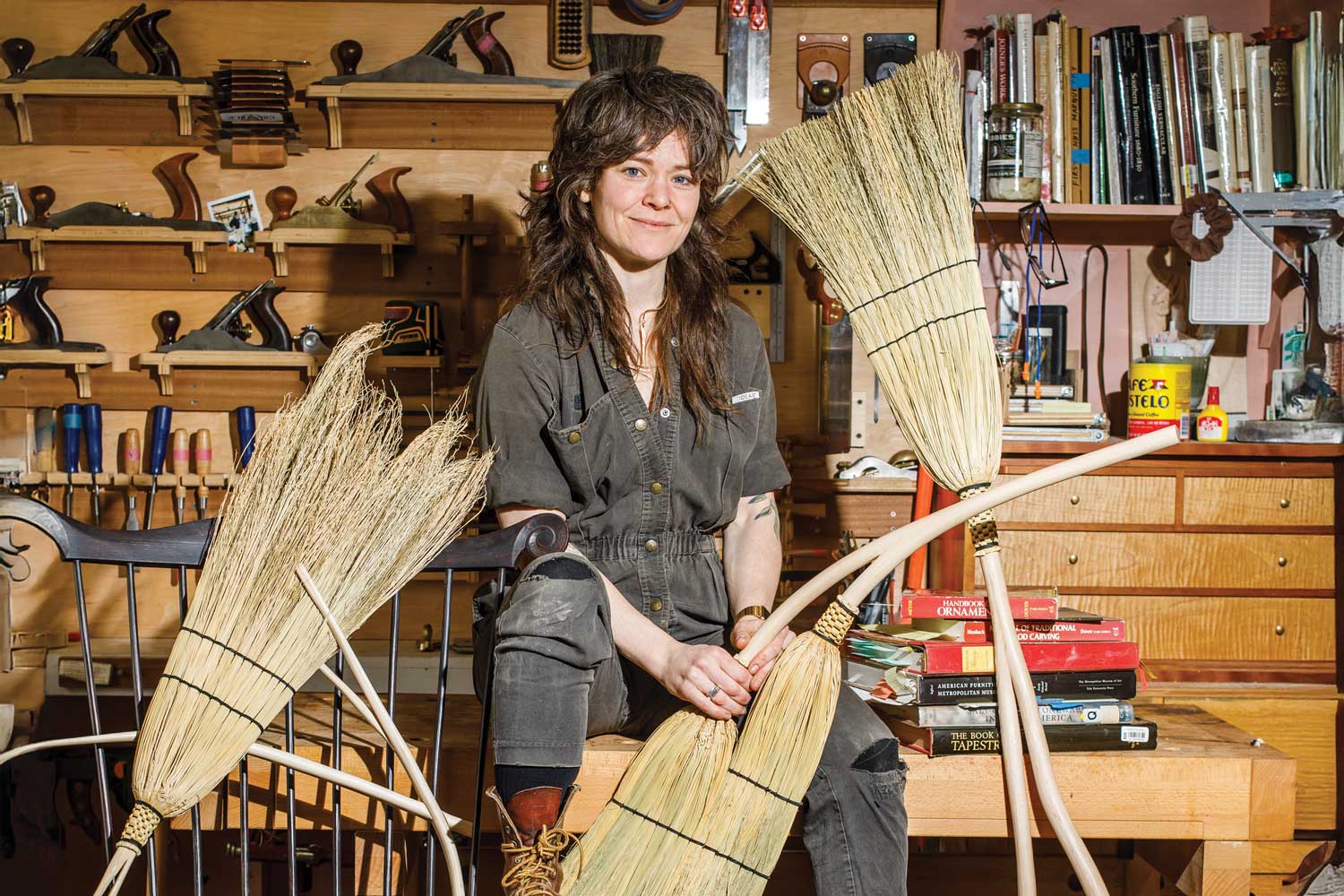
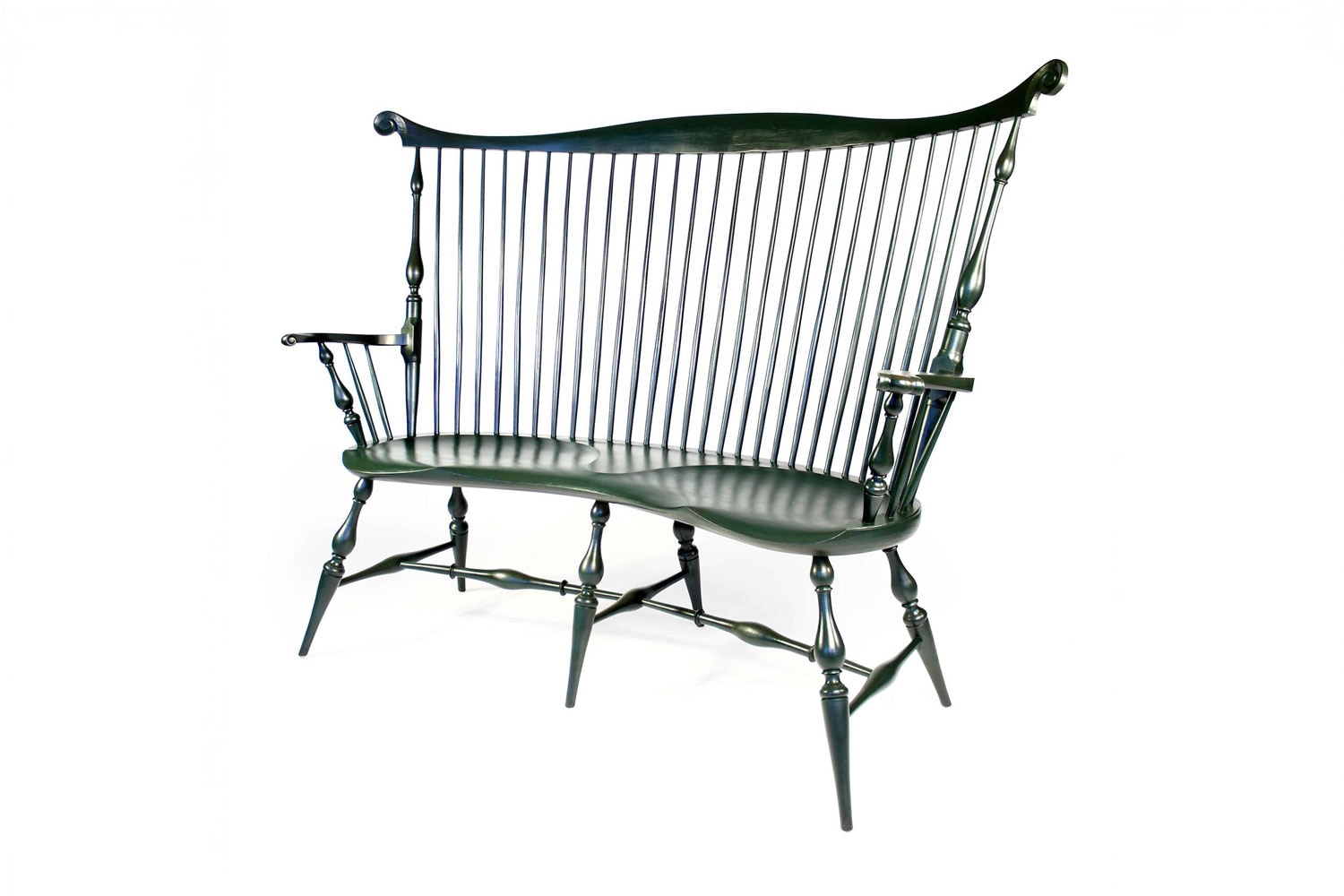
Aspen Golann believes that her craft chose her, not the other way around. Her professional woodworking journey began in 2018 on her 30th birthday when she enrolled in the North Bennet Street School in Boston. Three years later, Aspen opened a studio focused on applying contemporary techniques to redefine and reinterpret traditional American woodworking practices. She masters Windsor chairmaking and hand tool woodworking. “Greenwood chairmaking, or using freshly felled logs, is my speciality. Most of my wood is sourced from people who steward forests in Rochester,” she says. Aspen also teaches furniture design at The Rhode Island School of Design and is a founder of The Chairmaker’s Toolbox, a project that supports BIPOC, female and gender non-conforming toolmakers.
Discover her work


INTERVIEW
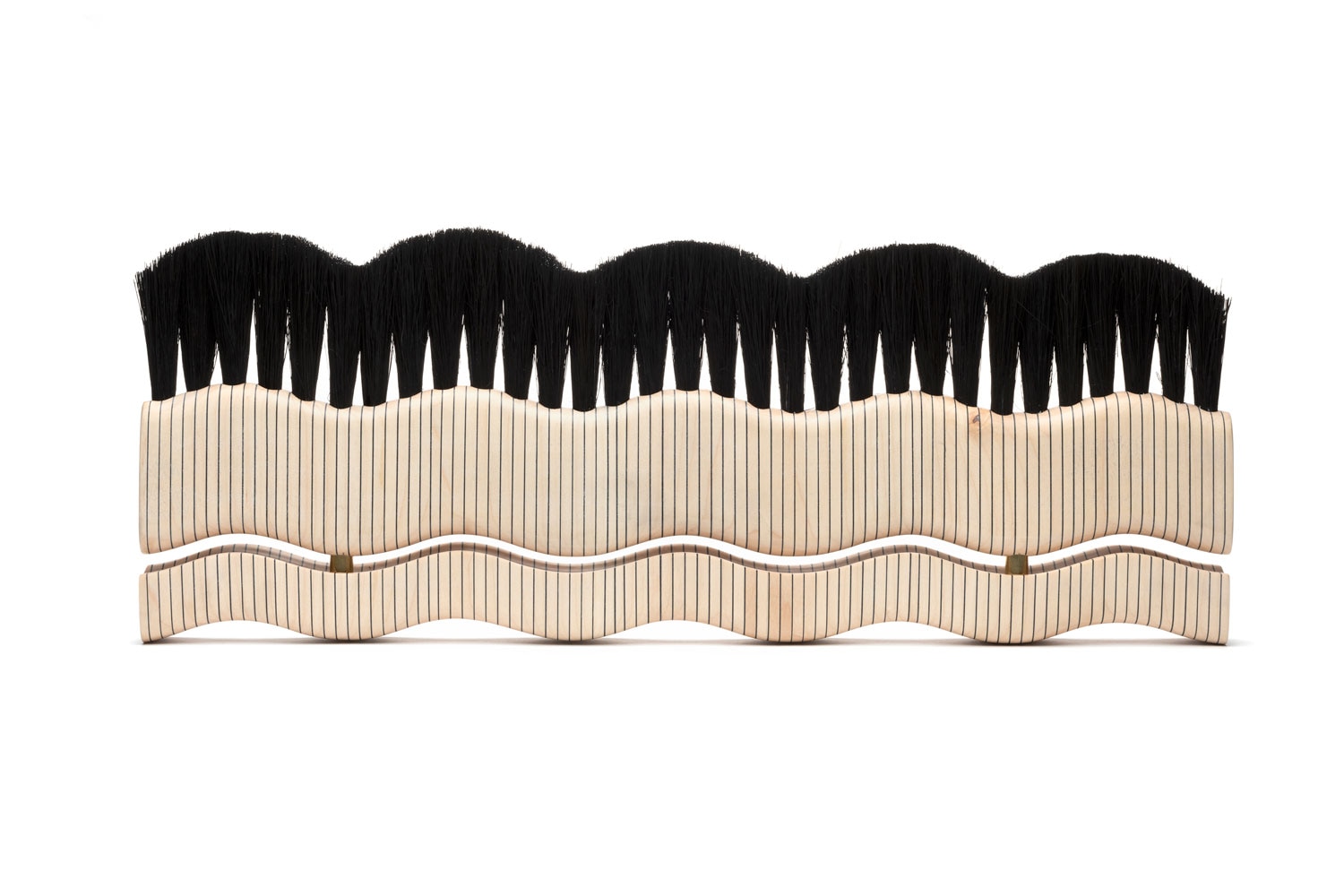
I immerse myself in traditional processes and techniques until I understand them fluently. Then I allow myself to play by collaging, recombining and reinterpreting those forms. The results of my practice are rooted in history but clearly contemporary.
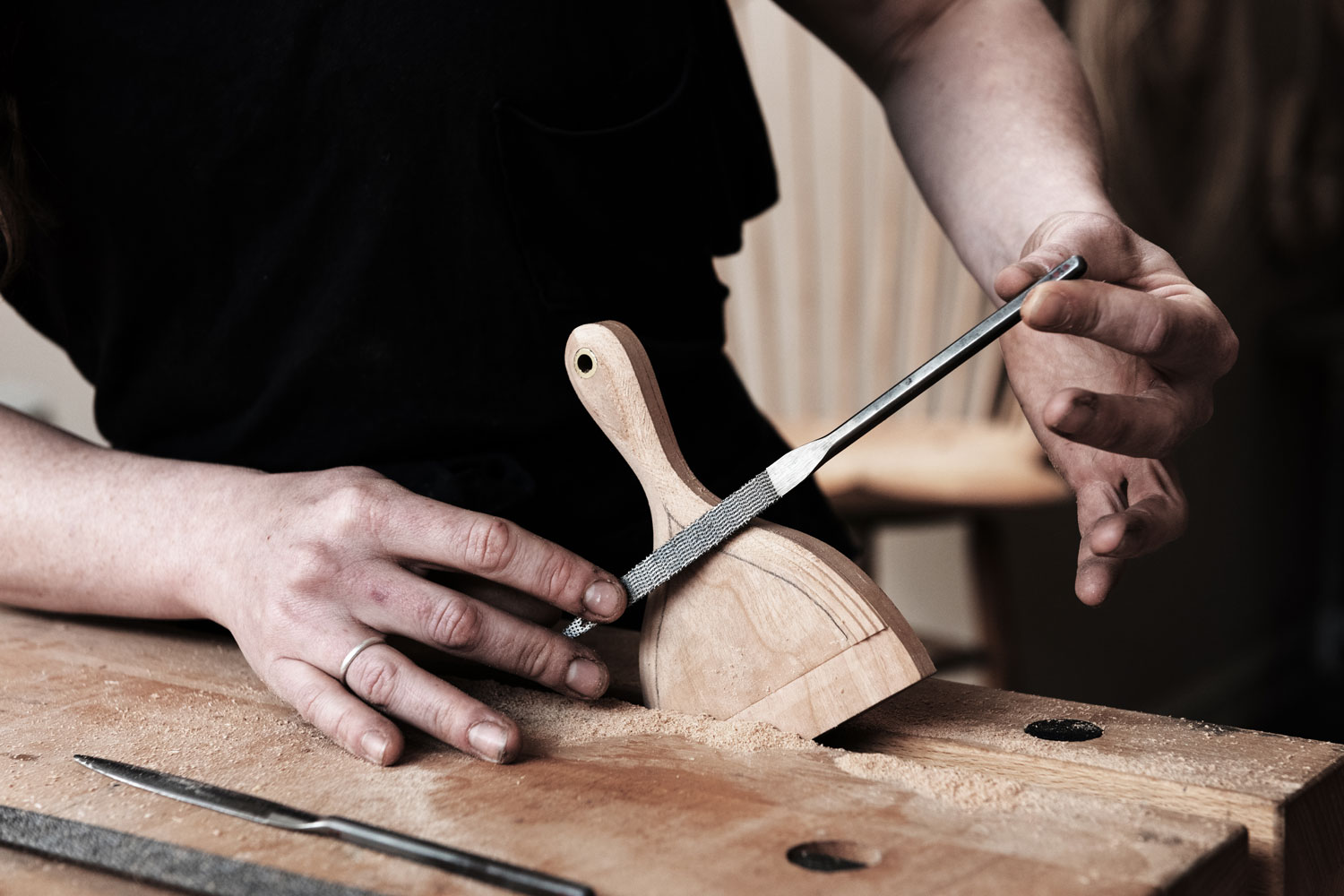
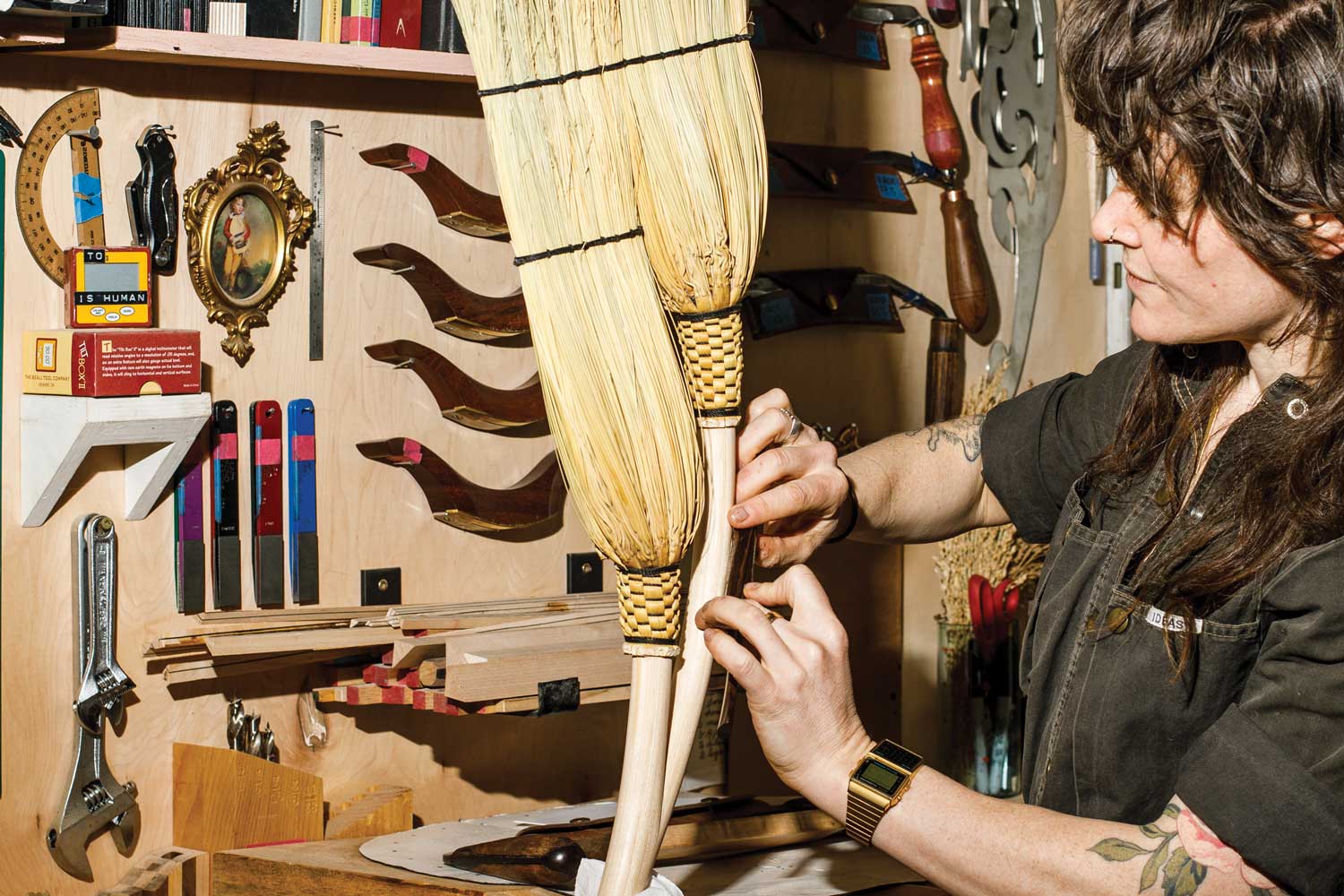
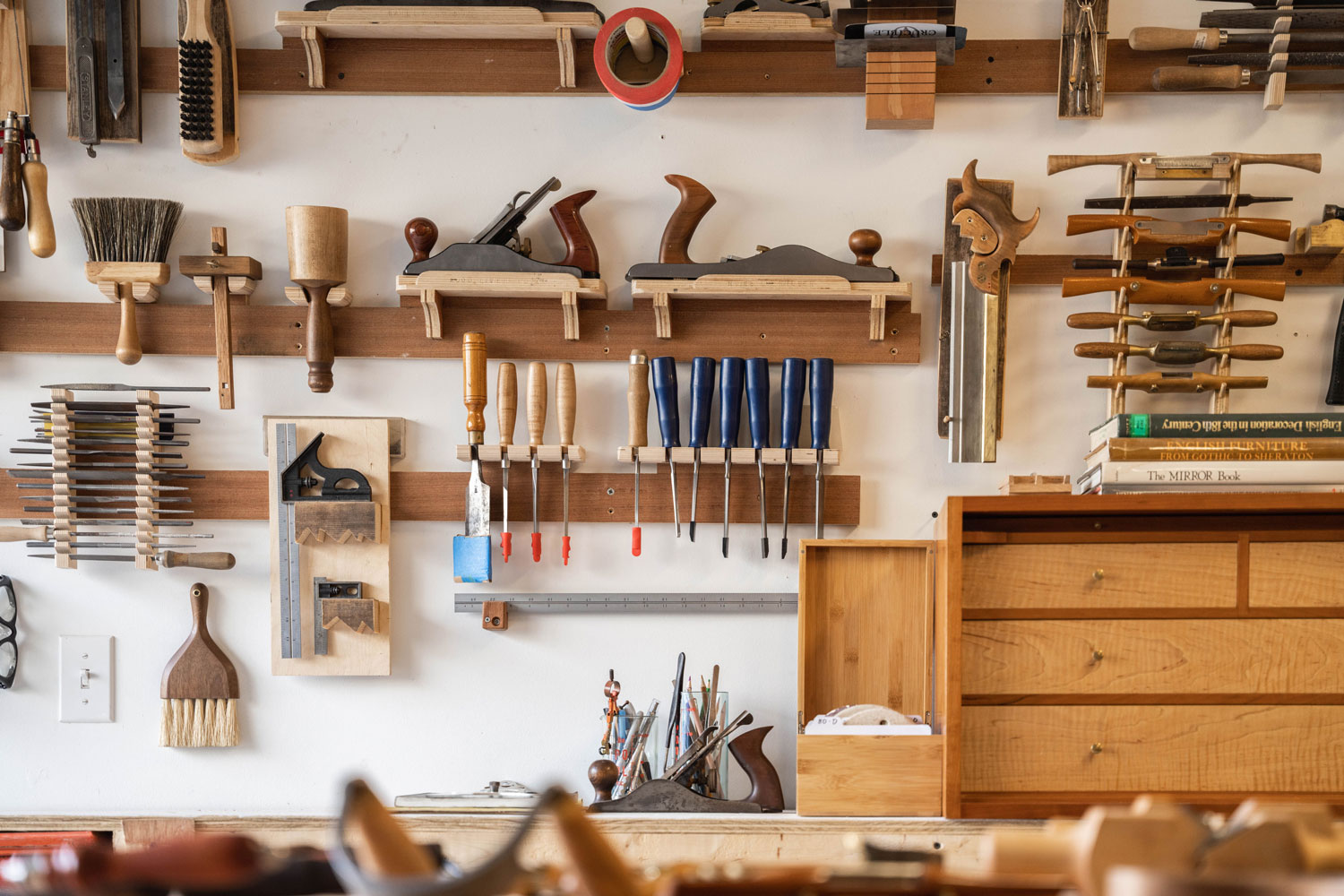
Everything I use is a form of technology, just very old technology. I rely primarily on hand tools, including axes, drawknives, planes, chisels, wedges and sometimes a chainsaw. I use very little electricity, let alone contemporary technology, in the production of my pieces.
History, and in particular, the unnamed craftspeople of early American furniture traditions. Their bold design decisions, joyful mark-making and technical fluency endure in museum collections, even when their names do not. That paradox moves me.
Being alone in The Metropolitan Museum of Art after hours during my residency, standing in the quiet presence of the objects that shaped my life’s work, was very meaningful to me. Also, being a finalist for the Loewe Craft Prize and meeting extraordinary craftspeople from around the world was unforgettable.
Aspen Golann
Furniture maker
Rochester, NH, USA
ADDRESS
Address upon request, Rochester, NH, USA
AVAILABILITY
By appointment only
PHONE
+1 6179095951
LANGUAGES
English, German
Homo Faber Finds is a new service aiming to inspire admirers of craft to connect and collaborate with exceptional artisans.
We invite you to submit an enquiry here.