Julia Buntzel & Miriam Rose Gronwald
Studio JUMI
Weaver
Berlin, Germany
Interwoven backgrounds, fibres and aspirations
- Julia and Miriam foster a dynamic artistic community via their workspace and studio
- Before creating Studio JUMI, they each had careers in other artistic fields
- They prioritise experimentation to push artistic boundaries
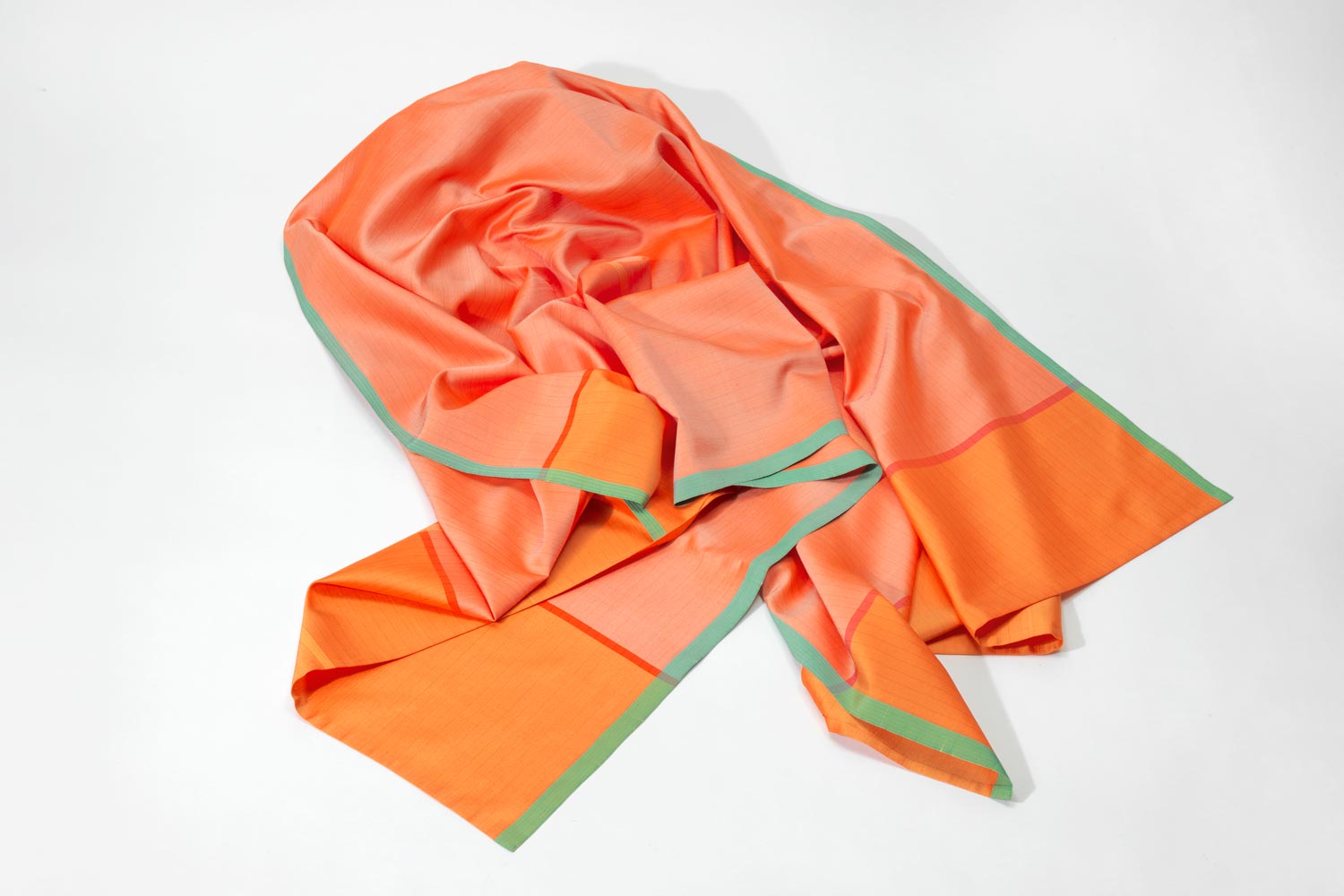
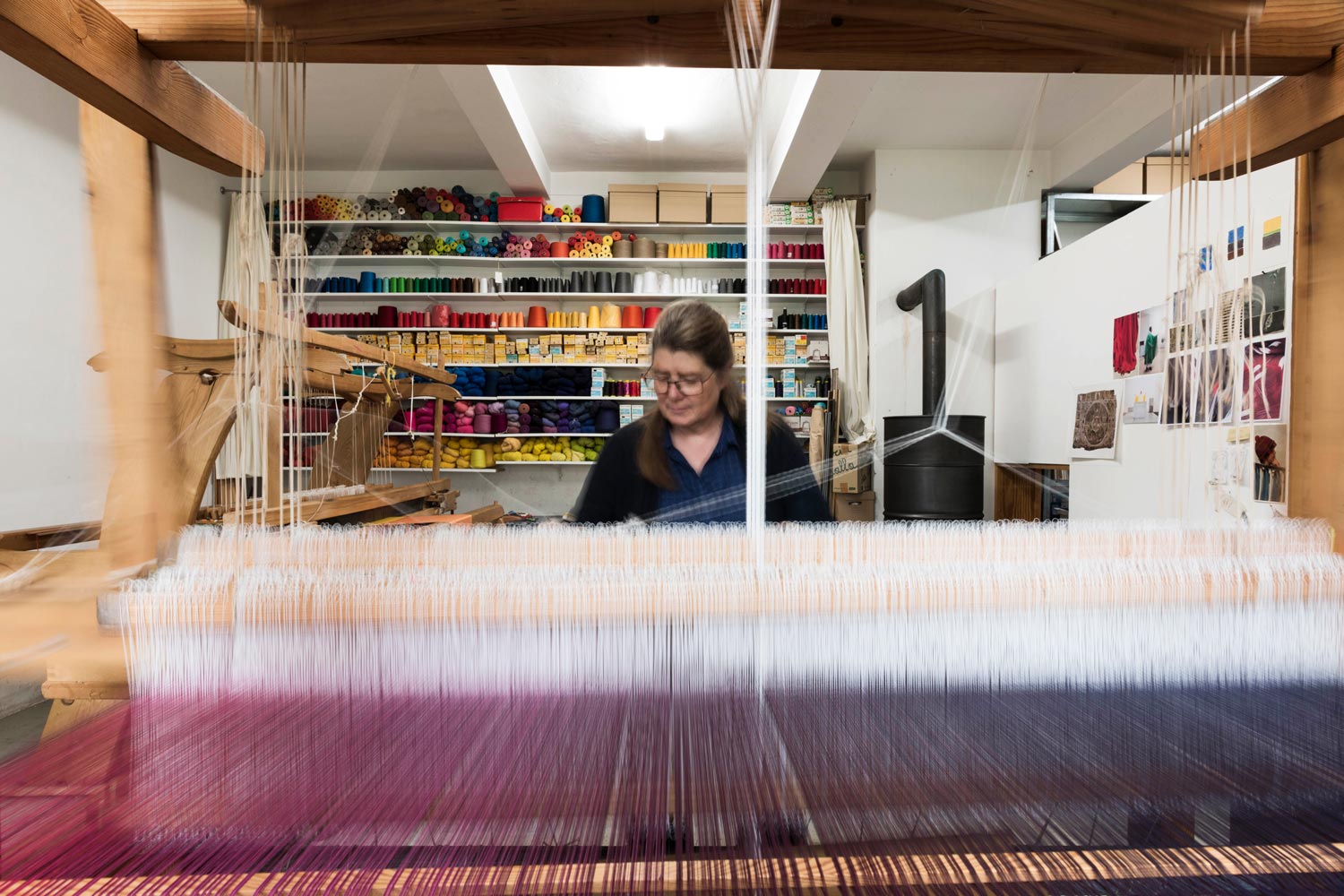
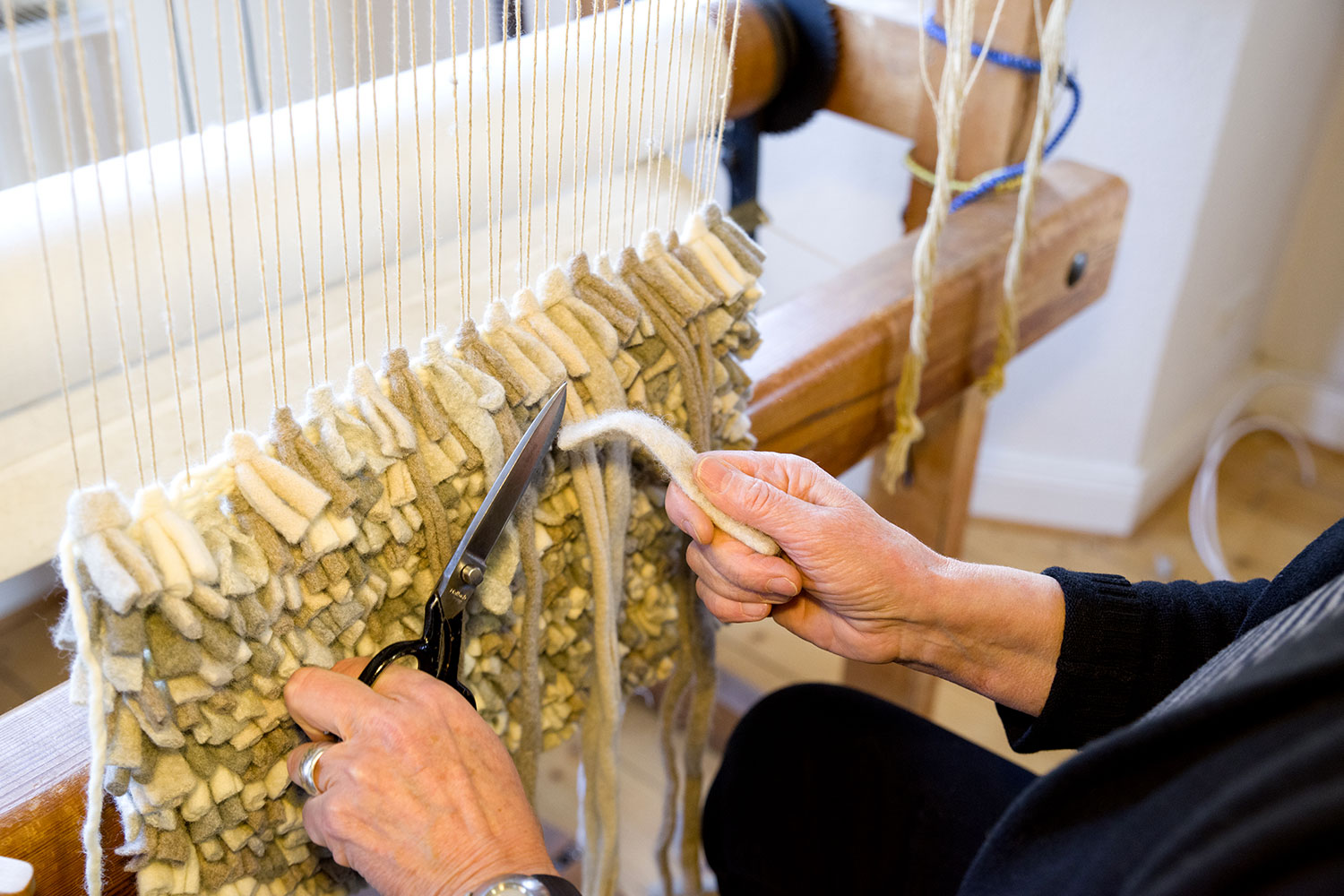
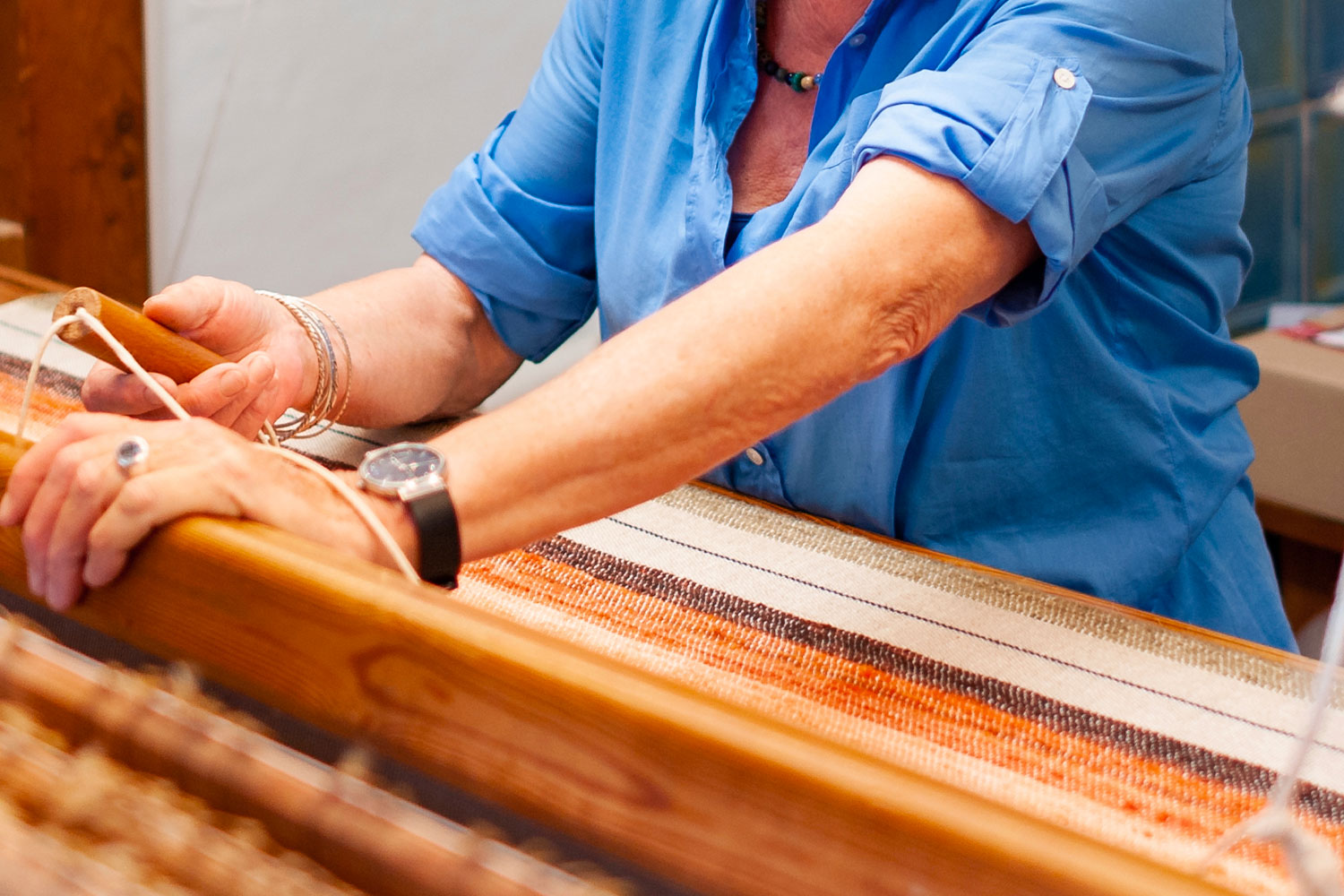
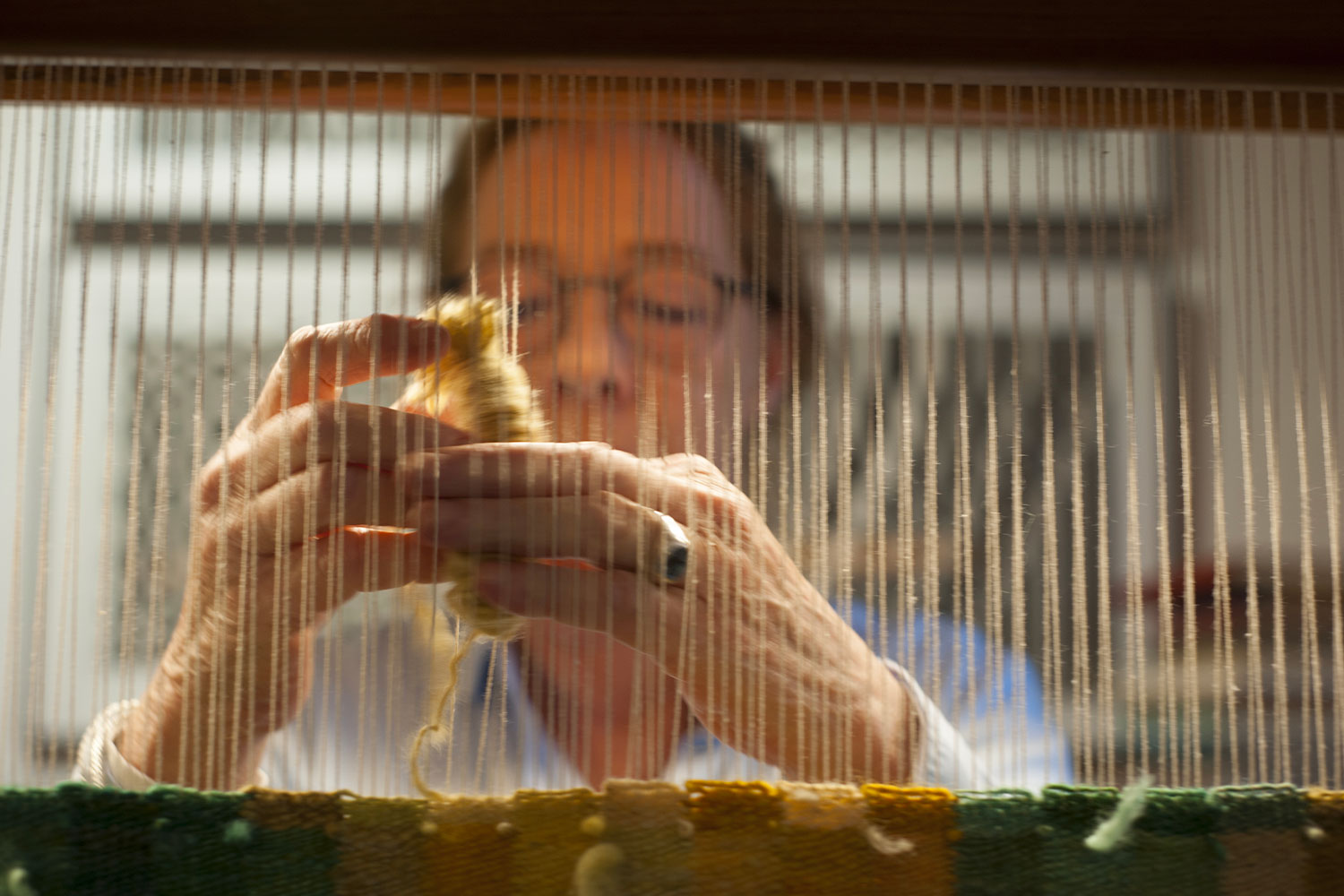
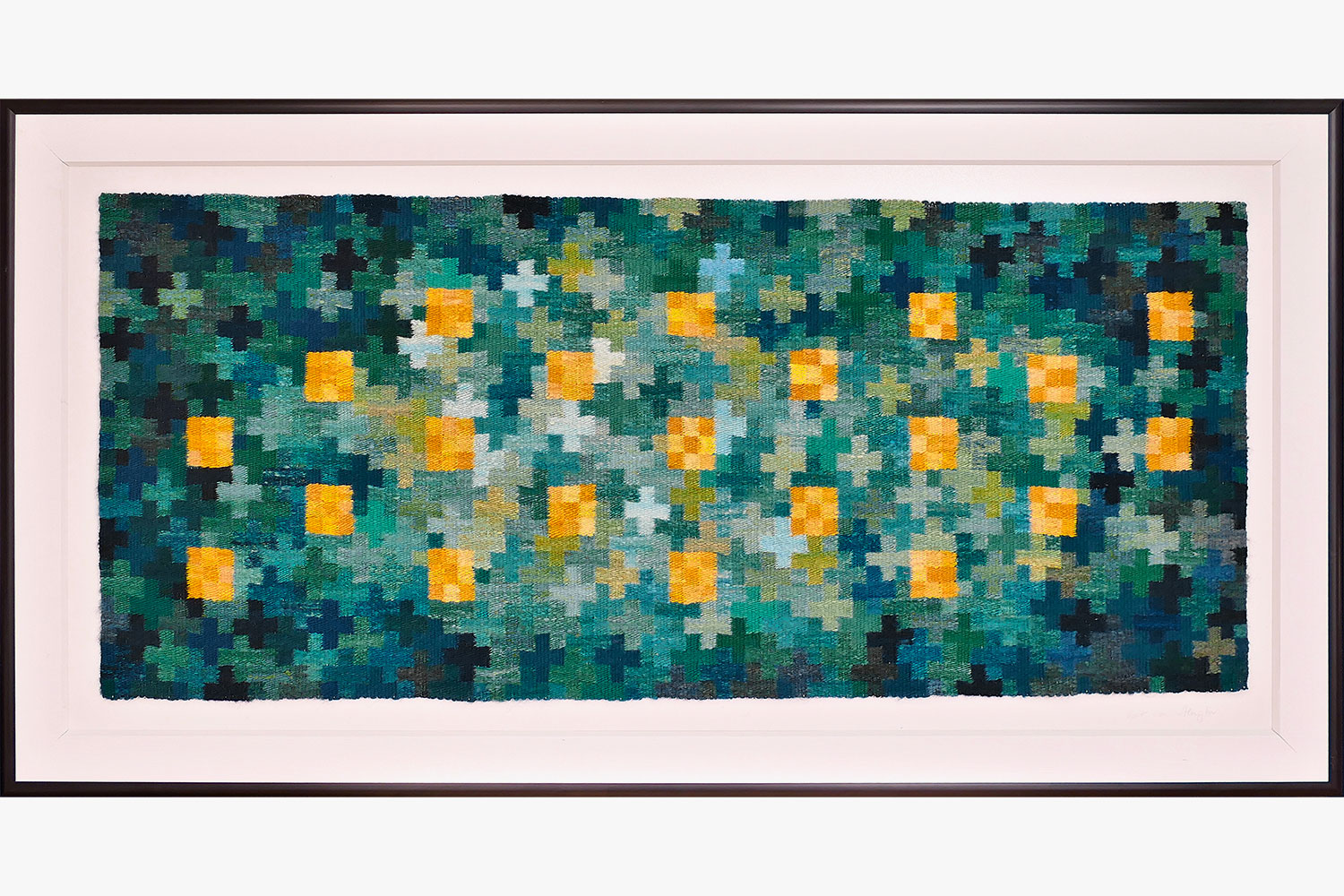
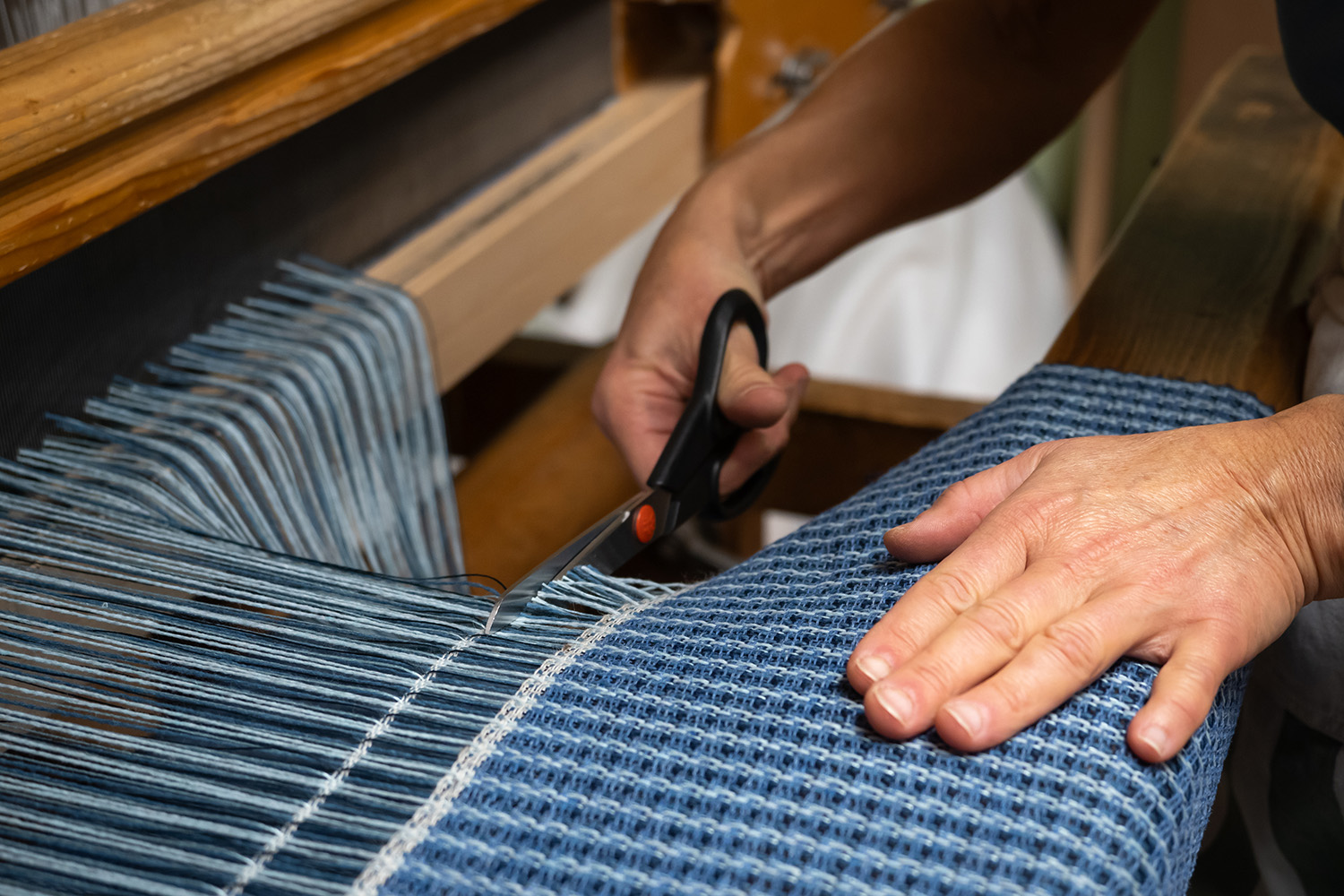
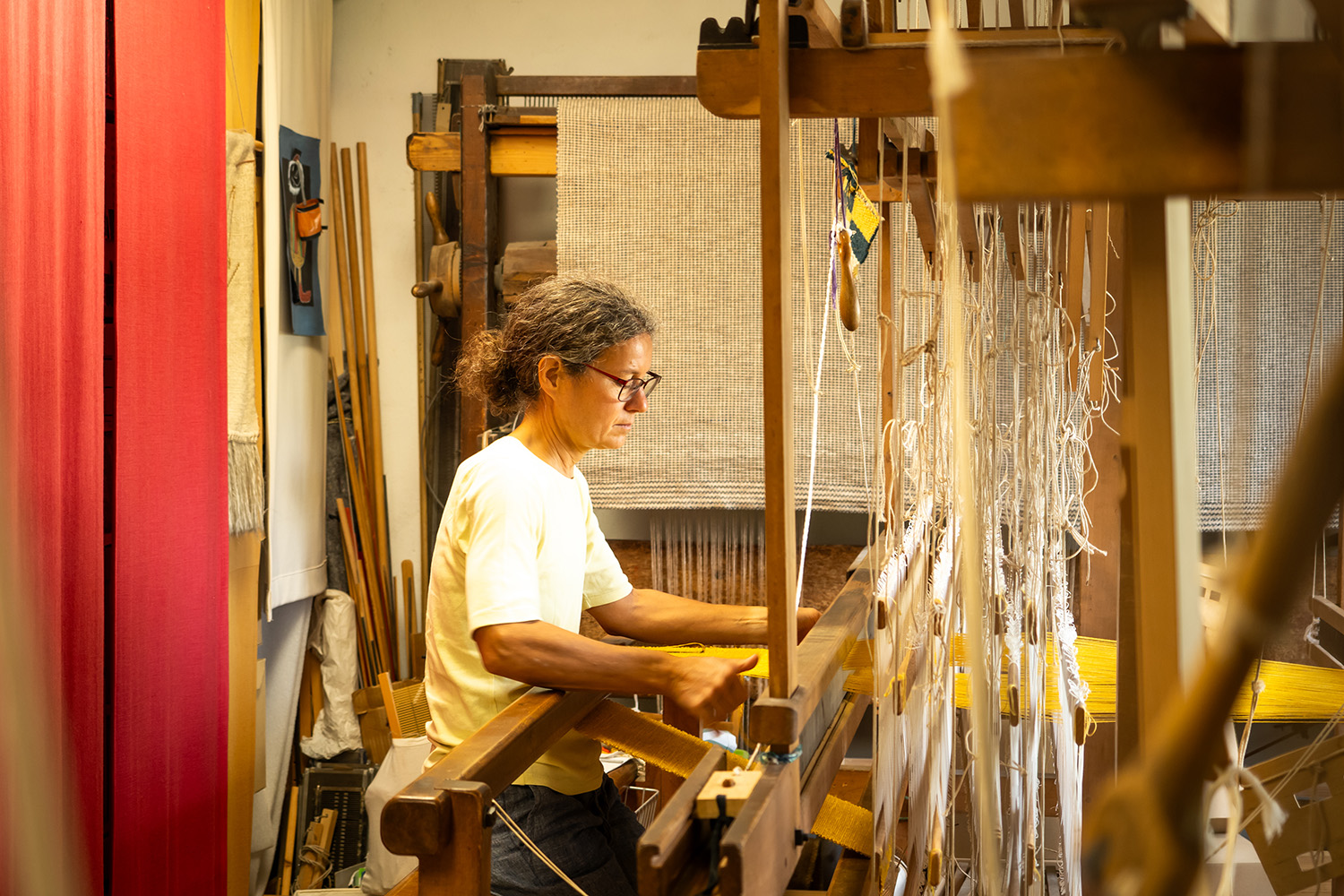
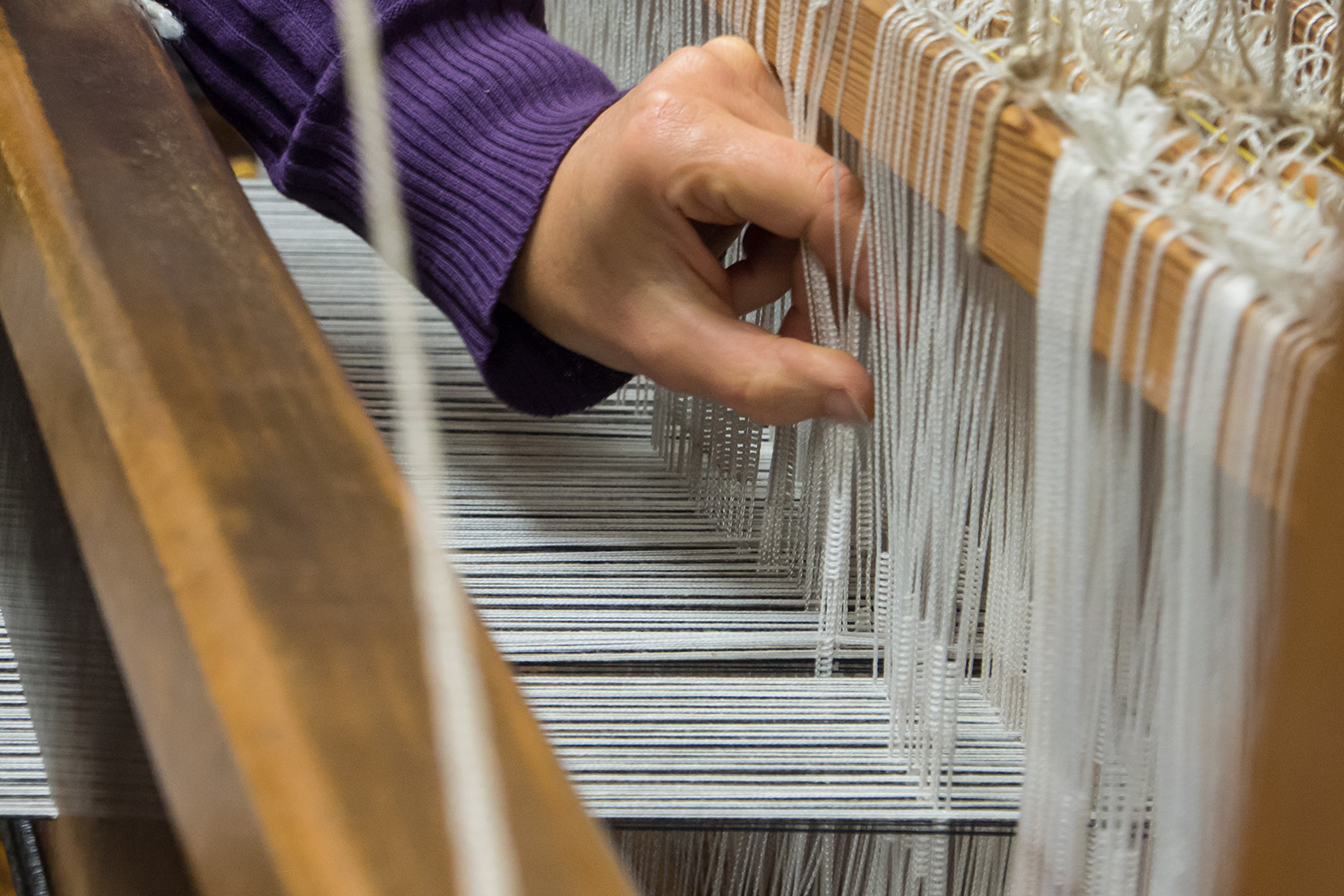
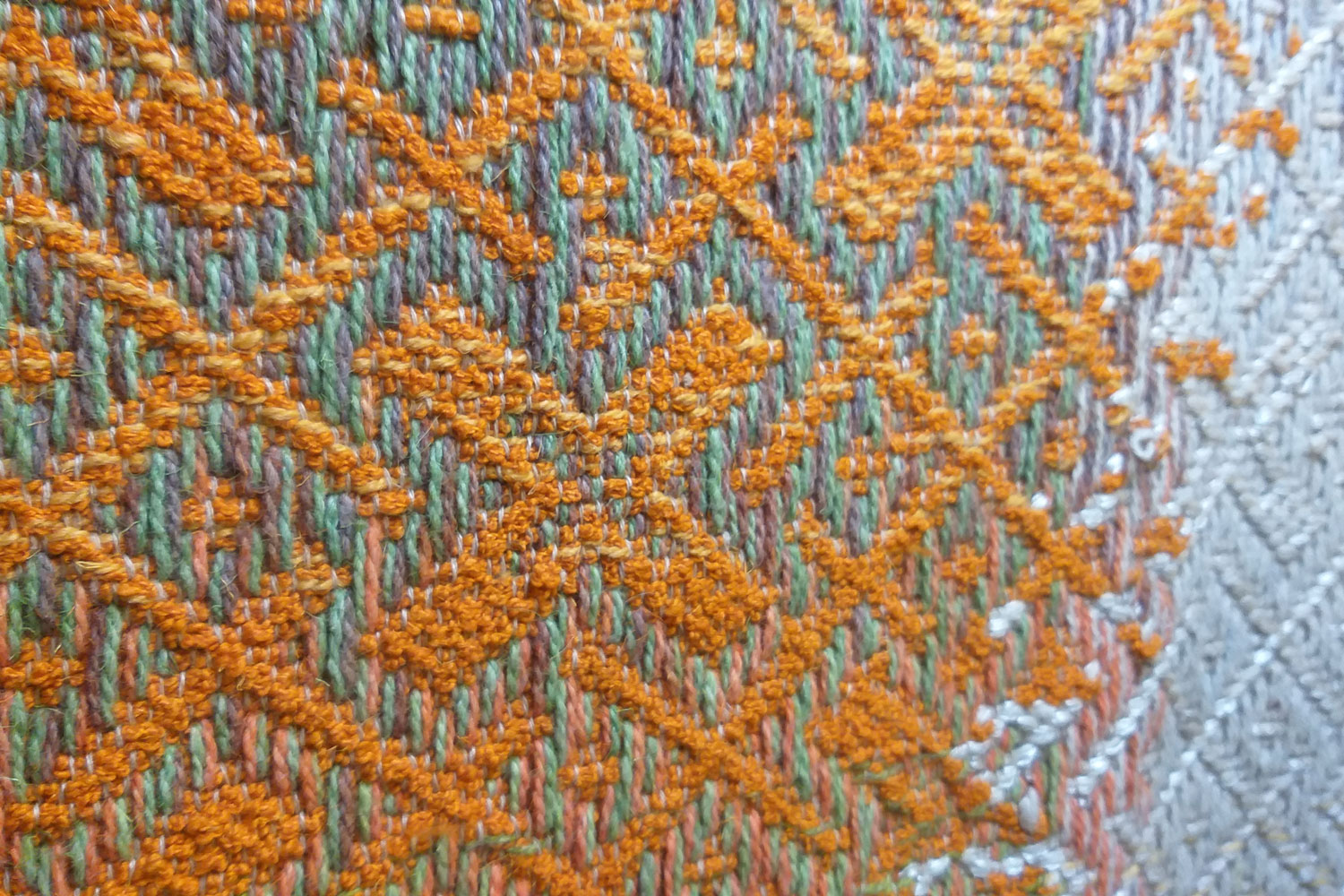
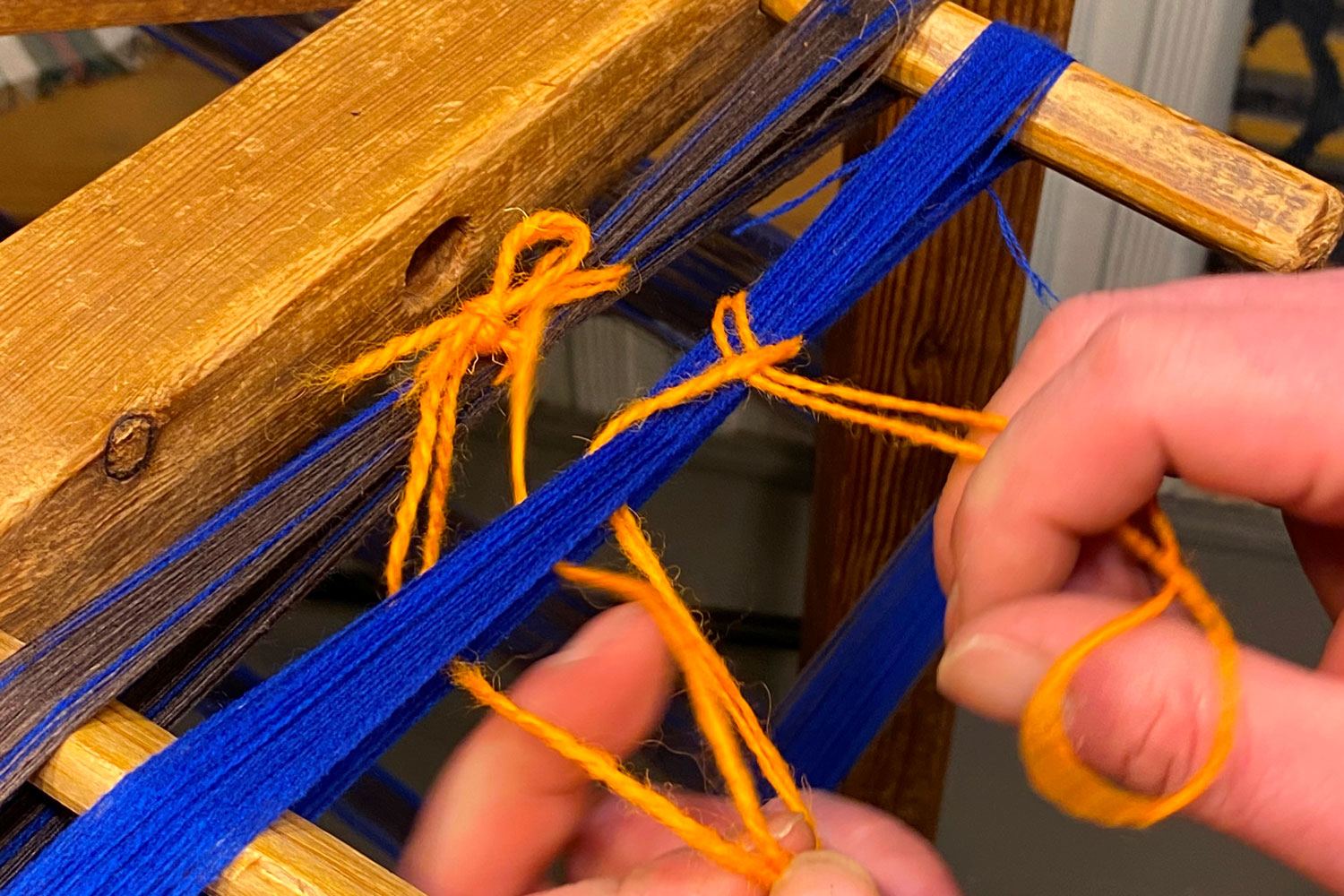
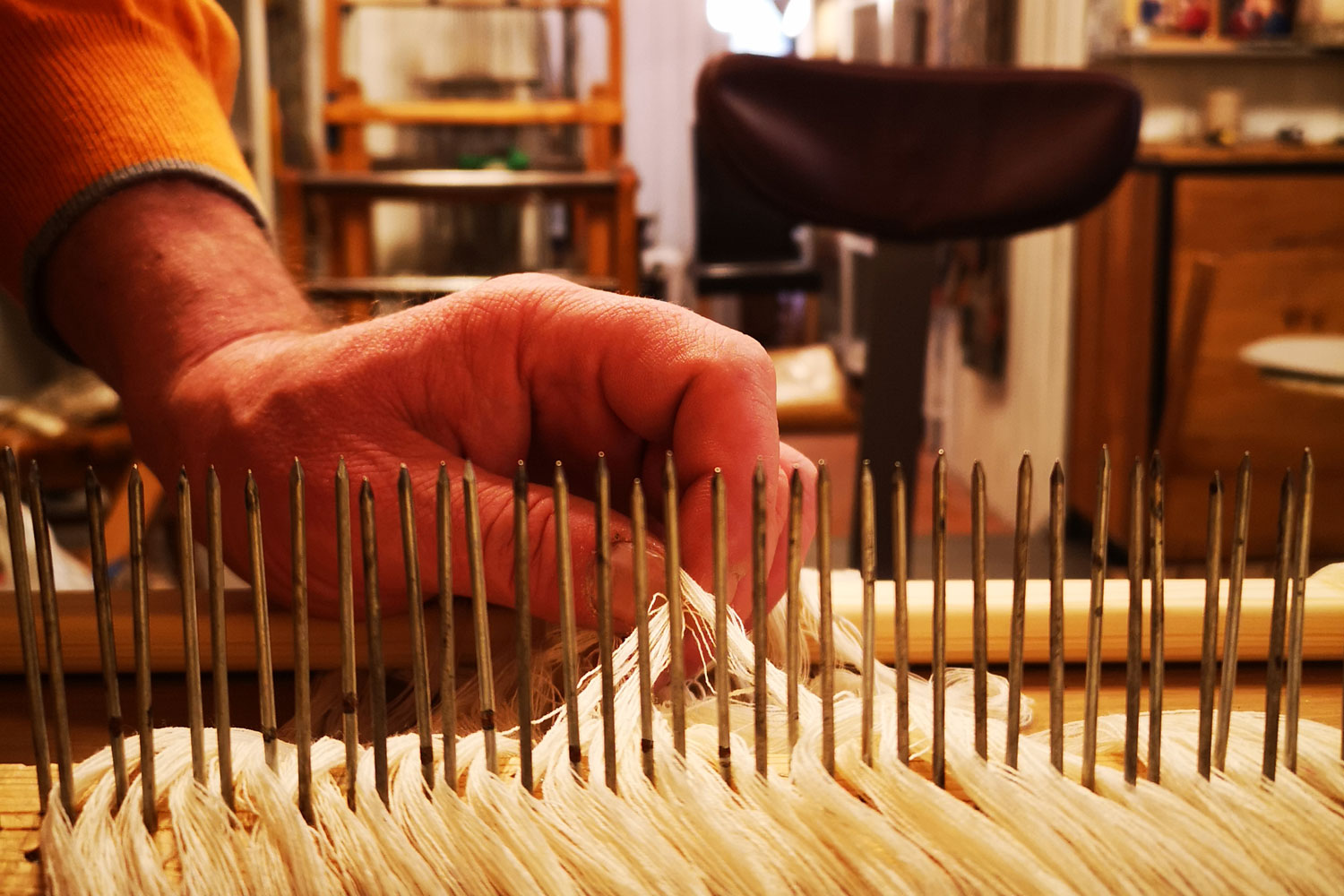
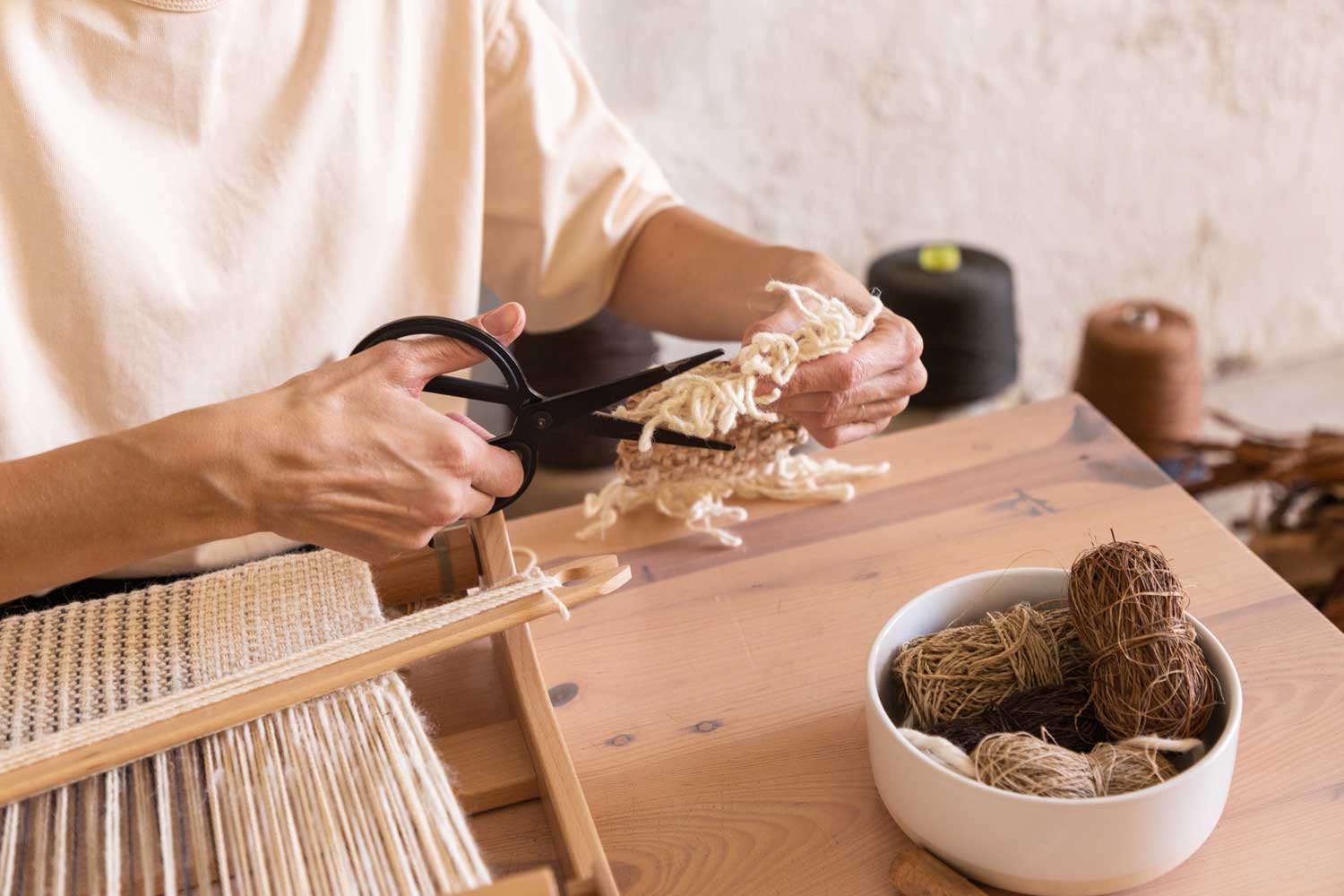
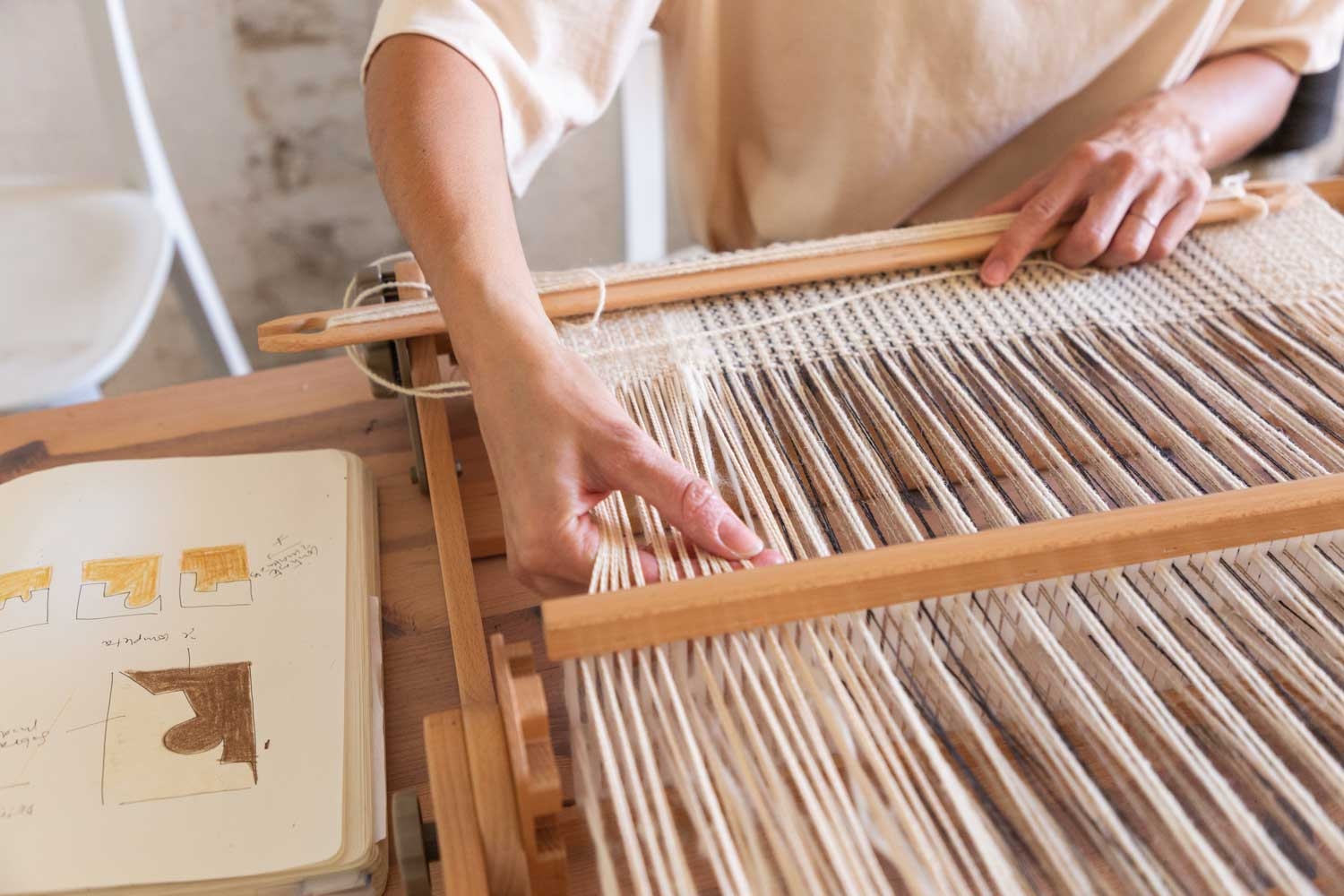
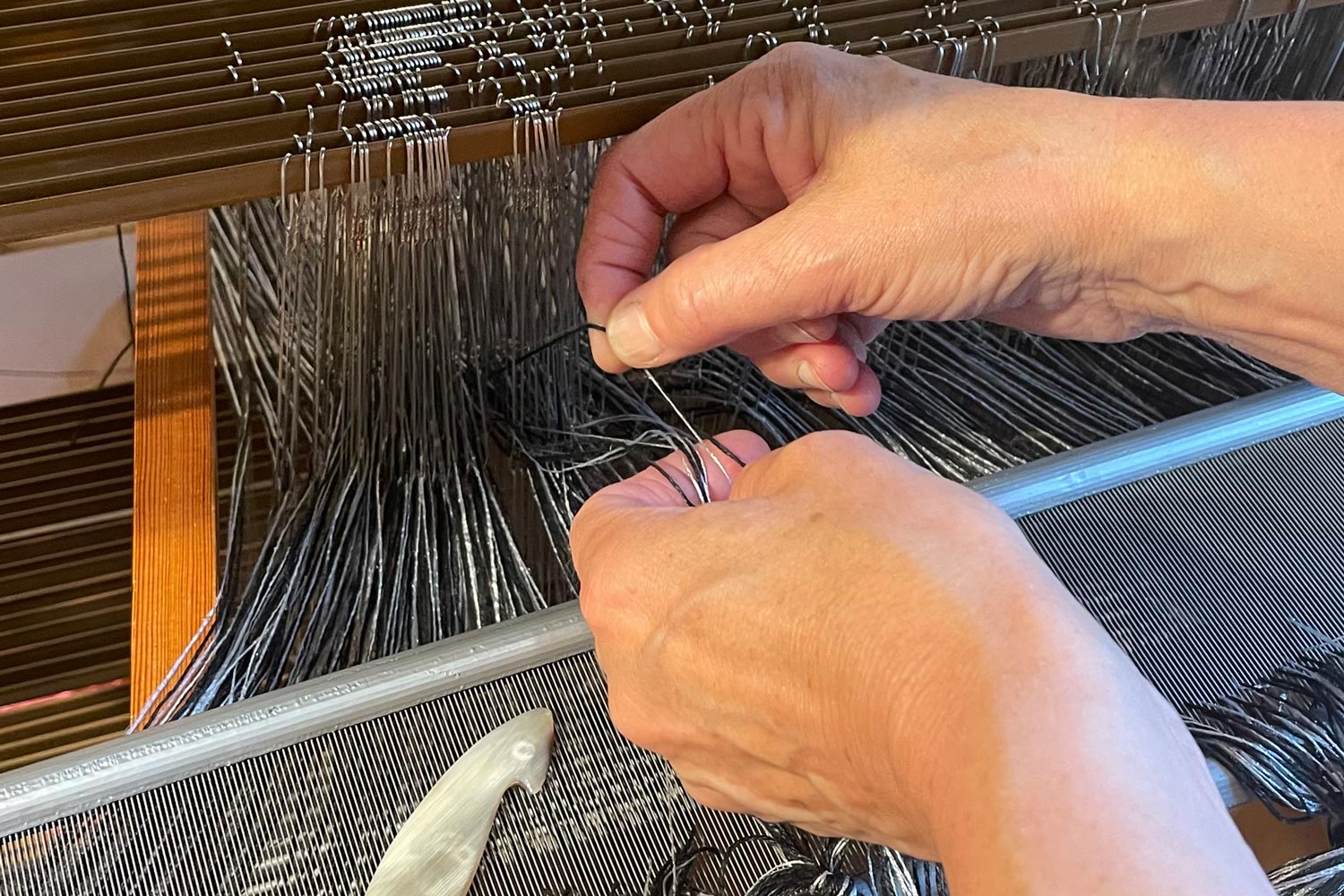
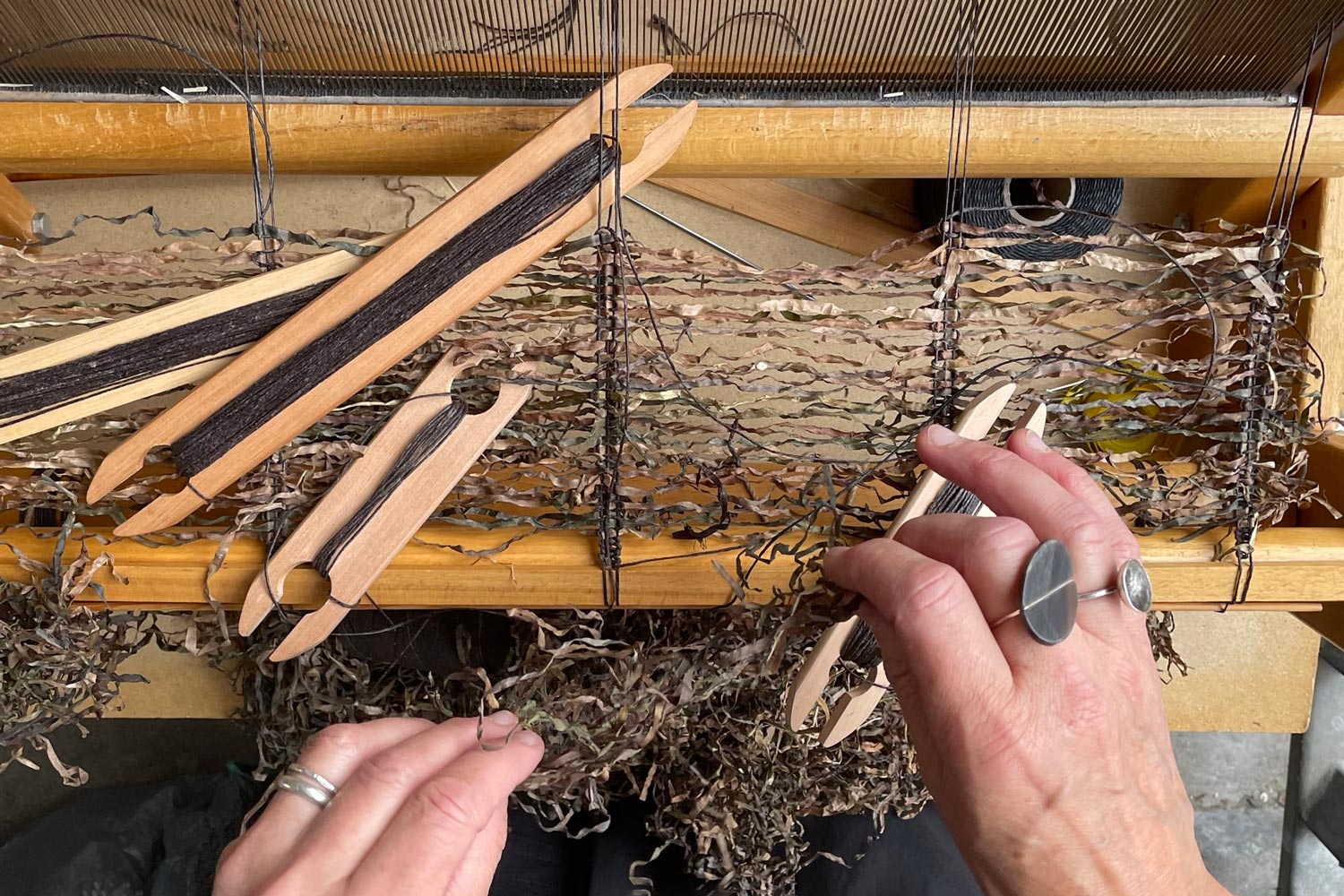
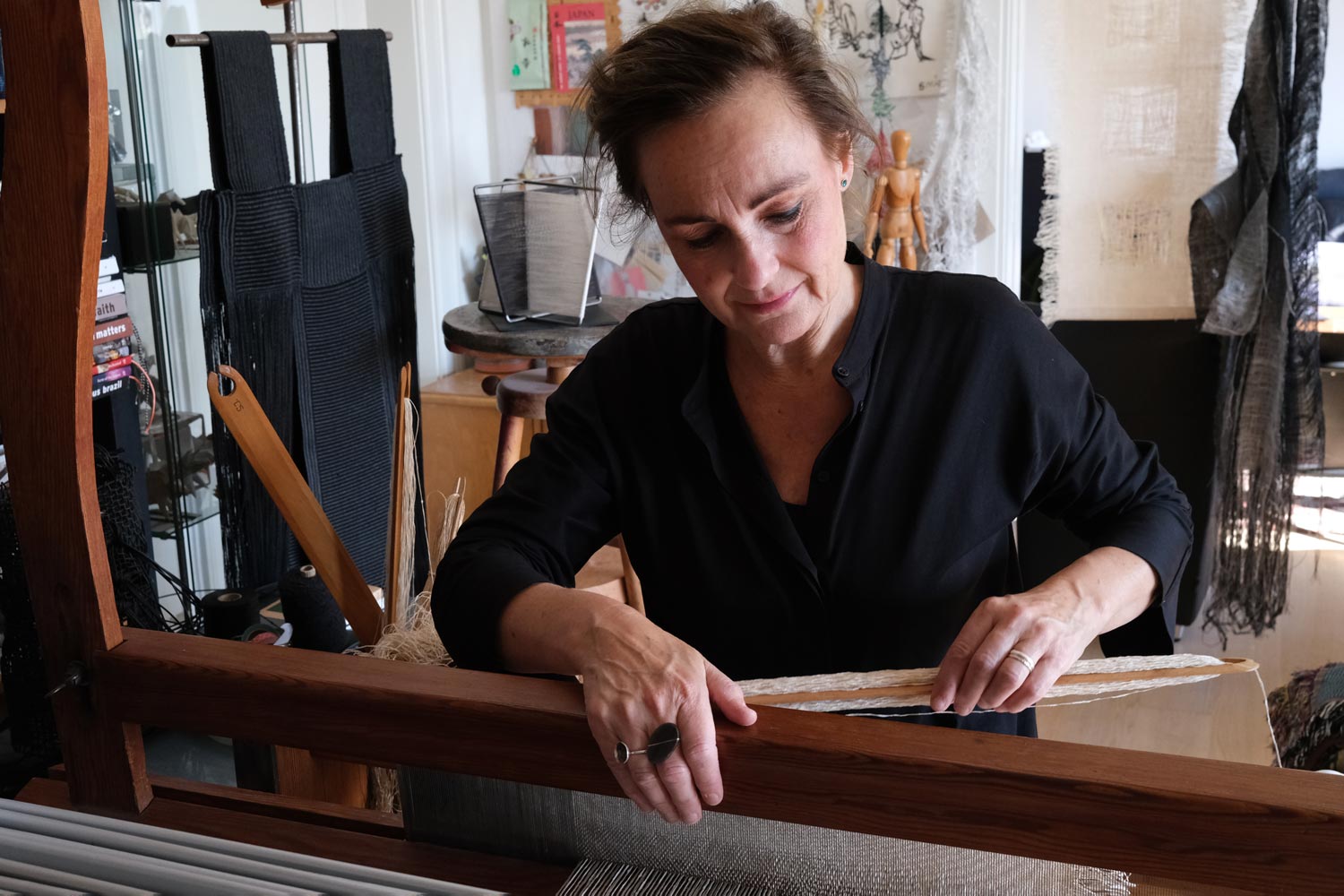
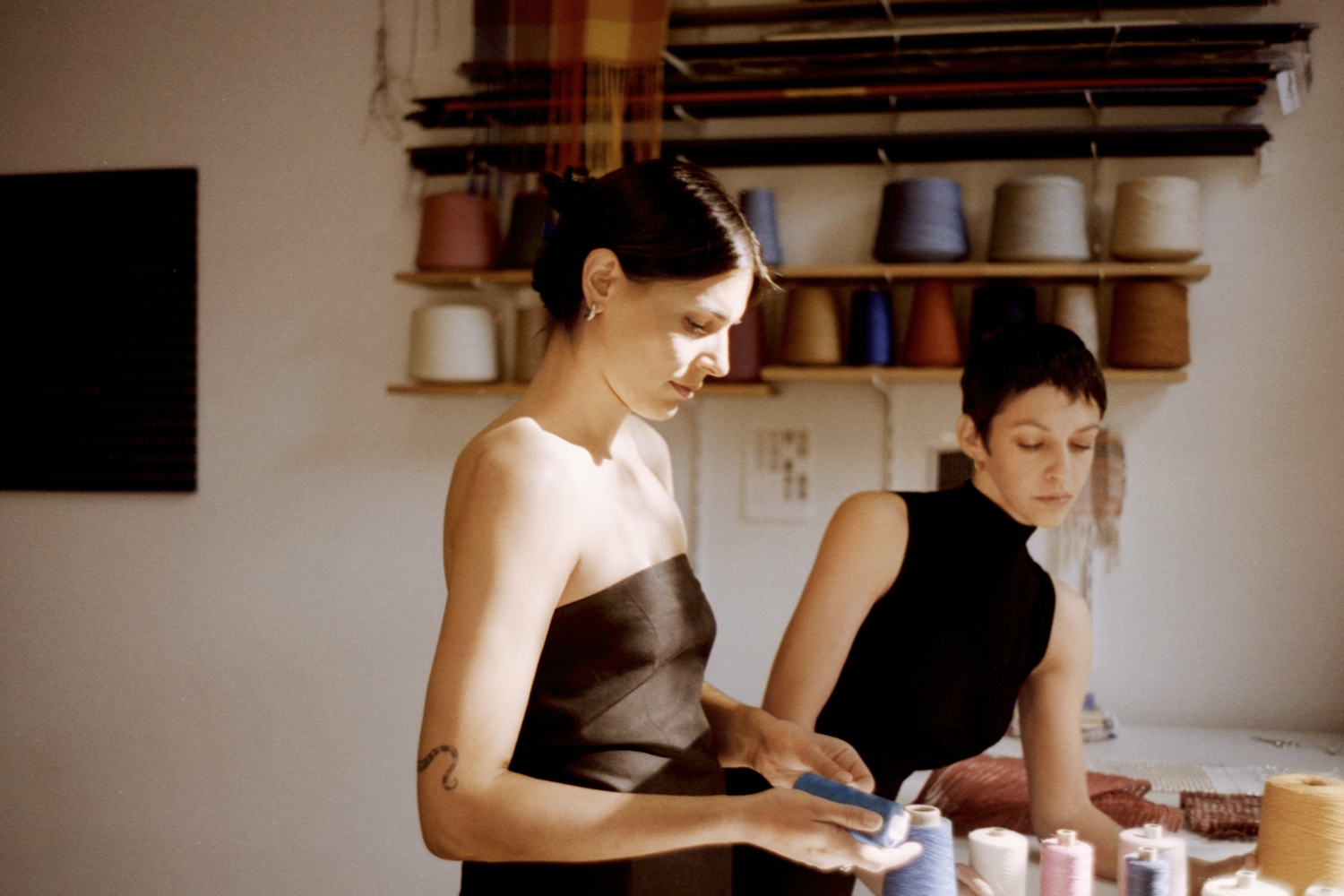
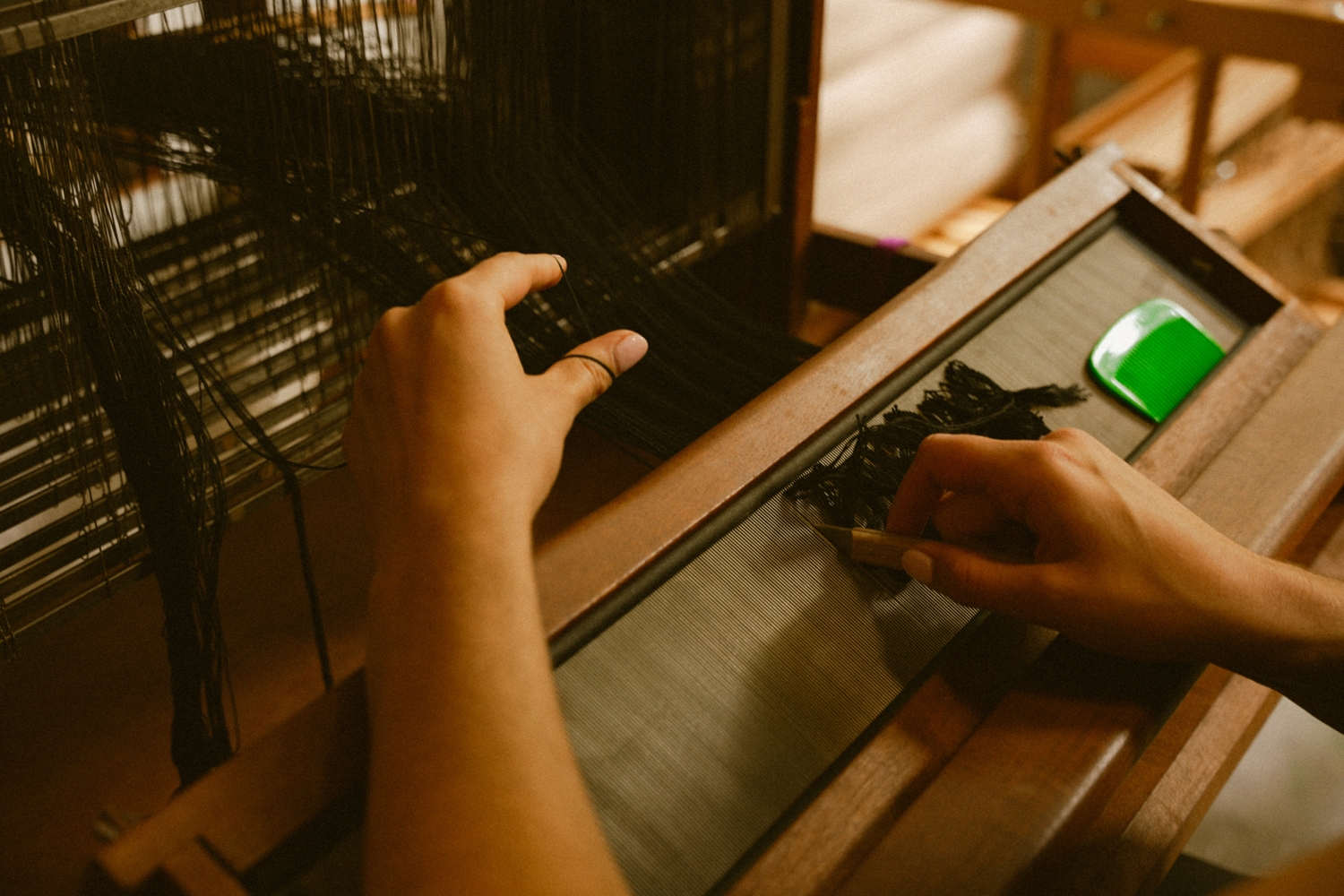
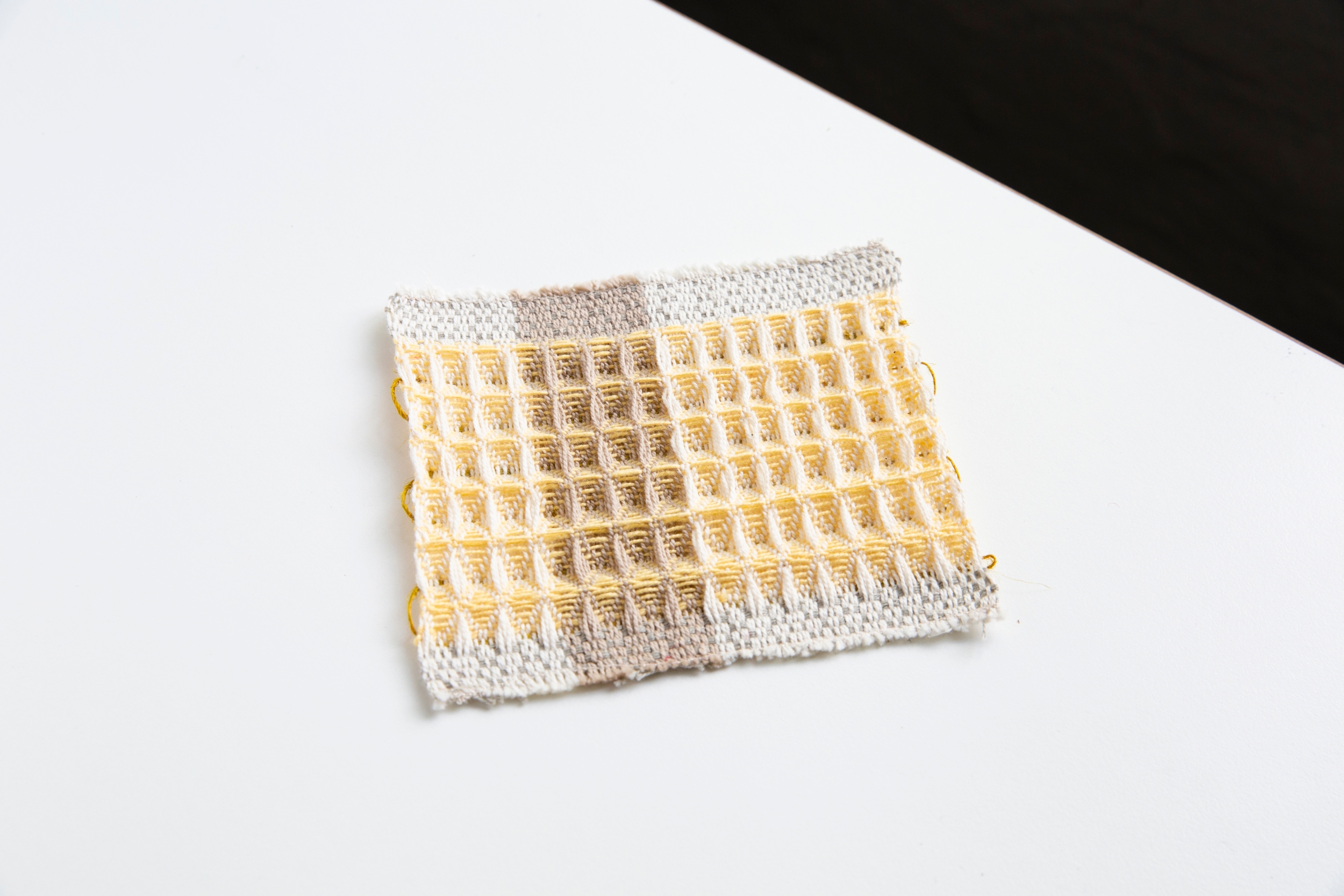
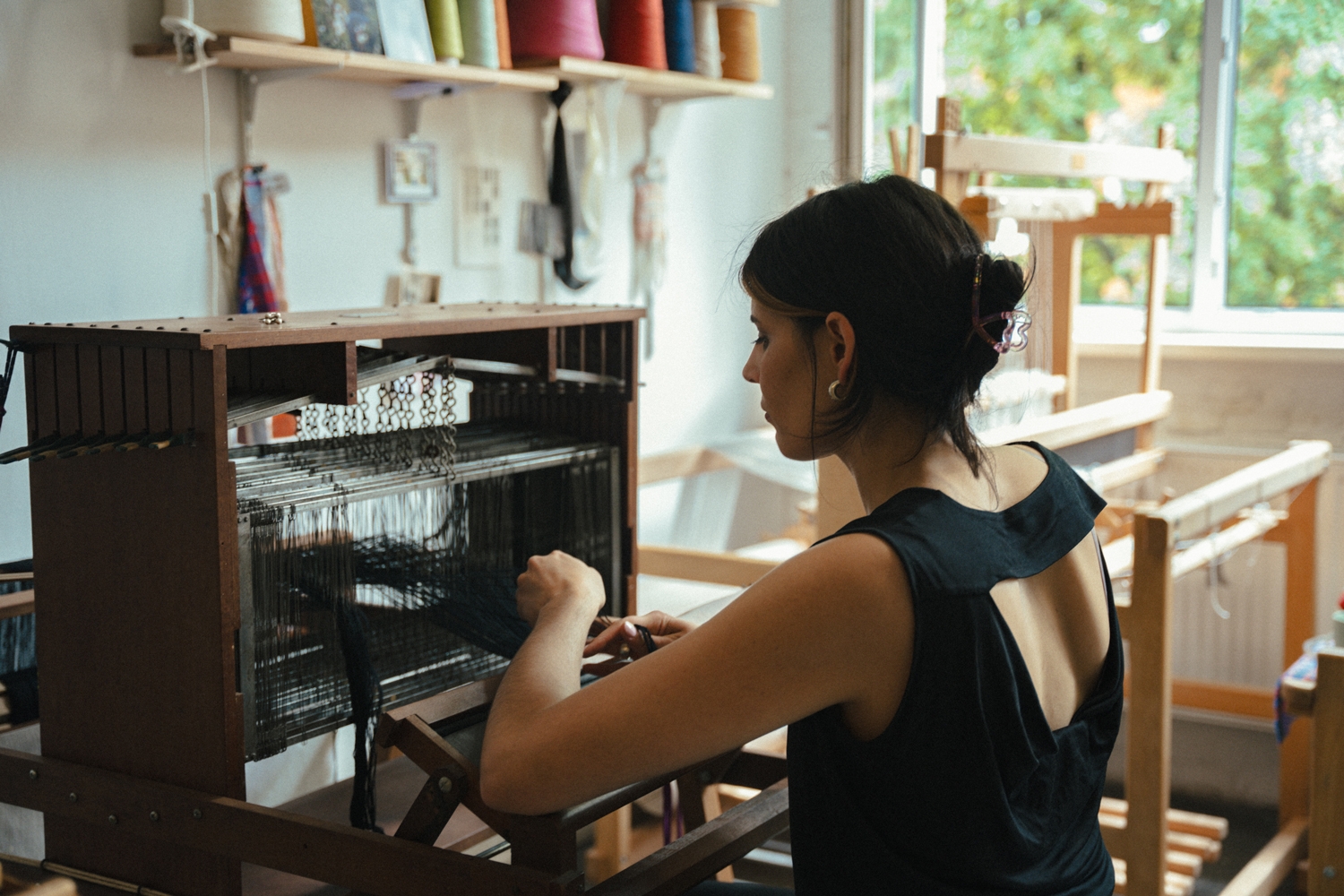
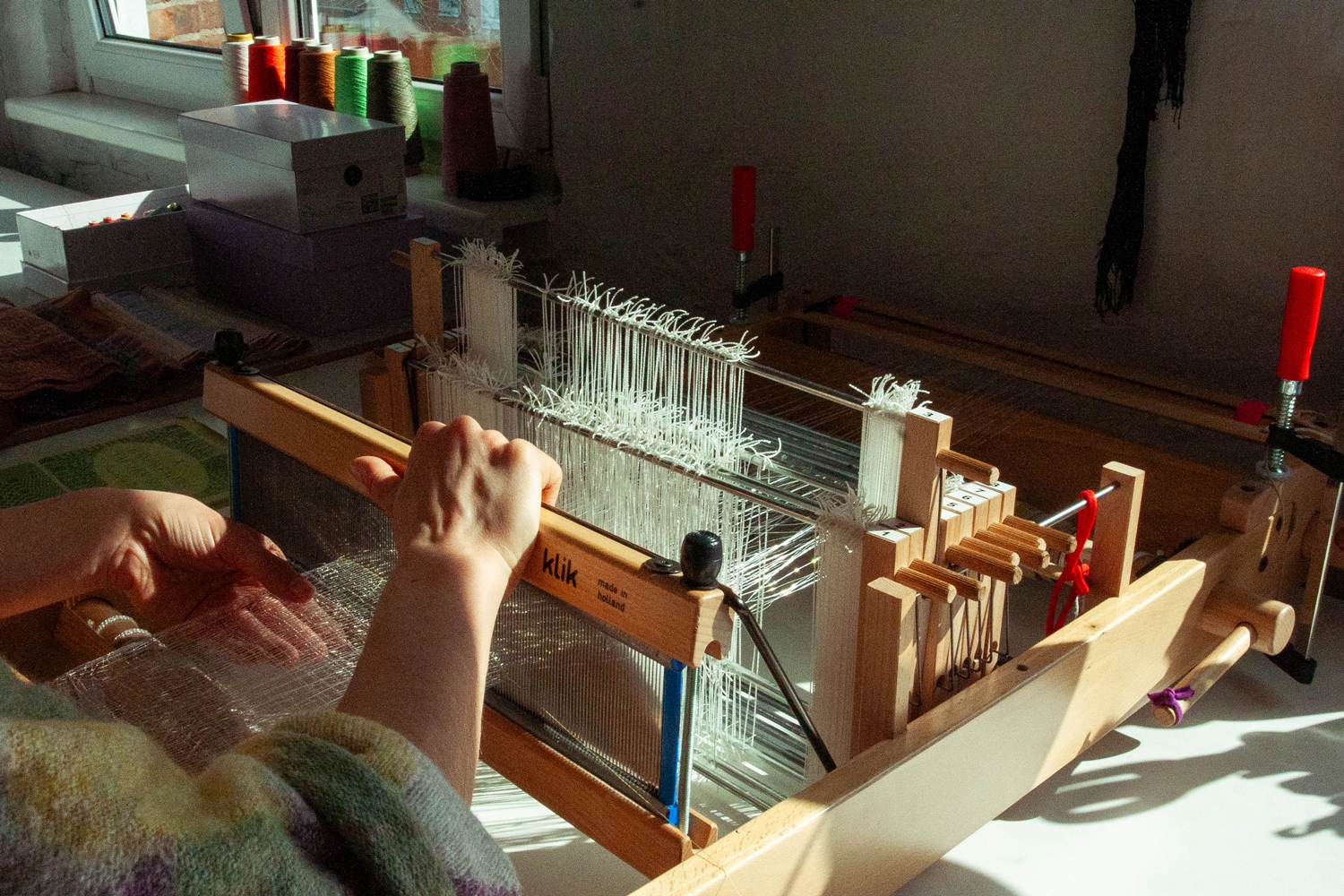
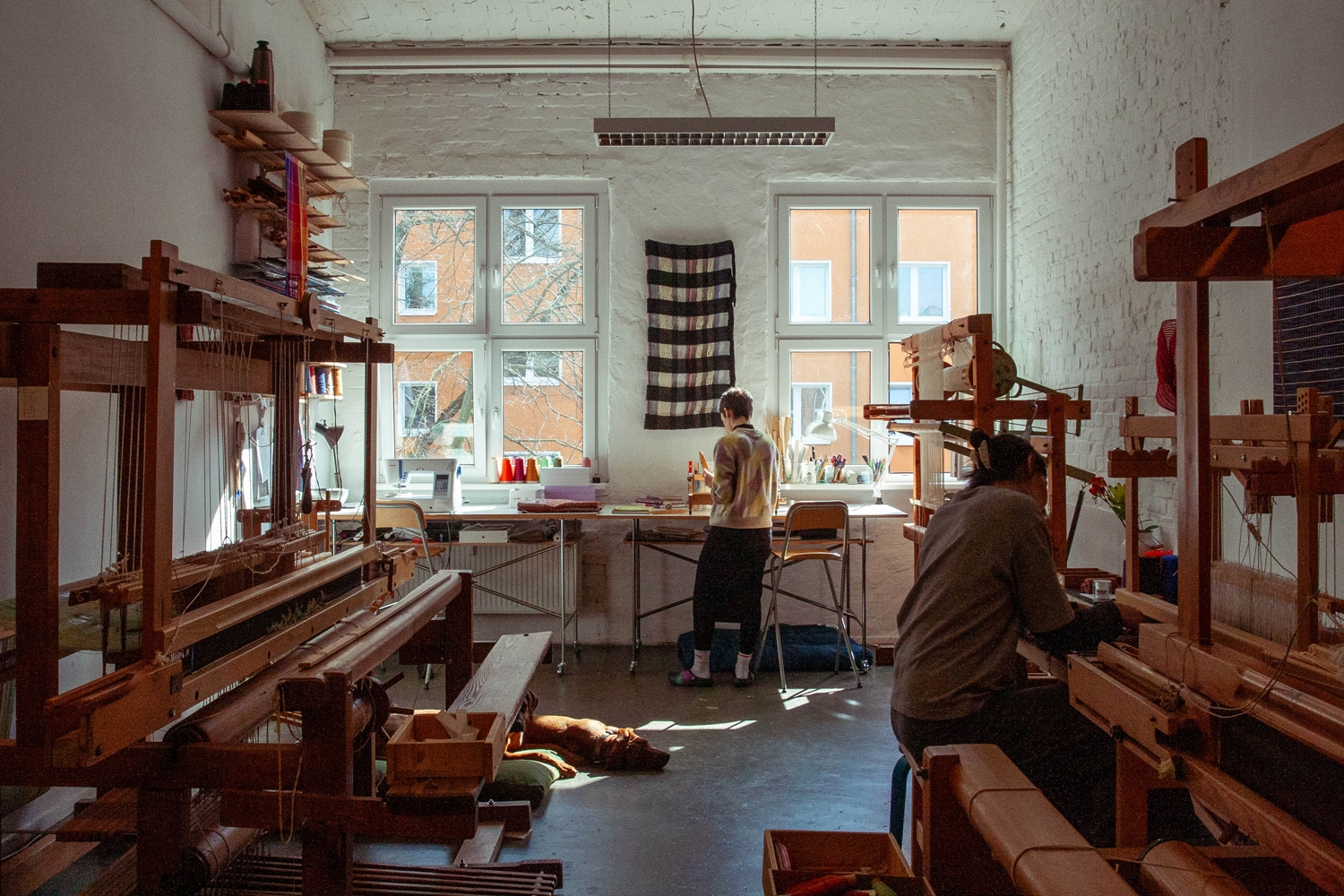
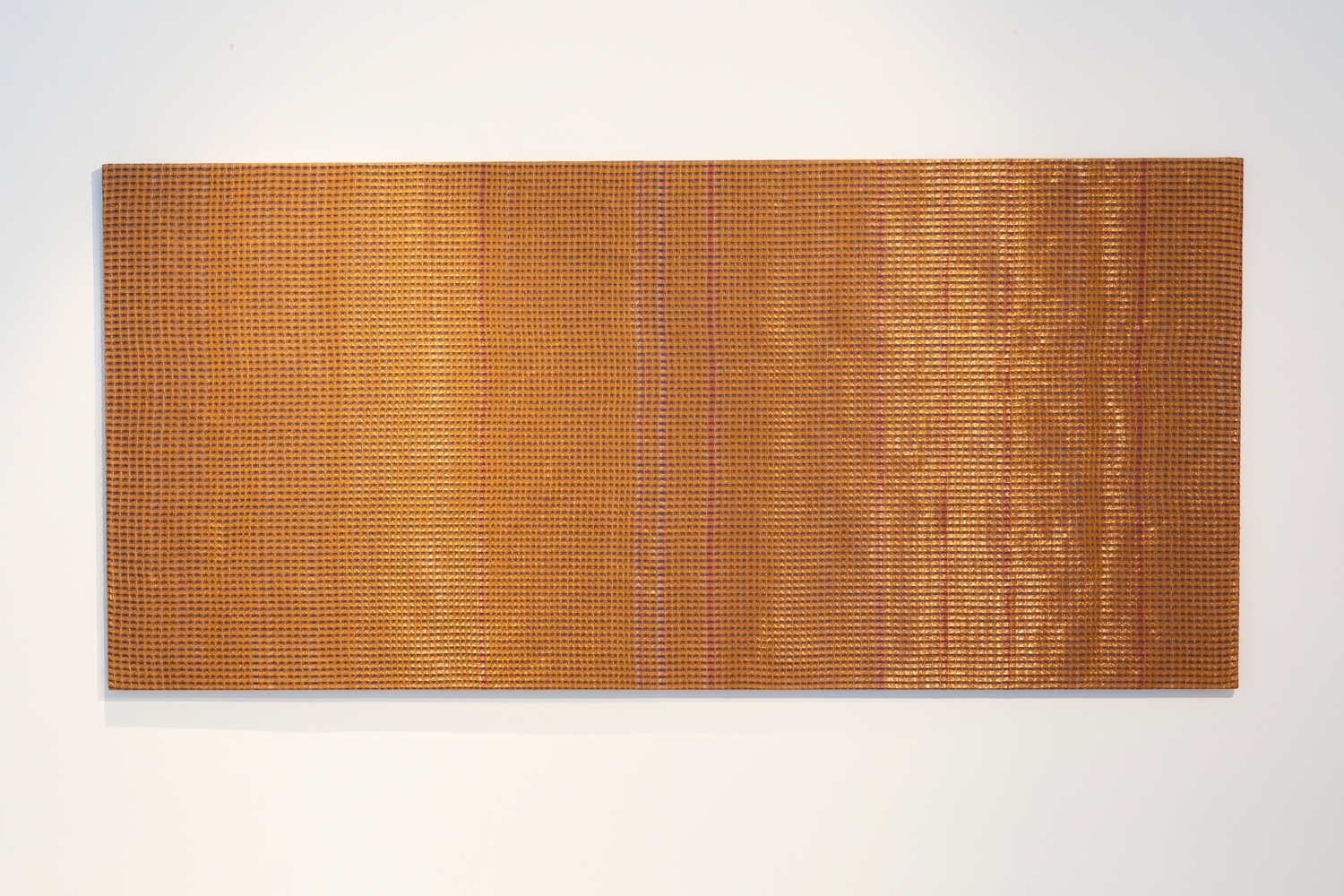
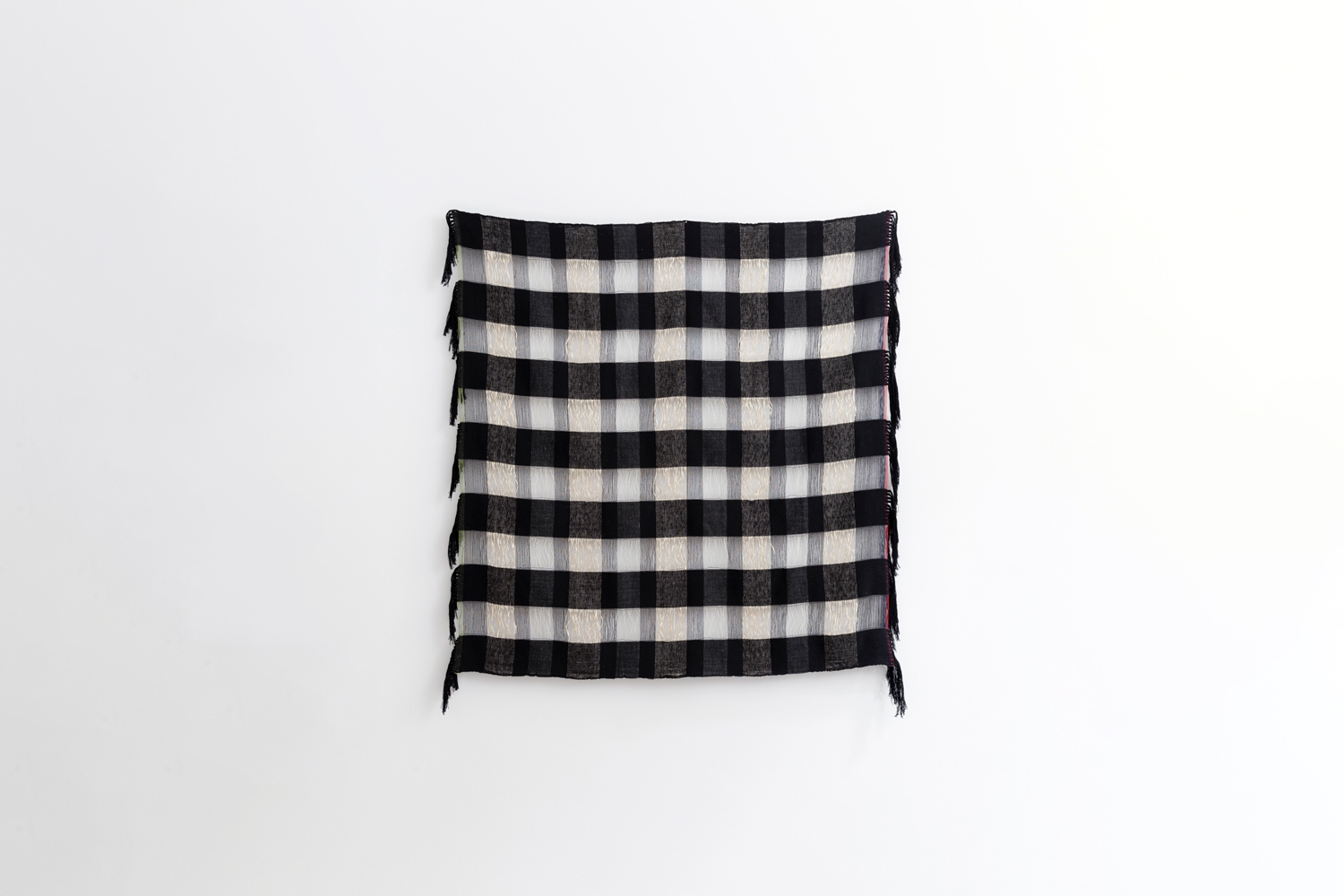
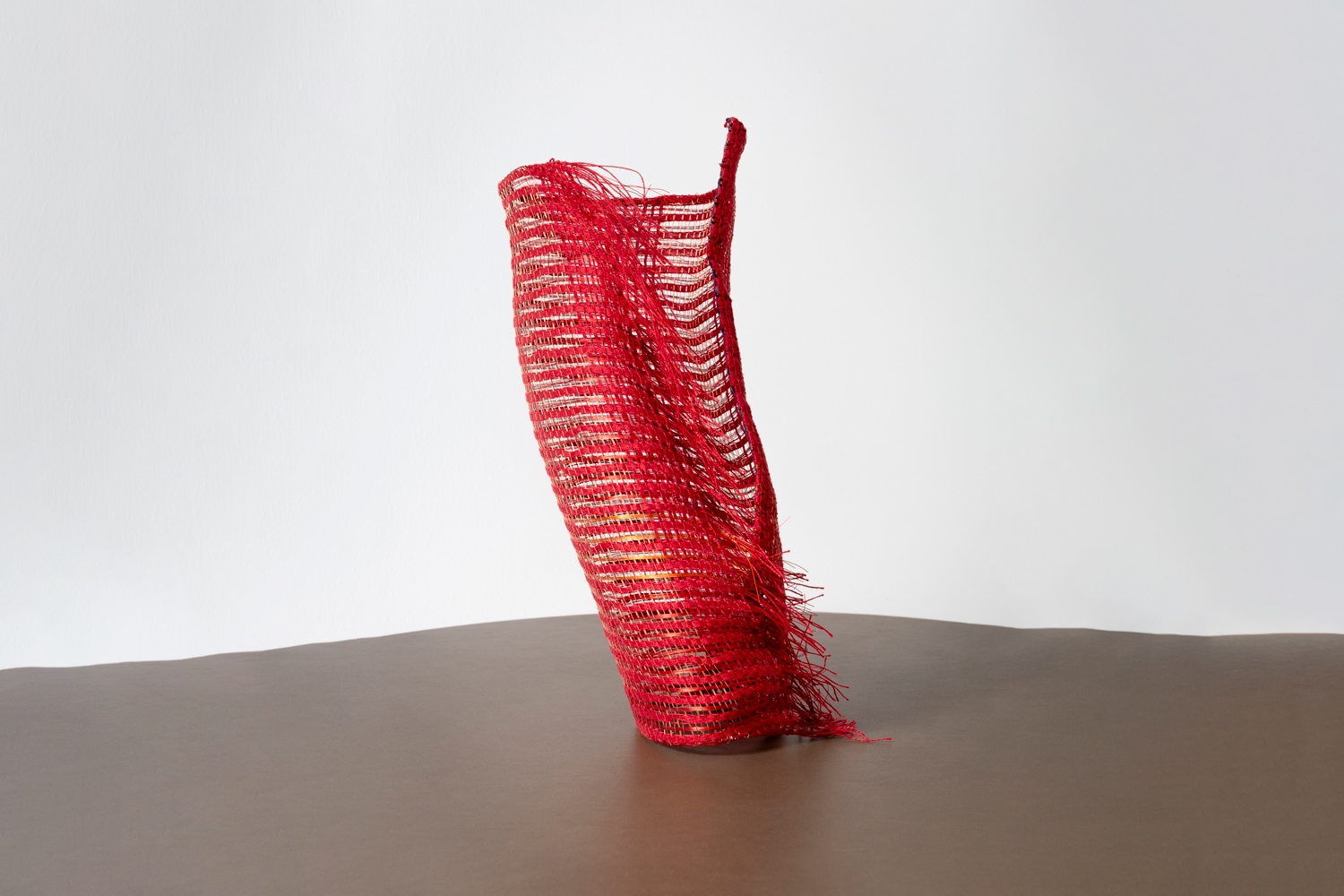
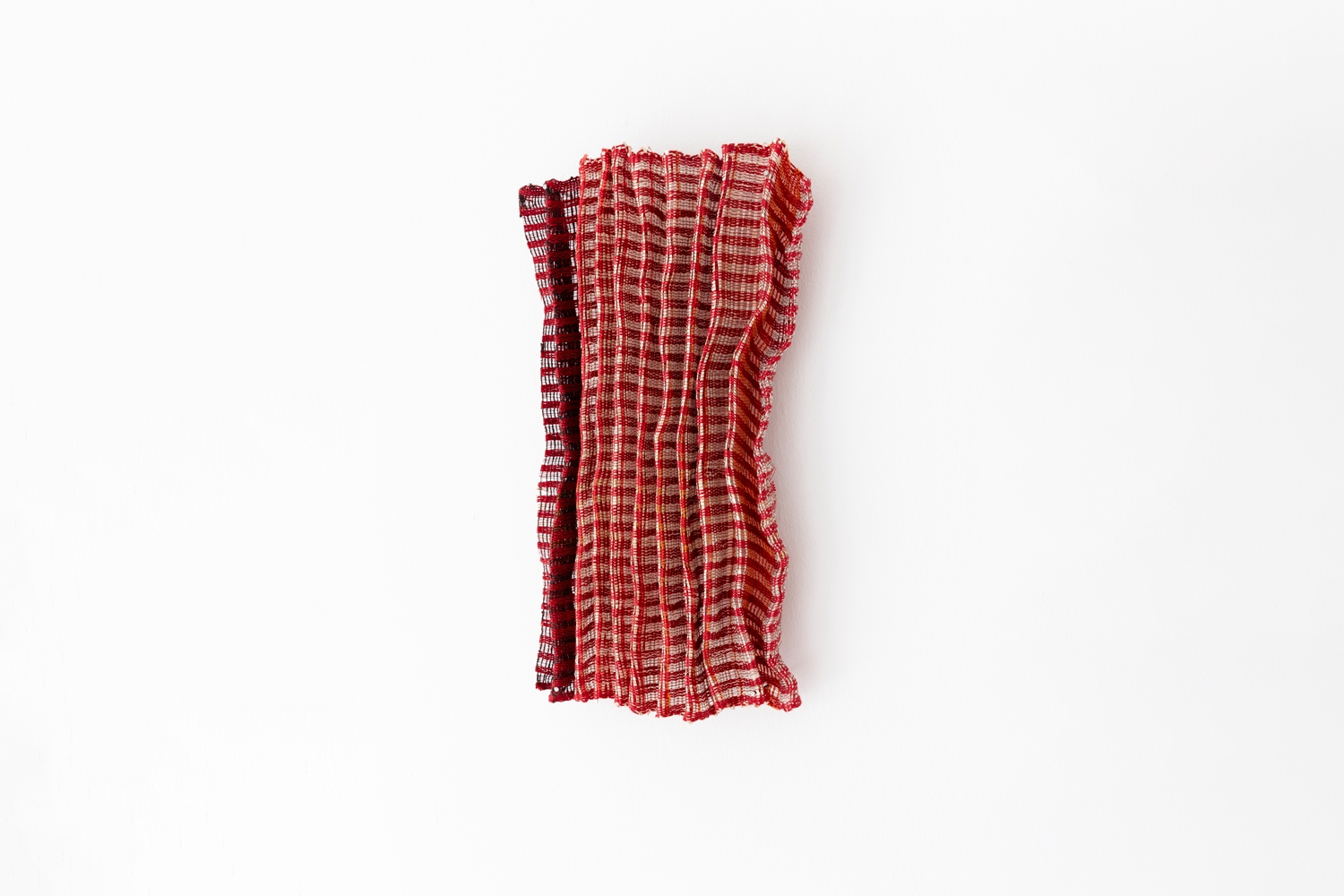
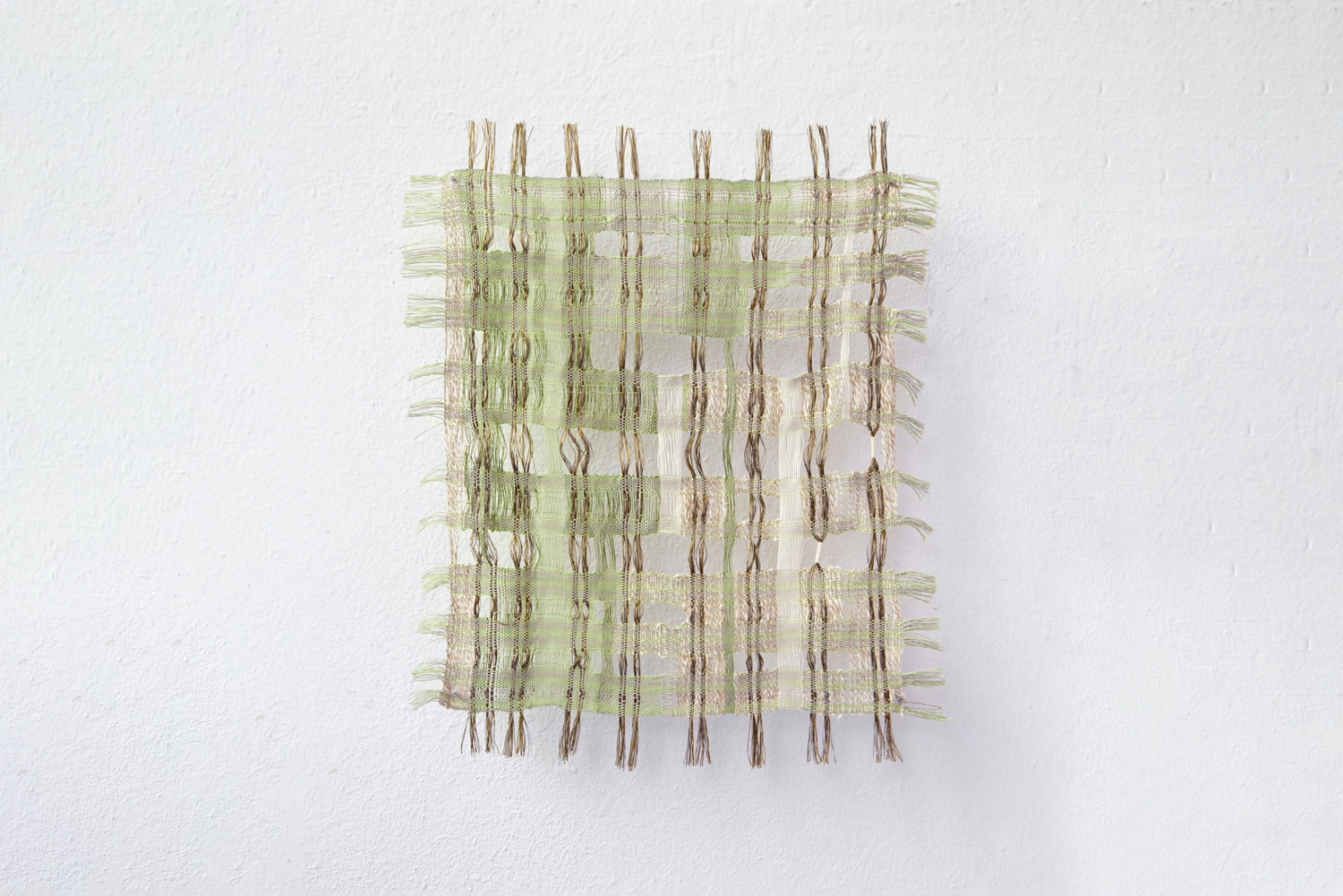
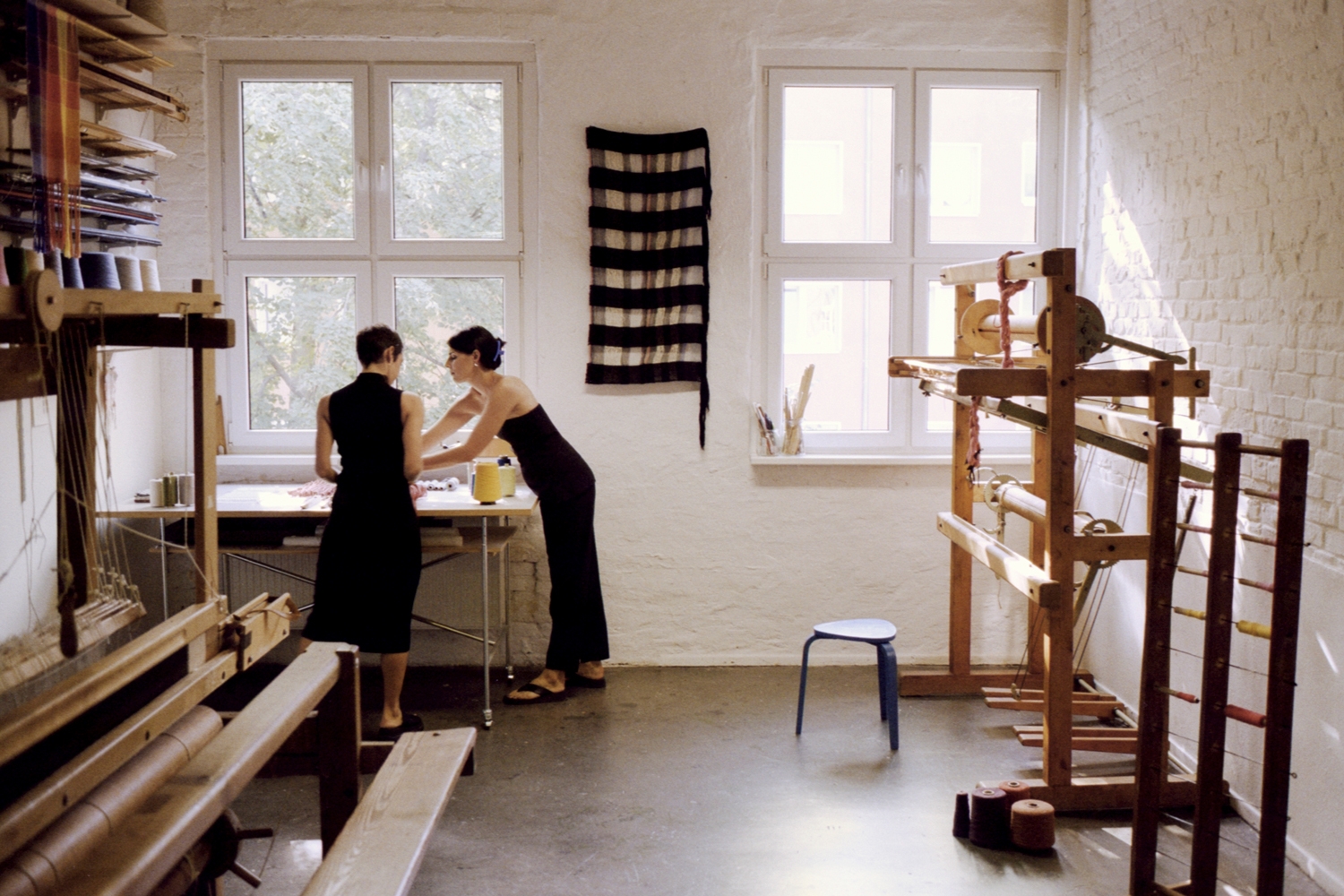
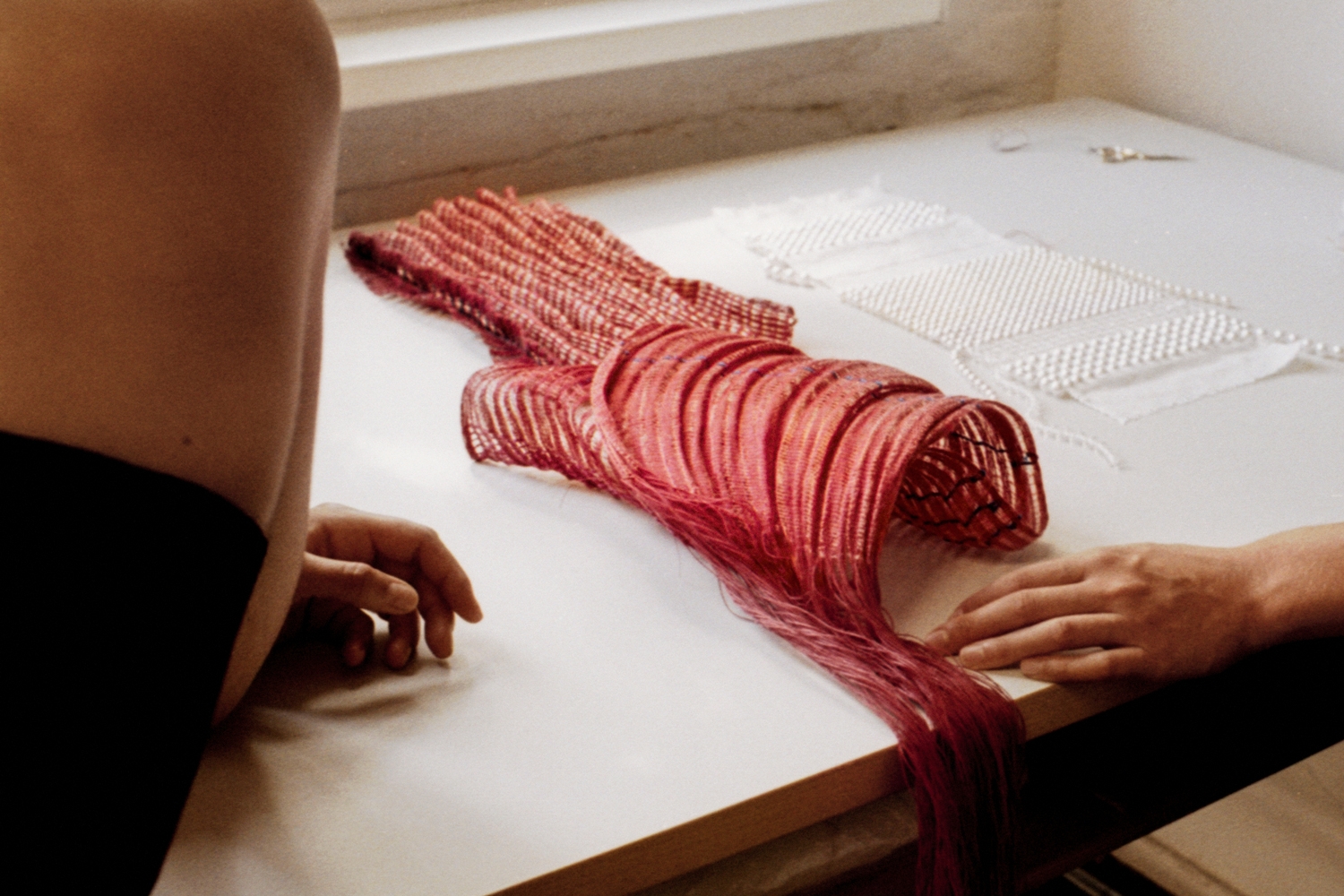
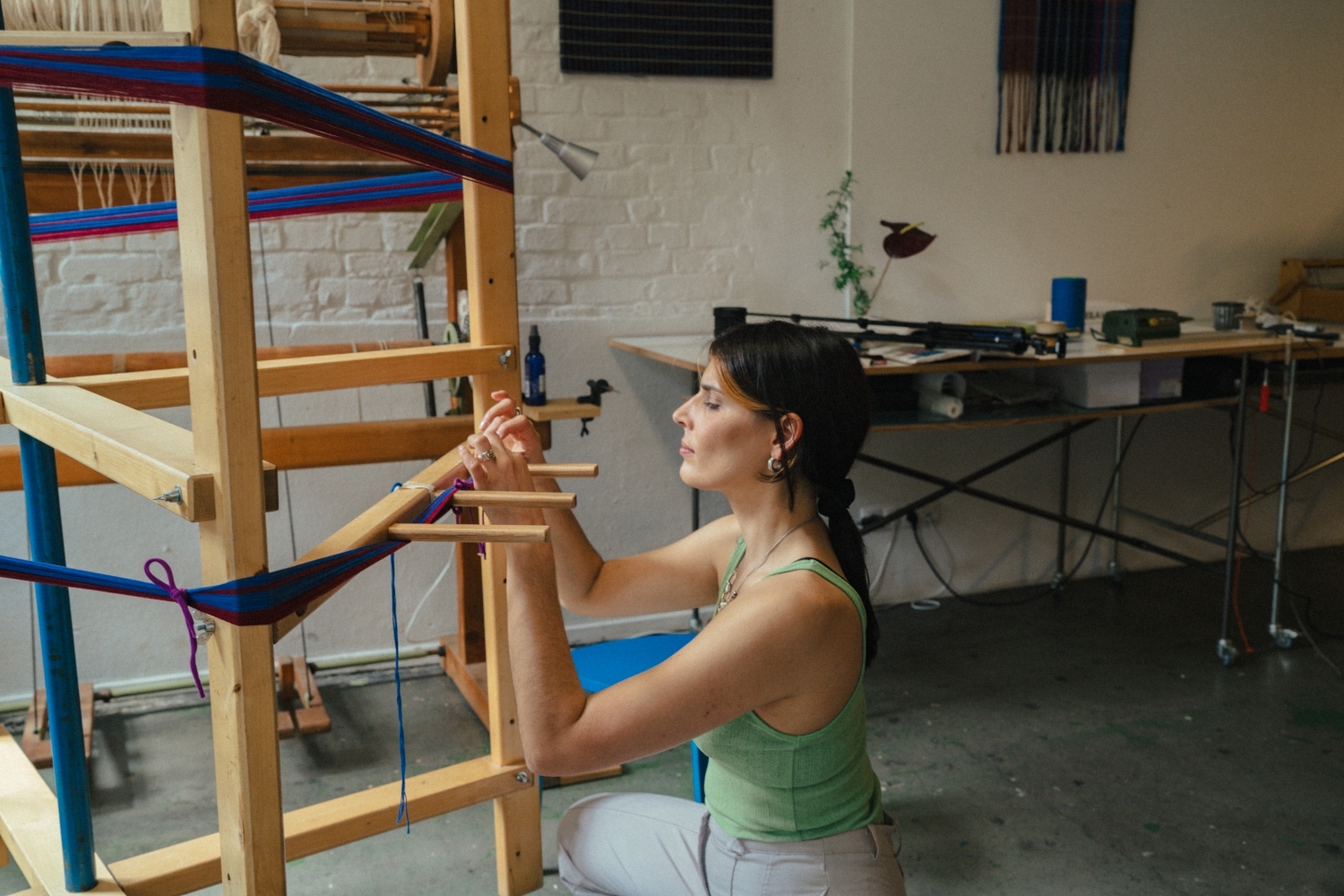
Studio JUMI was founded by artists Julia Buntzel and Miriam Rose Gronwald as a space for contemporary textile art in Berlin, with a focus on the artistry and craft of hand weaving. Miriam has a professional background in dance, while Julia holds a degree in sculpture. Their paths intertwined during a four-year apprenticeship at Werkhof Kukate, where they refined their weaving skills and envisioned a future of self-employment as textile artists specialised in hand weaving. Placing a strong emphasis on advanced experimentation, Studio JUMI combines traditional techniques with innovative concepts in contemporary art while inviting collaboration among artists and designers to foster a dynamic community dedicated to textile exploration. To cultivate community growth, Miriam and Julia offer monthly classes that invite everyone to experience the transformative power of weaving. Tailored for all skill levels, these classes promote hands-on engagement with the craft.
INTERVIEW
Julia: When Miriam and I met in Kukate, we quickly recognised our mutual desire for a career change toward self-employment as weavers after completing our training. As we discussed our business ideas and artistic visions, it became evident that we shared a common approach. Working side by side simplifies many aspects in the process of hand weaving, as well as celebrating the idea of craft as a shared occupation.
Miriam: Just like dance, weaving is a visual language that tells its stories through symbolic figures, rhythms and patterns. Julia’s background in sculpture is equally evident. The concept of three-dimensional thinking influences the woven pieces after taking them off the loom.
Miriam: For both of us, it was clear that to elevate our weaving skills to a level that allows for artistic experimentation, we needed to learn from the ground up. That is why we decided to undergo four years of training with master weavers in Kukate. This training not only built a solid foundation for our expertise but also equipped us to teach students hand weaving at a professional level.
Julia: We aim to establish a space in Berlin that combines knowledge, creativity and innovation in contemporary hand weaving. In this effort, we are greatly inspired by pioneering institutions, such as the Weimar Bauhaus School of the 1920s, to name one. In addition to our own projects, we seek to continue inspiring others to embrace the high art of hand weaving.
2 EXPERIENCES
2 EXPERIENCES

Julia Buntzel & Miriam Rose Gronwald
Studio JUMI
Weaver
Berlin, Germany
AVAILABILITY
By appointment only
LANGUAGES
German, English
Homo Faber Finds is a new service aiming to inspire admirers of craft to connect and collaborate with exceptional artisans.
We invite you to submit an enquiry here.