Embroidered in alabaster
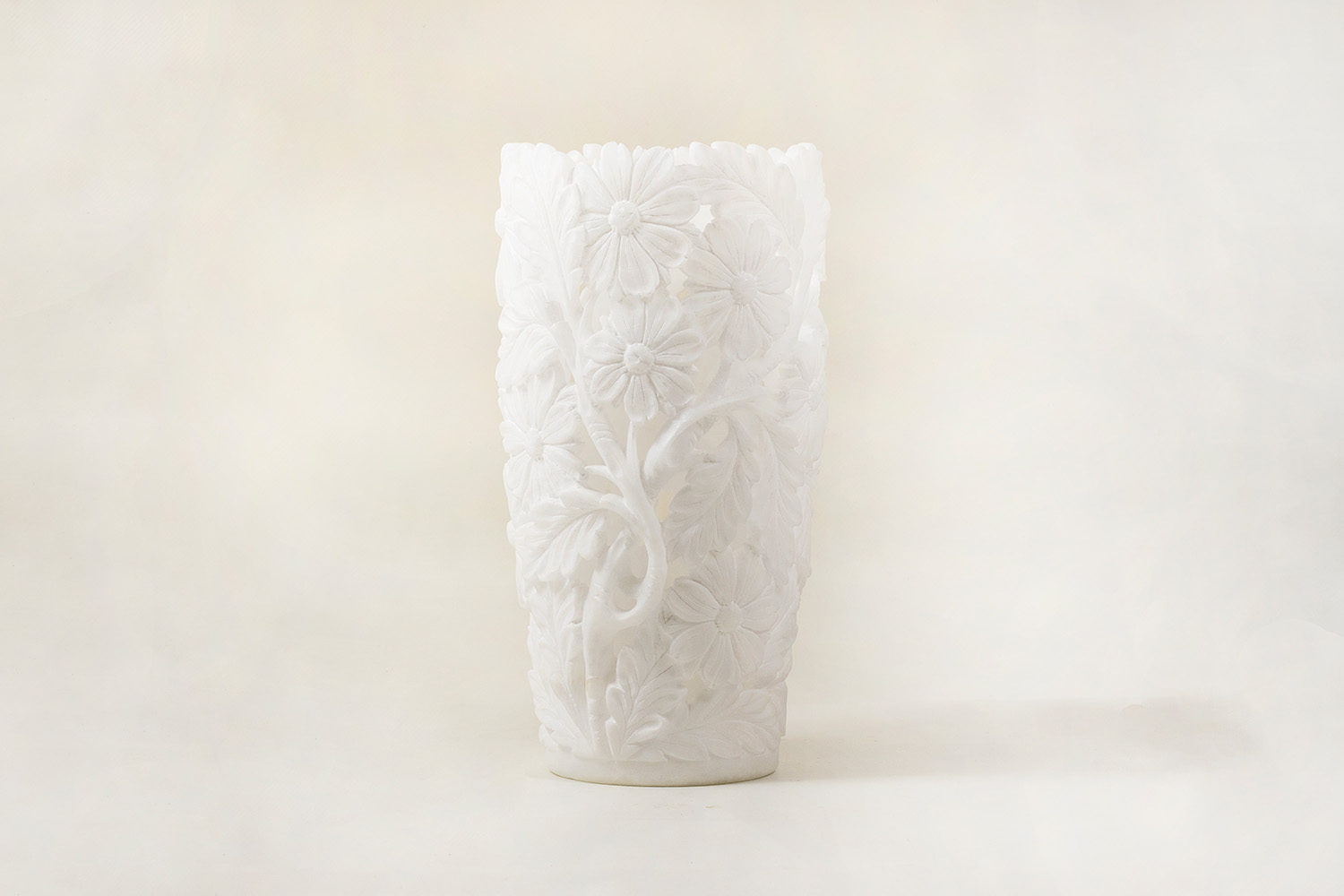
- Gloria is renowned for her fine fretwork decorations
- Her atelier is in the ancient Etruscan town of Volterra
- She perpetuates a craft that originated almost 3,000 years ago
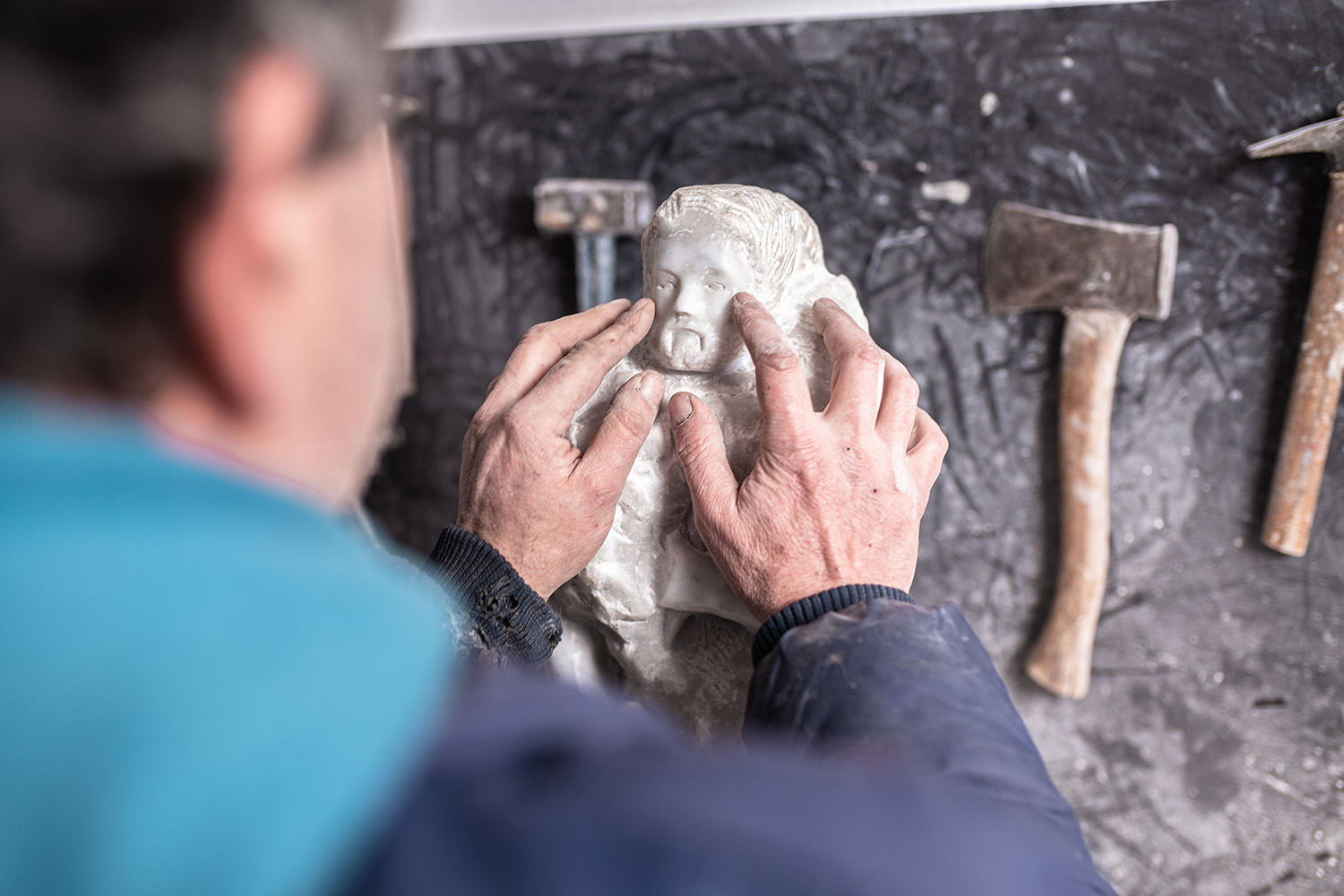
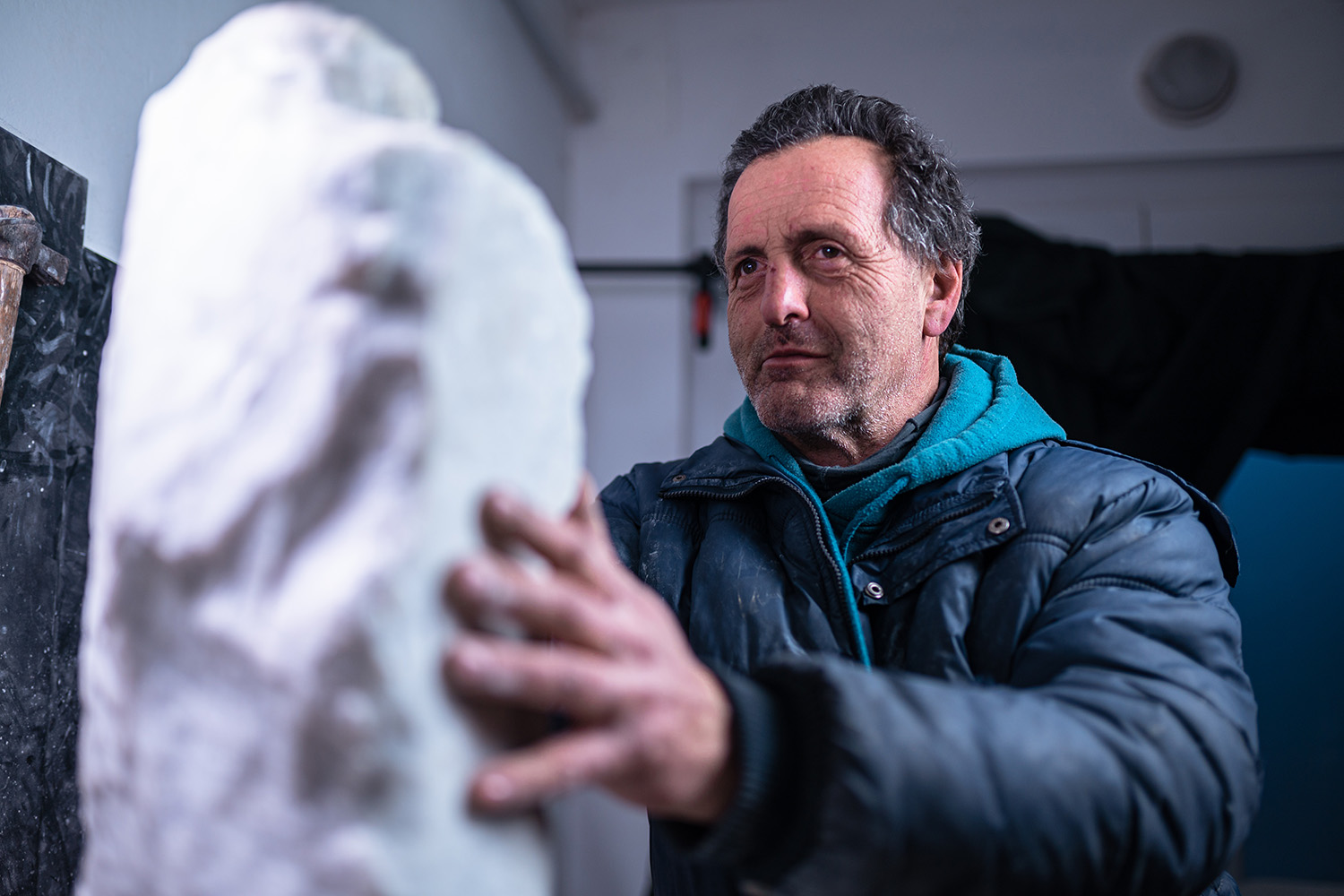
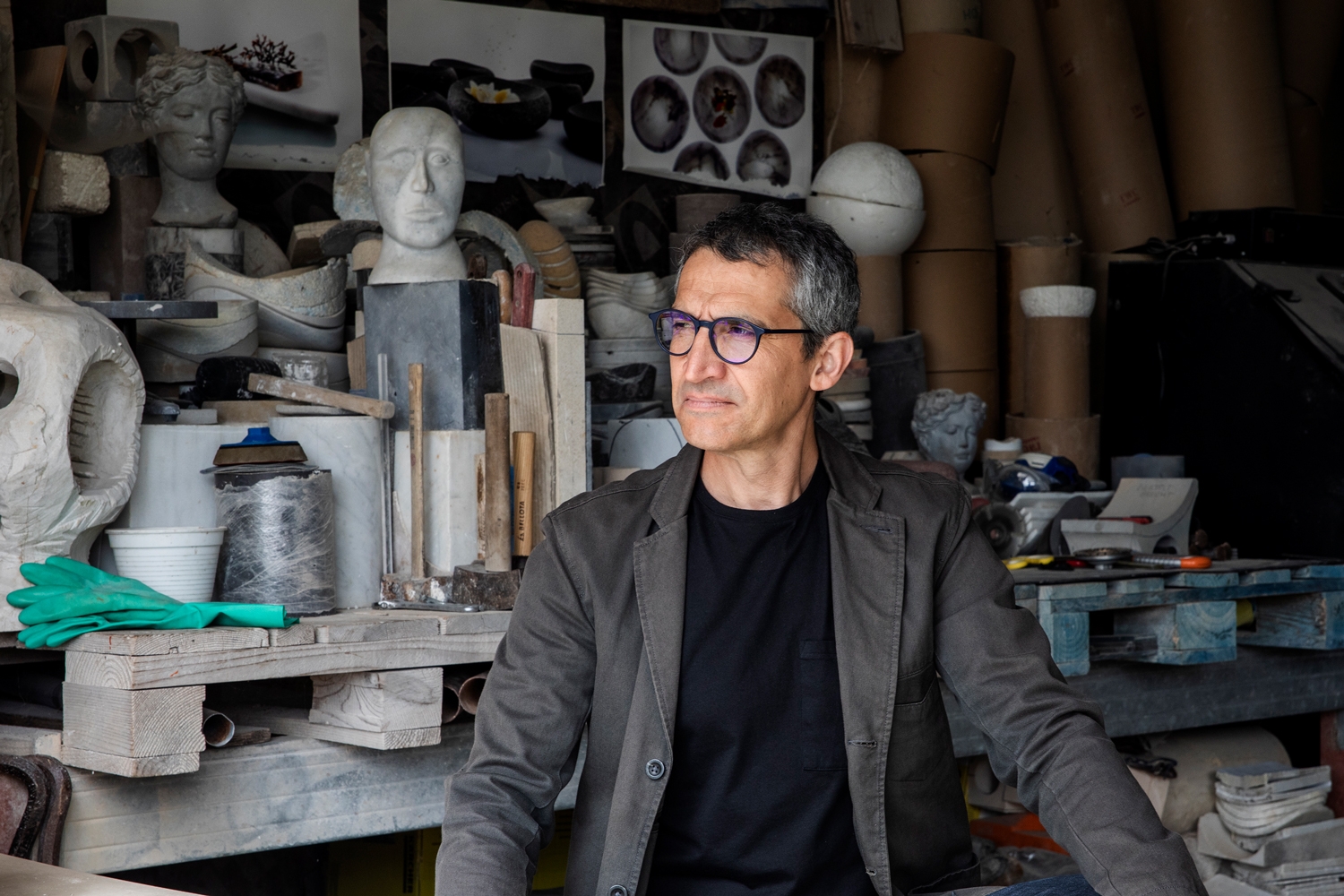
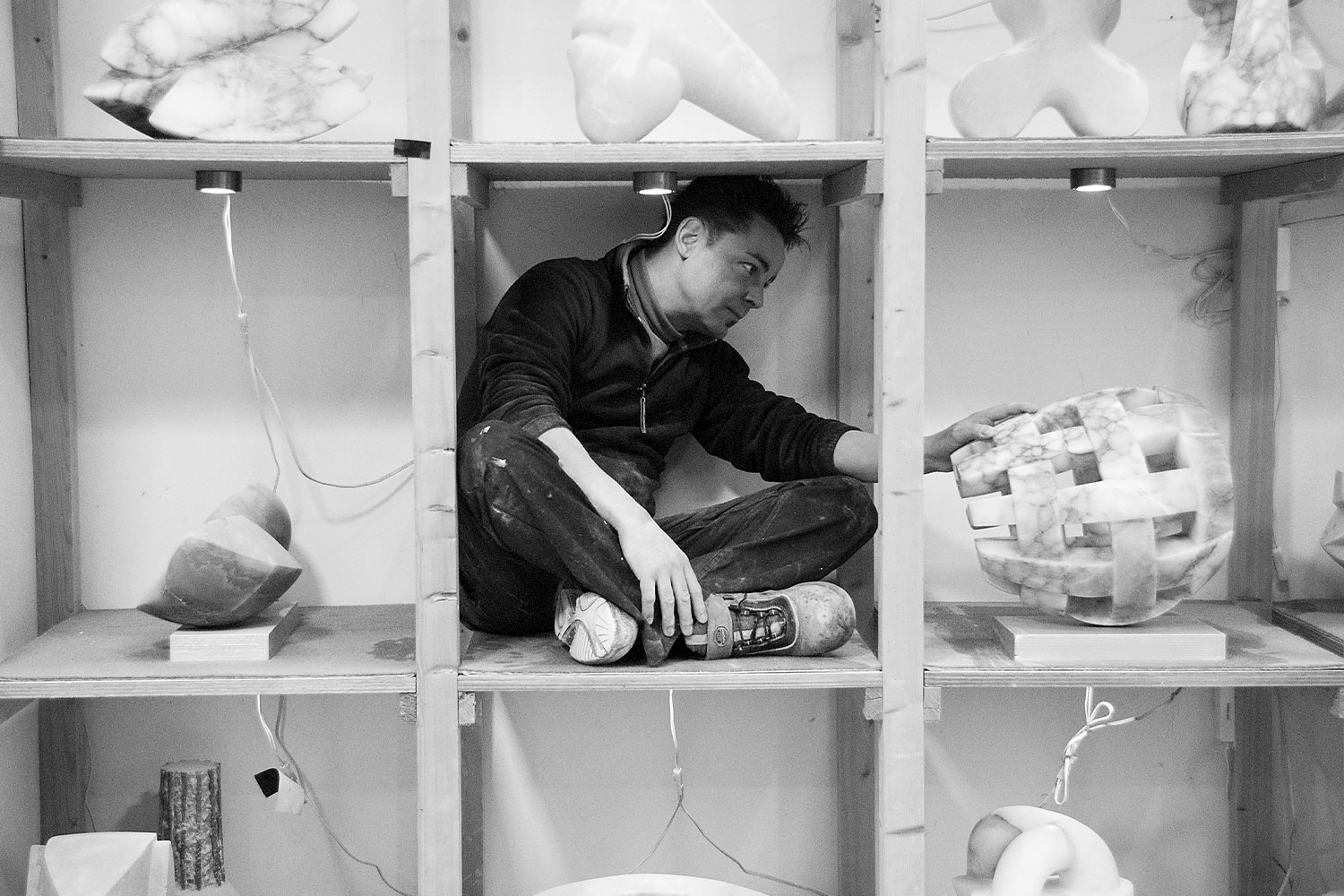
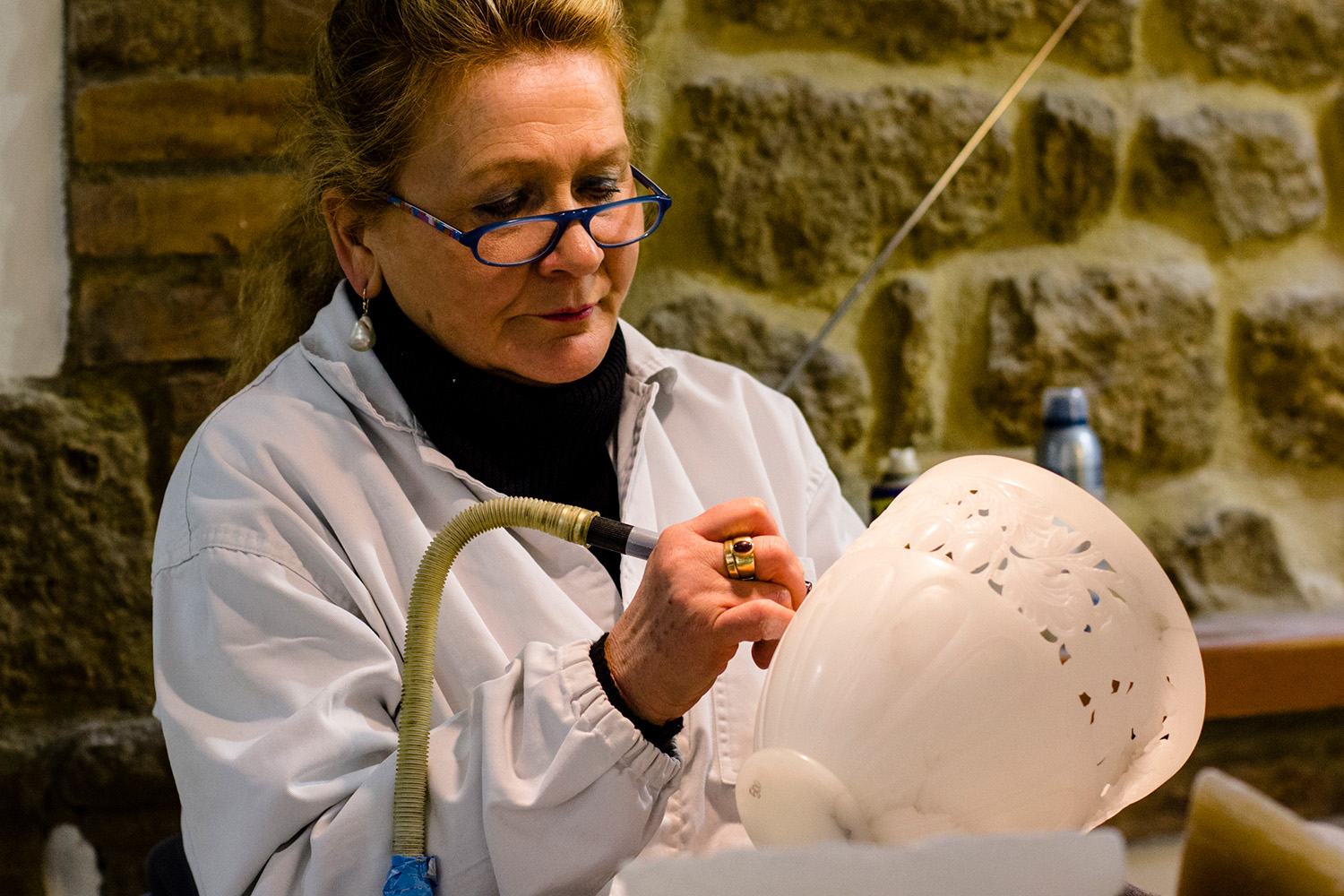
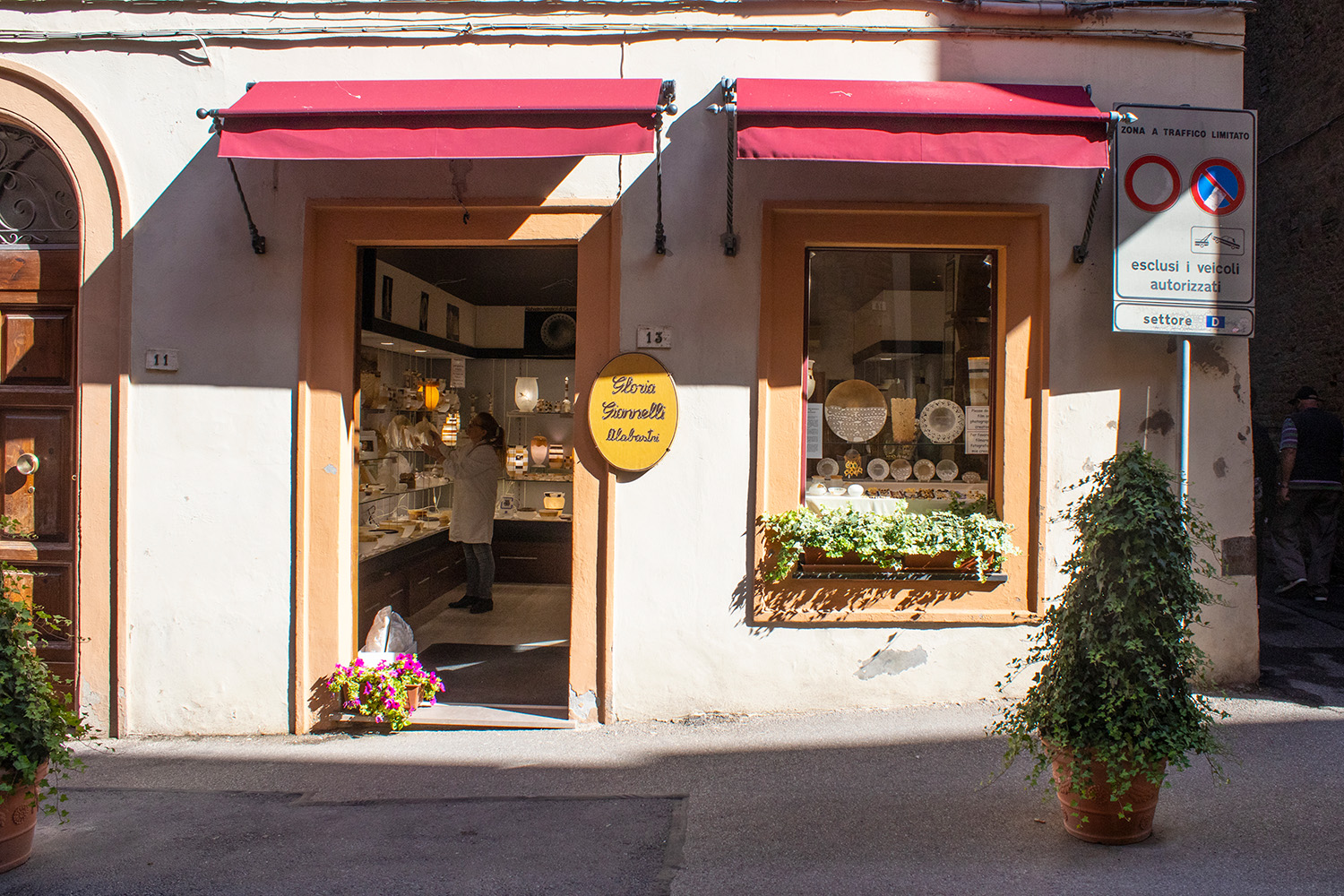
The alabaster mined in Volterra is considered to be the finest in Europe. The Etruscans, who appreciated its plasticity and diaphanous quality, used it to carve sumptuous urns and burial monuments. Throughout the ages, Volterra has continued to be closely associated with alabaster. Growing up in this culture, Gloria Giannelli found it quite natural to pick up this craft, although it had always been a rather male-dominated field. “Ever since I was a little girl, I admired the skill of Volterra’s artisans, and resolved to follow their example. After graduating from the Art Institute of Volterra in 1981, I was the first woman ever to open her own workshop.” Gloria’s atelier is located on the ground floor of Palazzo Tortoli, right next door to the Etruscan Museum.
INTERVIEW
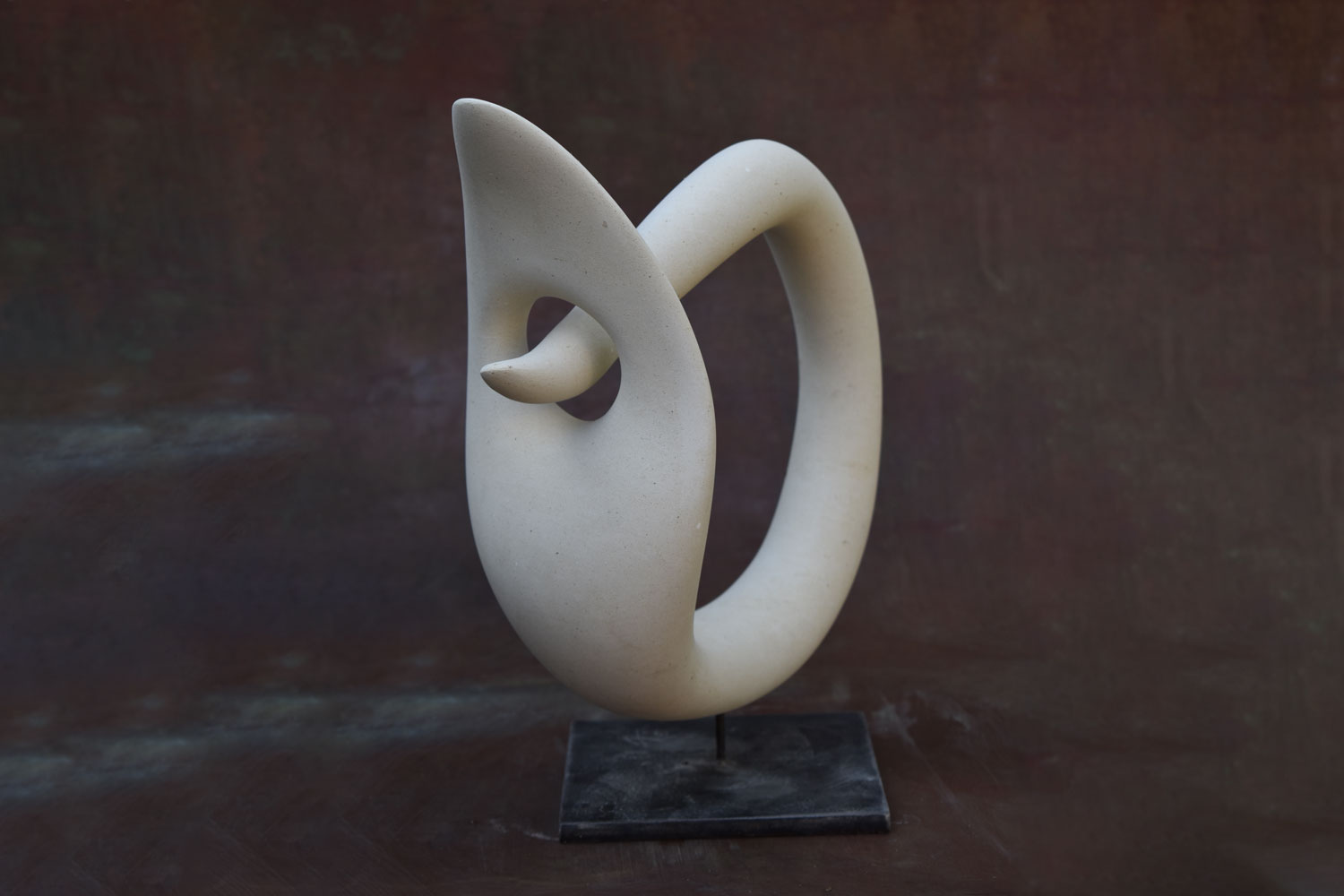
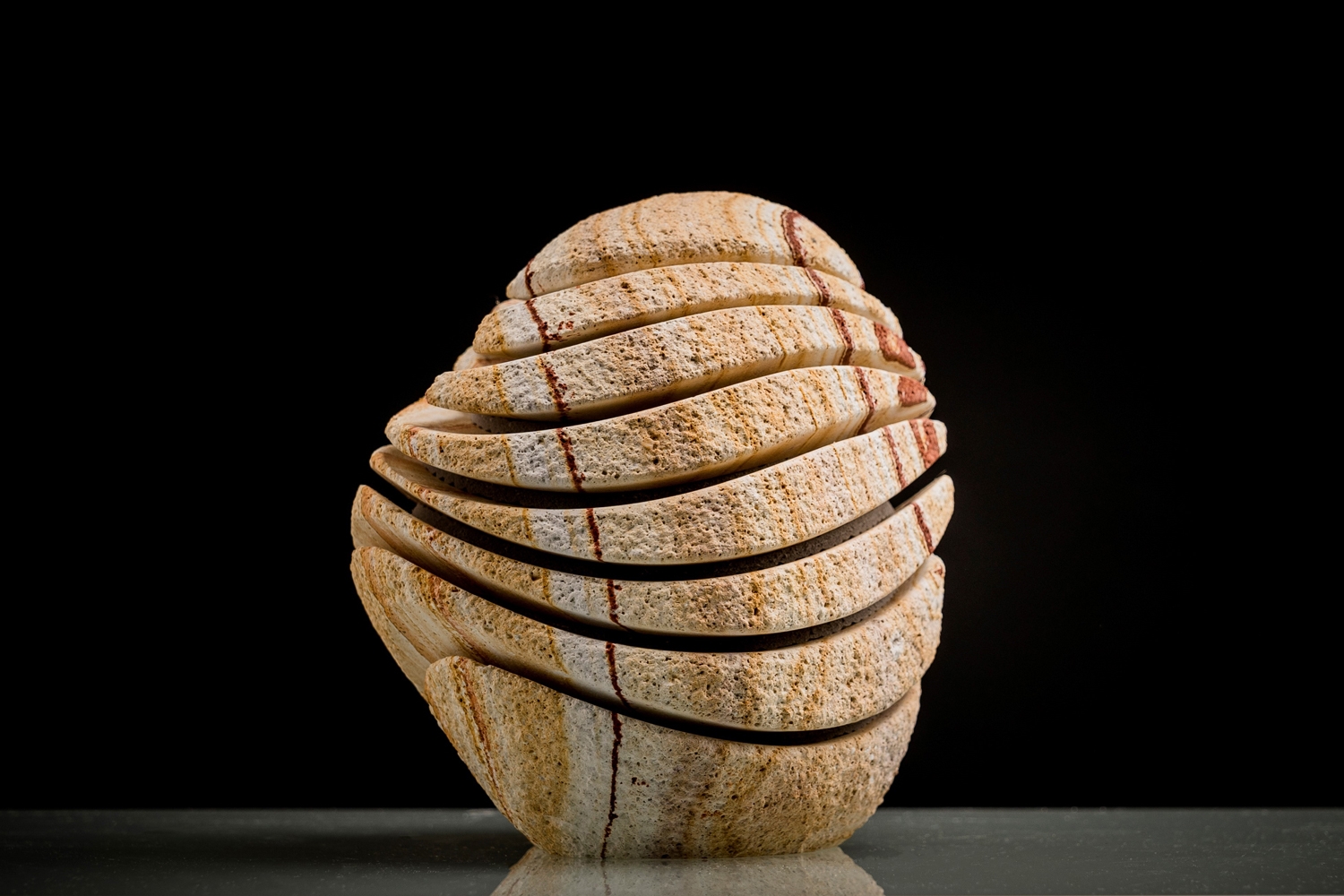
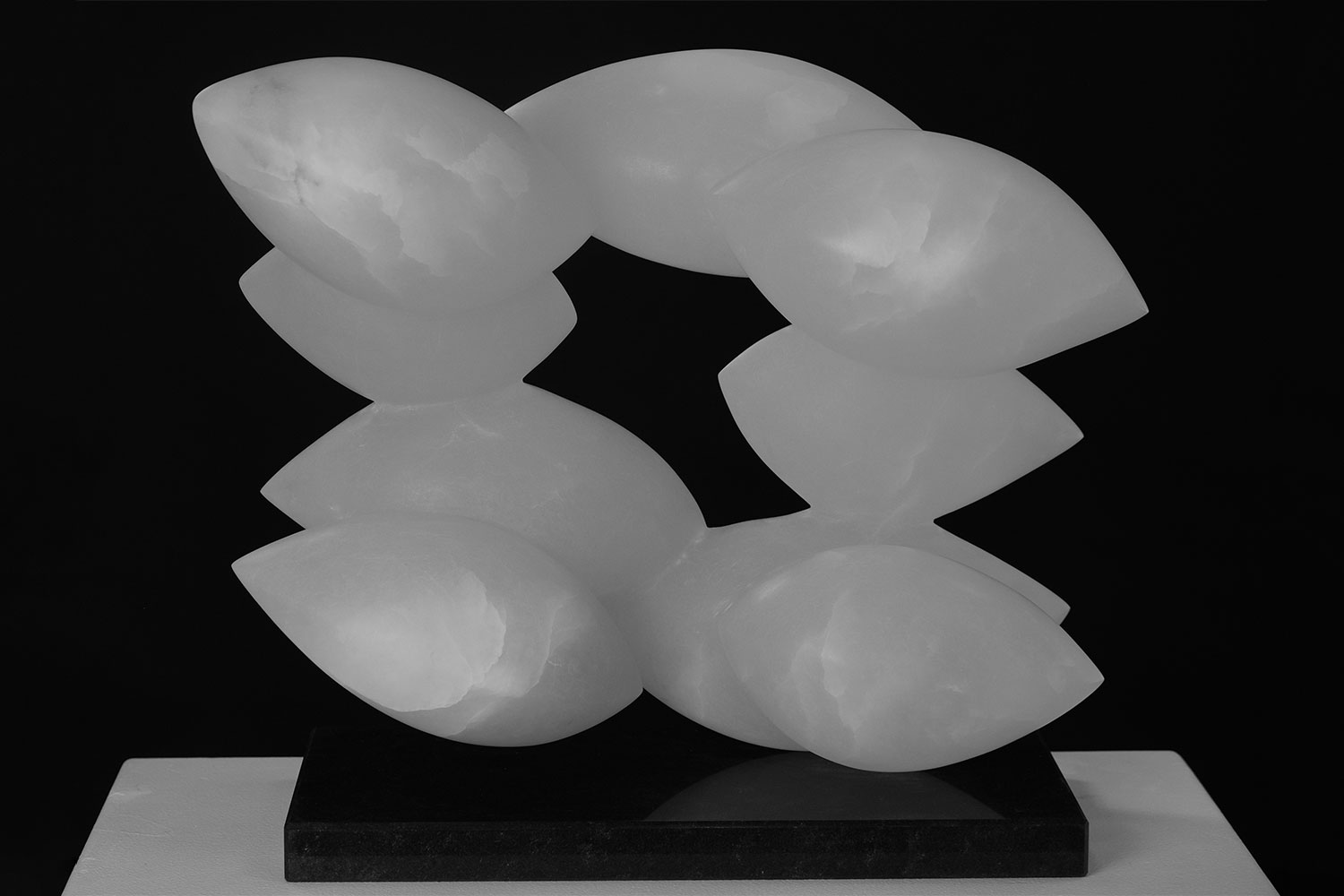
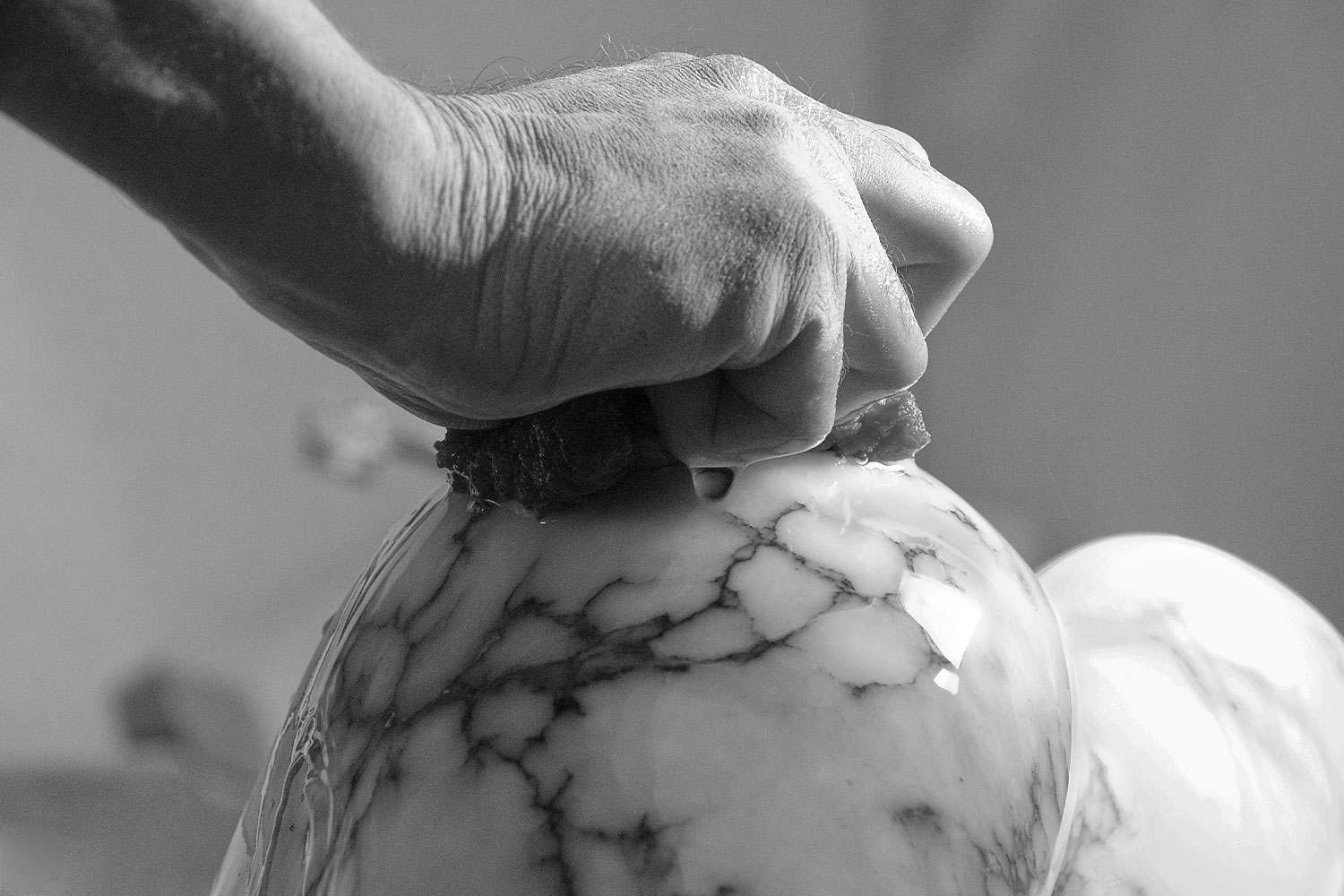
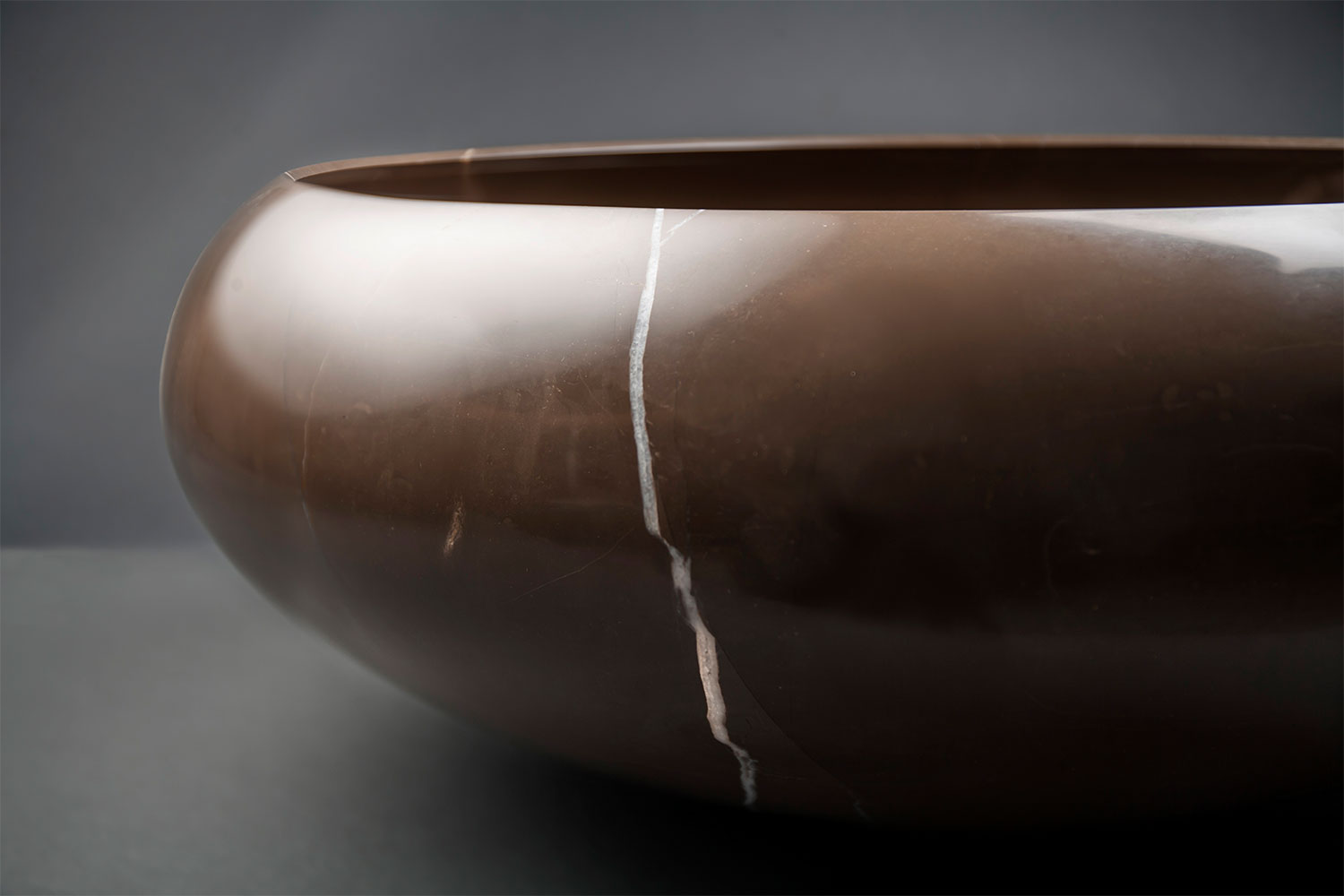
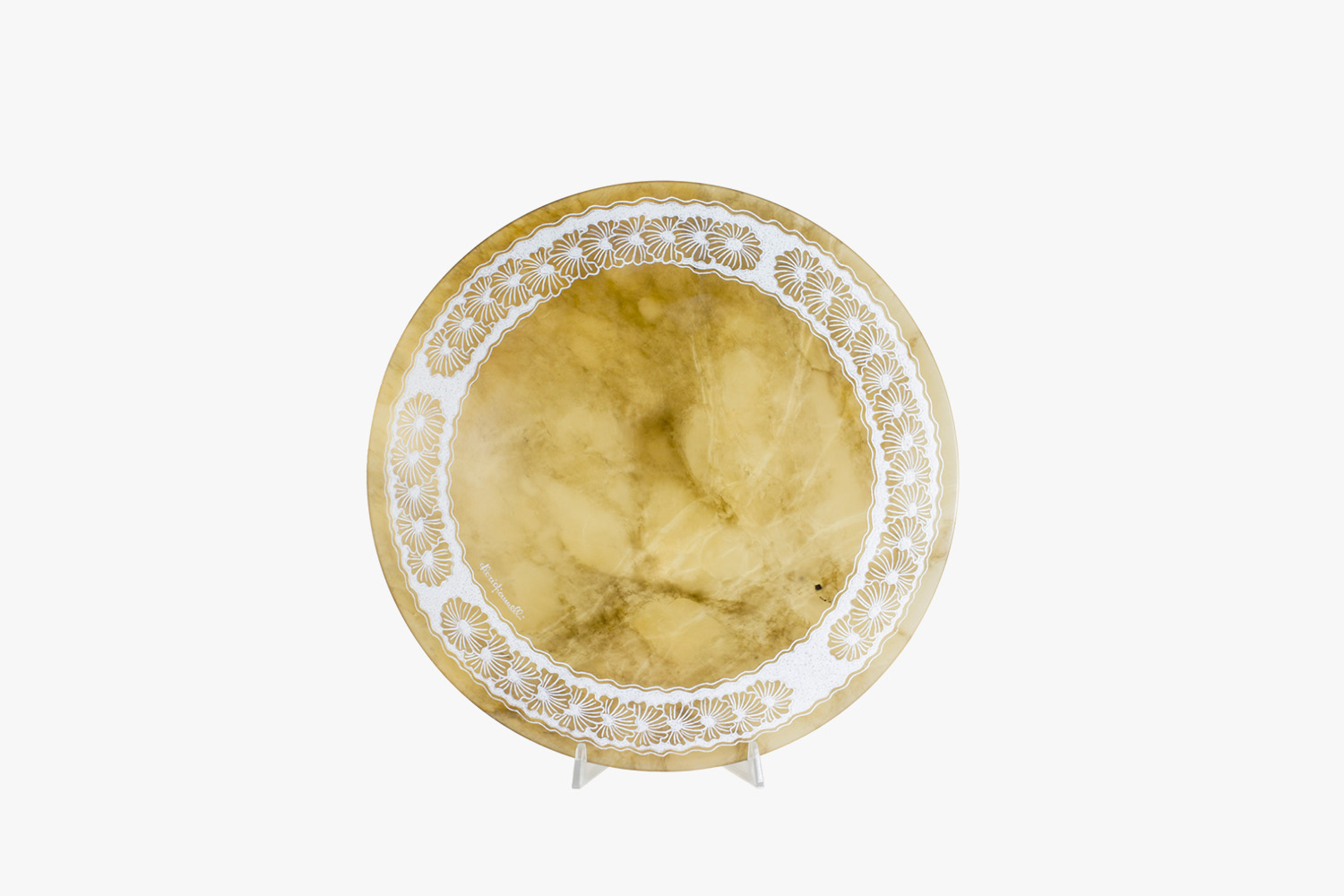
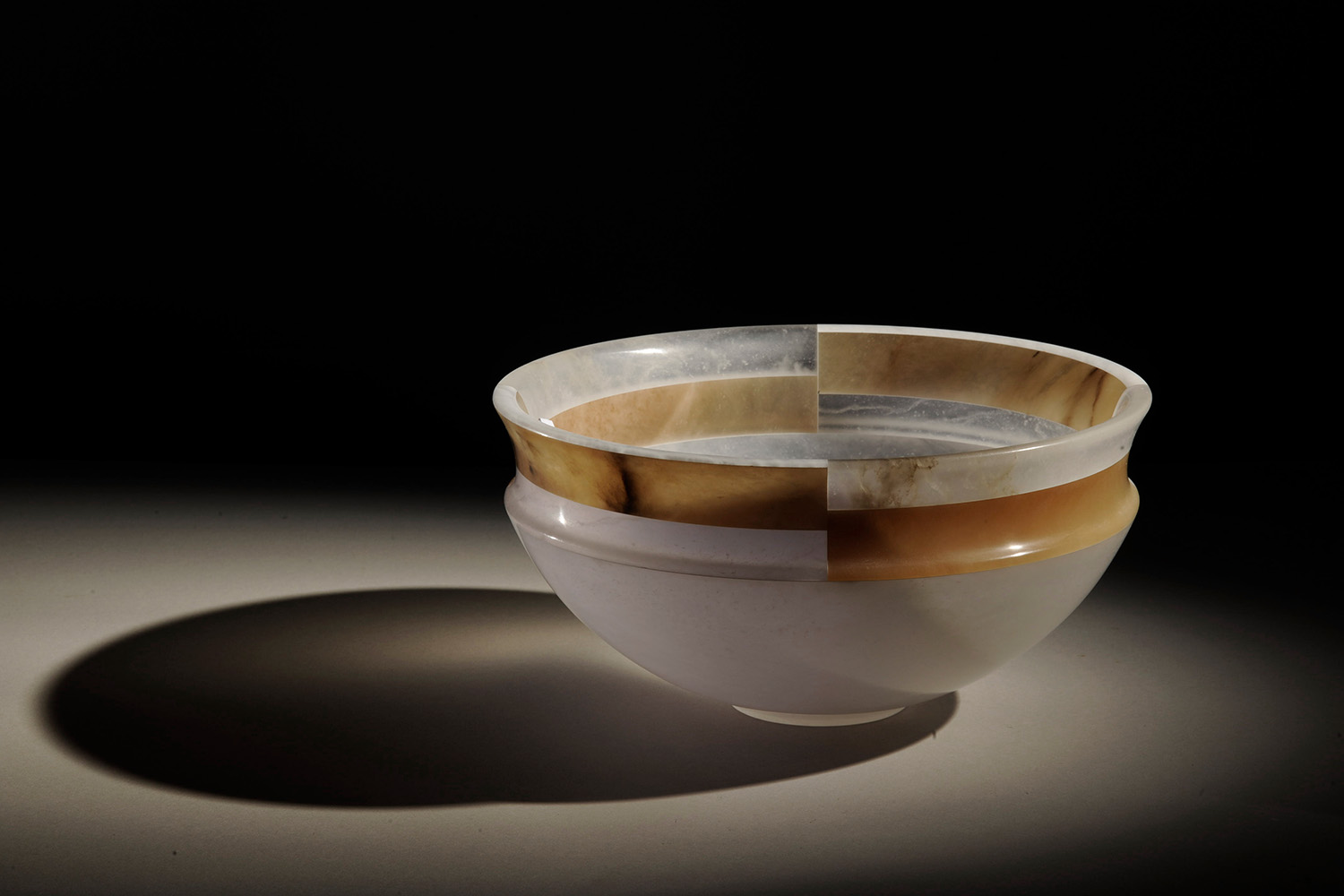
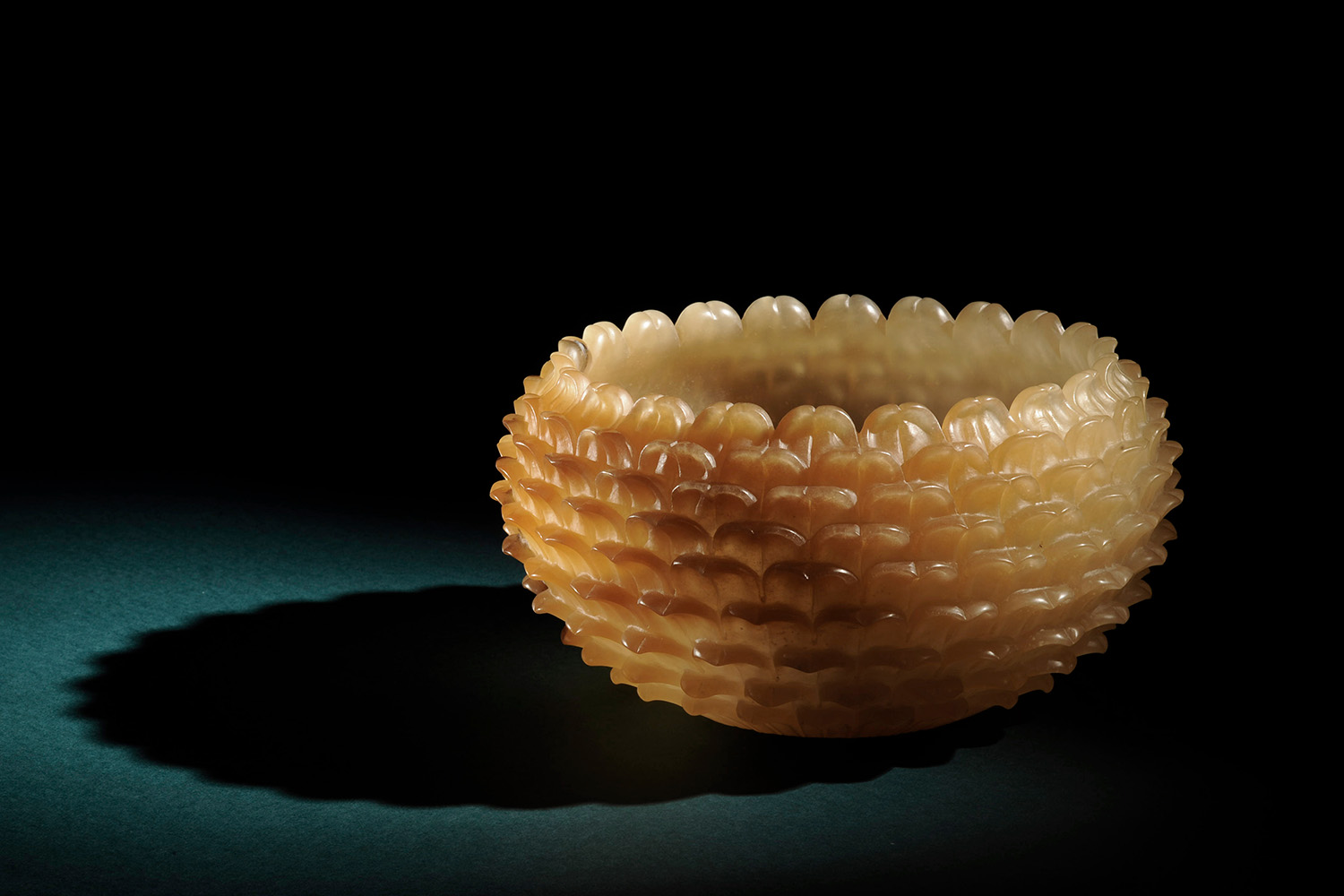
Being a porous, soft rock, it is easier to work with than marble, making it the ideal material for elaborate craftsmanship. Once it is carved and polished, alabaster’s gossamer beauty is heightened both in natural and artificial light.
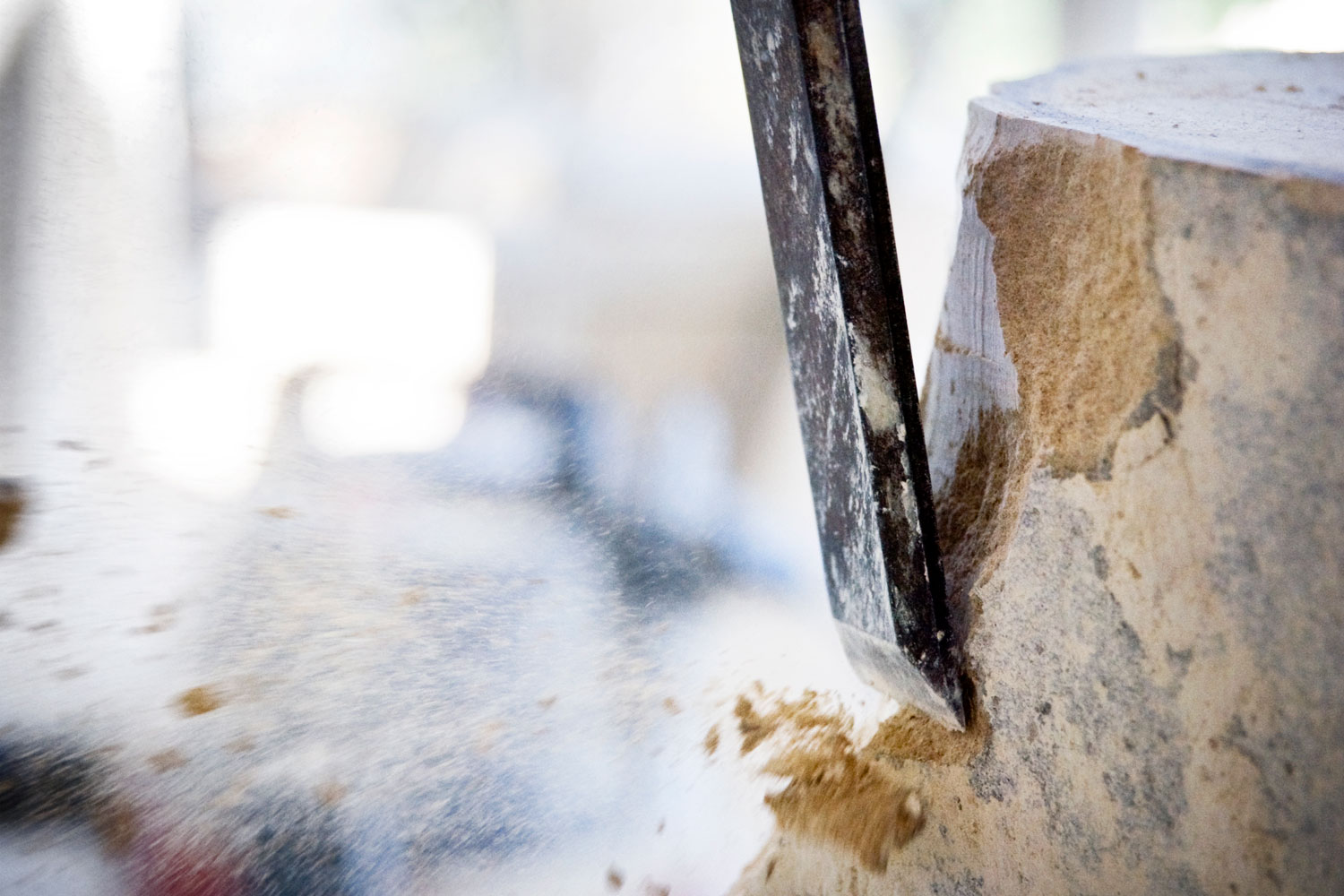
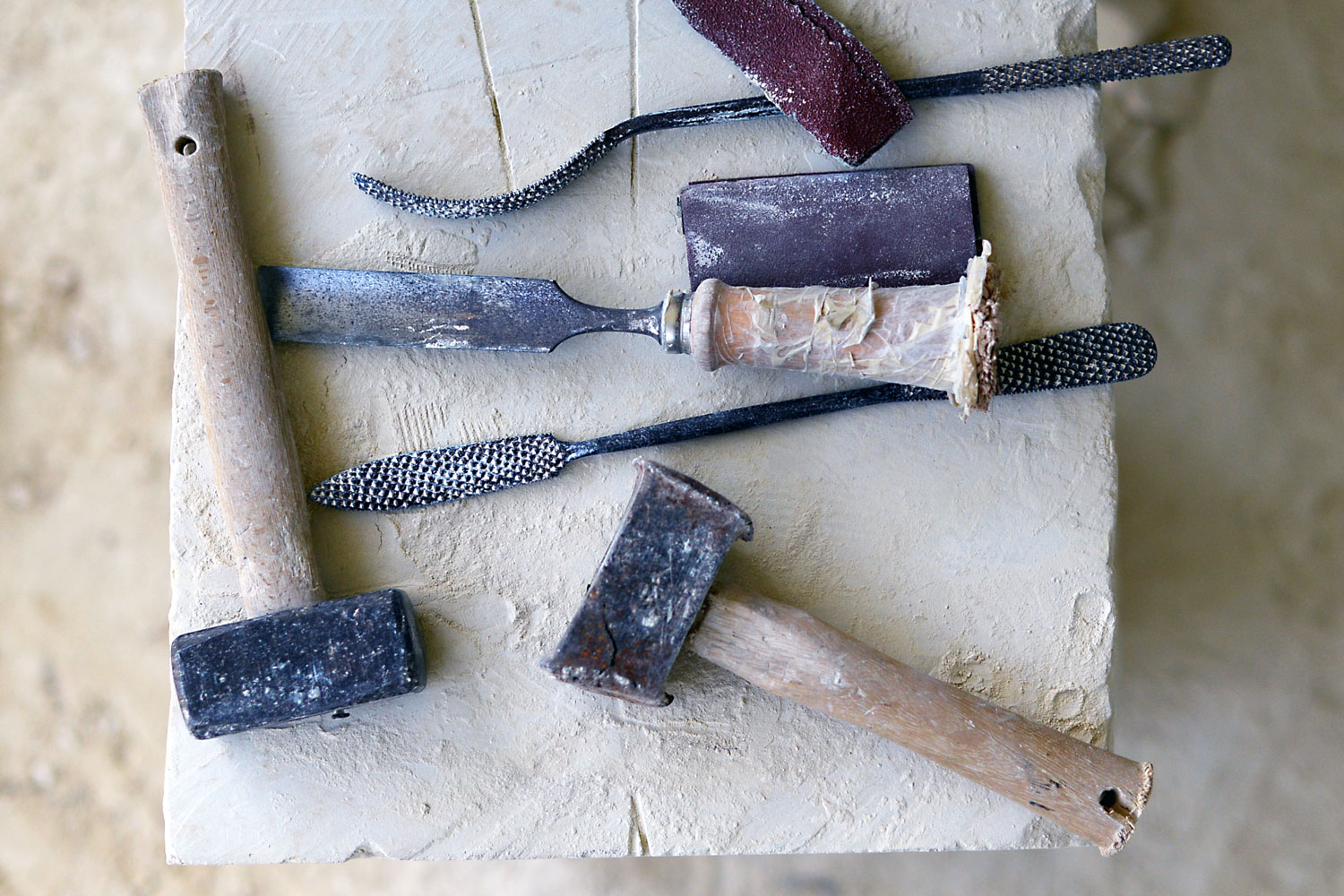
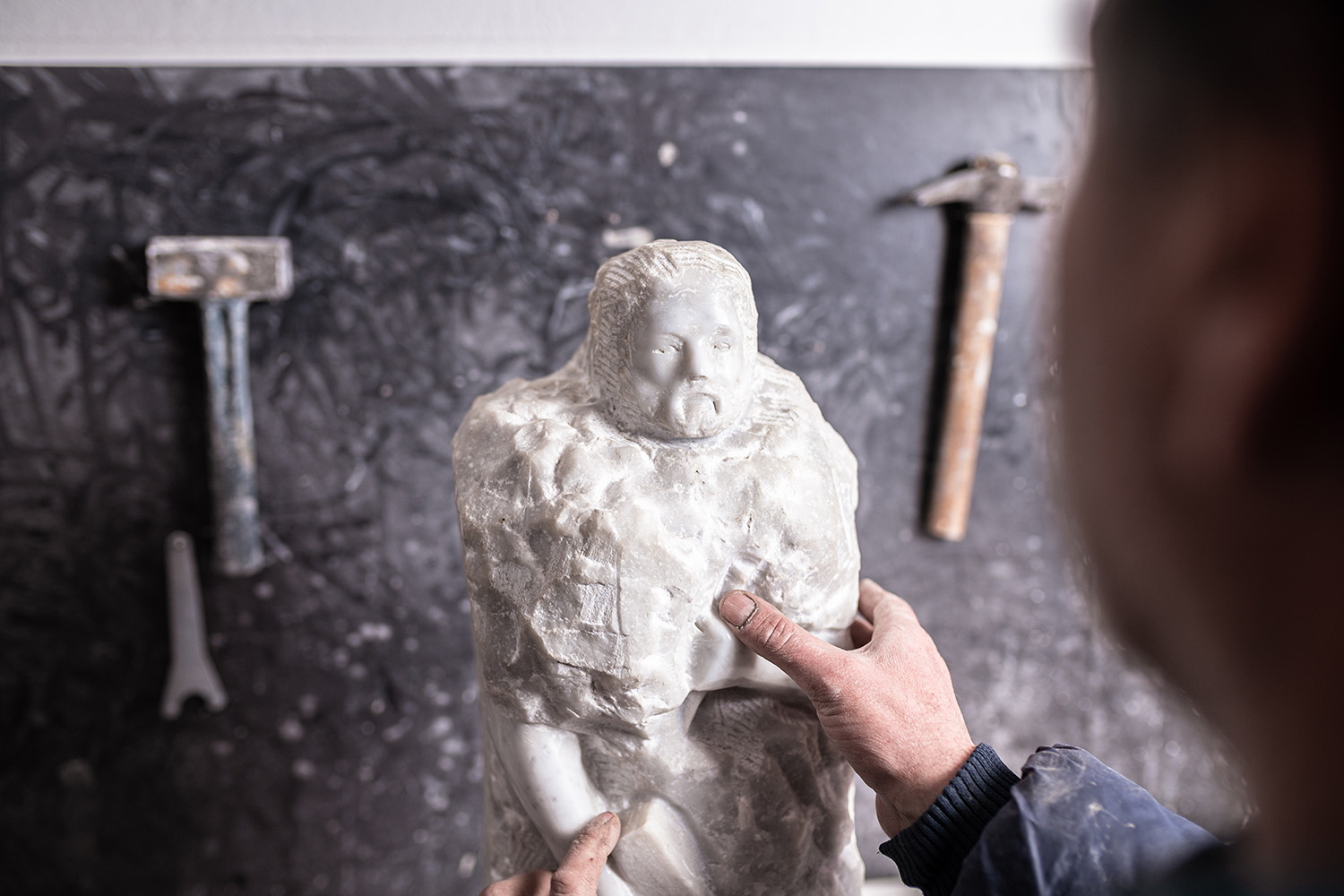
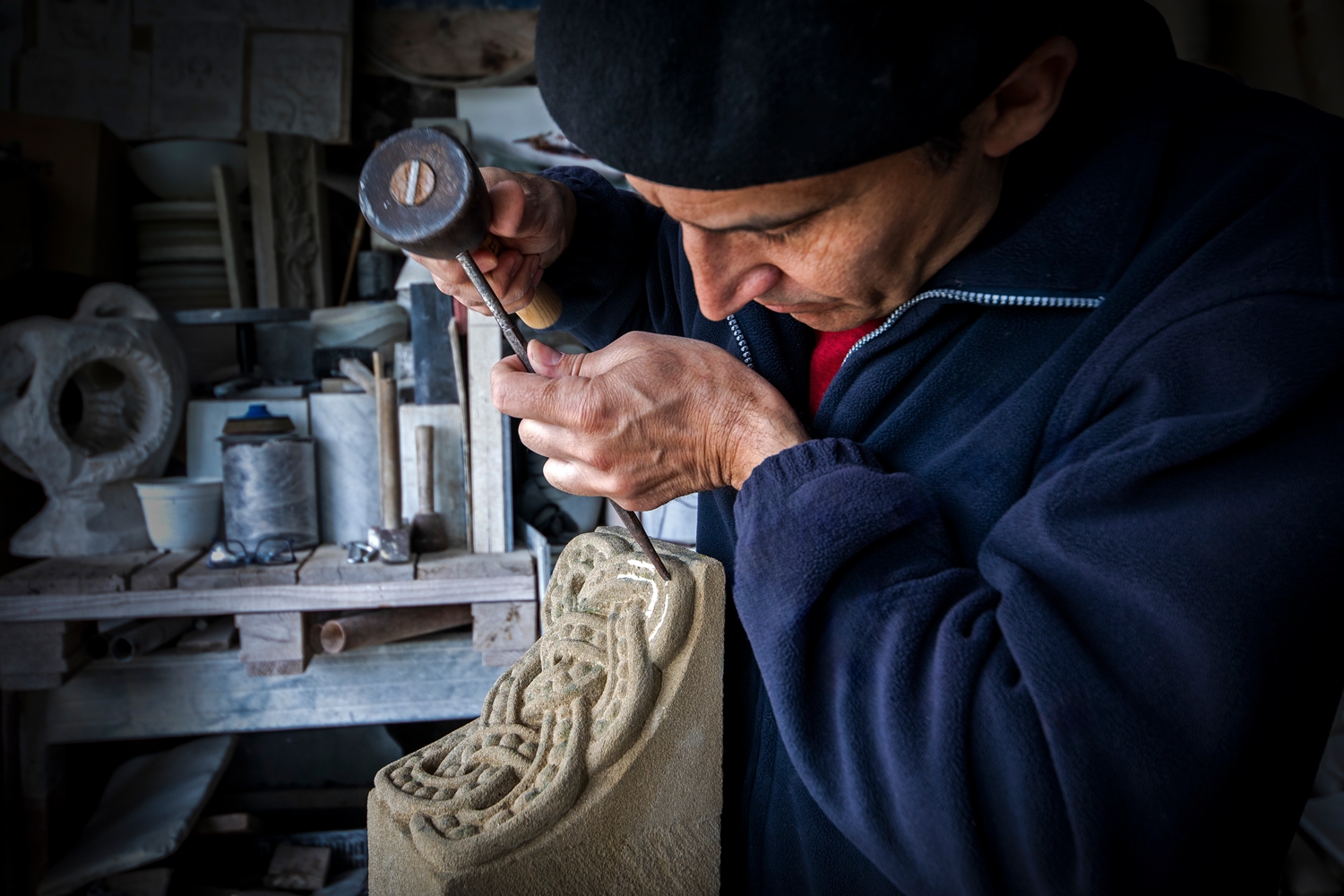
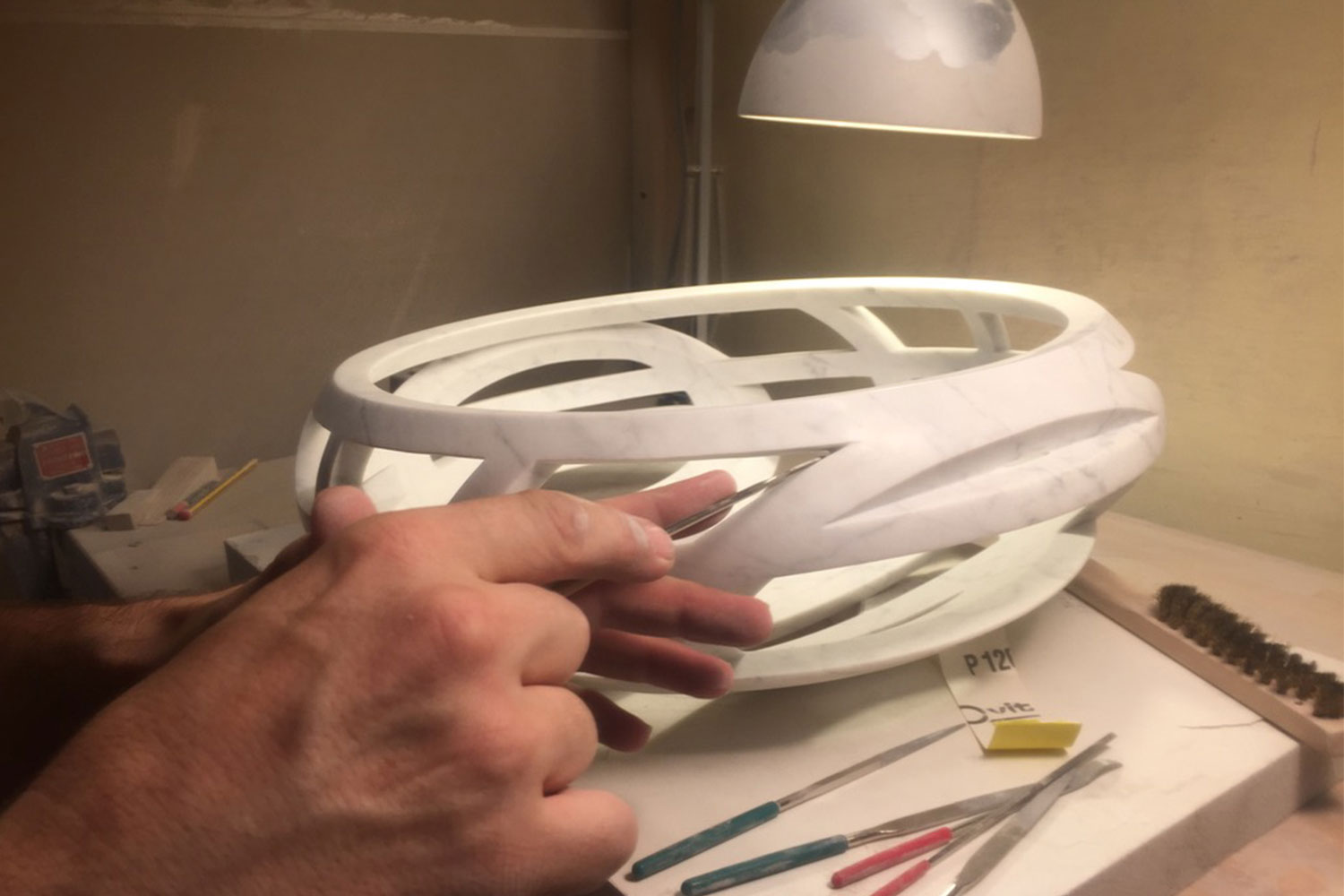
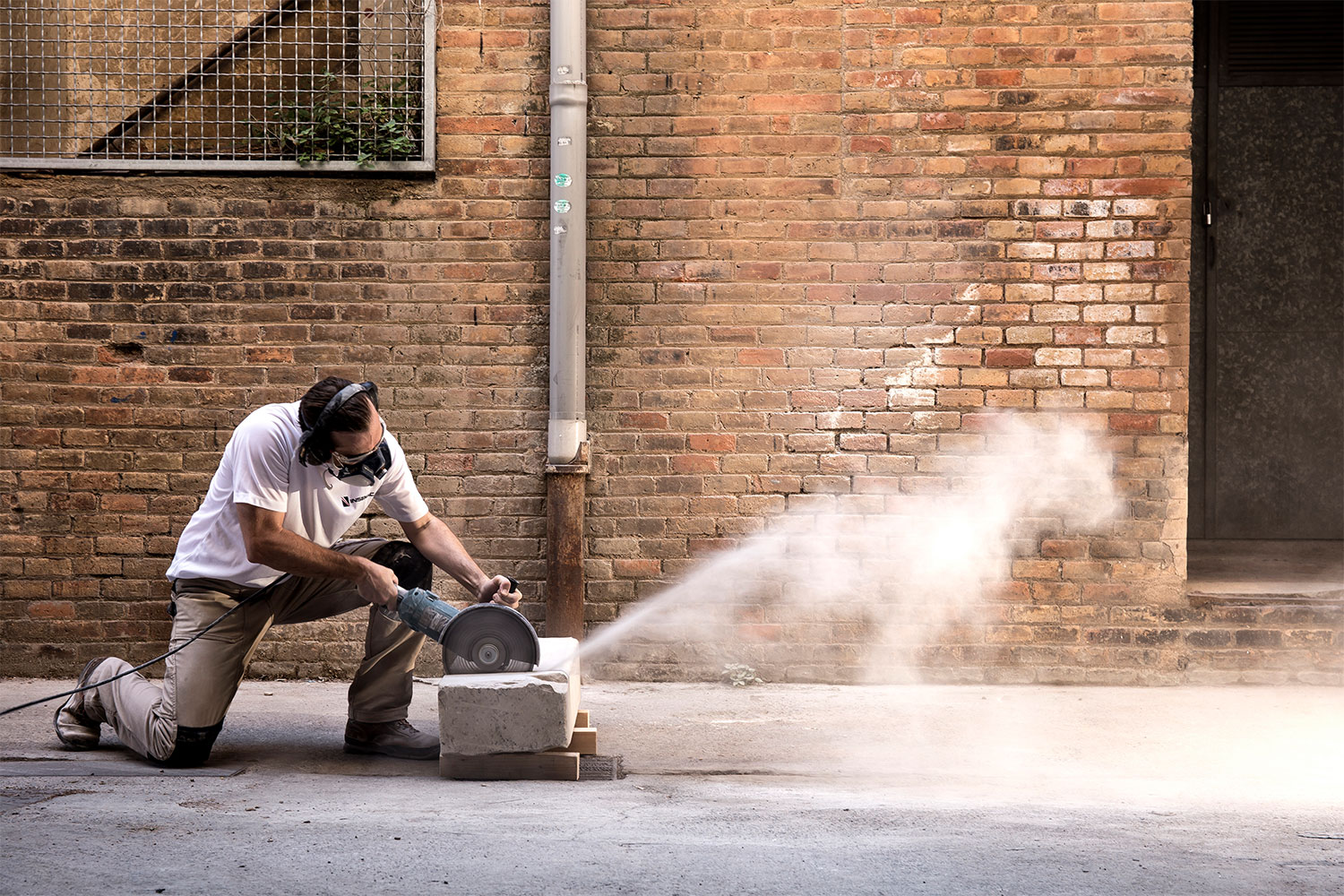
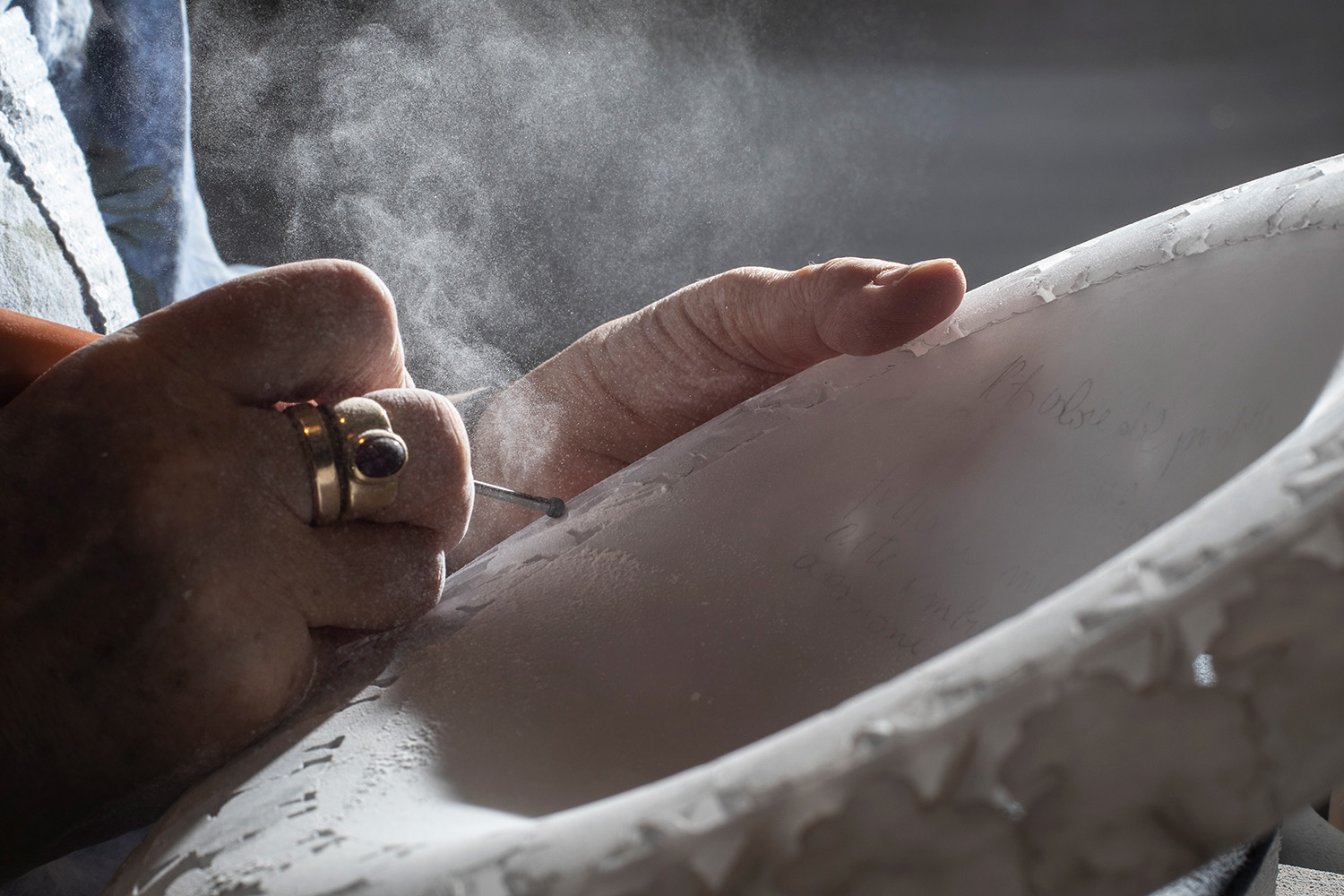
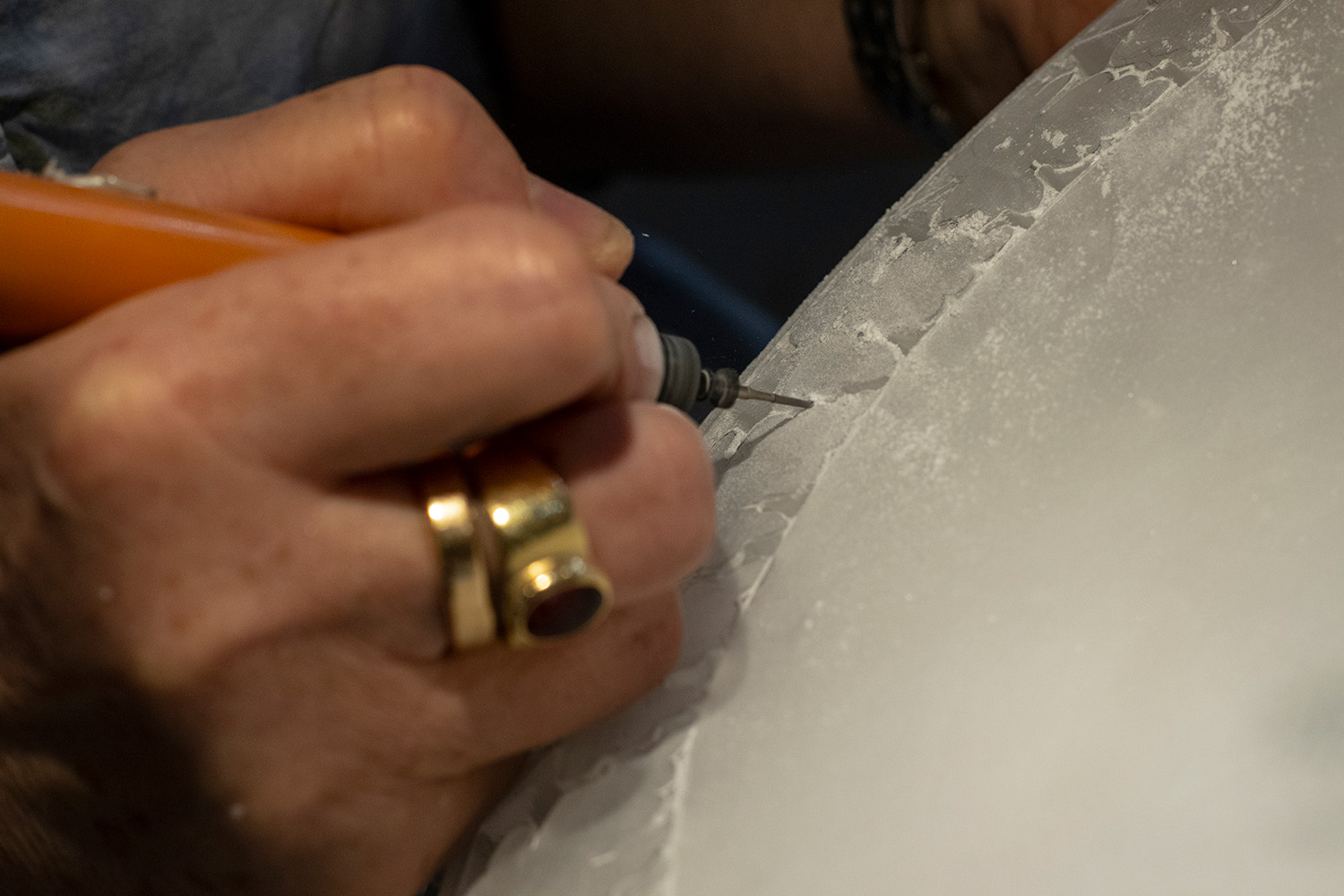
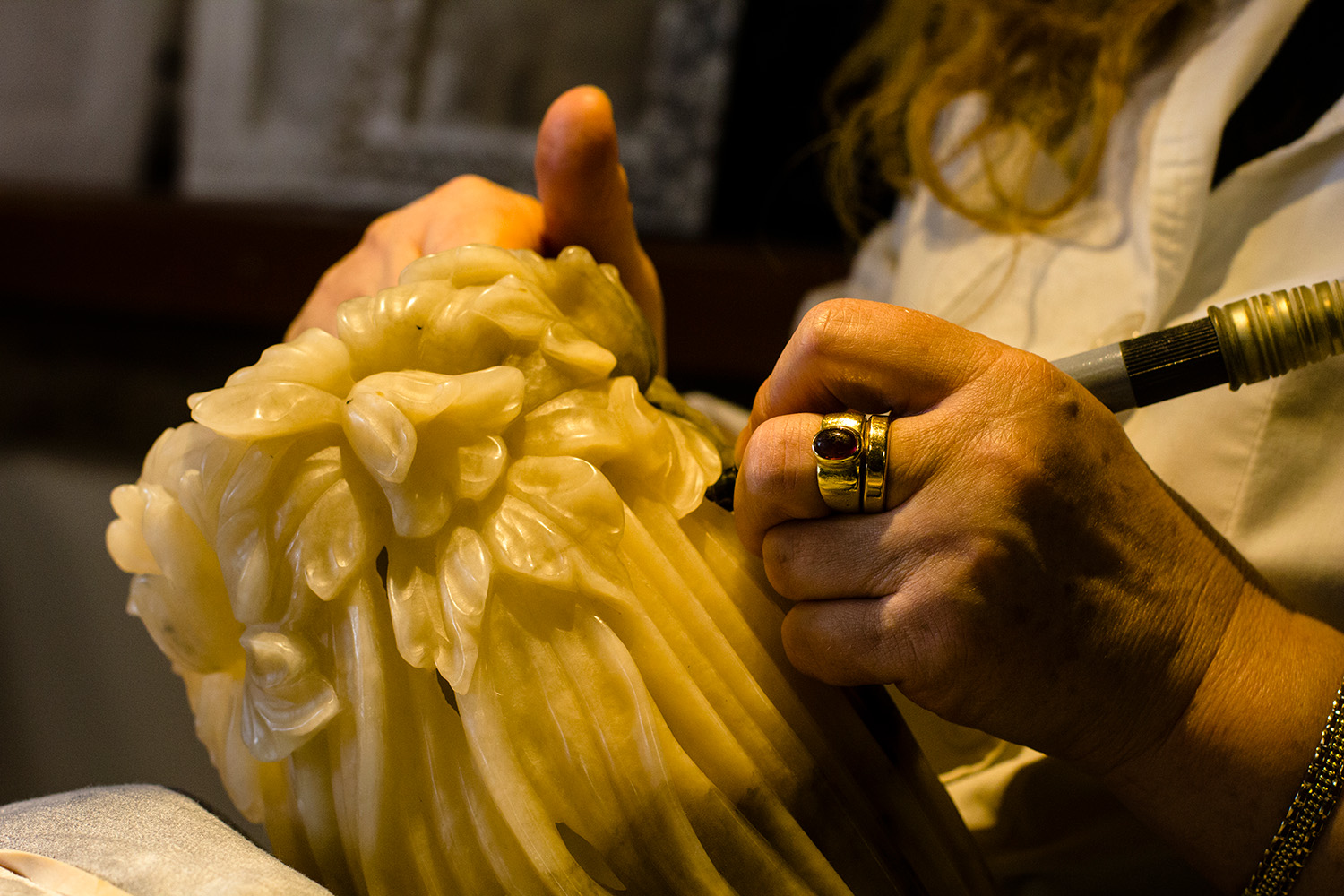
In a combination of different specialisations: the 'squadratore' cuts the block into a square shape and the 'tornitore' turns it on the lathe into a round shape; the decorations can be made by a sculptor or by an 'ornatista', like myself, who creates fretwork and engraved decorations.
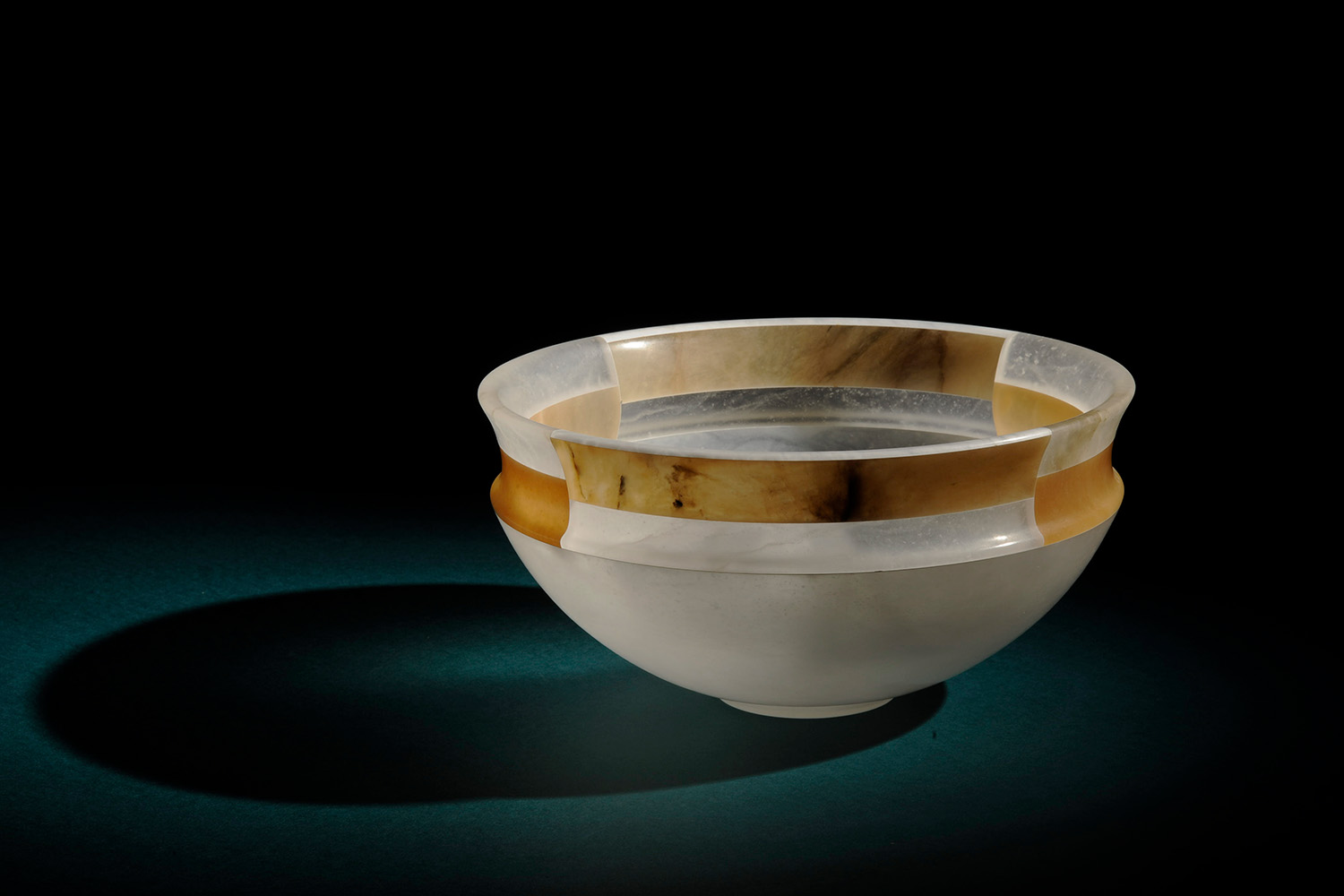
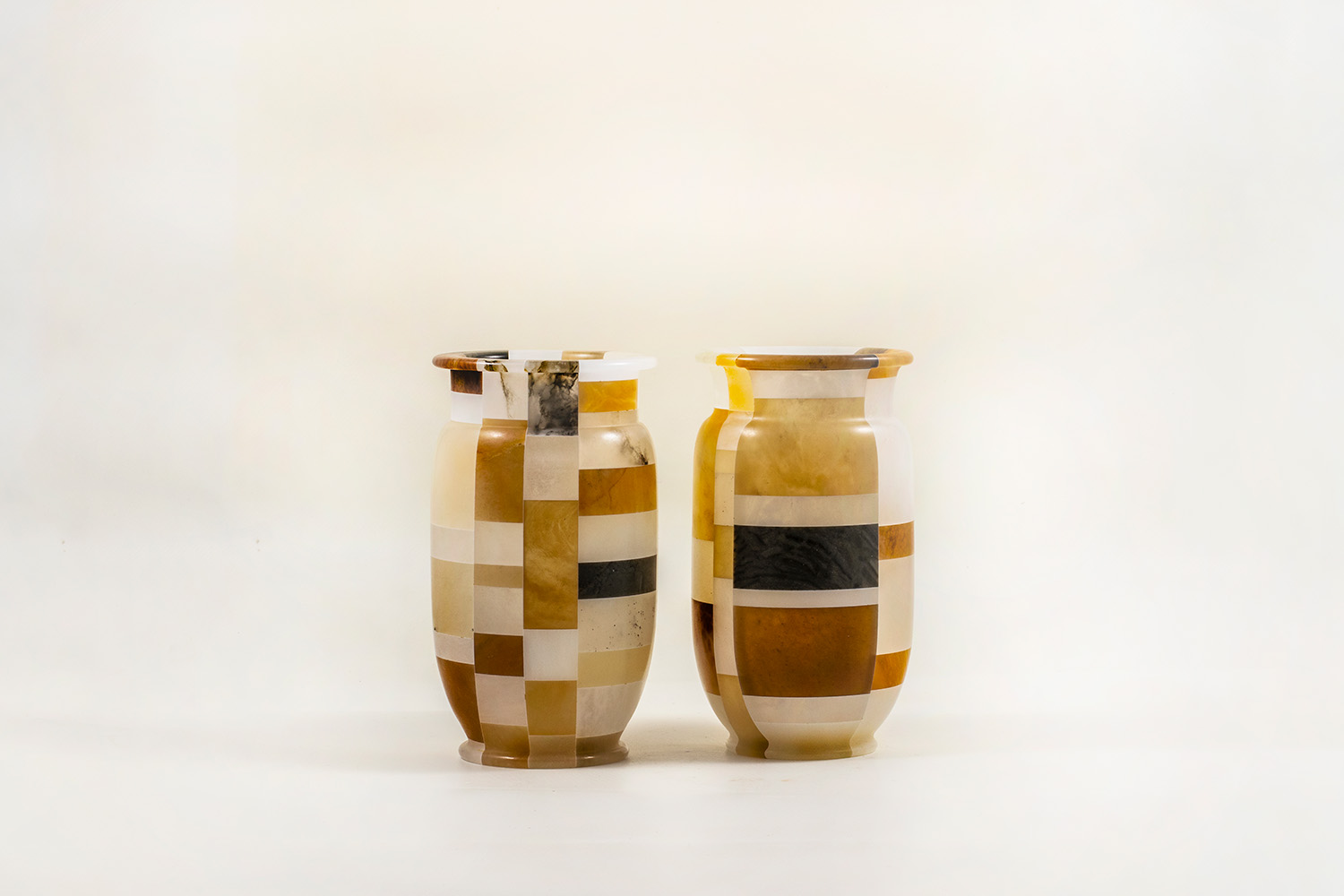
By sourcing the best alabaster and by enhancing, through the use of traditional finishes, all its natural tones, which can vary from white to grey, to yellow and red, depending on the chemical composition of the soil where it is quarried or mined.
I believe that my creations stand apart from more conventional productions thanks to the originality of the designs, the weightlessness of the objects and the graciousness of the decorations.