Reuniting thinking and making
- Combining tradition and innovation forms the basis of Vincent's work
- He teaches stone carving apprentices in Morges
- His work features in several galleries and public spaces
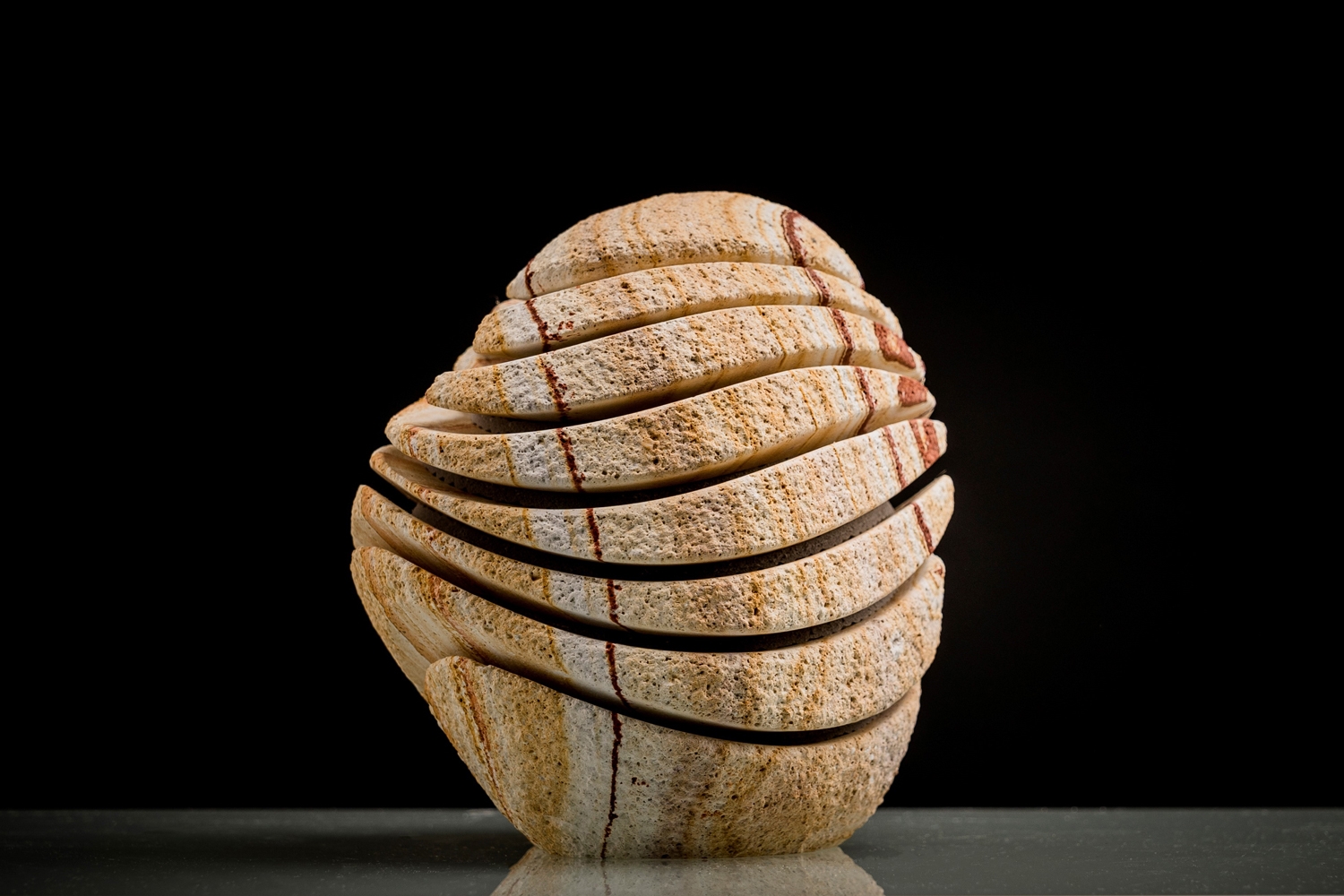
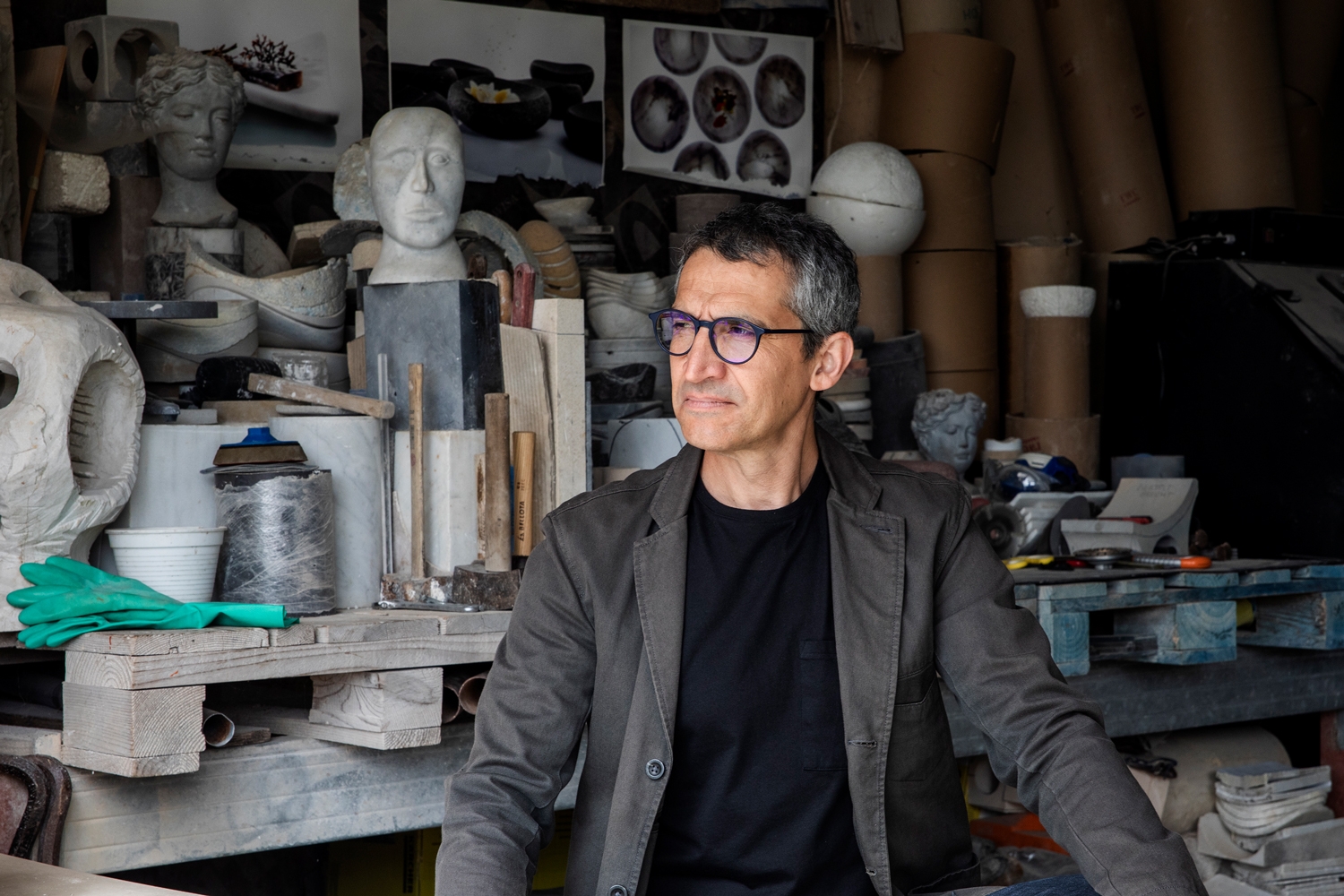
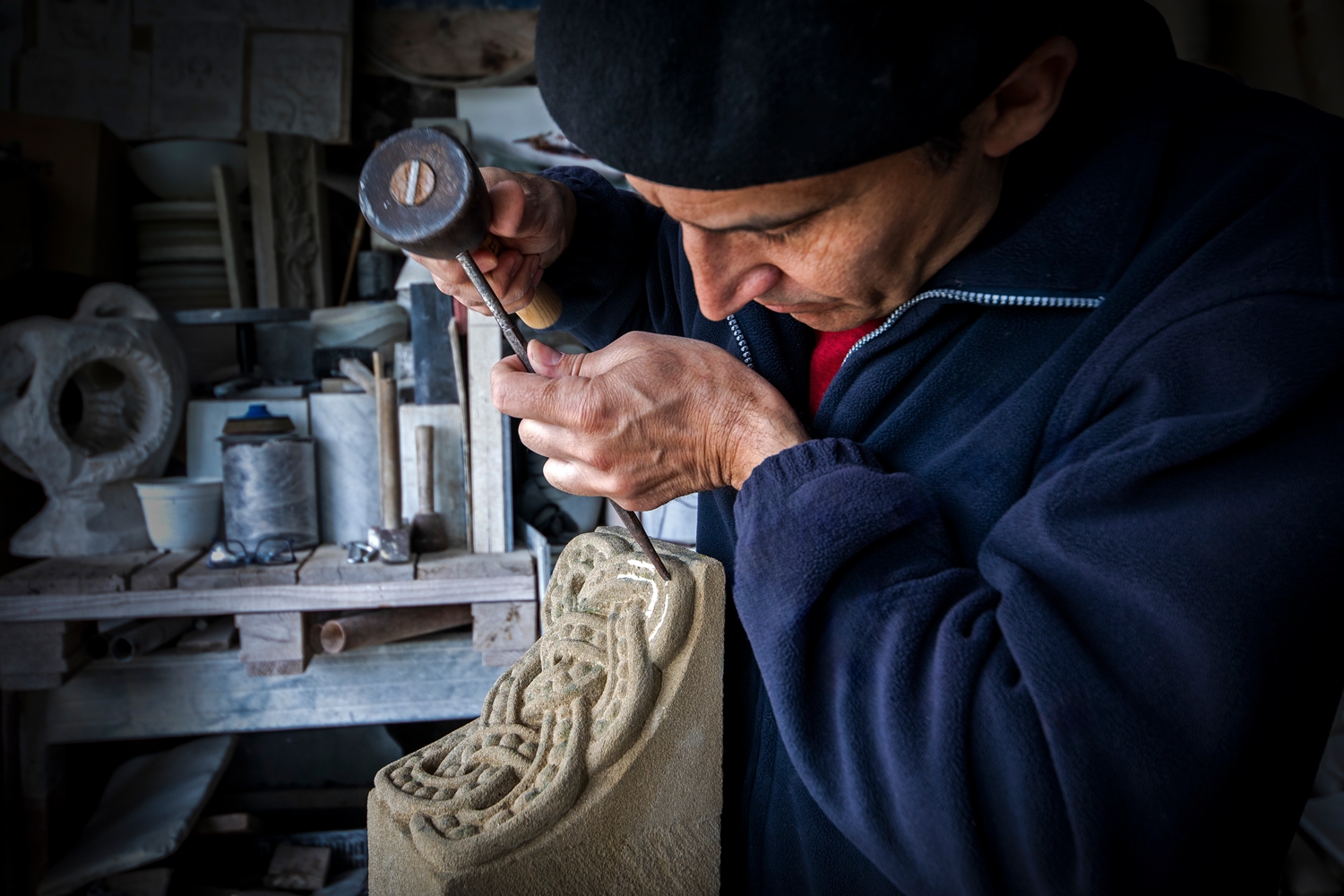
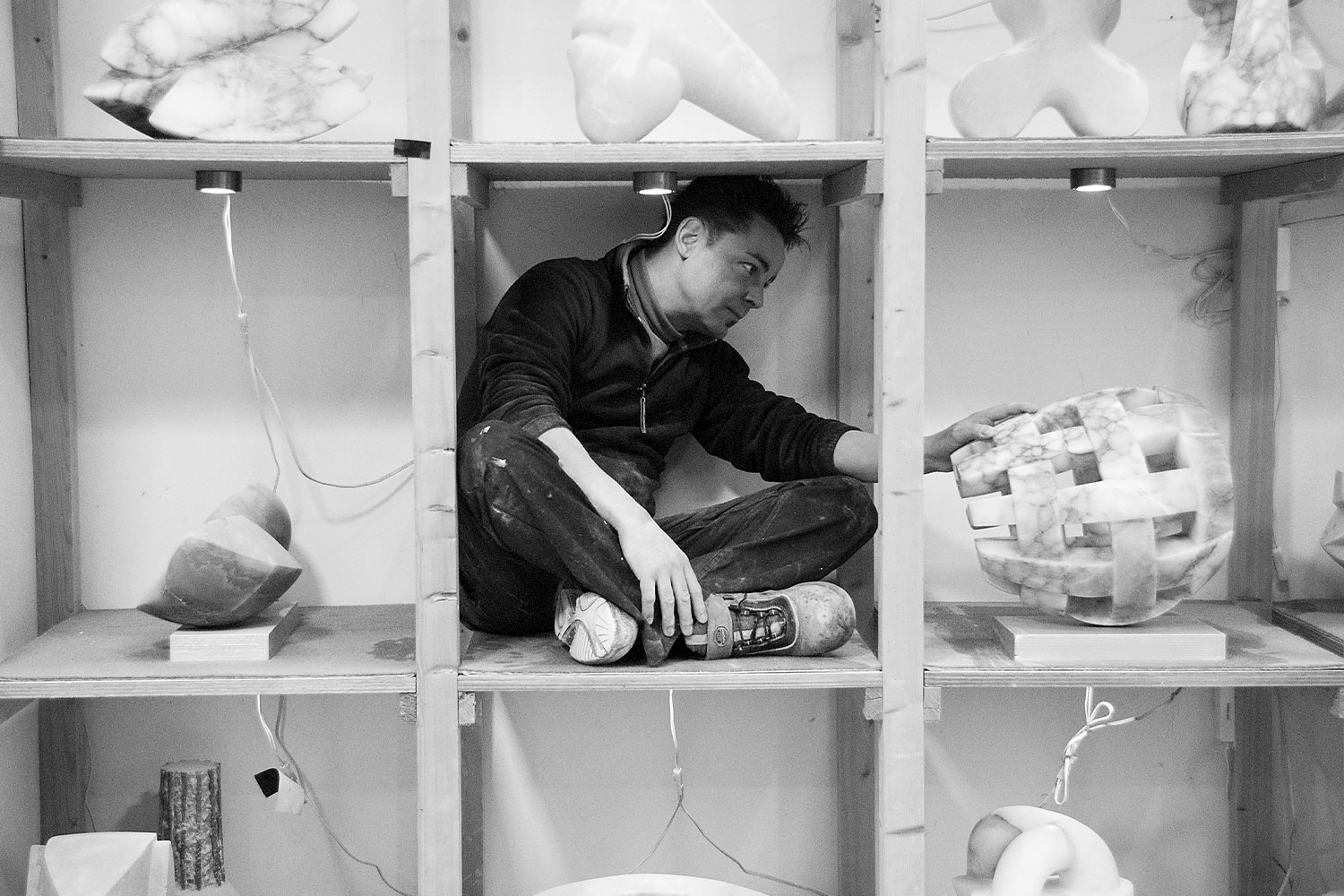
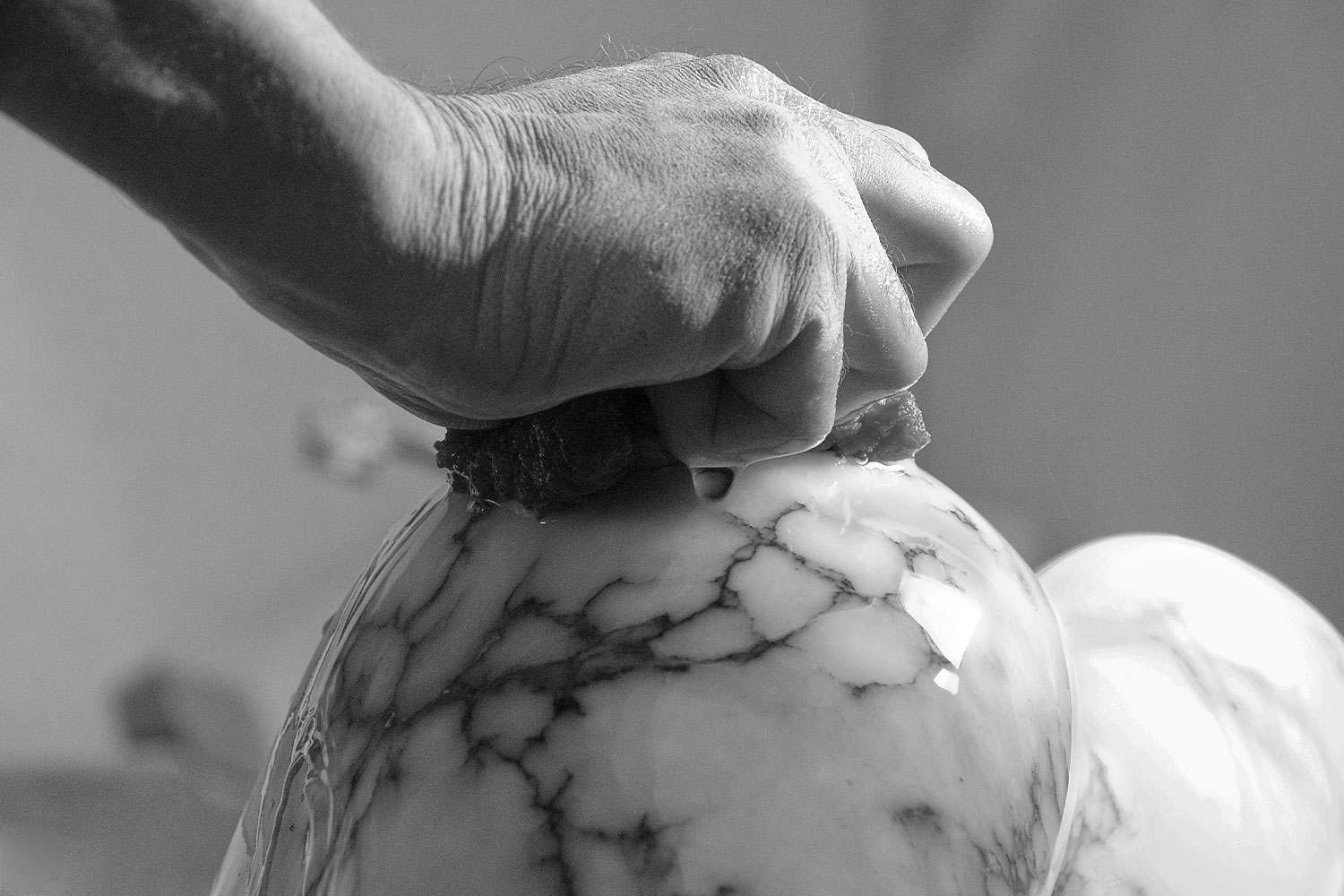
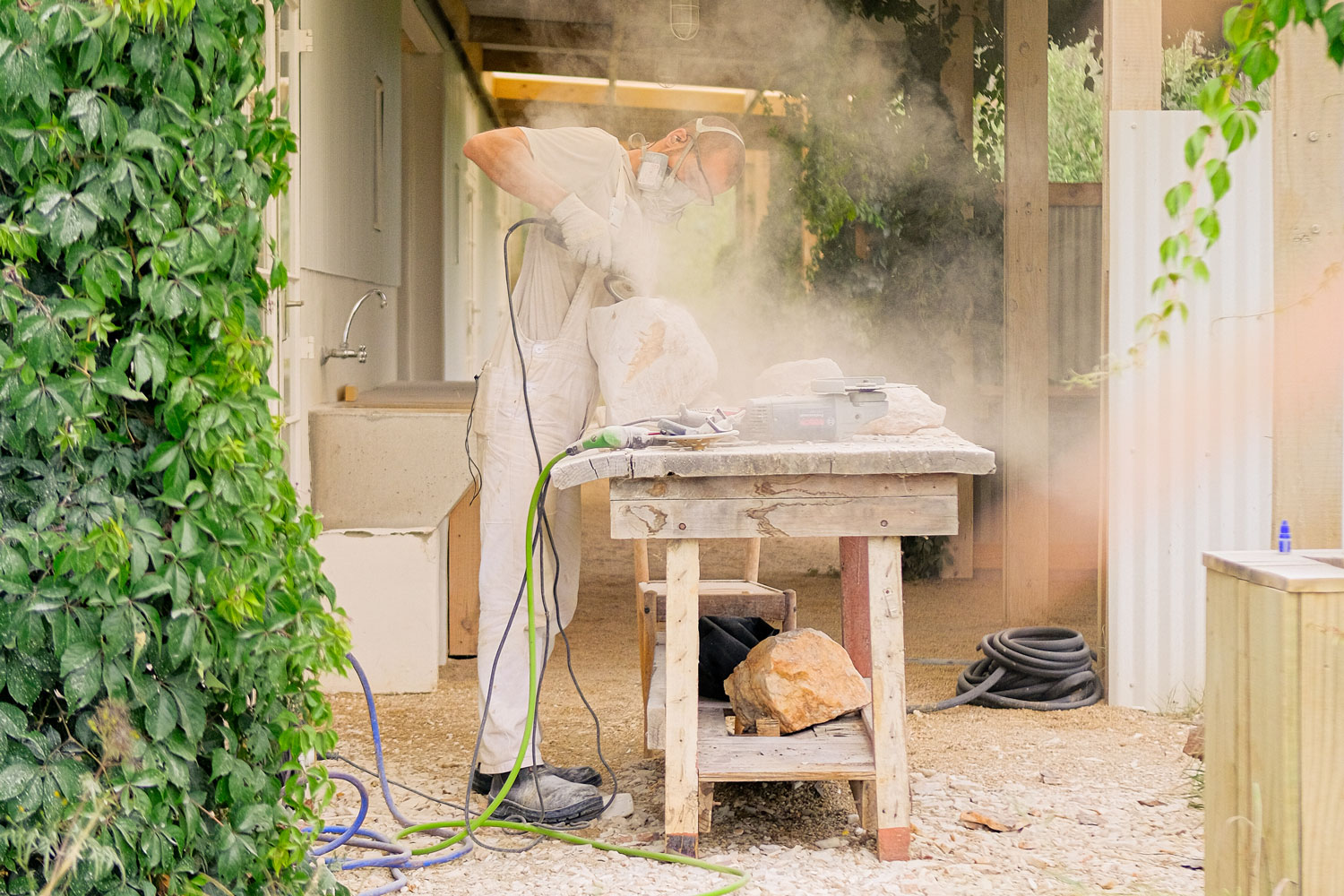
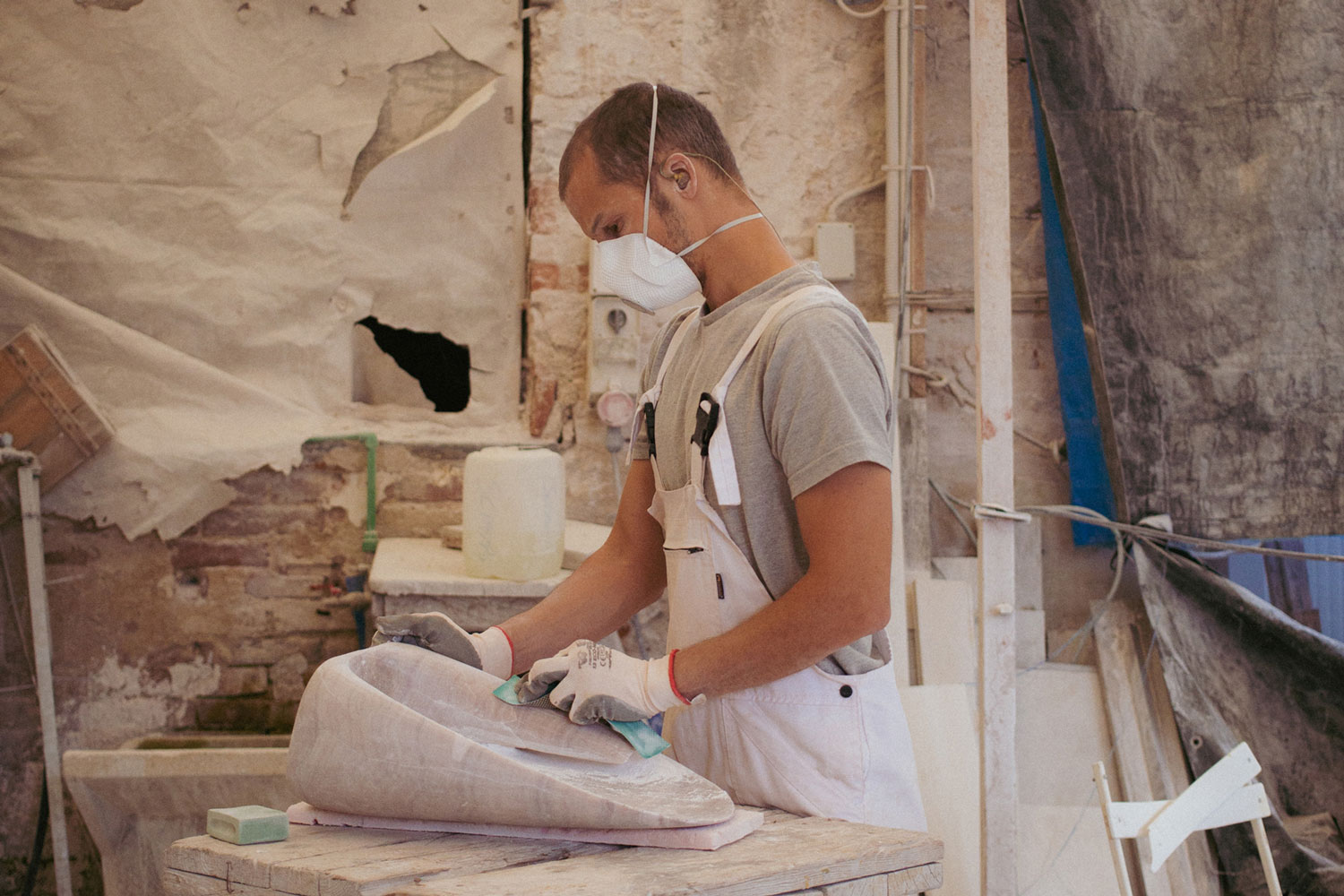
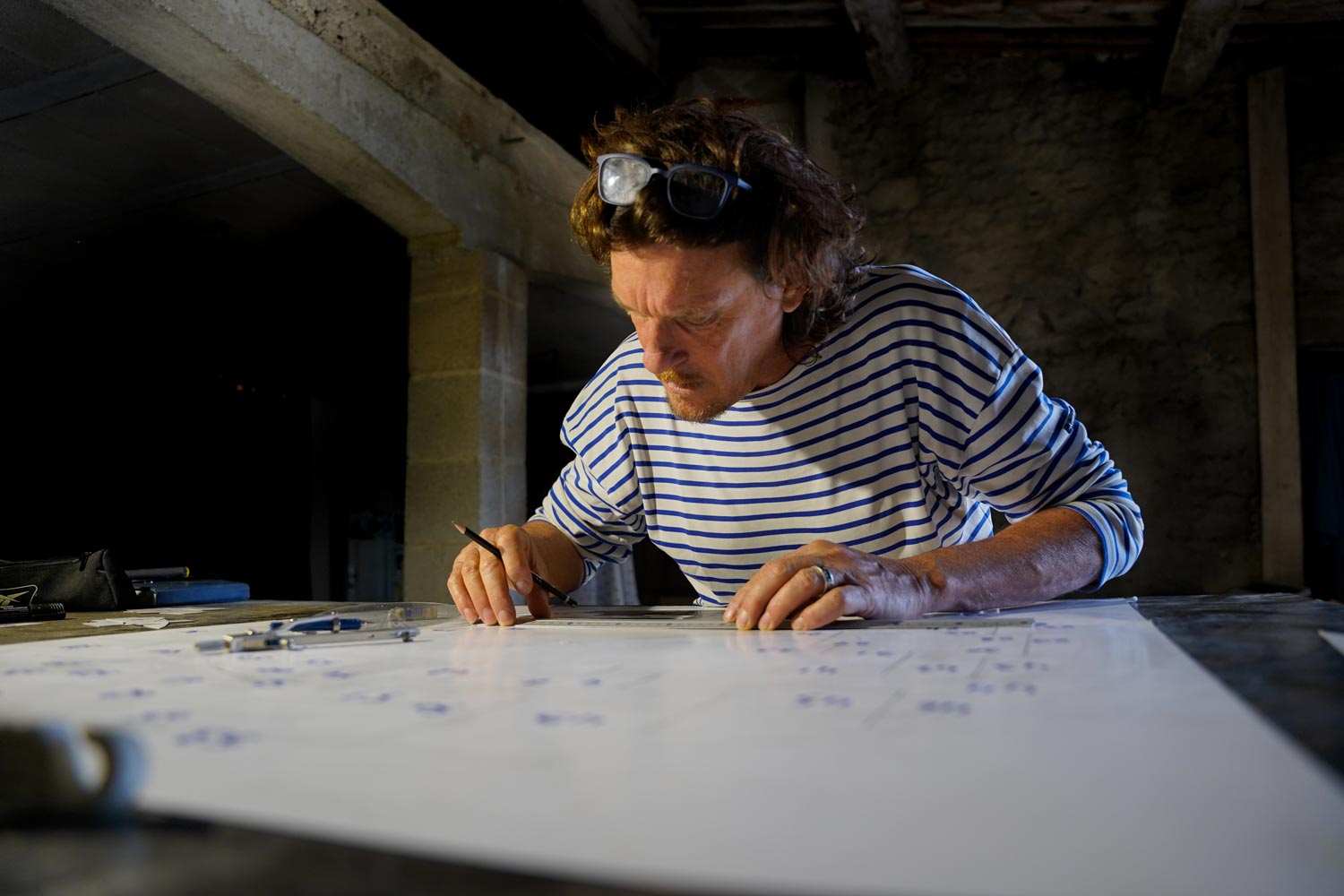
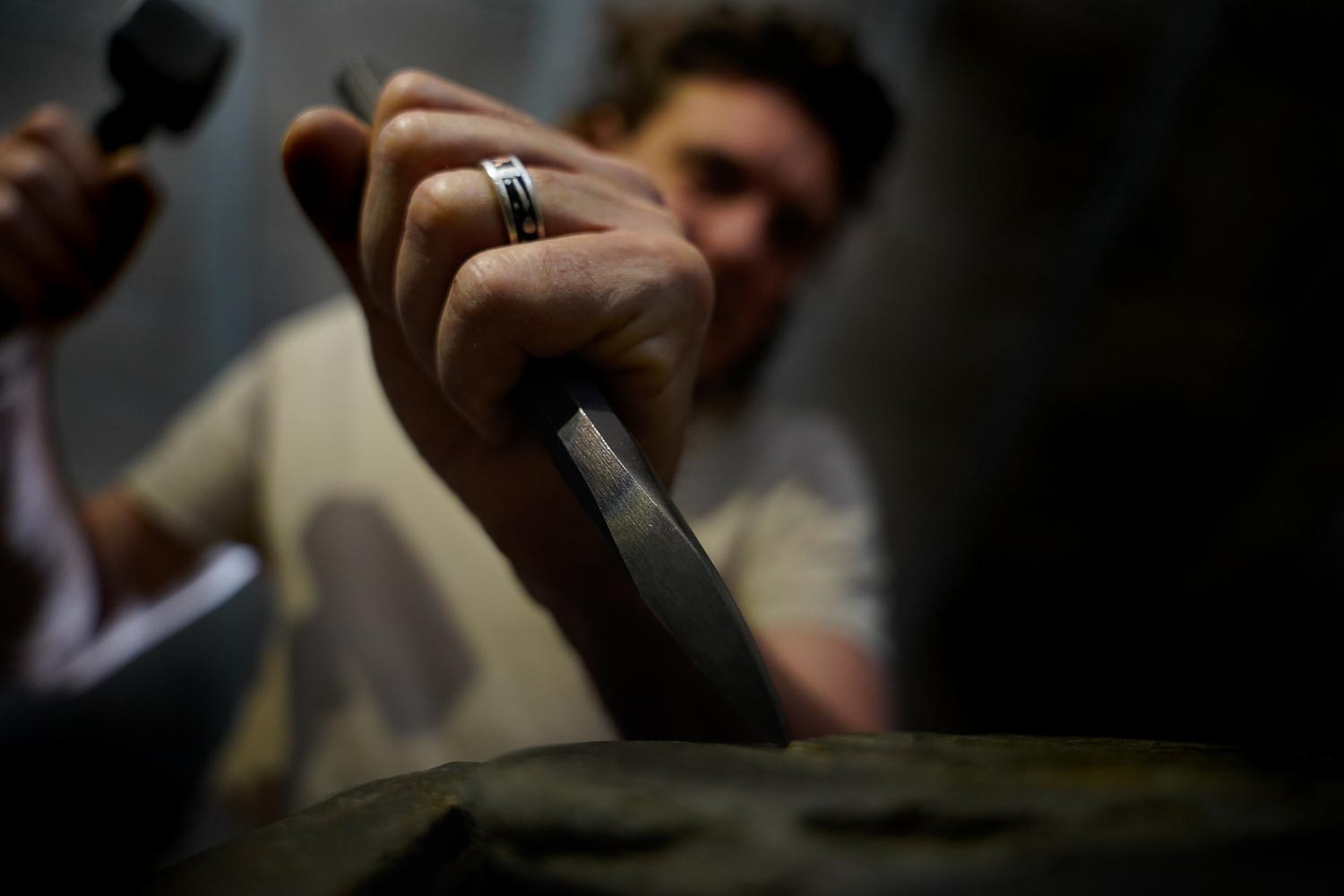
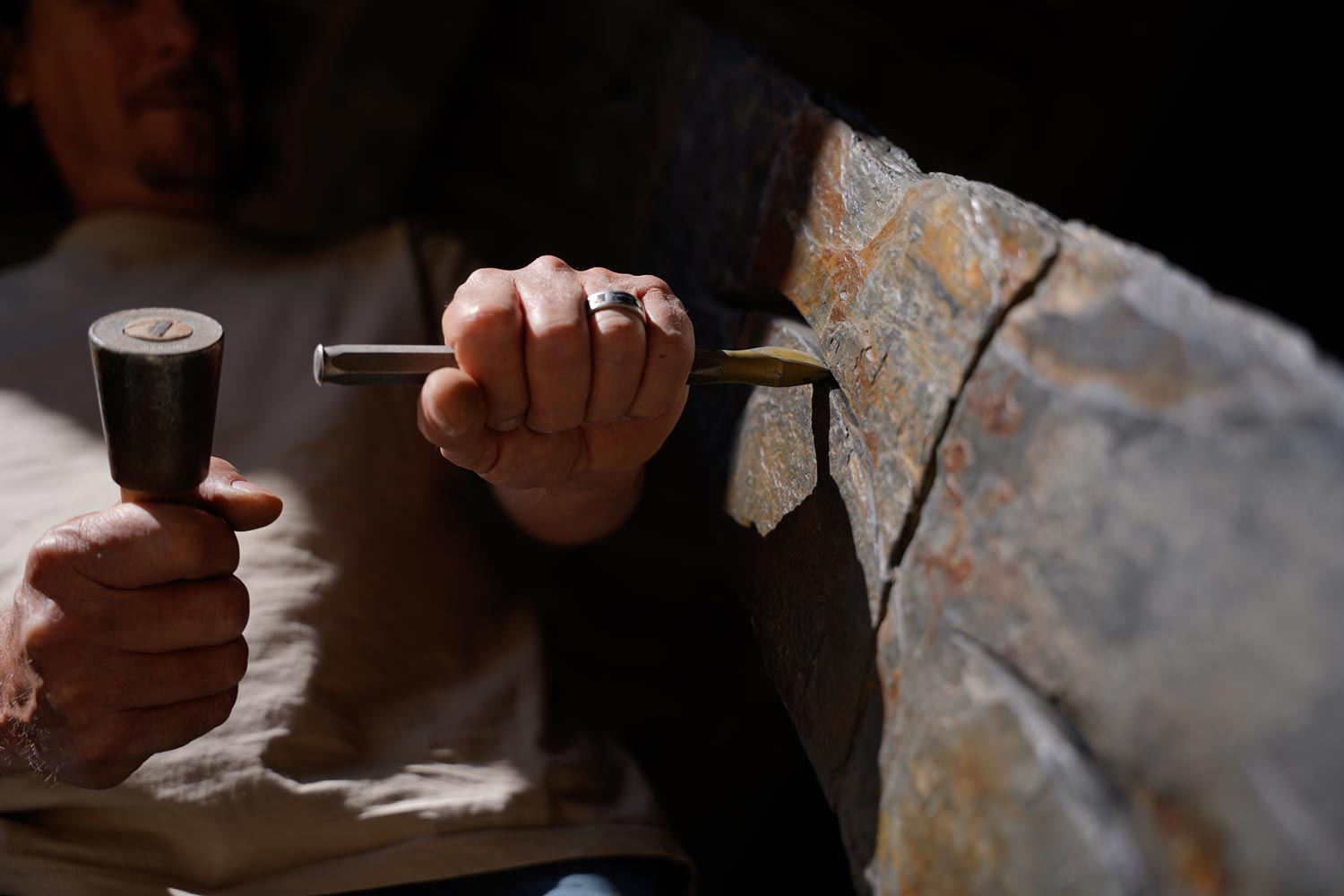
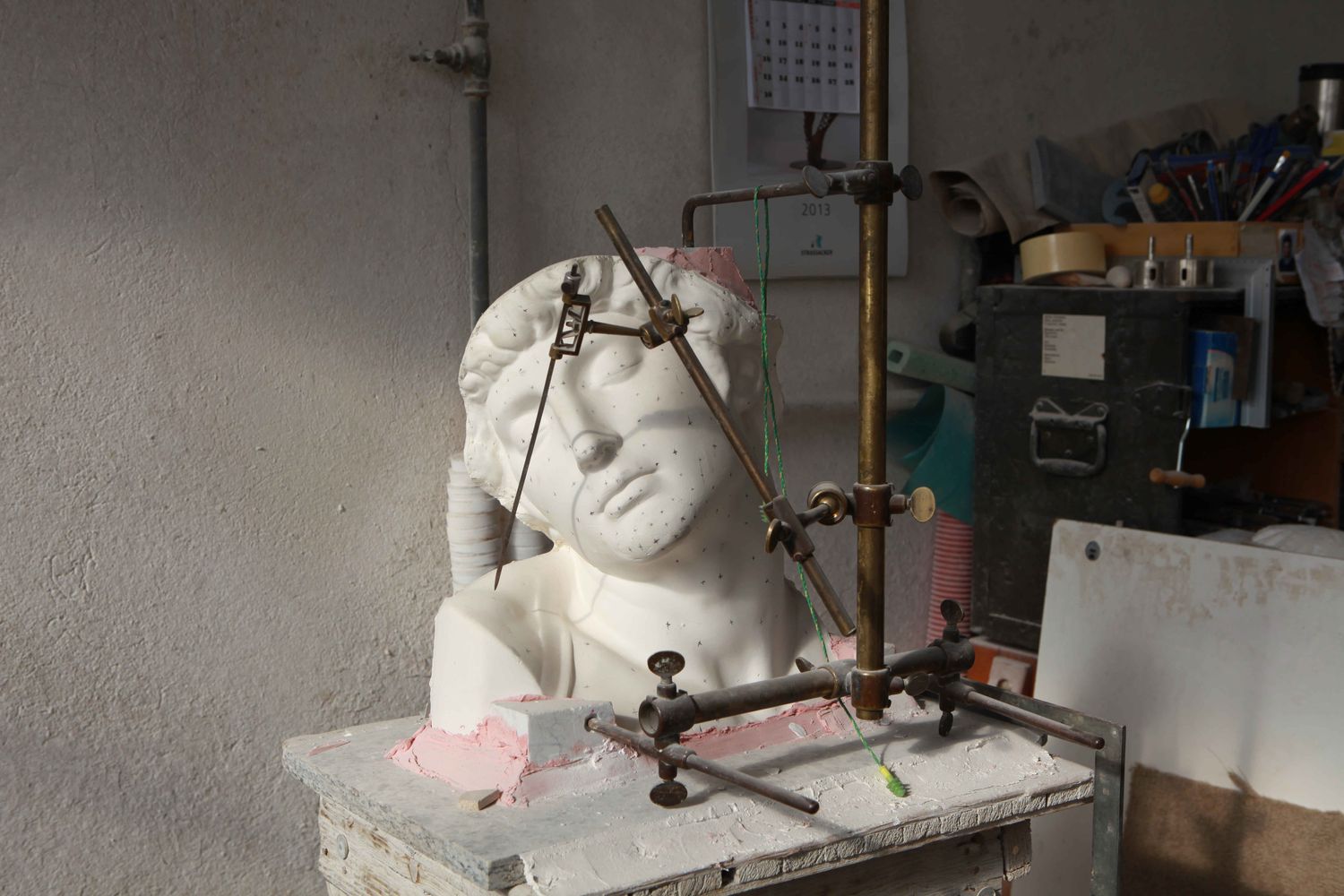
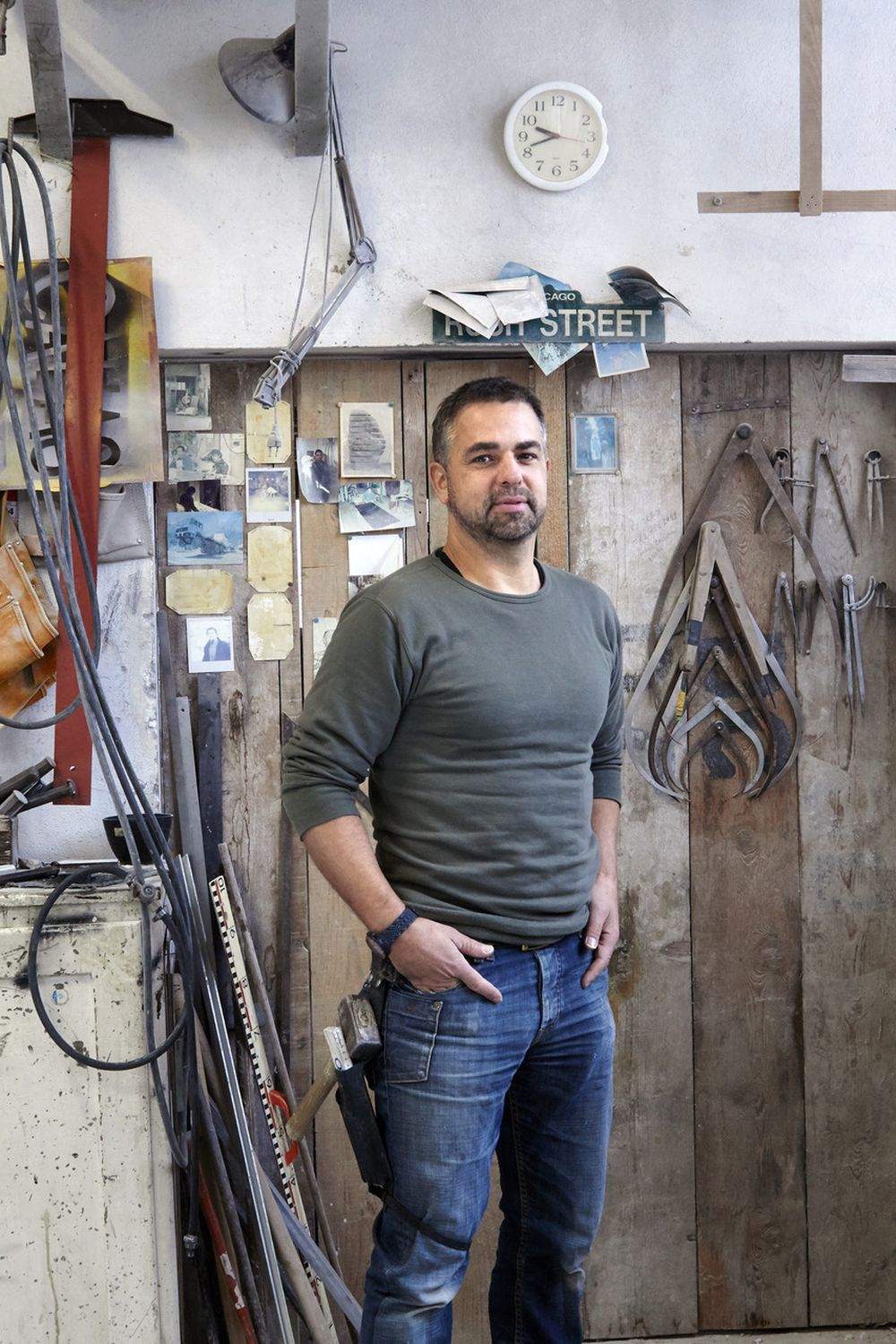
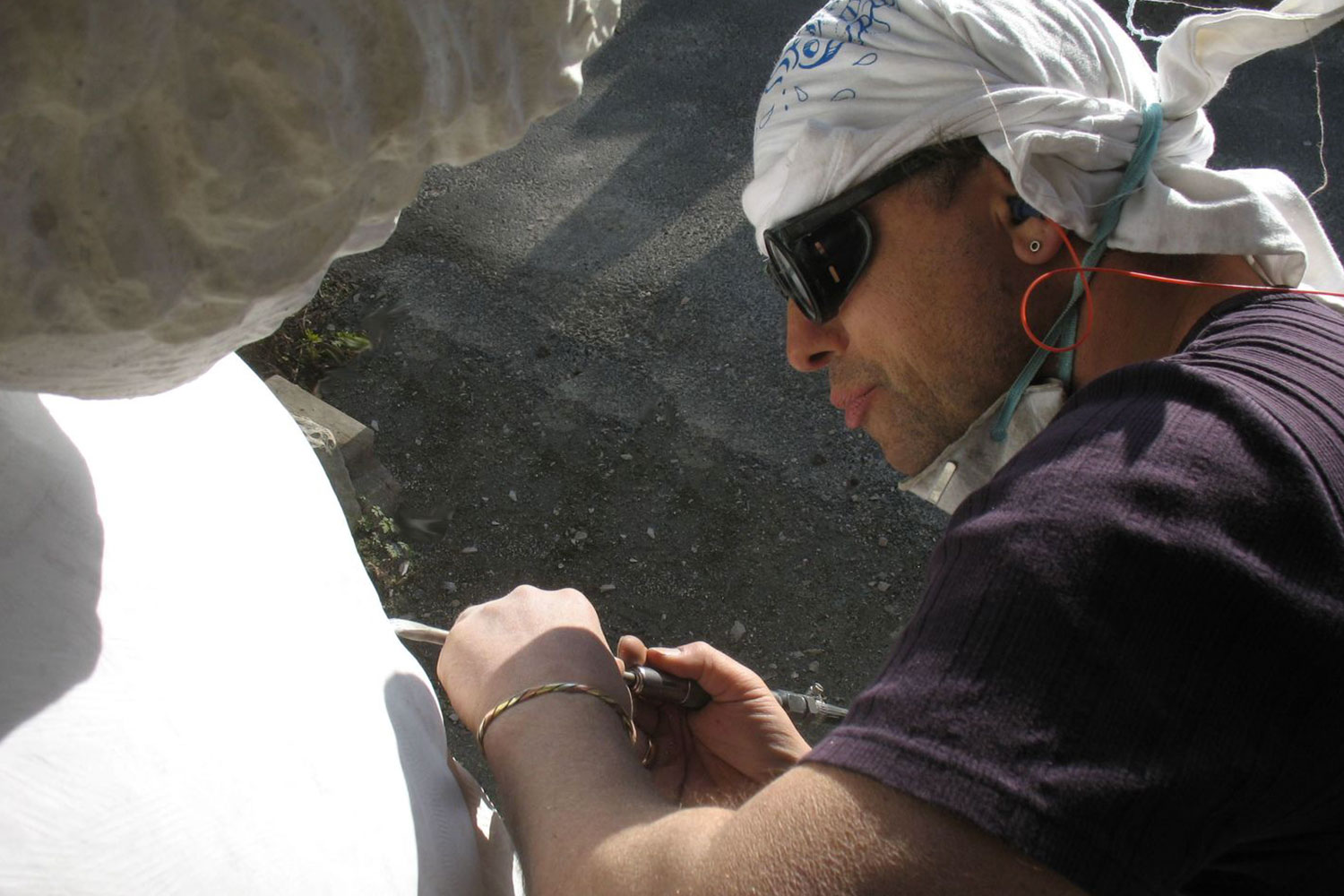
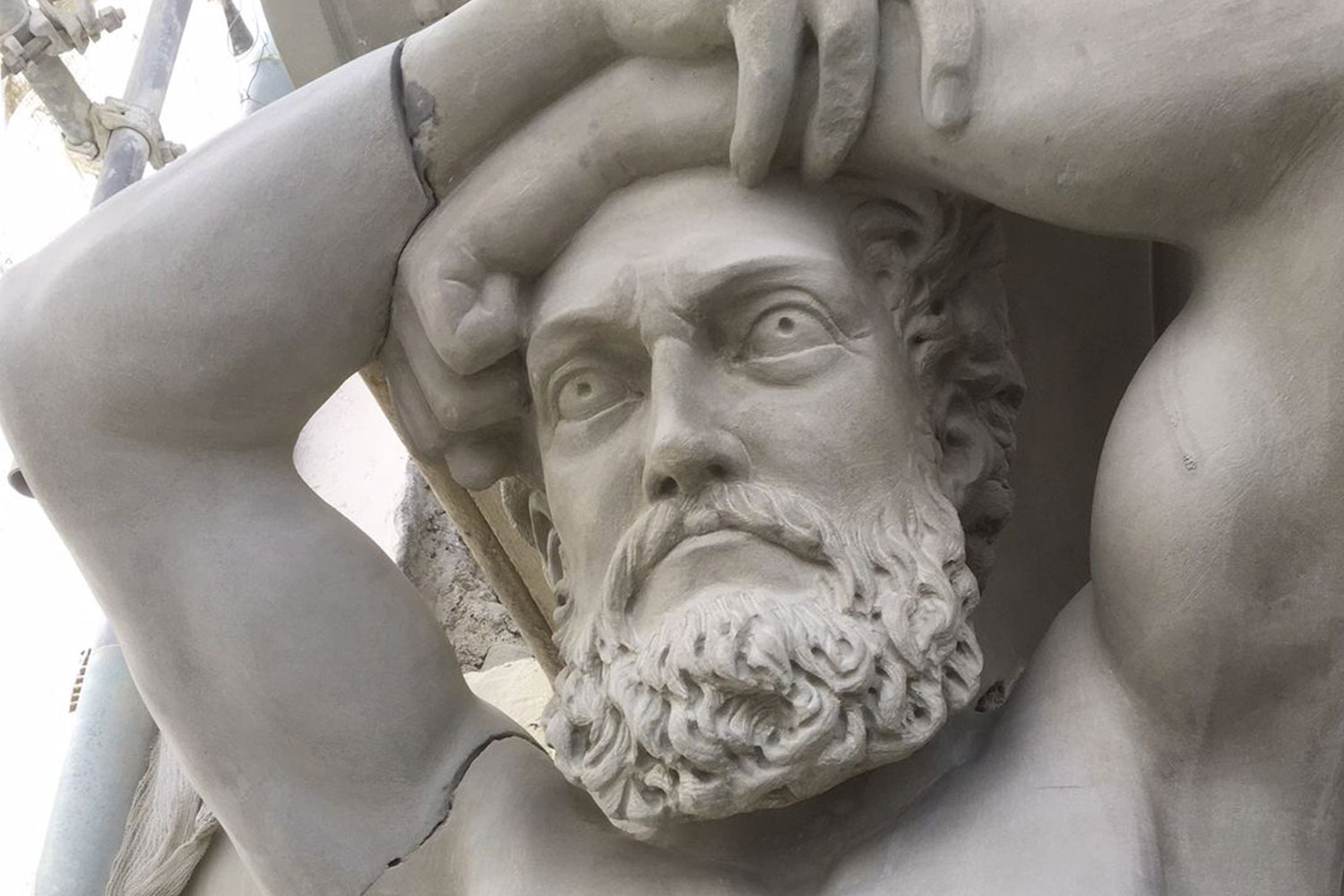
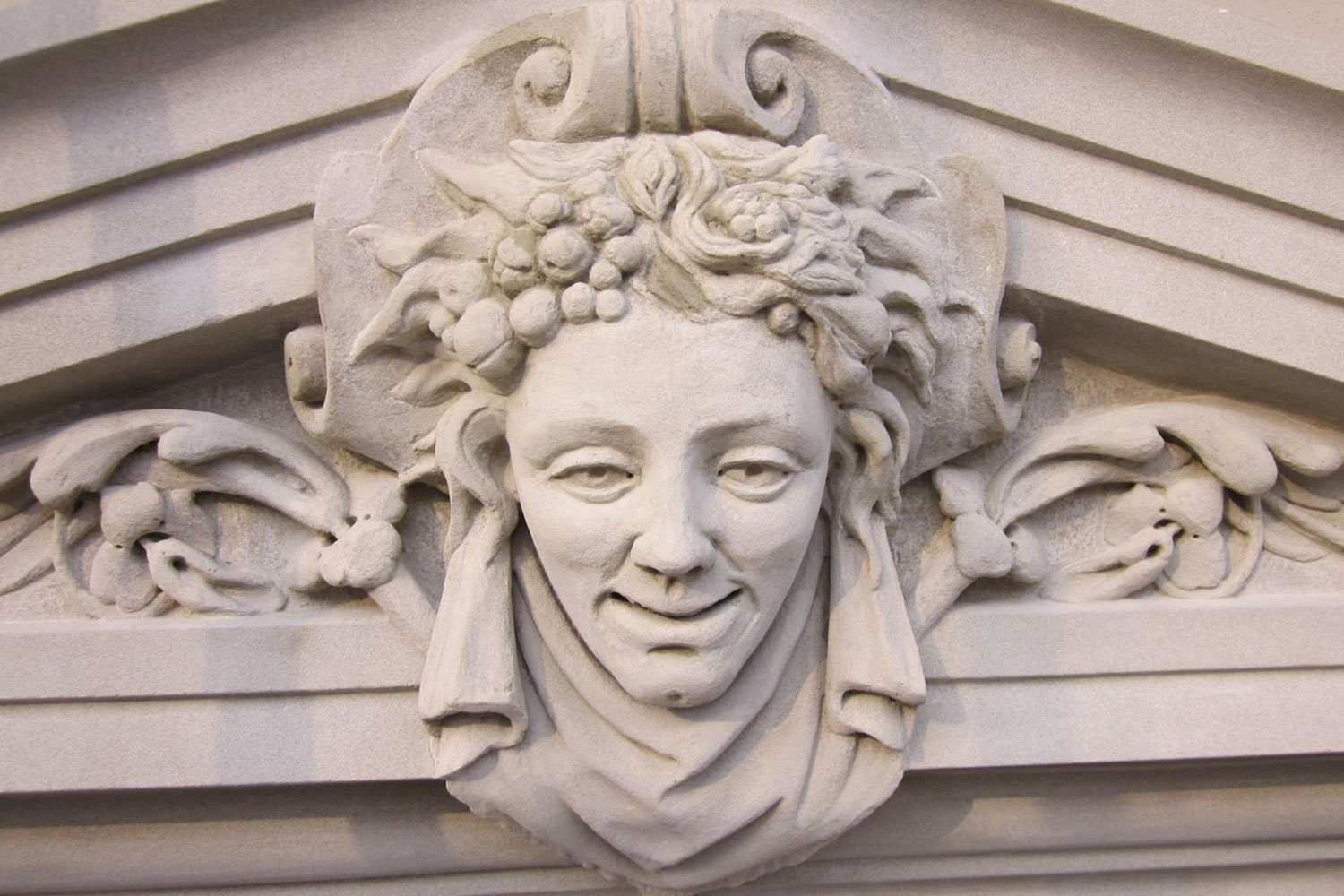
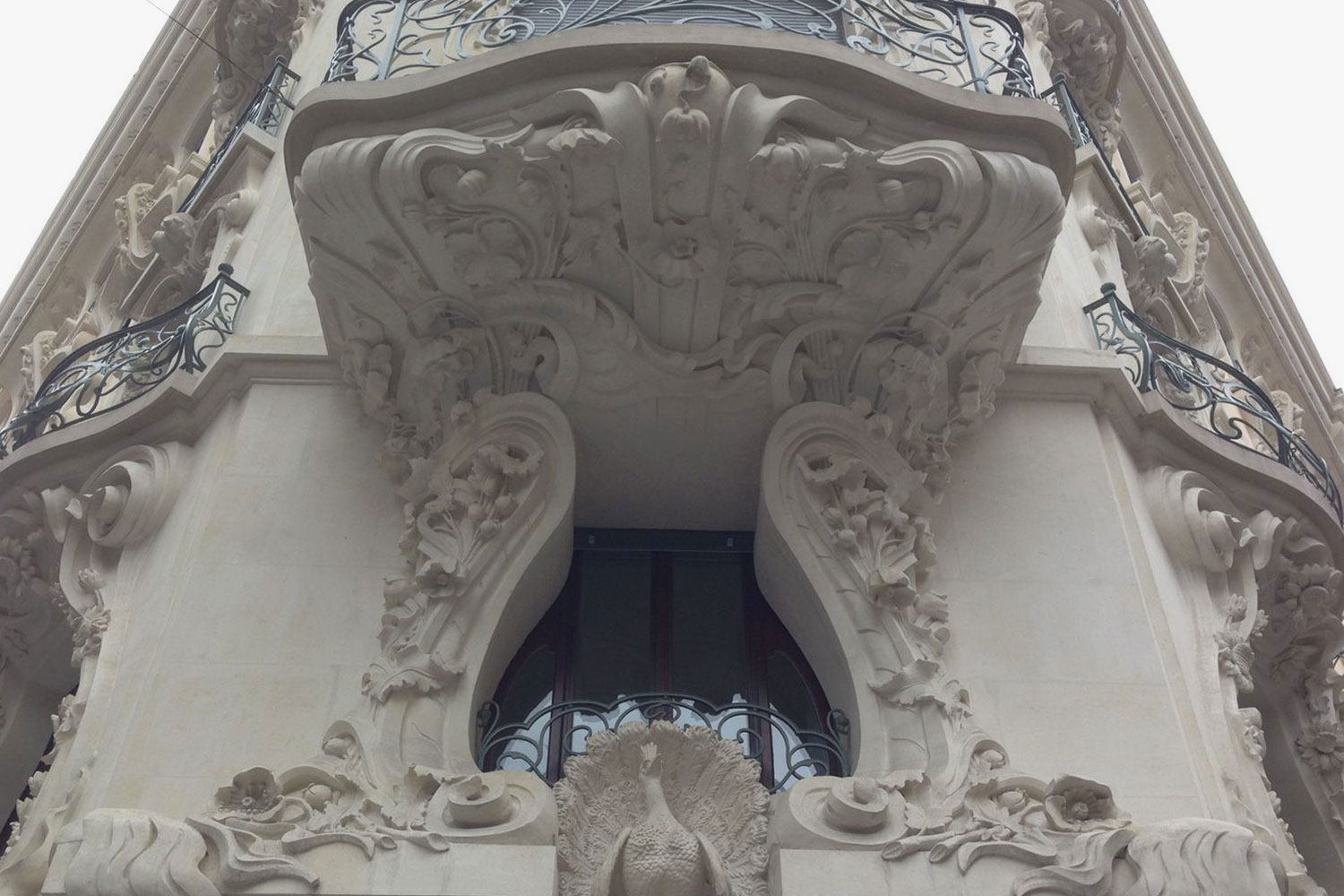
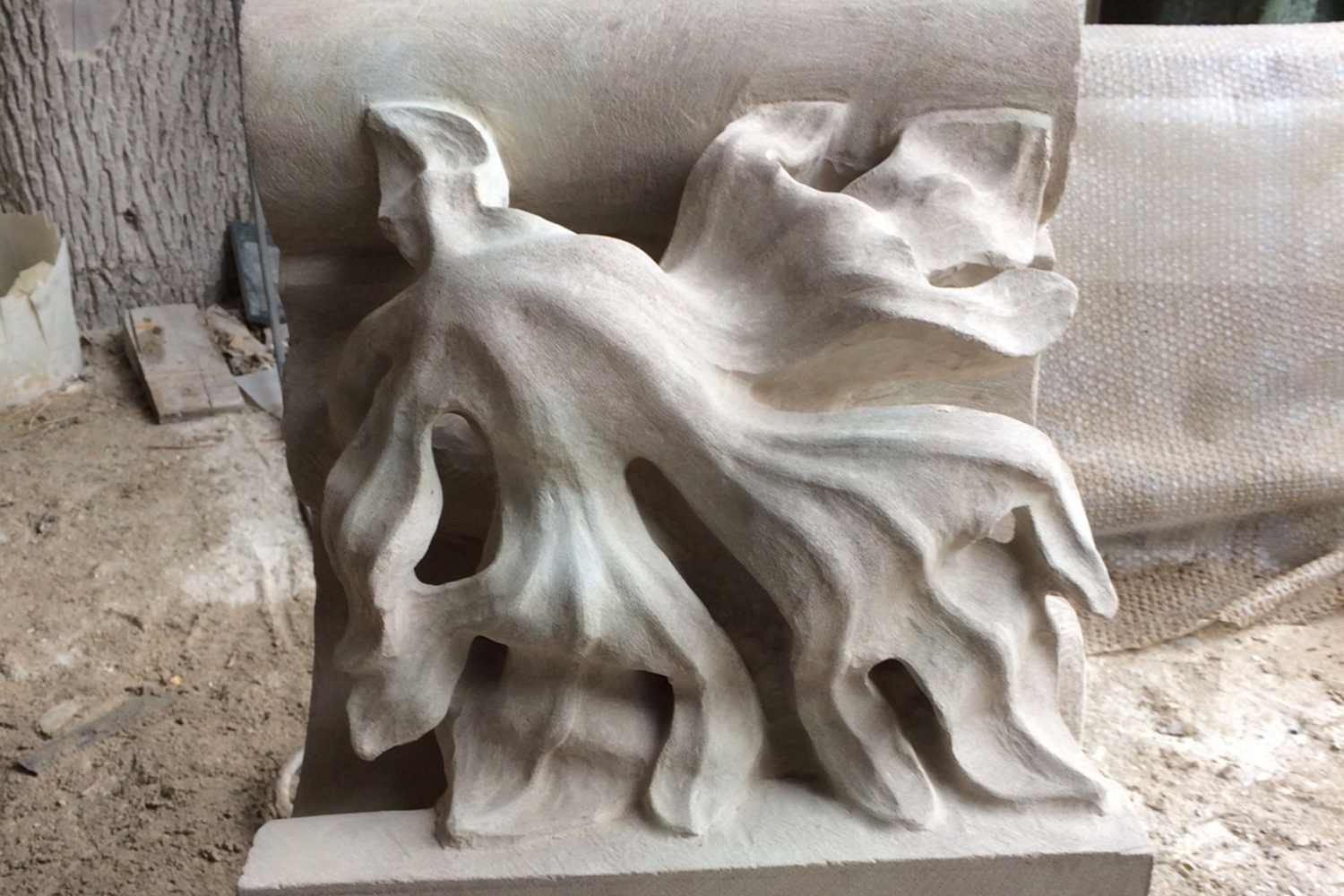
Based in Geneva, Vincent Du Bois is the fourth generation in Switzerland to carry on the family tradition of stone carving, which has been part of the Italian branch of his family for generations. He learned the skill of stone carving in a very traditional way, beginning with an apprenticeship in the family workshop. After completing a professional qualification, he went to Carrara, Italy, to work with the region’s white marble, before continuing his studies in the US. He later returned to Switzerland to open his own workshop on the site of the old family business. In 2018 he was commissioned by the International Olympic Committee to realise a sculpture of its founder Pierre de Coubertin for the new Olympic House.
Discover his work
INTERVIEW
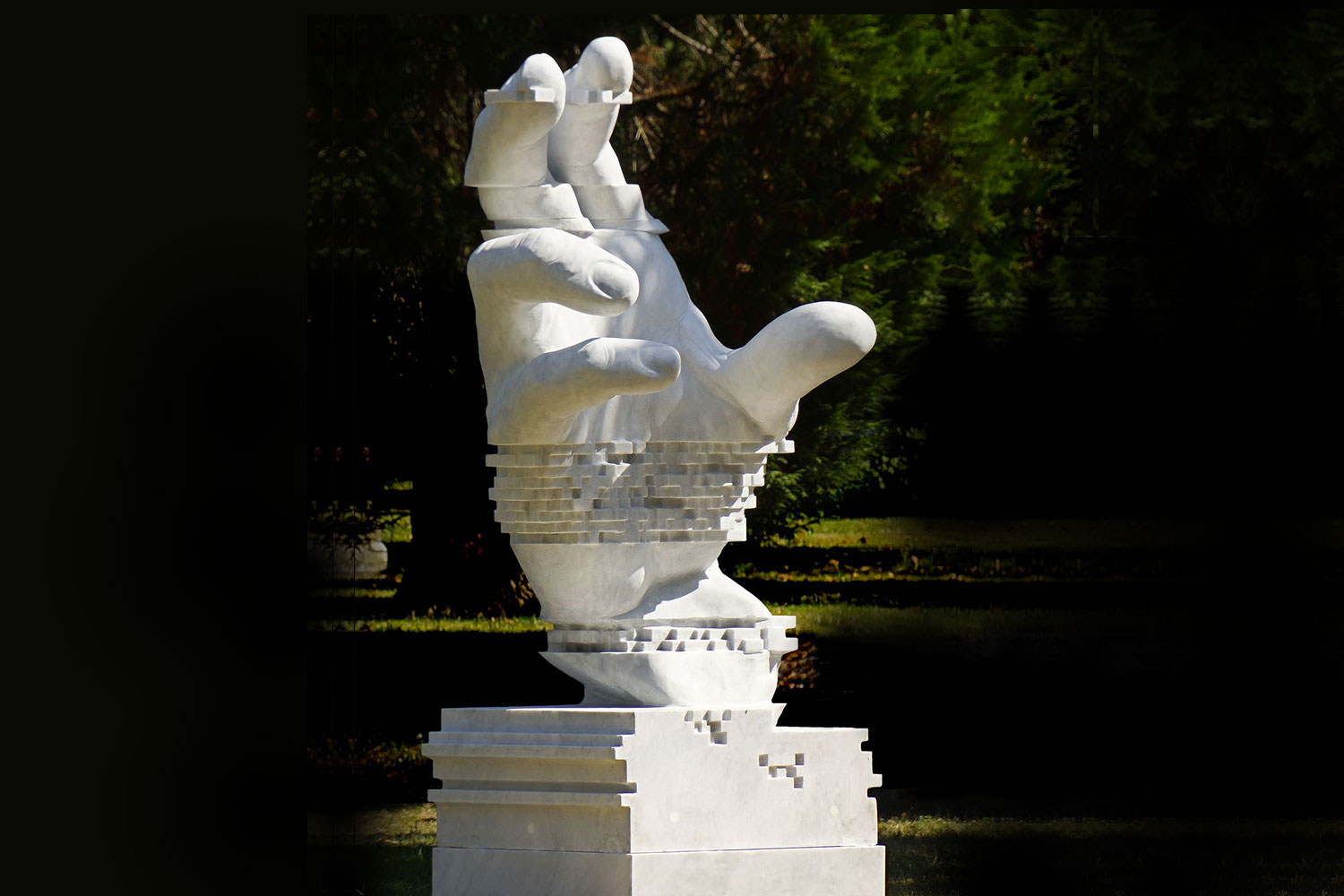
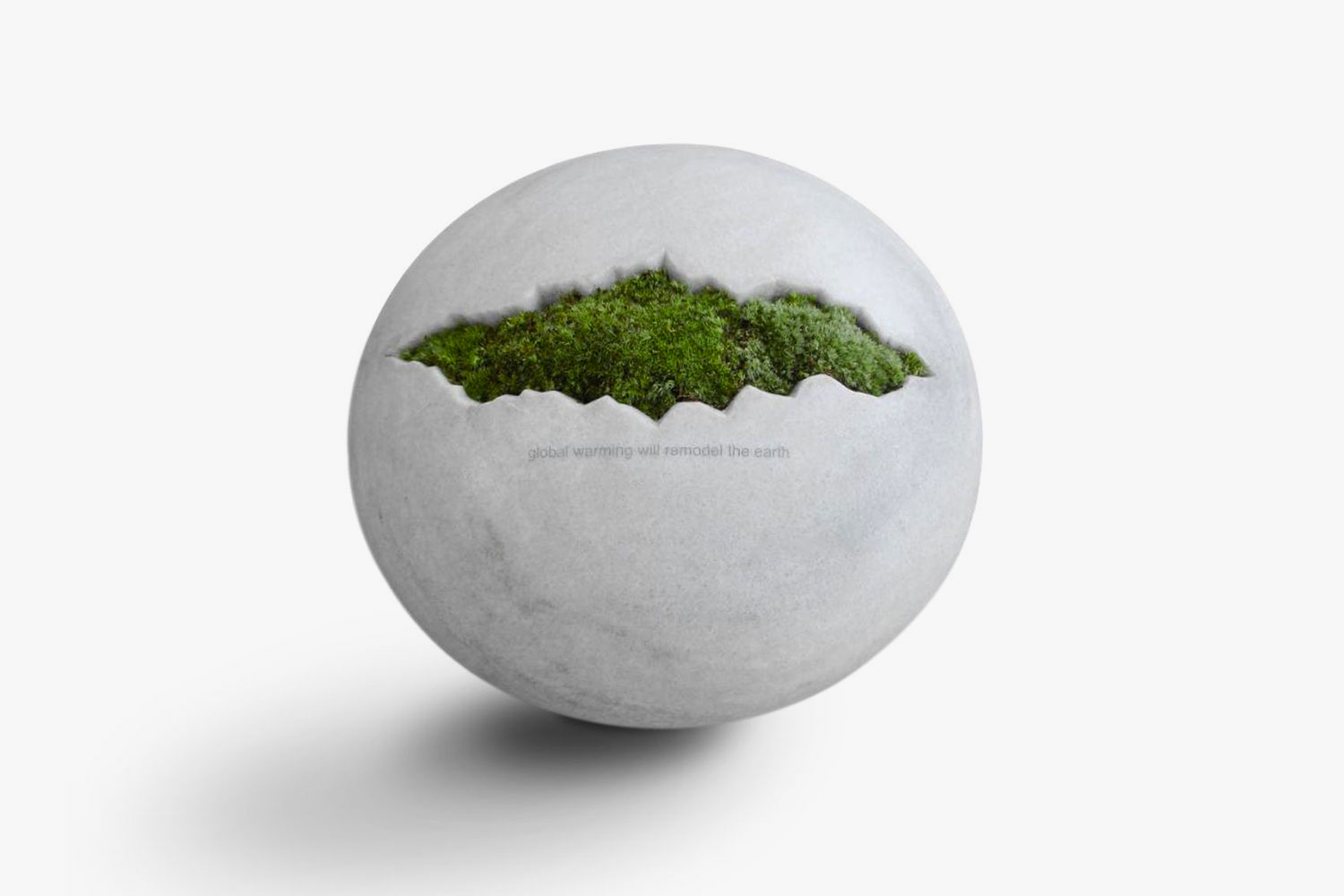
Contemporary art has turned its back on ancestral techniques. This phenomenon has led to the conception of work being divided between those who think and those who make. Bringing these two worlds together again has opened up a vast and rich field of creation.
The experience in Carrara was very important, because I was able to sharpen my skills and develop my own artistic path. I joined a sculpture studio in Tuscany that was in charge of carving for all the great artists of the time.
I took a sculpture master’s programme and spent three years in Chicago and New York, developing my personal artwork and participating in several restoration projects. I was selected to represent Chicago at the Milan Triennale and started to show my work at various exhibitions.
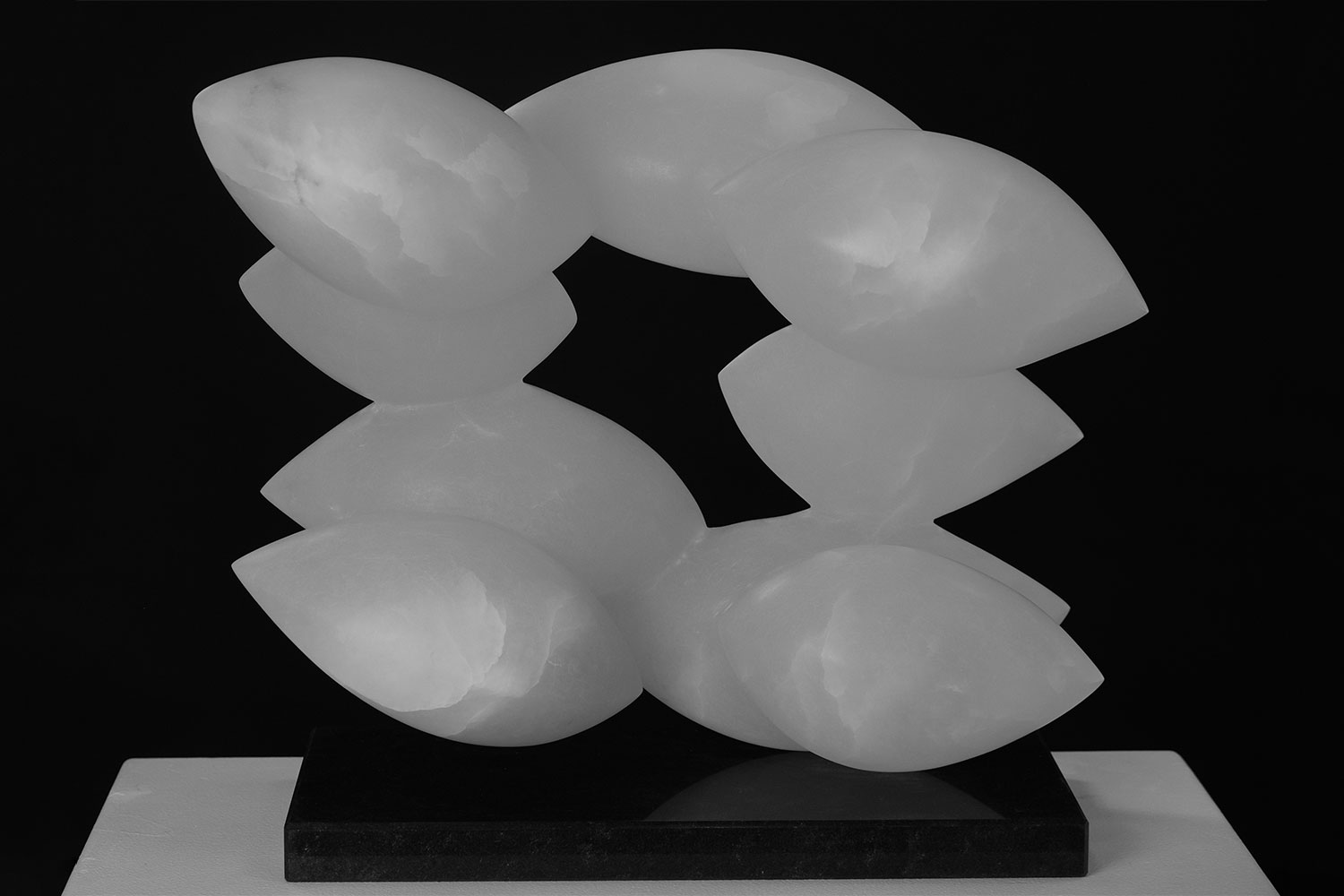
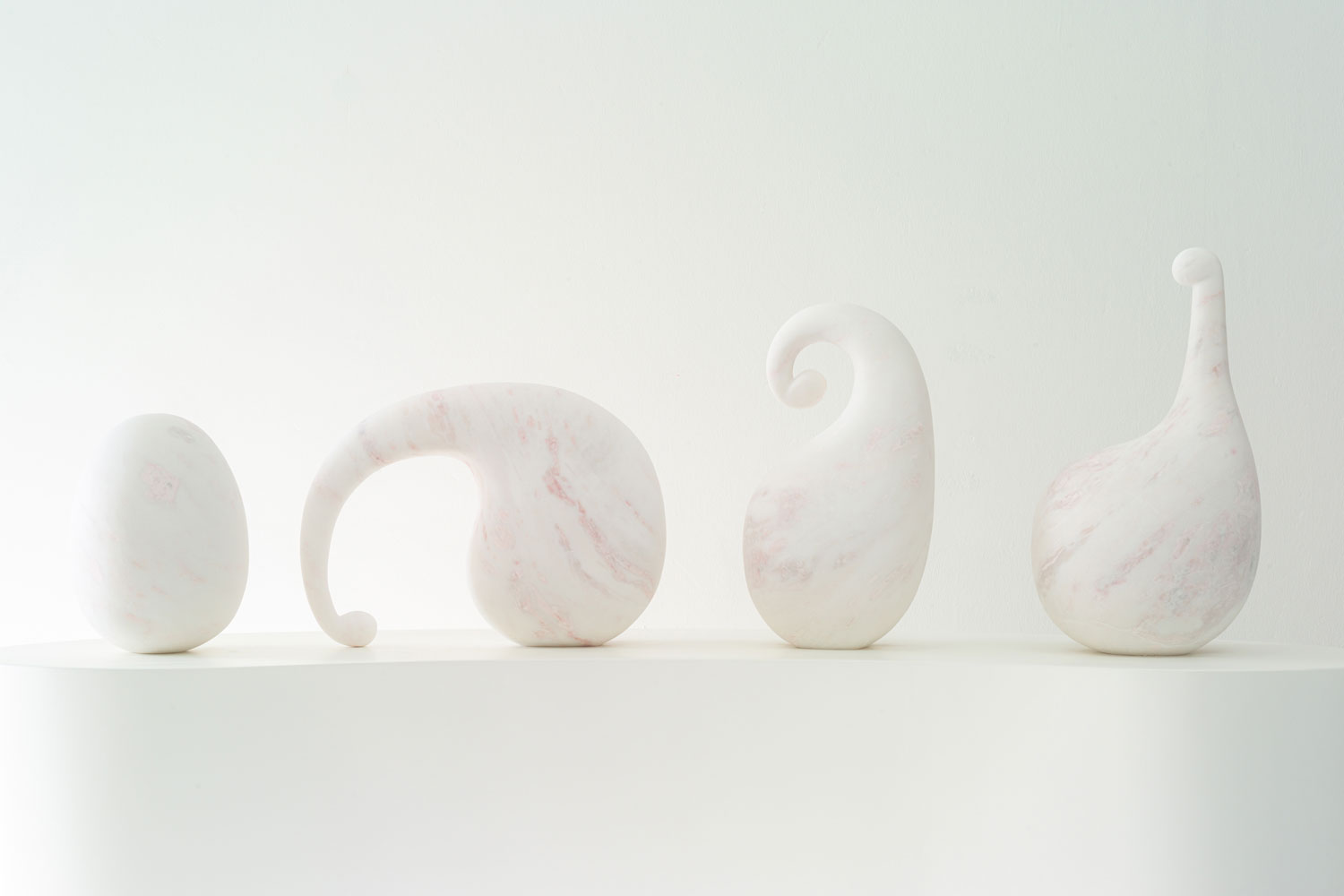
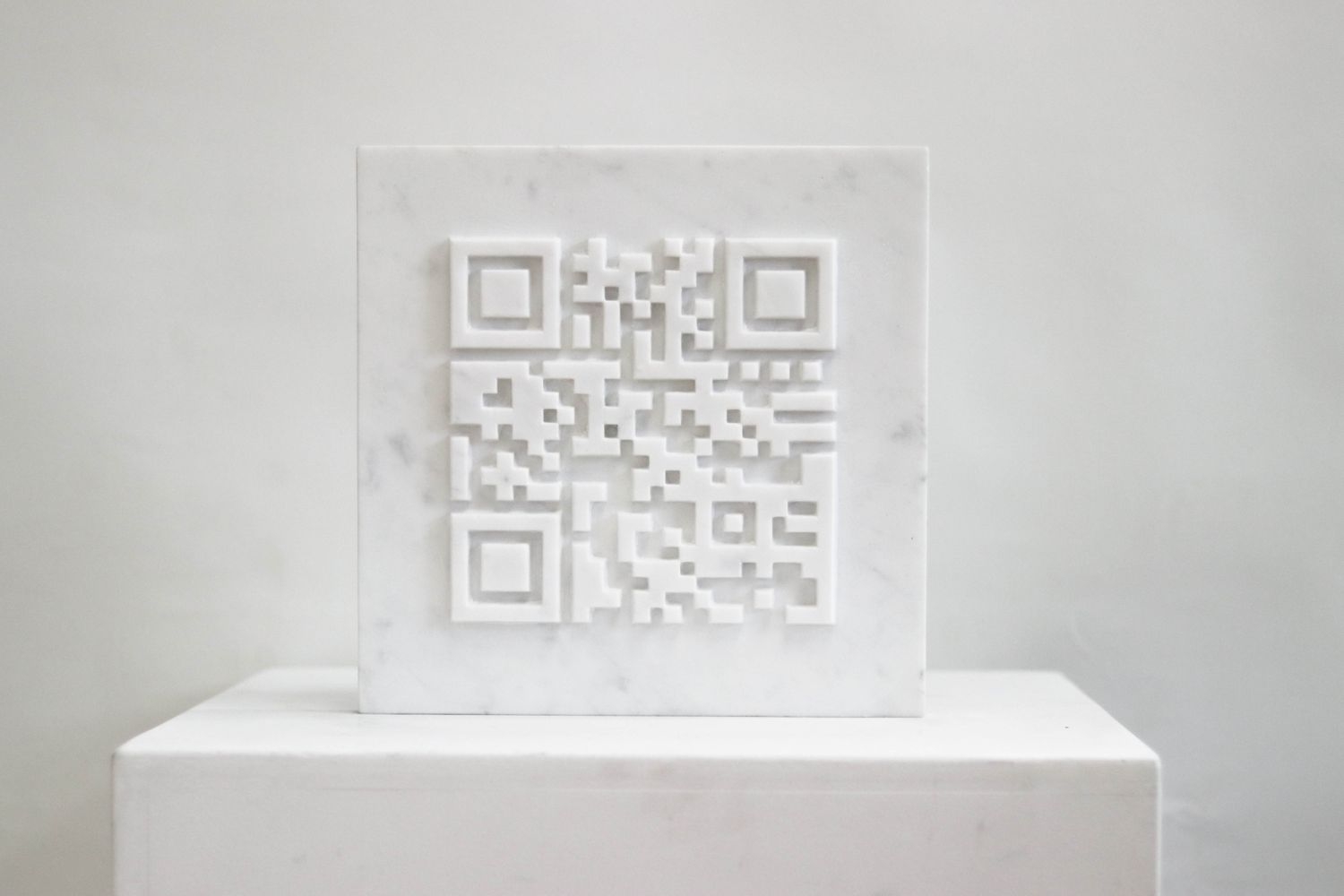
The digital revolution opens up new approaches for shaping the material. It is very powerful, but it also has a double edge. My work tries to bring skills and knowledge into innovative thinking, in order to create new objects, forms and shapes.