Restoring Madrid's graphic tradition
- Diego restores classic signs and creates contemporary designs
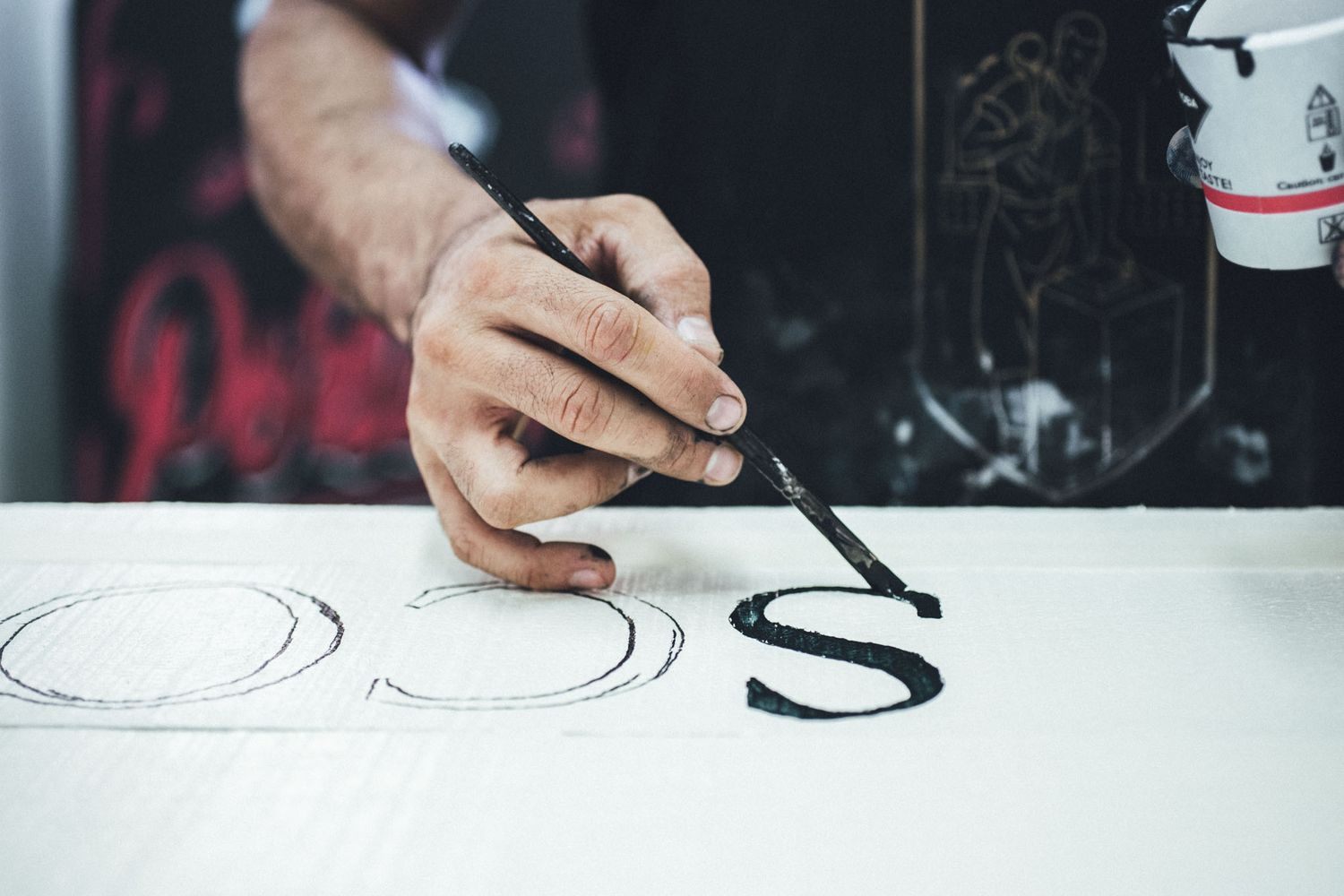
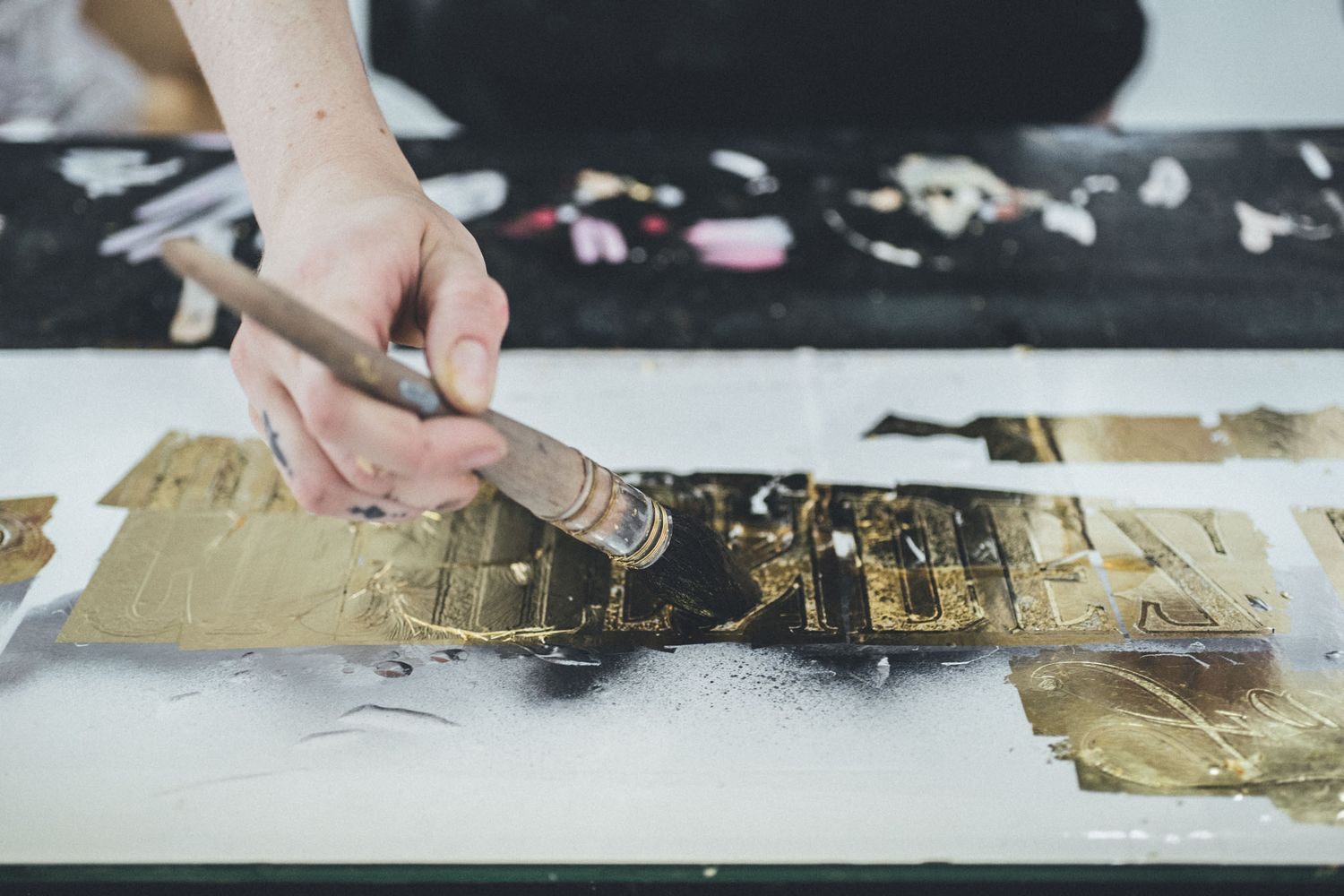
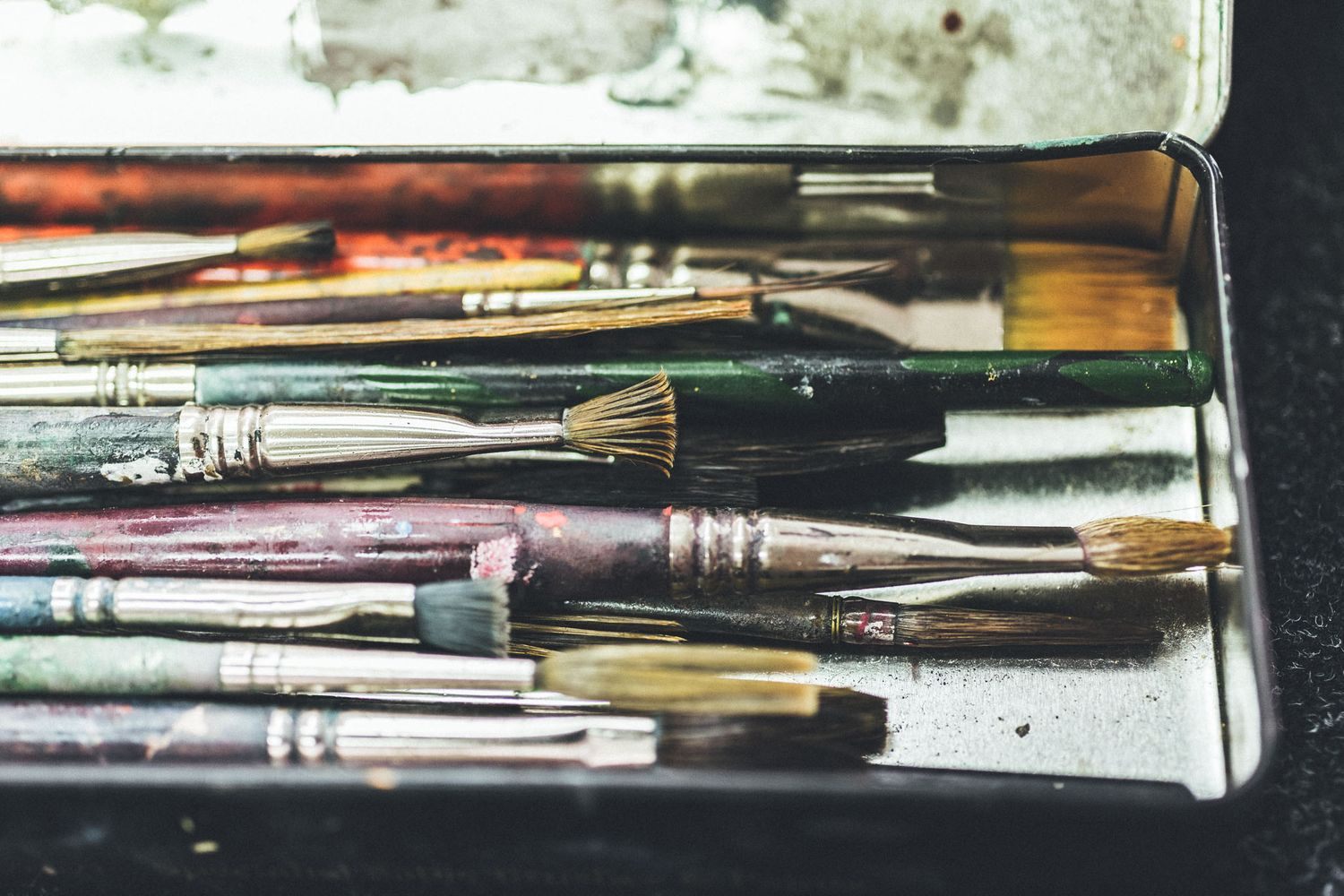
- He uses traditional techniques and the latest technology
- Before becoming a sign-writer, he worked in marketing
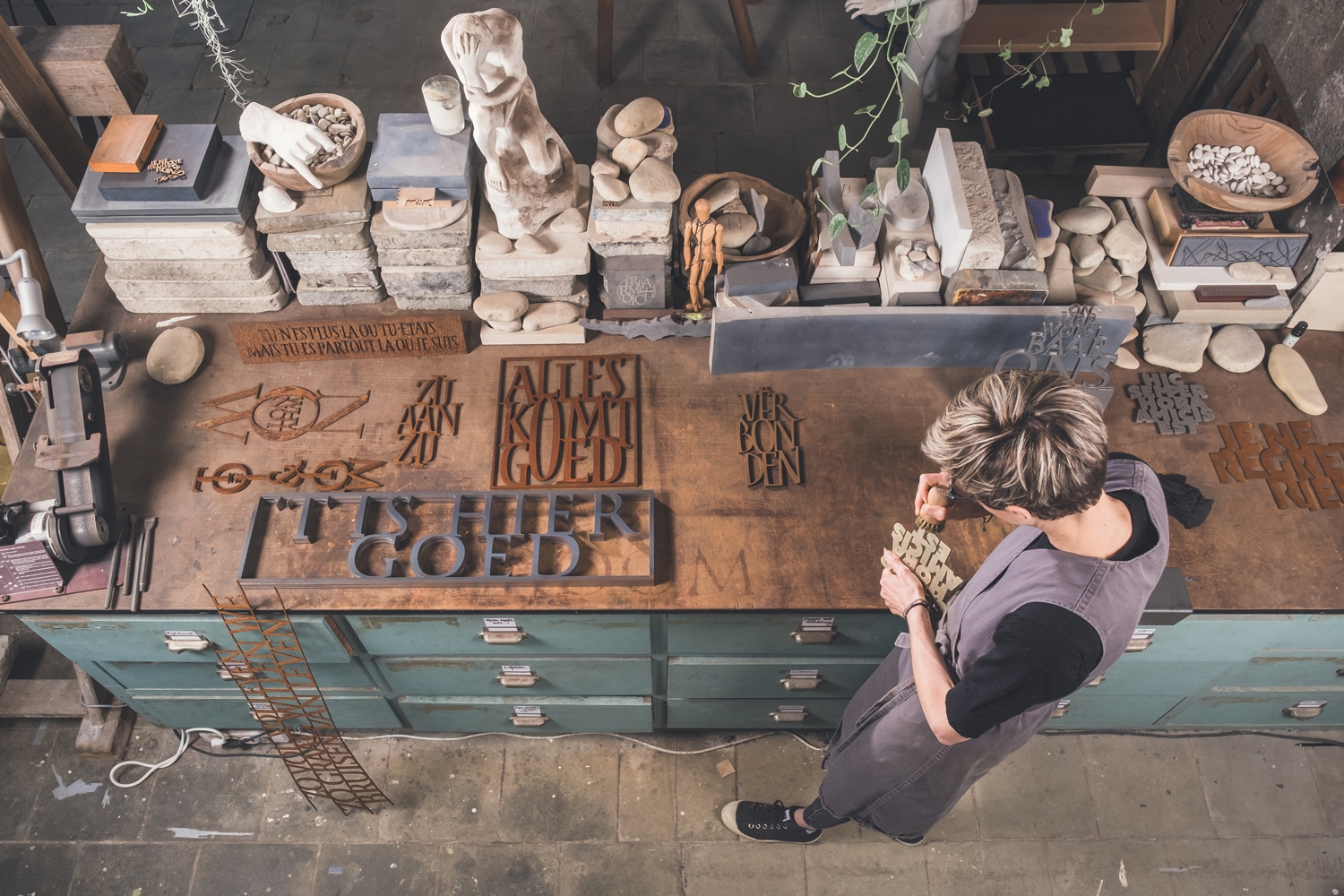
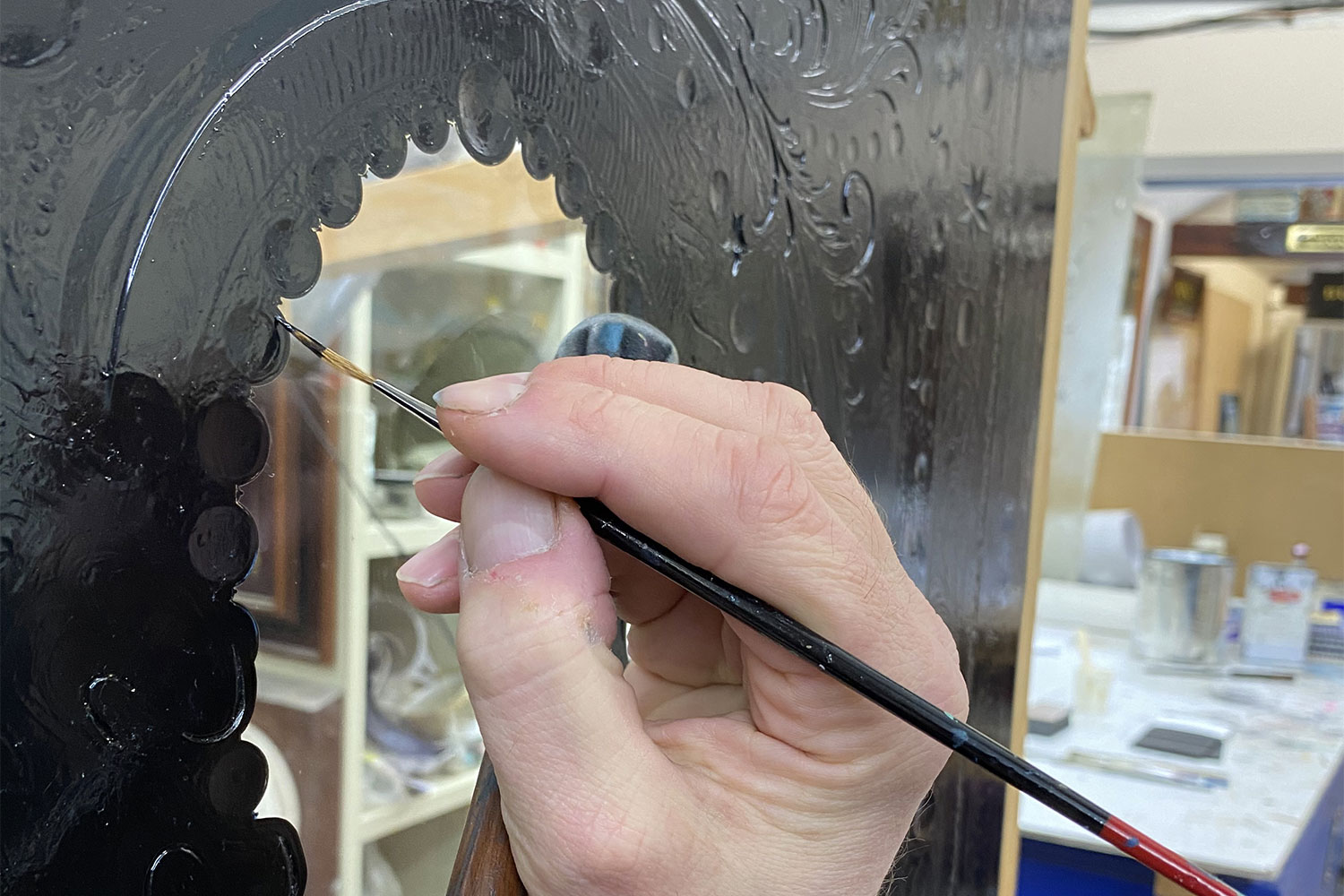
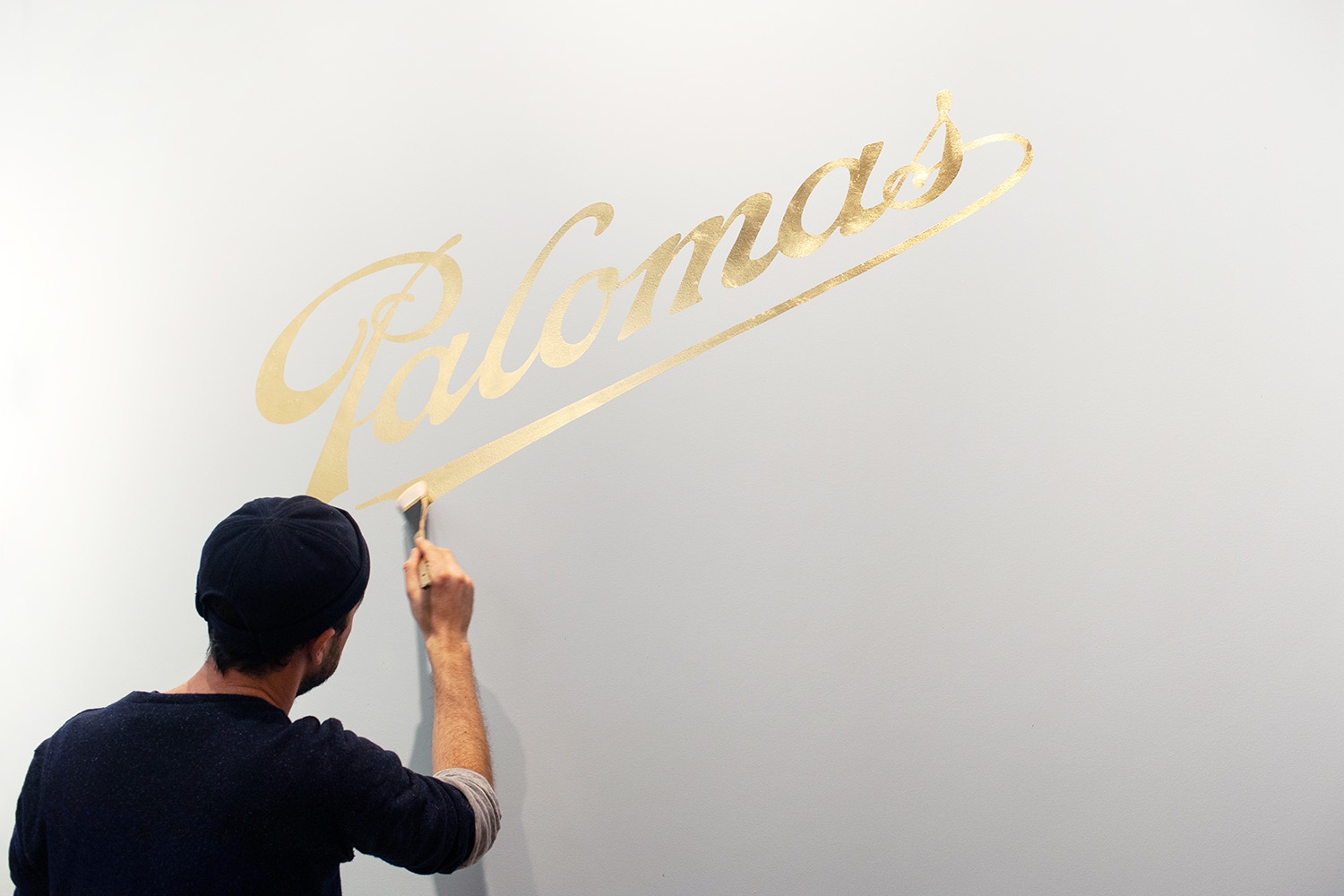
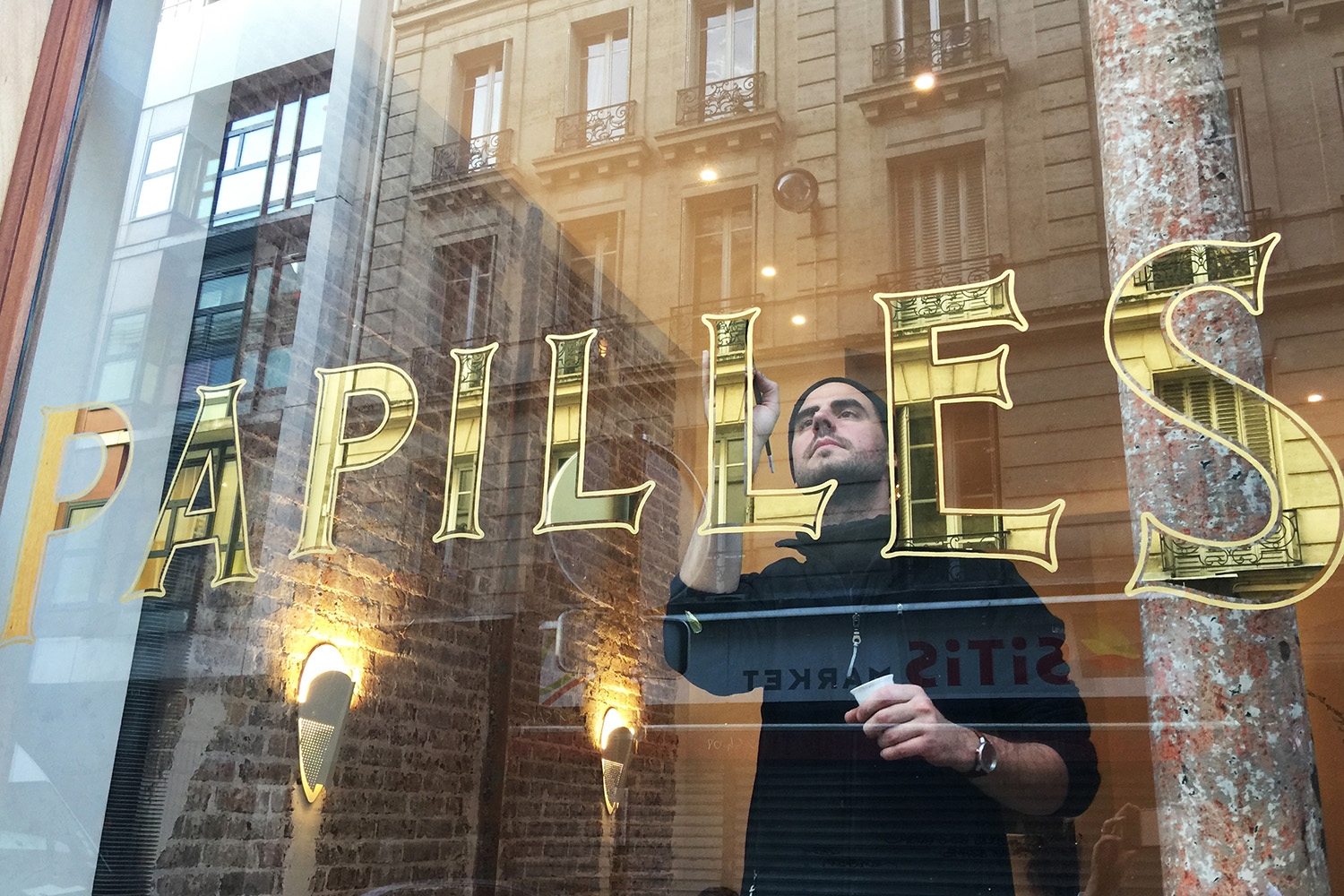
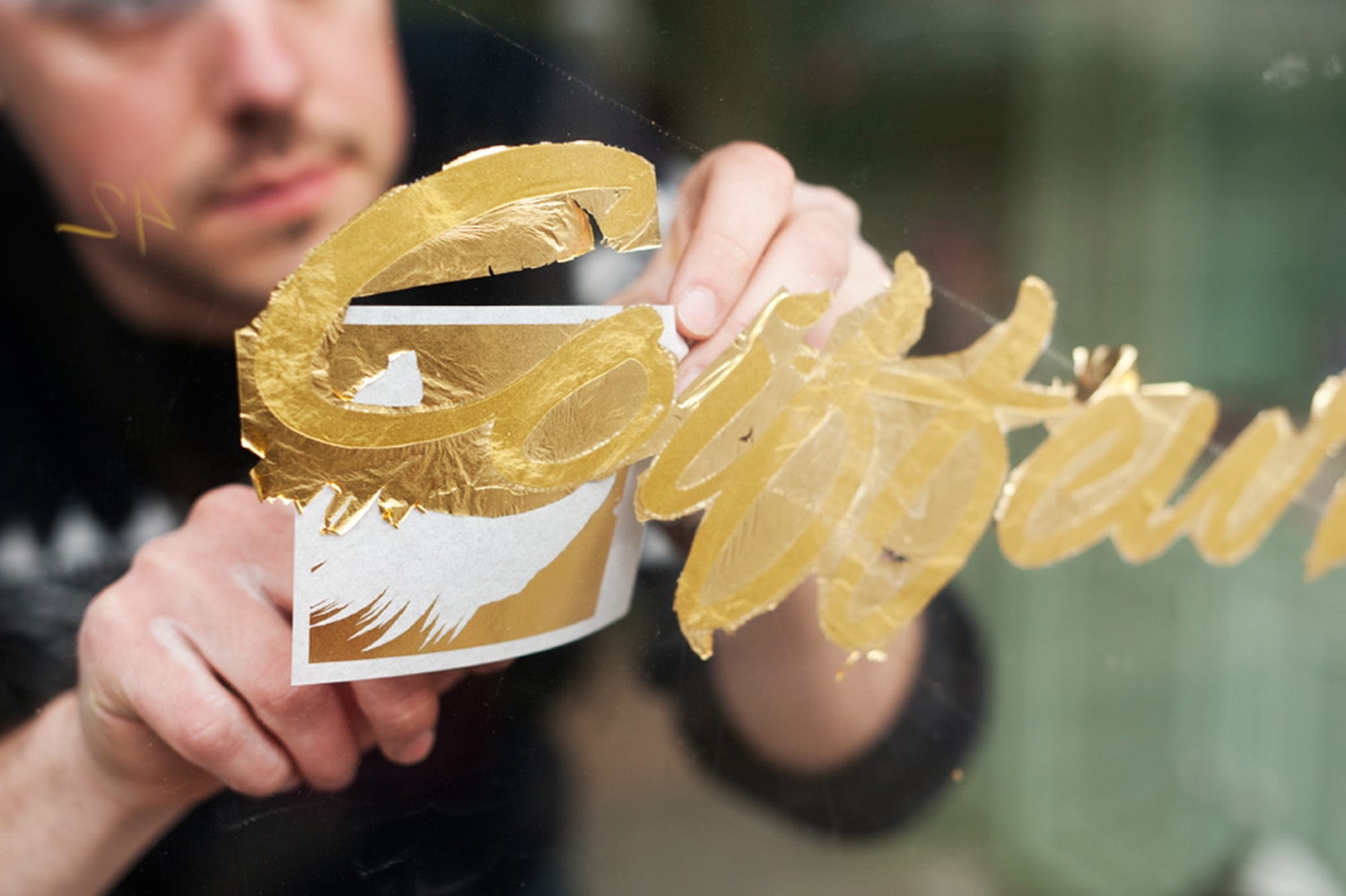
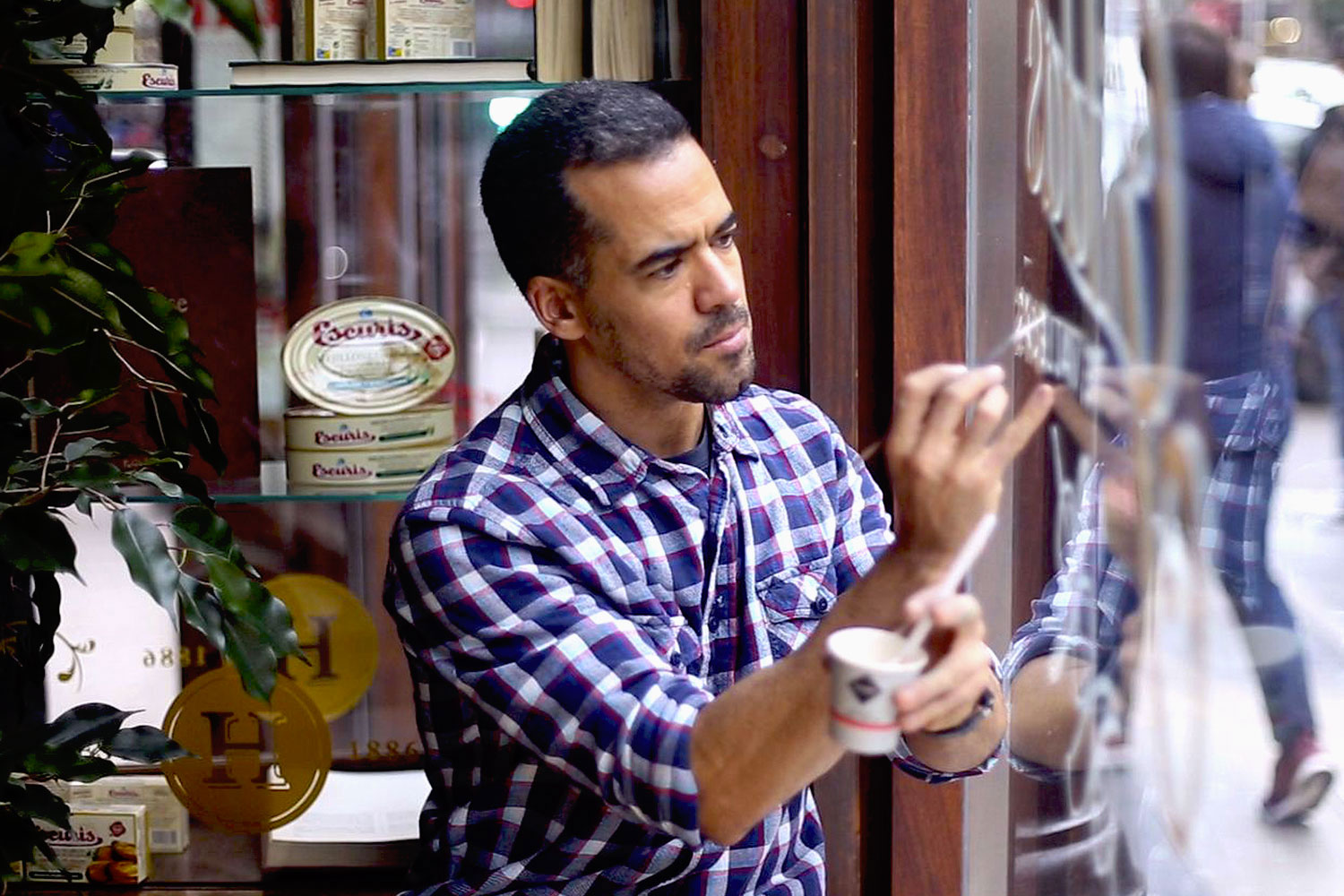
Diego Apesteguia studied psychology and later marketing with a master’s in communication. Along the way he took several fine art classes and gradually developed a growing interest in sign-making. “There wasn’t a definitive moment, but I began to appreciate it little by little,” he says. He was particularly inspired by the work of British glass sign-maker Dave Smith. Diego enjoys the fact that he must master a range of techniques across different fields including design, painting, carpentry and glasswork, producing large works that are very visible across Madrid. “I feel I am continuously developing as a creative craftsman and that at the same time I can influence, to some measure, the image of the city in which I live.”
Discover his work
INTERVIEW
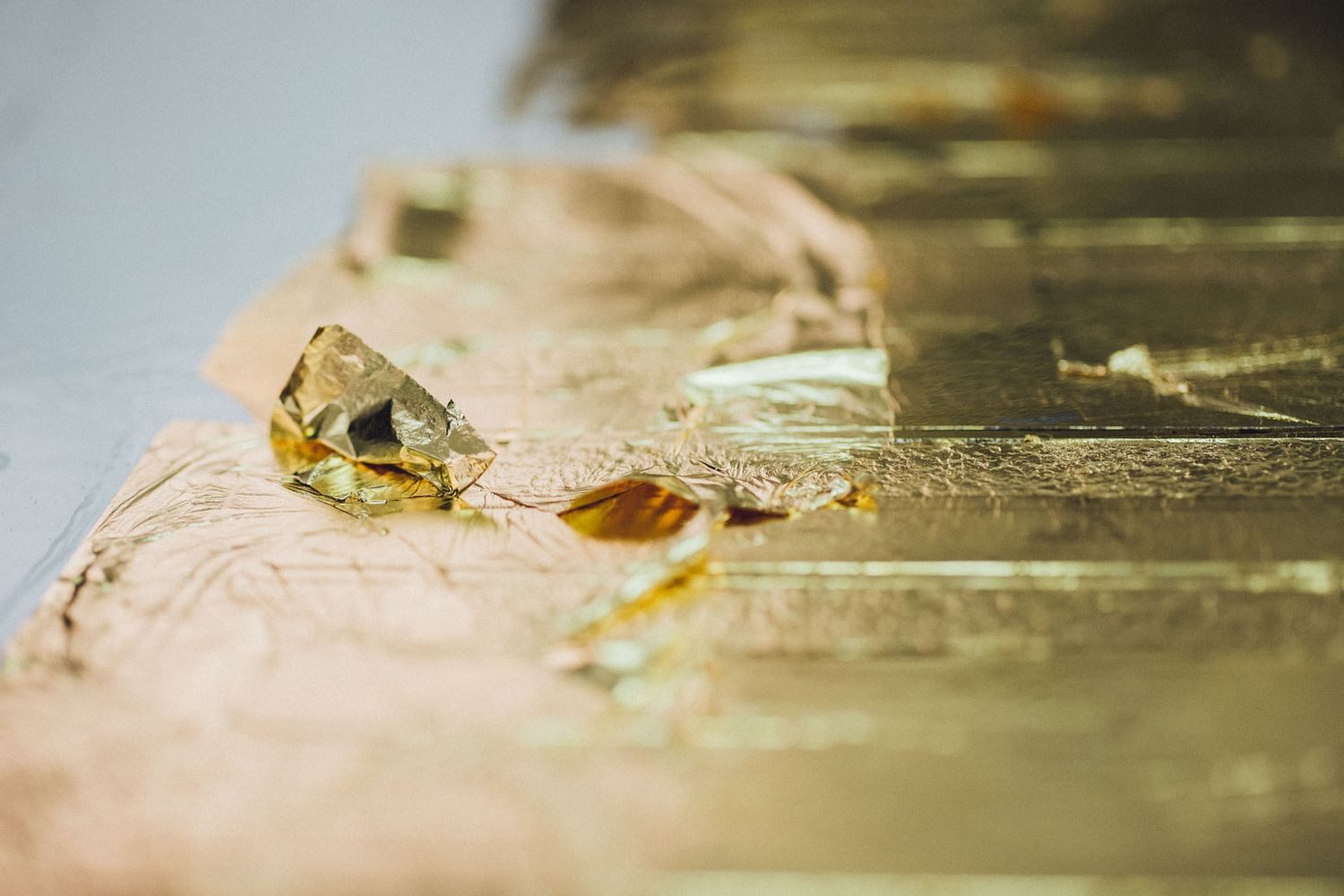
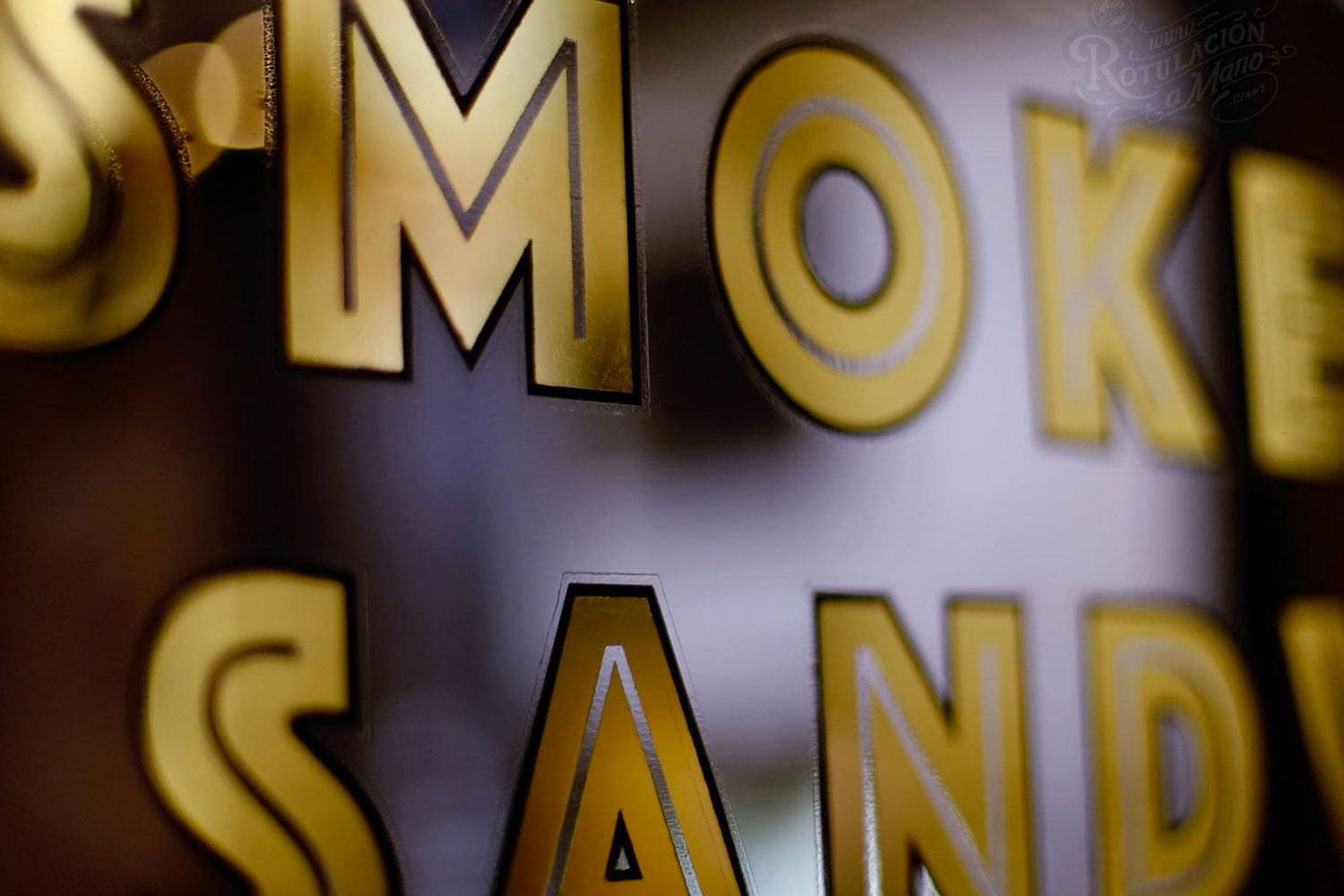
Reworking the sign of the bakery La Duquesita in 2015, a classic sign in Madrid that had badly deteriorated. As part of a project of general restoration of this 100-year-old store, we reworked it with gold and made some improvements with respect to the original design.
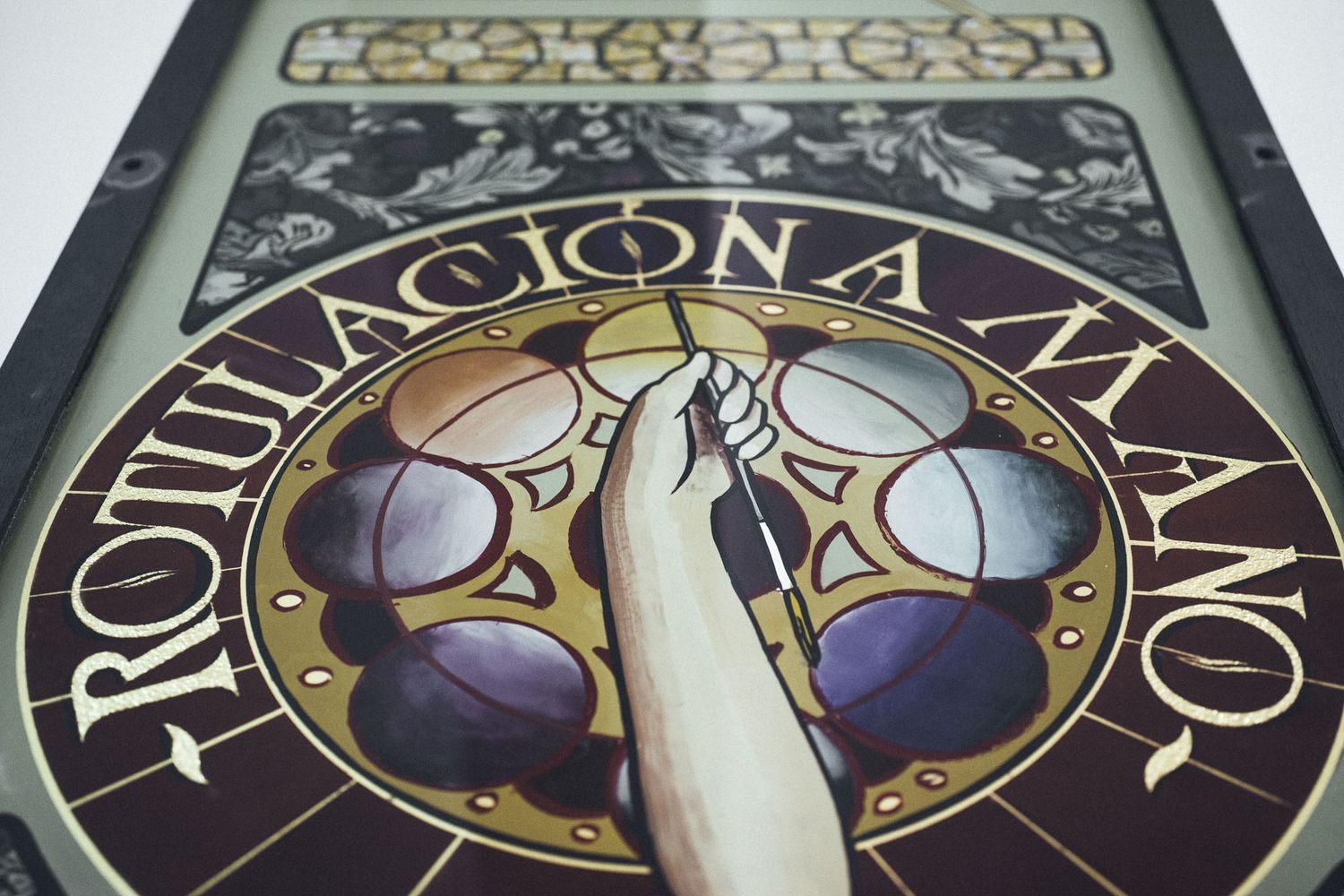
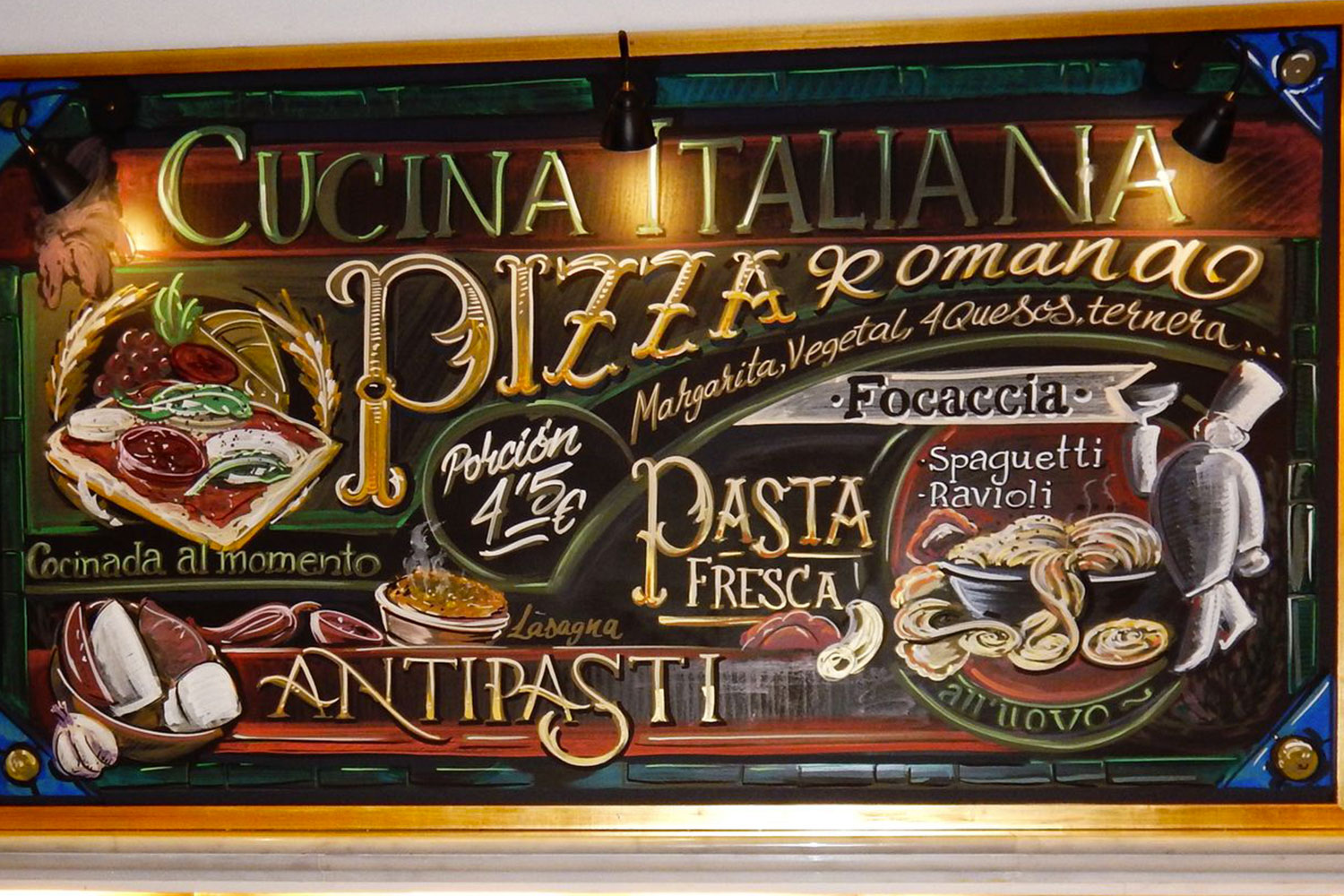
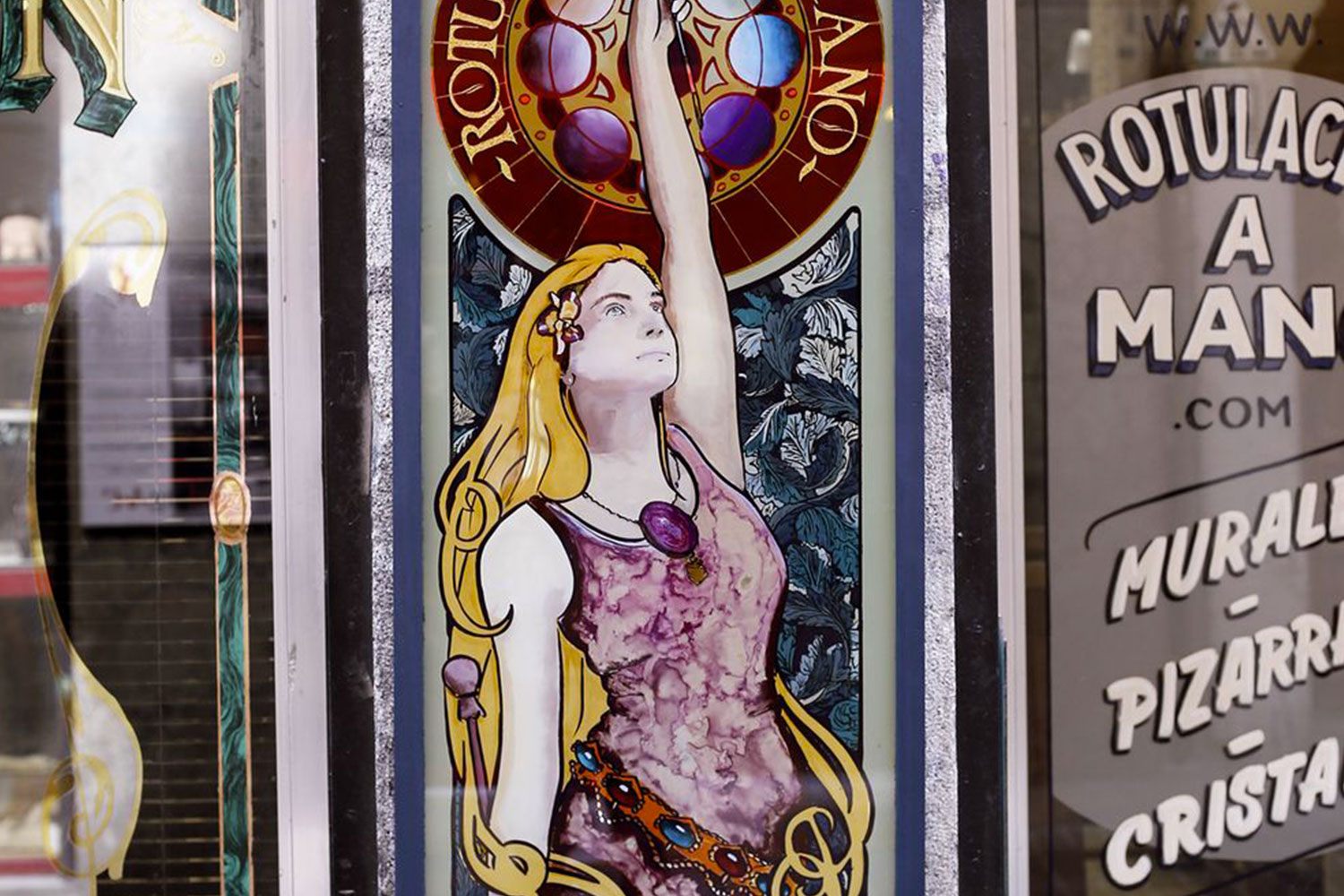
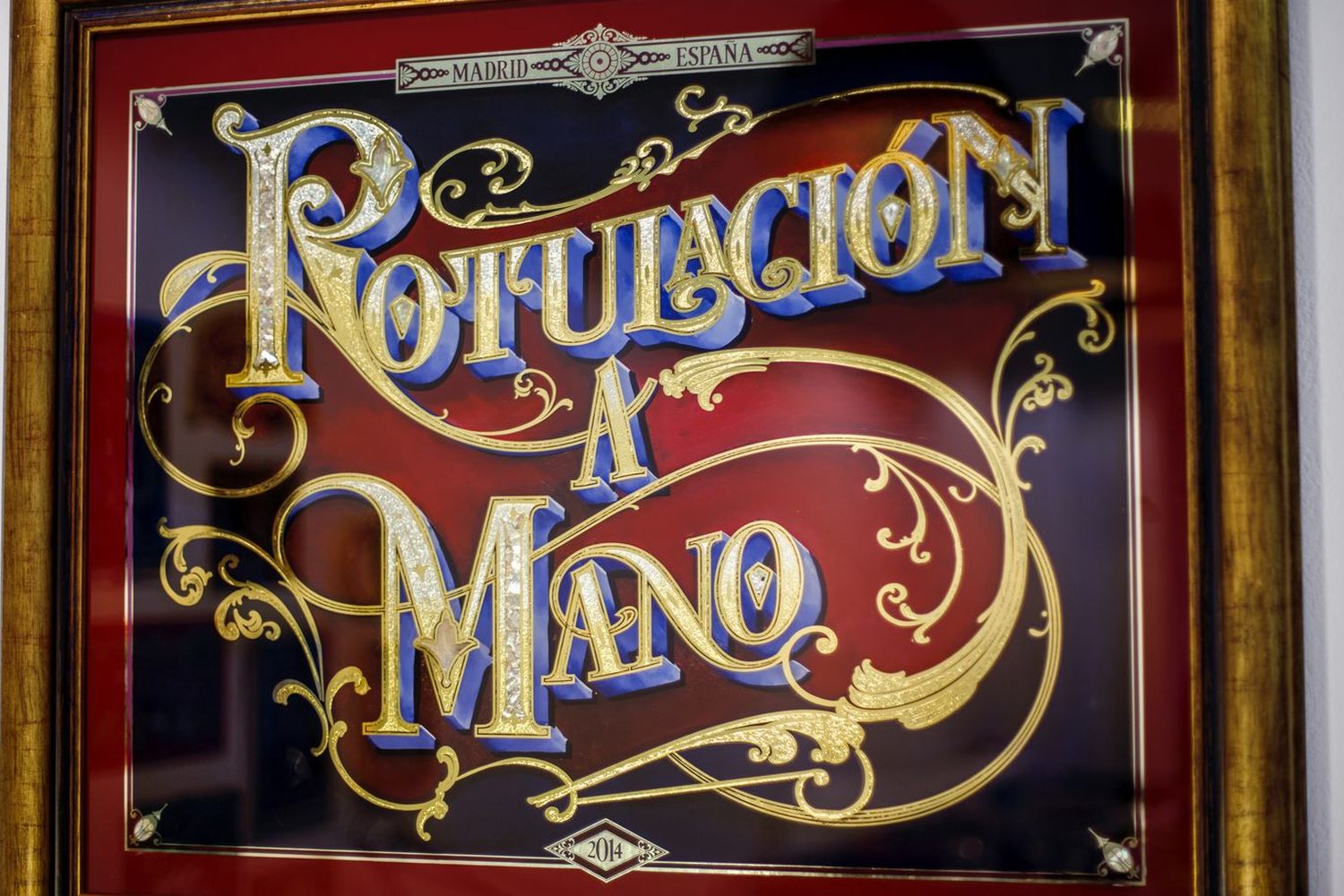
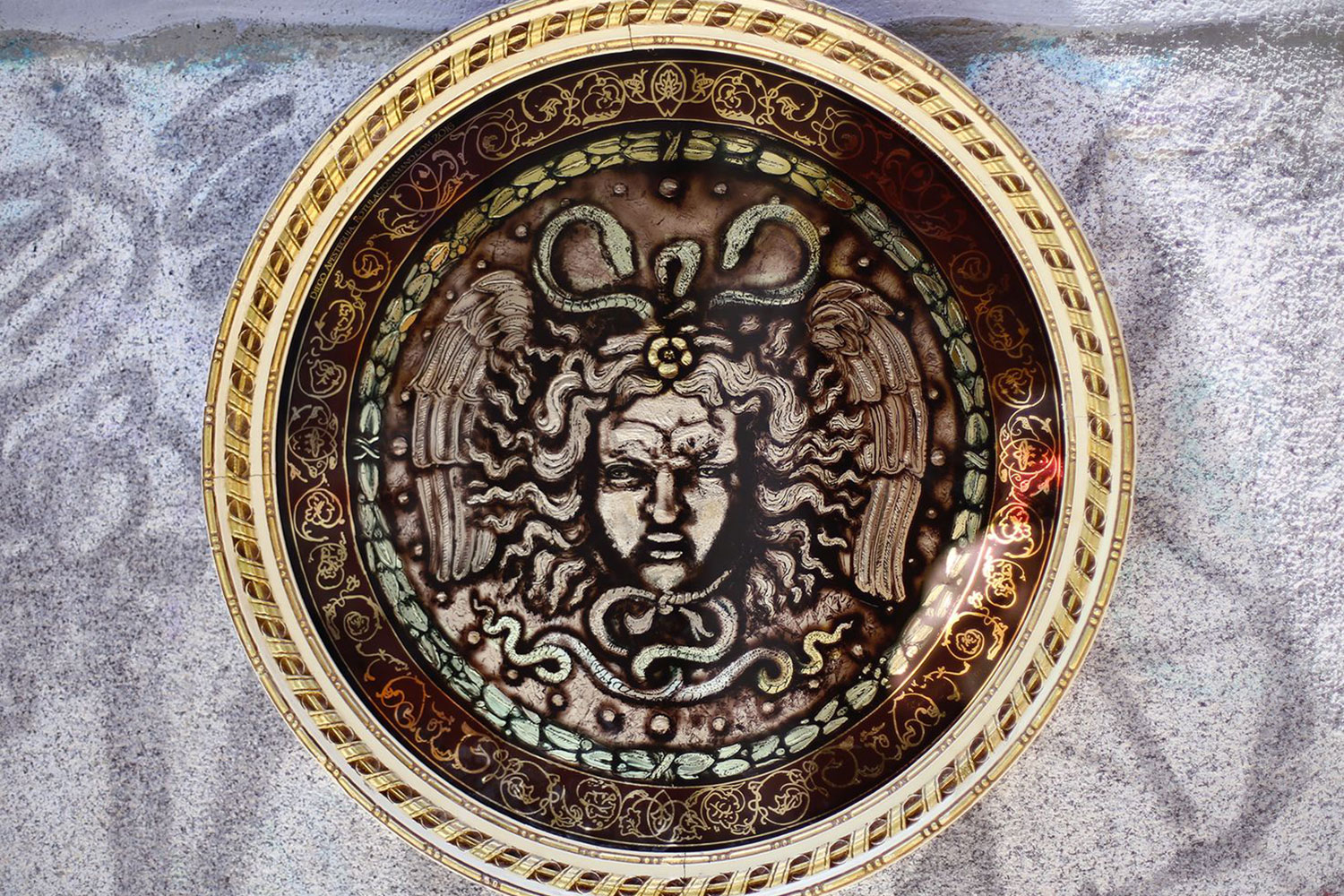
Many of the projects I am commissioned for are to restore or preserve traditional facades in Madrid and other cities in Spain. I try to maintain the local graphic tradition of where the sign was made, but I also always like to add certain graphic innovations.
As British textile designer William Morris said, new techniques must free us from the least creative and heaviest parts of the work so that we can focus on those parts where the human hand really makes a difference.
Receiving the Artesania national award for entrepreneurship was exciting because the work of a sign-maker had never been acknowledged before. I think this profession has always been taken for granted, and traditional sign-makers never received the media attention they should have.