©Guns & Rain
©Guns & Rain
©Guns & Rain
©Guns & Rain
©Guns & Rain
©Guns & Rain
Princia Matungulu
Textile sculptor
ZA, South Africa
©Guns & Rain
©Guns & Rain
©Guns & Rain
©Guns & Rain
©Guns & Rain
©Guns & Rain
©Guns & Rain
©Guns & Rain
©Guns & Rain
©Guns & Rain
©Guns & Rain
©Guns & Rain
A song of African fabrics
- Princia's multicultural background has shaped her aesthetic vision
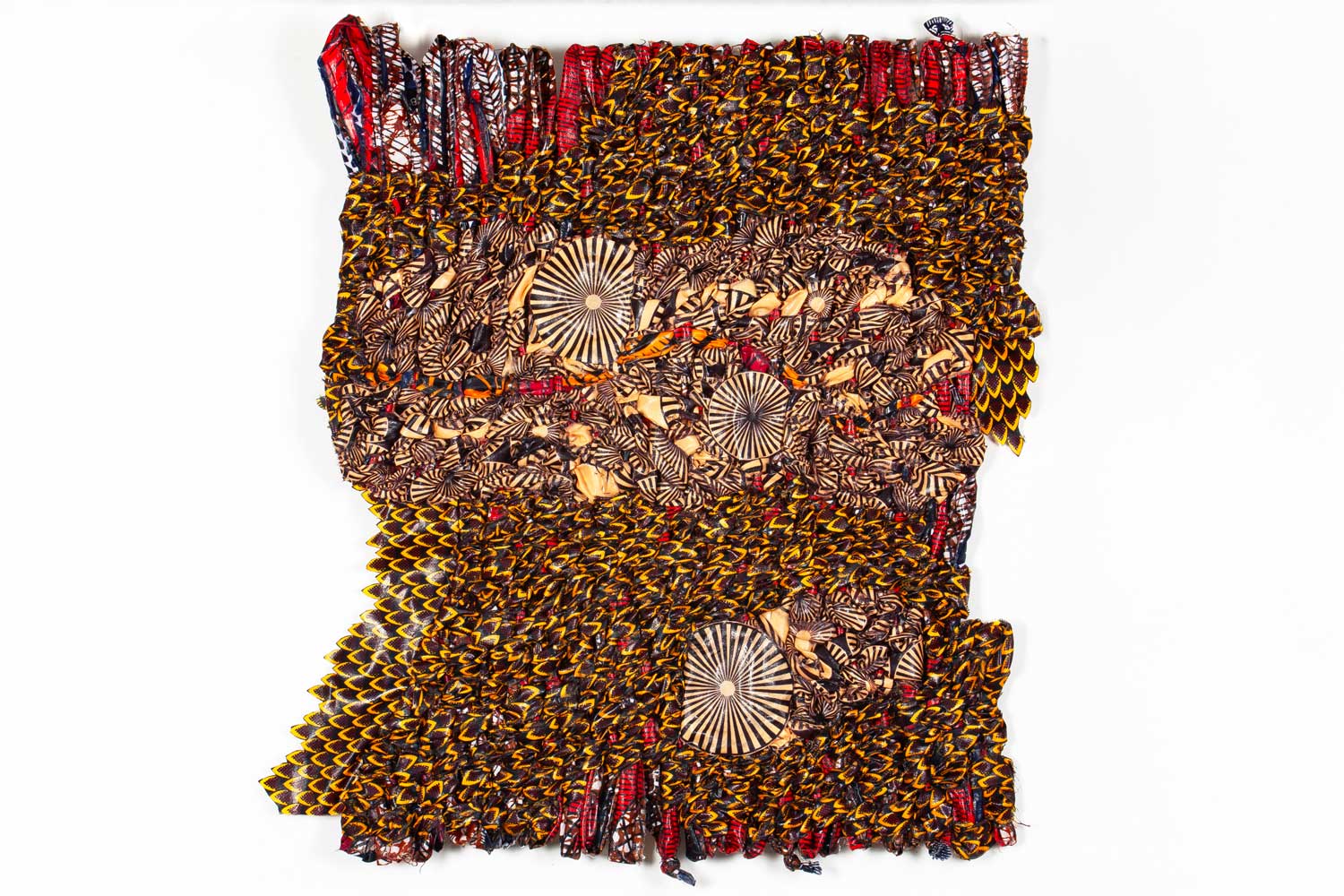
- Her textile wall sculptures invite reflection on culture, values and feelings
- Her work is inspired by storytelling traditions and Congolese folktales
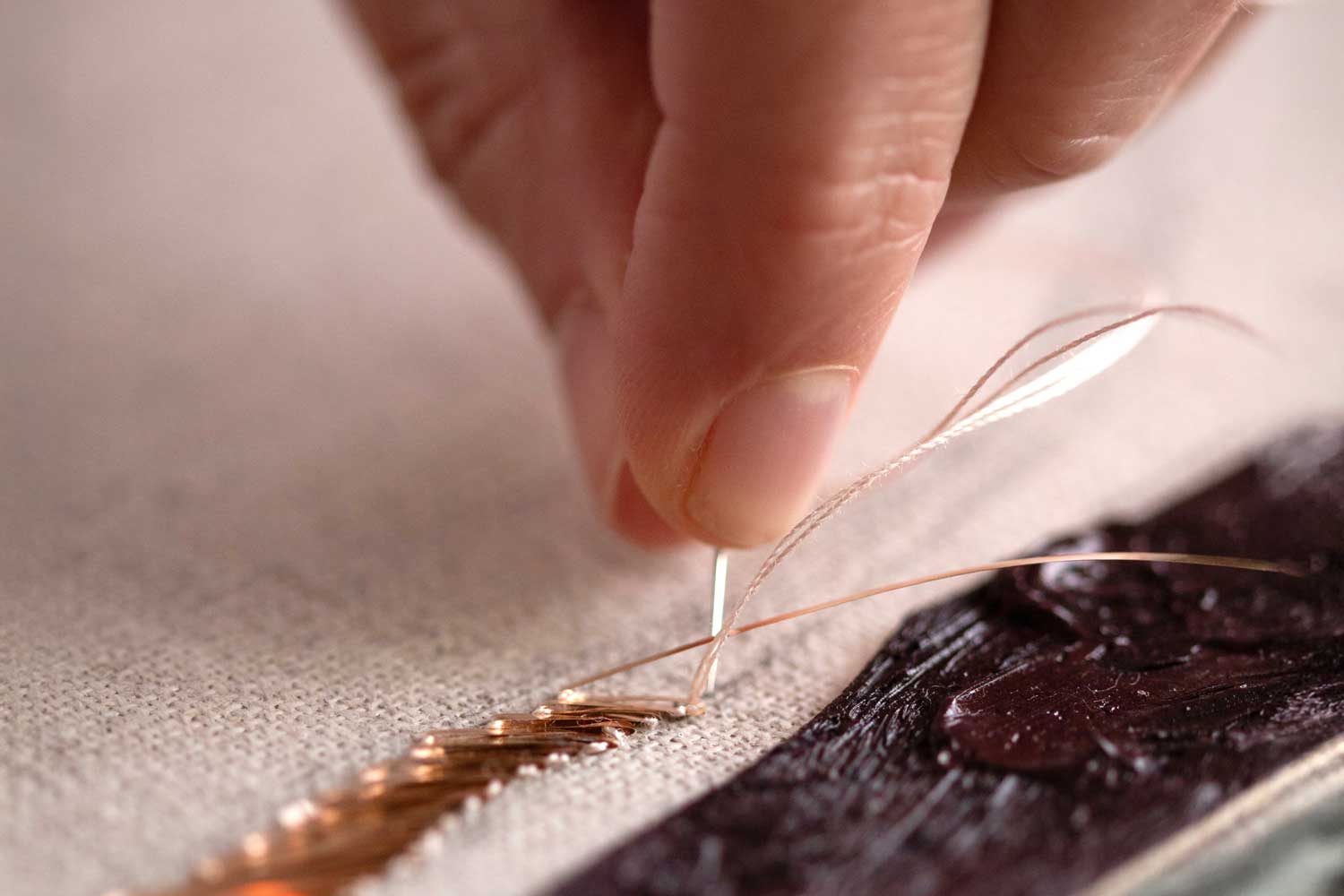
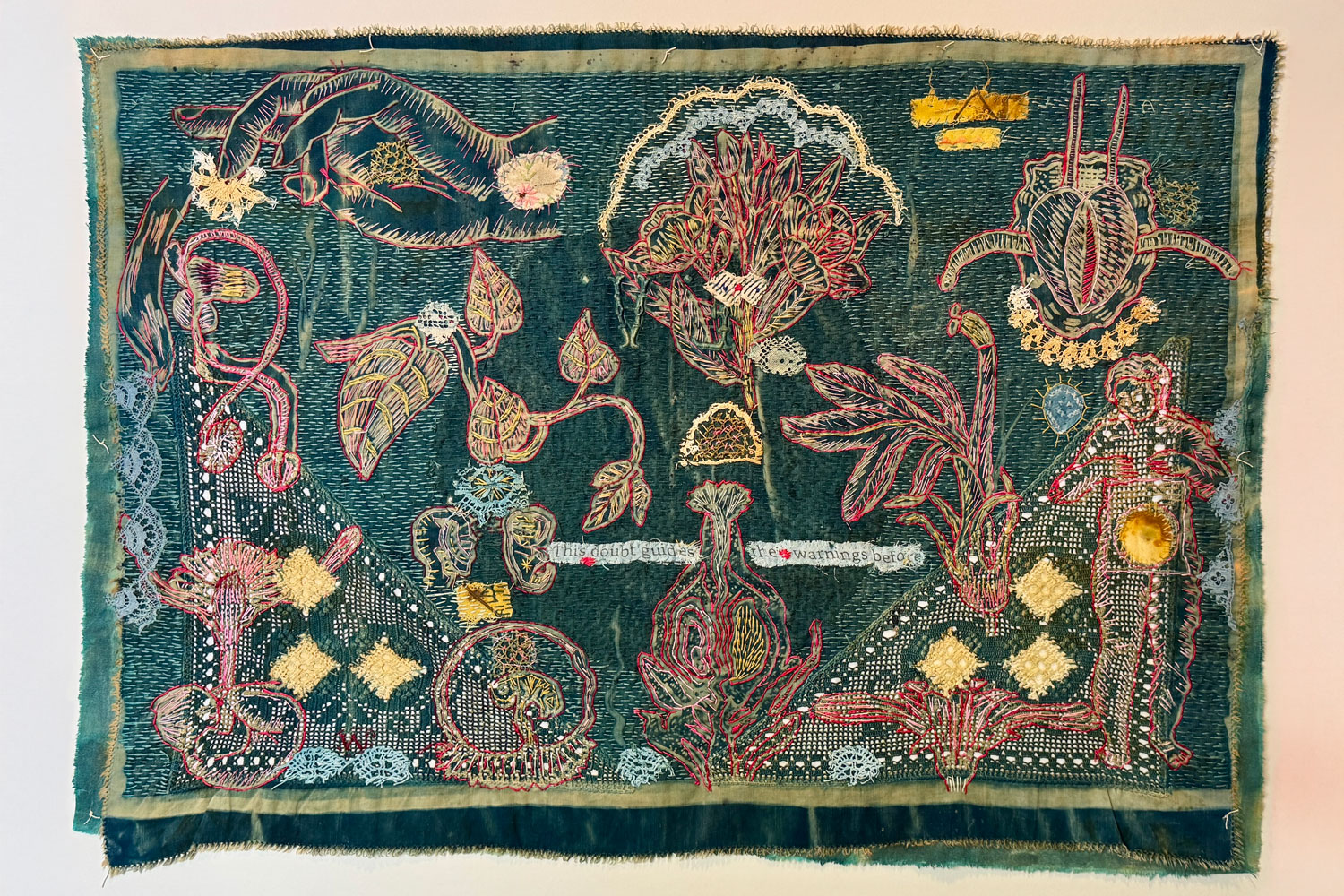
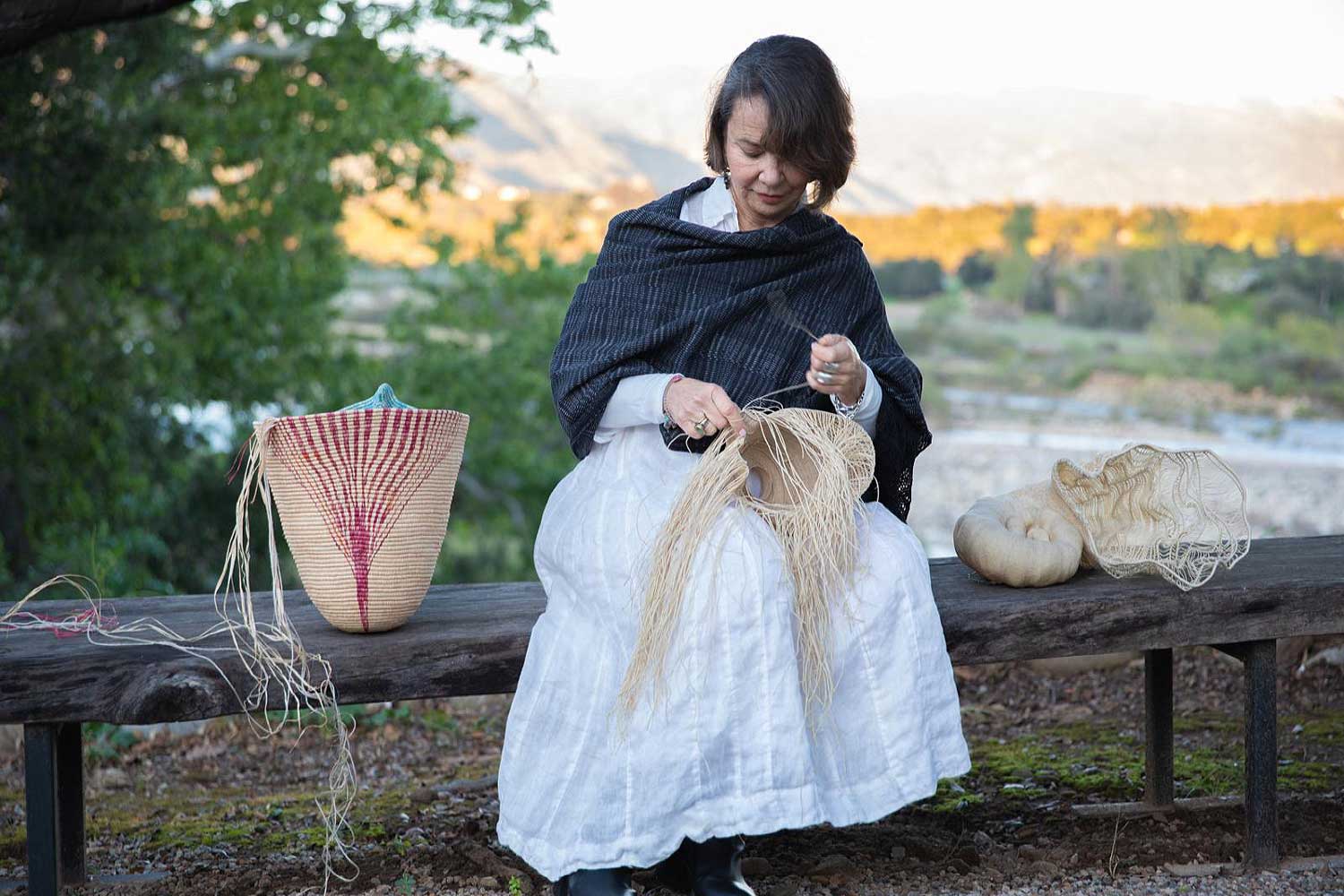
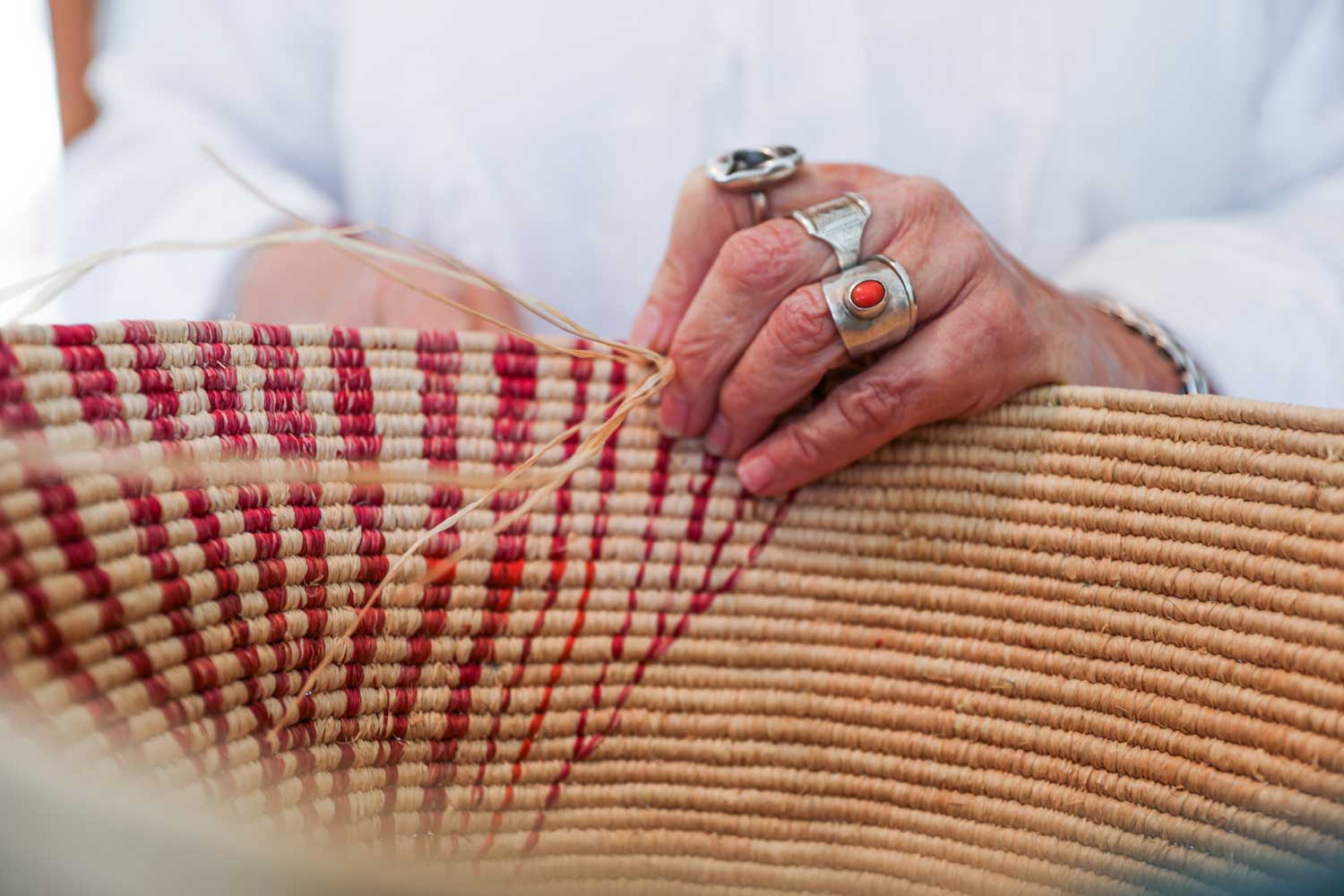
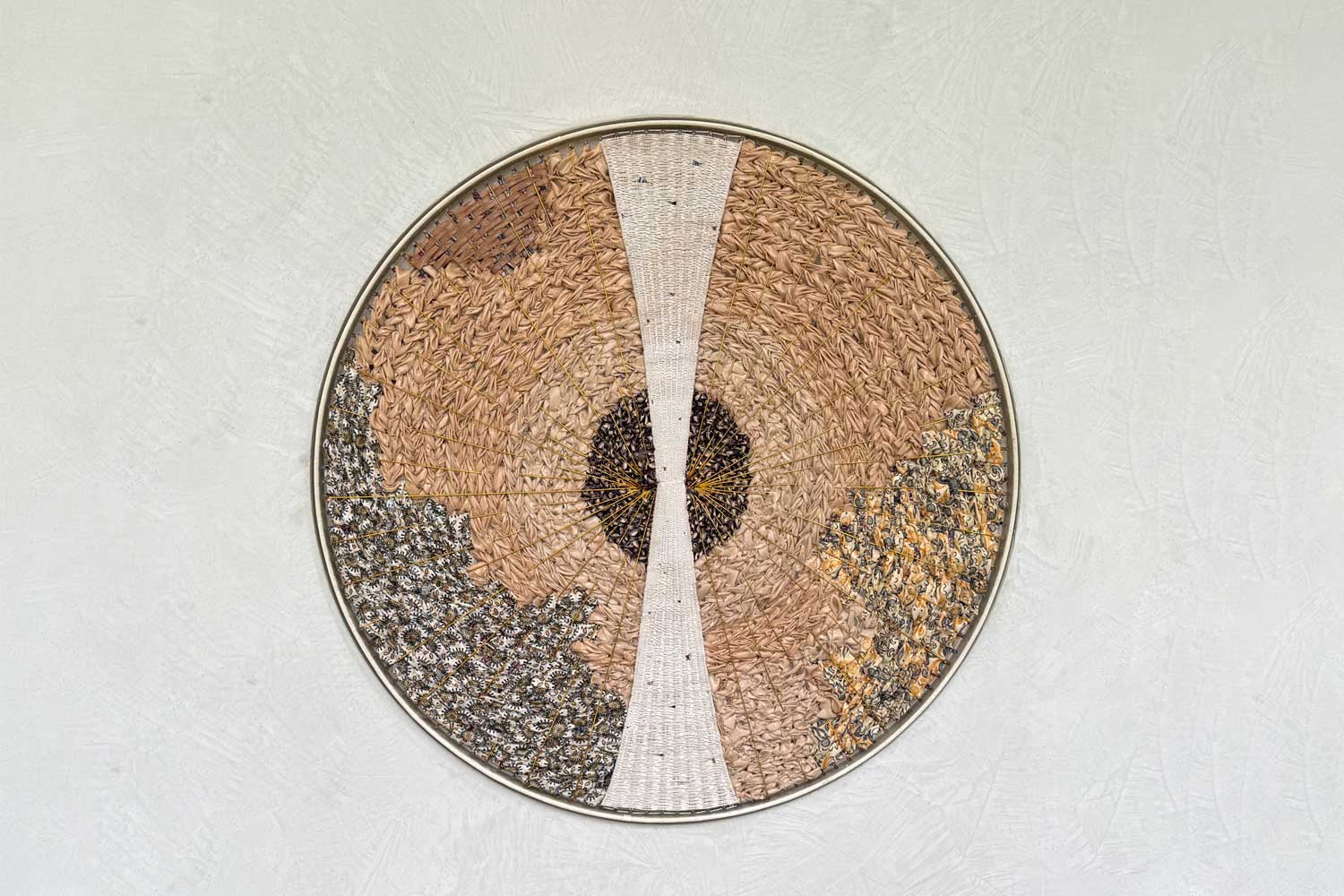
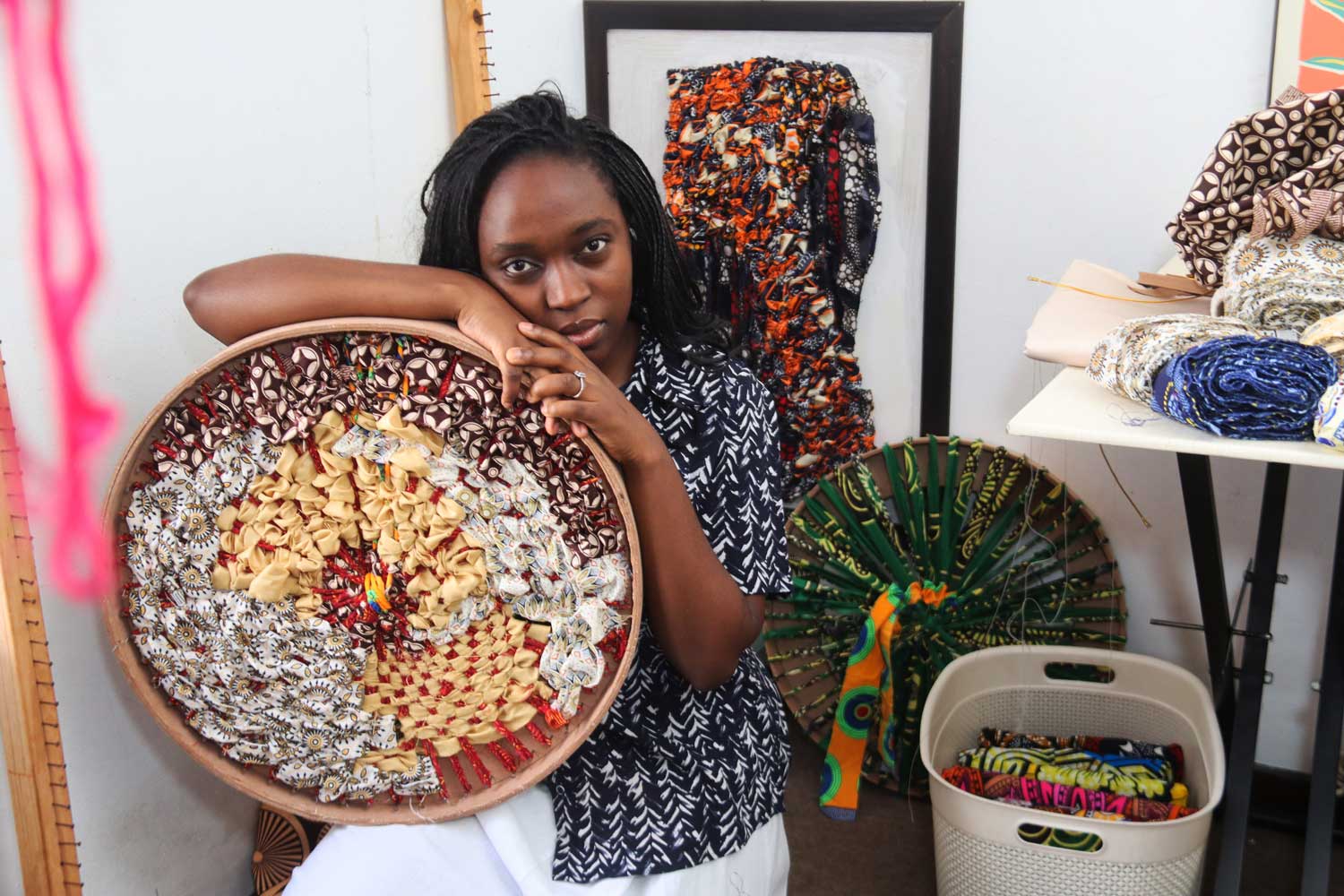
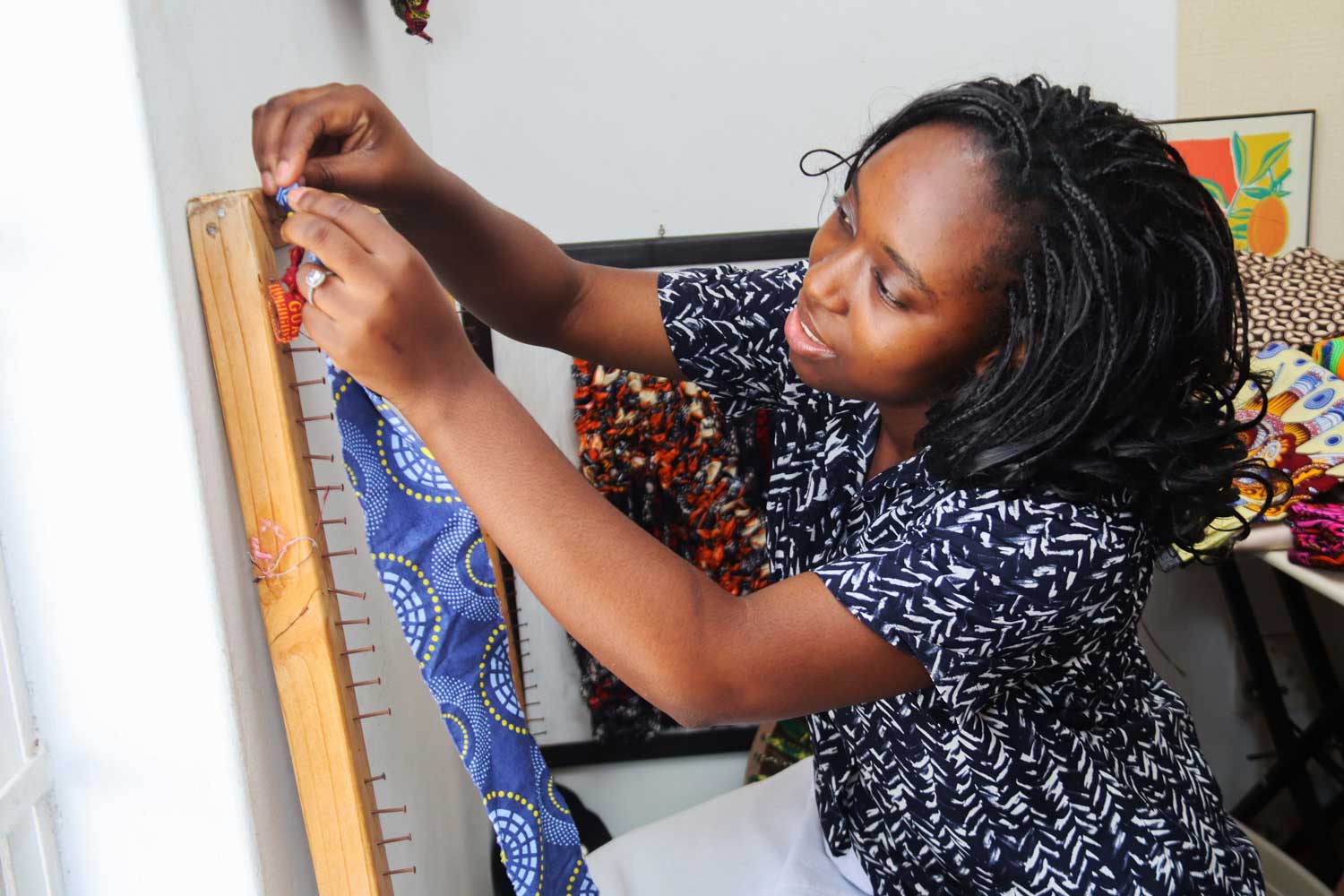
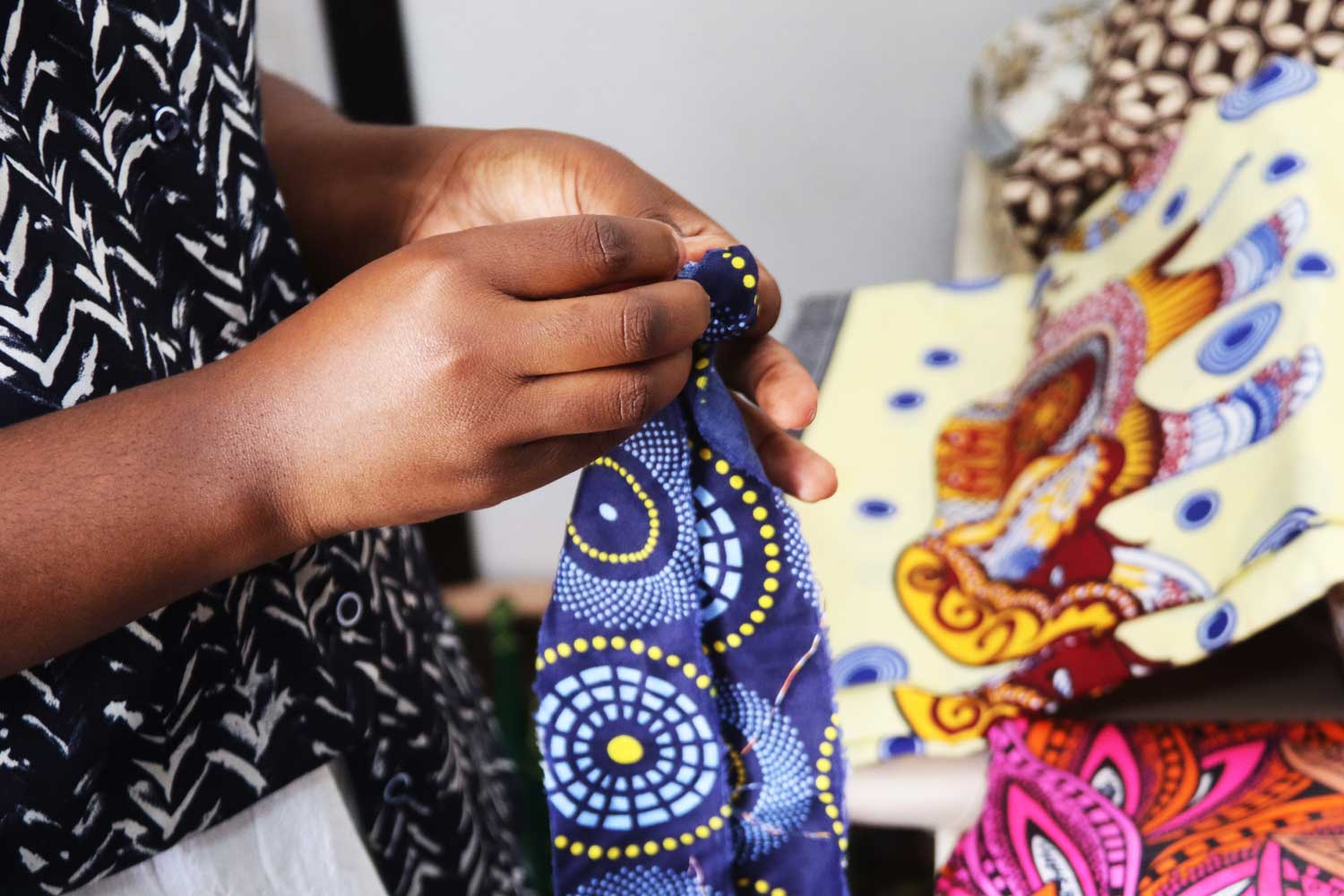
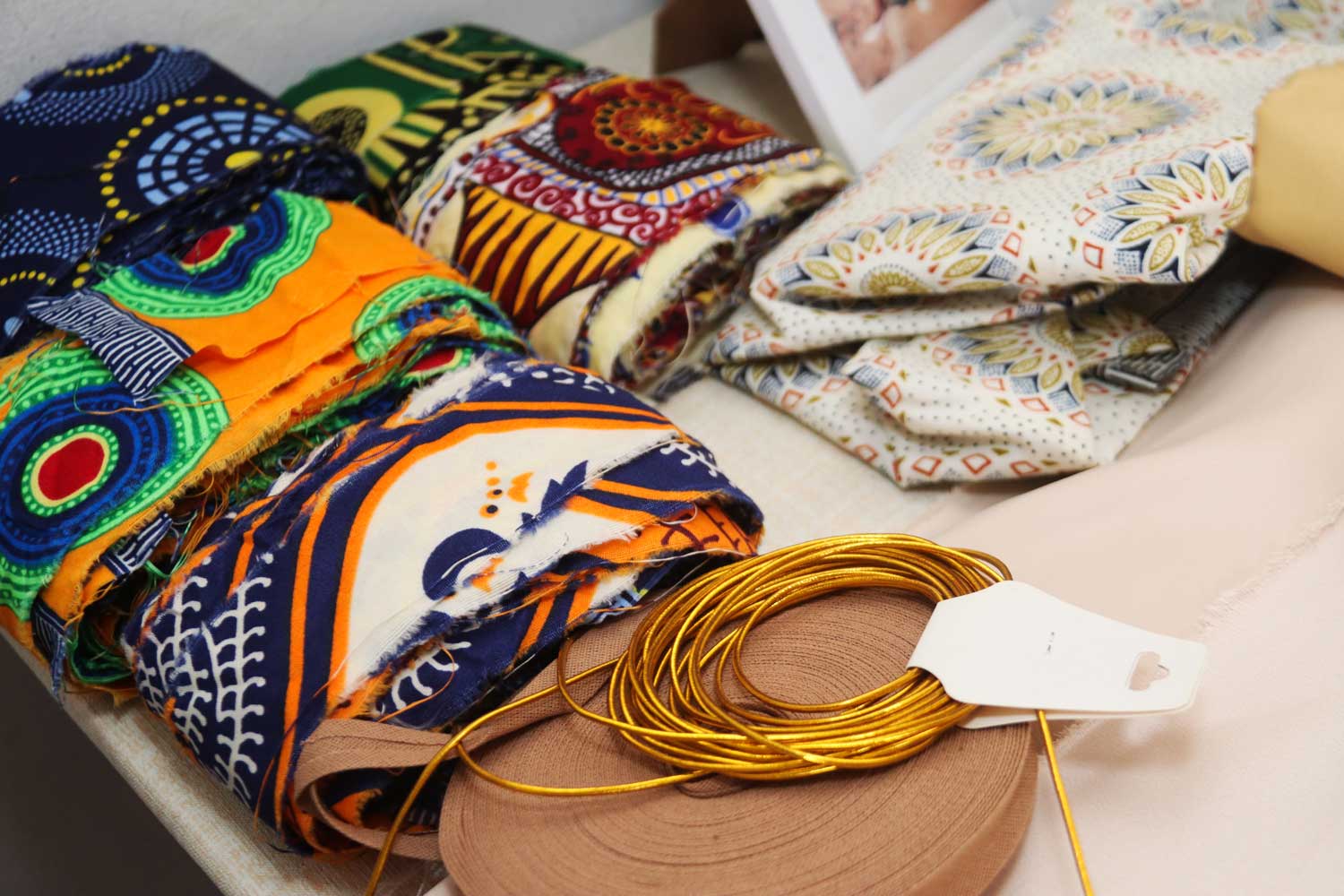
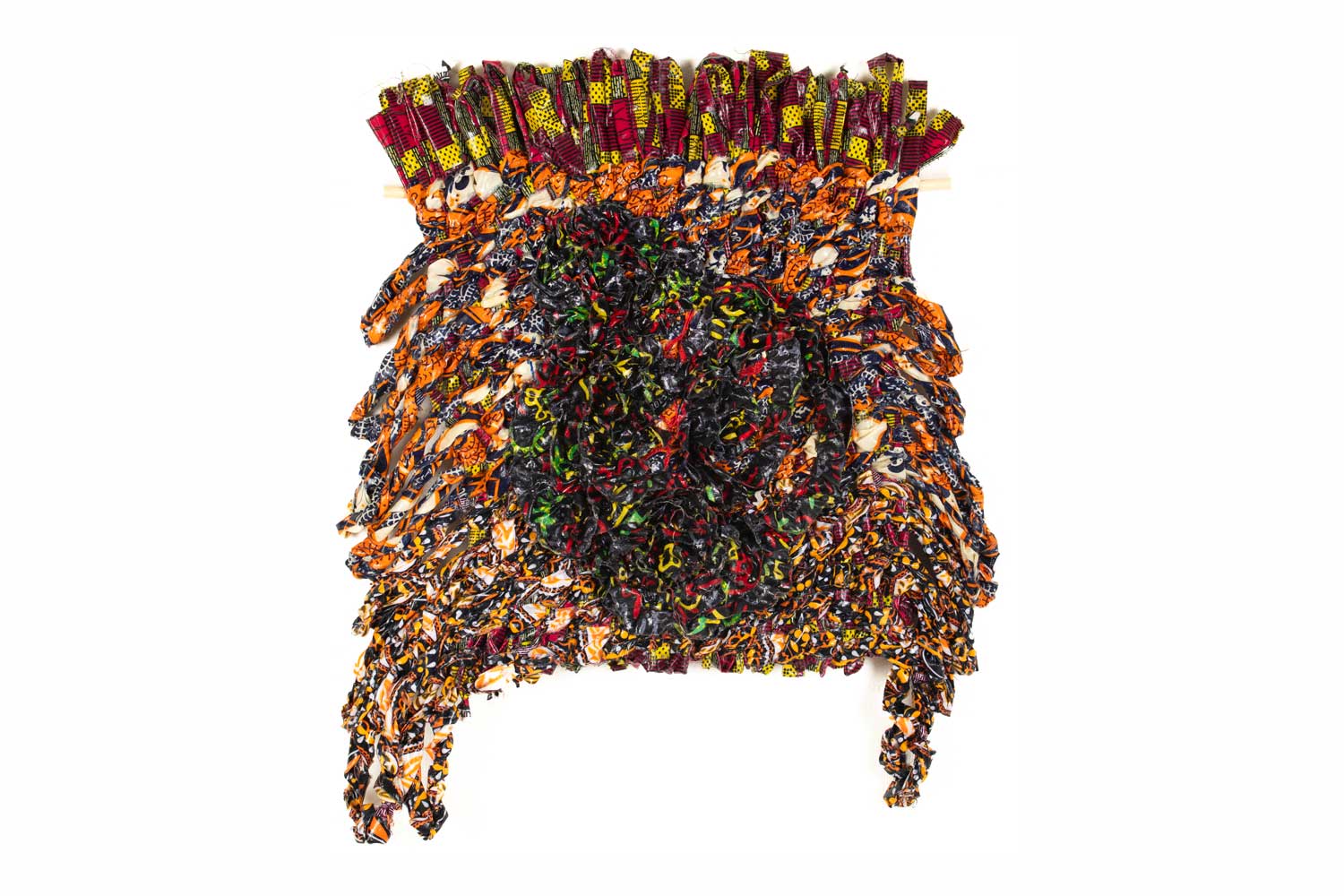
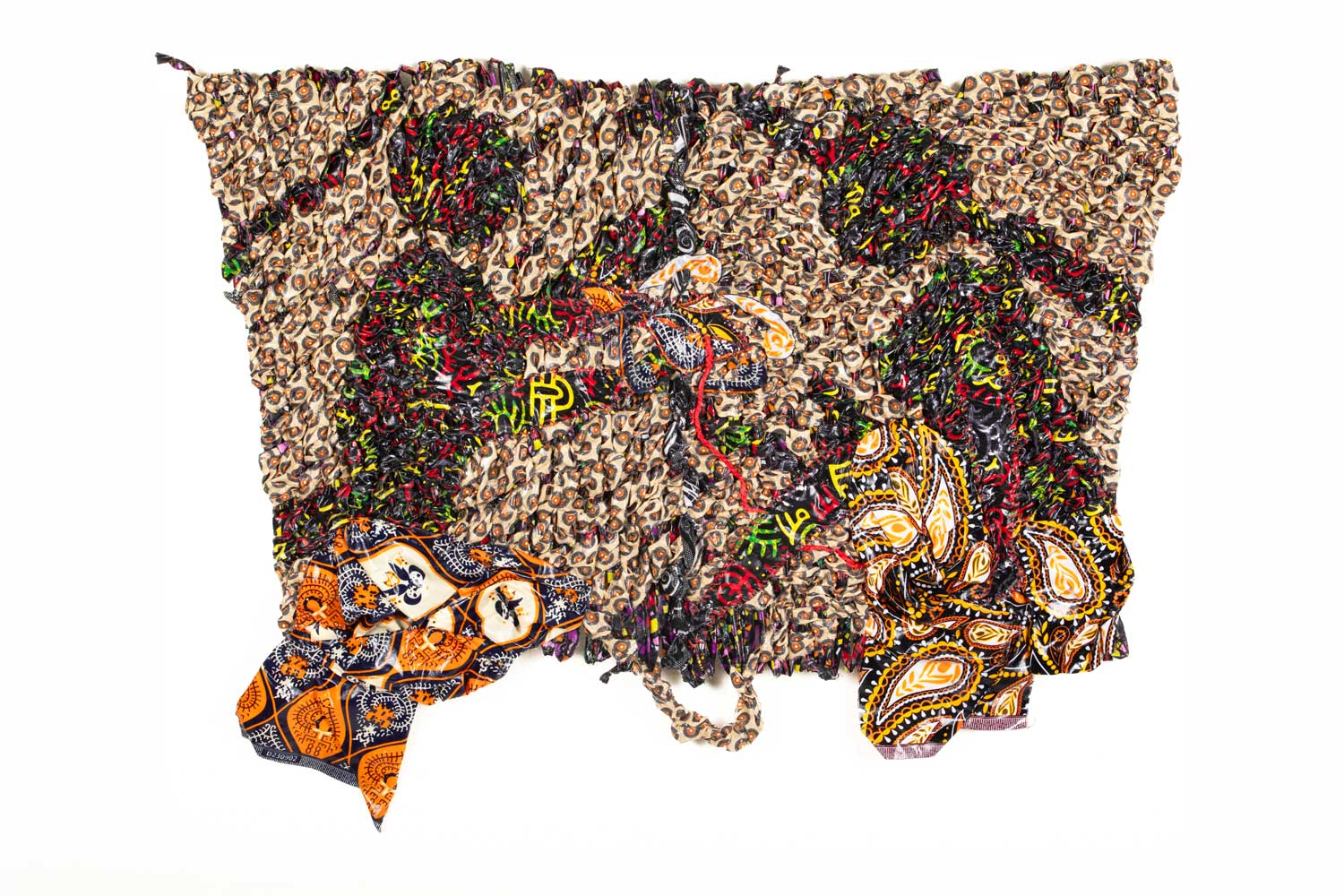
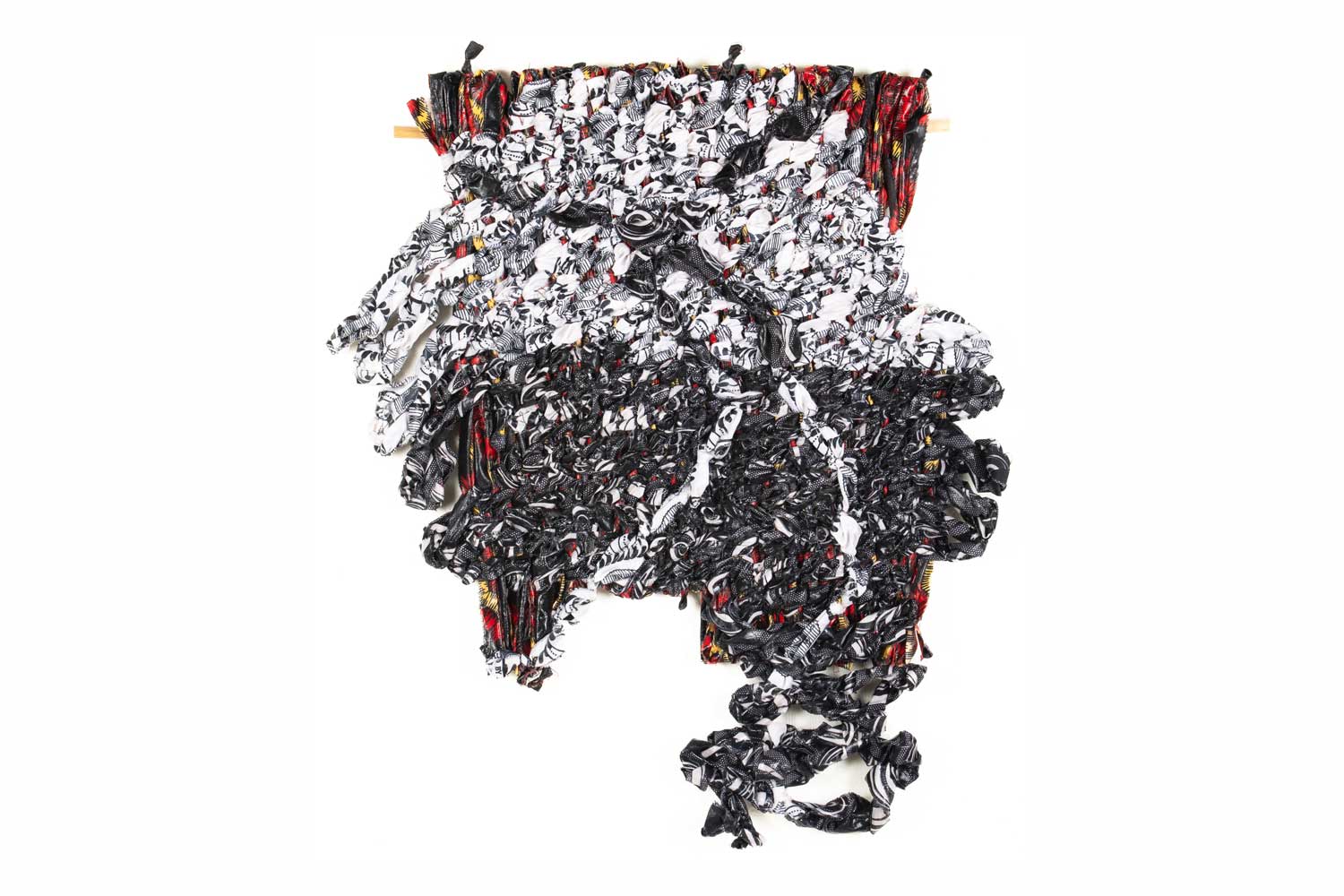
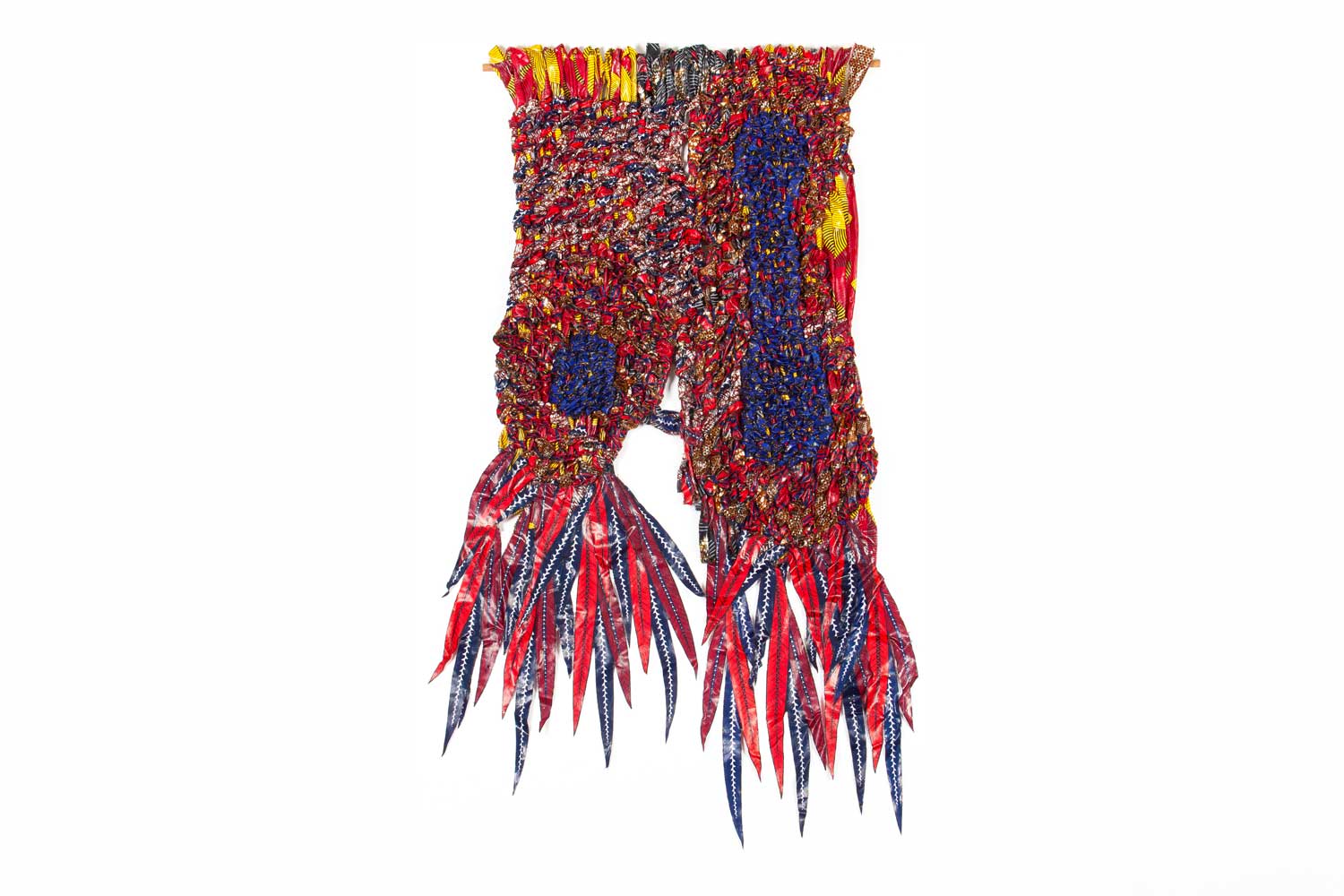
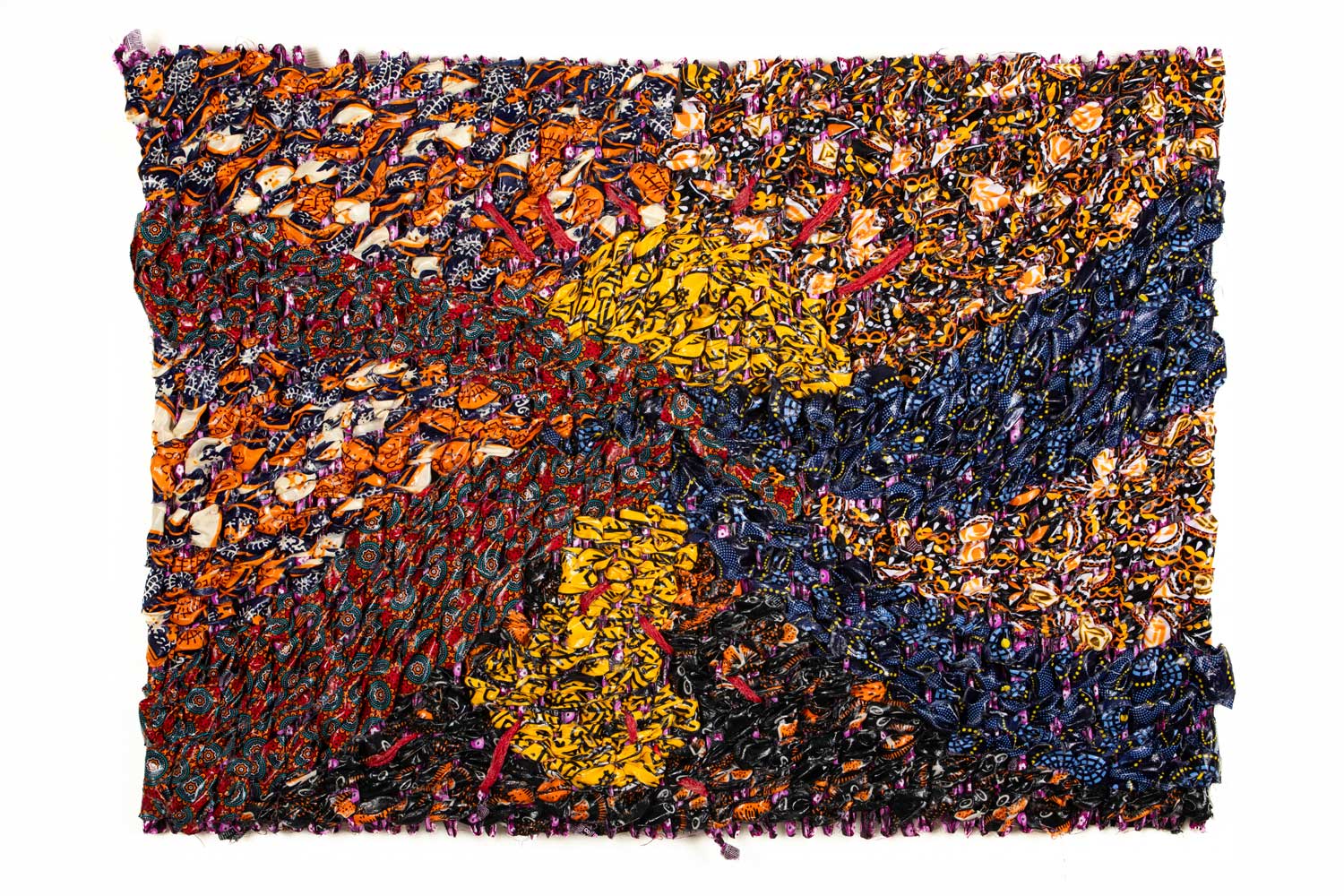
Princia Matungulu was raised in South Africa with a Congolese background and has developed a personal, intuitive and experimental approach to textile work. Her weaving practice has been shaped by adapting accepted methods of making into something more fluid and expressive. "This approach allows the narrative of the piece to guide the techniques I use," she says. Princia primarily works with African wax print fabrics, natural fibres and threads, often combining weaving with stitching, layering and sometimes assemblage. She is drawn towards materials that carry memory, captivated by how their textures and tensions can convey feelings and stories. "My work allows me to reconnect with cultural knowledge and a sense of belonging, while also being a space for new interpretations," Princia shares.
Princia Matungulu is a rising star: she began her career in 2022.
Discover her work
INTERVIEW
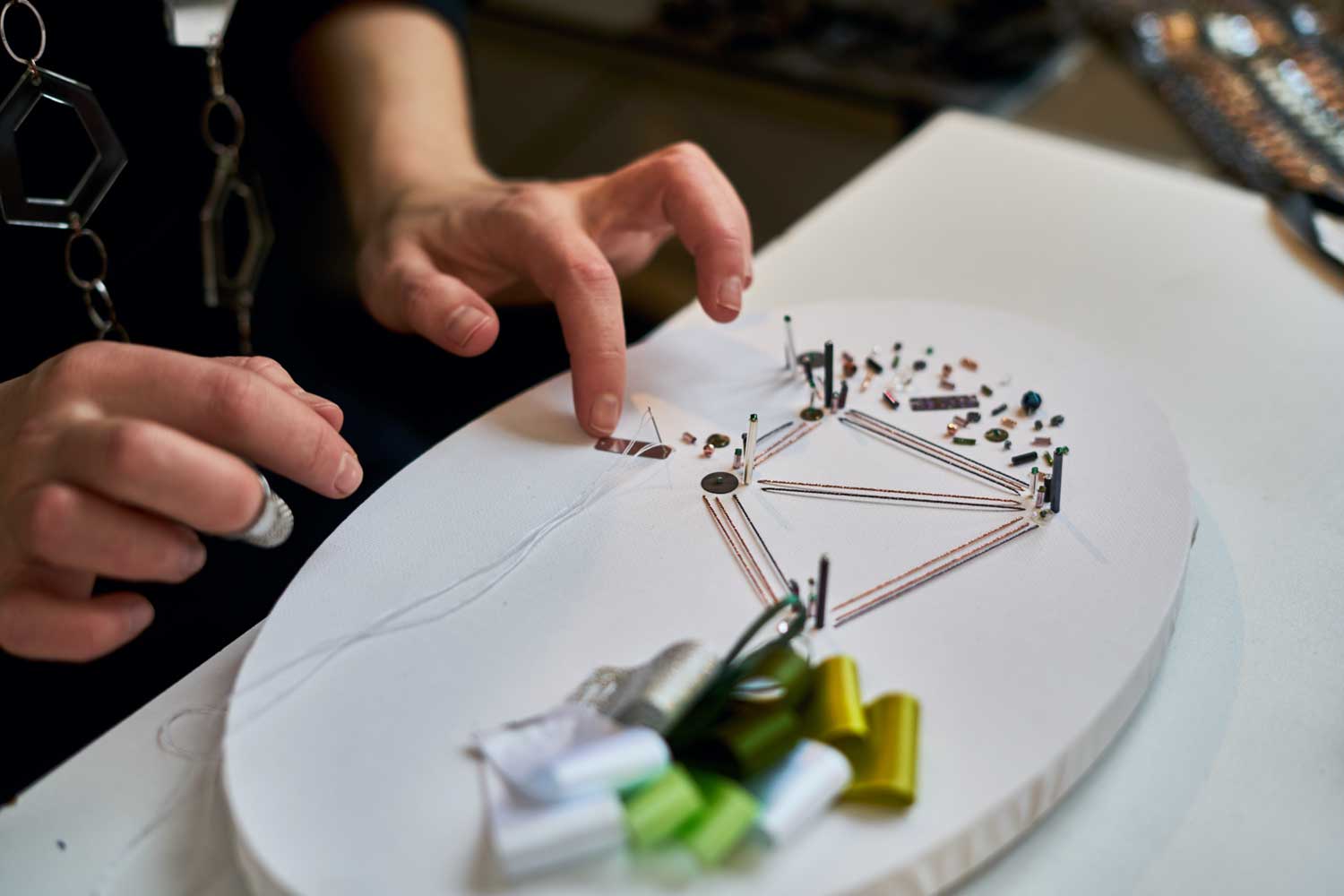
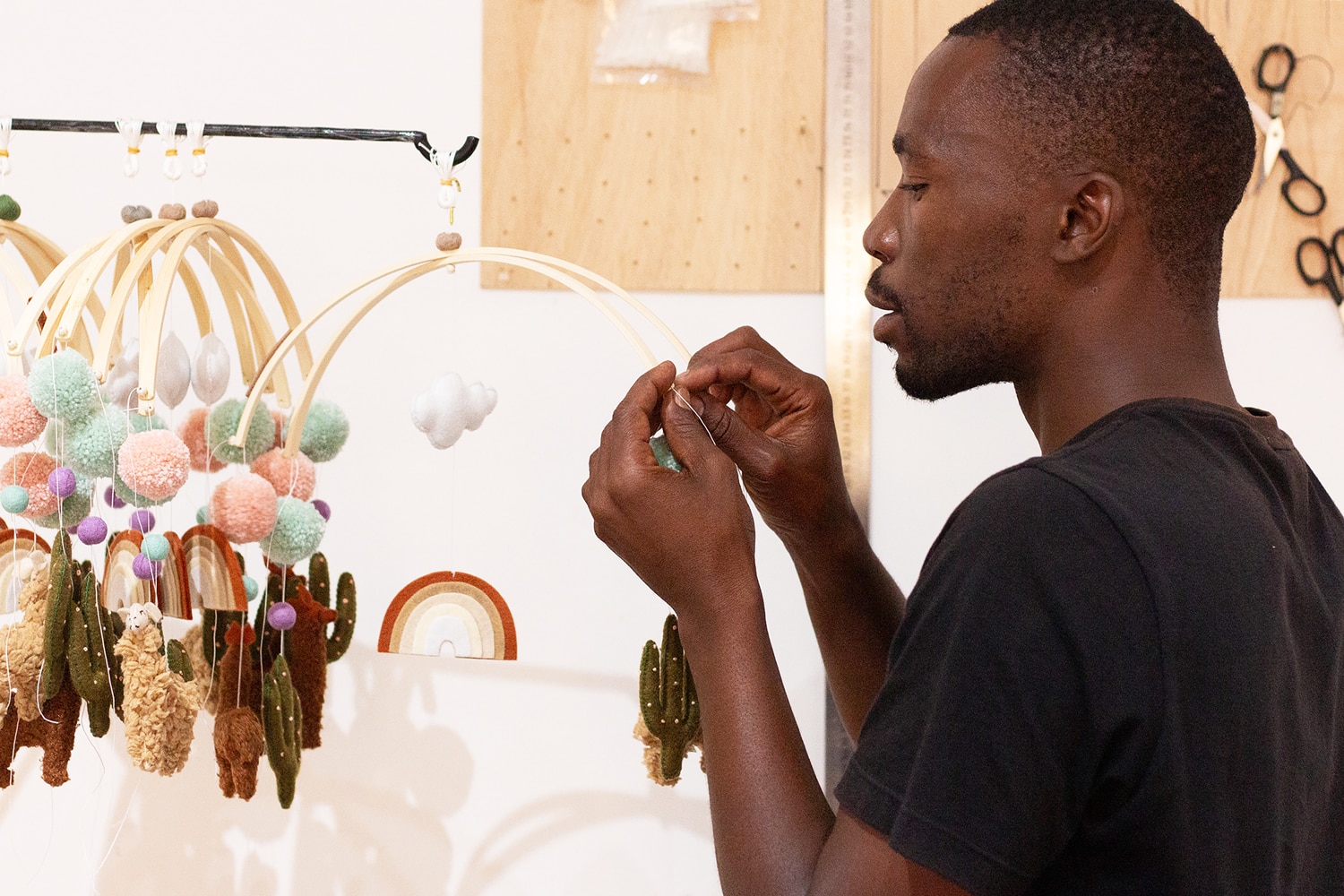
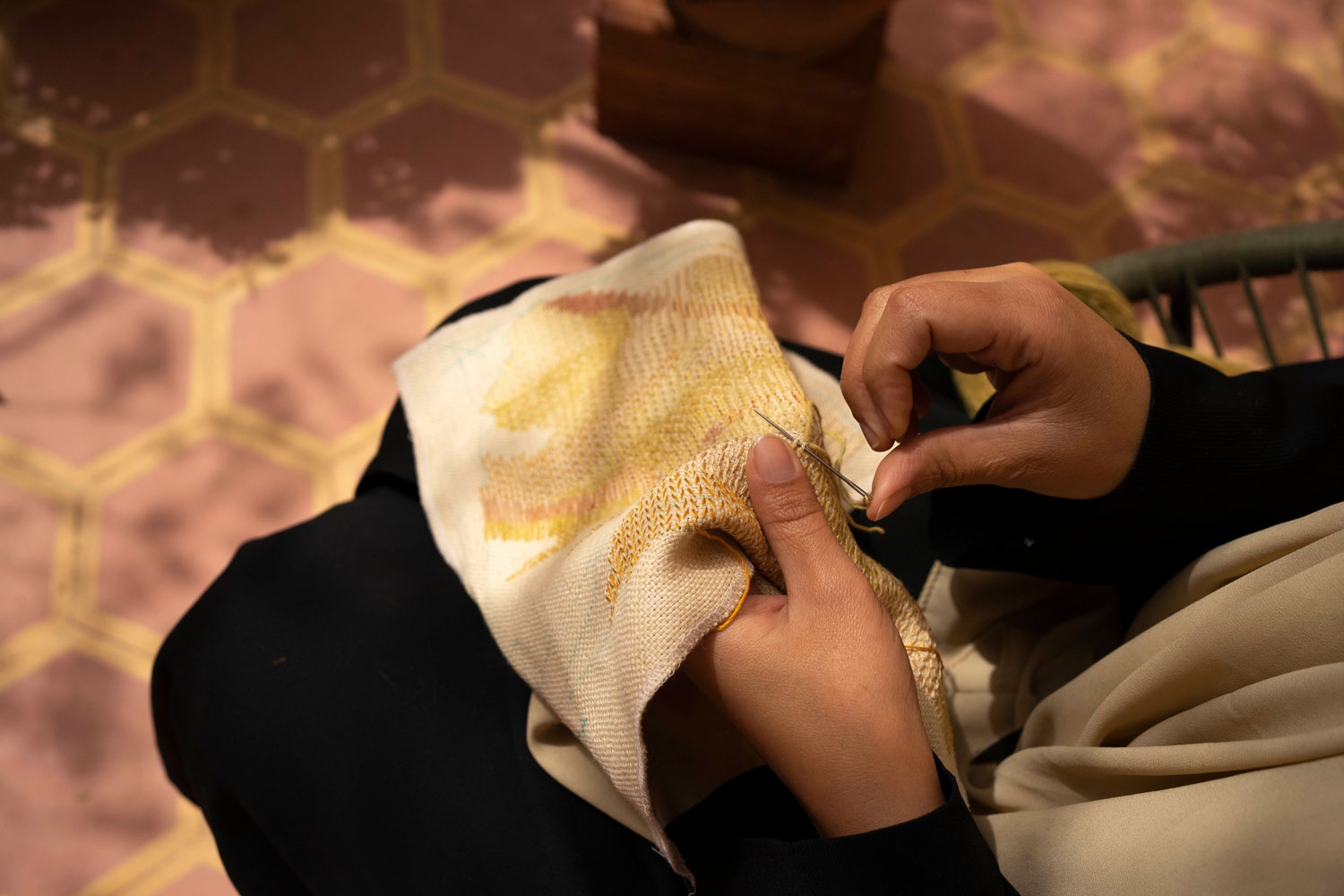
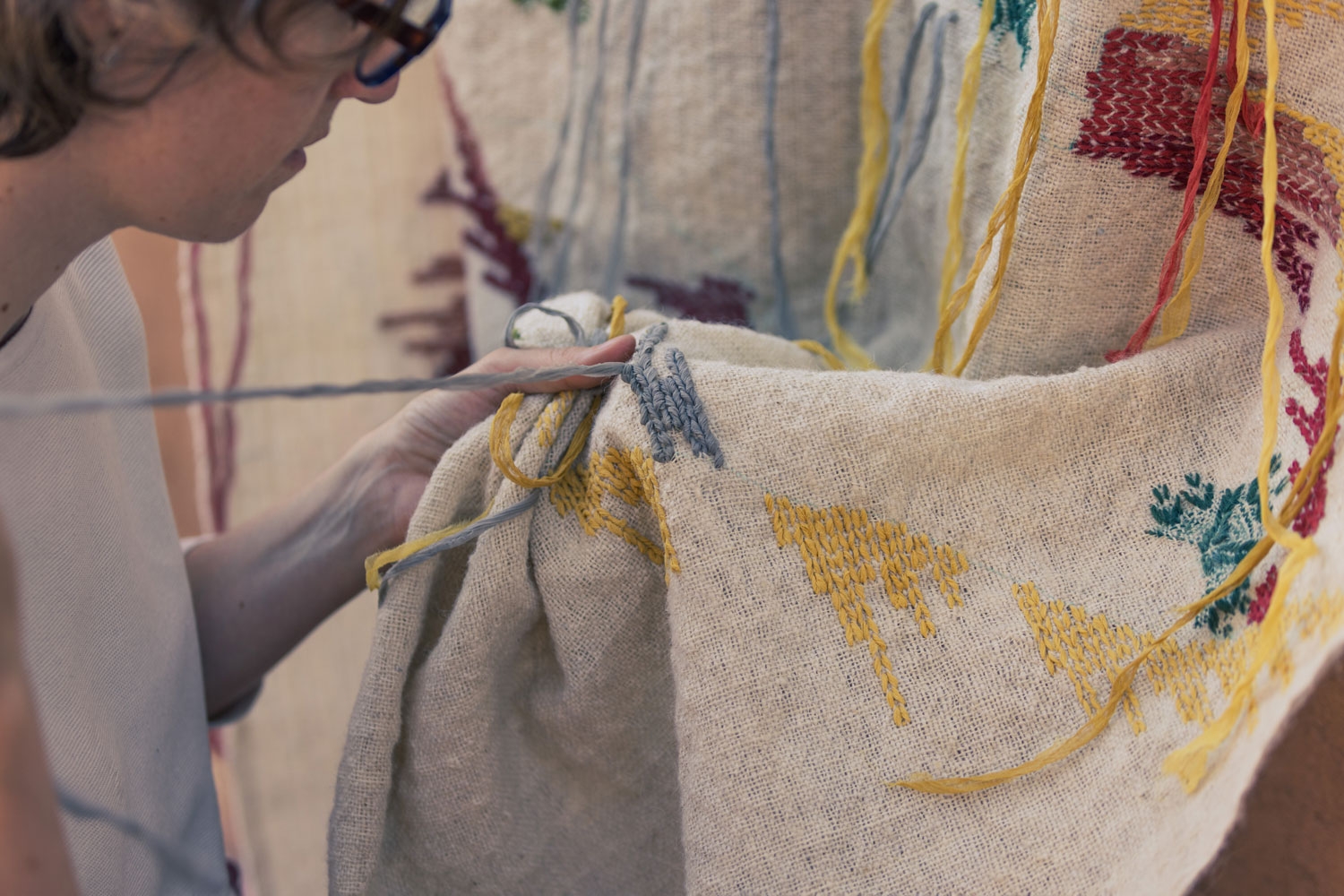
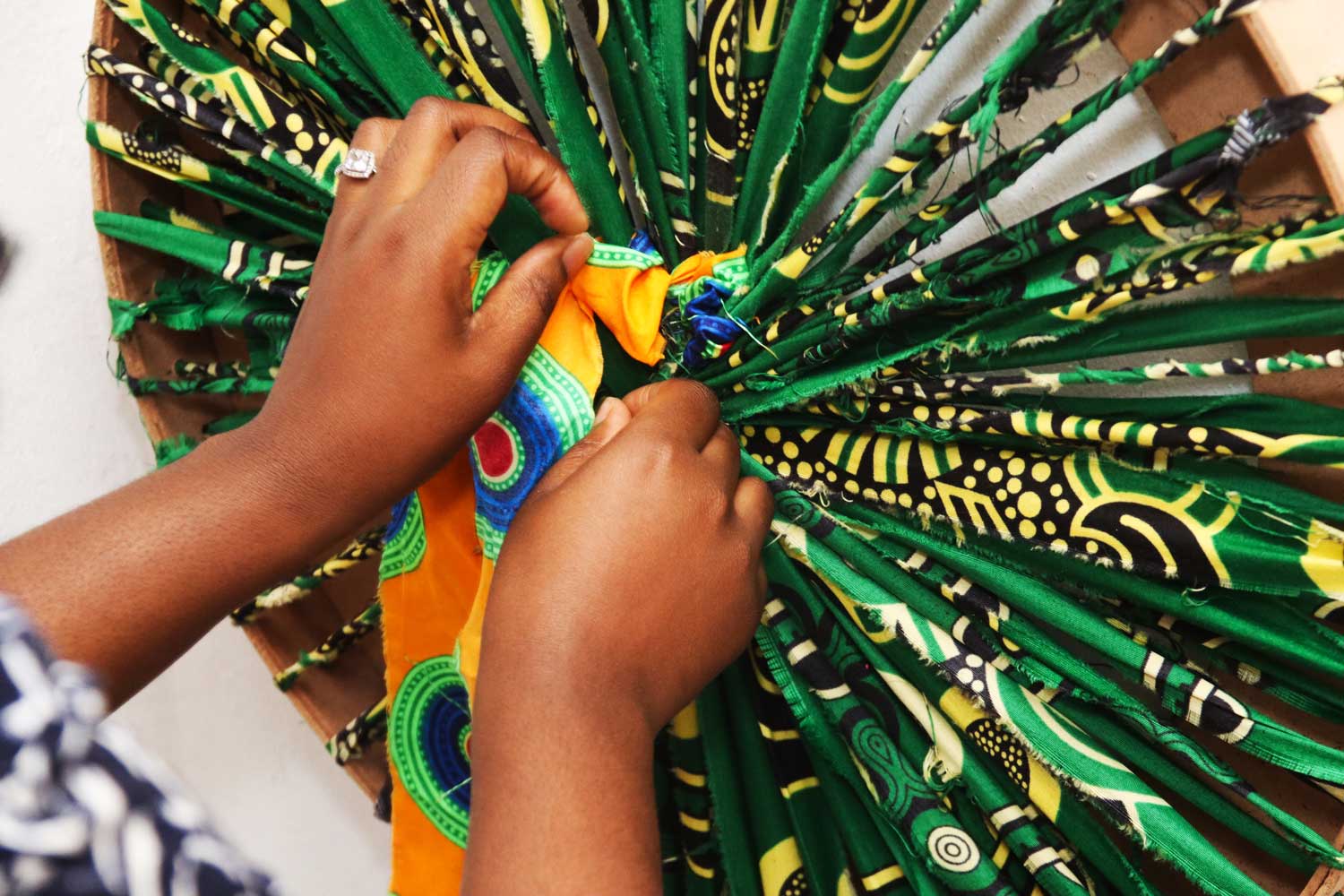
I work with a loom, as it provides structure, but I often move beyond it once the weaving is complete. I remove the piece from the loom and begin manipulating the wefts by hand, incorporating stitching threads with needles, or disrupting the woven surface by shaping, cutting and reshaping.
Colour is key in my work. It functions both emotionally and symbolically. It evokes mood, tension and meaning, sometimes subtly, sometimes more boldly. Colour can reference cultural contexts, but it also allows me to communicate feelings that words cannot fully express.
I am inspired by memory, migration and the emotional complexity of identity, by my everyday experiences, and all the cultural rituals that organically find their way into my work. I delve into how stories carry values and questions about morality across generations.
My engagement with Congolese folktales was rooted in curiosity and a desire to understand my identity. After my daughter was born, it made me think deeply about what is carried forward, what is forgotten, and what it means to inherit culture.
Princia Matungulu
Textile sculptor
ZA, South Africa
ADDRESS
Address upon request, ZA, South Africa
AVAILABILITY
By appointment only
LANGUAGES
English, French, Swahili
HOMO FABER FINDS
Homo Faber Finds is a new service aiming to inspire admirers of craft to connect and collaborate with exceptional artisans.
We invite you to submit an enquiry here.