©All rights reserved
©All rights reserved
©All rights reserved
©All rights reserved
©All rights reserved
©All rights reserved
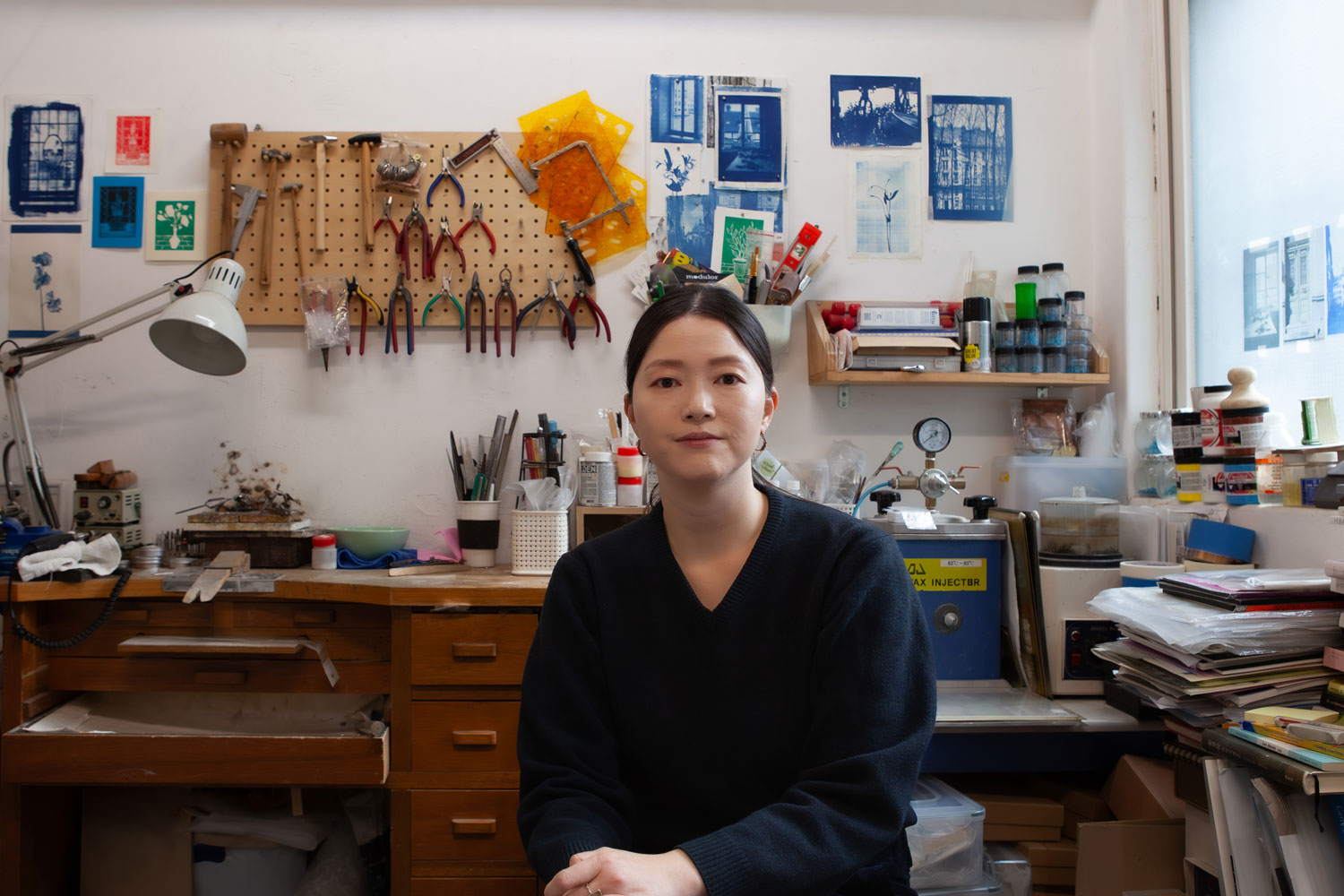
Jinhyeong Joo
Resin artist
Guri, South Korea
©All rights reserved
©All rights reserved
©All rights reserved
©All rights reserved
©All rights reserved
©All rights reserved
©All rights reserved
©All rights reserved
©All rights reserved
©All rights reserved
©All rights reserved
©All rights reserved
When condensed shards are illuminated
- Jinhyeong explores the relationship between clay and resin
- He turns fractures into a starting point for creation
- To him, life and work are parallel journeys
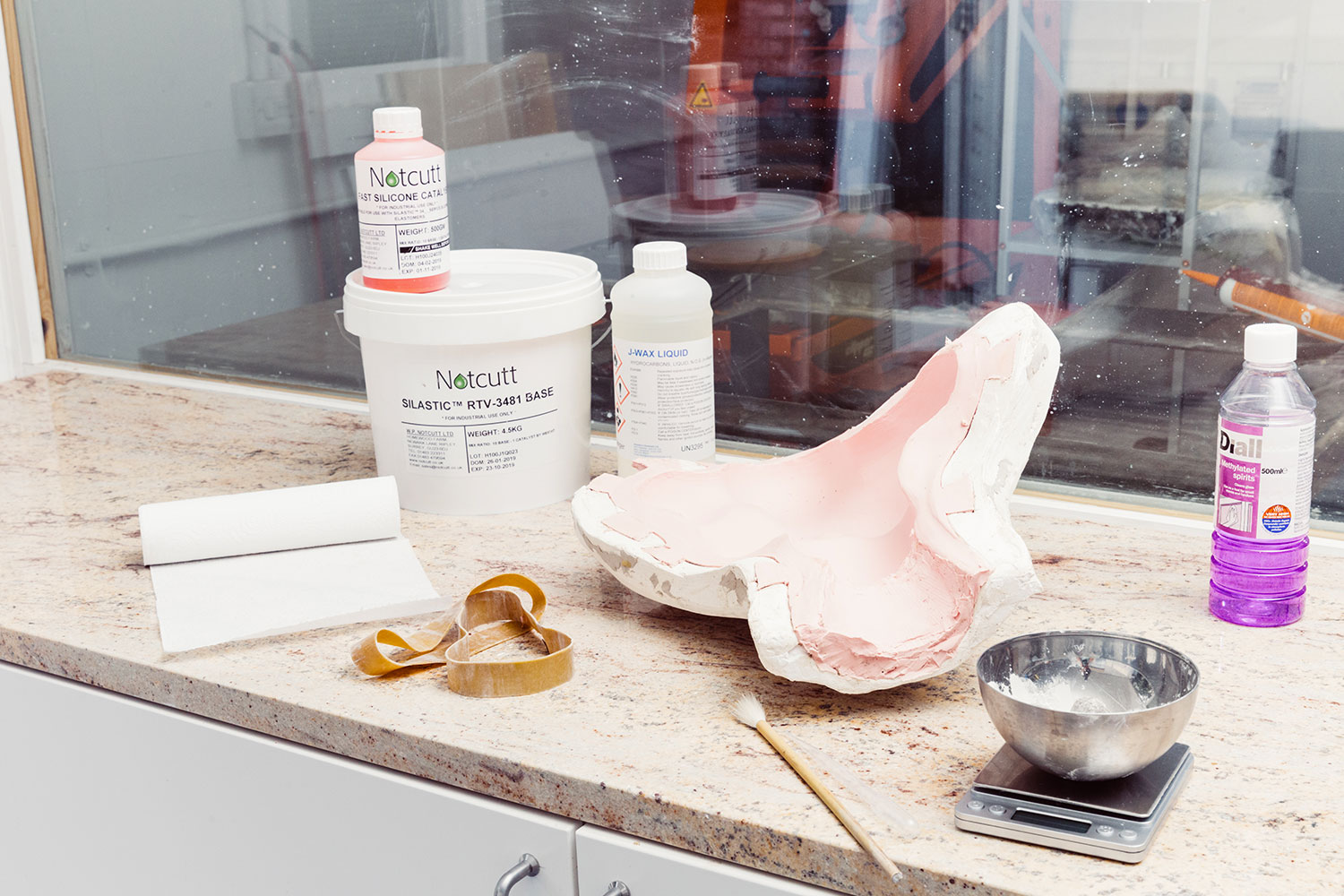
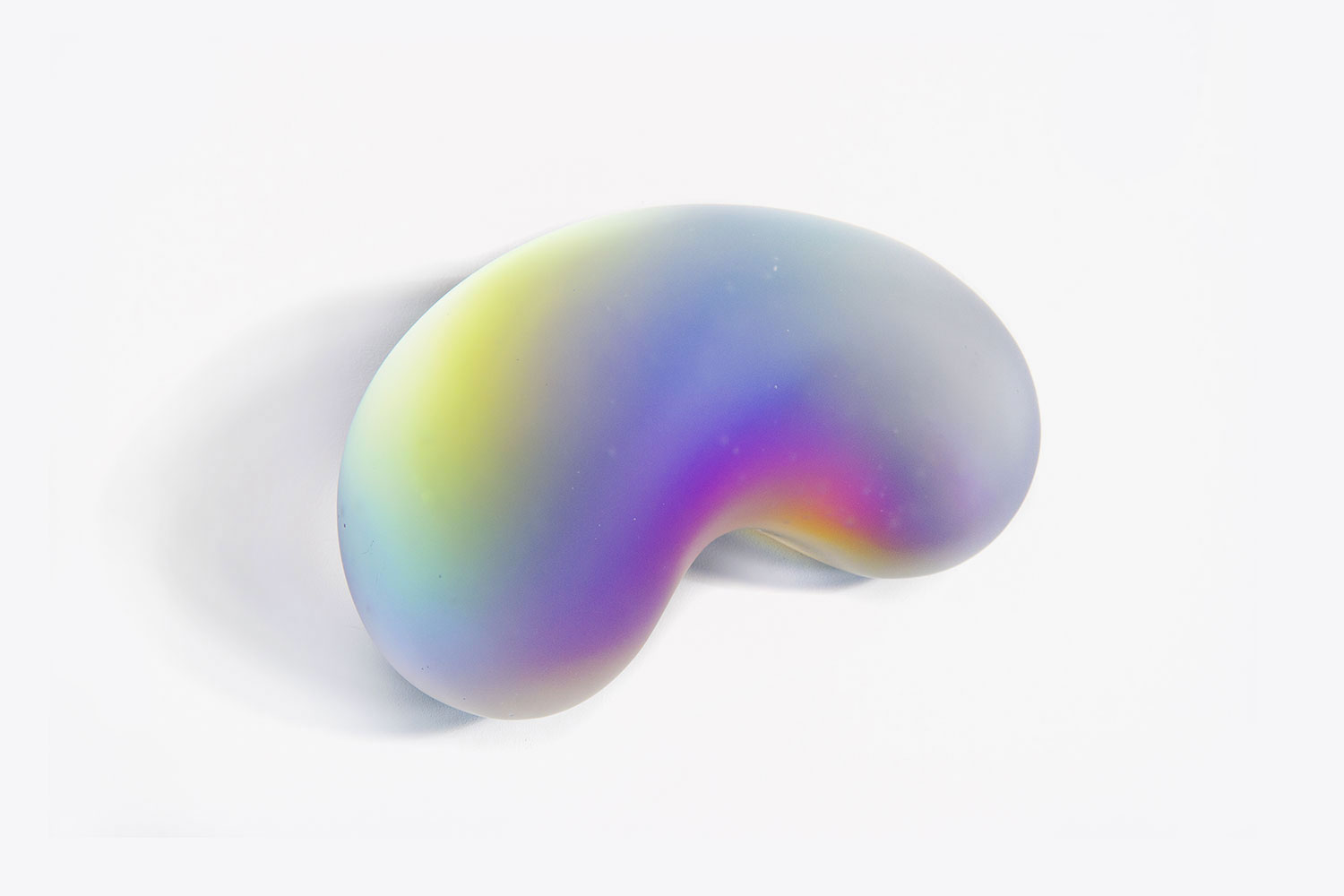
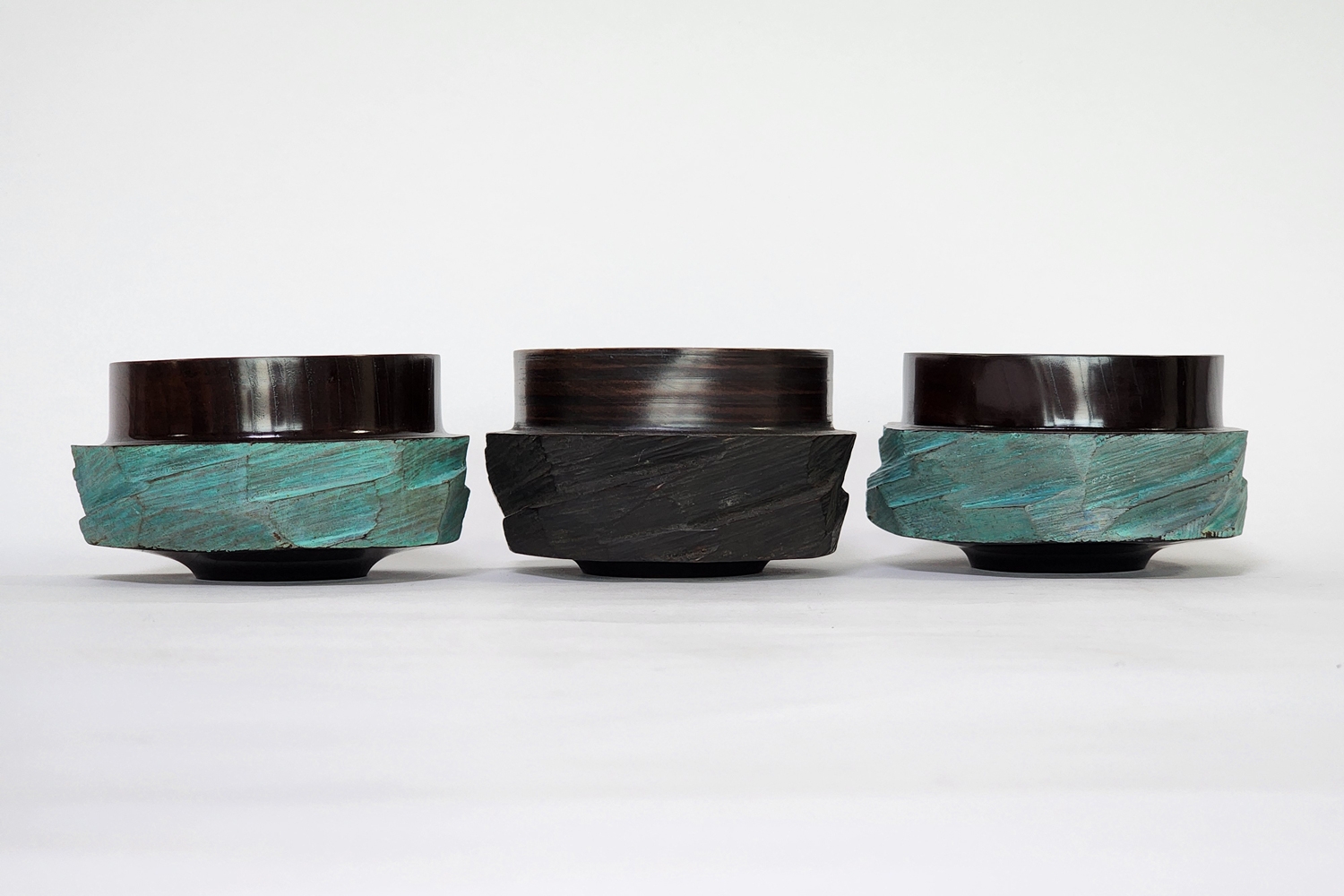
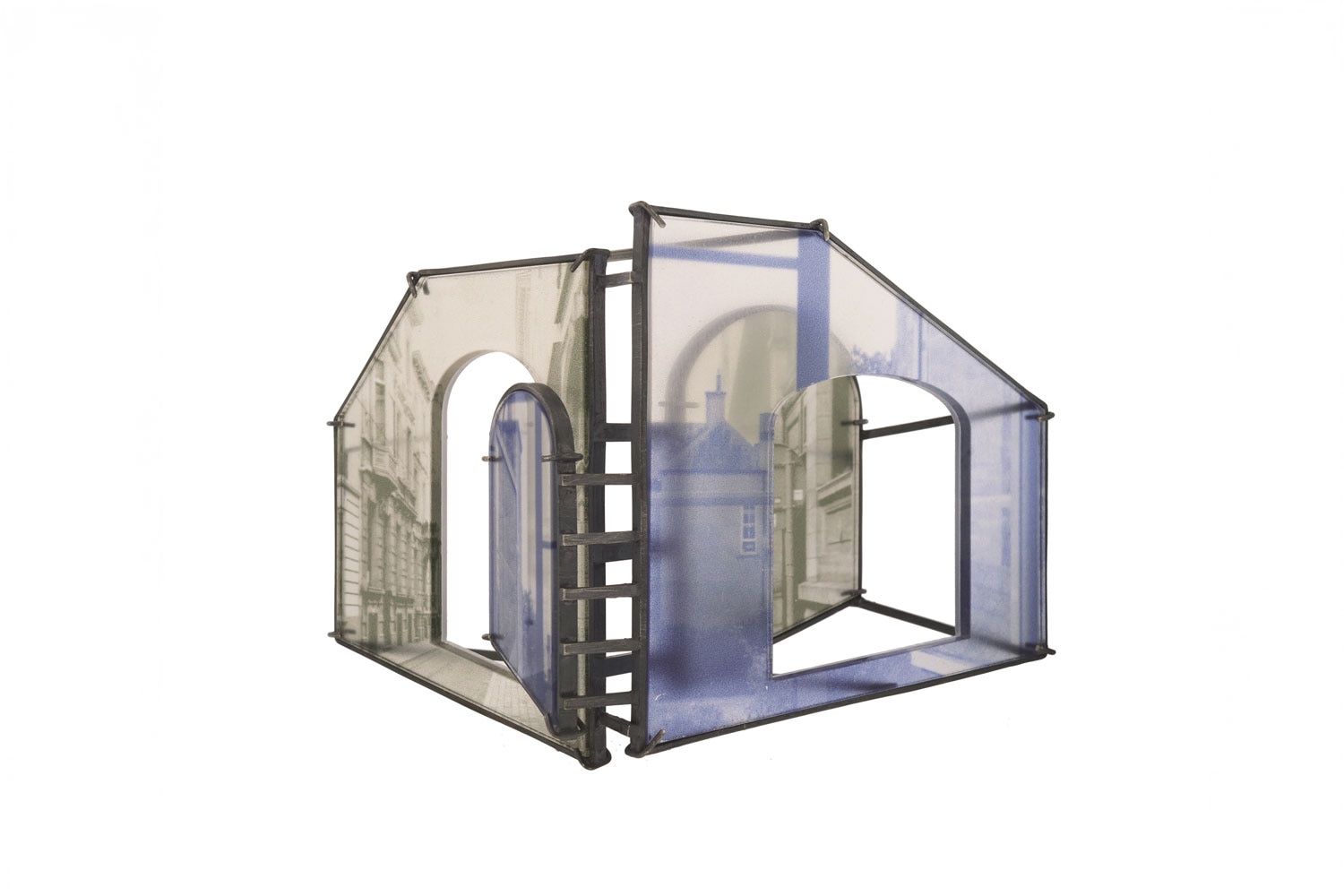
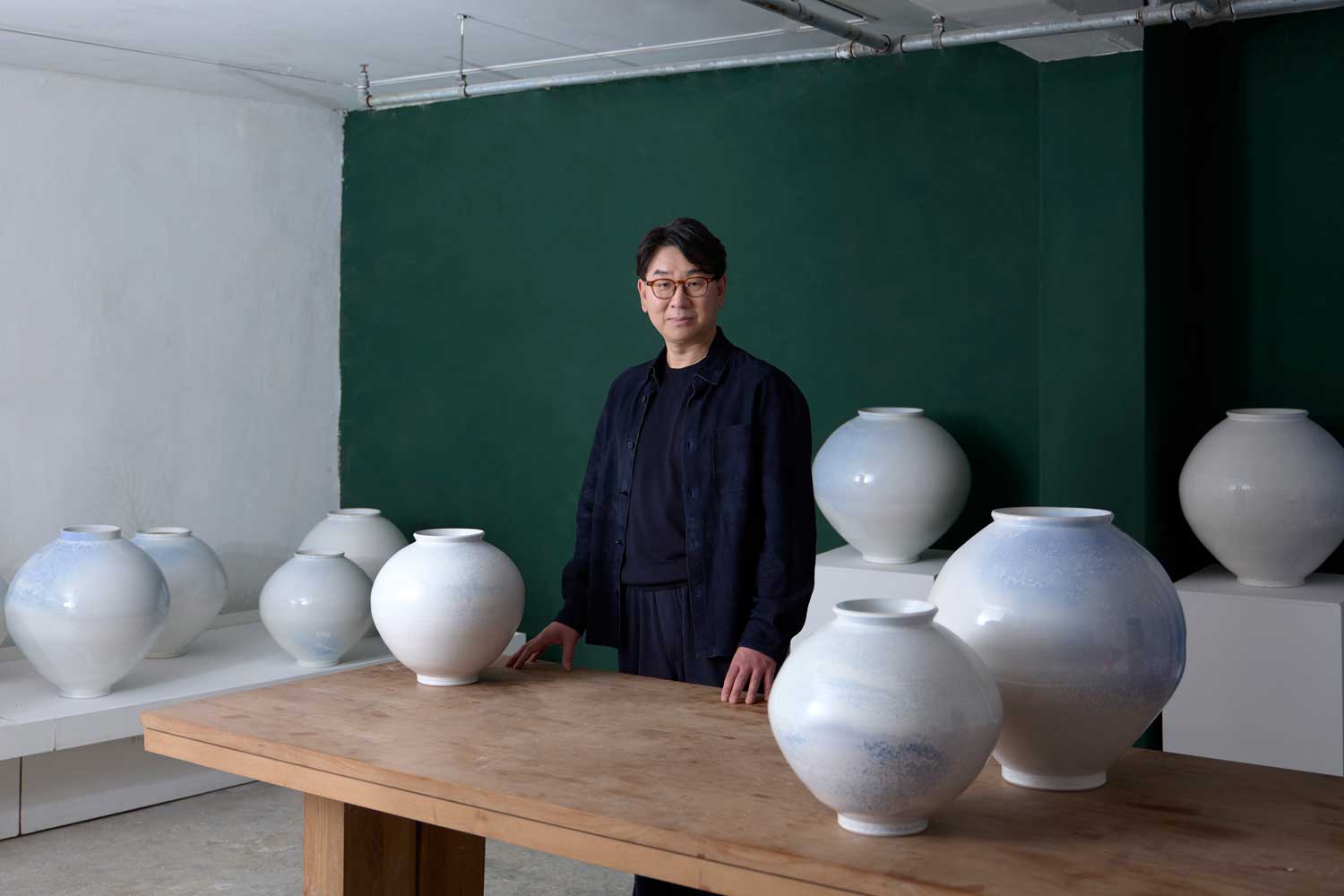
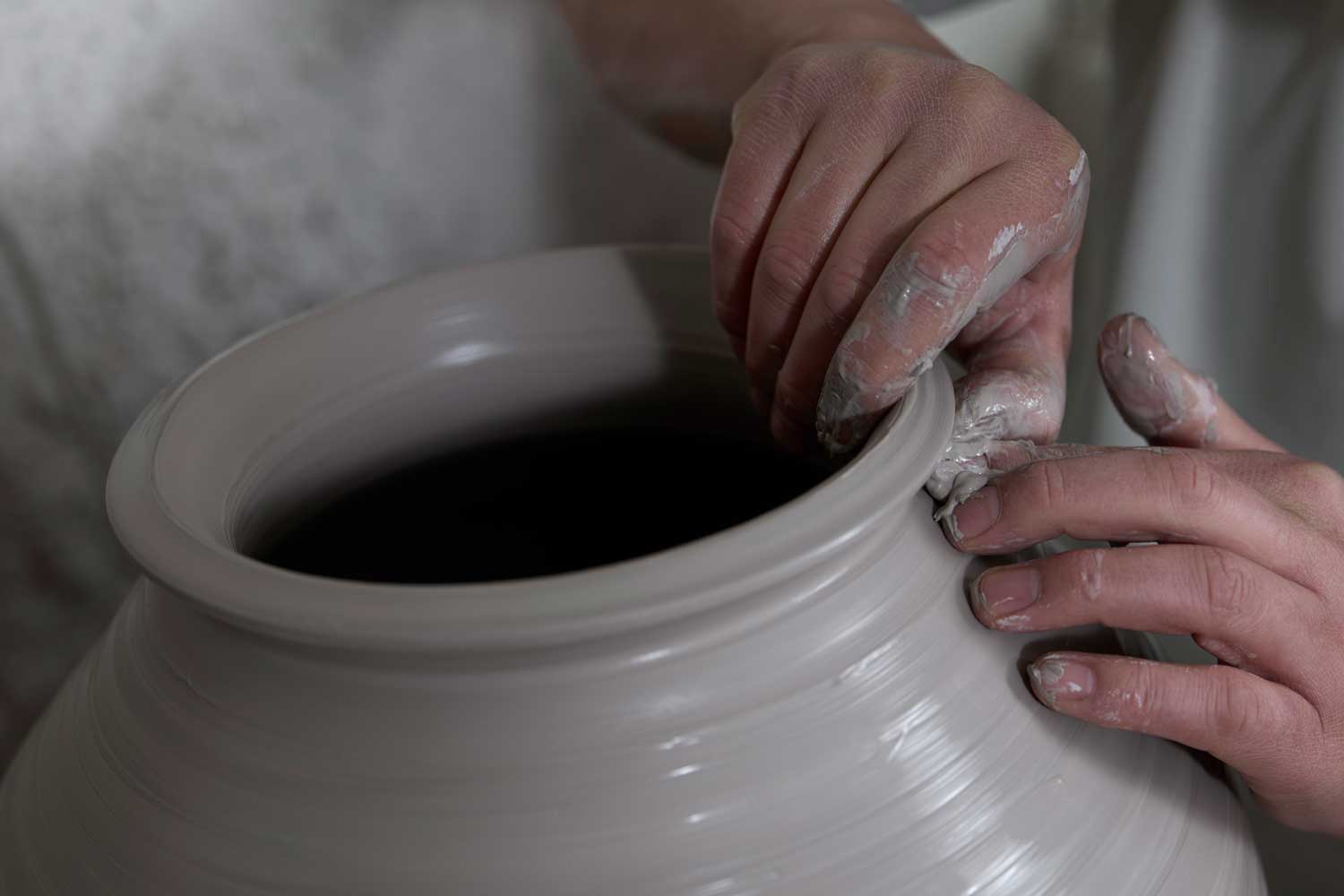
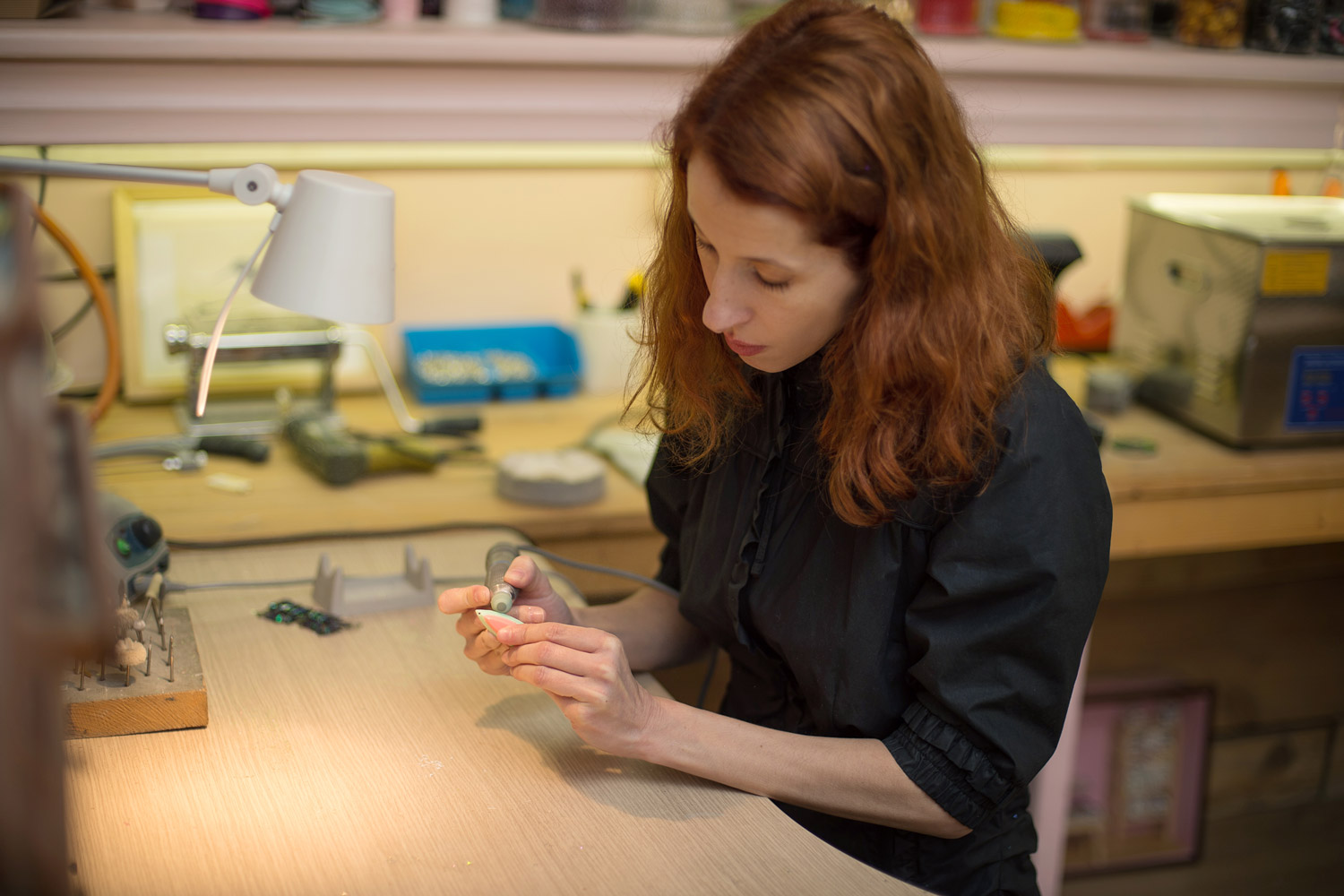
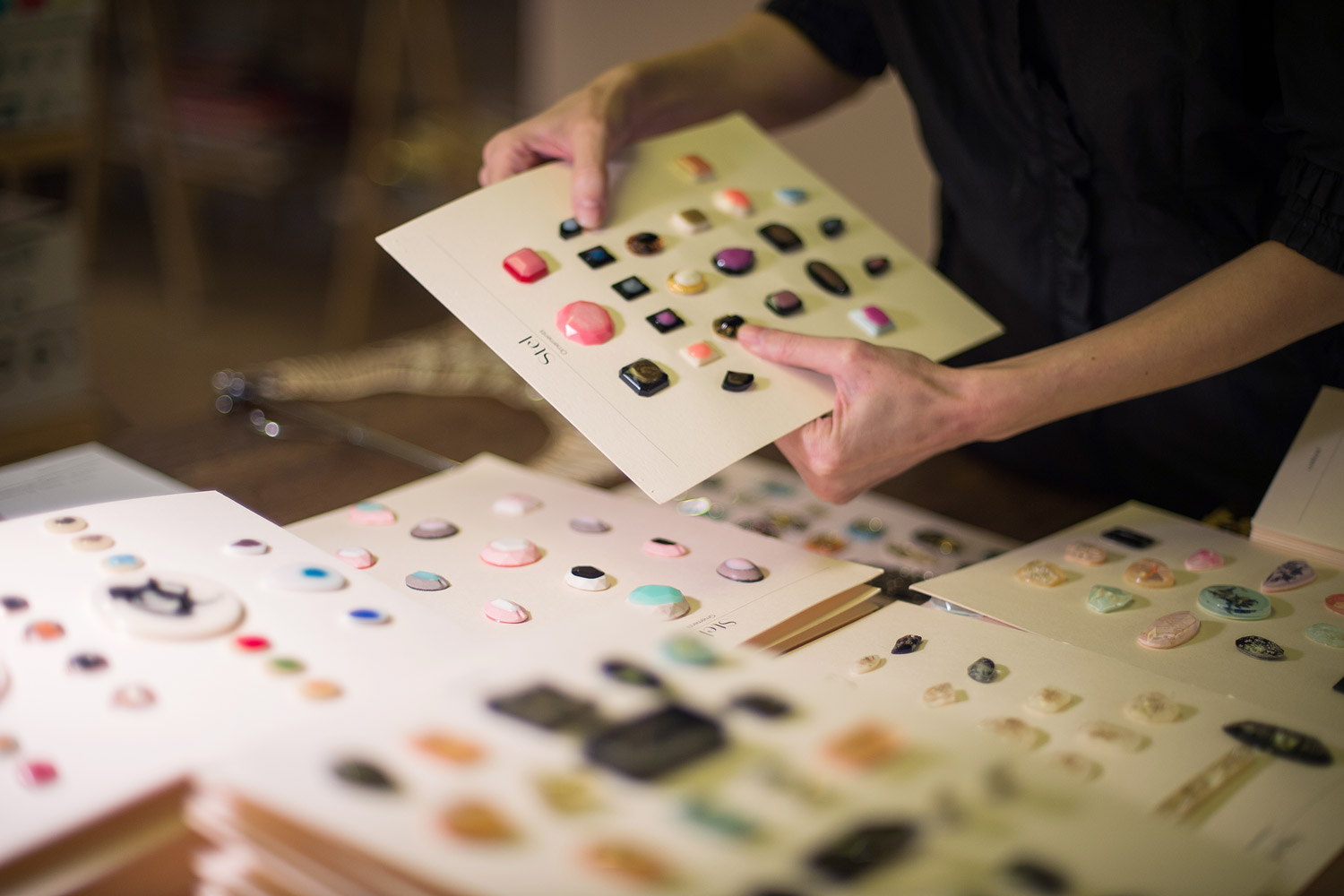
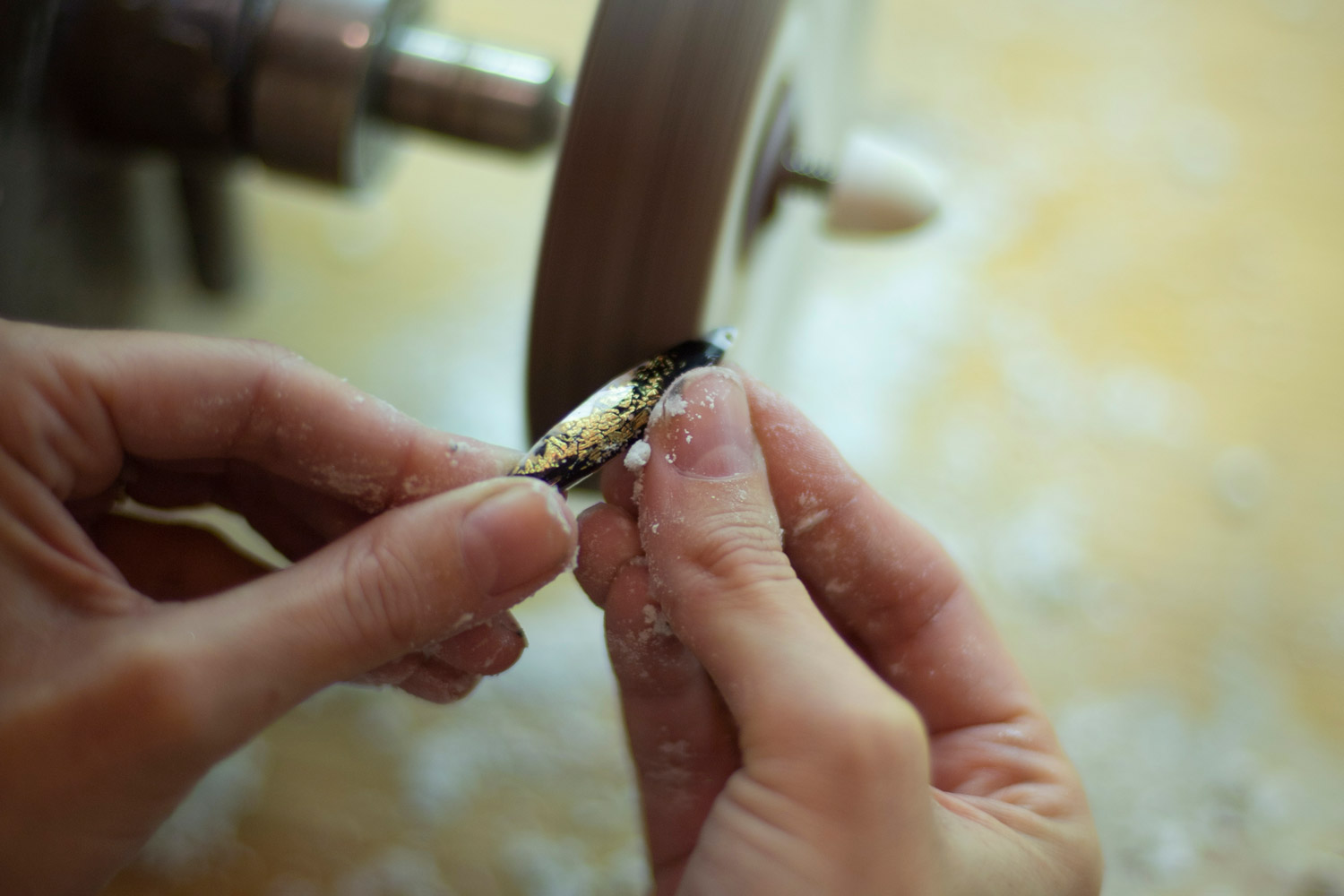
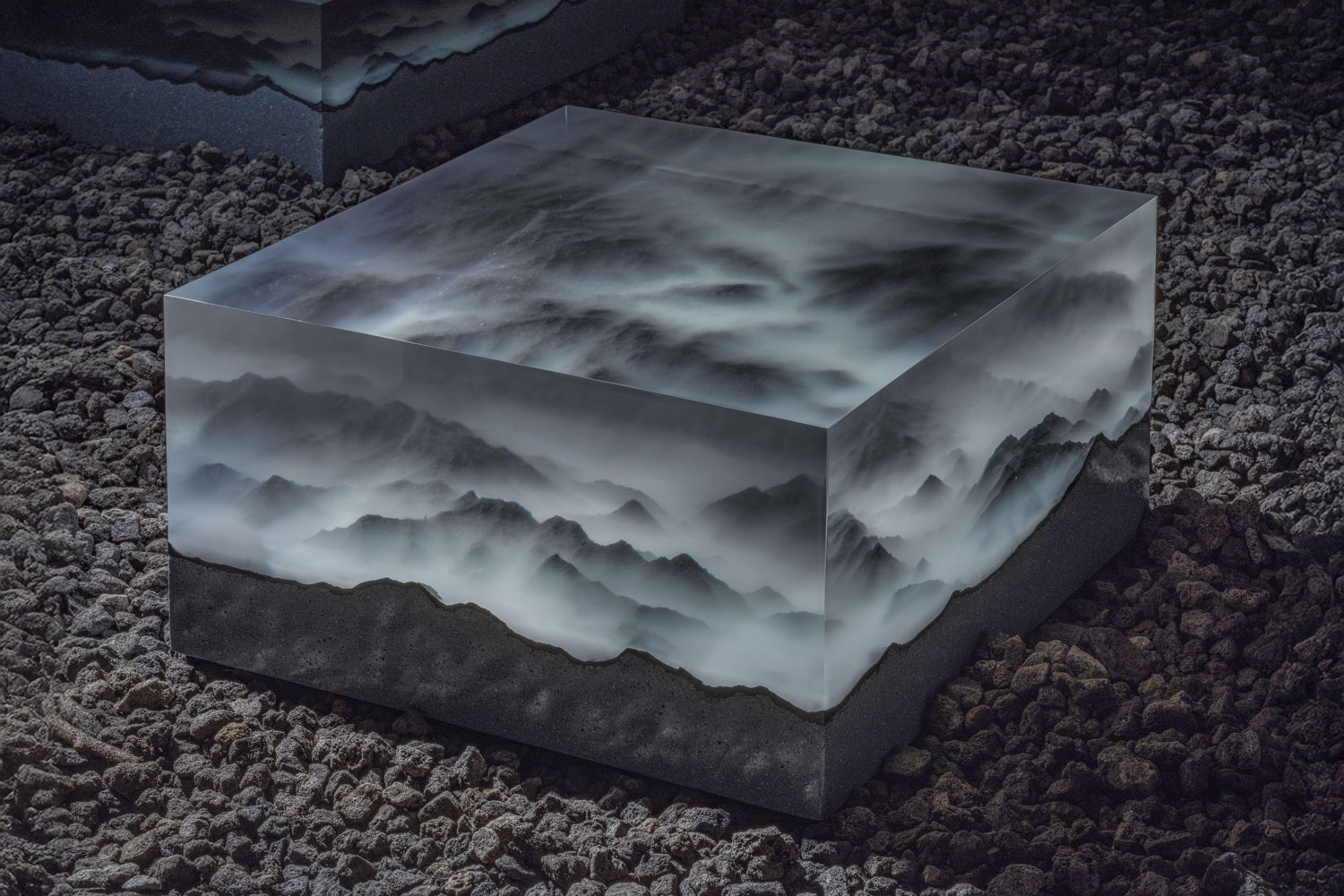
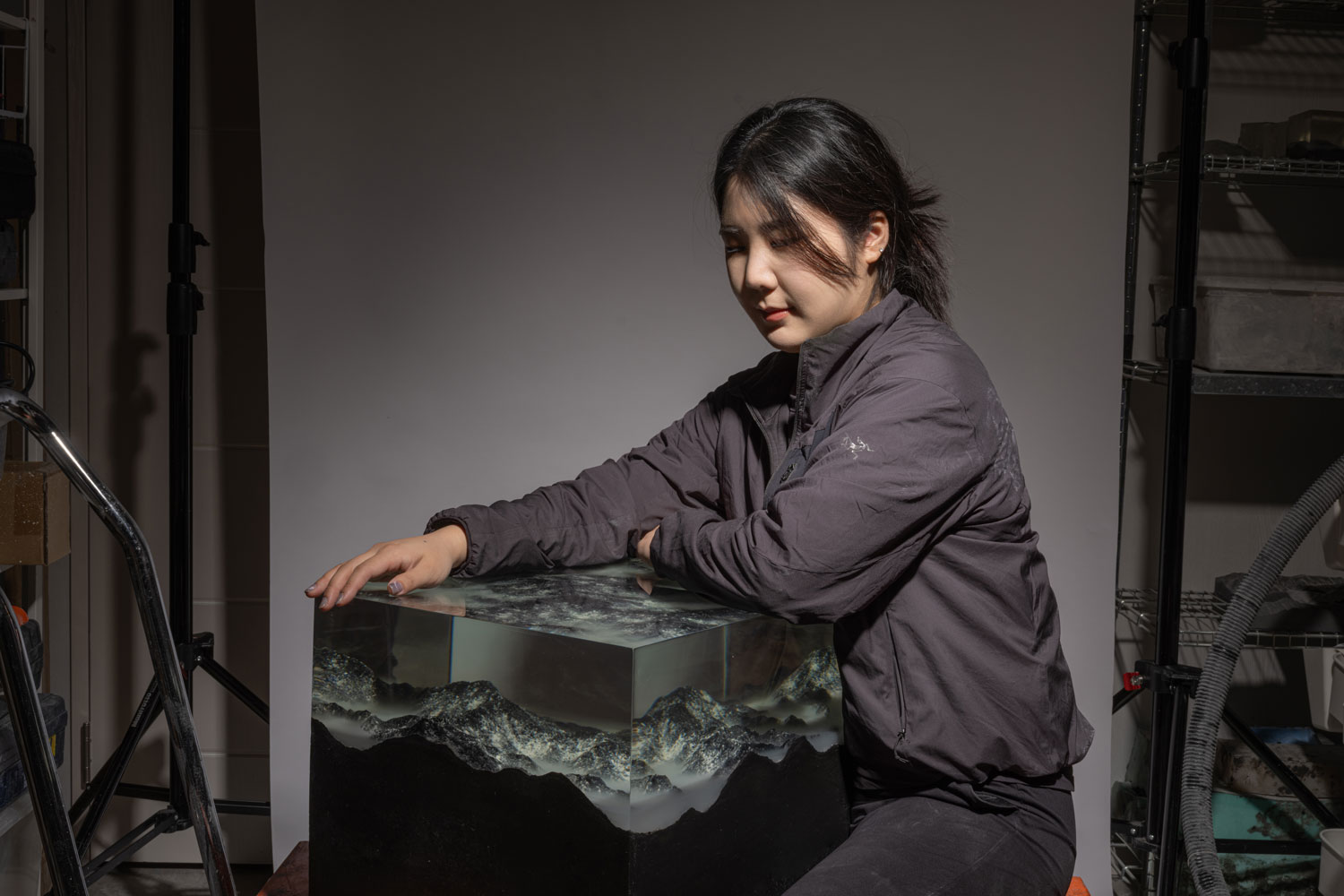
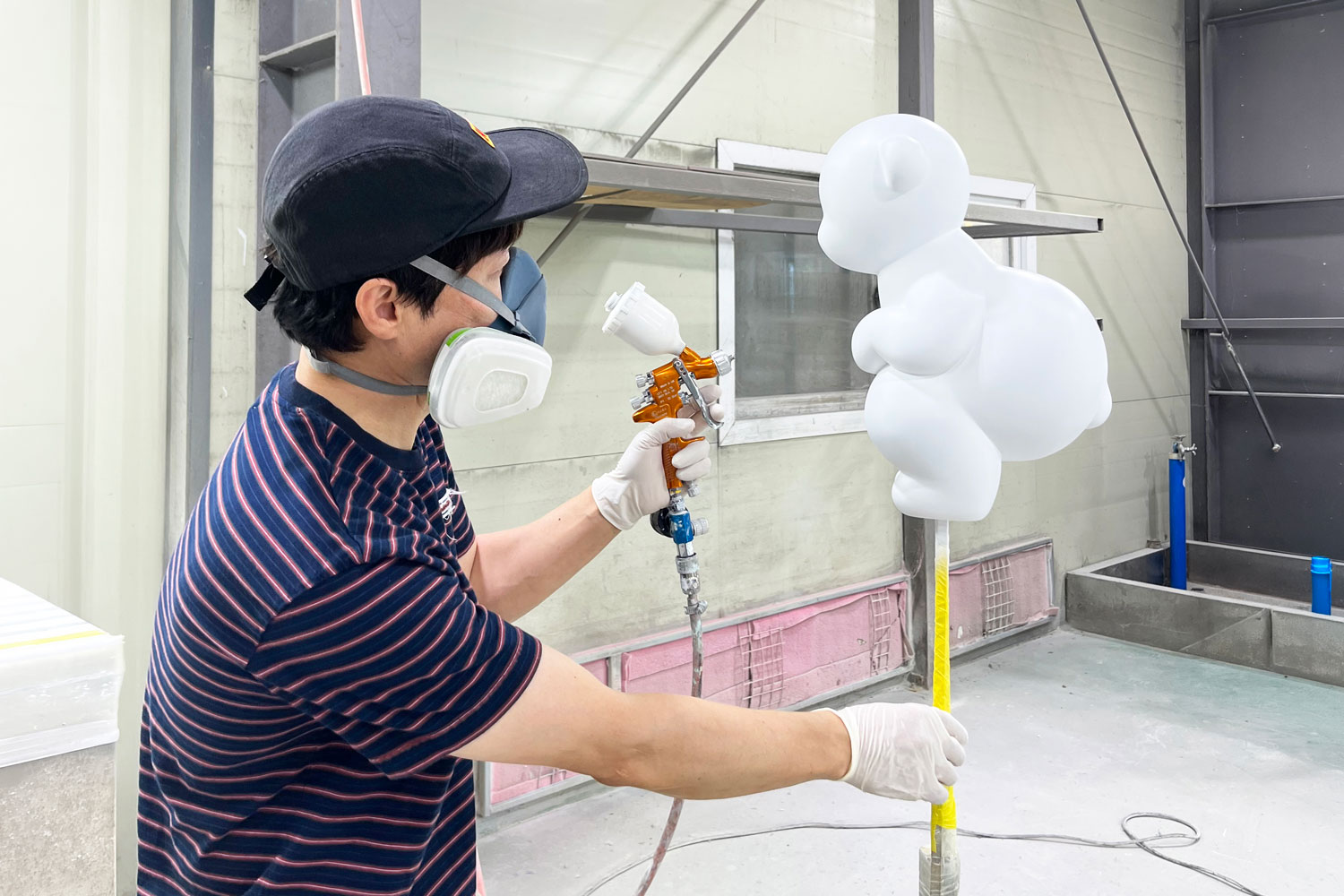
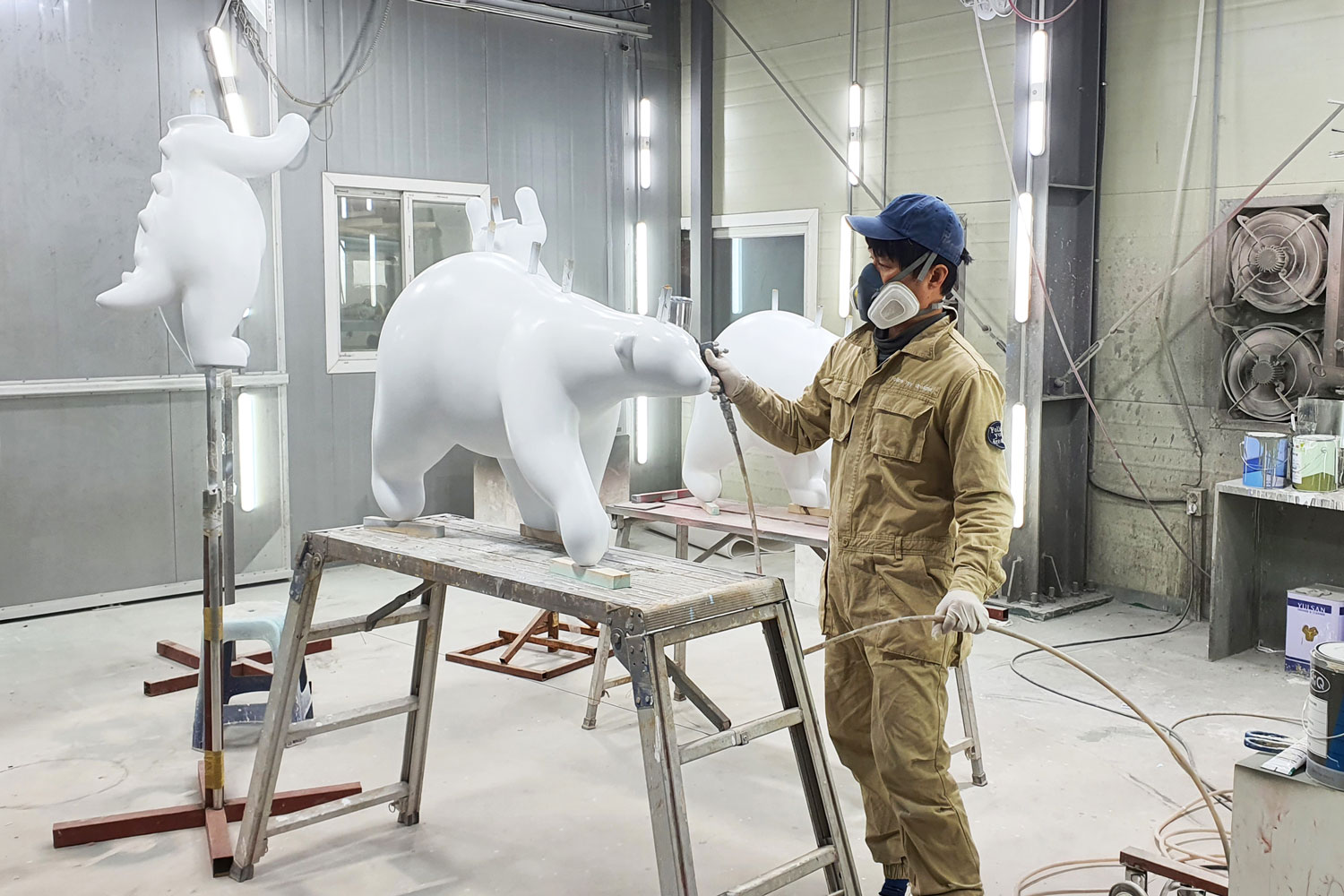
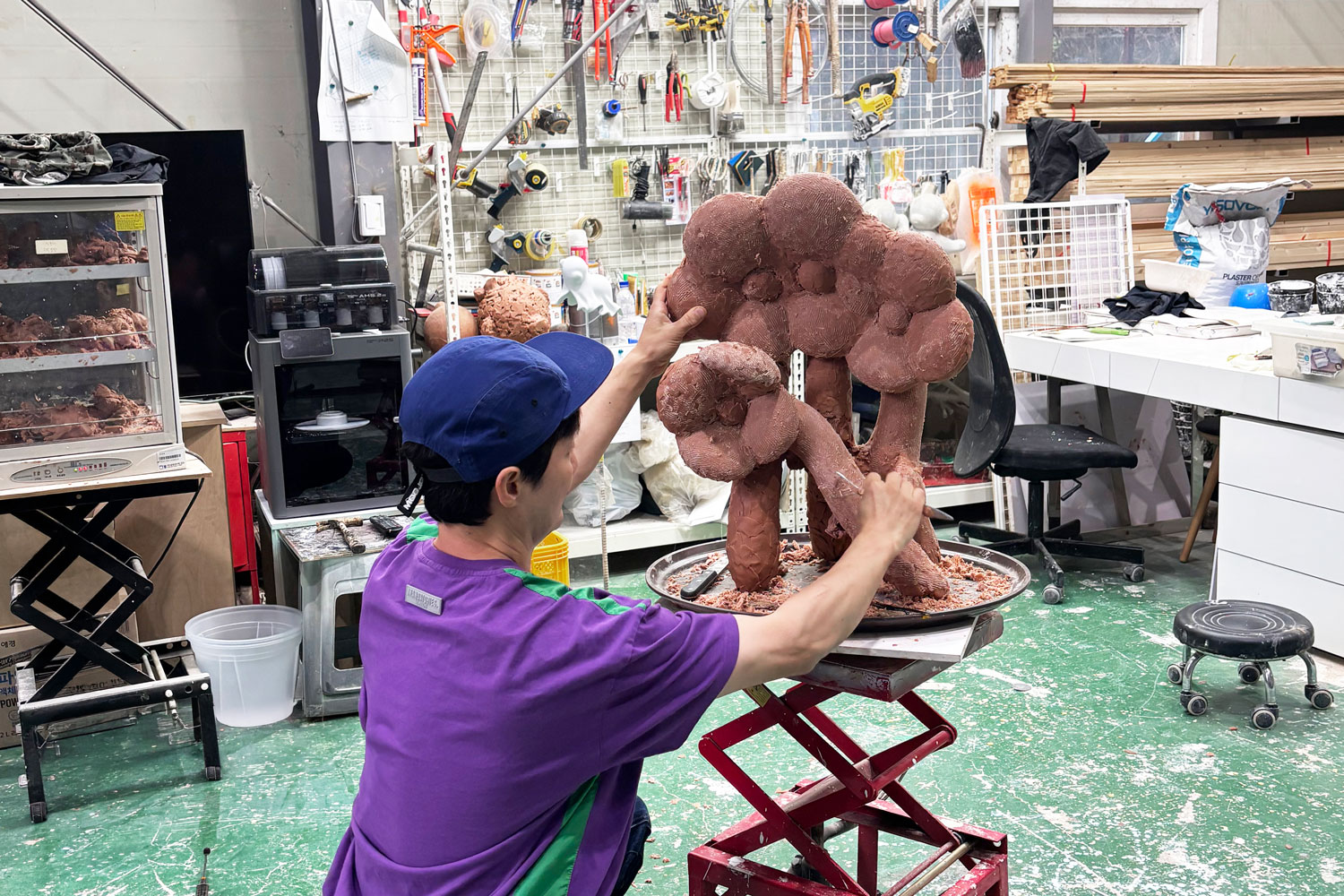
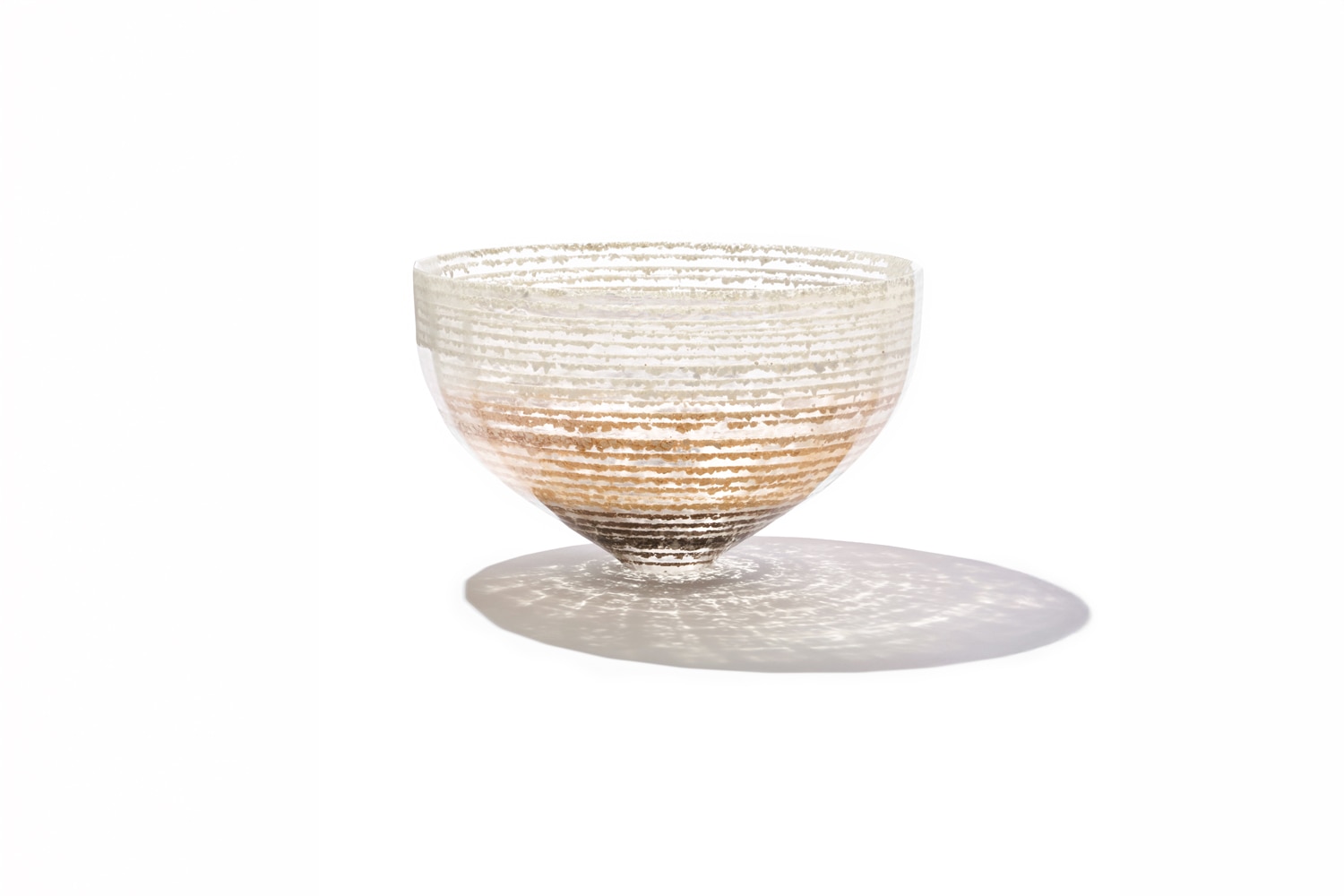
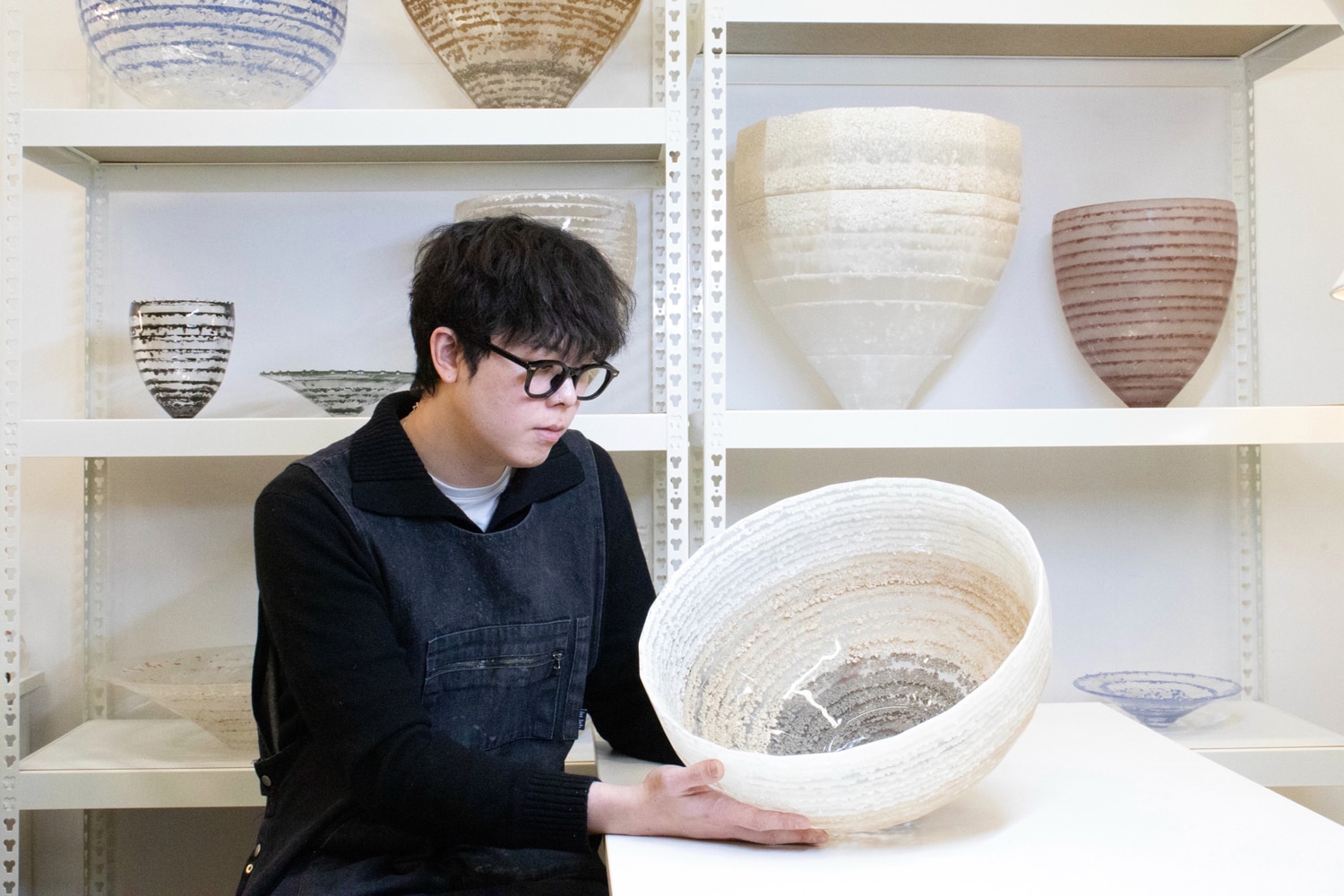
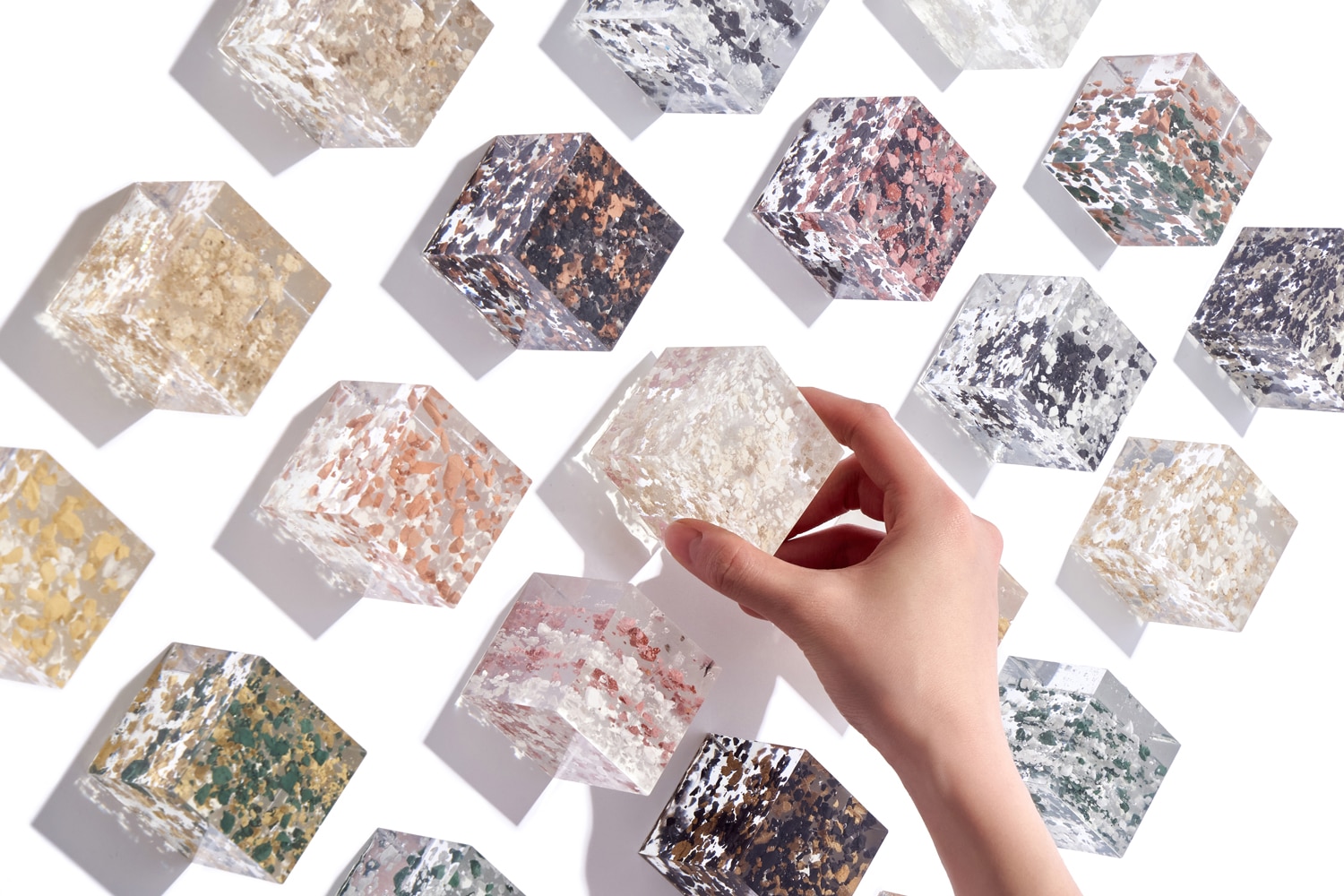
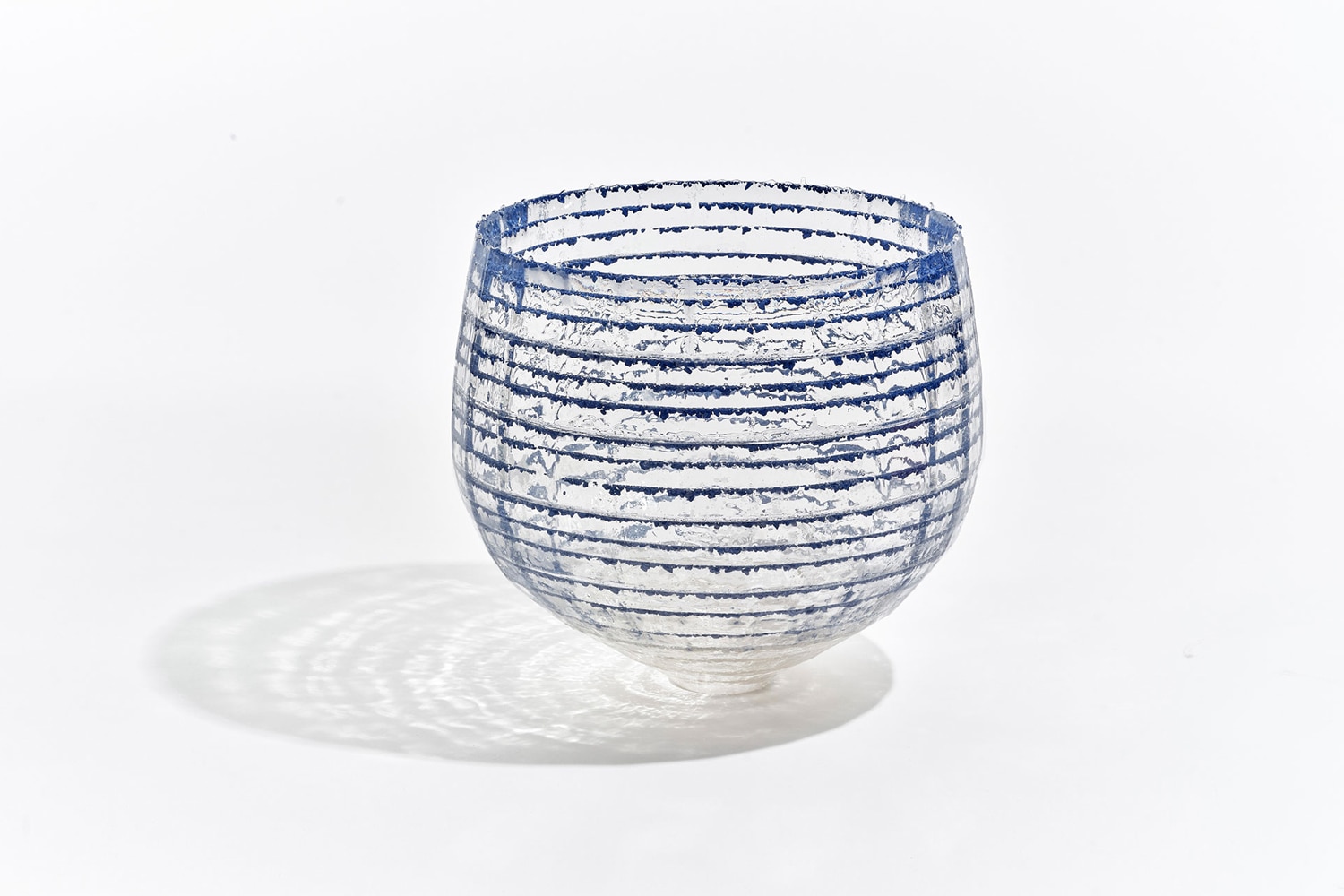
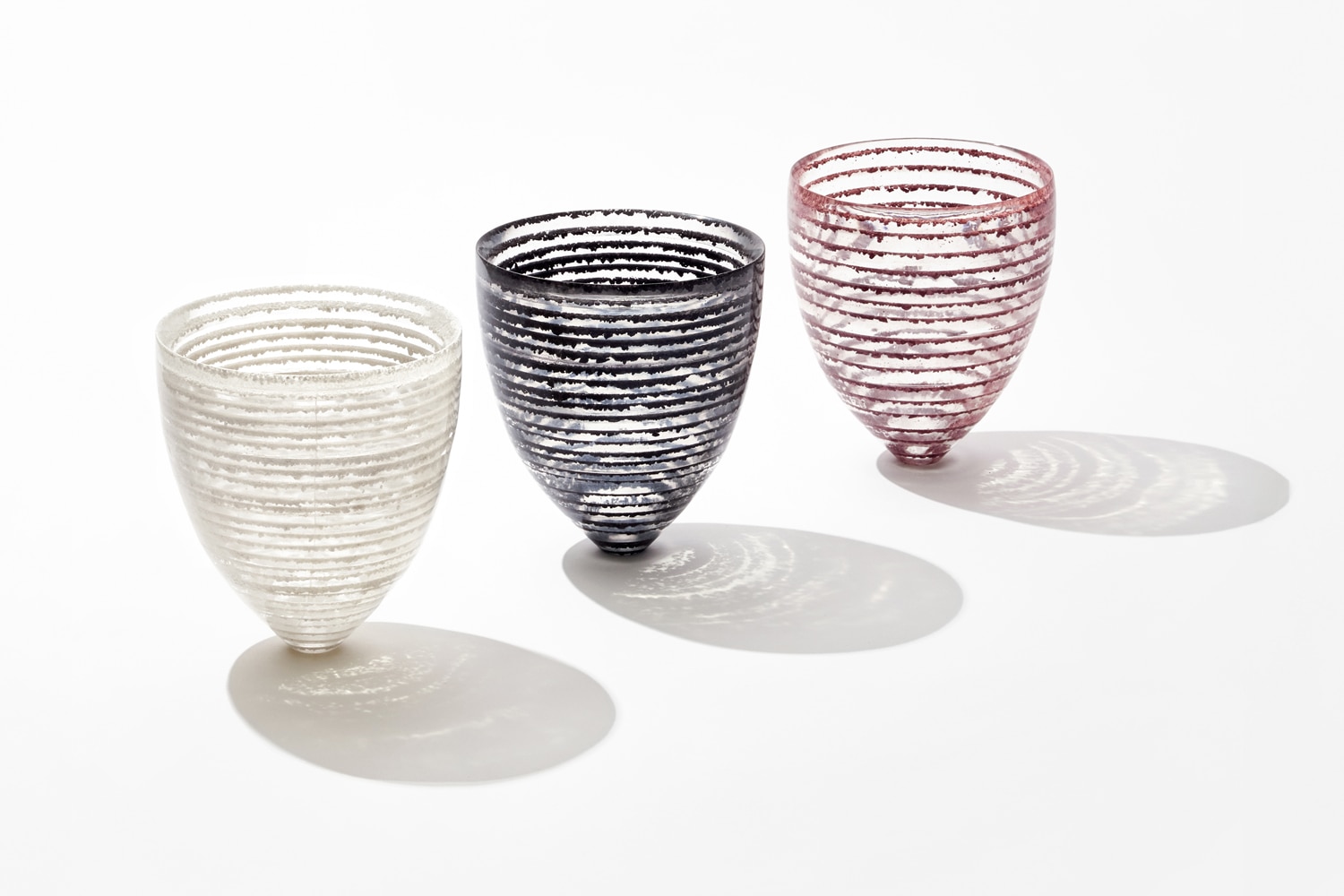
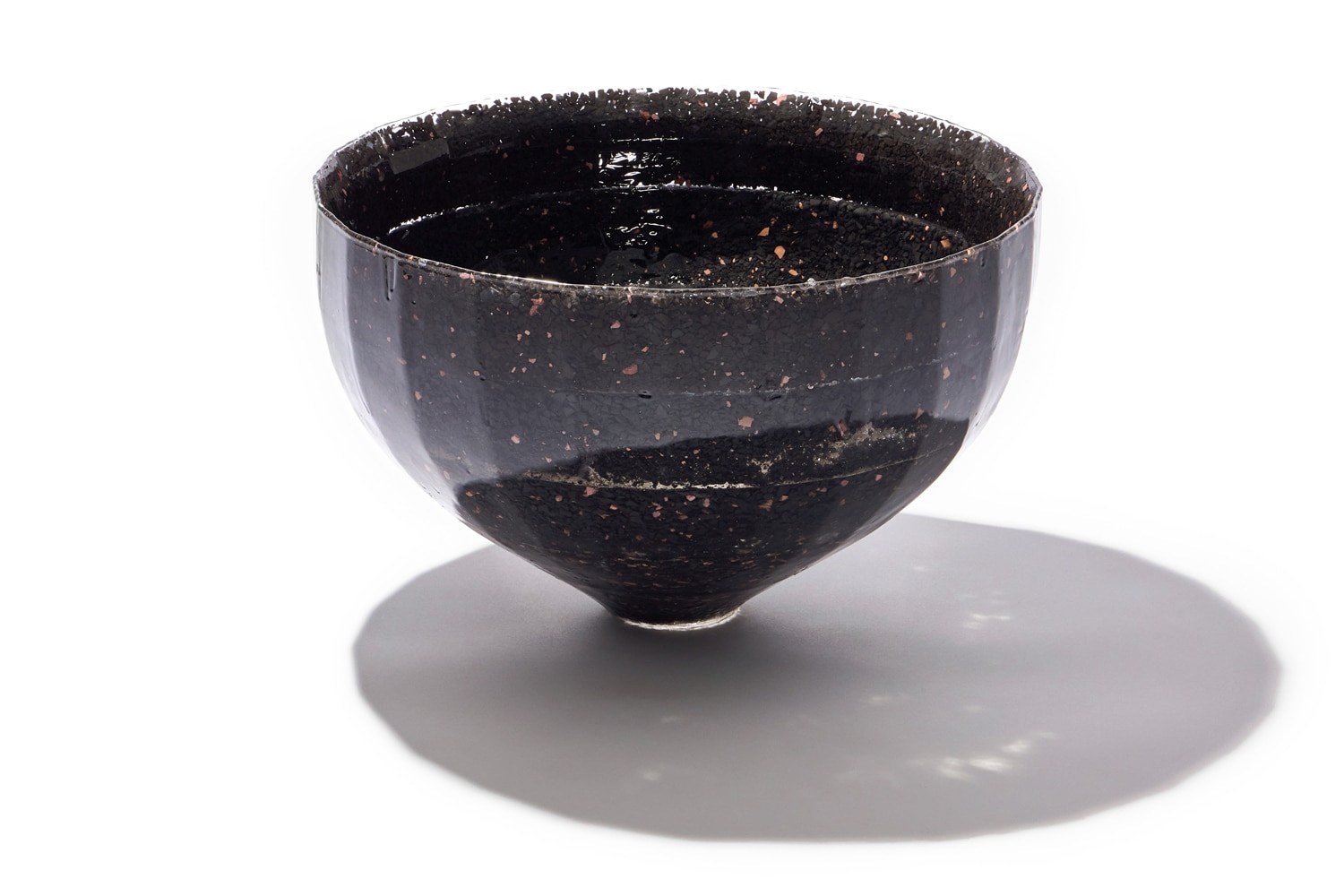
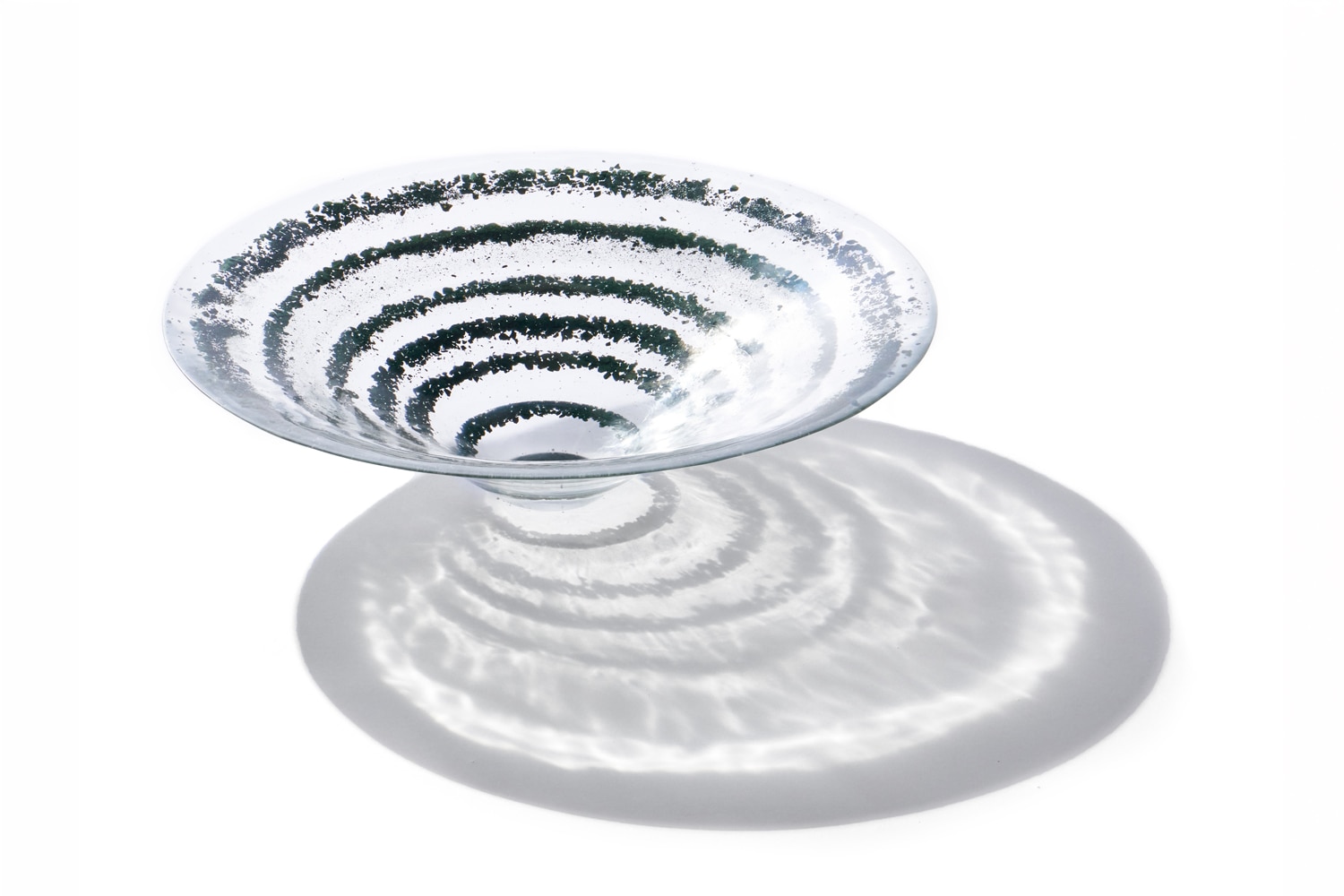
While studying at university, Jinhyeong Joo explored the properties and techniques of materials such as clay, wood, metal and resin. "I developed an interest in the relationships between all my materials," he says. Jinhyeong began experimenting with the unusual combination of clay and resin despite their seemingly incompatible natures. Through repeated trials and failures, he came to understand how they interact. One day, he placed a clay fragment into resin and noticed that it appeared both broken and unbroken at the same time, forming a harmony between them. Since then, Jinhyeong has continued working with clay fragments and resin together. “I often discover new possibilities through unexpected results," he says. "The moment something breaks, a new beginning is born.”
Jinhyeong Joo is a rising star: he began his career in 2025.
INTERVIEW
When I was an undergraduate student, my professor told me that clay and resin have completely opposite properties and would be difficult to combine. However, I was curious to try combine them myself to see the result, which became the starting point of my work.
Looking back, I have always taken on challenges. It took me three attempts to enter university. Even afterwards, nothing came easy. Rather than feeling discouraged, I kept moving forward. In that sense, my life reflects the same belief as my work: fractures are not the end, but the beginning.
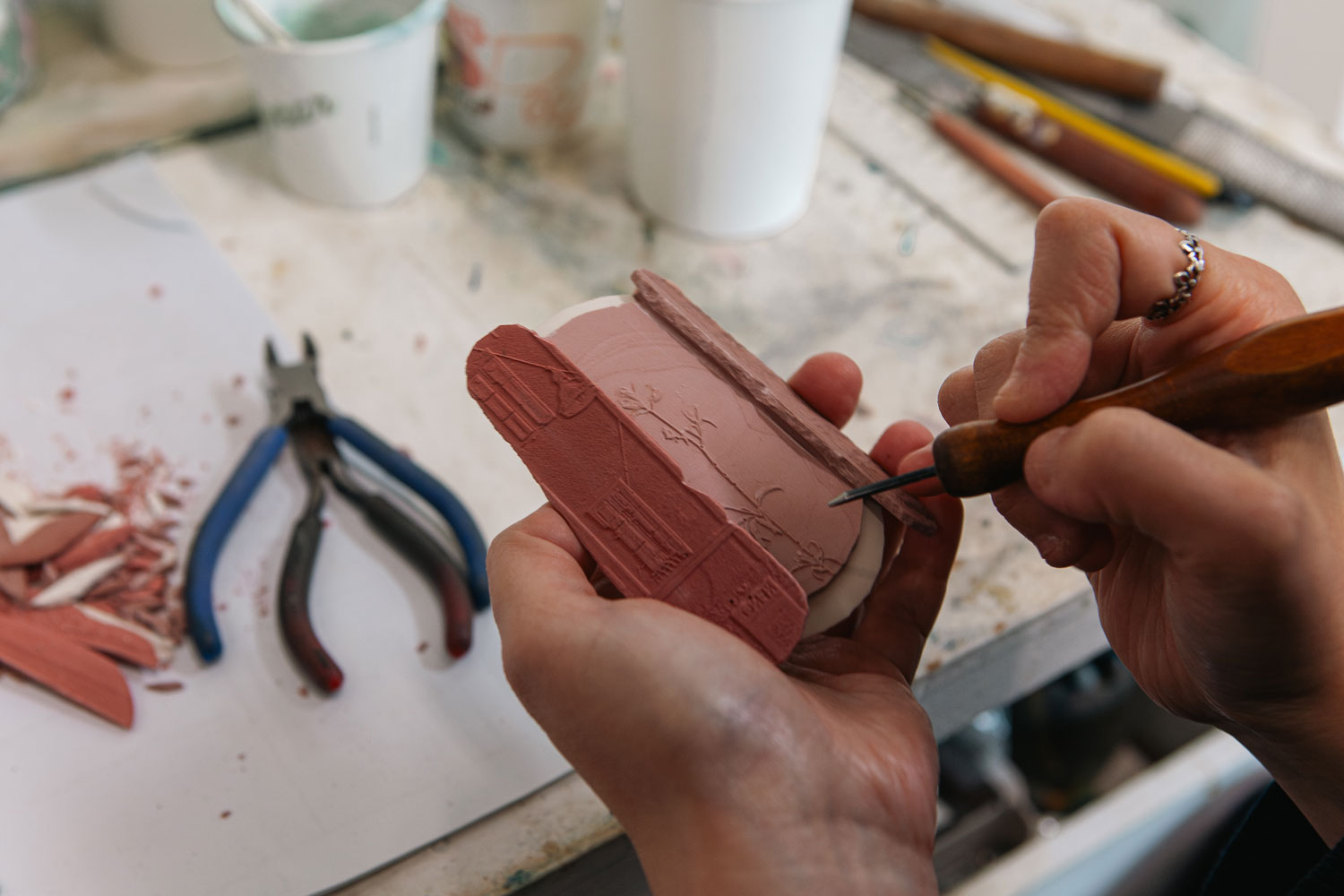
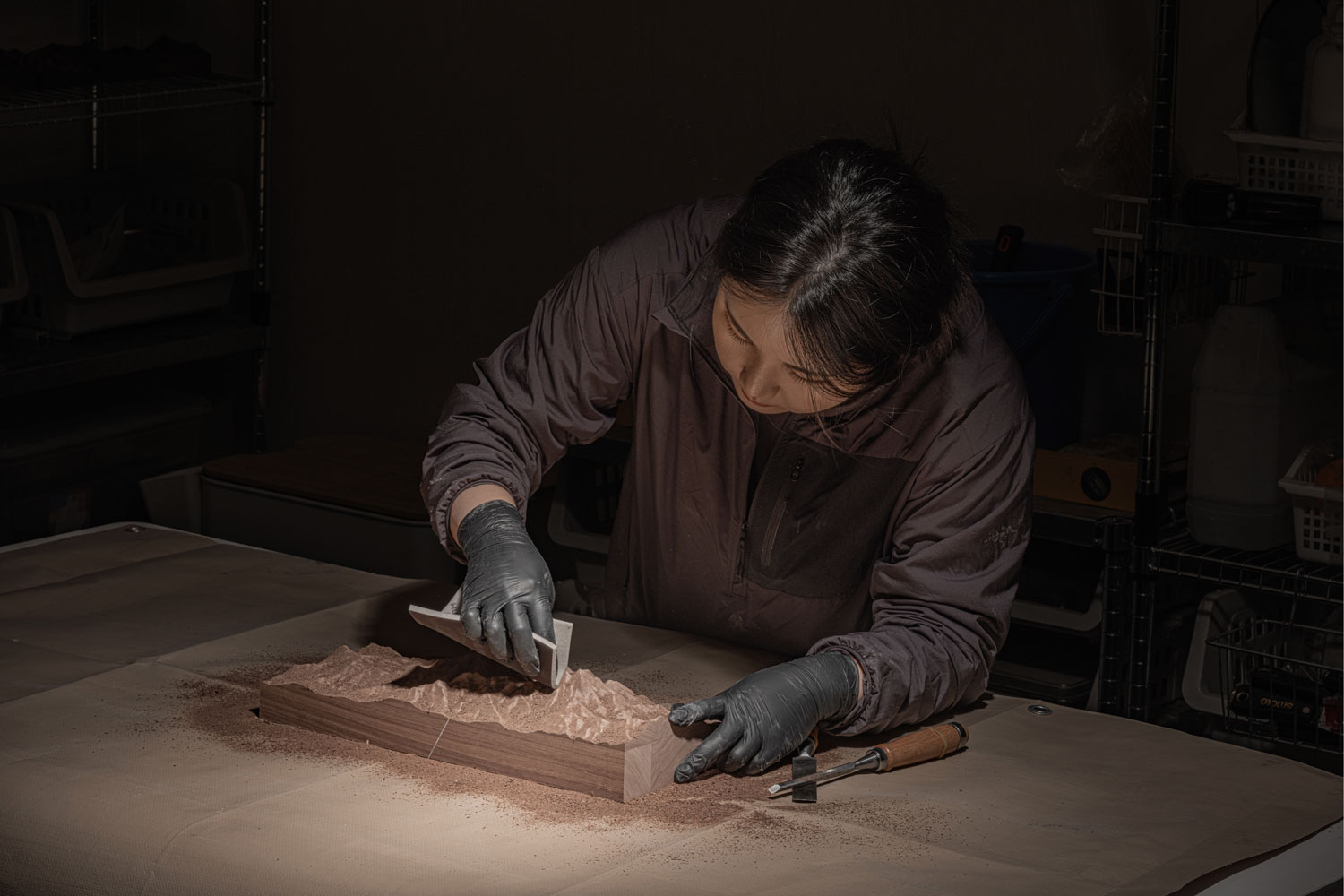
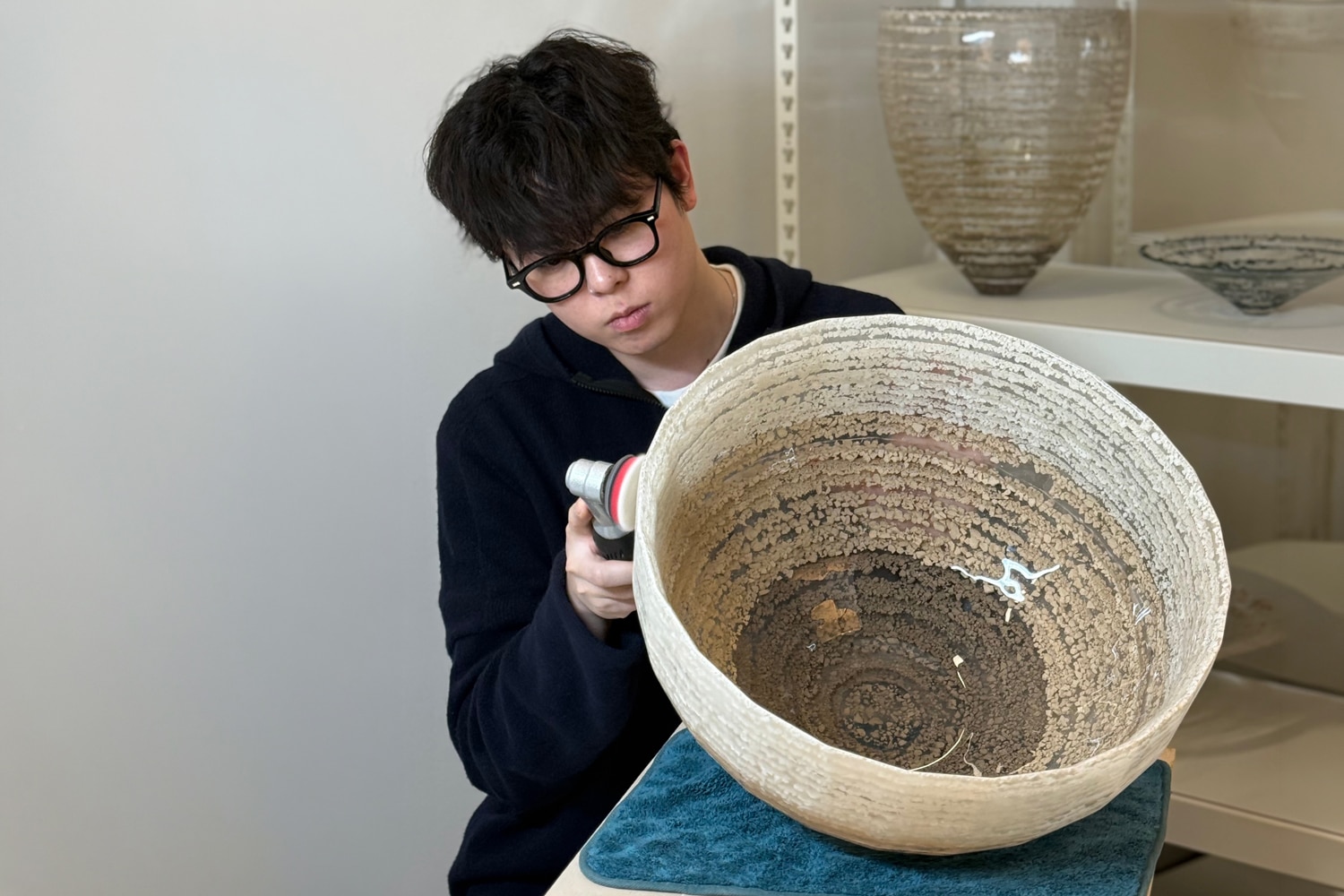
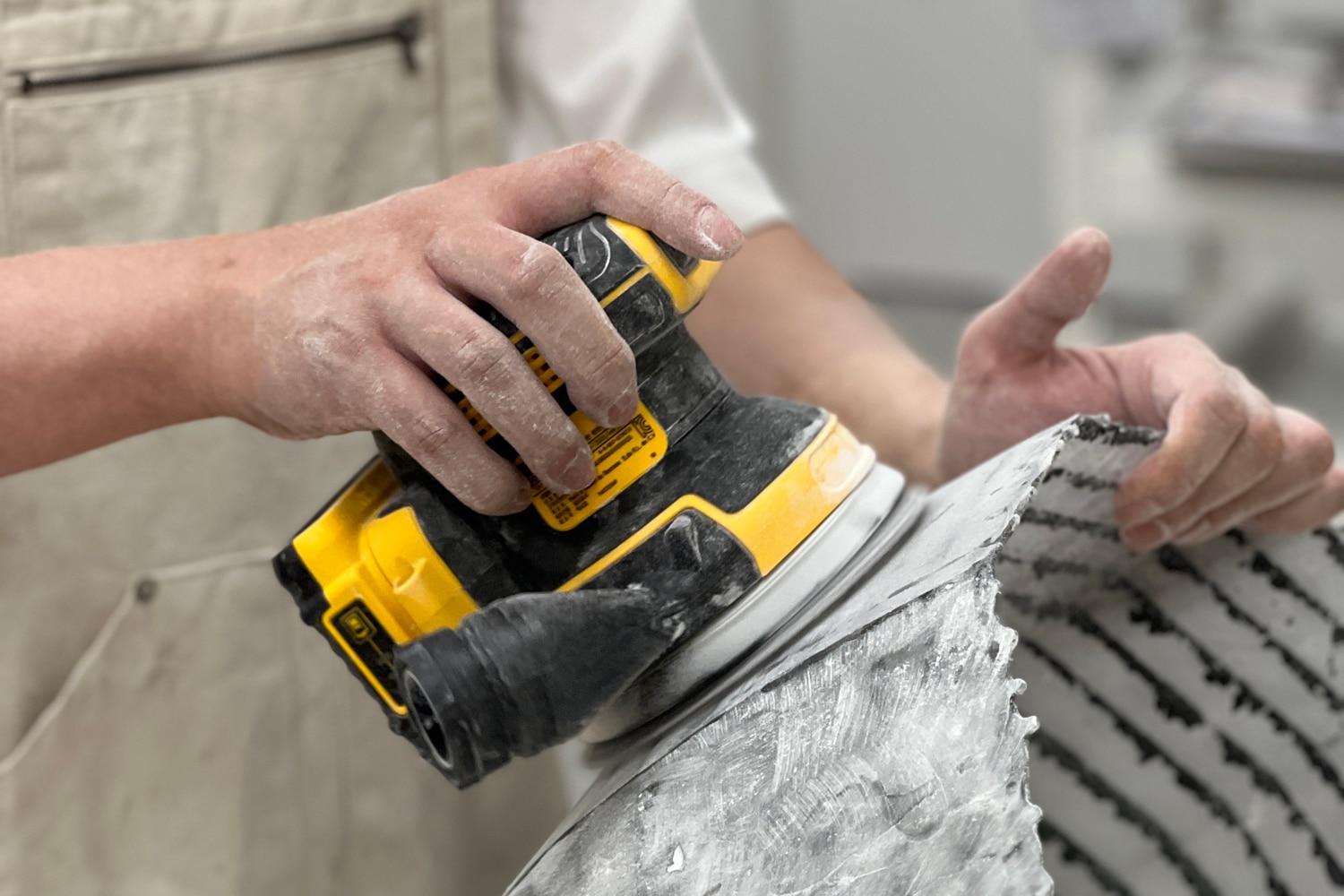
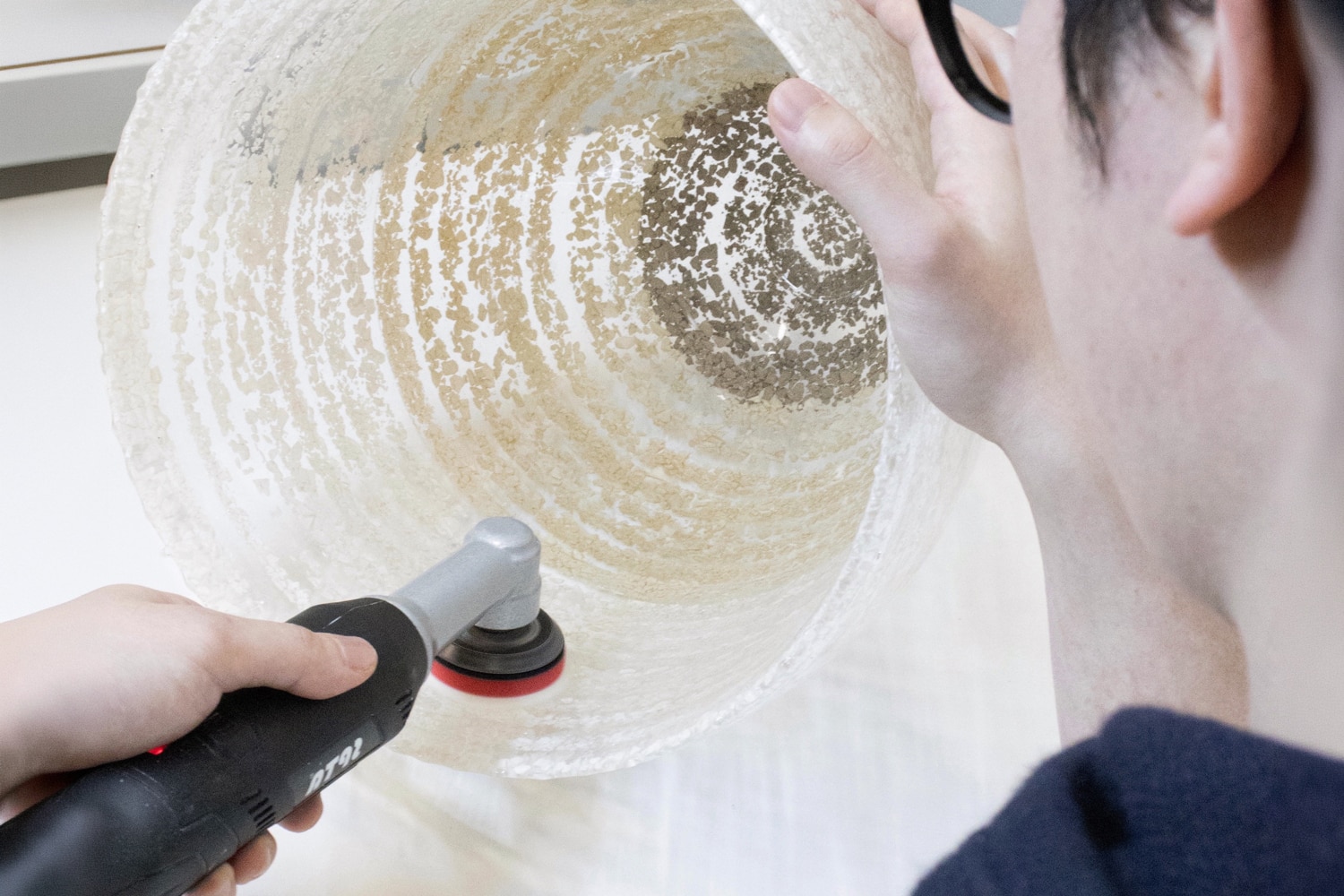
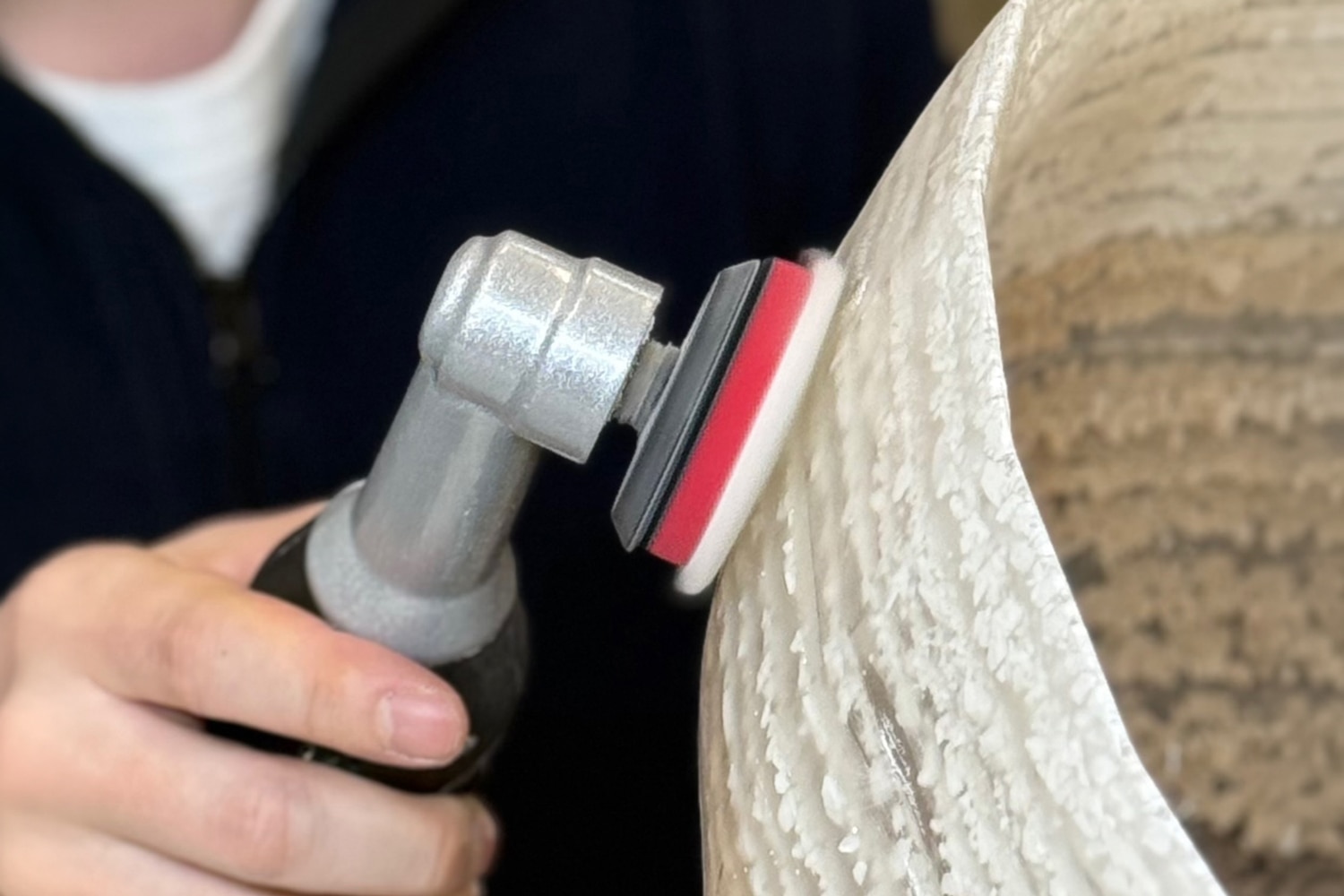
In conventional ceramics, the goal is to prevent breakage. In my work, however, the process begins by intentionally breaking clay into fragments. I find it fascinating to discover how these fragments come to exist in a new way when embedded within resin.
Many people think the clay fragments in my work float by chance. In fact, their positions and layers are thoroughly planned one by one before the resin is poured in multiple stages. Although the result may look natural, it is actually the outcome of a very deliberate process.
Jinhyeong Joo
Resin artist
Guri, South Korea
AVAILABILITY
By appointment only
PHONE
+82 1065639228
LANGUAGES
Korean
HOMO FABER FINDS
Homo Faber Finds is a new service aiming to inspire admirers of craft to connect and collaborate with exceptional artisans.
We invite you to submit an enquiry here.