©Fanny Ollas
©Fanny Ollas
©Fanny Ollas
©Fanny Ollas
©Fanny Ollas
©Fanny Ollas
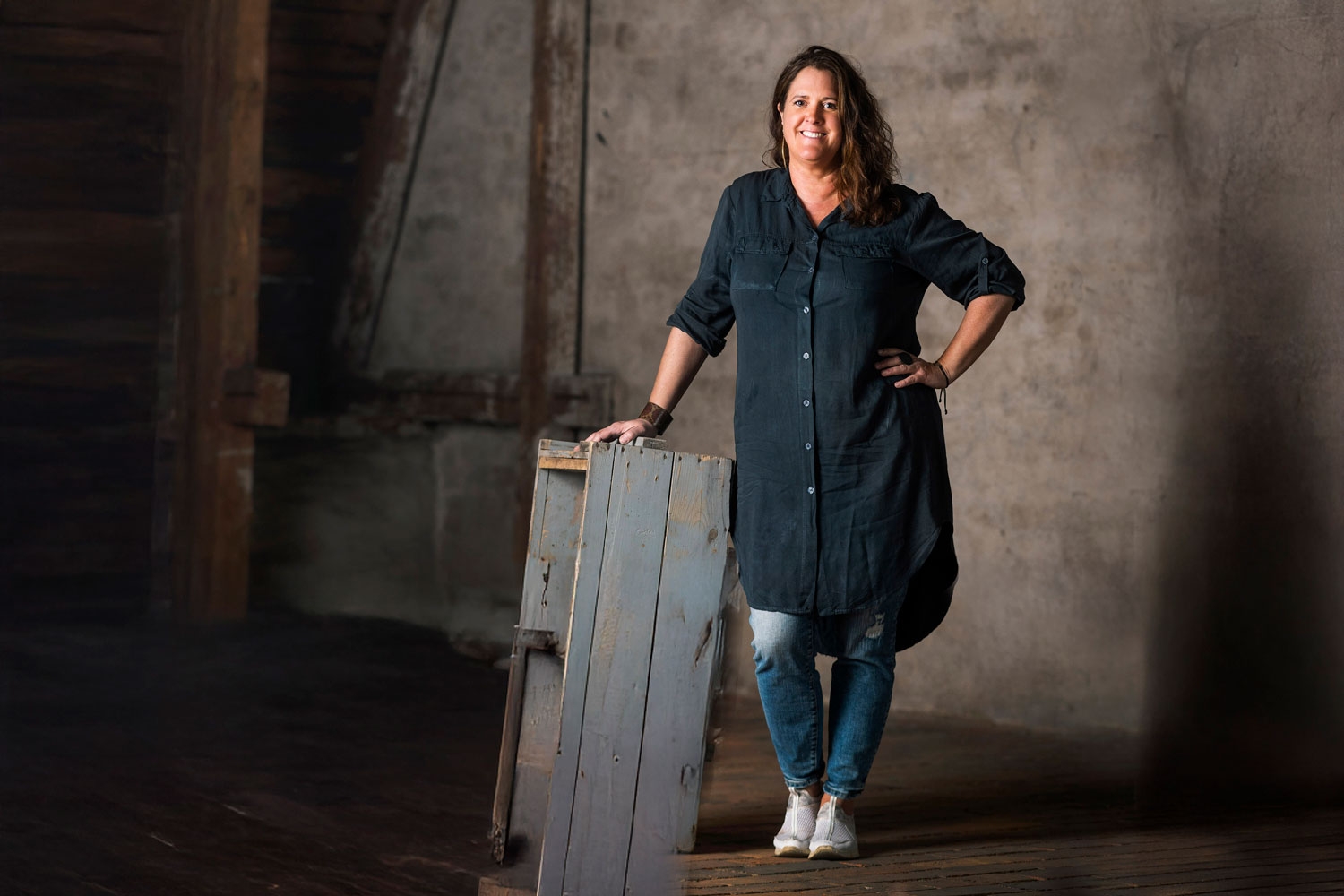
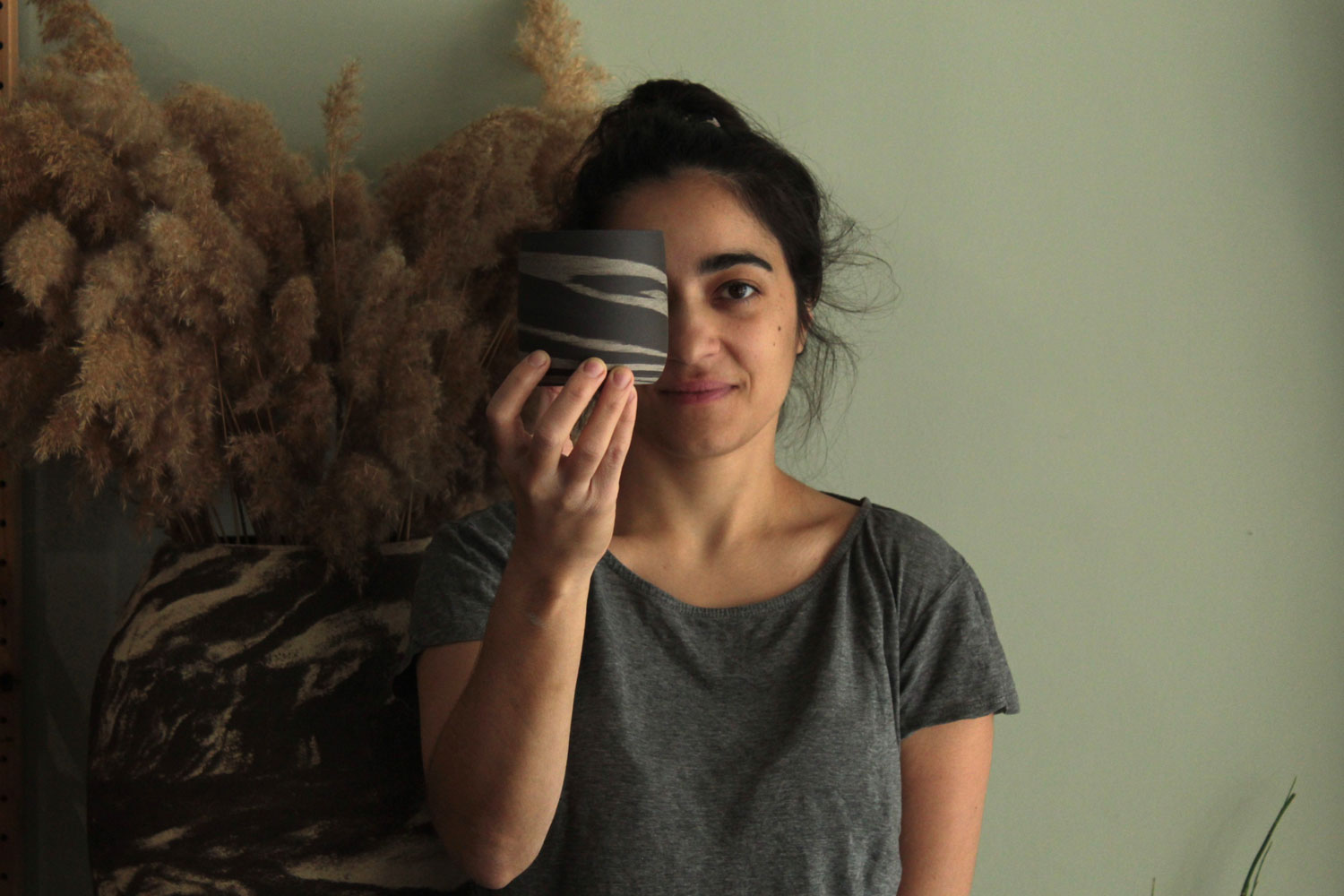
Fanny Ollas
Ceramicist
Gustavsberg, Sweden
©Fanny Ollas
©Fanny Ollas
©Fanny Ollas
©Fanny Ollas
©Fanny Ollas
©Fanny Ollas
©Fanny Ollas
©Fanny Ollas
©Fanny Ollas
©Fanny Ollas
©Fanny Ollas
©Fanny Ollas
The undeniable flair of elegant ceramics
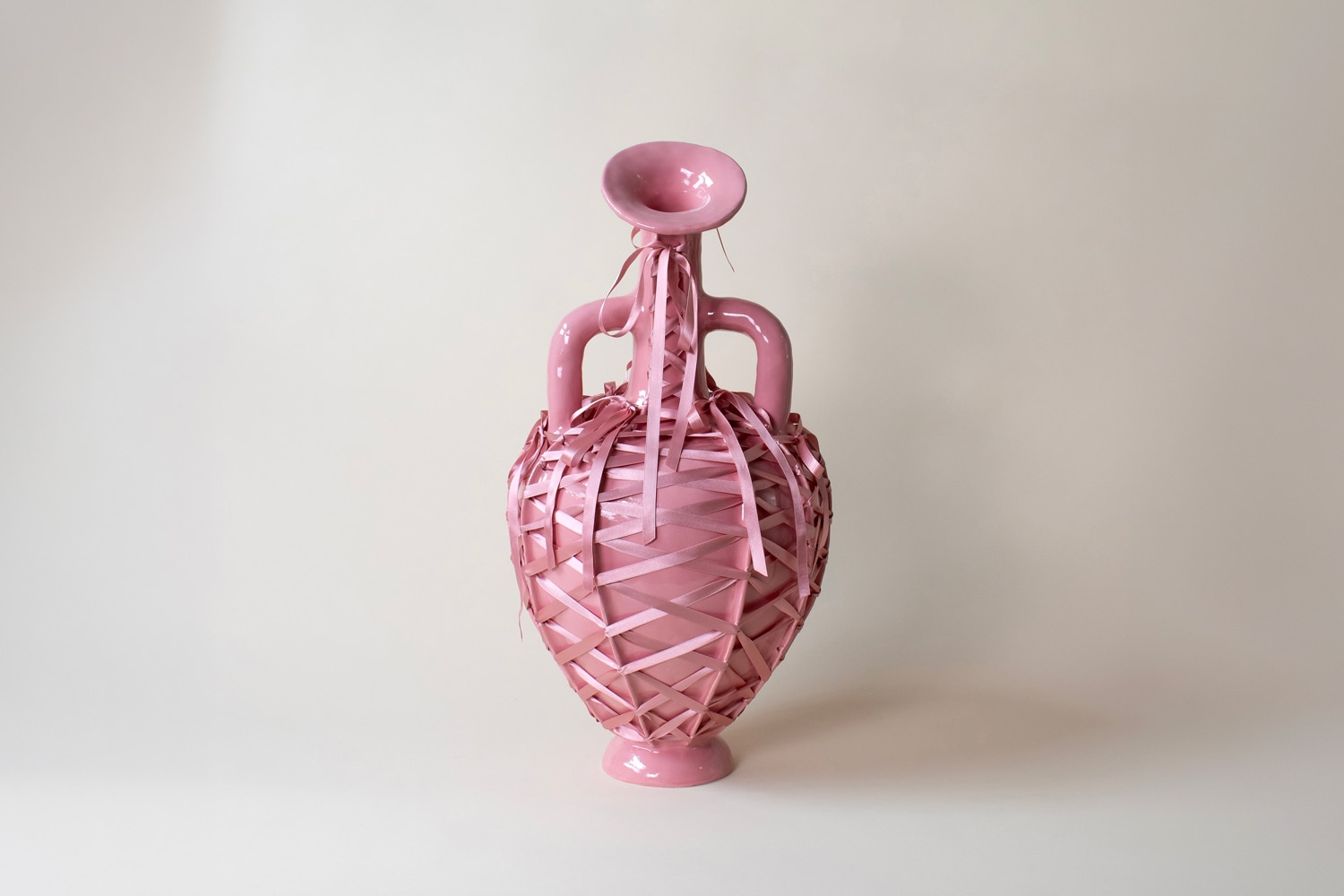
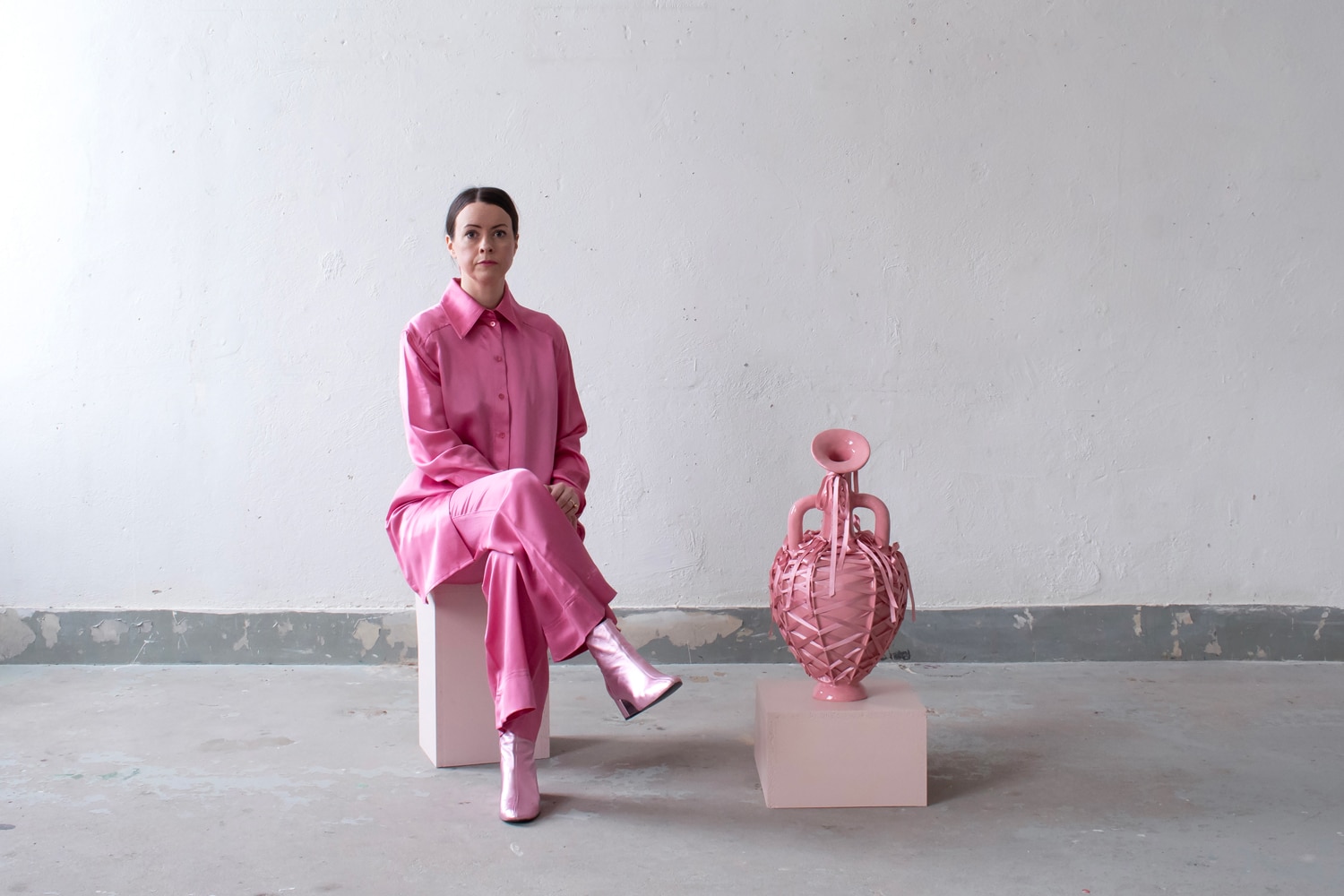
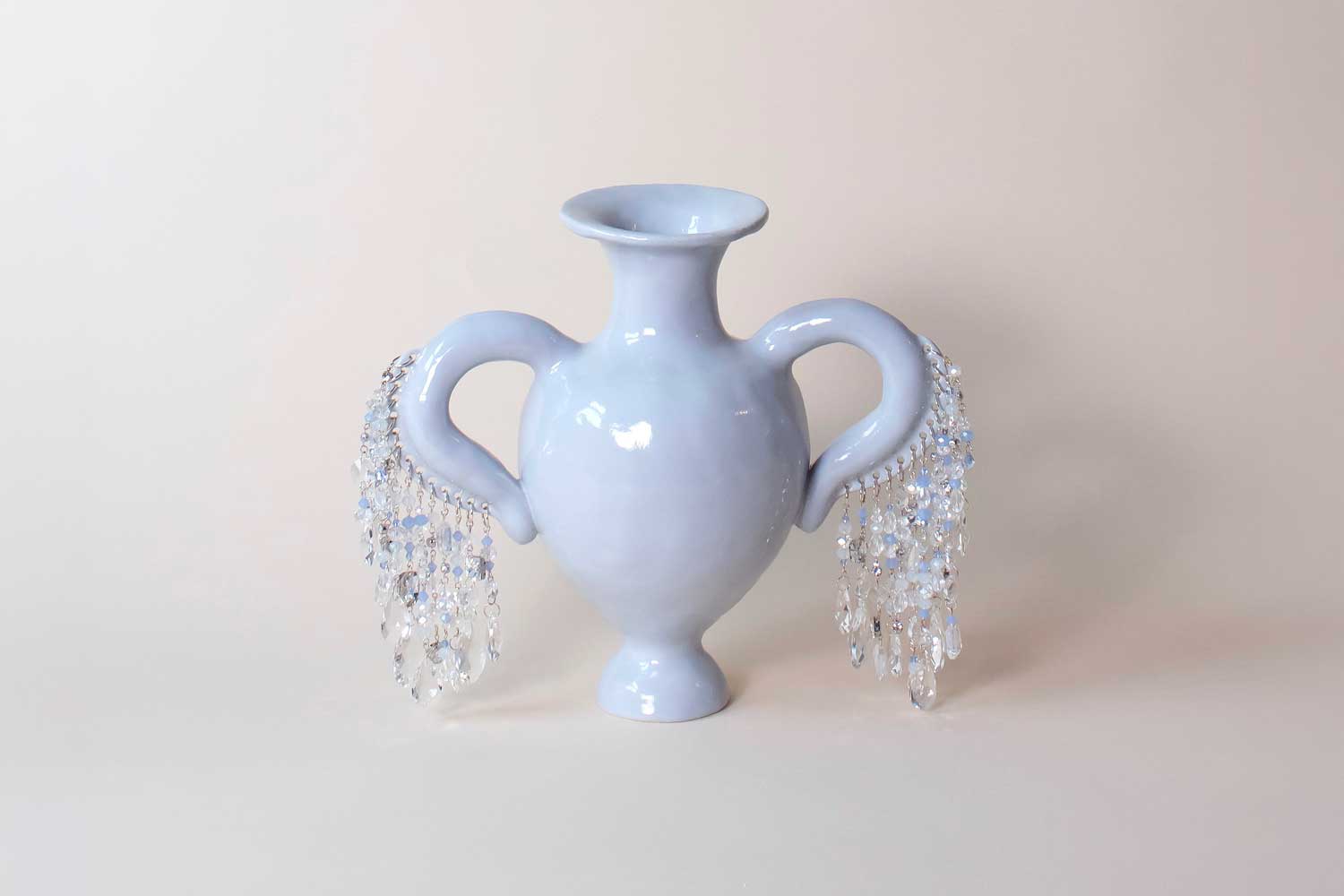
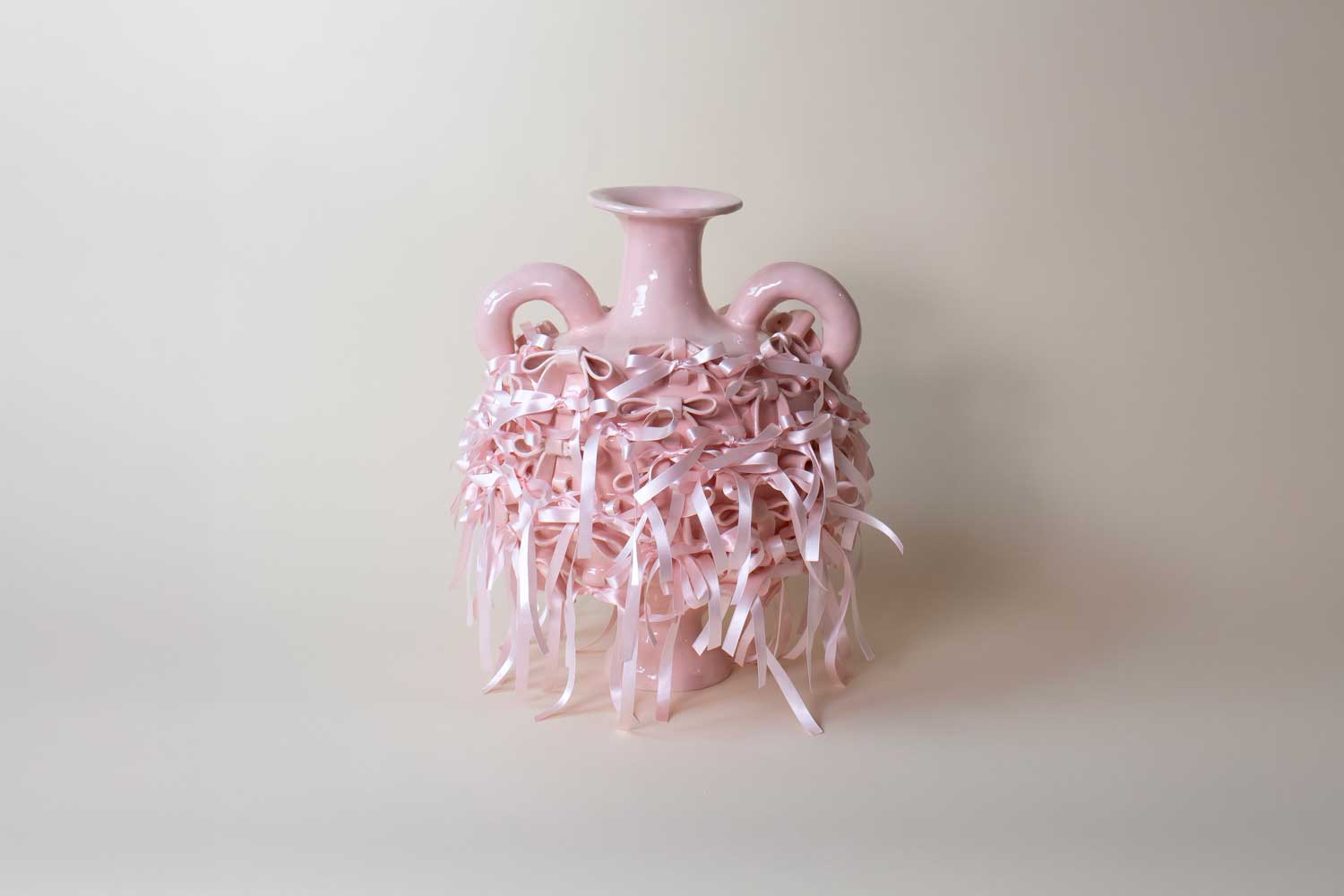
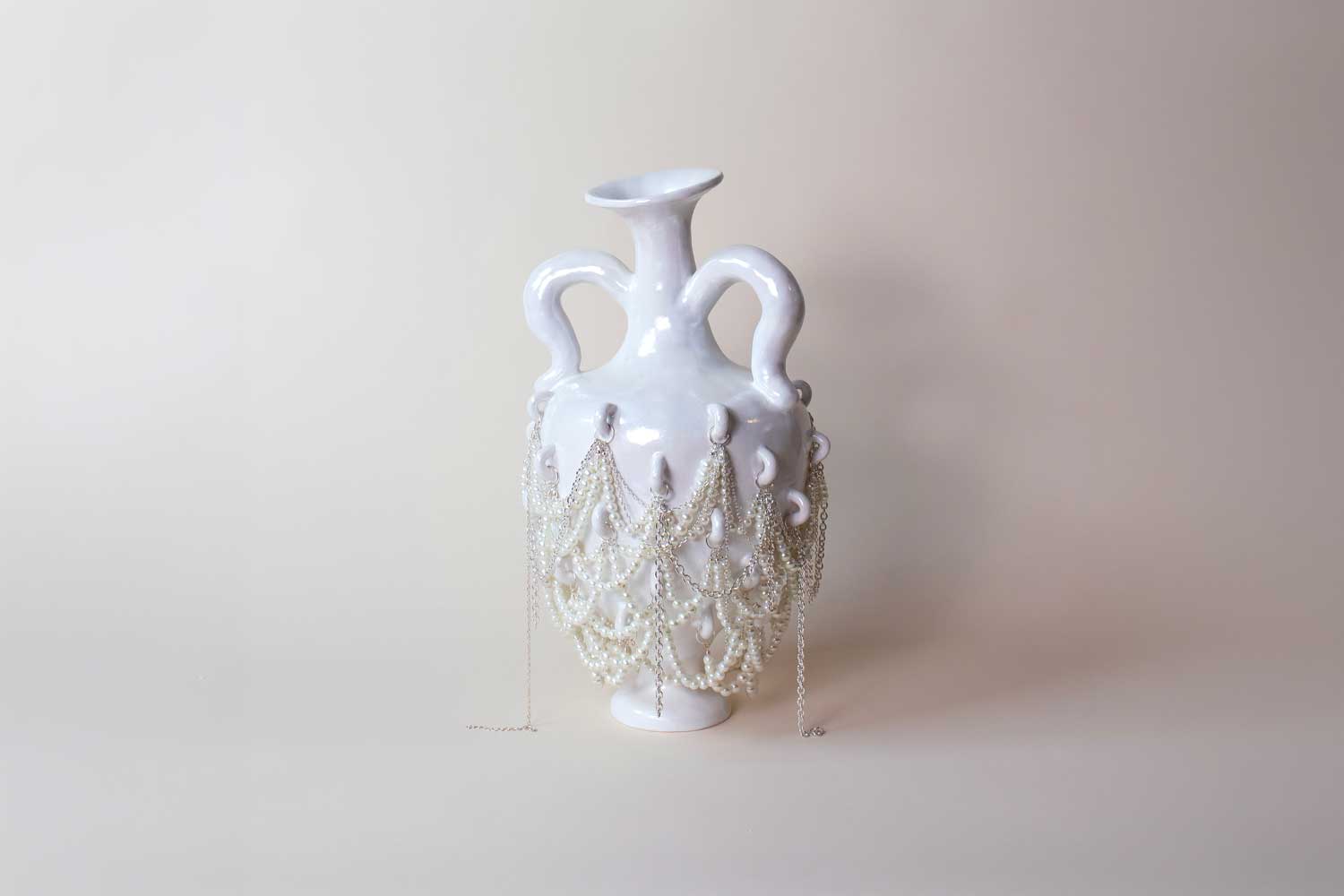
- Fanny's historically shaped amphoras project a contemporary feel
- She implements fashion inspired elements in her ceramic works
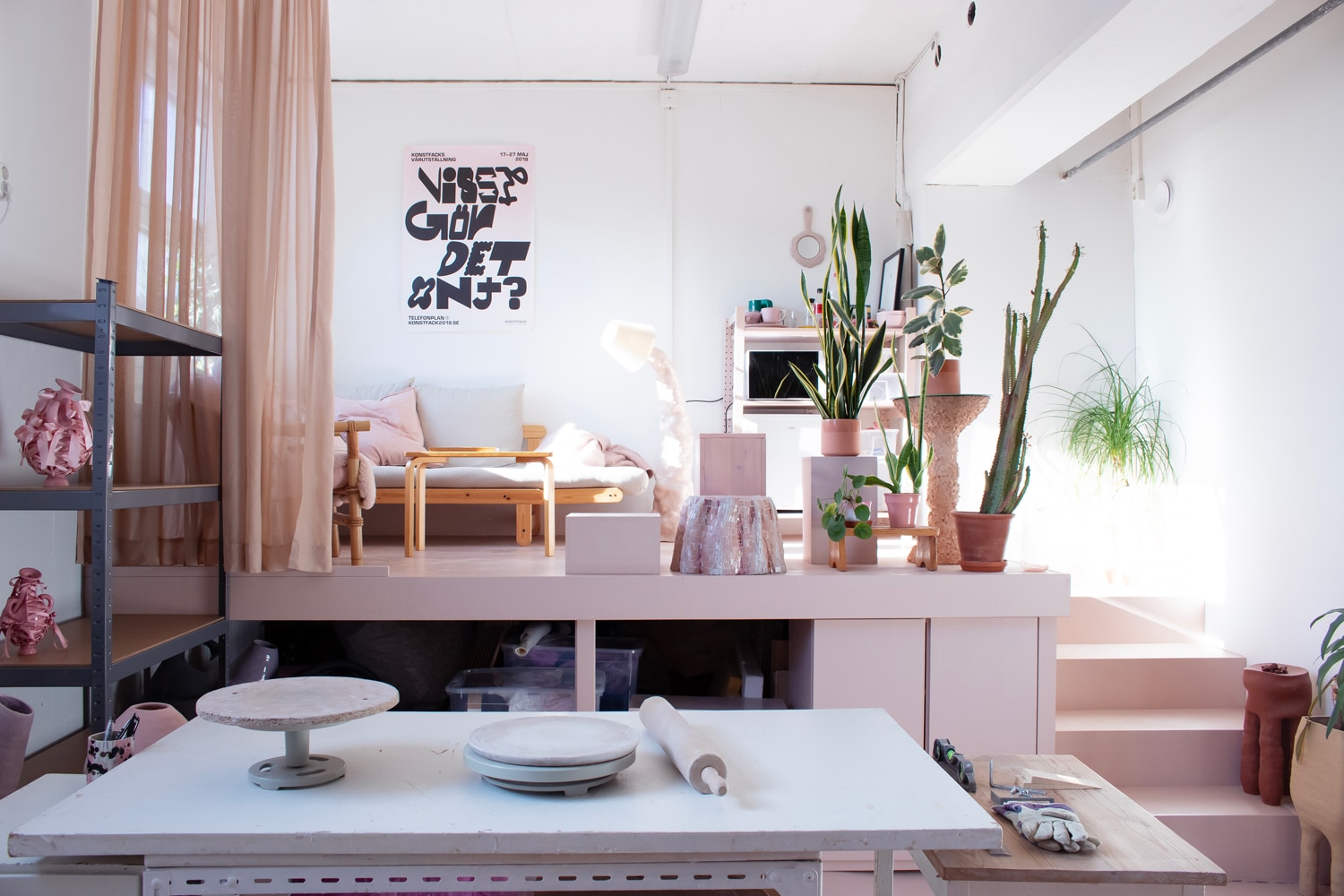
- She crafts from her studio in Gustavsberg, a porcelain factory
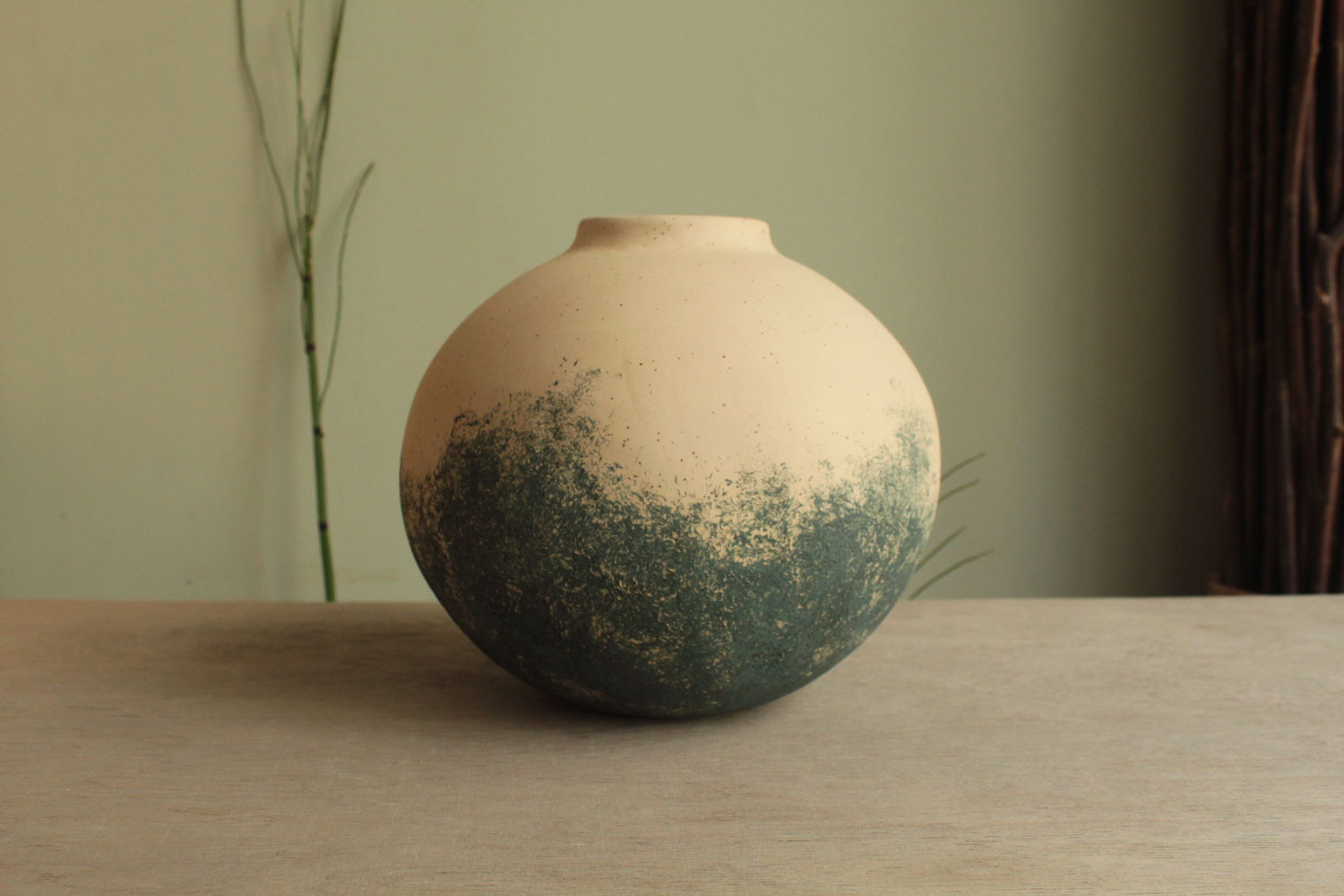
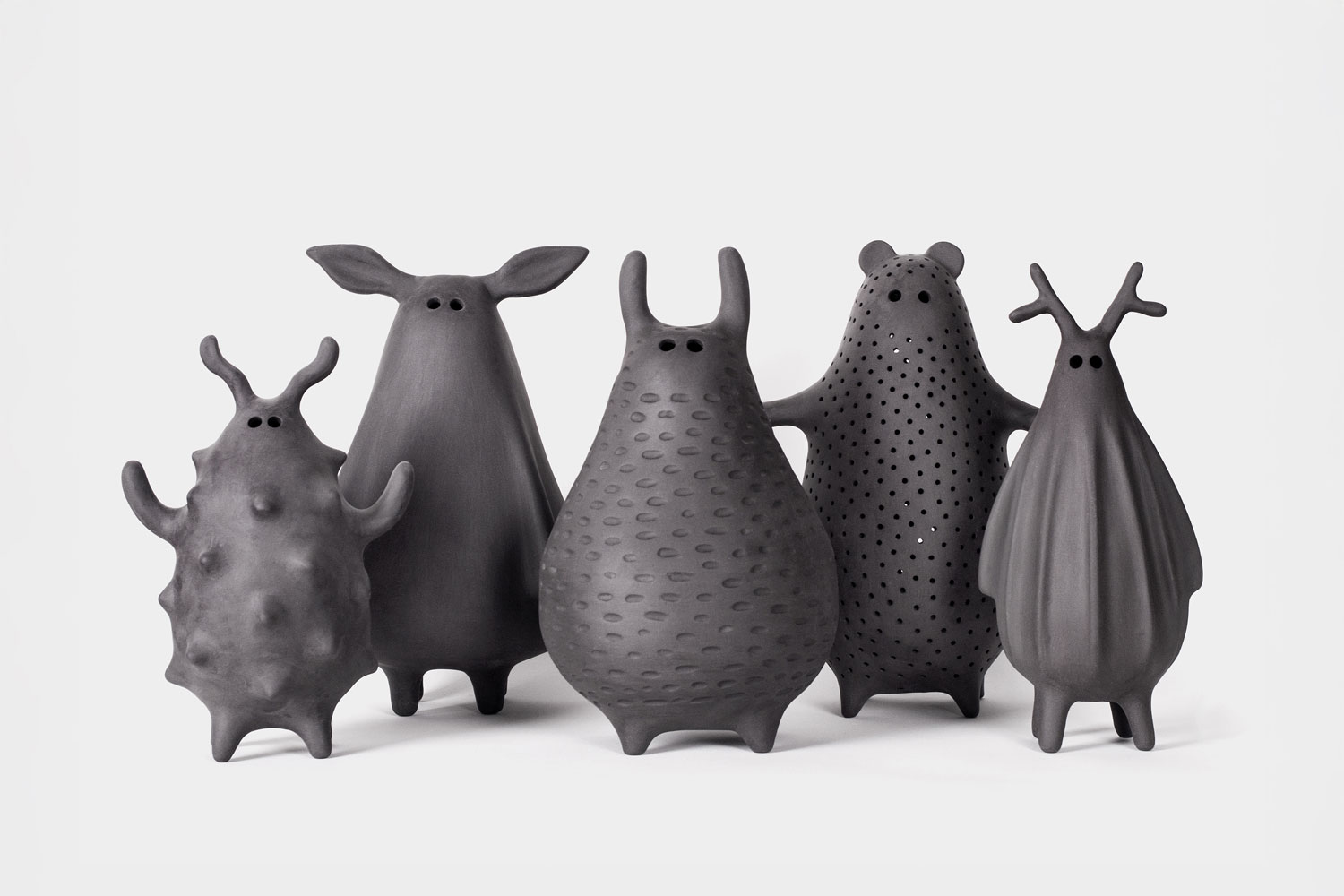
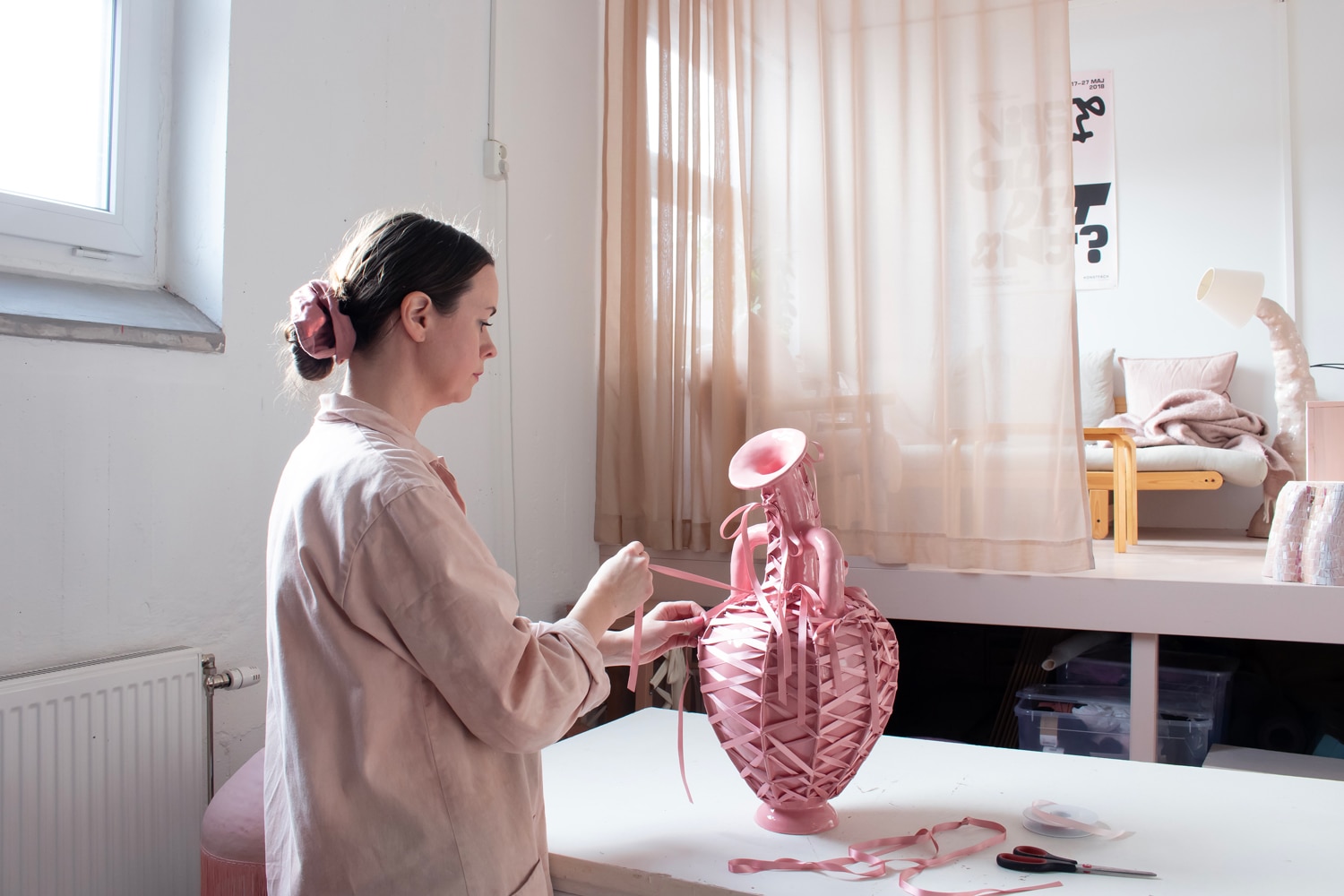
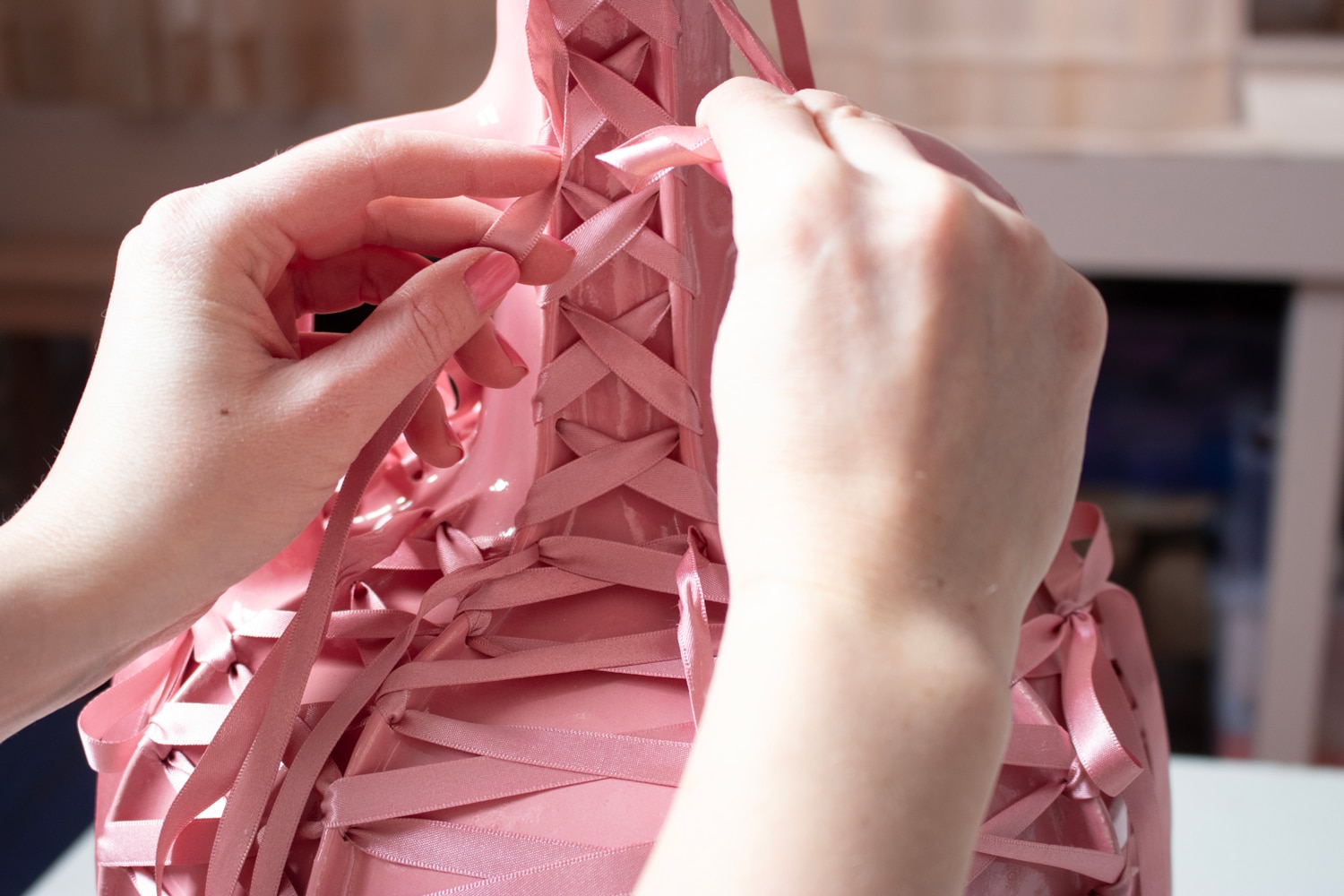
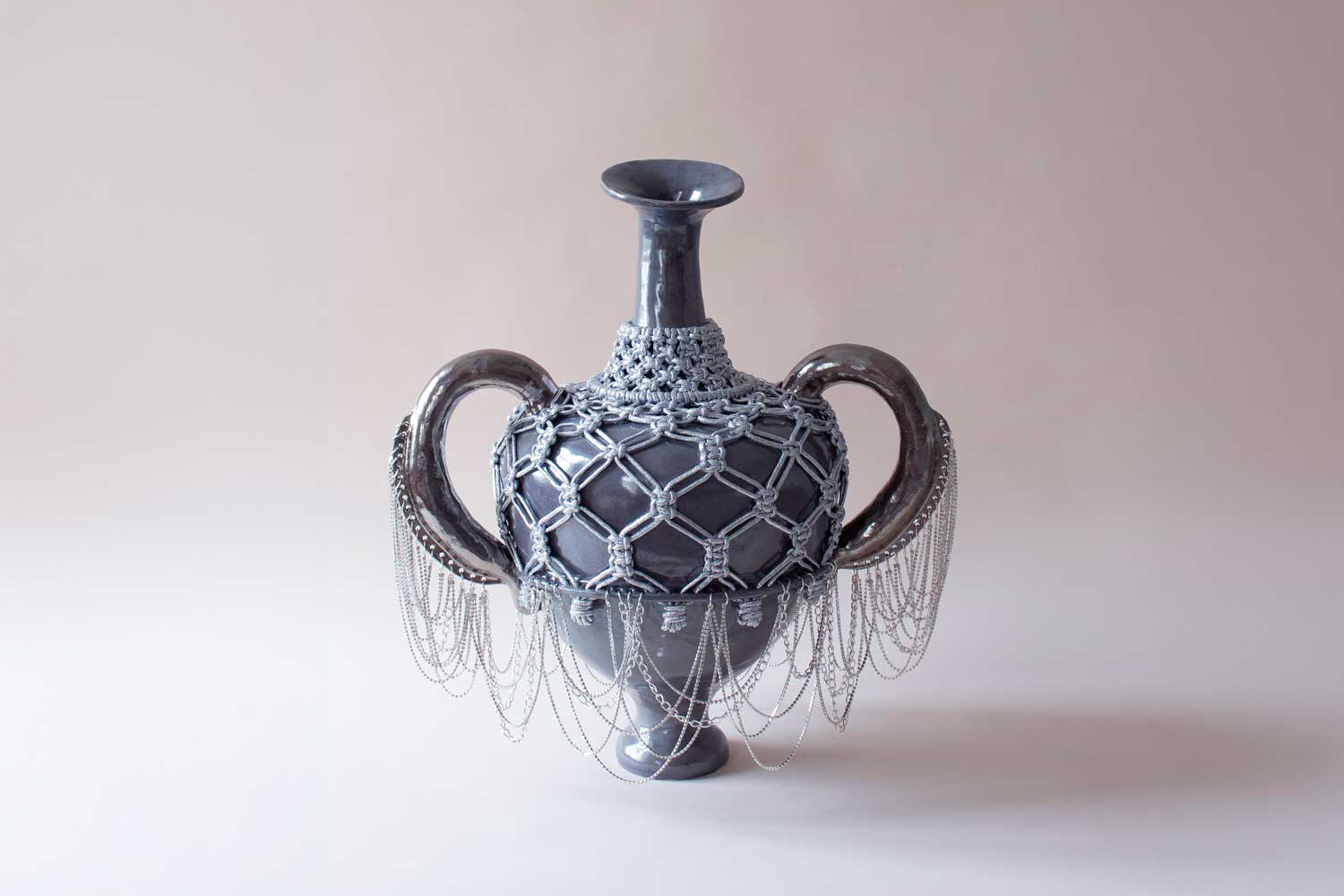
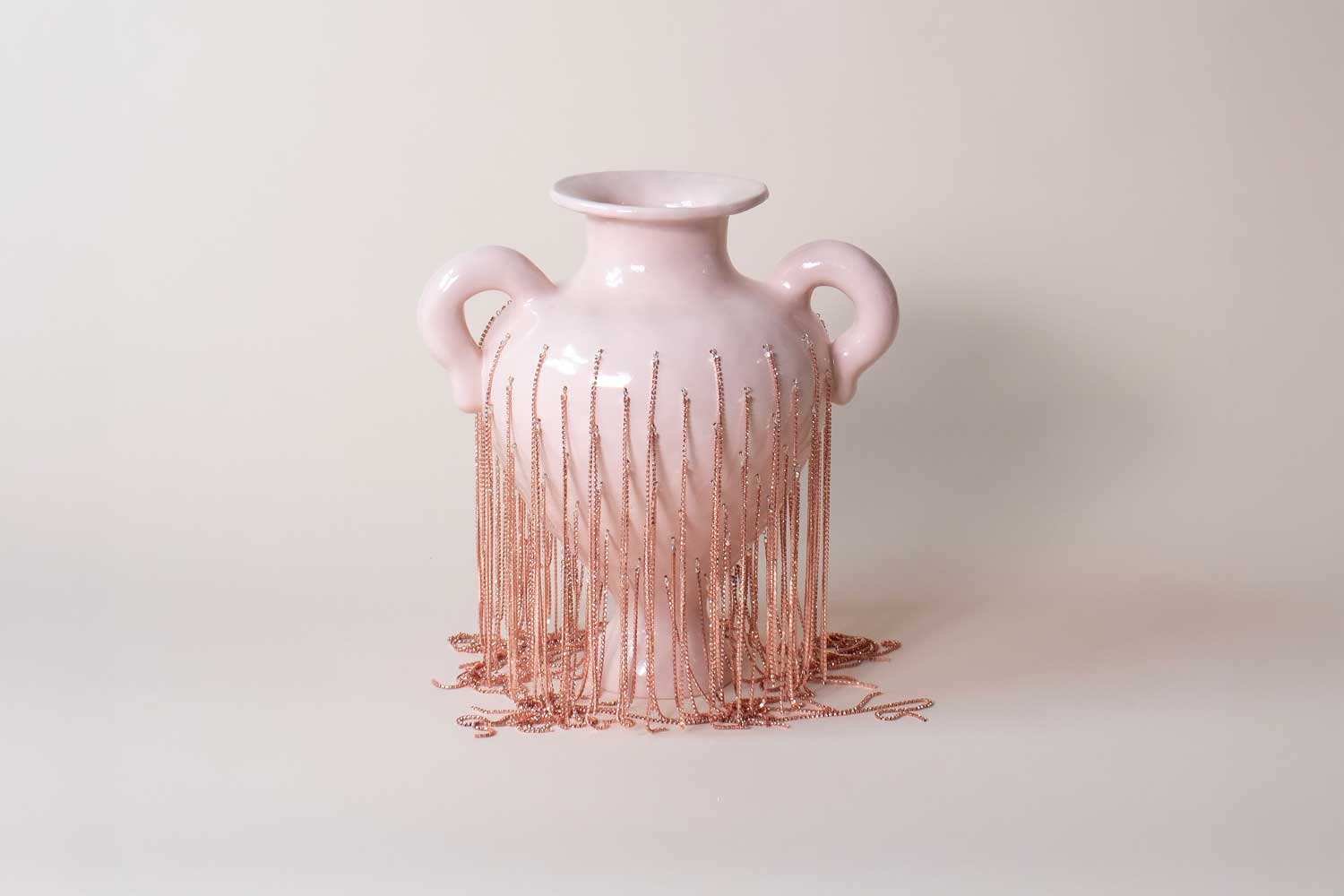
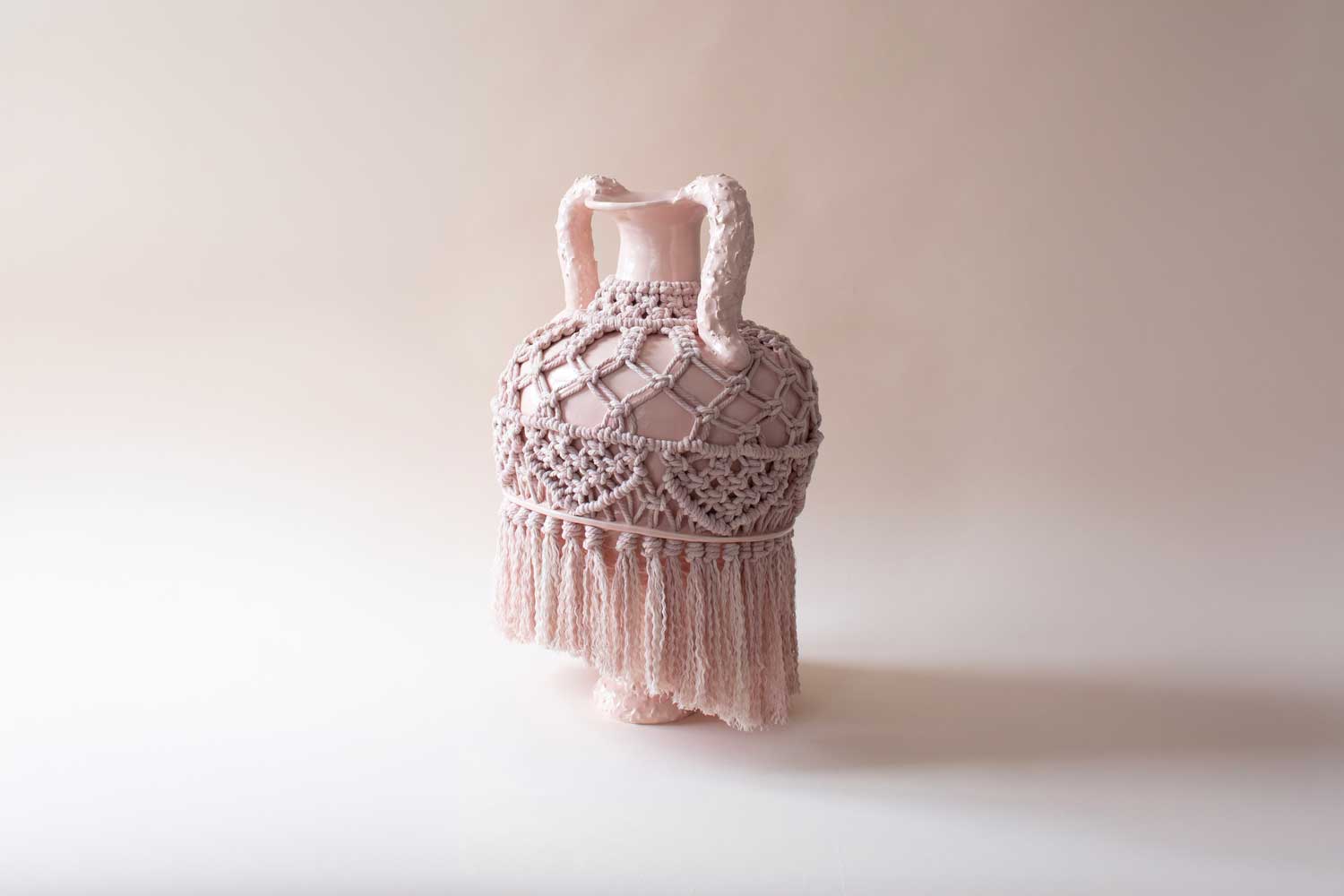
Lavishly decorated with dangling earrings, pearl necklaces, satin bows and sparkly sequins, Fanny Ollas' ceramic pieces are gracefully dressed and intricately adorned. Her background in fashion design is ever-present in her now full-time clay practice, which she rediscovered during an evening class. "In my fashion career, I missed working with my hands and making things from scratch myself," Fanny says. This revelation led her to complete a master's degree in fine art at Konstfack University. In Fanny's practice today, textiles influence both the technique and shape of her vessels, and even play a role as a material. "My vases are not simply vases. To me, they feel like people, each with their own unique character," she explains.
Fanny Ollas is a rising star: she began her career in 2018.
Discover her work
INTERVIEW
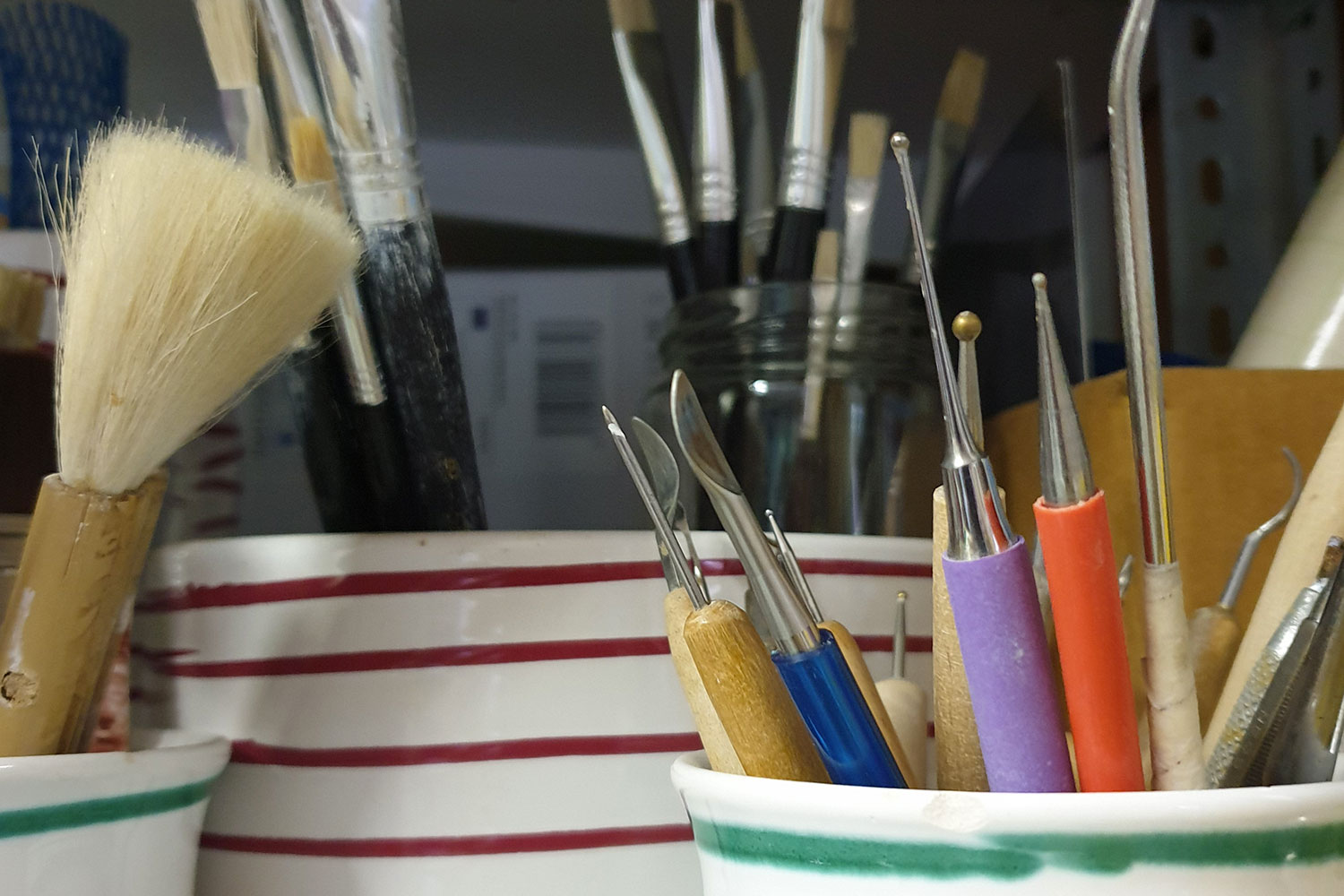
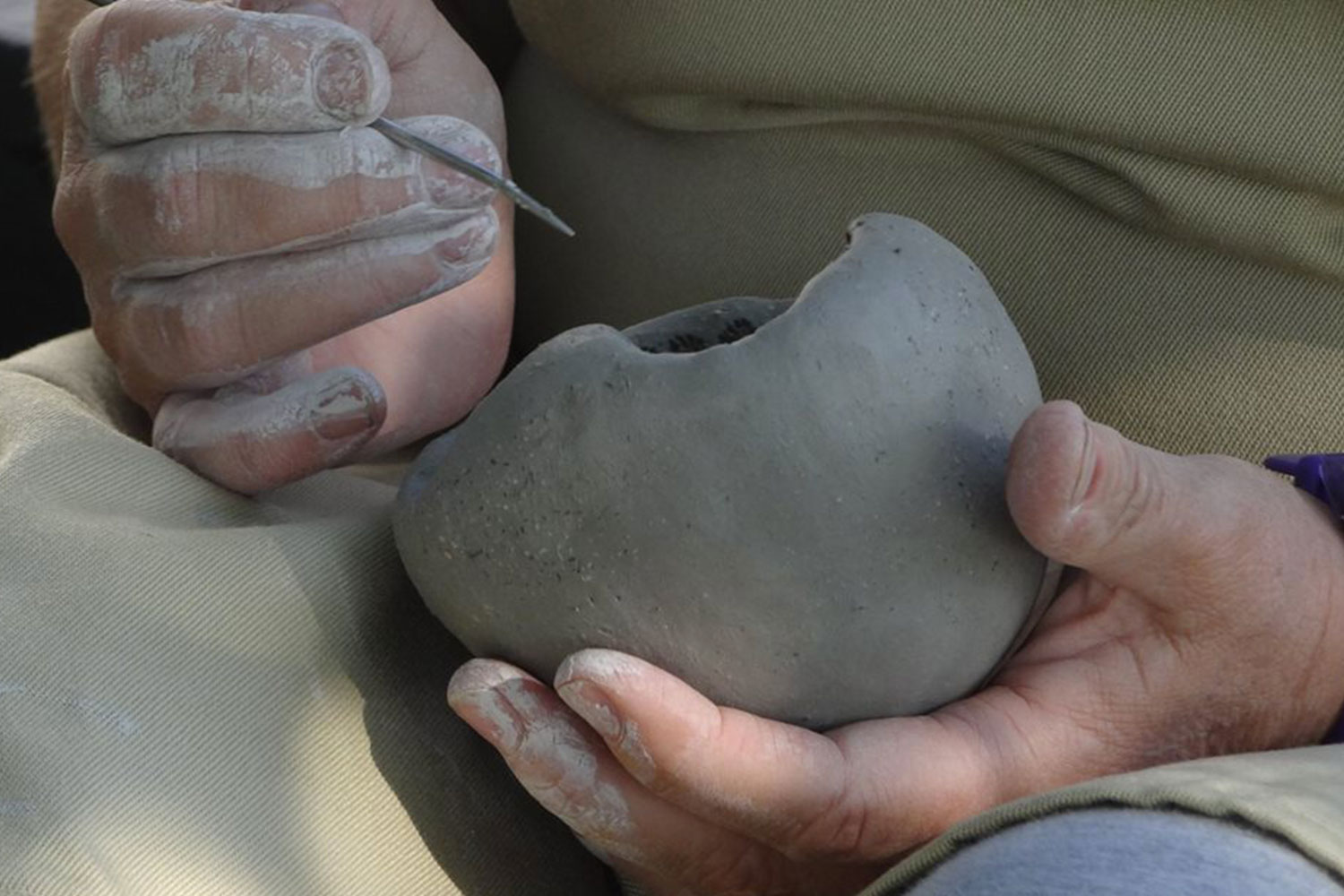
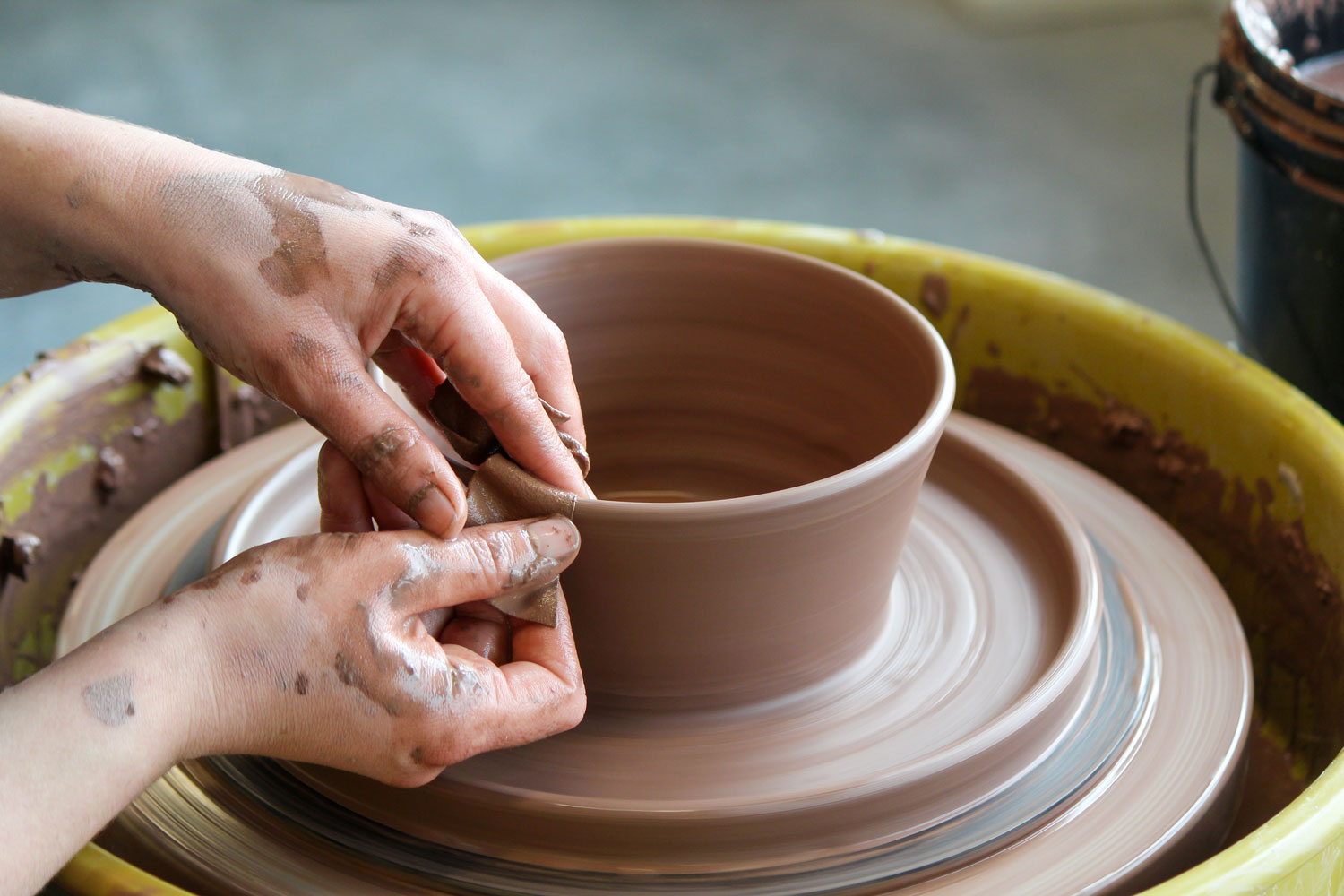
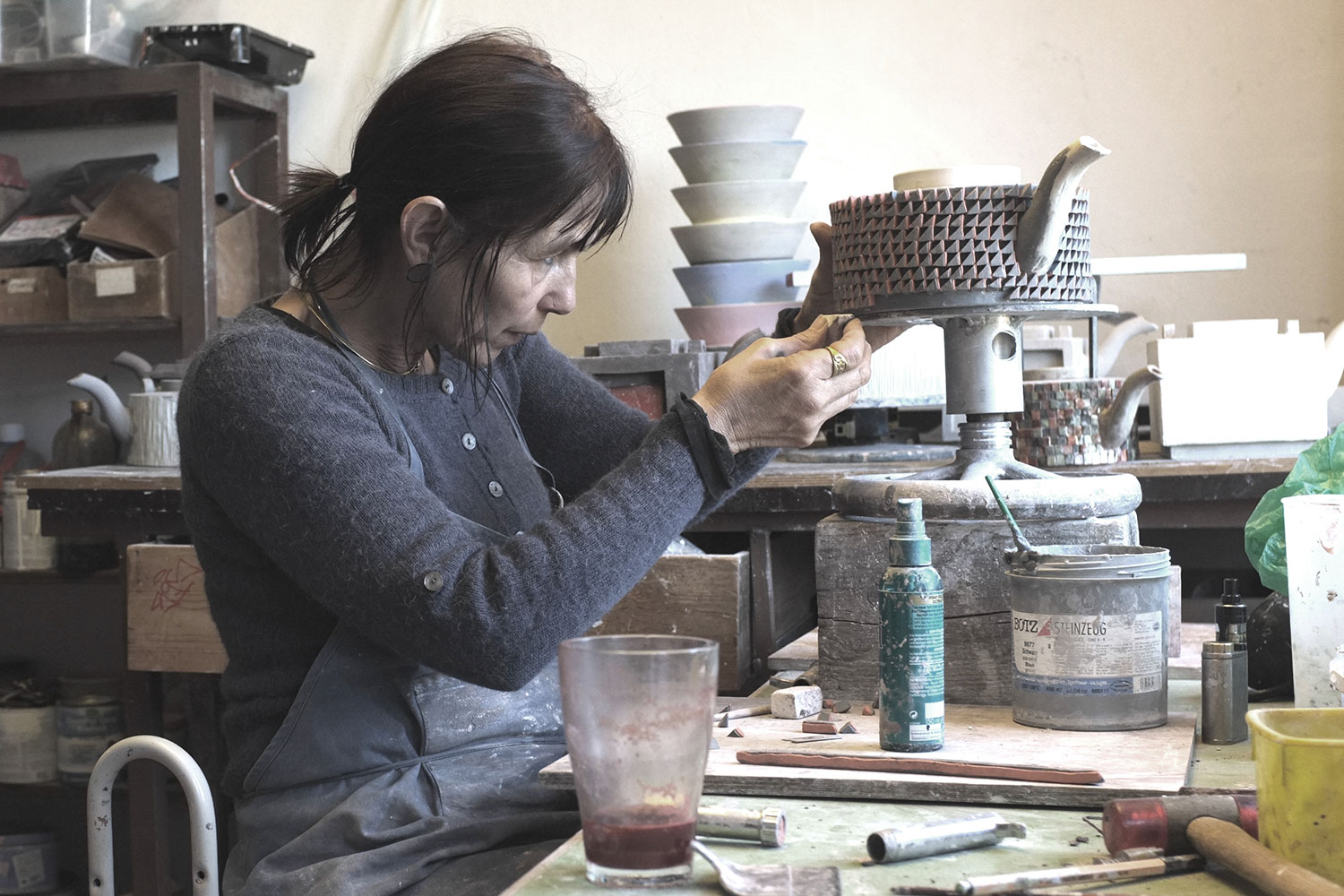
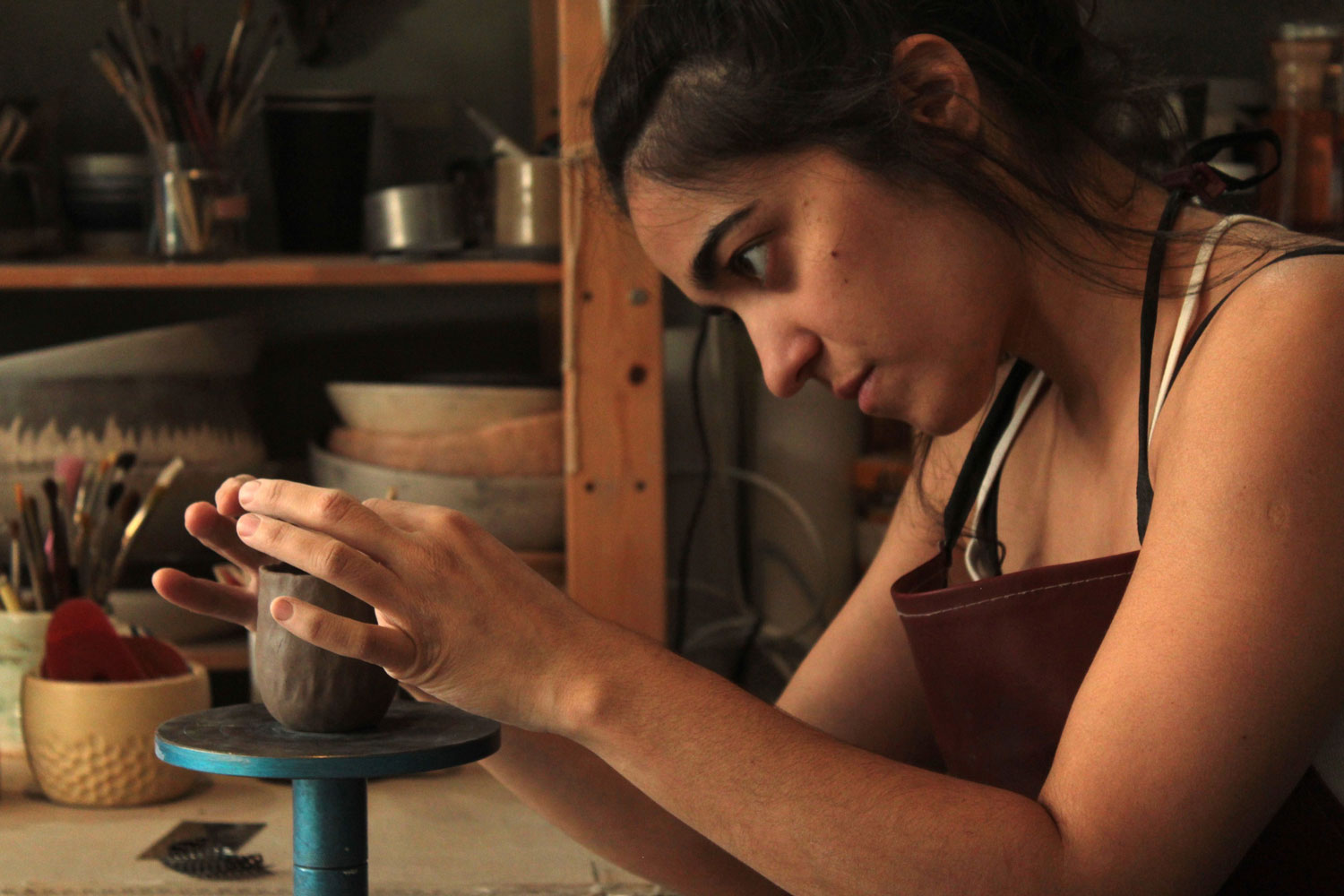
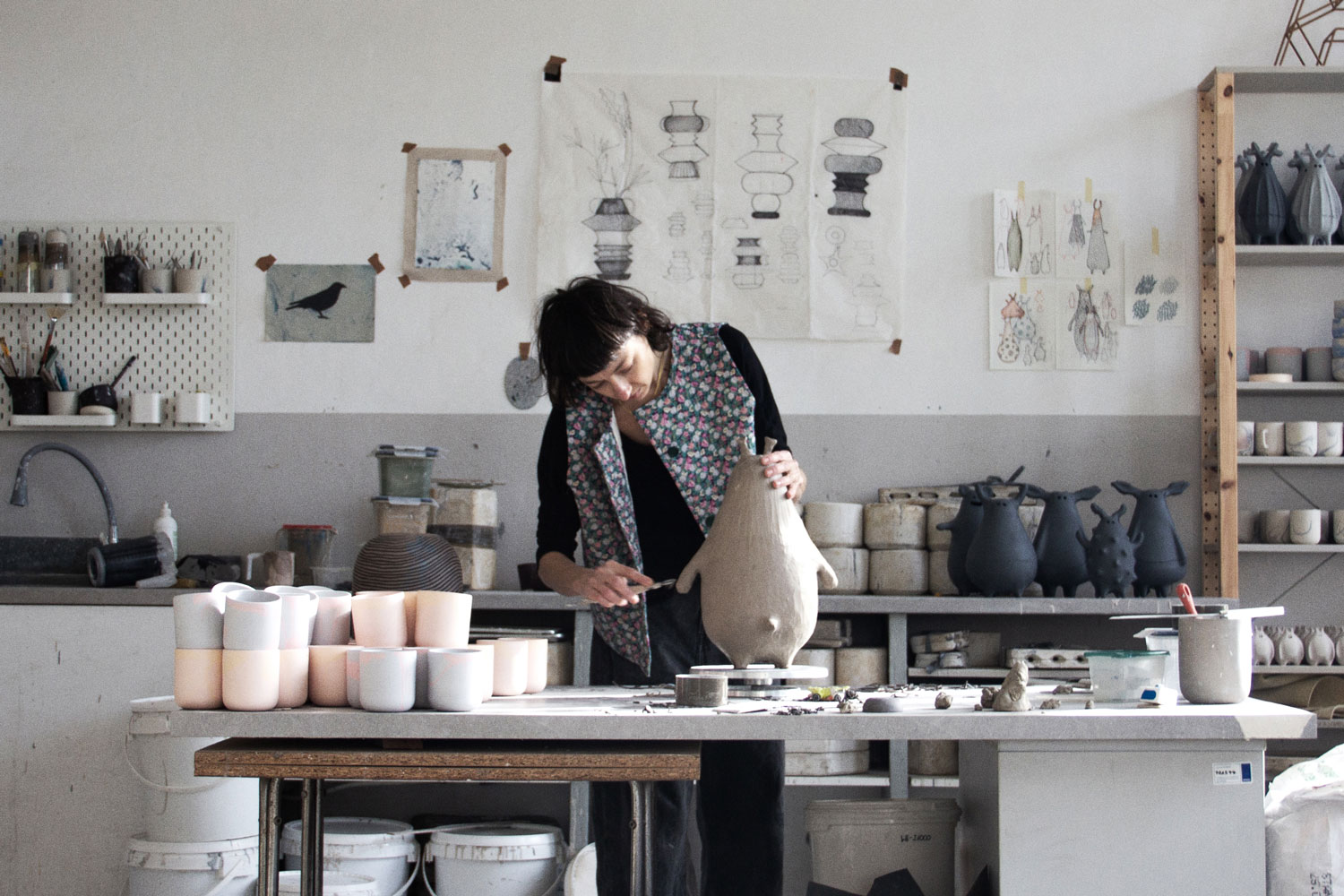
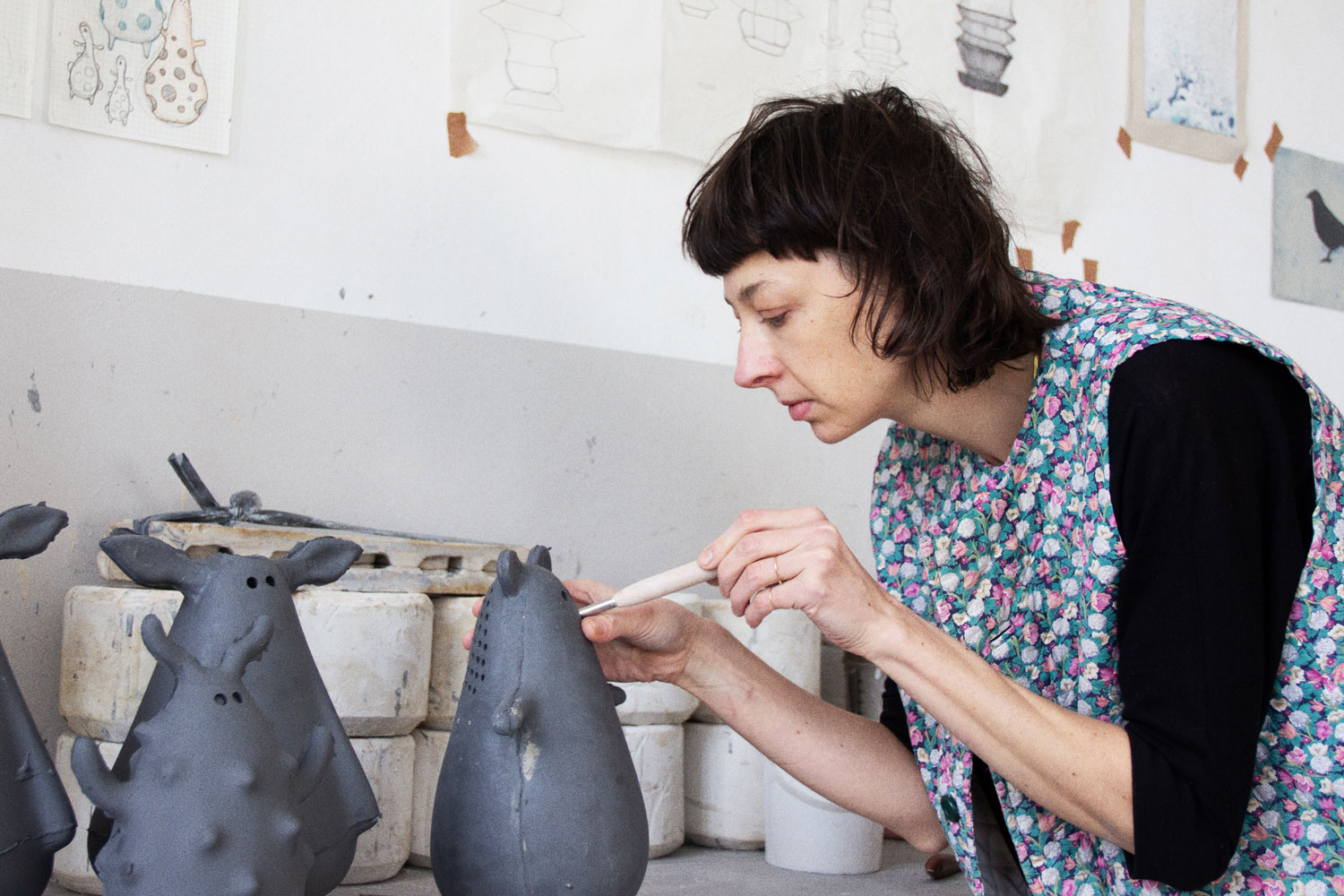
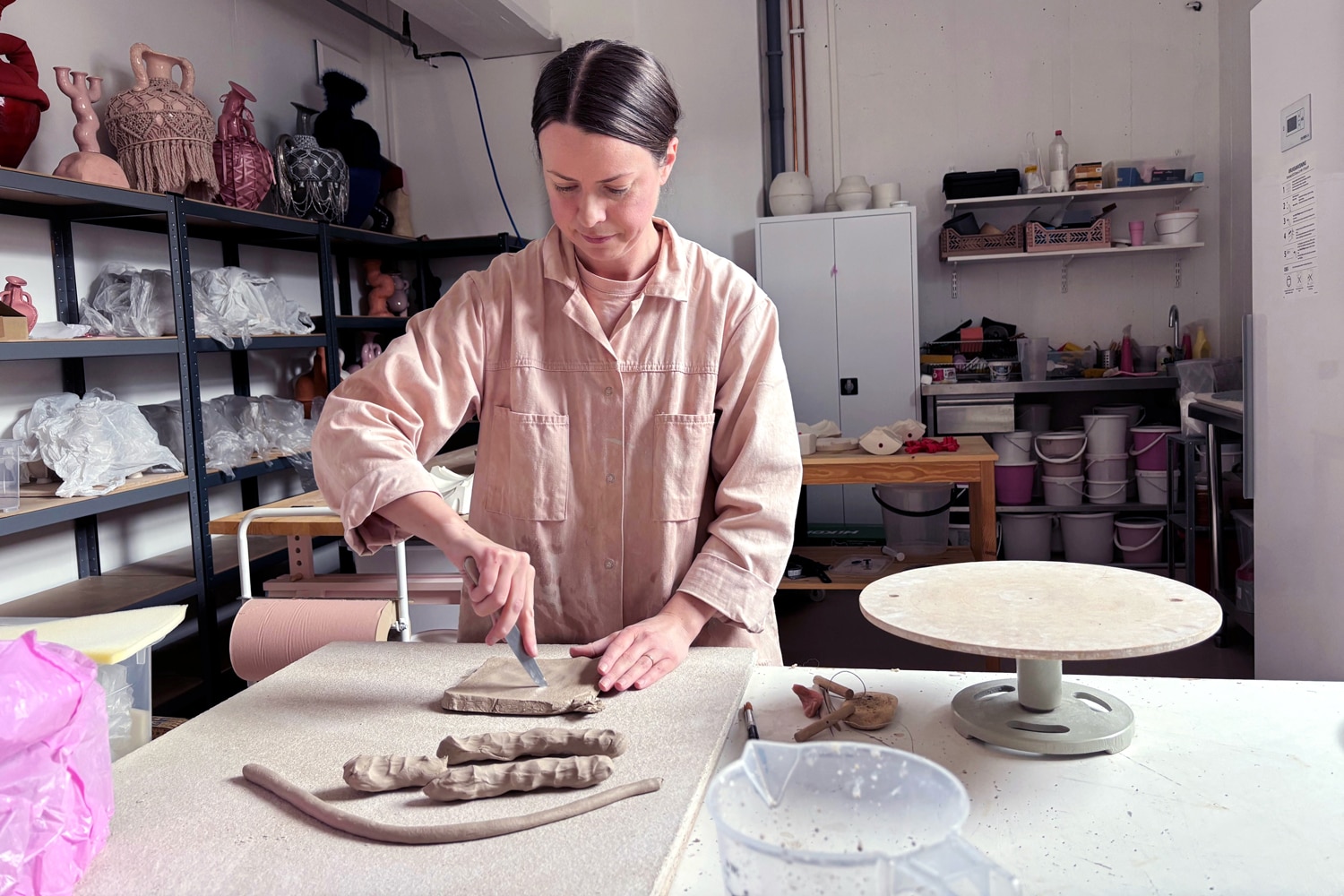
Even though I hand build all my objects using the traditional coiling technique, I am not too bound to technical traditions. I have a playful approach: I build with rolls of clay and watch the object grow as I make it. The process is intuitive, so even if I prepare sketches, I never know exactly where the clay is going to take me.
Initially, I found pottery throwing very difficult and frustrating. However, when I tried hand building, I immediately felt a strong connection to it. Today, I treat the wet, soft ceramic as if it were fabric, recognising similar pliable qualities between clay and textiles. For example, I created frill vases by using a roller to shape ceramic slabs to resemble textile.
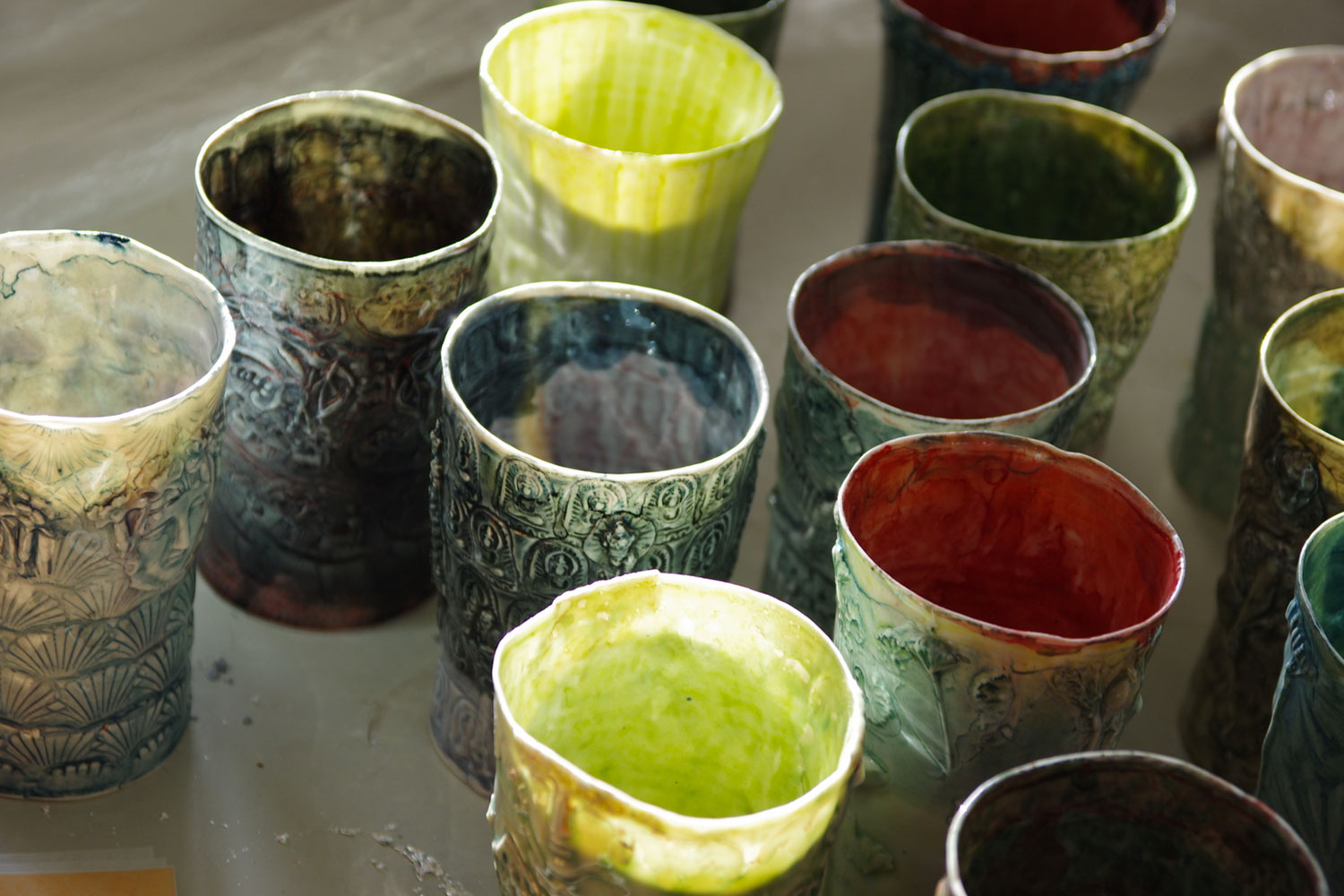
Colours matter to me a lot, so I start by choosing colours and glazes first. After that, I think about which fabric to pair with these elements. I love mixing different materials. Clay feels so solid and stiff, almost like it is paused in time, while the textile just moves and flows. I see my pieces as people, or at least as characters with their own personalities.
I translate the traditional shapes of ancient vases and amphoras into contemporary forms. My unique approach to ceramics comes from combining the coiling technique with my background in fashion design. I blend historical shapes and my own imaginative characters, using humour to make them appear human-like.
Fanny Ollas
Ceramicist
Gustavsberg, Sweden
AVAILABILITY
By appointment only
LANGUAGES
Swedish, English
HOMO FABER FINDS
Homo Faber Finds is a new service aiming to inspire admirers of craft to connect and collaborate with exceptional artisans.
We invite you to submit an enquiry here.