Aude Tahon
Textile creator
Vanves, France
Korean knots with a French twist
- Aude works with maedup, a Korean knotting technique
- Her pieces are made with core-spun yarn, which makes them voluminous
- She has exhibited her work in South Korea
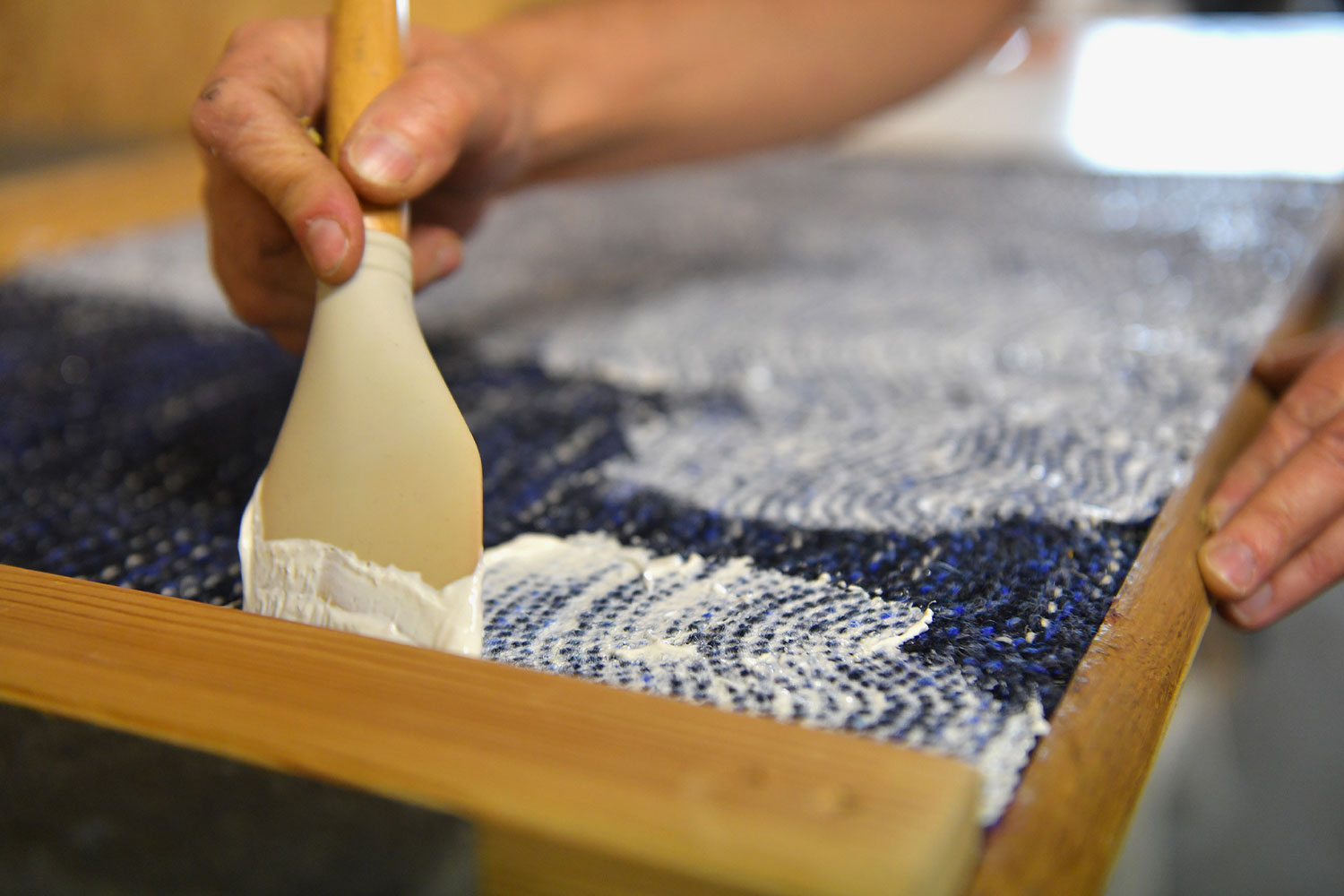
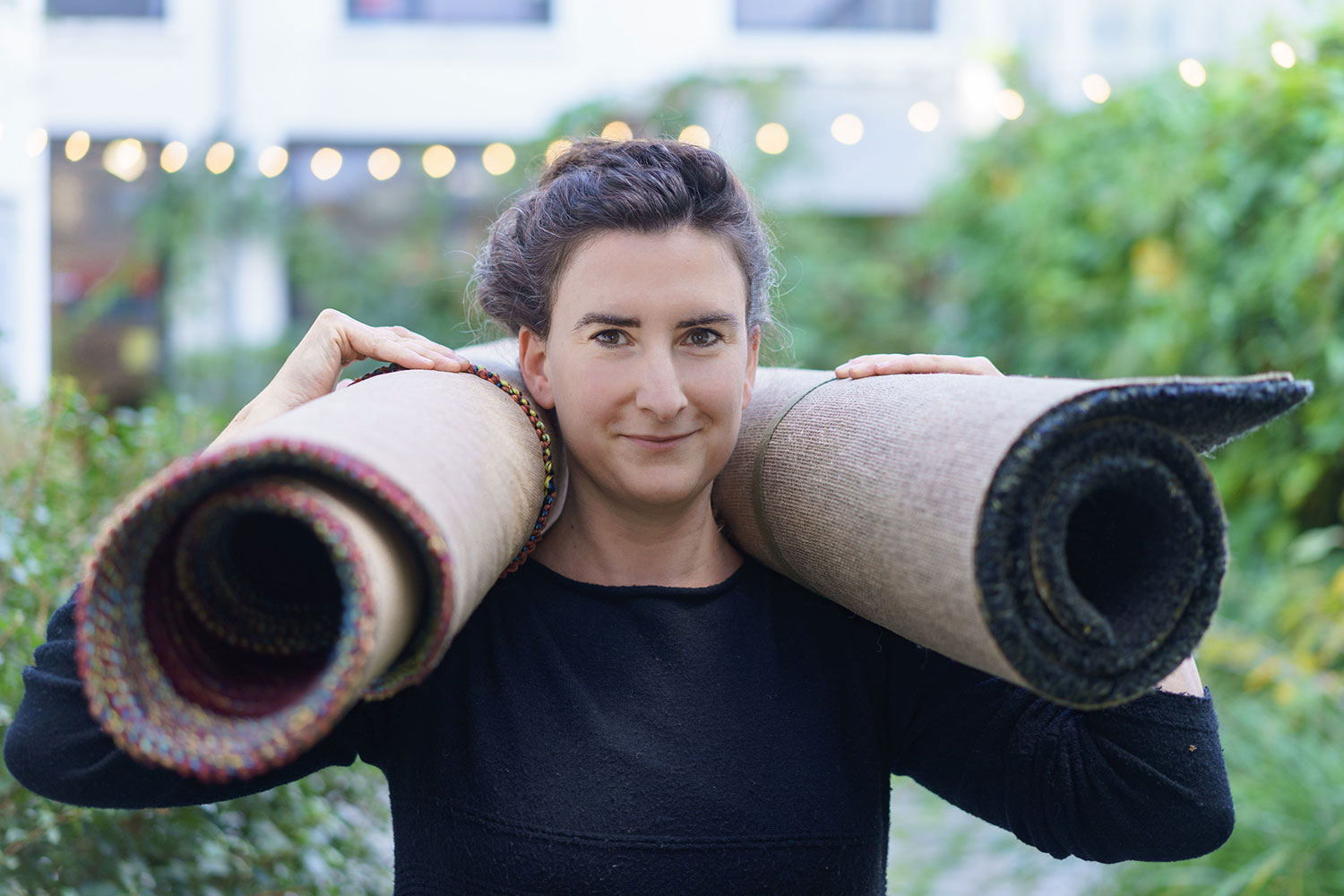
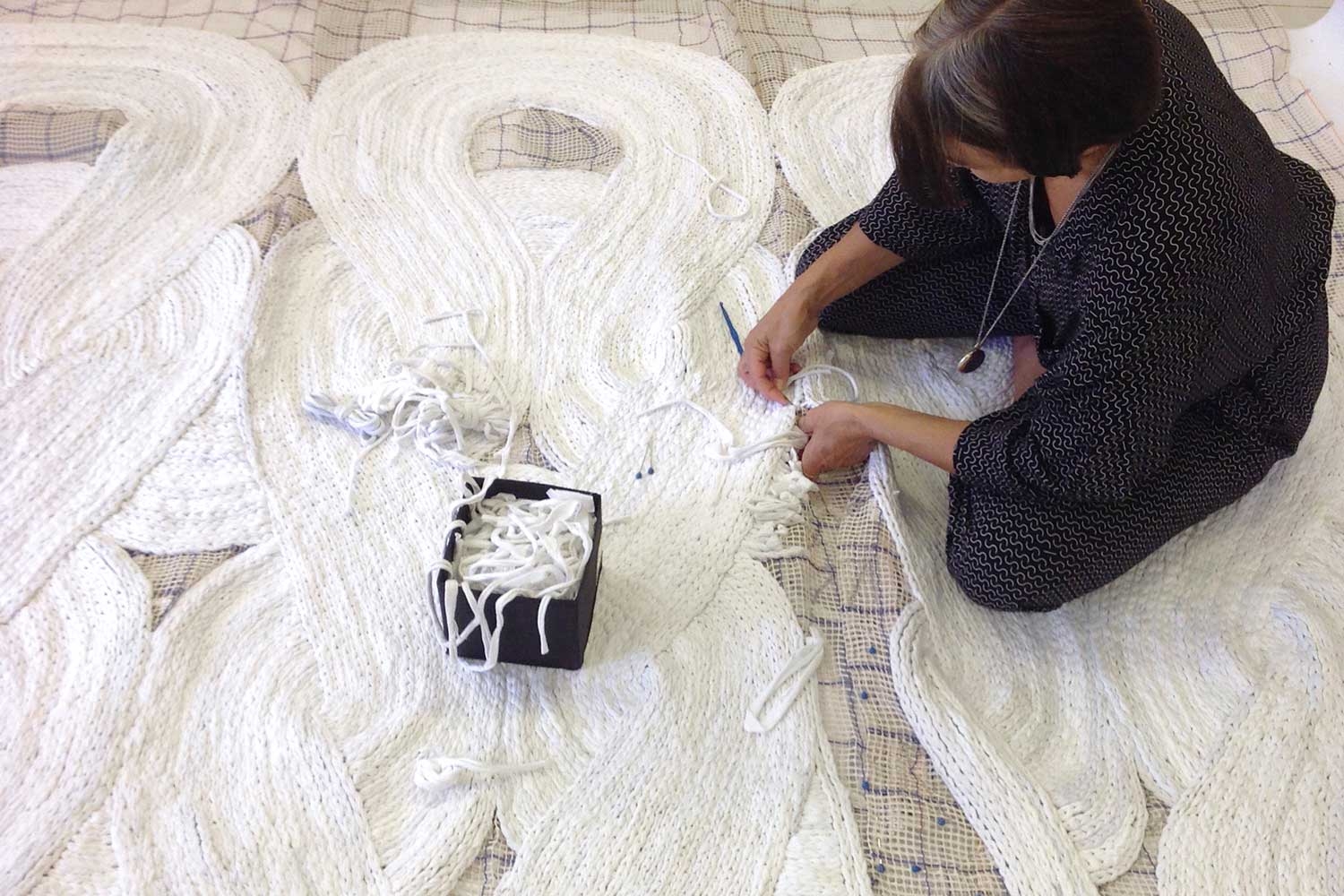
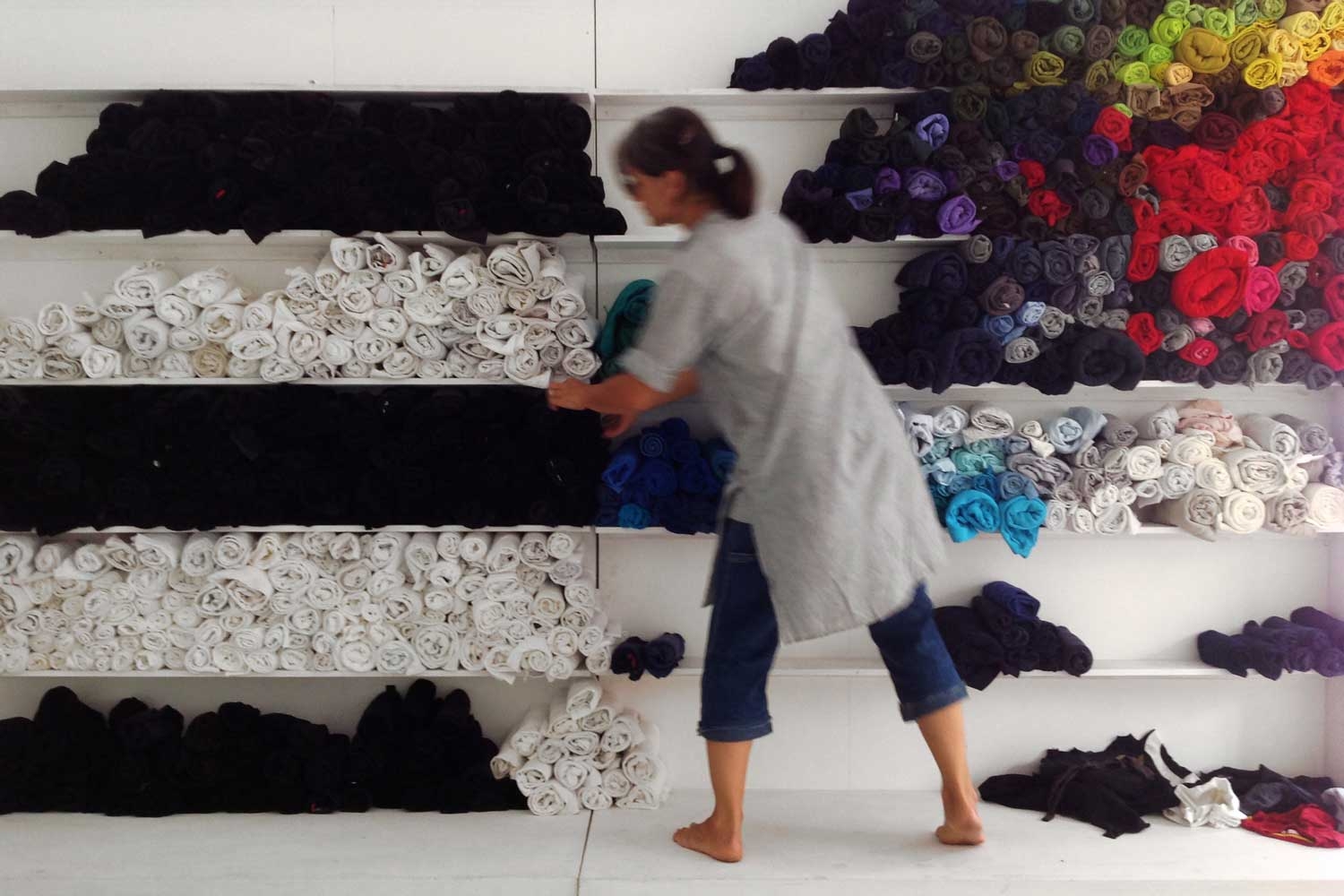
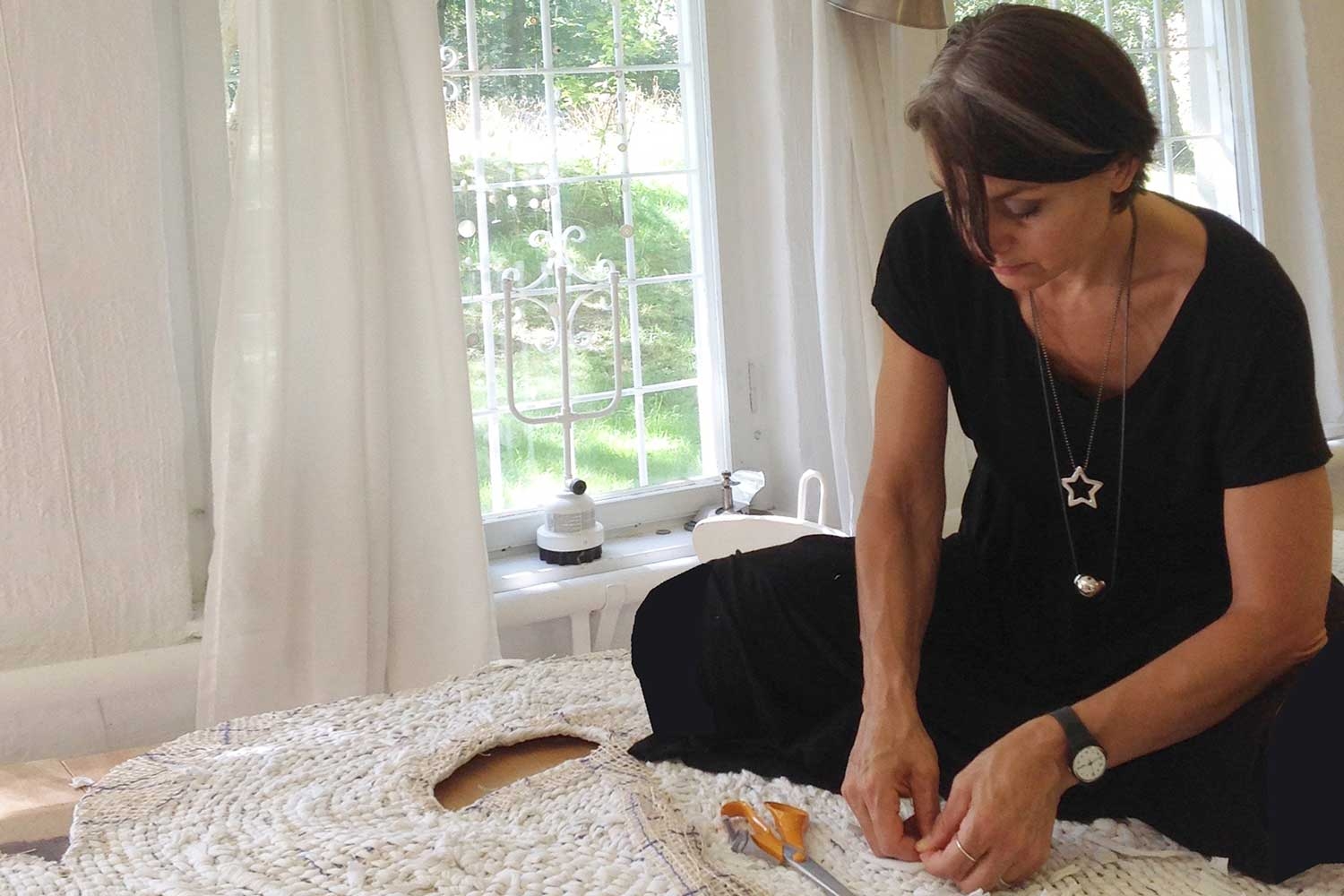
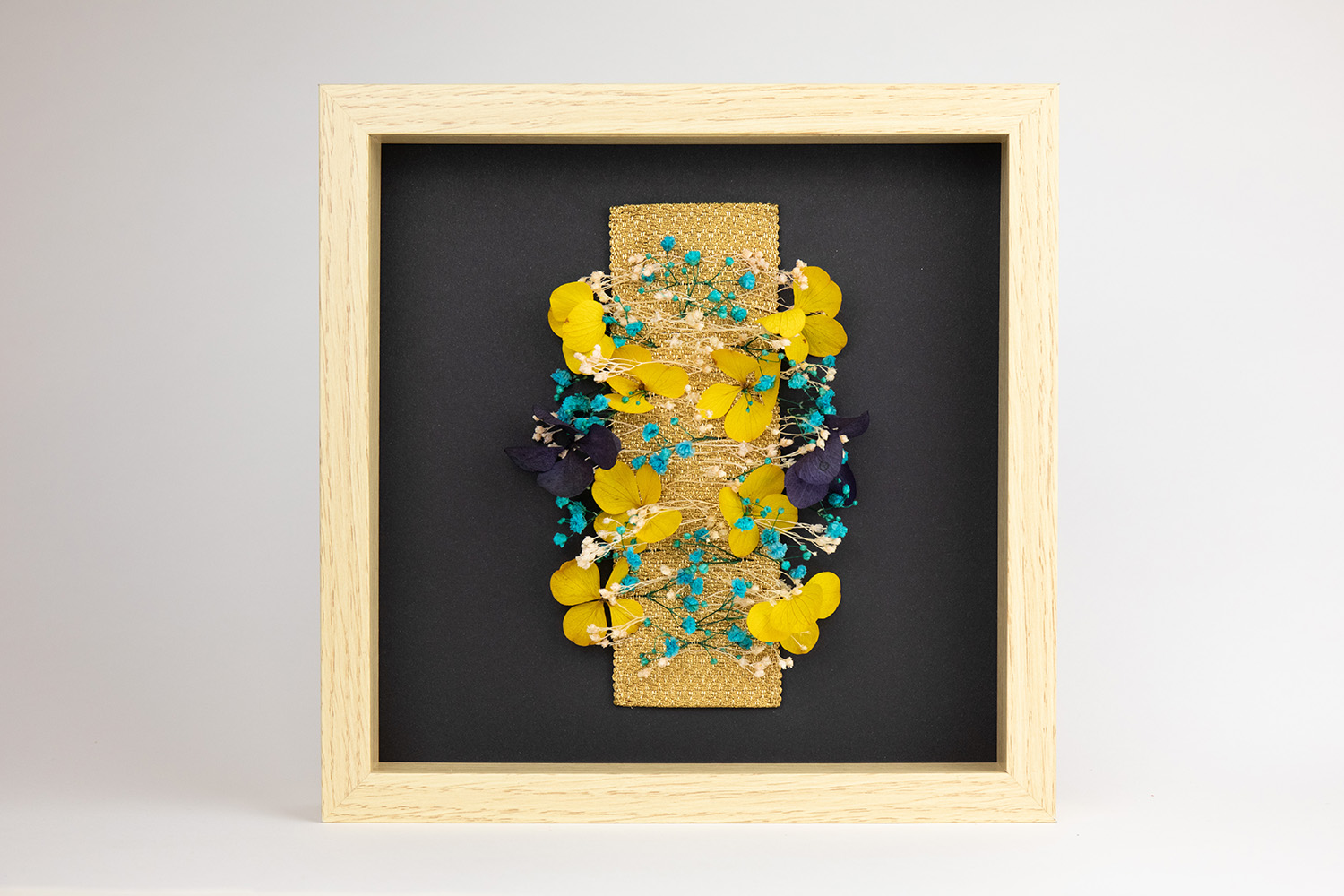
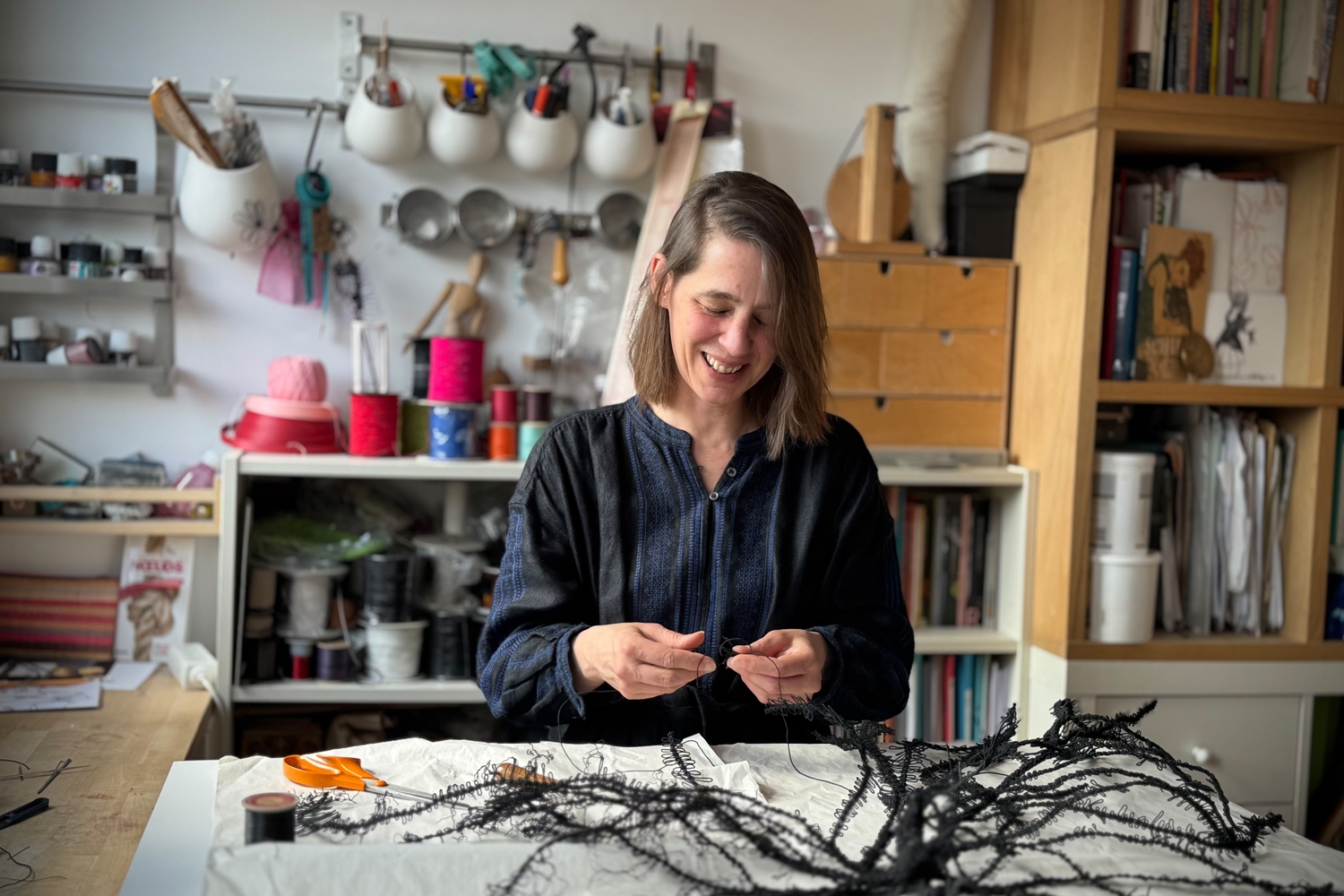
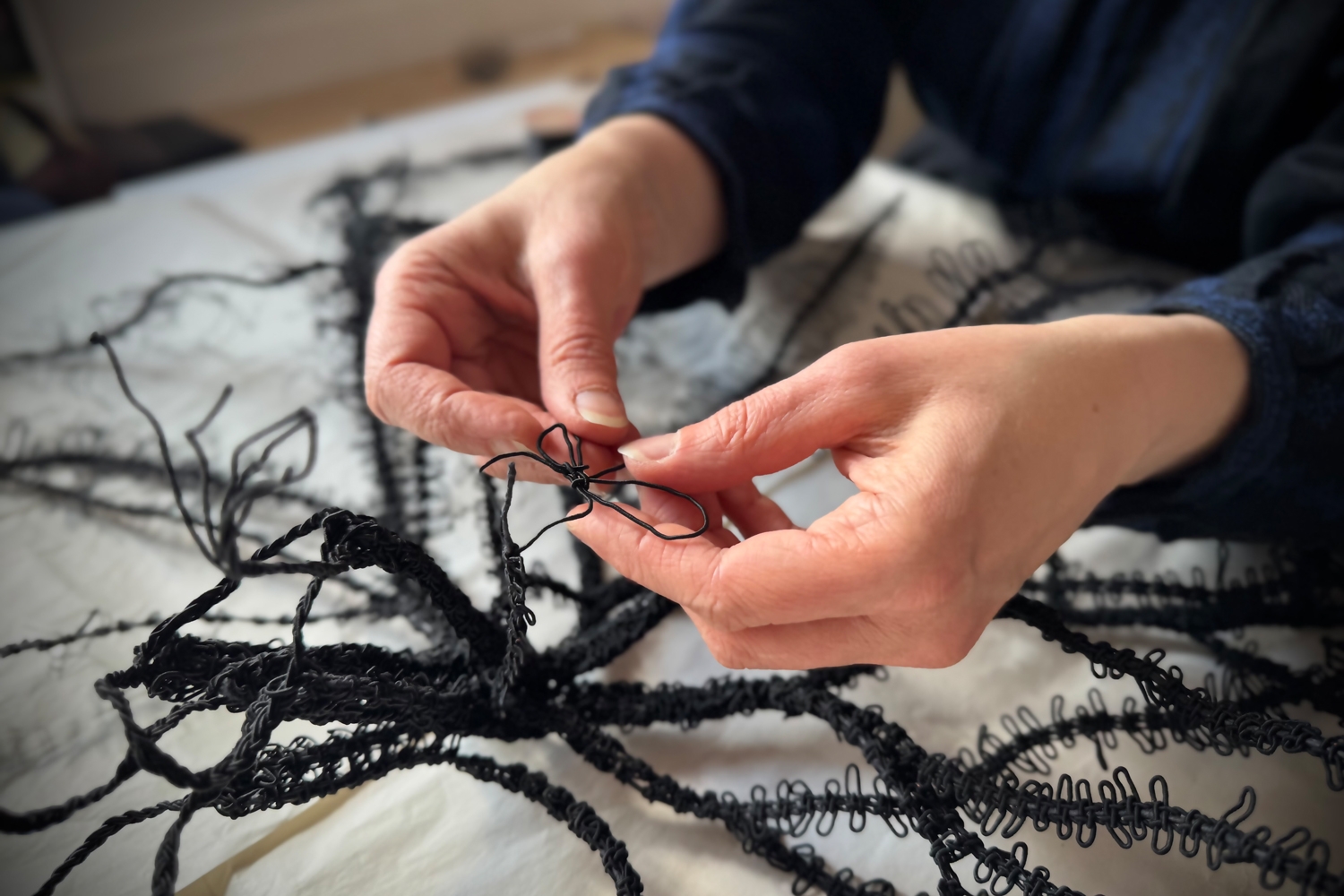
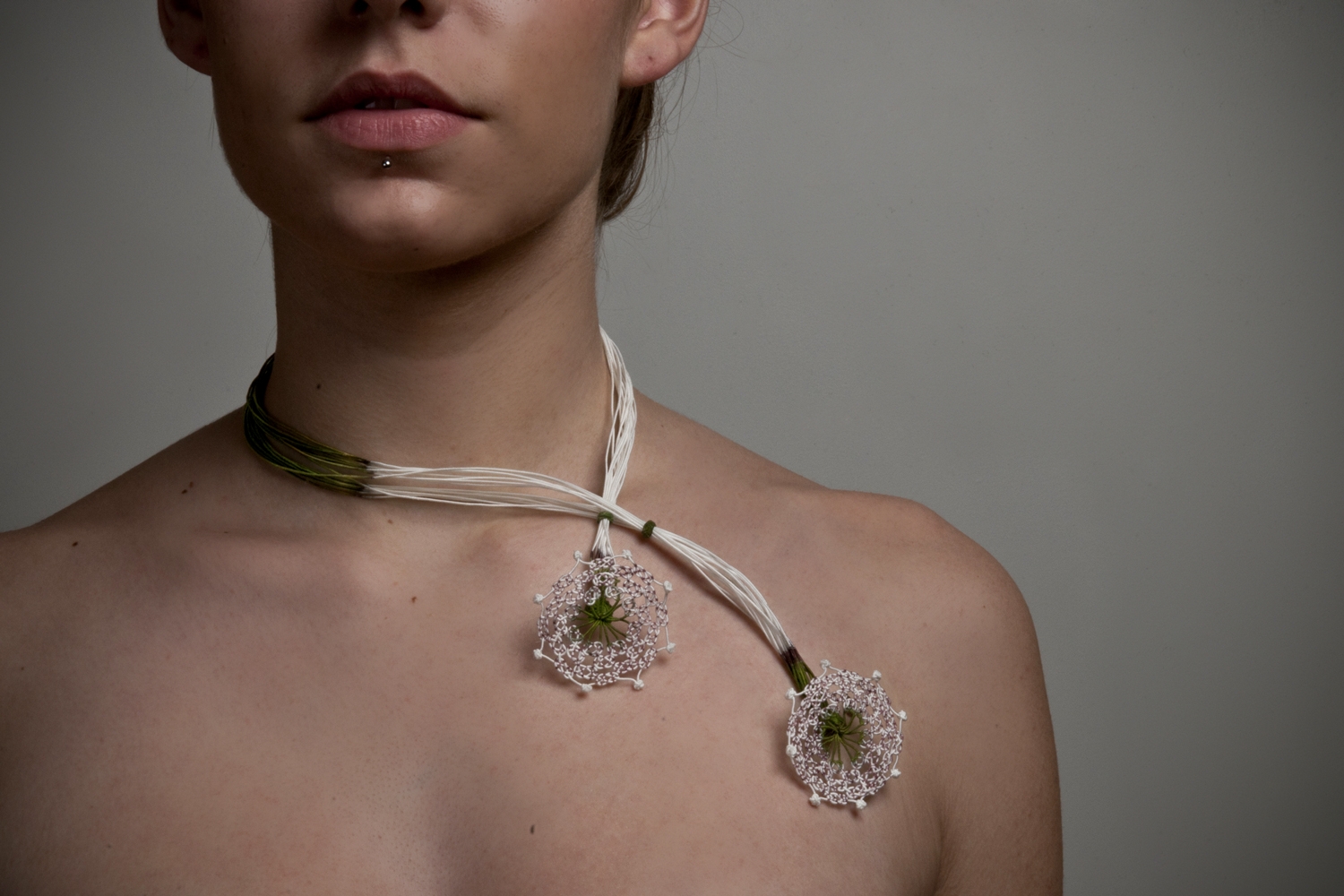
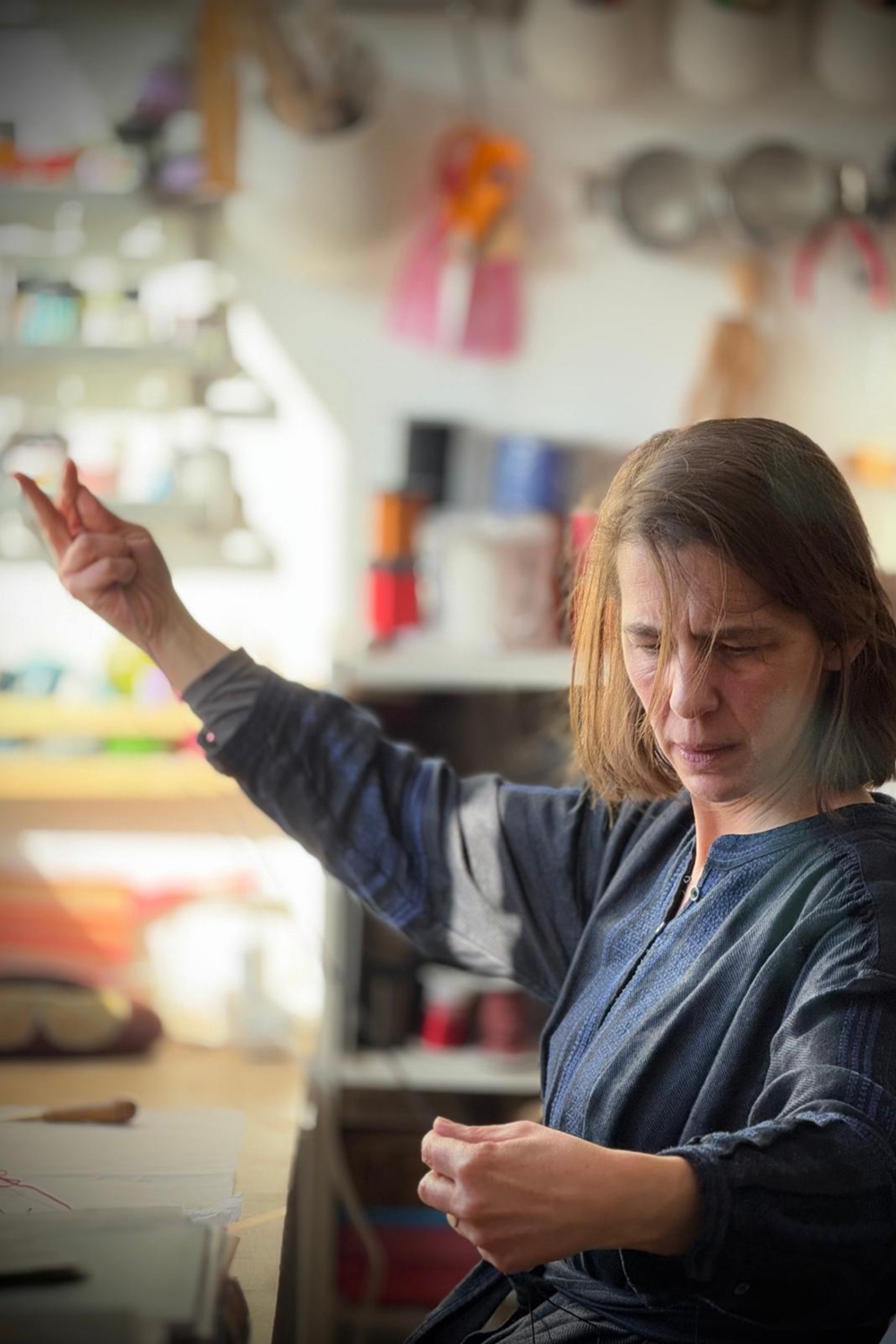
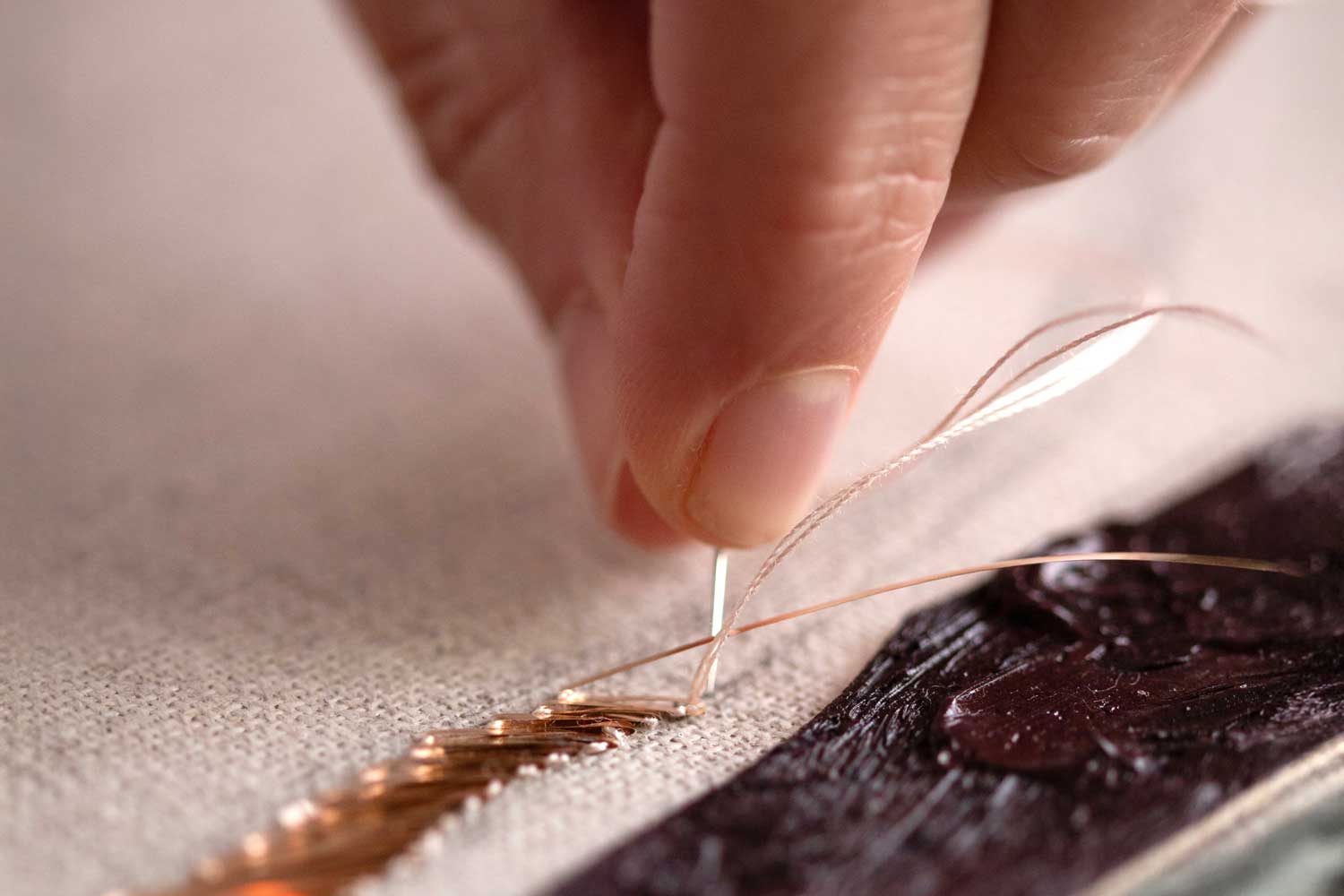
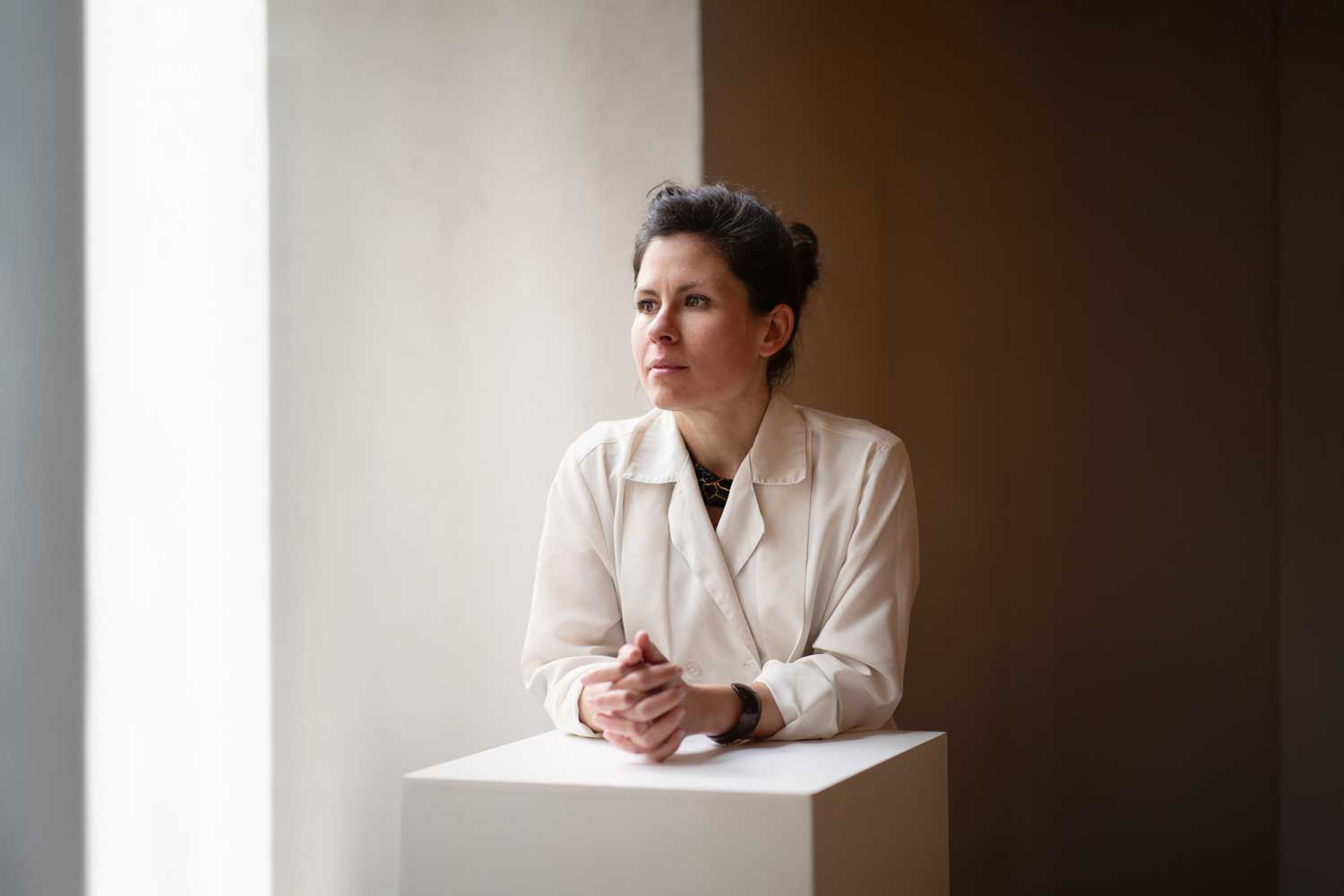
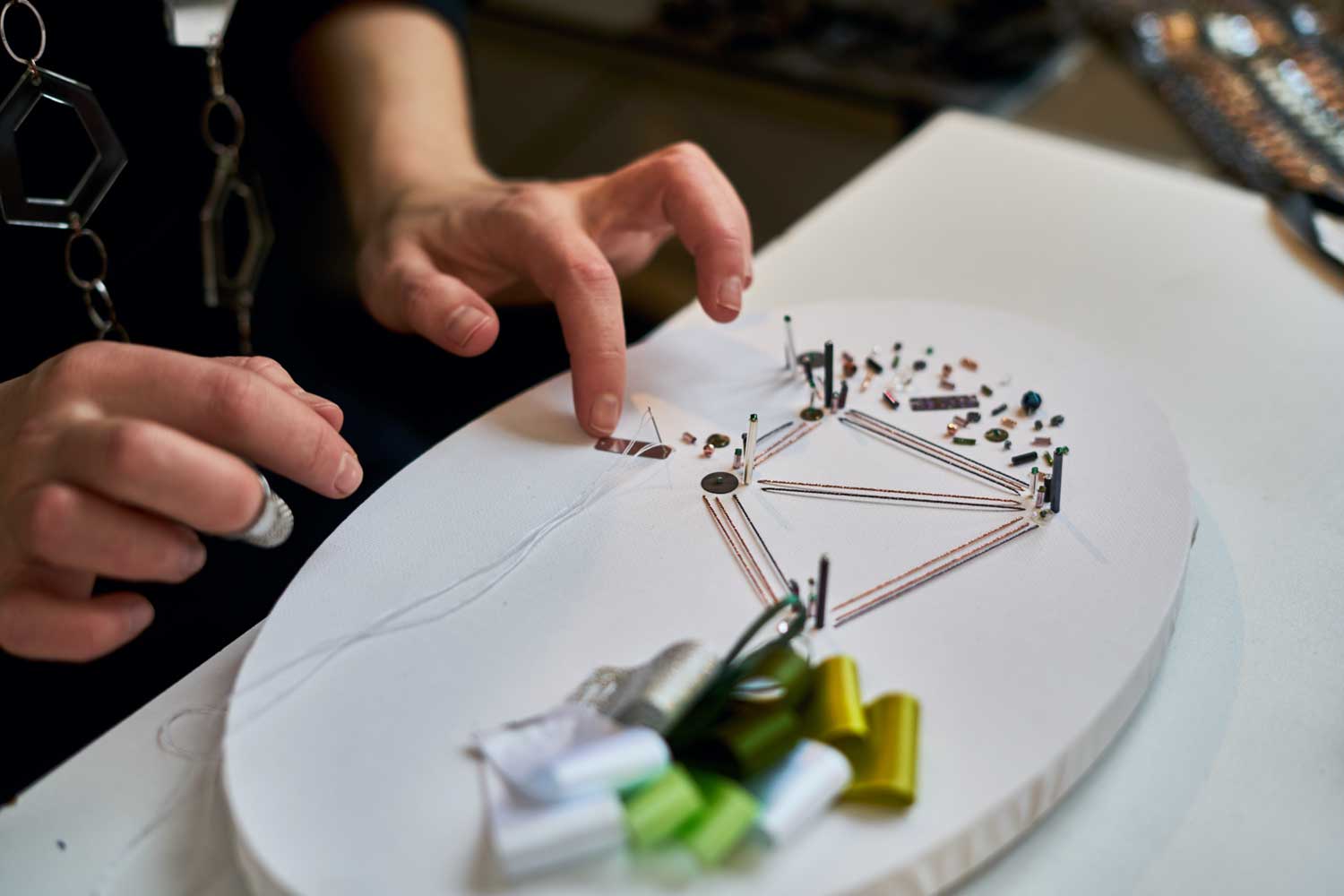
Aude Tahon's textile pieces are made entirely from complex knots, using a single continuous thread. "I create knotted textile surfaces with volume. I always have to know where to start and where to end," she says. Aude was familiar with fabric early on in life, as her grandfather was a wool expert. Although she was interested by textiles, she studied anthropology and social sciences. After earning a diploma in weaving from École Duperré, Aude trained with Korean artist Kim Sang-Lan. She learned the traditional Korean knotting technique, maedup, while developing her own creative approach over the course of three years. "When I first started, I used to make a few mistakes, which were crucial for my development as an artist," she says. "For instance, I once chose to work with a 100-metre thread. It was too short for me to complete the piece I was working on, which taught me to consider the end result of my works before starting. I have never made that mistake again."


INTERVIEW
There is something redeeming about my craft. When I knot, there’s a rhythm to it, something meditative. A craftsperson has to be a very well-rounded individual, because the commercial and communication aspect of the practice are also important.
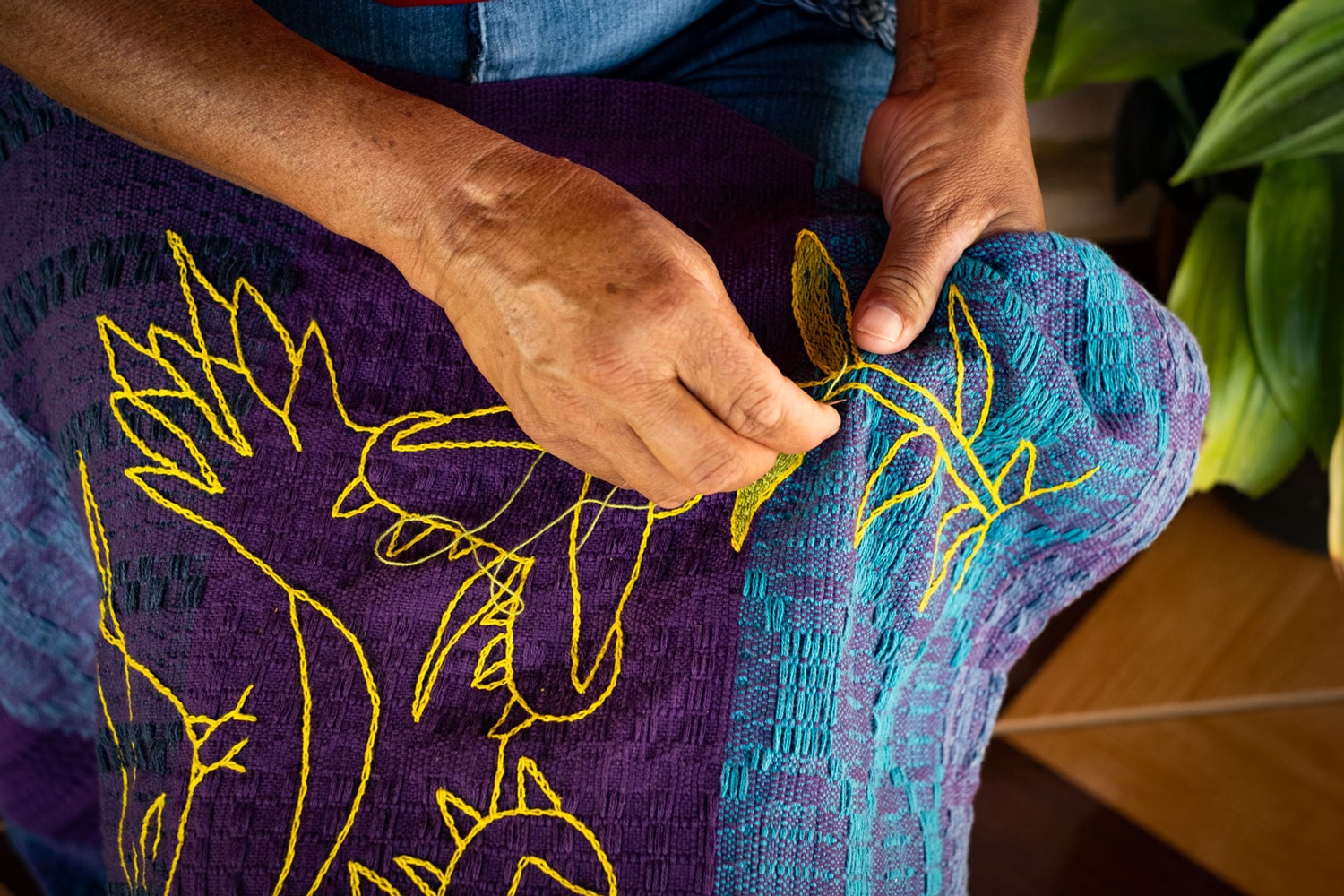
The knot originated in China, where inventing knots used to be a profession. In Korea, it has become a recognised art form, with knot masters still practising with techniques that emphasise 3D forms. In Japan, the tradition survives on a smaller scale, and resembles a folding technique. Each culture has developed its own approach to the craft.
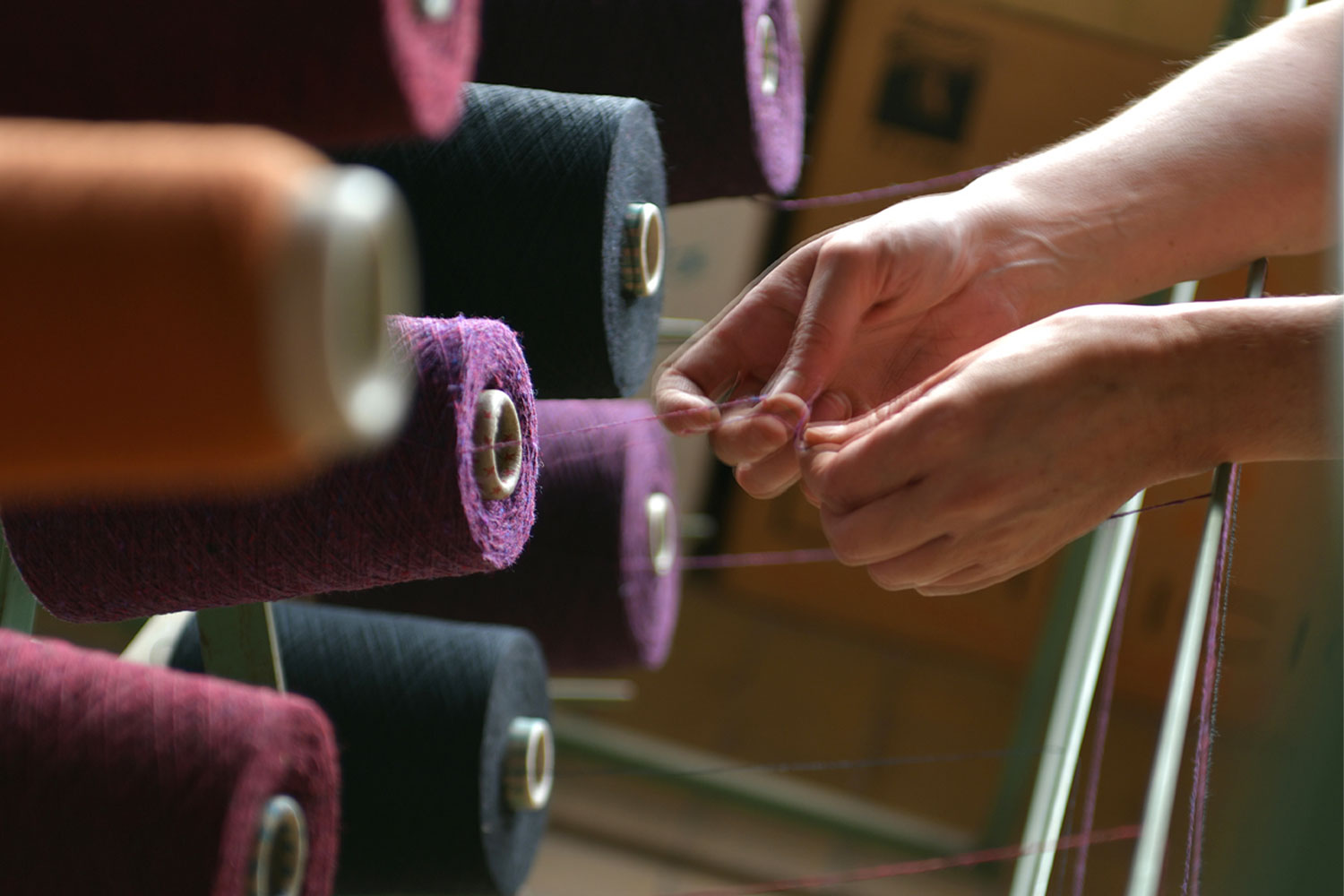
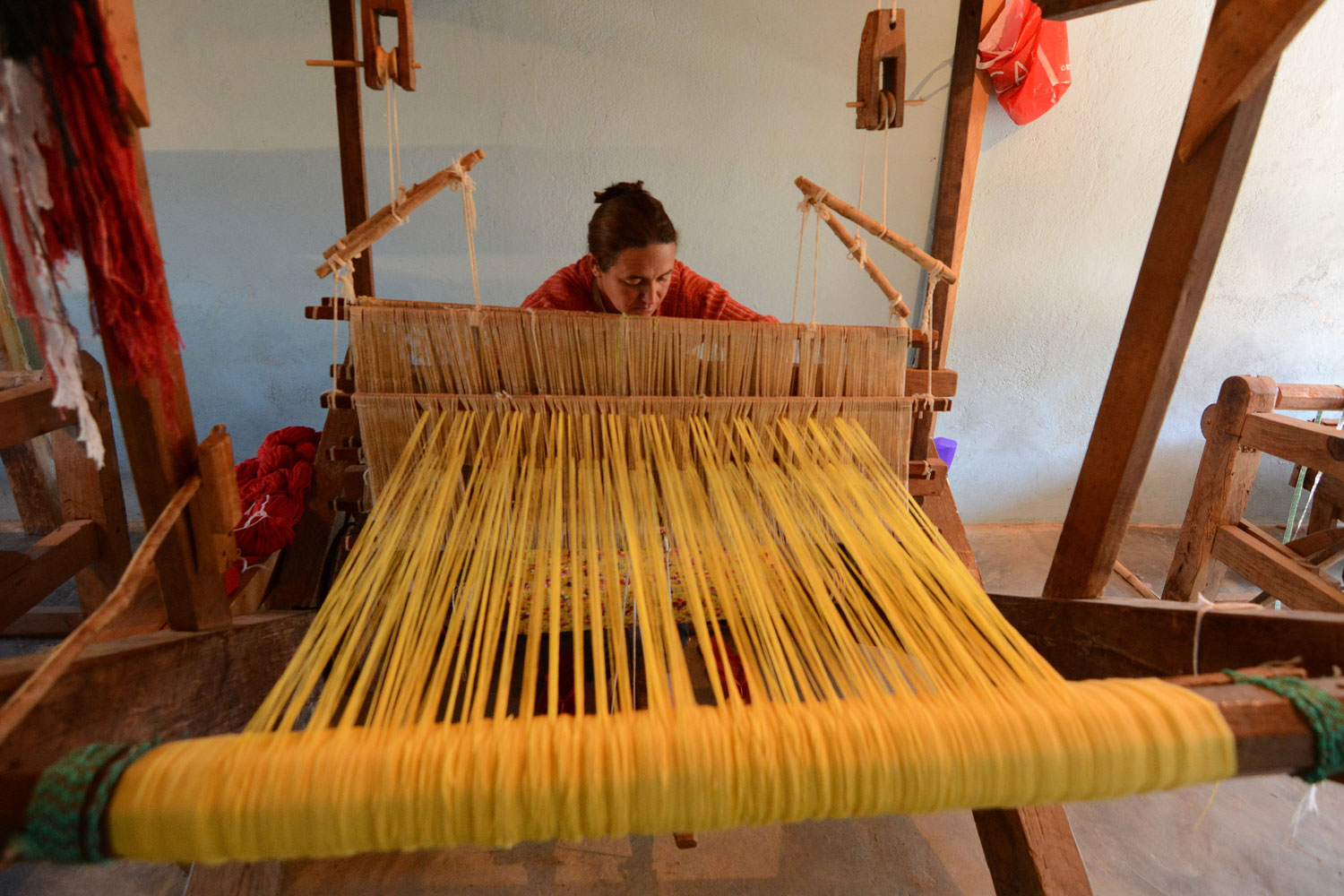
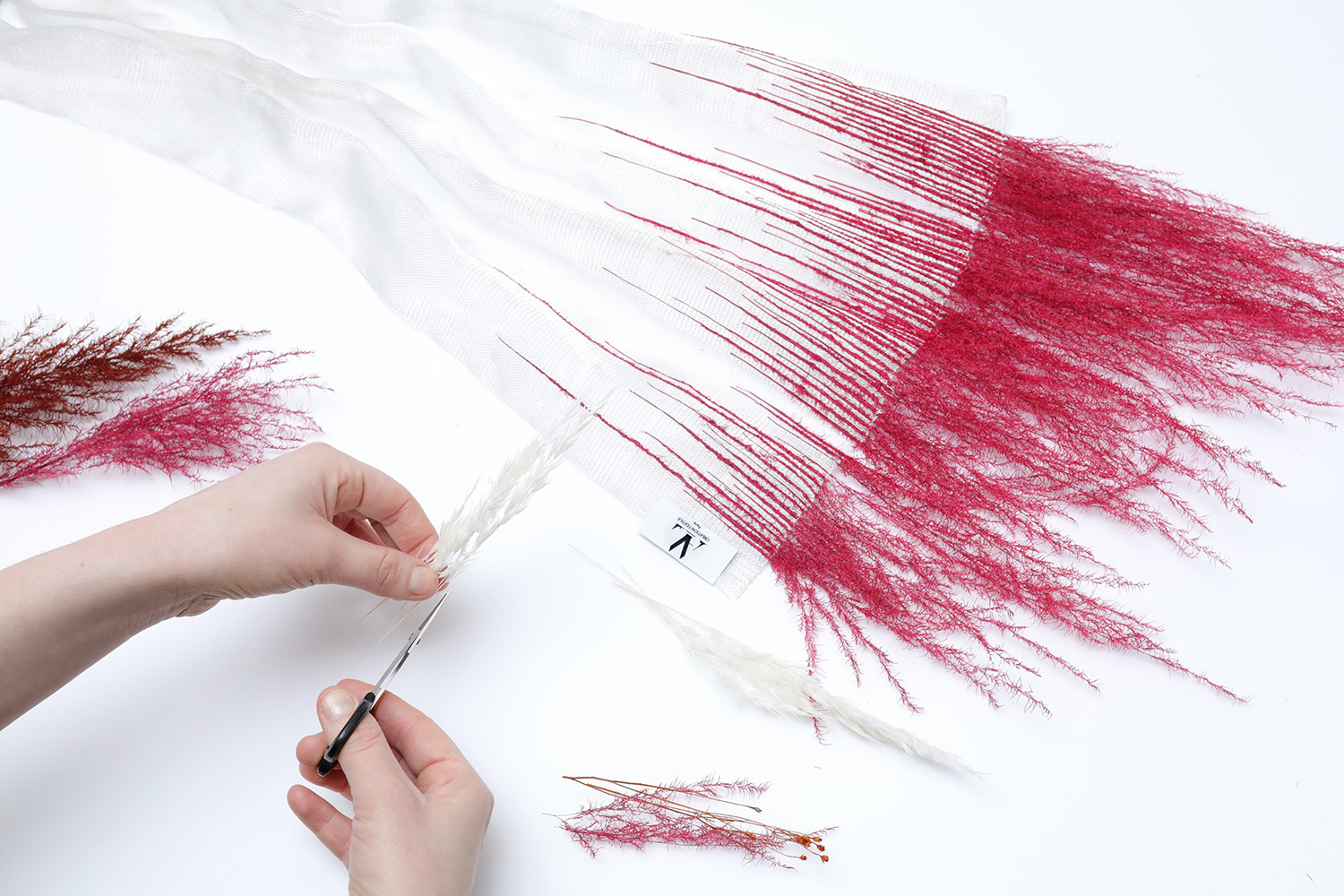
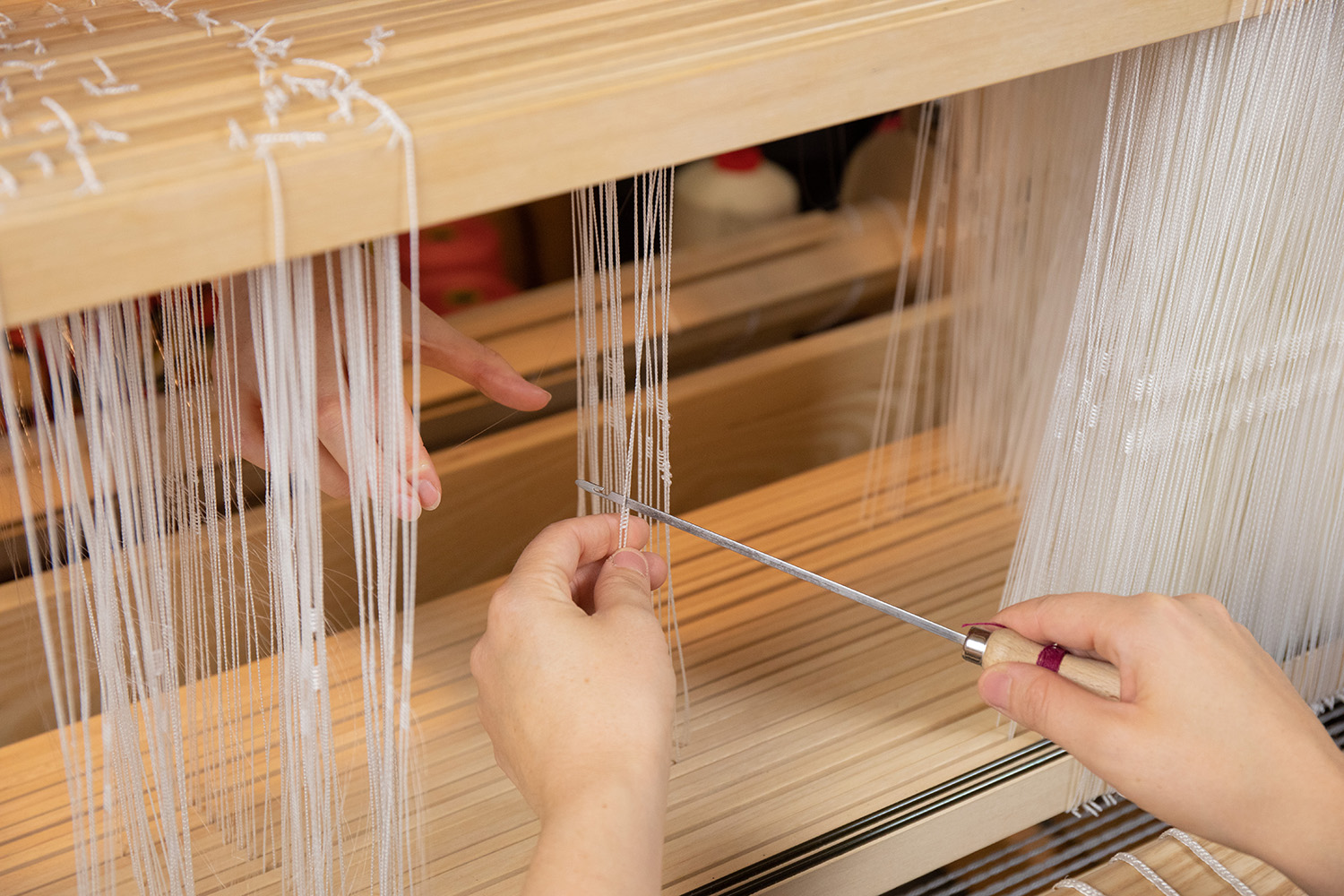
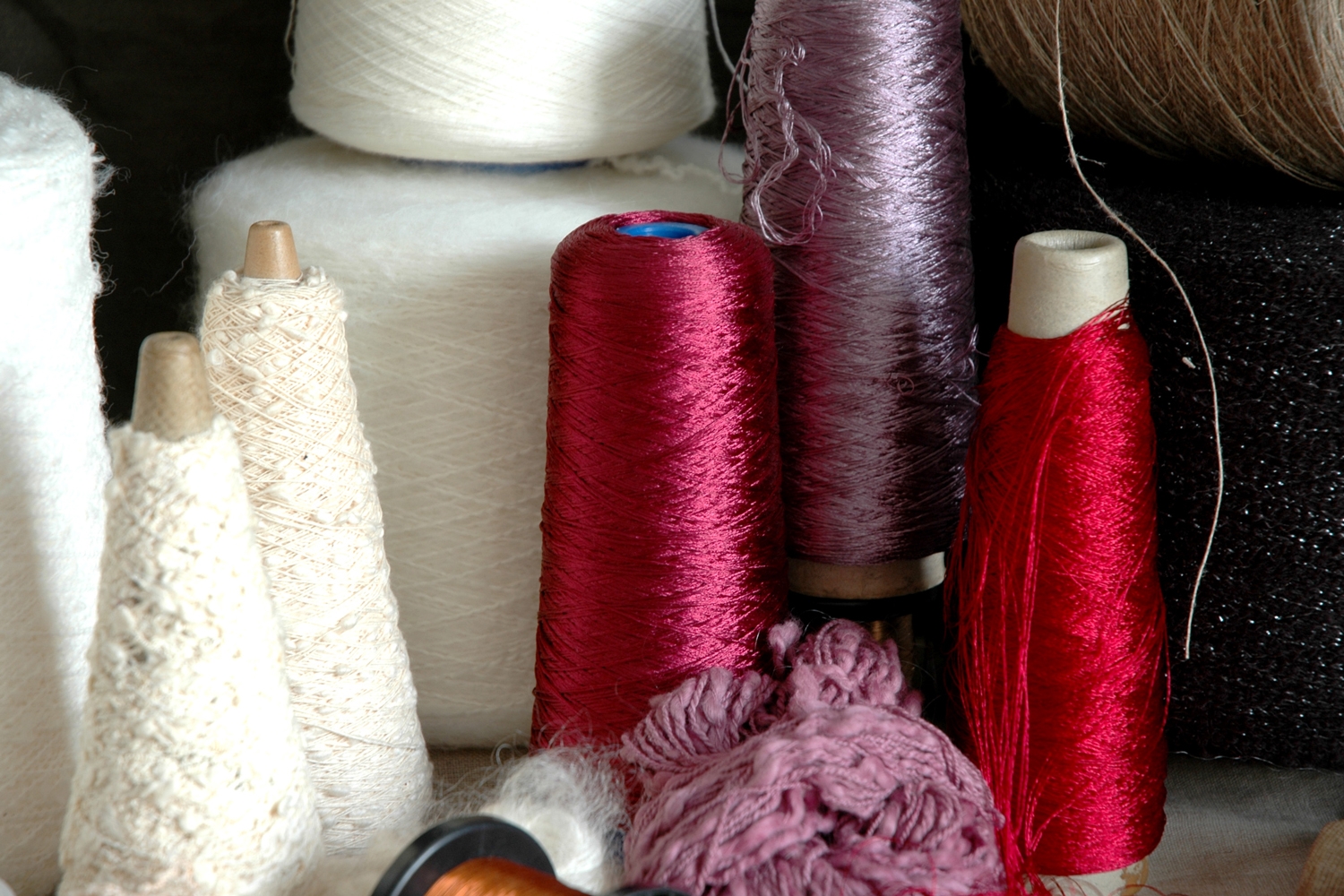
I use very fine threads called core-spun yarn. They have a core, around which other fibres are braided.
Exceptional is something very demanding. For me, exceptional means working on a large-scale project, where I have to find new solutions to problems that could arise during the making process. It should be exceptional not only to my clients, but also to me.
Aude Tahon
Textile creator
Vanves, France
AVAILABILITY
By appointment only
PHONE
+33 788624836
LANGUAGES
French, English
Homo Faber Finds is a new service aiming to inspire admirers of craft to connect and collaborate with exceptional artisans.
We invite you to submit an enquiry here.
Juliette Leperlier_Naïade XXI_(c)Arthur Monfrais.jpg)
Juliette Leperlier_Portrait 1_(c)Arthur Monfrais.jpg)
Juliette Leperlier_Studio 1_(c)Arthur Monfrais.jpg)