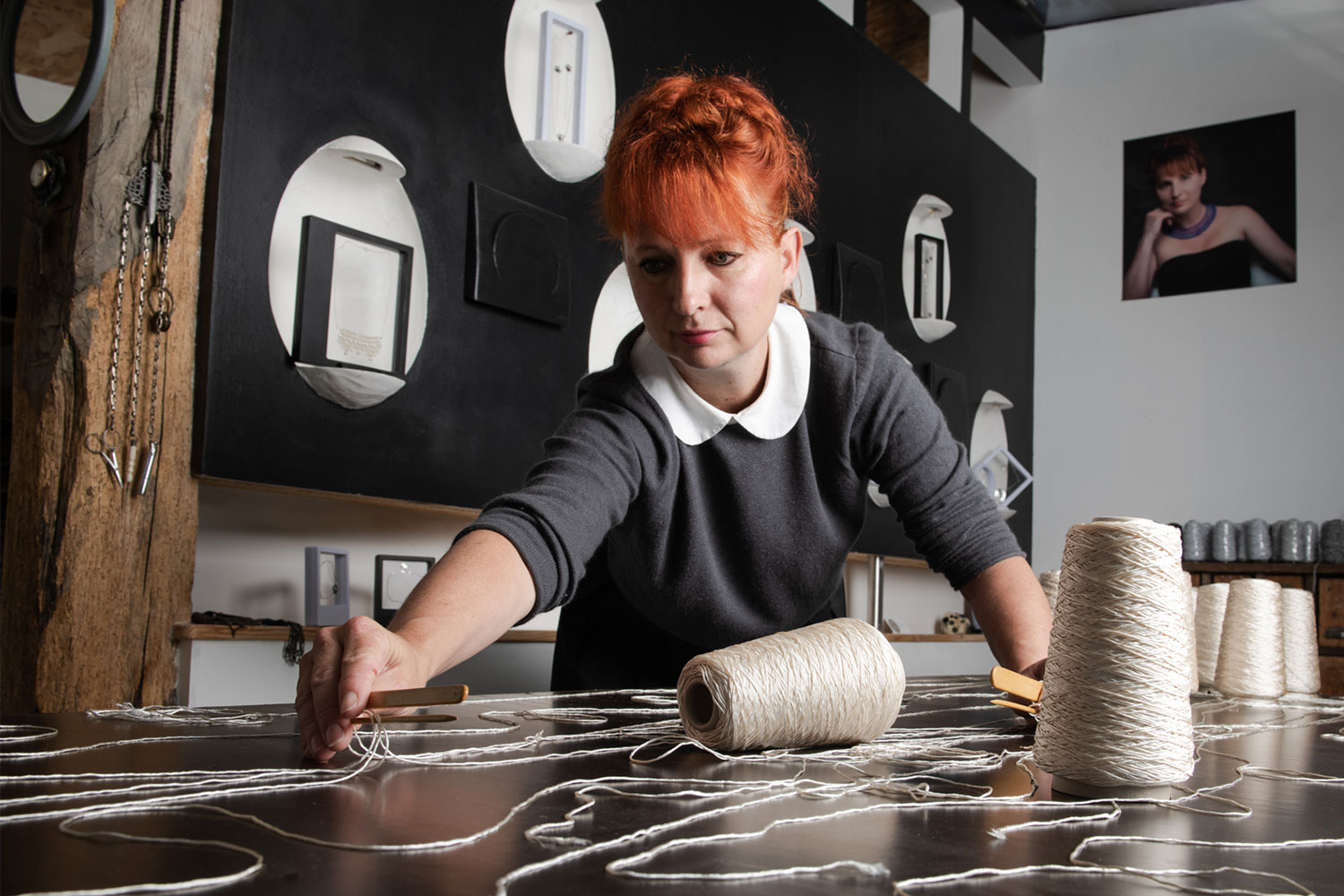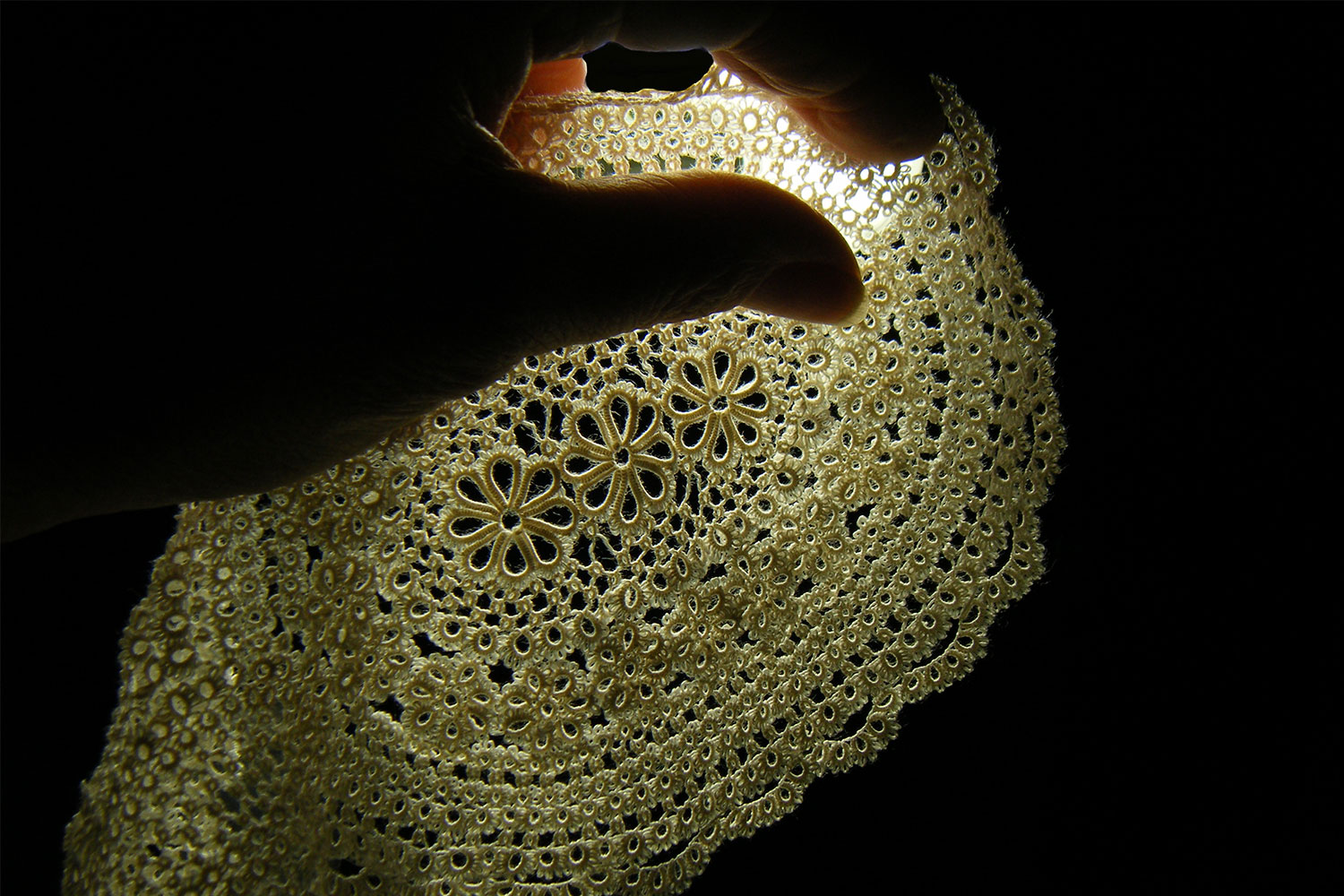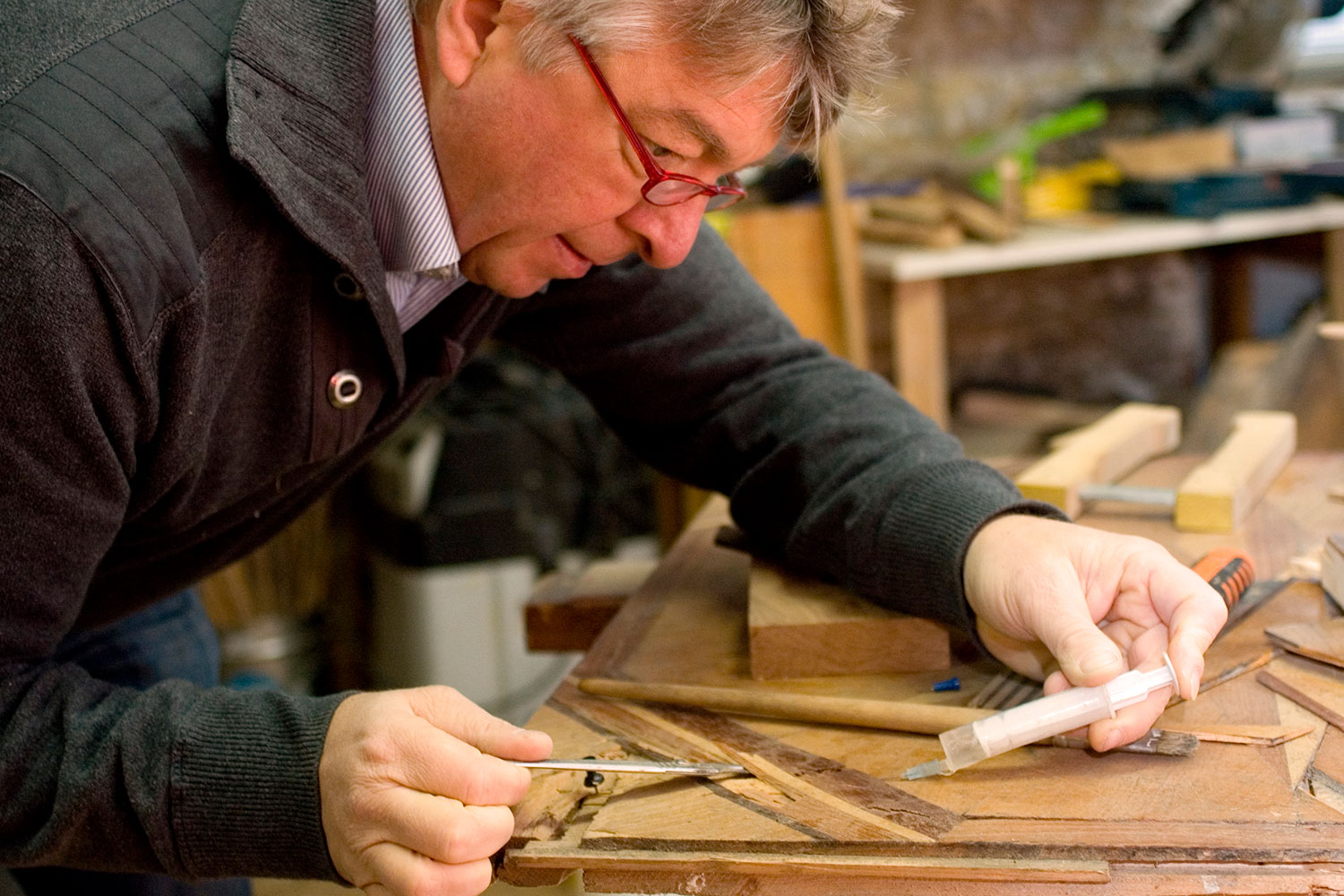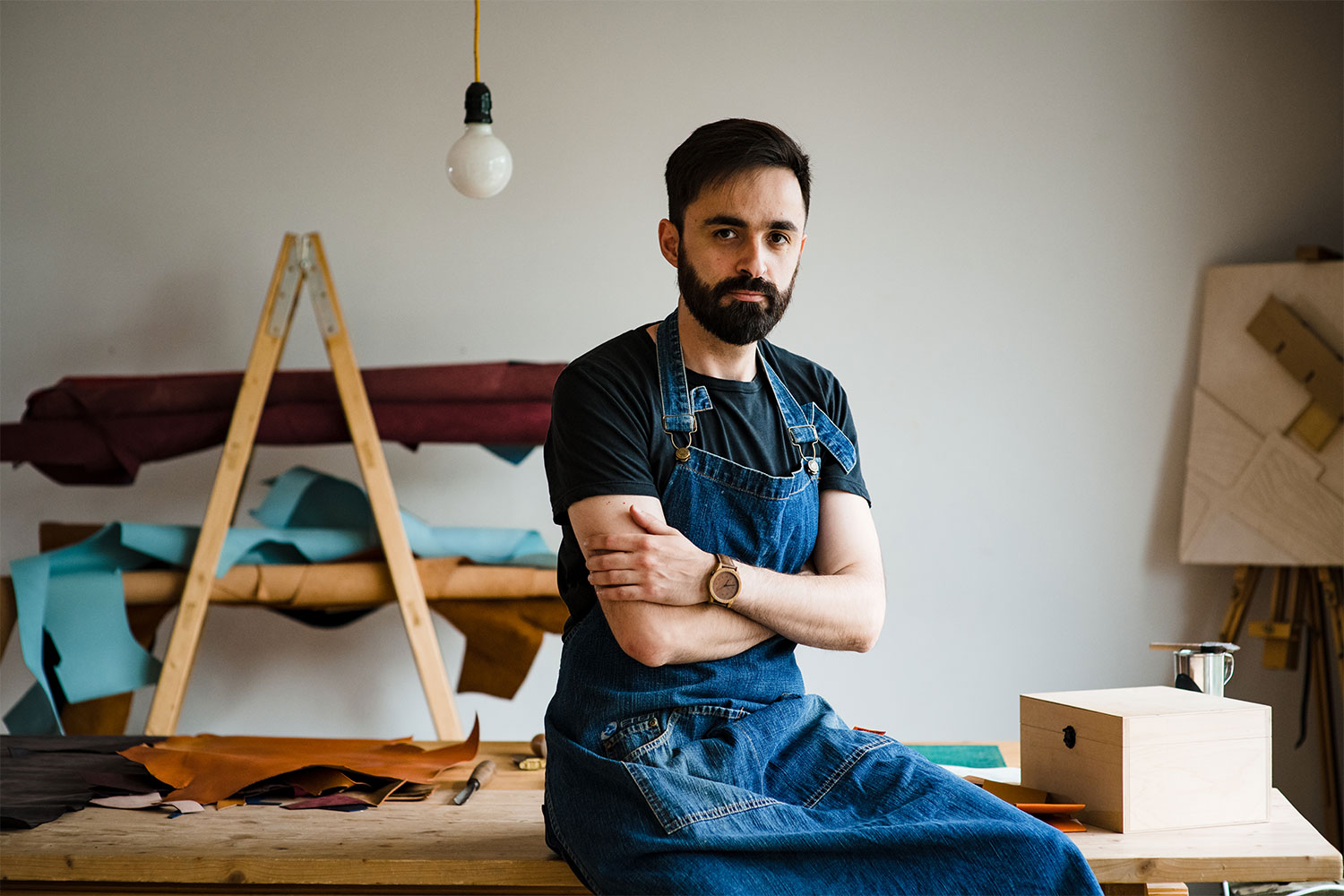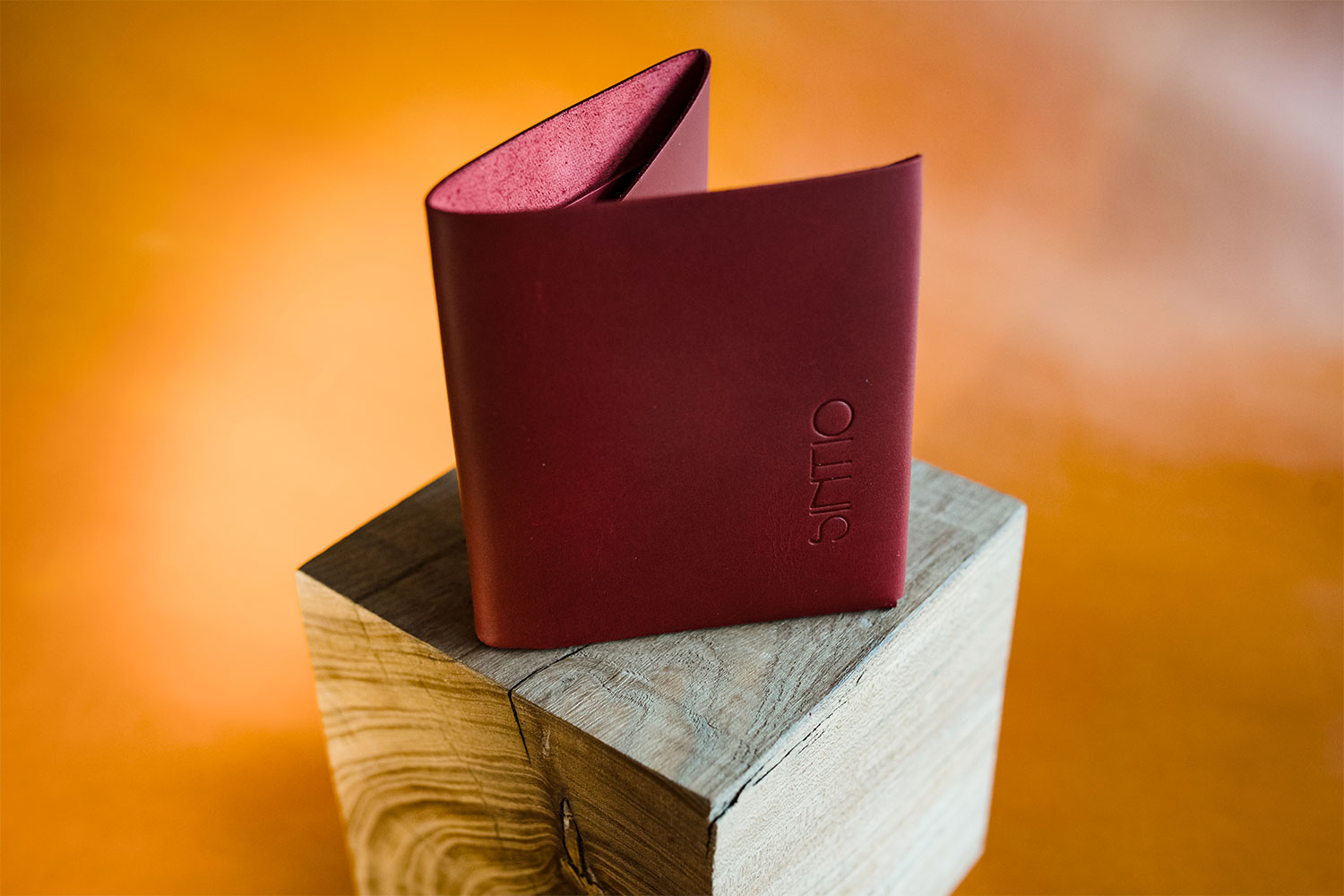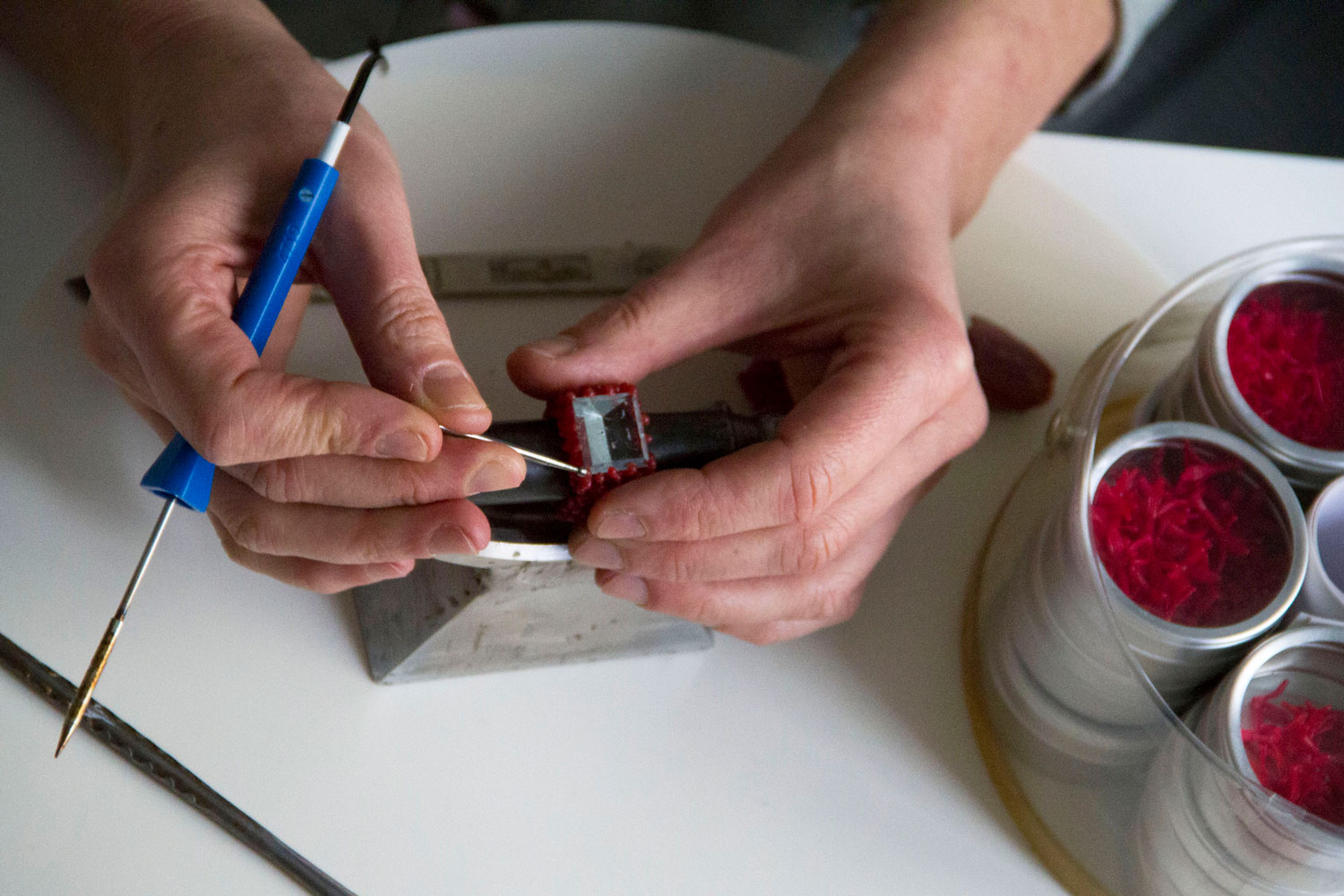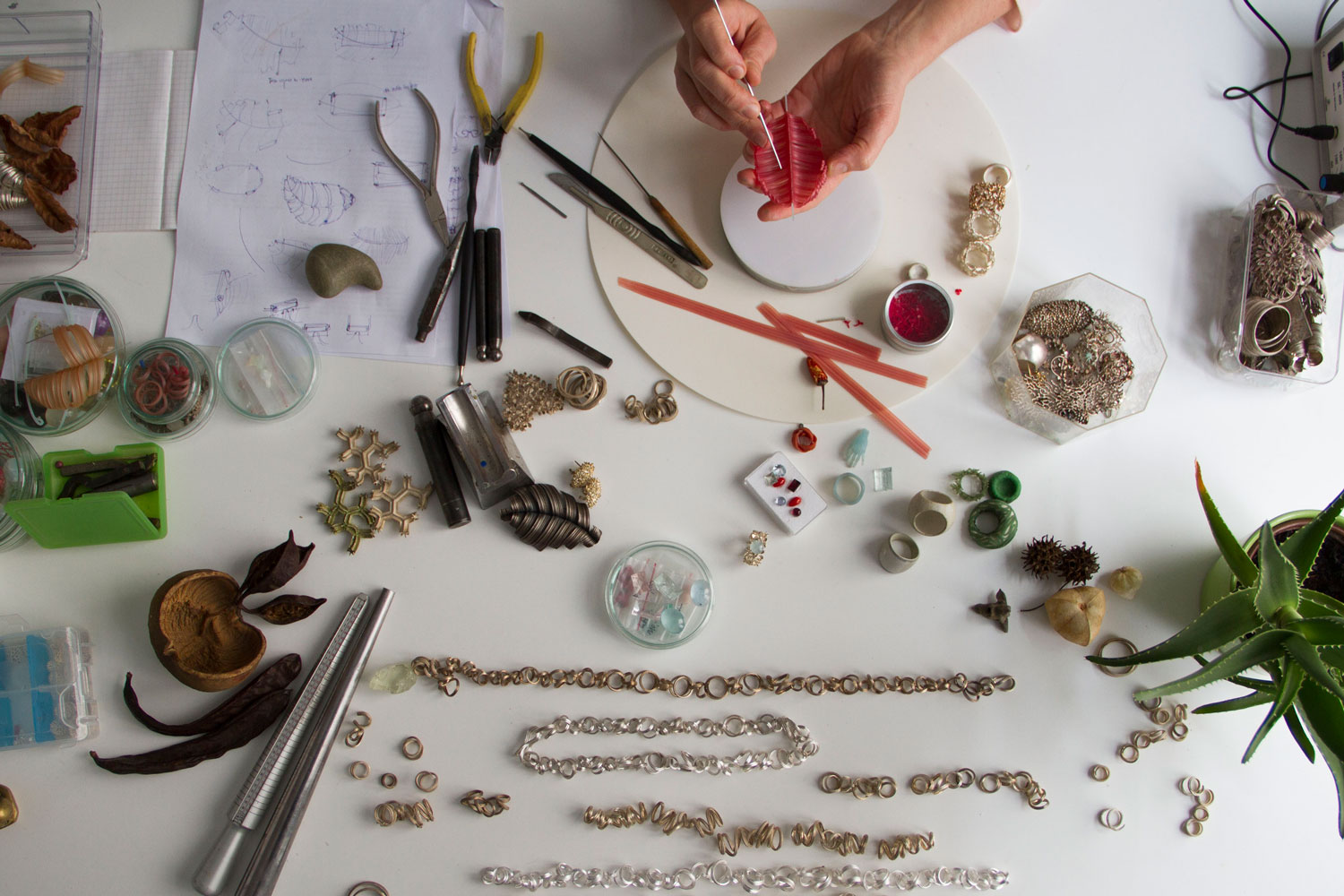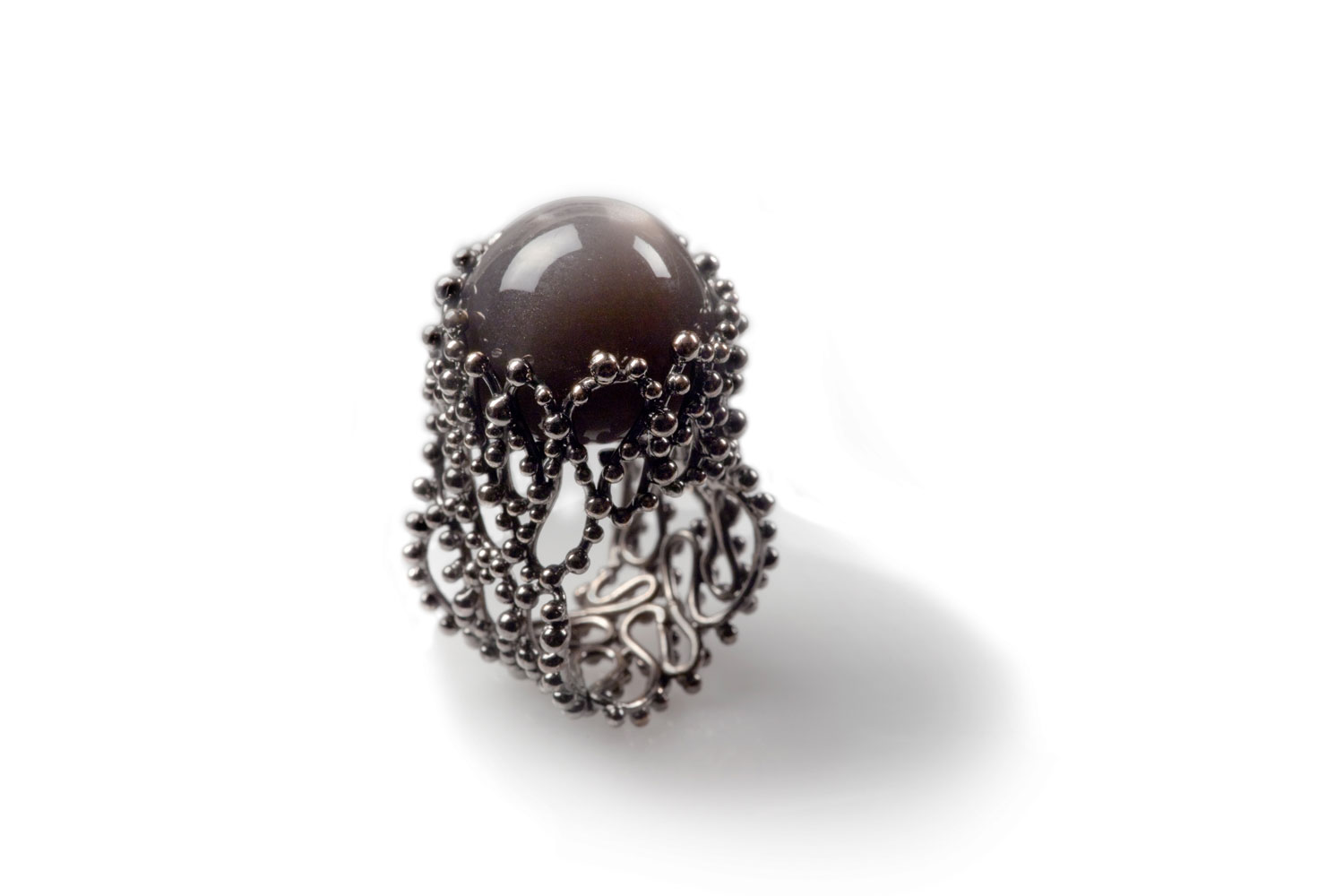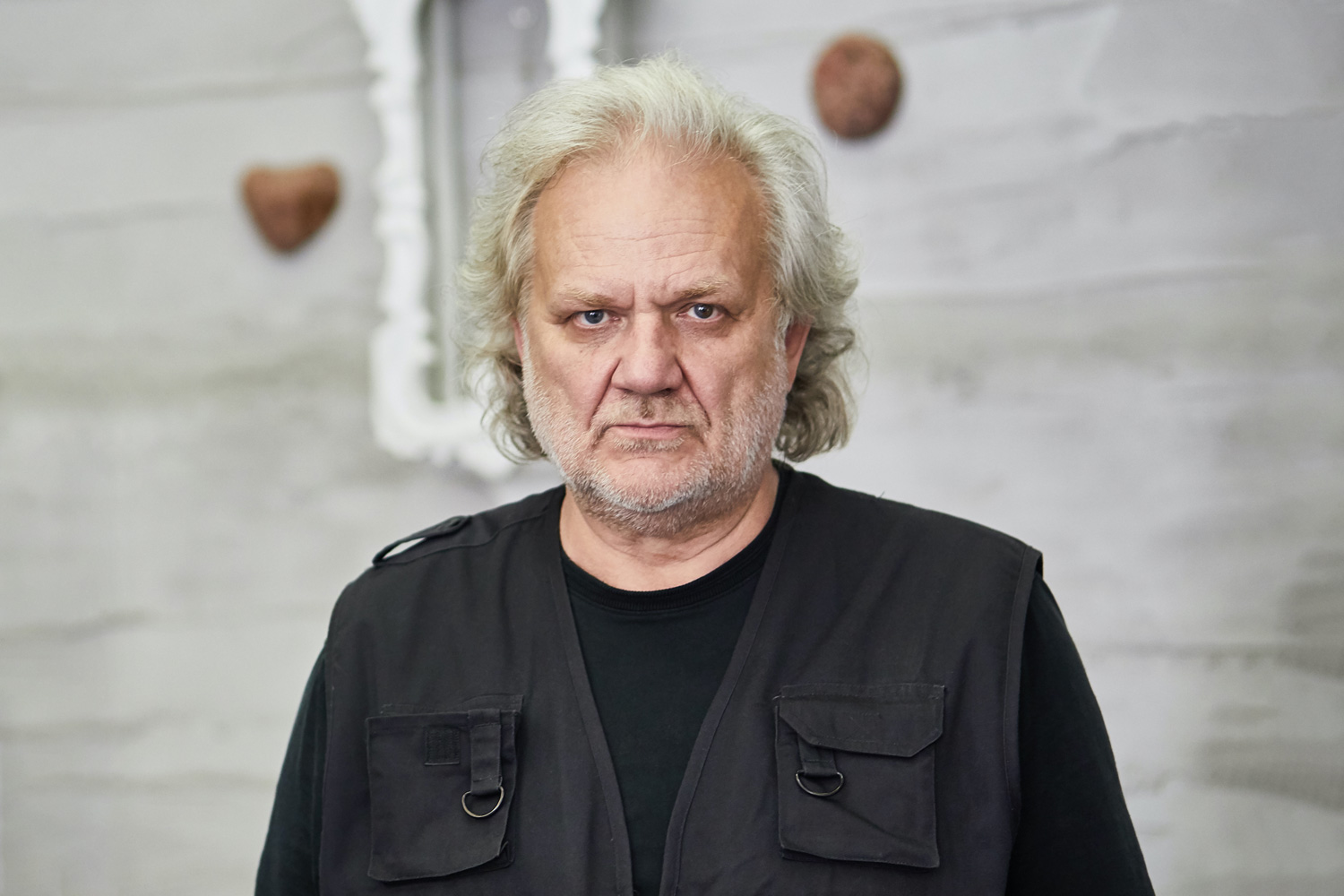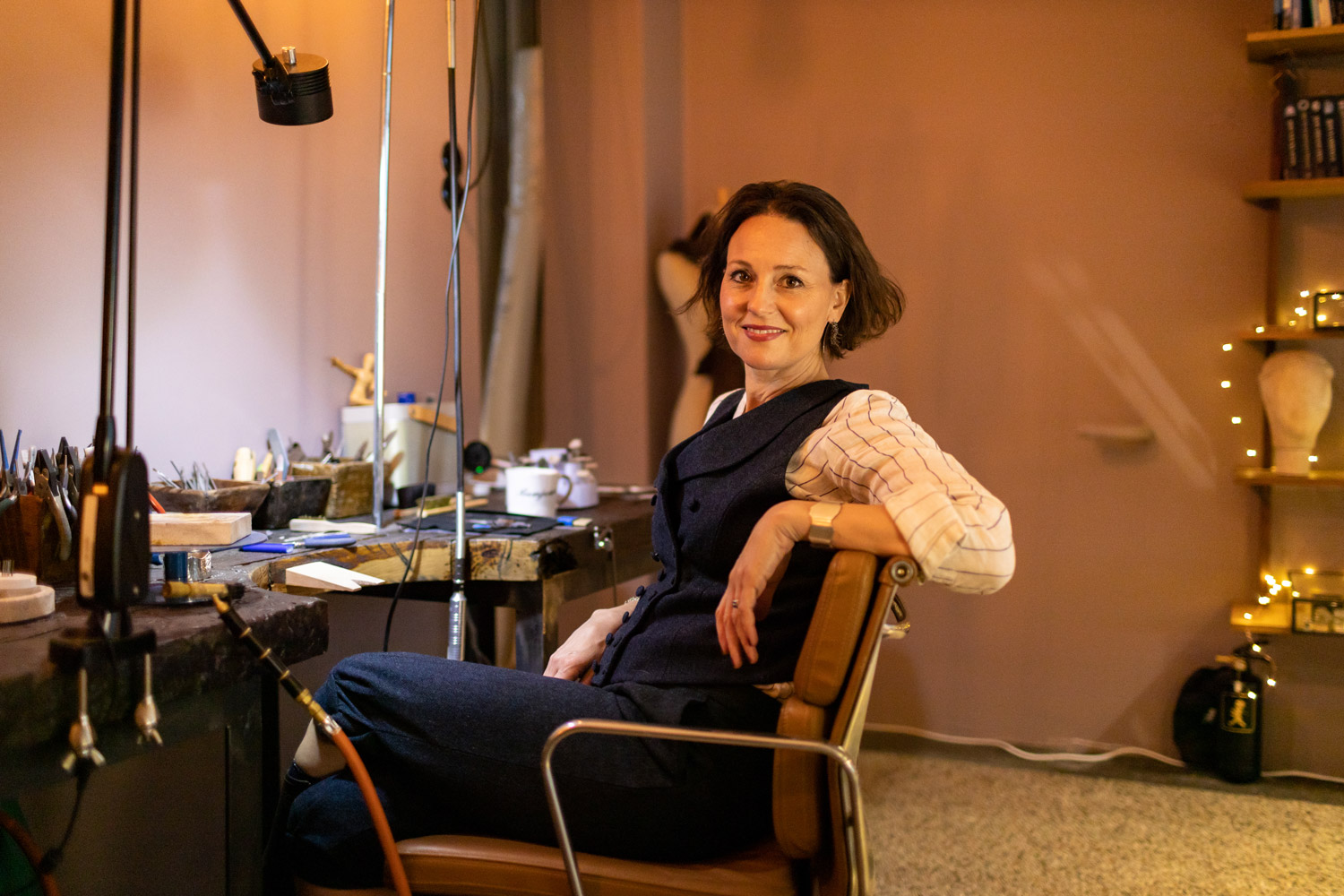
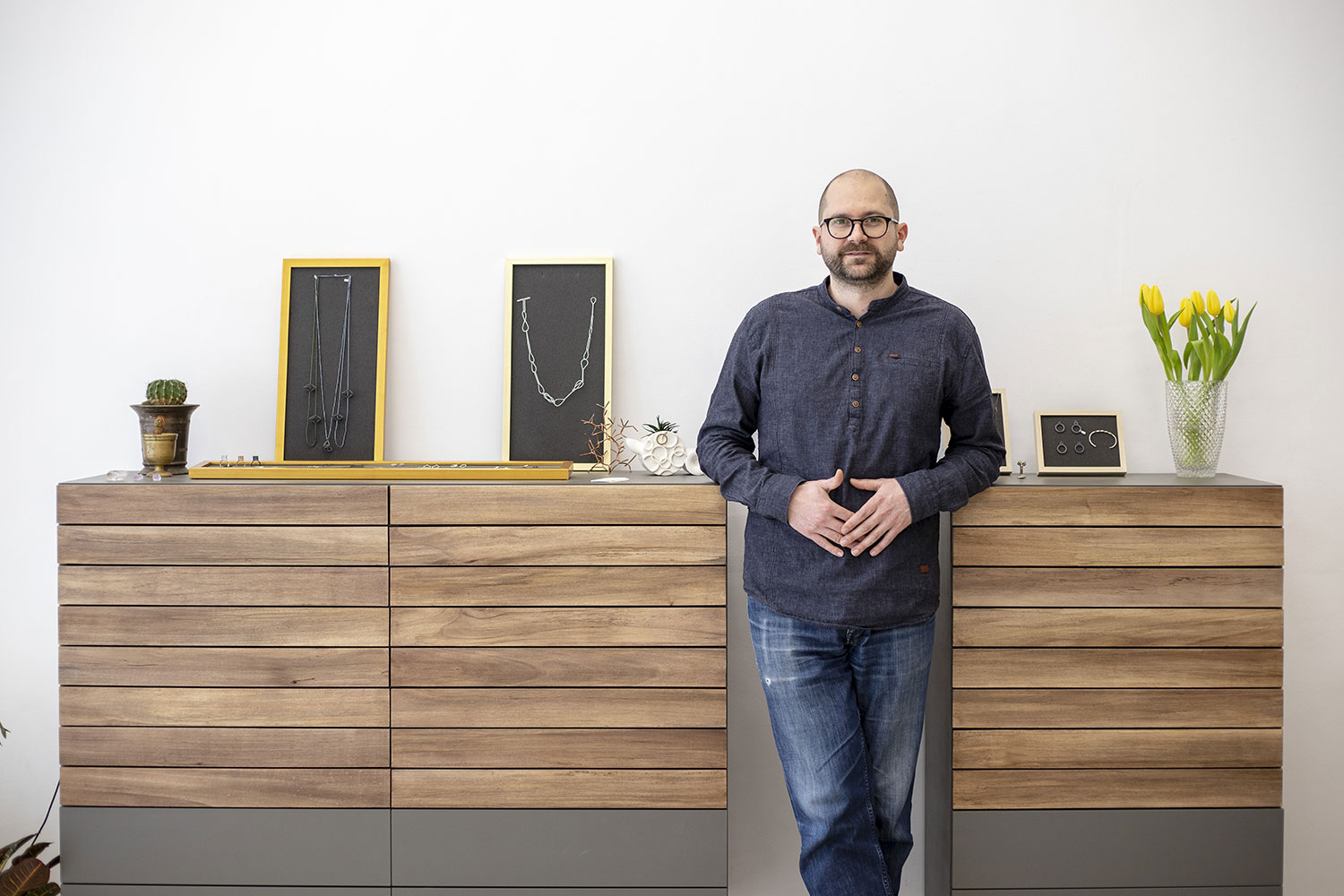
Atanas Konstantinov
Artefakti
Jewellery maker
Sofia, Bulgaria
Recommended by Etar
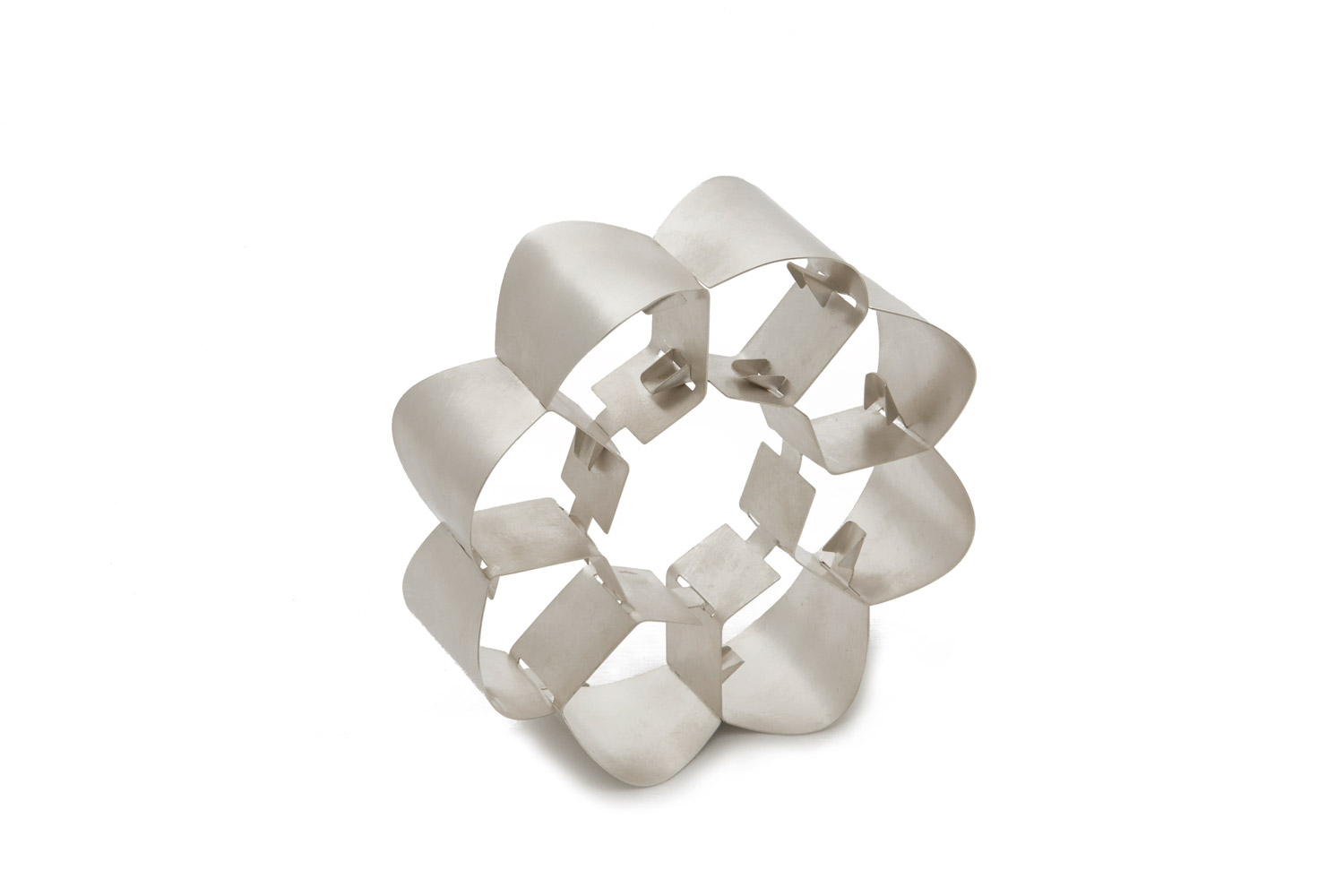
Architectural forms in jewellery
- Atanas feels jewellery documents the time we live in
- His inspirations include architecture and film
- He combines contemporary design with Eastern European traditions
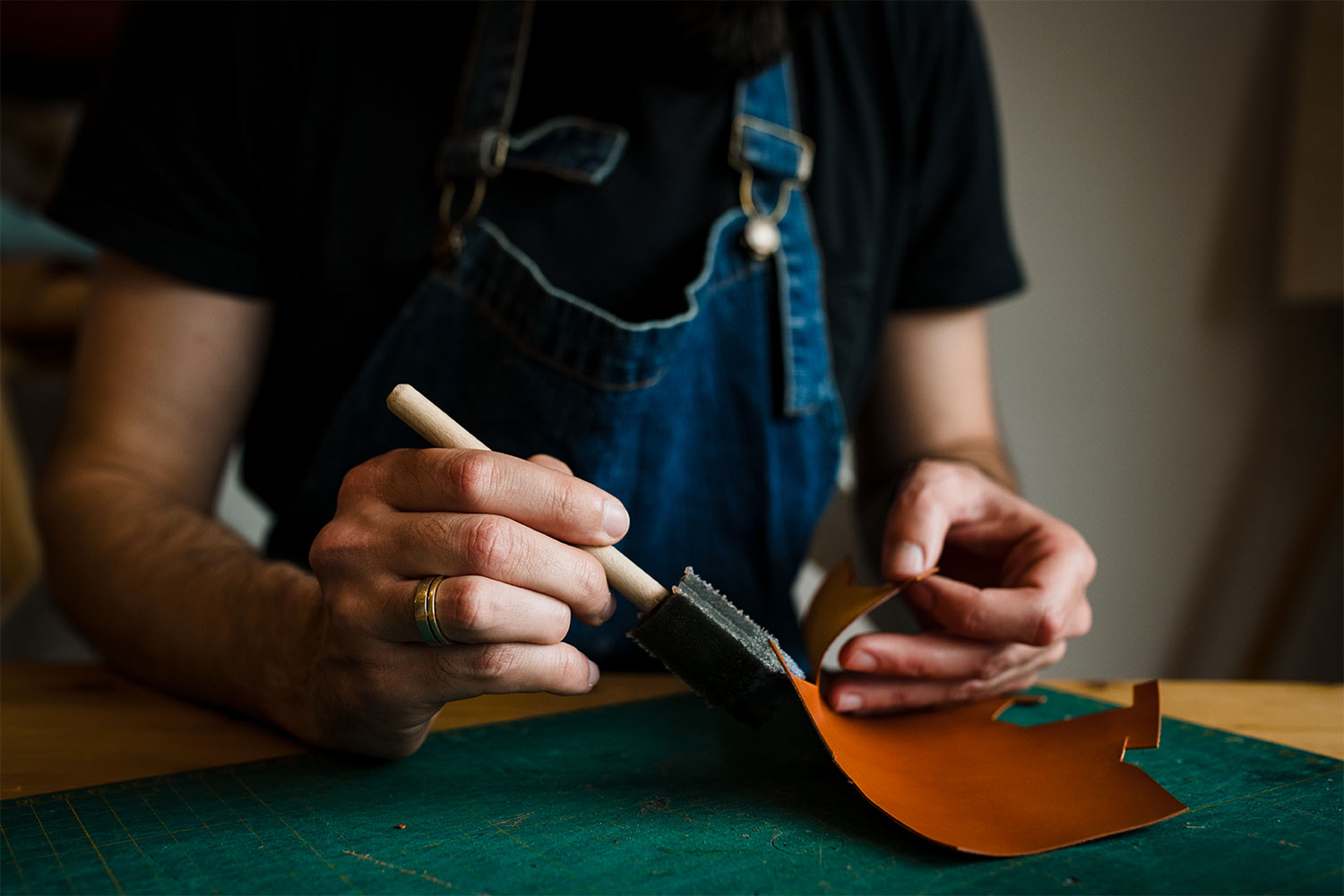
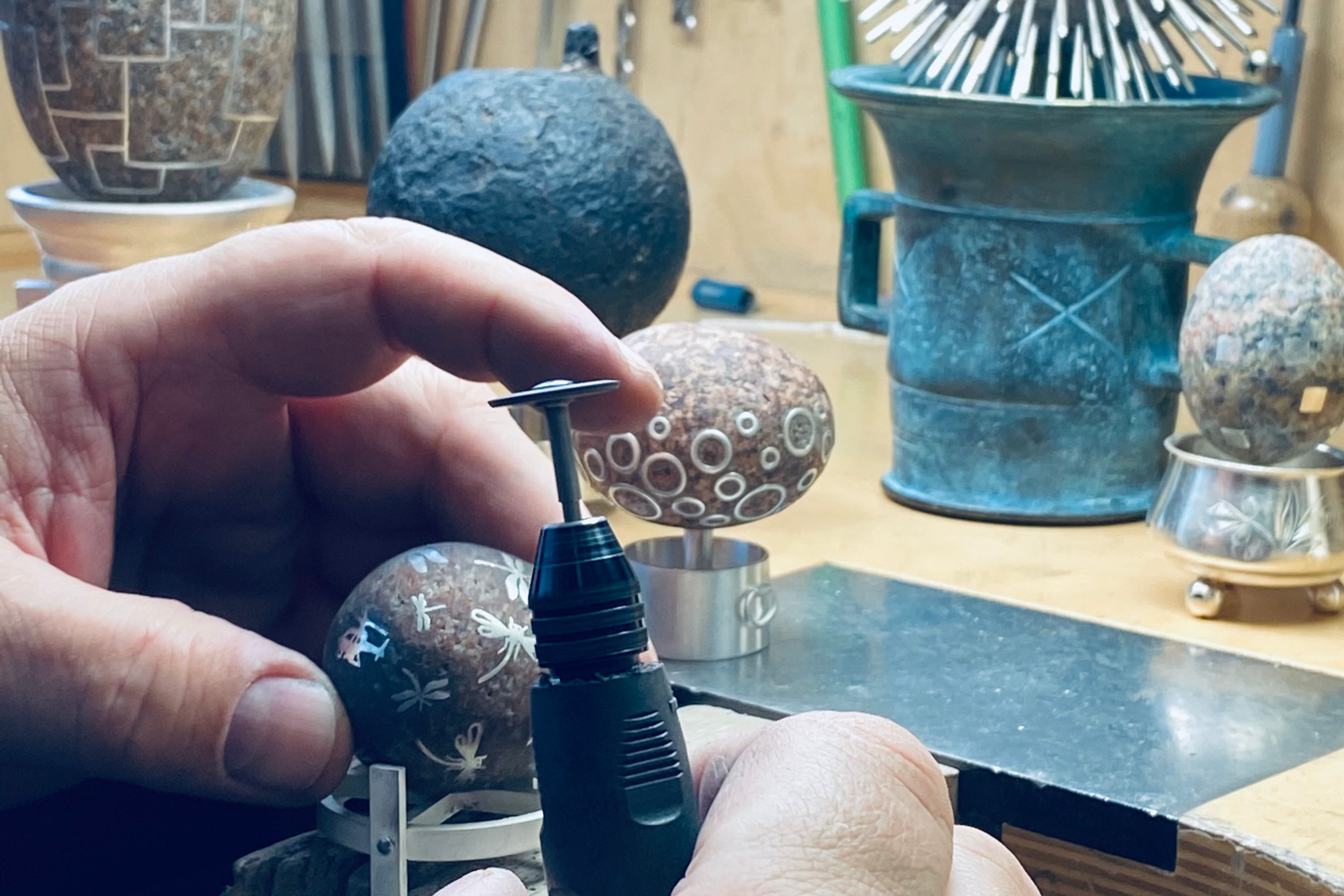
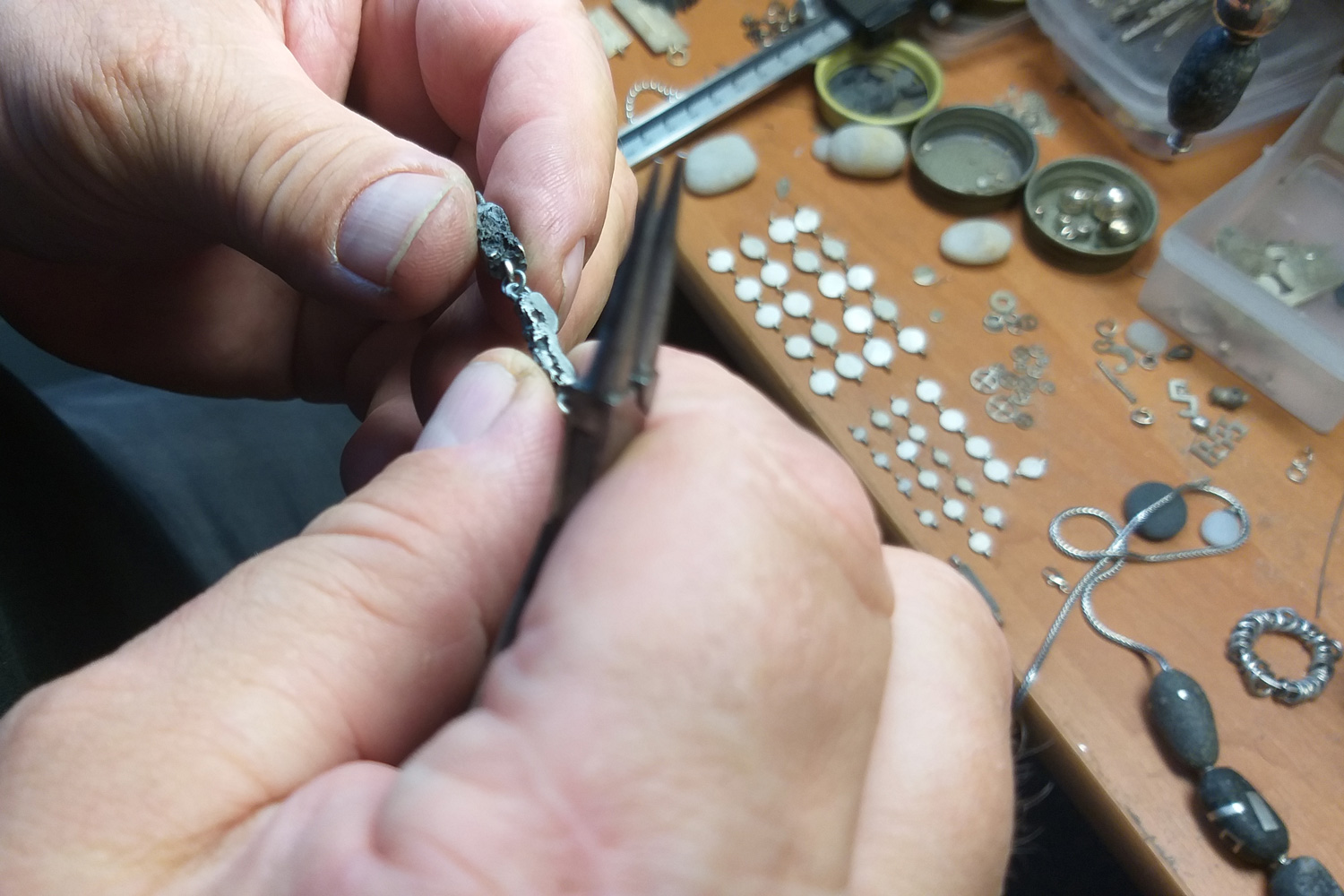
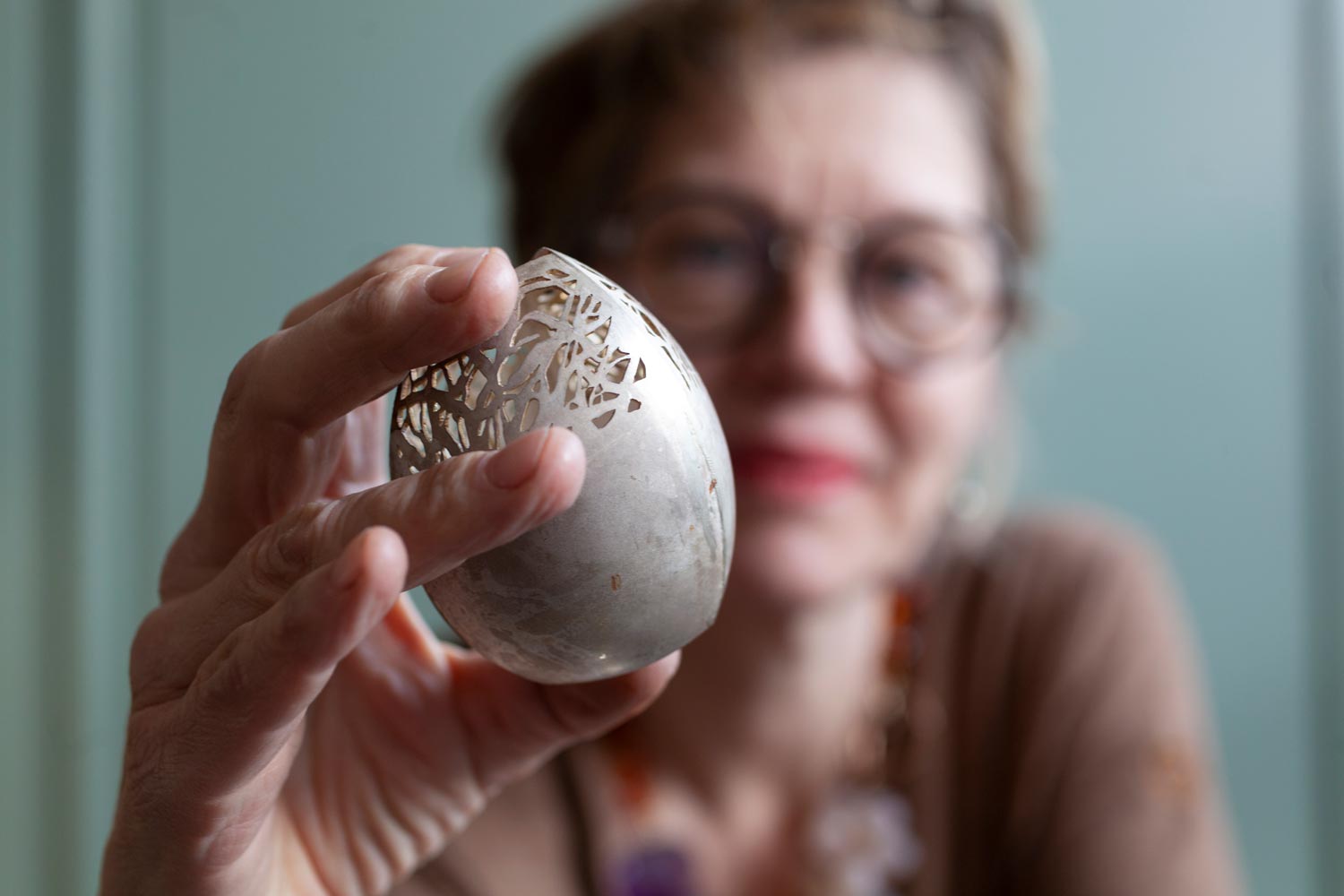
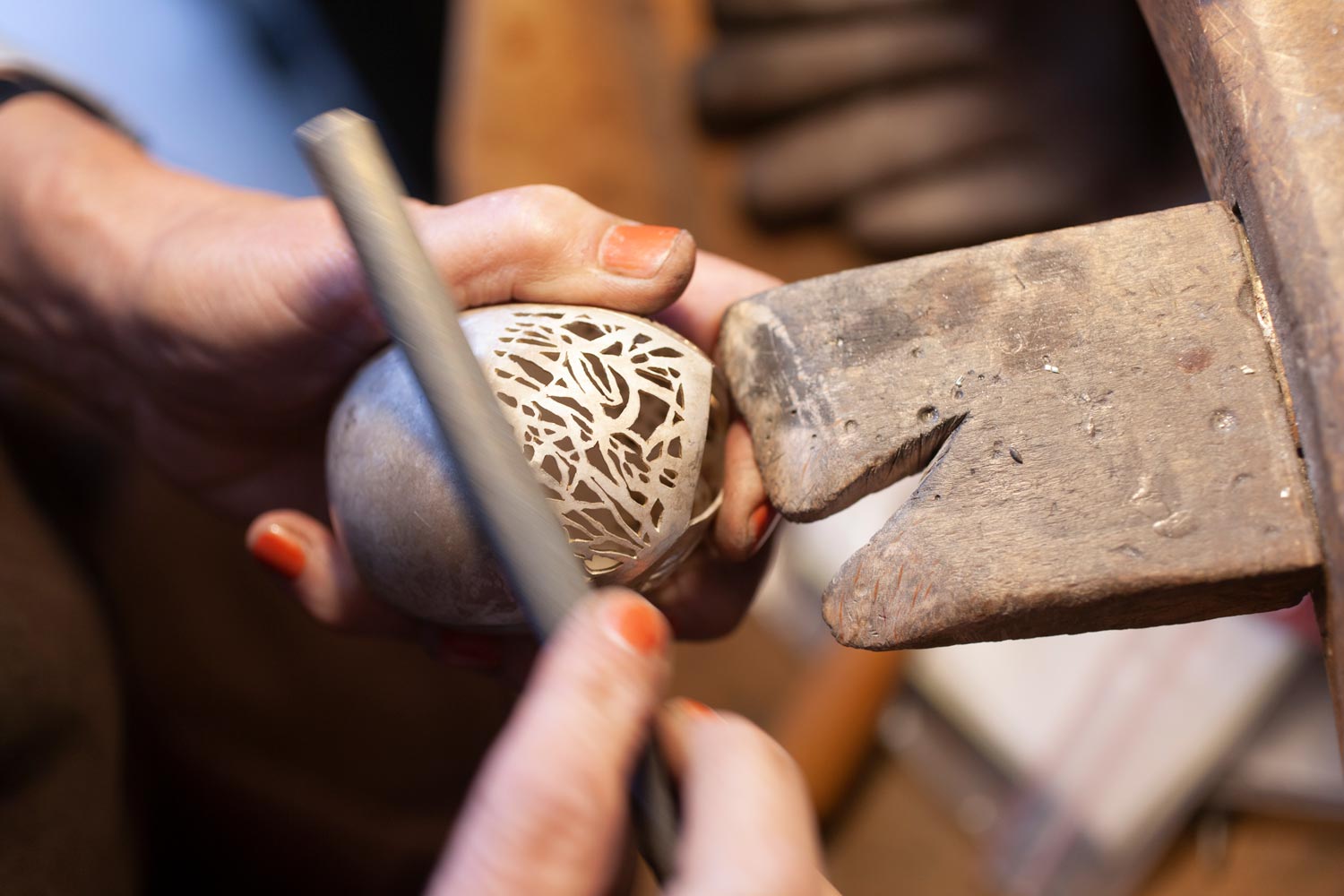
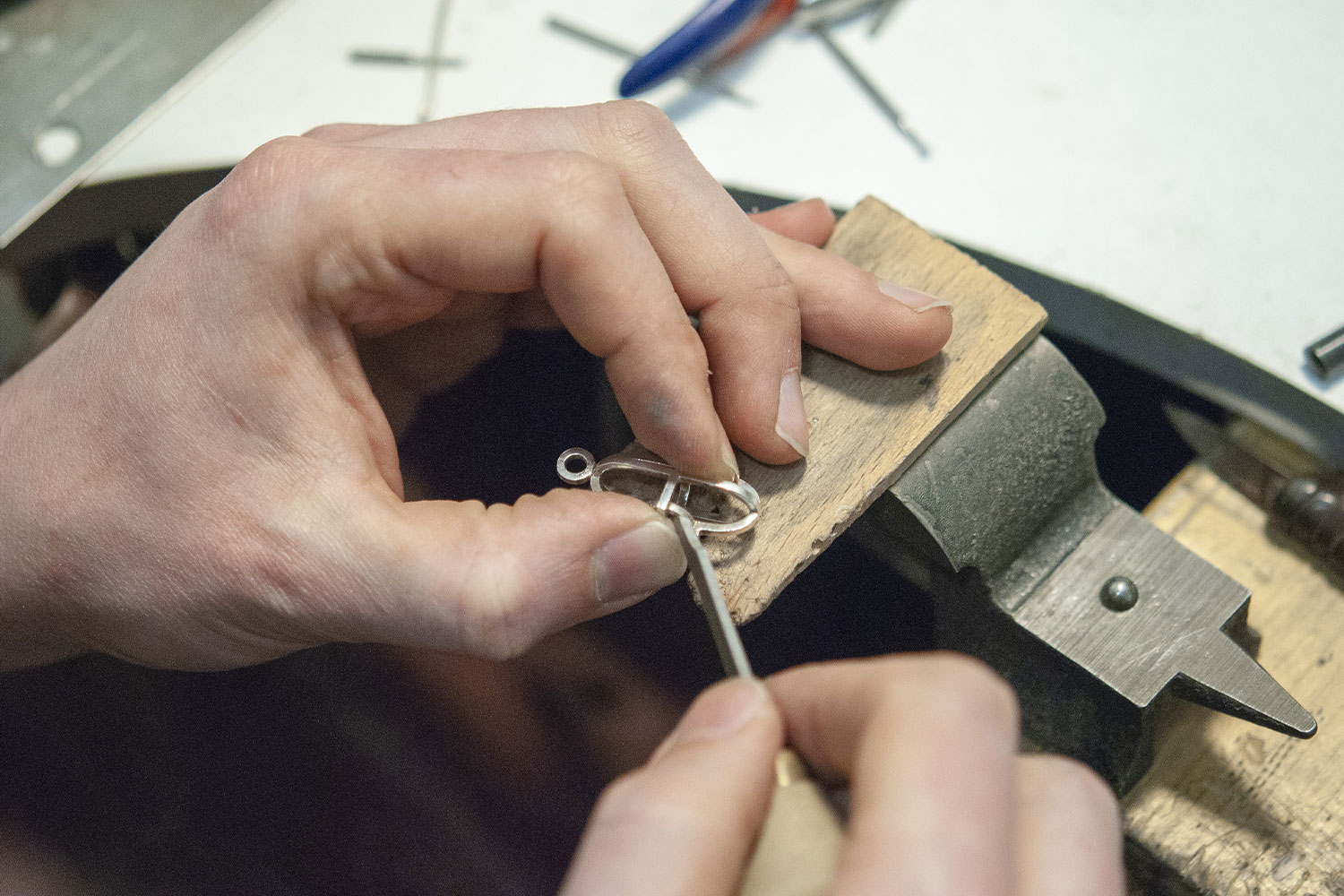
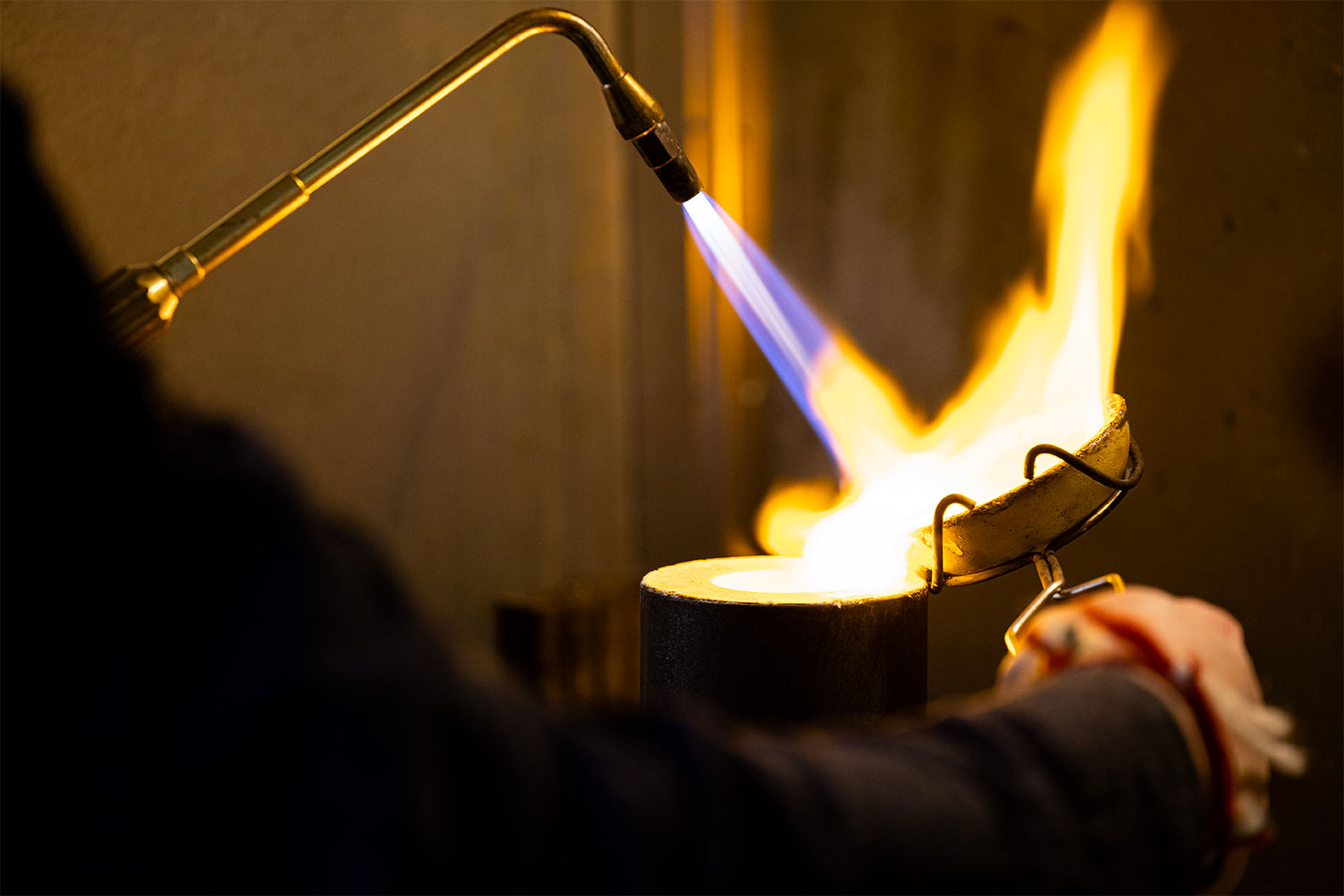
For Atanas Konstantinov, it was always clear that he would end up working in the applied arts. His first attempts were at the early age of ten when he gained experience in woodcarving. He then followed a logical path: high school training in the field of applied arts, majoring in metalwork, followed by an academy diploma in the same subject. A decisive moment in his jewellery making career and his approach to art and jewellery came when he encountered renowned Bulgarian designer Dimiter Delchev, head of the metalwork department at Sofia Art Academy. Now, Atanas works mainly with noble metals, but describes silver as the most precious material, because it allows him to easily convey his ideas.
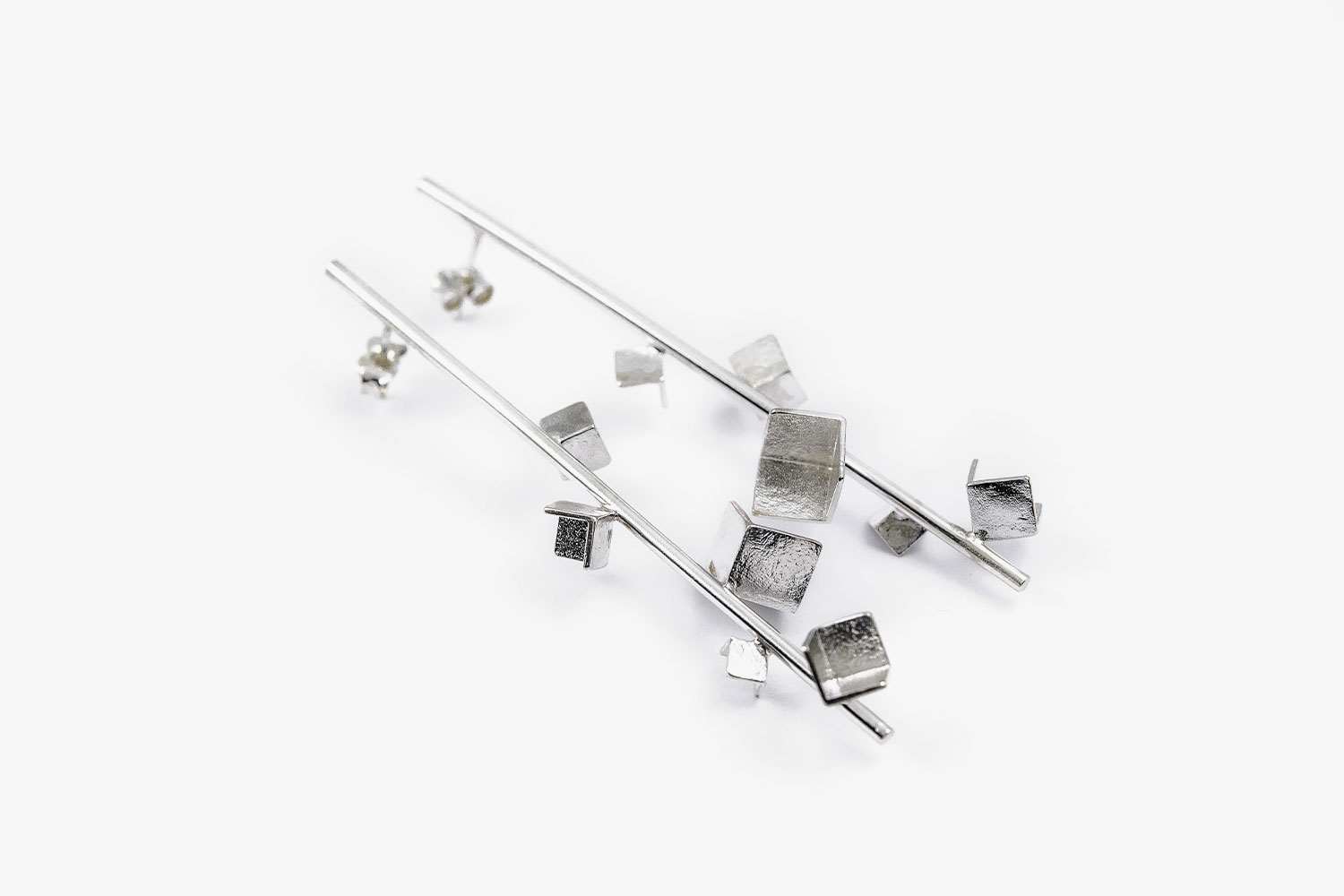
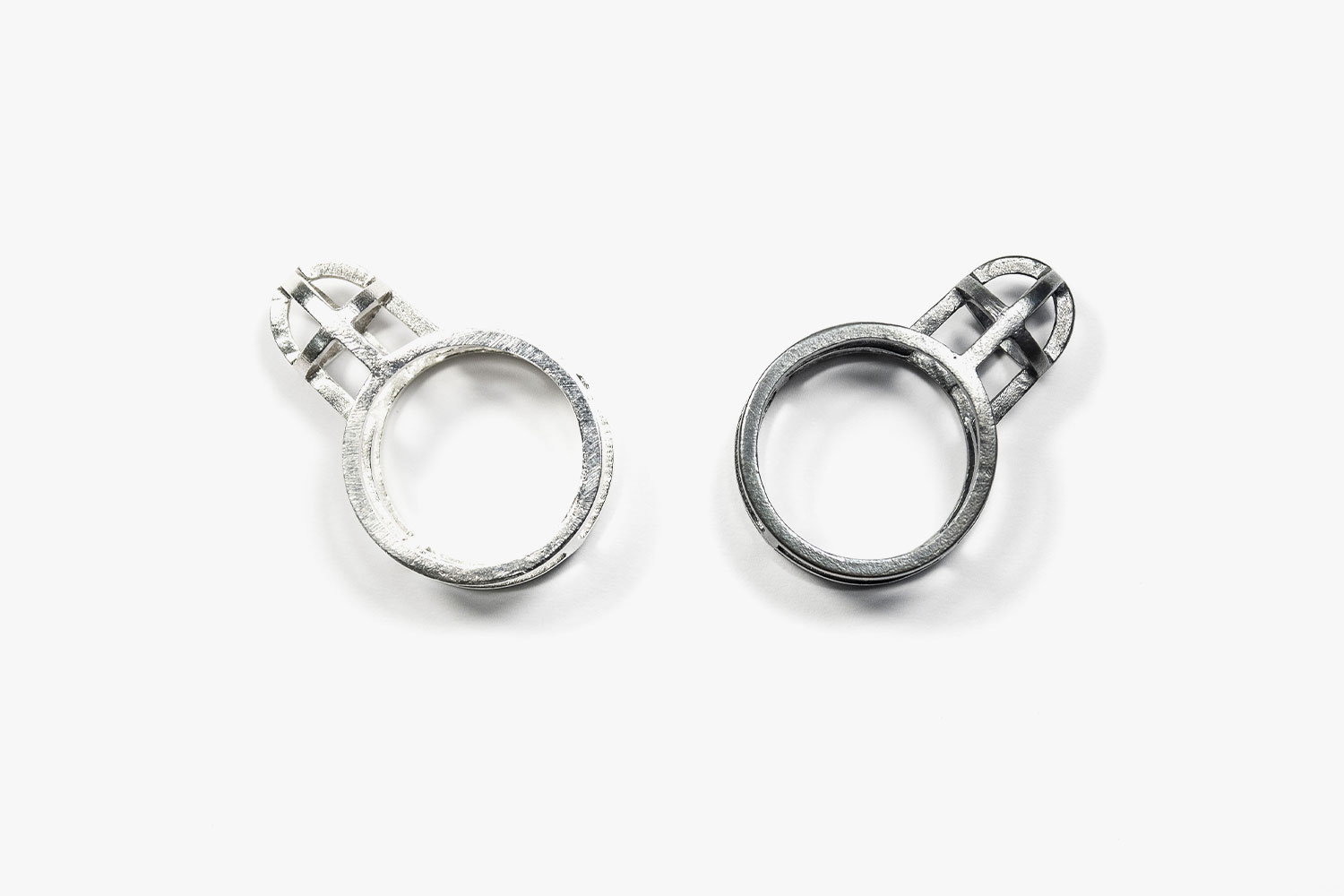
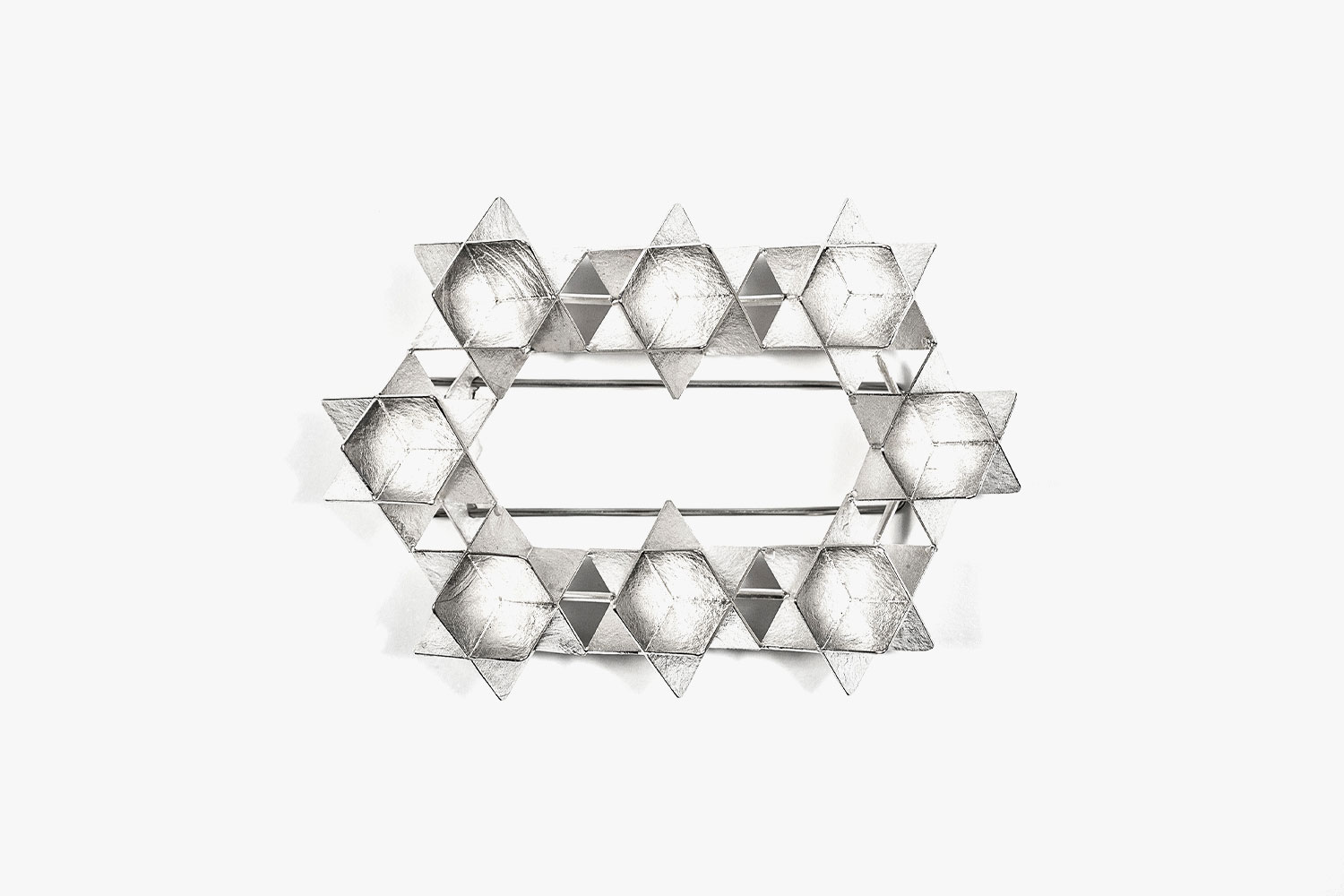
INTERVIEW
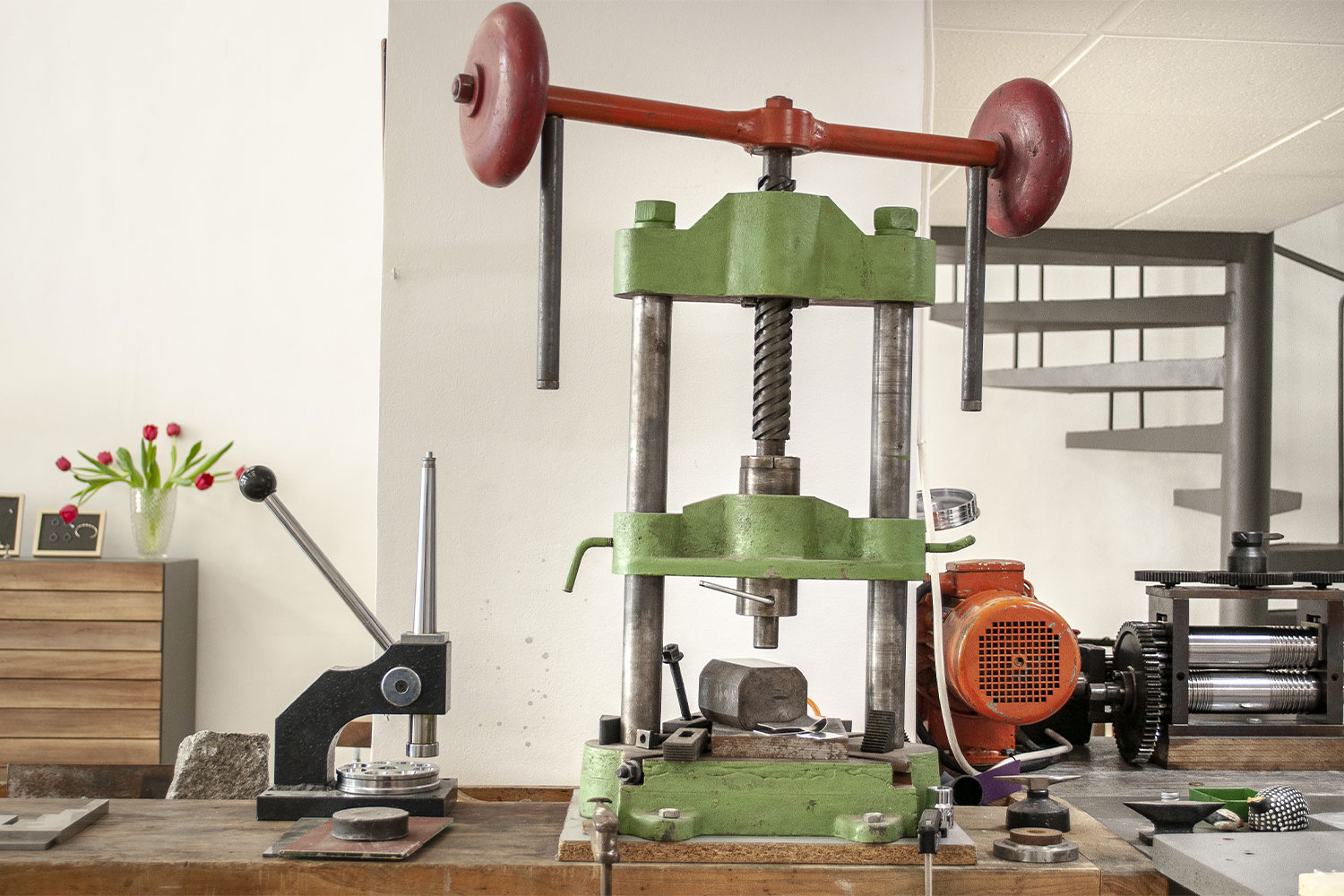
I've had a workshop for as long as I can remember, but in 2013 I opened my first real studio, which is open to the public. Two years later I added a shop, because to my surprise there was interest in my jewellery not only from clients of some galleries, but also from a general audience.
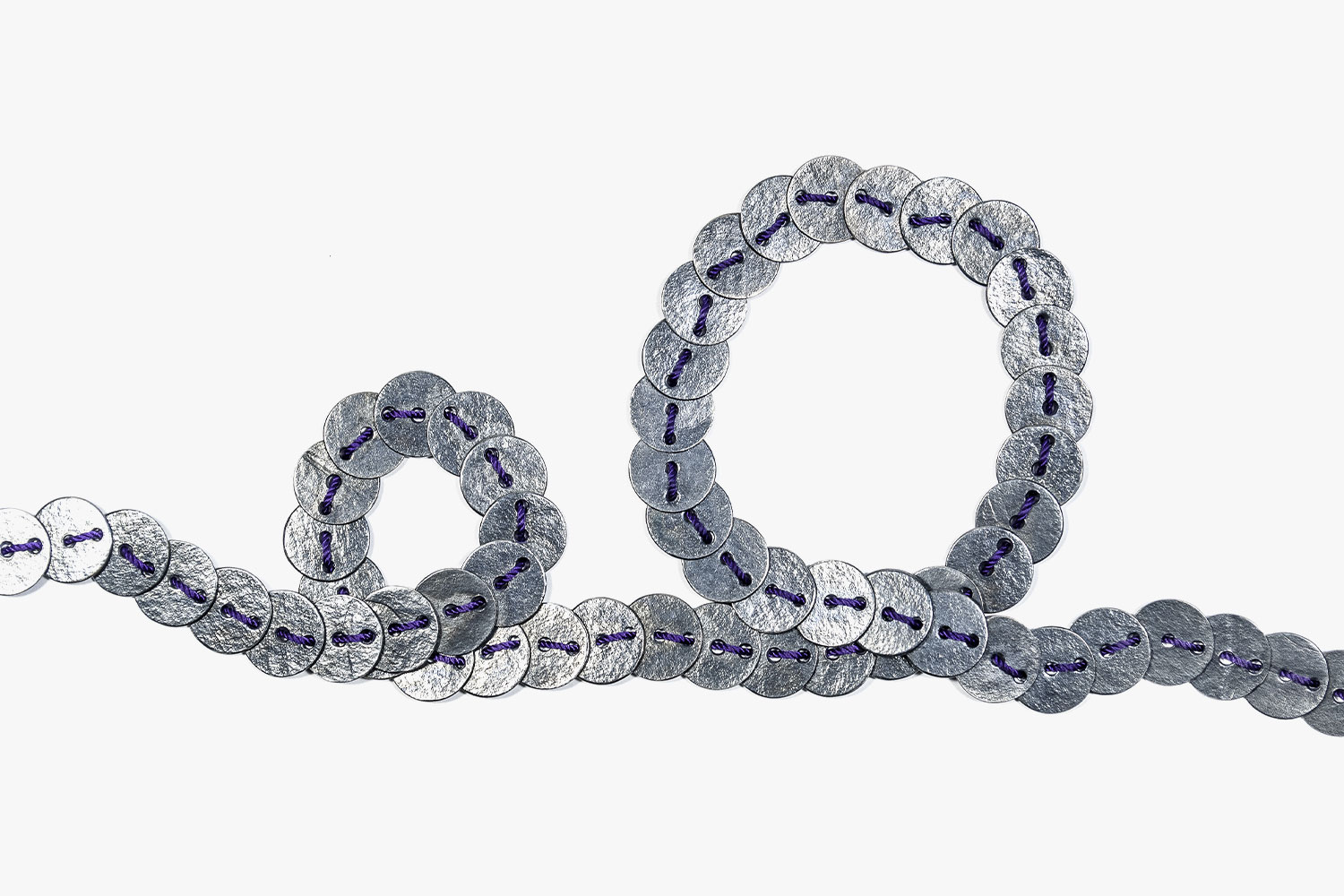
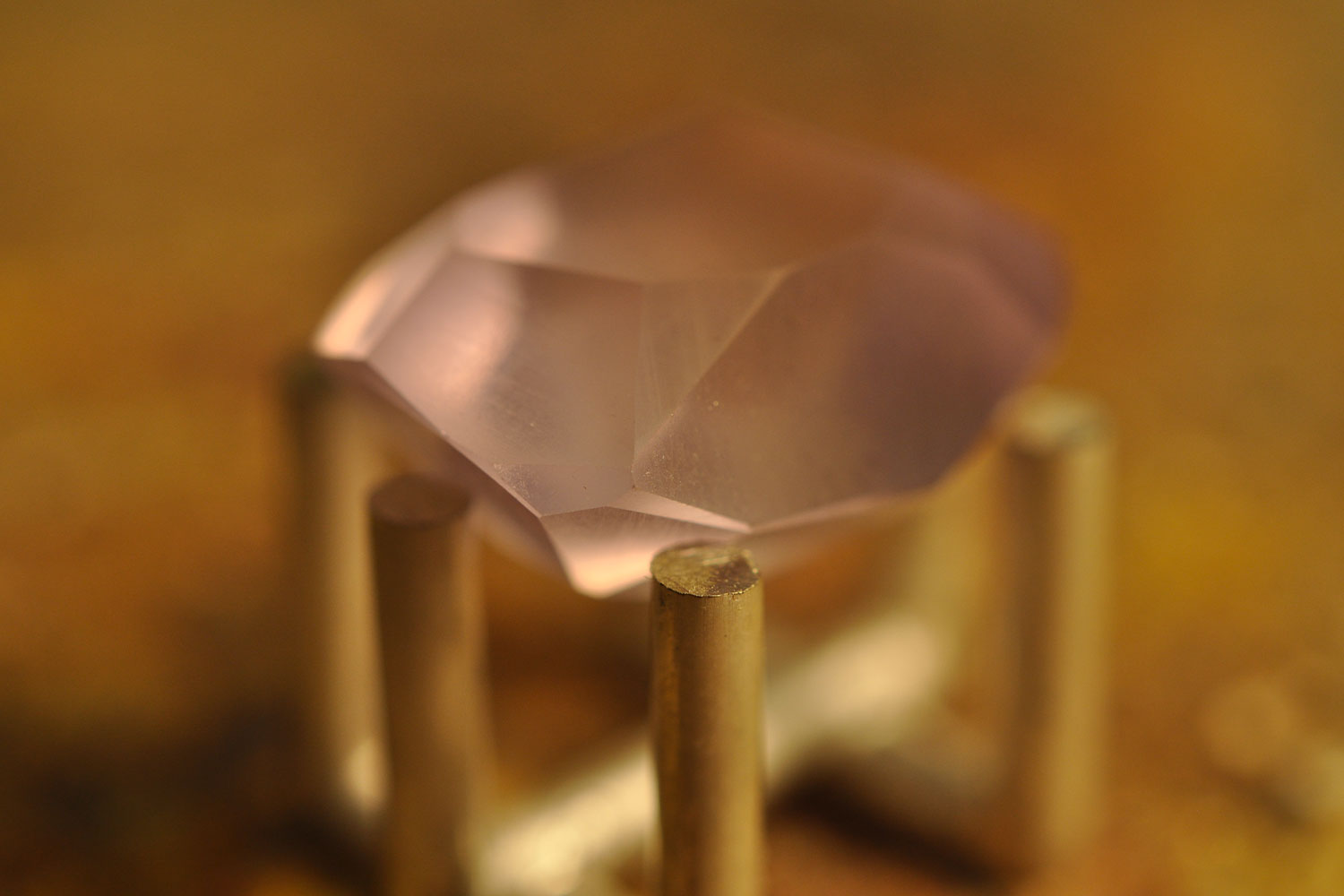
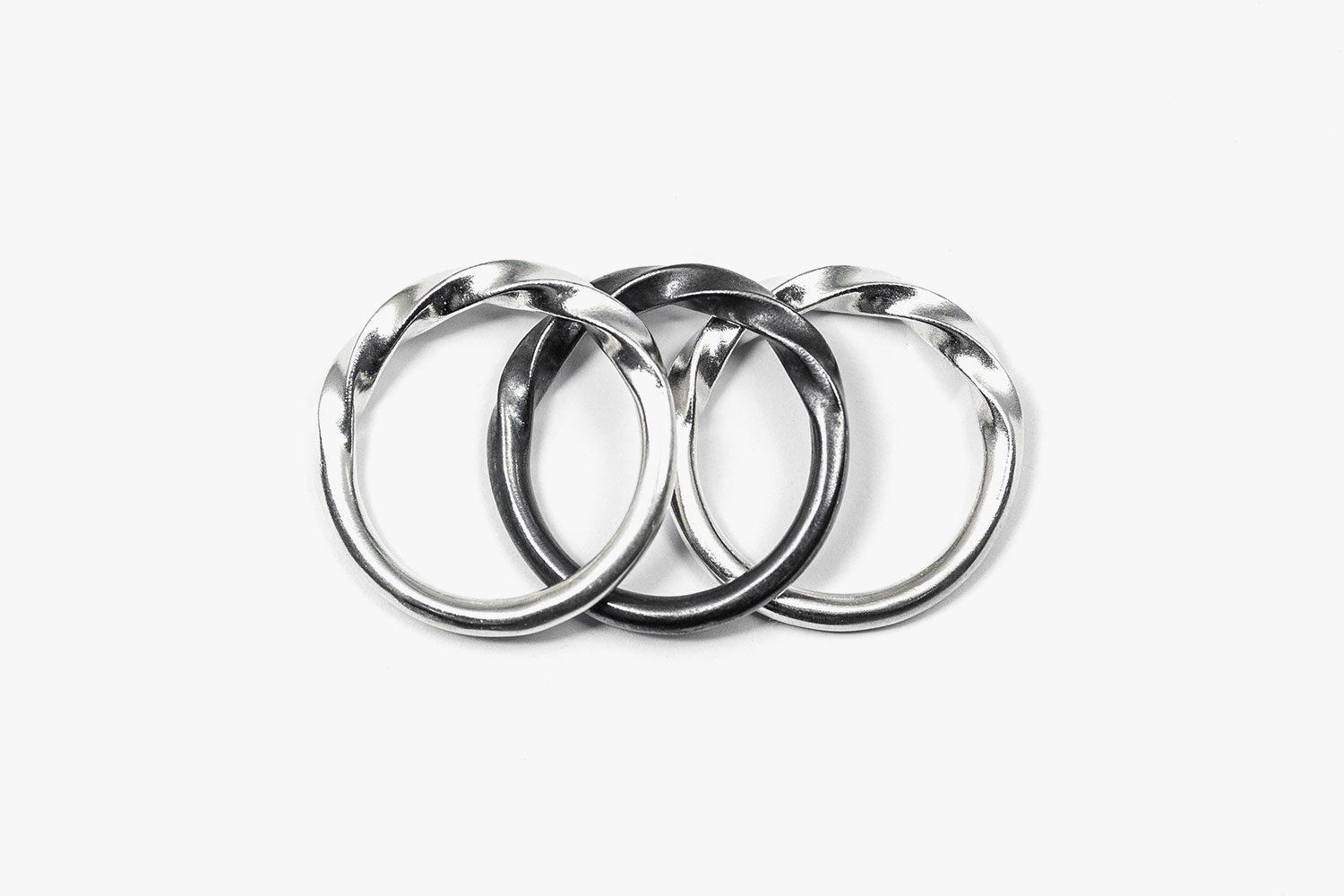
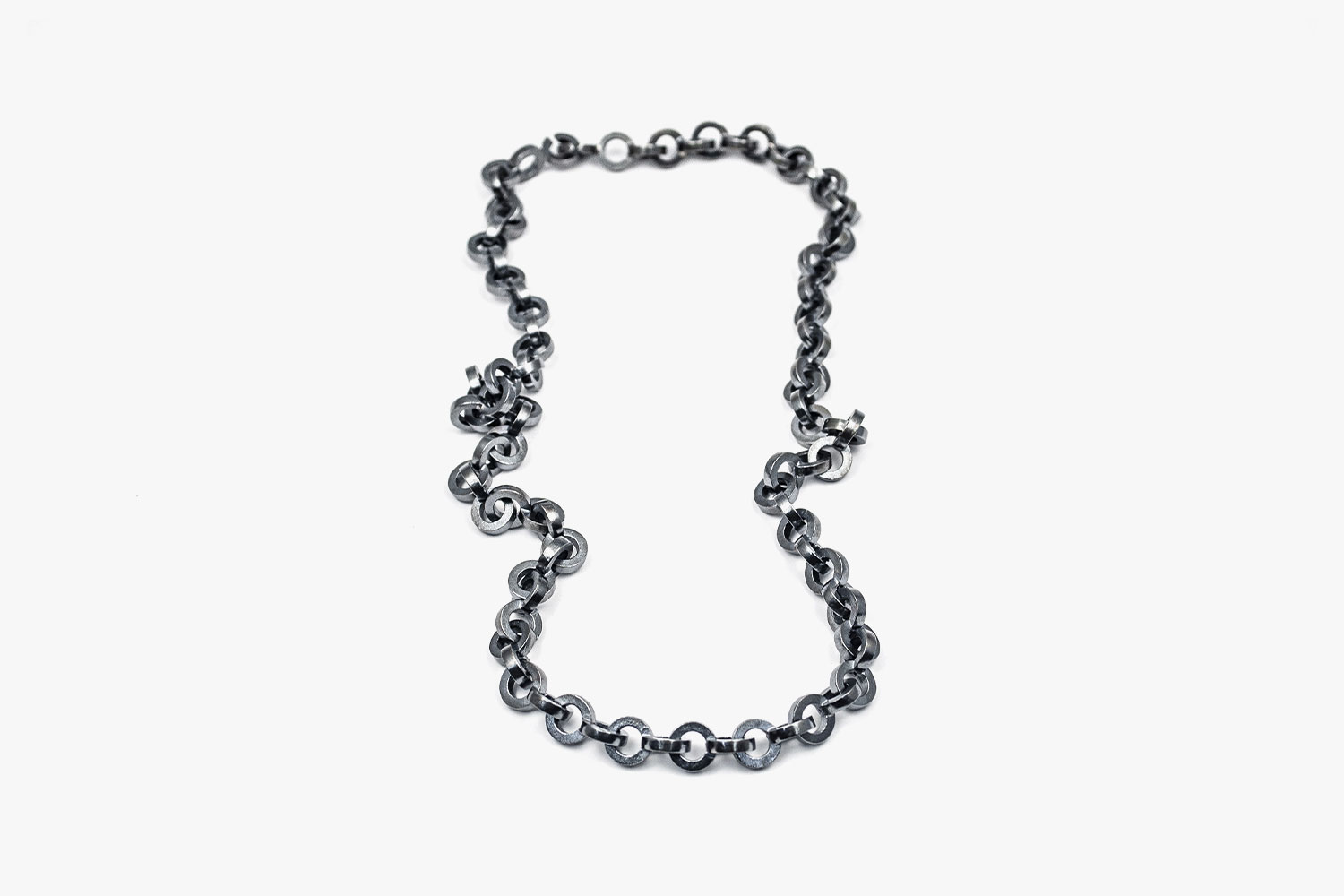
The most valuable thing is the object itself. I always strive to create a structure that is self-sufficient and architectural in its form. It almost resembles a living organism with all its vital parts. Only when all parts are synchronised you can achieve a harmoniously designed object with ideal proportions.
There should be no compromise in the making; the product has to be durable, so that it can remain in good shape and be used one day as a document of our time. Jewellery is like photos; both are time capsules which evoke our cultural environment. I like looking at old jewellery and discussing the context of its creation.
I want to leave a trace of local tradition in my work. Obviously it would be much smarter to adopt the common international post-modern minimalism. But I want to make a difference, that’s why I admire Japanese masters who, in their creations, always have something inherent to their national tradition.
Atanas Konstantinov
Artefakti
Jewellery maker
Sofia, Bulgaria
Recommended by Etar
AVAILABILITY
Monday to Saturday 11:30-19:30
PHONE
+359 887486928
LANGUAGES
Bulgarian, English
Homo Faber Finds is a new service aiming to inspire admirers of craft to connect and collaborate with exceptional artisans.
We invite you to submit an enquiry here.