
Ulderico Pinfildi
Ceramicist
Napoli, Italy
Recommended by Observatory for Arts and Crafts
Staging sacred representations
- Ulderico is a great master of the Neapolitan crib
- He is inspired by the history of Italian art
- Caravaggio is a central influence on his work
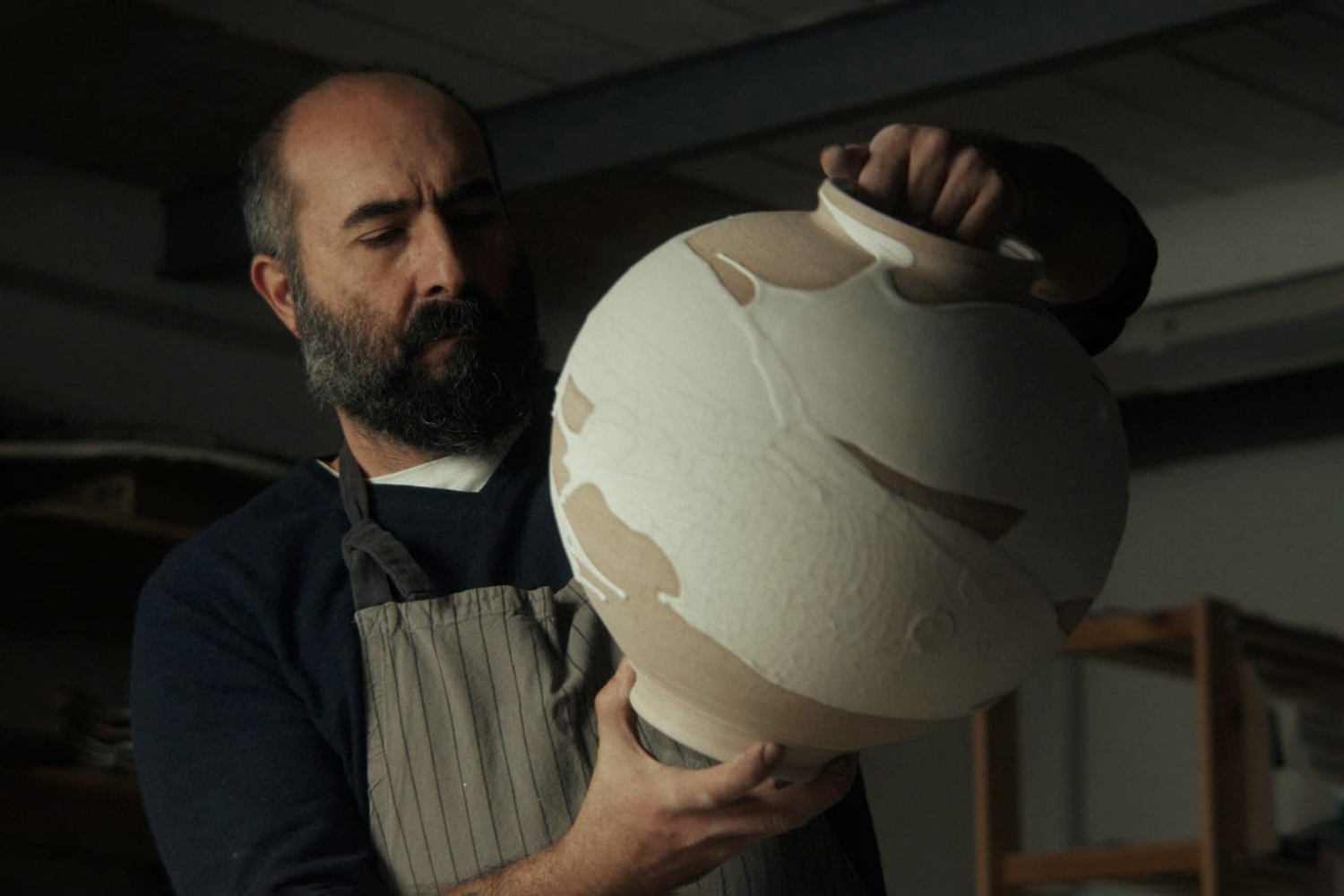
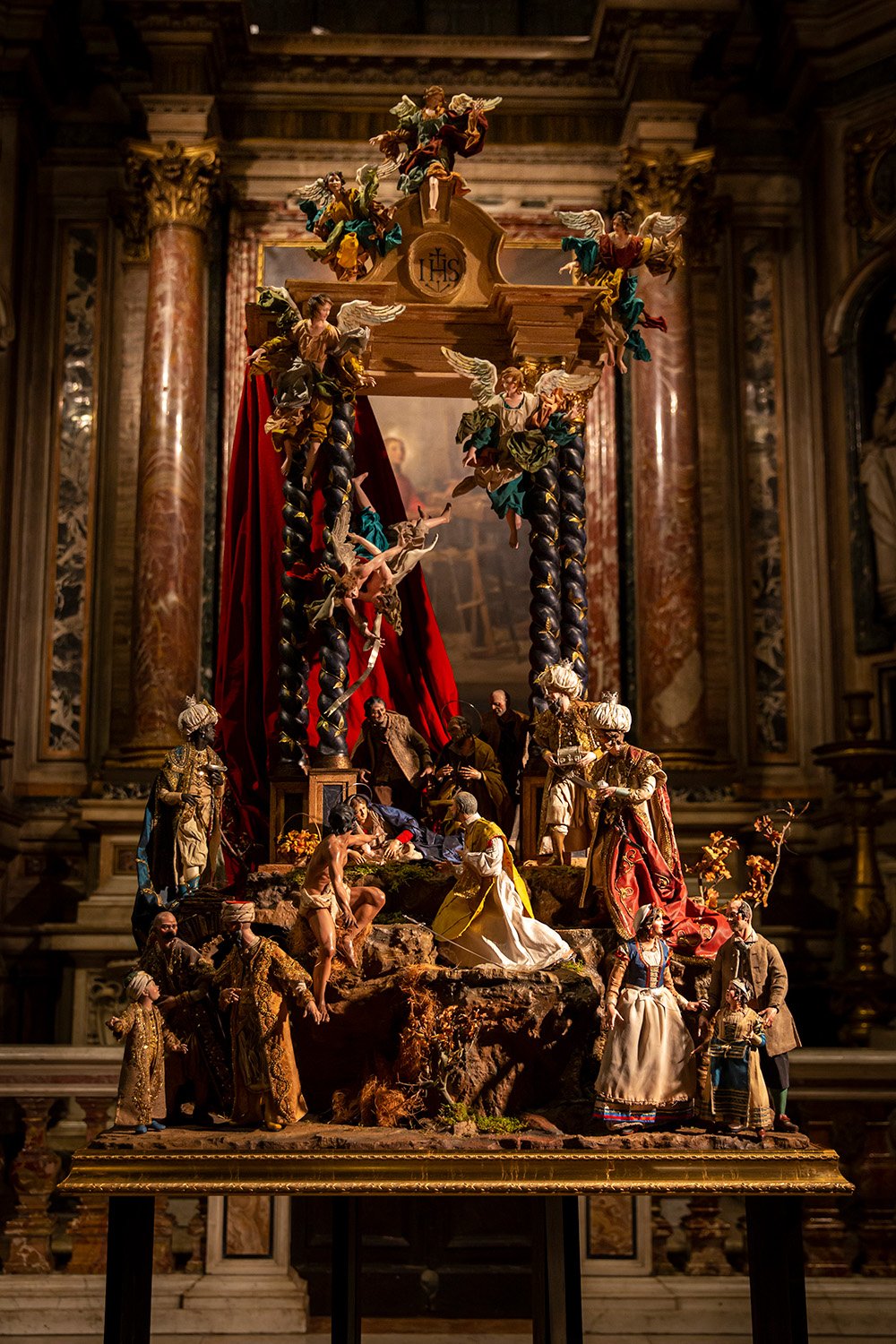
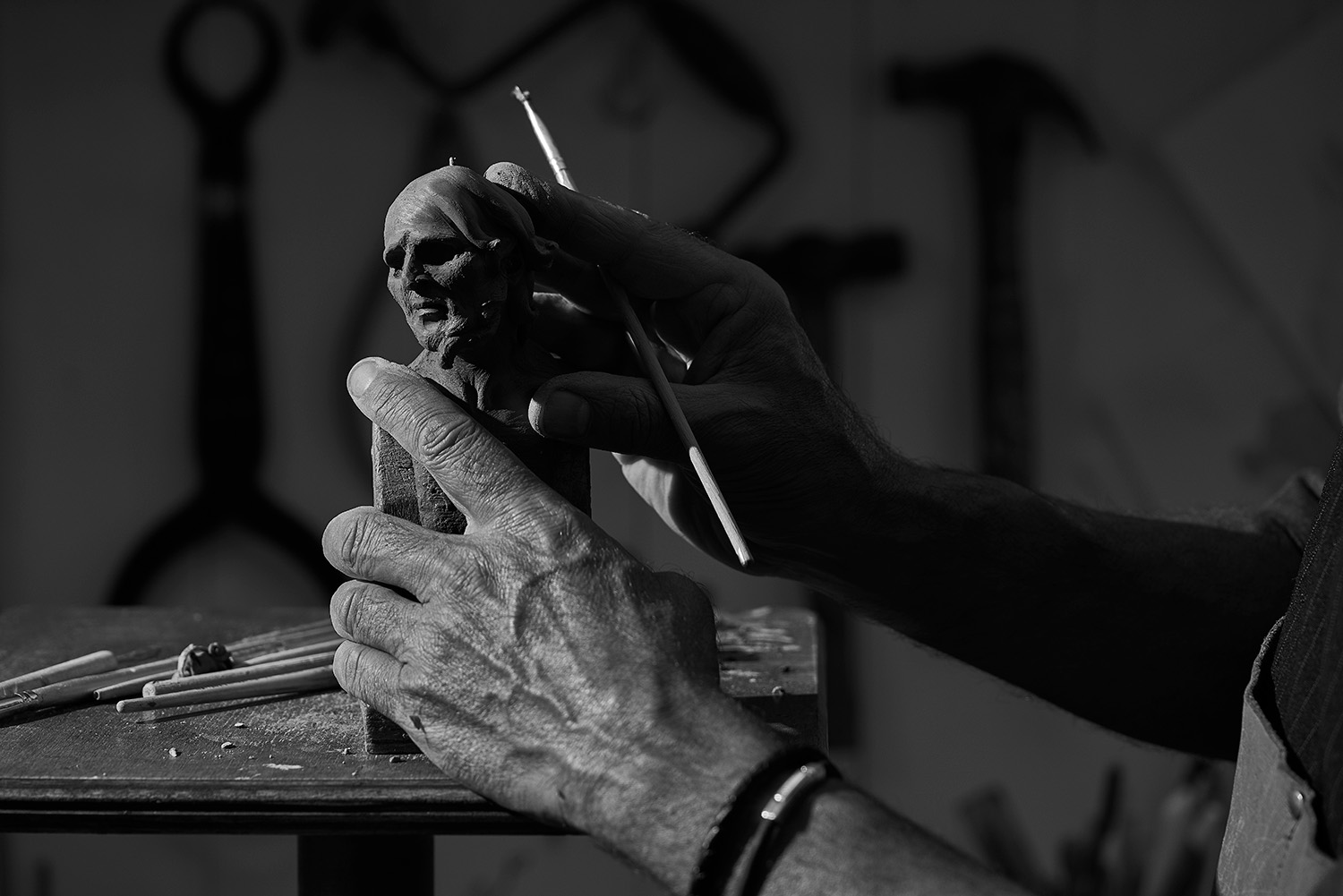
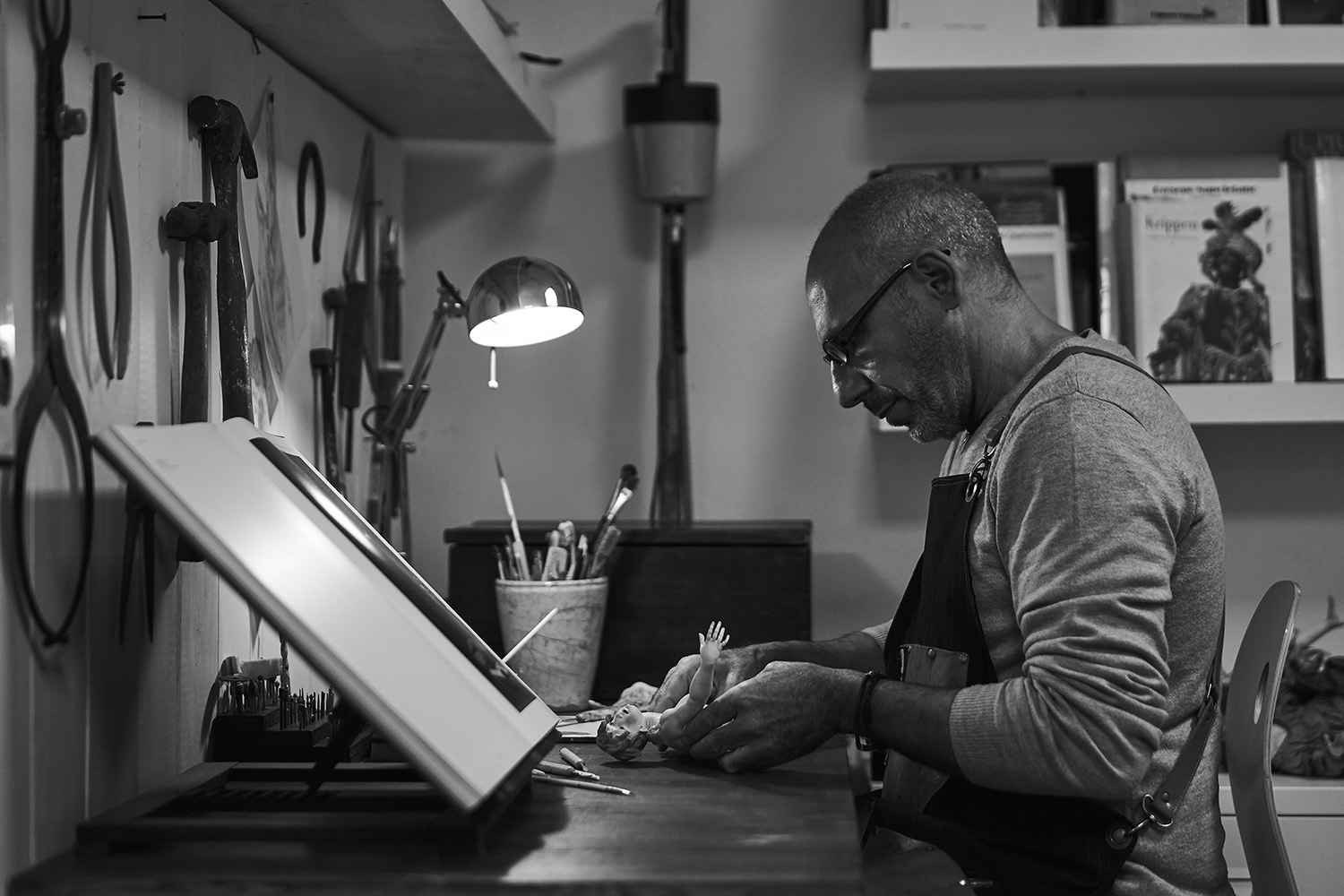
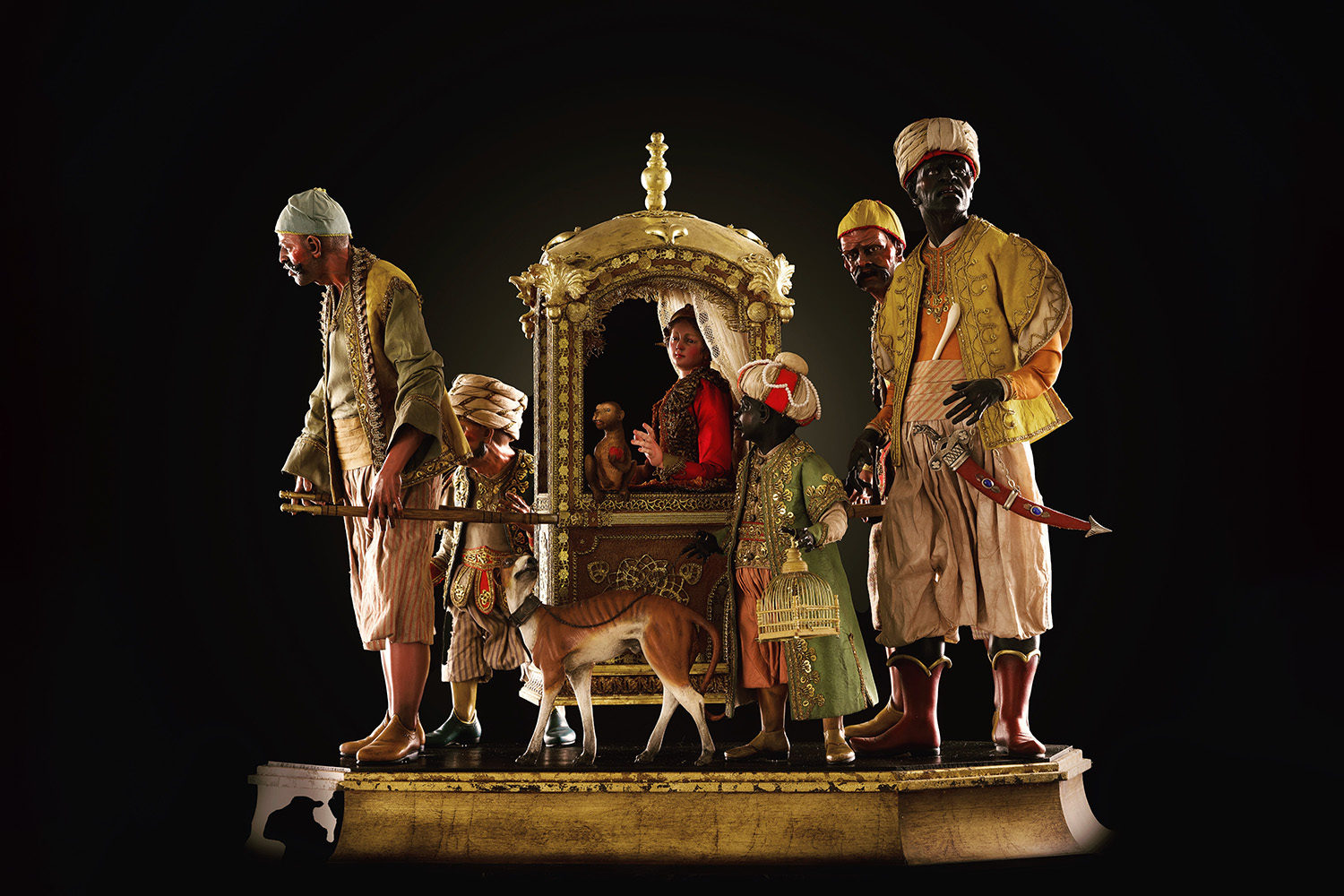
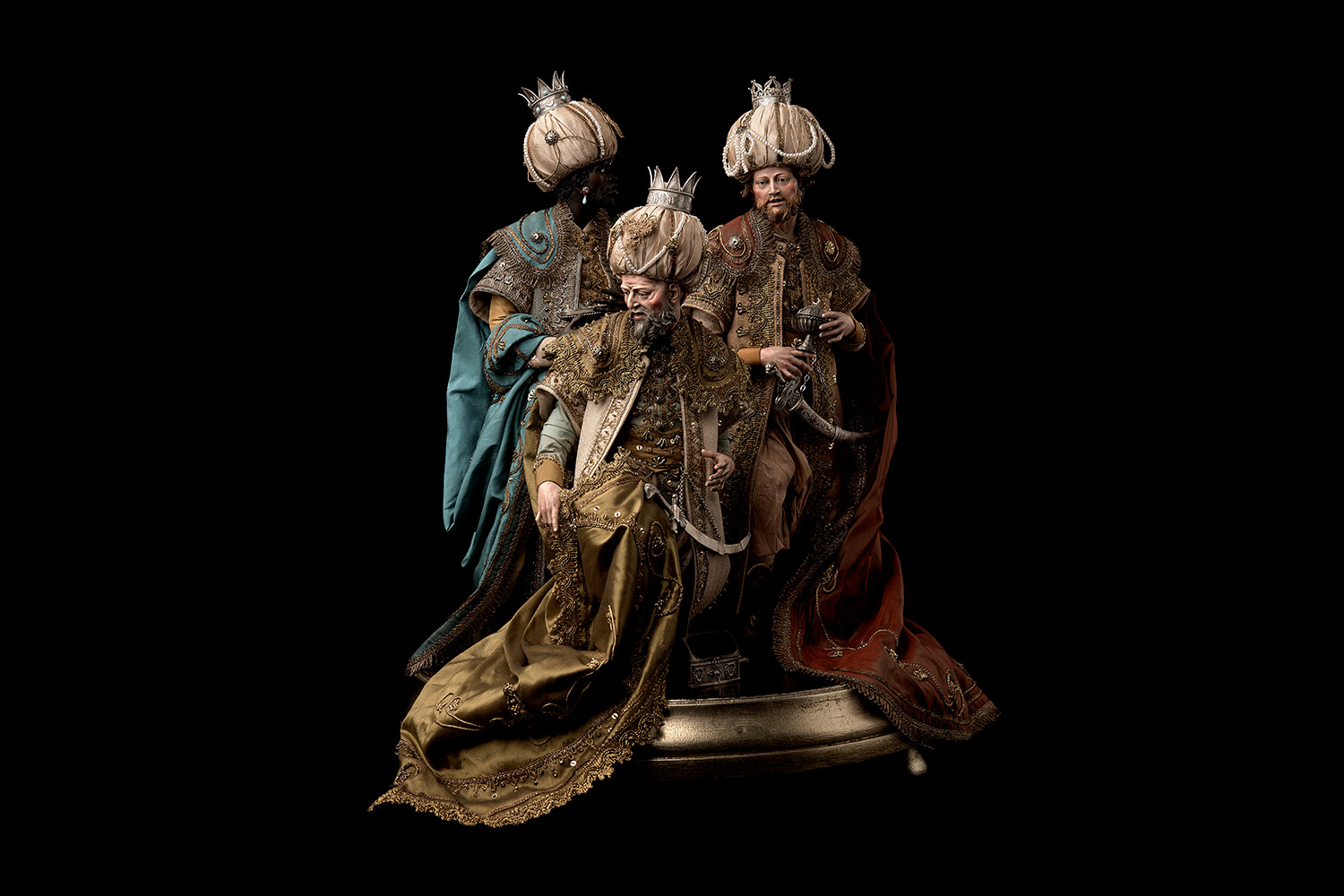
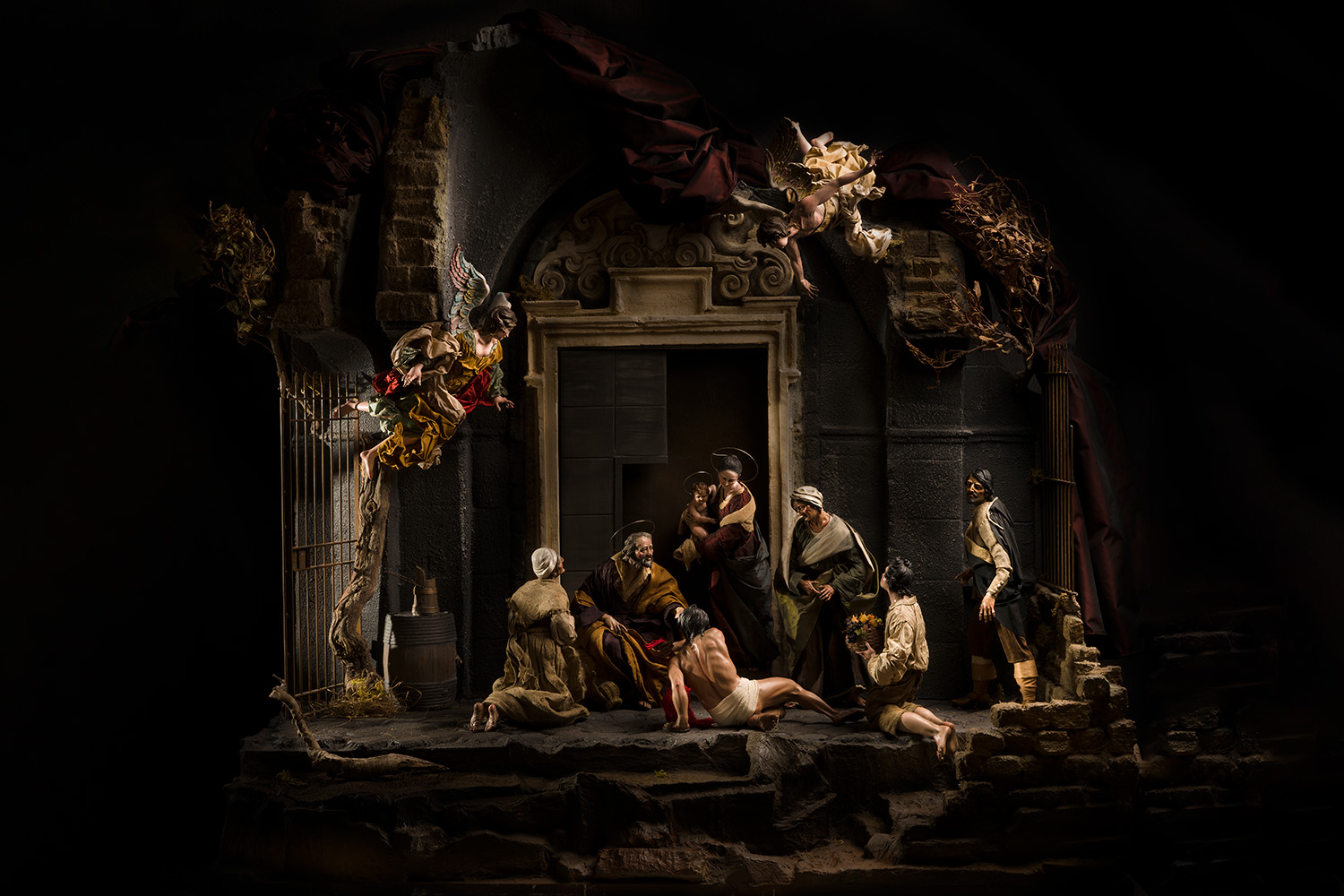
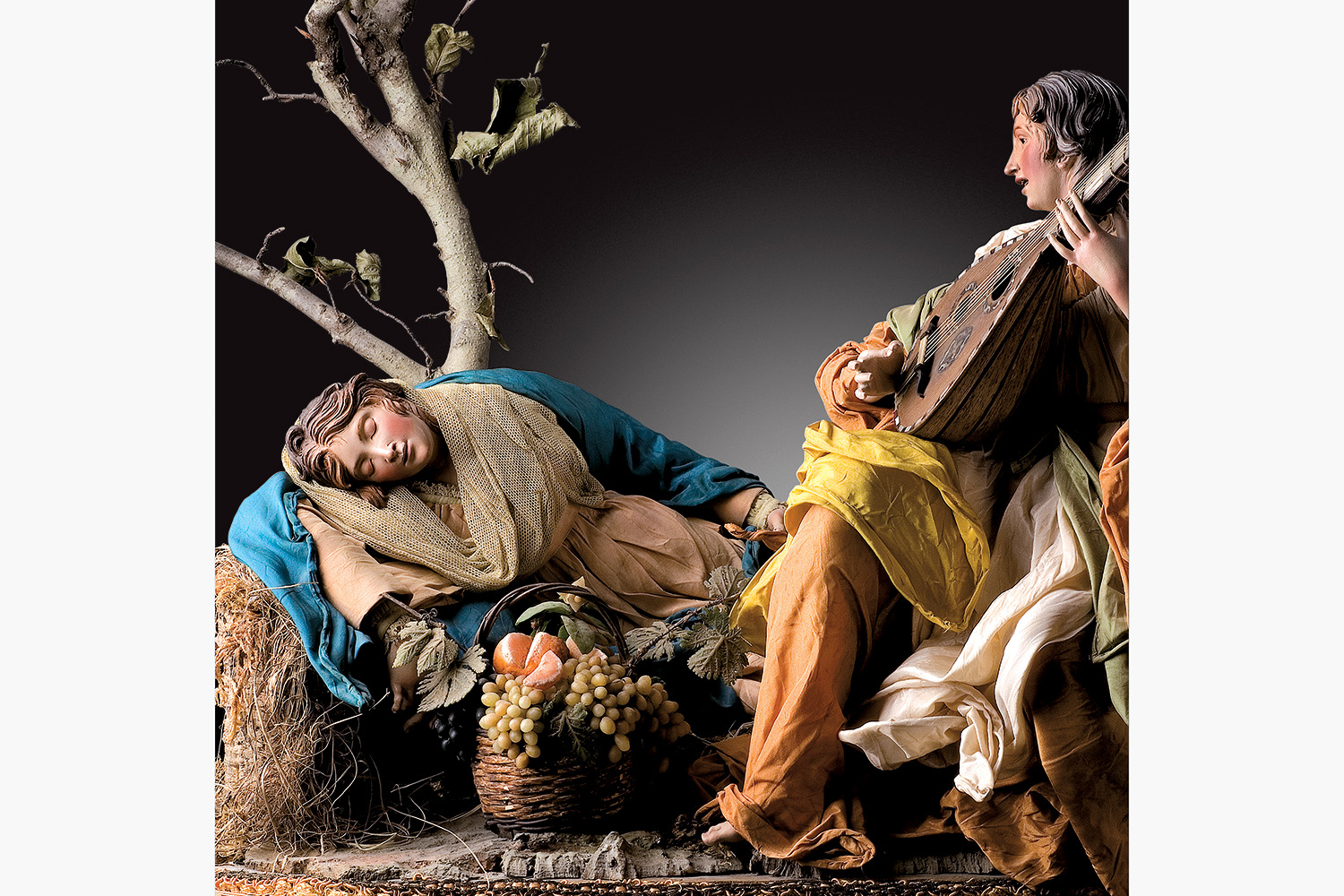
Raised in his parents' workshop, masters of majolica, Ulderico Pinfildi was trained in modelling and restoring ceramics. When the crib art boom exploded in Naples in the 1980s, Ulderico was fascinated by this ancient tradition and began to take an interest in the origins and history of the crib, studying its characteristics, materials and techniques for modelling human anatomy. He opened his own workshop in the late 1980s. Today, with so many years of experience behind him, he is considered one of the great masters of this art, and his pieces are collected all over the world. For his scenes, Ulderico prefers the 18th century settings of Bourbon Naples, referring directly to the birth of the Neapolitan crib: these are dramatic theatrical installations in which the figures, inspired by the history of great Italian art, are placed as actors who narrate the story of the Incarnation.
Discover his work
INTERVIEW
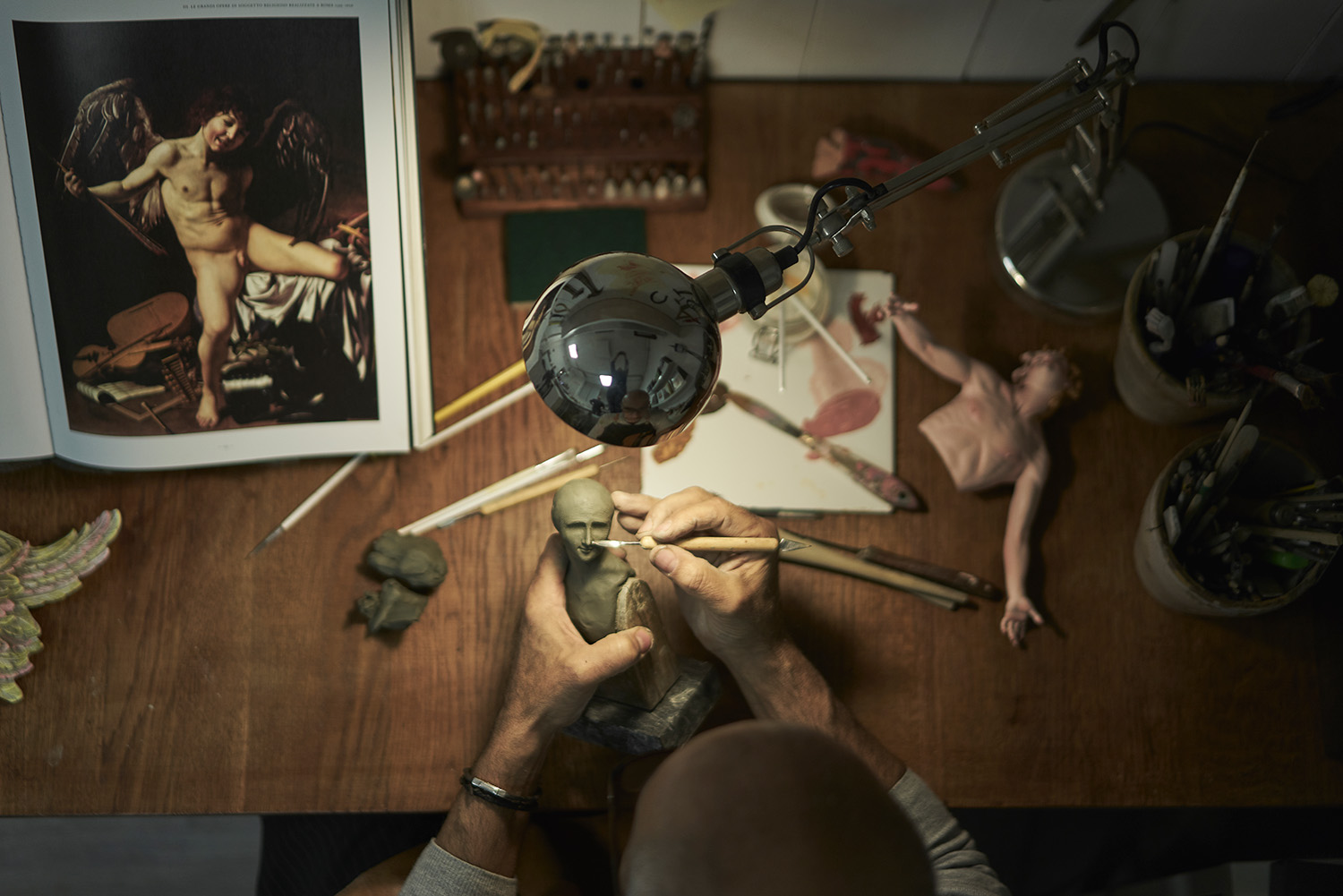
At first I used to copy other works and in Naples there are many sources (San Martino museum, private collections). This is precious to discover the secrets of the masters of the past. Later, I felt the desire to express myself, to tell stories, to transform my thoughts into an object visible to all.
The most artistic aspect consists in being a director of figures telling a story. The innovation certainly consists in introducing personal stories into the crib, a slice of life in 18th century Naples, while narrating the stories of the Nativity. There are many levels of interpretation.
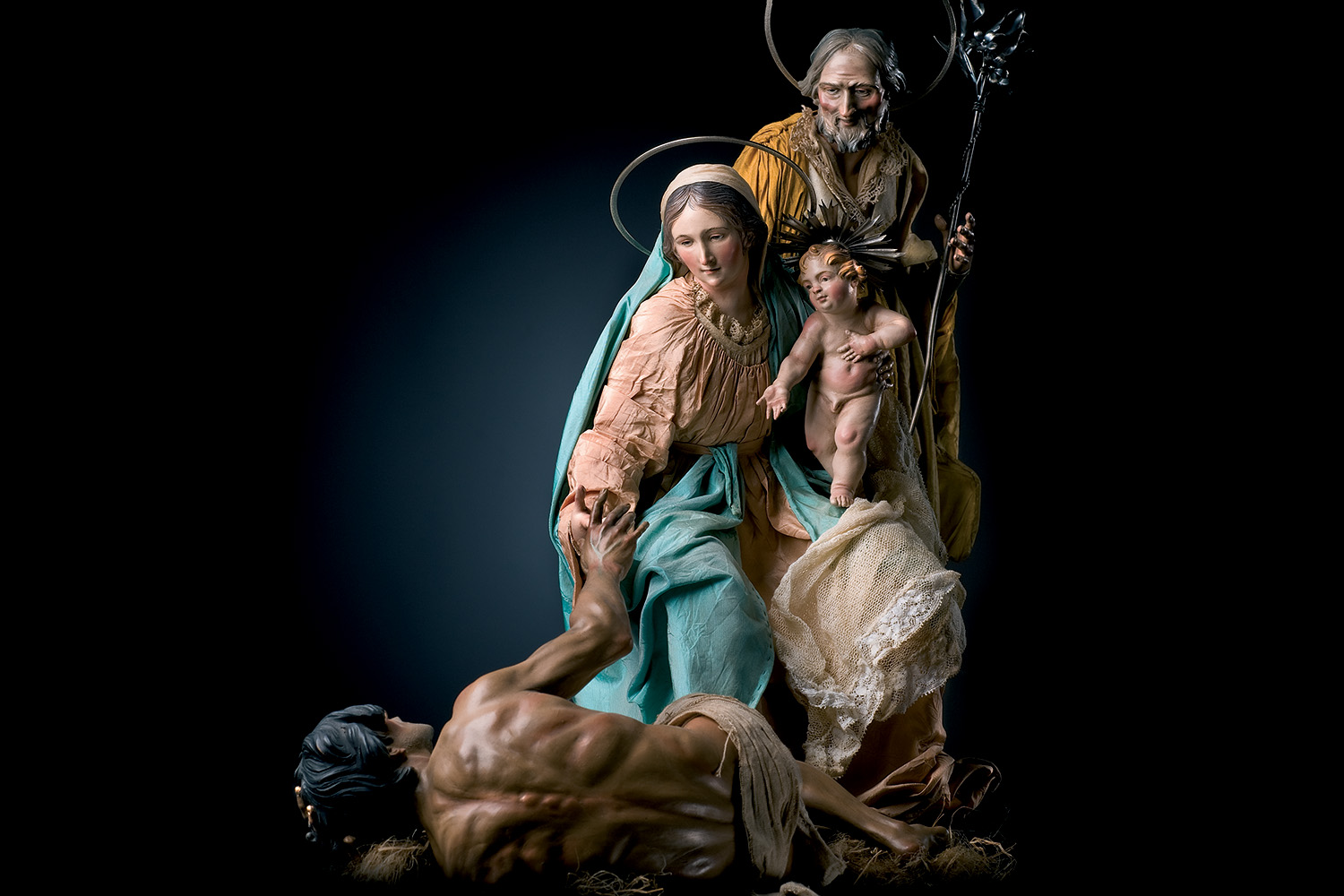
Great art, painting and sculpture are an inexhaustible source: Raphael for the Virgin, Michelangelo, Leonardo, Sammartino with his Veiled Christ, Bernini's marbles and, crucial for me, Caravaggio. They are essential reference points for modelling the anatomy of the human body.
It was the discovery that Caravaggio's figures are cribs in themselves, and that the Neapolitan crib is Caravaggio-esque. His figures are so dramatic, and he brings great theatricality to his work. I worked on his paintings, reinterpreting the figures and quotes at the service of crib narration.
Ulderico Pinfildi
Ceramicist
Napoli, Italy
Recommended by Observatory for Arts and Crafts
AVAILABILITY
Monday to Friday 10:00-19:00
PHONE
+39 3939979606
LANGUAGES
Italian, English, Portuguese, Spanish
Homo Faber Finds is a new service aiming to inspire admirers of craft to connect and collaborate with exceptional artisans.
We invite you to submit an enquiry here.