
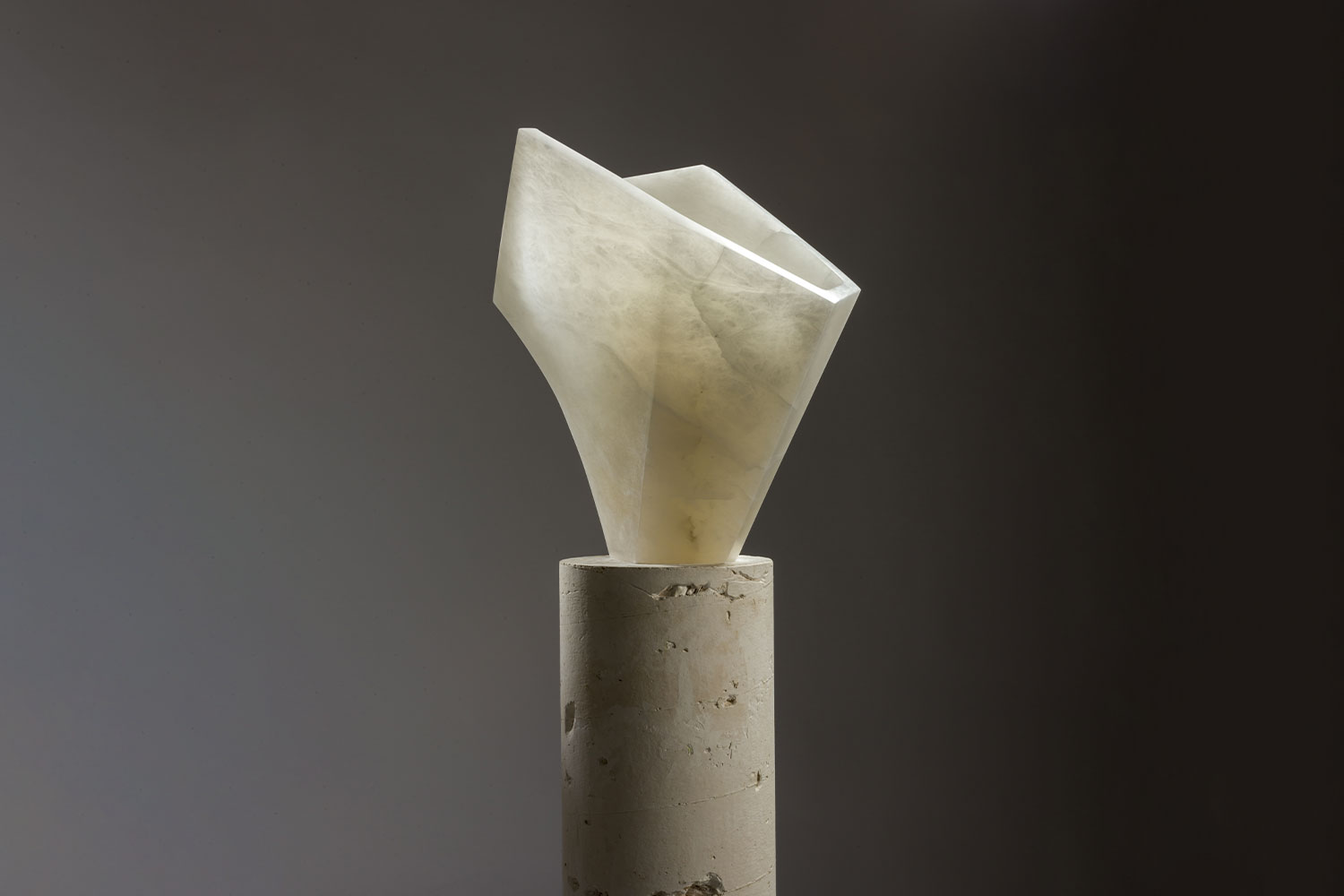
Kaleidoscopic translucency
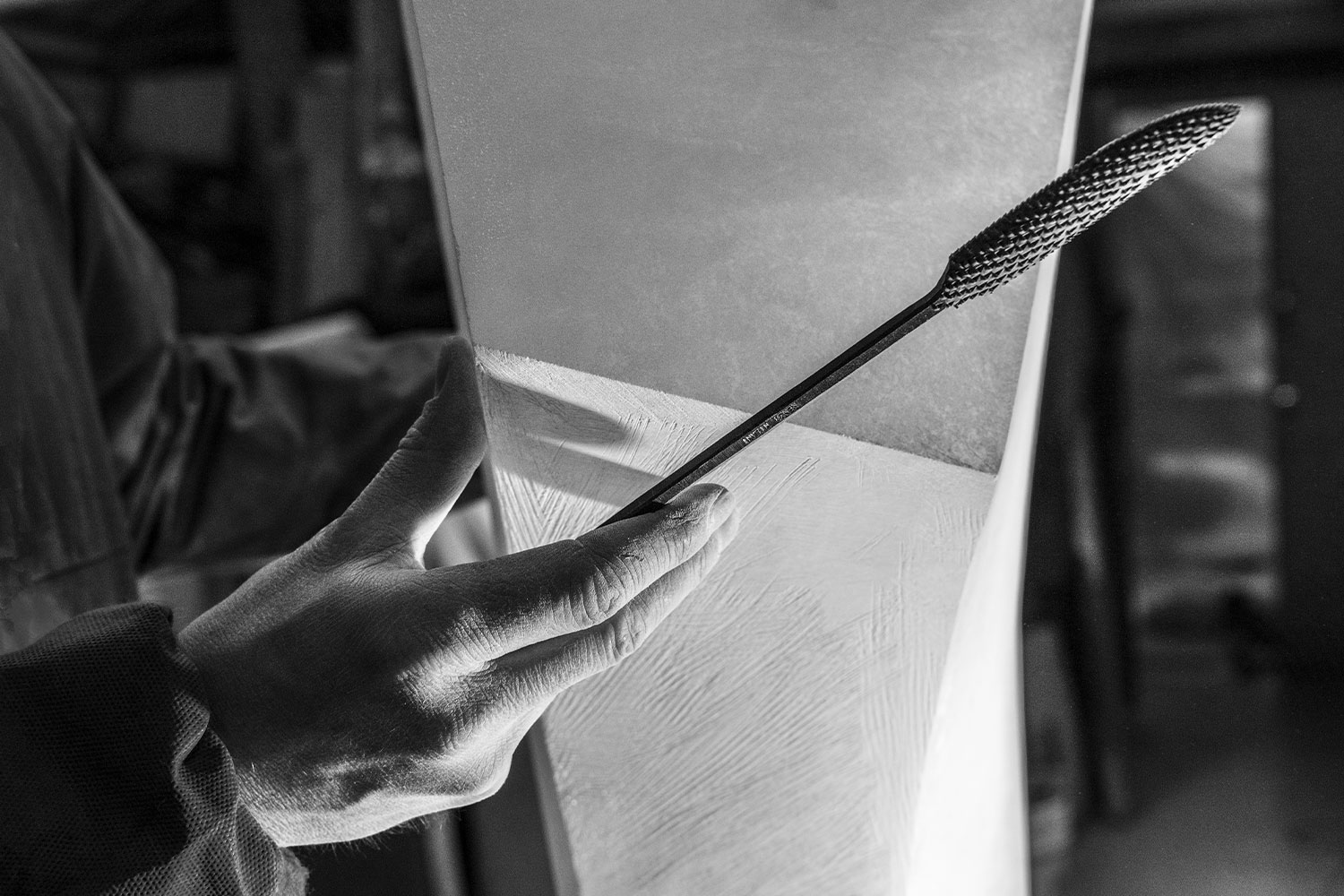
- Tom is driven by a fascination in texture
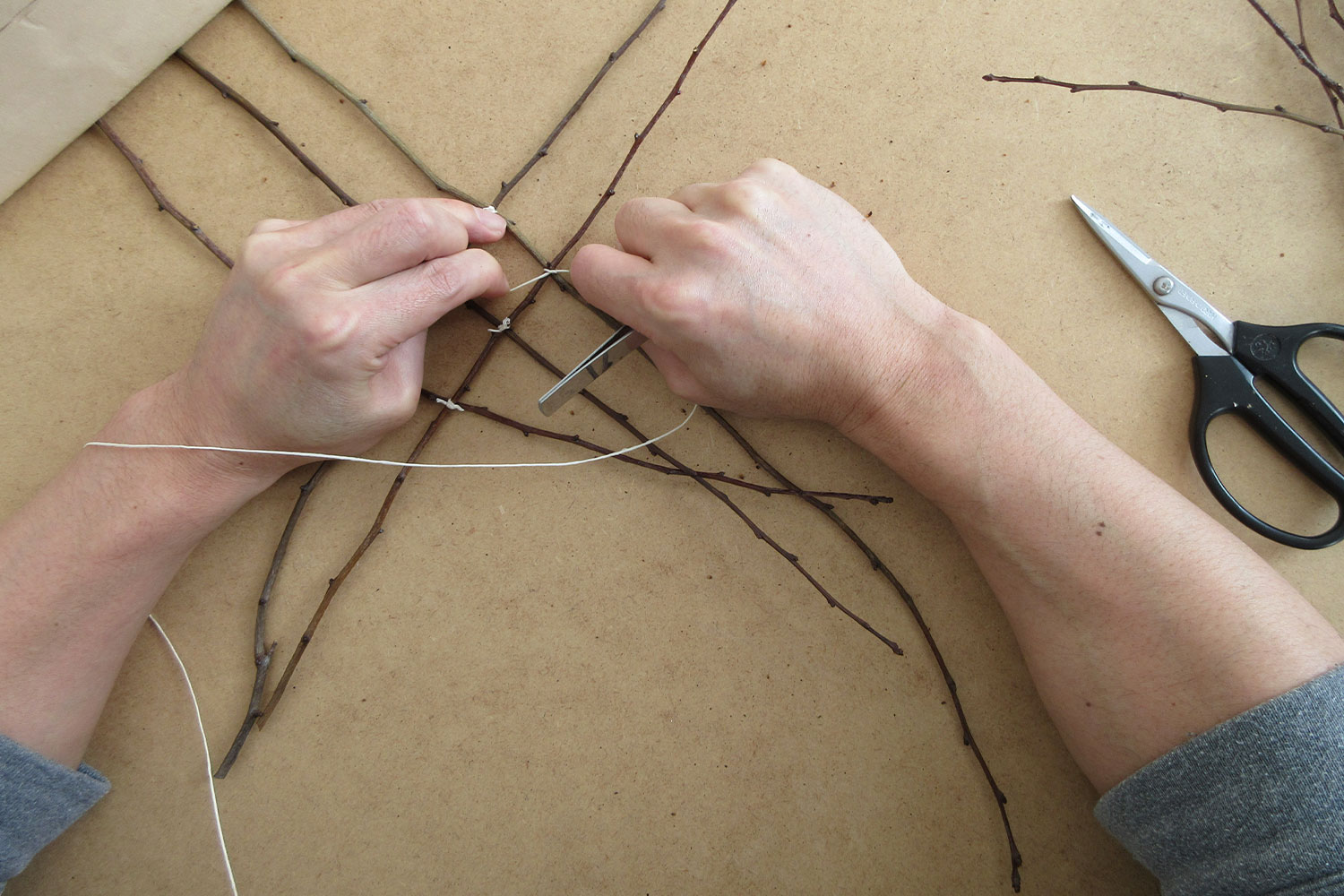
- He has devised his own techniques and method of working
- He is inspired by other periods and cultures
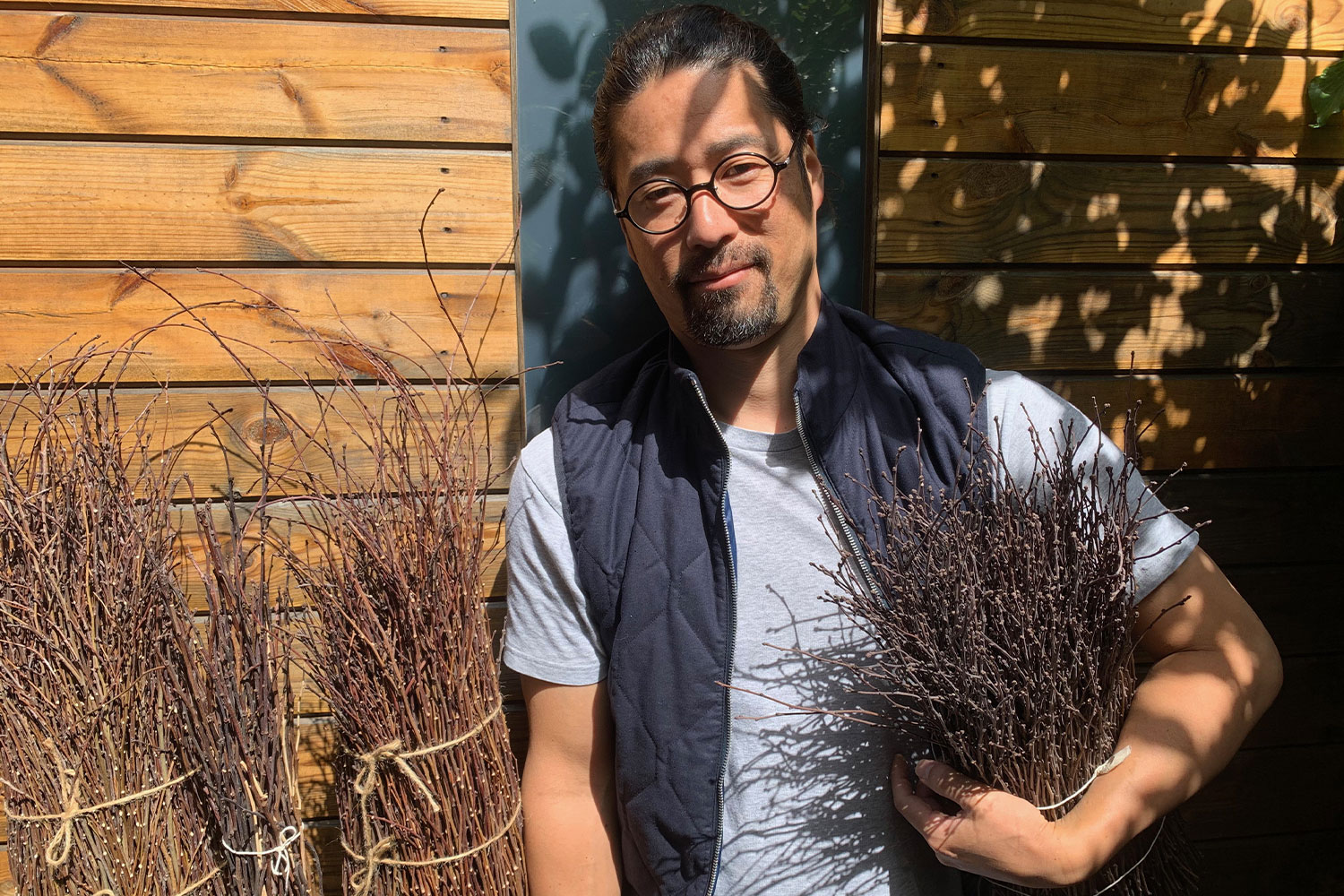
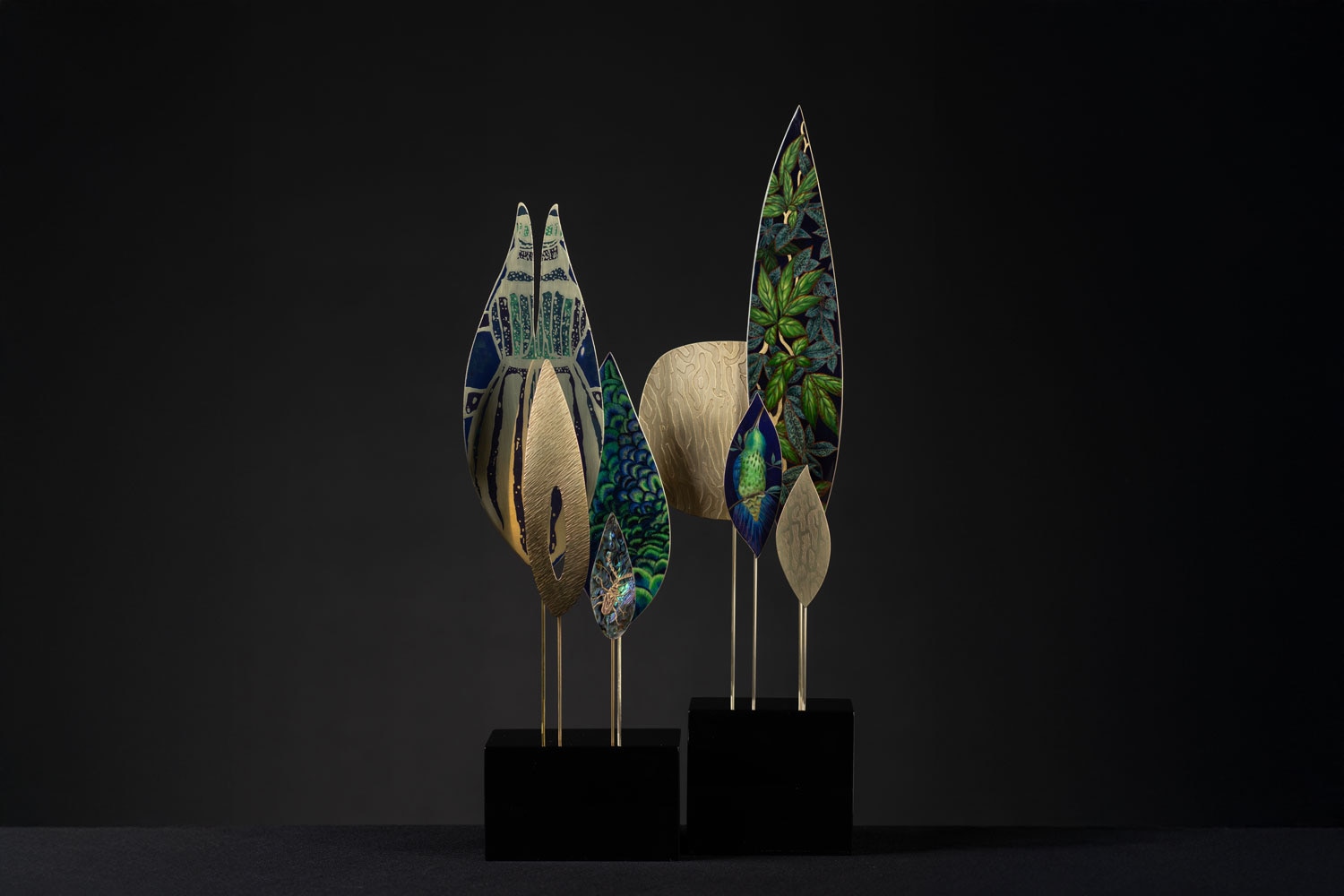
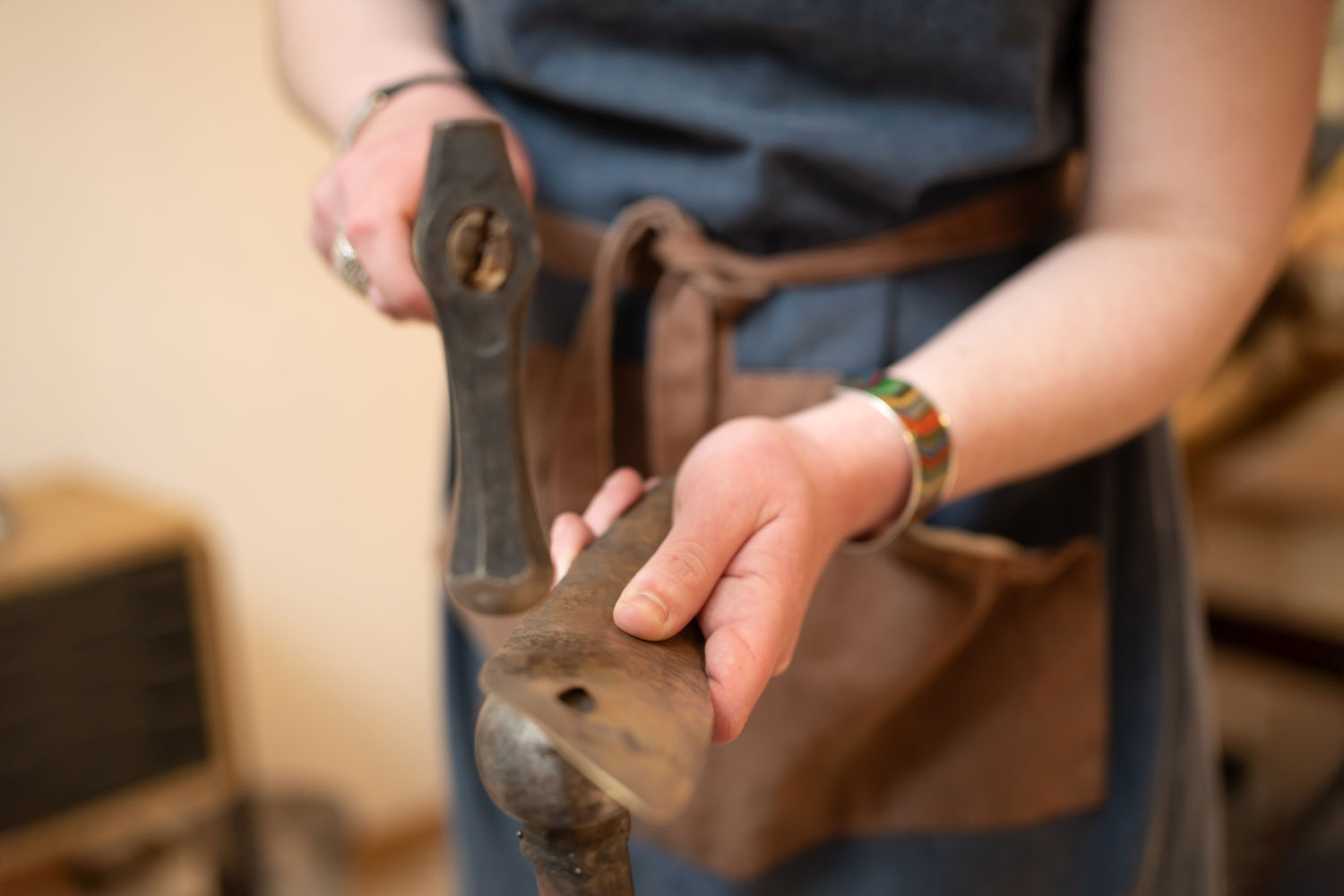
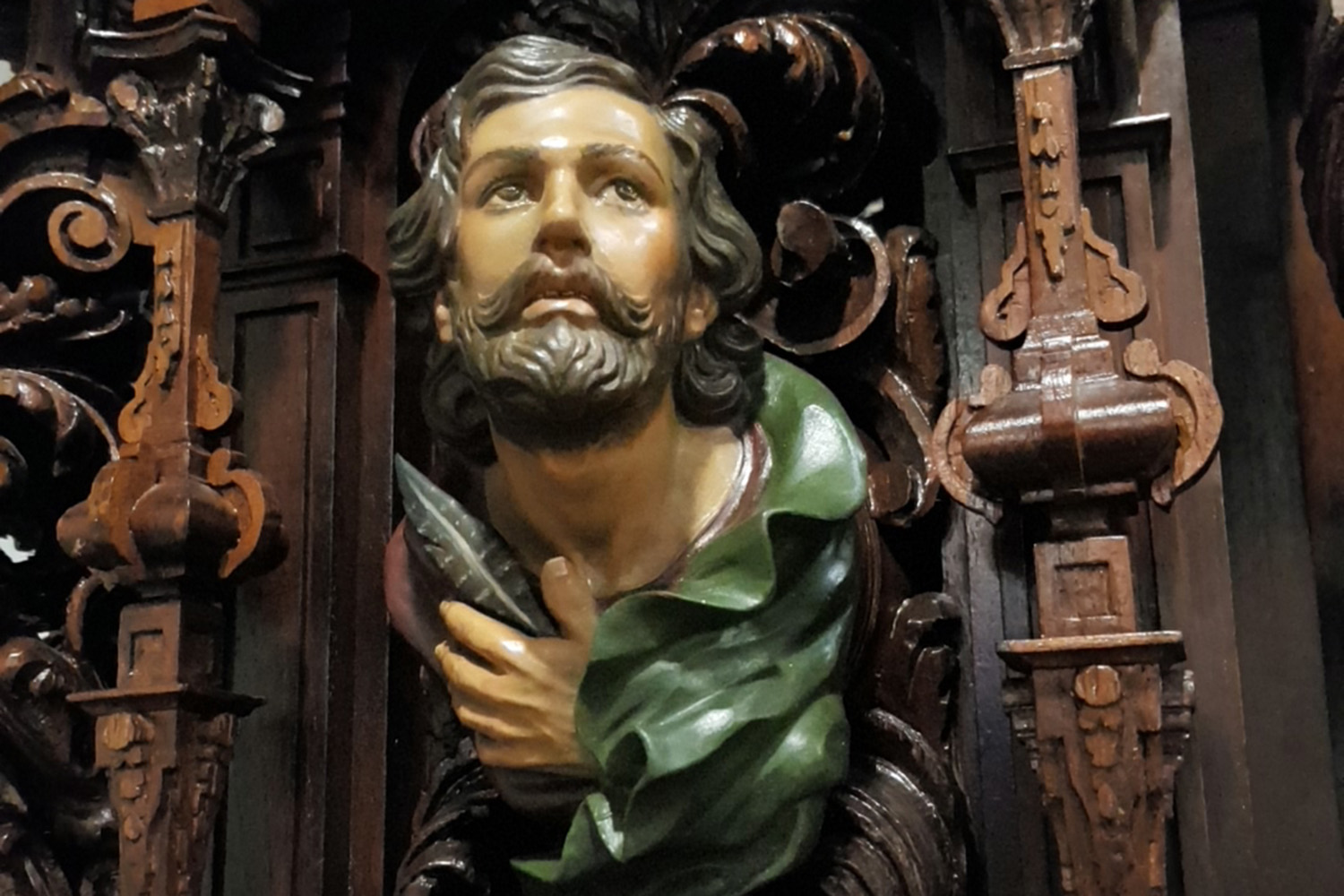
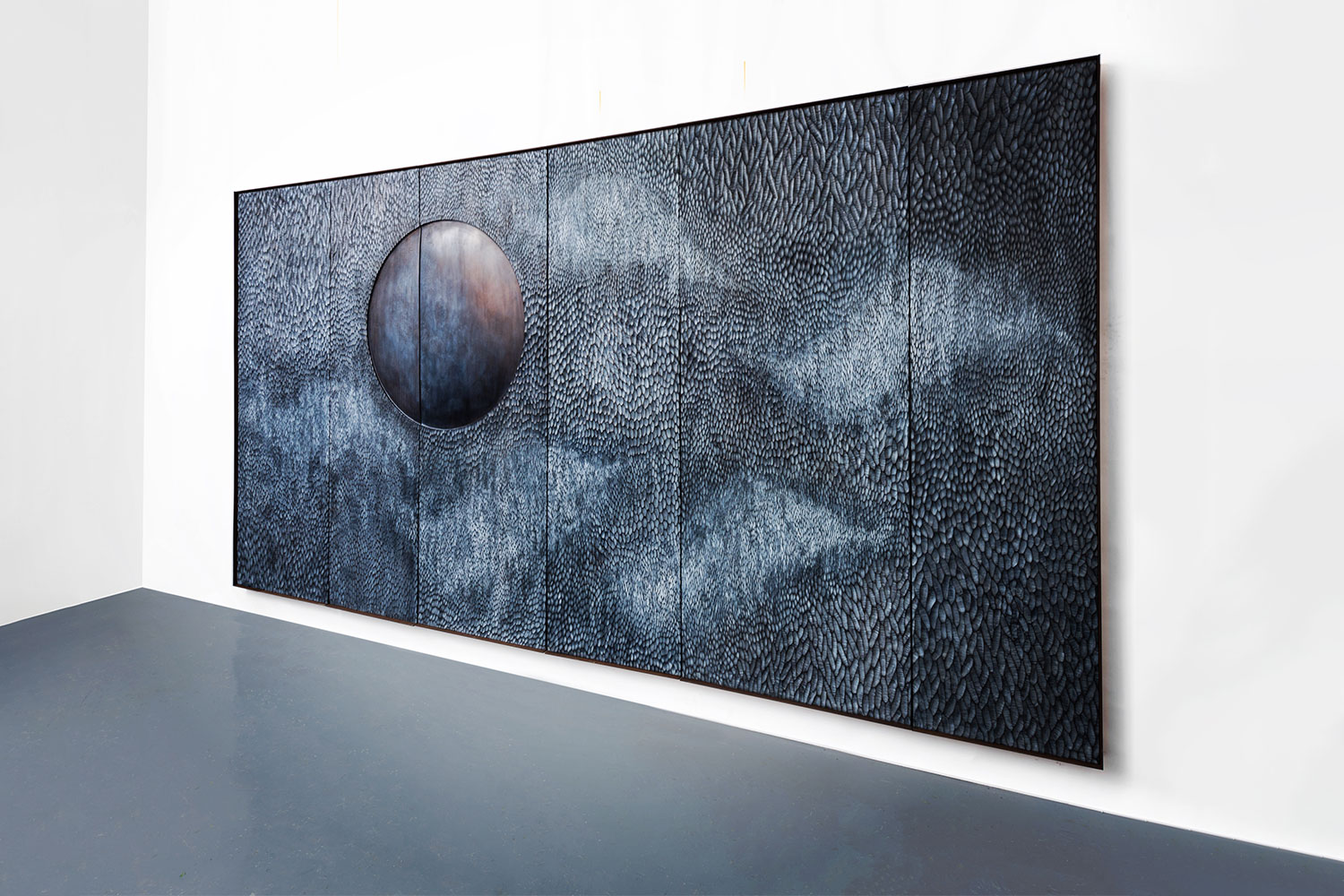
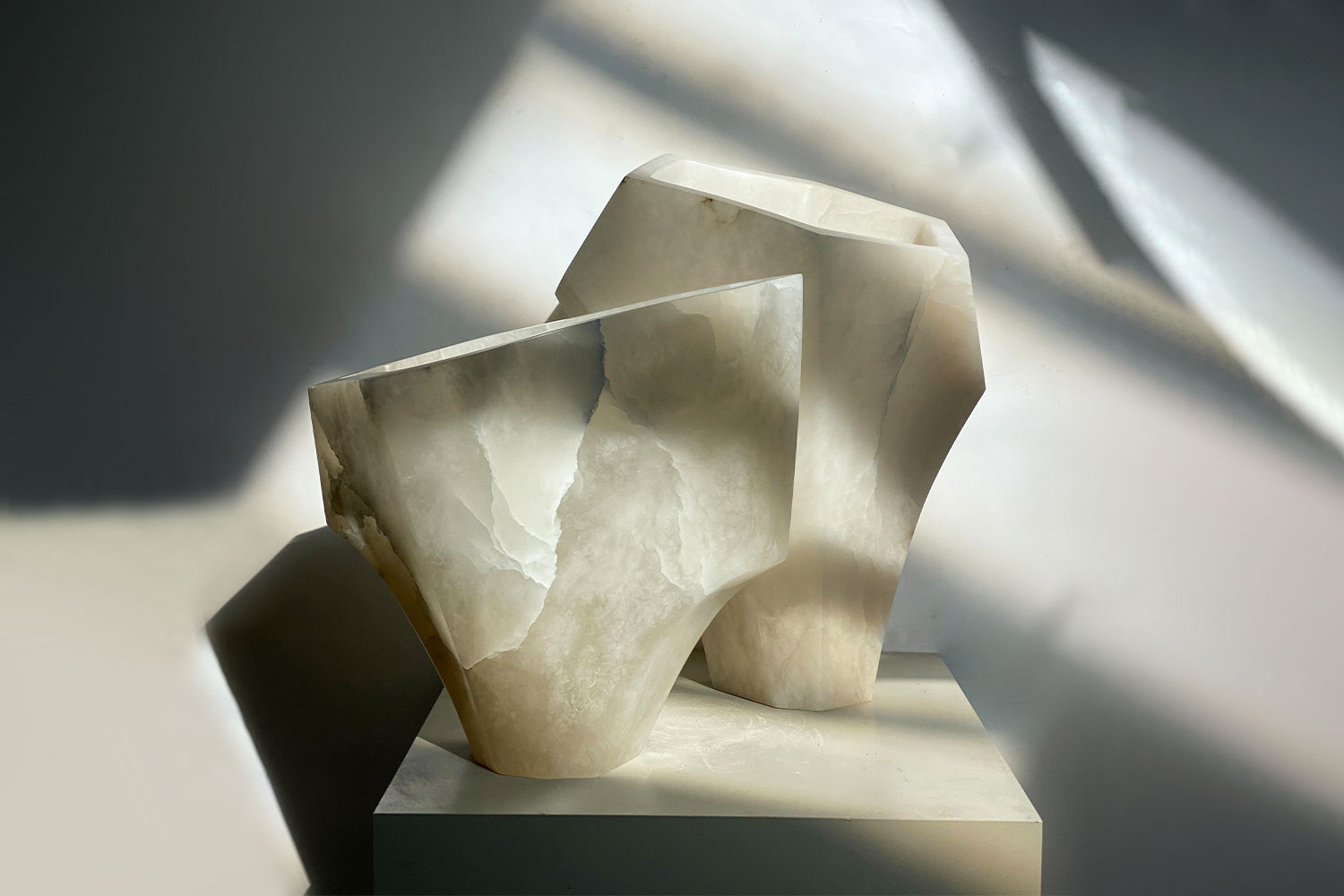
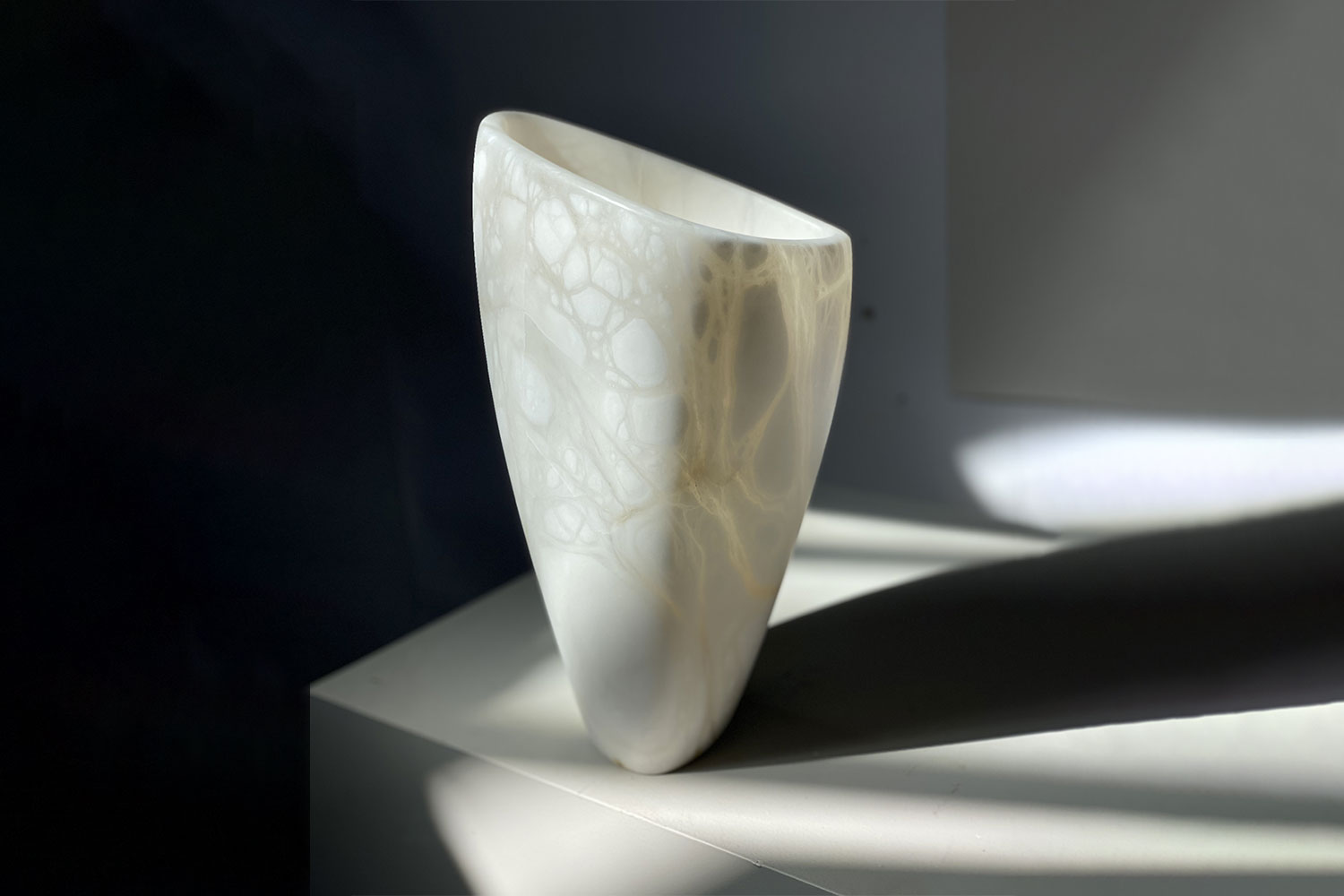
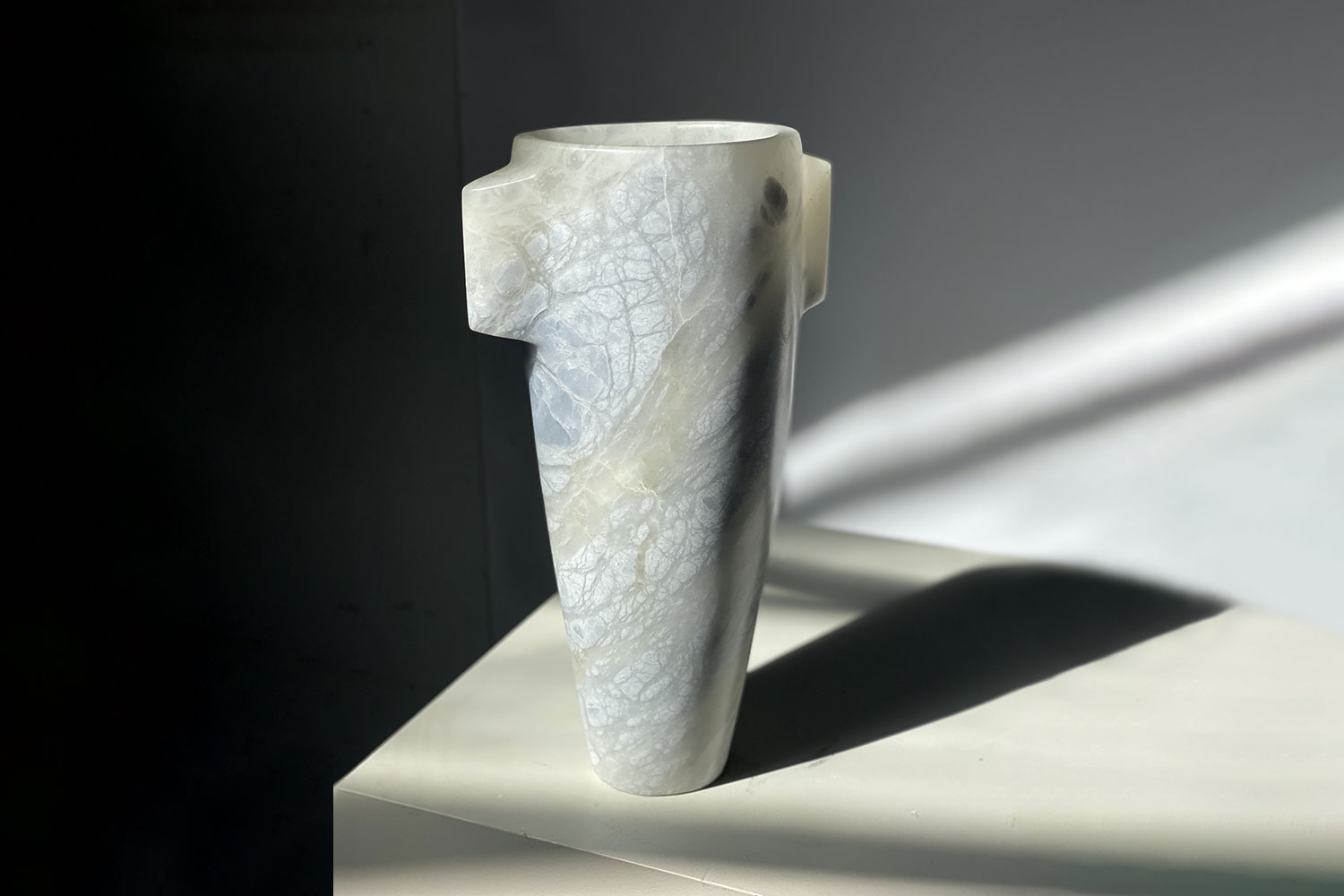
Tom Palmer's work oscillates between the label of fine art and decorative art – across a wide range of disciplines and materials: wood, alabaster, metal, resin as well as burnt gesso and antlers naturally shed by Scottish Red Deers. Despite studying Fine Art to foundation level, British born Palmer is almost completely self-taught and as he believes that “not having too much knowledge of a particular technique or material is very liberating and allows you to develop your own interesting responses, rather than being weighed down by preconceived notions of a craft practice.” He has devised his own methods of working. He takes inspiration from Medieval and Renaissance Europe, as well as the art of Japan, and examines these historic sources through a contemporary lens, in pursuit of something new and unexpected.
Discover his work
INTERVIEW
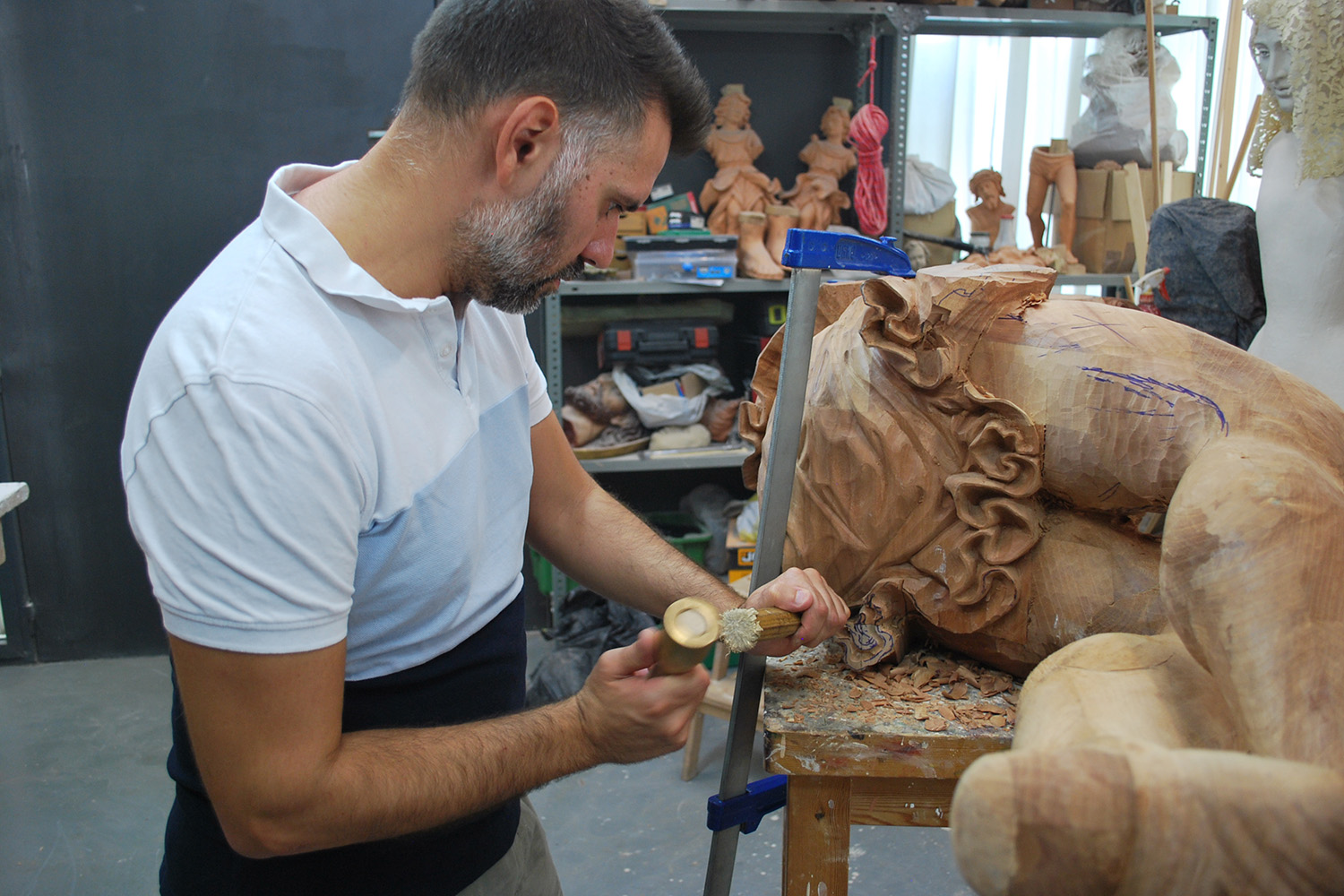
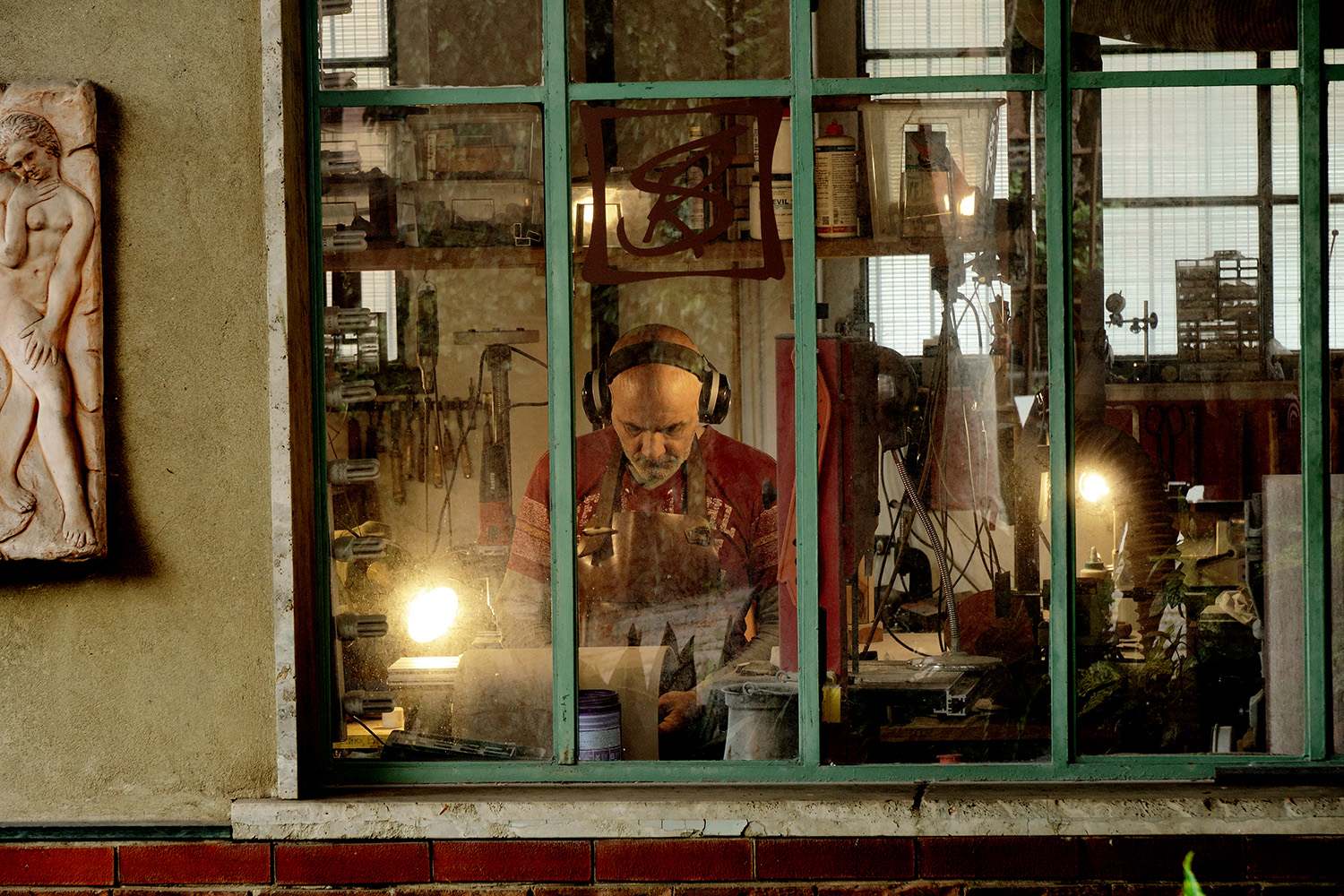
I started making things in the workshop of the farm I grew up on, there were always materials and tools available so I started carving and constructing things. I began by carving offcuts of oak fencing posts, then casting vessels in lead that I scavenged from firewood stores and scrap yards.
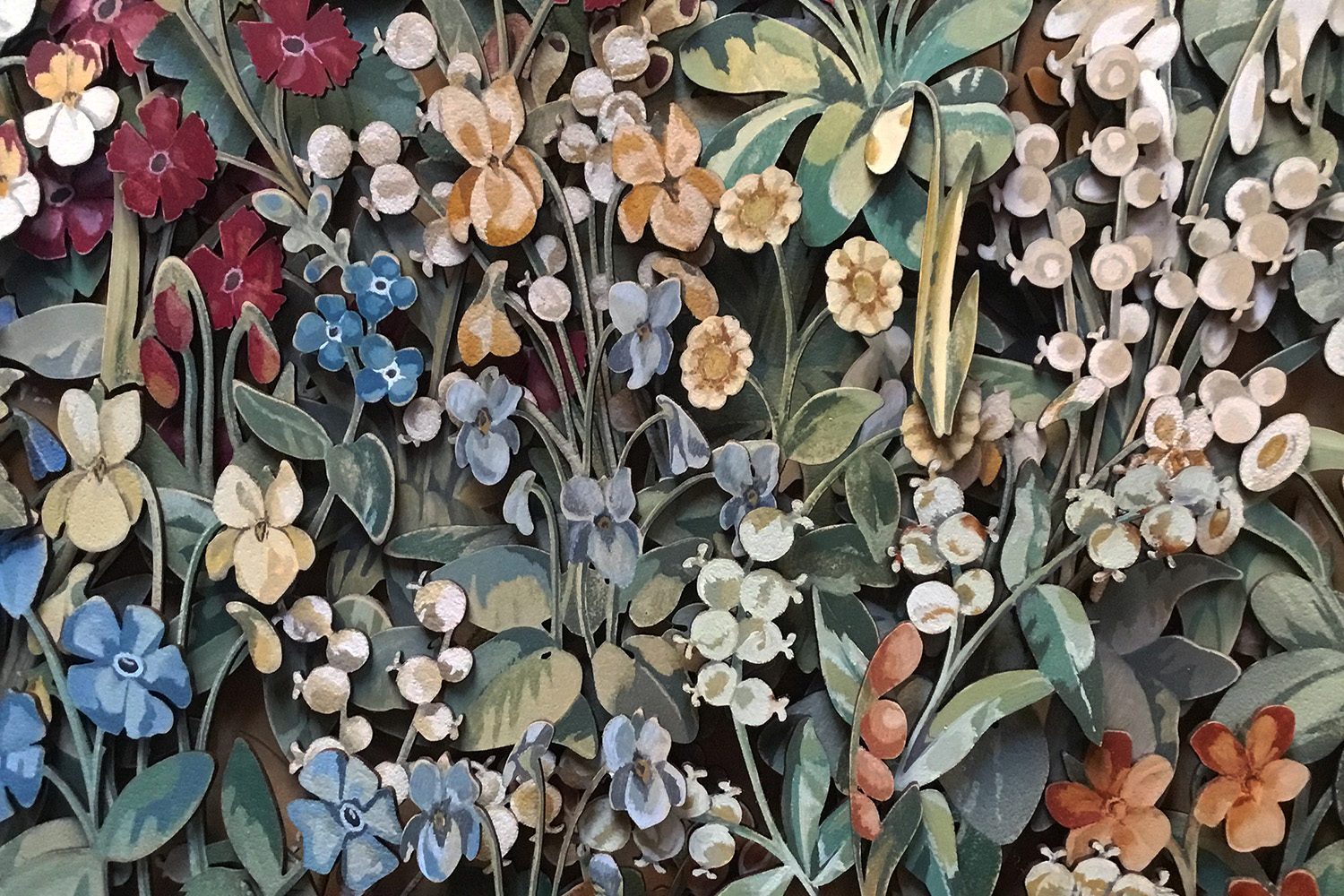
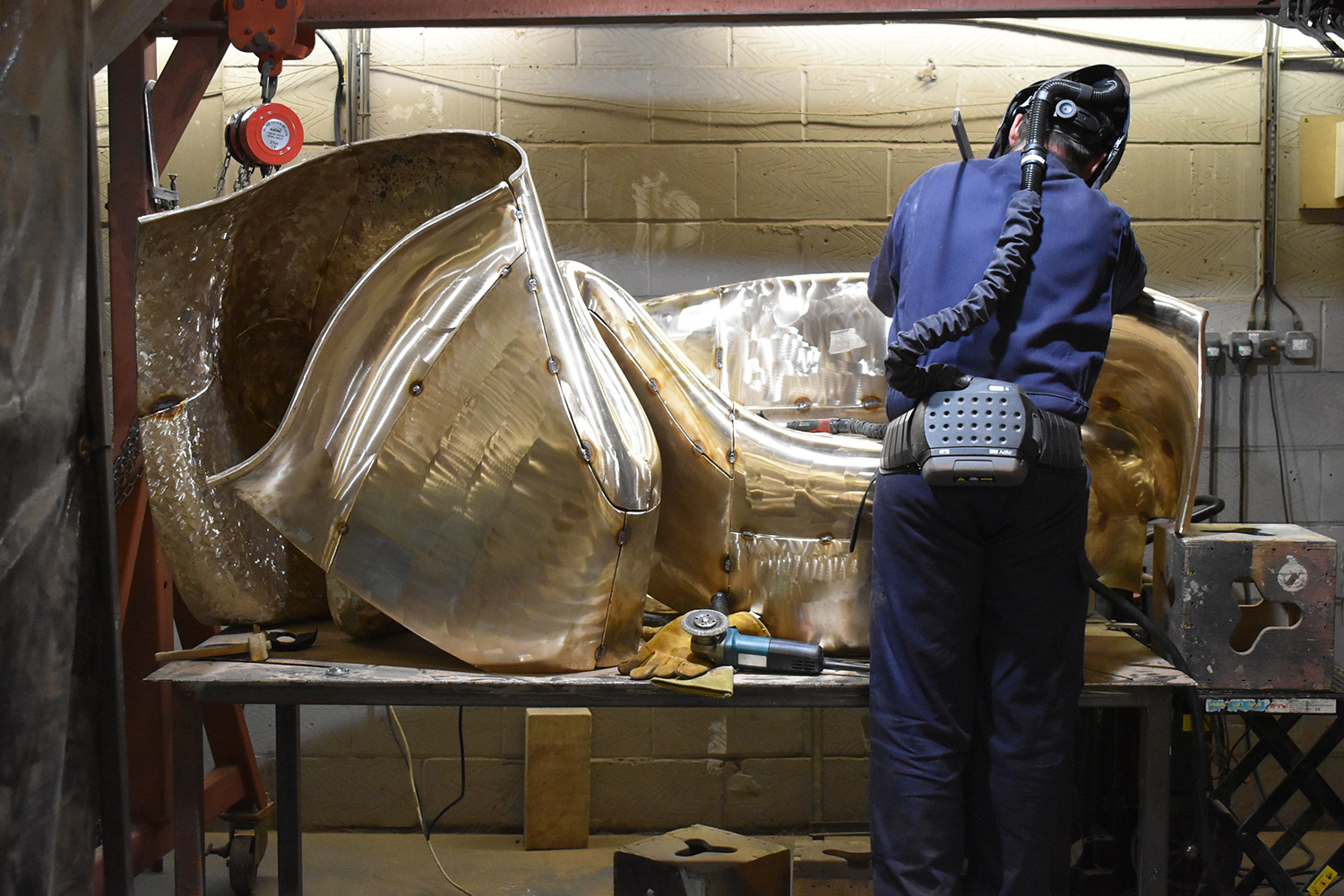
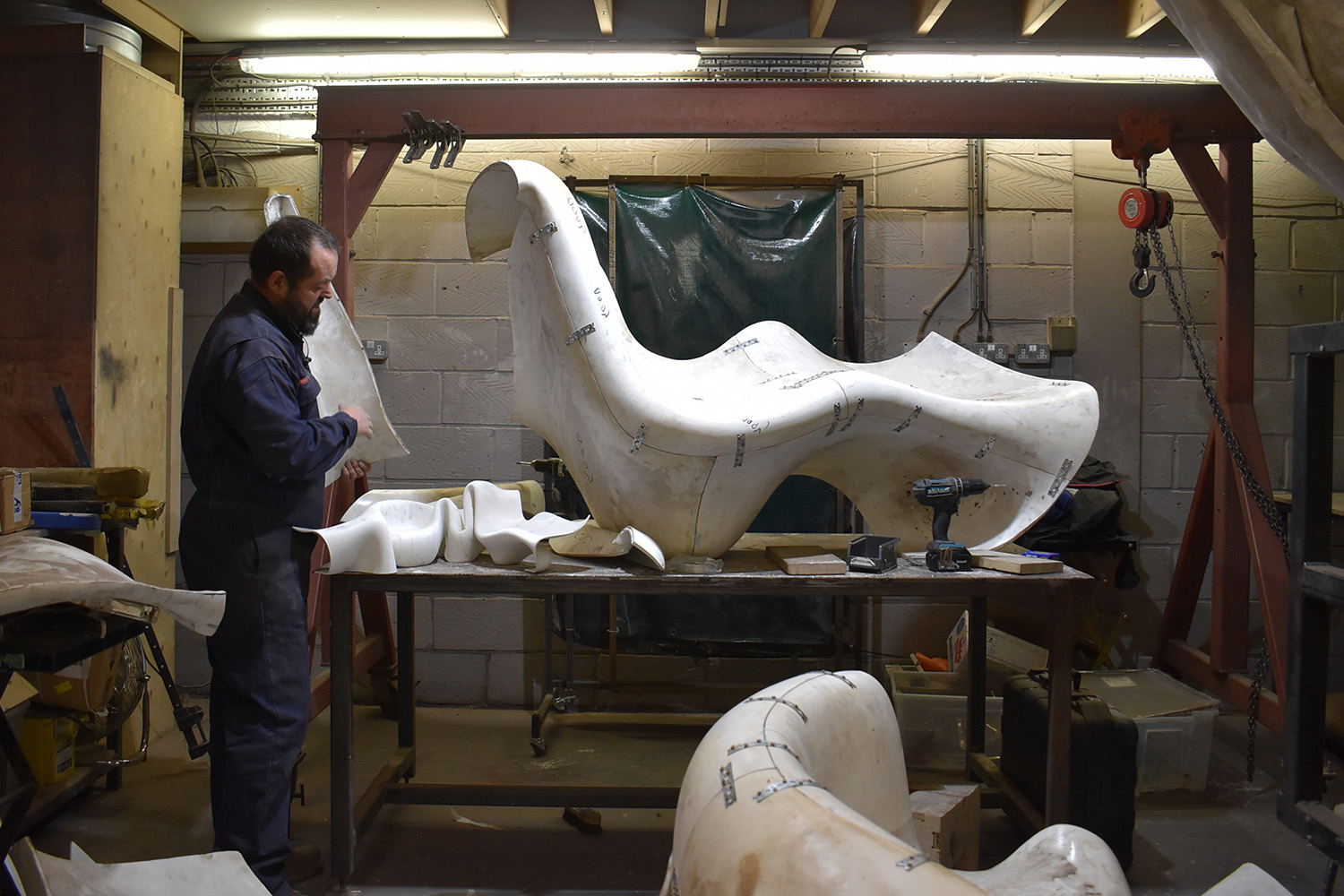
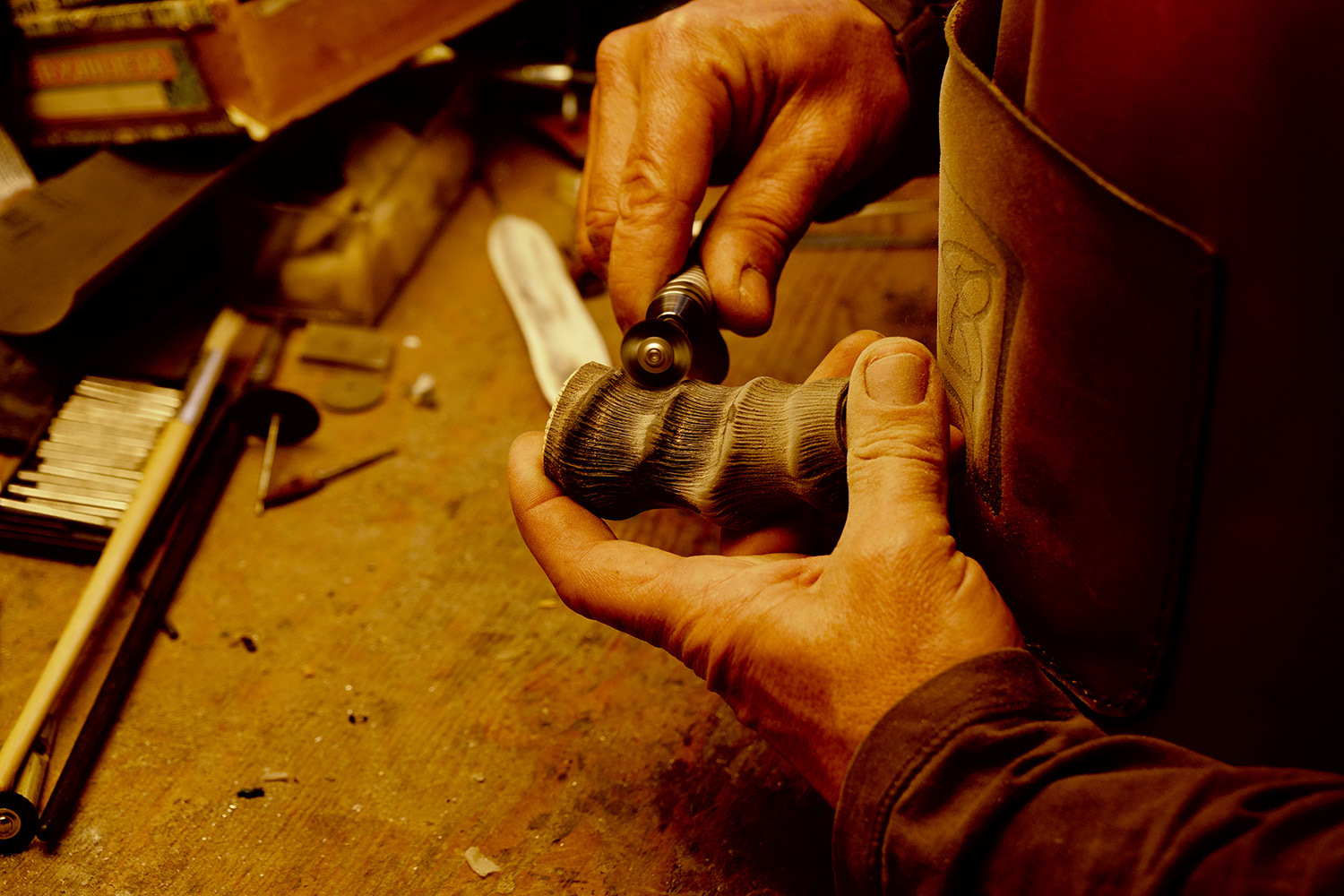
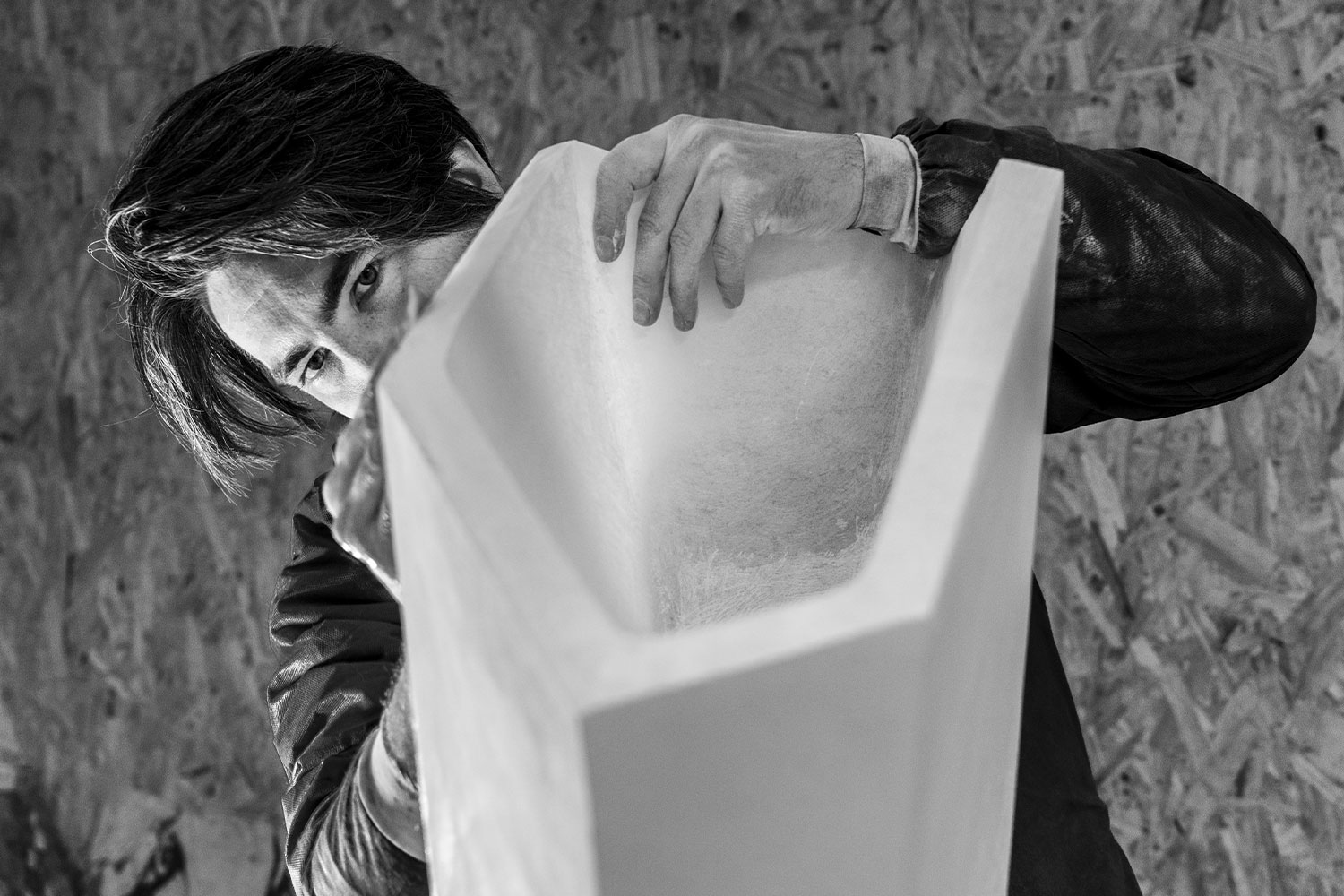
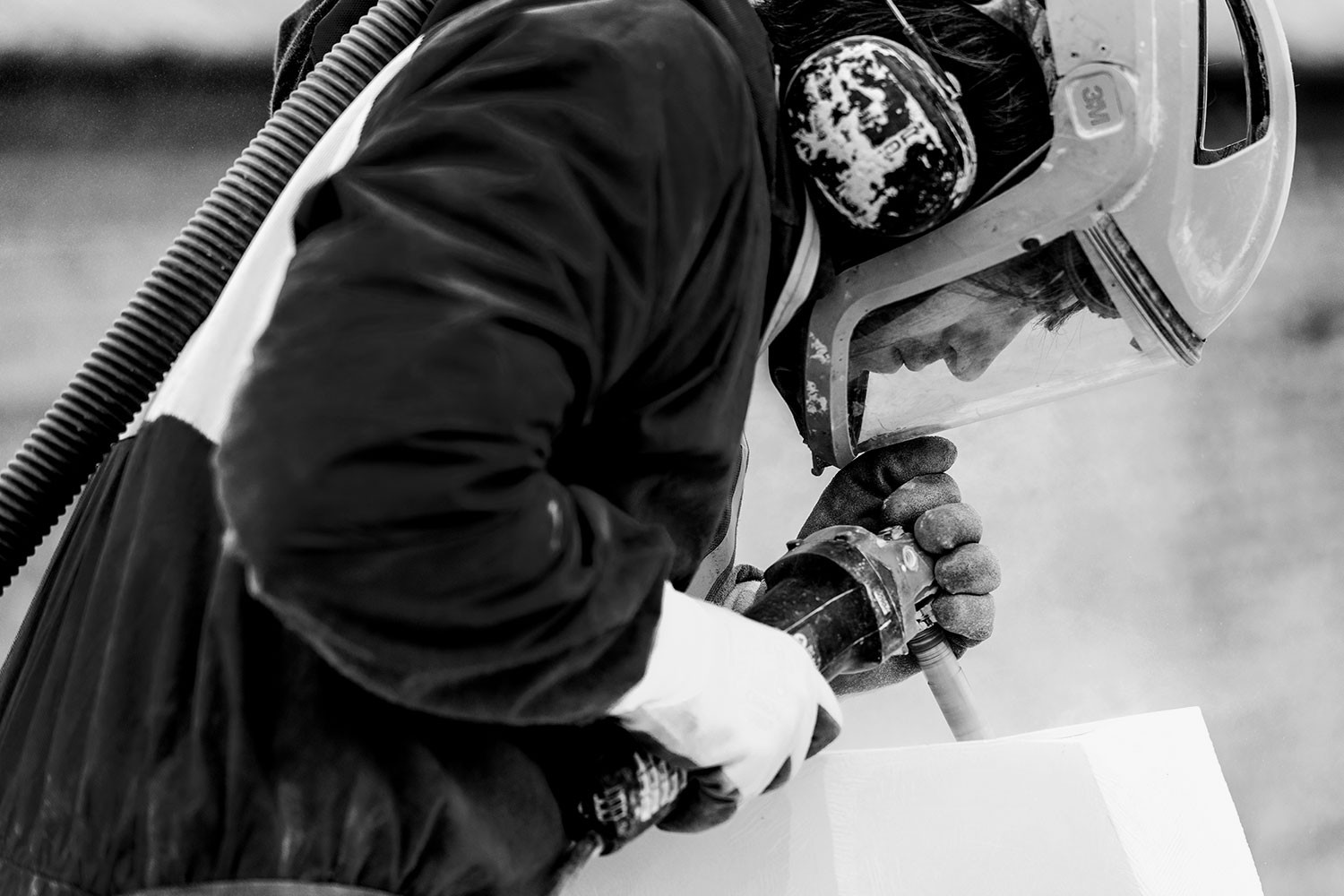
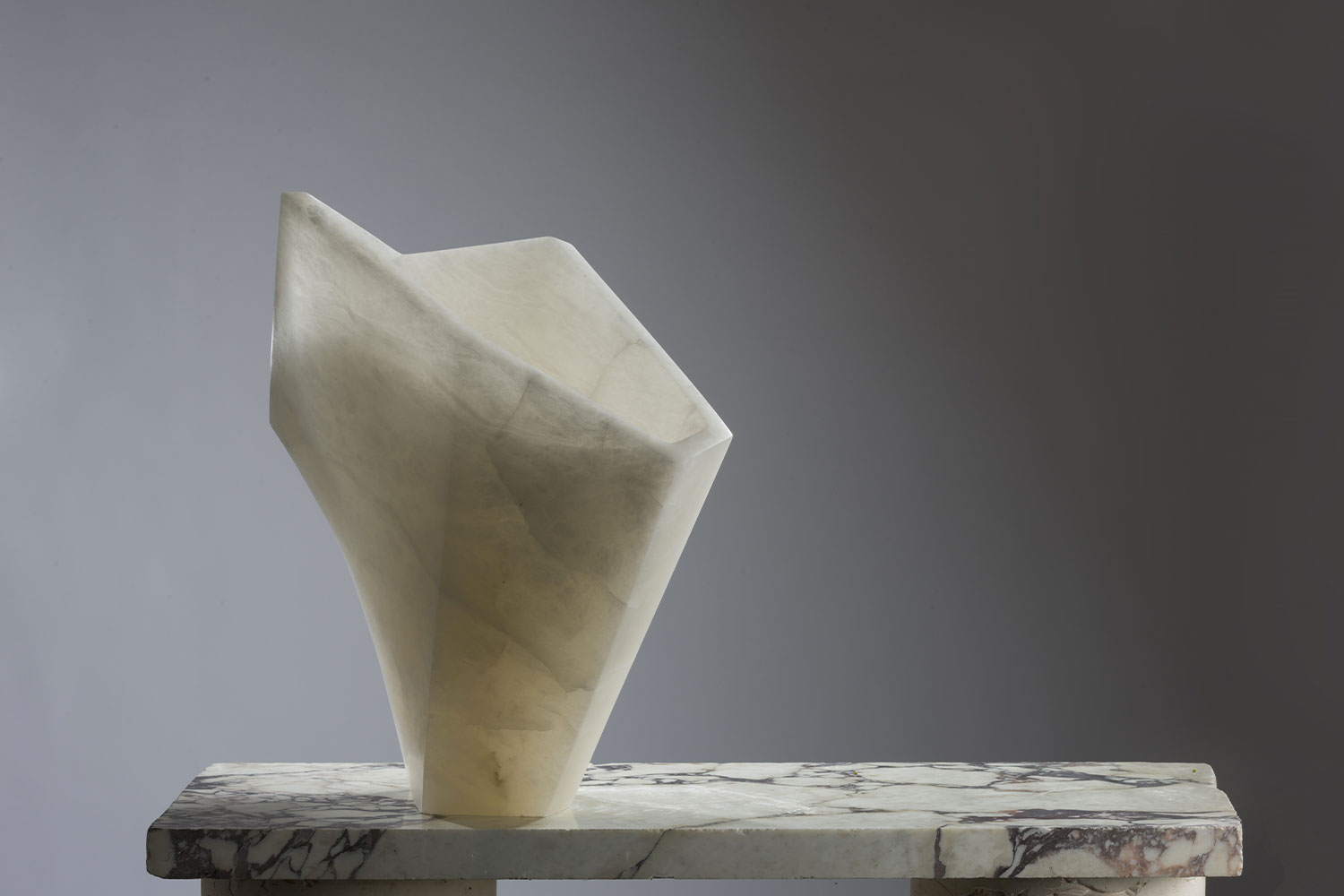
My work is driven by twin fascinations of texture and translucency: exploring these two almost opposing qualities through hand carving and advance casting, I push the possibilities of materials and techniques to their limit.
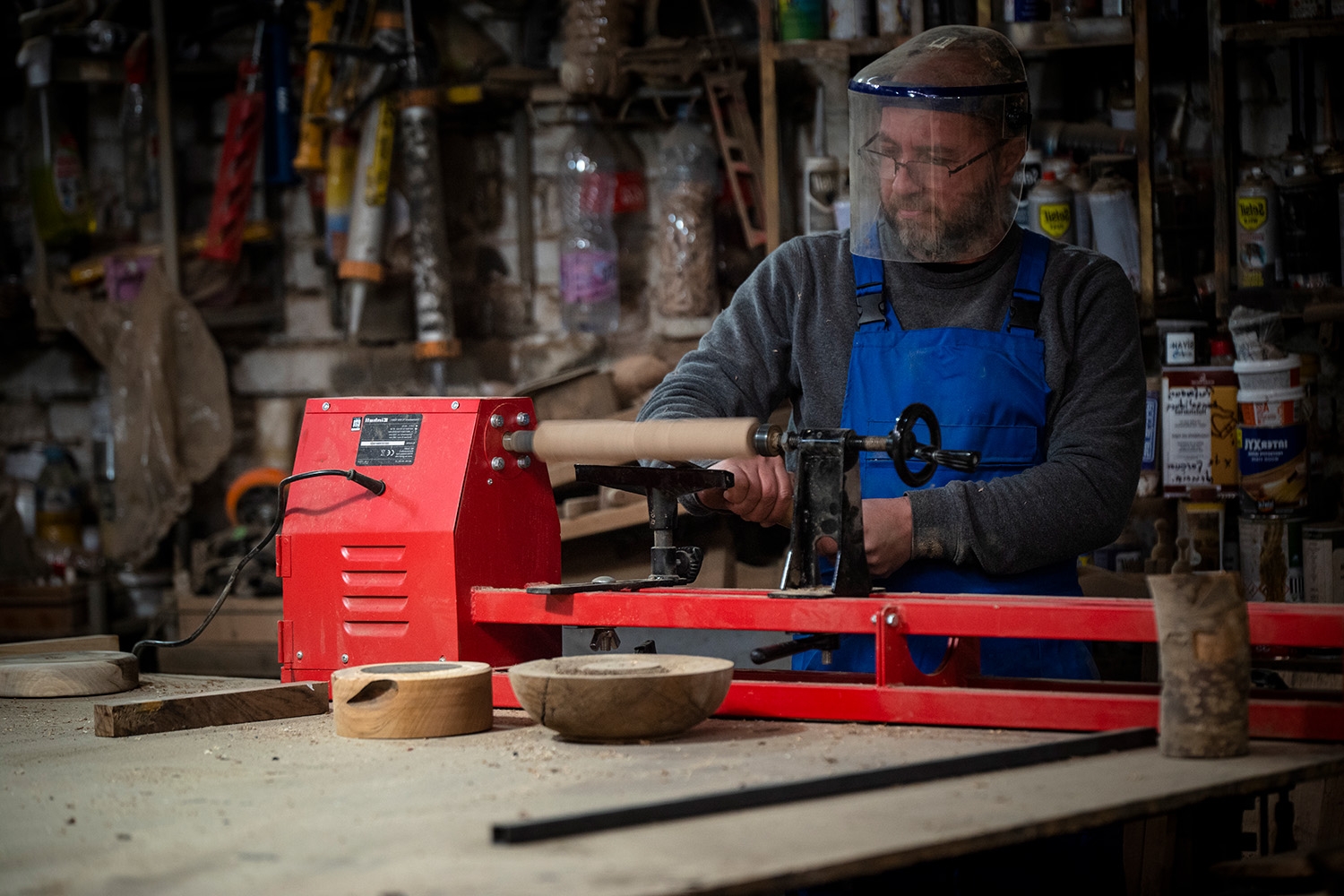
Whilst the materials I use and the clients I work for are widespread – they come from all over the world – my work would not be possible without the really strong network of suppliers and specialists I have built up locally, they support me in being able to realise the work.
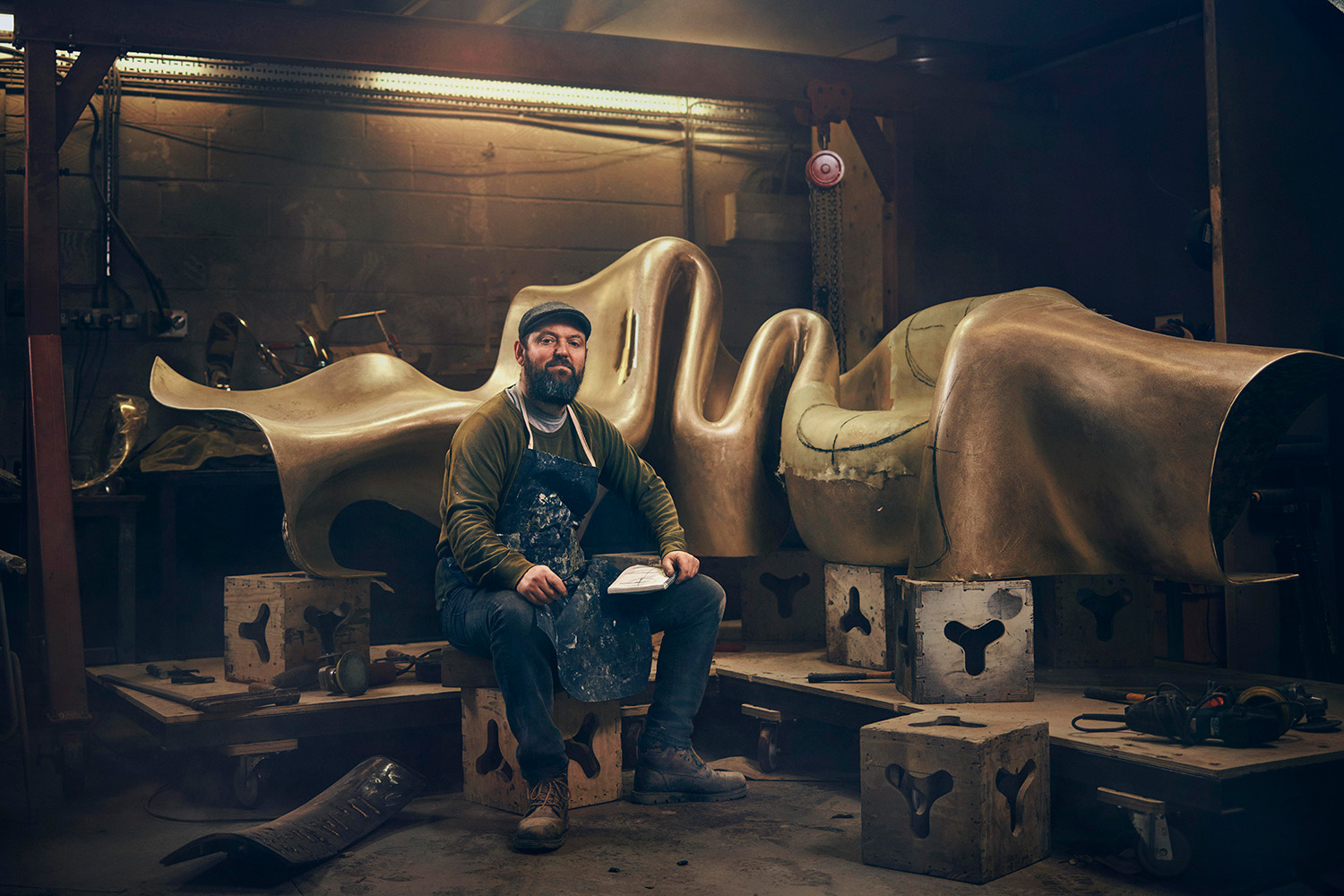
I would say that I am a sculptor who works in the space between the fine and decorative arts, across a wide range of disciplines, creating both pure sculpture and sculptural objects that might have some practical application, such as sculptural furniture or vessels.