The voice of Greek instrument making
- Nikos is known for restoring instruments of historical value
- He was the first to define the vibration patterns of traditional lute instruments
- He is committed in the recognition of Greek violin making
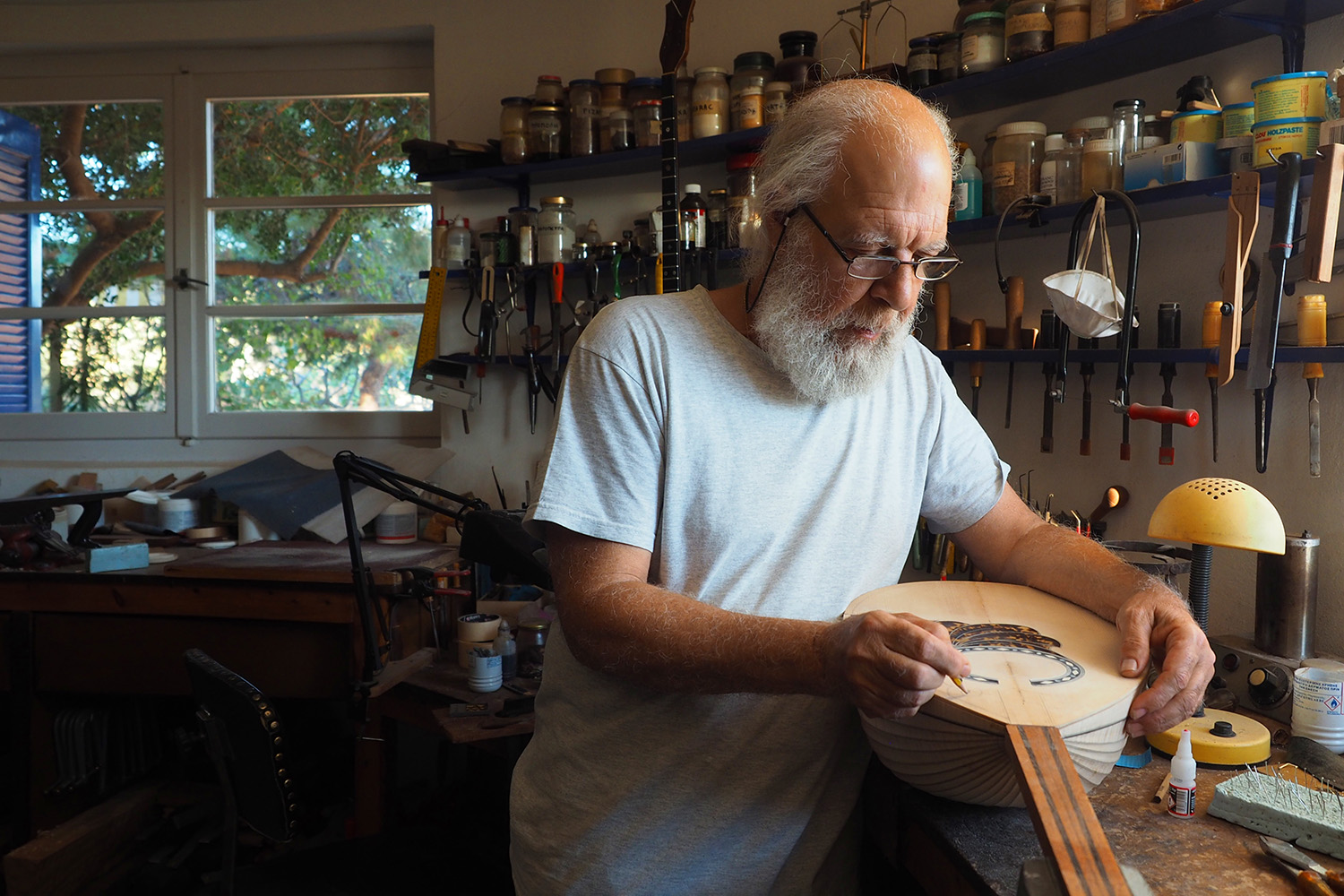
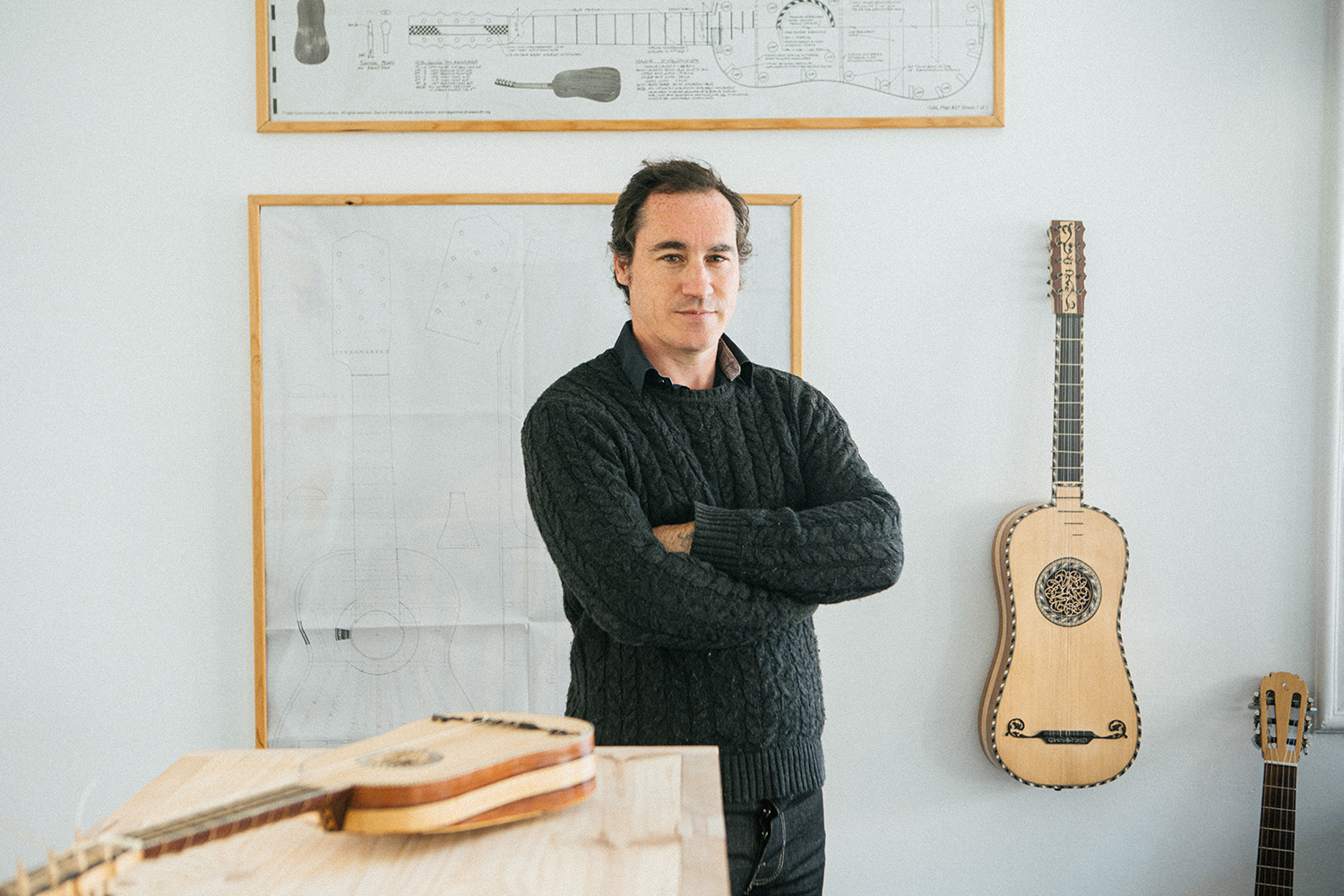
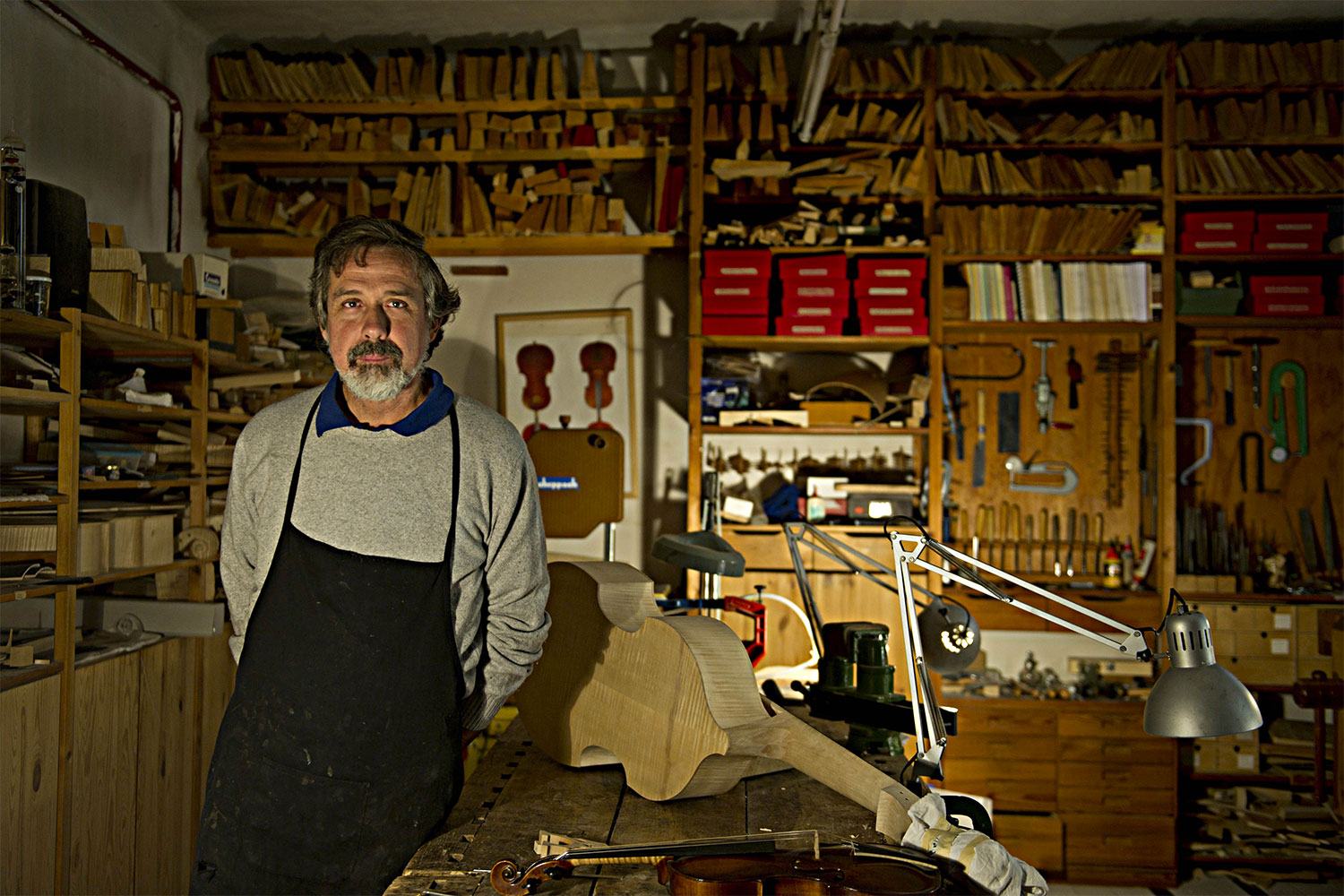
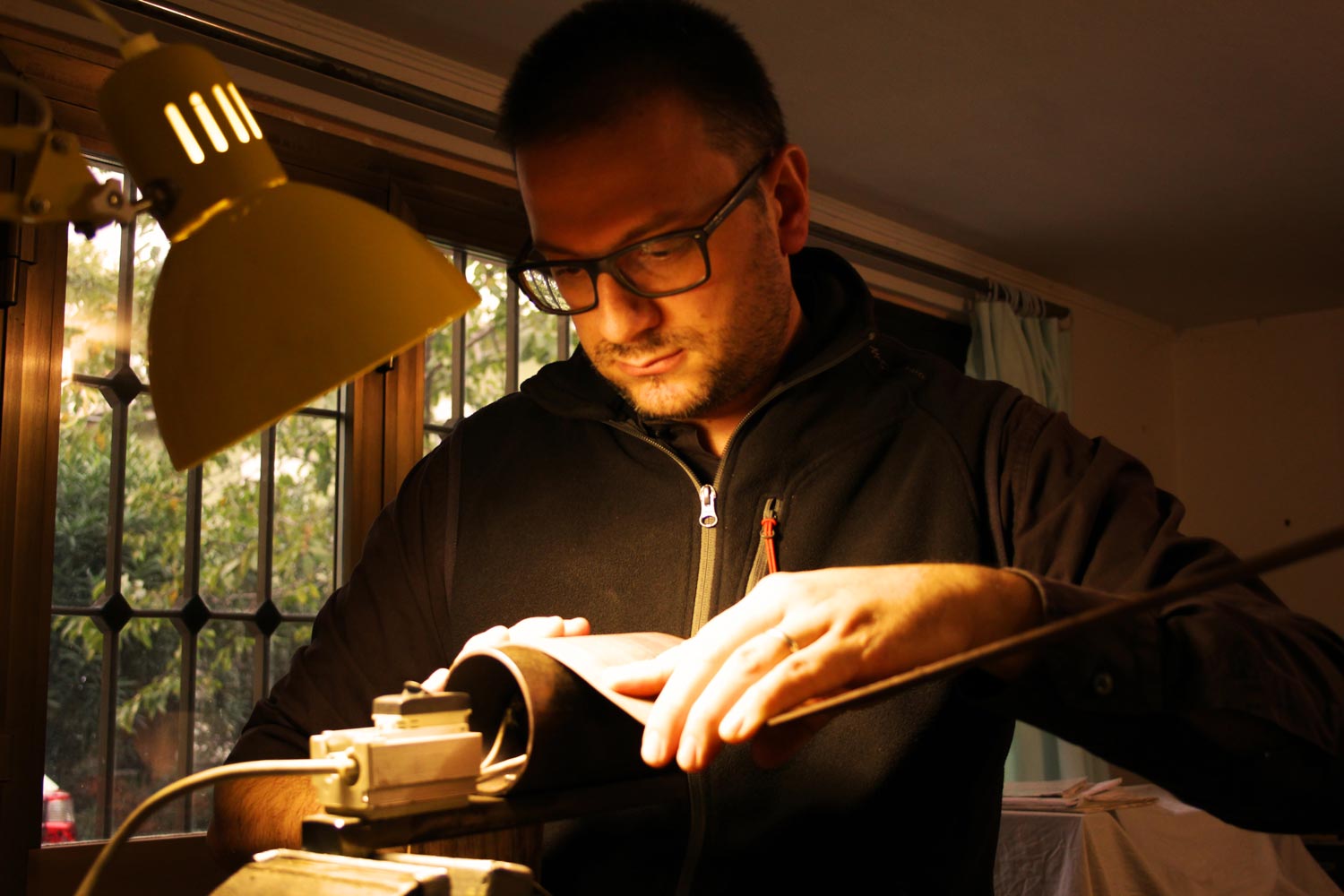
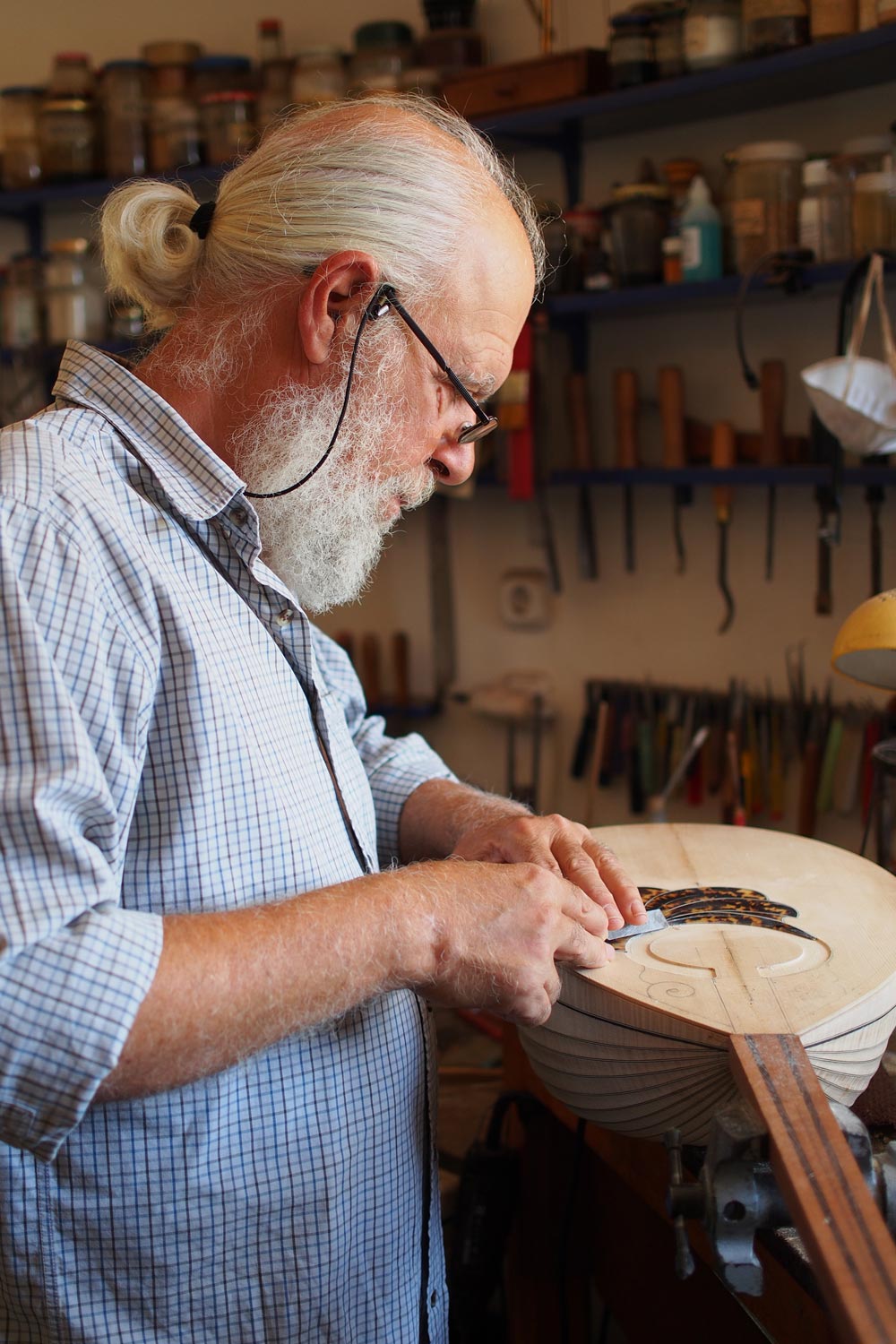
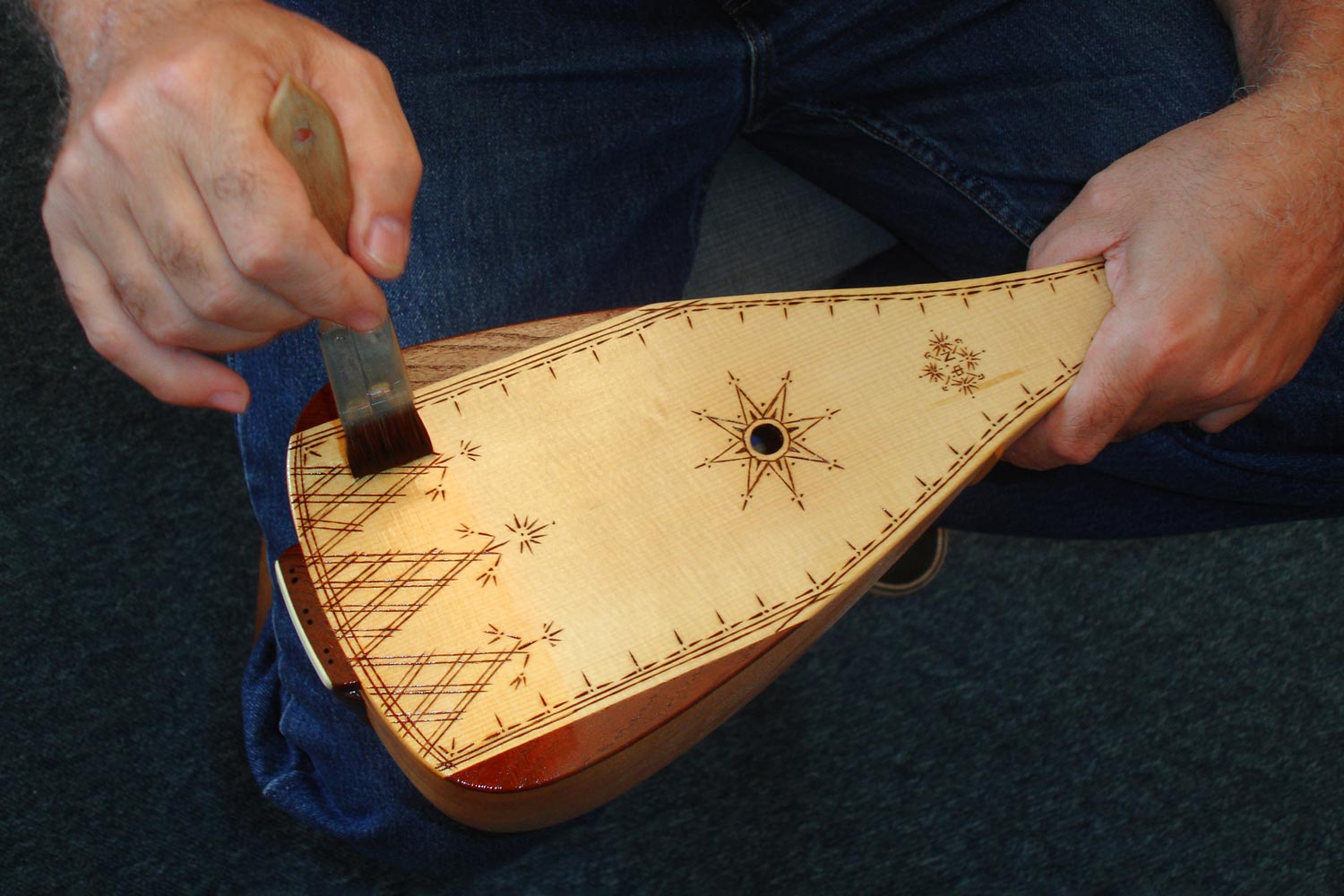
It was his grandfather's violin that inspired Nikos Fronimopoulos to follow the path of music. The master luthier began by learning the instrument as well as the bouzouki and performed many years as a professional musician. His passion for the craft blossomed when he first built his own instruments in 1975. Self-taught, his first tools included a kitchen knife, string and his father's dentist's tools. Nikos has since expanded his knowledge, not only by working alongside masters, but by reading foreign books on violin making. Eager to reach ever higher levels of excellence, he has studied in depth and is still exploring the history of construction, techniques and materials of this craft. For some years he has been conducting research on the vibration modes of lute instruments.
INTERVIEW
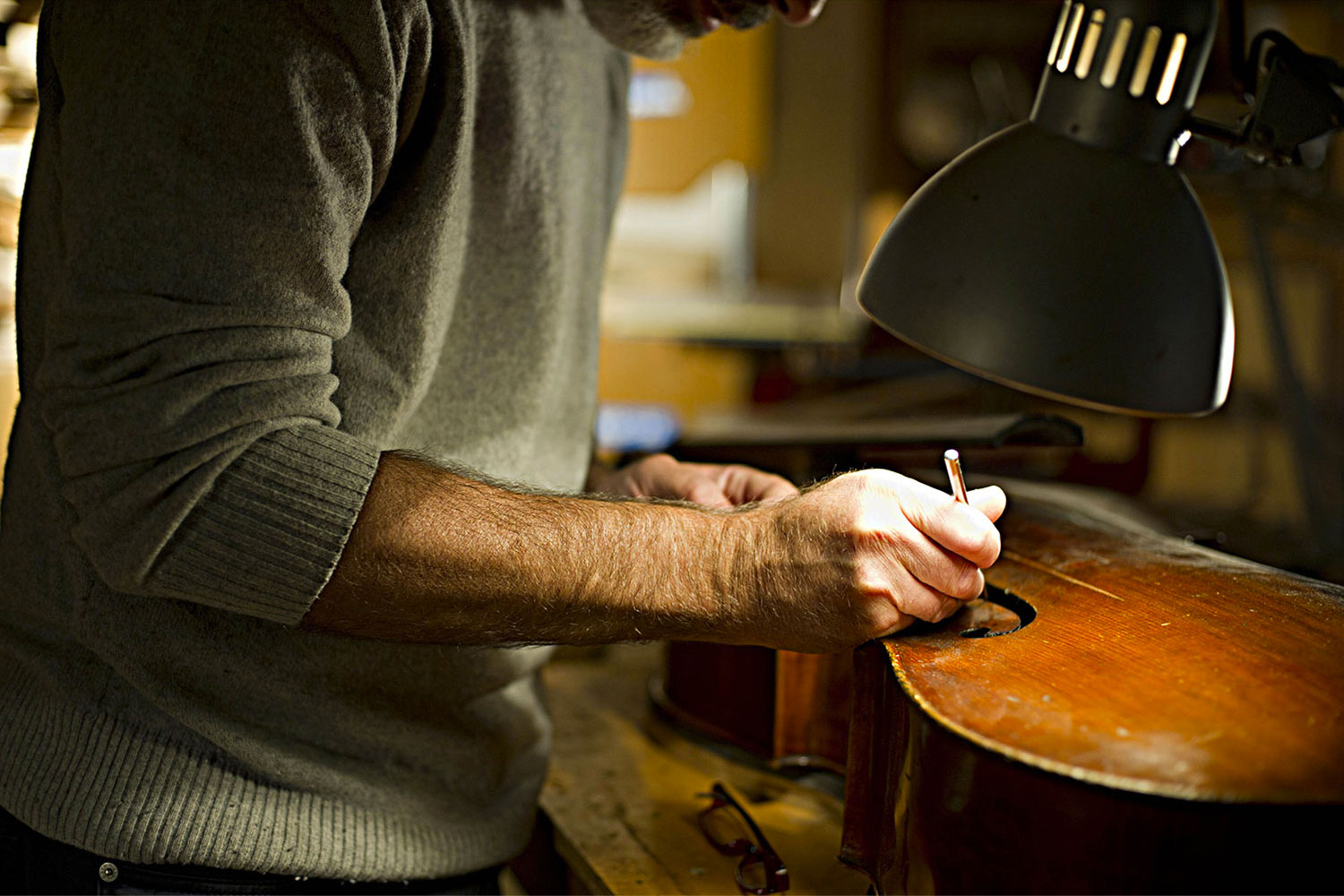
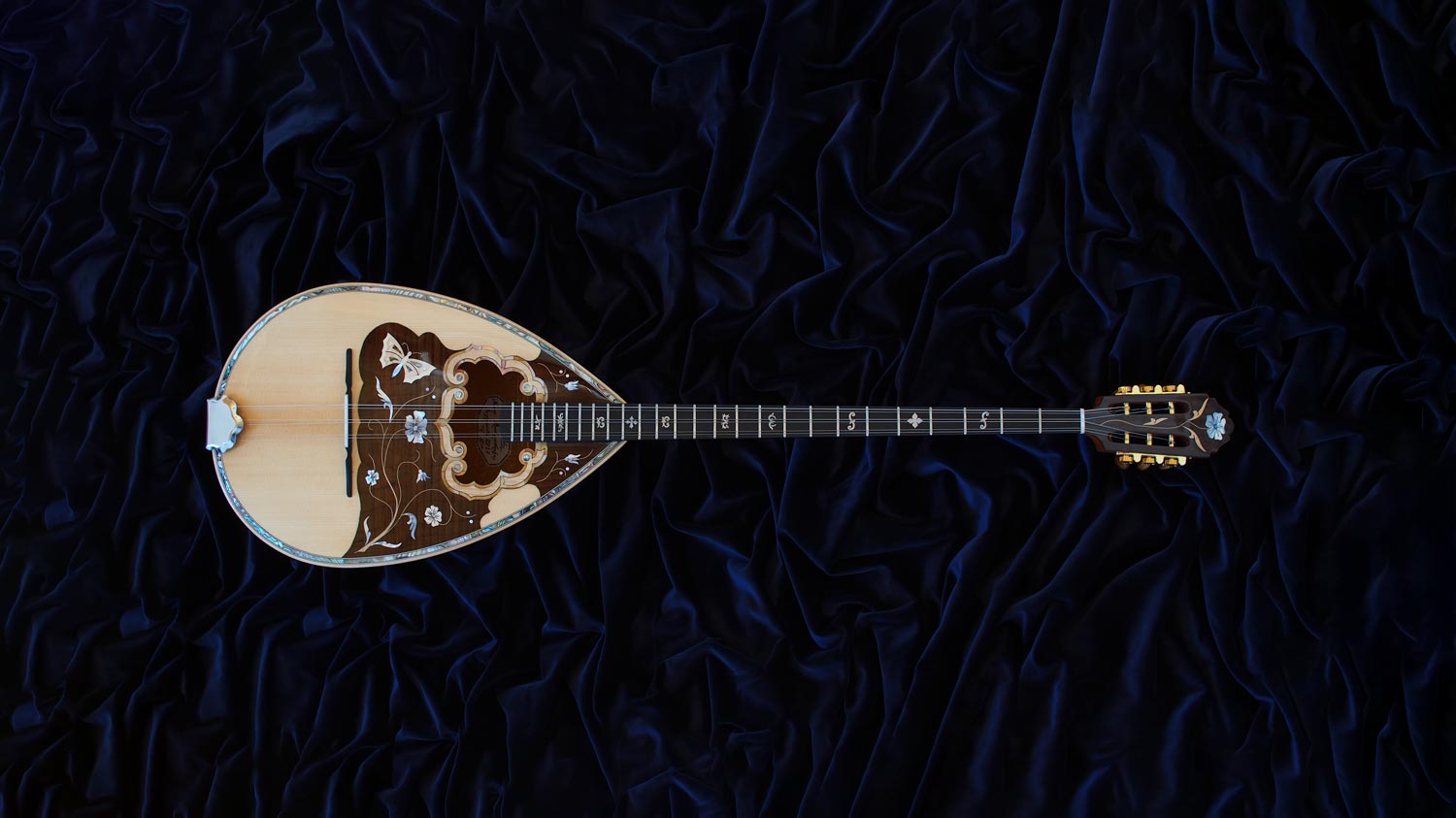
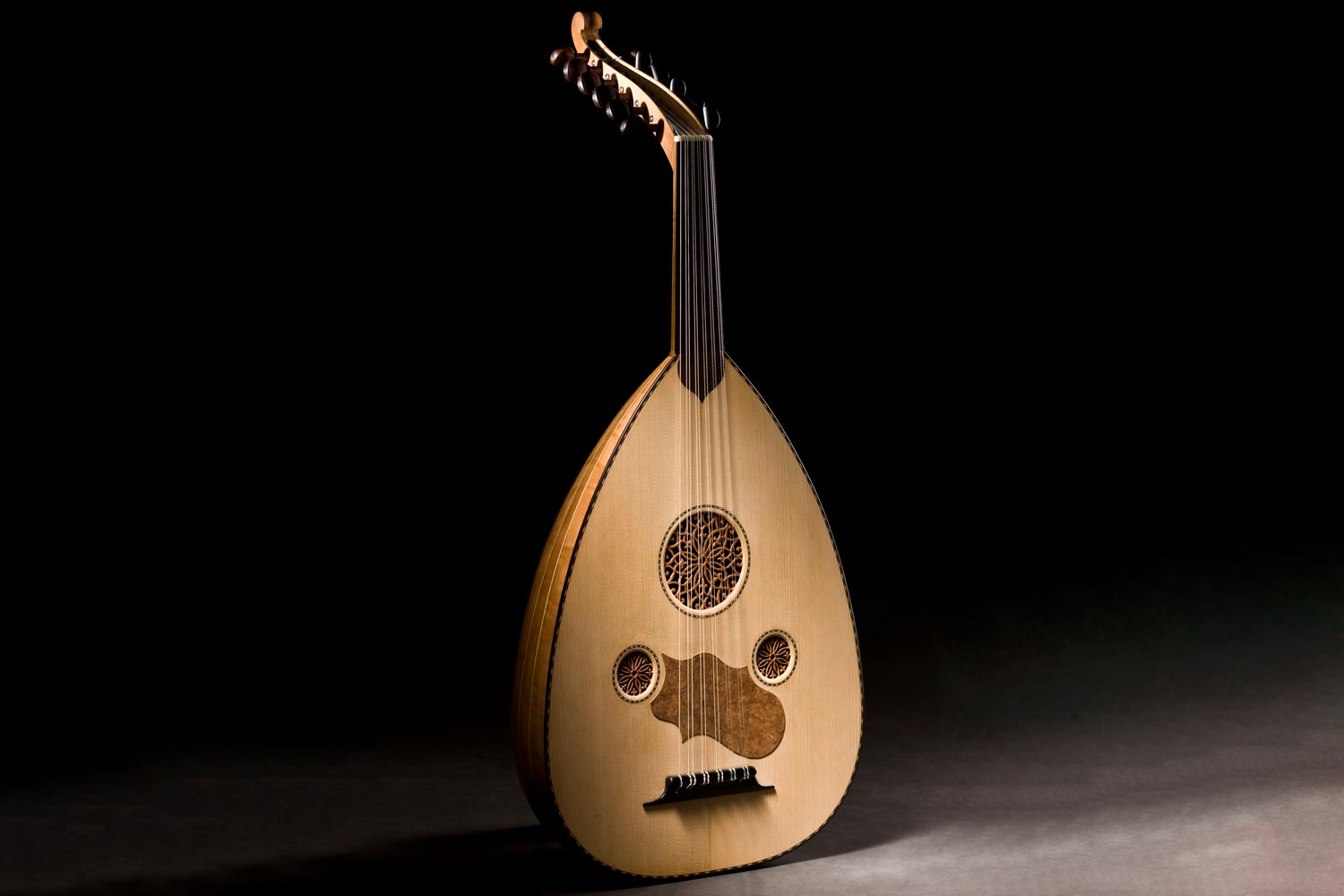
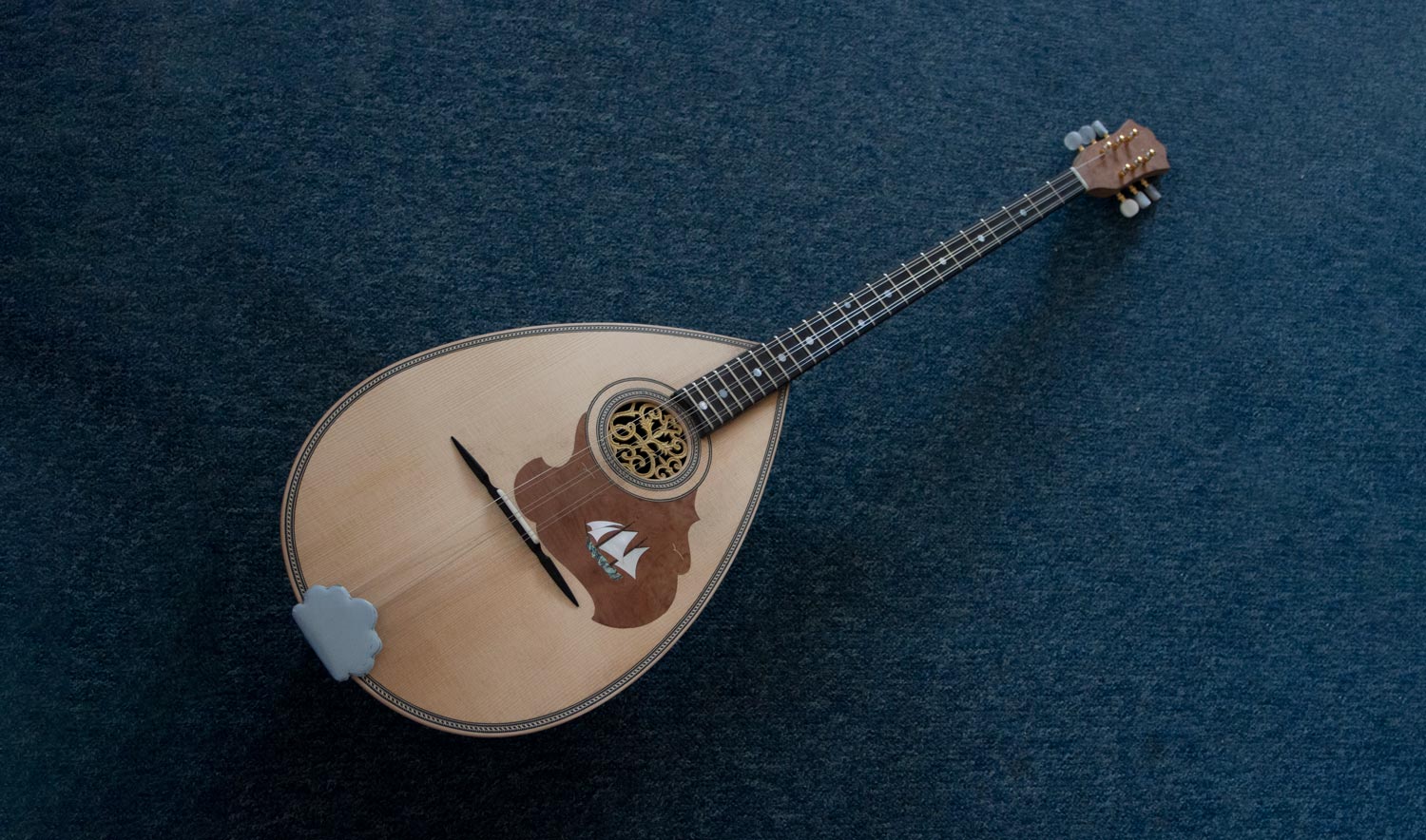
The making of lute instruments and violins. I am also involved in the restoration of historical instruments. The most important ones I have restored are the tambouras (ancestor of the bouzouki) of General Makriyannis (1834) and recently the oldest tambouras of Fotos Tzavellas (1790).
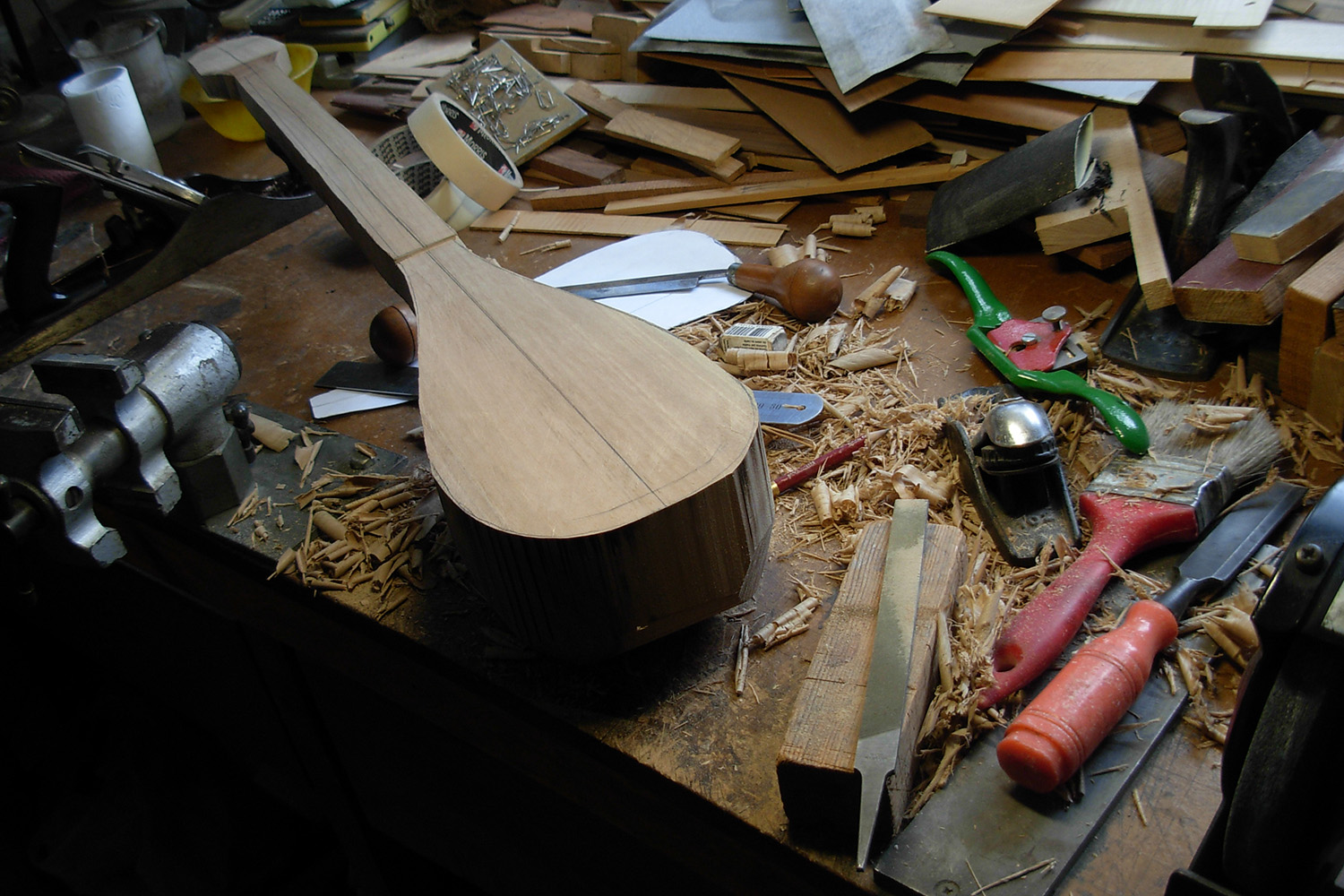
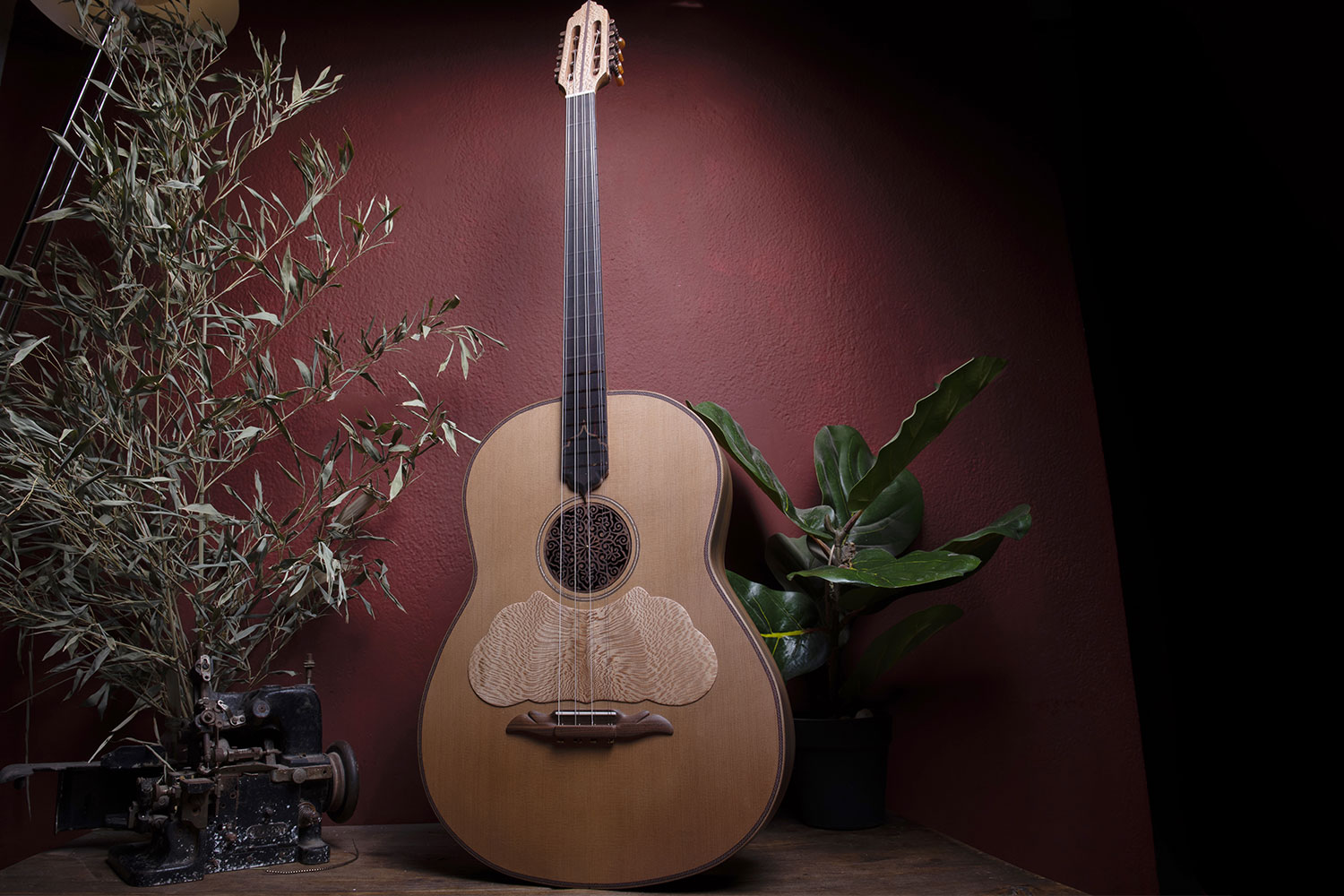
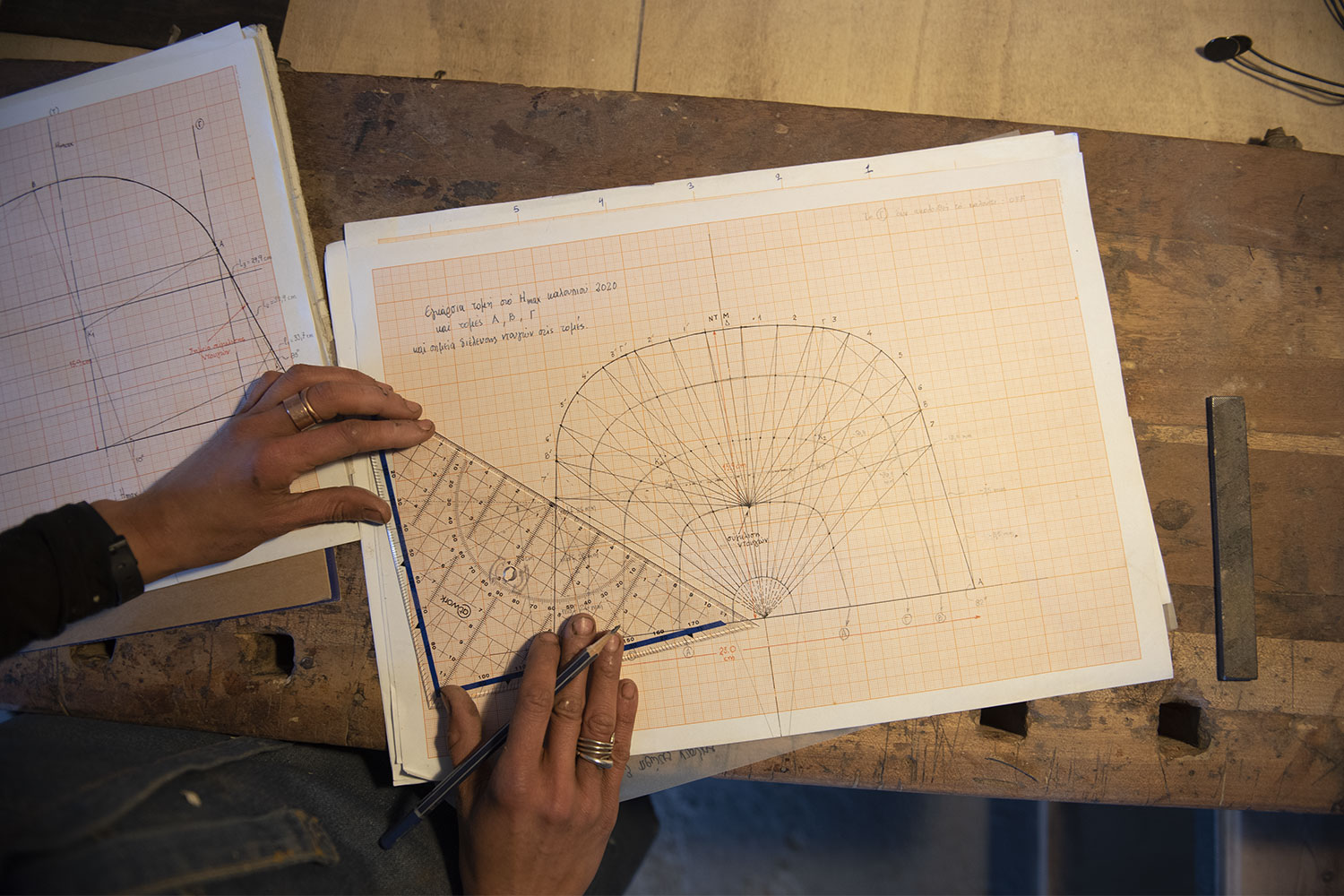
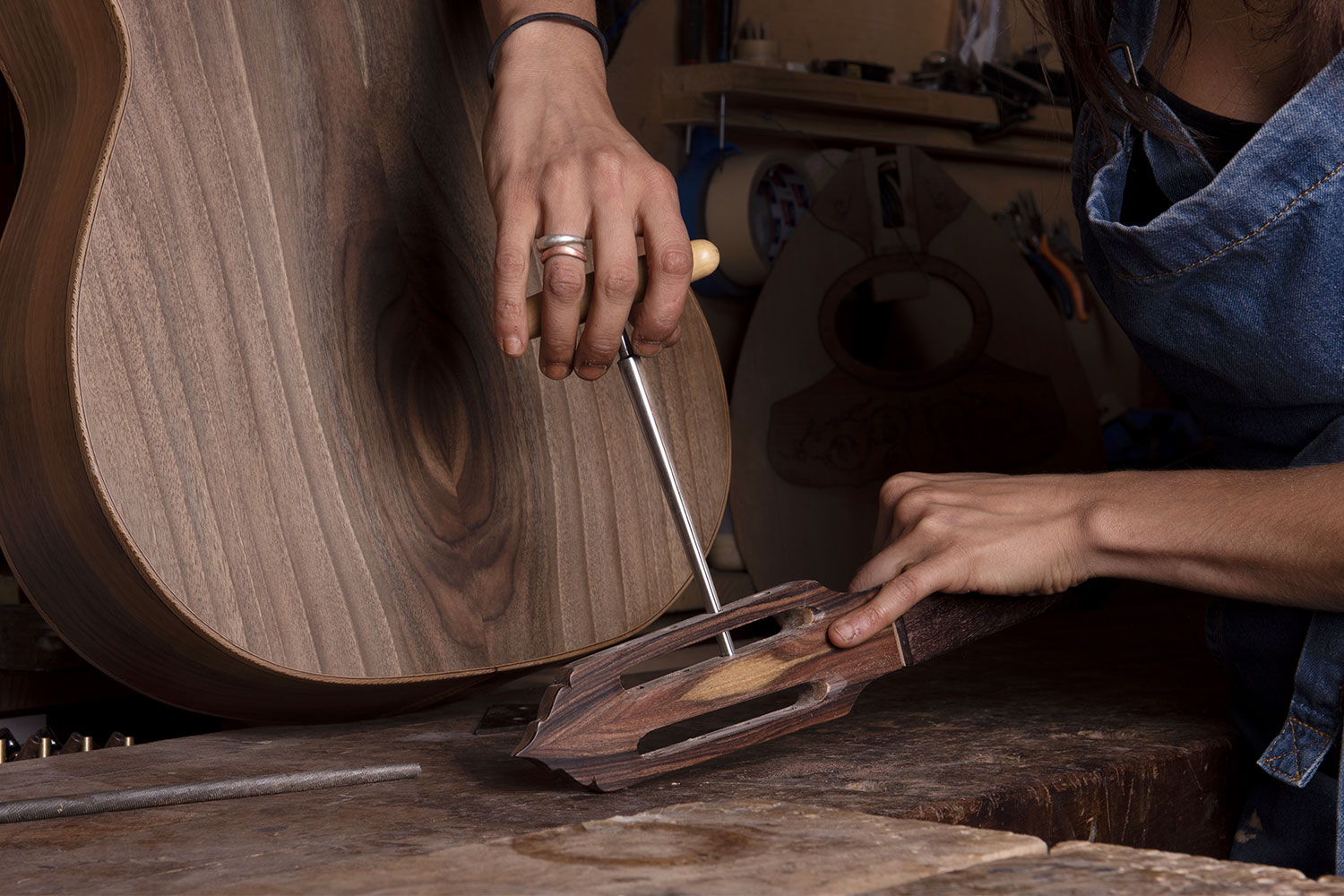
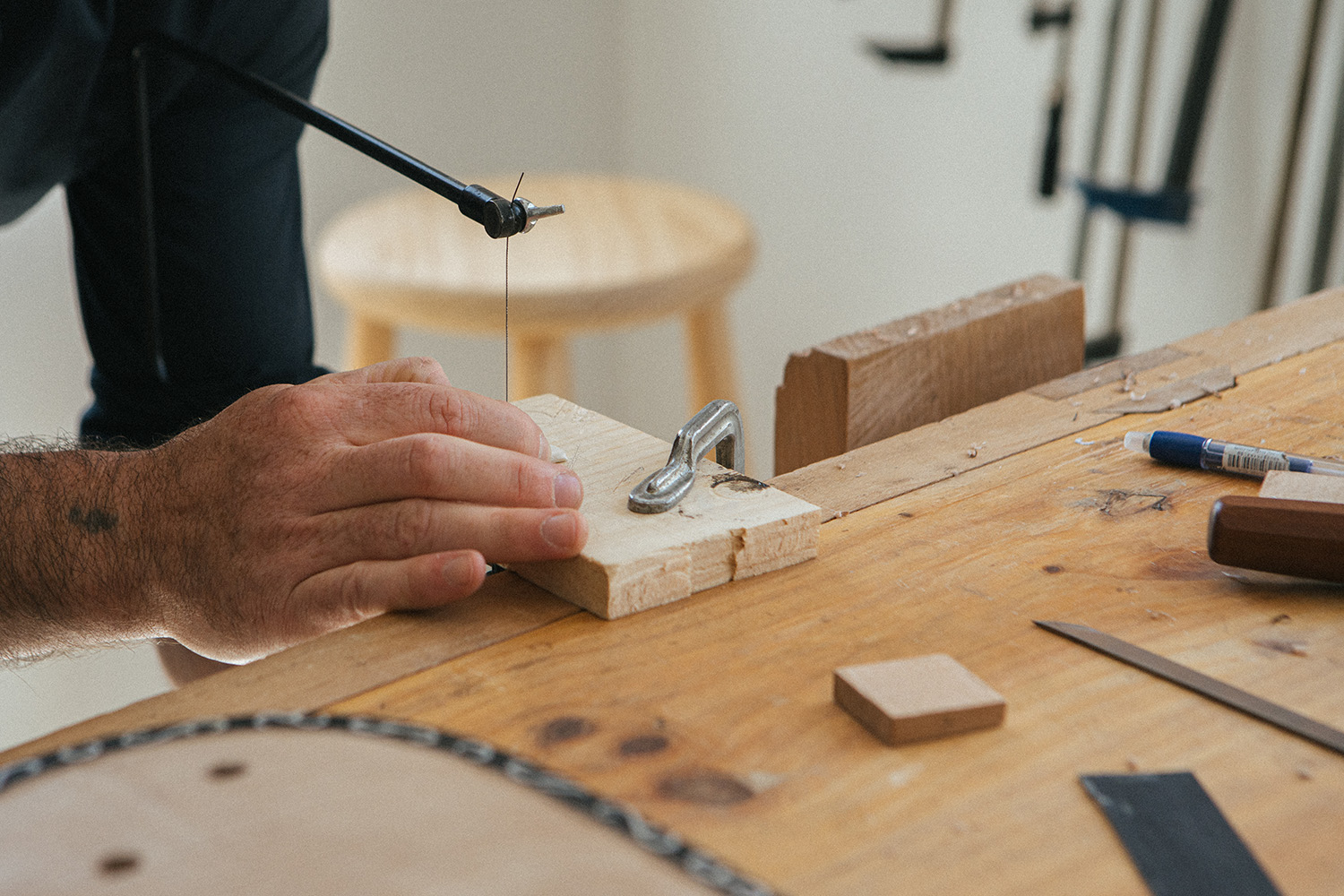
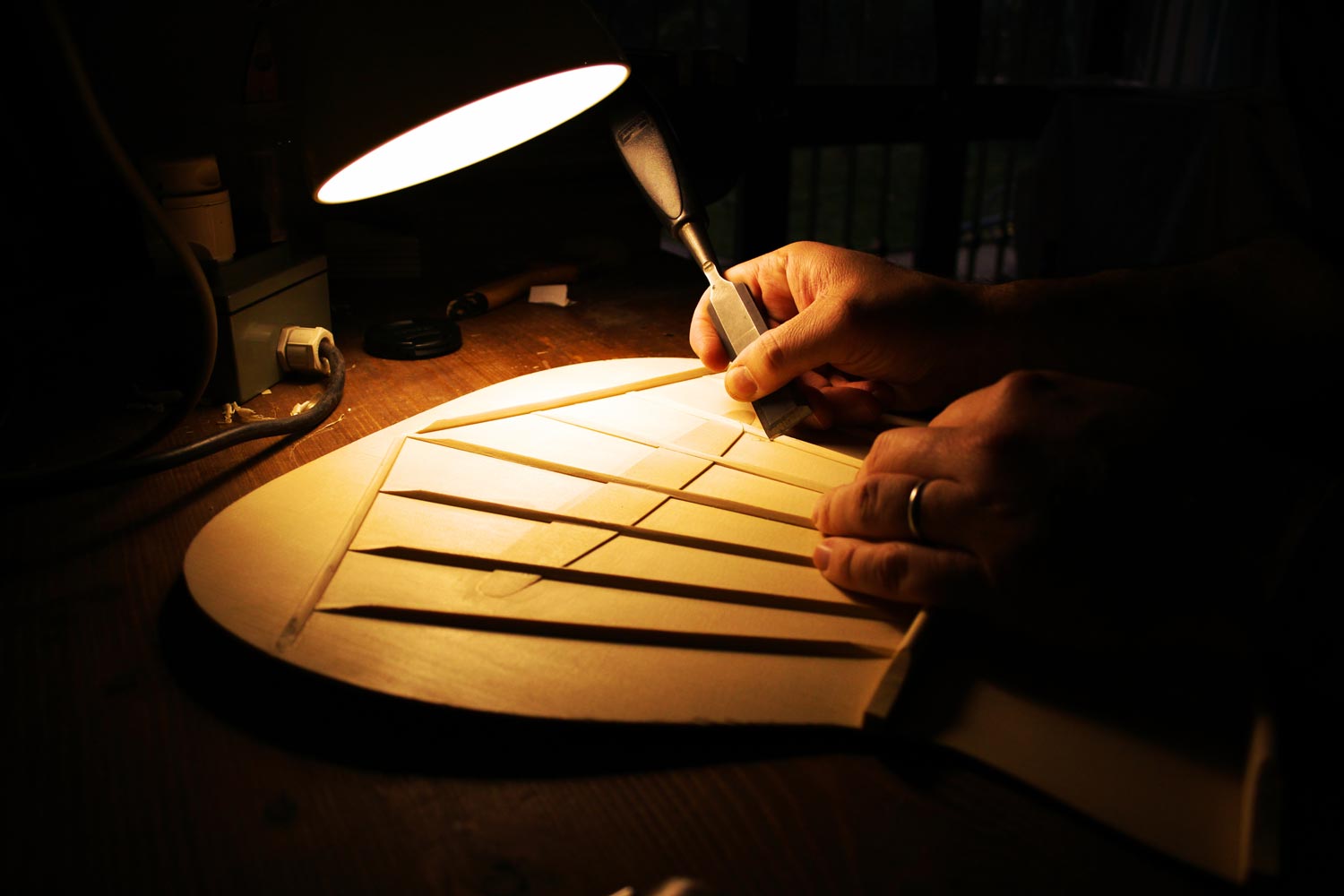
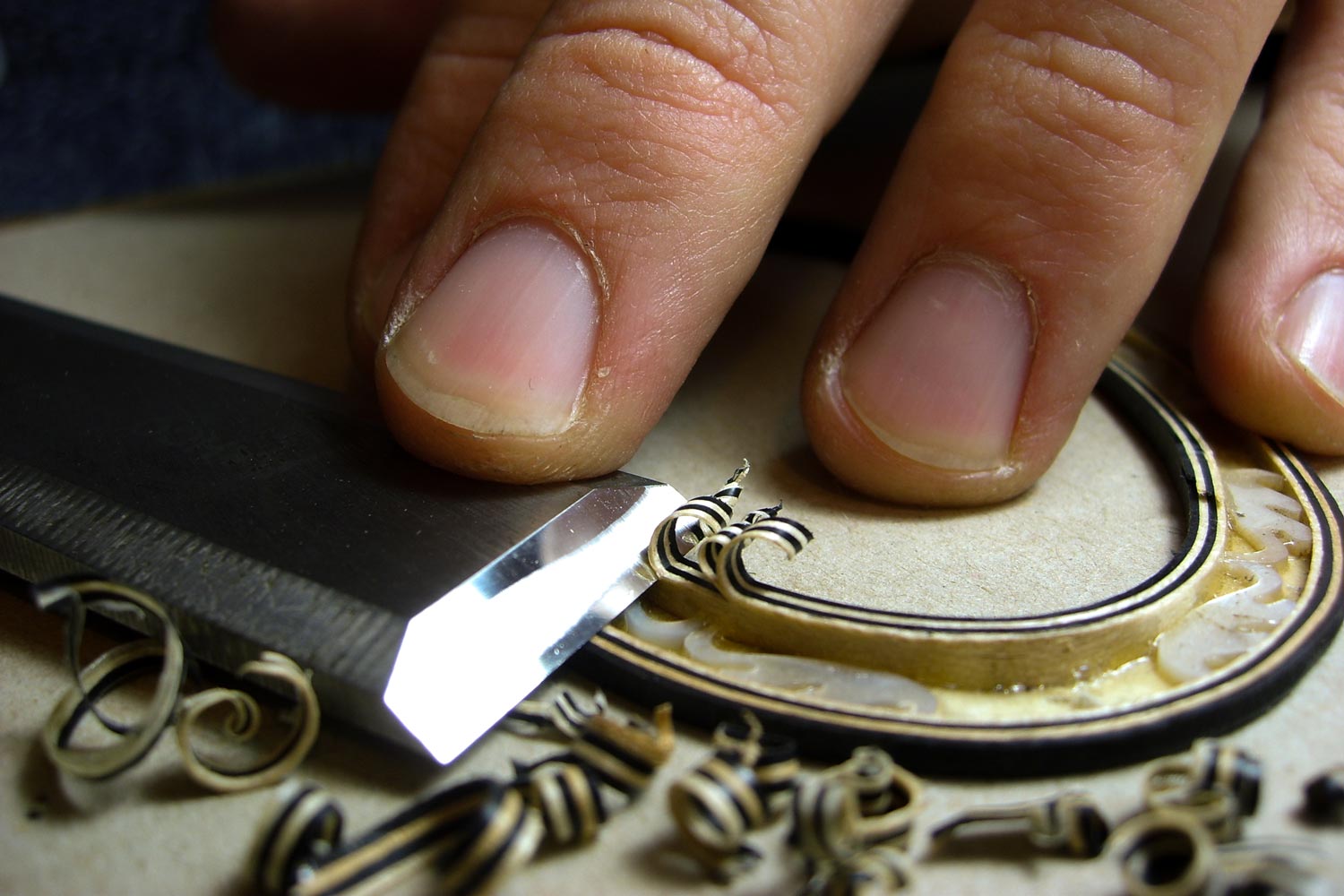
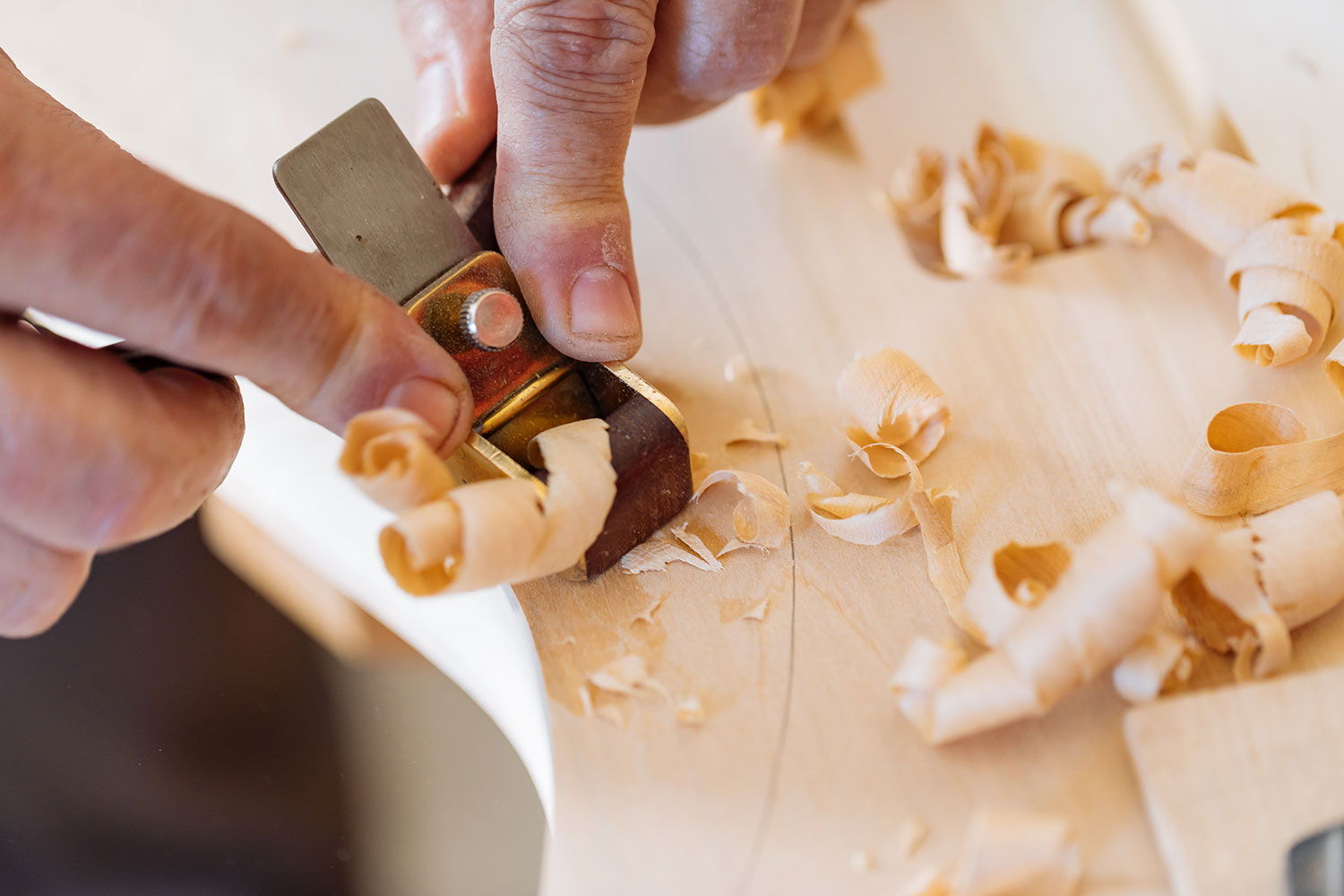
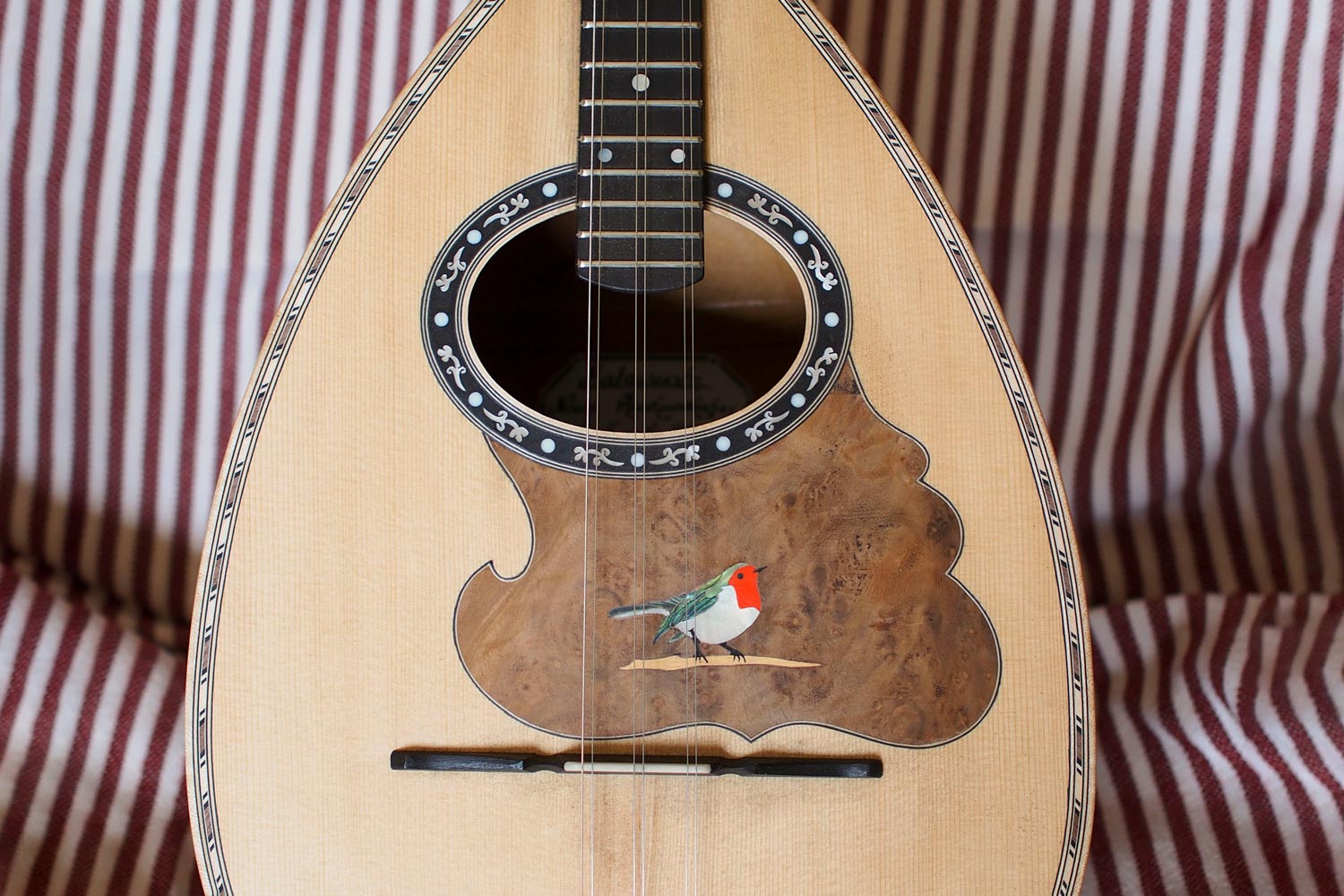
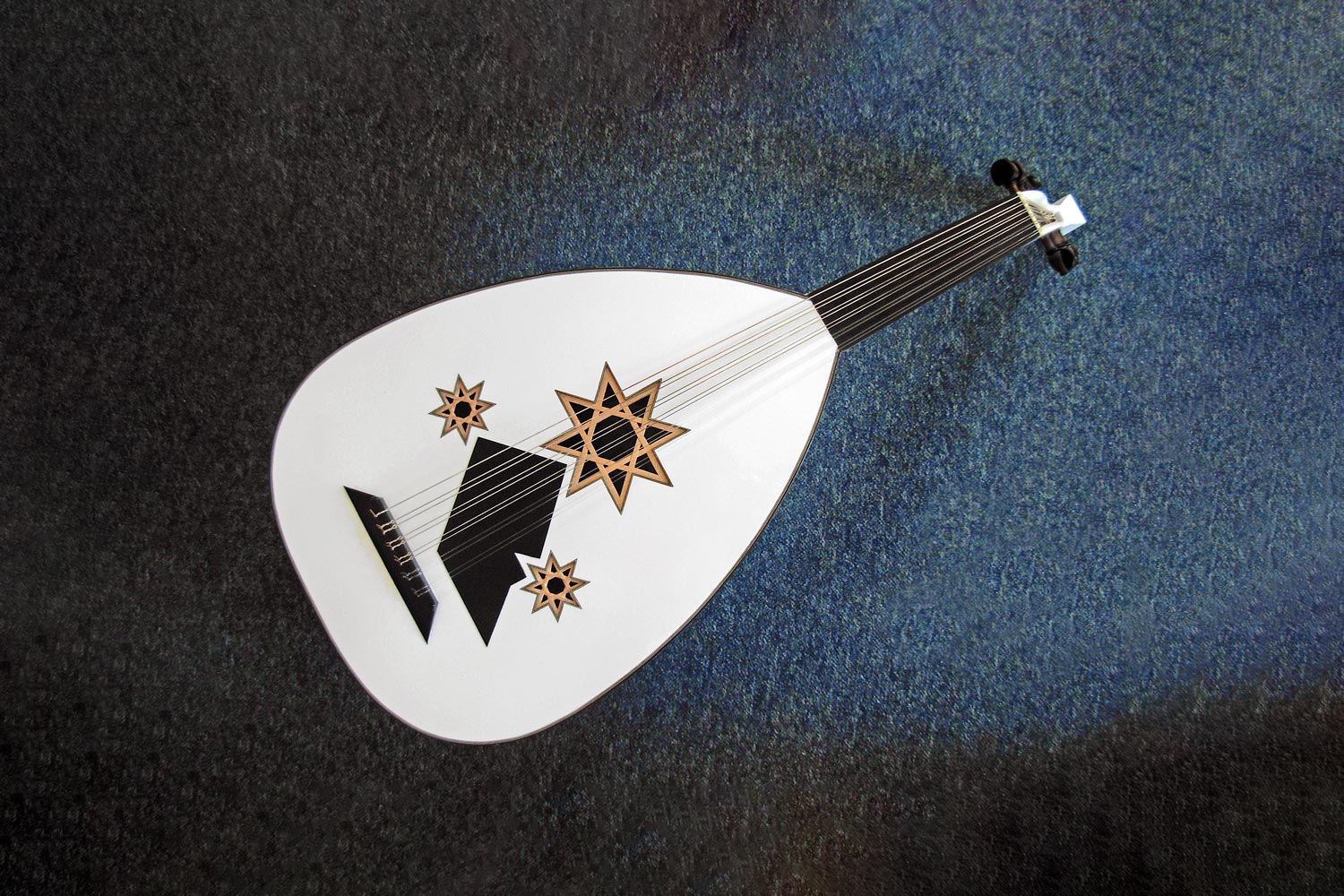
I believe that tradition is the basis of instrument making. Many of the techniques I apply are traditional and I prefer to work more "by hand" than with modern tools and materials. In my contemporary models, I try to express a more personal vision, both for the aesthetics and for the sound effects.
Just a couple of weeks ago, after more than 200 years, in the great hall of the Old Parliament where the Historical Museum is located, the tambouras of Fotos Tzavellas, which I had restored, were played.
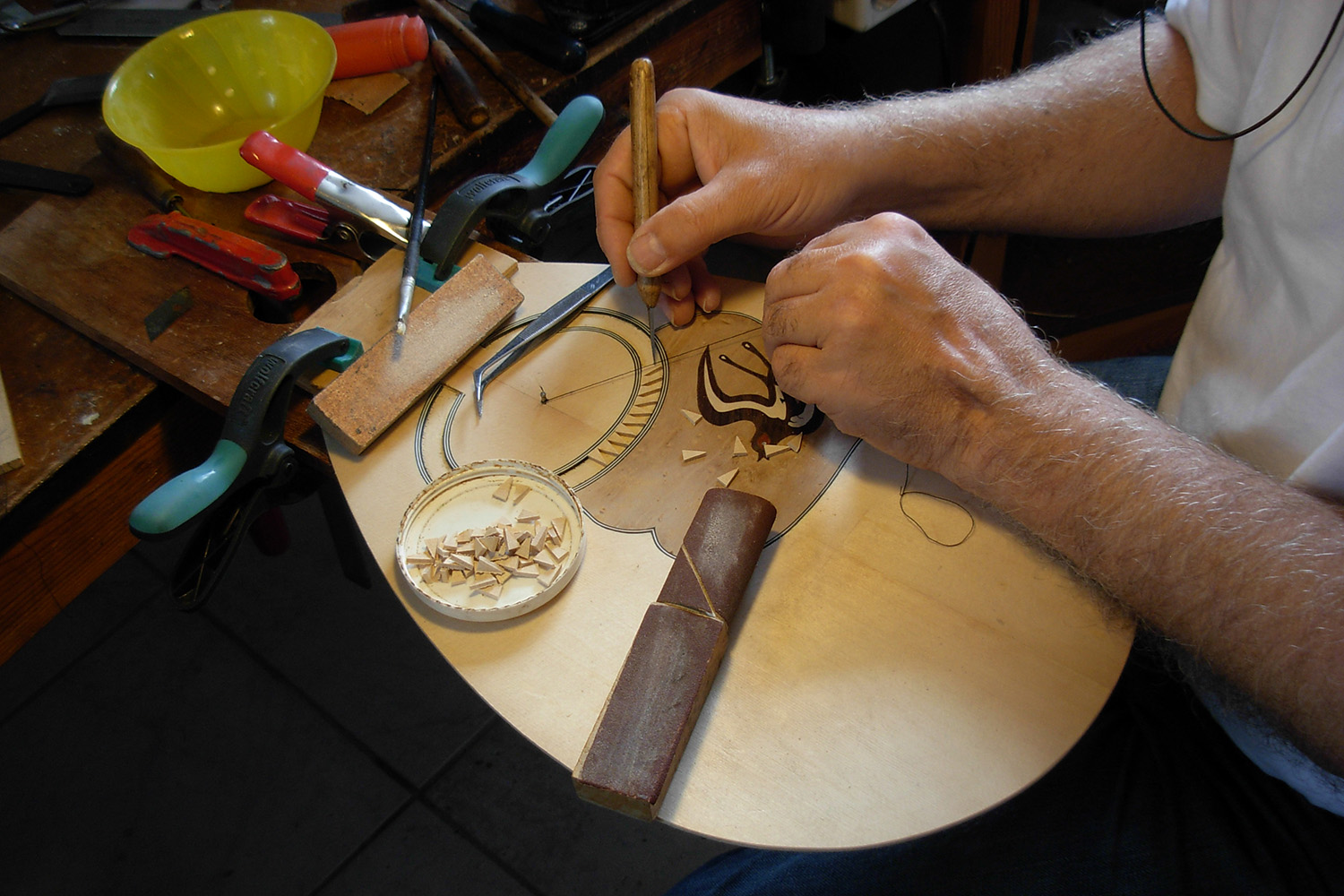
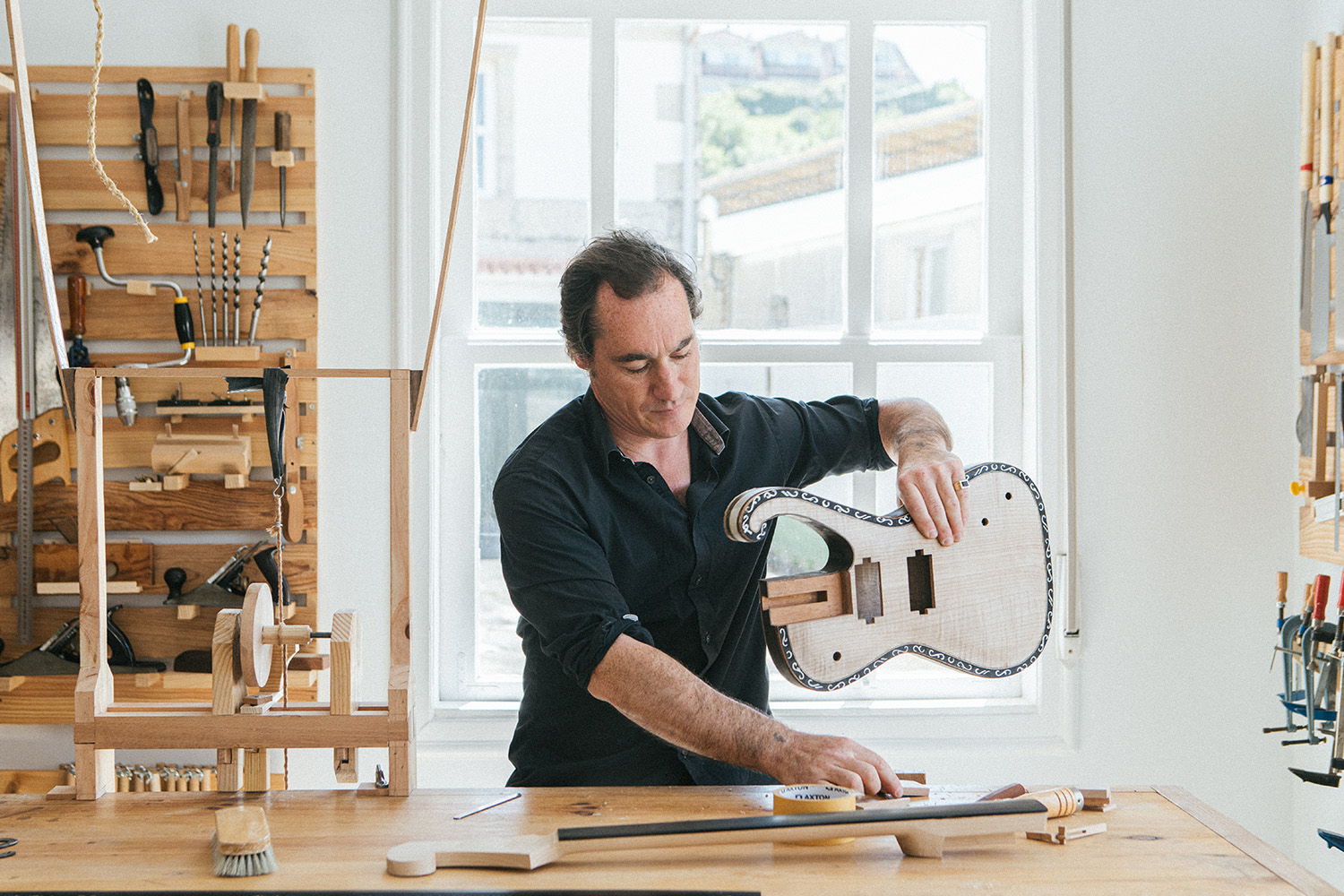
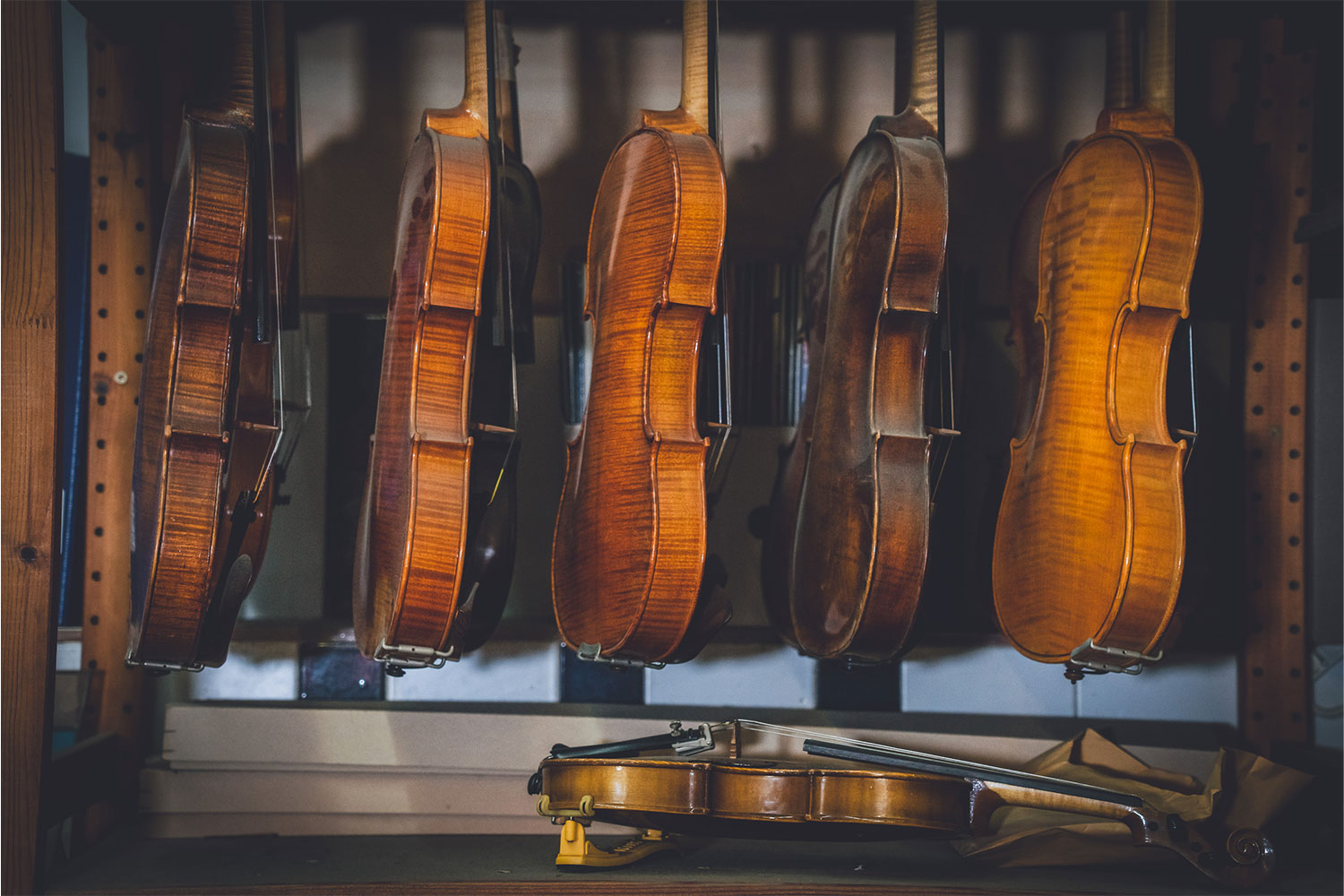
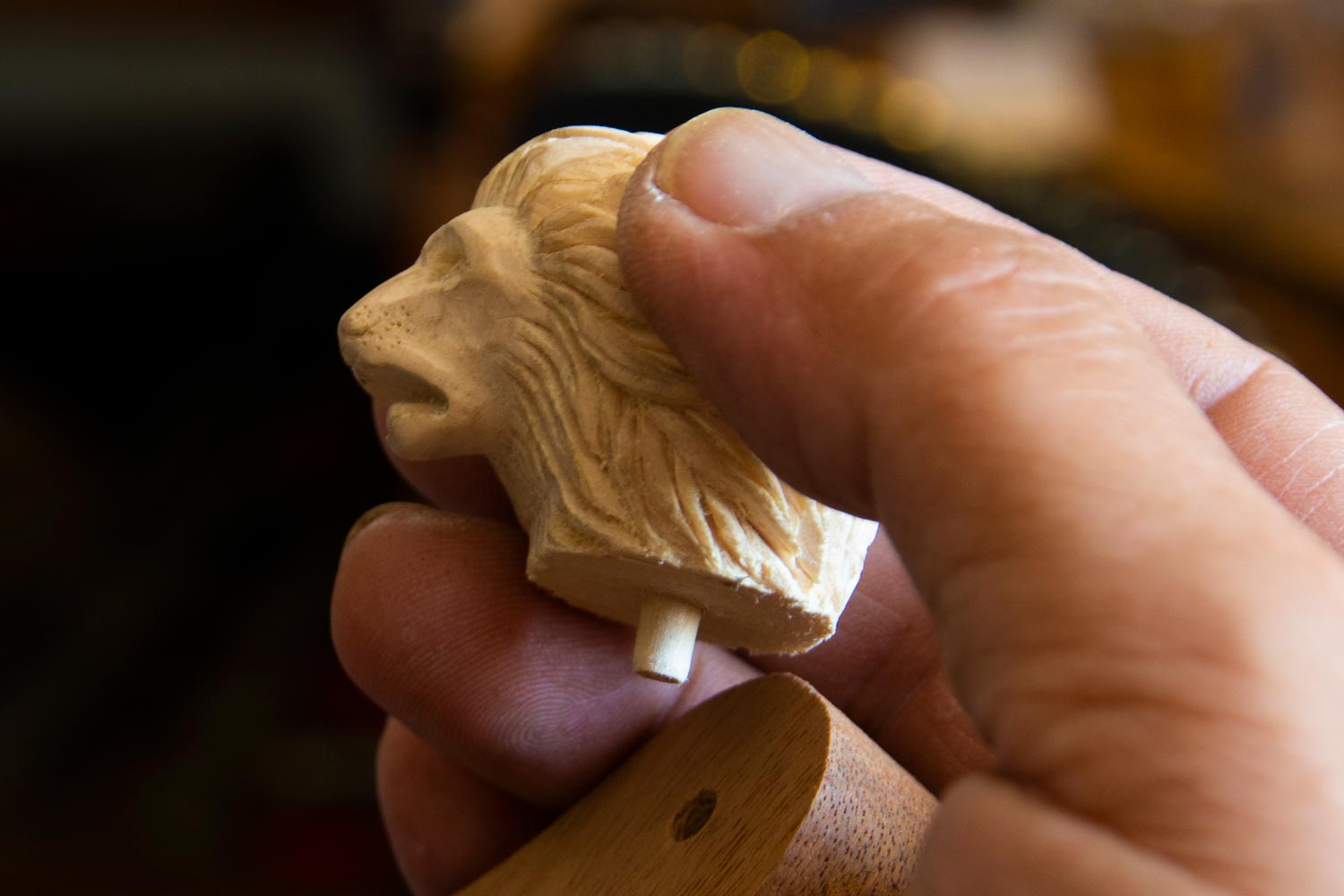
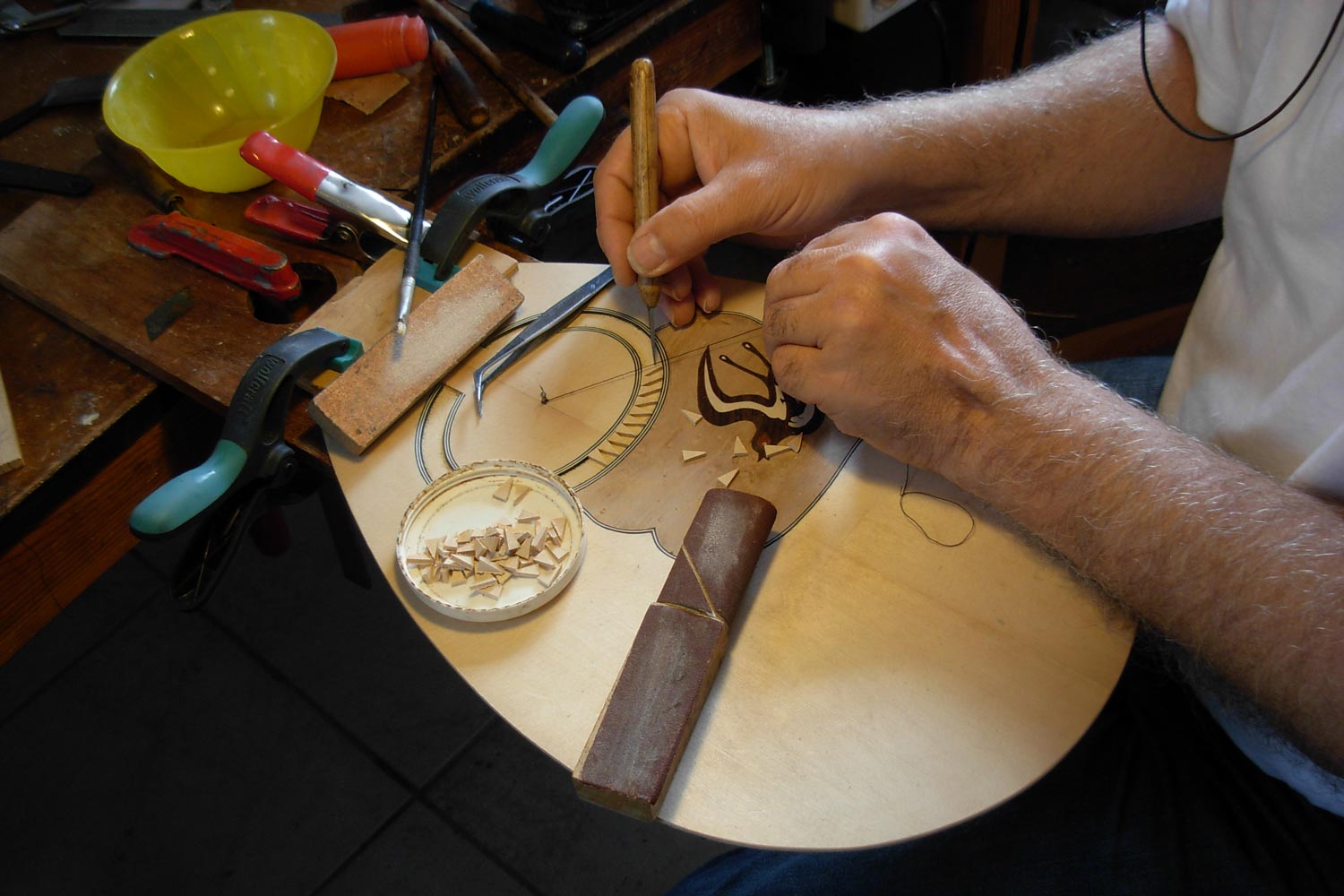
In modern lutherie most instruments are standardised and are a product of assembly, with many parts made by other specialist workshops. In artistic instrument making, all parts are original, designed and made by the maker; the end result is unique, it reflects the personal aesthetic and sound vision of the maker.