Colourful poetry
- Mimi studied ceramics at Wonkwang University, South Korea
- She trained with Martin Smith, Alison Britton and Felicity Aylieff
- TS Elliot and Richard Brautigan are some of her sources of inspiration
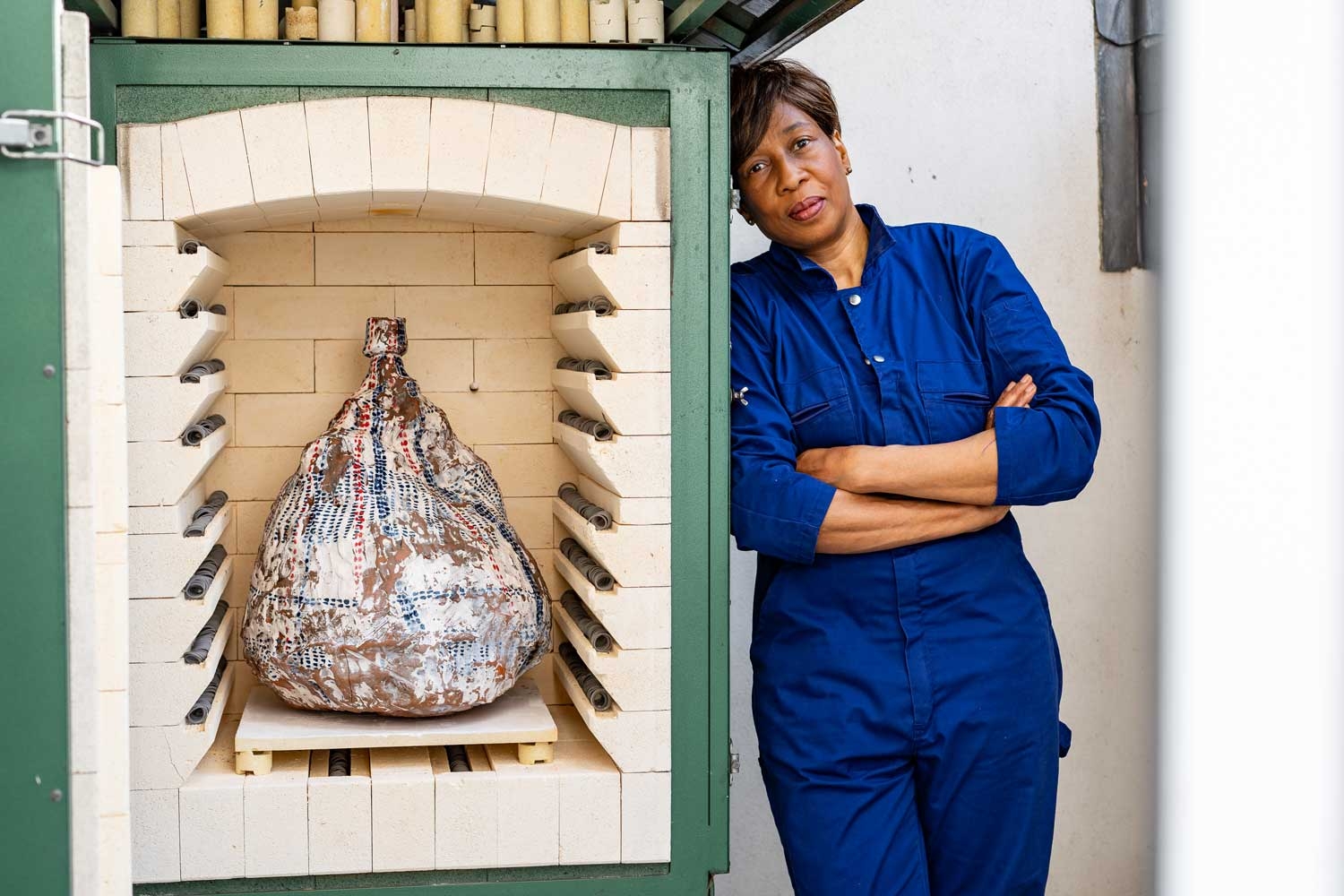
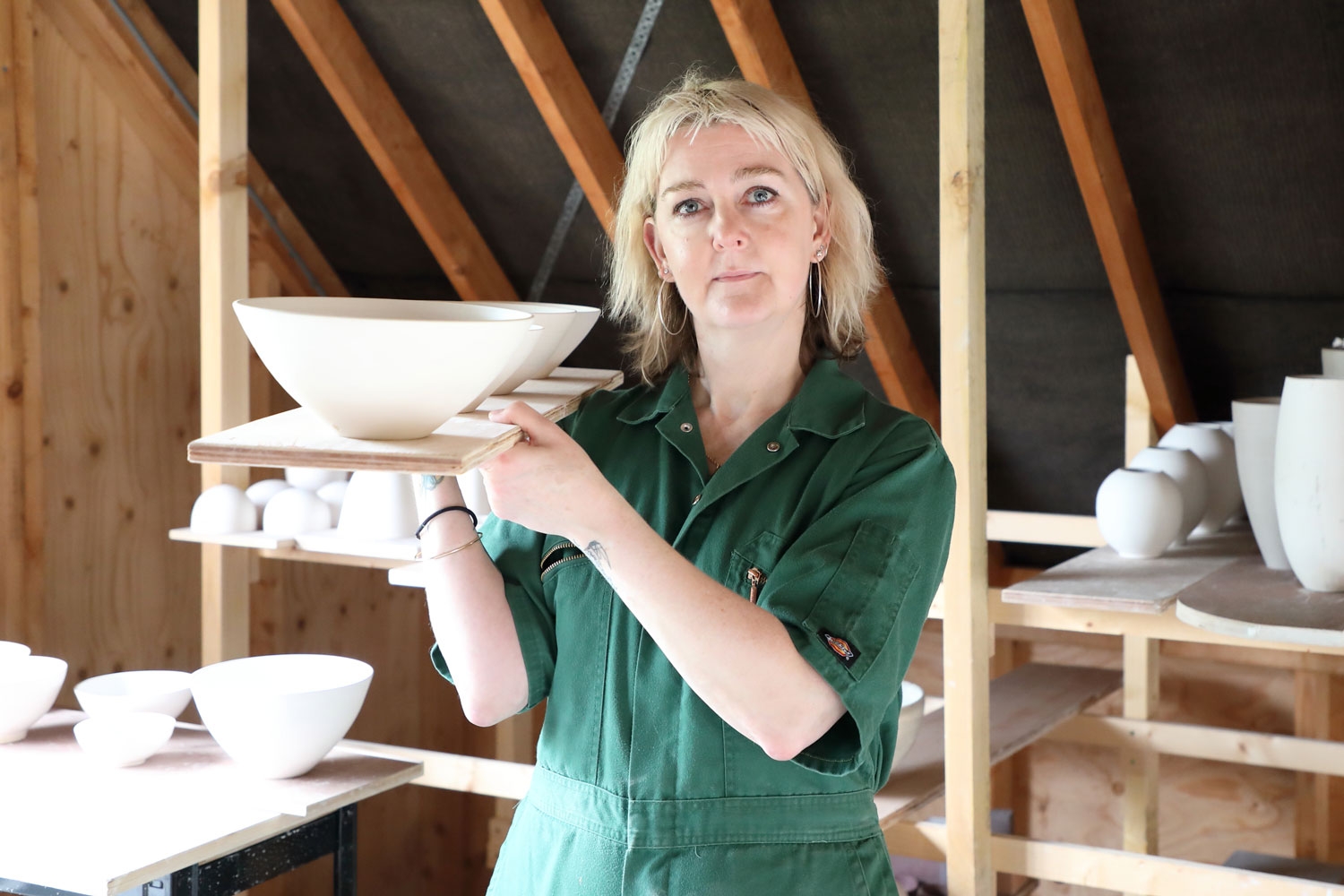
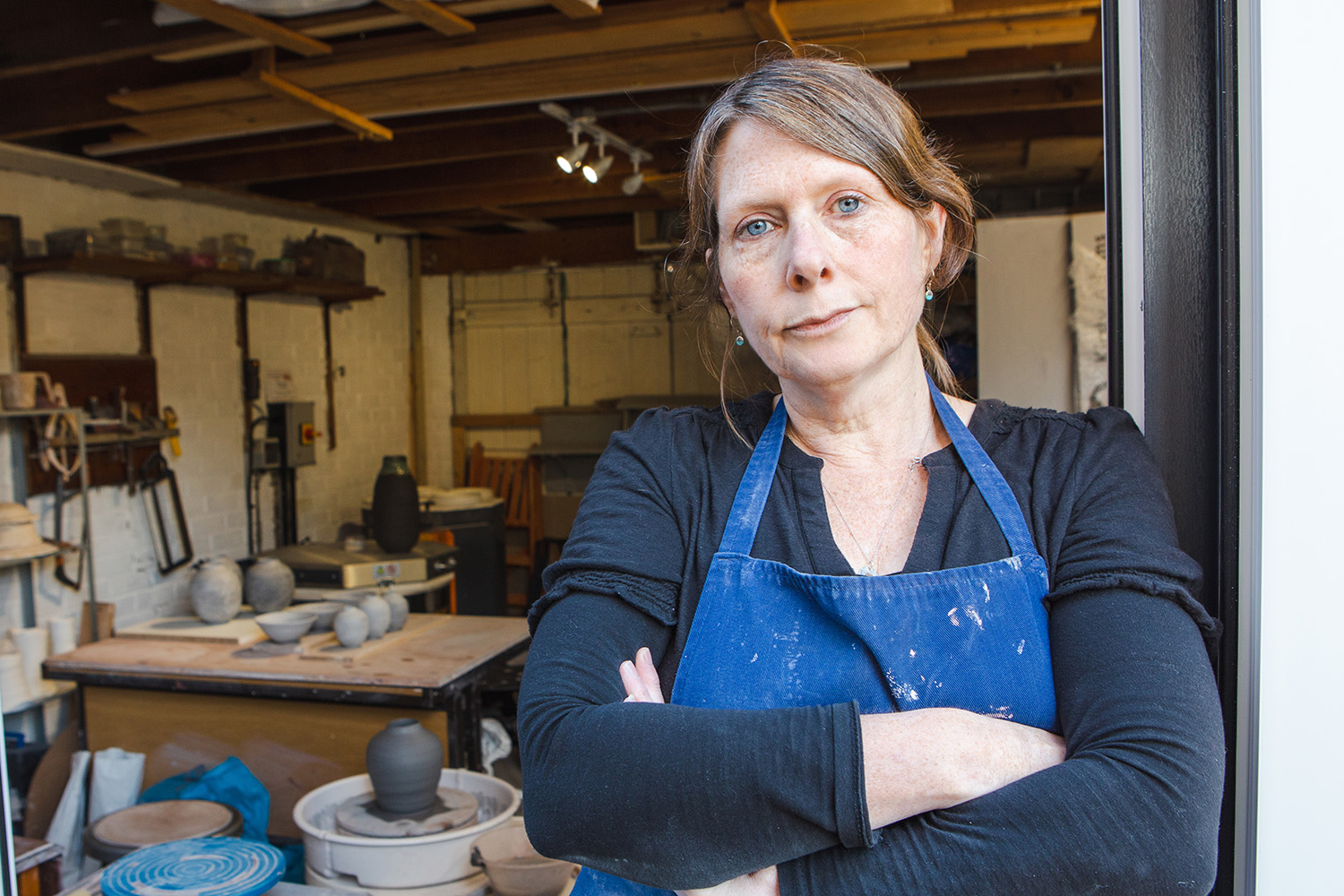
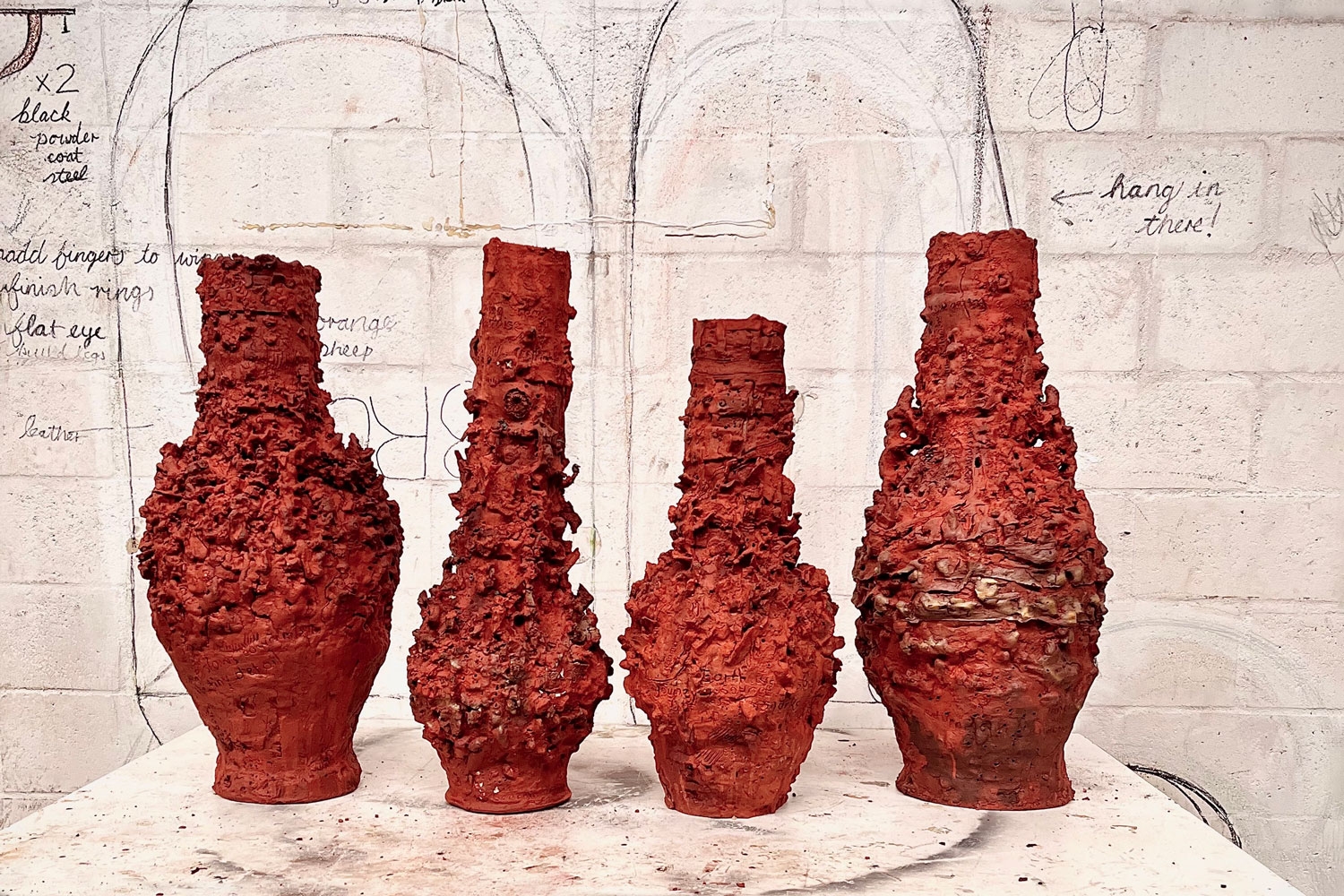
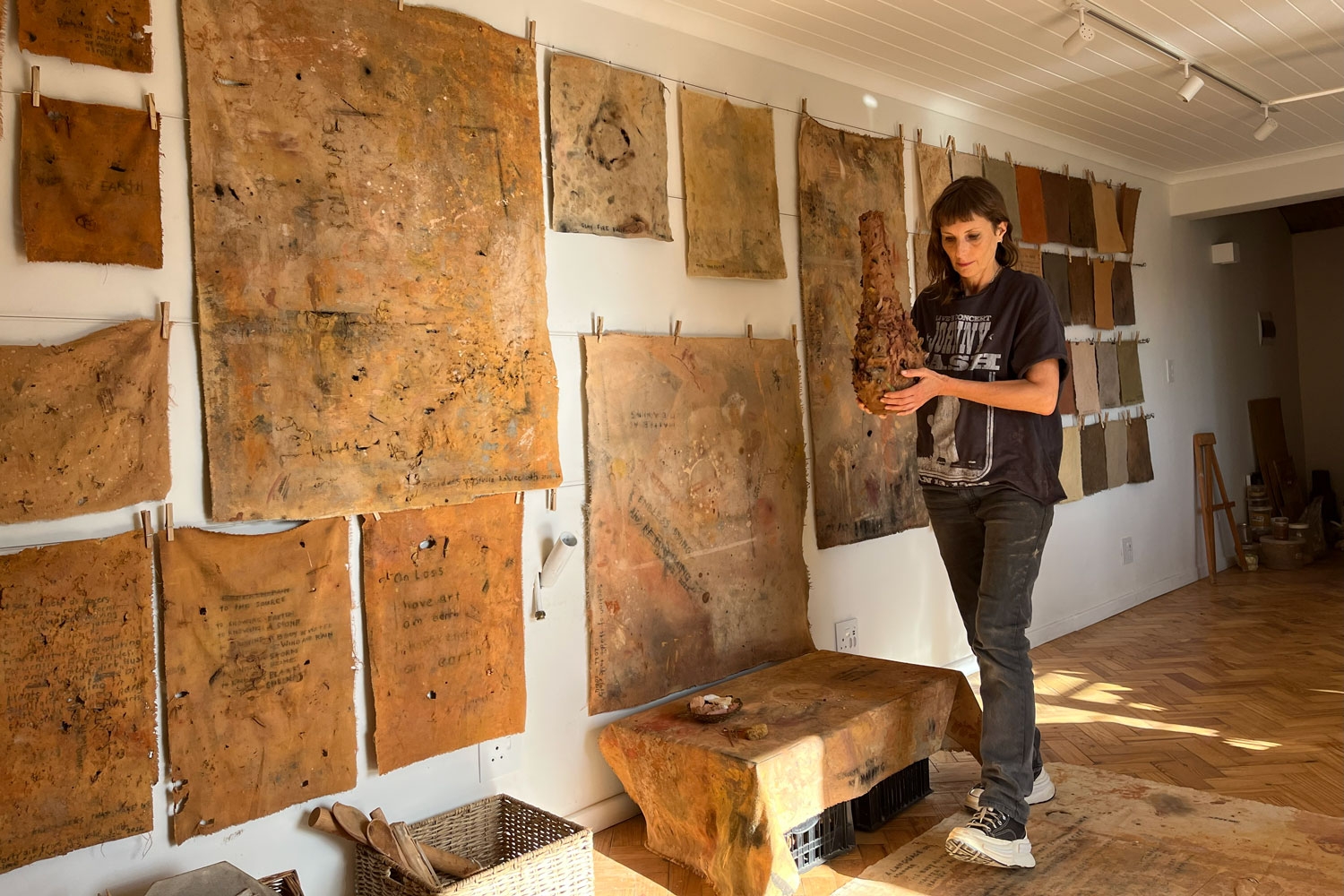
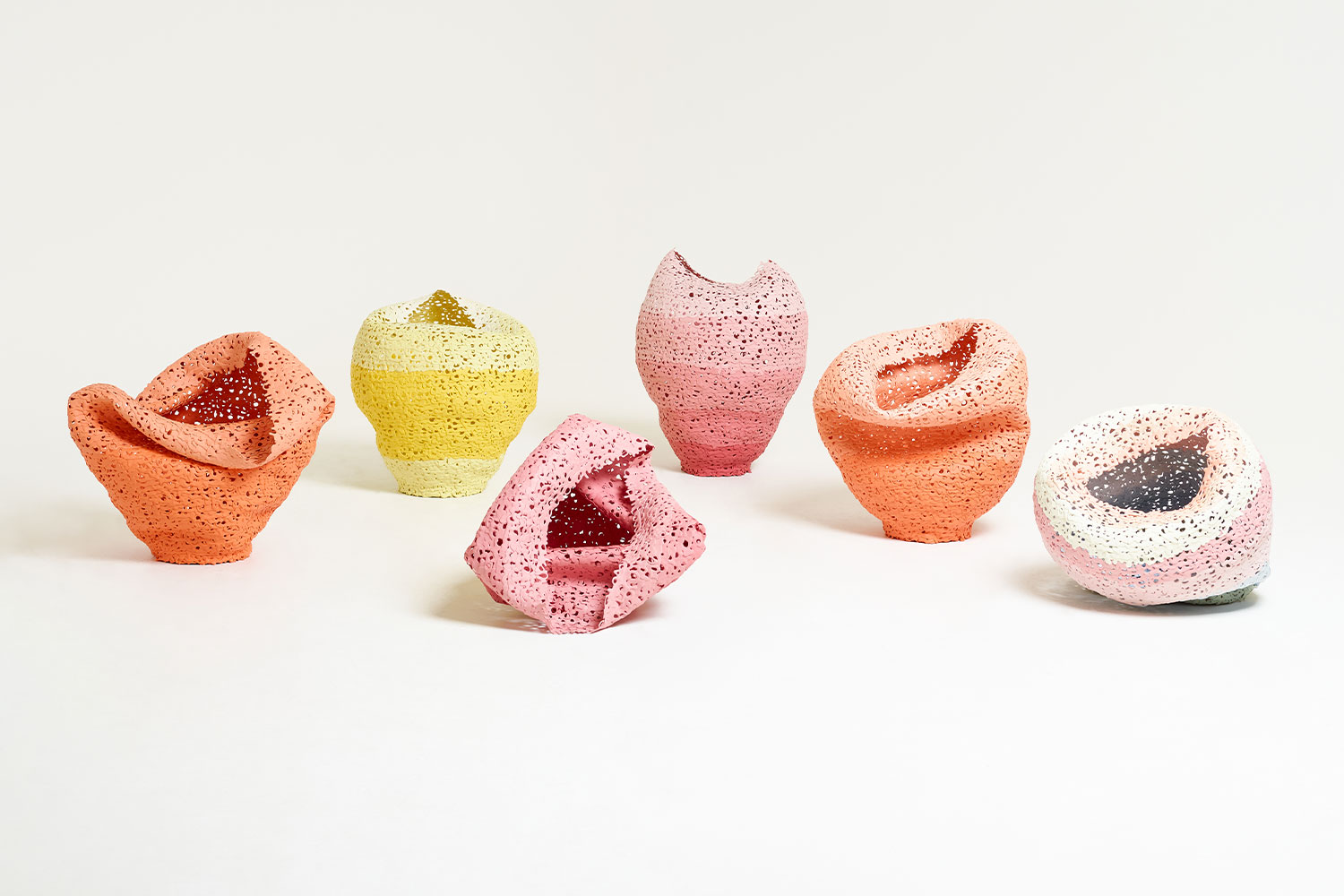
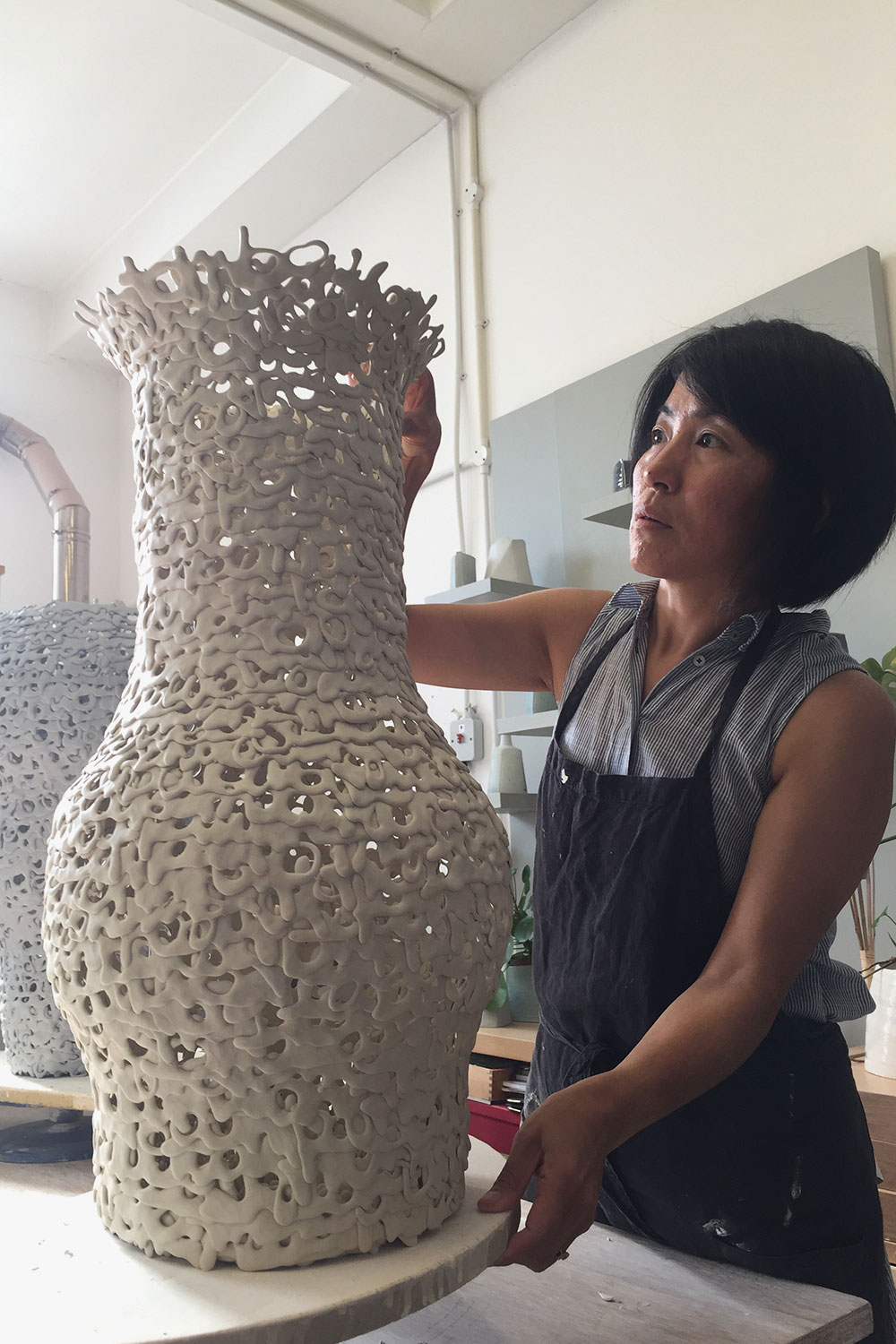
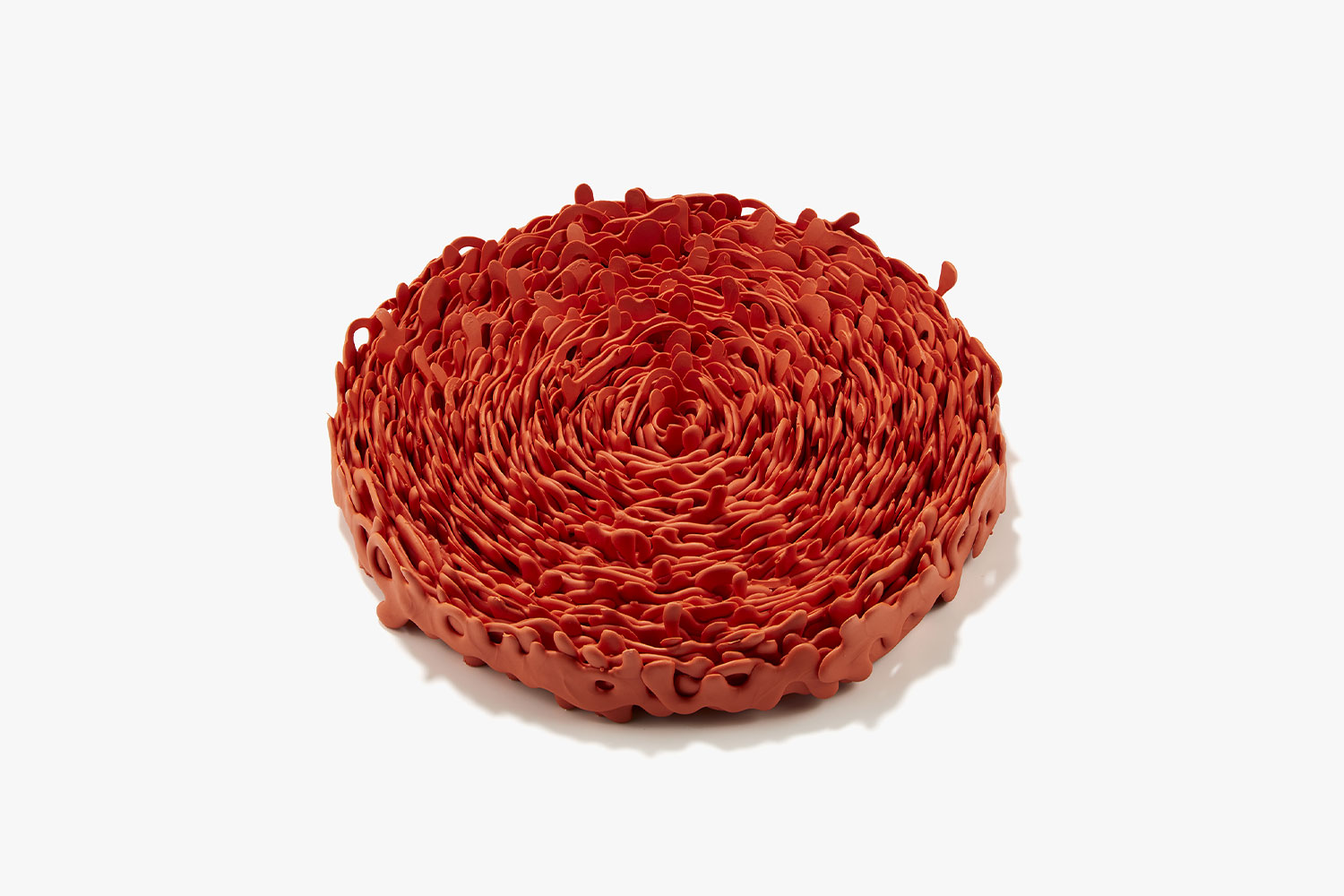
For Mimi Joung, art is not a profession, it is a way of being. It is a practice and a form of poetry. It’s a reaction against commerce and the digital world. Fascinated by art since childhood, London based Mimi studied ceramics at Wonkwang University in her native Korea, then became an apprentice to a Canadian ceramicist outside Vancouver. After this experience, she moved to London to join the City Lit’s HND ceramic programme and to attend the Royal College of Art. Exploring language and meaning through making, many of Mimi's works are installation and situation projects, suggestive of landscape and stories, combining clay or glass sometimes bundled together with materials such as elastic bands, knitting wool, objects found in charity shops.
Discover her work
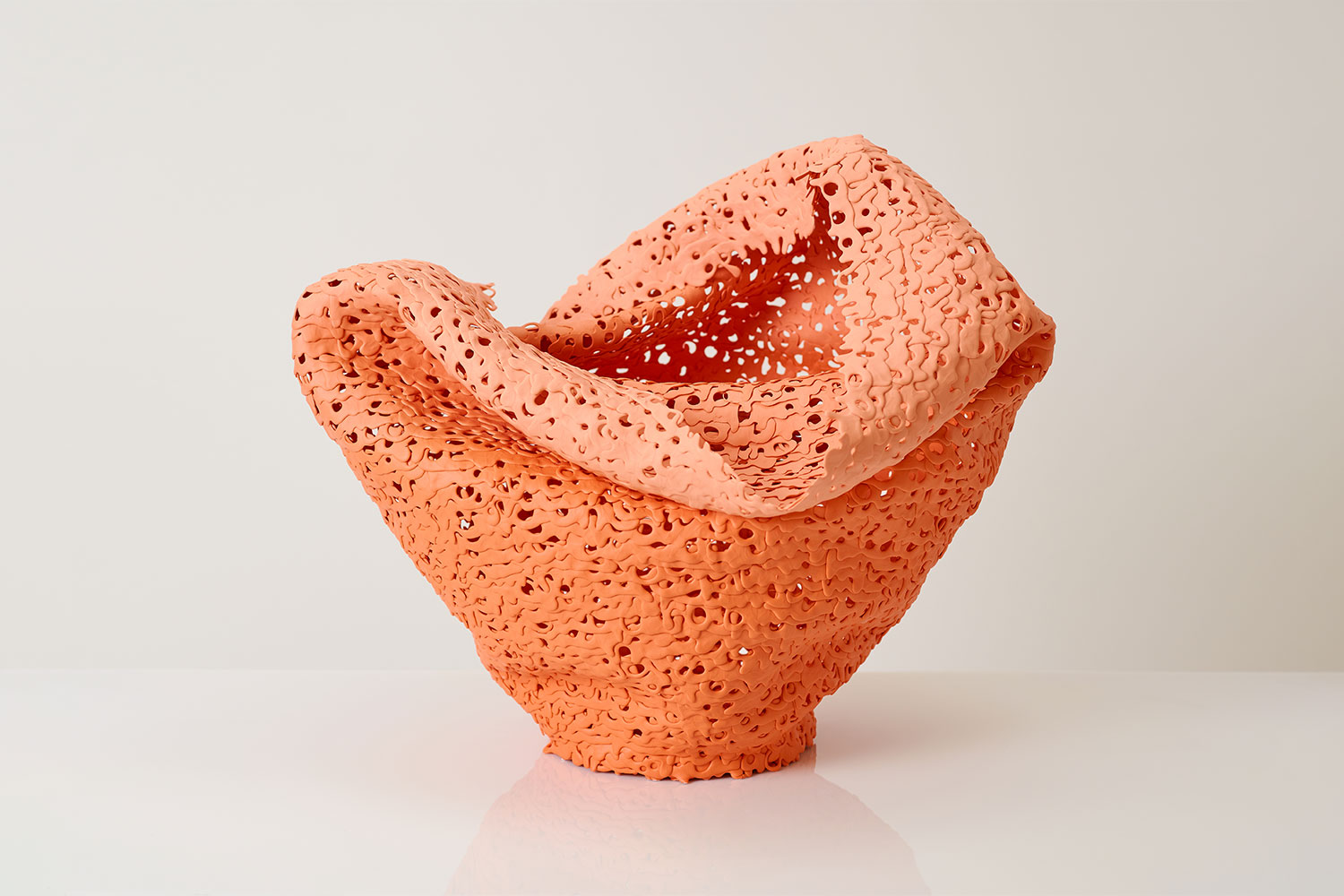
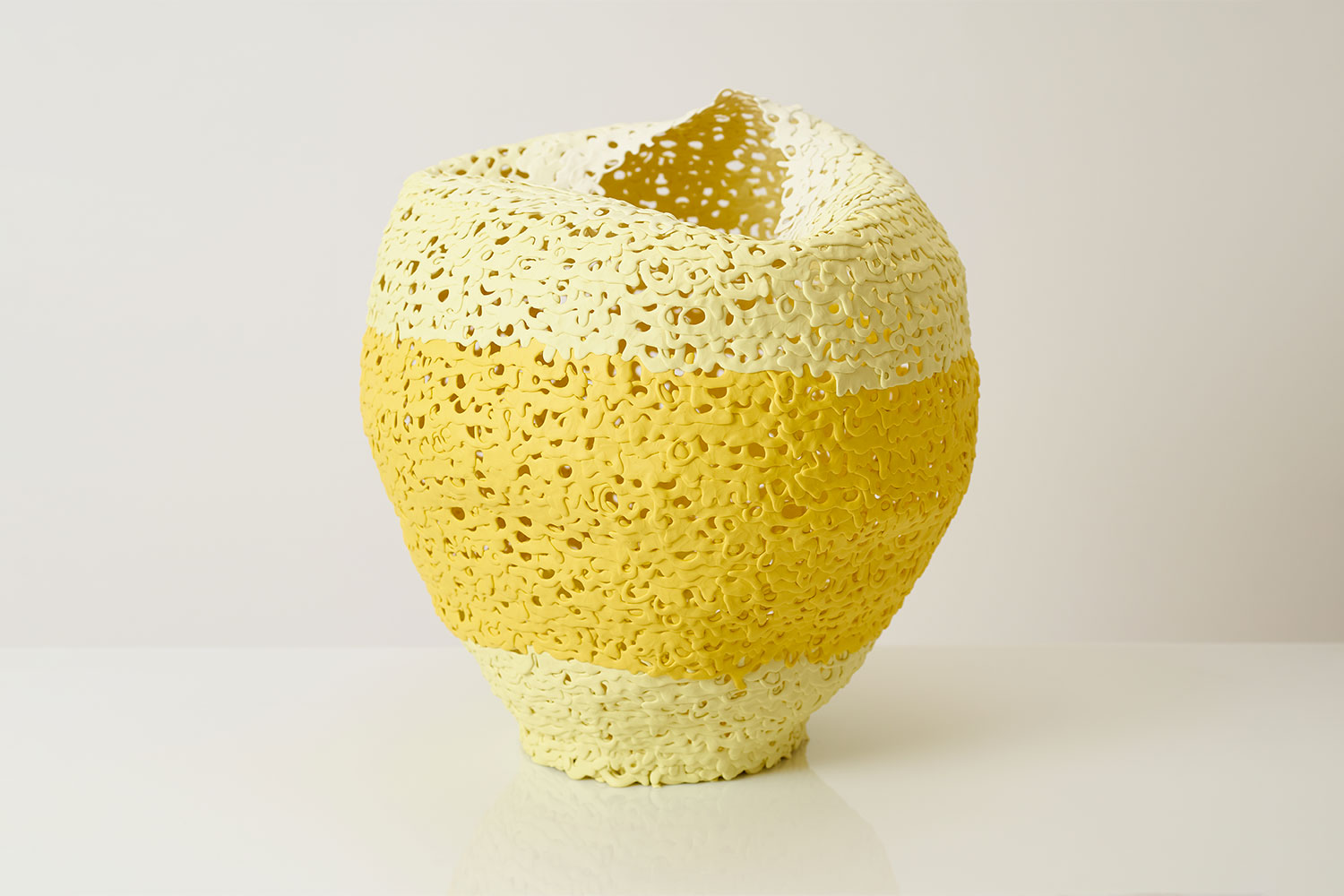
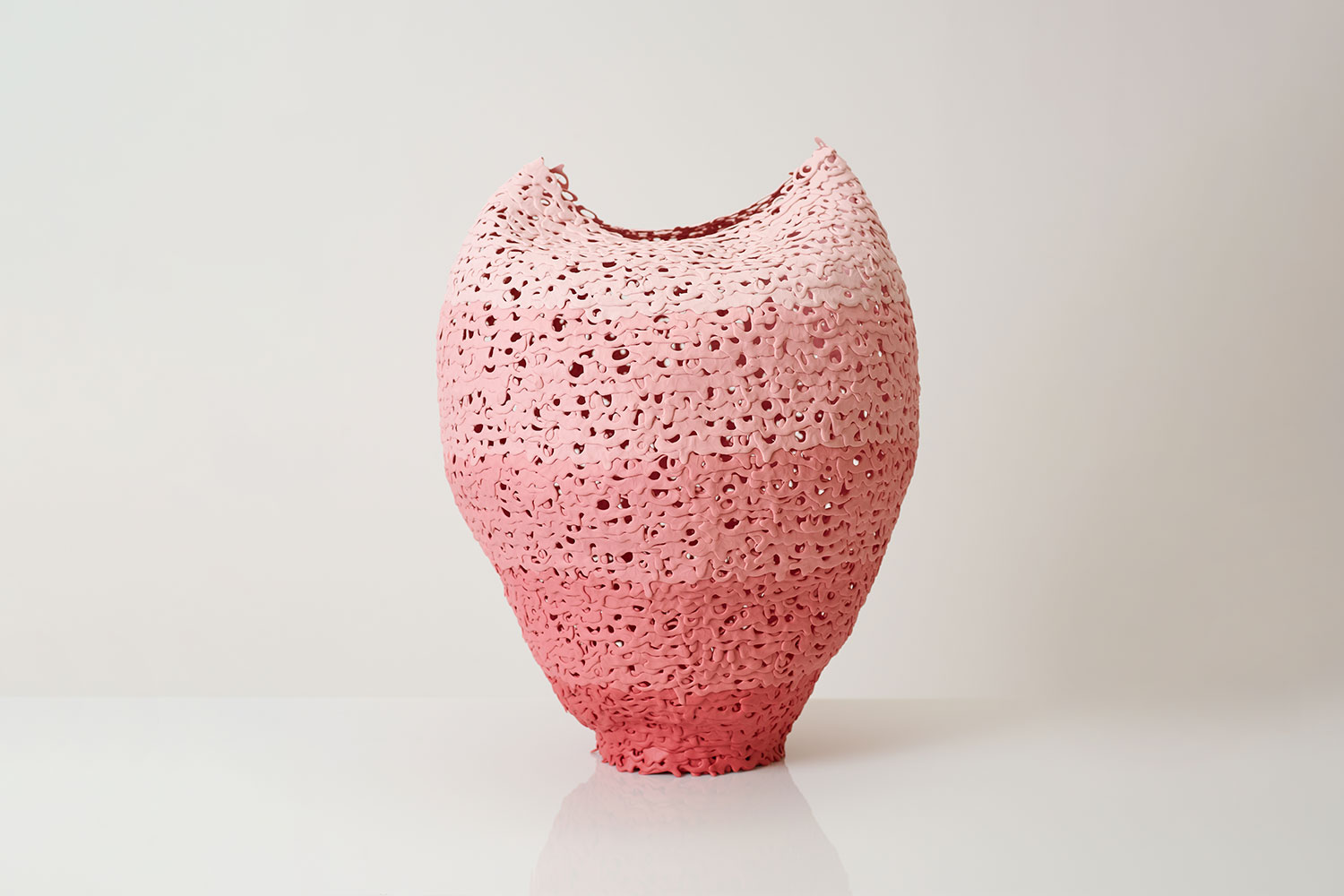
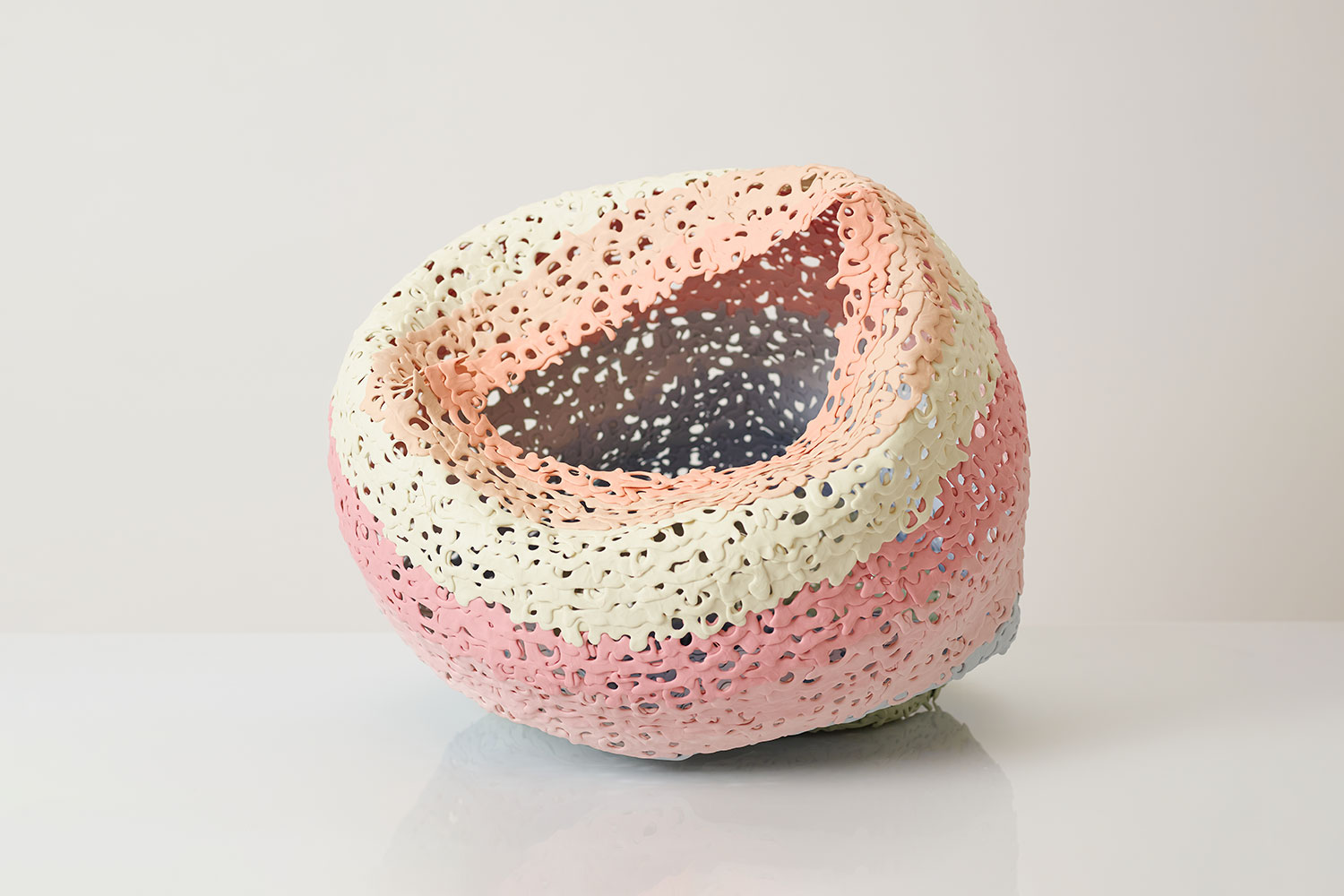
INTERVIEW
I was an artist from a young age but decided to develop my artistic practice around ceramics while studying for my art degree at Wonkwang University. Making allows me to create a wide discourse between language, meaning and human situations and relationships.
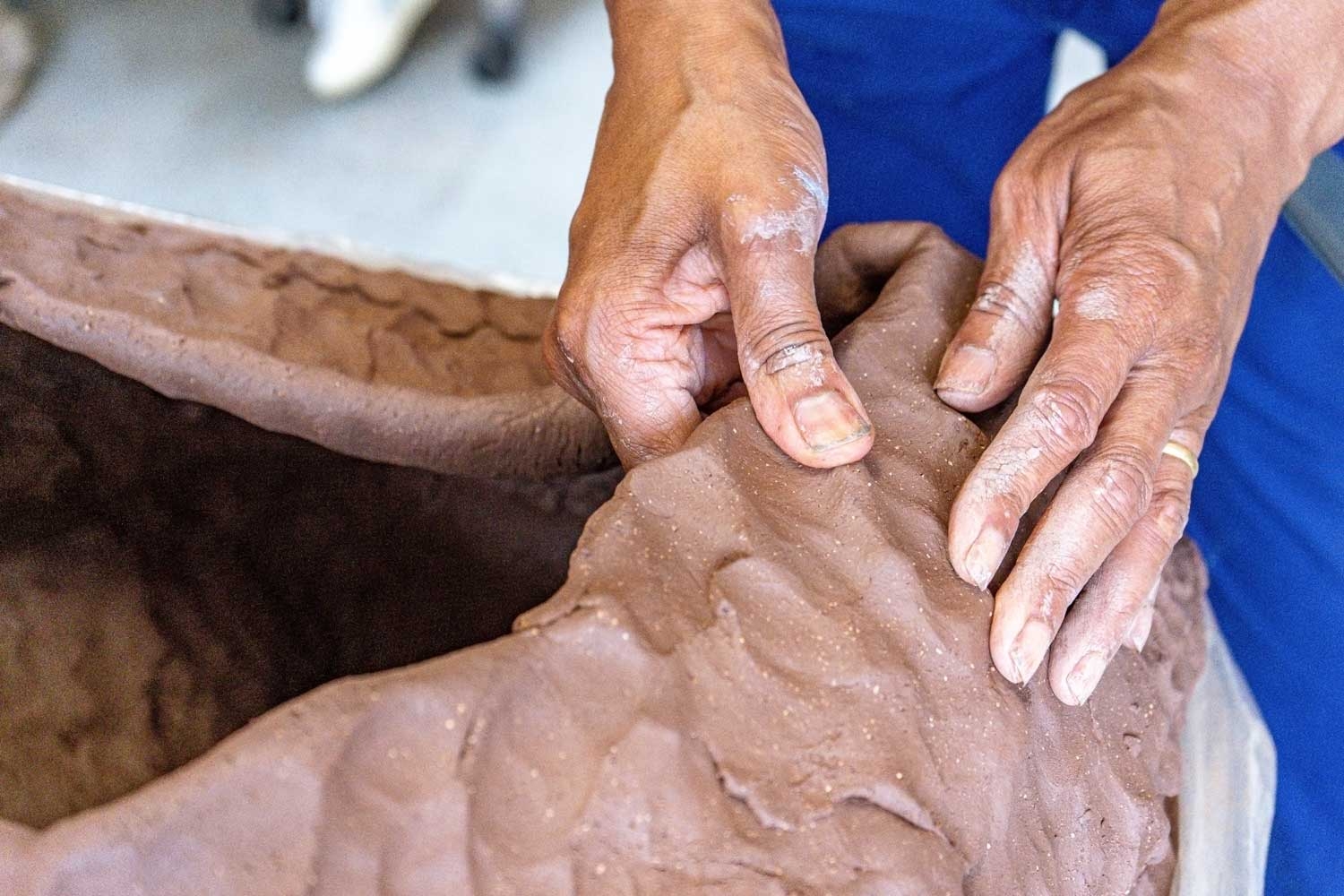
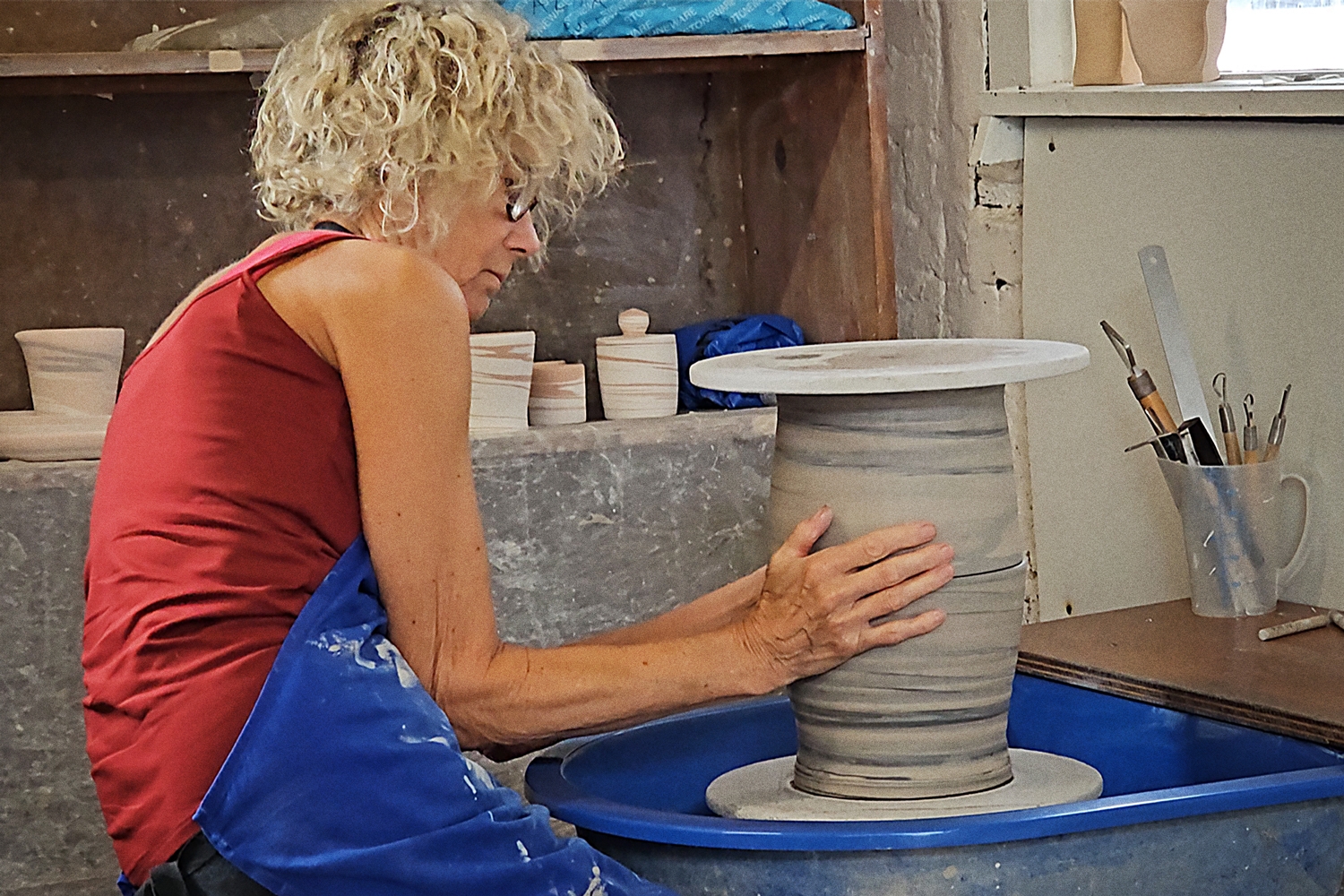
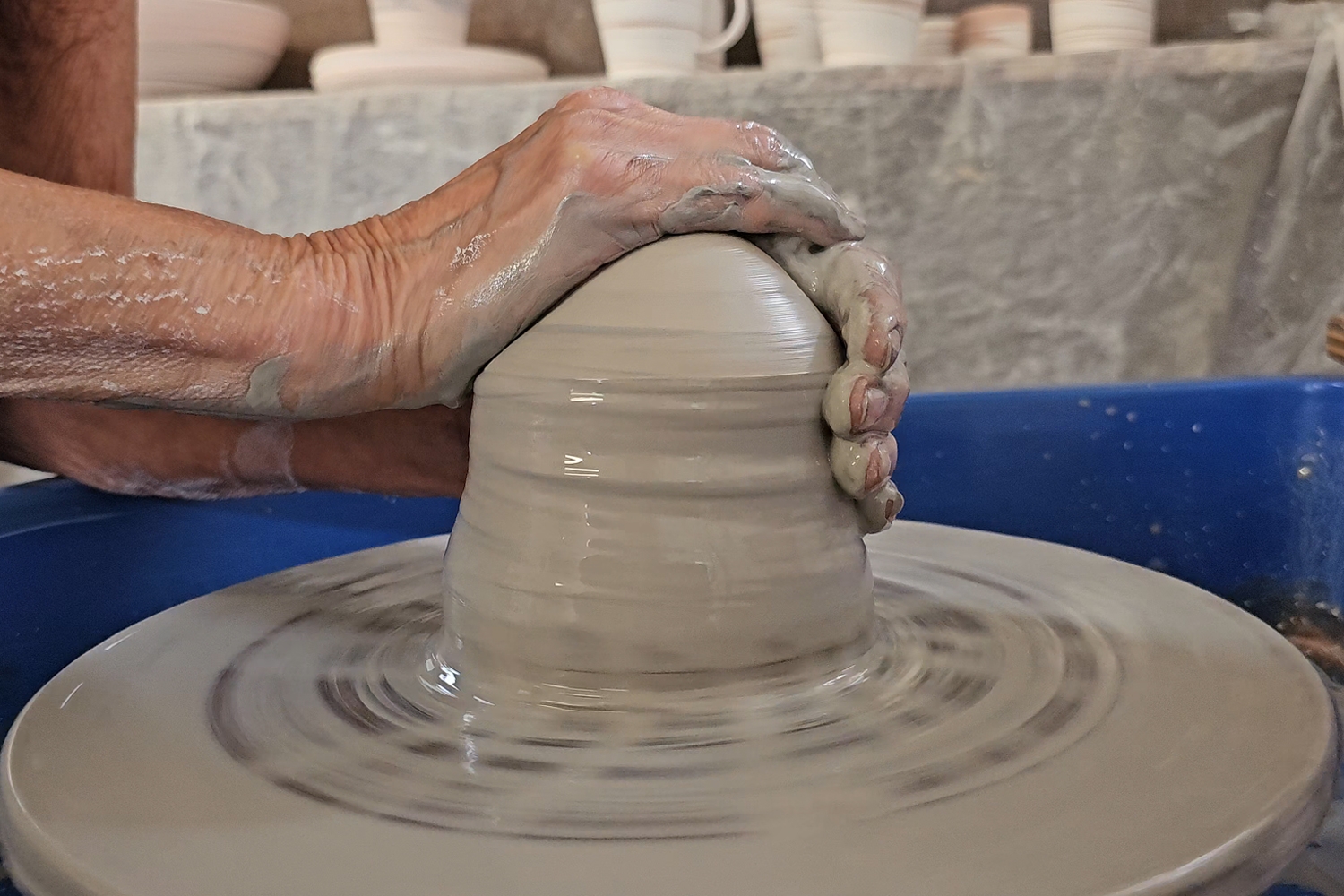
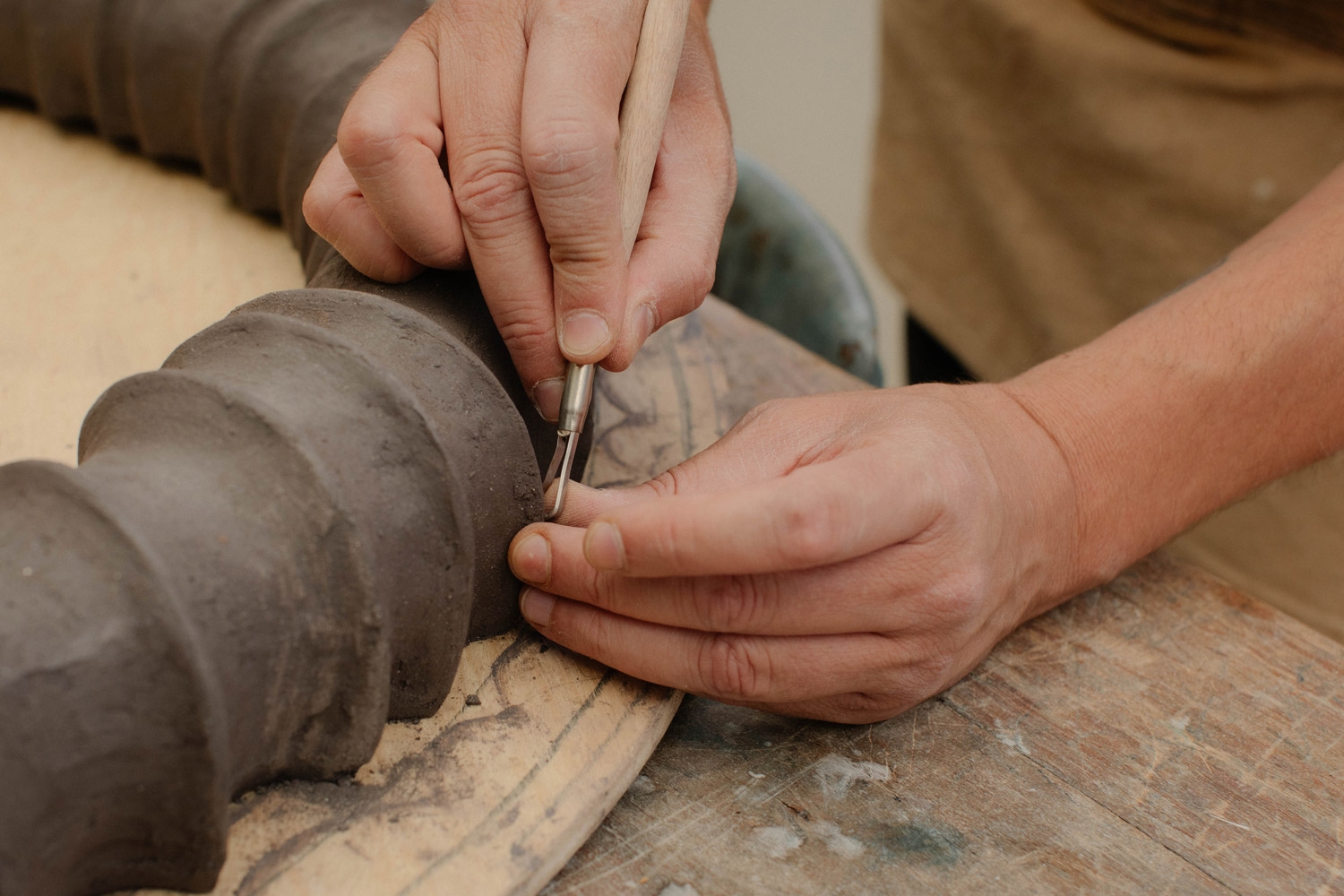
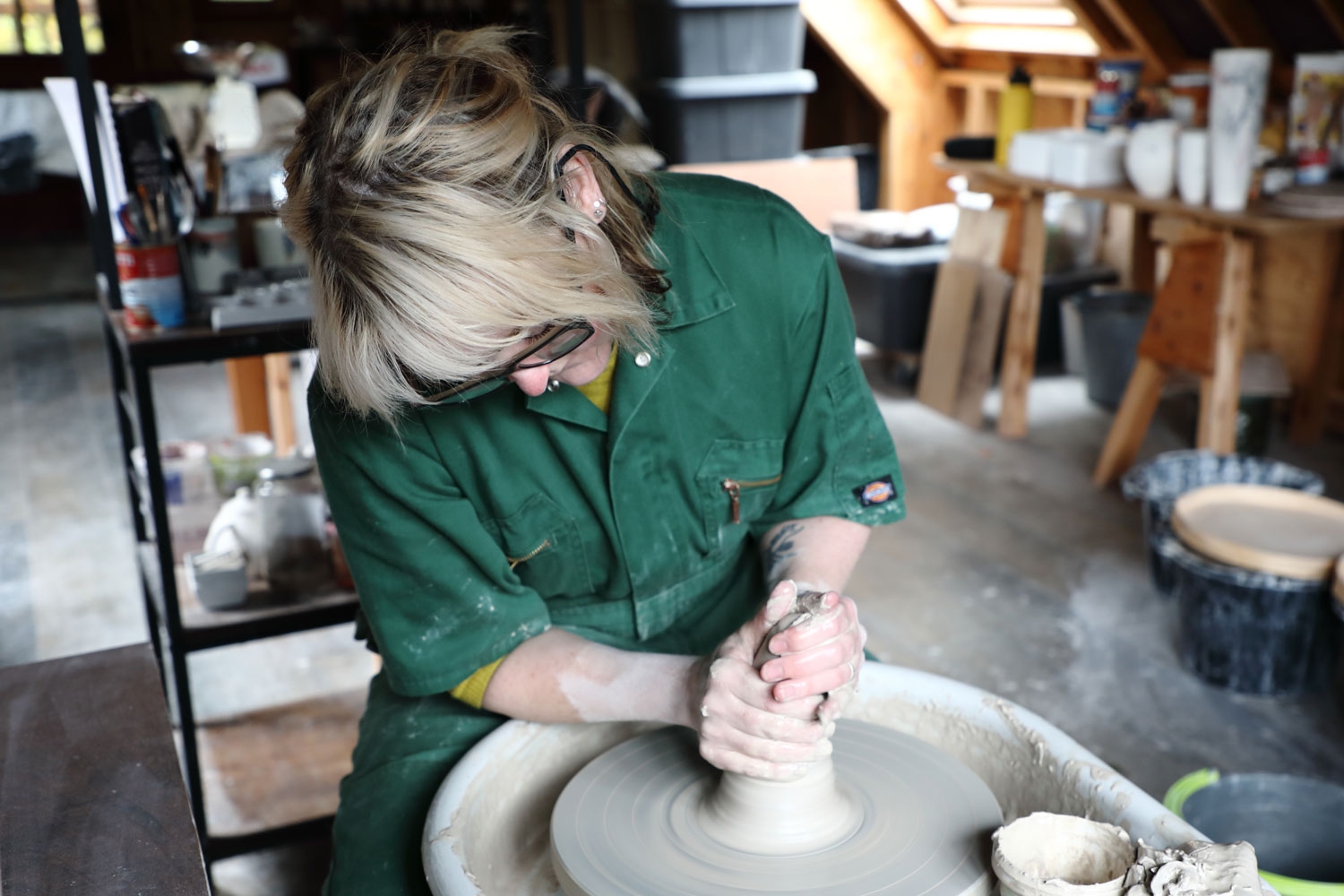
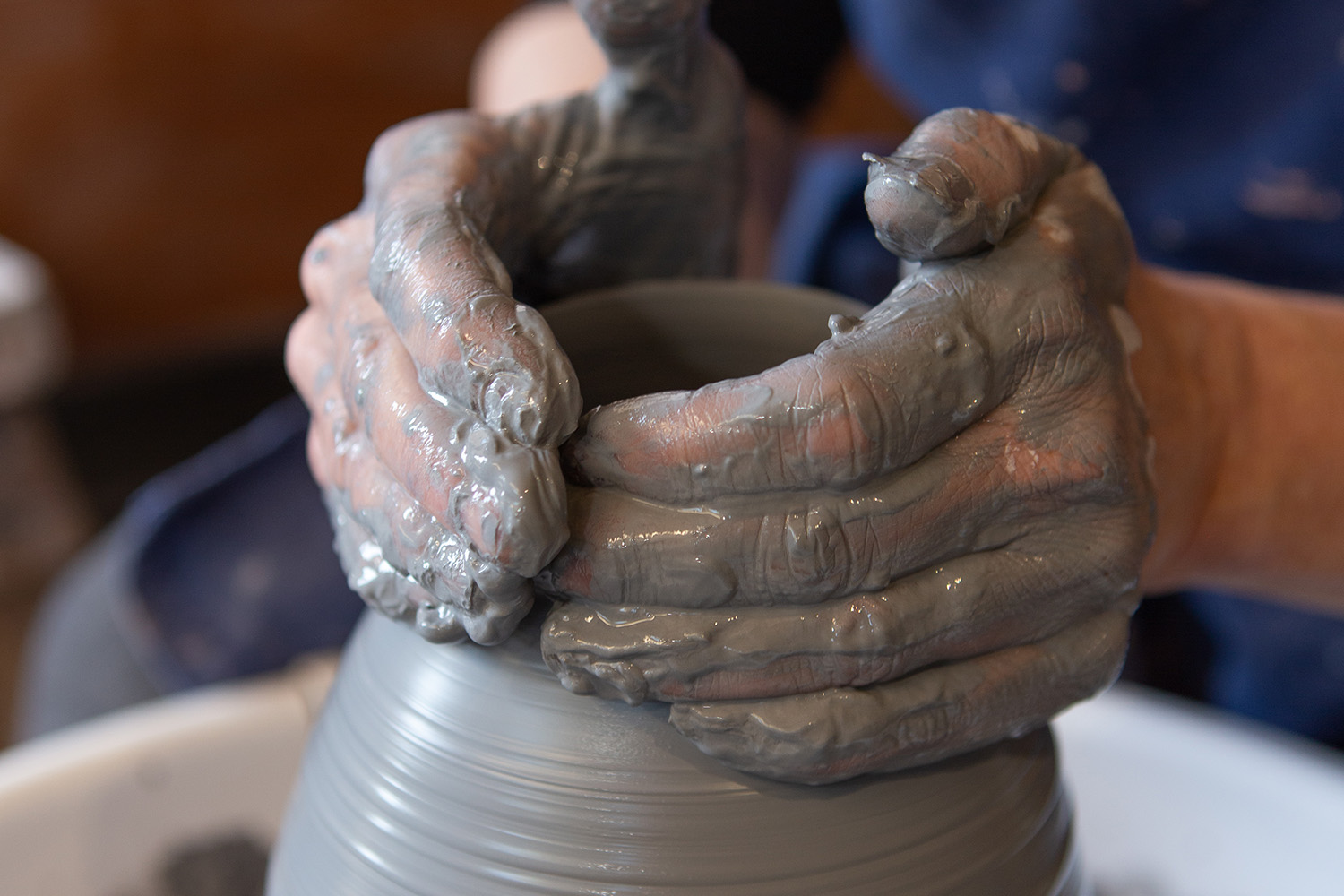
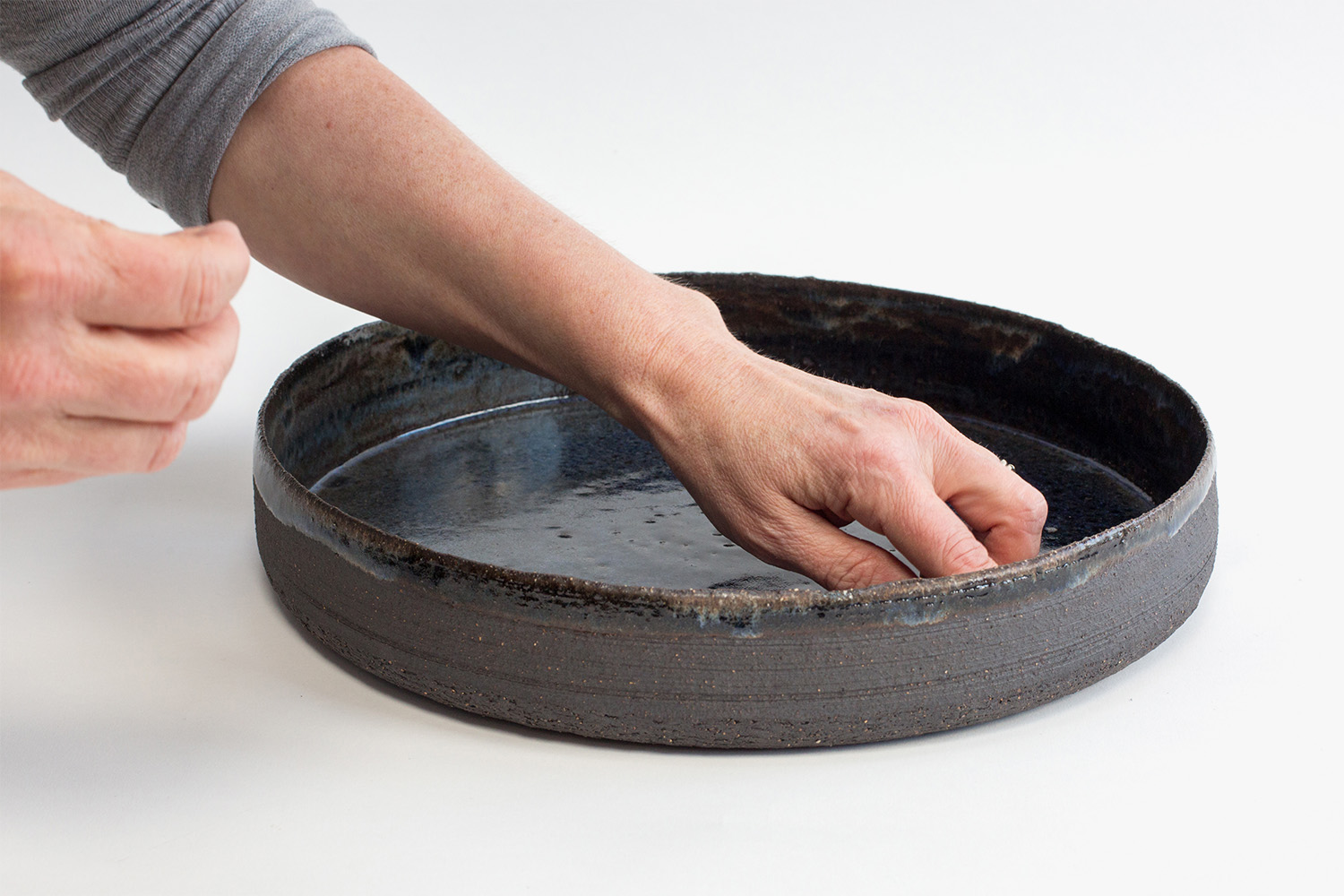
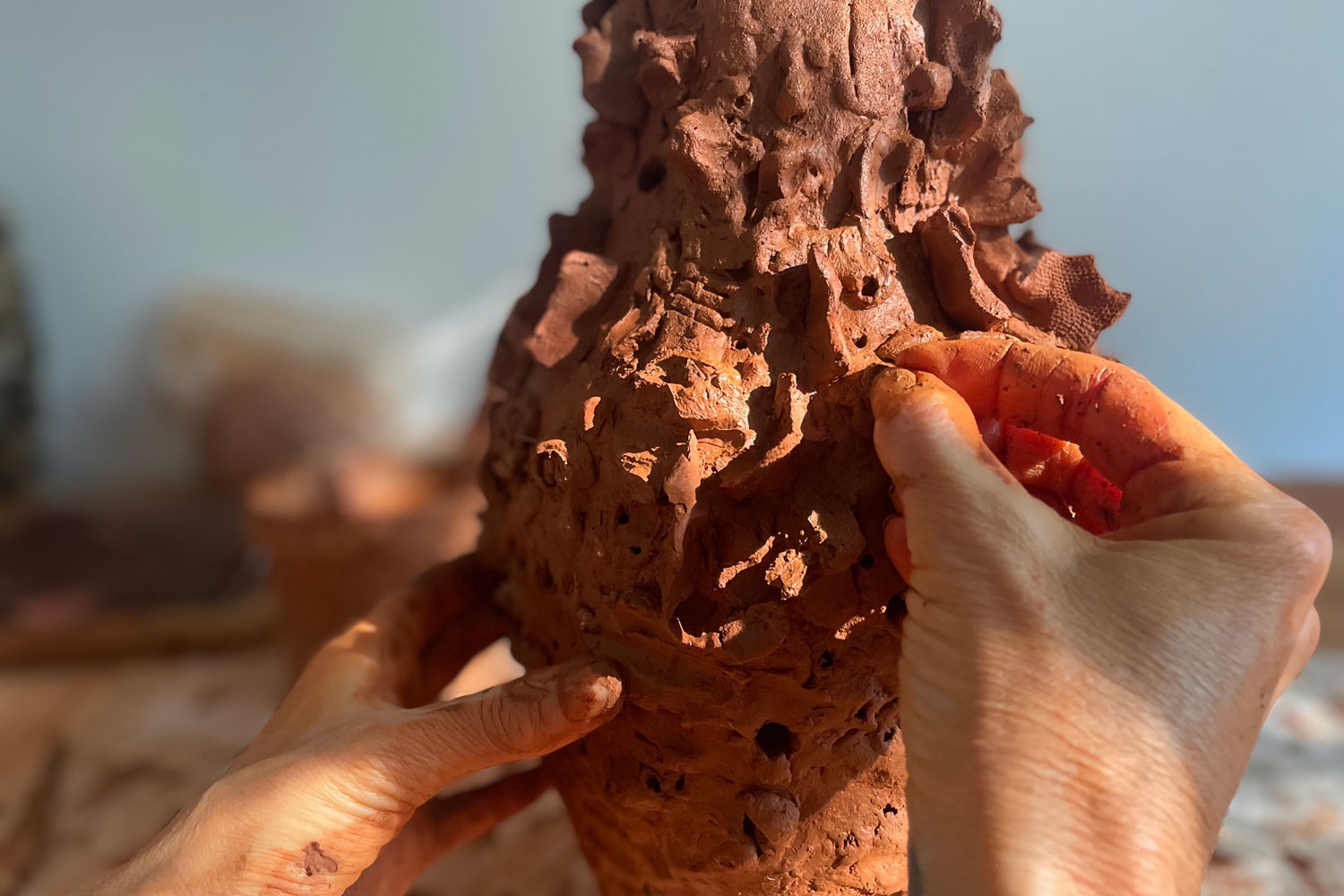
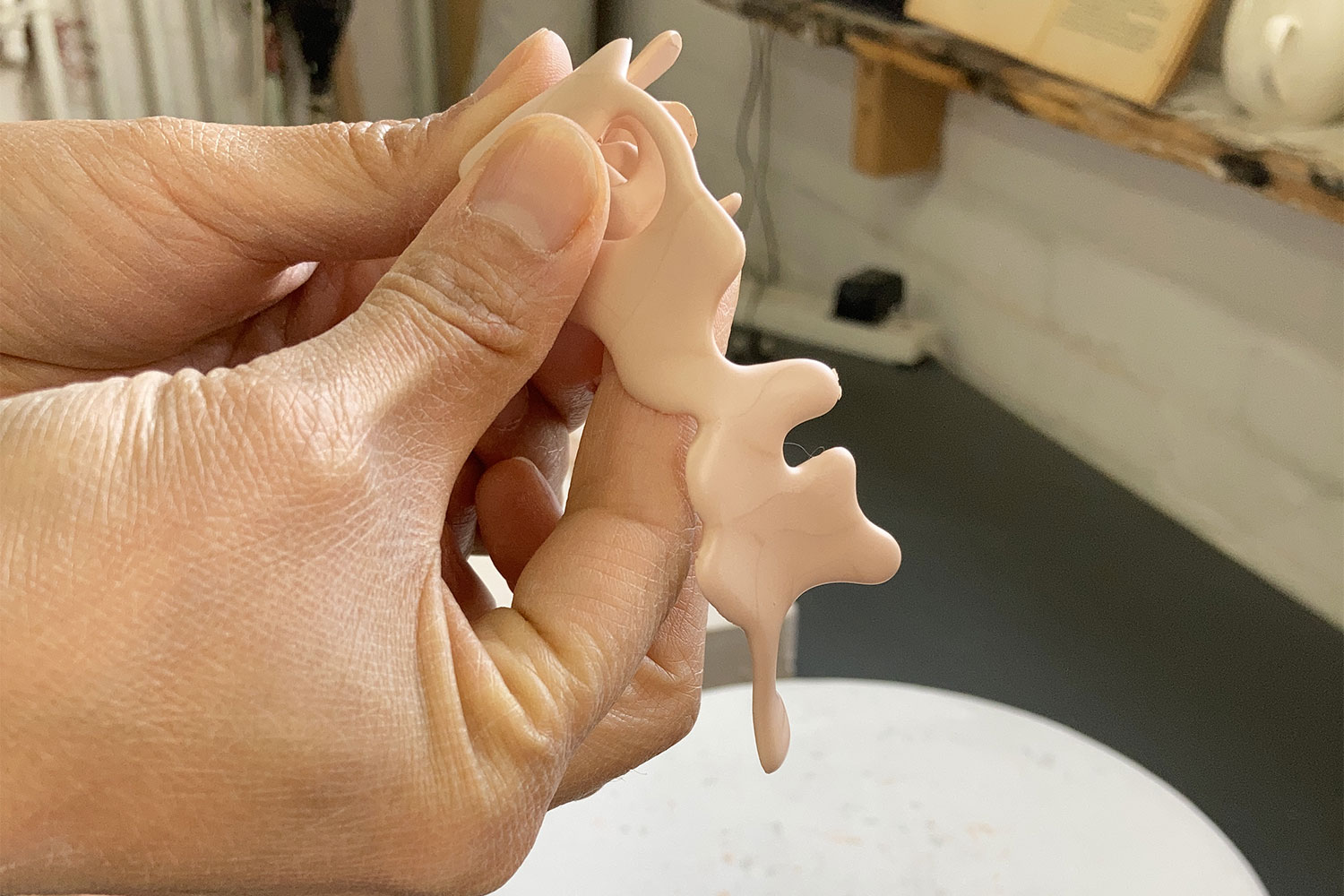
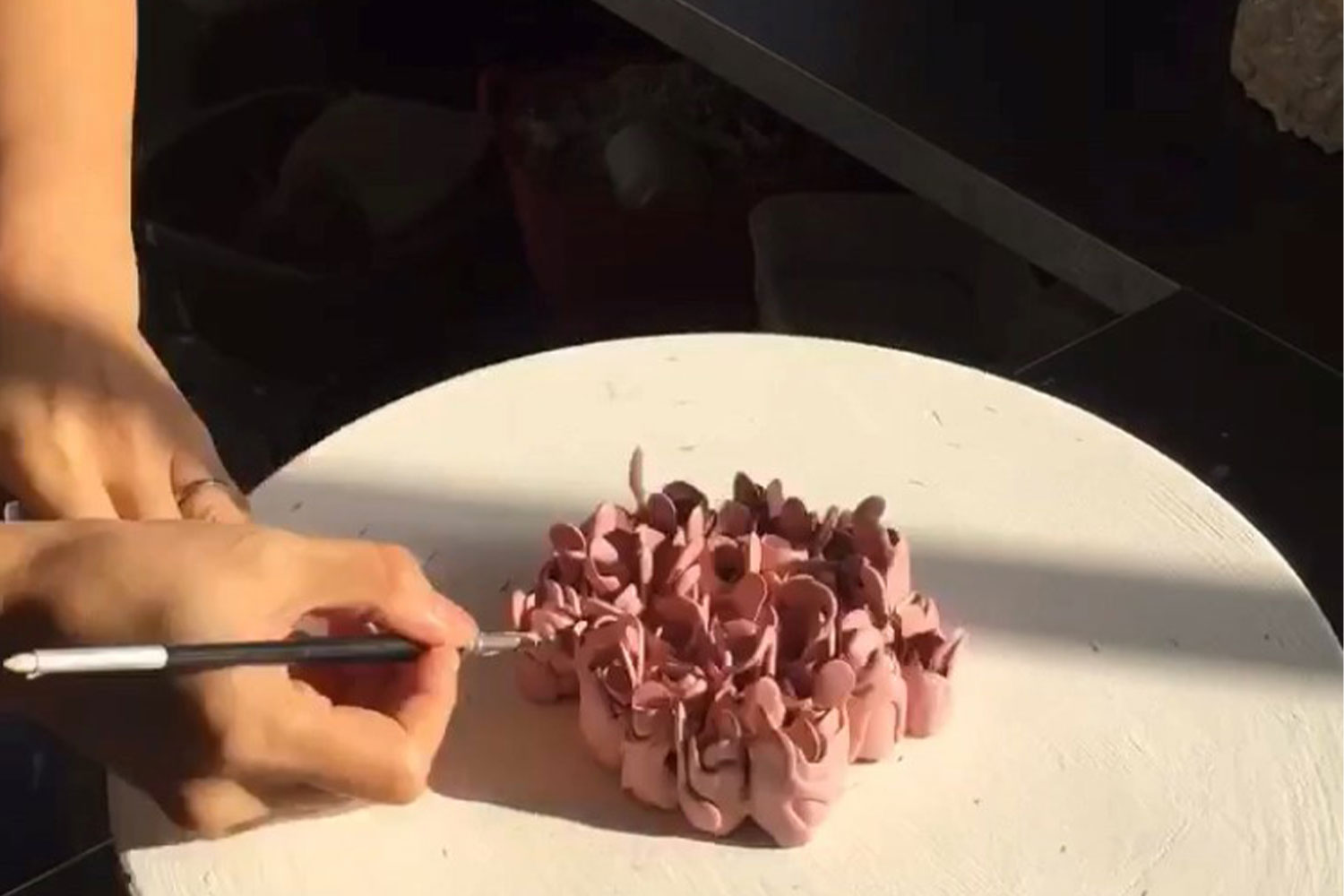
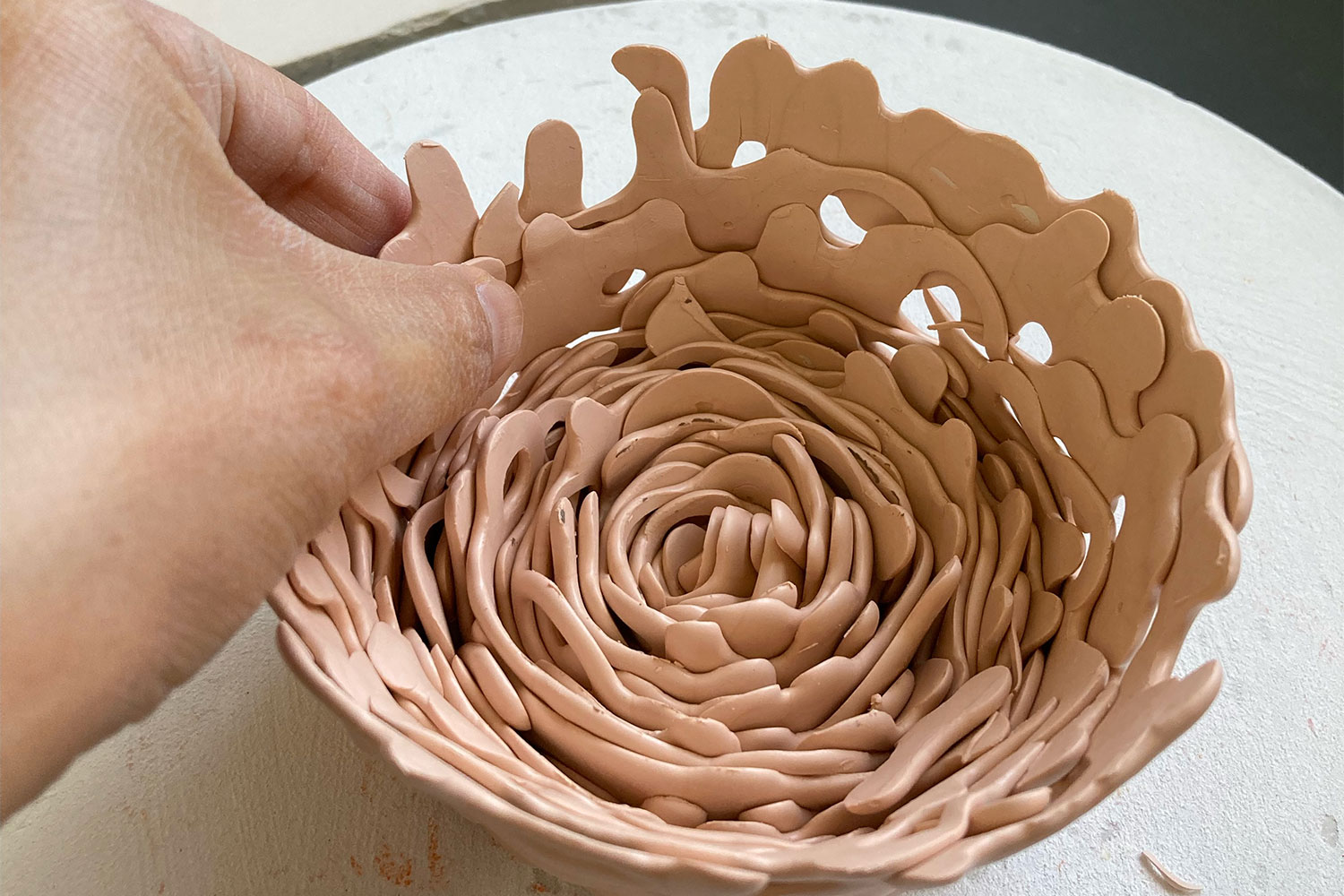
Process is important to me. My hands instinctively seek to resolve ideas through the act of making. I follow a playful approach, reflecting my own life, what I read and what I learn from other people and situations.
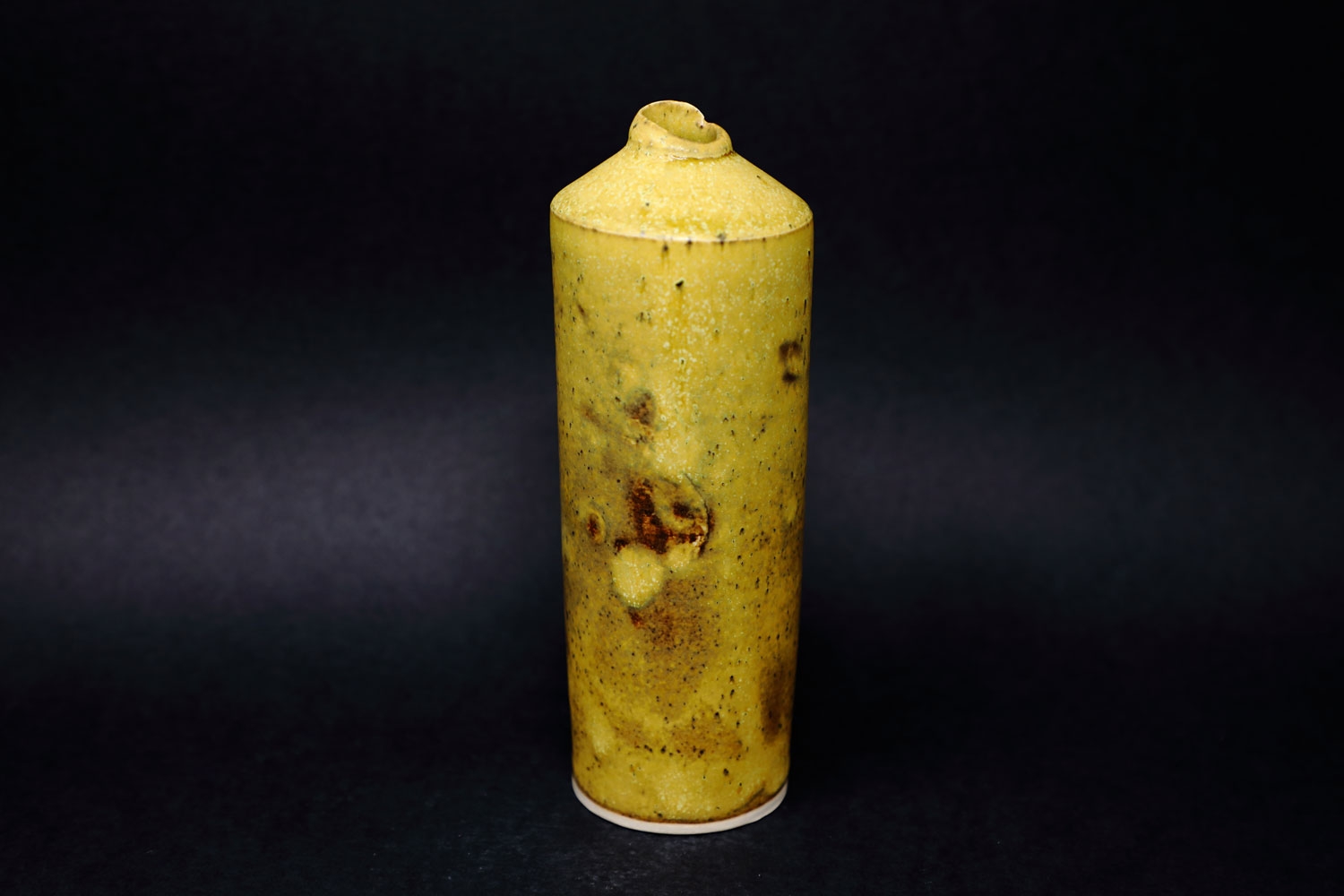
My work builds on the history of Korean ceramic form, from white ware and porcelain to the moon jar and the Onggi pot. But it is not held back by tradition. My latest work is experimental both in meaning and in form.
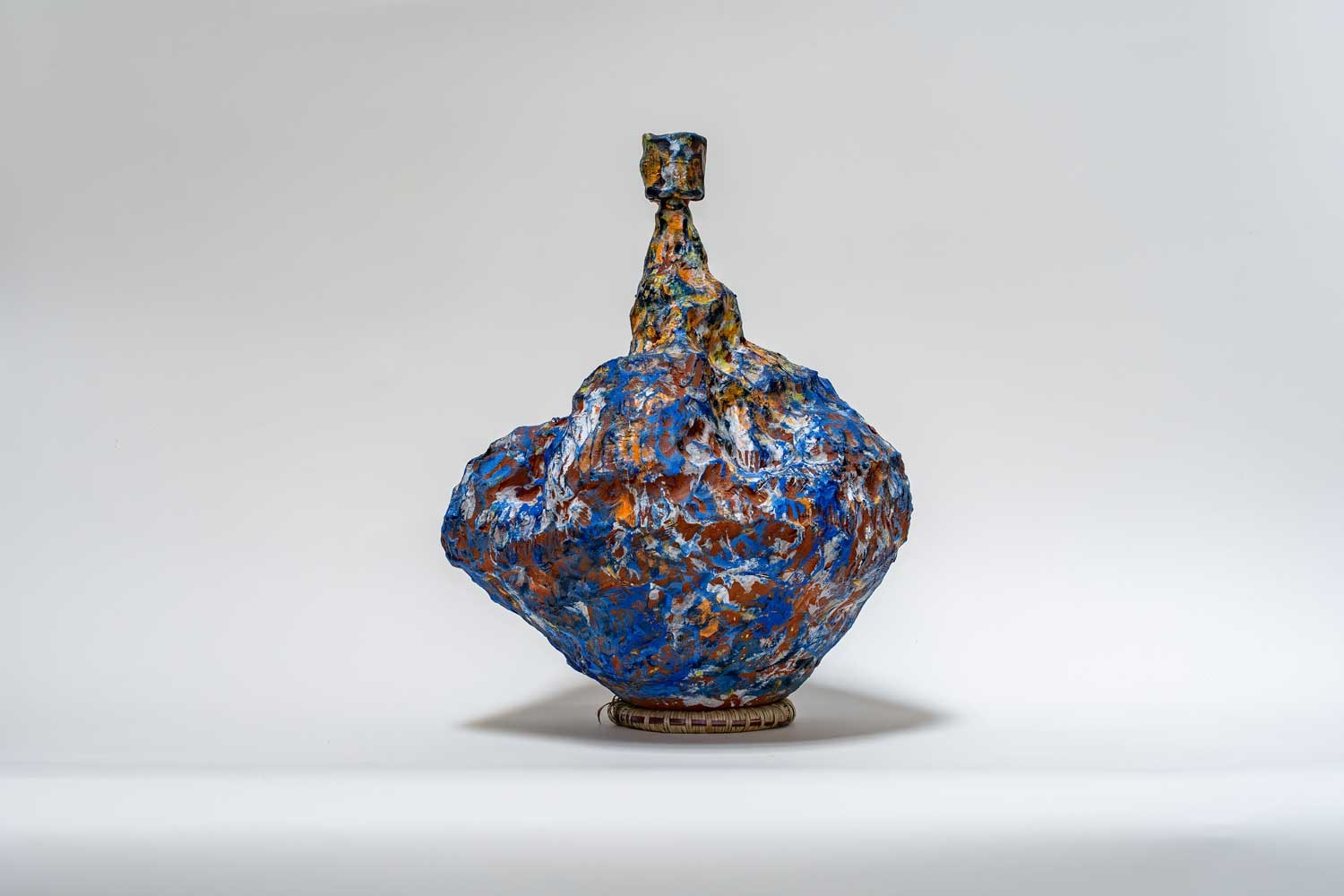
I create sculptural pieces based on Richard Brautigan’s novel In Watermelon Sugar, by tracing each chapter of Brautigan’s surreal landscape. I'm also making a series of framed abstract pieces that reflect on the words and ideas expressed by TS Elliot in Four quartets.