Passion on two wheels
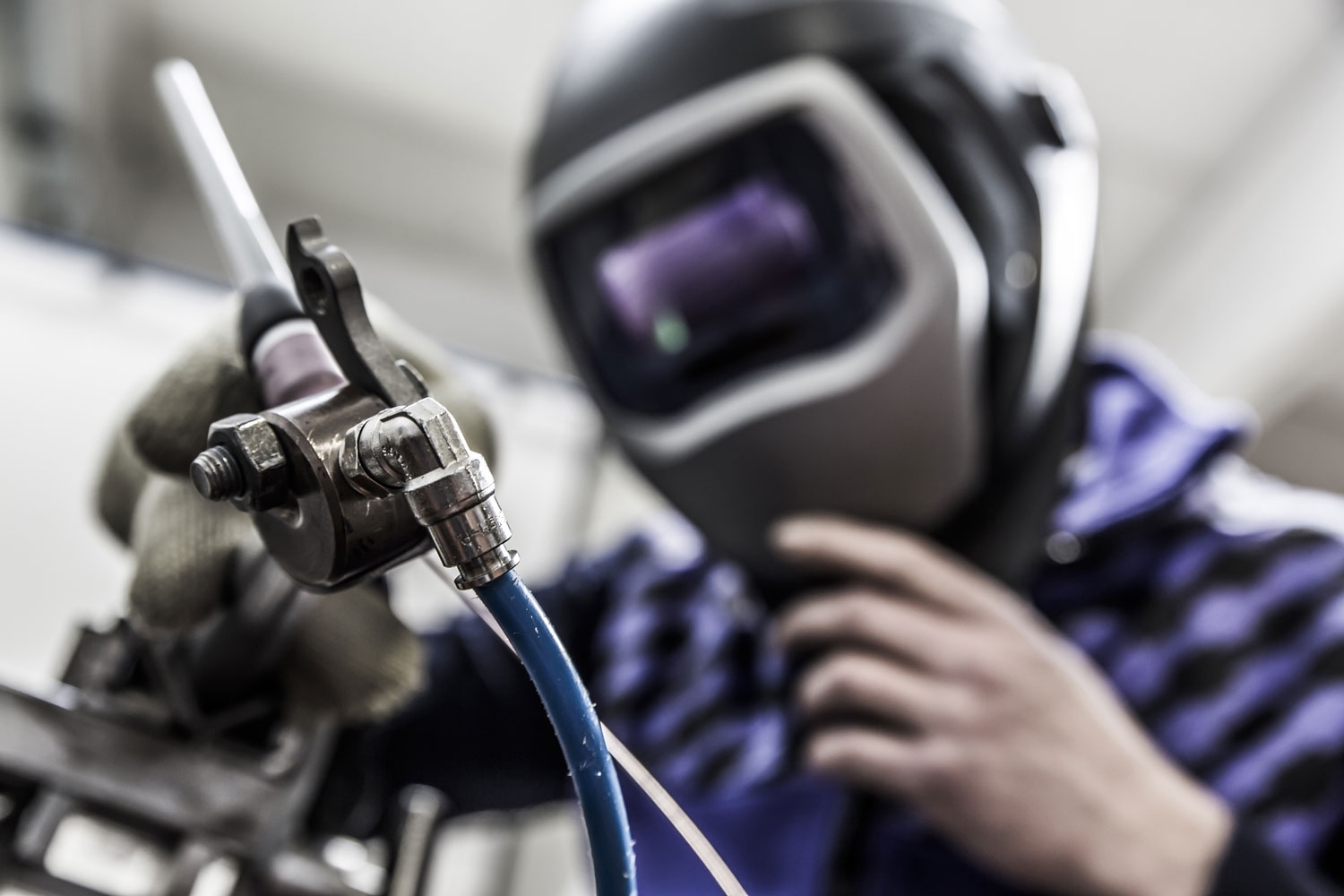
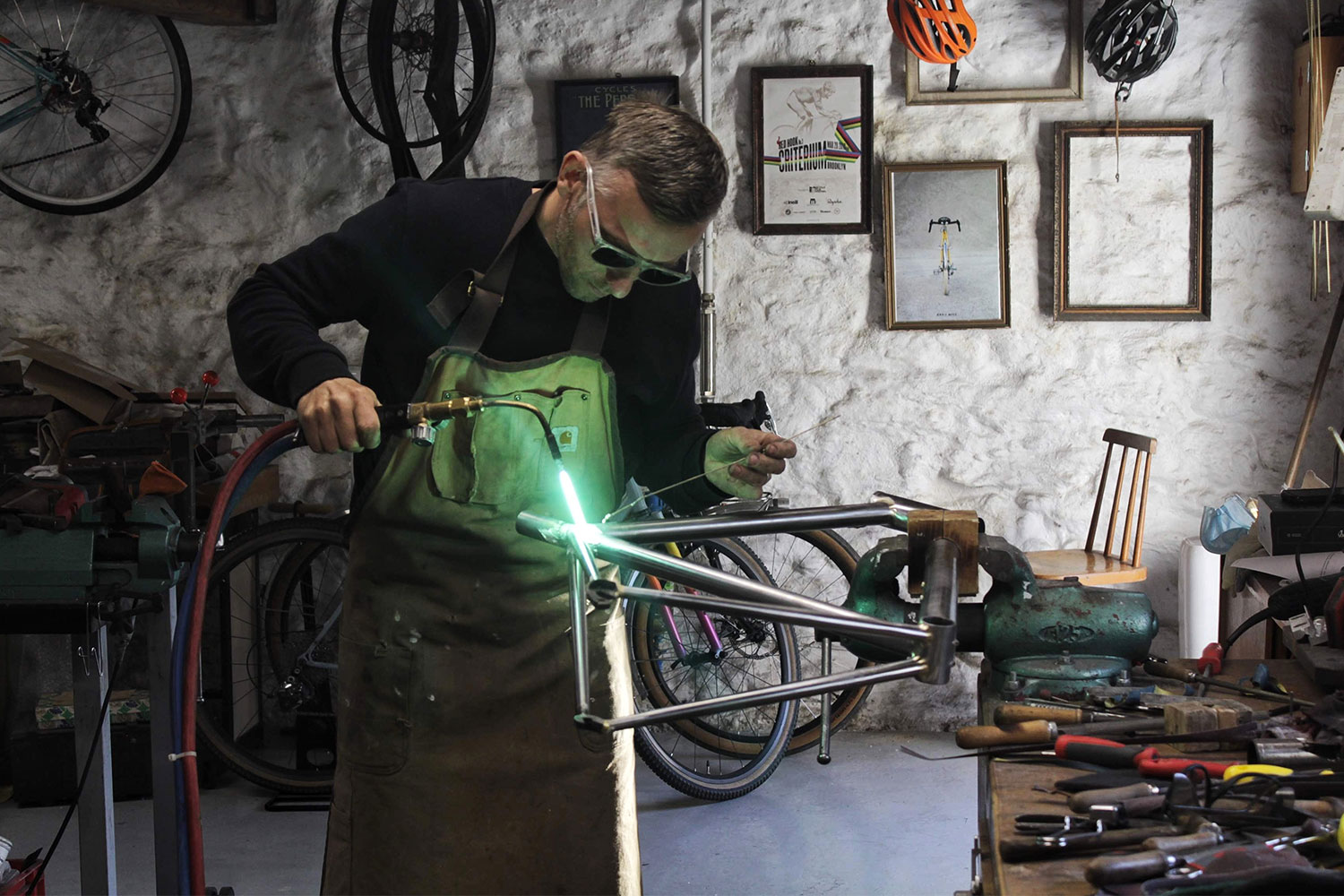
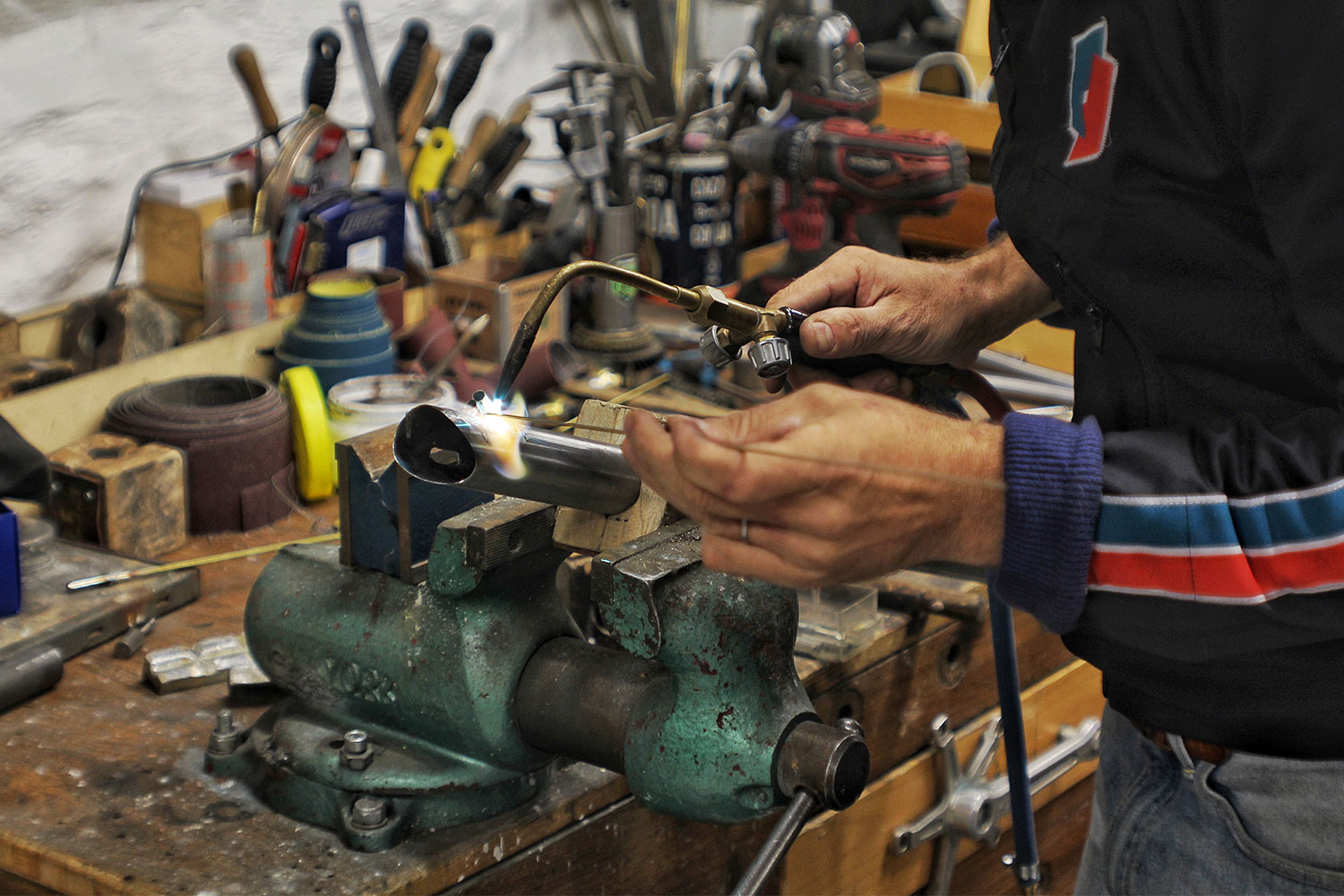
- Marek specialises in torch brazing and smooth welding
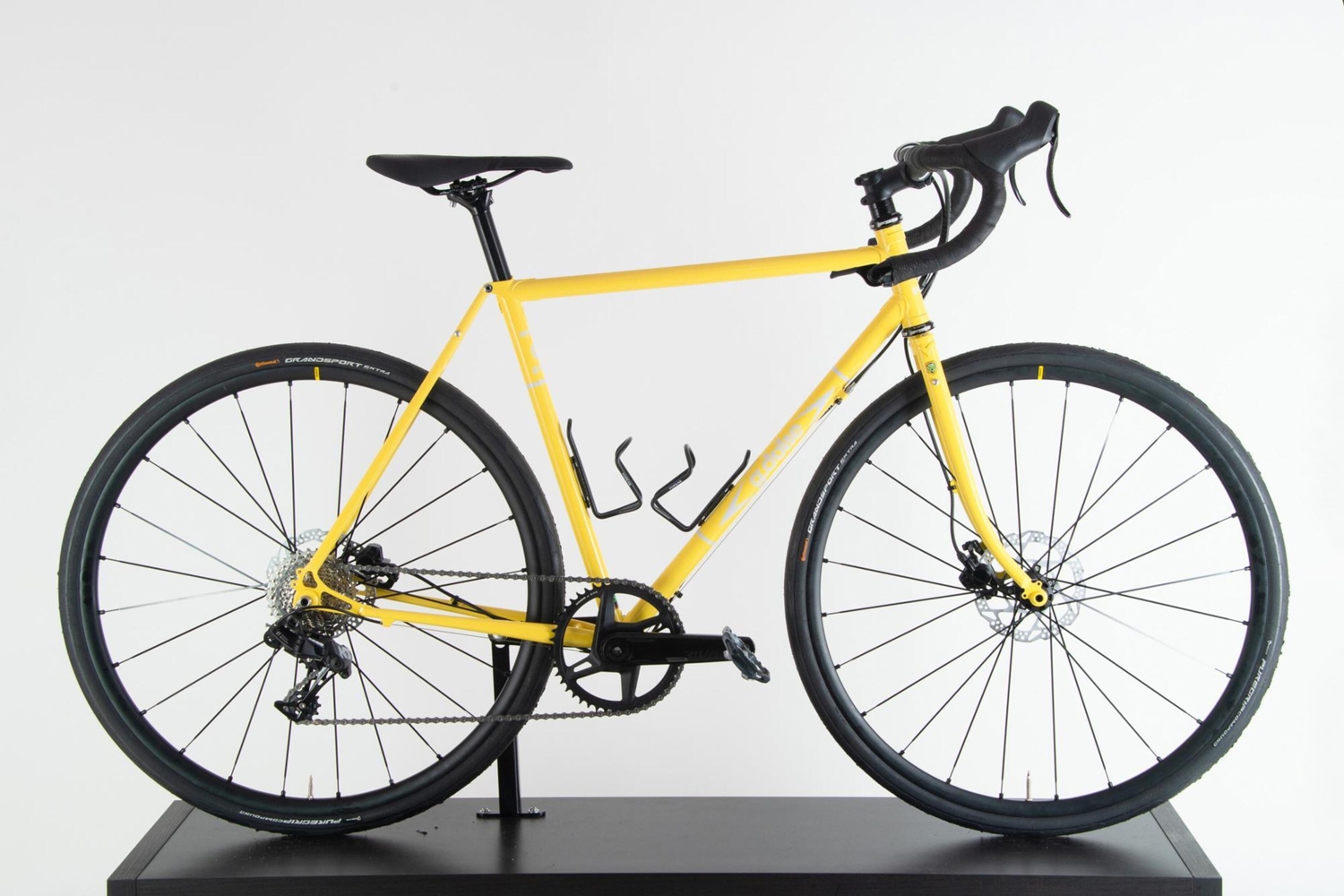
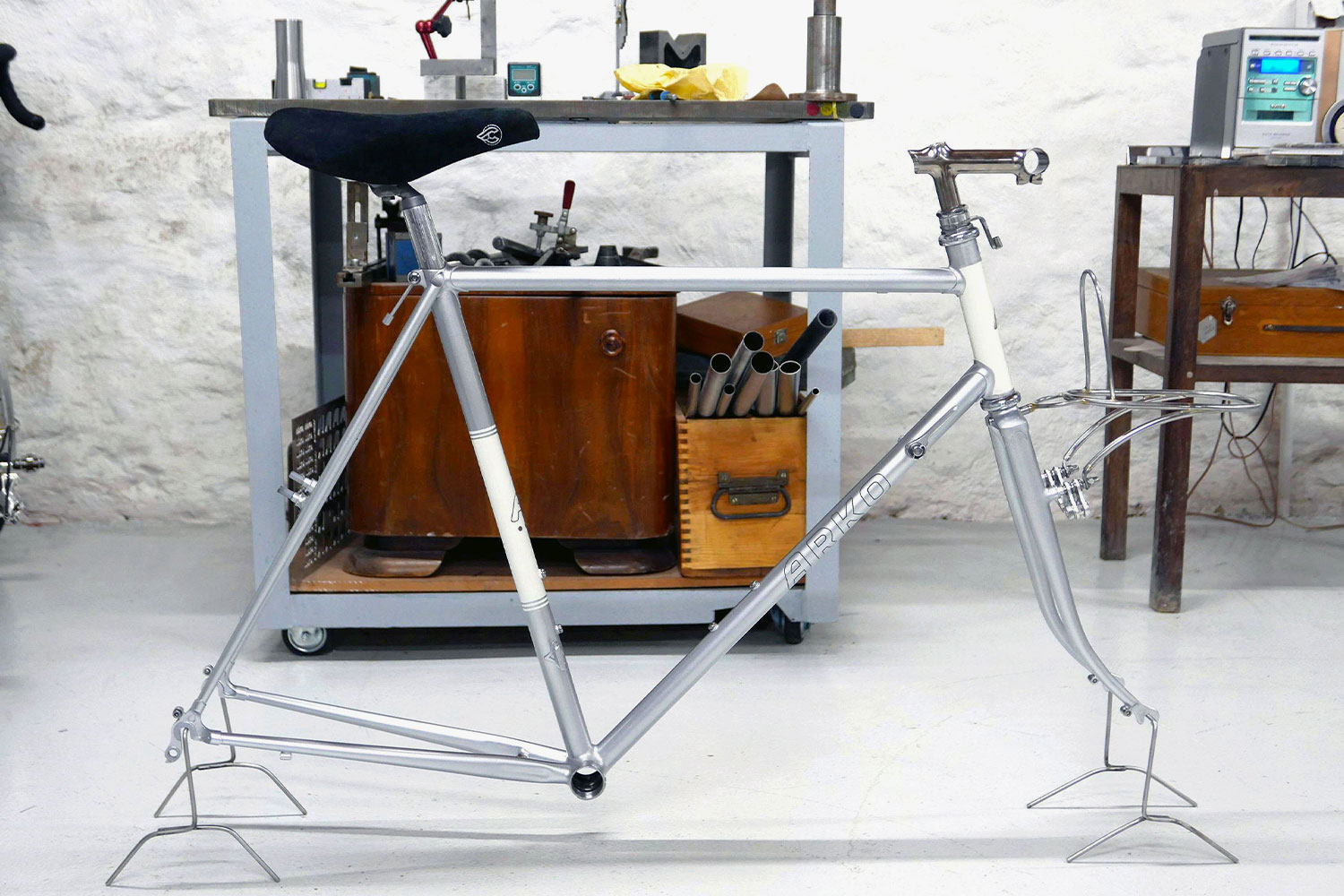
- Each of his frames is unique and tailored to a particular client
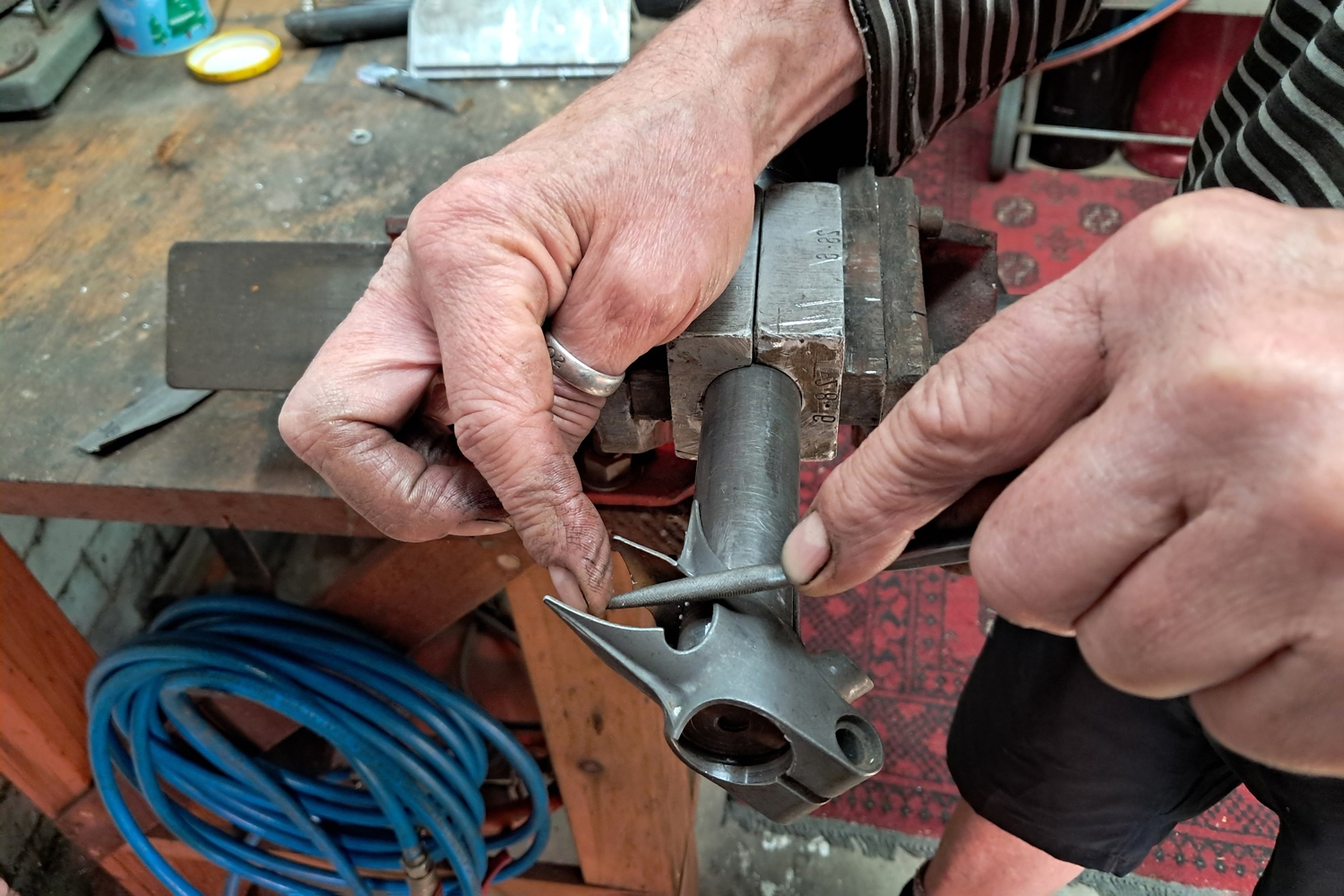
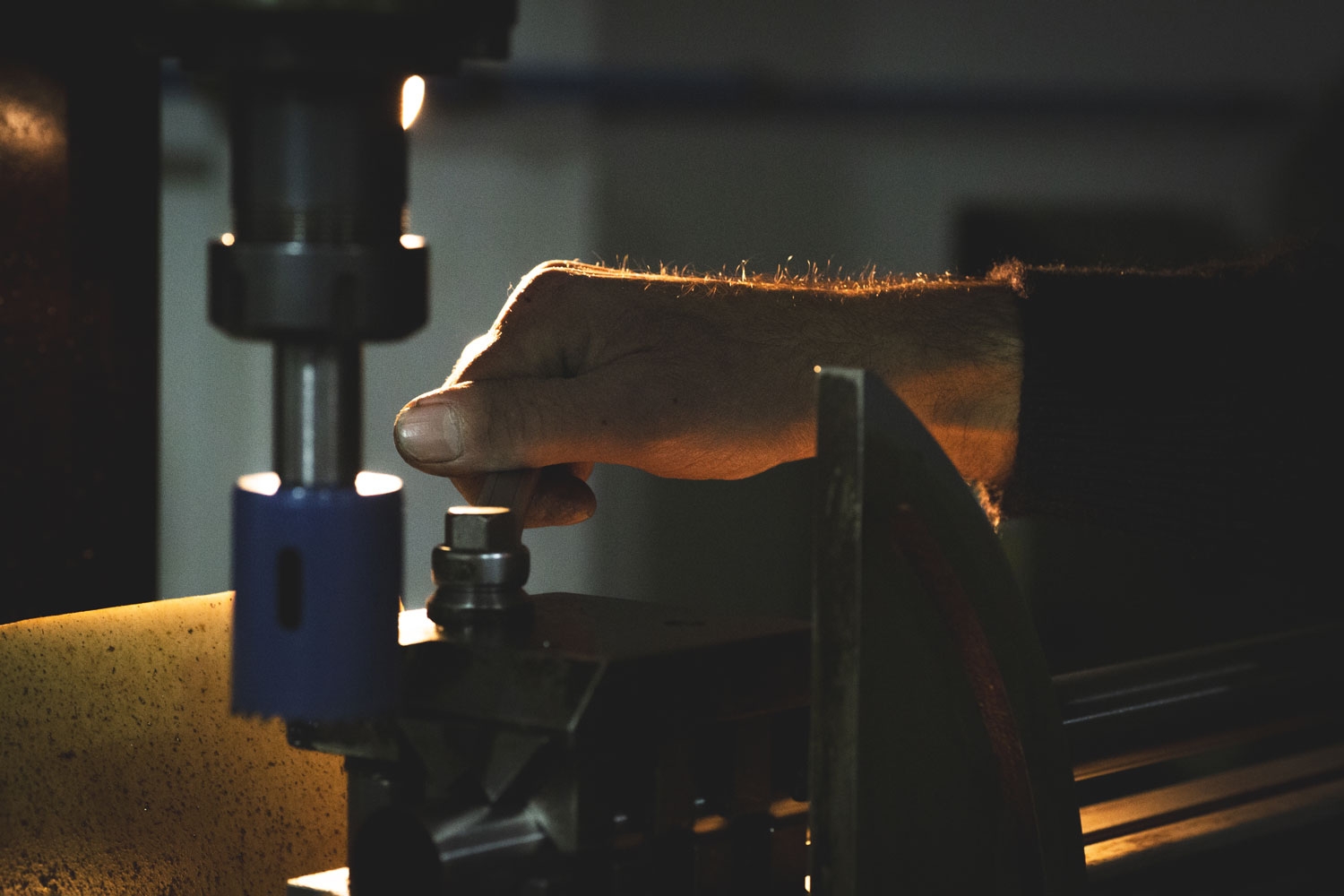
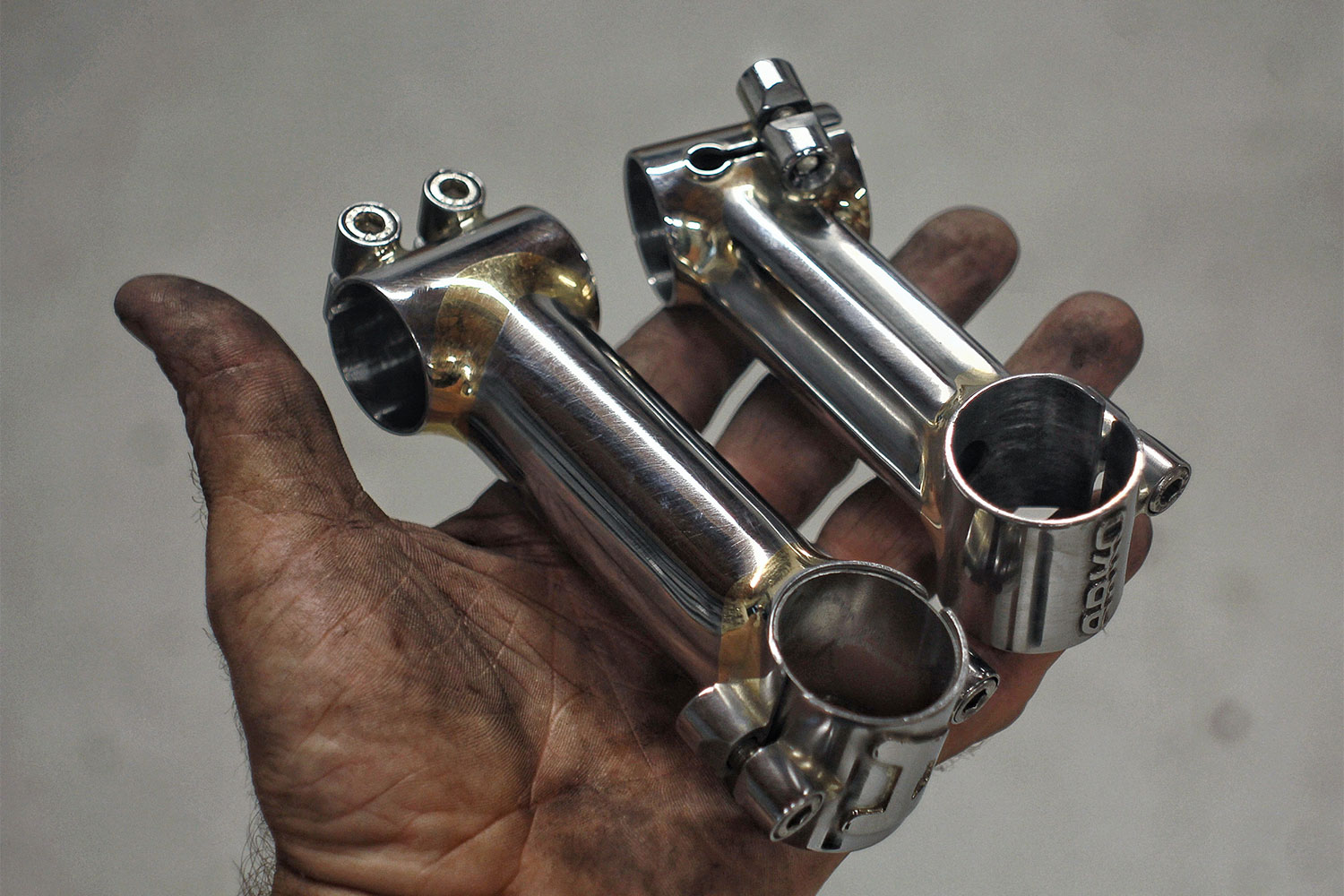
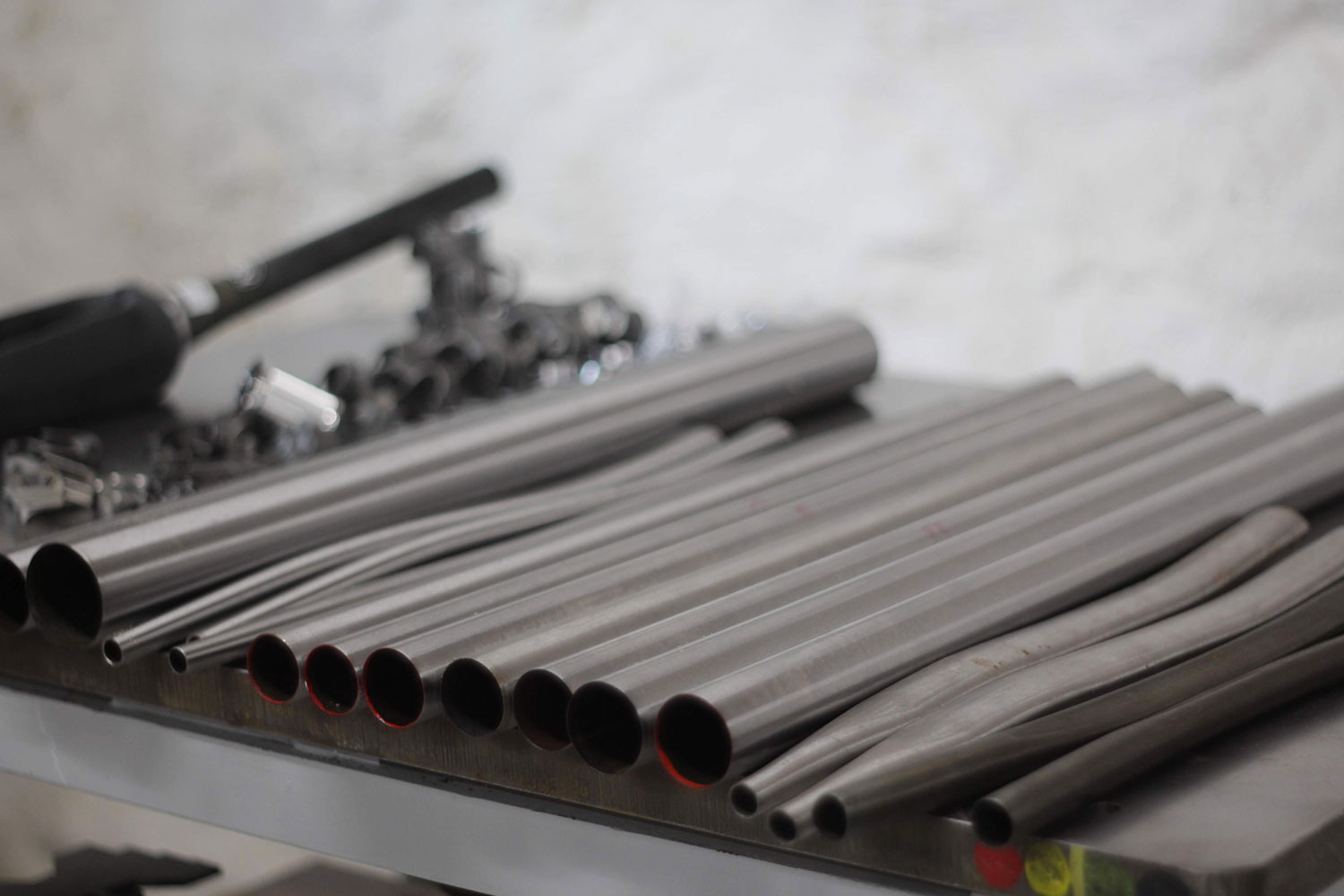
- He makes all the bicycle frame parts by hand
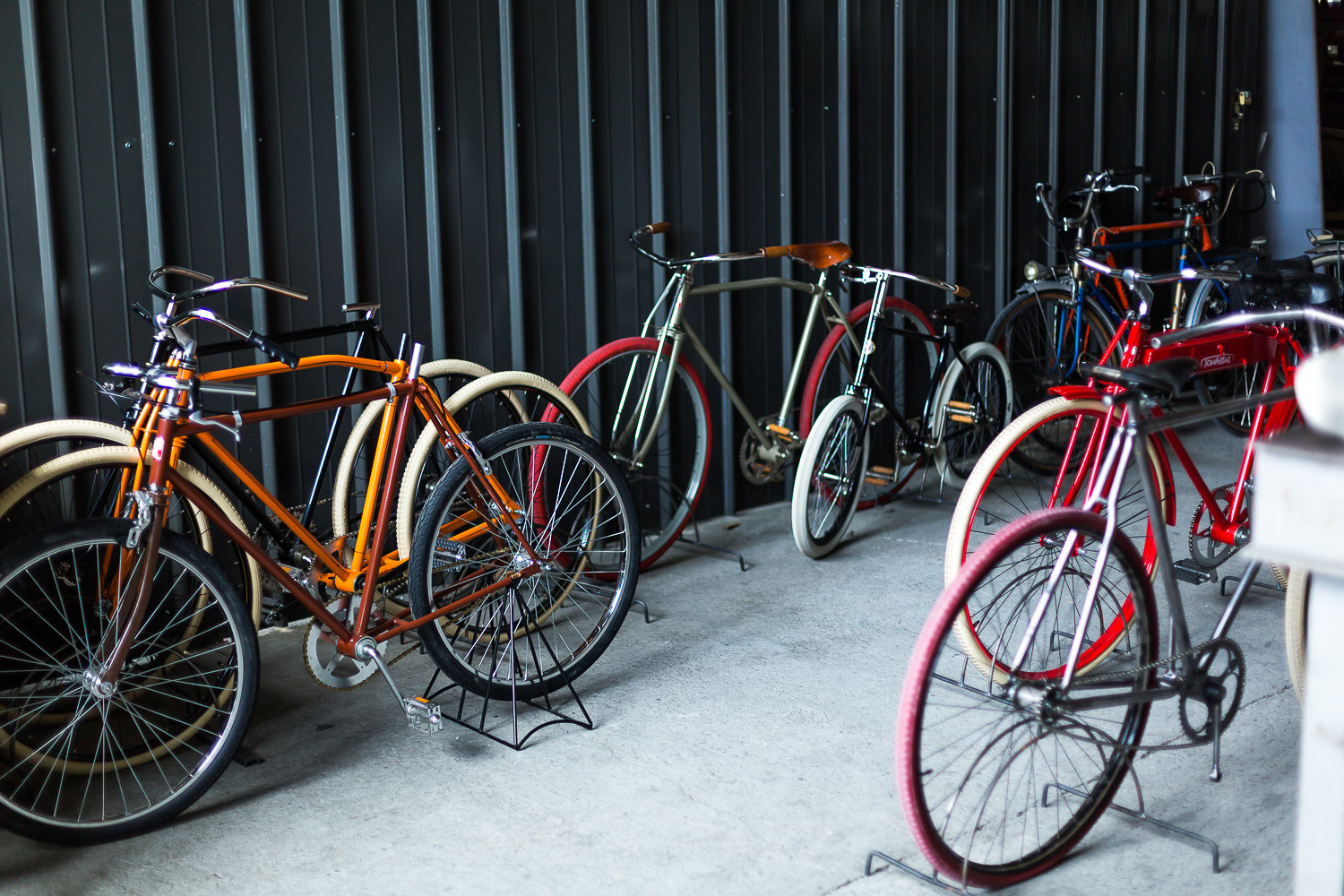
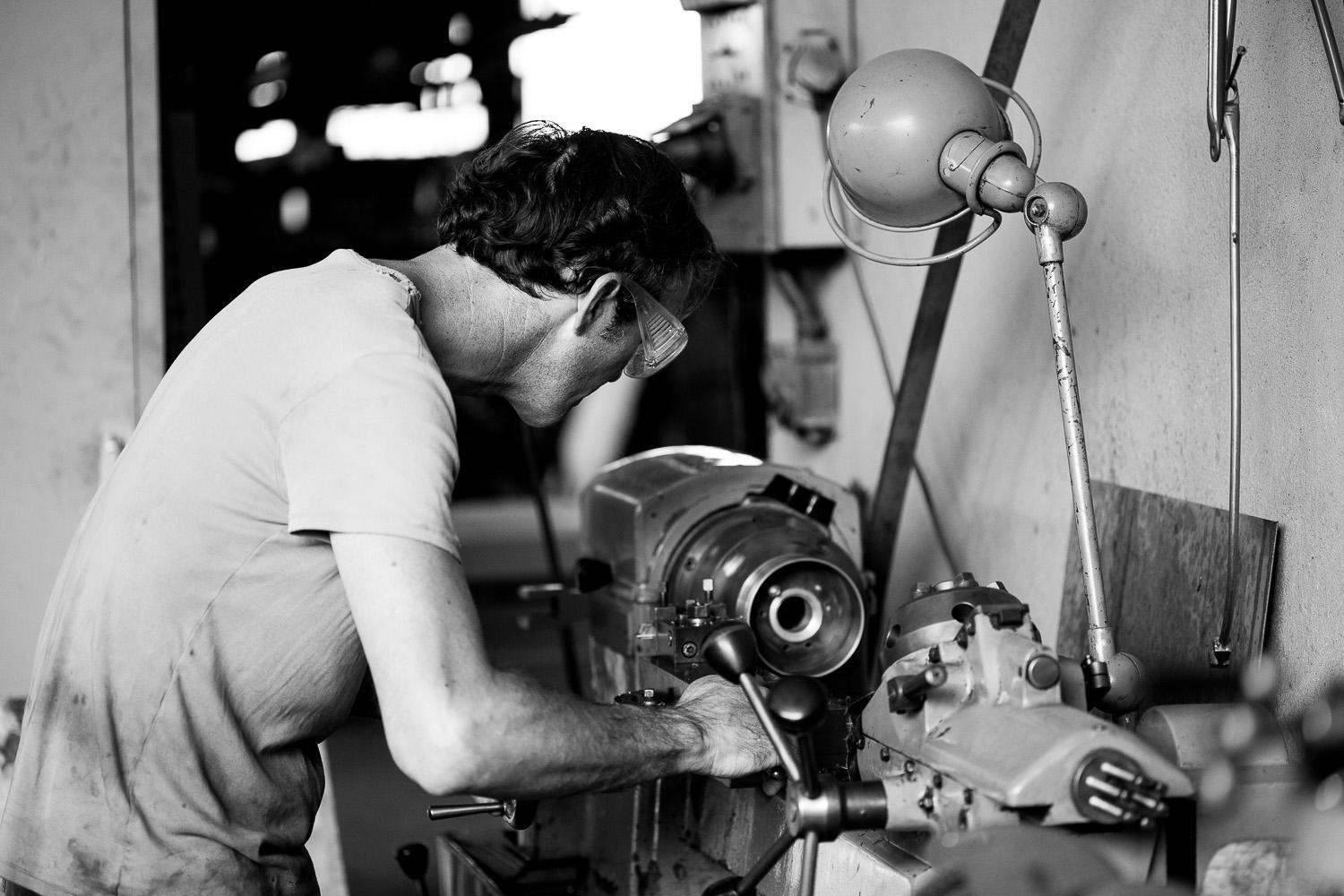
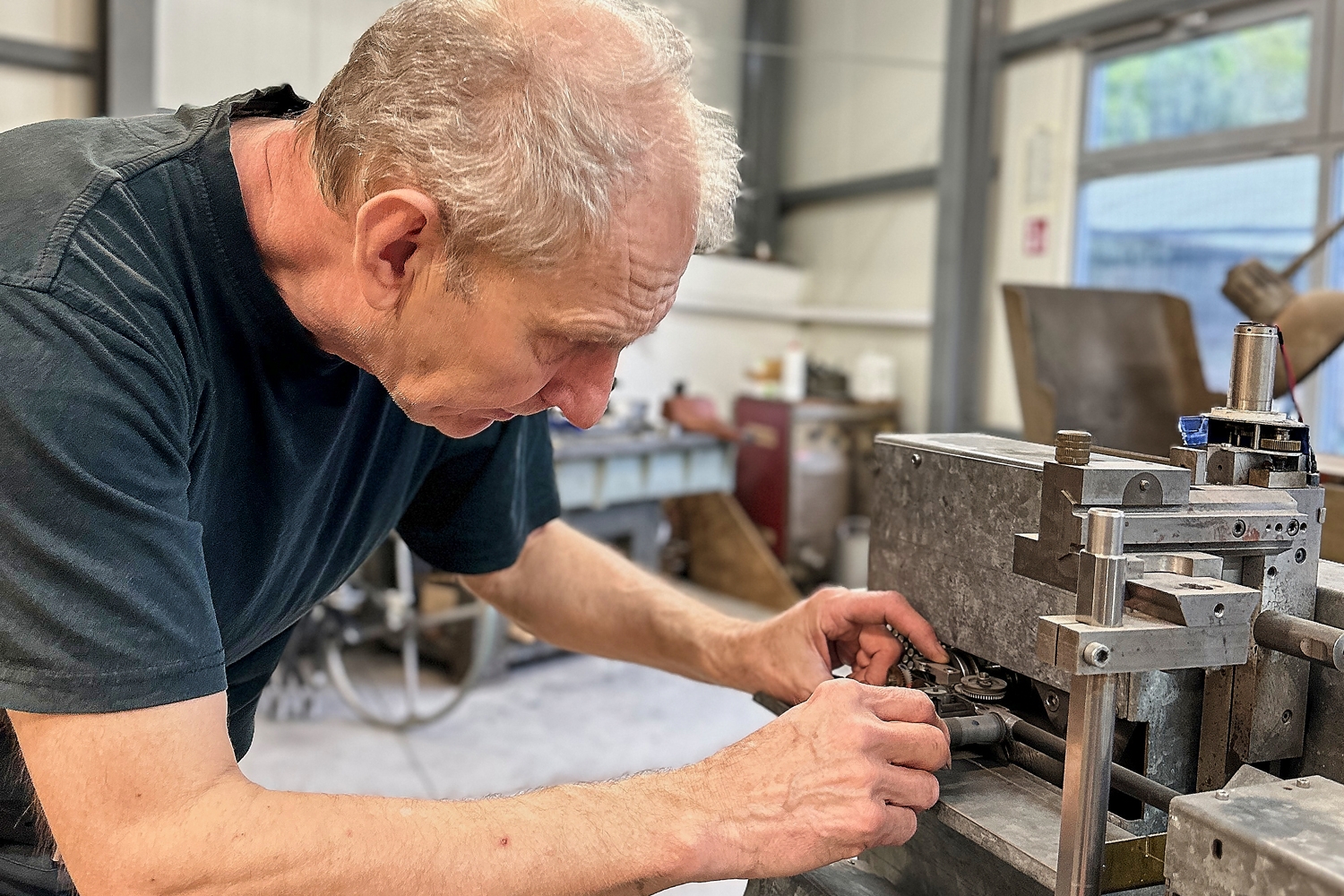
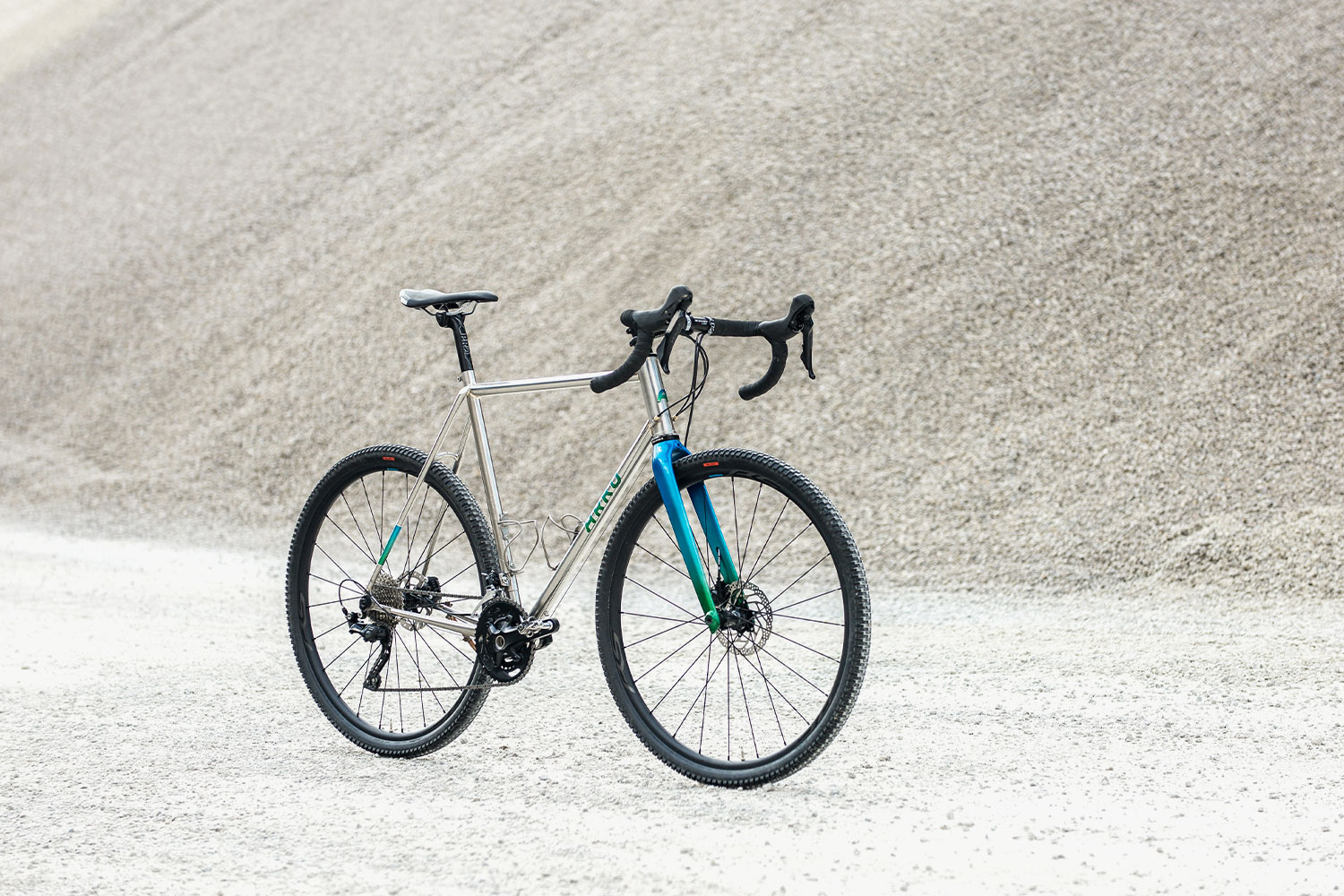
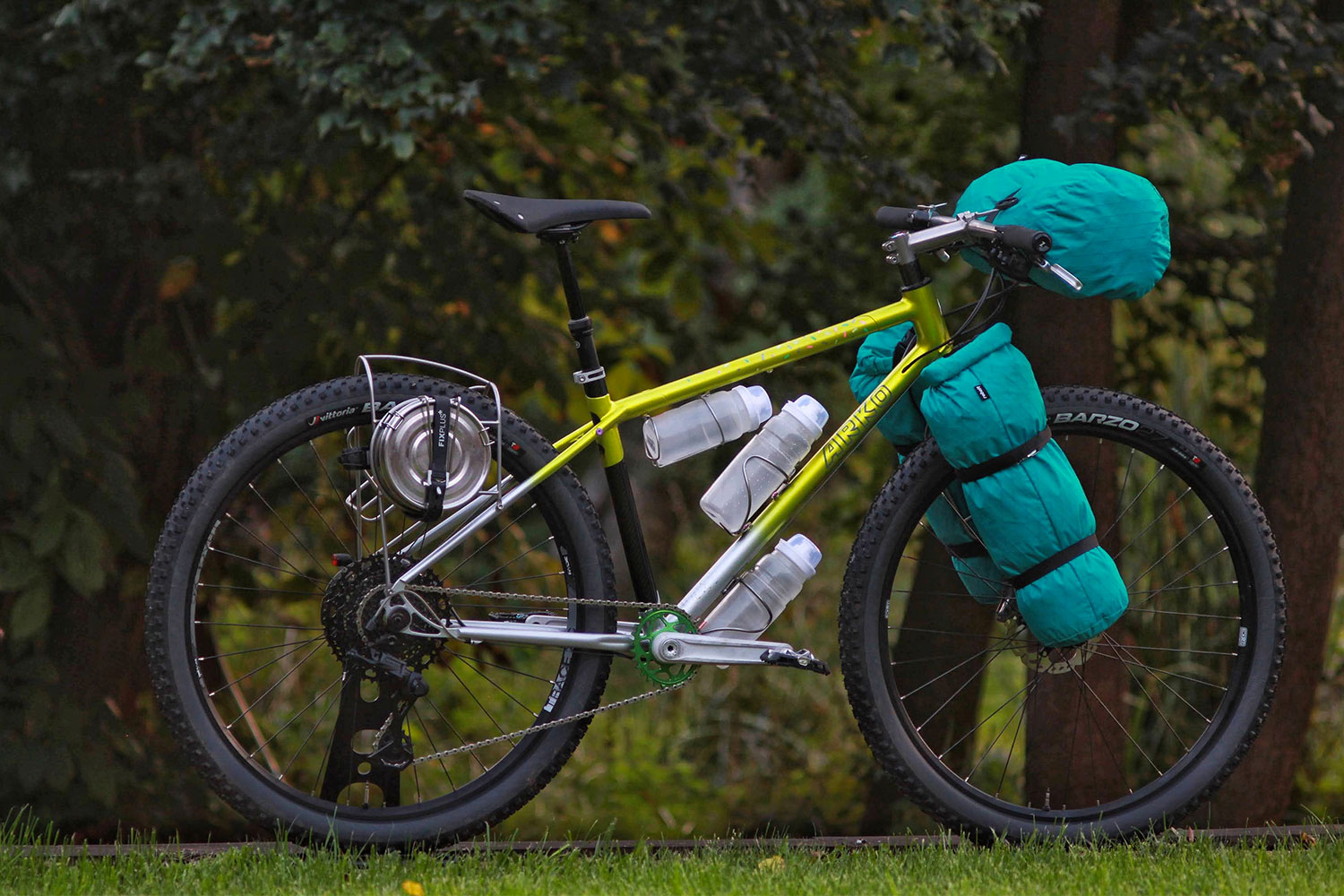
Marek Parajka believes that whether you make 50 or 150 frames, you cannot call yourself a master framer – even well-established framers manufacturing for decades confirm this. And Marek is a great example of this. Even though metalwork has been coursing in his family's veins, frame building is about constant improvement, continuous learning and getting to know the material. What started with bicycle restorations and custom painting in his father's garage has gradually grown into opening his own workshop in 2017. Following in his family’s footsteps and combining his two passions, metalwork and cycling, he has been dedicated to delivering tailor-made frames with every single part painstakingly made from used materials by himself with one ultimate goal in mind: “a happy rider”.
INTERVIEW
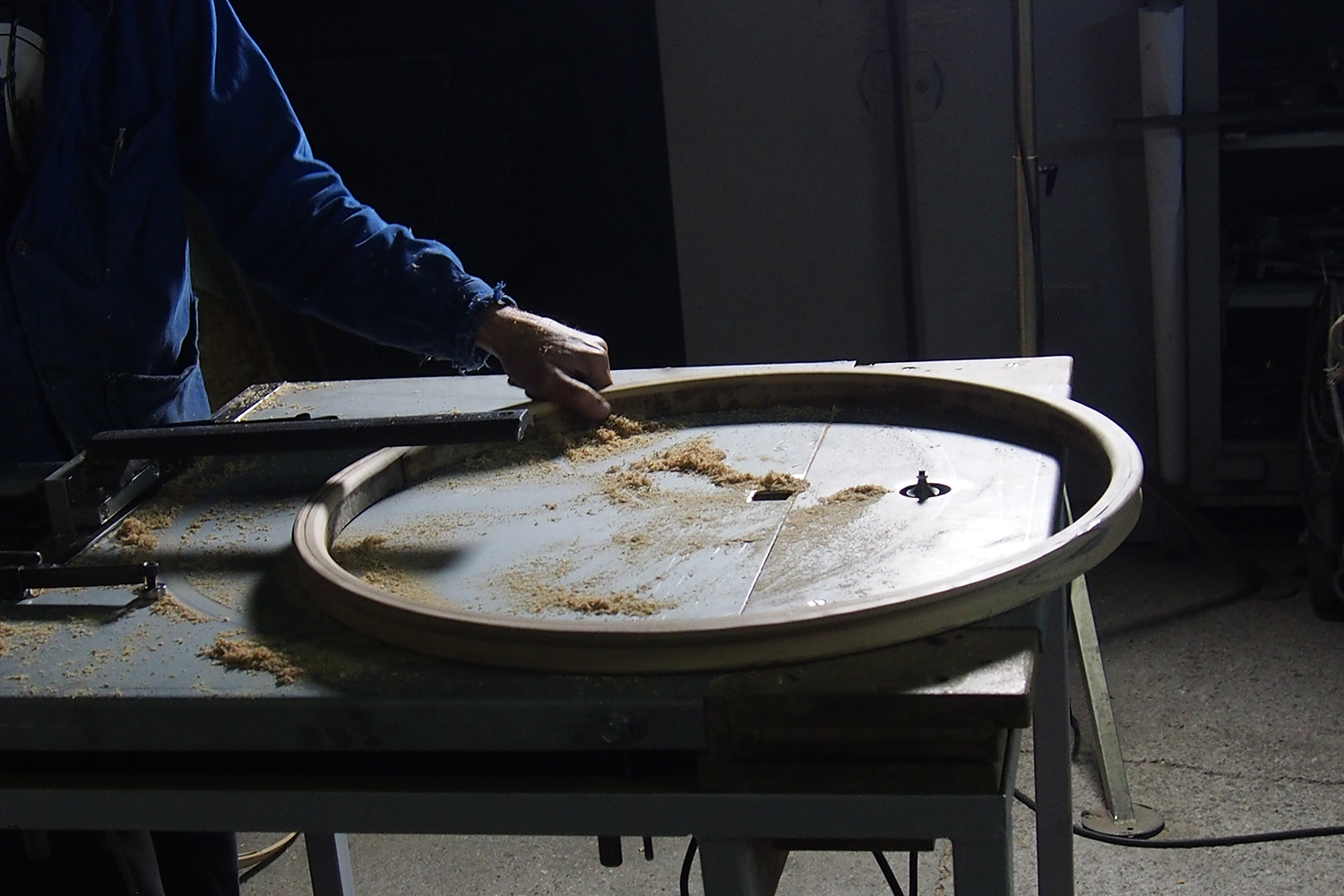
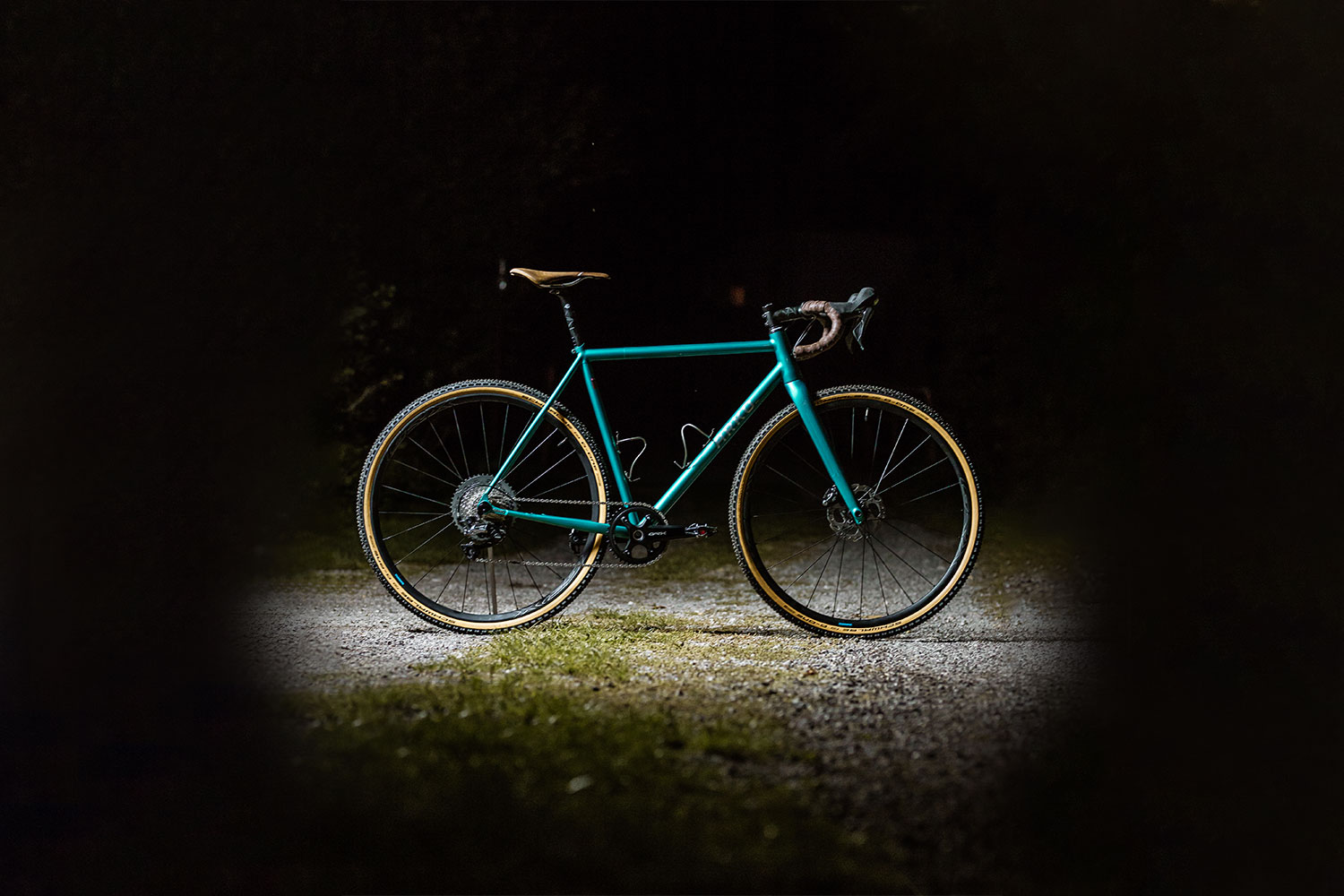
My father ran a bodywork shop where I learned everything about painting and my grandfather worked in a blacksmith shop. I make all the frame parts myself. Nobody around Slovakia does it. It's too laborious and time-consuming, but I like to make functional bikes that bring joy to every owner.
I was fascinated by newly manufactured bikes I saw in Dublin in 2008. I am qualified in metalworking and welding, I started in the family business but focused on something different. The decisive moment was the increasing demand for my work: there are many people seeking bespoke bicycles.
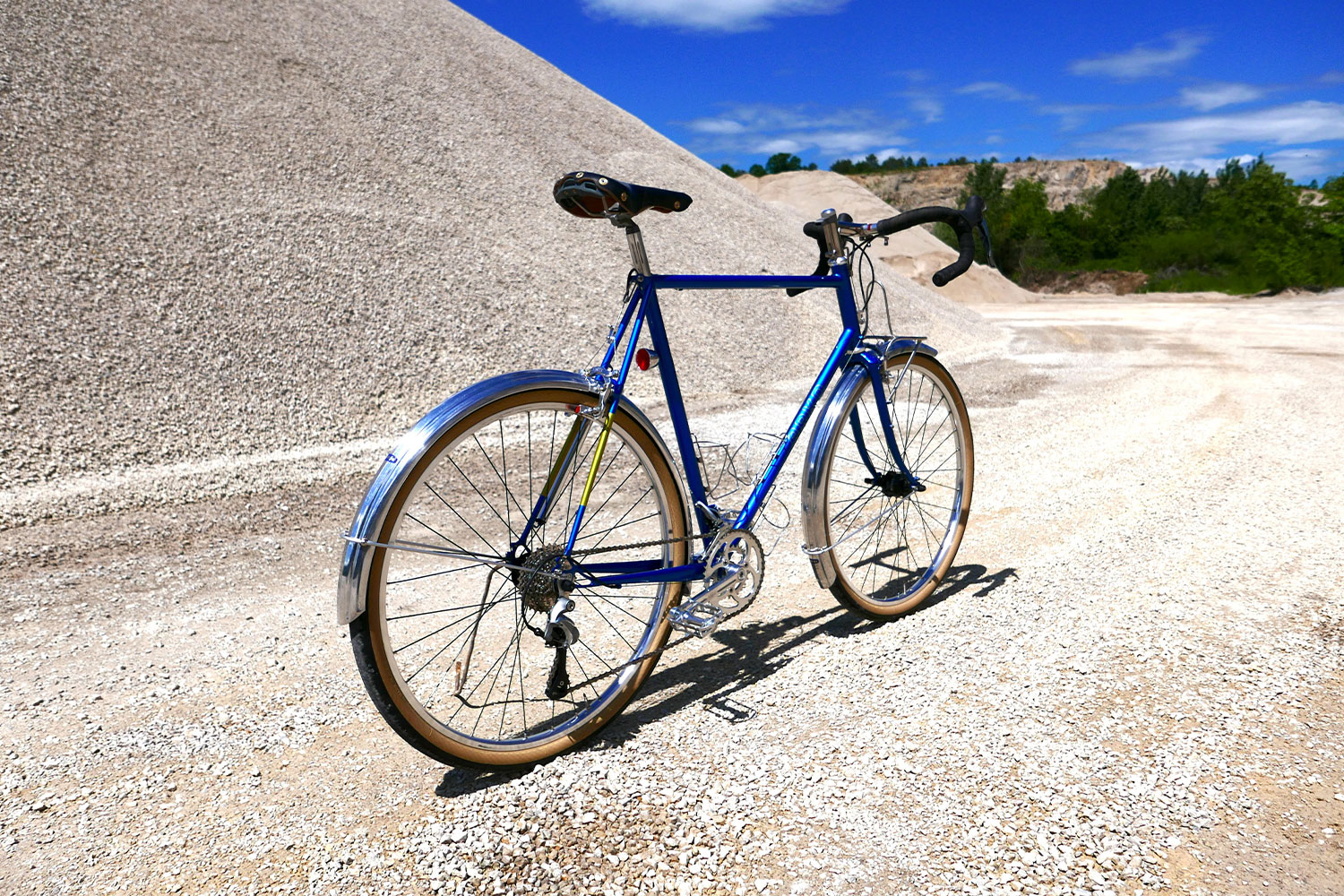
It hasn't been a bed of roses. It has improved during the last ten years but I am an outlier, there would be more opportunities abroad. But I want to show what is under the paint. My frames look "metal" because I'm not hiding any poor quality under the base. What you see is what you get.
My first frame had many flaws because I did not have the right tools. I started selling bicycles but made no money on them: they were desperate times. I am self-critical enough to be aware of my weaknesses so I can improve. To set up a workshop was expensive but I trusted the process and my fan base gave me hope to continue.