Five generations of filigree
- Inês follows her family’s craft tradition
- She learned the local art of filigree from her father
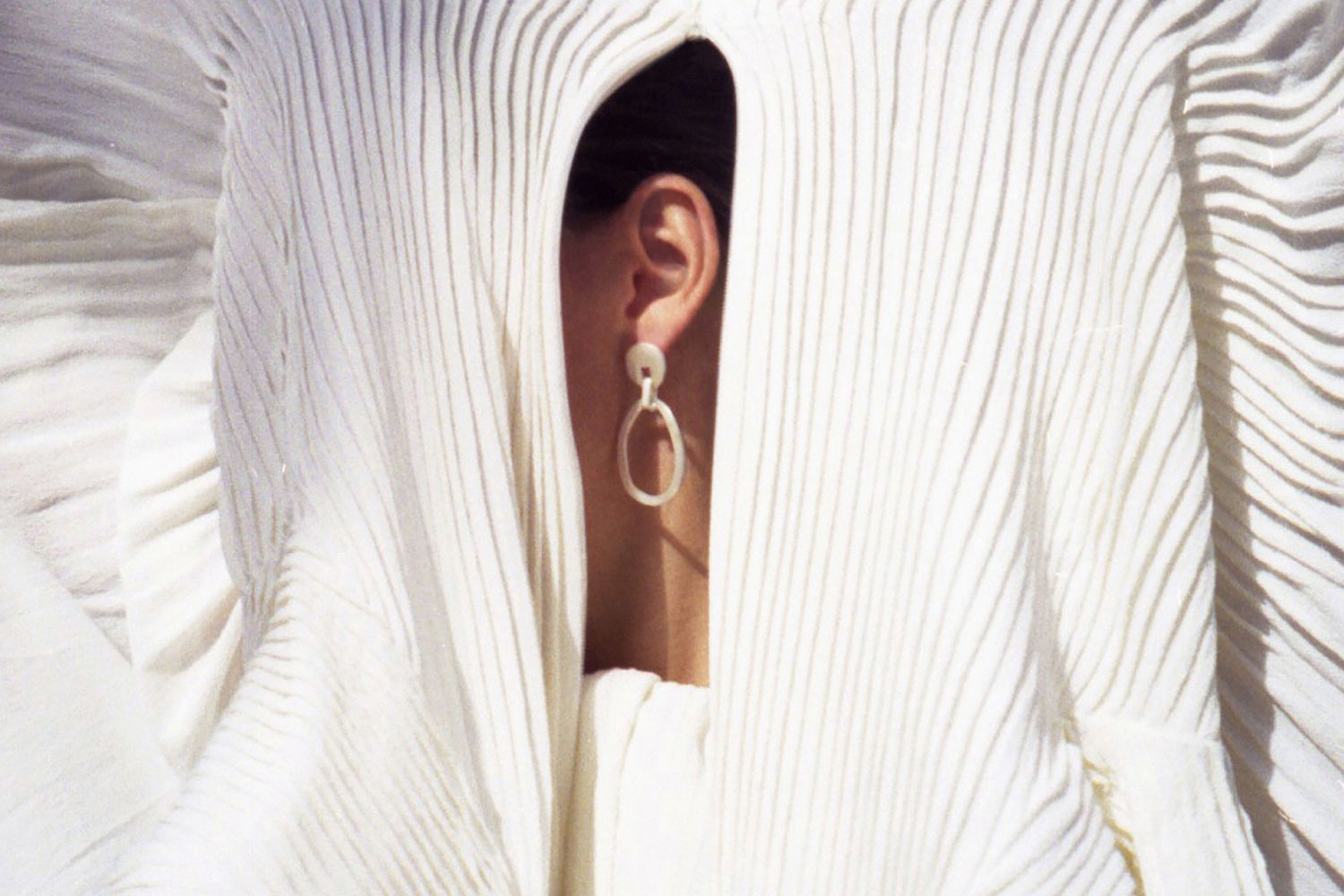
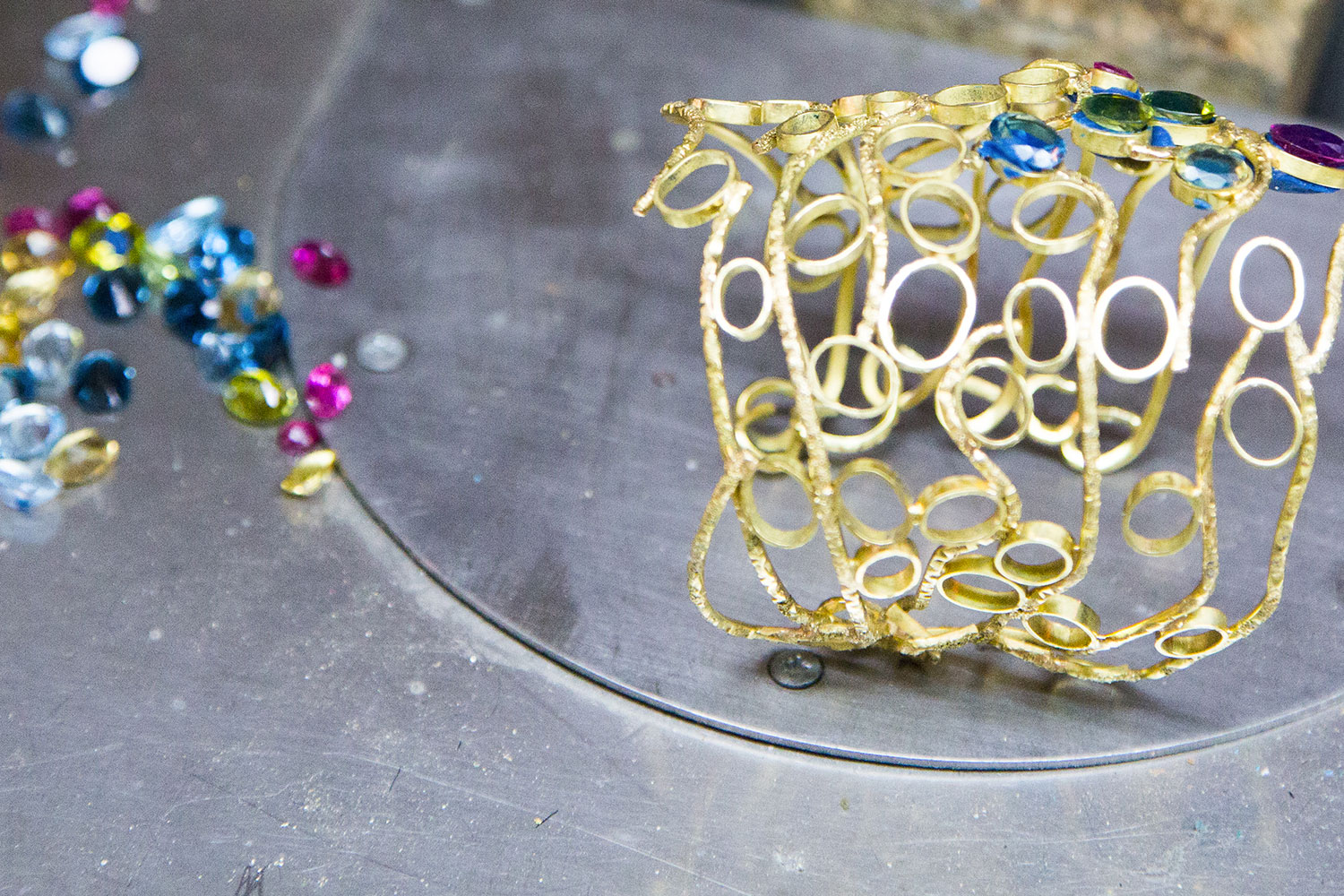
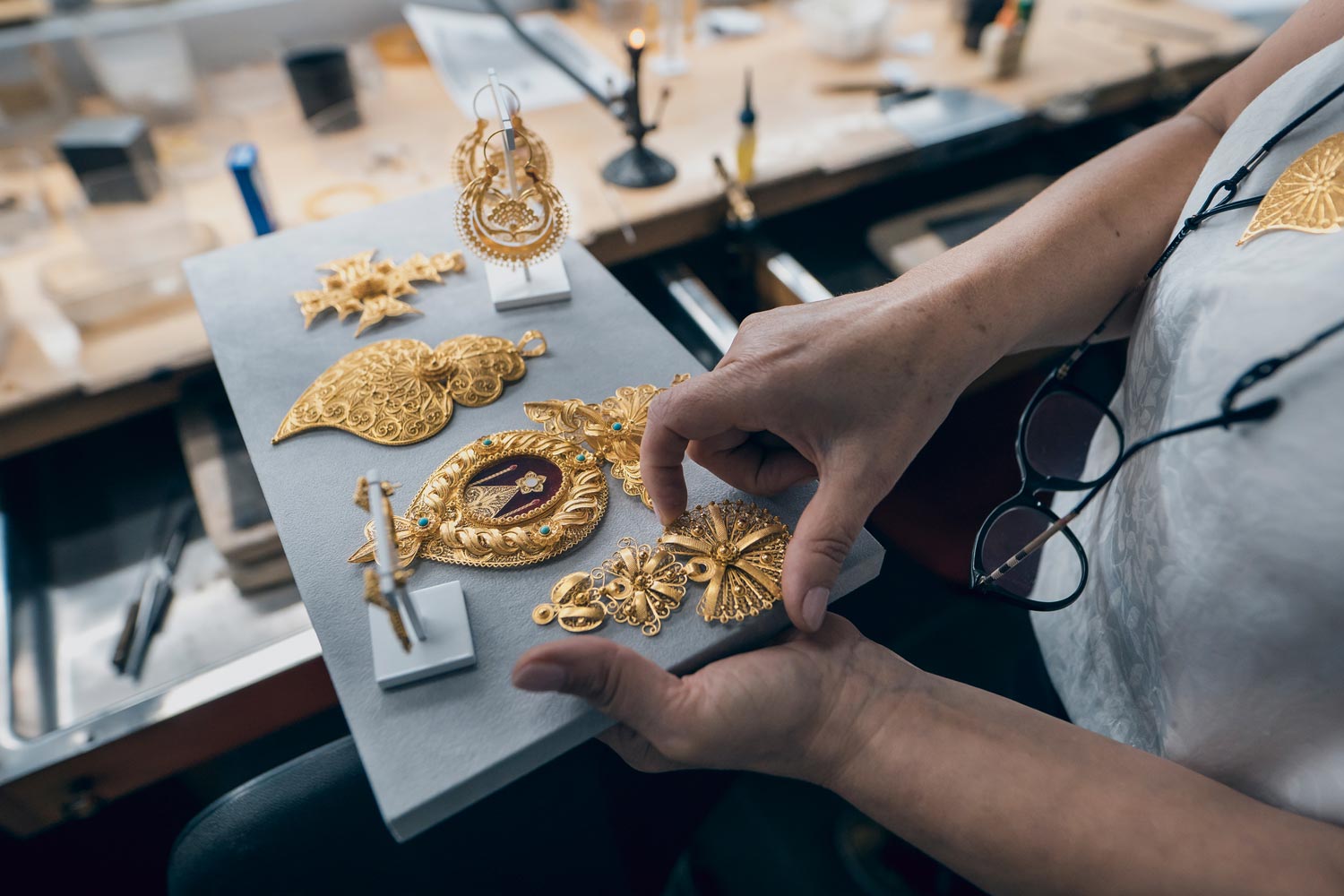
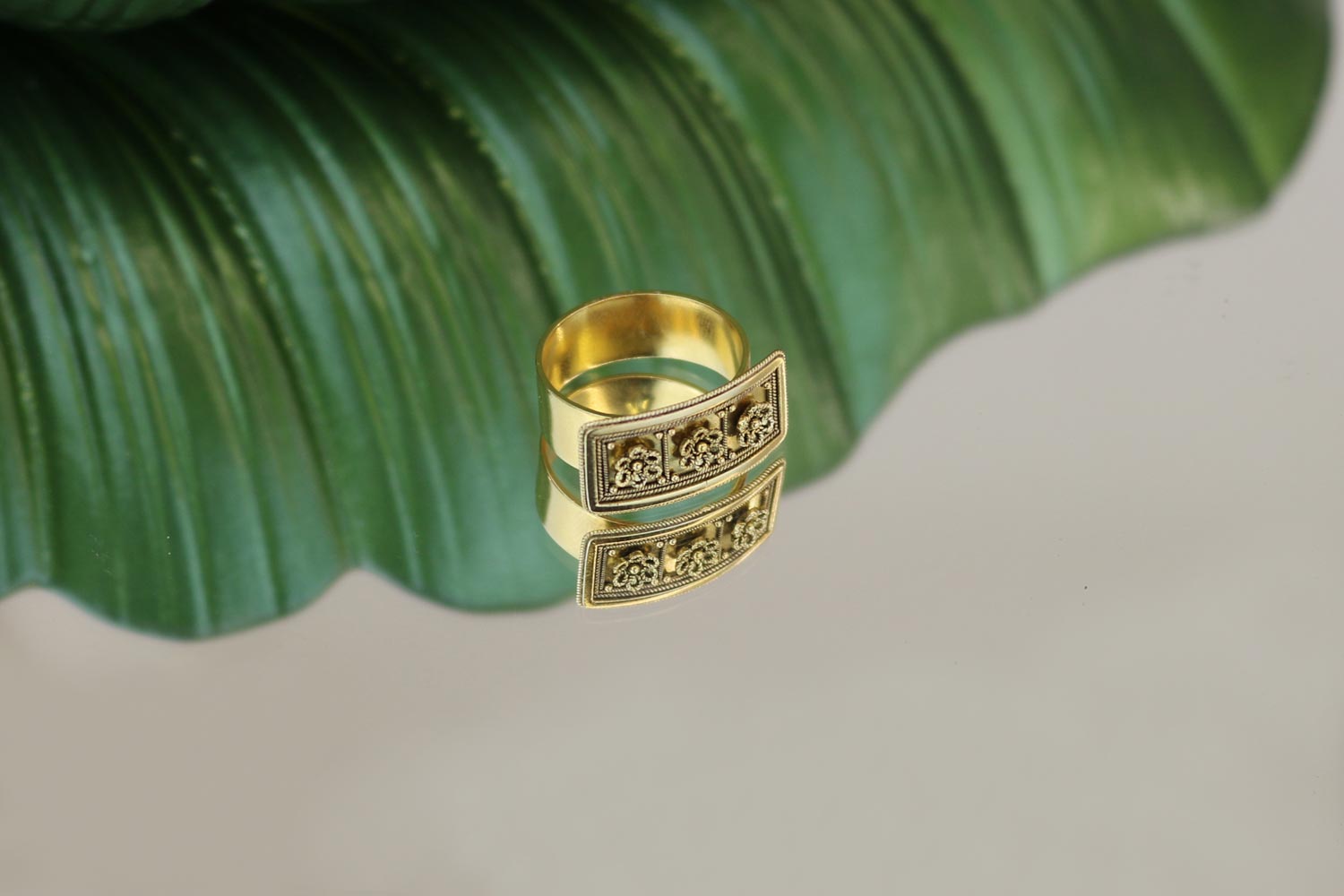
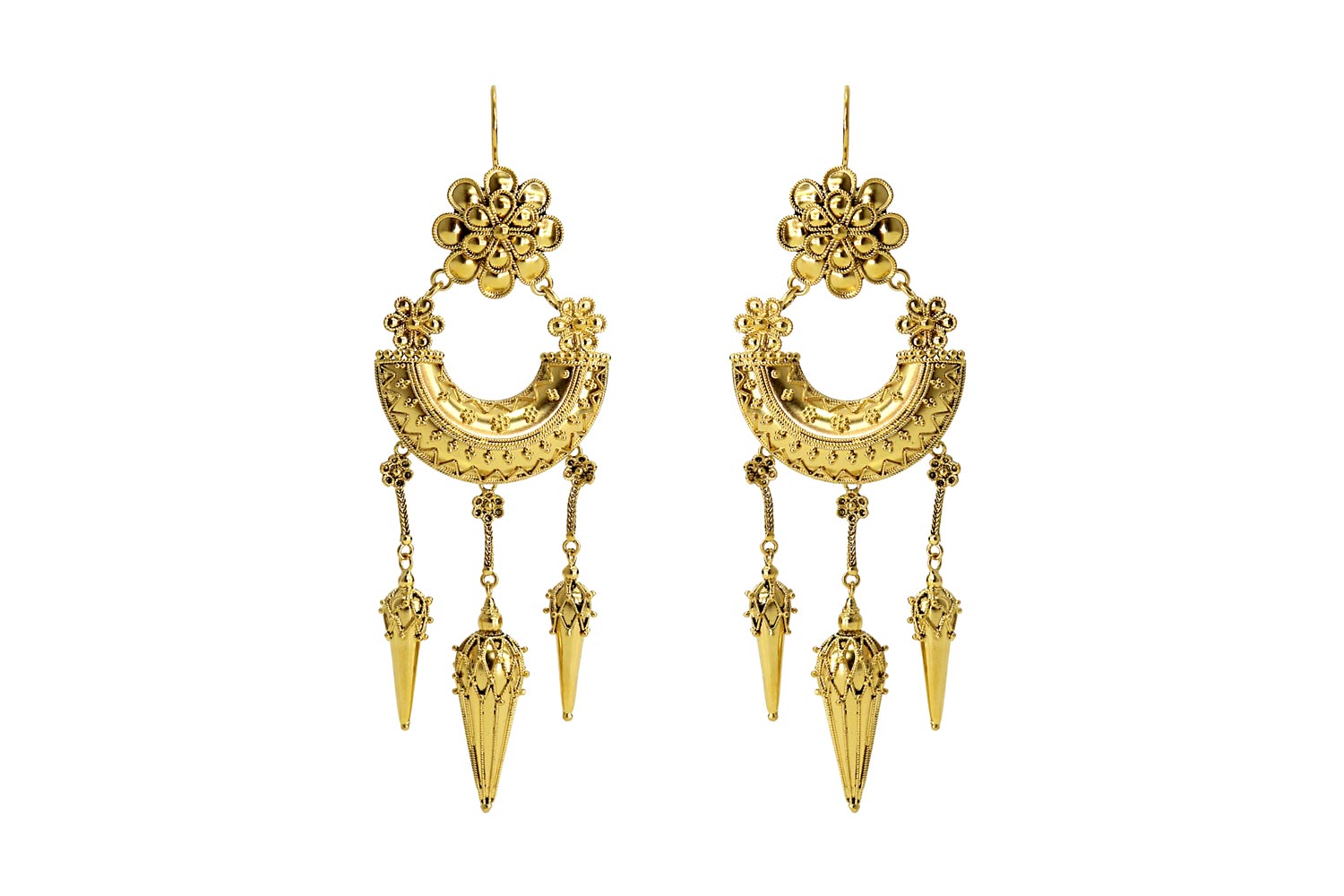
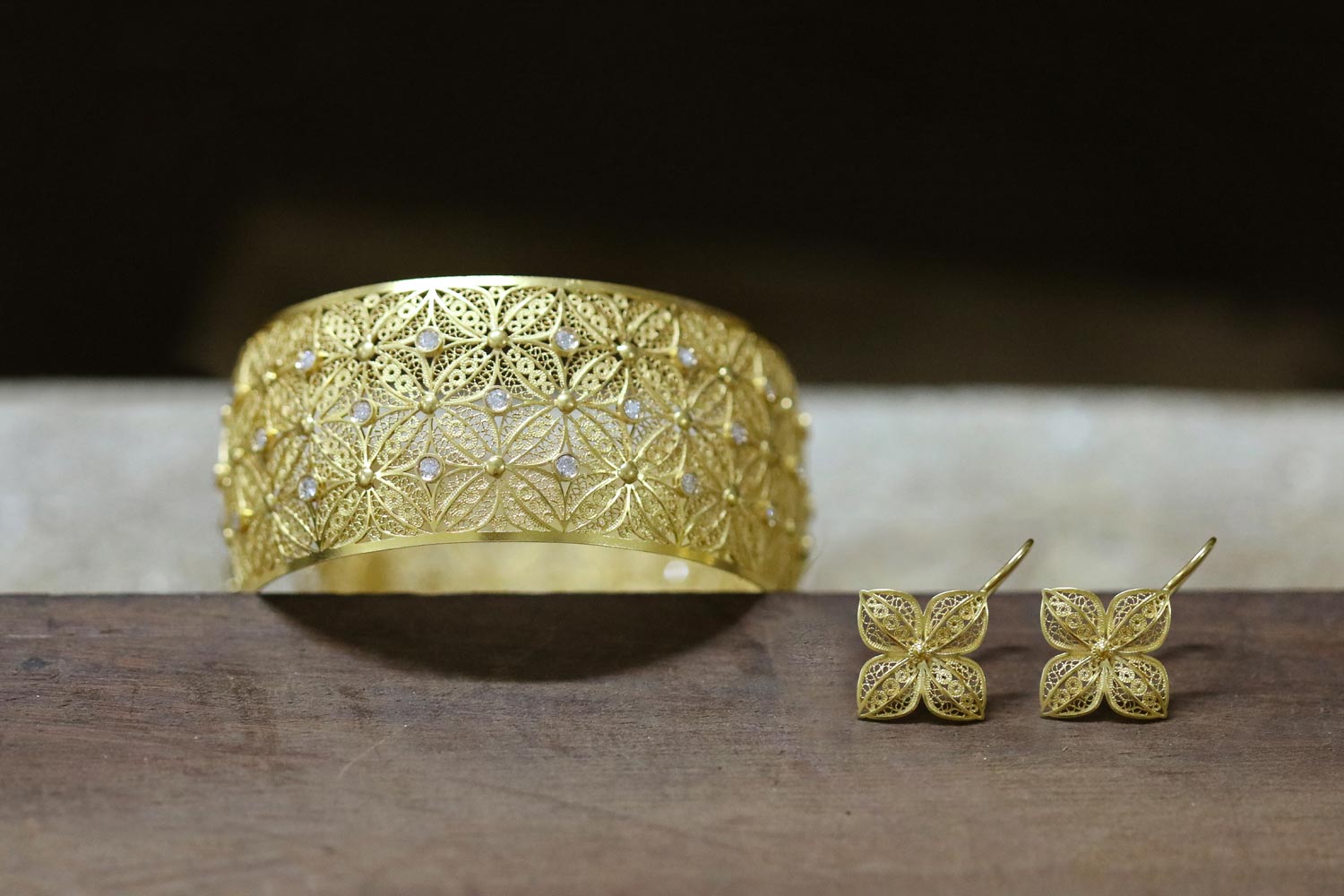
- Her pieces are inspired by ancient Portuguese jewellery
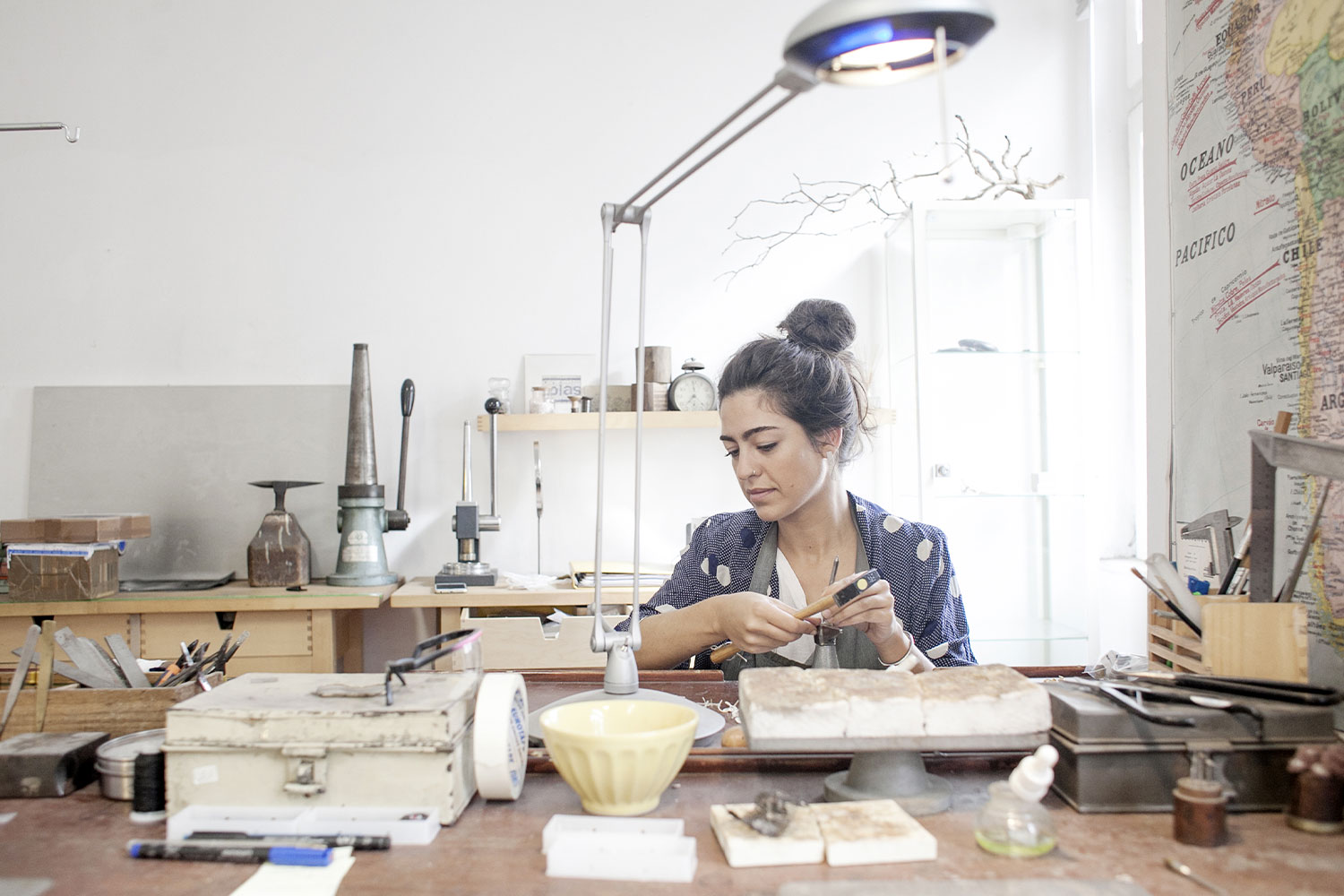
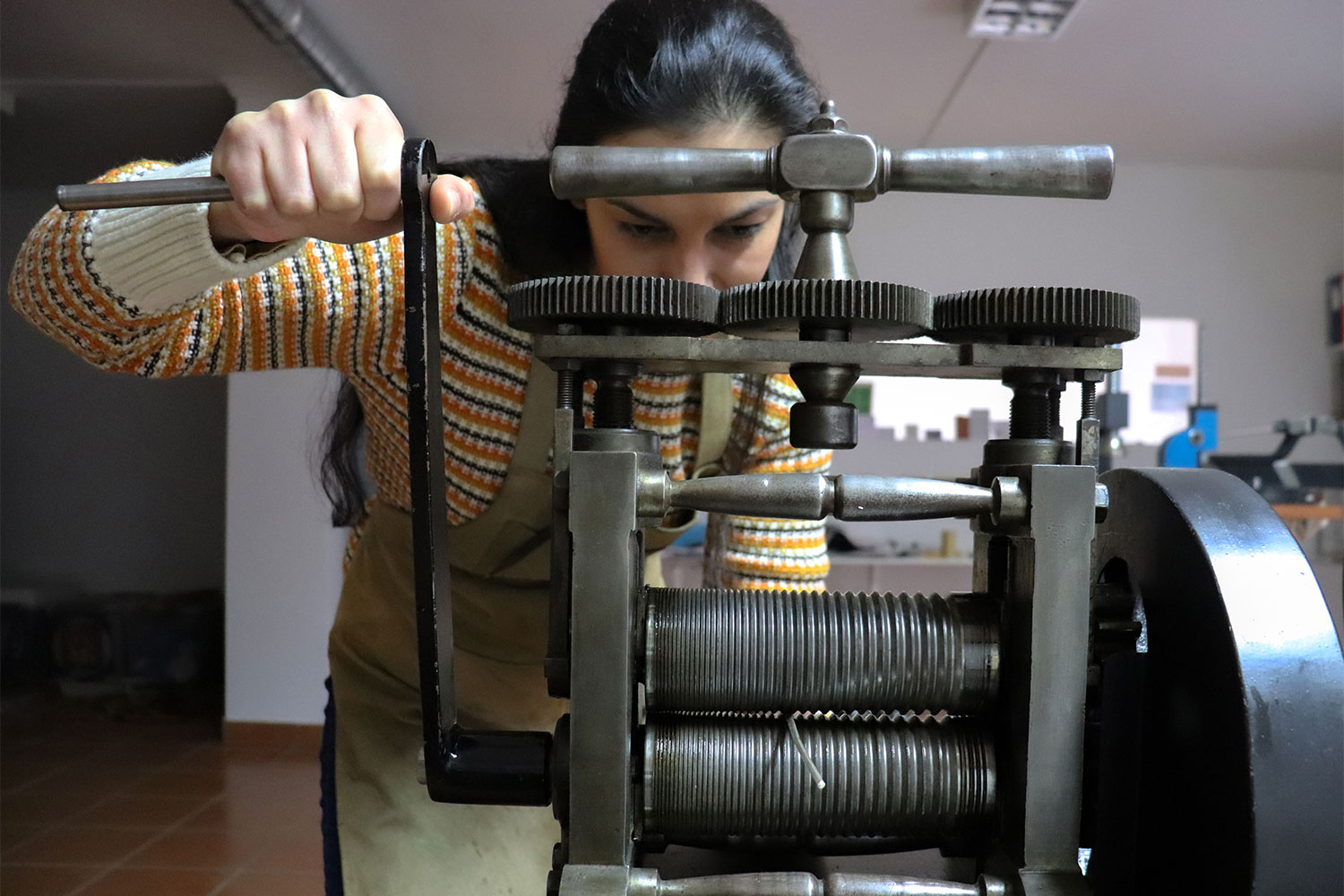
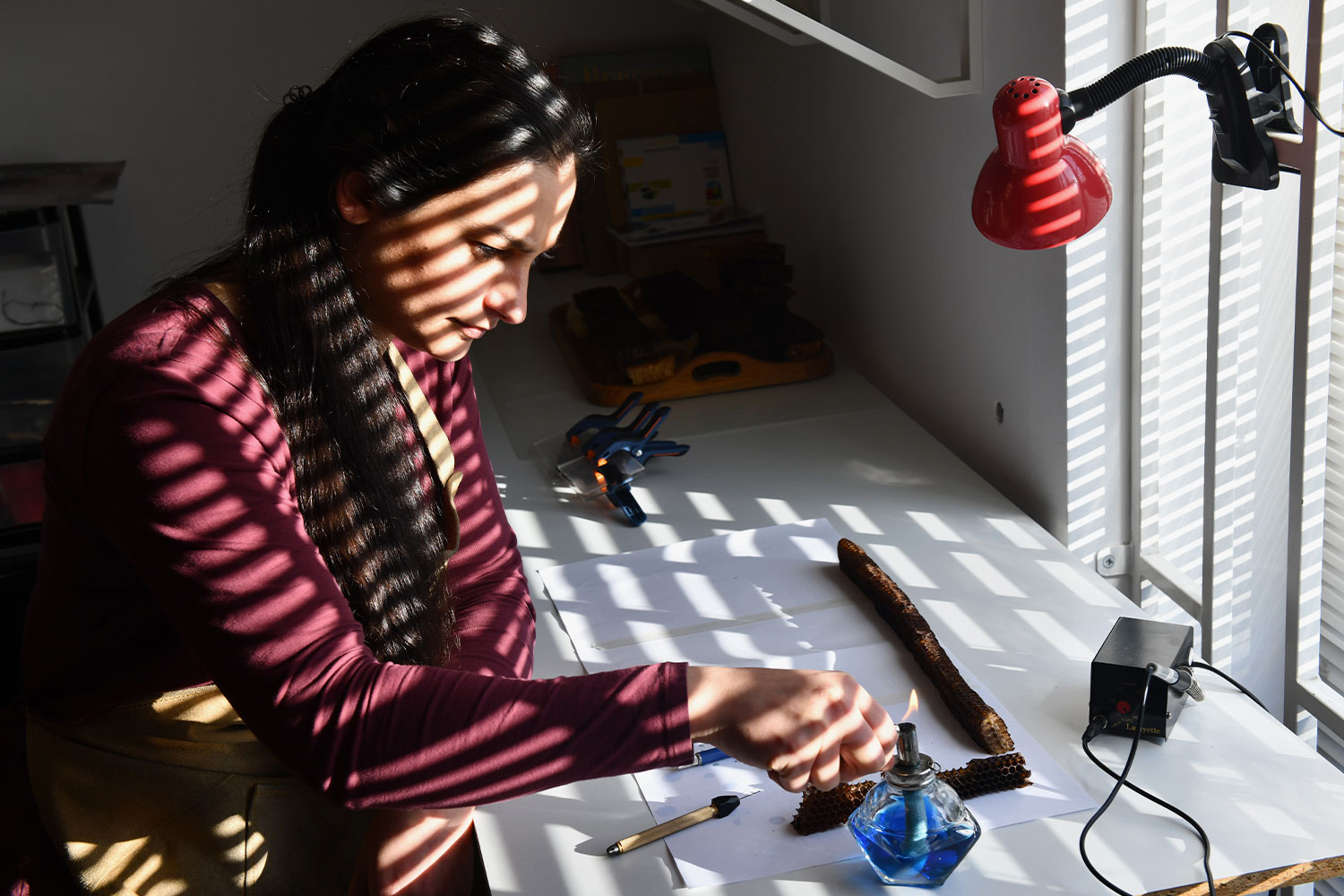
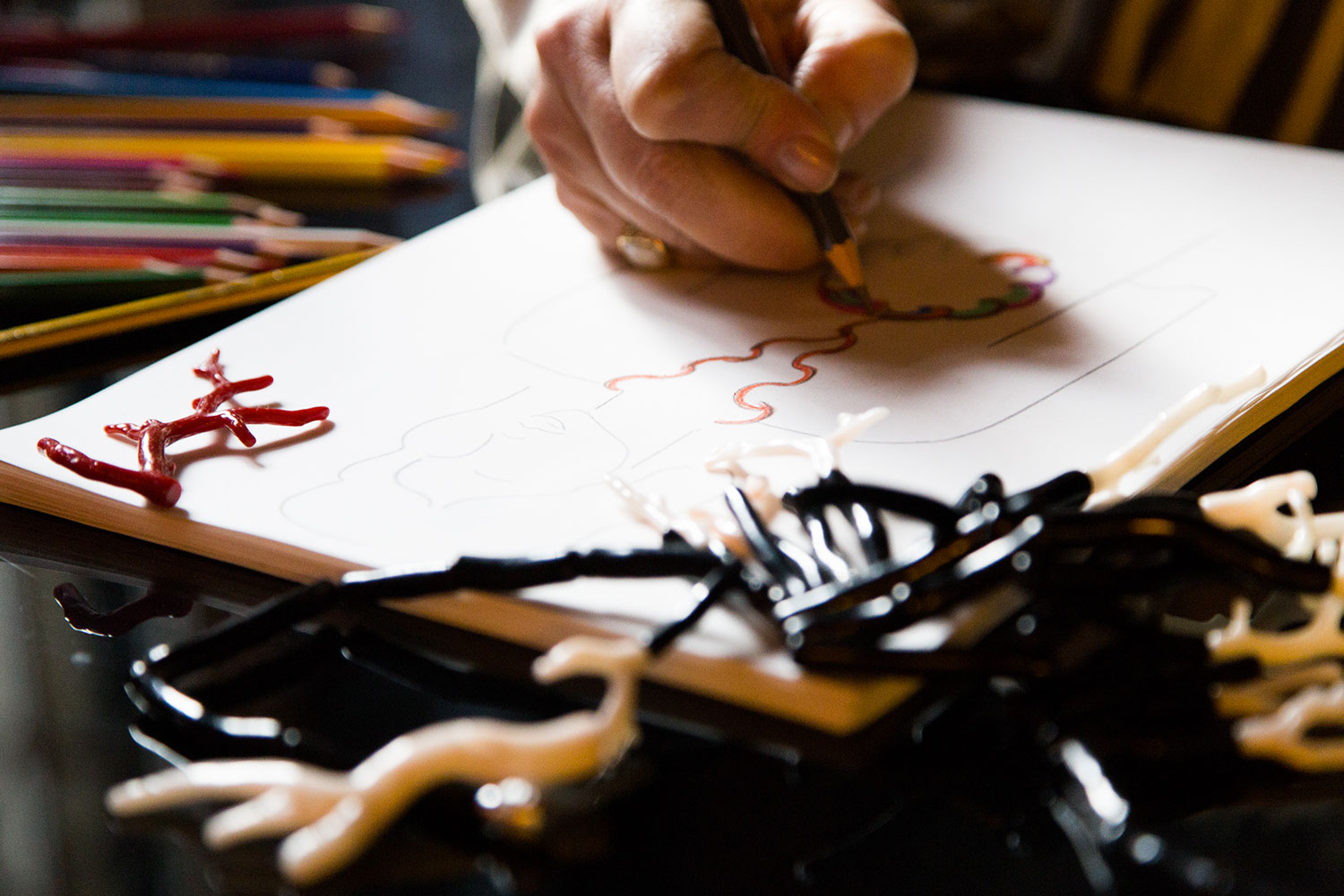
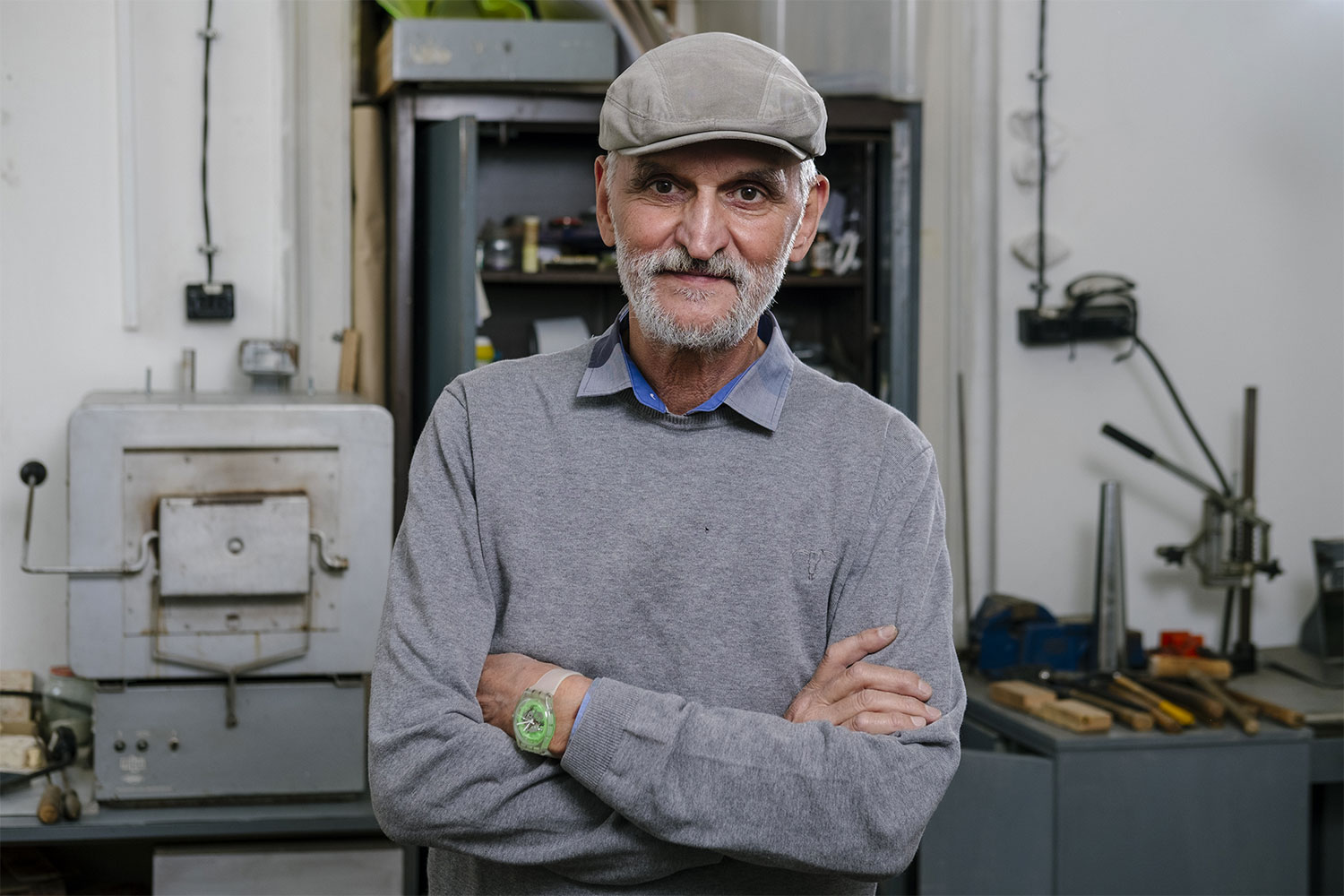
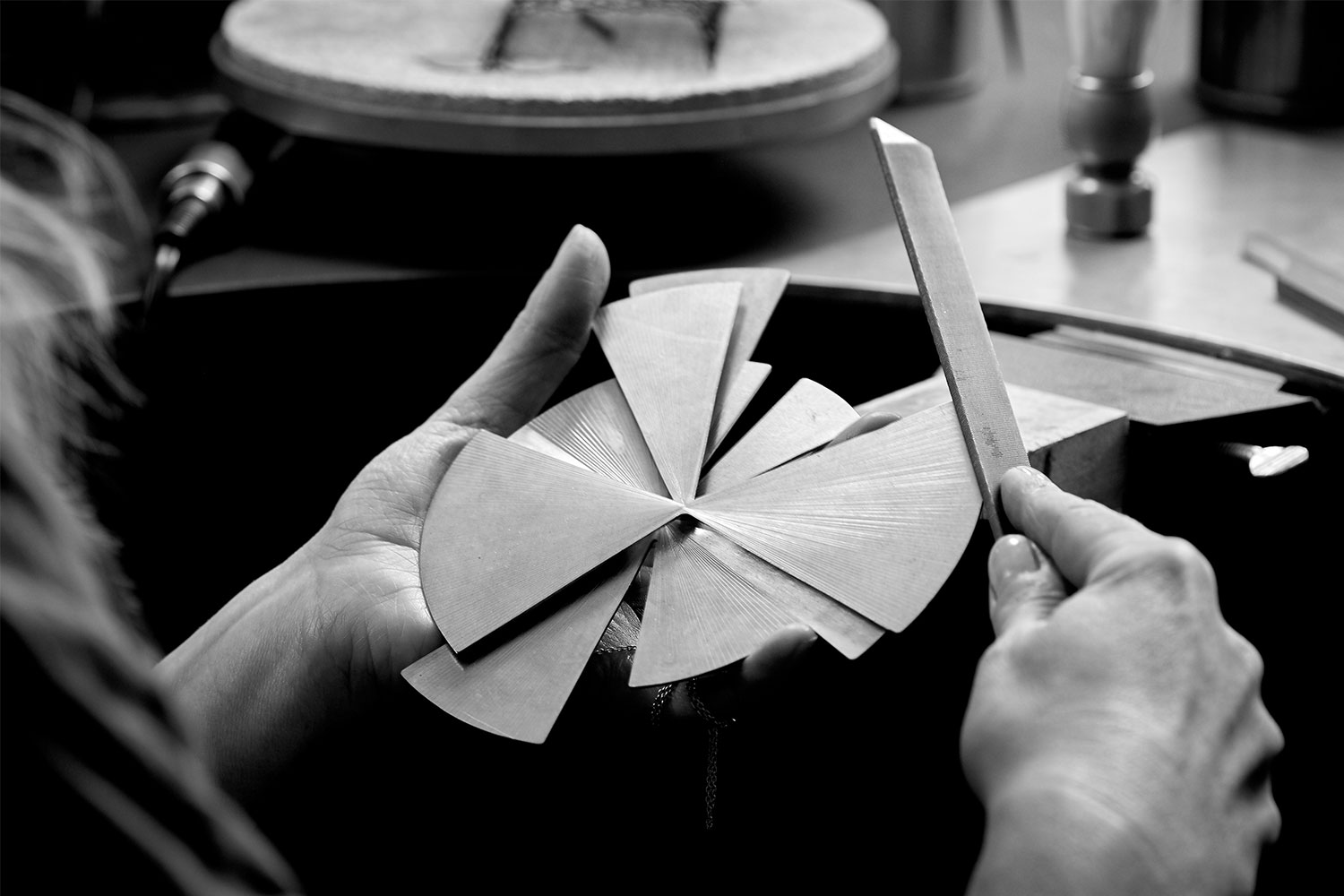
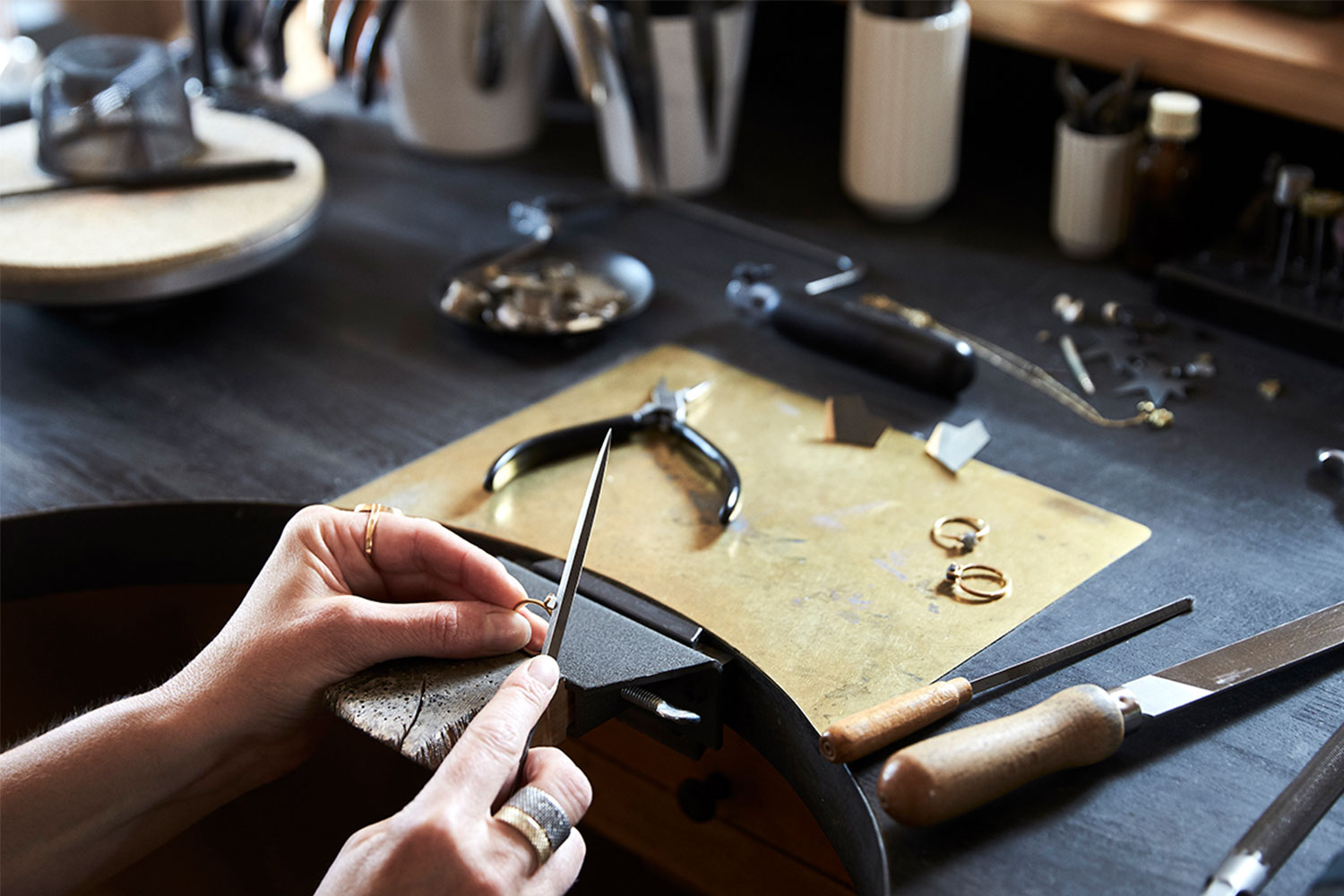
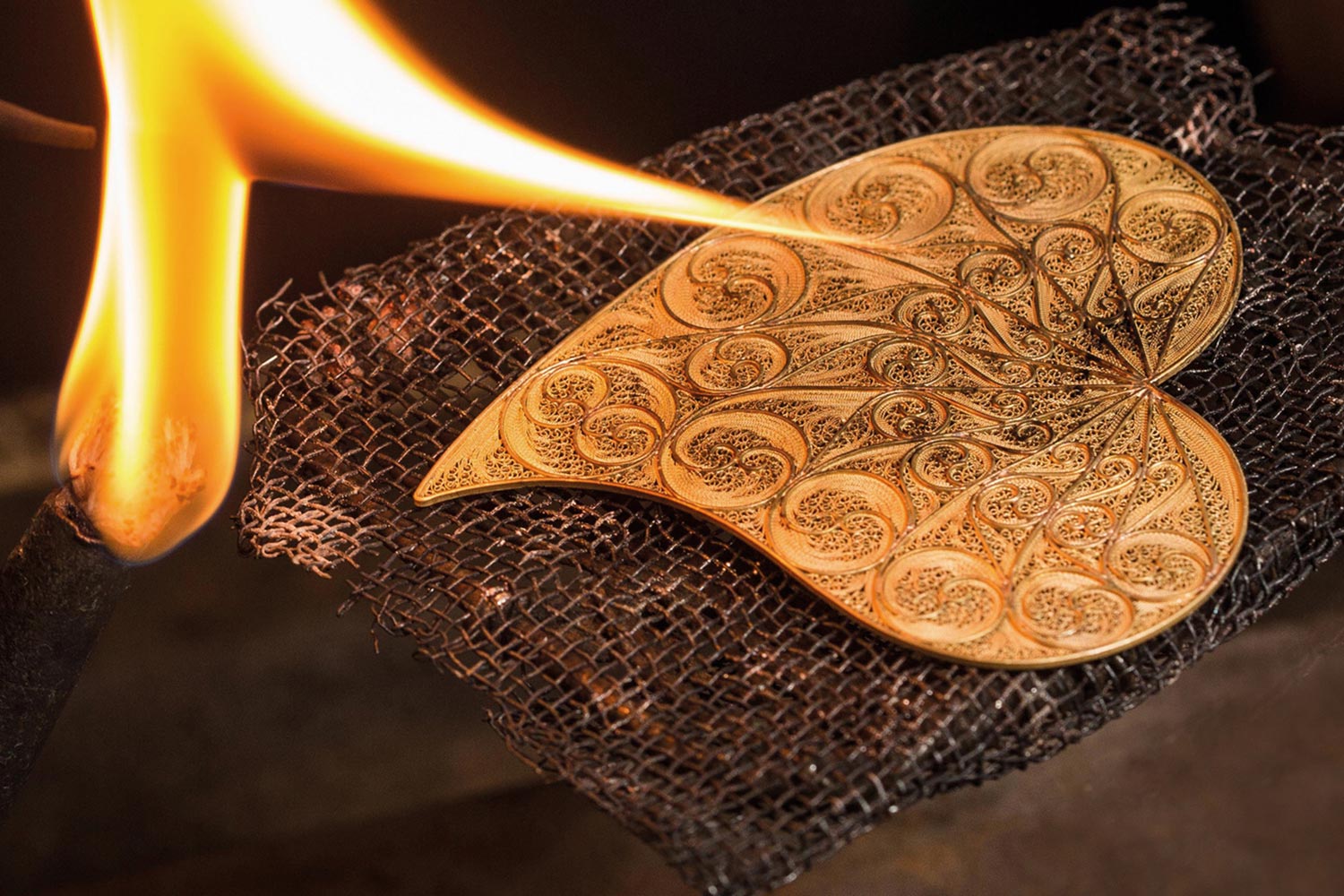
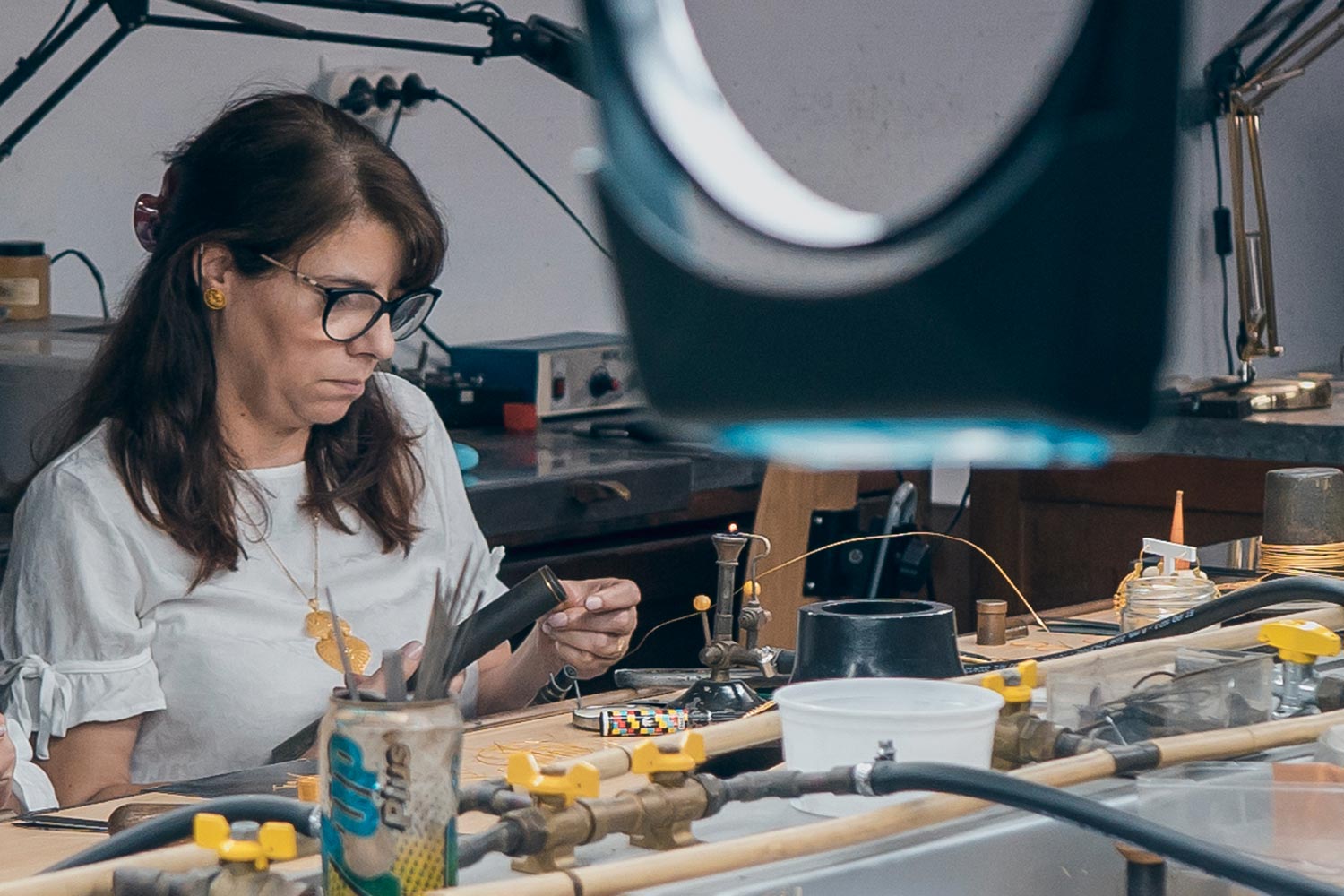
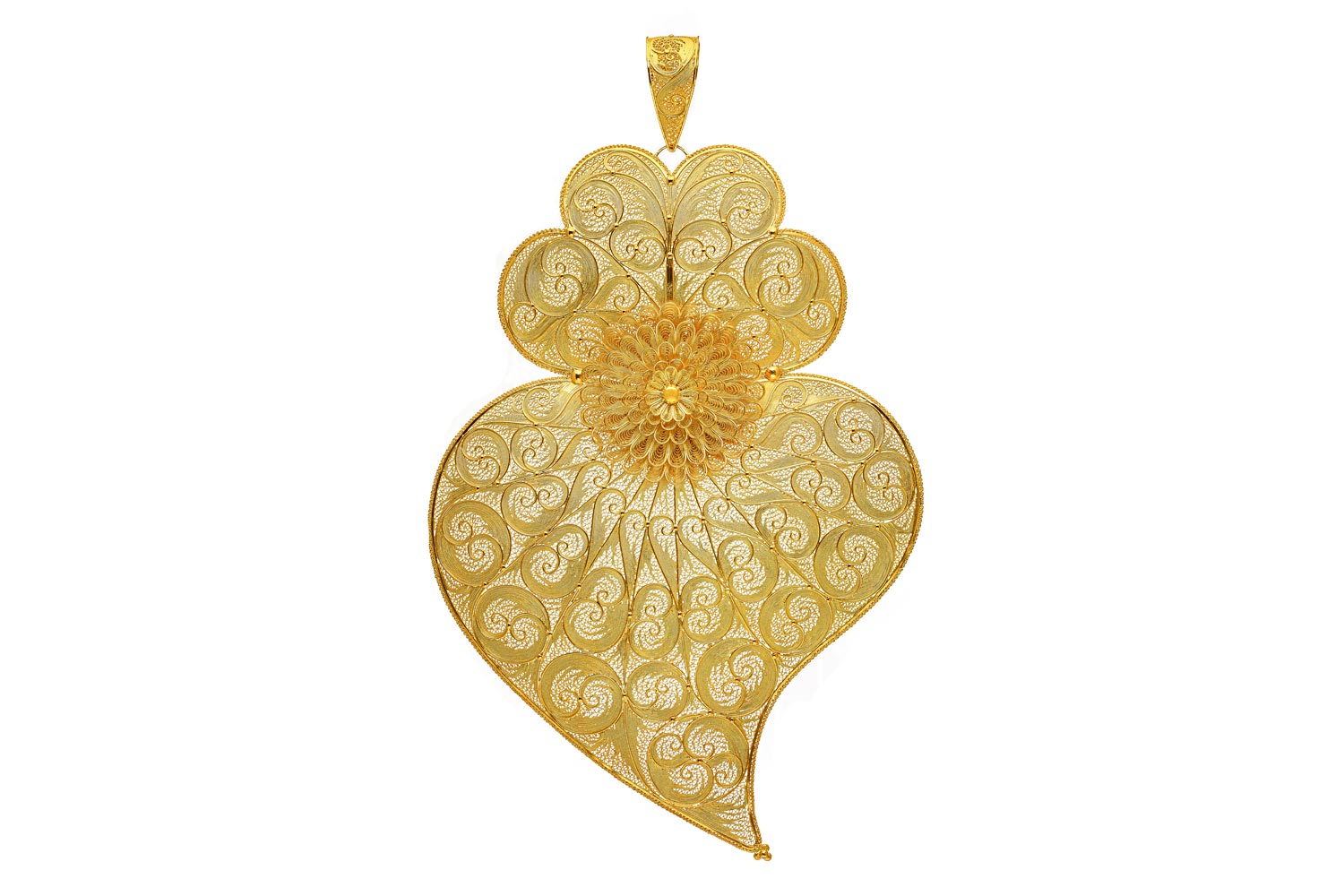
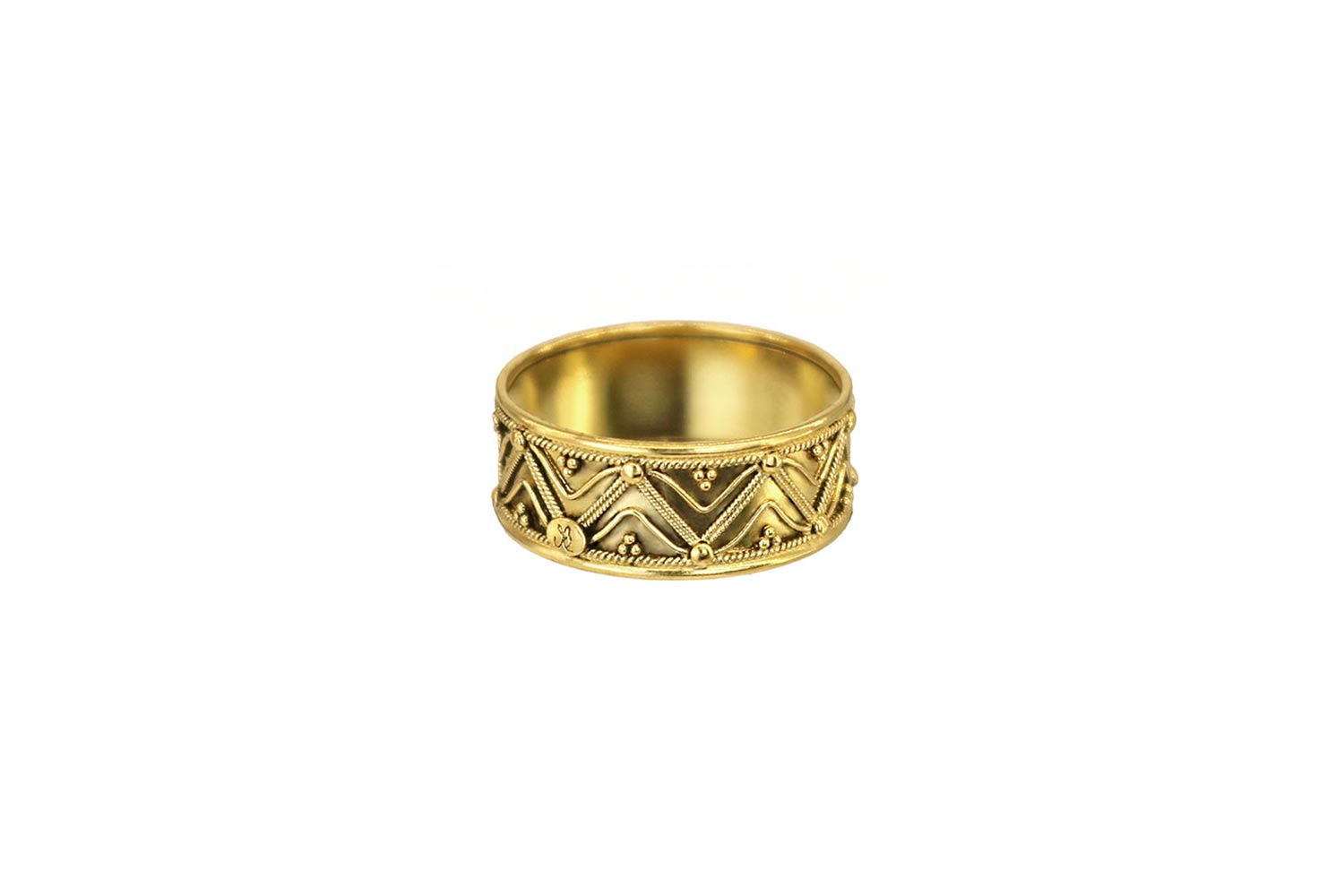
Inês Barbosa is proud to be the fifth generation safeguarding her family’s jewellery expertise. “Filigree and granulation techniques run in my family’s blood and I knew when I was 13 that this was what I would love to do for the rest of my life.” Creating her own workshop 15 years later enabled her to apply traditional methods to modern designs inspired by ancient Portuguese jewellery and nature. In Portugal, Inês is regularly invited to prestigious television shows to talk about her art and she represents Portuguese jewellery in exhibitions around the world. Today, she is already transmitting her skills to her daughter Rita, who wishes to pursue the family’s craft and is fully aware of the immense dedication required to master this craft.
Discover her work
INTERVIEW
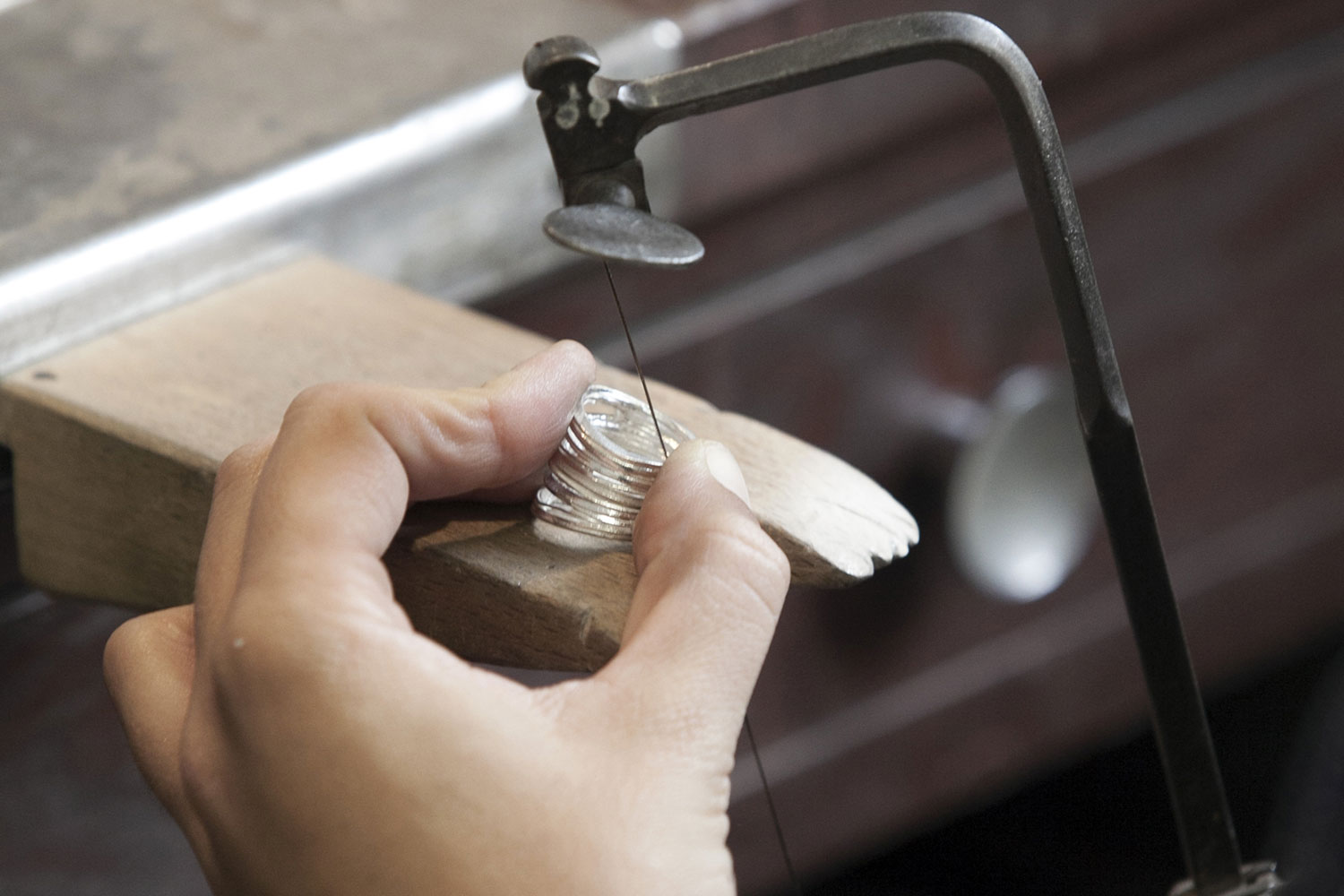
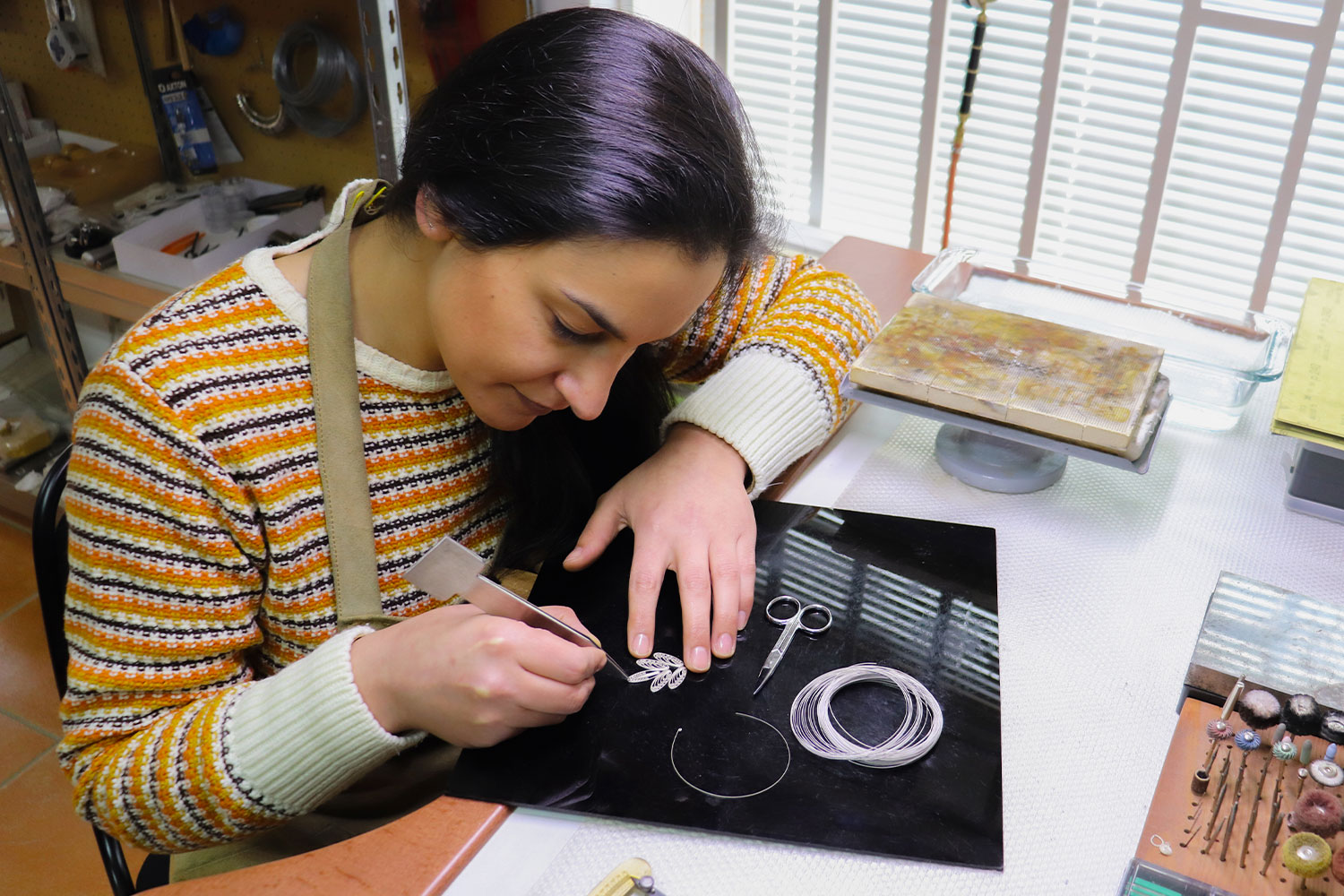
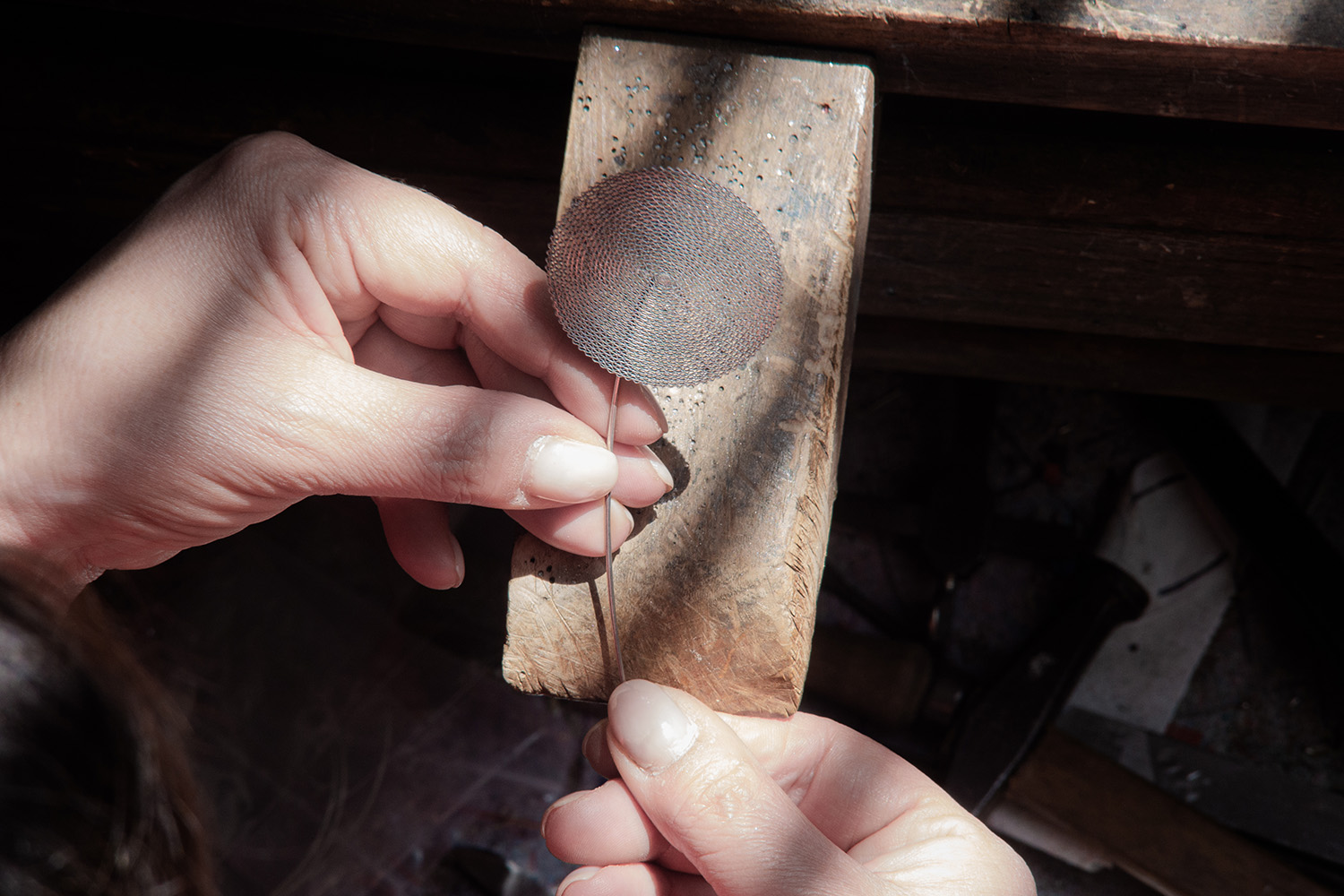
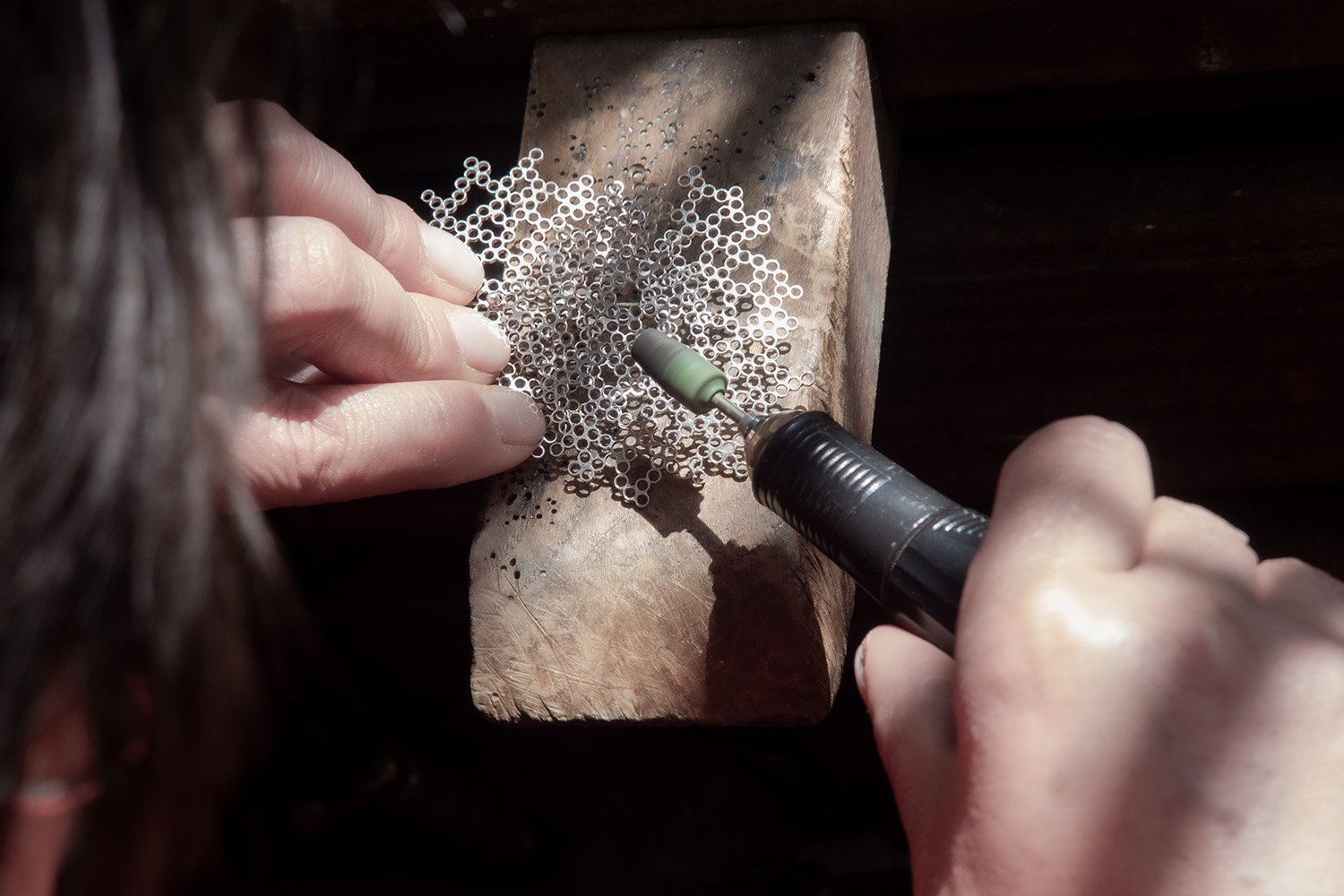
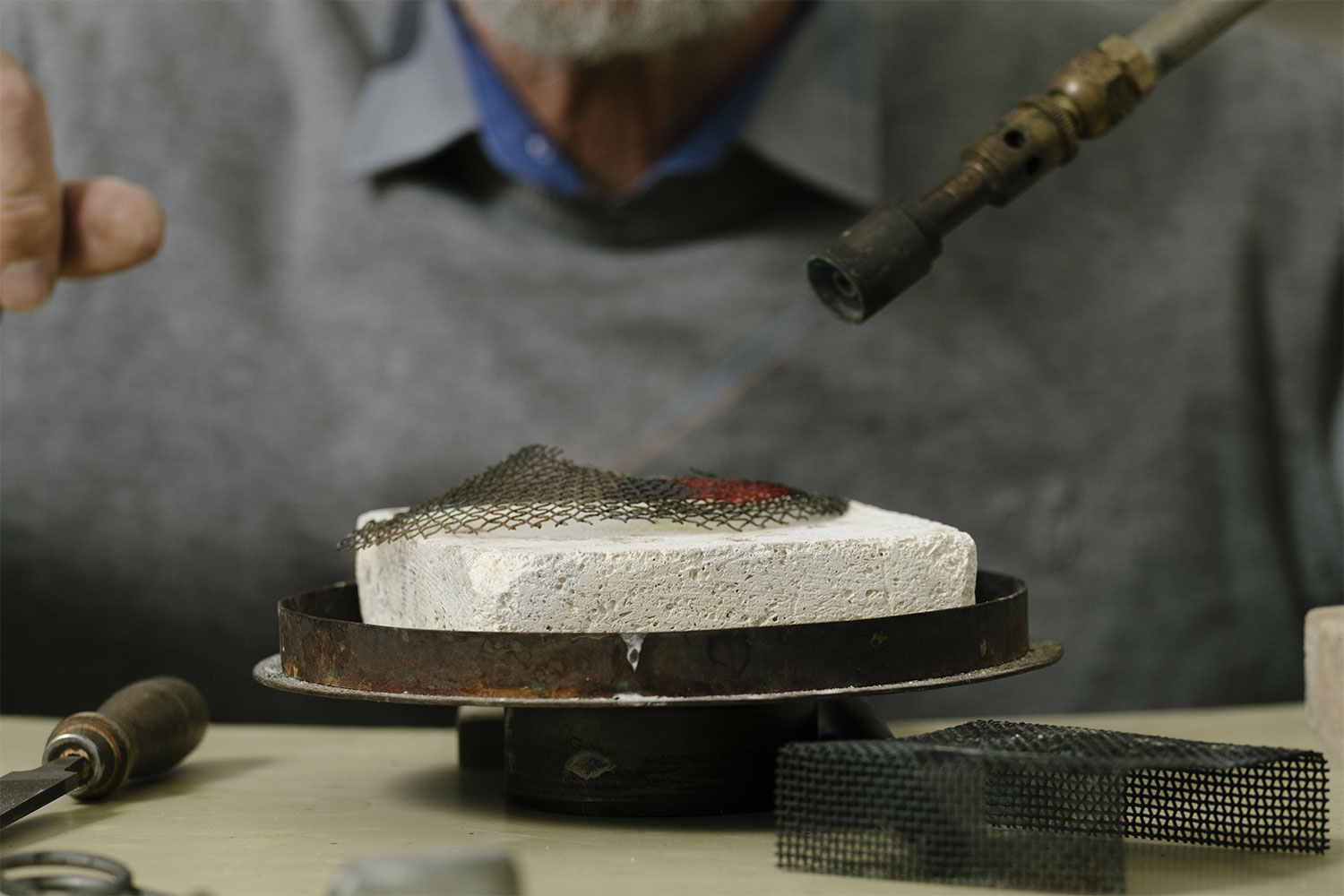
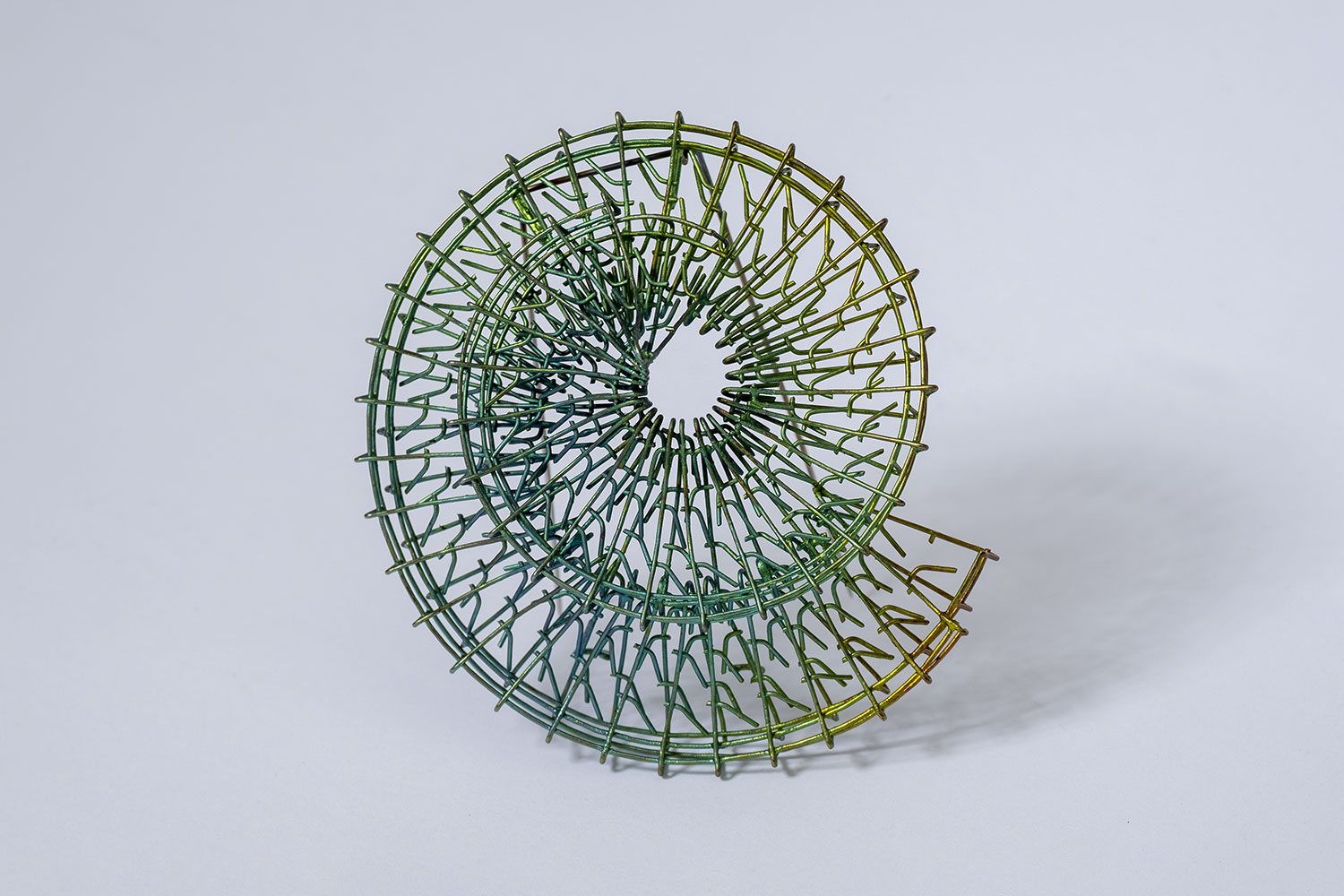
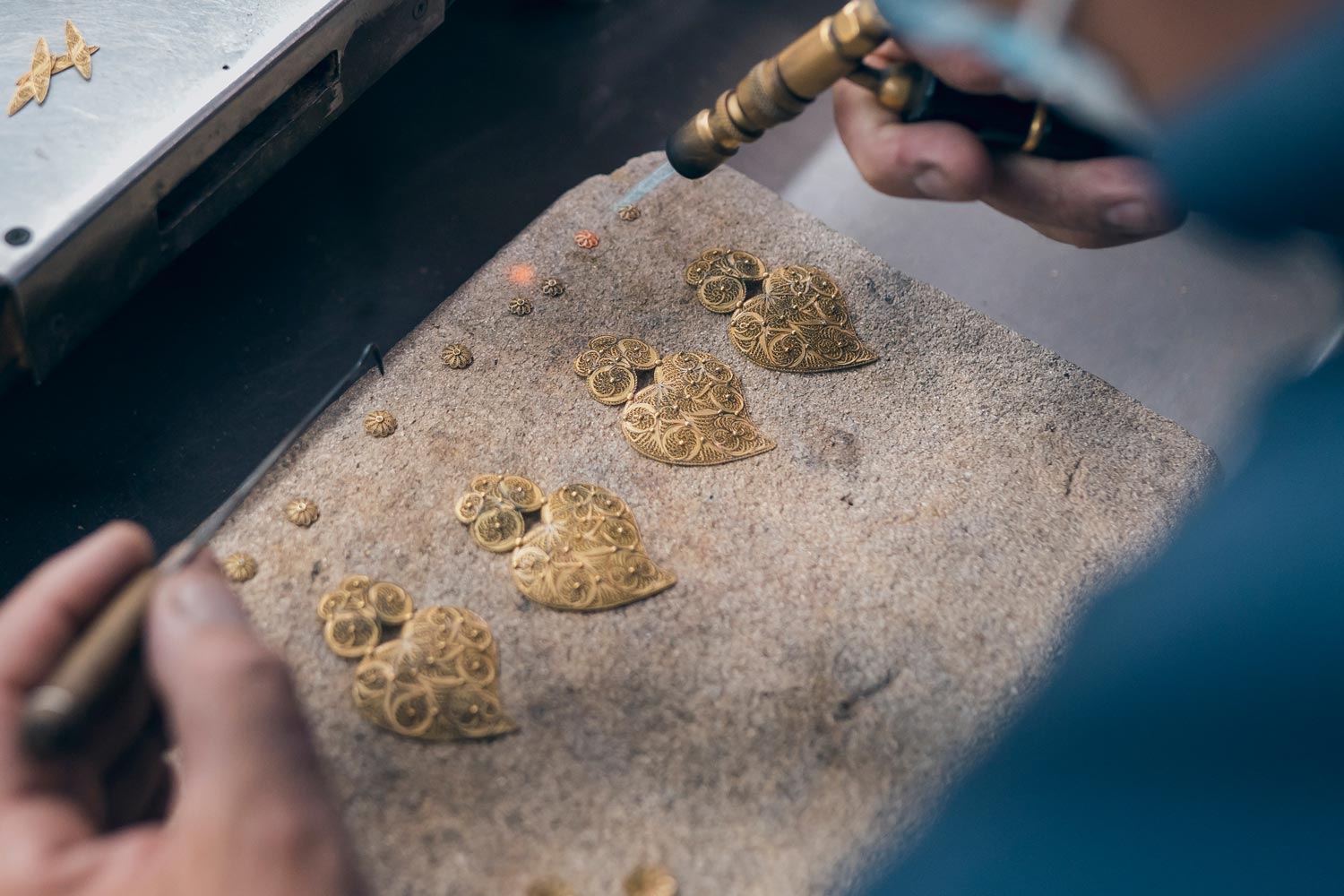
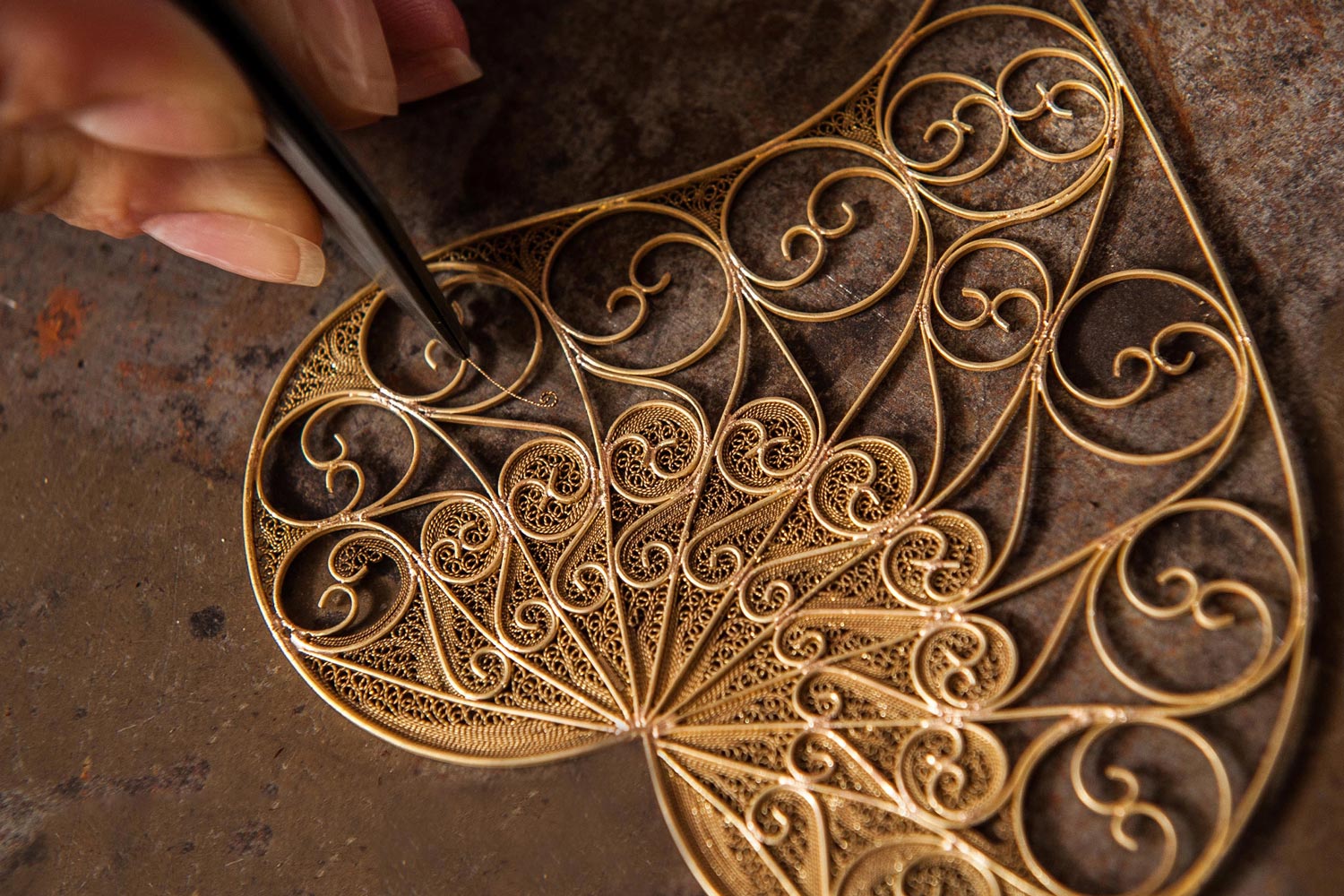
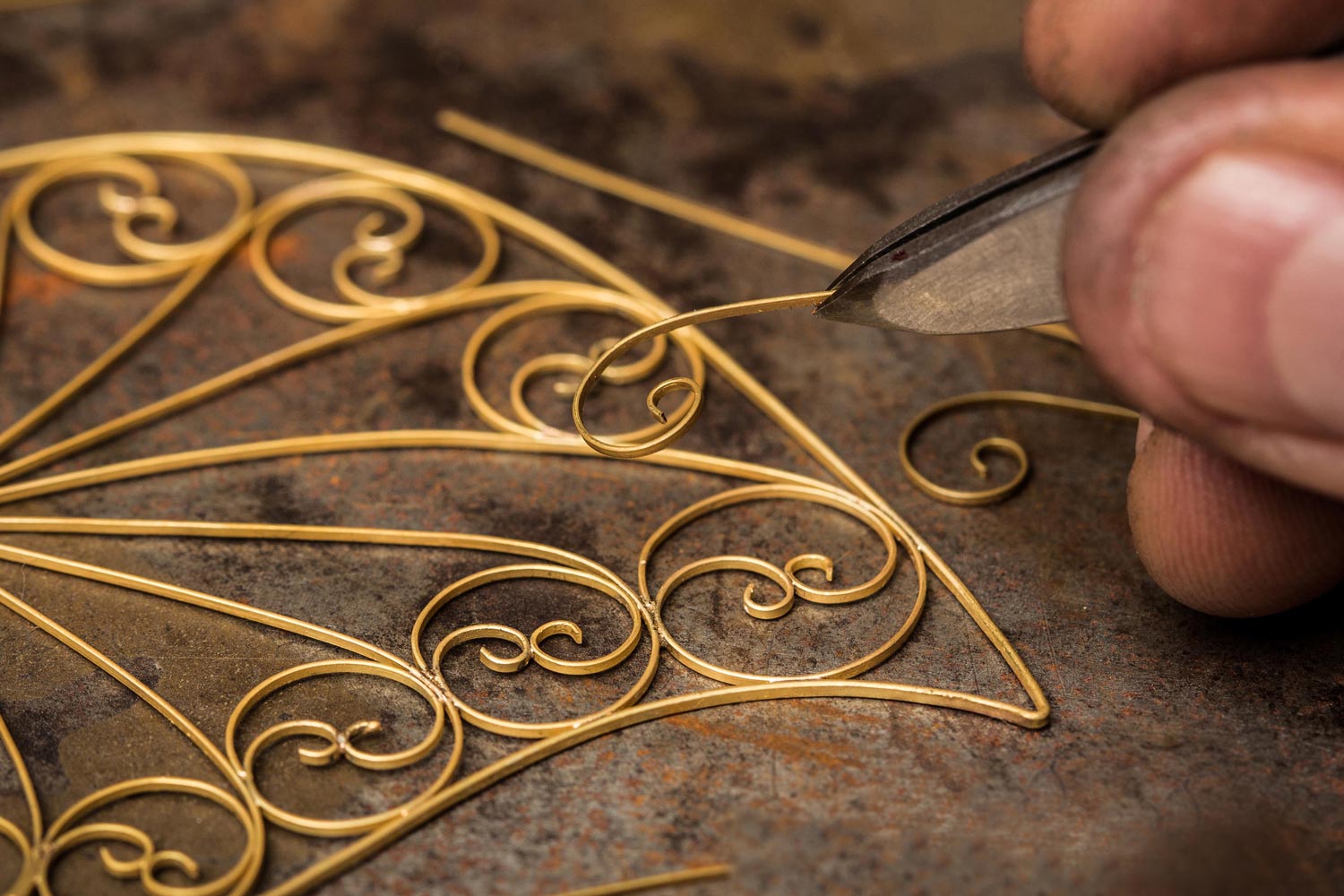
The filigree thread is actually made of two very thin threads twisted together by hand, then cut one by one and placed individually side by side inside the skeleton of the jewel. It is the mastery of the techniques that makes each piece unique and timeless.
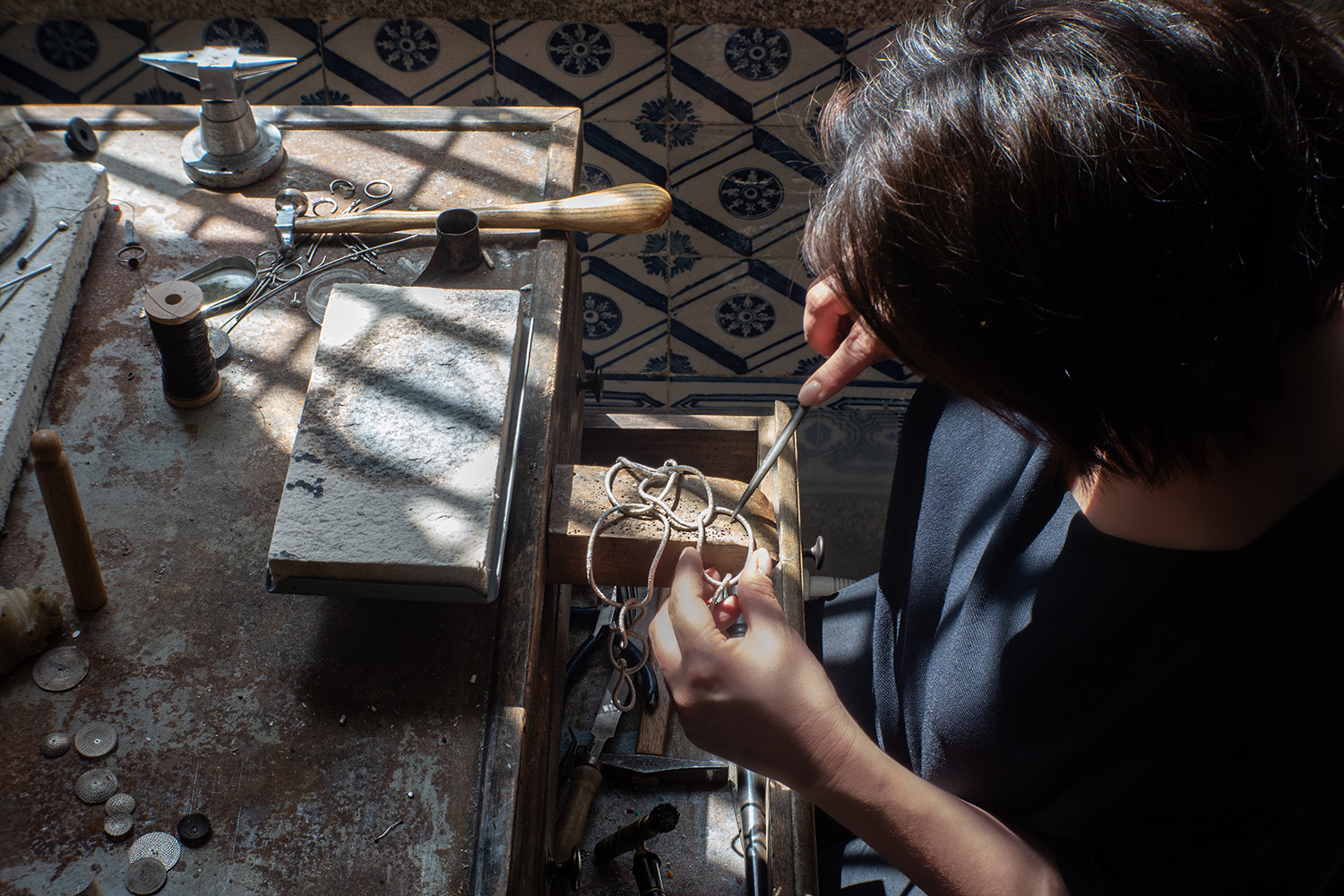
I worked with my father for 15 years, learning the skills he had learnt from his father. At 28, I decided to open my workshop with my name to apply these traditional techniques to more contemporary designs and to be free to innovate more.
Yes. Our village is called Gold Land: there isn't any gold mine, but a long tradition of working gold and silver with the filigree and granulation techniques. A granulate necklace dating back more than 2000 years was found near our castle. It is intrinsic in our culture.
I personally don't think so as my daughter is learning the craft. There is also an expanding appreciation for the filigree and granulation handcrafted techniques versus the machine versions with no soul. I am hopeful the younger generation will treasure this heritage.