Going beyond tradition
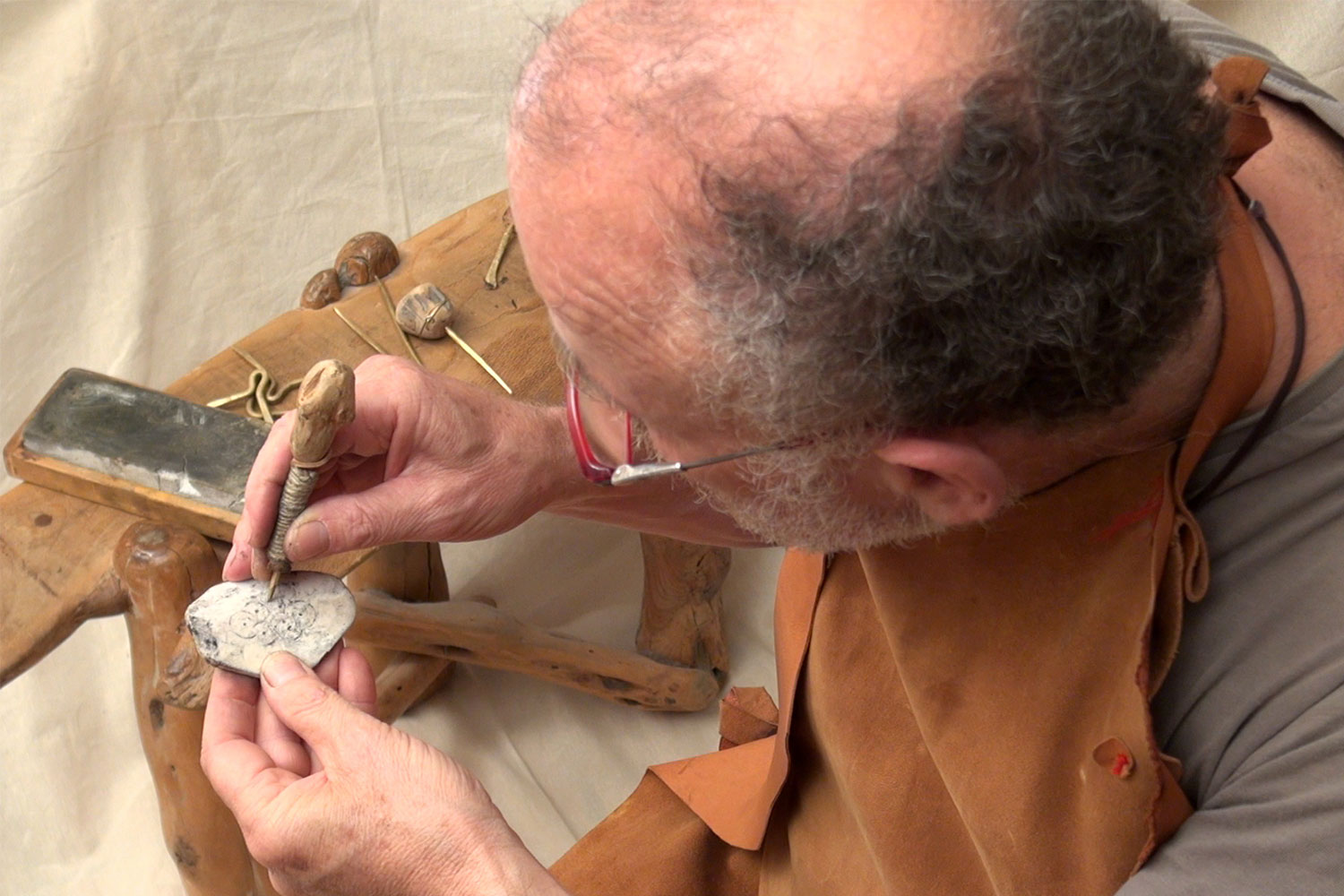
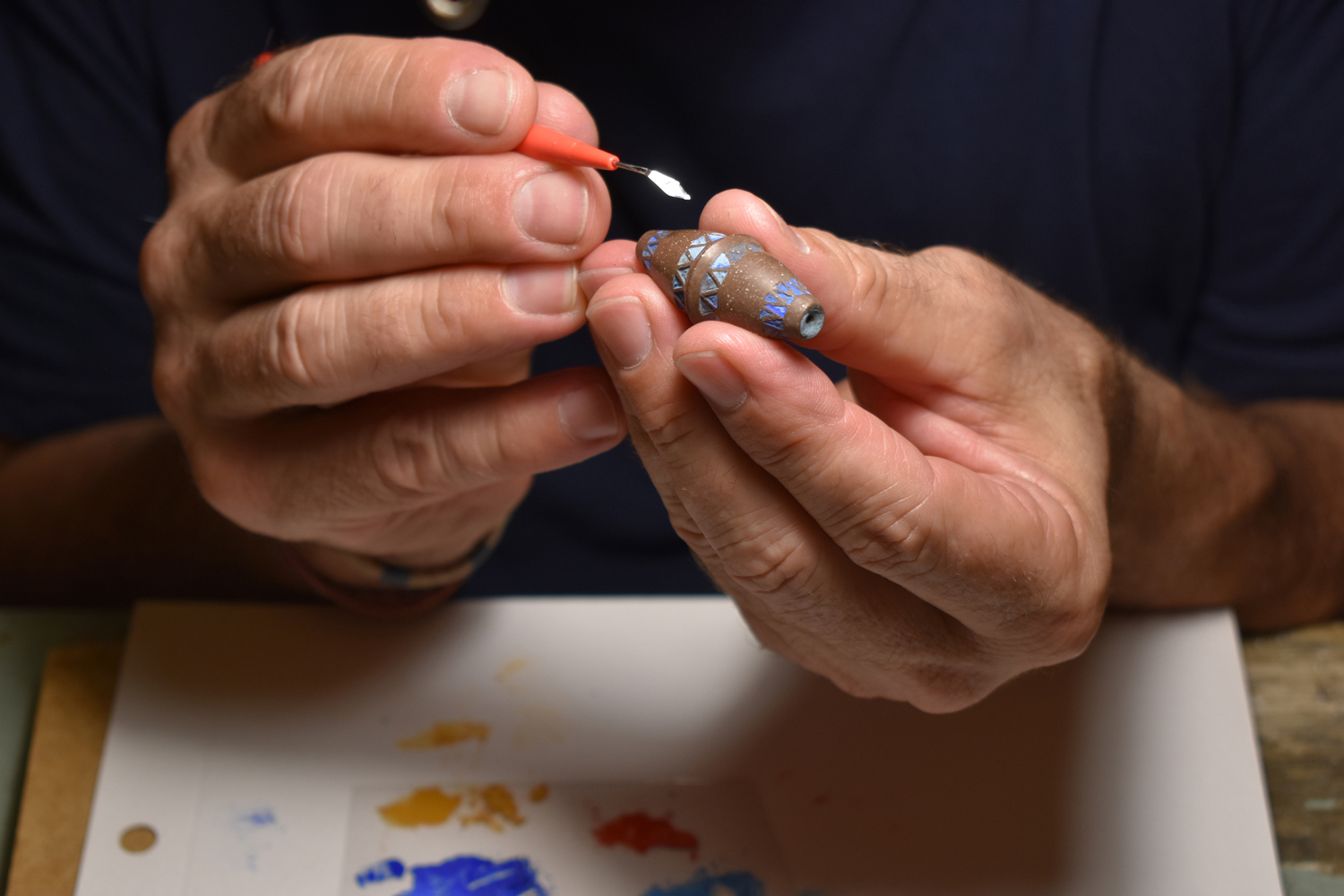
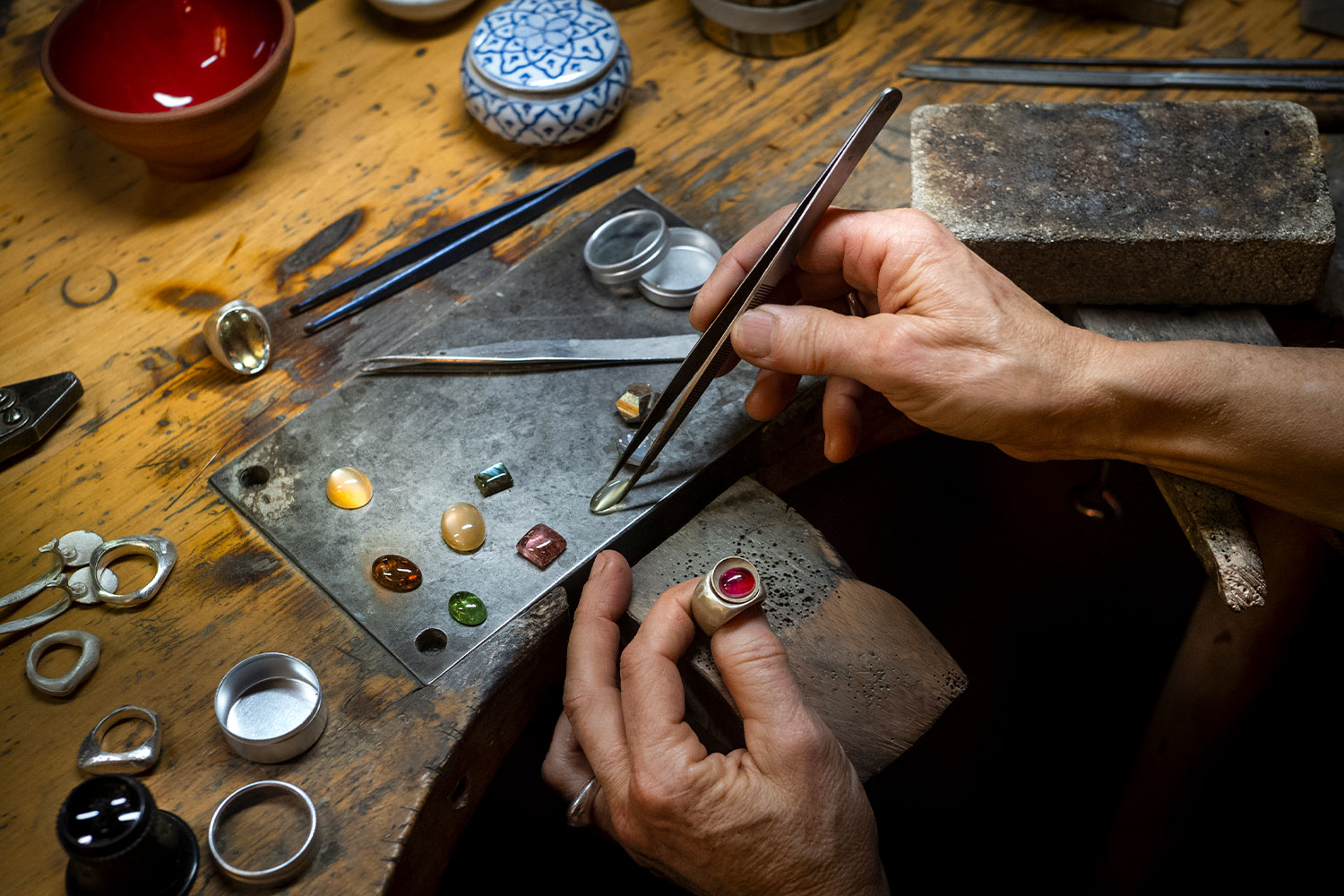
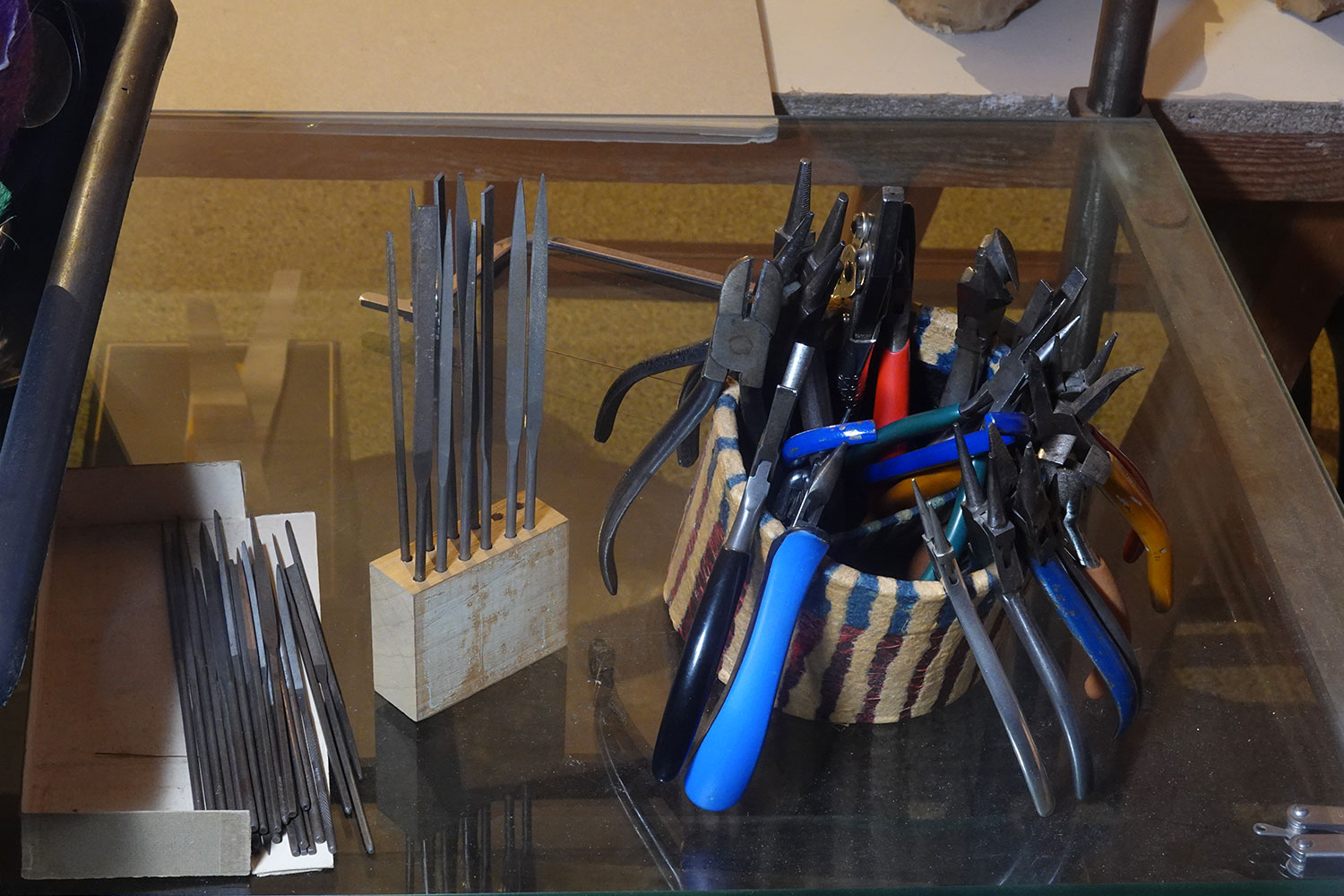
- Despina uses well known techniques but also forgotten ones like 'nielo'
- French director Jean-Luc Godard's work has influenced her
- She likes to give equal importance to what remains unseen
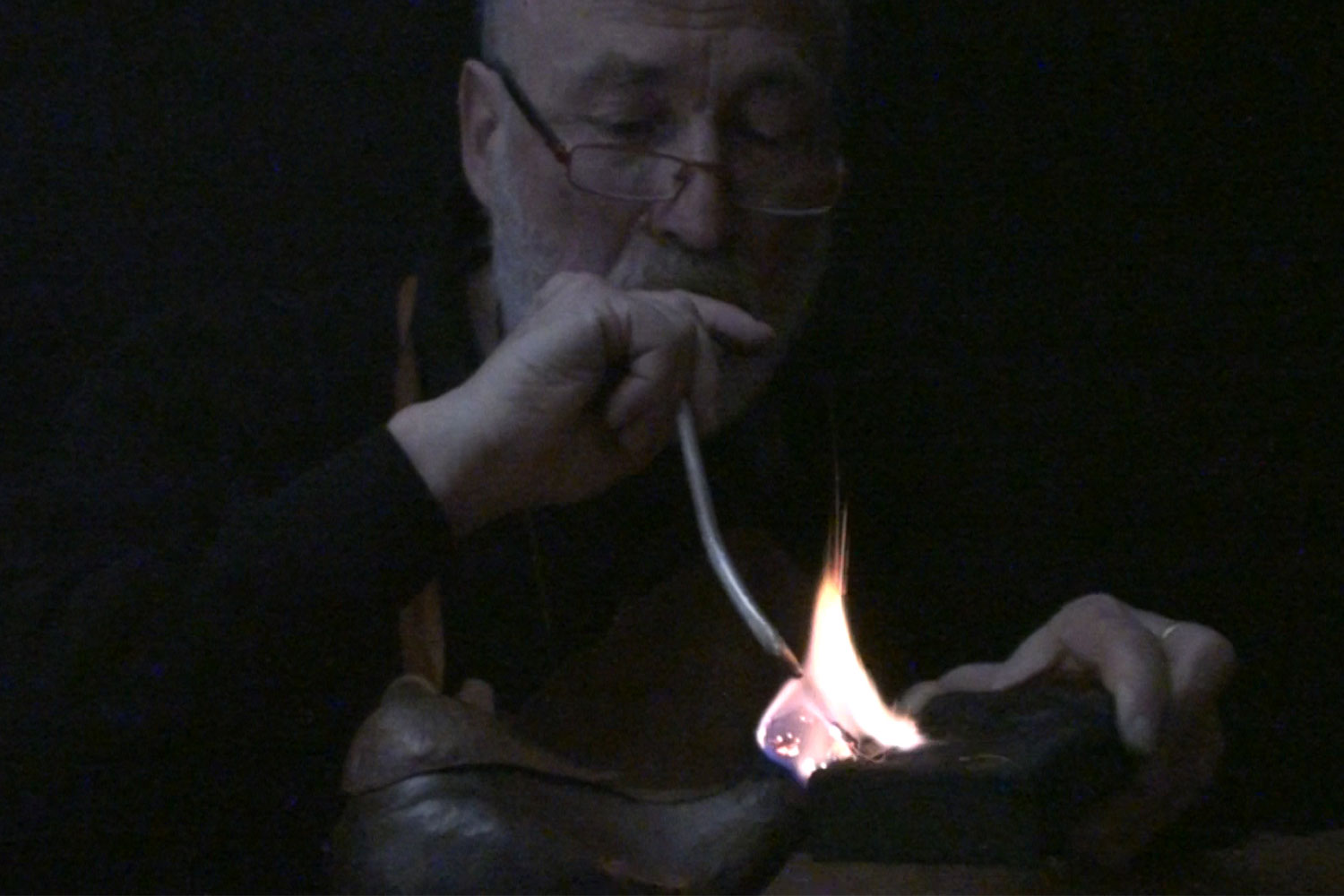
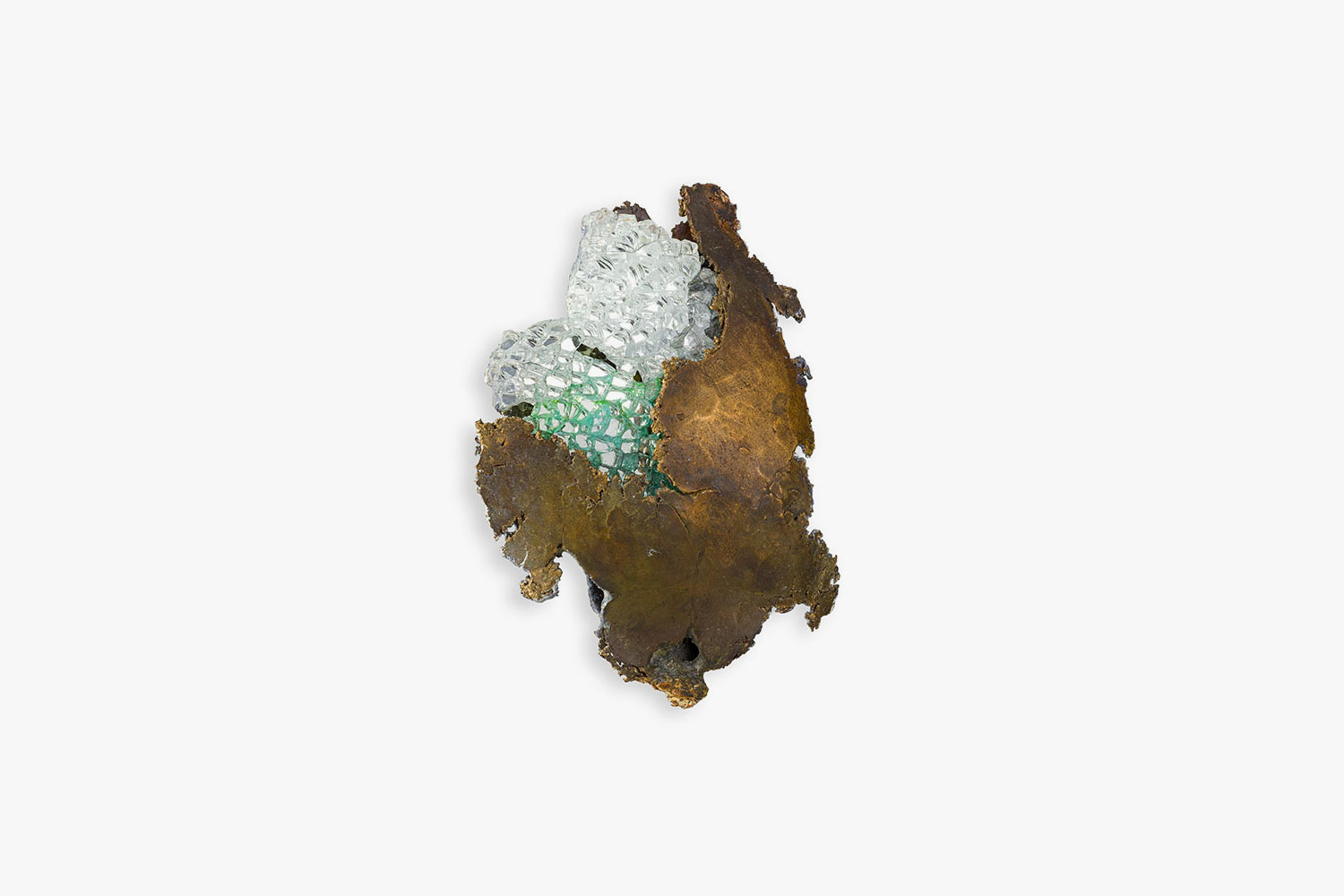
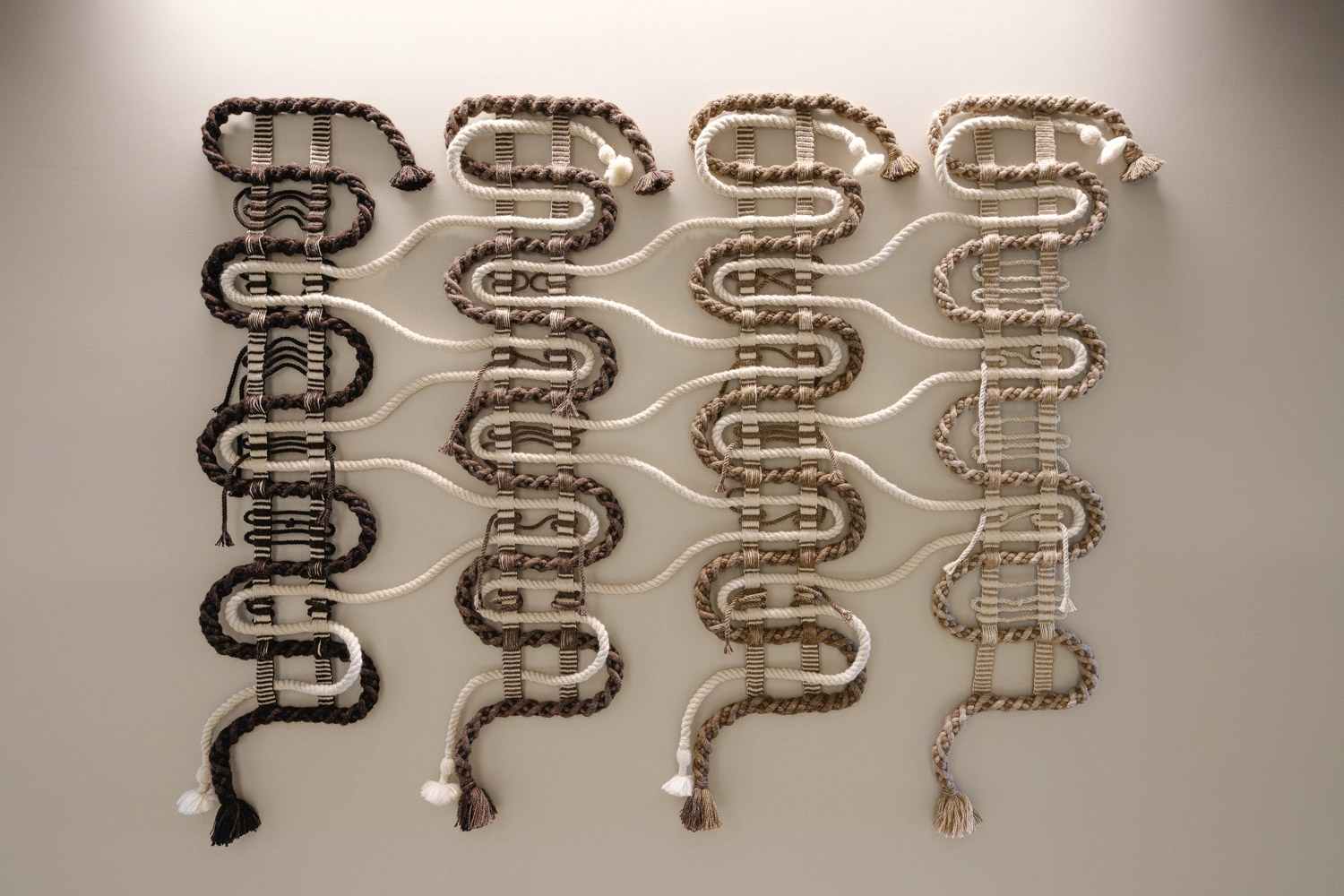
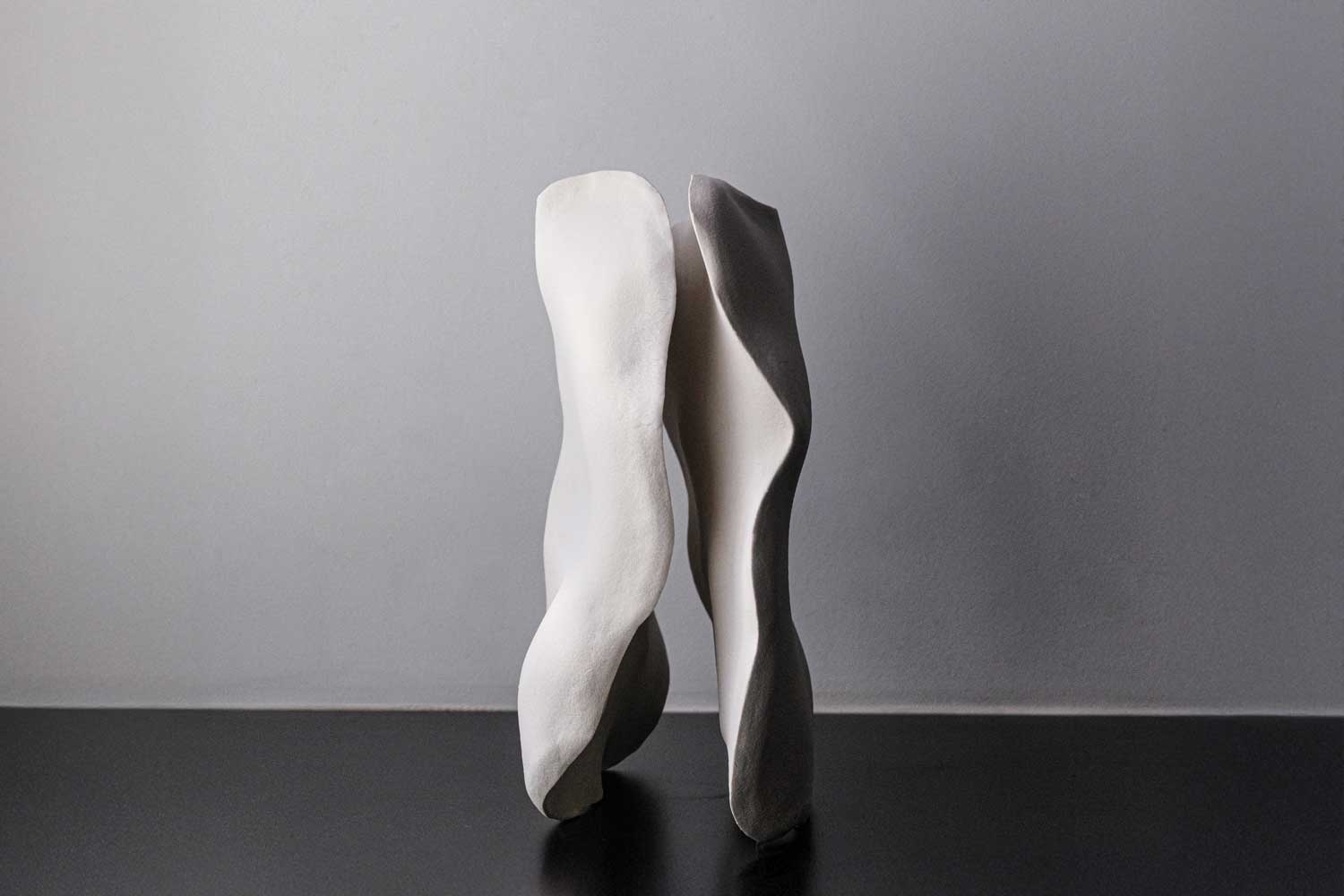
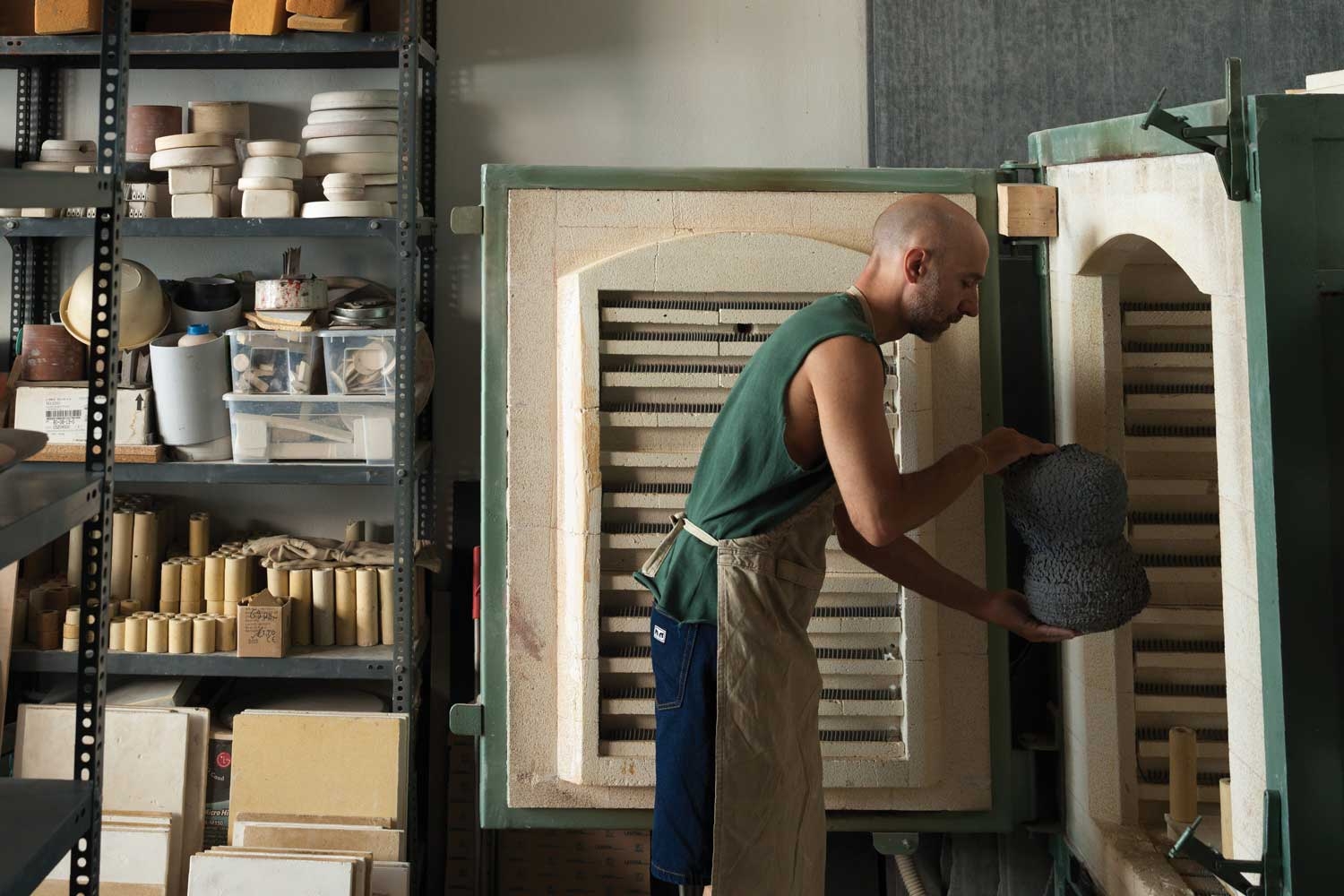
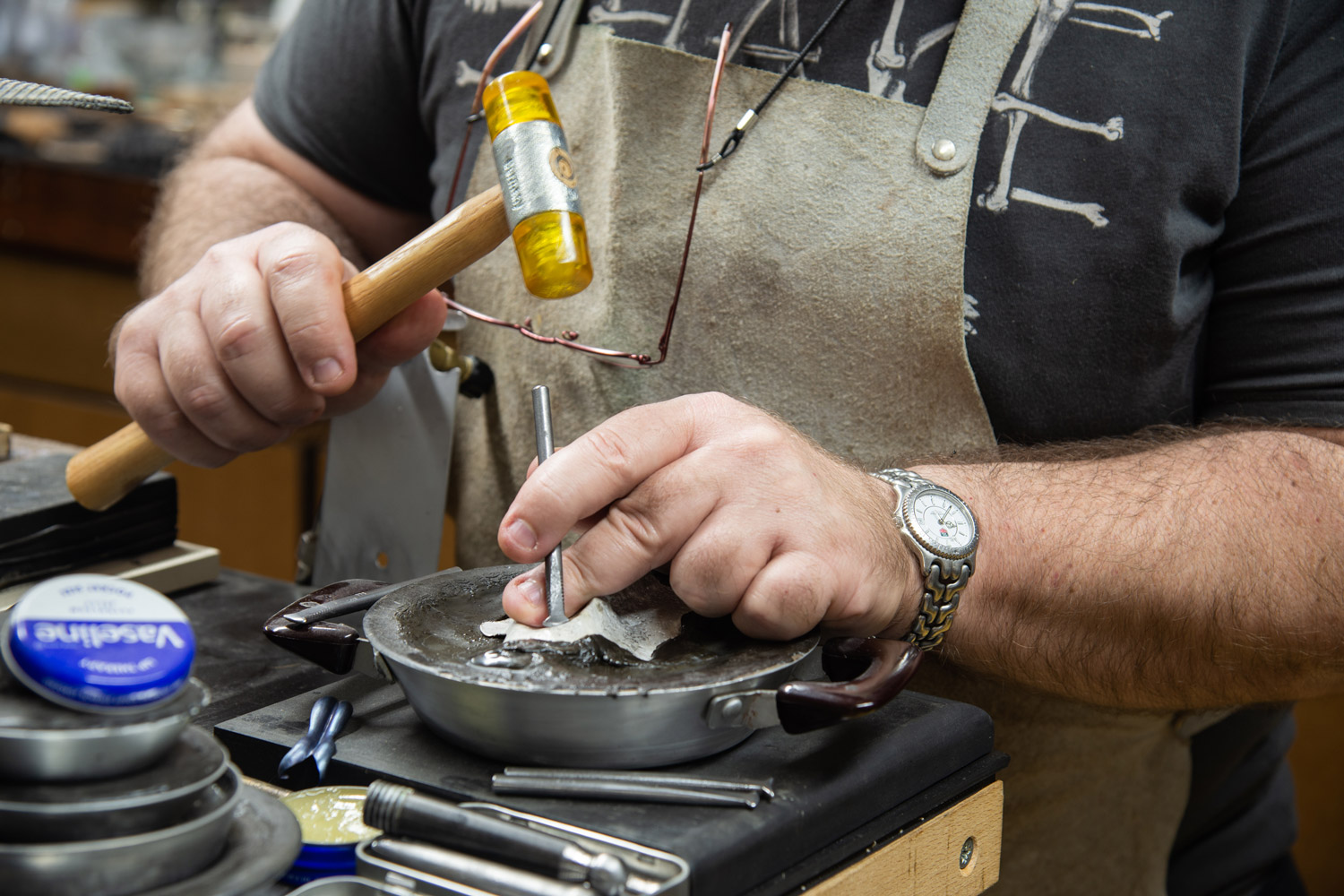
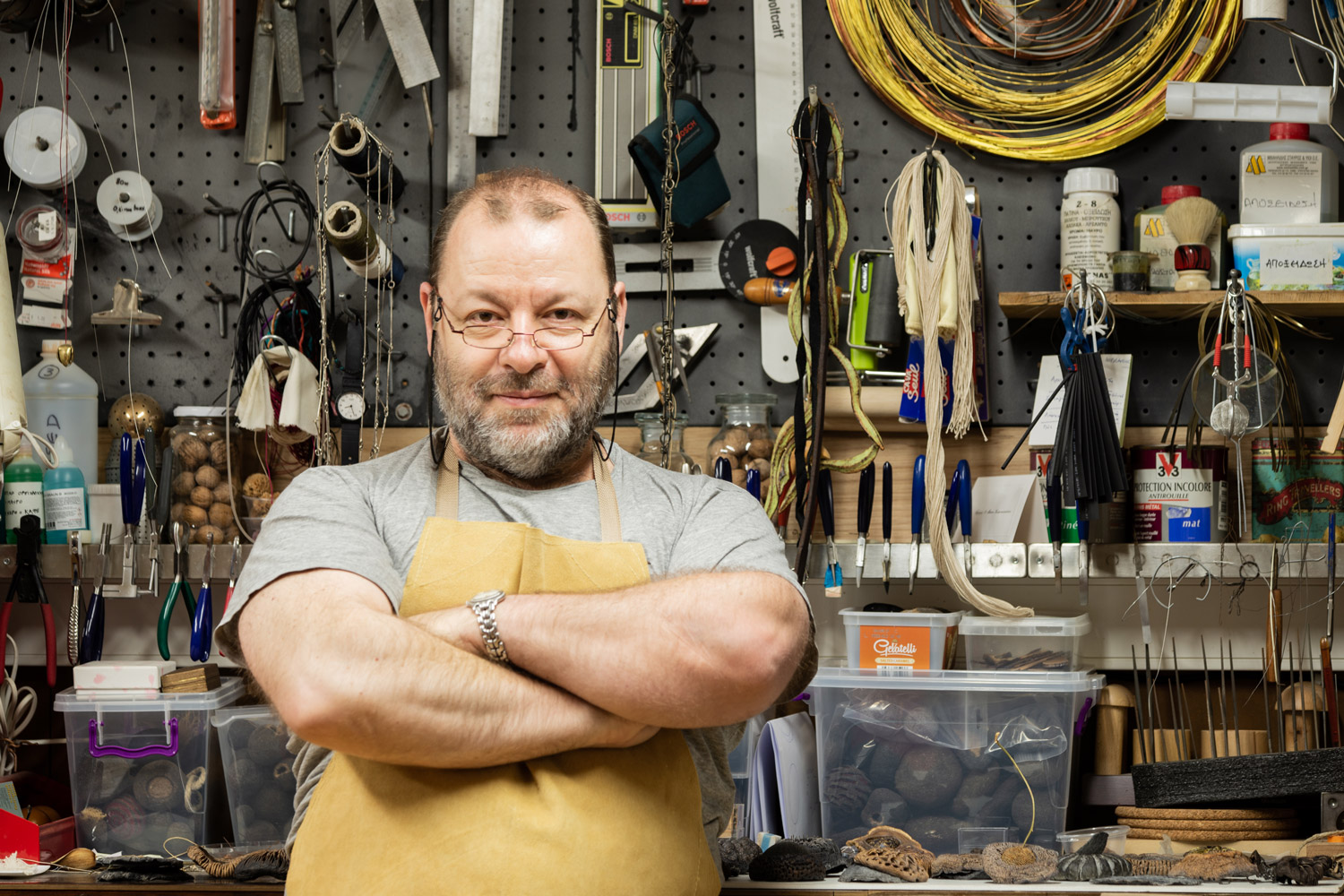
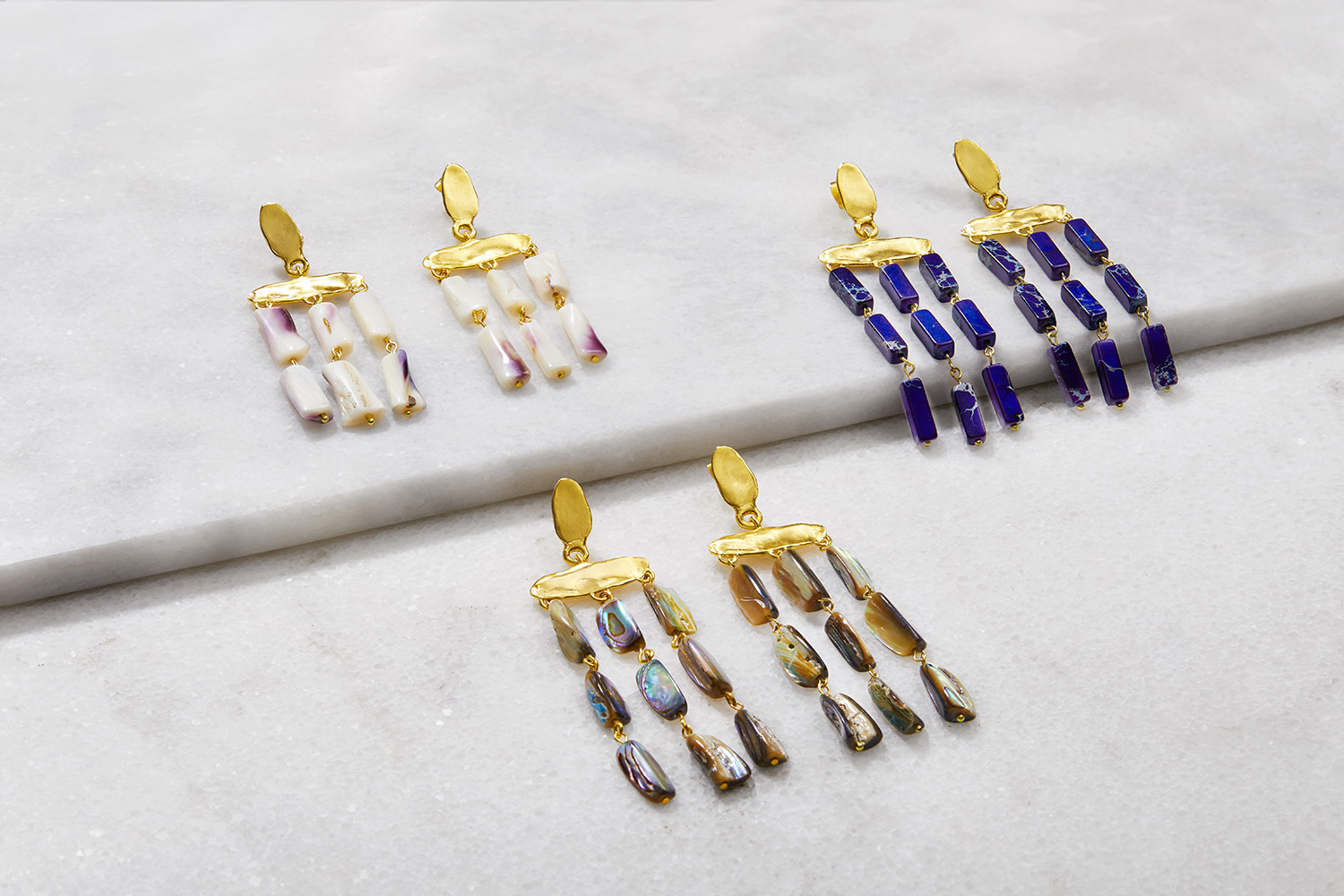
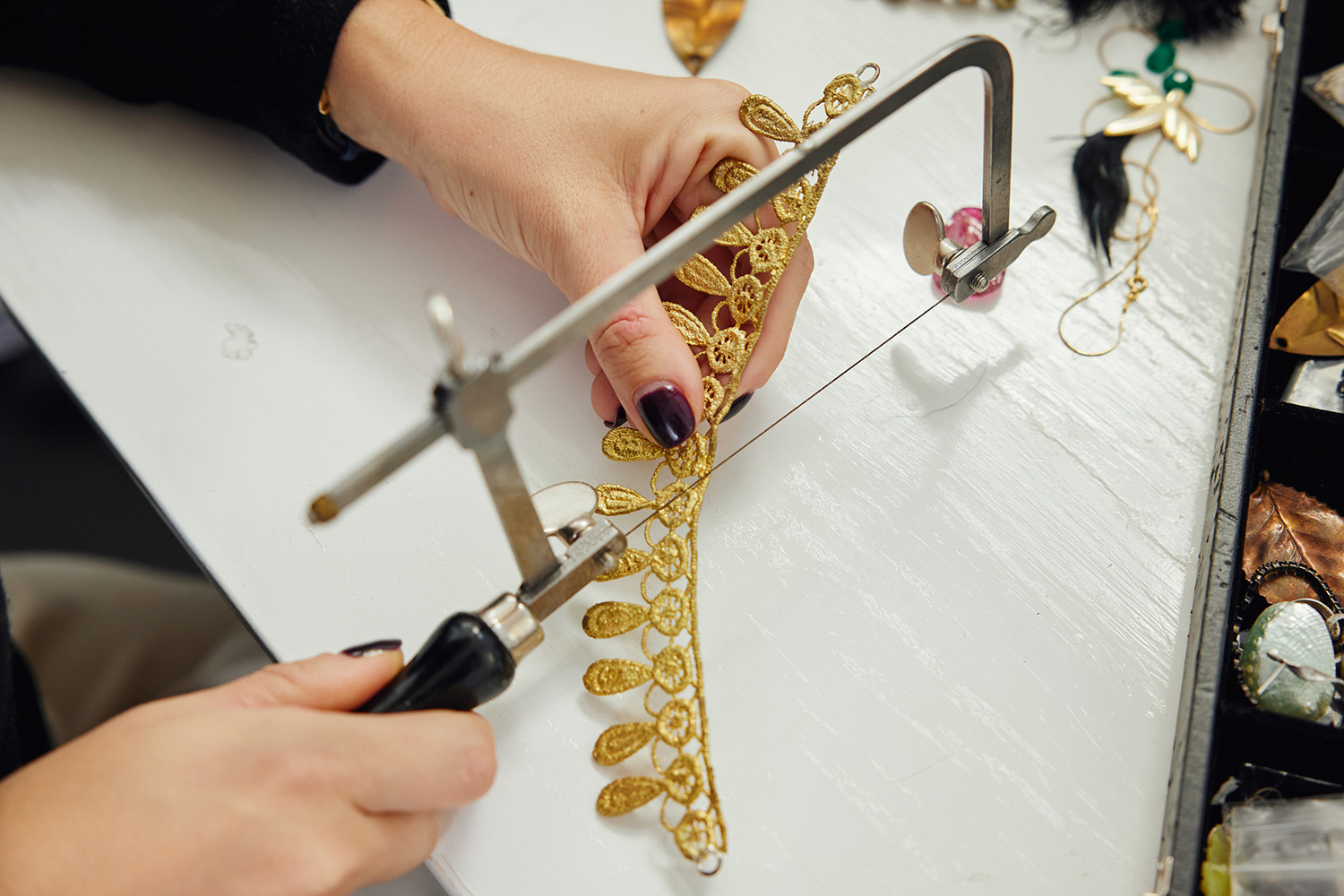
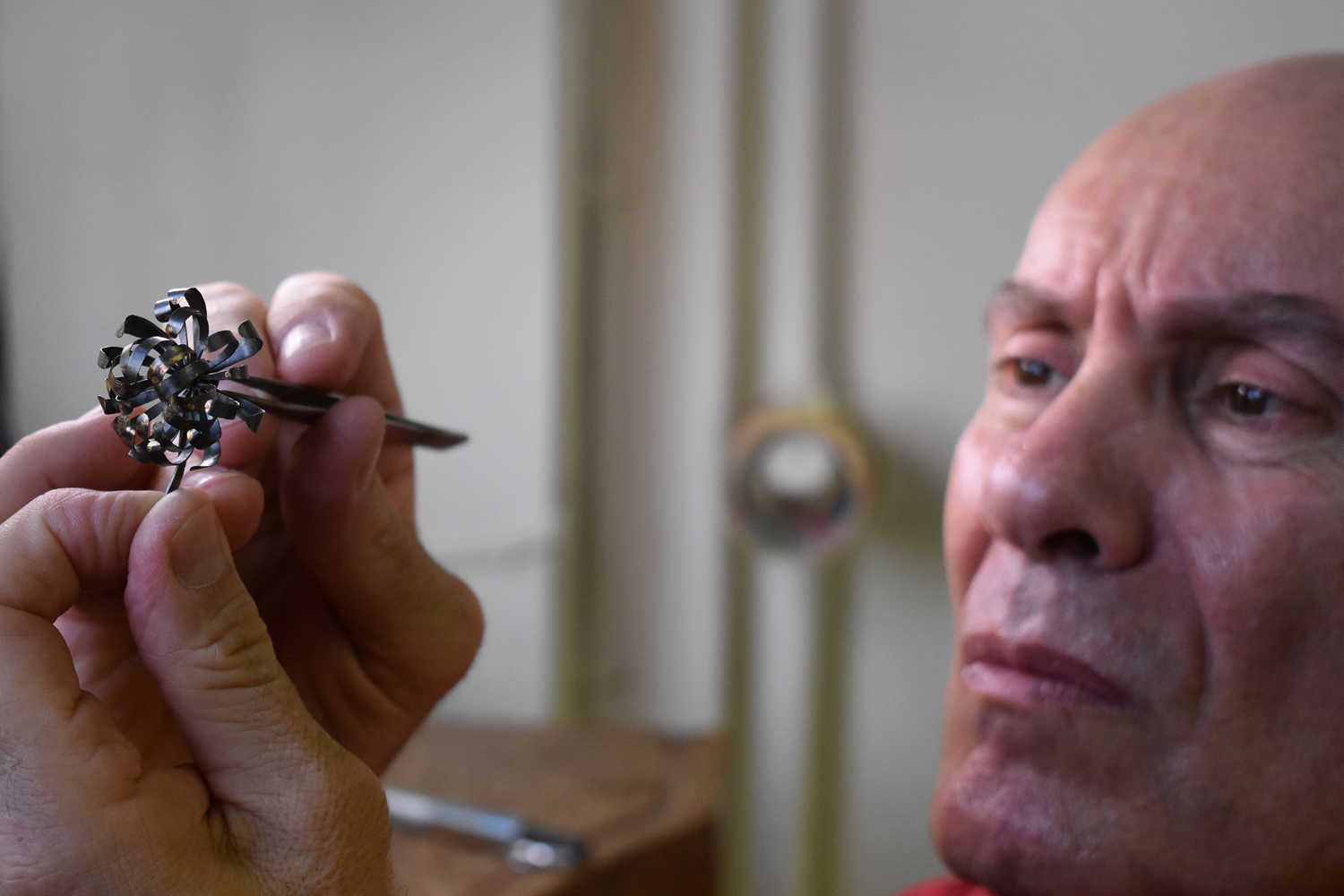
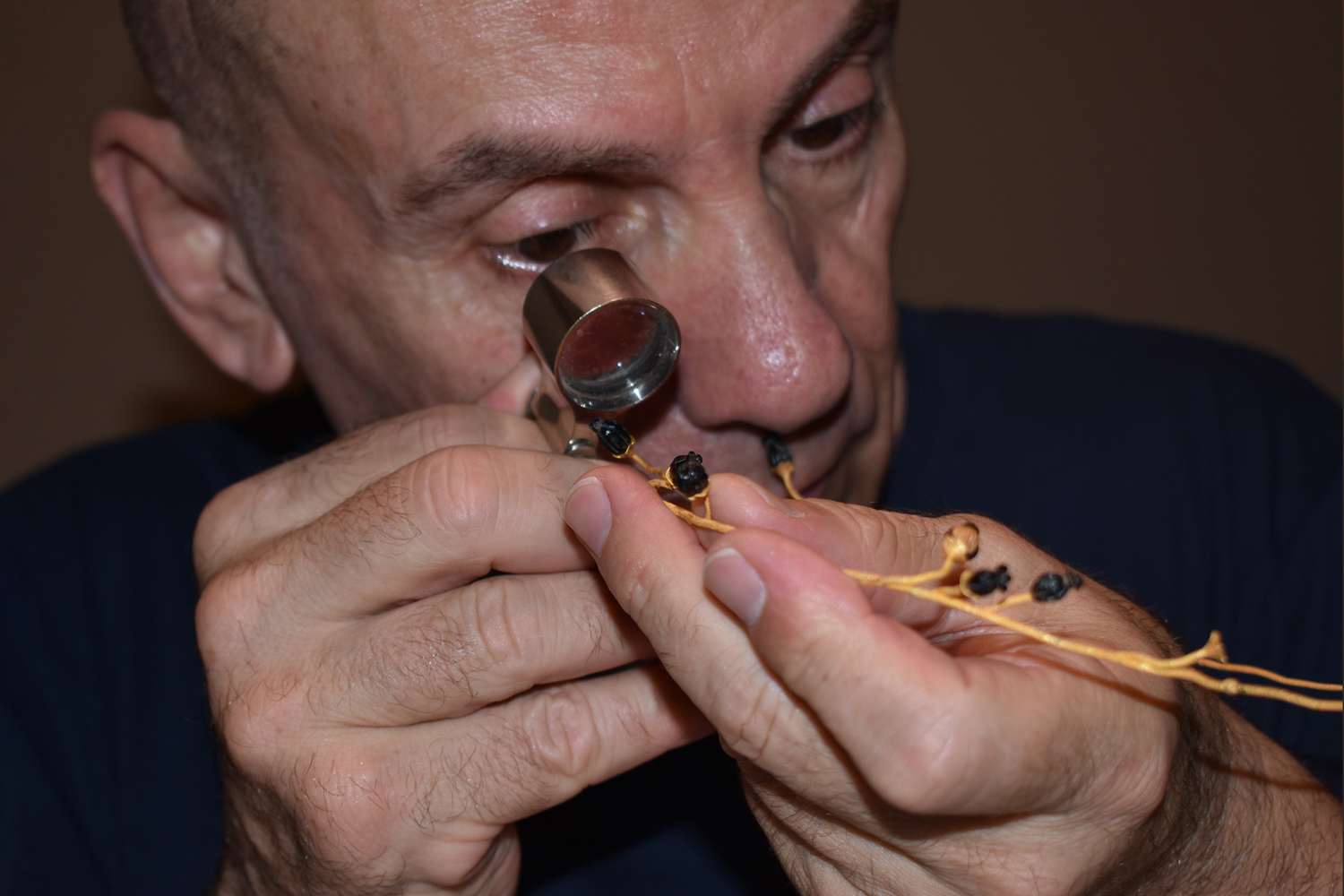
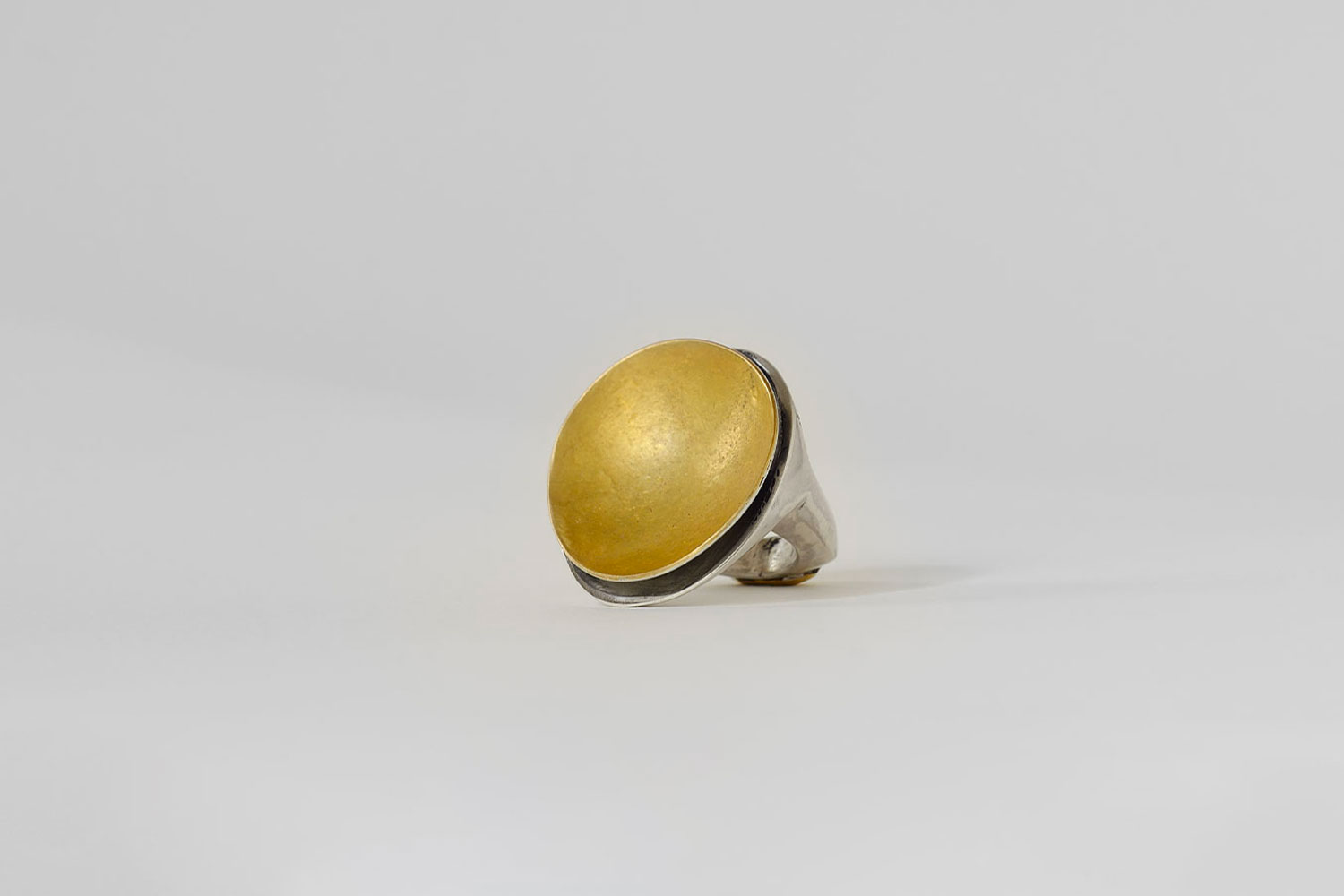
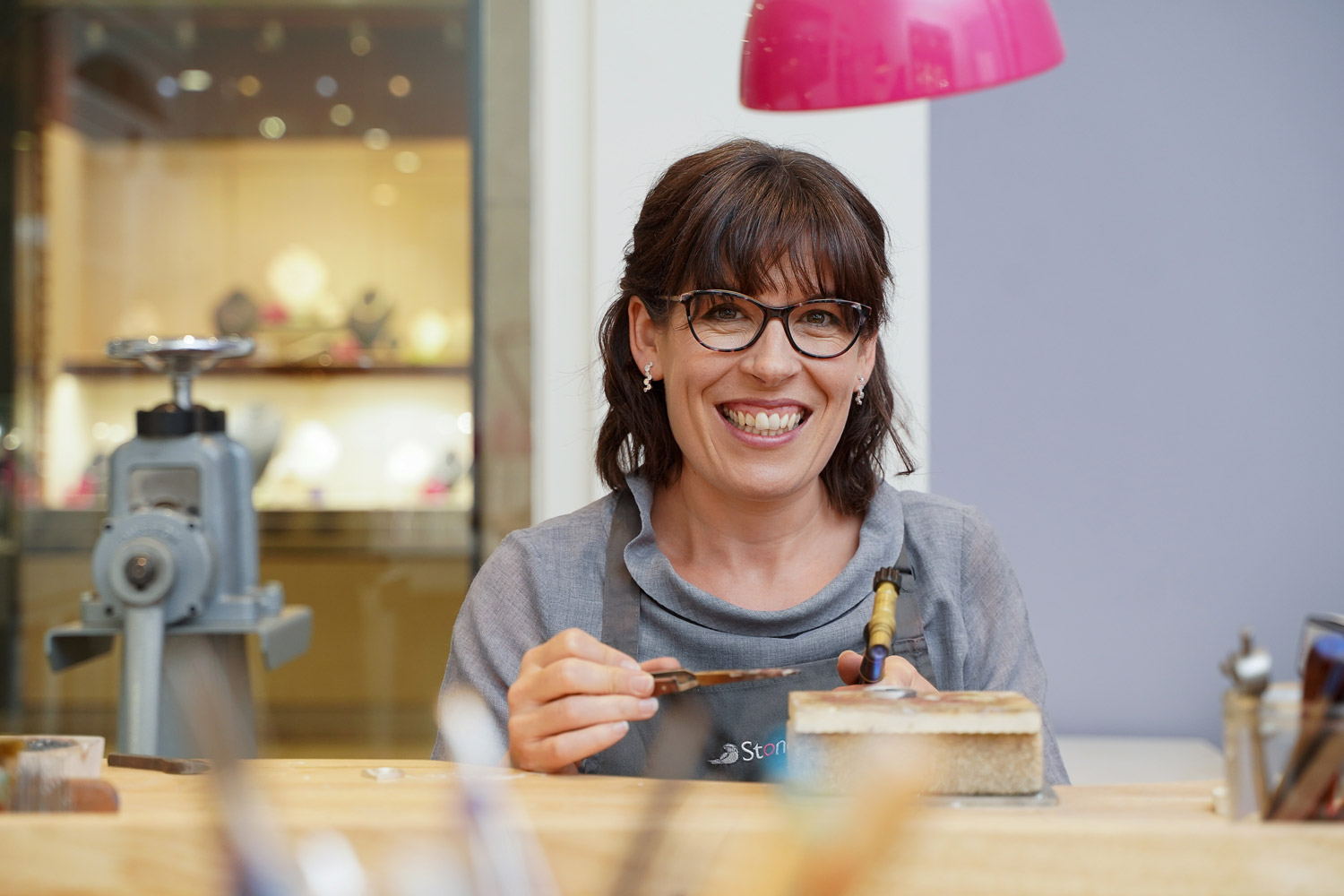
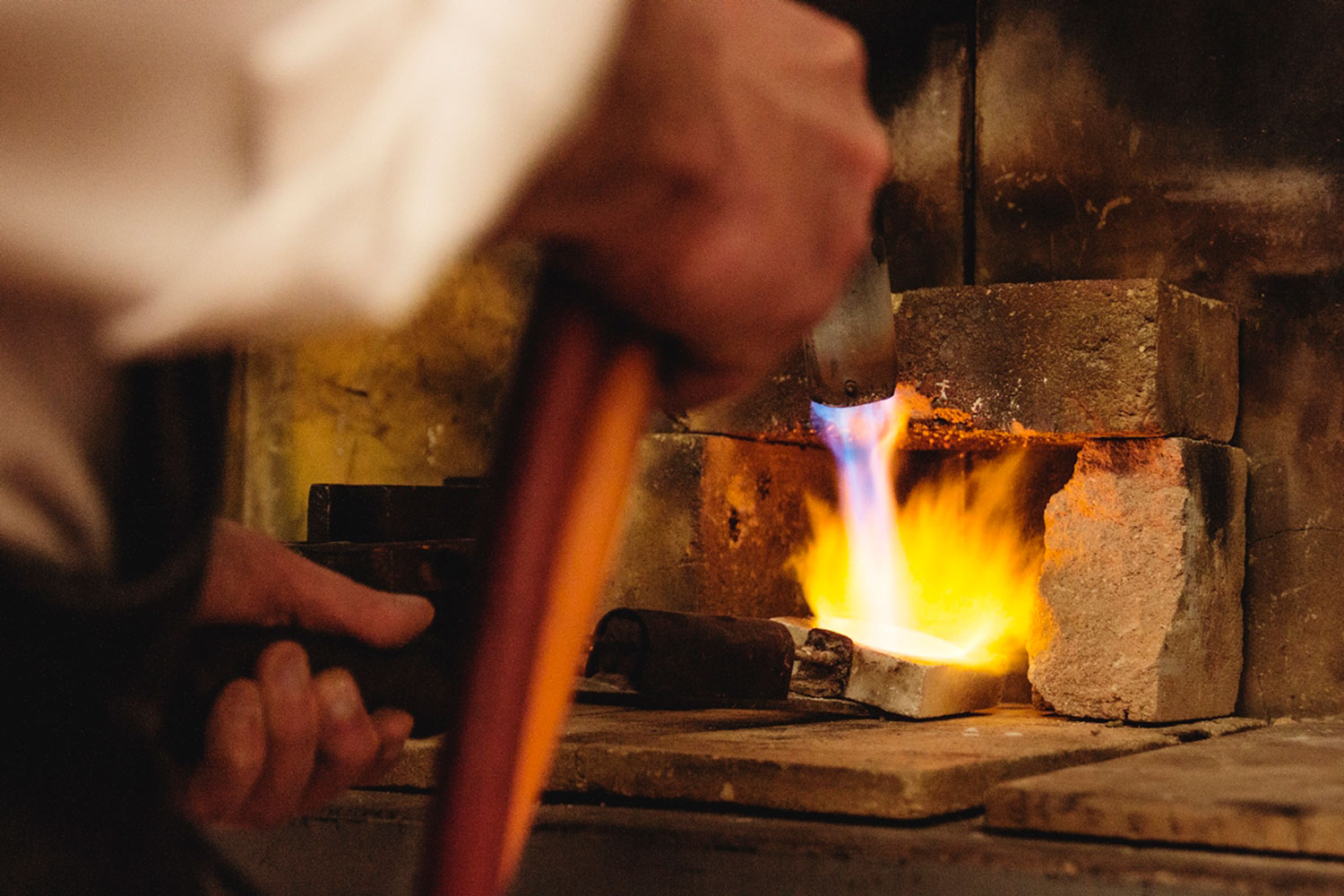
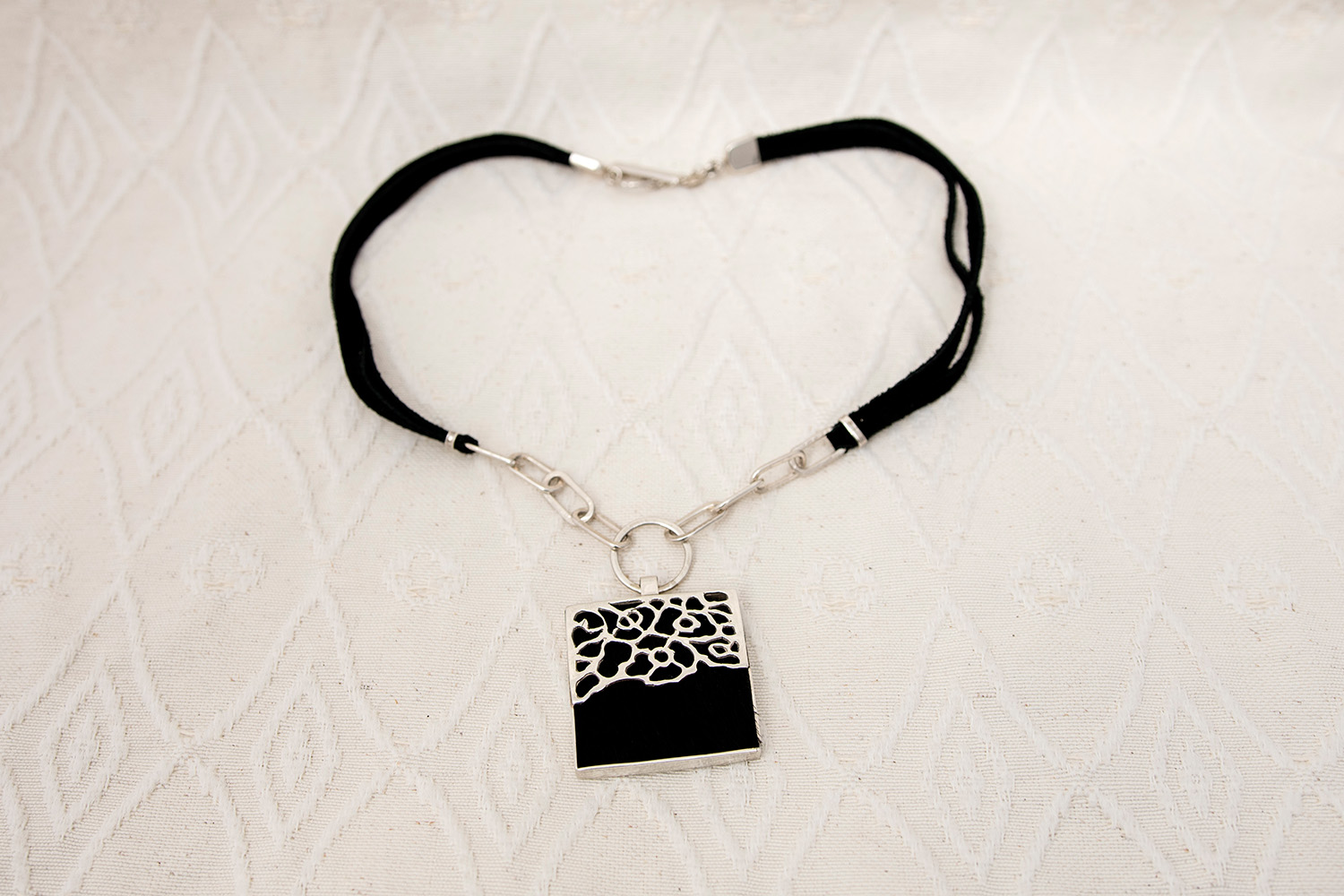
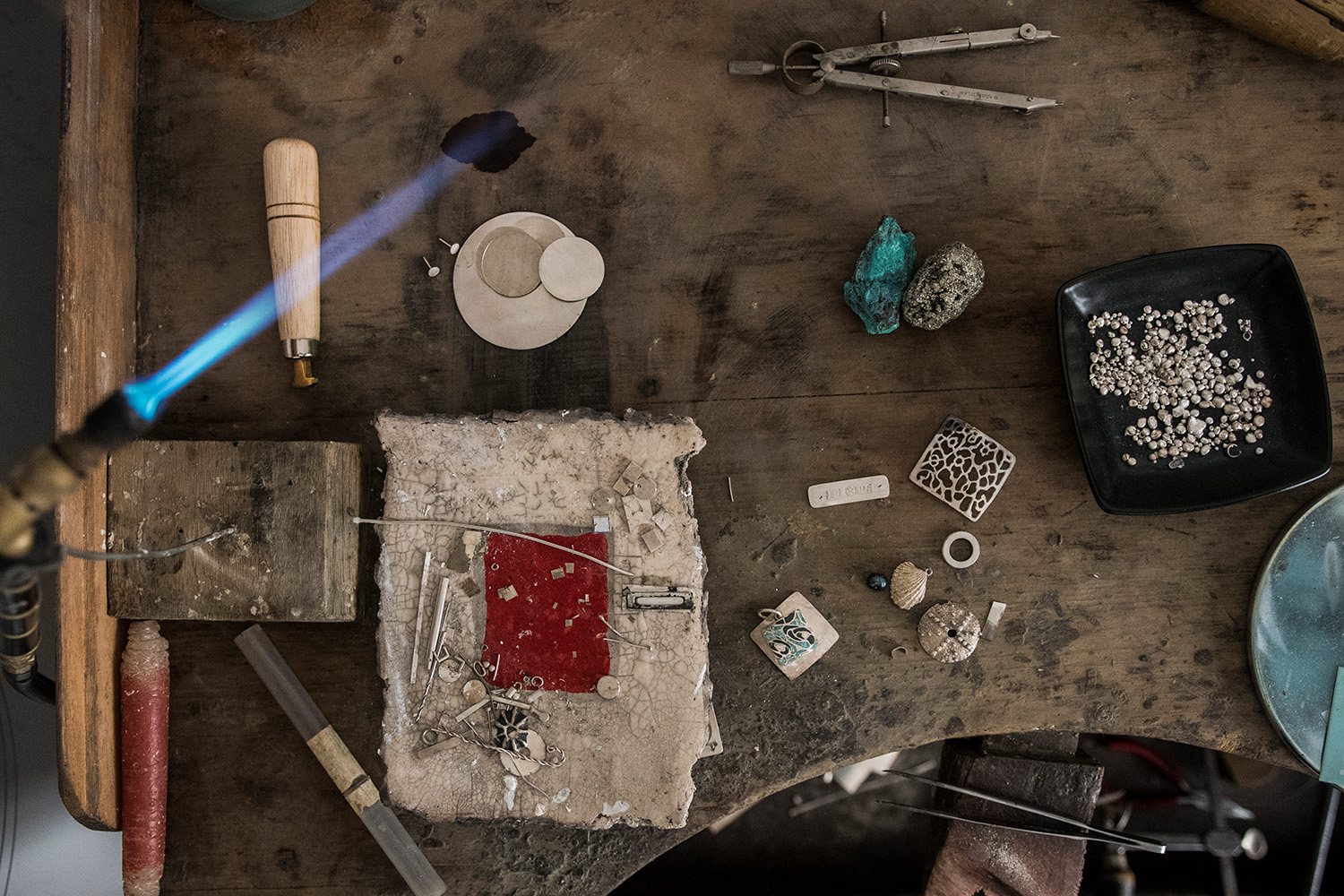
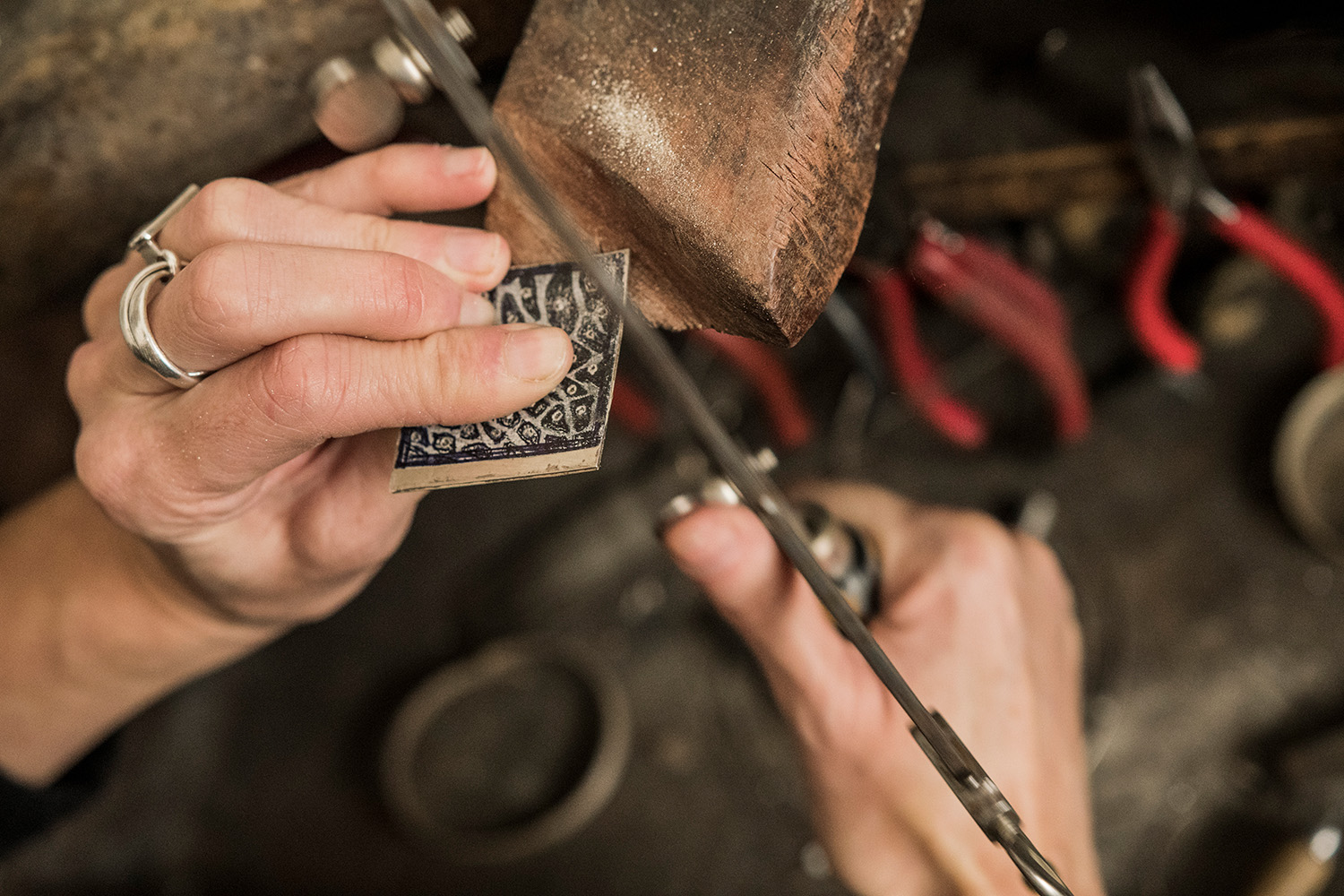
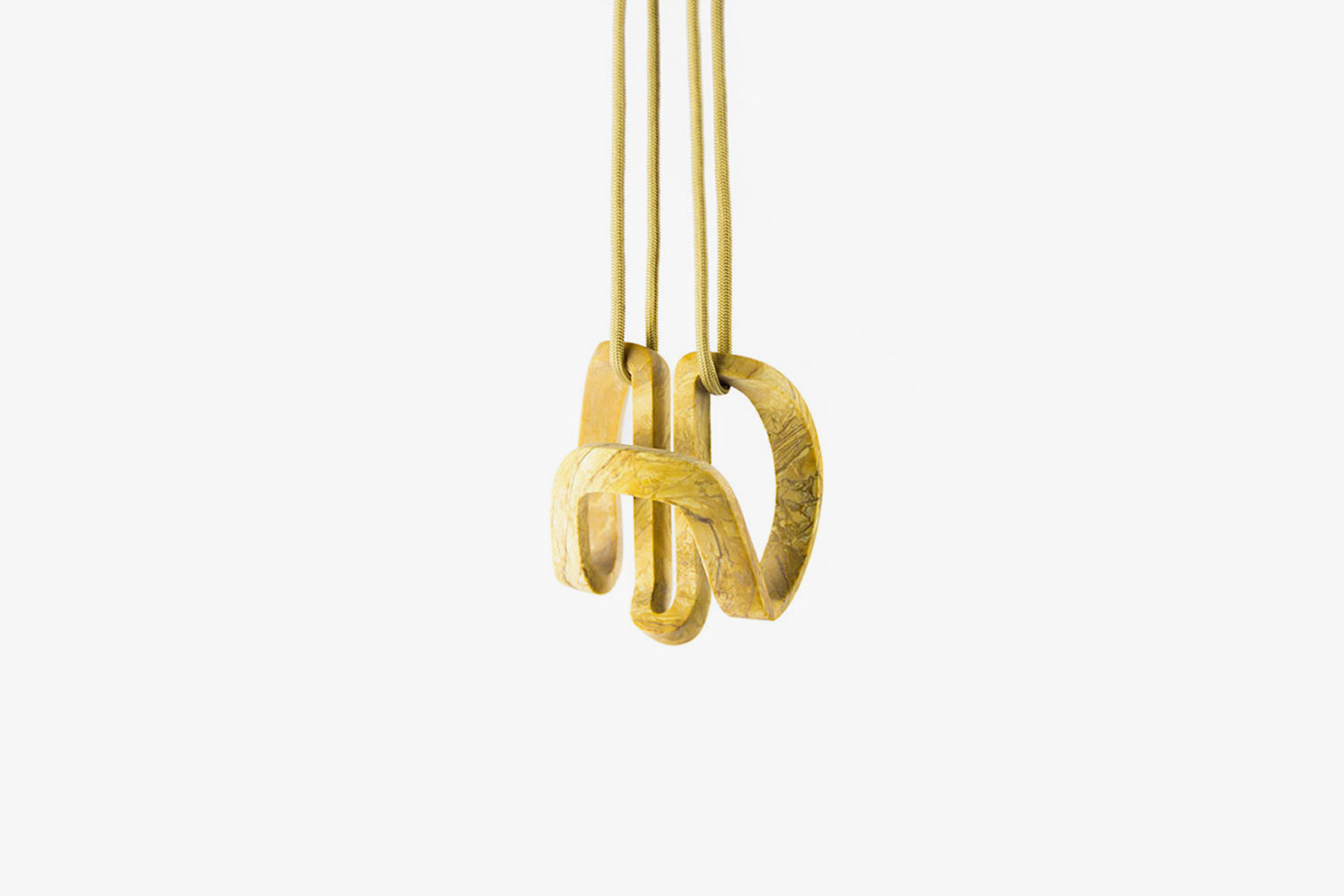
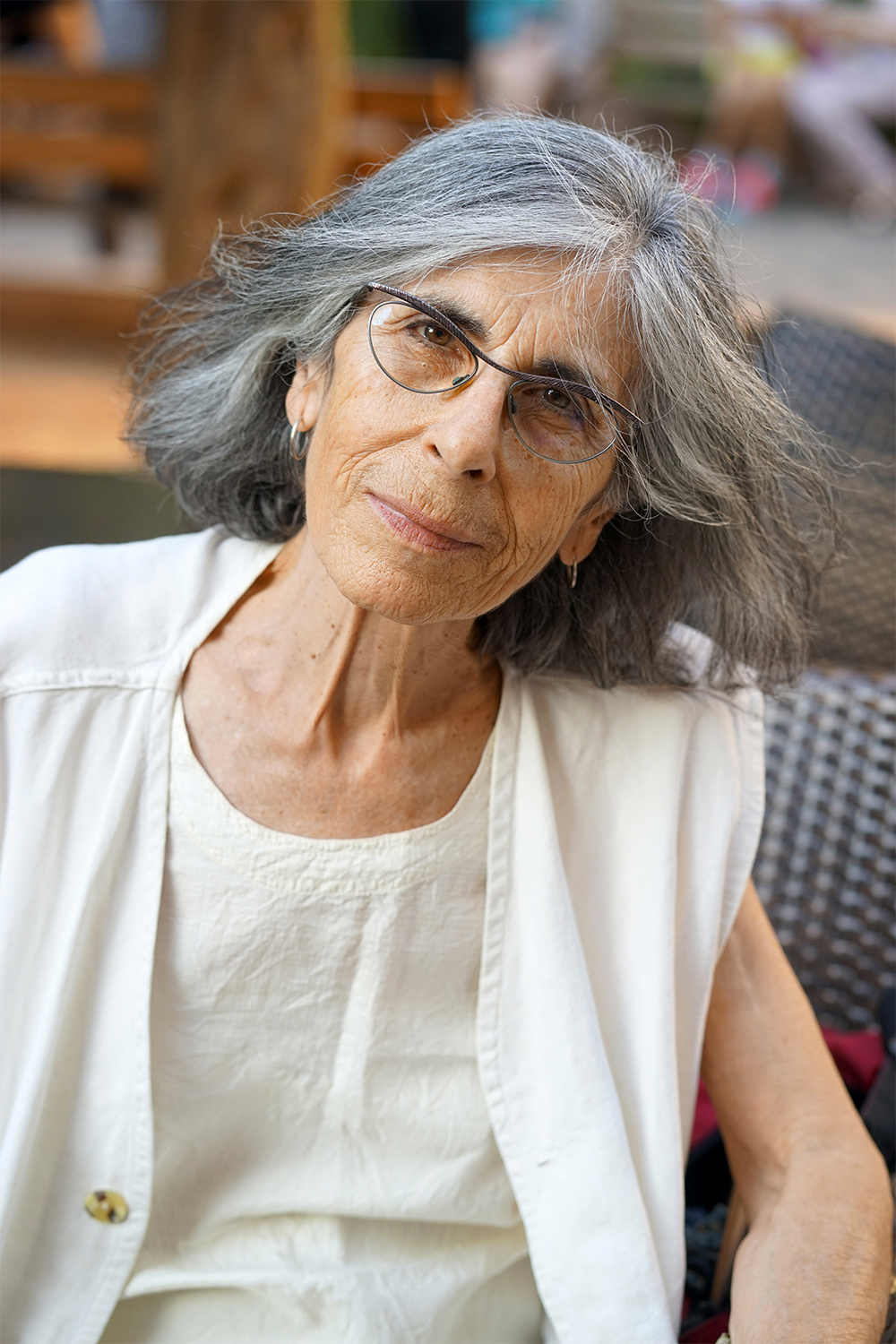
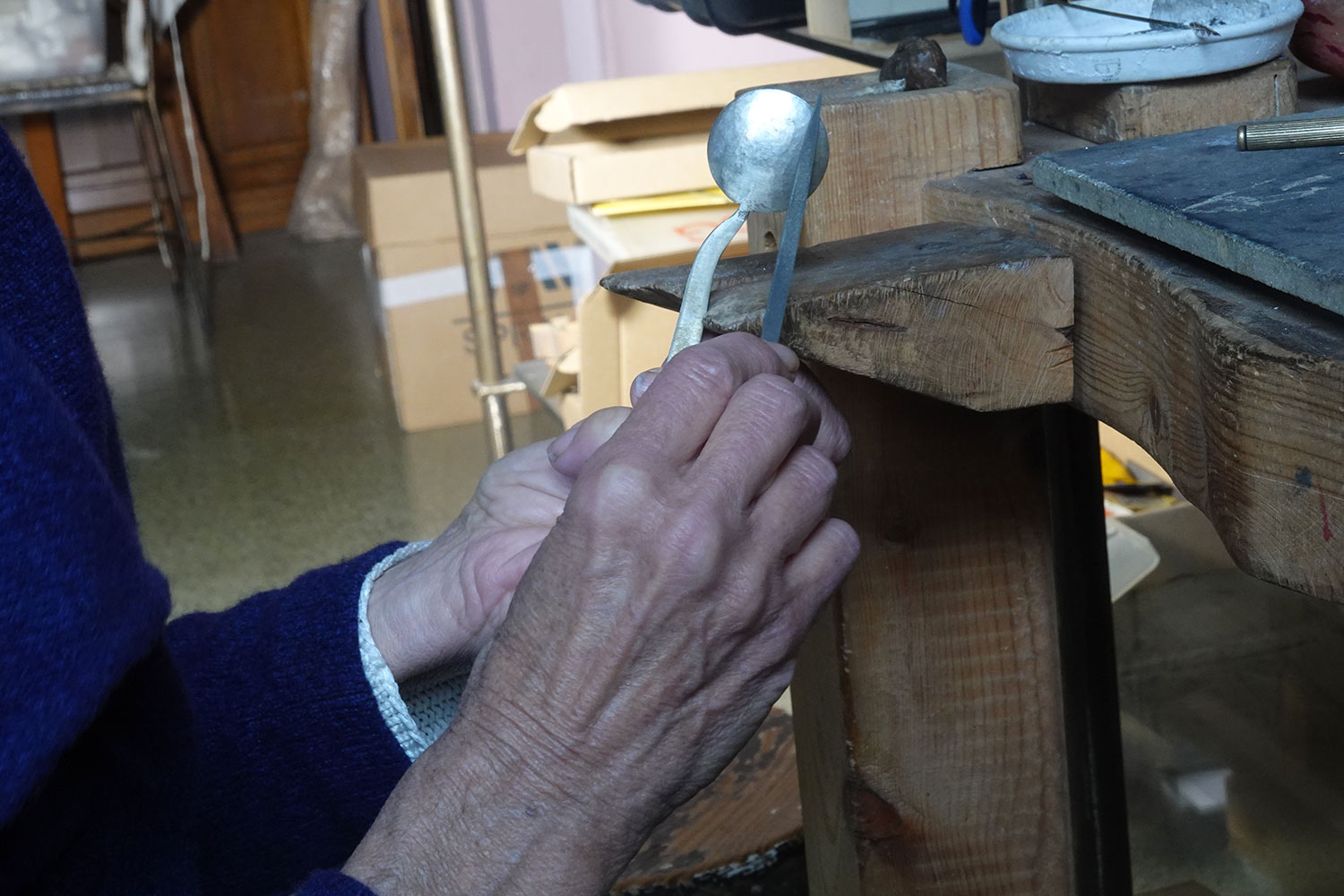
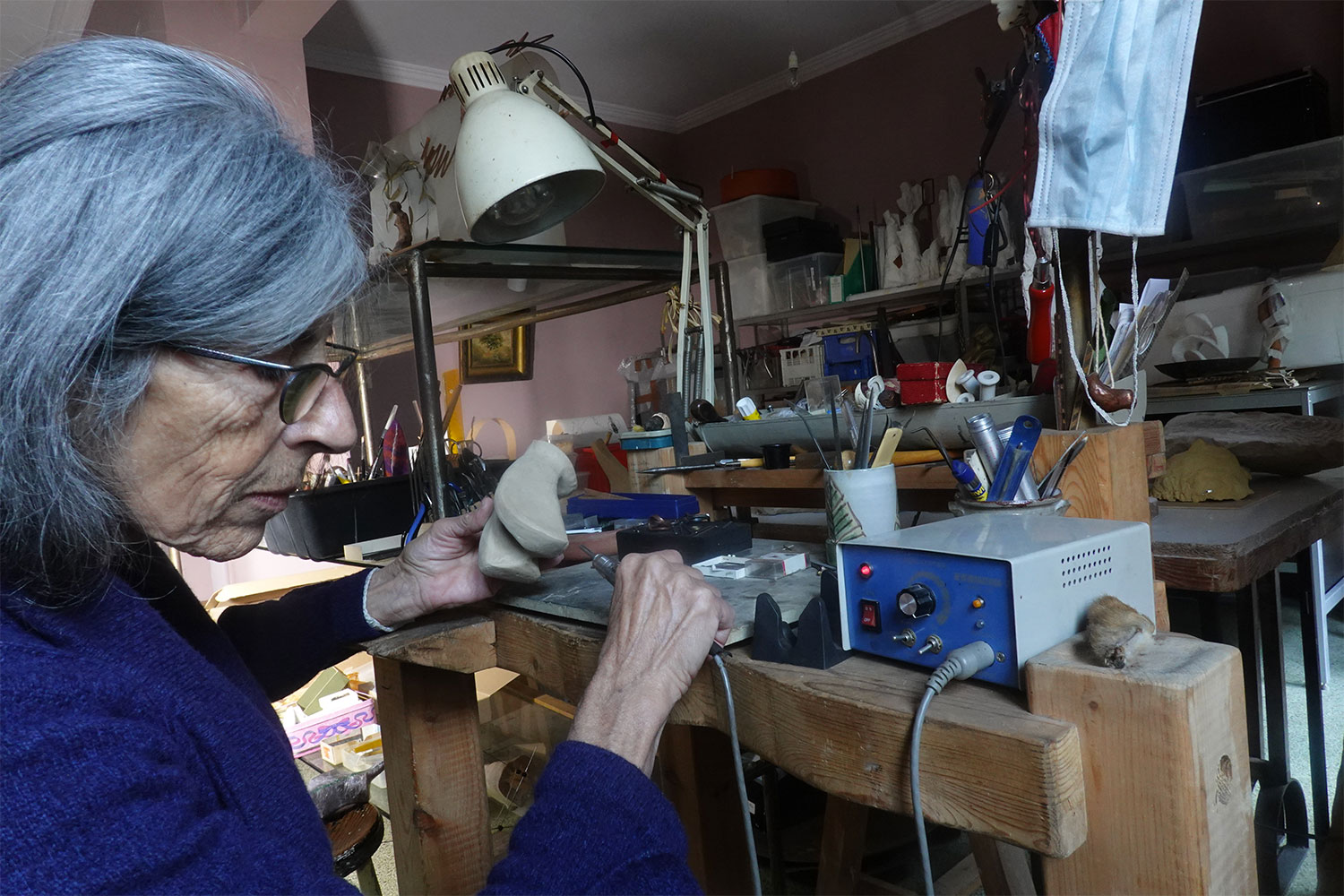
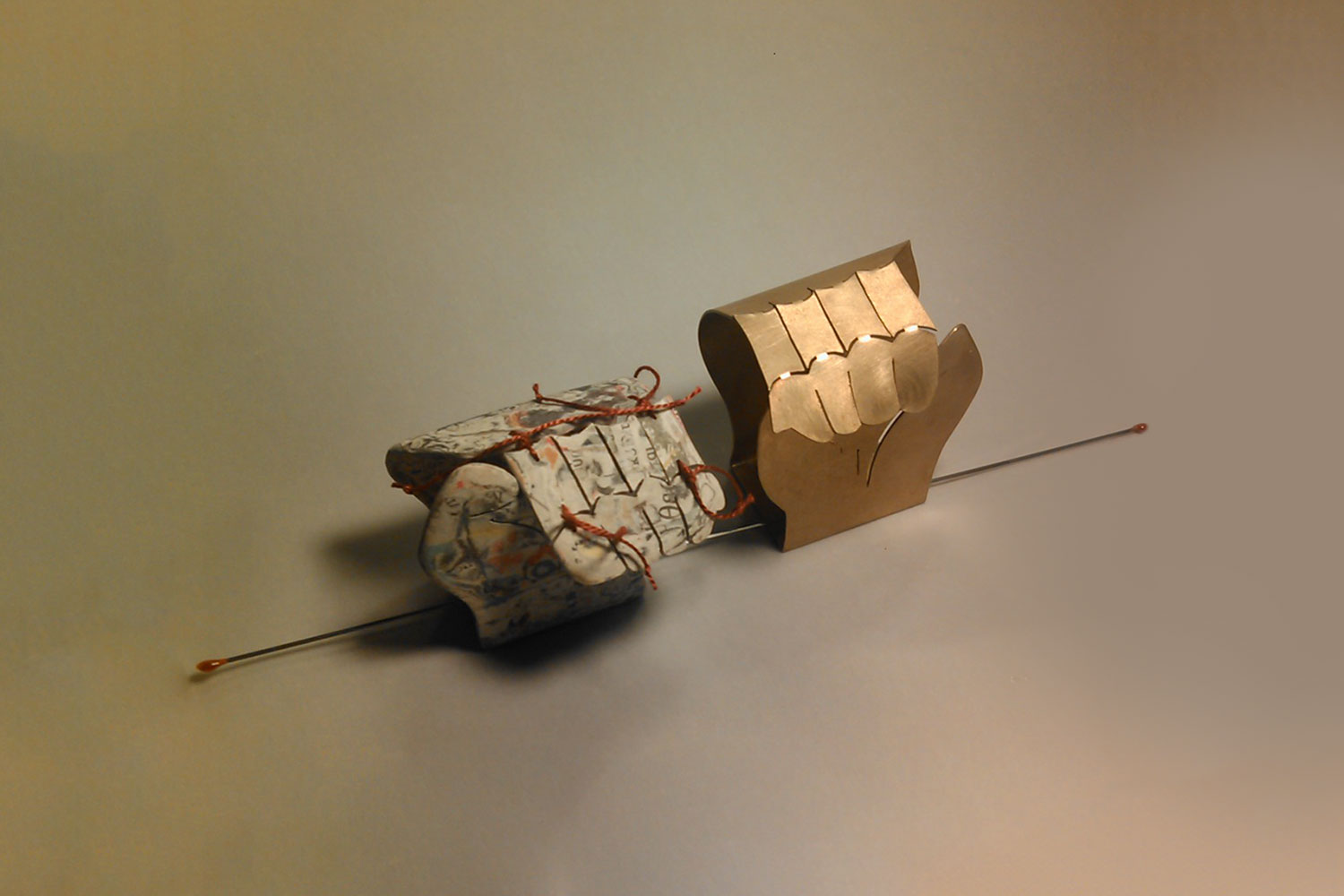
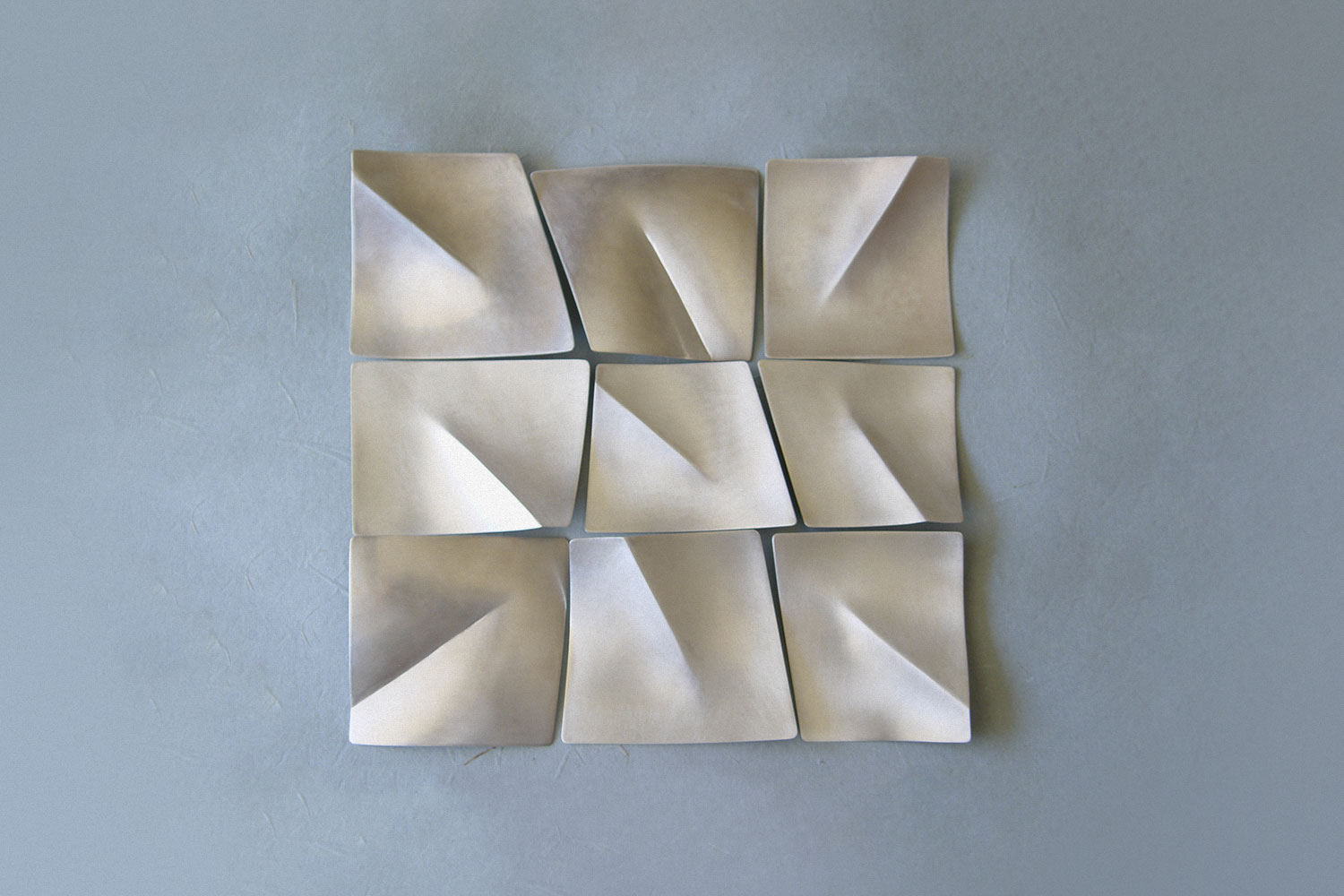
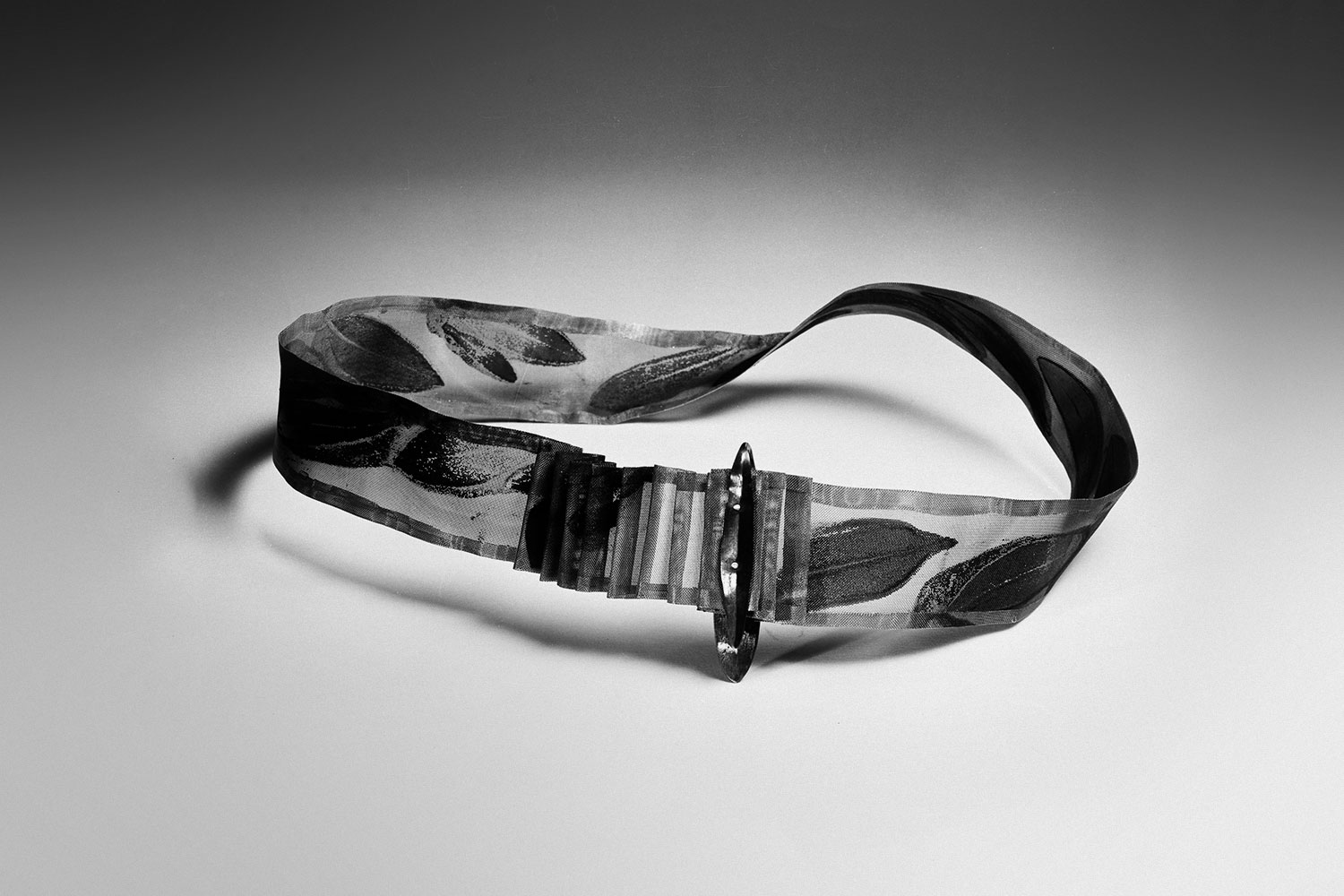
Despina Pantazopoulou studied jewellery design and making at the Central School of Art & Design in London in 1976. Her jewellery creations are unique and go beyond traditional forms. Recently, Despina decided to study sculpture, which belongs to the fine arts world, in order to discover what it shares with jewellery making, an applied art. “With the anvil, hammer and fire I have found a creative language where the infinite pounding gives me solutions for my ideas,” she says. Despina believes that “an artist today wants people to know that the price they pay for their work reflects its artistic value and spirituality; it’s not just about the value of the materials”.
INTERVIEW
The fact that jewellery contributes to a woman’s elegance and attracts admiration inspired me to start creating jewellery. Ιn my work, I searched for new forms beyond tradition; my studies in the UK helped me a lot.
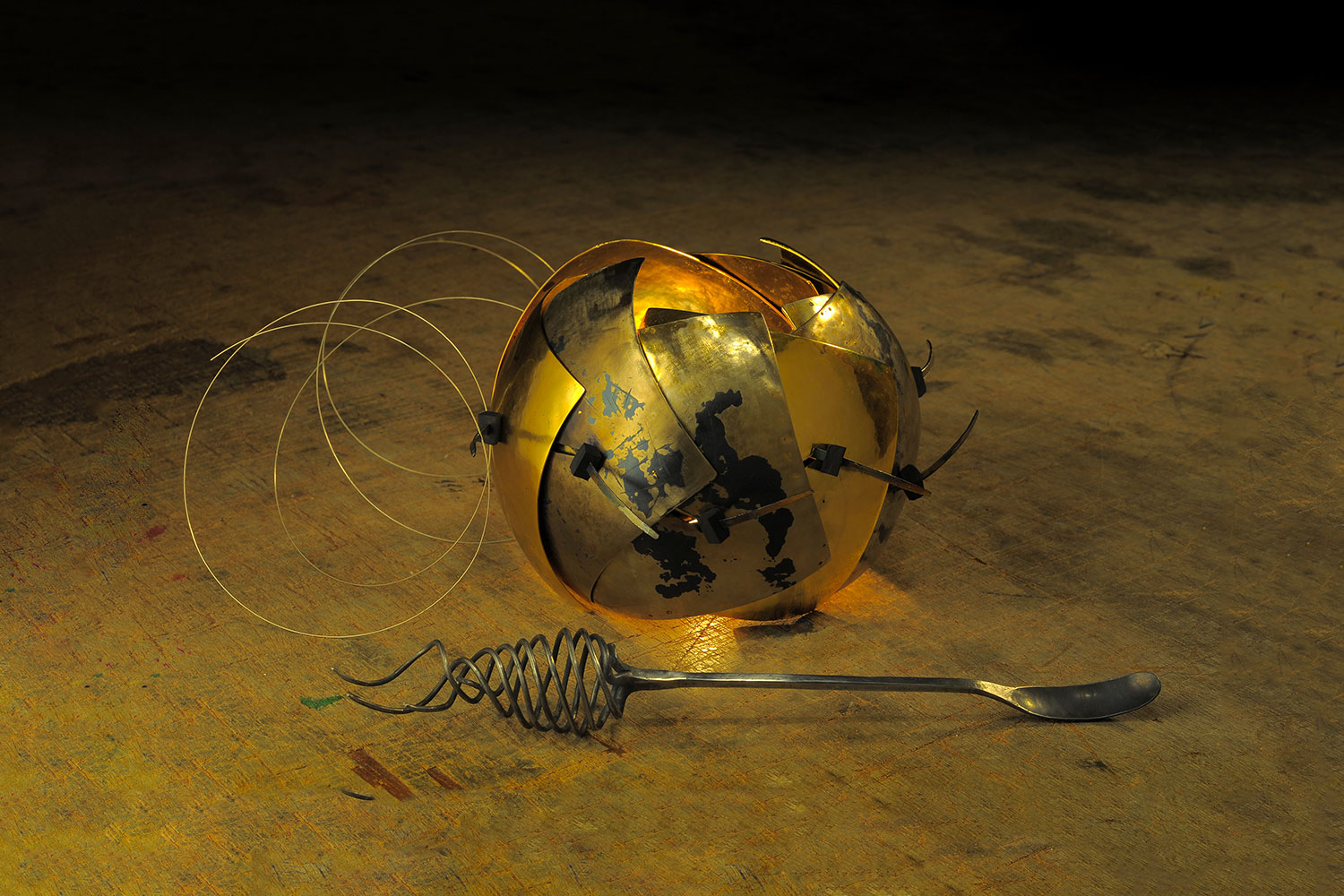
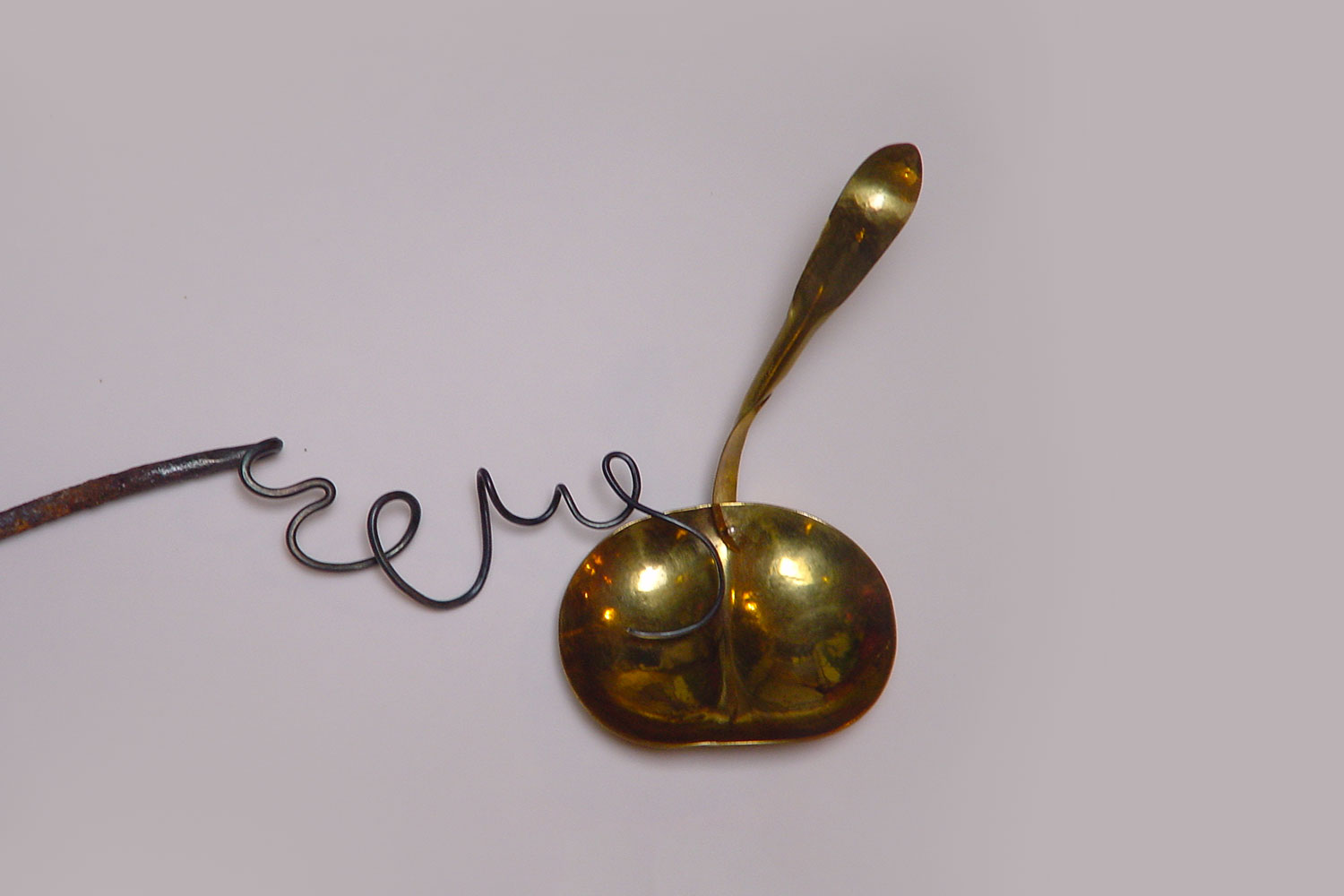
When a friend brought me black shells from the coast of France, I had the idea to make my first spoons. When he told me 'you need to show them', I replied that for me, the fact that he had seen them was enough.
No matter where I am based, my work is always linked to my cultural heritage, the contradictions of society, and the geophysical landscape where myths, texts and marble convey messages and are metaphorically linked to my art.
One of them was when I showed one of my jewellery creations to an Austrian collector and he told me that after 20 years he would still be able to appreciate the value of my work. That time-frame is fast approaching.