Surprising surfaces
- Anna pursues her own creativity and teaches
- She explores the limits of glass cutting
- Her objects display grandiosity and a sense of substance
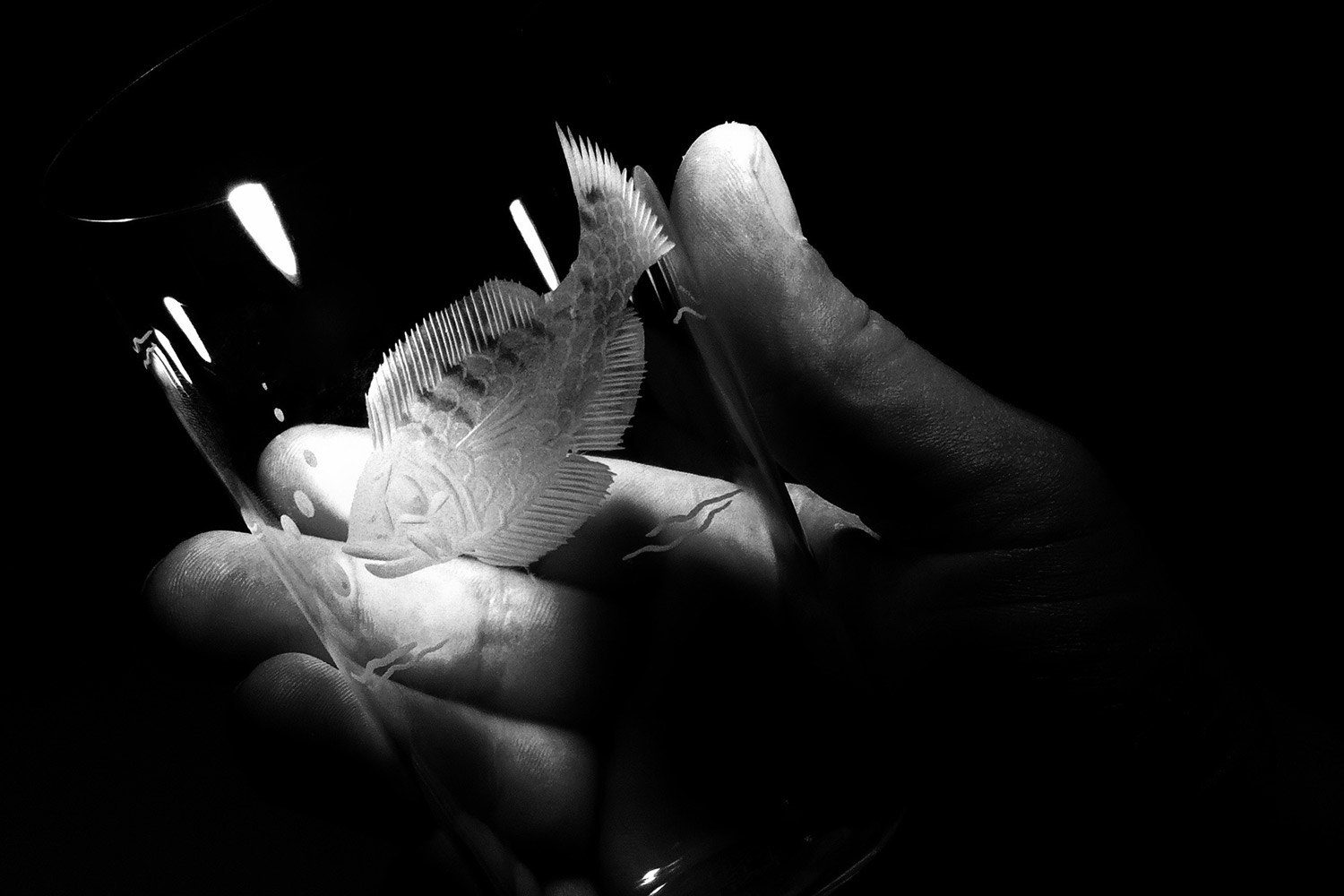
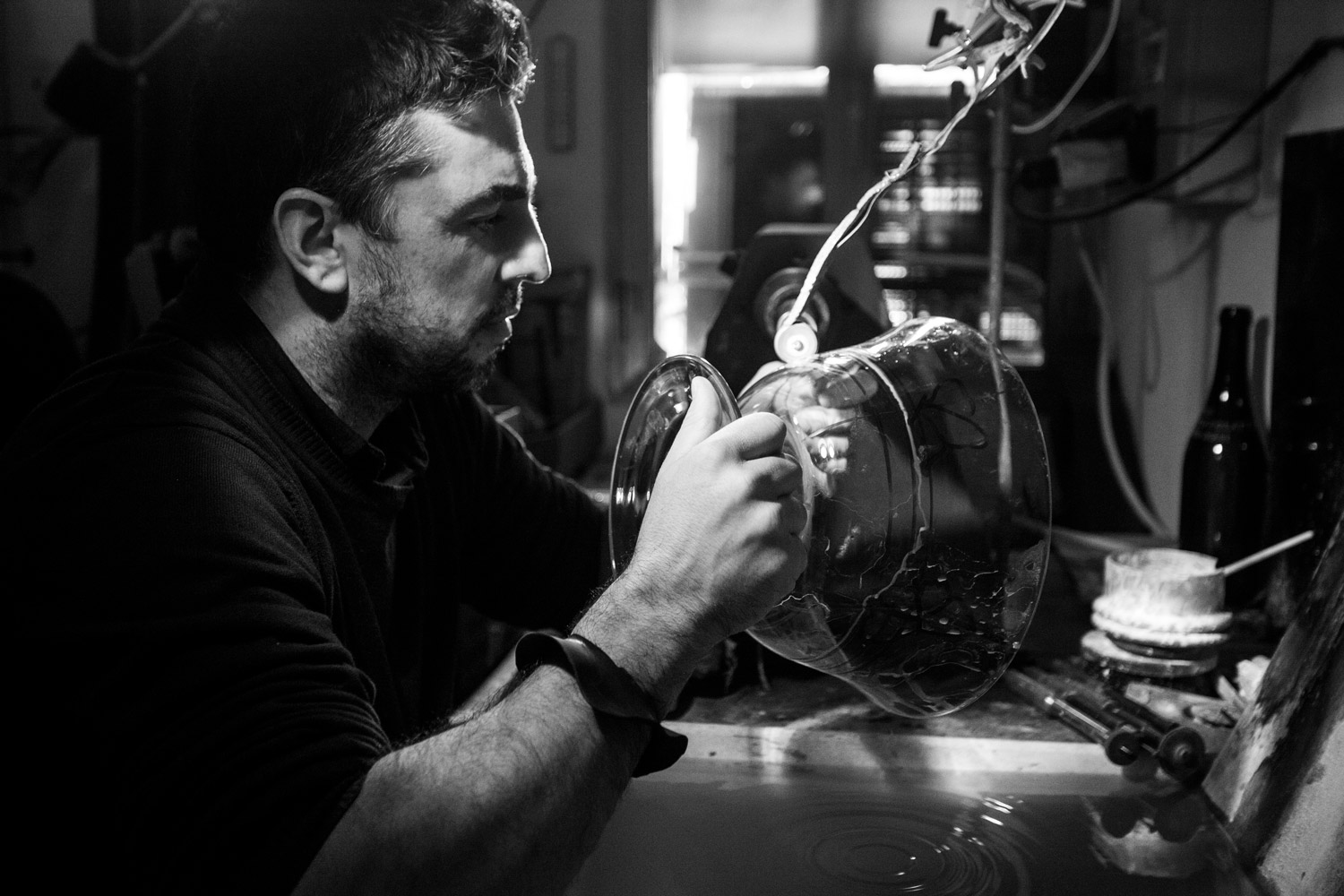
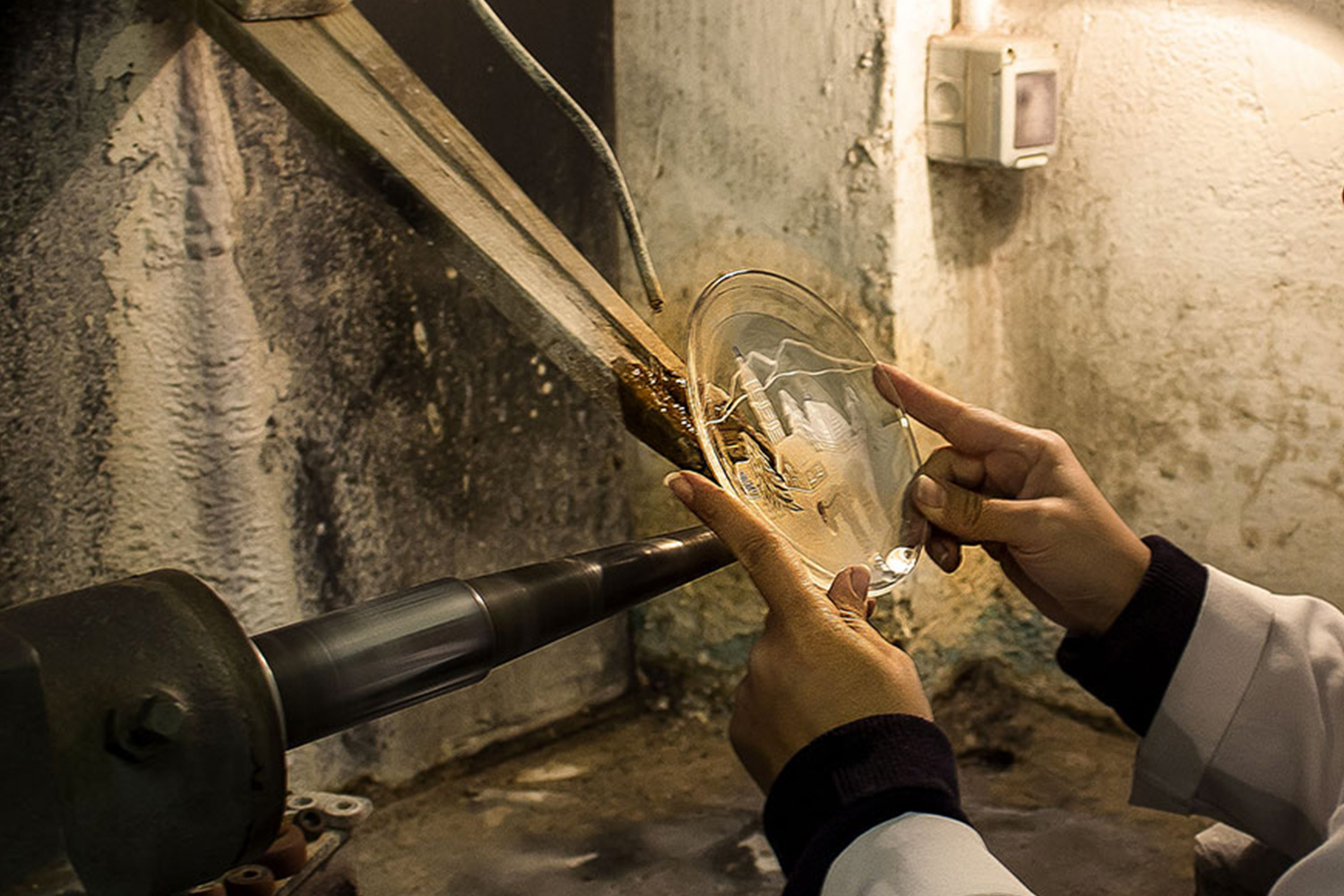
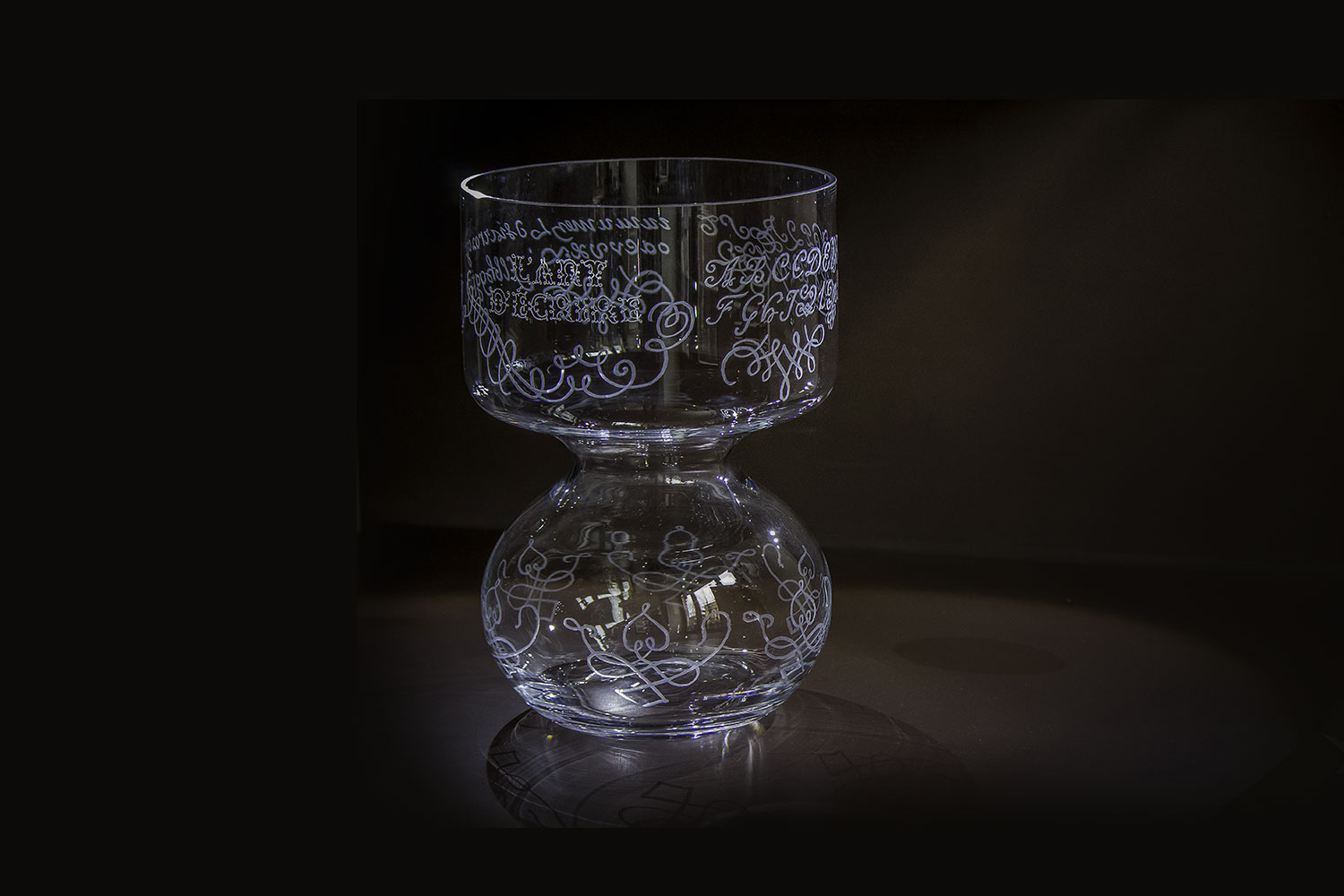
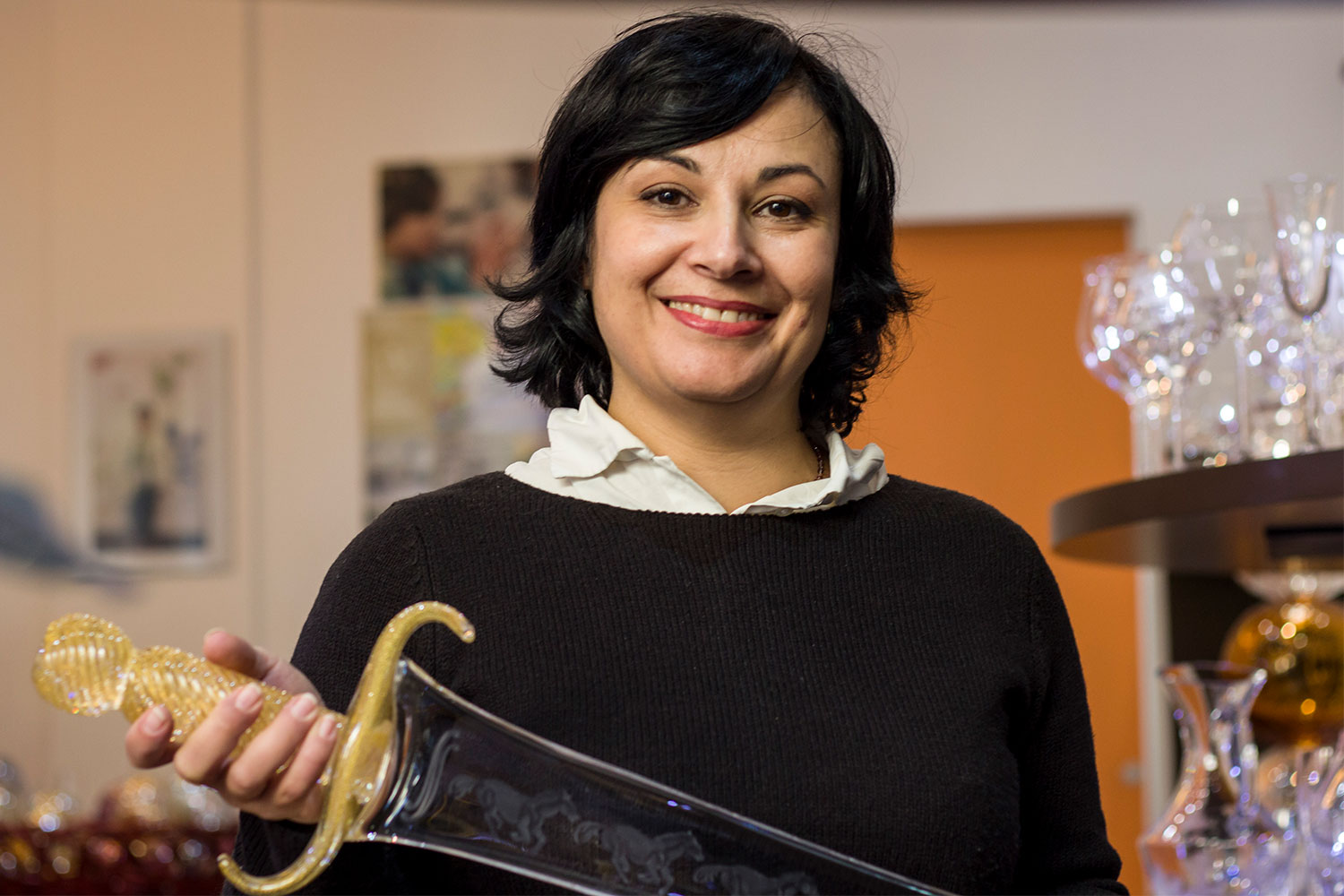
Anna Polanská studied glass engraving and later on at the Academy of Applied Arts in Prague she studied sculpting as well as glass in architecture. She explores the material not only in her own artistic practice but also as a leader of the department of glass cutting and mould-melting at the Secondary School of Glassmaking in Železný Brod. Her main interest is sculpted vases and other containers. Her initial creations featuring roughly carved chunks of glass have been somewhat tamed in later collections, where an interest in the natural world and its more ephemeral substances like the sky and vegetation is reflected. The unique surfaces serve not just as decoration, but as an expression of essential character.


INTERVIEW
I don’t particularly believe in cold reasoning as a means to determine subject matters or artistic forms. I work in a very primitive sense, instinctively mining inspiration from within. I love the concentration, and afterwards the feeling when everything is running smoothly.
I'm interested in exploring the forms and emotional resonance of elements that comprise the architecture of the natural world – namely land, water, and stones; these are interposed with more ephemeral substances such as the sky and vegetation.
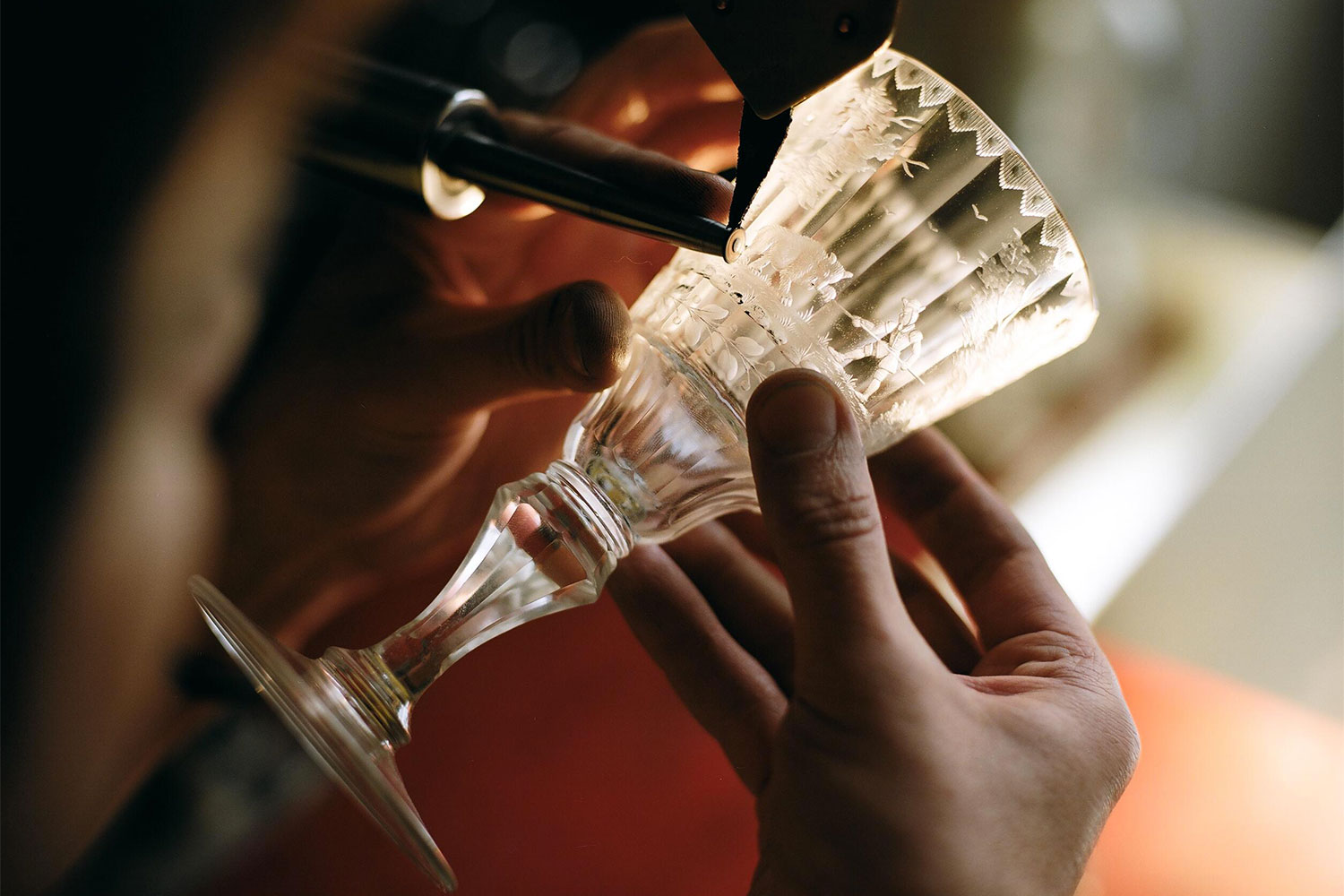
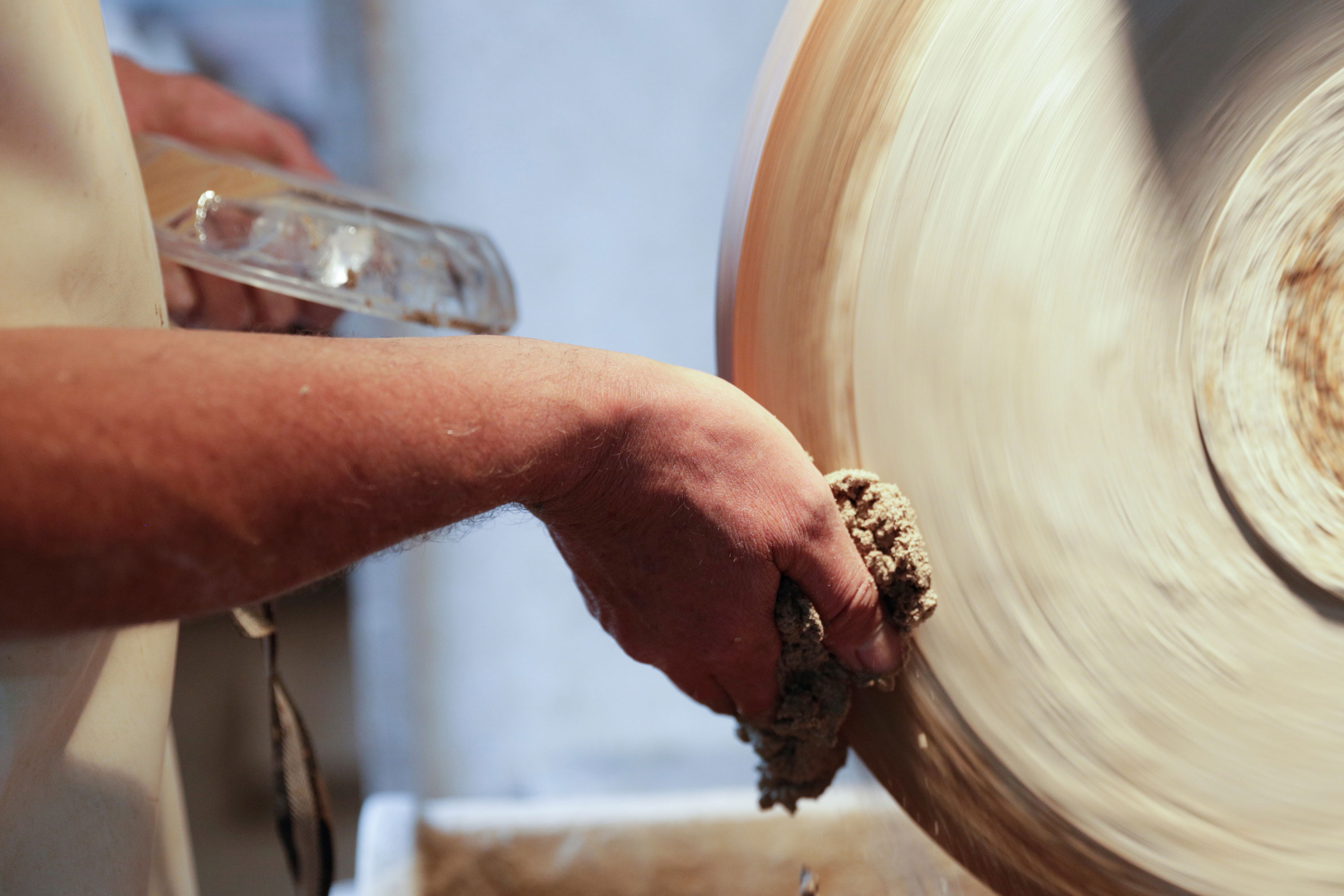
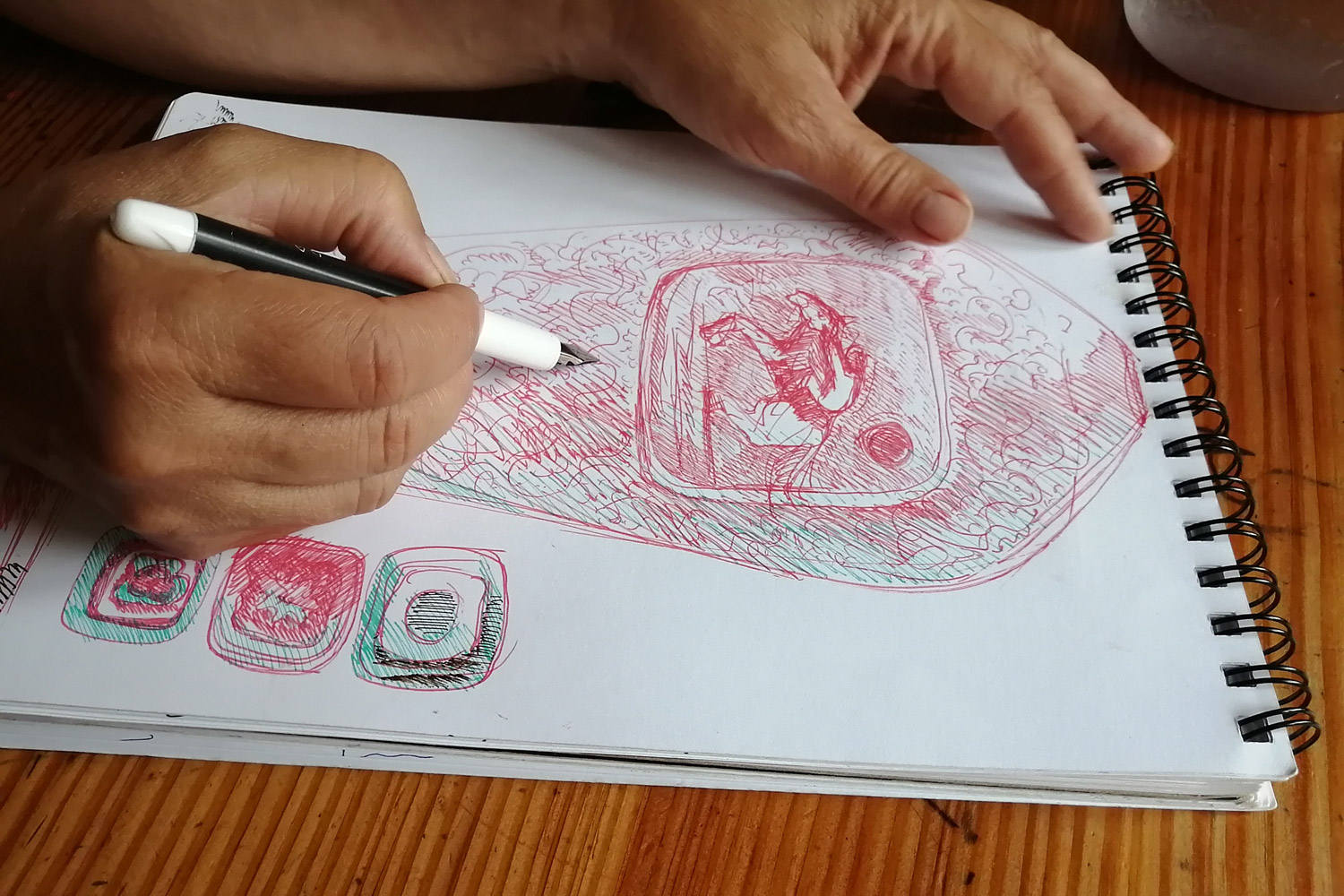
It is true that lately I have been concentrating on the details of surface more often and more intensely. I work like a sculptor or a painter who creates the final look of their artwork by using the right tools.
The tectonics of these works are derived from more sophisticated and more unified internal architecture. This constantly evolves based on life circumstances, experiences, and new knowledge, as well as reflecting mistakes and missteps.