Adnan Mujkić
Turner, Tiffanie
Restorer
Seonica, Bosnia and Herzegovina
Recommended by Naš most Zenica
Art and science hand in hand
- Adnan graduated in conservation and restoration
- He most often restores objects made of paper and wood
- For him, restoration is an act of artistic expression
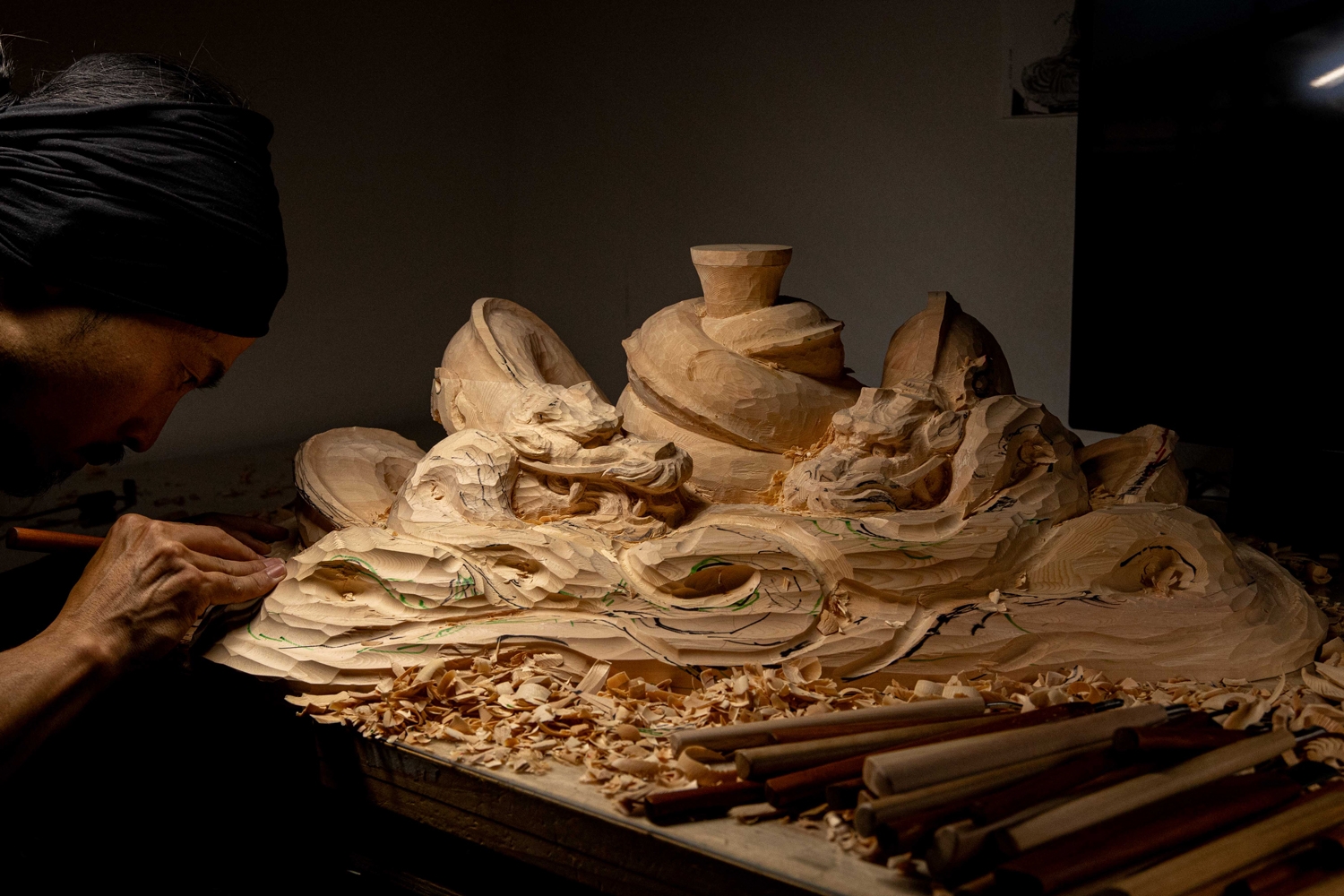
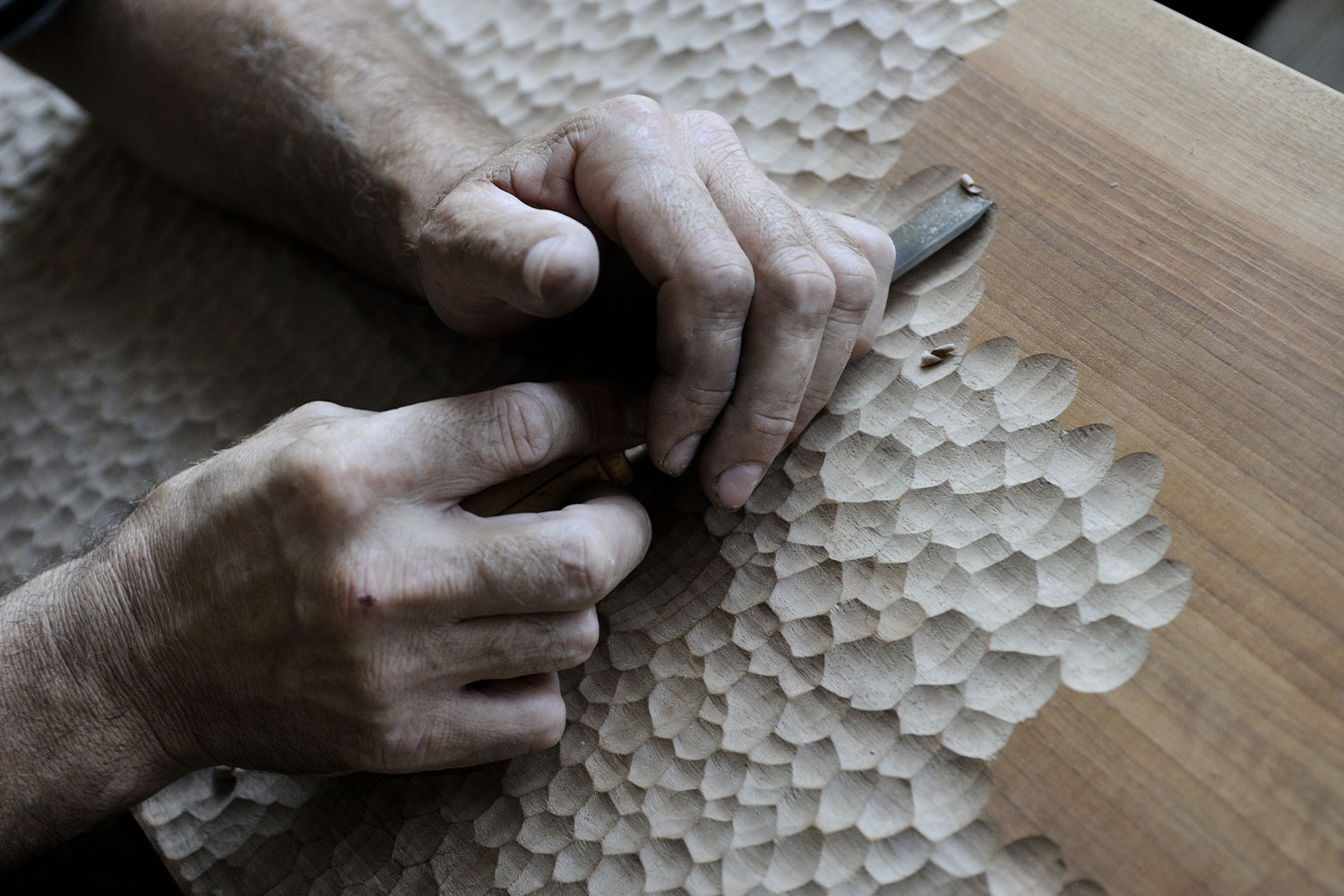
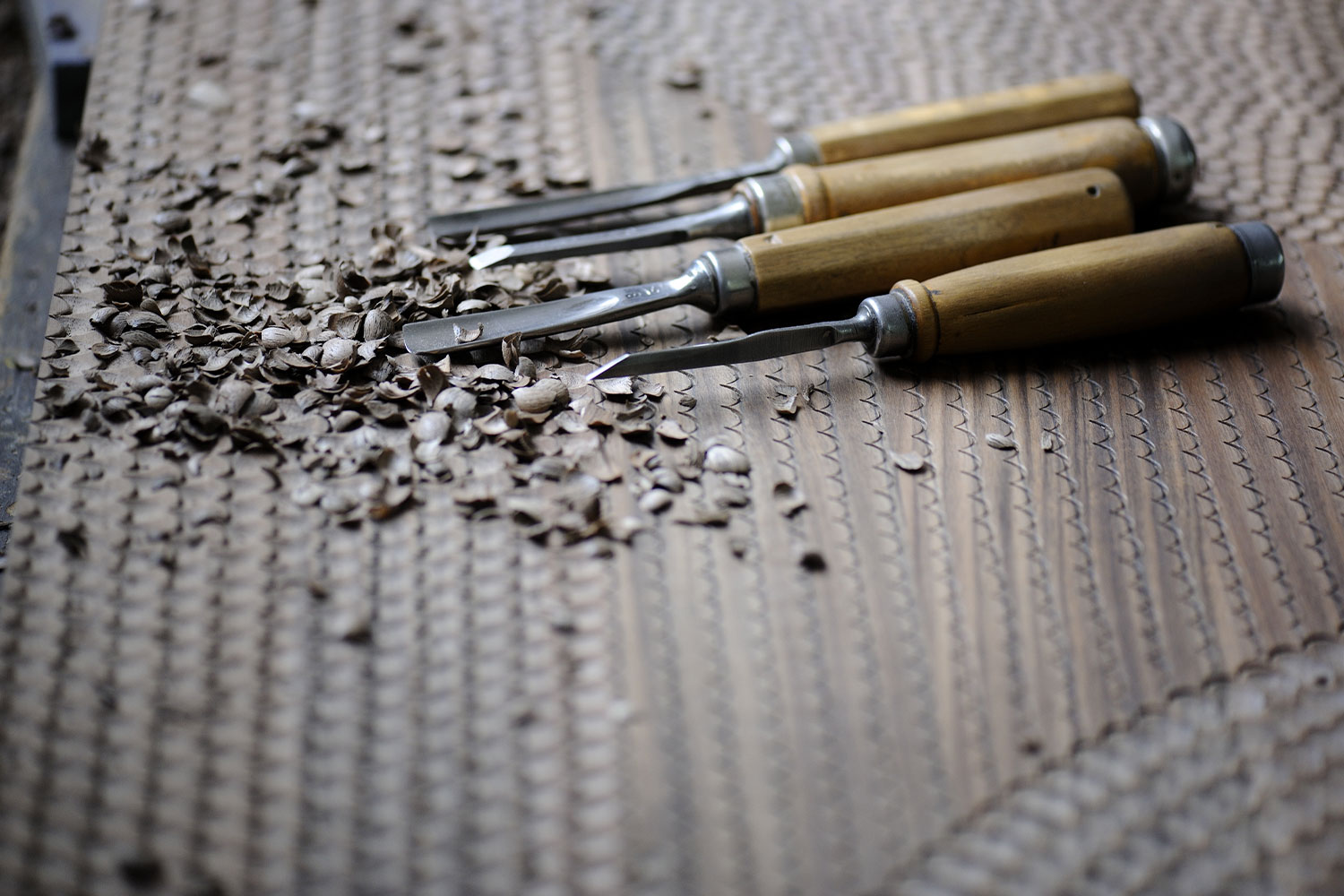
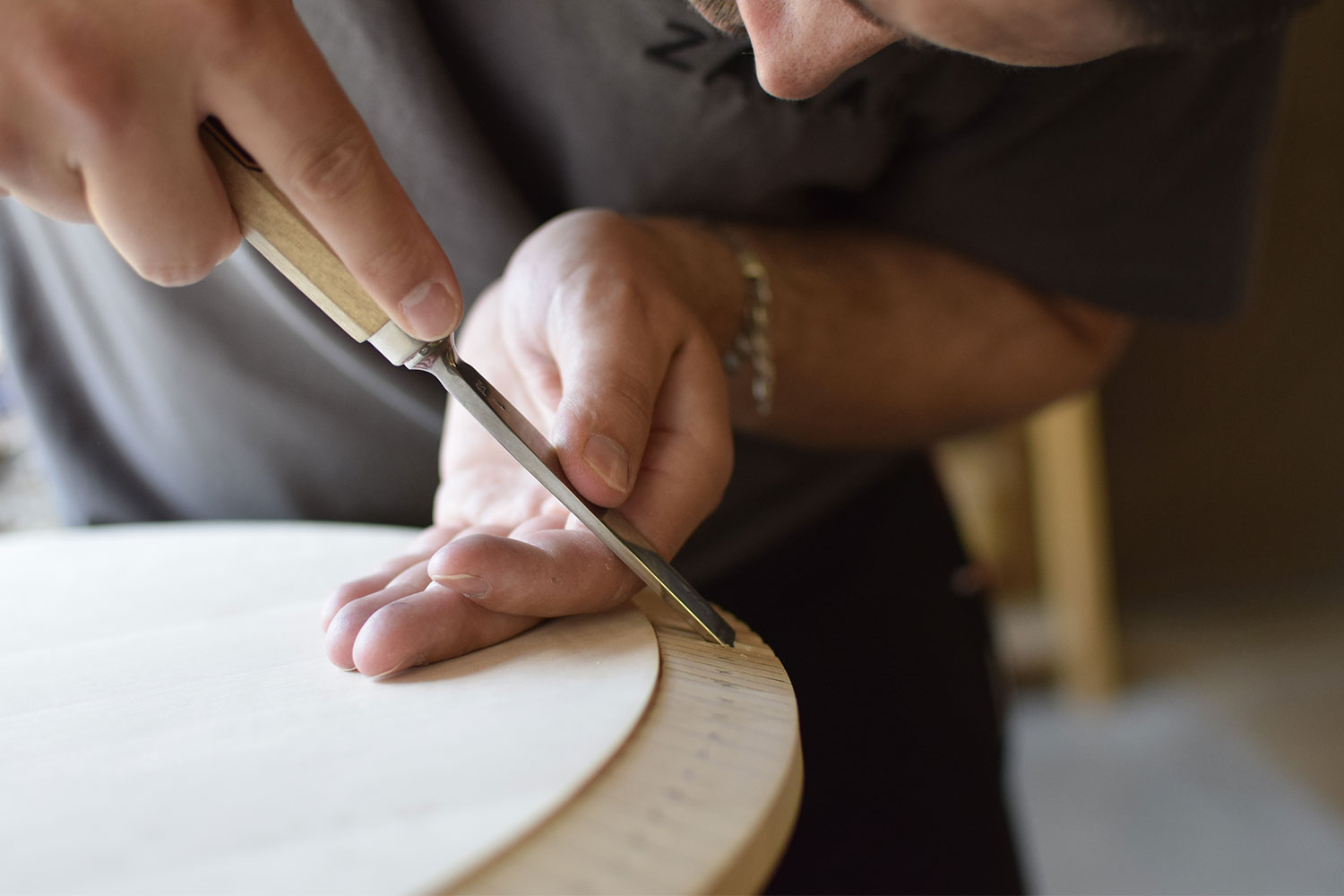
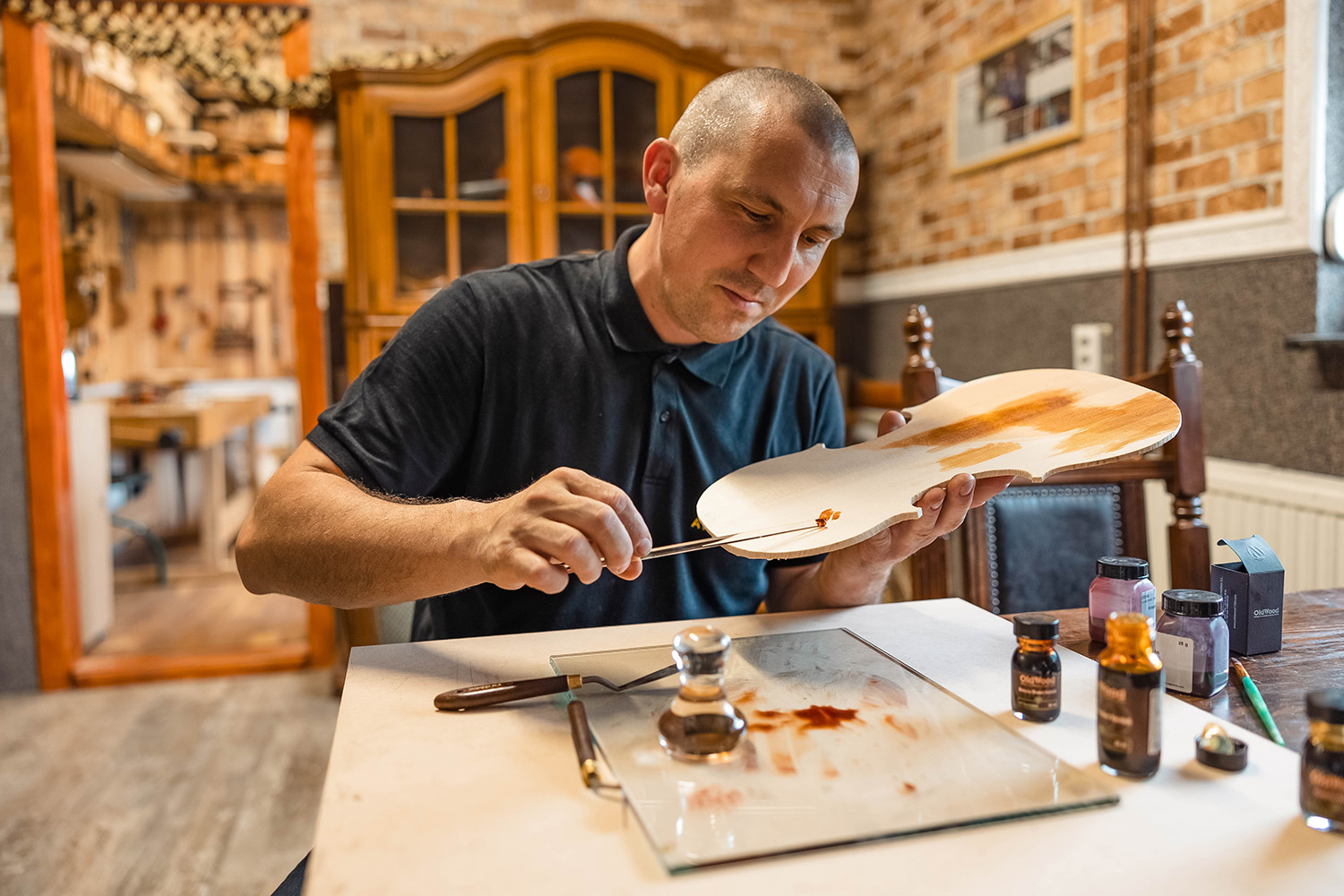
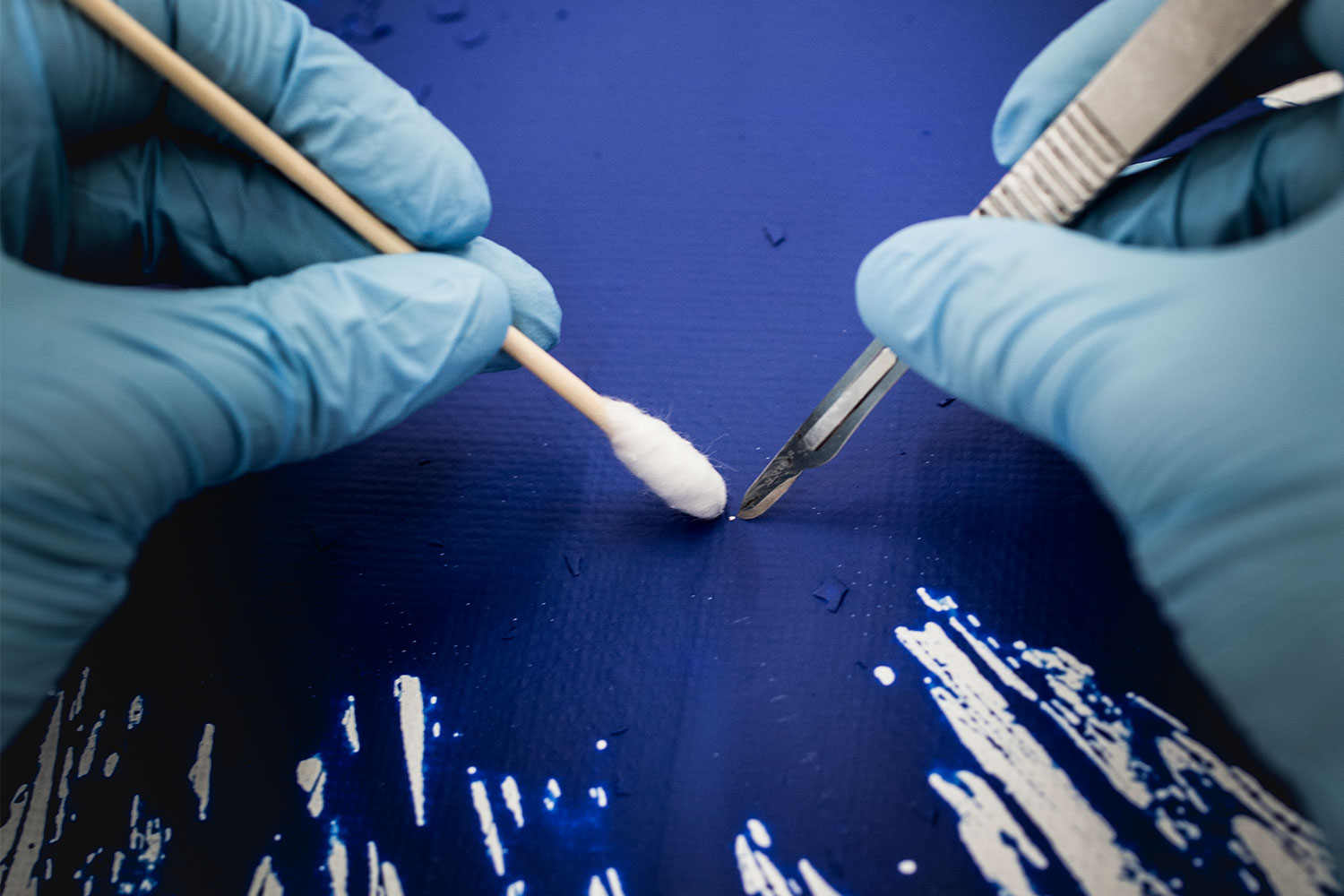
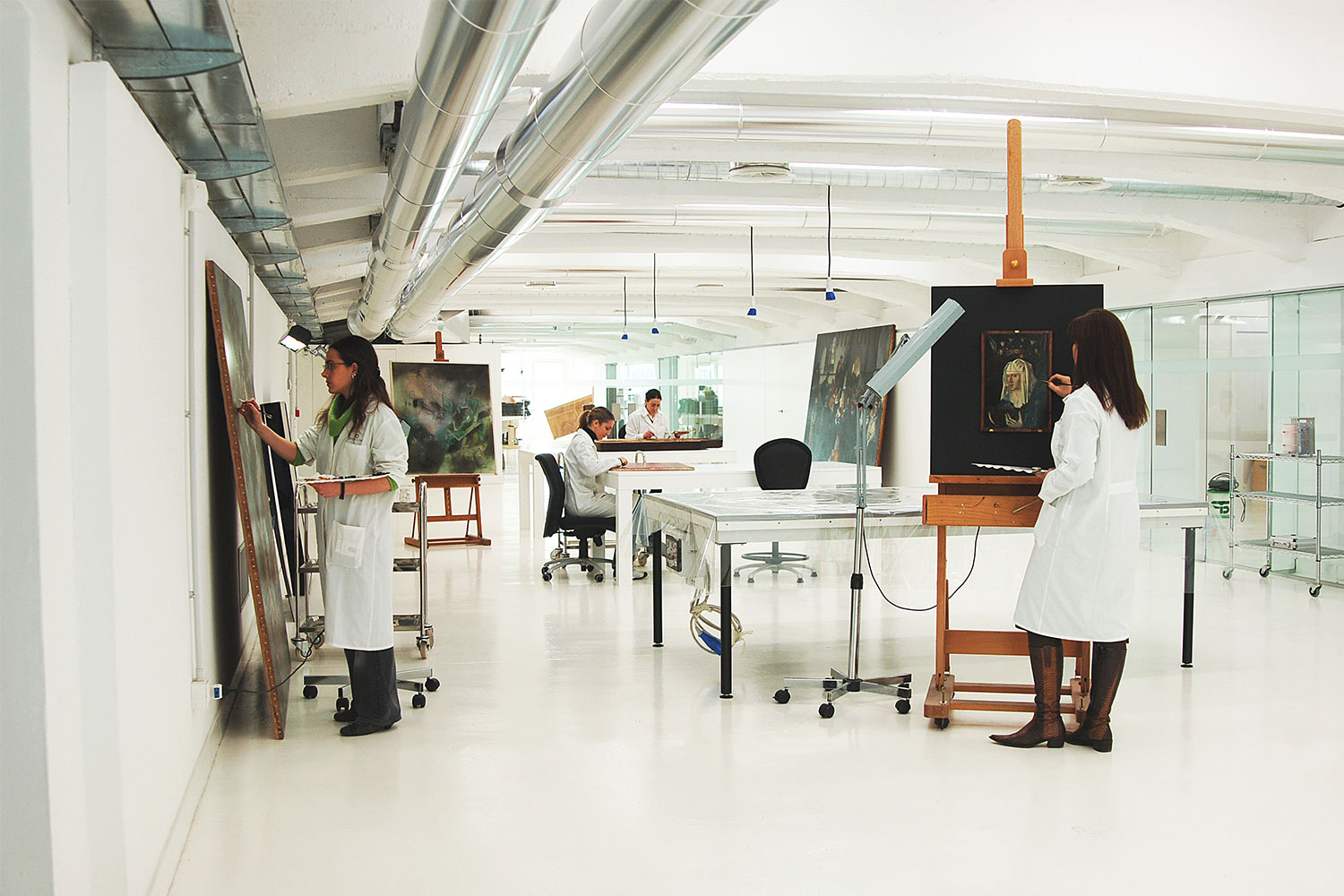
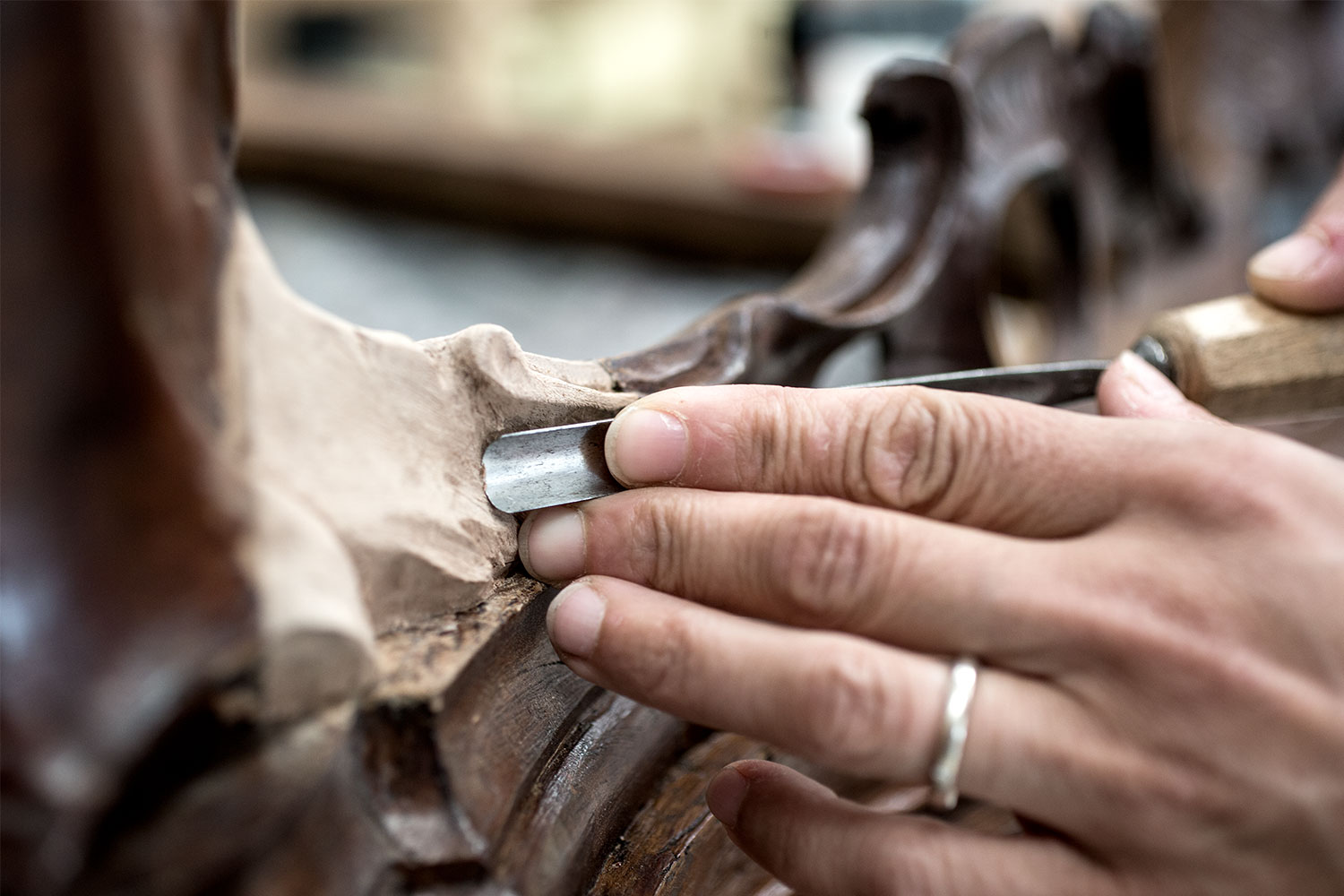
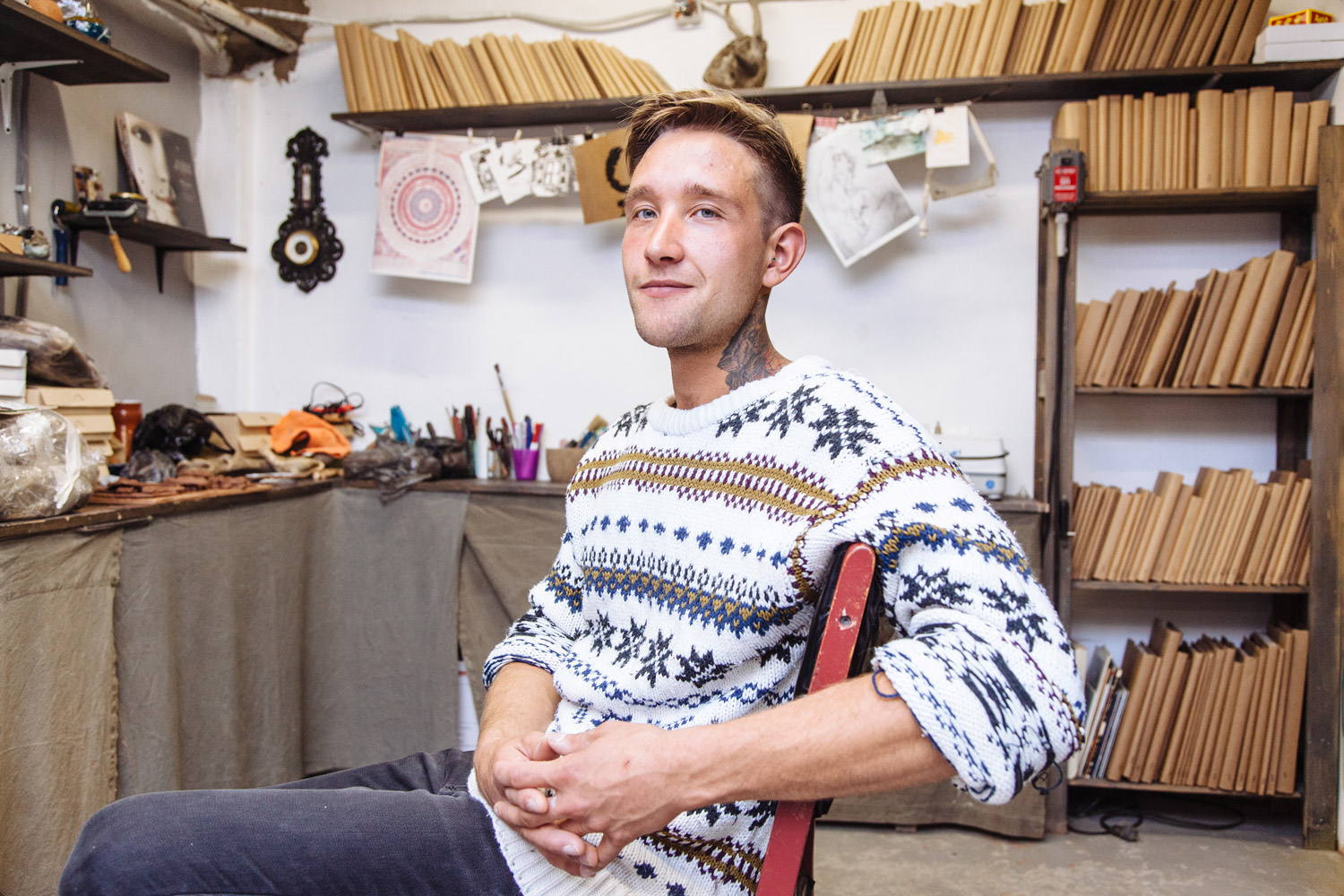
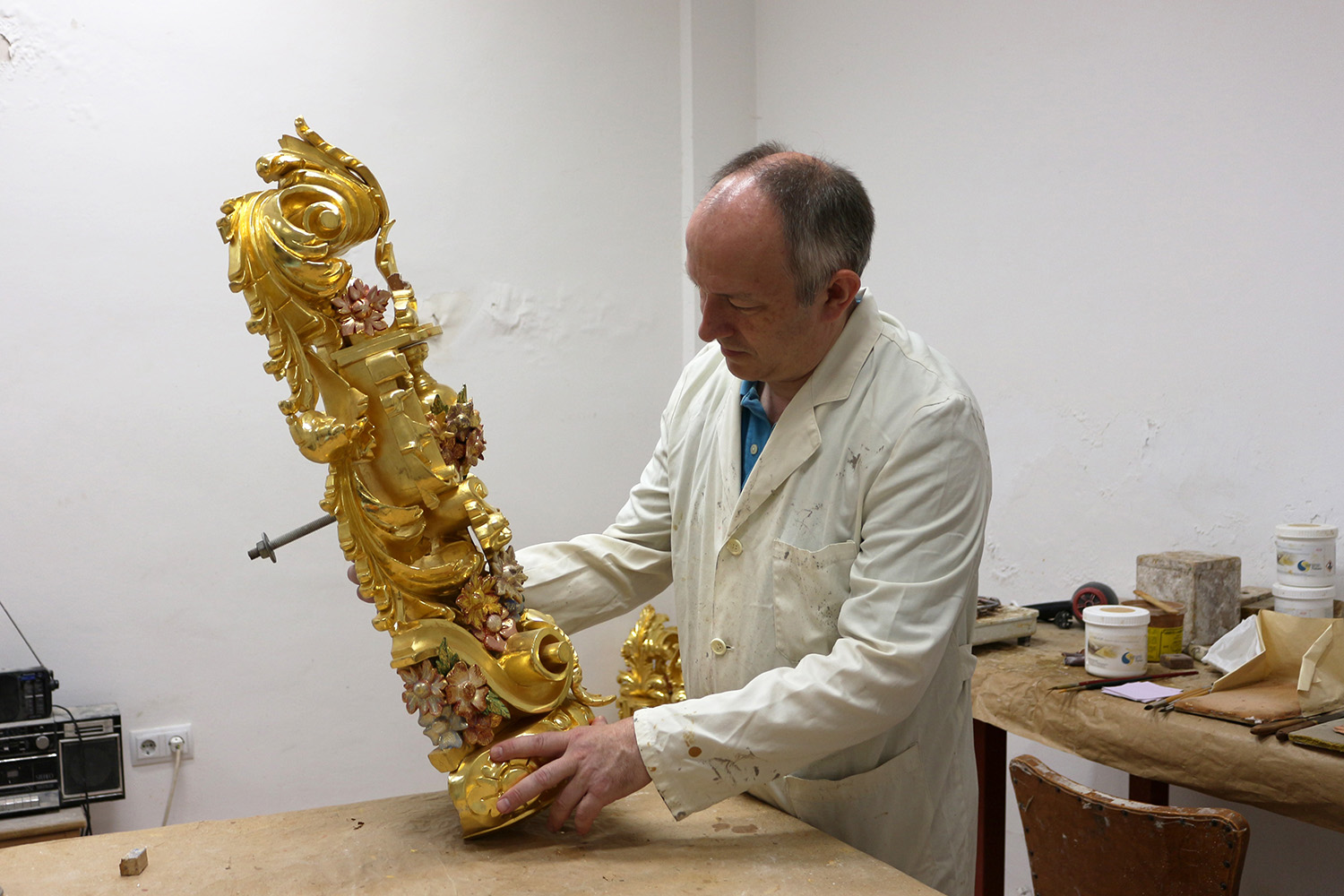
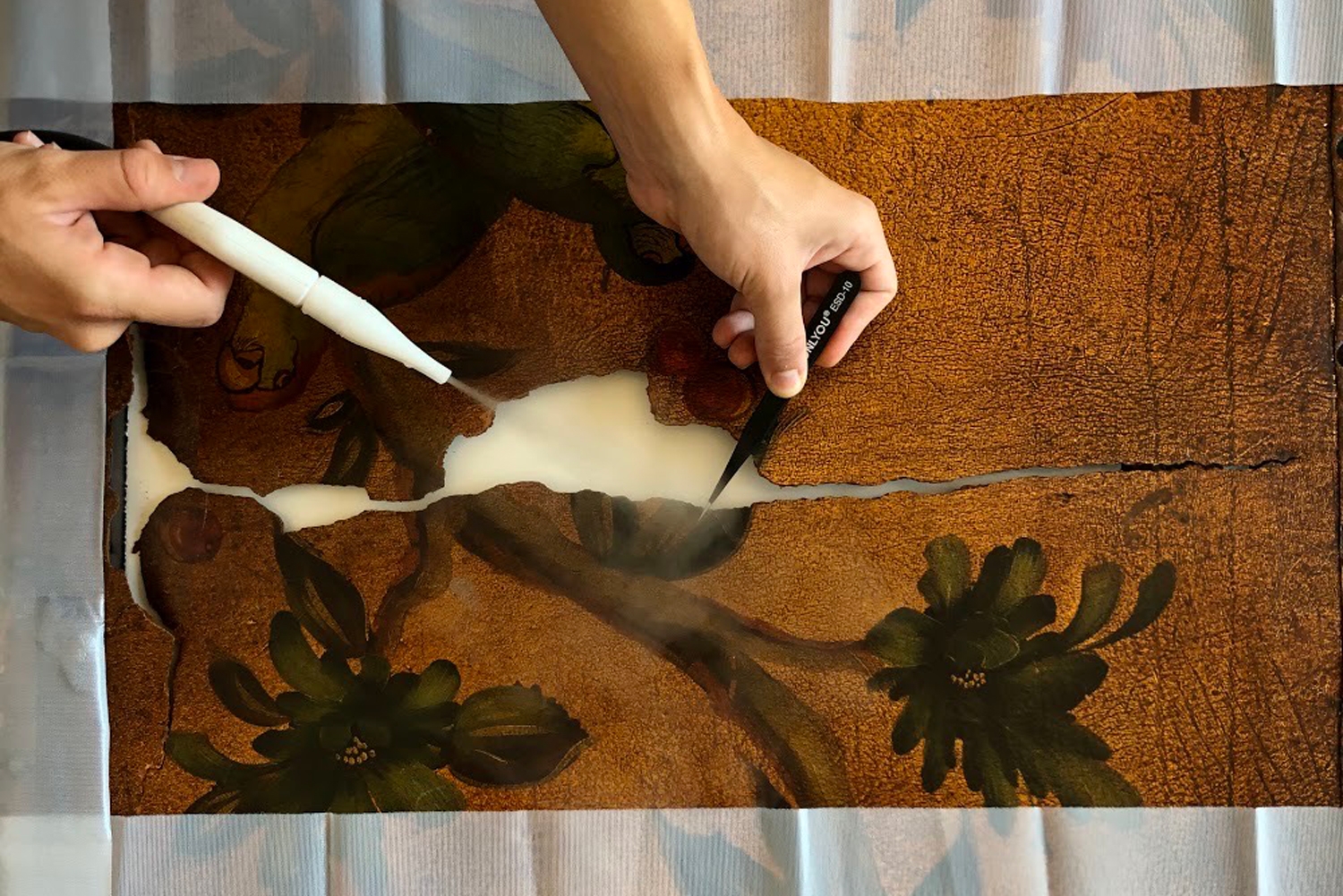
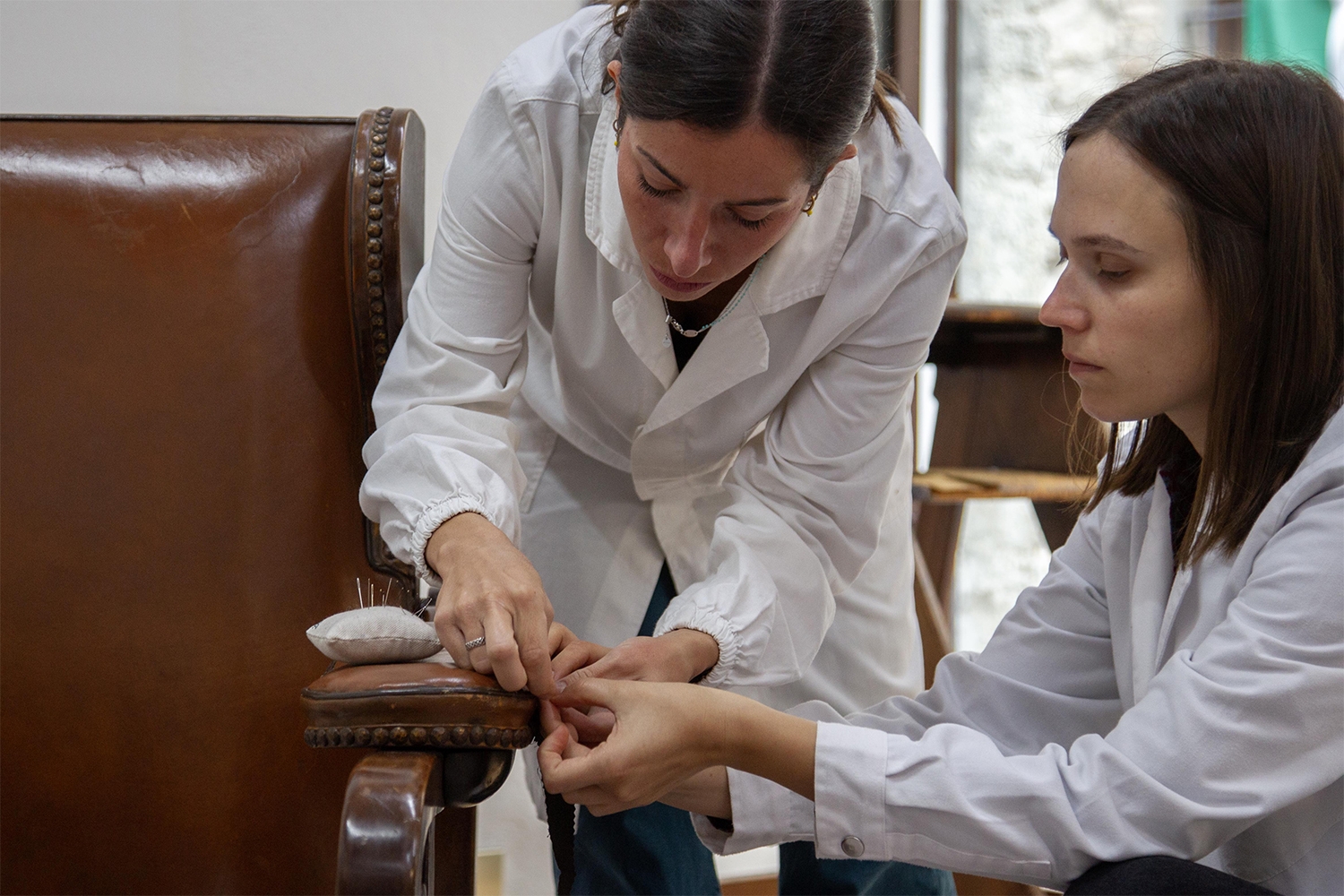
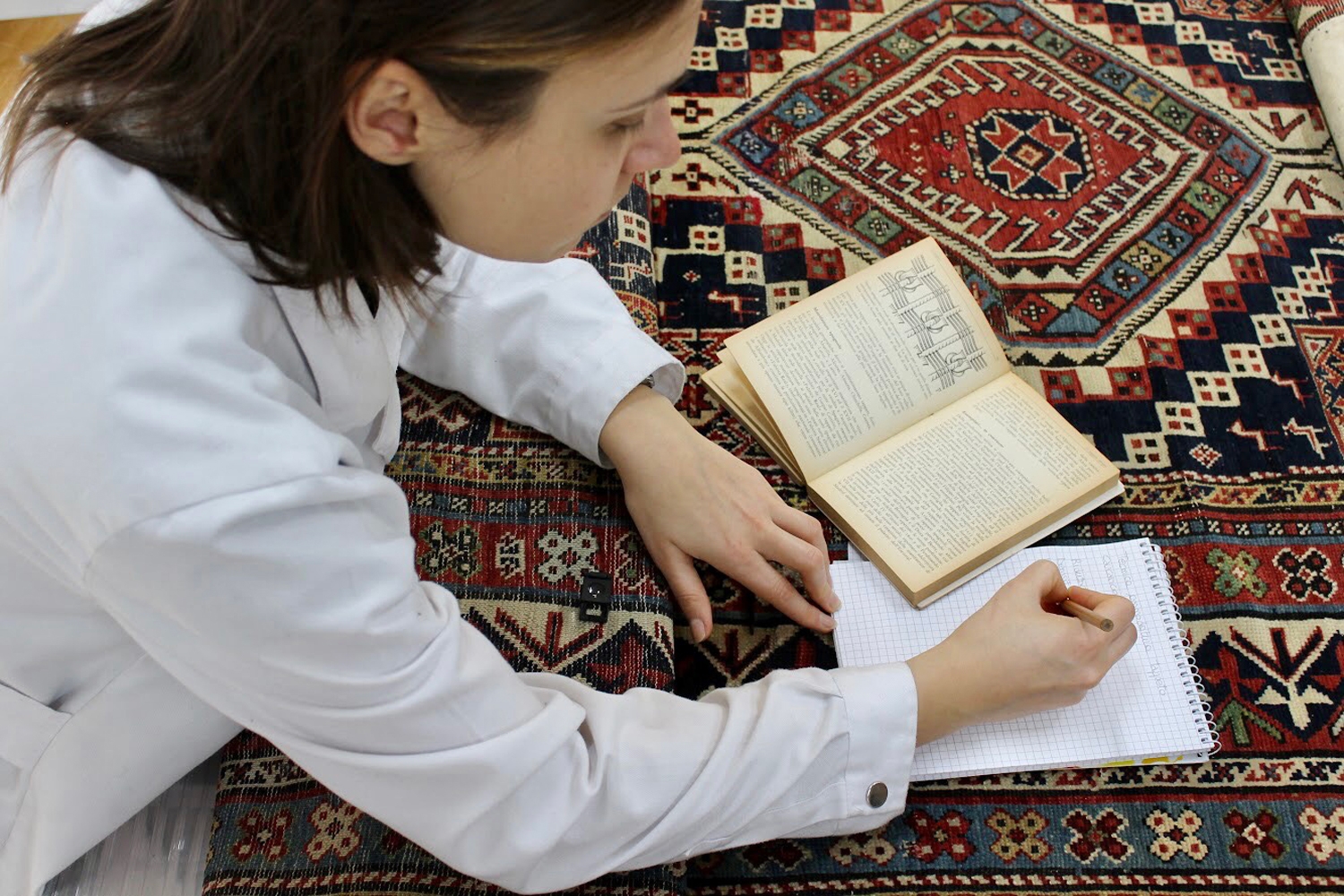
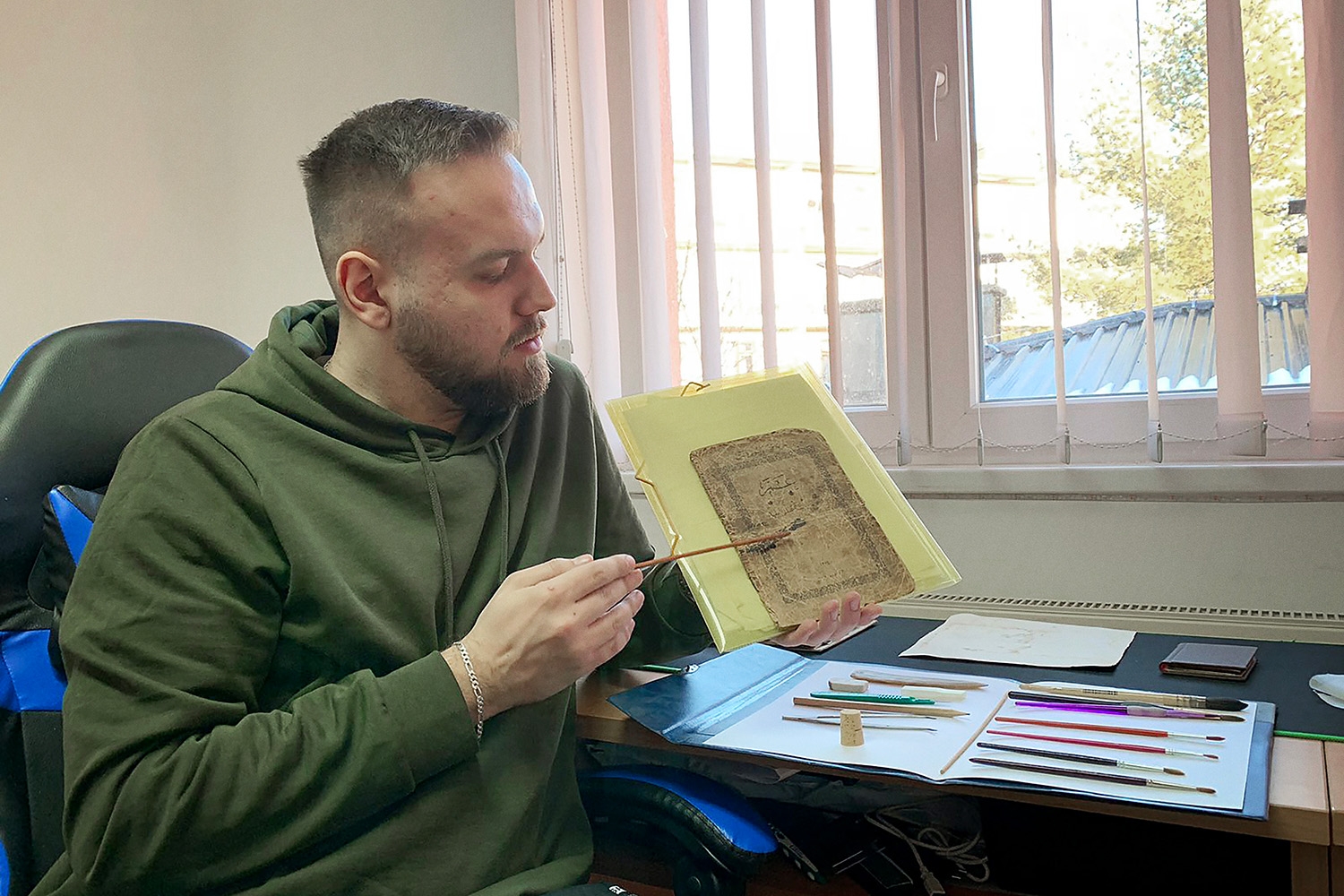
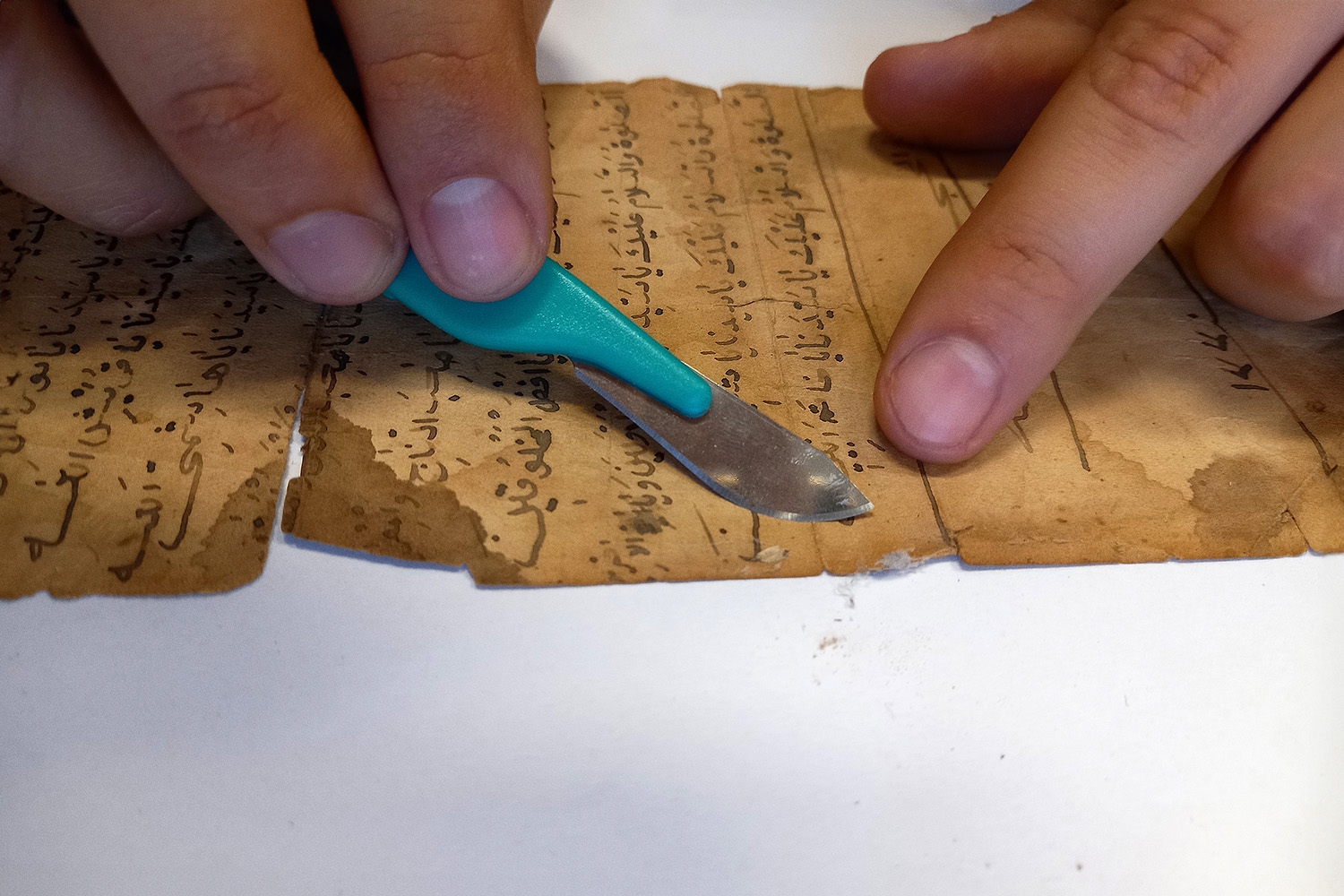
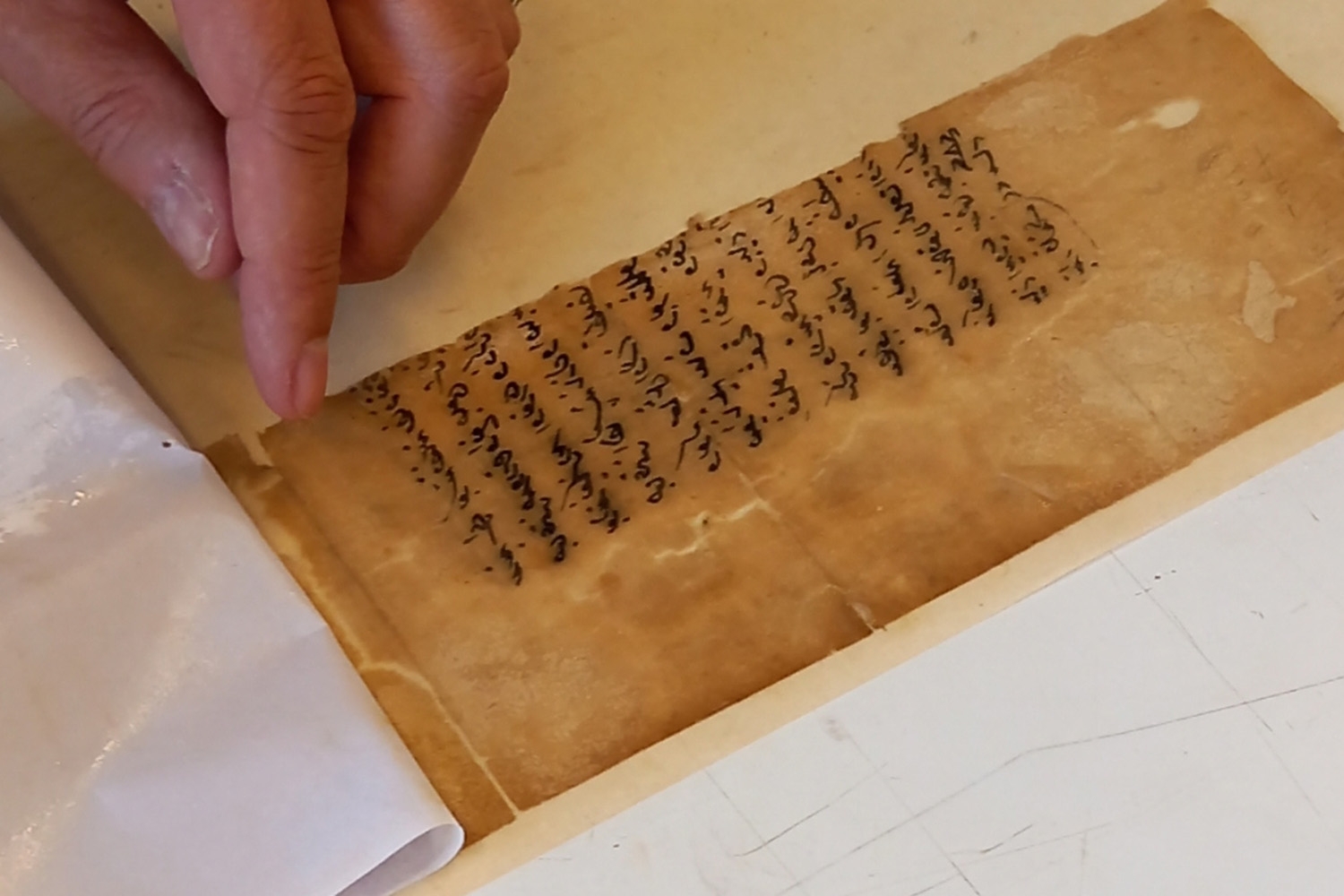
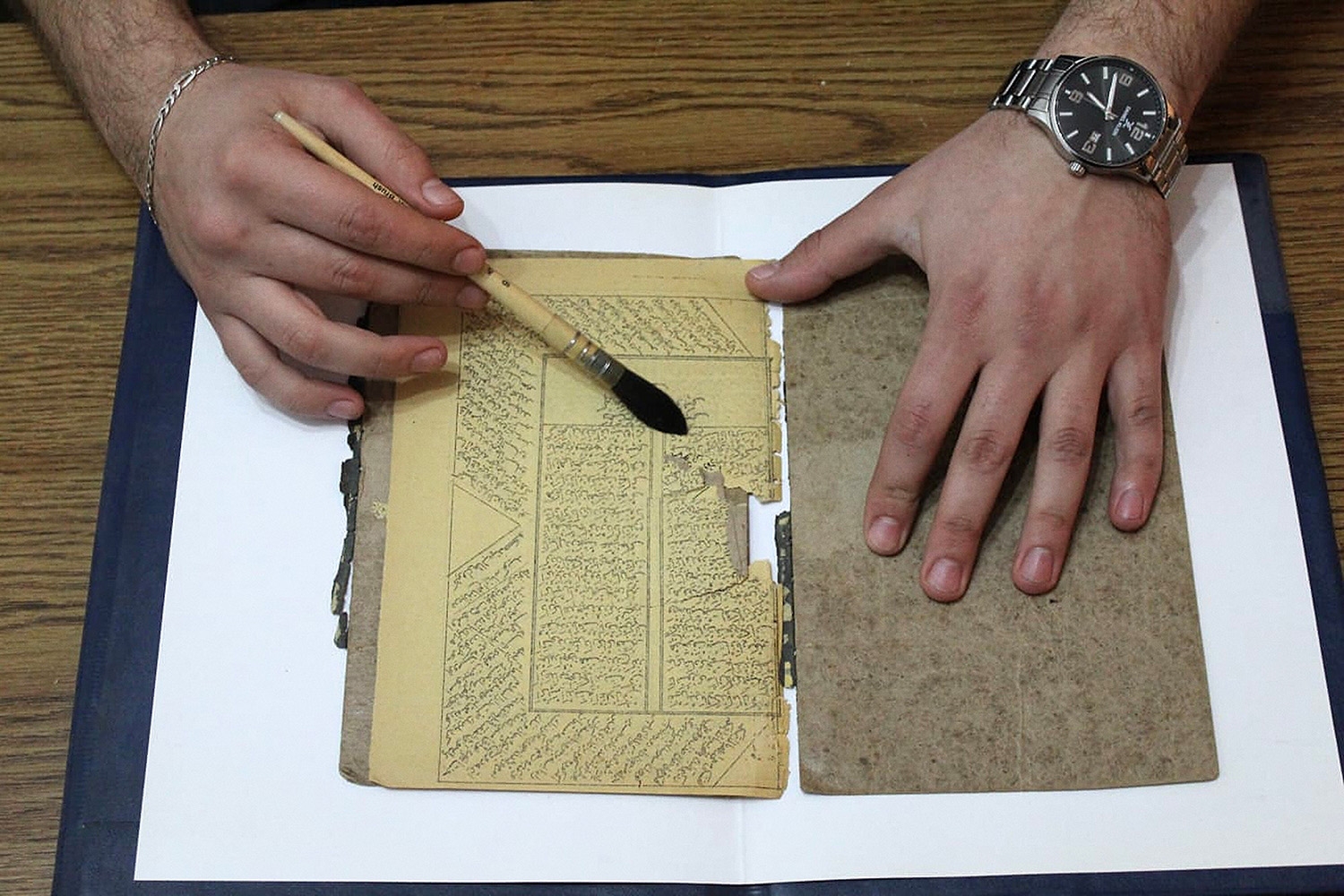
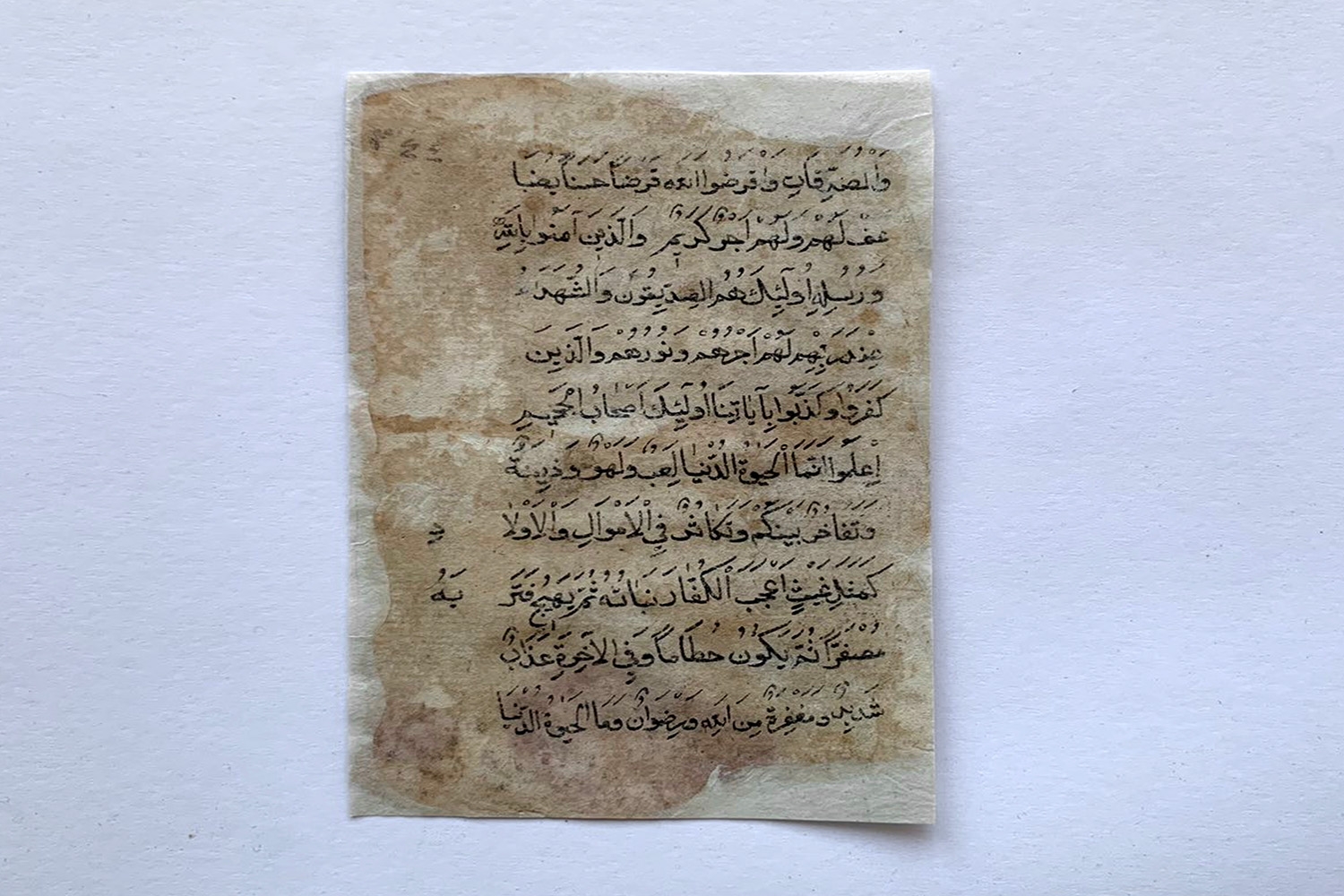
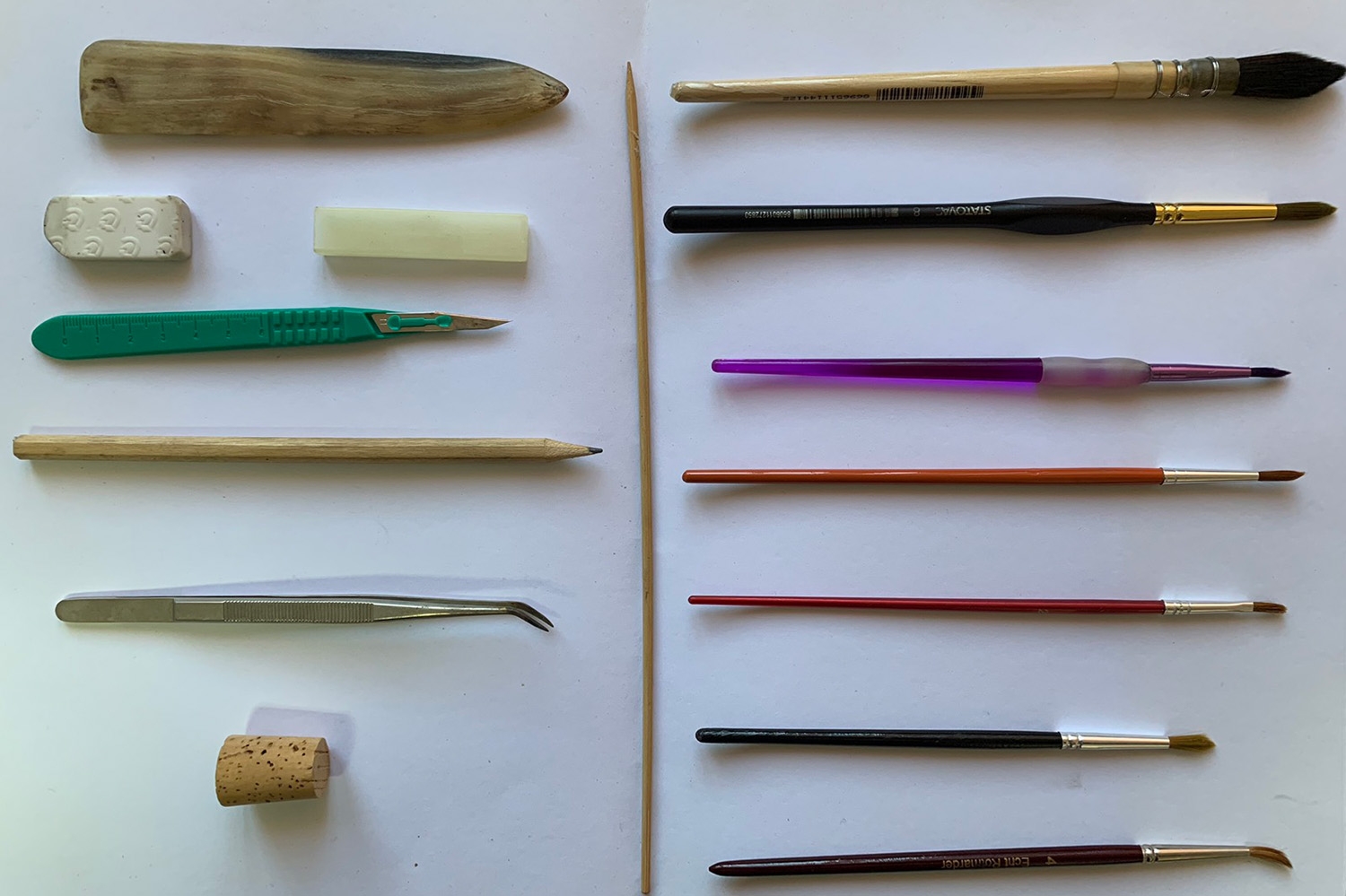
Adnan Mujkić combined his artistic talent with scientific education to become an art restorer and conservator. He chose to follow the multi-disciplinary conservation and restoration programme at the Academy of Fine Arts and Faculty of Science in Sarajevo. Artefacts made of paper, such as books and documents, but also objects made of wood, such as furniture are his specialism. "My profession is very complex and demanding because it requires patience and precision in work processes, as well as a lot of time invested," explains Adnan. His clients are art lovers who care about the preservation of cultural and historical heritage, and collectors of traditional objects and works of art.
INTERVIEW
I have an innate love and great interest in cultural and historical heritage and old objects that are in a state of much-needed restoration and conservation. This profession requires great patience and precision.
It is primarily about preserving cultural and historical heritage of a certain country. I believe that the profession of conservator and restorer is very important, especially in my country, because Bosnia and Herzegovina is a country of rich culture, history and tradition.
My country is the meeting point of the East and the West, and many civilisations and empires passed through its territory and left behind traces which we can witness even today. Heritage is represented in every segment of life, and it is necessary to preserve it.
Restoration and conservation are a craft, and what is a craft if not an art? My work is much more of an art than a science. Restoration, as I see it, is an artistic act. The restorer expresses the artefact, i.e. breathes new life into it so that it looks as beautiful as possible and is preserved for future generations.
Adnan Mujkić
Turner, Tiffanie
Restorer
Seonica, Bosnia and Herzegovina
Recommended by Naš most Zenica
AVAILABILITY
By appointment only
PHONE
+387 62085424
LANGUAGES
Bosnian, Croatian, Serbian
Homo Faber Finds is a new service aiming to inspire admirers of craft to connect and collaborate with exceptional artisans.
We invite you to submit an enquiry here.
DSC02402_©Meg-Lovell.jpg)
DSC01379_©Meg-Lovell.jpg)
DSC01458_©Meg-Lovell.jpg)