Philmoo Yoo
Brush maker
Jeungpyeonggun, South Korea
Learning from the past
- Philmoo is a traditional writing brush maker
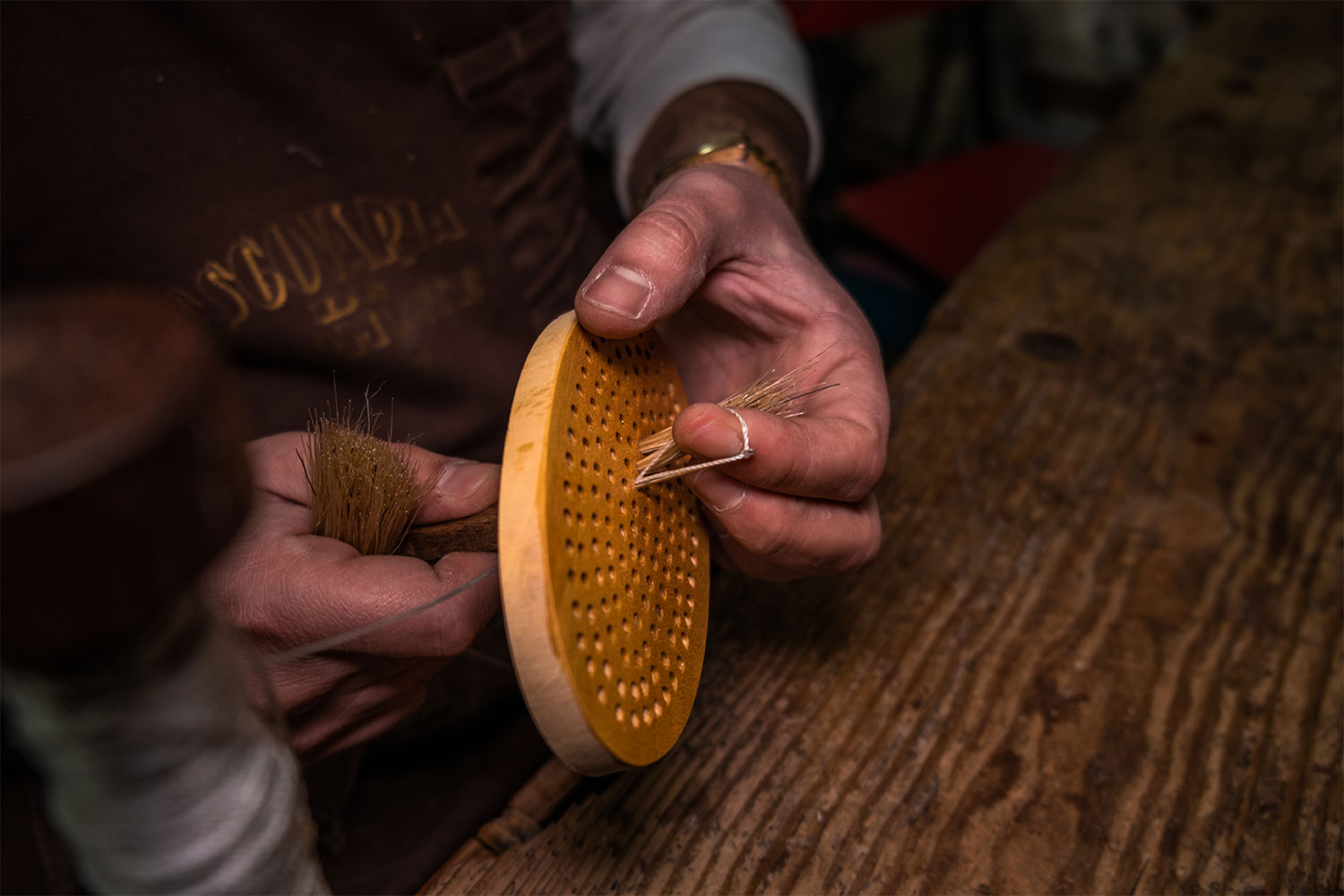
- He uses plant fibres as well as animal hair to make his brushes
- He became a Human Cultural Asset in 2018
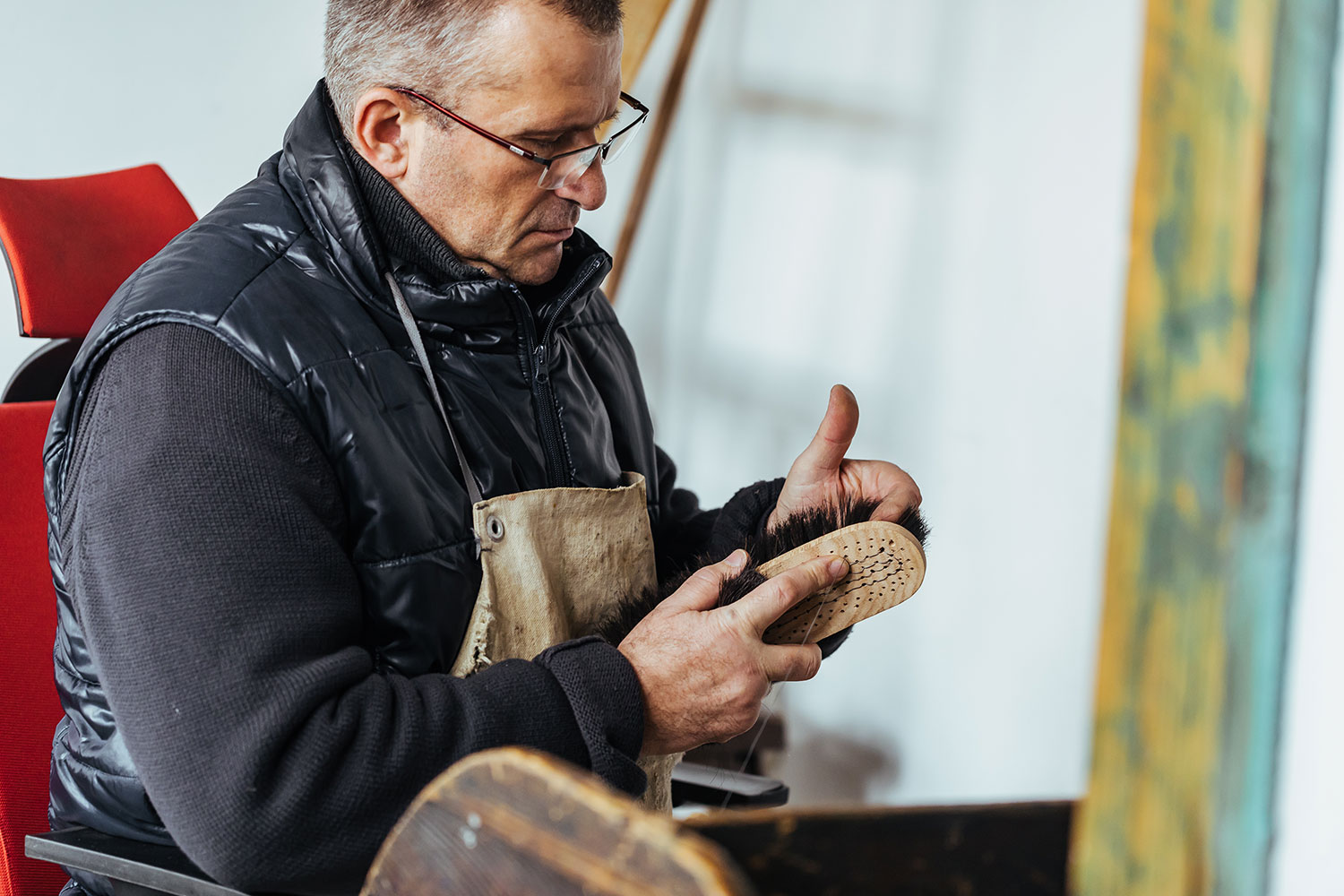
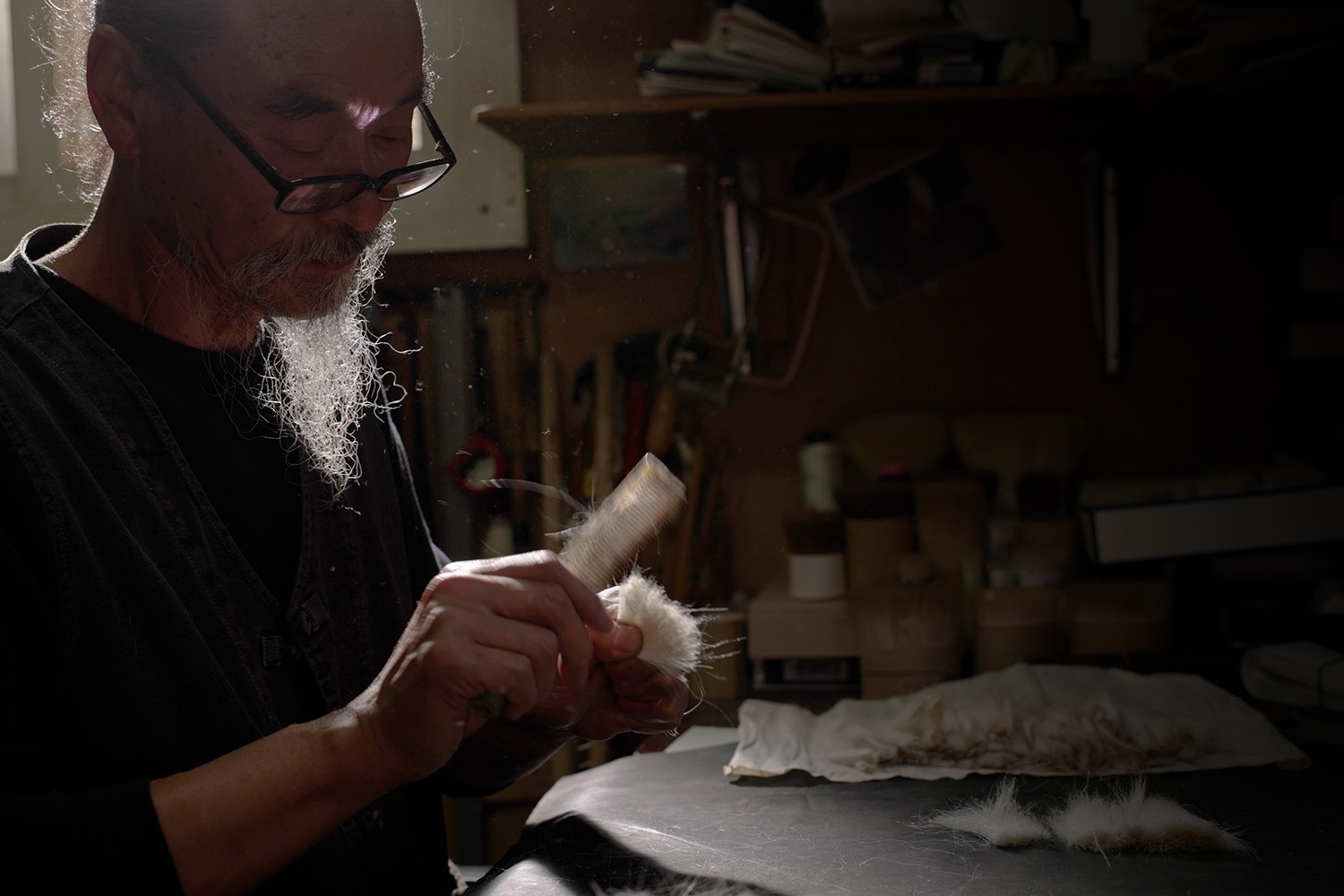
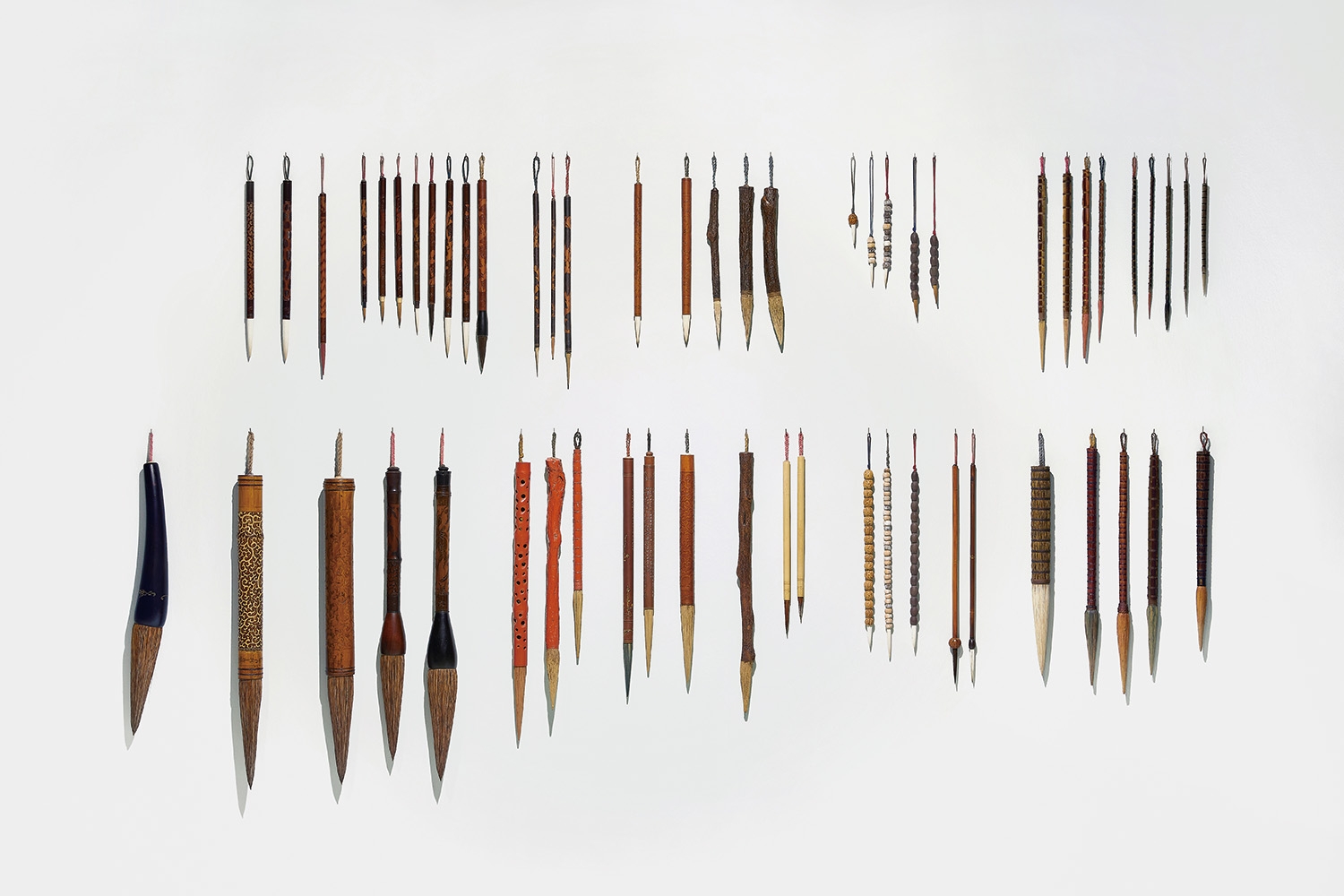
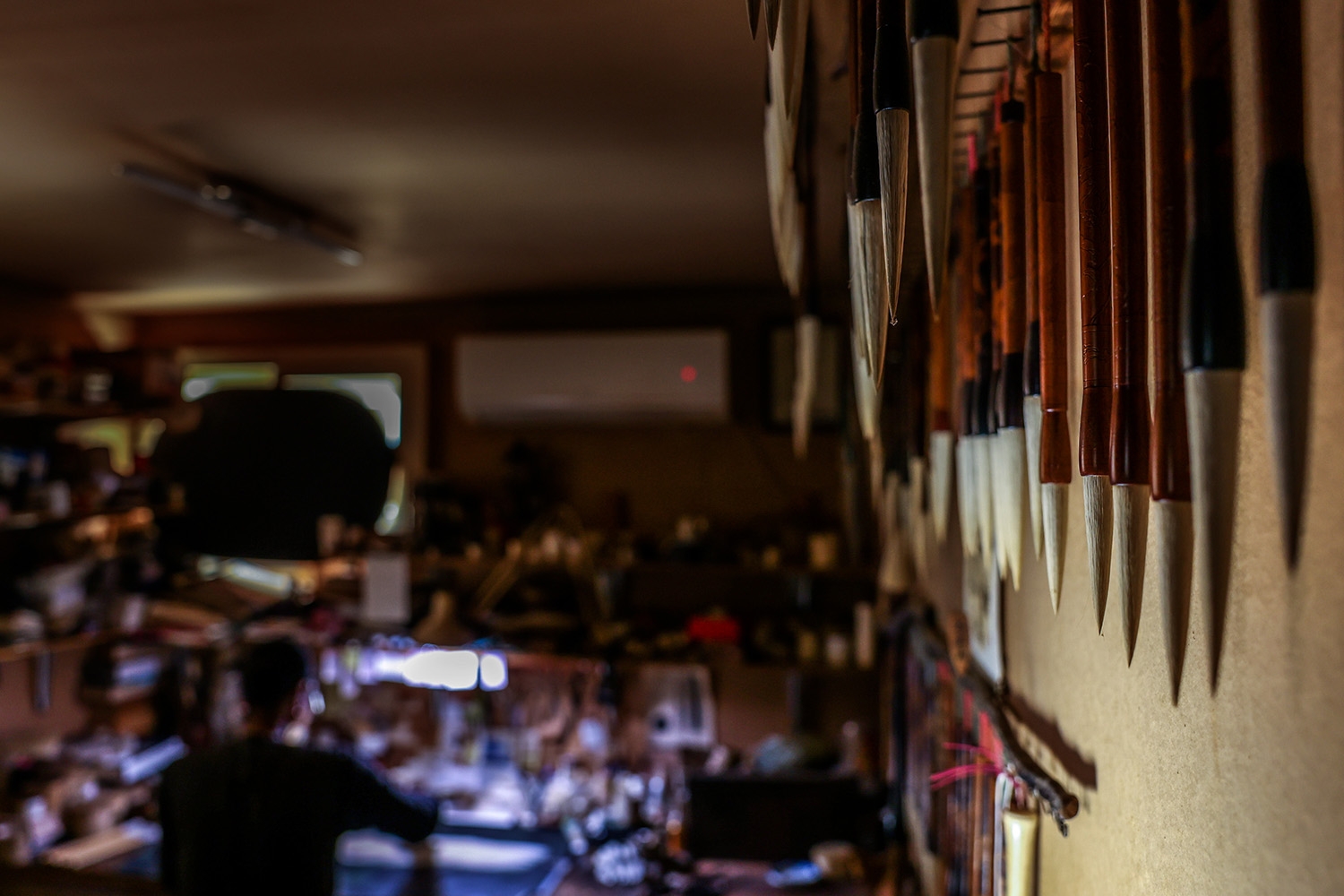
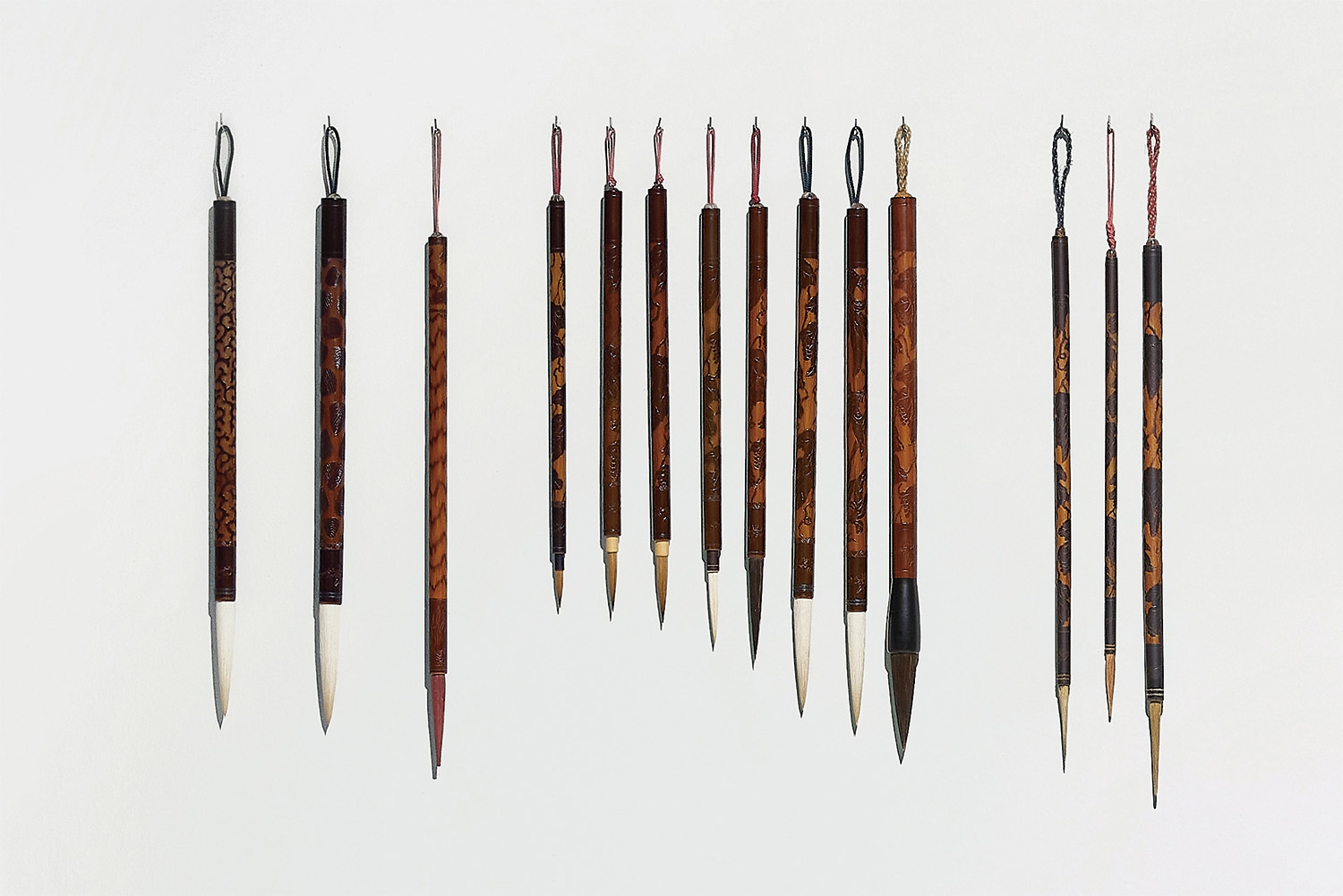
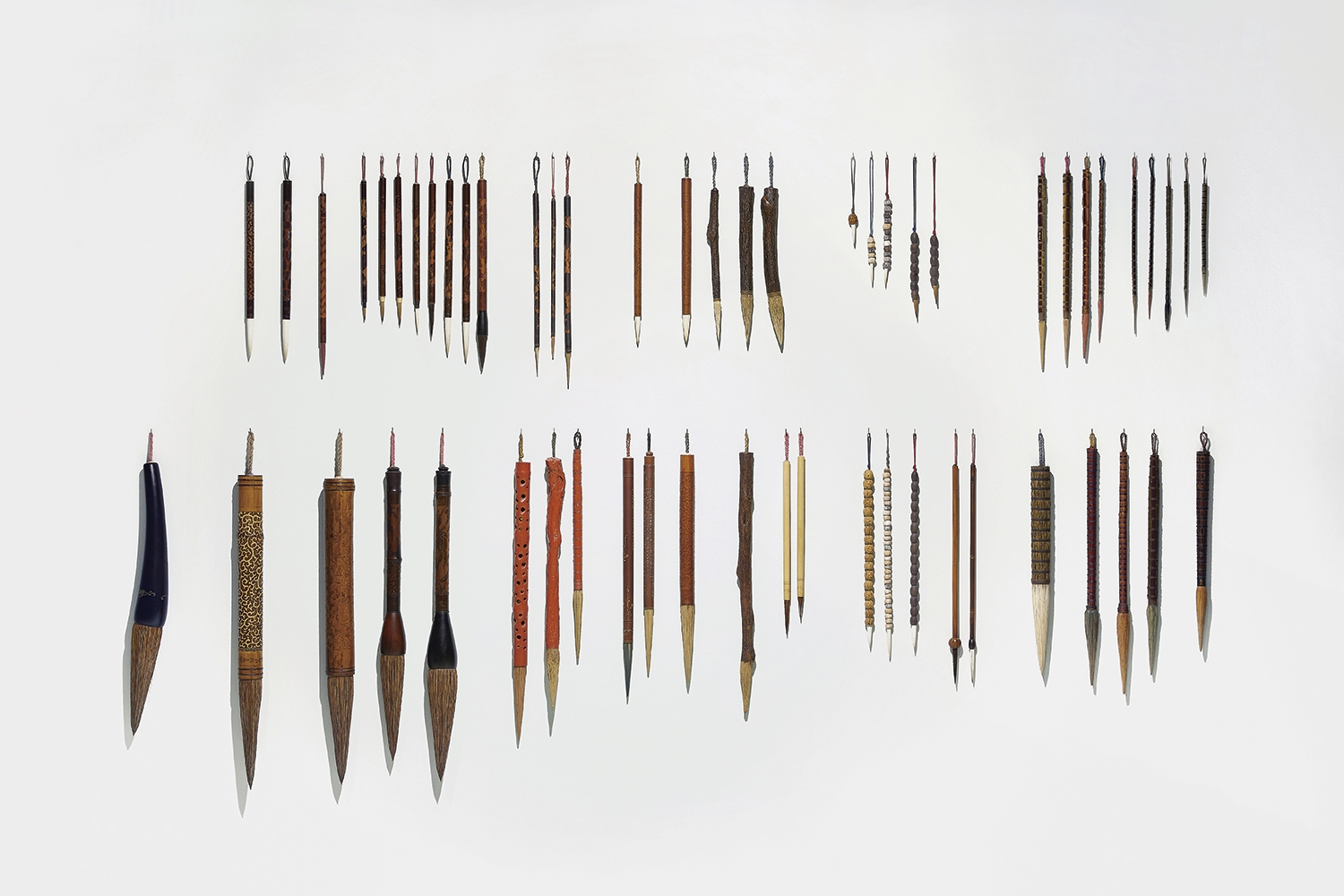
Philmoo Yoo could not attend high school due to a difficult family situation and had to start working to earn a living. He took on whatever jobs he could find to support himself, and at the age of 16, he entered a brush workshop on a relative's recommendation. Seeing the various brushes on display, Philmoo thought to himself, "If I learn this craft well, I can become someone who creates valuable things." After ten years of focusing on making traditional brushes, he opened his own workshop for the first time. However, with mass production of artificial brushes, traditional Korean brushes were on the verge of losing their place. Despite this, Philmoo did not give up and he has devoted his life to making traditional Korean brushes using techniques unique to Korea. In 2018, he was recognised as a human cultural asset by the Korean government for his effort to preserve this tradition.
INTERVIEW
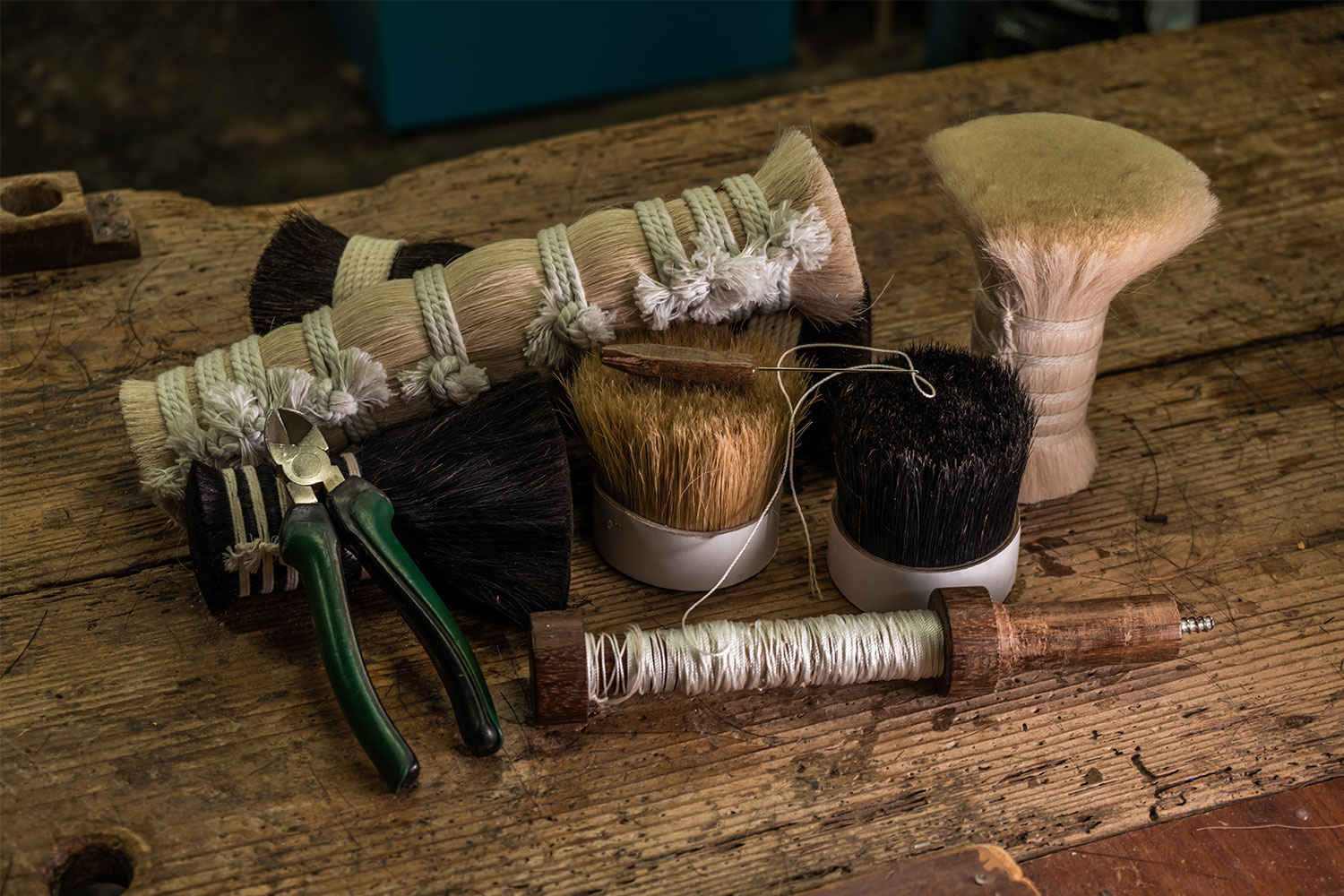
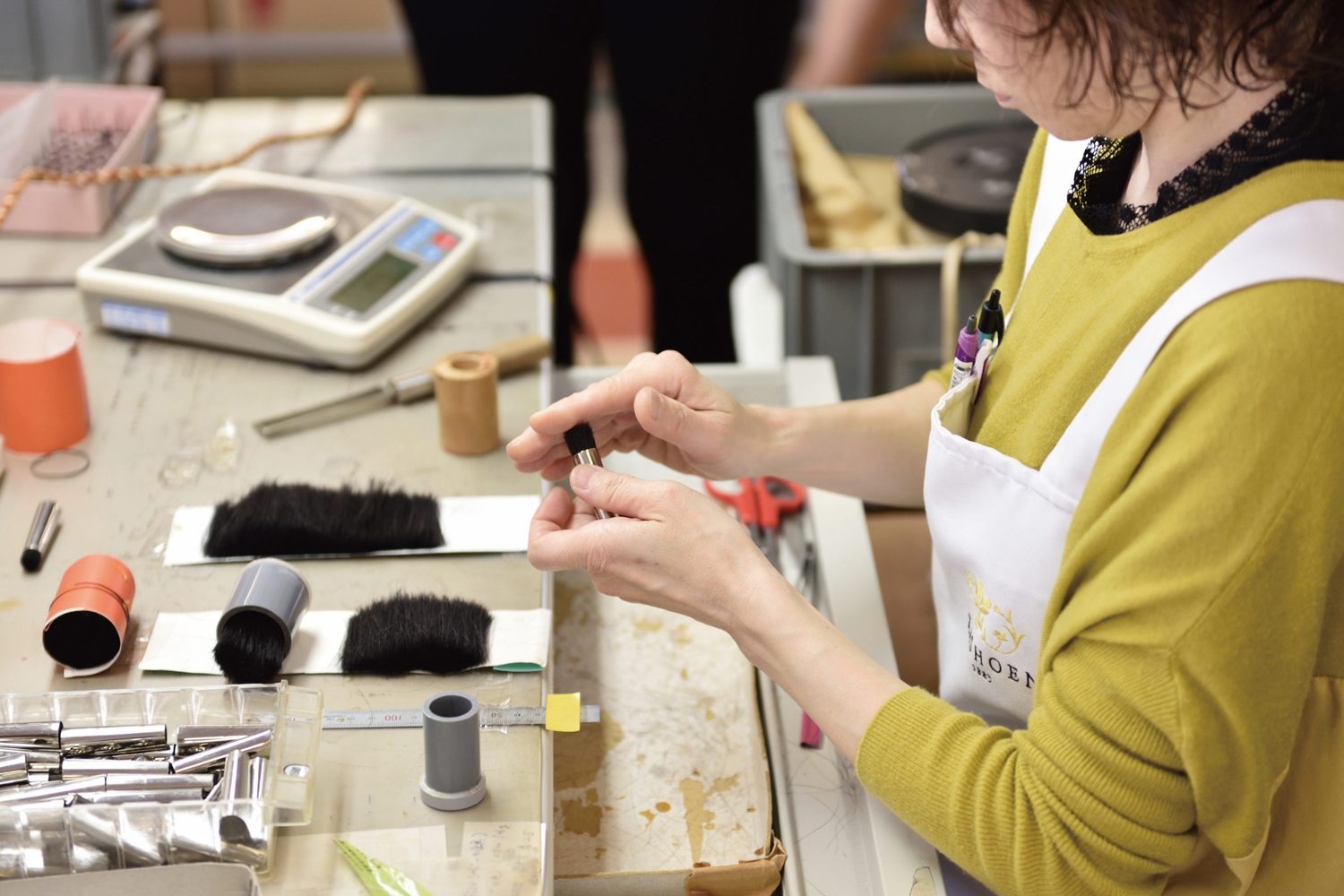
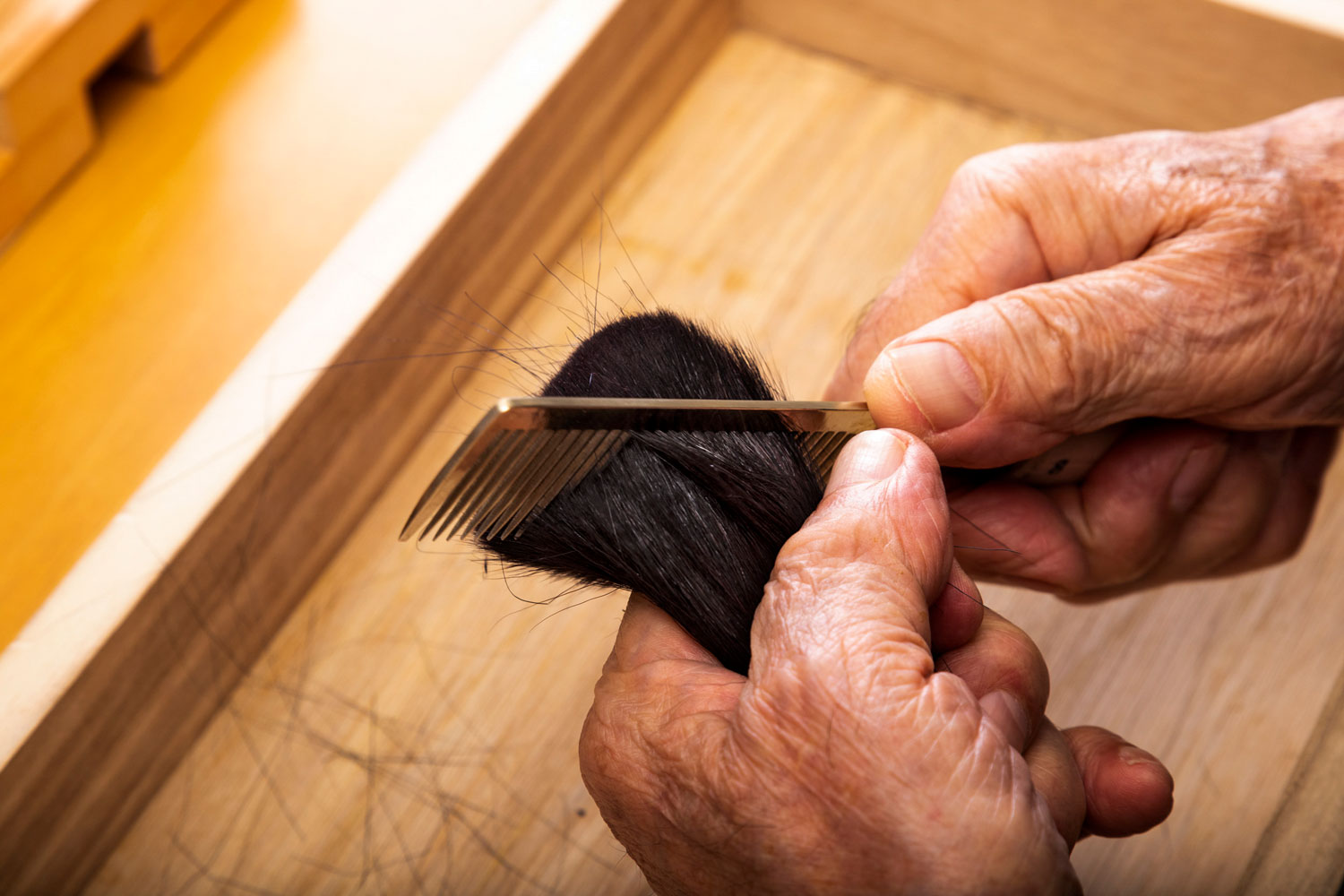
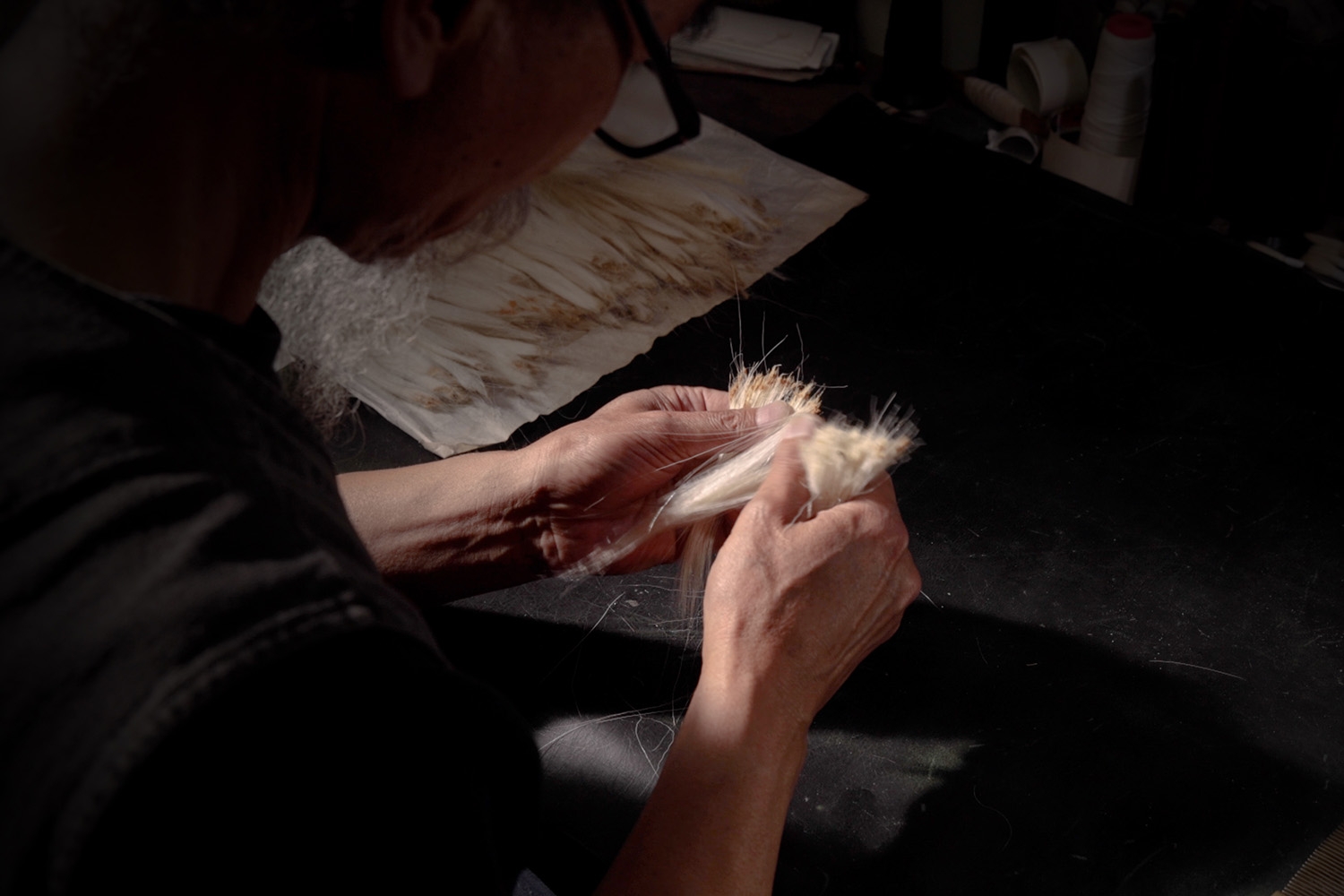
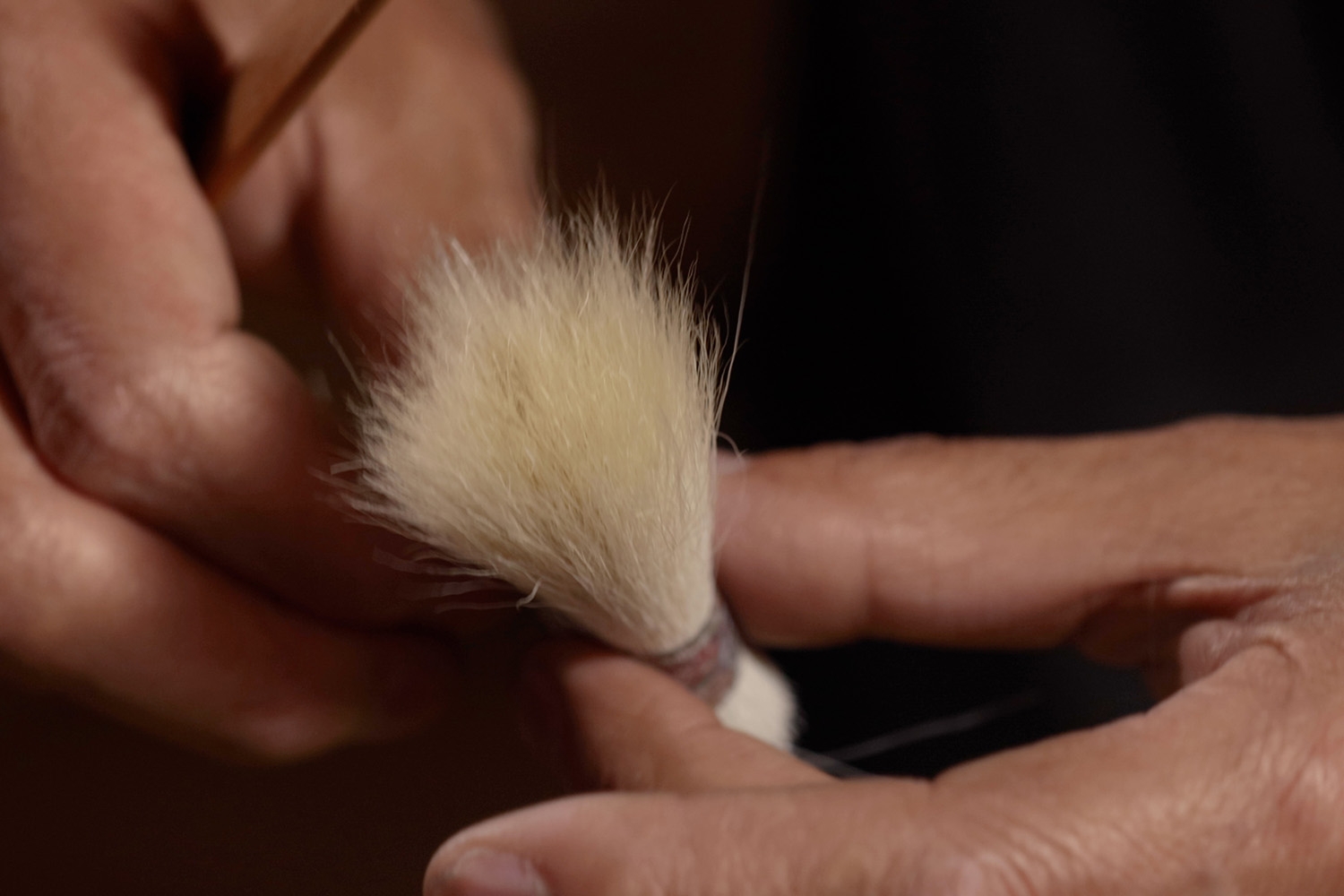
First, I sort the hair by length. Then, I wrap it in oil-absorbing paper and press it with a stone for a year to remove the oil. If the oil is not removed, the brush will not hold ink well, and the hairs will tangle. Despite its time-consuming nature, I stick to this traditional method. By avoiding heat treatment, I produce healthier, higher-quality brushes.
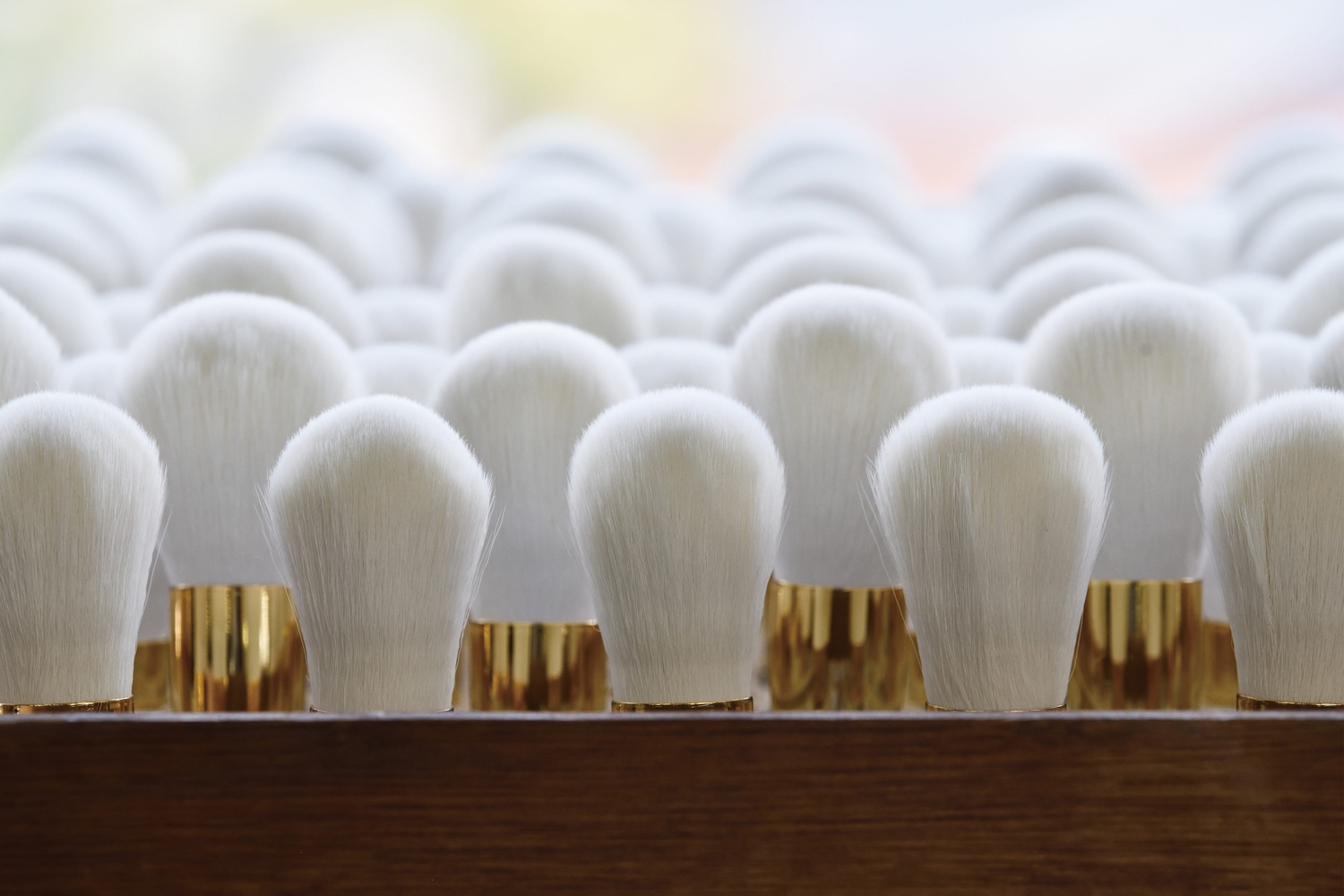
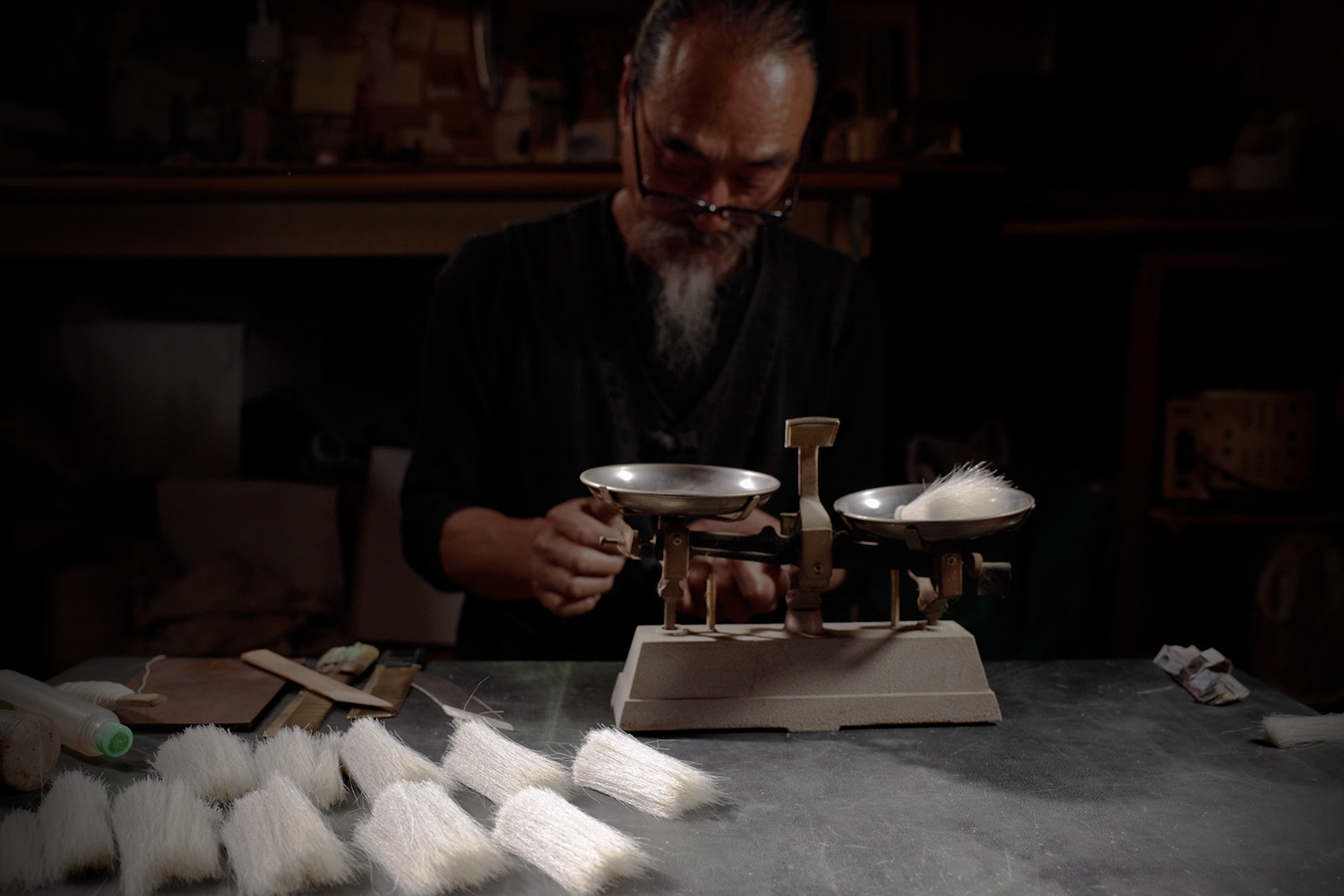
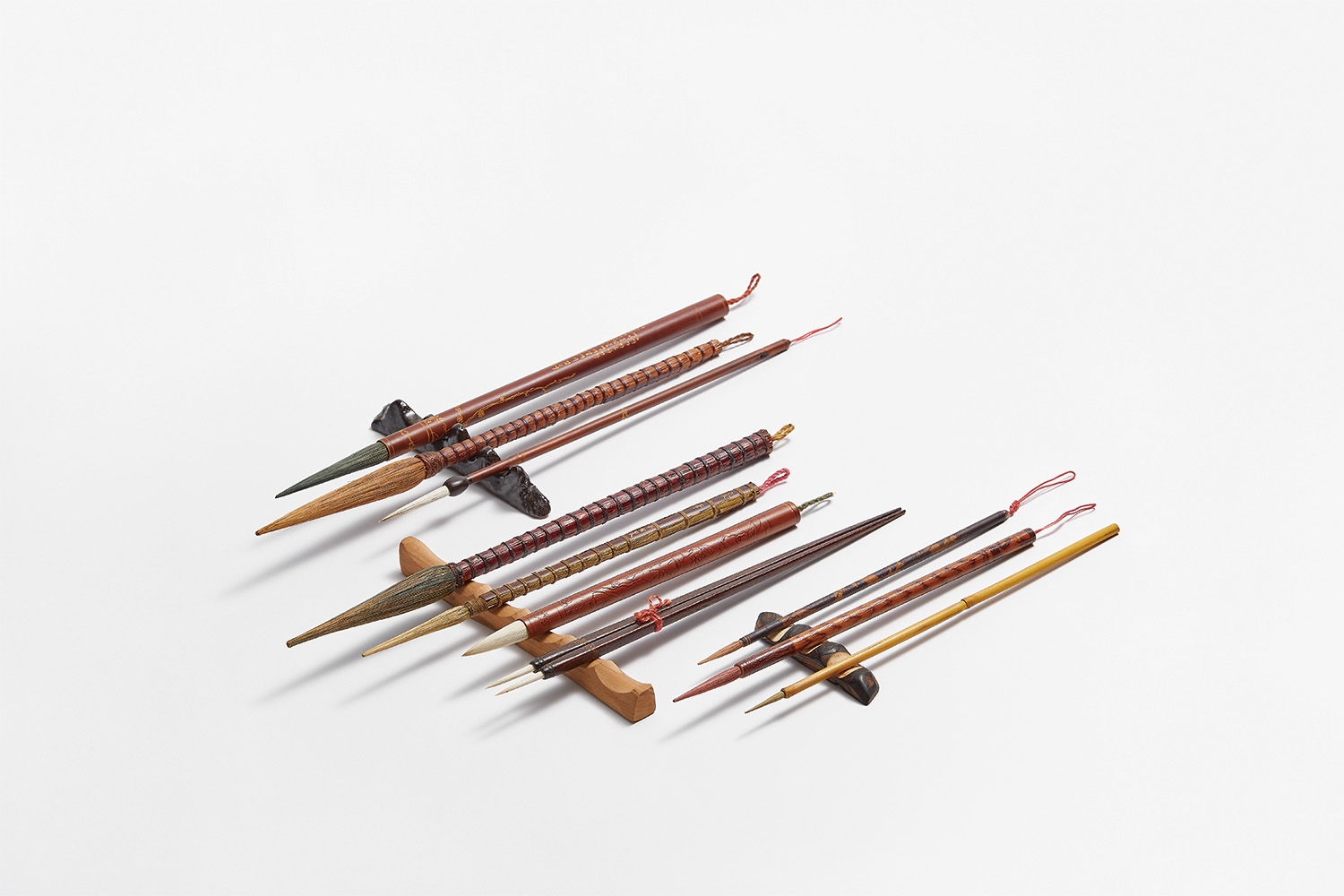
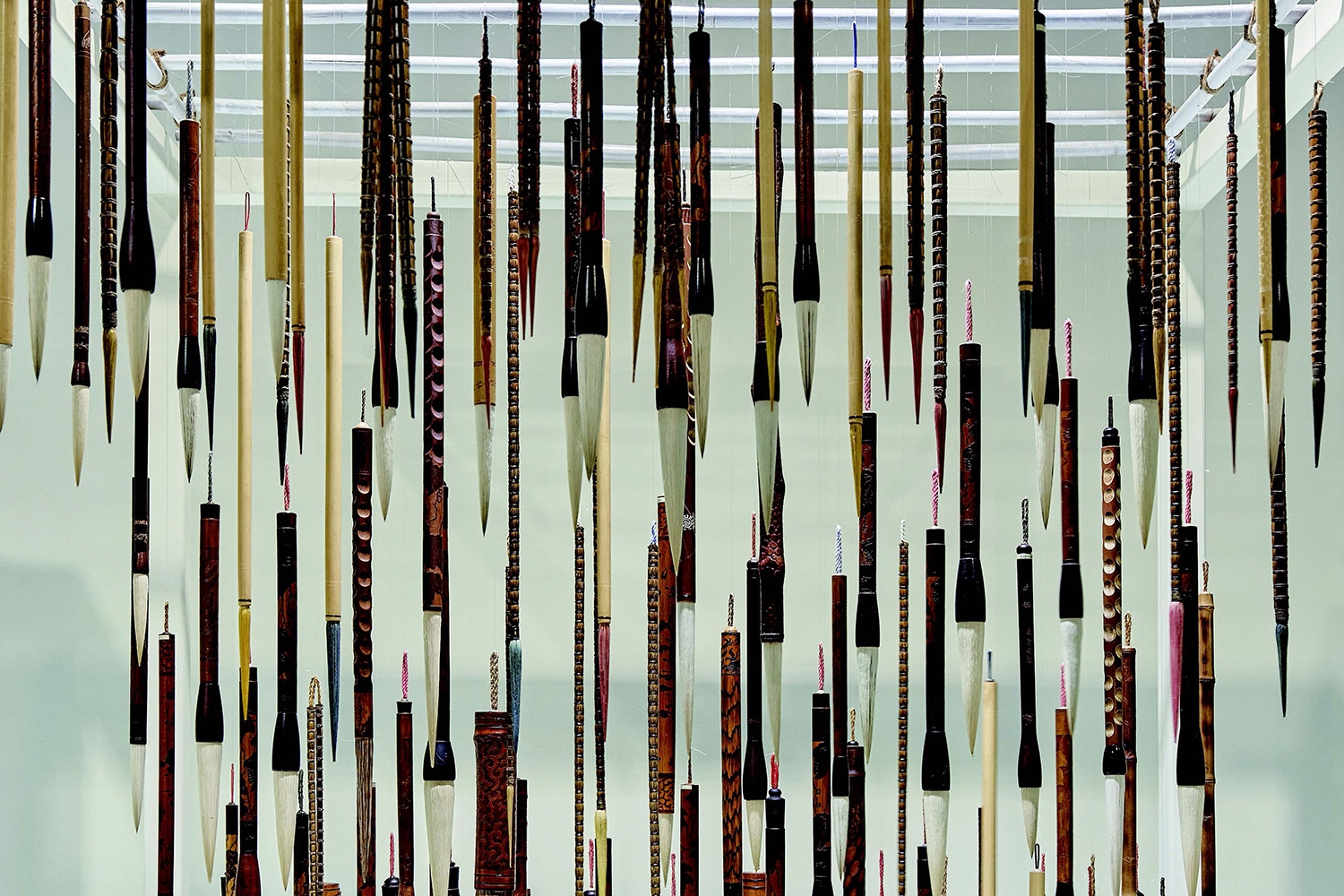
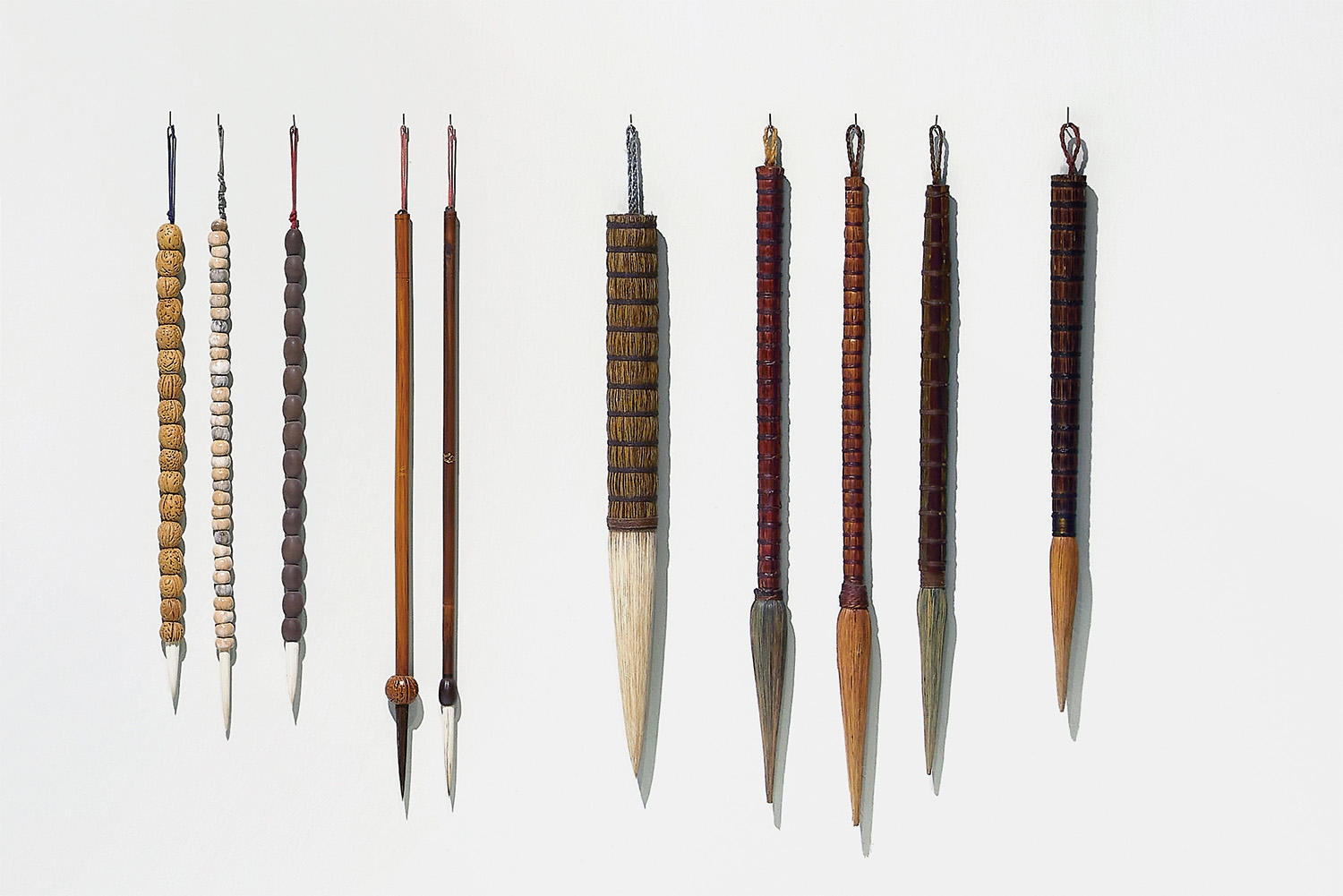
Traditionally, brushes were made from animal hair like weasel, raccoon and sheep. However, wildlife protection laws have made this difficult. Inspired by ancient Korean practices, I began using arrowroot and silver grass. My innovative yet traditional brushes are now recognised in both Korea and China.
As a traditional brush maker, I often ask myself, "Where did people 500 or 1,000 years ago find their materials?" Oral traditions are my primary inspiration. For example, I started using arrowroot after hearing about it through word of mouth. The wisdom of the ancients inspires my work and deepens my respect for their ways of life.
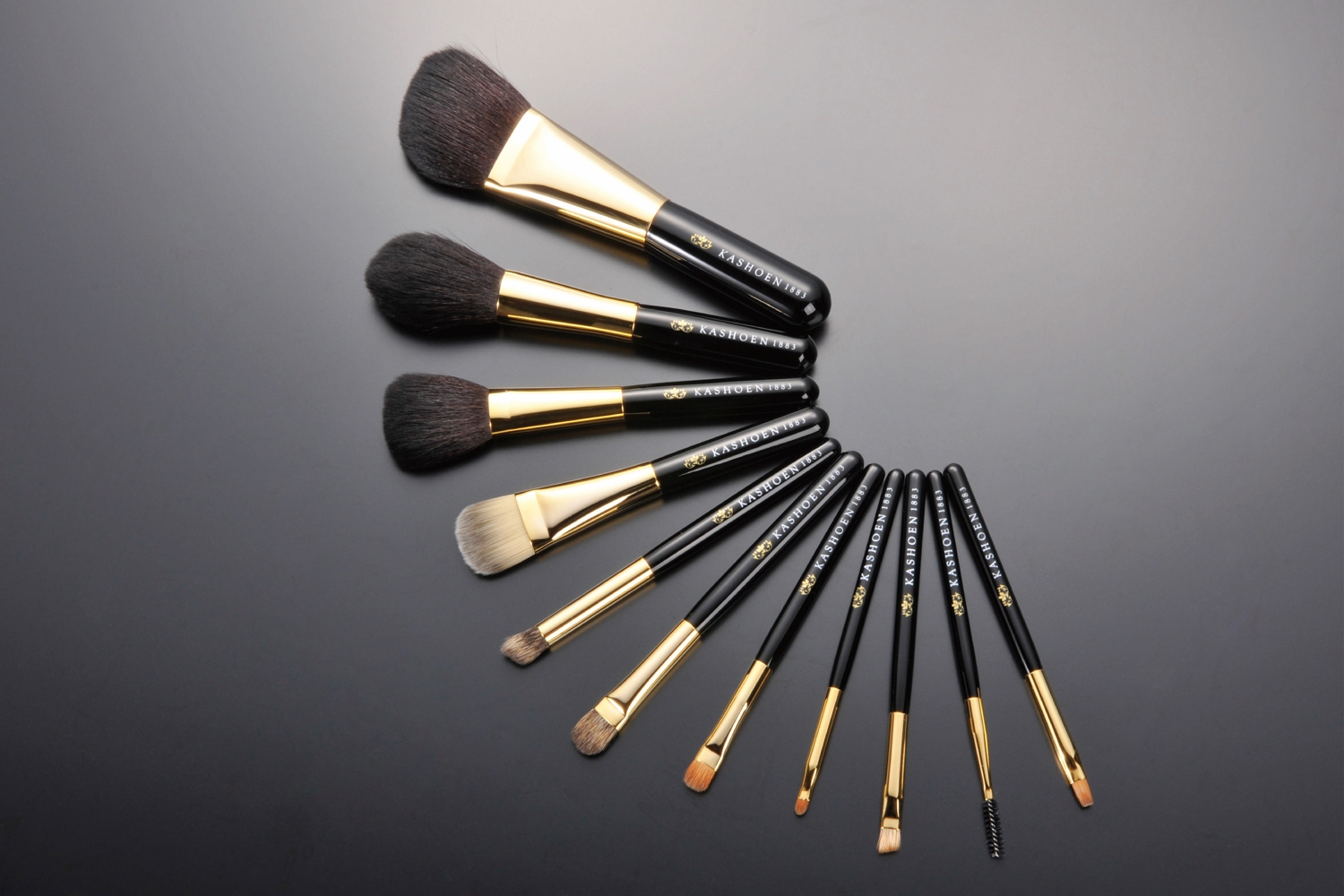
Many customers visit my shop for brushes to use in Korean or Asian paintings, and many practise calligraphy as a hobby. My brushes embody Korea's delicate heart, flexibility, and strong will. I believe using a brush to draw poems and patterns provides a calm, stress-free experience.
Philmoo Yoo
Brush maker
Jeungpyeonggun, South Korea
AVAILABILITY
By appointment only
LANGUAGES
Korean
Homo Faber Finds is a new service aiming to inspire admirers of craft to connect and collaborate with exceptional artisans.
We invite you to submit an enquiry here.