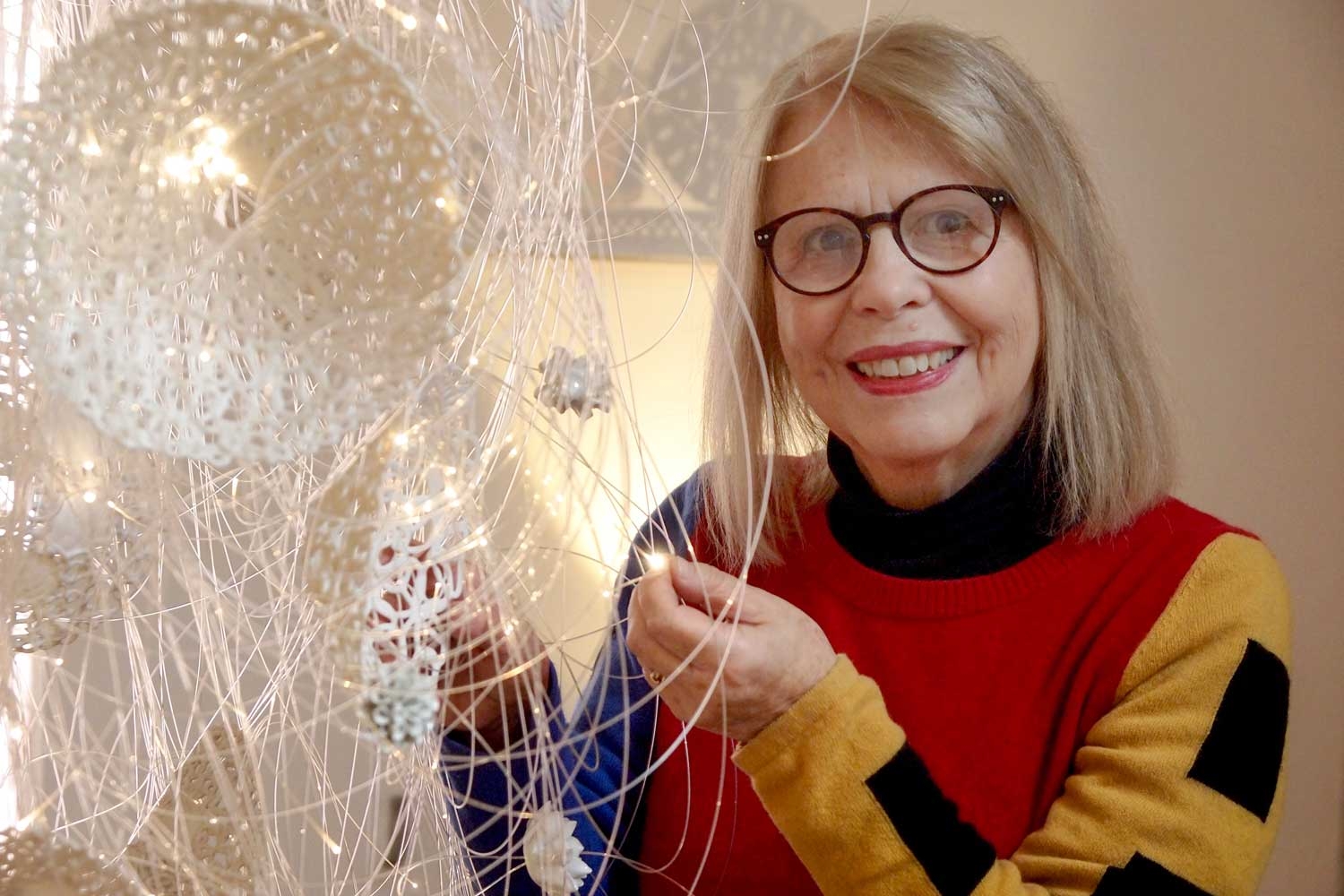
Tiffanie Turner
Paper artist
Fairfax, CA, USA
Flowers, beauty and impermanence
- Tiffanie creates conceptual and expressive paper flower sculptures
- Her background as an architect informs her floral constructions
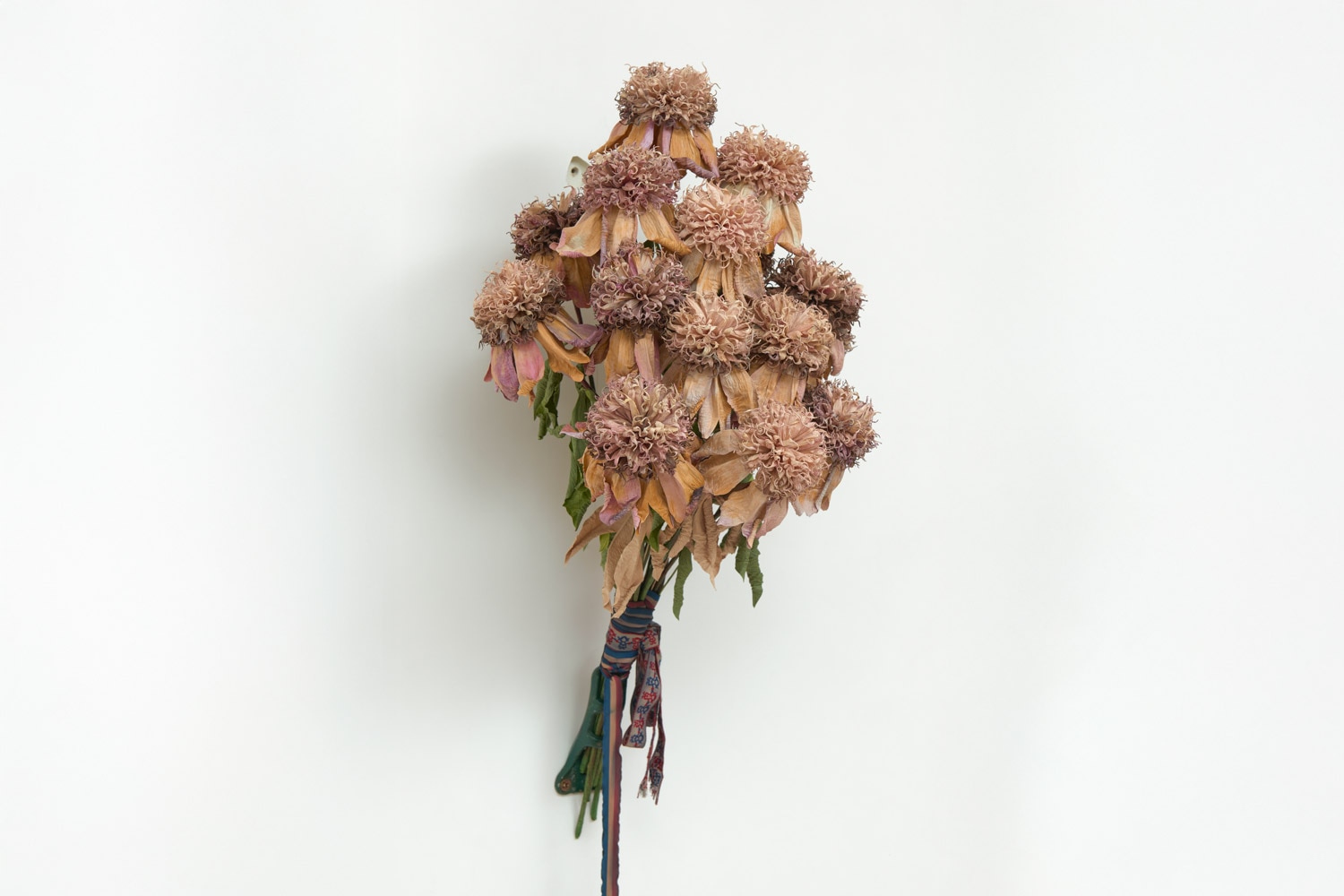
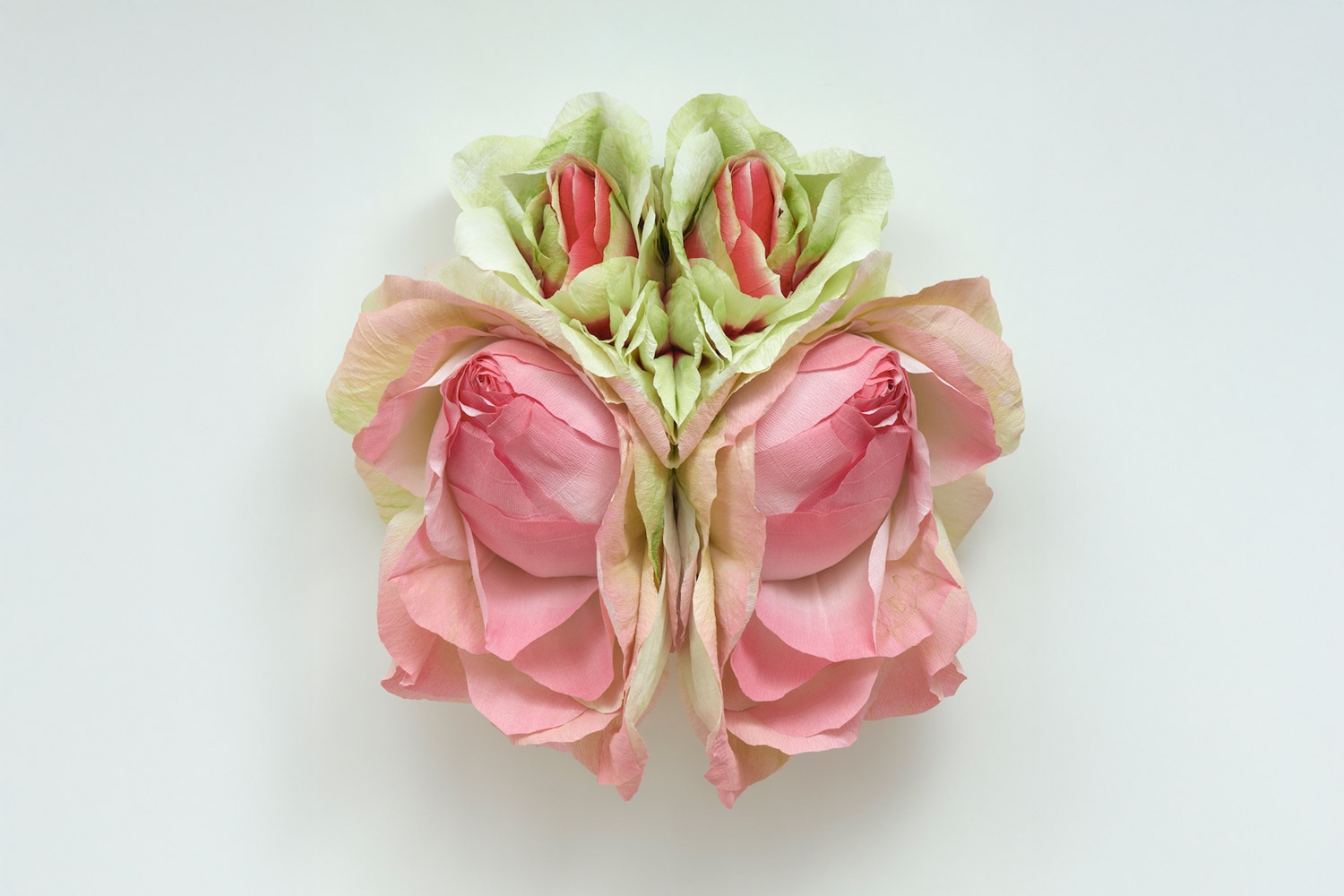
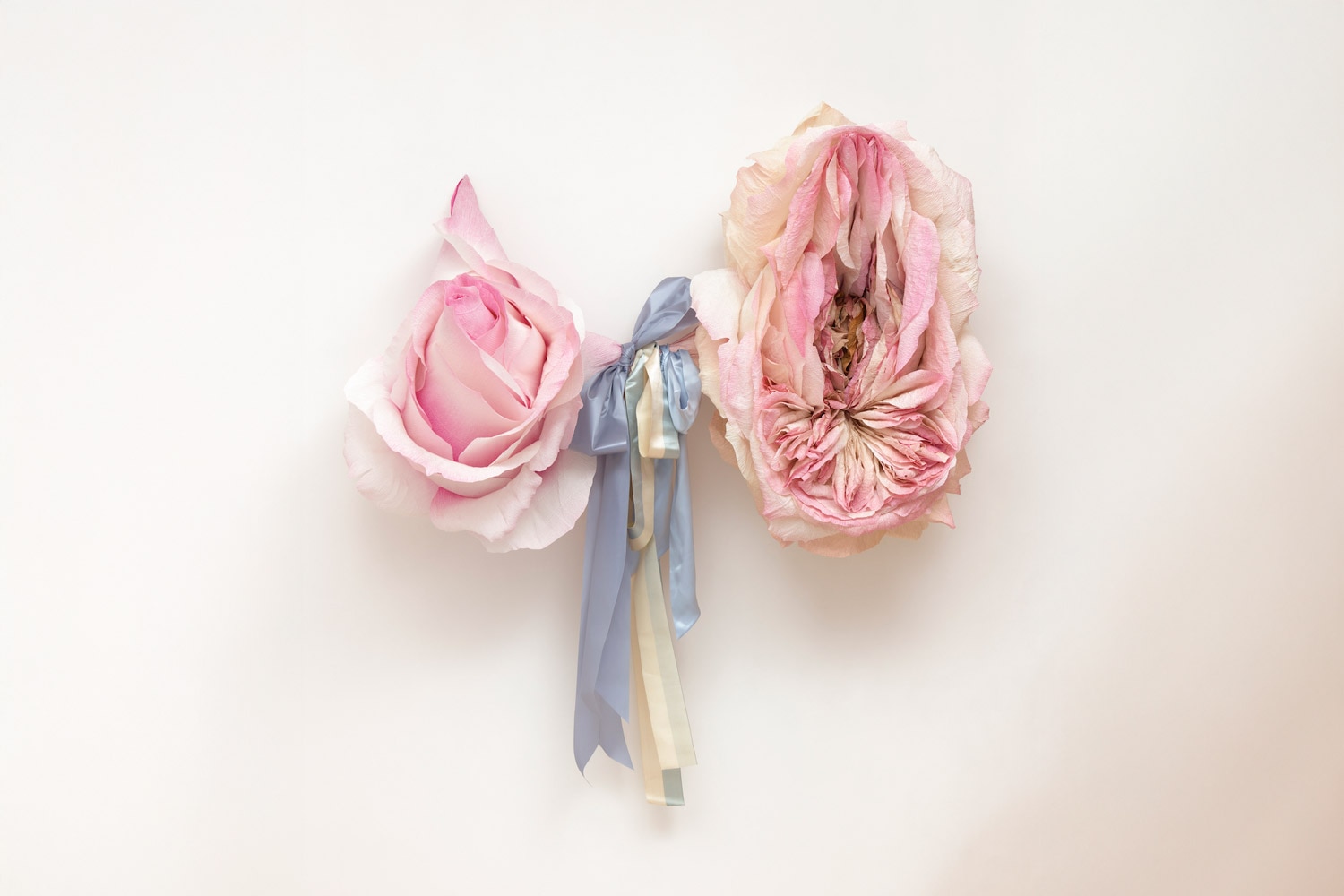
- Her pieces speak to the beauty of aging and ideas of loss, vanity and narcissism
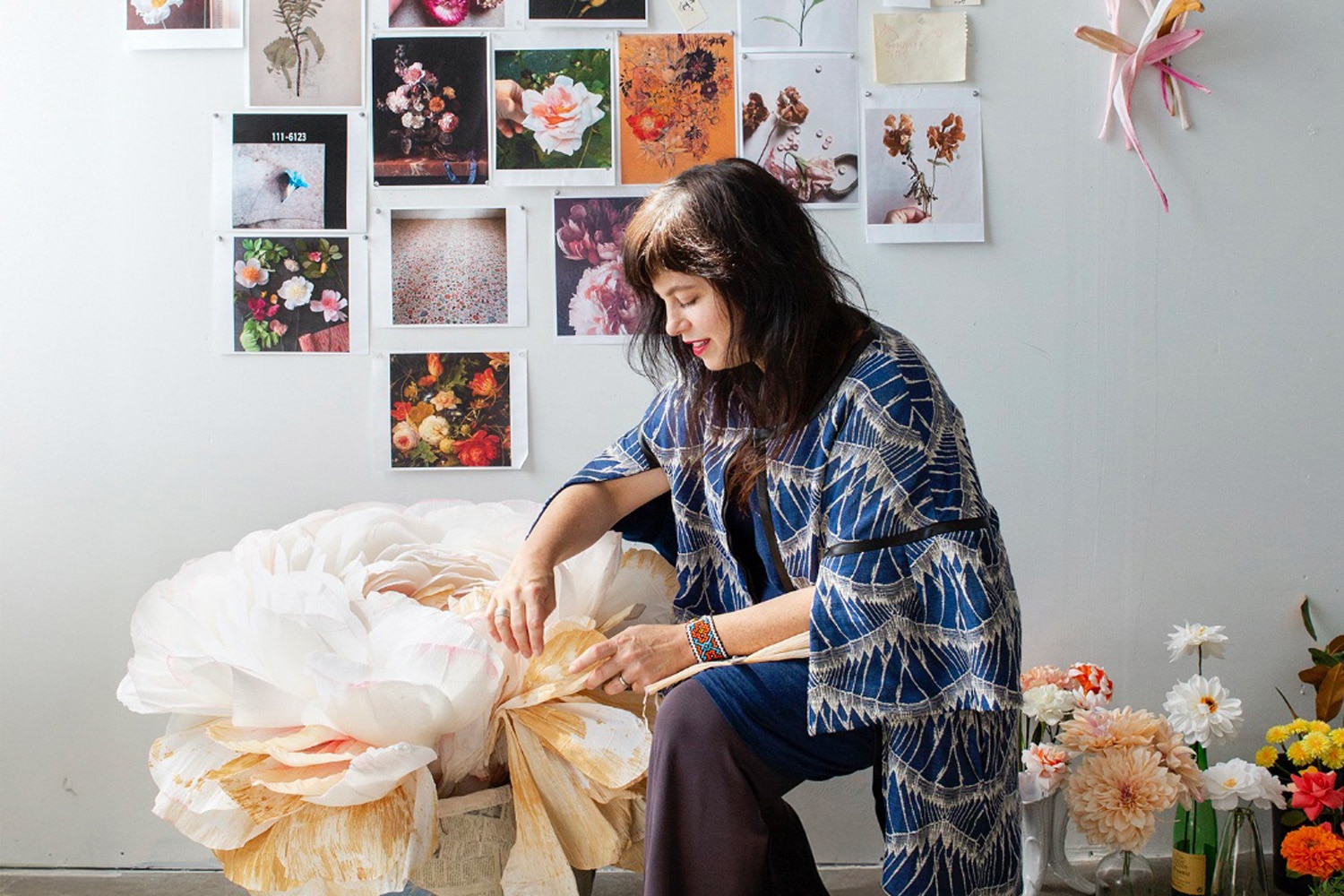
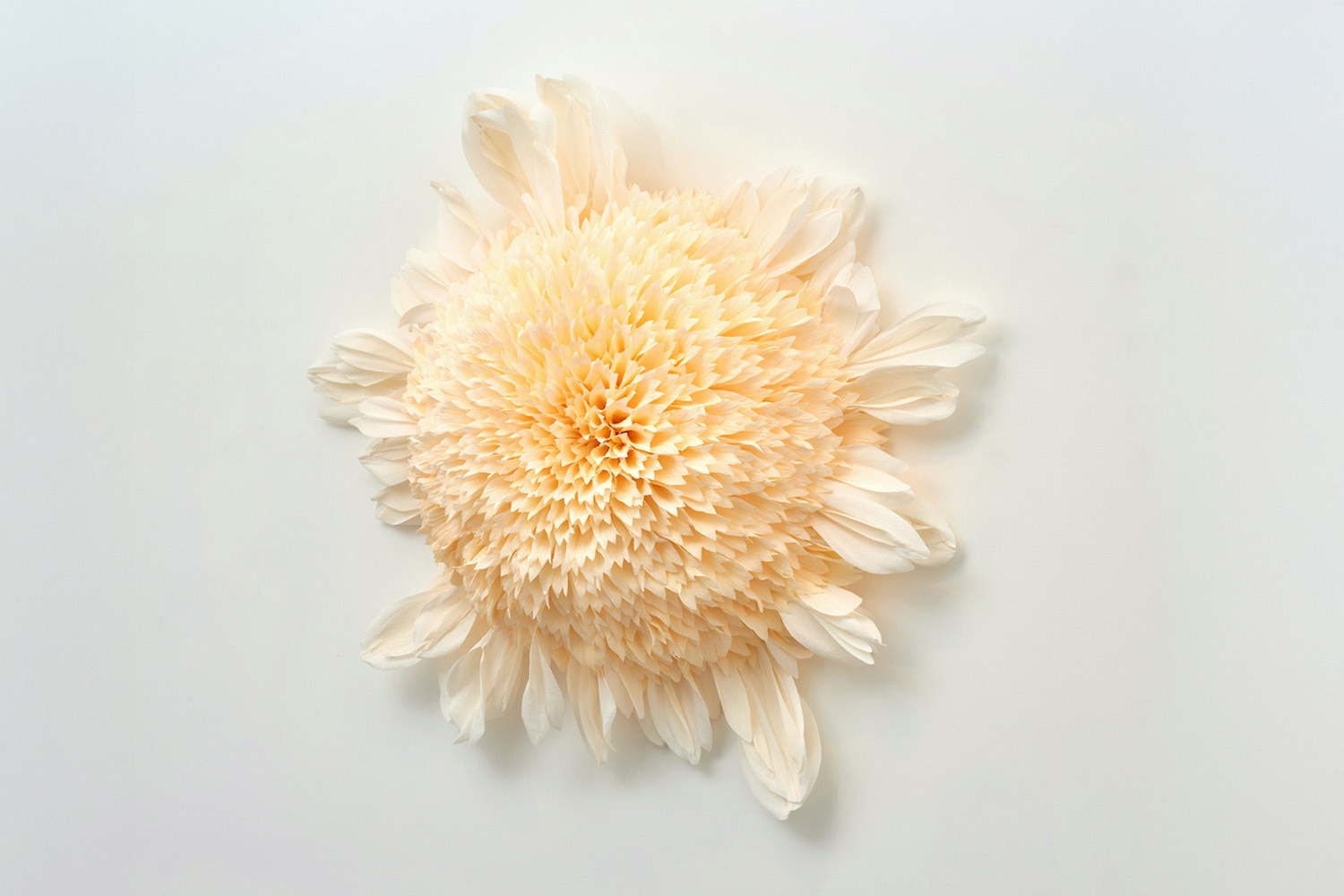
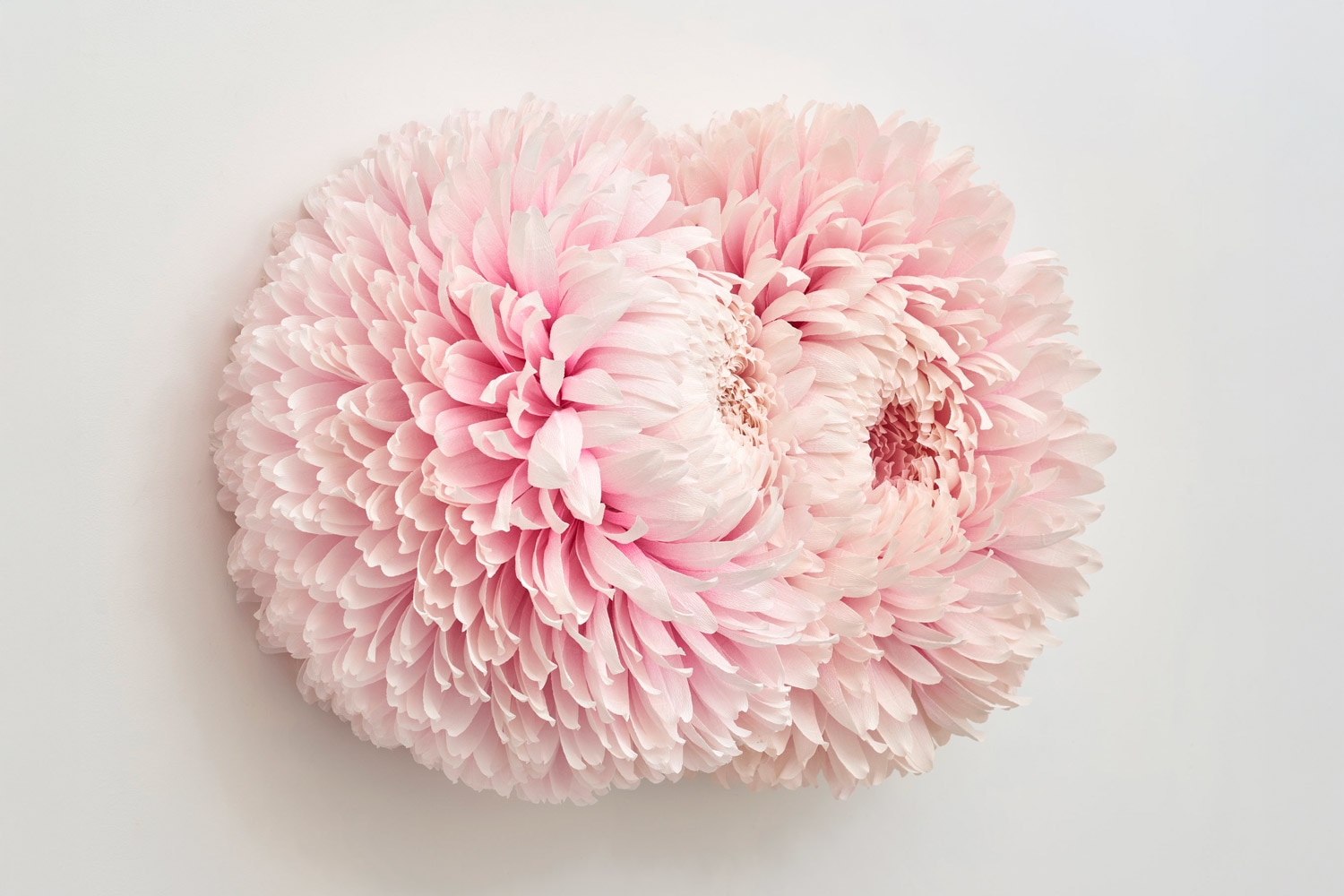
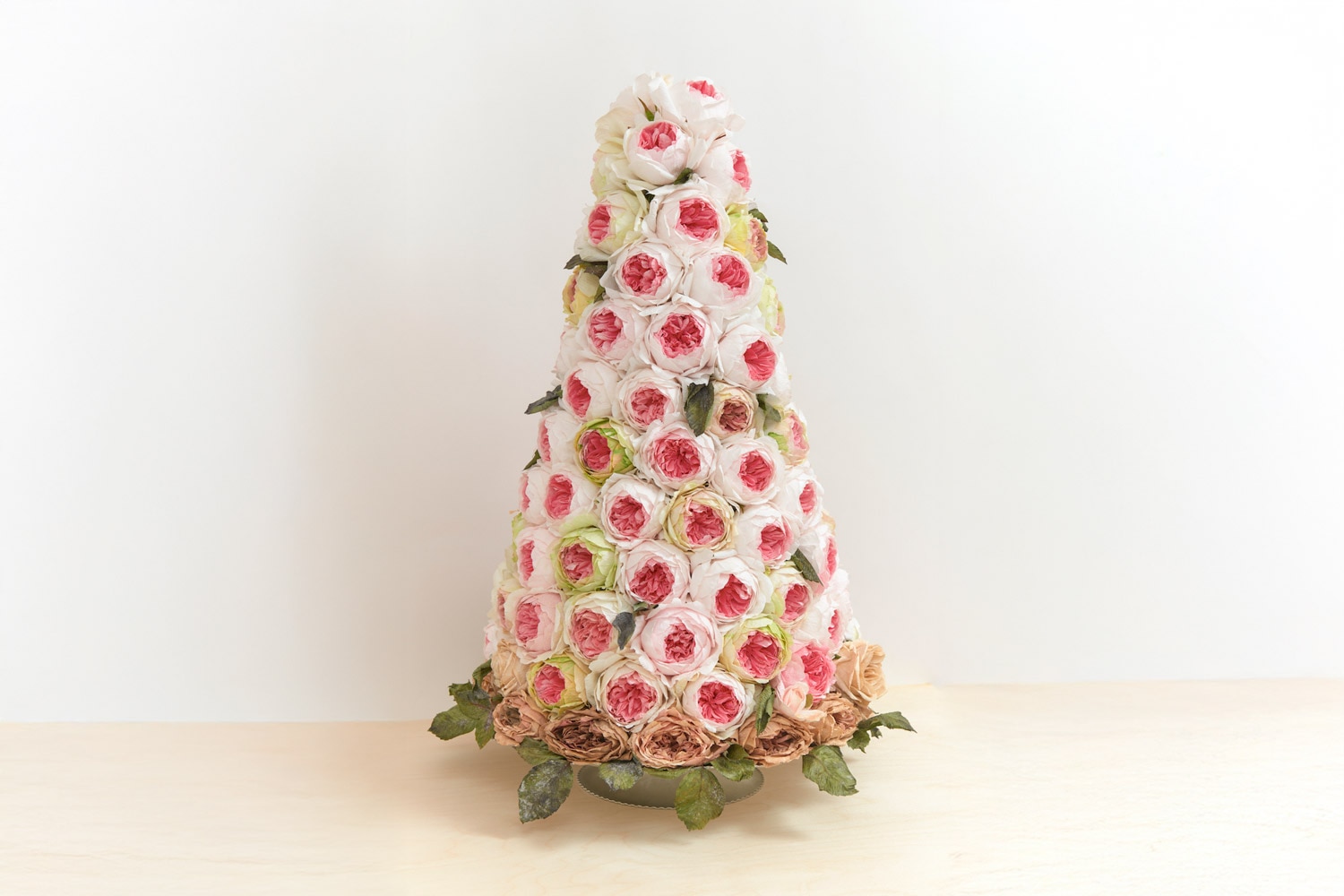
Tiffanie Turner’s interest in flowers arose while she was working as an architect. On discovering Charles Rennie Mackintosh’s flower paintings, she developed a growing interest in botanical art. Tiffanie painted her own versions, and later discovered heavy Italian crepe paper as a means to construct sculptural forms and illustrate meaningful ideas. Since making her first large-scale peony, her work has evolved into creating monumental blooms and arrangements made in painstaking, realistic detail. “Everything in my life is about flowers. It is an obsession that continues to grow,” she says. Tiffanie has held solo exhibitions in significant galleries across the USA, and she published a book in 2017 entitled The Fine Art of Paper Flowers.
Discover her work
INTERVIEW
It is hard to describe how flowers make me feel. Communing with them, I observe how petals are formed and arranged, how they open and close, and how they metastasise and wilt. I connect with other people through the accessibility of a flower and they enable me to express and explain my intent.
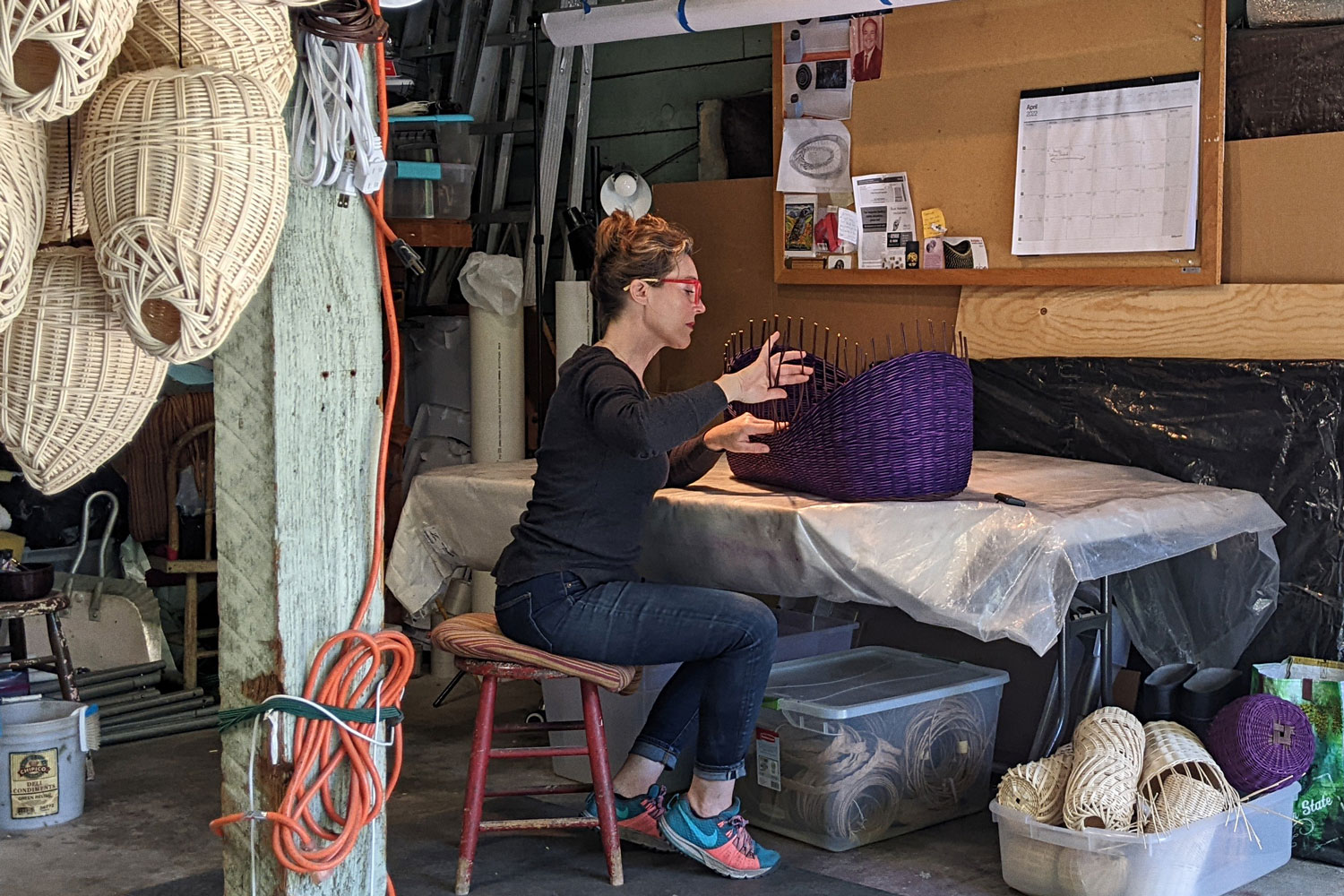
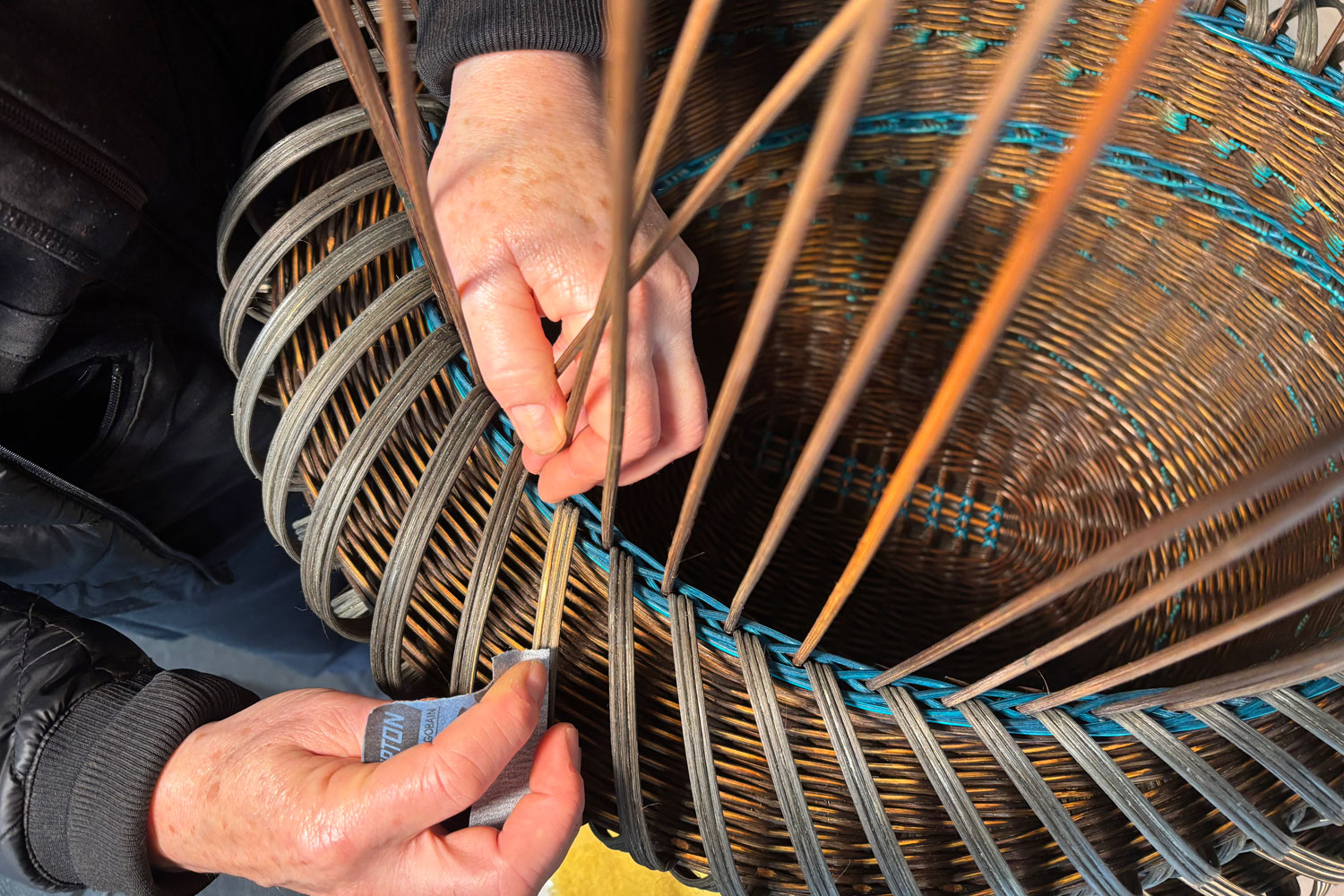
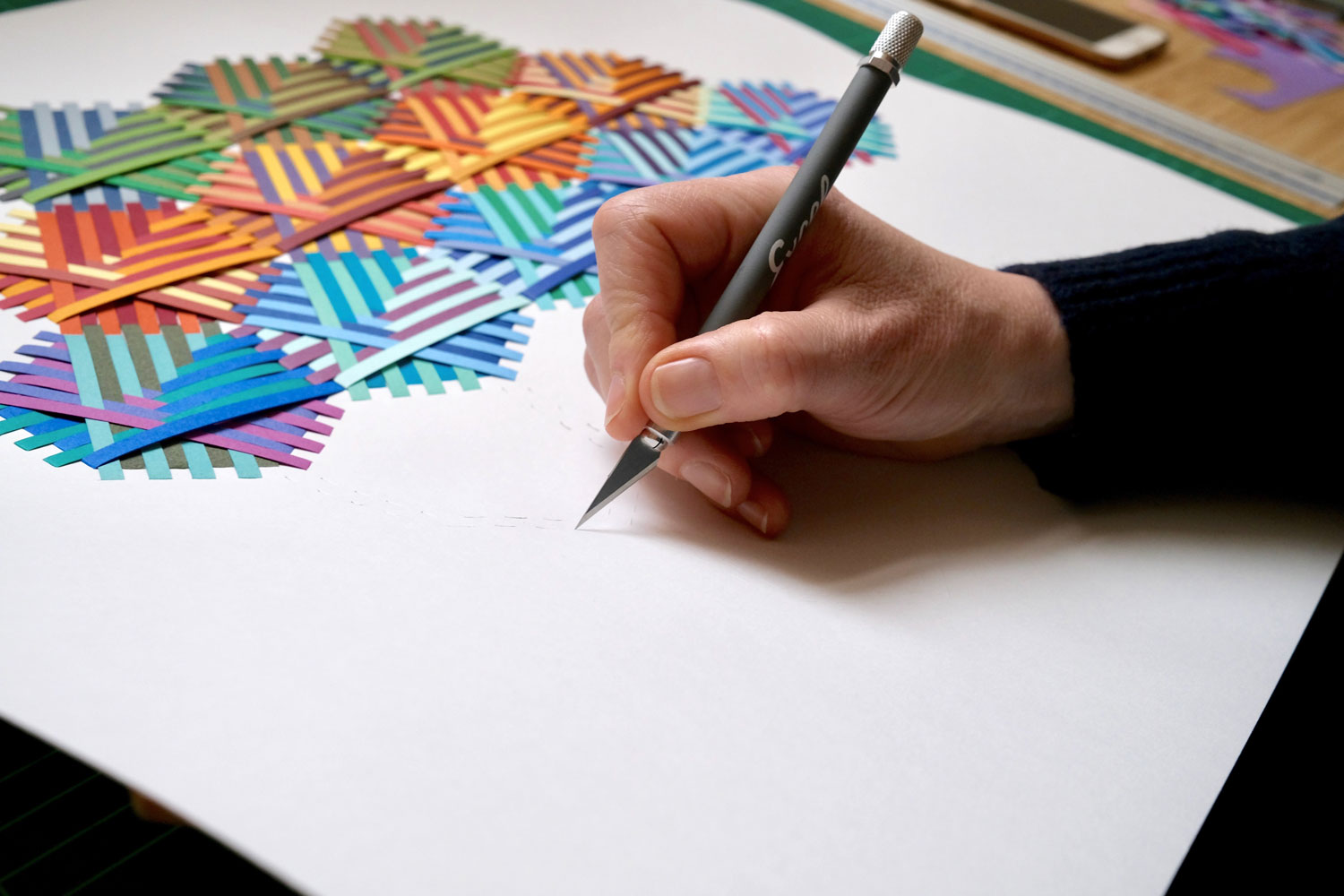
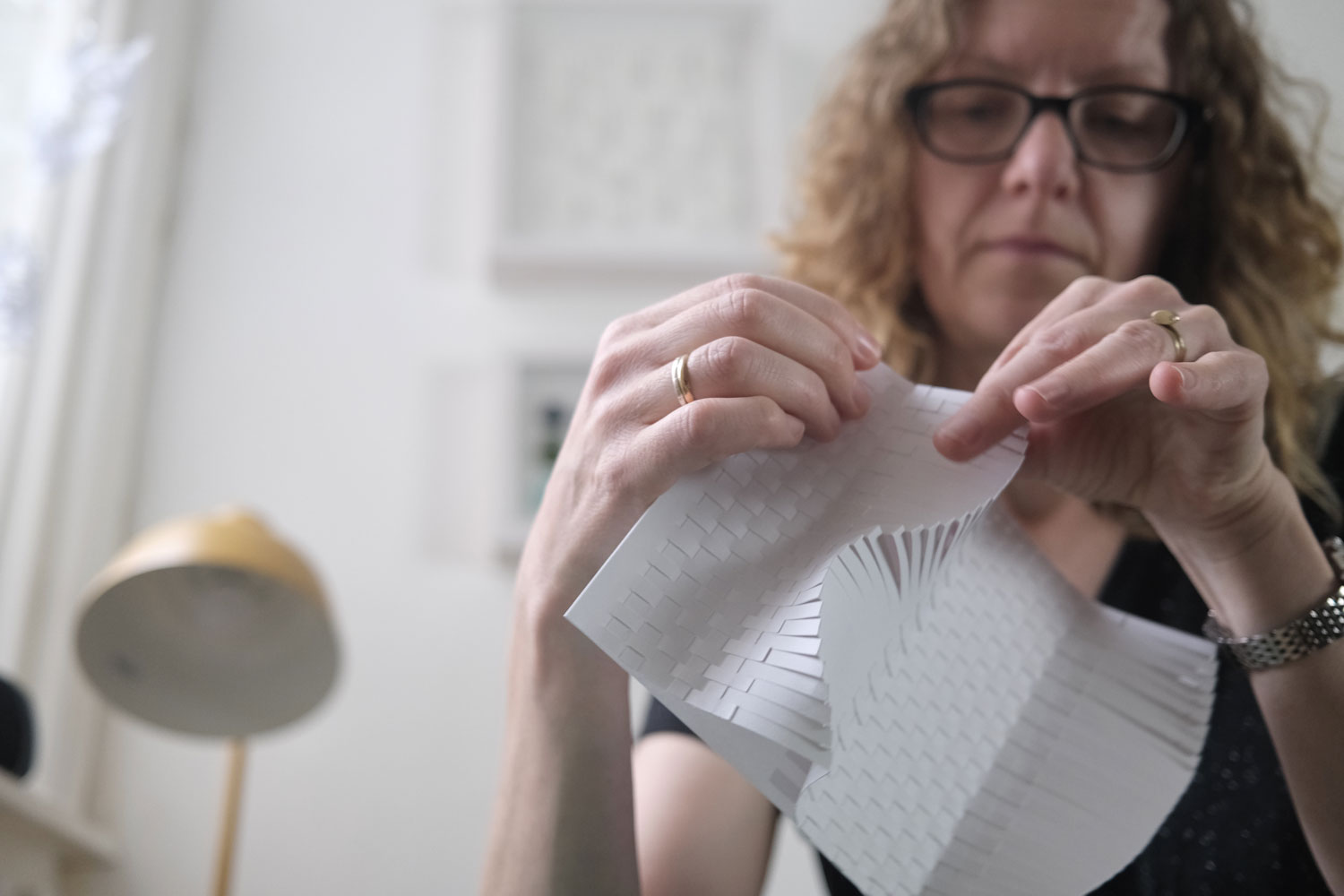
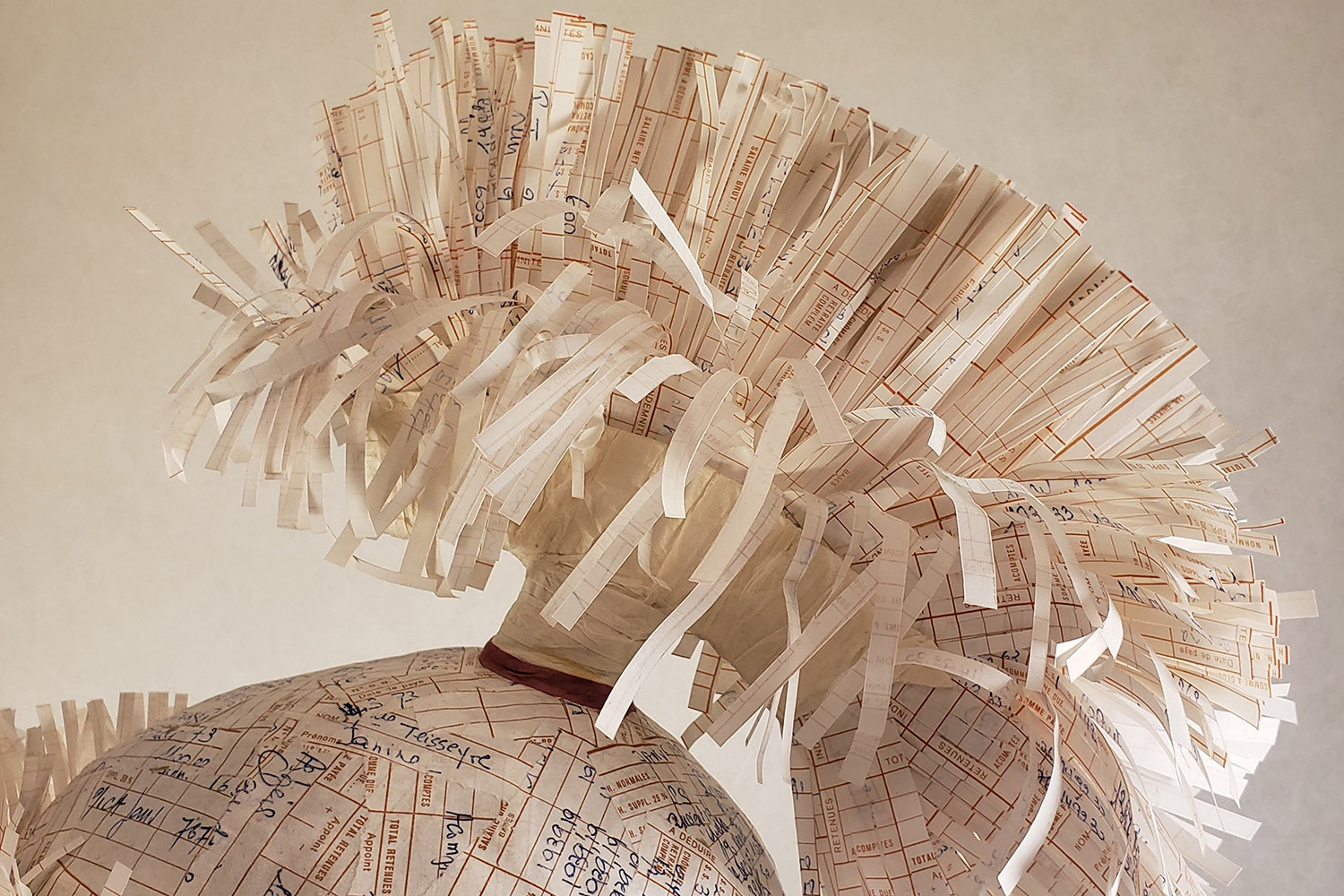
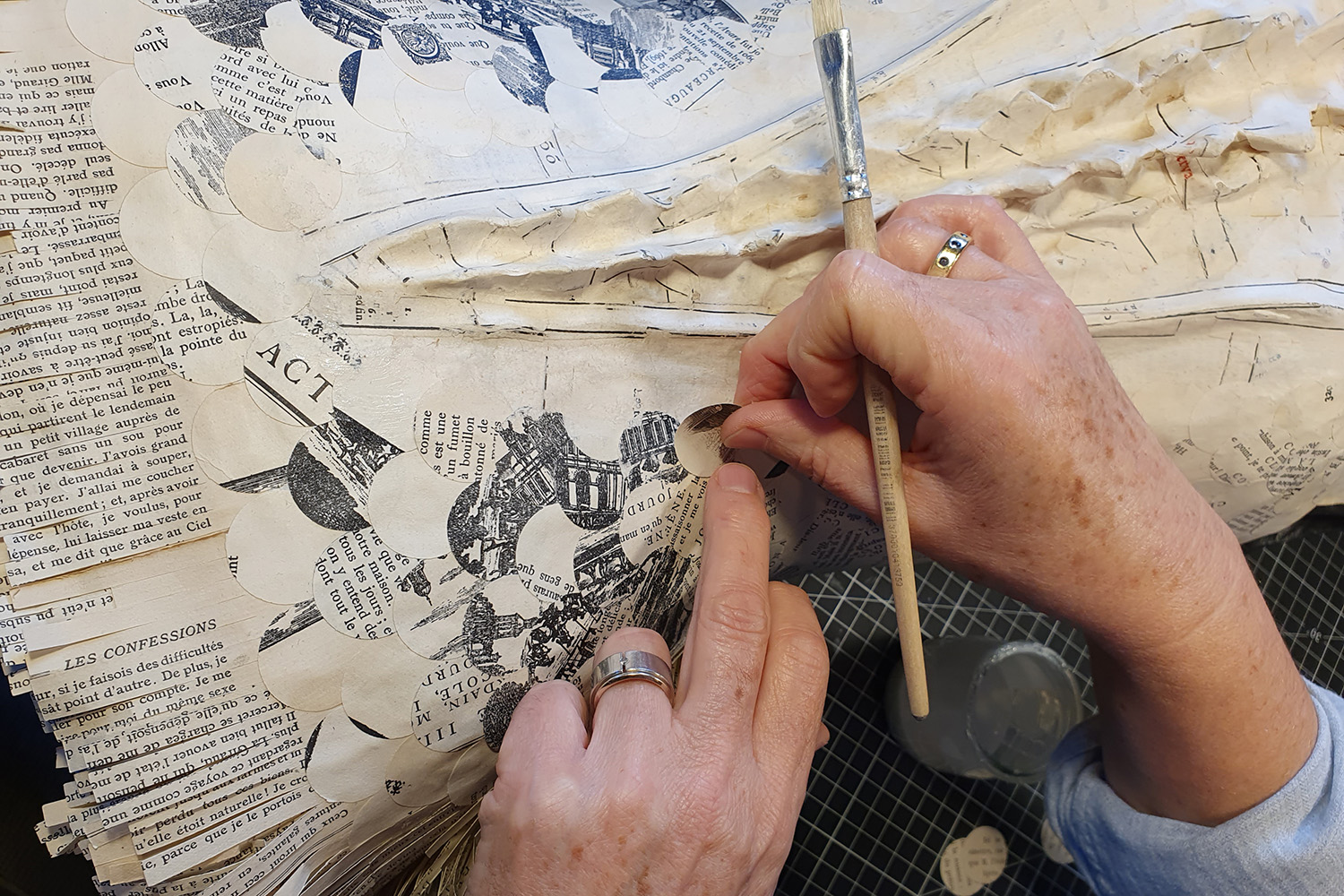
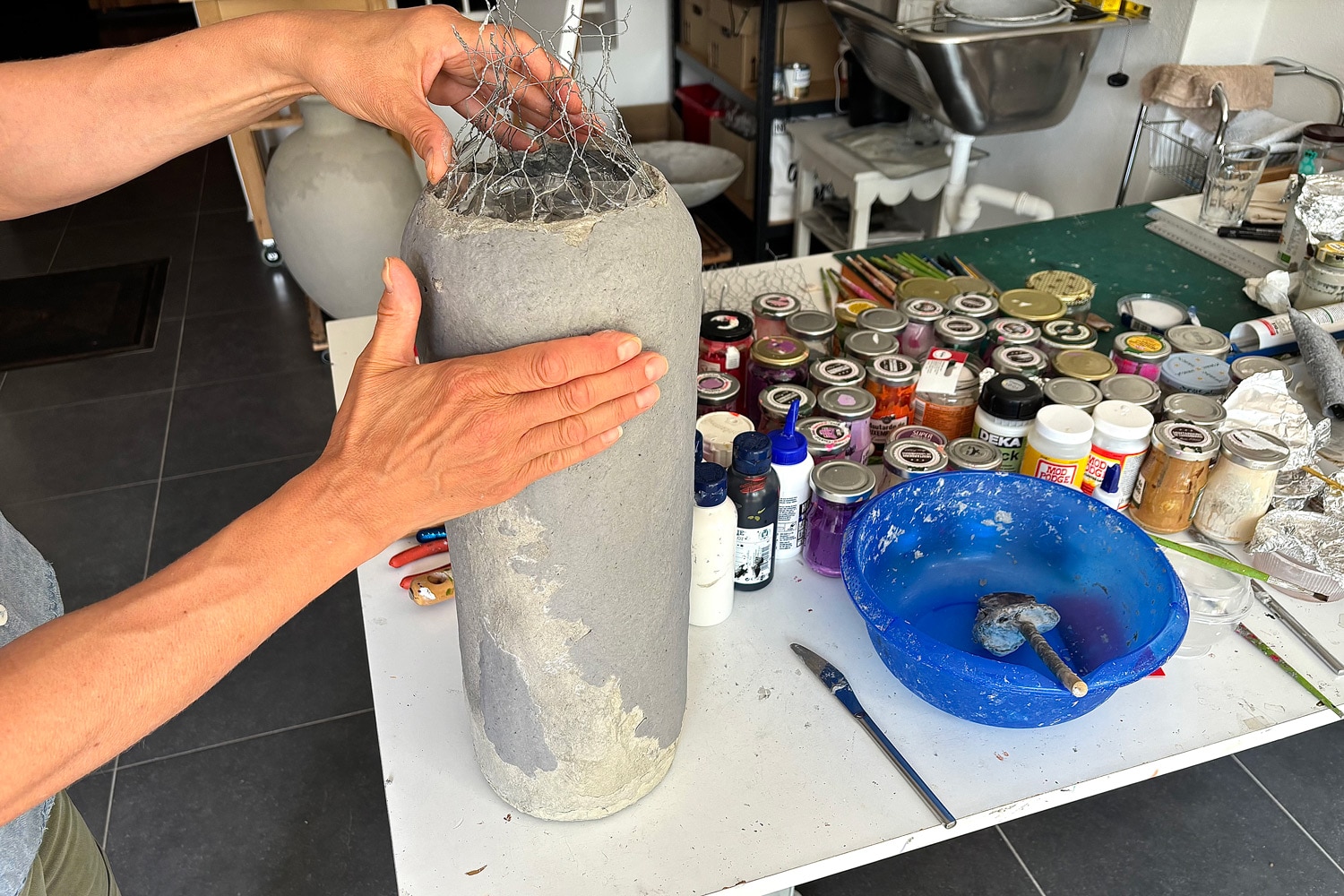
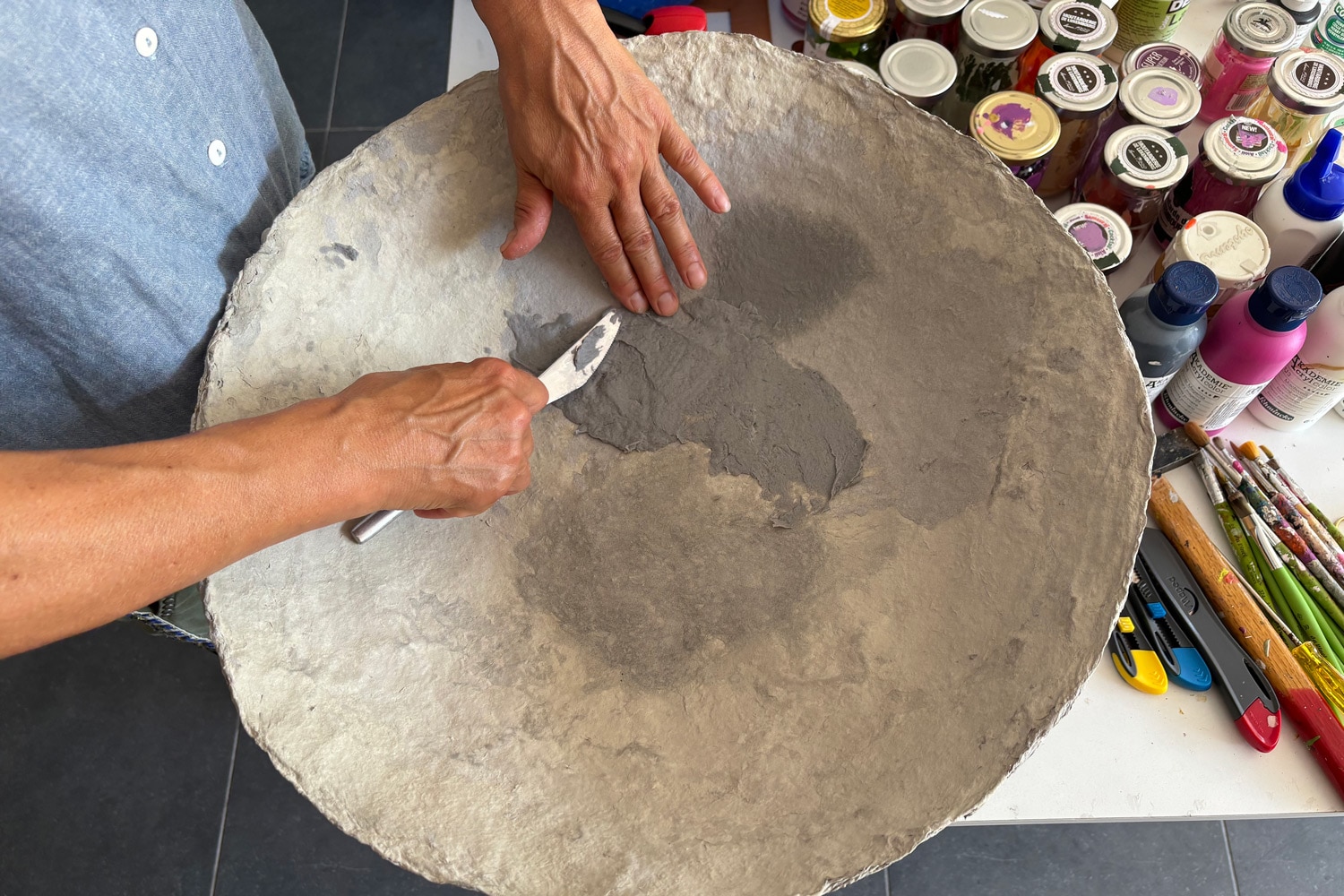
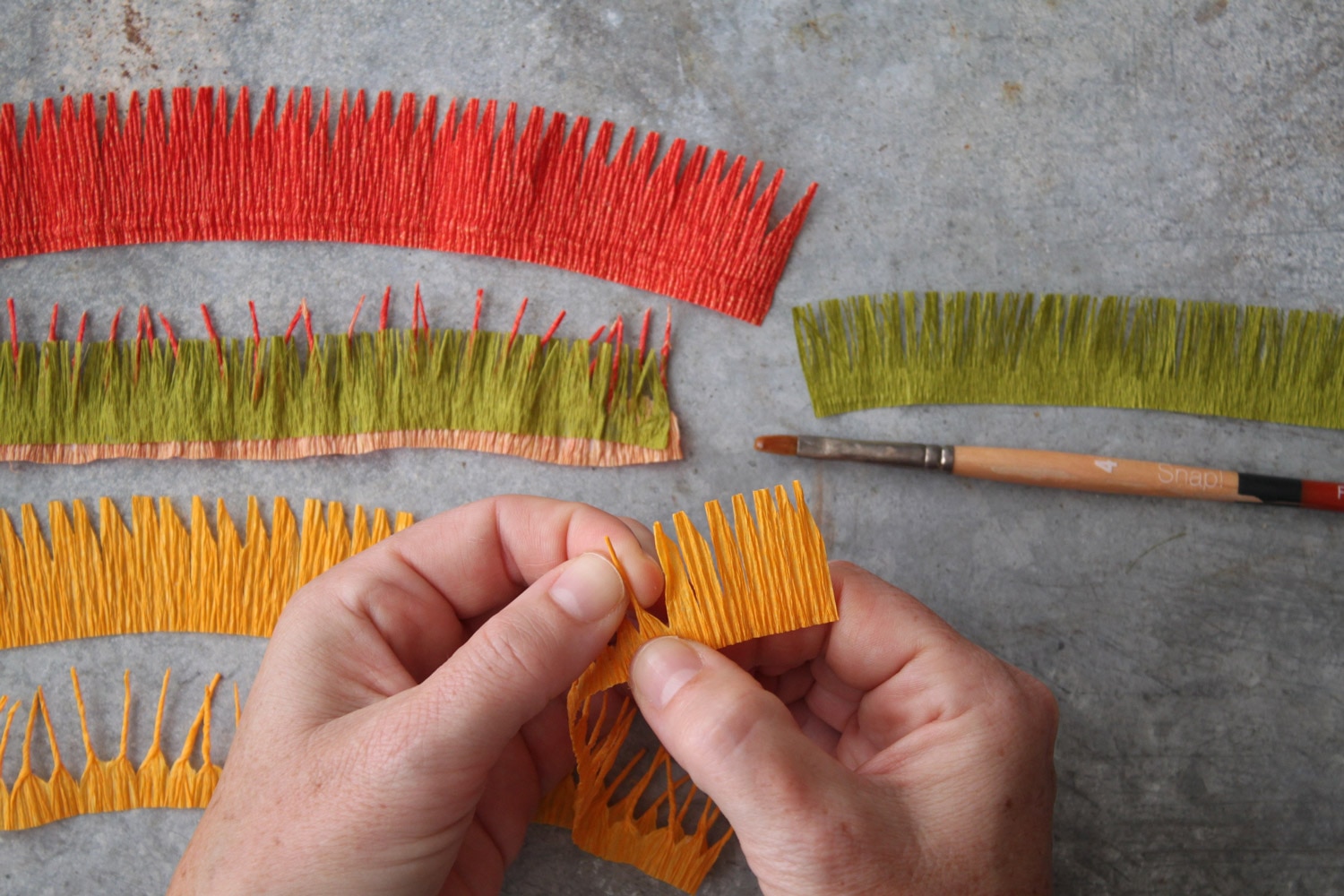
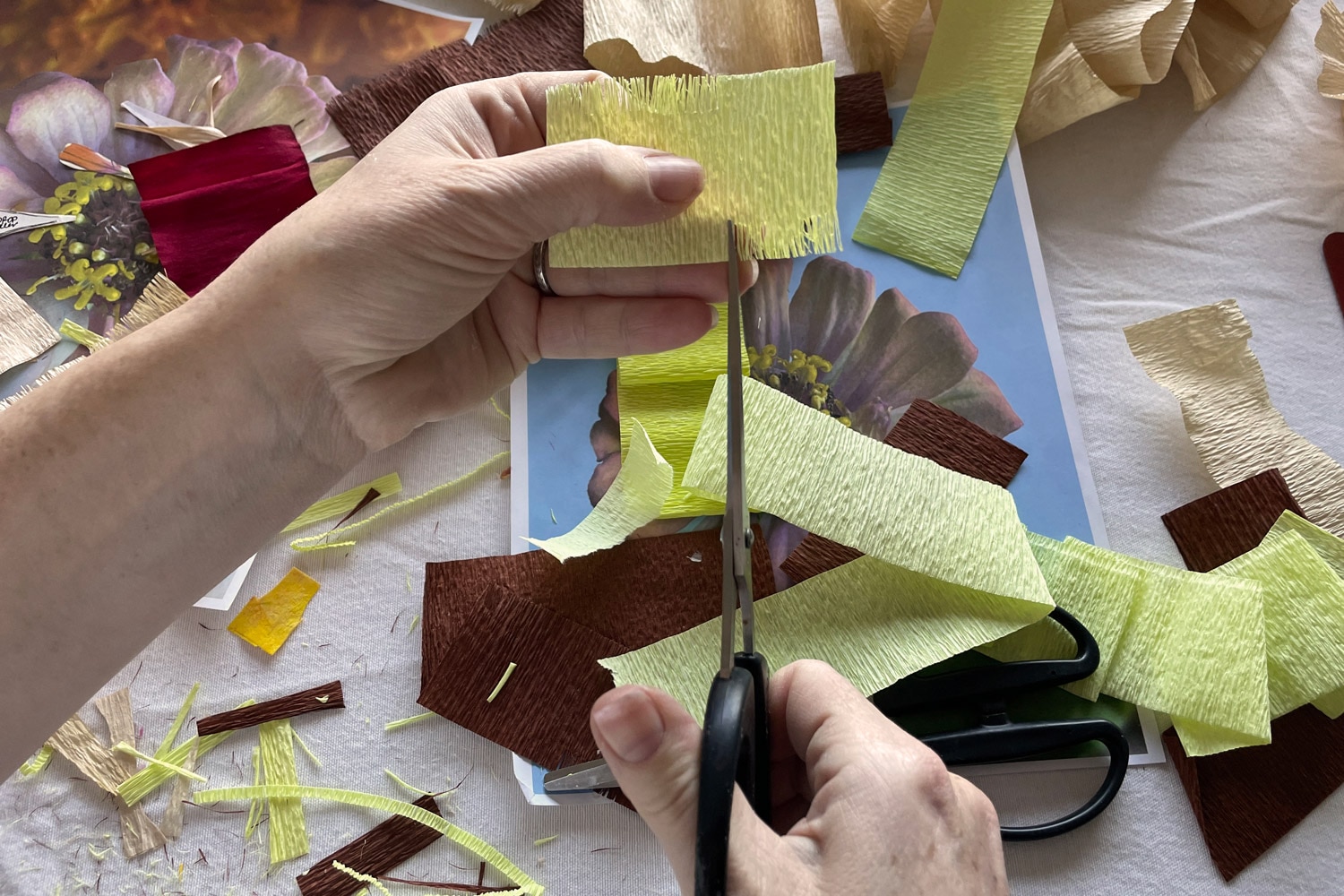
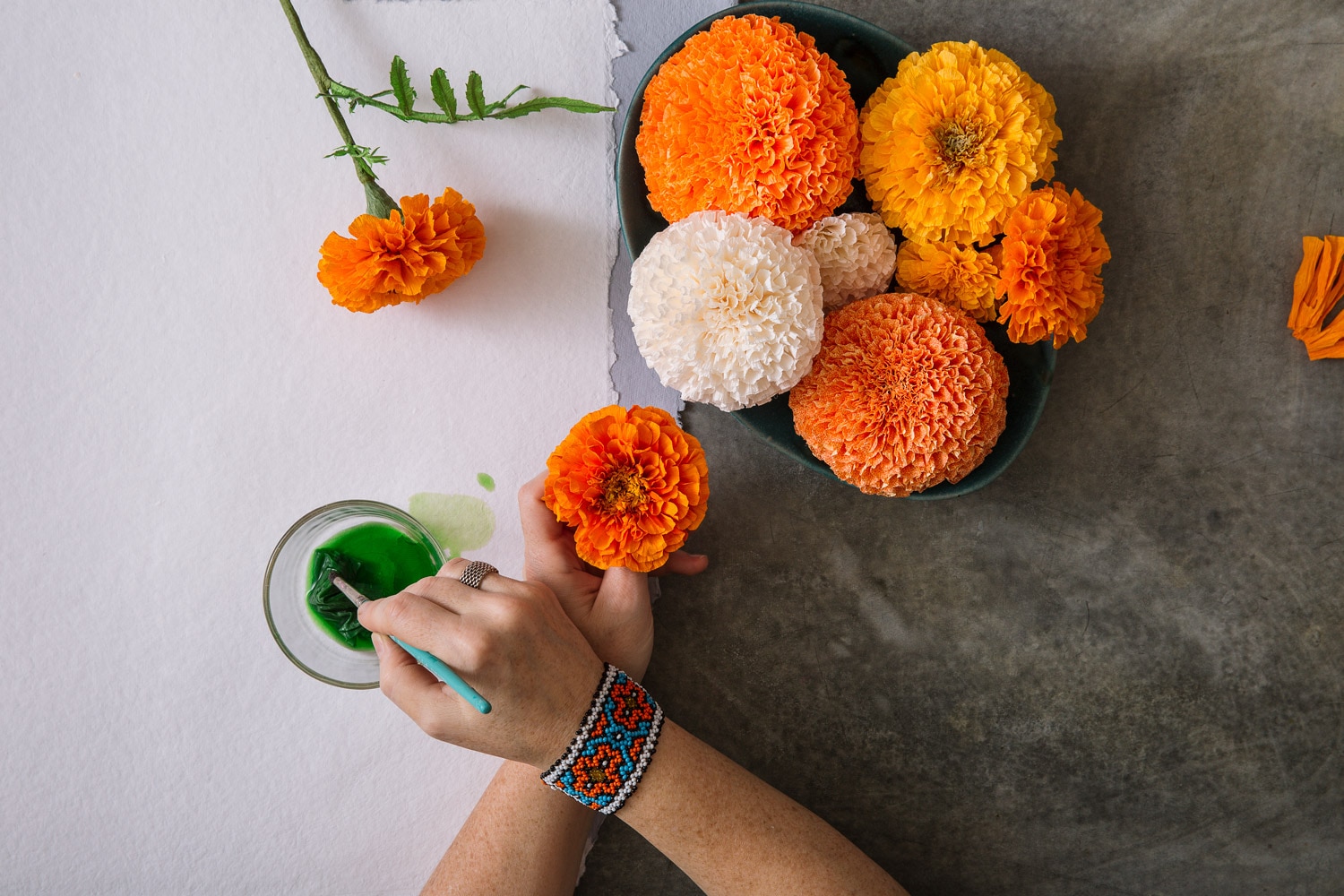
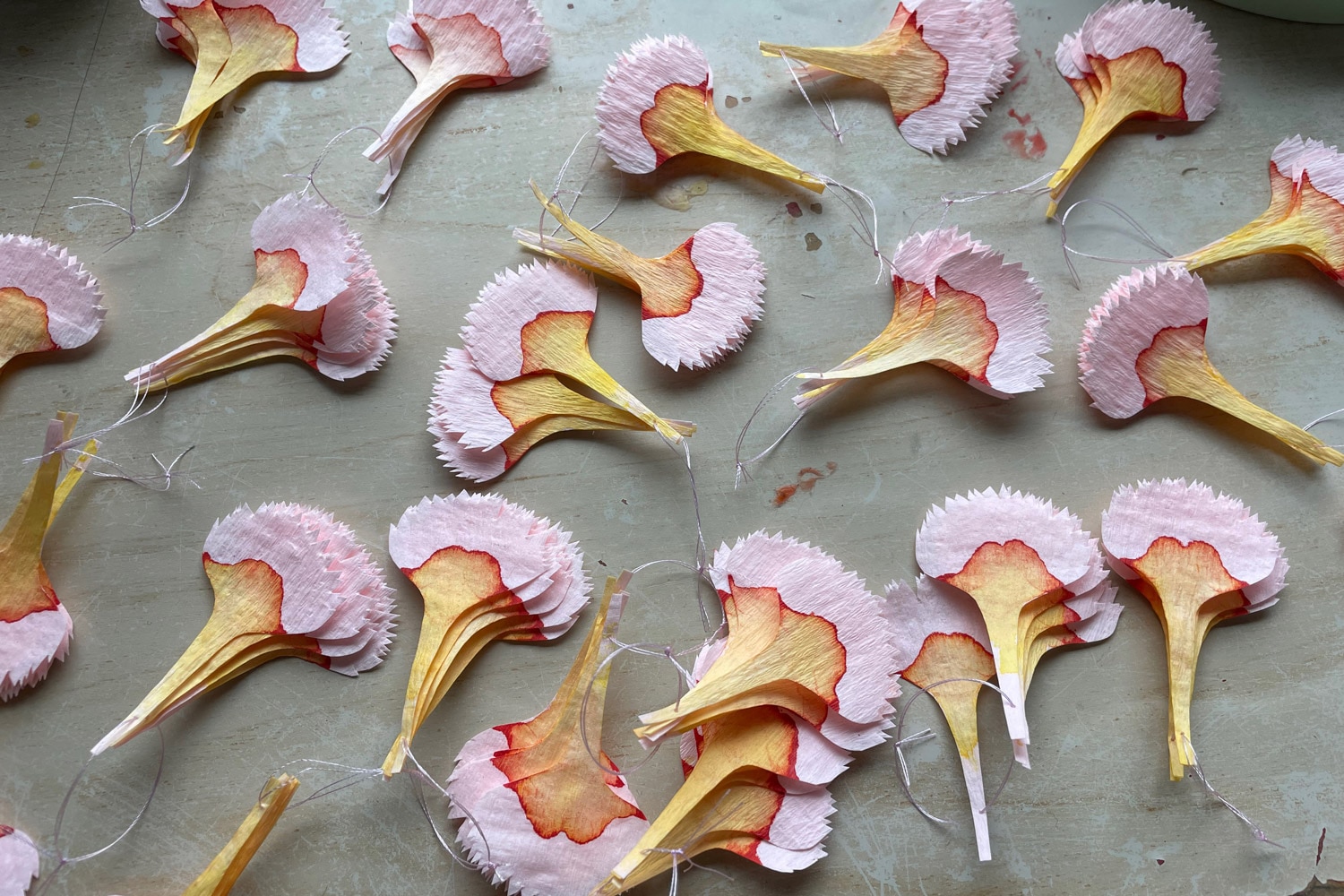
I always work from live models. I imagine the piece first, then I plan its build by sketching out the undercarriages required. I use hand cut Italian and German crepe paper, along with paints, stain and papier mâché bases, combining them with wood and metal armatures.
In my bid to legitimise the use of paper flowers in the contemporary art world, I have turned down countless commercial and financial opportunities so my pieces can be seen in a more serious light. The conceptual aspect is still confusing, and it is an uphill battle.
I am seeking new gallery representation as I look for broader reach, greater understanding of the conceptual nature of my practice and funding for the transport of large pieces. I also have a series of upcoming teaching retreats scheduled and I hope to author a second book in the future.
Tiffanie Turner
Paper artist
Fairfax, CA, USA
ADDRESS
Address upon request, Fairfax, CA, USA
AVAILABILITY
By appointment only
LANGUAGES
English
Homo Faber Finds is a new service aiming to inspire admirers of craft to connect and collaborate with exceptional artisans.
We invite you to submit an enquiry here.