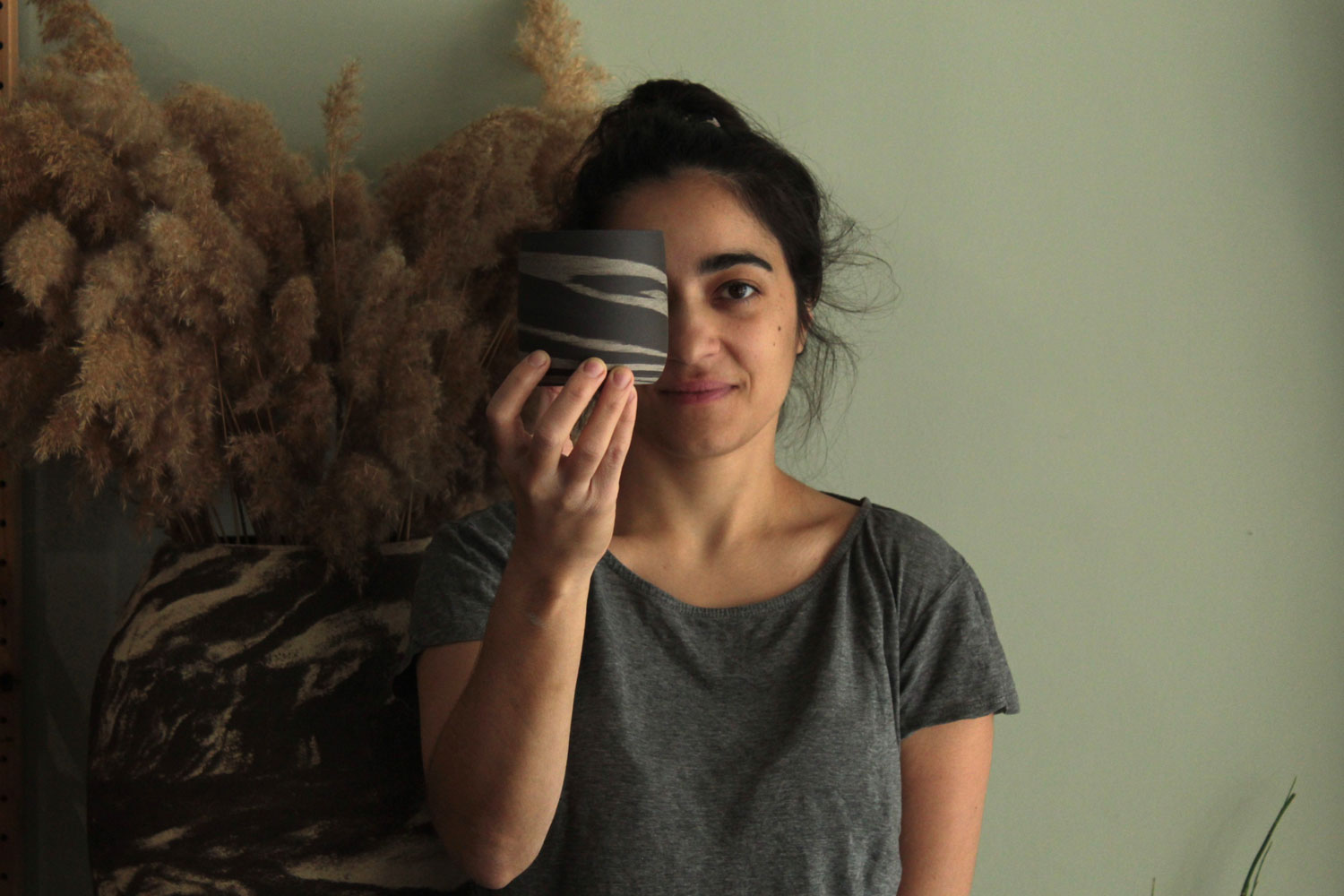
Teresa Chicharro
Ceramicist
Guadalajara, Spain
Geometries of the process
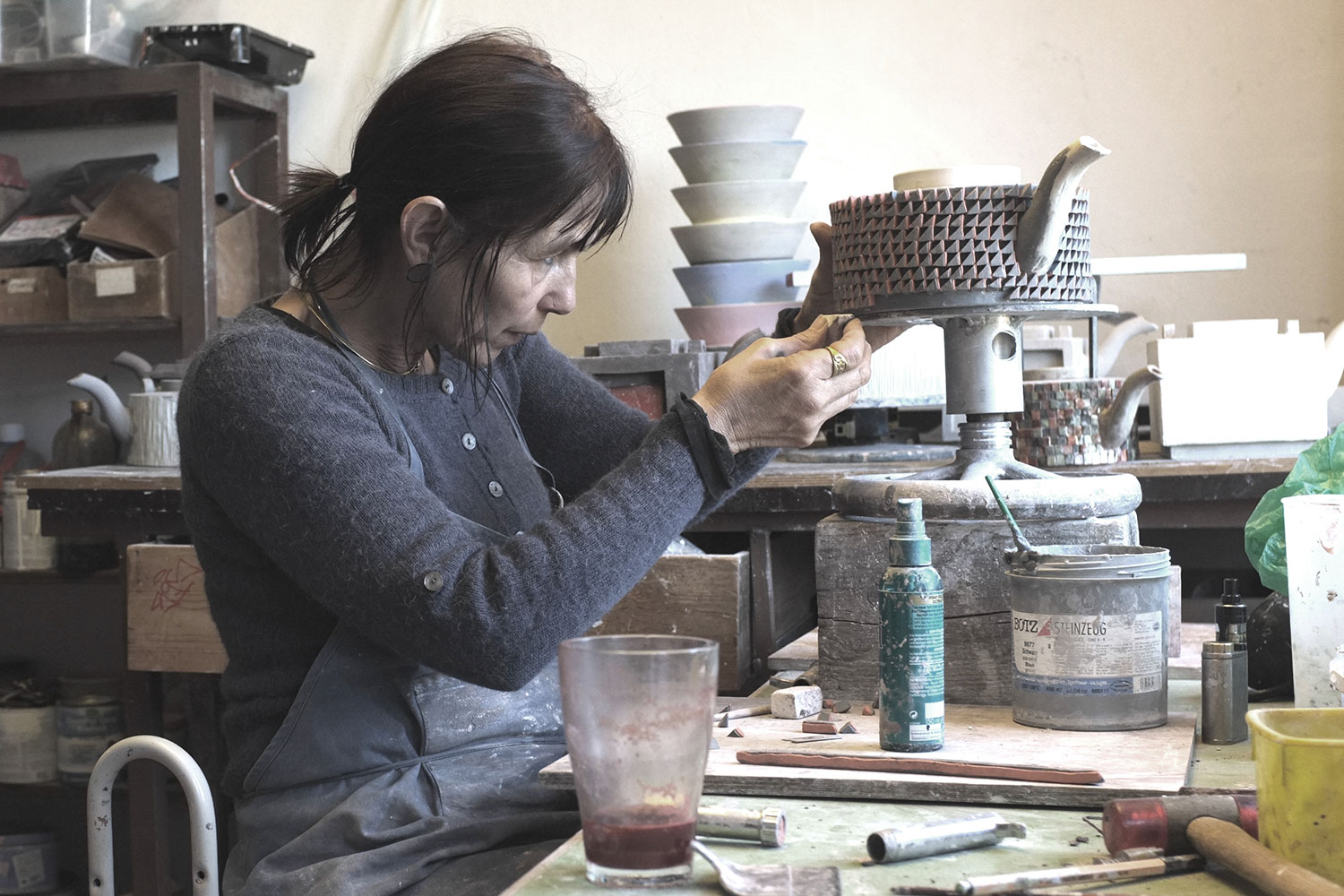
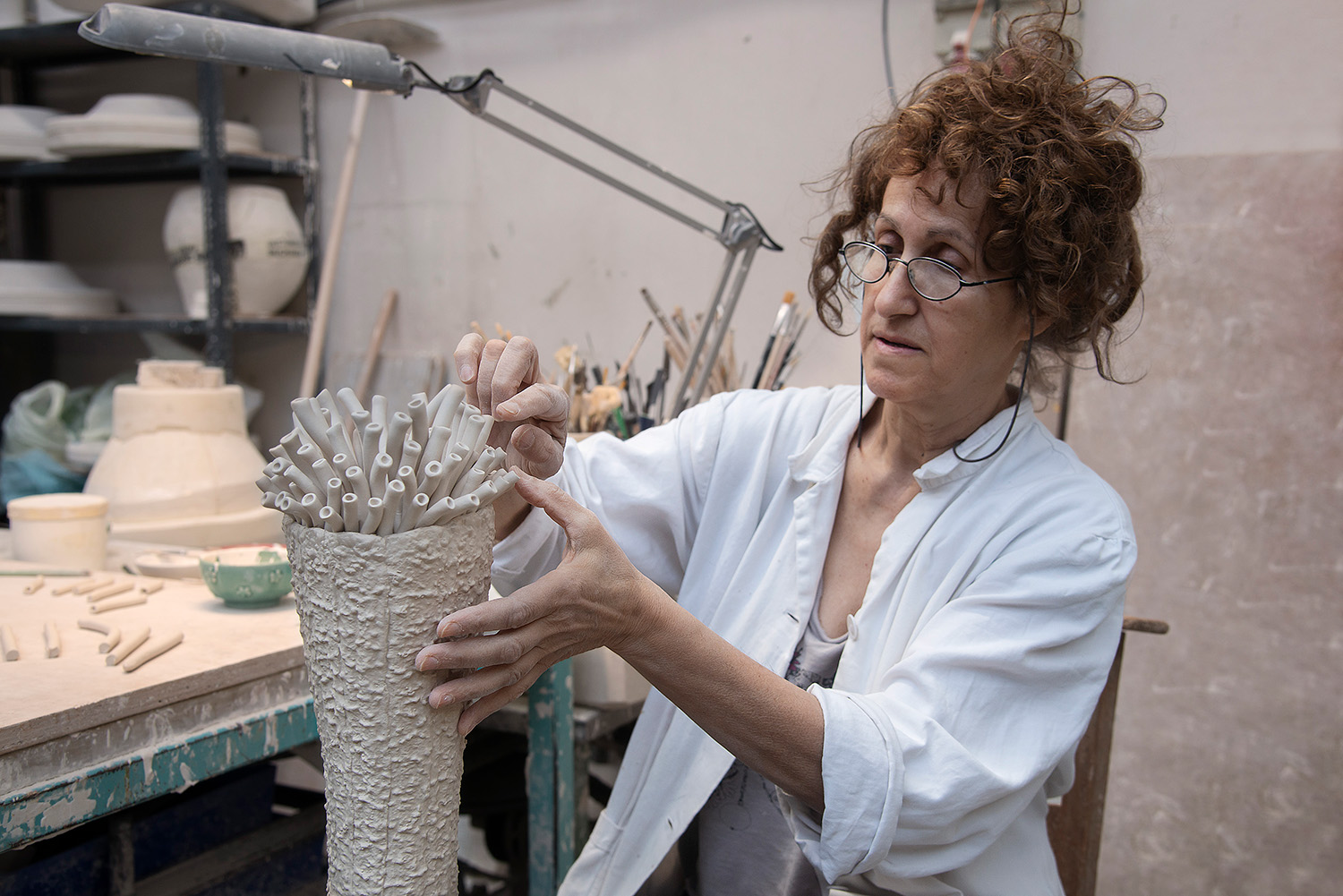
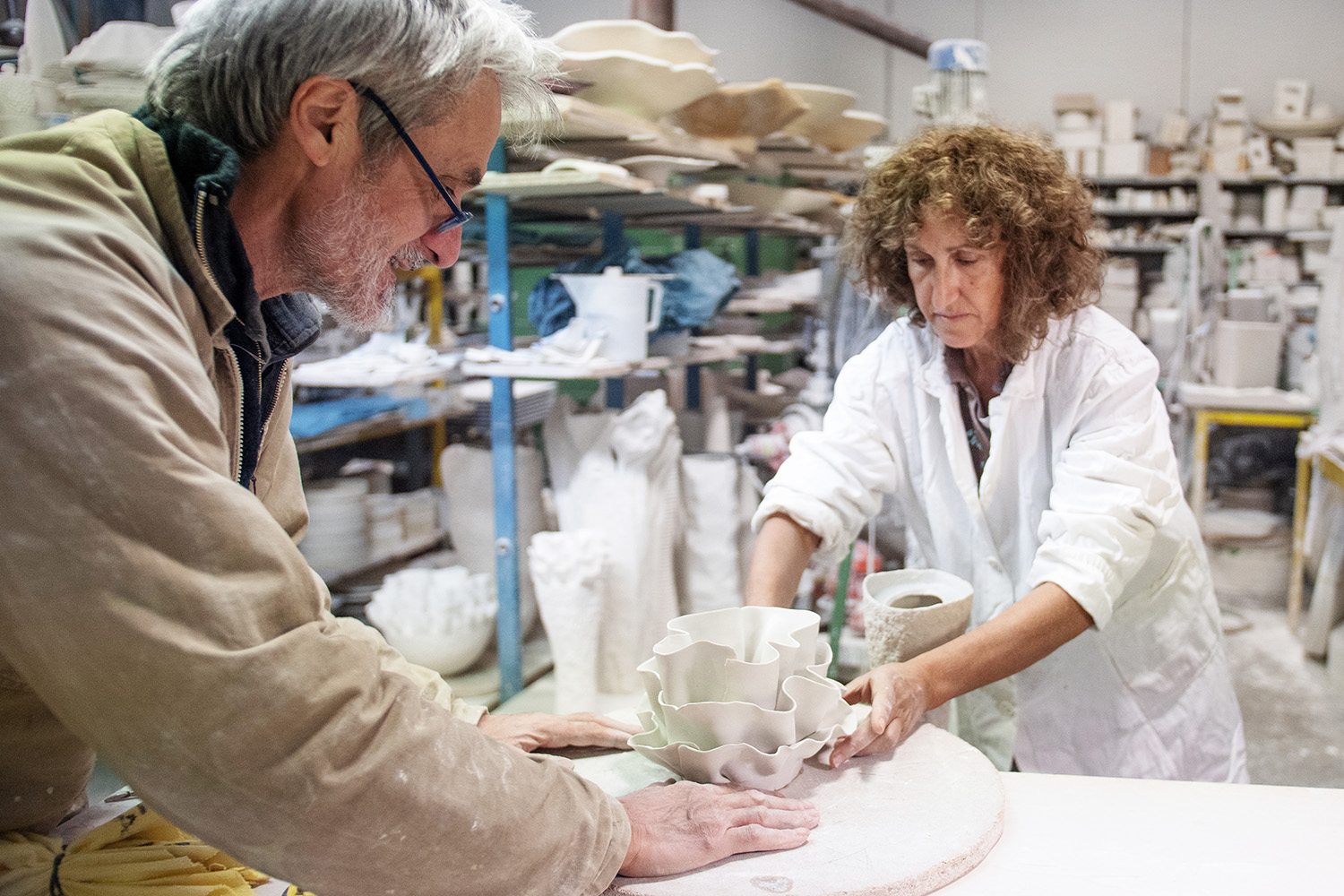
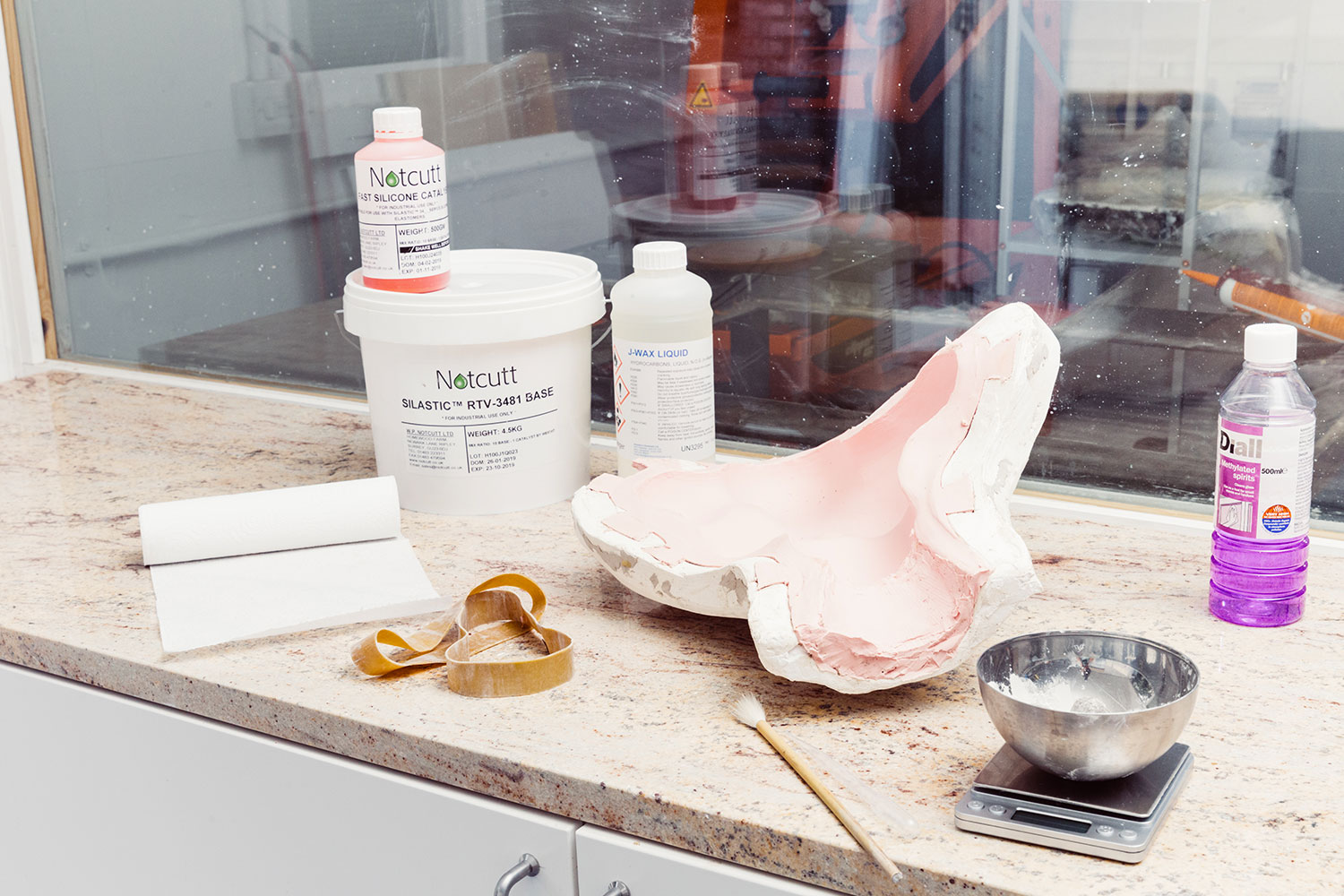
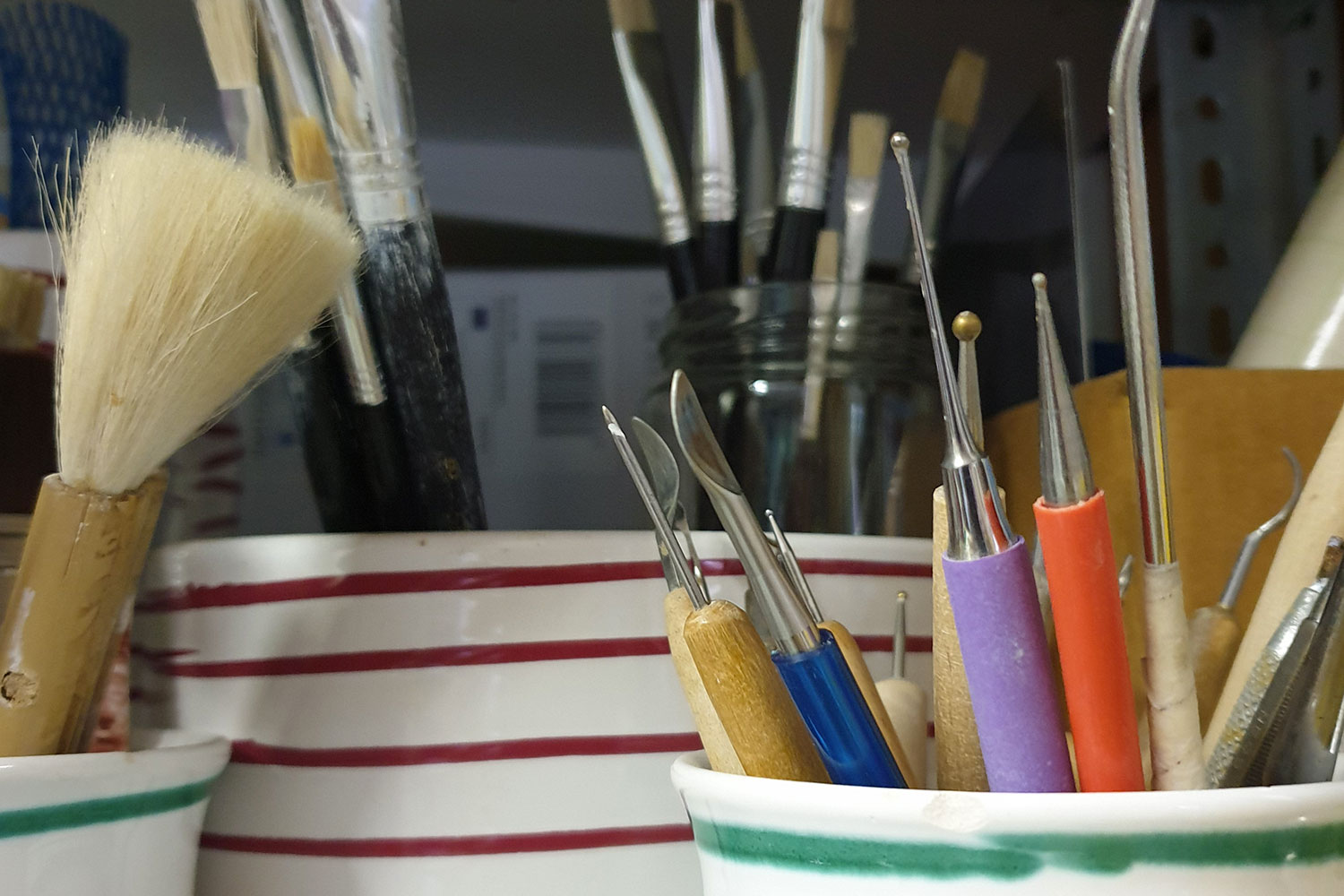
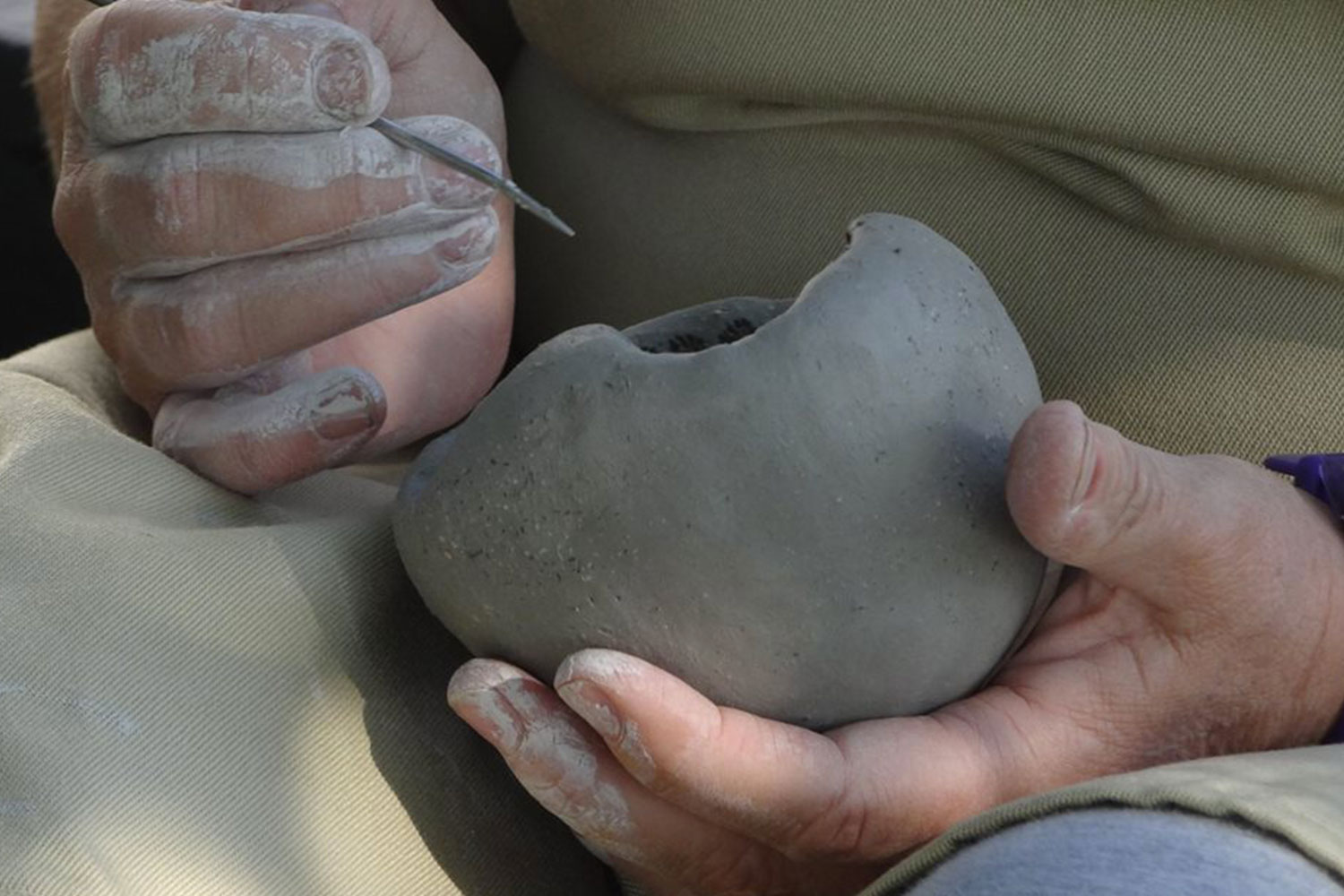
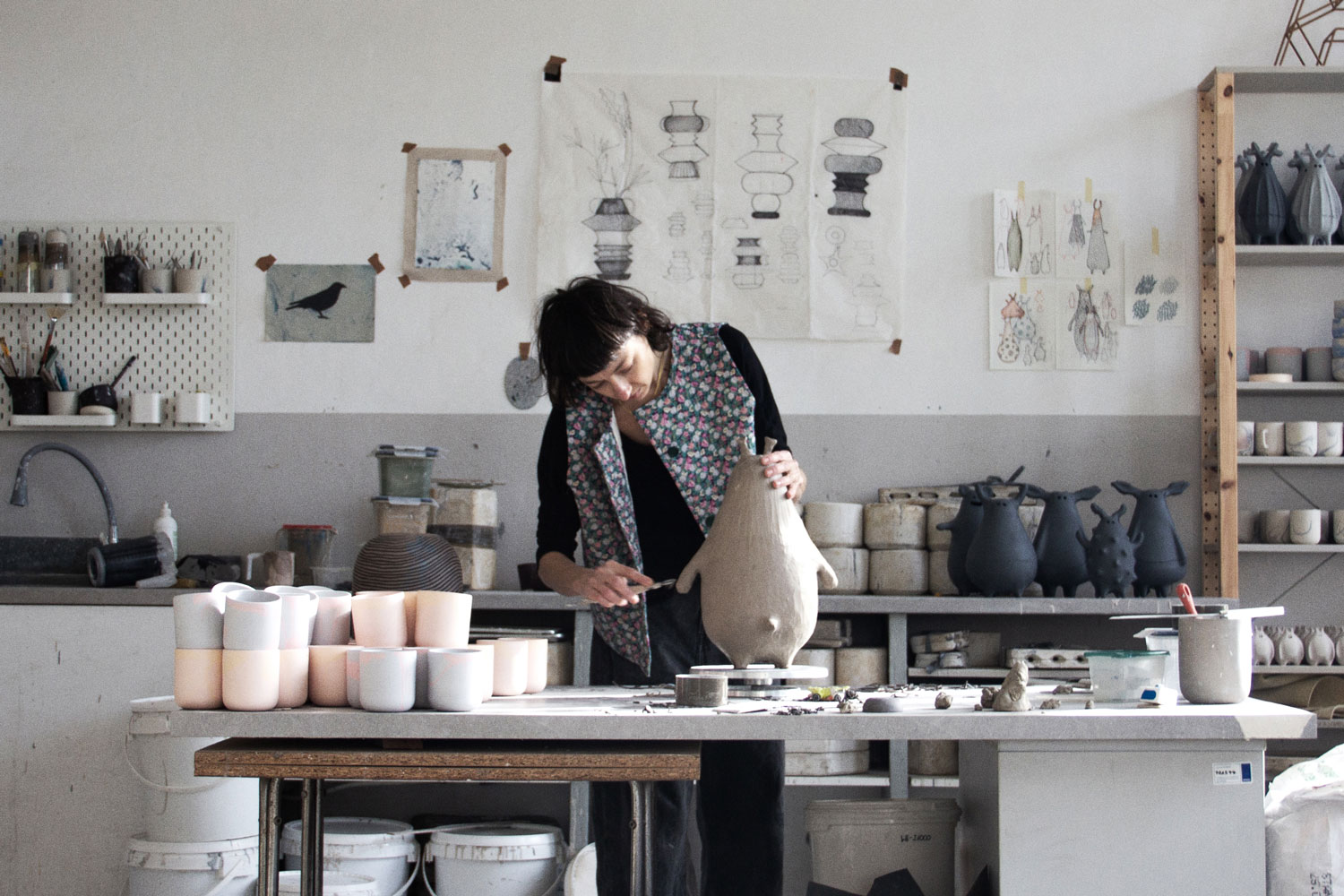
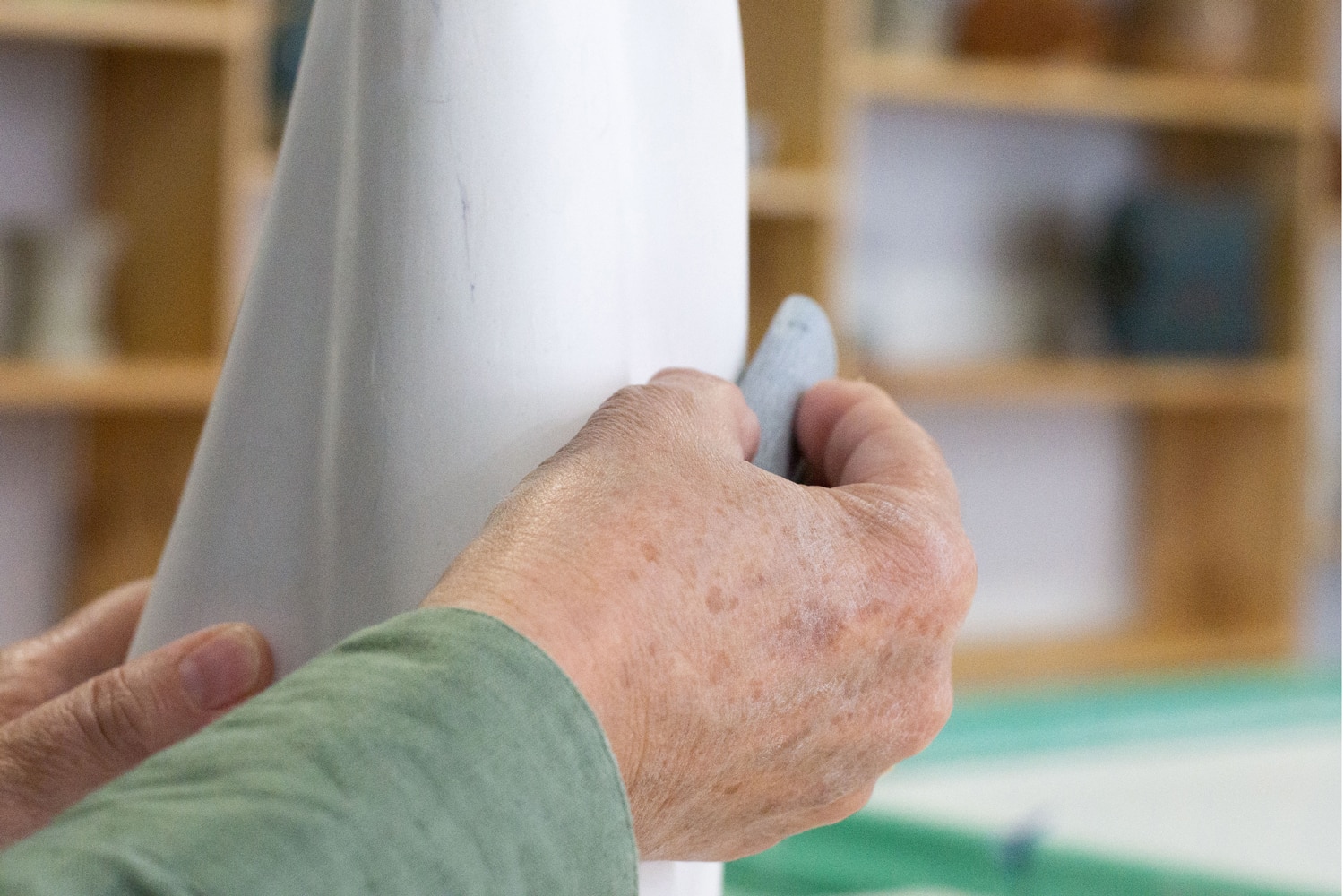
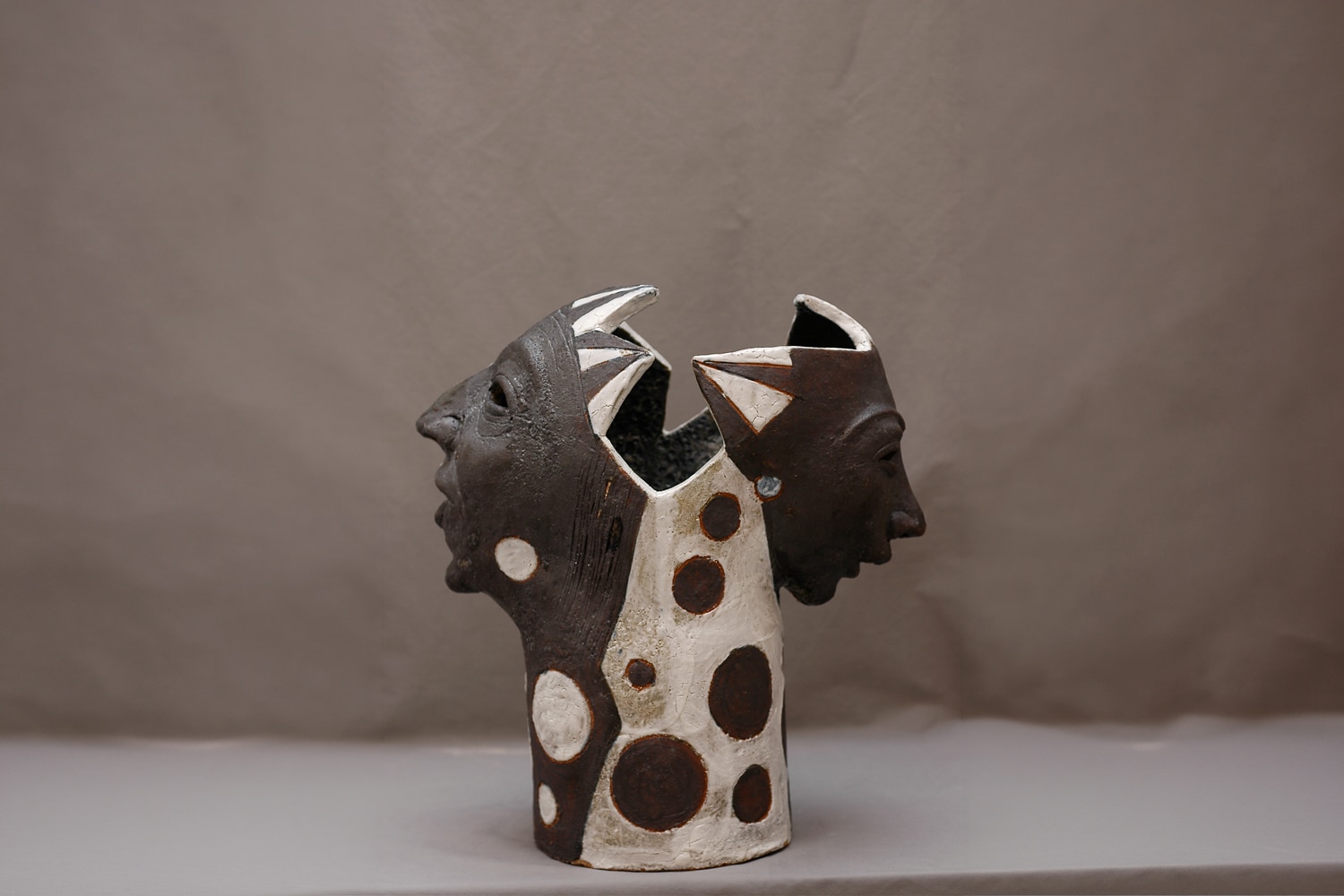
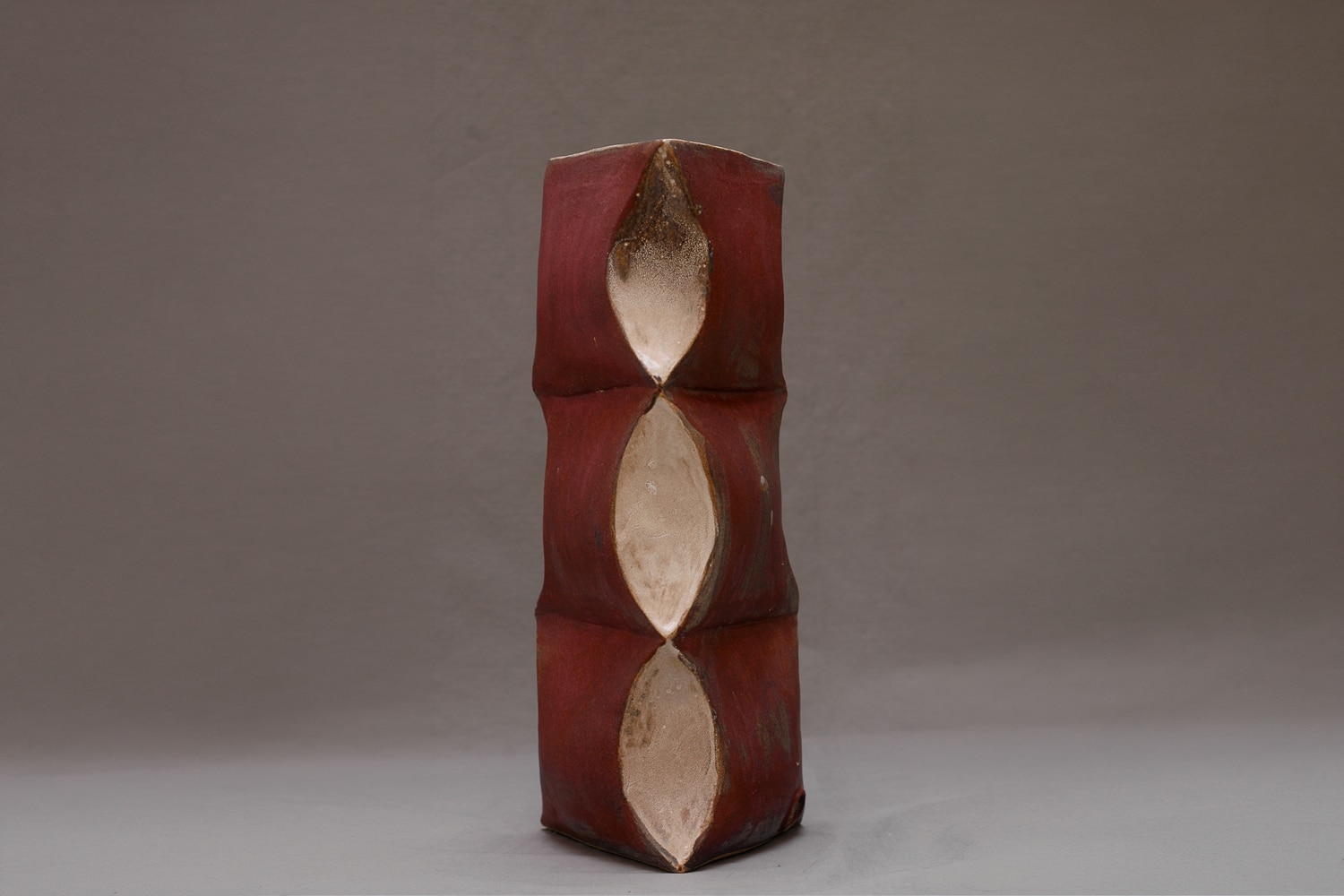
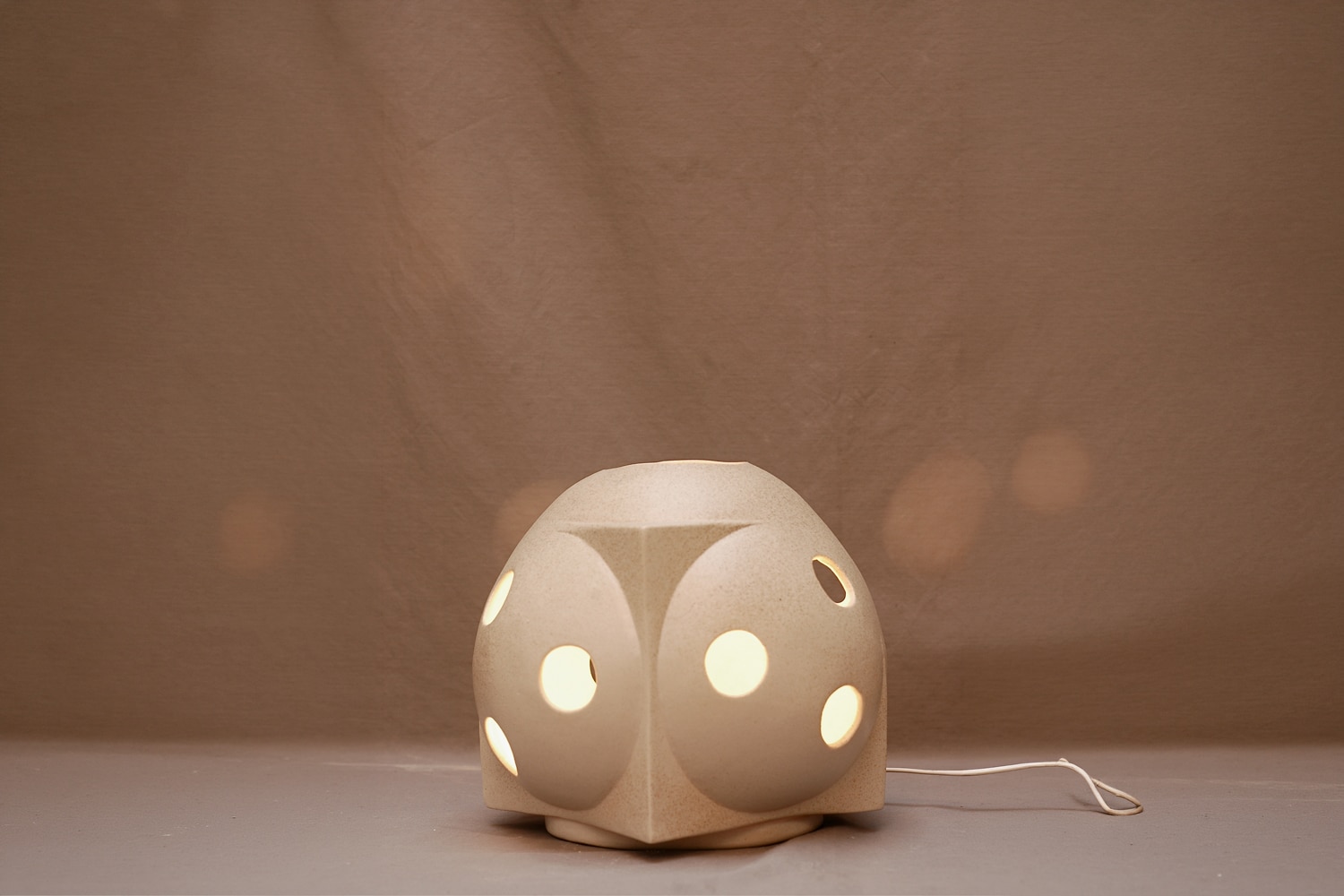
- Teresa specialises in mould-making and free modelling to create her ceramic works
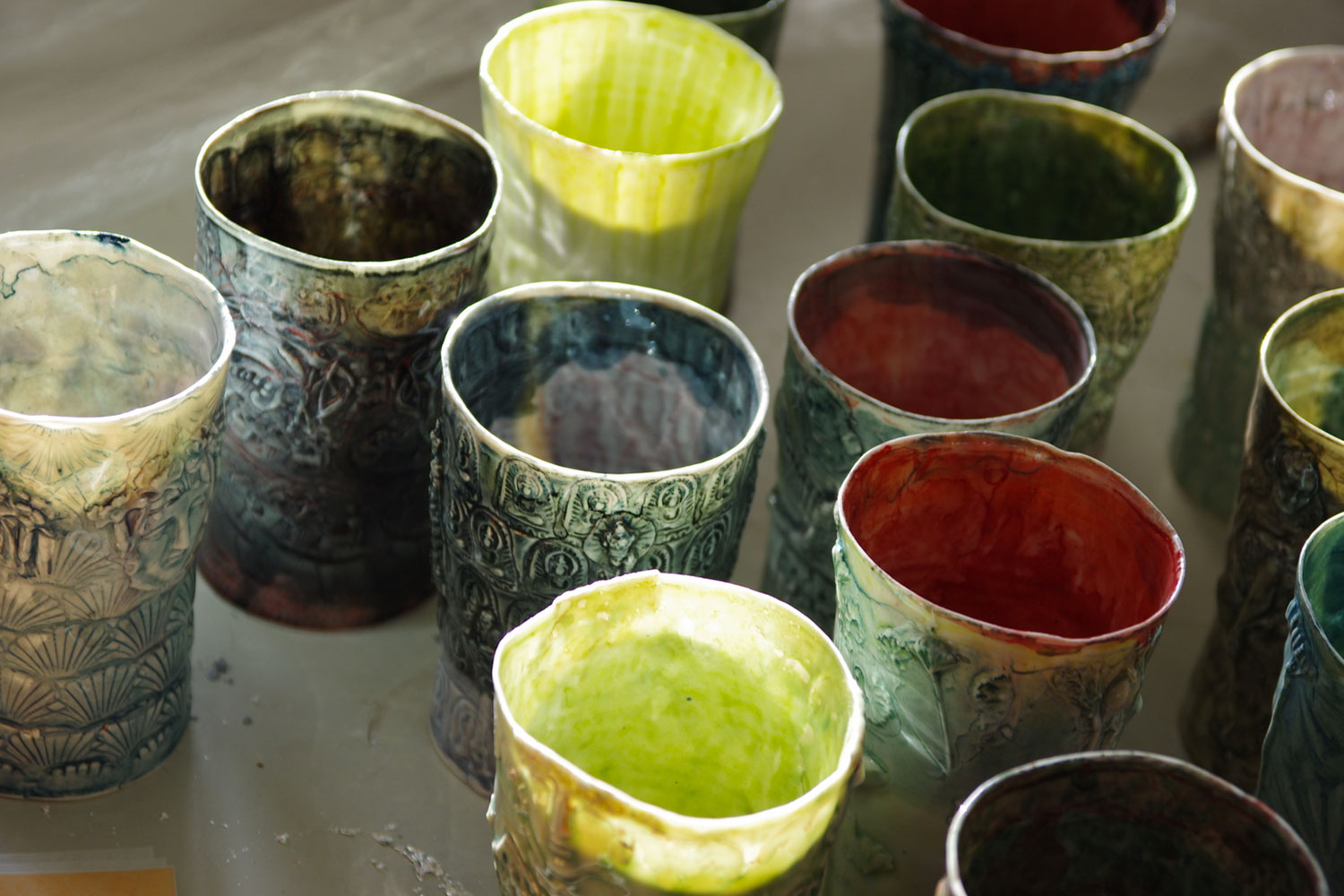
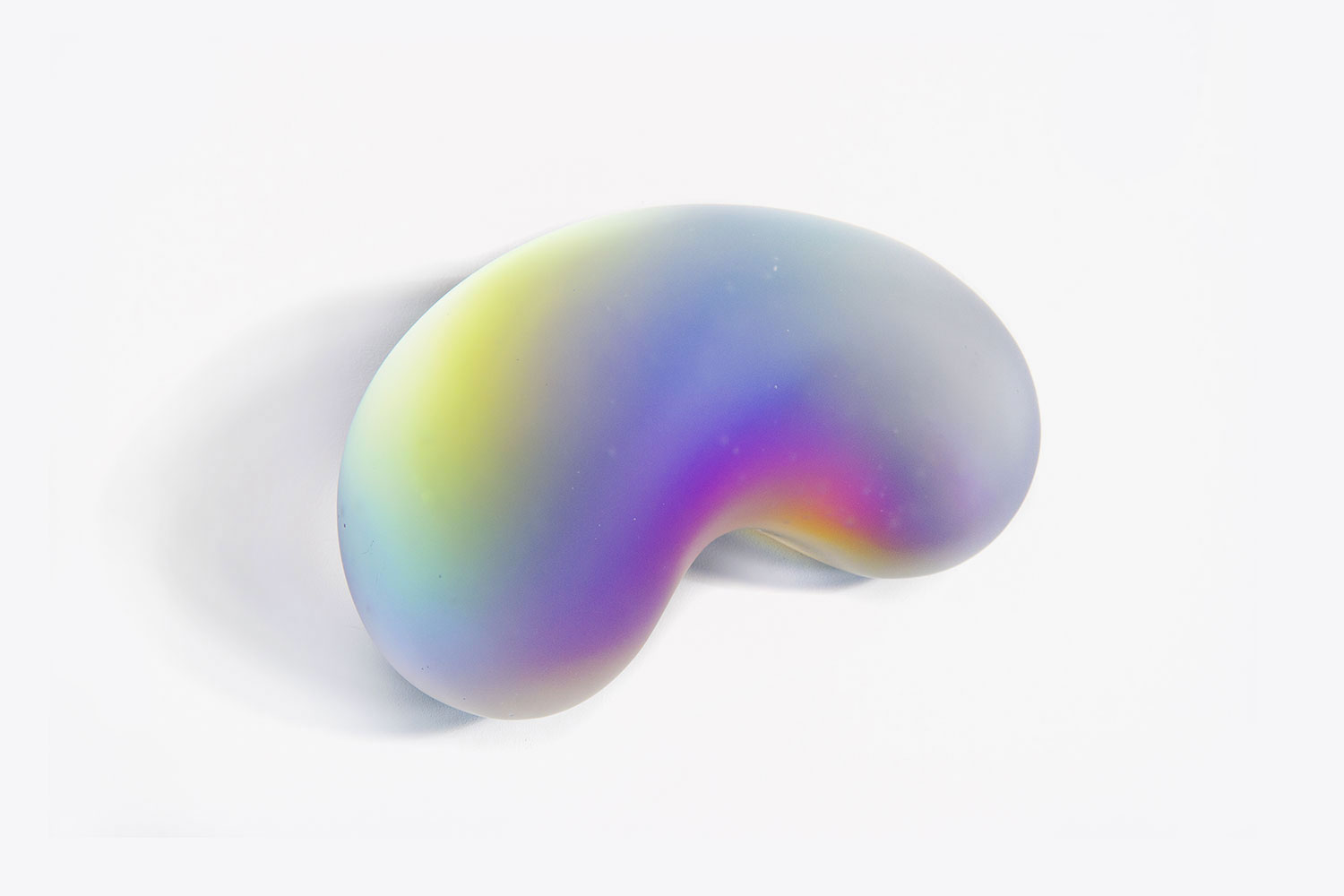
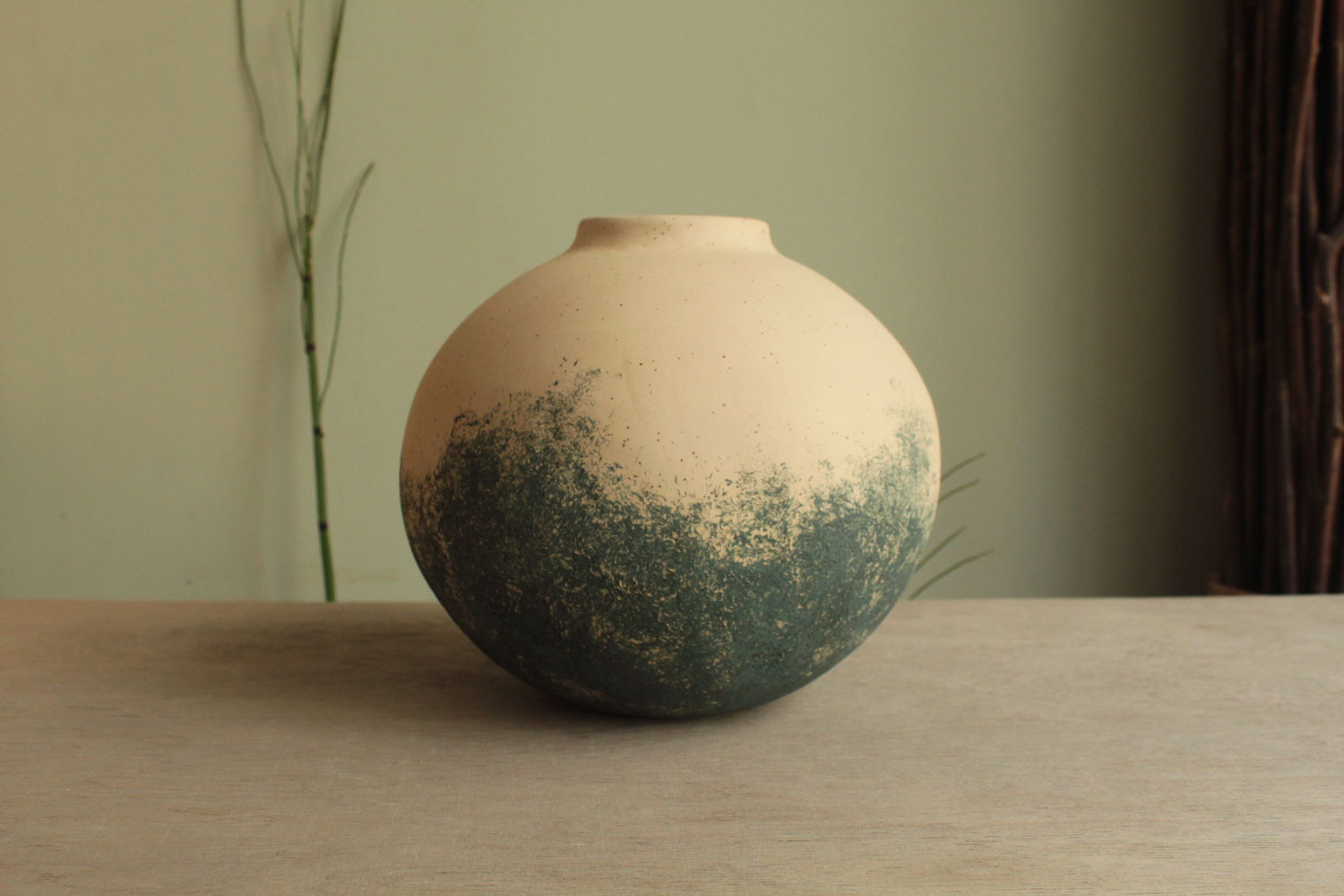
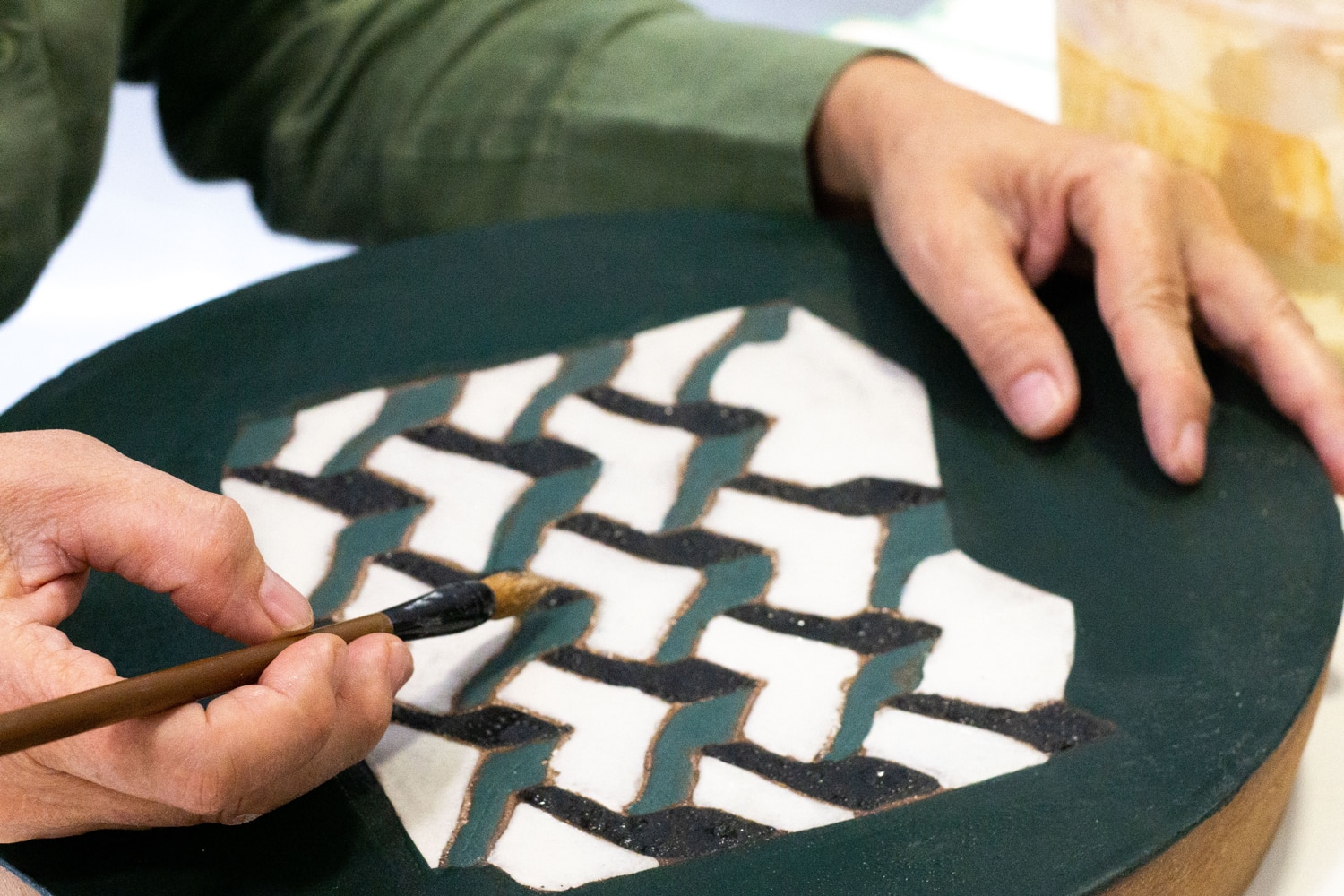
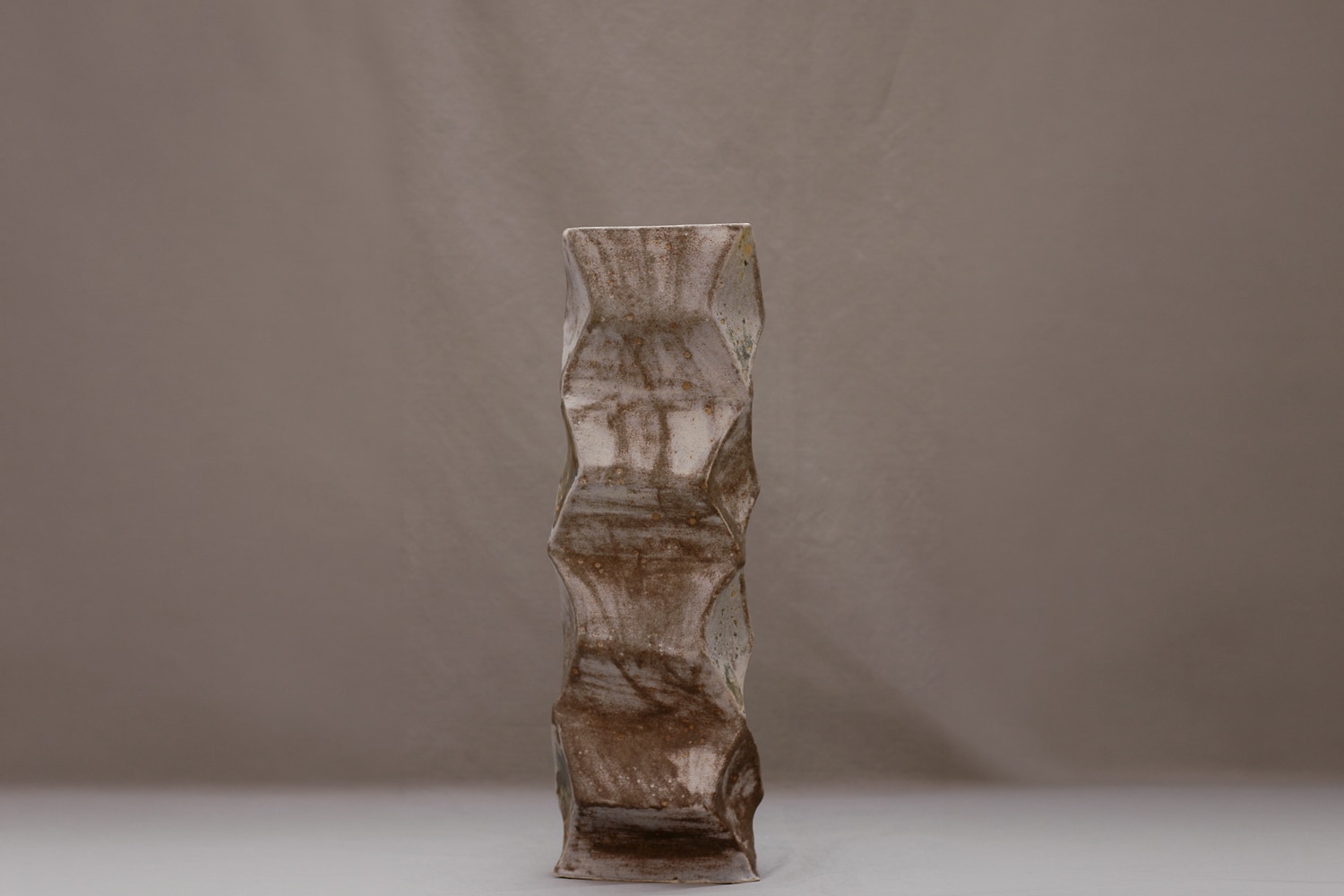
- She also works on the formulation of high and low temperature glazes
- Her hometown, Guadalajara, has a long-standing tradition in pottery
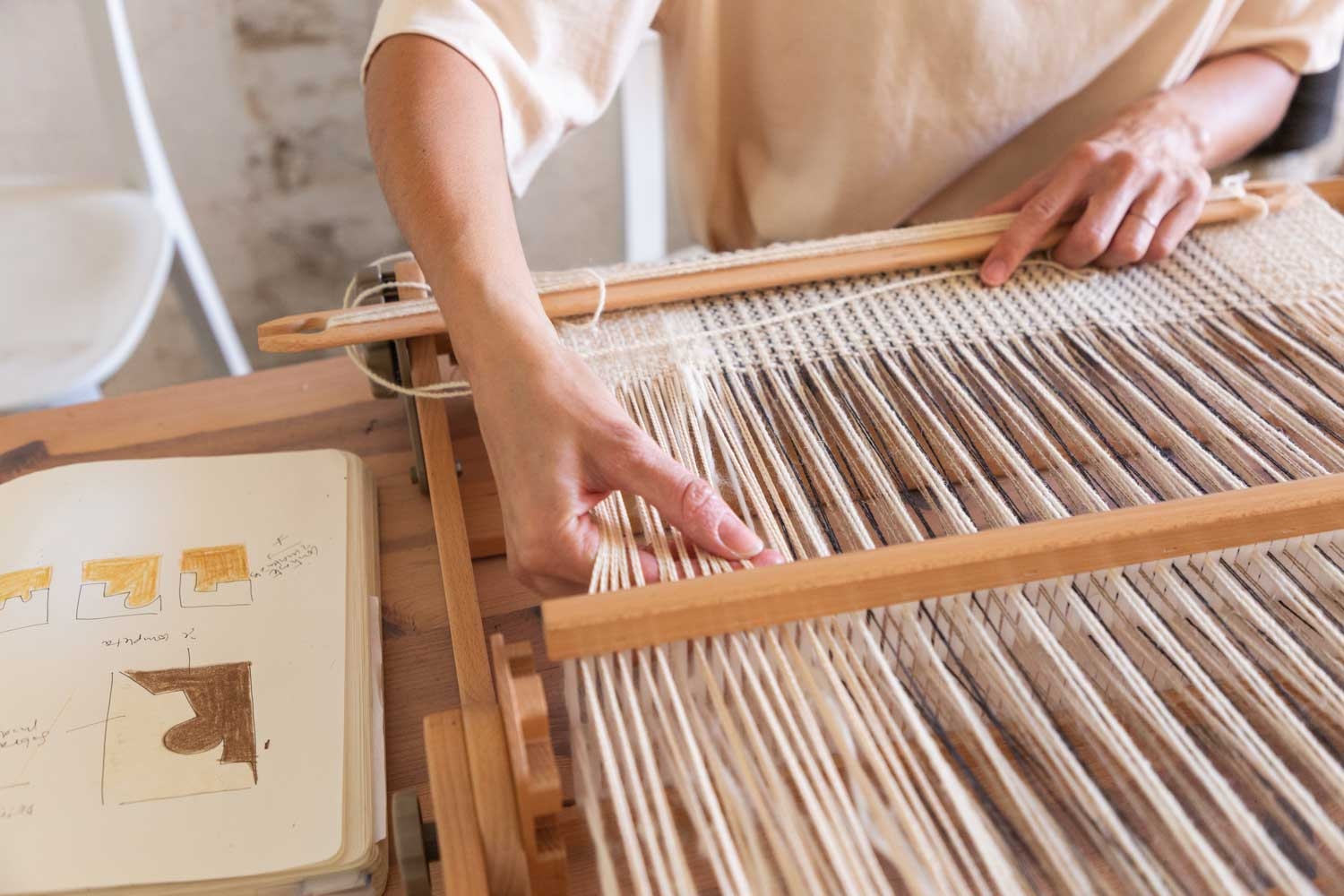
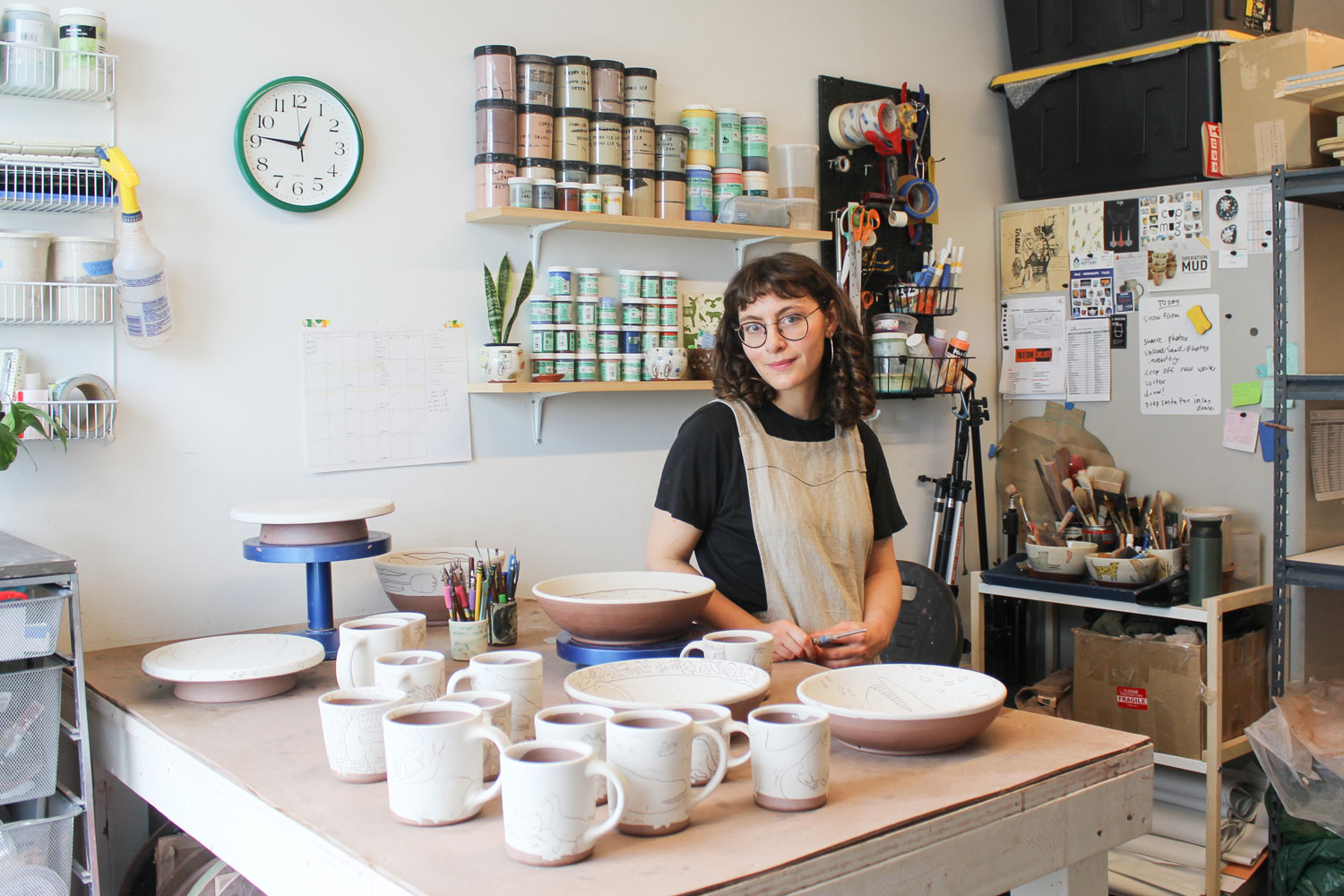
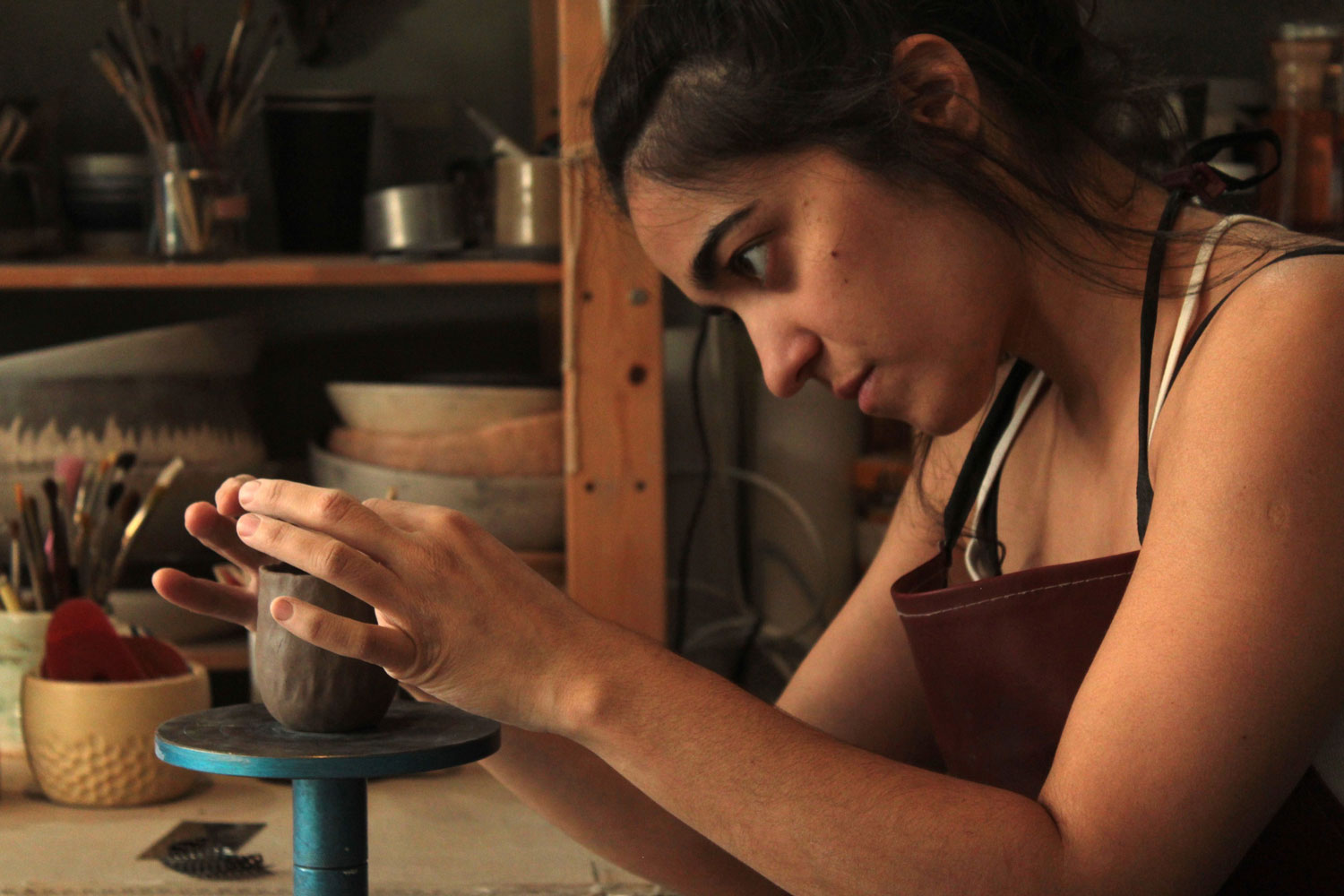
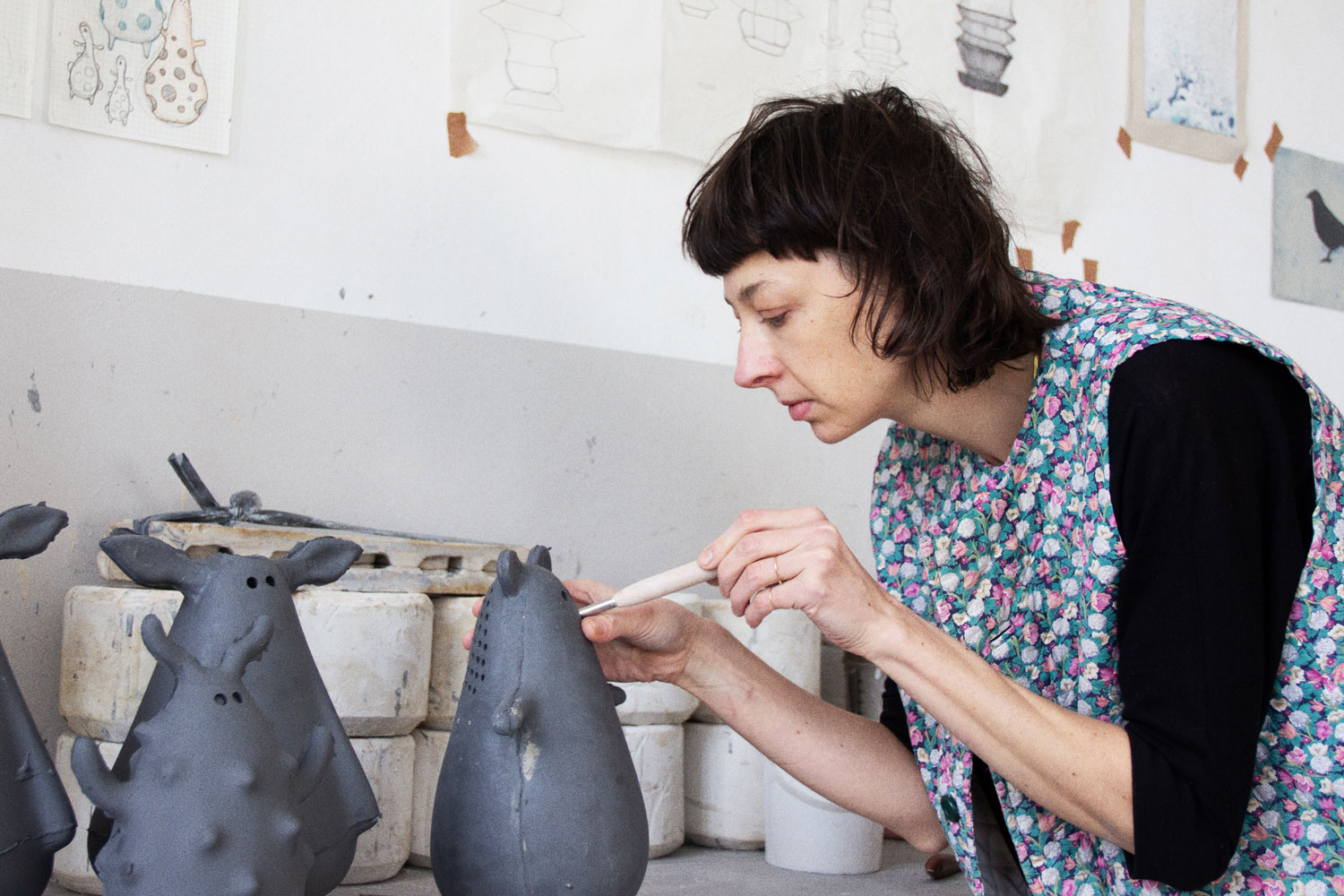
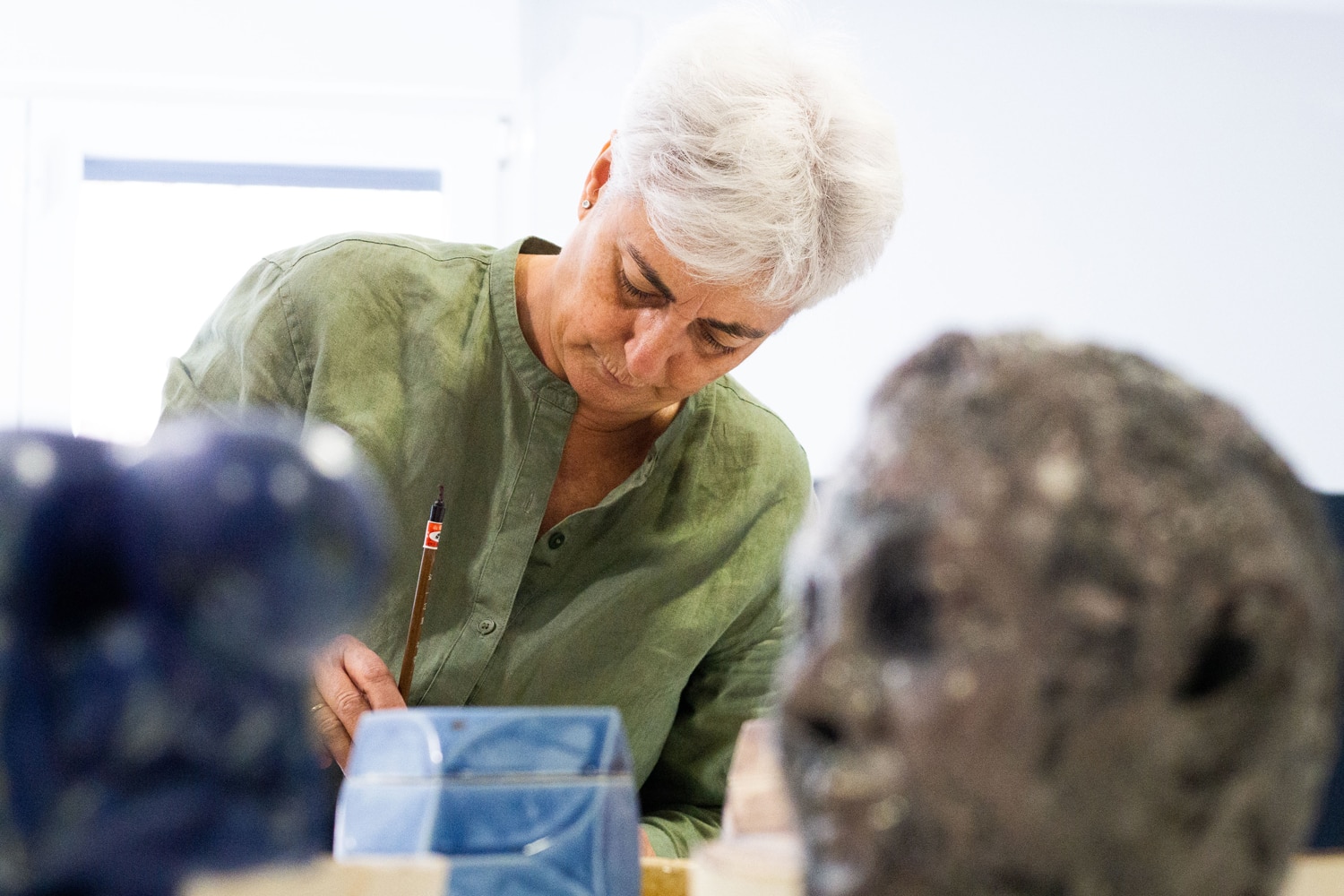
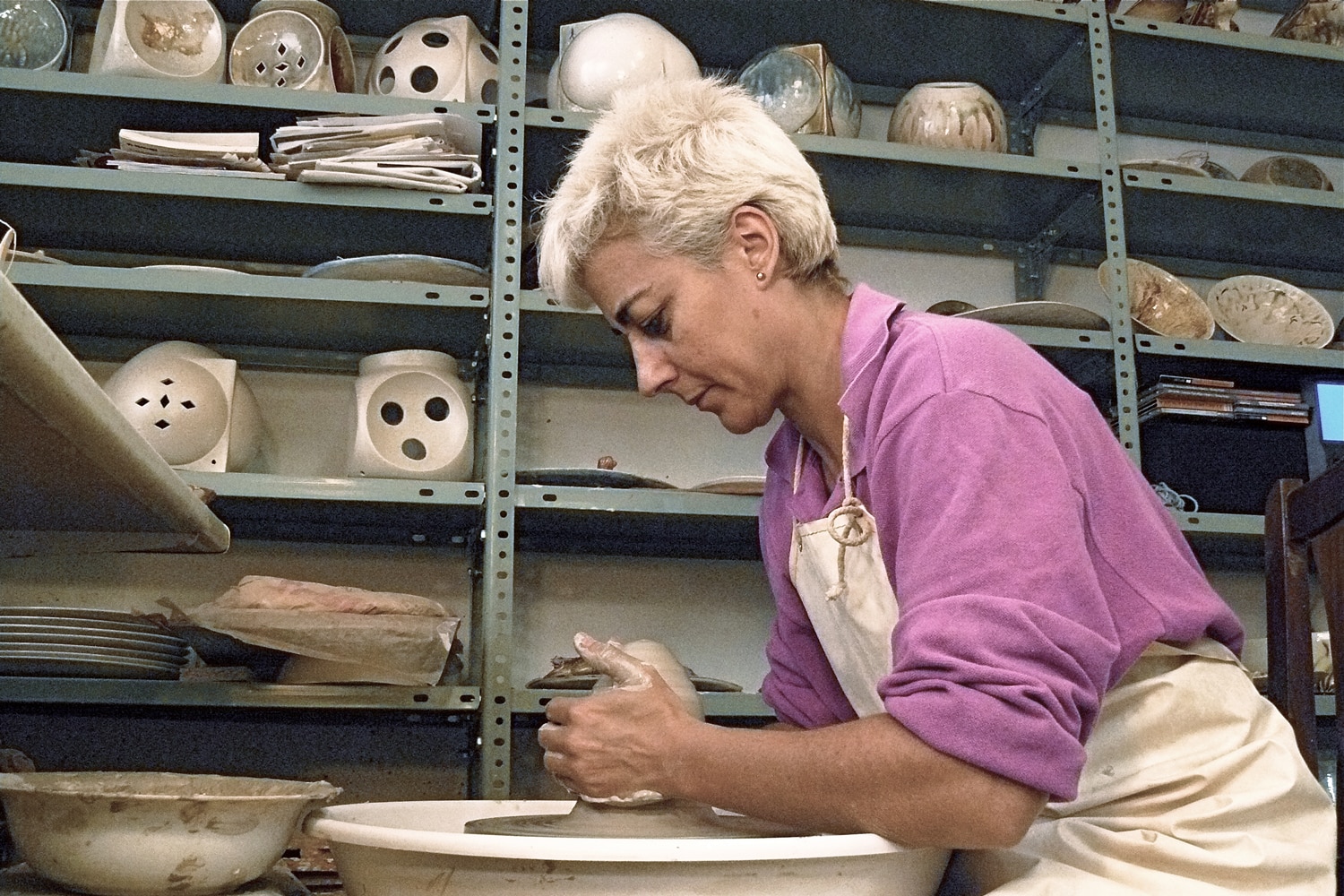
For Teresa Chicharro, ceramics were merely a pastime when she first discovered the craft in 1992. It was not until eight years later, in 2000, that she found herself truly captivated by clay. “Its malleability, ductility and variability fascinated me, as well as its different behaviours depending on the techniques used,” she says. This led her to delve deeper and focus on understanding volume, sculpture and painting of the material. “Hours would pass in the workshop without my realising I needed to eat; the clay absorbed all my energy. I felt happy with the ceramic process, and I loved opening the kiln and seeing the freshly fired pieces, which always surprise me, usually in a good way,” adds Teresa. She completed a master’s degree in ceramic surface design in 2015, after graduating in fine arts the year before. During her training, she had several teachers, and fondly remembers the late Italian ceramicist Nino Caruso.
INTERVIEW
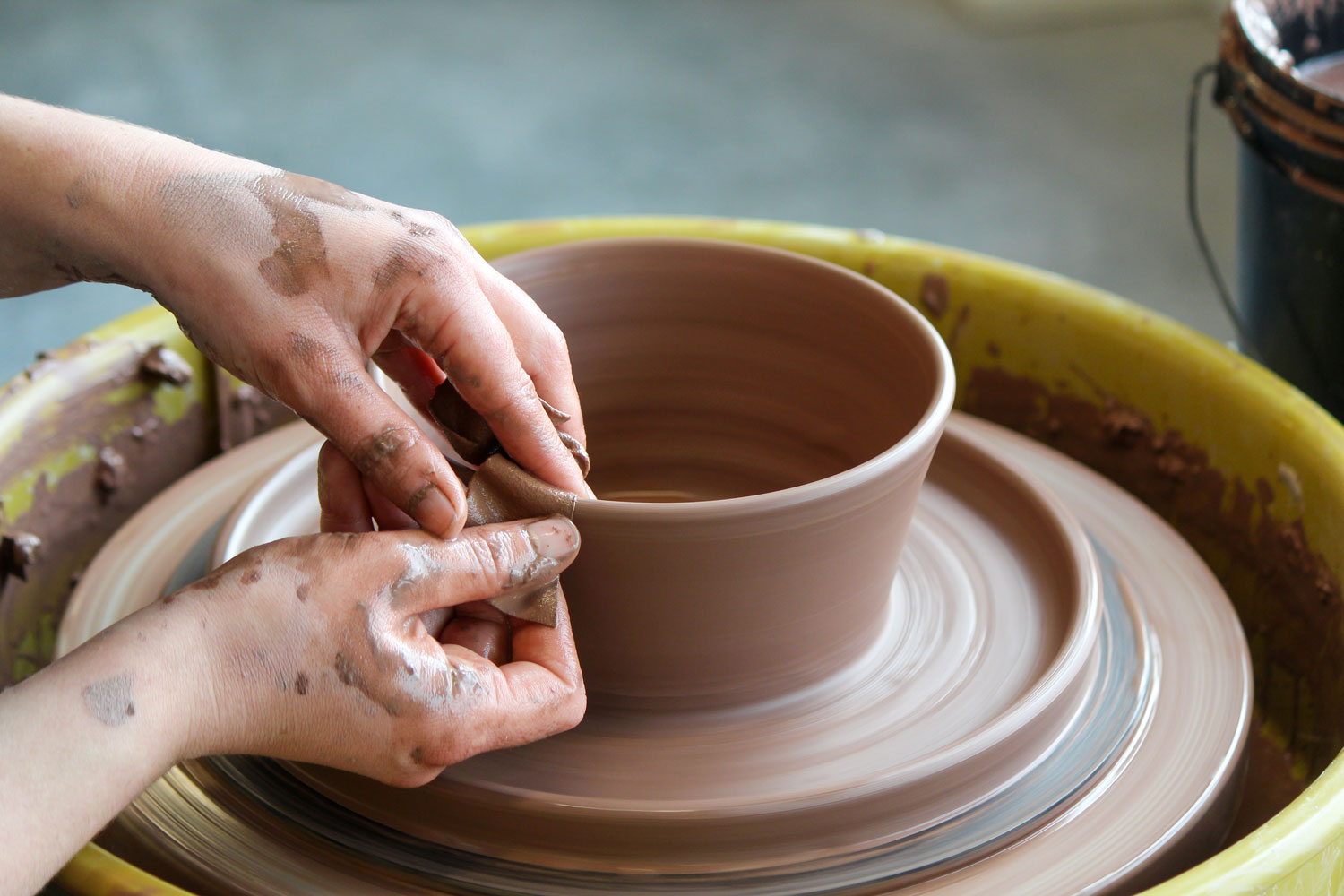
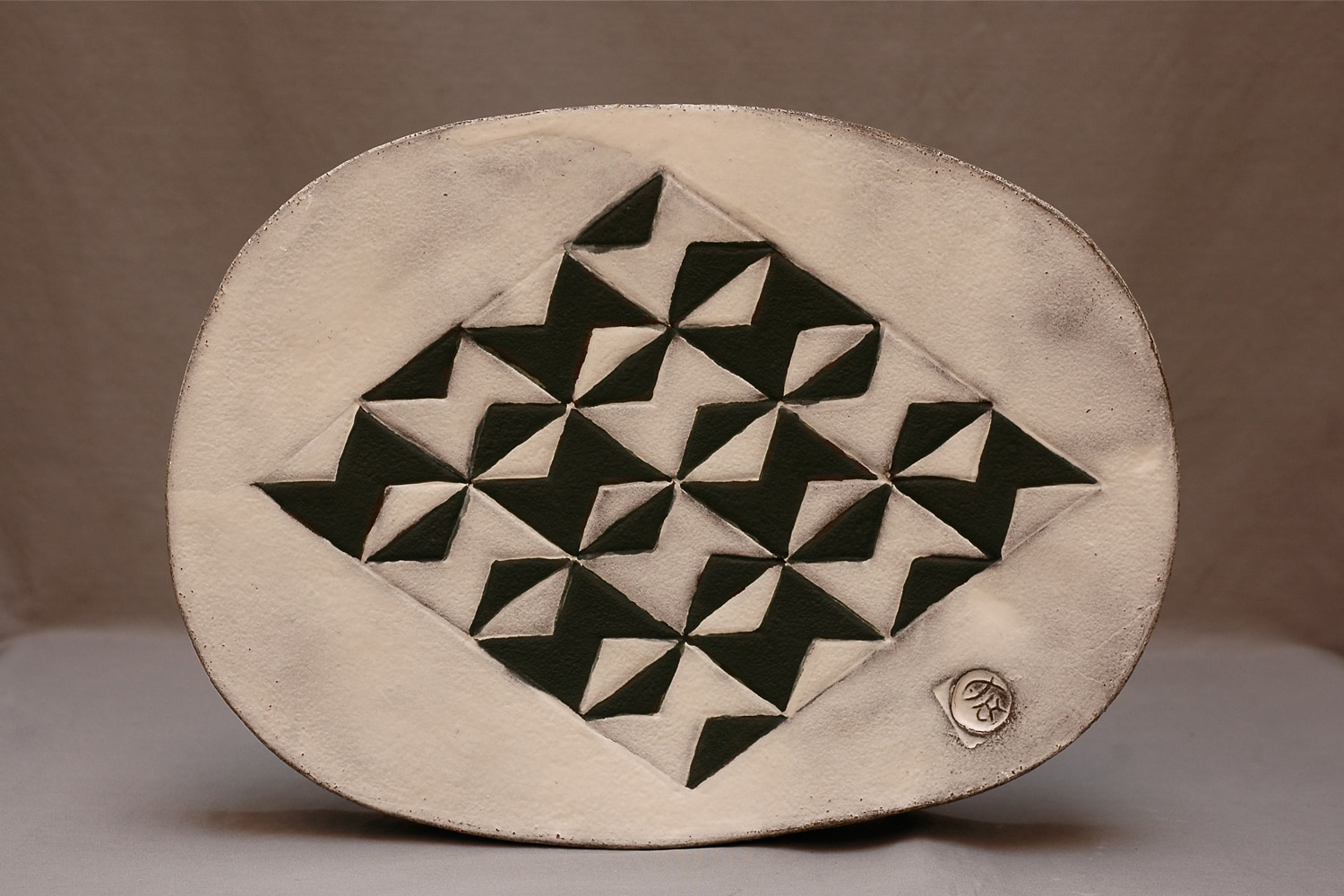
I learned to work with ceramics by using the ball method, as all apprentices do: making a bowl from a ball of red clay which gradually takes shape until it becomes a beautiful, misshapen bowl. Then I decorated it with geometric line drawings. It was a pleasant experience.
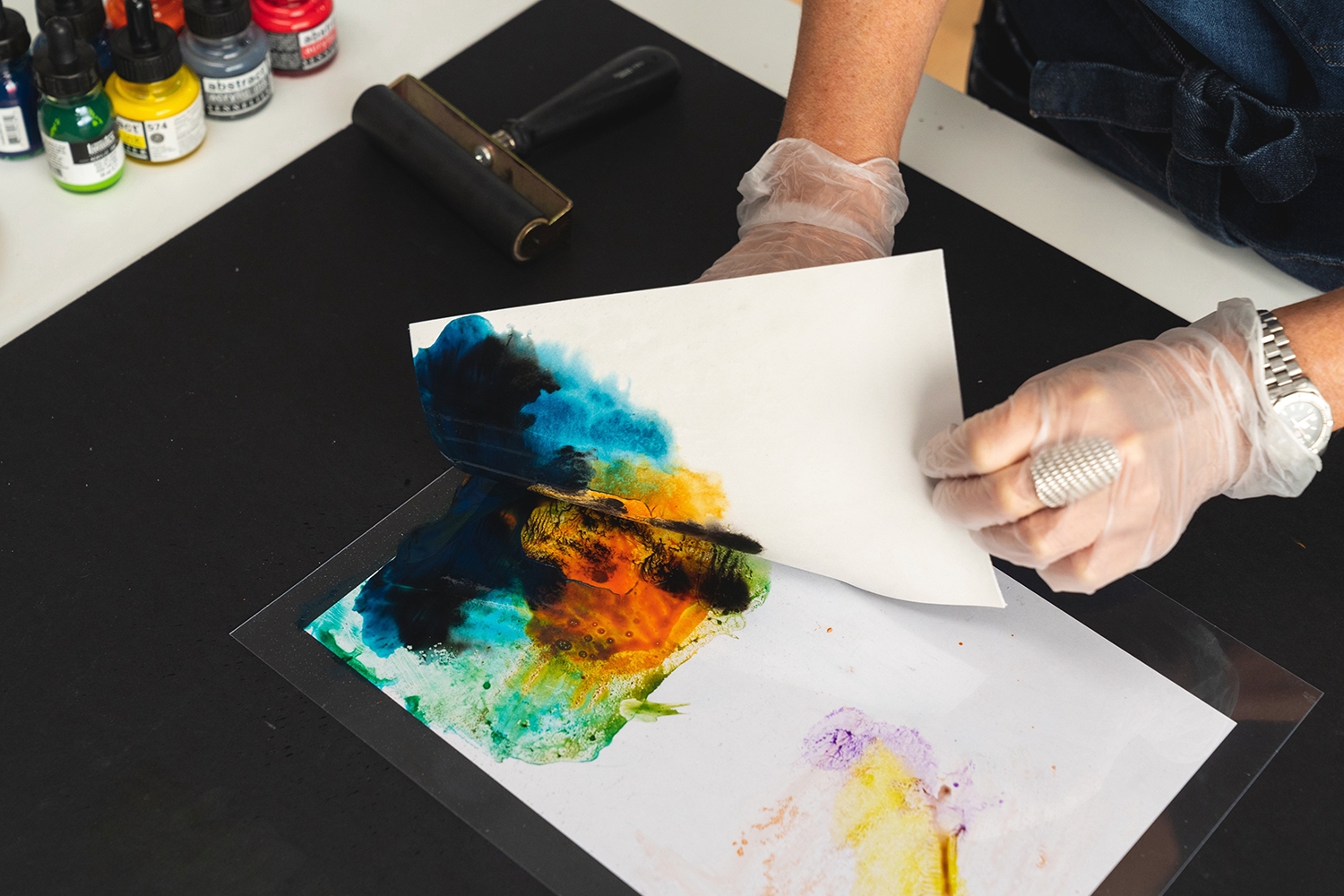
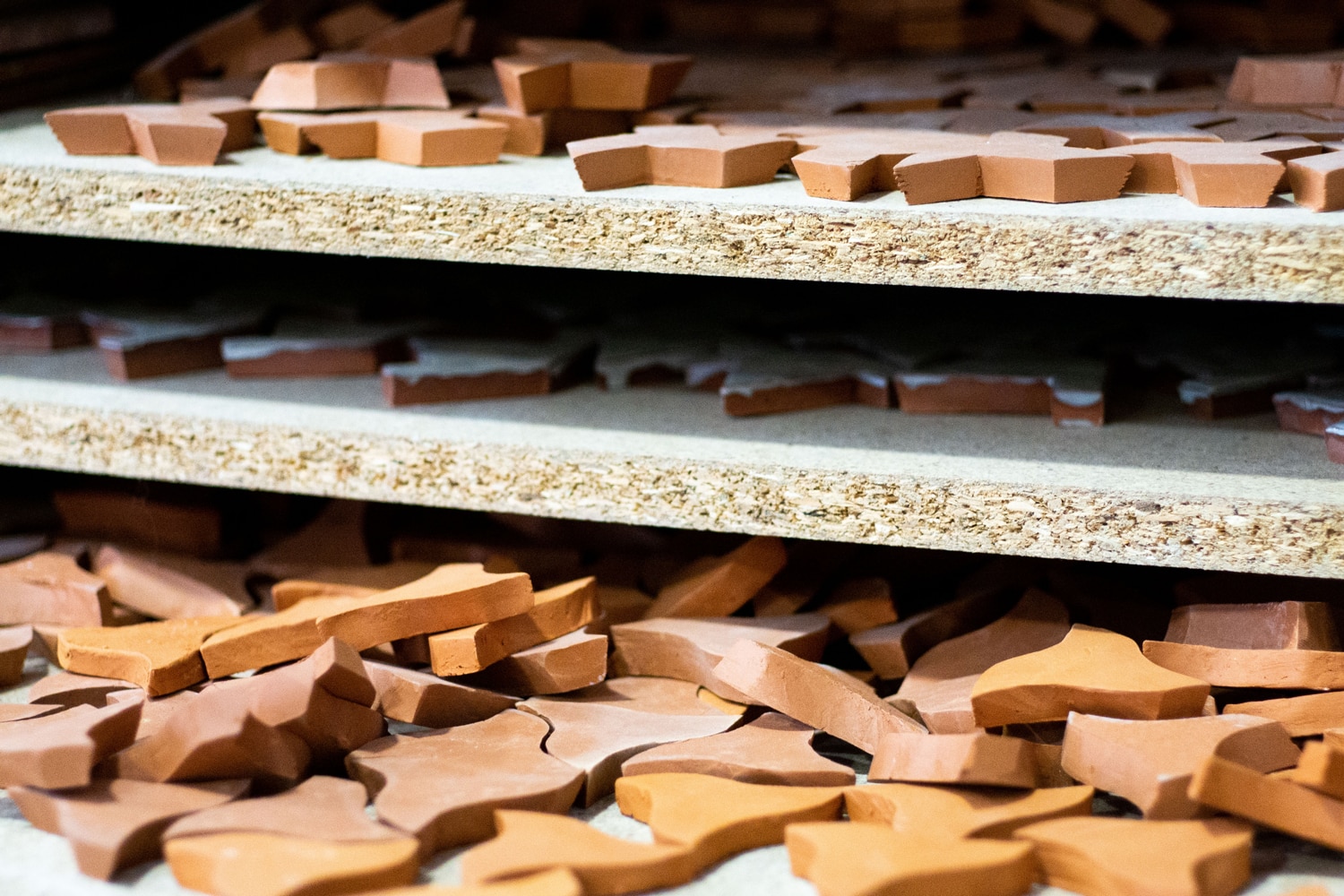
Modelling and sculpture are where I feel most at ease working with clay. I am also fascinated by experimenting with different ceramic compounds. Colours are a fundamental part of this process, and there are so many possibilities that time flies by when I am working.
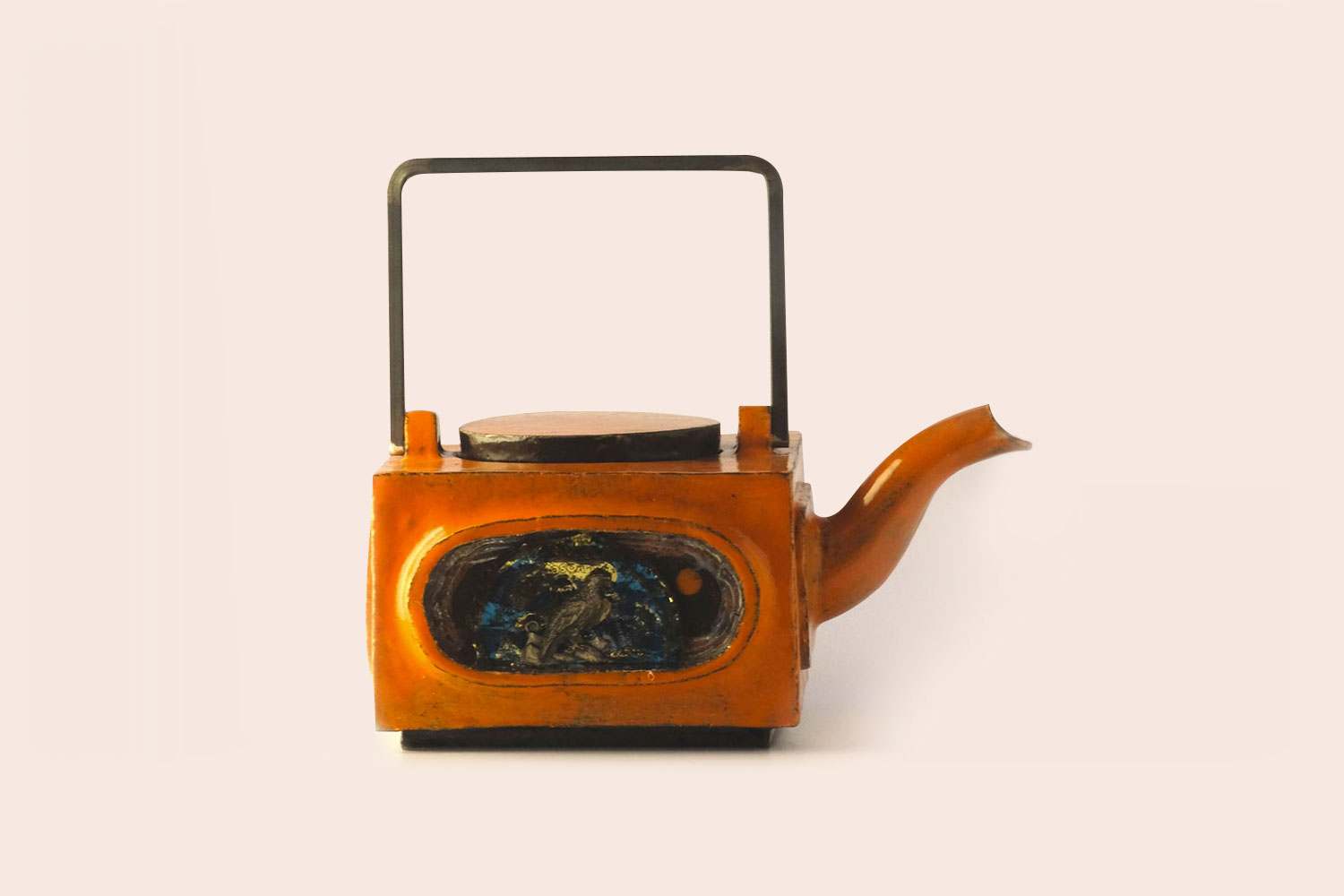
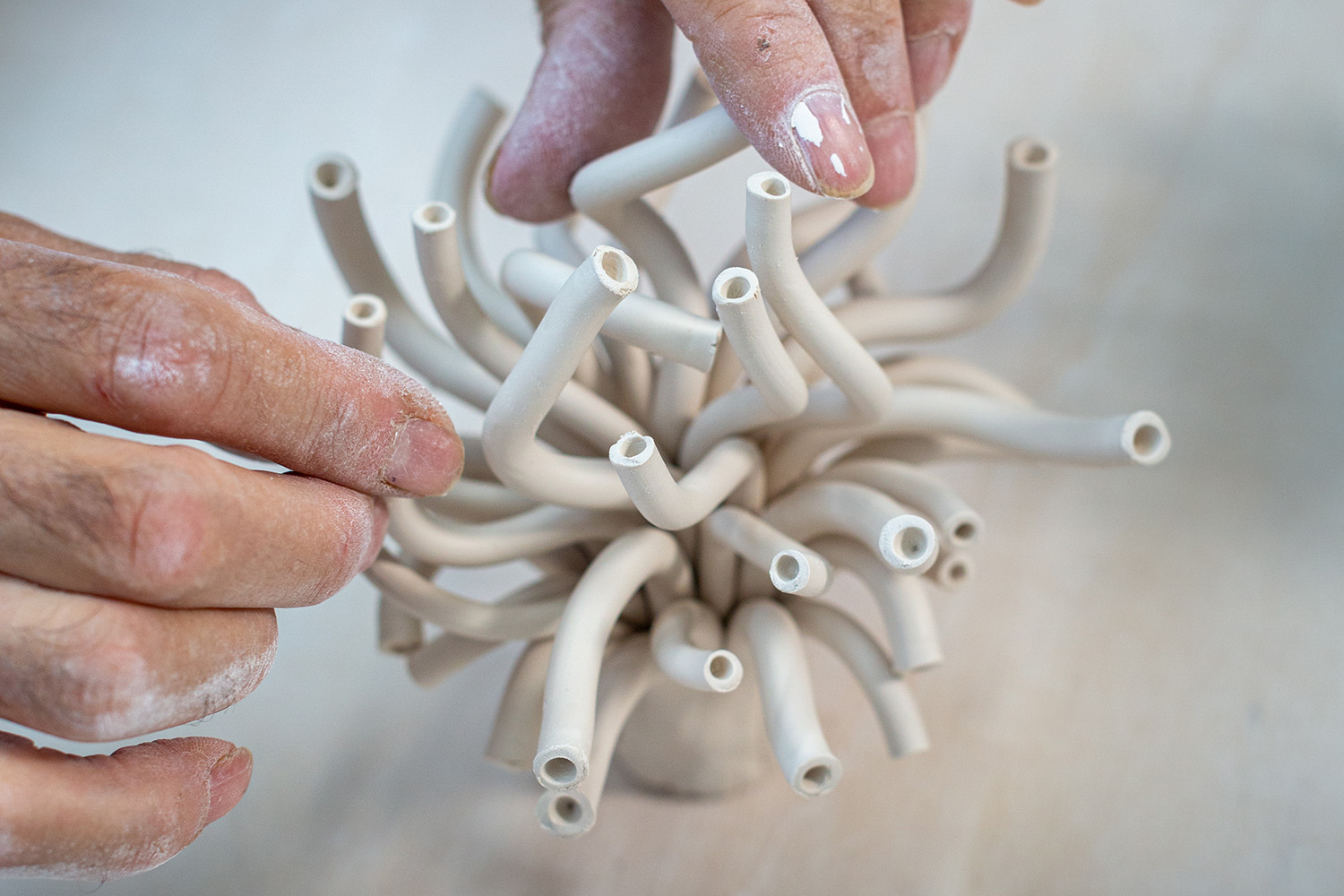
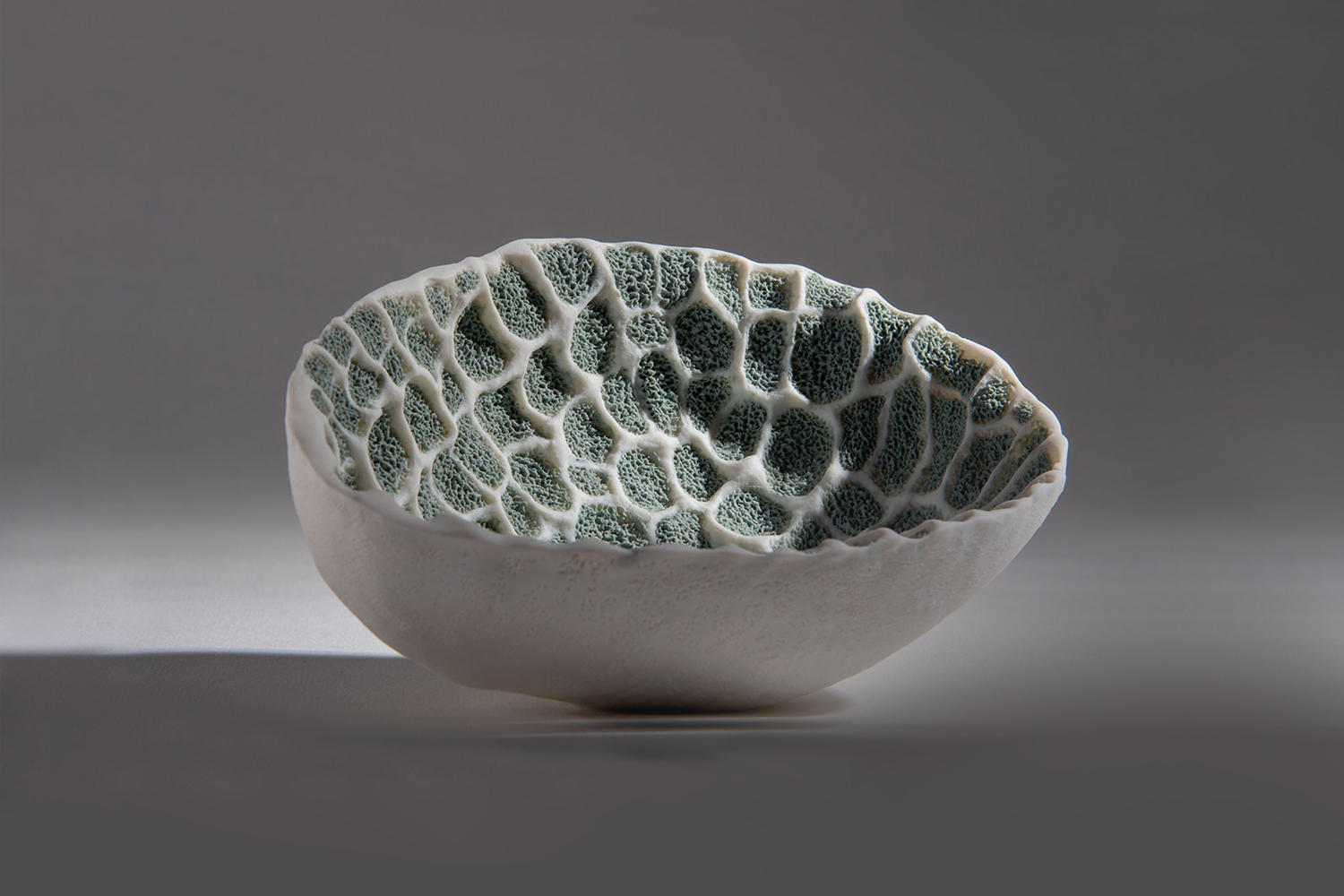
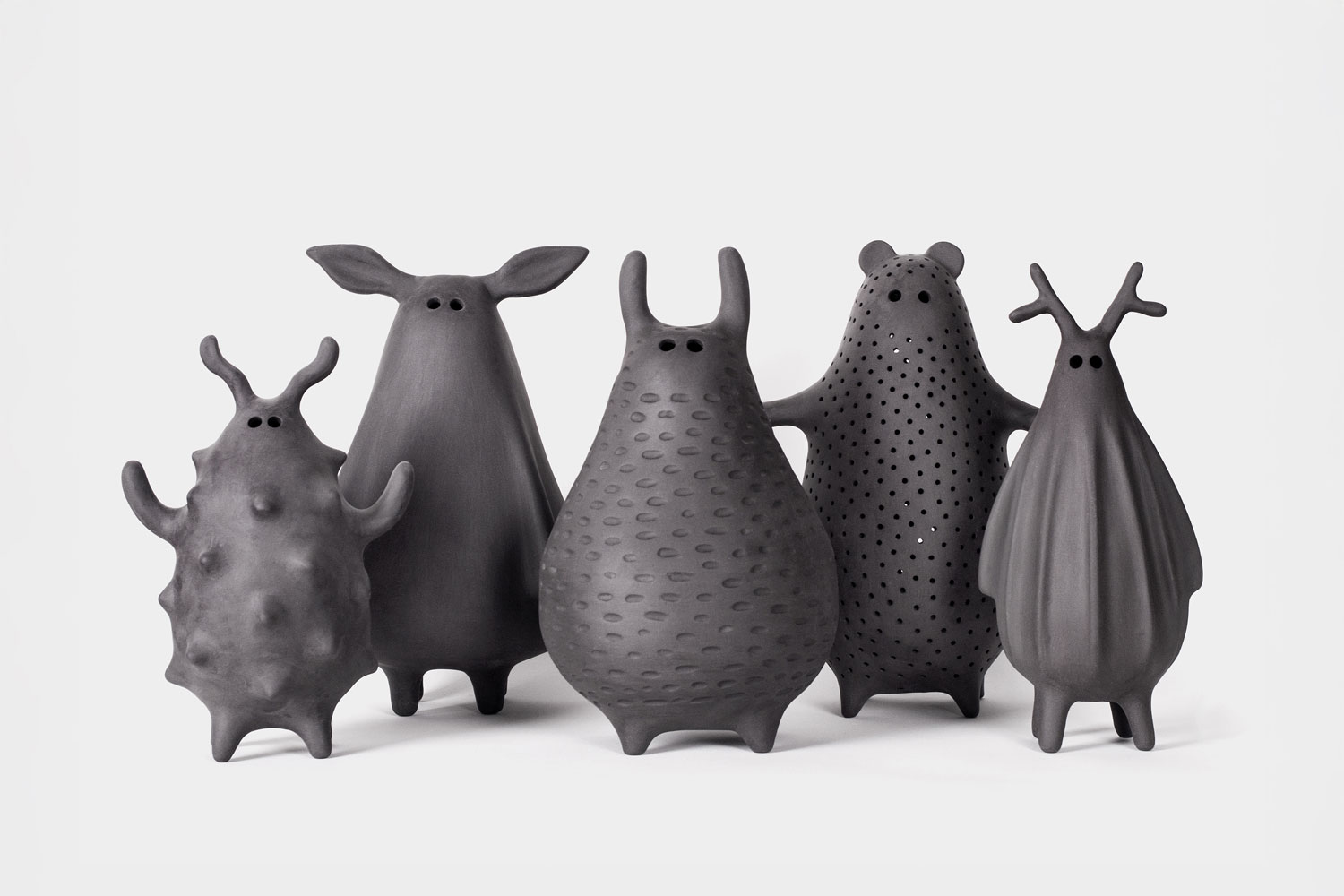
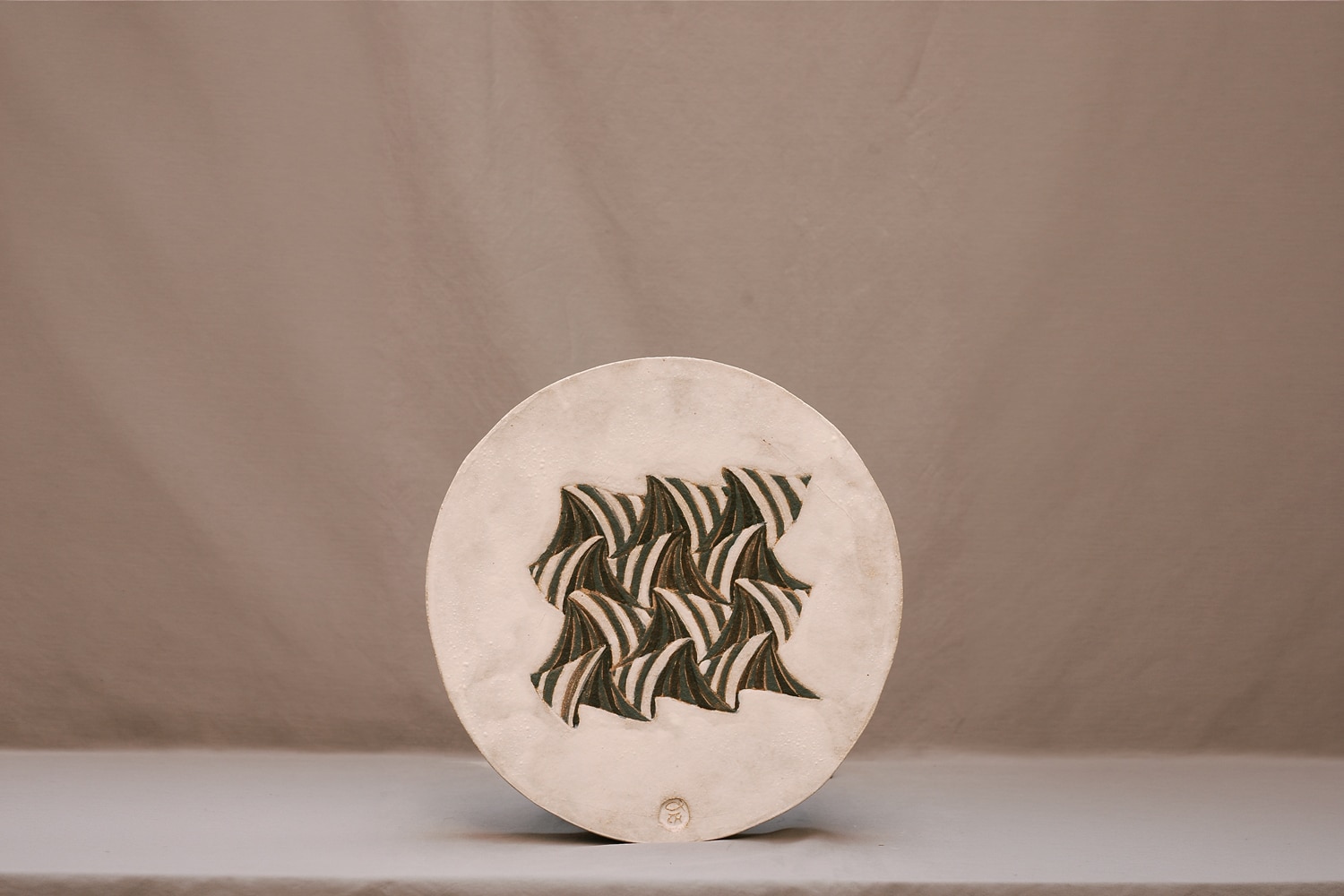
In terms of form, I look for a marriage between geometry and biology, although I also use realism or abstraction when the subject requires it. Colour arises from the materials used, subjected to fire, and to different atmospheres and temperatures. This is what makes each piece unique.
Tradition is important. We must never forget where we come from, and we are always learning from the past and from how our beloved master artisans used to work. Traditional pieces such as the garrafa, orza, cántaro, puchero, botijo, and many other milestones of traditional design are the foundation of our work today.
Teresa Chicharro
Ceramicist
Guadalajara, Spain
AVAILABILITY
By appointment only
PHONE
+34 639629645
LANGUAGES
Spanish, English
Homo Faber Finds is a new service aiming to inspire admirers of craft to connect and collaborate with exceptional artisans.
We invite you to submit an enquiry here.