Sophie Sellu
Woodcarver
London, United Kingdom
Distinctive patterns from fallen trees
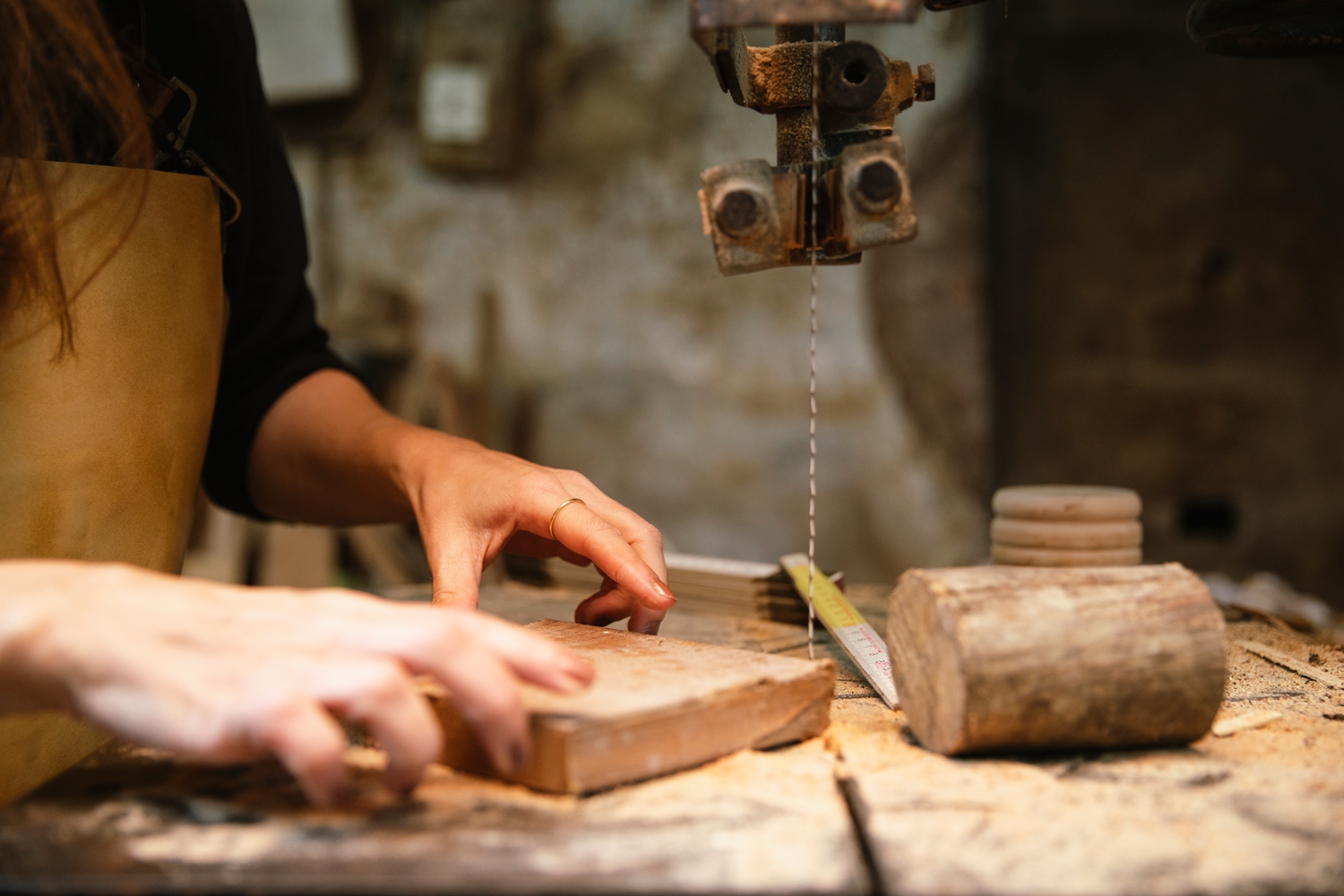
- Sophie sources unwanted wood offcuts, working with knots and cracks
- Her work champions the value of handmade wooden objects
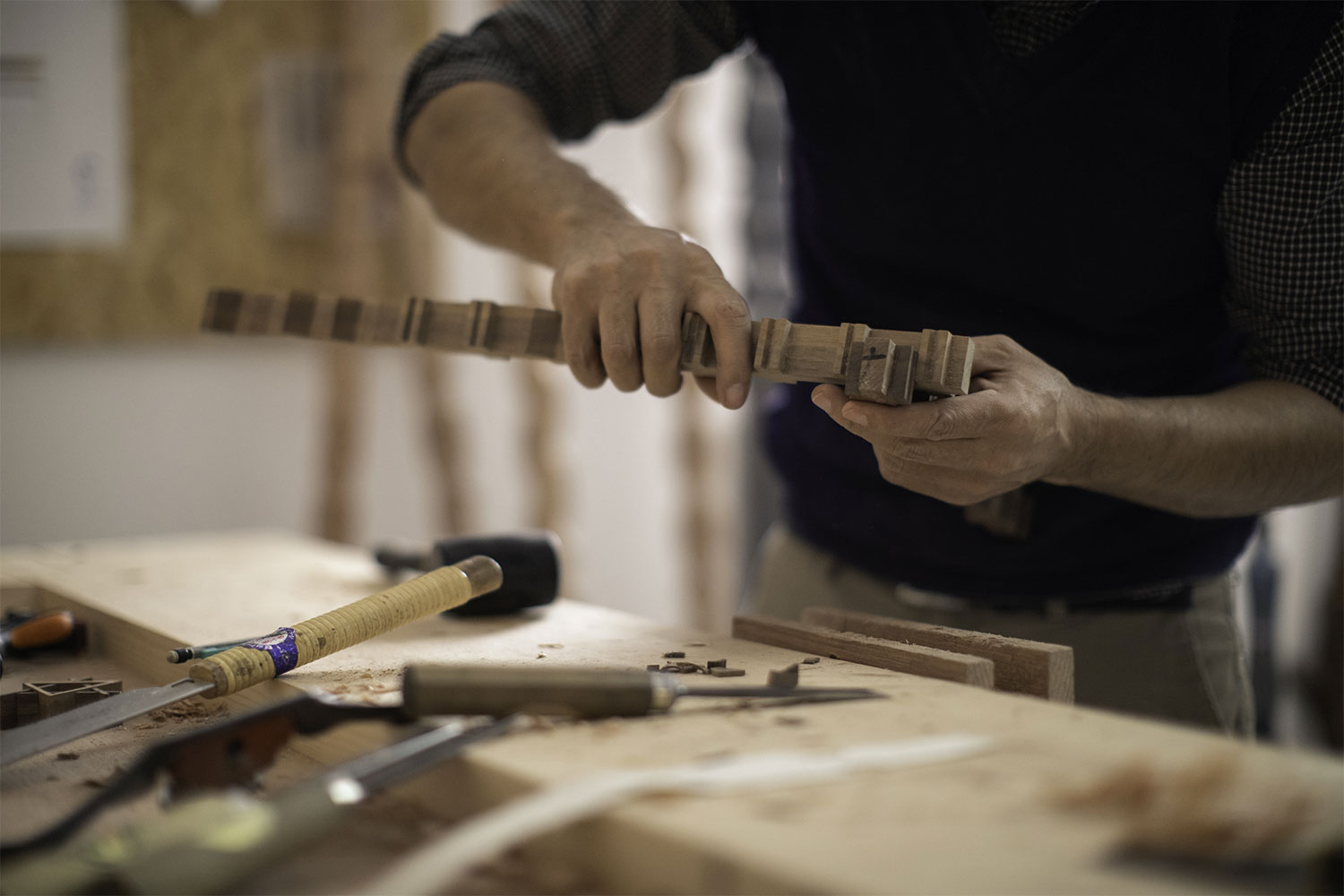
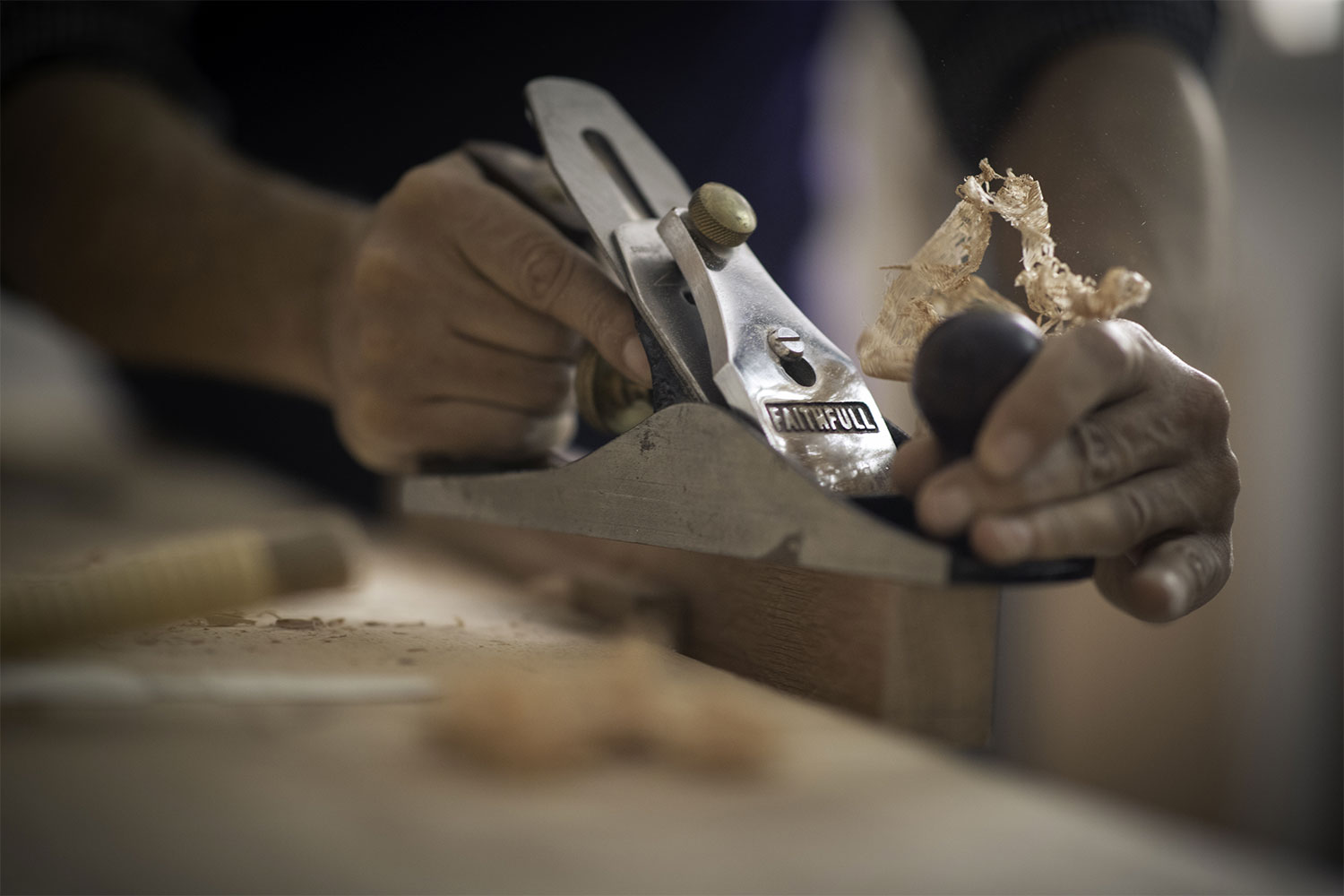
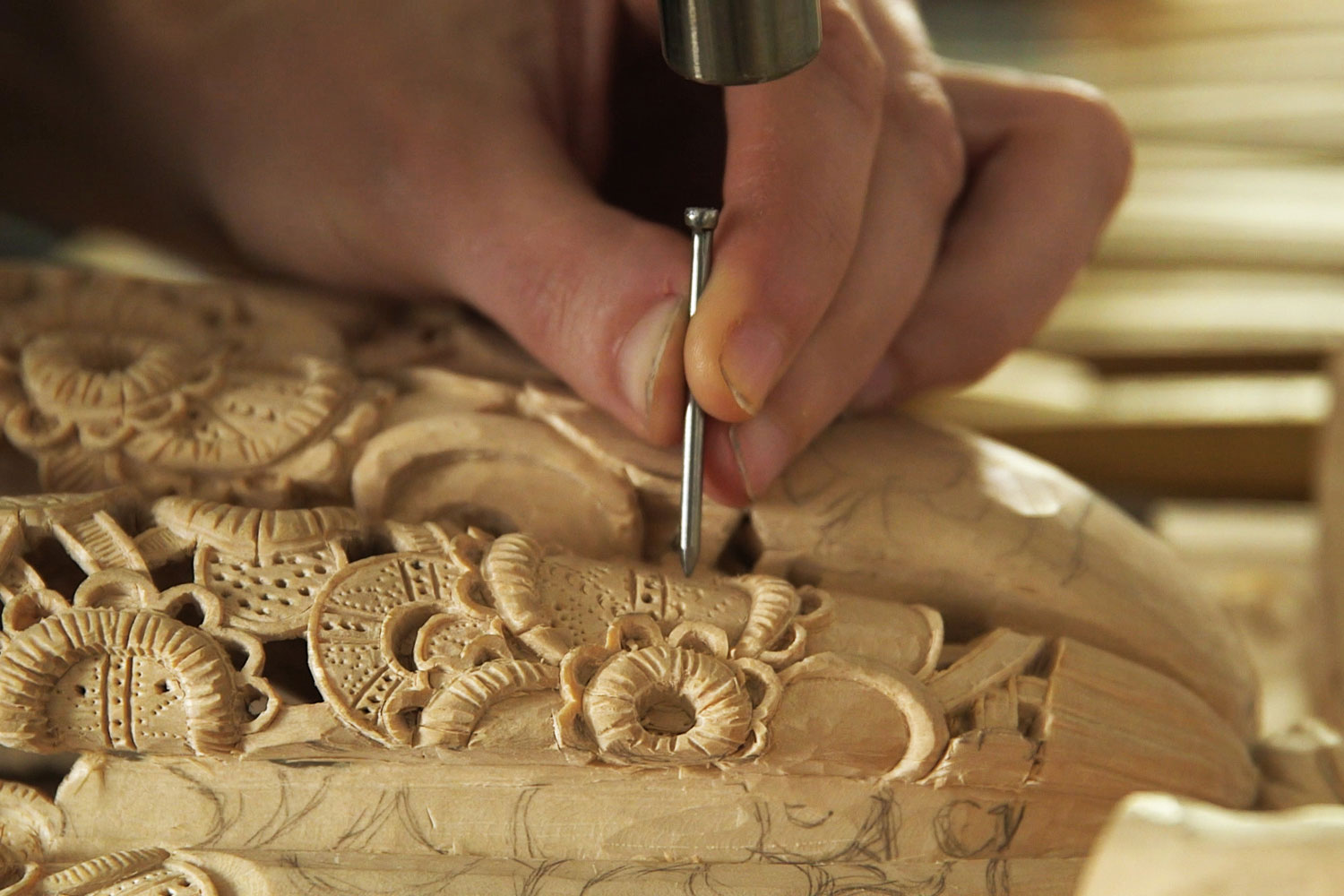
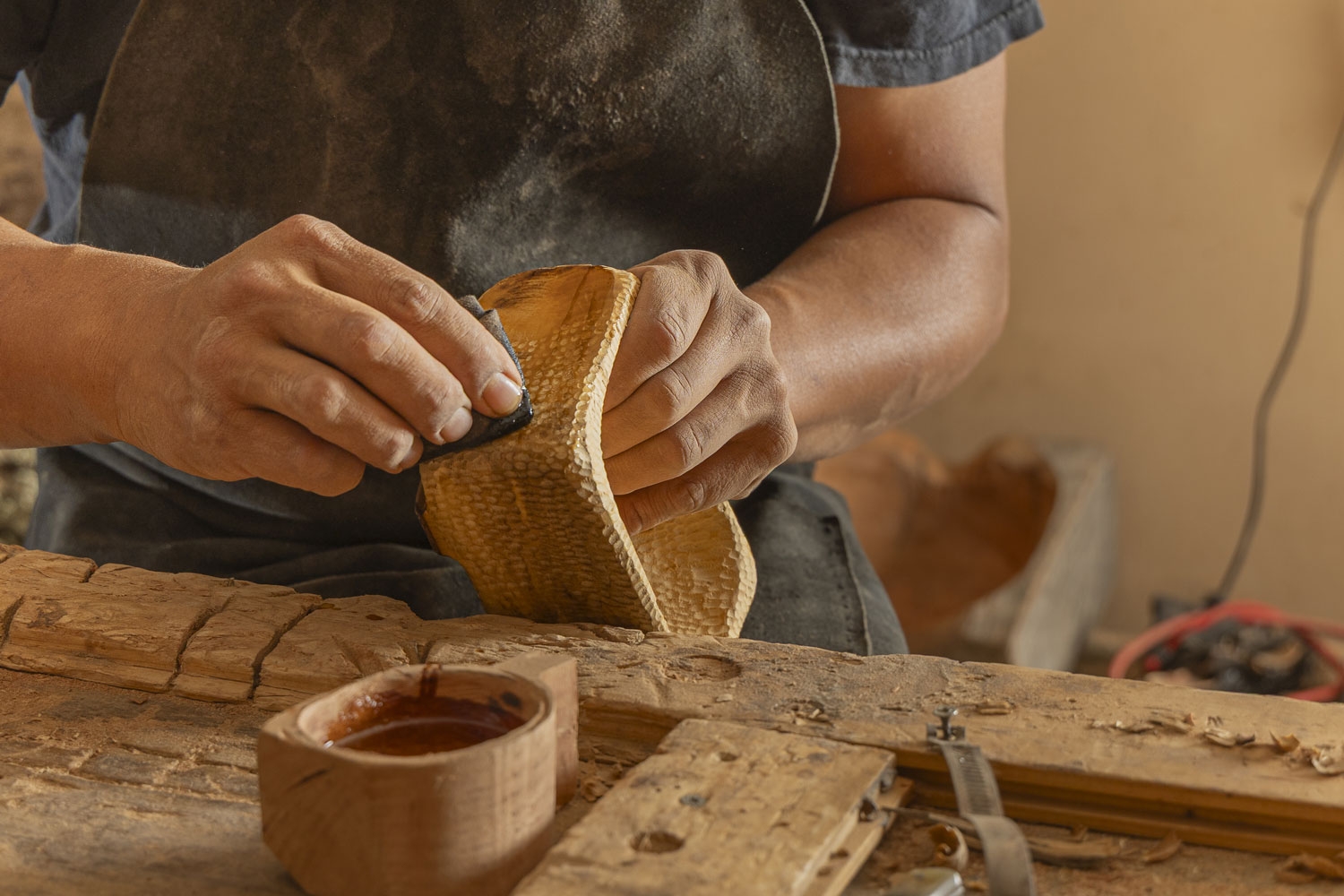
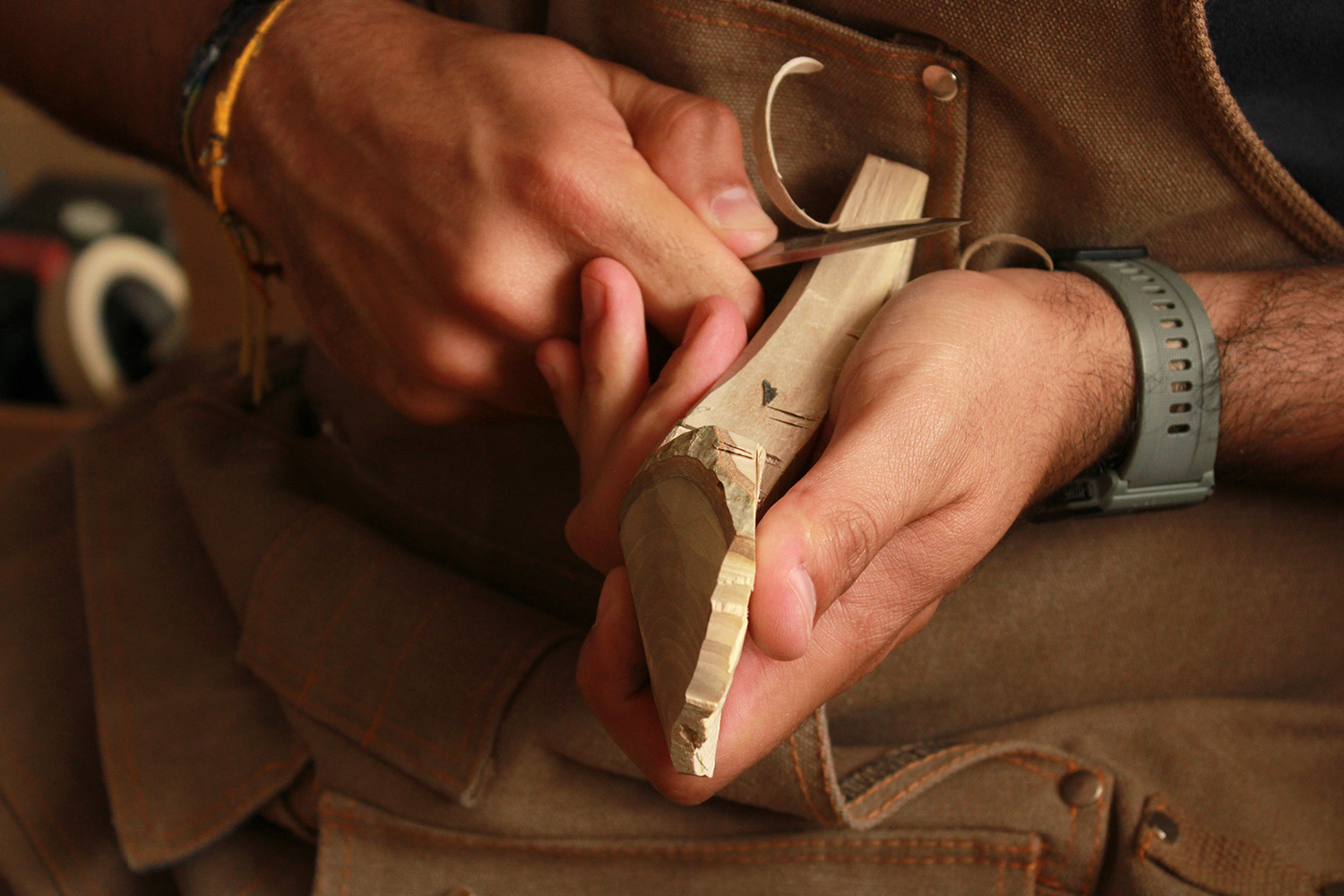
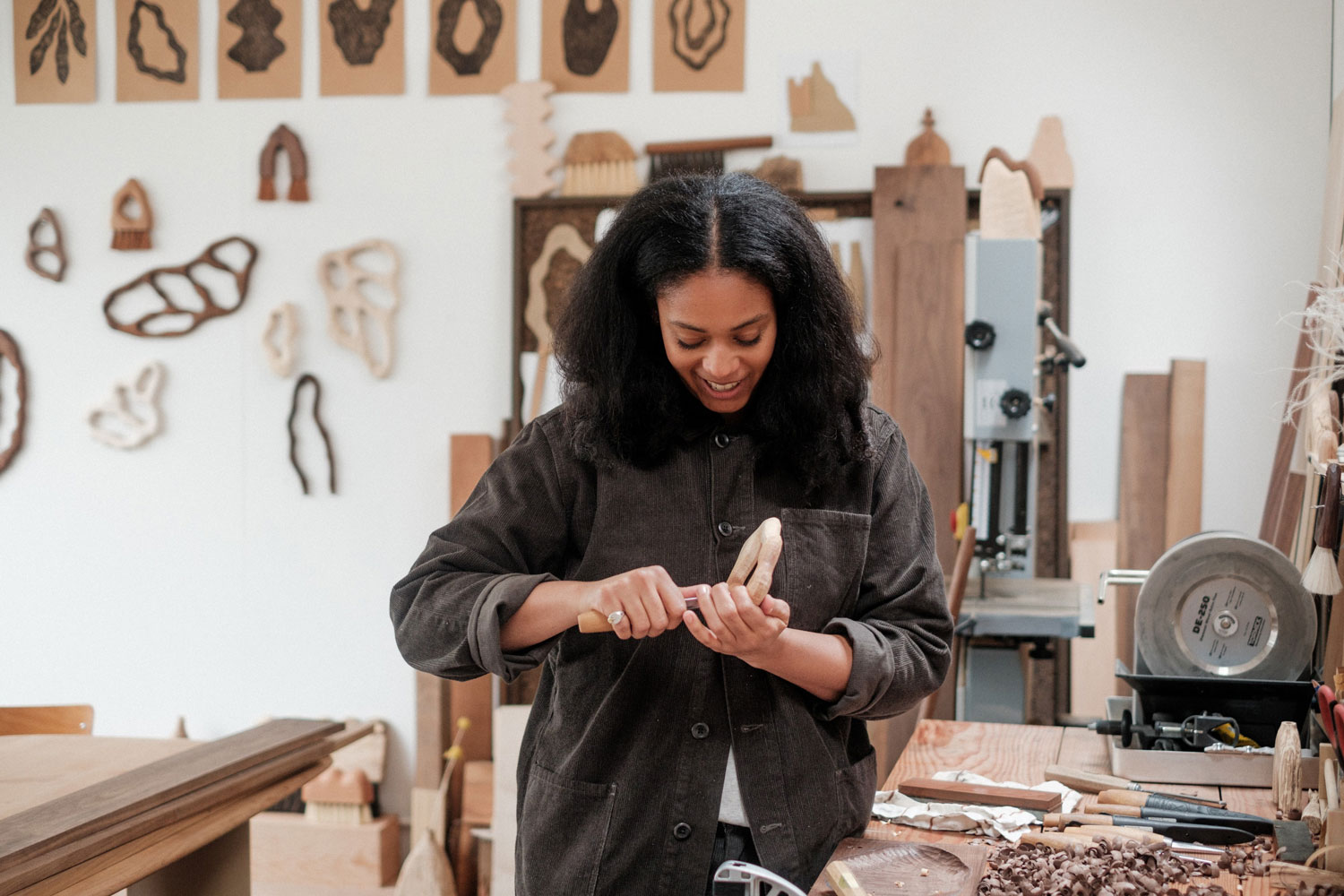
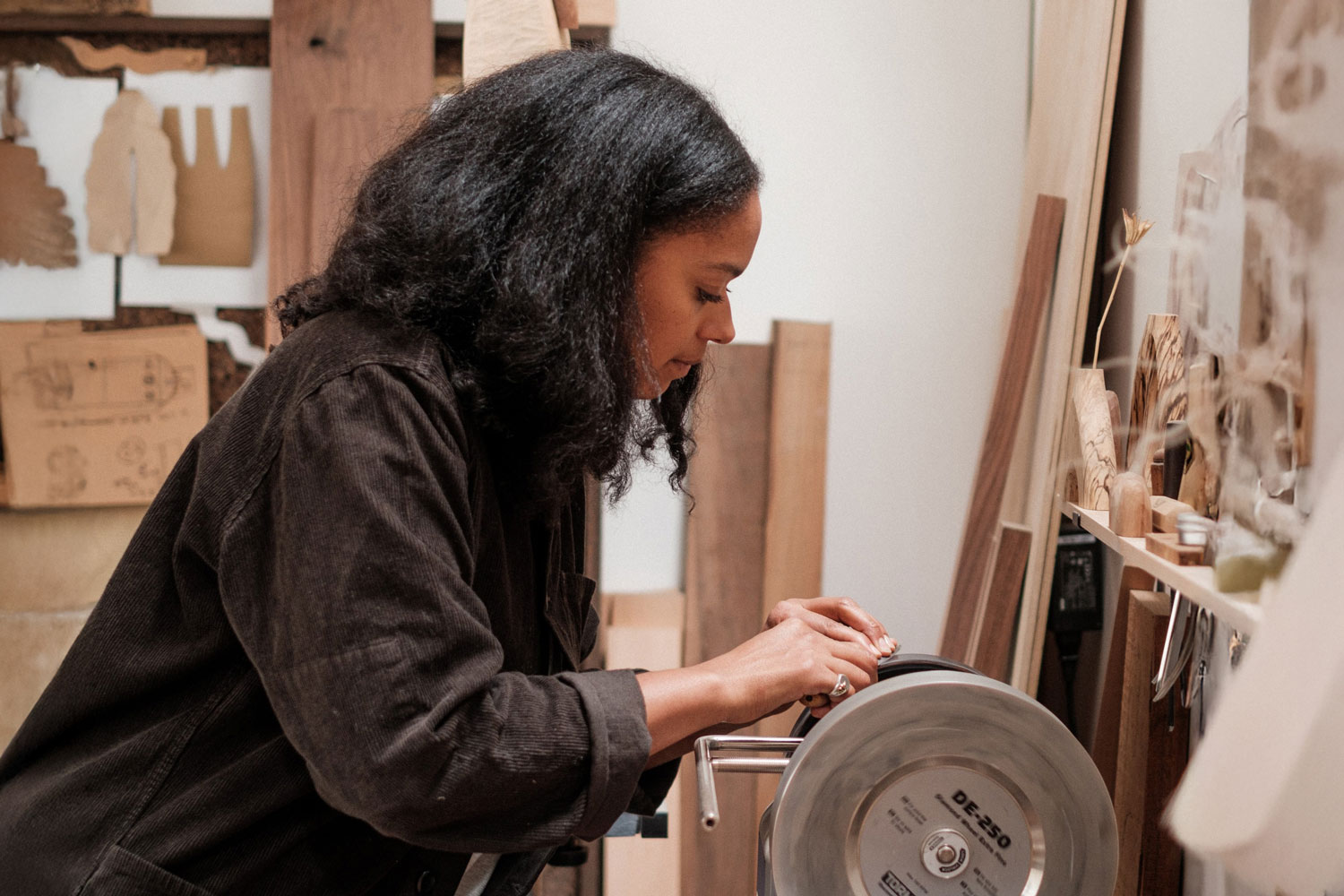
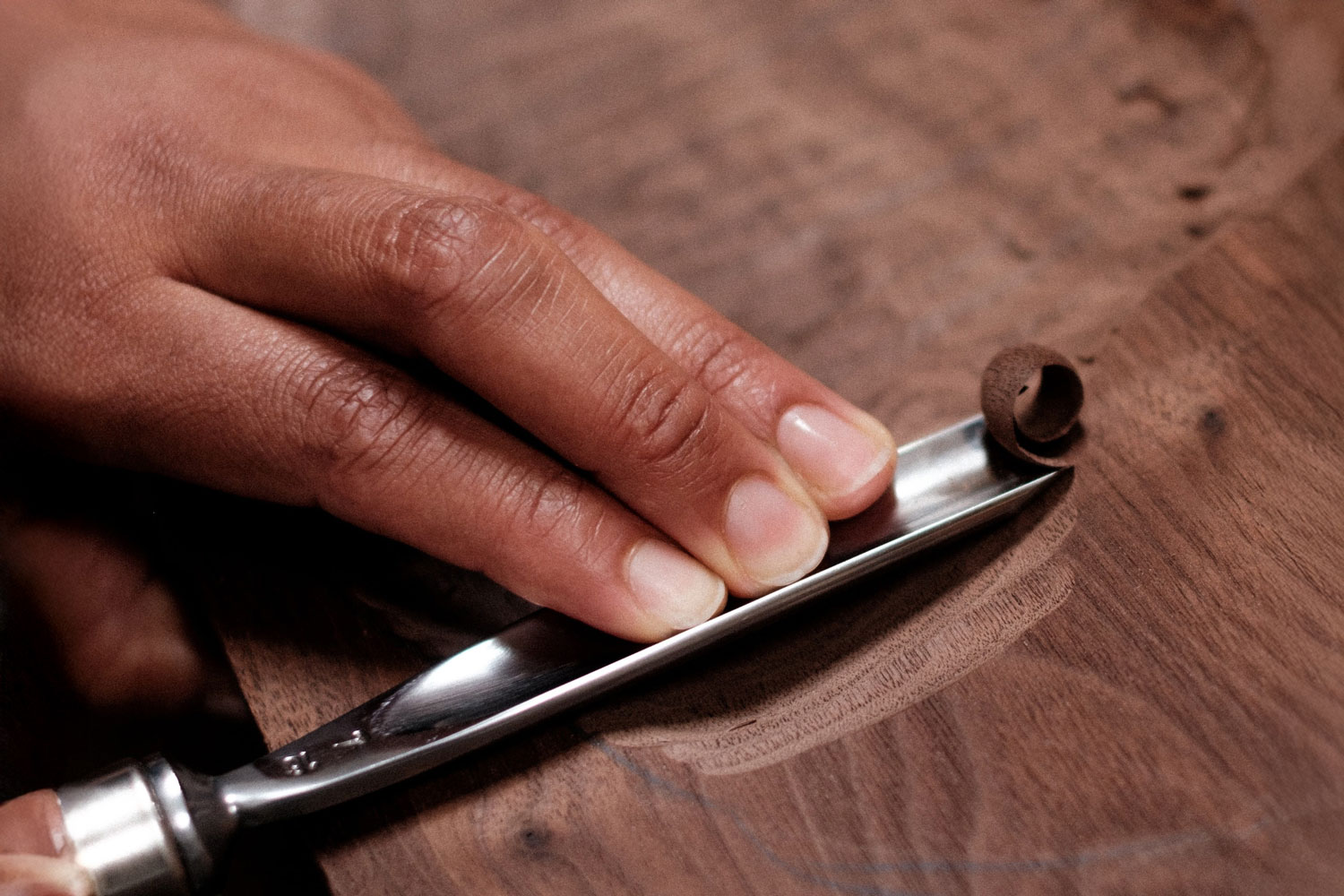
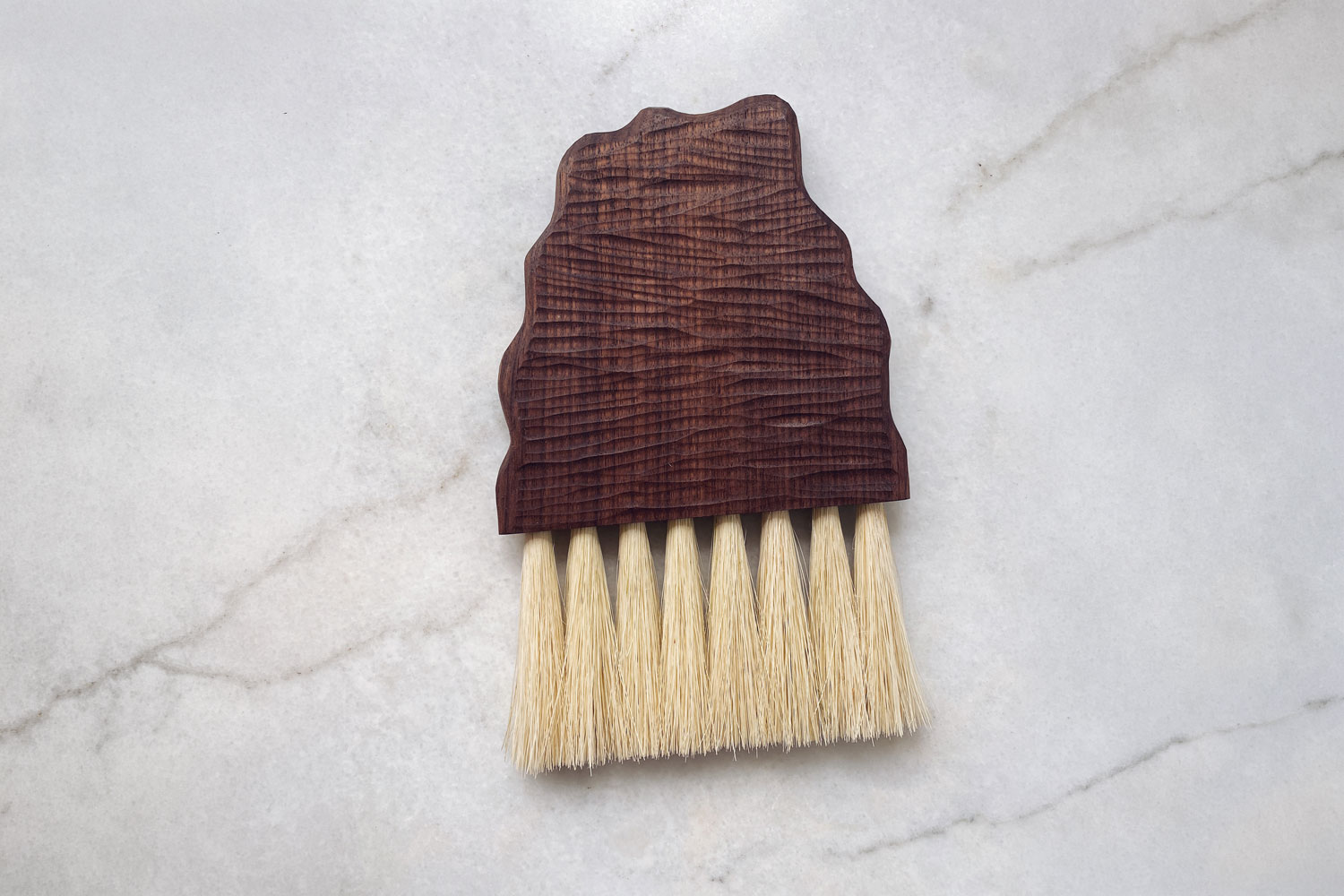
- Using knives and chisels, she highlights visible marks of making
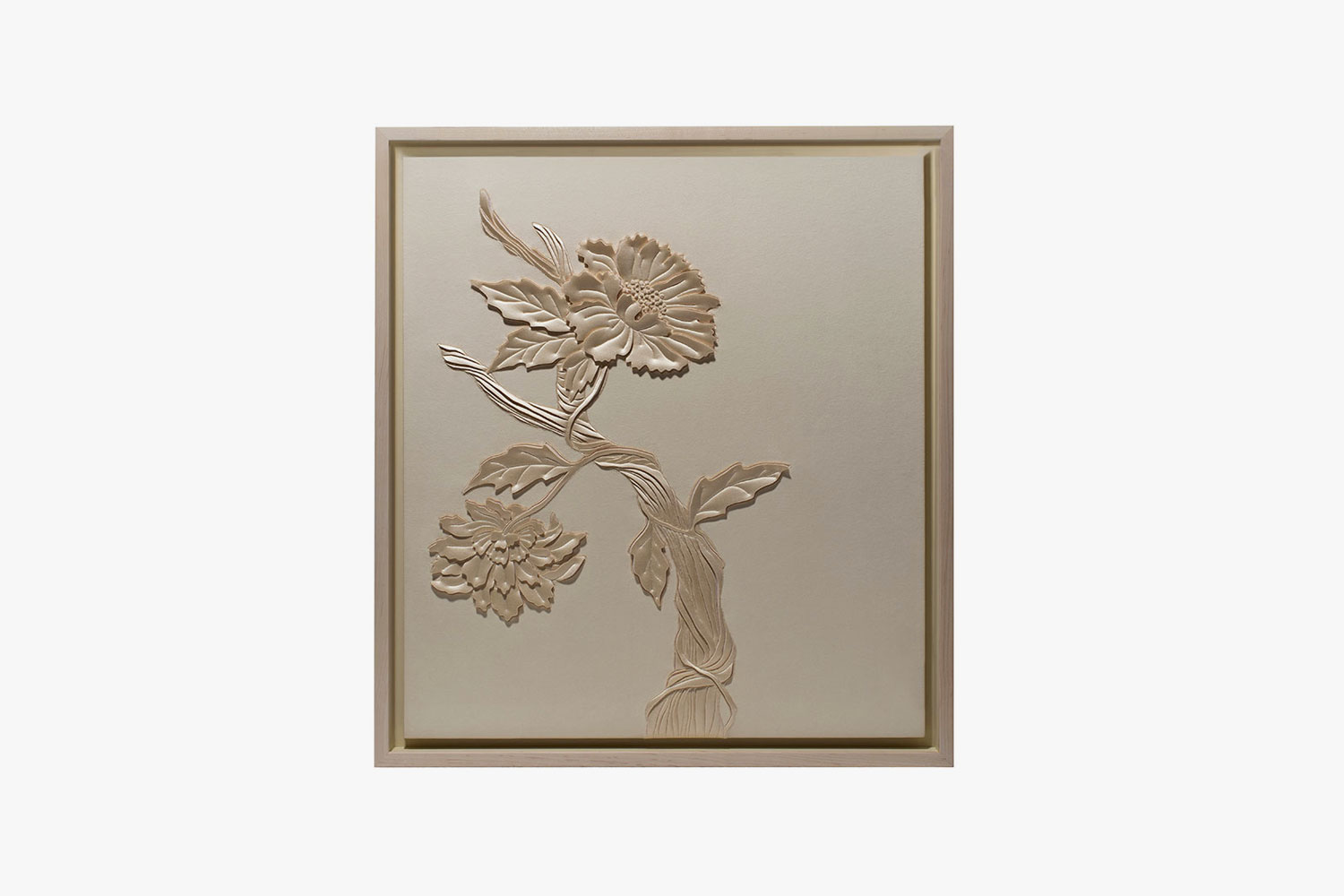
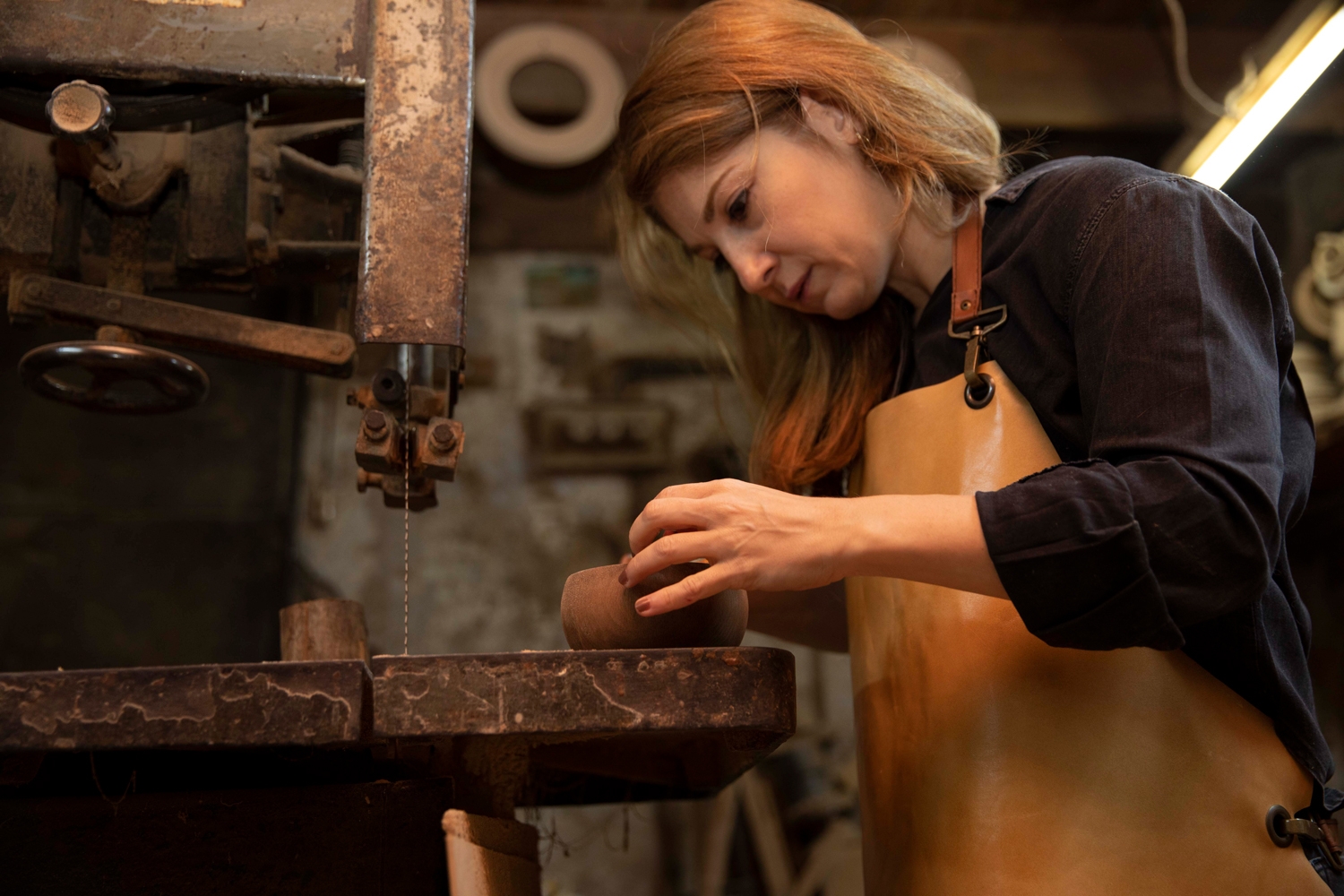
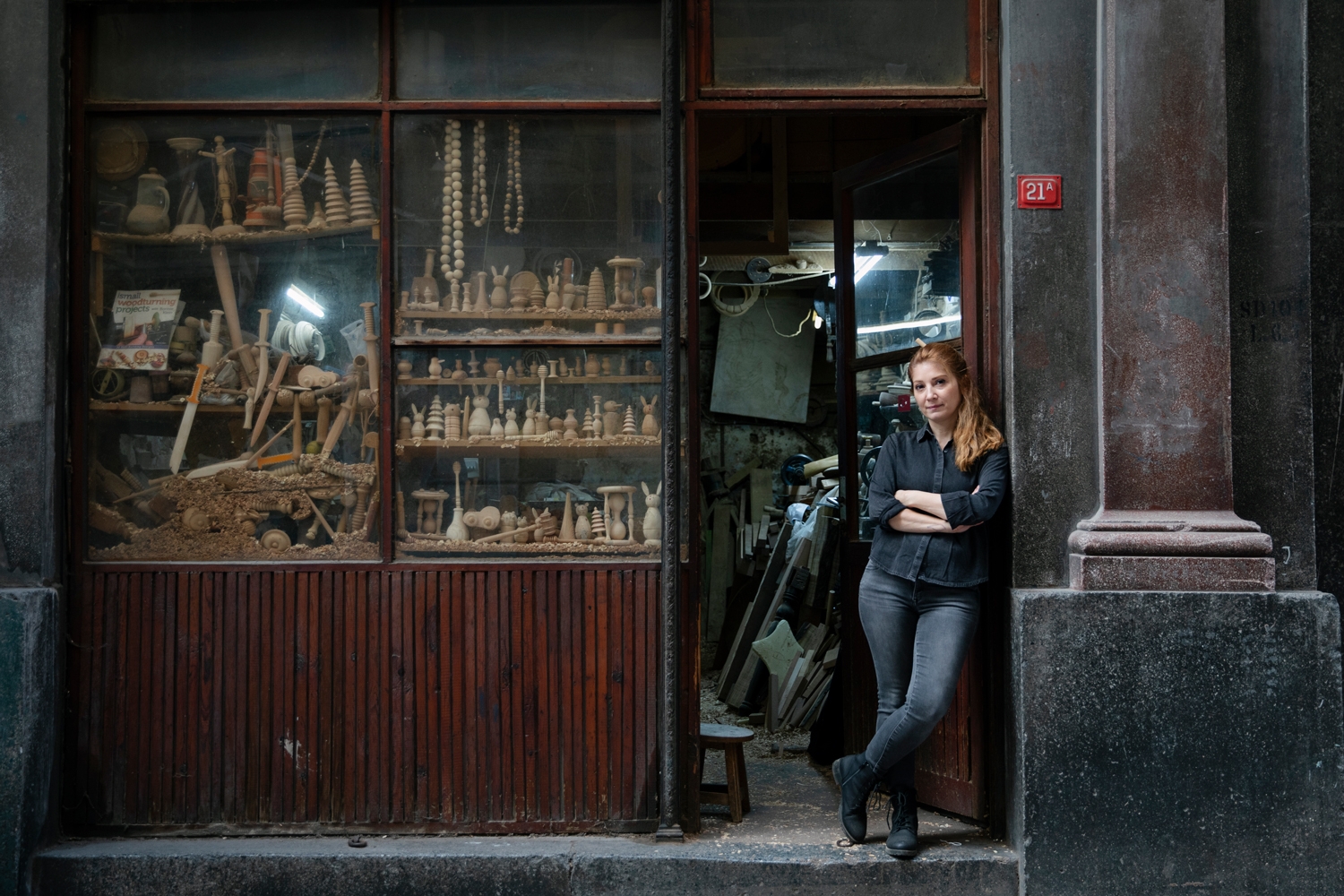
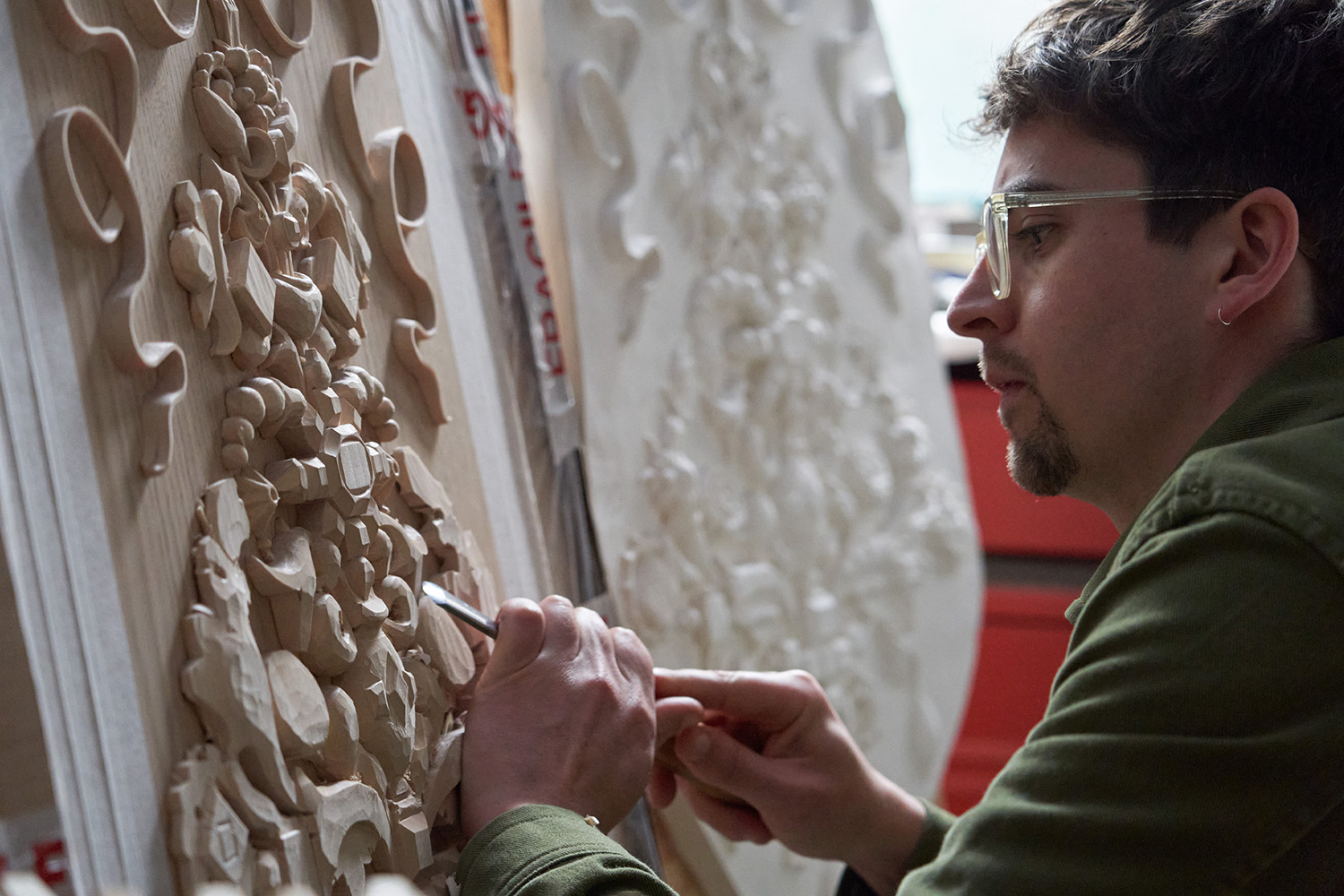
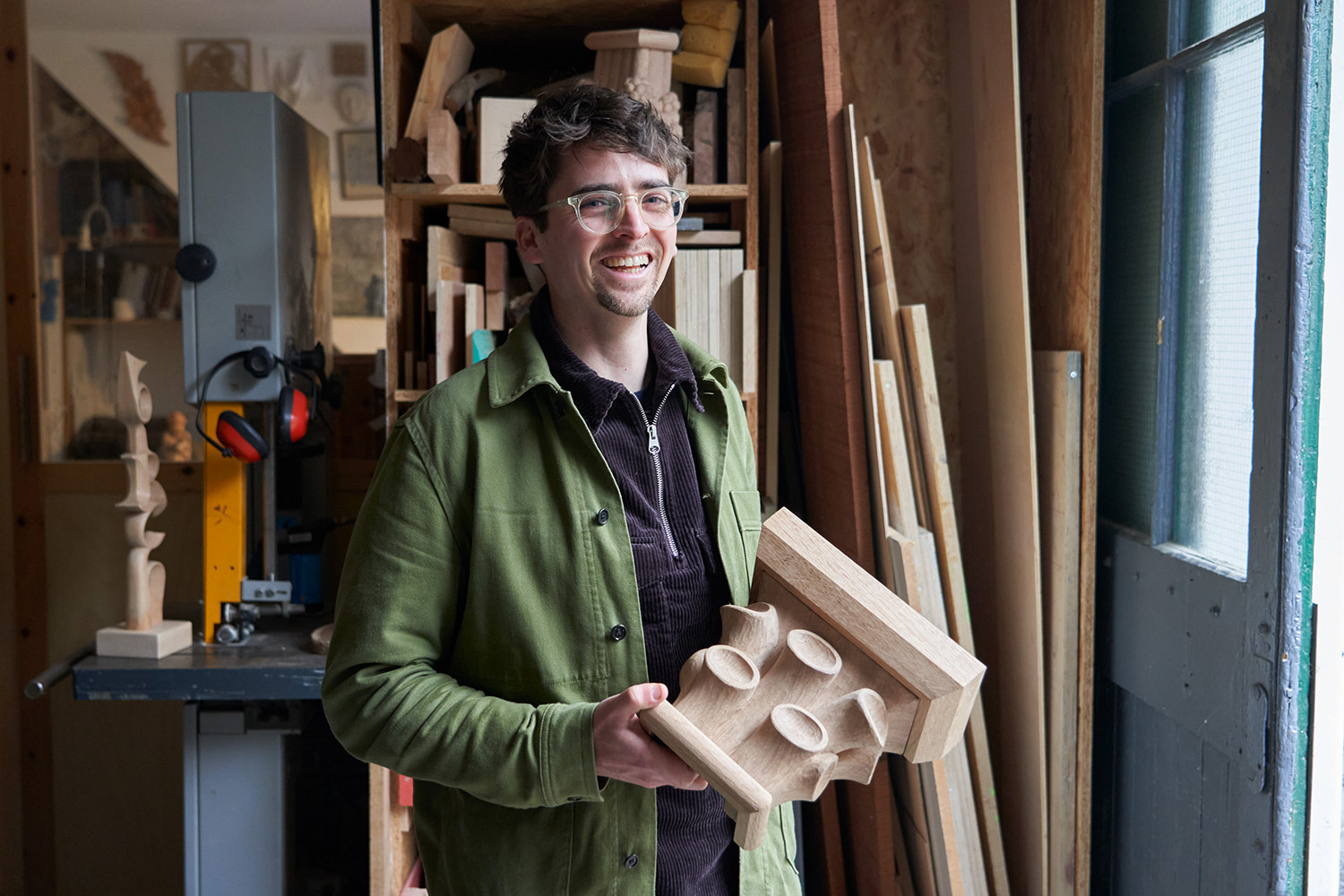
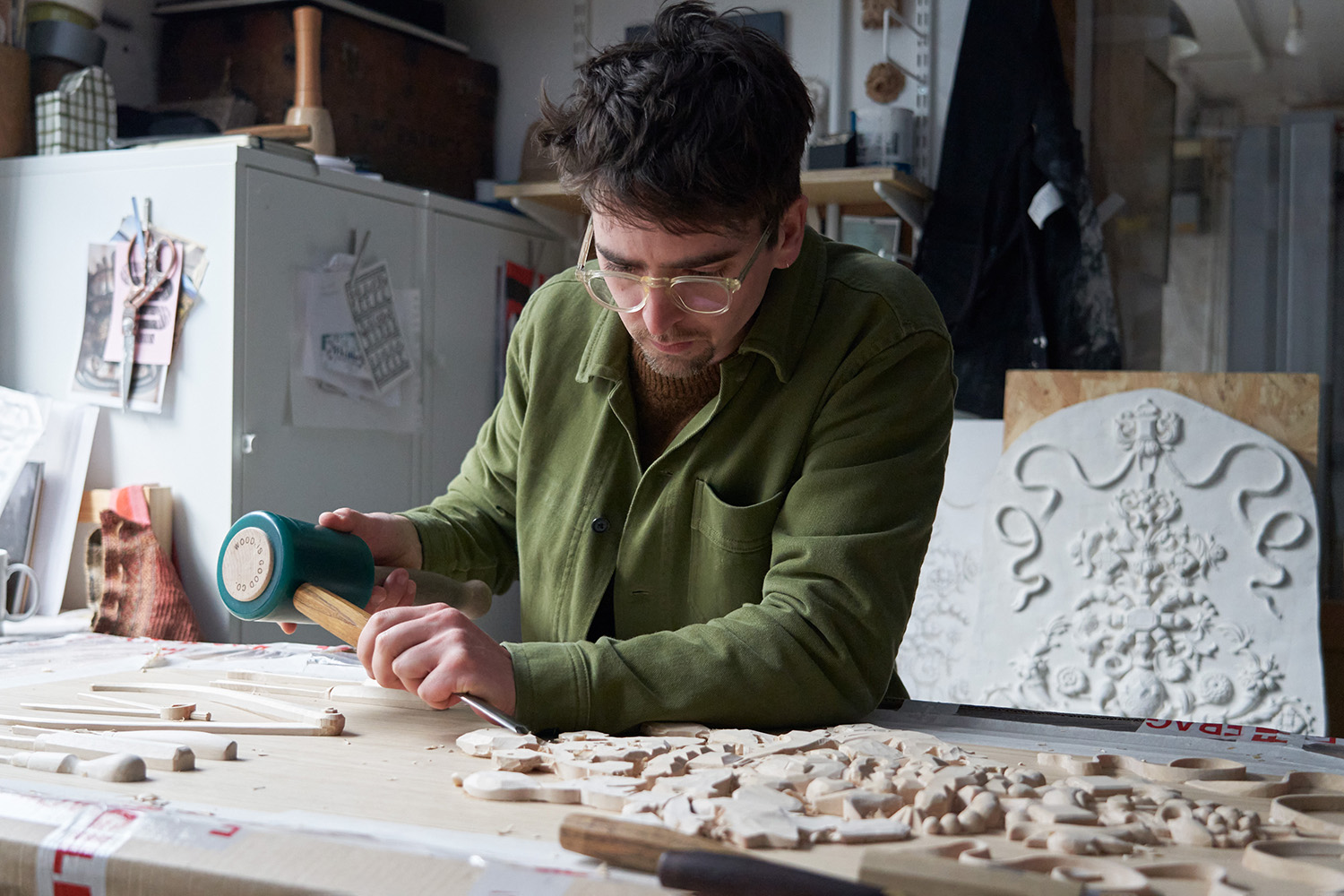
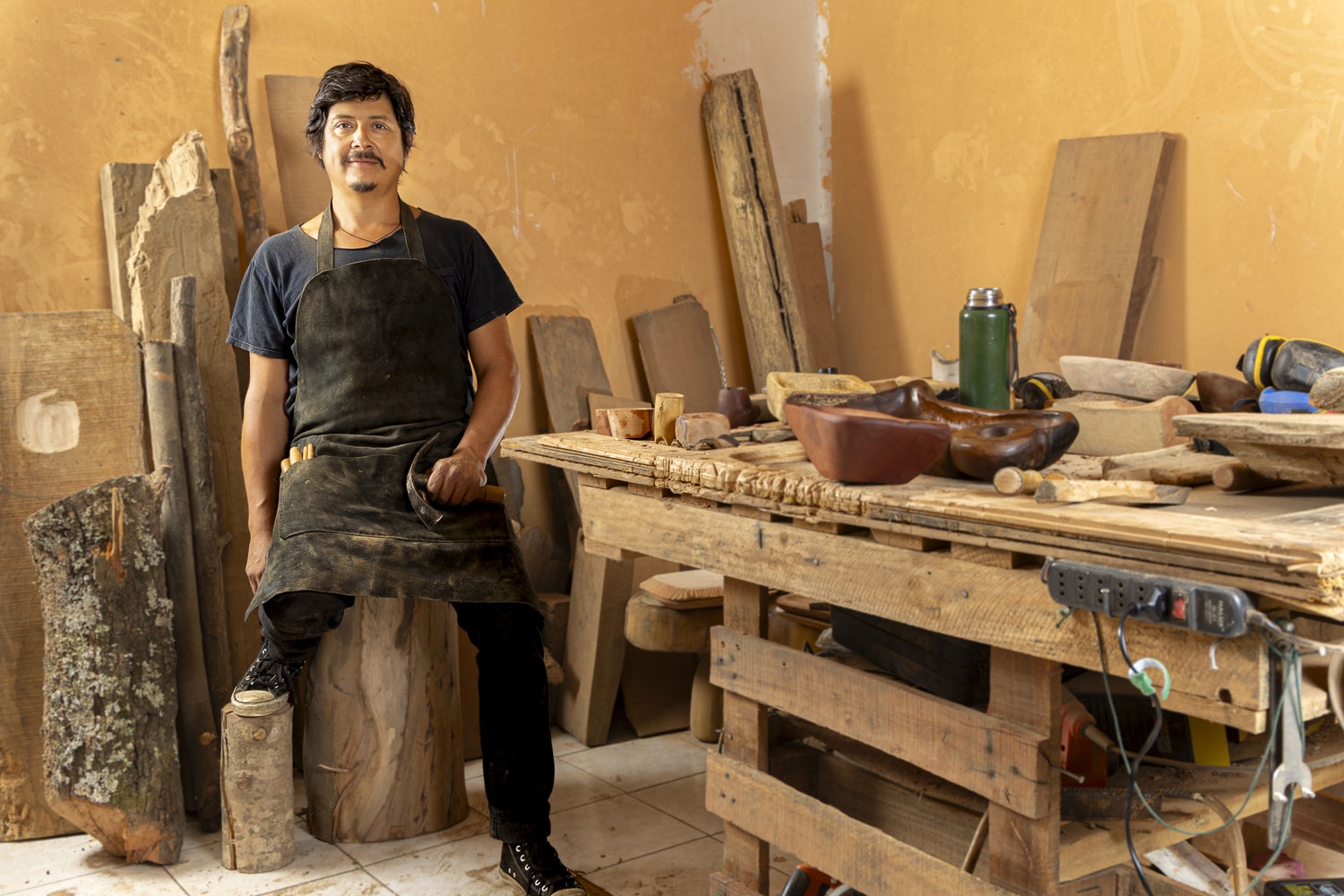
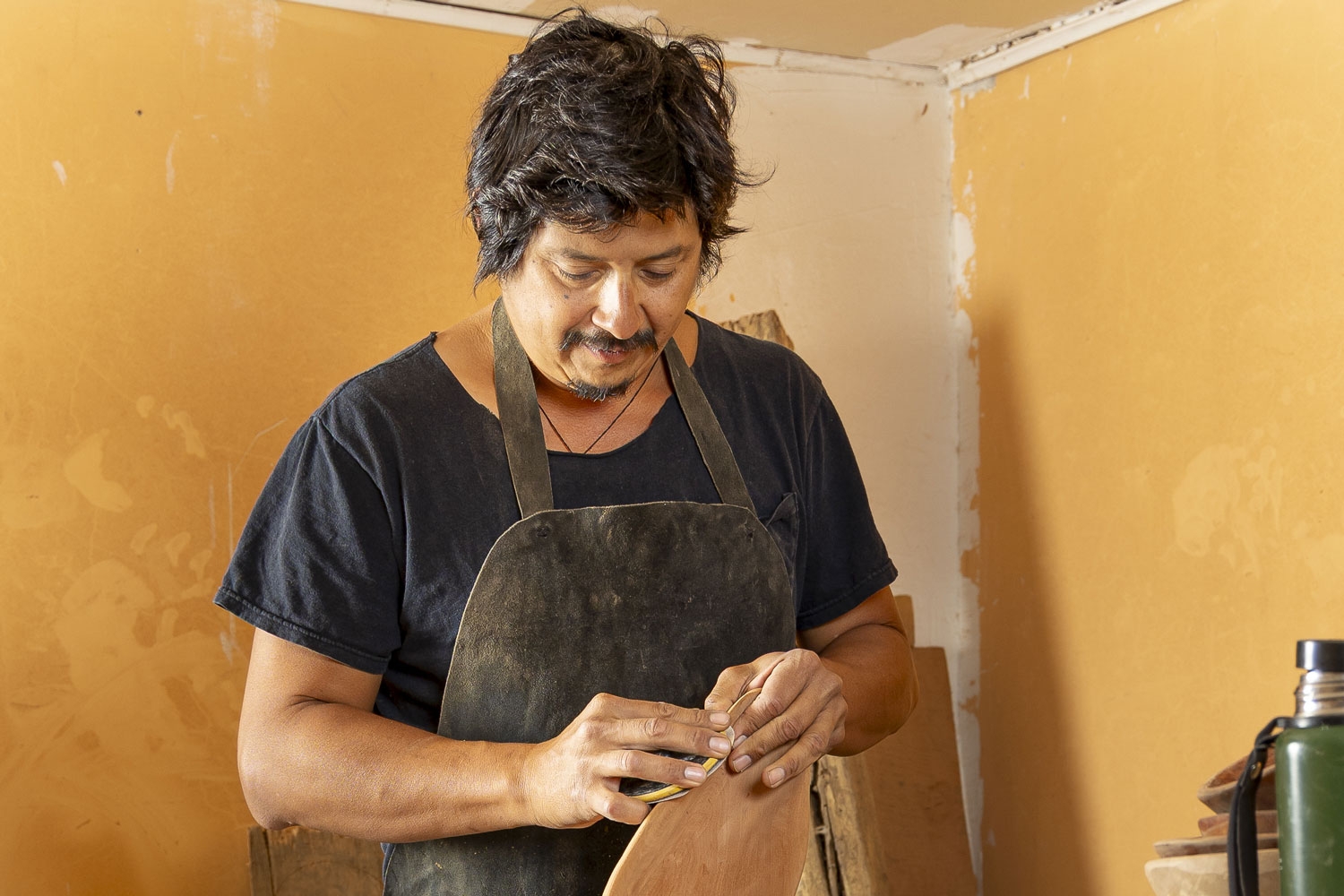
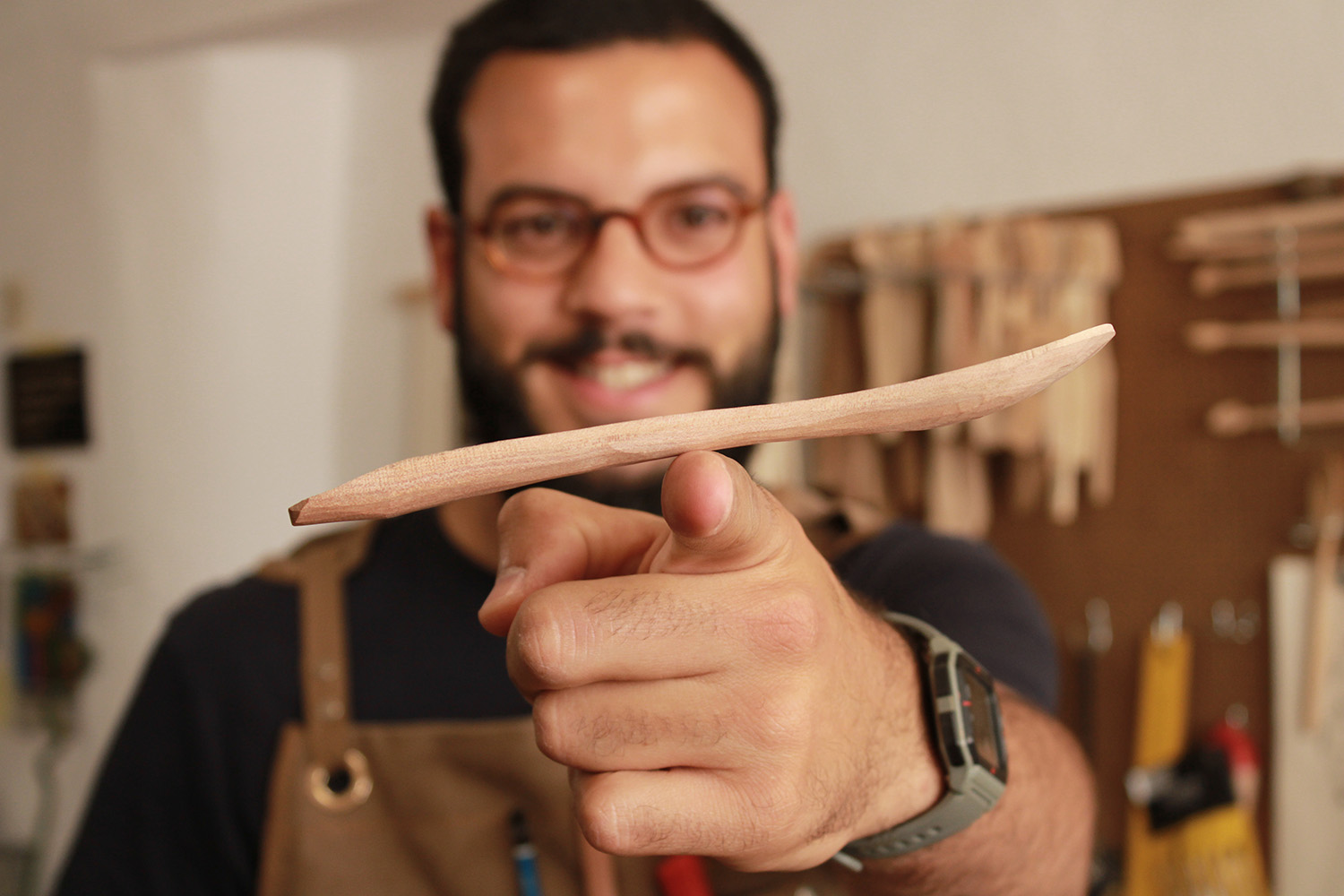
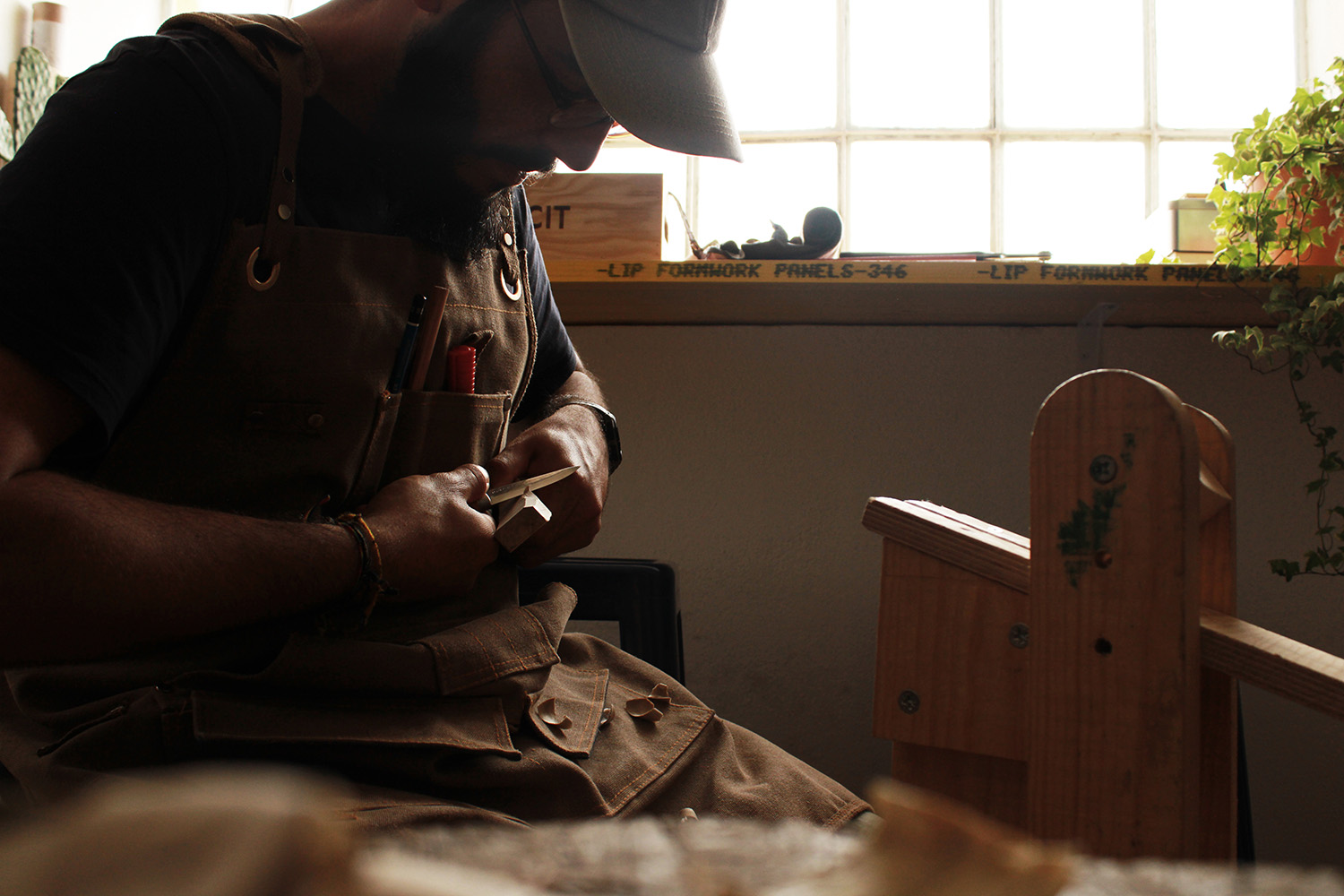
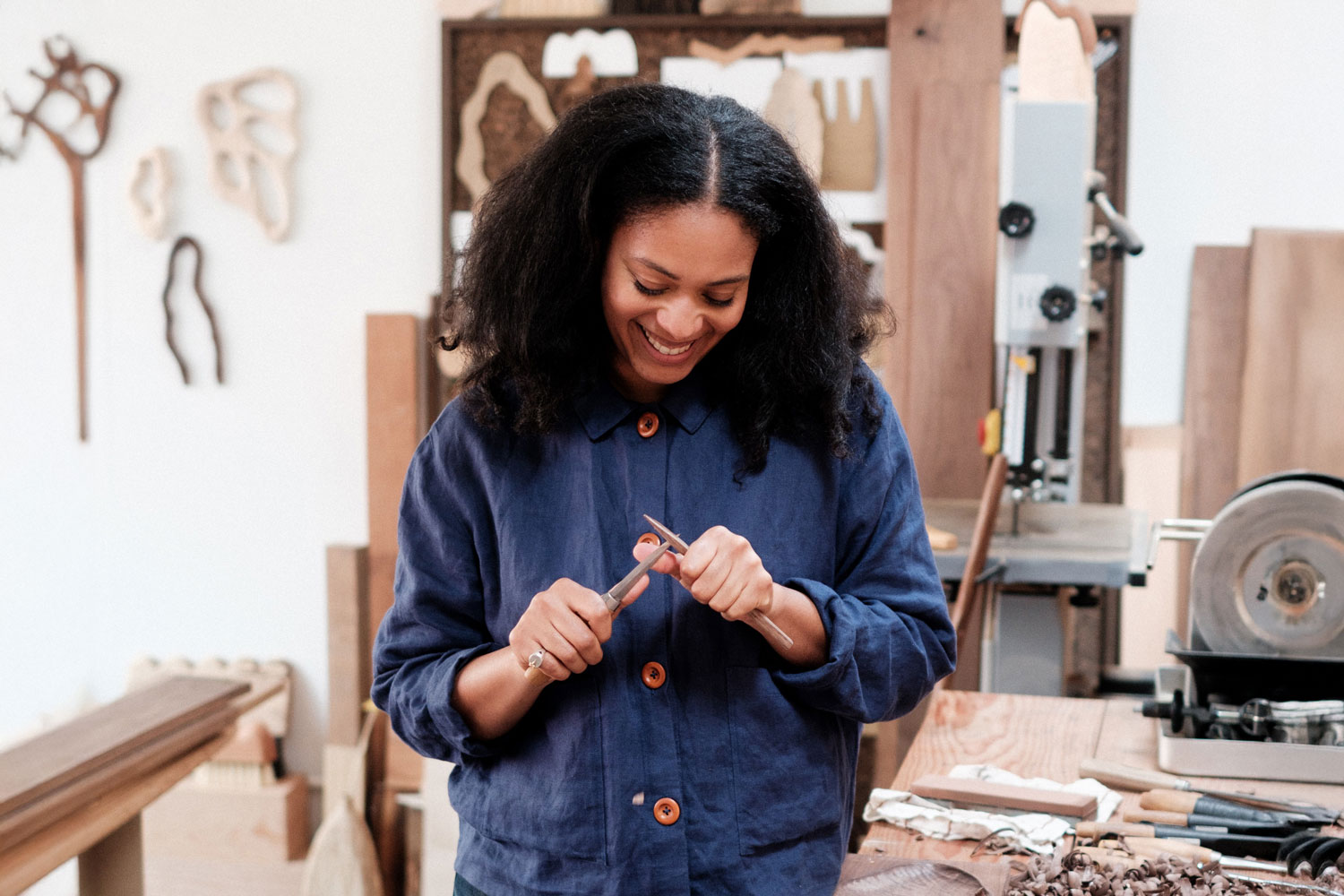
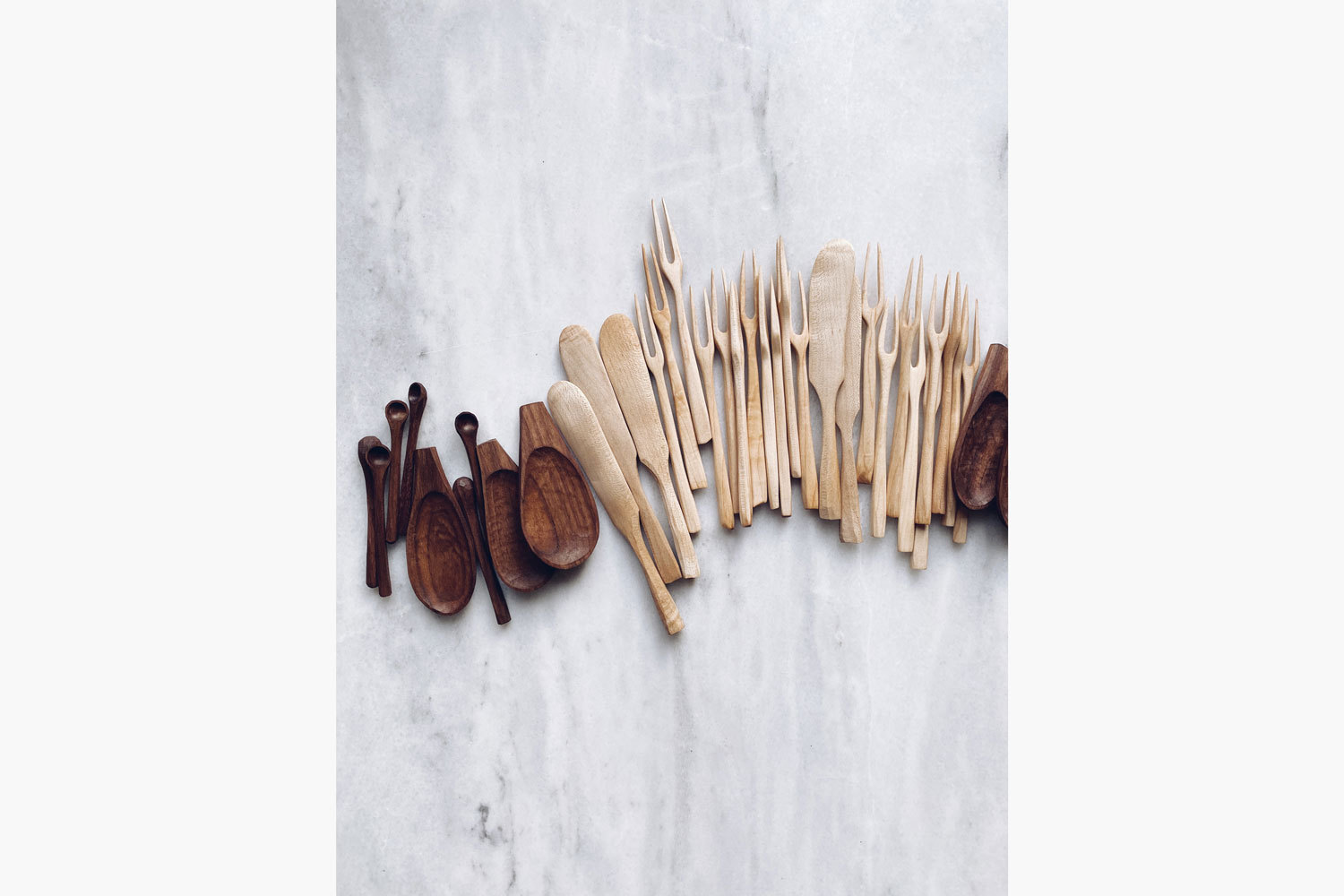
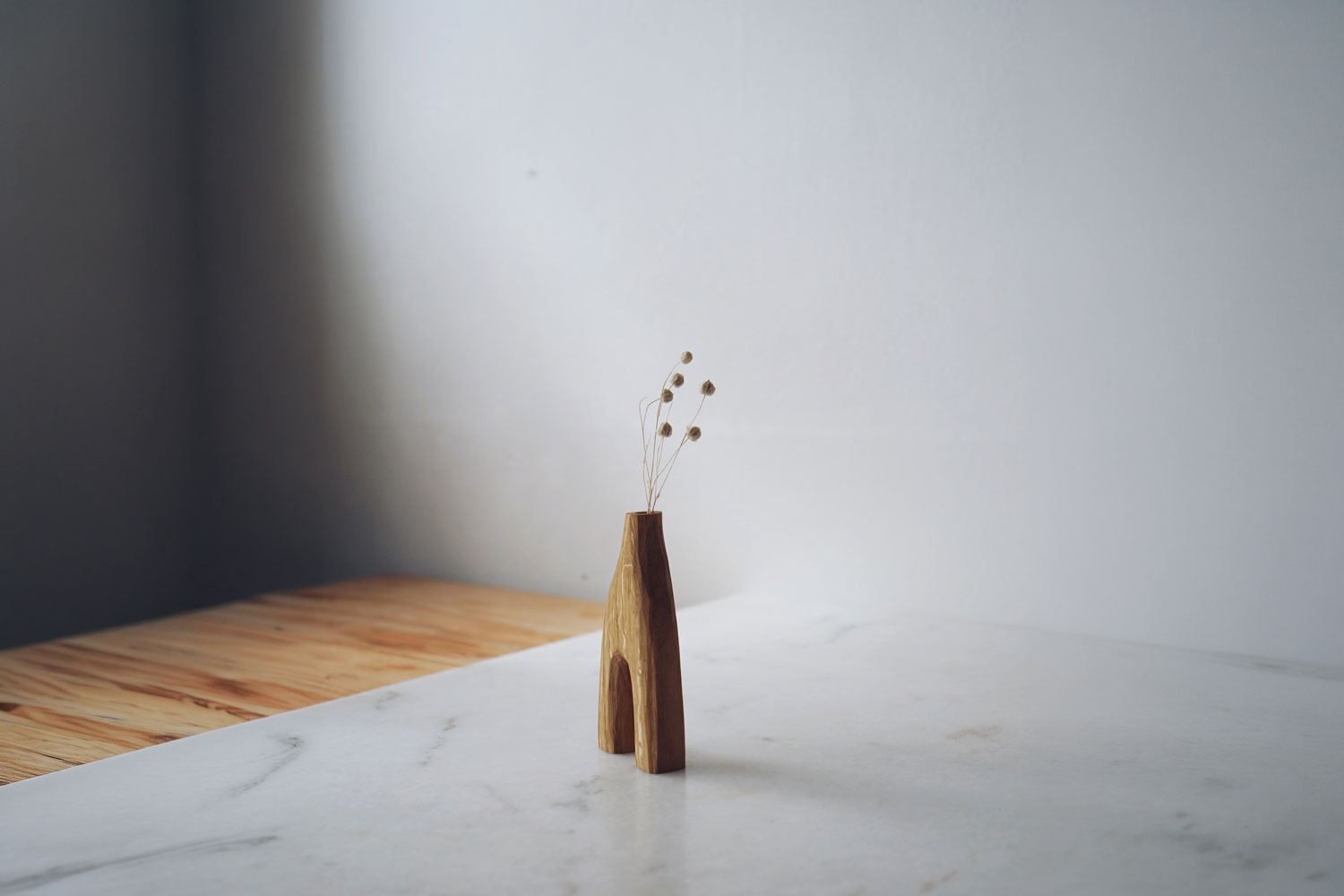
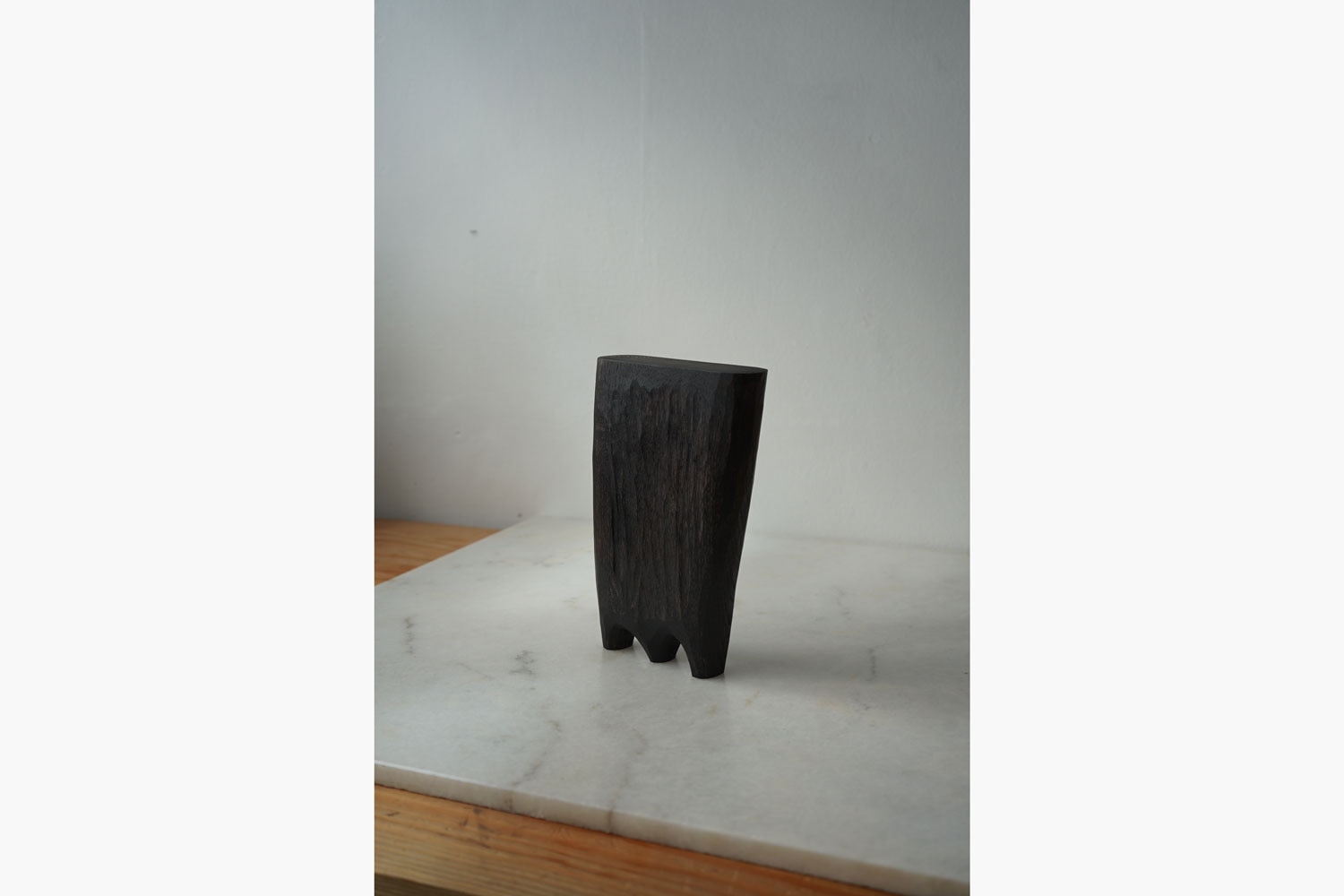
Sophie Sellu creates functional objects and wall pieces carved from British woods in New Cross, London. Before becoming a maker, she studied interior design and worked in visual merchandising and trend forecasting. "While I loved the research process, I found myself drawn to hands-on making," she says. In 2013, a workshop led Sophie to the Sussex woods, where she carved a spoon with rudimentary tools, surrounded by nature. "I found a sense of peace that I had never experienced in other creative outlets," she explains. When a redundancy offered Sophie the time to make, she gave herself six months to establish a practice. After securing a loan from the Prince's Trust, she began selling hand carved tableware at markets. "I only make things I would want to have in my own home," Sophie says. She maintains this one principle in her collaborations, such as in her recent work with furniture company Made.
INTERVIEW
At school, I had only tried my hand at woodwork machinery and fine woodworking. I did enjoy the process, but I found it quite restrictive. I like making things with texture and soul, that are different and somewhat weird. I focus less on precision and perfection.
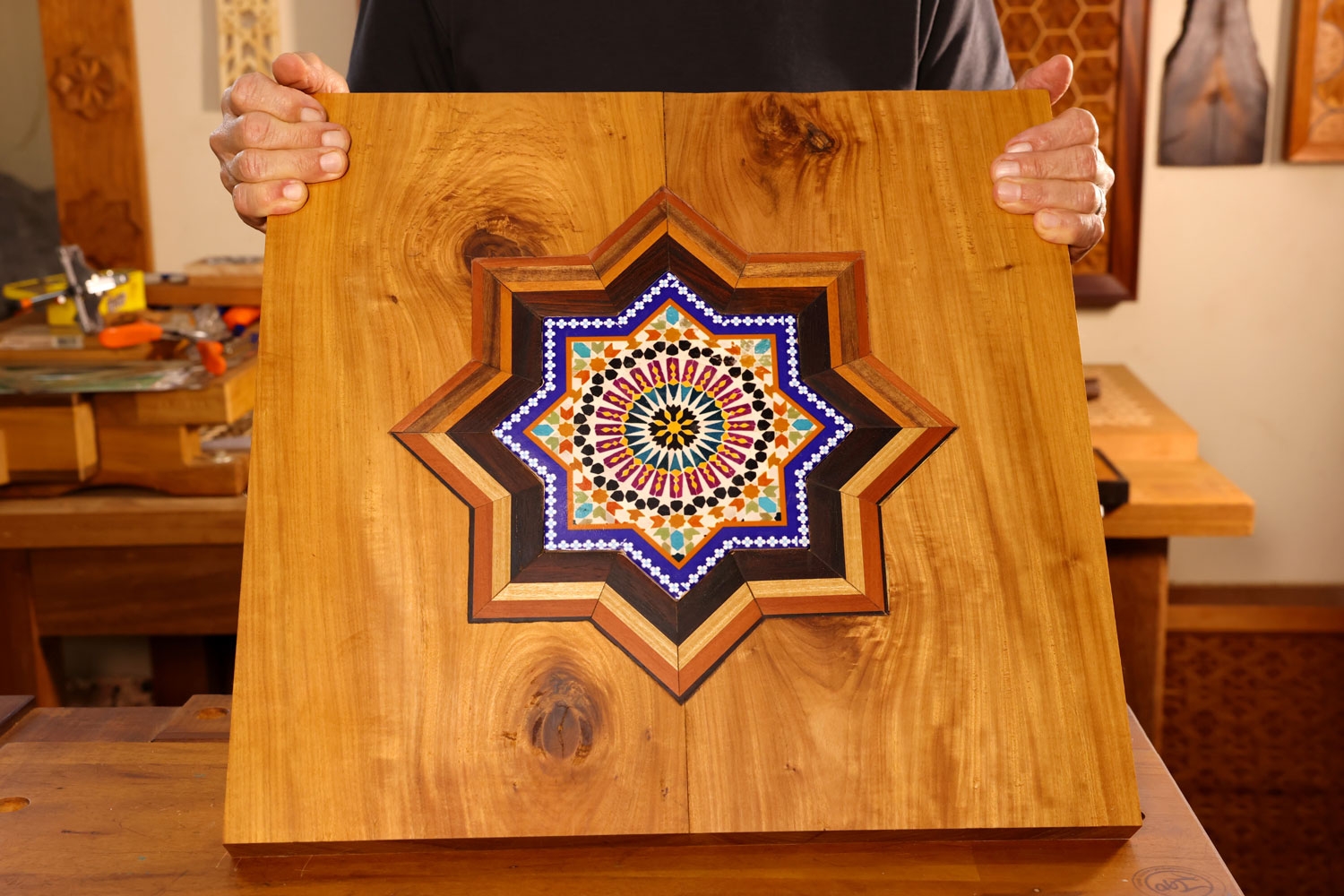
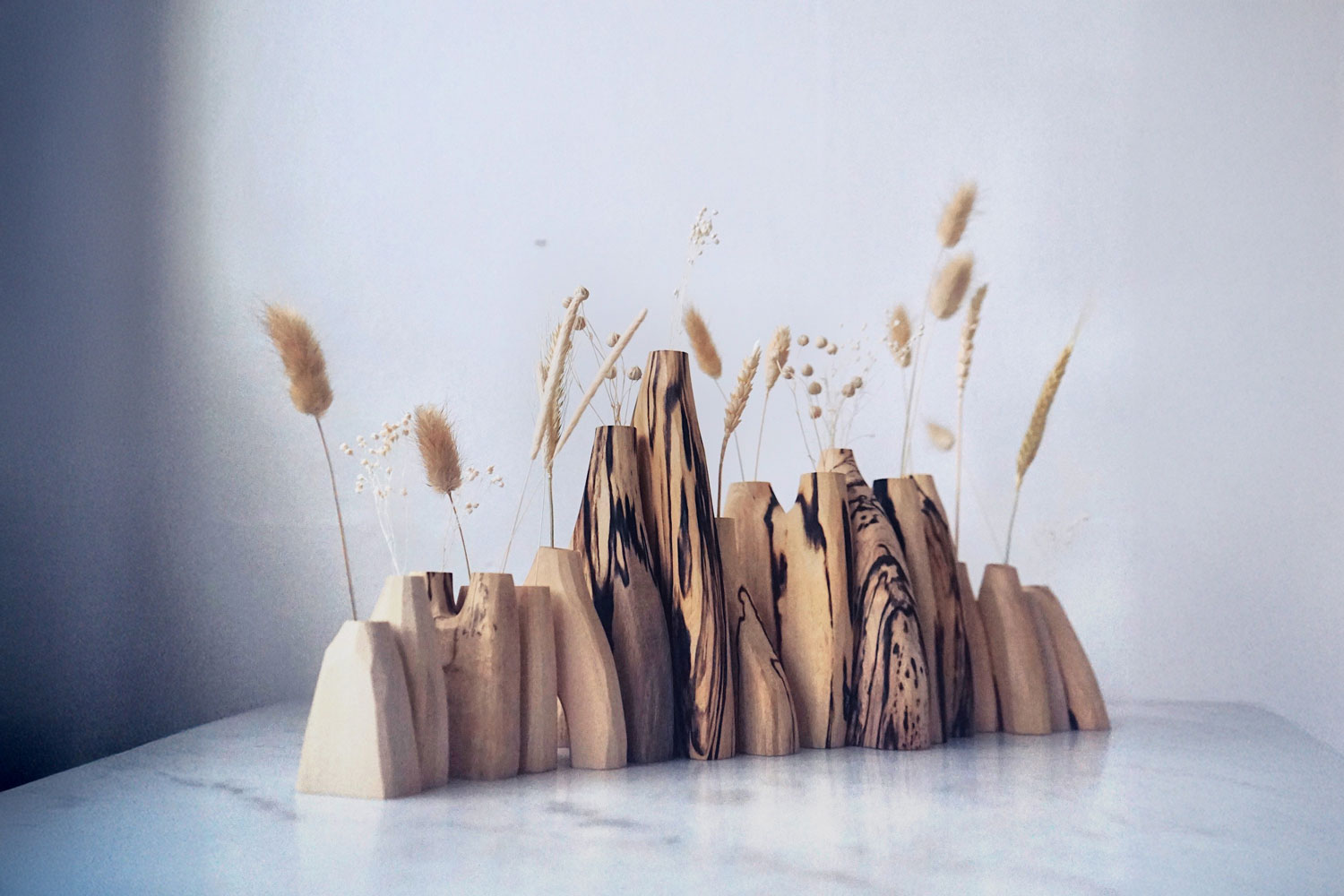
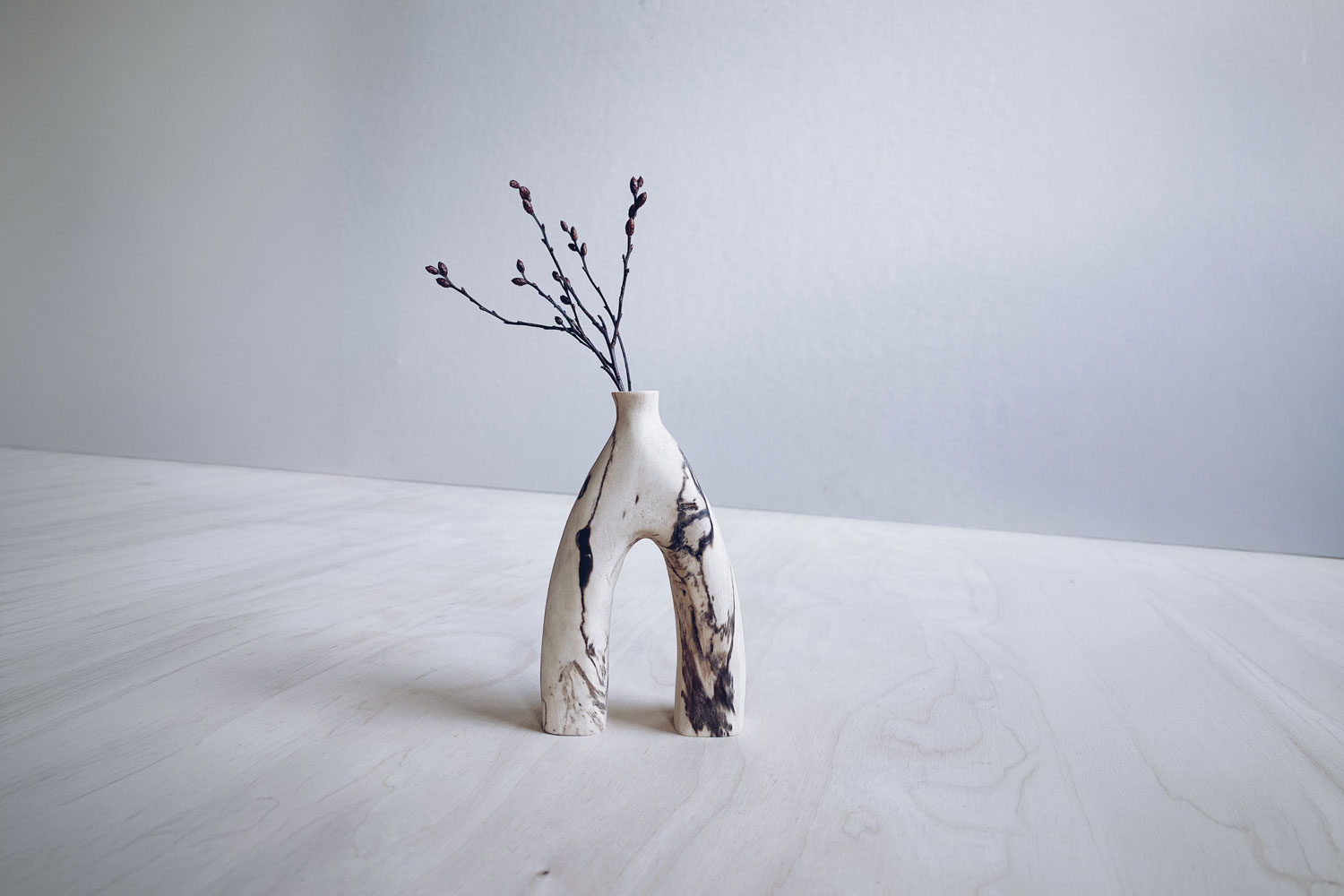
I source 80% of my wood from storm-fallen trees, from people who own or manage British woodlands. I also source wood from reclamation yards. I have not bought anything new for around four or five years. I love spalted timbers because their unique patterns are created with decay and fungus.
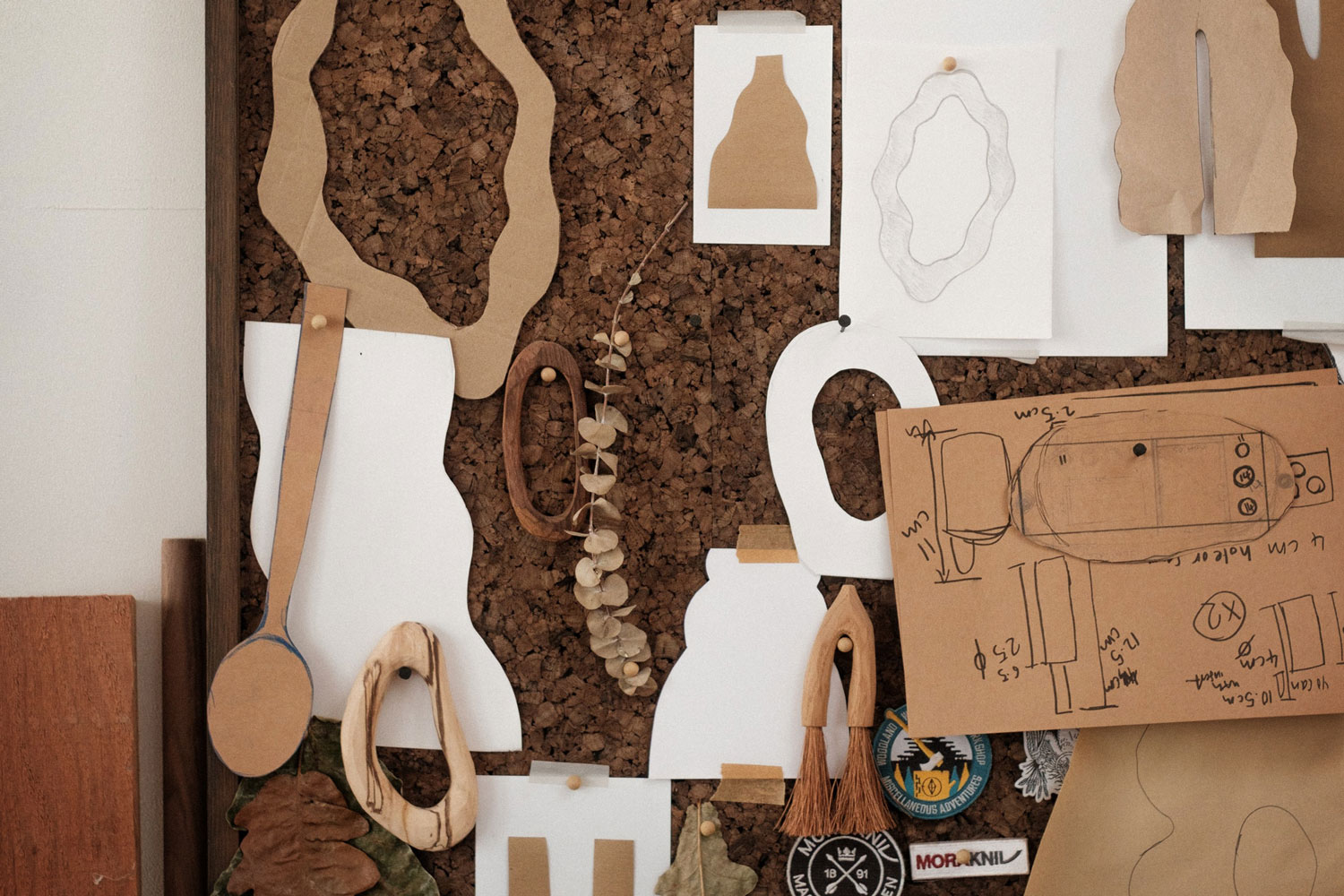
I started my practice by making tableware, and now I focus on sculptural pieces. I want to make forms I have never seen before. I try ideas out in paper and trust myself not to follow online trends. Sometimes I work for two weeks straight just because I enjoy the freedom of creativity.
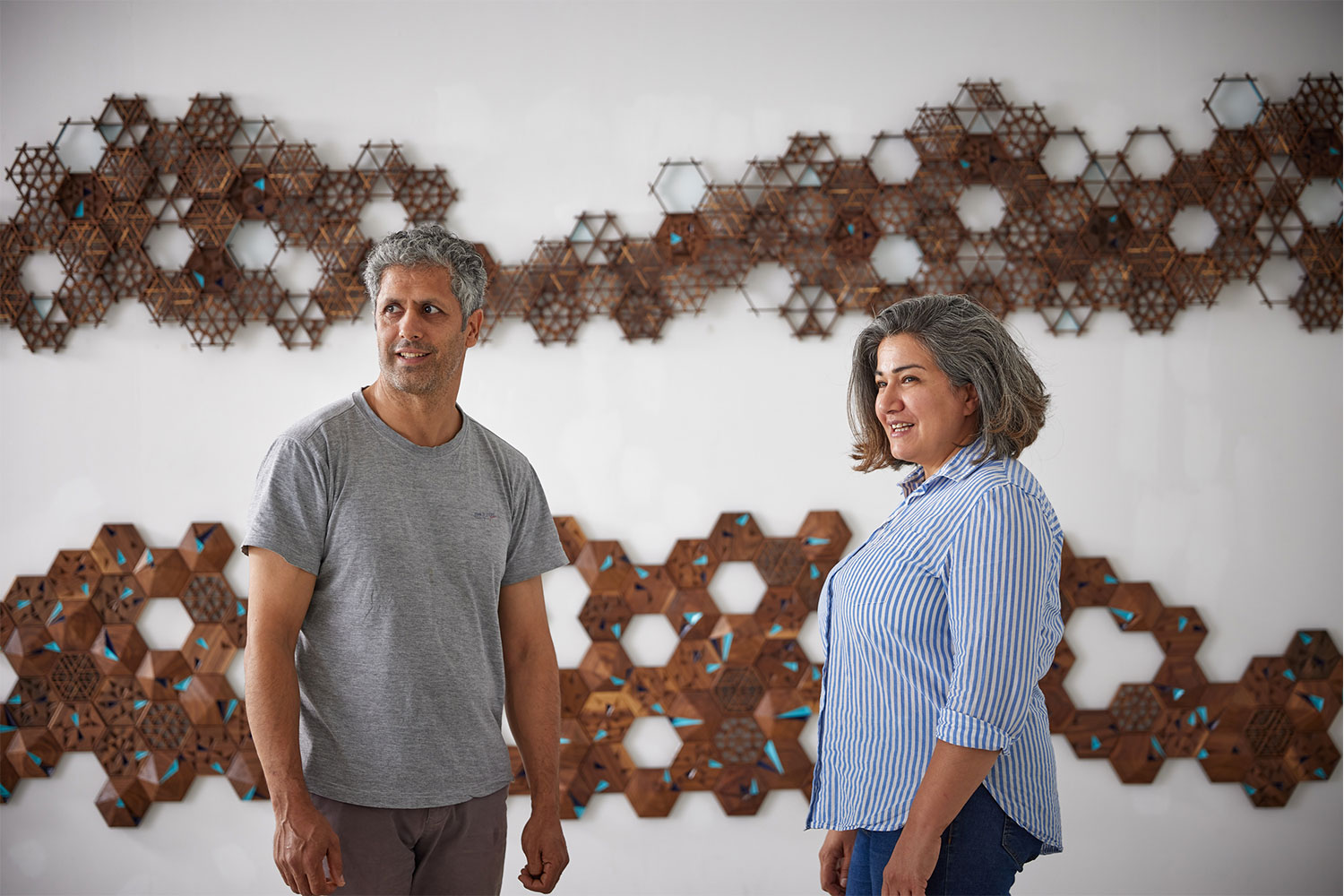
For 2026, I have set myself the challenge of creating one piece a week. Each piece will be a variation of a wall piece, framed within the same rectangular dimensions. This rhythm allows me to sell them an accessible price point, and encourages a free-flowing creative process. I am excited by the prospect of displaying all 52 pieces together in December.
Sophie Sellu
Woodcarver
London, United Kingdom
ADDRESS
Address upon request, London, United Kingdom
AVAILABILITY
By appointment only
LANGUAGES
English
Homo Faber Finds is a new service aiming to inspire admirers of craft to connect and collaborate with exceptional artisans.
We invite you to submit an enquiry here.