Severija Inčirauskaitė
Mixed media sculptor
Vilnius, Lithuania
The extraordinary union of metal and embroidery
- Severija draws inspiration from injustices happening in the world
- She compares her working method to that of a DJ assembling existing content
- Inspiration comes to her from the making process itself
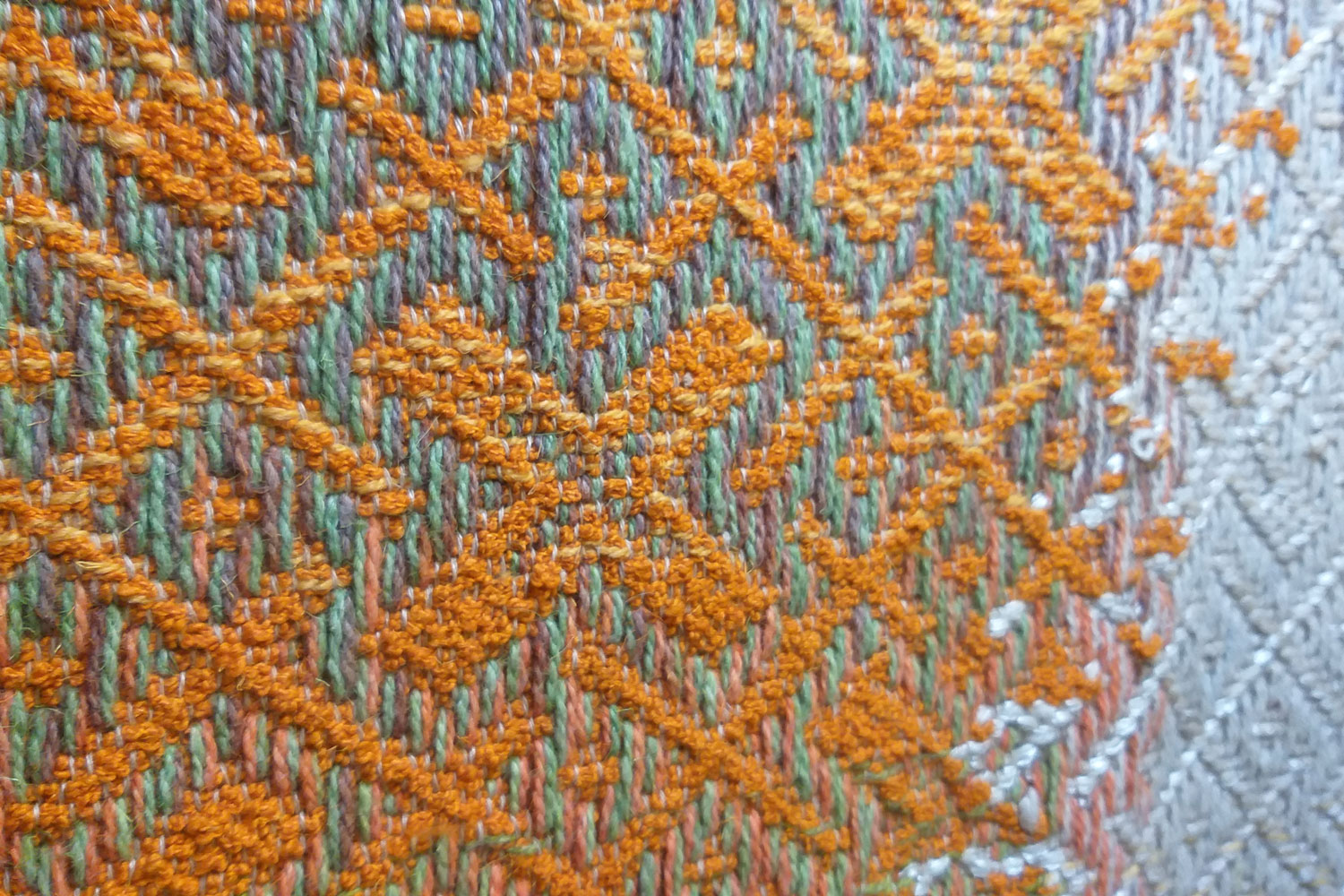
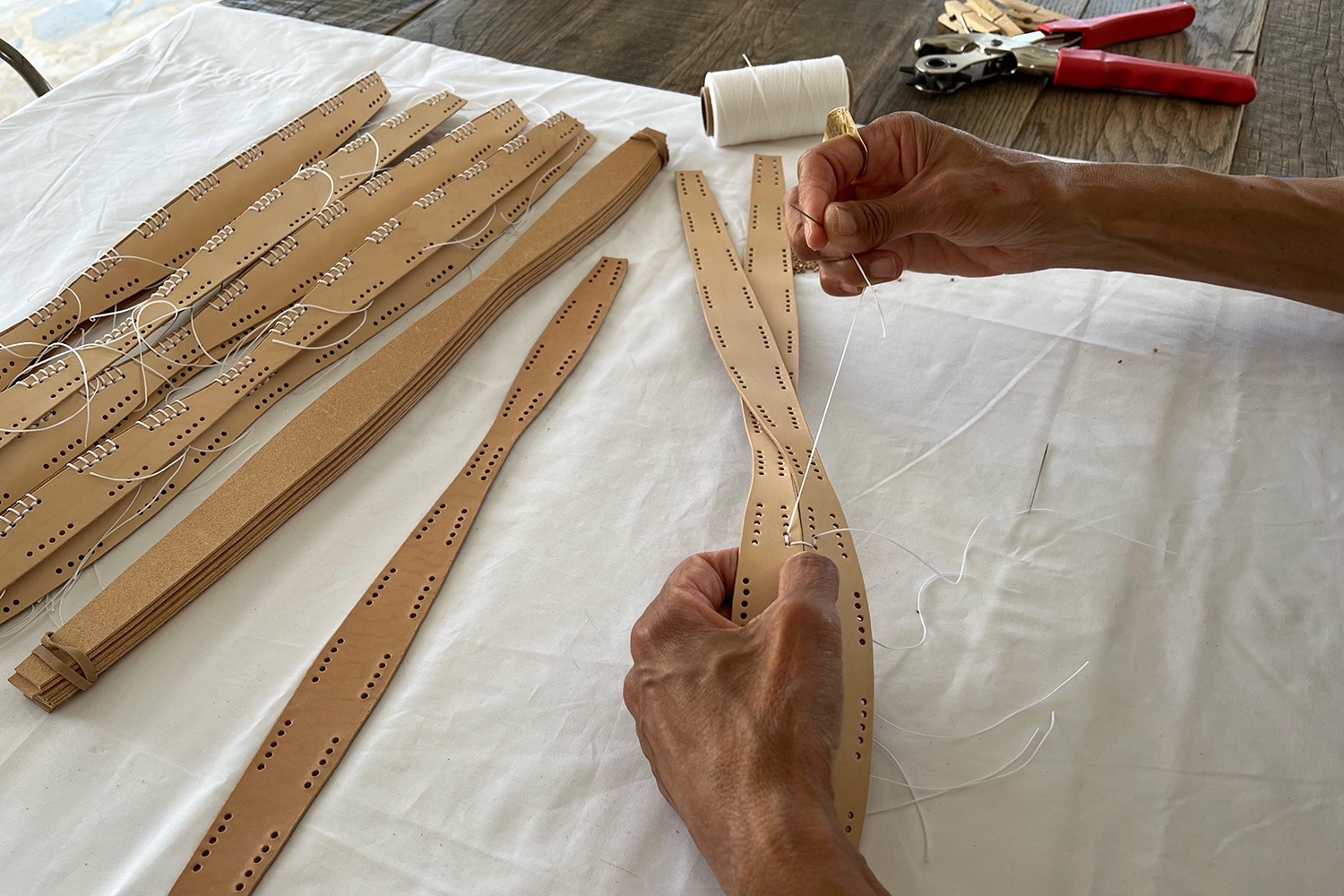
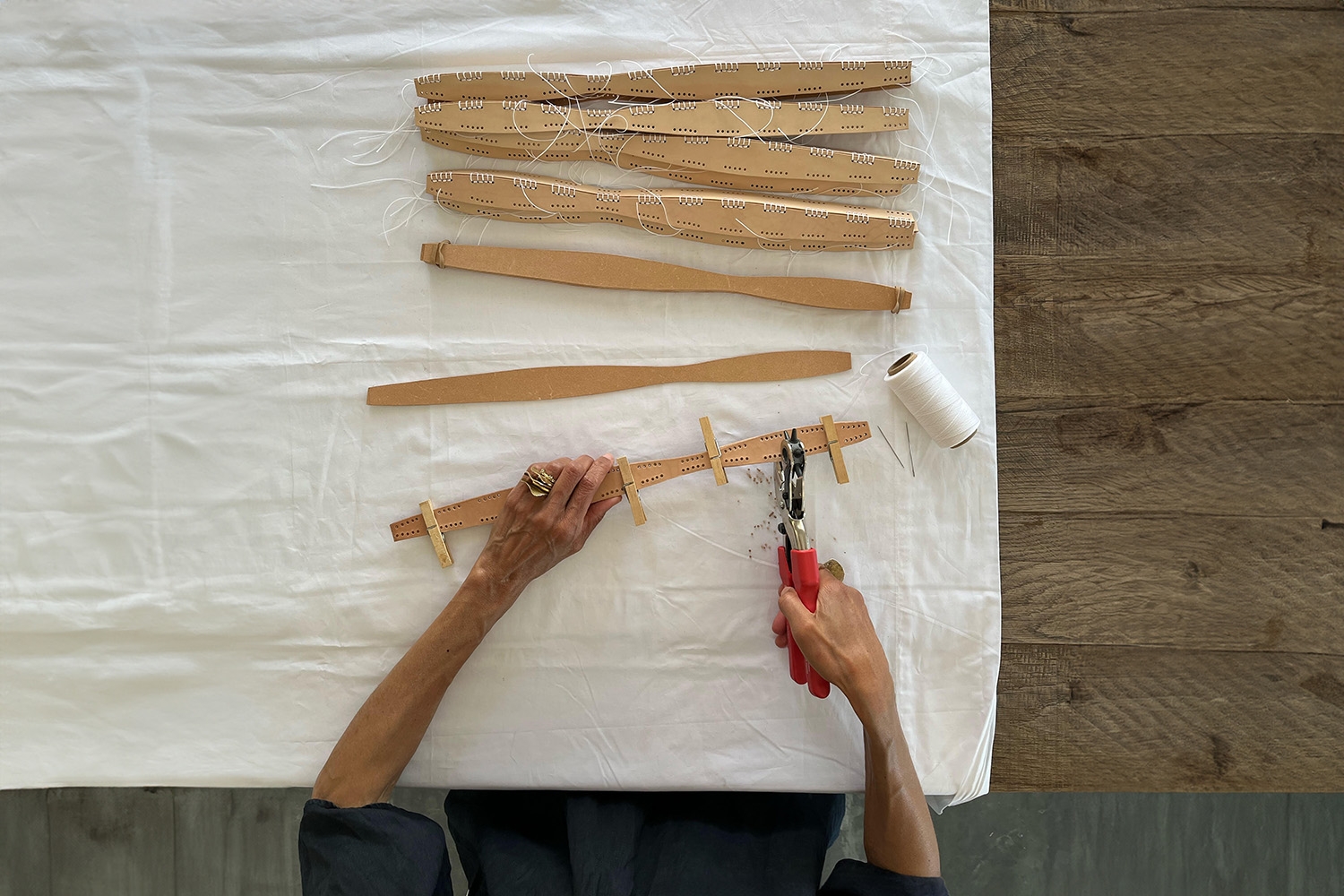
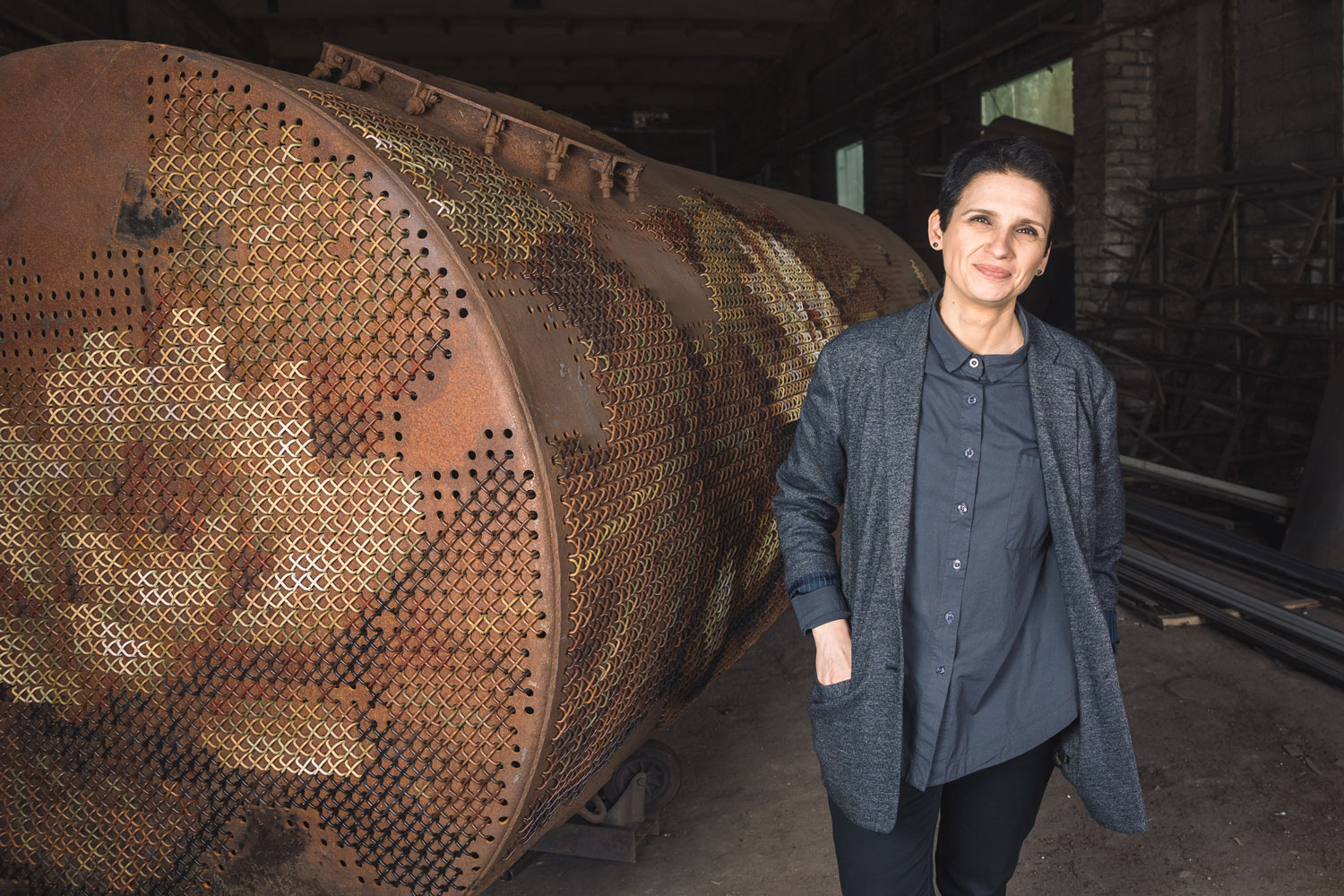
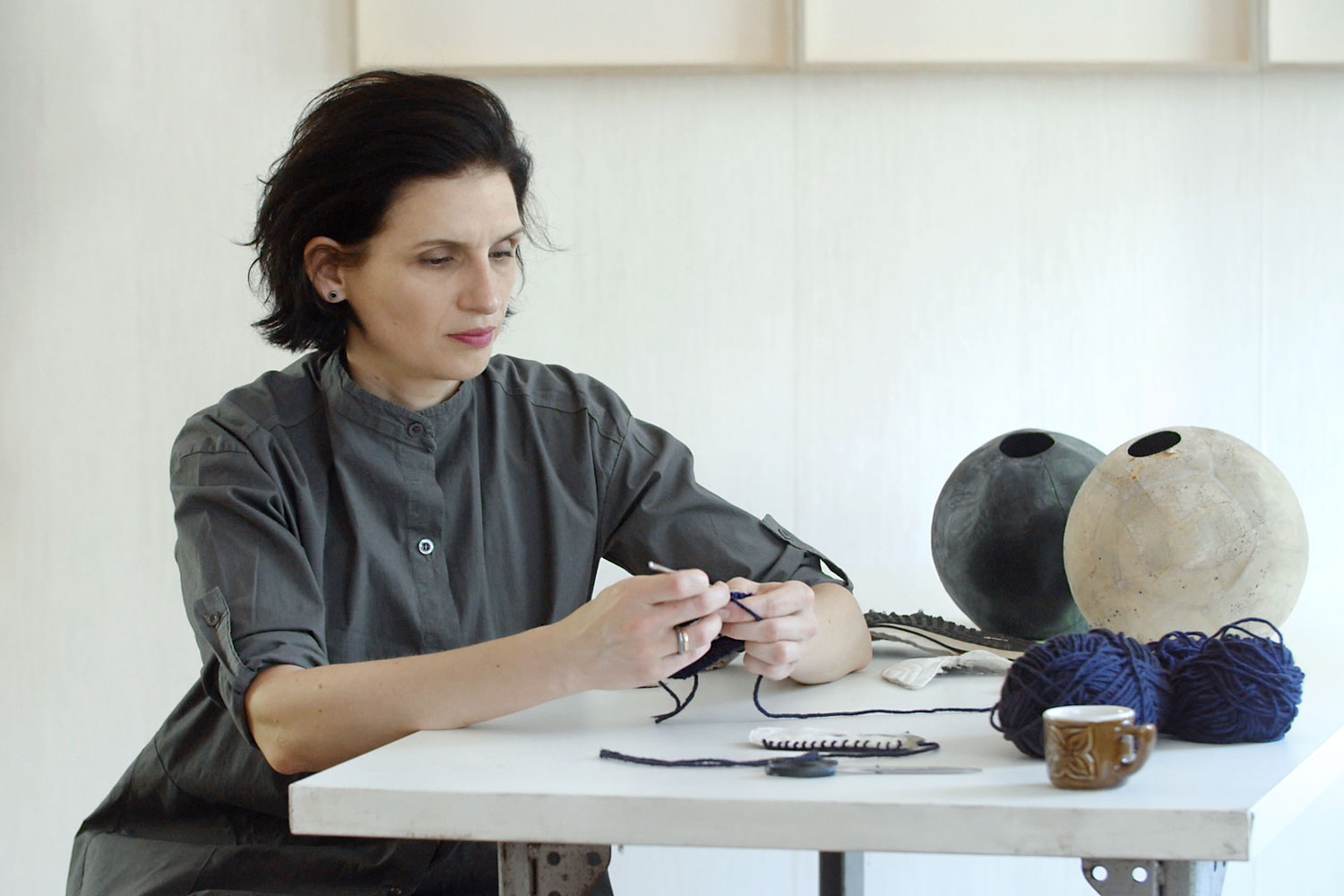
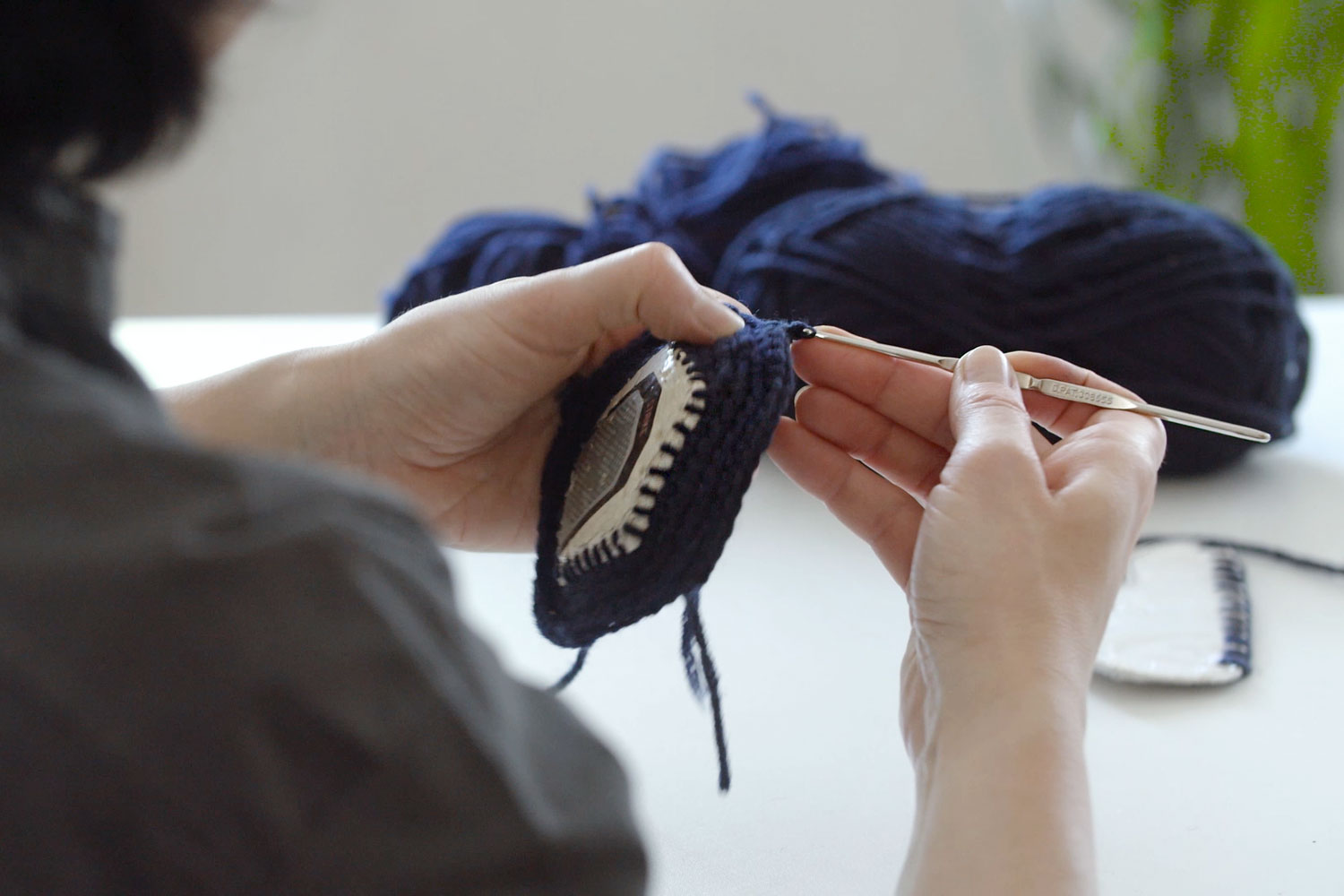
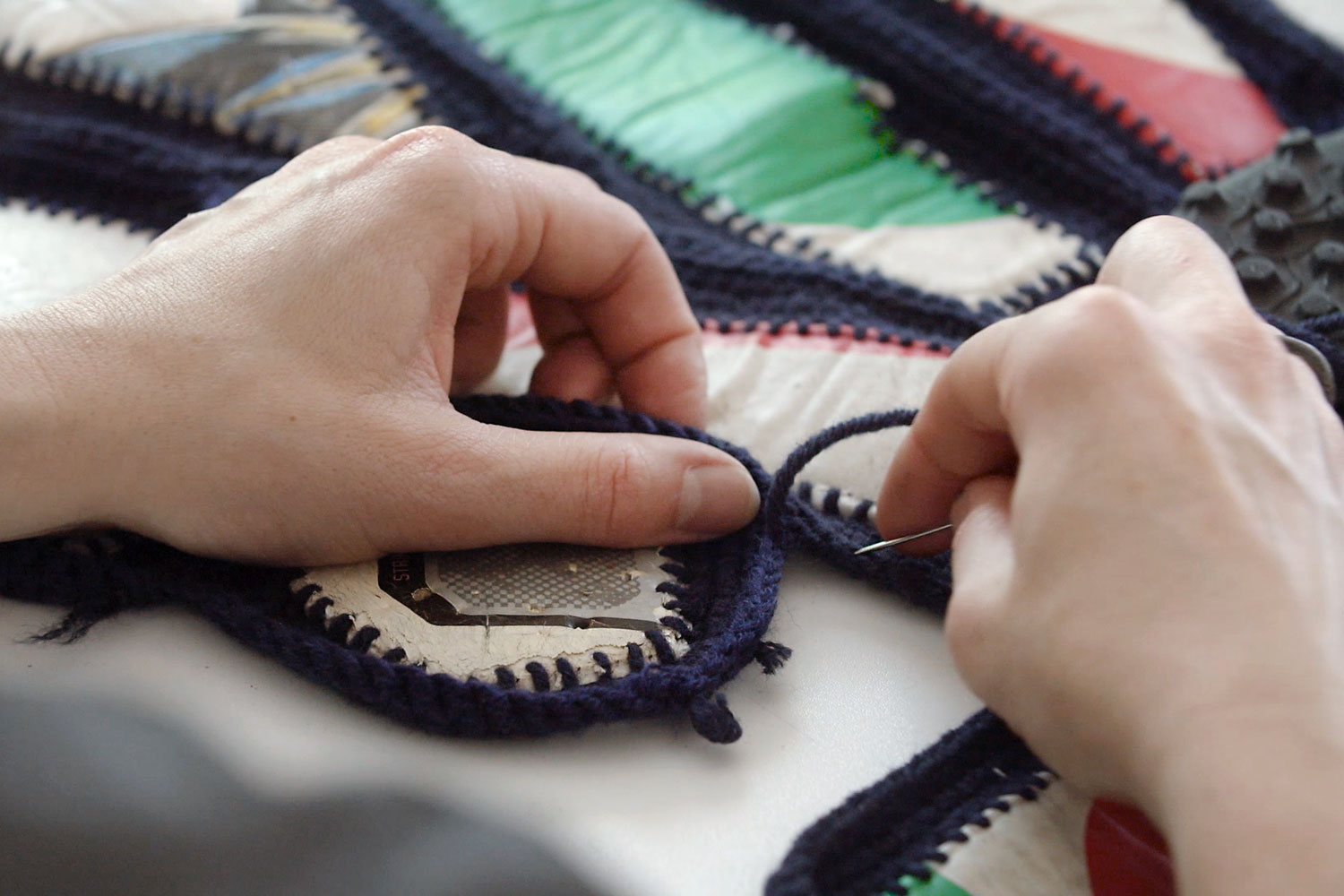
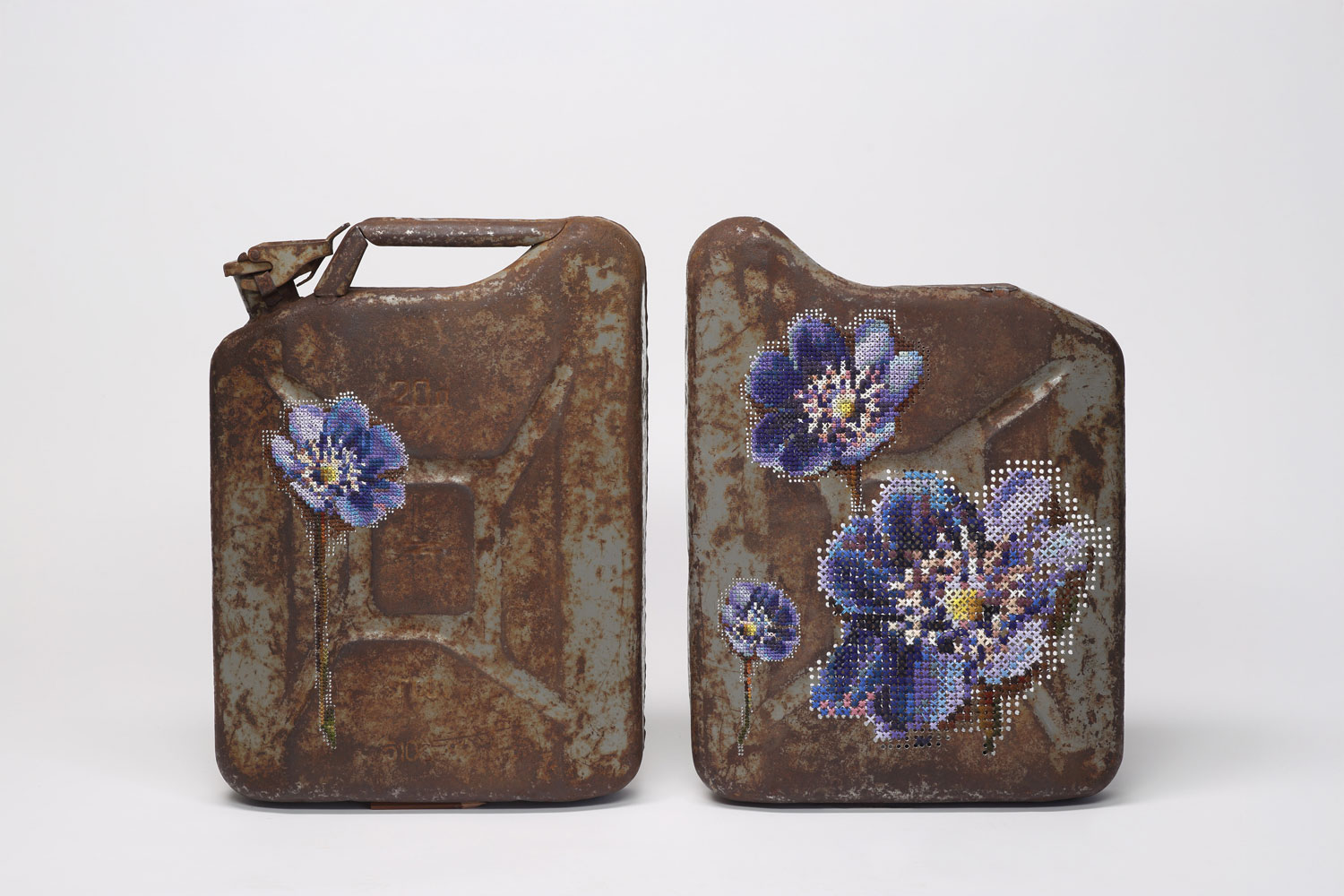
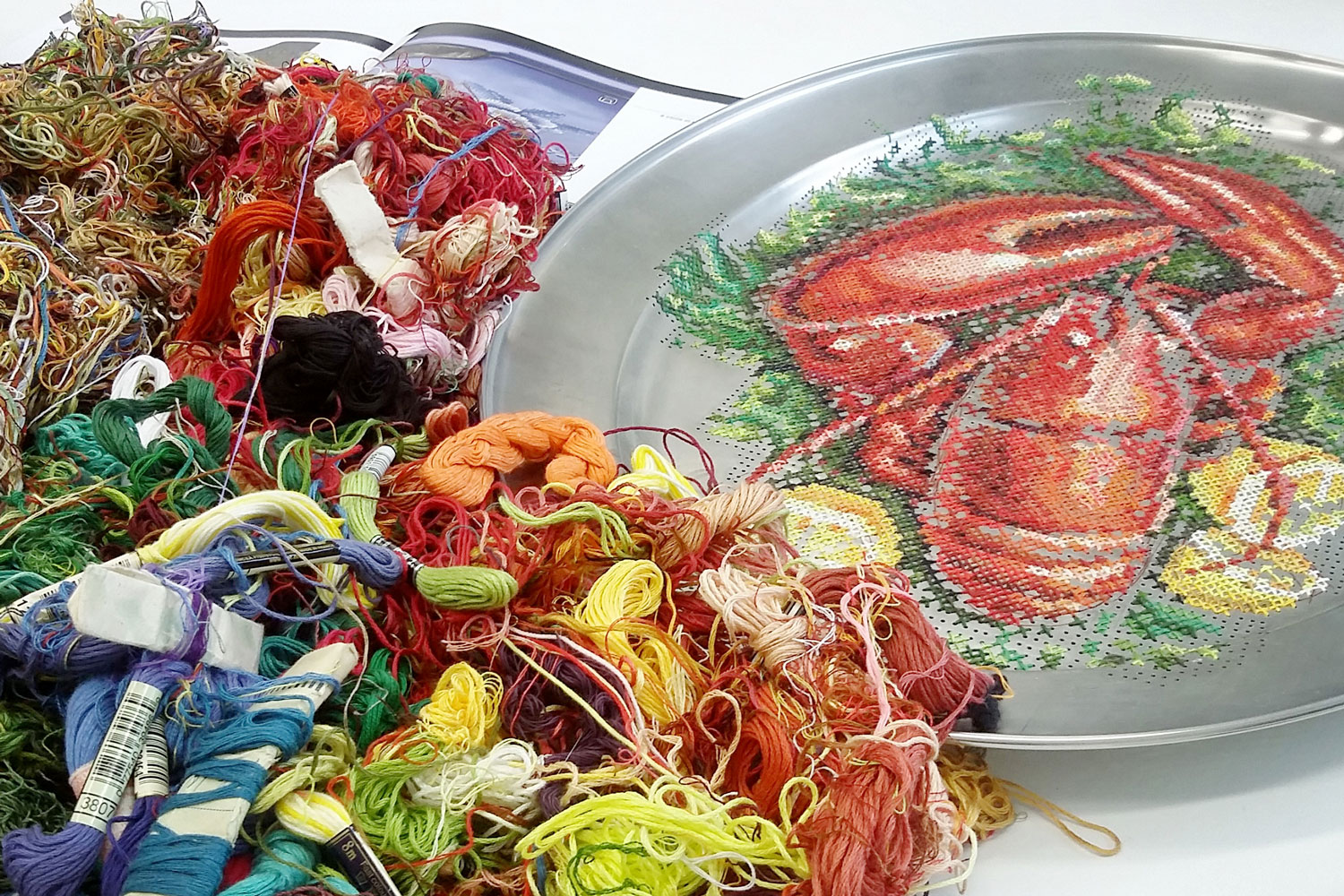
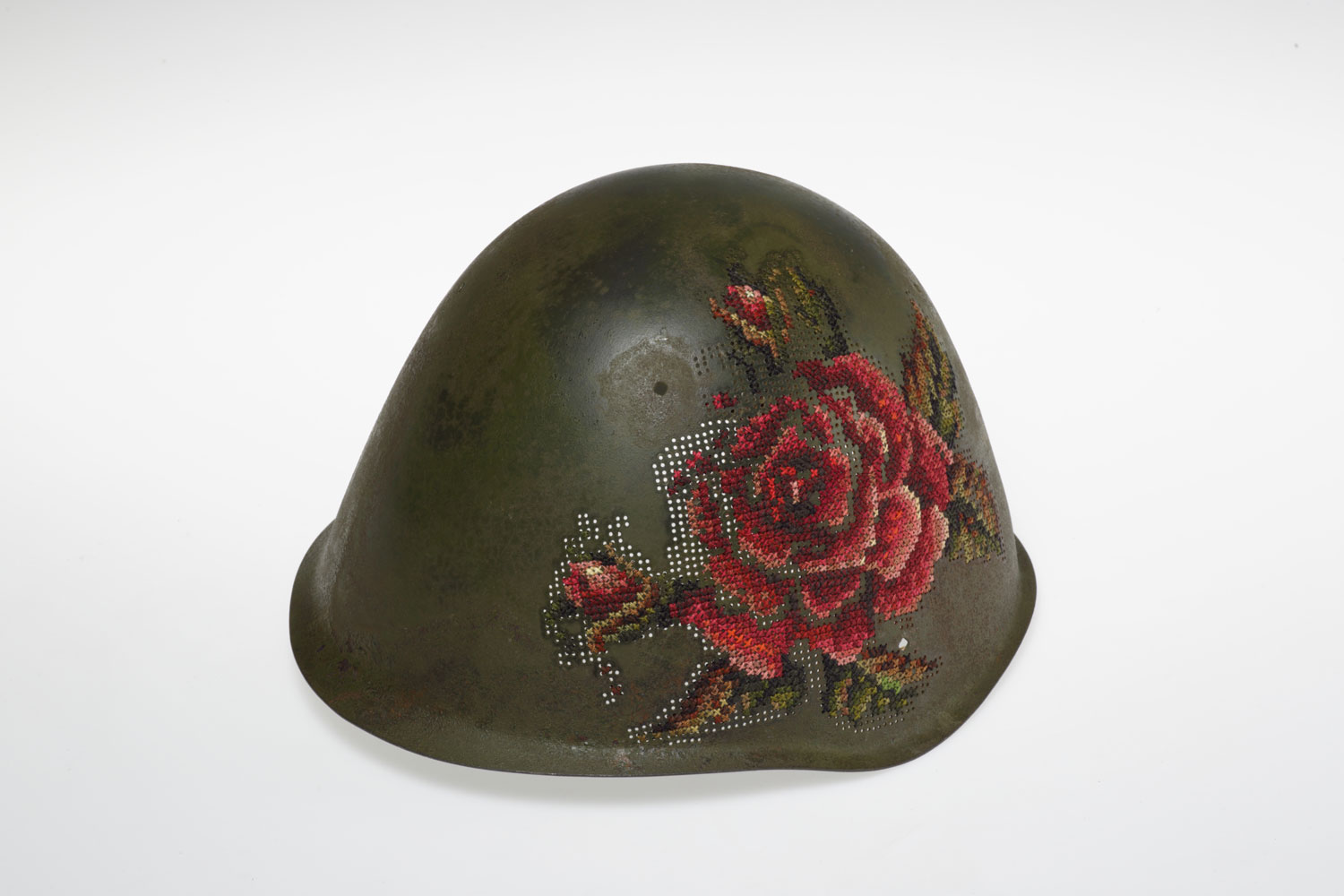
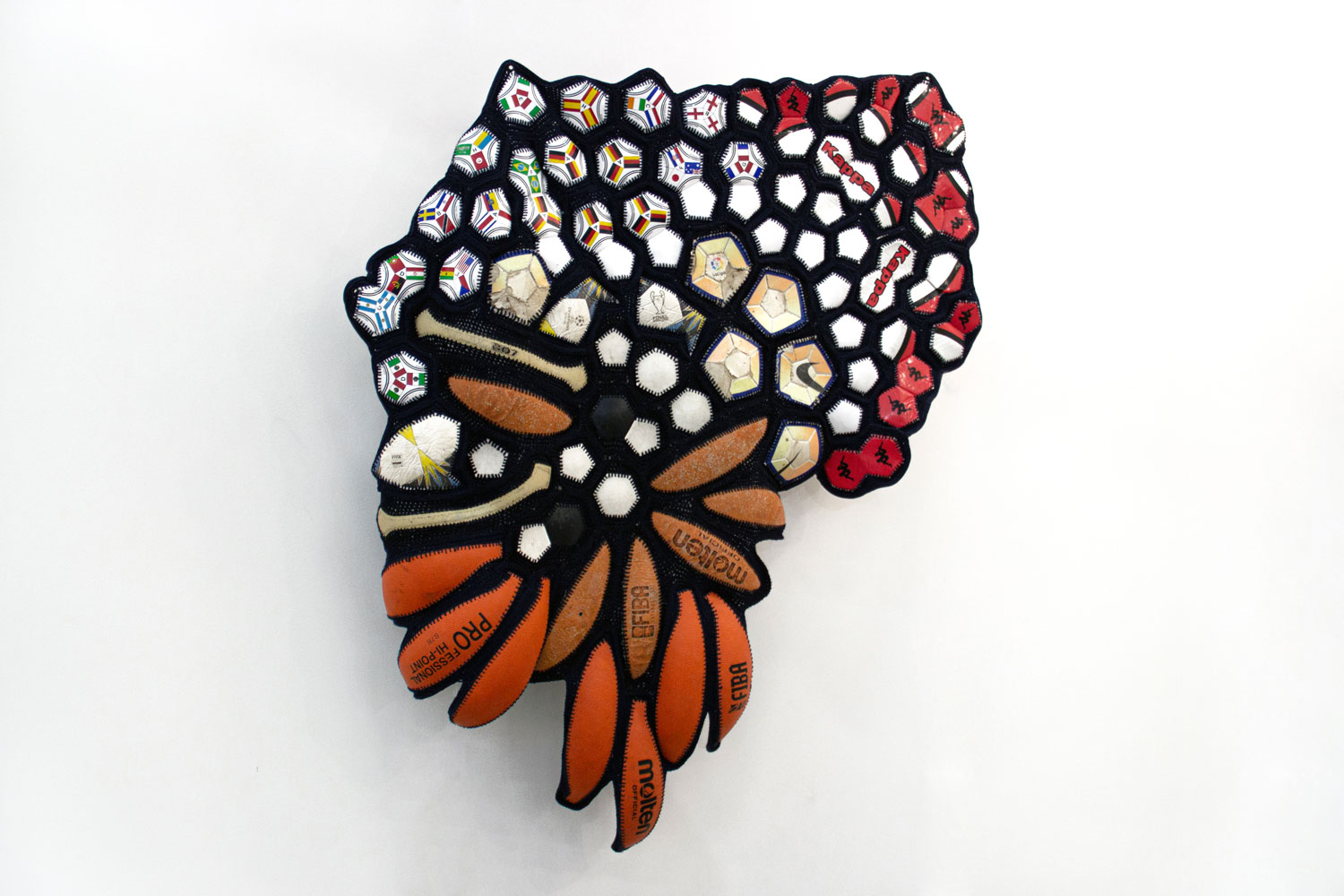
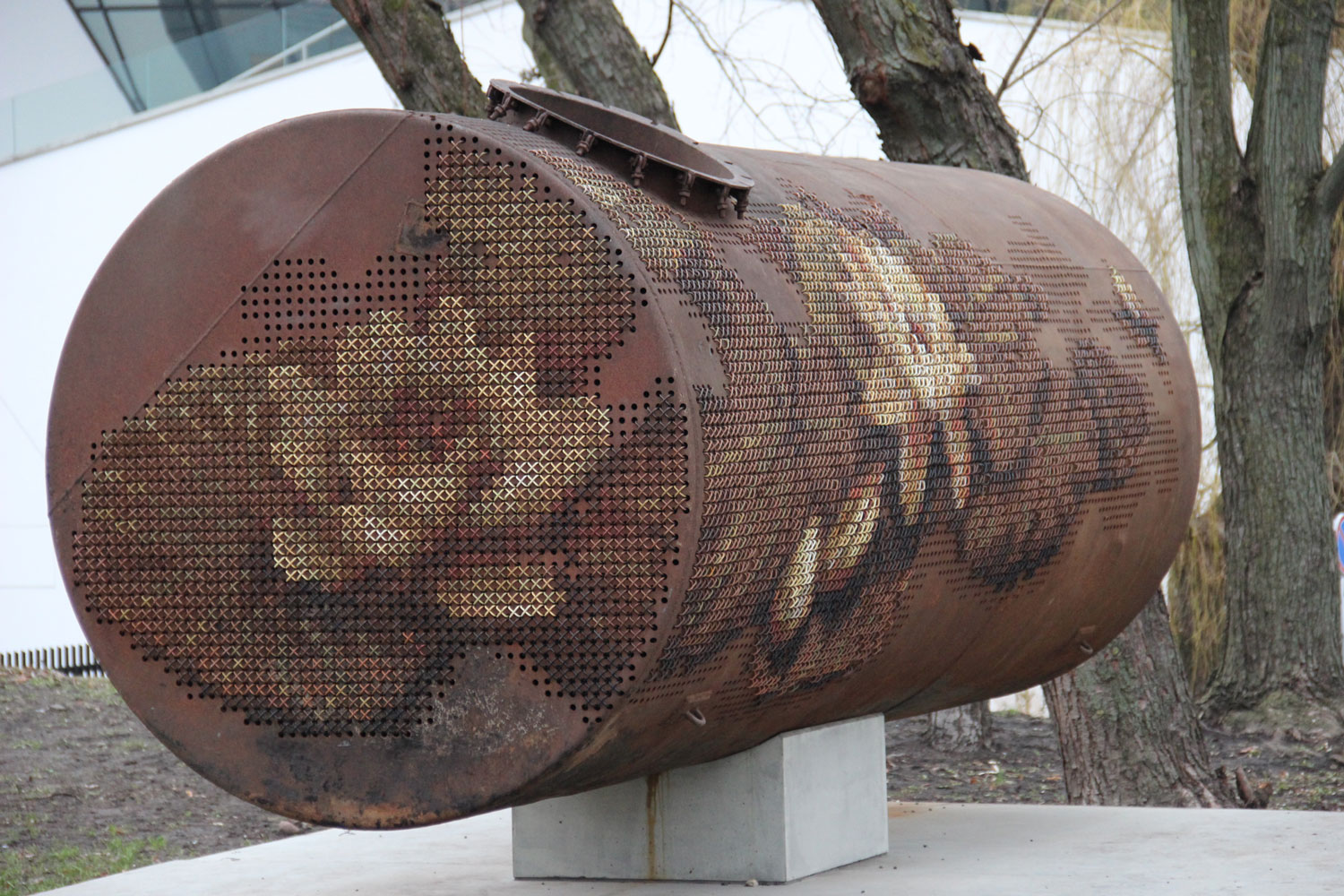
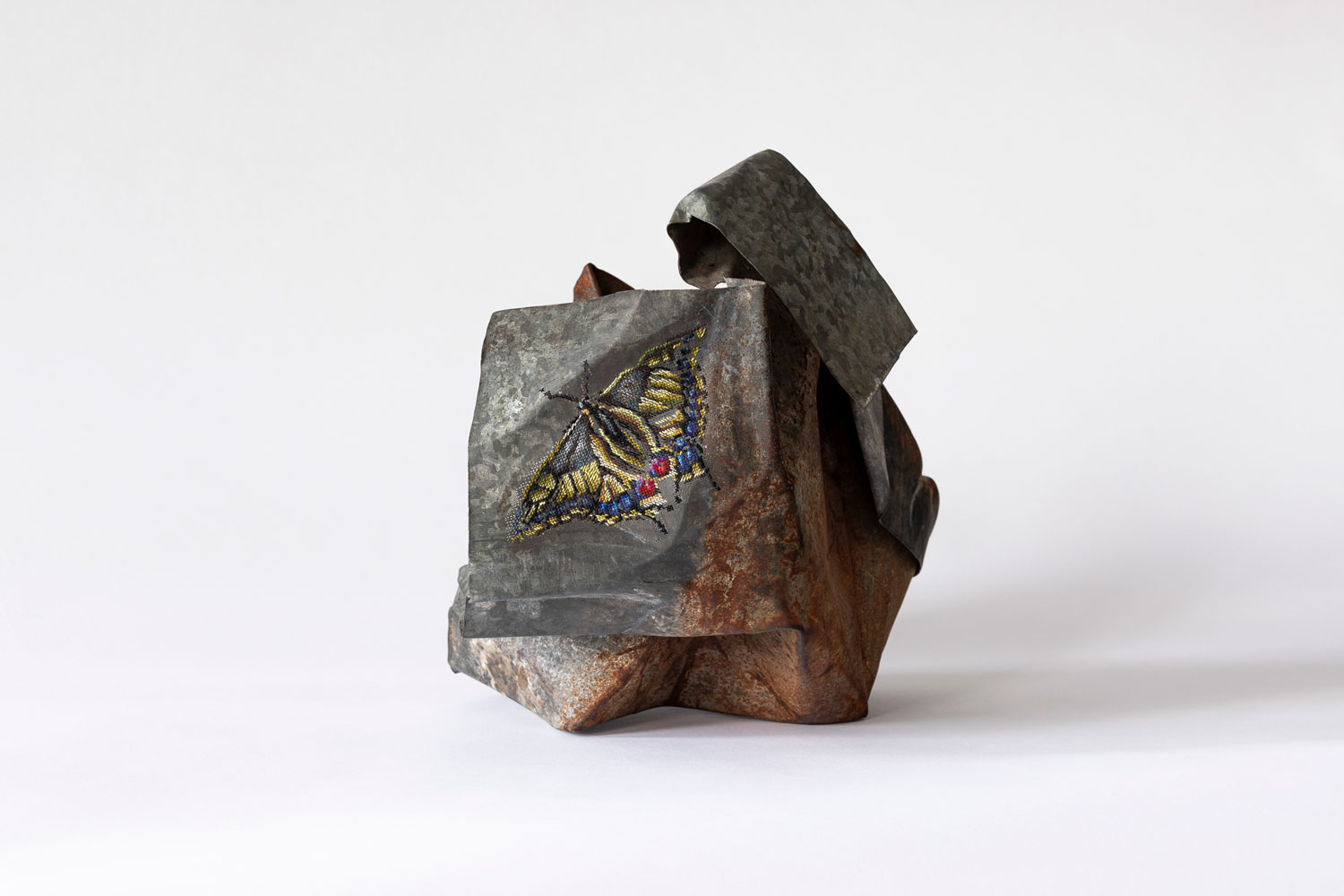
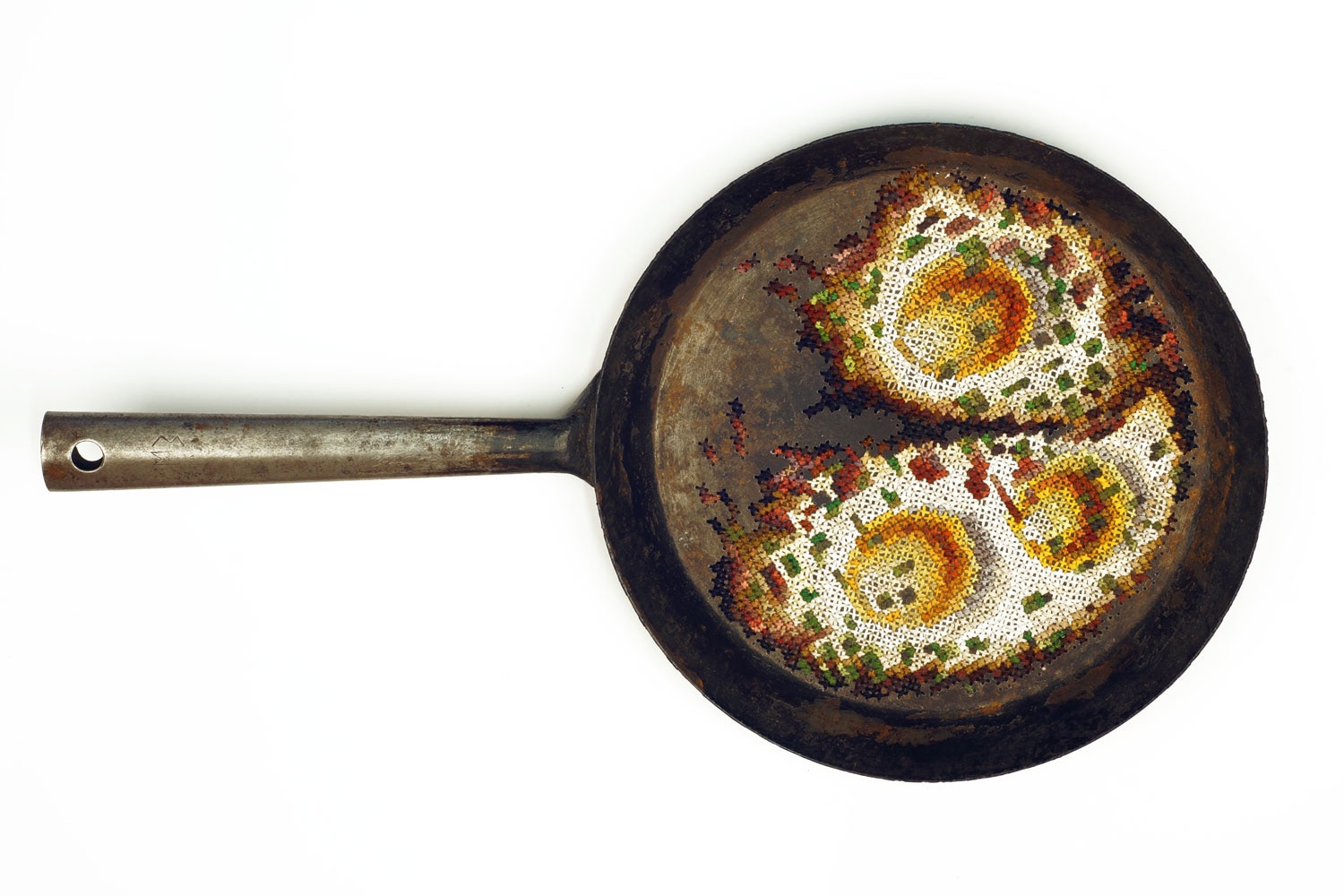
Severija Inčirauskaitė is one of the most renowned contemporary textile artists in Lithuania. Growing up in an artistic family, she continued the path set by her parents, first studying knitwear fashion, followed by textile art. Today, her creative practice unfolds not on a flat surface but in space. Severija makes installation art pieces, working with various ready-made objects, which she decorates using traditional cross-stitch embroidery. Her objects, familiar elements of everyday life, gain new meaning through embroidery, from household buckets and containers to ammunition and helmets. "My embroidered works explore social, philosophical, and military themes," she says. "I am interested in banality, the hierarchy of the arts, and the divide between professional and amateur art," explains Severija.
Discover her work
INTERVIEW
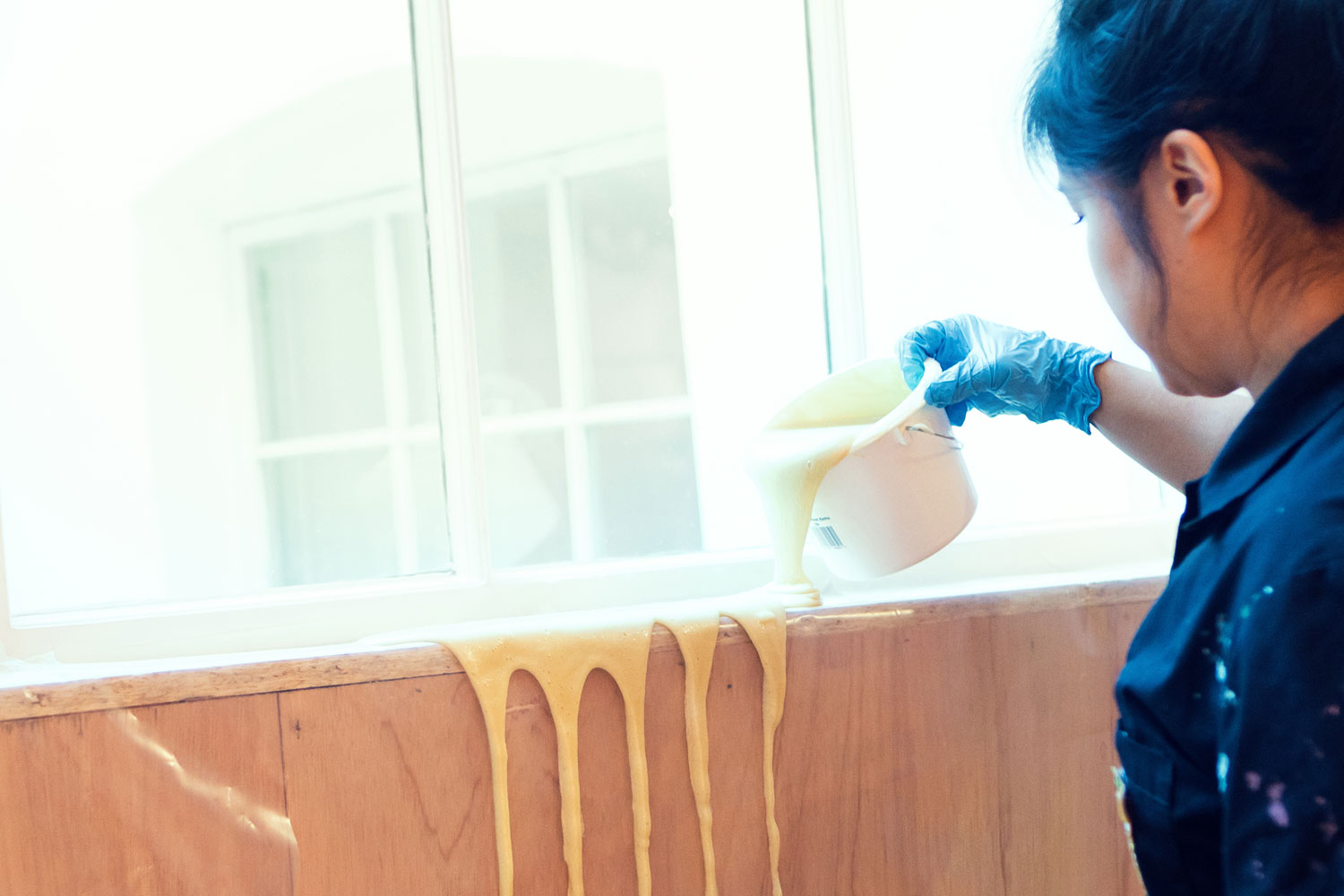
I could say that I am like a DJ. I do not create anything from scratch. I work with objects that already exist. I take a ready-made object and decorate it with embroidery, using patterns found in magazines, and for the titles I use quotes or lines from songs. I compose these three elements together to create new content out of them.
When it comes to themes, my inspiration is probably all the injustices that exist in the world. All the wrongs and misfortunes. I care deeply about the search for justice. I am also interested in everyday life, things we encounter daily but which are dismissed, unseen or unshown. The objects I transform are taken from the rubbish and I turn them into artworks, giving them new value through creative reworking.
I do not aim to continue the tradition of textile craftsmanship itself. I would say I am more concerned with the relationship of the craft to history. Cross-stitch embroidery is, of course, a reference to traditional embroidery patterns and to women sharing these, which is itself a tradition. Connecting to this aspect of my craft is very important to me.
I highly value long-term processes and the substantial labour invested in them. I love seeing artworks that embody a great amount of work, noticing not only the main idea but also the execution. My own working process is long, and I truly enjoy this relationship with time.
Severija Inčirauskaitė
Mixed media sculptor
Vilnius, Lithuania
ADDRESS
Address upon request, Vilnius, Lithuania
AVAILABILITY
By appointment only
LANGUAGES
Lithuanian, English
Homo Faber Finds is a new service aiming to inspire admirers of craft to connect and collaborate with exceptional artisans.
We invite you to submit an enquiry here.