Rowell Concepcion
Binata Millinery
Milliner
Queens, NY, USA
Recommended by Nest
The stars, the style, the headwear
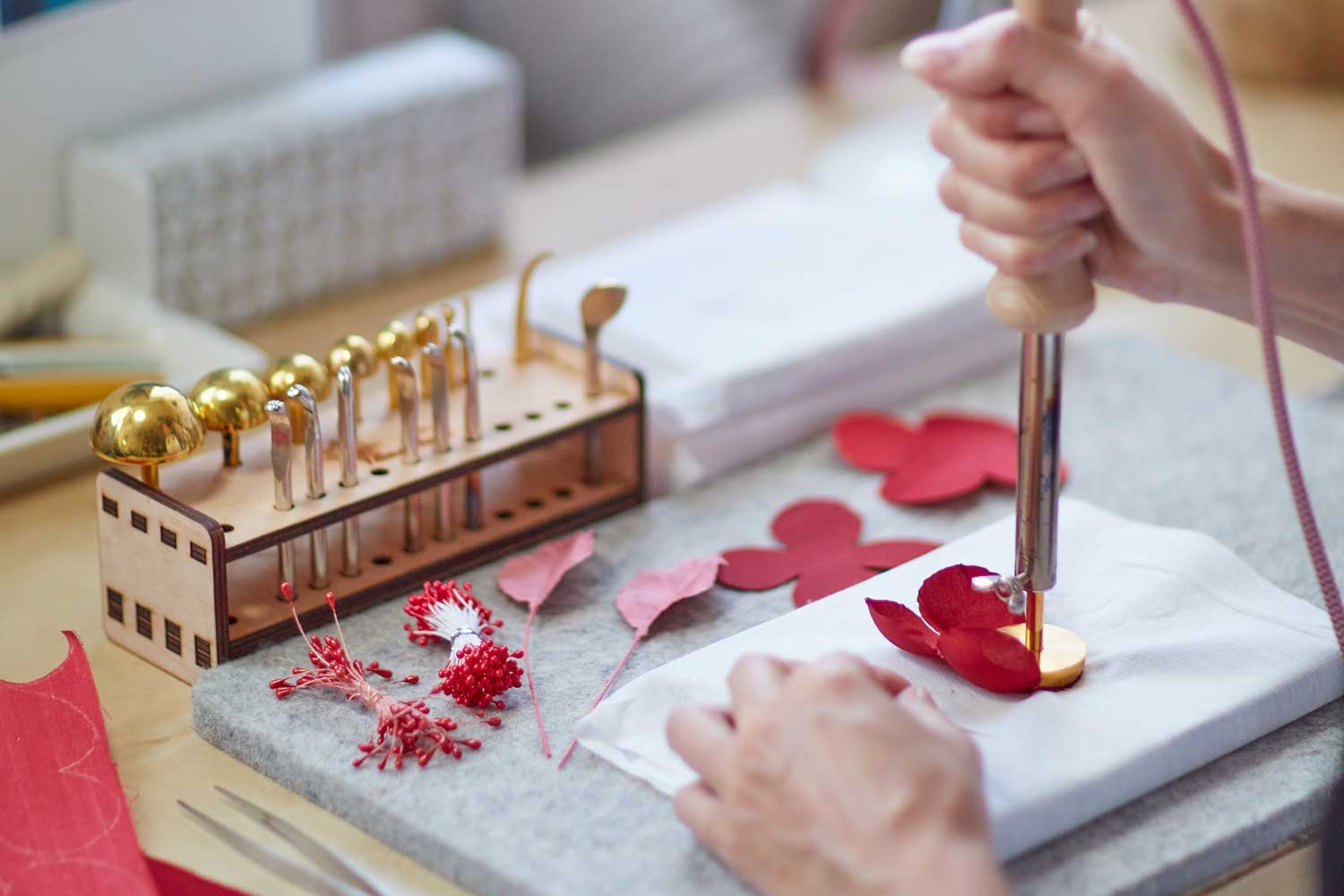
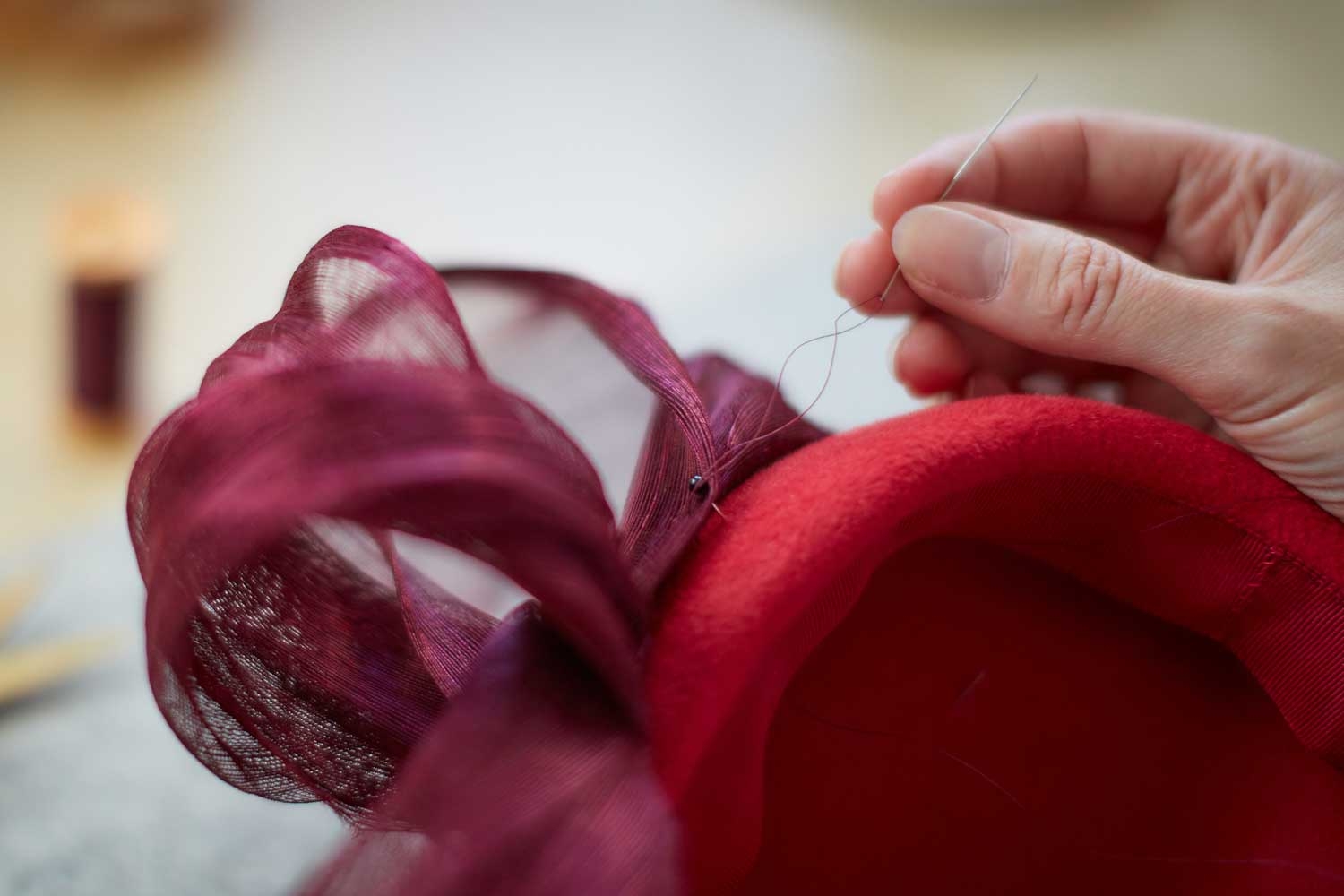
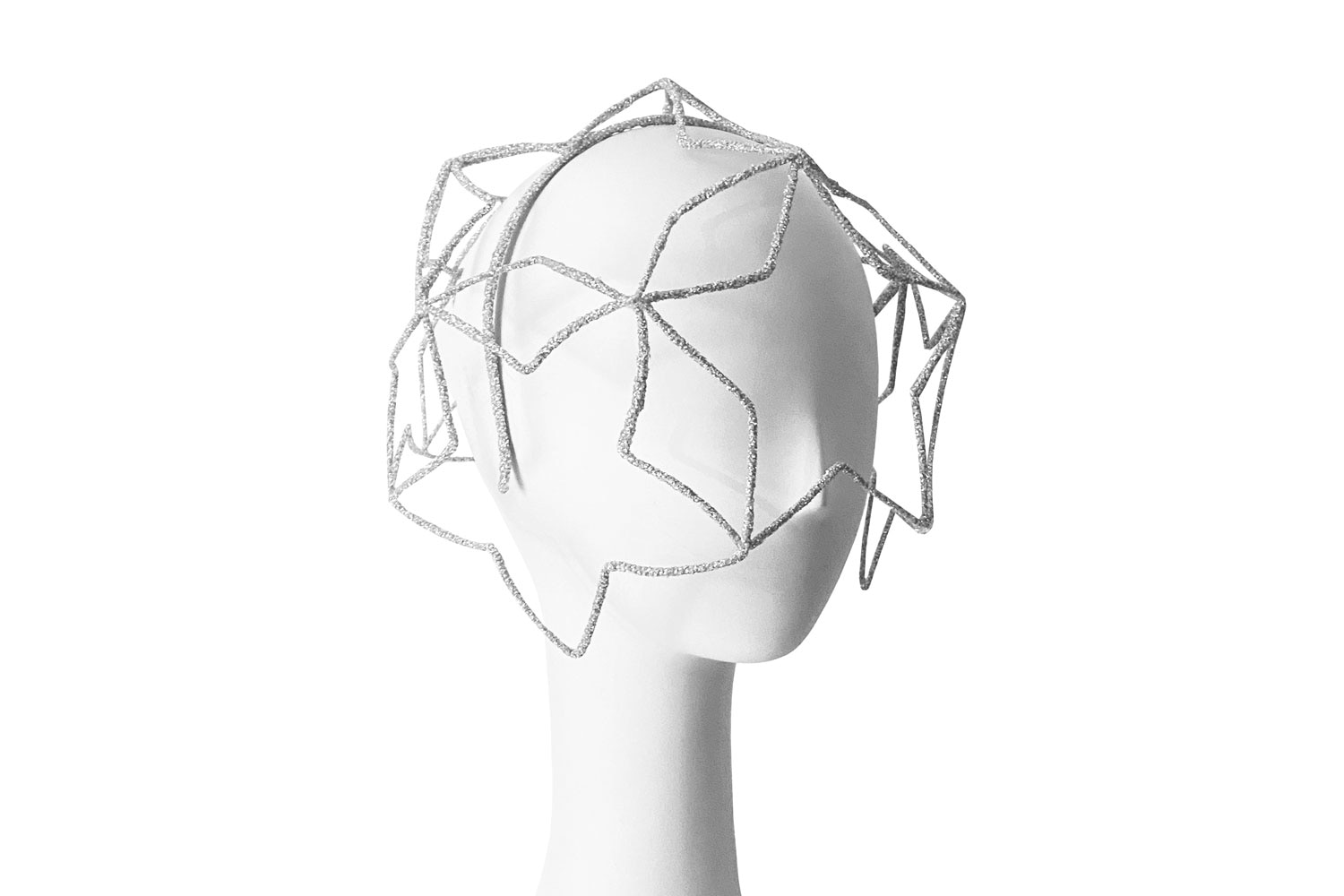
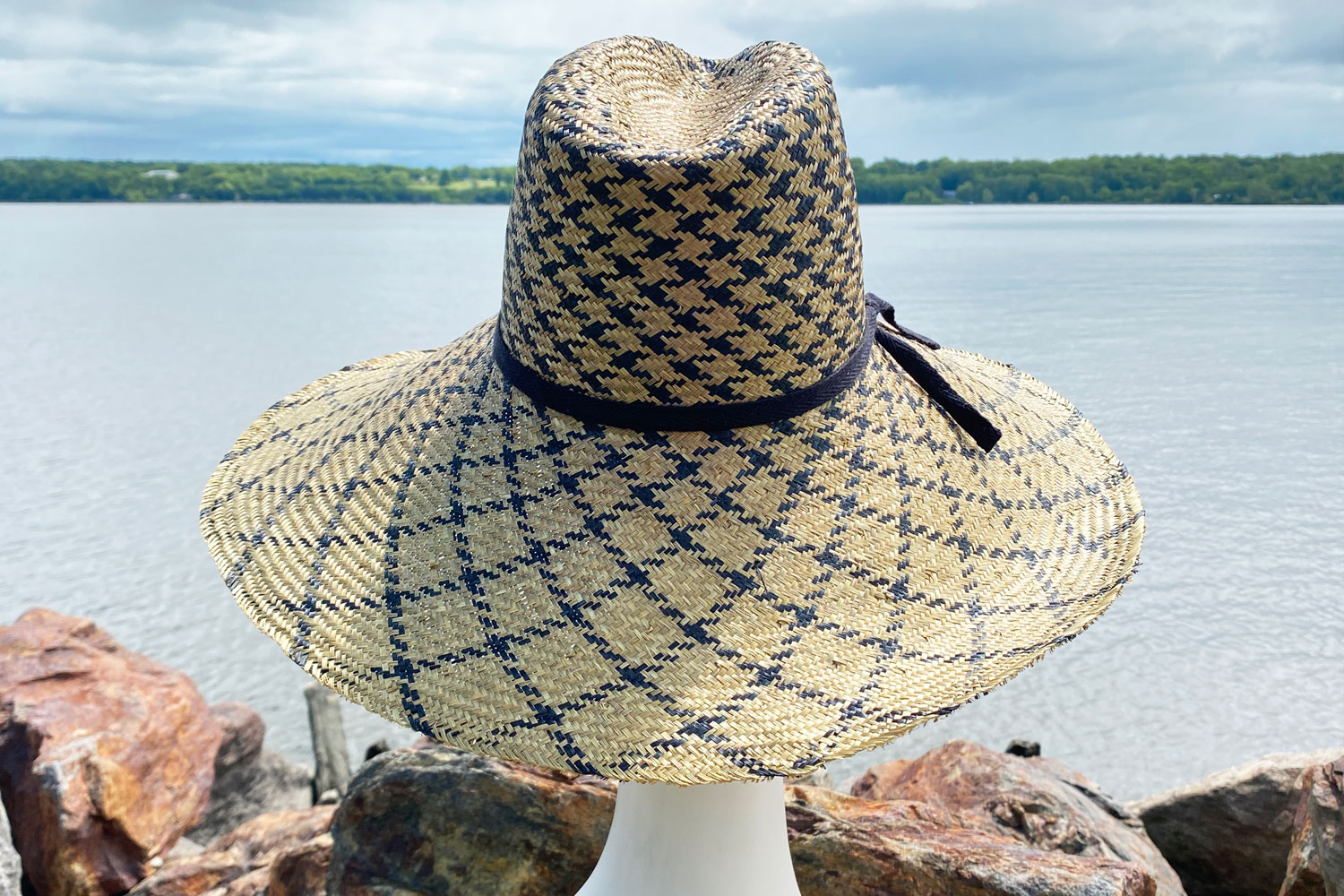
- Rowell makes handcrafted hats, fascinators and headpieces
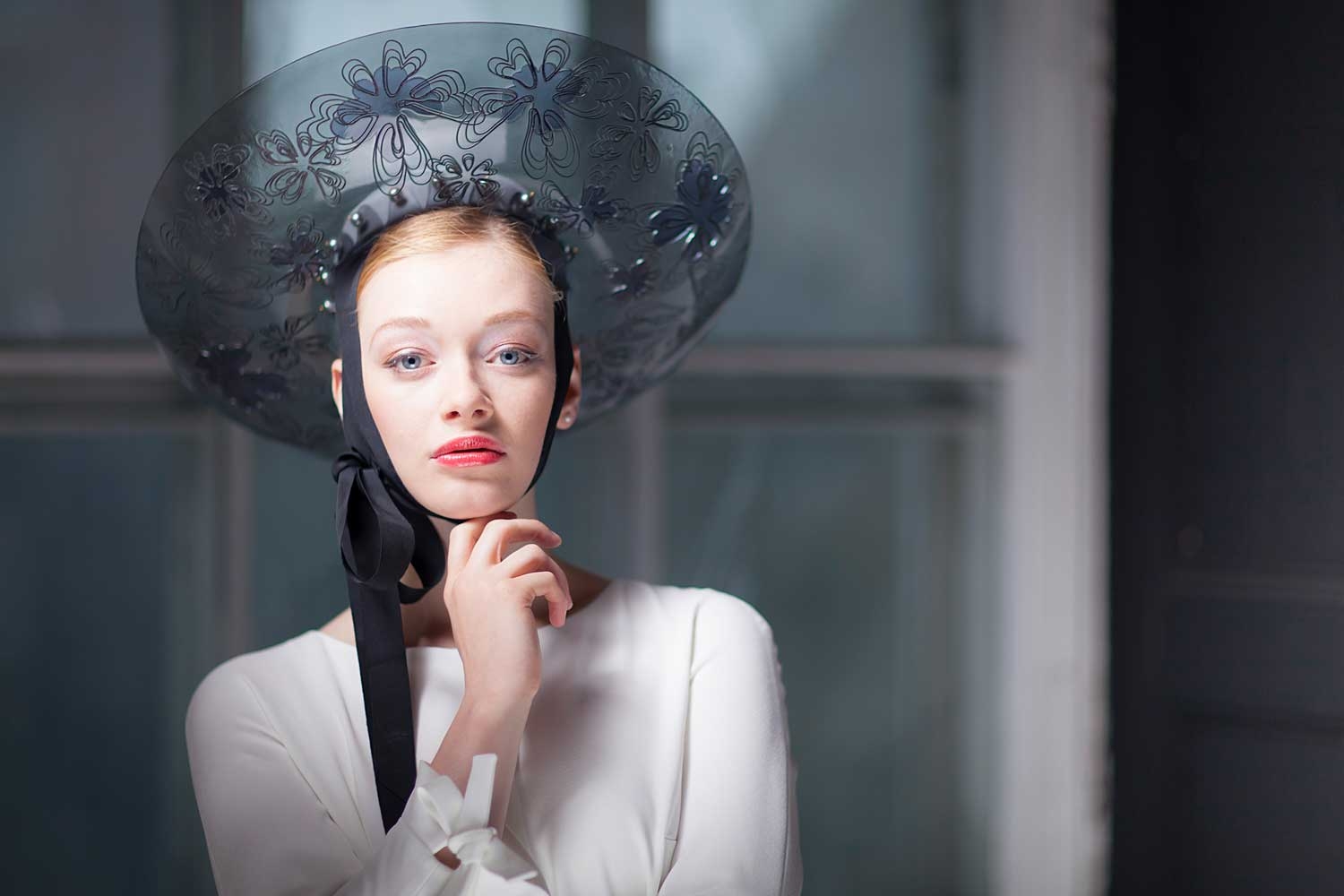
- His headwear blends traditional techniques with whimsical, fashion-forward design
- Training and empowering artisans in the Philippines is part of his mission
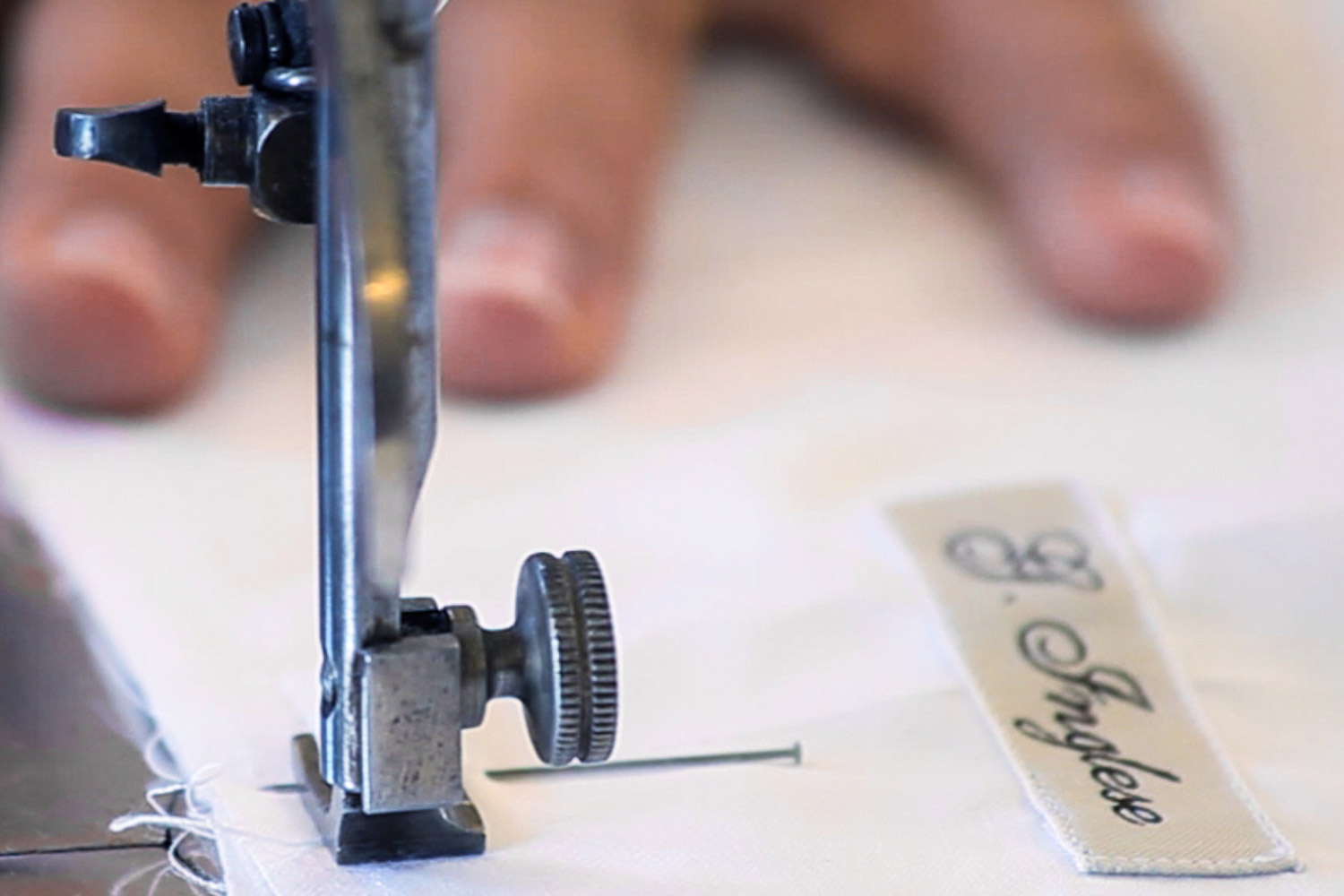
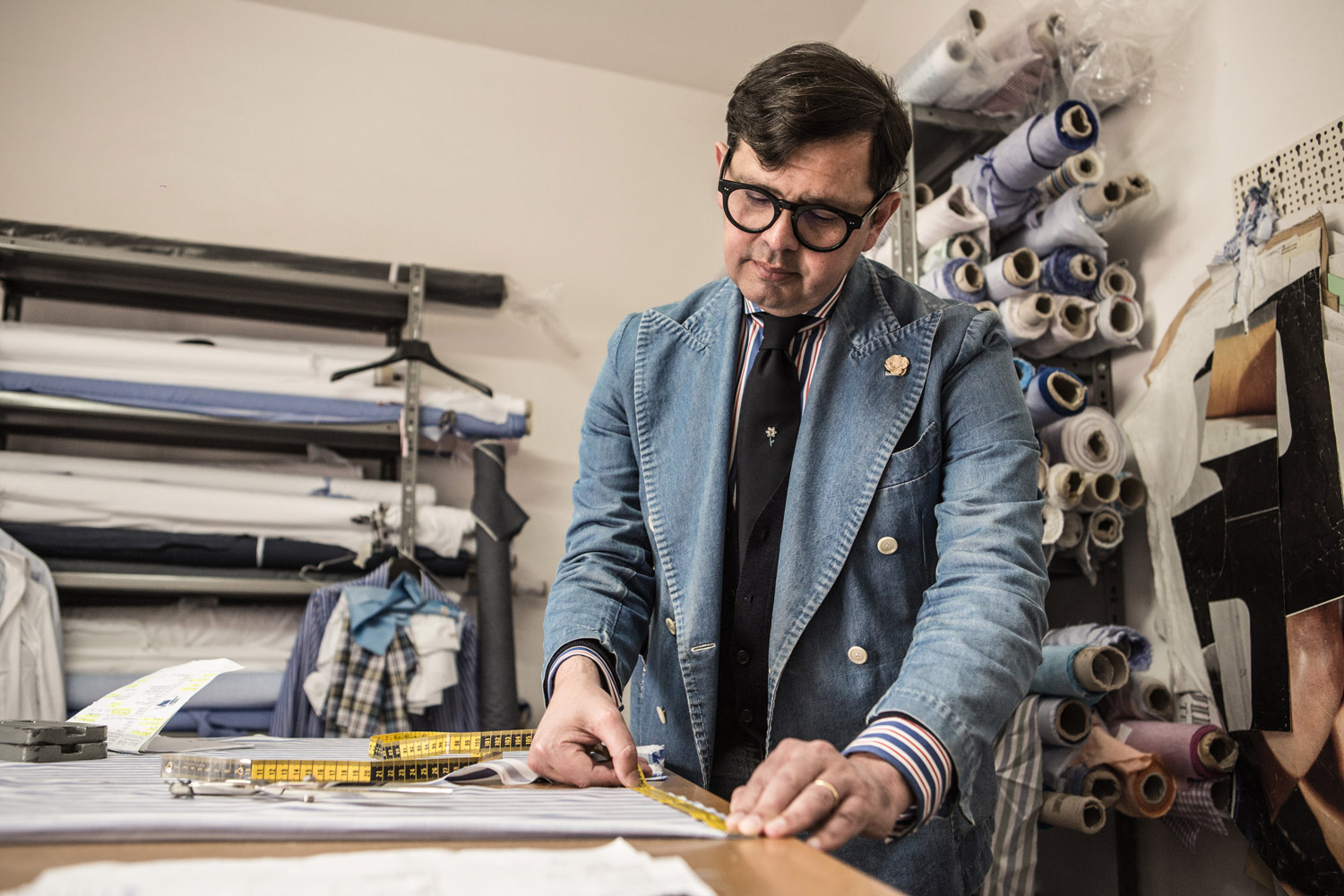
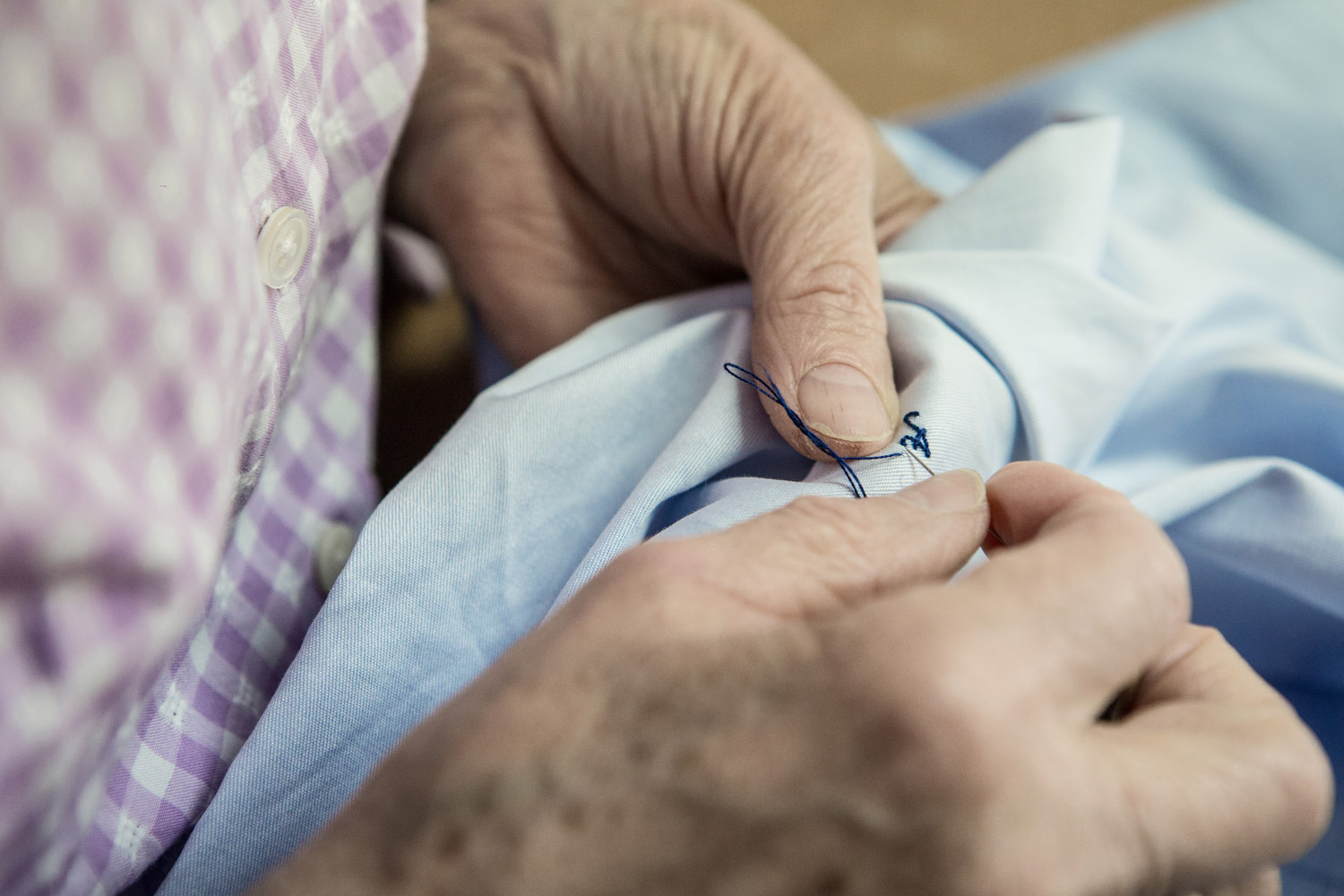
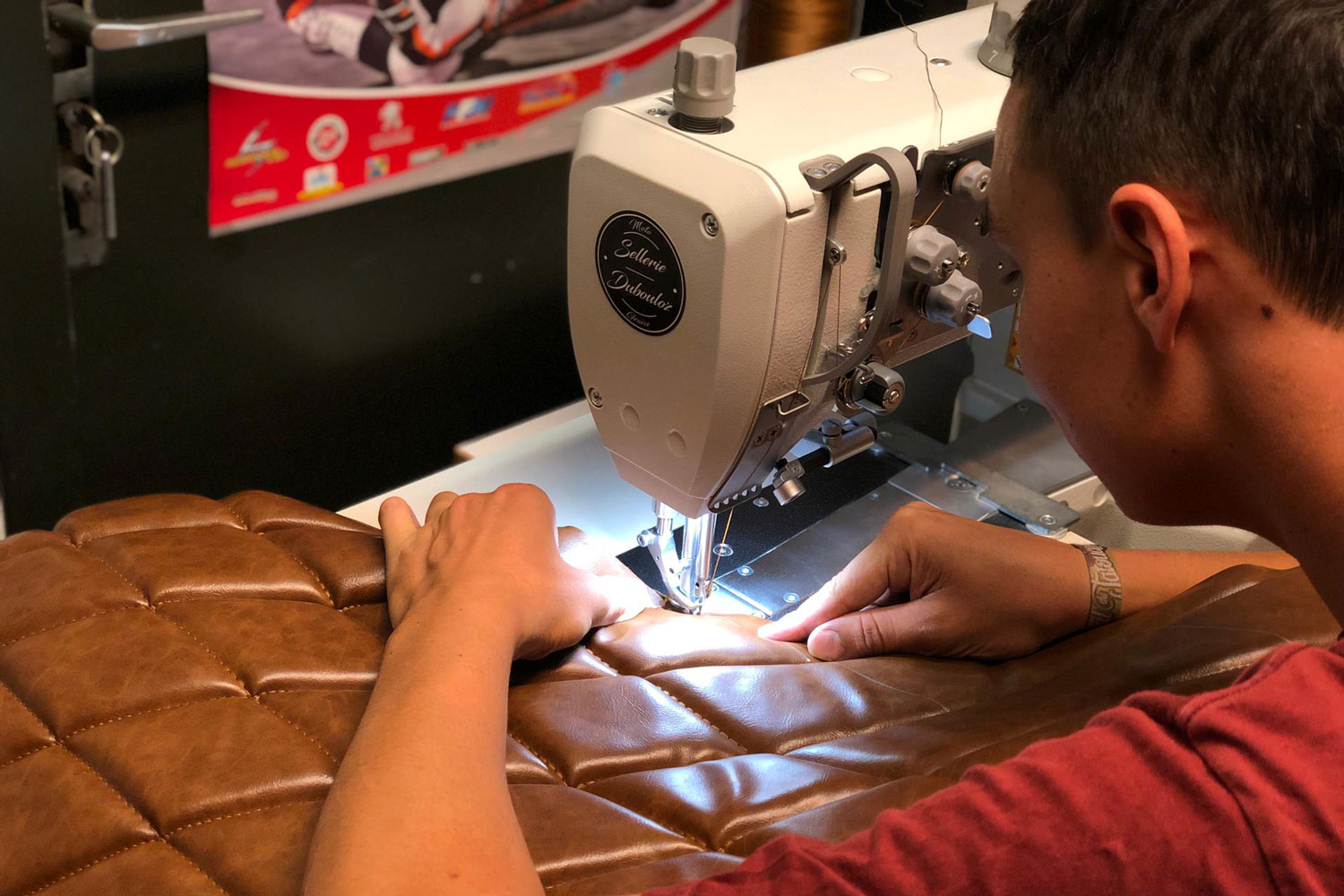
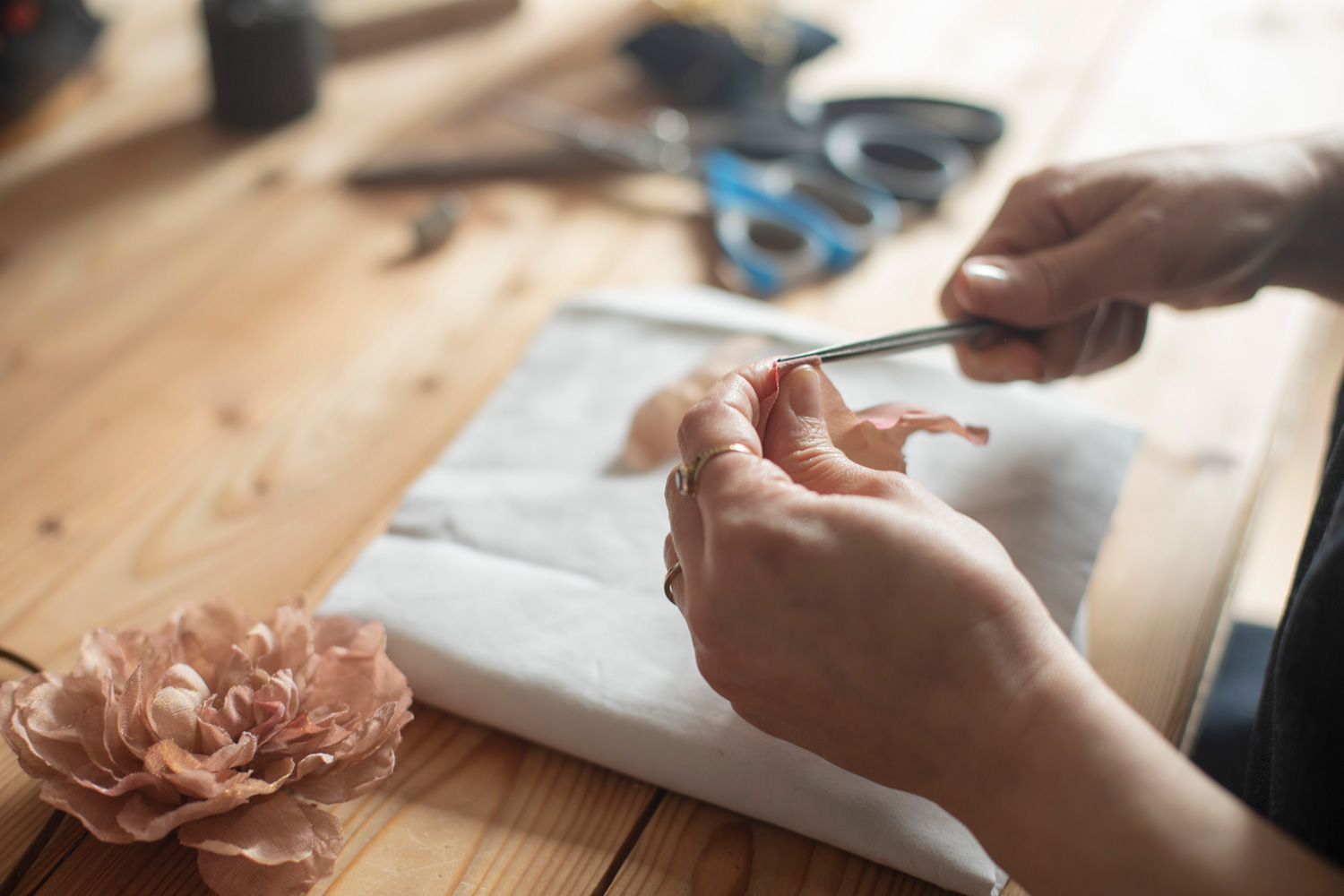
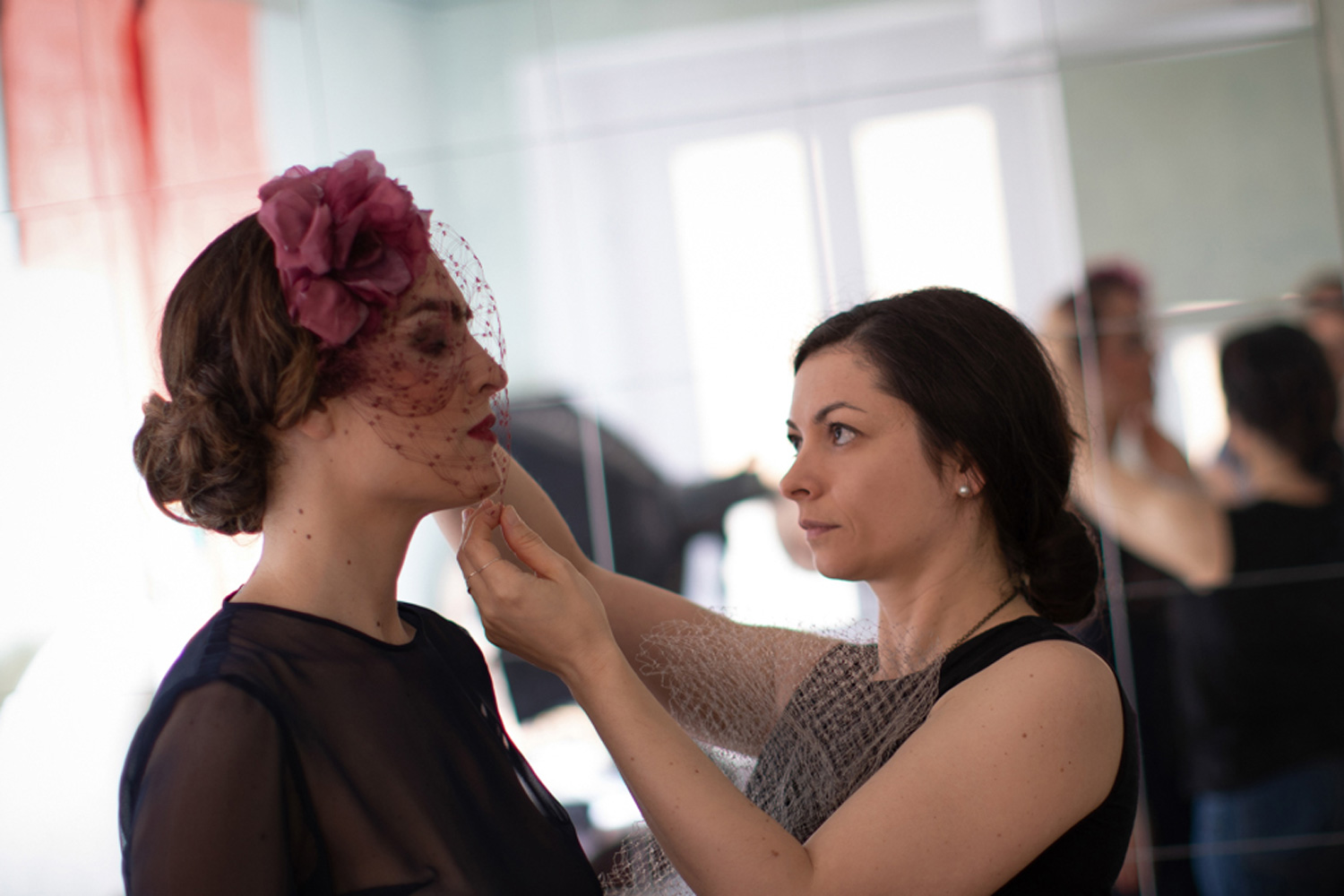
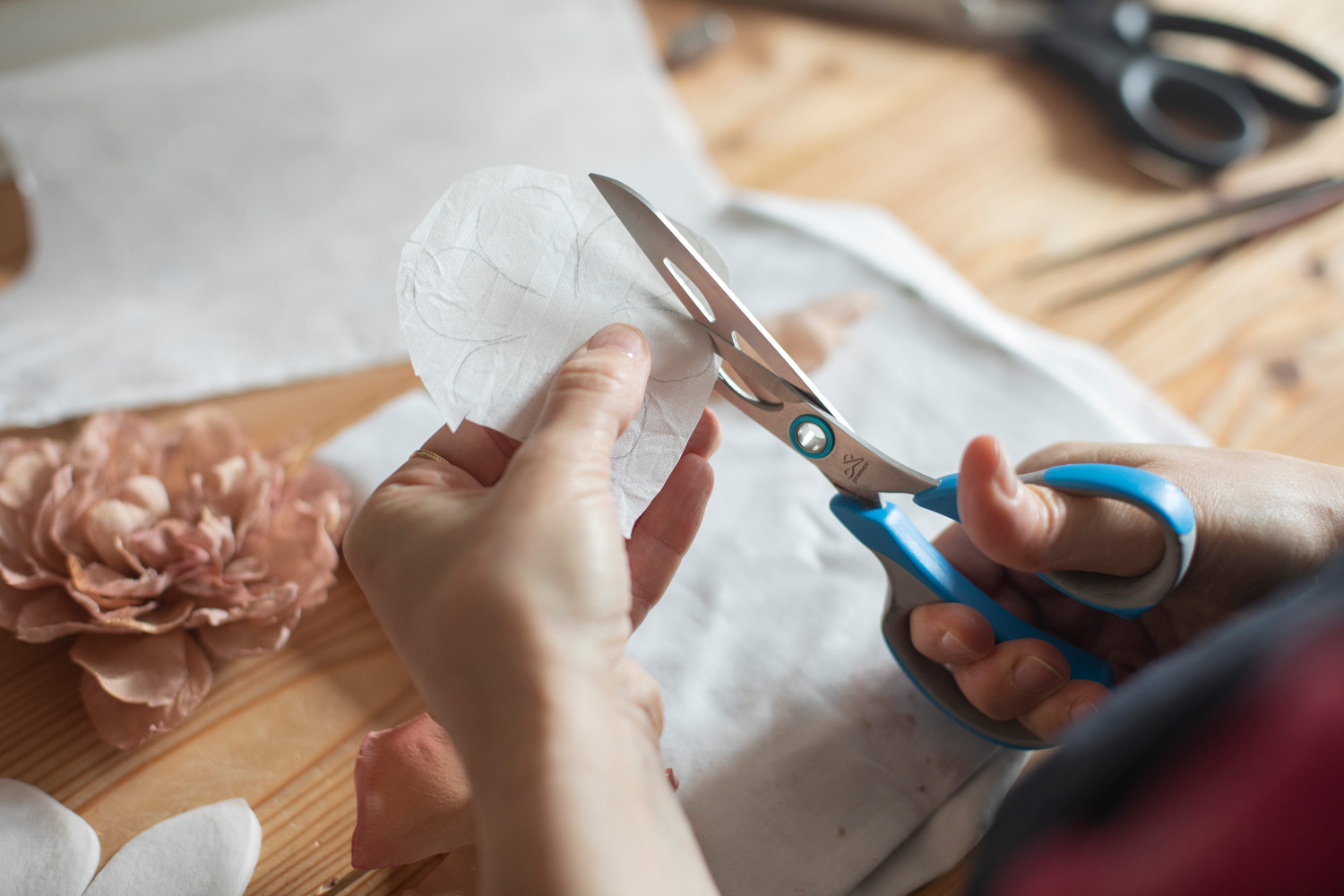
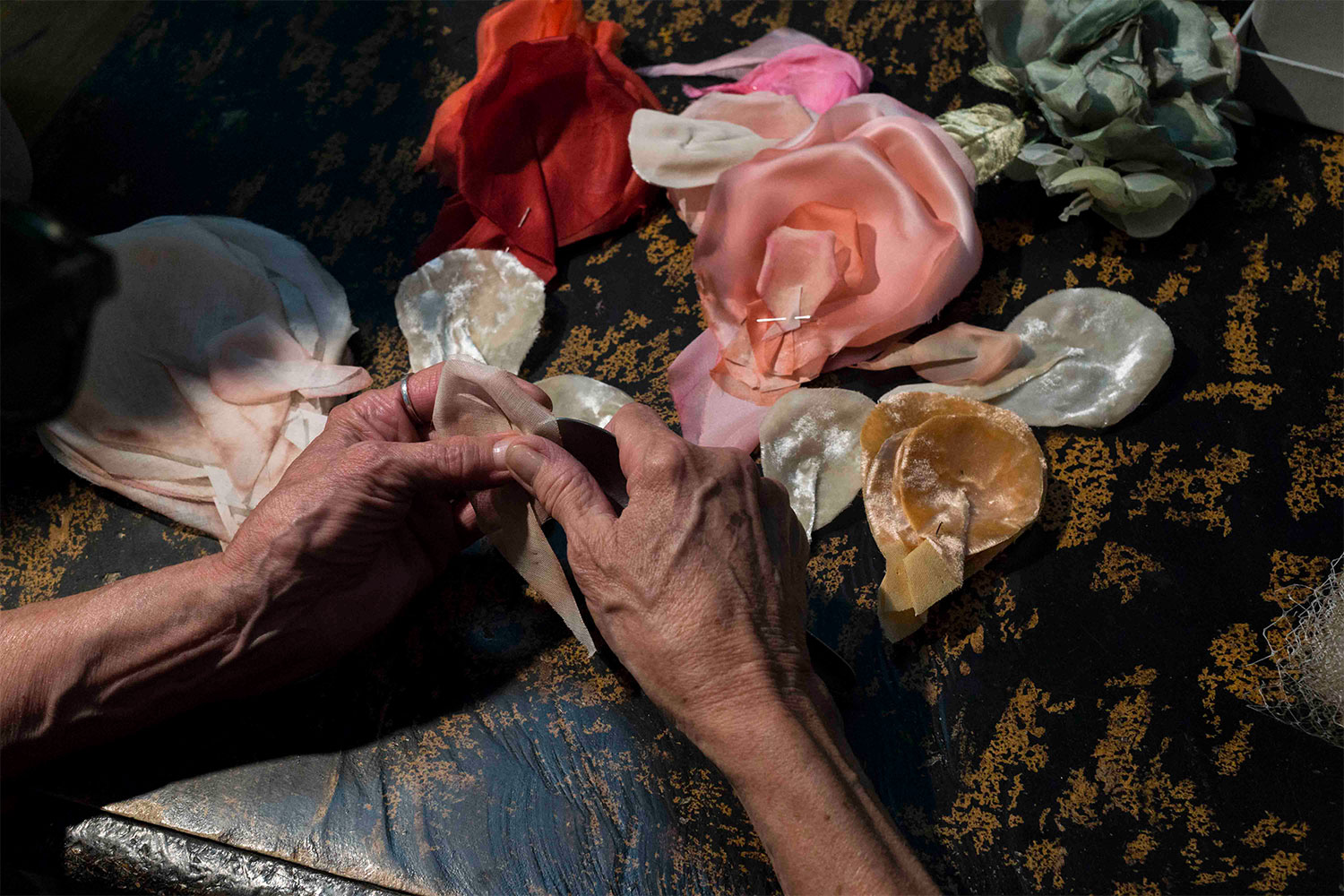
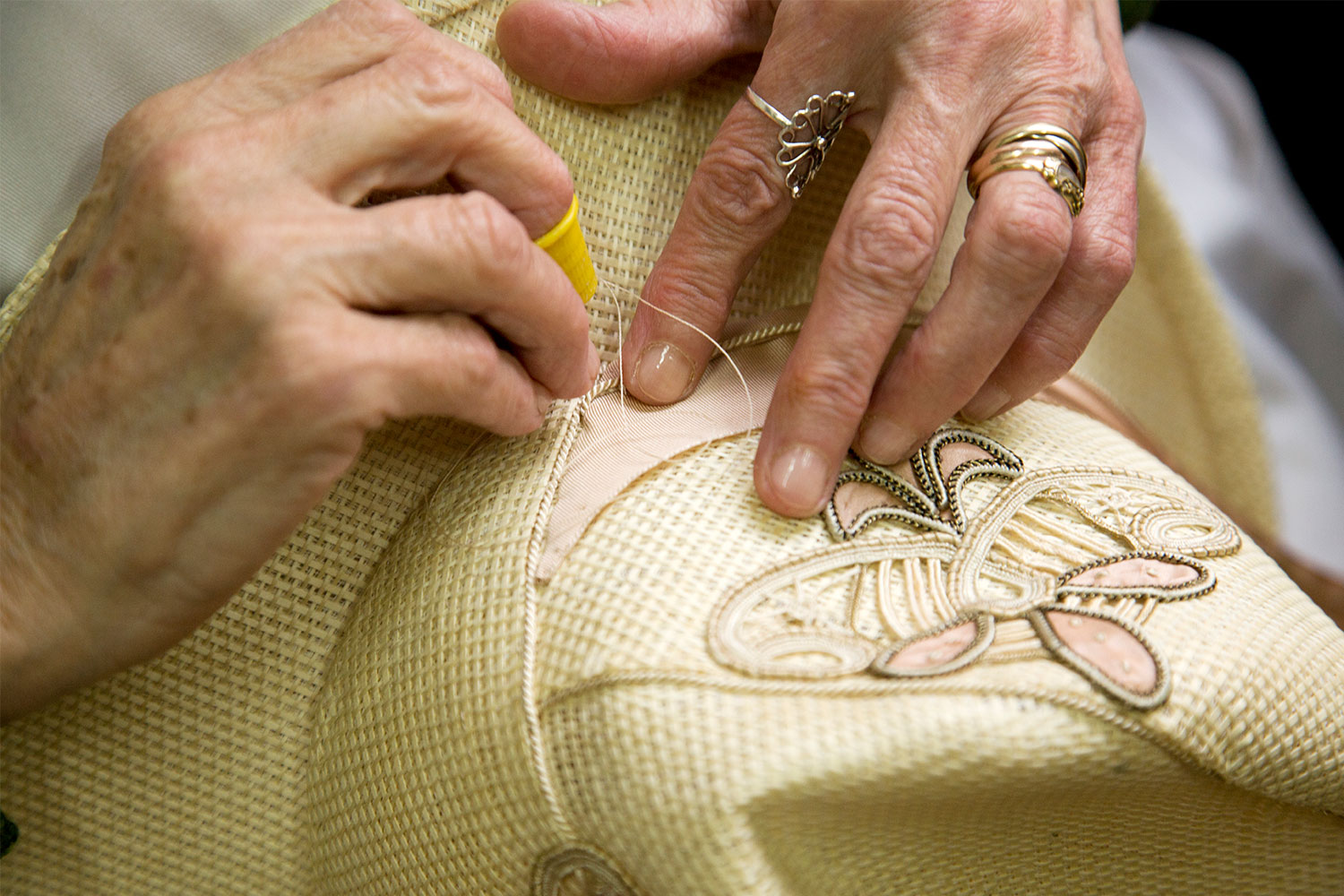
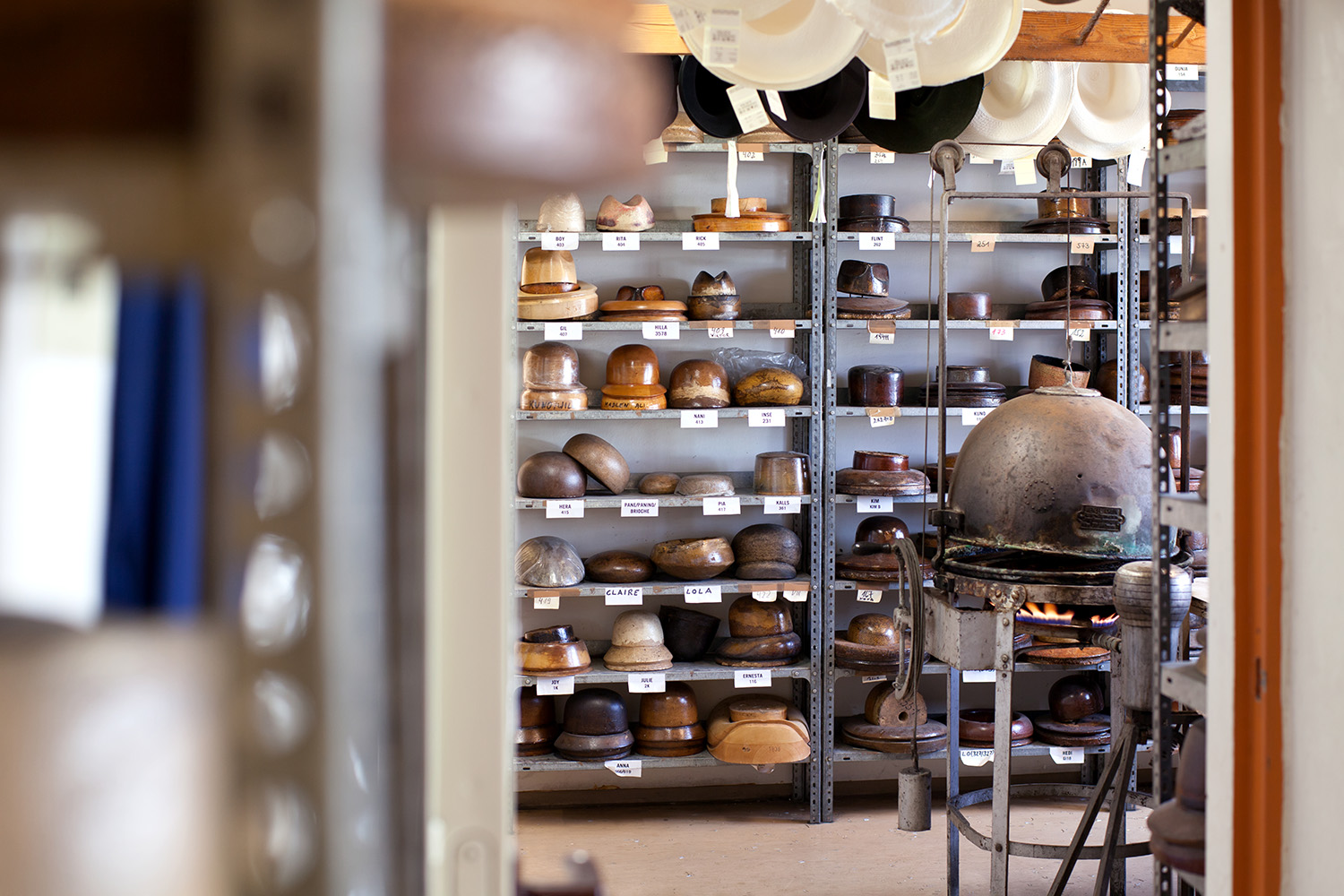
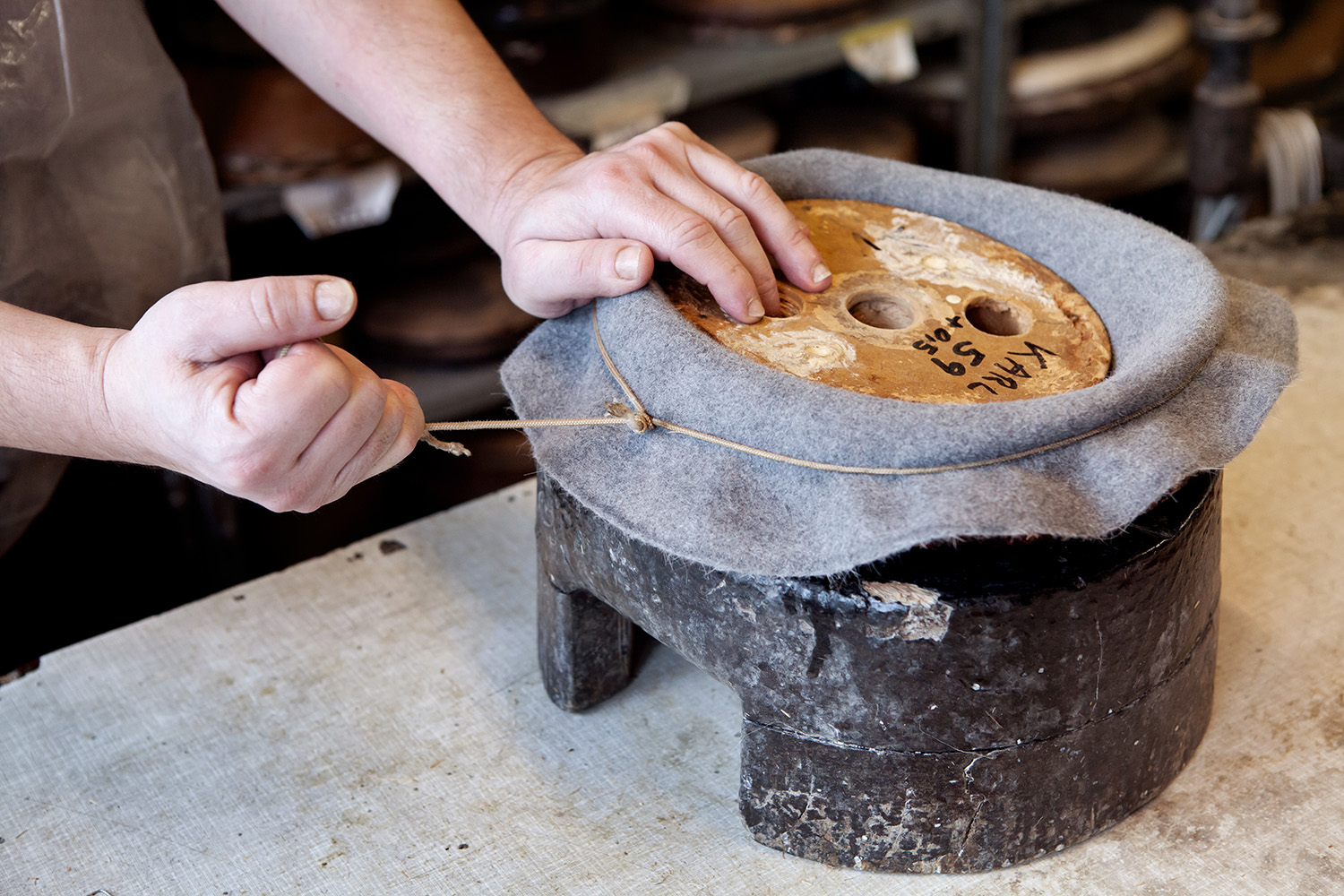
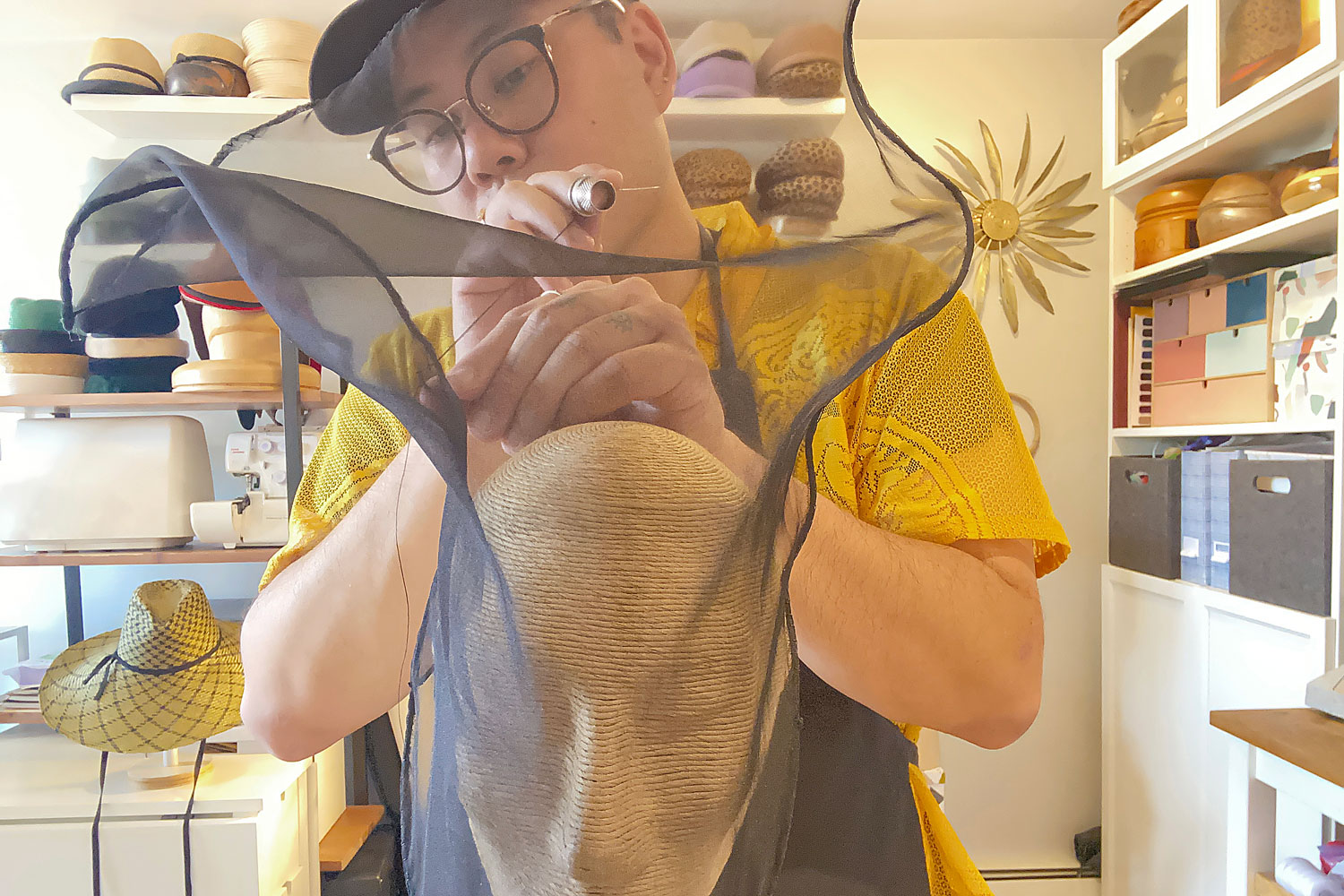
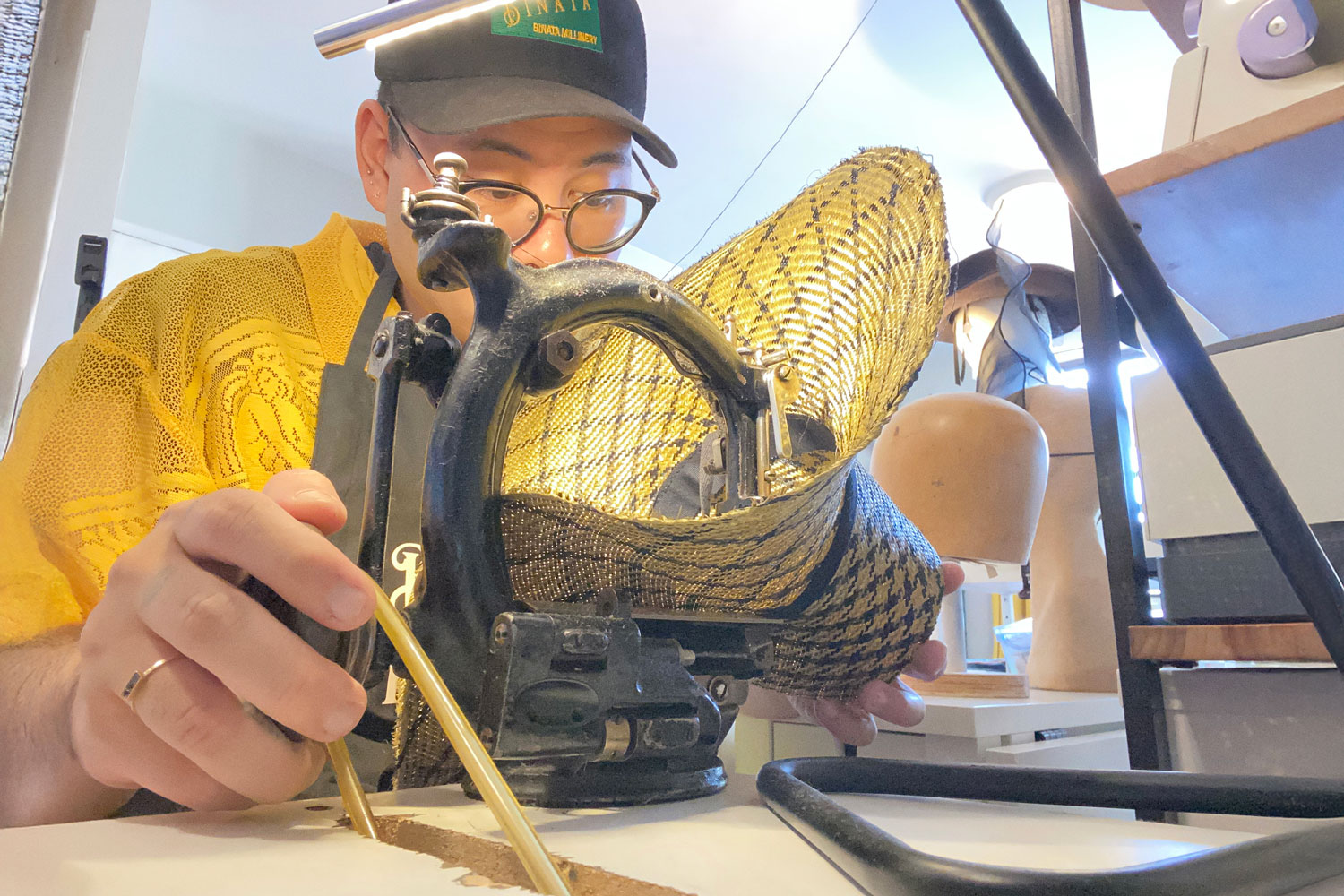
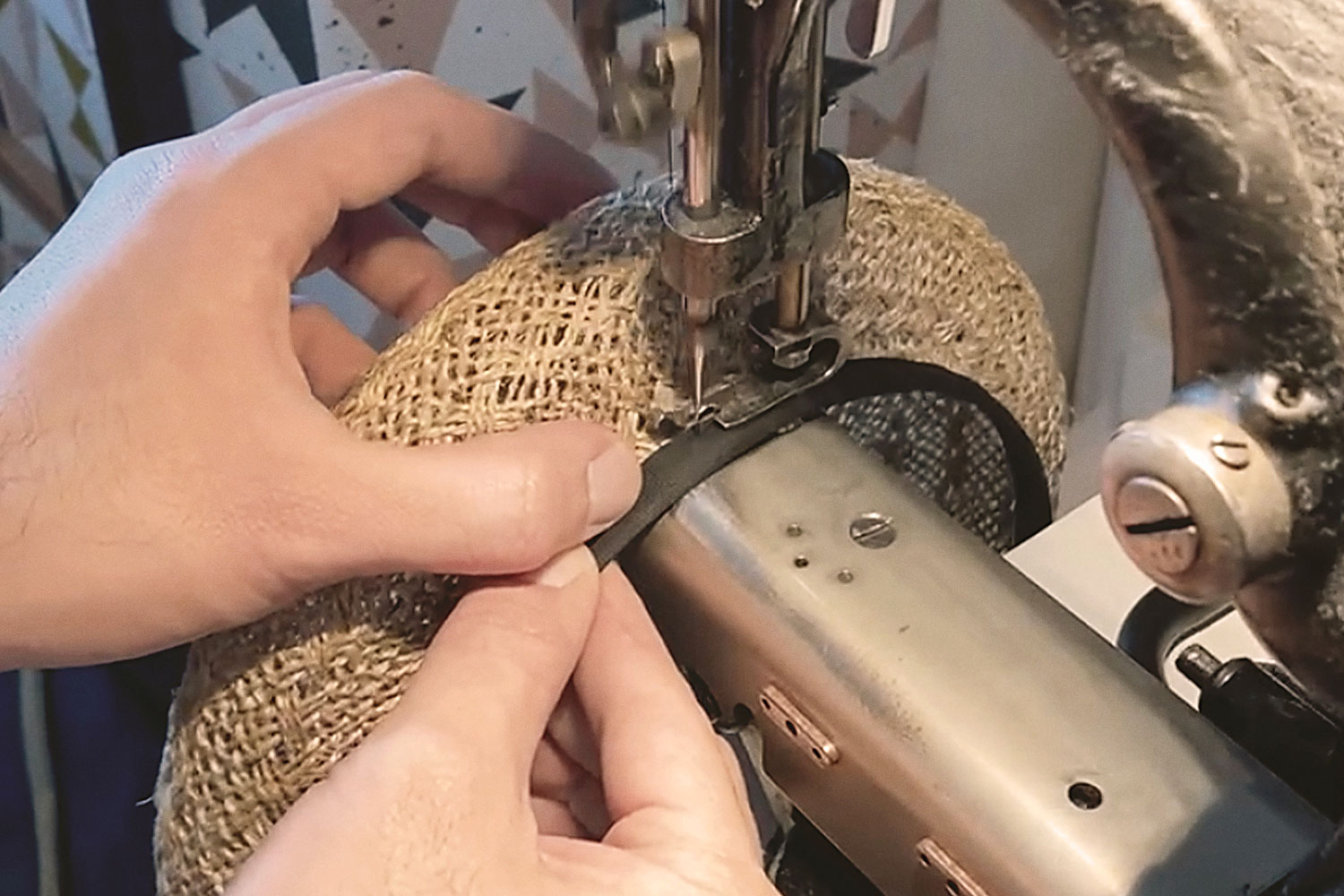
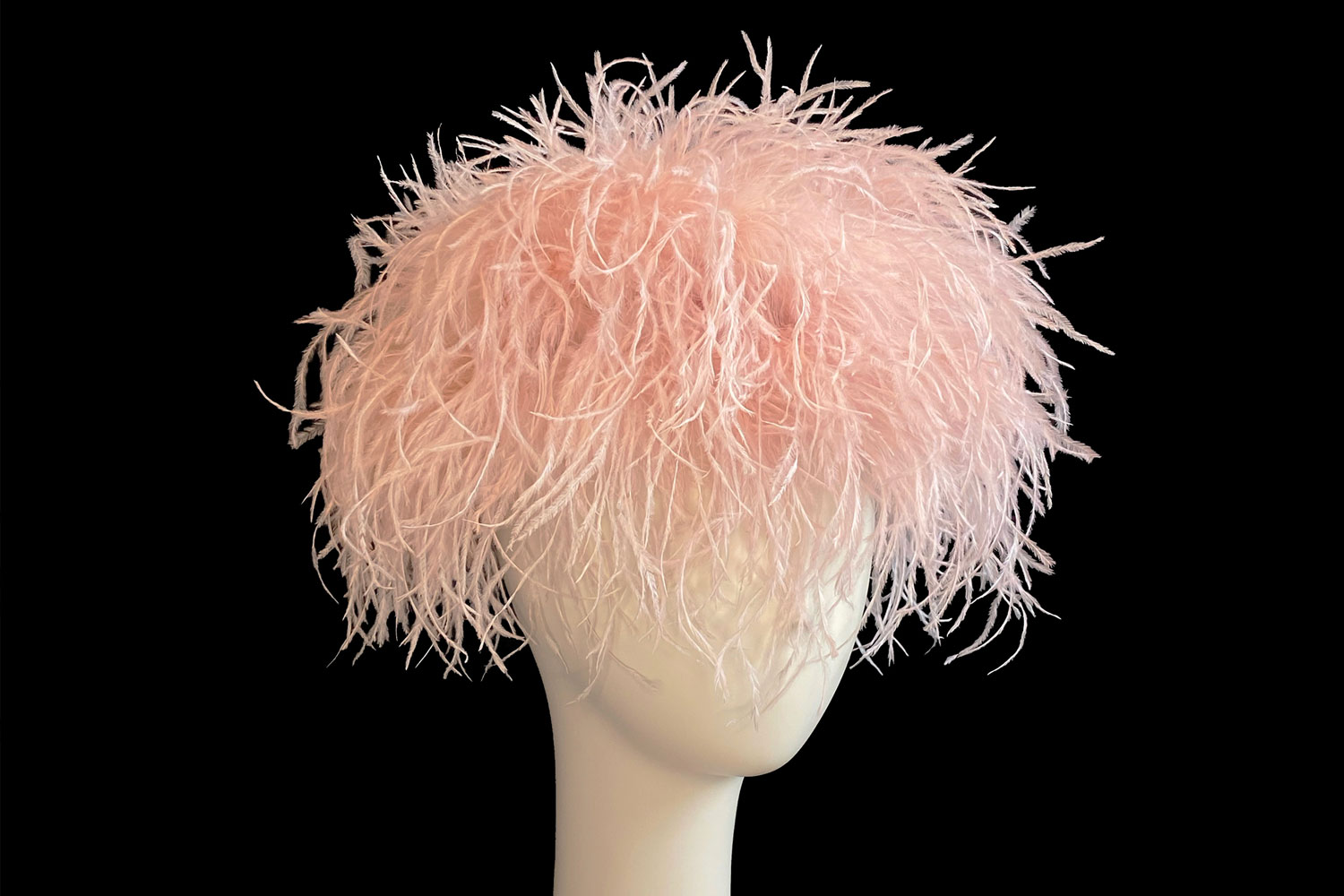
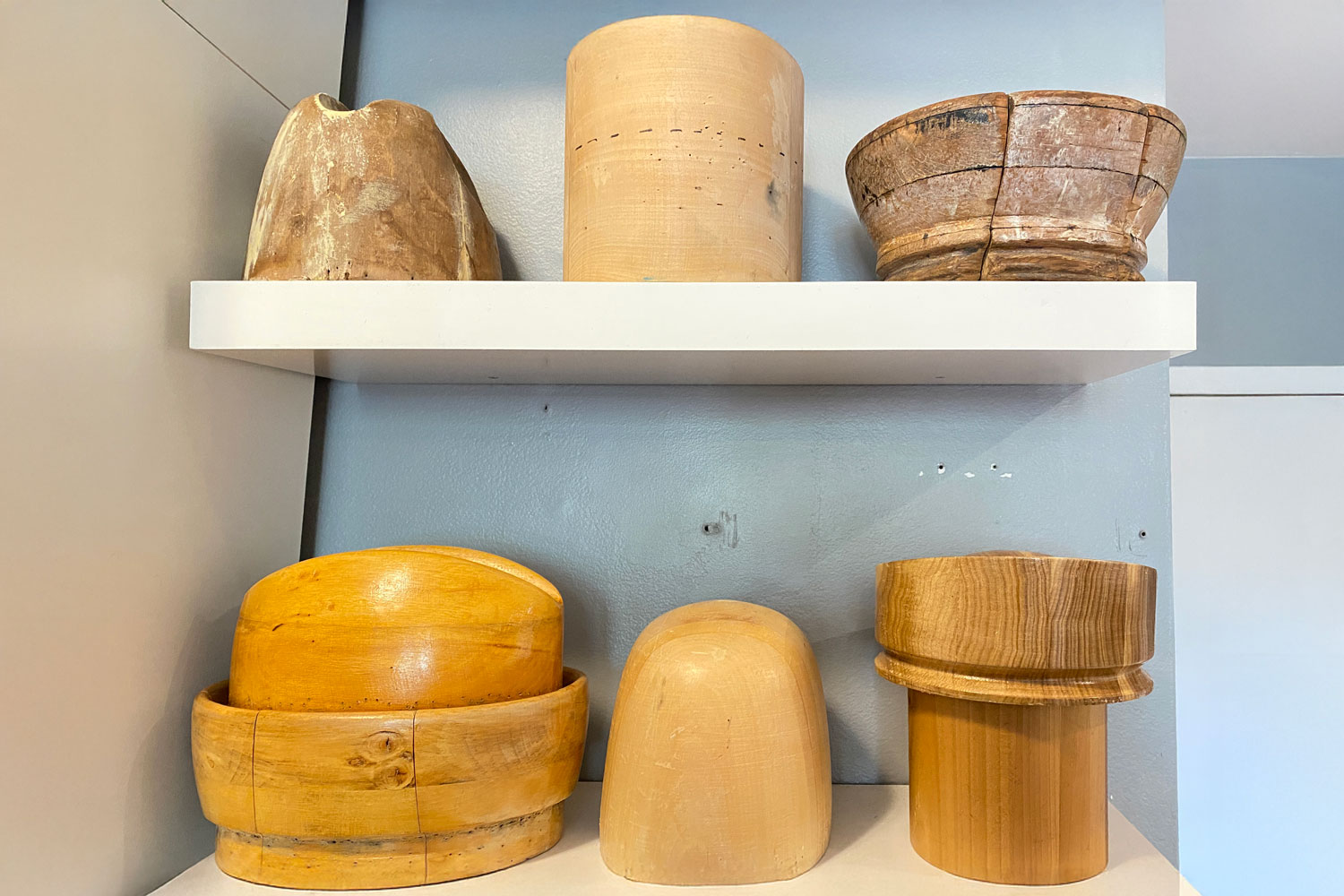
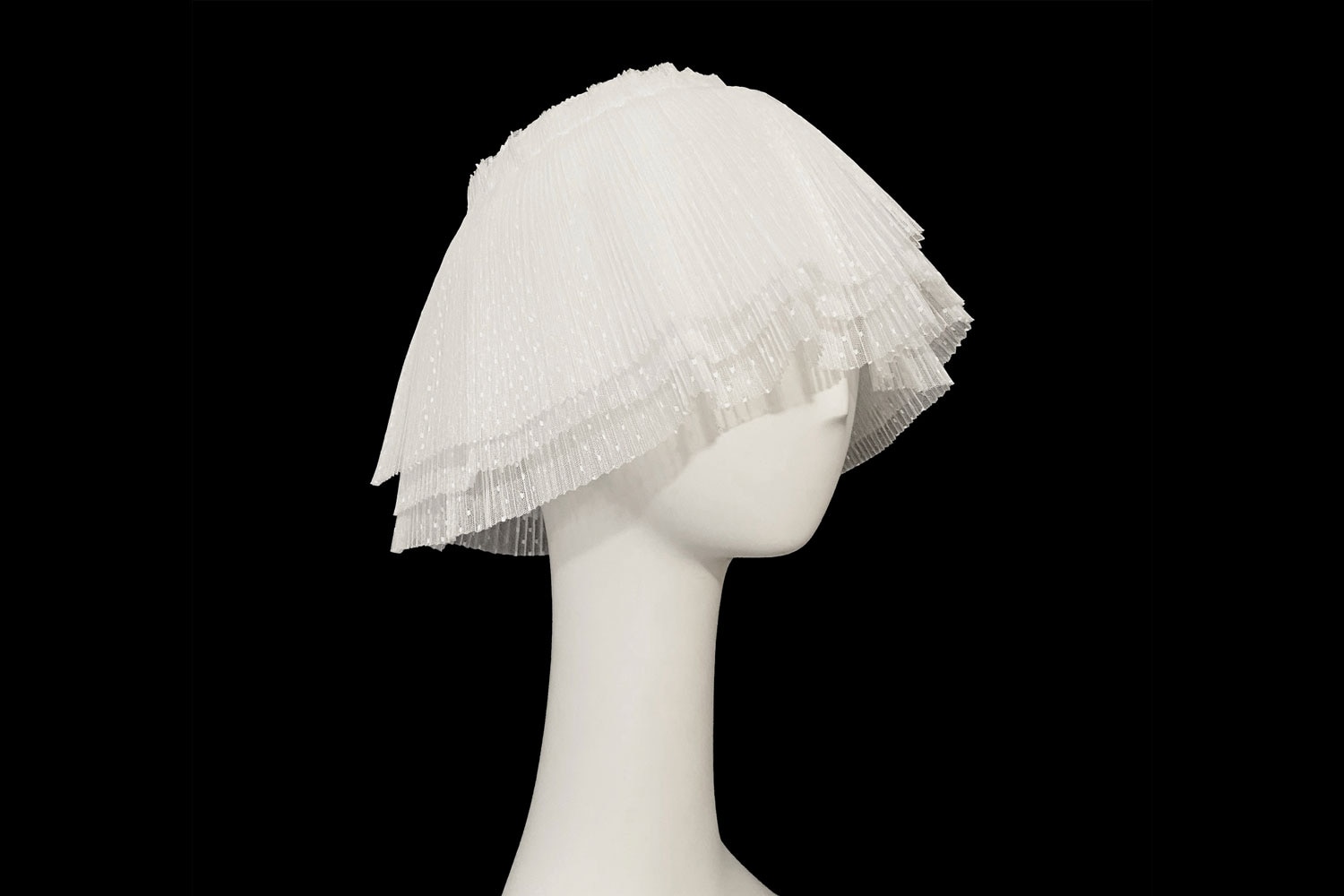
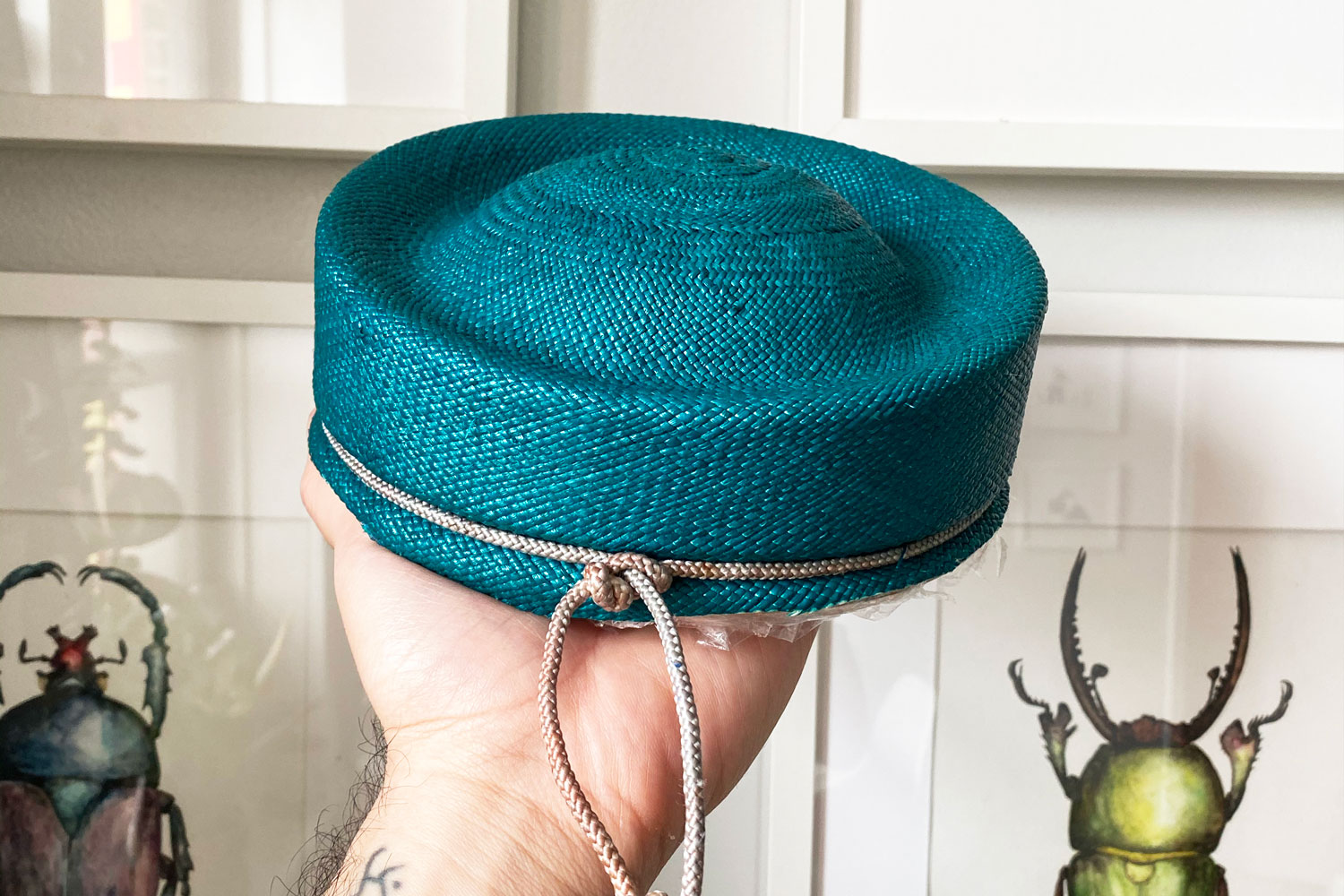
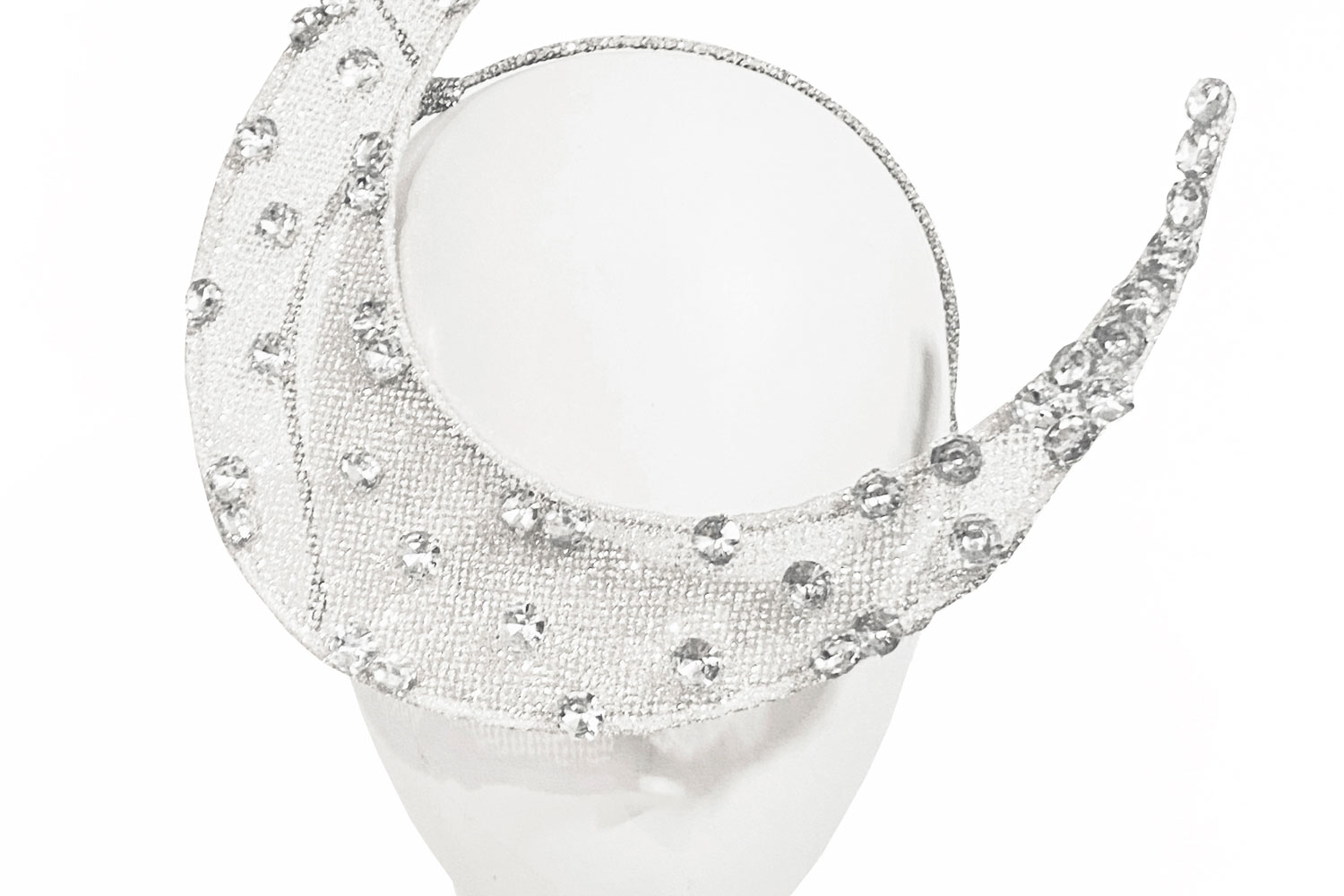
Working with a 1930s antique sewing machine and millinery blocks acquired from a retiring hat maker, Rowell Concepcion creates headwear that celebrates individuality. Trained at New York’s Fashion Institute of Technology (FIT), he began his career on the business side of fashion at Balenciaga and Alexander Wang before a turning point led him to focus on his passion for millinery. “Life is too short, let me just try,” he says of founding Binata Millinery in 2020 after losing his father to Covid. Rowell’s business honours his father and his Filipino heritage. His designs have been featured in high-profile fashion publications and worn by the likes of Janelle Monáe, Lady Gaga and Pharrell Williams.
INTERVIEW
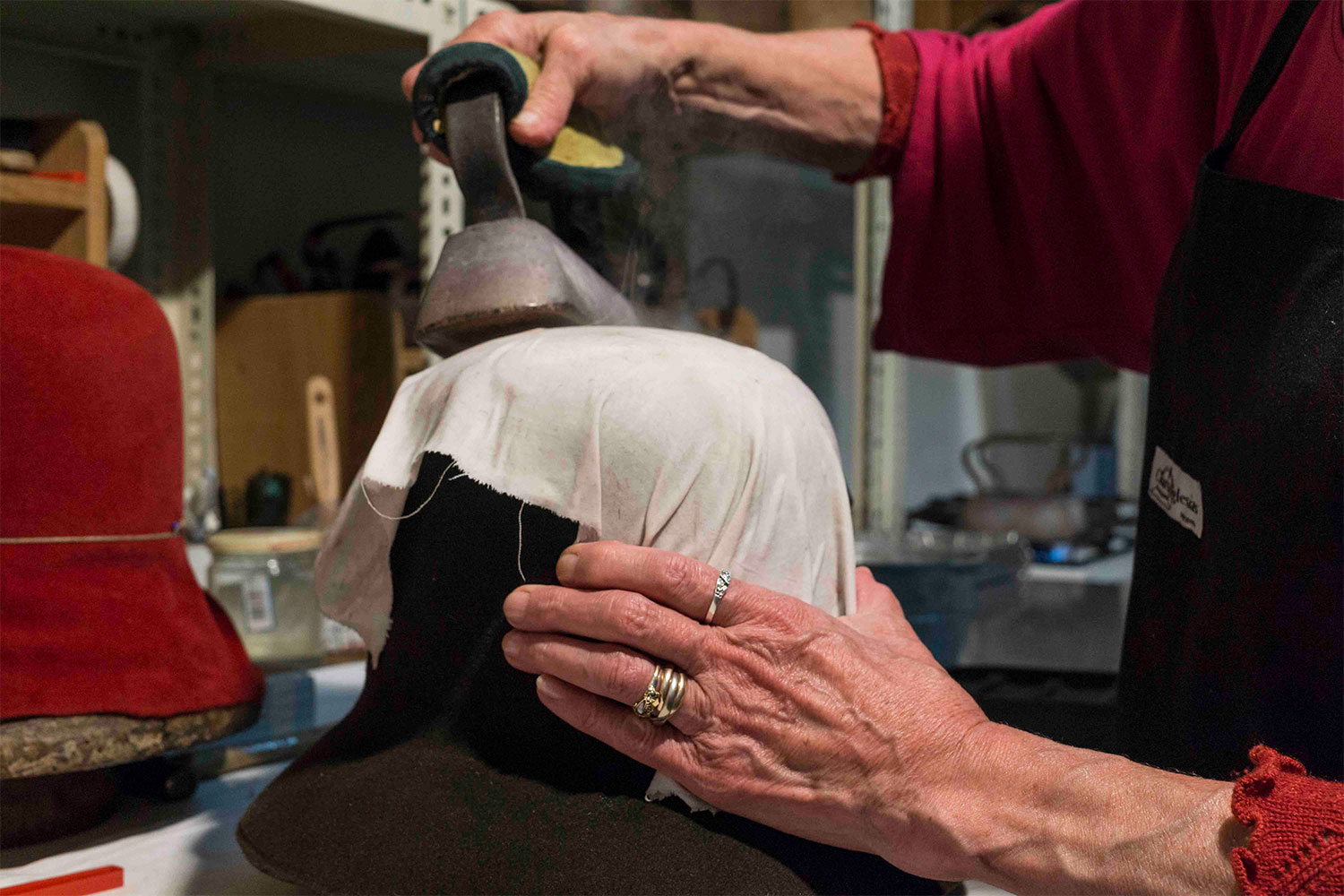
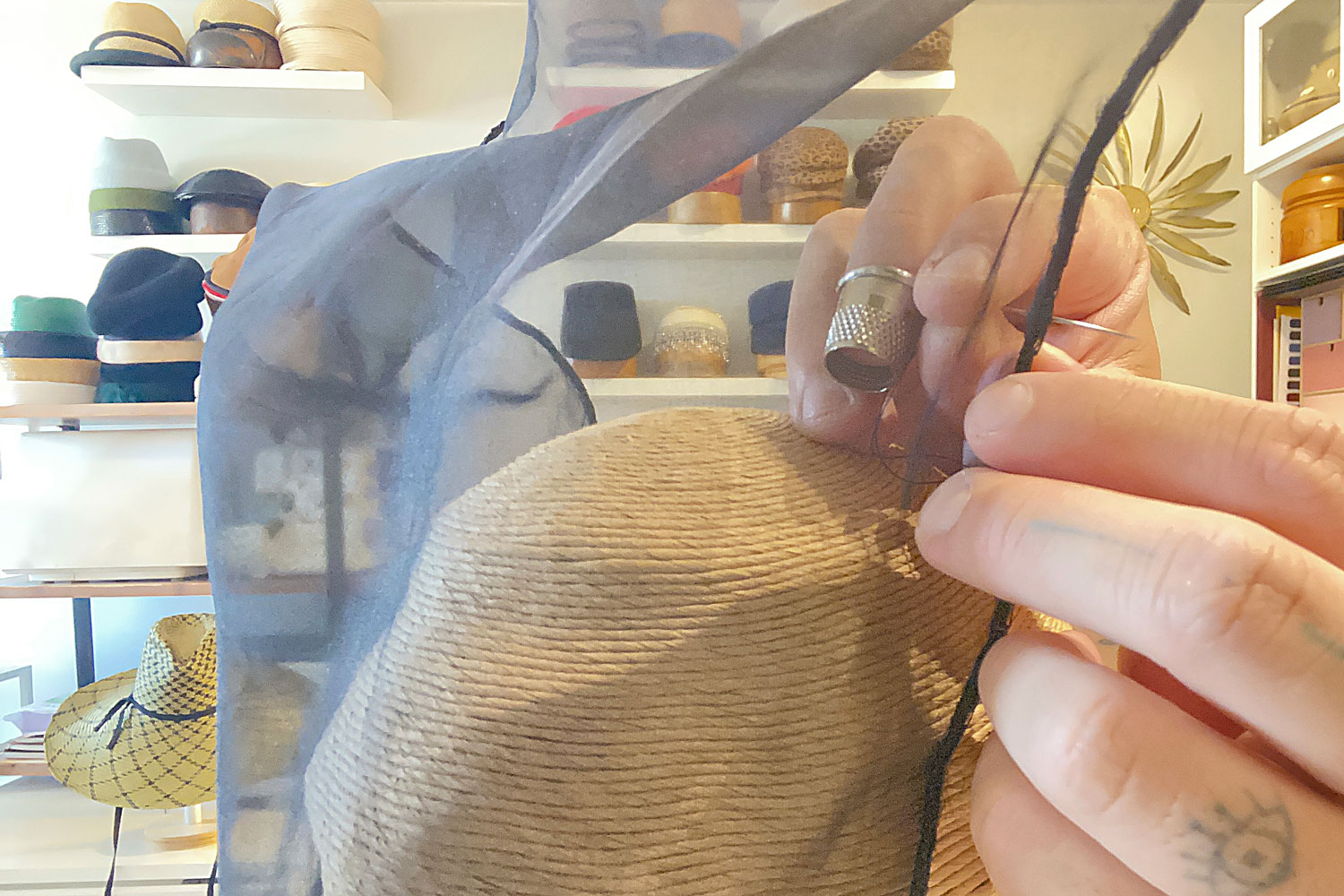
It definitely does. Everything I learned was taught by my professor, Janet Linville at FIT, and she was taught by Ann Albrizio, who was taught by the milliners at Balenciaga. All of these techniques were passed down from generation to generation, and things really have not changed much at all.
It starts with the material. A lot of materials like buckram, a stiffened cotton from theatrical millinery, are becoming scarce. You have to get creative with what you have. I am trying to figure out how to scale by focusing on materials I know I can source, then taking them in a more modern direction.
My aesthetic is very Old Hollywood, inspired by the 1940s. Hats were smaller then because they had to conserve resources. Nowadays, people come to me for smaller hats they can travel with. I also want to be known for the resource-conscious way I work with materials. The piece I made for Lady Gaga, for example, uses scrap fabric.
I have multiple goals, including employing artisans in the Philippines, where my parents grew up. They instilled in me the idea that we should use our talents to help the people who helped raise us.
Rowell Concepcion
Binata Millinery
Milliner
Queens, NY, USA
Recommended by Nest
AVAILABILITY
By appointment only
PHONE
+1 9098430789
LANGUAGES
English
Homo Faber Finds is a new service aiming to inspire admirers of craft to connect and collaborate with exceptional artisans.
We invite you to submit an enquiry here.