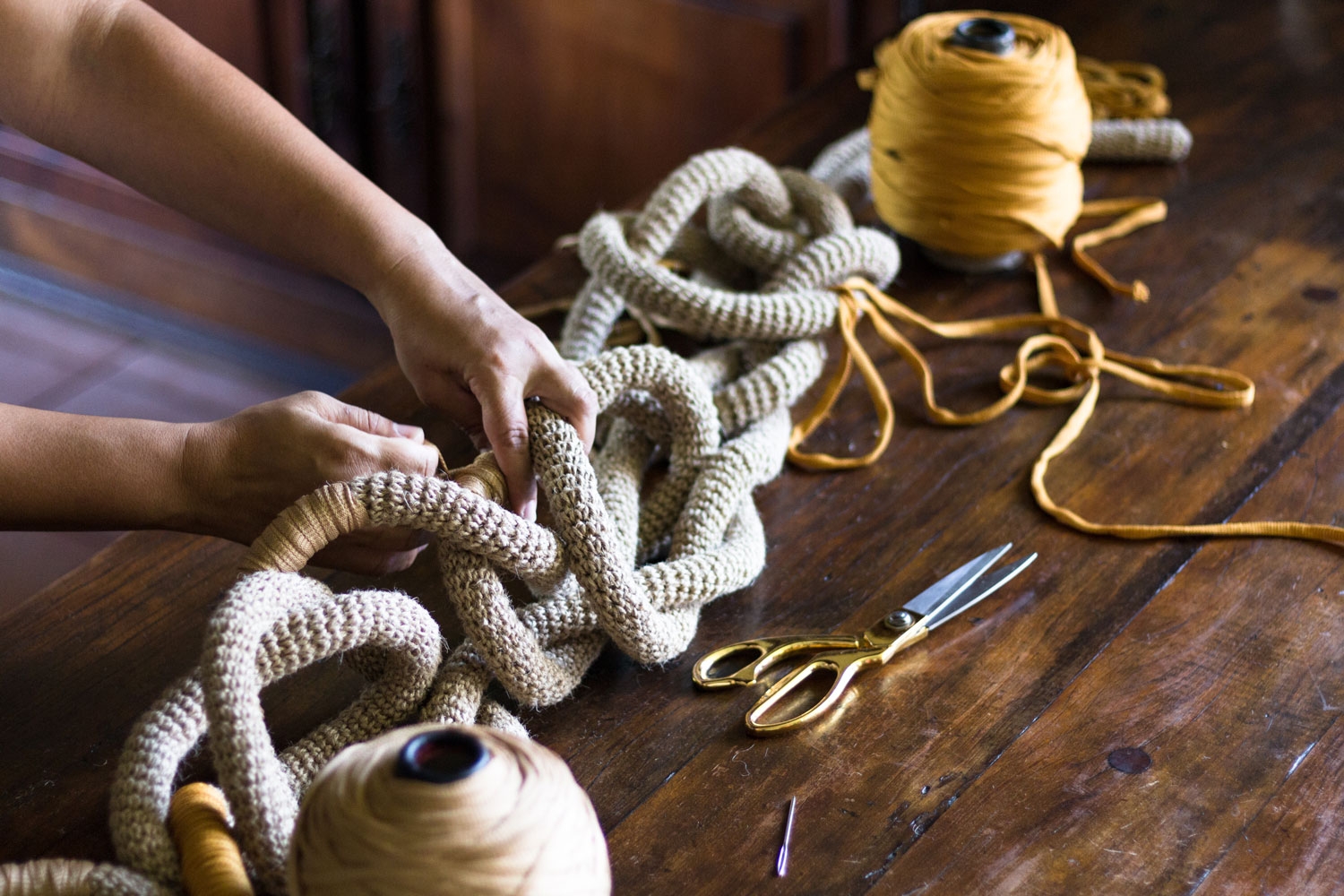
Regina Misk
Textile creator
Belo Horizonte, Brazil
The skill to make heritage feel bold and fresh
- Regina makes objects of all kinds using repurposed textiles and fibres
- Her process thrives on instinct and research, and is guided by creative experimentation
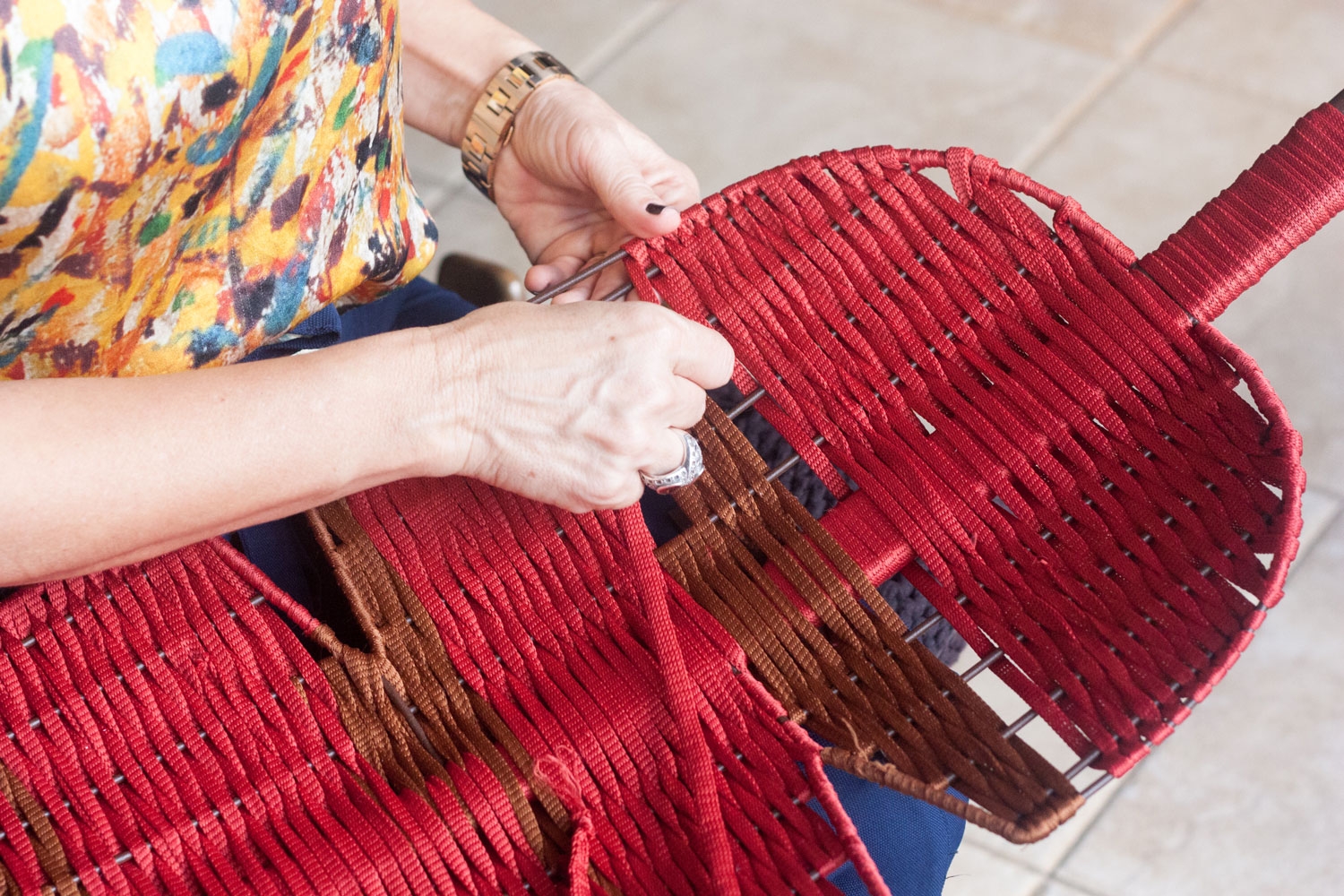
- She is committed to using traditional Brazilian weaving and knitting techniques to make her works
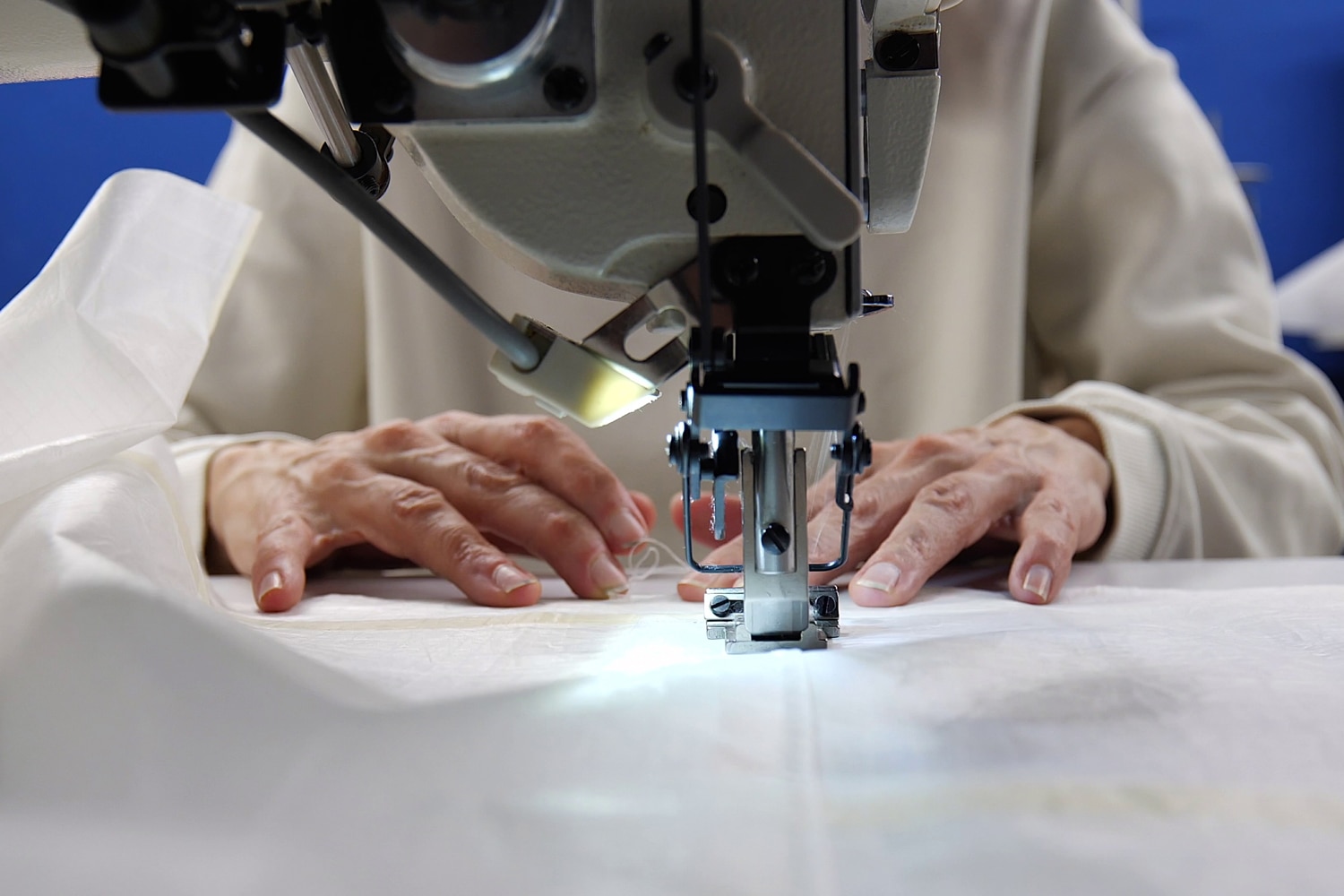
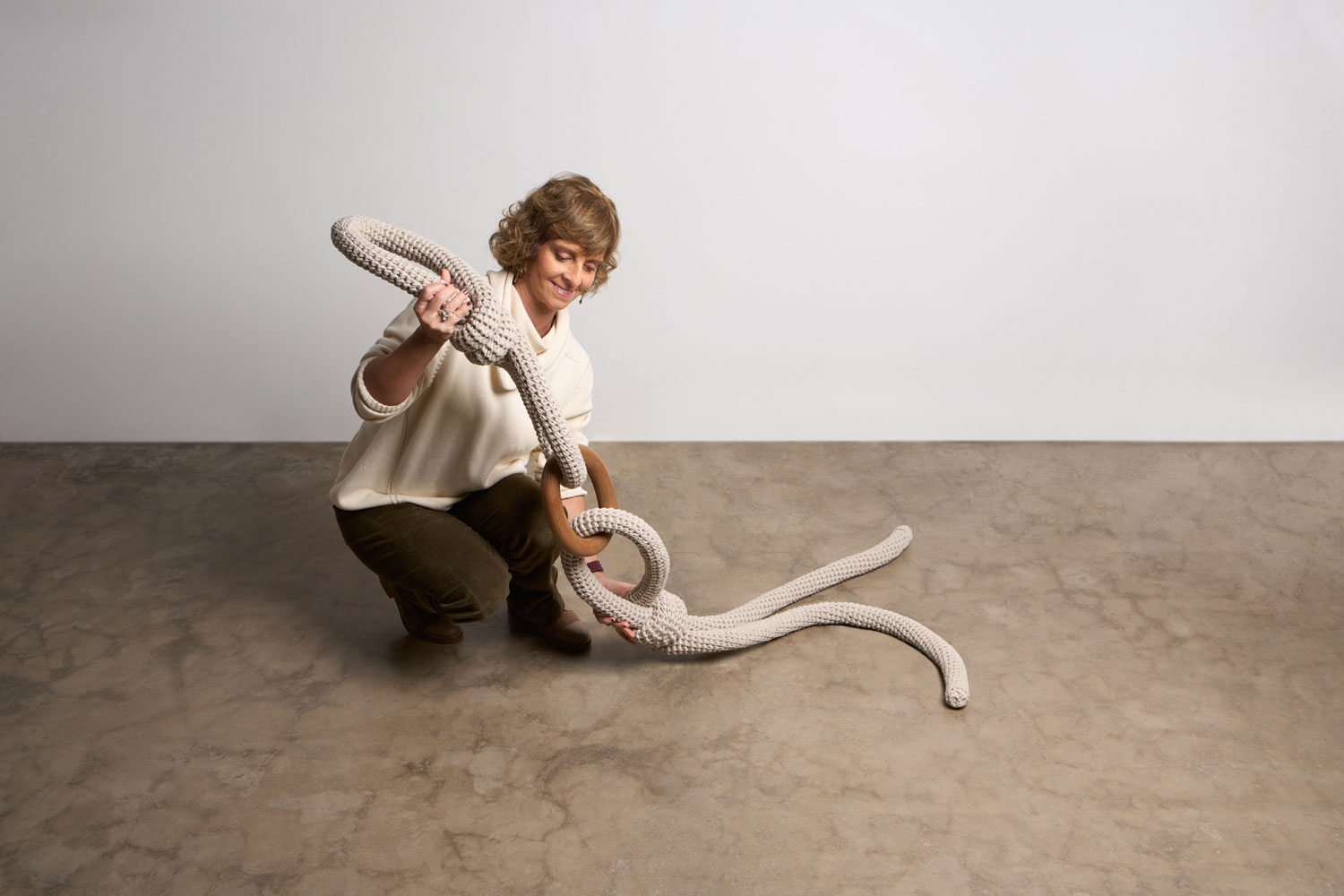
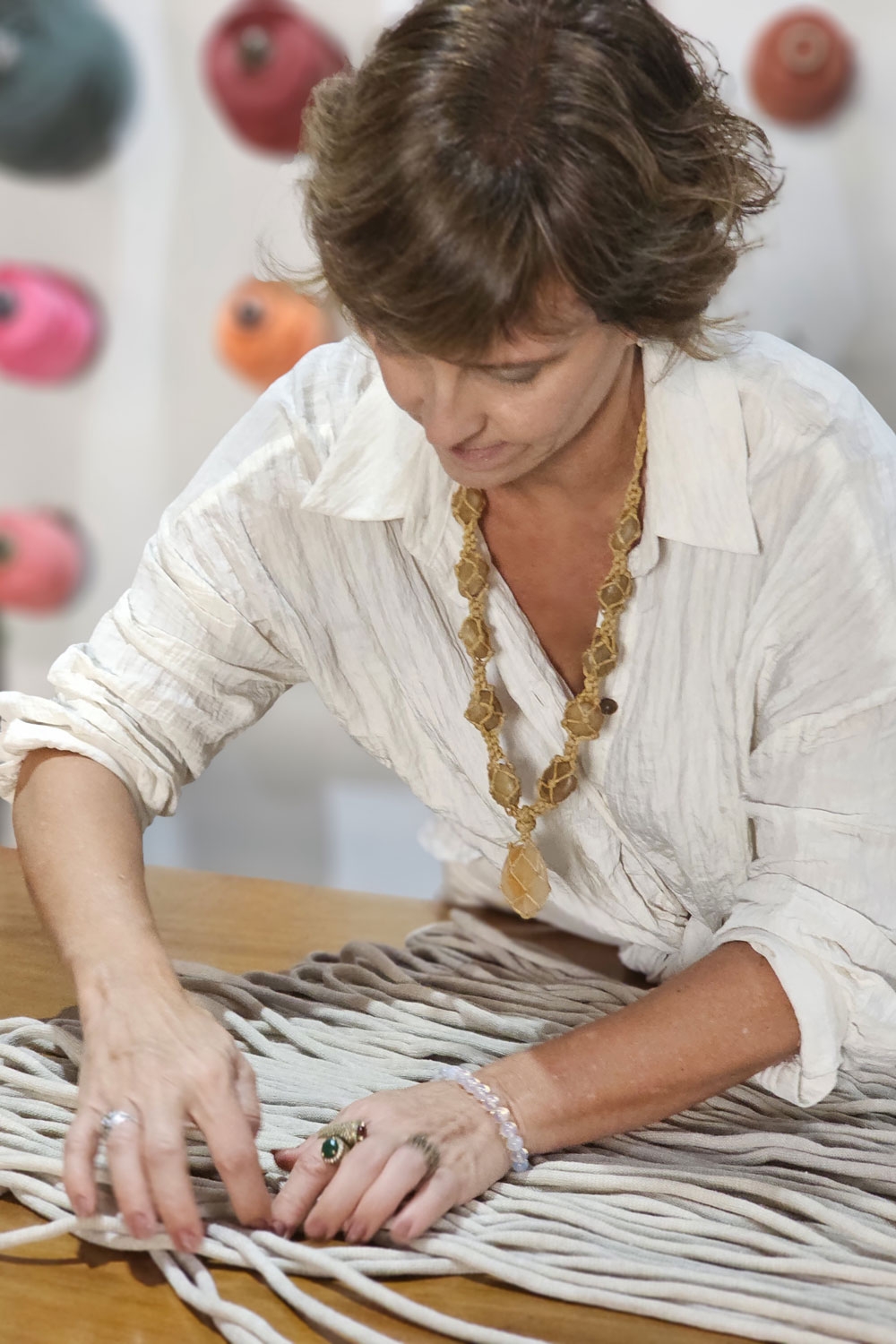
Regina Misk was born into a family of knitters, and moved overseas to Covilhã, a hub for wool production, as a toddler. There, surrounded by yarn and thread, she learned embroidery and needlework as part of the art curriculum at school. When her family returned to Brazil in the mid-1970s, several Portuguese friends – skilled knitters and crocheters – came with them. “When I was 17, my mother and I helped those friends complete a large order of knitted jumpers for a boutique, and after that, I never stopped. I started designing, making, and selling my own pieces,” shares Regina. Her work reflects Brazilian modernism, blending traditional patterns and natural materials with ancestral techniques and creative freedom. “My process is very intuitive. I experiment as I go, and if the visual result pleases me, I pursue it further,” she says.
Discover her work
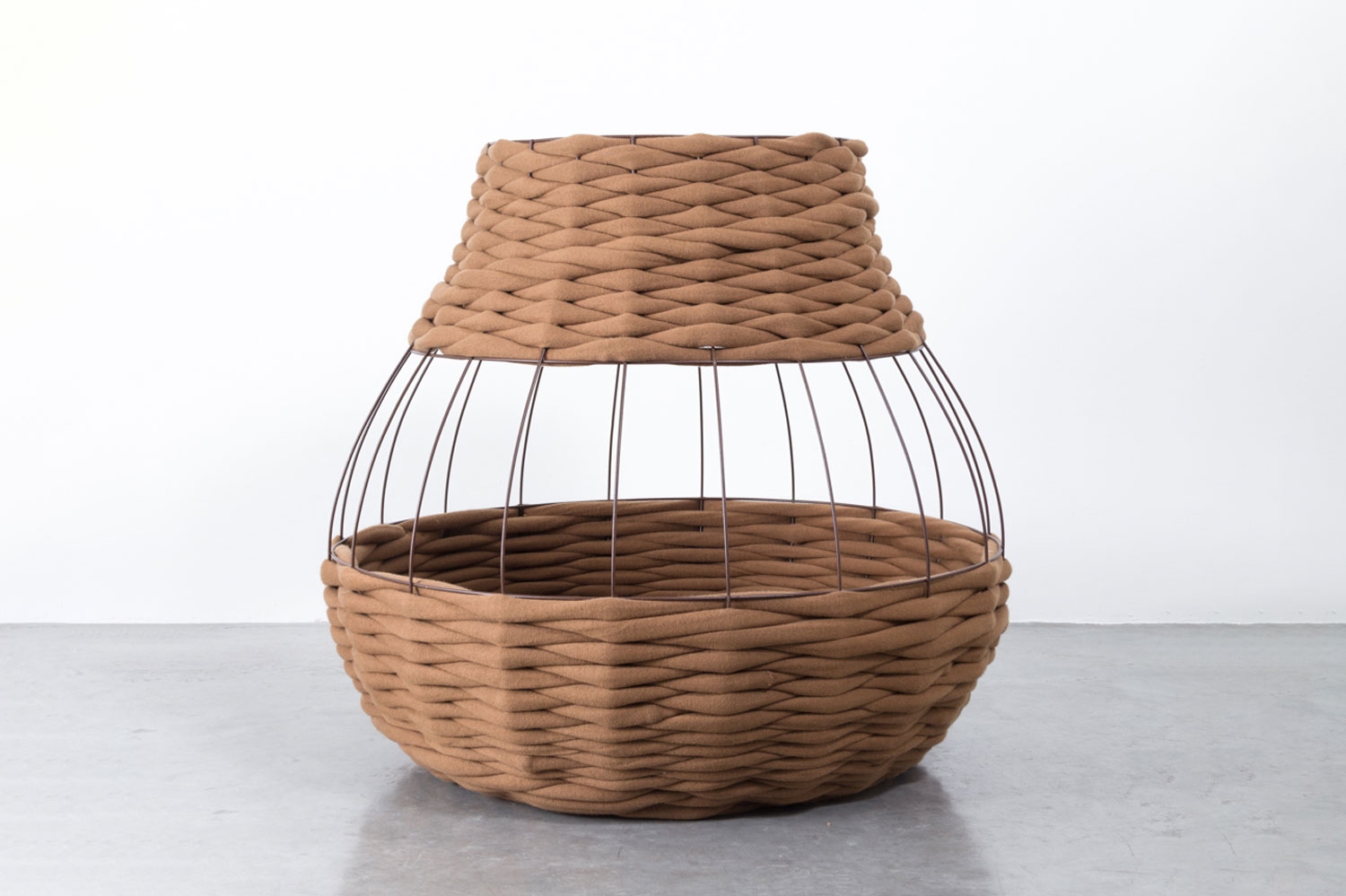
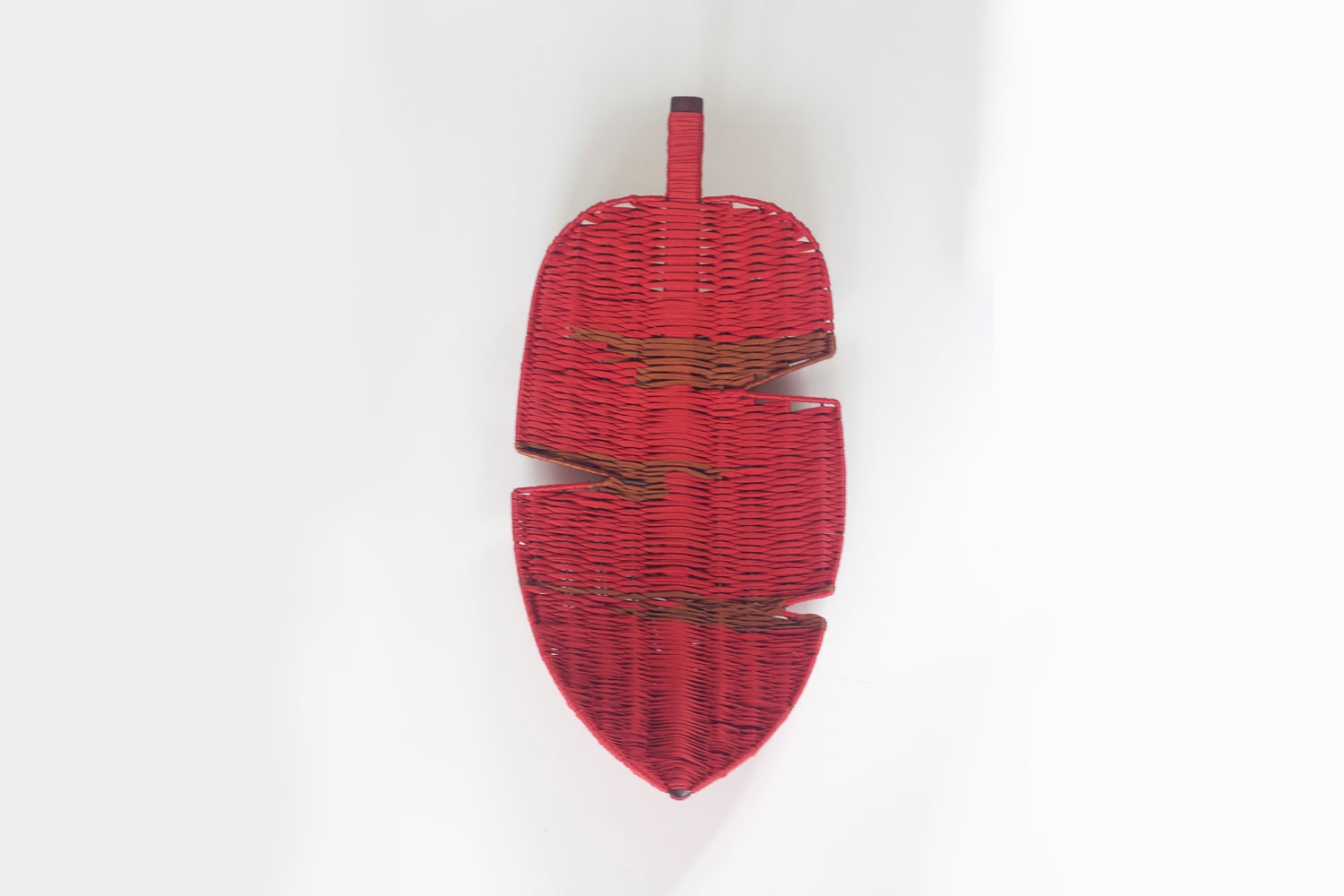
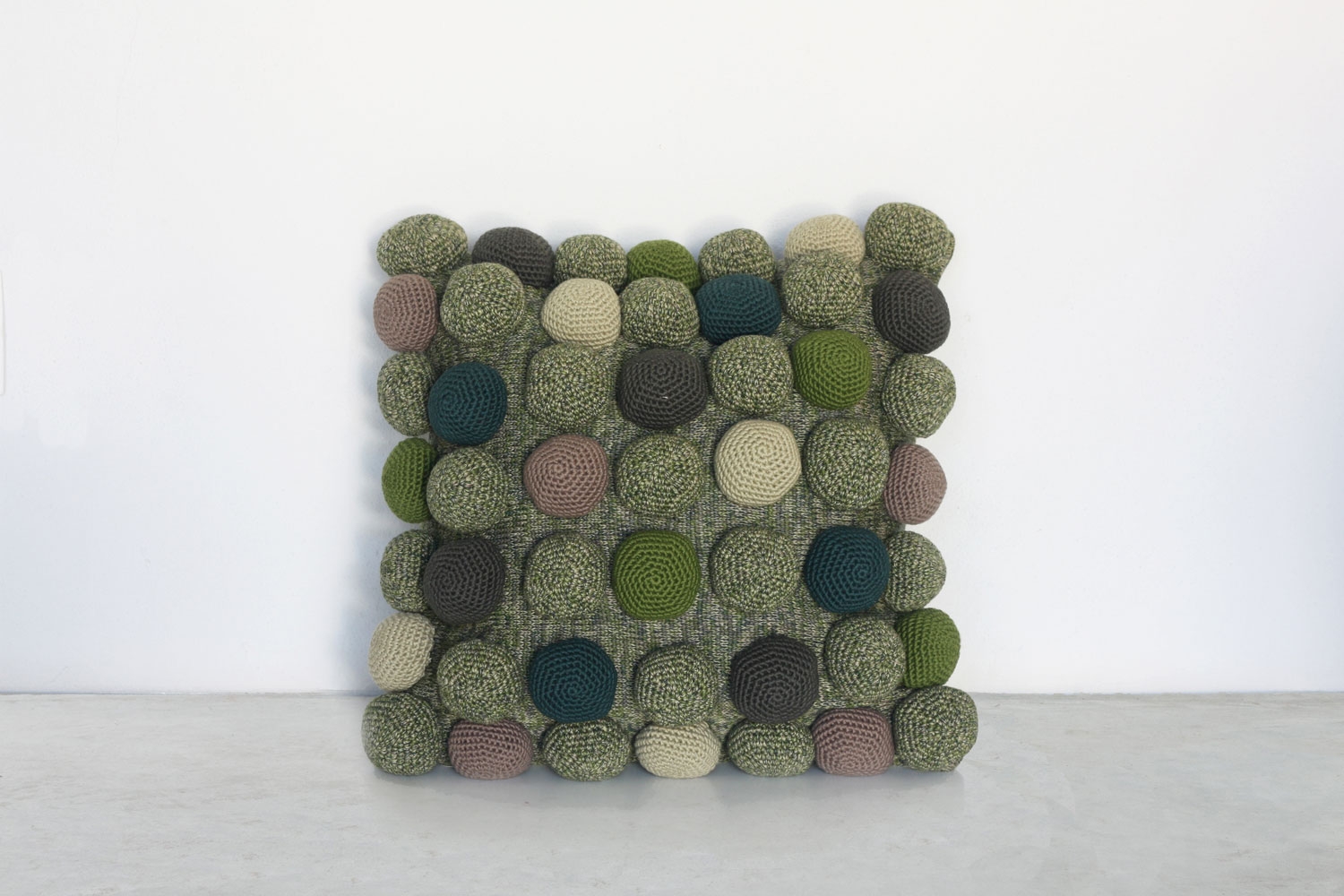
INTERVIEW
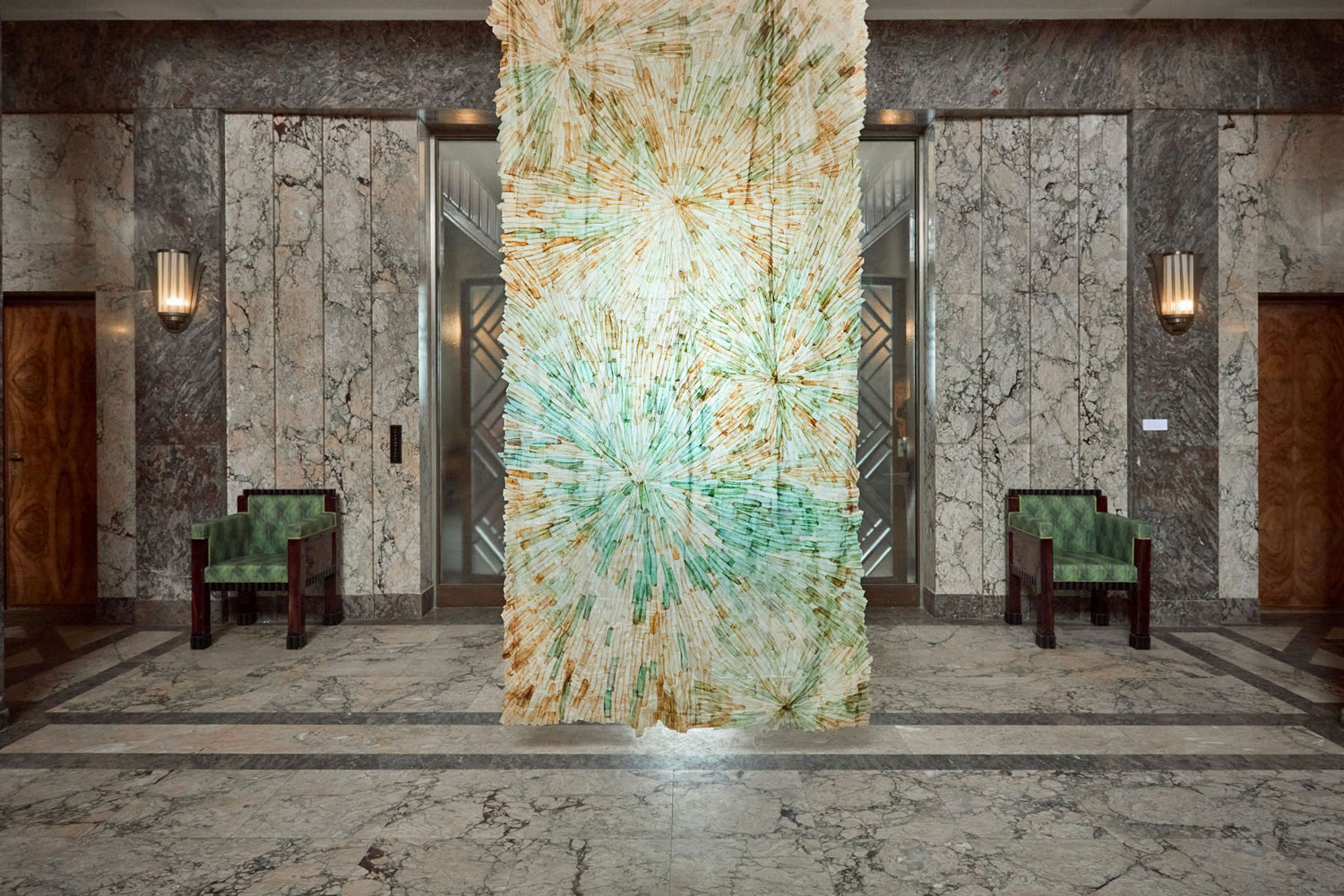
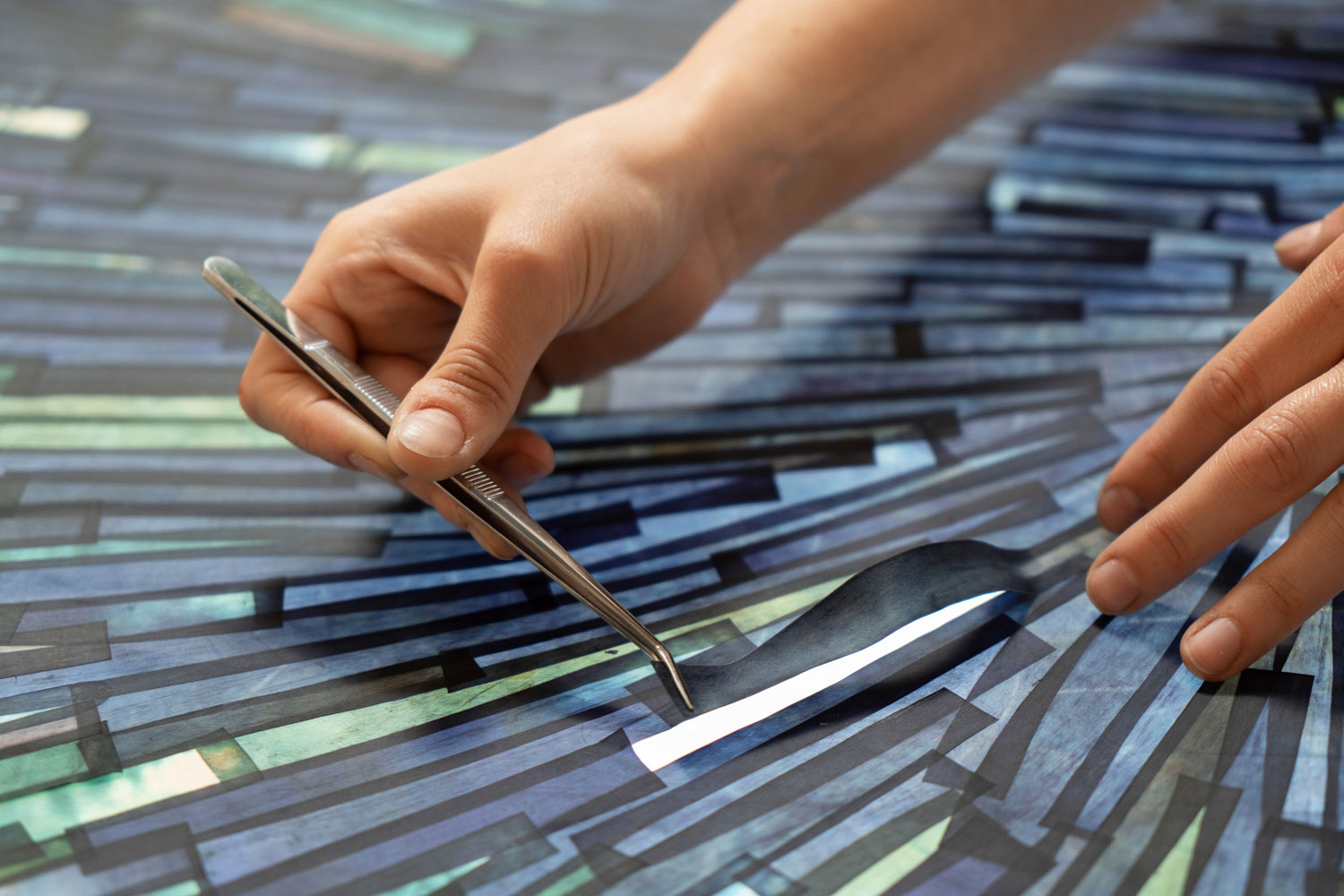
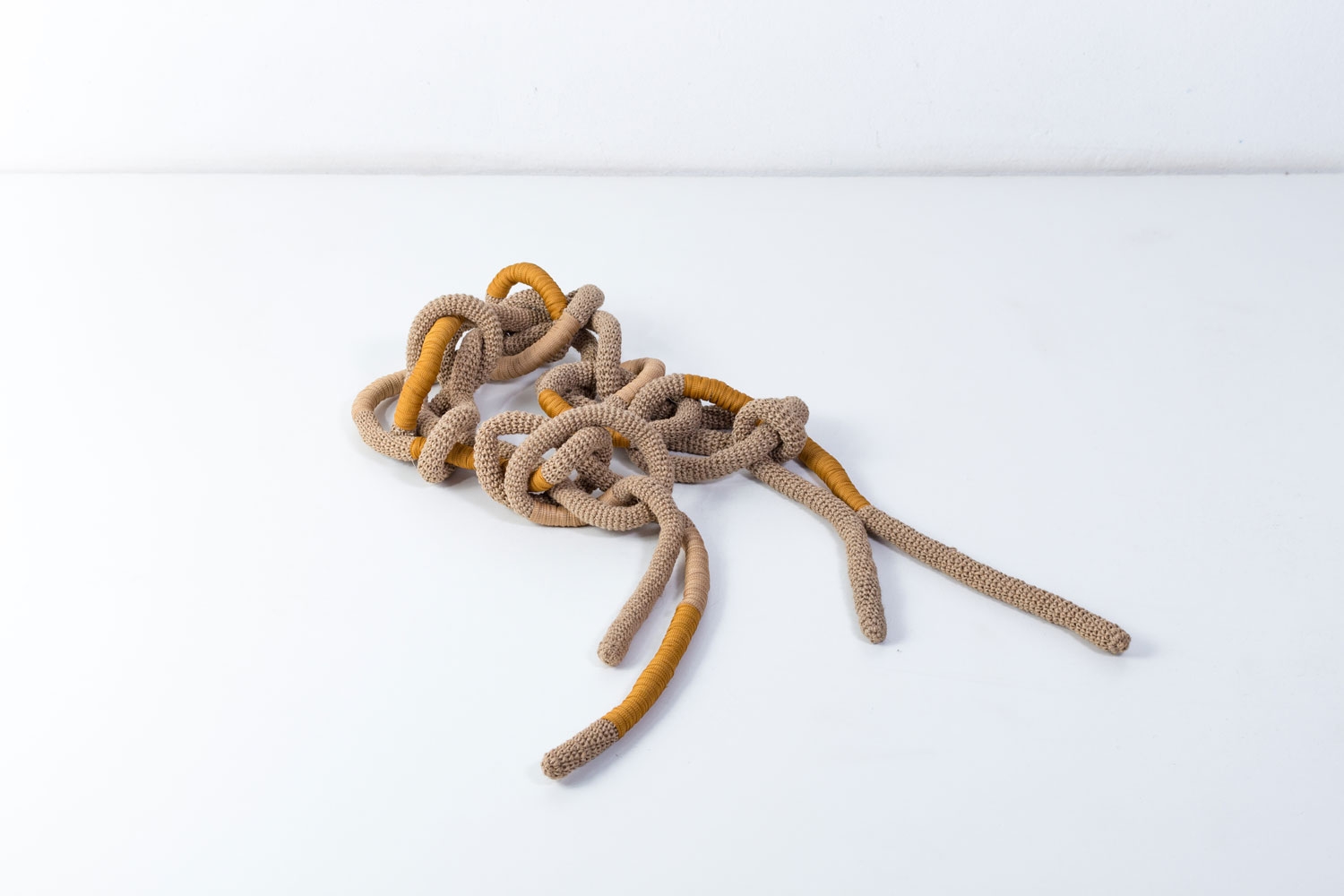
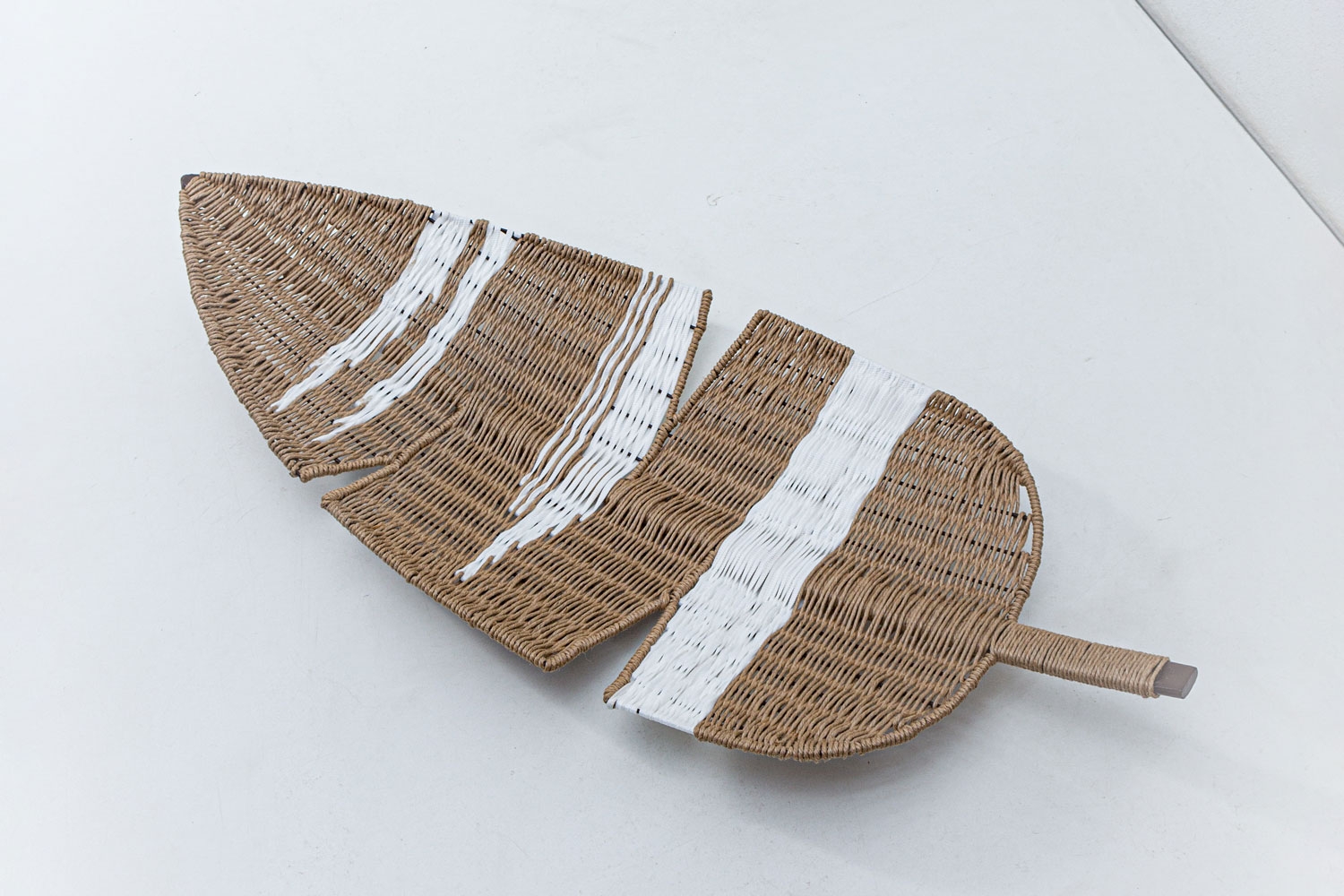
The materials I use are the result of extensive research. If I find something that can be woven, even if it is not a conventional thread, I test it out. I buy industrial threads and transform them into cords of various thicknesses. I also produce my own material and work with natural fibres like cotton, ramie and banana rope.
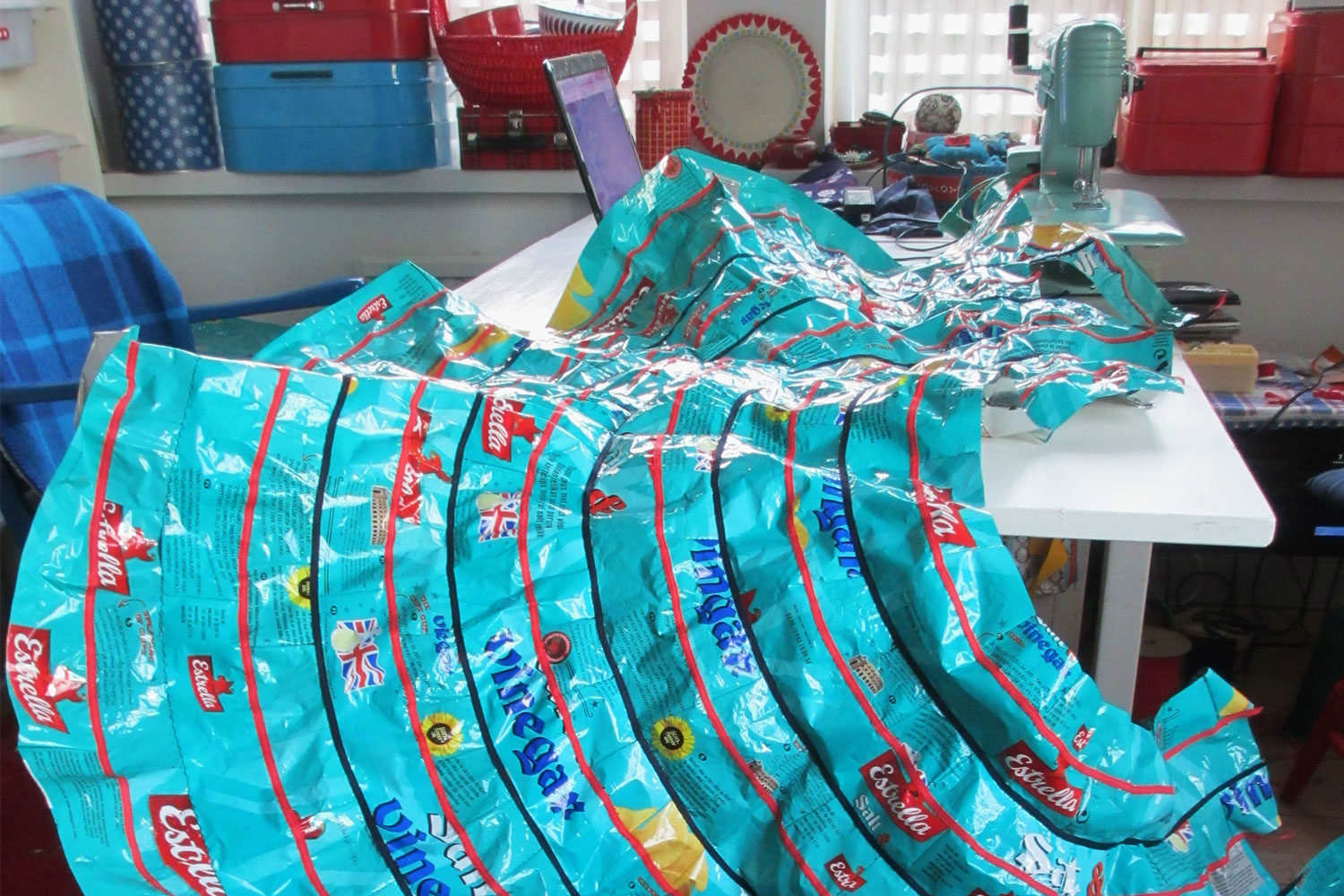
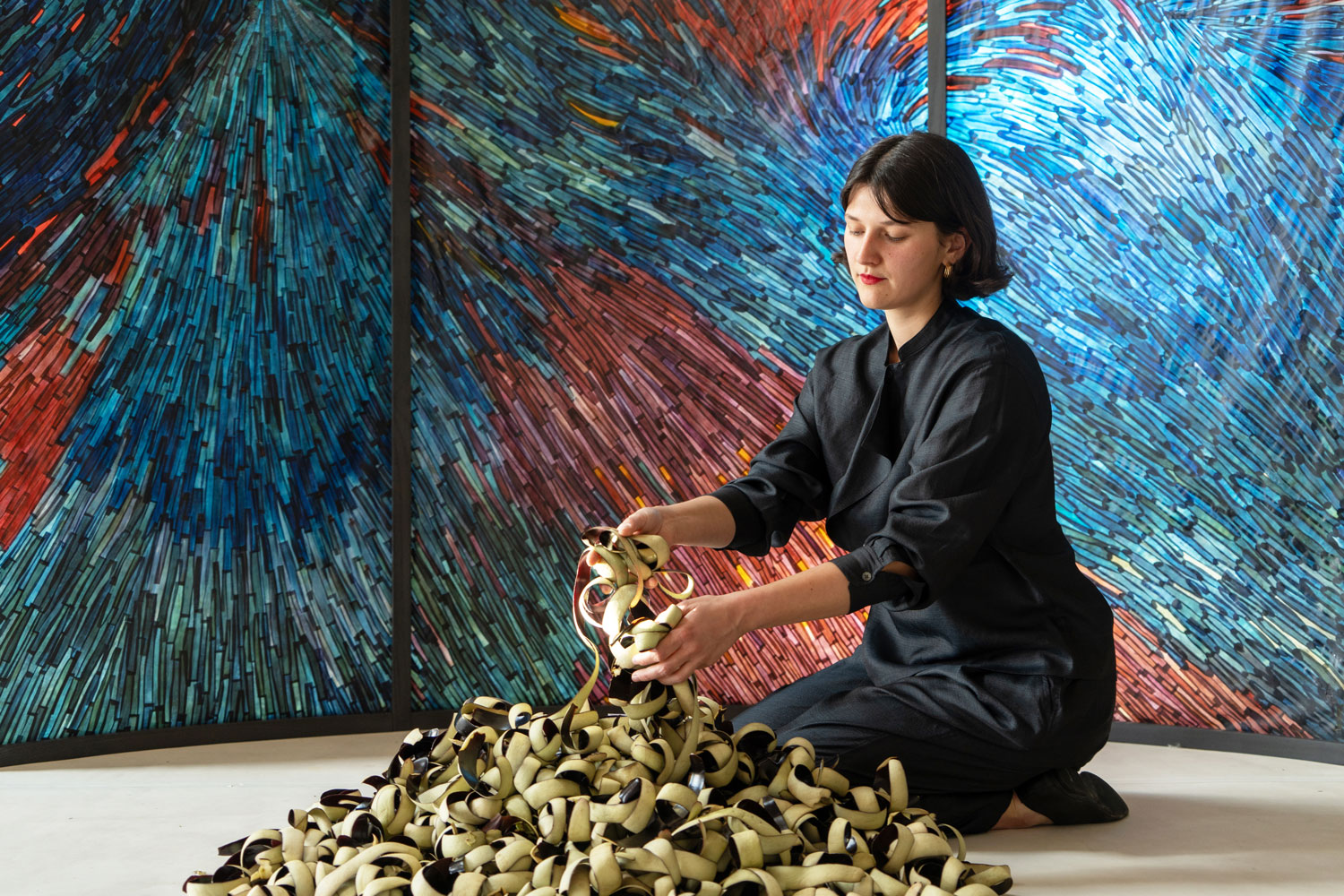
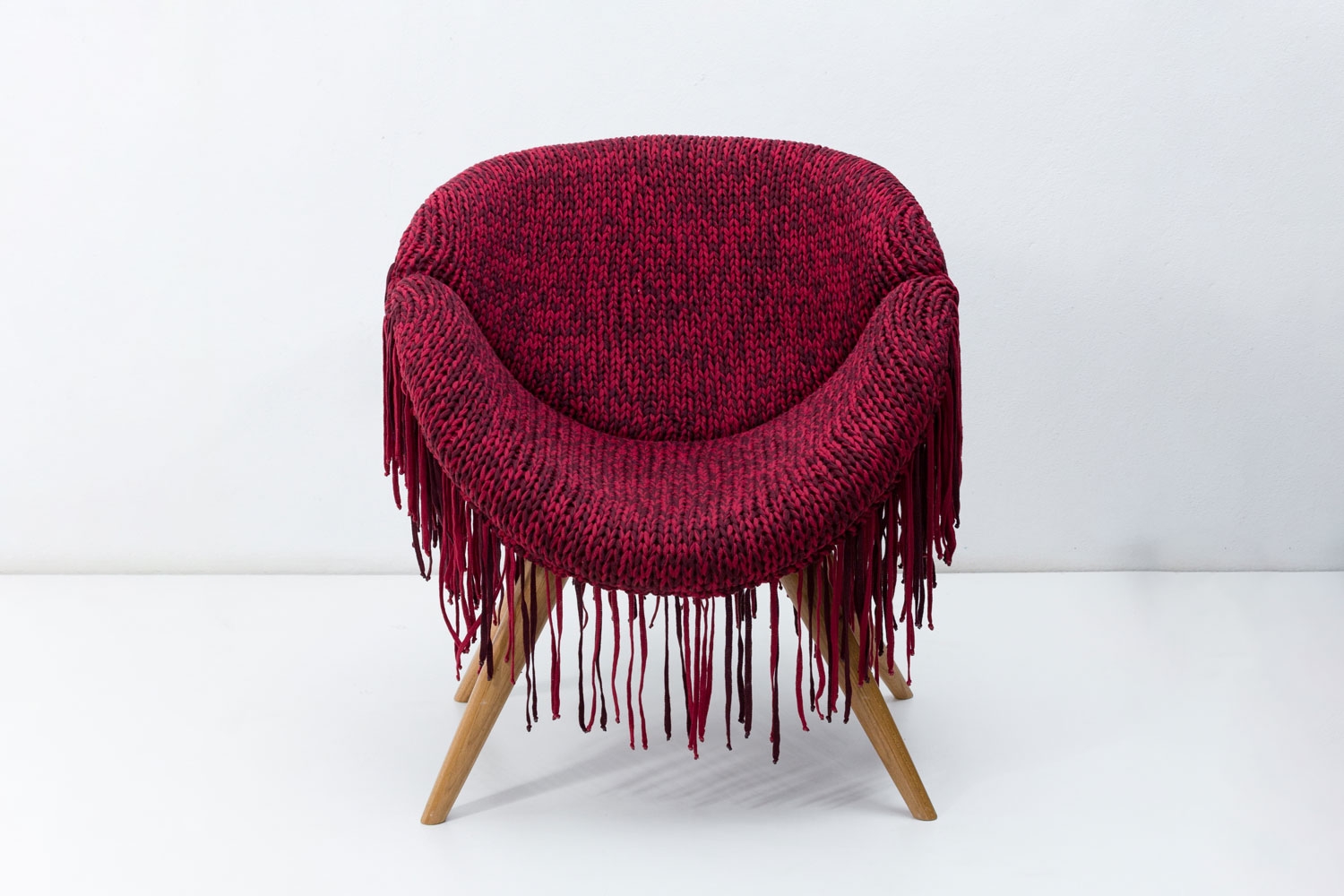
I focus on waste reduction and reuse. I use leftover materials and scraps to fill my pieces, ensuring nothing goes to waste. My goal is to create durable pieces that last for years and are not disposable.
Yes, I believe my work helps preserve traditional techniques and knowledge by sparking curiosity in the audience. Mixing traditional techniques with novel ones in the same piece, or using oversized stitches and patterns are what makes my work resonate with a modern audience.
I am always exploring the work of new artists. When I travel, I visit museums with textile art collections and study old weaving techniques used in ancestral crafts. This research helps me understand the cultural roots of my work and inspires new creative directions.
Regina Misk
Textile creator
Belo Horizonte, Brazil
AVAILABILITY
By appointment only
PHONE
+55 31982607755
LANGUAGES
Portuguese, English
Homo Faber Finds is a new service aiming to inspire admirers of craft to connect and collaborate with exceptional artisans.
We invite you to submit an enquiry here.