Otohito Moriyasu
Glass sculptor
Kanazawa, Japan
The tension between limitation and possibility
- Otohito handcrafts glass sculptures that suggest fleeting sensations
- He has been a researcher at the Utatsuyama Kogei Kobo of Kanazawa since 2023
- In some of his works, he uses lacquer to bring warmth, softness and depth of colour
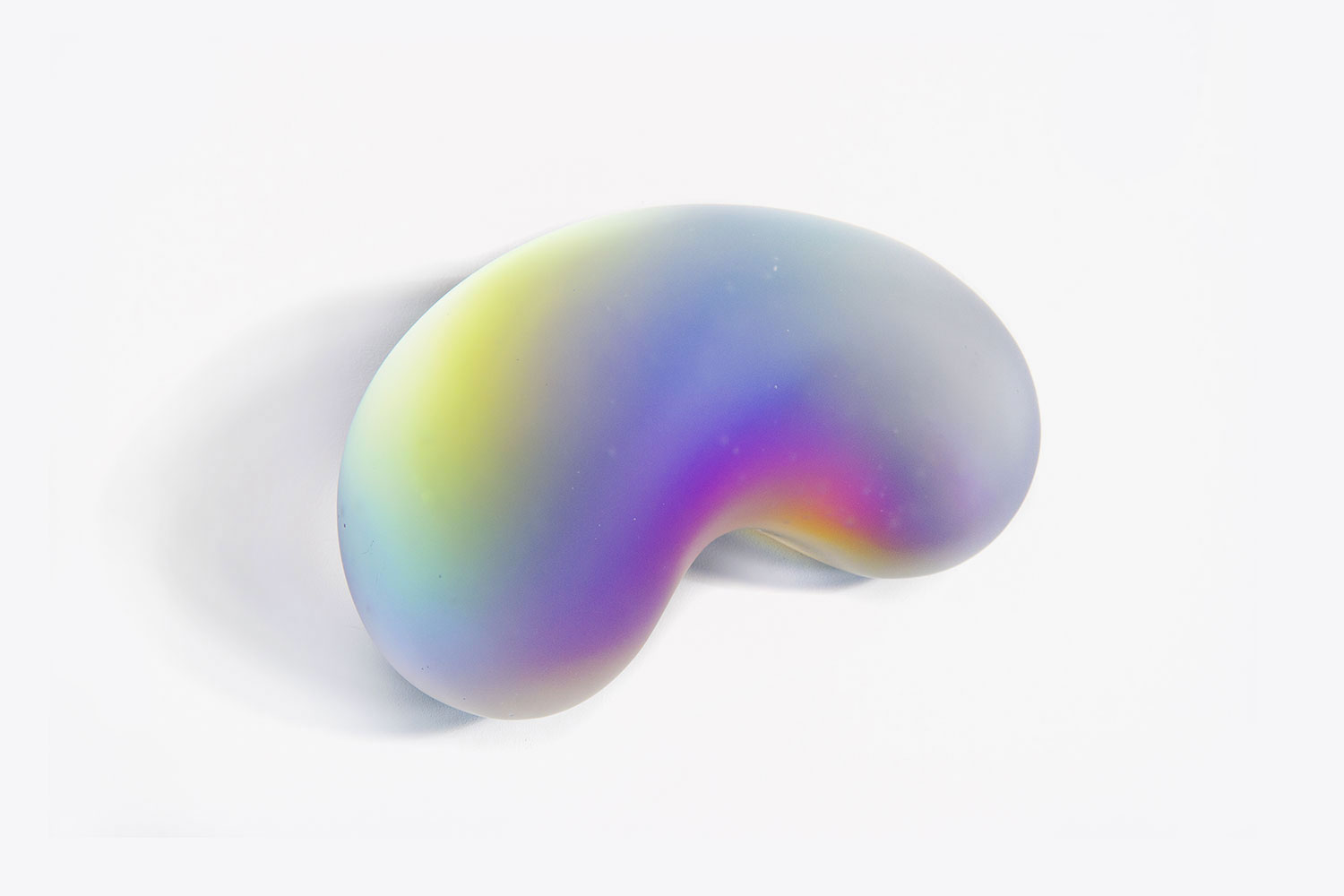
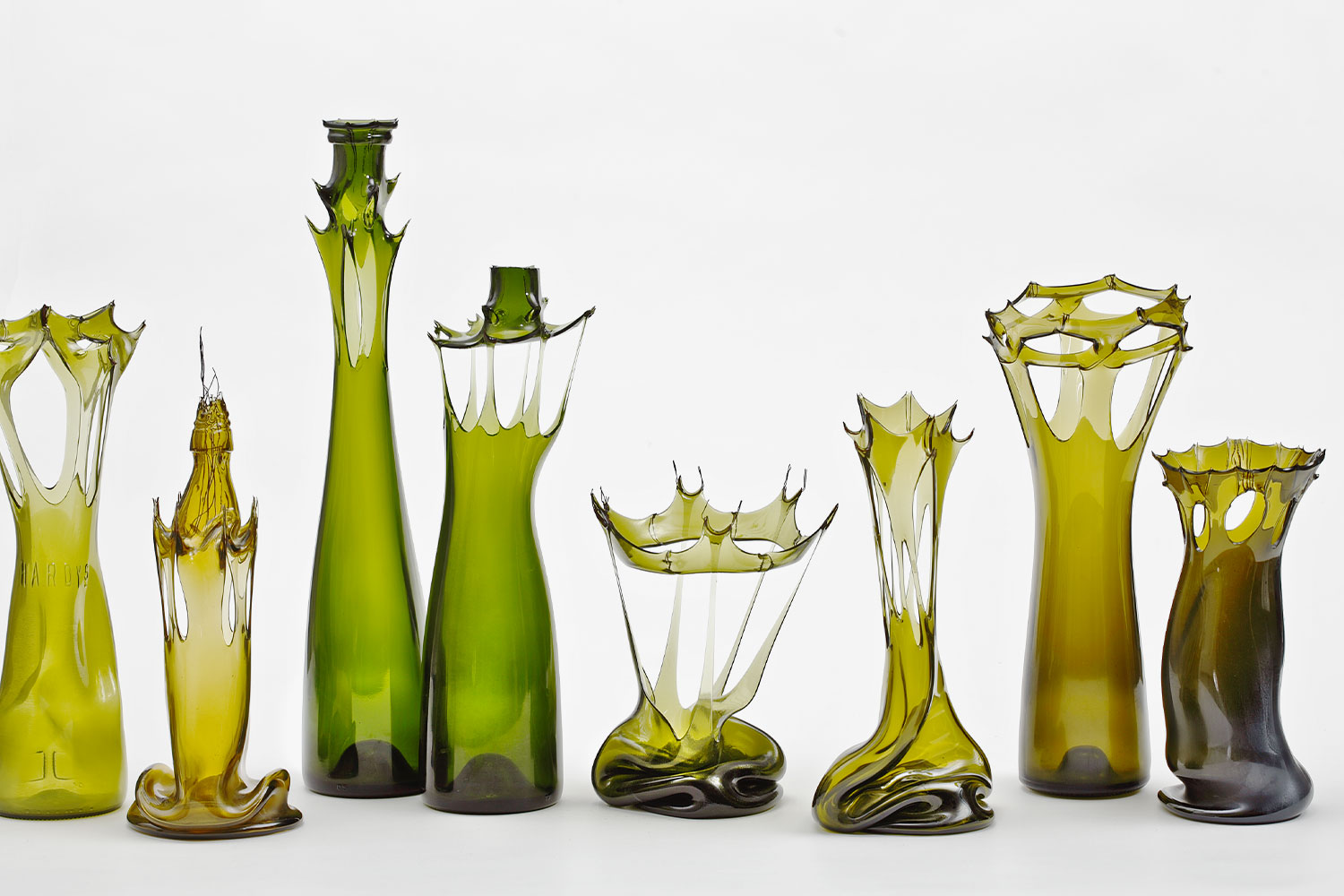
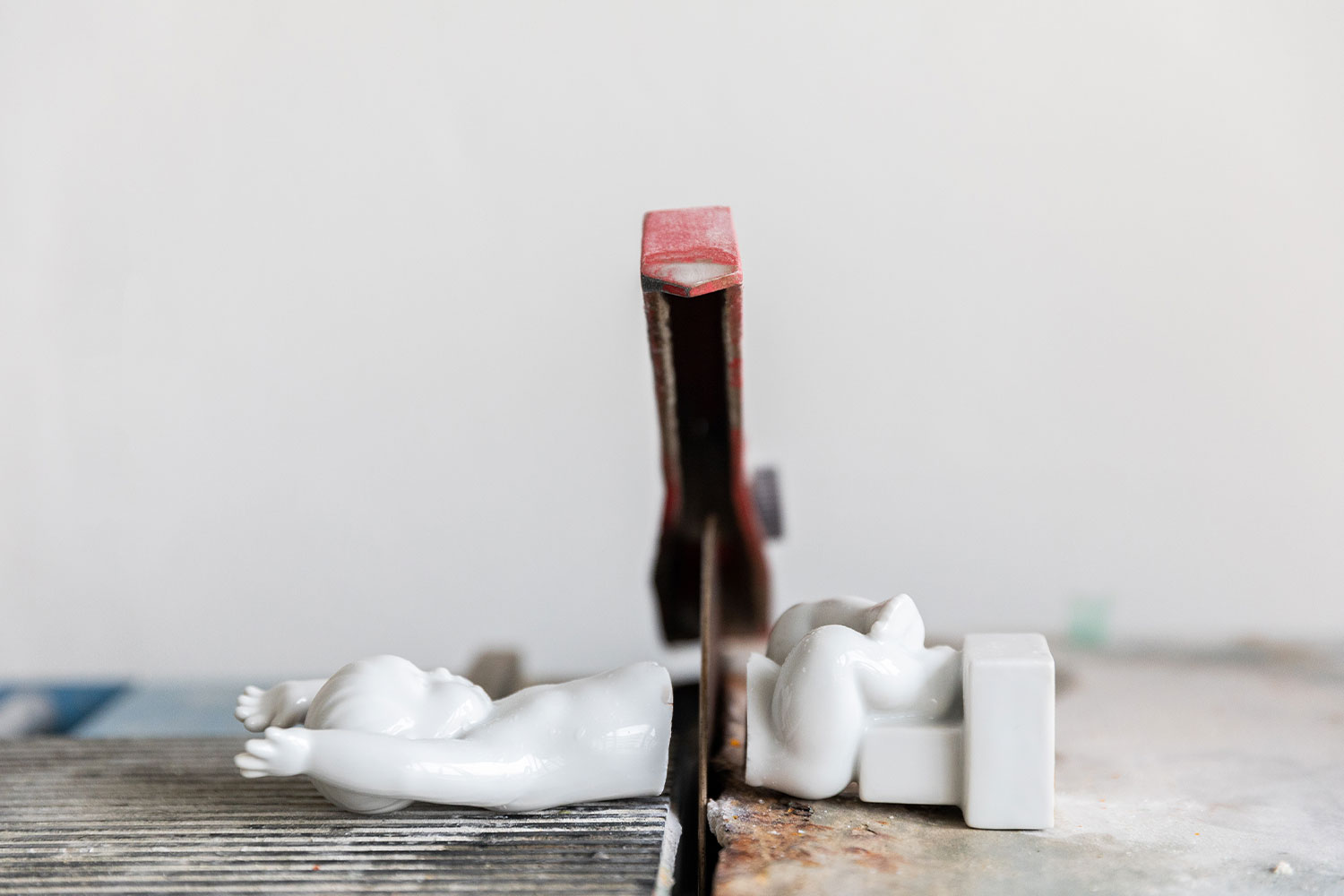
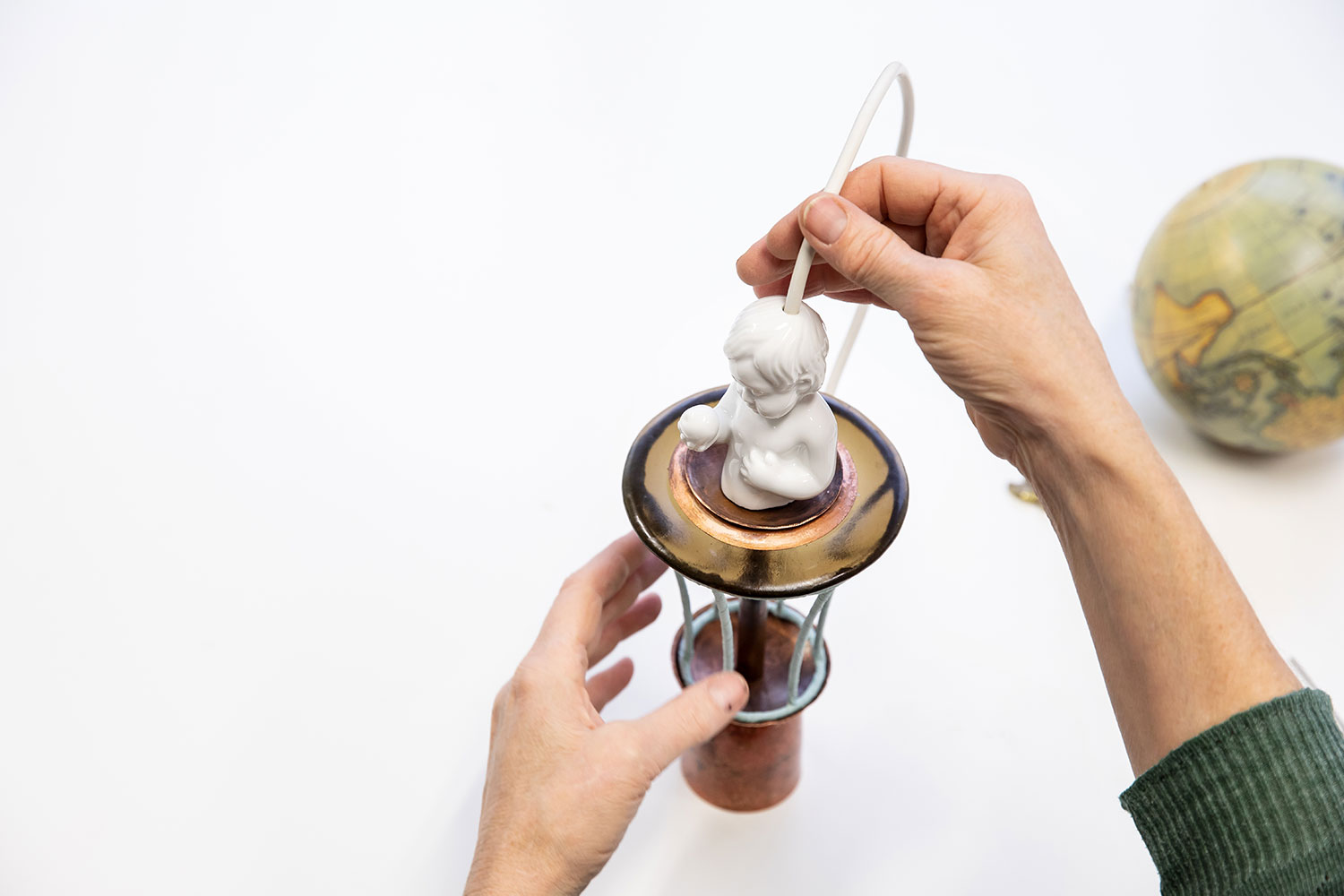
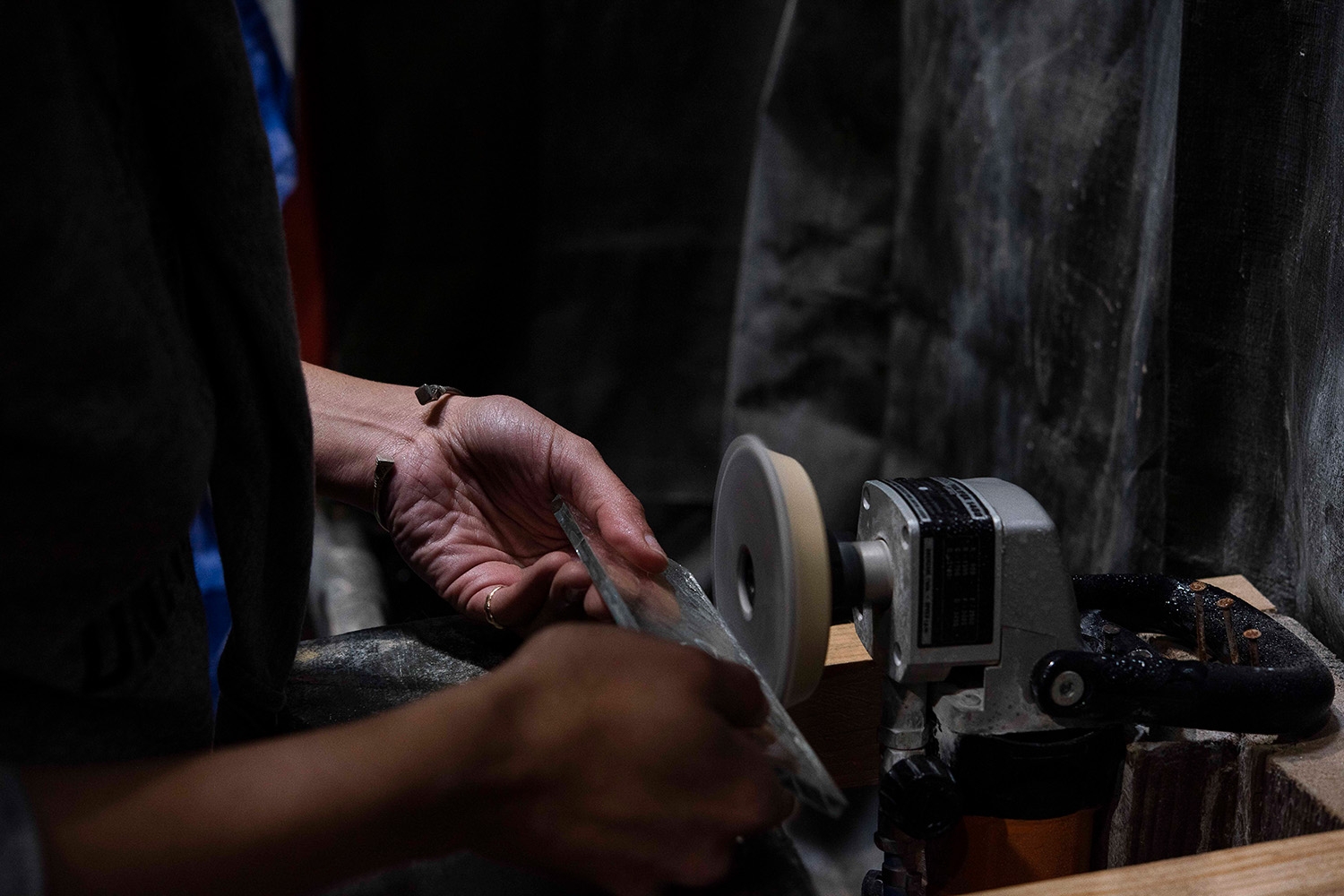
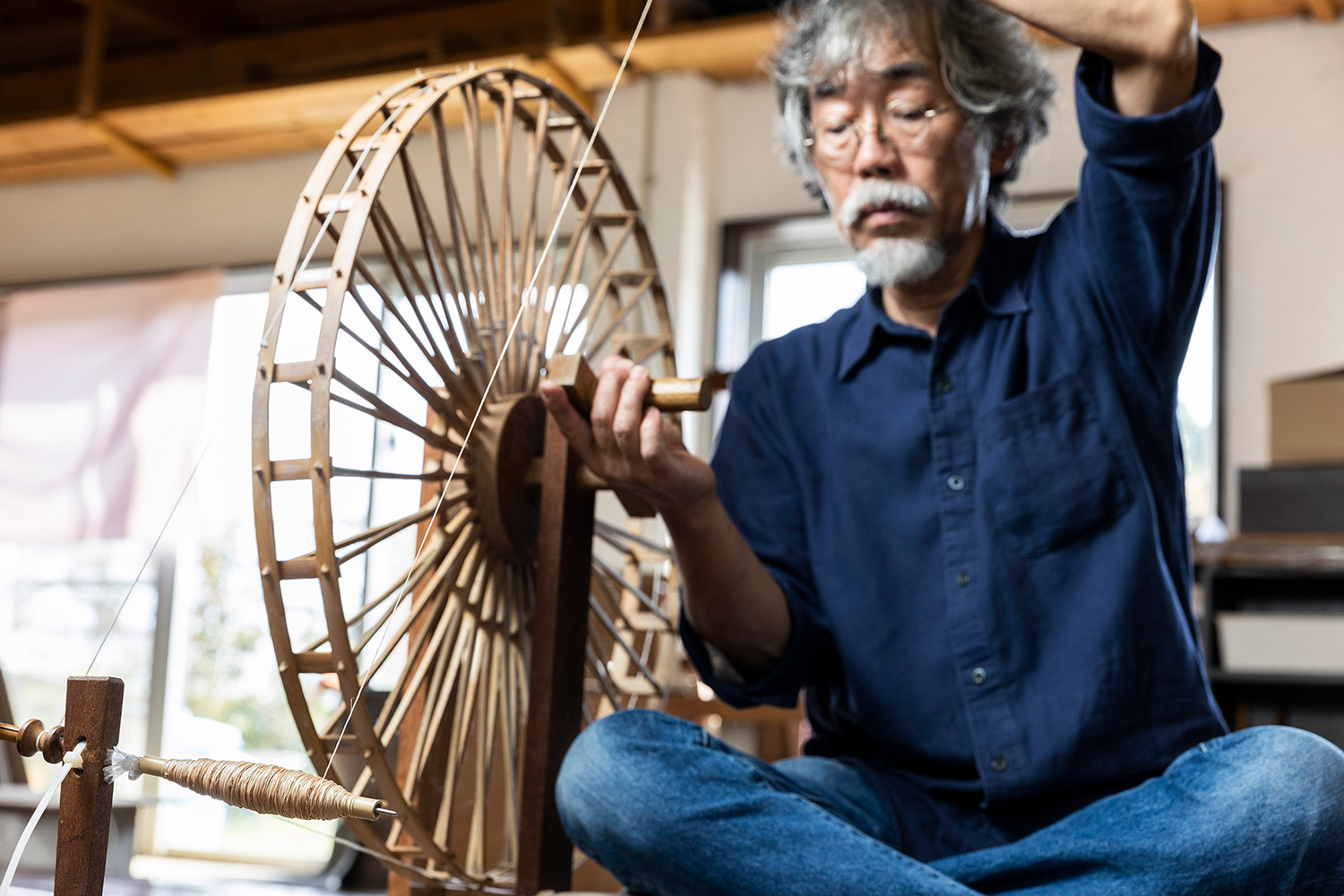
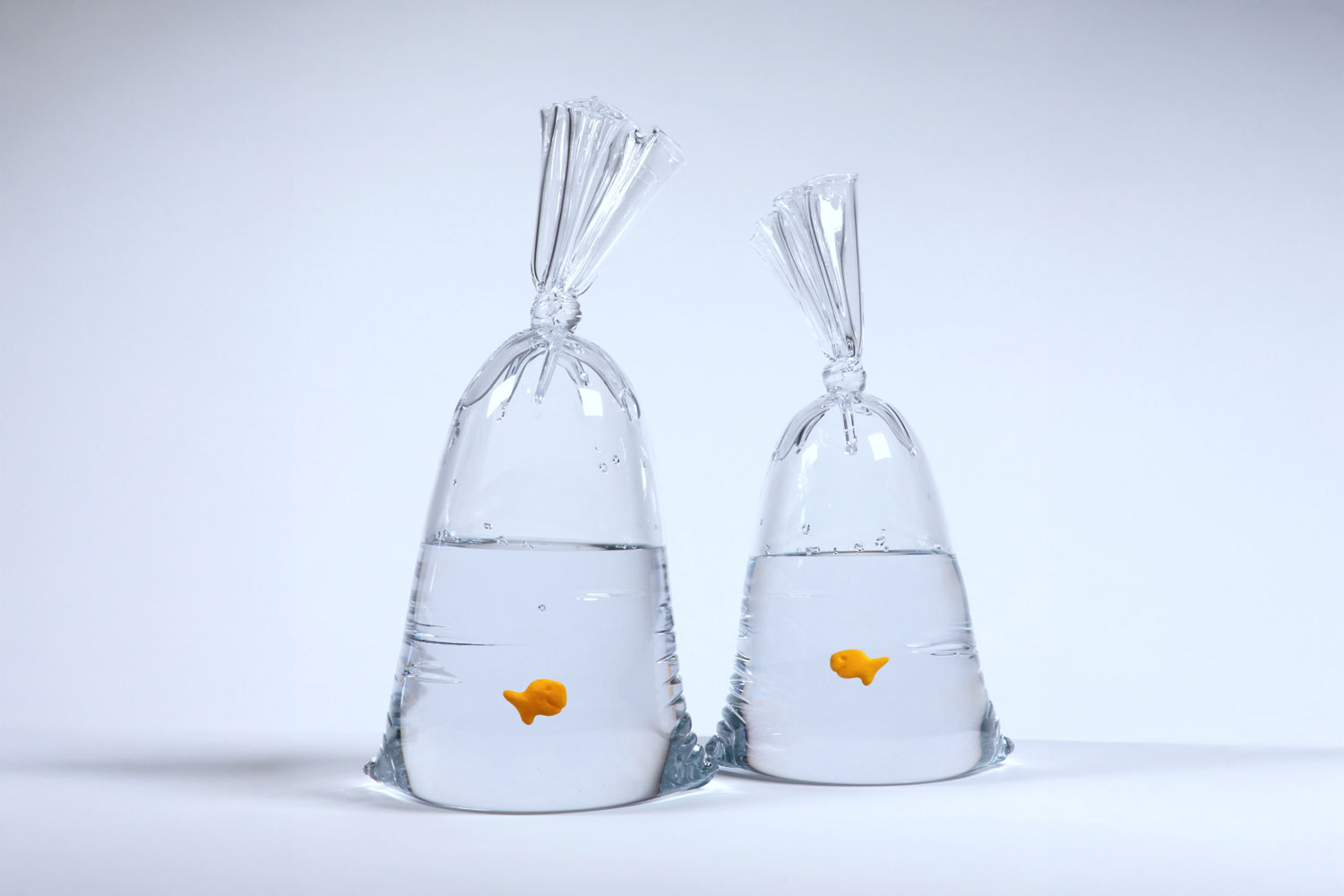
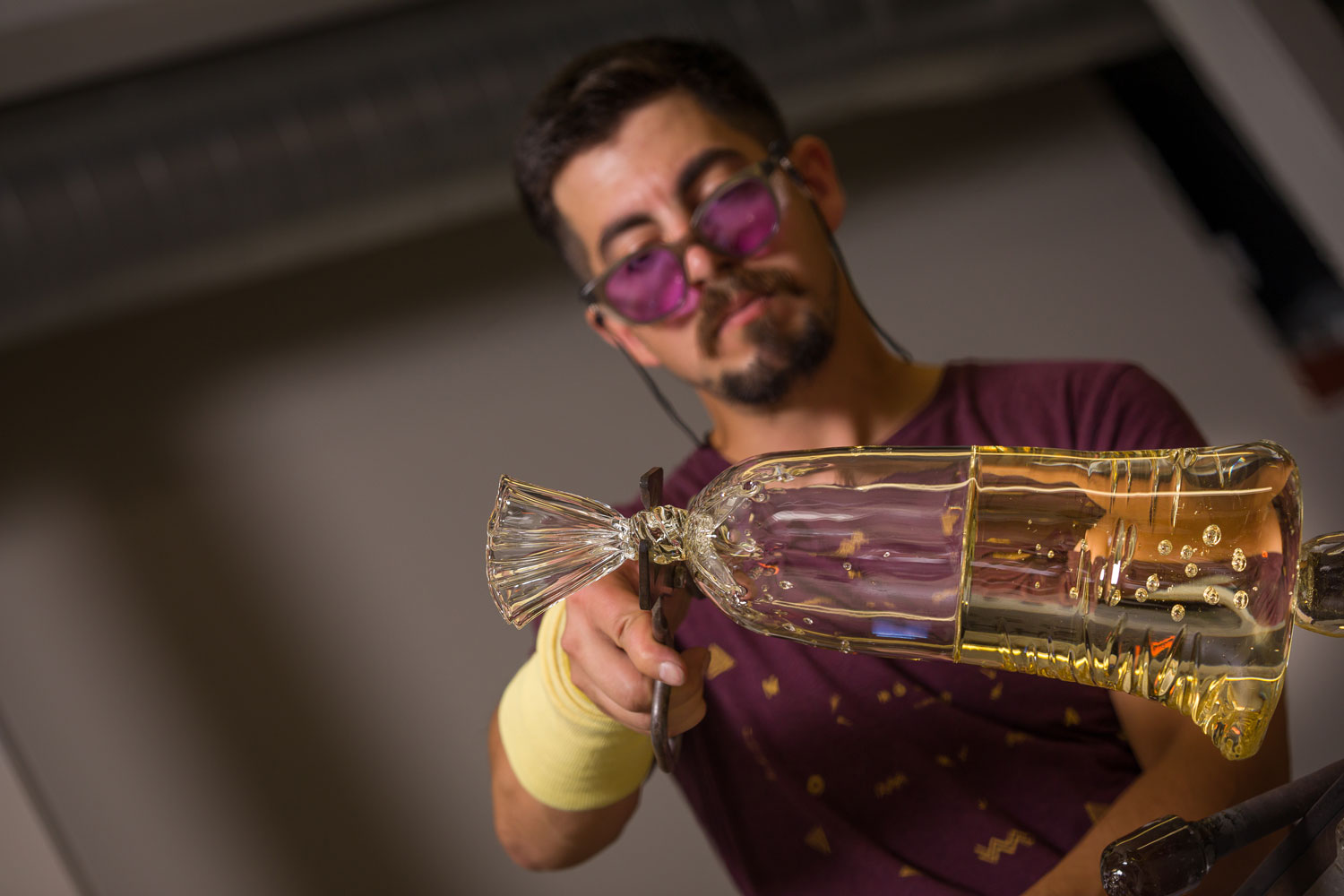
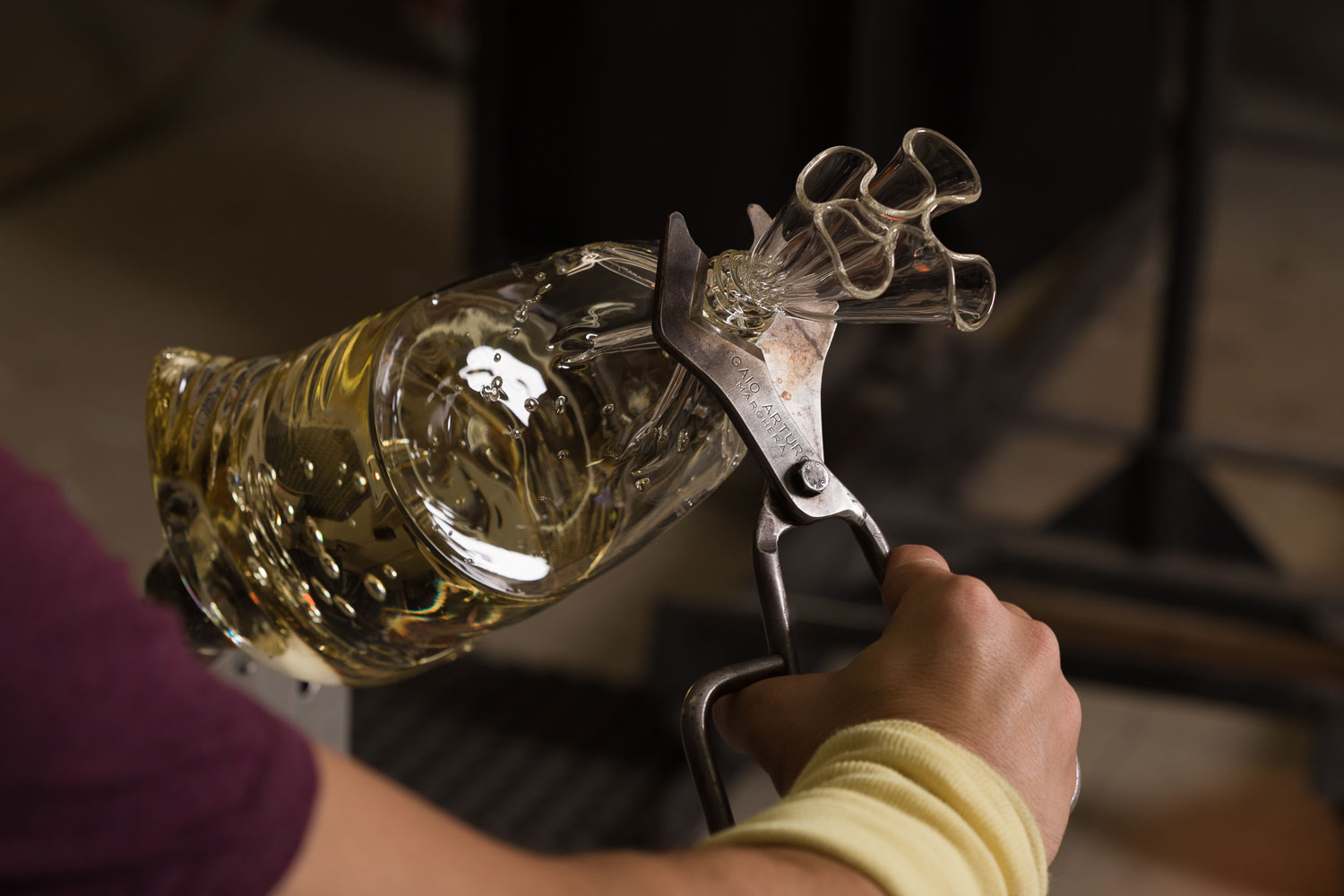
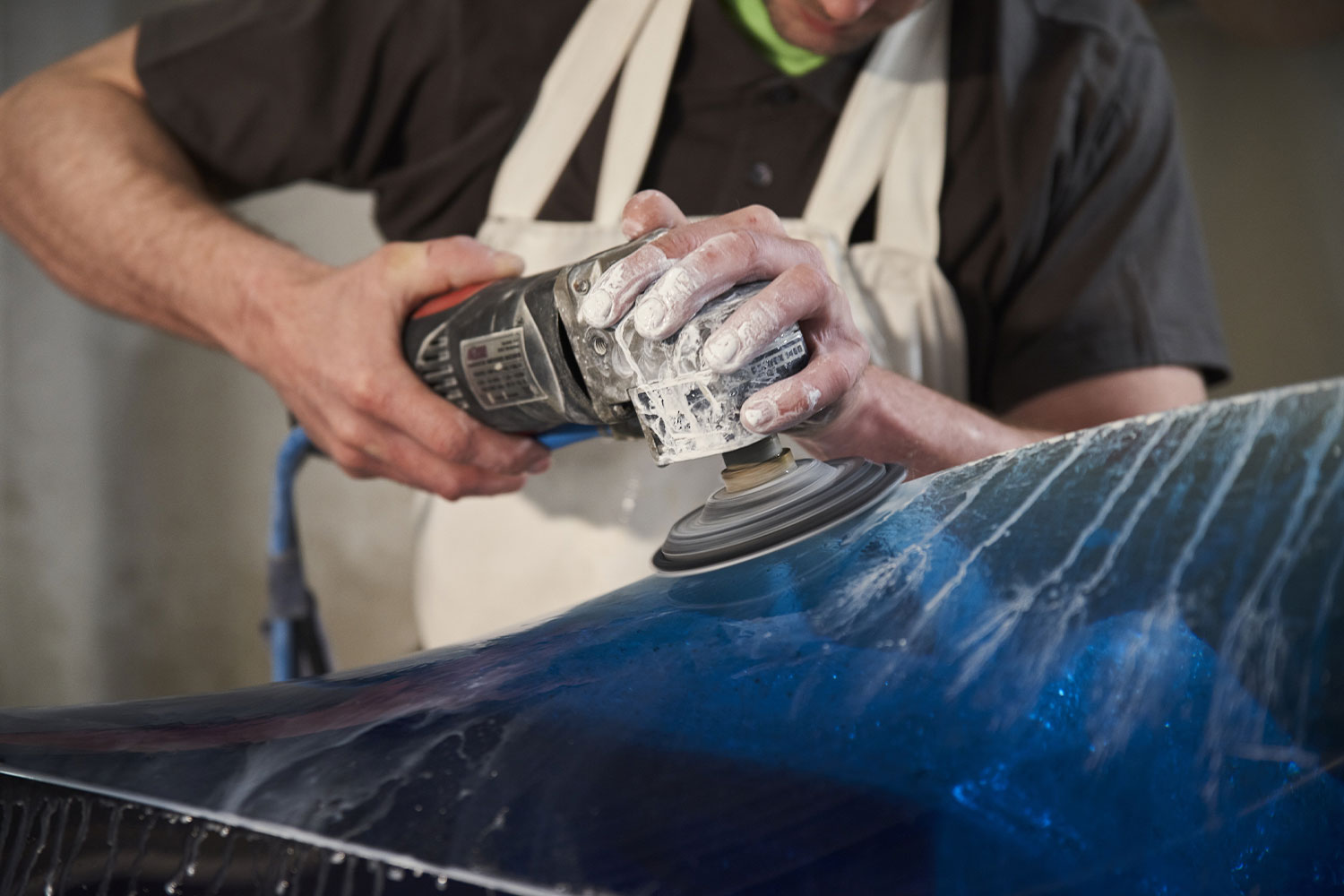
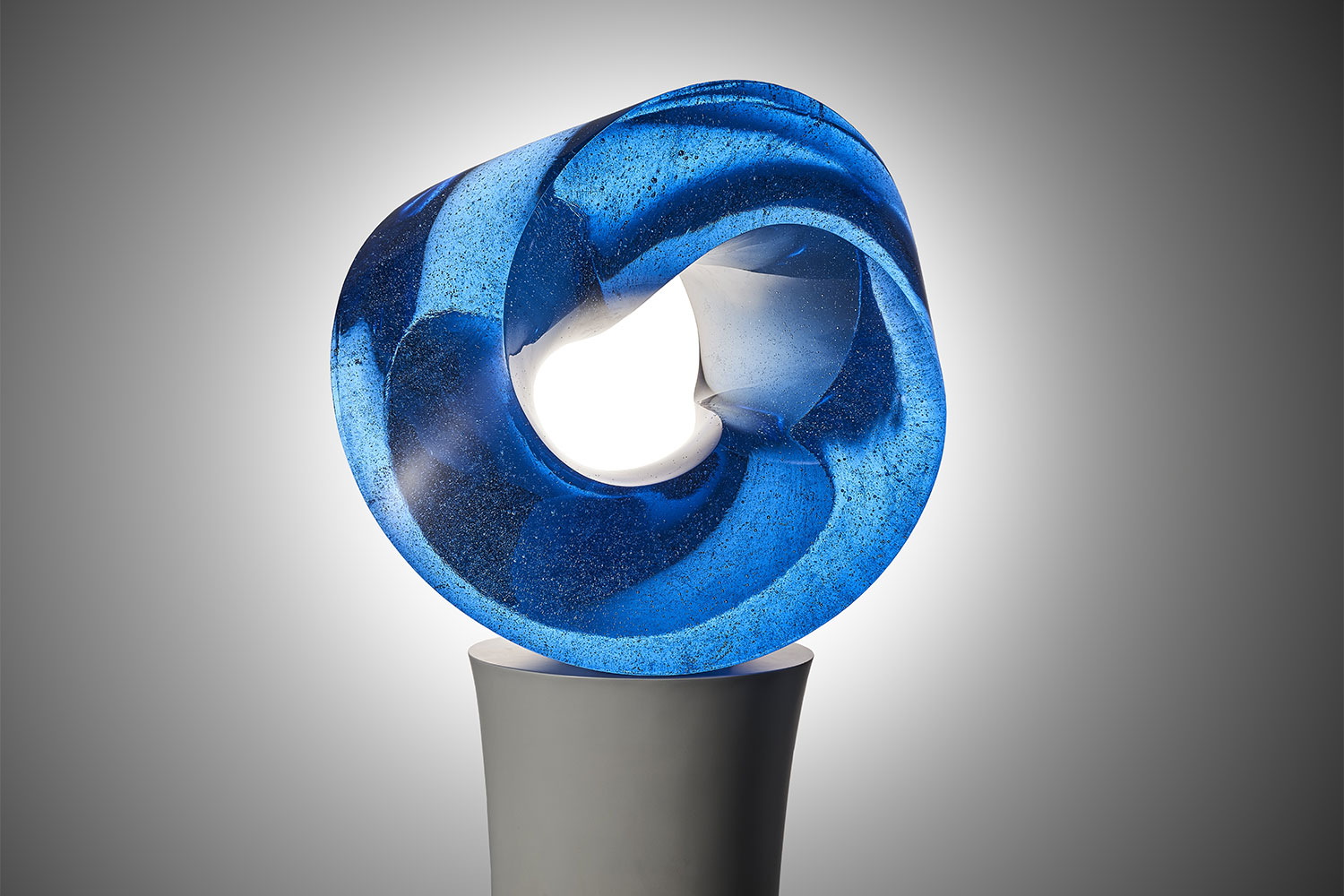
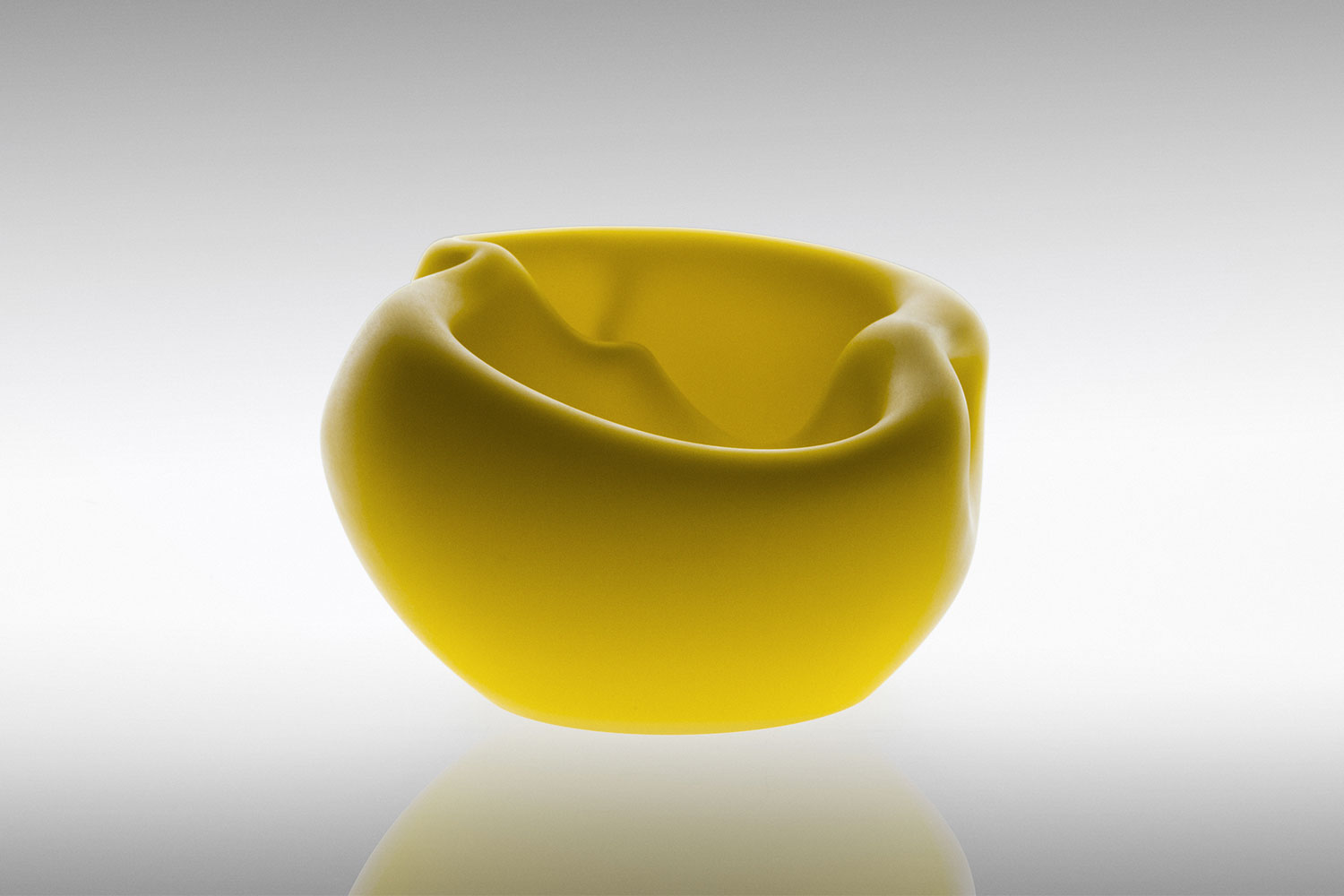
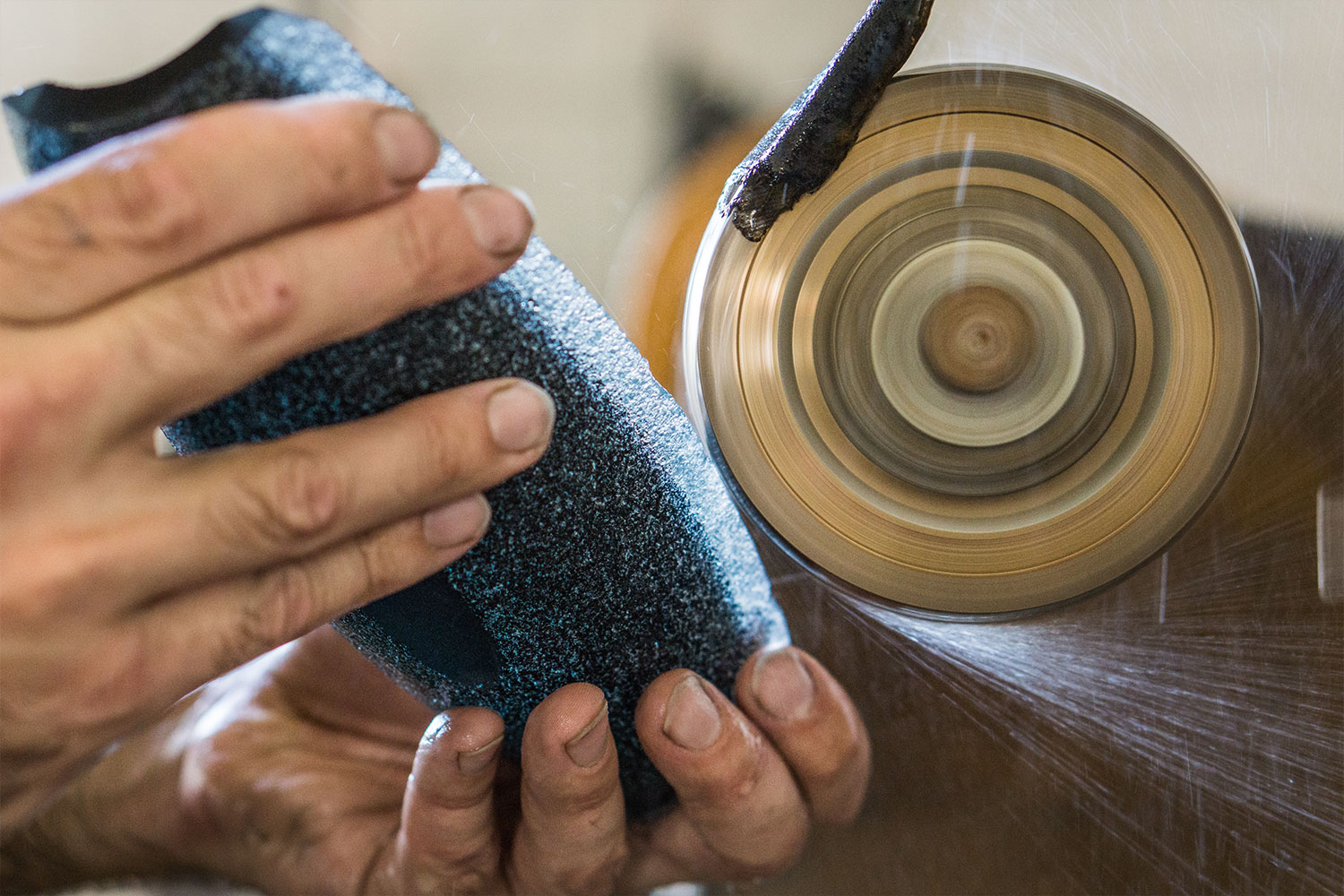
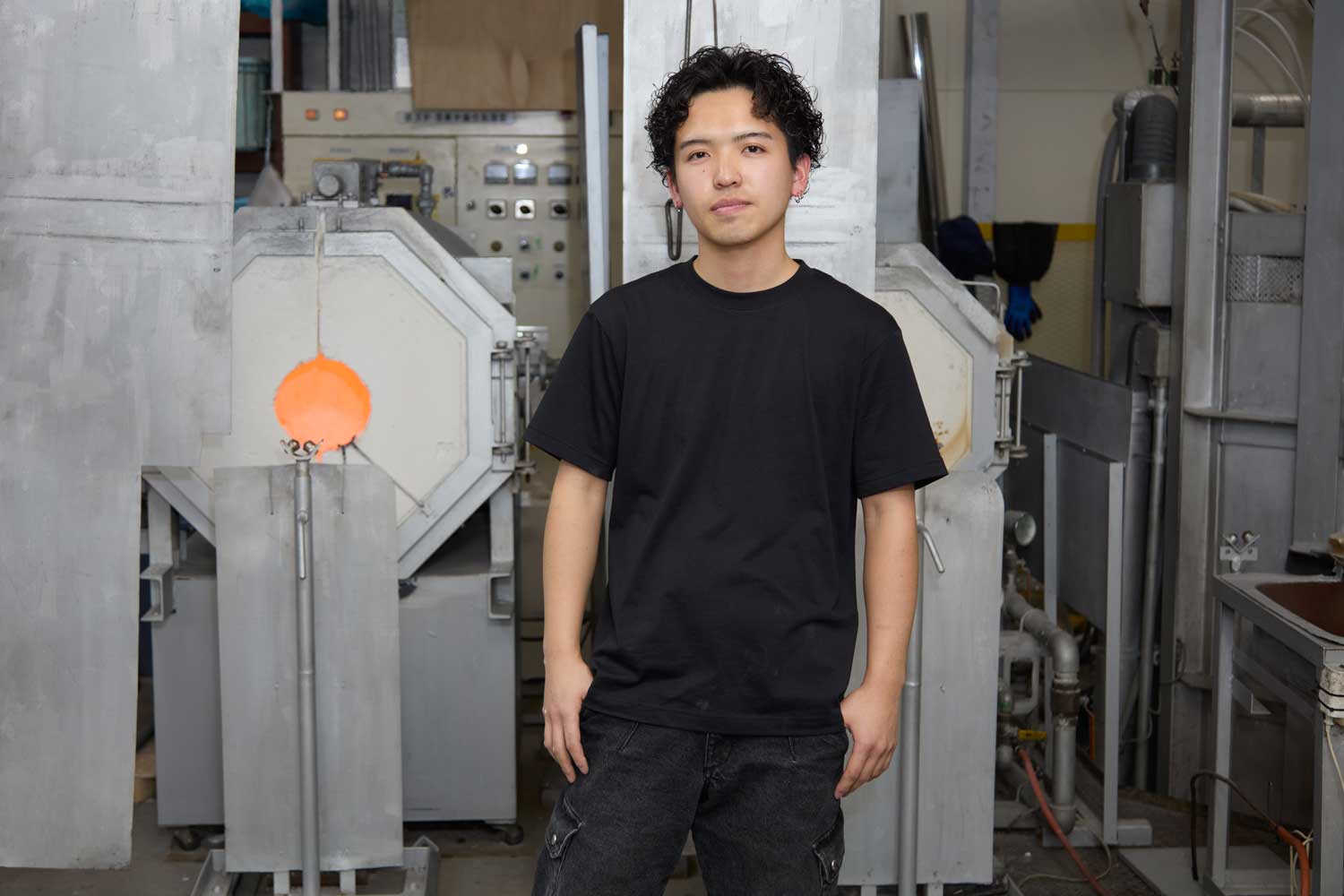
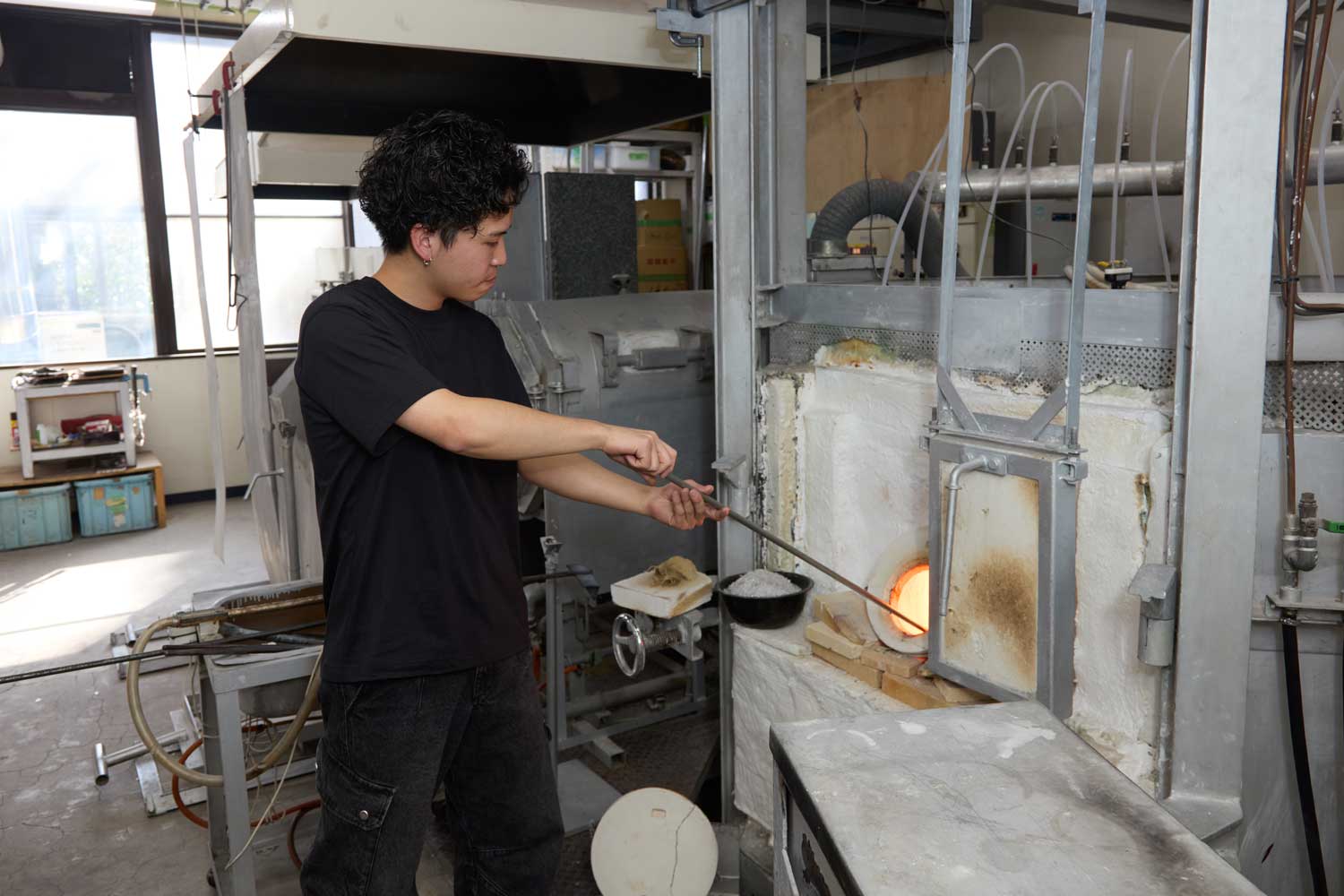
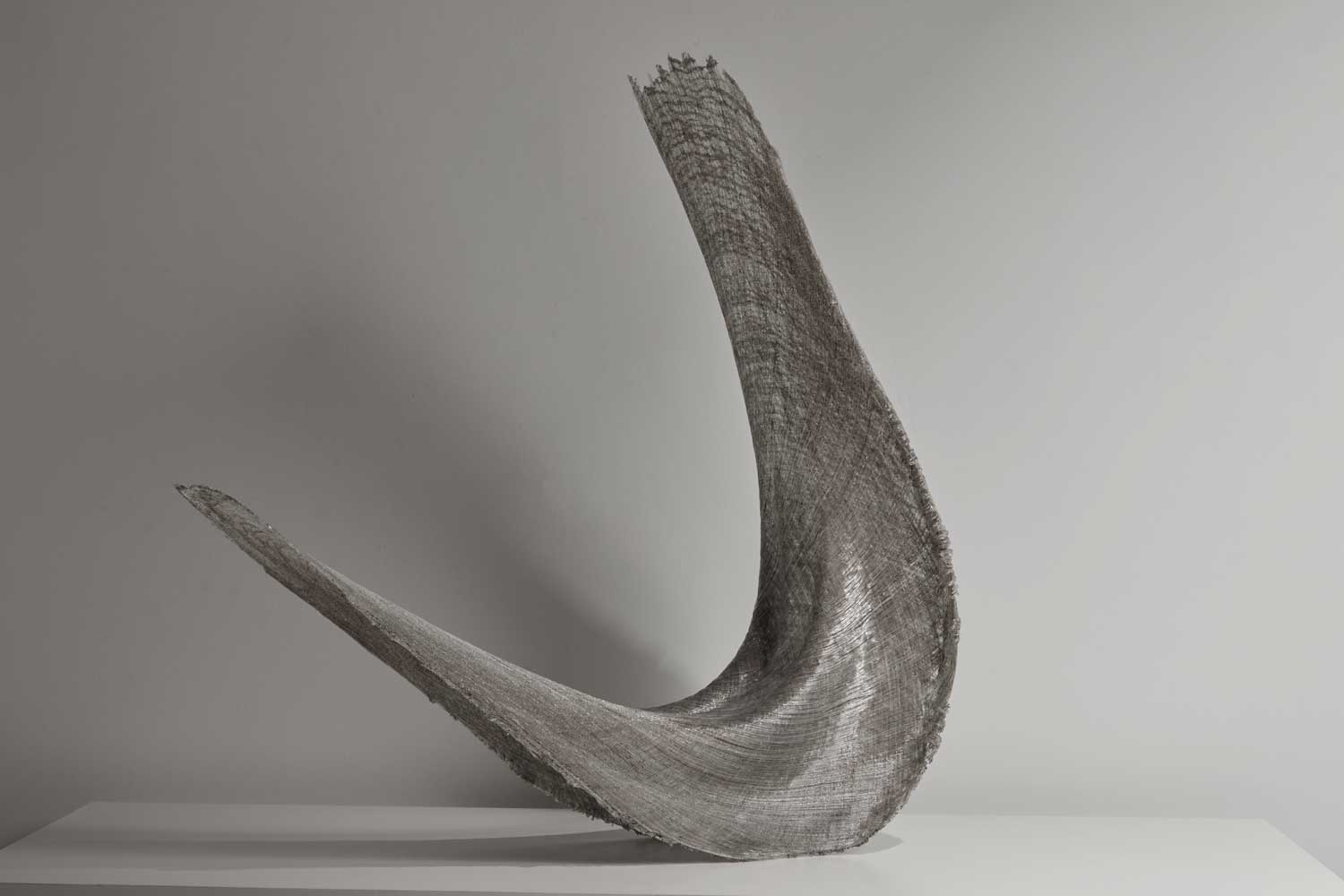
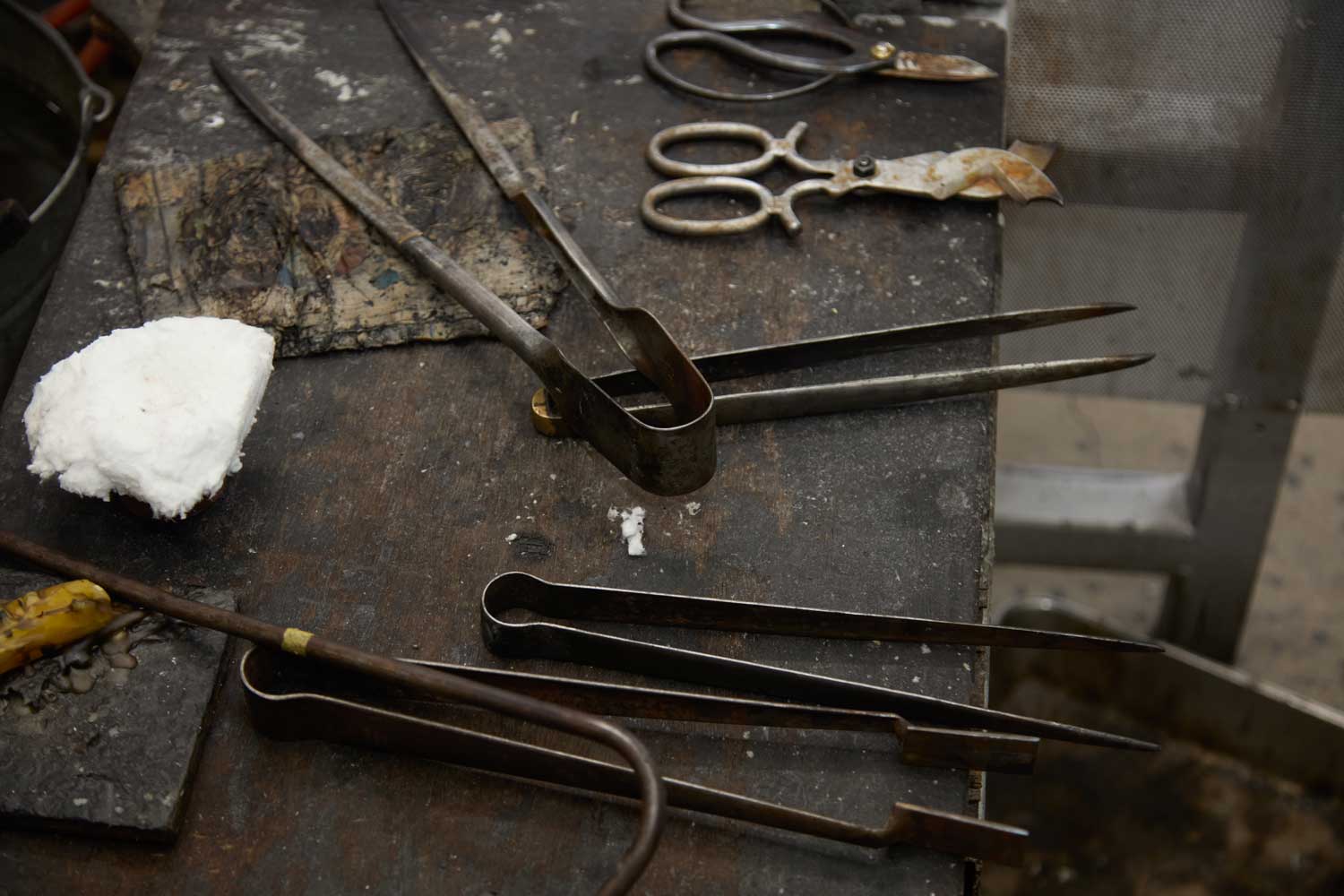
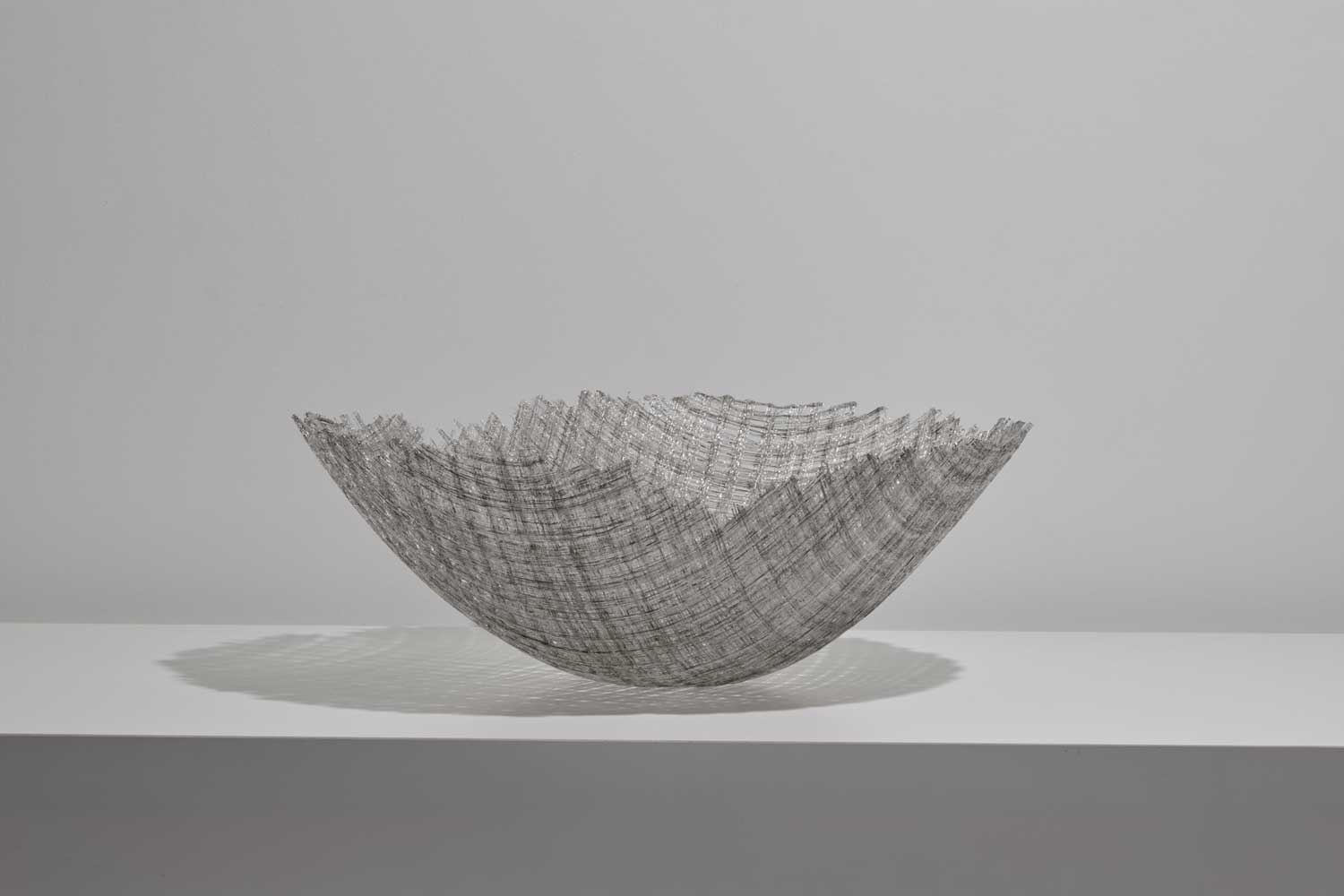
Otohito Moriyasu is a glass artist from Osaka Prefecture, currently based in Kanazawa. Using glass as his primary medium, he sometimes combines it with other materials such as ceramic, lacquer and foil, in search of forms that gently shift the viewer’s perception. "Glass requires constant motion under high heat and I shape my works indirectly through tools rather than by hand," he says. "I am drawn to the uncontrollable fluidity, rigidity and uncertainty of glass." The medium of glass allows Othito to explore sensations that seems to disappear the moment he tries to grasp them. Through the overlap of opposites, such as transparency and reflection, hardness and softness, he finds a space to create an ambiguous, in-between quality for his sculptures.
INTERVIEW
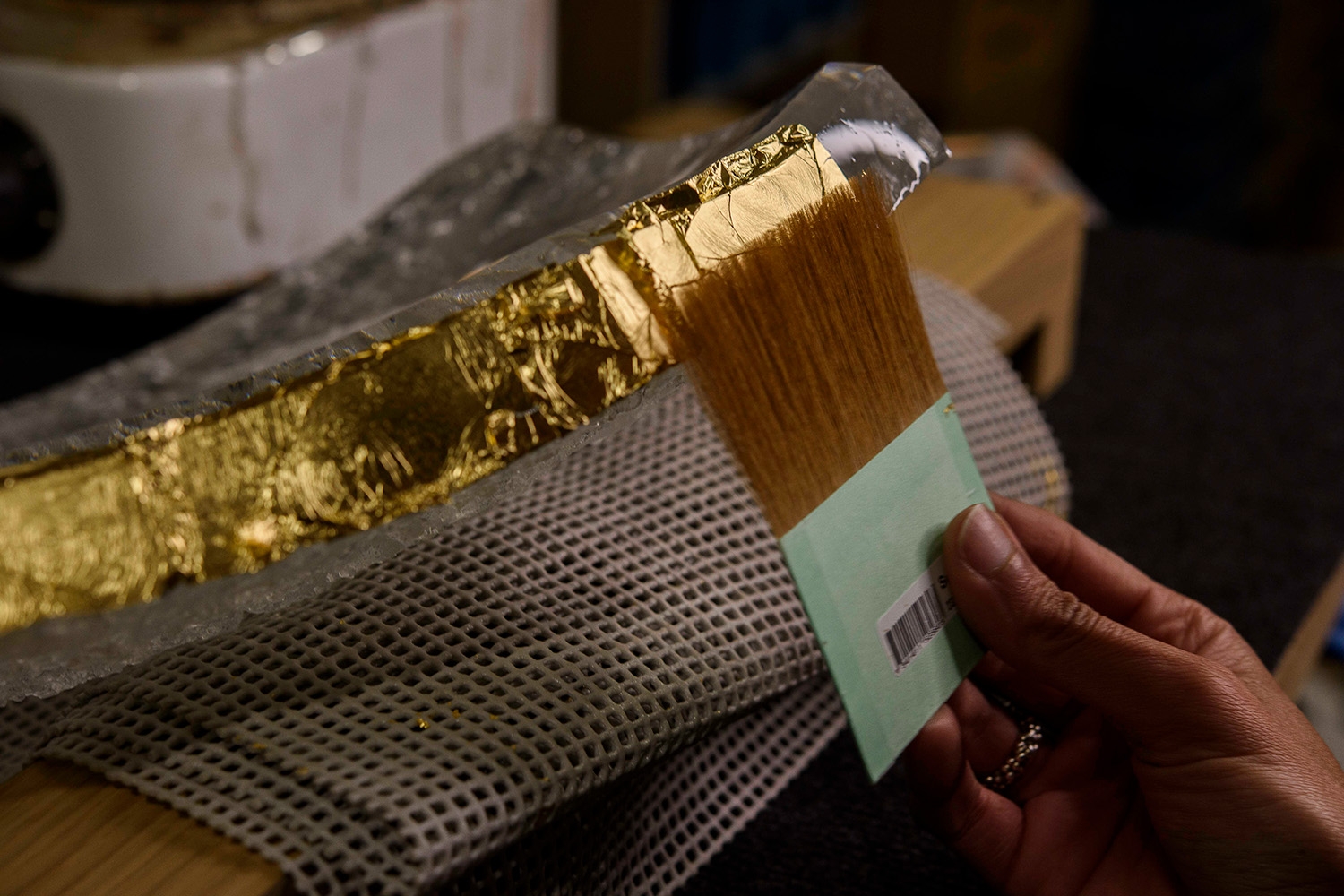
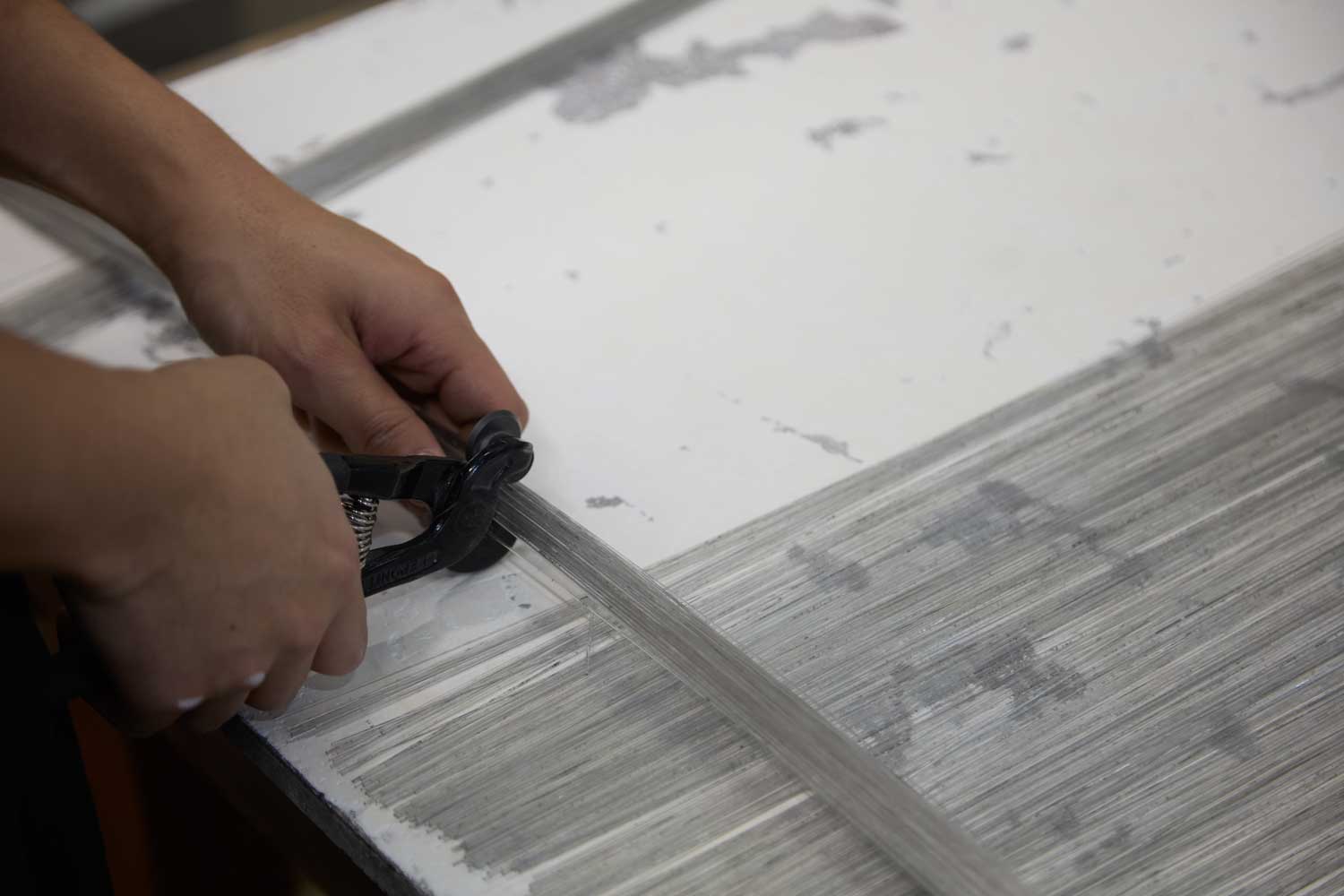
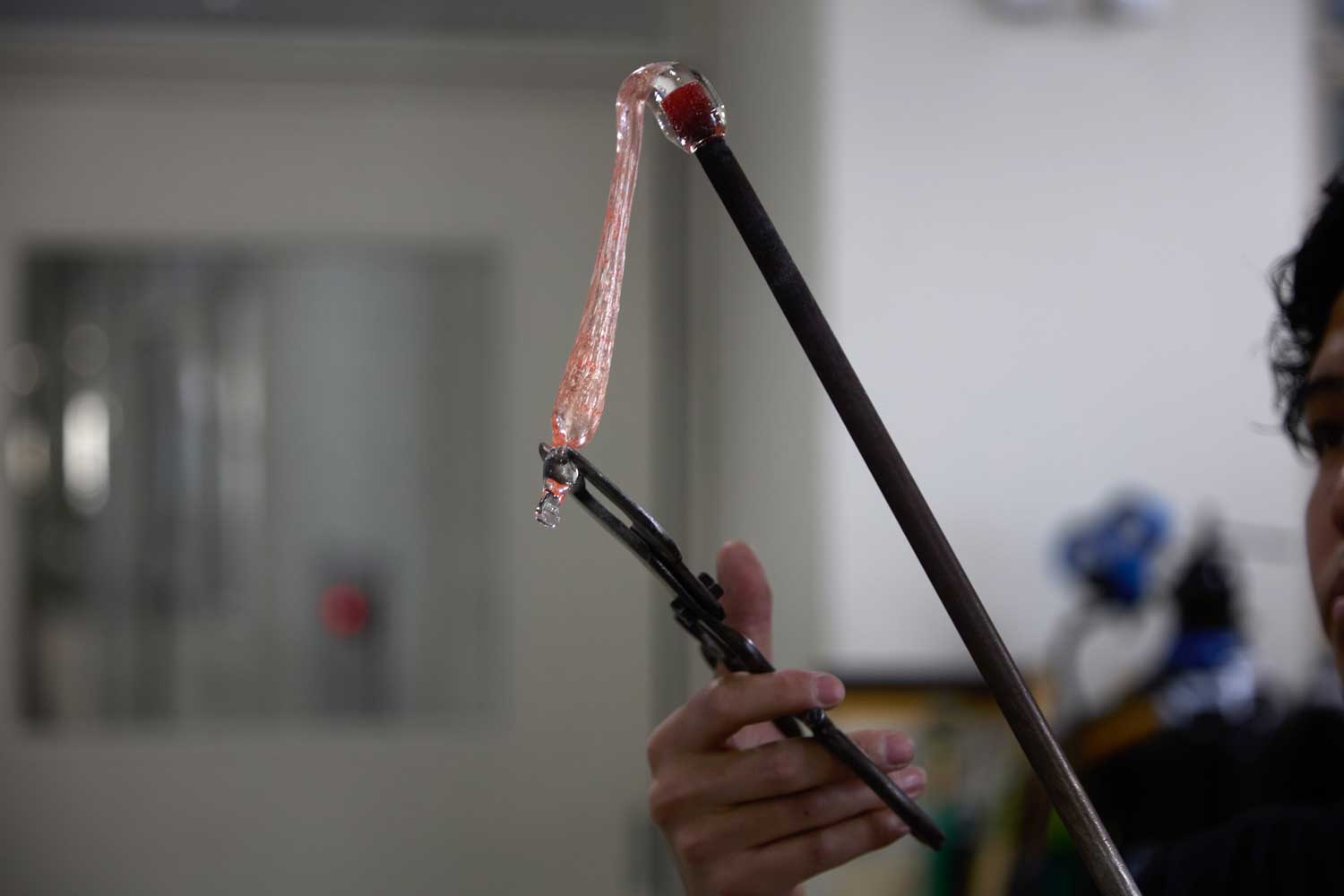
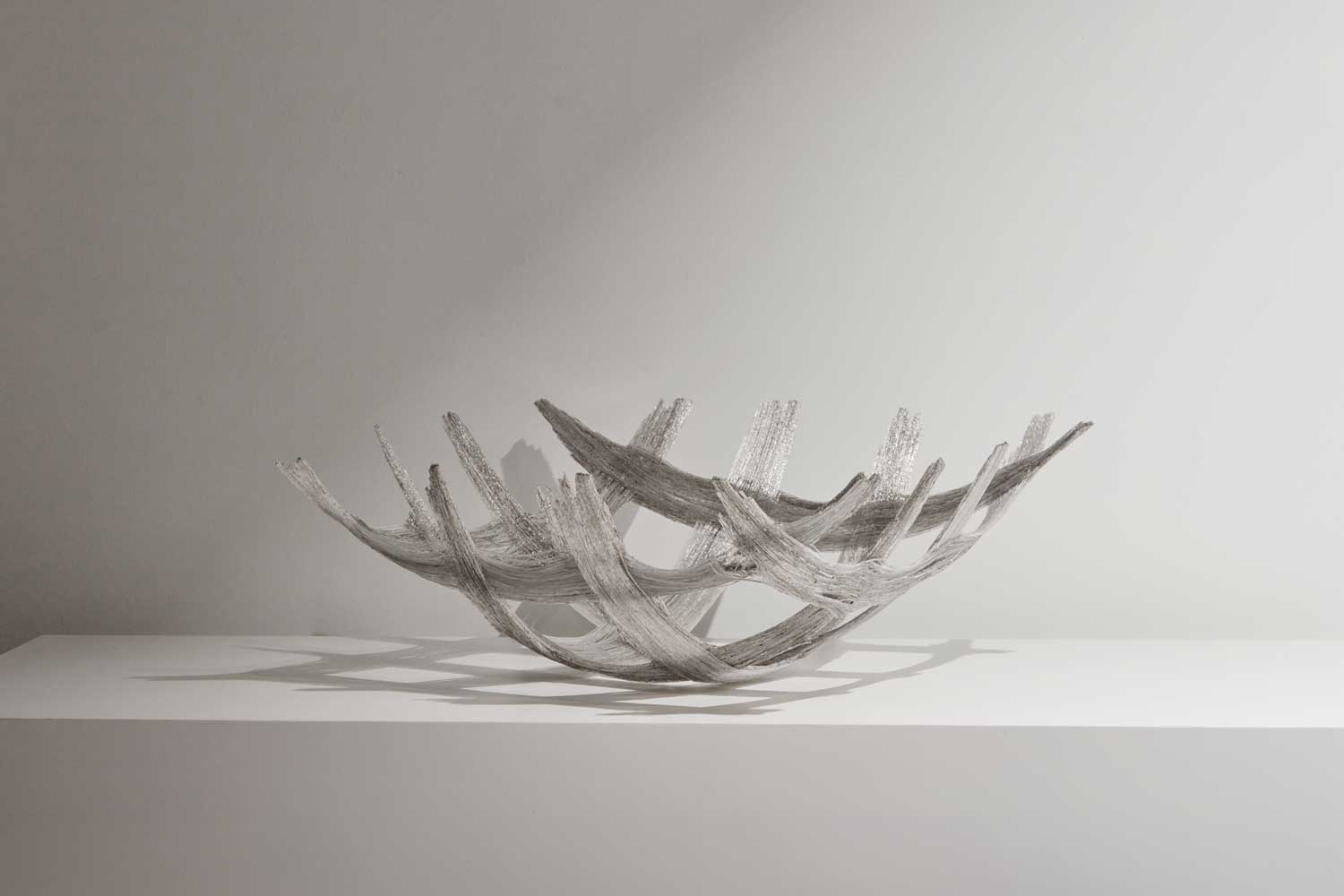
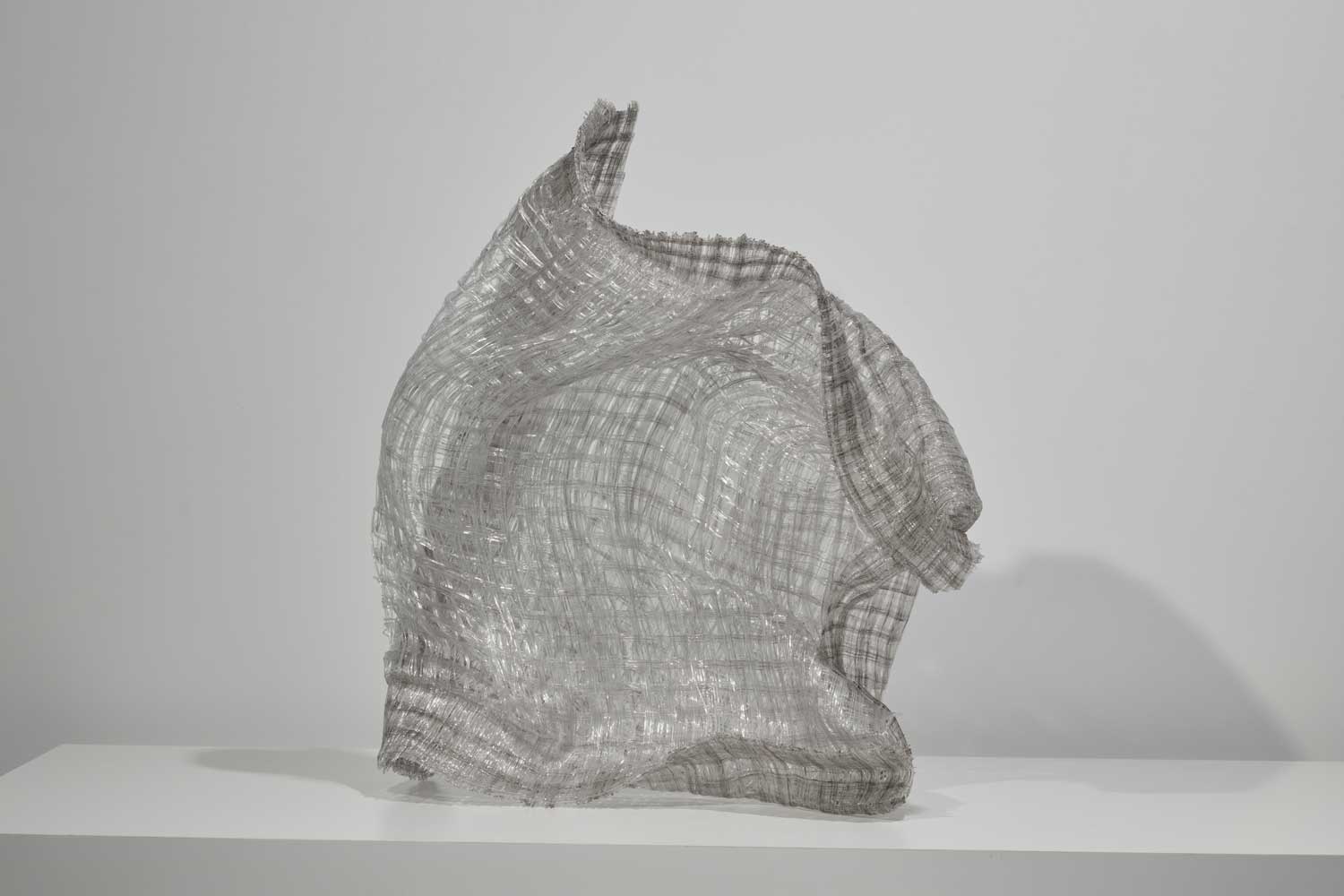
I wrap molten glass straight from a furnace into aluminium foil, then stretch the piece in a single motion. The torn foil melts into the surface of the glass, and becomes reflective lines. By repeating this action, countless traces accumulate. Gradually forms emerge that seem to hold layers of time and memory.
My work is rooted in personal memory and lived experience in the place where I work, as well as intangible natural phenomena such as the sea and rain. My current Rain series was inspired by the rain I experienced in the Hokuriku region. I was struck by the sight of countless lines filling the wide sky, and I incorporate that sense of blur and fluctuation into the process of making.
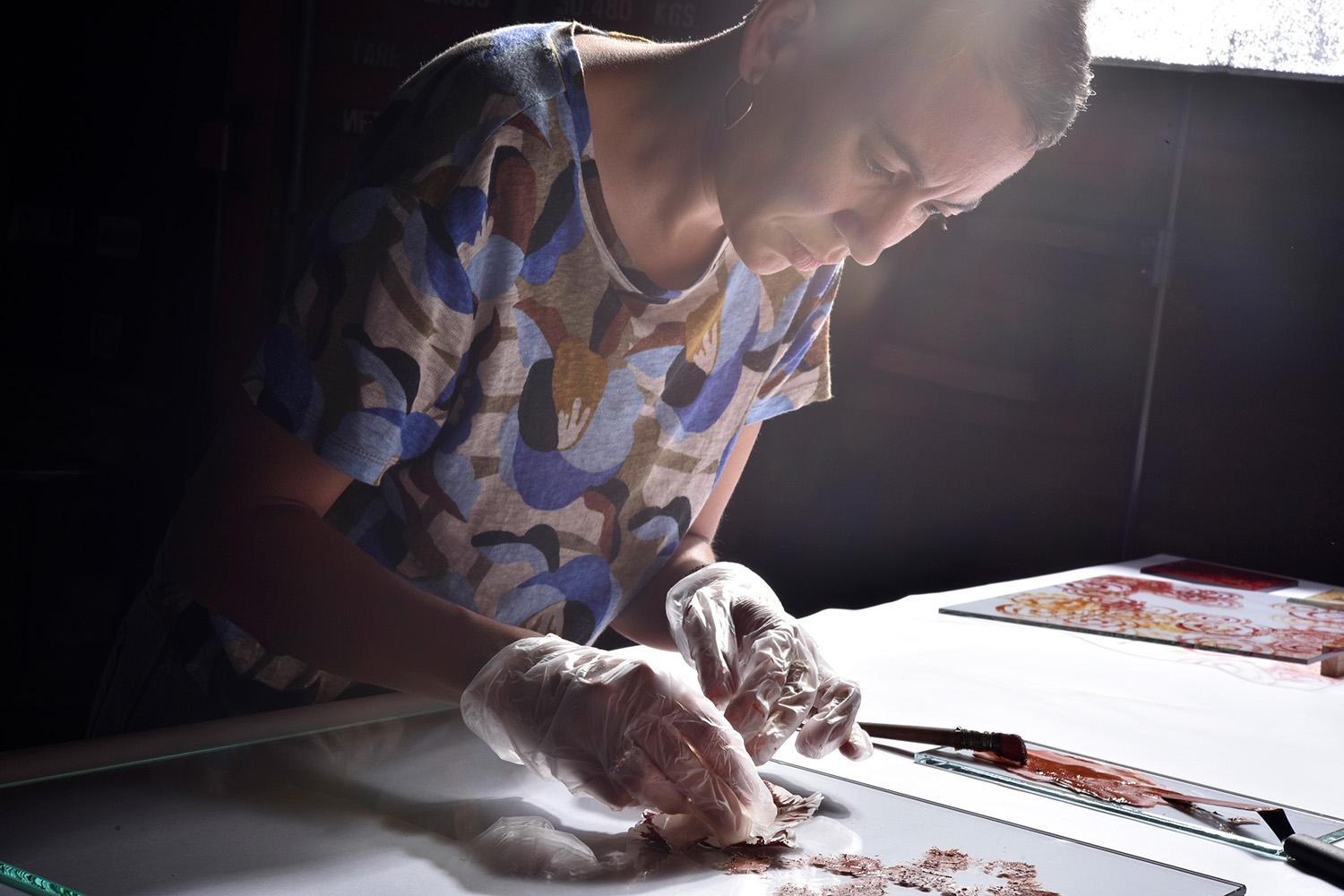
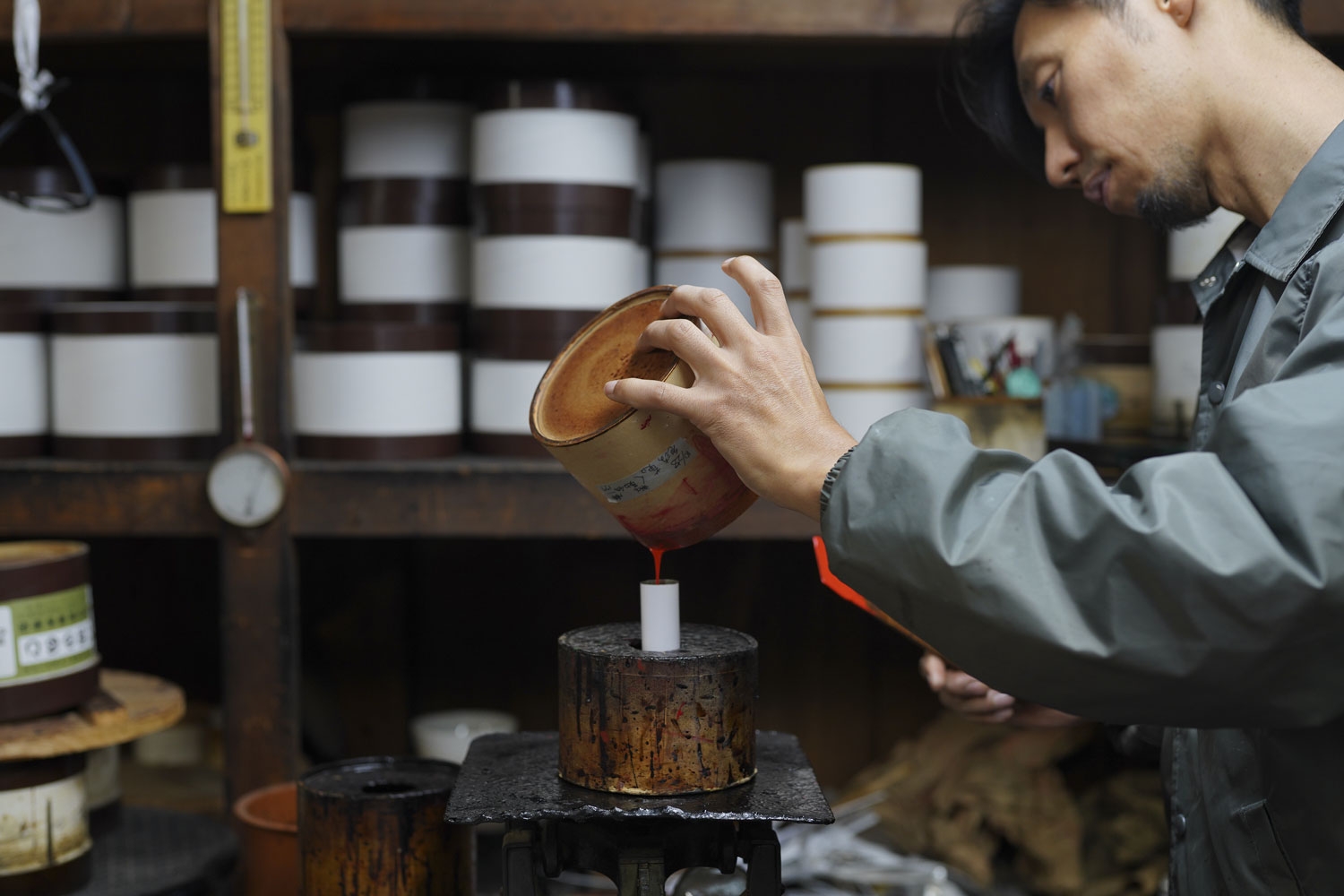
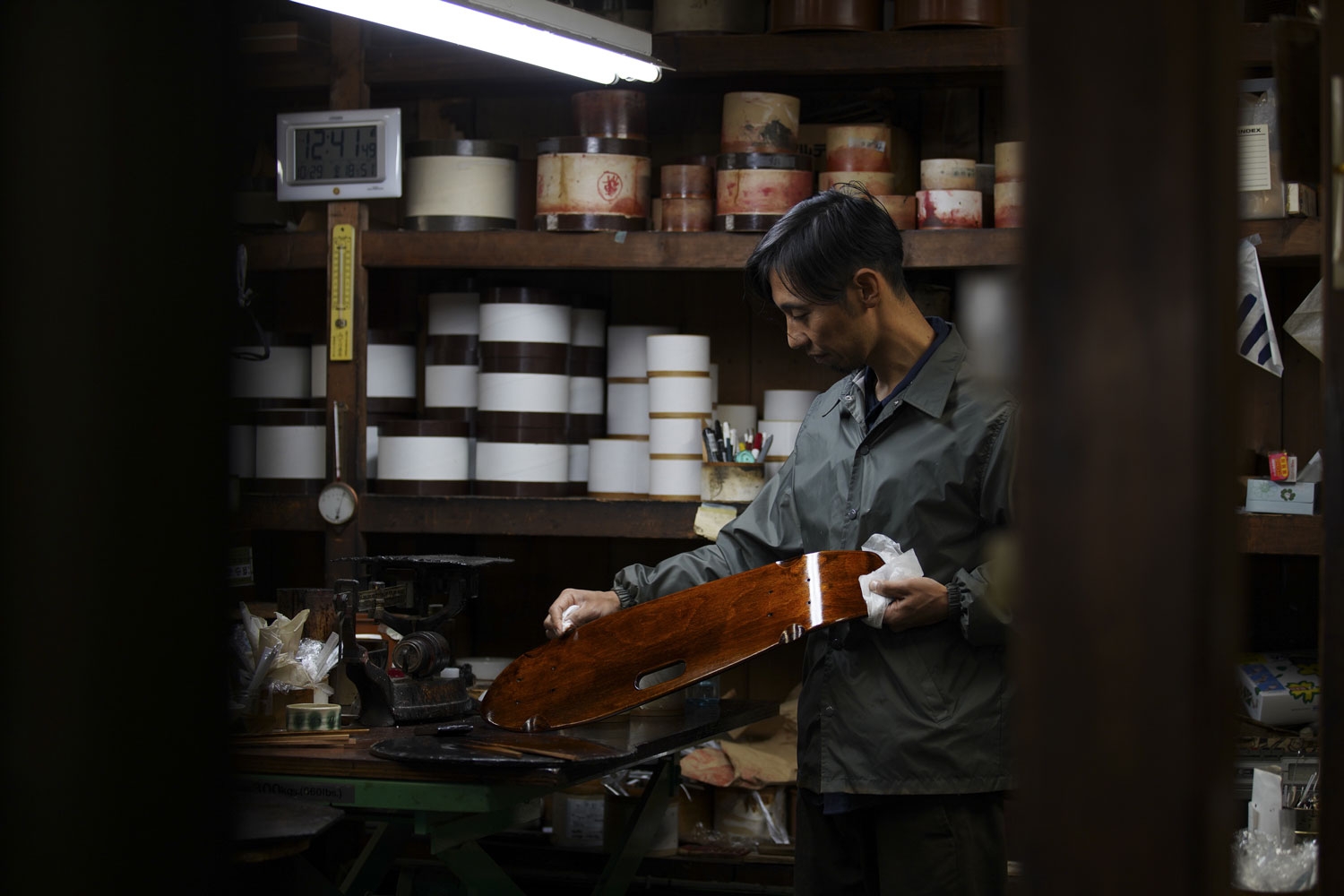
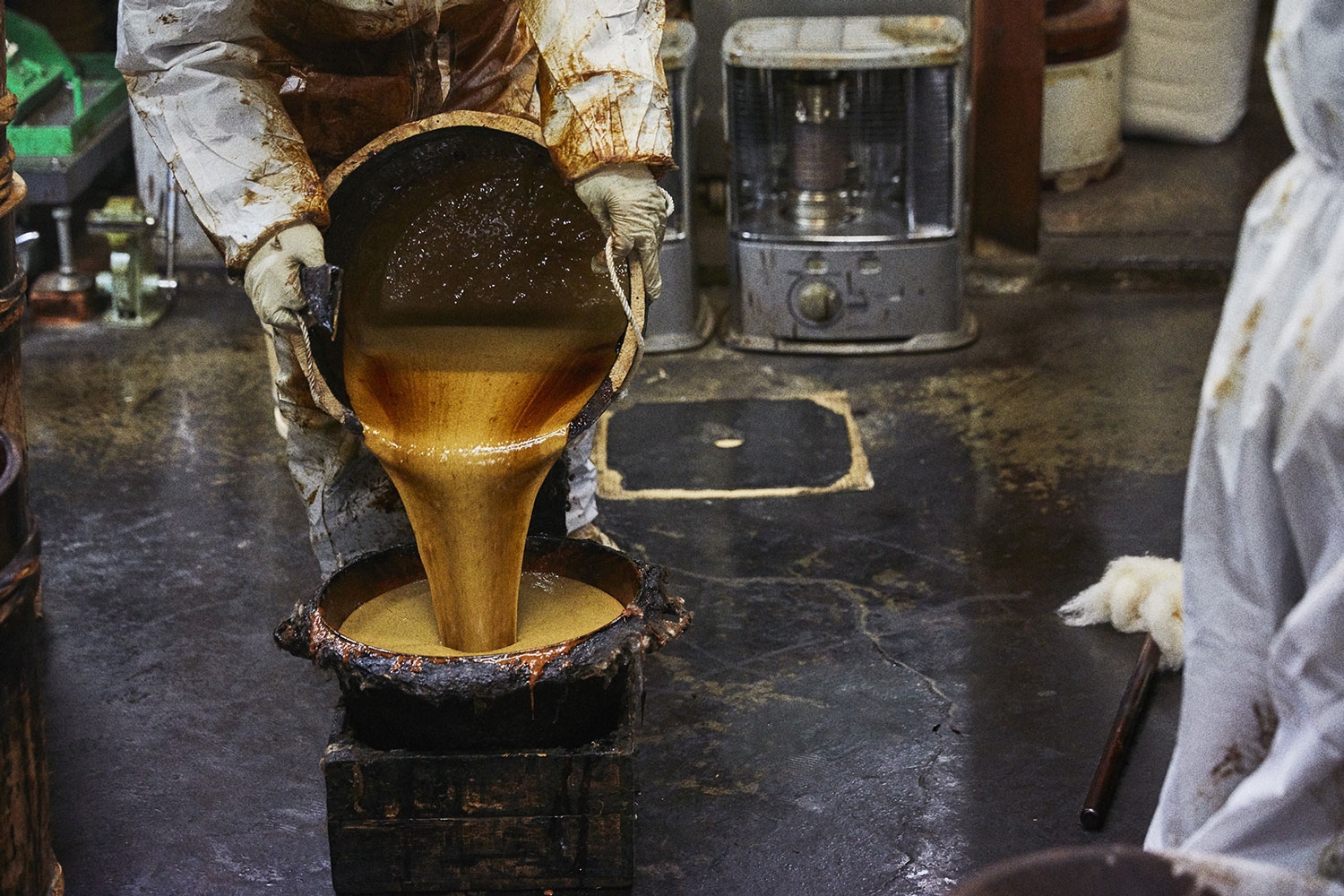
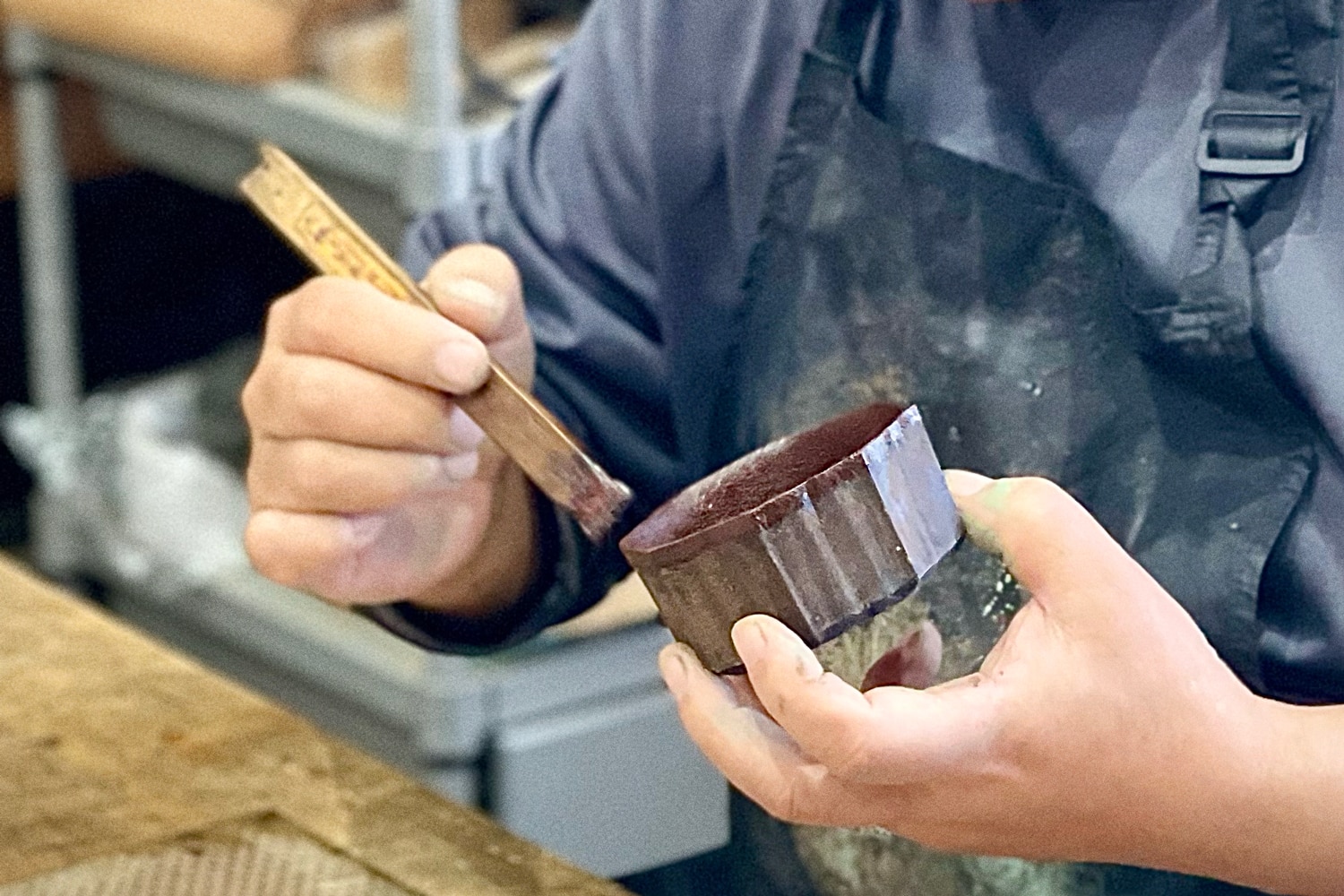
I incorporate wood and lacquer into my works. Wood is often used as a base or structural element. Lacquer is mainly mixed with glass powder or soil, and applied onto the glass surface of tea utensils and vessels before firing. While lacquer traditionally builds depth through surface layering, applying it to glass creates visual depth on both front and back, generating multiple layers of perception within a single form.
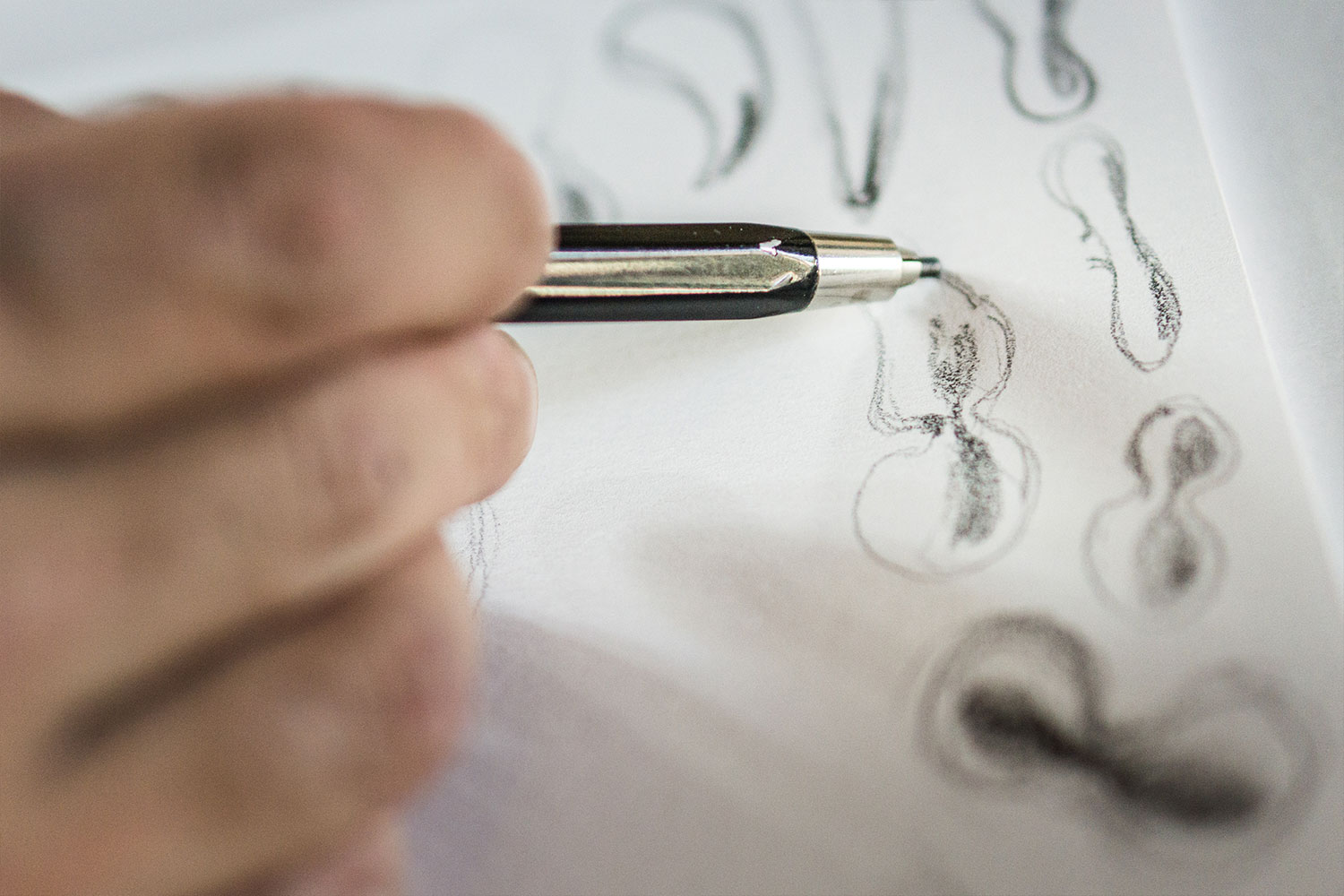
I feel that the world is not composed only of clearly defined categories, but that human presence and uncertainty exist in the spaces in between. Rather than rejecting ambiguity or incompleteness, I hope to remain within that fluctuation, relying on my own senses. Through my work, I hope to leave space for viewers to pause and encounter such states of being.
Otohito Moriyasu
Glass sculptor
Kanazawa, Japan
ADDRESS
Address upon request, Kanazawa, Japan
AVAILABILITY
By appointment only
LANGUAGES
Japanese
Homo Faber Finds is a new service aiming to inspire admirers of craft to connect and collaborate with exceptional artisans.
We invite you to submit an enquiry here.