Nathalie Jean-Louis
Watchmaker
Vaumarcus, Switzerland
Beauty for the tiniest of components
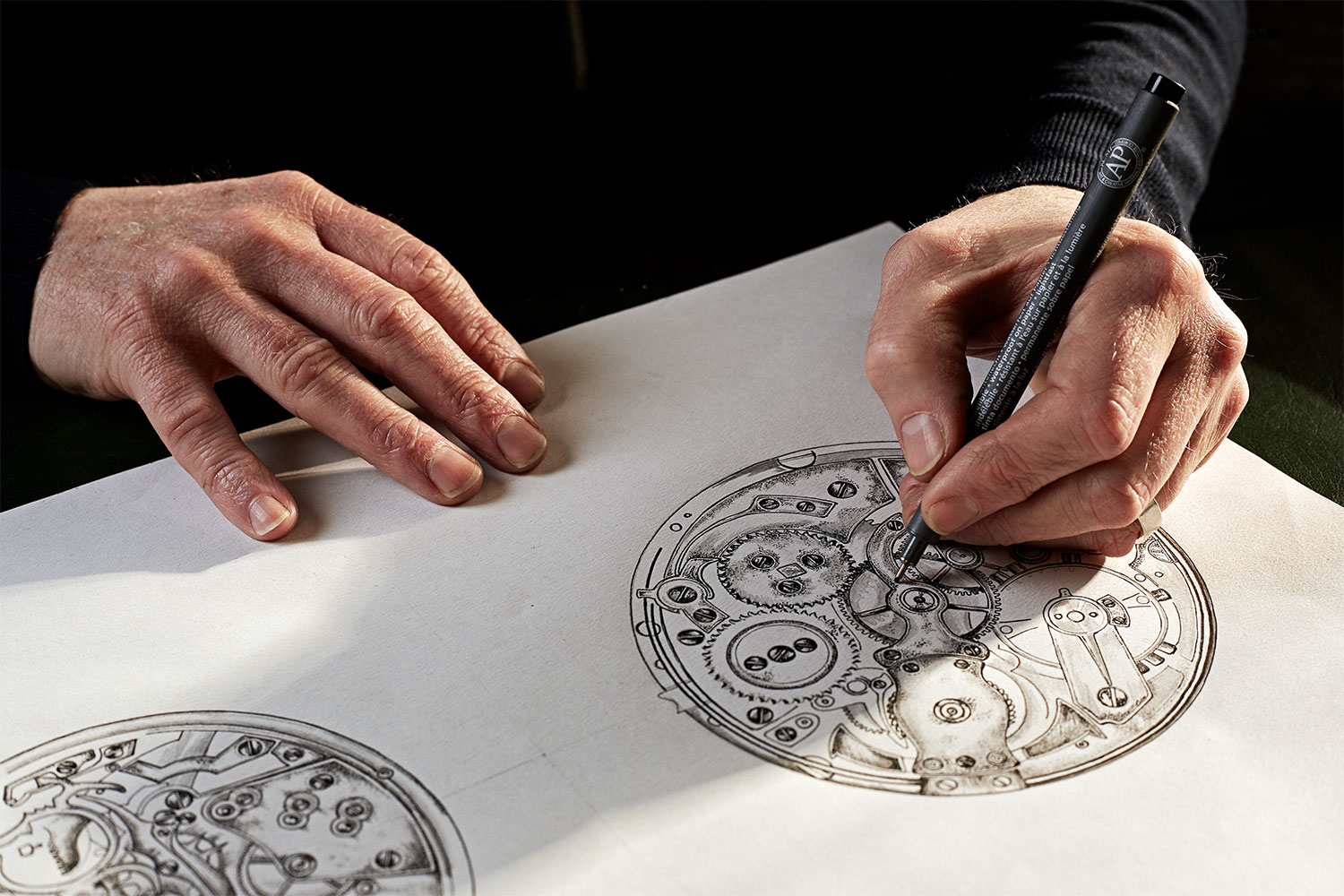
- Nathalie studied fine arts in Switzerland but specialised in watch movement decoration
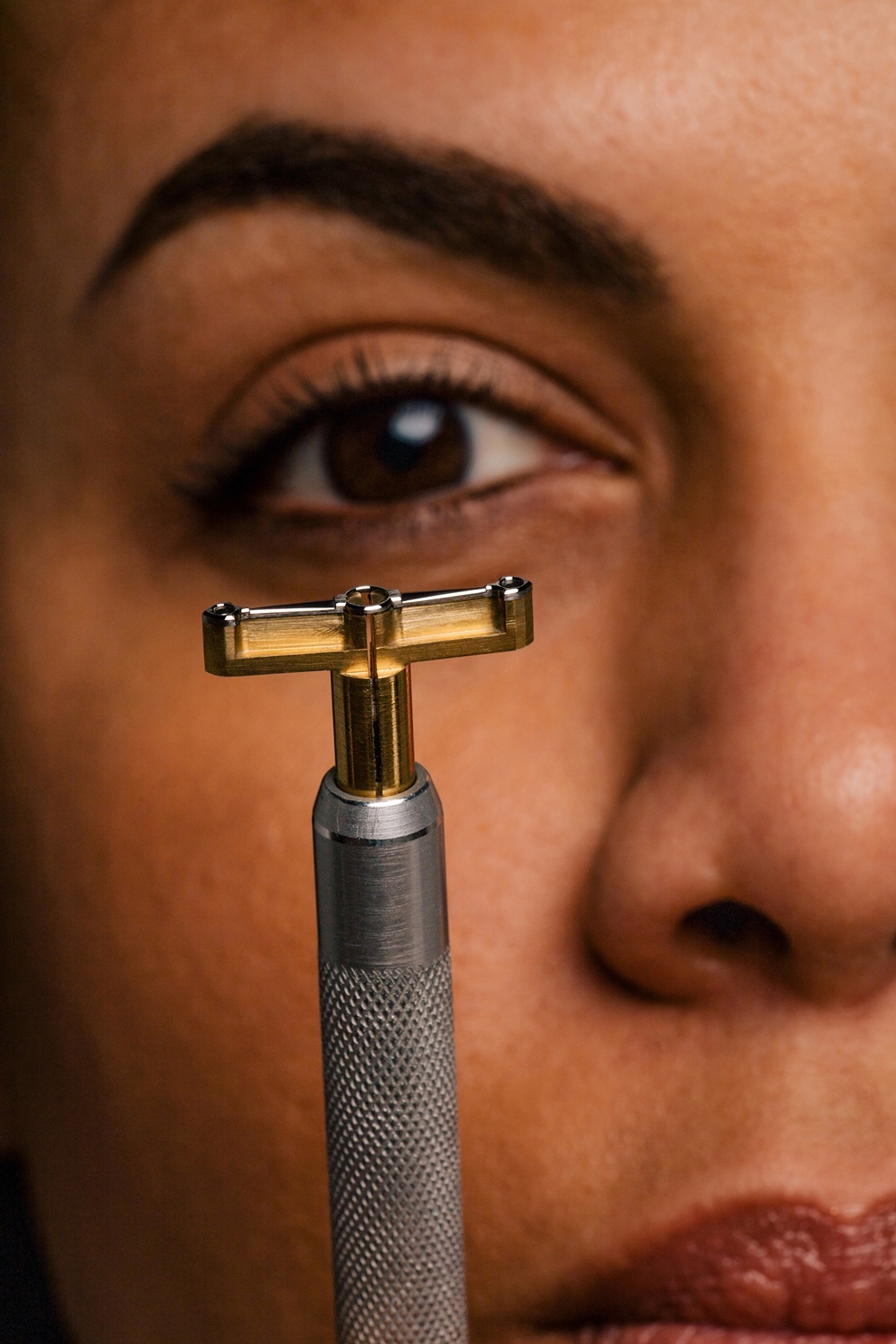
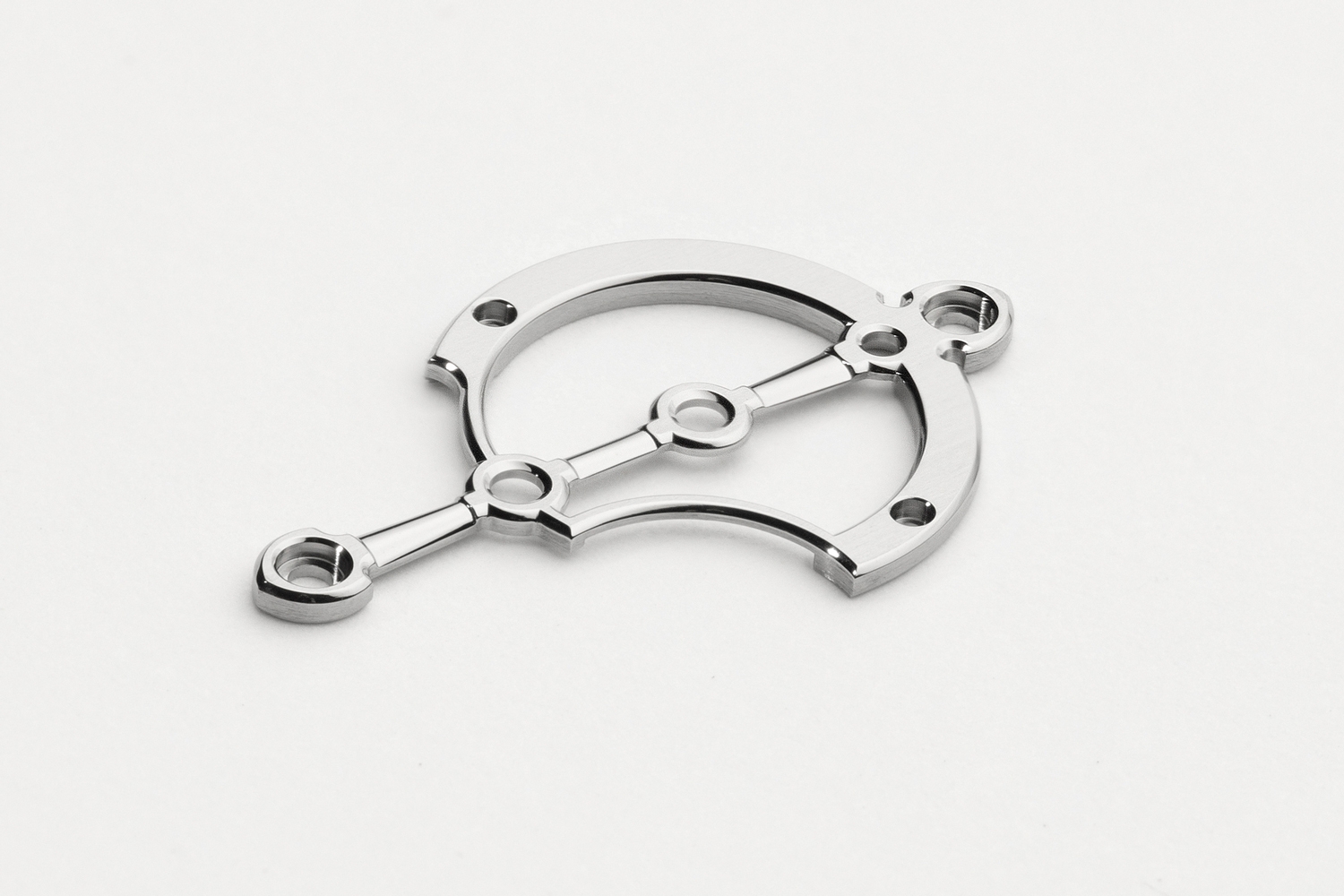
- Her traditional hand-finishing gestures bring beauty to the tiniest of technical components
- She draws on her multidisciplinary artistic background to practise her craft
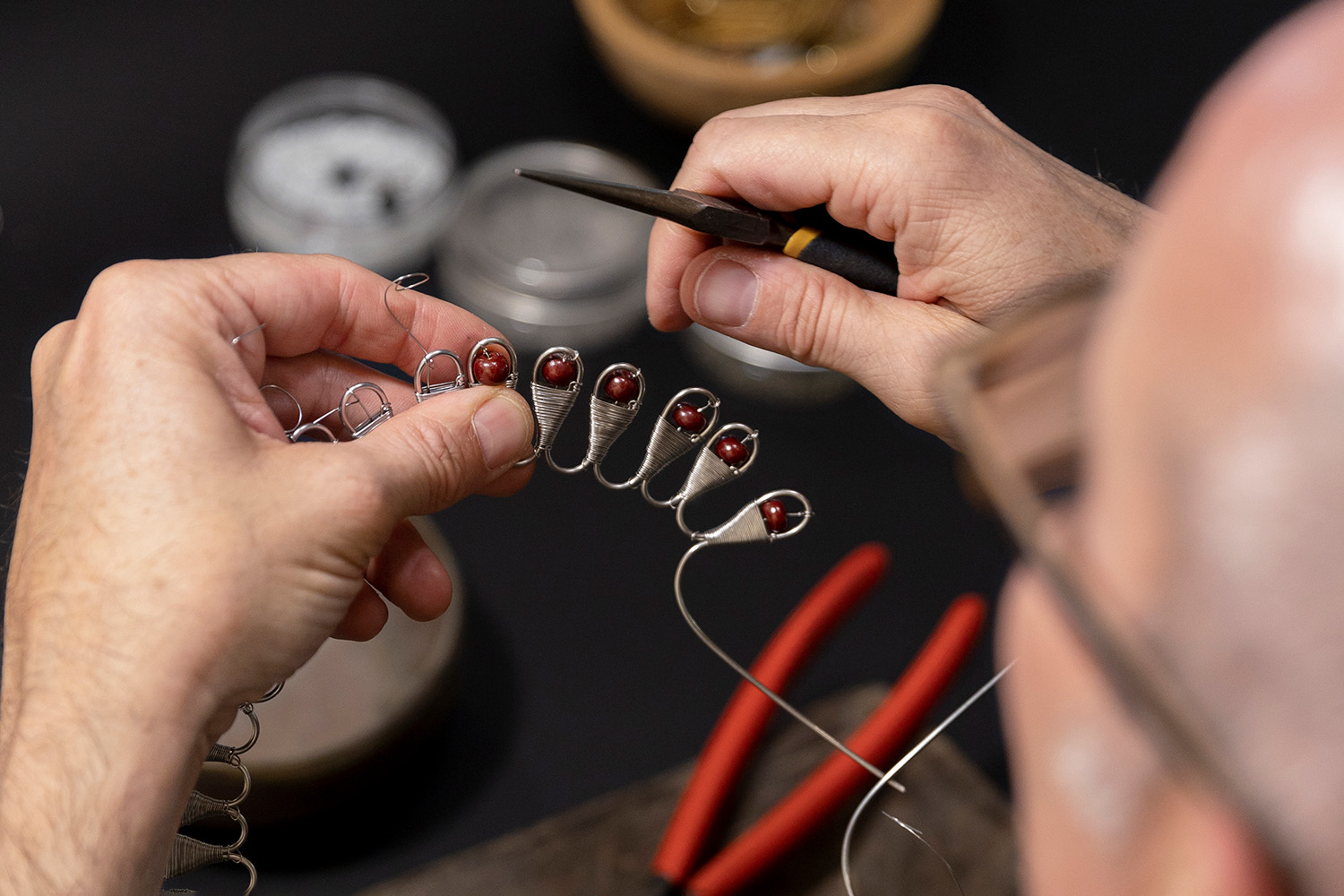
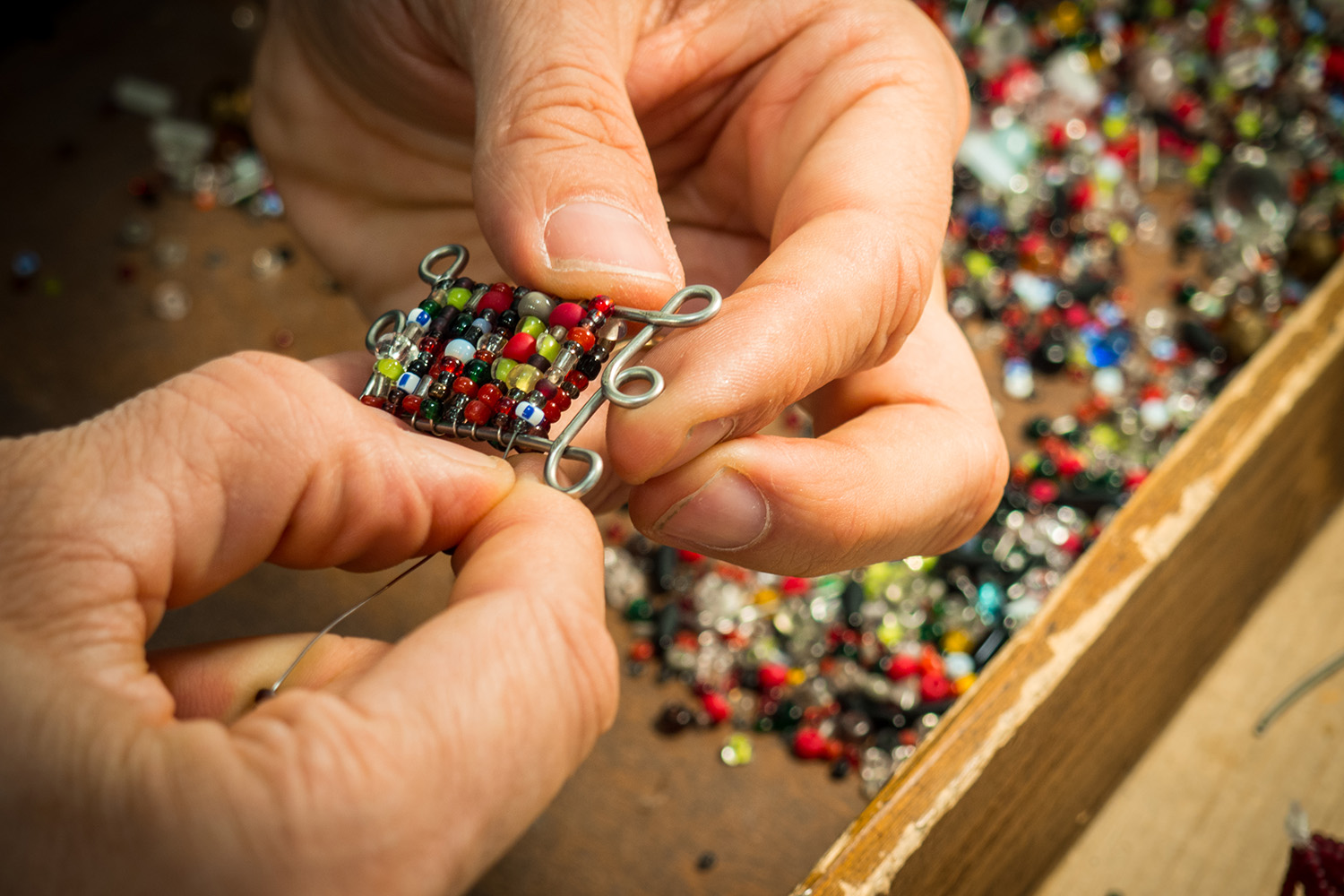
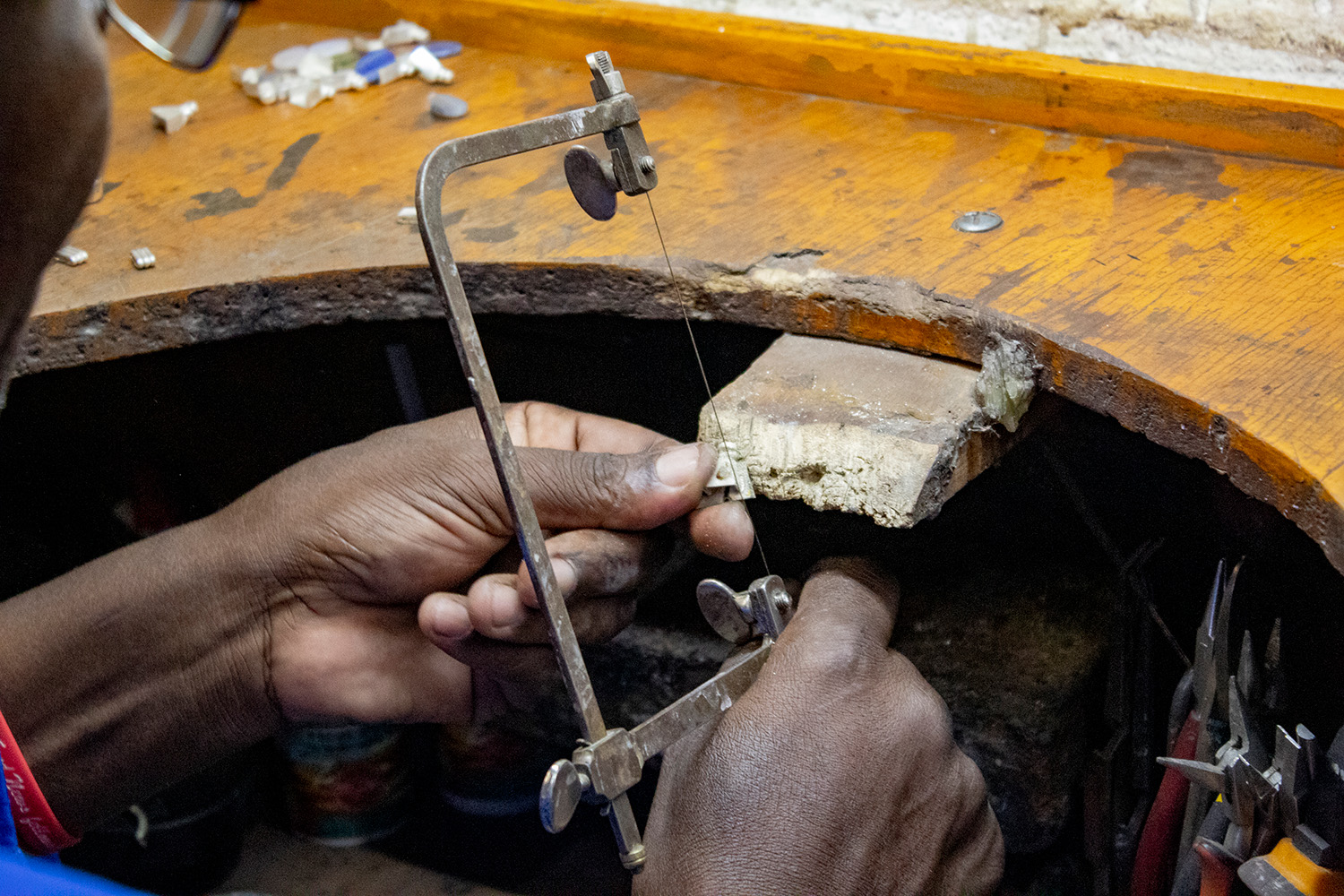
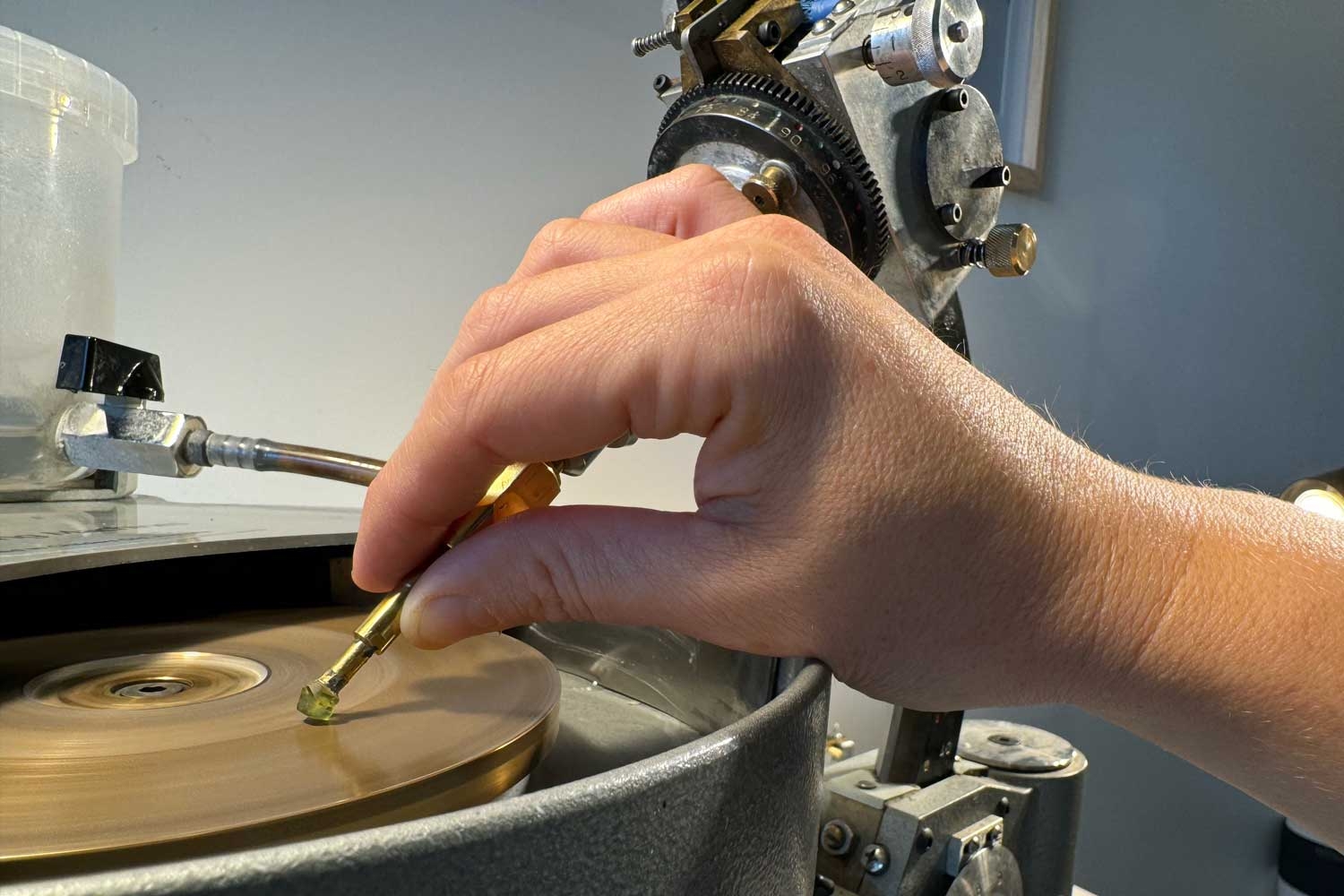
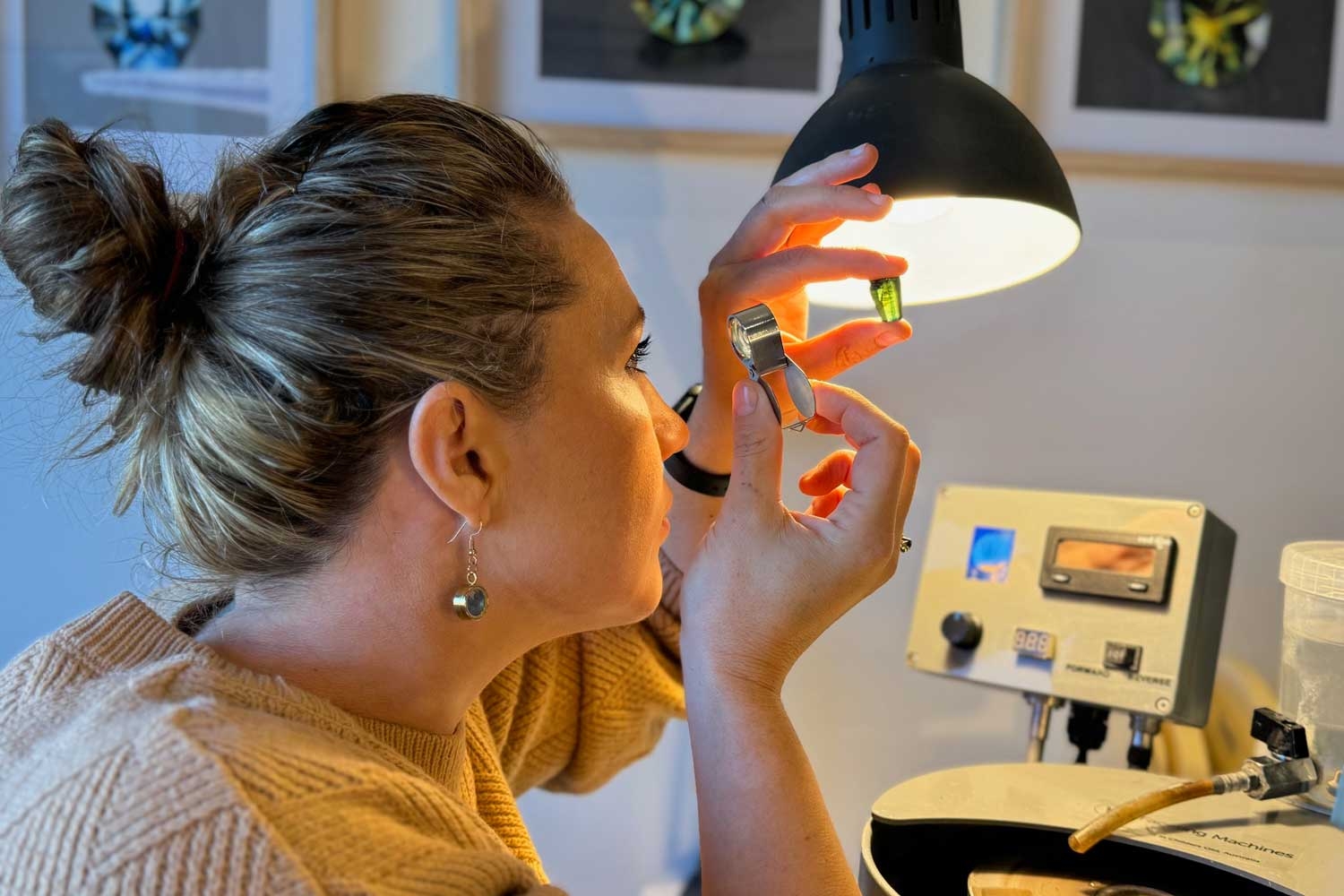
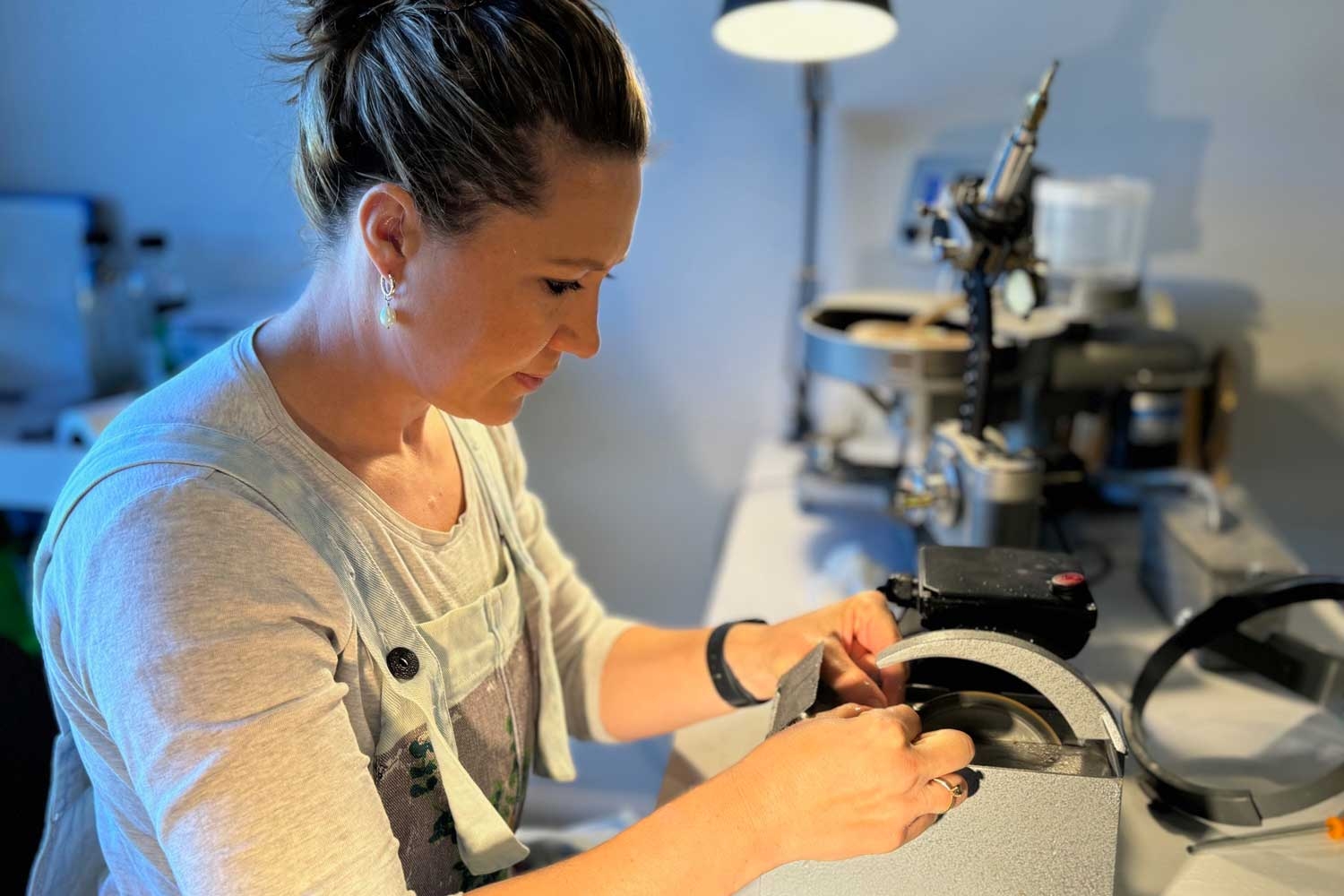
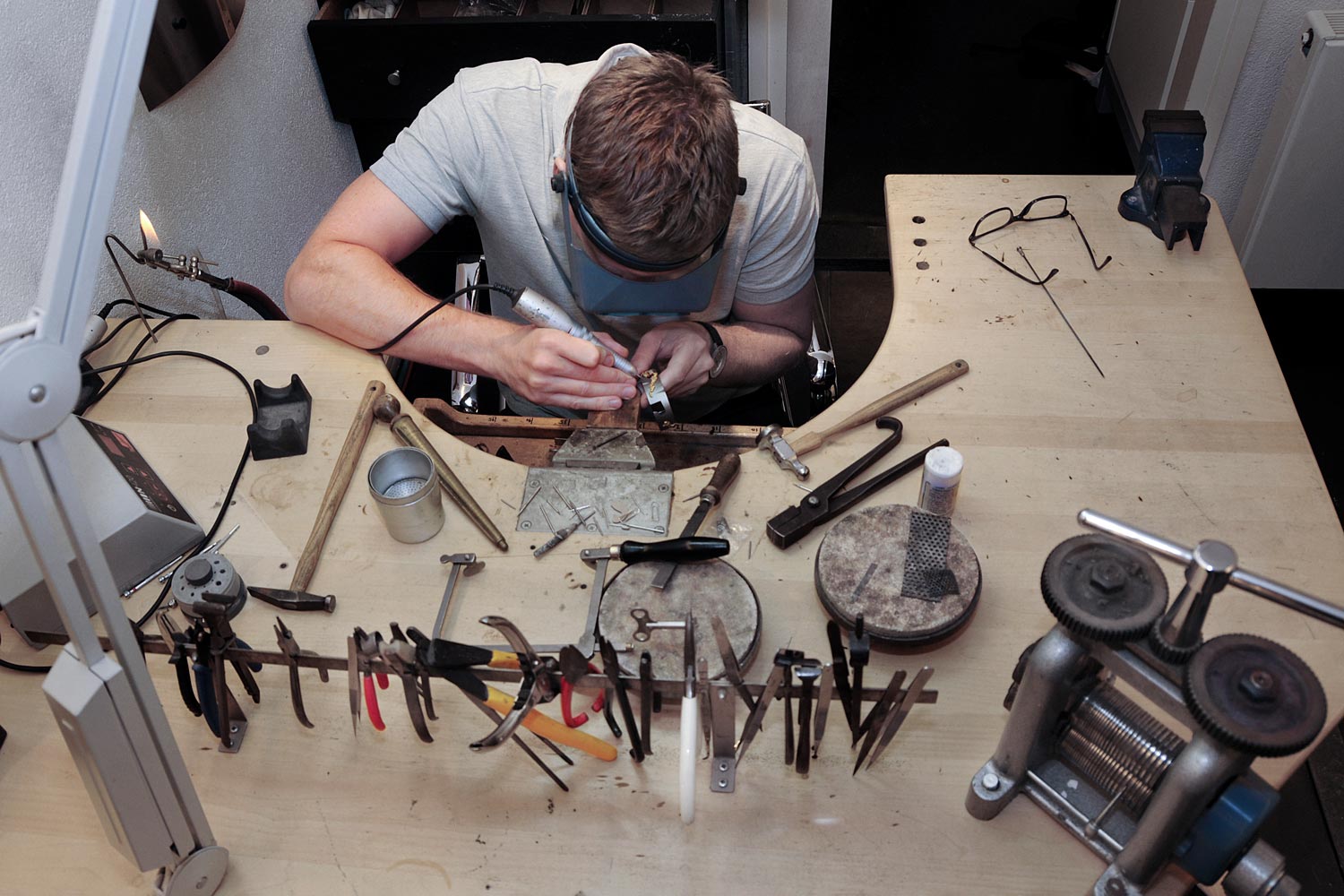
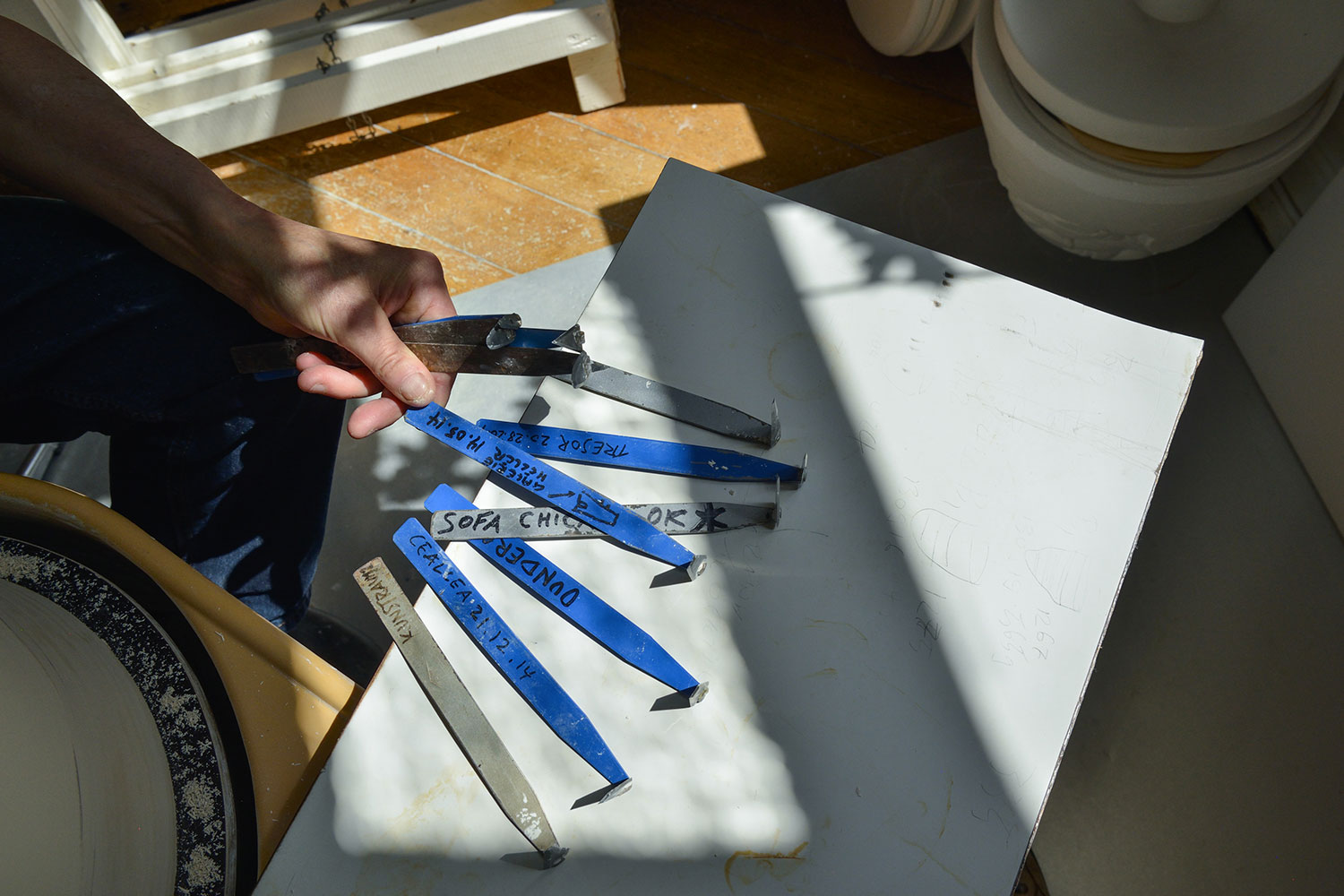
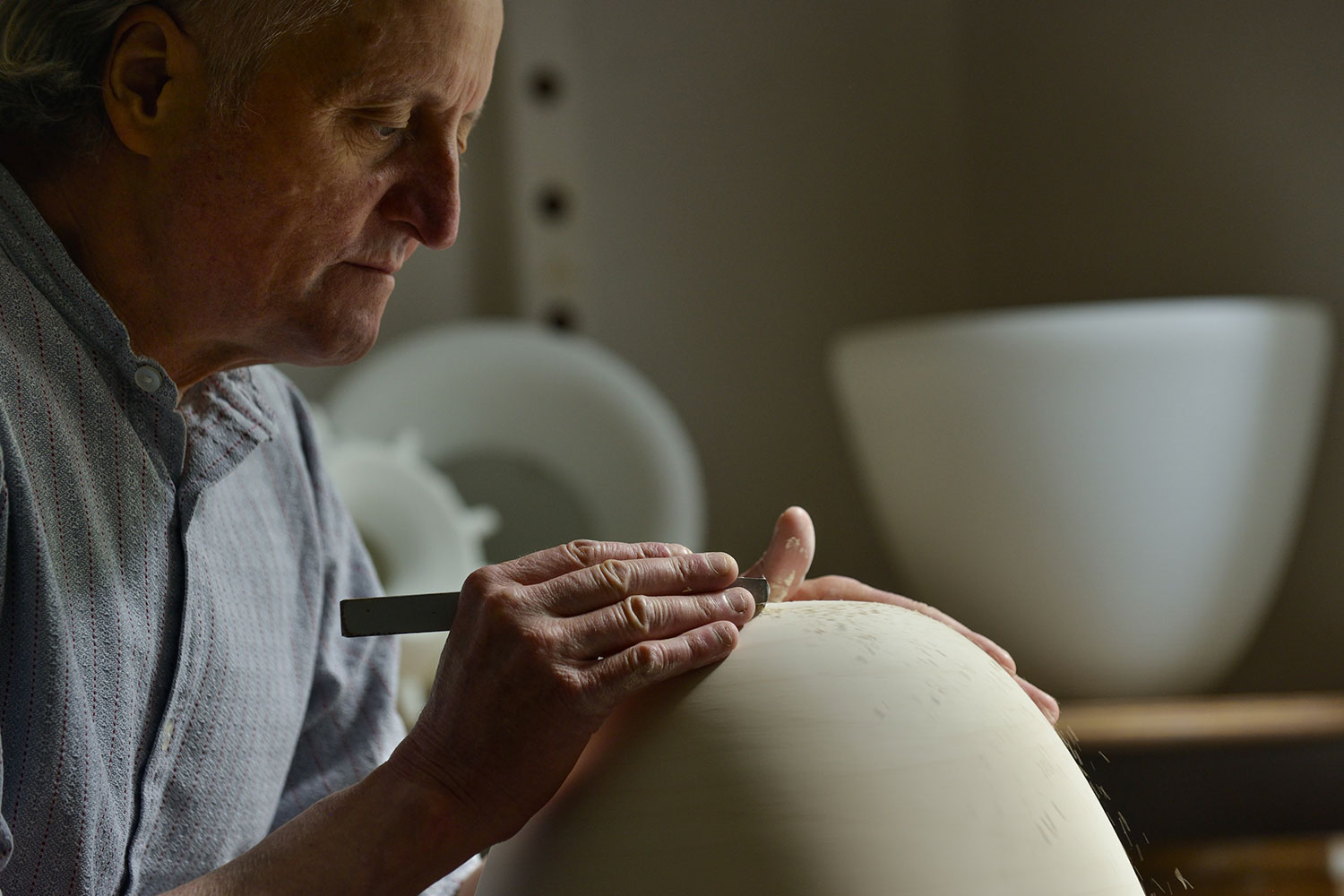
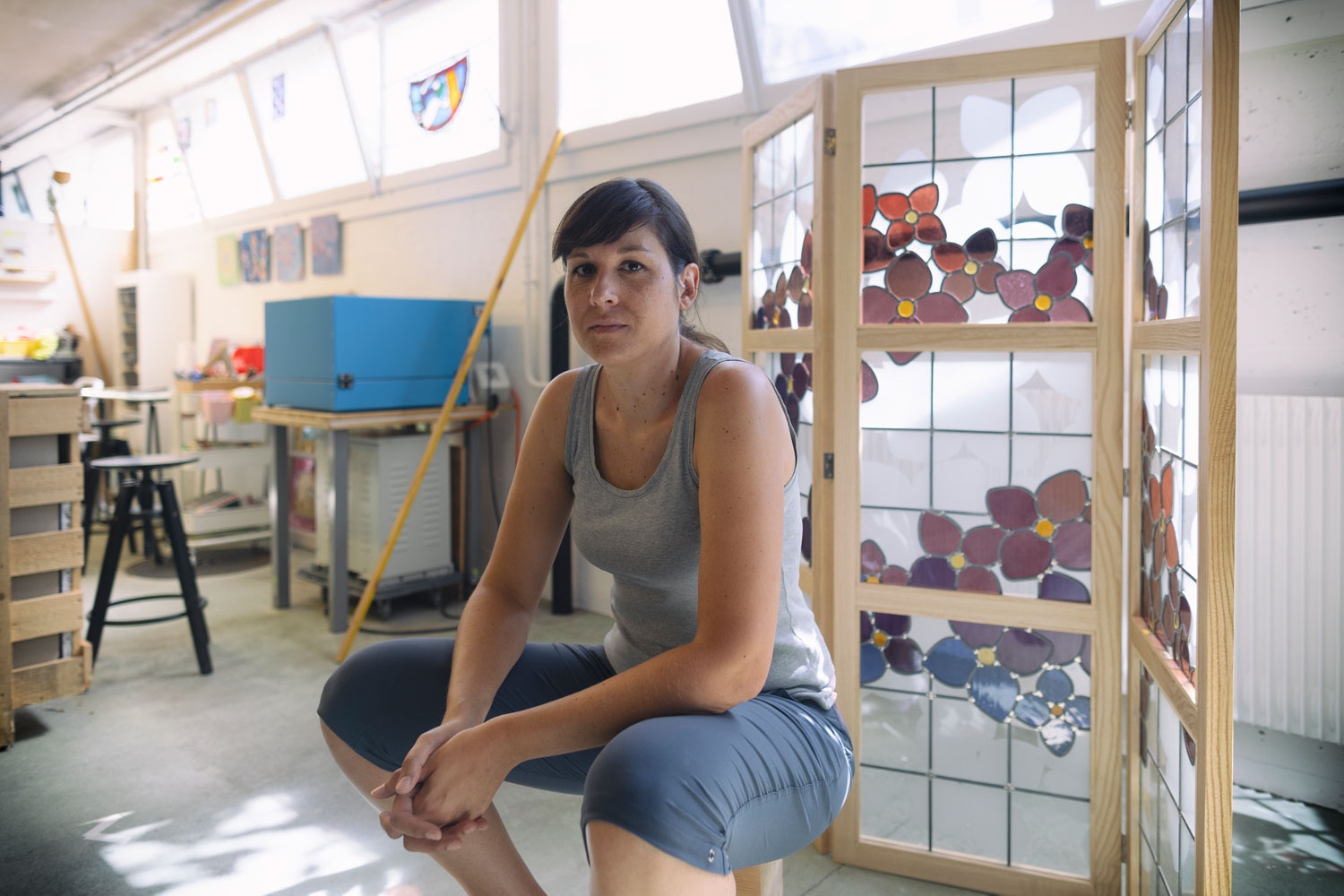
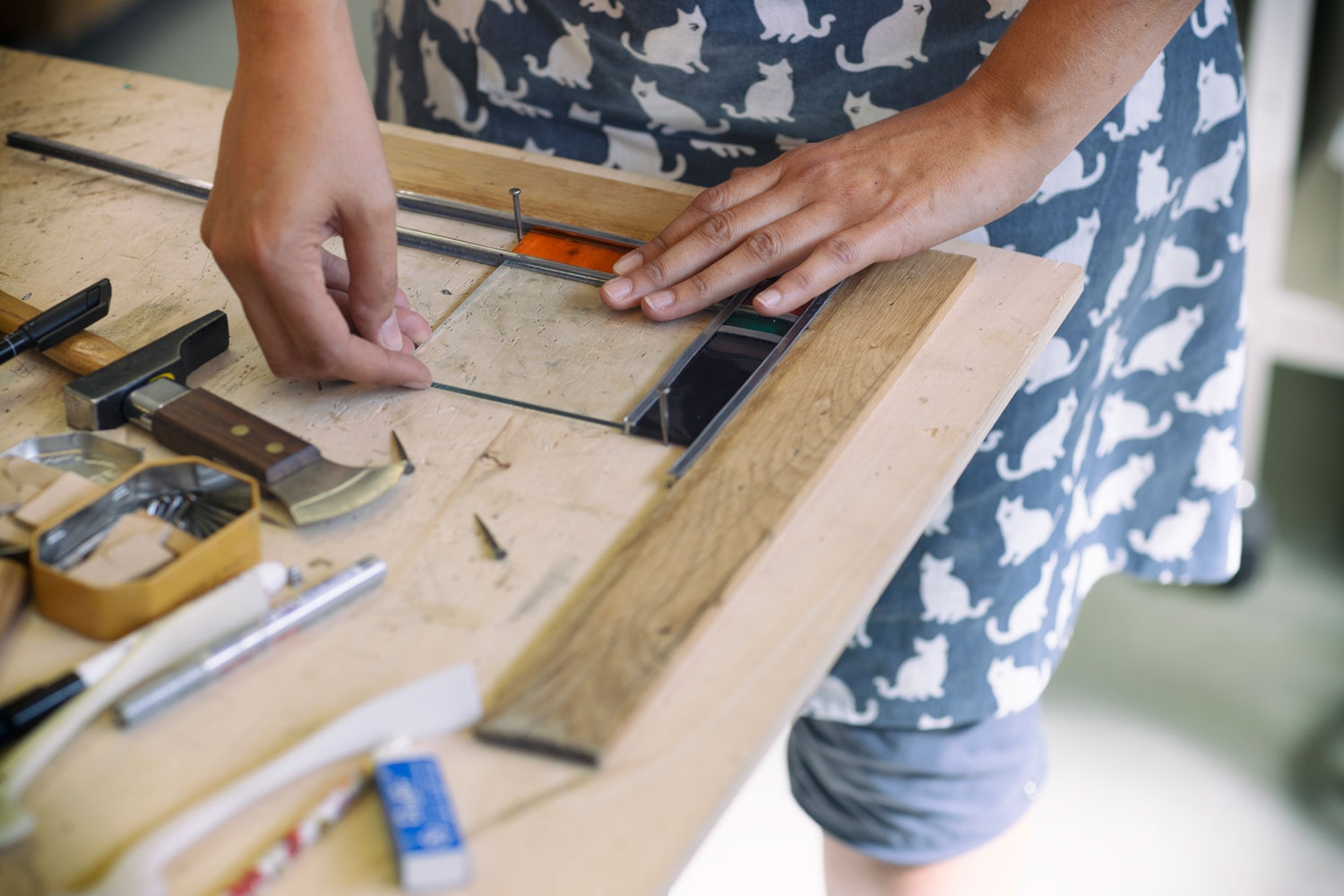
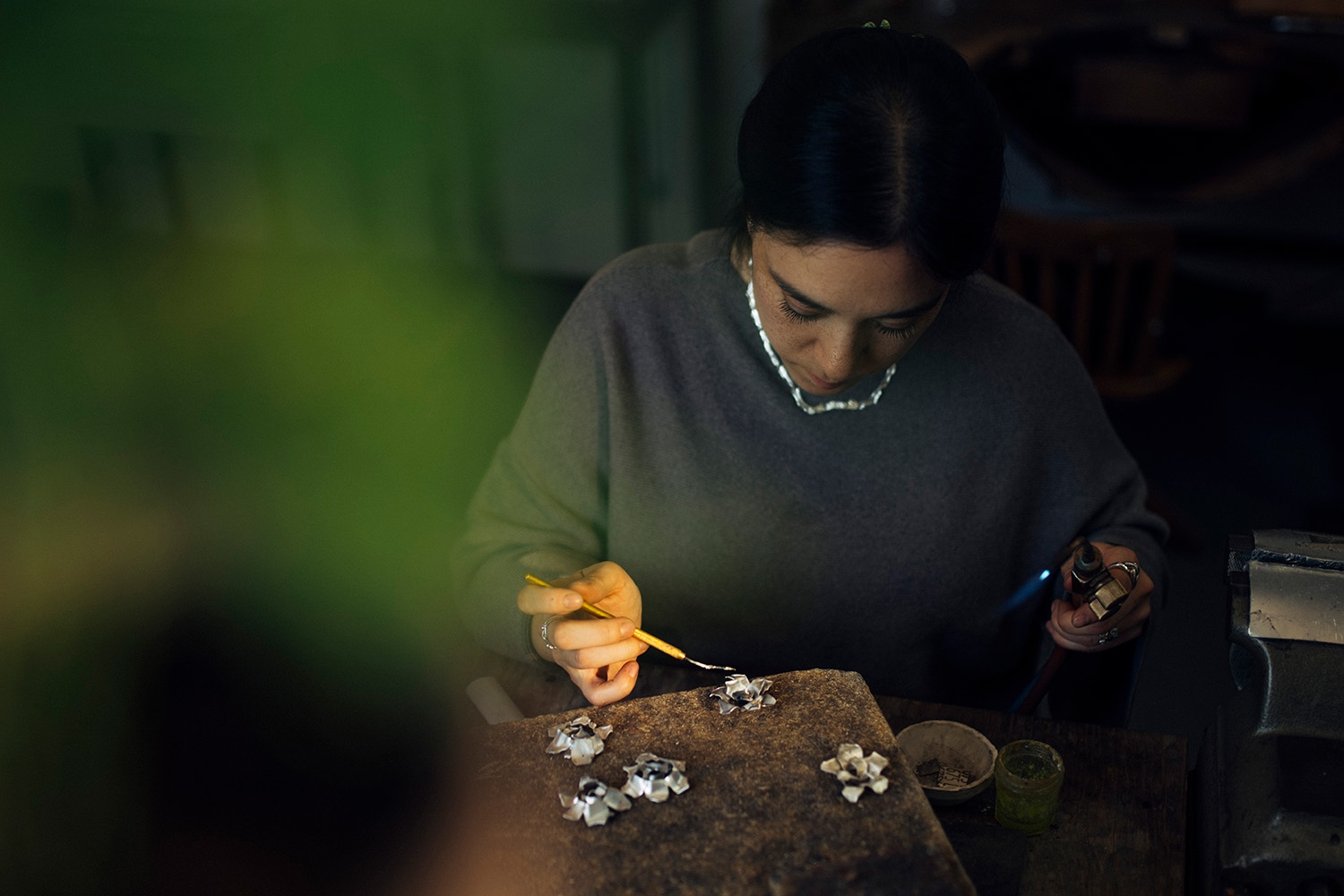
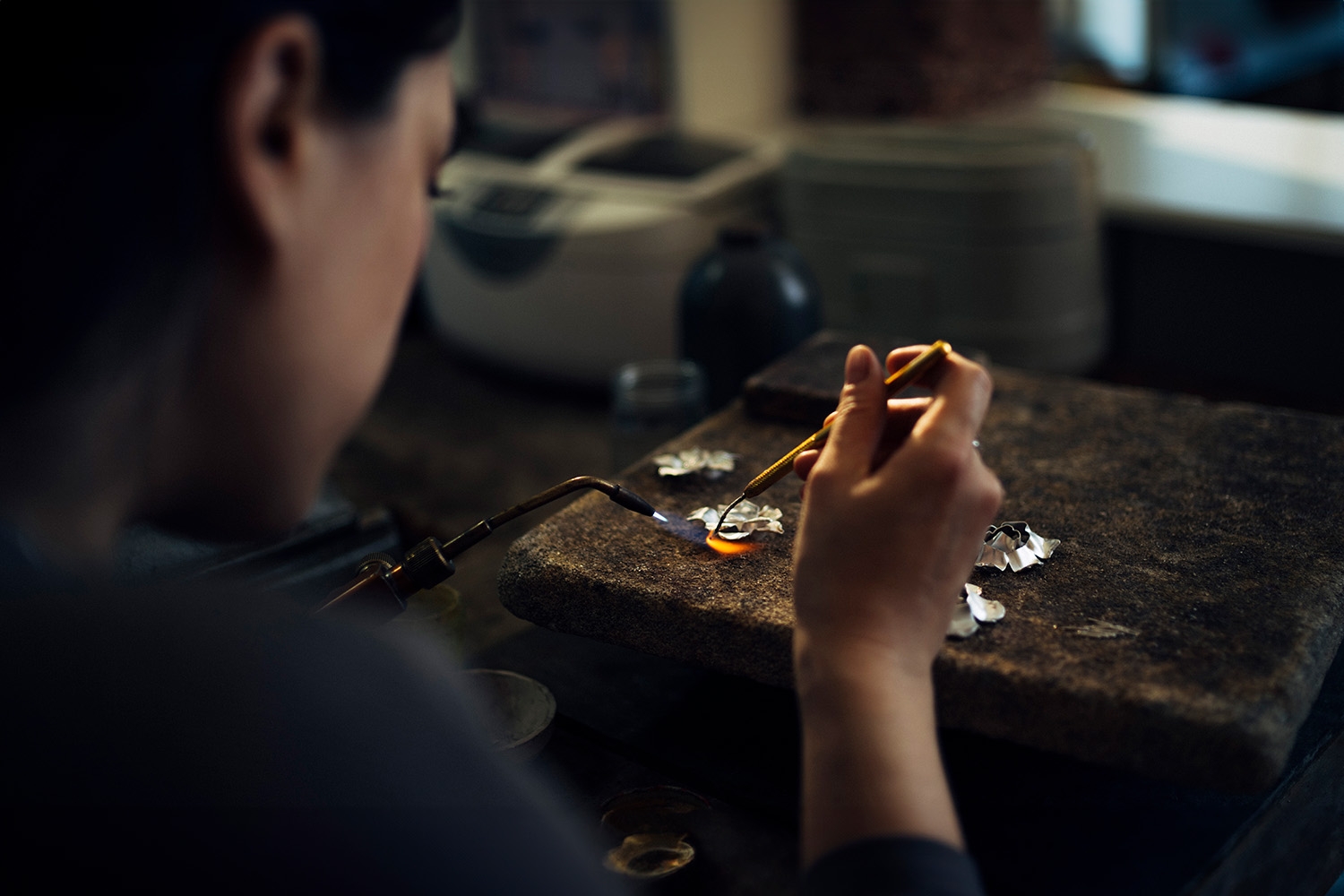
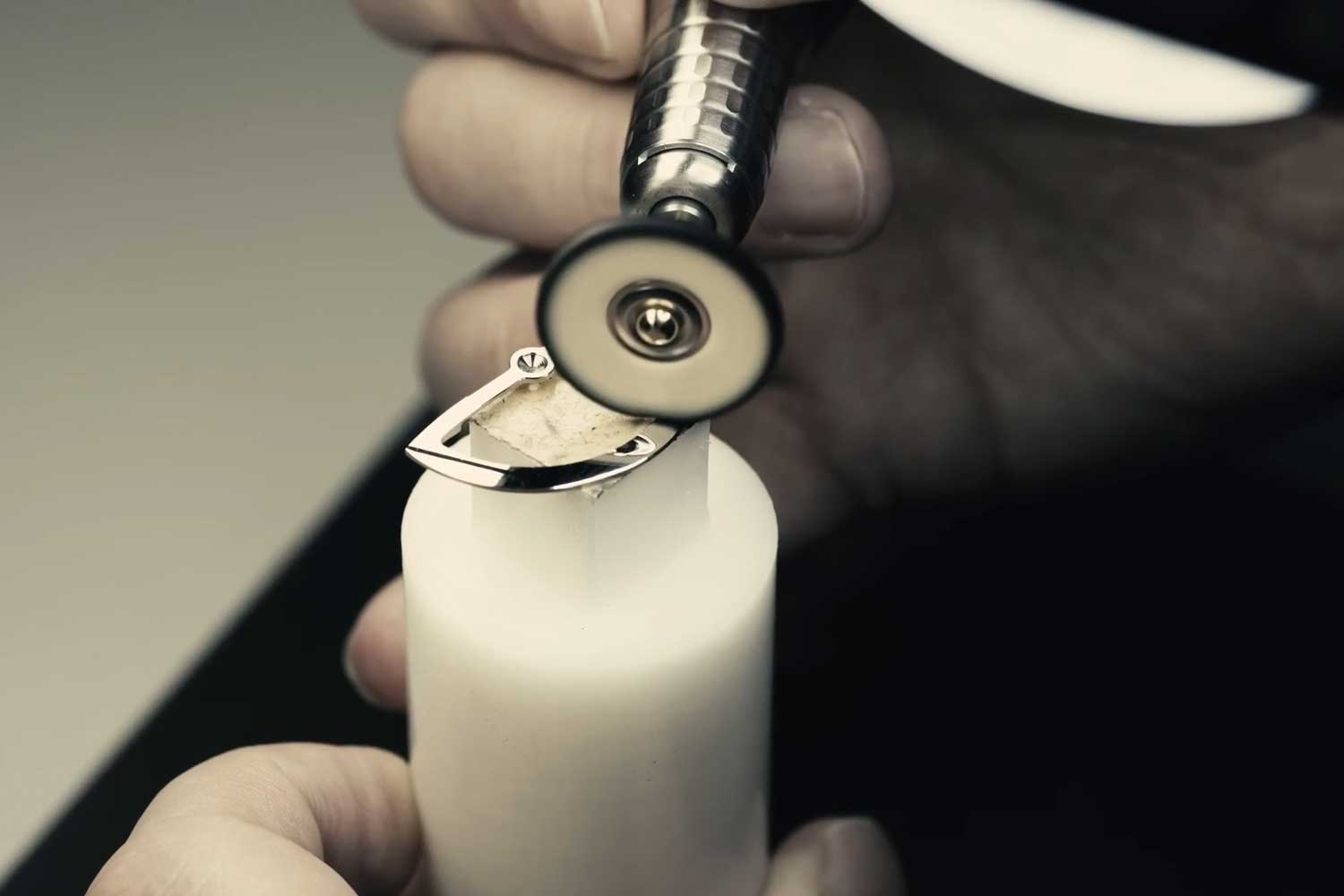
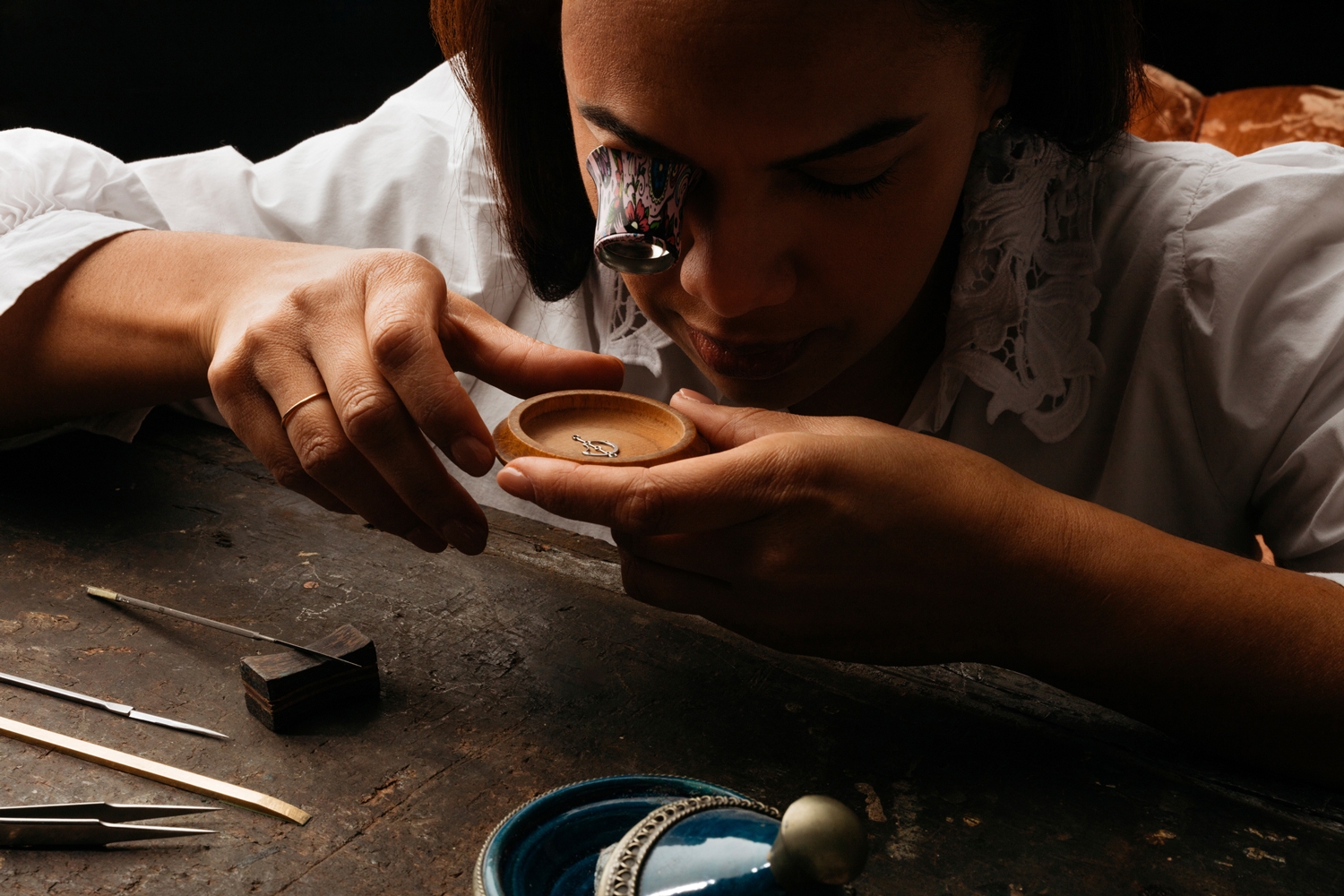
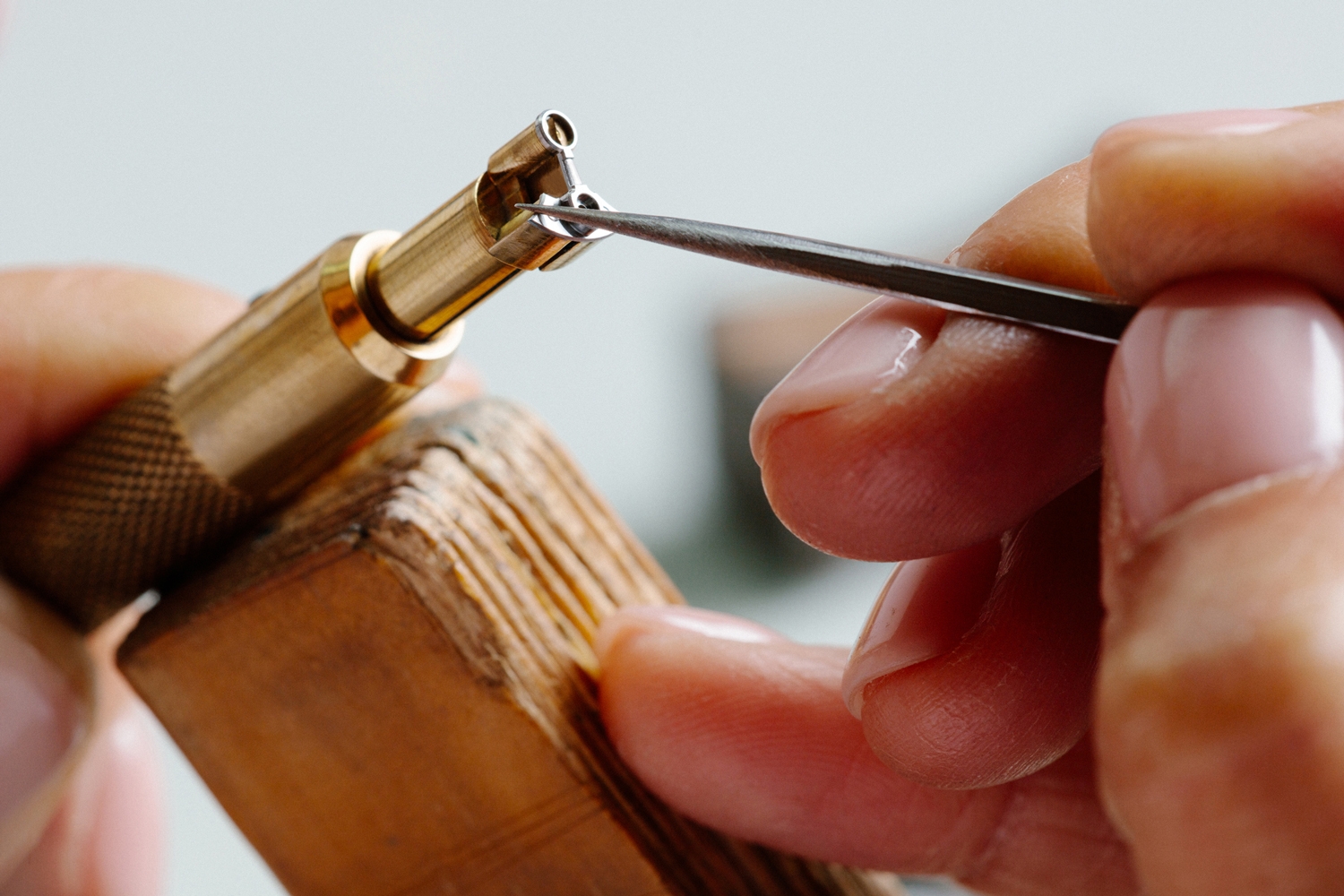
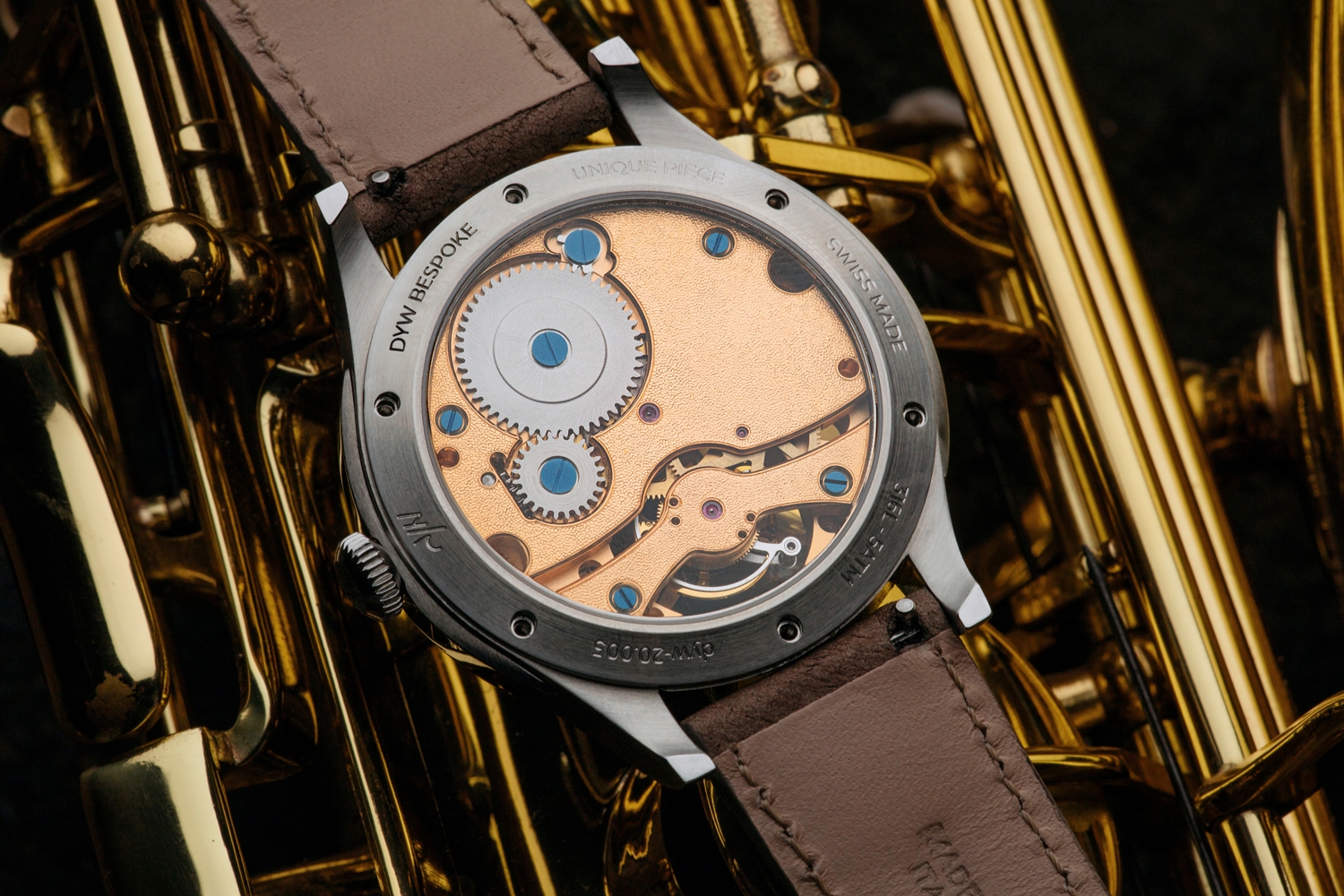
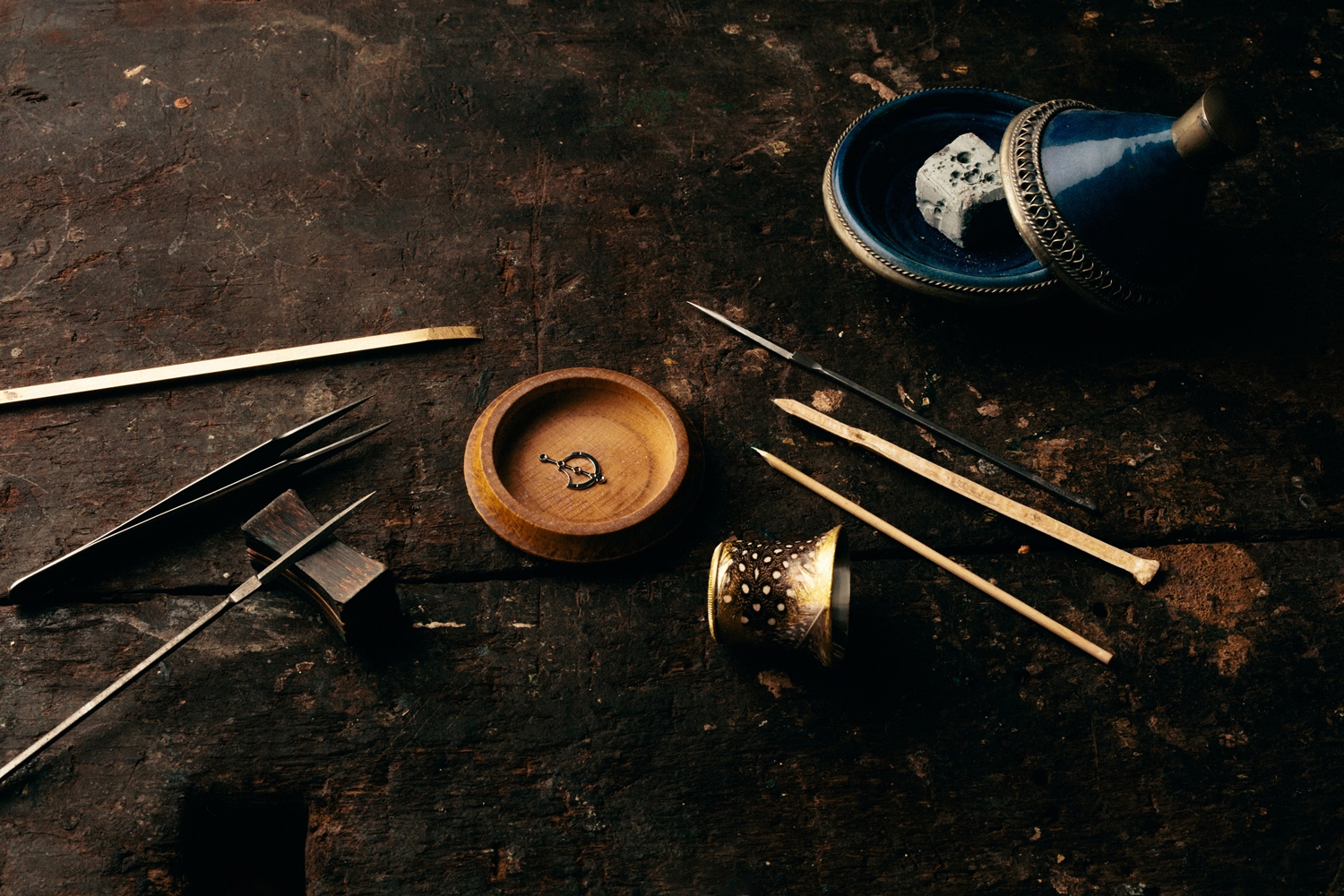
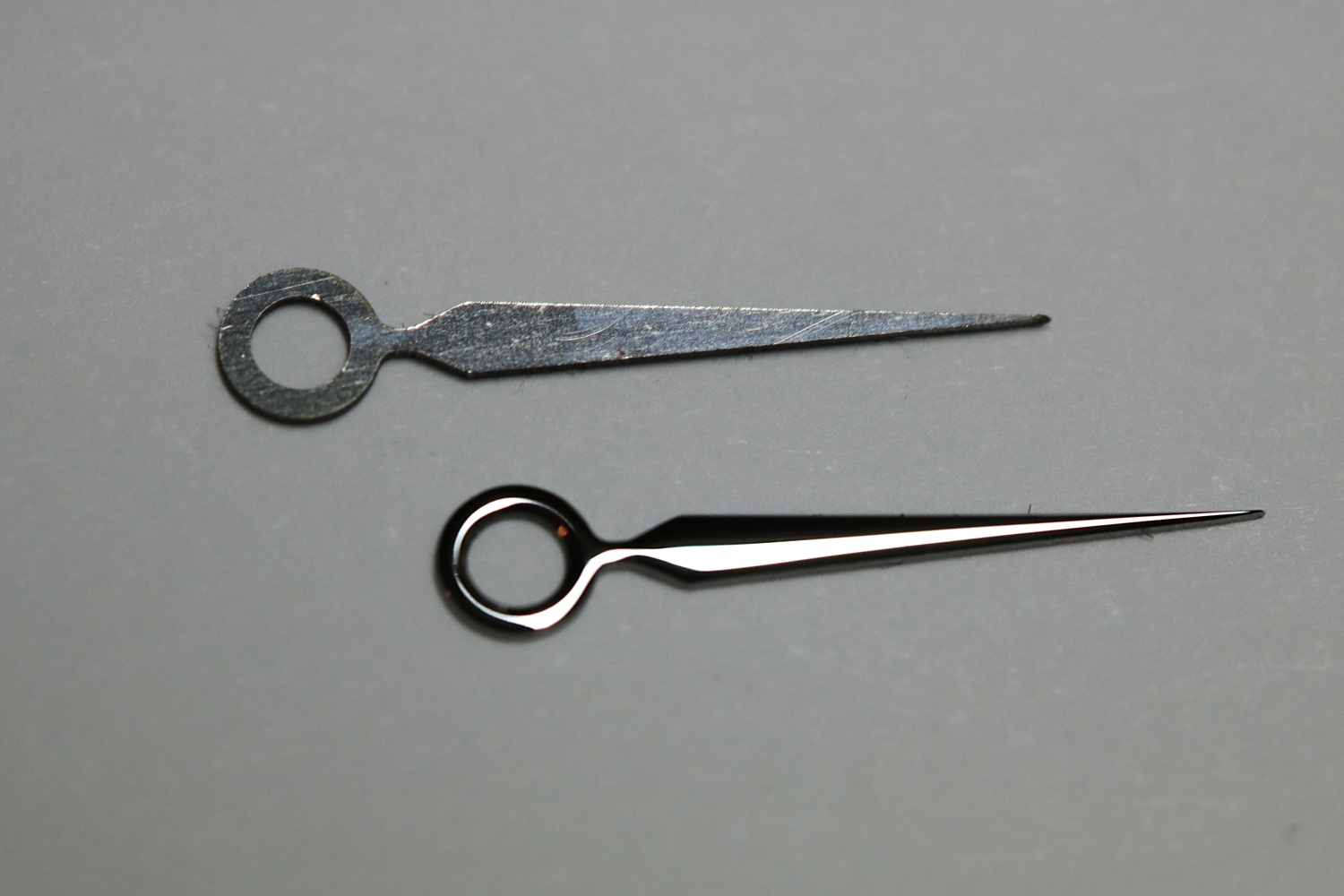
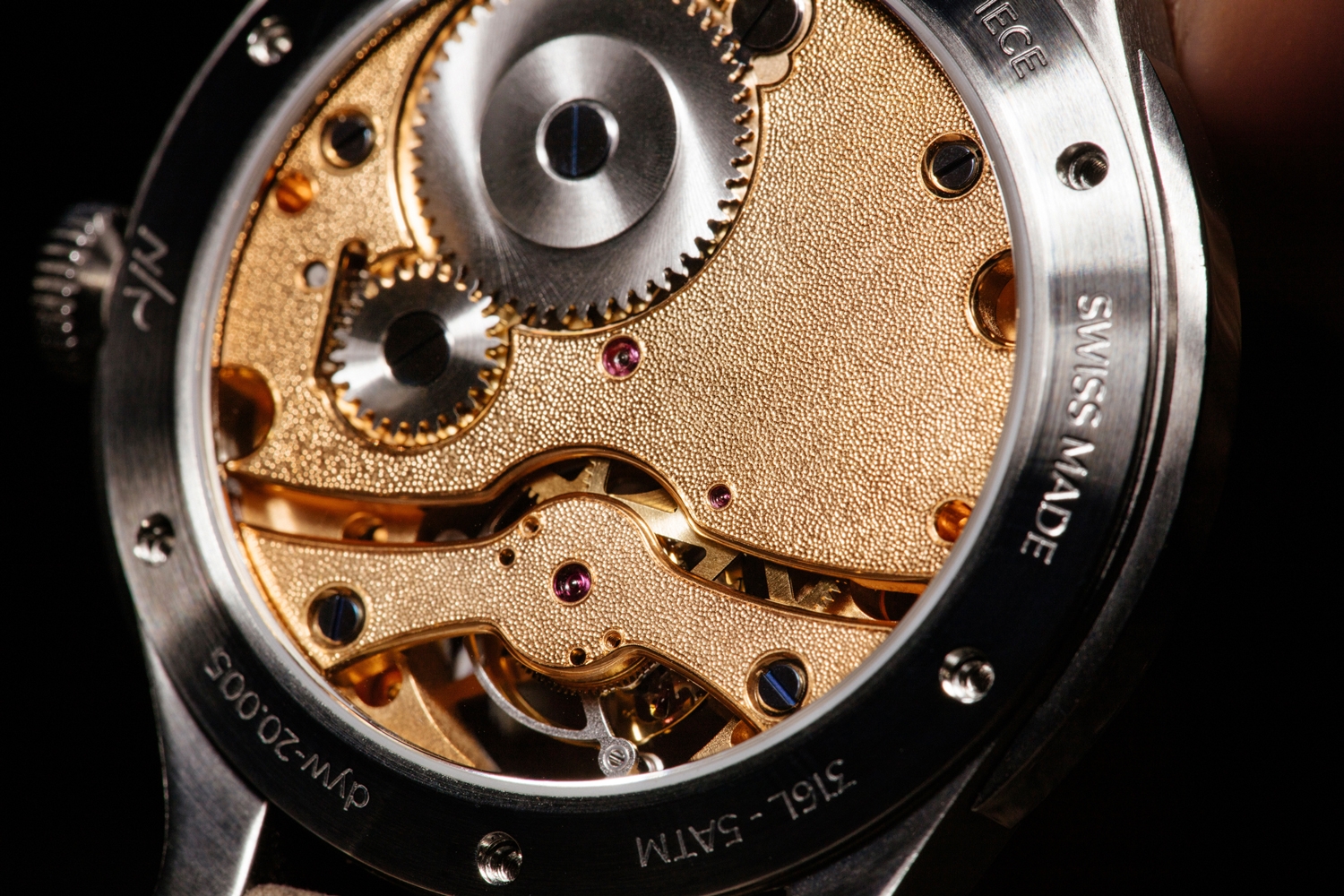
Nathalie Jean-Louis' movement decoration atelier, situated in a castle in Neuchâtel in Switzerland, is a haven from the hectic world. High-end watch brands entrust her with minuscule components that are to be hand-decorated using traditional craftsmanship techniques such as flat and rounded chamfering, circular graining and frost finishing. “Through hand-bevelling, I remove the marks of machining and transform technical components into art,” explains Nathalie. After gaining experience at Piaget and Greubel Forsey, Nathalie’s entrepreneurial spirit inspired her to pursue her passion independently, opening her own workshop which also serves as a gallery for her paintings, jewellery and artistic magnifying glasses. Dedicated to the passing on of her craft, she offers training and e-learning courses to share her hidden profession with future generations.
Discover her work
INTERVIEW
Yes. Most techniques are not taught in schools, only in certain watch manufactories. There are not enough trained movement decorators to meet the needs of the watchmaking sector, risking a decline in quality and the disappearance of certain ancestral techniques.
I strive to transform classic watchmaking objects into artistic masterpieces. My work is poetic and creative but I cannot deform the technical parameters of the components as they each have a role in the movement’s timekeeping precision.
CNC machines can decorate components to a good level but each component will be the same. My work adds uniqueness, soul and a level of detail that is exponential. Also, certain shapes can only be achieved by hand and connoisseurs value this.
The number of hours spent decorating each component of a timepiece! It can take 8, 10, even 20 hours. For prestigious timepieces we are talking about more than 300 components. Most may be invisible to the final client but the level of finishing will be just as high as in the visible elements.
Nathalie Jean-Louis
Watchmaker
Vaumarcus, Switzerland
AVAILABILITY
By appointment only
PHONE
+41 797947563
LANGUAGES
French, English
Homo Faber Finds is a new service aiming to inspire admirers of craft to connect and collaborate with exceptional artisans.
We invite you to submit an enquiry here.