Myra Mimlitsch-Gray
Metalsmith
Stone Ridge, NY, USA
Modelling ideas in metal
- Myra is a contemporary metalsmith specialising in artistic hollowware
- Her practice questions the social norms and functions of domestic objects
- She is an award-winning professor and director of the metal programme at SUNY New Paltz
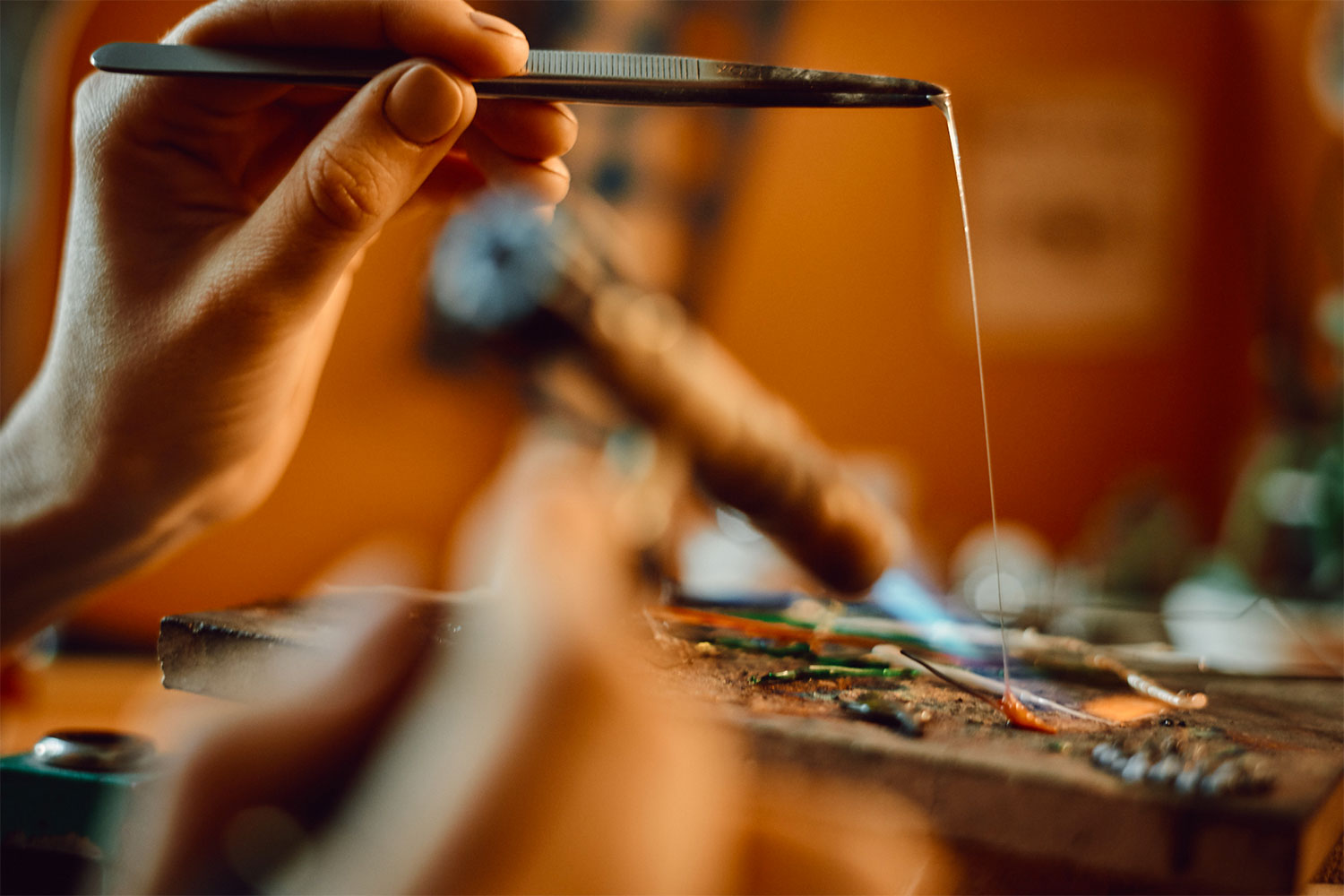
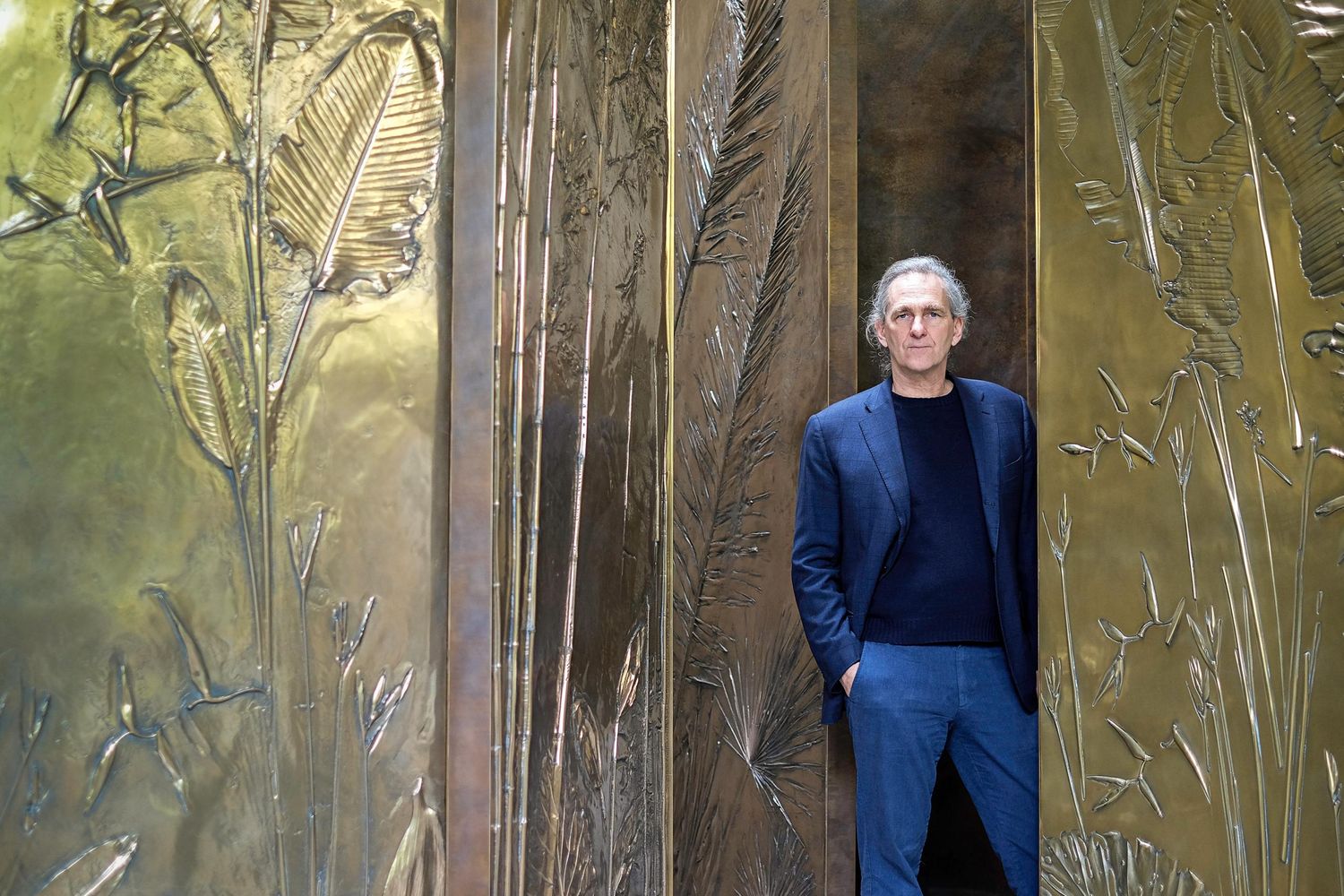
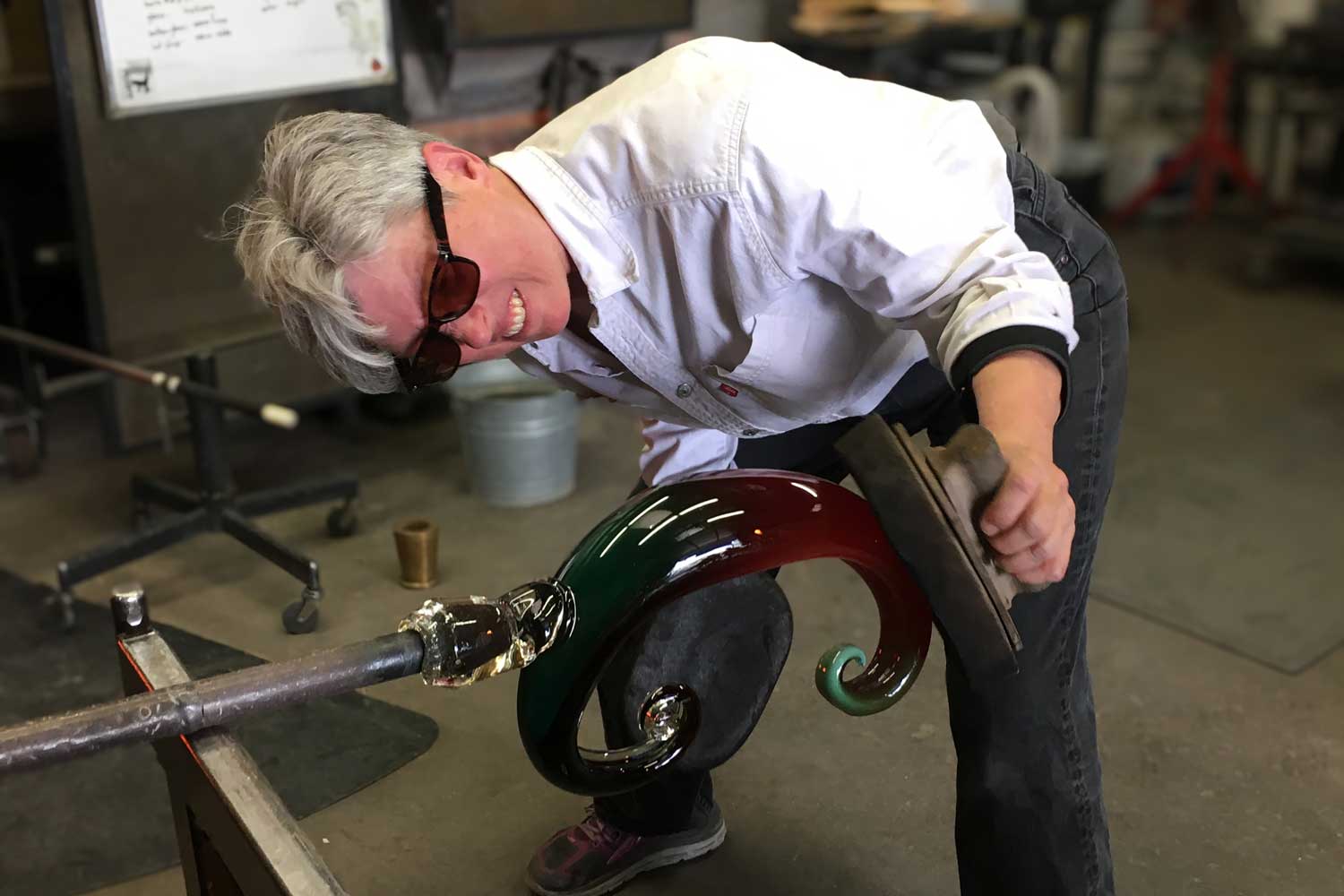
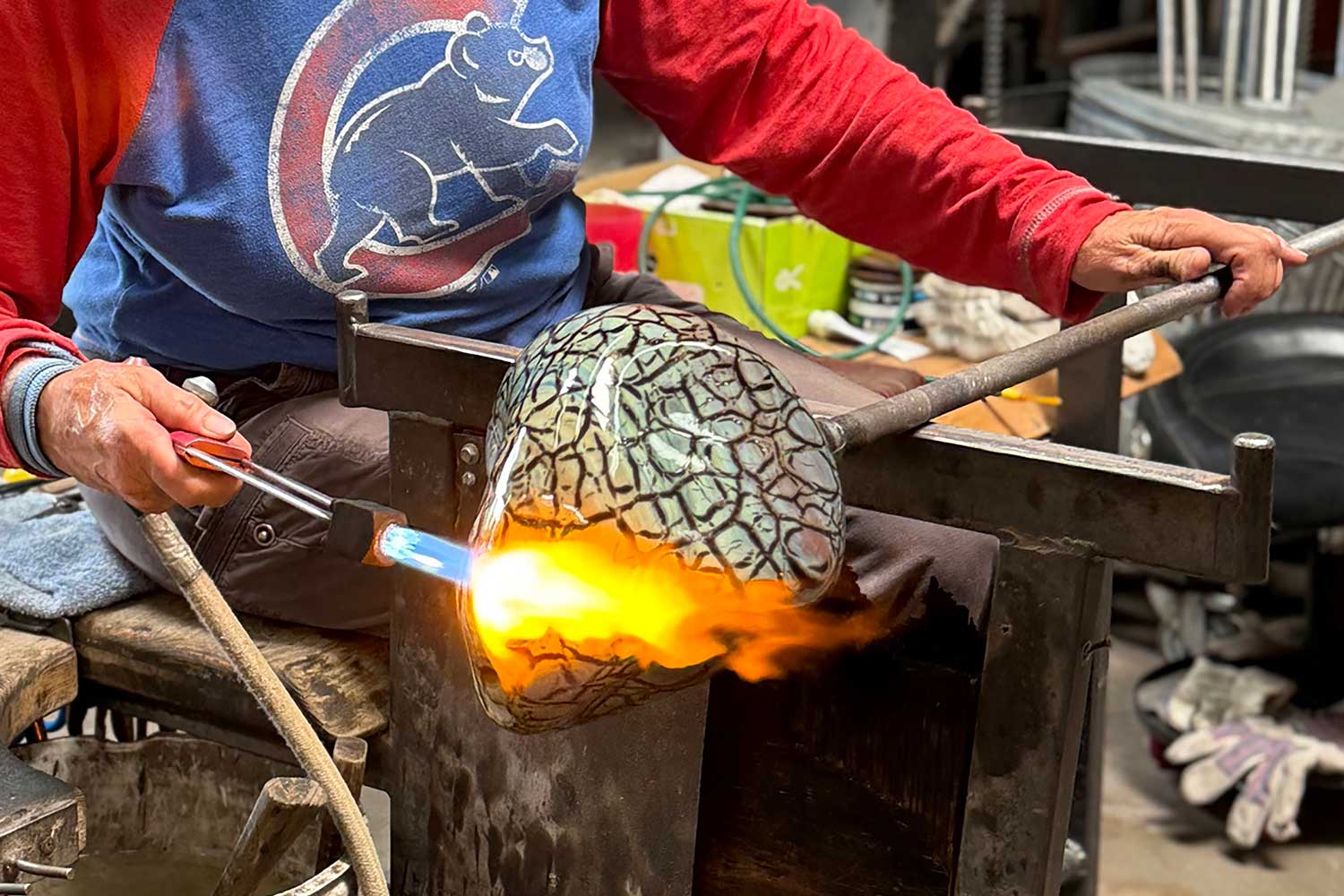
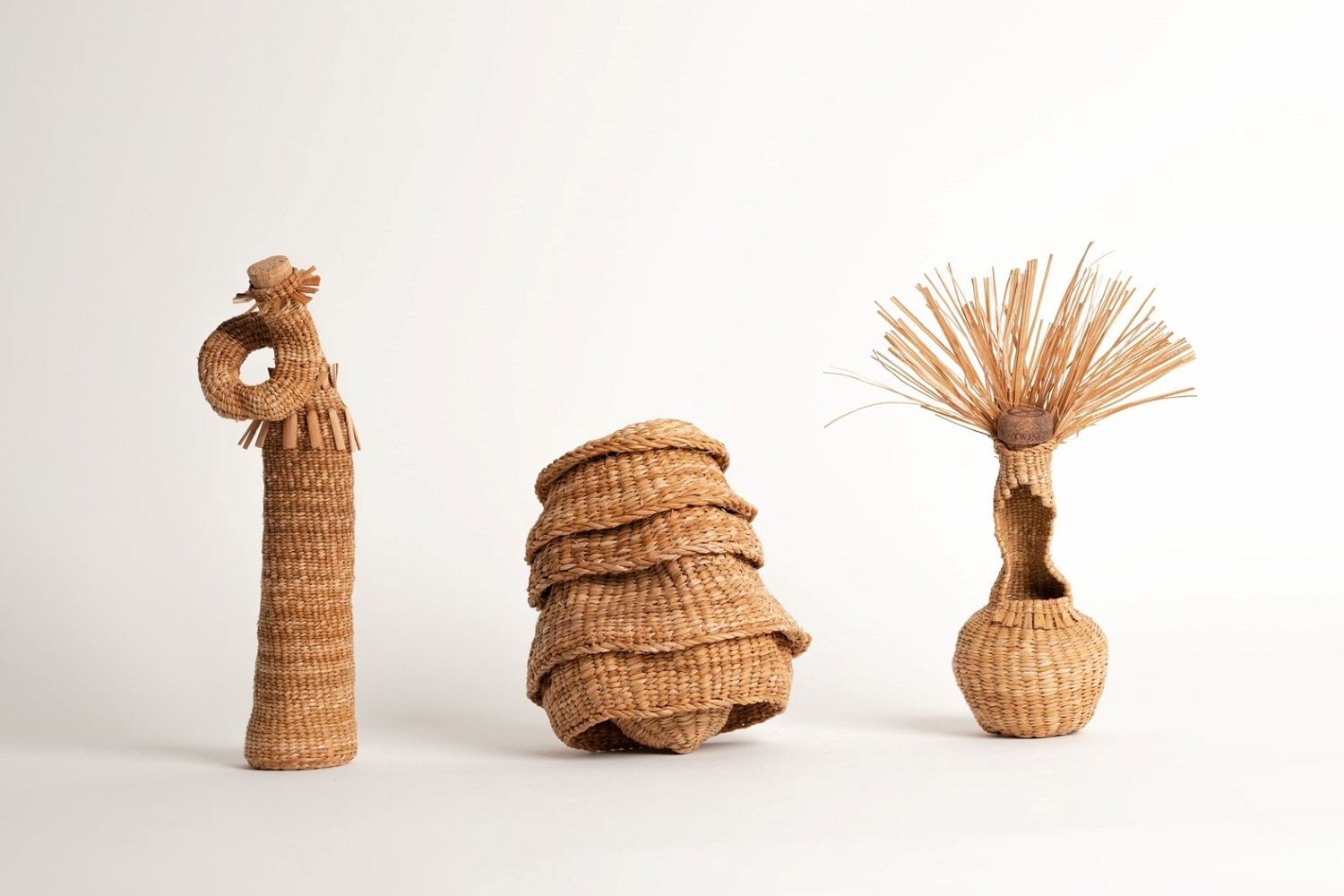
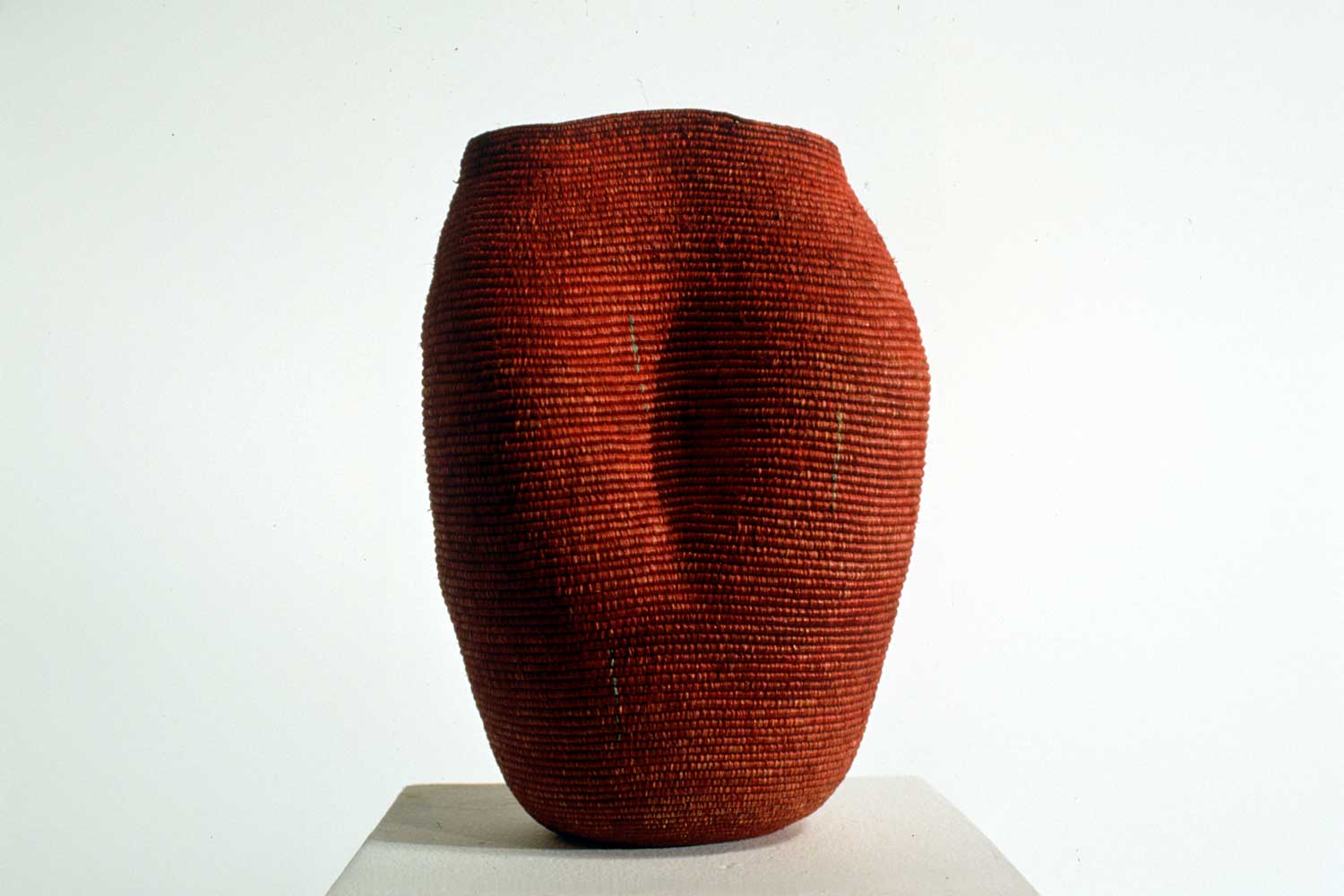
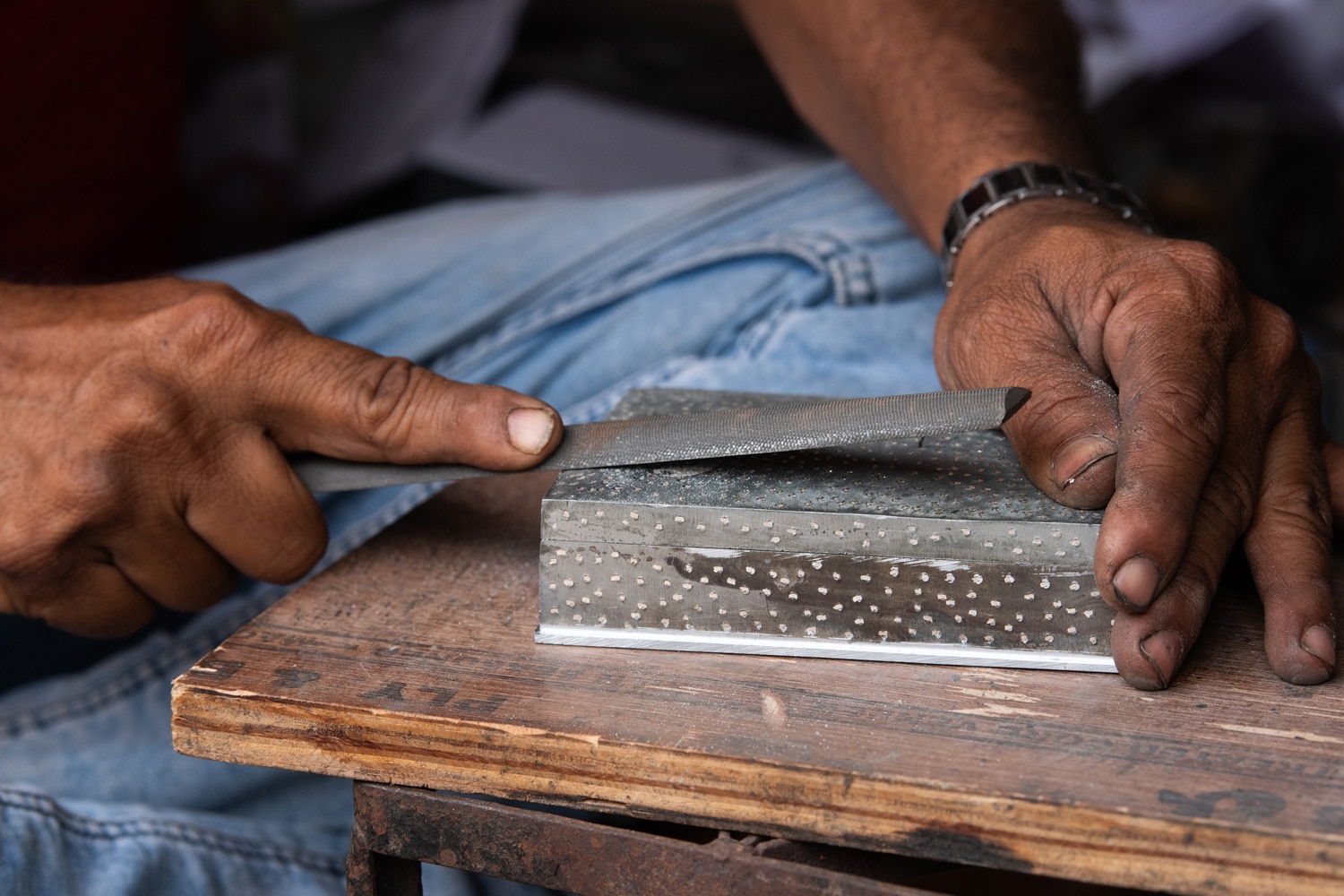
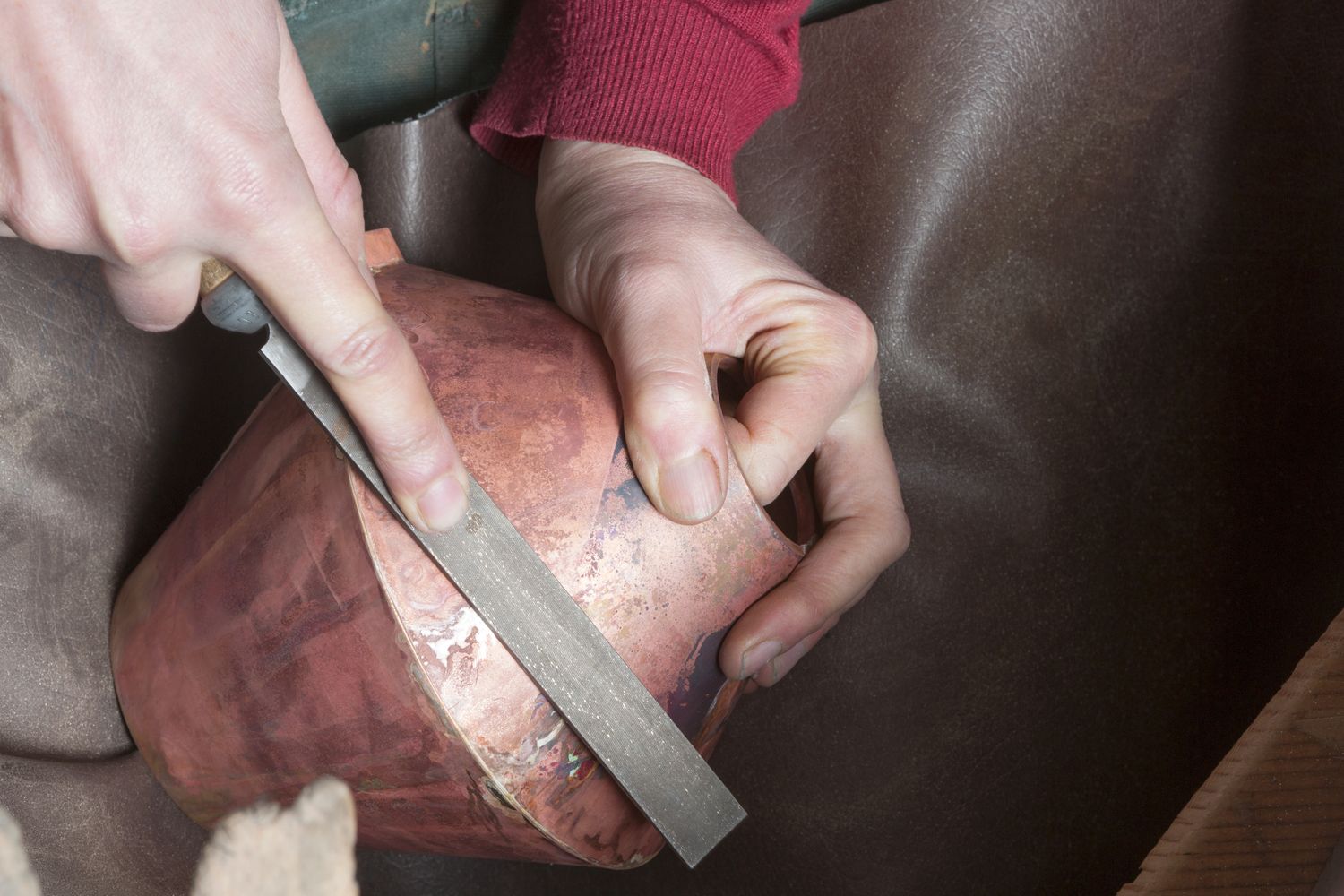
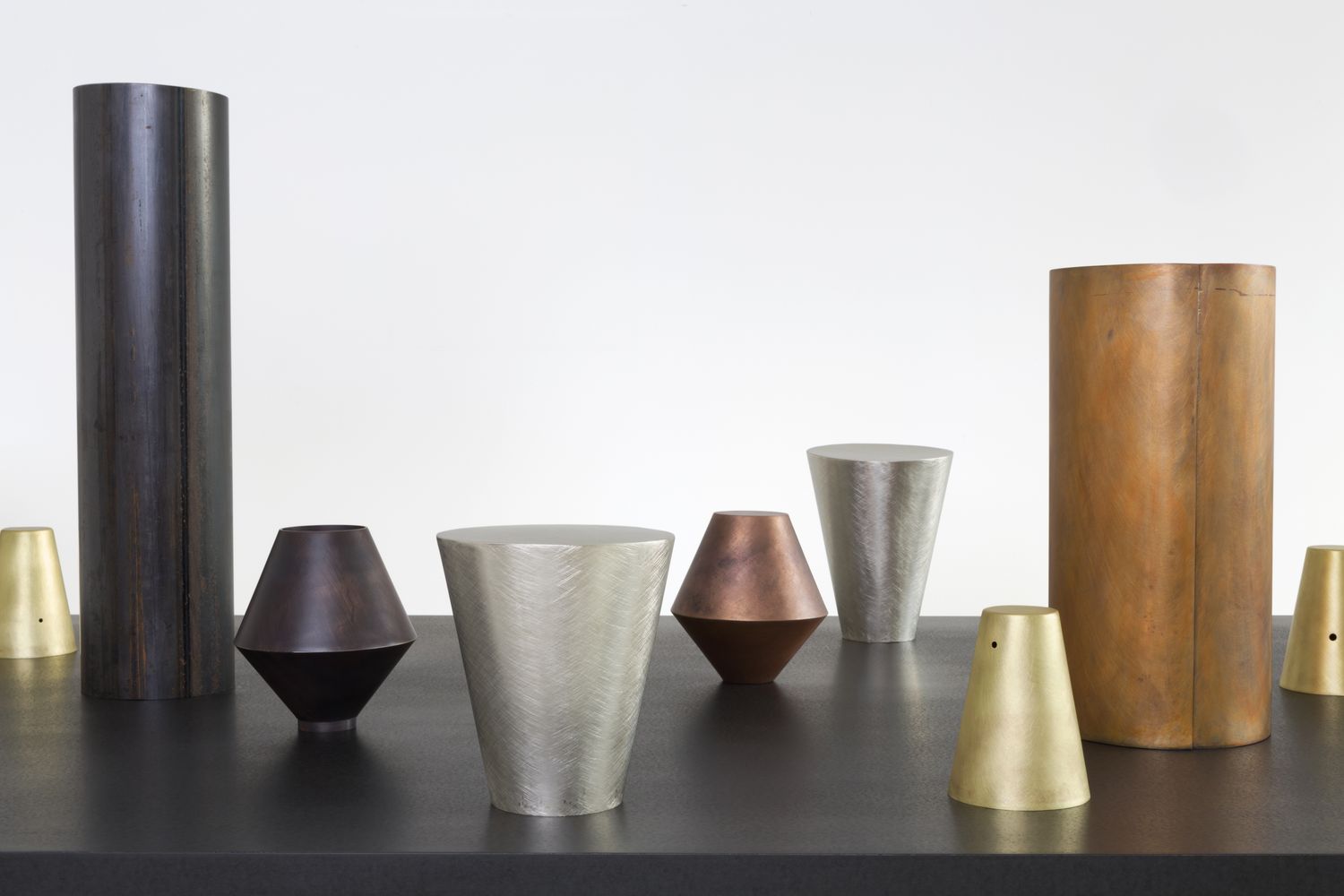
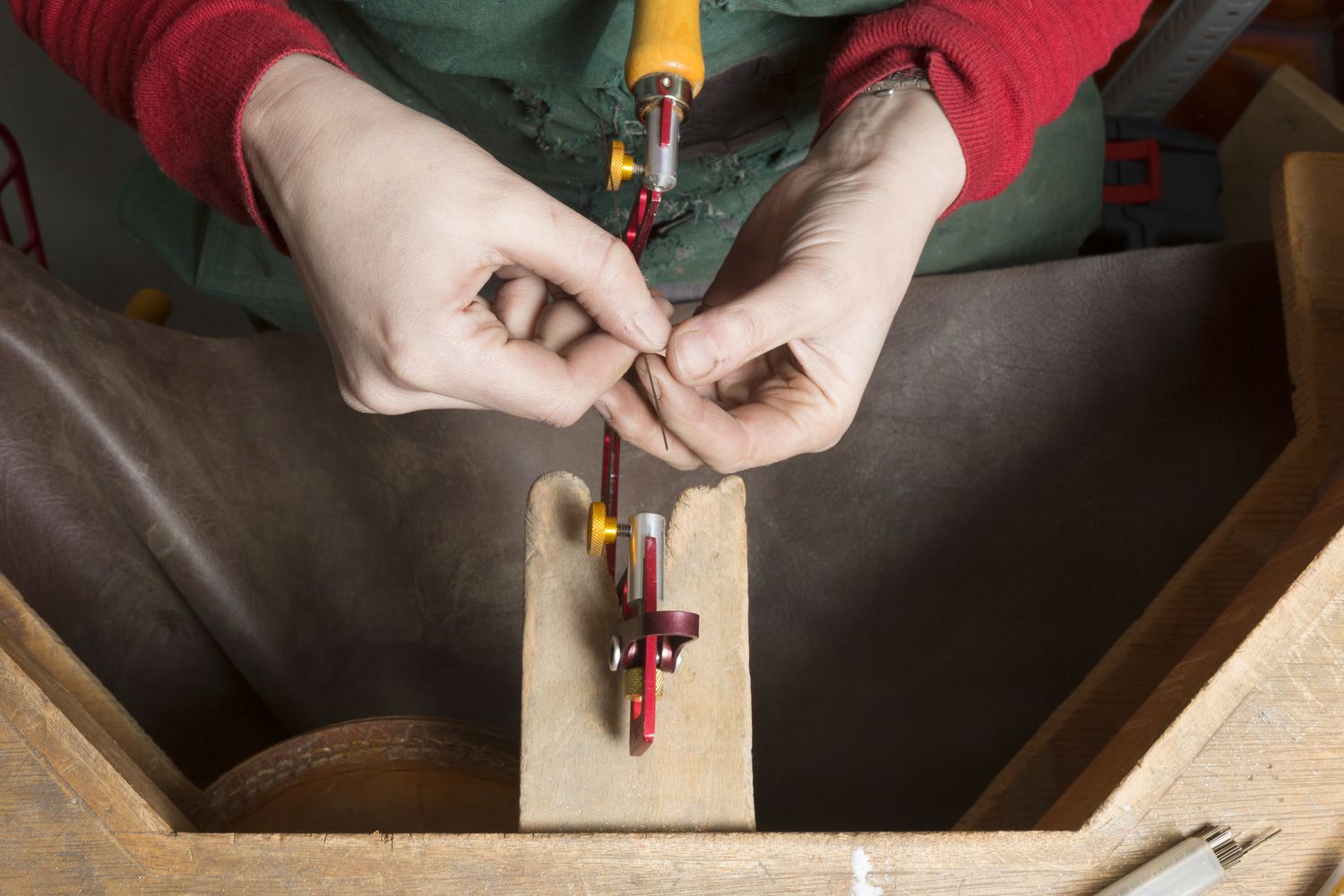
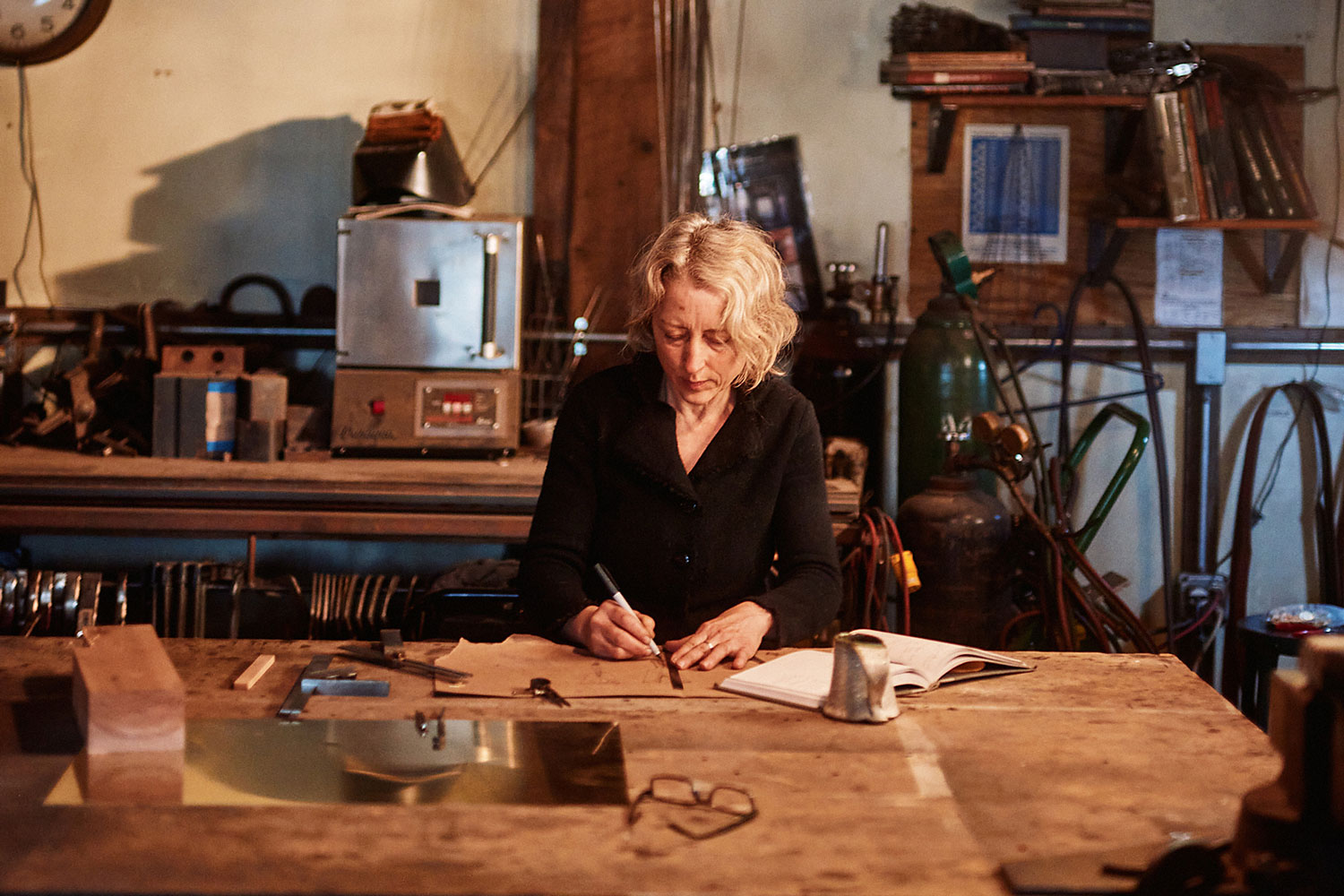
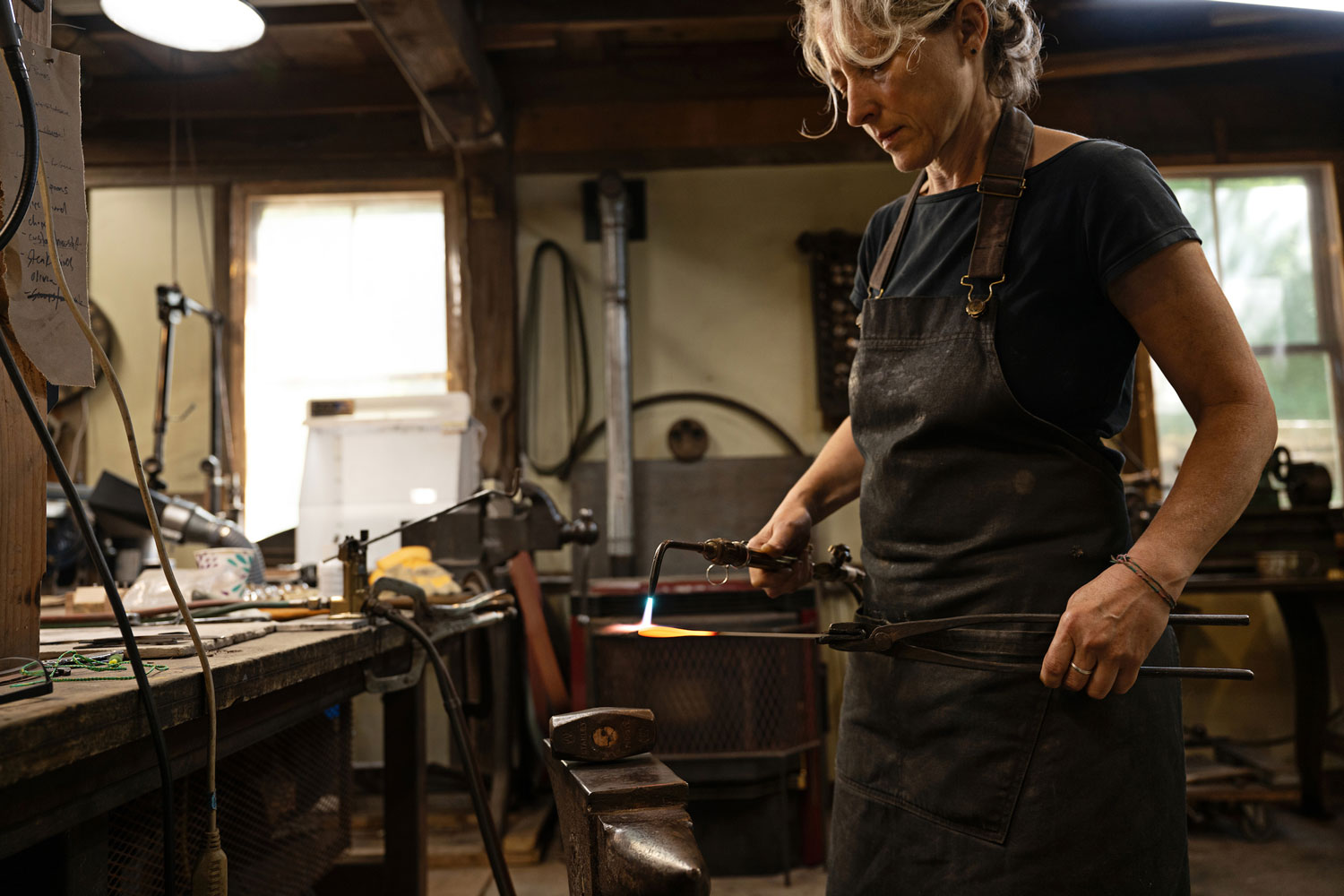
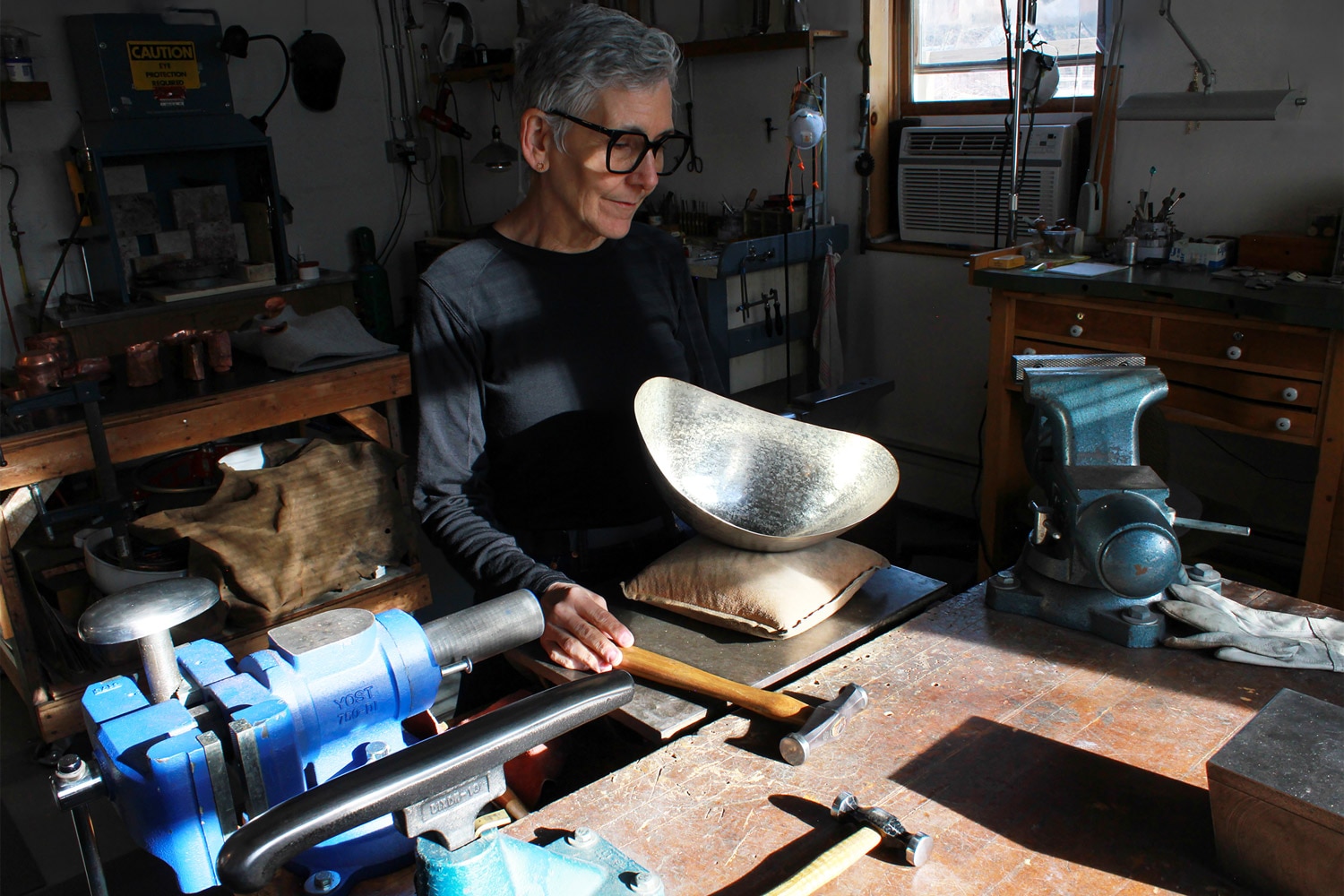
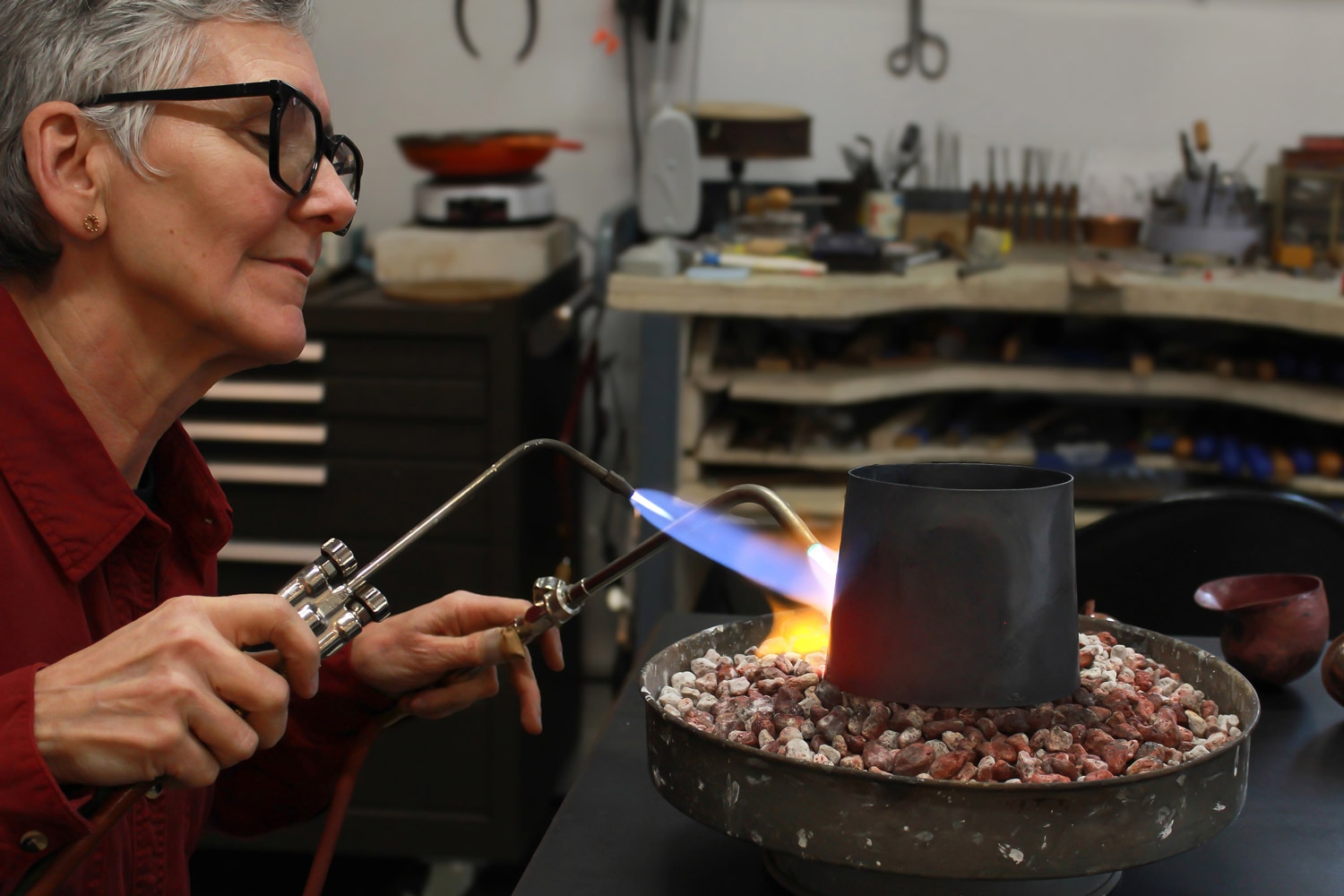
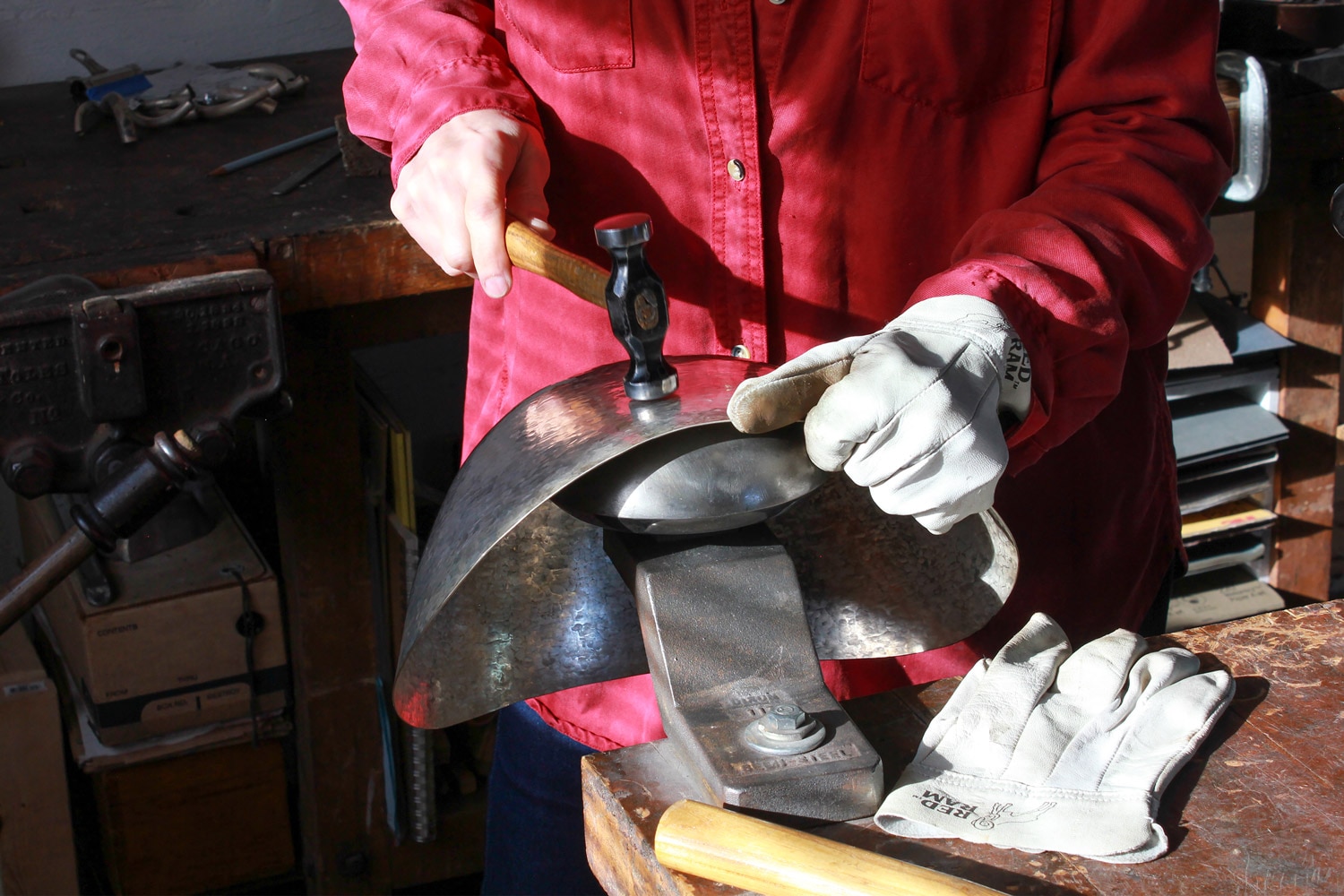
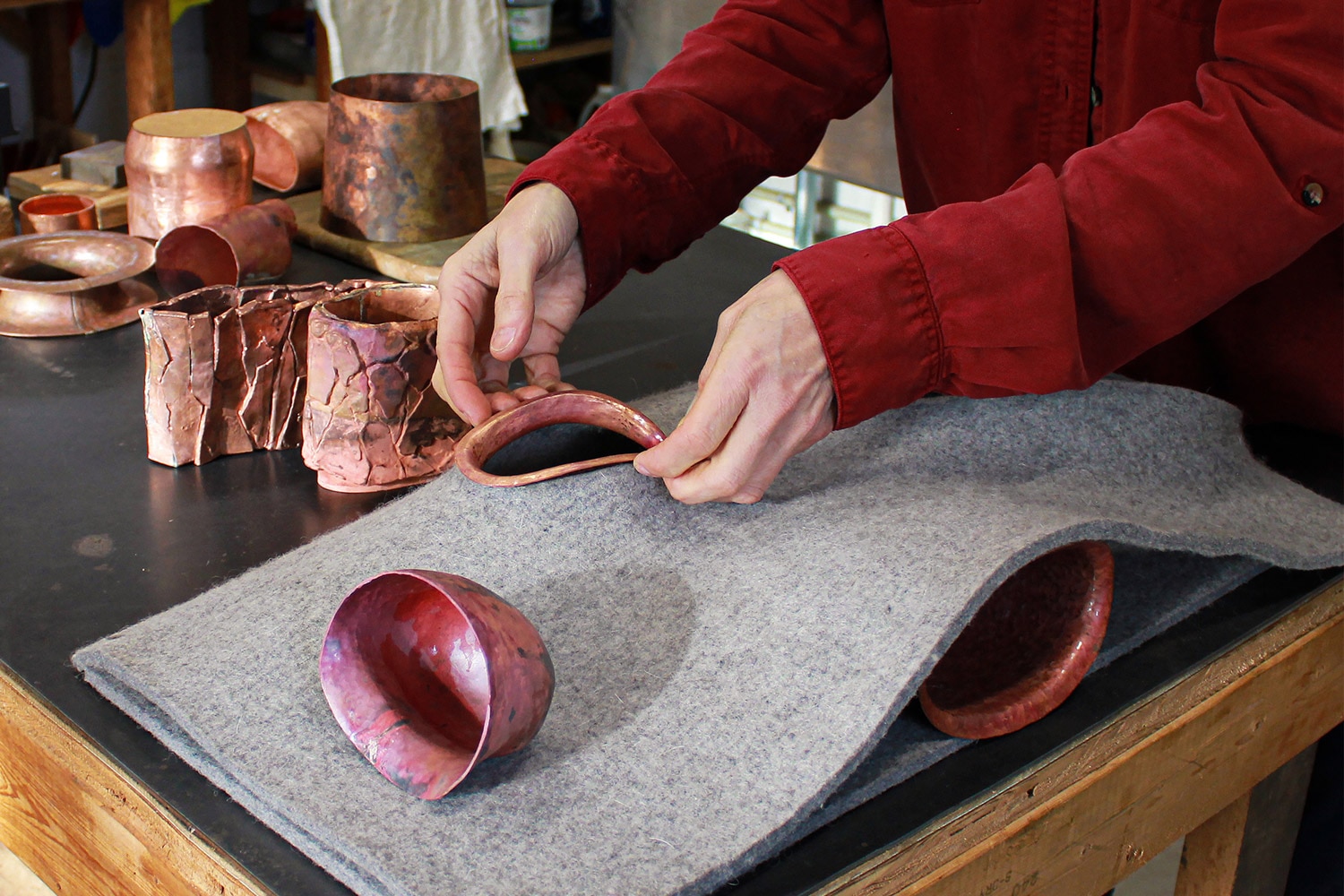
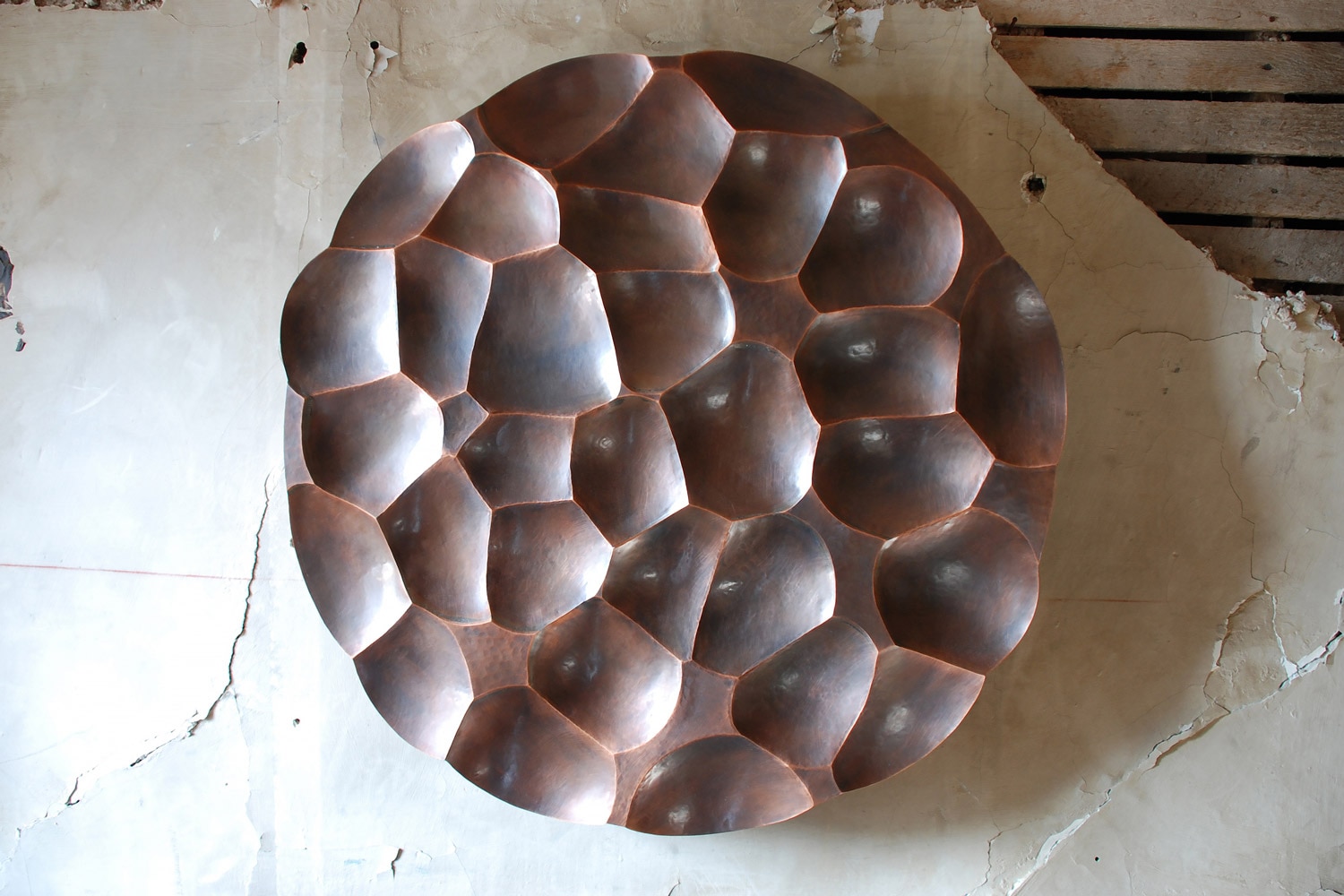
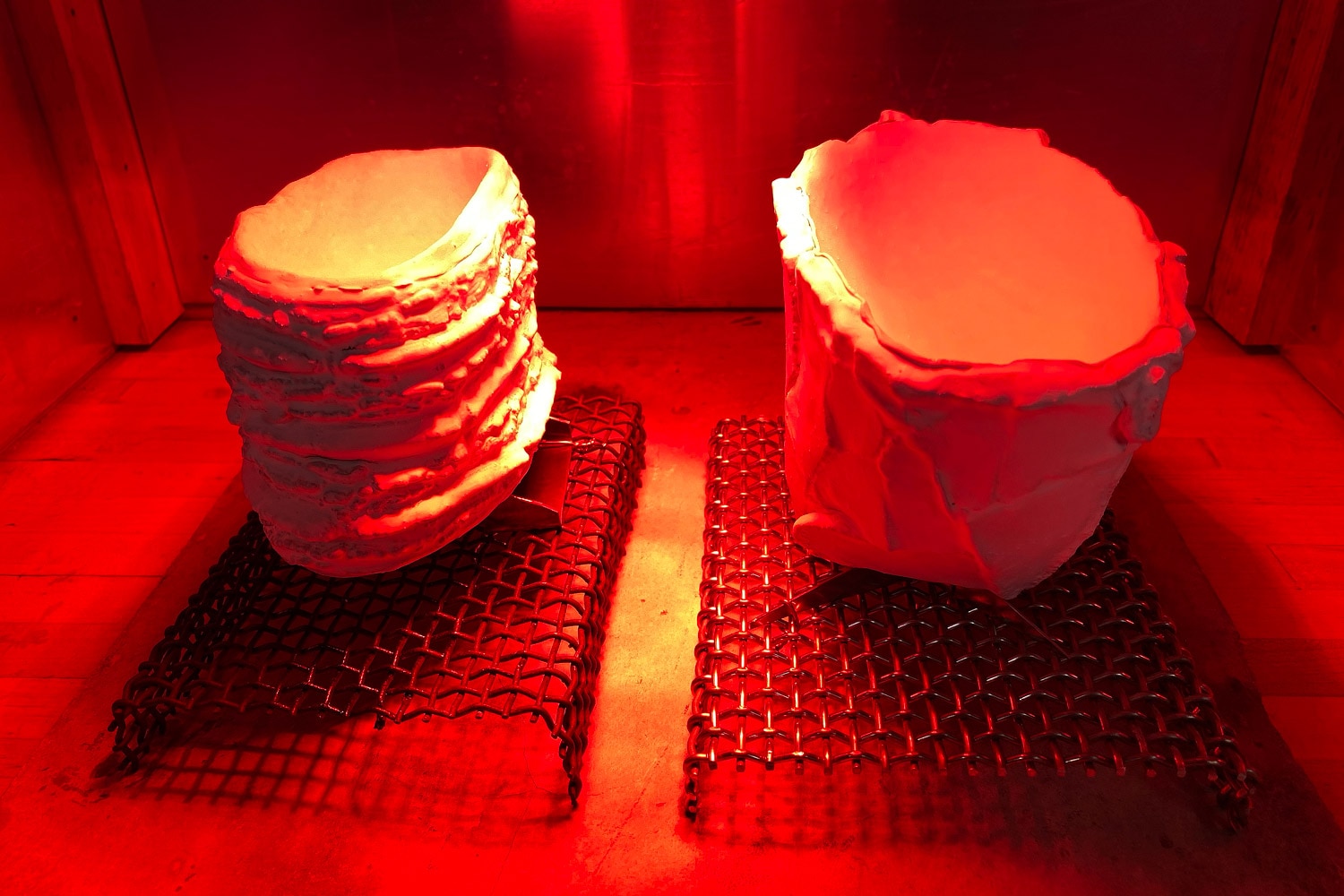
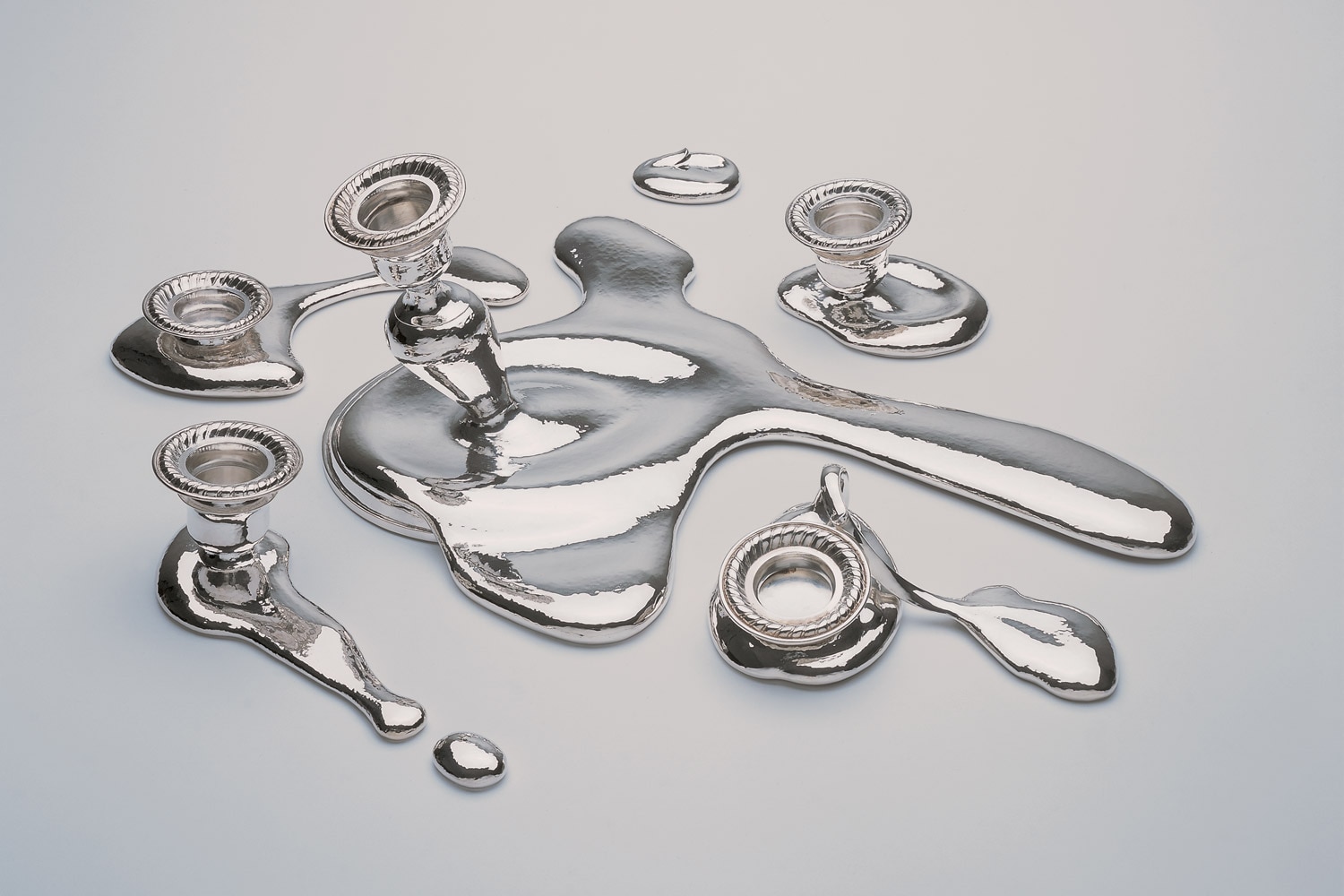
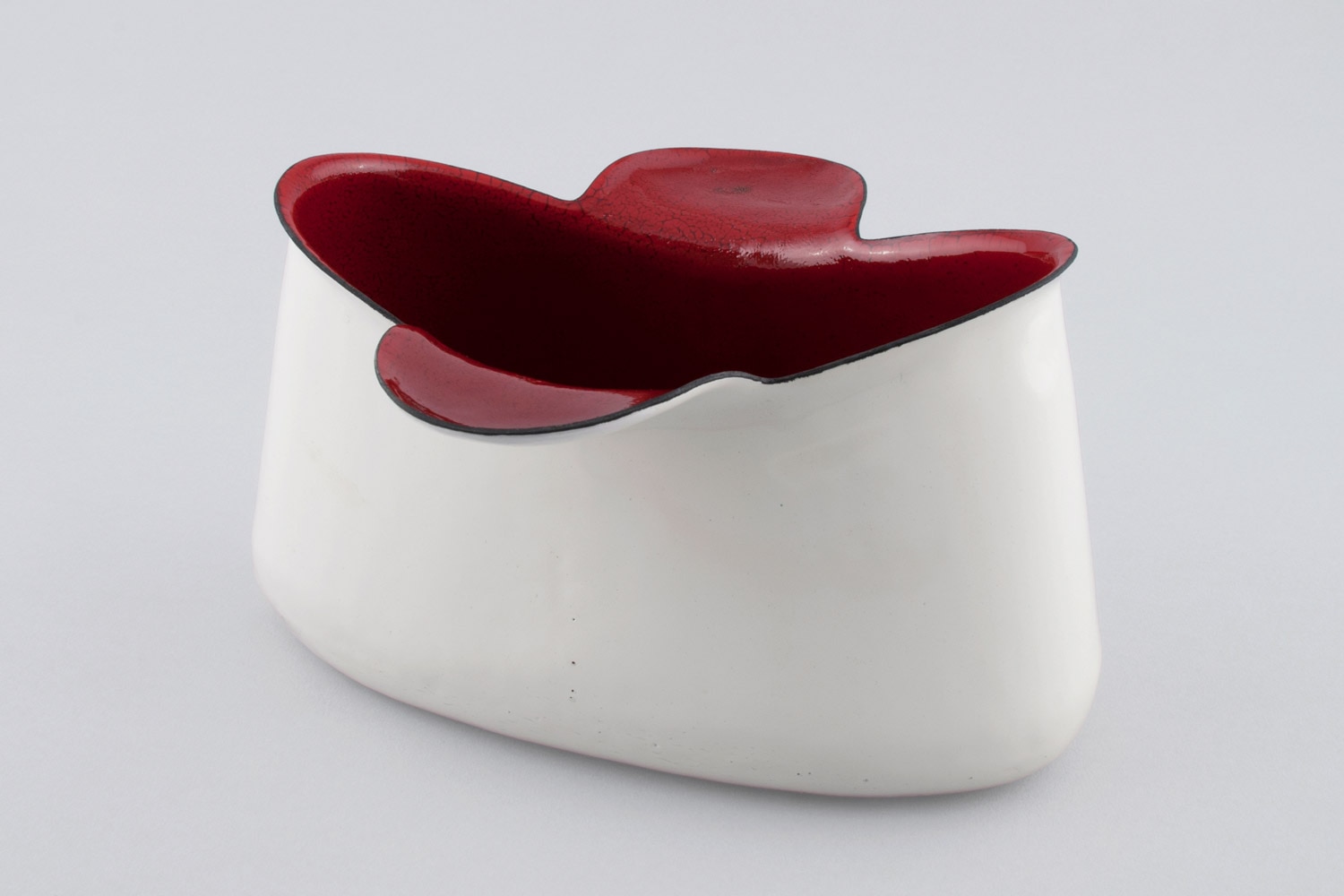
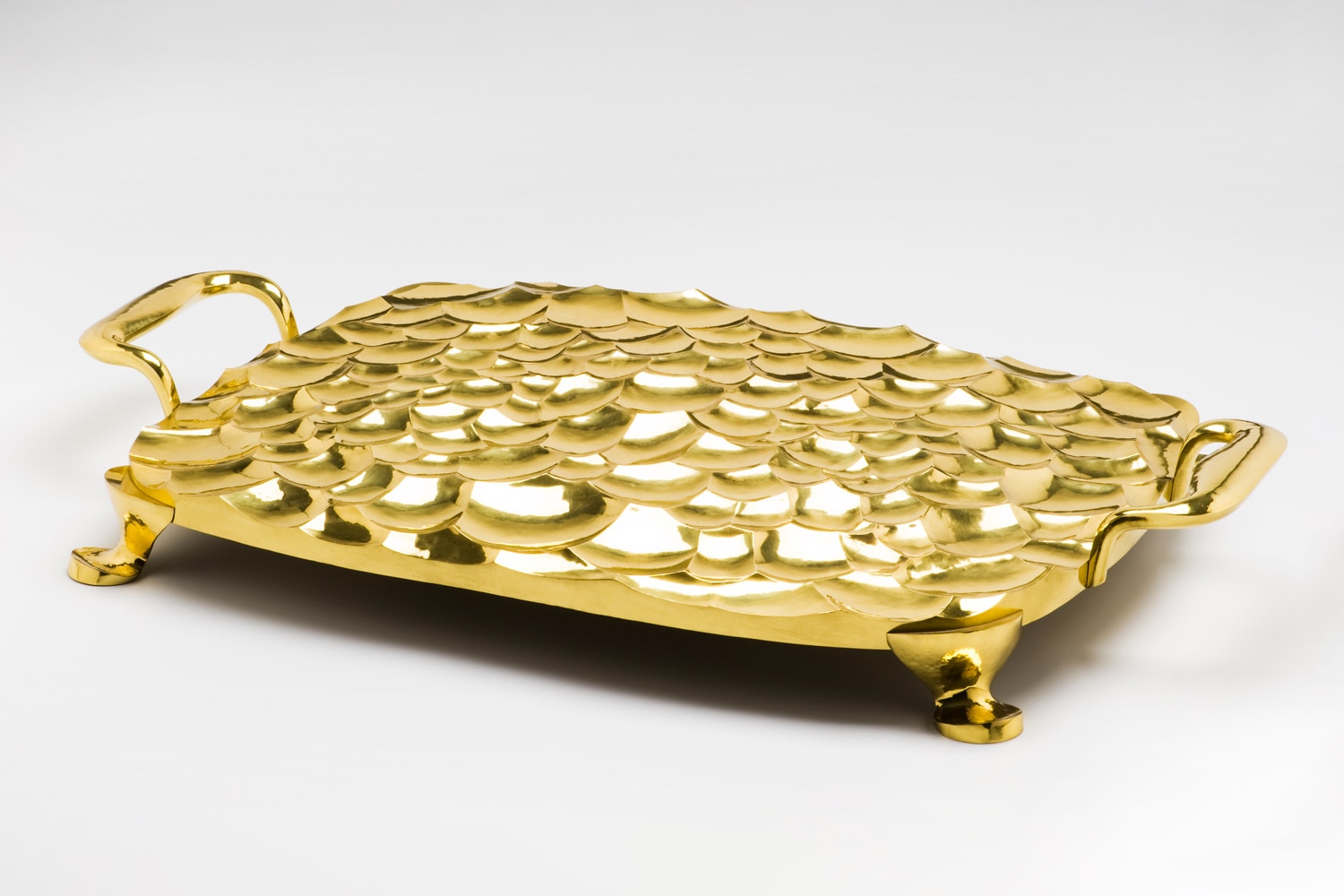
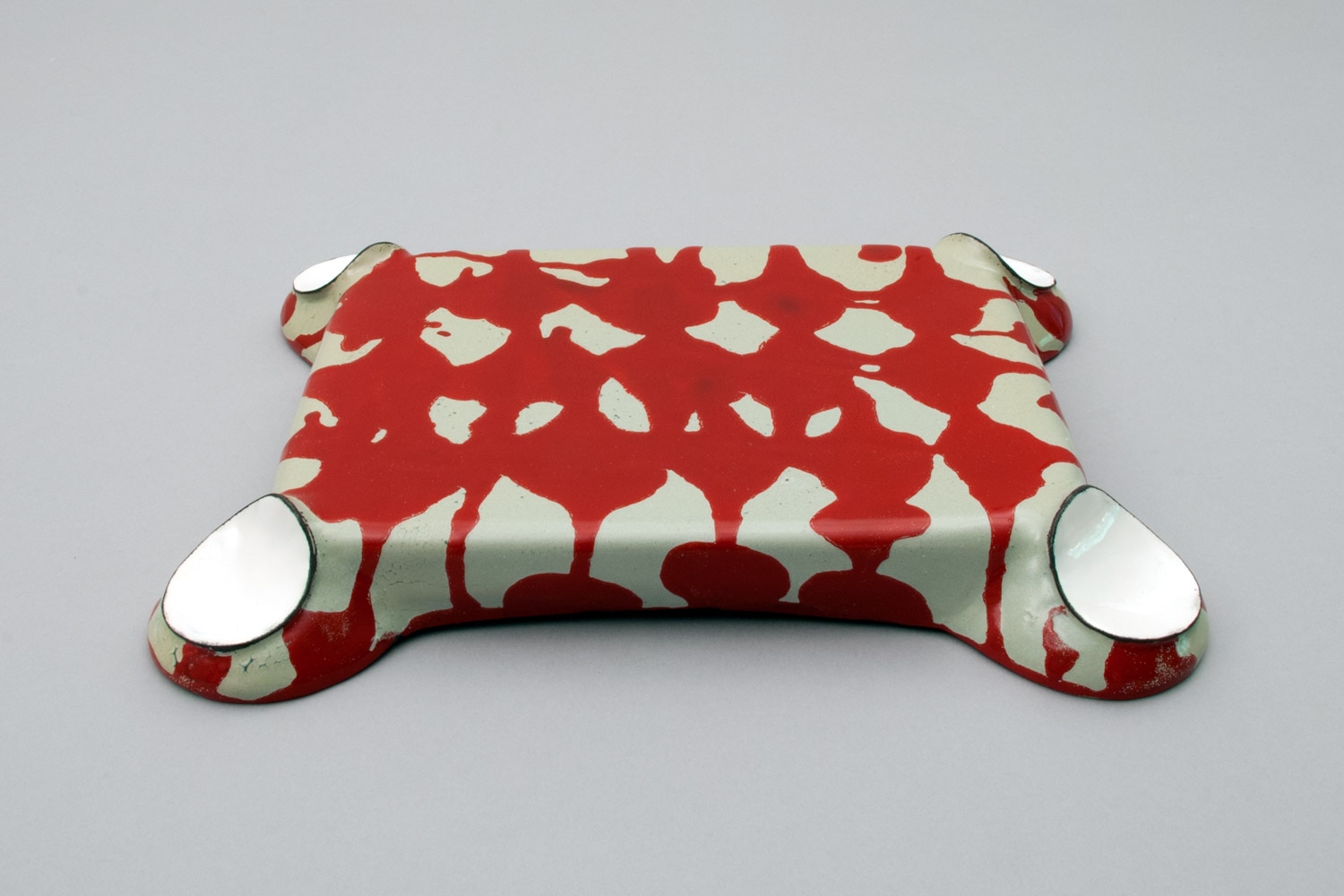
Myra Mimlitsch-Gray explores the boundaries of craft with a variety of metals and traditional methods. She creates pieces that appear melted, disproportionate or otherwise distorted as she offers critical commentary on their histories and perceived value. First encountering jewellery making as part of a pre-college summer programme, she went on to earn her MFA in metalsmithing from Cranbrook Academy of Art. Myra has been an educator for over 30 years, and now works as a professor and independent artist. “Creative exploration is crucial to my role as teacher and artist,” she says, in relation to her conceptual and boundary pushing practice. Myra has been named an American Craft Council Fellow and Master of the Medium by the James Renwick Alliance. Her pieces are held in prominent collections, including the Metropolitan Museum of Art, Victoria and Albert Museum and Cooper Hewitt Smithsonian Design Museum.
Discover her work
INTERVIEW
I am lucky that I have been able to build the teaching work as a theoretical model for craft, almost as if it were the craft object itself. I spend a lot of time thinking about the dialogic possibilities of objects and how they can stand in for human experience. That type of thinking informs the strategies I put forward in my creative practice.
Sometimes people think of craft as self-satisfying or therapeutic. It can be, but I need it to go beyond that, to be in dialogue. I like to make objects that provoke people to reach out, to want to touch, and to explore connections between objects, histories and experiences.
I feel craft is a superpower. You gain agency when you know how to make things. It gives you a certain confidence. It is so very satisfying in particular to see the many women I work with discover that aspect in themselves.
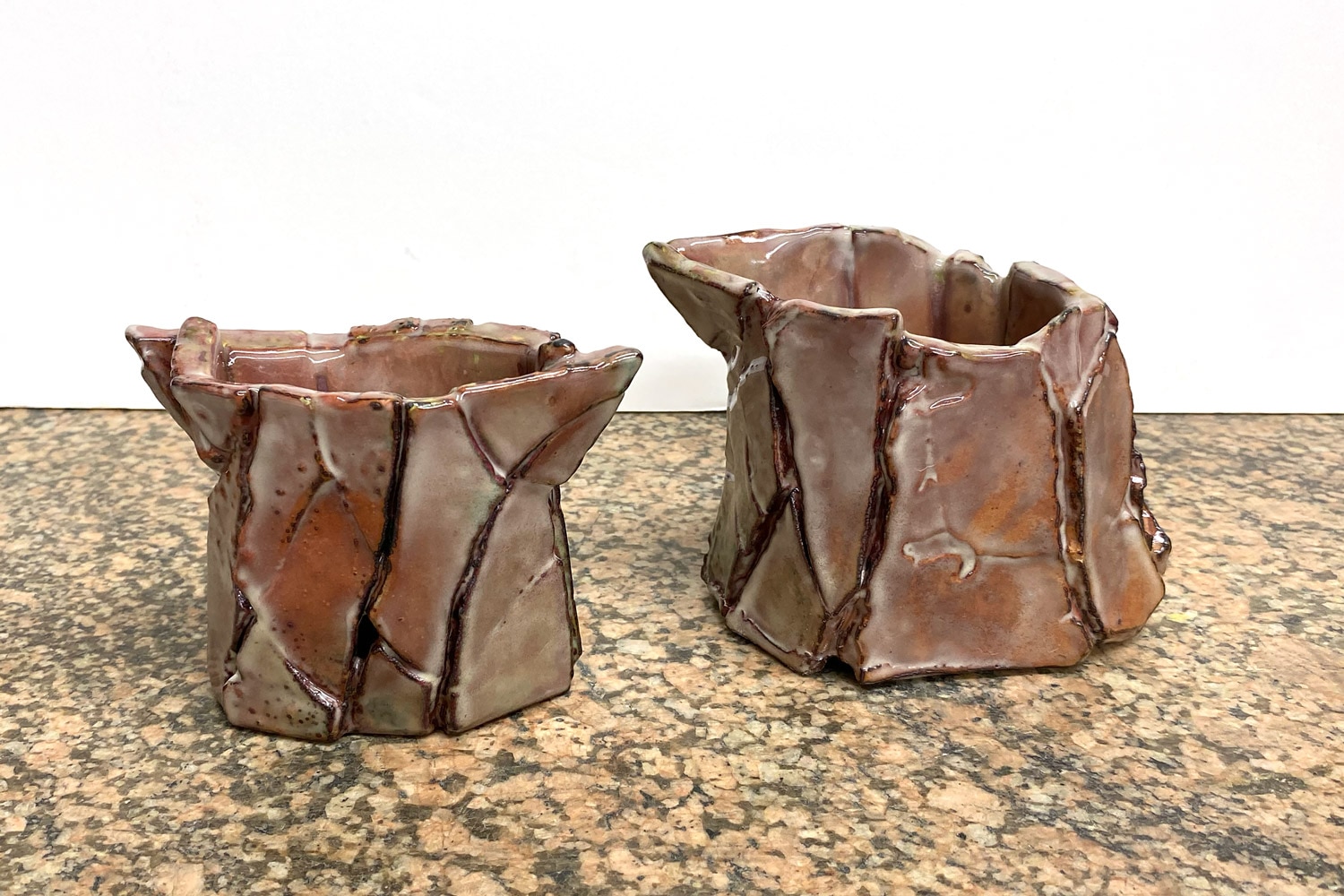
I have reconciled with the thought that my artworks model ideas, rather than exist as practical pieces for dissemination. As I am also teaching, I feel it is my responsibility to make the weird work.
Myra Mimlitsch-Gray
Metalsmith
Stone Ridge, NY, USA
ADDRESS
Address upon request, Stone Ridge, NY, USA
AVAILABILITY
By appointment only
LANGUAGES
English
Homo Faber Finds is a new service aiming to inspire admirers of craft to connect and collaborate with exceptional artisans.
We invite you to submit an enquiry here.