Mirjam & Markus Pärnamets
House of Pärnamets
Chair maker
Viljandi, Estonia
Seats for the future
- Mirjam and Markus work with paper cord weaving and greenwood
- Their pieces are structurally smart and environmentally conscious
- They work with durable techniques that revive Northern European woodworking
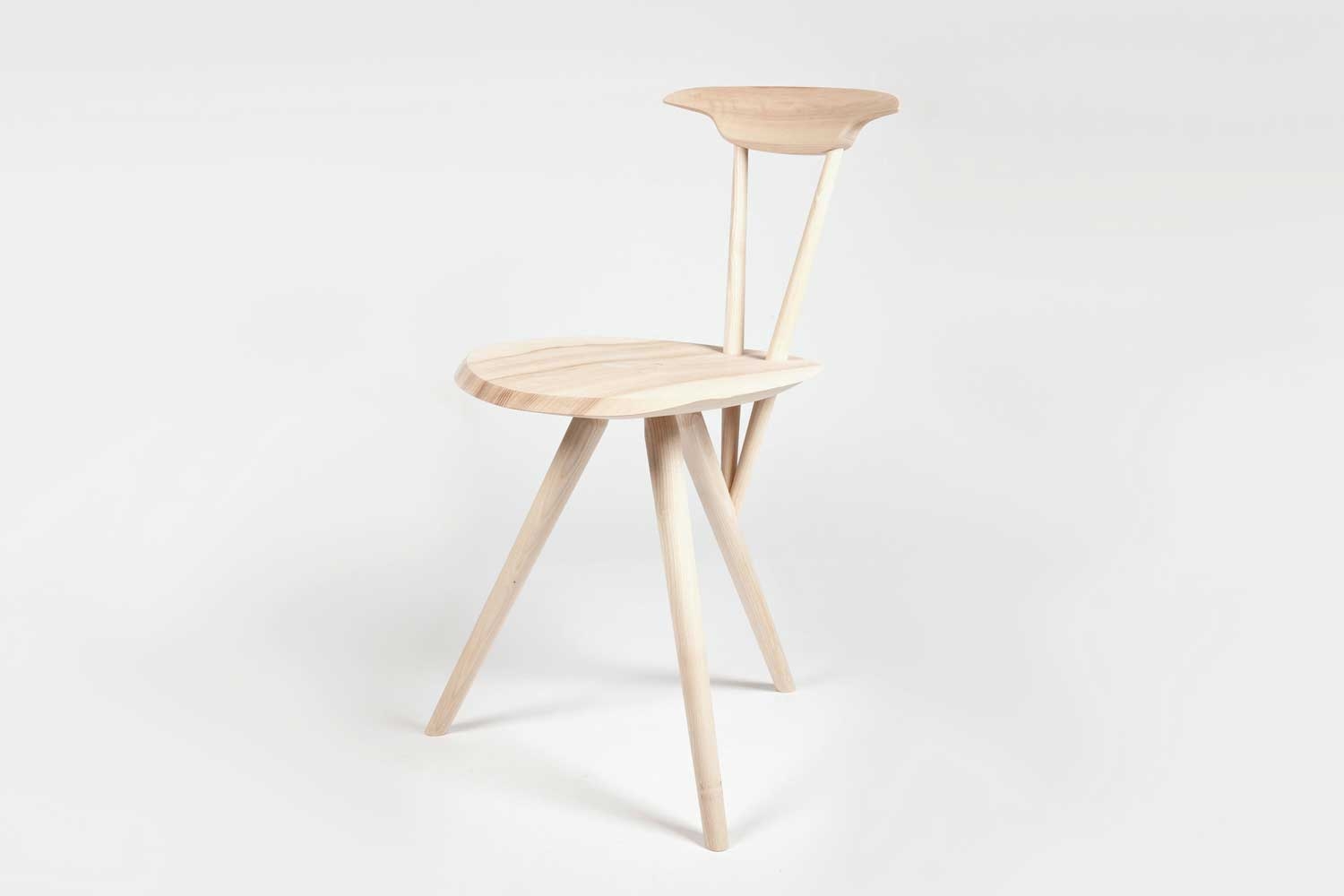
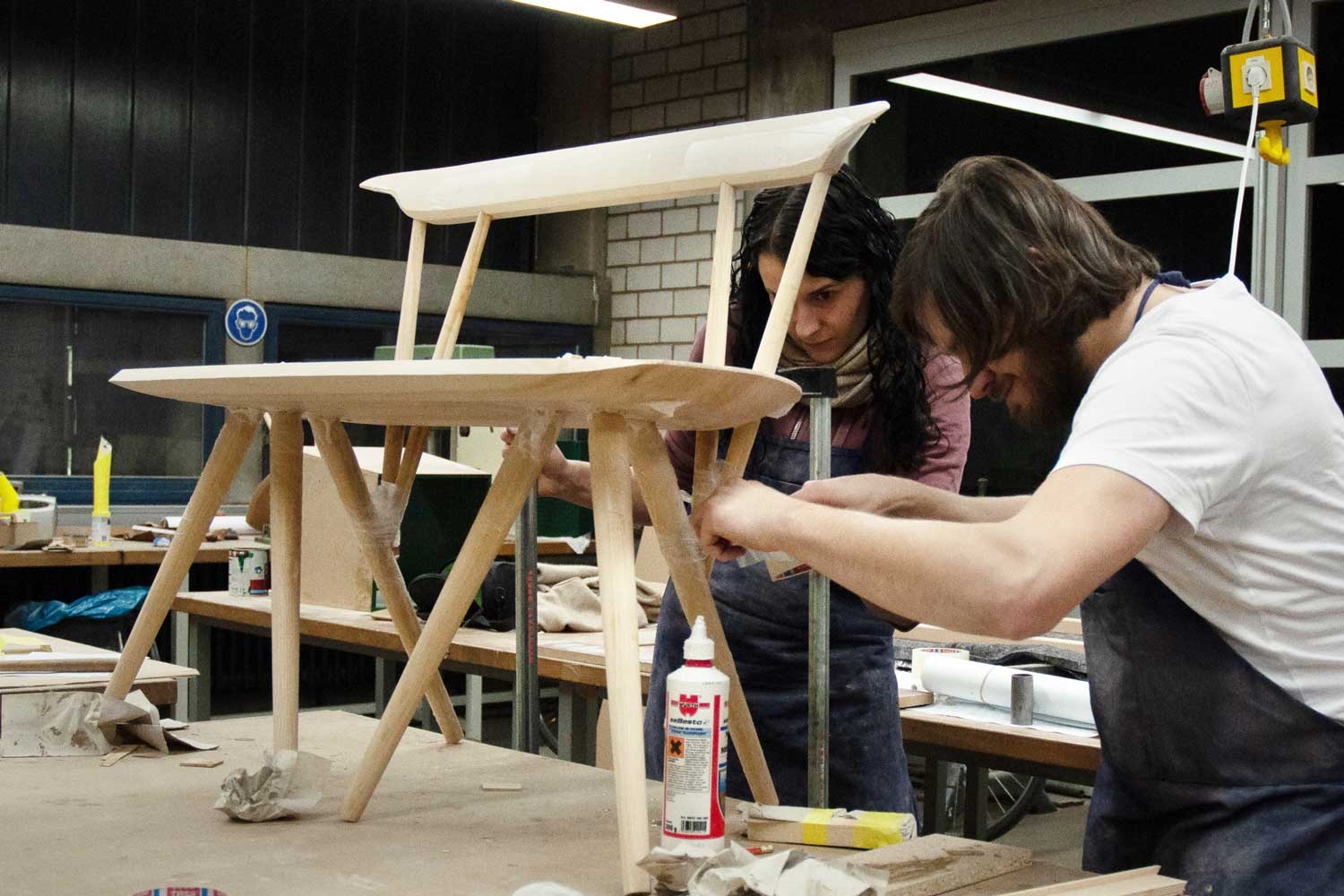
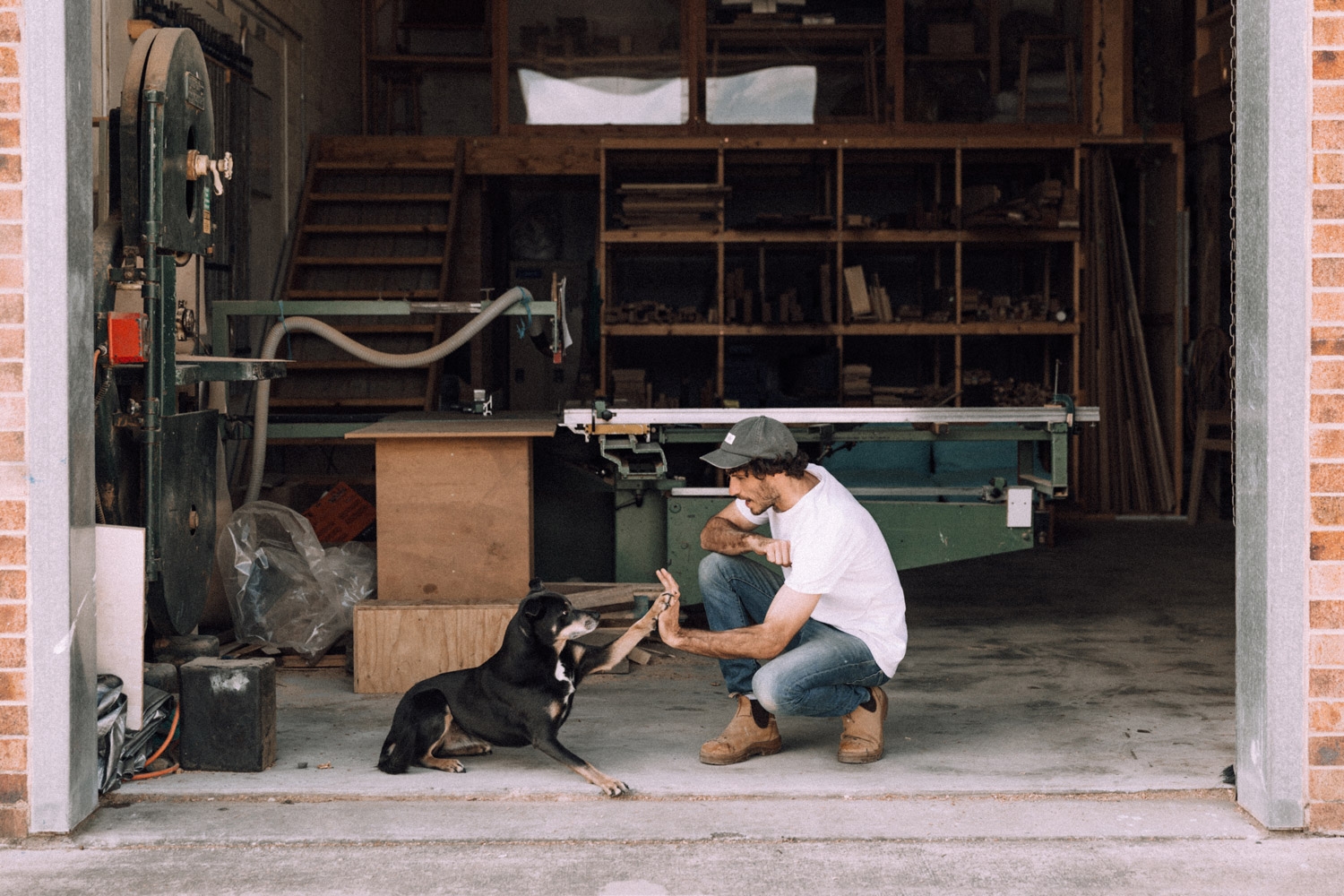
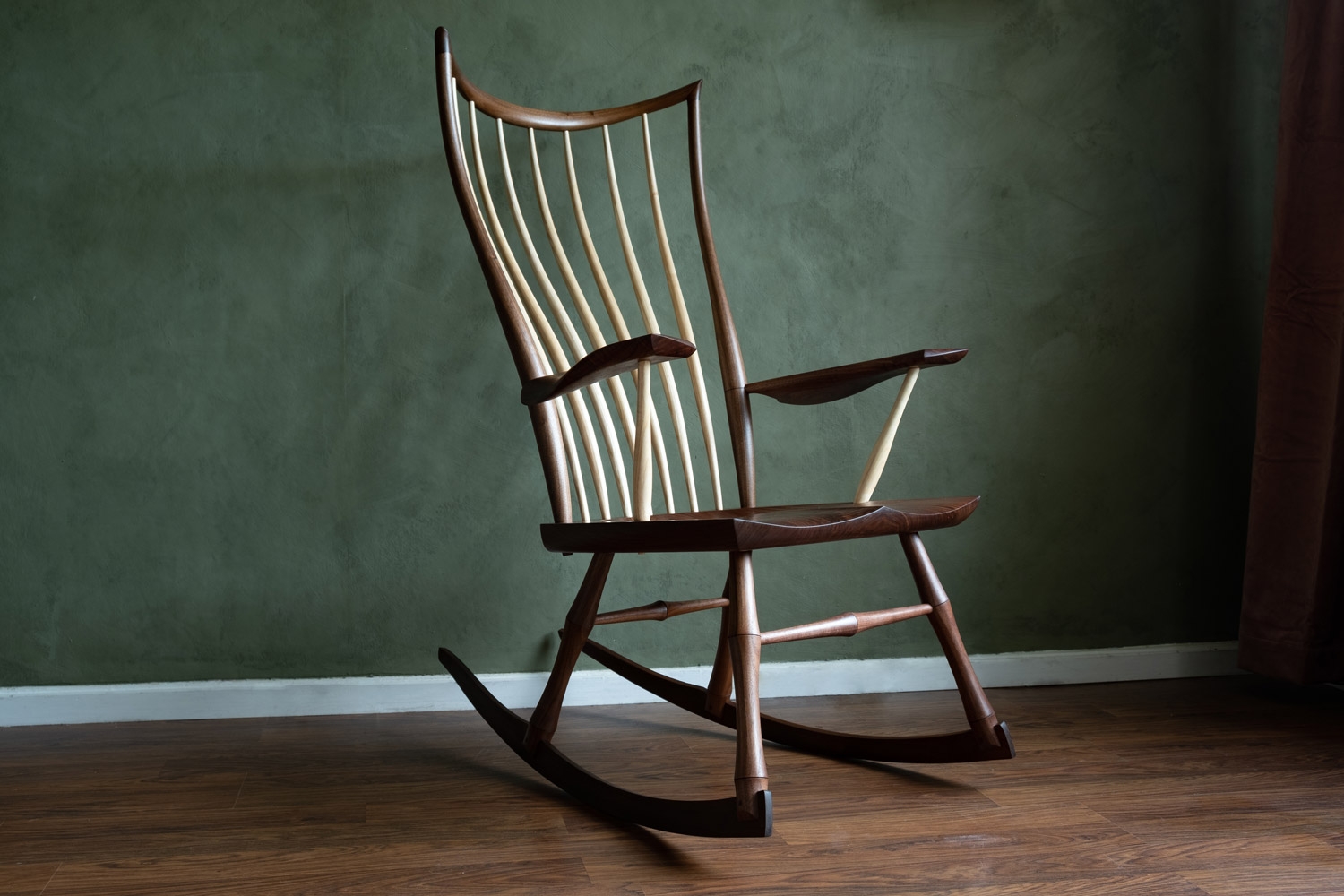
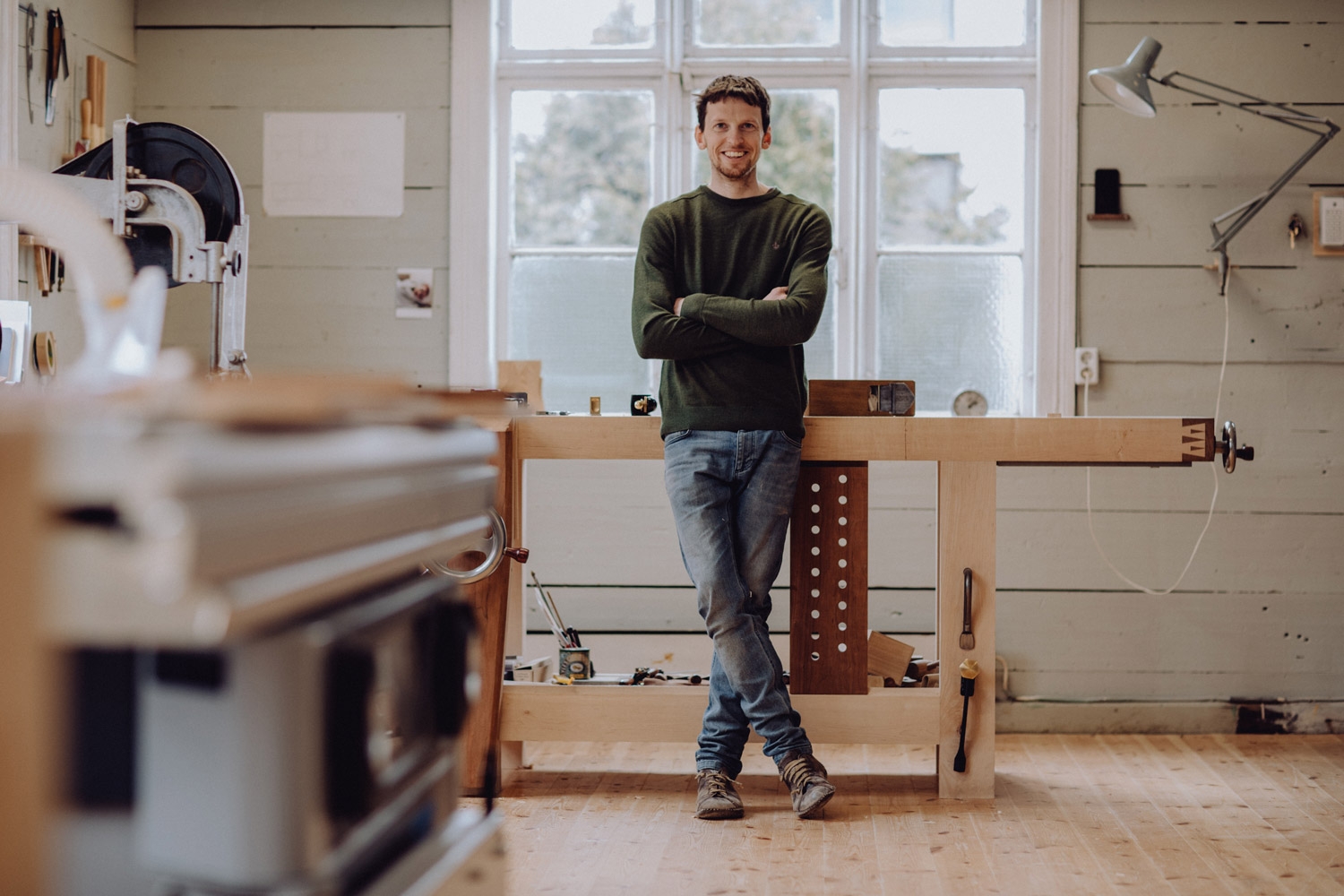
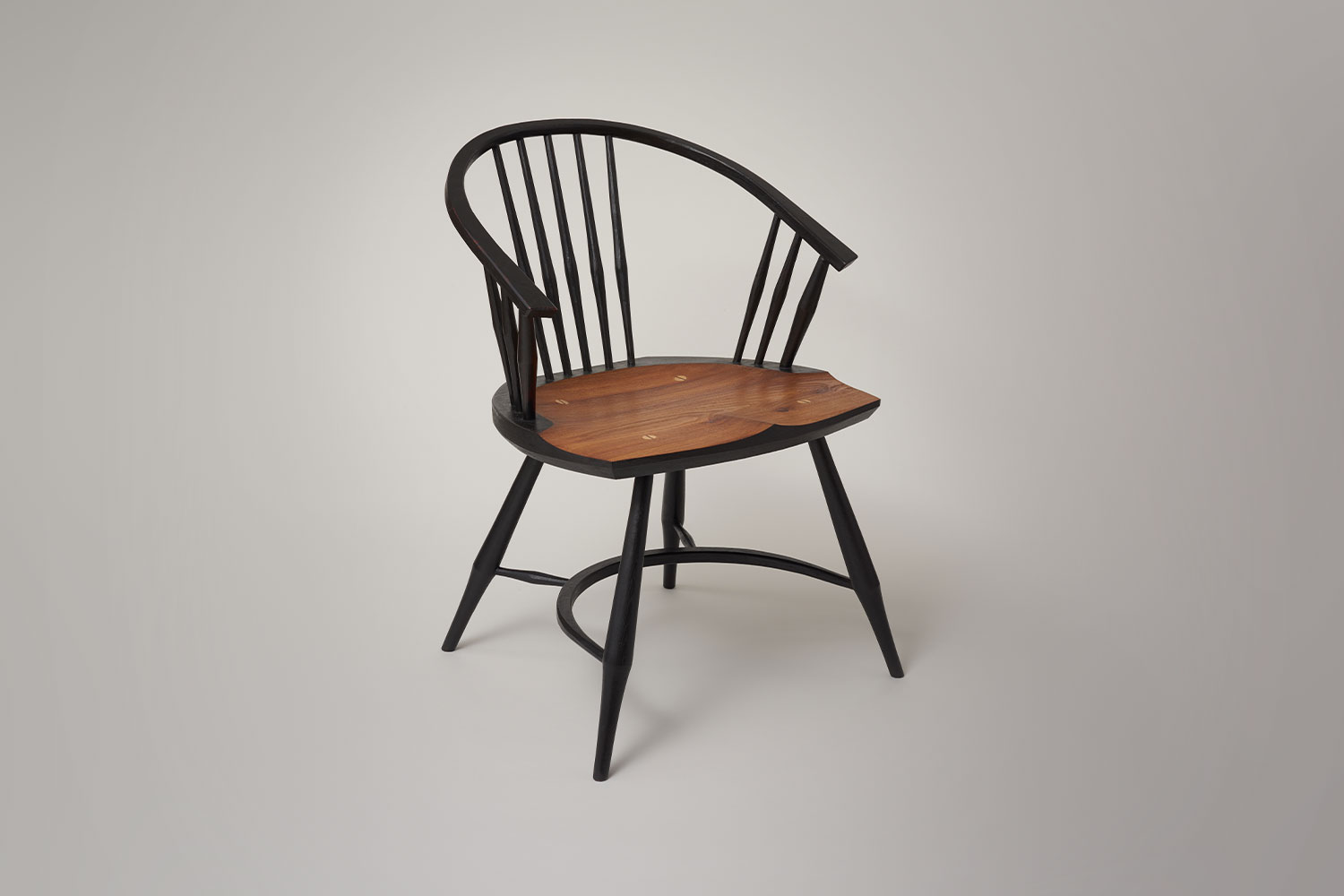
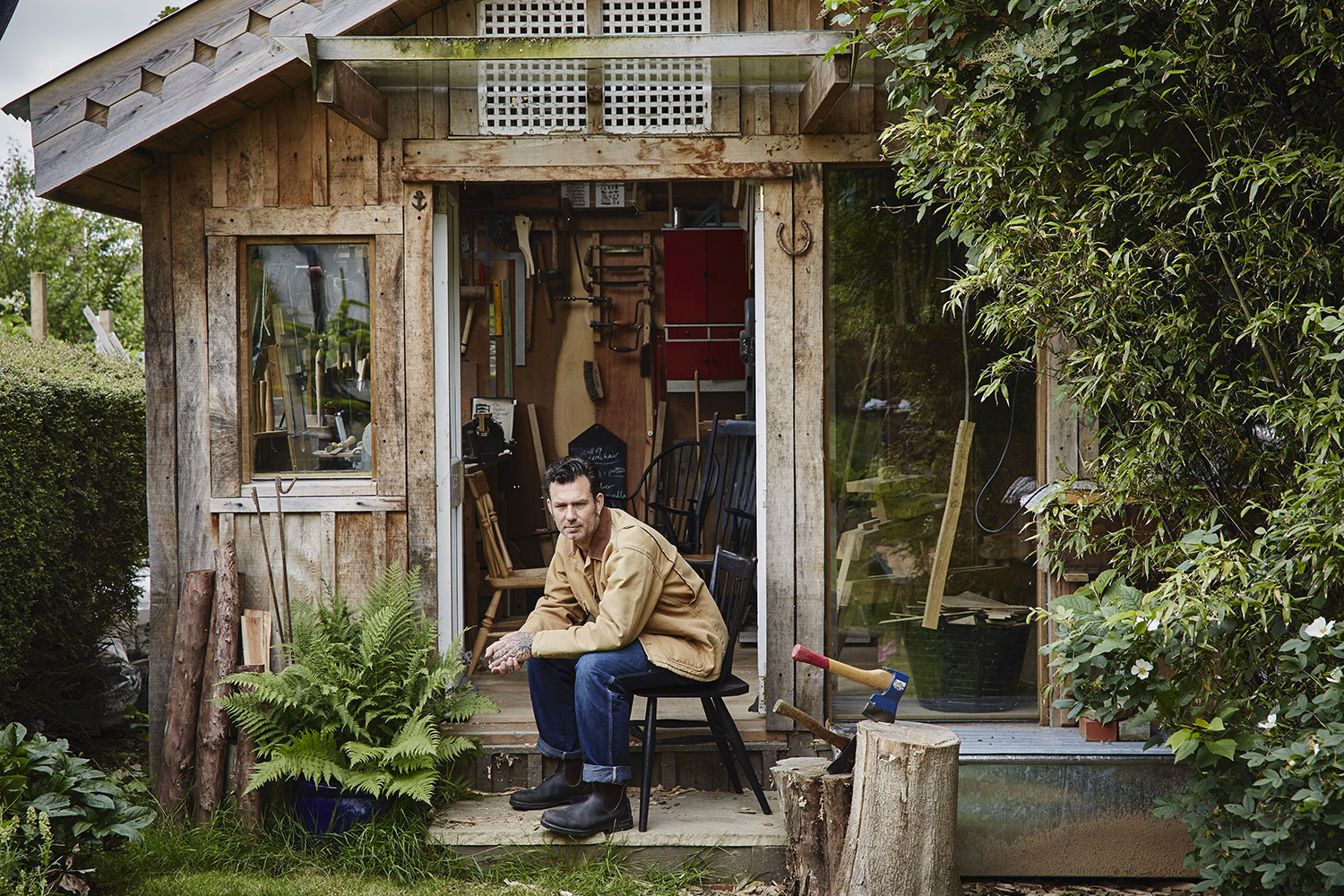
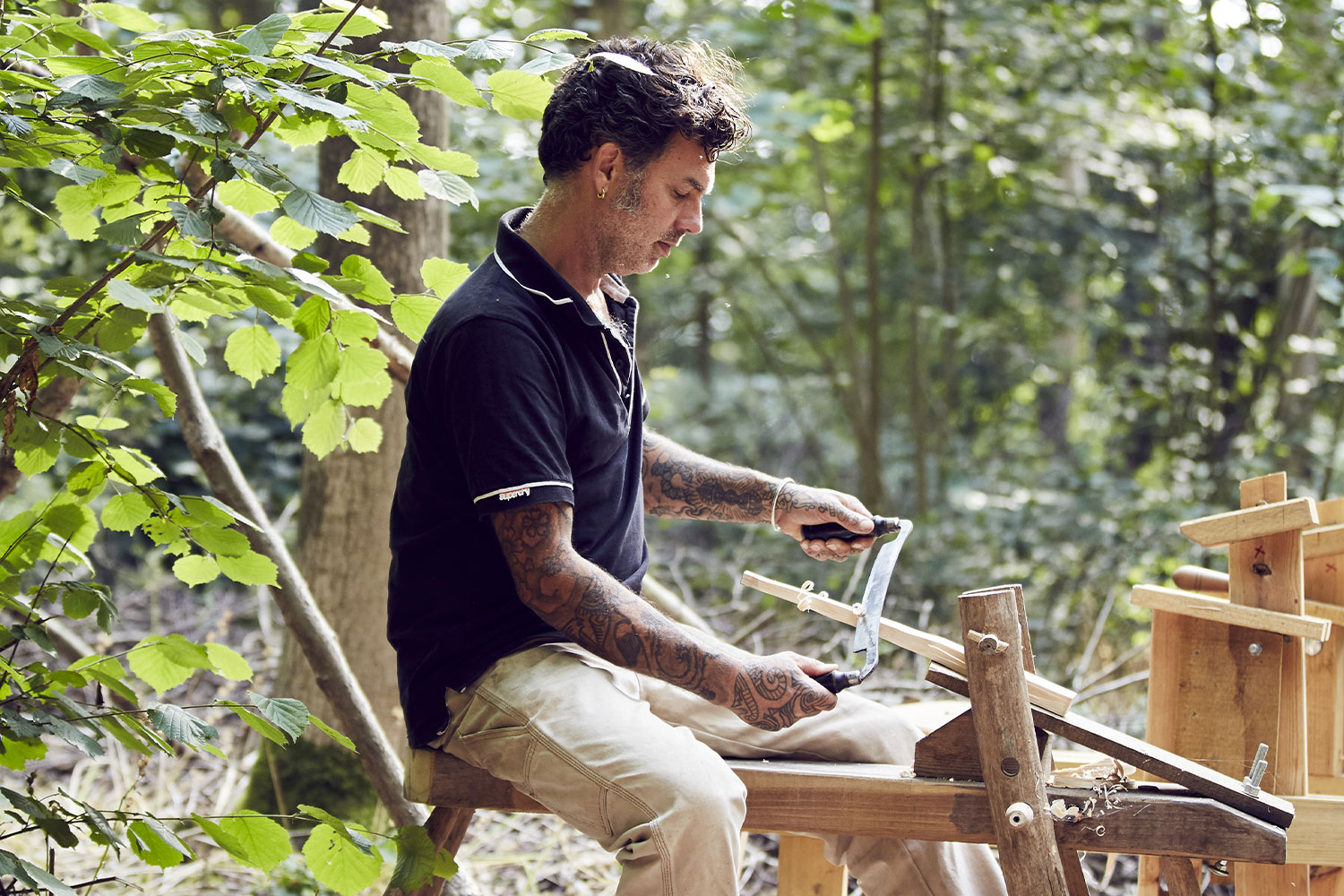
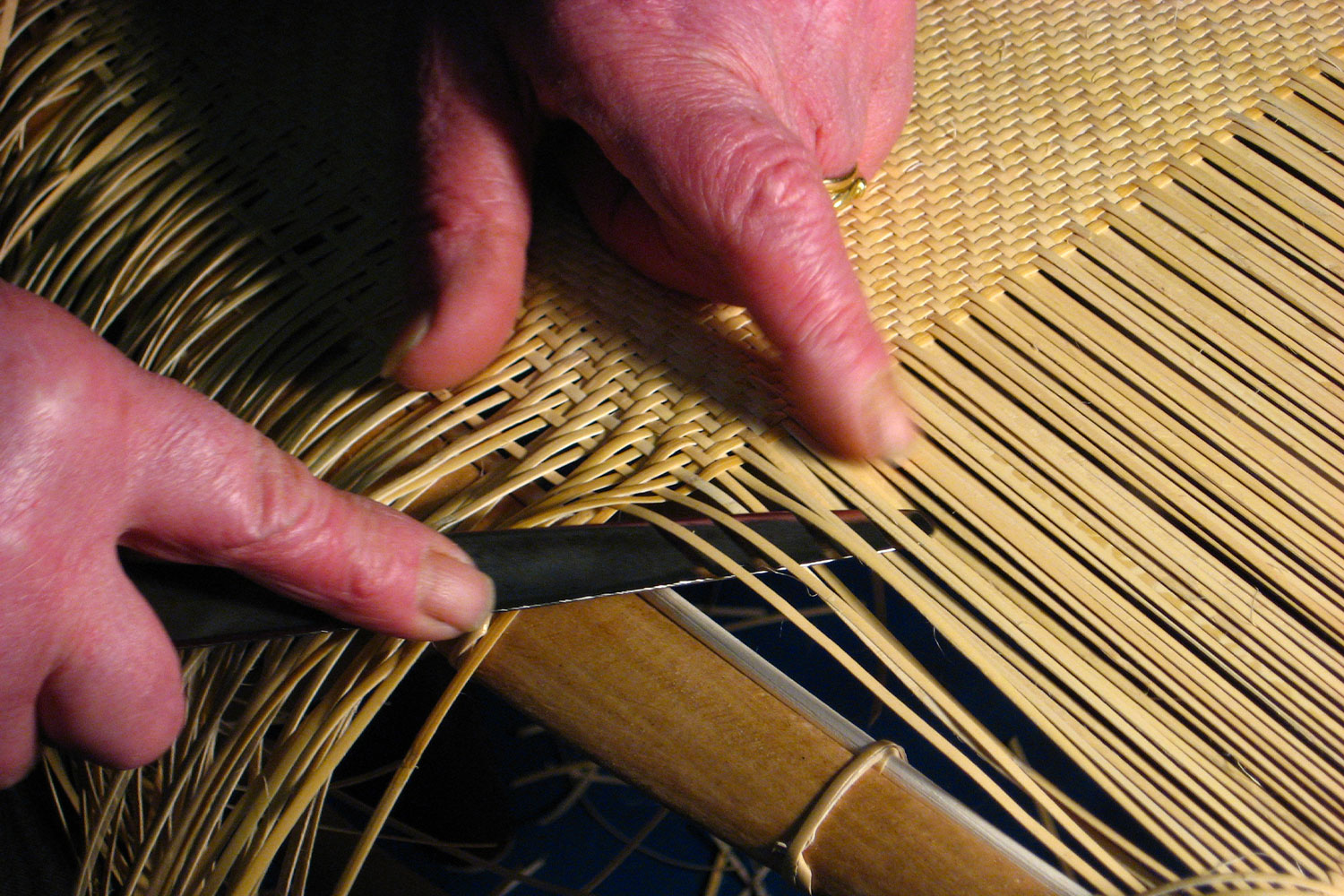
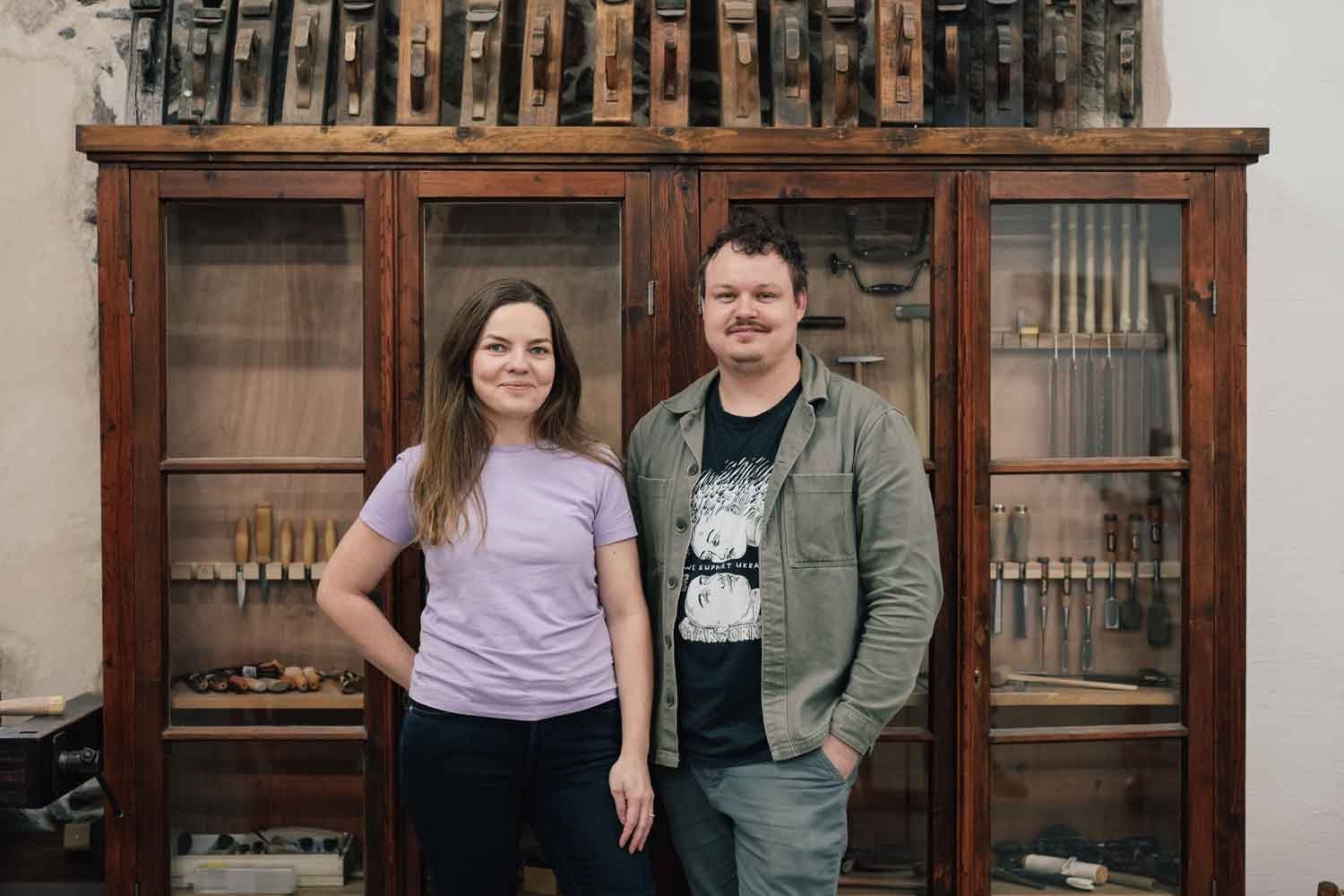
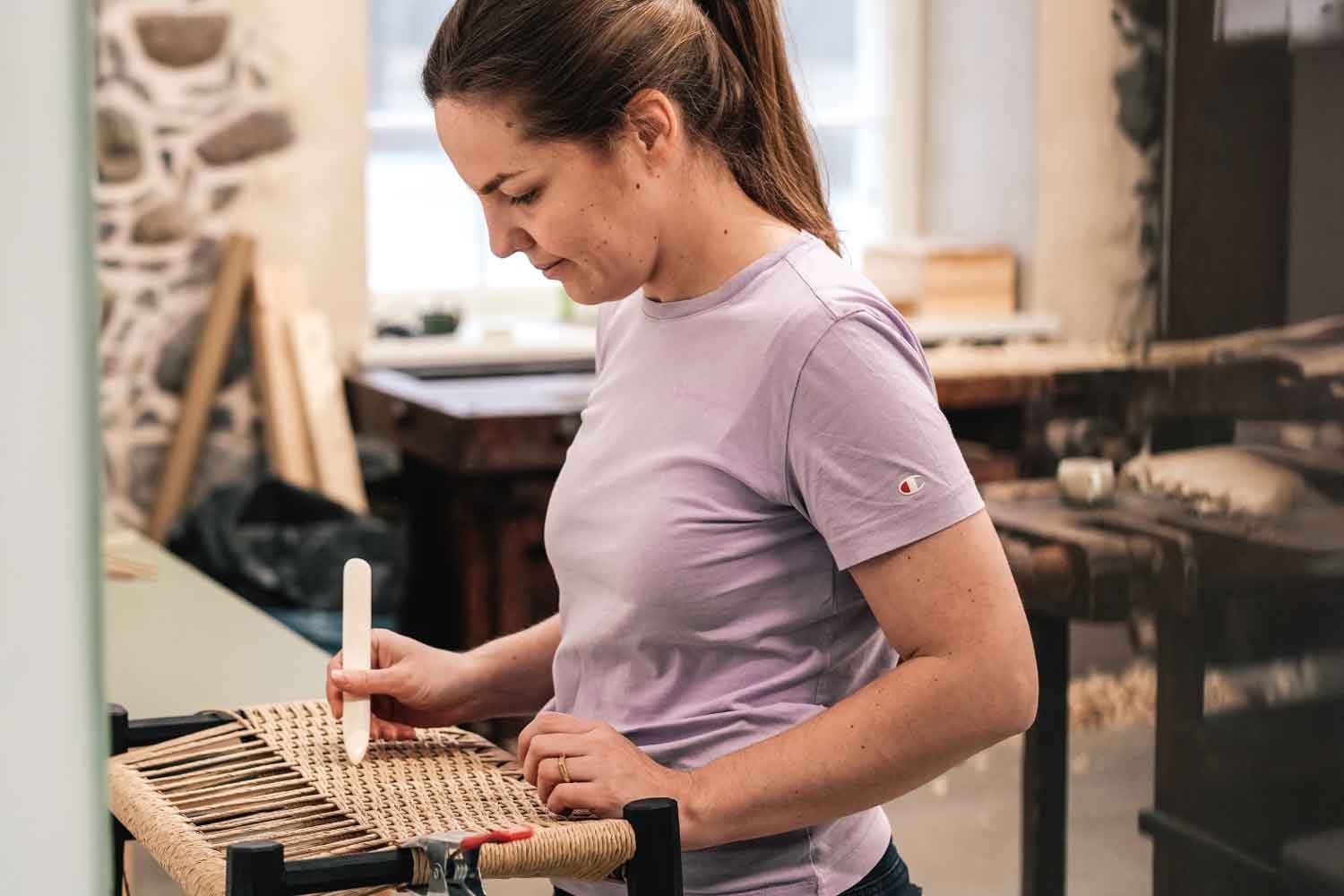
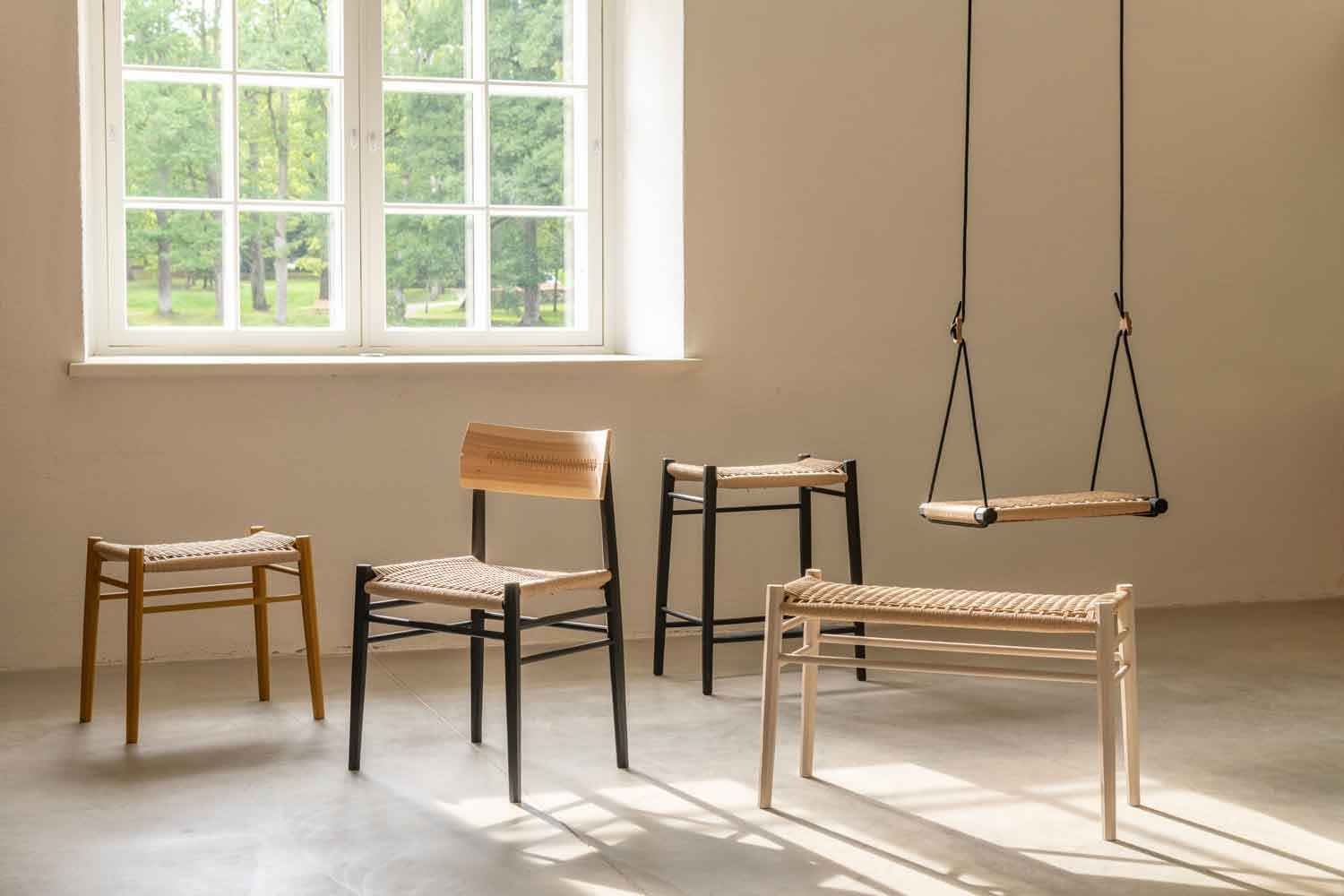
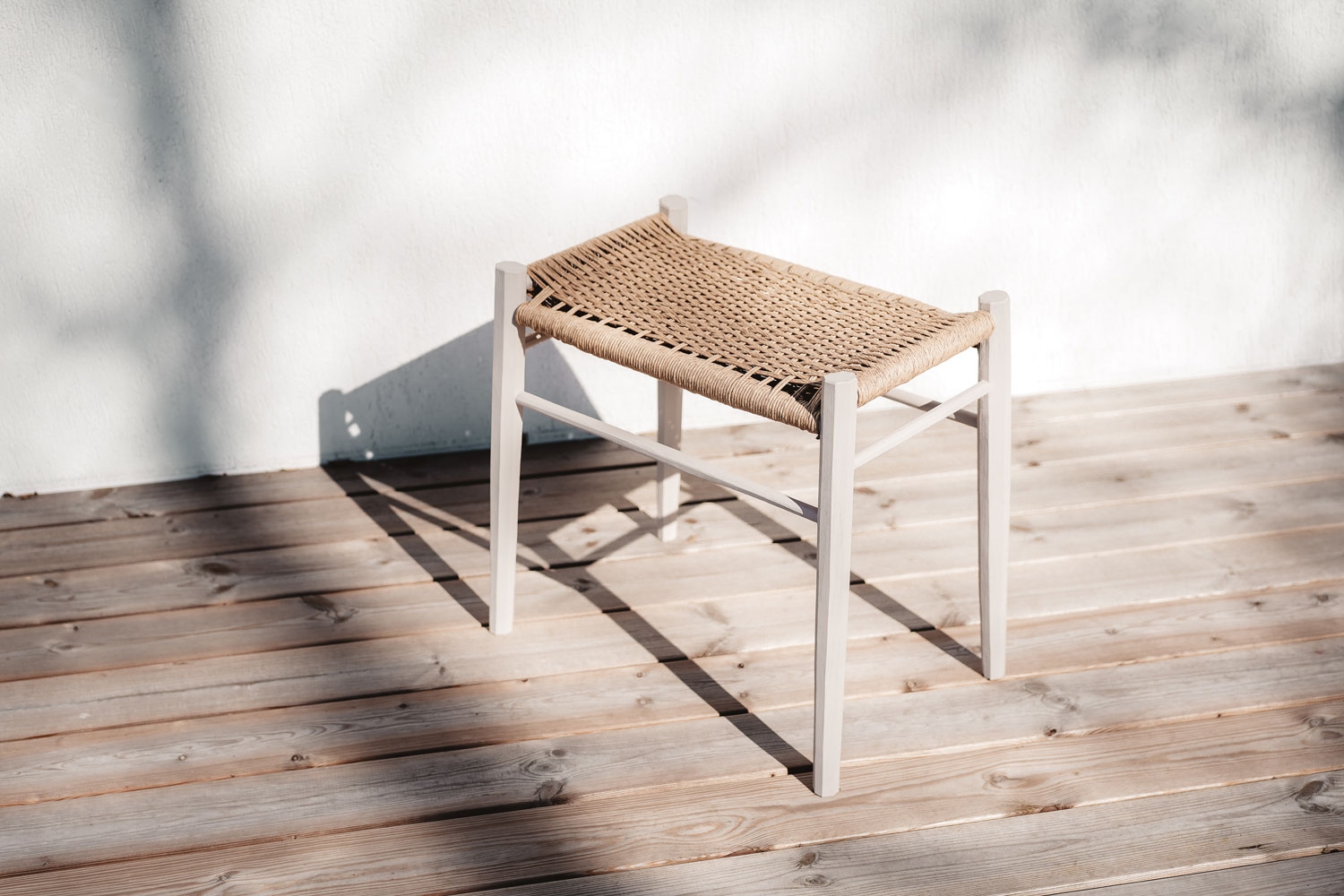
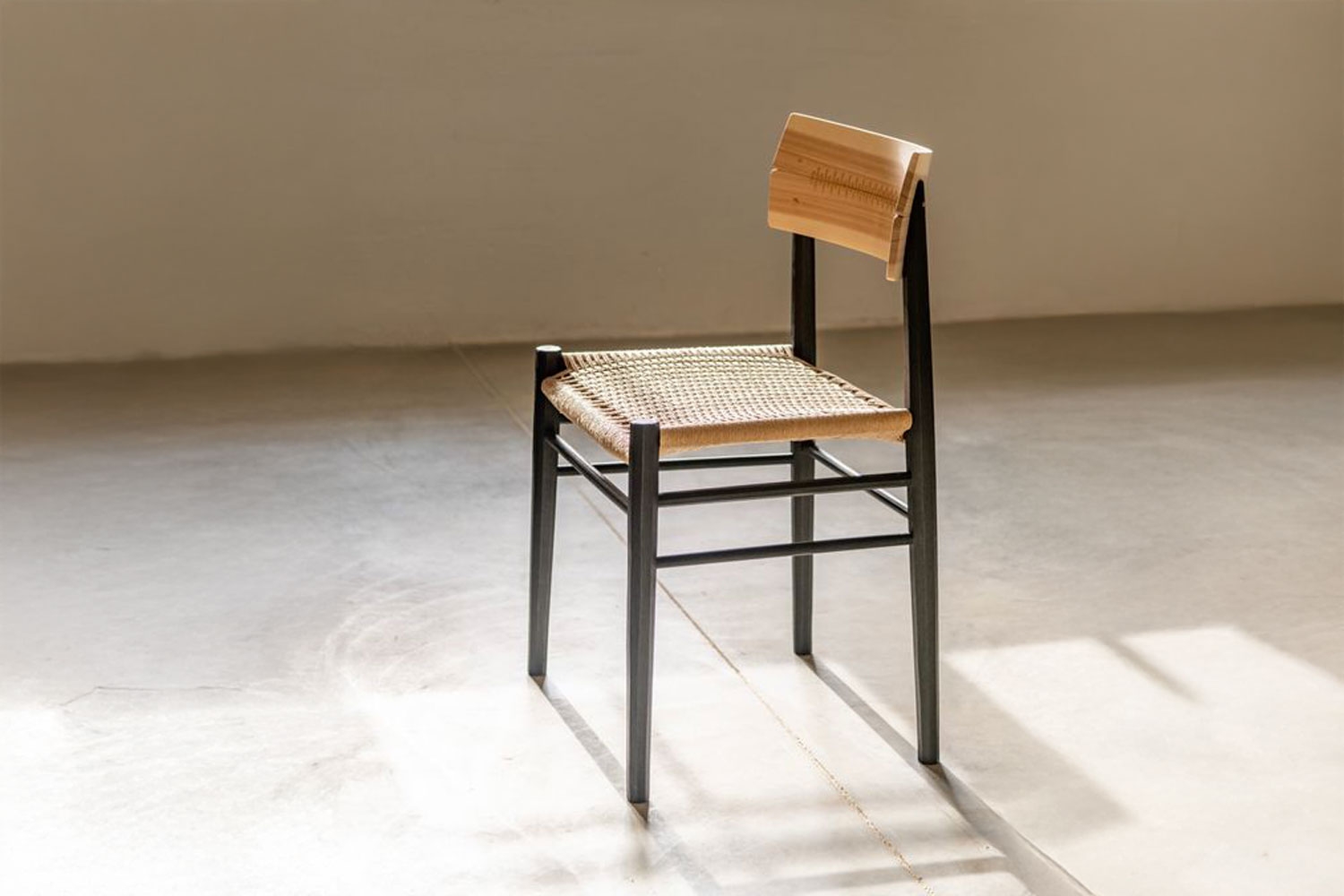
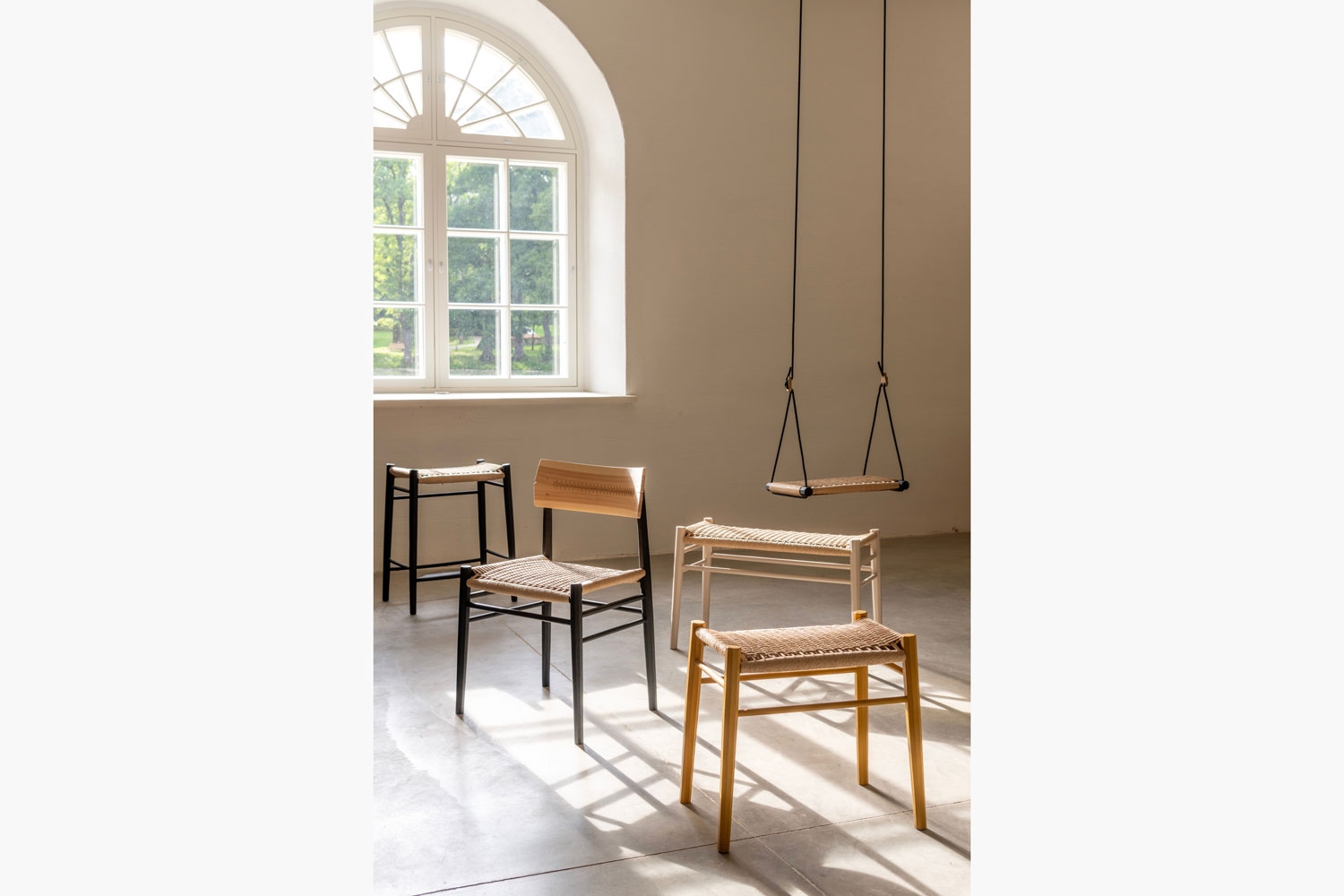
Mirjam and Markus Pärnamets, partners in life and craft, create contemporary seating that carries old-timey farm workshop feel. Trained in furniture design at Pallas University of Applied Sciences in Tartu, they chose to build a life around a handmade practice, using traditional greenwood joinery that combines wet and dry wood. This method means the drying process locks the joints tight. Mirjam weaves durable, tactile paper cord, inspired by mid-century Danish design, which she adds to the frames shaped by Markus. Together, the duo designs and makes stools, chairs and custom seating. "We invite clients to appreciate both the comfort and structure of our seats, while understanding the time and skill that go into each piece," Mirjam and Markus explain.
INTERVIEW
Mirjam: Although I first studied economics, working at Estonian Design House made me realise I wanted to be on the making side, not just around finished objects. At Pallas University of Applied Sciences, I discovered furniture design and met Markus. Our final projects became the basis of our practice today.
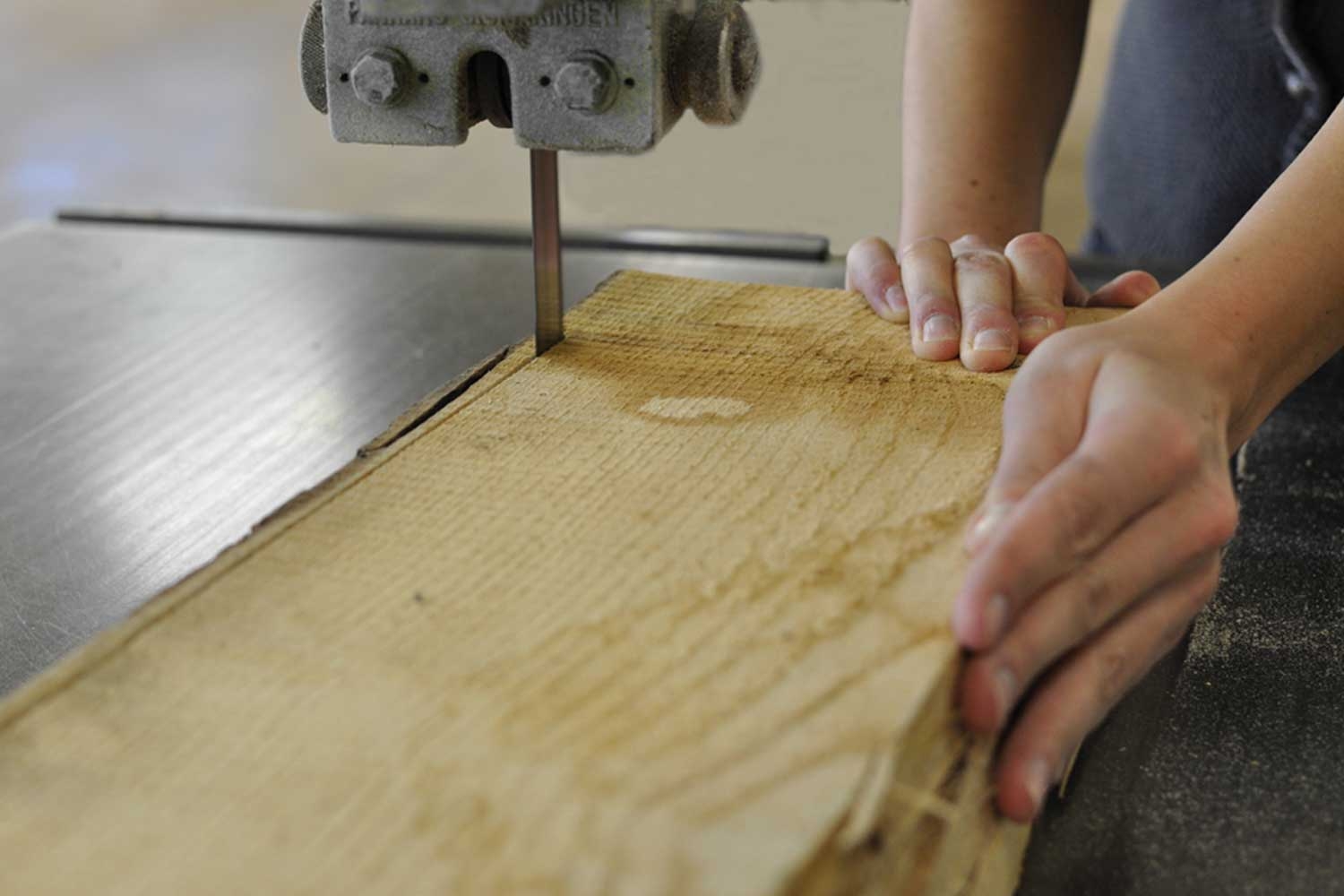
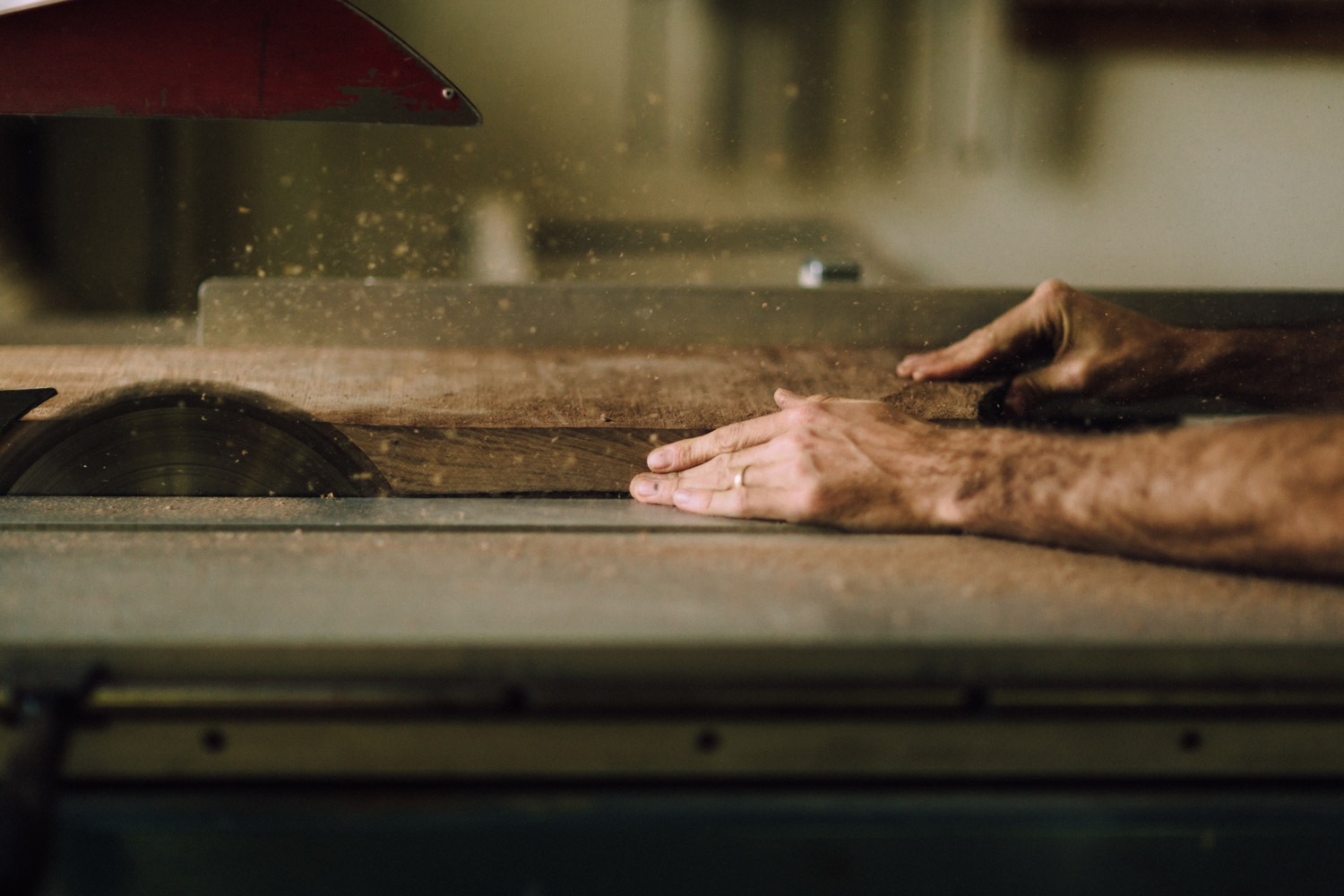
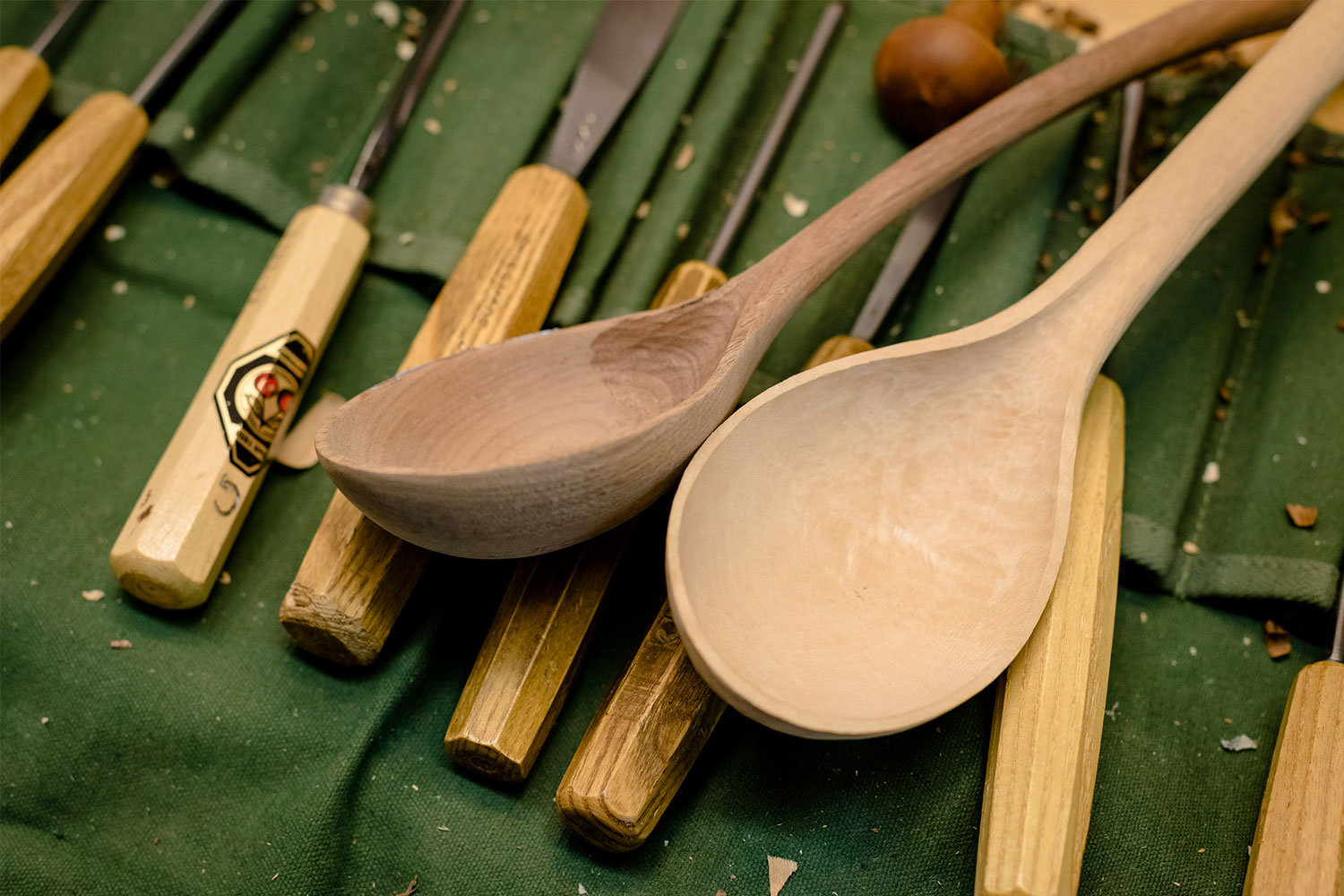
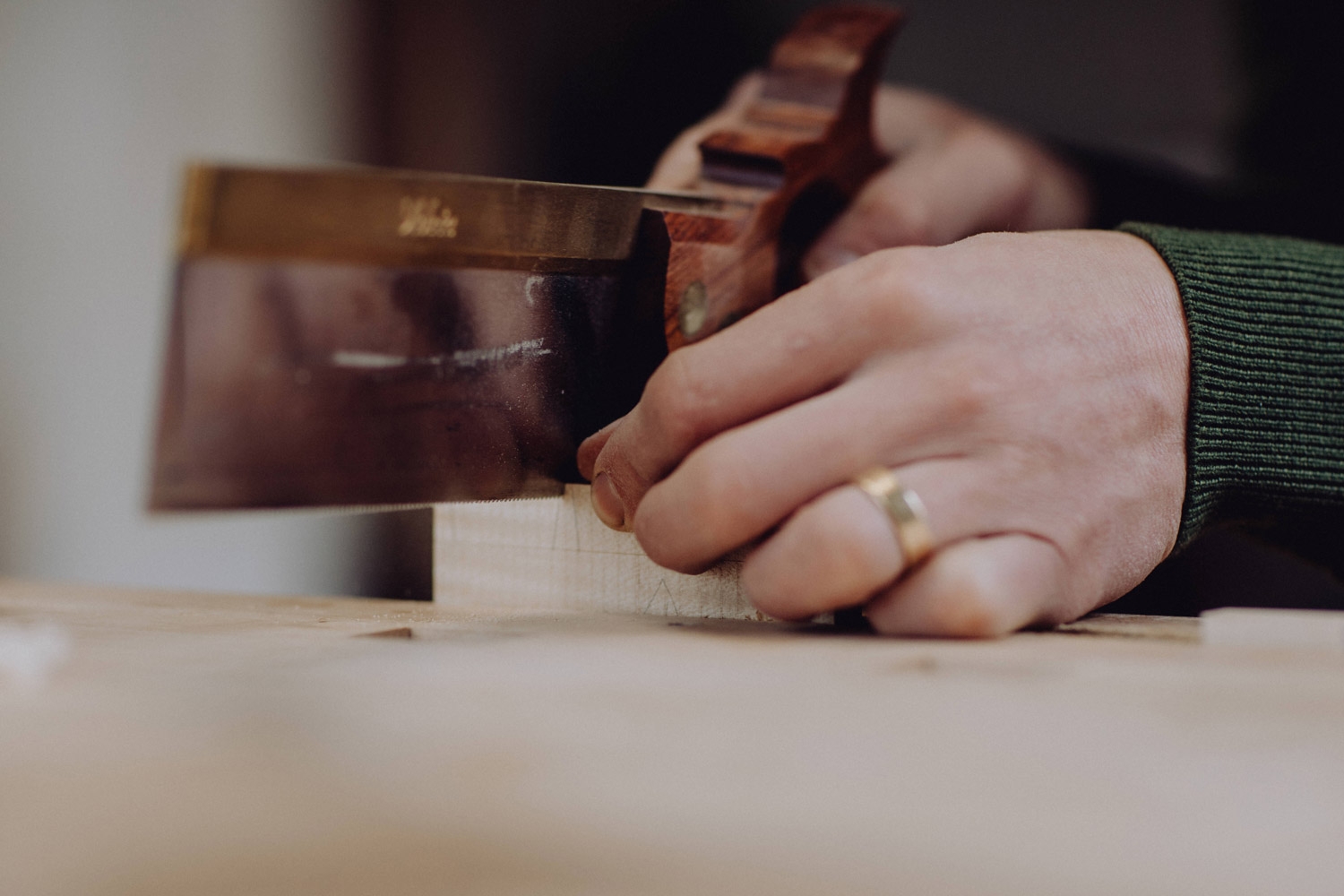
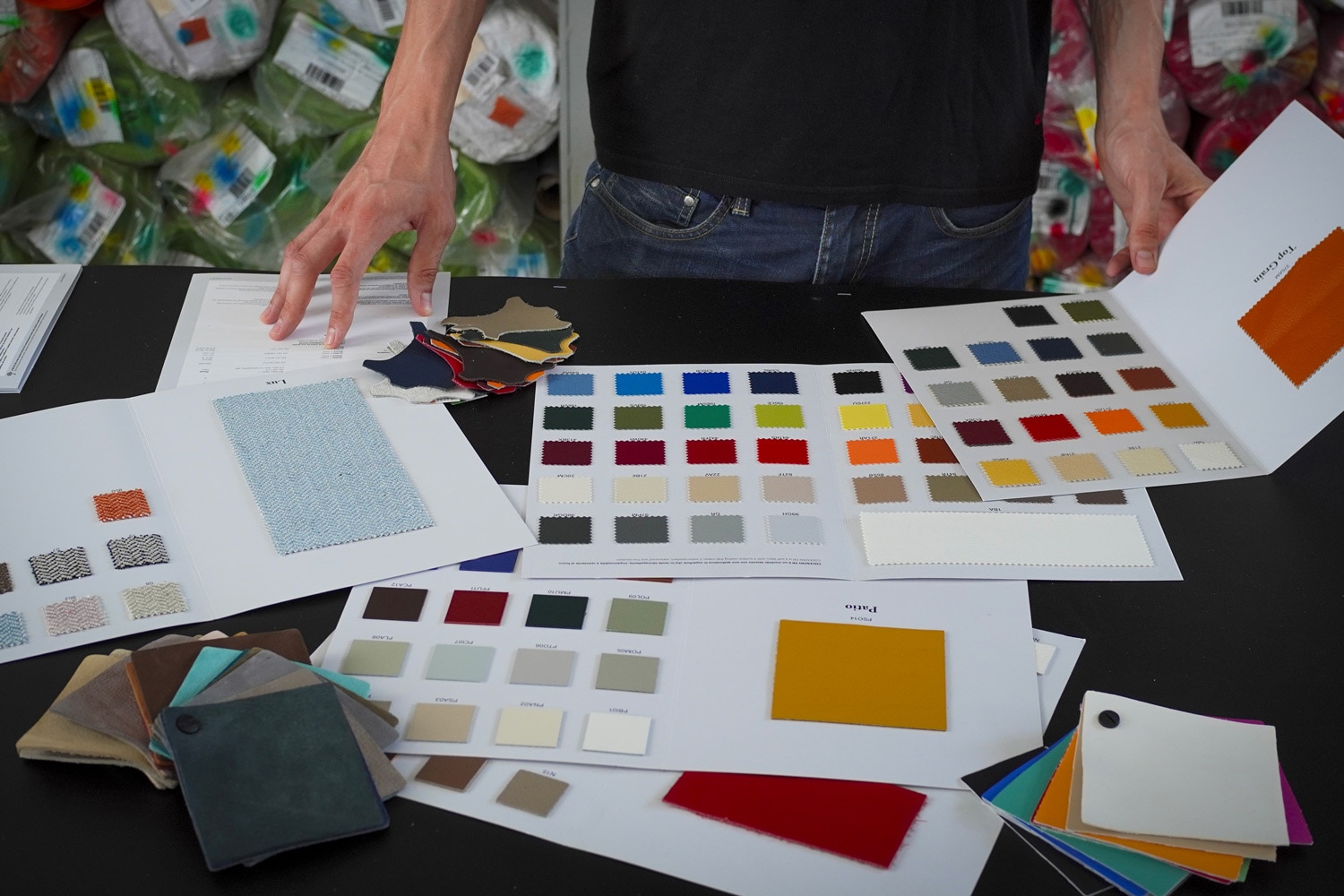
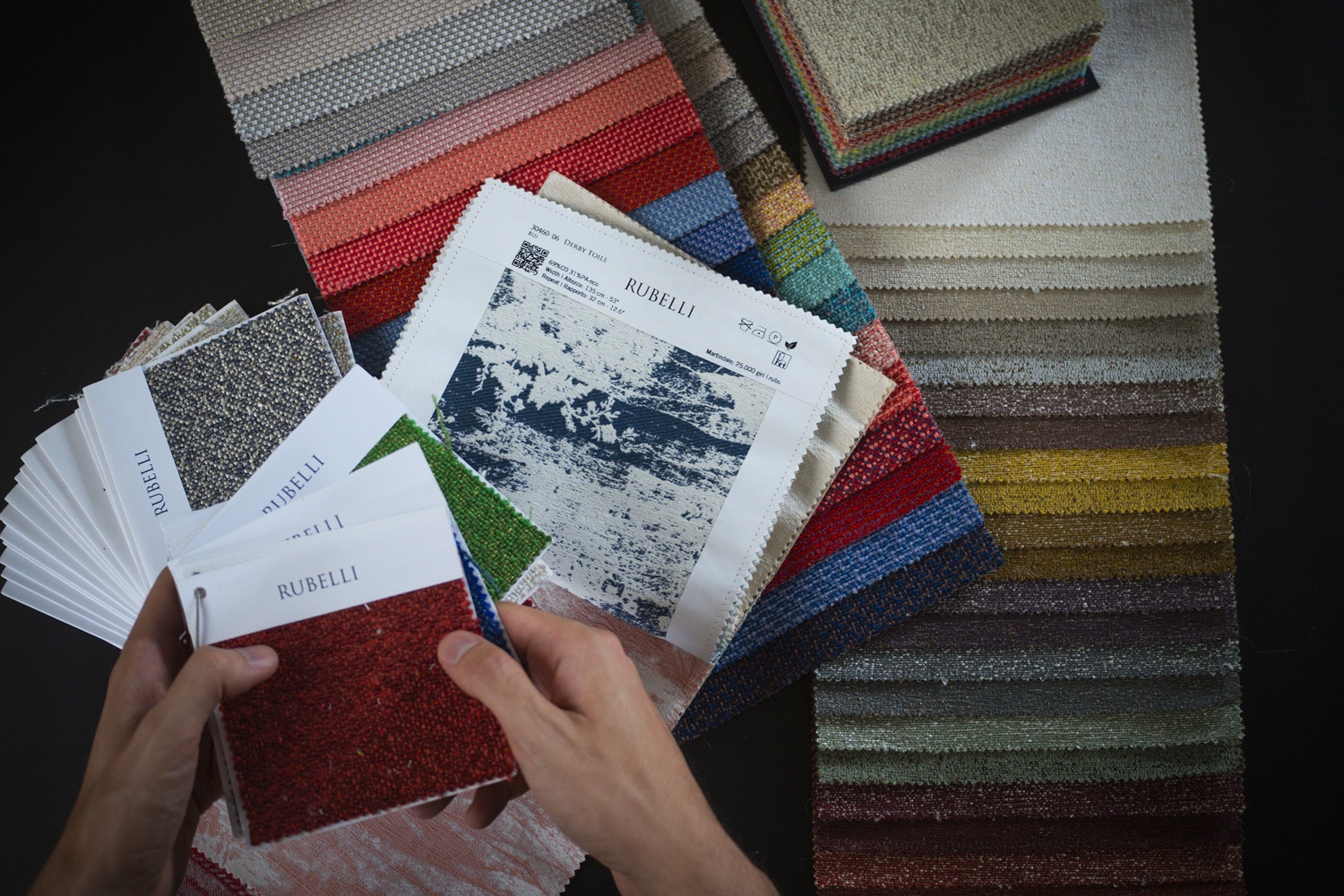
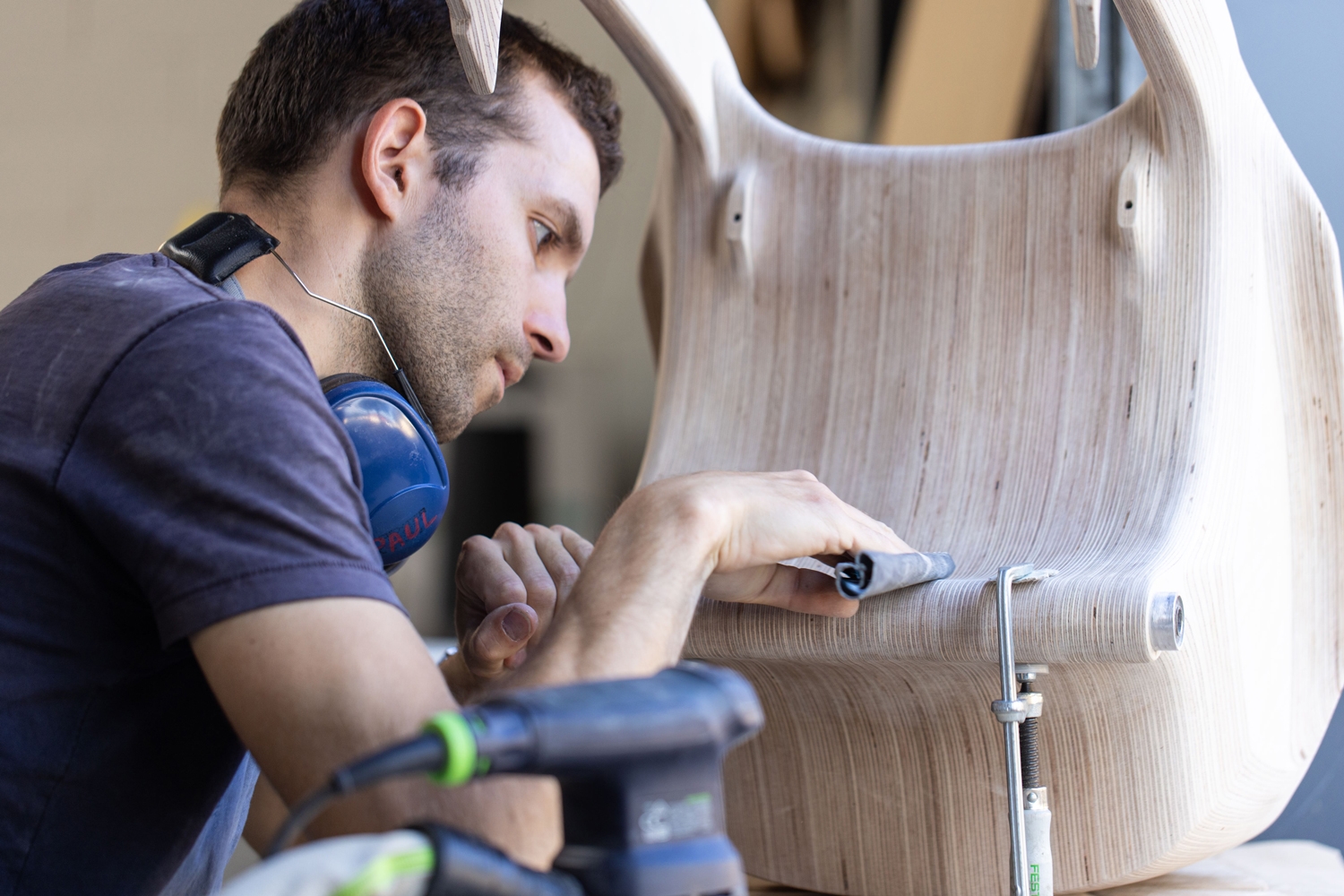
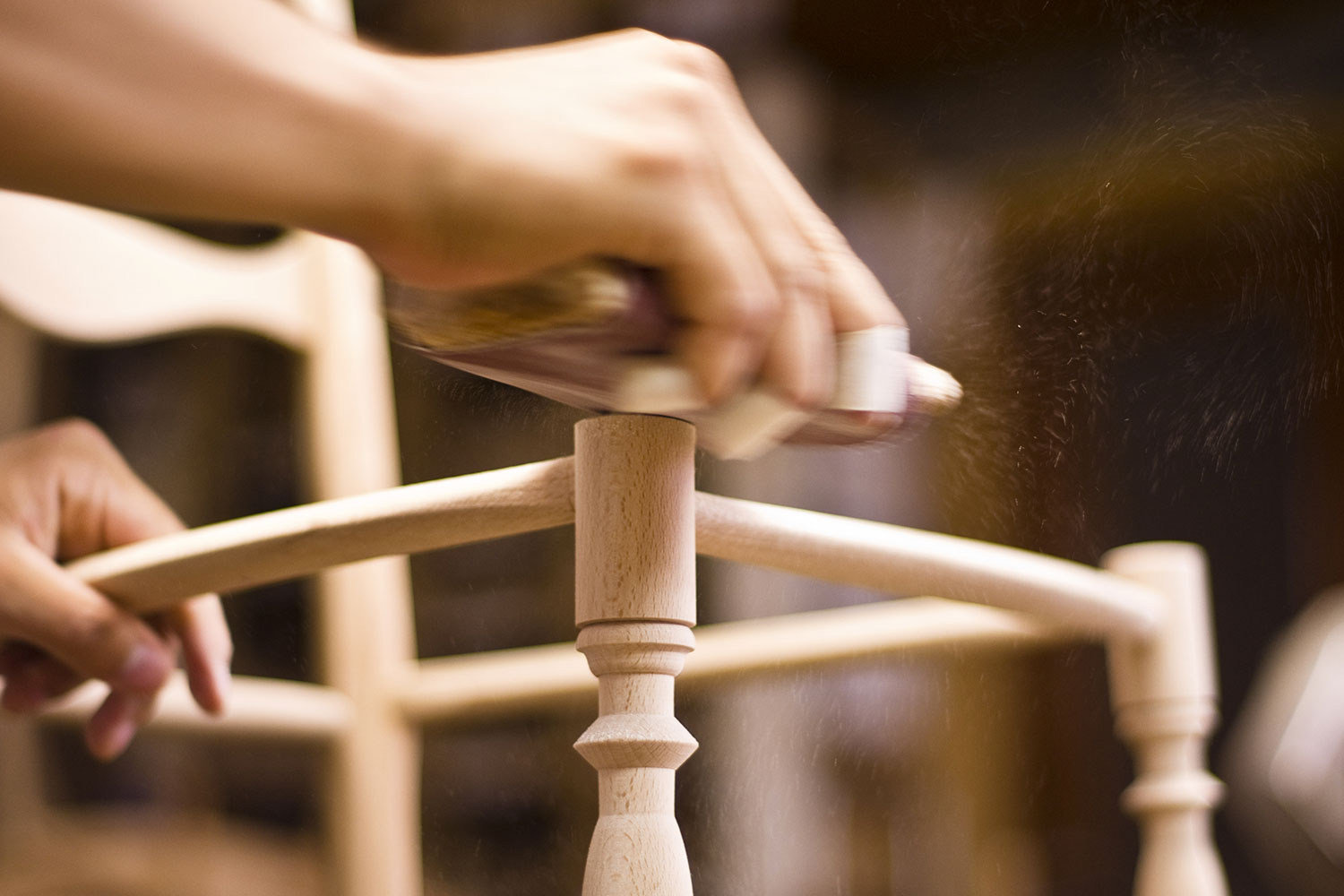
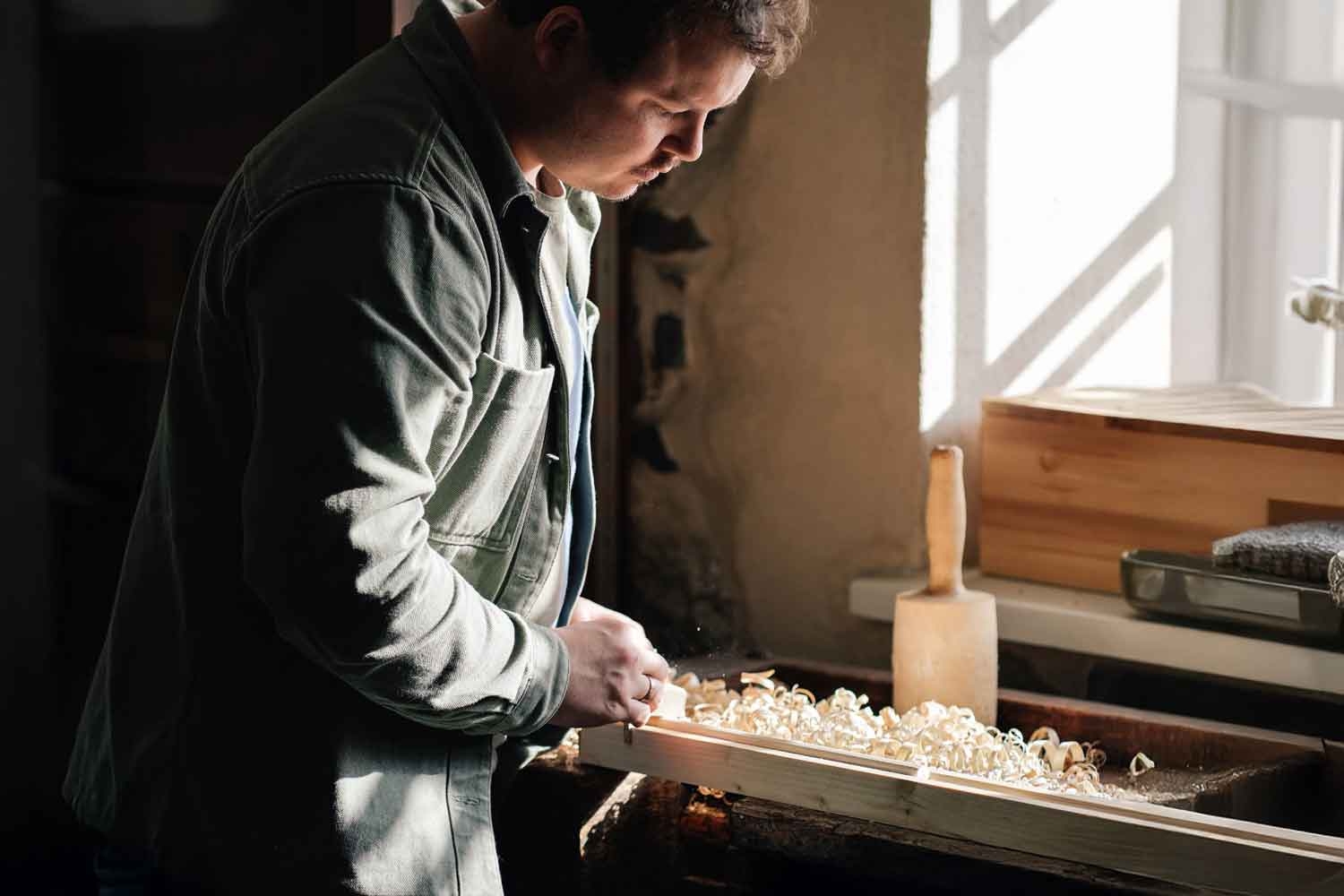
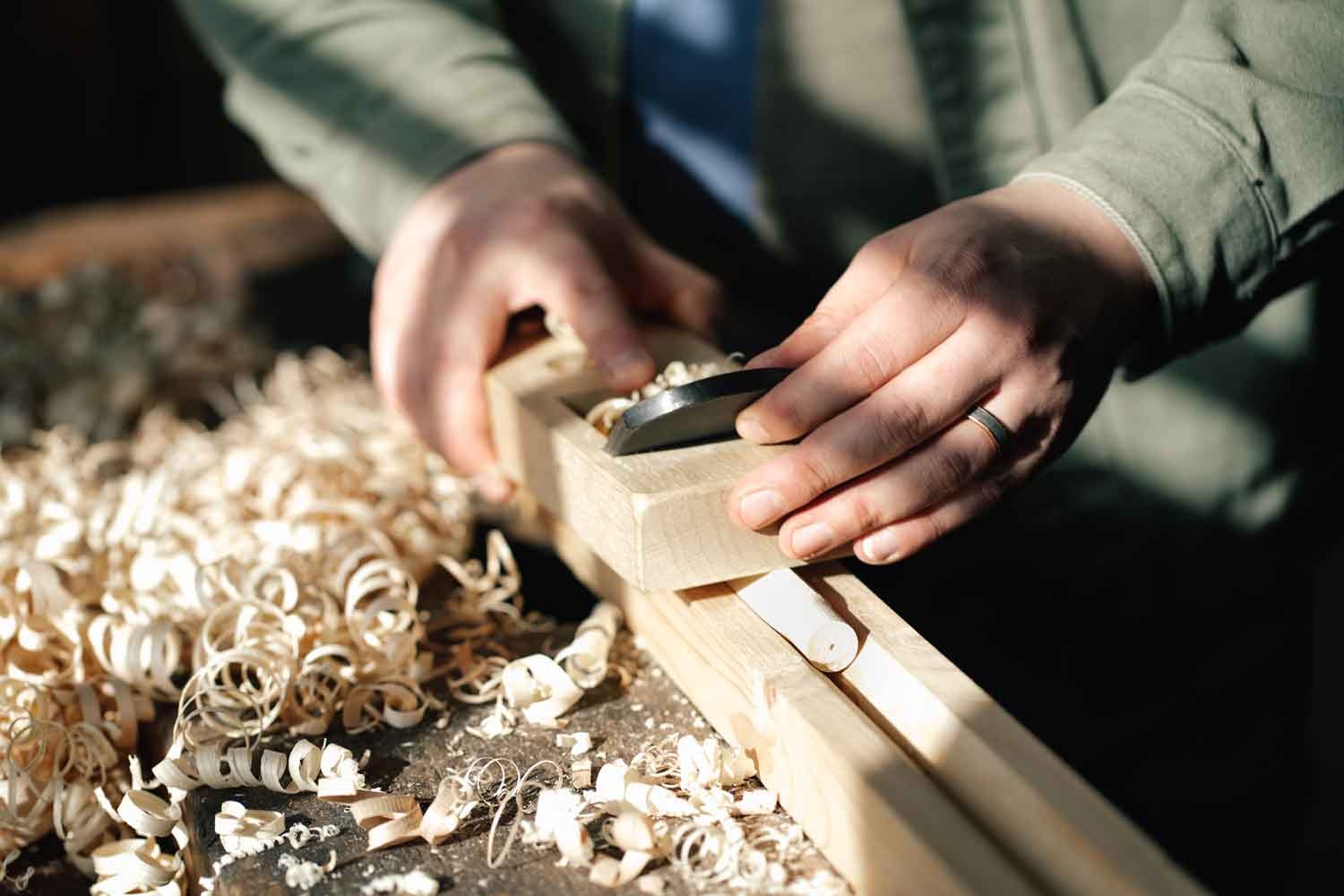
Markus: We start with choosing the materials, and we work with old, almost forgotten techniques. I shape fresh greenwood by hand and lock dry elements into wet joints, so the shrinkage creates a strong, glue-free connection. Mirjam finishes and weaves the seats in paper cord, adding a softer, tactile surface to the clear lines of the frames.
Mirjam: Physically, the work can be demanding. Long days of shaping wood and weaving seats require strength and patience. However, the hardest part is sustaining this slow, material-focused practice in a world that is used to fast and cheap furniture.
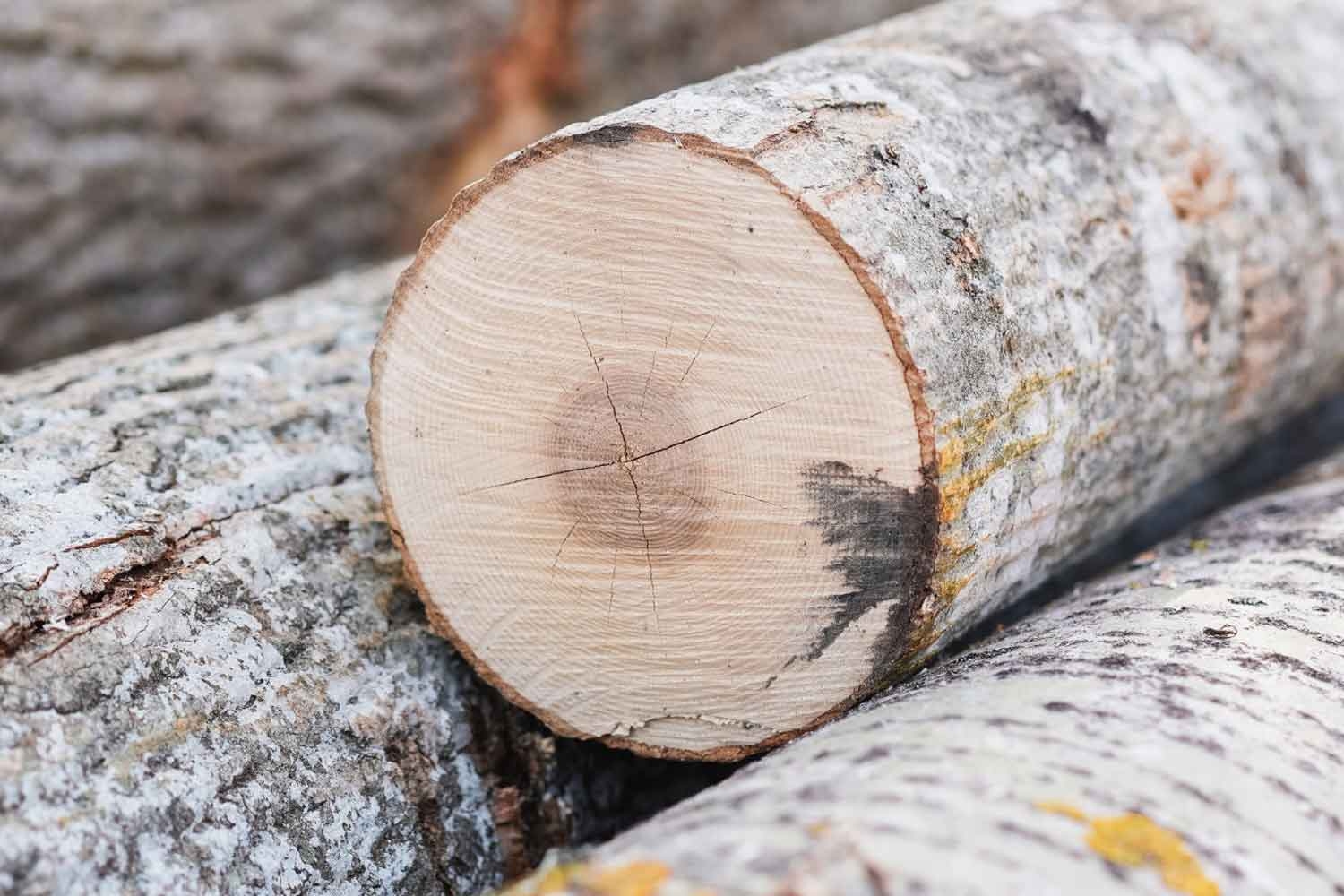
Markus: Greenwood techniques are known by only a handful of people in our region, yet they are both energy-efficient and structurally smart. Our aim is to show that you can produce consistent, contemporary furniture with these time-proven methods, so the knowledge does not remain a niche curiosity but becomes a living option for future makers.
Mirjam & Markus Pärnamets
House of Pärnamets
Chair maker
Viljandi, Estonia
ADDRESS
Address upon request, Viljandi, Estonia
AVAILABILITY
By appointment only
LANGUAGES
Estonian, English
Homo Faber Finds is a new service aiming to inspire admirers of craft to connect and collaborate with exceptional artisans.
We invite you to submit an enquiry here.