Meropi Ververi
PENELOPE Loom Heritage
Weaver
Thessaloniki, Greece
The threads of duty
- Meropi's eco-conscious textile production intertwines tradition with innovation
- The first object she ever made was a pashmina scarf
- She teaches textile art to young artists and craftspeople
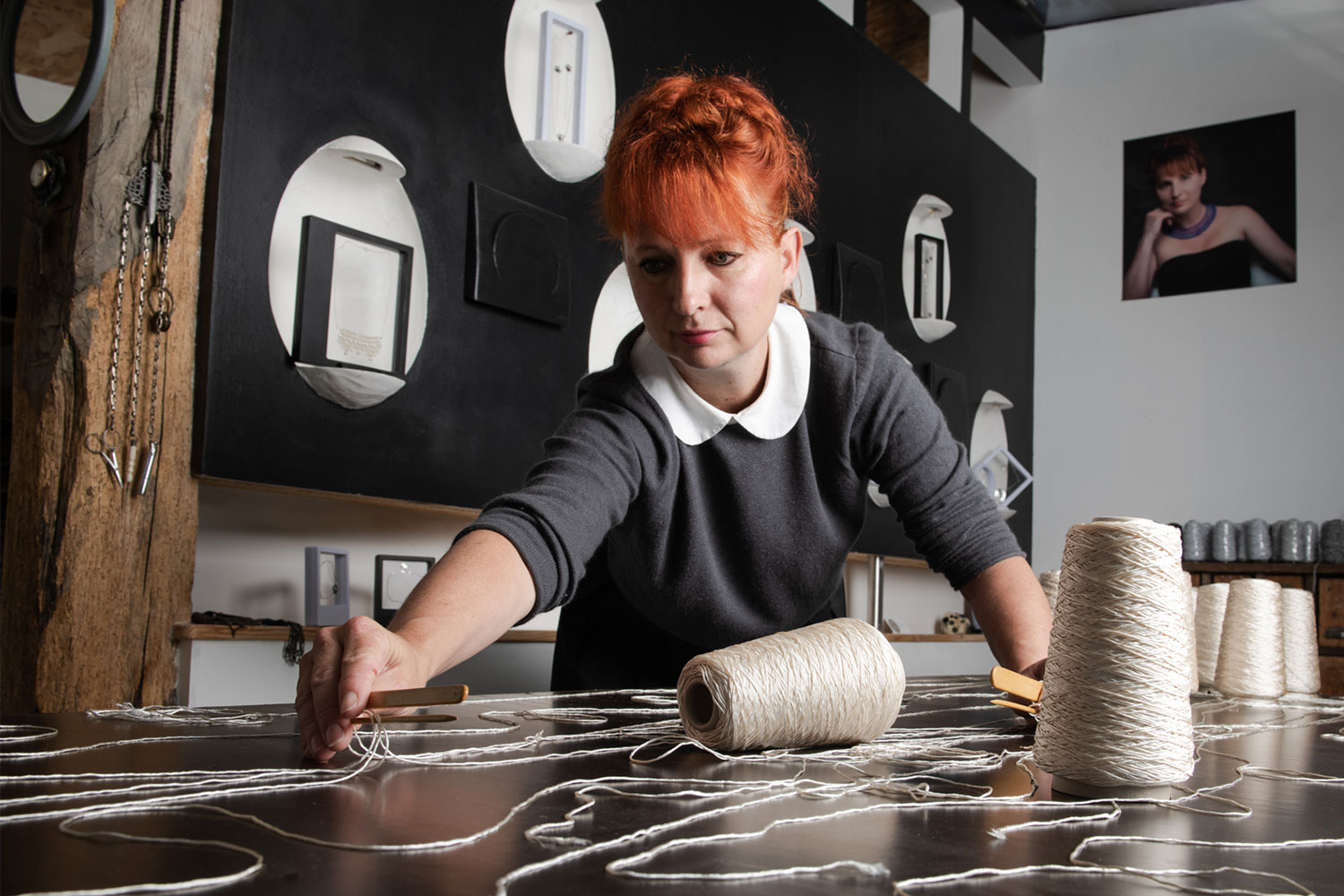
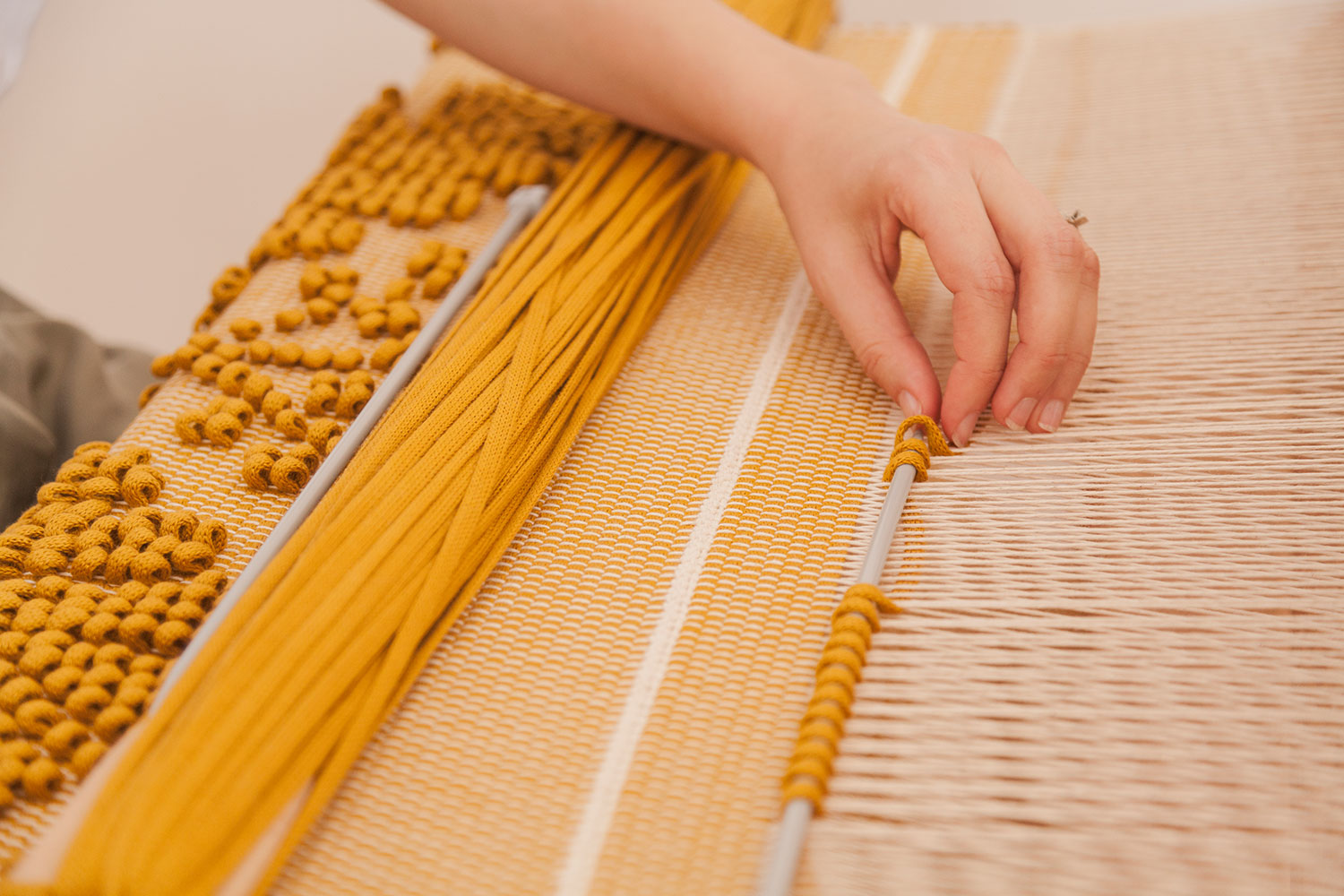
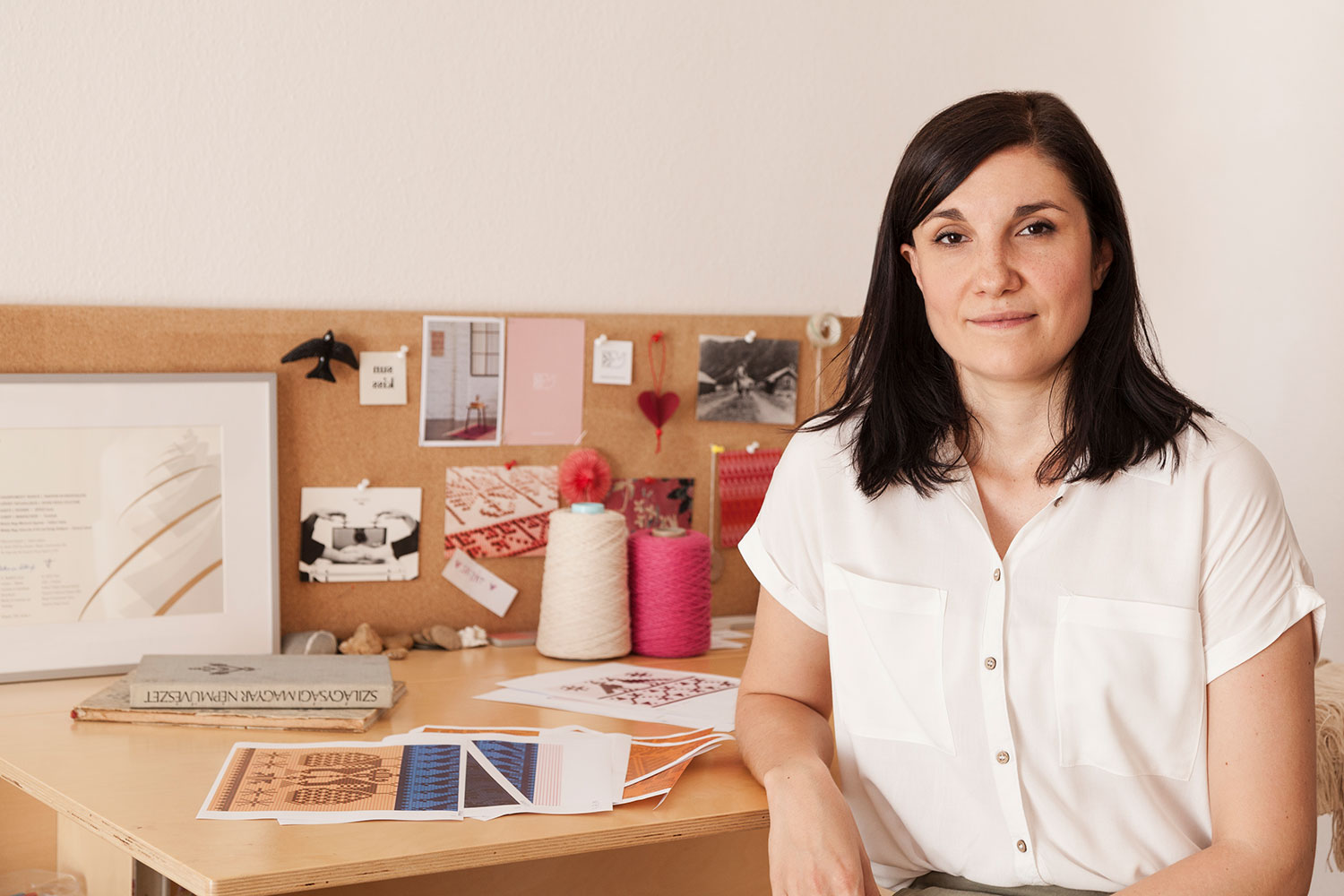
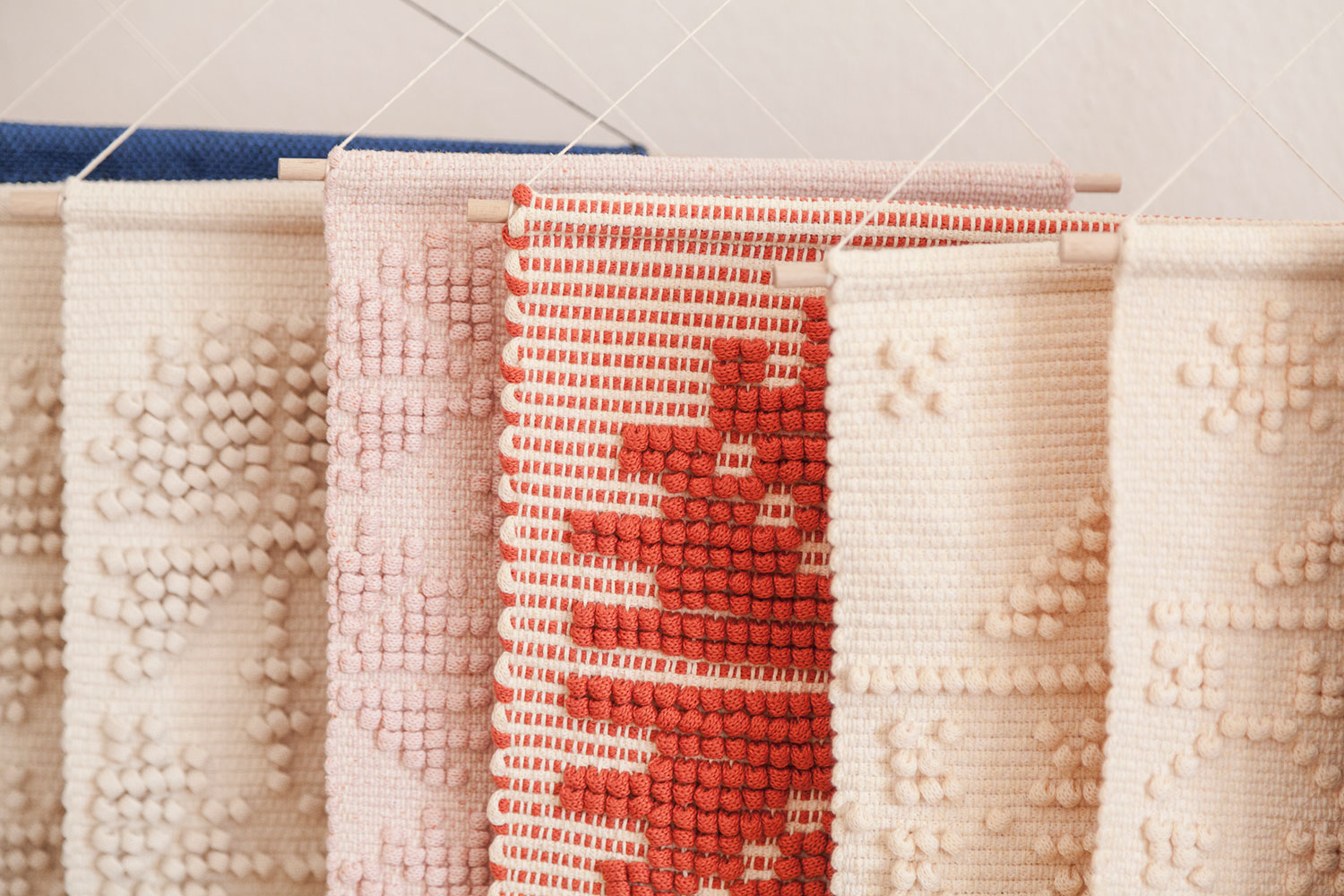
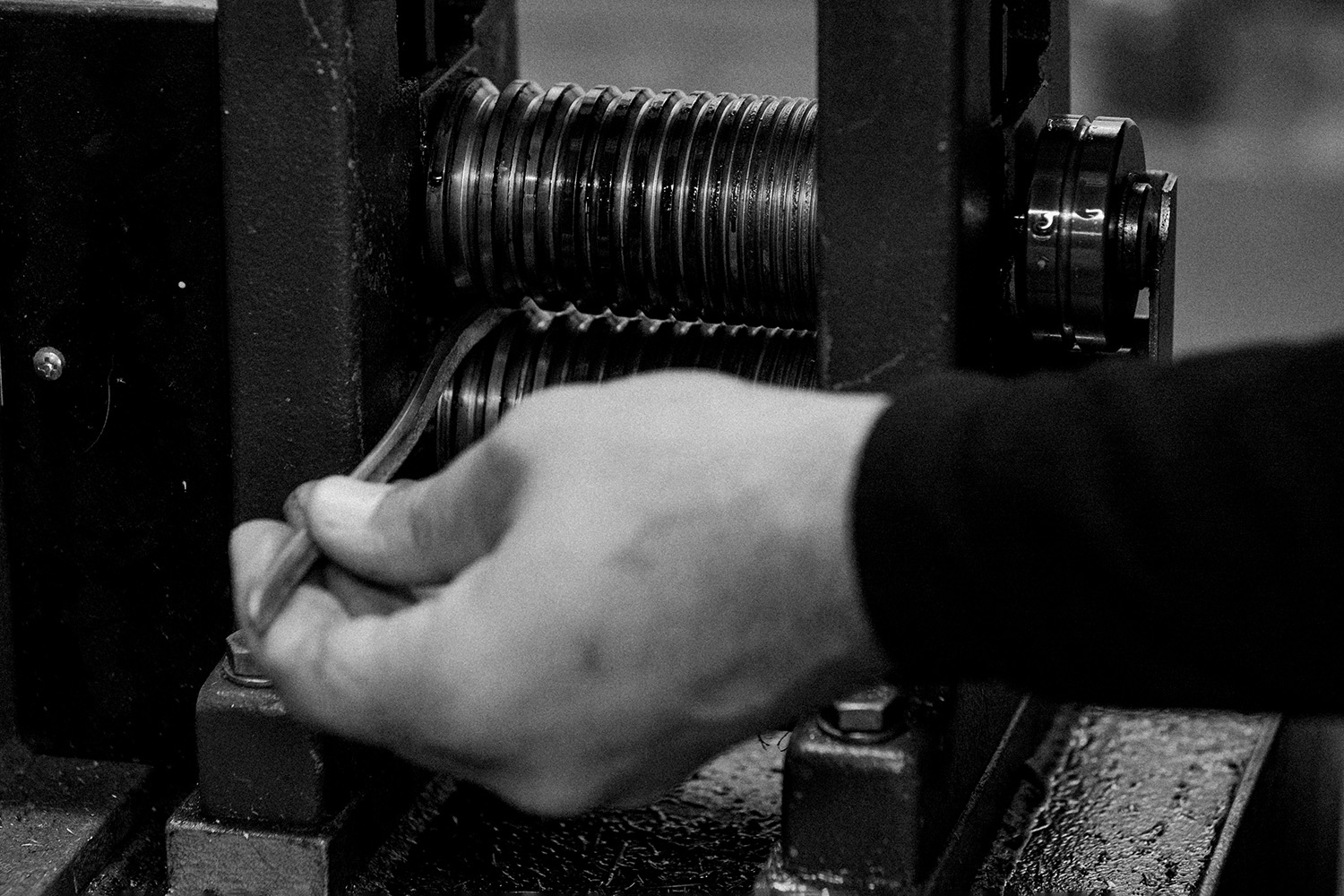
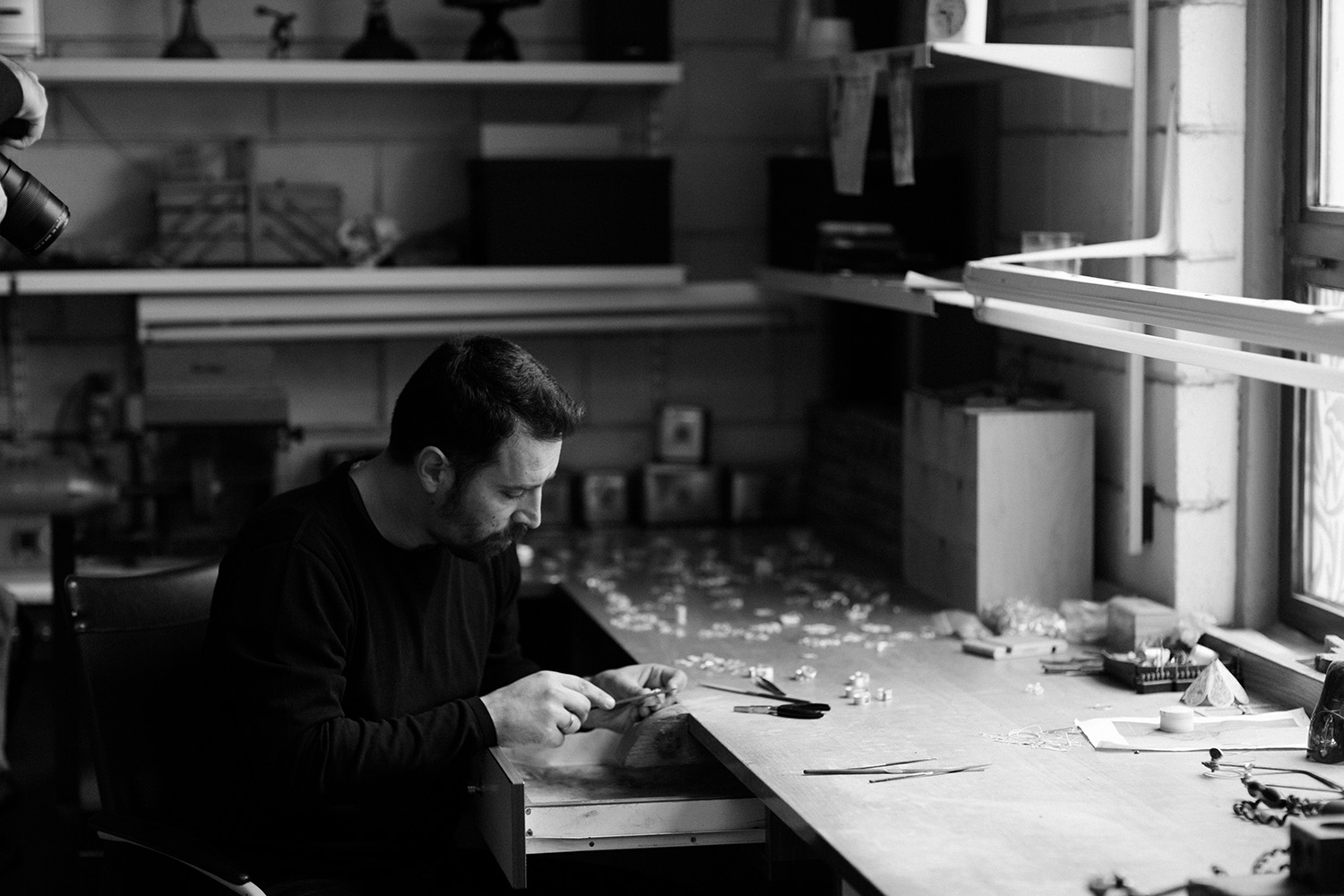
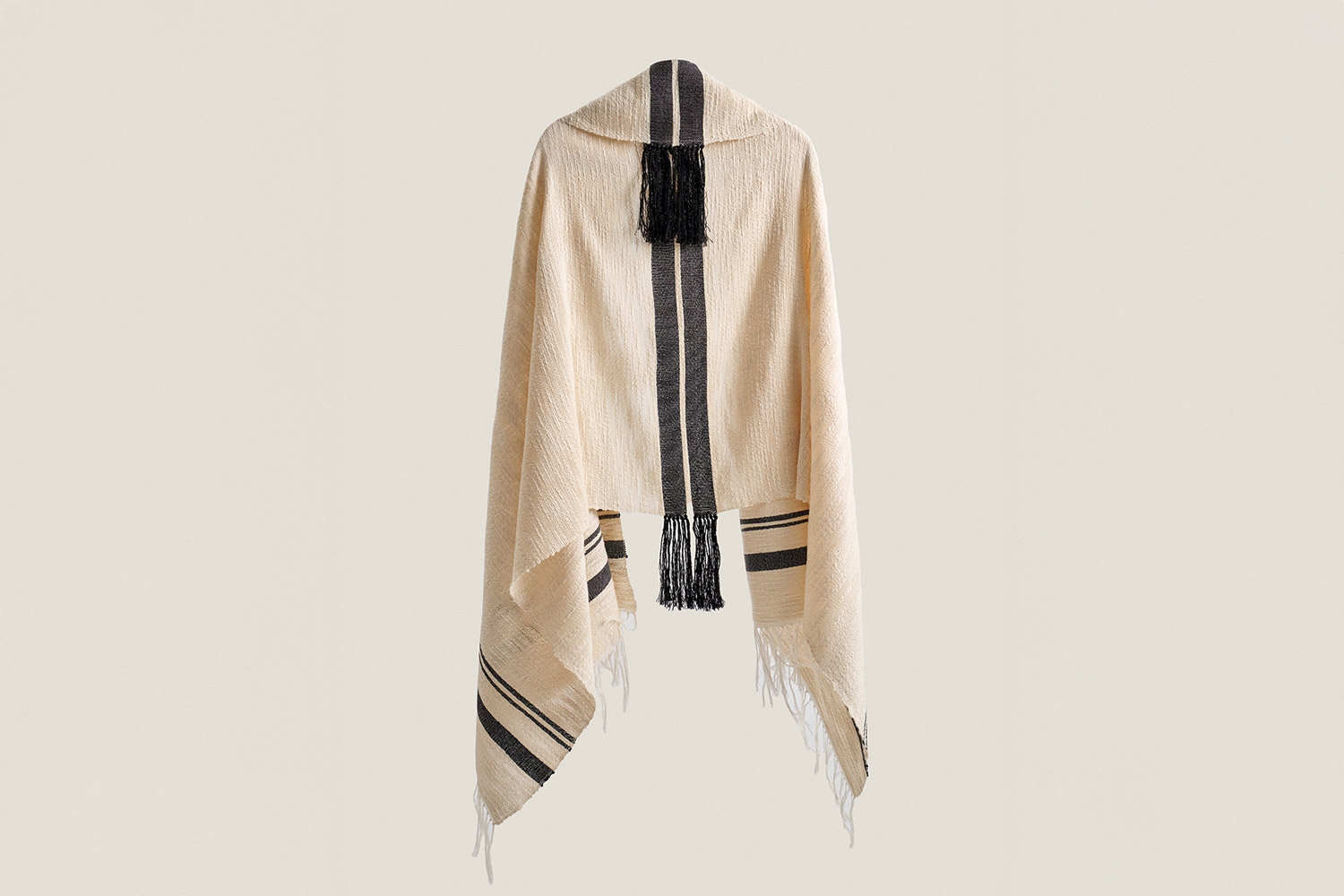
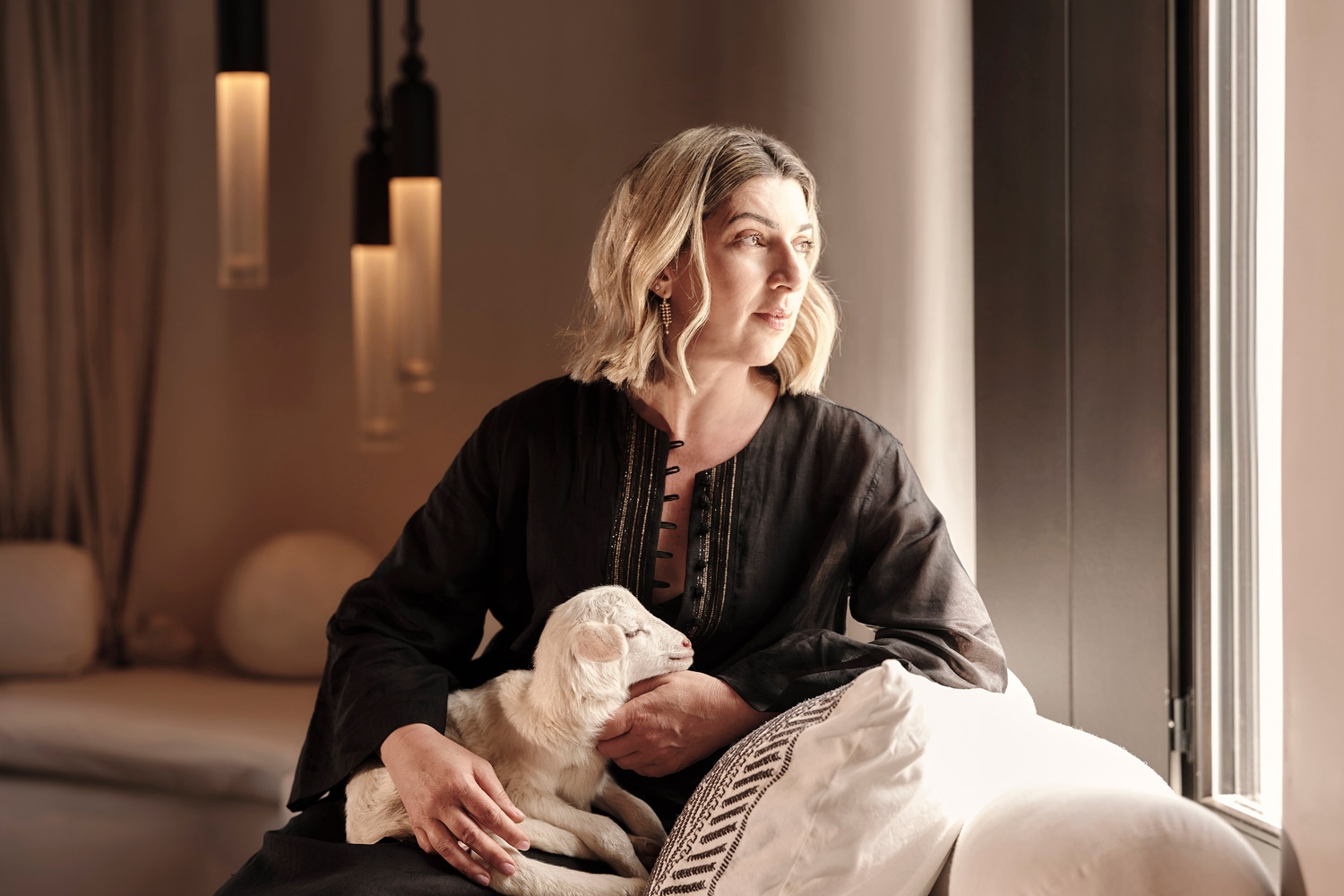
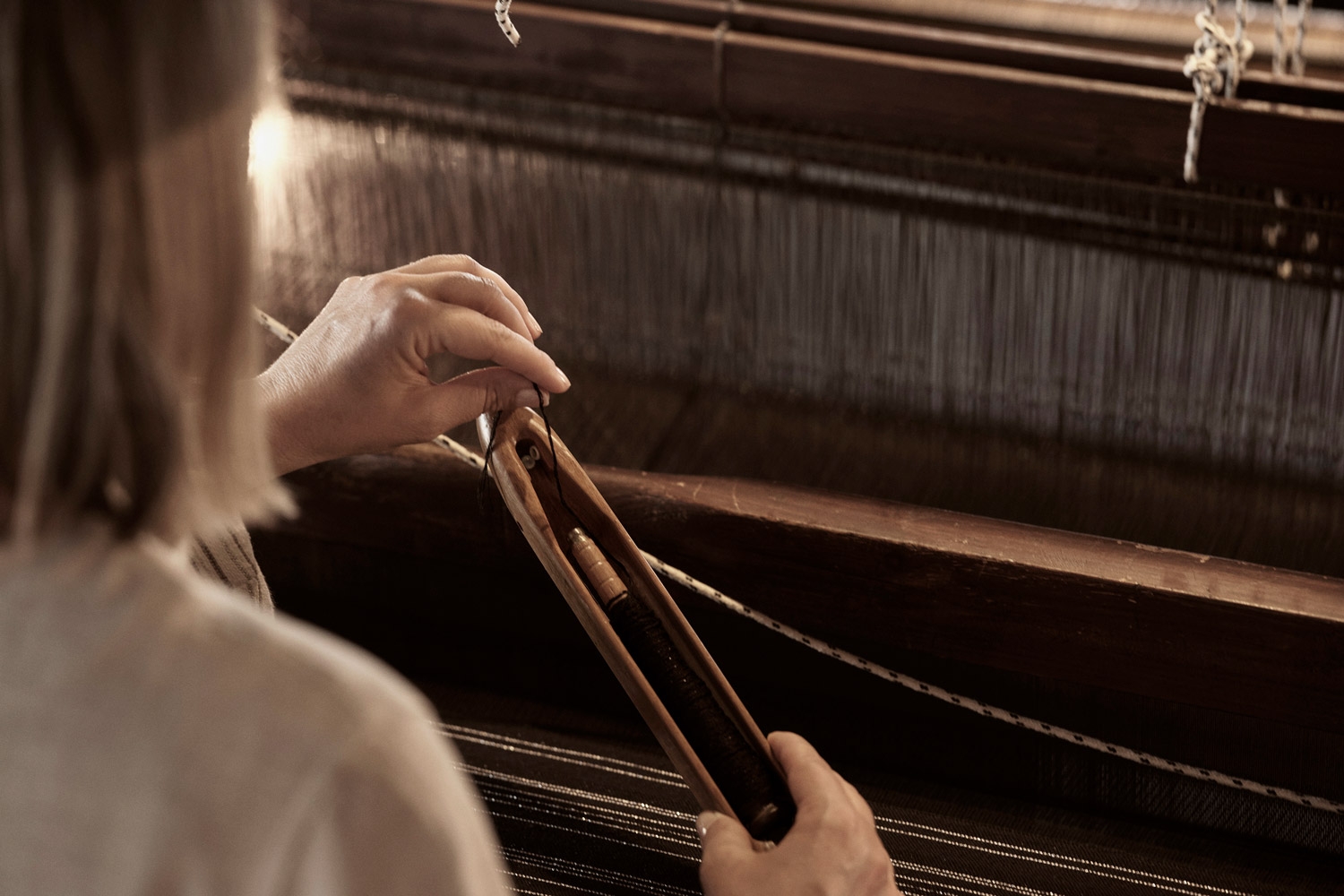
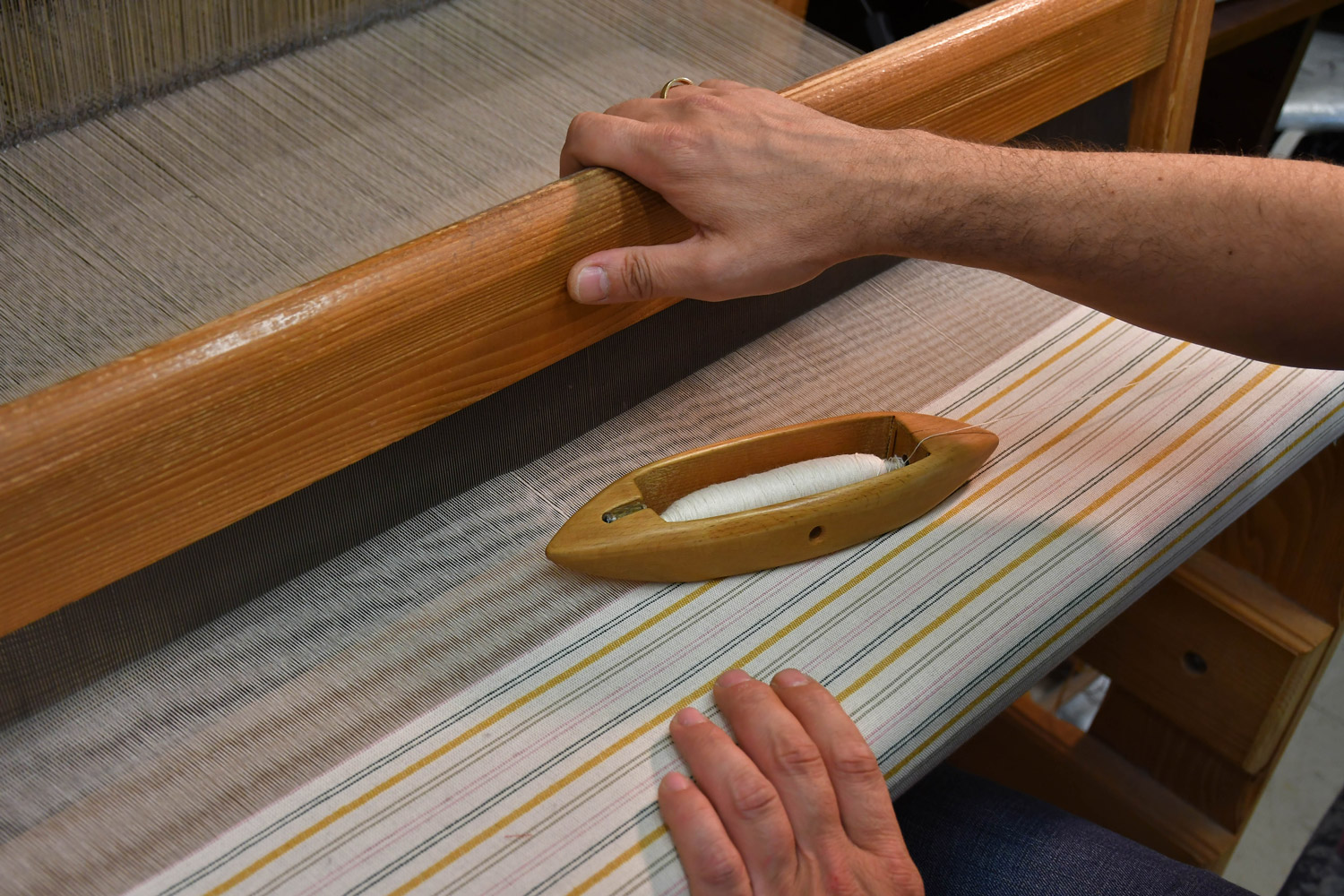
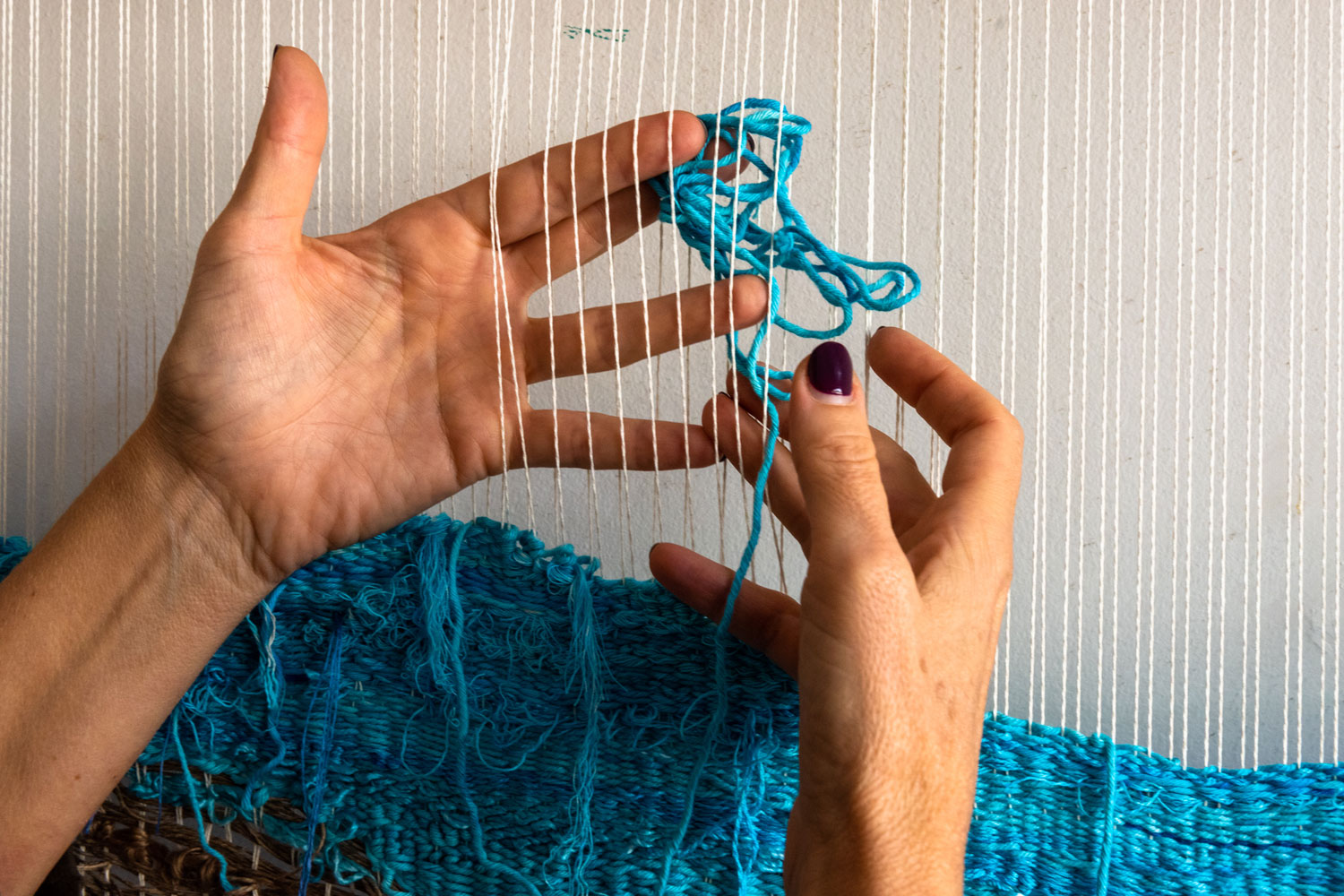
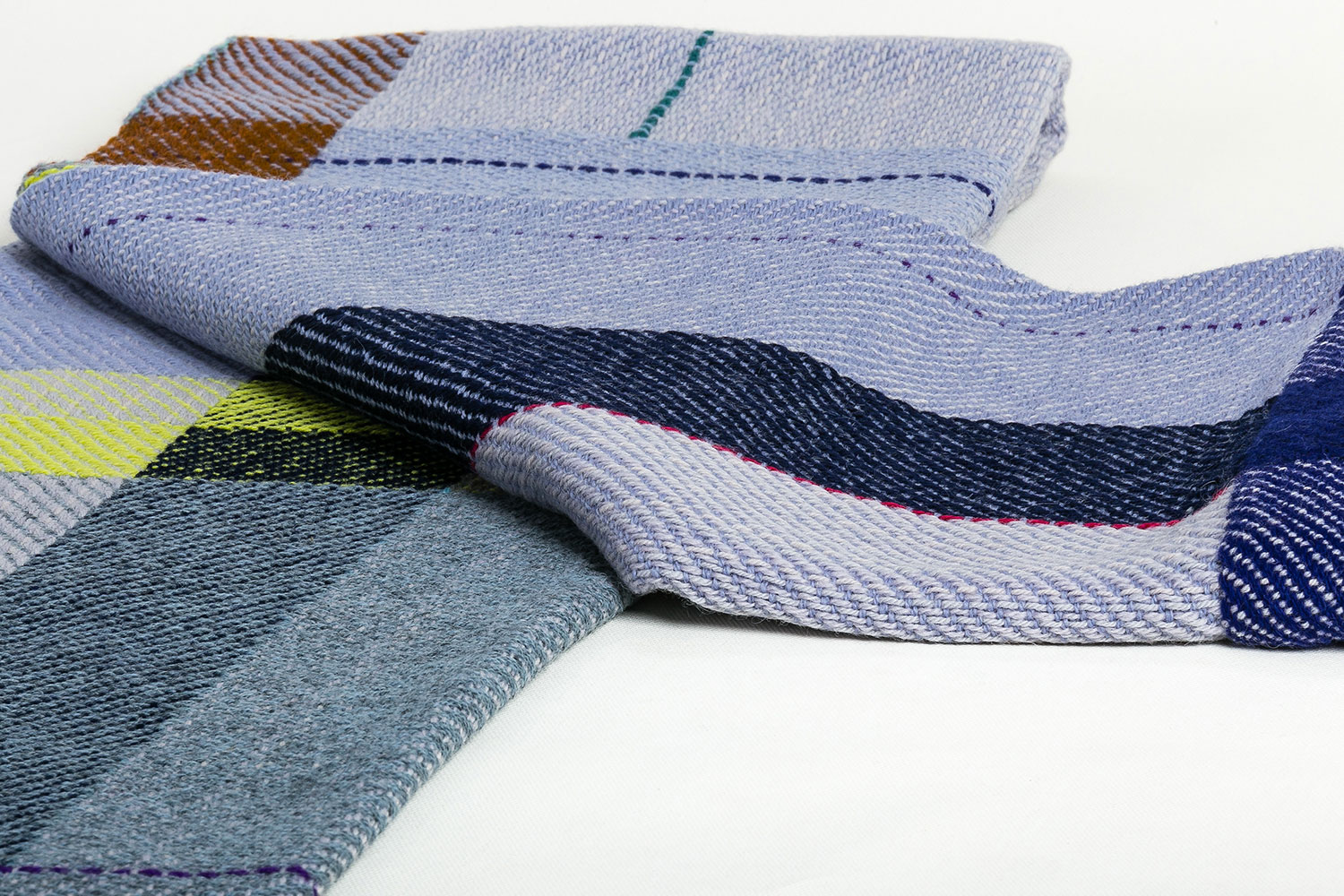
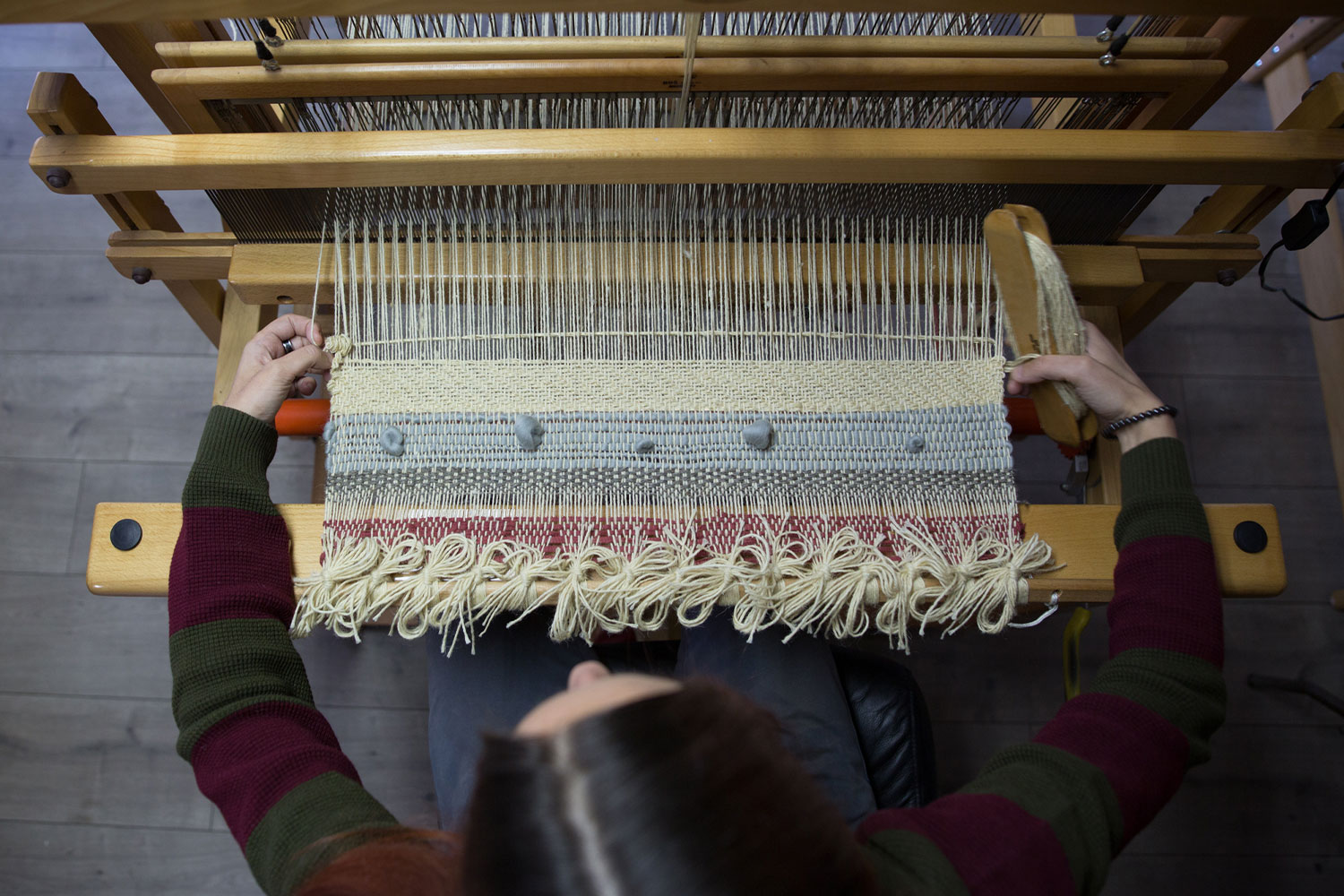
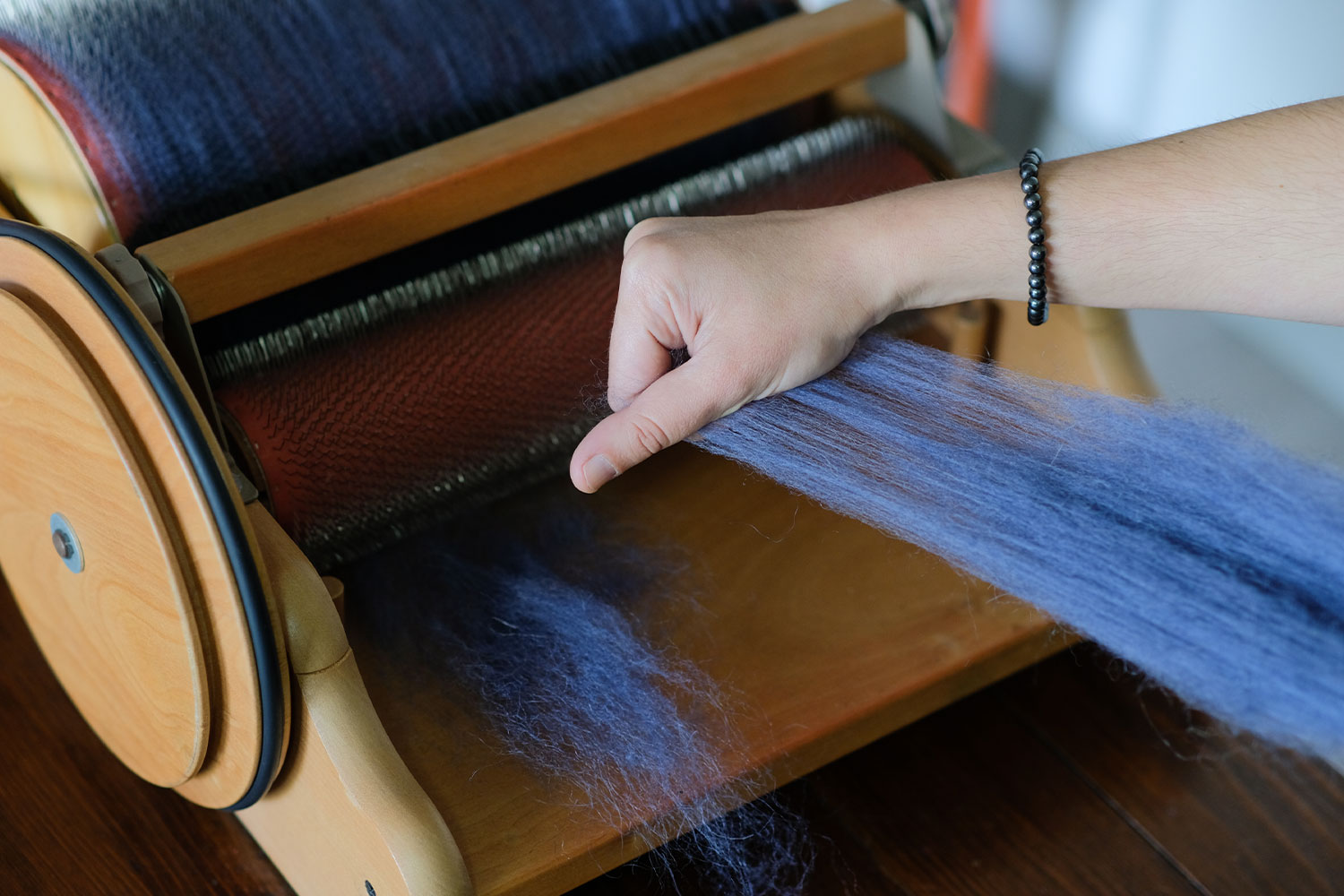
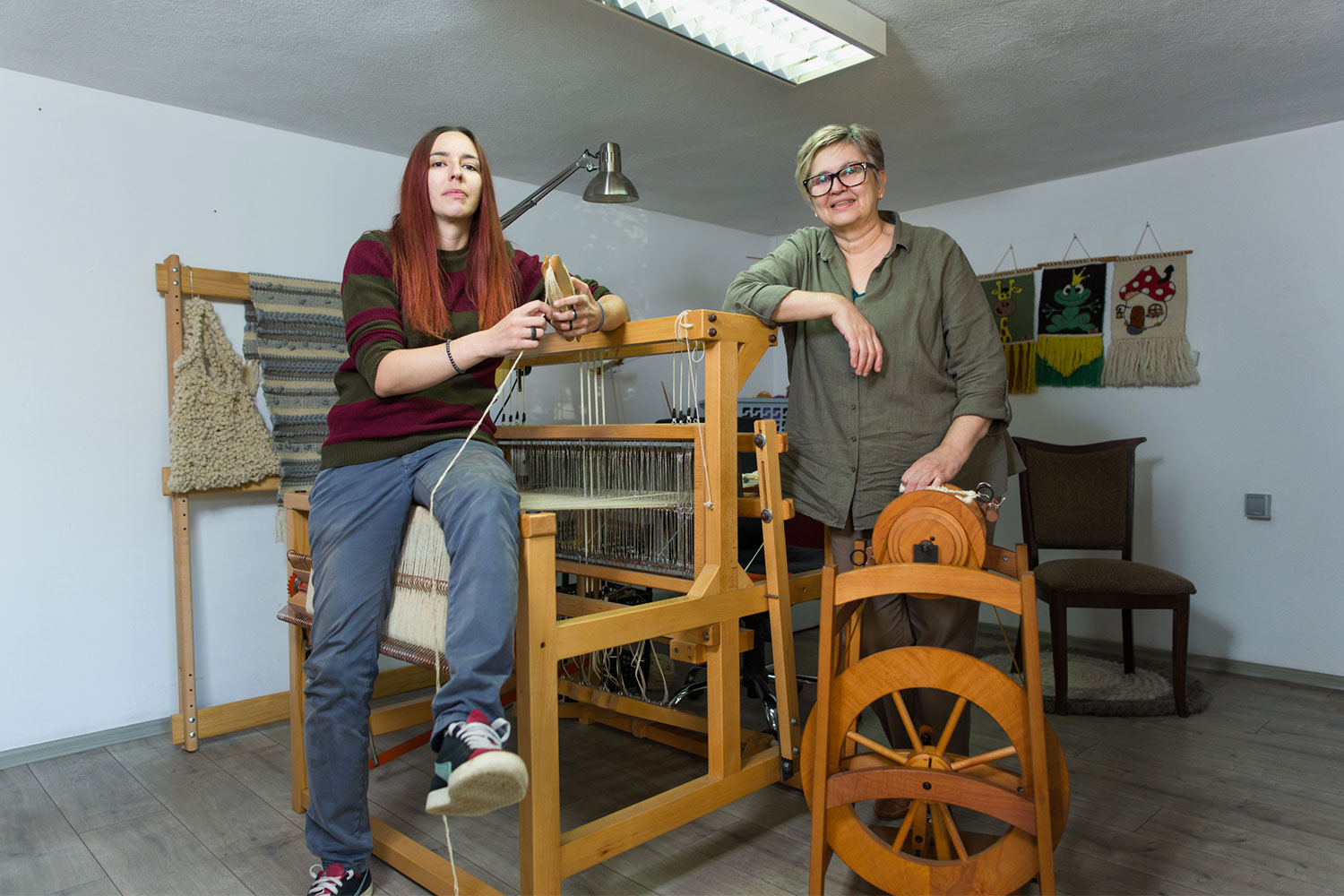
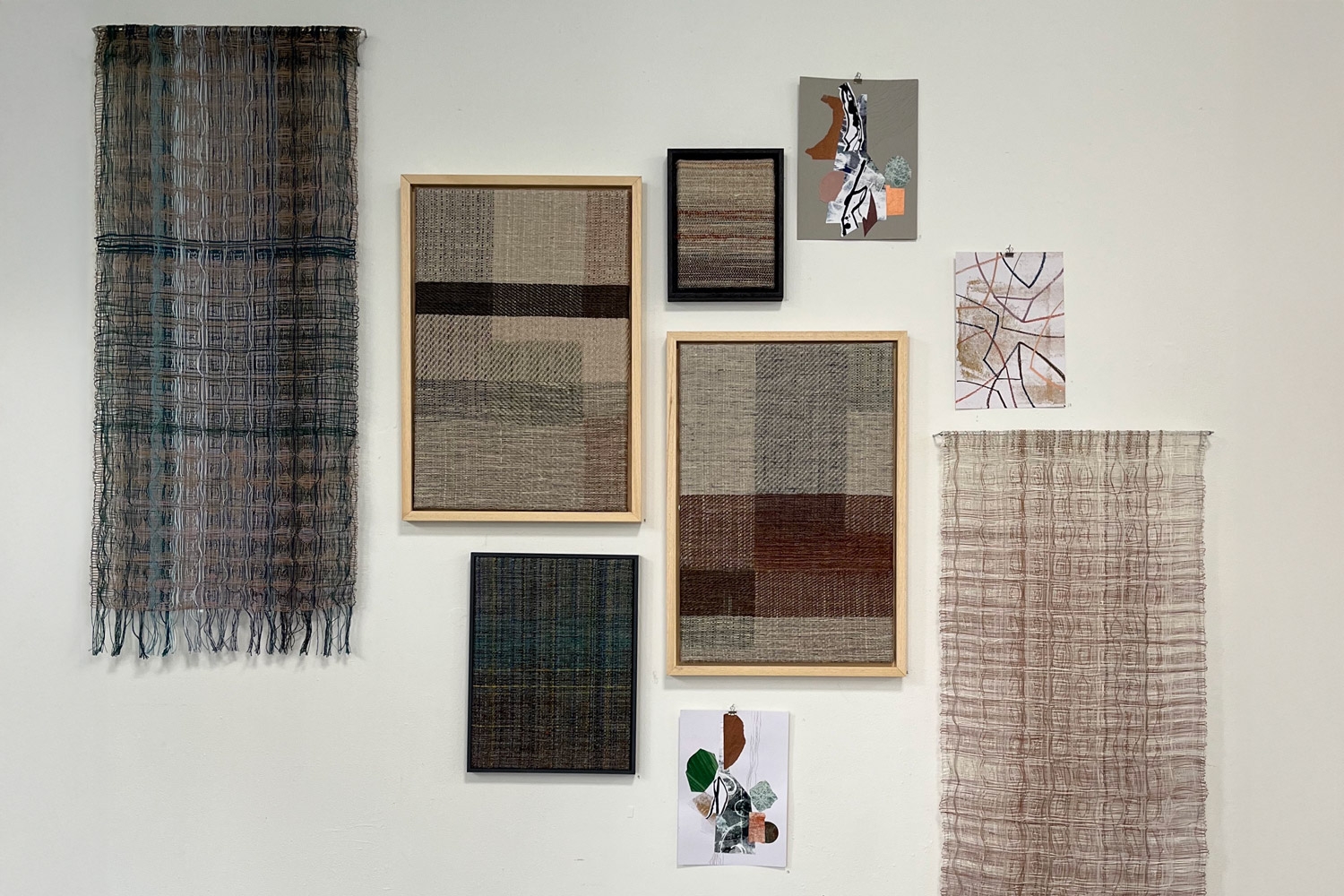
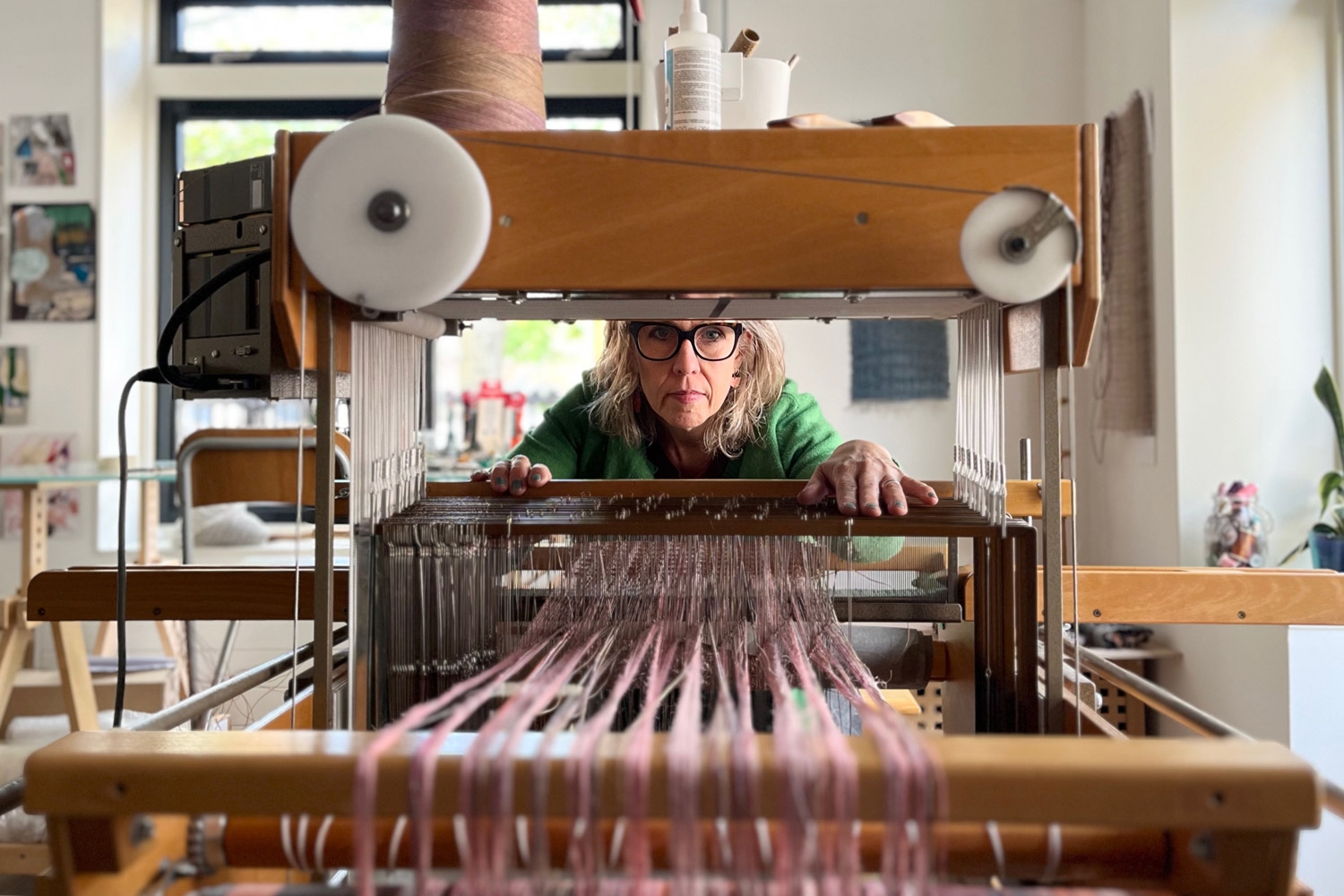
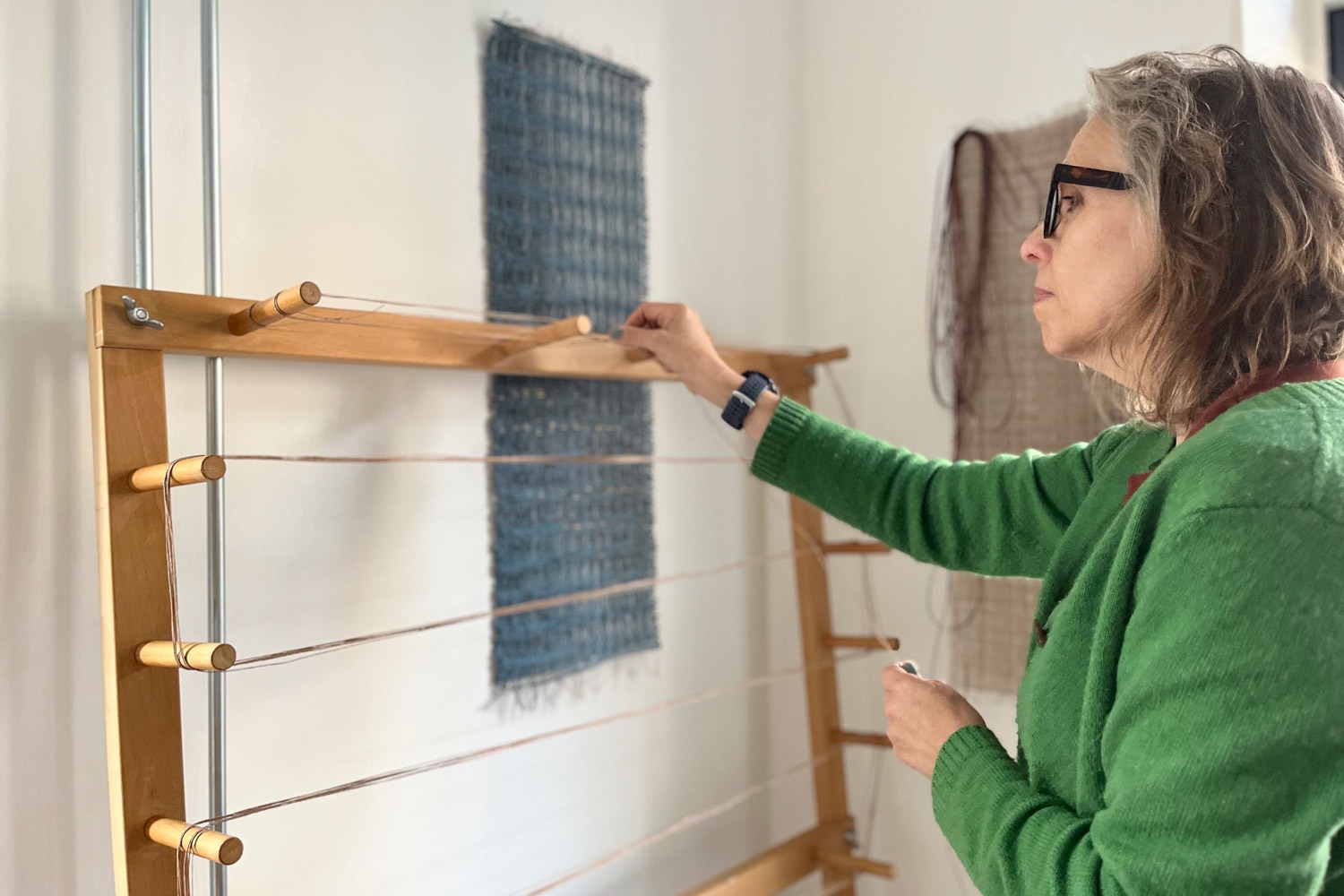
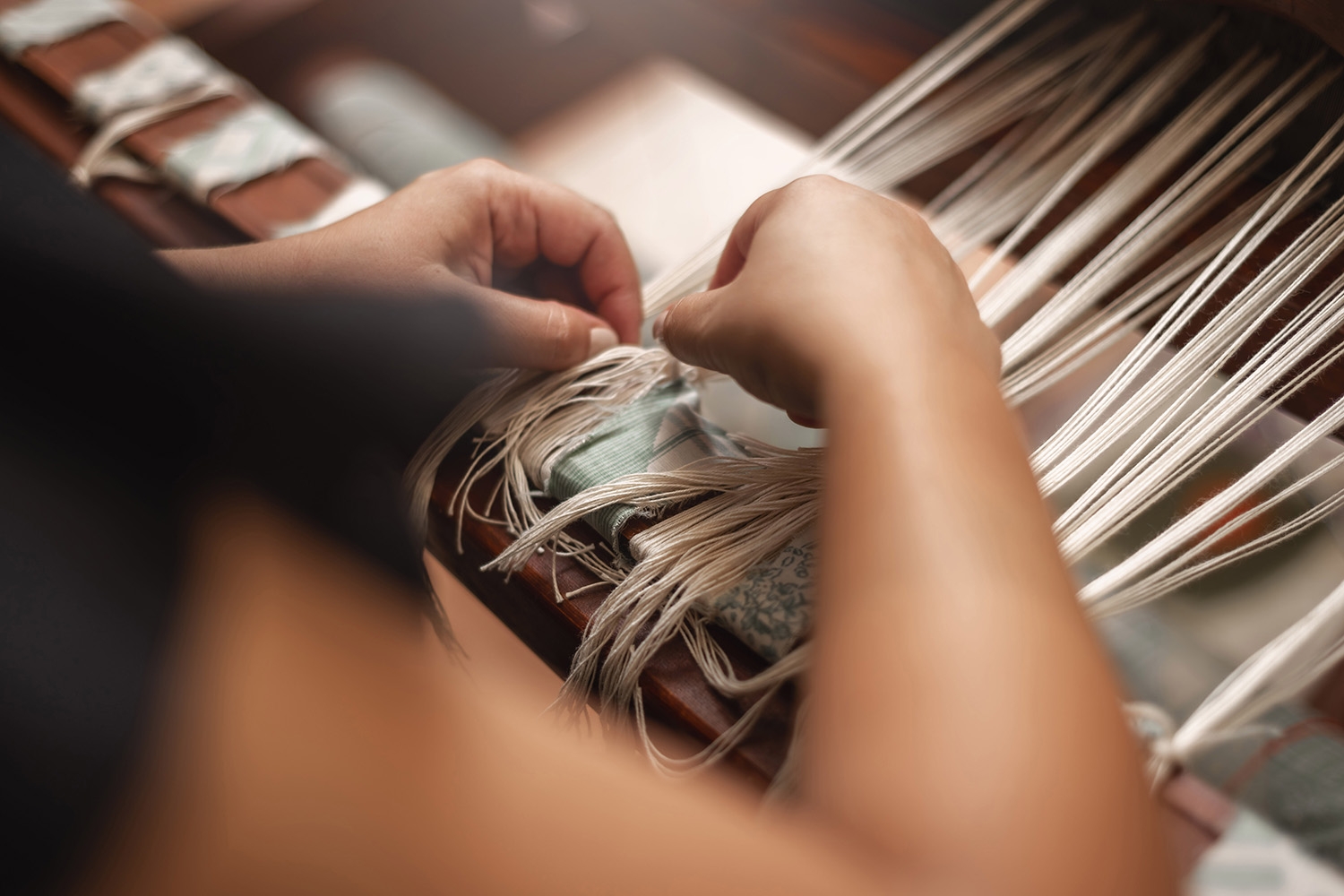
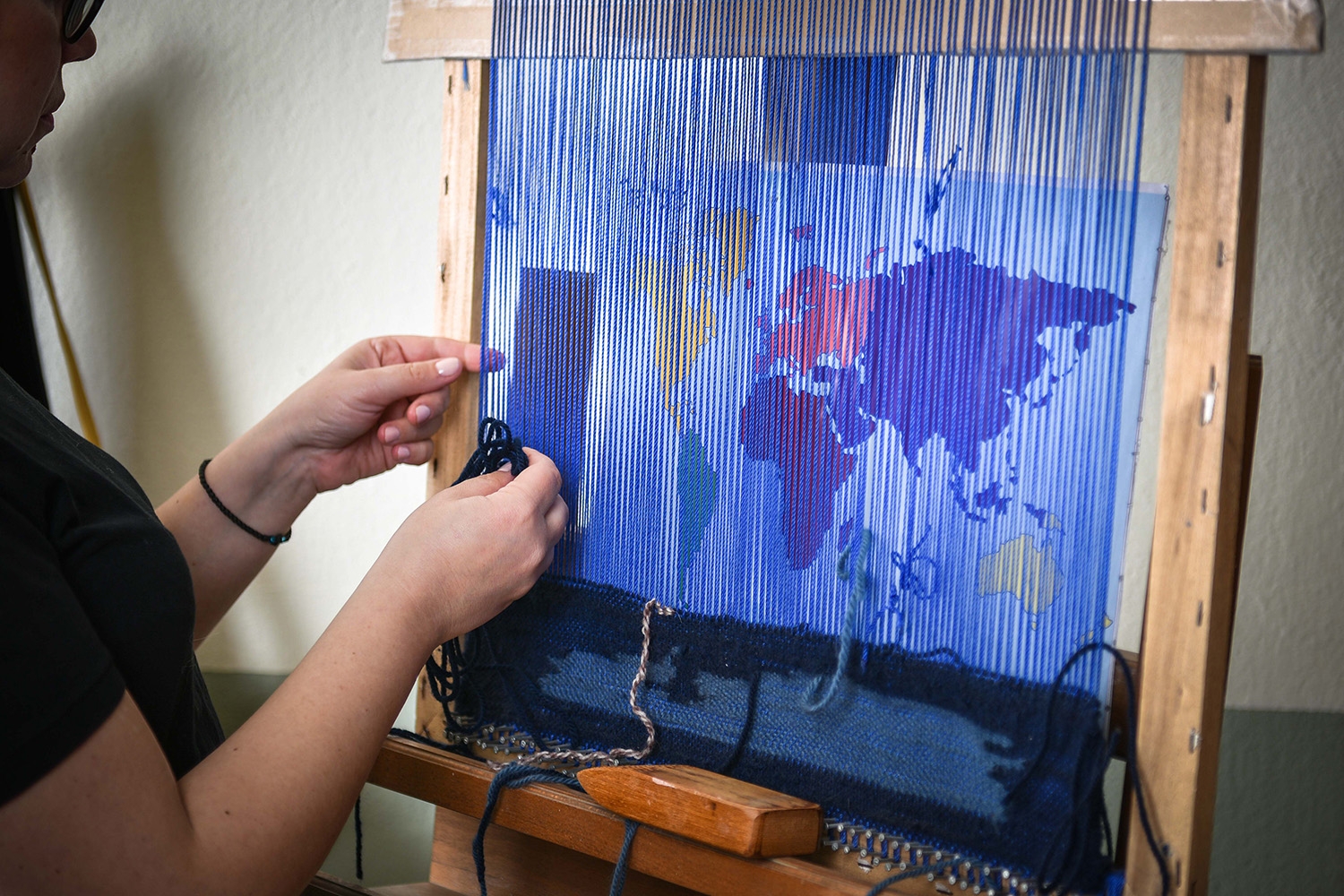
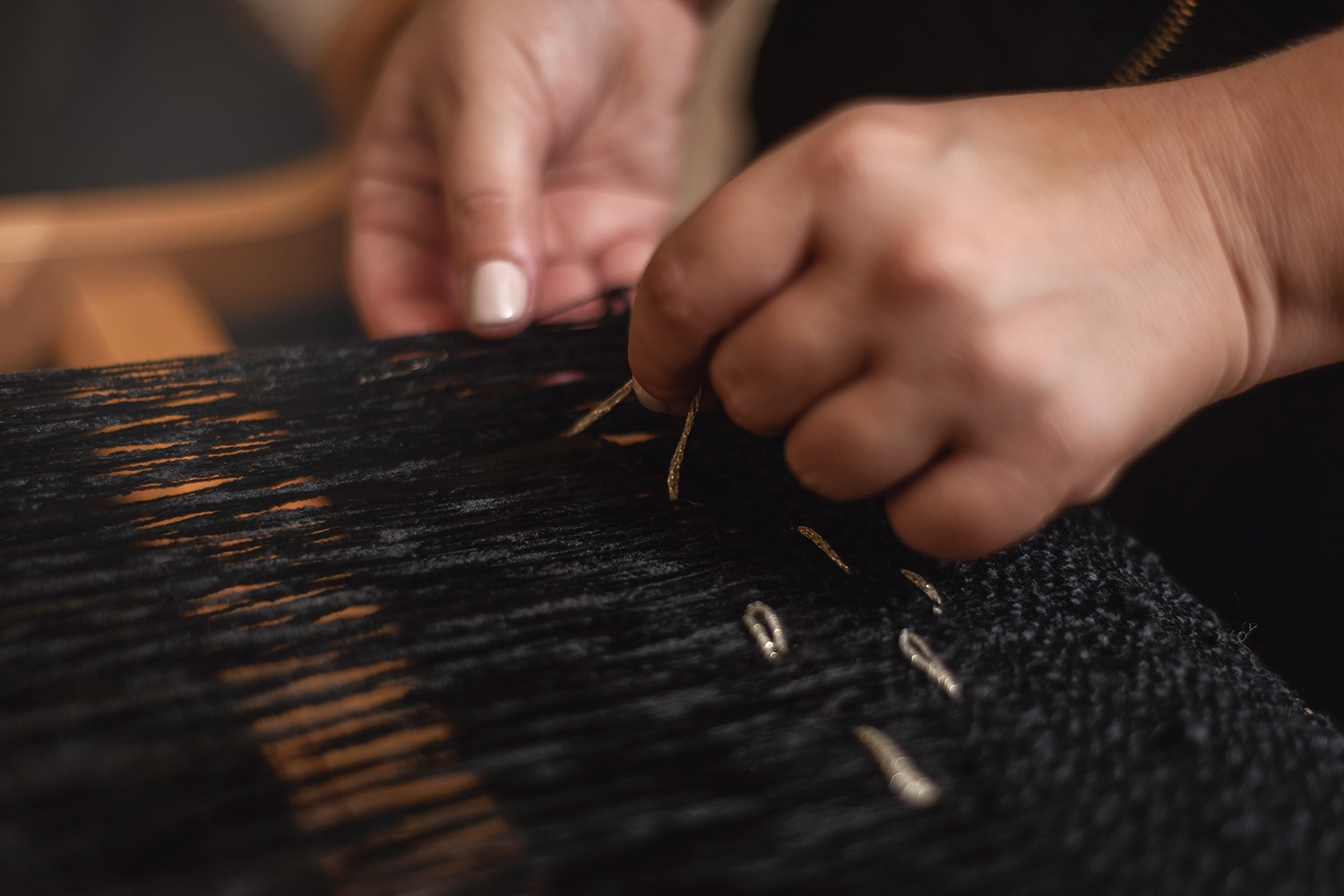
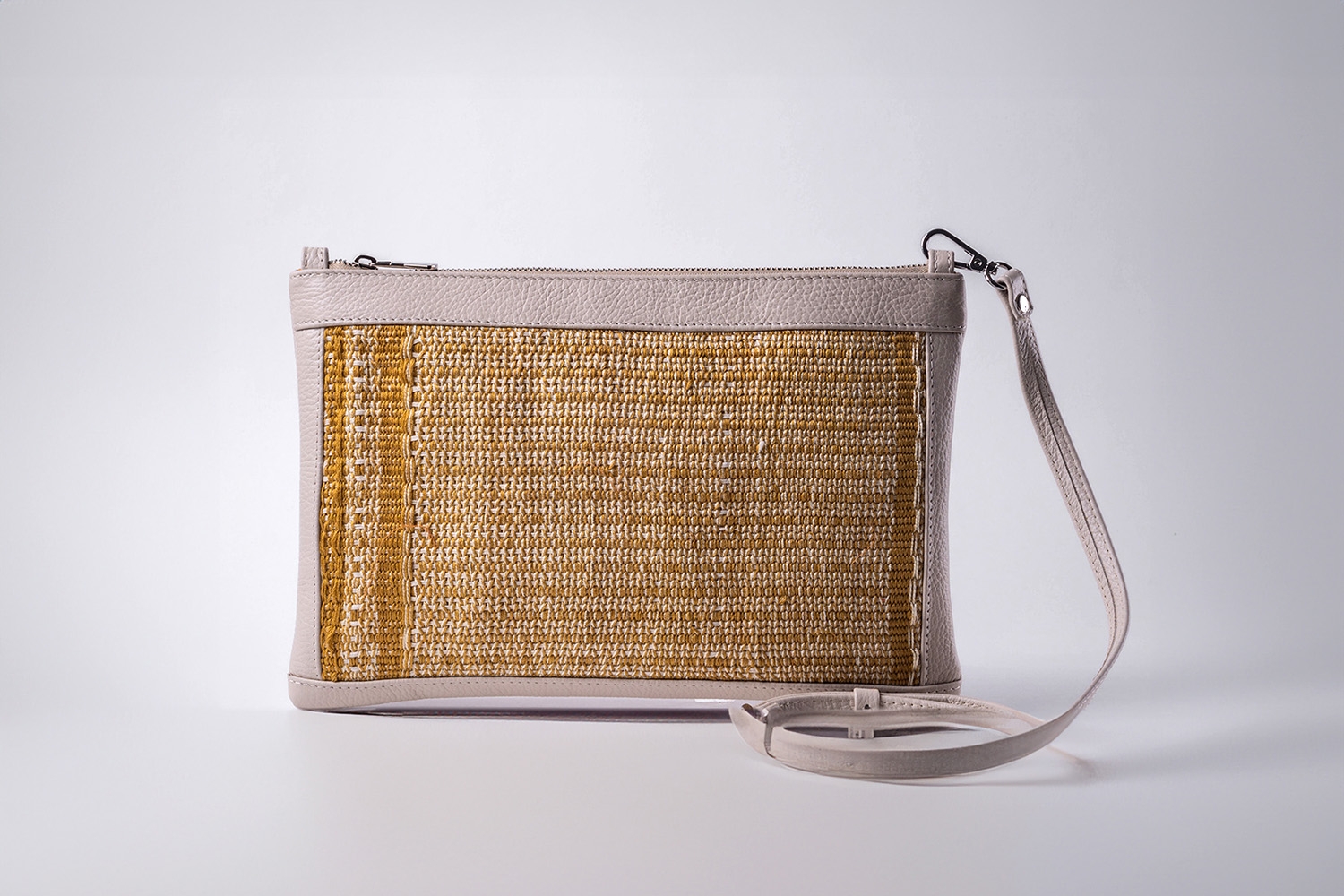
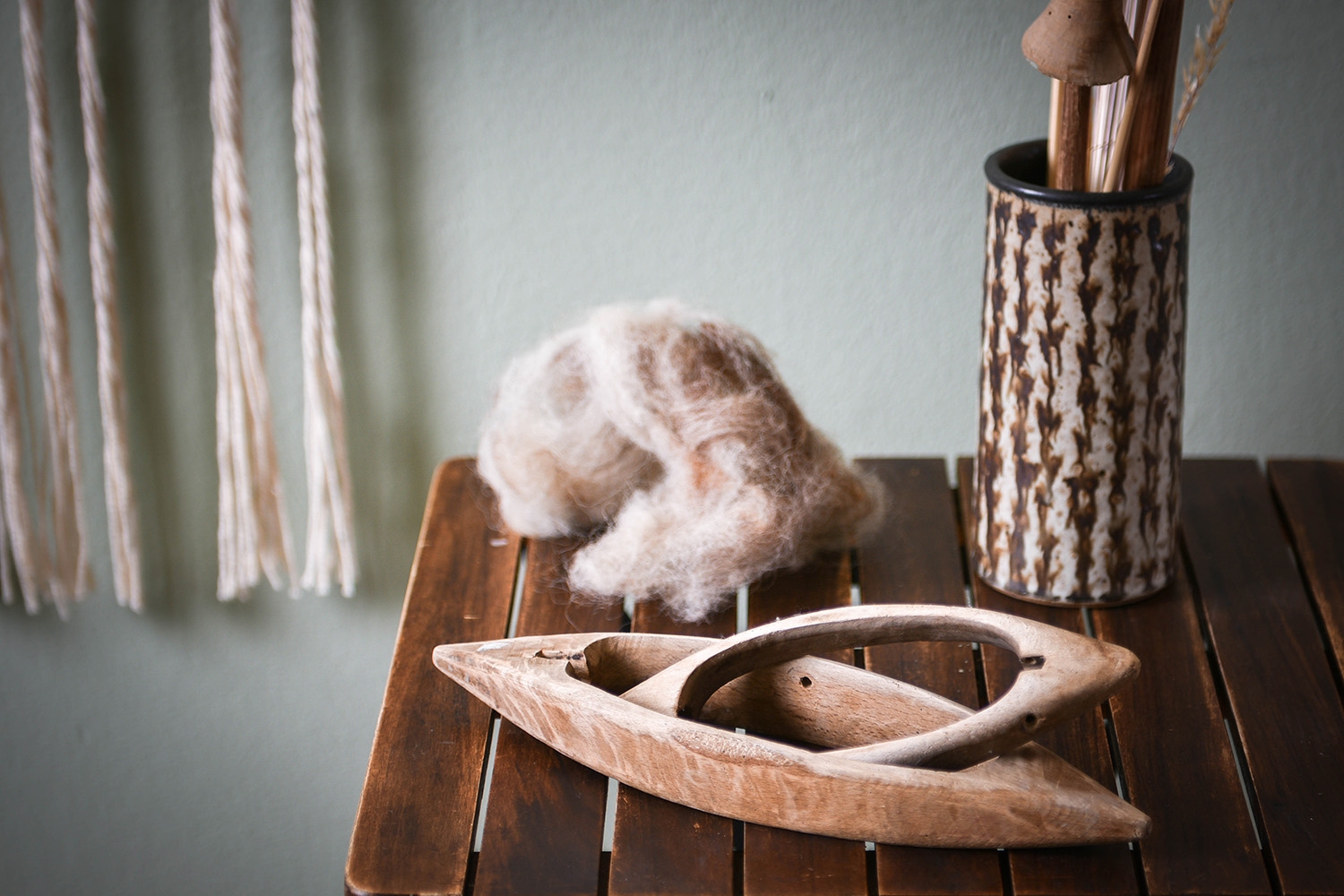
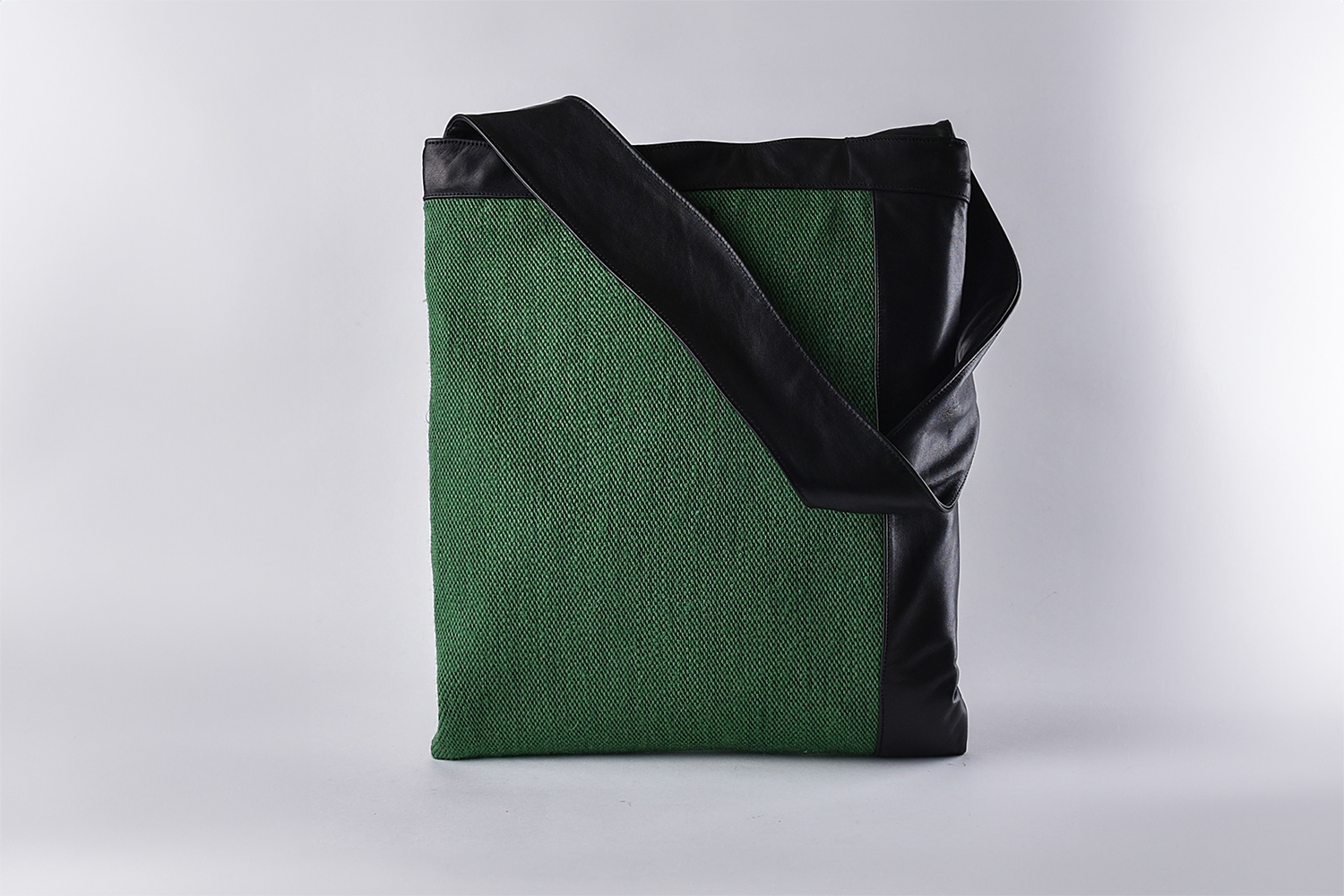
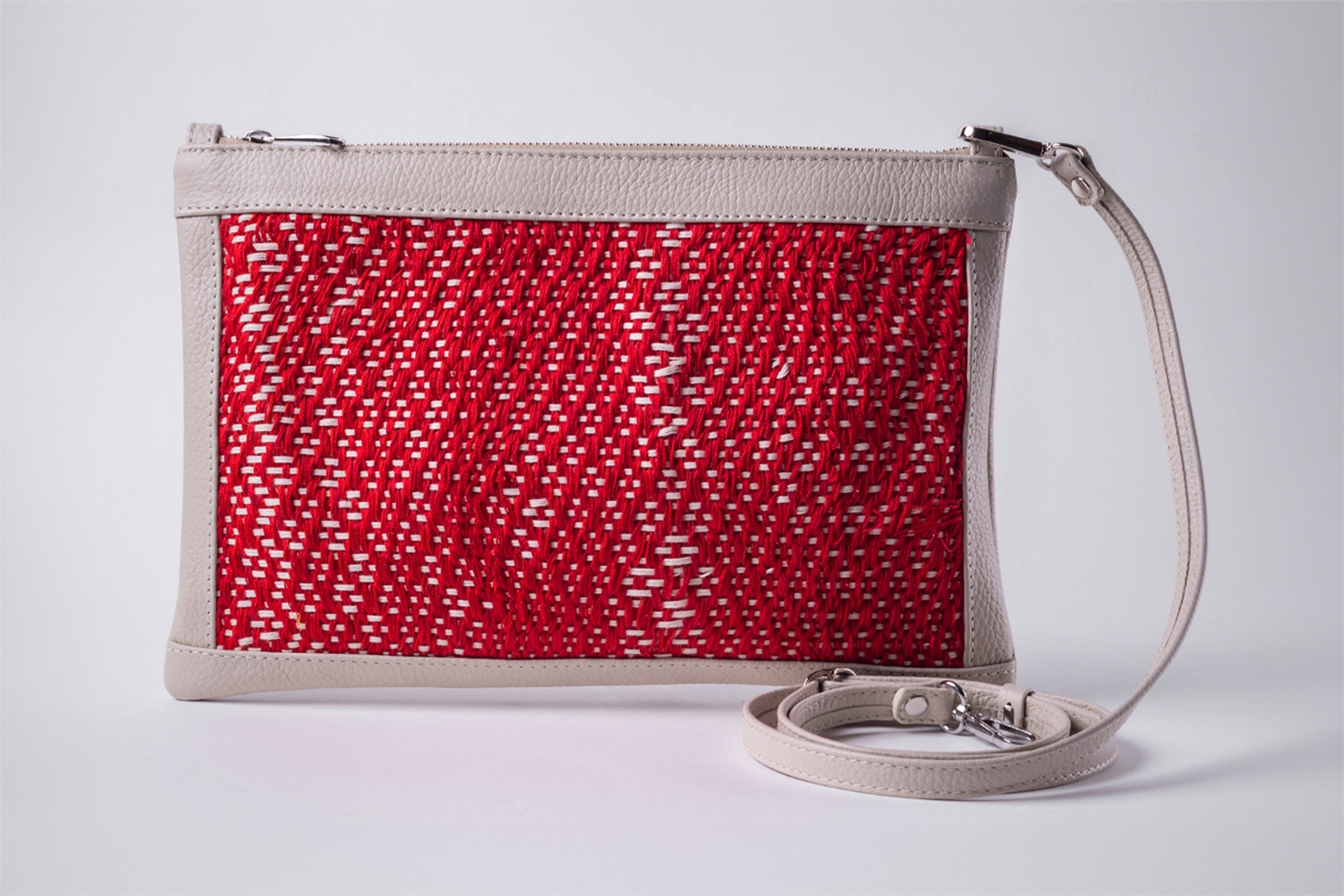
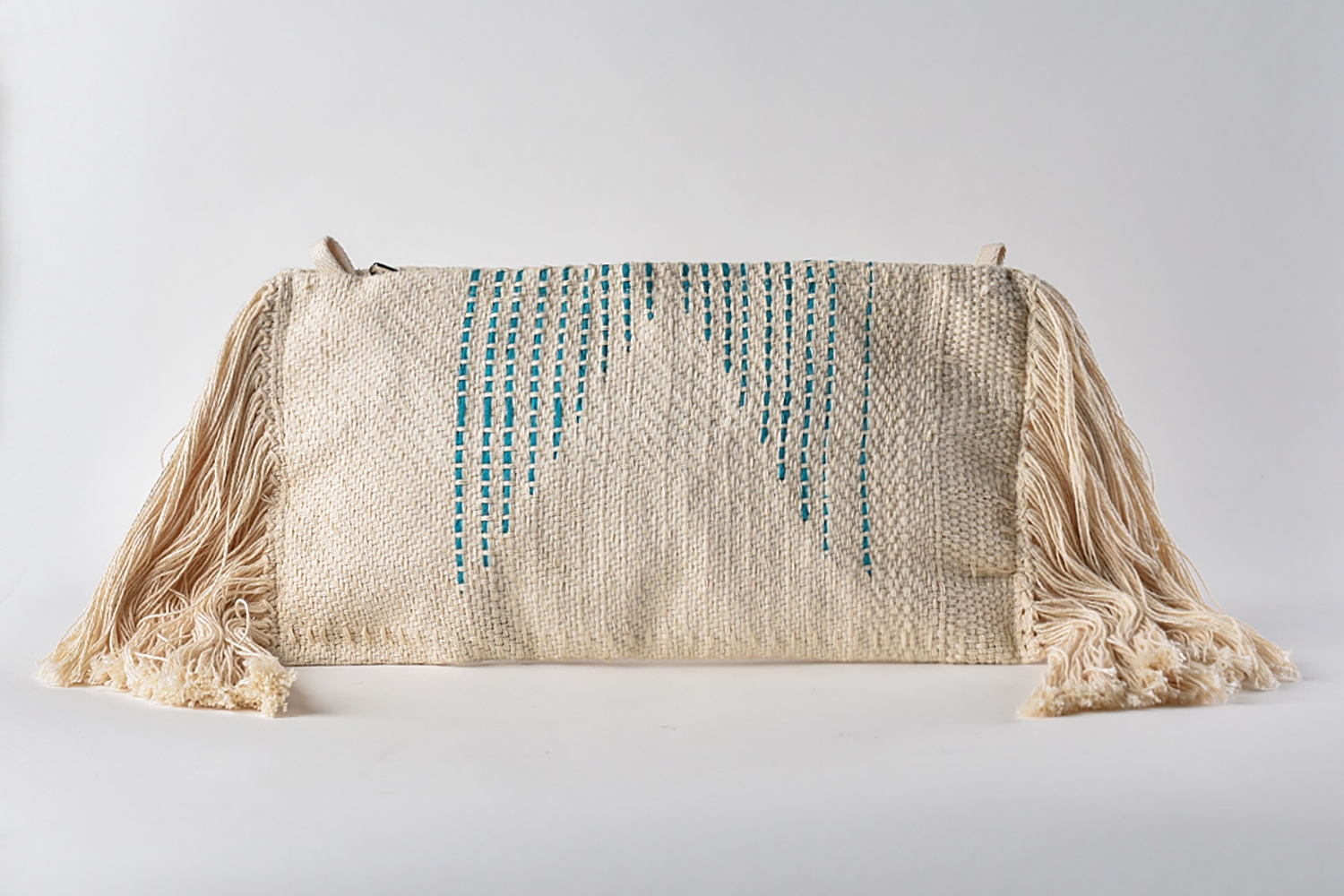
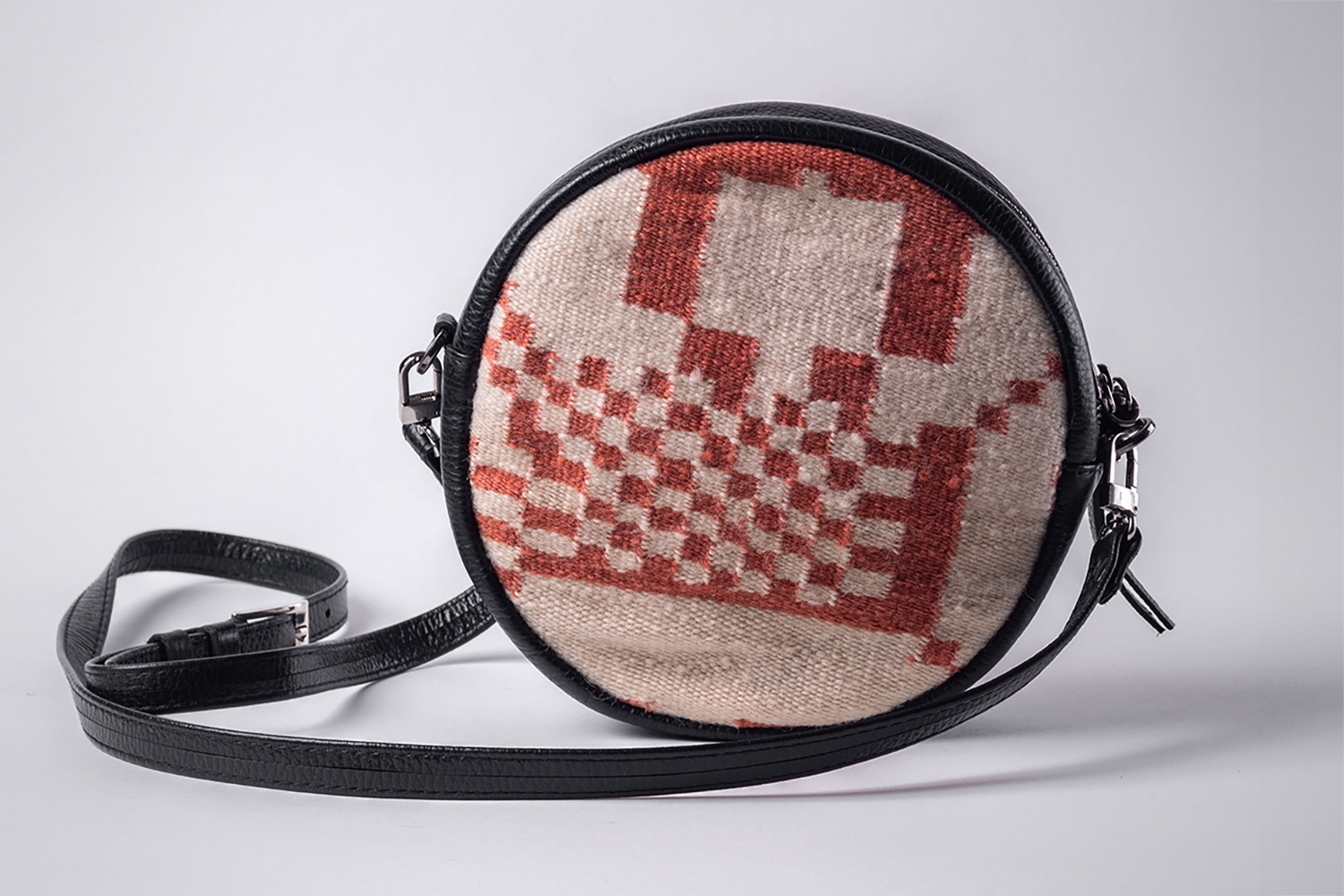
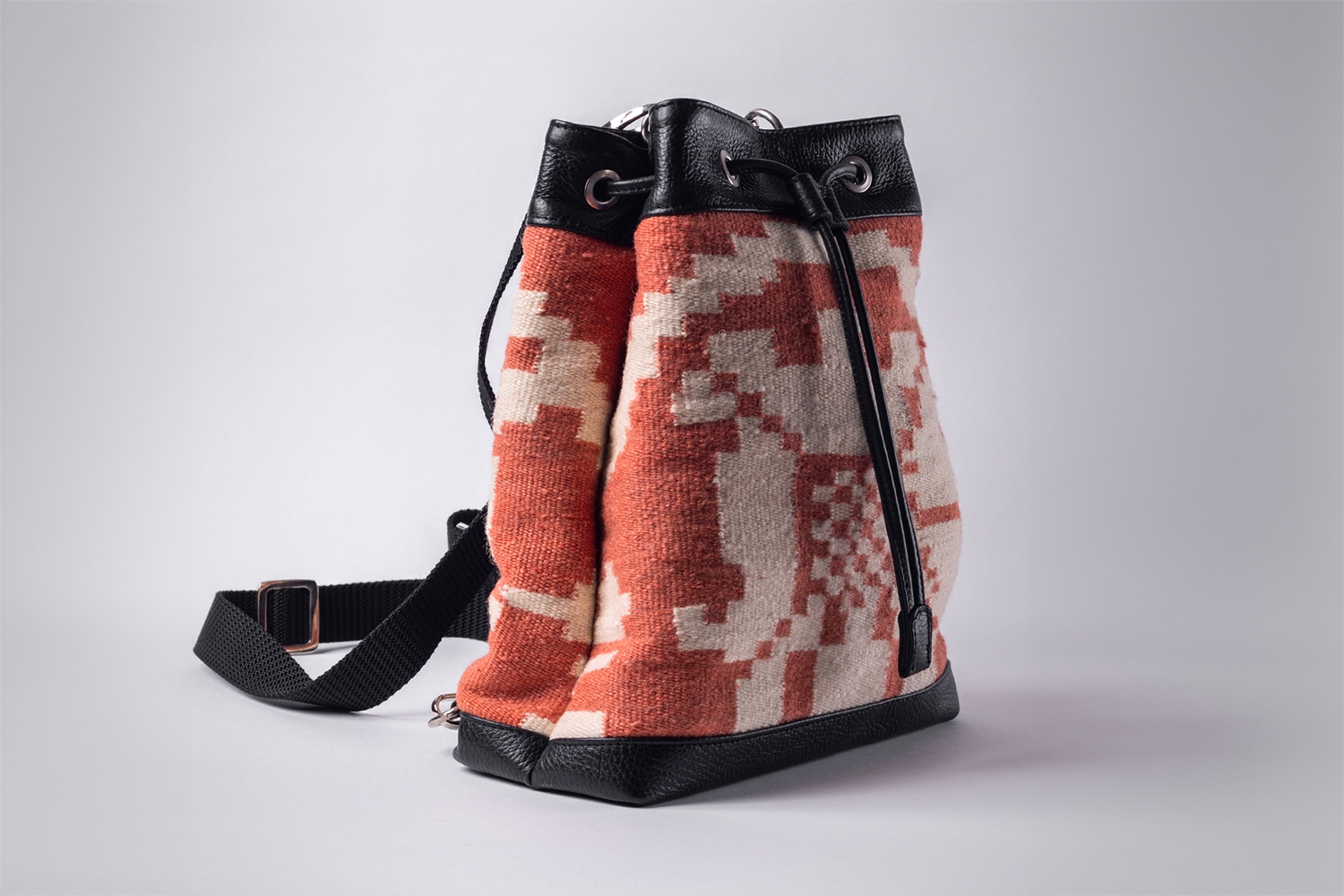
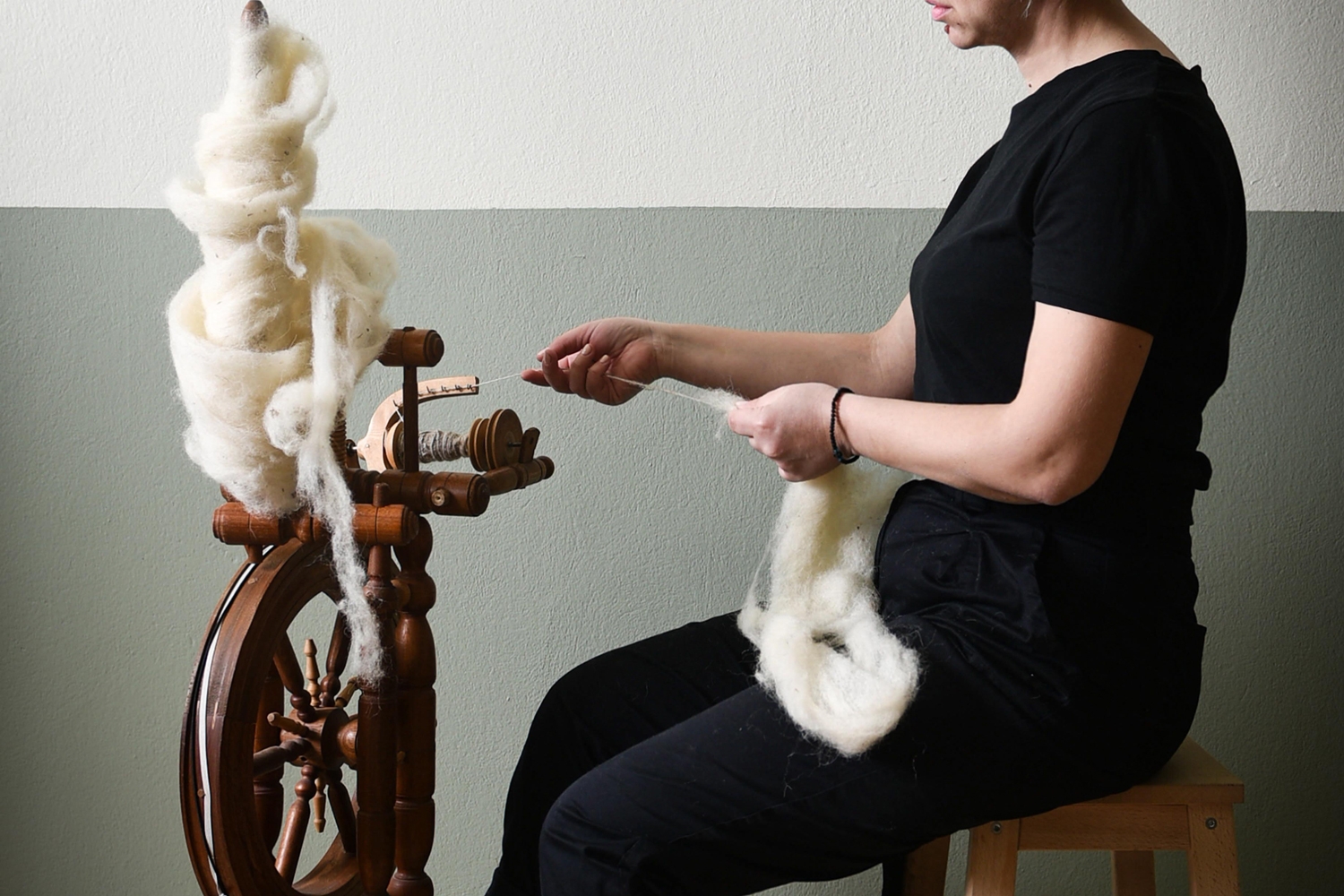
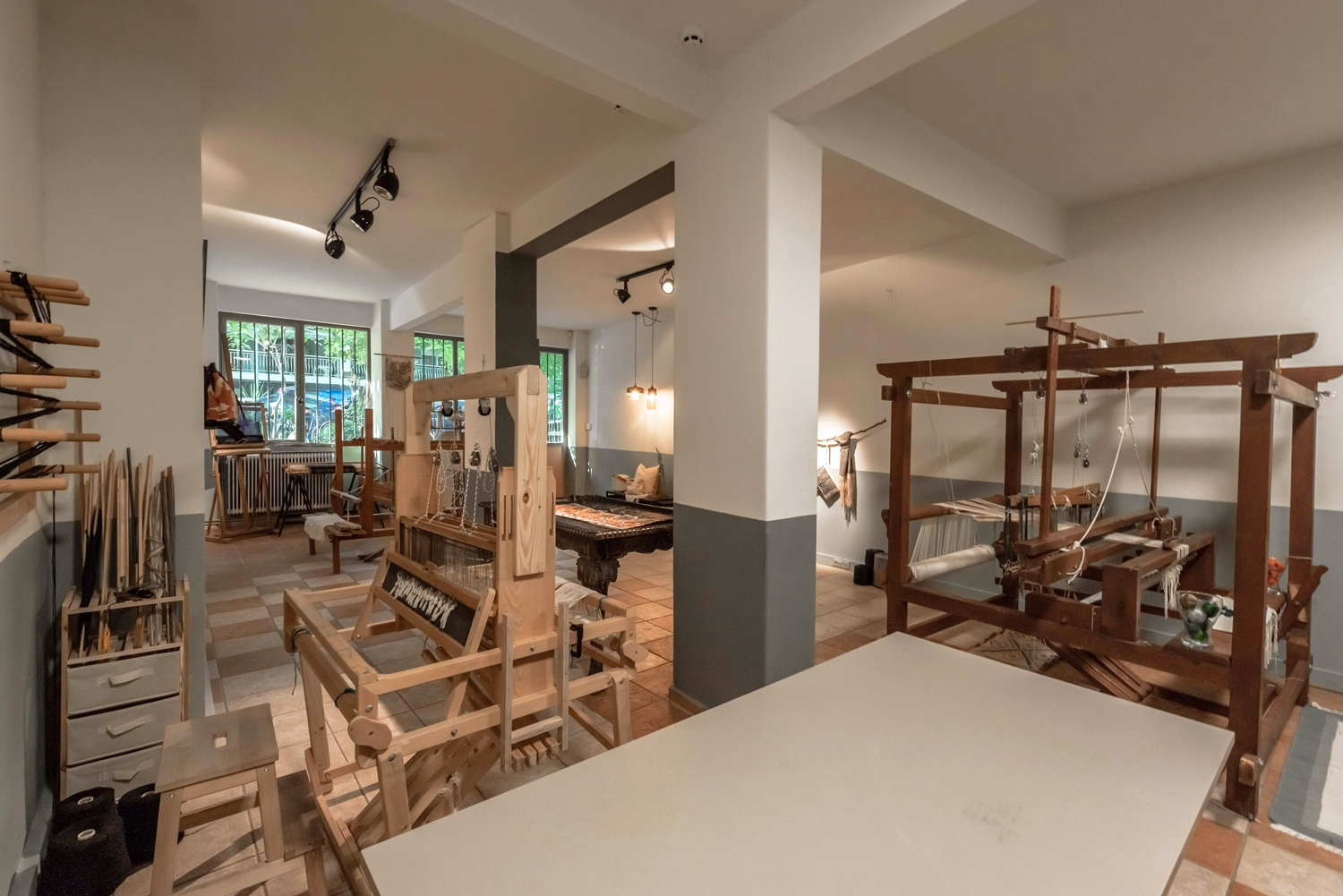
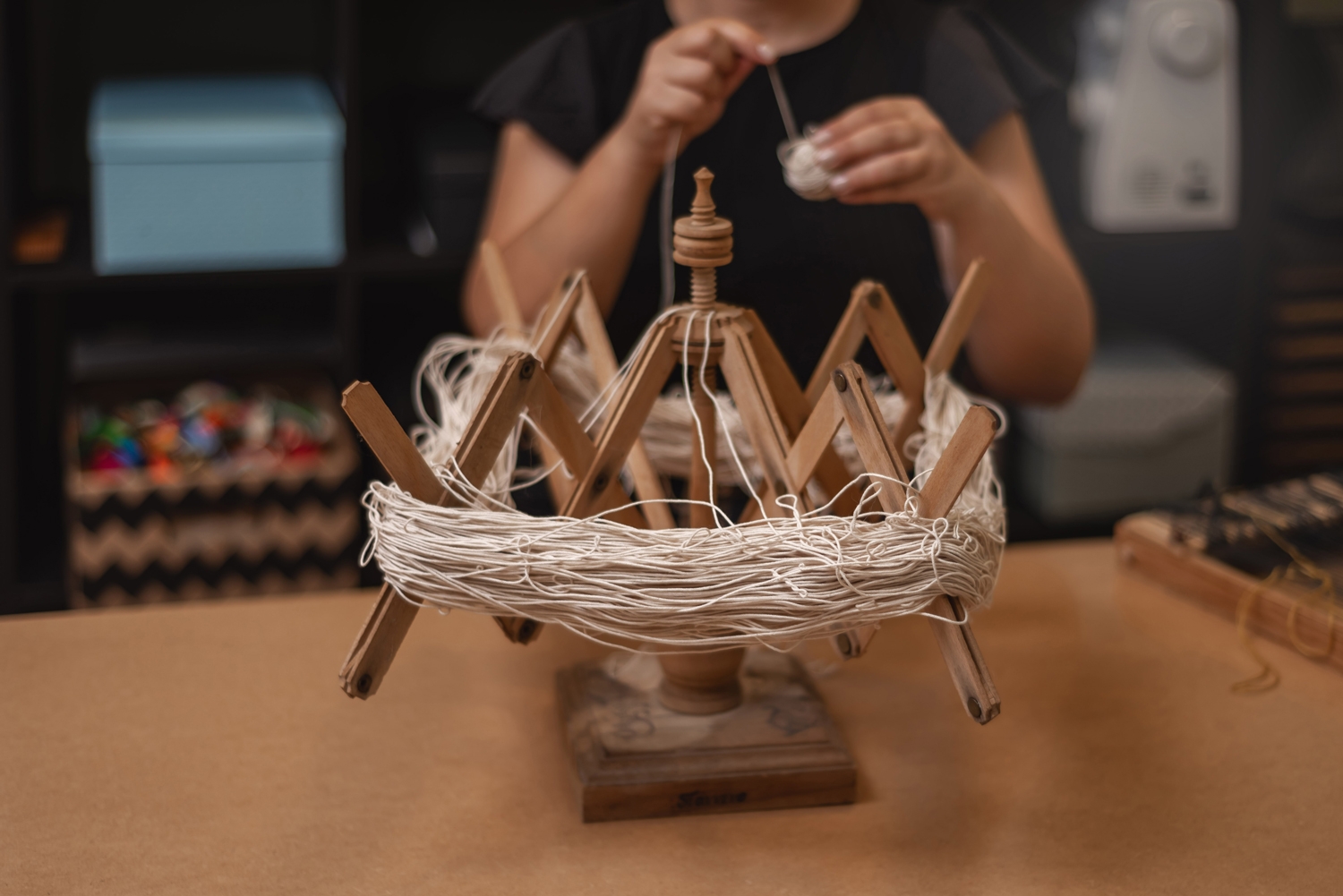
Meropi Ververi learned the art of weaving from her maternal grandmother when she was around ten years old. “Weaving brings up childhood memories for me. I can strongly feel the connection to my grandmother when she was sitting next to me,” she says. Meropi studied interior architecture and after many years of experience as a designer in interior décor and lighting, she changed the course of her career and embarked on a journey of sustainability and craftsmanship. She founded her studio, PENELOPE Loom Heritage, in 2020. Specialising in handwoven textiles meticulously crafted on traditional looms, Meropi creates an array of handcrafted products, from scarves to accessories. Her commitment to using locally sourced eco-friendly materials, including Greek wool and silk, is core to her philosophy. PENELOPE Loom Heritage has been awarded the prestigious Green Brand Award in the Gold Category.
Discover her work
INTERVIEW
I considered it my duty to make an active effort to revive weaving in Thessaloniki as it is on the verge of being lost. Being an artistic person, I felt I could also express myself through woven experimentation so I pursued this craft as an evolution of my professional path. My ultimate goal as a citizen is to leave the minimum ecological footprint through my work.
After a visit to an exhibition in Italy in 2017, I realised that textile art was very popular in Europe, in museums, in the form of tapestries, as a way of free expression for artists, and also in fashion. Prominent fashion houses dedicate their collections to creating their fabrics on manual looms. One day an ad popped up on my computer for handloom woven products. At that moment I thought “I know how to do this, too” and felt determined to find a way to implement it.
The techniques I use are based on both tradition and worldwide knowledge. I have been taught various techniques by women all over the world, including Peru and Japan. For this reason, in my techniques, I tend to combine the universal language of weaving as I consider it a human need. In many of my products, however, I focus on the techniques called azur and triopatitiro.
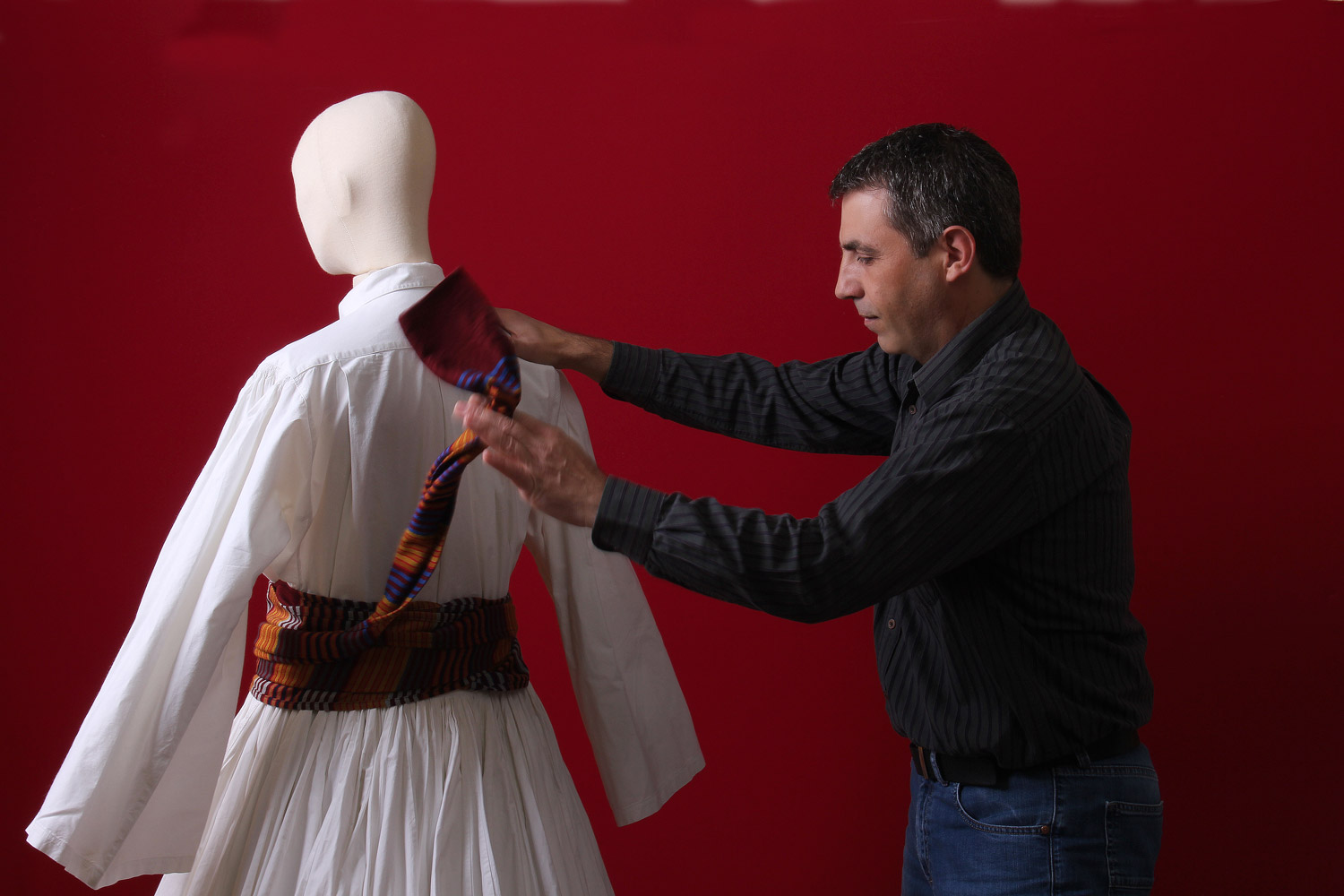
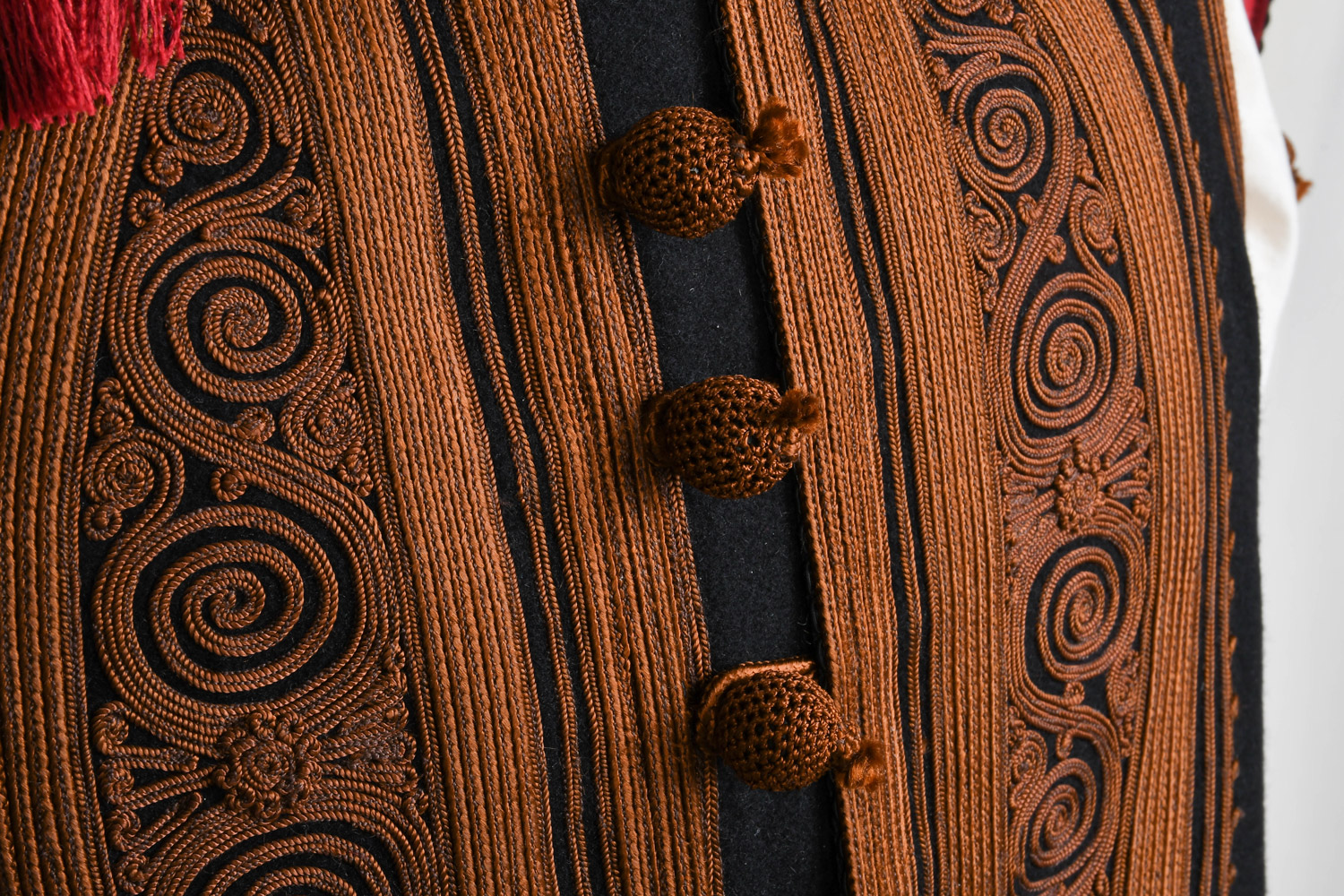
Thessaloniki in its modern history had many small industries with textile products. It is a multicultural city with a long history of traditional costumes which were created entirely on the loom. It is also a place that embraces and accepts innovation. In my case, locals have embraced the workshop – people care and love what is handmade and different.
Meropi Ververi
PENELOPE Loom Heritage
Weaver
Thessaloniki, Greece
AVAILABILITY
By appointment only
LANGUAGES
Greek, English, Italian
Homo Faber Finds is a new service aiming to inspire admirers of craft to connect and collaborate with exceptional artisans.
We invite you to submit an enquiry here.