Meg Little
Tufter
Middletown, RI, USA
Textiles, textures and tufted rugs
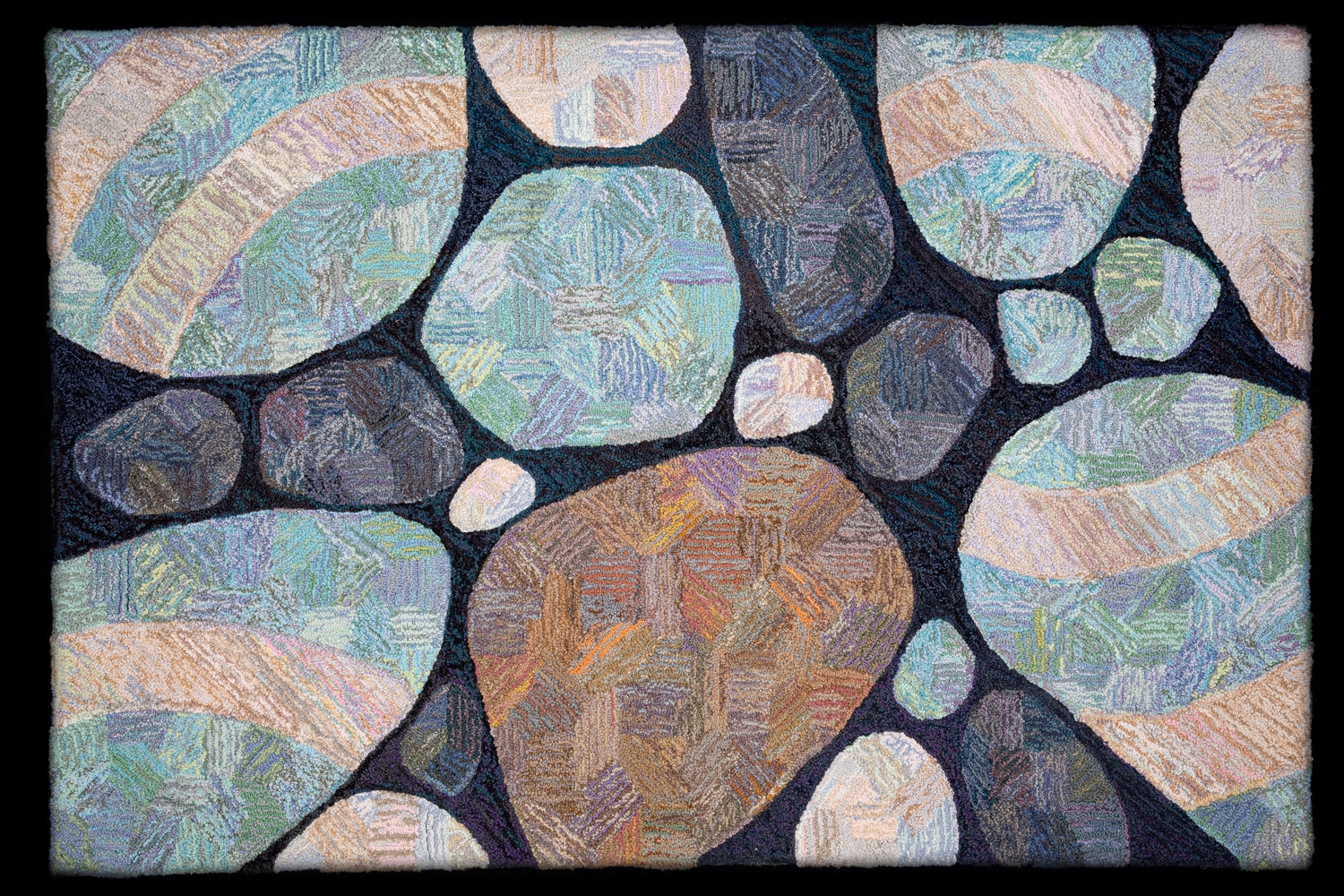
- Meg creates geometric wool rugs that reflect a painterly sensibility
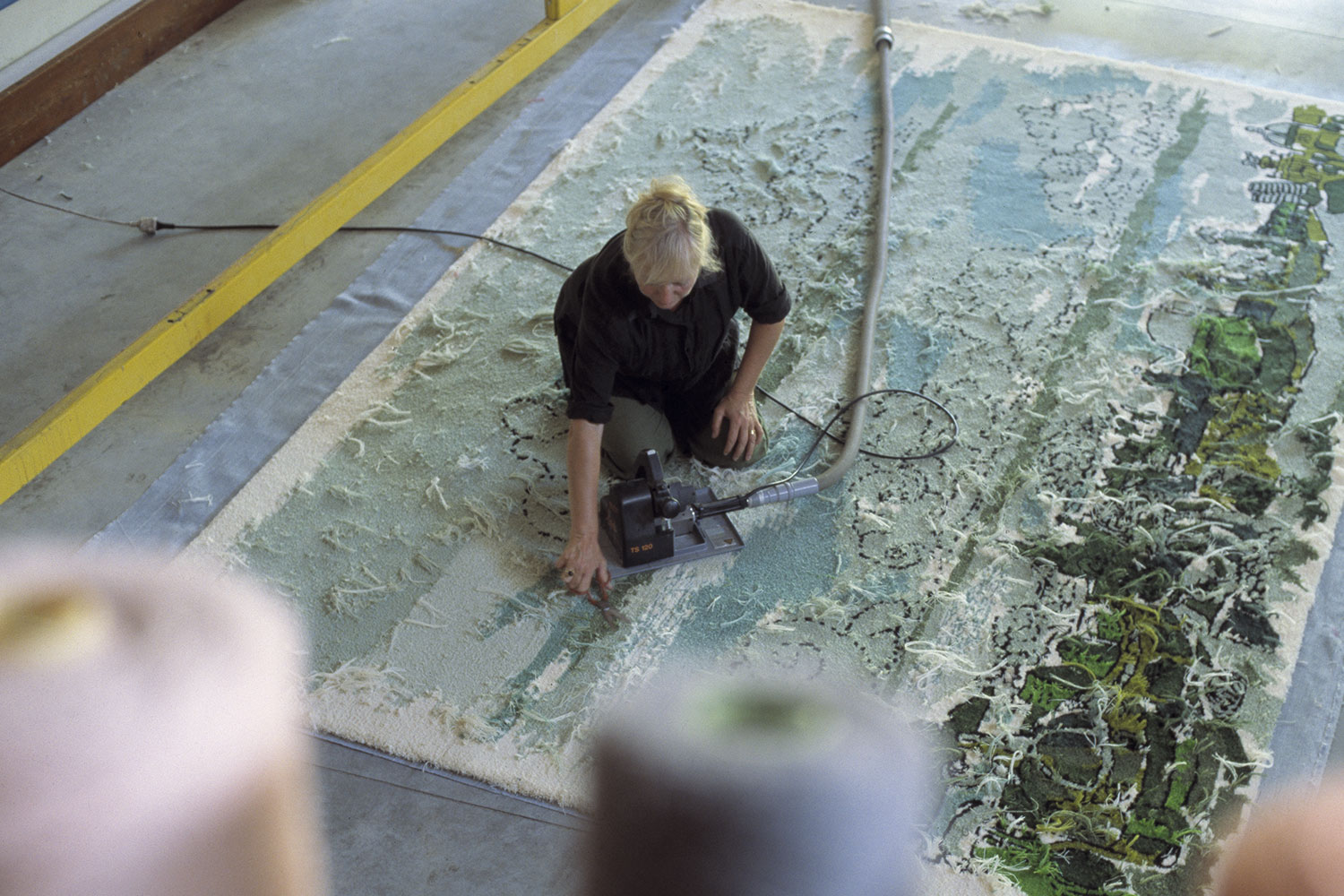
- With a custom tufting tool and four balls of yarn, she weaves complex colour combinations
- Nature and culture inspire her practice, which reference beaches and tribal designs
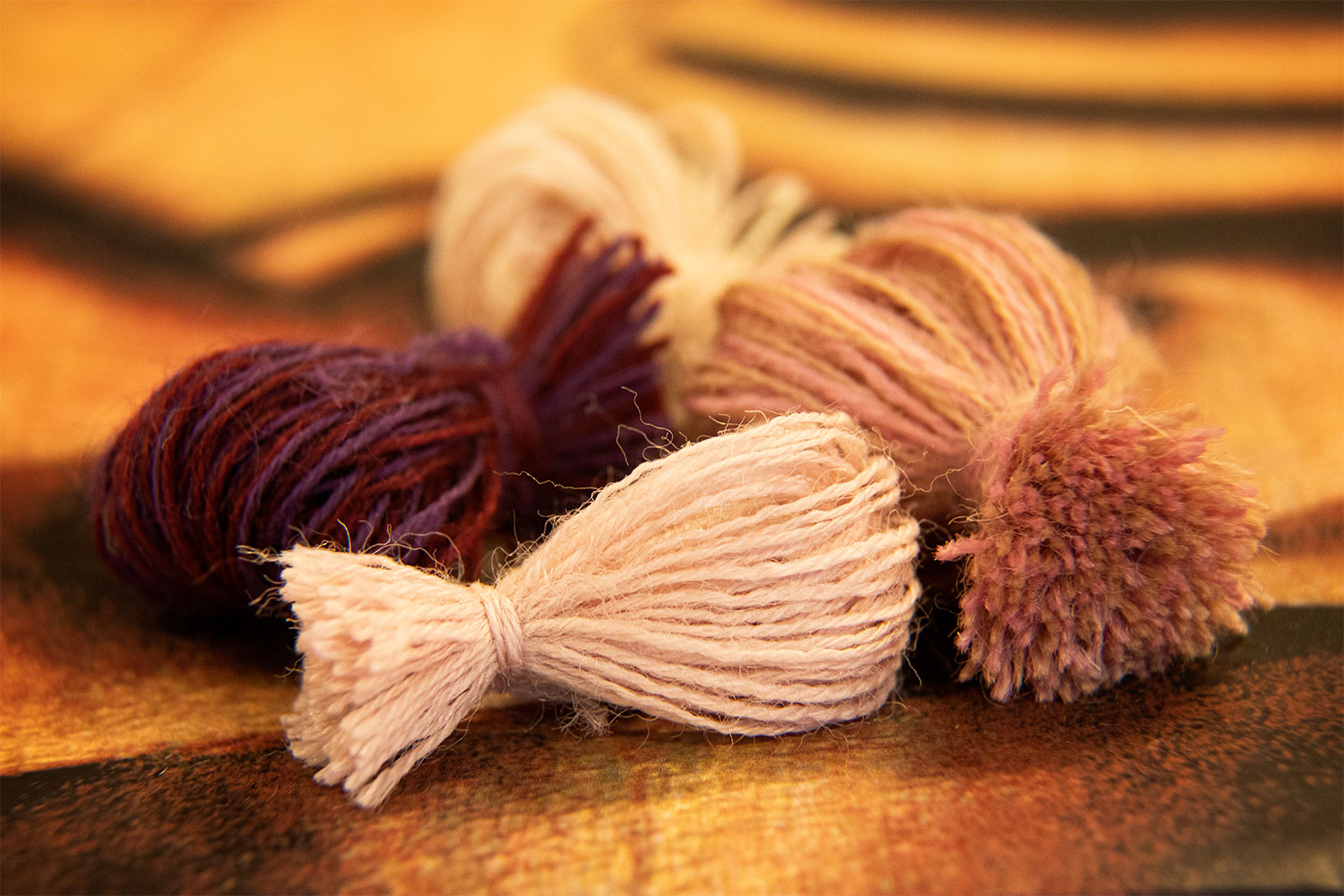
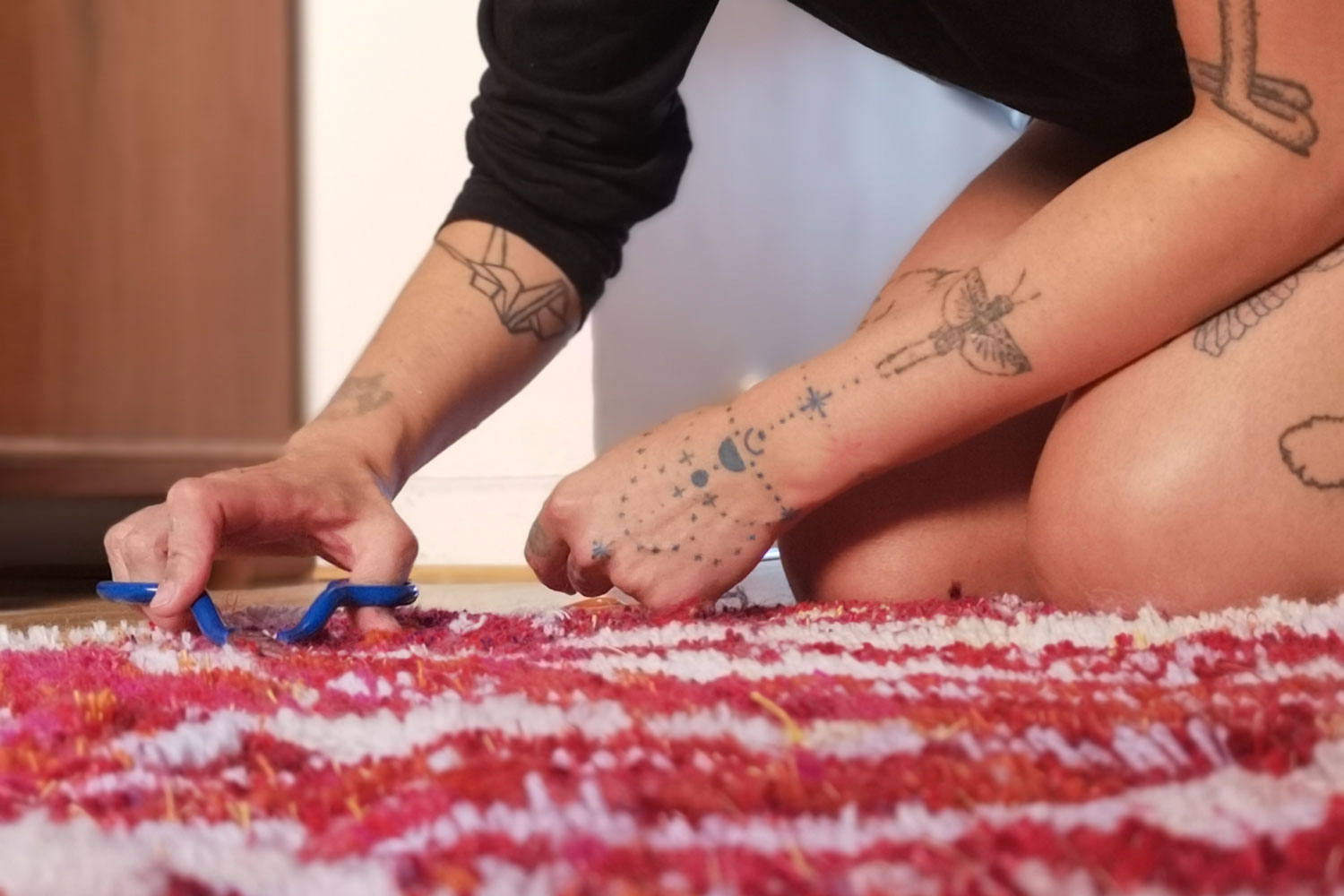
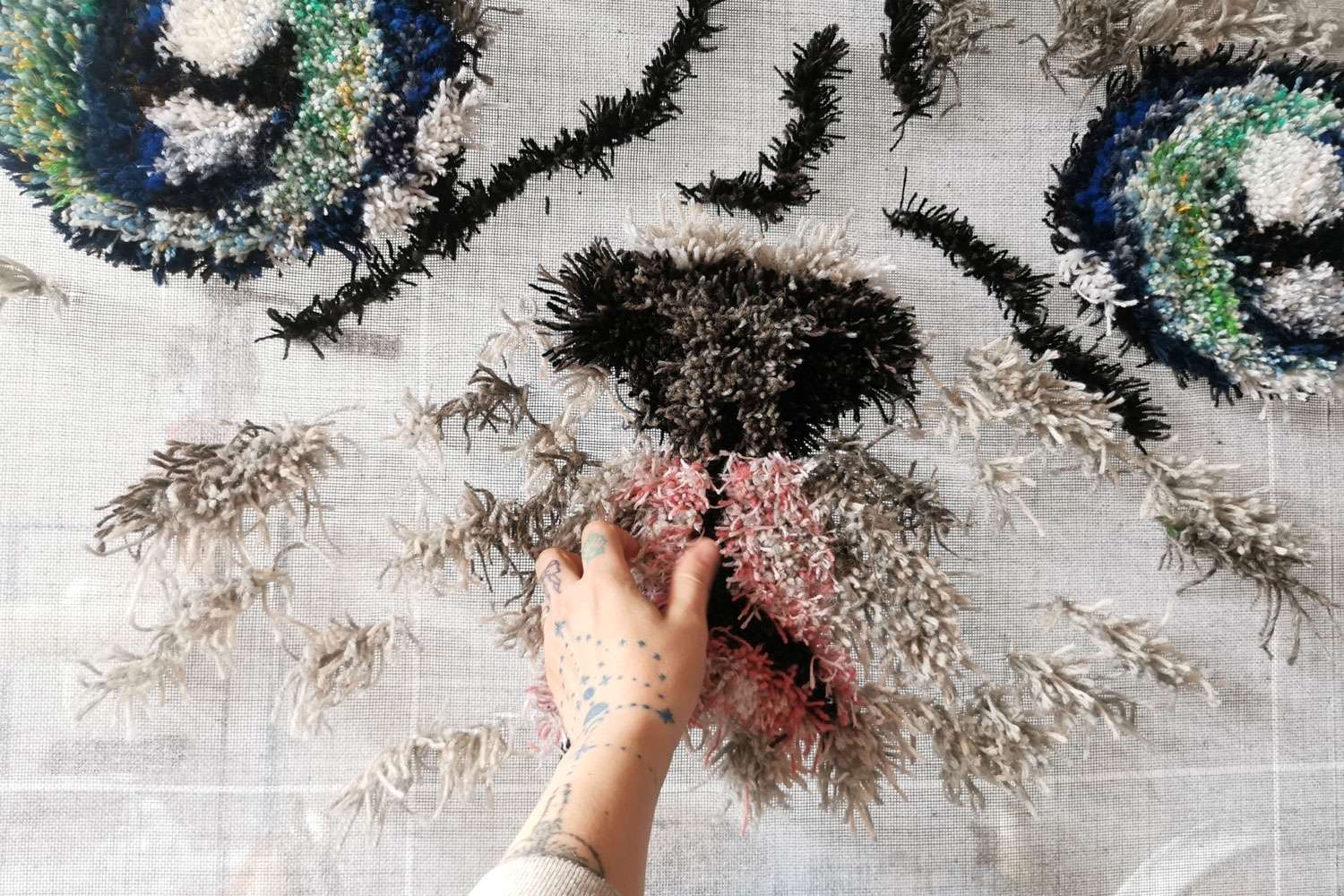
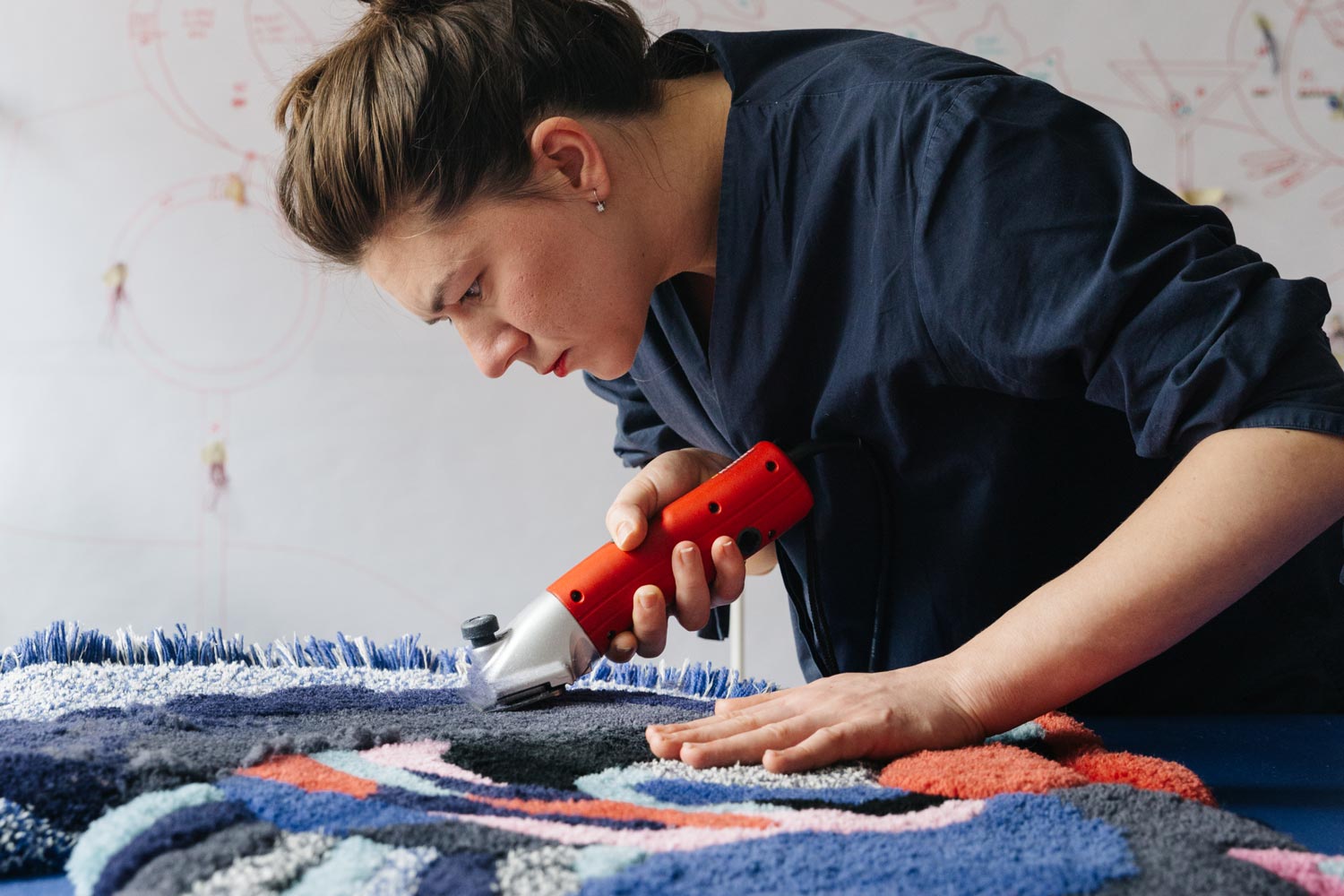
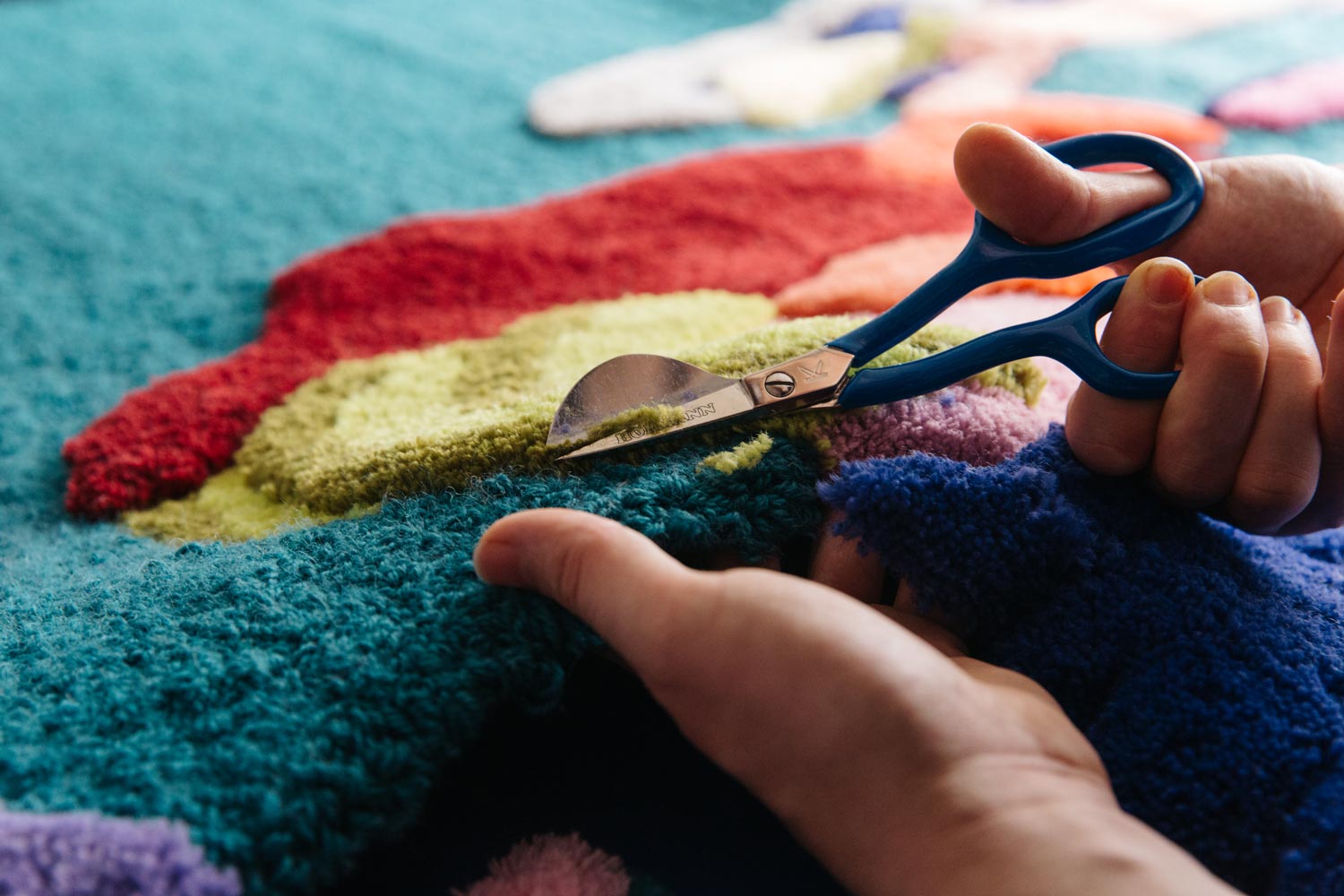
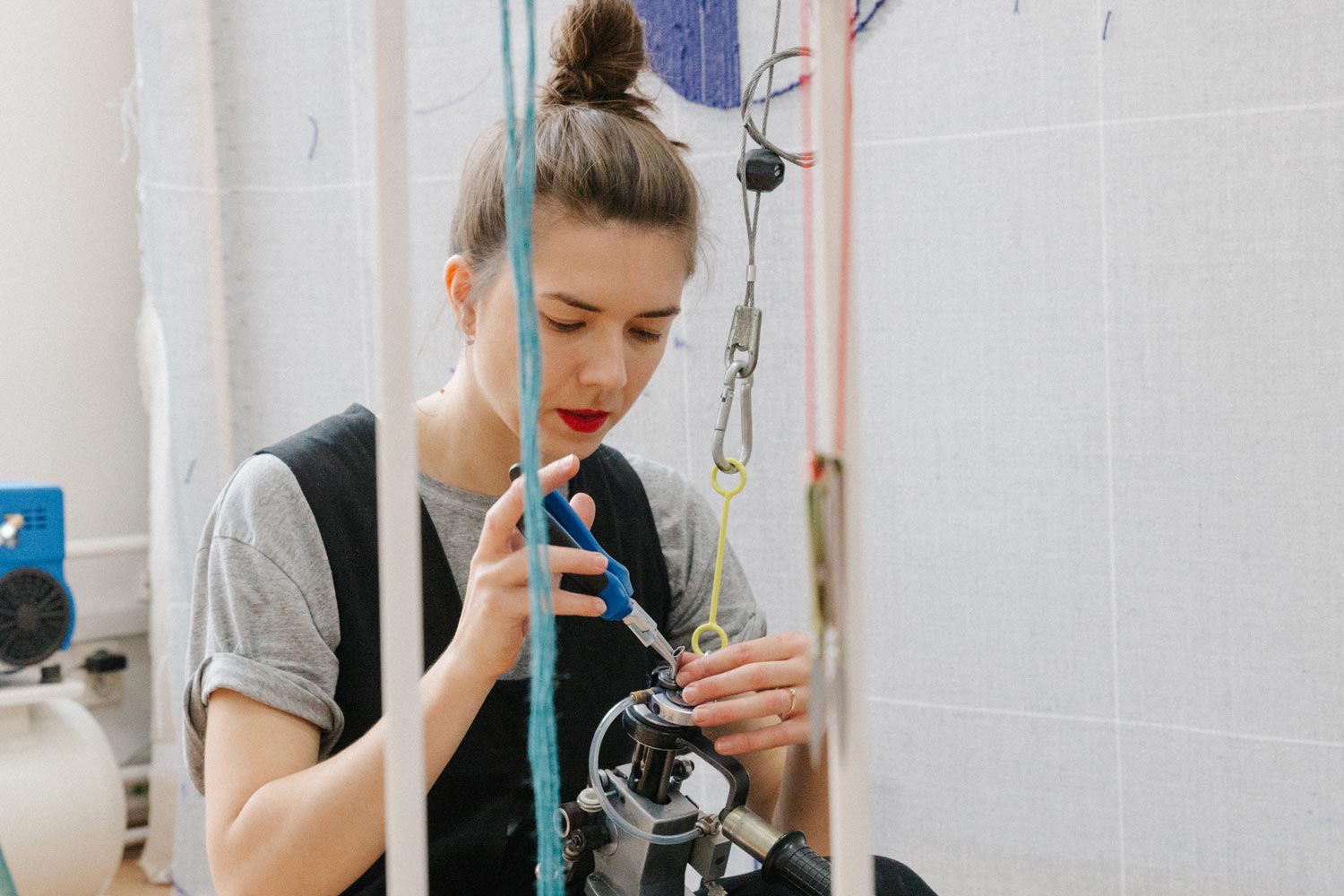
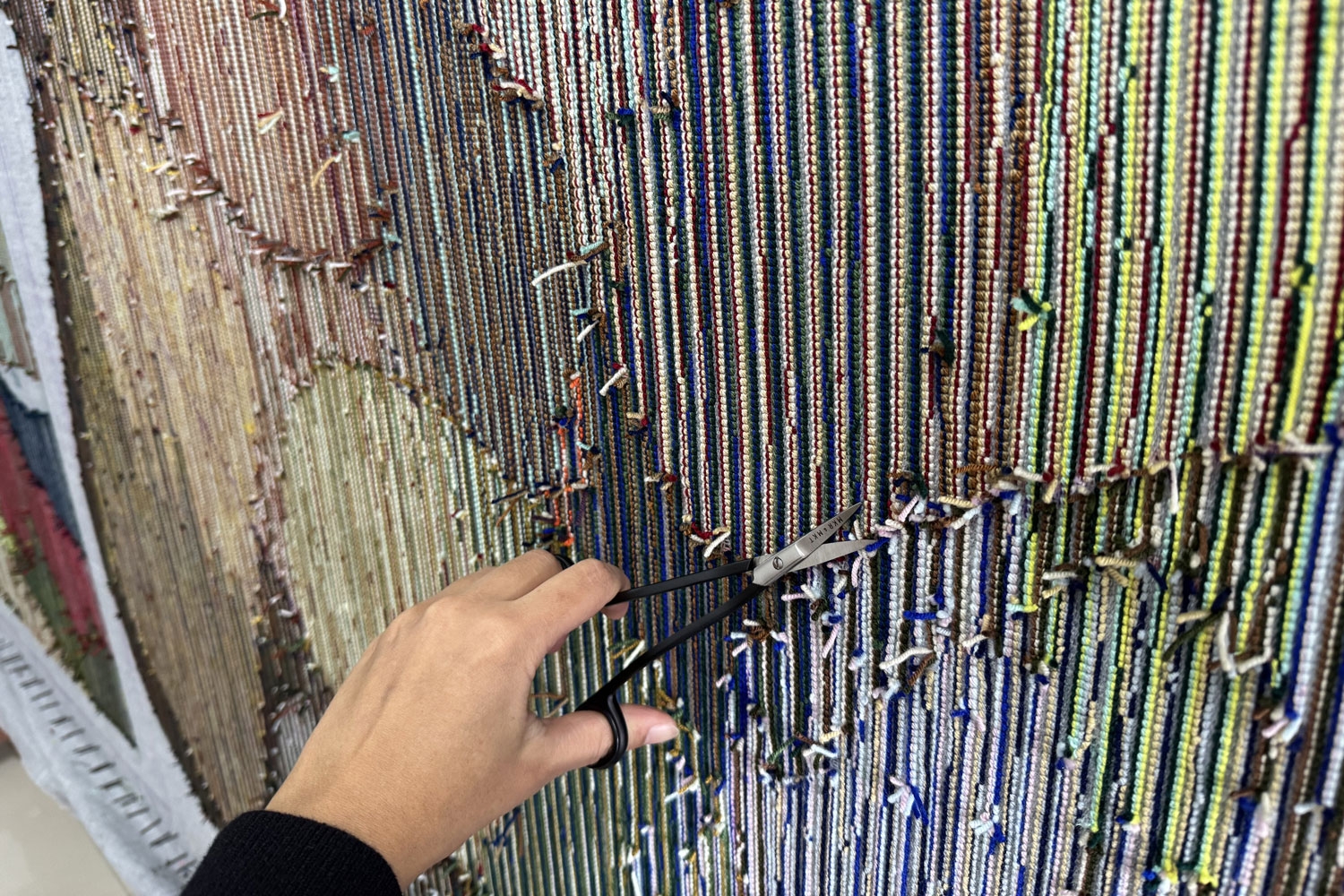
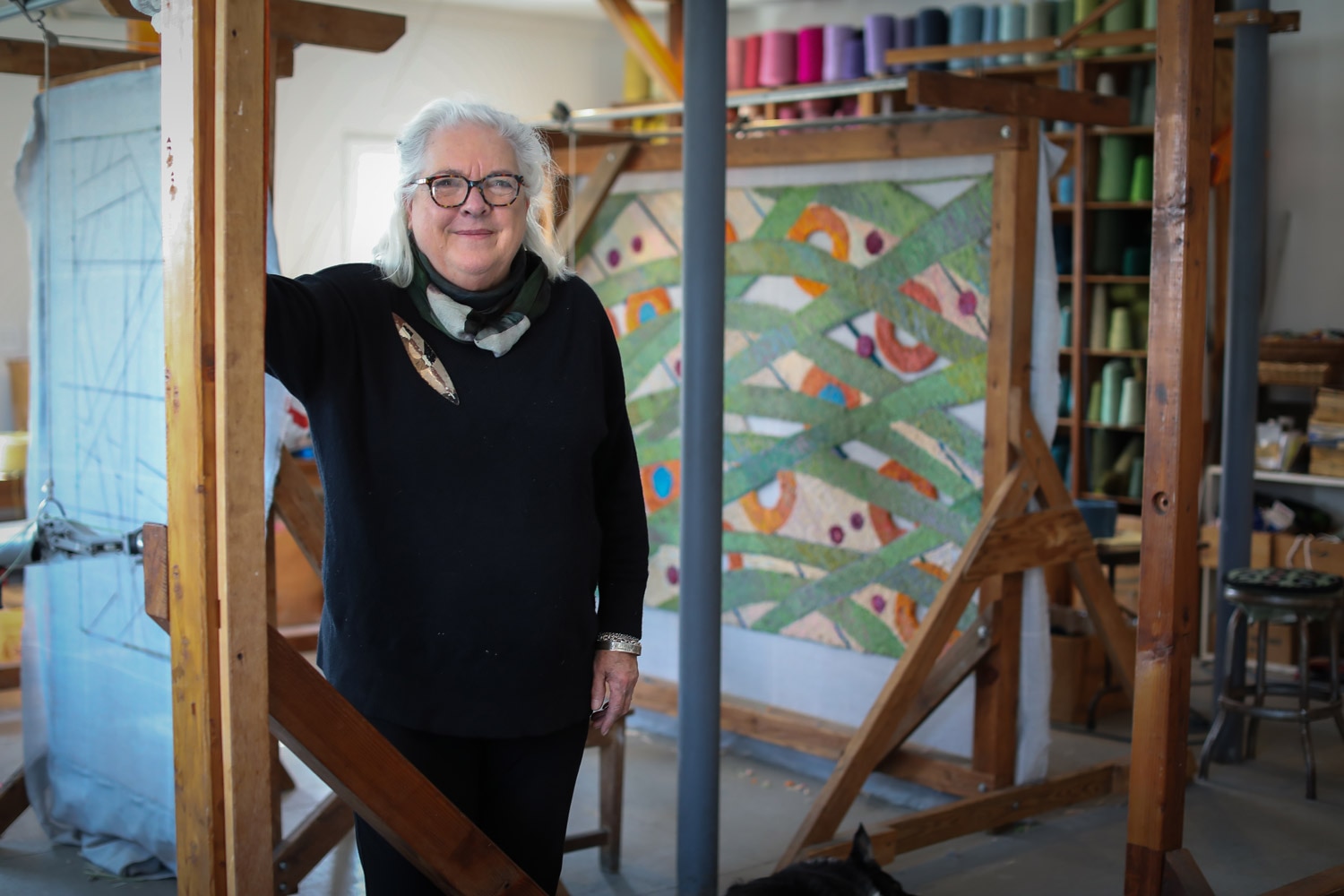
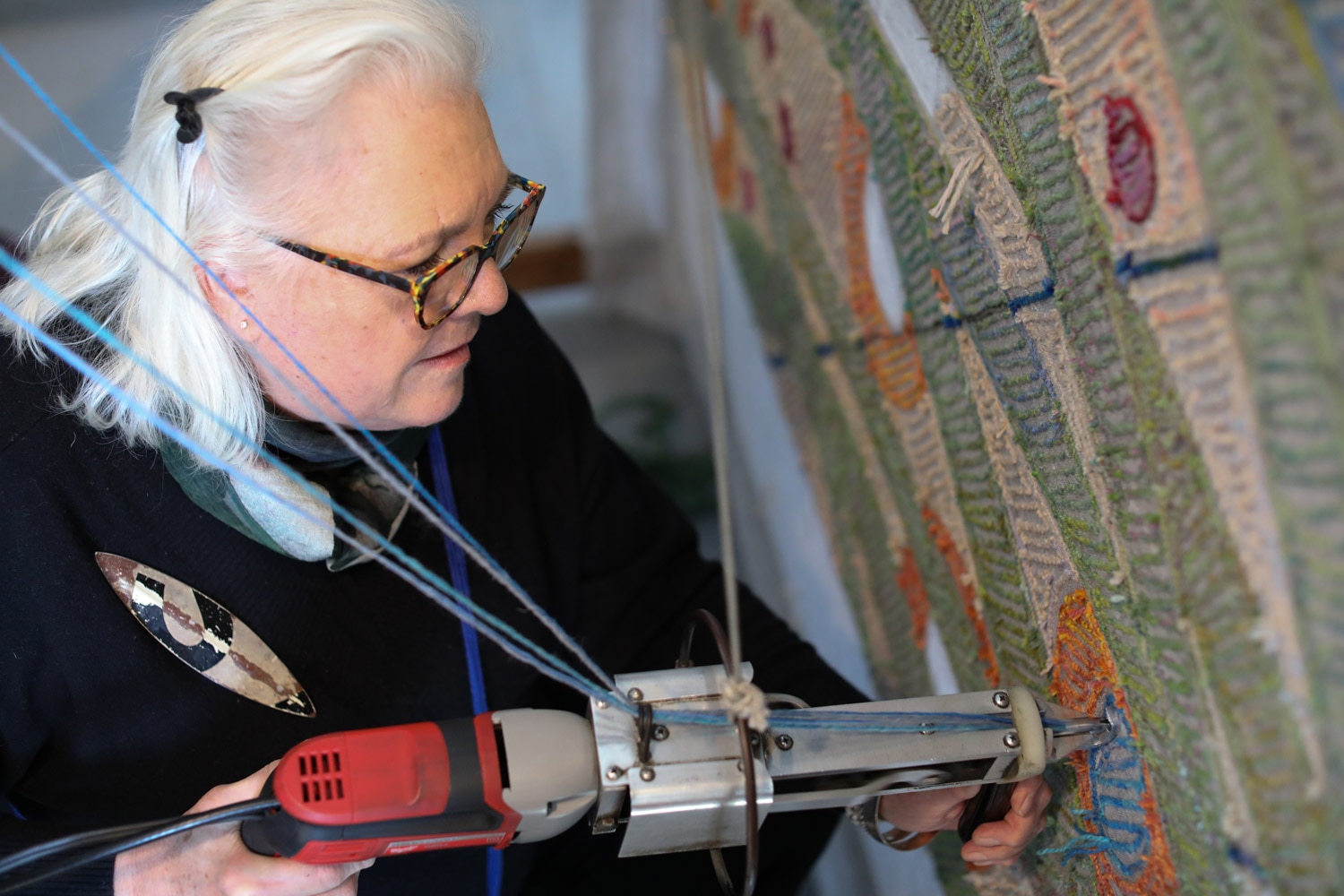
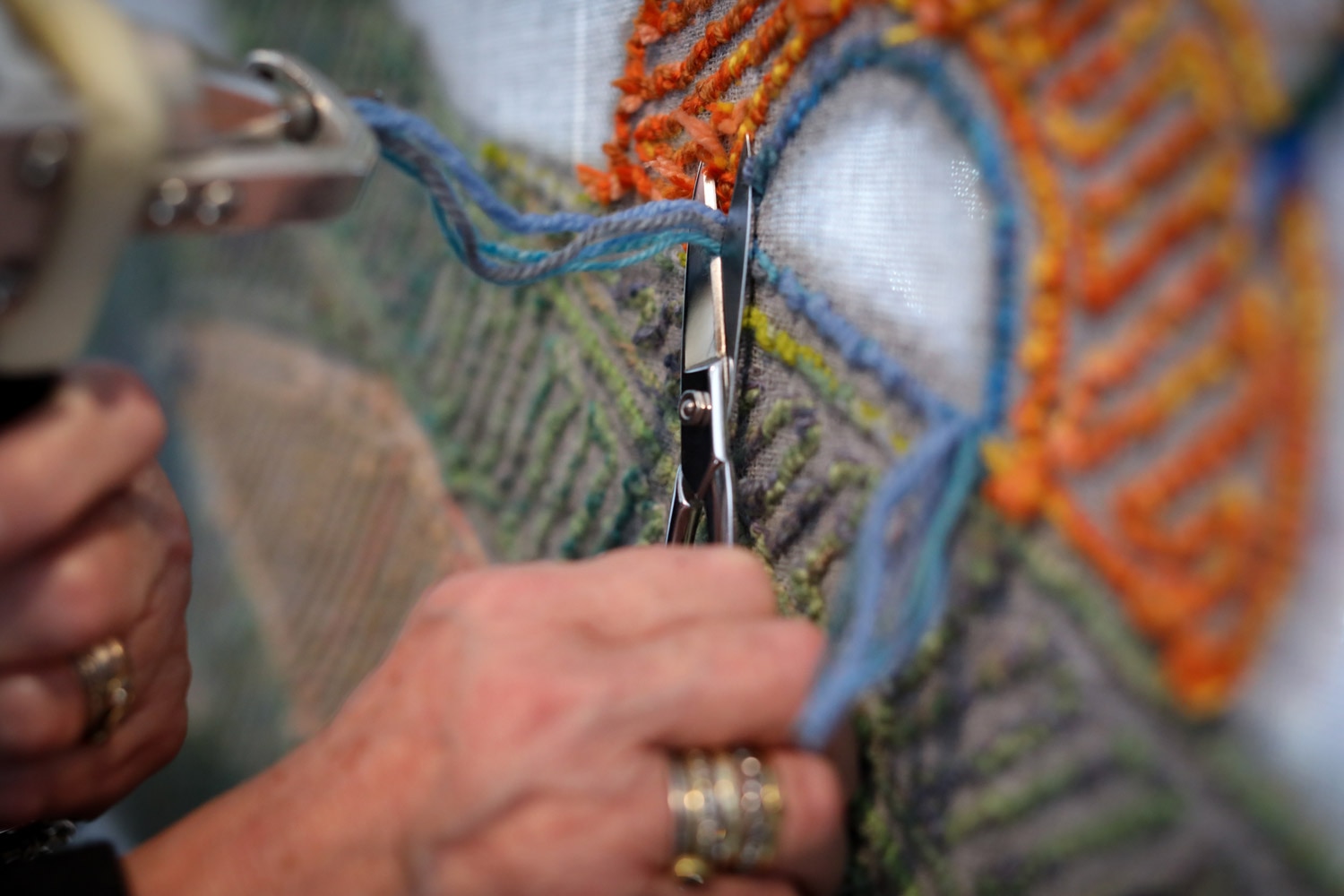
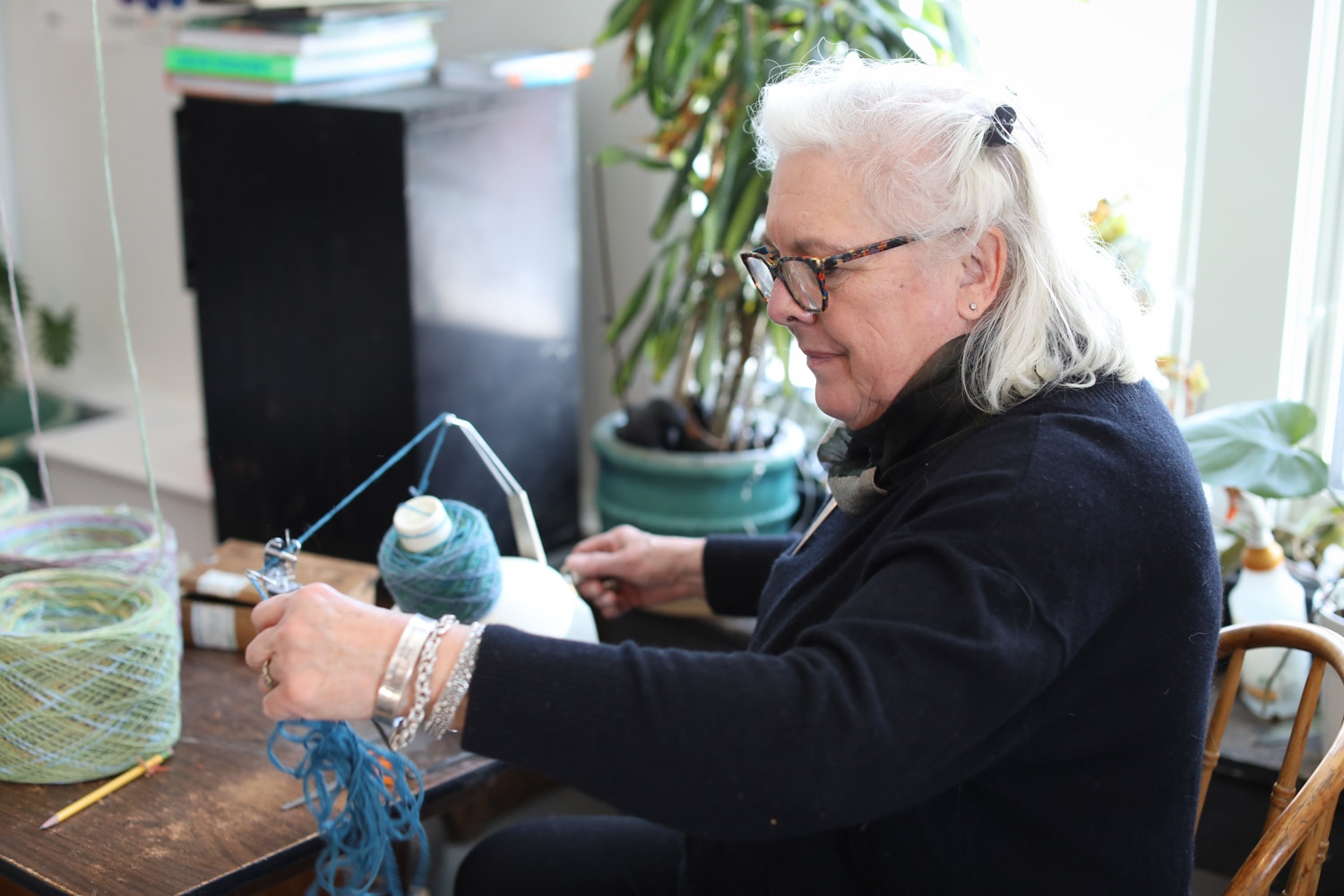
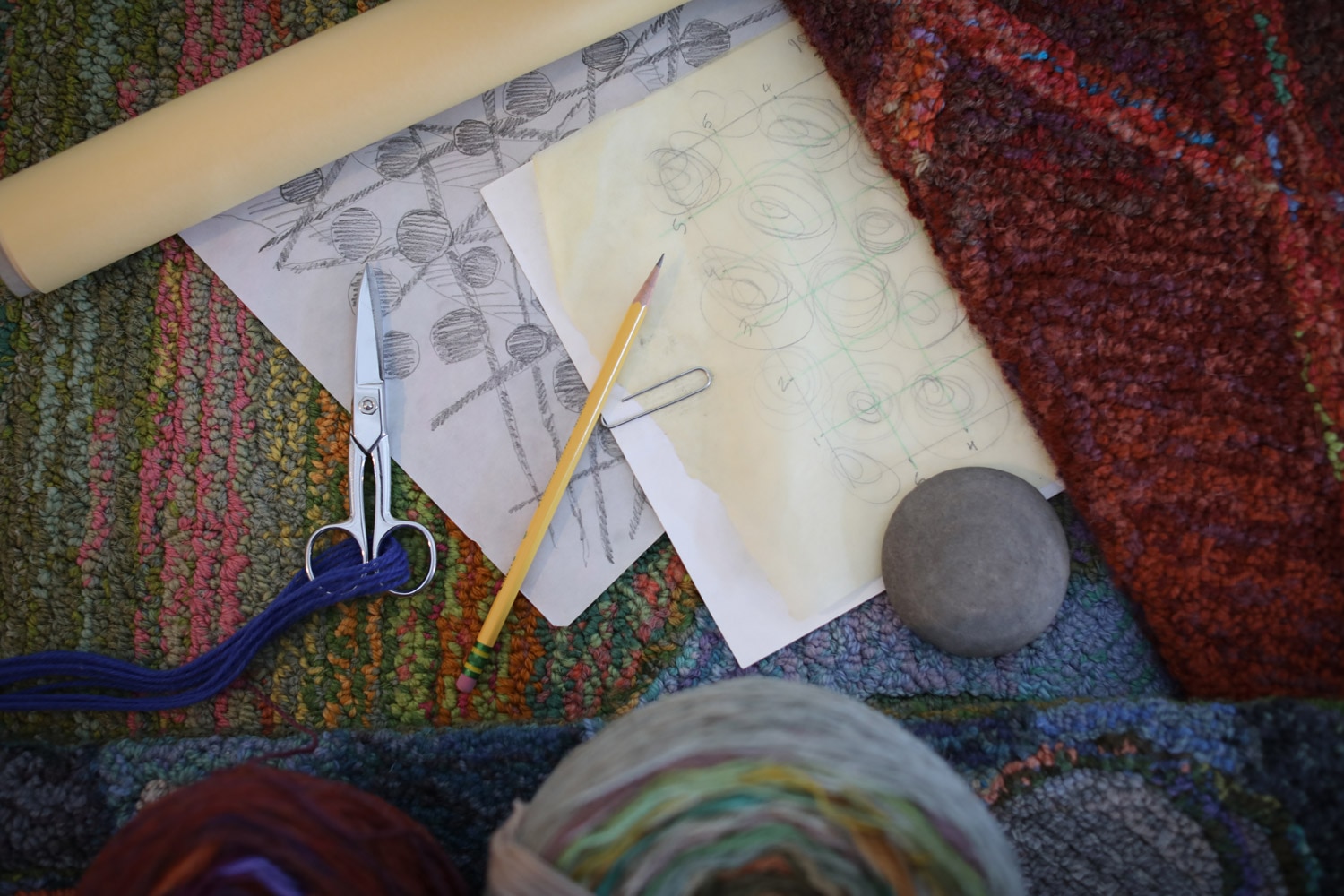
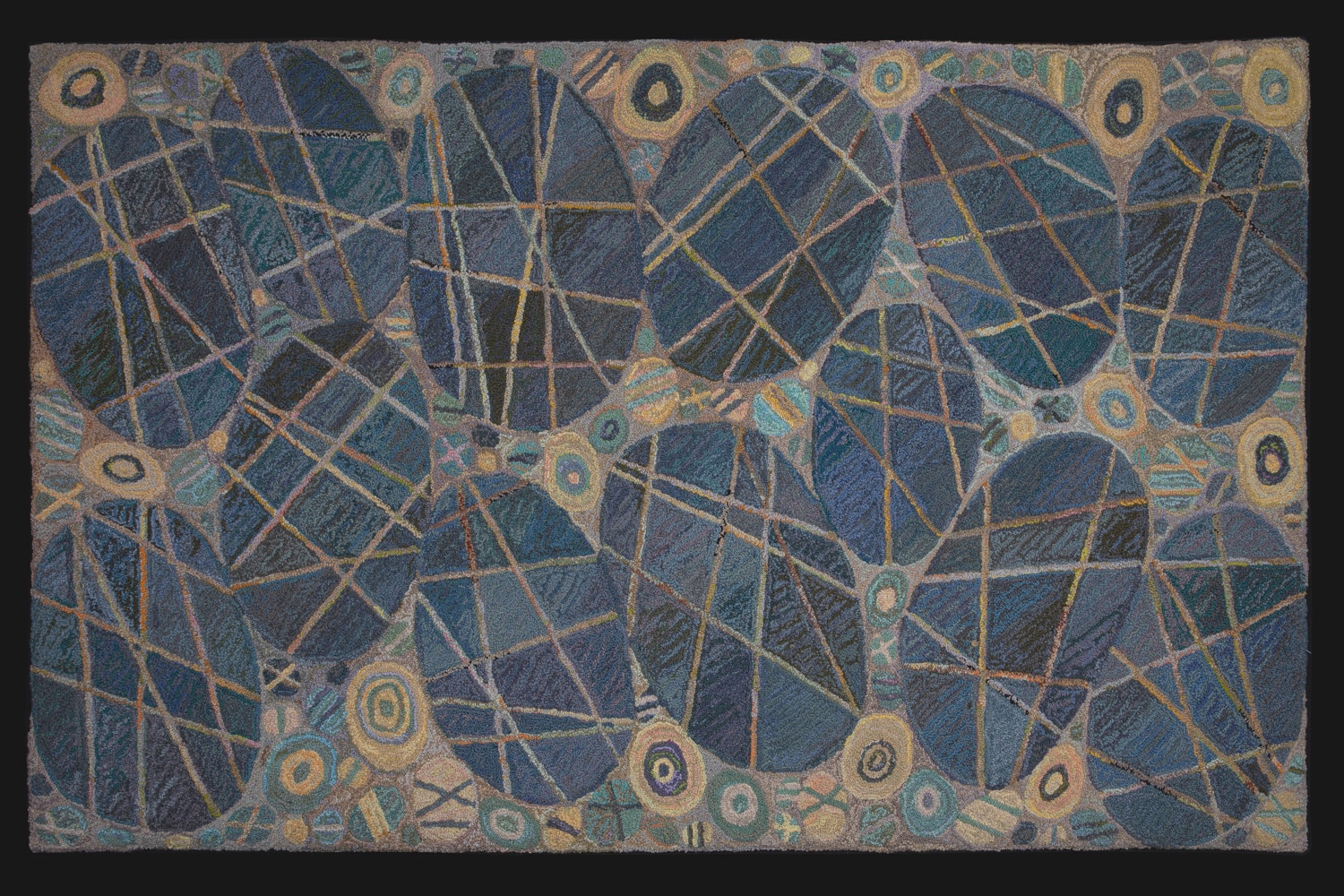
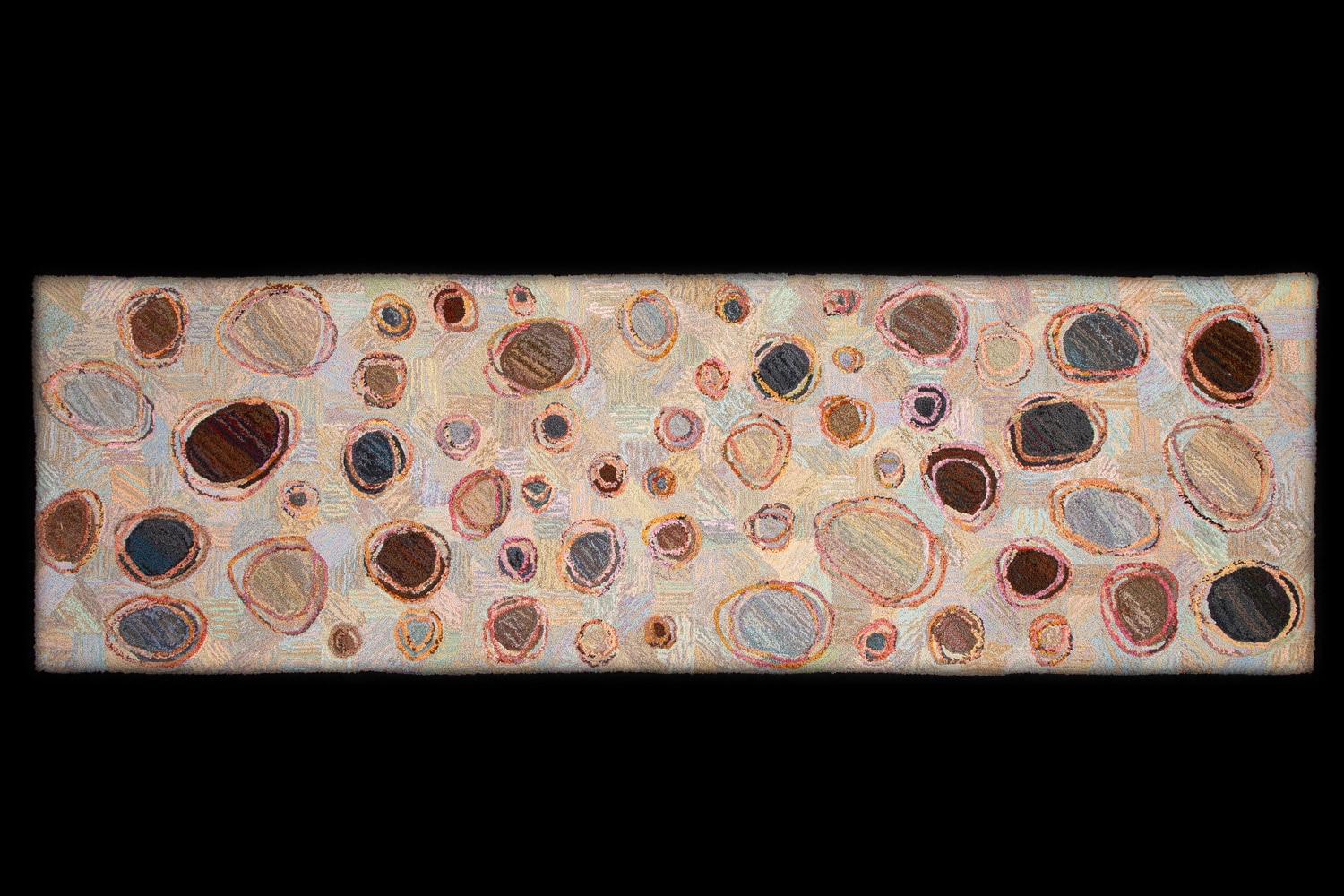
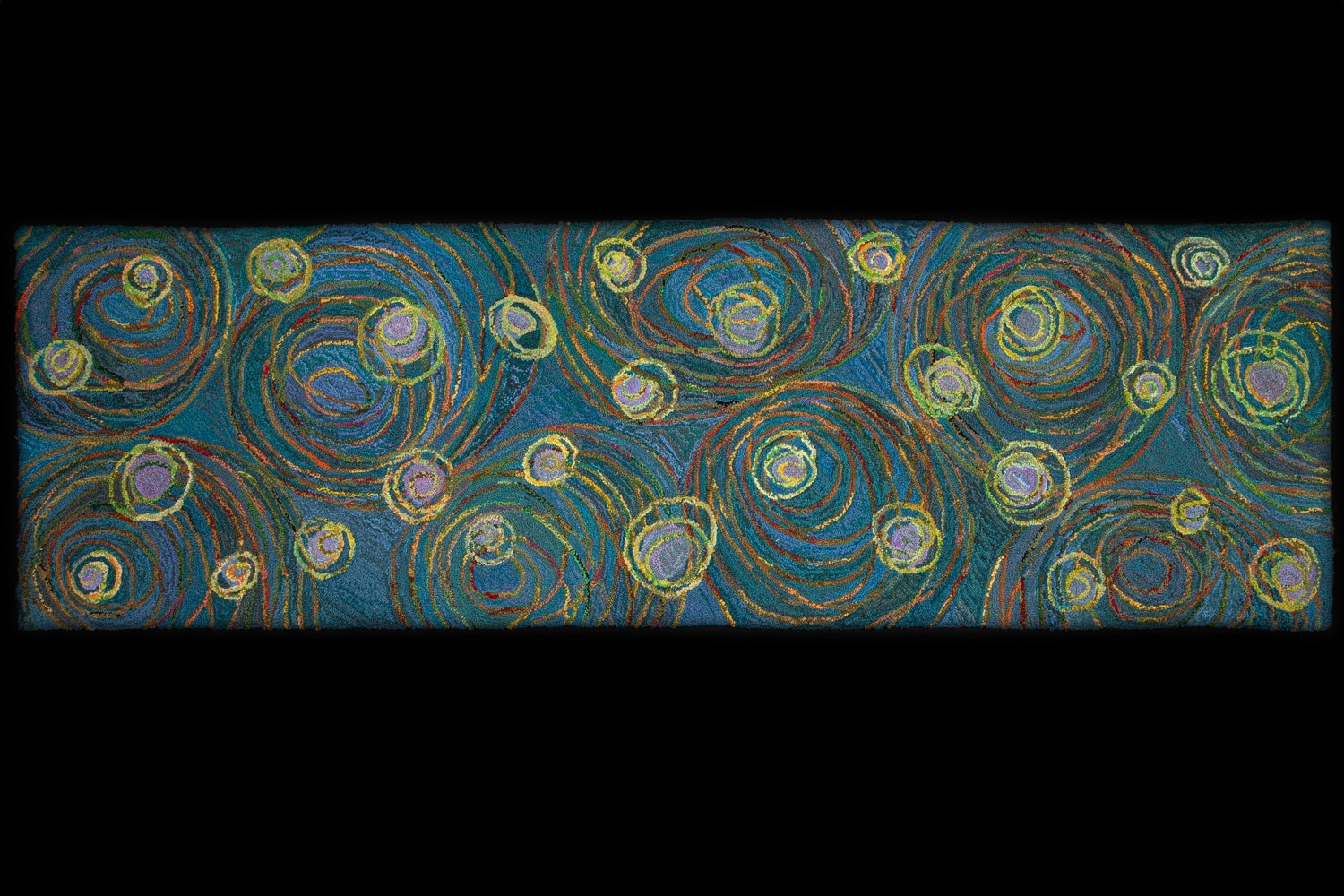
Meg Little’s creative journey took a turn when she moved to Cornwall, England, and met an American tapestry weaver experimenting with hand tufting. After studying textiles and gaining a masters at the Rhode Island School of Design, the experience set her on a new path. “It gave me a new freedom of gesture, but with my chosen fibre,” she says. It also gave her license to explore the decorative forms and visual vocabularies of cultures that had long captivated her, from the petroglyphs of the American Southwest to the bold graphic motifs of Papua New Guinea. Meg’s hand tufted rugs are made with a custom tool that her machinist husband fashioned from a modified drill. It feeds from four balls of yarn at a time, allowing her to play with complex, mutable colour combinations that often yield surprising results. “It is like getting an edge of colour on the side of the brush when you are painting,” she says.
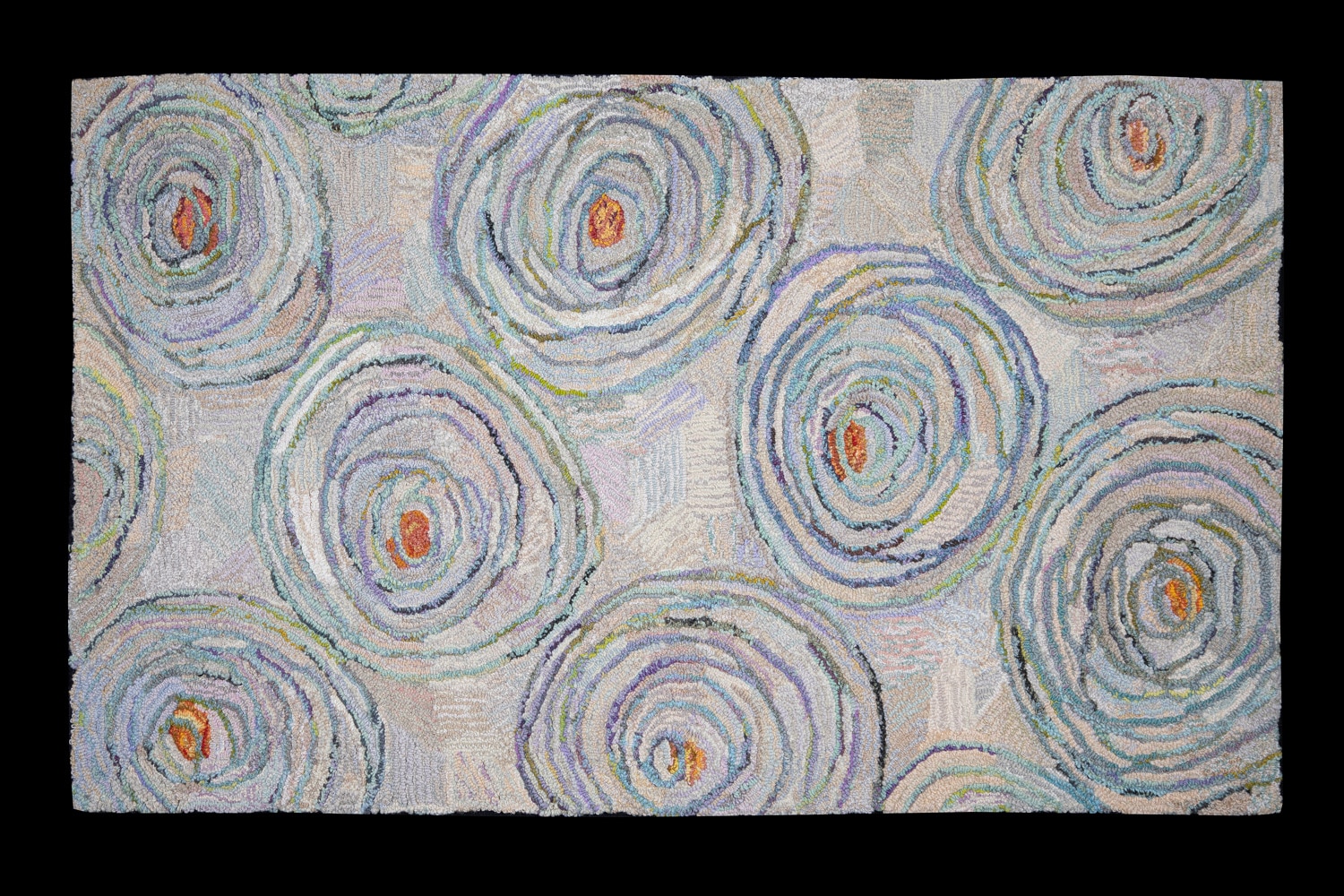
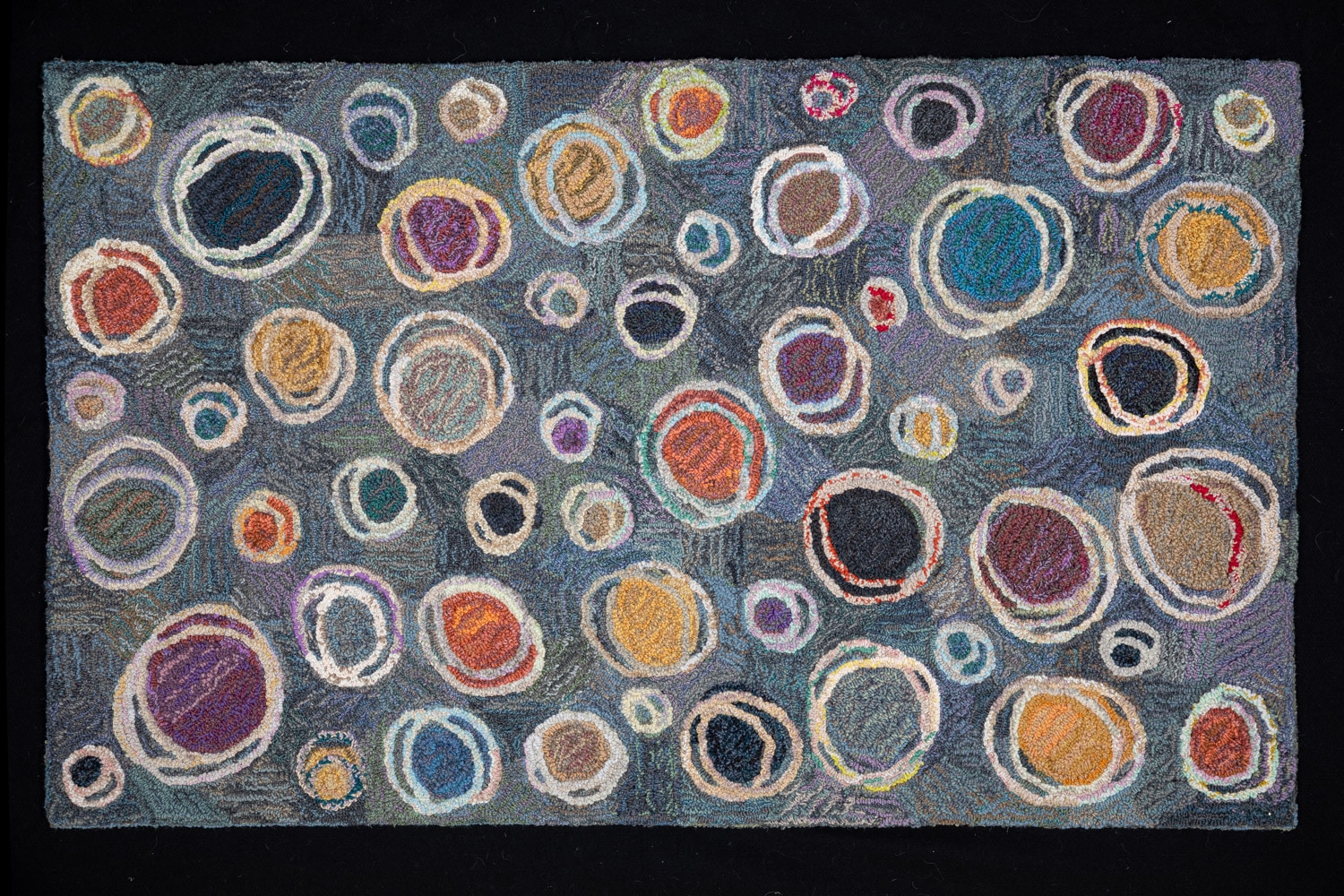
INTERVIEW
I start with a scale drawing using a no. 2 pencil. I do not colour my drawings, as I know it will not represent what the final piece will look like. I then scale the drawing onto the back of a cloth with charcoal, just as you would with a painting. I work from the back to the front and always start with the tiniest, most intricate details first.
I am a maker, but I believe what I make is art. However, I want people to walk all over my rugs, not hang them on the wall. The ultimate luxury is when people use them.
The main thing is to keep your eye on your values and priorities. Filter all your decisions through that lens. While it can be tempting to want to get bigger and become more commercial, be wary of diluting your work and straying from your ‘why.’
I am always experimenting with different palettes and variations in scale. It can feel like I have never left art school, because I am playing with a million permutations and I continue to investigate the things that interest me.
Meg Little
Tufter
Middletown, RI, USA
ADDRESS
Address upon request, Middletown, RI, USA
AVAILABILITY
By appointment only
PHONE
+1 4012004448
LANGUAGES
English
Homo Faber Finds is a new service aiming to inspire admirers of craft to connect and collaborate with exceptional artisans.
We invite you to submit an enquiry here.