Matthieu Faury
Ceramicist
Villeneuve-lès-Avignon, France
Surrealism in textured sculptures
- Matthieu's ceramic practice is influenced by his sculpting knowledge
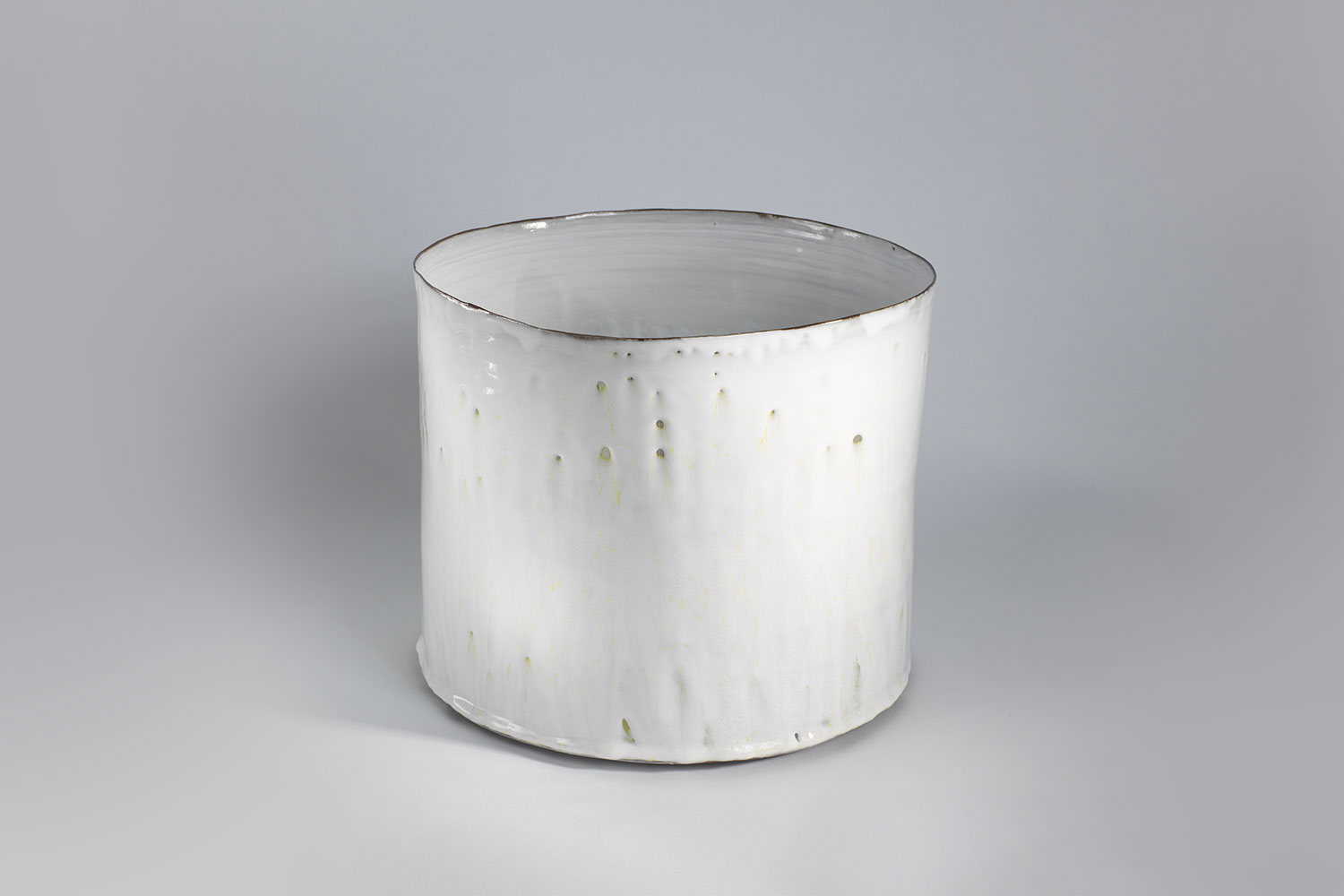
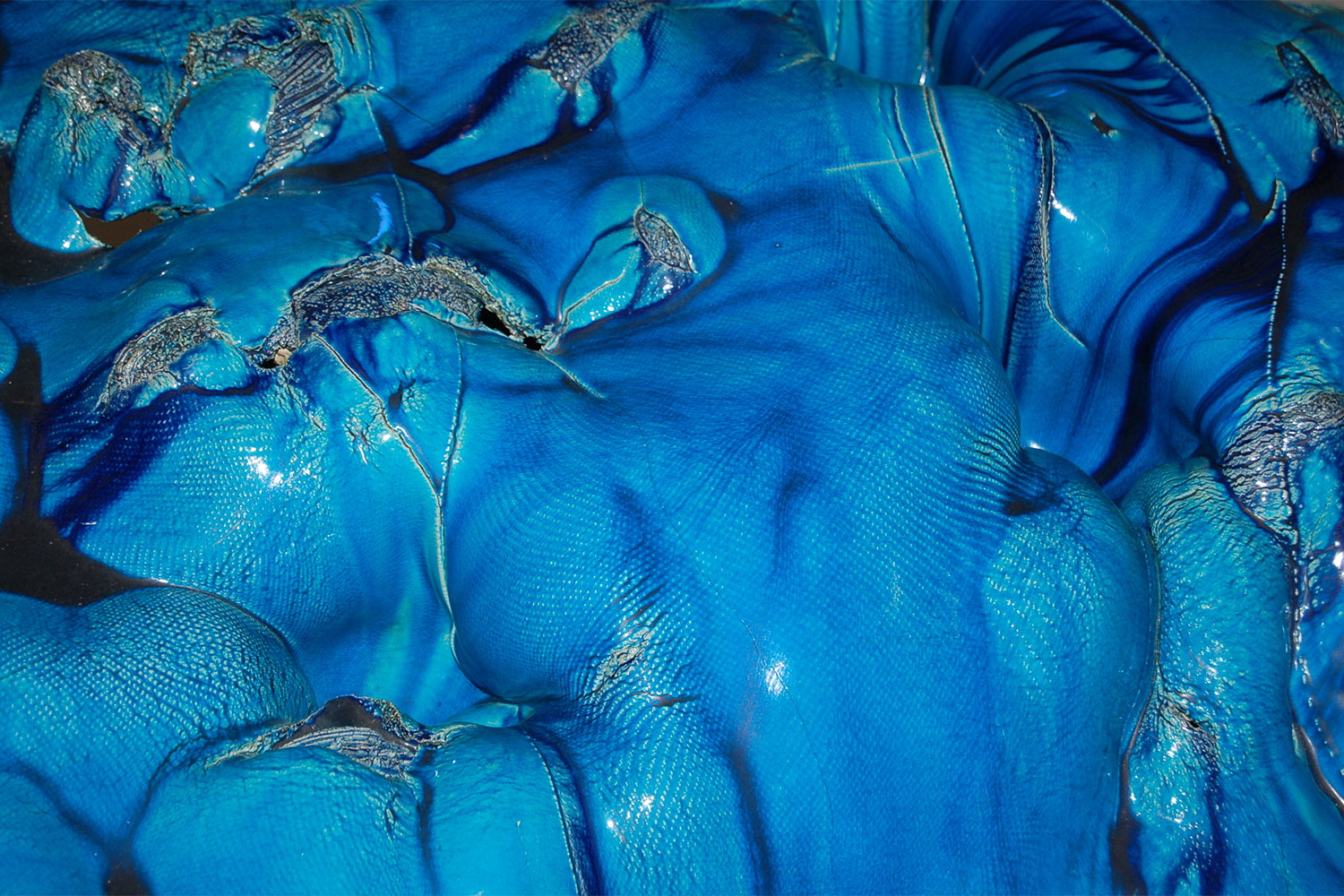
- He explores innovative methods, such as experimenting with glazed terracotta
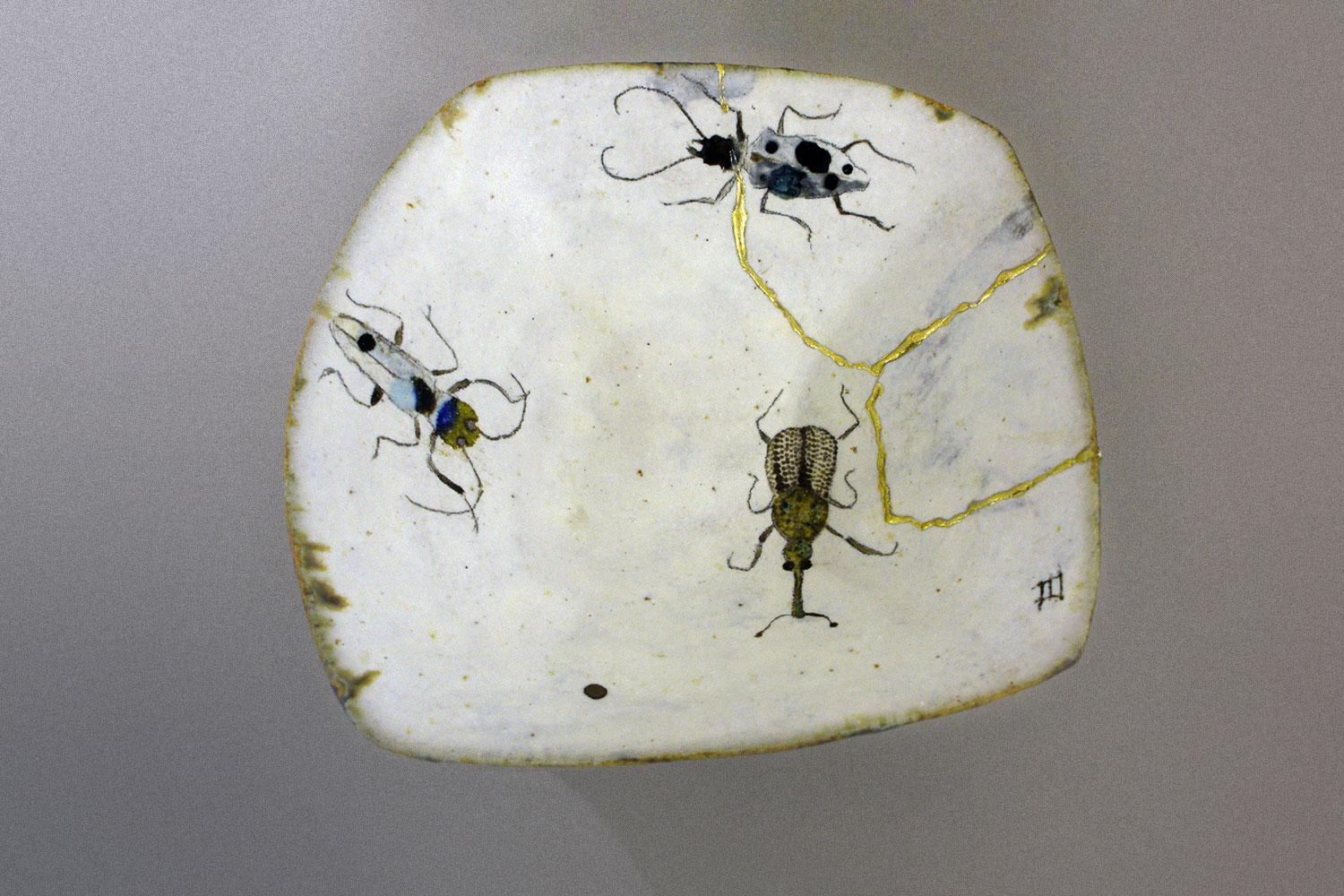
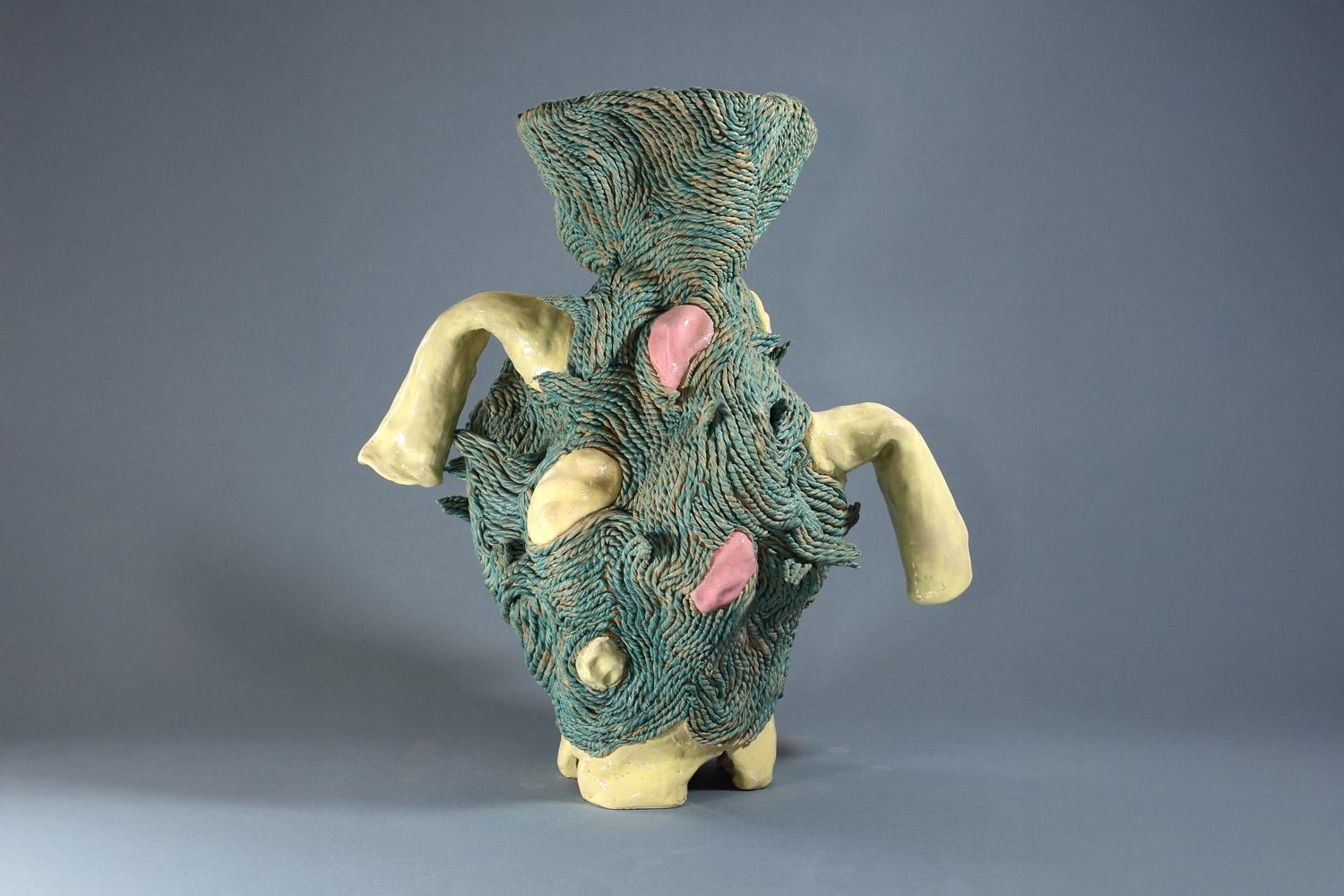
- His pieces feature bold ornaments and colours
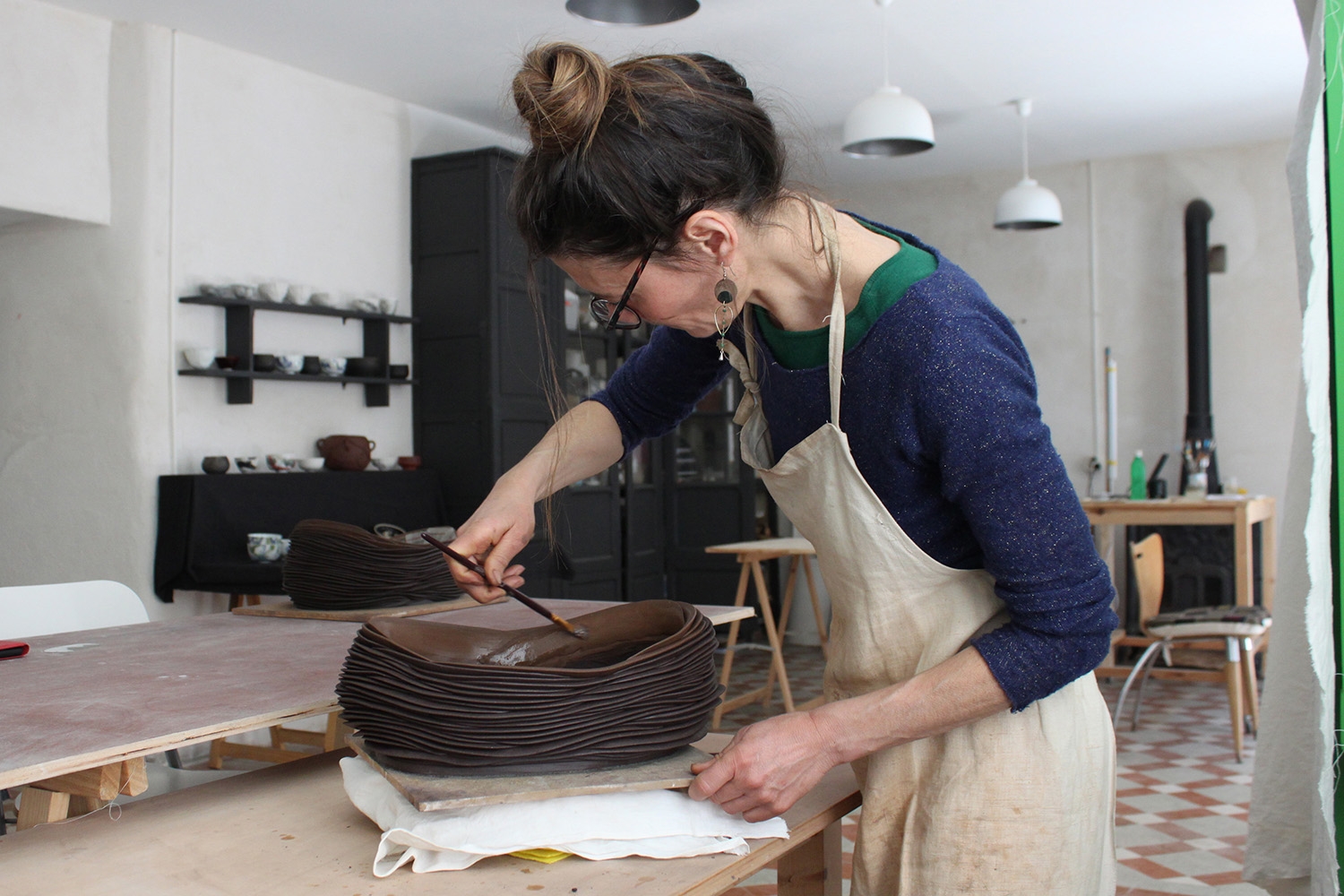
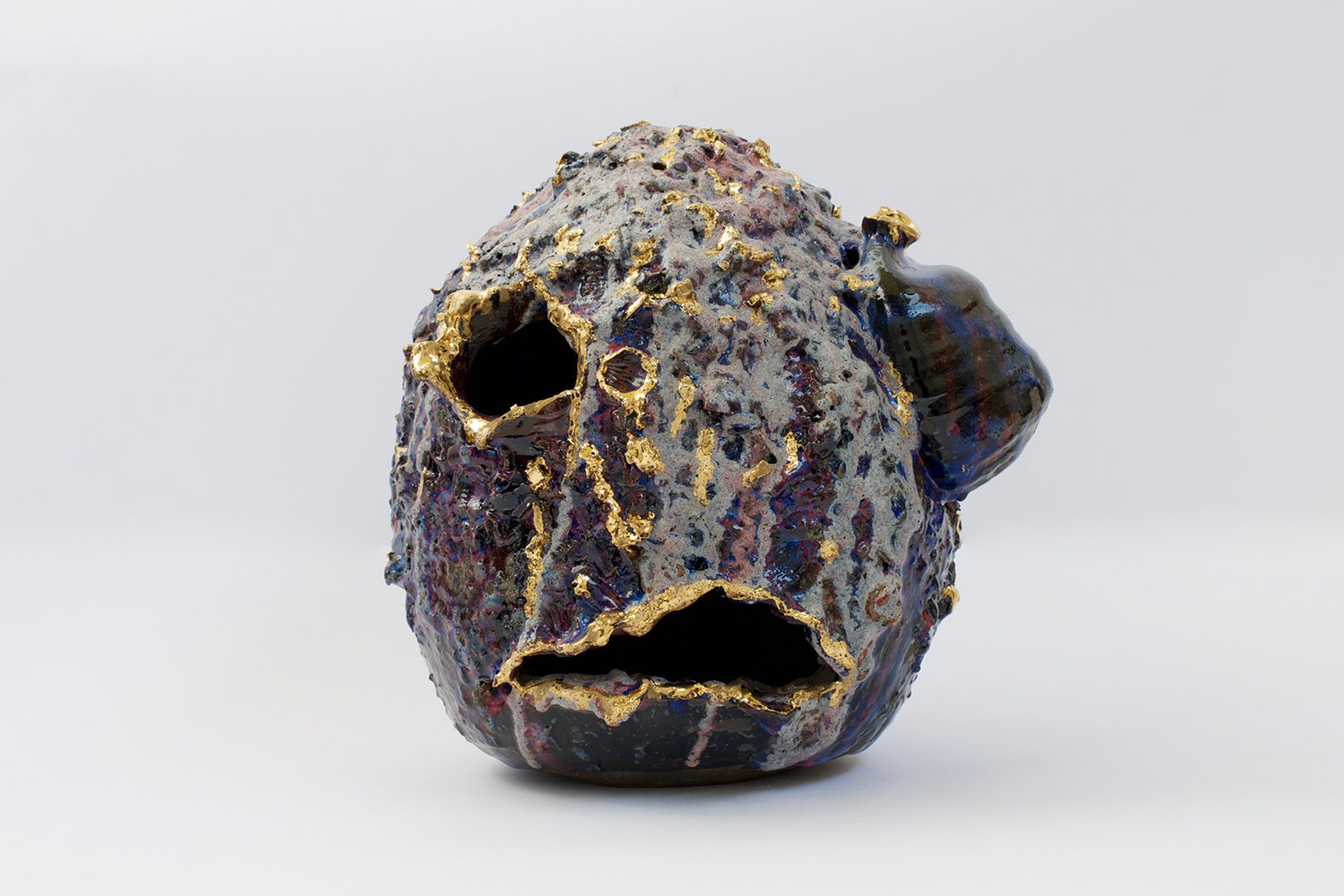
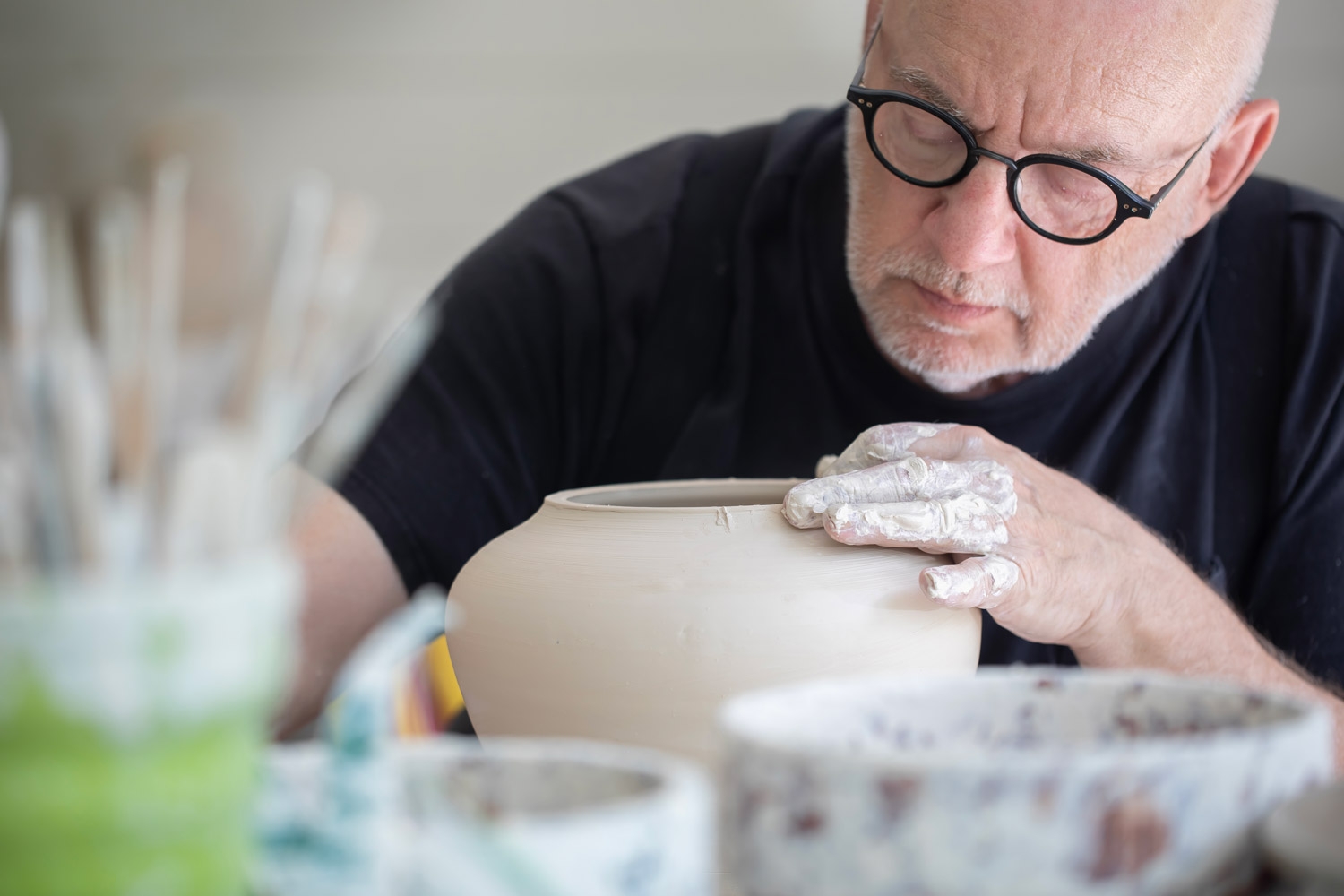
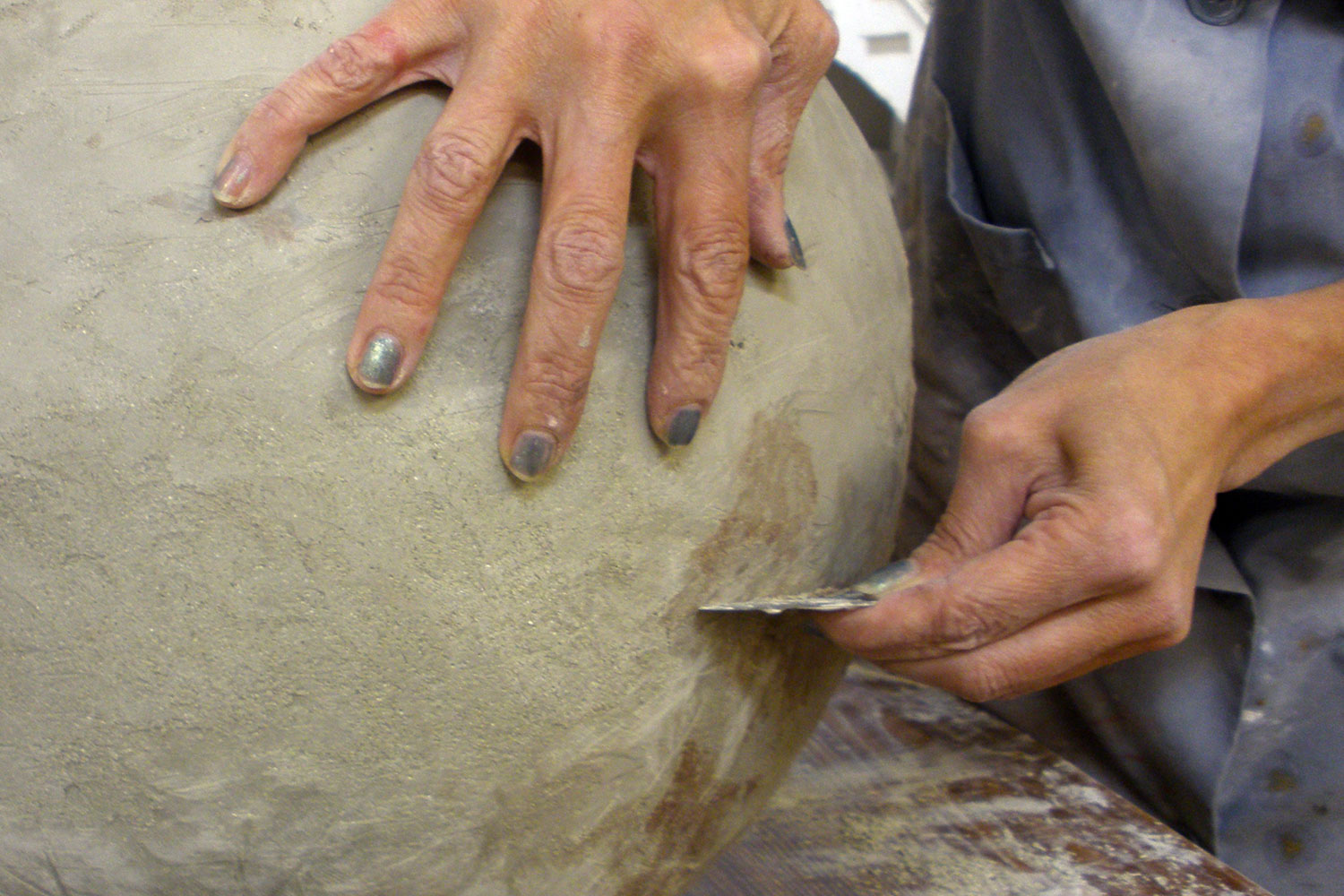
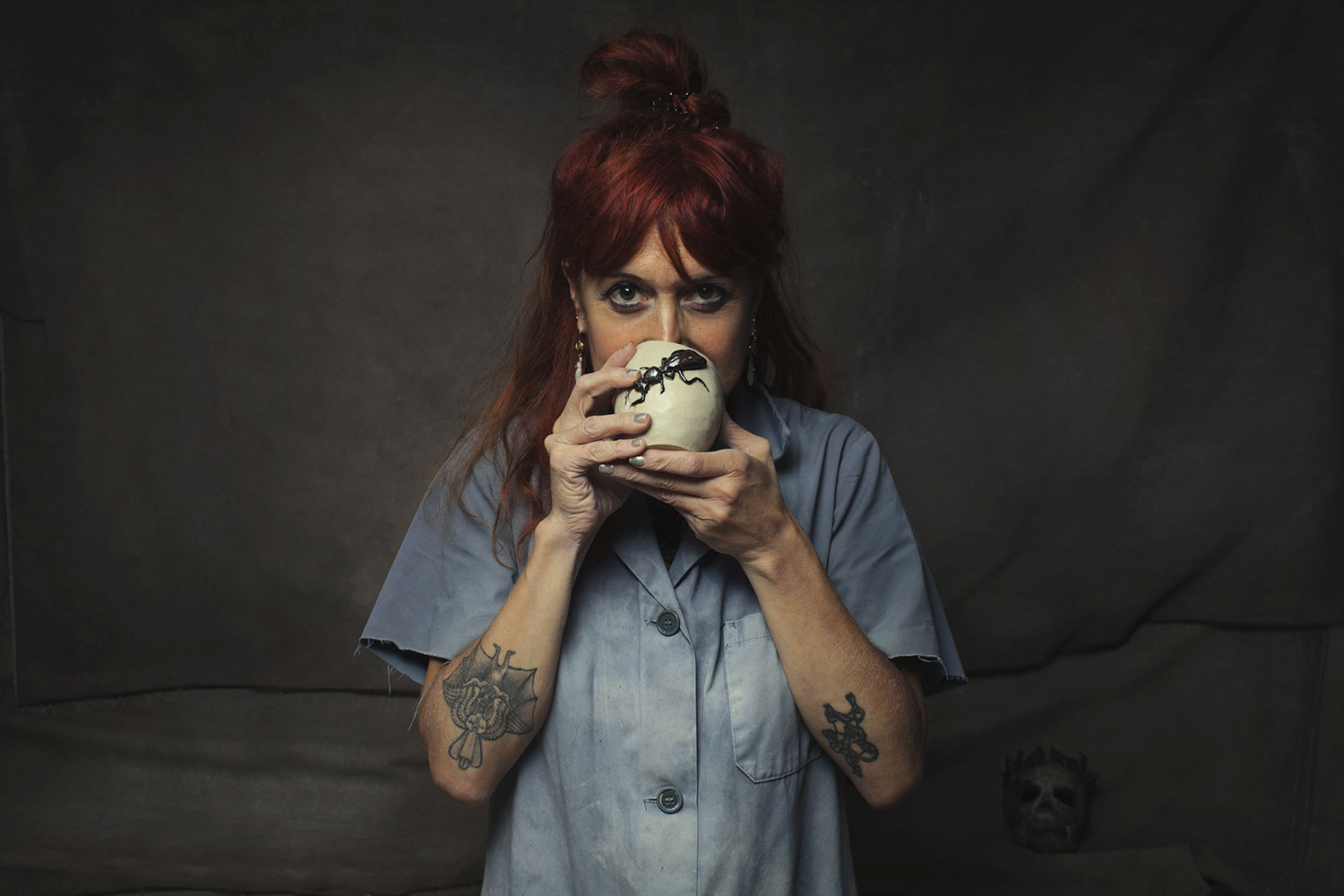
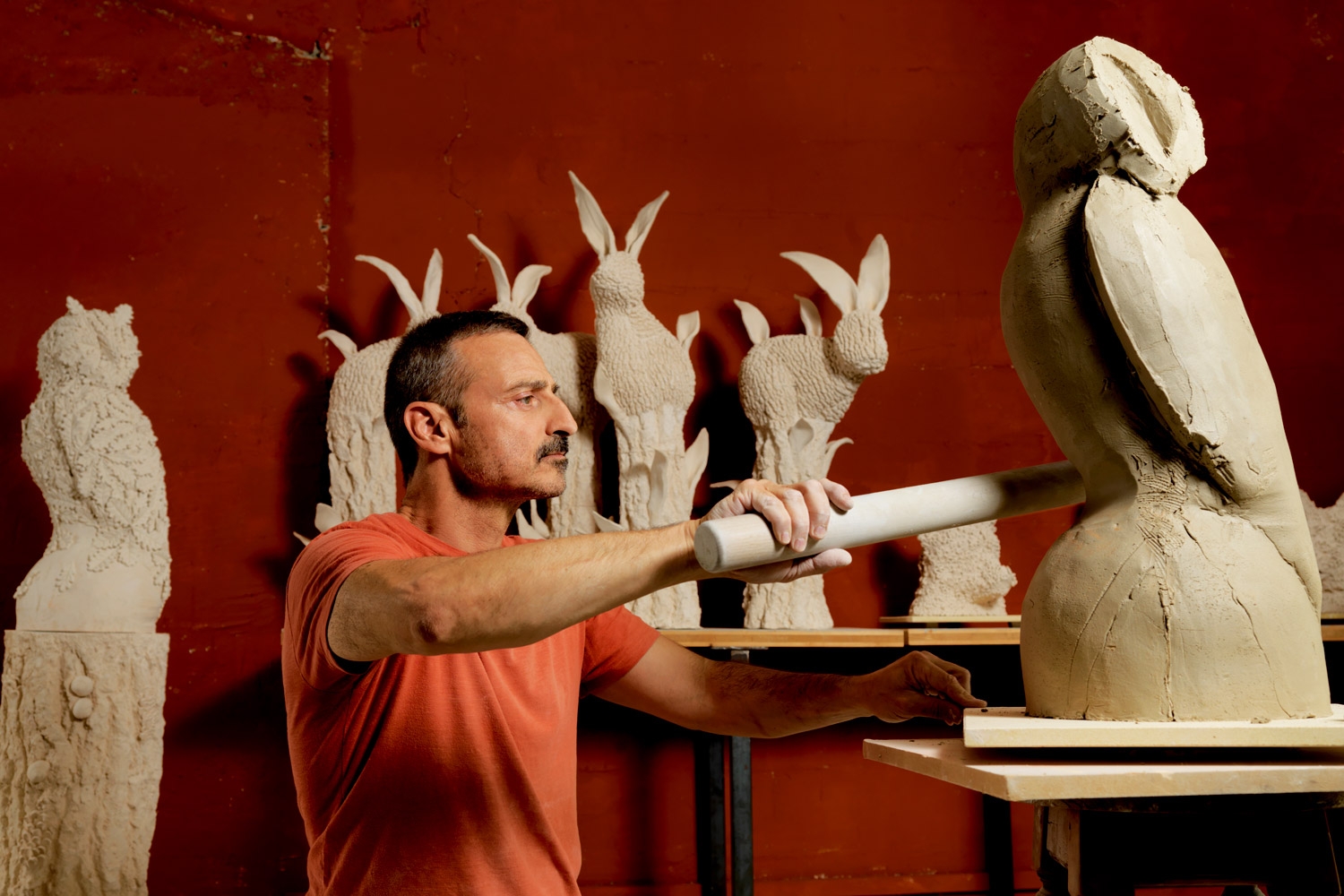
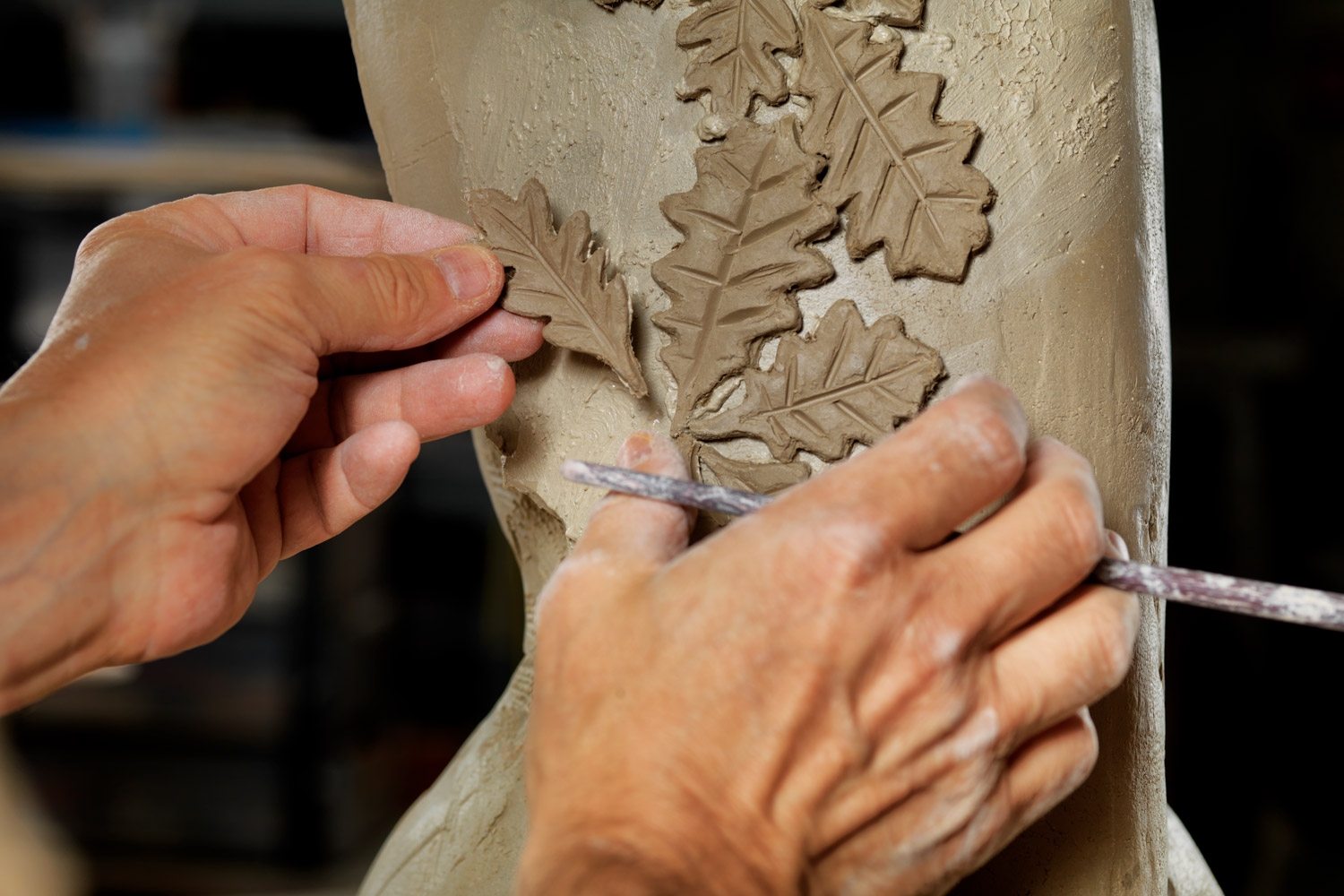
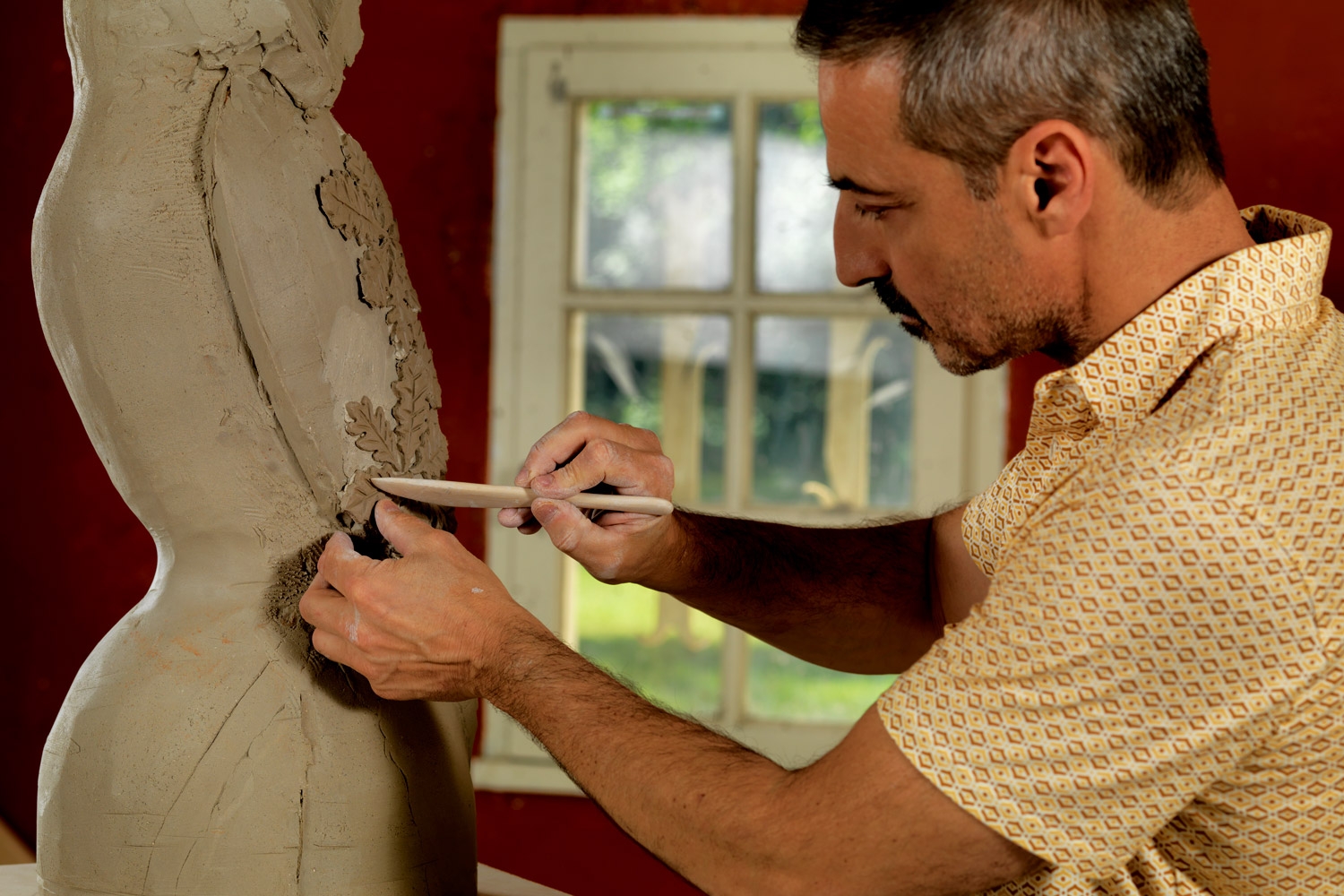
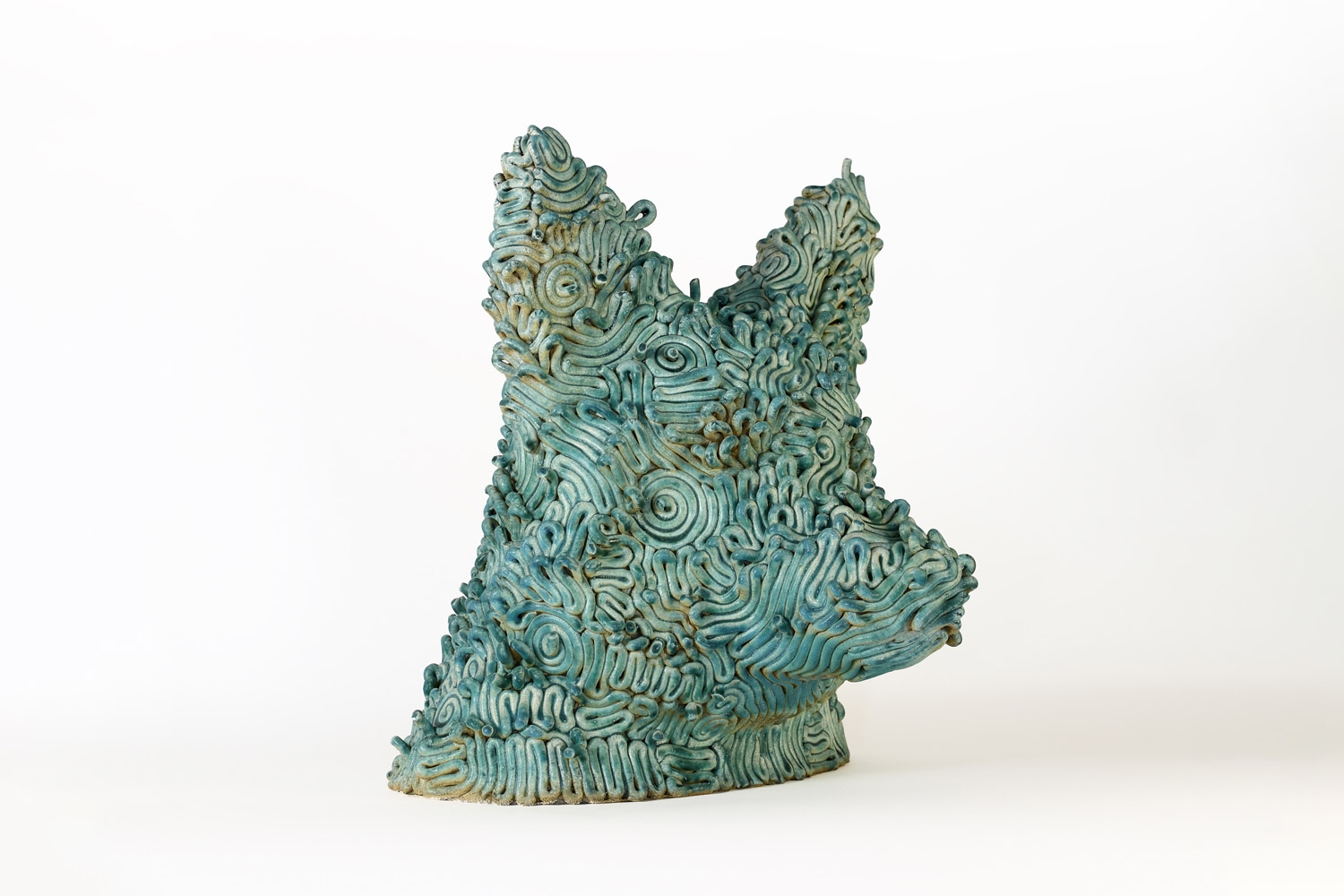
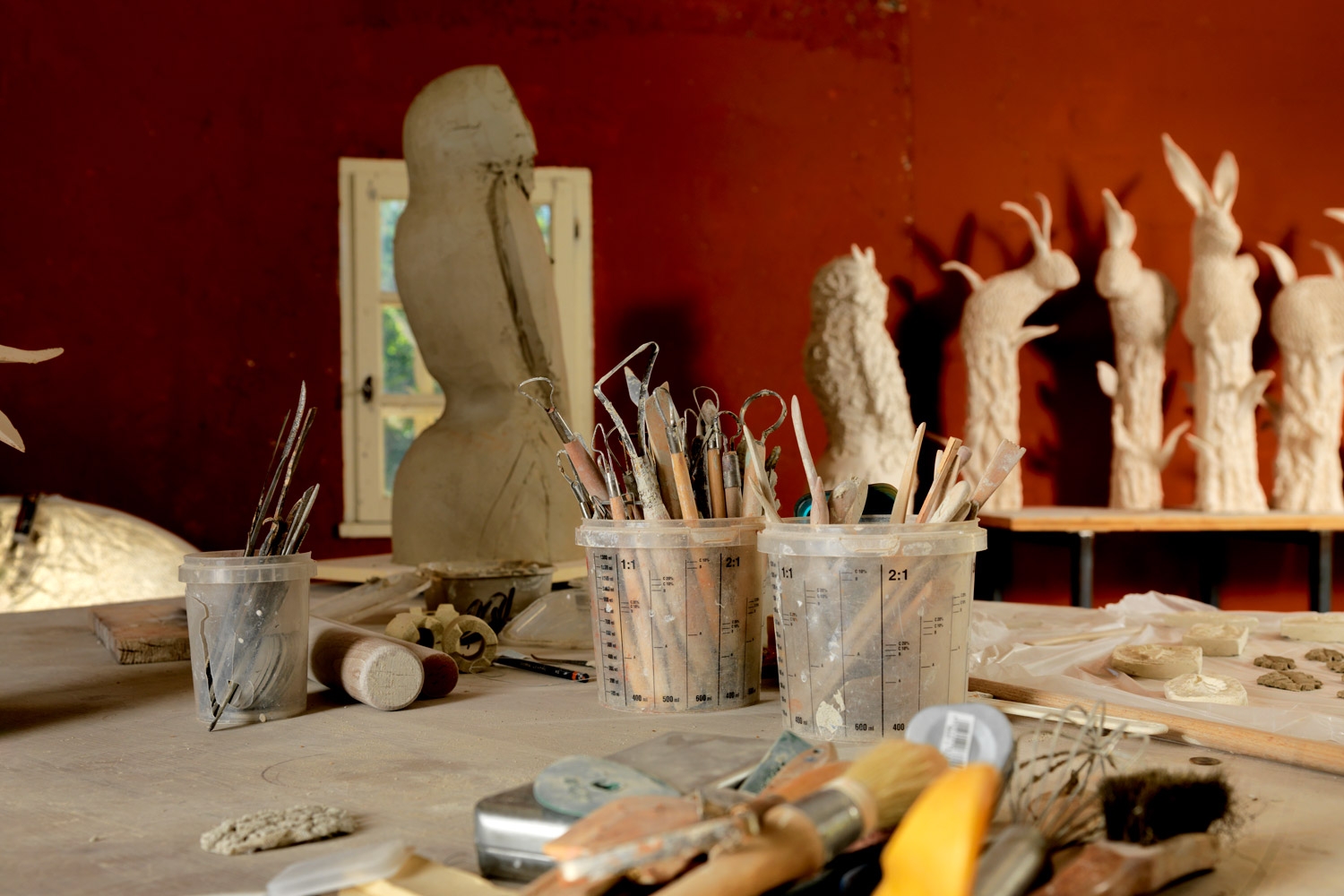
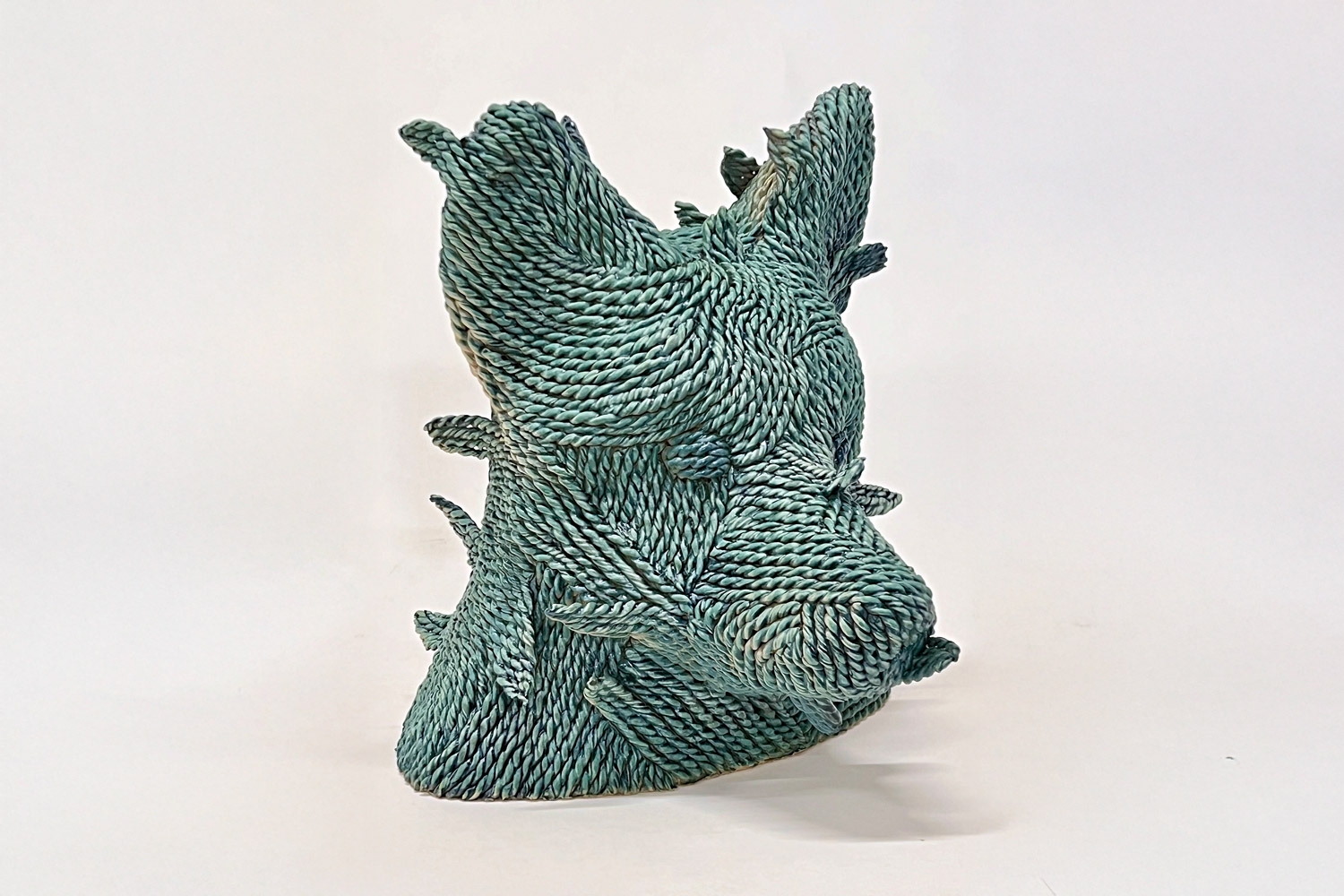
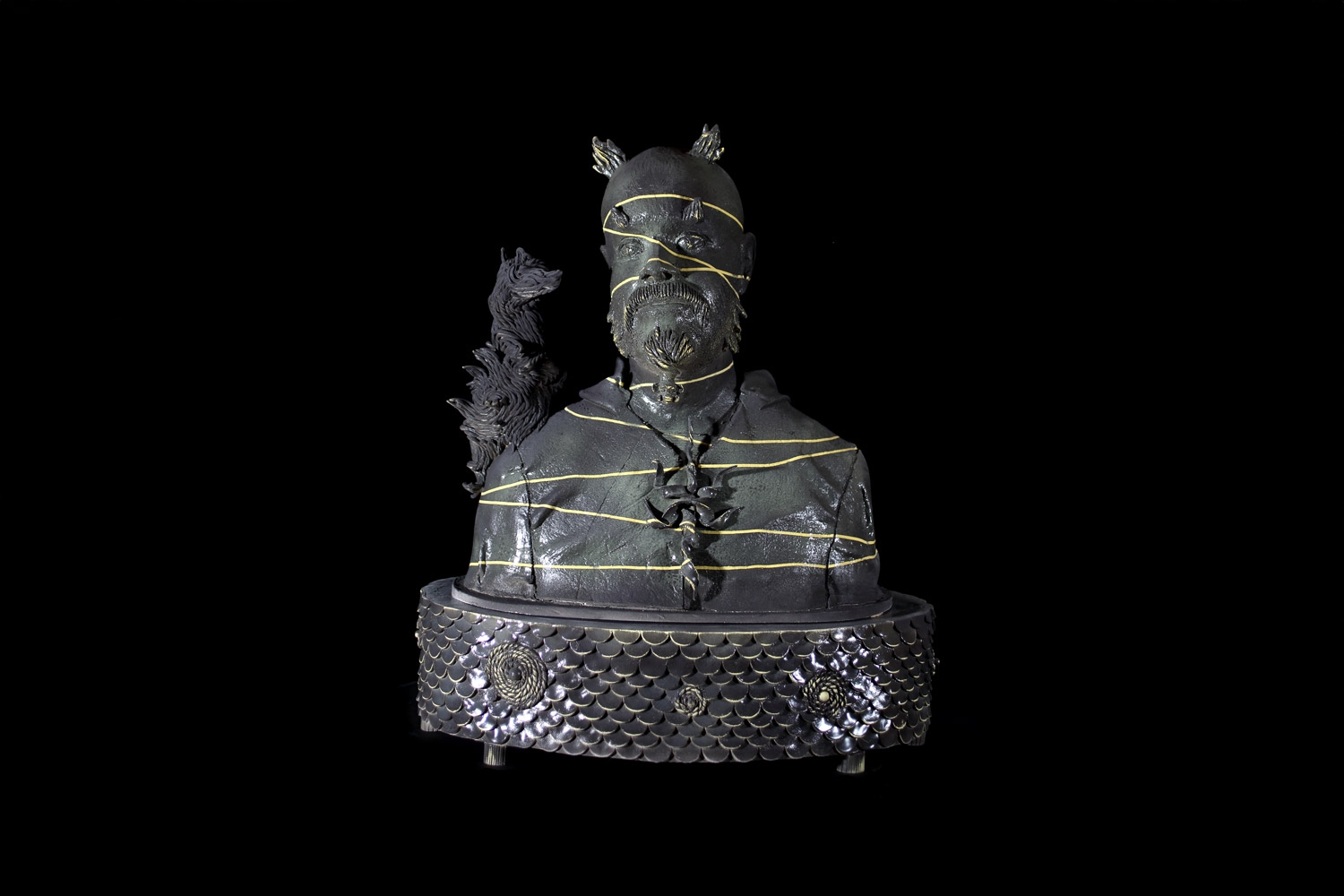
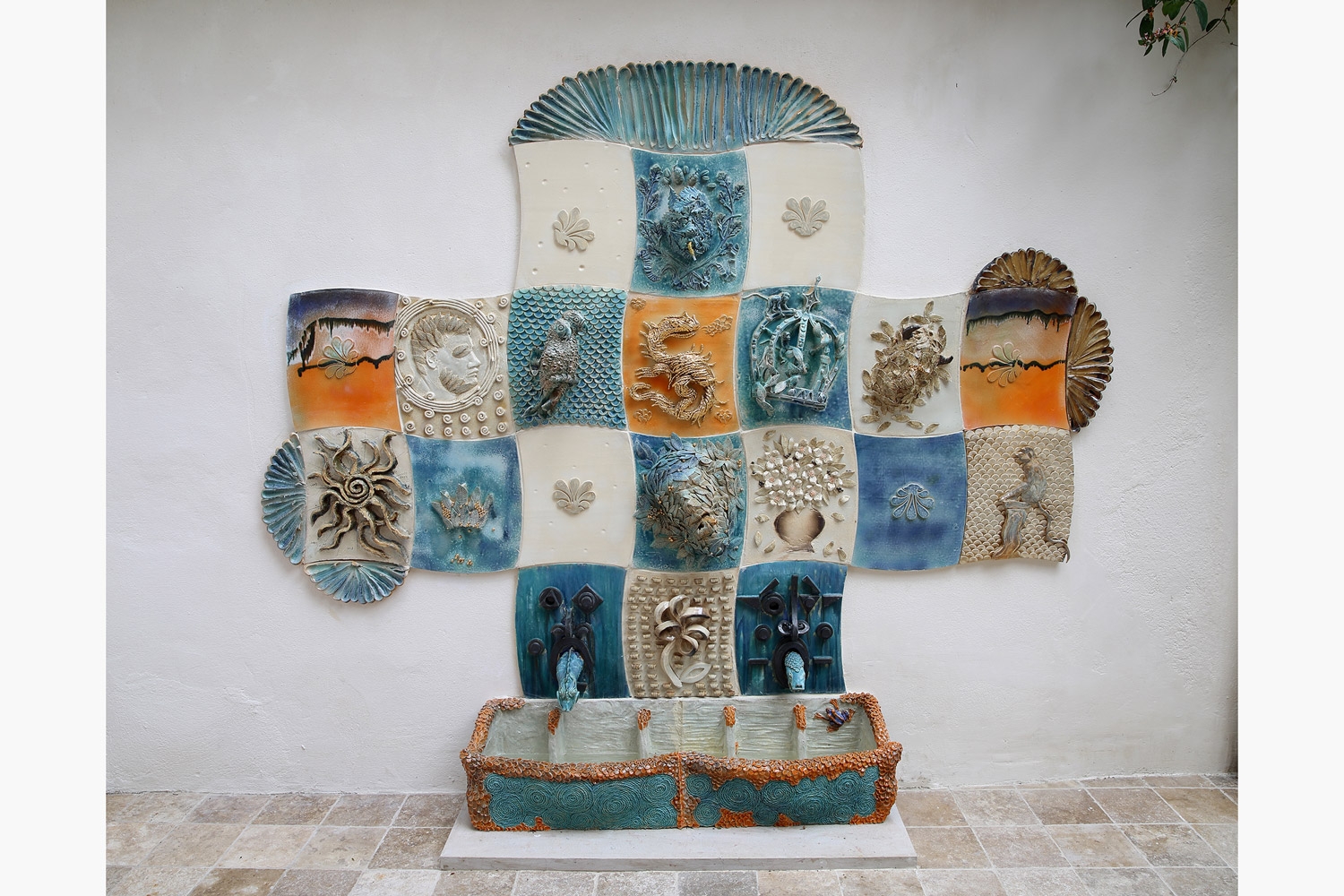
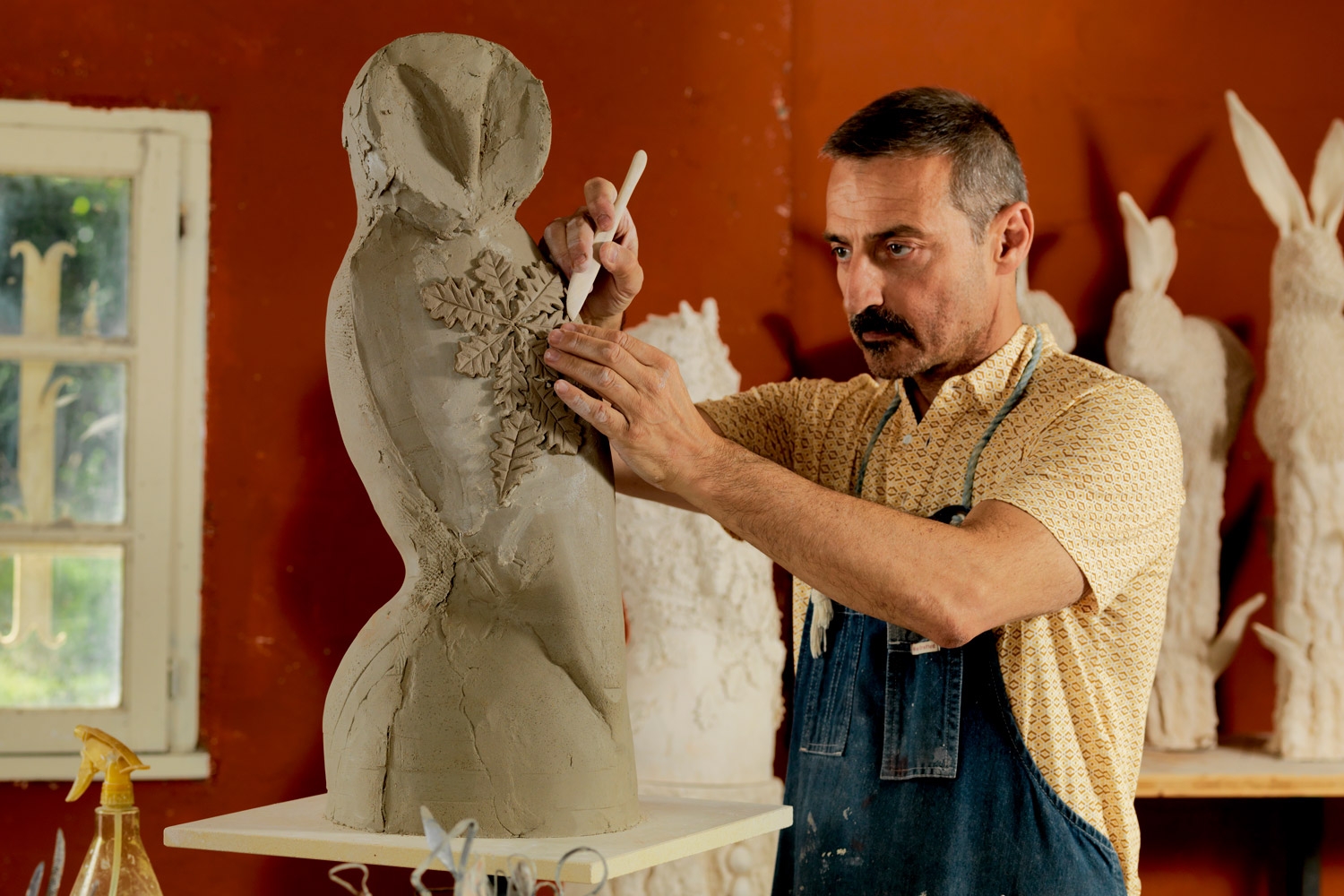
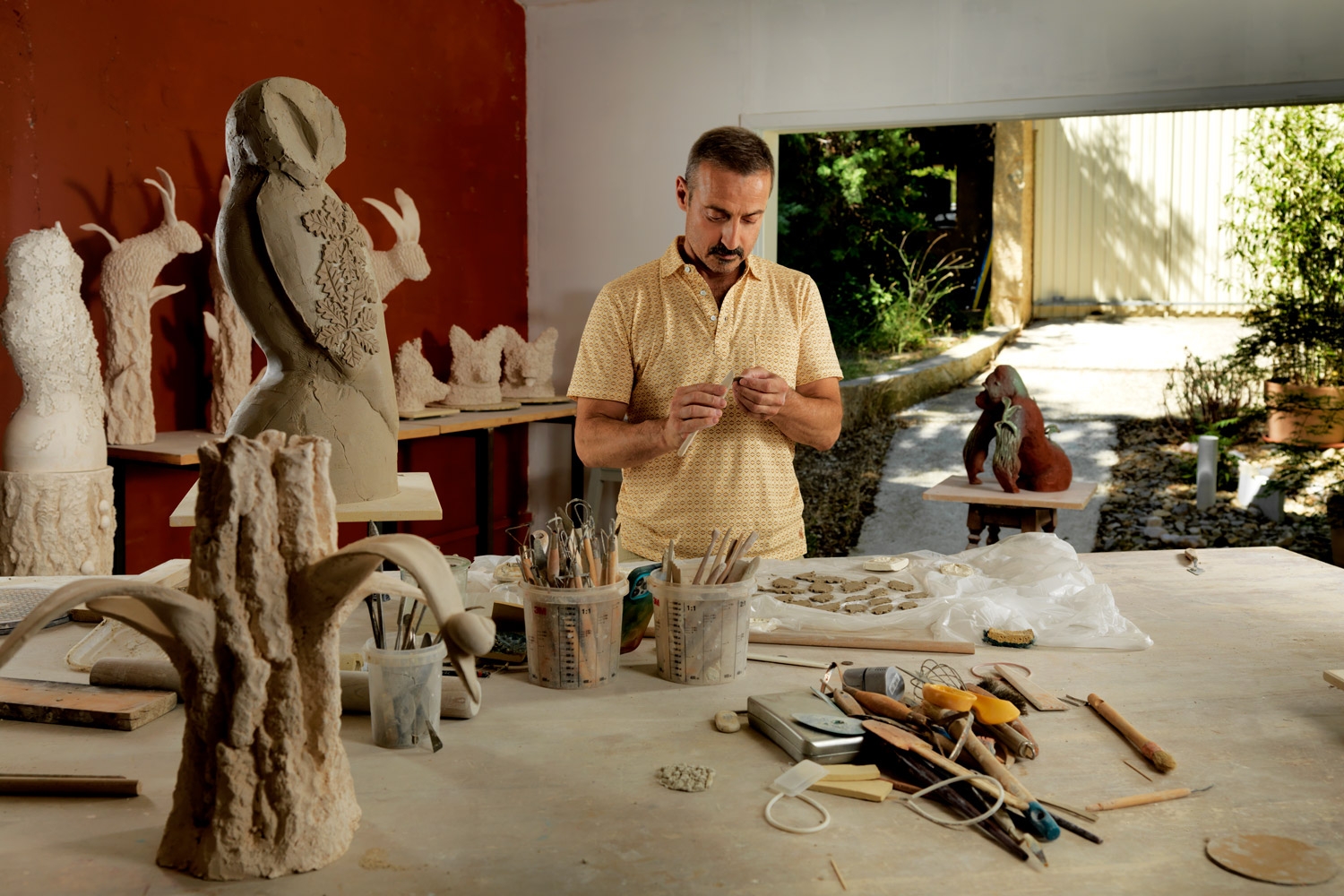
Trained as a sculptor, Matthieu Faury's preferred materials were wood, bronze, stone and marble, until he bought a kiln and began creating his own glazes. "I have been sculpting for as long as I can remember. However, it is through ceramics that I have been able to fully express my love for profusion, ornament, detail and trompe-l’œil, in a style that is both surreal and baroque," he explains. This revelation opened Matthieu’s eyes to the infinite possibilities of ceramics, inspiring him to explore the medium further. Today, he integrates traditional sculptural and statuary techniques into his clay pieces. Matthieu seeks to evoke emotions and feelings of surprise, wonder and joy through his creations, which are abundant in texture and colour.
Discover his work
INTERVIEW
During my youth, I visited museums and was awed by sculptural masterpieces. Very quickly, I wanted to learn all sculpting techniques, starting with modelling, casting and carving. Later, I discovered ceramics, which I consider the medium best suited for research, experimentation and innovation. It allows for the greatest creativity in forms, decoration and colour.
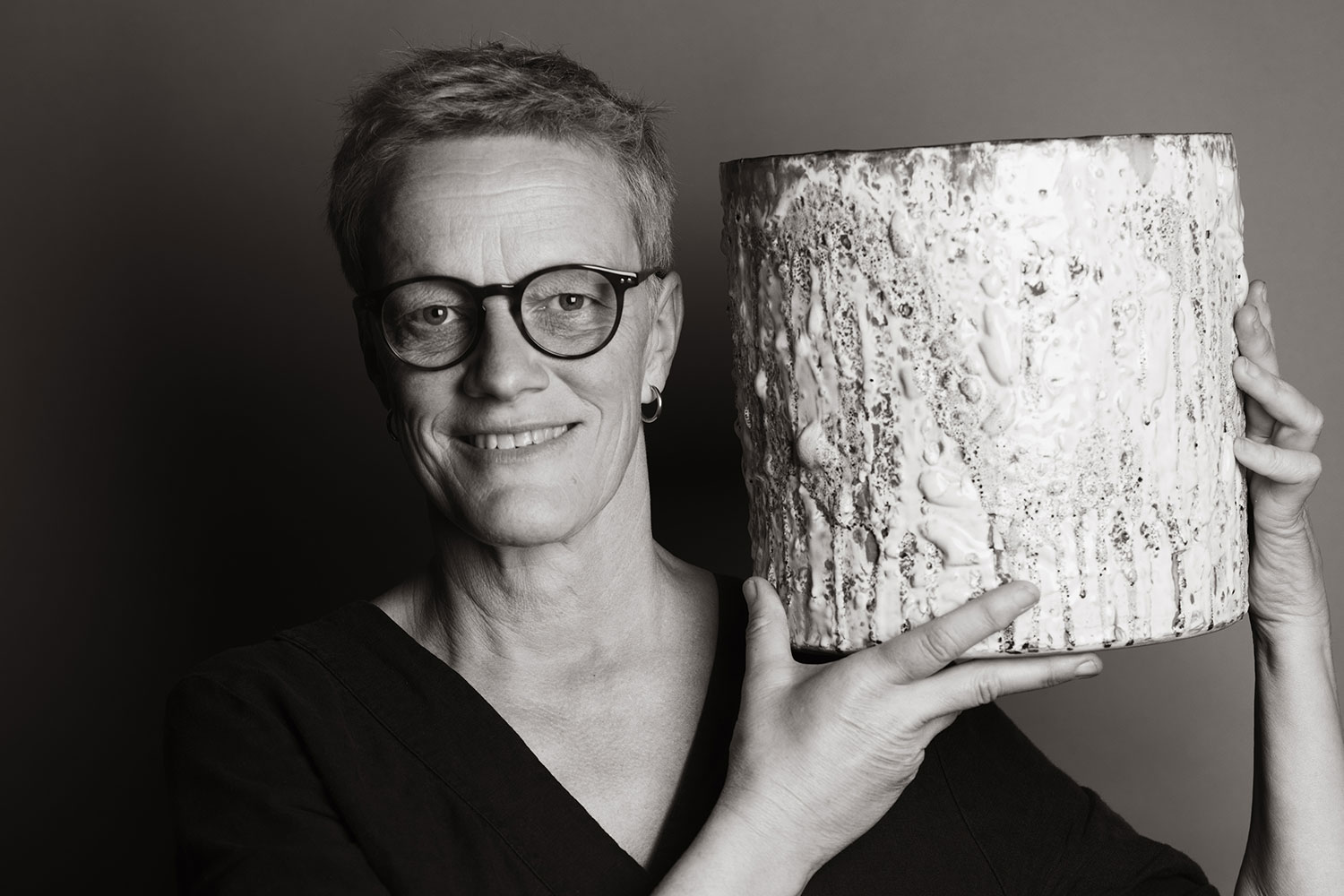
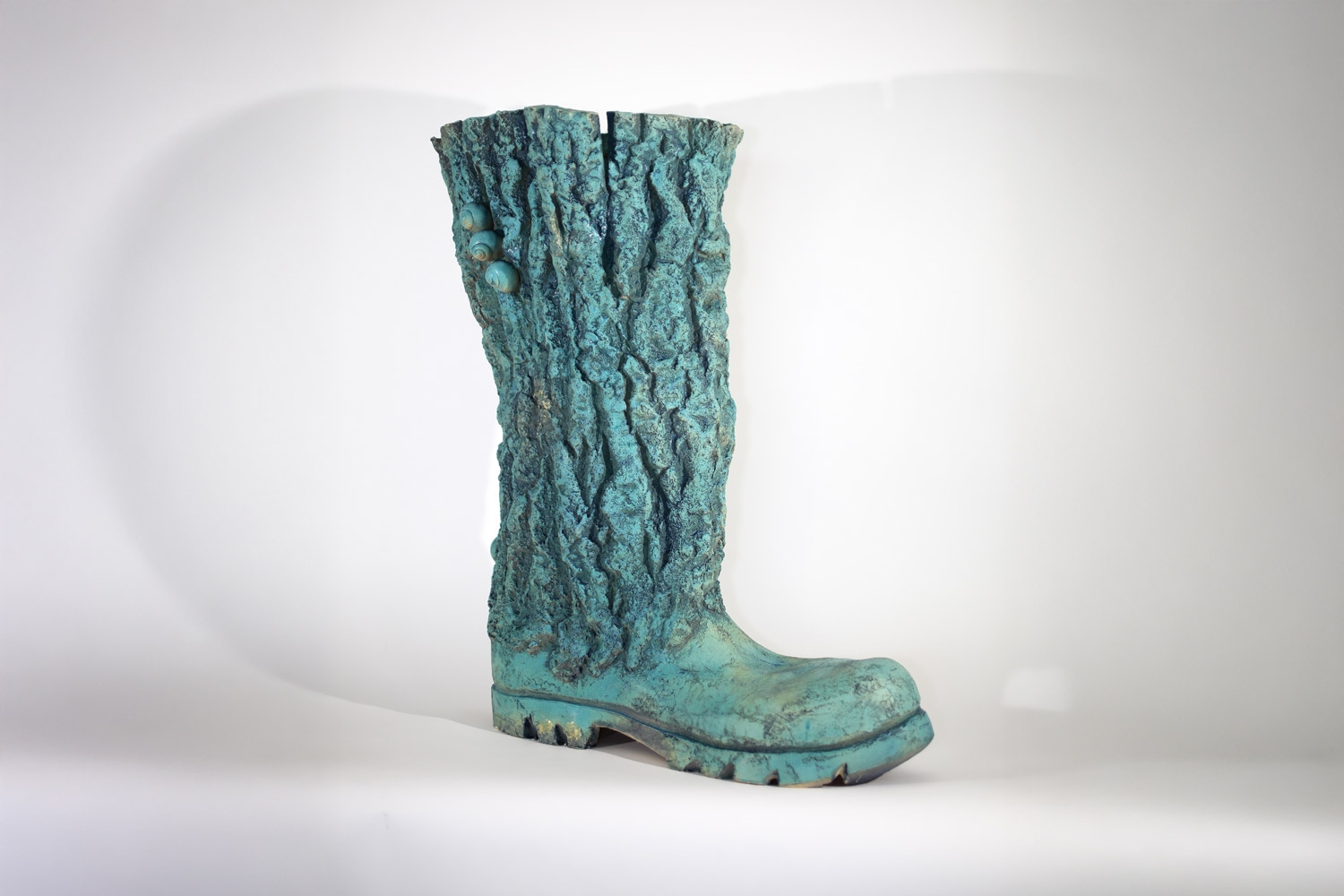
My first glazed stoneware piece was a vase with the texture of tree bark. I achieved this hyper-realistic effect using a silicone mould taken directly from a tree trunk. This series remains ongoing as I continue to renew it using the same technique.
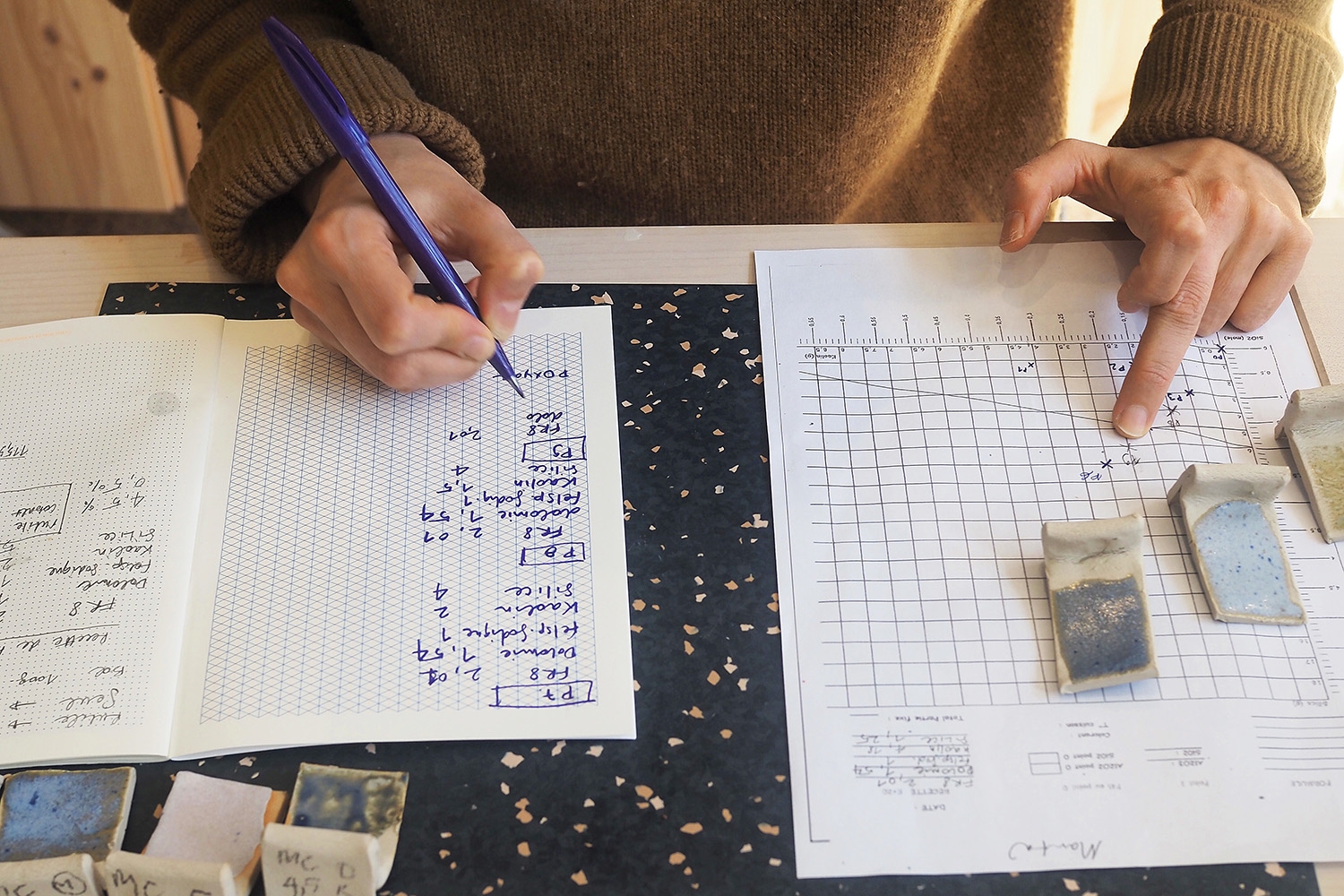
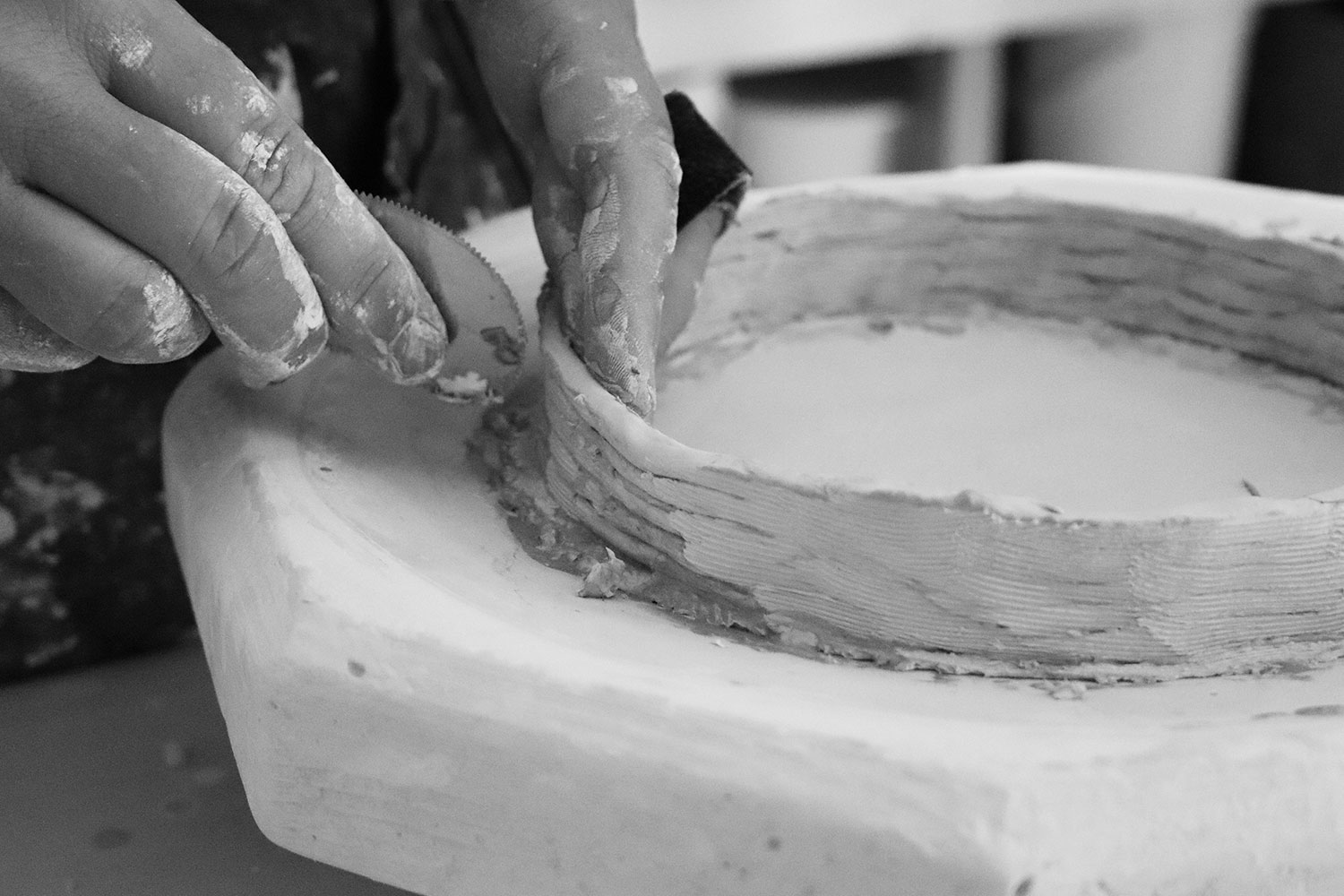
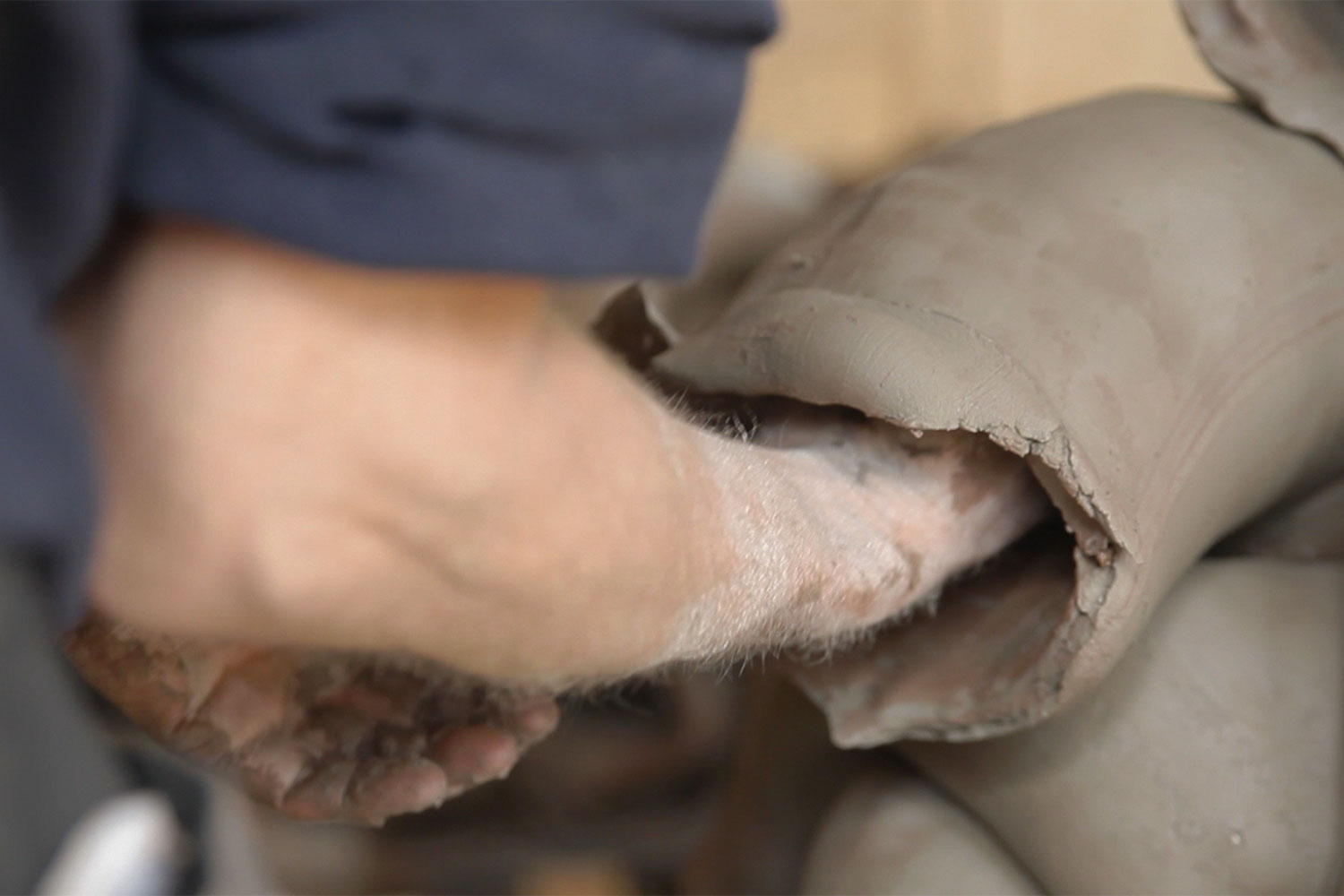
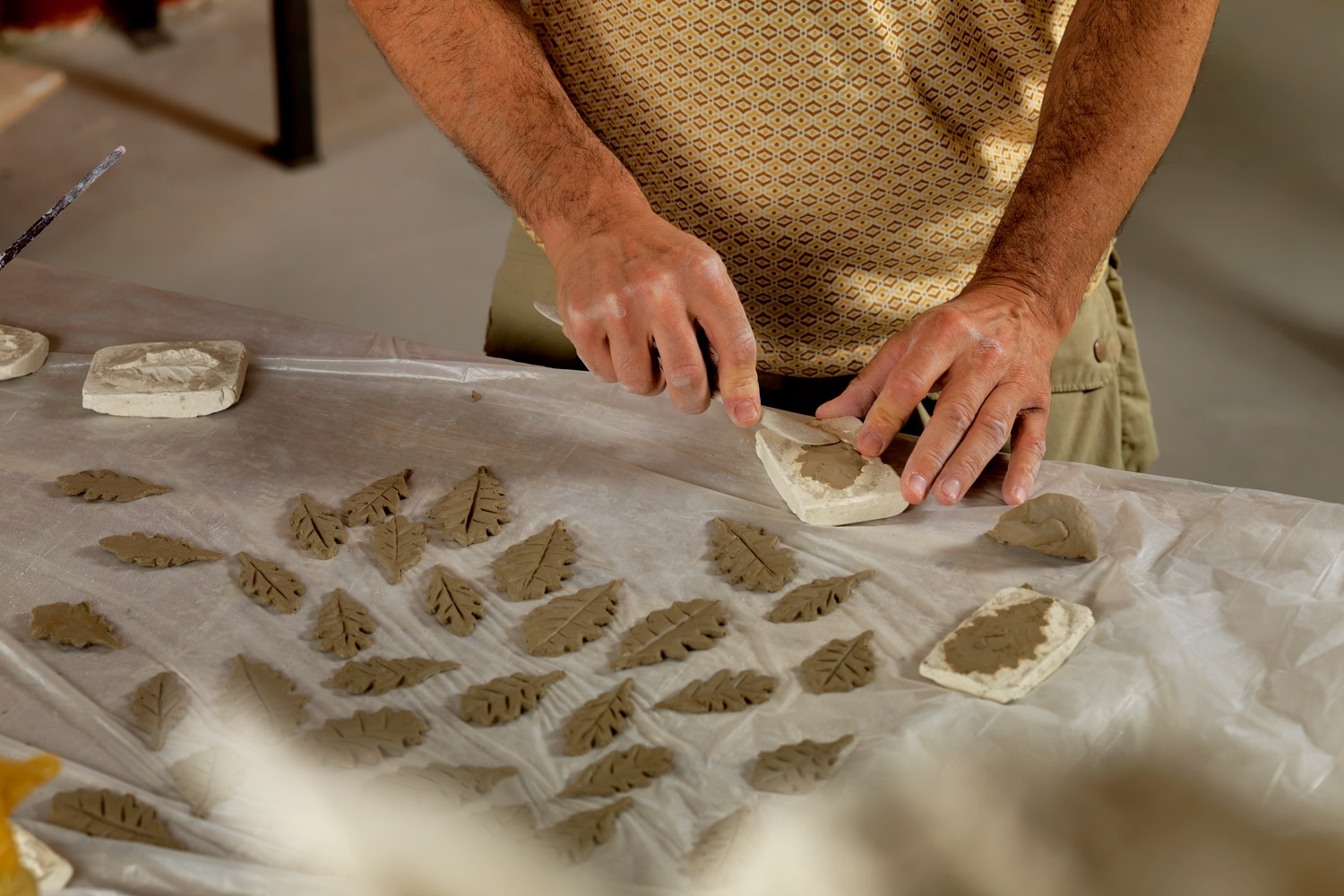
I approach art as a researcher seeking to bring something new to known methods. My pursuit of innovation includes developing a technique to create clay ropes that perfectly imitate real ropes. It also includes the use of silicone moulds to capture tree bark textures, the integration of digital sculpting and 3D printing into ceramics, as well as formulating my own glazes.
The nature surrounding my studio, from my garden to the fields and forests, is a direct source of inspiration for many of the works I have created. I also draw inspiration from art history, biology and philosophy.
1 EXPERIENCE
Matthieu Faury
Ceramicist
Villeneuve-lès-Avignon, France
ADDRESS
Address upon request, Villeneuve-lès-Avignon, France
AVAILABILITY
By appointment only
PHONE
+33 662144742
LANGUAGES
French, English
Homo Faber Finds is a new service aiming to inspire admirers of craft to connect and collaborate with exceptional artisans.
We invite you to submit an enquiry here.