Anne Larouzé
Céramiques & Curiosités
Ceramicist
Gardanne, France
Clay as a study material
- Anne's ceramic pieces are intended to inspire reflection
- She links craftsmanship with scientific knowledge
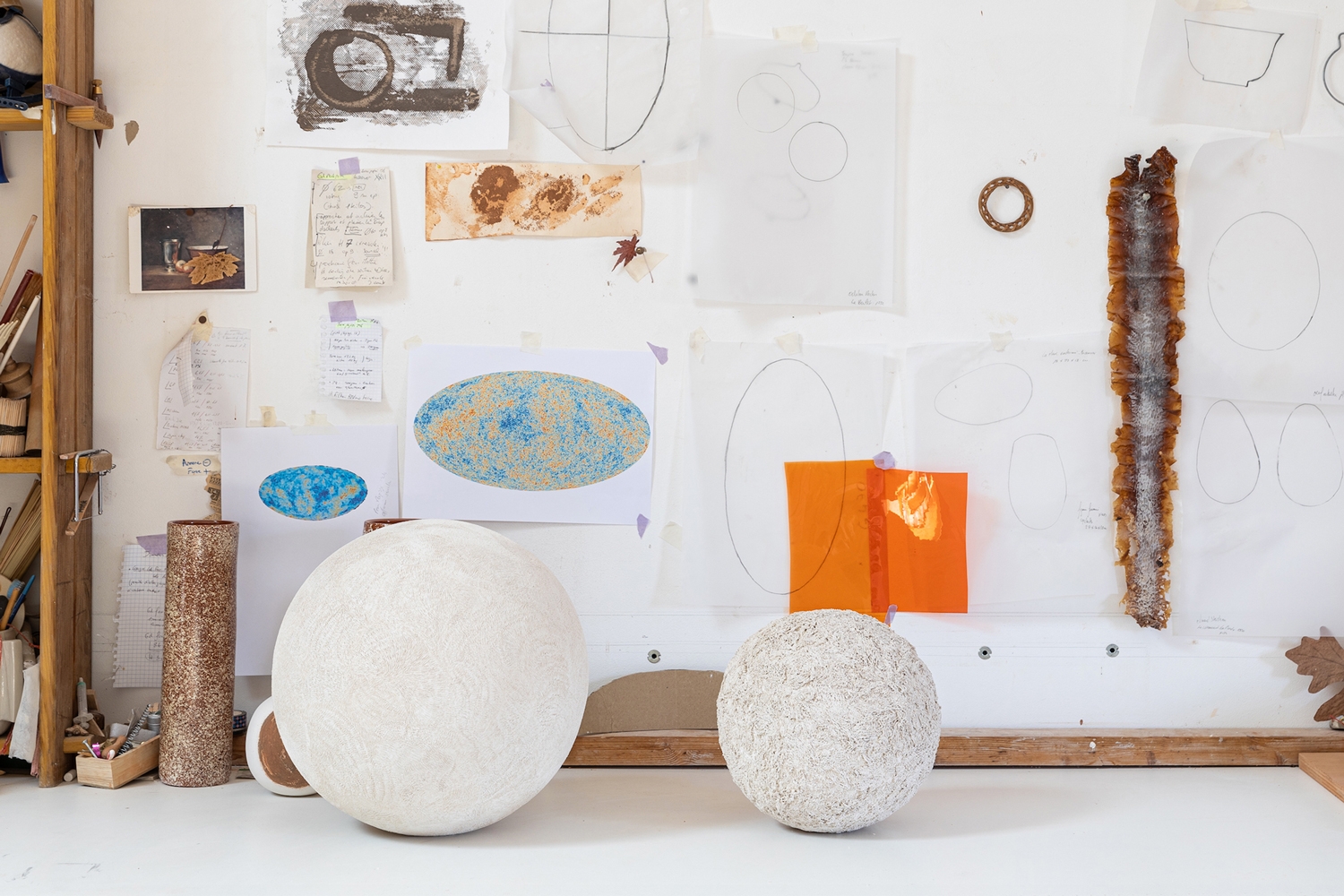
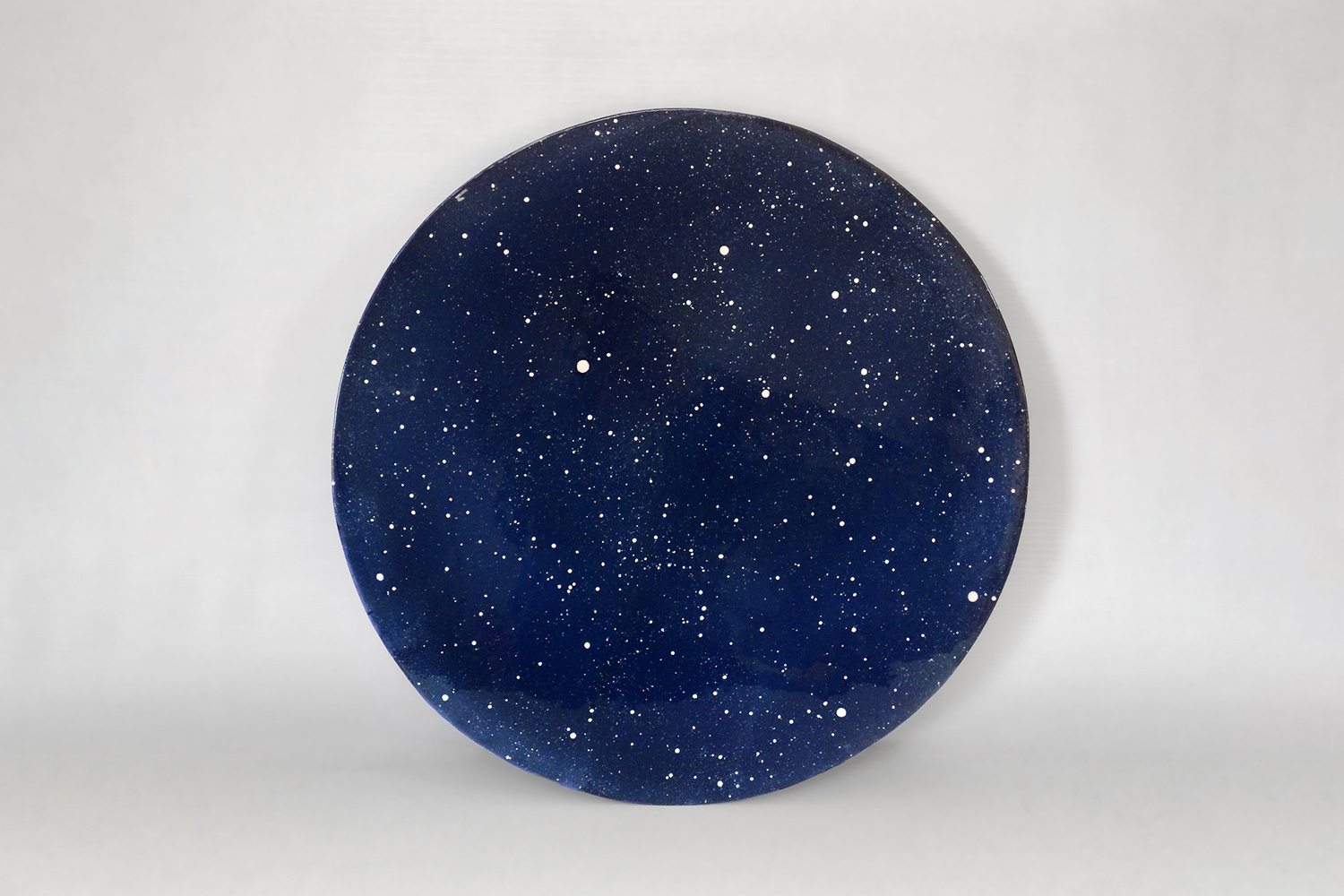
- Her approach seeks to transcribe the complexity of nature's elements into artworks
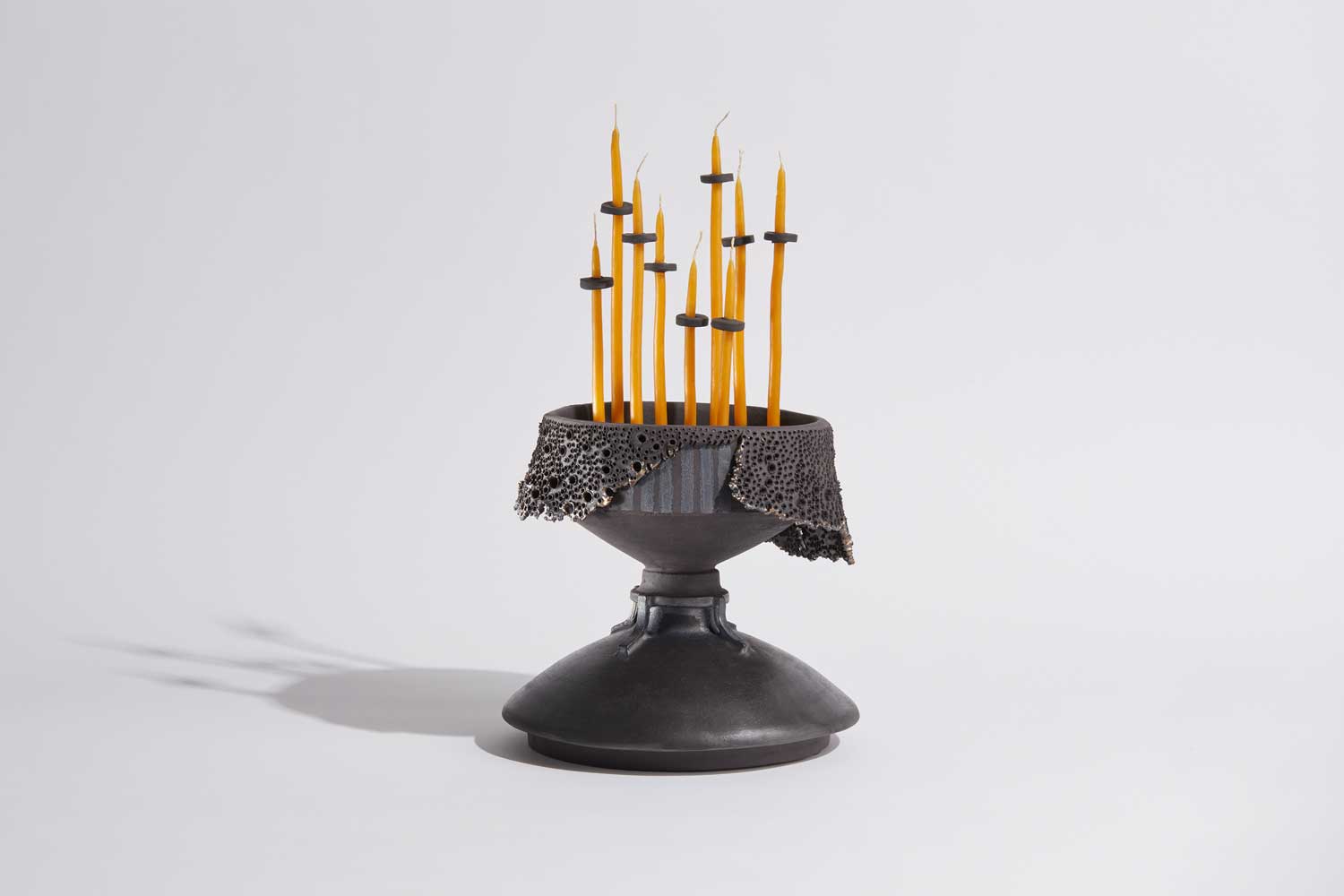
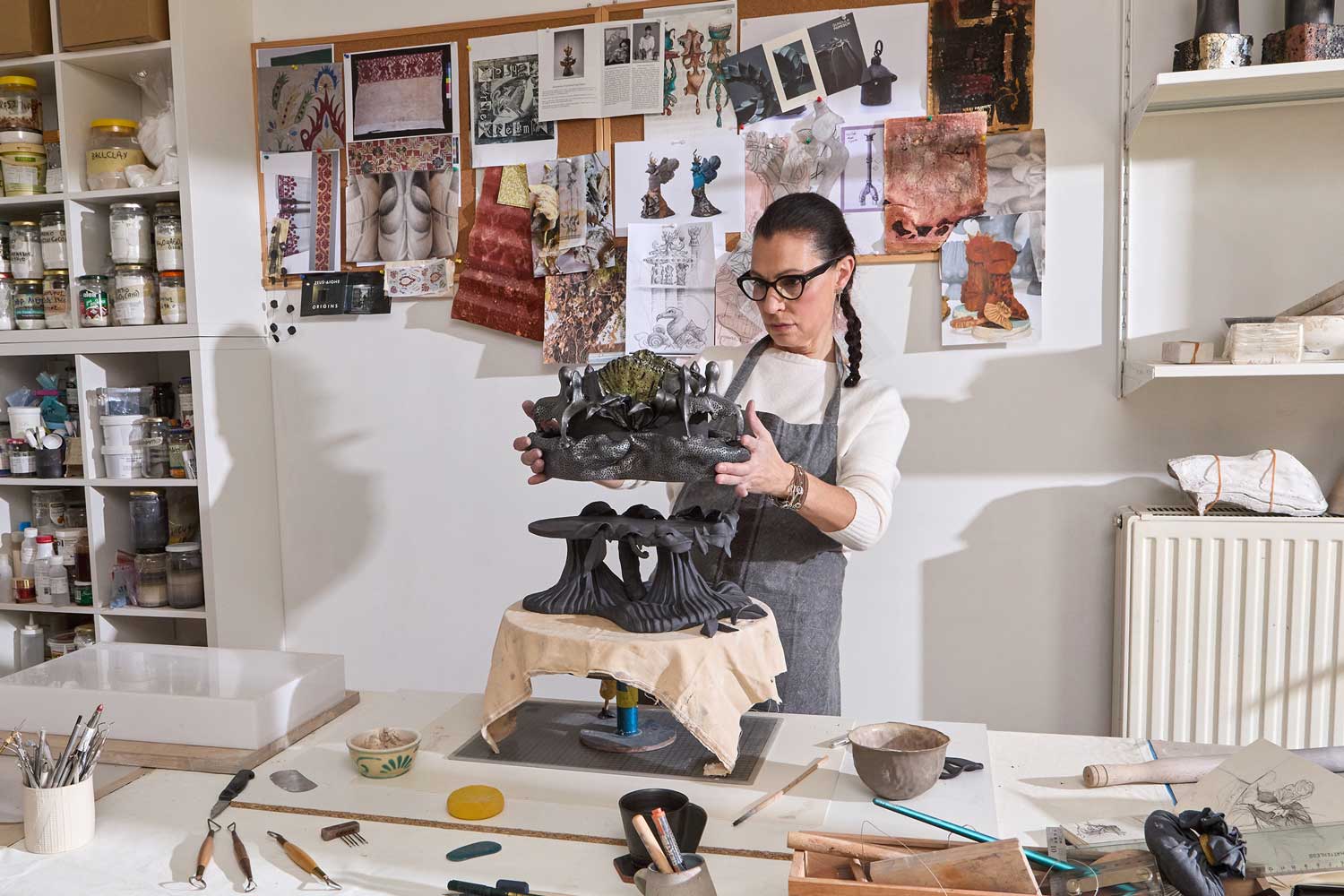
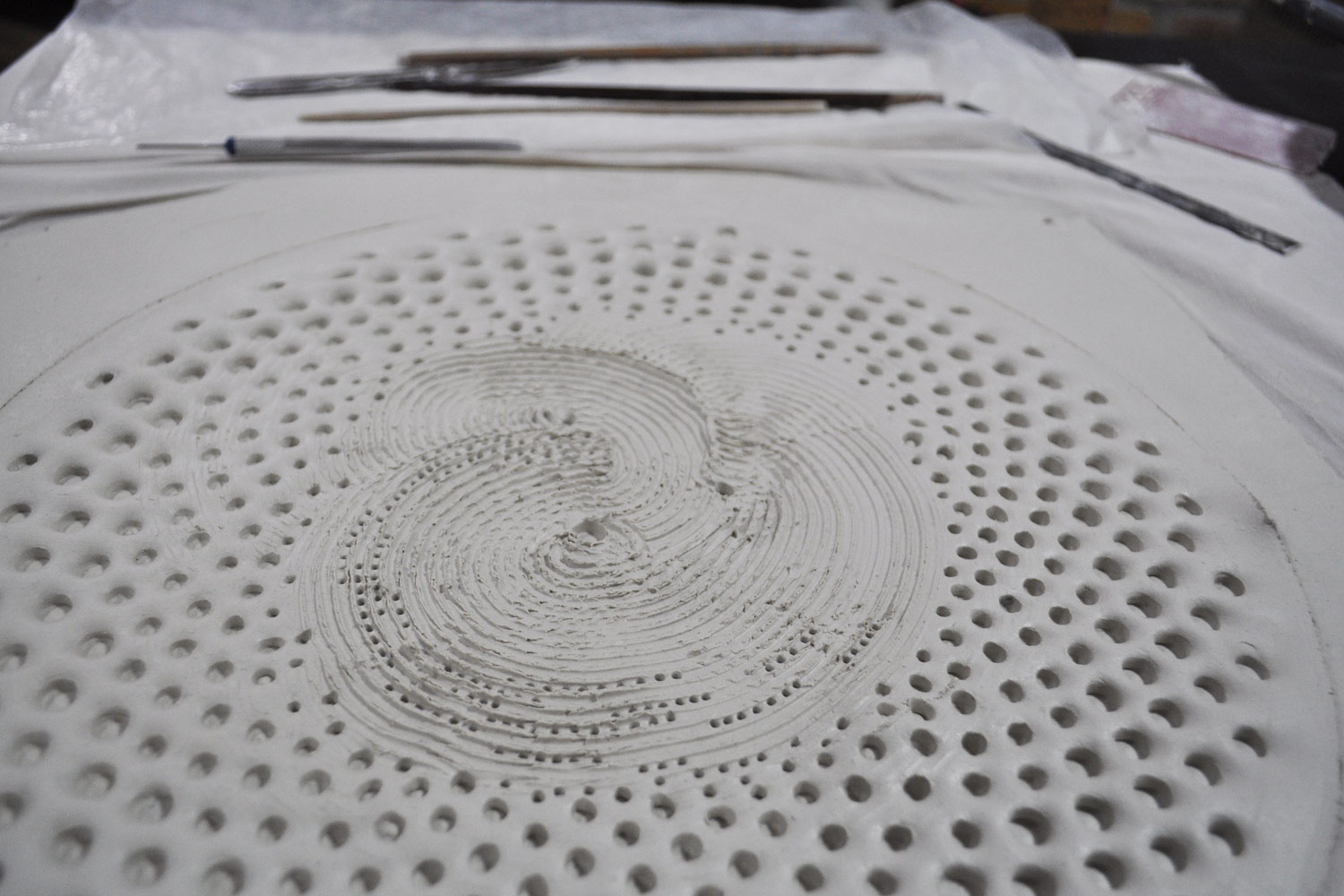
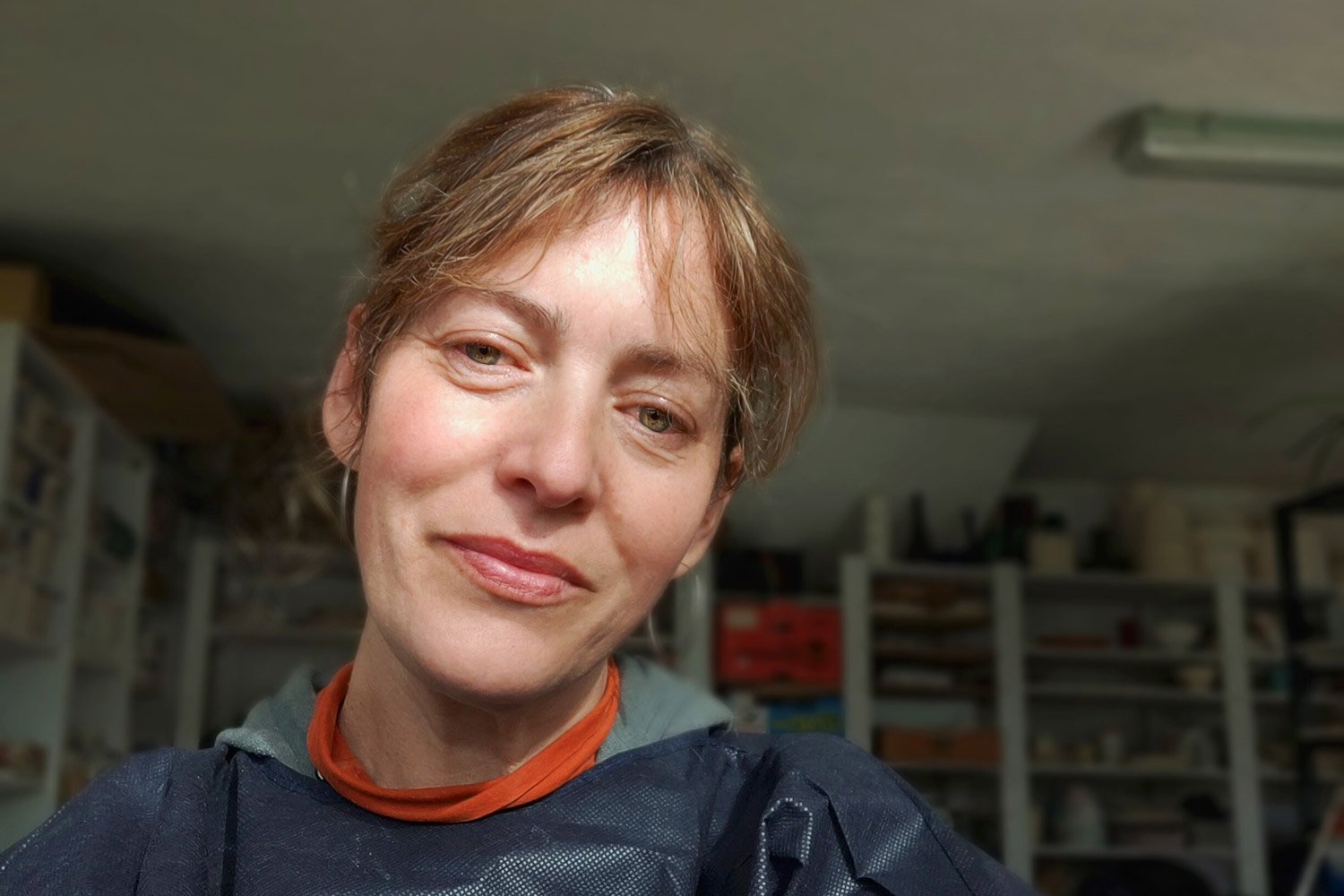
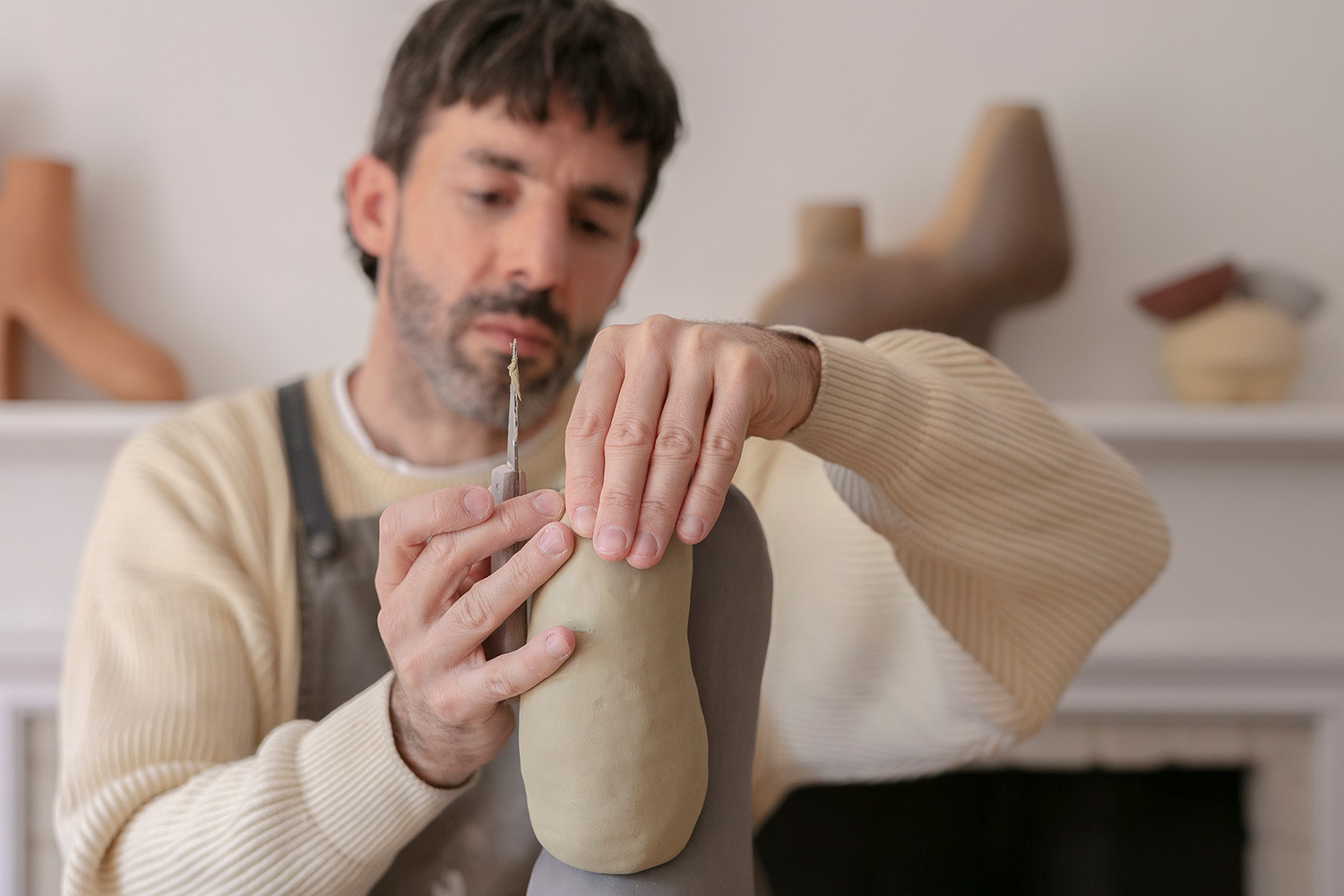
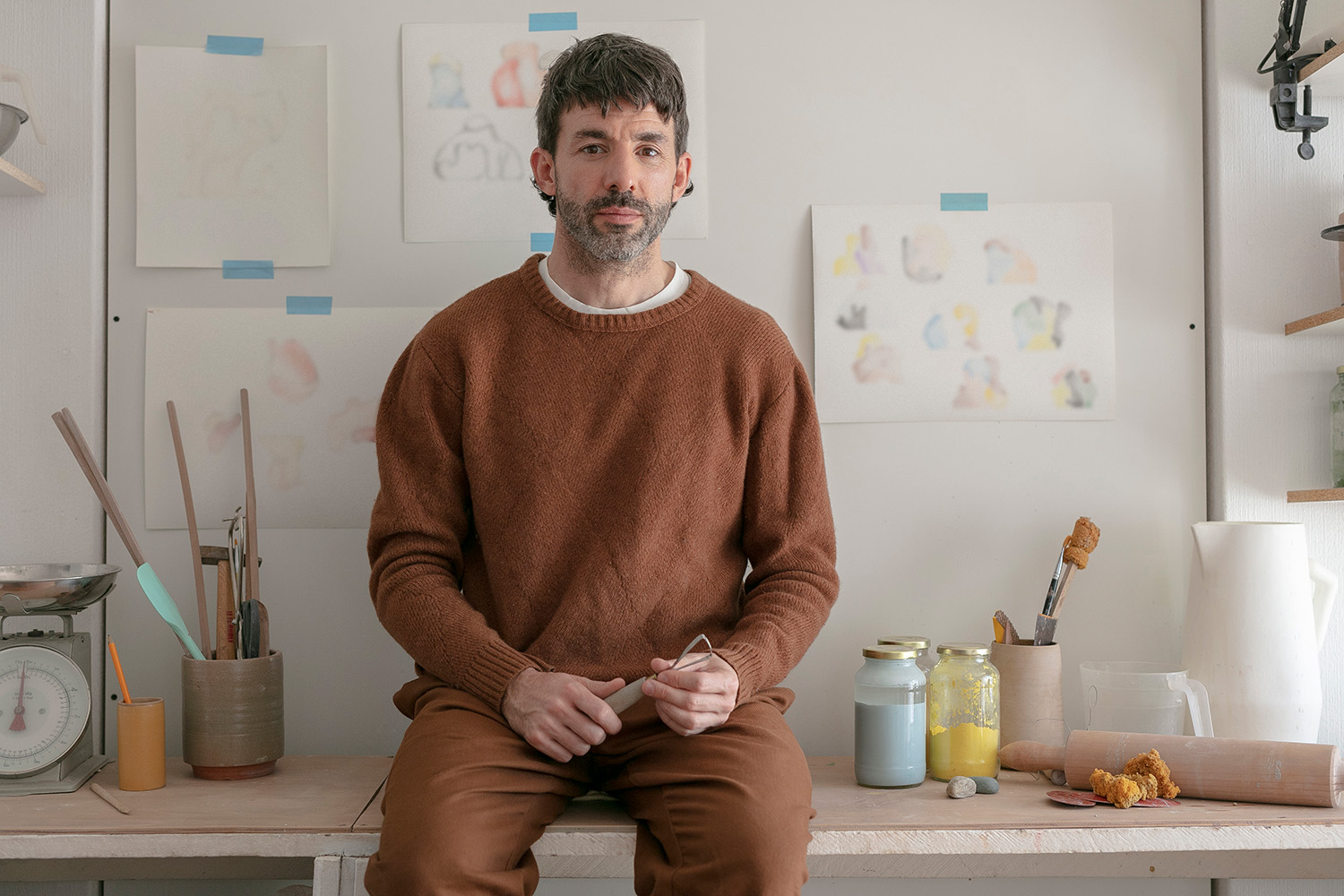
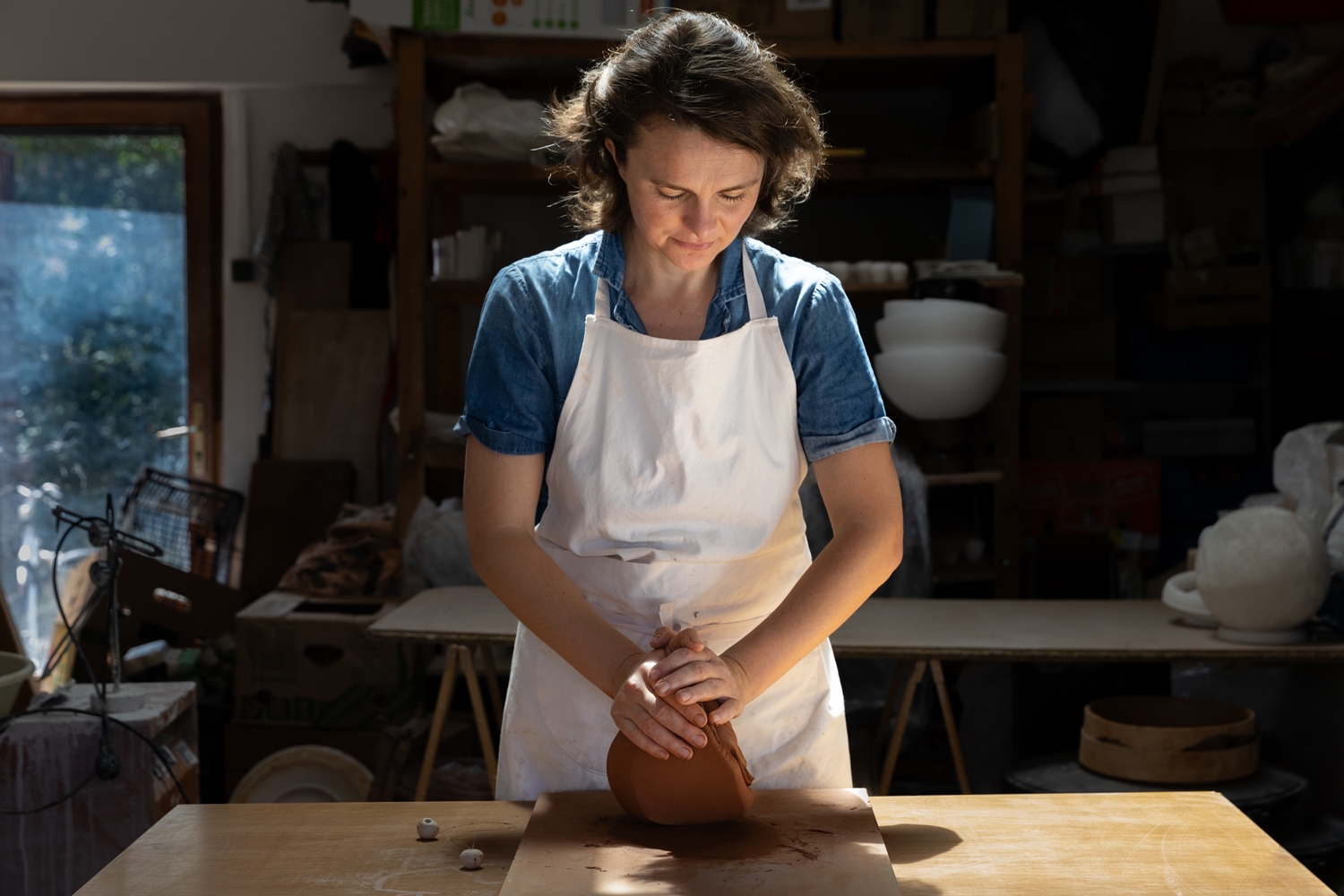
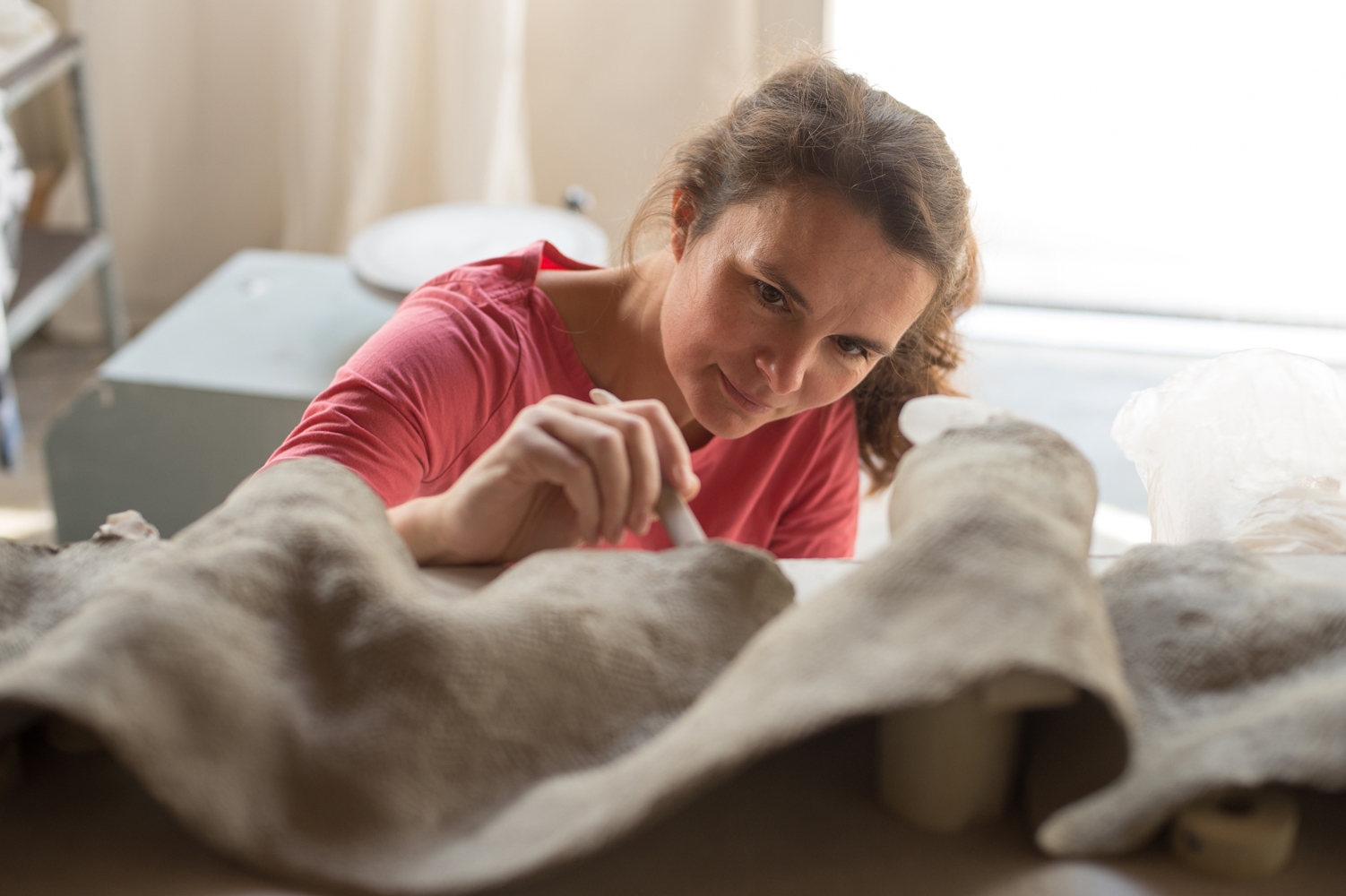
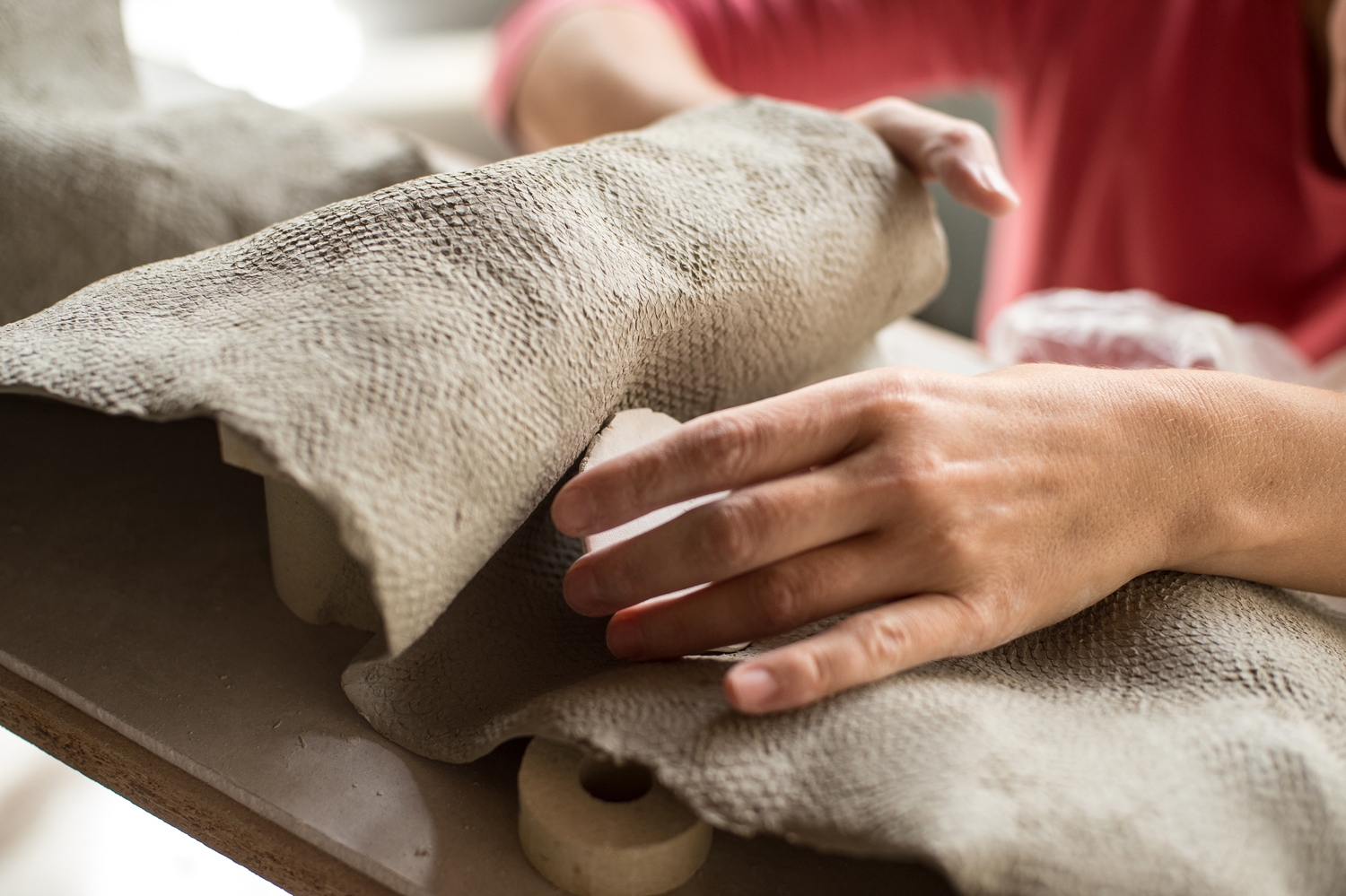
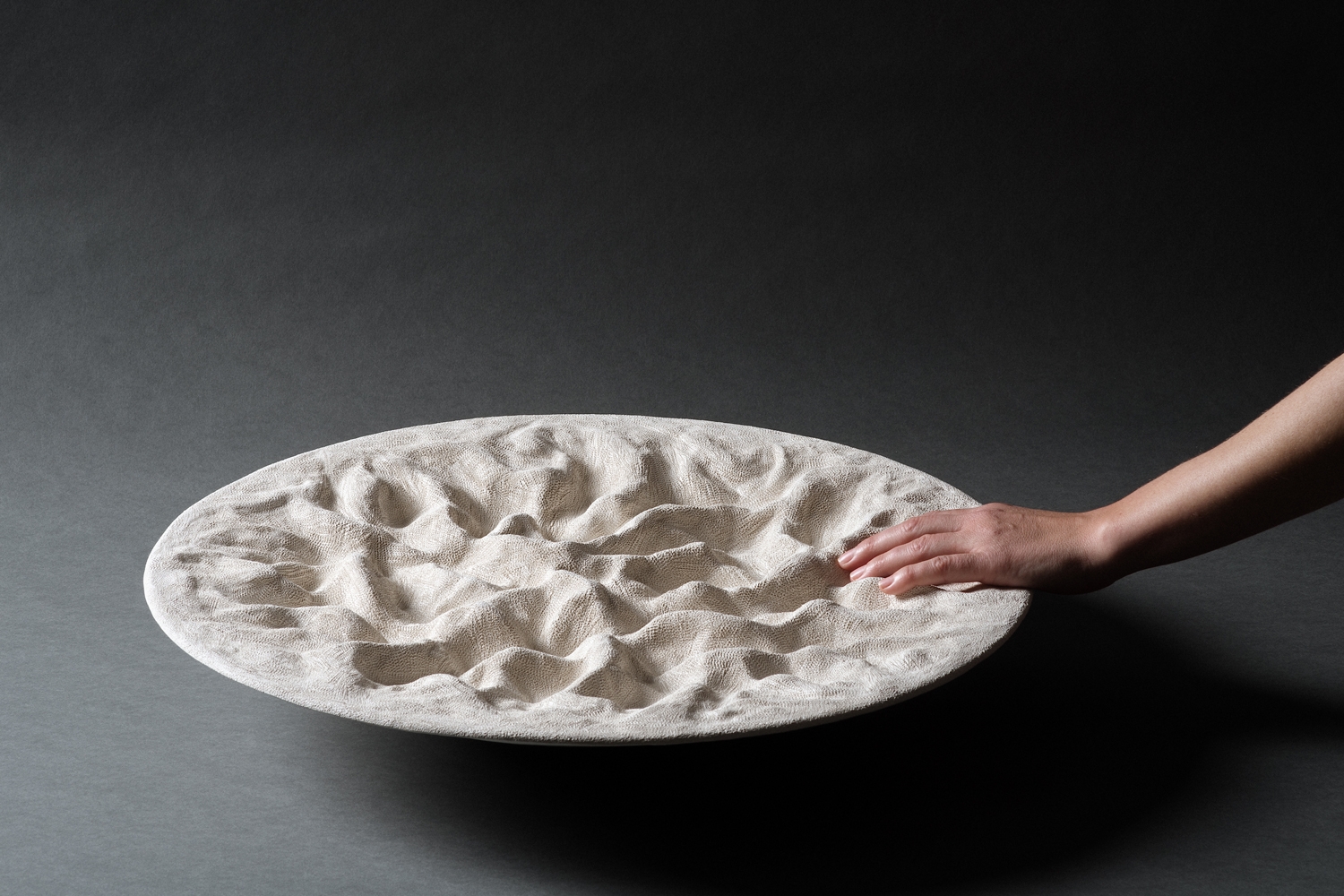
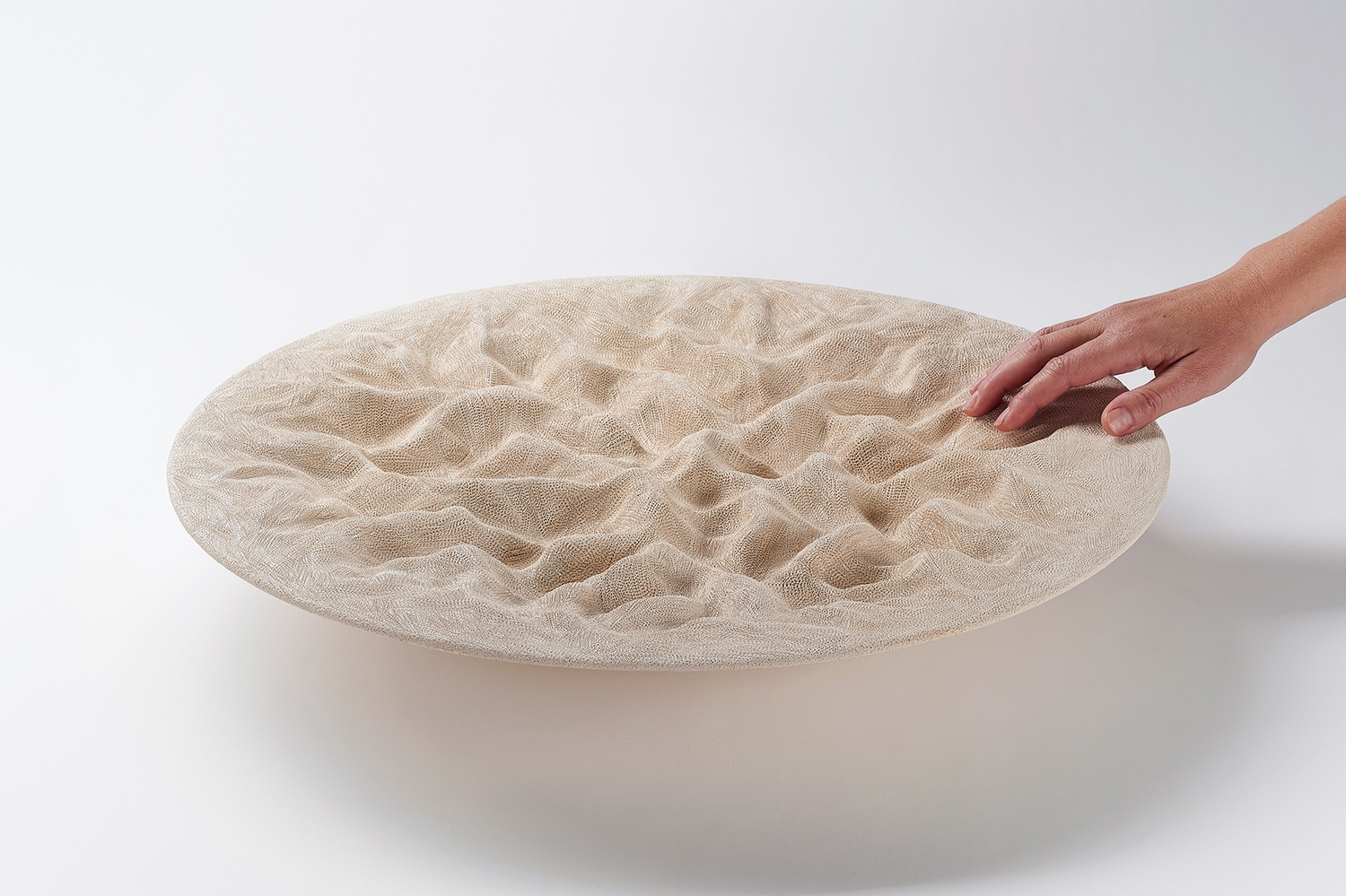
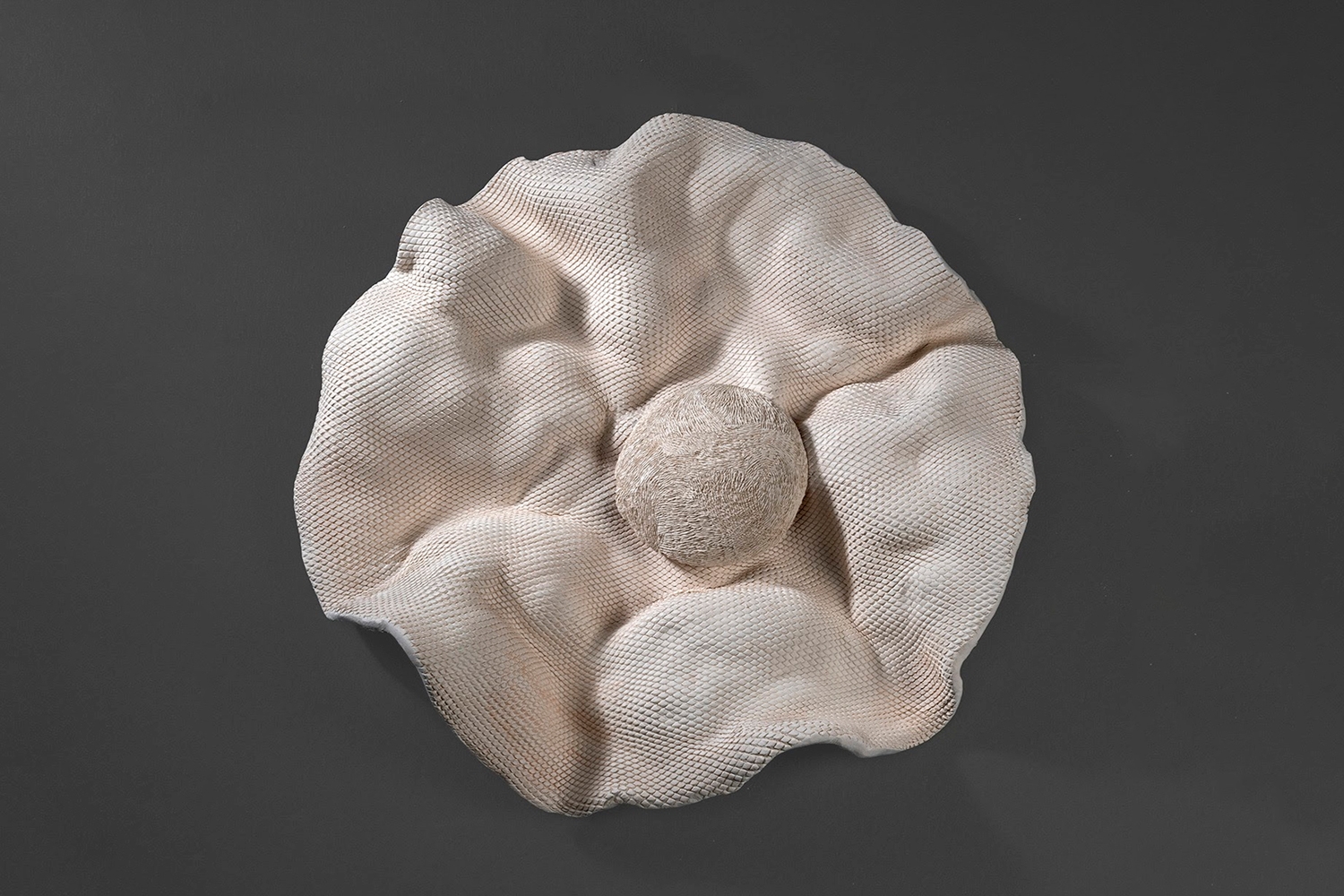
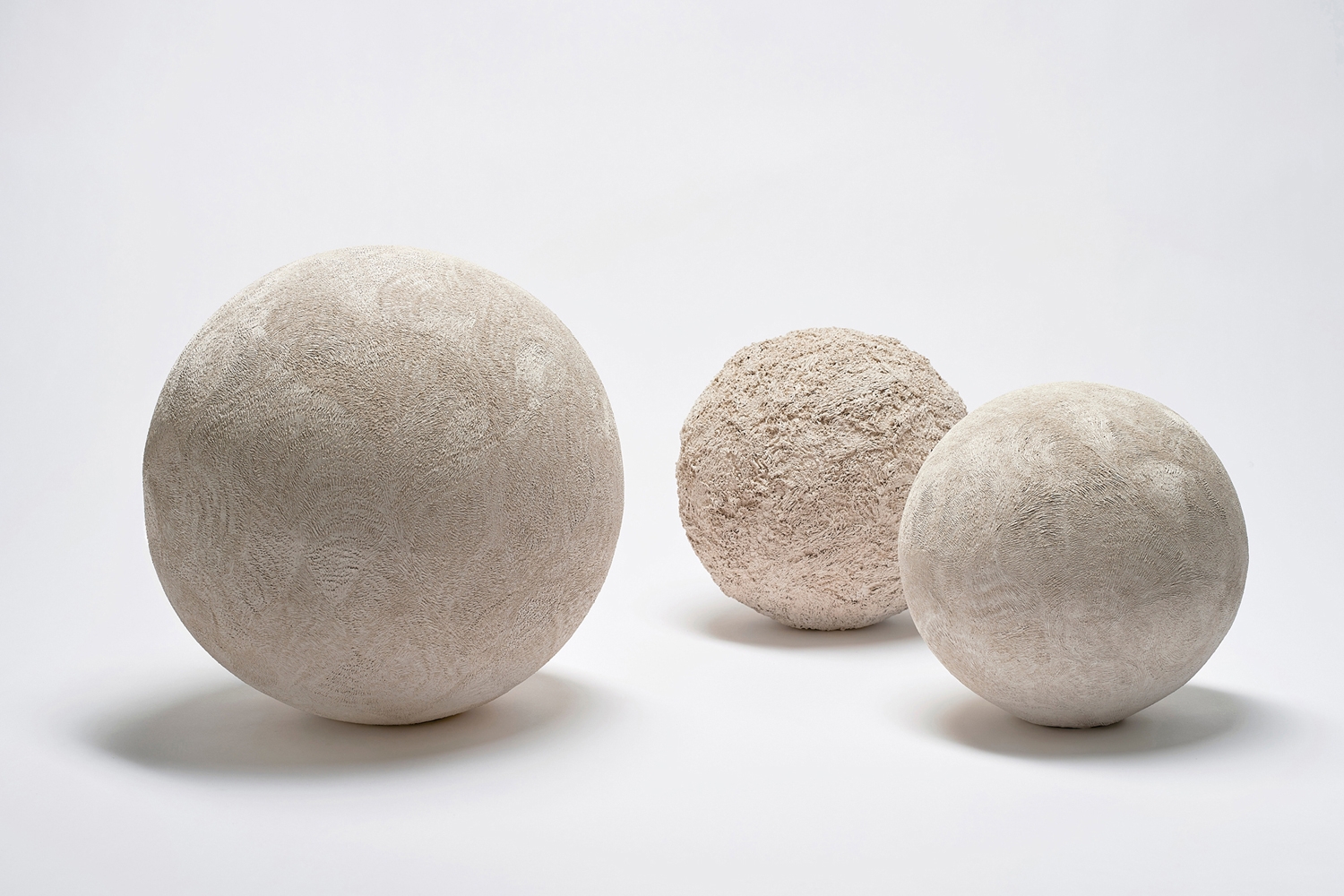
From her very first encounter with clay, Anne Larouzé approached ceramics as a perpetual exploration. "It is an artisanal search that materialises in objects,” she says, describing her work today. Anne draws on her training in the studio of master ceramicist Annie Fourmanoir, who greatly influenced her, particularly in her reflective approach to the craft. From art to design, Anne mainly creates pieces that are specific to a site, a theme. Her artistic practice relies on collaborative research. She allows clay to collide with other disciplines, initiating dialogues with designers, researchers or even physicists. One of her major projects was a residency at the Natural History Museum in Geneva, which led to her first solo exhibition: Skin is a Landscape, an in-depth study of animal skin molting.
INTERVIEW
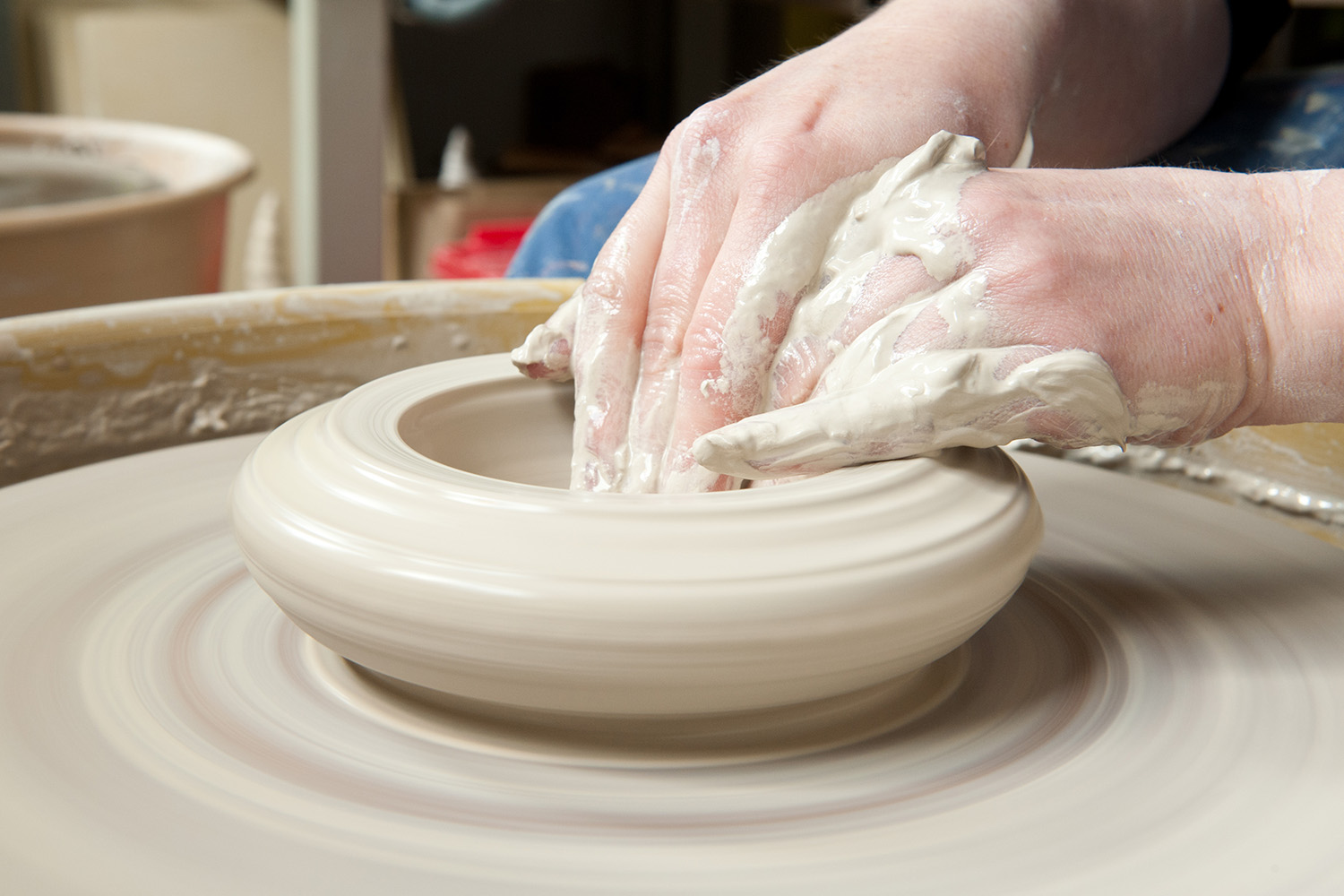
Right after my training at la Maison de la Céramique of Dieulefit, I was selected for the Académie des savoir-faire by the Fondation d’entreprise Hermès. This research residency allows artisans and designers to collectively explore a material. Over the months, I was able to engage with all the facets of clay and could then ask myself how to apply all this knowledge.
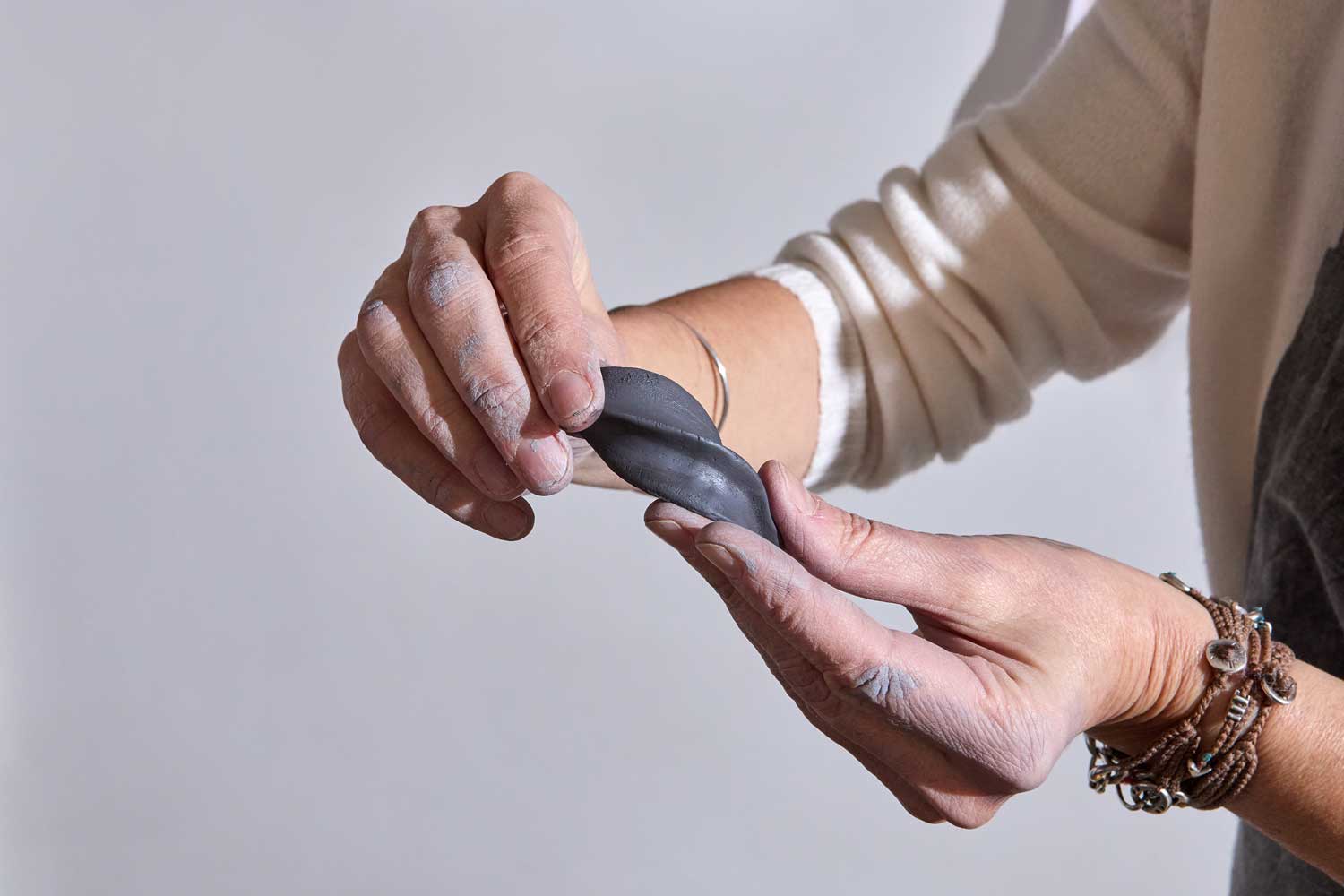
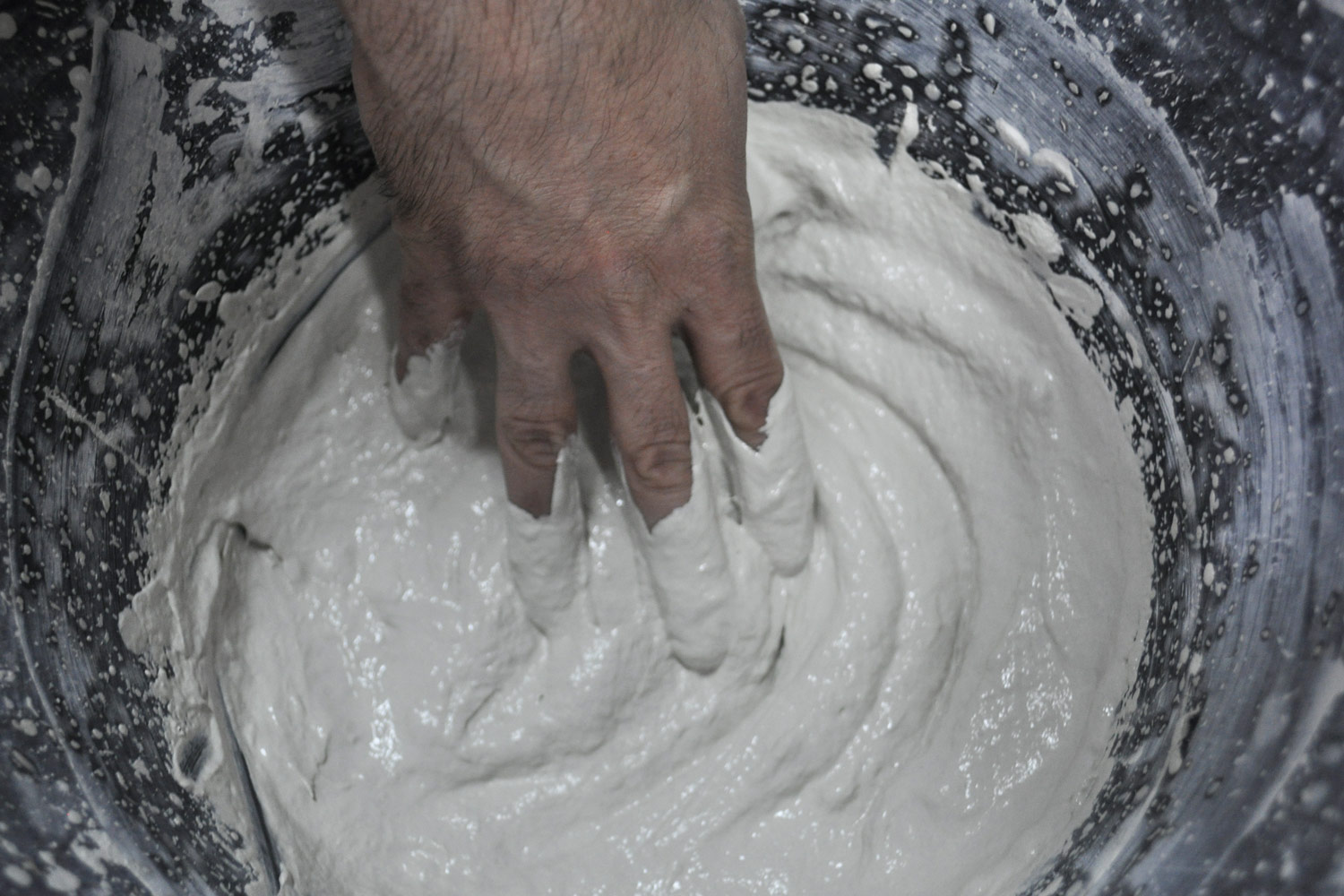
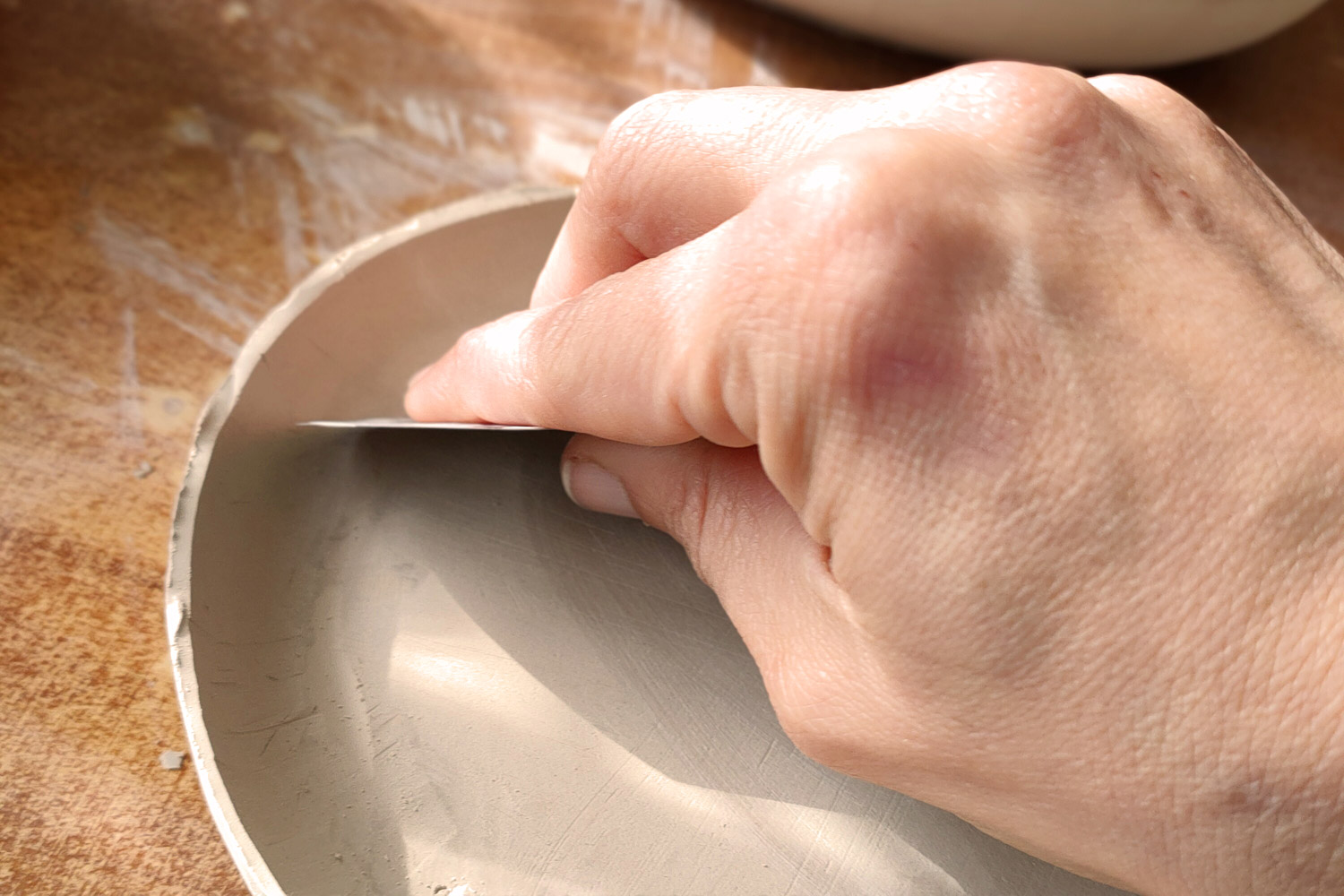
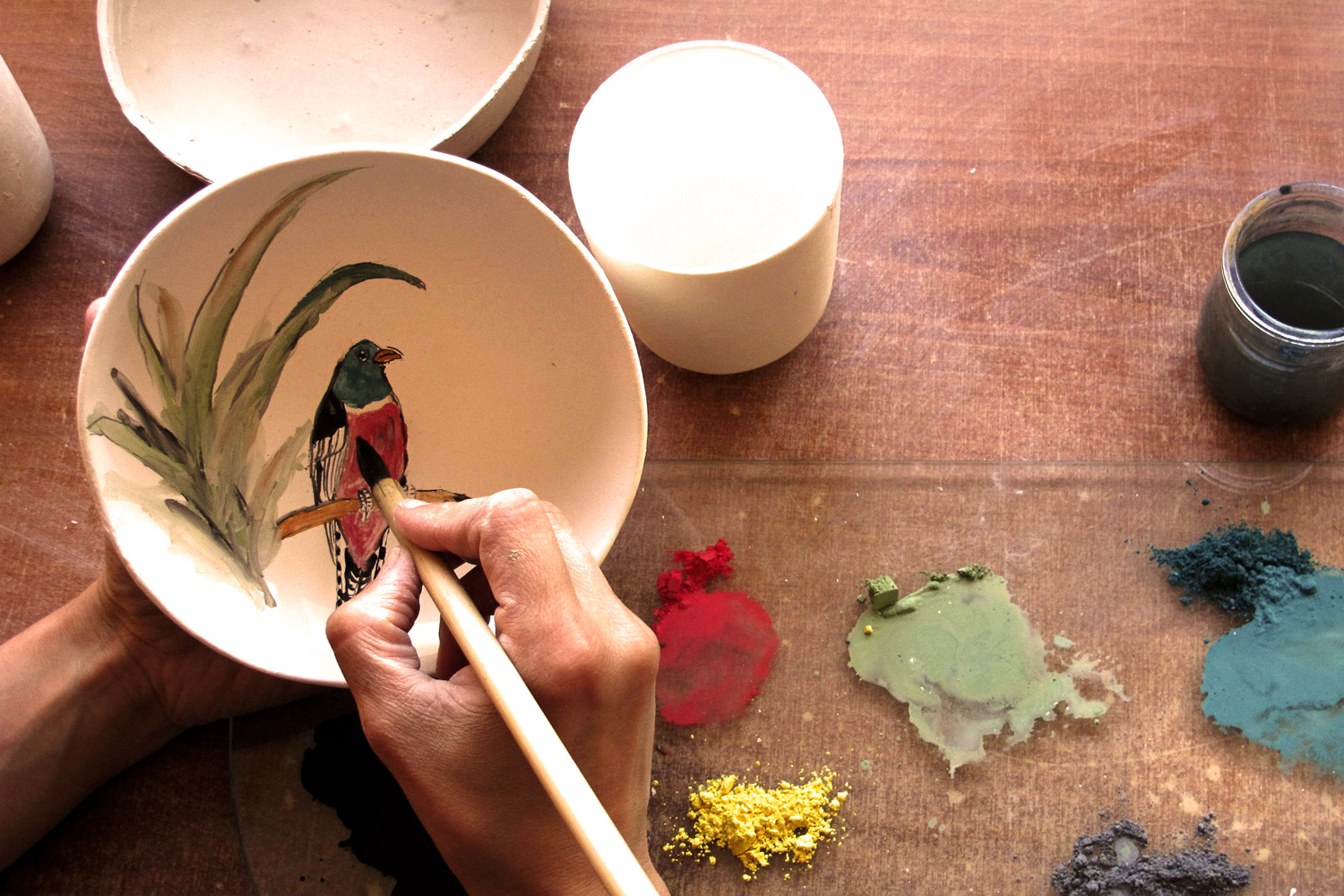
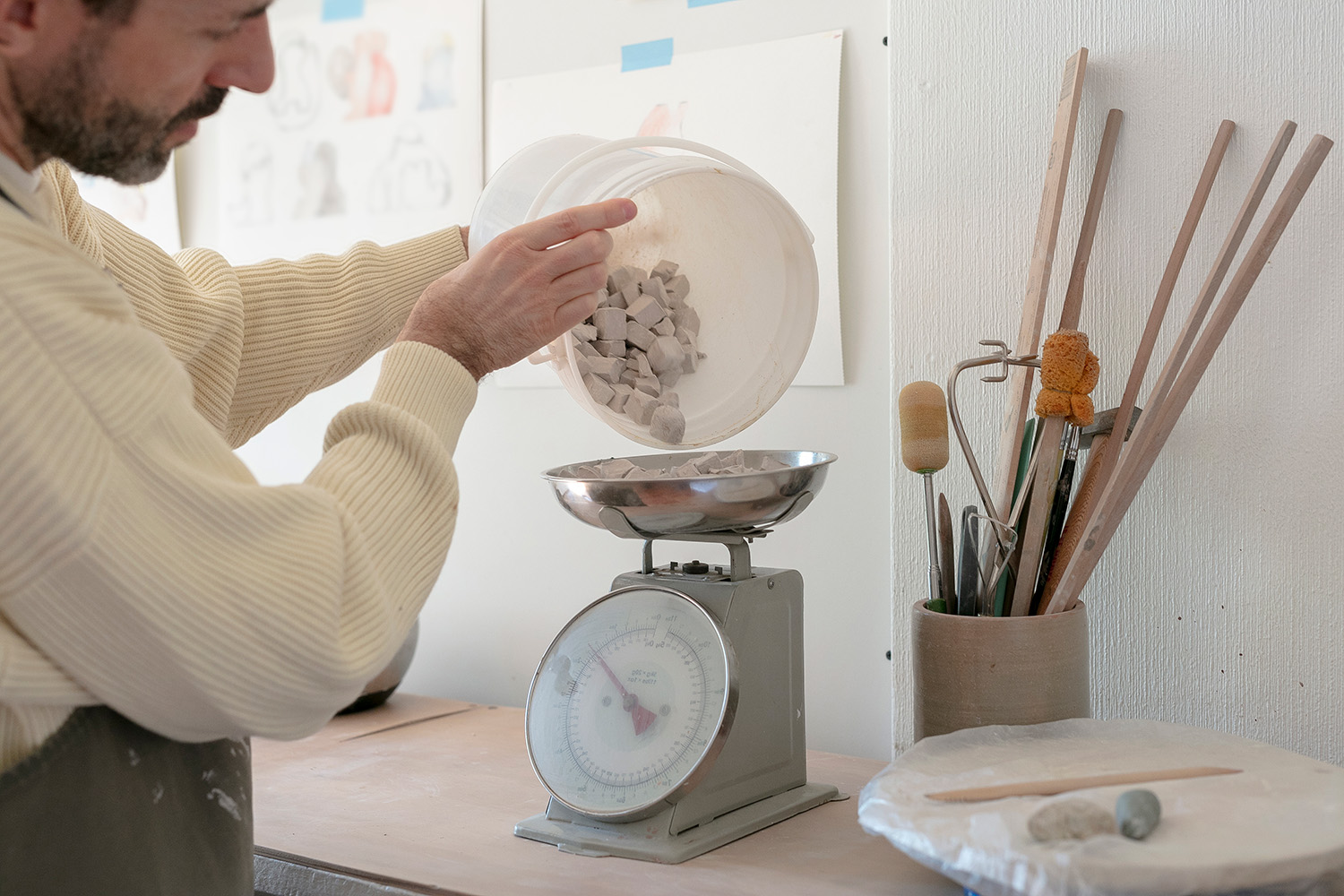
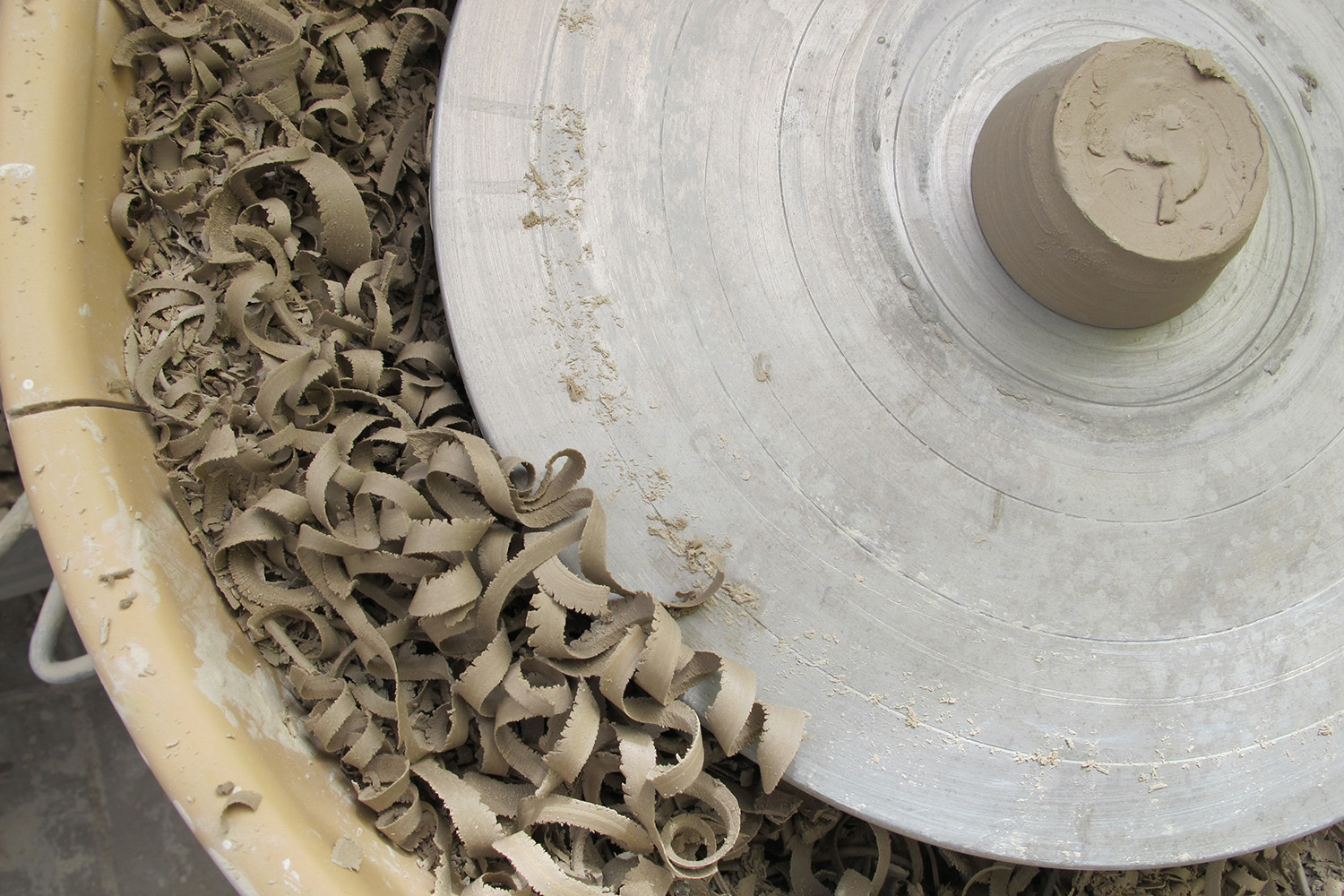
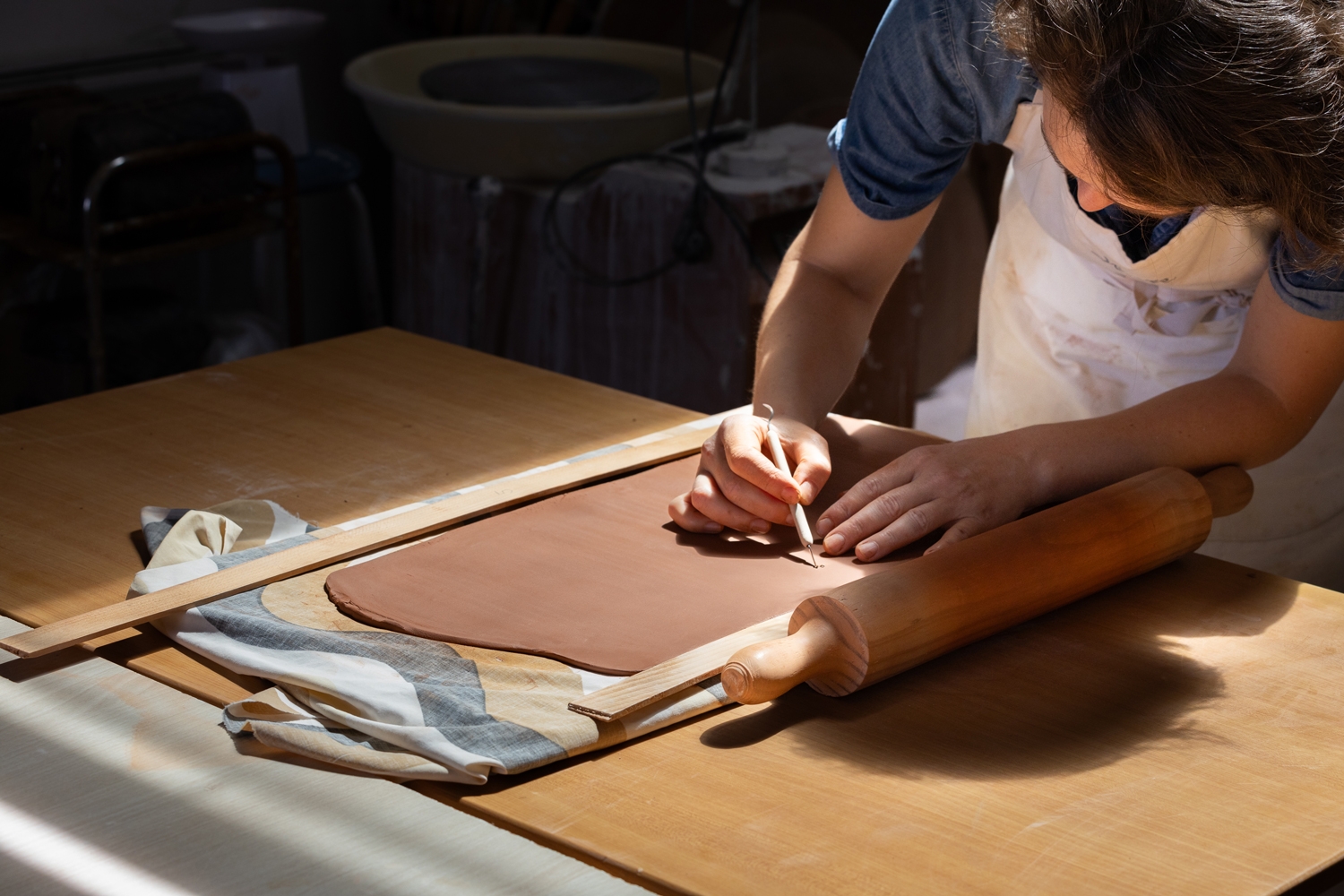
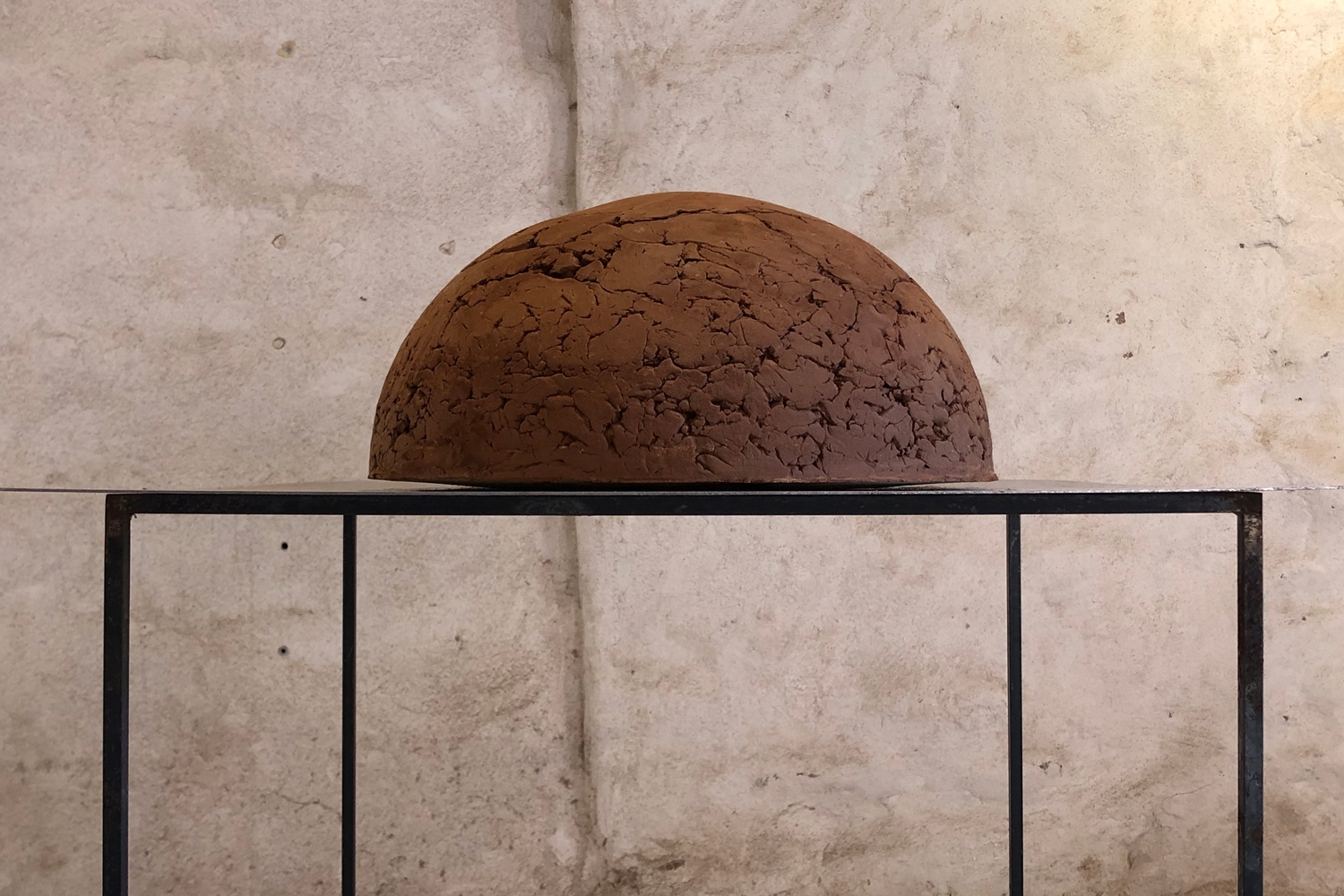
I like to mix techniques and very traditional, simple tools, such as pieces of bamboo. At the moment, I am very interested in working with non-fired raw clay collected near my atelier.
My inspiration comes from the constant discoveries linked to the material: the gesture, the accident that happens in the workshop, the working process. I am able to link these with my personal journey, the century, the passing of time, and so on. I seek to reflect on this through my work.
I realised from my previous working experience that creativity is above all a way of being, rather than a way of doing. So I had this attitude in my work, of being creative, and I kept the same approach when I turned to ceramics. It was important to keep the creative adventure at the heart of my approach.
Anne Larouzé
Céramiques & Curiosités
Ceramicist
Gardanne, France
AVAILABILITY
By appointment only
PHONE
+33 607855907
LANGUAGES
French, English, Portuguese, Spanish
Homo Faber Finds is a new service aiming to inspire admirers of craft to connect and collaborate with exceptional artisans.
We invite you to submit an enquiry here.