Matin Malikzada
Ceramicist
Connecticut, CT, USA
Tradition, tenacity and classical ceramics
- Matin is a seventh-generation ceramicist from Afghanistan
- His practice is rooted in the traditional style of Istalif craft
- Adapting his process to a new country has taken resilience and skill
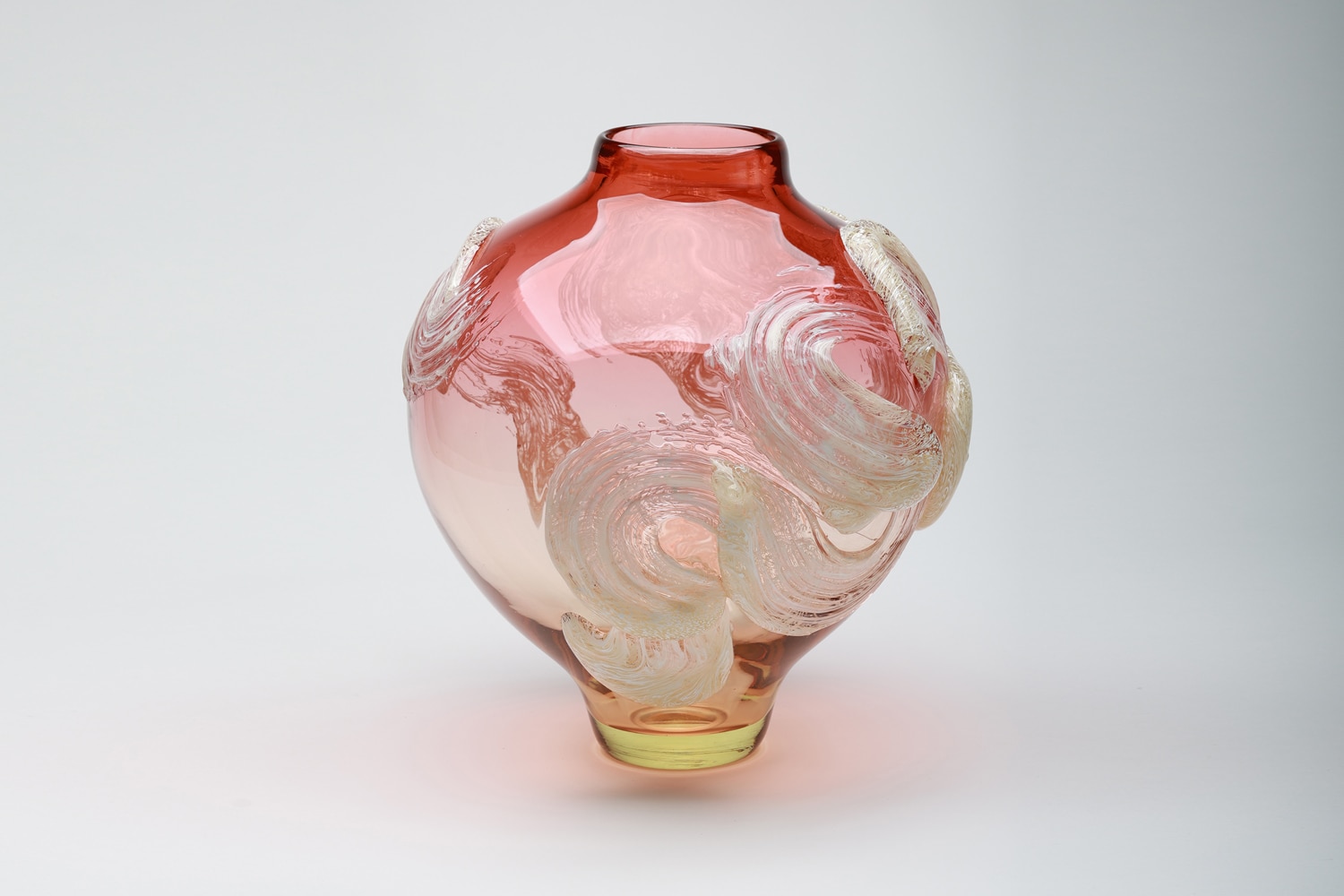
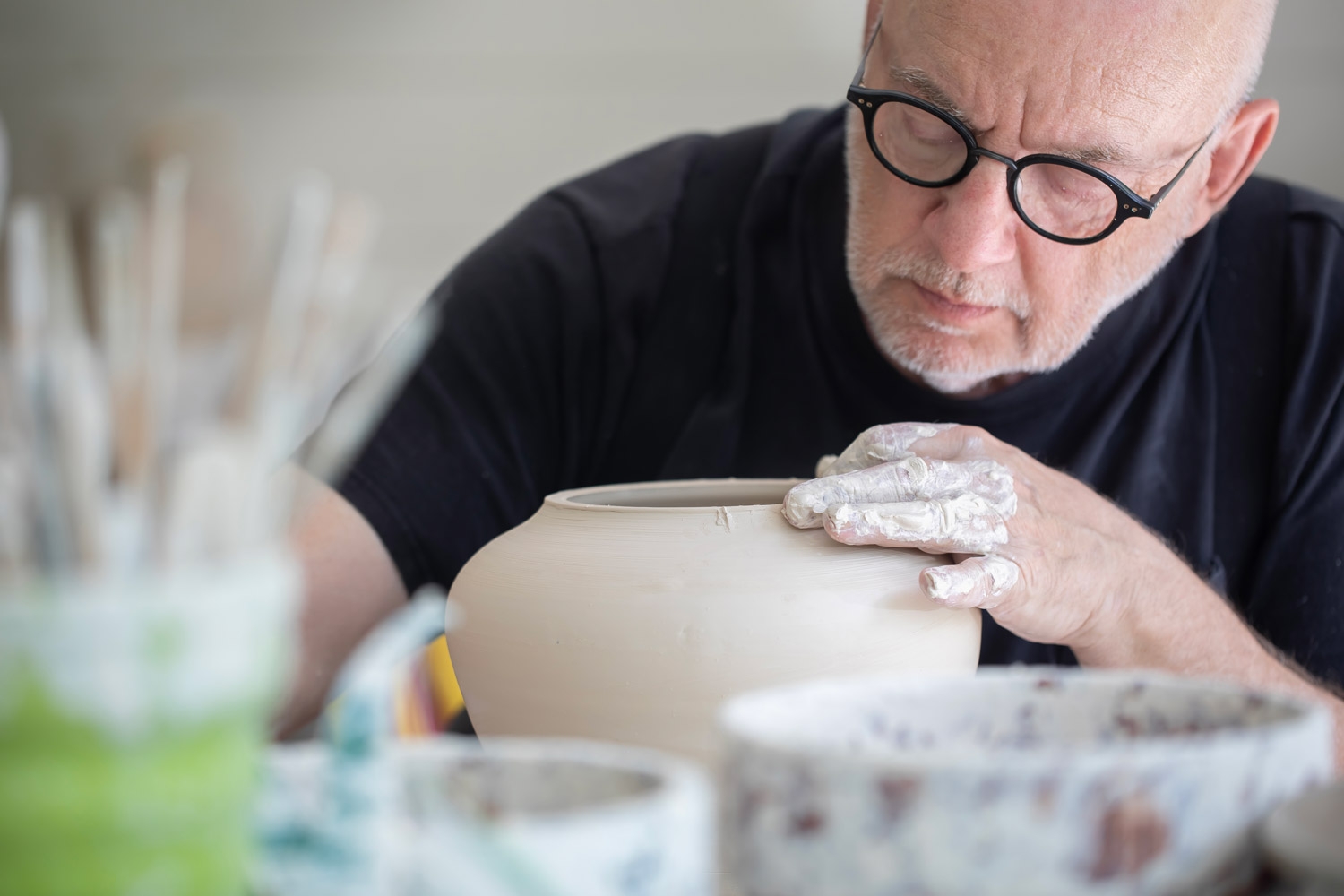
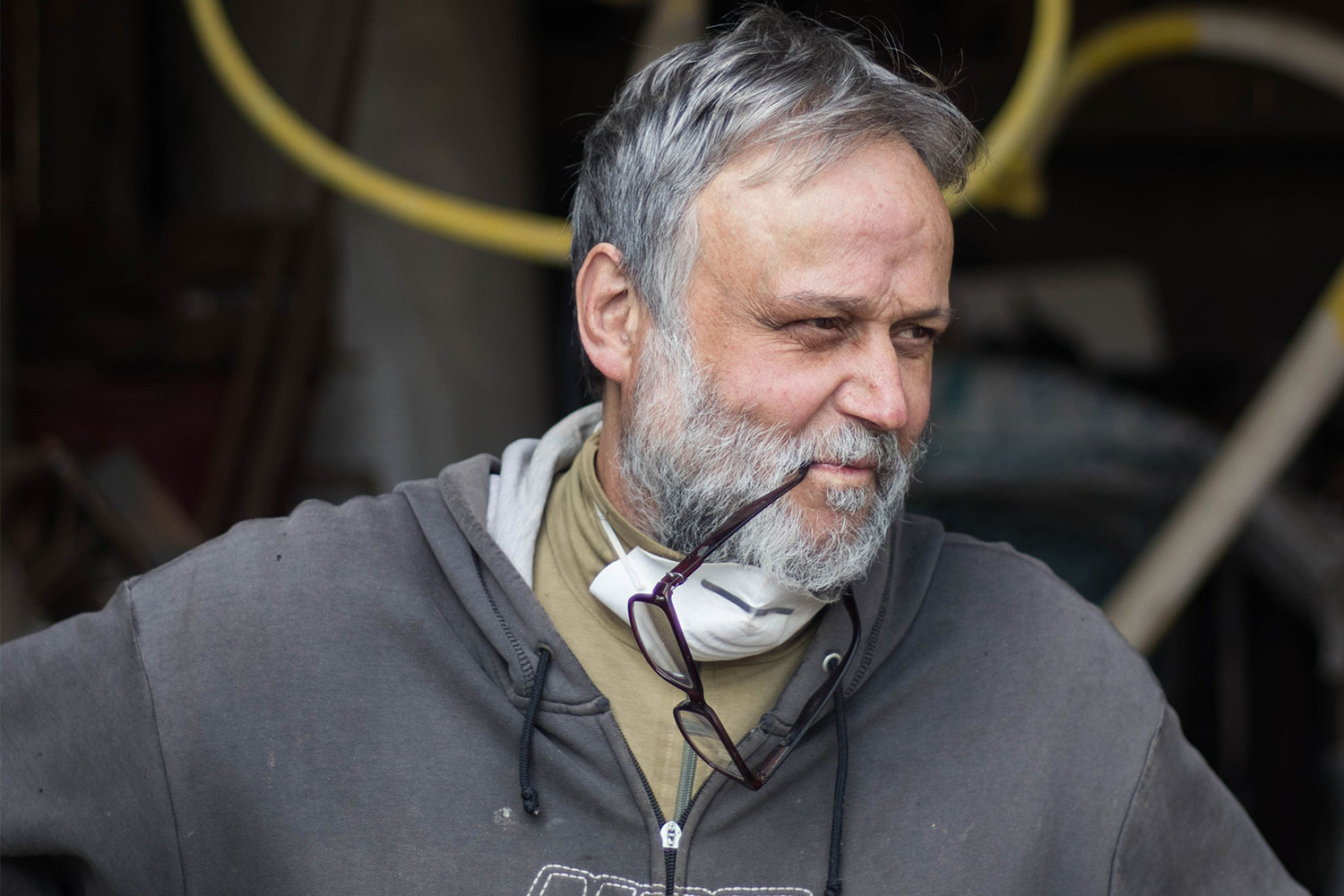
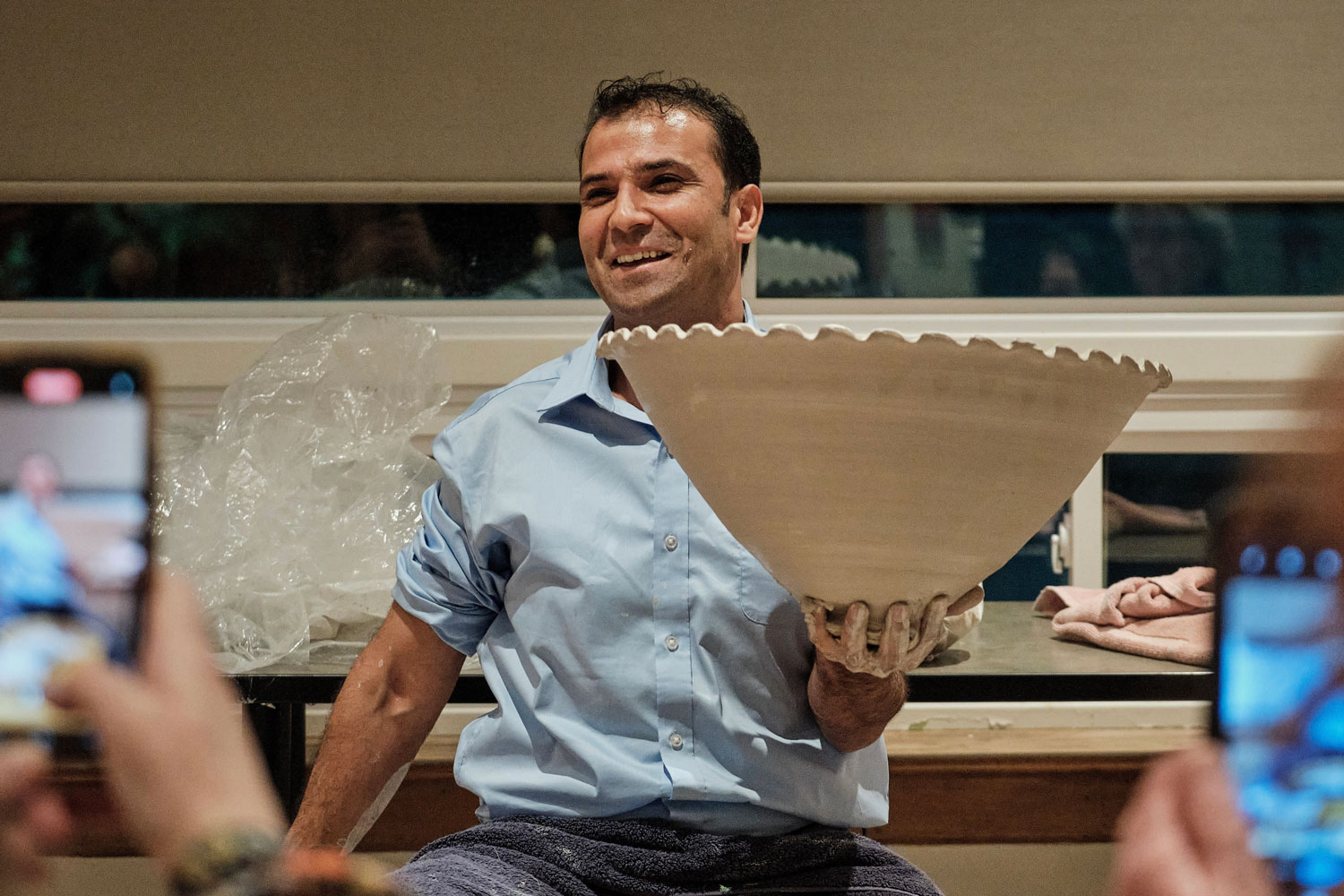
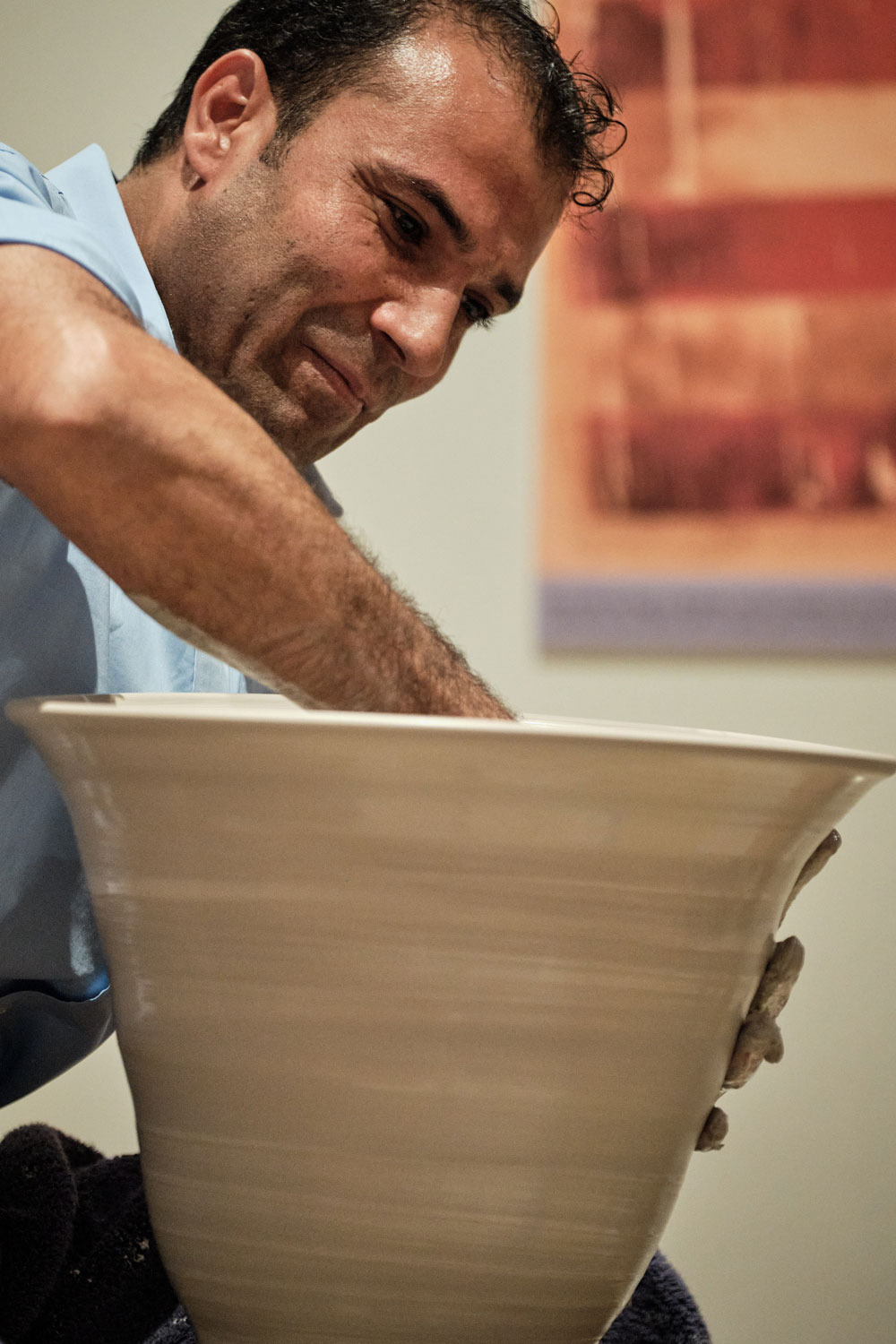
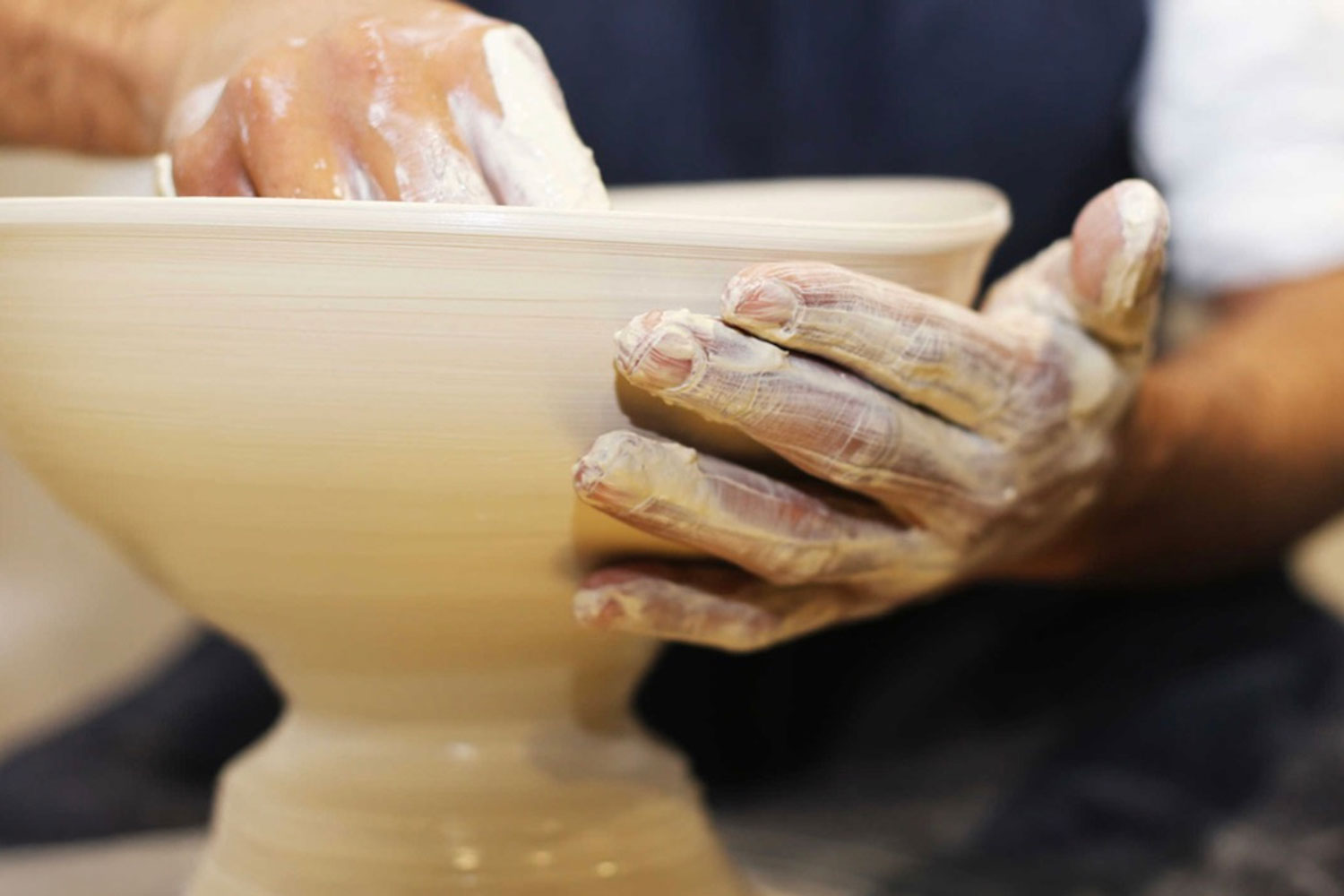
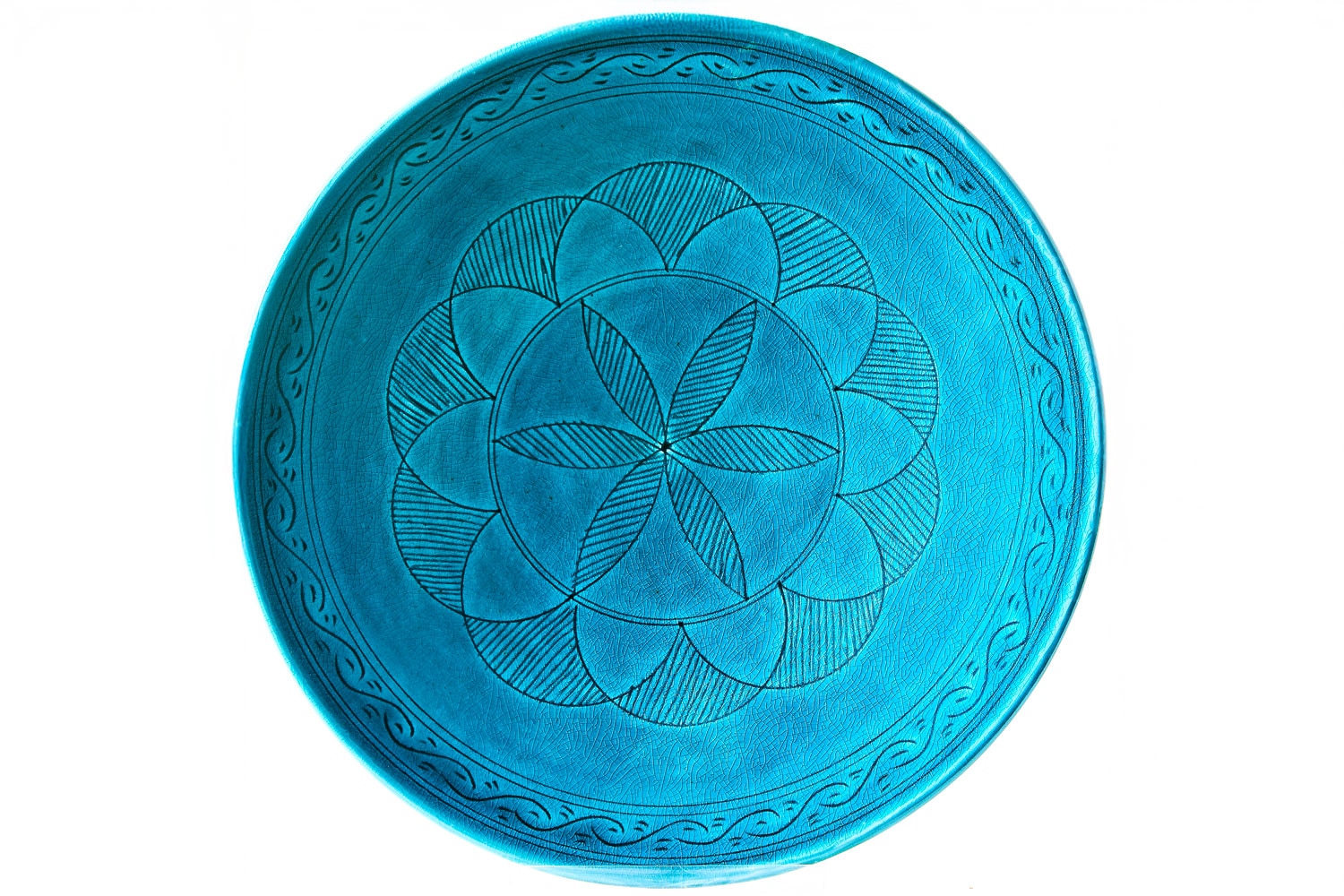
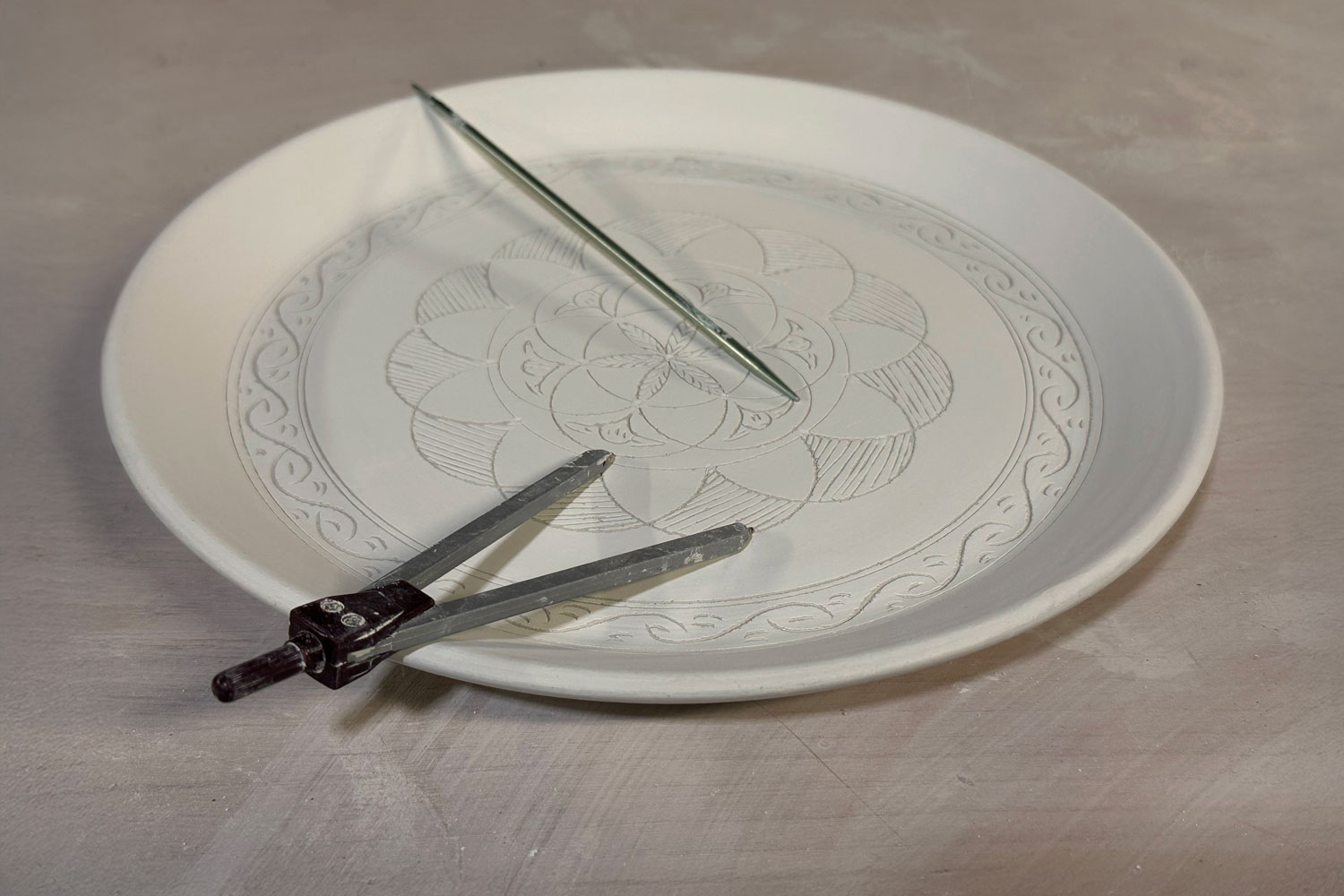
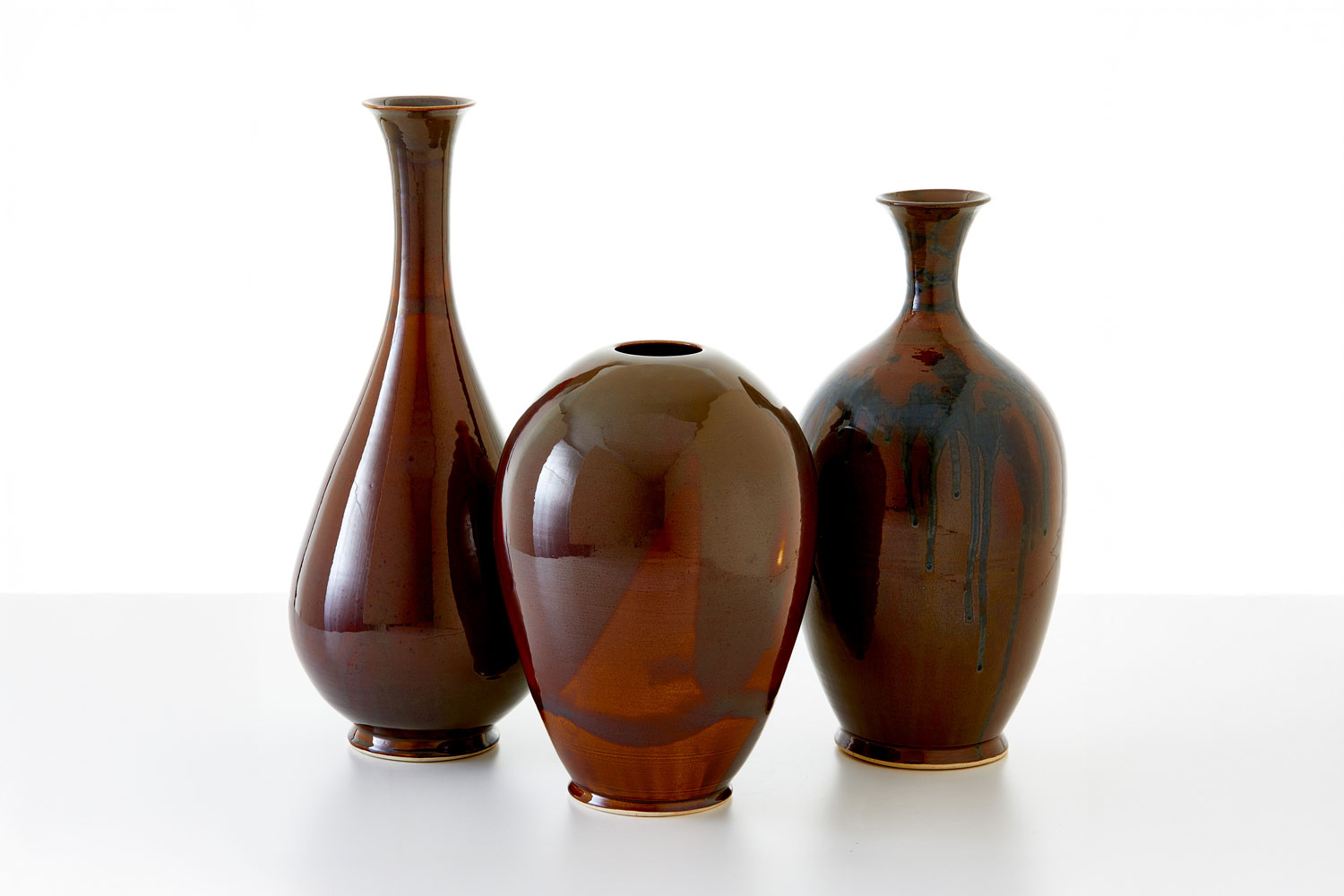
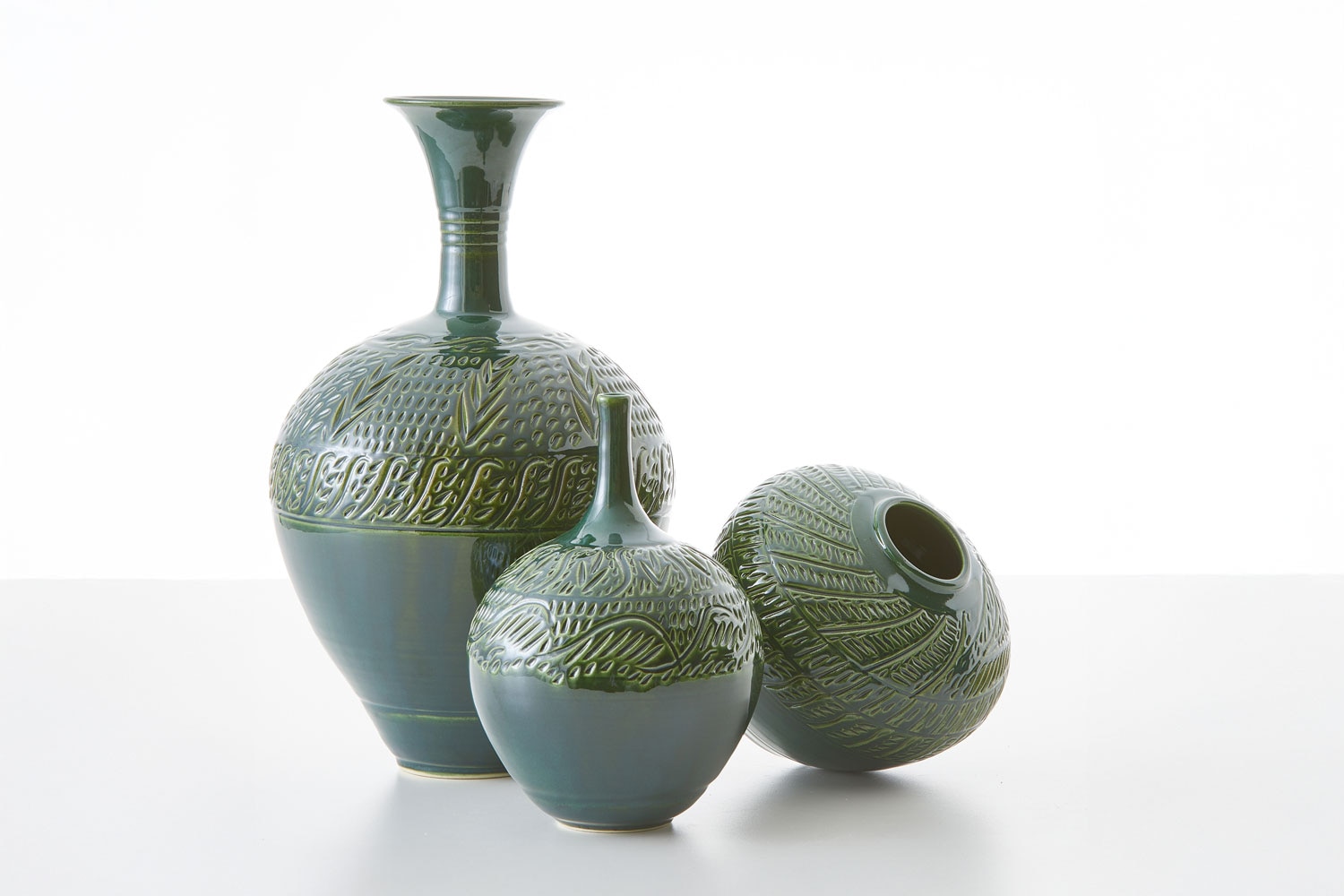
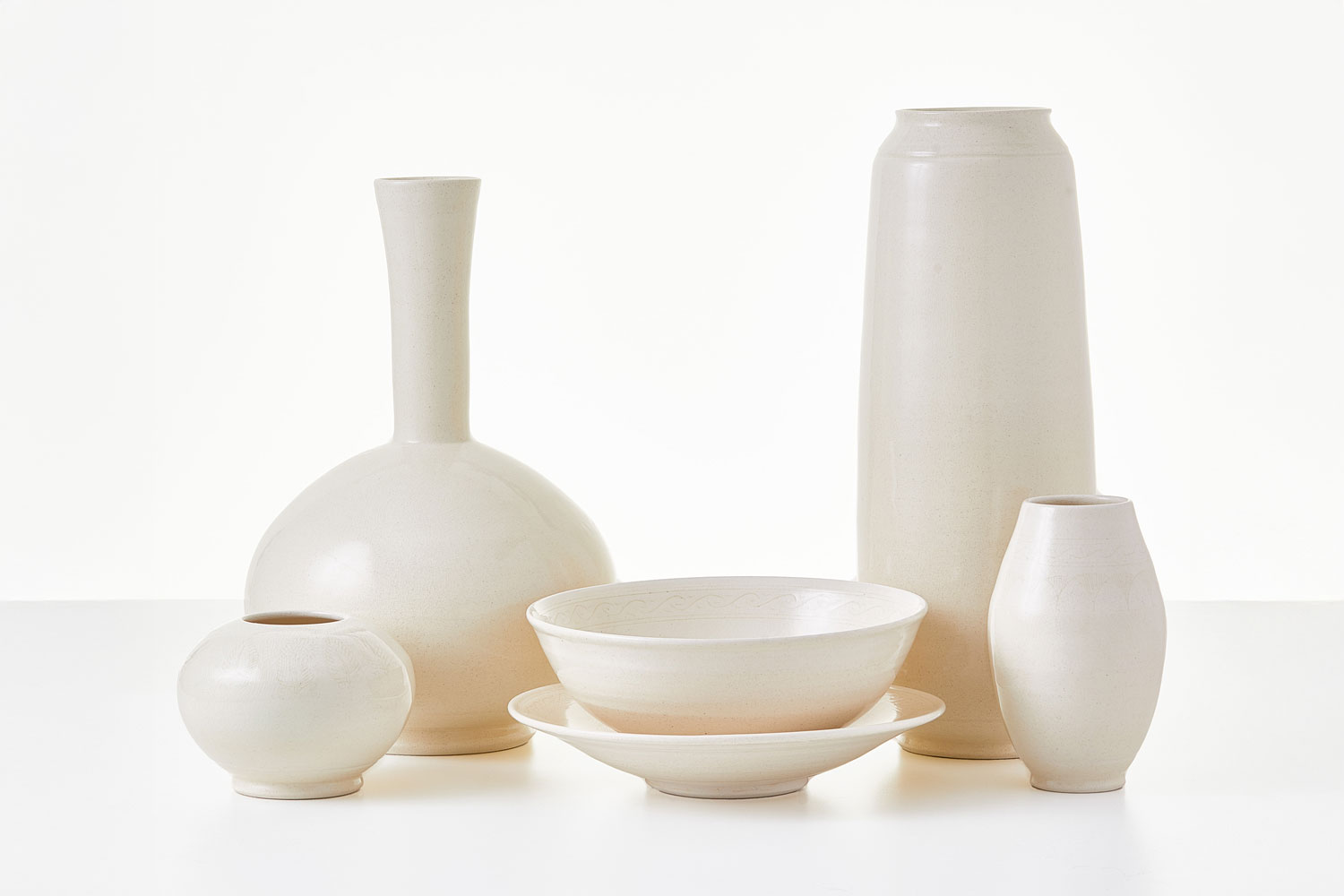
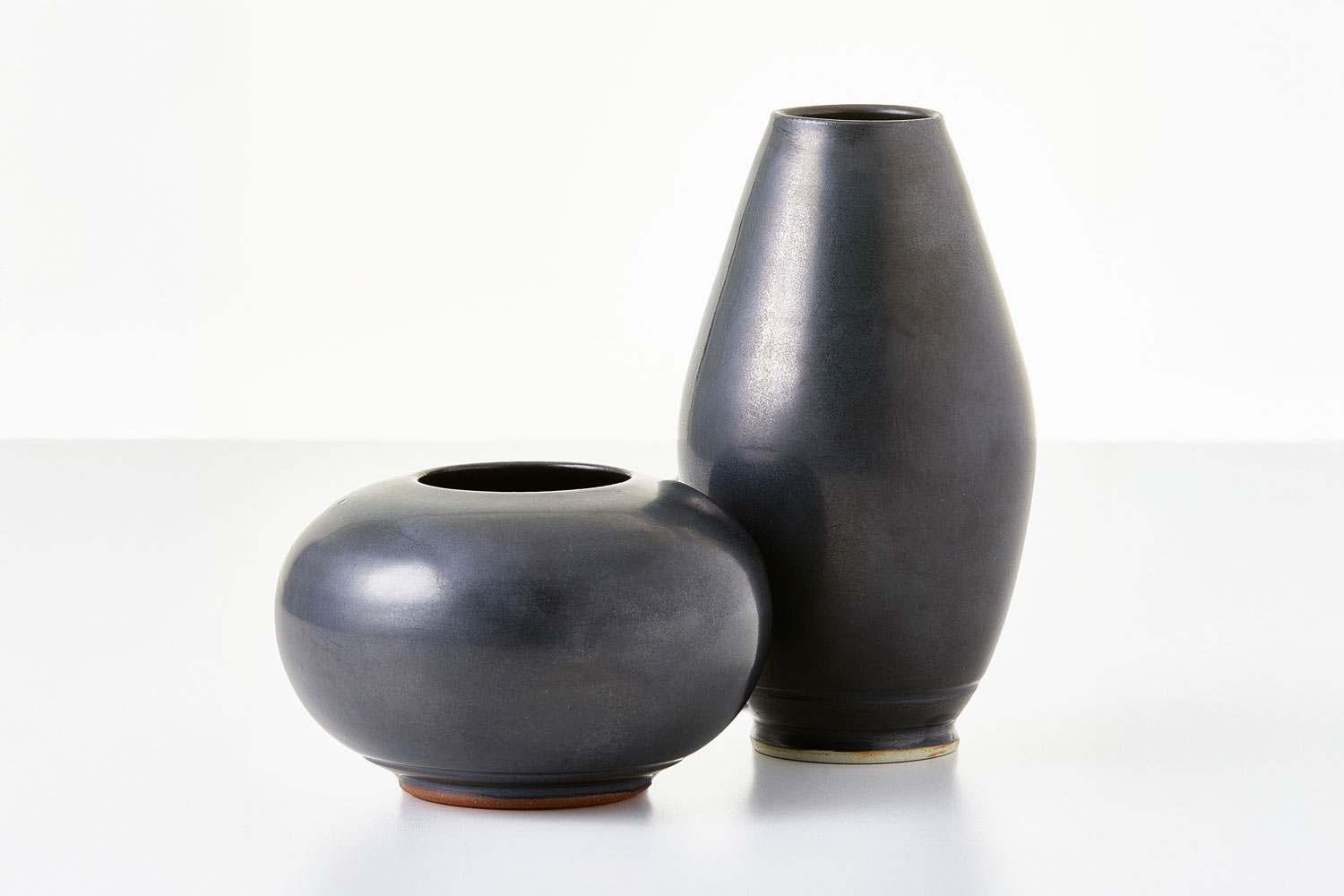
Matin Malikzada first learned his ceramics skills from his father, the malik or revered leader of a once vibrant community of artisans in his ancestral home of Istalif, Afghanistan. He continued his studies at Turquoise Mountain Institute in Kabul where he later became head of the ceramics department. Teaching traditional techniques to his students, Matin helped revitalise the nearly forgotten art of symmetrical etching and the use of natural, handmade glazes. He holds certificates from the City and Guilds Institute of London, was a visiting artist at the Institute of Ceramic Studies at Shigaraki, Japan, and has given demonstrations at the Smithsonian Institute in Washington, DC and the World Economic Forum in Davos. Now living in the USA, Matin’s pieces feature the forms, colours and patterns of his ancestors while also unifying new variations.
Discover his work
INTERVIEW
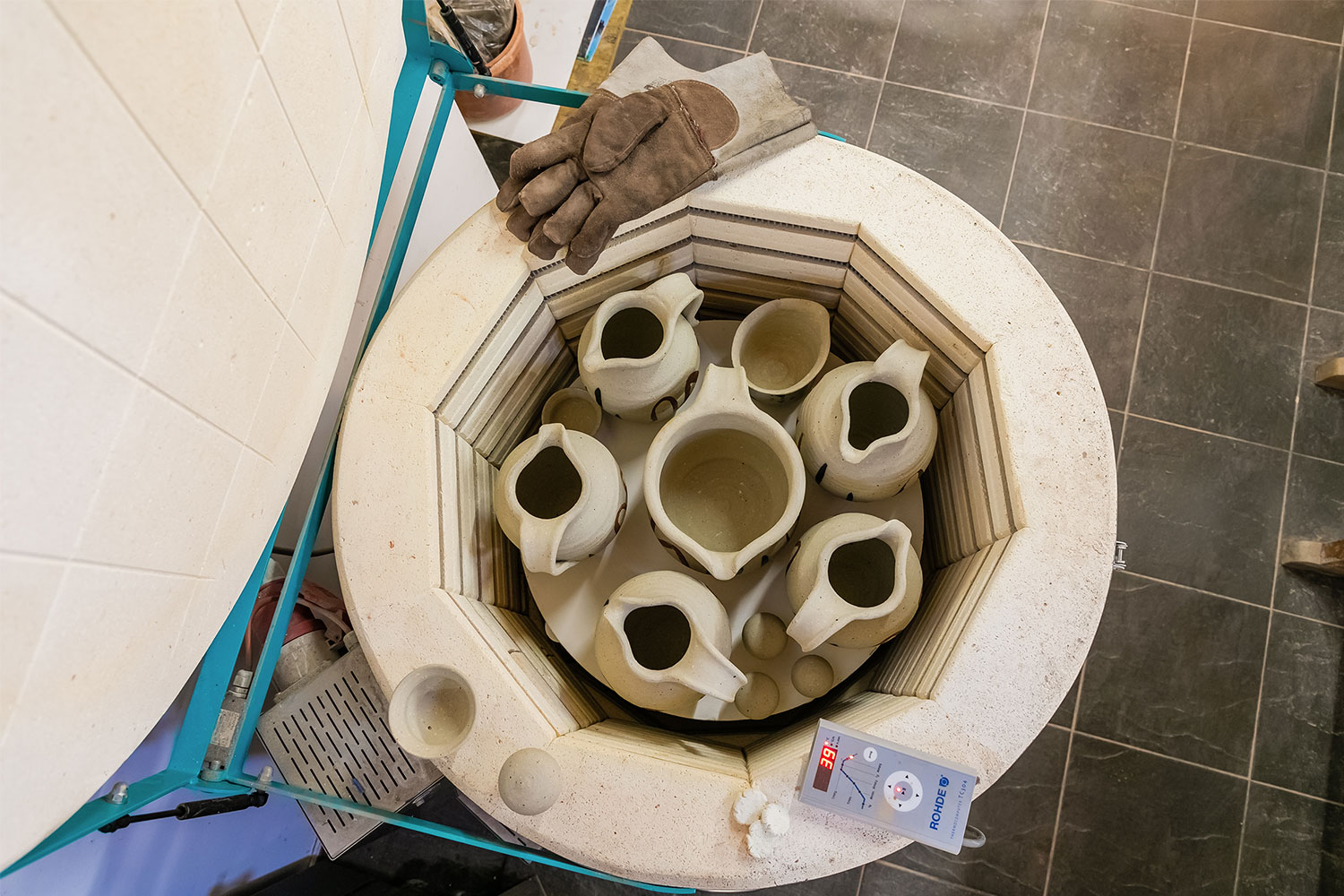
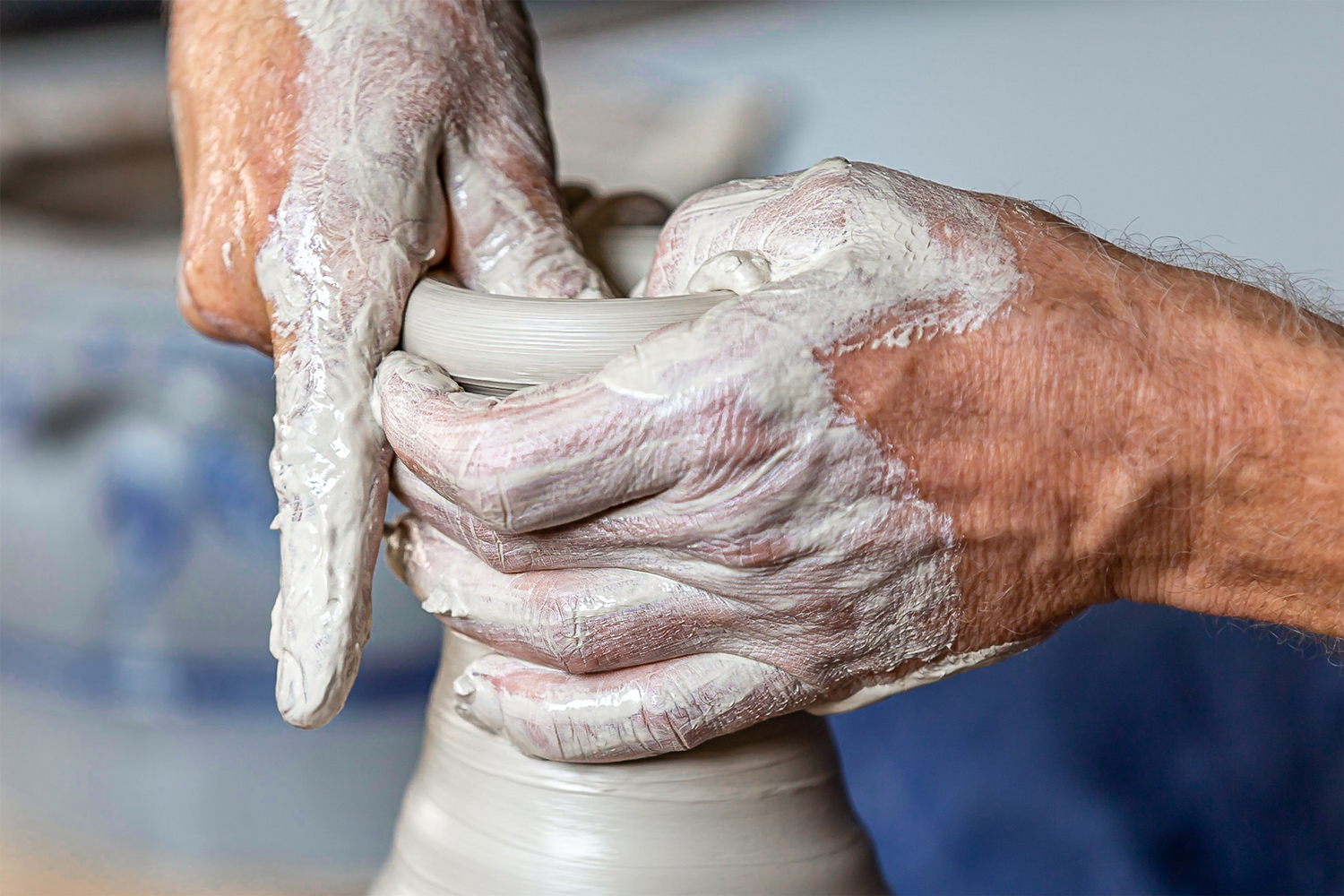
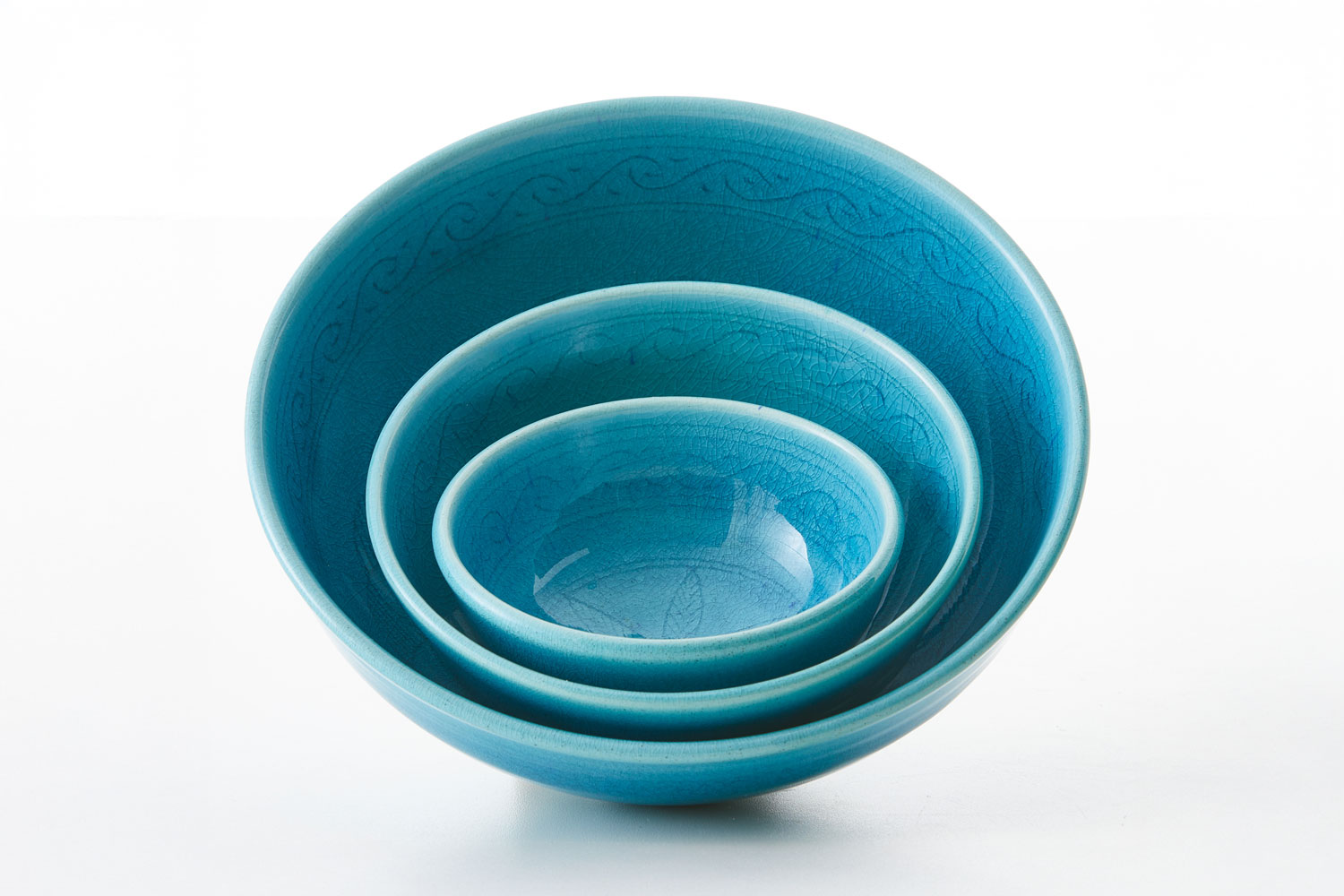
I started working with clay when I was seven years old, and by the age of 17, I was working in my family’s studio. We produced about 5,000 pieces a month using our own clay from nearby mountains, a kick wheel, a wood fired outdoor kiln and natural glazes like the turquoise colour from the Ishkar plant.
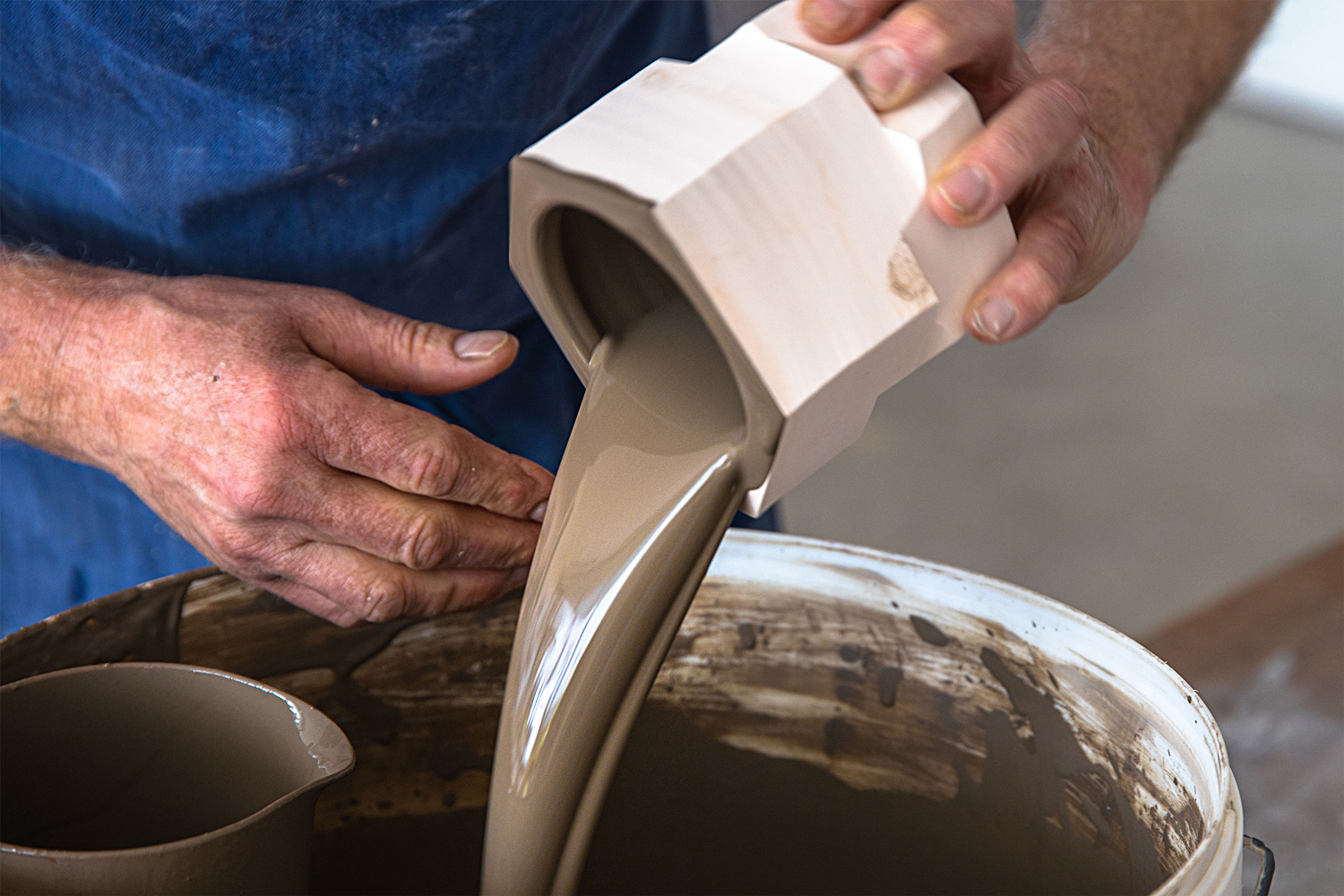
Everything is completely different, from the clay to the wheel, the glazes, the kiln and the humidity! At first, I thought that it was very challenging, but every day, step by step, I learned. First the electric wheel, then the glazes. I tried 415 different formulas before I found the right glaze. My father told me to think positive and keep going and I would get results. He was right.
Some people cry if they break their pieces, but I do not mind. I know as long as I am alive and healthy, I can throw it again. If I cry over what is broken it does not help me. My life in Afghanistan was a very nice bowl, but it broke, so now I am making a new bowl. It is also a very nice bowl.
The history of seven generations is very important for me. We have always kept our tradition alive in difficult situations, and that was my goal when I came to the USA. I hope that my children will be the eighth generation because this is my family’s work.
Matin Malikzada
Ceramicist
Connecticut, CT, USA
ADDRESS
Address upon request, Connecticut, CT, USA
AVAILABILITY
By appointment only
LANGUAGES
English
Homo Faber Finds is a new service aiming to inspire admirers of craft to connect and collaborate with exceptional artisans.
We invite you to submit an enquiry here.