The art of listening to the trees
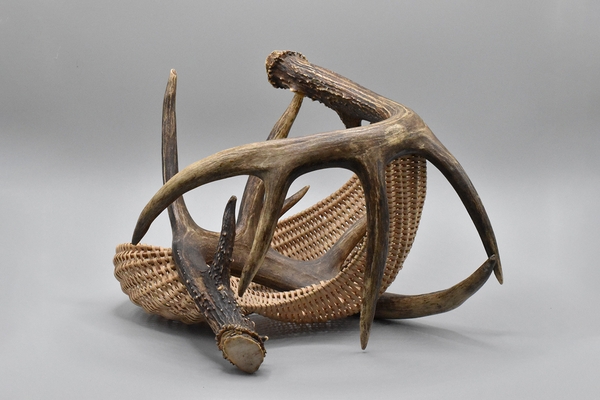
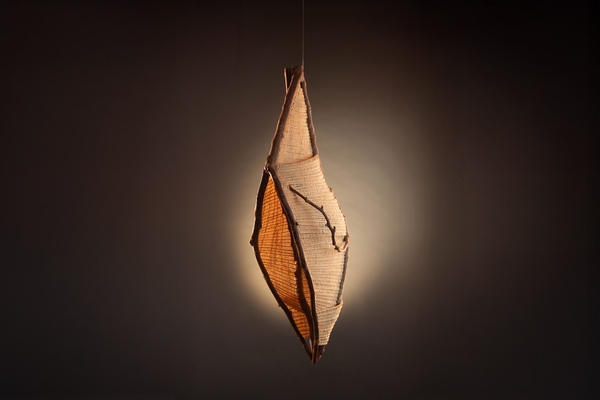
- Marcia weaves abstract sculptural pieces from trees and plants
- Her process honours the teachings of an Indigenous People
- Her mantra is ‘listen to the tree’
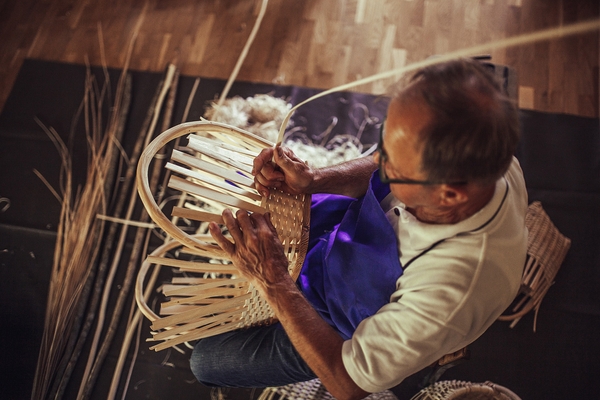
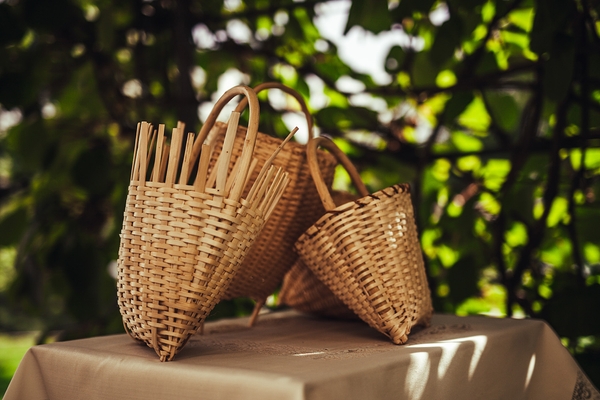
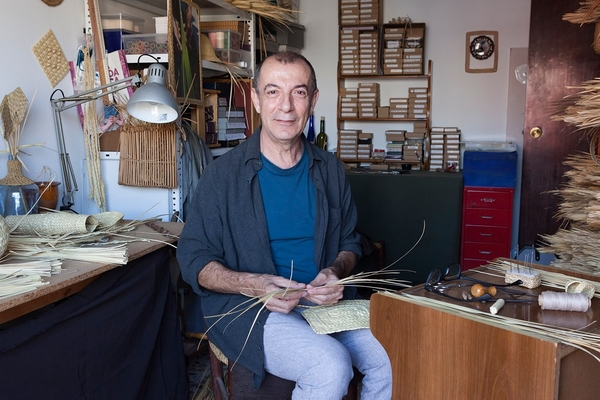
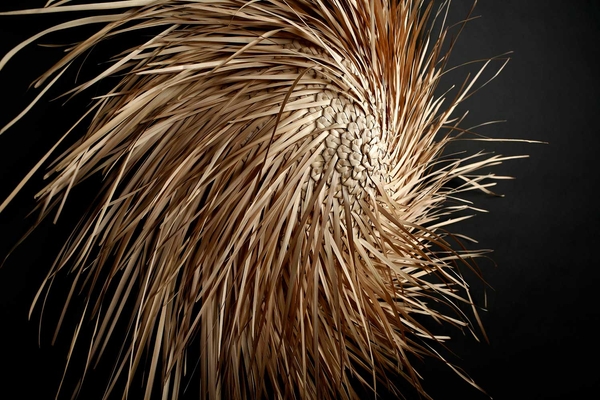
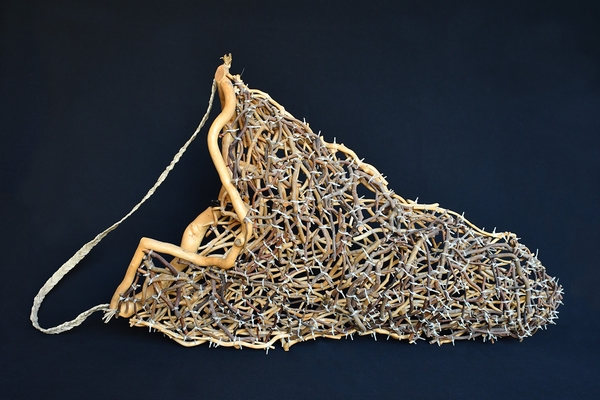
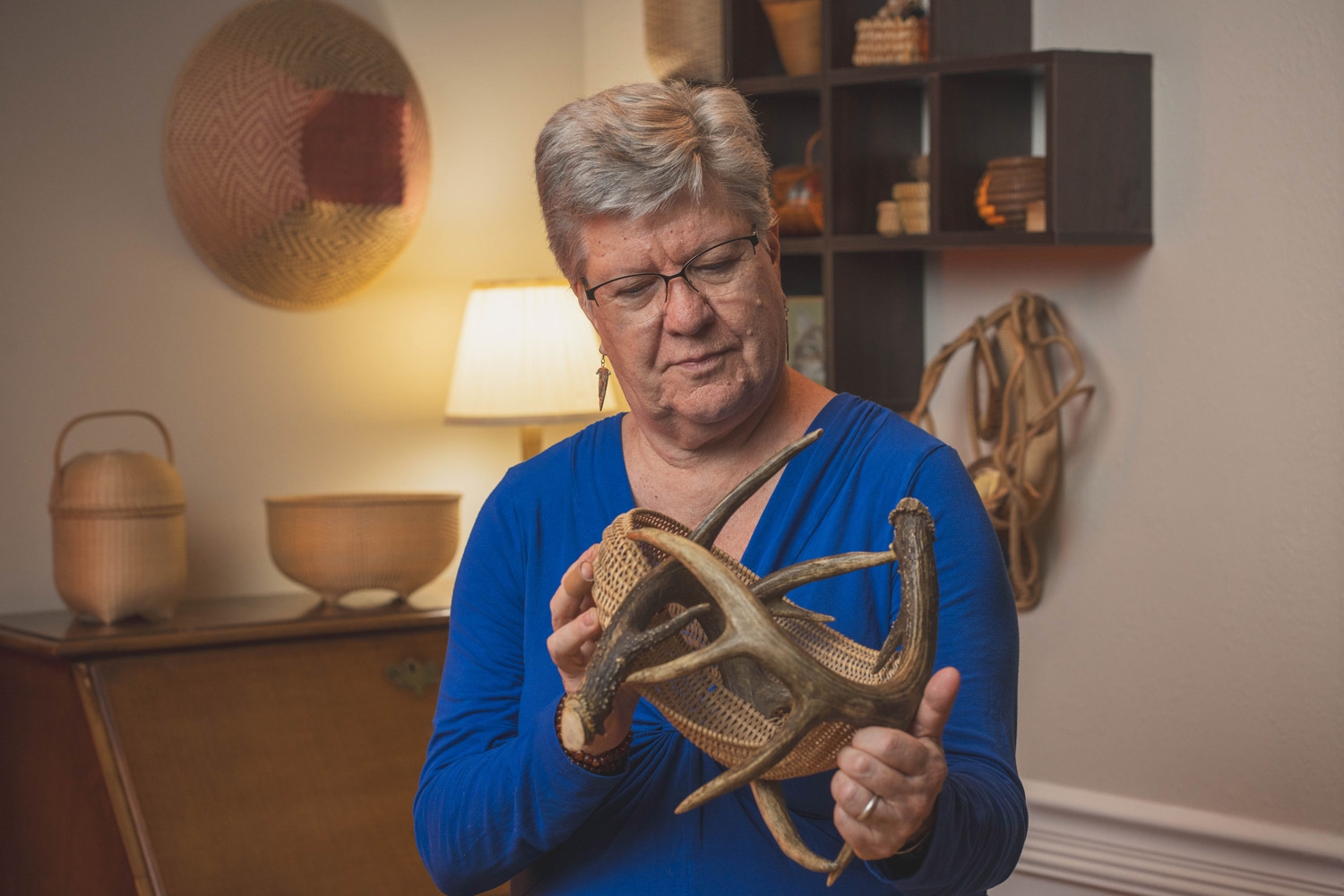
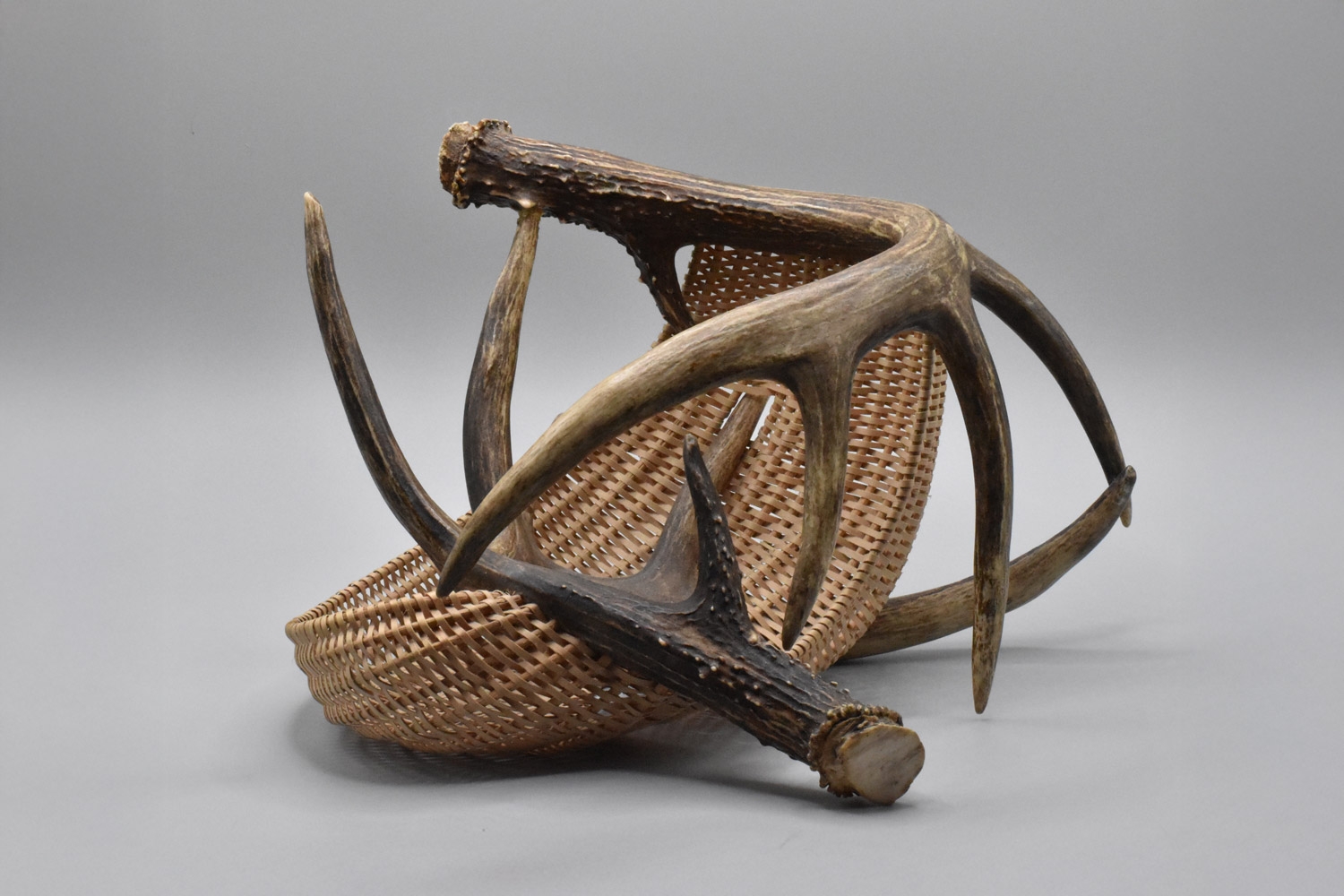
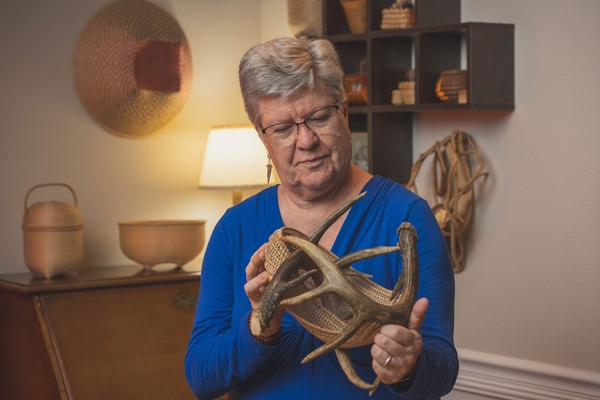
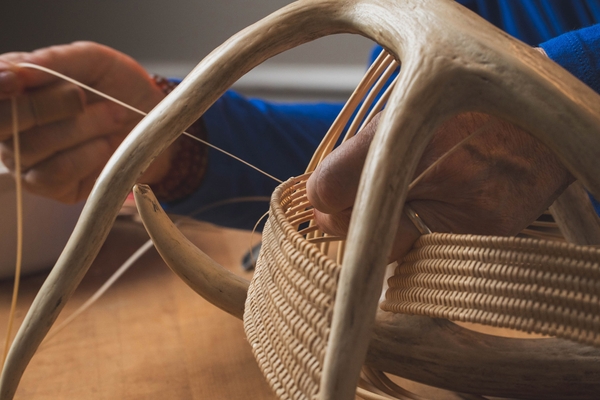
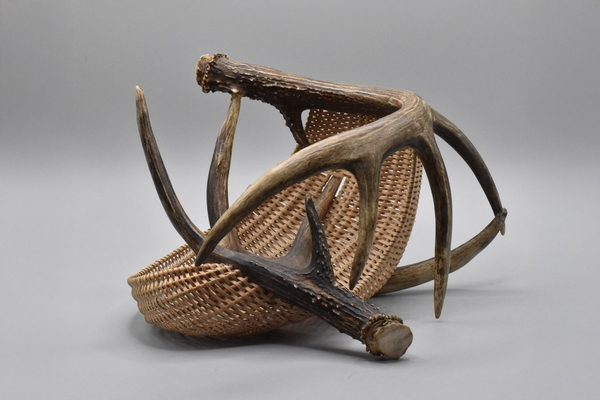
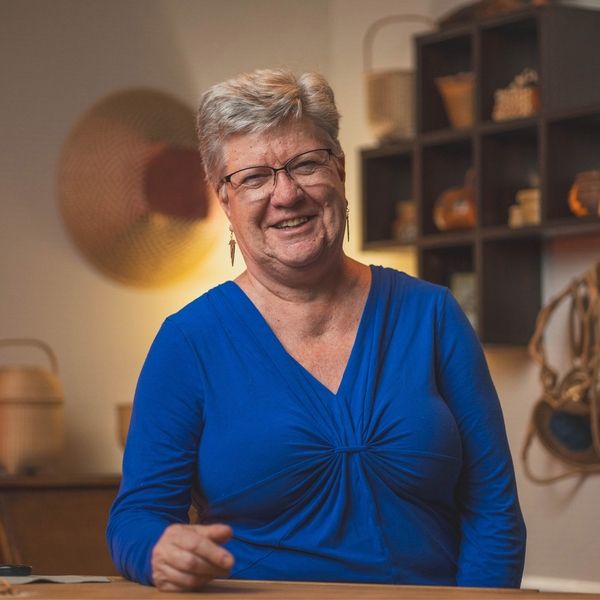
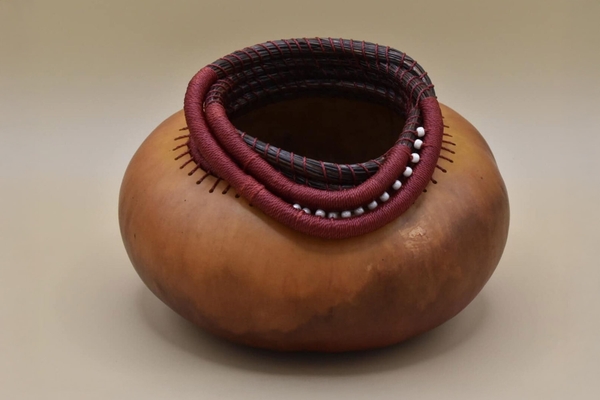
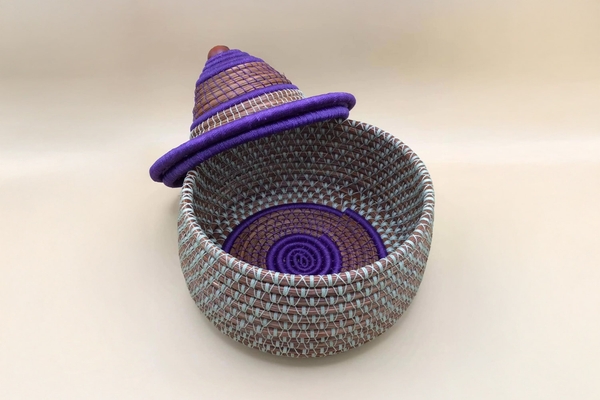
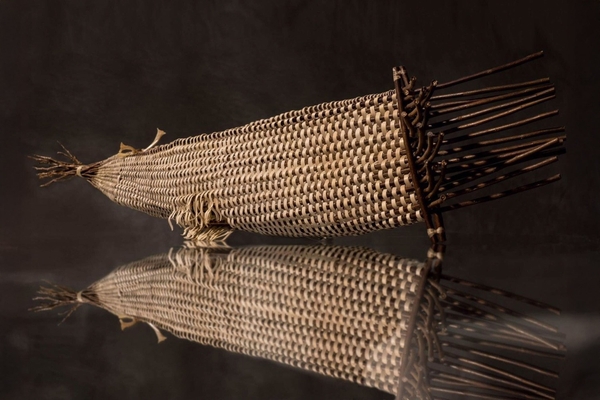
After working in botany, Marcia Morse Mullins began basket weaving after reading about it. At first, she made functional baskets with commercial materials, mostly as gifts. Then, while living in Michigan, a Potawatomi elder introduced Marcia to his tribal tradition of selecting and processing a black ash tree into fibres for weaving. It changed her practice completely. Harvesting only one tree every few years, Marcia honours his teaching by taking only what she needs from nature to make her weavings. Now living in Florida, she also works with local longleaf pine needles, palm leaves and invasive plants. These newer materials, paired with experimental weaving techniques, create unusual synergies. “For me, botany and art will always flow together,” she says.
Interview
- How do you prepare your materials?
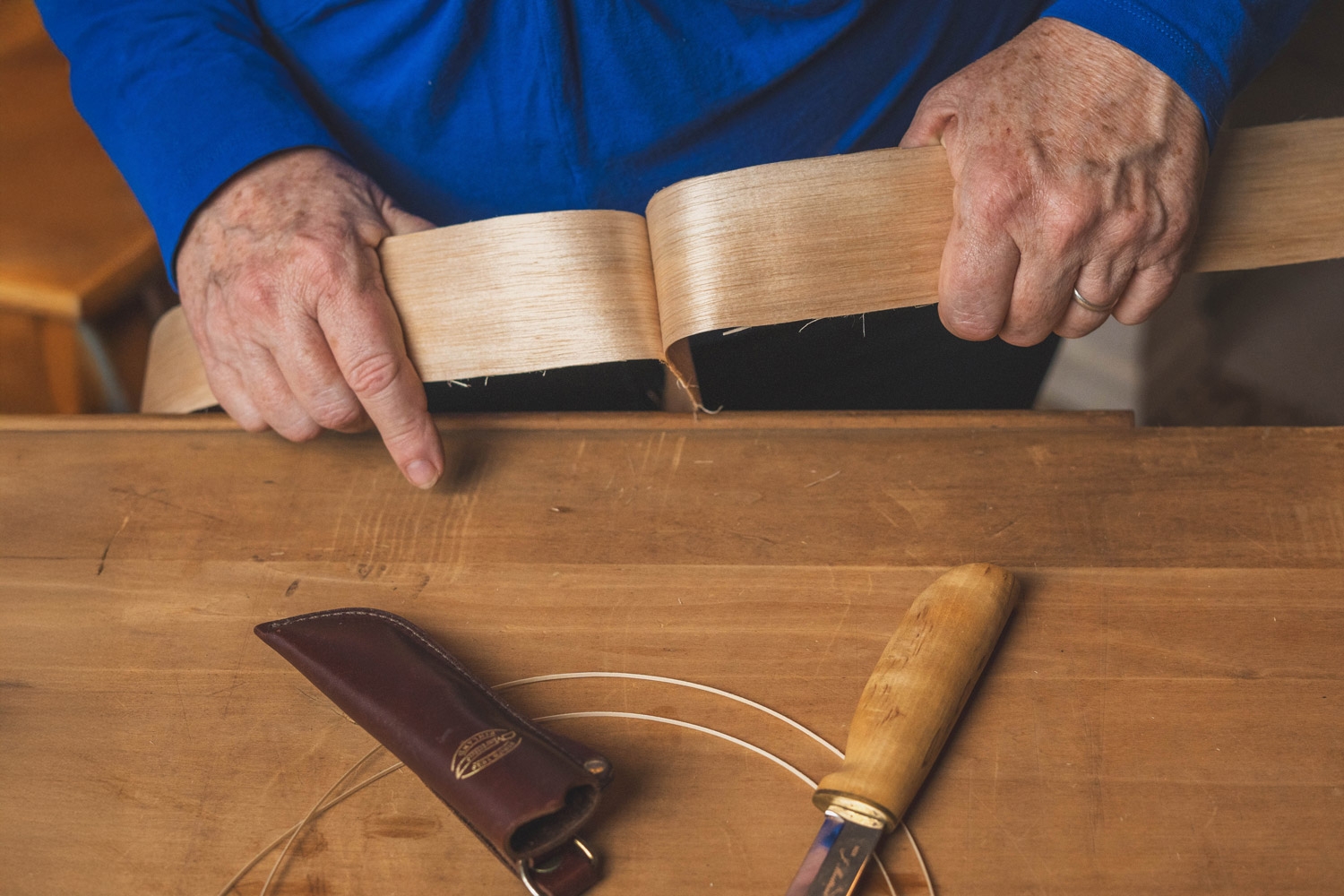
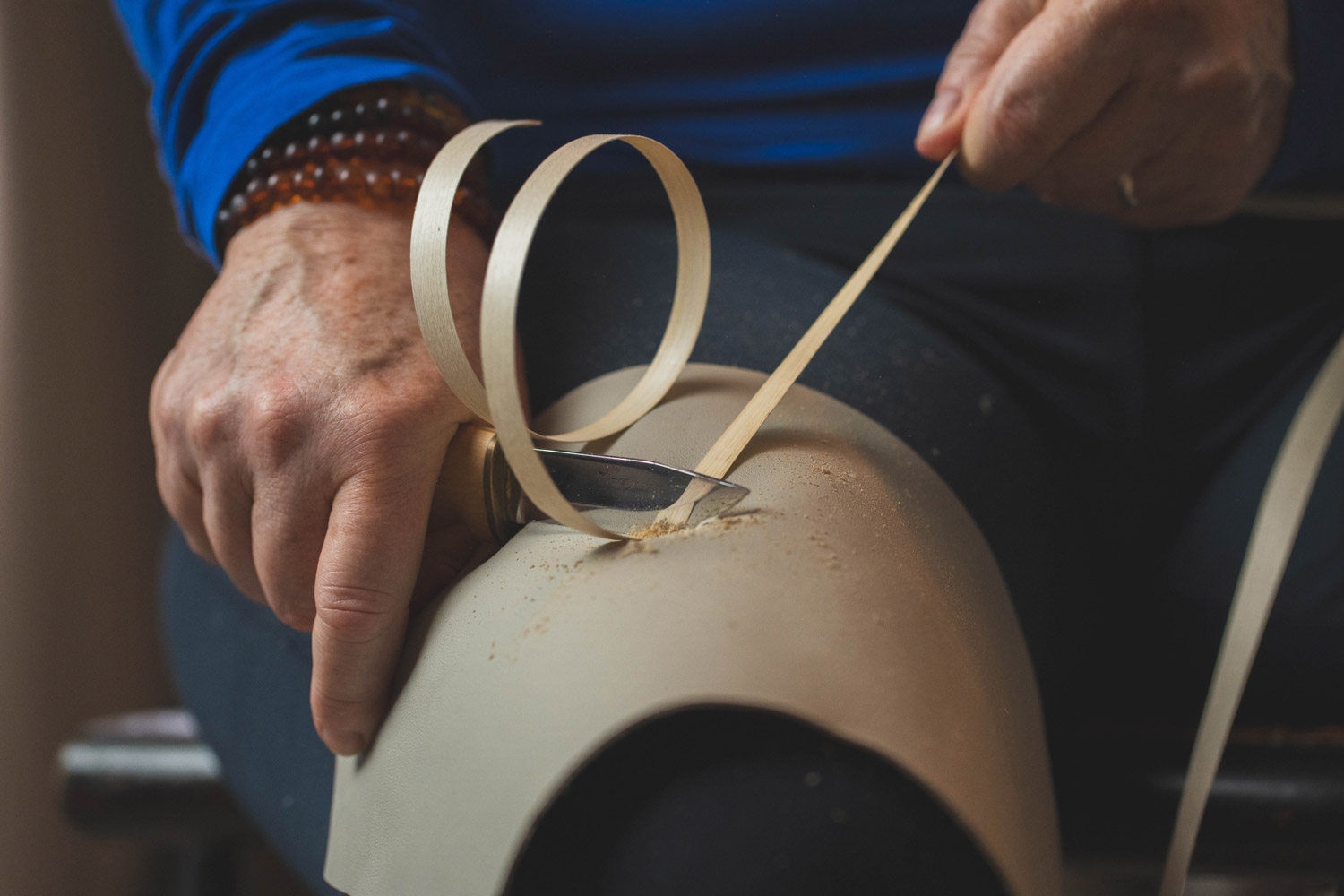
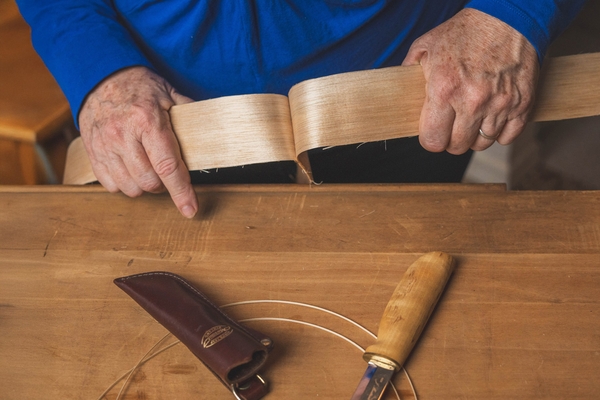
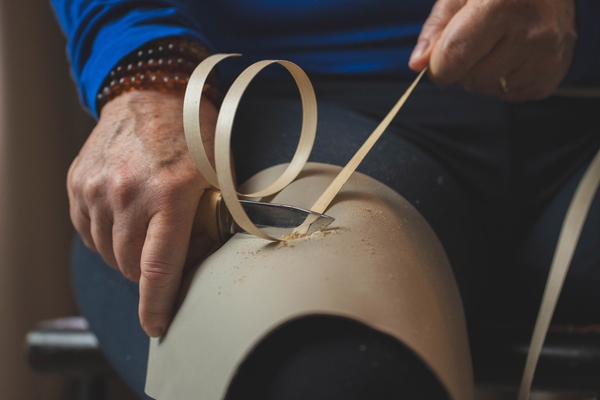
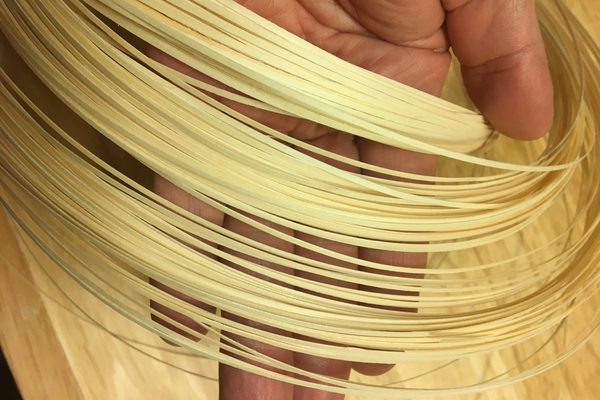
- Using a sledgehammer on a tree I have chosen to fell, I separate the layers of bark and wood and then create smooth strips of wood splint with multiple tools. I also collect, sort and submerge pine needles in a hot glycerin bath to make them more flexible. The process from tree to weaving takes 40 hours.
- What are your most important tools?
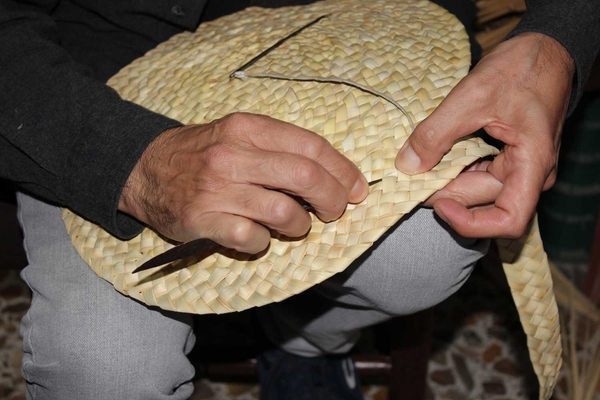
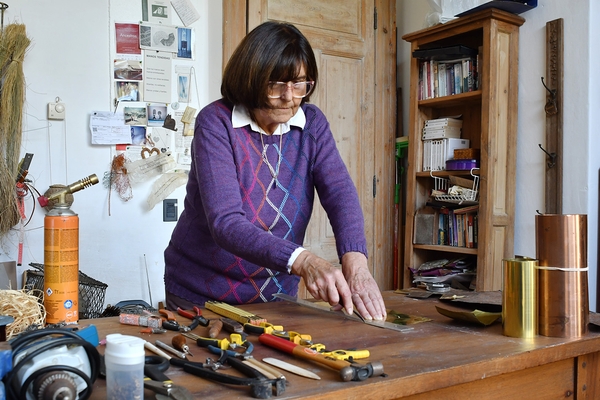
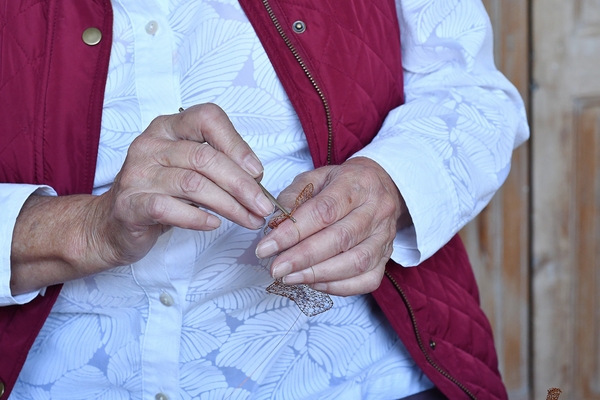
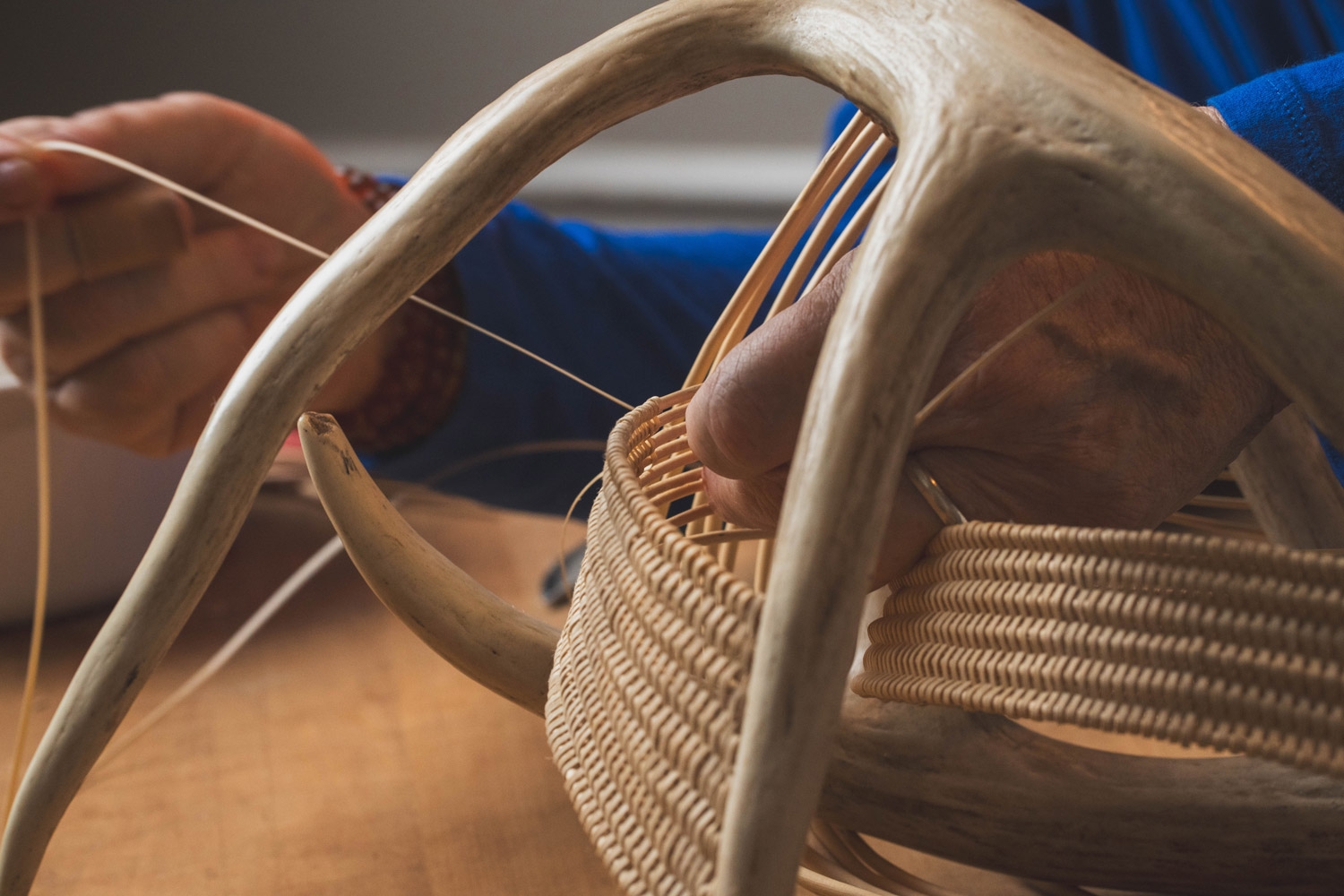
- I am in my seventies and still gather my own natural materials and swing a sledgehammer. I use a variety of sharp knives as well as splint gauges, awls, secateurs, a shave horse and a weaving stand, but the most important tools are my hands. My fingertips inform and guide me as I work. A basketweaver’s touch takes time and practice.
- Where does your design process begin?
- Early mentors taught me that the spirit of a tree remains in the form woven from its wood, so you must listen to the material. I honour this conversation as I work, listening, waiting and allowing the piece to evolve intuitively and at its own pace.
- Tell us about a memorable piece
- I once created an exhibit designed to slowly disintegrate as it returned to nature, leaving no trace behind. I am still asked what happened to the exhibit.
Marcia Morse Mullins is a master artisan: she began her career in 1988 and she started teaching in 1988
Works
Where
Marcia Morse Mullins