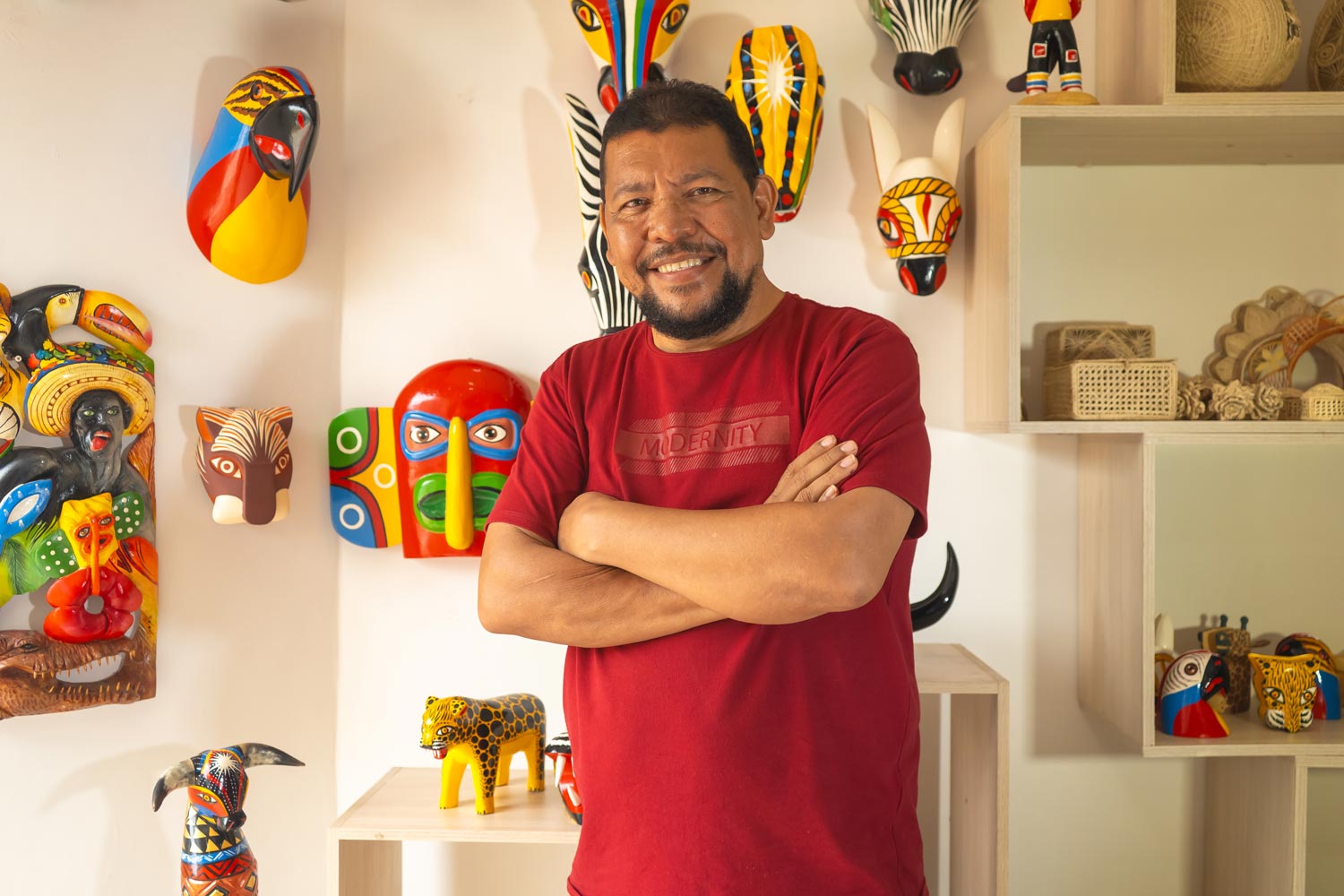
Manuel Pertúz
Artesanías Toro Miura
Wood sculptor
Galapa, Colombia
Recommended by Artesanías de Colombia
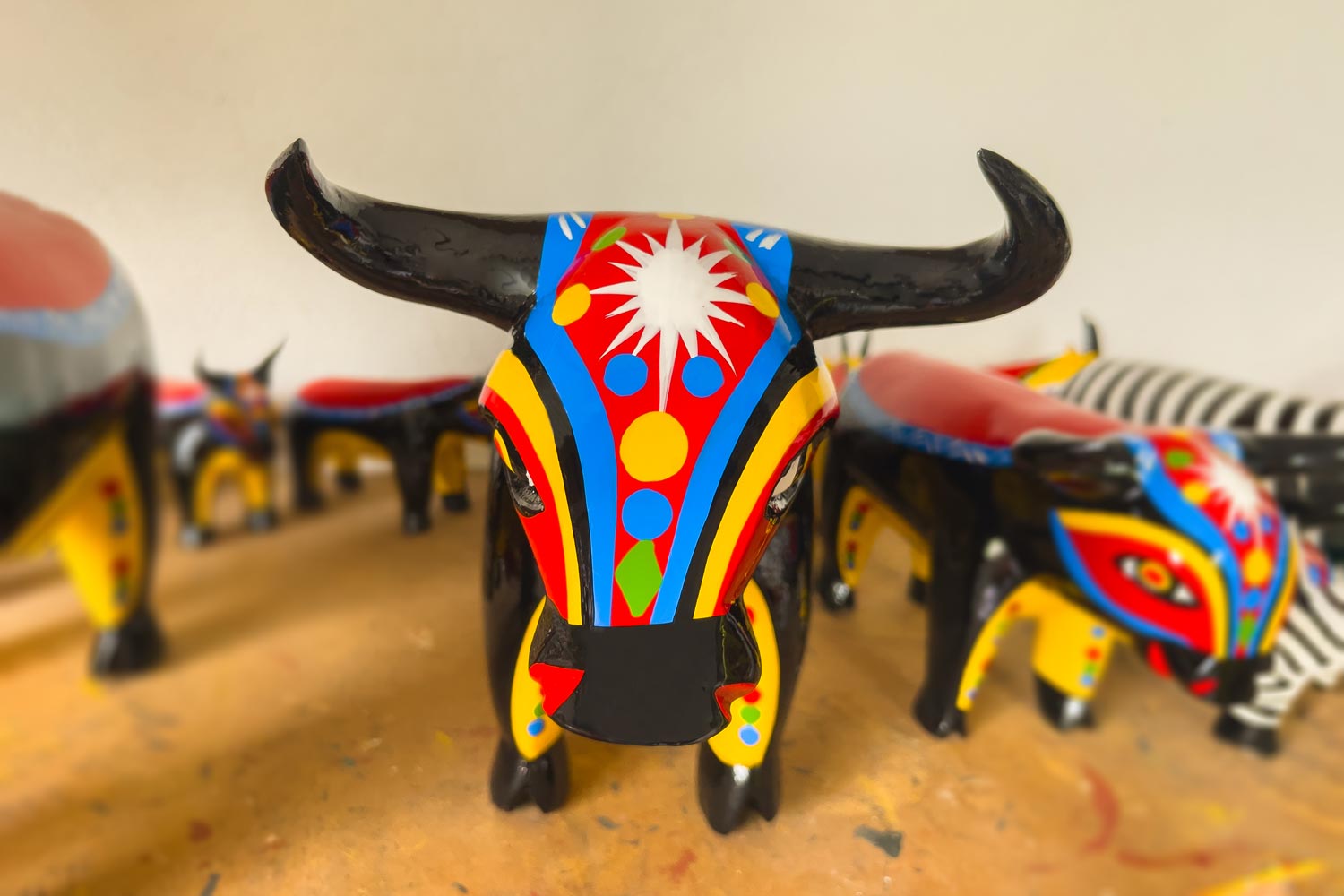
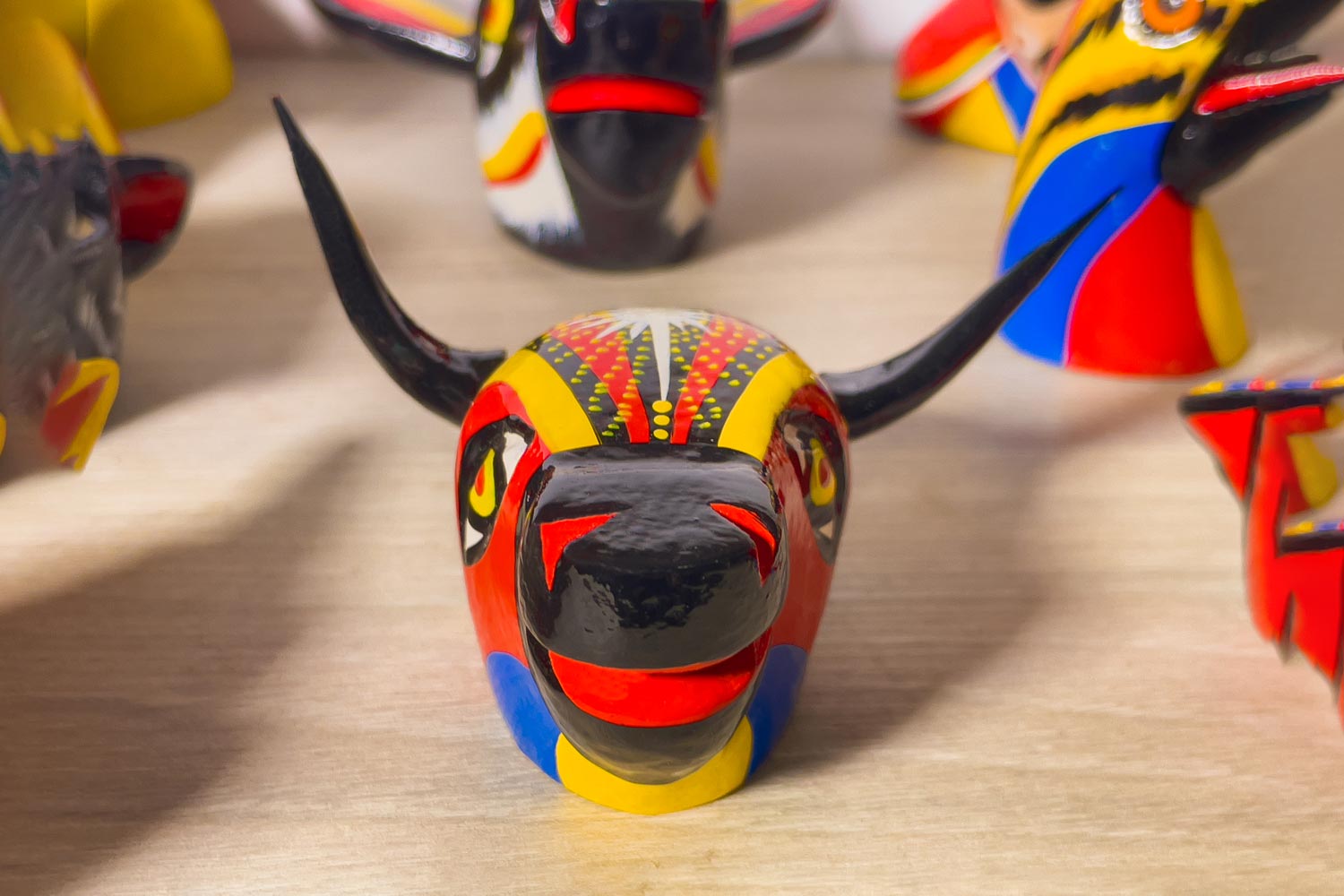
Preserving Barranquilla Carnival masks
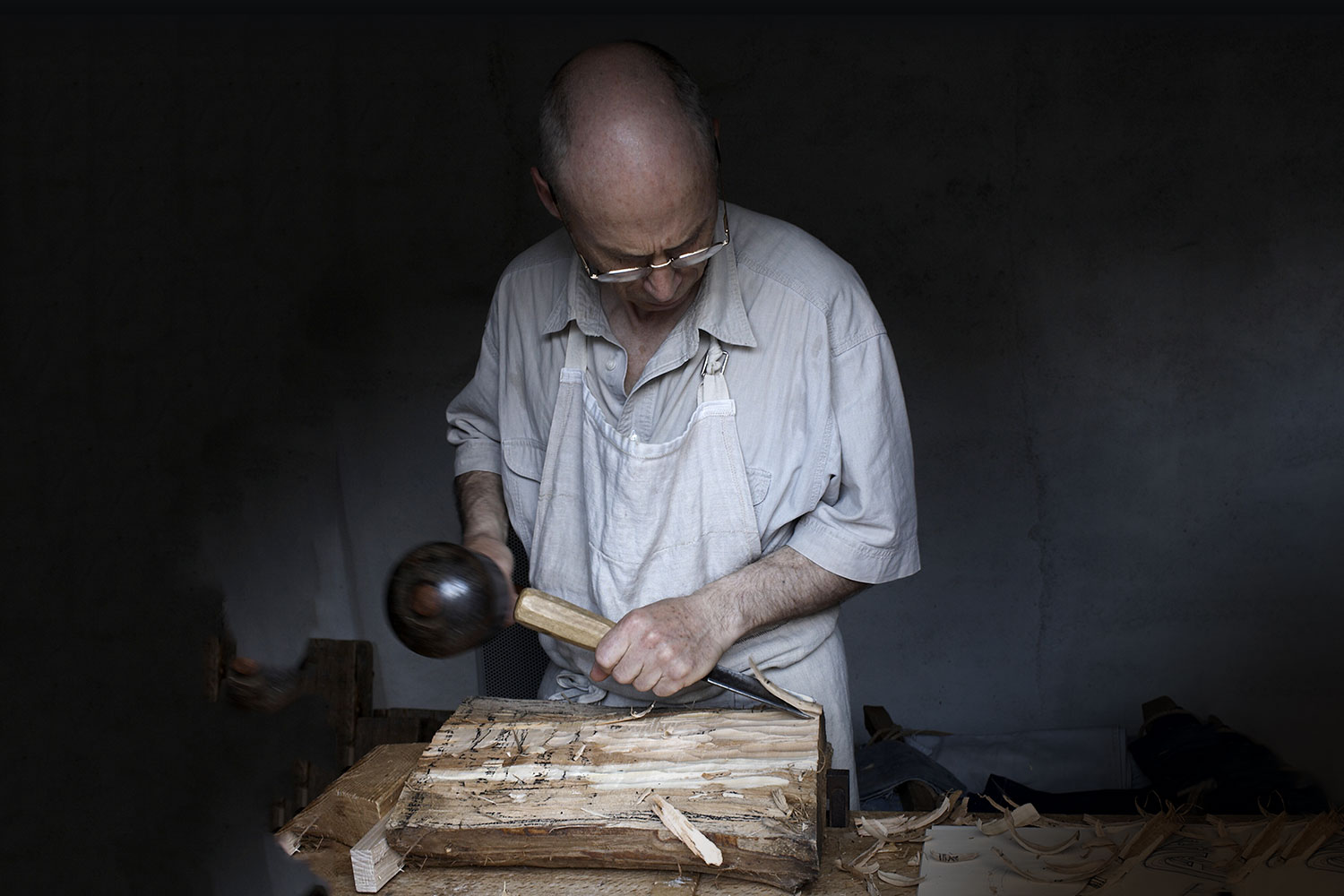
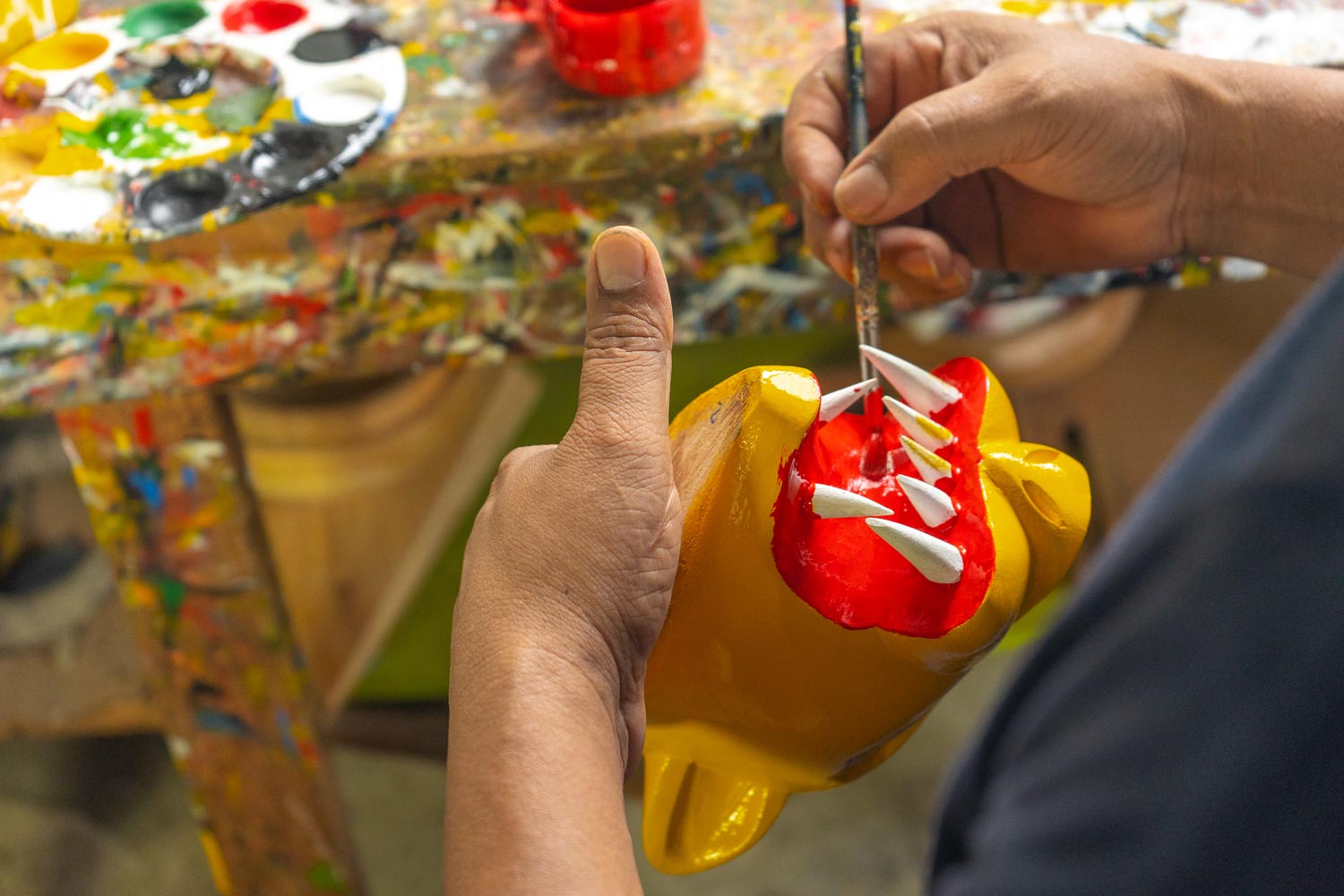
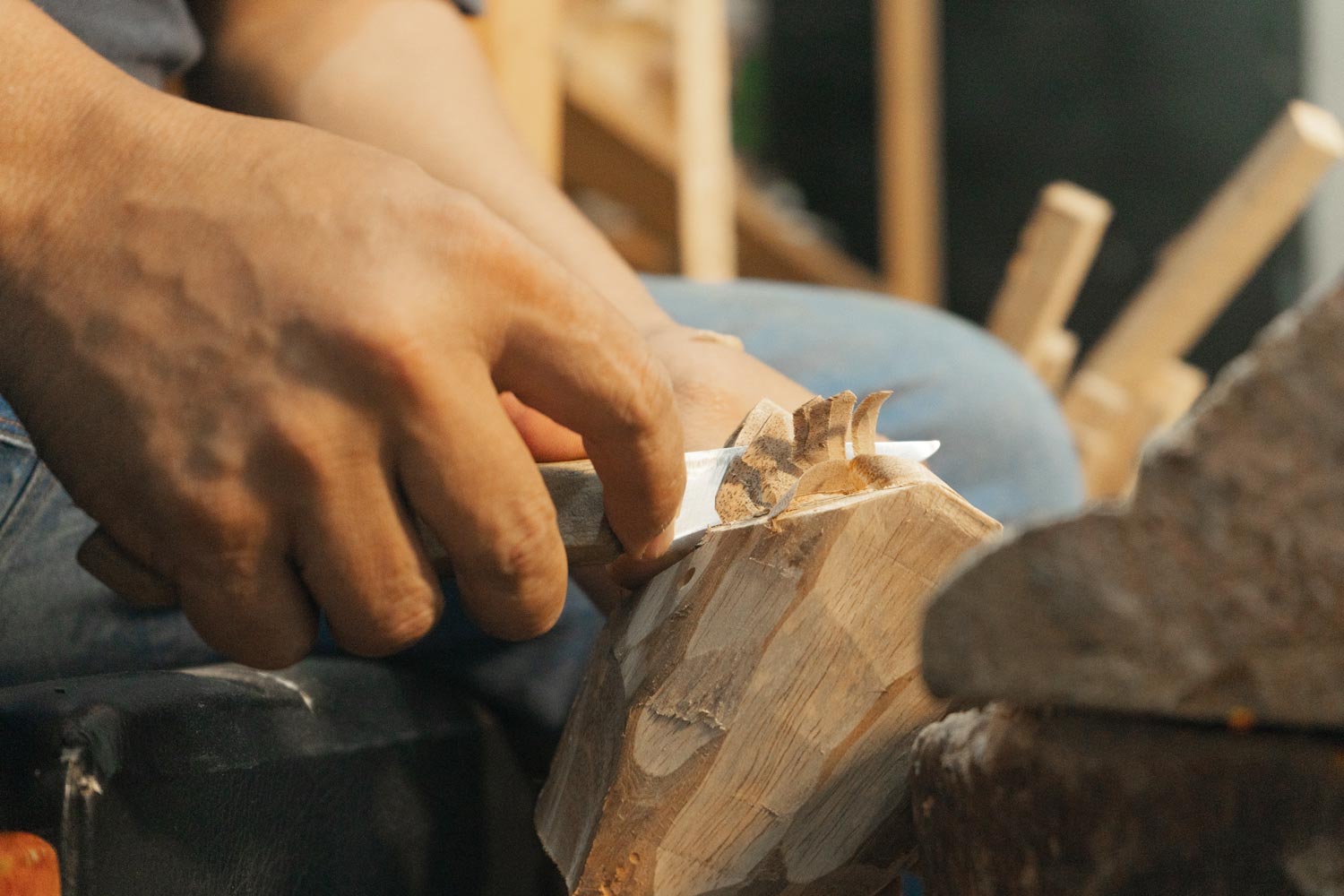
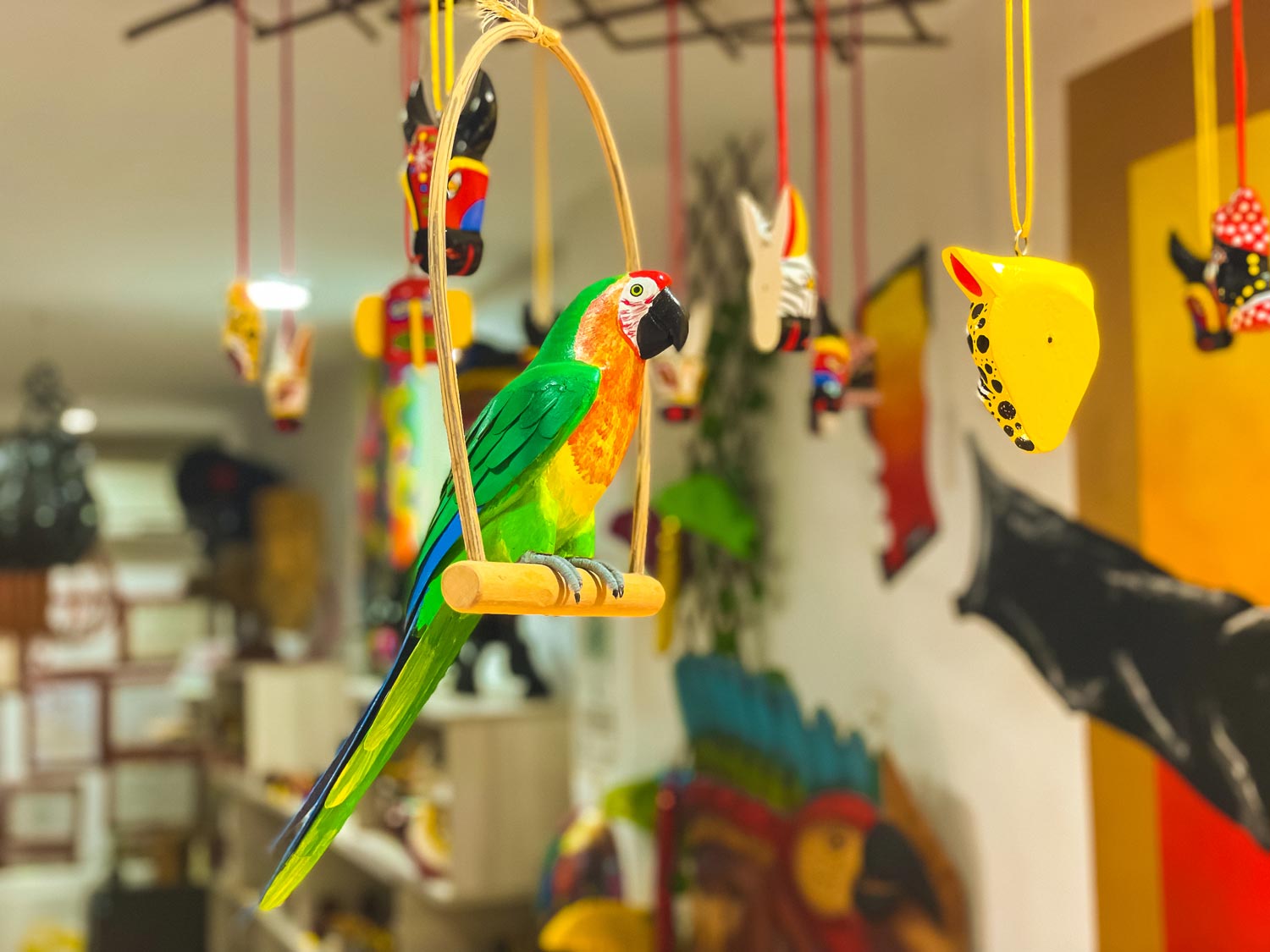
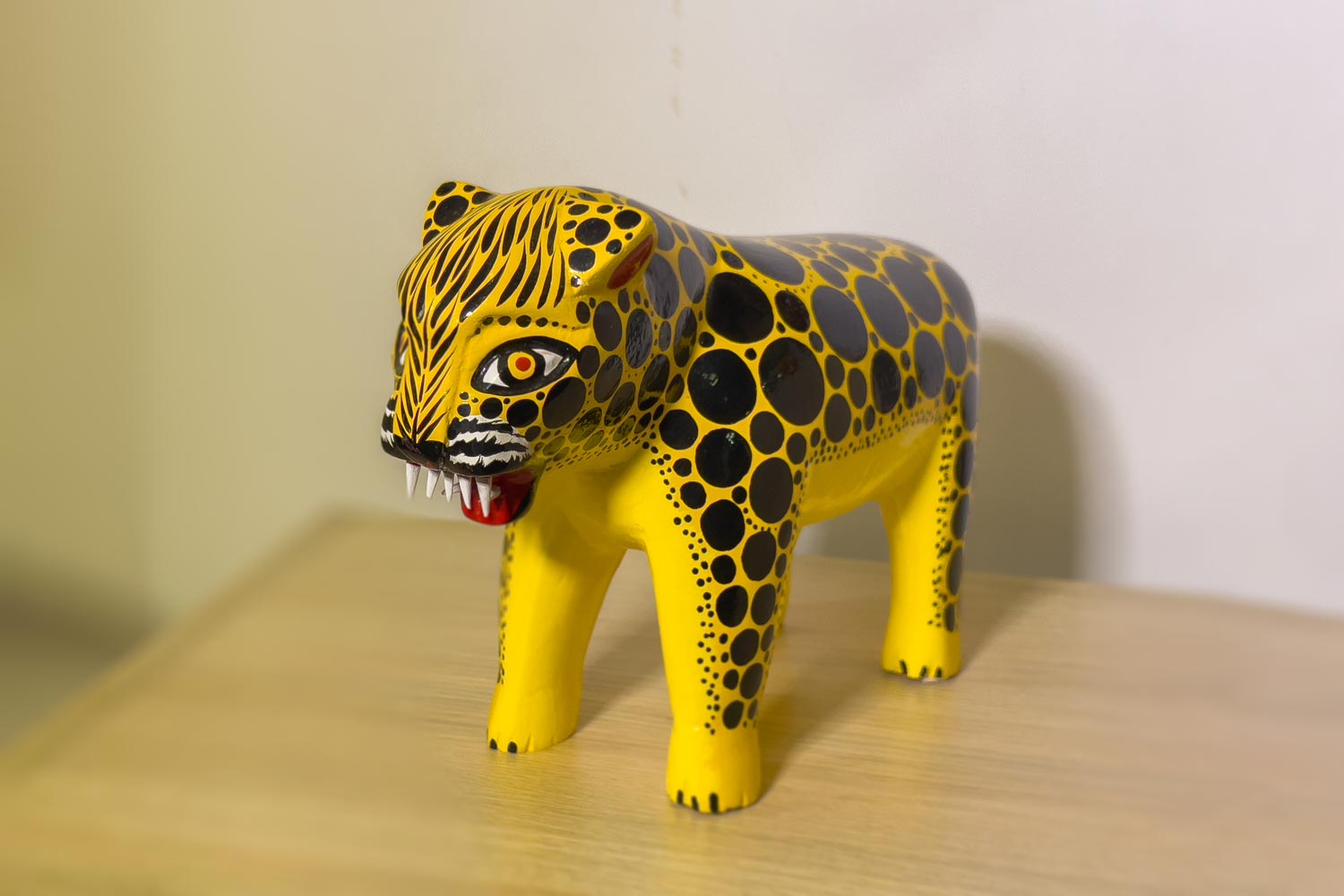
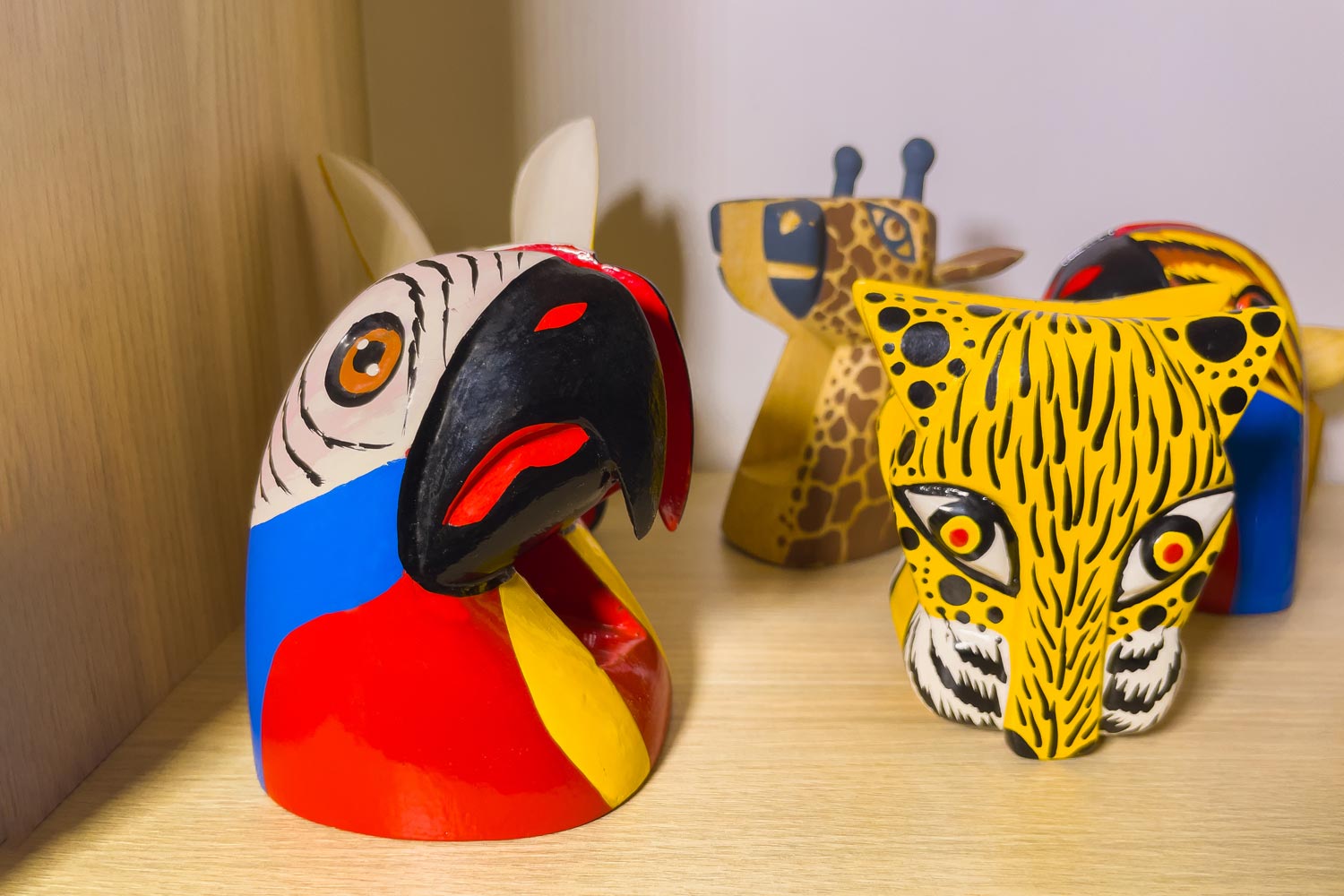
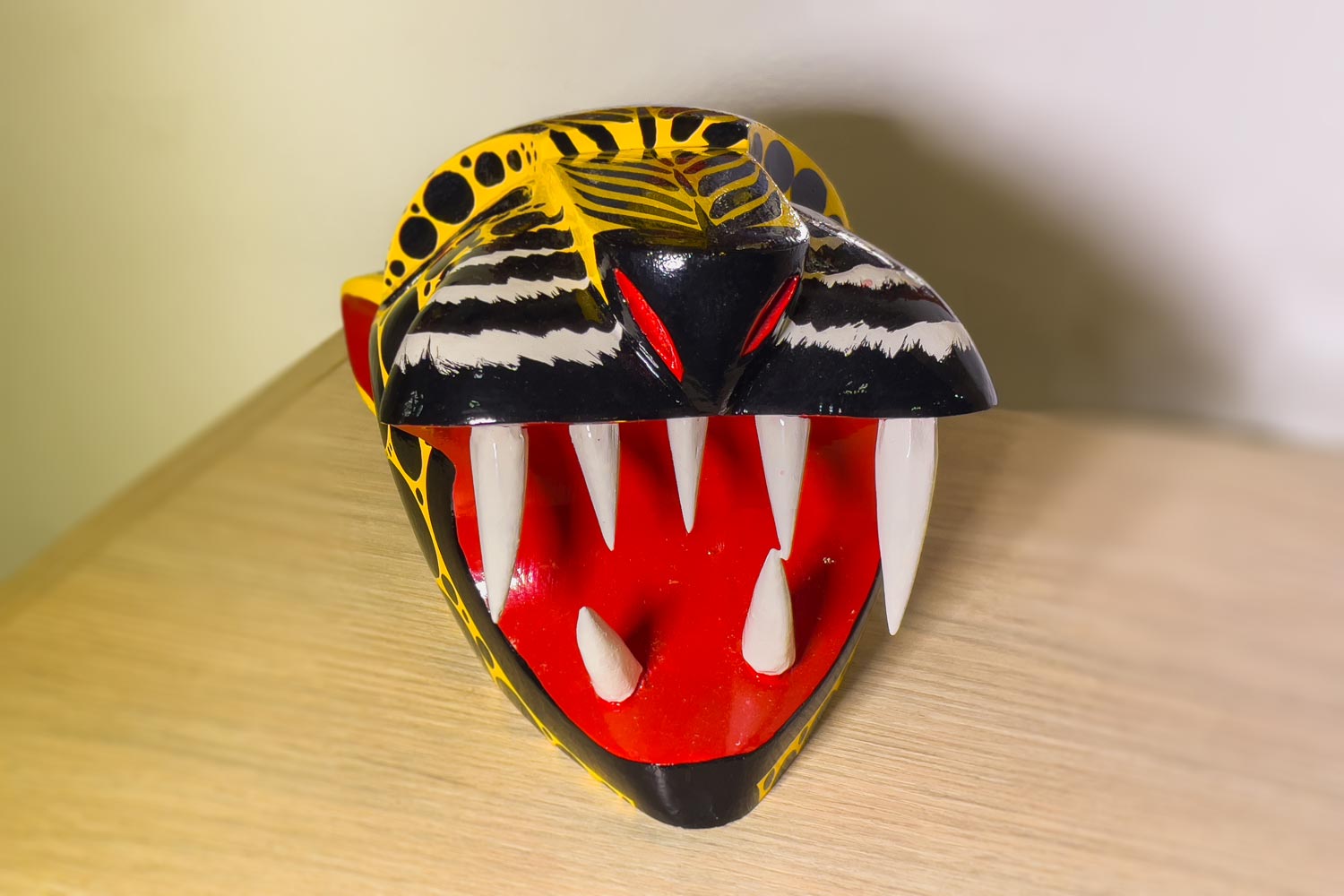
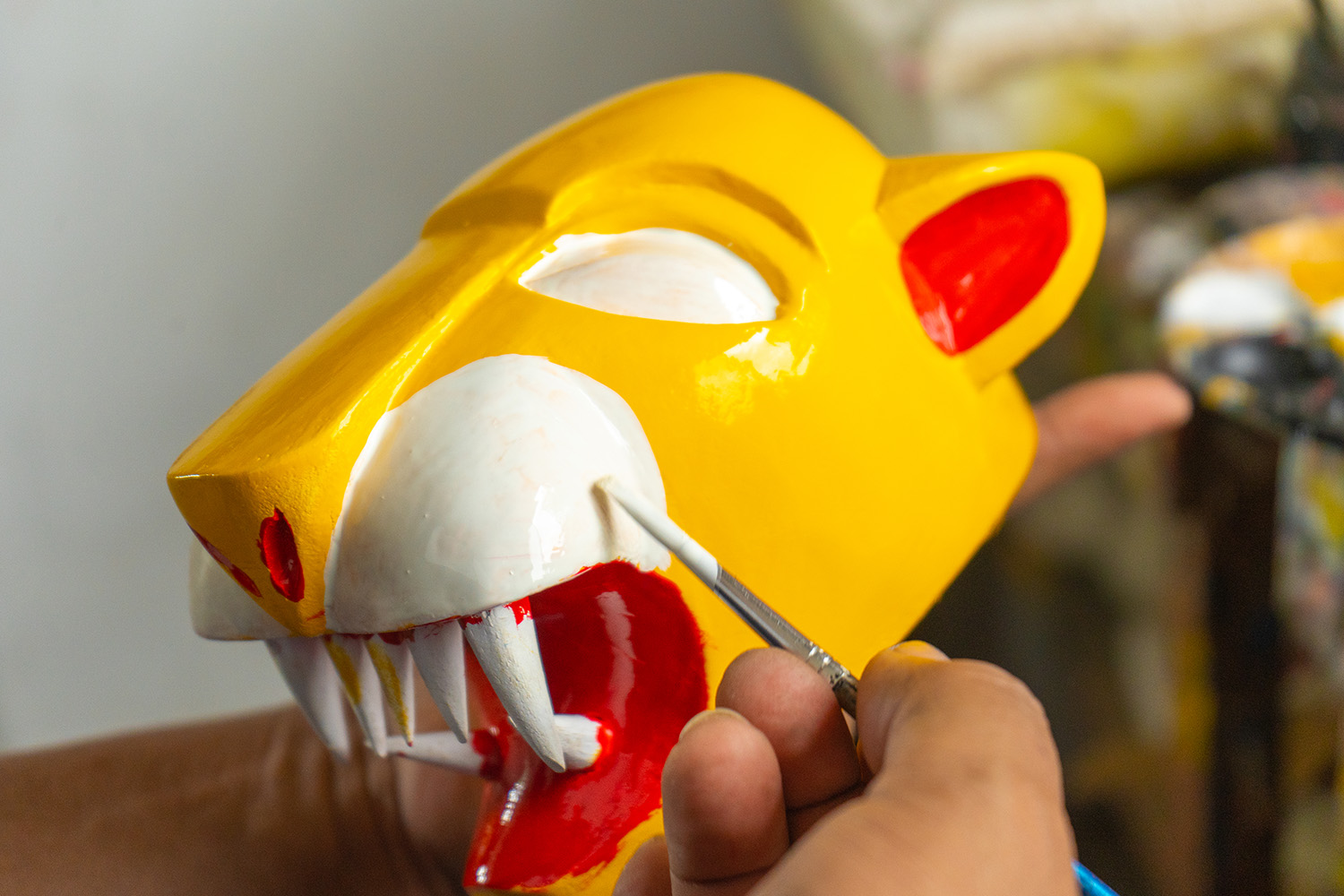
- Manuel makes brightly coloured Carnival masks from wood
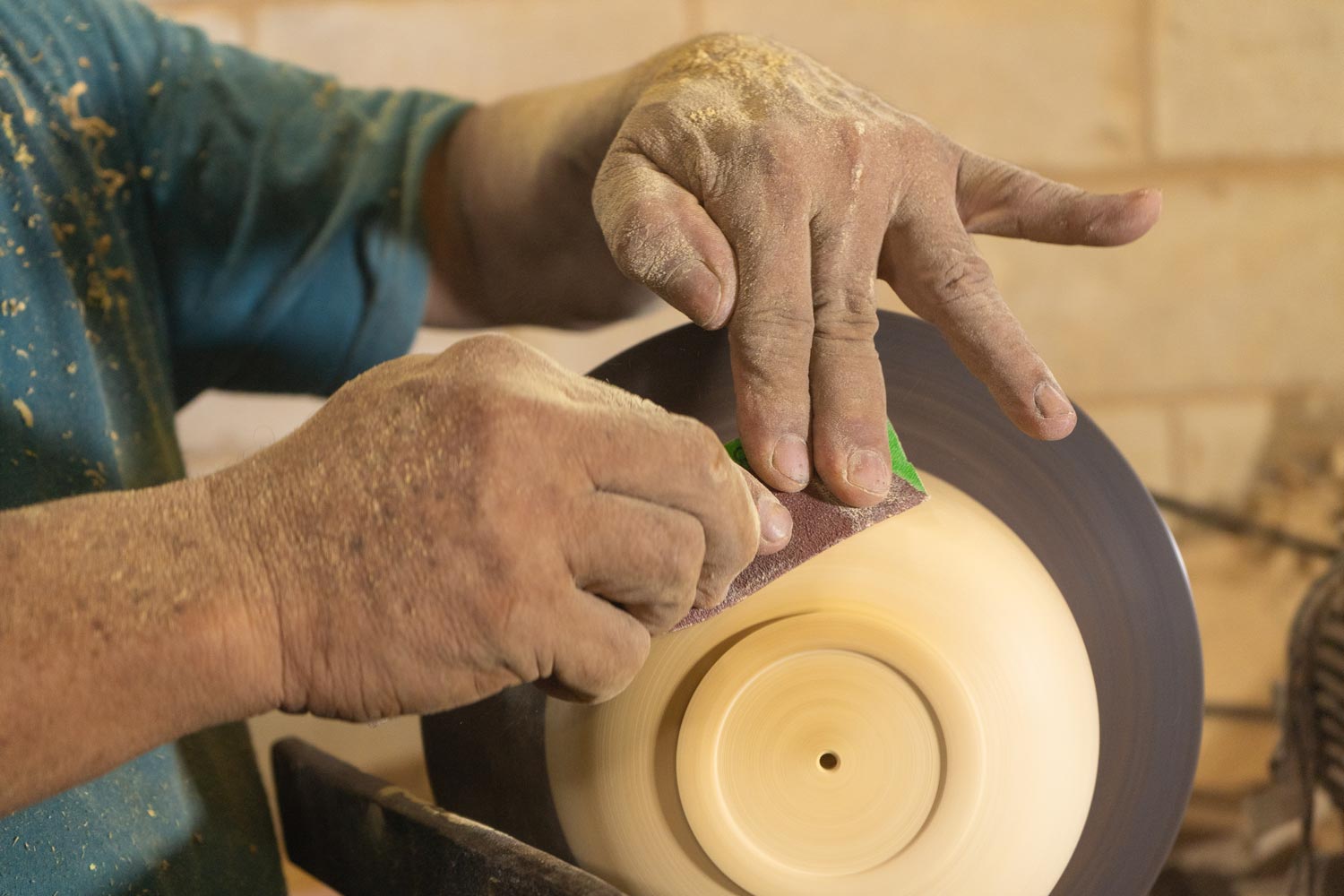
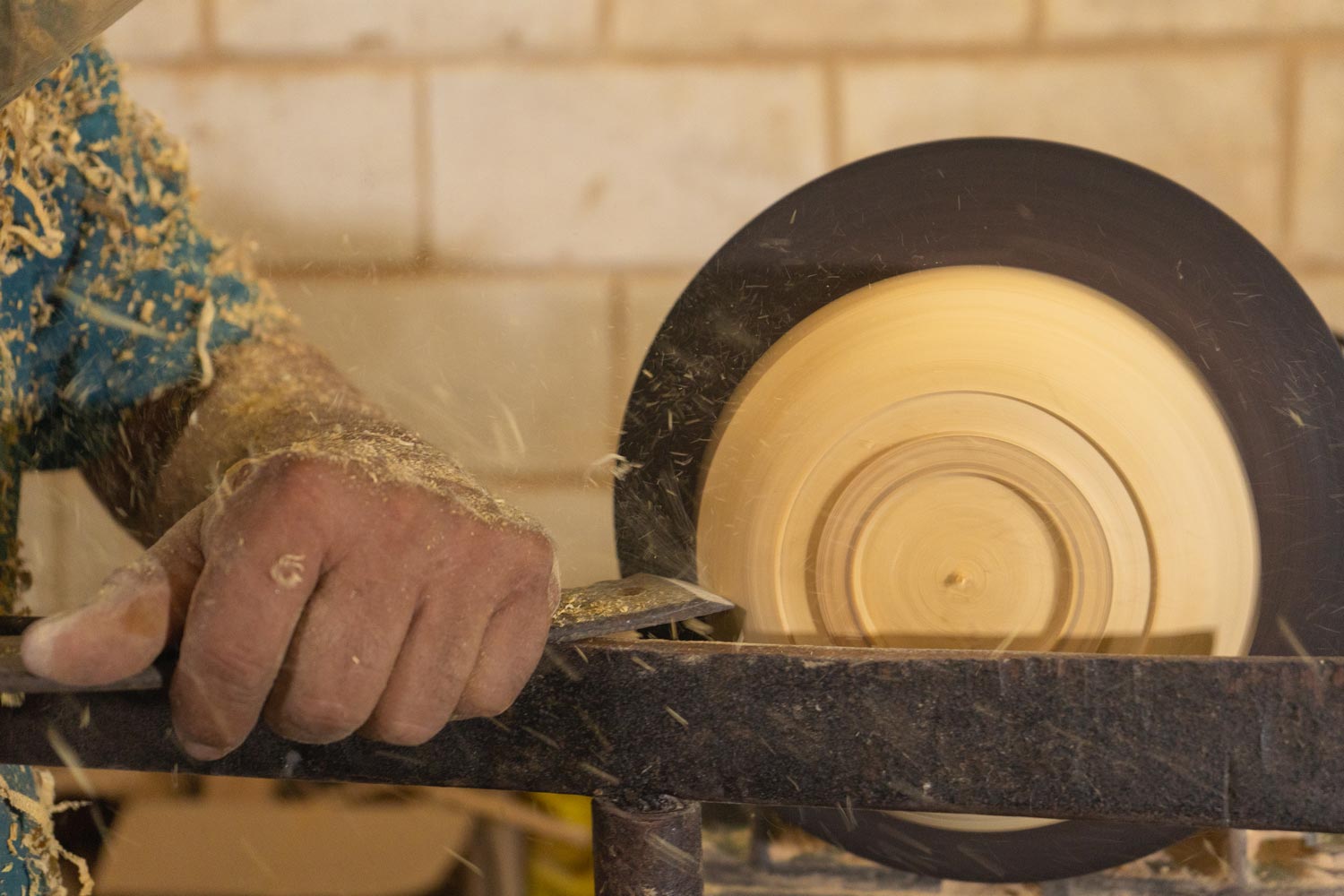
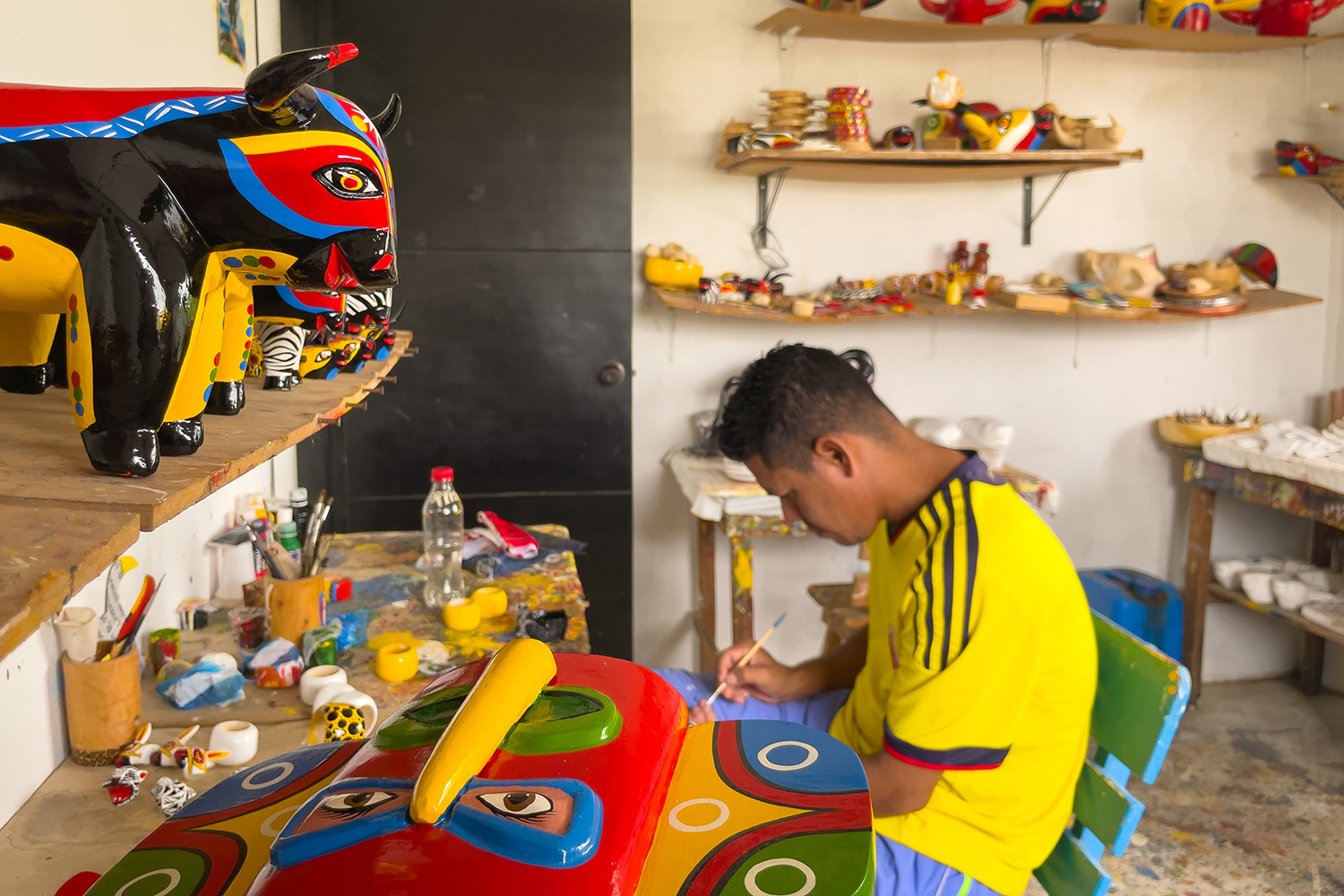
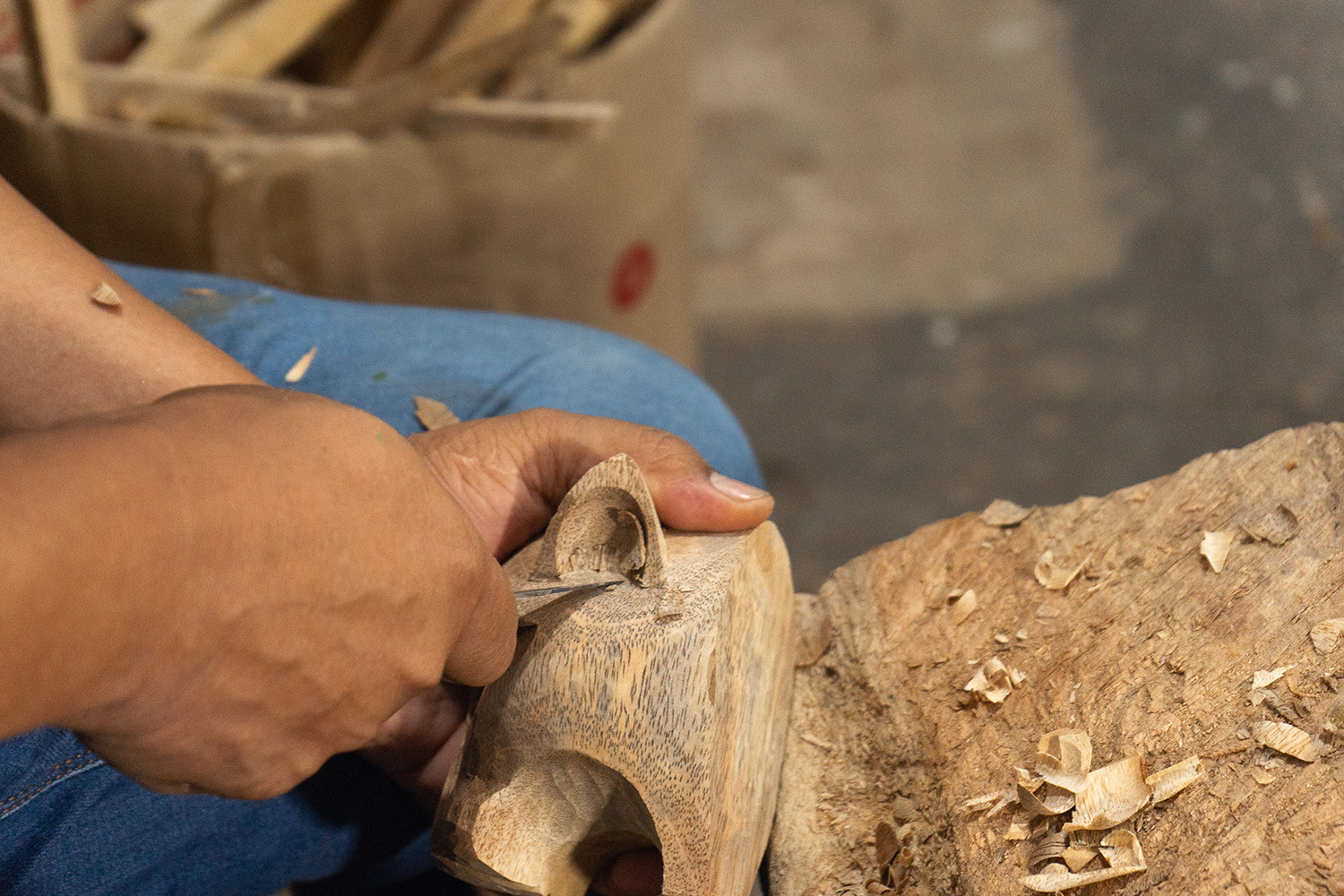
- In 1997, he opened up a craft school in which he teaches woodwork and mask making
- It was his father who introduced him to Carnival masks when he was a child
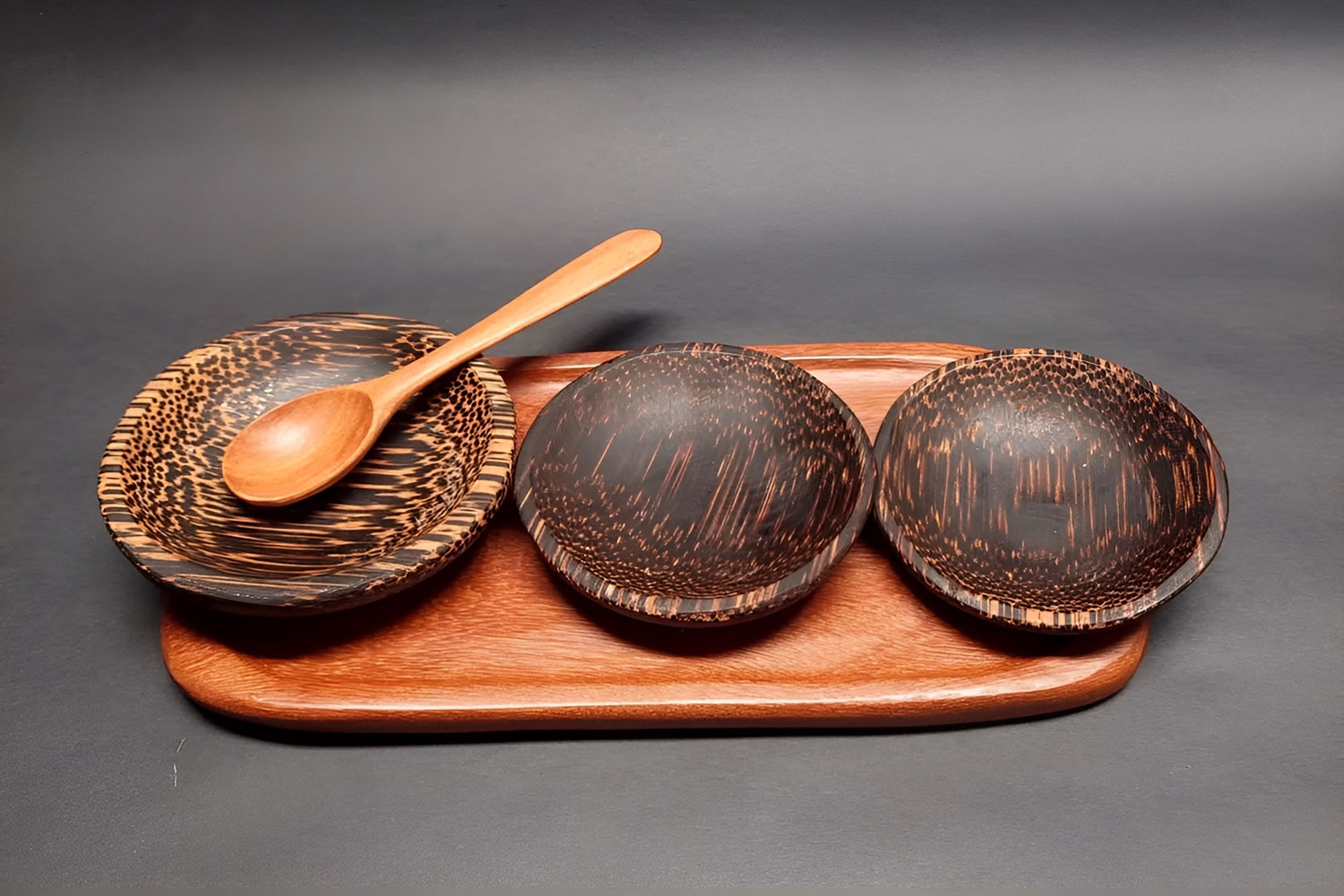
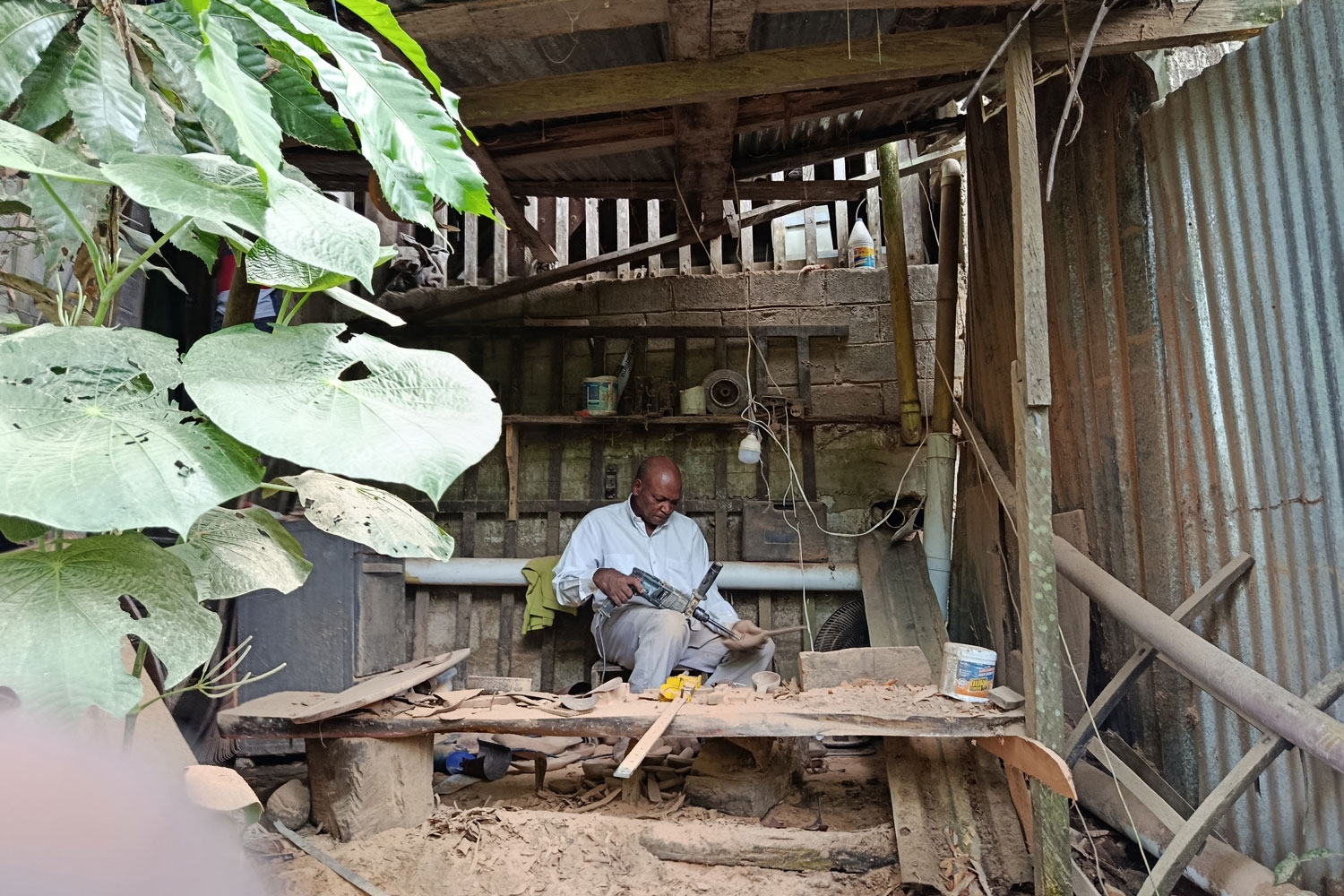
Manuel Pertúz has a particular childhood memory of his father coming home with his friends, carrying trumpets, trombones, and drums. "They sang and wore costumes, as they retruned from Barranquilla’s Carnival," he recalls. Manuel took up making Carnival masks, and after some years, he devoted himself to tracing back their origins. He researched their ritual meanings, and connections to West African art and Colombian history. "Men like Francisco Padilla started crafting their own masks in Galapa to avoid having to rely on those made in the neighbouring town of Malambo," explains Manuel. Through his craft, he hopes to preserve the ancestral traditions linked to this region of Colombia and the annual Carnival festivities.
Discover his work
INTERVIEW
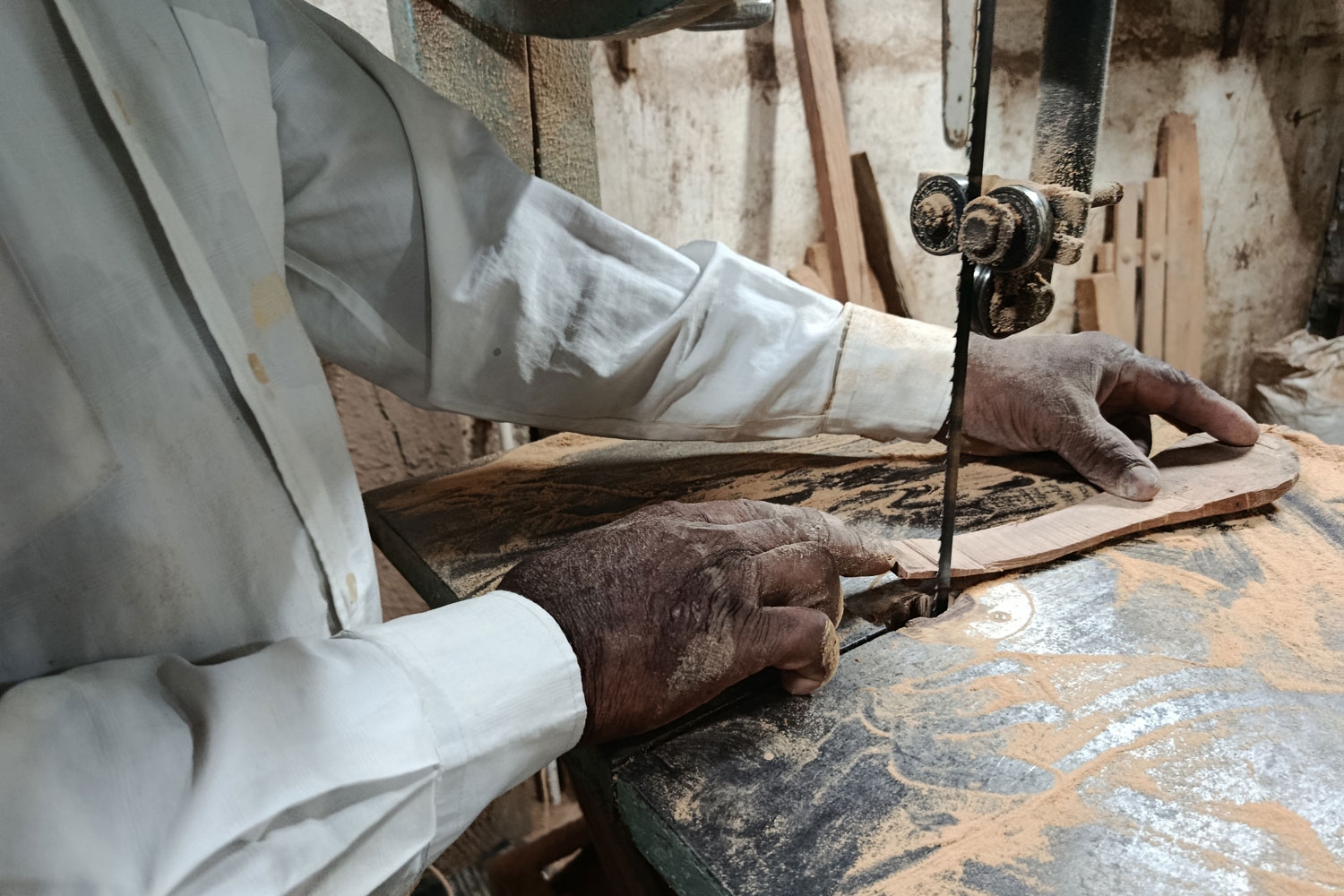
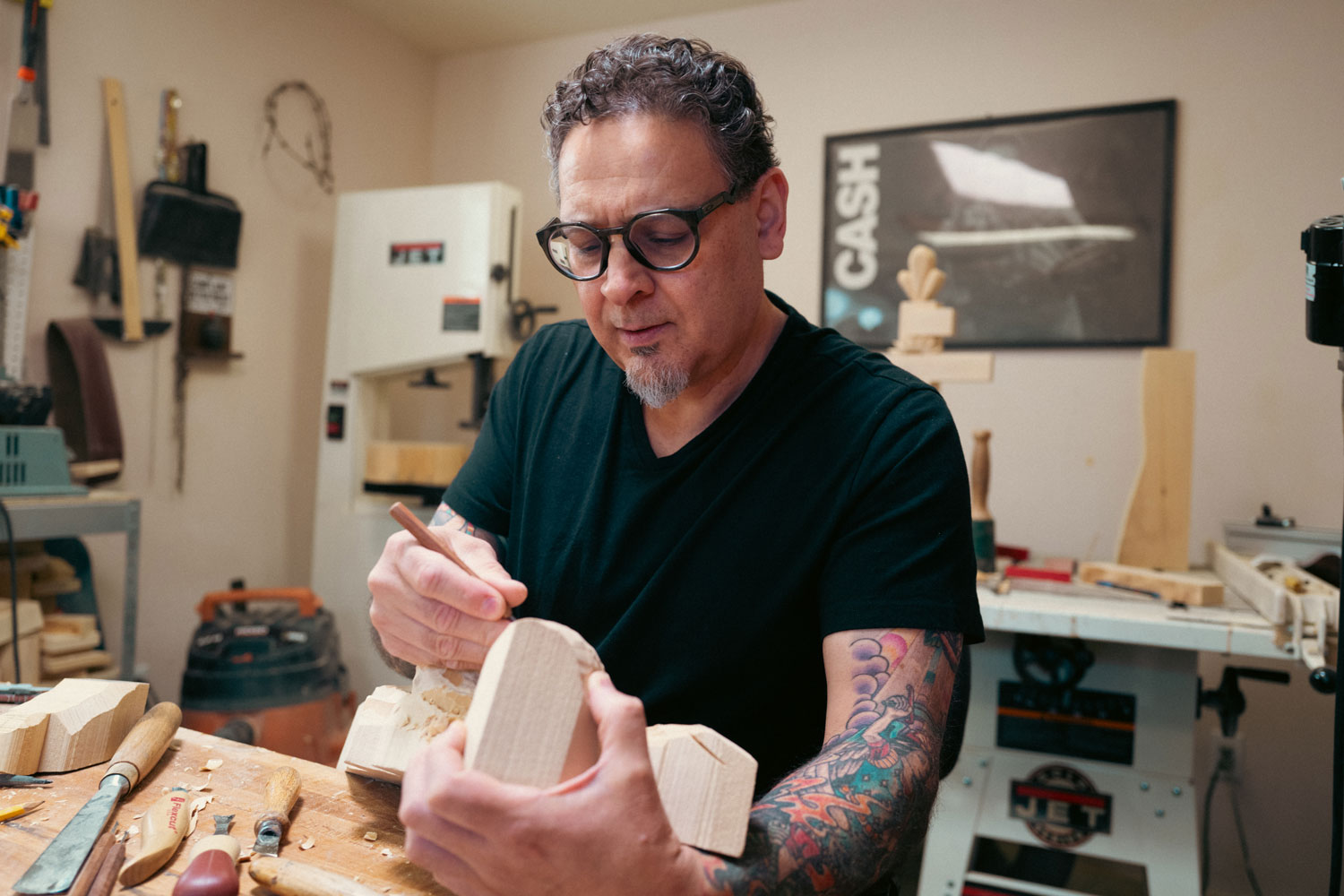
One day, I was surprised by my father telling me that he would teach me how to craft masks. He worked as a civil servant so I had no idea that he had these skills. He taught me the dexterity required in mask making, geometry and to understand the volume of wood.
I achieved my biggest dream by creating Aula Creativa Artesanal, a craft school, through which I help to promote the development and the cultural identity of my people. At the María Auxiliadora public school in Galapa, students gain technical knowledge through the craft training.
I have supported a reforestation project in the region, to protect the red Ceiba tree which is an endangered species. This wood is used to make traditional masks.
In 1989. I was inspired by a Galapa dance called The Little Miura Bull, and at the time I lived on my father’s farm, where I had close contact with cattle. This is why I decided to call my workshop Artesanías Toro Miura.
1 EXPERIENCE
Manuel Pertúz
Artesanías Toro Miura
Wood sculptor
Galapa, Colombia
Recommended by Artesanías de Colombia
AVAILABILITY
Monday to Saturday 08:00-18:00
PHONE
+57 3126296530
LANGUAGES
Spanish
Homo Faber Finds is a new service aiming to inspire admirers of craft to connect and collaborate with exceptional artisans.
We invite you to submit an enquiry here.